Indian Independence Without Mahatma Gandhi

The struggle for Indian independence from British colonial rule was a long and difficult one, marked by a series of protests, movements, and uprisings. While there were many leaders who played important roles in this struggle, it is widely acknowledged that the achievement of Indian independence would have been much more difficult without the influence and leadership of Mahatma Gandhi.

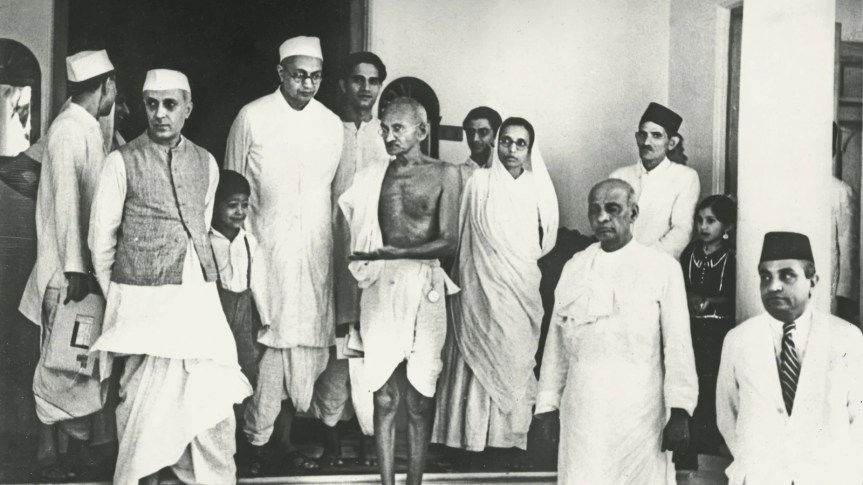
Image of Mahatma Gandhi
Mahatma Gandhi

Gandhi’s Role in the Independence Struggle:

Mahatma Gandhi was a central figure in the Indian independence struggle, using his philosophy of non-violent resistance, or satyagraha, to lead a series of movements and campaigns against British colonial rule. Gandhi’s ideas and leadership were instrumental in uniting the Indian people around a common cause and inspiring them to take action against the British.
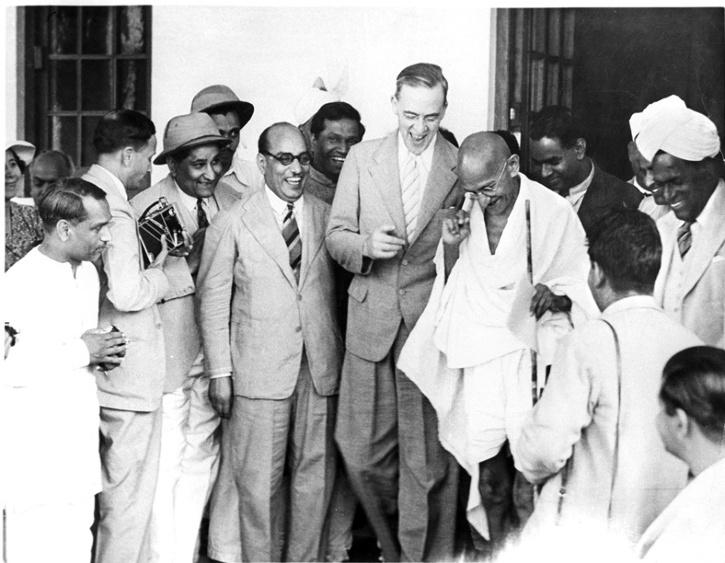
Gandhi at the time of Indian Independence

Gandhi’s Influence on the Indian National Congress:

Gandhi’s influence on the Indian National Congress, the leading political party in the struggle for independence, was particularly significant. Gandhi joined the Congress in 1919 and quickly became a prominent figure within the party, advocating for non-violent resistance and leading a number of successful campaigns against the British.

Indian National Congress Logo

Under Gandhi’s leadership, Congress became a mass movement that attracted millions of Indians from all walks of life. Gandhi’s ability to connect with people and inspire them to take action was critical in creating a unified movement for independence that transcended caste, religion, and regional differences.

Gandhi’s Influence on International Opinion:

Gandhi’s influence extended beyond India, as he became a global symbol of resistance against colonialism and oppression. His philosophy of non-violent resistance inspired movements for civil rights and social justice around the world, including the American civil rights movement led by Martin Luther King Jr.

Martin Luther King Jr.

Gandhi’s international influence helped to raise awareness of the Indian independence struggle and put pressure on the British to grant India its independence. His ability to connect with people from different cultures and backgrounds helped to create a powerful international coalition of support for the Indian cause.

The Difficulty of Achieving Independence Without Gandhi:

Without Gandhi’s leadership and influence, the achievement of Indian independence would have been much more difficult. Gandhi’s ability to unite the Indian people and create a mass movement for independence was critical in putting pressure on the British and forcing them to grant India its freedom.

British Atrocities

Without Gandhi’s philosophy of non-violent resistance, the independence struggle may have descended into violent conflict, leading to a much longer and bloodier struggle for independence. Gandhi’s international influence also helped to raise awareness of the Indian cause and put pressure on the British to grant India its independence.

Gandhi’s philosophy of Non-Violence

Conclusion:

In conclusion, the achievement of Indian independence would have been much more difficult without the influence and leadership of Mahatma Gandhi. Gandhi’s philosophy of non-violent resistance, his ability to unite the Indian people, and his international influence were all critical in the struggle for independence. While there were many leaders who played important roles in this struggle, Gandhi’s contribution was unique and irreplaceable. His legacy as a global symbol of resistance against oppression and injustice continues to inspire people around the world to this day.

The Effects Of Globalization On The Aged Population of India

Globalization, the increasing interconnectedness of people, economies, and cultures around the world, has had significant effects on populations of all ages in countries around the world. In India, a rapidly aging population has been impacted by the forces of globalization in a number of ways, both positive and negative.

Demographic Shifts:

India is experiencing a significant demographic shift, with the proportion of elderly people in the population expected to rise from 8% in 2015 to 19% by 2050. This shift is a result of a combination of factors, including increased life expectancy and declining birth rates. Globalization has played a role in these demographic changes, as access to better healthcare and improved standards of living have led to longer lifespans and smaller families.

Positive Effects:

One positive effect of globalization on the aged population in India has been increased access to healthcare and medical treatment. Globalization has brought with it new medical technologies, improved pharmaceuticals, and access to global networks of medical experts, all of which have helped to improve the health outcomes of the elderly population in India.

Globalization has also created new opportunities for elderly people to stay engaged in the workforce and remain economically active. Advances in technology and the rise of the gig economy have made it easier for elderly people to find work and stay productive, even as they age.

Negative Effects:

However, globalization has also had negative effects on the aged population in India. One major challenge is the erosion of traditional family structures, which have often been the primary source of support for elderly people in India. As younger generations have migrated to cities and adopted more Westernized lifestyles, the traditional family structure has come under strain, leaving many elderly people without the social and economic support they need.

Left: Nuclear Family; Right: Joint Family.

Another negative effect of globalization is the growing prevalence of ageism or discrimination against elderly people. In India, as in many other countries, youth-oriented cultural values and trends have created a perception that older people are less valuable or less relevant than their younger counterparts. This has led to a range of negative attitudes and behaviors towards the elderly population, including exclusion from social and economic opportunities.

Conclusion:

In conclusion, the effects of globalization on the aged population in India are complex and multifaceted. While globalization has brought with it improvements in healthcare and increased economic opportunities, it has also created new challenges and exacerbated existing ones. As India continues to grapple with the challenges of an aging population, it will be important to find ways to address the negative effects of globalization while harnessing its positive impacts. This may involve strengthening traditional family structures, investing in healthcare and social services, and promoting more inclusive and age-friendly attitudes and policies.

Analyzing the salience of ‘sect’ in Indian society vis-a-vis caste, region, and religion

Introduction:

The term ‘sect’ refers to a group of people who share common beliefs, practices, and rituals that distinguish them from other groups. In Indian society, the concept of the sect has a significant role in shaping the social, cultural, and religious landscape. It is essential to analyze the salience of ‘sect’ in Indian society, vis-a-vis caste, region, and religion, to understand the dynamics of the social structure and its impact on individual and collective identity.

The Role of Sects in Indian Society:

Sects in Indian society are primarily organized around religious beliefs and practices. The Indian subcontinent has a diverse range of religious sects, including Hinduism, Buddhism, Jainism, Sikhism, and Islam, among others. These sects are further divided into sub-sects, each with its own distinct beliefs and practices. For instance, in Hinduism, there are several sects, including Shaivism, Vaishnavism, Shaktism, Smartism, and others. Each sect has its own set of beliefs and practices, including the worship of specific deities, observance of specific rituals, and adherence to specific codes of conduct.

The salience of ‘sect’ in Indian society is closely intertwined with other social categories, such as caste, region, and religion. For instance, in Hinduism, caste and sect are closely linked, with each caste group having its own religious practices and beliefs. Similarly, in Islam, there are different sects, such as Sunni and Shia, each with its own set of beliefs and practices. Religion and region are also closely linked, with certain regions being associated with specific religious traditions. For instance, North India is primarily associated with Hinduism, while the South is associated with Hinduism, Islam, and Christianity.

The Impact of Sects on Social Identity:

The concept of the sect has a significant impact on social identity in Indian society. Individuals’ identification with a particular sect often determines their social status and the social groups they belong. In the Hindu caste system, one’s sect determines their caste, which, in turn, determines their occupation, social status, and access to resources. Similarly, in Islam, the sect one belongs to can have a significant impact on their social status and the social groups to which one belongs to.

The concept of the sect also impacts individual and collective identity formation. Individuals often identify themselves based on their sect, which shapes their religious beliefs, practices, and values. This, in turn, impacts their social interactions and relationships, as they tend to associate with individuals from the same sect. The concept of the sect also shapes collective identity formation, as individuals from the same sect often come together to form social and religious organizations that promote their shared beliefs and practices.

The Role of Sects in Inter-Group Relations:

The concept of the sect also plays a significant role in inter-group relations in Indian society. Sects often compete for resources and influence, leading to conflict and tensions between different sects. For instance, in Hinduism, there have been historical tensions between Shaivites and Vaishnavites, as both sects venerate different deities and have different beliefs and practices. Similarly, in Islam, there have been tensions between Sunni and Shia sects, as they have different beliefs and practices.

However, sects can also facilitate inter-group cooperation and solidarity. Individuals from the same sect often come together to support each other in times of need and form social and religious organizations that promote their shared beliefs and practices. Sects can also facilitate inter-group dialogue and cooperation, as individuals from different sects come together to share their beliefs and practices and learn from each other.

Conclusion:

In conclusion, the concept of sect plays a crucial role in shaping the social, cultural, and religious landscape of Indian society. Sects are closely intertwined with other social categories, such as caste, region, and religion, and impact individual and collective identity formation, social status, and inter-group relations. While sects can lead to conflicts and tensions, they can also facilitate inter-group cooperation and dialogue. Therefore, understanding the dynamics of sects in Indian society is essential for promoting social cohesion, inter-group understanding, and harmony.

Characteristics And Types Of Primary Rocks

Primary rocks are the oldest and most basic type of rocks found on earth. These rocks are formed through a natural process known as solidification, which occurs when magma, or molten rock, cools and hardens. The characteristics and types of primary rocks are determined by their mineral composition, texture, and how they were formed. In this article, we will explore the various characteristics and types of primary rocks.

Characteristics of Primary Rocks:

Primary rocks are typically hard, dense, and highly resistant to weathering and erosion. This is because they are formed from molten rock, which solidifies and crystallizes into a dense mass of minerals. The mineral composition of primary rocks is one of their most defining characteristics. These rocks are composed of a variety of minerals, including feldspar, quartz, mica, and amphiboles.

Another characteristic of primary rocks is their texture. Primary rocks typically have a coarse-grained texture, which means that the individual mineral grains that make up the rock are visible to the naked eye. This is because primary rocks cool slowly, allowing the mineral grains to grow to a larger size. This is in contrast to secondary rocks, which cool quickly and have a fine-grained texture.

Types of Primary Rocks:

There are three main types of primary rocks: igneous, metamorphic, and sedimentary. Each type of primary rock is formed through a different geological process and has its own unique characteristics.

Igneous Rocks:

Igneous Rock

Intrusive igneous rocks are formed when magma cools and solidifies deep underground. As the magma cools slowly, the mineral grains have time to grow and form large crystals. Granite is a common example of intrusive igneous rock.

Intrusive Igneous Rocks

Extrusive igneous rocks are formed when lava cools and solidifies on the earth’s surface. As the lava cools quickly, the mineral grains do not have time to grow, resulting in a fine-grained texture. Basalt is a common example of an extrusive igneous rock.

Extrusive Igneous Rocks

Metamorphic Rocks:

Metamorphic Rock

Metamorphic rocks are formed from the transformation of existing rocks through heat and pressure. This process can occur either on the earth’s surface or deep underground. Metamorphic rocks can be further divided into two categories: foliated and non-foliated.

Foliated metamorphic rocks have a layered or banded texture, which is caused by the alignment of mineral grains under pressure. Slate is a common example of a foliated metamorphic rock.

Foliated Metamorphic Rock

Non-foliated metamorphic rocks do not have a layered or banded texture. Instead, they have a uniform texture and are often composed of a single mineral. Marble is a common example of a non-foliated metamorphic rock.

Non-Foliated Metamorphic Rock

Sedimentary Rocks:

Sedimentary Rocks

Sedimentary rocks are formed from the accumulation of sediment over time. Sediment can include fragments of rock, minerals, or organic matter. Sedimentary rocks can be further divided into three categories: clastic, chemical, and organic.

Clastic sedimentary rocks are formed from the accumulation of fragments of rock and mineral grains. Sandstone is a common example of a clastic sedimentary rock.

Clastic Sedimentary Rock

Chemical sedimentary rocks are formed from the precipitation of minerals from a solution. Limestone is a common example of a chemical sedimentary rock.

Chemical Sedimentary Rocks

Organic sedimentary rocks are formed from the accumulation of organic matter, such as plant or animal remains. Coal is a common example of an organic sedimentary rock.

Organic Sedimentary Rocks

Conclusion:

In conclusion, primary rocks are the building blocks of our planet, and they provide valuable insight into the earth’s geological history. Their characteristics, including their mineral composition and texture, are key to understanding how they were formed and their significance. The three types of primary rocks, igneous, metamorphic, and sedimentary, each have their unique characteristics and formation processes. Studying primary rocks can help us better understand the earth’s past, present, and future. The knowledge gained from studying these rocks can be used to inform a wide range of scientific fields, from geology to archaeology to environmental science. It is fascinating to consider the enormous variety of rocks that make up the earth, each with its unique history and story to tell.

The 5 methods used by the Farmers’ organizations to influence the policy-makers in India and how effective are these methods?

Farmers’ organizations play a crucial role in influencing policies that affect the agricultural sector in India. With over 60% of India’s population relying on agriculture for their livelihood, farmers must have a voice in policy-making. In this article, we will explore the methods used by farmers’ organizations to influence policy-makers in India and evaluate their effectiveness.

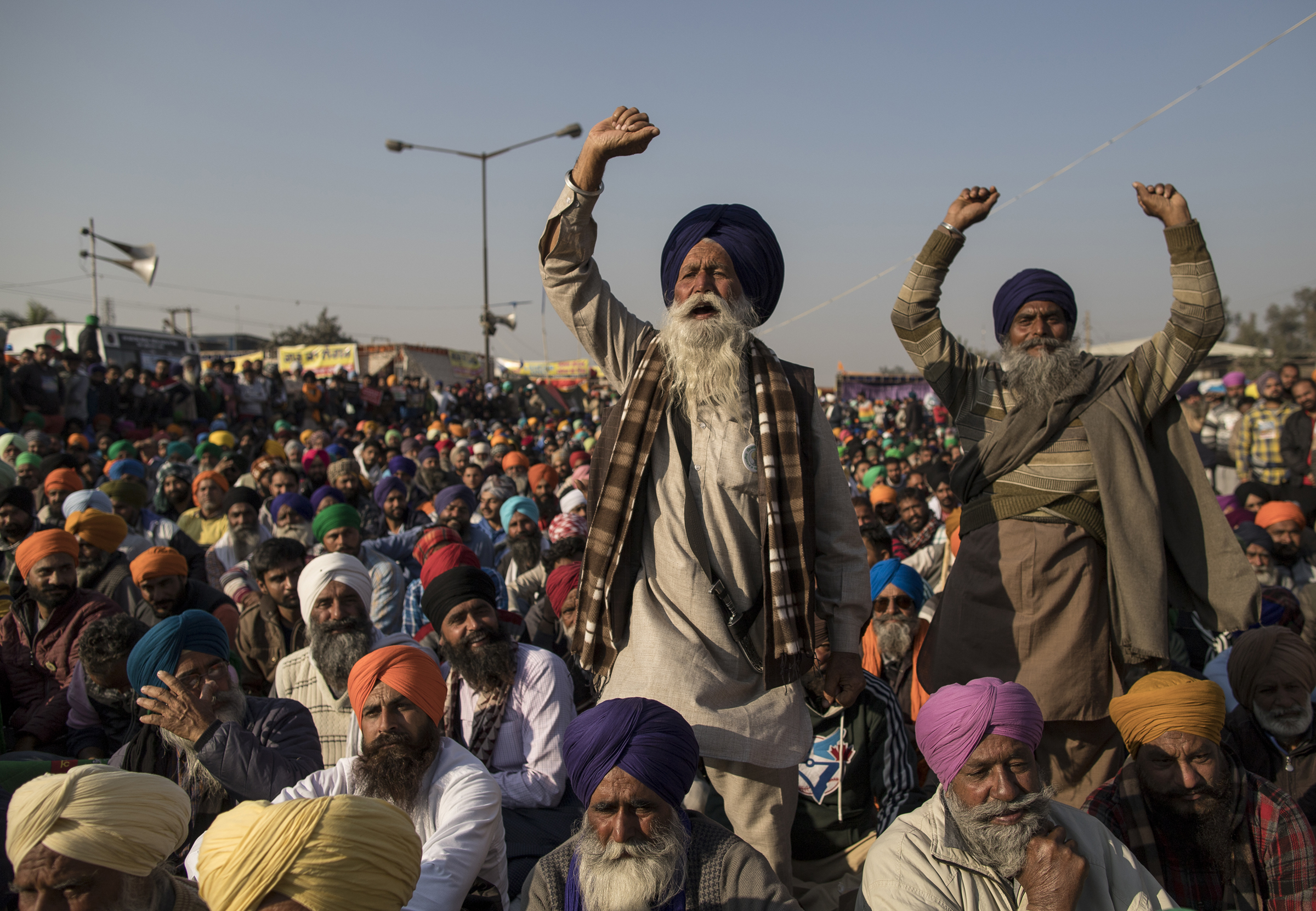
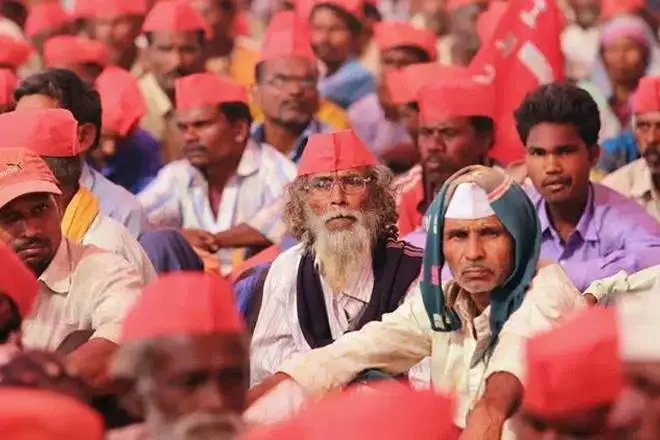
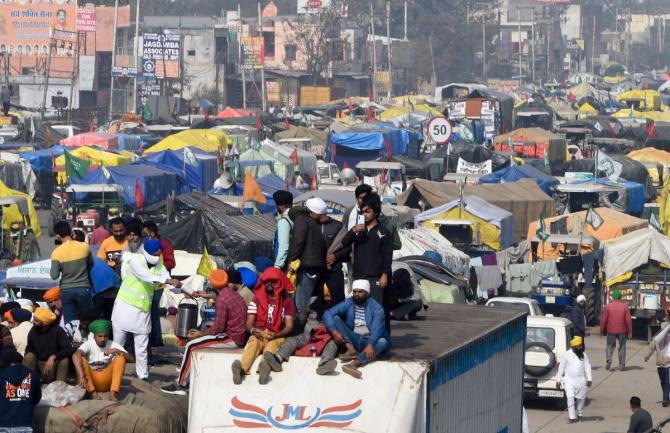
Protests and Demonstrations: One of the most common methods farmers’ organizations use to influence policy-makers is protests and demonstrations. In India, farmers have held large-scale protests, including nationwide strikes and blockades, to voice their grievances and demand policy changes. These protests have been effective in bringing attention to the issues faced by farmers, forcing the government to listen to their demands, and making policy changes. For example, in 2020, a series of nationwide protests by farmers resulted in the Indian government amending controversial farm laws.

Lobbying and Advocacy: Another method used by farmers’ organizations is lobbying and advocacy. Farmers’ organizations engage with policy-makers directly, through personal visits, letters, and other forms of communication. They present their demands, provide information and data, and make arguments to support their cause. This method effectively builds relationships with policy-makers and can result in more nuanced and informed policies that better reflect the agricultural sector’s needs.

Media Campaigns: Farmers’ organizations often use the media to bring attention to their cause and influence policy-makers. Through media campaigns, farmers’ organizations can reach a large audience, including policy-makers, and create public pressure for change. Media campaigns can take many forms, including press releases, advertisements, and social media campaigns. This method effectively raises awareness about the issues faced by farmers and creates a sense of urgency among policy-makers to address these issues.

Legal Actions: Farmers’ organizations can also use legal actions to influence policy-makers. They can challenge government policies in the courts or use public interest litigations to demand policy changes. This method is particularly effective when the government’s policies violate the law or there is a lack of accountability in policy-making. For example, in 2016, a group of farmers in Tamil Nadu used the courts to challenge the government’s drought relief and compensation policies, resulting in policy changes that provided better support to farmers affected by drought.

Collaboration with Other Stakeholders: Finally, farmers’ organizations can influence policy-makers by collaborating with other stakeholders, including civil society organizations, academics, and private sector actors. These partnerships can increase the strength and impact of advocacy efforts, and result in more comprehensive and inclusive policy solutions. For example, in 2019, a coalition of farmers and civil society organizations worked together to advocate for policy changes that would provide better support to farmers in the aftermath of natural disasters, such as droughts and floods.

In conclusion, farmers’ organizations use various methods to influence policy-makers in India, including protests and demonstrations, lobbying and advocacy, media campaigns, legal actions, and collaboration with other stakeholders. These methods have proven to be effective in bringing attention to the issues faced by farmers and forcing policy-makers to make changes. However, the effectiveness of these methods depends on several factors, including the strength and unity of the farmer’s organizations, the political climate, and the responsiveness of policymakers to the needs of the agricultural sector.