Emerging Research Themes in Sustainable Development and Environmental Planning

By Kavita Dehalwar

Sustainable development and environmental planning are no longer confined to single disciplines or narrowly defined policy tools. Instead, they have evolved into deeply interconnected research domains that span urban planning, environmental health, solid waste management, climate resilience, artificial intelligence (AI), and sustainable construction technologies. Recent scholarship highlights how global environmental challengesโ€”climate change, rapid urbanisation, resource depletion, and social vulnerabilityโ€”are reshaping both research priorities and planning practices. Drawing on contemporary peer-reviewed literature, this blog post outlines some of the most prominent emerging research themes shaping the future of sustainability and environmental planning.

https://www.oecd.org/adobe/dynamicmedia/deliver/dm-aid--a19fa010-e8c1-4990-b415-7efb4543fac5/sustainable-urban-development.jpg?preferwebp=true&quality=80&utm_source=chatgpt.com

1. Nature-Based Solutions and Climate Resilience

One of the strongest emerging themes is the application of nature-based solutions (NbS) to address climate risks, particularly in vulnerable ecological regions such as river deltas and coastal settlements. Research increasingly emphasises ecosystem-based planning approachesโ€”mangrove restoration, wetland conservation, floodplain management, and green-blue infrastructureโ€”as cost-effective and socially inclusive alternatives to hard engineering solutions. Studies on deltaic regions in India demonstrate how NbS can simultaneously enhance climate resilience, biodiversity conservation, and livelihoods, making them central to sustainable regional planning frameworks. This research direction aligns strongly with SDG 11 (Sustainable Cities and Communities) and SDG 13 (Climate Action).

2. Environmental Health and Peri-Urban Waste Challenges

Another growing research focus concerns environmental health risks linked to solid waste management, especially in peri-urban and transitional zones. These areas often fall outside formal municipal service coverage, leading to unmanaged dumping, groundwater contamination, and public health vulnerabilities. Recent studies stress the need for integrated planning models that link waste infrastructure, land-use planning, and health risk assessment. This theme highlights a shift from purely technical waste solutions to more holistic, people-centred and health-sensitive planning approaches.

3. Artificial Intelligence for Sustainable Environmental Governance

The integration of artificial intelligence (AI) into environmental planning and management represents a rapidly expanding research frontier. AI tools are being explored for waste segregation, route optimisation, predictive maintenance of infrastructure, environmental monitoring, and decision-support systems. Beyond technical efficiency, emerging research also examines AIโ€™s role in social domainsโ€”such as social work, governance, and community engagementโ€”to promote environmental sustainability. This interdisciplinary theme raises critical questions around ethics, data governance, inclusivity, and the capacity of local institutions to adopt smart technologies responsibly.

https://d12aarmt01l54a.cloudfront.net/cms/images/UserMedia-20240522153951/808-440.png?utm_source=chatgpt.com

4. Advanced Solid Waste Management Techniques

Solid waste management research has moved beyond conventional collectionโ€“transportโ€“disposal models toward circular economy-oriented systems. Emerging studies focus on waste-to-energy technologies, material recovery, decentralised processing, and policy-driven innovations such as extended producer responsibility (EPR). Importantly, recent literature highlights the need to integrate these technologies within urban and regional planning frameworks, ensuring land availability, environmental safeguards, and social acceptance. This reflects a broader shift toward systems thinking in environmental planning research.

5. Sustainable Construction Materials and Life Cycle Assessment

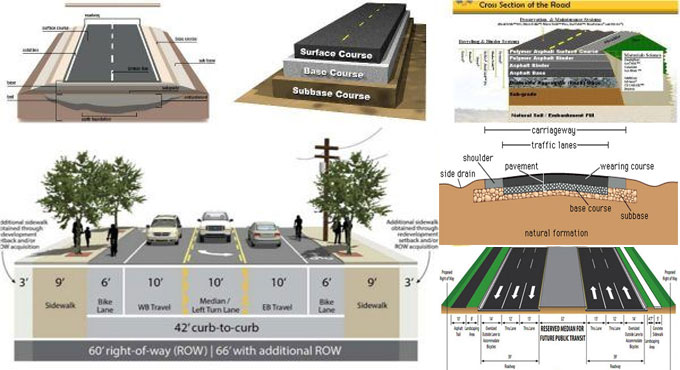
In the built environment domain, a significant research trend centres on life cycle assessment (LCA) of construction materials and infrastructure. Studies evaluating recycled and secondary materials in road construction illustrate how embodied energy, emissions, and resource efficiency can be systematically assessed during planning and design stages. Parallel research on innovative materialsโ€”such as self-healing concrete, biocrete, and self-sensing concreteโ€”signals a growing interest in durability, resilience, and long-term sustainability of infrastructure systems. These themes bridge environmental planning with materials science and civil engineering.

6. Green Buildings and Sustainable Neighbourhoods

The role of green buildings has expanded from energy-efficient structures to catalysts for sustainable neighbourhood development. Recent research highlights how building-scale interventionsโ€”energy efficiency, water conservation, passive design, and renewable integrationโ€”can generate cumulative benefits at the community level. This theme reinforces the importance of neighbourhood-scale planning, mixed land use, walkability, and public spaces in achieving environmental sustainability outcomes.

7. Prefabrication and Industrialised Construction

Prefabricated and modular construction has emerged as a promising pathway for sustainable urban development. Thematic analyses of prefabrication research reveal its potential to reduce construction waste, improve quality control, shorten project timelines, and lower environmental impacts. For planners and policymakers, this research underscores the need to adapt building regulations, zoning norms, and supply chains to support industrialised construction methods.

8. Climate, Migration, and Food Security Linkages

Finally, an increasingly important theme links climate disasters, migration, health risks, and food security, particularly in the Global South. Research in this area highlights how environmental stressors reshape settlement patterns, strain urban systems, and exacerbate vulnerability. This integrative perspective calls for planning approaches that are not only environmentally sustainable but also socially resilient and equity-driven.

Concluding Reflections

Collectively, these emerging research themes signal a profound transformation in sustainable development and environmental planning. The field is moving toward interdisciplinary, technology-enabled, and justice-oriented approaches that recognise the complex interdependencies between environment, society, and the built form. For researchers, practitioners, and policymakers, engaging with these themes is essential to designing resilient, inclusive, and sustainable futures in an era of overlapping global crises.

References

Dehalwar, K., & Sharma, S. N. (Eds.). (2026). Deltas resilience: Nature-based solutions for sustainable development in India. Springer Nature. https://link.springer.com/book/9783032072399

Kumar, G., Vyas, S., Sharma, S. N., & Dehalwar, K. (2024). Challenges of environmental health in waste management for peri-urban areas. In M. Nasr & A. Negm (Eds.), Solid waste management (pp. 149โ€“168). Springer Nature Switzerland. https://doi.org/10.1007/978-3-031-60684-7_9

Lucero-Prisno, D. E. III, Ayuba, D., Akinga, A. Y., Olayinka, K. E., Precious, F. K., Ogaya, J. B., Sharma, S. N., โ€ฆ Kouwenhoven, M. B. N. (2025). Impact of climate disaster, migration and health risk on food security in Africa. In Advances in food security and sustainability. Elsevier. https://doi.org/10.1016/bs.af2s.2025.08.003

Ogbanga, M. M., Sharma, S. N., Pandey, A. K., & Singh, P. (2025). Artificial intelligence in social work to ensure environmental sustainability. In M. Nasr, A. Negm, & L. Peng (Eds.), Artificial intelligence applications for a sustainable environment (pp. 1โ€“??). Springer. https://doi.org/10.1007/978-3-031-91199-6_16

Sharma, S. N., Dehalwar, K., & Singh, J. (2024). Emerging techniques in solid waste management for a sustainable and safe living environment. In M. Nasr & A. Negm (Eds.), Solid waste management (pp. 29โ€“51). Springer Nature Switzerland. https://doi.org/10.1007/978-3-031-60684-7_3

Sharma, S. N., Dehalwar, K., Jain, S., & Pandey, A. K. (2025). An assessment of the applications and prospects of AI tools in solid waste management. In M. Nasr, A. Negm, & L. Peng (Eds.), Artificial intelligence applications for a sustainable environment. Springer. https://doi.org/10.1007/978-3-031-91199-6_4

Sharma, S. N., Lodhi, A. S., Dehalwar, K., & Jaiswal, A. (2024). Life cycle assessment of recycled and secondary materials in the construction of roads. IOP Conference Series: Earth and Environmental Science, 1326(1), 012102. https://doi.org/10.1088/1755-1315/1326/1/012102

Sharma, S. N., Prajapati, R., Jaiswal, A., & Dehalwar, K. (2024). A comparative study of the applications and prospects of self-healing concrete / biocrete and self-sensing concrete. IOP Conference Series: Earth and Environmental Science, 1326(1), 012090. https://doi.org/10.1088/1755-1315/1326/1/012090

Sharma, S. N., Singh, S., Kumar, G., Pandey, A. K., & Dehalwar, K. (2025). Role of green buildings in creating sustainable neighbourhoods. IOP Conference Series: Earth and Environmental Science, 1519(1), 012018. https://doi.org/10.1088/1755-1315/1519/1/012018

Sharma, S. N., Dehalwar, K., Singh, J., & Kumar, G. (2025). Prefabrication building construction: A thematic analysis approach. In S. B. Singh, M. Gopalarathnam, & N. Roy (Eds.), Proceedings of the 3rd International Conference on Advances in Concrete, Structural, and Geotechnical Engineeringโ€”Volume 2 (pp. 405โ€“428). Springer Nature Singapore. https://doi.org/10.1007/978-981-96-0751-8_28

Writing a CV for Remote Roles: Purple CVโ€™s Guide to Showcasing Digital Skills

Your CV needs work. It must prove you can work alone. It must show you are disciplined. Remote jobs are competitive. Your application must stand out immediately. This guide will help. It focuses on digital skills and structure. The first step towards the new job is writing a CV. Begin the CV with a powerful professional summary. The relevant skills are brought out clearly in a good CV. You should always make your CV attractive to the job position you are applying for. An effective CV produces a strong impact on any hiring manager.

Understanding the Remote CV Difference

A remote CV is not like a normal one. It is not just about past jobs. You must prove you are trustworthy from a distance. Employers cannot see you in an office. Your document must build instant confidence. It shows you can manage time, talk clearly online, and use tools well. Think of your CV as your first work sample. Make it count.

Choosing the Correct CV Format

This is the standard choice. It lists your latest job first. Recruiters expect this layout. It is clear and simple. For remote roles, add a “Core Competencies” section near the top. Highlight key digital skills here. This section acts as a quick summary.

Writing a Powerful Professional Summary

Start with a strong summary. This is a short paragraph at the top. It should state your job goal. Mention your years of experience. Include your best remote-work traits. For example, say you are a “self-motivated digital marketer.” State that you have five years of remote experience. Say you excel in async communication. 

Showcasing Your Digital Tool Proficiency

You must list the tools you know. Do not just name them. Explain how you used them. For example, do not just write “Slack.” Write “Used Slack for daily team updates and client communication.” Mention project tools like Asana or Trello. Talk about video call software like Zoom. Include any industry-specific platforms.

Exhibiting Self-Management and Results.

Employers are concerned with productivity. Your CV must ease this worry. Indicate the achievements using bullet points. Concentrate on the achievements that you have made individually. Prefer using numbers as much as you can. As an illustration, “Grew web traffic by 30 percent with solo content management. Or “Handled single client accounts directly, with a 95% satisfaction rating. 

Organizing Your Work Experience.

Every job entry must have a definite framework. Thereafter, apply bullet points on accomplishments.  Use such words as “managed,” “created,” “increased,” or “implemented.” Make the sentences effective. Always correlate your work to a good outcome of the business.

Adding a Special Digital Competency Section.

Make a different category of skills. Name it as Technological Competencies. Include such subheadings as Communication Tools, Project management software and Industry-specific platform. Write your skills next to each of them. It is a very simple format to read. It assists the recruiters and automated systems in locating keys in a short time. 

Optimizing Applicant Tracking Systems.

The vast majority of companies filter CVs with the help of software. Such software is referred to as an Applicant Tracking System (ATS). You must beat the ATS. Create normal section headings, such as work experience. Do not use graphics, columns, or fancy fonts. It is best with a Word document or a PDF. 

The Function of a professional service.

Creating this CV is hard work. Many people seek expert help. Professional service can make a great difference. They know what the remote employers desire. And they understand how to make a CV successful. Purple CV is one such service. They not only create strong documents that are ATS-friendly. Their authors are experts in pointing out distant competencies. 

Common Mistakes to Avoid

  • Having a generic objective statement.
  • Forgotten the remote tools you are familiar with.
  • Composing lengthy and thick paragraphs of writing.
  • Applying an unprofessional email address.
  • Filling in a CV in a bad form.

Conclusion

The primary weapon for a remote job is your CV. Make it sharp and focused. It has to demonstrate that you can work anytime, everywhere. A good remote CV opens doors. It demonstrates the willingness to contribute on the first day, without any supervision. Get off on the right foot with your application.

Metropolitan Area vs. Metropolitan Region

By SN Sharma

Urbanization has evolved far beyond the traditional boundaries of cities. Today, planners, researchers, and policymakers increasingly differentiate between metropolitan areas and metropolitan regionsโ€”two terms that sound similar but represent very different spatial and functional realities. Understanding these distinctions is crucial for transport planning, governance, regional development, and infrastructure investment.

A metropolitan area typically refers to the dense, continuously built-up urban core of a city. It includes the central city and its immediately surrounding suburbs that form an unbroken urban footprint. This area is characterized by high population densities, concentrated employment, and intense land use. The boundaries of a metropolitan area are often defined using measurable urban criteria such as built-up continuity, commuting flows into the core city, and population density thresholds. Functionally, metropolitan areas represent the primary sphere of daily urban activityโ€”where people live, work, commute, and access essential services.

In contrast, a metropolitan region represents a much broader, multi-nodal spatial system. It encompasses not only the metropolitan area but also smaller towns, peri-urban zones, rural-urban fringes, satellite townships, industrial clusters, and emerging growth corridors that maintain strong economic or infrastructural linkages with the core city. The region may span several districts or administrative boundaries and is often shaped by transportation networks, supply chains, migration patterns, and shared labor markets. Metropolitan regions are therefore functional, economic territories, not merely morphological ones.

One of the key differences lies in scale. While a metropolitan area is limited to an urbanized zone, a metropolitan region may include territories tens or even hundreds of kilometers away from the core city, provided they are tied together through flows of people, goods, capital, and information. For example, in India, the Delhi Metropolitan Area includes Delhi and contiguous urban areas such as Noida, Ghaziabad, and Gurugram. However, the broader National Capital Region (NCR)โ€”a classic metropolitan regionโ€”extends far beyond these cities into districts of Haryana, Uttar Pradesh, and Rajasthan that share socio-economic connectivity with Delhi.

Another important distinction is complexity. Metropolitan regions feature polycentricityโ€”multiple nodes of economic activityโ€”making regional governance and service delivery more complicated. Issues such as transport integration, disaster management, housing, migration, and environmental regulation require coordination across various authorities and jurisdictions. On the other hand, metropolitan areas, although dense, tend to be more administratively cohesive and easier to manage with unified urban governance systems.

From a planning perspective, the metropolitan area helps in micro-level urban design, zoning, public transport coverage, and service delivery, whereas the metropolitan region is vital for macro-level strategies such as regional mobility planning, logistics, affordable housing provision, environmental conservation, and long-term spatial growth management.

In summary, while a metropolitan area represents the urban core, a metropolitan region encompasses the entire ecosystem of interconnected settlements surrounding that core. Together, these two spatial concepts help urban planners and policymakers better understand the structure, dynamics, and challenges of modern urbanization.

References

Sharma, S. N. (2025). Understanding Metropolitan Areas and Metropolitan Regions: A Comparative Analysis. Preprints. https://doi.org/10.20944/preprints202512.0110.v1

Kumar, G., Vyas, S., Sharma, S. N., & Dehalwar, K. (2025). Urban growth prediction using CAโ€“ANN model and spatial analysis for planning policy in Indore city, India.ย GeoJournal, 90(3), 139.ย https://doi.org/10.1007/s10708-025-11393-7

Sharma, S. N. (2019). Review of most used urban growth models.ย International Journal of Advanced Research in Engineering and Technology, 10(3), 397โ€“405.ย https://www.researchgate.net/publication/372478470

Driving Safety and Urban Planning: How TOD Shapes Safer, Accessible, and Sustainable Cities

By Shashikant Nishant Sharma

Head of Research, Track2Training, New Delhi, India

As cities expand and mobility demands intensify, urban planners face a dual challenge: improving safety on urban roads while ensuring that transport systems remain accessible, efficient, and environmentally sustainable. Transit-Oriented Development (TOD)โ€”a planning approach that integrates land use with high-quality public transportโ€”has emerged as a crucial framework for addressing this challenge. Recent research in India and globally demonstrates that TOD can significantly influence travel behaviour, enhance road safety, and support inclusive mobility for diverse user groups.

TOD as a Foundation for Safe and Sustainable Mobility

TOD promotes compact, mixed-use development around transit nodes, encouraging walking, cycling, and public transport use. Sharma, Kumar, and Dehalwar (2024) emphasize that the precursors of TODโ€”density, diversity, design, destination accessibility, and distance to transitโ€”directly shape how people move through cities. These built-environment elements can reduce dependence on private vehicles, lower congestion, and minimize exposure to crash risks.

The interaction between land use and transportation has long been central to sustainable planning. In their comprehensive review, Sharma and Dehawar (2025) note that land-useโ€“transportation interaction (LUTI) models serve as crucial tools for managing growth in rapidly urbanizing contexts, allowing planners to simulate how changes in land use or transit accessibility affect travel patterns and safety outcomes.

Driving Safety and the Role of Advanced Technologies

Urban road safety remains a major concern, especially in developing economies. Leveraging emerging technologies, Sharma, Singh, and Dehalwar (2024) use surrogate safety analysis to illustrate how video analytics, sensor networks, and automated conflict detection can help identify high-risk intersections long before crashes occur. Such evidence-based techniques allow cities to shift from reactive to preventive safety management.

Beyond traditional engineering, the application of digital twins and generative AI is transforming last-mile logistics and safety planning. Sharma (2025) demonstrates that data-rich simulation models can optimize delivery routes, reduce carbon emissions, and enhance operational safety, offering insights that can be extended to passenger transport environments as well.

Pedestrian Safety: A Core Pillar of TOD

A key objective of TOD is to improve non-motorized mobility. In a major systematic review, Sharma and Dehalwar (2025) highlight that pedestrian safety is influenced not only by infrastructure but also by perception, behaviour, land-use mix, and enforcement quality. Evidence suggests that well-designed footpaths, shorter crossing distances, active street edges, and better lighting significantly improve walkability and reduce conflicts between pedestrians and vehicles.

Research from hill cities further indicates that terrain plays an important role in access behaviour. Lalramsangi, Garg, and Sharma (2025), studying route choices to public open spaces in hilly terrains, found that safety, slope gradient, visual continuity, and comfort strongly affect walking decisionsโ€”factors that must be integrated into TOD design guidelines for topographically complex cities.

Public Transport Satisfaction: The Missing Link in Road Safety

Safe roads rely heavily on strong public transport networks that draw commuters away from private vehicles. Using discrete choice models, Lodhi, Jaiswal, and Sharma (2024) assessed bus user satisfaction in Bhopal and showed that reliability, wait times, comfort, and stop-level accessibility determine whether commuters continue using buses or shift to riskier, private modes. Their findings underscore that safe mobility cannot be designed through infrastructure aloneโ€”service quality is equally essential.

In TOD zones, first- and last-mile access is critical. Yadav, Dehalwar, and Sharma (2025) synthesize global evidence to show that connectivity gaps often reduce the effectiveness of TOD, pushing users toward unsafe informal modes. A complementary study by Yadav et al. (2025) highlights that climate-sensitive designโ€”such as shaded pathways and heat-resilient materialsโ€”significantly influences last-mile satisfaction in Tier-2 Indian cities. Addressing these factors enhances both safety and transit adoption.

Policy Insights: Planning for Inclusivity and Safety

Urban transport policies must evolve to reflect demographic diversity. In their analysis of Indiaโ€™s National Urban Transport Policy (NUTP), Sharma and Dehalwar (2025) argue that senior citizens face multiple mobility barriersโ€”from unsafe crossings to limited access to public transportโ€”and that policies must explicitly integrate age-friendly planning, universal design, and senior-sensitive safety audits.

Similarly, the growing body of TOD literature synthesized by Sharma and Dehalwar (2025) demonstrates that TOD not only improves mobility but also contributes to local economic development by reshaping land markets, stimulating commercial activities, and supporting job creation around transit nodes.

Conclusion: Integrating Safety, Behaviour, and Design for Future Cities

Urban planning is increasingly moving toward evidence-driven, multimodal frameworks where land use, transport design, user satisfaction, and safety are interlinked. The emerging Indian literatureโ€”spanning pedestrian behaviour, bus satisfaction, LUTI modelling, TOD precursors, and digital safety analyticsโ€”provides a strong foundation for rethinking how cities can become safer and more sustainable.

Driving safety is no longer a standalone engineering issue; it is a product of integrated planning. TOD offers a robust pathway to achieve this integration by reshaping urban form around transit access, promoting non-motorized mobility, and enabling safer, more efficient movement for all.

References

Lalramsangi, V., Garg, Y. K., & Sharma, S. N. (2025). Route choices to access public open spaces in hill cities.ย Environment and Urbanization ASIA,ย 16(2), 283-299.ย ย https://doi.org/10.1177/09754253251388721

Lodhi, A. S., Jaiswal, A., & Sharma, S. N. (2024). Assessing bus usersโ€™ satisfaction using discrete choice models: A case of Bhopal.ย Innovative Infrastructure Solutions, 9(11), 437.ย https://doi.org/10.1007/s41062-024-01652-w

Sharma, S. N., Kumar, A., & Dehalwar, K. (2024). The precursors of transit-oriented development.ย Economic and Political Weekly, 59(14), 16โ€“20.ย https://doi.org/10.5281/zenodo.10939448

Sharma, S. N., Singh, D., & Dehalwar, K. (2024). Surrogate safety analysis: Leveraging advanced technologies for safer roads.ย Suranaree Journal of Science and Technology, 31(4), 010320(1โ€“14).ย https://doi.org/10.55766/sujst-2024-04-e03837

Sharma, S. N., & Dehalwar, K. (2025). A systematic literature review of pedestrian safety in urban transport systems.ย Journal of Road Safety, 36(4).ย https://doi.org/10.33492/JRS-D-25-4-2707507

Sharma, S. N., & Dehalwar, K. (2025). A systematic literature review of transit-oriented development to assess its role in economic development of cities.ย Transportation in Developing Economies, 11(2), 23.ย https://doi.org/10.1007/s40890-025-00245-1

Sharma, S. N., & Dehawar, K. (2025). Review of land use transportation interaction model in smart urban growth management.ย European Transport / Trasporti Europei, 103, 1โ€“15.ย https://doi.org/10.5281/zenodo.17315313

Sharma, S. N., & Dehalwar, K. (2025). Examining the inclusivity of Indiaโ€™s National Urban Transport Policy for senior citizens. In D. S.-K. Ting & J. A. Stagner (Eds.),ย Transforming healthcare infrastructureย (1st ed., pp. 115โ€“134). CRC Press.ย https://doi.org/10.1201/9781003513834-5

Sharma, S. N.ย (2025).ย Generative AI and digital twins for sustainable last-mile logistics: Enabling green operations and electric vehicle integration. In A. Awad & D. Al Ahmari (Eds.),ย Accelerating logistics through generative AI, digital twins, and autonomous operationsย (Chapter 12). IGI Global.ย https://doi.org/10.4018/979-8-3373-7006-4.ch012ย 

Yadav, K., Dehalwar, K. & Sharma, S.N.ย (2025).ย Assessing the factors affecting first and last mile accessibility in transit-oriented development: a literature review.ย GeoJournalย 90, 298 .ย https://doi.org/10.1007/s10708-025-11546-8ย 

Yadav, K., Dehalwar, K., Sharma, S.N.ย &ย Yadav, Surabhi (2025).ย Understanding User Satisfaction in Last-Mile Connectivity under Transit-Oriented Development in Tier 2 Indian Cities: A Climate-Sensitive Perspective.ย IOP Conference Series: Earth and Environmental Science,ย 

Engineering and Managed Service Solutions: Driving Safety, Efficiency, and Innovation in Modern Businesses

In todayโ€™s rapidly evolving industrial landscape, organizations must navigate complex technical challenges while maintaining operational reliability, regulatory compliance, and long-term sustainability. Engineering and managed service solutions play a critical role in helping businesses meet these demands with confidence. A leading example is Bowtie Engineering, a trusted provider of integrated engineering and consulting services known for delivering safety-driven solutions across industries. Their commitment to technical excellence positions them as a go-to partner for companies seeking dependable support. Learn more about their expertise in HVAC system optimization and other energy-efficiency innovations.

The Growing Importance of Engineering and Managed Services

As industries expand, so do the technical complexities behind their infrastructure. Whether it is manufacturing plants, data centers, healthcare facilities, or commercial buildings, each relies on sophisticated engineering systems that require ongoing monitoring, precise calibration, and expert oversight.

Engineering services ensure that systems are designed, installed, and maintained according to stringent safety and quality standards. Meanwhile, managed services offer continuous operational supportโ€”helping businesses reduce downtime, improve cost efficiency, and remain compliant with local, national, and international regulations. Together, these services create a powerful framework that supports sustainable, high-performance operations.

What Makes Bowtie Engineering Stand Out

Bowtie Engineering is distinguished by its multidisciplinary approach, combining expert engineering consulting with reliable managed service solutions. Their team brings decades of experience in electrical safety, energy systems, risk assessment, and infrastructure managementโ€”delivering tailored solutions that reduce hazards while boosting productivity.

Key strengths of Bowtie Engineering include:

1. Comprehensive Engineering Services

Bowtie Engineering specializes in designing and assessing complex systems, including electrical infrastructure, building systems, and industrial equipment. Their solutions are grounded in internationally recognized standards, ensuring that every recommendation enhances the safety and reliability of client operations. From conducting arc flash studies to developing safety programs or optimizing HVAC efficiency, their engineers provide insights that translate into measurable improvements.

2. Reliable Managed Service Solutions

In addition to consulting, Bowtie Engineering offers ongoing managed services that help organizations stay ahead of maintenance challenges. These services include continuous system monitoring, compliance management, documentation updates, and safety audits. Such proactive support ensures businesses can focus on core operations while Bowtie Engineering handles the technical details.

3. Focus on Safety and Compliance

Industries with high regulatory demands benefit greatly from Bowtie Engineeringโ€™s deep understanding of compliance standards. Their experts help clients strengthen workplace safety, mitigate risks, and maintain adherence to codes such as NFPA, OSHA, NEC, and ISO frameworks. This reduces liability and supports long-term operational continuity.

4. Energy Efficiency and HVAC Optimization

Energy management is a growing priority for modern businesses. Bowtie Engineering provides strategic guidance for improving energy efficiency, reducing operational costs, and optimizing building performance. Their resource on HVAC system optimization outlines practical steps to enhance energy efficiencyโ€”an essential factor for sustainability-focused organizations.

Why Businesses Benefit from Engineering + Managed Services Integration

Combining engineering expertise with managed service support offers several long-term advantages:

  • Enhanced system reliability through preventive maintenance
  • Reduced operational costs via energy-efficient solutions
  • Minimized downtime with proactive system monitoring
  • Greater compliance with industry regulations
  • Safer workplace environments supported by hazard assessments and safety planning
  • Long-term scalability as systems evolve with technology

By integrating both services, companies build a robust technical foundation that keeps their operations safe, efficient, and future-ready.

Conclusion

Engineering and managed service solutions have become essential pillars for organizations committed to safety, compliance, and operational excellence. With industry leaders like Bowtie Engineering setting high standards for quality and reliability, businesses gain the expert guidance they need to operate confidently in an increasingly complex technical environment. Through a combination of engineering innovation, safety-focused consulting, and dedicated managed servicesโ€”including specialized knowledge in HVAC system optimizationโ€”Bowtie Engineering continues to empower organizations to achieve stronger, smarter, and more sustainable operations.

Importance of Training and Internship

By Avishek Sarkar

Training and internship programs have become essential parts of modern education and career growth. While formal education gives students the basic knowledge needed to understand their field, real-world experience through training and internships helps them use, improve, and expand that knowledge in actual work situations. As industries change quickly because of new technologies, globalization, and competition, the need for training and internships has become even more important. They help connect classroom learning with professional work, giving individuals not just technical skills, but also important life skills, confidence, and a better understanding of how to succeed in a job. One main reason training and internships are so important is that they give students and new professionals real experience.

Learning in a classroom is important, but it often doesnโ€™t show how complicated or unpredictable real work can be. Through internships, people get to see how industry practices work, how companies operate, and what employers expect. They learn how what theyโ€™ve studied in books applies to daily tasks, making decisions, and solving problems. This hands-on experience makes what they learn in school more meaningful and relevant. For example, engineering students who study design in class can better understand those ideas when they see them being used on-site. Business students who learn about marketing in theory gain a clearer idea of its importance when they work on market research or branding projects during internships. Training and internships also help develop skills that are not always easy to teach in a classroom. Technical skills like using specific tools, software, or following strict procedures are often best learned through practice. Beyond that, internships help build soft skills such as communication, teamwork, adaptability, problem-solving, and time management. These abilities are highly valued by employers, who often look for people with a mix of technical knowledge and these essential life skills. Interacting with supervisors, attending meetings, meeting deadlines, and working with colleagues all help build a more complete skill set that prepares people for the challenges of professional life. Another important benefit of internships is the chance to build a network and make professional connections.

Networking is a big part of career development, as the people you meet while working can lead to mentorship, job opportunities, and long-term support. During internships, individuals get to work closely with industry experts, observe how leaders handle things, and get advice from experienced professionals. These relationships offer guidance even after the internship ends, helping people make better career choices and handle challenges as they move forward in their careers. Internships also help people figure out what they want to do in their careers. Many students enter college with only a general idea of what their future jobs might be like. Internships give them a chance to experience different aspects of an industry, helping them discover what kind of work they enjoy and what fits their strengths and goals. Sometimes, students find that their original plans donโ€™t match what they experience on the job. In other cases, an internship may spark a passion for a specific field, encouraging them to pursue more training or education in that area. This clarity is important for making informed decisions and avoiding costly mistakes in their careers. Internships also help build confidence. Starting a job can be scary, especially for students who have never worked in a professional setting. Training programs offer a safe environment where people can learn, make mistakes, and ask questions without fear. As they complete tasks, contribute to team projects, and get feedback, they build confidence. This confidence helps them perform better in job interviews and professional settings, allowing them to present themselves more effectively and handle pressure better. From the employer’s point of view, training and internships are also very beneficial. Companies can get fresh talent, new ideas, and enthusiastic workers who are eager to learn. Interns often bring new perspectives and up-to-date knowledge from school, which can help with productivity and innovation. Plus, internships act like extended interviews, giving employers a chance to see how well an intern works, their attitude, and how well they fit into the company culture before making a hiring decision. This reduces the risk of hiring the wrong person and helps companies find people who are already familiar with their systems and expectations. Many businesses prefer to hire former interns because they need less training and are already part of the team. Training programs also help close skill gaps in the workforce. As industries change, the need for new skills grows. Training efforts, whether from schools, companies, or government agencies, help people stay relevant and competitive. These programs help people learn new technologies, use new tools, and understand new industry standards. They also support ongoing learning, which is crucial for career growth in todayโ€™s fast-changing work environment.

In addition to helping with professional goals, internships also support personal growth. Working in different environments exposes people to new cultures, values, and ways of thinking. Internships encourage maturity, responsibility, and self-awareness. People learn to handle multiple tasks, manage expectations, and deal with challenges on their own. These experiences build resilience and prepare people for the uncertainties of adult life and their careers. Finally, internships improve employability. Employers now look for candidates with real-world experience, not just academic qualifications. A resume that includes relevant internships shows that a candidate is proactive, has real experience, and can apply their knowledge effectively. In tough job markets, having internship experience can make a big difference and increase the chances of getting a desired job. In short, training and internships are very valuable for career preparation and professional growth. They connect theory with practice, give essential skills, and help shape career goals. They help build strong professional networks, boost confidence, and improve job chances. For employers and industries, internships provide access to skilled, motivated workers and support continuous learning and innovation. In a world that is always changing, the importance of training and internships canโ€™t be ignored.

References

Sharma, S. N. (2024). Planner or Big Data Scientist. Track2Training

Sharma, S. N. (2024). REWARDโ€“Rejuvenating Watersheds for Agricultural Resilience through Innovative Development Programme. Eduindex News

Sharma, S. N., & Dehalwar, K. (2025). A systematic literature review of pedestrian safety in urban transport systems.ย Journal of Road Safety,ย 36(4), 55-78.

Sharma, S. N., & Dehalwar, K. (2025). Examining the Inclusivity of India’s National Urban Transport Policy for Senior Citizens. Inย Transforming Healthcare Infrastructureย (pp. 115-134). CRC Press.

Sharma, S. N. (2025). Strategies and Opportunities for Urban Finance for the Mass Rapid Transit System.ย Available at SSRN 5398630.

Sharma, S. N. (2024). Understanding Scientometric Analysis: Applications and Implications. Track2Training

Sharma, S. N., Chatterjee, S., & Dehalwar, K. (2023). Mahatma Gandhi National Rural Employment Guarantee Scheme: Challenges and Opportunities.ย Think India Journal,ย 26(1), 7-15.

Sharma, S. N., Dehalwar, K., Jain, S., & Pandey, A. K. (2025). An Assessment of the Applications and Prospects of AI Tools in Solid Waste Management. Inย Artificial Intelligence Applications for a Sustainable Environmentย (pp. 97-118). Cham: Springer Nature Switzerland.

Lodhi, A. S., Jaiswal, A., & Sharma, S. N. (2024). Assessing bus users satisfaction using discrete choice models: a case of Bhopal.ย Innovative Infrastructure Solutions,ย 9(11), 437.

Ogbanga, M. M., & Sharma, S. N. (2024). Climate Change and Mental Heat. EduPub

Sharma, S. N., & Dehalwar, K. (2023). Council of Planning for Promoting Planning Education and Planning Professionals.ย Journal of Planning Education & Research,ย 43(4).

Sharma, S. N., Singh, D., & Dehalwar, K. (2024). Surrogate safety analysis-leveraging advanced technologies for safer roads.ย Suranaree Journal of Science and Technology,ย 31(4), 010320.

Sharma, S. N., Kumar, A., & Dehalwar, K. (2024). The precursors of transit-oriented development.ย EPW Economic & Political Weekly,ย 59(16), 14.

Ogbanga, M. M., Sharma, S. N., Pandey, A. K., & Singh, P. (2025). Artificial Intelligence in Social Work to Ensure Environmental Sustainability. Inย Artificial Intelligence Applications for a Sustainable Environmentย (pp. 491-508). Cham: Springer Nature Switzerland.

Dehalwar, K., & Sharma, S. N. (2024). Politics in the Name of Womenโ€™s Reservation.ย Contemporary Voice of Dalit, 2455328X241262562.

Kumar, G., Vyas, S., Sharma, S. N., & Dehalwar, K. (2025). Urban growth prediction using CA-ANN model and spatial analysis for planning policy in Indore city, India.ย GeoJournal,ย 90(3), 139.

Lucero-Prisno, D. E., Ayuba, D., Akinga, A. Y., Olayinka, K. E., Precious, F. K., Ogaya, J. B., … & Kouwenhoven, M. B. N. (2025). Impact of climate disaster, migration and health risk on food security in Africa.ย Advances in Food Security and Sustainability.

Sharma, S. N., & Adeoye, M. A. (2024).ย New perspectives on transformative leadership in education. EduPedia Publications Pvt Ltd.

Yadav, K., Dehalwar, K., & Sharma, S. N. (2025). Assessing the factors affecting first and last mile accessibility in transit-oriented development: a literature review.ย GeoJournal,ย 90(6), 298.

Sharma, S. N., & Dehalwar, K. (2023). Fundamentals of Planning and Design of Housing A textbook for Undergraduate Students of Architecture and Planning.ย Available at SSRN 5437256.

Sharma, S. N., & Dehalwar, K. (2025). A Systematic Literature Review of Transit-Oriented Development to Assess Its Role in Economic Development of City.ย Transportation in Developing Economies,ย 11(2), 23.

Lodhi, A. S., Jaiswal, A., Sharma, S. N., & Dehalwar, K. (2025). Strategies and Opportunities for Urban Finance for the Mass Rapid Transit System.ย Journal for Studies in Management and Planning,ย 11(08).

Sharma, S. N., & Dehalwar, K. (2023). Ethnographic Study of Equity in Planningโ€“Case of Slums of Ranchi.ย Available at SSRN 5400581.

Dehalwar, K., & Sharma, S. N. (2023). Fundamentals of Area Appreciation and Space Perceptions A Textbook for Students of Architecture and Planning.ย Available at SSRN 5437257.

GUIDELINES FOR 20-PAGE REPORT ON A TOURIST PLACE

(For B.Arch Students โ€“ Submission Date: 5 December 2025)


1. Report Specifications

  • Length: 20 pages (strict)
  • Format:
    • Microsoft Word (.doc/.docx)
    • PDF version exported from the Word file
  • Page Size: A4
  • Orientation: Portrait
  • Margins: 1 inch (2.54 cm) on all sides
  • Font Style: Times New Roman or Calibri
  • Font Size:
    • Body: 11โ€“12 pt
    • Headings: 14โ€“16 pt (Bold)
  • Line Spacing: 1.15 or 1.5
  • Text Alignment: Justified
  • Image Placement: Centered or inline; captioned
  • Citation Style: Any accepted academic format (APA, MLA, Harvard)

2. Suggested Structure of the 20โ€“Page Report

Below is a recommended page-by-page outline to ensure good composition and academic flow.


Page 1 โ€“ Cover Page

  • Title of the report
  • Name of tourist place
  • Studentโ€™s name
  • Enrollment number
  • Course: B.Arch (Year/Semester)
  • College name
  • Submission date: 5 December 2025
  • Institutional logo (optional)
  • Background image/design related to the site

Page 2 โ€“ Certificate / Declaration Page

  • Standard declaration statement that the report is original
  • Signature of student
  • Signature of faculty (optional or as per institute format)

Page 3 โ€“ Acknowledgement

  • Thanking guide, department, institution, etc.

Page 4 โ€“ Table of Contents

  • Use auto-generated Word Table of Contents
  • Include page numbers
  • List figures, photos, and tables separately (optional)

Page 5 โ€“ Introduction to the Tourist Place

  • Brief overview
  • Relevance in architecture, culture, tourism
  • Purpose of selecting this site

Include 1โ€“2 photographs.


Page 6 โ€“ Historical Background

  • Origins, evolution, important timelines
  • Associated personalities or architects
  • Heritage status (if applicable)

Include old photographs or maps.


Page 7 โ€“ Location & Connectivity

  • City + local context
  • Accessibility by public transport
  • Analyze urban surroundings

Include:

  • Location map
  • Google Earth aerial view
  • Site context map

Page 8 โ€“ Architectural Significance

  • Architectural style
  • Period influences
  • Cultural symbolism

Include faรงade or architectural detail photos.


Page 9 โ€“ Site Plan & Layout Analysis

  • Site plan (scaled)
  • Circulation paths
  • Zoning diagram
  • Landscape elements

Use labeled diagrams or sketches.


Page 10 โ€“ Floor Plans & Spatial Organization

  • Floor-wise plans
  • Functional zoning
  • Vertical/horizontal circulation

Add clear plan images.


Page 11 โ€“ Elevations & Sections

  • At least two elevations
  • Sectional drawings
  • Highlight materials, heights, openings

Add precise CAD drawings (if allowed).


Page 12 โ€“ Structural System

  • Load-bearing / frame structure
  • Materials used
  • Construction techniques

Include structural diagrams.


Page 13 โ€“ Material Study

  • Primary and secondary materials
  • Texture, weathering, thermal properties
  • Sustainability and availability

Add close-up material photographs.


Page 14 โ€“ Architectural Elements

Discuss elements such as:

  • Arches, columns, domes, roofs
  • Courtyards, verandahs
  • Columns, beams, fenestrations

Add detail sketches/photos.


Page 15 โ€“ Lighting & Ventilation

  • Natural vs. artificial lighting
  • Ventilation strategy
  • Environmental responsiveness

Include diagrams with sun path or ventilation arrows.


Page 16 โ€“ Landscape & Surroundings

  • Green areas, water bodies
  • Hardscape/softscape materials
  • Interaction with the built environment

Insert site photographs.


Page 17 โ€“ Visitor Experience

  • Circulation of visitors
  • Facilities and amenities
  • Interpretive signage and information systems
  • User behavior patterns

Add candid visitor movement photos (if allowed).


Page 18 โ€“ Comparative Analysis

Compare with:

  • A similar site in another city
  • Global examples of similar architectural typologies
  • Highlight comparisons through a table or diagram

Page 19 โ€“ Challenges, Conservation & Recommendations

  • Present issues: crowding, weathering, maintenance
  • Proposed improvements
  • Conservation guidelines
  • Sustainability strategies

Include concept sketches or diagrams.


Page 20 โ€“ Conclusion + References

  • Summary of architectural importance
  • Your learnings as a B.Arch student
  • Future relevance
  • Properly formatted reference list
  • Photo credits

3. Visual & Layout Guidelines

  • Use high-resolution images (minimum 300 dpi).
  • Maintain consistent style for image captions:
    • Figure 1: Front elevation of the structure
  • Use page headers/footers for name, page number, and title.
  • Maintain a clean, professional layout.
  • Avoid overcrowding pages โ€” balance text and images.

4. Technical Requirements for Word File

  • Include:
    • Table of Contents
    • Auto-numbered figures/tables
    • Page numbers
  • Ensure diagrams are embedded (not pasted as low-quality screenshots).
  • Use Styles in Word for headings and subheadings.

5. Technical Requirements for PDF File

  • Export using “Save As PDF” in Word (Print to PDF reduces quality).
  • Ensure all images appear crisp.
  • Check page alignment and orientation.
  • File name format:
    YourName_TouristPlaceReport_BArch_2025.pdf

6. Evaluation Criteria

ComponentWeightage
Depth of research20%
Architectural analysis25%
Drawings, diagrams & visuals20%
Report organization & clarity15%
Originality & insights10%
Formatting & submission quality10%

Assignment: 12-Page Tourist Attraction Report / Brochure

Due Date: 2 December 2025
Formats Required:

  • MS Word (.docx)
  • PDF (.pdf)

๐ŸŒŸ Structure of the 12-Page Brochure

Page 1 โ€“ Title Page

Content Suggestions

  • Name of Tourist Attraction
  • Tagline (e.g., “Where History Breathes” or “The Soul of My City”)
  • Student Name, Class, Roll Number
  • School Name
  • Submission Date

Design Tips

  • Use large hero image of the place.
  • Keep layout clean and symmetrical.
  • Add a soft gradient overlay for premium look.
  • Use elegant fonts like Playfair Display / Cinzel for headings.

๐ŸŒ Page 2 โ€“ Introduction to the Attraction

Content Suggestions

  • Where is it located?
  • Why is it famous?
  • One impressive fact to hook the reader.

Design Tips

  • Use a split-page design: half image, half text.
  • Add a small location pin icon.
  • Light background with a colored side border.

๐Ÿฐ Page 3 โ€“ Historical Background

Content Suggestions

  • When was it built?
  • Who built it?
  • Key historical events associated with it.

Design Tips

  • Use parchment or faded texture background to give a historical feel.
  • Add simple decorative borders.
  • Place a timeline graphic for visual appeal.

๐Ÿ—บ๏ธ Page 4 โ€“ Architecture / Structural Features

Content Suggestions

  • Style of architecture
  • Materials used
  • Unique artistic elements
  • Architectural symbolism (if any)

Design Tips

  • Use full-bleed images behind text with semi-transparent text boxes.
  • Add simple geometric shapes or blueprint-style line drawings.

๐Ÿ“ธ Page 5 โ€“ Things to See / Key Highlights

Content Suggestions

  • Important rooms, sculptures, viewpoints, galleries, corners, etc.
  • Each with 1โ€“2 lines of description.

Design Tips

  • Use a collage layout with 3โ€“6 images.
  • Each image in a different frame shape (circle, square, rounded rectangle).
  • Use bright accents to draw attention.

๐ŸŒ… Page 6 โ€“ Cultural Significance / Legends / Myths

Content Suggestions

  • Cultural importance
  • Festivals or rituals
  • Local stories or legends
  • Any symbolisms

Design Tips

  • Use a folklore-style theme with ethnic patterns.
  • Use warm coloursโ€”maroon, gold, ochre.
  • Add silhouette illustrations.

๐Ÿšถ Page 7 โ€“ Facilities for Visitors

Content Suggestions

  • Parking
  • Resting areas
  • Tickets
  • Guides and tours
  • Accessibility
  • Security
  • Food stalls / shops

Design Tips

  • Create a clean infographic style, using icons.
  • Use 2-column layout: icons on left, text on right.
  • Soft pastel backgrounds.

๐Ÿ›ฃ๏ธ Page 8 โ€“ How to Reach

Content Suggestions

  • Nearest metro/bus/railway station
  • Routes
  • Travel time
  • Best time of day to visit

Design Tips

  • Add a stylized map graphic.
  • Use directional arrows.
  • Use a neat 1โ€“2 colour theme (blue/grey).

๐Ÿ“… Page 9 โ€“ Best Time to Visit + Visitor Tips

Content Suggestions

  • Climate advice
  • What to carry
  • Safety tips
  • Photography tips

Design Tips

  • Use a seasonal theme โ€” sun, snowflake, cloud icons.
  • Make sections like โ€œDoโ€™sโ€ and โ€œDonโ€™tsโ€.
  • Add callout boxes for emphasis.

๐Ÿ’ต Page 10 โ€“ Entry Fees + Nearby Attractions + Local Food

Content Suggestions

  • Ticket prices
  • Opening/closing timings
  • Nearby temples, markets, parks
  • Famous local foods to try

Design Tips

  • Use restaurant menu style layout for the food section.
  • Add small food icons.
  • Use decorative borders for a festive look.

๐Ÿ’ฌ Page 11 โ€“ Personal Experience / Why You Should Visit

Content Suggestions

  • Your opinion
  • What makes it special
  • What first-time visitors feel
  • Emotional appeal

Design Tips

  • Use handwritten-style fonts for a personal touch.
  • Add a Polaroid-style photo frame.
  • Add a soft vignette effect around the edges.

๐Ÿ™ Page 12 โ€“ Thank You Page

Content Suggestions

  • โ€œThank you for reading!โ€
  • Your name and class
  • A final stunning image of the attraction
  • Optional QR code linking to:
    • videos
    • maps
    • official tourism website

Design Tips

  • Keep it minimal and elegant.
  • Use dark background + glowing text OR white background + golden border.
  • Add one central large image for emotional impact.

โœจ General Formatting Guidelines for All Pages

  • Use the same color palette throughout (2โ€“3 colours).
  • Keep headings consistent in font style.
  • Use high-resolution images only.
  • Maintain margins: 1 inch or 2.54 cm.
  • Use page numbers except on Title and Thank-You pages.
  • Use MS Word features:
    • SmartArt
    • Page borders
    • Shapes
    • Drop caps
    • Columns
    • WordArt
    • Styles

๐Ÿ“Œ Submission Requirements

โœ” Submit two files:

  • YourName_TouristAttraction.docx
  • YourName_TouristAttraction.pdf

โœ” Submit by 2 December 2025

Comprehensive Guidelines for Dissertation Report (80โ€“100 Pages)


(For B.Plan Dissertation Semester โ€“ Assignment-Based Structure)

The dissertation in the B.Plan programme integrates four major academic tasksโ€”Literature Review, Policy Review, Best Practices, and Synopsis Preparationโ€”into a consolidated, professionally structured research document. This guideline provides detailed chapter-wise expectations for preparing an 80โ€“100 page dissertation report, covering all components from conceptual foundation to research design.


STRUCTURE OF THE DISSERTATION

Your dissertation should be organized into eight chapters, aligned with academic expectations and planning research standards:

  1. Introduction
  2. Review of Literature
  3. Review of Policies & Institutional Framework
  4. Best Practices & Case Studies (Global & Indian)
  5. Study Area Profile / Thematic Context
  6. Research Methodology
  7. Research Gaps Identified for Next Semester
  8. Synopsis for Proposed Dissertation Work (Next Semester)

Annexures, maps, raw data, questionnaires, photographs and references are added at the end and do not count in the page limit.


**CHAPTER 1

INTRODUCTION (8โ€“12 pages)**

This chapter sets the intellectual foundation of your dissertation.

Key Sections

  • Background of the topic
  • Need and significance of the study in the planning context
  • Problem statement clearly defining the issue
  • Aim of the study
  • Research objectives
  • Research questions / hypotheses
  • Scope and limitations (thematic, spatial, temporal, methodological)
  • Chapter organization (1โ€“2 paragraphs explaining chapter flow)

**CHAPTER 2

REVIEW OF LITERATURE (20โ€“25 pages)**

Developed from Assignment 1, this chapter demonstrates your understanding of existing research.

What to Include

  • Identification of relevant theories, models, and planning concepts
  • Review of at least 25โ€“30 high-quality sources:
    • Journal articles (Scopus/UGC/Core)
    • Books, planning documents
    • Reports (UN-Habitat, World Bank, MoHUA, NITI Aayog, etc.)

Structure

  • Thematic / conceptual organization (NOT paper-by-paper summary)
  • Comparative tables (Authorโ€“Yearโ€“Locationโ€“Methodโ€“Findingsโ€“Relevance)
  • Synthesis of what is known, contradictory evidence, emerging directions
  • Summary: Key insights supporting your planned research

This chapter directly feeds into the research gap chapter.


**CHAPTER 3

REVIEW OF POLICIES & INSTITUTIONAL FRAMEWORK (15โ€“20 pages)**

Developed from Assignment 2, this chapter analyses governance and policy context.

Coverage

  • Global policies (SDGs, UN frameworks, WHO/UNEP guidelines)
  • National policies (Acts, missions, schemes, planning regulations)
  • State-level policies relevant to the dissertation
  • Local-level frameworks (Master Plans, Development Plans, Building Byelaws)

Analysis Tools

  • SWOT analysis
  • Gap analysis
  • Institutional mapping
  • Stakeholder mapping
  • Implementation mechanisms and challenges

Outcome

The policy review must highlight:

  • How policies support the dissertation theme
  • Where policy gaps exist
  • What needs further exploration next semester

**CHAPTER 4

BEST PRACTICES & CASE STUDIES (Global + Indian) (15โ€“20 pages)**

Derived from Assignment 3, demonstrating learning from existing planning solutions.

Number of Cases

  • 2โ€“3 Global case studies
  • 2โ€“3 Indian case studies

For Each Case

  • Context and background
  • Project objectives
  • Stakeholders
  • Strategies / interventions / innovations
  • Tools used (GIS, zoning, TOD, green mobility, etc.)
  • Success indicators and outcomes
  • Challenges and limitations
  • Lessons learned and relevance for your study

Comparative Table

Add a cross-case comparison showing:

  • What has worked globally
  • What has succeeded in Indian context
  • What can be adapted to your dissertation work

**CHAPTER 5

STUDY AREA PROFILE / THEMATIC CONTEXT (8โ€“12 pages)**

This chapter contextualizes your research either spatially (if area-specific) or thematically (if conceptual).

For area-based dissertations

Include:

  • Location and administrative details
  • Physical environment (topography, climate)
  • Demographic profile
  • Land use & zoning patterns
  • Infrastructure & mobility networks
  • Socio-economic indicators
  • Urban issues linked to the dissertation topic
  • Maps (base map, ward boundary, land use map)

For conceptual dissertations

Include:

  • Sectoral overview
  • National/International thematic trends
  • Key statistics and evidence
  • Current challenges and opportunities in India

**CHAPTER 6

RESEARCH METHODOLOGY (8โ€“12 pages)**

Developed from Assignment 4 (Synopsis) but written in full detail.

Include:

  • Research design (qualitative/quantitative/mixed)
  • Conceptual framework (if applicable)
  • Data requirements
  • Data sources (primary, secondary)
  • Sampling method
  • Tools and instruments for data collection
  • Analytical methods (statistical, spatial, qualitative)
  • Software/tools (Excel, SPSS, R, ArcGIS, QGIS, etc.)
  • Limitations and ethical considerations

This chapter should demonstrate that your study is methodologically rigorous and feasible.


**CHAPTER 7

RESEARCH GAPS IDENTIFIED (6โ€“8 pages)**
(New chapter as requested)

This chapter bridges your first-semester work with your next-semester research.

Purpose

To clearly articulate what remains unanswered, based on:

  • Literature Review
  • Policy Review
  • Case Studies
  • Theoretical and empirical analysis gaps
  • Data gaps from existing research

Structure

7.1 Gaps from Literature

  • Gaps in theory
  • Gaps in variables or dimensions studied
  • Gaps in geographical focus
  • Gaps in methodology
  • Gaps in empirical evidence
  • Contradictions between different studies

7.2 Gaps from Policies

  • Non-alignment between policy goals and ground implementation
  • Outdated or unclear policy guidelines
  • Missing institutional mechanisms
  • Lack of monitoring frameworks
  • Policy blind spots related to your topic

7.3 Gaps from Best Practices / Case Studies

  • Missing Indian replications
  • Unexplored success factors
  • Lack of adaptation studies
  • Challenges in scalability

7.4 Summary of Identified Research Gap

A clear concluding section such as:

โ€œBased on literature, policy frameworks and best practices, the key research gaps identified are: (1)โ€ฆ (2)โ€ฆ (3)โ€ฆ These gaps form the basis of the research direction to be undertaken in the next semester.โ€

This chapter is the justification for your proposed dissertation work.


**CHAPTER 8

SYNOPSIS FOR NEXT SEMESTER WORK (12โ€“15 pages)**
(This is your starting point for next semester)

This chapter presents your final dissertation proposal, refined through all earlier assignments.

Contents of the Synopsis

8.1 Title of Dissertation

Clear, concise, research-oriented.

8.2 Introduction

A brief justification of your chosen theme, grounded in literature and policy gaps.

8.3 Problem Statement

A sharply defined problem supported by evidence.

8.4 Aim of the Study

8.5 Objectives of the Study

Usually 3โ€“5 measurable objectives.

8.6 Research Questions / Hypotheses

8.7 Conceptual Framework

(Optional but recommended)

8.8 Scope and Limitations

8.9 Proposed Study Area / Thematic Boundary

8.10 Proposed Methodology

  • Type of study
  • Primary and secondary data
  • Surveys, interviews, or mapping
  • GIS/stats tools to be used
  • Data analysis plan for each objective

8.11 Expected Outcomes

  • Academic contributions
  • Planning implications
  • Policy recommendations
  • Models or frameworks

8.12 Preliminary Chapterization for Next Semester

A draft structure for the final dissertation continuation.

8.13 References


Formatting Guidelines (Common to All Chapters)

  • Font: Times New Roman, 12 pt
  • Line spacing: 1.5
  • Text alignment: Justified
  • Margins: 1 inch on all sides
  • Figures, tables and maps must be numbered chapter-wise
    • Example: Table 2.3, Figure 4.1, Map 5.2
  • Follow a consistent referencing style (APA/Harvard/Department preference)
  • Avoid plagiarism; use original analysis and synthesis

Final Output

At the end of the semester, your dissertation document (80โ€“100 pages) will consist of:

  • Six academically grounded chapters (1โ€“6)
  • Chapter 7 showing the research gaps
  • Chapter 8 presenting the final synopsis that becomes the foundation for next semester

This structure ensures that 70% of your dissertation is already completed, with the remaining work (data collection, analysis, recommendations) carried out next semester.


โœ…

BIS Announces National Level Online Quiz Competition for Students of MoU Partner Institutes

The Bureau of Indian Standards (BIS), the National Standards Body of India, is delighted to announce an exciting opportunity for students from MoU partner institutes across the country. As part of its continuous efforts to promote consumer awareness, quality consciousness, and a deeper understanding of national standards, BIS is hosting a National Level Online Quiz Competition designed to test knowledge, encourage learning, and reward excellence.

This quiz competition is an excellent chance for students to enhance their understanding of key areas such as the Consumer Protection Act, the BIS Act, Rules and Regulations, and insights from Standards Watch 22. These topics play a vital role in shaping Indiaโ€™s consumer rights framework, ensuring quality, safety, and accountability across products and services. By participating, students not only expand their knowledge but also contribute to the broader mission of nation-building through informed consumerism.


๐Ÿ—“ Quiz Details

  • Date: 26 November 2025 (Wednesday)
  • Time: 04:00 PM
  • Duration: 30 Questions | 30 Minutes
  • Format: Online objective-type quiz
  • Coverage:
    • Consumer Protection Act
    • BIS Act
    • BIS Rules & Regulations
    • Standards Watch 22

This competition is open exclusively to students of BIS MoU partner institutions, making it a distinguished platform for young learners committed to excellence.


๐Ÿ† Attractive Prizes Await the Winners!

BIS is offering a range of impressive prizes to acknowledge the talent and preparation of participants:

  • ๐Ÿฅ‡ First Prize: โ‚น15,000/-
  • ๐Ÿฅˆ Second Prize: โ‚น10,000/-
  • ๐Ÿฅ‰ Third Prize: โ‚น5,000/-
  • ๐ŸŽ–๏ธ 10 Consolation Prizes: โ‚น1,000/- each

Such generous rewards reflect BISโ€™s commitment to encouraging academic curiosity and motivating students to engage deeply with national standards and consumer rights.


๐Ÿ”— Participation Link

Students can join the competition through the following official link:
๐Ÿ‘‰ https://shorturl.at/LbHi0

Participants are advised to register and test their access in advance to ensure smooth participation on the day of the quiz.


๐Ÿ“š Recommended Study Material

To help participants prepare effectively, BIS has provided the following high-quality learning resources:

Students are encouraged to carefully go through these materials to gain a clear and comprehensive understanding of the topics covered in the quiz.

Difference Between General and Detailed Specifications

Clear and concise difference between General Specifications and Detailed Specifications:


Difference Between General and Detailed Specifications

1. Meaning

  • General Specifications:
    Provide an overall description of the nature, quality, and class of materials and workmanship. They outline the broad requirements of a project without going into minute details.
  • Detailed Specifications:
    Provide precise, item-wise, and technical descriptions of materials, proportions, methods of preparation, execution, and testing. They define exactly how each component of the work must be carried out.

2. Purpose

  • General Specifications:
    Used to inform the contractor about the standard and quality expected in the project.
  • Detailed Specifications:
    Used to avoid ambiguity by giving complete technical clarity to contractors and engineers during execution.

3. Level of Detail

  • General Specifications:
    Broad, descriptive, and not quantitative.
  • Detailed Specifications:
    Highly specific, quantitative, and technical.

4. Use in Documents

  • General Specifications:
    Commonly used in estimates, preliminary proposals, and tender descriptions.
  • Detailed Specifications:
    Used in contract documents, working drawings, bills of quantities (BOQ), and construction execution.

5. Content Description

  • General Specifications:
    Describe the class of workโ€”for example, type of flooring, grade of concrete, or category of plastering.
  • Detailed Specifications:
    Include exact proportions, thickness, mix ratios, curing time, workmanship standards, measurement methods, and testing requirements.

6. Flexibility

  • General Specifications:
    More flexible; minor variations are acceptable.
  • Detailed Specifications:
    Very rigid; deviations are not allowed without formal approval.

7. Example

  • General Specifications:
    โ€œ10 mm thick plaster using cement mortar.โ€
  • Detailed Specifications:
    โ€œ10 mm thick cement plaster in 1:4 cement-sand mortar, surface properly cleaned, joints raked, mortar mixed mechanically, applied in one coat, cured for seven days.โ€

Expectancy Theory of Motivation

Expectancy Theory, proposed by Victor Vroom, states that motivation depends on three beliefs:

  1. Expectancy: โ€œIf I put in effort, I can perform well.โ€
  2. Instrumentality: โ€œIf I perform well, I will receive a reward.โ€
  3. Valence: โ€œThe reward is meaningful to me.โ€

Motivation is highest when all three are strong. This theory highlights that individuals are rational decision-makers who evaluate the effortโ€“performanceโ€“reward relationship. A disconnect in any linkโ€”unclear goals, unreliable reward systems, or rewards that donโ€™t matter to employeesโ€”reduces motivation. Organizations can apply this theory by offering relevant rewards, providing adequate resources, and ensuring transparent evaluation systems. When employees trust the process, their willingness to exert effort increases significantly.

Alderferโ€™s ERG Theory

ERG Theory is a motivation theory that explains human needs in a simpler and more flexible way than Maslowโ€™s hierarchy.


Alderferโ€™s ERG Theory

Clayton Alderfer developed the ERG Theory, which groups human needs into three categories:

1. Existence Needs (E)

These are basic survival needs such as:

  • Food, water, shelter
  • Salary, job security
  • Safe working conditions

They are similar to Maslowโ€™s physiological and safety needs.


2. Relatedness Needs (R)

These involve relationships and social connections:

  • Friendship
  • Family bonds
  • Good interpersonal relations at work
  • Feeling accepted and valued

This matches Maslowโ€™s social/love needs.


3. Growth Needs (G)

These are related to personal development:

  • Learning new skills
  • Creativity
  • Achievement
  • Opportunities to grow and advance

Similar to Maslowโ€™s esteem and self-actualization needs.


Key Features of ERG Theory

โœ” More Flexible Than Maslow

Unlike Maslow, Alderfer said people do not need to satisfy needs in a strict order.

โœ” Multiple Needs Can Motivate at the Same Time

For example, a person may seek relationships (R) and growth (G) simultaneously.

โœ” Frustrationโ€“Regression Principle

If a higher-level need (like Growth) is blocked, people may shift back to a lower-level need (like Relatedness or Existence).
Example: If an employee cannot get promotion opportunities, they may focus more on salary or job security.


Importance of ERG Theory

  • Helps managers understand employee motivation better.
  • Shows that unmet needs cause frustration and can reduce performance.
  • Encourages offering multiple opportunitiesโ€”good pay, healthy work culture, and growth paths.

Cognitive Evaluation Theory

Cognitive Evaluation Theory (CET) is a sub-theory within the broader framework of Self-Determination Theory (SDT), developed by Edward Deci and Richard Ryan. CET focuses specifically on the ways external rewards, feedback, and social contexts influence intrinsic motivationโ€”the inherent desire to engage in an activity for its own enjoyment or satisfaction. The theory argues that intrinsic motivation thrives when individuals feel autonomous and competent, but can be weakened when these psychological needs are undermined.

Cognitive Evaluation Theory is highly influential in fields such as education, workplace management, sports, and behavioral psychology because it explains why some reward structures enhance motivation while others diminish it.


1. Core Assumptions of Cognitive Evaluation Theory

CET is built on two main psychological needs:

a. Need for Autonomy

This refers to the desire to feel that oneโ€™s actions are freely chosen and self-directed. When individuals experience a sense of control over their behavior, intrinsic motivation increases.

b. Need for Competence

This refers to the desire to feel effective, skilled, and capable of performing tasks successfully. Positive feedback and achievable challenges enhance this feeling.

According to CET, anything that enhances autonomy and competence strengthens intrinsic motivation; anything that diminishes these feelings weakens it.


2. Effects of External Events on Intrinsic Motivation

The theory emphasizes that external eventsโ€”such as rewards, deadlines, threats, and evaluationsโ€”have different motivational impacts depending on how they are perceived.

a. Controlling vs. Informational Events

External events can have two psychological meanings:

Controlling

  • When a reward or instruction is perceived as pressuring the individual to behave in a certain way, it undermines autonomy.
  • Controlling events decrease intrinsic motivation.
  • Examples: strict deadlines, conditional rewards (โ€œYouโ€™ll get this only ifโ€ฆโ€), surveillance, coercion.

Informational

  • When a reward or feedback conveys meaningful information about competence or improvement, it boosts intrinsic motivation.
  • It enhances feelings of mastery and autonomy.
  • Examples: constructive feedback, recognition of achievement, skill-building comments.

Whether an external event is controlling or informational depends on perception, not just intent.


3. External Rewards and Their Impact

CET is especially known for explaining how different kinds of rewards influence motivation.

a. Tangible Rewards

  • Examples: money, prizes, grades, bonuses.
  • Tend to undermine intrinsic motivation, especially when given for simply participating or completing tasks.
  • Why? Because they shift the perceived locus of control from internal (โ€œI do it because I like itโ€) to external (โ€œI do it for the rewardโ€).

b. Verbal Rewards

  • Examples: praise, verbal recognition, appreciation.
  • Can enhance intrinsic motivation if they are informational and focus on competence.
  • But if used manipulatively or excessively, they may feel controlling and harm autonomy.

c. Unexpected Rewards

  • Have less negative impact because the individual didnโ€™t perform the task for the reward.

d. Task-Noncontingent Rewards

  • Rewards given unrelated to task performance (e.g., holiday gifts).
  • Usually do not affect intrinsic motivation.

4. Effects of Pressure, Evaluations, and Deadlines

a. Pressure

Threats, surveillance, and strict oversight reduce feelings of autonomy and thus reduce intrinsic motivation.

b. Evaluations

Being evaluated can feel controlling and anxiety-inducing. This shifts attention away from enjoyment and toward performance, reducing intrinsic motivation unless the evaluation is supportive and developmental.

c. Deadlines

Strict deadlines can pressure individuals, decreasing autonomy. Flexible deadlines, on the other hand, often maintain or enhance intrinsic motivation by supporting autonomy.


5. Implications of CET in Different Settings

a. Education

CET suggests that:

  • Students learn more deeply when tasks are interesting and autonomy-supported.
  • Too many grades, rewards, or rigid rules can reduce intrinsic interest.
  • Teachers who offer choices, meaningful feedback, and encouragement boost motivation.

b. Workplace Management

  • Employees are more motivated when they have autonomy, recognition, and opportunities for mastery.
  • Excessive monitoring, quotas, or contingent bonuses may decrease intrinsic engagement.
  • Job design should emphasize autonomy, skill use, and meaningful tasks.

c. Sports and Coaching

  • Athletes thrive when coaches encourage rather than control.
  • Positive, competence-building feedback enhances intrinsic motivation.

d. Parenting

  • Children develop strong intrinsic motivation when parents provide choices, support exploration, and avoid controlling language.

6. Strengths of Cognitive Evaluation Theory

  • Explains why internal motivation decreases when tasks are over-externalized.
  • Highlights the importance of supportive social environments.
  • Supported by substantial empirical research.
  • Influential in designing modern motivation systems (education reforms, HR policies).

7. Limitations of the Theory

  • Effects of rewards vary across individuals and cultures.
  • Some tasks are difficult to motivate intrinsically (e.g., repetitive or unpleasant tasks).
  • External rewards may be necessary in some contexts, even if they reduce intrinsic motivation.

Conclusion

Cognitive Evaluation Theory provides deep insights into how external rewards and social environments shape intrinsic motivation. By emphasizing the importance of autonomy and competence, CET helps educators, managers, coaches, and leaders design conditions that foster authentic engagement rather than dependence on external incentives. It stands as one of the most influential theories explaining why people enjoy what they doโ€”and how to keep that enjoyment alive.

Need Theory of Motivation

Need theories of motivation focus on the internal factors that energize, direct, and sustain human behavior. They assume that individuals are driven by unfulfilled needs, and once these needs are satisfied, motivation decreases until a new need emerges. Several major theorists have contributed to the development of need-based perspectives, including Abraham Maslow, Clayton Alderfer, and David McClelland. Together, their theories offer deep insights into why people behave the way they do in workplaces and broader social environments.


1. Maslowโ€™s Hierarchy of Needs

Maslowโ€™s model is among the most famous and widely applied need theories. He proposed that human needs are arranged in a five-level hierarchy, progressing from basic survival to higher psychological development:

  1. Physiological Needs: Food, water, shelterโ€”fundamental for survival.
  2. Safety Needs: Security, stability, protection from harm.
  3. Social Needs: Love, belonging, friendships, relationships.
  4. Esteem Needs: Recognition, respect, achievement, status.
  5. Self-Actualization Needs: Personal growth, fulfillment, realizing oneโ€™s potential.

Maslow argued that lower-level needs must be at least partially satisfied before higher-level needs become strong motivators. For example, an employee struggling with job security (safety need) will not be motivated by opportunities for creativity (self-actualization). Although hierarchical progression may not always be strict in real-life situations, the model remains an essential foundation for understanding human motivation.


2. Alderferโ€™s ERG Theory

Clayton Alderfer refined Maslowโ€™s hierarchy into a more flexible three-need model known as ERG Theory:

  • Existence Needs: Physical well-being and safety (similar to Maslowโ€™s physiological and safety needs).
  • Relatedness Needs: Interpersonal relationships, belongingness, social support.
  • Growth Needs: Personal development, creativity, achievement.

A key innovation in ERG theory is the frustrationโ€“regression principle. If individuals fail to satisfy higher-level growth needs, they may revert to focusing on lower-level needs. For example, when growth opportunities are blocked, employees may seek more social contact or better working conditions. This makes ERG theory more dynamic and realistic compared to Maslowโ€™s strict hierarchy.


3. McClellandโ€™s Theory of Learned Needs

David McClelland proposed that three dominant needs drive human behavior, and these needs are shaped through life experiences:

  1. Need for Achievement (nAch): Desire to excel, solve problems, and accomplish challenging goals.
  2. Need for Affiliation (nAff): Desire for close relationships, acceptance, and social harmony.
  3. Need for Power (nPow): Desire to influence, control, or lead others.

According to McClelland, individuals develop varying strengths of these needs, which influence their workplace behavior. For instance, high-achievement individuals prefer tasks with moderate difficulty, seek feedback, and avoid risks. Those with high affiliation needs thrive in cooperative settings, while individuals driven by power often excel in leadership roles.


Conclusion

Need theories of motivation emphasize that behavior is driven by internal psychological forces. Whether in classrooms, workplaces, or everyday life, unmet needs push individuals toward specific actions. Maslow highlights a hierarchy, Alderfer focuses on flexibility and movement between needs, and McClelland emphasizes learned motivational patterns. Together, these theories help leaders, educators, and policymakers create environments that foster motivation by recognizing and fulfilling human needs.

Arousal Theory of Motivation

Arousal Theory suggests that people are motivated to maintain an optimal level of internal arousalโ€”neither too low nor too high. Too little arousal leads to boredom and disengagement; too much arousal creates stress and anxiety. Motivation arises from the desire to return to the ideal zone where performance and focus peak. This explains why some individuals seek thrill, challenge, or novelty (high-arousal seekers), while others prefer calm, stable environments (low-arousal seekers). The theory also aligns with the Yerkesโ€“Dodson Law, which states that moderate arousal produces the best performance. In workplaces and classrooms, designing tasks that are stimulating but not overwhelming helps individuals stay engaged and motivated.

Drive Reduction Theory

Drive Reduction Theory, developed by Clark Hull in the 1940s and expanded by Kenneth Spence, is a foundational concept in the psychology of motivation. It explains human and animal behavior through biological drives, suggesting that most actions are motivated by a desire to reduce internal tension or discomfort caused by unmet physiological needs. Once these needs are fulfilled, the drive is reduced, restoring balance in the body. This state of balance is known as homeostasis.

The theory is one of the earliest systematic attempts to explain motivation scientifically, and although later theories expanded or critiqued Hullโ€™s approach, Drive Reduction Theory remains essential for understanding basic motivational processes.


1. Core Idea of Drive Reduction Theory

Hull proposed that motivation begins with a biological needโ€”a deficiency or imbalance in the body such as hunger, thirst, or fatigue. This need creates a psychological state of tension called a drive. The drive energizes and directs behavior toward actions that can reduce the tension.

In short:

  • Need โ†’ Drive โ†’ Behavior โ†’ Drive Reduction โ†’ Homeostasis

Example:
When you feel hungry (need), you experience an uncomfortable tension (drive). You seek food (behavior), eat, and the hunger subsides (drive reduction), restoring bodily balance (homeostasis).

The reduction of the drive is reinforcing; it encourages individuals to repeat behaviors that successfully satisfy their needs.


2. Types of Drives

Hull identified two main categories of drives:

a. Primary (Biological) Drives

These are innate and essential for survival, including:

  • Hunger
  • Thirst
  • Sleep
  • Temperature regulation
  • Pain avoidance
  • Sex
  • Elimination of waste

Primary drives are universal across humans and animals.

b. Secondary (Learned) Drives

These are not biological but develop through association with primary drives. Examples include:

  • Money (used to buy food or shelter)
  • Social approval
  • Academic achievement
  • Power
  • Anxiety reduction

Secondary drives help explain complex human behaviors that go beyond biological survival.


3. Reinforcement and Learning

A central element of Drive Reduction Theory is the role of reinforcement. According to Hull, a behavior is strengthened if it leads to drive reduction. This aligns closely with behaviorist principles.

For example:

  • If studying hard leads to praise (reducing the need for approval), the behavior is reinforced.
  • If working overtime leads to higher pay (reducing financial stress), the behavior is likely to continue.

Over time, behaviors become habit strength, meaning individuals repeat the same actions automatically when similar drives appear.


4. Relation to Homeostasis

Homeostasis is the bodyโ€™s natural mechanism to maintain internal balance. Drive Reduction Theory assumes that:

  • Motivation arises from physiological imbalances
  • Behavior aims to restore equilibrium

When a need disrupts homeostasis, the organism is motivated to act. This makes Drive Reduction Theory one of the first models to connect physiology and psychology systematically.


5. Strengths of Drive Reduction Theory

a. Strong Biological Basis

It accurately explains many survival-related behaviors like eating, drinking, resting, and avoiding harm.

b. Foundation for Later Theories

It influenced:

  • Incentive theory
  • Operant conditioning
  • Arousal theory
  • Contemporary models of homeostasis and stress

c. Predictability of Basic Behavior

It explains why people act quickly to remove discomfort or satisfy urgent bodily needs.


6. Limitations of the Theory

Despite its foundational value, Drive Reduction Theory has several limitations:

a. Cannot Explain All Motivated Behaviors

Many human actions have nothing to do with drive reduction. For example:

  • Playing sports
  • Exploring new places
  • Seeking thrills
  • Creating art
  • Learning for enjoyment

These behaviors often increase arousal rather than reduce it.

b. Overemphasis on Biology

The theory largely ignores psychological, social, and cognitive factors that influence motivation.

c. Doesnโ€™t Explain Curiosity or Intrinsic Motivation

Humans and animals sometimes seek stimulation even without deprivation. For example, children explore the environment out of curiosityโ€”not to reduce a biological drive.

d. Not All Reinforcers Reduce Drives

Money, praise, or social status often motivate behavior but do not directly reduce biological needs.


7. Contemporary Relevance

Although Drive Reduction Theory is no longer seen as a complete explanation of motivation, it remains highly relevant in:

  • Understanding physiological and survival-related behaviors
  • Behavioral psychology and habit formation
  • Explaining addiction, where the drive becomes psychological
  • Medical and health contexts where bodily needs strongly guide behavior

It also provides a historical basis for modern motivation theories that integrate biological, psychological, and social factors.


Conclusion

Drive Reduction Theory offers a biologically grounded explanation of motivation, focusing on how internal needs create drives that guide behavior toward restoring bodily balance. While it cannot explain all aspects of human motivationโ€”especially complex, social, or intrinsic behaviorsโ€”it provides a valuable framework for understanding basic survival-driven actions. By highlighting the role of needs, drives, and reinforcement, Hullโ€™s theory laid the groundwork for future research in motivation, learning, and behavioral science.

Flow Theory (Csikszentmihalyi)

Flow Theory, proposed by psychologist Mihaly Csikszentmihalyi, is one of the most influential frameworks for understanding optimal human experience and motivation. Flow refers to a mental state of complete absorption, deep focus, and enjoyment in an activity. When individuals enter this state, they feel fully engaged, lose track of time, and perform at their highest potential. Csikszentmihalyi called this experience โ€œthe psychology of optimal experience.โ€

Flow Theory has been studied in fields as diverse as education, creativity, sports, workplace performance, gaming, arts, and even spiritual practices. It explains why certain activities feel deeply satisfying and how individuals can design conditions to stay motivated for longer periods.


1. What Is Flow?

Flow is a psychological state where a person becomes so engaged in an activity that everything else fades away. The sense of self-consciousness disappears, and the person feels completely immersed. People often describe flow as:

  • โ€œBeing in the zoneโ€
  • โ€œTotal absorptionโ€
  • โ€œPeak performanceโ€
  • โ€œEffortless concentrationโ€

Flow is internally rewarding, meaning the activity itself becomes motivatingโ€”regardless of external rewards or pressures.


2. Characteristics of Flow State

Csikszentmihalyi identified nine key characteristics that commonly appear during flow:

a. Clear Goals

The individual knows exactly what needs to be done, which keeps attention focused.

b. Immediate Feedback

Responses or outcomes of actions are instantly visible, helping the person adjust behavior effortlessly.

c. Balance Between Challenge and Skill

Flow occurs when a task is challenging enough to require full attention but not so difficult that it causes anxiety. This balance is central to the theory.

d. Deep Concentration

Attention becomes laser-focused on the task, excluding distractions.

e. Loss of Self-Consciousness

Worries about oneself fade away; there is no space for self-criticism or doubt.

f. Altered Sense of Time

Time may seem to pass quickly or sometimes slow down.

g. Personal Control

Individuals feel they are in control of their actions and environment.

h. Intrinsic Reward

The activity feels satisfying in itself, motivating the person to continue.

i. Effortlessness and Ease

Despite being a challenging activity, the engagement feels natural and fluid.


3. Conditions Required for Flow

a. Clear Goals and Rules

Activities such as sports, games, music, and coding naturally provide clear objectives, making flow easier to achieve.

b. A Good Match Between Skills and Challenge

When tasks are too easy, people feel bored.
When tasks are too hard, people feel anxious.
Flow emerges when tasks demand full skill but remain achievable.

c. Concentration and Limited Distractions

Flow requires uninterrupted time and mental space.

d. Skill Mastery

The more skilled a person is, the more easily they can enter flow in that domain.


4. Flow in Different Contexts

a. Education

Students experience flow when learning activities are interactive, appropriately challenging, and meaningful. Flow enhances comprehension, retention, and creativity.

b. Work and Productivity

Professionals often enter flow during coding, design, writing, analysis, problem-solving, or project work. Organizations use task design, autonomy, and feedback to enhance flow at work.

c. Sports and Physical Activity

Athletes frequently report flow during peak performance. Coaches design training sessions to help athletes match challenge with skill.

d. Creative Arts

Artists, musicians, writers, and performers often enter flow during deep creative engagement, leading to innovation and emotional expression.

e. Technology and Gaming

Video games are intentionally designed to induce flow through increasing difficulty levels, instant feedback, and immersive challenges.


5. Flow and Motivation

Flow is a form of intrinsic motivation. When people enjoy an activity enough to do it for its own sake, they are more likely to:

  • Persist longer
  • Perform better
  • Display creativity
  • Experience satisfaction and well-being

Flow transforms motivation from external pressure to internal desire.


6. Benefits of Flow

  • Increased creativity
  • Higher performance and productivity
  • Enhanced learning
  • Reduced stress and anxiety
  • Greater life satisfaction
  • Improved emotional regulation
  • Stronger engagement and resilience

People who frequently experience flow tend to report overall happier and more fulfilling lives.


7. Limitations and Critiques

  • Flow may be harder to achieve in low-autonomy jobs.
  • It requires skill; beginners may struggle to enter flow.
  • Excessive flow in one area may lead to neglect of responsibilities in other areas.
  • Not all activities naturally support flow.

Conclusion

Flow Theory provides a powerful understanding of how people achieve peak performance and deep enjoyment. Csikszentmihalyiโ€™s insight that motivation arises naturally when skills match challenges has transformed how educators, employers, athletes, and artists structure tasks. By designing environments with clear goals, immediate feedback, and balanced challenges, individuals can experience the rich, engaging state of flowโ€”turning work into passion and daily activities into opportunities for fulfillment.

Cumulative Prospect Theory of Motivation

Cumulative Prospect Theory (CPT), developed by Daniel Kahneman and Amos Tversky (1992), is an advanced version of the original Prospect Theory (1979). While Prospect Theory explained decision-making under risk by showing that people evaluate potential gains and losses relative to a reference point, CPT refined the model to handle more complex, cumulative probability distributions. Although CPT is primarily a behavioral economic theory, it has powerful implications for motivation, especially in contexts where individuals must make decisions under uncertaintyโ€”such as career choices, workplace risk-taking, financial decisions, or effortโ€“reward trade-offs.

At its core, Cumulative Prospect Theory explains how people perceive outcomes and probabilities in a non-linear, psychologically biased manner, and these perceptions shape their motivation to act.


1. Motivation Through Reference Points

CPT assumes that individuals evaluate outcomes relative to a reference point, not in absolute terms.
For motivation, this means:

  • People feel motivated when they believe actions will help them move above their reference point (e.g., earning more than they currently do, performing better than peers).
  • They feel demotivated when outcomes appear to keep them below or only barely above their reference point.

In organizations, employees often compare rewards, recognition, and workload relative to colleagues, past experiences, or expectations. This reference-dependent perception drives effort and engagement.


2. Loss Aversion as a Motivational Force

One of the strongest elements of CPT is loss aversion, the idea that losses hurt more than equivalent gains feel good.
This has major motivational implications:

  • People are often more motivated to avoid a loss than to achieve a gain.
  • Deadlines, penalties, and potential negative outcomes can create powerful motivational pressure.
  • Employees may work harder to avoid losing a bonus than to earn a new one.

Thus, loss framingโ€”when used ethicallyโ€”can strongly influence behavior.


3. Probability Weighting and Motivation

CPT introduces non-linear probability weighting, meaning people overestimate small probabilities and underestimate large ones.
Motivation is affected in the following ways:

  • Overweighting small chances motivates people to engage in high-risk, high-reward actions (e.g., working hard for a promotion that statistically few receive, participating in competitions).
  • Underweighting high probabilities may reduce motivation when success seems too certain and thus less exciting.
  • Conversely, people may give up if failure is seen as likely, even if real odds are manageable.

This helps explain why uncertain rewards can sometimes motivate more strongly than guaranteed ones.


4. Diminishing Sensitivity and Effort Choices

CPT also states that psychological sensitivity to gains and losses decreases as their magnitude grows.

For motivation, this means:

  • Small rewards can be highly motivating for early effort stages but lose effect over time.
  • Employees may require increasingly larger rewards to feel the same motivational boost.
  • Conversely, even small losses can feel disproportionately harmful when occurring after steady progress.

This helps organizations design reward systems that avoid stagnation.


5. Decision Framing and Motivational Behavior

CPT demonstrates that framing a situation as a โ€œgainโ€ or a โ€œlossโ€ significantly changes motivation.

For example:

  • โ€œYou will gain โ‚น5,000 if you exceed your targetโ€
    vs.
  • โ€œYou will lose โ‚น5,000 from your performance bonus if you fail to meet the target.โ€

The second framing typically increases motivation due to loss aversion, even though outcomes are economically identical.


6. Implications for Organizational and Personal Motivation

CPT helps leaders, educators, policymakers, and individuals understand how people actually behaveโ€”not how they should behave under rational models.

Key implications include:

  • Motivation is psychological, not mathematical. People react more to perceived gains/losses than to objective values.
  • Risk-taking behavior is shaped by emotional responses, not pure logic.
  • Goal-setting works best when reference points are clear.
  • Uncertainty can either motivate or demotivate, depending on framing.

Organizations that understand CPT can design incentive systems, communication strategies, and decision environments that align with natural human tendencies.


Conclusion

Cumulative Prospect Theory provides a rich, psychology-based explanation of how people evaluate potential outcomes under risk, and this evaluation directly influences motivation. By highlighting loss aversion, reference dependence, probability weighting, and diminishing sensitivity, CPT offers a realistic framework for understanding why people take risks, avoid losses, chase uncertain rewards, or resist change. In modern workplaces and personal decision-making, applying CPT principles can lead to more effective motivational strategies and better behavioral predictions.

Theories of Motivation

1. Maslowโ€™s Hierarchy of Needs

Humans are motivated by a progression of needs from physiological to safety, social, esteem, and self-actualization.

2. McClellandโ€™s Need for Achievement Theory

Motivation arises from three learned needs: achievement, power, and affiliation.

3. Herzbergโ€™s Two-Factor Theory

Job satisfaction and dissatisfaction stem from two different sets of factors: hygiene factors and motivators.

4. Alderferโ€™s ERG Theory

Condenses Maslowโ€™s hierarchy into three core needs: existence, relatedness, and growth.

5. Self-Determination Theory (SDT)

Motivation depends on fulfilling basic psychological needs: autonomy, competence, and relatedness.

6. Goal-Setting Theory

Clear, specific, and challenging goals improve motivation, especially when combined with feedback.

7. Equity Theory

People stay motivated when they perceive fairness in comparison to others in terms of inputโ€“output ratios.

8. Reinforcement Theory

Behavior is motivated by consequences; positive reinforcement strengthens desired actions.

9. Drive Reduction Theory

Internal drives (like hunger or thirst) create tension that motivates behavior to reduce discomfort.

10. Incentive Theory

External rewards or incentives motivate behavior more than internal states alone.

11. Cognitive Evaluation Theory

External rewards can reduce intrinsic motivation if they undermine autonomy or personal control.

12. Behavioral Activation Theory

Motivation emerges from engaging in rewarding behaviors that increase positive reinforcement over time.

13. Flow Theory (Csikszentmihalyi)

People are most motivated when fully absorbed in an activity that matches challenge with skill, creating a โ€œflowโ€ state.

Reinforcement Theory, rooted in the work of B.F. Skinner

Reinforcement Theory, rooted in the work of B.F. Skinner and central to behaviorism, explains motivation as a function of consequences. According to the theory, behavior is shaped and maintained by what happens immediately after it occurs. Individuals are more likely to repeat behaviors that lead to positive outcomes and avoid behaviors that lead to negative outcomes. This simple but powerful principle has become foundational in psychology, education, management, and organizational behavior.

The theory rejects internal states like needs or attitudes as primary drivers of behavior. Instead, it focuses on observable actions and how the environment reinforces or discourages those actions. By systematically controlling reinforcements, one can shape behavior in predictable ways.


1. Types of Reinforcement

Reinforcement Theory identifies two major categories: positive reinforcement, negative reinforcement, punishment, and extinction. Each influences future behavior differently.


a. Positive Reinforcement

Positive reinforcement strengthens behavior by providing a desirable consequence immediately after the action.
Examples include:

  • Praise or recognition
  • Bonuses or salary increments
  • Rewards, certificates, or promotions
  • Extra privileges or flexible schedules

When an employee completes a project and receives appreciation, they are more likely to repeat similar efforts. In education, students who receive encouragement after good performance often become more engaged.

Positive reinforcement is the most widely used and most effective method for building desired behaviors.


b. Negative Reinforcement

Negative reinforcement also strengthens behavior but works by removing an unpleasant condition.
Examples include:

  • Reducing supervision when performance improves
  • Removing penalties once compliance is achieved
  • Eliminating tedious tasks after consistent good behavior

Negative reinforcement is often misunderstood as punishment, but it is different. It encourages behavior by eliminating discomfort.


c. Punishment

Punishment weakens or eliminates undesirable behavior by applying negative consequences.
Examples:

  • Demotion or salary cut
  • Reprimands or warnings
  • Suspension
  • Withdrawal of privileges

Punishment may produce immediate compliance, but it often leads to resentment, avoidance, reduced morale, and defensive behavior if not used carefully. Because it focuses on stopping behavior rather than teaching desirable alternatives, it is less effective than reinforcement-based methods.


d. Extinction

Extinction involves removing the reinforcement that previously maintained a behavior. Over time, the behavior weakens and disappears.
Examples:

  • Ignoring attention-seeking behavior
  • Withholding praise for non-performance
  • Eliminating rewards for poor-quality work

Extinction can be effective but may temporarily increase unwanted behavior before reducing it (known as an “extinction burst”).


2. Schedules of Reinforcement

Reinforcement is not just about what is delivered but also how often and when. Skinner identified several reinforcement schedules:

  • Continuous reinforcement: behavior is rewarded every time it occurs (useful for learning new behaviors).
  • Fixed interval schedules: rewards are given after predetermined time intervals.
  • Fixed ratio schedules: reinforcement after a fixed number of responses.
  • Variable interval/ratio schedules: reinforcement after unpredictable intervals or response counts (extremely powerful for maintaining behavior).

Organizations often unknowingly use these schedules, e.g., monthly salaries, yearly appraisals, or unpredictable praise from supervisors.


3. Applications of Reinforcement Theory

a. In Workplace Management

Managers use reinforcement to shape employee performance:

  • Incentive schemes encourage productivity
  • Recognition programs reinforce positive work culture
  • Performance-based promotions reward consistent effort

Clear, immediate, and fair reinforcements produce the strongest motivation.

b. In Education

Teachers apply reinforcement to shape classroom behavior:

  • Praise, stickers, or extra activities reinforce learning
  • Removal of restrictions encourages discipline
  • Ignoring minor misbehavior reduces attention-seeking

c. In Everyday Life

Parents, coaches, and individuals use reinforcement to build habits, develop skills, and reduce undesirable behavior.


4. Strengths of Reinforcement Theory

  • Highly practical and easy to apply
  • Supported by decades of experimental research
  • Provides clear guidelines for shaping behavior
  • Effective for training, habit formation, and performance management

5. Limitations of the Theory

  • Focuses on external behavior, ignoring internal motivation
  • Overuse of external rewards may reduce intrinsic interest
  • Punishment can produce negative emotional consequences
  • Not all behavior is driven solely by reinforcement; cognition and values also play a role

Conclusion

Reinforcement Theory offers a powerful explanation of motivation by emphasizing the role of consequences in shaping behavior. By strategically applying positive reinforcement, minimizing reliance on punishment, and understanding reinforcement schedules, individuals and organizations can cultivate desired behaviors, enhance performance, and create supportive environments. Although it has limitations, the theory remains one of the most effective practical tools for influencing human behavior across diverse settings.

Expectancy Theory of Motivation

Expectancy Theory of Motivation, proposed by Victor Vroom in 1964, is one of the most influential cognitive theories explaining why individuals choose certain behaviors in organizational and everyday contexts. Unlike traditional models that view motivation as an internal drive or a reaction to external stimuli, Vroomโ€™s theory emphasizes the rational decision-making process individuals use to determine whether a particular action is worth the effort. According to this theory, motivation results from a combination of three key components: Expectancy, Instrumentality, and Valence.

1. Expectancy (Effort โ†’ Performance)
Expectancy refers to an individualโ€™s belief that their effort will lead to the desired level of performance. It reflects questions such as:
โ€œIf I work hard, can I achieve the required performance?โ€
Expectancy is influenced by factors including self-efficacy, past experiences, availability of resources, clarity of instructions, and perceived difficulty of the task. When employees believe they can successfully perform a task, their motivation to attempt it increases. Conversely, if they feel unprepared or unsupported, expectancyโ€”and thus motivationโ€”declines.

2. Instrumentality (Performance โ†’ Outcome)
Instrumentality is the belief that performing well will lead to specific outcomes or rewards. It addresses the question:
โ€œIf I perform well, will I get the reward I expect?โ€
This component is shaped by trust in the system, transparency of performance evaluation, and fairness in reward distribution. If employees perceive the organizational reward system as arbitrary or biased, instrumentality will weaken, even if they believe they can perform the task well.

3. Valence (Value of the Outcome)
Valence refers to the value an individual places on the anticipated reward. It asks:
โ€œDo I want the reward being offered?โ€
Valence is subjective and varies from person to person. Some employees may value monetary incentives, others may prefer recognition, flexible schedules, or opportunities for career growth. High motivation occurs when the reward is perceived as desirable and personally meaningful.

Vroom argues that motivation is a multiplicative function of expectancy, instrumentality, and valence:
Motivation = Expectancy ร— Instrumentality ร— Valence
This means if any one component is zero, motivation will also be zero. For example, even if a reward is highly valued (high valence), an employee will not be motivated if they believe their effort will not improve performance (low expectancy) or if the reward is unlikely to be given even with good performance (low instrumentality).

Expectancy Theory has significant implications for managers and leaders. It highlights the importance of creating supportive environments where employees feel capable of performing tasks, ensuring transparent and reliable reward systems, and tailoring rewards to individual preferences. Leaders must provide regular feedback, adequate training, and clear role expectations to strengthen expectancy. They must also maintain fairness and consistency in performance evaluation to reinforce instrumentality.

Additionally, organizations should avoid one-size-fits-all reward strategies and instead adopt flexible systems that address diverse employee needs, thereby enhancing valence.

In conclusion, Vroomโ€™s Expectancy Theory provides a comprehensive framework for understanding how individuals make choices based on expected outcomes. By aligning employee capabilities, organizational systems, and meaningful rewards, this theory helps explain and enhance motivation in modern workplaces.

Incentive Theory of Motivation

Incentive Theory focuses on the pull of external rewards. It argues that behavior is driven by incentivesโ€”tangible or intangibleโ€”that make certain actions more appealing. These can include money, grades, praise, promotions, recognition, or privileges. Unlike internal desire or biological need theories, Incentive Theory emphasizes how the environment shapes choices. People are motivated when they clearly see the reward linked to performance. The better the incentive matches personal values, the stronger the motivation.

Effective reward systems highlight desired behaviors, reinforce positive actions, and create a predictable structure where individuals know what they will gain from their efforts. Meaningful incentives transform effort into achievement.

Self-Determination Theory (SDT)

Self-Determination Theory (SDT), developed by psychologists Edward Deci and Richard Ryan, is one of the most widely applied and empirically supported theories of human motivation. Unlike traditional theories that focus on external rewards or needs, SDT emphasizes intrinsic motivationโ€”the natural human desire to explore, learn, and grow. The theory suggests that people are inherently motivated to pursue actions that are interesting, meaningful, or aligned with their personal values. However, this natural motivation flourishes only under certain psychological conditions.

At its core, SDT proposes that optimal motivation arises when three fundamental psychological needs are satisfied: autonomy, competence, and relatedness. These three needs are considered universal and essential for personal growth, well-being, and consistent goal-directed behavior.


1. Autonomy: The Need for Personal Control

Autonomy refers to the need to feel in control of oneโ€™s own behavior and choices. When individuals perceive that they are acting out of free will, motivation becomes internalized and self-driven. Autonomy does not mean independence; rather, it means having the psychological freedom to make choices aligned with oneโ€™s values and interests.

In workplaces, autonomy is fostered when employees have flexibility in how they perform tasks, opportunities to voice opinions, and the ability to take ownership of decisions. In educational settings, allowing students to choose projects or learning paths enhances intrinsic motivation. Conversely, controlling environmentsโ€”where people are pressured, micromanaged, or coercedโ€”undermine autonomy and weaken motivation.


2. Competence: The Need to Feel Effective and Capable

Competence refers to the desire to feel skilled and capable of achieving desired outcomes. People are most motivated when they believe their actions will lead to mastery or improvement. This explains why clear feedback, structured challenges, and achievable goals are essential for maintaining motivation.

When individuals feel incompetent or unsupportedโ€”such as when tasks are too difficult or feedback is unclearโ€”their intrinsic motivation drops. In contrast, environments that provide encouragement, skill-building opportunities, and progressively challenging tasks enhance competence and drive sustained engagement.


3. Relatedness: The Need for Meaningful Connections

Relatedness is the basic human need to feel connected to others, to care for and be cared for, and to feel a sense of belonging. Social relationships deeply influence motivation because they shape emotional security, trust, and commitment.

Supportive interactions in workplaces, families, and educational settings strengthen intrinsic motivation by fulfilling this need. On the other hand, environments marked by isolation, neglect, or hostility undermine relatedness and reduce motivation.


4. Types of Motivation in SDT

SDT distinguishes between different forms of motivation along a continuum from non-self-determined to fully self-determined:

  • Amotivation: Lack of intention or interest in acting.
  • Extrinsic Motivation: Acting due to external rewards or pressures (e.g., salary, grades).
  • Introjected Regulation: Action driven by guilt, obligation, or fear.
  • Identified Regulation: Recognizing and accepting the value of an activity.
  • Integrated Regulation: Aligning actions with personal values and identity.
  • Intrinsic Motivation: Performing tasks out of genuine interest and enjoyment.

SDT highlights that the quality of motivation matters more than the quantity. Intrinsic and well-internalized forms of extrinsic motivation produce better performance, creativity, and emotional well-being.


5. Role of Social Environments

According to SDT, motivation does not exist in isolation; it is heavily shaped by social environments. Supportive environments that respect autonomy, encourage skill-building, and foster positive social connections enhance self-determined motivation. Controlling environments, by contrast, trigger defensive behavior, reduce engagement, and may increase burnout.

In organizations, teachers, managers, and leaders play a crucial role in shaping these environments. For example:

  • Empowering employees with decision-making authority supports autonomy.
  • Providing training and constructive feedback supports competence.
  • Building team cohesion supports relatedness.

6. Applications of SDT

SDT has wide-ranging applications across multiple fields:

  • Education: Improves student engagement, creativity, and academic performance.
  • Workplace Management: Enhances job satisfaction, teamwork, and productivity.
  • Health and Fitness: Supports long-term adherence to healthy behaviors.
  • Sports and Coaching: Helps athletes maintain focus, resilience, and intrinsic enjoyment.
  • Therapy and Counseling: Supports personal growth and self-awareness.

7. Conclusion

Self-Determination Theory provides a deep and realistic explanation of human motivation by emphasizing intrinsic desires and psychological needs. When autonomy, competence, and relatedness are nurtured, individuals naturally become more motivated, persistent, and satisfied. SDT thus offers a powerful framework for designing environmentsโ€”whether at school, work, or homeโ€”that promote well-being, meaningful engagement, and sustainable performance.

Motivation Activation Theory

Motivation Activation Theory, often associated with the broader family of arousal-based and activation theories in psychology, explains how internal arousal levels influence motivation, behavior, and performance. Sometimes called the Activation Theory of Motivation, it states that behavior is energized, directed, and sustained by the level of physiological and psychological activation (arousal) within an individual. People naturally seek an optimal level of arousalโ€”neither too low nor too highโ€”to function effectively. This search for an optimal activation level becomes a core driver of motivational behavior.

The theory builds upon earlier ideas from Hullโ€™s drive theory, Yerkesโ€“Dodson Law, and sensory stimulation research, but it broadens the concept by emphasizing activation systems in the brain, emotional readiness, and adaptive engagement with the environment.


1. Core Principles of Motivation Activation Theory

a. Activation as a Motivational Force

According to the theory, individuals act to regulate activation levels. Activation includes:

  • Physiological arousal (heart rate, alertness)
  • Emotional readiness
  • Cognitive alertness
  • Energy levels

When activation is too low, people feel bored, tired, or disengaged. This low point motivates them to seek stimulationโ€”such as social activity, challenges, or physical movement.
When activation is too high, people experience stress, anxiety, or cognitive overload, motivating them to withdraw, simplify tasks, or seek calm.

Thus, behavior is fundamentally driven by the need to maintain an optimal activation range.

b. Optimal Activation Zone

The theory argues that individuals are most motivated and productive in their optimal zone of activation. This zone balances challenge, attention, and internal readiness.

For example:

  • Too little stimulation: a student may procrastinate, feel unmotivated, or lose focus.
  • Optimal stimulation: they engage actively, understand deeply, and enjoy learning.
  • Excessive stimulation: they feel anxious before exams, struggle to concentrate, or burn out.

Motivation arises from trying to reach and maintain this optimal level.

c. Individual Differences

People differ significantly in their preferred activation levels. Personality psychology reflects this through:

  • Introverts, who prefer lower activation and avoid overstimulation
  • Extroverts, who seek higher activation and enjoy stimulating environments

These preferences influence career choices, work styles, and social behavior.


2. Components of the Activation System

Motivation Activation Theory often considers two key activation pathways:

a. Ascending Reticular Activating System (ARAS)

Located in the brainstem, ARAS regulates wakefulness, alertness, and attention. Higher activation leads to increased alertness; lower activation leads to drowsiness.

b. Behavioral Activation System (BAS)

Linked to approach behaviors, BAS motivates individuals to seek rewards, pursue goals, and engage in exploration.

When ARAS and BAS are stimulated, people naturally feel driven, curious, and productive.


3. How Activation Influences Motivation and Performance

Activation affects motivation in several ways:

a. Energizing Action

Moderate activation mobilizes physical and mental energy. Athletes, for example, perform best when they are alert but not overwhelmed.

b. Directing Attention

Activation determines what individuals focus on. Optimal activation allows sustained attention; very low or very high activation disrupts it.

c. Influencing Effort and Persistence

The right activation level helps individuals persist in tasks. Overactivation leads to avoidance; underactivation leads to disinterest.

d. Regulating Goal Pursuit

Activation influences how individuals approach challenges.

  • High activation fuels goal seeking.
  • Low activation limits ambition.

4. Motivation Activation in Workplace and Learning Contexts

a. Workplace Application

Managers can enhance employee motivation by adjusting activation factors:

  • Providing challenges to reduce boredom
  • Supporting stress management to prevent overactivation
  • Creating stimulating yet balanced work environments
  • Offering task variety and autonomy

Activation also explains why creative employees need flexibility, and analytical workers need calm environments.

b. Education

Teachers can influence student activation by:

  • Using interactive teaching to boost engagement
  • Breaking tasks into manageable parts to prevent overload
  • Offering choices to support autonomy and intrinsic motivation

Learning is strongest when activation is balancedโ€”not too easy, not too stressful.


5. Strengths of the Theory

  • Explains motivation as dynamic, not fixed
  • Connects physiological arousal with psychological readiness
  • Applies across fields: education, sports, workplaces, therapy
  • Accounts for individual differences in stimulation preferences
  • Helps explain procrastination, burnout, and peak performance

6. Limitations

  • Difficult to measure activation precisely
  • Does not fully explain complex intrinsic motives (values, beliefs)
  • Overemphasizes arousal compared to cognitive factors
  • Cannot fully explain long-term goals that persist despite low activation

Conclusion

Motivation Activation Theory provides a powerful explanation of how internal arousal systems shape behavior and motivation. By showing that people act to maintain an optimal level of activation, the theory helps explain patterns of engagement, stress, performance, and personal preference. Whether in daily decision-making, learning, or workplace behavior, activation becomes a central force that drives people to seek stimulation or restโ€”and ultimately shapes how motivated they feel.

Goal-Setting Theory

Goal-Setting Theory, developed principally by Edwin Locke and further expanded by Gary Latham, is one of the most influential and practical theories of motivation in organizational psychology. It is based on the premise that conscious goals and intentions are primary determinants of behavior. In other words, when people set clear and meaningful goals, they are more motivated to take actions that lead to achievement.

The theory arose from extensive empirical research conducted from the 1960s onward, showing that specific, challenging goals consistently lead to higher performance than vague or easy goals. Goal-setting directs attention, energizes effort, prolongs persistence, and encourages individuals to develop effective strategies to accomplish tasks.


1. Core Principles of Goal-Setting Theory

a. Clarity

Goals must be clear, precise, and measurable. Vague goals such as โ€œdo your bestโ€ are less motivating because they do not give individuals concrete direction. Clear goals reduce ambiguity and help people understand exactly what is expected.
For example:

  • โ€œImprove customer satisfaction scores by 10% in the next quarterโ€ is much clearer than โ€œimprove customer service.โ€

b. Challenge

Challenging goals generate greater motivation than easy ones. When goals stretch a personโ€™s ability without becoming unrealistic, they stimulate effort, focus, and persistence.
This concept is rooted in the human tendency to respond positively to meaningful challenges.

c. Commitment

Individuals perform better when they are committed to their goals. Commitment is strengthened when:

  • People participate in setting their goals
  • Goals are publicly declared
  • Goals align with personal values or incentives
  • Individuals believe the goal is achievable

High commitment increases the willingness to invest sustained effort.

d. Feedback

Feedback helps individuals track progress, adjust strategies, and stay motivated. Without feedback, people cannot evaluate whether their efforts are sufficient.
Feedback can be:

  • Internal (self-monitoring)
  • External (supervisors, performance data, customers)

Regular, constructive feedback ensures alignment between effort and performance outcomes.

e. Task Complexity

If a goal is too complex or overwhelming, it can reduce motivation. For complex tasks, the theory suggests:

  • Breaking goals into smaller, manageable sub-goals
  • Allowing sufficient time to learn and strategize
  • Providing resources, training, or guidance

Managing complexity ensures that challenge does not turn into discouragement.


2. How Goals Influence Motivation and Performance

a. Direction

Goals help individuals focus their attention on activities that directly contribute to goal achievement while filtering out distractions.

b. Effort

Challenging goals increase the effort individuals are willing to exert. People naturally mobilize more energy when stakes and standards are higher.

c. Persistence

Clear and challenging goals encourage individuals to remain committed over time, even in the face of obstacles.

d. Strategy Development

Goals push people to think creatively and develop action plans. They encourage the use of new skills, better time management, and innovative problem-solving.


3. Moderators of Goal Effectiveness

Goal-setting does not operate in isolation. Several variables influence how effective goals are:

a. Ability

Even the clearest goals cannot motivate performance if the person lacks the necessary skills. Training and development reinforce goal achievement.

b. Resources and Support

Tools, equipment, time, and managerial support enhance the ability to reach goals.

c. Personality

High self-efficacy individuals respond more positively to challenging goals. Conversely, low-confidence individuals may feel threatened by difficult goals.

d. Incentives

Rewardsโ€”monetary or non-monetaryโ€”reinforce commitment and persistence.


4. Applications of Goal-Setting Theory

Goal-setting is widely used in:

  • Workplace performance management
  • Education and student progression tracking
  • Sports coaching and athlete development
  • Personal productivity and habit formation
  • Project planning and team coordination
  • Behavioral change (fitness, finance, health)

Organizations use Key Performance Indicators (KPIs), OKRs (Objectives and Key Results), and SMART goalsโ€”all based on Goal-Setting Theory.


5. Limitations of the Theory

While powerful, the theory has limitations:

  • Overly difficult goals may cause stress or unethical behavior.
  • Focusing only on measurable goals can neglect important qualitative aspects.
  • Individuals may become discouraged if goal-setting is top-down rather than participatory.
  • Narrow goals may reduce creativity if they restrict broader thinking.

Despite these limitations, it remains one of the most validated motivation theories in psychological and organizational research.


Conclusion

Goal-Setting Theory provides a robust framework for enhancing motivation and performance. By focusing on clarity, challenge, commitment, feedback, and task complexity, it explains how goals guide behavior and inspire higher achievement. Whether in professional settings, education, or personal development, the theoryโ€™s principles help create structured pathways to success and sustained motivation.

Hyperbolic Discounting Theory of Motivation

Hyperbolic Discounting Theory is a behavioral model that explains how individuals evaluate rewards over time and why they often choose smaller, immediate rewards over larger, delayed ones. Unlike the classical economic assumption of exponential discountingโ€”where people consistently devalue future rewards at a constant rateโ€”hyperbolic discounting shows that people discount future rewards much more steeply when the delay is short, and more gradually when the delay is long. This creates a โ€œpresent bias,โ€ where the immediate moment exerts disproportionate influence on decision-making. This theory has deep implications for human motivation, behavior change, self-regulation, and goal-directed action.


1. Present Bias as a Motivational Mechanism

At the center of hyperbolic discounting is present bias, the tendency to give stronger weight to rewards that can be enjoyed now. This shapes motivation by making tasks with immediate benefits easier to pursue, while those requiring long-term effort feel less appealing.

People are strongly motivated to:

  • Experience pleasure now
  • Reduce discomfort now
  • Avoid effort now

This explains procrastination, impulsive decision-making, and difficulty in sticking to long-term goals like savings, health routines, and career development. When faced with the choice between a small immediate reward (relaxing today) and a larger future reward (completing an important project), present bias often leads to selecting the immediate gratification.


2. Time-Inconsistent Preferences and Motivation

Hyperbolic discounting leads to time-inconsistent preferences, meaning that people change their minds as the moment of choice gets closer.

For example:

  • A person may plan to start exercising next week (valuing future health).
  • When next week arrives, they choose rest instead (valuing immediate comfort).

This inconsistency weakens motivation because the individual continually renegotiates with themselves, leading to cycles of avoidance and regret. The intention to act exists, but motivation collapses at the point of action because immediate costs feel heavier than future benefits.


3. Motivation, Self-Control, and Internal Conflict

Humans often face internal conflicts between:

  • The โ€œfuture selfโ€ who wants long-term well-being, and
  • The โ€œpresent selfโ€ who wants immediate pleasure or relief.

Hyperbolic discounting explains why motivation is not simply about rational goal-settingโ€”it also involves overcoming biological and psychological impulses. This theory suggests that self-control strategies become essential for sustained motivation:

  • Commitment devices (e.g., locking savings in a fixed deposit)
  • Deadlines and accountability
  • Breaking large goals into short-term tasks
  • Immediate rewards for small steps

These strategies work because they reshape reward timing or reduce the influence of present bias.


4. Organizational Implications of Hyperbolic Discounting

Workplace motivation is strongly influenced by how rewards are structured in time:

  • Employees are more motivated when feedback and rewards are frequent and immediate.
  • Long-term incentives like pensions or distant promotions have weaker motivational impact unless paired with short-term recognition.
  • Training programs, performance evaluations, and career development must incorporate short-term milestones to maintain engagement.

Organizations that ignore hyperbolic discounting risk designing systems that fail to motivate because the benefits feel too distant.


5. Behavioral Change and Long-Term Motivation

Hyperbolic discounting helps explain why behavior change is difficult:

  • Saving money consistently
  • Adopting healthy habits
  • Building skills
  • Maintaining discipline in studies or work

Long-term rewards (financial stability, health, expertise) are heavily discounted, making short-term discomfort appear more significant. Successful motivation strategies therefore aim to close the gap between action and reward, such as:

  • Immediate tracking of progress
  • Small, frequent incentives
  • Visual cues of long-term benefits
  • Social reinforcement and accountability groups

6. Broader Psychological Implications

This theory shows that motivation is deeply shaped by cognitive biases, not just logical costโ€“benefit calculations. It provides insight into patterns such as:

  • Procrastination
  • Addiction
  • Impulse spending
  • Difficulty in sticking to routines
  • Inconsistent work habits

Hyperbolic discounting reframes these issues not as moral weaknesses but as predictable psychological tendencies.


Conclusion

Hyperbolic Discounting Theory provides a powerful lens for understanding motivation by showing how time affects decision-making. People are inherently biased toward immediate outcomes, which leads to time-inconsistent choices and challenges in maintaining long-term motivation. By recognizing this tendency and designing environments, habits, and reward structures that counteract present bias, individuals and organizations can significantly enhance sustained motivation and goal achievement.

Herzbergโ€™s Two-Factor Theory

Herzbergโ€™s Two-Factor Theory, also known as the Motivationโ€“Hygiene Theory, is one of the most influential frameworks in organizational behavior and human motivation. Developed by psychologist Frederick Herzberg in the late 1950s, the theory emerged from extensive interviews of employees about the events that led to job satisfaction and dissatisfaction. Herzberg found that the factors causing satisfaction were very different from those causing dissatisfaction, leading to the central idea of his model: job satisfaction and job dissatisfaction are not opposite ends of a single continuum but are influenced by two distinct sets of factors. These two sets are motivators and hygiene factors.


1. Hygiene Factors: Prevent Dissatisfaction but Do Not Motivate

Hygiene factors (also called maintenance factors) are elements of the work environment that, when absent or inadequate, lead to dissatisfaction. However, their presence does not create motivation or job satisfaction; they only prevent negative feelings.

Key hygiene factors include:

  • Salary and financial compensation
  • Working conditions
  • Company policies and administration
  • Job security
  • Supervision quality
  • Interpersonal relations with colleagues and managers
  • Workโ€“life balance considerations

Herzberg observed that when employees complained about their jobs, the complaints typically concerned these hygiene factors. For example, poor supervision, unclear company policies, or an uncomfortable workspace created dissatisfaction. But even when these factors were excellentโ€”when employees received good pay, had pleasant workspaces, and experienced fair policiesโ€”these conditions did not create genuine motivation or long-term satisfaction. They only neutralized potential dissatisfaction.

This distinction is crucial, because many organizations mistakenly believe that improving salaries or perks alone is enough to motivate employees. According to Herzberg, such improvements merely remove dissatisfaction but do not inspire higher performance or commitment.


2. Motivator Factors: Create Satisfaction and Drive Performance

Motivators are intrinsic to the nature of the work and lead to genuine job satisfaction, enhanced motivation, and improved performance. These factors relate to the psychological growth of the individual and the meaningfulness of the work itself.

Motivator factors include:

  • Achievement
  • Recognition
  • Responsibility
  • Opportunities for advancement
  • Work that is meaningful or challenging
  • Personal growth and learning

Herzberg found that when employees spoke positively about their work experiences, they referred to these motivators. For example, completing a challenging task, receiving recognition from a supervisor, or taking on increased responsibility produced authentic satisfaction.

Motivators thus stimulate intrinsic motivationโ€”motivation that emerges from within the individual rather than from external rewards. They drive long-term engagement and foster a deep sense of commitment and pride in oneโ€™s work.


3. Dual-Structure: Why Two Factors Matter

The core insight of Herzbergโ€™s theory is that satisfaction and dissatisfaction do not lie on a single scale. Instead:

  • Eliminating dissatisfaction does not create satisfaction.
  • Increasing satisfaction does not automatically eliminate dissatisfaction.

This implies that organizations must address both sets of factors independently:

  • First, ensure hygiene factors are adequate to prevent demotivation.
  • Second, cultivate motivator factors to generate high performance and engagement.

This dual-structure model encourages managers to adopt a more holistic and strategic approach to motivation, rather than relying solely on pay increases or improved conditions.


4. Implications for Job Design and Management

Herzbergโ€™s theory has far-reaching implications for designing jobs, managing employees, and improving organizational performance.

a. Job Enrichment
Herzberg emphasized โ€œjob enrichmentโ€โ€”expanding the depth of job responsibilities to increase meaningfulness. Examples include giving employees more control, adding challenging tasks, or providing opportunities for skill development.

b. Empowerment and Autonomy
Employees are more motivated when they feel trusted and empowered. Allowing decision-making authority and encouraging initiative enhances responsibility, a key motivator.

c. Recognition Systems
While money is a hygiene factor, recognition is a motivator. Non-monetary recognitionโ€”praise, awards, appreciationโ€”can significantly boost motivation.

d. Career Development and Growth
Training programs, promotions, and learning opportunities are essential motivators that reinforce long-term employee engagement.


5. Strengths and Limitations

Strengths:

  • Distinguishes between factors that prevent dissatisfaction and those that create motivation.
  • Offers practical strategies for job enrichment and employee empowerment.
  • Highlights the importance of intrinsic motivation.

Limitations:

  • Individual differences may influence what people find motivating.
  • Some factors, such as salary or recognition, may function as both hygiene and motivator depending on context.
  • The original study was based on a specific occupational group, raising concerns about generalizability.

Conclusion

Herzbergโ€™s Two-Factor Theory provides a powerful framework for understanding workplace motivation. By distinguishing between hygiene factors and motivators, it highlights that true motivation comes from intrinsic elements of the jobโ€”achievement, responsibility, recognition, and growth. For organizations seeking to build motivated, high-performing teams, the theory underscores the need to go beyond eliminating dissatisfaction and instead focus on designing meaningful, enriching work experiences that inspire employees from within.

Equity Theory of Motivation

Equity Theory explains that motivation at work is shaped by an individualโ€™s perception of fairness. People constantly compare their inputs (effort, skills, time) and outcomes (salary, recognition, opportunities) with those of others. When they sense fairness, motivation strengthens. But when they perceive inequityโ€”whether feeling under-rewarded or over-rewardedโ€”tension arises, prompting them to restore balance. This may occur through reducing effort, seeking changes in rewards, or even leaving the organization. The core idea is simple yet powerful: fair treatment fuels engagement, while perceived unfairness undermines performance and satisfaction. Organizations that ensure transparency, consistency, and clear communication are more successful in maintaining motivated, committed teams.

Managerial Skills by Katz

Katzโ€™s Three Managerial Skills, widely used in management studies:


Katzโ€™s Three Managerial Skills

Robert L. Katz proposed that effective managers need three essential types of skills to perform their roles successfully:

1. Technical Skills

  • These are job-specific skills that involve understanding and using tools, techniques, procedures, or knowledge of a particular field.
  • Example: An engineer knowing how to use CAD software, or an accountant using tally/financial tools.

2. Human Skills (Interpersonal Skills)

  • These refer to the ability to work effectively with people, communicate clearly, motivate team members, and build good relationships.
  • Managers with strong human skills are good listeners, team-oriented, and empathetic.

3. Conceptual Skills

  • These involve the ability to see the bigger picture, think strategically, analyze complex situations, and solve problems creatively.
  • Managers with conceptual skills can understand how different parts of the organization fit together and plan for the future.

Skill Importance at Different Managerial Levels

Managerial LevelTechnical SkillsHuman SkillsConceptual SkillsTop Level Managers Low High Very High Middle Level Managers Medium High Medium Lower / First-line Managers Very High High Low


Summary

Katzโ€™s model highlights that:

  • Technical skills are most important for lower-level managers.
  • Human skills are essential at all levels.
  • Conceptual skills are crucial for top-level management.

Population Growth and Demography

1. Initial Population (Pโ‚€)

The initial population refers to the number of people living in a specific area at the beginning of the study period. It serves as the baseline from which all demographic changesโ€”such as births, deaths, or migrationโ€”are measured. Understanding the initial population is essential because all future calculations of population growth or decline depend on this starting point, making it the foundation of demographic analysis.


2. Current Population (Pโ‚œ)

The current population is the total number of people living in an area after considering changes that occurred during a specific time period. It is calculated by adding births and subtracting deaths (and sometimes adding net migration). This value reflects the present demographic condition of the population and is helpful for planning resources, infrastructure, and social services.


3. Births (B)

Births represent the total number of live babies born in a population during a specified time period, usually one year. The number of births contributes positively to population growth and can be influenced by cultural, social, economic, and health-related factors. High or low birth numbers significantly impact future population size, labor force availability, and demographic composition.


4. Birth Rate (b)

The birth rate is the number of live births per 1,000 people in a population within a given year. It standardizes birth counts to allow comparison between populations of different sizes. A high birth rate indicates rapid population growth, while a low birth rate may suggest demographic ageing or declining fertility. This indicator is essential for long-term planning in health, education, and economic sectors.


5. Deaths (D)

Deaths refer to the total number of people who die within a specific period in a population. This number reduces the population size and is influenced by healthcare quality, disease prevalence, environmental conditions, and age structure. Understanding mortality patterns helps governments and planners identify health challenges and improve public health strategies.


6. Death Rate (d)

The death rate is the number of deaths per 1,000 people in a population in a given year. It helps measure the overall level of mortality in a population and allows for comparisons across different regions or time periods. A high death rate may indicate poor health conditions or an ageing population, whereas a low death rate often reflects improved health systems and living standards.


7. Natural Growth Rate (r)

The natural growth rate is the difference between the birth rate and the death rate, expressed per 1,000 people. It shows whether a population is naturally increasing or decreasing, excluding the effects of migration. A positive natural growth rate means the population is growing, while a negative rate indicates decline. This measure helps in forecasting future population trends.


8. Time Period (t)

The time period represents the durationโ€”such as months or yearsโ€”over which population changes are measured. It is crucial for determining the speed of population change and evaluating demographic trends over time. Shorter periods help track immediate changes, while longer periods show long-term patterns useful for strategic planning and policy development.To calculate the current population based on the birth rate and death rate, you can use the following standard demographic formula:


โœ” Formula for Current Population

1. Basic Formula


โœ” Using Birth and Death Rates


โœ” If Calculating Over Multiple Years (Geometric Growth Model)


โœ” Example

Initial population: 100,000
Birth rate: 25 per 1000
Death rate: 8 per 1000

So the new population = 101,700.

Call for Chapters in Springer Nature

๐Ÿ“ข Call for Chapters โ€“ Edited Volume by Springer Nature

Submission Open Now!

Title: Urbanisation and Waterscapes: Resilience and Sustainability in Urban Deltas

Editors: Dr. Kavita Dehalwar & SN Sharma

๐ŸŒ This edited book aims to explore how rapid urbanisation in deltaic regions interacts with water systems, governance structures, and socio-ecological resilience. It invites scholars, practitioners, and policymakers to contribute original research, case studies, and conceptual analyses that advance understanding of sustainable urban futures in water-rich yet vulnerable delta landscapes.

๐Ÿ“˜ Proposed Thematic Structure

Part I: Conceptual and Theoretical Foundations

Urbanisation, Water, and Deltaic Landscapes โ€“ A Conceptual Overview

Historical Perspectives on Urban Deltas and Waterscapes

Governance and Policy Frameworks for Urban Waterscapes

Part II: Pressures and Challenges of Urbanisation in Deltas

Climate Change, Sea-Level Rise, and Deltaic Vulnerability

Water Pollution, Waste Management, and Health in Urban Deltas

Land-Use Change and the Disappearing Urban Waterscape

Social Inequalities and Water Injustices in Urban Deltas

Part III: Case Studies from Global Urban Deltas

Ganges-Brahmaputra, Mekong, Nile, Rhine-Meuse-Scheldt, and Mississippi Deltas

Part IV: Towards Resilient and Sustainable Urban Deltas

Nature-Based Solutions

Smart Cities and Water Governance

Community-Led Resilience

Integrating Urban Planning and Water Security

๐Ÿ—“๏ธ Important Dates

Abstract Submission Deadline: 22th November 2025

Full Chapter Submission Deadline: 5th December 2025

๐Ÿ–‹๏ธ Submission Guidelines

Authors are invited to submit:

A 300โ€“400 word abstract outlining objectives, methods, and findings.

Author details (name, affiliation, contact email).

All submissions should align with the bookโ€™s central theme and contribute to scholarly and policy-oriented discourse on urban resilience, sustainability, and water-sensitive planning in delta regions.

๐Ÿ“ฉ Submit abstracts and chapters to: kdehalwar@manit.ac.in or research@track2training.com

๐Ÿ“˜ Title: Urbanisation and Waterscapes: Resilience and Sustainability in Urban Deltas

๐ŸŒ Publisher: Springer Nature

๐Ÿ–‹๏ธ Editors: Dr. Kavita Dehalwar & SN Sharma

Join us in shaping an interdisciplinary dialogue on resilient urban deltas and sustainable waterscapes!

World Town Planning Day 2025: Planning for a Sustainable, Inclusive, and Resilient Future

Every year on November 8, urban planners, architects, policymakers, educators, and communities around the world come together to celebrate World Town Planning Day โ€” a global event that highlights the critical role of urban and regional planning in shaping sustainable, inclusive, and resilient human settlements.

๐Ÿ™๏ธ Origin and Significance

World Town Planning Day was established in 1949 by Professor Carlos Marรญa della Paolera of the University of Buenos Aires. Since then, it has been observed in more than 30 countries worldwide, emphasizing the importance of thoughtful urban and regional planning in improving the quality of life for people everywhere.

The day serves as a reminder that good planning is not just about building cities, but about creating livable, equitable, and environmentally responsible communities. It provides an opportunity to:

  • Recognize the contributions of planners and urban designers.
  • Promote public understanding of the importance of spatial planning.
  • Encourage collaboration between governments, academia, and citizens in managing urban growth and development.

๐ŸŒ† Theme for World Town Planning Day 2025: โ€œResilient Cities for a Changing Climateโ€

In the context of rapid urbanization, climate change, and socio-economic challenges, this yearโ€™s theme โ€” โ€œResilient Cities for a Changing Climateโ€ โ€” highlights how urban planning must evolve to confront new realities.

Resilience in city planning goes beyond physical infrastructure. It encompasses:

  • Climate Adaptation: Designing green and blue infrastructures, integrating renewable energy systems, and ensuring water-sensitive urban design.
  • Social Resilience: Fostering inclusive neighborhoods where every citizen โ€” regardless of income, gender, or background โ€” has access to housing, healthcare, education, and mobility.
  • Economic Resilience: Encouraging compact, mixed-use, and transit-oriented developments that support local economies and reduce carbon footprints.

๐Ÿ—๏ธ The Role of Urban Planning in Sustainable Development

Urban planning plays a pivotal role in achieving the United Nations Sustainable Development Goals (SDGs) โ€” particularly SDG 11: Sustainable Cities and Communities. By integrating sustainability principles into land use, infrastructure, and transportation systems, planners help ensure:

  • Efficient land utilization through smart growth and transit-oriented development (TOD).
  • Better accessibility and mobility through non-motorized and public transport networks.
  • Protection of natural resources and green spaces.
  • Balanced urban-rural linkages for equitable regional development.

As noted in โ€œTransportation Engineering and Planningโ€ by C.S. Papacostas and โ€œUrban Transport: Planning and Managementโ€ by A.K. Jain, the quality of urban life is deeply influenced by how we design and manage transport systems and built environments. Planning decisions made today will determine the liveability and sustainability of our cities for decades to come.


๐ŸŒฟ Embracing Smart and Sustainable Planning Practices

In the digital age, urban planning is being transformed by technology. Concepts such as Smart Cities, Digital Twins, and Geospatial Analytics allow planners to simulate future scenarios, optimize land use, and ensure resource efficiency.

Key planning innovations driving the future include:

  • GIS and Remote Sensing for spatial decision-making.
  • AI and Big Data Analytics for predictive modeling of urban growth.
  • Community-driven Planning through participatory GIS and public engagement platforms.
  • Green Building and Energy Efficiency strategies that reduce urban carbon footprints.

Such innovations not only improve urban functionality but also align with the global movement toward Net Zero Cities and the Green Transition.


๐Ÿงญ The Plannerโ€™s Vision: Building for People, Planet, and Prosperity

Planners are the bridge between vision and implementation, ensuring that urban growth aligns with societal needs and ecological realities. Whether itโ€™s conserving heritage areas, designing pedestrian-friendly streets, or managing rapid metropolitan expansion, planners shape the framework of sustainable living.

World Town Planning Day reminds us that cities are living organisms, constantly evolving with peopleโ€™s aspirations, technologies, and environmental challenges. The role of planning is to guide this evolution responsibly โ€” balancing development with sustainability.


๐Ÿค Call to Action

As we celebrate World Town Planning Day 2025, let us reaffirm our commitment to:

  • Advocate for climate-resilient and inclusive cities.
  • Empower young planners, researchers, and policymakers to innovate sustainable urban solutions.
  • Collaborate across disciplines โ€” from architecture to transportation, from governance to social science โ€” to reimagine the cities of tomorrow.

Urban planning is not merely a technical discipline; it is an ethical responsibility toward our communities and the generations to come.
Let us plan not just for today, but for the future we want โ€” a world where every settlement is sustainable, equitable, and resilient.


๐ŸŒ

Sustainable Mobility and the Future of Urban Transport Planning

By Devraj Verma

Abstract

This article examines emerging perspectives in sustainable transport planning by integrating research on accessibility, inclusivity, and technology-driven urban development. Drawing on studies by Sharma, Dehalwar, Lodhi, Garg, and others, it synthesizes key findings from recent works on transit-oriented development (TOD), land useโ€“transport interaction models, and user-centric evaluation of public transport systems. The discussion highlights innovative approaches such as AI-assisted safety analysis, behavioral route choice modeling, and resilience-oriented infrastructure design. Emphasis is placed on inclusivity for senior citizens, equitable mobility, and integration of green building principles within transport systems. The article argues that future mobility planning must balance efficiency with environmental responsibility and social justice, ensuring adaptive, resilient, and accessible cities. It concludes that sustainable transport requires interdisciplinary collaboration, robust institutional frameworks, and evidence-based policymaking to shape cities that are livable, equitable, and climate-resilient.

Keywords: Sustainable Mobility, Transit-Oriented Development, Accessibility, Inclusivity, Urban Resilience

Rethinking Mobility for Sustainable Cities

Modern transport planning is undergoing a profound transformation. No longer confined to traffic management or infrastructure expansion, it now sits at the intersection of technology, urban form, environmental responsibility, and social equity. Scholars such as Sharma, Dehalwar, Lodhi, and Garg have contributed significantly to this evolving discourse, emphasizing a holistic vision where accessibility, sustainability, and inclusivity shape the future of mobility systems. Their work across journals like Transportation in Developing Economies, European Transport, and Environment and Urbanization ASIA offers a roadmap for reimagining how transport networks can anchor sustainable urban futures.


Accessibility and Human Behavior in Mobility

In hilly urban settings, accessibility challenges often determine the extent to which public open spaces are used. The study by Lalramsangi, Garg, and Sharma (2025) in Environment and Urbanization ASIA captures this relationship by analyzing how topography, route choices, and perceived safety influence pedestrian movement. Their work reveals that the decision to walk is both spatially and psychologically driven. For urban designers, such findings are crucialโ€”they highlight that enhancing accessibility requires more than infrastructure; it demands understanding human-environment interactions that promote equitable mobility.


Transit-Oriented Development: Linking Transport and Economy

Transit-Oriented Development (TOD) has emerged as a critical framework for integrating transport with urban economic growth. Sharma and Dehalwar (2025) systematically reviewed TOD literature in Transportation in Developing Economies and found that compact, mixed-use development around transit nodes stimulates economic activity while reducing car dependency. Complementary research by Sharma, Kumar, and Dehalwar (2024) in Economic and Political Weekly explored the foundational drivers of TOD, arguing that successful implementation depends on regulatory coordination and spatial equity. These studies suggest that TOD is not merely an infrastructure strategyโ€”it is a socioeconomic transformation tool for sustainable urbanization.


Modeling Smart Growth through Land Useโ€“Transport Interaction

Understanding how transport and land use interact remains fundamental to city planning. In European Transport, Sharma and Dehawar (2025) evaluated Land Useโ€“Transport Interaction (LUTI) models, emphasizing their predictive power in managing smart urban growth. LUTI models combine spatial data, AI, and policy scenarios to guide sustainable development. Kumar et al. (2025) further advanced this approach in GeoJournal using a CA-ANN model to project Indoreโ€™s urban expansion. The synergy between artificial intelligence and spatial analysis marks a paradigm shiftโ€”urban planners can now simulate and visualize the long-term impacts of policy decisions on mobility and land distribution.


Inclusive Transport Systems for Aging Populations

Equity in transport planning requires addressing the mobility needs of vulnerable groups. Sharma and Dehalwar (2025), in their chapter for CRC Press, assessed Indiaโ€™s National Urban Transport Policy through the lens of senior citizen inclusivity. Their analysis found that despite policy intentions, implementation gaps persist in design, accessibility, and service delivery. Recommendations include adopting universal design principles and developing age-friendly last-mile connectivity. The research echoes Dehalwar and Sharmaโ€™s (2024) earlier arguments on spatial justice, which call for mobility systems that ensure no demographic is excluded from urban opportunities.


Evaluating Public Transport Performance: A User-Centric Perspective

Sustainability in public transport hinges on user satisfaction. Lodhi, Jaiswal, and Sharma (2024) employed discrete choice modeling in Innovative Infrastructure Solutions to measure satisfaction levels among bus users in Bhopal. They identified comfort, reliability, and travel time as dominant predictors of commuter loyalty. This behavioral modeling approach shifts planning from supply-oriented frameworks to demand-sensitive systems, encouraging agencies to design policies grounded in commuter perceptions. Such insights are indispensable for cities aspiring to enhance public transport ridership and reduce private vehicle use.


Pedestrian Safety and Technological Interventions

Safety remains one of the most pressing issues in urban transport systems. In the Journal of Road Safety, Sharma and Dehalwar (2025) synthesized literature on pedestrian safety, revealing how urban form and traffic behavior correlate with crash patterns. They advocate for sensor-based monitoring and data analytics to predict and mitigate risks. Parallel work by Sharma, Singh, and Dehalwar (2024) in the Suranaree Journal of Science and Technology showcased surrogate safety models that identify risk-prone intersections before accidents occur. Together, these efforts underscore a shift toward proactive, technology-enabled safety planning.


Integrating Environmental Sustainability and Infrastructure

Sustainable transport extends beyond mobilityโ€”it connects deeply with environmental systems and urban architecture. Research by Sharma et al. (2025) in IOP Conference Series demonstrated how green buildings and energy-efficient neighborhoods can reduce transport energy demand. Similarly, Sharma, Lodhi, and colleagues (2024) evaluated the life cycle impacts of road materials, advocating for recycled content to lower carbon emissions. These studies highlight that transportation cannot be sustainable in isolation; it must align with ecological construction practices, waste reduction strategies, and renewable energy transitions.


Artificial Intelligence: The New Frontier in Urban Systems

Artificial intelligence is transforming the management of both transport and urban waste. Sharma, Dehalwar, and Pandey (2025) explored AI applications in solid waste management, identifying efficiency gains in routing and logisticsโ€”concepts equally transferable to bus route optimization. Meanwhile, Ogbanga et al. (2025) connected AI with social work for environmental sustainability, reinforcing the ethical dimension of digital transformation. Together, these studies mark a move toward AI-integrated urban ecosystems, where predictive analytics drive cleaner, safer, and more responsive mobility systems.


Building Institutional Capacity for Planning

Institutional reform and education underpin successful transport planning. Sharma and Dehalwar (2023) proposed creating a Council of Planning in the Journal of Planning Education and Research to strengthen professional standards and policy implementation. By fostering collaboration between academia and government, such frameworks can bridge the gap between theoretical innovation and practical application.


Toward Resilient and Equitable Urban Transport

The concept of resilienceโ€”preparing cities to adapt to environmental and social challengesโ€”has become central to mobility planning. Dehalwar and Sharmaโ€™s forthcoming Springer Nature book (2026), Deltas Resilience: Nature-Based Solutions for Sustainable Development in India, illustrates how green infrastructure and water-sensitive design can make transport systems more adaptive to floods and climate impacts. Coupled with their 2024 work on spatial injustice, this perspective asserts that resilience and equity must be co-prioritized for sustainable transport futures.


Conclusion

The collective scholarship of Sharma, Dehalwar, Lodhi, Garg, and collaborators offers a compelling narrative of transformation in transport research. From behavioral route choice studies in hill cities to economic analyses of TOD and AI-driven safety systems, these works converge on a single principle: transport planning must integrate technology, environment, and equity. Modern mobility cannot be measured solely by speed or capacityโ€”it must ensure accessibility, minimize environmental harm, and promote inclusivity.

As cities navigate climate uncertainties and population pressures, transport planning must evolve as an adaptive science, guided by evidence, empathy, and innovation. The studies reviewed here reaffirm that the future of urban transport lies in balanceโ€”between growth and conservation, efficiency and justice, technology and humanity.

References


Lalramsangi, V., Garg, Y. K., & Sharma, S. N. (2025). Route choices to access public open spaces in hill cities.ย Environment and Urbanization ASIA,ย 1โ€“17.ย https://doi.org/10.1177/09754253251388721

Sharma, S. N., & Dehalwar, K. (2025). A Systematic Literature Review of Transit-Oriented Development to Assess Its Role in Economic Development of City. Transportation in Developing Economies11(2), 23. https://doi.org/10.1007/s40890-025-00245-1

Sharma, S. N., & Dehawar, K. (2025). Review of Landuse Transportation Interaction Model in Smart Urban Growth Management. European Transport, Issue 103, 1โ€“15. https://doi.org/10.5281/zenodo.17315313

Sharma, S. N., & Dehalwar, K. (2025). Examining the Inclusivity of Indiaโ€™s National Urban Transport Policy for Senior Citizens. In D. S.-K. Ting & J. A. Stagner, Transforming Healthcare Infrastructure (1st ed., pp. 115โ€“134). CRC Press. https://doi.org/10.1201/9781003513834-5

Lodhi, A. S., Jaiswal, A., & Sharma, S. N. (2024). Assessing bus users satisfaction using discrete choice models: A case of Bhopal. Innovative Infrastructure Solutions9(11), 437. https://doi.org/10.1007/s41062-024-01652-w

Sharma, S. N., Kumar, A., & Dehalwar, K. (2024). The Precursors of Transit-oriented Development. Economic and Political Weekly59(14), 16โ€“20. https://doi.org/10.5281/ZENODO.10939448

Sharma, S. N., Singh, D., & Dehalwar, K. (2024). Surrogate Safety Analysis- Leveraging Advanced Technologies for Safer Roads. Suranaree Journal of Science and Technology31(4), 010320(1-14). https://doi.org/10.55766/sujst-2024-04-e03837

Sharma, S. N., & Dehalwar, K. (2025). A systematic literature review of pedestrian safety in urban transport systems. Journal of Road Safety, 36(4). https://doi.org/10.33492/JRS-D-25-4-2707507

Kumar, G., Vyas, S., Sharma, S. N., & Dehalwar, K. (2025). Urban growth prediction using CA-ANN model and spatial analysis for planning policy in Indore city, India. GeoJournal90(3), 139. https://doi.org/10.1007/s10708-025-11393-7 

Sharma, S. N. (2019). Review of most used urban growth models. International Journal of Advanced Research in Engineering and Technology, 10(3), 397-405. https://www.researchgate.net/publication/372478470_Review_of_Most_Used_Urban_Growth_Models 

Ram Suhawan Patel, Sonia Taneja, Jagdish Singh, & Shashikant Nishant Sharma. (2024). Modelling of surface run-off using SWMM and GIS for efficient stormwater management. Current Science126(4), 243โ€“249. http://dx.doi.org/10.18520/cs/v126/i4/463-469 

Lucero-Prisno III, D. E., Ayuba, D., Akinga, A. Y., Olayinka, K. E., Kehinde Precious, F., Ogaya, J. B., Sharma, S. N., Opina, E. J., Sium, A. F., Barroso, C. J. V., Xu, L., Guinaran, R. C., Bondad, J., & Kouwenhoven, M. B. N. (2025). Impact of climate disaster, migration and health risk on food security in Africa. In Advances in Food Security and Sustainability. Elsevier. https://doi.org/10.1016/bs.af2s.2025.08.003 

Dehalwar, K. and Sharma, S.N. (eds.) (2026). Deltas Resilience: Nature-based Solutions for Sustainable Development in India. Switzerland: Springer Nature. Available at: https://link.springer.com/book/9783032072399

Sharma, S. N., Dehalwar, K., & Singh, J. (2024). Emerging Techniques of Solid Waste Management for Sustainable and Safe Living Environment. In M. Nasr & A. Negm (Eds.), Solid Waste Management (pp. 29โ€“51). Springer Nature Switzerland. https://doi.org/10.1007/978-3-031-60684-7_3

Kumar, G., Vyas, S., Sharma, S. N., & Dehalwar, K. (2024). Challenges of Environmental Health in Waste Management for Peri-urban Areas. In M. Nasr & A. Negm (Eds.), Solid Waste Management (pp. 149โ€“168). Springer Nature Switzerland. https://doi.org/10.1007/978-3-031-60684-7_9

Sharma, S.N., Dehalwar, K., Jain, S., Pandey, A.K. (2025). An Assessment of the Applications and Prospects of AI Tools in Solid Waste Management. In: Nasr, M., Negm, A., Peng, L. (eds) Artificial Intelligence Applications for a Sustainable Environment. Green Chemistry and Sustainable Technology. Springer, Cham. https://doi.org/10.1007/978-3-031-91199-6_4 

Ogbanga, M.M., Sharma, S.N., Pandey, A.K., Singh, P. (2025). Artificial Intelligence in Social Work to Ensure Environmental Sustainability. In: Nasr, M., Negm, A., Peng, L. (eds) Artificial Intelligence Applications for a Sustainable Environment. Green Chemistry and Sustainable Technology. Springer, Cham. https://doi.org/10.1007/978-3-031-91199-6_16

Sharma, S. N., Singh, S., Kumar, G., Pandey, A. K., & Dehalwar, K. (2025). Role of Green Buildings in Creating Sustainable Neighbourhoods. IOP Conference Series: Earth and Environmental Science1519(1), 012018. https://doi.org/10.1088/1755-1315/1519/1/012018

Sharma S N, Dehalwar K, Singh J and Kumar G 2025 Prefabrication Building Construction: A Thematic Analysis Approach Proceedings of the 3rd International Conference on Advances in Concrete, Structural, and Geotechnical Engineeringโ€”Volume 2 ed S B Singh, M Gopalarathnam and N Roy (Singapore: Springer Nature Singapore) pp 405โ€“28. https://doi.org/10.1007/978-981-96-0751-8_28 

Sharma, S. N., Prajapati, R., Jaiswal, A., & Dehalwar, K. (2024). A Comparative Study of the Applications and Prospects of Self-healing Concrete / Biocrete and Self-Sensing Concrete. IOP Conference Series: Earth and Environmental Science1326(1), 012090. https://doi.org/10.1088/1755-1315/1326/1/012090

Sharma, S. N., Lodhi, A. S., Dehalwar, K., & Jaiswal, A. (2024). Life Cycle Assessment (LCA) of Recycled & Secondary Materials in the Construction of Roads. IOP Conference Series: Earth and Environmental Science1326(1), 012102. https://doi.org/10.1088/1755-1315/1326/1/012102

Sharma, S. N., & Dehalwar, K. (2023). Council of Planning for Promoting Planning Education and Planning Professionals. Journal of Planning Education and Research43(4), 748โ€“749. Scopus. https://doi.org/10.1177/0739456X231204568

Dehalwar, K., & Sharma, S. N. (2024). Social Injustice Inflicted by Spatial Changes in Vernacular Settings: An Analysis of Published Literature. ISVS e-journal, Vol. 11, Issue 9. https://isvshome.com/pdf/ISVS_11-09/ISVSej_11.09.07.pdf

Dehalwar, K., & Sharma, S. N. (2024). Politics in the Name of Womenโ€™s Reservation. Contemporary Voice of Dalit, 2455328X241262562. https://doi.org/10.1177/2455328X241262562 

Integrating Transport Planning and Urban Sustainability: Emerging Research Directions

By Krishna Yadav

Abtract

This article synthesizes recent research on sustainable transport planning, integrating insights from transport, land use, and urban development studies. It reviews how accessibility, transit-oriented development, land useโ€“transport interaction models, and inclusivity shape modern mobility systems. Drawing on works by Sharma, Dehalwar, Lodhi, Garg, and others, the article highlights advances in predictive modeling, AI-driven safety assessment, and public transport evaluation. Emphasis is placed on inclusivity for senior citizens, integration of green infrastructure, and institutional frameworks for planning education. The study underscores that future transport planning must balance efficiency, equity, and environmental sustainability for resilient urban growth.

Keywords: Transport Planning, Transit-Oriented Development, Accessibility, Sustainability, Urban Growth

Introduction

Transportation systems lie at the heart of urban sustainability. As cities expand and mobility patterns evolve, the intersection of transport, land use, and environmental planning becomes increasingly critical. Emerging research highlights how transport planning can foster accessibility, inclusivity, and sustainability โ€” key objectives of SDG 11 (Sustainable Cities and Communities). Recent studies by Sharma, Dehalwar, Lodhi, Garg, and others provide a robust foundation for understanding how urban mobility systems influence economic development, land use efficiency, and environmental resilience. This article synthesizes insights from contemporary research to trace evolving directions in transport planning, drawing from recent publications across Environment and Urbanization ASIA, Transportation in Developing Economies, European Transport, and other reputed journals.


Route Choices and Accessibility in Urban Mobility

In hill and compact cities, accessibility to public open spaces is deeply shaped by route choices and topographical constraints. Lalramsangi, Garg, and Sharma (2025) explored these dynamics in Environment and Urbanization ASIA, emphasizing that urban morphology and elevation influence pedestriansโ€™ decision-making. Their study demonstrates how route preferences in hill cities are not only a function of distance but also of slope gradients, land use diversity, and perceived safety. This micro-level understanding of accessibility can enhance walkability-based urban designs and inform the placement of recreational and social amenities.

By integrating geospatial analysis with behavioral insights, this research bridges transport geography and environmental psychology, reinforcing that public open spaces should be equitably accessible across varied urban terrains.


Transit-Oriented Development and Economic Growth

A major shift in transport planning over the last decade is the emphasis on Transit-Oriented Development (TOD). Sharma and Dehalwar (2025) conducted a systematic literature review in Transportation in Developing Economies, revealing that TOD plays a catalytic role in promoting economic vibrancy around transit corridors. Their findings indicate that mixed-use zoning, compact density, and non-motorized infrastructure stimulate both land value appreciation and local business ecosystems.

Earlier, Sharma, Kumar, and Dehalwar (2024) in Economic and Political Weekly elaborated on the precursors of TOD, noting that effective implementation requires synchronizing land use regulation, institutional coordination, and public-private partnerships. Together, these studies underline that TOD must go beyond proximity to transit; it must ensure socioeconomic inclusivity and spatial equity.


Land Useโ€“Transport Interaction Models in Smart Urban Growth

Smart growth strategies depend on the dynamic interplay between land use and transportation. In European Transport, Sharma and Dehawar (2025) reviewed various Land Useโ€“Transport Interaction (LUTI) models, assessing how they support smart urban growth management. The authors identified that contemporary LUTI models integrate AI-based predictive systems, GIS tools, and spatial simulation frameworks, enabling policymakers to forecast urban expansion and optimize transit infrastructure.

This research resonates with Kumar et al. (2025), who used the CA-ANN model in GeoJournal to predict urban growth patterns in Indore. The study found that integrating cellular automata and artificial neural networks offers a data-driven approach for land allocation, policy framing, and infrastructure investment. These tools are essential in developing adaptive transport plans responsive to emerging urban forms.


Transport Inclusivity and Age-friendly Policies

Accessibility in transport is not merely a technical matter; it is a social imperative. Sharma and Dehalwar (2025), in their chapter โ€œExamining the Inclusivity of Indiaโ€™s National Urban Transport Policy for Senior Citizensโ€ (CRC Press), evaluated how transport systems accommodate aging populations. The authors found significant gaps in infrastructure design, policy enforcement, and accessibility standards.

Their work argues for universal design principles, improved last-mile connectivity, and integration of paratransit modes for senior citizens. As Indiaโ€™s demographic shifts toward an aging population, ensuring mobility equity becomes crucial for maintaining social participation and wellbeing. This aligns with broader inclusivity debates in transport justice and aligns with Dehalwar and Sharmaโ€™s (2024) work on social injustices caused by spatial transformations.


Evaluating Public Transport Performance through User Perception

Understanding user satisfaction is vital for sustainable public transport systems. Lodhi, Jaiswal, and Sharma (2024) applied discrete choice models to assess bus user satisfaction in Bhopal (Innovative Infrastructure Solutions). Their findings reveal that reliability, comfort, and accessibility are the most influential parameters shaping commuter preferences.

This approach provides a methodological benchmark for urban transport authorities to prioritize investments and redesign service parameters. The integration of behavioral modeling into transport policy enables planners to align service delivery with user expectations, thereby enhancing ridership and reducing dependence on private vehicles.


Pedestrian Safety and Surrogate Safety Analysis

Safety remains a cornerstone of sustainable transport systems. Sharma and Dehalwar (2025), in the Journal of Road Safety, conducted a systematic review of pedestrian safety literature emphasizing how spatial design, signal timing, and urban density influence accident patterns. The study advocates for smart sensor-based monitoring and AI-driven safety audits to enhance pedestrian protection.

Complementing this, Sharma, Singh, and Dehalwar (2024) in the Suranaree Journal of Science and Technology demonstrated the use of surrogate safety measuresโ€”leveraging simulation technologies to predict potential crash scenarios before they occur. Together, these works signify a paradigm shift from reactive to predictive safety planning.


Linking Transport Planning to Broader Sustainability Goals

Transport systems intersect with environmental, architectural, and social domains. Sharma et al. (2025) in IOP Conference Series emphasized the role of green buildings in shaping sustainable neighborhoods, highlighting synergies between transport energy efficiency and built environment performance. Similarly, Sharma et al. (2024) conducted a Life Cycle Assessment (LCA) of road construction materials, advocating for recycled and secondary materials to minimize carbon footprints.

These studies collectively reinforce the need for an integrated sustainability framework โ€” one that combines transport efficiency, green infrastructure, and urban resilience.

In a parallel trajectory, Lucero-Prisno et al. (2025) explored the interrelation of climate disasters, migration, and food security in Advances in Food Security and Sustainability. Though geographically distinct, the findings illustrate the cascading effects of transport disruptions on socio-economic stability and public health, especially under climate stress.


Technology and AI in Transport and Waste Systems

Sharma, Dehalwar, and Pandey (2025) examined the role of AI tools in solid waste management, offering insights applicable to transport operations and logistics. The study demonstrated how data analytics, IoT-enabled bins, and AI-based routing improve collection efficiency โ€” principles equally relevant to public transport route optimization.

Moreover, Ogbanga et al. (2025) underscored how AI in social work can promote environmental sustainability, reflecting a broader movement toward ethical AI applications in urban systems. Transport planners can draw parallels by employing AI for equitable mobility distribution, demand forecasting, and emission control.


Educational and Institutional Dimensions of Transport Planning

Building a sustainable transport future requires institutional capacity and professional education. Sharma and Dehalwar (2023), in the Journal of Planning Education and Research, proposed establishing a Council of Planning to promote planning education and support professional development. Such institutional frameworks are essential for bridging academia-policy gaps and nurturing the next generation of transport planners equipped with multidisciplinary expertise.


Resilience, Equity, and Policy Integration

Urban transport planning today is moving toward resilience-oriented frameworks. The forthcoming volume Deltas Resilience: Nature-based Solutions for Sustainable Development in India (Dehalwar & Sharma, 2026) provides insights into how nature-based design and green infrastructure can enhance transport resilience in flood-prone regions. Integrating blue-green corridors with mobility systems not only mitigates risks but also enhances ecological and social value.

The spatial justice perspective (Dehalwar & Sharma, 2024) further emphasizes that equitable mobility planning must consider marginalized populations often excluded from mainstream transport networks. Embedding inclusivity within the transport policy cycle ensures that infrastructure investments yield fair and accessible outcomes.


Conclusion

Recent literature demonstrates that transport planning is no longer confined to infrastructure design; it is a multidimensional discipline interwoven with land use policy, social equity, environmental resilience, and technological innovation. From accessibility studies in hill cities (Lalramsangi et al., 2025) to economic analyses of TOD (Sharma & Dehalwar, 2025), and from predictive safety analytics (Sharma et al., 2024) to AI-integrated waste and mobility systems (Sharma et al., 2025), contemporary research reflects a holistic vision of sustainable urban mobility.

The evolution of transport research in India and beyond, as evidenced in these publications, advocates for data-driven, inclusive, and environmentally sensitive planning. The challenge ahead lies in operationalizing these insights into policy and practice โ€” fostering transport systems that are not only efficient but equitable and resilient.


References:
Lalramsangi, V., Garg, Y. K., & Sharma, S. N. (2025). Route choices to access public open spaces in hill cities.ย Environment and Urbanization ASIA,ย 1โ€“17.ย https://doi.org/10.1177/09754253251388721

Sharma, S. N., & Dehalwar, K. (2025). A Systematic Literature Review of Transit-Oriented Development to Assess Its Role in Economic Development of City. Transportation in Developing Economies11(2), 23. https://doi.org/10.1007/s40890-025-00245-1

Sharma, S. N., & Dehawar, K. (2025). Review of Landuse Transportation Interaction Model in Smart Urban Growth Management. European Transport, Issue 103, 1โ€“15. https://doi.org/10.5281/zenodo.17315313

Sharma, S. N., & Dehalwar, K. (2025). Examining the Inclusivity of Indiaโ€™s National Urban Transport Policy for Senior Citizens. In D. S.-K. Ting & J. A. Stagner, Transforming Healthcare Infrastructure (1st ed., pp. 115โ€“134). CRC Press. https://doi.org/10.1201/9781003513834-5

Lodhi, A. S., Jaiswal, A., & Sharma, S. N. (2024). Assessing bus users satisfaction using discrete choice models: A case of Bhopal. Innovative Infrastructure Solutions9(11), 437. https://doi.org/10.1007/s41062-024-01652-w

Sharma, S. N., Kumar, A., & Dehalwar, K. (2024). The Precursors of Transit-oriented Development. Economic and Political Weekly59(14), 16โ€“20. https://doi.org/10.5281/ZENODO.10939448

Sharma, S. N., Singh, D., & Dehalwar, K. (2024). Surrogate Safety Analysis- Leveraging Advanced Technologies for Safer Roads. Suranaree Journal of Science and Technology31(4), 010320(1-14). https://doi.org/10.55766/sujst-2024-04-e03837

Sharma, S. N., & Dehalwar, K. (2025). A systematic literature review of pedestrian safety in urban transport systems. Journal of Road Safety, 36(4). https://doi.org/10.33492/JRS-D-25-4-2707507

Kumar, G., Vyas, S., Sharma, S. N., & Dehalwar, K. (2025). Urban growth prediction using CA-ANN model and spatial analysis for planning policy in Indore city, India.ย GeoJournal,ย 90(3), 139.ย https://doi.org/10.1007/s10708-025-11393-7ย 

Sharma, S. N. (2019). Review of most used urban growth models. International Journal of Advanced Research in Engineering and Technology, 10(3), 397-405. https://www.researchgate.net/publication/372478470_Review_of_Most_Used_Urban_Growth_Models 

Ram Suhawan Patel, Sonia Taneja, Jagdish Singh, & Shashikant Nishant Sharma. (2024). Modelling of surface run-off using SWMM and GIS for efficient stormwater management. Current Science126(4), 243โ€“249. http://dx.doi.org/10.18520/cs/v126/i4/463-469 

Lucero-Prisno III, D. E., Ayuba, D., Akinga, A. Y., Olayinka, K. E., Kehinde Precious, F., Ogaya, J. B., Sharma, S. N., Opina, E. J., Sium, A. F., Barroso, C. J. V., Xu, L., Guinaran, R. C., Bondad, J., & Kouwenhoven, M. B. N. (2025). Impact of climate disaster, migration and health risk on food security in Africa. In Advances in Food Security and Sustainability. Elsevier. https://doi.org/10.1016/bs.af2s.2025.08.003 

Dehalwar, K. and Sharma, S.N. (eds.) (2026). Deltas Resilience: Nature-based Solutions for Sustainable Development in India. Switzerland: Springer Nature. Available at: https://link.springer.com/book/9783032072399

Sharma, S. N., Dehalwar, K., & Singh, J. (2024). Emerging Techniques of Solid Waste Management for Sustainable and Safe Living Environment. In M. Nasr & A. Negm (Eds.), Solid Waste Management (pp. 29โ€“51). Springer Nature Switzerland. https://doi.org/10.1007/978-3-031-60684-7_3

Kumar, G., Vyas, S., Sharma, S. N., & Dehalwar, K. (2024). Challenges of Environmental Health in Waste Management for Peri-urban Areas. In M. Nasr & A. Negm (Eds.), Solid Waste Management (pp. 149โ€“168). Springer Nature Switzerland. https://doi.org/10.1007/978-3-031-60684-7_9

Sharma, S.N., Dehalwar, K., Jain, S., Pandey, A.K. (2025). An Assessment of the Applications and Prospects of AI Tools in Solid Waste Management. In: Nasr, M., Negm, A., Peng, L. (eds) Artificial Intelligence Applications for a Sustainable Environment. Green Chemistry and Sustainable Technology. Springer, Cham. https://doi.org/10.1007/978-3-031-91199-6_4 

Ogbanga, M.M., Sharma, S.N., Pandey, A.K., Singh, P. (2025). Artificial Intelligence in Social Work to Ensure Environmental Sustainability. In: Nasr, M., Negm, A., Peng, L. (eds) Artificial Intelligence Applications for a Sustainable Environment. Green Chemistry and Sustainable Technology. Springer, Cham. https://doi.org/10.1007/978-3-031-91199-6_16

Sharma, S. N., Singh, S., Kumar, G., Pandey, A. K., & Dehalwar, K. (2025). Role of Green Buildings in Creating Sustainable Neighbourhoods. IOP Conference Series: Earth and Environmental Science1519(1), 012018. https://doi.org/10.1088/1755-1315/1519/1/012018

Sharma S N, Dehalwar K, Singh J and Kumar G 2025 Prefabrication Building Construction: A Thematic Analysis Approach Proceedings of the 3rd International Conference on Advances in Concrete, Structural, and Geotechnical Engineeringโ€”Volume 2 ed S B Singh, M Gopalarathnam and N Roy (Singapore: Springer Nature Singapore) pp 405โ€“28. https://doi.org/10.1007/978-981-96-0751-8_28 

Sharma, S. N., Prajapati, R., Jaiswal, A., & Dehalwar, K. (2024). A Comparative Study of the Applications and Prospects of Self-healing Concrete / Biocrete and Self-Sensing Concrete. IOP Conference Series: Earth and Environmental Science1326(1), 012090. https://doi.org/10.1088/1755-1315/1326/1/012090

Sharma, S. N., Lodhi, A. S., Dehalwar, K., & Jaiswal, A. (2024). Life Cycle Assessment (LCA) of Recycled & Secondary Materials in the Construction of Roads. IOP Conference Series: Earth and Environmental Science1326(1), 012102. https://doi.org/10.1088/1755-1315/1326/1/012102

Sharma, S. N., & Dehalwar, K. (2023). Council of Planning for Promoting Planning Education and Planning Professionals. Journal of Planning Education and Research43(4), 748โ€“749. Scopus. https://doi.org/10.1177/0739456X231204568

Dehalwar, K., & Sharma, S. N. (2024). Social Injustice Inflicted by Spatial Changes in Vernacular Settings: An Analysis of Published Literature. ISVS e-journal, Vol. 11, Issue 9. https://isvshome.com/pdf/ISVS_11-09/ISVSej_11.09.07.pdf

Dehalwar, K., & Sharma, S. N. (2024). Politics in the Name of Womenโ€™s Reservation. Contemporary Voice of Dalit, 2455328X241262562. https://doi.org/10.1177/2455328X241262562 

Mid term Assessment Exercise

Thatโ€™s a great writing and formatting exercise โ€” itโ€™ll help you improve both your writing and document design skills in Google Docs. Hereโ€™s a complete step-by-step guideline to prepare a 5-page write-up about your locality, with each page having a different layout to make it visually appealing and organized like a mini-report.


๐Ÿ˜๏ธ Project Title: “My Locality โ€“ A Place I Call Home”

Goal: Create a 5-page Google Doc describing your locality โ€” its people, culture, environment, development, and challenges โ€” using different layouts and formatting on each page.


๐Ÿ“„ Page-by-Page Guidelines


Page 1: Cover Page (Title Page Layout)

Purpose: To introduce your topic attractively.
Layout Style: Center-aligned, clean, with an image or color background.

What to include:

  • Title: My Locality โ€“ A Place I Call Home
  • Subtitle: A descriptive report about my neighborhood and its unique identity
  • Your Name and Class/Section
  • Date
  • Optional Image: Insert a high-quality image of your area or a map.
  • Formatting tips:
    • Use a large title font (28โ€“36 pt), bold, center-aligned.
    • Add a background color or border (Insert โ†’ Drawing โ†’ Shapes โ†’ Rectangle โ†’ behind text).
    • Page number: No page number on the cover page.

Page 2: Introduction and Overview (Two-Column Layout)

Purpose: Give readers a quick overview of your locality.
Layout Style: Two columns for text, with a small image box.

What to include:

  • Heading: An Introduction to My Locality
  • Content Ideas:
    • Location (city, region)
    • How long youโ€™ve lived there
    • Basic description (population, climate, surroundings)
    • What makes it special
  • Insert: A small map or image in one column.
  • Formatting tips:
    • Go to Format โ†’ Columns โ†’ Two columns.
    • Keep text justified for neatness.
    • Use subheadings like โ€œLocation,โ€ โ€œHistory,โ€ and โ€œPopulation.โ€
    • Add a small header with your name or topic title.

Page 3: People and Culture (Image with Text Wrapping Layout)

Purpose: Show the social and cultural side of your locality.
Layout Style: Text around images (using wrap text).

What to include:

  • Heading: The People and Culture of My Locality
  • Content Ideas:
    • Traditions, festivals, languages
    • Local foods or clothes
    • Any famous people or events
  • Insert: 2โ€“3 pictures (festivals, people, etc.)
  • Formatting tips:
    • Insert โ†’ Image โ†’ โ€œWrap textโ€ โ†’ Adjust margin.
    • Add captions under each image (Insert โ†’ Caption or simply bold under text).
    • Use color highlights or borders for fun.

Page 4: Environment and Development (Chart or Table Layout)

Purpose: Show factual and visual information.
Layout Style: Mix of text with a chart/table.

What to include:

  • Heading: Environment and Development
  • Content Ideas:
    • Parks, trees, cleanliness, pollution
    • Roads, schools, shops, transportation
    • Changes seen over years
  • Insert: A small table or chart, like: | Aspect | Condition 5 years ago | Current Condition | |------------------|-----------------------|-------------------| | Roads | Broken | Repaired | | Waste Management | Poor | Improved | | Parks | Few | Many |
  • Formatting tips:
    • Insert โ†’ Table (3×4 or 4×4)
    • Use alternating row colors (Table โ†’ Table properties โ†’ Color)
    • Add a side image (tree, construction, etc.)

Page 5: Challenges and Future Vision (Creative Layout)

Purpose: Conclude your report with personal thoughts.
Layout Style: Use text boxes, bullet points, and a quote box.

What to include:

  • Heading: Challenges and My Vision for the Future
  • Content Ideas:
    • Current issues (traffic, waste, lack of parks)
    • Possible solutions
    • Your dream for your locality in 10 years
    • End with a meaningful quote
  • Formatting tips:
    • Insert โ†’ Drawing โ†’ Text box โ†’ Write your quote inside with background color.
    • Use bullet points or numbered list for clarity.
    • Center a final line like โ€œTogether, we can make our locality beautiful!โ€

โœจ Extra Tips for Your Report

  • Use consistent font styles (e.g., Titles โ€“ Arial Bold 20pt, Text โ€“ Times New Roman 12pt).
  • Add page numbers (Insert โ†’ Page numbers โ†’ choose bottom-right).
  • Include header/footer with your name or project title.
  • Keep spacing uniform (1.15 or 1.5 line spacing).
  • Use color sparingly to keep it professional.

How to Refresh Your Space with Thoughtful Wall Art Placement

If youโ€™ve ever stared at a blank wall wondering what size, orientation, or color to choose for your next piece of art, youโ€™re not alone. Wall dรฉcor decisions can be surprisingly paralyzingโ€”thereโ€™s the scale of furniture to consider, ceiling height, natural light, and the existing palette. Yet, when chosen and placed thoughtfully, canvas art becomes the simplest route to transform a space without major renovation. The secret lies in curating pieces that feel balanced, intentional, and true to your homeโ€™s mood.

1. Start with Proven Layouts and โ€œSafe Betโ€ Picks

Decision fatigue is realโ€”cut it down by starting with ย curated bestsellers in wall art. These are crowd-tested formats and palettes that repeatedly work: landscape above sofas and consoles; portrait for narrow columns or between windows; square for symmetry over dressers. As a sizing rule, aim for two-thirds to three-quarters of the furniture width and hold the center near 145 cm from the floor. Keep gaps between frames 5โ€“8 cm for breathing room, and repeat one frame finishโ€”black, oak, or whiteโ€”so the set reads cohesive.

This simple geometry works in almost any style of home, whether itโ€™s coastal, mid-century, or modern urban. It also ensures that your art feels integrated, not floating. Landscapes tend to anchor longer furniture, while portraits or vertical abstracts lend rhythm to tall, narrow spaces. If youโ€™re unsure where to start, these curated bestsellers are your design safety netโ€”elegant, versatile, and scale-friendly.

2. Layer Art with Texture and Lighting

Once youโ€™ve nailed placement, texture becomes your next ally. Matte canvas absorbs light beautifully, avoiding glare that often plagues glass-framed prints. Try layering frames in front of each other on a console table or shelf for a casual, collected look. This approach adds depth and narrativeโ€”perfect for eclectic or bohemian spaces.

Lighting, too, deserves attention. Adjustable wall sconces or slim picture lights can softly wash the canvas, enriching colors and details after dark. Even warm-toned LED strips tucked behind frames can create a gallery-inspired halo effect. The key is subtletyโ€”your art should feel naturally integrated, never over-staged.

3. Seasonal Rotations Keep Spaces Fresh

Rooms feel new again when you swap a single hero piece each season. Explore just-dropped canvas prints to pull in current huesโ€”cobalt, olive, and terracotta are trending this yearโ€”and mirror one tone in your textiles or ceramics. Canvasโ€™ low-glare surface keeps color true under both daylight and warm lamplight, ensuring your art feels alive throughout the day.

For open-plan homes, a new oversized landscape can quietly re-anchor the dining or seating zone without moving furniture. In smaller apartments, swapping a square or portrait canvas above a console or bedside can change the roomโ€™s entire mood line in minutes. This rhythm of renewal keeps your dรฉcor dynamicโ€”inviting, not staticโ€”and reflects the evolving energy of your lifestyle.

4. Make Art Part of Everyday Living

The most inspiring interiors treat art not as an afterthought but as a living part of daily life. It should complement the rhythm of how you move through your spaceโ€”welcoming you at the entryway, softening a hallway, or framing morning light near your breakfast nook. A well-chosen collection can elevate even rented spaces, where paint or fixtures canโ€™t be changed.

Donโ€™t be afraid to experiment: mix abstracts with photography, blend neutral tones with one accent color, or pair minimalist prints with rich wood textures. Over time, these combinations evolve into your visual autobiographyโ€”art that grows with you from latest wall art releases.


In short: balance proportions, respect light, and rotate pieces with intention. Your walls donโ€™t need a total makeover to feel fresh; they just need thoughtful curation and a touch of seasonal rhythm. With smart picks and mindful placement, your home can reflect both timeless style and personal evolutionโ€”all through the quiet power of canvas art.

QuantoRovex: The Evolution of Algorithmic Trading and Accessible Financial Automation

Introduction: The Imperative of Speed and Precision in Modern Finance

The global financial markets are currently undergoing a paradigm shift, where the competitive edge has moved decisively from fundamental analysis alone to the realm of algorithmic trading and sophisticated quantitative modeling. With digital assets, forex, and derivatives markets running 24/7, the ability to monitor, analyze, and execute trades with speed, consistency, and zero emotional bias is no longer a luxuryโ€”it’s a necessity. This environment presents a formidable challenge for the individual and intermediate trader, who often lack the dedicated infrastructure and technology of institutional firms.

QuantoRovex is engineered to address this exact challenge. Positioned as an advanced, yet highly accessible, web-based platform, QuantoRovex specializes in democratizing the power of automated trading and quantitative analysis. The platform’s name itself suggests its core focus: leveraging “Quanto” (quantitative) models to “Rove” (search, navigate) the “Ex” (exchange) for superior trading opportunities. QuantoRovex aims to transform the complex, high-pressure task of trading into a streamlined, analytically-driven process that can be managed by traders of all experience levels. quantorovex.cz

By providing a robust suite of tools that include smart signals, automated bots, and comprehensive backtesting capabilities, QuantoRovex allows its users to deploy institutional-grade strategies, ensuring they never miss a critical market move, regardless of their physical presence or time zone.


Pillar 1: The Quantitative Edgeโ€”QuantoRovex’s Analytical Core

The foundational strength of QuantoRovex lies in its algorithmic engine, which continuously monitors global markets to identify high-probability trade setups. This engine is built on principles derived from quantitative finance, ensuring that every signal and automated action is mathematically validated.

Real-Time Data Aggregation and Smart Signal Generation

The platformโ€™s analytical infrastructure is designed for high-velocity data ingestion and intelligent interpretation:

  1. Multi-Market Surveillance: QuantoRovex connects to multiple data feeds and crypto exchanges, allowing it to aggregate real-time data across cryptocurrency, forex, and CFD markets. This simultaneous monitoring is crucial for identifying arbitrage opportunities or cross-market correlations that can inform profitable trades.
  2. Smart Signal System: Unlike simple indicator-based alerts, QuantoRovex generates smart signals. These are trading opportunities identified by algorithms that fuse data from various sourcesโ€”technical indicators, volume analysis, and potentially volatility metricsโ€”to produce a high-confidence trade hypothesis. These signals are delivered directly to the user’s dashboard and can be automatically acted upon by the trading bots.
  3. Trend and Volatility Adaptation: The core algorithms are designed to be dynamic. They do not rely on a single, static strategy; instead, they continuously recalibrate their parameters based on prevailing market conditions (e.g., shifting from trend-following strategies during market breakouts to mean-reversion strategies during periods of consolidation).

Backtesting for Strategy Validation

A non-negotiable feature for any quantitative platform is reliable backtesting. QuantoRovex provides an advanced engine that allows users to test their strategies (or the platformโ€™s default algorithms) using historical data.

  • Data-Backed Confidence: By running simulations against years of past market data, traders can assess the theoretical performance of a strategy, including expected returns, drawdowns, and risk metrics, before deploying real capital. This critical step ensures that trading decisions are based on data-backed evidence, not speculation.
  • Optimization: The backtesting module also allows for the optimization of strategy variables, helping traders fine-tune entry and exit parameters to maximize historical profitability, thus turning informed hypotheses into refined, actionable plans.

Pillar 2: The Power of Automated Execution and Order Control

The transition from a signal to an executed trade must be instantaneous and flawless. QuantoRovexโ€™s strength lies in its automated trade execution capabilities, which remove the human element of hesitation and error.

Automated Trading Bots

QuantoRovex provides sophisticated bots that allow users to deploy their chosen strategies to run autonomously 24/7:

  • Emotionless Discipline: The bots execute trades precisely according to the pre-set rules and algorithms, ensuring strict adherence to risk management parameters (like stop-loss orders) and preventing trades from being influenced by fear or greed during volatile market swings.
  • Strategy Automation Without Coding: Crucially, the platform often provides a visual strategy builder or no-code/low-code interface. This feature democratizes algorithmic trading by allowing traders to build, test, and deploy their strategies without needing extensive programming knowledge (like Python or C#), making sophisticated automation accessible to all retail traders.

Advanced Order Types

For traders who prefer manual or hybrid control, the platform offers an advanced suite of order types that go beyond simple market and limit orders:

  • Trailing Orders: These dynamic orders automatically adjust the stop-loss or take-profit price as the market moves favorably, allowing the trader to maximize profit capture during strong trends while simultaneously protecting capital from sudden reversals.
  • Complex Order Structuring: The terminal supports the creation of multi-stage trades, such as placing simultaneous take-profit and stop-loss orders (O.C.O. – One-Cancels-the-Other) on the same position, ensuring all exit scenarios are pre-managed. This level of control is fundamental for professional risk management.

Pillar 3: Accessibility, Usability, and Risk Mitigation

QuantoRovex is built with the retail trader in mind, balancing powerful technology with an emphasis on ease of use and accessibility. This focus ensures that the platform is a learning tool as much as it is an execution engine.

User Experience and Onboarding

The platformโ€™s user interface (UI) and initial setup are designed for rapid engagement:

  1. Clean, Intuitive Dashboard: The dashboard is crafted for clarity over clutter, displaying key metrics, real-time analytics, and alerts prominently. This allows users to focus on decision-making without being overwhelmed by unnecessary information.
  2. Fast Onboarding and Demo Mode: The sign-up process is straightforward and fast. Crucially, the availability of a demo mode allows new users to practice executing trades with virtual funds in real market conditions. This provides a risk-free environment to test the platformโ€™s features and build confidence before engaging in live trading.
  3. Cross-Device Compatibility: Recognizing the need for continuous market monitoring, QuantoRovex offers cross-device compatibility with dedicated mobile applications. This ensures that users can execute quick trades and receive alerts on-the-go, maintaining a consistent trading experience across desktop, tablet, and mobile devices.

Portfolio Tools and Risk Management

Beyond execution, QuantoRovex provides tools for overall portfolio health:

  • Consolidated Portfolio Tracking: The platform provides a unified view of the userโ€™s portfolio performance across all connected exchanges, offering real-time tracking of trades, asset allocation, and overall returns.
  • Portfolio Diversification Tools: By offering access to multiple asset classes (crypto, forex, CFDs), the platform encourages and supports the strategic diversification of investments, mitigating the concentration risk associated with single-market exposure.

Pillar 4: Security, Compliance, and Community Trust

Reliable support is essential in a 24/7 trading environment:

Trust in an automated trading system is earned through robust security, operational transparency, and reliable support. QuantoRovex prioritizes these factors to ensure user confidence.

End-to-End Security Framework

QuantoRovex employs a stringent security framework to safeguard user data and funds:

  1. Fund Safety: The platform often adheres to a broker-neutral model or works through secure API connections with partnered, regulated brokers. In these models, user funds always remain on the user’s exchange account, with the platform only possessing permissions to trade, not withdraw funds. This is a critical security measure that minimizes the risk of direct fund loss from a platform breach.
  2. Encryption and Privacy: The system utilizes end-to-end encryption for all data transmission and storage, ensuring strong privacy controls. The platformโ€™s commitment to transparency regarding its security measures builds confidence.

Continuous Support and Community

  • Responsive Customer Support: QuantoRovex provides dedicated customer support to quickly address technical queries, setup issues, or urgent trading concerns, ensuring users receive timely assistance whenever needed.
  • Community and Educational Resources: The platform fosters a sense of community and provides valuable educational content, helping traders shorten the learning curve and stay updated on market dynamics and platform features. This active support environment is invaluable for both beginners and those tackling more complex strategies.

Conclusion: QuantoRovex as the Intelligent Trading Navigator

The future of profitable trading lies in the effective integration of technology and finance. QuantoRovex stands out as a platform that not only embraces this future but makes it accessible to the broader trading community. By successfully synthesizing sophisticated quantitative algorithms with an easy-to-use, secure interface, it empowers traders to overcome the limitations of manual tradingโ€”latency, emotional bias, and limited analysis capacity.

The platform functions as an intelligent trading navigator, providing the clarity of smart signals, the discipline of automated bots, and the confidence derived from rigorous backtesting. For beginners, it offers a safe, guided entry into complex markets; for experienced traders, it provides a set of powerful, high-speed tools to maximize efficiency and returns across diverse global assets. QuantoRovex thus represents a fundamental shift toward smarter, faster, and more disciplined investment management in the digital age.

SMPA Mindstorm Quiz, a National-level Quiz

Syama Prasad Mookerjee Port, Kolkata (Erstwhile Kolkata Port Trust), under the aegis of the Ministry of Ports, Shipping & Waterways, Government of India, is pleased to invite you to be part of SMPA Mindstorm Quiz, a National-level Quiz, being organized as part of India Maritime Week 2025.

SMPA Mindstorm Quiz.png

This unique quiz aims to engage young minds and professionals alike in exploring Indiaโ€™s rich maritime heritage, contemporary port operations, and global shipping dynamics. The event seeks to foster awareness and enthusiasm for the maritime sector among students, future leaders, and trade stakeholders.

๐Ÿ†Prizes Worth โ‚น6 Lakhs at The Grand Finale with top 10 participants:

โ€ข    1st Prize โ€“ โ‚น2.5 Lakh

โ€ข    2nd Prize โ€“ โ‚น1.5 Lakh

โ€ข    3rd Prize โ€“ โ‚น1 Lakh

โ€ข    4thโ€“10th โ€“ โ‚น15,000 each as consolation prizes

๐Ÿšข Event Details:

โ€ข     Preliminary Round: Online Quiz on Unstop platform, on 22nd October 2025

โ€ข     Semi-Final: Online Quiz on Unstop platform for Top 200 participants, on 23rd October 2025

โ€ข     Grand Finale: An exciting on-stage quiz on 29th October 2025 for Top 10 participants,

     ๐Ÿ“Bombay Exhibition Centre, NESCO, Mumbai

The finale will bring together the top 10 finalists from across India at India Maritime Week, 2025, offering a vibrant confluence of maritime knowledge, youthful energy, and industry participation.

We warmly invite students from leading educational institutions, as well as members of the maritime and trade fraternity, to take part in the online quiz rounds. We also encourage you to join us at the Grand Finale and encourage participation from your institutions and professional networks.

Enclosed is a formal invitation letter from the Chairman, SMPA, inviting your institution to participate in this national initiative.

Your presence and support will add immense value to this national initiative celebrating Indiaโ€™s maritime spirit.

๐ŸŒ Registration: https://unstop.com/p/smpa-mindstorm-quiz-kolkata-port-trust-1574697

For further information or participation-related queries, please contact:

Email: natasha@smportkolkata.shipping.gov.inmrityunjay@smportkolkata.shipping.gov.in

REGISTER NOW! Last Date of Registration: 21/10/25 @ 12 noon.

Land Useโ€“Transport Interaction: The Need for Policy Intervention

By Devraj Verma

The relationship between land use and transport is one of the most fundamental and dynamic elements shaping urban growth, accessibility, and sustainability. Land use determines where people live, work, and engage in various activities, while transport systems influence the ease with which these activities can be accessed. This interaction creates a continuous feedback loopโ€”transport investments shape land development patterns, and in turn, urban form influences travel behavior and transport demand. Given the complexity of this interdependence, policy intervention becomes essential to ensure balanced, equitable, and sustainable development outcomes.

In most developing and rapidly urbanizing regions, the lack of coordinated land use and transport planning has resulted in sprawling urban forms, long commutes, and inefficient infrastructure utilization. The traditional approach of addressing land use and transportation as separate sectors has proven inadequate to deal with challenges such as traffic congestion, air pollution, and social inequities in accessibility. Hence, a policy framework integrating land use and transport planning is needed to promote compact urban forms, reduce travel demand, and enhance accessibility through sustainable modes like public transit, walking, and cycling.

One of the major policy needs lies in promoting Transit-Oriented Development (TOD)โ€”a strategy that integrates high-density, mixed-use development with efficient public transport networks (Sharma & Dehalwar, 2025). By aligning land use zoning with transport corridors, TOD encourages a modal shift away from private vehicles and fosters livable, walkable communities. Policies supporting TOD can include density bonuses near transit nodes, reduced parking requirements, and mixed-income housing incentives to ensure social inclusivity. As highlighted in studies by Cervero and Guerra (2011), cities that implemented TOD policiesโ€”such as Curitiba, Singapore, and Copenhagenโ€”have achieved higher public transit shares and reduced urban sprawl, demonstrating the tangible benefits of such policy interventions.

Another critical area for policy action is integrated urban governance. Land use and transport planning often fall under different institutional jurisdictions, leading to fragmented decision-making. Effective policy must therefore establish inter-agency coordination mechanisms, unified spatial planning frameworks, and integrated databases for transport and land use modeling. For instance, Singaporeโ€™s Land Transport Authority (LTA) exemplifies how centralized governance can successfully synchronize transport investments with spatial development policies, resulting in efficient land utilization and minimized congestion.

Moreover, policy interventions must address the equity dimension of land useโ€“transport systems. Accessibility to jobs, education, and services should not be determined by socio-economic status or location. Policies promoting affordable housing near transit corridors, subsidized transit passes, and inclusive infrastructure design can ensure that marginalized communities also benefit from integrated planning. Without such interventions, market forces alone tend to create exclusionary patterns, pushing low-income groups to peripheral areas with poor connectivity.

Finally, climate and sustainability goals necessitate land useโ€“transport integration in policy frameworks. Compact urban forms reduce per capita energy consumption, while policies promoting non-motorized and public transport modes significantly curb greenhouse gas emissions. Integrating transport and land use planning into national climate strategies aligns local development with global commitments under the Paris Agreement and the Sustainable Development Goals (particularly SDG 11โ€”Sustainable Cities and Communities).

In conclusion, the interaction between land use and transport is not a spontaneous equilibrium but a system that requires strategic guidance through informed policy interventions. By integrating spatial and transport planning, encouraging transit-oriented and mixed-use development, ensuring social equity, and embedding sustainability in governance frameworks, policymakers can steer cities toward efficiency, inclusivity, and resilience. The need for such policies is not merely academicโ€”it is an urgent prerequisite for achieving sustainable urban futures.

References

Acheampong, R. A., & Silva, E. A. (2015). Land useโ€“transport interaction modeling: A review of the literature and future research directions.ย Journal of Transport and Land use,ย 8(3), 11-38.

Sharma, S. N., & Dehalwar, K. (2025). A Systematic Literature Review of Transit-Oriented Development to Assess Its Role in Economic Development of City.ย Transportation in Developing Economies,ย 11(2), 23.ย https://doi.org/10.1007/s40890-025-00245-1

Pfaffenbichler, P., Emberger, G., & Shepherd, S. (2010). A system dynamics approach to land use transport interaction modelling: the strategic model MARS and its application.ย System Dynamics Review,ย 26(3), 262-282.

Sharma, S. N., & Dehawar, K. (2025). Review of Landuse Transportation Interaction Model in Smart Urban Growth Management.ย European Transport, Issue 103, 1โ€“15.ย https://doi.org/10.5281/zenodo.17315313

Webster, F. V., & Paulley, N. J. (1990). An international study on landโ€use and transport interaction.ย Transport Reviews,ย 10(4), 287-308.

Sharma, S. N., & Dehalwar, K. (2025). Examining the Inclusivity of Indiaโ€™s National Urban Transport Policy for Senior Citizens. In D. S.-K. Ting & J. A. Stagner,ย Transforming Healthcare Infrastructureย (1st ed., pp. 115โ€“134). CRC Press.ย https://doi.org/10.1201/9781003513834-5

Lodhi, A. S., Jaiswal, A., & Sharma, S. N. (2024). Assessing bus users satisfaction using discrete choice models: A case of Bhopal. Innovative Infrastructure Solutions9(11), 437. https://doi.org/10.1007/s41062-024-01652-w

Sharma, S. N., Kumar, A., & Dehalwar, K. (2024). The Precursors of Transit-oriented Development. Economic and Political Weekly59(14), 16โ€“20. https://doi.org/10.5281/ZENODO.10939448

Van Wee, B. (2015). Toward a new generation of land use transport interaction models.ย Journal of Transport and Land Use,ย 8(3), 1-10.

Sharma, S. N., Singh, D., & Dehalwar, K. (2024). Surrogate Safety Analysis- Leveraging Advanced Technologies for Safer Roads.ย Suranaree Journal of Science and Technology,ย 31(4), 010320(1-14).ย https://doi.org/10.55766/sujst-2024-04-e03837

Kumar, G., Vyas, S., Sharma, S. N., & Dehalwar, K. (2025). Urban growth prediction using CA-ANN model and spatial analysis for planning policy in Indore city, India. GeoJournal90(3), 139. https://doi.org/10.1007/s10708-025-11393-7 

Sharma, S. N. (2019). Review of most used urban growth models. International Journal of Advanced Research in Engineering and Technology, 10(3), 397-405. https://www.researchgate.net/publication/372478470_Review_of_Most_Used_Urban_Growth_Models 

Wilson, A. G. (1998). Land-use/transport interaction models: Past and future.ย Journal of transport economics and policy, 3-26.

ย 

What is Reviewer Credits

In the world of academic publishing, peer review is the invisible engine that ensures research quality, legitimacy, and trust. Yet often reviewers remain unrecognized, overworked, or under-incentivized. Reviewer Credits is a platform designed to change that dynamic โ€” to help peer reviewers get rewarded, get certified, and build reputation โ€” while helping journals manage, recruit, and retain high-quality reviewers.

What is Reviewer Credits?

Reviewer Credits calls itself โ€œthe leading cross-publisher platform to recruit, manage, and reward peer reviewers.โ€ https://www.reviewercredits.com Its core mission is to bring more transparency, recognition, and sustainability into the peer review ecosystem. The service supports two main stakeholder groups:

  1. Peer reviewers / academics / researchers
  2. Journals, publishers, and editors

Reviewer Credits positions itself as publisher-independent, cross-journal, and sustainable โ€” meaning that a reviewerโ€™s contributions are recognized across multiple journals rather than being siloed. https://www.reviewercredits.com

How It Works (At a High Level)

  • A researcher signs up as a peer reviewer and builds a profile, indicating subject expertise, preferences, and availability.
  • Journals (or editors) send requests via the Reviewer Credits network. Because the system is cross-publisher, the โ€œbest matchโ€ mechanism can connect the reviewer to journals outside their immediate circle.
  • When the reviewer accepts and completes a review, the journal confirms, and the reviewer earns credits / rewards / recognition.
  • Over time, the reviewerโ€™s certified record, credits, and training history accumulate, making their academic profile stronger and increasing future review opportunities.
  • Journals accrue metrics about their review operations: reviewer performance, turnaround times, retention, certification status, etc.

Because Reviewer Credits has integrations and subscription plans aimed at journals/publishers, itโ€™s not just a standalone tool โ€” itโ€™s part of the publishing infrastructure. https://www.reviewercredits.com

Why Reviewer Credits Matters

  • Recognition & Incentive: Many reviewers see peer review as a service to the community, with little concrete reward. By quantifying and certifying effort, Reviewer Credits adds an element of recognition.
  • Quality & Accountability: With training modules and certification, reviewers are less likely to produce superficial or low-quality reviews.
  • Efficiency: Editors donโ€™t need to reinvent reviewer recruitment for each submission; they tap into a shared pool.
  • Career Benefit: For early-career researchers, building a portfolio of verified review contributions can strengthen oneโ€™s CV / academic standing.
  • Cross-Journal Leverage: Because the platform works across multiple publishers, oneโ€™s efforts are not locked to a single journal, but count broadly.

Challenges & Considerations

  • Adoption & Scale: The benefit is maximized when many journals and many reviewers participate.
  • Fairness & Bias: Matching reviewers fairly and avoiding overloading โ€œstar reviewersโ€ will be important.
  • Monetization & Sustainability: How rewards are funded (journals subsidizing, institutional support, etc.) will affect sustainability.
  • Standards: Clear standards for what counts as a โ€œquality reviewโ€ and how certification is awarded are crucial to maintaining trust.

In summary, Reviewer Credits seeks to modernize the peer review process by filling a gap: giving reviewers recognition, incentive, training, and reputation, while helping journals streamline reviewer management. In todayโ€™s publish-or-perish, metrics-driven academic world, such a platform can help rebalance the often invisible labor of peer review into something more sustainable and visible.

SDG Publishers Compact

Track2Training proudly joins the SDG Publishers Compact, an initiative launched in collaboration with the United Nations and the International Publishers Association (IPA) to accelerate collective progress toward achieving the Sustainable Development Goals (SDGs) by 2030. This Compact is designed to inspire meaningful action within the publishing community, encouraging organizations to adopt sustainable practices and serve as advocates for the global goals during the Decade of Action (2020โ€“2030).

As a forward-thinking educational platform, Track2Training plays a pivotal role in advancing the Compactโ€™s mission through its dedication to knowledge dissemination, skill development, and inclusive education. By integrating the principles of sustainability and equity into its publishing and training initiatives, Track2Training contributes to building awareness, capacity, and action across diverse sectors of society.


1. Commitment to the SDGs

Track2Training publicly affirms its commitment to the 17 Sustainable Development Goals, embedding sustainability principles into its publishing, training, and academic outreach programs. Through its online portal and academic collaborations, the organization disseminates research and educational content that supports SDG-related themes such as quality education (SDG 4), gender equality (SDG 5), decent work (SDG 8), and climate action (SDG 13).

The organization maintains transparency by stating its sustainability goals and policies on its digital platforms and aligning its projects with the vision of the United Nations 2030 Agenda.


2. Promoting SDG-Aligned Content

In line with the Compactโ€™s objectives, Track2Training actively promotes and publishes content that advances awareness of sustainability, equality, and innovation. Through open-access publications, research papers, online courses, and professional development programs, it supports the creation and dissemination of knowledge that empowers individuals and institutions to take measurable steps toward sustainable growth.

Its publishing collaborations with academic bodies and NGOs focus on research areas such as urban sustainability, renewable energy, social innovation, and digital education, which directly contribute to the SDG framework.


3. Reporting and Accountability

Track2Training commits to annual reporting on its progress toward the SDGs. The organization shares data, success stories, and best practices, fostering transparency and collaboration within the publishing and education sectors. By engaging in benchmarking activities, it identifies areas for improvement and contributes to the global dialogue on how publishers and educators can effectively drive sustainable change.


4. SDG Leadership and Coordination

To coordinate sustainability actions and partnerships, Track2Training has designated an SDG Coordinator who serves as the institutional focal point for promoting SDG-related themes. This leadership role ensures continuous alignment of training modules, editorial activities, and institutional partnerships with the Compactโ€™s principles.

Through this coordination, Track2Training integrates SDG themes into its editorial calendar, publishing decisions, and course development processes.


5. Internal and External Awareness

Track2Training promotes SDG awareness among its staff, contributors, and partners through workshops, internal communication, and sustainability-driven initiatives. The platform encourages its educators, authors, and trainees to align their research, projects, and professional contributions with the SDGs.

Externally, it raises public awareness of the SDG agenda through its online articles, social media campaigns, webinars, and collaborations with global institutions.


6. Collaboration and Partnerships

The organization recognizes that partnerships are the cornerstone of sustainable development. Track2Training collaborates with academic institutions, non-profits, and corporate partners across countries to advance SDG-focused education and publishing projects. By participating in joint research, conferences, and capacity-building programs, it contributes to the global knowledge-sharing ecosystem envisioned by the Compact.

Its partnerships embody SDG 17 โ€” โ€œPartnerships for the Goalsโ€ โ€” promoting international cooperation and collective innovation.


7. Resource Allocation for SDG Initiatives

Track2Training dedicates specific resources โ€” including research funding, digital infrastructure, and training programs โ€” to projects that promote sustainability and social responsibility. Through initiatives like faculty development programs, youth empowerment workshops, and open-access publishing, the platform channels efforts toward achieving multiple SDG targets at both institutional and community levels.


8. Taking Action and Measuring Impact

As a signatory of the SDG Publishers Compact, Track2Training takes actionable steps toward at least one SDG each year and measures its impact through quantifiable outcomes. Projects such as capacity building for educators, digital inclusion programs, and research dissemination on sustainable development represent concrete contributions to the global sustainability agenda.


Conclusion

By joining the SDG Publishers Compact, Track2Training reaffirms its role as an educational leader and knowledge partner in achieving the United Nations Sustainable Development Goals by 2030. The organizationโ€™s efforts align publishing with purpose โ€” transforming information into impact. Through sustainable practices, inclusive partnerships, and evidence-based education, Track2Training aims to empower individuals and institutions to create a more equitable, informed, and resilient world.

Together with global publishers and educators, Track2Training envisions a future where knowledge drives sustainability and every publication contributes to the betterment of humanity.

Partnerships for the Goals (SDG 17): Strengthen the Means of Implementation and Revitalize the Global Partnership for Sustainable Development

The success of the 2030 Agenda for Sustainable Development depends on the strength of global collaboration. None of the Sustainable Development Goals (SDGs) can be achieved in isolation โ€” they require shared effort, mutual accountability, and coordinated action across all sectors of society. The seventeenth and final goal, SDG 17 โ€” Partnerships for the Goals, seeks to strengthen the means of implementation and revitalize the global partnership for sustainable development.

This goal underscores the idea that achieving sustainable development is a collective responsibility โ€” one that involves governments, international organizations, civil society, academia, and the private sector working together. SDG 17 focuses on mobilizing resources, sharing technology, building capacity, and ensuring fair trade and global cooperation. It is the glue that binds all other SDGs together, transforming global aspirations into tangible progress.


Understanding SDG 17

SDG 17 emphasizes that sustainable development requires strong partnerships built upon shared principles, mutual respect, and common goals. The 2030 Agenda calls for a renewed global partnership grounded in solidarity, especially with the worldโ€™s poorest and most vulnerable populations.

The goal is structured around key areas of implementation: finance, technology, capacity-building, trade, policy coherence, data monitoring, and multi-stakeholder partnerships. Together, these mechanisms ensure that all countries โ€” particularly developing and least developed ones โ€” have the tools, knowledge, and support necessary to achieve the SDGs.

The essence of SDG 17 lies in cooperation โ€” between North and South, South and South, and through triangular partnerships that share knowledge, resources, and innovations. It highlights that sustainability is a global public good, requiring global governance and equitable participation.


Targets of SDG 17

The United Nations identifies 19 specific targets under SDG 17, grouped into five major areas of focus:

1. Finance

  • Strengthen domestic resource mobilization by improving tax systems and revenue collection.
  • Ensure developed countries meet their Official Development Assistance (ODA) commitments of 0.7% of Gross National Income (GNI).
  • Mobilize additional financial resources from multiple sources for developing countries.
  • Assist developing nations in achieving long-term debt sustainability through debt relief and restructuring.

2. Technology

  • Enhance access to science, technology, and innovation (STI) through global cooperation.
  • Promote environmentally sound technologies and knowledge sharing, particularly to developing countries.
  • Fully operationalize the Technology Bank for Least Developed Countries to strengthen scientific and technological capacity.

3. Capacity-Building

  • Strengthen international support for capacity-building in developing nations to implement all SDGs through training, education, and institutional development.

4. Trade

  • Promote a universal, rules-based, open, and equitable multilateral trading system under the World Trade Organization (WTO).
  • Increase exports from developing countries and give least developed countries duty-free and quota-free market access.

5. Systemic Issues and Partnerships

  • Enhance policy coherence for sustainable development across global and national levels.
  • Respect each countryโ€™s policy space for poverty eradication and sustainable growth.
  • Encourage multi-stakeholder partnerships that mobilize and share knowledge, technology, and financial resources.
  • Improve data availability, transparency, and accountability through capacity-building in data collection and statistical systems.

Global Progress and Challenges

Since the adoption of the 2030 Agenda, partnerships for sustainable development have expanded across sectors. The Addis Ababa Action Agenda (2015) established a global framework for financing the SDGs, emphasizing domestic resource mobilization and private sector engagement. The creation of the UN Technology Facilitation Mechanism (TFM) and the Global Partnership for Effective Development Cooperation (GPEDC) has strengthened global collaboration.

However, significant gaps remain. According to the UN SDG Progress Report (2024), global ODA reached $223.7 billion in 2023 โ€” an increase, yet still below the 0.7% GNI target. Developing nations continue to struggle with debt, with over 60% of low-income countries facing or at risk of debt distress.

The COVID-19 pandemic severely strained international cooperation, exacerbating inequalities between countries. Vaccine nationalism, trade disruptions, and economic downturns revealed weaknesses in global solidarity. Meanwhile, geopolitical tensions and rising protectionism threaten the open multilateral system necessary for achieving the SDGs.

The digital divide also remains stark: nearly 2.6 billion people lack internet access, preventing participation in the digital economy and innovation networks. Without stronger cooperation in technology and finance, many developing nations risk falling further behind.


Strategies for Achieving SDG 17

  1. Enhancing Global Financial Cooperation
    Developed nations must honor ODA commitments and explore innovative financing mechanisms, including green bonds, climate funds, and impact investment. Strengthening domestic tax systems in developing countries can also enhance self-reliance.
  2. Technology Transfer and Innovation Sharing
    Facilitating technology transfer through North-South and South-South cooperation accelerates progress. Open-source innovation platforms, technology incubators, and global research partnerships can promote equitable access to modern solutions.
  3. Capacity-Building and Knowledge Exchange
    Training programs, university partnerships, and institutional strengthening initiatives help developing countries implement and monitor SDG progress effectively. Regional cooperation can amplify impact through shared expertise.
  4. Fair and Inclusive Trade
    Reinvigorating the multilateral trading system under the WTO ensures developing countries have fair access to global markets. Reducing trade barriers and tariffs supports economic diversification and job creation.
  5. Debt Relief and Financial Sustainability
    Comprehensive debt restructuring and fair lending practices can prevent developing nations from falling into unsustainable debt cycles. International financial institutions must support responsible borrowing and transparent fiscal governance.
  6. Policy Coherence and Global Governance Reform
    Aligning national policies with global sustainability goals fosters coherence and accountability. Reforming global institutions like the IMF, World Bank, and WTO to give developing countries greater representation promotes fairness in decision-making.
  7. Strengthening Multi-Stakeholder Partnerships
    Collaboration among governments, businesses, academia, NGOs, and local communities can pool resources and expertise. Public-private partnerships (PPPs) should be transparent and guided by sustainability principles.
  8. Promoting Data and Statistical Capacity
    Reliable data is essential for tracking progress. Supporting national statistical systems in developing countries enhances evidence-based policymaking and accountability.

Case Studies and Best Practices

  • The Paris Agreement (2015) demonstrates successful multilateral cooperation, uniting countries around shared climate goals.
  • The Belt and Road Initiative (BRI) promotes infrastructure and trade connectivity across continents, though sustainability and transparency must be ensured.
  • The African Continental Free Trade Area (AfCFTA) strengthens regional integration and economic cooperation among 55 African nations.
  • The Global Vaccine Alliance (Gavi) is a leading example of public-private partnership, having provided vaccines to hundreds of millions of children in low-income countries.

The Way Forward

Achieving SDG 17 requires rebuilding trust in global cooperation and multilateralism. Nations must recommit to solidarity, recognizing that global challenges โ€” climate change, pandemics, inequality โ€” transcend borders. Partnerships should focus not only on aid but on empowering countries to become self-sufficient through equitable access to finance, technology, and trade.

The private sectorโ€™s role is increasingly vital: responsible investment, sustainable business practices, and corporate transparency contribute directly to SDG progress. Furthermore, civil society and youth networks must be empowered to hold governments and corporations accountable while fostering grassroots innovation.


Conclusion

SDG 17: Partnerships for the Goals is the cornerstone of the entire sustainable development framework. It reminds the world that achieving peace, prosperity, and planetary health depends on unity of purpose and shared responsibility. Global partnerships rooted in equity, transparency, and mutual benefit can unlock the resources and innovations needed to achieve all 17 SDGs.

As the world approaches 2030, cooperation must transcend politics and profit โ€” it must be driven by a collective commitment to humanity and the planet. By strengthening partnerships, we lay the foundation for a sustainable, just, and inclusive world where no nation and no person is left behind.

Peace, Justice and Strong Institutions (SDG 16): Promote Peaceful and Inclusive Societies for Sustainable Development, Provide Access to Justice for All, and Build Effective, Accountable and Inclusive Institutions at All Levels

Peace, justice, and good governance are the foundations upon which sustainable development is built. Without peace, there can be no stability; without justice, no fairness; and without strong institutions, no trust or accountability. The sixteenth Sustainable Development Goal (SDG 16) โ€” Peace, Justice and Strong Institutions โ€” calls for the promotion of peaceful and inclusive societies, the provision of access to justice for all, and the establishment of effective, accountable, and inclusive institutions at all levels.

This goal is central to the entire 2030 Agenda, as it creates the enabling environment necessary for the achievement of all other SDGs. Conflict, corruption, weak institutions, and human rights abuses remain major barriers to sustainable development. According to the United Nations Development Programme (UNDP, 2023), over 70% of fragile and conflict-affected countries lag behind on nearly all SDGs. Therefore, SDG 16 seeks to build societies grounded in fairness, law, transparency, and civic participation.


Understanding SDG 16

SDG 16 recognizes that sustainable development cannot be achieved without peace and that peace is unsustainable without justice and strong institutions. Peaceful societies ensure human security, protect rights, and allow citizens to participate in governance. Justice systems uphold equality before the law and protect the vulnerable. Strong institutions โ€” such as courts, legislatures, and public administrations โ€” ensure accountability and transparency, reducing corruption and abuse of power.

In todayโ€™s interconnected world, new threats such as terrorism, cybercrime, organized crime, and disinformation challenge governance and peace. Addressing these issues requires cooperation among governments, civil society, and international organizations to promote rule of law, access to justice, and effective governance.


Targets of SDG 16

The United Nations has identified several key targets to be achieved by 2030:

  1. Significantly reduce all forms of violence and related death rates everywhere.
  2. End abuse, exploitation, trafficking, and all forms of violence against children.
  3. Promote the rule of law at the national and international levels and ensure equal access to justice for all.
  4. Reduce illicit financial and arms flows, strengthen the recovery of stolen assets, and combat organized crime.
  5. Substantially reduce corruption and bribery in all their forms.
  6. Develop effective, accountable, and transparent institutions at all levels.
  7. Ensure responsive, inclusive, participatory, and representative decision-making.
  8. Broaden and strengthen the participation of developing countries in global governance institutions.
  9. Provide legal identity for all, including birth registration.
  10. Ensure public access to information and protect fundamental freedoms, in accordance with national laws and international agreements.
  11. Strengthen national institutions to prevent violence, combat terrorism, and promote human rights.
  12. Promote non-discriminatory laws and policies for sustainable development.

These targets emphasize that peace and governance are not only the responsibility of governments but of all sectors of society.


Global Progress and Challenges

While some regions have made progress toward reducing conflict and corruption, global peace remains fragile. The Global Peace Index (2024) indicates that the world is experiencing the highest levels of violent conflict since the end of World War II, with wars, political instability, and terrorism displacing millions. Civil conflicts in parts of Africa, the Middle East, and Eastern Europe have caused immense human suffering and economic setbacks.

Corruption and weak institutions continue to undermine trust in governance. According to Transparency International (2023), over two-thirds of countries scored below 50 on the Corruption Perceptions Index. Corruption diverts public resources from essential services like education and healthcare, deepening inequality and fueling instability.

Access to justice remains limited for billions. In many countries, marginalized groups, women, and the poor face discrimination and procedural barriers when seeking legal recourse. Meanwhile, the digital age has brought new threats โ€” misinformation, data breaches, and cyberattacks โ€” that challenge governance and public confidence. The COVID-19 pandemic further exposed institutional weaknesses, emphasizing the need for inclusive governance and social protection systems.


Strategies for Achieving SDG 16

  1. Strengthening Rule of Law and Judicial Systems
    Building independent, efficient, and accessible judicial systems ensures equality before the law. Legal aid programs, human rights commissions, and community-based justice mechanisms can improve access to justice, particularly for marginalized populations.
  2. Reducing Violence and Promoting Peacebuilding
    Conflict prevention through dialogue, mediation, and inclusive governance is more effective and less costly than post-conflict reconstruction. Supporting disarmament, rehabilitation, and reintegration programs for affected communities enhances long-term peace.
  3. Combating Corruption and Promoting Transparency
    Governments must implement anti-corruption frameworks, ensure transparency in public procurement, and promote open data policies. Digital governance tools like e-procurement and blockchain can enhance accountability.
  4. Building Effective and Inclusive Institutions
    Institutions should reflect diversity and inclusivity in representation and decision-making. Public service reforms can professionalize civil administrations and strengthen accountability.
  5. Ensuring Access to Information and Fundamental Freedoms
    Freedom of expression, press, and information are essential pillars of democracy. Protecting journalists, whistleblowers, and human rights defenders fosters civic engagement and checks on power.
  6. Promoting Legal Identity and Civil Registration
    Legal identity through birth registration empowers individuals to access education, healthcare, and financial services. Digital identification systems, when implemented ethically, enhance inclusion and governance.
  7. Empowering Civil Society and Local Governance
    Community organizations, NGOs, and local councils play vital roles in promoting transparency and service delivery. Decentralization and participatory budgeting can strengthen local democracy.
  8. International Cooperation for Peace and Justice
    Global governance reforms are needed to give developing countries a stronger voice in international decision-making. Collaboration on anti-money-laundering, counterterrorism, and global justice initiatives enhances global peace.

Case Studies and Best Practices

  • Rwanda has rebuilt peace and reconciliation through community-based justice systems (Gacaca courts) and inclusive governance.
  • Estonia exemplifies transparency and efficiency through e-governance, enabling citizens to access services and participate in decision-making online.
  • Costa Rica, without a standing army, invests heavily in education and justice, maintaining one of the highest peace indices globally.
  • Tunisiaโ€™s democratic transition, supported by inclusive dialogue, highlights the power of civic participation and institutional reform.

The Way Forward

To achieve SDG 16, nations must move beyond rhetoric and institutionalize peace, justice, and accountability. Building trust between governments and citizens is essential. Policies must prioritize human rights, gender equality, and transparency. Education in civic responsibility, ethics, and law can cultivate a culture of peace and respect.

At the global level, cooperation is vital to address cross-border challenges โ€” from terrorism and corruption to climate-induced conflicts. Multilateral institutions such as the United Nations, World Bank, and International Criminal Court (ICC) play critical roles in promoting justice, peacebuilding, and governance capacity.


Conclusion

SDG 16: Peace, Justice and Strong Institutions embodies the moral and political foundation of the 2030 Agenda. Without peace and justice, progress on all other goals becomes impossible. Strong institutions ensure equality, protect rights, and empower citizens to shape their destinies.

Achieving this goal requires integrity, inclusivity, and collective will โ€” from policymakers to ordinary citizens. Peace is not merely the absence of war; it is the presence of justice, fairness, and trust. By building transparent and accountable institutions, societies can lay the groundwork for lasting peace and sustainable development for generations to come.

Life on Land (SDG 15): Protect, Restore, and Promote Sustainable Use of Terrestrial Ecosystems, Sustainably Manage Forests, Combat Desertification, and Halt Biodiversity Loss

The health of terrestrial ecosystems determines the stability of our planetโ€™s climate, food systems, and water cycles. Forests, wetlands, grasslands, and mountains provide the air we breathe, the food we eat, and the resources upon which human civilization depends. The fifteenth Sustainable Development Goal (SDG 15) โ€” Life on Land โ€” seeks to protect, restore, and promote sustainable use of terrestrial ecosystems, sustainably manage forests, combat desertification, and halt and reverse land degradation and biodiversity loss by 2030.

Yet, despite growing awareness, terrestrial ecosystems continue to deteriorate at alarming rates. According to the United Nations Convention to Combat Desertification (UNCCD, 2024), over 75% of the Earthโ€™s land areas are degraded, affecting more than 3 billion people. Deforestation, agricultural expansion, urbanization, and illegal wildlife trade are destroying natural habitats and accelerating biodiversity loss. SDG 15 thus calls for urgent global and local action to safeguard land-based ecosystems โ€” not only for environmental reasons but also for human survival and sustainable development.


Understanding SDG 15

Land ecosystems provide crucial ecosystem services โ€” from carbon sequestration and water purification to soil fertility and climate regulation. Forests, which cover about 31% of Earthโ€™s land area, support more than 80% of terrestrial biodiversity and serve as a major carbon sink. However, unsustainable agricultural practices, industrial expansion, and mining have led to extensive deforestation and land degradation.

Biodiversity โ€” the variety of life on Earth โ€” underpins ecosystem resilience. Its loss threatens food security, health, and livelihoods. SDG 15 integrates the goals of international agreements like the Convention on Biological Diversity (CBD), UNCCD, and the Convention on International Trade in Endangered Species of Wild Fauna and Flora (CITES) to ensure holistic conservation and sustainable land use.


Targets of SDG 15

The United Nations outlines several key targets for SDG 15 to be achieved by 2030:

  1. Ensure the conservation, restoration, and sustainable use of terrestrial and inland freshwater ecosystems and their services.
  2. Promote sustainable management of all types of forests, halt deforestation, restore degraded forests, and substantially increase afforestation and reforestation.
  3. Combat desertification, restore degraded land and soil, and strive for a land-degradation-neutral world.
  4. Ensure the conservation of mountain ecosystems, including their biodiversity, to enhance their capacity to provide essential services.
  5. Take urgent and significant action to reduce the degradation of natural habitats and halt biodiversity loss.
  6. End poaching and trafficking of protected species and address the demand for illegal wildlife products.
  7. Integrate ecosystem and biodiversity values into national and local planning, development processes, and poverty reduction strategies.
  8. Mobilize resources to finance sustainable forest management and support conservation in developing countries.
  9. Enhance global support for halting biodiversity loss through scientific cooperation and technology transfer.

These targets reflect the interdependence between ecological preservation, sustainable development, and human well-being.


Global Progress and Challenges

The world has made some progress in halting deforestation and expanding protected areas. As of 2023, more than 16% of terrestrial areas were designated as protected lands. Efforts such as reforestation campaigns, community forestry, and ecosystem restoration initiatives have gained global attention. The UN Decade on Ecosystem Restoration (2021โ€“2030) aims to restore 350 million hectares of degraded land, creating jobs and combating climate change.

However, progress remains insufficient. The Food and Agriculture Organization (FAO) reports that approximately 10 million hectares of forest are still lost annually, primarily due to agricultural expansion and logging. The Global Assessment Report on Biodiversity (IPBES, 2019) warns that one million species are at risk of extinction, many within decades. Land degradation costs the global economy over $6 trillion per year, reducing agricultural productivity and exacerbating poverty.

Climate change further intensifies these challenges, contributing to droughts, soil erosion, and desertification. Sub-Saharan Africa, South Asia, and Latin America are particularly vulnerable due to reliance on land-based livelihoods. Unsustainable consumption patterns in developed countries also drive resource extraction and deforestation in developing regions.


Strategies for Achieving SDG 15

  1. Sustainable Forest Management
    Implementing community-based forest management, promoting agroforestry, and enforcing anti-deforestation laws are critical to protecting forests. Certification schemes like the Forest Stewardship Council (FSC) encourage responsible timber production.
  2. Land Restoration and Soil Conservation
    Rehabilitating degraded lands through reforestation, soil conservation techniques, and sustainable agriculture can restore productivity and ecosystem balance. Initiatives such as The Great Green Wall of Africa aim to restore 100 million hectares of degraded land across the Sahel region.
  3. Combating Desertification
    Sustainable land management practices, such as crop rotation, conservation tillage, and water harvesting, help combat desertification. Early warning systems for droughts can enhance resilience.
  4. Biodiversity Conservation
    Expanding and effectively managing protected areas, wildlife corridors, and nature reserves can safeguard species. Integrating biodiversity into urban planning and infrastructure design also helps reduce habitat loss.
  5. Combating Illegal Wildlife Trade
    Strengthening enforcement of international agreements like CITES, increasing penalties for poaching, and supporting alternative livelihoods for local communities can reduce wildlife trafficking.
  6. Integrating Ecosystem Values into Policy
    Governments must integrate ecosystem services into national accounts and decision-making. Green accounting and environmental impact assessments (EIAs) ensure that economic development respects ecological limits.
  7. Community and Indigenous Participation
    Indigenous peoples and local communities are effective stewards of biodiversity. Recognizing their land rights and traditional knowledge is vital for conservation success.
  8. Financing and Global Partnerships
    Increased investment in conservation and restoration is essential. Mechanisms like REDD+ (Reducing Emissions from Deforestation and Forest Degradation) provide financial incentives for forest protection.
  9. Education and Awareness
    Environmental education promotes stewardship and behavioral change. Awareness campaigns about biodiversity, waste reduction, and sustainable resource use can mobilize citizens toward conservation.

Case Studies and Best Practices

  • Costa Rica reversed deforestation through payments for ecosystem services (PES) and strong environmental legislation, doubling its forest cover since the 1980s.
  • Chinaโ€™s Grain-for-Green Program has restored over 25 million hectares of degraded land by converting farmlands back to forests.
  • Kenyaโ€™s Community Forest Associations empower local people to co-manage forests, balancing livelihoods and conservation.
  • Indiaโ€™s Green India Mission aims to increase forest cover and enhance ecosystem services as part of its climate strategy.

The Way Forward

Achieving SDG 15 requires integrating ecosystem protection into all aspects of development โ€” from agriculture and infrastructure to education and finance. Governments must strengthen land-use planning, enforce anti-deforestation laws, and invest in ecosystem restoration. Global cooperation and financing are crucial to support developing nations in implementing sustainable land management.

Private sectors should adopt nature-positive business models, ensuring supply chains do not contribute to deforestation or habitat destruction. Individual actions, such as responsible consumption, tree planting, and advocacy, also play a role in restoring the planetโ€™s ecological balance.


Conclusion

SDG 15: Life on Land represents humanityโ€™s duty to live in harmony with nature. Healthy terrestrial ecosystems are the foundation of life โ€” sustaining biodiversity, regulating climate, and supporting livelihoods. Yet, human activity continues to push planetary boundaries. Achieving SDG 15 requires a transformative shift from exploitation to restoration, from degradation to regeneration.

Protecting and restoring land is not only an environmental goal but a moral and economic imperative. It is the key to ensuring food security, climate stability, and sustainable prosperity for future generations. The message of SDG 15 is clear: by protecting life on land, we secure the future of all life on Earth.

Life Below Water (SDG 14): Conserve and Sustainably Use the Oceans, Seas, and Marine Resources for Sustainable Development

The worldโ€™s oceans are vital to life on Earth โ€” they regulate the climate, generate oxygen, provide food, and sustain livelihoods for billions of people. Covering more than 70% of the planetโ€™s surface, the oceans are the Earthโ€™s largest ecosystem and a critical component of the biosphere. The fourteenth Sustainable Development Goal (SDG 14) โ€” Life Below Water โ€” aims to conserve and sustainably use the oceans, seas, and marine resources for sustainable development.

However, human activity has placed immense pressure on marine ecosystems. Overfishing, plastic pollution, acidification, and habitat destruction are pushing ocean health to the brink. According to the United Nations Environment Programme (UNEP, 2024), nearly 40% of the oceans are affected by human activities, and around 33% of fish stocks are being harvested at biologically unsustainable levels. SDG 14 seeks to reverse these trends by promoting sustainable ocean management, protecting marine biodiversity, and strengthening global partnerships for ocean conservation.


Understanding SDG 14

The ocean is both a victim and a solution in the fight for sustainability. It absorbs about 30% of global carbon dioxide emissions and plays a key role in regulating the Earthโ€™s temperature. Yet, rising COโ‚‚ levels have led to ocean acidification, harming coral reefs and marine organisms. Simultaneously, pollution โ€” particularly from land-based sources โ€” threatens marine life and human health.

SDG 14 recognizes that healthy oceans are essential not only for ecological balance but also for economic prosperity and social well-being. The blue economy, which encompasses fisheries, tourism, and maritime trade, contributes trillions of dollars annually to global GDP. Sustainable management of marine resources is therefore integral to eradicating poverty (SDG 1), achieving food security (SDG 2), and ensuring climate action (SDG 13).


Targets of SDG 14

The United Nations outlines several key targets under SDG 14 to be achieved by 2030:

  1. Reduce marine pollution of all kinds, particularly from land-based activities such as nutrient runoff and plastic waste.
  2. Sustainably manage and protect marine and coastal ecosystems to strengthen resilience and restore health.
  3. Minimize and address ocean acidification, including through scientific cooperation.
  4. Effectively regulate harvesting and end overfishing, illegal, unreported, and unregulated (IUU) fishing, and implement science-based management plans.
  5. Conserve at least 10% of coastal and marine areas, consistent with national and international law.
  6. Prohibit harmful fisheries subsidies that contribute to overcapacity and overfishing.
  7. Increase economic benefits to small island developing states (SIDS) and least developed countries (LDCs) from sustainable use of marine resources.
  8. Enhance scientific knowledge, research, and technology transfer to improve ocean health.
  9. Provide access for small-scale artisanal fishers to marine resources and markets.
  10. Strengthen the implementation of international law as reflected in the United Nations Convention on the Law of the Sea (UNCLOS).

These targets emphasize a balanced approach โ€” combining conservation, sustainable use, and equitable benefit-sharing.


Global Progress and Challenges

Some progress has been achieved in recent years through international cooperation and local initiatives. The proportion of marine protected areas (MPAs) has increased significantly โ€” from 3% in 2000 to nearly 9% in 2023 of global marine territories. Countries have also begun implementing policies to combat plastic pollution and regulate fisheries. The 2023 UN High Seas Treaty (Biodiversity Beyond National Jurisdiction) marked a historic step toward protecting marine biodiversity in international waters.

However, ocean health continues to deteriorate. The IPCC (2023) warns that global warming has caused widespread ocean warming, deoxygenation, and acidification. Coral reefs โ€” which support 25% of marine species โ€” are projected to decline by up to 90% even if global warming is limited to 1.5ยฐC. Marine pollution remains rampant: approximately 11 million metric tons of plastic enter the ocean annually, and this figure could triple by 2040 if current trends persist.

Economic dependence on unsustainable fishing also poses serious risks. Illegal and unregulated fishing accounts for up to 26 million tons of fish annually, undermining conservation efforts and threatening the livelihoods of millions of small-scale fishers. Additionally, coastal ecosystems such as mangroves and seagrasses, which serve as carbon sinks, continue to be destroyed for tourism, aquaculture, and urban development.


Strategies for Achieving SDG 14

  1. Combatting Marine Pollution
    Governments must enforce bans on single-use plastics, strengthen waste management systems, and reduce nutrient runoff from agriculture. Initiatives like the Global Partnership on Marine Litter (GPML) promote global coordination on waste reduction.
  2. Promoting Sustainable Fisheries
    Implementing science-based quotas, monitoring fish stocks, and eliminating harmful subsidies are crucial. Certification programs such as the Marine Stewardship Council (MSC) encourage sustainable fishing practices.
  3. Expanding Marine Protected Areas (MPAs)
    Protecting ecologically important regions helps restore biodiversity and fish populations. Effective management and local community involvement are key to MPA success.
  4. Addressing Ocean Acidification and Climate Change
    Reducing COโ‚‚ emissions is essential to combat acidification. Research into marine carbon sequestration and ocean-based renewable energy can offer innovative mitigation strategies.
  5. Supporting Small-Scale Fishers
    Ensuring access to marine resources, credit, and markets empowers local communities and promotes equitable growth. Integrating traditional knowledge with modern management enhances resilience.
  6. Blue Economy Development
    Sustainable tourism, aquaculture, and renewable marine energy can drive economic growth while preserving ocean health. Policy frameworks should balance economic activity with conservation.
  7. Strengthening International Cooperation
    Global agreements such as the Paris Agreement, UNCLOS, and the High Seas Treaty must be fully implemented. Regional collaboration through organizations like FAO and UNESCOโ€™s Intergovernmental Oceanographic Commission (IOC) is vital.
  8. Enhancing Research and Education
    Investments in marine science, monitoring technologies, and public education can raise awareness and inform evidence-based policymaking.

Case Studies and Best Practices

  • Norway is a global leader in sustainable fisheries management, combining quotas, advanced monitoring, and strict regulations to maintain healthy stocks.
  • Indonesiaโ€™s Blue Economy Initiative integrates marine conservation with community-based tourism and aquaculture.
  • Kenya has implemented successful mangrove restoration projects, enhancing biodiversity and carbon sequestration.
  • The European Unionโ€™s Marine Strategy Framework Directive sets a regional benchmark for marine protection and pollution control.

The Way Forward

Achieving SDG 14 demands global solidarity, innovation, and enforcement. Ocean governance must be strengthened through cross-sectoral and transboundary cooperation. Nations should adopt ecosystem-based management approaches that balance ecological integrity with human development.

Transitioning to a blue economy that values conservation as much as commerce is essential. This requires engaging communities, empowering small fishers, and redirecting subsidies toward sustainable practices. Public awareness and education can further foster a culture of ocean stewardship.


Conclusion

SDG 14: Life Below Water is fundamental to the survival of both marine ecosystems and humanity. Healthy oceans regulate the climate, sustain biodiversity, and support livelihoods โ€” yet they are under unprecedented threat. The world must act decisively to reduce pollution, end overfishing, and protect marine ecosystems through science-based management and international cooperation.

The ocean connects us all. By safeguarding its health, we protect the foundation of life itself. Achieving SDG 14 by 2030 will symbolize our collective commitment to preserving one of Earthโ€™s most precious and powerful resources โ€” the blue heart of our planet.

Climate Action (SDG 13): Take Urgent Action to Combat Climate Change and Its Impacts

Climate change is the defining crisis of our time โ€” a global emergency that threatens ecosystems, economies, and societies. The thirteenth Sustainable Development Goal (SDG 13) โ€” Climate Action โ€” calls on the world to take urgent action to combat climate change and its impacts. This goal recognizes that rising global temperatures, extreme weather events, and environmental degradation are not future concerns; they are realities affecting every region today.

The Intergovernmental Panel on Climate Change (IPCC) warns that global warming has already reached approximately 1.2ยฐC above pre-industrial levels, and without drastic measures, it could surpass 1.5ยฐC within the next decade. Such an increase would lead to catastrophic consequences โ€” melting glaciers, rising sea levels, loss of biodiversity, and severe food and water insecurity. SDG 13 is therefore central to the entire 2030 Agenda, as climate stability underpins all other goals related to health, food, water, and sustainable cities.


Understanding SDG 13

Climate change is driven primarily by the accumulation of greenhouse gases (GHGs) โ€” notably carbon dioxide, methane, and nitrous oxide โ€” released through human activities such as fossil fuel combustion, deforestation, industrial processes, and agriculture. SDG 13 emphasizes mitigation (reducing or preventing GHG emissions) and adaptation (strengthening resilience to climate impacts).

The goal builds upon international frameworks such as the United Nations Framework Convention on Climate Change (UNFCCC) and the Paris Agreement (2015), where countries committed to limiting global temperature rise to well below 2ยฐC, aiming for 1.5ยฐC. SDG 13 reinforces these commitments, urging nations to integrate climate action into national policies, improve education and awareness, and mobilize financial and technological resources for developing countries.


Targets of SDG 13

The United Nations has outlined several targets to guide global efforts under SDG 13:

  1. Strengthen resilience and adaptive capacity to climate-related hazards and natural disasters in all countries.
  2. Integrate climate change measures into national policies, strategies, and planning.
  3. Improve education, awareness, and institutional capacity on climate change mitigation, adaptation, impact reduction, and early warning.
  4. Implement the commitment of developed countries to mobilize $100 billion annually by 2020 to support climate actions in developing nations through the Green Climate Fund.
  5. Promote mechanisms for capacity-building in developing countries to support effective climate change planning and management.

These targets highlight both national and global responsibilities, emphasizing collaboration, innovation, and justice in addressing the climate crisis.


Global Progress and Challenges

The past decade has seen notable advances in climate awareness, policy, and technology. Over 195 countries have ratified the Paris Agreement, committing to Nationally Determined Contributions (NDCs) that outline emission reduction goals. Renewable energy capacity has expanded rapidly, with solar and wind becoming competitive alternatives to fossil fuels.

However, progress remains far below what is required. According to the UNEP Emissions Gap Report (2024), current national commitments would still result in a 2.8ยฐC temperature rise by the end of the century โ€” far above safe levels. Global carbon dioxide emissions reached 37 billion tonnes in 2023, the highest in history. Extreme weather events โ€” floods, droughts, hurricanes, and wildfires โ€” are increasing in frequency and intensity, causing massive economic losses and displacing millions.

Developing countries, though least responsible for emissions, face the harshest consequences. Limited financial resources, inadequate infrastructure, and dependency on climate-sensitive sectors such as agriculture make them especially vulnerable. The widening climate finance gap โ€” currently exceeding $200 billion annually โ€” further hinders global equity in climate action.


Strategies for Achieving SDG 13

  1. Mitigation through Renewable Energy and Decarbonization
    Transitioning from fossil fuels to renewable energy is the most effective way to reduce emissions. Expanding solar, wind, hydropower, and geothermal capacity, alongside electrification of transport and industry, can drastically cut carbon footprints.
  2. Adaptation and Resilience Building
    Climate adaptation strategies โ€” such as constructing flood defenses, developing drought-resistant crops, and improving urban drainage โ€” protect communities from inevitable impacts. Early warning systems and risk mapping strengthen preparedness.
  3. Integrating Climate Policies
    Climate considerations must be mainstreamed into all levels of planning โ€” national budgets, infrastructure design, and corporate strategies. Green policies should promote low-carbon technologies, sustainable agriculture, and circular economy models.
  4. Climate Finance and Technology Transfer
    Developed nations must fulfill their commitments to fund climate mitigation and adaptation efforts in developing countries. Mechanisms like the Green Climate Fund and carbon pricing can support equitable transitions.
  5. Reforestation and Carbon Sinks
    Forests, wetlands, and oceans are natural carbon sinks that absorb significant amounts of COโ‚‚. Reforestation, afforestation, and ecosystem restoration are critical components of mitigation strategies.
  6. Sustainable Transportation and Urban Planning
    Cities account for over 70% of global emissions. Investing in public transport, cycling infrastructure, and energy-efficient buildings can significantly reduce urban carbon footprints.
  7. Education, Awareness, and Public Participation
    Empowering citizens with climate literacy encourages behavioral change โ€” from conserving energy to supporting sustainable products. Youth engagement and grassroots movements have become powerful drivers of accountability and innovation.
  8. Disaster Risk Reduction and Early Warning Systems
    Strengthening forecasting systems, emergency preparedness, and community-based disaster management reduces vulnerabilities and protects lives.
  9. International Cooperation
    Climate change transcends borders; global solidarity is essential. Collaborative frameworks like the Paris Agreement and the Global Stocktake process enable countries to share data, technology, and best practices.

Case Studies and Best Practices

  • Costa Rica has achieved nearly 100% renewable electricity and is a global leader in carbon neutrality policies.
  • Denmark aims to cut emissions by 70% by 2030, leveraging wind energy and district heating systems.
  • Indiaโ€™s National Action Plan on Climate Change (NAPCC) integrates solar energy, sustainable agriculture, and water conservation to enhance resilience.
  • Bangladesh is globally recognized for its community-based adaptation strategies against cyclones and flooding, including elevated housing and early warning systems.

The Way Forward

The path to achieving SDG 13 demands immediate, collective, and ambitious action. Governments must strengthen climate commitments under the Paris Agreement, enforce emission reduction policies, and invest in green infrastructure. The private sector must decarbonize operations, disclose climate risks, and innovate for sustainability. Civil society, academia, and individuals play vital roles in advocating and implementing solutions.

Equity must remain central to climate action โ€” those who contribute least to climate change should not bear its heaviest burdens. A just transition ensures that workers and communities in carbon-intensive sectors are supported through retraining and green job creation.


Conclusion

SDG 13: Climate Action represents humanityโ€™s urgent call to safeguard the planet for current and future generations. Climate change is not a distant threat; it is a present reality that affects every aspect of life โ€” health, food, water, and security. The solutions are known, the technologies exist, and the cost of inaction is far greater than that of action.

Achieving SDG 13 will require courage, cooperation, and compassion. Every ton of carbon avoided, every forest preserved, and every community protected brings us closer to a sustainable and equitable world. The time for incremental change has passed โ€” now is the time for transformative action to secure a livable planet.

Responsible Consumption and Production (SDG 12): Ensure Sustainable Consumption and Production Patterns

Modern lifestyles and economic systems have significantly improved living standards worldwide, but they have also imposed unsustainable pressures on the planetโ€™s resources. The twelfth Sustainable Development Goal (SDG 12) โ€” Responsible Consumption and Production โ€” aims to ensure sustainable consumption and production patterns by 2030. It calls for a fundamental shift in the way societies produce, consume, and manage natural resources, emphasizing efficiency, waste reduction, and environmental stewardship.

Unsustainable consumption and production (SCP) are at the root of the worldโ€™s major environmental challenges โ€” including climate change, biodiversity loss, pollution, and resource depletion. According to the United Nations Environment Programme (UNEP, 2024), global material consumption has tripled in the past 50 years and is expected to double again by 2060 if current trends continue. SDG 12 recognizes that achieving sustainability requires rethinking economic models โ€” moving from a linear economy (โ€œtake, make, disposeโ€) to a circular economy that minimizes waste and maximizes resource efficiency.


Understanding SDG 12

Sustainable consumption and production encompass both the demand and supply sides of the economy. It involves designing goods and services that use fewer resources, generate less pollution, and minimize waste throughout their life cycles. At the same time, it requires fostering responsible consumer behavior โ€” encouraging individuals, businesses, and governments to make choices that reduce environmental footprints.

SDG 12 links directly with other goals such as climate action (SDG 13), life below water (SDG 14), and life on land (SDG 15). It also underpins economic growth (SDG 8) by promoting innovation, efficiency, and sustainable business models. By ensuring that natural resources are used wisely and equitably, SDG 12 supports the long-term health of both people and the planet.


Targets of SDG 12

The United Nations outlines several targets under SDG 12 to guide progress toward sustainable consumption and production by 2030:

  1. Implement the 10-Year Framework of Programmes (10YFP) on sustainable consumption and production, with all countries taking action and developed countries taking the lead.
  2. Achieve sustainable management and efficient use of natural resources.
  3. Halve per capita global food waste at the retail and consumer levels and reduce food losses along production and supply chains.
  4. Achieve environmentally sound management of chemicals and wastes throughout their life cycle to minimize release into air, water, and soil.
  5. Substantially reduce waste generation through prevention, reduction, recycling, and reuse.
  6. Encourage companies to adopt sustainable practices and integrate sustainability reporting into their operations.
  7. Promote sustainable public procurement that is environmentally friendly and inclusive.
  8. Ensure that people everywhere have relevant information and awareness for sustainable development and lifestyles in harmony with nature.
  9. Support developing countries in strengthening scientific and technological capacity for sustainable consumption and production.
  10. Develop and implement tools to monitor the impacts of sustainable tourism that creates jobs and promotes local culture and products.

These targets together form a roadmap for transforming production and consumption systems to be environmentally and socially responsible.


Global Progress and Challenges

Over the past decade, awareness of sustainable production and consumption has grown significantly. Many countries have adopted circular economy strategies, waste reduction programs, and eco-labelling schemes. Corporate sustainability reporting has become more common, with businesses committing to reducing emissions and improving resource efficiency.

However, progress remains uneven and slow. Global resource extraction reached 100 billion tons in 2022, while recycling rates remain below 10%. Food waste is still a major issue โ€” approximately one-third of all food produced is lost or wasted annually, equivalent to 1.3 billion tons.

Industrial production and consumption continue to drive pollution. Chemical and plastic pollution are among the most severe environmental threats, with millions of tons of plastic entering oceans every year. The fast fashion industry, for instance, is responsible for about 10% of global carbon emissions and significant water pollution. Moreover, consumption patterns in developed countries remain disproportionately high, while developing nations often lack the technology and infrastructure for sustainable production.


Strategies for Achieving SDG 12

  1. Transitioning to a Circular Economy
    A circular economy emphasizes reuse, repair, recycling, and remanufacturing to keep materials in use longer. Governments can promote circularity through incentives for eco-design, waste segregation, and extended producer responsibility (EPR) laws.
  2. Reducing Food Waste
    Reducing food loss from production to consumption requires better supply chain management, improved storage and transportation, and consumer awareness. Initiatives like food banks and redistribution networks help address hunger while minimizing waste.
  3. Sustainable Business Practices
    Corporations must integrate sustainability into their operations through cleaner production processes, green supply chains, and transparent sustainability reporting. Green certification and eco-labels can guide responsible consumer choices.
  4. Sustainable Public Procurement
    Governments are major consumers; by choosing sustainable goods and services, they can drive markets toward sustainability. Procurement policies should prioritize low-carbon, recyclable, and socially responsible products.
  5. Chemical and Waste Management
    Strengthening regulations on hazardous waste disposal, promoting safer alternatives, and investing in waste treatment infrastructure are essential. International agreements like the Basel and Stockholm Conventions provide frameworks for cooperation.
  6. Sustainable Lifestyles and Consumer Awareness
    Behavioral change is crucial. Public education campaigns, sustainability curricula, and media advocacy can encourage responsible consumption, such as reducing plastic use and supporting ethical brands.
  7. Technology and Innovation
    Clean technologies โ€” such as renewable energy, green manufacturing, and efficient resource management systems โ€” can significantly reduce environmental impacts. Innovation in packaging, materials, and product design enhances sustainability.
  8. Supporting Developing Countries
    International aid and technology transfer should help developing nations build capacity for sustainable production. Financing mechanisms like the Green Climate Fund and UNIDOโ€™s circular economy programs can support this transition.

Case Studies and Best Practices

  • The Netherlands has pioneered circular economy initiatives, aiming to become fully circular by 2050 through recycling innovation and eco-design.
  • Japanโ€™s 3R Policy (Reduce, Reuse, Recycle) has drastically reduced waste generation and promoted resource recovery.
  • Sweden provides tax incentives for repairing goods, encouraging consumers to extend product lifespans.
  • Indiaโ€™s Plastic Waste Management Rules (2022) mandate producer responsibility for recycling and reuse, promoting sustainable waste systems.

The Way Forward

Achieving SDG 12 requires systemic change โ€” transforming production and consumption models at all levels. Governments must align economic growth with ecological limits by introducing green taxation, stricter regulations, and incentives for sustainable behavior. The private sector should lead innovation in sustainable design and production.

Consumers, too, play a crucial role: collective shifts toward mindful consumption โ€” buying less, choosing local, and reusing more โ€” can reshape markets. Education and cultural change are vital in fostering values of environmental responsibility and intergenerational equity.


Conclusion

SDG 12: Responsible Consumption and Production is at the core of sustainable development. It addresses the environmental crises stemming from overconsumption and inefficient production systems. By adopting sustainable practices, fostering innovation, and empowering consumers, societies can decouple economic growth from environmental harm.

Achieving SDG 12 is not just about reducing waste โ€” it is about reimagining how we live, produce, and consume. It calls for a shared commitment to stewardship, ensuring that future generations inherit a planet capable of sustaining both people and prosperity.

Sustainable Cities and Communities (SDG 11): Make Cities and Human Settlements Inclusive, Safe, Resilient, and Sustainable

Urbanization is one of the most transformative trends of the 21st century. More than half of the worldโ€™s population now lives in cities, and by 2050, this number is projected to rise to nearly 70%. Cities are engines of economic growth, innovation, and cultural exchange โ€” but they are also epicenters of inequality, congestion, pollution, and vulnerability to climate change. Recognizing these challenges, the eleventh Sustainable Development Goal (SDG 11) โ€” Sustainable Cities and Communities โ€” aims to make cities and human settlements inclusive, safe, resilient, and sustainable by 2030.

Sustainable urban development lies at the intersection of social inclusion, environmental responsibility, and economic vitality. SDG 11 acknowledges that how we design, govern, and inhabit cities will determine the future of humanity and the planet. It calls for rethinking urban planning, infrastructure, and housing to create cities that are livable for all โ€” not just for the privileged few.


Understanding SDG 11

Cities are complex systems where people, resources, and institutions interact dynamically. They generate over 80% of global GDP, but they also consume two-thirds of the worldโ€™s energy and produce 70% of carbon emissions (UN-Habitat, 2023). The rapid pace of urban growth, especially in developing countries, has led to challenges such as inadequate housing, poor transport infrastructure, slums, and unplanned expansion.

SDG 11 recognizes that urbanization can be a positive force if it is well-managed and inclusive. Sustainable cities should provide access to basic services, housing, transportation, green spaces, and cultural amenities while maintaining environmental sustainability and resilience to disasters.


Targets of SDG 11

The United Nations has outlined several key targets for SDG 11 to guide global action:

  1. Ensure access for all to adequate, safe, and affordable housing and basic services, and upgrade slums.
  2. Provide access to safe, affordable, accessible, and sustainable transport systems for all, improving road safety and expanding public transit.
  3. Enhance inclusive and sustainable urbanization through participatory and integrated planning and management.
  4. Strengthen efforts to protect and safeguard the worldโ€™s cultural and natural heritage.
  5. Reduce the number of deaths and economic losses caused by disasters, including those related to water and climate.
  6. Reduce the adverse per capita environmental impact of cities, including air pollution and waste management.
  7. Provide universal access to safe, inclusive, and accessible green and public spaces, particularly for women, children, older persons, and persons with disabilities.
  8. Support positive economic, social, and environmental links between urban, peri-urban, and rural areas.
  9. Substantially increase the number of cities adopting and implementing integrated policies toward inclusion, resource efficiency, and resilience.
  10. Support least developed countries in building sustainable and resilient buildings using local materials.

These targets highlight the holistic nature of urban sustainability โ€” encompassing housing, mobility, environment, resilience, and governance.


Global Progress and Challenges

Significant progress has been made in recent decades toward improving living conditions in urban areas. Between 2000 and 2020, the proportion of the global urban population living in slums declined from 28% to 23%, largely due to housing and infrastructure initiatives in Asia and Latin America. Many cities have invested in public transportation, green infrastructure, and waste management systems.

However, challenges remain daunting. Over 1 billion people still live in informal settlements without access to safe water, sanitation, or secure tenure. Rapid and unplanned urban growth continues to strain infrastructure, leading to congestion, pollution, and inequality. The COVID-19 pandemic further revealed urban vulnerabilities โ€” overcrowded housing, unequal access to healthcare, and inadequate public spaces exacerbated risks for low-income populations.

Moreover, cities are on the frontlines of climate change. Rising temperatures, flooding, and extreme weather events threaten lives, livelihoods, and infrastructure. Urban areas must therefore adapt by adopting climate-resilient planning, reducing emissions, and enhancing green cover.


Strategies for Achieving SDG 11

  1. Inclusive Urban Planning and Governance
    Participatory planning that engages citizens, especially marginalized groups, ensures that urban development reflects diverse needs. Decentralized governance and community-led housing programs can improve accountability and inclusiveness.
  2. Affordable Housing and Slum Upgrading
    Governments must invest in affordable housing and upgrade informal settlements by improving sanitation, access to services, and secure land tenure. Partnerships with NGOs, private developers, and residents can make these efforts more effective.
  3. Sustainable Mobility and Public Transport
    Expanding affordable and efficient public transport systems reduces congestion, pollution, and inequity. Non-motorized transport infrastructure โ€” such as cycling lanes and pedestrian pathways โ€” promotes health and sustainability.
  4. Green and Resilient Infrastructure
    Urban resilience depends on climate-adaptive infrastructure such as green roofs, rainwater harvesting systems, and permeable pavements. Integrating nature-based solutions helps cities manage floods, improve air quality, and enhance biodiversity.
  5. Waste Management and Circular Economy
    Cities must transition from linear to circular economies by promoting recycling, waste segregation, and resource recovery. Waste-to-energy technologies can reduce landfill use and provide clean energy.
  6. Cultural Heritage and Public Spaces
    Preserving cultural sites strengthens community identity and tourism potential. Equitable access to parks, plazas, and recreational areas improves mental and physical well-being, fostering social inclusion.
  7. Reducing Urban Inequality
    Policies should address unequal access to services, employment, and housing. Urban development must prioritize the poor, women, and persons with disabilities, ensuring equitable benefits from growth.
  8. Smart Cities and Innovation
    Digital technologies can enhance urban management through real-time monitoring of traffic, energy, and waste. Smart city initiatives can improve efficiency, transparency, and sustainability if implemented inclusively.
  9. Disaster Preparedness and Climate Resilience
    Building codes, risk mapping, and early warning systems are critical for reducing disaster risks. Integrating resilience planning into urban policy safeguards both lives and investments.

Case Studies and Best Practices

  • Curitiba, Brazil is celebrated for its innovative urban planning, prioritizing public transport, green spaces, and recycling.
  • Singapore demonstrates how integrated water management, vertical greenery, and efficient governance can make a city both livable and sustainable.
  • Copenhagen, Denmark aims to be carbon neutral by 2025 through energy-efficient buildings, cycling infrastructure, and renewable energy use.
  • Ahmedabad, India has successfully implemented slum redevelopment programs and heat action plans to protect vulnerable populations from extreme heat.

The Way Forward

Achieving SDG 11 requires a paradigm shift in how cities are planned and managed. Urban development must balance growth with sustainability, inclusion, and resilience. Governments should integrate SDG 11 into national urban policies and foster collaboration between public agencies, civil society, and the private sector.

Investment in sustainable infrastructure โ€” housing, water, transport, and digital connectivity โ€” is key to improving the quality of urban life. Equally important is empowering local communities to participate in decision-making and ensuring that urban development benefits all residents, not just elites.


Conclusion

SDG 11: Sustainable Cities and Communities envisions cities that are equitable, green, and resilient โ€” places where people of all backgrounds can thrive in safety and dignity. Sustainable urbanization is not merely about infrastructure; it is about inclusiveness, justice, and environmental harmony.

As urban populations continue to grow, cities must become the driving force for sustainable development rather than sources of inequality and pollution. Achieving SDG 11 will define the future of humanity โ€” building cities that serve as models of sustainability, innovation, and shared prosperity for generations to come.

Reduced Inequalities (SDG 10): Reduce Inequality Within and Among Countries

Inequality is one of the most persistent challenges of our time. Despite advances in technology, globalization, and overall economic growth, vast disparities remain in income, wealth, education, and opportunities โ€” both within and among countries. The tenth Sustainable Development Goal (SDG 10) โ€” Reduced Inequalities โ€” aims to reduce inequality within and among countries by 2030. It calls for fair distribution of income, social protection for all, and the political and economic inclusion of every individual, regardless of age, gender, disability, race, ethnicity, religion, or economic status.

Reducing inequality is not only a moral imperative but also an economic necessity. High inequality undermines social cohesion, erodes trust in institutions, slows economic growth, and threatens political stability. SDG 10 envisions a more equitable global society where opportunities, resources, and representation are shared fairly, enabling everyone to achieve their potential.


Understanding SDG 10

Inequality manifests in multiple forms โ€” economic, social, spatial, and political. Economic inequality involves disparities in income and wealth distribution. Social inequality refers to unequal access to education, healthcare, and justice. Spatial inequality is visible in the divide between urban and rural areas, or between developed and developing nations. SDG 10 adopts a multidimensional approach that addresses all these forms, focusing on inclusion, empowerment, and equitable growth.

While globalization and technological progress have lifted millions out of poverty, they have also widened the gap between the rich and the poor. The top 1% of the global population owns nearly half of the worldโ€™s wealth, while billions struggle to meet basic needs. Achieving SDG 10 requires addressing structural barriers that perpetuate inequality โ€” including unfair trade practices, unequal access to finance, and systemic discrimination.


Targets of SDG 10

The United Nations outlines several specific targets to reduce inequality within and among countries by 2030:

  1. Sustain income growth of the bottom 40% of the population at a rate higher than the national average.
  2. Empower and promote the social, economic, and political inclusion of all, irrespective of age, gender, disability, ethnicity, origin, religion, or economic status.
  3. Ensure equal opportunity and reduce inequalities of outcome through the elimination of discriminatory laws, policies, and practices.
  4. Adopt fiscal, wage, and social protection policies that progressively achieve greater equality.
  5. Improve regulation and monitoring of global financial markets and ensure enhanced representation of developing countries in international financial and economic institutions.
  6. Facilitate safe and regular migration, ensuring orderly, responsible policies for mobility of people.
  7. Encourage official development assistance (ODA) and financial flows, including foreign direct investment (FDI), to states most in need, particularly least developed countries (LDCs).
  8. Reduce transaction costs for remittances sent by migrants to less than 3% by 2030.

These targets recognize that reducing inequality requires both domestic policy reforms and international cooperation to balance the global economic order.


Global Progress and Challenges

Over the past few decades, some progress has been made in narrowing gaps between countries. Developing economies such as China, India, and Vietnam have experienced rapid growth, reducing poverty rates and improving living standards. However, inequalities within countries have widened. According to the World Inequality Report (2023), income inequality within nations has reached alarming levels: the richest 10% earn more than half of all global income, while the poorest 50% receive only 8%.

Gender inequality, discrimination against minorities, and barriers faced by persons with disabilities further compound social exclusion. The COVID-19 pandemic exacerbated these inequalities โ€” millions of low-income workers lost their jobs, while wealth among the worldโ€™s billionaires increased dramatically.

Global inequalities persist as well. Many developing nations face debt burdens, limited access to vaccines and technology, and unequal participation in trade and decision-making institutions. The digital divide also widens inequality โ€” about 2.6 billion people remain offline, lacking access to education, information, and economic opportunities.


Strategies for Achieving SDG 10

  1. Progressive Fiscal and Wage Policies
    Governments must implement equitable tax systems, minimum wage laws, and social protection programs. Progressive taxation ensures that the wealthiest contribute fairly to public services, while social transfers reduce poverty and inequality.
  2. Universal Social Protection Systems
    Expanding access to healthcare, education, pensions, and unemployment benefits ensures a safety net for the most vulnerable populations. Such systems promote equity and social cohesion.
  3. Equal Opportunity and Anti-Discrimination Measures
    Legal reforms must guarantee equal rights for all. Eliminating discriminatory laws, ensuring gender equality, and protecting the rights of migrants and minorities are vital for social inclusion.
  4. Inclusive Economic Growth
    Policies should focus on employment generation, skill development, and support for small and medium enterprises (SMEs). Ensuring that economic growth benefits the poorest segments of society fosters shared prosperity.
  5. Empowering Marginalized Communities
    Indigenous peoples, persons with disabilities, and other marginalized groups must be empowered through representation, education, and access to decision-making platforms. Participation strengthens democratic inclusion.
  6. Regulating Global Financial Systems
    Strengthening international financial institutions to represent developing countries more equitably can promote fairer global governance. Transparency in trade, taxation, and debt management reduces structural disparities.
  7. Facilitating Safe Migration and Remittances
    Migrant workers contribute significantly to global economies. Ensuring their rights, reducing remittance costs, and supporting diaspora engagement can enhance global equality.
  8. Bridging the Digital Divide
    Expanding affordable internet access and digital literacy programs is crucial to prevent technological exclusion. Digital inclusion creates opportunities for education, entrepreneurship, and innovation.
  9. International Cooperation and Development Assistance
    Wealthier nations must uphold their commitments to provide 0.7% of gross national income (GNI) as official development assistance to developing countries. Technology transfer and capacity-building initiatives can further level the playing field.

Case Studies and Best Practices

Countries like Norway, Sweden, and Denmark exemplify successful models of equitable societies, combining strong social protection systems with progressive taxation and inclusive governance. In Latin America, nations such as Uruguay and Chile have reduced inequality through targeted social programs and education reforms. The European Unionโ€™s cohesion policy also demonstrates how regional integration and solidarity funding can reduce inequalities between richer and poorer regions.


The Way Forward

Reducing inequality requires structural change โ€” both nationally and globally. Economic systems must prioritize fairness, inclusion, and sustainability over short-term profit. Governments must address inequalities in wealth distribution, access to services, and political representation.

At the same time, international cooperation is essential to reform trade, finance, and technology systems that perpetuate global disparities. The empowerment of marginalized groups โ€” particularly women, youth, migrants, and minorities โ€” must remain at the center of all development strategies.


Conclusion

SDG 10: Reduced Inequalities envisions a fair and inclusive world where prosperity is shared, opportunities are equal, and diversity is celebrated. Achieving this goal requires bold policies, ethical leadership, and collective global responsibility.

Reducing inequality strengthens democracy, boosts social trust, and accelerates sustainable growth. It ensures that no one โ€” regardless of who they are or where they come from โ€” is left behind in humanityโ€™s progress. As the world advances toward 2030, SDG 10 reminds us that true development can only be achieved when equity and justice become the foundations of our societies.

Industry, Innovation and Infrastructure (SDG 9): Build Resilient Infrastructure, Promote Inclusive and Sustainable Industrialization, and Foster Innovation

Industry and infrastructure are the engines of economic development and human progress. They provide jobs, foster technological advancement, and connect communities through trade, communication, and transport. The ninth Sustainable Development Goal (SDG 9) โ€” Industry, Innovation, and Infrastructure โ€” emphasizes the need to build resilient infrastructure, promote inclusive and sustainable industrialization, and foster innovation. This goal recognizes that industrial growth, technological innovation, and robust infrastructure are essential drivers of sustainable economic transformation and social well-being.

However, industrialization must evolve beyond traditional models of resource-intensive production that degrade the environment. The new paradigm focuses on sustainability โ€” integrating economic productivity with social inclusion and environmental stewardship. SDG 9 envisions industries that are cleaner, greener, and smarter, powered by innovation, digitalization, and equitable access to resources.


Understanding SDG 9

SDG 9 is rooted in the belief that industrialization, innovation, and infrastructure development form the backbone of modern societies. Infrastructure โ€” roads, energy systems, digital networks, and water facilities โ€” underpins all human activity. Industrialization provides the foundation for employment, income generation, and technological progress. Innovation drives efficiency, competitiveness, and resilience in an ever-changing world.

The interdependence between these elements means that progress in SDG 9 directly supports other goals such as economic growth (SDG 8), sustainable cities (SDG 11), responsible consumption and production (SDG 12), and climate action (SDG 13). Sustainable industrialization offers developing countries an opportunity to diversify their economies, reduce poverty, and achieve inclusive prosperity.


Targets of SDG 9

The United Nations has set specific targets under SDG 9 to guide progress by 2030:

  1. Develop quality, reliable, sustainable, and resilient infrastructure, including regional and transborder infrastructure, to support economic development and human well-being.
  2. Promote inclusive and sustainable industrialization, and by 2030, significantly raise industryโ€™s share of employment and GDP.
  3. Increase the access of small-scale industries and enterprises to financial services, integration into value chains, and markets.
  4. Upgrade infrastructure and retrofit industries to make them sustainable, with greater resource-use efficiency and adoption of clean technologies.
  5. Enhance scientific research, upgrade technological capabilities, and encourage innovation, especially in developing countries.
  6. Facilitate sustainable and resilient infrastructure development through enhanced financial, technological, and technical support to developing nations.
  7. Support domestic technology development, research, and innovation, including by ensuring a conducive policy environment.
  8. Increase access to information and communication technology (ICT) and strive to provide universal and affordable Internet access.

These targets collectively emphasize sustainability, inclusivity, and technological transformation as key pillars of future industrial and infrastructural growth.


Global Progress and Challenges

Globally, industrialization has been a key driver of economic expansion. Manufacturing value added (MVA) has grown steadily, contributing about 16% of global GDP in 2023. In developing countries, industrialization has lifted millions out of poverty and created dynamic employment opportunities. The rapid spread of digital technologies has further revolutionized production processes and logistics, giving rise to new industries and services.

However, challenges remain profound. The COVID-19 pandemic disrupted industrial supply chains, causing a sharp decline in global manufacturing output in 2020. While recovery is underway, many low-income countries struggle with inadequate infrastructure, limited access to technology, and weak industrial bases.

Moreover, industries are major contributors to greenhouse gas emissions, resource depletion, and pollution. The transition to sustainable and low-carbon production remains uneven across regions. According to the UN Industrial Development Organization (UNIDO, 2024), over 600 million people still lack access to reliable electricity, constraining industrial growth in least-developed countries (LDCs). The global digital divide also persists โ€” billions remain offline, hindering participation in innovation-led economies.


Strategies for Achieving SDG 9

  1. Developing Resilient and Sustainable Infrastructure
    Investment in resilient infrastructure โ€” transport, energy, and digital โ€” is fundamental. Sustainable infrastructure integrates climate resilience, resource efficiency, and inclusivity. For example, renewable energy-based infrastructure reduces carbon footprints while improving accessibility in rural areas.
  2. Promoting Sustainable Industrialization
    Industries must adopt clean technologies and circular economy models that minimize waste, emissions, and energy use. Governments can support green manufacturing through tax incentives, environmental standards, and technology transfer initiatives.
  3. Supporting Small and Medium Enterprises (SMEs)
    SMEs are the backbone of most economies, contributing significantly to employment and GDP. Enhancing access to finance, technology, and markets helps them scale sustainably and participate in global value chains.
  4. Investing in Research, Development, and Innovation (R&D)
    Innovation is the catalyst for industrial transformation. Governments and private sectors should increase R&D expenditure, foster collaboration between universities and industries, and promote start-ups in emerging technologies such as artificial intelligence, biotechnology, and renewable energy.
  5. Digital Transformation and ICT Access
    Expanding broadband connectivity and digital literacy empowers individuals and businesses to engage in the global digital economy. Smart infrastructure, e-governance, and digital entrepreneurship can accelerate industrial productivity and inclusion.
  6. Public-Private Partnerships (PPPs)
    PPPs are essential for mobilizing financial and technical resources for infrastructure projects. Collaboration between governments, private investors, and development agencies ensures efficient planning and implementation of large-scale industrial and infrastructure projects.
  7. Capacity Building and Skills Development
    Building a skilled workforce is vital for innovation and industrial competitiveness. Education and vocational training programs should focus on science, technology, engineering, and mathematics (STEM) to prepare youth for the industries of the future.
  8. Sustainable Financing and Global Cooperation
    Developed countries and international organizations should support developing economies through funding, knowledge sharing, and technology transfer. Global initiatives such as the G20 Quality Infrastructure Investment Partnership and UNIDOโ€™s Industrial Development Decade for Africa exemplify such collaboration.

Case Studies and Best Practices

Countries such as Germany, Japan, and South Korea have demonstrated the power of innovation-driven industrial policy. Germanyโ€™s โ€œIndustry 4.0โ€ framework integrates automation, digitalization, and sustainability in manufacturing. In Africa, Ethiopiaโ€™s Industrial Parks Development Program has created thousands of jobs while attracting foreign investment in eco-friendly industries. Similarly, Indiaโ€™s Make in India initiative and its investment in digital infrastructure (Digital India) have strengthened domestic manufacturing and innovation ecosystems.


The Way Forward

Achieving SDG 9 requires a transformative shift toward inclusive industrialization and green infrastructure. Governments must integrate industrial policies with environmental goals, ensuring that economic expansion does not come at the cost of ecological degradation. Innovation ecosystems should be nurtured through supportive regulations, education systems, and international cooperation.

Equally important is ensuring that the benefits of industrialization are widely shared โ€” empowering women, youth, and marginalized groups to participate fully in new economic opportunities. Infrastructure development must prioritize rural areas and low-income regions to bridge inequality gaps.


Conclusion

SDG 9: Industry, Innovation, and Infrastructure is the backbone of sustainable development. It provides the structural foundation for prosperity, resilience, and technological advancement. Building resilient infrastructure, fostering sustainable industries, and embracing innovation can drive inclusive growth while safeguarding the environment.

As the world transitions toward digital and green economies, SDG 9 represents an opportunity to redefine progress โ€” not merely in terms of economic output, but in terms of sustainability, inclusiveness, and human well-being. Achieving this goal will lay the groundwork for a more connected, equitable, and sustainable world by 2030.

Decent Work and Economic Growth (SDG 8): Promote Sustained, Inclusive and Sustainable Economic Growth, Full and Productive Employment, and Decent Work for All

Economic growth is essential for prosperity, social stability, and poverty reduction โ€” but not all growth is inclusive or sustainable. The eighth Sustainable Development Goal (SDG 8) โ€” Decent Work and Economic Growth โ€” seeks to promote sustained, inclusive, and sustainable economic growth, full and productive employment, and decent work for all by 2030. This goal emphasizes the creation of fair employment opportunities, respect for labor rights, entrepreneurship, and innovation as the foundations for shared prosperity.

In todayโ€™s interconnected global economy, the challenge is not only to grow but to grow equitably โ€” ensuring that economic progress benefits all sections of society while preserving environmental integrity. SDG 8 thus integrates the economic, social, and environmental dimensions of sustainable development, promoting economic systems that are productive, resilient, and human-centered.


Understanding SDG 8

The concept of decent work, as defined by the International Labour Organization (ILO), encompasses opportunities for work that are productive, deliver a fair income, ensure security in the workplace, provide social protection, and guarantee equal treatment for all. SDG 8 acknowledges that economic growth alone does not automatically translate into well-being; it must be inclusive and sustainable.

In recent decades, globalization and technological advancement have transformed labor markets. While millions have been lifted out of poverty, challenges such as automation, income inequality, informal employment, and labor exploitation persist. The COVID-19 pandemic further exposed vulnerabilities in global labor systems, causing massive job losses and widening socioeconomic disparities.


Targets of SDG 8

The United Nations identifies several key targets under SDG 8 to guide progress by 2030:

  1. Sustain per capita economic growth, especially in least-developed countries (LDCs), aiming for at least 7% GDP growth per year.
  2. Achieve higher levels of economic productivity through diversification, technological upgrading, and innovation.
  3. Promote development-oriented policies that support productive activities, decent job creation, entrepreneurship, and small and medium-sized enterprises (SMEs).
  4. Improve resource efficiency in consumption and production to decouple economic growth from environmental degradation.
  5. Achieve full and productive employment and decent work for all women and men, including youth and persons with disabilities, and equal pay for work of equal value.
  6. Substantially reduce the proportion of youth not in employment, education, or training (NEETs).
  7. End forced labor, modern slavery, human trafficking, and secure the prohibition of child labor.
  8. Protect labor rights and promote safe and secure working environments for all workers, including migrants.
  9. Promote sustainable tourism that creates jobs and promotes local culture and products.
  10. Increase support to developing countries through trade, technology, and financial cooperation to boost employment and growth.

These targets reflect a holistic vision of economic growth that prioritizes human dignity, innovation, and sustainability.


Global Progress and Challenges

Over the past two decades, global economic expansion and trade liberalization have contributed to poverty reduction and increased employment opportunities. Between 1991 and 2019, extreme poverty rates fell dramatically, driven largely by rapid growth in emerging economies such as China, India, and Vietnam. However, this growth has not been evenly distributed.

The International Labour Organization (2023) estimates that over 200 million people remain unemployed worldwide, and nearly 2 billion workers are engaged in informal employment with little to no social protection. Moreover, income inequality continues to widen, with the richest 10% earning more than 50% of global income.

The COVID-19 pandemic caused the deepest global recession since World War II, wiping out the equivalent of 255 million full-time jobs in 2020. Women, youth, and low-wage workers were disproportionately affected. While recovery is underway, global growth remains fragile due to inflation, geopolitical tensions, and climate-related disruptions.

Environmental degradation further complicates economic sustainability. Many economies rely on resource-intensive industries that contribute to carbon emissions, biodiversity loss, and pollution. Thus, achieving SDG 8 requires a transformation toward green, inclusive, and digital economies that generate decent employment while safeguarding the planet.


Strategies for Achieving SDG 8

  1. Promoting Inclusive and Sustainable Growth
    Governments should focus on policies that foster innovation, fair trade, infrastructure development, and equitable income distribution. Investments in green technologies, digital infrastructure, and sustainable industries can generate high-quality jobs.
  2. Supporting Small and Medium Enterprises (SMEs)
    SMEs are vital engines of employment, particularly in developing economies. Access to credit, market opportunities, and capacity-building programs can help them thrive and contribute to national growth.
  3. Creating Decent Work Opportunities
    Labor policies must ensure fair wages, job security, and safe working conditions. Extending labor rights to informal workers and gig economy participants is crucial in achieving inclusivity.
  4. Investing in Education and Skill Development
    Aligning education and vocational training with market needs prepares the workforce for evolving industries. Reskilling and lifelong learning are essential to adapt to technological change and automation.
  5. Empowering Women and Youth
    Womenโ€™s economic participation enhances productivity and innovation. Equal pay, maternity benefits, and access to leadership positions are critical for gender-inclusive growth. Similarly, targeted programs for youth employment can reduce the NEET rate.
  6. Fostering Sustainable Tourism
    Tourism provides significant employment opportunities, particularly in developing countries. Promoting eco-tourism and cultural tourism supports local economies while preserving heritage and the environment.
  7. Ensuring Labor Rights and Safety
    Governments and employers must enforce occupational safety standards, eliminate child labor, and protect workers from exploitation. Migrant workers, often among the most vulnerable, deserve fair treatment and protection.
  8. Encouraging Green and Digital Jobs
    The green economy โ€” including renewable energy, waste management, and sustainable agriculture โ€” offers immense potential for job creation. Similarly, the digital economy provides new employment models through remote work, digital services, and entrepreneurship.
  9. Global Partnerships and Financing
    International cooperation through fair trade, investment, and capacity building can accelerate progress. Institutions such as the ILO, World Bank, and UNDP play crucial roles in providing technical and financial assistance.

Case Studies and Best Practices

Countries such as Germany, South Korea, and Sweden demonstrate how inclusive economic models can balance productivity with social equity. Germanyโ€™s dual education system integrates vocational training with employment opportunities, reducing youth unemployment. Bangladeshโ€™s Ready-Made Garments (RMG) sector illustrates how industrial growth can empower women when combined with labor protections. Meanwhile, Costa Ricaโ€™s green economy showcases the synergy between sustainable practices and job creation.


The Way Forward

The future of decent work and economic growth lies in innovation, inclusion, and sustainability. Governments must rethink growth paradigms to balance economic success with social justice and environmental preservation. Embracing digital transformation, renewable energy, and circular economy models can generate millions of new jobs while reducing ecological footprints.

Moreover, collaboration between governments, businesses, and civil society is key to ensuring fair labor standards and equitable economic participation. Investment in human capital โ€” through education, training, and healthcare โ€” remains the most powerful driver of long-term prosperity.


Conclusion

SDG 8: Decent Work and Economic Growth envisions an economy that serves people and the planet. It calls for an inclusive global economy that provides every individual with fair opportunities, safe workplaces, and a dignified livelihood. Achieving this goal requires transforming how we produce, consume, and value labor โ€” prioritizing human well-being over mere profit.

As the world moves toward 2030, building sustainable, inclusive, and resilient economies will be essential not only for recovery from current crises but also for securing a just and equitable future for all. Decent work is not a privilege; it is a right โ€” and the foundation of sustainable development.

Affordable and Clean Energy (SDG 7): Ensure Access to Affordable, Reliable, Sustainable, and Modern Energy for All

Energy is the lifeblood of modern civilization. It powers homes, fuels industries, drives innovation, and underpins economic development. However, energy systems have also been major contributors to environmental degradation and climate change. The seventh Sustainable Development Goal (SDG 7) โ€” Affordable and Clean Energy โ€” seeks to ensure access to affordable, reliable, sustainable, and modern energy for all by 2030. This goal recognizes energy as a key enabler for sustainable development, linking directly to goals related to poverty reduction (SDG 1), health (SDG 3), industry and innovation (SDG 9), and climate action (SDG 13).

Despite remarkable progress in recent years, global energy access remains unequal. According to the International Energy Agency (IEA, 2024), about 675 million people โ€” primarily in sub-Saharan Africa โ€” still lack access to electricity, and 2.3 billion people rely on unsafe and polluting fuels for cooking. Achieving SDG 7 requires accelerating the transition toward renewable energy, improving energy efficiency, and ensuring equitable access to modern energy services for all.


Understanding SDG 7

Energy is more than electricity โ€” it encompasses all forms of power that drive human activities, from clean cooking fuels to transportation systems and industrial production. SDG 7 emphasizes not only access but also sustainability and affordability. The goal envisions a future powered predominantly by renewable sources such as solar, wind, hydropower, and geothermal energy, supported by innovations in storage, distribution, and energy efficiency.

The challenge is multidimensional: ensuring that energy systems are environmentally sustainable, economically viable, and socially inclusive. Reliable energy access can transform communities โ€” enabling education through lighting, improving healthcare services, supporting agriculture, and driving local entrepreneurship.


Targets of SDG 7

The United Nations has outlined specific targets for SDG 7 to guide progress by 2030:

  1. Ensure universal access to affordable, reliable, and modern energy services for all people.
  2. Increase substantially the share of renewable energy in the global energy mix.
  3. Double the global rate of improvement in energy efficiency.
  4. Enhance international cooperation to facilitate access to clean energy research, technology, and investment.
  5. Expand infrastructure and upgrade technology for supplying modern and sustainable energy services in developing countries, particularly in least-developed nations and small island states.

These targets collectively aim to create a global energy system that supports both human well-being and planetary health.


Global Progress and Challenges

The last decade has seen significant growth in renewable energy capacity and technology. Solar and wind power have become increasingly competitive with fossil fuels, and many countries have adopted ambitious policies for clean energy transitions. Between 2010 and 2023, the share of renewables in global electricity generation rose from 18% to over 30%.

However, challenges persist. Fossil fuels still account for around 80% of total global energy consumption, leading to rising greenhouse gas emissions and global warming. Energy access disparities remain stark between developed and developing nations. Rural communities, particularly in Africa and South Asia, often rely on traditional biomass like firewood or charcoal, which poses health hazards and environmental strain.

Energy affordability is another critical issue. The recent geopolitical conflicts and supply disruptions have driven up global energy prices, deepening energy poverty. Moreover, transitioning to clean energy requires massive investments โ€” estimated by the IEA at $4 trillion annually by 2030 โ€” to achieve net-zero emissions by 2050.


Strategies for Achieving SDG 7

  1. Expanding Renewable Energy Generation
    Scaling up renewable energy is the cornerstone of SDG 7. Governments must incentivize investment in solar, wind, hydropower, and geothermal projects through subsidies, tax benefits, and feed-in tariffs. Decentralized renewable solutions such as solar mini-grids and off-grid systems can provide affordable electricity to remote communities.
  2. Improving Energy Efficiency
    Energy efficiency reduces consumption while maintaining output. Promoting efficient appliances, green buildings, and smart grids can significantly cut emissions and energy costs. Industrial sectors can adopt advanced technologies for low-energy manufacturing.
  3. Ensuring Universal Access
    Electrifying rural areas and informal settlements requires innovative solutions. Public-private partnerships, microfinance programs, and community-driven energy cooperatives can make clean energy accessible and affordable for the poor.
  4. Clean Cooking Solutions
    Over 30% of the global population still cooks with wood, charcoal, or kerosene. Transitioning to clean cooking fuels like LPG, biogas, or solar cookers can drastically reduce indoor air pollution, which causes millions of premature deaths annually.
  5. Promoting Technological Innovation
    Breakthroughs in battery storage, hydrogen technology, and smart grid systems are critical for renewable integration. Governments and research institutions should invest in R&D and promote technology transfer to developing countries.
  6. Financing the Energy Transition
    Achieving SDG 7 demands mobilizing large-scale investments from public, private, and international sources. Green bonds, climate funds, and blended finance can bridge the funding gap for renewable infrastructure and innovation.
  7. Policy and Governance Frameworks
    Strong political will and coherent energy policies are essential. Governments must phase out fossil fuel subsidies, enforce emission regulations, and implement national renewable energy targets aligned with the Paris Agreement.
  8. International Cooperation
    Collaboration between developed and developing nations can accelerate clean energy access. Initiatives like Sustainable Energy for All (SEforALL) and the International Solar Alliance (ISA) are driving global partnerships in renewable deployment and capacity building.

Case Studies and Best Practices

Countries such as Denmark, Germany, and Costa Rica have successfully integrated renewable energy into their national grids. Costa Rica, for example, runs on nearly 100% renewable electricity through hydropower, geothermal, and wind. In India, the National Solar Mission has made the country one of the worldโ€™s top producers of solar energy. Similarly, Kenya has achieved over 75% renewable energy generation, largely from geothermal and wind sources, providing a model for Africaโ€™s energy transition.


The Way Forward

The clean energy transition is both a necessity and an opportunity. Investing in renewable energy creates jobs, stimulates innovation, and reduces dependency on imported fossil fuels. However, equity must remain central โ€” energy transitions must be just, ensuring that vulnerable populations are not left behind or burdened by rising costs.

Future strategies should integrate energy planning with climate policies, emphasizing resilience, inclusivity, and environmental stewardship. Decentralized energy models, local entrepreneurship, and education campaigns can further strengthen community ownership of clean energy initiatives.


Conclusion

SDG 7: Affordable and Clean Energy is the driving force behind sustainable development and climate resilience. Access to modern, sustainable energy empowers communities, reduces poverty, improves health, and safeguards the environment. As the world approaches 2030, the global commitment to clean energy must be strengthened through innovation, cooperation, and inclusive policies.

Transitioning from fossil fuels to renewables is not only a technological shift but a moral imperative โ€” one that ensures a future where energy is a right, not a privilege. Achieving SDG 7 will illuminate the path toward a greener, fairer, and more prosperous world for all.

Clean Water and Sanitation (SDG 6): Ensure Availability and Sustainable Management of Water and Sanitation for All

Water is life. It is essential not only for human survival but also for economic growth, environmental health, and social stability. The sixth Sustainable Development Goal (SDG 6) โ€” Clean Water and Sanitation โ€” aims to ensure the availability and sustainable management of water and sanitation for all by 2030. Despite being a fundamental human right, access to clean water and sanitation remains beyond reach for billions of people globally. According to the United Nations World Water Development Report (2024), more than 2.2 billion people still lack access to safely managed drinking water, while 3.5 billion lack safe sanitation services.

Water scarcity, pollution, inadequate infrastructure, and poor governance continue to threaten human health, livelihoods, and ecosystems. Achieving SDG 6 is crucial because water underpins all other Sustainable Development Goals โ€” from health (SDG 3) and education (SDG 4) to industry (SDG 9) and climate action (SDG 13). Sustainable management of water resources ensures equity, resilience, and long-term prosperity for people and the planet.


Understanding SDG 6

SDG 6 recognizes that water security and sanitation are interconnected issues that require integrated and inclusive solutions. Clean water supports hygiene, reduces disease, enhances agricultural productivity, and ensures ecosystem balance. Sanitation, on the other hand, safeguards dignity, prevents contamination, and promotes community health.

However, the challenge goes beyond access โ€” it involves sustainable management of water resources, protection of freshwater ecosystems, and governance frameworks that ensure equitable distribution. With population growth, urbanization, and climate change intensifying water stress, a systemic approach is essential to balance competing demands between domestic, agricultural, and industrial users.


Targets of SDG 6

The United Nations has identified eight key targets under SDG 6 to guide global action:

  1. Achieve universal and equitable access to safe and affordable drinking water for all.
  2. Achieve access to adequate and equitable sanitation and hygiene for all, paying special attention to the needs of women, girls, and vulnerable populations.
  3. Improve water quality by reducing pollution, eliminating dumping, and minimizing the release of hazardous chemicals and materials.
  4. Increase water-use efficiency across all sectors and ensure sustainable freshwater withdrawals.
  5. Implement integrated water resources management (IWRM) at all levels, including transboundary cooperation.
  6. Protect and restore water-related ecosystems, such as rivers, wetlands, lakes, and aquifers.
  7. Expand international cooperation and capacity-building support to developing countries in water and sanitation programs.
  8. Support and strengthen the participation of local communities in water and sanitation management.

These targets reflect the multidimensional nature of water โ€” encompassing access, quality, management, and governance.


Global Progress and Challenges

Since 2000, the world has made commendable progress in expanding access to drinking water and sanitation. Many countries have integrated water supply and sanitation into national policies, improved rural water systems, and promoted hygiene education. Between 2015 and 2022, the number of people using safely managed drinking water services increased by nearly 500 million.

However, global progress remains uneven. Rural and marginalized communities still face major gaps. In sub-Saharan Africa, only 28% of people have access to safely managed sanitation. Meanwhile, rapid urbanization and industrialization have polluted major water bodies, reducing freshwater availability.

Climate change has emerged as a critical threat to water security. Droughts, floods, and unpredictable rainfall patterns disrupt supplies, affect agriculture, and increase conflict over water resources. The World Bank warns that by 2050, water scarcity could displace 700 million people globally. Poor governance, fragmented institutions, and inadequate investment further exacerbate the crisis.


Strategies for Achieving SDG 6

  1. Improving Water Infrastructure and Access
    Investments in water supply infrastructure, particularly in rural and peri-urban areas, are essential. Low-cost technologies such as hand pumps, gravity-fed systems, and decentralized treatment plants can expand access sustainably.
  2. Promoting Sanitation and Hygiene (WASH)
    Sanitation goes beyond toilets โ€” it includes hygiene awareness, menstrual health management, and safe disposal of waste. Initiatives like Indiaโ€™s Swachh Bharat Mission demonstrate how political commitment and community participation can transform sanitation outcomes.
  3. Integrated Water Resources Management (IWRM)
    Water should be managed holistically across sectors and borders. IWRM promotes equitable distribution among agriculture, industry, and households while maintaining ecosystem integrity. It encourages cross-border cooperation for shared water bodies like rivers and aquifers.
  4. Enhancing Water Efficiency
    Agriculture consumes about 70% of global freshwater. Adopting efficient irrigation systems (like drip and sprinkler methods), recycling wastewater, and using smart water technologies can reduce wastage.
  5. Protecting Water Ecosystems
    Forests, wetlands, and watersheds act as natural filters and storage systems. Protecting these ecosystems ensures long-term water availability. Nature-based solutions, such as wetland restoration and rainwater harvesting, help mitigate floods and droughts.
  6. Addressing Pollution and Water Quality
    Enforcing regulations on industrial discharge, promoting sustainable farming practices, and treating wastewater before release are critical to maintaining water quality. Public awareness campaigns can also reduce household pollution.
  7. Strengthening Governance and Financing
    Governments must develop strong water policies, ensure community participation, and allocate sufficient budgets. Public-private partnerships can enhance efficiency and innovation in water management.
  8. Climate-Resilient Water Management
    Adaptation strategies โ€” including drought forecasting, flood protection, and groundwater recharge โ€” are crucial to building resilience. Integrating water management with national climate action plans enhances sustainability.

Case Studies and Best Practices

Countries such as Singapore, Israel, and Denmark have pioneered innovative water management strategies. Singaporeโ€™s โ€œFour National Tapsโ€ approach โ€” combining imported water, local catchments, desalination, and recycled water (NEWater) โ€” demonstrates how integrated planning ensures water security. Similarly, Israel leads in wastewater recycling and efficient irrigation technologies, while Denmark maintains some of the worldโ€™s highest water quality standards through strong governance and public engagement.


The Way Forward

Achieving SDG 6 requires global solidarity, technological innovation, and local empowerment. Governments must integrate water management into broader development strategies and climate policies. Capacity building and education are vital to strengthen community participation and water stewardship. International cooperation โ€” especially in funding, technology transfer, and transboundary management โ€” will play a decisive role in closing the access gap.

Moreover, water and sanitation should be recognized as central to human dignity and sustainable development. No progress on poverty reduction, education, or health is possible without clean water.


Conclusion

SDG 6: Clean Water and Sanitation is fundamental to life, health, and human dignity. Ensuring universal access to clean water and safe sanitation requires coordinated efforts from all sectors โ€” governments, civil society, and individuals alike. Sustainable water management not only preserves ecosystems but also supports economic resilience, food security, and public health.

As the world faces increasing water stress, the call for action is urgent. Achieving SDG 6 by 2030 will symbolize humanityโ€™s commitment to equity, sustainability, and the right of every person to live with dignity, safety, and well-being.

Gender Equality (SDG 5): Achieve Gender Equality and Empower All Women and Girls

Gender equality is not only a fundamental human right but also a necessary foundation for a peaceful, prosperous, and sustainable world. The fifth Sustainable Development Goal (SDG 5) โ€” Gender Equality โ€” seeks to achieve gender equality and empower all women and girls by 2030. Despite notable progress in many parts of the world, women and girls continue to face persistent inequalities in access to education, healthcare, decent work, and political representation. Gender-based violence, unpaid care work, discriminatory laws, and cultural barriers continue to hinder progress toward true equality.

The achievement of SDG 5 is essential to realizing all other Sustainable Development Goals. Gender equality accelerates economic growth, strengthens governance, promotes social justice, and ensures that no one is left behind. When women and girls have equal opportunities, societies are healthier, more productive, and more resilient.


Understanding SDG 5

SDG 5 acknowledges that gender inequality is rooted in centuries of discrimination and social norms that perpetuate unequal power relations between men and women. True gender equality requires dismantling these systemic barriers and ensuring that women and girls enjoy the same rights, freedoms, and opportunities as men and boys.

Importantly, SDG 5 moves beyond legal equality to address deeper issues of empowerment, participation, and leadership. It emphasizes womenโ€™s full and equal involvement in political, economic, and social life โ€” ensuring that their voices shape decisions that affect their communities and nations.


Targets of SDG 5

The United Nations has established several key targets to achieve gender equality and empower women and girls by 2030:

  1. End all forms of discrimination against all women and girls everywhere.
  2. Eliminate all forms of violence against women and girls in public and private spheres, including trafficking, sexual exploitation, and harmful practices.
  3. Eliminate harmful practices such as child, early, and forced marriage, and female genital mutilation (FGM).
  4. Recognize and value unpaid care and domestic work through the provision of public services, infrastructure, and social protection policies.
  5. Ensure womenโ€™s full participation and equal opportunities for leadership at all levels of decision-making in political, economic, and public life.
  6. Ensure universal access to sexual and reproductive health and rights as agreed in international human rights frameworks.
  7. Undertake reforms to give women equal rights to economic resources, property ownership, and access to financial services, inheritance, and natural resources.
  8. Enhance the use of enabling technology, particularly information and communication technologies (ICT), to promote womenโ€™s empowerment.
  9. Adopt and strengthen policies and legislation for the promotion of gender equality and the empowerment of all women and girls at every level.

Global Progress and Challenges

Over the last few decades, global movements and legislative reforms have advanced womenโ€™s rights considerably. More girls than ever before are attending school, maternal mortality has declined significantly, and women are increasingly participating in political and economic life. According to UN Women (2023), women now occupy about 26.7% of parliamentary seats globally, a notable improvement compared to past decades.

However, deep inequalities persist. Women still earn less than 77% of menโ€™s wages globally for equal work. The burden of unpaid care work falls disproportionately on women, limiting their participation in formal employment. Gender-based violence remains a widespread human rights violation, with one in three women experiencing physical or sexual violence in their lifetime.

Moreover, harmful practices such as child marriage and FGM continue in many countries, particularly in Sub-Saharan Africa and South Asia. The COVID-19 pandemic worsened gender disparities by increasing domestic violence, reducing female labor participation, and disrupting girlsโ€™ education. Climate change and conflicts also disproportionately affect women, who often lack access to resources and decision-making power during crises.


Strategies for Achieving Gender Equality

  1. Legal and Policy Reforms
    Governments must enforce and strengthen laws that protect womenโ€™s rights and prohibit gender-based discrimination. Legal frameworks should guarantee equal pay, inheritance rights, and access to justice for survivors of violence.
  2. Education and Skill Development
    Ensuring girlsโ€™ access to quality education is one of the most powerful tools for achieving gender equality. Education empowers women to make informed choices, gain economic independence, and participate in leadership roles.
  3. Economic Empowerment
    Promoting womenโ€™s entrepreneurship, access to credit, and participation in labor markets can reduce poverty and drive economic growth. Workplaces should adopt gender-responsive policies such as equal pay, maternity leave, and flexible working conditions.
  4. Ending Gender-Based Violence
    Governments, NGOs, and communities must collaborate to prevent and respond to violence against women through awareness campaigns, legal protection, and support services like shelters and counseling.
  5. Valuing Unpaid Care Work
    Recognizing the economic value of unpaid care and domestic work is vital. Investments in childcare services, healthcare, and social protection systems can redistribute responsibilities more equitably between men and women.
  6. Women in Leadership and Decision-Making
    Womenโ€™s participation in politics, corporate boards, and community leadership should be actively promoted through quotas, mentorship programs, and leadership training.
  7. Leveraging Technology for Empowerment
    Digital inclusion initiatives can empower women by improving access to education, employment, and financial services. Bridging the gender digital divide is crucial for equitable participation in the digital economy.
  8. Cultural and Social Transformation
    Changing patriarchal mindsets and social norms is fundamental. Media, education, and community engagement can challenge stereotypes and promote respect, equality, and shared responsibility.

Case Studies and Best Practices

Countries such as Rwanda, Iceland, and Sweden have demonstrated exemplary commitment to gender equality. Rwanda, for instance, has the highest percentage of women in parliament globally (over 60%), achieved through gender quotas and progressive policies. Iceland consistently ranks as the most gender-equal country, enforcing equal pay laws and providing generous parental leave. Indiaโ€™s self-help groups and microfinance programs have empowered millions of rural women economically and socially.


The Way Forward

Achieving gender equality requires a comprehensive, intersectional approach that addresses structural inequalities, discrimination, and cultural barriers. Men and boys must be engaged as allies in promoting gender justice. Governments, private sectors, civil society, and academia should collaborate to create inclusive systems that uphold equality in law and in practice.

Furthermore, data collection and gender-responsive budgeting are crucial for tracking progress and ensuring accountability. Global cooperation through initiatives such as UN Womenโ€™s Generation Equality Forum can accelerate commitments into tangible actions.


Conclusion

SDG 5: Gender Equality is both a goal and a driver of sustainable development. Empowering women and girls transforms families, communities, and nations. It leads to better health, higher incomes, stronger economies, and more inclusive societies.

Achieving true gender equality is not only a moral imperative but a strategic investment in humanityโ€™s shared future. As the world strives toward 2030, realizing SDG 5 requires persistent action, inclusive leadership, and unwavering commitment to justice โ€” ensuring that every woman and girl can live free, fulfilled, and equal in rights and opportunities.

Quality Education (SDG 4): Ensuring Inclusive and Equitable Quality Education and Promoting Lifelong Learning Opportunities for All

Education is the foundation of human development, social progress, and economic growth. It empowers individuals, transforms societies, and fuels innovation. The fourth Sustainable Development Goal (SDG 4) โ€” Quality Education โ€” seeks to ensure inclusive and equitable quality education and promote lifelong learning opportunities for all by 2030. Education is not only a fundamental human right but also a key enabler for achieving all other Sustainable Development Goals.

Despite global efforts, millions of children, youth, and adults still lack access to quality education. According to UNESCOโ€™s Global Education Monitoring Report (2023), around 244 million children and adolescents remain out of school, and an estimated 617 million are unable to read or do basic math. The COVID-19 pandemic further exacerbated educational inequalities, pushing vulnerable learnersโ€”especially girls, rural students, and those with disabilitiesโ€”further behind. Therefore, SDG 4 emphasizes not just access to education but its quality, relevance, and inclusiveness in preparing individuals for meaningful participation in society.


Understanding SDG 4

SDG 4 envisions a world where everyone has access to education that equips them with the knowledge, skills, and values necessary for sustainable living and active citizenship. Education must go beyond literacy and numeracy; it should cultivate creativity, critical thinking, empathy, and global awareness. The goal recognizes that education is a lifelong process that extends beyond the classroom and formal schooling to include technical, vocational, higher, and adult learning.


Targets of SDG 4

The United Nations outlines several key targets to achieve Quality Education by 2030:

  1. Universal Primary and Secondary Education
    Ensure that all girls and boys complete free, equitable, and quality primary and secondary education leading to relevant and effective learning outcomes.
  2. Early Childhood Development and Pre-primary Education
    Ensure that all children have access to quality early childhood care and pre-primary education to prepare them for primary schooling.
  3. Equal Access to Technical, Vocational, and Higher Education
    Ensure equal access for all women and men to affordable, quality technical, vocational, and tertiary education, including university.
  4. Relevant Skills for Employment and Entrepreneurship
    Substantially increase the number of youth and adults who have relevant skills for employment, decent jobs, and entrepreneurship.
  5. Gender Equality and Inclusion
    Eliminate gender disparities in education and ensure equal access for vulnerable groups, including persons with disabilities, indigenous peoples, and children in vulnerable situations.
  6. Literacy and Numeracy for All
    Ensure that all youth and a substantial proportion of adults achieve literacy and numeracy.
  7. Education for Sustainable Development (ESD) and Global Citizenship
    Ensure that all learners acquire knowledge and skills needed to promote sustainable development, including global citizenship, human rights, gender equality, and cultural diversity.
  8. Education Infrastructure and Teachers
    Build and upgrade education facilities that are child-, disability-, and gender-sensitive and increase the supply of qualified teachers through international cooperation.

Global Progress and Persistent Challenges

Over the past two decades, global education has made notable strides. Primary school enrollment has reached over 90% worldwide, and literacy rates have improved substantially. Many countries have expanded access to secondary and higher education, and initiatives such as UNESCOโ€™s Education for All (EFA) and the Global Partnership for Education (GPE) have mobilized resources to support developing nations.

However, progress remains uneven and fragile. The pandemic disrupted learning for more than 1.6 billion students, leading to significant learning losses. Gender disparities persist, particularly in regions affected by poverty, conflict, and cultural barriers. For example, in Sub-Saharan Africa, more than 30 million children remain out of school, and girls are more likely than boys to drop out due to early marriage, unpaid labor, or lack of sanitary facilities.

Moreover, the quality of education remains a major concern. Many students who attend school still fail to acquire basic literacy and numeracy skills due to inadequate teaching, outdated curricula, and poor learning environments. Digital inequality further divides learners, as millions lack internet access or technological devices required for modern education.


Strategies for Achieving SDG 4

  1. Universal Access and Equity
    Governments must prioritize free and compulsory education at the primary and secondary levels. Special attention should be given to marginalized groupsโ€”girls, rural children, refugees, and persons with disabilitiesโ€”to ensure that no one is left behind.
  2. Improving Quality of Teaching and Learning
    Teacher training, continuous professional development, and fair compensation are crucial. Teachers should be empowered to use learner-centered pedagogies and digital tools that enhance engagement and understanding.
  3. Curriculum Reform and Skill Development
    Education systems should align curricula with 21st-century skills, including problem-solving, creativity, communication, and digital literacy. Technical and vocational education must be expanded to equip youth with practical skills for employment and entrepreneurship.
  4. Digital and Inclusive Education
    Expanding access to digital technology and open educational resources can bridge learning gaps, especially in remote areas. Governments and private sectors should invest in e-learning platforms and low-cost connectivity solutions.
  5. Early Childhood Education
    Investment in early childhood care has lifelong benefits, improving cognitive development, school readiness, and social skills. This requires well-trained educators and safe, stimulating environments.
  6. Financing and International Partnerships
    Achieving SDG 4 requires sustained investment in education. Developed countries and international organizations should support developing nations through financial aid, capacity-building, and technology transfer.
  7. Education for Sustainable Development (ESD)
    Integrating sustainability and global citizenship into education systems helps learners understand global challenges like climate change, inequality, and peacebuilding, fostering responsible global citizens.

Case Studies and Best Practices

Countries like Finland and South Korea demonstrate that long-term investment in teachers, inclusive curricula, and equitable access yield outstanding educational outcomes. In developing contexts, initiatives such as Indiaโ€™s National Education Policy (NEP) 2020, Kenyaโ€™s Digital Literacy Programme, and Bangladeshโ€™s BRAC education model illustrate how policy innovation and community involvement can transform education systems.


The Way Forward

The path to achieving Quality Education requires transforming education into a lifelong, inclusive, and adaptive system. Education must embrace technology, foster critical thinking, and prepare learners to thrive in an interconnected, rapidly changing world. Cross-sectoral collaborationโ€”between governments, educators, civil society, and the private sectorโ€”is vital to sustain progress and innovation.


Conclusion

SDG 4: Quality Education is the engine of sustainable development. It empowers individuals, strengthens communities, and drives social justice. By ensuring inclusive and equitable access to education, societies can break the cycle of poverty, foster innovation, and build peaceful and resilient communities.

As the world advances toward 2030, achieving this goal demands not only political will and investment but also a shared belief in the transformative power of education โ€” a power that can shape a just, informed, and sustainable future for all.

Good Health and Well-being (SDG 3): Ensuring Healthy Lives and Promoting Well-being for All at All Ages

The third Sustainable Development Goal (SDG 3) โ€” Good Health and Well-being โ€” aims to ensure healthy lives and promote well-being for all at all ages. Health is central to human development and a cornerstone of sustainable growth. Without good health, individuals cannot access education, participate in the workforce, or contribute effectively to society. SDG 3 recognizes that achieving global health requires more than disease prevention; it encompasses a holistic approach that includes physical, mental, and social well-being.

Although the world has made remarkable progress in improving health outcomes over the past few decades โ€” such as reducing child mortality, eradicating certain infectious diseases, and extending life expectancy โ€” inequalities in access to healthcare and health outcomes remain stark. The COVID-19 pandemic, in particular, exposed the fragility of health systems worldwide and reversed years of progress in several regions. Achieving SDG 3 by 2030 requires resilient, equitable, and inclusive healthcare systems that leave no one behind.


Understanding SDG 3

SDG 3 builds upon the foundation of previous global health initiatives, such as the Millennium Development Goals (MDGs), which focused on child mortality, maternal health, and combating major diseases like HIV/AIDS and malaria. The 2030 Agenda expands this vision, adopting a more comprehensive approach to health that addresses both communicable and non-communicable diseases, mental health, universal health coverage, and environmental health risks.

The overarching goal of SDG 3 is to promote health equity โ€” ensuring that every individual, regardless of gender, income, or geography, can lead a long and productive life. The World Health Organization (WHO) emphasizes that health is not merely the absence of disease but โ€œa state of complete physical, mental, and social well-being.โ€


Targets of SDG 3

The United Nations has outlined several targets to guide progress toward achieving good health and well-being by 2030:

  1. Reduce global maternal mortality to less than 70 per 100,000 live births.
  2. End preventable deaths of newborns and children under five years of age.
  3. End the epidemics of AIDS, tuberculosis, malaria, and neglected tropical diseases, and combat hepatitis, water-borne diseases, and other communicable diseases.
  4. Reduce premature mortality from non-communicable diseases (NCDs) through prevention, treatment, and promotion of mental health and well-being.
  5. Strengthen the prevention and treatment of substance abuse, including narcotic drug abuse and harmful use of alcohol.
  6. Halve the number of global deaths and injuries from road traffic accidents.
  7. Ensure universal access to sexual and reproductive health services, including family planning and education.
  8. Achieve universal health coverage (UHC), including financial risk protection and access to quality essential healthcare services.
  9. Reduce deaths and illnesses from hazardous chemicals and pollution.

These targets reflect a broad commitment to addressing health challenges through prevention, treatment, and systemic reform.


Global Progress and Challenges

Significant progress has been made since 2000. Global child mortality has declined by more than half, and maternal mortality has also dropped substantially. The global HIV epidemic has been slowed through awareness, prevention, and treatment programs. Vaccination campaigns have nearly eradicated diseases like polio in most regions.

However, major challenges remain. Non-communicable diseases (NCDs) โ€” such as heart disease, cancer, diabetes, and respiratory illnesses โ€” now account for over 70% of all global deaths. Mental health disorders, including depression and anxiety, have emerged as silent epidemics. The COVID-19 pandemic further strained healthcare systems, disrupted routine immunization programs, and widened health inequities.

Additionally, access to healthcare remains deeply unequal: in low-income countries, millions still lack access to essential medicines, skilled birth attendants, and basic sanitation. Environmental hazards, pollution, and climate change are now major determinants of public health, causing millions of premature deaths annually.


Strategies for Achieving SDG 3

  1. Strengthening Health Systems and Universal Health Coverage (UHC)
    Achieving SDG 3 requires robust health systems capable of providing affordable, quality care for all. Governments should invest in infrastructure, digital health solutions, and health workforce development. Universal health coverage ensures that no one faces financial hardship when seeking care.
  2. Preventing and Controlling Diseases
    Effective disease surveillance, vaccination, and early detection systems are vital. Integrated healthcare approaches should address both communicable and non-communicable diseases simultaneously, especially in resource-limited settings.
  3. Promoting Healthy Lifestyles
    Encouraging physical activity, balanced diets, and the reduction of tobacco and alcohol use are key preventive strategies. Public health campaigns and school-based health education can promote lifelong healthy behaviors.
  4. Improving Maternal and Child Health
    Access to antenatal care, skilled birth attendants, and neonatal services are essential. Investments in nutrition, breastfeeding promotion, and immunization programs significantly reduce child mortality.
  5. Addressing Mental Health
    Mental health must be integrated into primary healthcare systems. Reducing stigma, expanding access to counseling and psychiatric care, and promoting community-based mental health programs can save lives and improve well-being.
  6. Environmental Health and Climate Resilience
    Air pollution, unsafe water, and exposure to hazardous chemicals are major health risks. Policies that promote clean energy, sustainable transport, and climate resilience also advance public health goals.
  7. Global Cooperation and Health Equity
    International collaboration is vital for tackling pandemics, sharing research, and ensuring equitable access to vaccines and medicines. Strengthening the role of WHO and cross-border health partnerships will enhance global preparedness.

Case Studies and Best Practices

Countries such as Thailand and Rwanda demonstrate that universal health coverage is achievable even in lower-income settings through strong political will and community-based models. Rwandaโ€™s community health insurance program, for example, has significantly improved maternal and child health outcomes. Similarly, Thailandโ€™s universal healthcare scheme has reduced inequality in health access and improved life expectancy.


The Way Forward

The pursuit of SDG 3 requires a multi-sectoral approach that integrates health with education, environment, economy, and governance. Governments must increase health budgets, enhance data-driven decision-making, and promote preventive care. Civil society and private sectors play critical roles in innovation, financing, and outreach. Moreover, empowering communities to participate in health planning ensures that interventions are locally relevant and sustainable.


Conclusion

Good Health and Well-being (SDG 3) embodies the universal right to health โ€” a right that is essential for human dignity and global prosperity. Achieving this goal by 2030 demands equitable access to healthcare, investment in prevention, and the strengthening of public health systems worldwide.

A healthy population is the foundation for all other Sustainable Development Goals. As nations recover from the COVID-19 crisis and confront new health challenges, the world must reaffirm its commitment to building resilient, inclusive, and people-centered health systems that safeguard well-being for current and future generations.

Zero Hunger (SDG 2): End Hunger, Achieve Food Security, and Promote Sustainable Agriculture

The second Sustainable Development Goal (SDG 2) โ€” Zero Hunger โ€” aims to end hunger, achieve food security, improve nutrition, and promote sustainable agriculture by 2030. Despite advancements in agricultural technology and food production, hunger and malnutrition continue to affect hundreds of millions of people worldwide. According to the United Nations Food and Agriculture Organization (FAO), over 735 million people faced chronic hunger in 2023. The persistence of hunger is not merely a result of food scarcity, but of inequality, poverty, conflict, and unsustainable agricultural practices. SDG 2 recognizes that ending hunger requires transforming global food systems to ensure that everyone, everywhere, has access to sufficient, safe, and nutritious food all year round.


Understanding Hunger and Food Insecurity

Hunger is defined as the condition in which a person is unable to consume enough calories to maintain a normal, active, and healthy life. However, hunger is only one aspect of food insecurity. Food insecurity occurs when people lack reliable access to affordable, nutritious food. It is influenced by factors such as poverty, inflation, conflicts, climate change, and weak agricultural infrastructure.

Malnutritionโ€”another critical component of SDG 2โ€”refers to deficiencies, excesses, or imbalances in a personโ€™s intake of nutrients. Malnutrition manifests in various forms, including undernutrition, micronutrient deficiencies, and obesity. Alarmingly, these conditions can coexist within the same population, household, or even individual.

The world currently faces a โ€œtriple burden of malnutritionโ€โ€”hunger, nutrient deficiencies, and rising obesity ratesโ€”driven by unhealthy diets and inequitable food systems.


Targets of SDG 2

SDG 2 encompasses several interconnected targets that guide global action toward ending hunger and achieving food security:

  1. End hunger and ensure access to safe, nutritious, and sufficient food for all people, particularly the poor and vulnerable, including infants, throughout the year.
  2. End all forms of malnutrition by 2025, including achieving internationally agreed targets on stunting and wasting in children under five years of age, and address the nutritional needs of adolescent girls, pregnant and lactating women, and older persons.
  3. Double the agricultural productivity and incomes of small-scale food producers, particularly women, indigenous peoples, family farmers, and fishers, through secure access to land, resources, and technology.
  4. Ensure sustainable food production systems and implement resilient agricultural practices that increase productivity, maintain ecosystems, and adapt to climate change.
  5. Maintain the genetic diversity of seeds, cultivated plants, and domesticated animals, and promote fair and equitable sharing of the benefits from their use.
  6. Increase investment in rural infrastructure, agricultural research, and technology development to enhance productivity and reduce hunger.

These targets collectively aim to create a food system that is inclusive, sustainable, and resilient to crises.


Global Progress and Emerging Challenges

Over the past few decades, the world has made considerable progress in reducing hunger, largely due to improvements in agricultural productivity and economic growth. However, the pace of progress has slowedโ€”and even reversed in some regions.

The COVID-19 pandemic, climate change, armed conflicts, and economic instability have intensified food insecurity worldwide. For example, disruptions in global supply chains and rising food prices have pushed millions into hunger. Additionally, prolonged droughts, floods, and other climate-related disasters have affected crop yields, livestock, and fisheries, particularly in developing countries that depend heavily on agriculture for livelihoods.

The FAOโ€™s 2023 report warns that without transformative action, the world will fall far short of achieving Zero Hunger by 2030. Sub-Saharan Africa and South Asia remain the regions most affected by chronic food insecurity and malnutrition.


Strategies for Achieving Zero Hunger

  1. Sustainable Agriculture and Food Systems
    Transitioning to sustainable agricultural practices is essential to ensure food security without depleting natural resources. Agroecology, crop diversification, organic farming, and precision agriculture can improve soil health, water efficiency, and biodiversity while maintaining high productivity.
  2. Empowering Smallholder Farmers
    Small-scale farmers produce nearly one-third of the worldโ€™s food, yet many live in poverty. Providing access to land, markets, finance, and agricultural technology can boost productivity and income. Women farmers, who constitute a large share of agricultural workers, should be given equal rights and opportunities.
  3. Nutrition-Sensitive Policies
    Governments and institutions should integrate nutrition goals into agricultural and health policies. This includes fortifying foods with essential micronutrients, promoting breastfeeding, and encouraging diverse diets that include fruits, vegetables, and proteins.
  4. Reducing Food Waste and Loss
    Approximately one-third of all food produced globally is wasted each year. Reducing food waste through better storage, transport, and consumer awareness can significantly enhance food availability and environmental sustainability.
  5. Resilience to Climate Change
    Climate-smart agriculture (CSA) offers strategies to help farmers adapt to changing weather patterns. Investments in research, early warning systems, and water management can strengthen resilience to droughts and floods.
  6. Global Partnerships and Investments
    Achieving Zero Hunger requires international cooperation. Partnerships among governments, international organizations, private sectors, and civil society are crucial to mobilize resources, share technology, and implement effective policies.

Case Studies and Best Practices

Countries like Brazil and Ethiopia have demonstrated that well-designed public policies can drastically reduce hunger. Brazilโ€™s โ€œFome Zeroโ€ (Zero Hunger) program combined social protection, school feeding, and support for smallholder farmers, reducing hunger and poverty levels significantly. Similarly, Ethiopiaโ€™s Productive Safety Net Programme (PSNP) has helped rural households build resilience to food insecurity through public works and livelihood support.


The Way Forward

To realize the vision of SDG 2 by 2030, global food systems must undergo a fundamental transformationโ€”one that prioritizes equity, sustainability, and human well-being over profit and exploitation. Governments must integrate food security into national policies, while private sectors can play a role in sustainable food production, value-chain transparency, and reducing waste.

Moreover, education and awareness are vital. Citizens must understand the environmental and social impact of their food choices and advocate for sustainable consumption patterns.


Conclusion

The goal of Zero Hunger represents humanityโ€™s collective commitment to ensuring that no one goes to bed hungry. Ending hunger is not only about producing more food but ensuring fair access, nutritious diets, and resilient food systems. It calls for coordinated global actionโ€”combining science, policy, innovation, and compassion.

As the 2030 deadline approaches, achieving SDG 2 remains both a challenge and an opportunity: a challenge to address the structural roots of hunger and inequality, and an opportunity to build a more just, sustainable, and nourished world for all.

No Poverty (SDG 1): Ending Poverty in All Its Forms Everywhere

Introduction
Poverty remains one of the most pressing global challenges of our time. Despite significant progress over recent decades, millions of people across the world continue to live in conditions of deprivation, lacking access to basic needs such as food, shelter, healthcare, and education. The first Sustainable Development Goal (SDG 1), โ€œNo Poverty,โ€ lies at the very heart of the 2030 Agenda for Sustainable Development, adopted by all United Nations Member States in 2015. It calls for the eradication of poverty in all its forms everywhere by promoting inclusive growth, ensuring equal access to resources, and providing social protection for all. Achieving this goal is foundational for the success of all other SDGs, as poverty reduction directly influences health, education, gender equality, and environmental sustainability.


Understanding Poverty and Its Dimensions

Poverty is more than a lack of incomeโ€”it encompasses deprivation in well-being, limited access to essential services, and social exclusion. The World Bank defines extreme poverty as living on less than $2.15 per day (as of 2022), but poverty also includes multidimensional factors such as inadequate housing, poor sanitation, unemployment, and lack of education. In many developing countries, poverty is interlinked with systemic inequalities, social injustice, and environmental vulnerabilities.

The multidimensional poverty index (MPI), used by the United Nations Development Programme (UNDP), goes beyond income-based measures to capture the realities of deprivation in health, education, and living standards. This holistic approach aligns closely with the SDG 1 framework, which recognizes that poverty cannot be eradicated without addressing its structural causes.


Targets of SDG 1

The United Nations set specific targets to guide the achievement of SDG 1 by 2030:

  1. Eradicate extreme poverty for all people everywhere.
  2. Reduce by half the proportion of people living in poverty in all its dimensions according to national definitions.
  3. Implement nationally appropriate social protection systems for all, including floors, and achieve substantial coverage of the poor and vulnerable.
  4. Ensure equal rights to economic resources, as well as access to basic services, ownership, and control over land and property, inheritance, and natural resources.
  5. Build the resilience of the poor to reduce their vulnerability to climate-related events, economic shocks, and other disasters.

These targets underscore the multidimensional nature of poverty and the need for integrated strategies that combine economic, social, and environmental interventions.


Global Progress and Challenges

Since 1990, the world has made substantial progress in reducing poverty. According to the World Bank, more than 1 billion people have escaped extreme poverty. However, this progress has been uneven, and global crises such as the COVID-19 pandemic, climate change, and conflicts have reversed many of these gains.

The pandemic alone pushed an estimated 120 million people back into extreme poverty in 2020, marking the first global rise in poverty in over two decades. Furthermore, poverty reduction has slowed in Sub-Saharan Africa and South Asia, regions that account for the majority of the worldโ€™s poor. Climate change continues to threaten livelihoods, particularly among smallholder farmers, fisherfolk, and rural workers who depend heavily on natural resources.

The challenge is not only to lift people above the poverty line but to sustain their progress through inclusive growth, access to decent work, and social protection systems that cushion against shocks.


Strategies for Achieving SDG 1

  1. Inclusive Economic Growth
    Sustainable economic growth that creates decent jobs is key to reducing poverty. Investment in labor-intensive sectors such as agriculture, manufacturing, and renewable energy can generate employment opportunities for vulnerable groups. Promoting entrepreneurship, especially among women and youth, can also drive inclusive development.
  2. Social Protection Systems
    Universal social protection schemesโ€”such as pensions, unemployment benefits, health insurance, and child allowancesโ€”are essential to shield vulnerable populations from poverty. Countries like Brazil (through Bolsa Famรญlia) and India (through MGNREGA and direct benefit transfers) demonstrate how large-scale programs can improve livelihoods and promote social equity.
  3. Education and Skill Development
    Education empowers individuals to escape the cycle of poverty. Access to quality education and vocational training enhances employability and productivity, especially in developing economies. Bridging the digital divide is equally important in todayโ€™s knowledge-driven world.
  4. Access to Resources and Land Rights
    Ensuring equitable access to land, property, credit, and technology is fundamental. Land reforms, microfinance programs, and womenโ€™s empowerment initiatives can enhance income security and resilience.
  5. Resilience to Climate and Economic Shocks
    Poor communities are disproportionately affected by natural disasters and economic crises. Investing in climate-resilient agriculture, disaster risk management, and sustainable infrastructure can reduce vulnerability and protect livelihoods.
  6. Global Partnerships and Financing
    Achieving SDG 1 requires strong international cooperation. Developed countries must fulfill their commitments to Official Development Assistance (ODA) and support capacity-building in developing nations. Public-private partnerships and innovative financing models also play a crucial role in scaling poverty reduction efforts.

The Way Forward

To end poverty in all its forms, a holistic and coordinated approach is essentialโ€”one that integrates economic policy, social welfare, environmental sustainability, and good governance. Governments must focus on reducing inequality, empowering marginalized communities, and strengthening social safety nets. Civil society and private sectors must collaborate to create inclusive markets and employment opportunities, while academia and media can contribute by promoting awareness and evidence-based policymaking.

Technological innovation can also be harnessed for poverty alleviation. Digital finance, mobile banking, and e-governance platforms are transforming how people access services and opportunities, particularly in rural and underserved areas.


Conclusion

SDG 1โ€”No Povertyโ€”is not merely a moral imperative but a practical necessity for global stability and sustainable development. Eradicating poverty lays the foundation for achieving every other goal, from quality education and health to gender equality and climate action. The path ahead demands a renewed commitment to justice, inclusivity, and shared prosperity. As the world moves toward 2030, achieving SDG 1 will depend on collective actionโ€”governments, organizations, and citizens working together to ensure that no one is left behind.

The 17 Sustainable Development Goals (SDGs)

In 2015, all United Nations Member States adopted the 2030 Agenda for Sustainable Development, a shared blueprint for peace and prosperity for people and the planet. At its heart are 17 Sustainable Development Goals (SDGs)โ€”an urgent call for action by all countries in a global partnership. These goals recognize that ending poverty and other deprivations must go hand-in-hand with strategies that improve health and education, reduce inequality, and spur economic growthโ€”all while tackling climate change and working to preserve our oceans and forests.


  1. No Poverty (SDG 1)
    End poverty in all its forms everywhere by ensuring equal access to resources, social protection, and economic opportunities.
  2. Zero Hunger (SDG 2)
    End hunger, achieve food security, improve nutrition, and promote sustainable agriculture to ensure everyone has enough safe and nutritious food.
  3. Good Health and Well-being (SDG 3)
    Ensure healthy lives and promote well-being for all at all ages through access to healthcare, vaccinations, and disease prevention.
  4. Quality Education (SDG 4)
    Ensure inclusive and equitable quality education and promote lifelong learning opportunities for all, especially girls and marginalized groups.
  5. Gender Equality (SDG 5)
    Achieve gender equality and empower all women and girls by eliminating discrimination, violence, and barriers to participation.
  6. Clean Water and Sanitation (SDG 6)
    Ensure availability and sustainable management of water and sanitation for all through infrastructure, conservation, and hygiene promotion.
  7. Affordable and Clean Energy (SDG 7)
    Ensure access to affordable, reliable, sustainable, and modern energy for all, with a focus on renewable energy expansion.
  8. Decent Work and Economic Growth (SDG 8)
    Promote sustained, inclusive, and sustainable economic growth, full and productive employment, and decent work for all.
  9. Industry, Innovation and Infrastructure (SDG 9)
    Build resilient infrastructure, promote inclusive and sustainable industrialization, and foster innovation.
  10. Reduced Inequalities (SDG 10)
    Reduce inequality within and among countries by promoting social, economic, and political inclusion of all people.
  11. Sustainable Cities and Communities (SDG 11)
    Make cities and human settlements inclusive, safe, resilient, and sustainable through smart urban planning and green infrastructure.
  12. Responsible Consumption and Production (SDG 12)
    Ensure sustainable consumption and production patterns through waste reduction, recycling, and efficient resource use.
  13. Climate Action (SDG 13)
    Take urgent action to combat climate change and its impacts through mitigation, adaptation, and climate education.
  14. Life Below Water (SDG 14)
    Conserve and sustainably use the oceans, seas, and marine resources for sustainable development.
  15. Life on Land (SDG 15)
    Protect, restore, and promote sustainable use of terrestrial ecosystems, manage forests sustainably, combat desertification, and halt biodiversity loss.
  16. Peace, Justice and Strong Institutions (SDG 16)
    Promote peaceful and inclusive societies, provide access to justice for all, and build effective, accountable institutions at all levels.
  17. Partnerships for the Goals (SDG 17)
    Strengthen the means of implementation and revitalize the global partnership for sustainable development through finance, technology, and capacity-building.

Conclusion

The 17 SDGs are interconnected and designed to balance social, economic, and environmental sustainability. Achieving them requires collaboration among governments, private sectors, academia, civil society, and citizens. Together, these goals represent a collective commitment to a fairer, greener, and more resilient world by 2030.