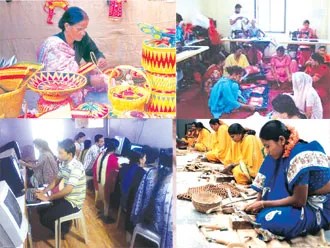
Best Practices for Ensuring Total Sanitation in Bhopal

Bloganuary writing prompt
Write about a few of your favorite family traditions.

By Kavita Dehalwar

Bhopal, the capital city of Madhya Pradesh, is a thriving metropolis with a rich cultural heritage. While the city has seen significant growth and development, ensuring total sanitation remains a crucial challenge. Adopting best practices for sanitation is essential for the well-being of its residents and the overall development of the city. This article explores some key strategies and initiatives that can be implemented to achieve total sanitation in Bhopal.

  1. Community Engagement and Awareness:
    • Develop comprehensive awareness campaigns to educate residents about the importance of sanitation and its impact on public health.
    • Encourage community participation in cleanliness drives and waste management initiatives.
    • Establish partnerships with local NGOs, schools, and community leaders to amplify the reach of sanitation awareness programs.
  2. Proper Waste Management:
    • Implement a robust waste management system that includes waste segregation at source, efficient collection, transportation, and disposal.
    • Promote the use of composting and recycling to reduce the burden on landfills.
    • Enforce strict penalties for illegal dumping and encourage responsible waste disposal practices.
  3. Public Toilet Facilities:
    • Increase the number of public toilets in key areas to provide accessible and clean facilities for residents and visitors.
    • Regular maintenance and cleanliness checks should be conducted to ensure the hygiene of public toilets.
    • Implement community-led initiatives for the maintenance and upkeep of public toilet facilities.
  4. Promote Sustainable Practices:
    • Encourage the use of eco-friendly products and packaging to reduce environmental impact.
    • Initiate tree plantation drives to enhance green cover and improve air quality.
    • Implement water conservation measures to ensure sustainable use of water resources.
  5. Smart Technology Integration:
    • Utilize technology for monitoring and managing sanitation services, such as smart waste bins that send alerts when they are full.
    • Implement a city-wide sanitation app to report issues, request services, and provide feedback on sanitation conditions.
    • Use data analytics to identify areas with high sanitation needs and optimize resource allocation.
  6. Collaboration with Stakeholders:
    • Collaborate with local businesses, industries, and educational institutions to create a unified approach to sanitation.
    • Engage with government agencies, civic bodies, and private sector organizations to pool resources for large-scale sanitation projects.
    • Foster partnerships with international organizations and experts to gain insights into global best practices.
  7. Regular Monitoring and Evaluation:
    • Establish a monitoring system to track the progress of sanitation initiatives regularly.
    • Conduct periodic assessments of sanitation infrastructure, services, and public satisfaction.
    • Use feedback from residents and stakeholders to make continuous improvements to sanitation programs.
  8. Legislation and Enforcement:
    • Develop and enforce strict sanitation regulations to ensure compliance with cleanliness standards.
    • Impose fines for violations and non-compliance to create a deterrent for irresponsible sanitation practices.
    • Regularly update and adapt legislation to address emerging sanitation challenges.

Conclusion:

Achieving total sanitation in Bhopal requires a concerted effort from the government, businesses, communities, and individuals. By implementing these best practices, Bhopal can work towards creating a clean, healthy, and sustainable environment for its residents, setting an example for other cities to follow. Total sanitation is not just a goal; it’s a collective responsibility that, when achieved, contributes significantly to the overall well-being and progress of the city.

References

Agarwal, S., & Sharma, S. N. Universal Design to Ensure Equitable Society. International Journal of Engineering and Technical Research (IJETR)1.

Ayub, J. (2022, December 13). Garbage piles up as Bhopal Municipal Corporation workers go on indefinite strike over vacant posts. Times Of India. https://timesofindia.indiatimes.com/city/bhopal/garbage-piles-up-as-bmc-workers-go-on-indefinite-strike-over-vacant-posts/articleshow/96186484.cms

Bathran, R. (2011). Indian sanitation.

Dehalwar, K., & Singh, J. (2015). A Critical Evaluation of the main Causes of Water Management Problems in Indian Urban Areas. International Research Journal of Environment Sciences. 48.

Dehalwar, K., & Sharma, S. N. (2023). Fate of Slums of Bhopal-A Tale of Struggle and Resilience. Think India Journal26(4), 12-18.

Pardeshi, G. (2009). Women in total sanitation campaign: a case study from Yavatmal district, Maharashtra, India. Journal of human ecology25(2), 79-85.

Galvin, M. (2015). Talking shit: is Community‐Led Total Sanitation a radical and revolutionary approach to sanitation?. Wiley Interdisciplinary Reviews: Water2(1), 9-20.

Pardeshi, G., Shirke, A., & Jagtap, M. (2008). SWOT analysis of total sanitation campaign in Yavatmal district of Maharashtra. Indian journal of community medicine: official publication of Indian Association of Preventive & Social Medicine33(4), 255.

Sharma, S. N. (2014). Fate of Rural Sanitation Scheme. International Journal of Research (IJR)1(2).

Sharma, S. N., & Biswas, A. (2016). Best practices for ensuring total sanitation. International Journal for Social Studies, ISSN, 2455-3220.

World Health Organization. (2020). Achieving quality health services for all, through better water, sanitation and hygiene: lessons from three African countries.

Understanding the Distinction: Quantitative vs. Qualitative Research

Bloganuary writing prompt
If you could make your pet understand one thing, what would it be?

By Shashikant Nishant Sharma

Research is a fundamental component of advancing knowledge and understanding various phenomena. In the realm of research, two primary methodologies, quantitative and qualitative, serve distinct purposes and contribute uniquely to the exploration of diverse topics. This article aims to delve into the differences between quantitative and qualitative research, highlighting their characteristics, methodologies, and the advantages they bring to the research process.

Quantitative Research:

Quantitative research is a systematic, empirical investigation that employs statistical, mathematical, or computational techniques to collect and analyze numerical data. This method aims to quantify relationships, patterns, and trends within a population or sample. Key characteristics of quantitative research include:

  1. Objective Measurement: Quantitative research relies on objective measurement and numerical data. Researchers use structured instruments such as surveys, questionnaires, or experiments to gather information.
  2. Statistical Analysis: Data collected in quantitative research is subjected to statistical analysis. This involves the use of mathematical models to identify patterns, correlations, and trends in the data.
  3. Large Sample Sizes: Quantitative studies often involve large sample sizes to ensure the generalizability of findings to a broader population.
  4. Replicability: The emphasis on numerical data and statistical analysis allows for the replication of studies by other researchers to validate or challenge the initial findings.

Quantitative research is particularly valuable in fields such as psychology, economics, and public health where numerical data can provide precise insights into patterns and trends.

Qualitative Research:

Qualitative research, on the other hand, focuses on exploring and understanding the complexities of human experiences, behaviors, and social phenomena through non-numerical data. This method aims to uncover the underlying meanings, motivations, and cultural contexts associated with a particular subject. Key characteristics of qualitative research include:

  1. In-depth Exploration: Qualitative research emphasizes in-depth exploration and understanding of the subject matter. Researchers use methods like interviews, focus groups, and participant observation to gather rich, descriptive data.
  2. Subjectivity and Context: Qualitative research acknowledges the subjective nature of human experiences and considers the influence of context on behaviors and perceptions.
  3. Emergent Design: Unlike the rigid structure of quantitative research, qualitative studies often have an emergent design, allowing researchers to adapt their approach based on ongoing analysis and findings.
  4. Small Sample Sizes: Qualitative studies typically involve smaller sample sizes, allowing for a detailed examination of individual cases.

Qualitative research is particularly valuable in fields such as anthropology, sociology, and psychology where a deep understanding of human behavior and social phenomena is essential.

Comparative Analysis:

While both methodologies contribute valuable insights to the research landscape, they have distinct strengths and limitations. Quantitative research provides objective, generalizable data suitable for statistical analysis and hypothesis testing. In contrast, qualitative research offers a nuanced understanding of complex human phenomena, capturing the depth and context often missed by quantitative methods.

Below is a comparative table highlighting the key differences between quantitative and qualitative research methodologies:

AspectQuantitative ResearchQualitative Research
Data TypeNumerical data (quantifiable and measurable)Non-numerical data (textual, visual, narrative)
ObjectiveObjectively measures relationships, patterns, and trendsSubjectively explores meanings, motivations, and contexts
MethodologyStructured and standardized instruments (surveys, experiments)Unstructured and flexible methods (interviews, focus groups, observation)
Sample SizeLarge sample sizes for generalizabilitySmall sample sizes for in-depth exploration
Statistical AnalysisExtensive use of statistical analysis for patterns and correlationsLimited or no statistical analysis; emphasis on interpretation
ReplicabilityHighly replicable due to standardized methods and statistical rigorLimited replicability; context-dependent findings
PurposeTesting hypotheses, making predictions, establishing causationExploring complex phenomena, understanding context and meaning
ValidityHigh internal and external validity due to controlled environmentsHigh ecological validity, capturing real-world contexts
FlexibilityRigidity in research design and data collection proceduresFlexibility in research design, allowing for emergent insights
Research SettingsOften conducted in controlled settings (labs, surveys)Conducted in natural settings (fieldwork, real-world contexts)
Common FieldsPsychology, economics, public healthSociology, anthropology, psychology, humanities
Data RepresentationCharts, graphs, statistical tablesQuotes, narratives, themes, visual representations
Ethical ConsiderationsFocus on confidentiality, informed consent, and protection of participantsEmphasis on participant voices, ethical considerations in interpretation

This table provides a concise overview of the main distinctions between quantitative and qualitative research methodologies. It’s important to note that researchers often choose a methodology based on the nature of their research questions and objectives, and a combination of both methods (mixed methods) is increasingly common in contemporary research practice.

Conclusion:

In conclusion, the choice between quantitative and qualitative research depends on the research question, objectives, and the nature of the phenomena under investigation. Researchers often employ a mixed-methods approach, combining both methodologies to gain a comprehensive understanding of their research topic. The dynamic interplay between quantitative and qualitative research continues to shape our understanding of diverse disciplines, fostering a holistic approach to knowledge generation and advancement.

References

Clark, V. L. P., Creswell, J. W., Green, D. O. N., & Shope, R. J. (2008). Mixing quantitative and qualitative approaches. Handbook of emergent methods363, 363-387.

Cook, T. D., & Reichardt, C. S. (Eds.). (1979). Qualitative and quantitative methods in evaluation research (Vol. 1). Beverly Hills, CA: Sage publications.

Dehalwar, K., & Sharma, S. N. (2023). Fundamentals of Research Writing and Uses of Research Methodologies.

Dehalwar, K., & Singh, J. (2015). A Critical Evaluation of the main Causes of Water Management Problems in Indian Urban Areas. International Research Journal of Environment Sciences. 48.

Gerring, J. (2017). Qualitative methods. Annual review of political science20, 15-36.

McEvoy, P., & Richards, D. (2006). A critical realist rationale for using a combination of quantitative and qualitative methods. Journal of research in nursing11(1), 66-78.

Punch, K. F. (2008). Quantitative and qualitative approaches. The Sociology of Healthcare: A Reader for Health Professionals, 51.

Roessner, D. (2000). Quantitative and qualitative methods and measures in the evaluation of research. Research Evaluation9(2), 125-132.

Sechrest, L., & Sidani, S. (1995). Quantitative and qualitative methods:: Is There an Alternative?. Evaluation and program planning18(1), 77-87.

Sharma, S. N., Chatterjee, S., & Dehalwar, K. (2023). Mahatma Gandhi National Rural Employment Guarantee Scheme: Challenges and Opportunities. Think India Journal26(1), 7-15.

Sharma, S. N. (2016). Introduction to Sociology. New Perspectives in Sociology and Allied Fields, 1.

Sharma, S. N. Techniques of Meta-Analysis for Unlocking Knowledge.

Sharma, S. N. (2015). Introduction to Sociology. Journal for Studies in Management and Planning1(8), 32-36.

Watzlawik, M., & Born, A. (Eds.). (2007). Capturing identity: Quantitative and qualitative methods. University Press of America.

Yousefi Nooraie, R., Sale, J. E., Marin, A., & Ross, L. E. (2020). Social network analysis: An example of fusion between quantitative and qualitative methods. Journal of Mixed Methods Research14(1), 110-124.

What is Focus Group Discussion Research Technique

Bloganuary writing prompt
Think back on your most memorable road trip.

By Shashikant Nishant Sharma

Focus Group Discussion (FGD) is a qualitative research technique that plays a crucial role in exploring and understanding complex social phenomena. This method brings together a small, diverse group of participants to discuss a specific topic under the guidance of a skilled moderator. Through open and dynamic interaction, FGDs provide researchers with rich insights into participants’ perspectives, attitudes, and experiences.

Key Components of Focus Group Discussions:

  1. Participants:
    • FGDs typically involve 6 to 12 participants who share common characteristics relevant to the research question. Participants are selected to ensure diversity in opinions and experiences.
  2. Moderator:
    • A skilled moderator facilitates the discussion, guiding participants through the conversation while encouraging openness. Moderators use a predetermined set of open-ended questions to explore various aspects of the research topic.
  3. Focus Group Guide:
    • A carefully crafted set of questions, known as a focus group guide, serves as the backbone of the discussion. These questions are open-ended, allowing participants to express their thoughts freely.
  4. Setting:
    • FGDs are conducted in a conducive environment that promotes open communication. The setting should be comfortable, neutral, and free from distractions to encourage participants to share their thoughts openly.
  5. Recording:
    • Sessions are often recorded, either through audio or video, to capture the richness of the discussion. This allows researchers to revisit and analyze the data more thoroughly.

The Focus Group Discussion Process:

  1. Introduction:
    • The session begins with a warm welcome and an introduction to the purpose of the discussion. Participants are encouraged to express their opinions freely, creating a comfortable atmosphere.
  2. Warm-up Questions:
    • To ease participants into the discussion, moderators start with broad and non-threatening questions. This helps build rapport and sets the tone for more in-depth exploration.
  3. Main Discussion:
    • The moderator guides the conversation using the focus group guide, allowing participants to express their thoughts and react to each other’s comments. This interactive process often leads to the emergence of shared understandings and diverse perspectives.
  4. Probing and Clarification:
    • Moderators use probing techniques to delve deeper into participants’ responses, seeking clarification and encouraging a more detailed exploration of ideas. This helps uncover nuanced insights.
  5. Closing:
    • The session concludes with a summary of key points and a debriefing with participants. This provides an opportunity for participants to reflect on the discussion and ask any final questions.

Advantages of Focus Group Discussions:

  1. Rich Data:
    • FGDs generate in-depth qualitative data, capturing the complexity and nuances of participants’ perspectives.
  2. Group Dynamics:
    • Interactions within the group can reveal social dynamics, shared beliefs, and divergent opinions that may not surface in individual interviews.
  3. Real-time Insights:
    • The dynamic nature of FGDs allows researchers to capture real-time reactions and responses, providing a more authentic understanding of participants’ perspectives.
  4. Exploratory Nature:
    • FGDs are particularly useful in the early stages of research when exploring new topics or generating hypotheses.
  5. Cost-Effective:
    • Compared to one-on-one interviews, FGDs can be a more cost-effective way to gather insights from multiple participants simultaneously.

Challenges and Considerations:

  1. Group Influence:
    • Group dynamics may lead to conformity or hesitation in expressing dissenting opinions. Skilled moderation is crucial to mitigate these effects.
  2. Moderator Bias:
    • Moderators must be aware of their biases and strive to maintain neutrality to ensure the discussion remains participant-driven.
  3. Data Analysis Complexity:
    • Analyzing FGD data can be complex due to the multitude of perspectives. Thorough analysis involves identifying patterns, themes, and divergent viewpoints.
  4. Generalization Limitations:
    • Findings from FGDs are often context-specific and may not be easily generalized to larger populations. Therefore, researchers should complement FGDs with other research methods for a more comprehensive understanding.

In conclusion, Focus Group Discussions are a powerful qualitative research technique that provides valuable insights into the social, cultural, and behavioral dimensions of a research question. When conducted with careful planning, skilled moderation, and thoughtful analysis, FGDs contribute significantly to the depth and richness of qualitative research. Researchers across various disciplines continue to embrace this method as an essential tool in unraveling the complexities of human experience and perception.

References

Bohnsack, R. (2004). Group discussion and focus groups. A companion to qualitative research, 214-221.

Dehalwar, K., & Sharma, S. N. (2023). Fundamentals of Research Writing and Uses of Research Methodologies.

Dehalwar, K., & Singh, J. (2015). A Critical Evaluation of the main Causes of Water Management Problems in Indian Urban Areas. International Research Journal of Environment Sciences. 48.

Hennink, M. M. (2013). Focus group discussions. Oxford University Press.

Moretti, F., van Vliet, L., Bensing, J., Deledda, G., Mazzi, M., Rimondini, M., … & Fletcher, I. (2011). A standardized approach to qualitative content analysis of focus group discussions from different countries. Patient education and counseling82(3), 420-428.

O. Nyumba, T., Wilson, K., Derrick, C. J., & Mukherjee, N. (2018). The use of focus group discussion methodology: Insights from two decades of application in conservation. Methods in Ecology and evolution9(1), 20-32.

Sharma, S. N., Chatterjee, S., & Dehalwar, K. (2023). Mahatma Gandhi National Rural Employment Guarantee Scheme: Challenges and Opportunities. Think India Journal26(1), 7-15.

Wong, L. P. (2008). Focus group discussion: a tool for health and medical research. Singapore Med J49(3), 256-60.

The Power of Meta-Analysis in Research

Daily writing prompt
What is your mission?

By Kavita Dehalwar

Meta-analysis, a statistical technique that combines and synthesizes data from multiple independent studies, has become a cornerstone in scientific research. By aggregating findings from various studies on a specific topic, meta-analysis provides a more comprehensive and robust understanding of the subject matter. This article explores the concept of meta-analysis, its methodology, advantages, and limitations, emphasizing its crucial role in advancing research across diverse disciplines.

Understanding Meta-Analysis:

Meta-analysis involves the systematic review and quantitative synthesis of data from multiple studies. The primary goal is to pool data to draw more accurate and reliable conclusions than those possible from individual studies alone. This approach helps researchers overcome limitations associated with small sample sizes, variability in study designs, and potential publication biases.

Key Components of Meta-Analysis:

  1. Literature Review: Conducting a thorough literature review is the first step in meta-analysis. Researchers identify relevant studies, ensuring a comprehensive understanding of the existing body of work on the chosen topic.
  2. Study Selection Criteria: Establishing clear inclusion and exclusion criteria is crucial to ensure the selected studies are comparable and relevant to the research question. This step helps maintain the integrity of the meta-analysis.
  3. Data Extraction: Data from each included study are systematically extracted. This involves collecting information on study design, participant characteristics, interventions or exposures, outcomes, and statistical results.
  4. Effect Size Calculation: The effect size quantifies the magnitude of the relationship between variables or the intervention’s impact. Common effect size measures include odds ratios, risk ratios, and standardized mean differences.
  5. Statistical Analysis: Meta-analysis employs statistical techniques to combine the results of individual studies. Weighting is applied to account for study size, and heterogeneity tests assess the variability between studies.

Advantages of Meta-Analysis:

  1. Increased Statistical Power: Meta-analysis enhances statistical power by combining data from multiple studies, allowing researchers to detect smaller effect sizes that may be overlooked in individual studies.
  2. Generalizability: Pooling data from diverse studies increases the generalizability of findings, providing a more comprehensive understanding of the research question across different populations and contexts.
  3. Identifying Patterns and Trends: Meta-analysis enables the identification of patterns or trends that may not be evident in individual studies, offering a more holistic view of the research landscape.
  4. Resolution of Inconsistencies: Conflicting findings in individual studies can be reconciled through meta-analysis. By exploring sources of heterogeneity, researchers can identify factors contributing to discrepancies and refine their interpretations.

Limitations of Meta-Analysis:

  1. Publication Bias: Meta-analyses are susceptible to publication bias, as studies with significant or positive results are more likely to be published. This bias can distort the overall findings and affect the validity of the meta-analysis.
  2. Heterogeneity: Variability in study designs, participant characteristics, and methodologies can contribute to heterogeneity, challenging the synthesis of results. Researchers must carefully assess and address heterogeneity in their analyses.
  3. Quality of Included Studies: Meta-analyses are only as robust as the studies included. If the quality of the individual studies is low, the overall meta-analysis may be compromised.

Conclusion:

Meta-analysis stands as a powerful tool in the researcher’s arsenal, offering a methodical and quantitative approach to synthesizing evidence from diverse studies. While it has its limitations, when conducted rigorously, meta-analysis provides a valuable means of drawing more reliable conclusions and advancing our understanding of complex phenomena across various disciplines. As research methodologies continue to evolve, meta-analysis remains a key player in the pursuit of knowledge and scientific progress.

References

Dehalwar, K., & Singh, J. (2015). A Critical Evaluation of the main Causes of Water Management Problems in Indian Urban Areas. International Research Journal of Environment Sciences. 48.

Dehalwar, K., & Sharma, S. N. (2023). Fundamentals of Research Writing and Uses of Research Methodologies.

Sharma, S. N. (2019). Review of most used urban growth models. International Journal of Advanced Research in Engineering and Technology (IJARET)10(3), 397-405.

Sharma, S. N. Techniques of Meta-Analysis for Unlocking Knowledge.

A Note on Swarna Jayanti Shahari Rozgar Yojana (SJSRY)

By: Kavita Dehalwar

Swarna Jayanti Shahari Rozgar Yojana (SJSRY) is a government scheme in India aimed at promoting employment opportunities and improving the quality of life for urban poor individuals. It was launched on 1st December 1997, on the occasion of the 25th anniversary of India’s independence, and is part of the broader National Urban Livelihoods Mission (NULM).

Key Objectives of Swarna Jayanti Shahari Rozgar Yojana:

  1. Employment Generation: The primary goal of SJSRY is to generate sustainable employment opportunities for the urban poor, with a specific focus on skill development and self-employment ventures.
  2. Skill Development: The scheme emphasizes the importance of skill enhancement and training for individuals from marginalized urban communities. By imparting relevant skills, the program aims to enhance employability and income-generating capabilities.
  3. Self-Employment: SJSRY promotes self-employment among the urban poor by providing financial assistance and support for starting small businesses or enterprises. This aspect of the program is crucial for fostering entrepreneurship and economic independence.
  4. Urban Poverty Alleviation: The scheme is designed to address the challenges of urban poverty by creating a conducive environment for income generation, thereby contributing to the overall improvement of living standards in urban areas.

Components of Swarna Jayanti Shahari Rozgar Yojana:

The SJSRY is broadly divided into two sub-components:

  1. Urban Self-Employment Program (USEP): This component focuses on providing financial assistance and skill training to individuals interested in starting their own ventures. The financial aid is intended to cover a portion of the project cost.
  2. Urban Wage Employment Program (UWEP): UWEP is aimed at providing wage employment opportunities for the urban poor. This involves the creation of temporary employment through various community-based projects.

Implementation and Monitoring:

The implementation of the Swarna Jayanti Shahari Rozgar Yojana involves collaboration between the central government, state governments, and urban local bodies. The program is monitored by the Ministry of Housing and Urban Affairs, Government of India, to ensure effective implementation and adherence to the program’s objectives.

It’s important to note that policies and schemes may undergo changes and updates over time. For the most current and detailed information on the Swarna Jayanti Shahari Rozgar Yojana, it is advisable to refer to official government sources or recent publications related to urban development in India.

References

Rajkonwar, A. B. (2005). Swama Jayanti Shahari Rozgar Yojana: A study on effectiveness in Dibrugarh. SEDME (Small Enterprises Development, Management & Extension Journal)32(4), 23-42.

Sharma, S. N. (2020). A Review of Swarna Jayanti Shahari Rozgar Yojana. Think India Journal23(1), 26-32.

Shobha, K. (2007). Performance of women beneficiaries of the Prime Minister’s Rozgar Yojana in Coimbatore City (Doctoral dissertation, Avinashilingam University for Women (India)).

Benefits of Open Access Publication Database ScienceOPEN

By Shashikant Nishant Sharma

ScienceOpen is an open-access research networking platform that aims to foster collaboration and visibility in the scientific community. Please note that the features and benefits of platforms like ScienceOpen may evolve over time, so it’s a good idea to check the latest information on their website or other reliable sources. Here are some potential benefits associated with ScienceOpen:

  1. Open Access Content: ScienceOpen provides access to a wide range of open-access scholarly content, including articles, conference proceedings, and other academic materials. Open access promotes the free dissemination of knowledge and facilitates collaboration among researchers.
  2. Interdisciplinary Research: The platform is designed to break down disciplinary silos by covering a broad spectrum of research areas. This can encourage interdisciplinary collaboration, allowing researchers from different fields to discover and engage with each other’s work.
  3. Discoverability and Visibility: Researchers can enhance the visibility of their work by sharing and promoting their publications on ScienceOpen. The platform provides tools for researchers to create profiles, showcase their publications, and connect with other researchers, potentially increasing the impact of their research.
  4. Post-Publication Peer Review: ScienceOpen supports post-publication peer review, enabling researchers to contribute comments, reviews, and discussions on published articles. This transparent and collaborative review process can provide additional insights and perspectives on the research.
  5. Research Networking: The platform facilitates networking among researchers by allowing them to connect with peers, follow their work, and stay updated on the latest research in their fields of interest. Building a professional network is crucial for collaboration and staying informed about advancements in specific areas.
  6. Altmetrics and Impact Tracking: ScienceOpen provides metrics to help researchers track the impact of their work. This includes traditional citation metrics as well as alternative metrics (altmetrics) that consider the broader influence of research through social media, online discussions, and other channels.
  7. Integration with ORCID: ScienceOpen integrates with ORCID, a persistent digital identifier for researchers. This integration helps ensure proper attribution of research contributions and enhances the credibility and accuracy of researchers’ profiles.
  8. Custom Collections and Projects: Researchers and institutions can create custom collections or projects on ScienceOpen to curate and organize research content. This feature allows for the creation of thematic collections, making it easier for users to discover relevant research within specific topics.

For Publishers

ScienceOpen offers content hosting, context building and marketing services for publishers. See our tailored offerings

For Institutions

ScienceOpen offers state-of-the-art technology and a range of solutions and services

For Researchers

Make an impact and build your research profile in the open with ScienceOpen

It’s important to verify the current features and benefits of ScienceOpen by visiting their official website or contacting them directly, as the platform may have introduced new functionalities or undergone changes since my last update.

References

Aspesi, C., & Brand, A. (2020). In pursuit of open science, open access is not enough. Science368(6491), 574-577.

Burgelman, J. C., Pascu, C., Szkuta, K., Von Schomberg, R., Karalopoulos, A., Repanas, K., & Schouppe, M. (2019). Open science, open data, and open scholarship: European policies to make science fit for the twenty-first century. Frontiers in big data2, 43.

González, A. G. (2005). Open science: open source licenses in scientific research. NCJL & Tech.7, 321.

Sharma, S. N. (2023). Understanding Citations: A Crucial Element of Academic Writing.

Stodden, V. C. (2011). Trust your science? Open your data and code.