Emerging Research Themes in Sustainable Development and Environmental Planning

By Kavita Dehalwar

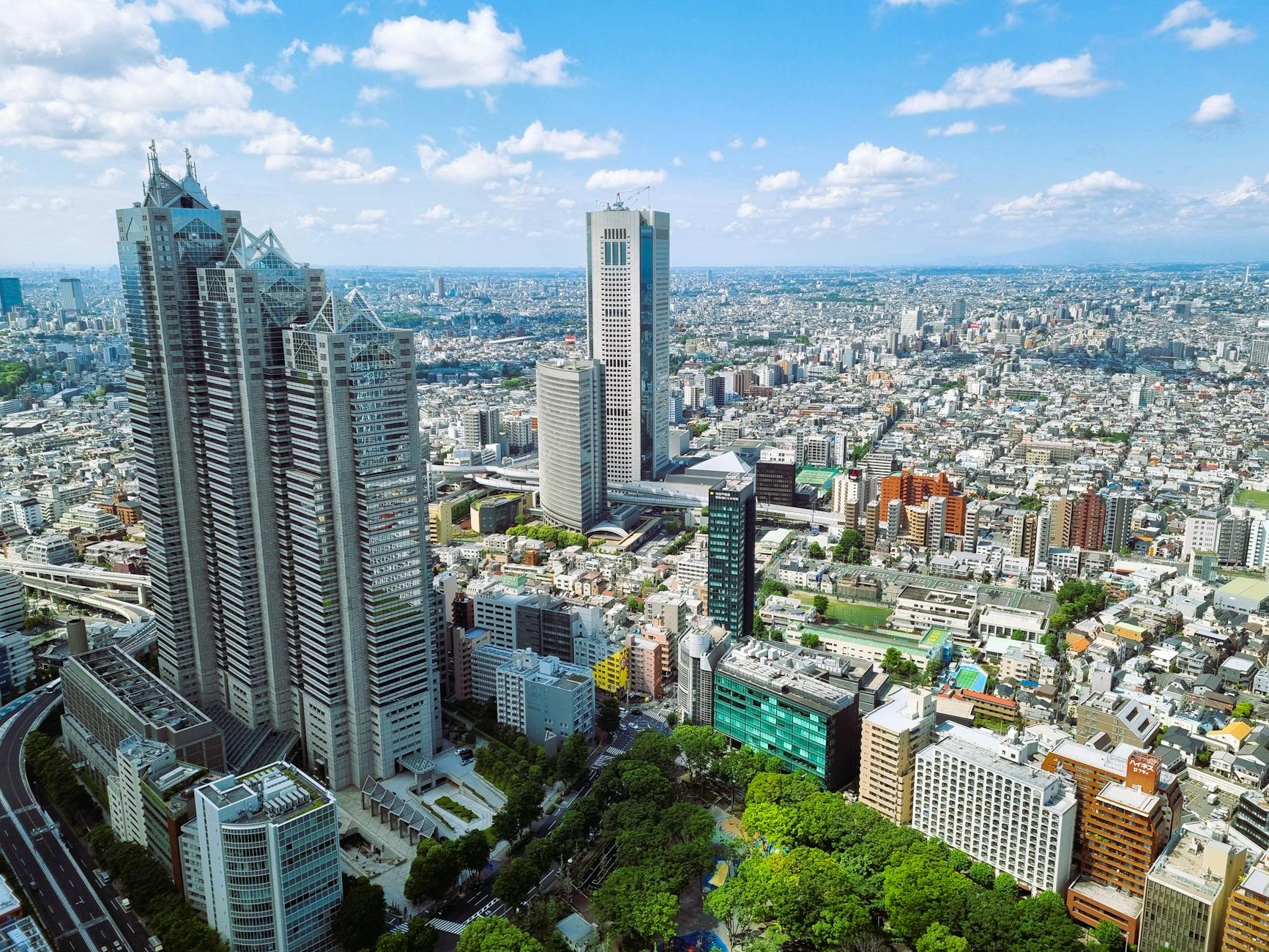
Sustainable development and environmental planning are no longer confined to single disciplines or narrowly defined policy tools. Instead, they have evolved into deeply interconnected research domains that span urban planning, environmental health, solid waste management, climate resilience, artificial intelligence (AI), and sustainable construction technologies. Recent scholarship highlights how global environmental challengesโ€”climate change, rapid urbanisation, resource depletion, and social vulnerabilityโ€”are reshaping both research priorities and planning practices. Drawing on contemporary peer-reviewed literature, this blog post outlines some of the most prominent emerging research themes shaping the future of sustainability and environmental planning.

https://www.oecd.org/adobe/dynamicmedia/deliver/dm-aid--a19fa010-e8c1-4990-b415-7efb4543fac5/sustainable-urban-development.jpg?preferwebp=true&quality=80&utm_source=chatgpt.com

1. Nature-Based Solutions and Climate Resilience

One of the strongest emerging themes is the application of nature-based solutions (NbS) to address climate risks, particularly in vulnerable ecological regions such as river deltas and coastal settlements. Research increasingly emphasises ecosystem-based planning approachesโ€”mangrove restoration, wetland conservation, floodplain management, and green-blue infrastructureโ€”as cost-effective and socially inclusive alternatives to hard engineering solutions. Studies on deltaic regions in India demonstrate how NbS can simultaneously enhance climate resilience, biodiversity conservation, and livelihoods, making them central to sustainable regional planning frameworks. This research direction aligns strongly with SDG 11 (Sustainable Cities and Communities) and SDG 13 (Climate Action).

2. Environmental Health and Peri-Urban Waste Challenges

Another growing research focus concerns environmental health risks linked to solid waste management, especially in peri-urban and transitional zones. These areas often fall outside formal municipal service coverage, leading to unmanaged dumping, groundwater contamination, and public health vulnerabilities. Recent studies stress the need for integrated planning models that link waste infrastructure, land-use planning, and health risk assessment. This theme highlights a shift from purely technical waste solutions to more holistic, people-centred and health-sensitive planning approaches.

3. Artificial Intelligence for Sustainable Environmental Governance

The integration of artificial intelligence (AI) into environmental planning and management represents a rapidly expanding research frontier. AI tools are being explored for waste segregation, route optimisation, predictive maintenance of infrastructure, environmental monitoring, and decision-support systems. Beyond technical efficiency, emerging research also examines AIโ€™s role in social domainsโ€”such as social work, governance, and community engagementโ€”to promote environmental sustainability. This interdisciplinary theme raises critical questions around ethics, data governance, inclusivity, and the capacity of local institutions to adopt smart technologies responsibly.

https://d12aarmt01l54a.cloudfront.net/cms/images/UserMedia-20240522153951/808-440.png?utm_source=chatgpt.com

4. Advanced Solid Waste Management Techniques

Solid waste management research has moved beyond conventional collectionโ€“transportโ€“disposal models toward circular economy-oriented systems. Emerging studies focus on waste-to-energy technologies, material recovery, decentralised processing, and policy-driven innovations such as extended producer responsibility (EPR). Importantly, recent literature highlights the need to integrate these technologies within urban and regional planning frameworks, ensuring land availability, environmental safeguards, and social acceptance. This reflects a broader shift toward systems thinking in environmental planning research.

5. Sustainable Construction Materials and Life Cycle Assessment

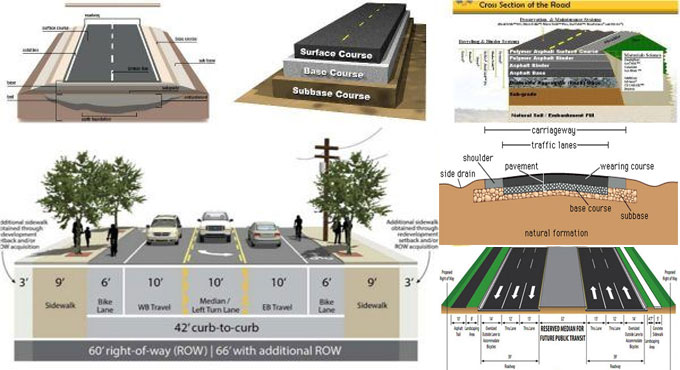
In the built environment domain, a significant research trend centres on life cycle assessment (LCA) of construction materials and infrastructure. Studies evaluating recycled and secondary materials in road construction illustrate how embodied energy, emissions, and resource efficiency can be systematically assessed during planning and design stages. Parallel research on innovative materialsโ€”such as self-healing concrete, biocrete, and self-sensing concreteโ€”signals a growing interest in durability, resilience, and long-term sustainability of infrastructure systems. These themes bridge environmental planning with materials science and civil engineering.

6. Green Buildings and Sustainable Neighbourhoods

The role of green buildings has expanded from energy-efficient structures to catalysts for sustainable neighbourhood development. Recent research highlights how building-scale interventionsโ€”energy efficiency, water conservation, passive design, and renewable integrationโ€”can generate cumulative benefits at the community level. This theme reinforces the importance of neighbourhood-scale planning, mixed land use, walkability, and public spaces in achieving environmental sustainability outcomes.

7. Prefabrication and Industrialised Construction

Prefabricated and modular construction has emerged as a promising pathway for sustainable urban development. Thematic analyses of prefabrication research reveal its potential to reduce construction waste, improve quality control, shorten project timelines, and lower environmental impacts. For planners and policymakers, this research underscores the need to adapt building regulations, zoning norms, and supply chains to support industrialised construction methods.

8. Climate, Migration, and Food Security Linkages

Finally, an increasingly important theme links climate disasters, migration, health risks, and food security, particularly in the Global South. Research in this area highlights how environmental stressors reshape settlement patterns, strain urban systems, and exacerbate vulnerability. This integrative perspective calls for planning approaches that are not only environmentally sustainable but also socially resilient and equity-driven.

Concluding Reflections

Collectively, these emerging research themes signal a profound transformation in sustainable development and environmental planning. The field is moving toward interdisciplinary, technology-enabled, and justice-oriented approaches that recognise the complex interdependencies between environment, society, and the built form. For researchers, practitioners, and policymakers, engaging with these themes is essential to designing resilient, inclusive, and sustainable futures in an era of overlapping global crises.

References

Dehalwar, K., & Sharma, S. N. (Eds.). (2026). Deltas resilience: Nature-based solutions for sustainable development in India. Springer Nature. https://link.springer.com/book/9783032072399

Kumar, G., Vyas, S., Sharma, S. N., & Dehalwar, K. (2024). Challenges of environmental health in waste management for peri-urban areas. In M. Nasr & A. Negm (Eds.), Solid waste management (pp. 149โ€“168). Springer Nature Switzerland. https://doi.org/10.1007/978-3-031-60684-7_9

Lucero-Prisno, D. E. III, Ayuba, D., Akinga, A. Y., Olayinka, K. E., Precious, F. K., Ogaya, J. B., Sharma, S. N., โ€ฆ Kouwenhoven, M. B. N. (2025). Impact of climate disaster, migration and health risk on food security in Africa. In Advances in food security and sustainability. Elsevier. https://doi.org/10.1016/bs.af2s.2025.08.003

Ogbanga, M. M., Sharma, S. N., Pandey, A. K., & Singh, P. (2025). Artificial intelligence in social work to ensure environmental sustainability. In M. Nasr, A. Negm, & L. Peng (Eds.), Artificial intelligence applications for a sustainable environment (pp. 1โ€“??). Springer. https://doi.org/10.1007/978-3-031-91199-6_16

Sharma, S. N., Dehalwar, K., & Singh, J. (2024). Emerging techniques in solid waste management for a sustainable and safe living environment. In M. Nasr & A. Negm (Eds.), Solid waste management (pp. 29โ€“51). Springer Nature Switzerland. https://doi.org/10.1007/978-3-031-60684-7_3

Sharma, S. N., Dehalwar, K., Jain, S., & Pandey, A. K. (2025). An assessment of the applications and prospects of AI tools in solid waste management. In M. Nasr, A. Negm, & L. Peng (Eds.), Artificial intelligence applications for a sustainable environment. Springer. https://doi.org/10.1007/978-3-031-91199-6_4

Sharma, S. N., Lodhi, A. S., Dehalwar, K., & Jaiswal, A. (2024). Life cycle assessment of recycled and secondary materials in the construction of roads. IOP Conference Series: Earth and Environmental Science, 1326(1), 012102. https://doi.org/10.1088/1755-1315/1326/1/012102

Sharma, S. N., Prajapati, R., Jaiswal, A., & Dehalwar, K. (2024). A comparative study of the applications and prospects of self-healing concrete / biocrete and self-sensing concrete. IOP Conference Series: Earth and Environmental Science, 1326(1), 012090. https://doi.org/10.1088/1755-1315/1326/1/012090

Sharma, S. N., Singh, S., Kumar, G., Pandey, A. K., & Dehalwar, K. (2025). Role of green buildings in creating sustainable neighbourhoods. IOP Conference Series: Earth and Environmental Science, 1519(1), 012018. https://doi.org/10.1088/1755-1315/1519/1/012018

Sharma, S. N., Dehalwar, K., Singh, J., & Kumar, G. (2025). Prefabrication building construction: A thematic analysis approach. In S. B. Singh, M. Gopalarathnam, & N. Roy (Eds.), Proceedings of the 3rd International Conference on Advances in Concrete, Structural, and Geotechnical Engineeringโ€”Volume 2 (pp. 405โ€“428). Springer Nature Singapore. https://doi.org/10.1007/978-981-96-0751-8_28

Importance of Sustainable Development and Resilient Transport for Good Urban Planning

By Kavita Dehalwar & Devraj Verma

Research Associates, Track2Training, India

Sustainable development and resilient transport systems form the backbone of well-functioning, future-ready cities. As urban populations expand and environmental pressures intensify, cities must adopt planning approaches that balance mobility needs, ecological responsibility, and social well-being. Modern urban planning is no longer only about accommodating growthโ€”it is about guiding growth in a way that is resource-efficient, inclusive, safe, and adaptive to climate and socio-economic challenges.

1. Sustainable Development as a Foundation for Urban Planning

Sustainable development provides a long-term framework to meet present needs without compromising the ability of future generations to thrive. In urban systems, this translates into strategies that promote efficient land use, environmental protection, social equity, and economic vitality.

Recent scholarship emphasizes the role of sustainable building practices, waste management innovation, and nature-based solutions in shaping resilient urban futures. For example, research on solid waste management and AI-enabled environmental planning (Sharma et al., 2024; Dehalwar & Sharma, 2026; Sharma et al., 2025) shows how technological interventions can improve resource efficiency and decrease ecological burdens. Similarly, studies on green buildings and prefabricated construction (Sharma et al., 2025) underscore how sustainable construction practices reduce emissions, enhance energy performance, and improve neighbourhood livability.

Urban planning also increasingly recognizes the interconnectedness of environmental health, climate adaptation, and social justice. Work by Lucero-Prisno et al. (2025), for instance, links climate disasters with migration, health impacts, and food securityโ€”reminding planners that sustainability includes human resilience and equity, not just environmental metrics.

2. Resilient Transport as a Catalyst for Sustainable Cities

Transportation is one of the most influential determinants of urban form, environmental quality, and social accessibility. A resilient transport system ensures that mobility is safe, reliable, adaptable, and environmentally responsible, even amid disruptions such as climate events or population surges.

A robust body of research highlights the importance of transport resilience within sustainable development. For instance, last-mile logistics using generative AI and digital twins (Sharma, 2025) demonstrates how advanced technologies can optimize electric vehicle integration and reduce carbon footprints. Similarly, studies on first- and last-mile accessibility in transit-oriented development (TOD) (Yadav et al., 2025) emphasize the need to design seamless connections that support public transport usage.

Pedestrian and road safety remain crucial components of resilient transport. The systematic review by Sharma and Dehalwar (2025) on urban pedestrian safety reveals significant gaps in policy and infrastructure that must be addressed to safeguard vulnerable road users. Moreover, surrogate safety analysis research (Sharma, Singh & Dehalwar, 2024) shows how advanced modelling can help planners prevent crashes before they occur.

3. Integrating Sustainability and Transport Resilience in Urban Planning

Good urban planning requires a holistic approach that unites sustainable development principles with resilient transport strategies. Transit-oriented development, in particular, emerges as a powerful mechanism to achieve this integration. Scholarly work (Sharma & Dehalwar, 2025; Sharma, Kumar & Dehalwar, 2024) demonstrates how TOD encourages compact, mixed-use growth, reduces car dependence, and stimulates economic developmentโ€”creating greener and more inclusive cities.

Resilient transport systems also support sustainability by:

  • Reducing emissions through shared mobility, electrification, and efficient public transit.
  • Improving social equity by ensuring safe and accessible mobility for seniors, women, and marginalized groups (Sharma & Dehalwar, 2025; Dehalwar & Sharma, 2024).
  • Enhancing disaster preparedness through robust infrastructure and adaptive planning.

Conclusion

Sustainable development and resilient transport are essential, mutually reinforcing components of good urban planning. Together, they enable cities to reduce environmental impacts, improve livability, promote social justice, and withstand future uncertainties. Integrating these principles into policies, infrastructure investment, and spatial planning will help cities transition toward healthier, safer, and more prosperous urban futures.

References

Lalramsangi, V., Garg, Y. K., & Sharma, S. N. (2025). Route choices to access public open spaces in hill cities. Environment and Urbanization ASIA, 16(2), 283โ€“299. https://doi.org/10.1177/09754253251388721

Lodhi, A. S., Jaiswal, A., & Sharma, S. N. (2024). Assessing bus usersโ€™ satisfaction using discrete choice models: A case of Bhopal. Innovative Infrastructure Solutions, 9(11), 437. https://doi.org/10.1007/s41062-024-01652-w

Sharma, S. N. (2025). Generative AI and digital twins for sustainable last-mile logistics: Enabling green operations and electric vehicle integration. In A. Awad & D. Al Ahmari (Eds.), Accelerating logistics through generative AI, digital twins, and autonomous operations (Chapter 12). IGI Global. https://doi.org/10.4018/979-8-3373-7006-4.ch012

Sharma, S. N., & Dehalwar, K. (2025). A systematic literature review of pedestrian safety in urban transport systems. Journal of Road Safety, 36(4), 55โ€“78. https://doi.org/10.33492/JRS-D-25-4-2707507

Sharma, S. N., & Dehalwar, K. (2025). A systematic literature review of transit-oriented development to assess its role in economic development of cities. Transportation in Developing Economies, 11(2), 23. https://doi.org/10.1007/s40890-025-00245-1

Sharma, S. N., & Dehalwar, K. (2025). Examining the inclusivity of Indiaโ€™s National Urban Transport Policy for senior citizens. In D. S.-K. Ting & J. A. Stagner (Eds.), Transforming healthcare infrastructure (1st ed., pp. 115โ€“134). CRC Press. https://doi.org/10.1201/9781003513834-5

Sharma, S. N., & Dehawar, K. (2025). Review of land use transportation interaction model in smart urban growth management. European Transport / Trasporti Europei, 103, 1โ€“15. https://doi.org/10.5281/zenodo.17315313

Sharma, S. N., Kumar, A., & Dehalwar, K. (2024). The precursors of transit-oriented development. Economic and Political Weekly, 59(14), 16โ€“20. https://doi.org/10.5281/zenodo.10939448

Sharma, S. N., Singh, D., & Dehalwar, K. (2024). Surrogate safety analysis: Leveraging advanced technologies for safer roads. Suranaree Journal of Science and Technology, 31(4), 010320(1โ€“14). https://doi.org/10.55766/sujst-2024-04-e03837

Yadav, K., Dehalwar, K., & Sharma, S. N. (2025). Assessing the factors affecting first and last mile accessibility in transit-oriented development: A literature review. GeoJournal, 90, 298. https://doi.org/10.1007/s10708-025-11546-8

Yadav, K., Dehalwar, K., Sharma, S. N., & Yadav, S. (2025). Understanding user satisfaction in last-mile connectivity under transit-oriented development in Tier 2 Indian cities: A climate-sensitive perspective. IOP Conference Series: Earth and Environmental Science.

Dehalwar, K., & Sharma, S. N. (2024). Politics in the name of womenโ€™s reservation. Contemporary Voice of Dalit. https://doi.org/10.1177/2455328X241262562

Dehalwar, K., & Sharma, S. N. (2024). Social injustice inflicted by spatial changes in vernacular settings: An analysis of published literature. ISVS e-journal, 11(9). https://isvshome.com/pdf/ISVS_11-09/ISVSej_11.09.07.pdf

Kumar, G., Vyas, S., Sharma, S. N., & Dehalwar, K. (2025). Urban growth prediction using CAโ€“ANN model and spatial analysis for planning policy in Indore city, India. GeoJournal, 90(3), 139. https://doi.org/10.1007/s10708-025-11393-7

Patel, R. S., Taneja, S., Singh, J., & Sharma, S. N. (2024). Modelling of surface run-off using SWMM and GIS for efficient stormwater management. Current Science, 126(4), 243โ€“249. https://doi.org/10.18520/cs/v126/i4/463-469

Sharma, S. N. (2019). Review of most used urban growth models. International Journal of Advanced Research in Engineering and Technology, 10(3), 397โ€“405. https://www.researchgate.net/publication/372478470

Sharma, S. N., & Dehalwar, K. (2023). Council of planning for promoting planning education and planning professionals. Journal of Planning Education and Research, 43(4), 748โ€“749. https://doi.org/10.1177/0739456X231204568

Dehalwar, K., & Sharma, S. N. (Eds.). (2026). Deltas resilience: Nature-based solutions for sustainable development in India. Springer Nature. https://link.springer.com/book/9783032072399

Kumar, G., Vyas, S., Sharma, S. N., & Dehalwar, K. (2024). Challenges of environmental health in waste management for peri-urban areas. In M. Nasr & A. Negm (Eds.), Solid waste management (pp. 149โ€“168). Springer Nature Switzerland. https://doi.org/10.1007/978-3-031-60684-7_9

Lucero-Prisno, D. E. III, Ayuba, D., Akinga, A. Y., Olayinka, K. E., Precious, F. K., Ogaya, J. B., Sharma, S. N., โ€ฆ Kouwenhoven, M. B. N. (2025). Impact of climate disaster, migration and health risk on food security in Africa. In Advances in food security and sustainability. Elsevier. https://doi.org/10.1016/bs.af2s.2025.08.003

Ogbanga, M. M., Sharma, S. N., Pandey, A. K., & Singh, P. (2025). Artificial intelligence in social work to ensure environmental sustainability. In M. Nasr, A. Negm, & L. Peng (Eds.), Artificial intelligence applications for a sustainable environment (pp. 1โ€“??). Springer. https://doi.org/10.1007/978-3-031-91199-6_16

Sharma, S. N., Dehalwar, K., & Singh, J. (2024). Emerging techniques in solid waste management for a sustainable and safe living environment. In M. Nasr & A. Negm (Eds.), Solid waste management (pp. 29โ€“51). Springer Nature Switzerland. https://doi.org/10.1007/978-3-031-60684-7_3

Sharma, S. N., Dehalwar, K., Jain, S., & Pandey, A. K. (2025). An assessment of the applications and prospects of AI tools in solid waste management. In M. Nasr, A. Negm, & L. Peng (Eds.), Artificial intelligence applications for a sustainable environment. Springer. https://doi.org/10.1007/978-3-031-91199-6_4

Sharma, S. N., Lodhi, A. S., Dehalwar, K., & Jaiswal, A. (2024). Life cycle assessment of recycled and secondary materials in the construction of roads. IOP Conference Series: Earth and Environmental Science, 1326(1), 012102. https://doi.org/10.1088/1755-1315/1326/1/012102

Sharma, S. N., Prajapati, R., Jaiswal, A., & Dehalwar, K. (2024). A comparative study of the applications and prospects of self-healing concrete / biocrete and self-sensing concrete. IOP Conference Series: Earth and Environmental Science, 1326(1), 012090. https://doi.org/10.1088/1755-1315/1326/1/012090

Sharma, S. N., Singh, S., Kumar, G., Pandey, A. K., & Dehalwar, K. (2025). Role of green buildings in creating sustainable neighbourhoods. IOP Conference Series: Earth and Environmental Science, 1519(1), 012018. https://doi.org/10.1088/1755-1315/1519/1/012018

Sharma, S. N., Dehalwar, K., Singh, J., & Kumar, G. (2025). Prefabrication building construction: A thematic analysis approach. In S. B. Singh, M. Gopalarathnam, & N. Roy (Eds.), Proceedings of the 3rd International Conference on Advances in Concrete, Structural, and Geotechnical Engineeringโ€”Volume 2 (pp. 405โ€“428). Springer Nature Singapore. https://doi.org/10.1007/978-981-96-0751-8_28

Writing a CV for Remote Roles: Purple CVโ€™s Guide to Showcasing Digital Skills

Your CV needs work. It must prove you can work alone. It must show you are disciplined. Remote jobs are competitive. Your application must stand out immediately. This guide will help. It focuses on digital skills and structure. The first step towards the new job is writing a CV. Begin the CV with a powerful professional summary. The relevant skills are brought out clearly in a good CV. You should always make your CV attractive to the job position you are applying for. An effective CV produces a strong impact on any hiring manager.

Understanding the Remote CV Difference

A remote CV is not like a normal one. It is not just about past jobs. You must prove you are trustworthy from a distance. Employers cannot see you in an office. Your document must build instant confidence. It shows you can manage time, talk clearly online, and use tools well. Think of your CV as your first work sample. Make it count.

Choosing the Correct CV Format

This is the standard choice. It lists your latest job first. Recruiters expect this layout. It is clear and simple. For remote roles, add a “Core Competencies” section near the top. Highlight key digital skills here. This section acts as a quick summary.

Writing a Powerful Professional Summary

Start with a strong summary. This is a short paragraph at the top. It should state your job goal. Mention your years of experience. Include your best remote-work traits. For example, say you are a “self-motivated digital marketer.” State that you have five years of remote experience. Say you excel in async communication. 

Showcasing Your Digital Tool Proficiency

You must list the tools you know. Do not just name them. Explain how you used them. For example, do not just write “Slack.” Write “Used Slack for daily team updates and client communication.” Mention project tools like Asana or Trello. Talk about video call software like Zoom. Include any industry-specific platforms.

Exhibiting Self-Management and Results.

Employers are concerned with productivity. Your CV must ease this worry. Indicate the achievements using bullet points. Concentrate on the achievements that you have made individually. Prefer using numbers as much as you can. As an illustration, “Grew web traffic by 30 percent with solo content management. Or “Handled single client accounts directly, with a 95% satisfaction rating. 

Organizing Your Work Experience.

Every job entry must have a definite framework. Thereafter, apply bullet points on accomplishments.  Use such words as “managed,” “created,” “increased,” or “implemented.” Make the sentences effective. Always correlate your work to a good outcome of the business.

Adding a Special Digital Competency Section.

Make a different category of skills. Name it as Technological Competencies. Include such subheadings as Communication Tools, Project management software and Industry-specific platform. Write your skills next to each of them. It is a very simple format to read. It assists the recruiters and automated systems in locating keys in a short time. 

Optimizing Applicant Tracking Systems.

The vast majority of companies filter CVs with the help of software. Such software is referred to as an Applicant Tracking System (ATS). You must beat the ATS. Create normal section headings, such as work experience. Do not use graphics, columns, or fancy fonts. It is best with a Word document or a PDF. 

The Function of a professional service.

Creating this CV is hard work. Many people seek expert help. Professional service can make a great difference. They know what the remote employers desire. And they understand how to make a CV successful. Purple CV is one such service. They not only create strong documents that are ATS-friendly. Their authors are experts in pointing out distant competencies. 

Common Mistakes to Avoid

  • Having a generic objective statement.
  • Forgotten the remote tools you are familiar with.
  • Composing lengthy and thick paragraphs of writing.
  • Applying an unprofessional email address.
  • Filling in a CV in a bad form.

Conclusion

The primary weapon for a remote job is your CV. Make it sharp and focused. It has to demonstrate that you can work anytime, everywhere. A good remote CV opens doors. It demonstrates the willingness to contribute on the first day, without any supervision. Get off on the right foot with your application.

Metropolitan Area vs. Metropolitan Region

By SN Sharma

Urbanization has evolved far beyond the traditional boundaries of cities. Today, planners, researchers, and policymakers increasingly differentiate between metropolitan areas and metropolitan regionsโ€”two terms that sound similar but represent very different spatial and functional realities. Understanding these distinctions is crucial for transport planning, governance, regional development, and infrastructure investment.

A metropolitan area typically refers to the dense, continuously built-up urban core of a city. It includes the central city and its immediately surrounding suburbs that form an unbroken urban footprint. This area is characterized by high population densities, concentrated employment, and intense land use. The boundaries of a metropolitan area are often defined using measurable urban criteria such as built-up continuity, commuting flows into the core city, and population density thresholds. Functionally, metropolitan areas represent the primary sphere of daily urban activityโ€”where people live, work, commute, and access essential services.

In contrast, a metropolitan region represents a much broader, multi-nodal spatial system. It encompasses not only the metropolitan area but also smaller towns, peri-urban zones, rural-urban fringes, satellite townships, industrial clusters, and emerging growth corridors that maintain strong economic or infrastructural linkages with the core city. The region may span several districts or administrative boundaries and is often shaped by transportation networks, supply chains, migration patterns, and shared labor markets. Metropolitan regions are therefore functional, economic territories, not merely morphological ones.

One of the key differences lies in scale. While a metropolitan area is limited to an urbanized zone, a metropolitan region may include territories tens or even hundreds of kilometers away from the core city, provided they are tied together through flows of people, goods, capital, and information. For example, in India, the Delhi Metropolitan Area includes Delhi and contiguous urban areas such as Noida, Ghaziabad, and Gurugram. However, the broader National Capital Region (NCR)โ€”a classic metropolitan regionโ€”extends far beyond these cities into districts of Haryana, Uttar Pradesh, and Rajasthan that share socio-economic connectivity with Delhi.

Another important distinction is complexity. Metropolitan regions feature polycentricityโ€”multiple nodes of economic activityโ€”making regional governance and service delivery more complicated. Issues such as transport integration, disaster management, housing, migration, and environmental regulation require coordination across various authorities and jurisdictions. On the other hand, metropolitan areas, although dense, tend to be more administratively cohesive and easier to manage with unified urban governance systems.

From a planning perspective, the metropolitan area helps in micro-level urban design, zoning, public transport coverage, and service delivery, whereas the metropolitan region is vital for macro-level strategies such as regional mobility planning, logistics, affordable housing provision, environmental conservation, and long-term spatial growth management.

In summary, while a metropolitan area represents the urban core, a metropolitan region encompasses the entire ecosystem of interconnected settlements surrounding that core. Together, these two spatial concepts help urban planners and policymakers better understand the structure, dynamics, and challenges of modern urbanization.

References

Sharma, S. N. (2025). Understanding Metropolitan Areas and Metropolitan Regions: A Comparative Analysis. Preprints. https://doi.org/10.20944/preprints202512.0110.v1

Kumar, G., Vyas, S., Sharma, S. N., & Dehalwar, K. (2025). Urban growth prediction using CAโ€“ANN model and spatial analysis for planning policy in Indore city, India.ย GeoJournal, 90(3), 139.ย https://doi.org/10.1007/s10708-025-11393-7

Sharma, S. N. (2019). Review of most used urban growth models.ย International Journal of Advanced Research in Engineering and Technology, 10(3), 397โ€“405.ย https://www.researchgate.net/publication/372478470

Driving Safety and Urban Planning: How TOD Shapes Safer, Accessible, and Sustainable Cities

By Shashikant Nishant Sharma

Head of Research, Track2Training, New Delhi, India

As cities expand and mobility demands intensify, urban planners face a dual challenge: improving safety on urban roads while ensuring that transport systems remain accessible, efficient, and environmentally sustainable. Transit-Oriented Development (TOD)โ€”a planning approach that integrates land use with high-quality public transportโ€”has emerged as a crucial framework for addressing this challenge. Recent research in India and globally demonstrates that TOD can significantly influence travel behaviour, enhance road safety, and support inclusive mobility for diverse user groups.

TOD as a Foundation for Safe and Sustainable Mobility

TOD promotes compact, mixed-use development around transit nodes, encouraging walking, cycling, and public transport use. Sharma, Kumar, and Dehalwar (2024) emphasize that the precursors of TODโ€”density, diversity, design, destination accessibility, and distance to transitโ€”directly shape how people move through cities. These built-environment elements can reduce dependence on private vehicles, lower congestion, and minimize exposure to crash risks.

The interaction between land use and transportation has long been central to sustainable planning. In their comprehensive review, Sharma and Dehawar (2025) note that land-useโ€“transportation interaction (LUTI) models serve as crucial tools for managing growth in rapidly urbanizing contexts, allowing planners to simulate how changes in land use or transit accessibility affect travel patterns and safety outcomes.

Driving Safety and the Role of Advanced Technologies

Urban road safety remains a major concern, especially in developing economies. Leveraging emerging technologies, Sharma, Singh, and Dehalwar (2024) use surrogate safety analysis to illustrate how video analytics, sensor networks, and automated conflict detection can help identify high-risk intersections long before crashes occur. Such evidence-based techniques allow cities to shift from reactive to preventive safety management.

Beyond traditional engineering, the application of digital twins and generative AI is transforming last-mile logistics and safety planning. Sharma (2025) demonstrates that data-rich simulation models can optimize delivery routes, reduce carbon emissions, and enhance operational safety, offering insights that can be extended to passenger transport environments as well.

Pedestrian Safety: A Core Pillar of TOD

A key objective of TOD is to improve non-motorized mobility. In a major systematic review, Sharma and Dehalwar (2025) highlight that pedestrian safety is influenced not only by infrastructure but also by perception, behaviour, land-use mix, and enforcement quality. Evidence suggests that well-designed footpaths, shorter crossing distances, active street edges, and better lighting significantly improve walkability and reduce conflicts between pedestrians and vehicles.

Research from hill cities further indicates that terrain plays an important role in access behaviour. Lalramsangi, Garg, and Sharma (2025), studying route choices to public open spaces in hilly terrains, found that safety, slope gradient, visual continuity, and comfort strongly affect walking decisionsโ€”factors that must be integrated into TOD design guidelines for topographically complex cities.

Public Transport Satisfaction: The Missing Link in Road Safety

Safe roads rely heavily on strong public transport networks that draw commuters away from private vehicles. Using discrete choice models, Lodhi, Jaiswal, and Sharma (2024) assessed bus user satisfaction in Bhopal and showed that reliability, wait times, comfort, and stop-level accessibility determine whether commuters continue using buses or shift to riskier, private modes. Their findings underscore that safe mobility cannot be designed through infrastructure aloneโ€”service quality is equally essential.

In TOD zones, first- and last-mile access is critical. Yadav, Dehalwar, and Sharma (2025) synthesize global evidence to show that connectivity gaps often reduce the effectiveness of TOD, pushing users toward unsafe informal modes. A complementary study by Yadav et al. (2025) highlights that climate-sensitive designโ€”such as shaded pathways and heat-resilient materialsโ€”significantly influences last-mile satisfaction in Tier-2 Indian cities. Addressing these factors enhances both safety and transit adoption.

Policy Insights: Planning for Inclusivity and Safety

Urban transport policies must evolve to reflect demographic diversity. In their analysis of Indiaโ€™s National Urban Transport Policy (NUTP), Sharma and Dehalwar (2025) argue that senior citizens face multiple mobility barriersโ€”from unsafe crossings to limited access to public transportโ€”and that policies must explicitly integrate age-friendly planning, universal design, and senior-sensitive safety audits.

Similarly, the growing body of TOD literature synthesized by Sharma and Dehalwar (2025) demonstrates that TOD not only improves mobility but also contributes to local economic development by reshaping land markets, stimulating commercial activities, and supporting job creation around transit nodes.

Conclusion: Integrating Safety, Behaviour, and Design for Future Cities

Urban planning is increasingly moving toward evidence-driven, multimodal frameworks where land use, transport design, user satisfaction, and safety are interlinked. The emerging Indian literatureโ€”spanning pedestrian behaviour, bus satisfaction, LUTI modelling, TOD precursors, and digital safety analyticsโ€”provides a strong foundation for rethinking how cities can become safer and more sustainable.

Driving safety is no longer a standalone engineering issue; it is a product of integrated planning. TOD offers a robust pathway to achieve this integration by reshaping urban form around transit access, promoting non-motorized mobility, and enabling safer, more efficient movement for all.

References

Lalramsangi, V., Garg, Y. K., & Sharma, S. N. (2025). Route choices to access public open spaces in hill cities.ย Environment and Urbanization ASIA,ย 16(2), 283-299.ย ย https://doi.org/10.1177/09754253251388721

Lodhi, A. S., Jaiswal, A., & Sharma, S. N. (2024). Assessing bus usersโ€™ satisfaction using discrete choice models: A case of Bhopal.ย Innovative Infrastructure Solutions, 9(11), 437.ย https://doi.org/10.1007/s41062-024-01652-w

Sharma, S. N., Kumar, A., & Dehalwar, K. (2024). The precursors of transit-oriented development.ย Economic and Political Weekly, 59(14), 16โ€“20.ย https://doi.org/10.5281/zenodo.10939448

Sharma, S. N., Singh, D., & Dehalwar, K. (2024). Surrogate safety analysis: Leveraging advanced technologies for safer roads.ย Suranaree Journal of Science and Technology, 31(4), 010320(1โ€“14).ย https://doi.org/10.55766/sujst-2024-04-e03837

Sharma, S. N., & Dehalwar, K. (2025). A systematic literature review of pedestrian safety in urban transport systems.ย Journal of Road Safety, 36(4).ย https://doi.org/10.33492/JRS-D-25-4-2707507

Sharma, S. N., & Dehalwar, K. (2025). A systematic literature review of transit-oriented development to assess its role in economic development of cities.ย Transportation in Developing Economies, 11(2), 23.ย https://doi.org/10.1007/s40890-025-00245-1

Sharma, S. N., & Dehawar, K. (2025). Review of land use transportation interaction model in smart urban growth management.ย European Transport / Trasporti Europei, 103, 1โ€“15.ย https://doi.org/10.5281/zenodo.17315313

Sharma, S. N., & Dehalwar, K. (2025). Examining the inclusivity of Indiaโ€™s National Urban Transport Policy for senior citizens. In D. S.-K. Ting & J. A. Stagner (Eds.),ย Transforming healthcare infrastructureย (1st ed., pp. 115โ€“134). CRC Press.ย https://doi.org/10.1201/9781003513834-5

Sharma, S. N.ย (2025).ย Generative AI and digital twins for sustainable last-mile logistics: Enabling green operations and electric vehicle integration. In A. Awad & D. Al Ahmari (Eds.),ย Accelerating logistics through generative AI, digital twins, and autonomous operationsย (Chapter 12). IGI Global.ย https://doi.org/10.4018/979-8-3373-7006-4.ch012ย 

Yadav, K., Dehalwar, K. & Sharma, S.N.ย (2025).ย Assessing the factors affecting first and last mile accessibility in transit-oriented development: a literature review.ย GeoJournalย 90, 298 .ย https://doi.org/10.1007/s10708-025-11546-8ย 

Yadav, K., Dehalwar, K., Sharma, S.N.ย &ย Yadav, Surabhi (2025).ย Understanding User Satisfaction in Last-Mile Connectivity under Transit-Oriented Development in Tier 2 Indian Cities: A Climate-Sensitive Perspective.ย IOP Conference Series: Earth and Environmental Science,ย 

Engineering and Managed Service Solutions: Driving Safety, Efficiency, and Innovation in Modern Businesses

In todayโ€™s rapidly evolving industrial landscape, organizations must navigate complex technical challenges while maintaining operational reliability, regulatory compliance, and long-term sustainability. Engineering and managed service solutions play a critical role in helping businesses meet these demands with confidence. A leading example is Bowtie Engineering, a trusted provider of integrated engineering and consulting services known for delivering safety-driven solutions across industries. Their commitment to technical excellence positions them as a go-to partner for companies seeking dependable support. Learn more about their expertise in HVAC system optimization and other energy-efficiency innovations.

The Growing Importance of Engineering and Managed Services

As industries expand, so do the technical complexities behind their infrastructure. Whether it is manufacturing plants, data centers, healthcare facilities, or commercial buildings, each relies on sophisticated engineering systems that require ongoing monitoring, precise calibration, and expert oversight.

Engineering services ensure that systems are designed, installed, and maintained according to stringent safety and quality standards. Meanwhile, managed services offer continuous operational supportโ€”helping businesses reduce downtime, improve cost efficiency, and remain compliant with local, national, and international regulations. Together, these services create a powerful framework that supports sustainable, high-performance operations.

What Makes Bowtie Engineering Stand Out

Bowtie Engineering is distinguished by its multidisciplinary approach, combining expert engineering consulting with reliable managed service solutions. Their team brings decades of experience in electrical safety, energy systems, risk assessment, and infrastructure managementโ€”delivering tailored solutions that reduce hazards while boosting productivity.

Key strengths of Bowtie Engineering include:

1. Comprehensive Engineering Services

Bowtie Engineering specializes in designing and assessing complex systems, including electrical infrastructure, building systems, and industrial equipment. Their solutions are grounded in internationally recognized standards, ensuring that every recommendation enhances the safety and reliability of client operations. From conducting arc flash studies to developing safety programs or optimizing HVAC efficiency, their engineers provide insights that translate into measurable improvements.

2. Reliable Managed Service Solutions

In addition to consulting, Bowtie Engineering offers ongoing managed services that help organizations stay ahead of maintenance challenges. These services include continuous system monitoring, compliance management, documentation updates, and safety audits. Such proactive support ensures businesses can focus on core operations while Bowtie Engineering handles the technical details.

3. Focus on Safety and Compliance

Industries with high regulatory demands benefit greatly from Bowtie Engineeringโ€™s deep understanding of compliance standards. Their experts help clients strengthen workplace safety, mitigate risks, and maintain adherence to codes such as NFPA, OSHA, NEC, and ISO frameworks. This reduces liability and supports long-term operational continuity.

4. Energy Efficiency and HVAC Optimization

Energy management is a growing priority for modern businesses. Bowtie Engineering provides strategic guidance for improving energy efficiency, reducing operational costs, and optimizing building performance. Their resource on HVAC system optimization outlines practical steps to enhance energy efficiencyโ€”an essential factor for sustainability-focused organizations.

Why Businesses Benefit from Engineering + Managed Services Integration

Combining engineering expertise with managed service support offers several long-term advantages:

  • Enhanced system reliability through preventive maintenance
  • Reduced operational costs via energy-efficient solutions
  • Minimized downtime with proactive system monitoring
  • Greater compliance with industry regulations
  • Safer workplace environments supported by hazard assessments and safety planning
  • Long-term scalability as systems evolve with technology

By integrating both services, companies build a robust technical foundation that keeps their operations safe, efficient, and future-ready.

Conclusion

Engineering and managed service solutions have become essential pillars for organizations committed to safety, compliance, and operational excellence. With industry leaders like Bowtie Engineering setting high standards for quality and reliability, businesses gain the expert guidance they need to operate confidently in an increasingly complex technical environment. Through a combination of engineering innovation, safety-focused consulting, and dedicated managed servicesโ€”including specialized knowledge in HVAC system optimizationโ€”Bowtie Engineering continues to empower organizations to achieve stronger, smarter, and more sustainable operations.

Importance of Training and Internship

By Avishek Sarkar

Training and internship programs have become essential parts of modern education and career growth. While formal education gives students the basic knowledge needed to understand their field, real-world experience through training and internships helps them use, improve, and expand that knowledge in actual work situations. As industries change quickly because of new technologies, globalization, and competition, the need for training and internships has become even more important. They help connect classroom learning with professional work, giving individuals not just technical skills, but also important life skills, confidence, and a better understanding of how to succeed in a job. One main reason training and internships are so important is that they give students and new professionals real experience.

Learning in a classroom is important, but it often doesnโ€™t show how complicated or unpredictable real work can be. Through internships, people get to see how industry practices work, how companies operate, and what employers expect. They learn how what theyโ€™ve studied in books applies to daily tasks, making decisions, and solving problems. This hands-on experience makes what they learn in school more meaningful and relevant. For example, engineering students who study design in class can better understand those ideas when they see them being used on-site. Business students who learn about marketing in theory gain a clearer idea of its importance when they work on market research or branding projects during internships. Training and internships also help develop skills that are not always easy to teach in a classroom. Technical skills like using specific tools, software, or following strict procedures are often best learned through practice. Beyond that, internships help build soft skills such as communication, teamwork, adaptability, problem-solving, and time management. These abilities are highly valued by employers, who often look for people with a mix of technical knowledge and these essential life skills. Interacting with supervisors, attending meetings, meeting deadlines, and working with colleagues all help build a more complete skill set that prepares people for the challenges of professional life. Another important benefit of internships is the chance to build a network and make professional connections.

Networking is a big part of career development, as the people you meet while working can lead to mentorship, job opportunities, and long-term support. During internships, individuals get to work closely with industry experts, observe how leaders handle things, and get advice from experienced professionals. These relationships offer guidance even after the internship ends, helping people make better career choices and handle challenges as they move forward in their careers. Internships also help people figure out what they want to do in their careers. Many students enter college with only a general idea of what their future jobs might be like. Internships give them a chance to experience different aspects of an industry, helping them discover what kind of work they enjoy and what fits their strengths and goals. Sometimes, students find that their original plans donโ€™t match what they experience on the job. In other cases, an internship may spark a passion for a specific field, encouraging them to pursue more training or education in that area. This clarity is important for making informed decisions and avoiding costly mistakes in their careers. Internships also help build confidence. Starting a job can be scary, especially for students who have never worked in a professional setting. Training programs offer a safe environment where people can learn, make mistakes, and ask questions without fear. As they complete tasks, contribute to team projects, and get feedback, they build confidence. This confidence helps them perform better in job interviews and professional settings, allowing them to present themselves more effectively and handle pressure better. From the employer’s point of view, training and internships are also very beneficial. Companies can get fresh talent, new ideas, and enthusiastic workers who are eager to learn. Interns often bring new perspectives and up-to-date knowledge from school, which can help with productivity and innovation. Plus, internships act like extended interviews, giving employers a chance to see how well an intern works, their attitude, and how well they fit into the company culture before making a hiring decision. This reduces the risk of hiring the wrong person and helps companies find people who are already familiar with their systems and expectations. Many businesses prefer to hire former interns because they need less training and are already part of the team. Training programs also help close skill gaps in the workforce. As industries change, the need for new skills grows. Training efforts, whether from schools, companies, or government agencies, help people stay relevant and competitive. These programs help people learn new technologies, use new tools, and understand new industry standards. They also support ongoing learning, which is crucial for career growth in todayโ€™s fast-changing work environment.

In addition to helping with professional goals, internships also support personal growth. Working in different environments exposes people to new cultures, values, and ways of thinking. Internships encourage maturity, responsibility, and self-awareness. People learn to handle multiple tasks, manage expectations, and deal with challenges on their own. These experiences build resilience and prepare people for the uncertainties of adult life and their careers. Finally, internships improve employability. Employers now look for candidates with real-world experience, not just academic qualifications. A resume that includes relevant internships shows that a candidate is proactive, has real experience, and can apply their knowledge effectively. In tough job markets, having internship experience can make a big difference and increase the chances of getting a desired job. In short, training and internships are very valuable for career preparation and professional growth. They connect theory with practice, give essential skills, and help shape career goals. They help build strong professional networks, boost confidence, and improve job chances. For employers and industries, internships provide access to skilled, motivated workers and support continuous learning and innovation. In a world that is always changing, the importance of training and internships canโ€™t be ignored.

References

Sharma, S. N. (2024). Planner or Big Data Scientist. Track2Training

Sharma, S. N. (2024). REWARDโ€“Rejuvenating Watersheds for Agricultural Resilience through Innovative Development Programme. Eduindex News

Sharma, S. N., & Dehalwar, K. (2025). A systematic literature review of pedestrian safety in urban transport systems.ย Journal of Road Safety,ย 36(4), 55-78.

Sharma, S. N., & Dehalwar, K. (2025). Examining the Inclusivity of India’s National Urban Transport Policy for Senior Citizens. Inย Transforming Healthcare Infrastructureย (pp. 115-134). CRC Press.

Sharma, S. N. (2025). Strategies and Opportunities for Urban Finance for the Mass Rapid Transit System.ย Available at SSRN 5398630.

Sharma, S. N. (2024). Understanding Scientometric Analysis: Applications and Implications. Track2Training

Sharma, S. N., Chatterjee, S., & Dehalwar, K. (2023). Mahatma Gandhi National Rural Employment Guarantee Scheme: Challenges and Opportunities.ย Think India Journal,ย 26(1), 7-15.

Sharma, S. N., Dehalwar, K., Jain, S., & Pandey, A. K. (2025). An Assessment of the Applications and Prospects of AI Tools in Solid Waste Management. Inย Artificial Intelligence Applications for a Sustainable Environmentย (pp. 97-118). Cham: Springer Nature Switzerland.

Lodhi, A. S., Jaiswal, A., & Sharma, S. N. (2024). Assessing bus users satisfaction using discrete choice models: a case of Bhopal.ย Innovative Infrastructure Solutions,ย 9(11), 437.

Ogbanga, M. M., & Sharma, S. N. (2024). Climate Change and Mental Heat. EduPub

Sharma, S. N., & Dehalwar, K. (2023). Council of Planning for Promoting Planning Education and Planning Professionals.ย Journal of Planning Education & Research,ย 43(4).

Sharma, S. N., Singh, D., & Dehalwar, K. (2024). Surrogate safety analysis-leveraging advanced technologies for safer roads.ย Suranaree Journal of Science and Technology,ย 31(4), 010320.

Sharma, S. N., Kumar, A., & Dehalwar, K. (2024). The precursors of transit-oriented development.ย EPW Economic & Political Weekly,ย 59(16), 14.

Ogbanga, M. M., Sharma, S. N., Pandey, A. K., & Singh, P. (2025). Artificial Intelligence in Social Work to Ensure Environmental Sustainability. Inย Artificial Intelligence Applications for a Sustainable Environmentย (pp. 491-508). Cham: Springer Nature Switzerland.

Dehalwar, K., & Sharma, S. N. (2024). Politics in the Name of Womenโ€™s Reservation.ย Contemporary Voice of Dalit, 2455328X241262562.

Kumar, G., Vyas, S., Sharma, S. N., & Dehalwar, K. (2025). Urban growth prediction using CA-ANN model and spatial analysis for planning policy in Indore city, India.ย GeoJournal,ย 90(3), 139.

Lucero-Prisno, D. E., Ayuba, D., Akinga, A. Y., Olayinka, K. E., Precious, F. K., Ogaya, J. B., … & Kouwenhoven, M. B. N. (2025). Impact of climate disaster, migration and health risk on food security in Africa.ย Advances in Food Security and Sustainability.

Sharma, S. N., & Adeoye, M. A. (2024).ย New perspectives on transformative leadership in education. EduPedia Publications Pvt Ltd.

Yadav, K., Dehalwar, K., & Sharma, S. N. (2025). Assessing the factors affecting first and last mile accessibility in transit-oriented development: a literature review.ย GeoJournal,ย 90(6), 298.

Sharma, S. N., & Dehalwar, K. (2023). Fundamentals of Planning and Design of Housing A textbook for Undergraduate Students of Architecture and Planning.ย Available at SSRN 5437256.

Sharma, S. N., & Dehalwar, K. (2025). A Systematic Literature Review of Transit-Oriented Development to Assess Its Role in Economic Development of City.ย Transportation in Developing Economies,ย 11(2), 23.

Lodhi, A. S., Jaiswal, A., Sharma, S. N., & Dehalwar, K. (2025). Strategies and Opportunities for Urban Finance for the Mass Rapid Transit System.ย Journal for Studies in Management and Planning,ย 11(08).

Sharma, S. N., & Dehalwar, K. (2023). Ethnographic Study of Equity in Planningโ€“Case of Slums of Ranchi.ย Available at SSRN 5400581.

Dehalwar, K., & Sharma, S. N. (2023). Fundamentals of Area Appreciation and Space Perceptions A Textbook for Students of Architecture and Planning.ย Available at SSRN 5437257.

GUIDELINES FOR 20-PAGE REPORT ON A TOURIST PLACE

(For B.Arch Students โ€“ Submission Date: 5 December 2025)


1. Report Specifications

  • Length: 20 pages (strict)
  • Format:
    • Microsoft Word (.doc/.docx)
    • PDF version exported from the Word file
  • Page Size: A4
  • Orientation: Portrait
  • Margins: 1 inch (2.54 cm) on all sides
  • Font Style: Times New Roman or Calibri
  • Font Size:
    • Body: 11โ€“12 pt
    • Headings: 14โ€“16 pt (Bold)
  • Line Spacing: 1.15 or 1.5
  • Text Alignment: Justified
  • Image Placement: Centered or inline; captioned
  • Citation Style: Any accepted academic format (APA, MLA, Harvard)

2. Suggested Structure of the 20โ€“Page Report

Below is a recommended page-by-page outline to ensure good composition and academic flow.


Page 1 โ€“ Cover Page

  • Title of the report
  • Name of tourist place
  • Studentโ€™s name
  • Enrollment number
  • Course: B.Arch (Year/Semester)
  • College name
  • Submission date: 5 December 2025
  • Institutional logo (optional)
  • Background image/design related to the site

Page 2 โ€“ Certificate / Declaration Page

  • Standard declaration statement that the report is original
  • Signature of student
  • Signature of faculty (optional or as per institute format)

Page 3 โ€“ Acknowledgement

  • Thanking guide, department, institution, etc.

Page 4 โ€“ Table of Contents

  • Use auto-generated Word Table of Contents
  • Include page numbers
  • List figures, photos, and tables separately (optional)

Page 5 โ€“ Introduction to the Tourist Place

  • Brief overview
  • Relevance in architecture, culture, tourism
  • Purpose of selecting this site

Include 1โ€“2 photographs.


Page 6 โ€“ Historical Background

  • Origins, evolution, important timelines
  • Associated personalities or architects
  • Heritage status (if applicable)

Include old photographs or maps.


Page 7 โ€“ Location & Connectivity

  • City + local context
  • Accessibility by public transport
  • Analyze urban surroundings

Include:

  • Location map
  • Google Earth aerial view
  • Site context map

Page 8 โ€“ Architectural Significance

  • Architectural style
  • Period influences
  • Cultural symbolism

Include faรงade or architectural detail photos.


Page 9 โ€“ Site Plan & Layout Analysis

  • Site plan (scaled)
  • Circulation paths
  • Zoning diagram
  • Landscape elements

Use labeled diagrams or sketches.


Page 10 โ€“ Floor Plans & Spatial Organization

  • Floor-wise plans
  • Functional zoning
  • Vertical/horizontal circulation

Add clear plan images.


Page 11 โ€“ Elevations & Sections

  • At least two elevations
  • Sectional drawings
  • Highlight materials, heights, openings

Add precise CAD drawings (if allowed).


Page 12 โ€“ Structural System

  • Load-bearing / frame structure
  • Materials used
  • Construction techniques

Include structural diagrams.


Page 13 โ€“ Material Study

  • Primary and secondary materials
  • Texture, weathering, thermal properties
  • Sustainability and availability

Add close-up material photographs.


Page 14 โ€“ Architectural Elements

Discuss elements such as:

  • Arches, columns, domes, roofs
  • Courtyards, verandahs
  • Columns, beams, fenestrations

Add detail sketches/photos.


Page 15 โ€“ Lighting & Ventilation

  • Natural vs. artificial lighting
  • Ventilation strategy
  • Environmental responsiveness

Include diagrams with sun path or ventilation arrows.


Page 16 โ€“ Landscape & Surroundings

  • Green areas, water bodies
  • Hardscape/softscape materials
  • Interaction with the built environment

Insert site photographs.


Page 17 โ€“ Visitor Experience

  • Circulation of visitors
  • Facilities and amenities
  • Interpretive signage and information systems
  • User behavior patterns

Add candid visitor movement photos (if allowed).


Page 18 โ€“ Comparative Analysis

Compare with:

  • A similar site in another city
  • Global examples of similar architectural typologies
  • Highlight comparisons through a table or diagram

Page 19 โ€“ Challenges, Conservation & Recommendations

  • Present issues: crowding, weathering, maintenance
  • Proposed improvements
  • Conservation guidelines
  • Sustainability strategies

Include concept sketches or diagrams.


Page 20 โ€“ Conclusion + References

  • Summary of architectural importance
  • Your learnings as a B.Arch student
  • Future relevance
  • Properly formatted reference list
  • Photo credits

3. Visual & Layout Guidelines

  • Use high-resolution images (minimum 300 dpi).
  • Maintain consistent style for image captions:
    • Figure 1: Front elevation of the structure
  • Use page headers/footers for name, page number, and title.
  • Maintain a clean, professional layout.
  • Avoid overcrowding pages โ€” balance text and images.

4. Technical Requirements for Word File

  • Include:
    • Table of Contents
    • Auto-numbered figures/tables
    • Page numbers
  • Ensure diagrams are embedded (not pasted as low-quality screenshots).
  • Use Styles in Word for headings and subheadings.

5. Technical Requirements for PDF File

  • Export using “Save As PDF” in Word (Print to PDF reduces quality).
  • Ensure all images appear crisp.
  • Check page alignment and orientation.
  • File name format:
    YourName_TouristPlaceReport_BArch_2025.pdf

6. Evaluation Criteria

ComponentWeightage
Depth of research20%
Architectural analysis25%
Drawings, diagrams & visuals20%
Report organization & clarity15%
Originality & insights10%
Formatting & submission quality10%

Assignment: 12-Page Tourist Attraction Report / Brochure

Due Date: 2 December 2025
Formats Required:

  • MS Word (.docx)
  • PDF (.pdf)

๐ŸŒŸ Structure of the 12-Page Brochure

Page 1 โ€“ Title Page

Content Suggestions

  • Name of Tourist Attraction
  • Tagline (e.g., “Where History Breathes” or “The Soul of My City”)
  • Student Name, Class, Roll Number
  • School Name
  • Submission Date

Design Tips

  • Use large hero image of the place.
  • Keep layout clean and symmetrical.
  • Add a soft gradient overlay for premium look.
  • Use elegant fonts like Playfair Display / Cinzel for headings.

๐ŸŒ Page 2 โ€“ Introduction to the Attraction

Content Suggestions

  • Where is it located?
  • Why is it famous?
  • One impressive fact to hook the reader.

Design Tips

  • Use a split-page design: half image, half text.
  • Add a small location pin icon.
  • Light background with a colored side border.

๐Ÿฐ Page 3 โ€“ Historical Background

Content Suggestions

  • When was it built?
  • Who built it?
  • Key historical events associated with it.

Design Tips

  • Use parchment or faded texture background to give a historical feel.
  • Add simple decorative borders.
  • Place a timeline graphic for visual appeal.

๐Ÿ—บ๏ธ Page 4 โ€“ Architecture / Structural Features

Content Suggestions

  • Style of architecture
  • Materials used
  • Unique artistic elements
  • Architectural symbolism (if any)

Design Tips

  • Use full-bleed images behind text with semi-transparent text boxes.
  • Add simple geometric shapes or blueprint-style line drawings.

๐Ÿ“ธ Page 5 โ€“ Things to See / Key Highlights

Content Suggestions

  • Important rooms, sculptures, viewpoints, galleries, corners, etc.
  • Each with 1โ€“2 lines of description.

Design Tips

  • Use a collage layout with 3โ€“6 images.
  • Each image in a different frame shape (circle, square, rounded rectangle).
  • Use bright accents to draw attention.

๐ŸŒ… Page 6 โ€“ Cultural Significance / Legends / Myths

Content Suggestions

  • Cultural importance
  • Festivals or rituals
  • Local stories or legends
  • Any symbolisms

Design Tips

  • Use a folklore-style theme with ethnic patterns.
  • Use warm coloursโ€”maroon, gold, ochre.
  • Add silhouette illustrations.

๐Ÿšถ Page 7 โ€“ Facilities for Visitors

Content Suggestions

  • Parking
  • Resting areas
  • Tickets
  • Guides and tours
  • Accessibility
  • Security
  • Food stalls / shops

Design Tips

  • Create a clean infographic style, using icons.
  • Use 2-column layout: icons on left, text on right.
  • Soft pastel backgrounds.

๐Ÿ›ฃ๏ธ Page 8 โ€“ How to Reach

Content Suggestions

  • Nearest metro/bus/railway station
  • Routes
  • Travel time
  • Best time of day to visit

Design Tips

  • Add a stylized map graphic.
  • Use directional arrows.
  • Use a neat 1โ€“2 colour theme (blue/grey).

๐Ÿ“… Page 9 โ€“ Best Time to Visit + Visitor Tips

Content Suggestions

  • Climate advice
  • What to carry
  • Safety tips
  • Photography tips

Design Tips

  • Use a seasonal theme โ€” sun, snowflake, cloud icons.
  • Make sections like โ€œDoโ€™sโ€ and โ€œDonโ€™tsโ€.
  • Add callout boxes for emphasis.

๐Ÿ’ต Page 10 โ€“ Entry Fees + Nearby Attractions + Local Food

Content Suggestions

  • Ticket prices
  • Opening/closing timings
  • Nearby temples, markets, parks
  • Famous local foods to try

Design Tips

  • Use restaurant menu style layout for the food section.
  • Add small food icons.
  • Use decorative borders for a festive look.

๐Ÿ’ฌ Page 11 โ€“ Personal Experience / Why You Should Visit

Content Suggestions

  • Your opinion
  • What makes it special
  • What first-time visitors feel
  • Emotional appeal

Design Tips

  • Use handwritten-style fonts for a personal touch.
  • Add a Polaroid-style photo frame.
  • Add a soft vignette effect around the edges.

๐Ÿ™ Page 12 โ€“ Thank You Page

Content Suggestions

  • โ€œThank you for reading!โ€
  • Your name and class
  • A final stunning image of the attraction
  • Optional QR code linking to:
    • videos
    • maps
    • official tourism website

Design Tips

  • Keep it minimal and elegant.
  • Use dark background + glowing text OR white background + golden border.
  • Add one central large image for emotional impact.

โœจ General Formatting Guidelines for All Pages

  • Use the same color palette throughout (2โ€“3 colours).
  • Keep headings consistent in font style.
  • Use high-resolution images only.
  • Maintain margins: 1 inch or 2.54 cm.
  • Use page numbers except on Title and Thank-You pages.
  • Use MS Word features:
    • SmartArt
    • Page borders
    • Shapes
    • Drop caps
    • Columns
    • WordArt
    • Styles

๐Ÿ“Œ Submission Requirements

โœ” Submit two files:

  • YourName_TouristAttraction.docx
  • YourName_TouristAttraction.pdf

โœ” Submit by 2 December 2025

BIS Announces National Level Online Quiz Competition for Students of MoU Partner Institutes

The Bureau of Indian Standards (BIS), the National Standards Body of India, is delighted to announce an exciting opportunity for students from MoU partner institutes across the country. As part of its continuous efforts to promote consumer awareness, quality consciousness, and a deeper understanding of national standards, BIS is hosting a National Level Online Quiz Competition designed to test knowledge, encourage learning, and reward excellence.

This quiz competition is an excellent chance for students to enhance their understanding of key areas such as the Consumer Protection Act, the BIS Act, Rules and Regulations, and insights from Standards Watch 22. These topics play a vital role in shaping Indiaโ€™s consumer rights framework, ensuring quality, safety, and accountability across products and services. By participating, students not only expand their knowledge but also contribute to the broader mission of nation-building through informed consumerism.


๐Ÿ—“ Quiz Details

  • Date: 26 November 2025 (Wednesday)
  • Time: 04:00 PM
  • Duration: 30 Questions | 30 Minutes
  • Format: Online objective-type quiz
  • Coverage:
    • Consumer Protection Act
    • BIS Act
    • BIS Rules & Regulations
    • Standards Watch 22

This competition is open exclusively to students of BIS MoU partner institutions, making it a distinguished platform for young learners committed to excellence.


๐Ÿ† Attractive Prizes Await the Winners!

BIS is offering a range of impressive prizes to acknowledge the talent and preparation of participants:

  • ๐Ÿฅ‡ First Prize: โ‚น15,000/-
  • ๐Ÿฅˆ Second Prize: โ‚น10,000/-
  • ๐Ÿฅ‰ Third Prize: โ‚น5,000/-
  • ๐ŸŽ–๏ธ 10 Consolation Prizes: โ‚น1,000/- each

Such generous rewards reflect BISโ€™s commitment to encouraging academic curiosity and motivating students to engage deeply with national standards and consumer rights.


๐Ÿ”— Participation Link

Students can join the competition through the following official link:
๐Ÿ‘‰ https://shorturl.at/LbHi0

Participants are advised to register and test their access in advance to ensure smooth participation on the day of the quiz.


๐Ÿ“š Recommended Study Material

To help participants prepare effectively, BIS has provided the following high-quality learning resources:

Students are encouraged to carefully go through these materials to gain a clear and comprehensive understanding of the topics covered in the quiz.

Migration in Urban Areas: Impact on Population and Infrastructure

๐Ÿ™๏ธ By Dr. Kavita Dehalwar

Migration to urban centers is one of the most significant demographic phenomena of the modern era, reshaping the global landscape and driving unprecedented urbanization. The movement, often from rural areas or smaller towns (internal migration) or from other countries (international migration), is primarily fueled by the perception of greater economic opportunities, better access to education, advanced healthcare facilities, and a higher quality of lifeโ€”the so-called “pull factors.” As a result, cities become magnets, experiencing rapid and often exponential population growth. This massive demographic shift creates a complex interplay of challenges and benefits, profoundly impacting both the composition of the urban population and the capacity of existing infrastructure.


The Dynamic Impact on Urban Population

The influx of migrants dramatically alters the size, density, and structure of the urban population, leading to both dynamic socio-economic benefits and formidable management challenges.

Rapid Population Growth and Density

The most immediate and apparent impact is the accelerated population growth in destination cities, frequently outpacing the natural birth rate. This results in increased population density, especially in core urban centers and, critically, in informal settlements or slums. The UN projects that by 2050, 68% of the world’s population will live in urban areas, with a significant portion of this growth occurring in Asia and Africa due to migration.

Demographic Shifts

Migration is often selective, tending to involve younger, working-age individuals. This skews the age and gender structure of the city:

  • A Younger Workforce: Cities gain a large pool of young, employable labor, which is a powerful engine for economic growth, especially in labor-intensive sectors like construction, manufacturing, and services.
  • Gender and Skill Distribution: While historically male-dominated, contemporary migration sees an increasing fraction of female migrants, often seeking employment in sectors like garment manufacturing or domestic work. The skill profile is diverse, ranging from highly skilled professionals filling technological and managerial gaps to unskilled labor for manual jobs.
  • Cultural Diversity: Migration enriches the urban social fabric by introducing new cultures, languages, traditions, and perspectives, fostering innovation and cosmopolitanism. This is often referred to as a “social remittance” where migrants transmit new ideas and practices back to their origin communities.

Socio-Economic Challenges

However, rapid, unplanned population growth from migration often leads to severe socio-economic strain:

  • Informal Settlements and Slums: When affordable housing is scarce, migrants are pushed into informal settlements (slums and shantytowns), which lack basic amenities, legal security, and are often located in high-risk areas. This creates pockets of concentrated deprivation.
  • Strain on Public Services: The sharp increase in population puts immense pressure on social services like public schools, hospitals, and emergency services. This strain can lead to overcrowding, long wait times, and a decline in the overall quality of service delivery for all residents.
  • Employment and Inequality: While cities offer jobs, the supply of unskilled labor can exceed demand, leading to underemployment, exploitation, and the growth of the informal economy. This exacerbates socio-economic inequality, as migrants often occupy the lowest rungs of the economic ladder with minimal social security or legal protection.

The Compounding Strain on Infrastructure

Urban infrastructure is the backbone of a city’s functionality, encompassing everything from transport systems and utilities to housing. Migration-driven population surges place a direct and often overwhelming burden on these systems, leading to congestion, environmental degradation, and reduced quality of life.

Housing and Urban Sprawl

The most critical infrastructural challenge is housing scarcity. The inability of the formal housing market to absorb the massive influx of people leads to:

  • Housing Price Inflation: Increased demand drives up rent and property prices, pushing the poor and even middle-class residents further out.
  • Vertical vs. Horizontal Growth: Cities struggle to balance dense vertical development with horizontal urban sprawl. Sprawl consumes valuable agricultural land, increases the cost of extending services, and often leads to higher per capita carbon emissions.

Transportation and Congestion

A larger population necessitates more movement, overwhelming existing transport networks:

  • Traffic Congestion: Roads, public transit systems (metros, buses), and parking facilities become severely congested. This results in longer commute times, reduced economic productivity, increased fuel consumption, and higher air pollution.
  • Need for Mass Transit: Cities are forced to rapidly invest in, or expand, mass transit infrastructure, such as new metro lines and dedicated bus corridors, a process that is time-consuming and capital-intensive.

Utilities and Environmental Stress

The basic utility systems are severely strained by the sudden increase in users:

  • Water and Sanitation: Providing clean, potable water and adequate sanitation to a rapidly expanding, and often densely packed, population becomes a monumental task. This often leads to intermittent supply, poor water quality, and unsafely managed sanitation systems, particularly in informal settlements, creating public health risks like waterborne disease outbreaks.
  • Waste Management: The volume of solid and liquid waste generated increases proportionally. Inadequate waste collection and disposal systems result in overflowing landfills, environmental pollution, and the contamination of local ecosystems.
  • Energy Supply: Power grids face peak demand challenges, leading to frequent power outages and the need for immediate, large-scale investment in energy production and distribution infrastructure.

Environmental Degradation

Migration-fueled urbanization is closely linked to environmental stress:

  • Urban Heat Island Effect: Increased building density and paved surfaces absorb and retain heat, contributing to the Urban Heat Island effect, making cities significantly warmer than surrounding rural areas.
  • Air and Water Pollution: Greater numbers of vehicles, industrial activities, and unmanaged waste discharge lead to higher concentrations of air pollutants and the contamination of surface and groundwater.

Managing Migration for Sustainable Urbanization

To truly harness the economic and social potential of migration while mitigating its infrastructural fallout, cities must adopt a paradigm of inclusive and proactive urban planning.

Policy and Planning Imperatives

  1. Integrated Planning: Urban planning must move beyond reactionary measures and embrace long-term, integrated strategies that forecast migration patterns and allocate resources accordingly across housing, transport, and utilities.
  2. Affordable Housing: A focused effort to create a supply of affordable and social housing is paramount to prevent the proliferation of slums and to promote the socio-economic integration of migrants.
  3. Decentralization and Secondary Cities: Promoting balanced regional development and investing in the infrastructure and economic hubs of smaller, secondary cities can help distribute the incoming migrant population and alleviate the pressure on megacities.
  4. Inclusivity in Governance: Policies should aim to integrate migrants fully into the social and economic life of the city, ensuring they have access to social security, healthcare, and education, regardless of their formal status. This also involves combating xenophobia and discrimination.

In conclusion, migration is the lifeblood of urban growth, supplying the demographic dividend necessary for economic dynamism. However, the speed and scale of this movement demand responsive, resilient, and inclusive urban governance. Failure to match population growth with commensurate infrastructure development and social services risks turning citiesโ€”the supposed engines of prosperityโ€”into centers of overcrowding, inequality, and environmental decay. The challenge for the 21st century lies in transforming rapid migration from a source of strain into a force for sustainable and equitable urban development.

References

Tacoli, C., McGranahan, G., & Satterthwaite, D. (2015).ย Urbanisation, rural-urban migration and urban povertyย (Vol. 1). London: Human Settlements Group, International Institute for Environment and Development.

Bogin, B. (1988). Rural-to-urban migration.ย Biological aspects of human migration, (2), 90.

Mazumdar, D. (1987). Rural-urban migration in developing countries. Inย Handbook of regional and urban economicsย (Vol. 2, pp. 1097-1128). Elsevier.

Selod, H., & Shilpi, F. (2021). Rural-urban migration in developing countries: Lessons from the literature.ย Regional Science and Urban Economics,ย 91, 103713.

Bhattacharya, P. C. (1993). Ruralโ€“urban migration in economic development.ย Journal of economic surveys,ย 7(3), 243-281.

Sharma, S. N., & Dehalwar, K. (2023). Ethnographic Study of Equity in Planningโ€“Case of Slums of Ranchi.ย Available at SSRN 5400581.

Sharma, S. N. (2024). Role of Demography & Rahul Gandhi in Karnataka State Election Results. Track2Training.

Dehalwar, K., & Sharma, S. N. (2024). Social Injustice Inflicted by Spatial Changes in Vernacular Settings: An Analysis of Published Literature.

Lucero-Prisno, D. E., Ayuba, D., Akinga, A. Y., Olayinka, K. E., Precious, F. K., Ogaya, J. B., … & Kouwenhoven, M. B. N. (2025). Impact of climate disaster, migration and health risk on food security in Africa.ย Advances in Food Security and Sustainability.

Ogbanga, M. M., & Sharma, S. N. (2024). Climate Change and Mental Heat. EduPub. New Delhi

Kumar, G., Vyas, S., Sharma, S. N., & Dehalwar, K. (2023). Planning and Development of Housing in Urban Fringe Area: Case of Bhopal (MP).ย GIS Business,ย 18(1), 1-14.

Sharma, S. N., Chatterjee, S., & Dehalwar, K. (2023). Mahatma Gandhi National Rural Employment Guarantee Scheme: Challenges and Opportunities.ย Think India Journal,ย 26(1), 7-15.

Dehalwar, K., & Sharma, S. N. (2023). Fundamentals of Area Appreciation and Space Perceptions.

Kumar, G., Vyas, S., Sharma, S. N., & Dehalwar, K. (2025). Urban growth prediction using CA-ANN model and spatial analysis for planning policy in Indore city, India.ย GeoJournal,ย 90(3), 139.

Sharma, S. N. (2005). Evaluation of the JnNURM Programme of Government of India for Urban Renewal.ย Think India Journal,ย 8(2), 1-7.

Kumar, G., & Sharma, S. N. (2022). Evolution of Affordable Housing in India.

Sharma, S. N. (2018). Review of National Urban Policy Framework 2018.ย Think India Journal,ย 21(3), 74-81.

Dehalwar, K., & Sharma, S. N. (2023). Fundamentals of Area Appreciation and Space Perceptions A Textbook for Students of Architecture and Planning.ย Available at SSRN 5437257.

Lodhia, A. S., Jaiswalb, A., & Sharmac, S. N. (2023). An Investigation into the Recent Developments in Intelligent Transport System. Inย Proceedings of the Eastern Asia Society for Transportation Studiesย (Vol. 14).

Population Growth and Demography

1. Initial Population (Pโ‚€)

The initial population refers to the number of people living in a specific area at the beginning of the study period. It serves as the baseline from which all demographic changesโ€”such as births, deaths, or migrationโ€”are measured. Understanding the initial population is essential because all future calculations of population growth or decline depend on this starting point, making it the foundation of demographic analysis.


2. Current Population (Pโ‚œ)

The current population is the total number of people living in an area after considering changes that occurred during a specific time period. It is calculated by adding births and subtracting deaths (and sometimes adding net migration). This value reflects the present demographic condition of the population and is helpful for planning resources, infrastructure, and social services.


3. Births (B)

Births represent the total number of live babies born in a population during a specified time period, usually one year. The number of births contributes positively to population growth and can be influenced by cultural, social, economic, and health-related factors. High or low birth numbers significantly impact future population size, labor force availability, and demographic composition.


4. Birth Rate (b)

The birth rate is the number of live births per 1,000 people in a population within a given year. It standardizes birth counts to allow comparison between populations of different sizes. A high birth rate indicates rapid population growth, while a low birth rate may suggest demographic ageing or declining fertility. This indicator is essential for long-term planning in health, education, and economic sectors.


5. Deaths (D)

Deaths refer to the total number of people who die within a specific period in a population. This number reduces the population size and is influenced by healthcare quality, disease prevalence, environmental conditions, and age structure. Understanding mortality patterns helps governments and planners identify health challenges and improve public health strategies.


6. Death Rate (d)

The death rate is the number of deaths per 1,000 people in a population in a given year. It helps measure the overall level of mortality in a population and allows for comparisons across different regions or time periods. A high death rate may indicate poor health conditions or an ageing population, whereas a low death rate often reflects improved health systems and living standards.


7. Natural Growth Rate (r)

The natural growth rate is the difference between the birth rate and the death rate, expressed per 1,000 people. It shows whether a population is naturally increasing or decreasing, excluding the effects of migration. A positive natural growth rate means the population is growing, while a negative rate indicates decline. This measure helps in forecasting future population trends.


8. Time Period (t)

The time period represents the durationโ€”such as months or yearsโ€”over which population changes are measured. It is crucial for determining the speed of population change and evaluating demographic trends over time. Shorter periods help track immediate changes, while longer periods show long-term patterns useful for strategic planning and policy development.To calculate the current population based on the birth rate and death rate, you can use the following standard demographic formula:


โœ” Formula for Current Population

1. Basic Formula


โœ” Using Birth and Death Rates


โœ” If Calculating Over Multiple Years (Geometric Growth Model)


โœ” Example

Initial population: 100,000
Birth rate: 25 per 1000
Death rate: 8 per 1000

So the new population = 101,700.

Call for Chapters in Springer Nature

๐Ÿ“ข Call for Chapters โ€“ Edited Volume by Springer Nature

Submission Open Now!

Title: Urbanisation and Waterscapes: Resilience and Sustainability in Urban Deltas

Editors: Dr. Kavita Dehalwar & SN Sharma

๐ŸŒ This edited book aims to explore how rapid urbanisation in deltaic regions interacts with water systems, governance structures, and socio-ecological resilience. It invites scholars, practitioners, and policymakers to contribute original research, case studies, and conceptual analyses that advance understanding of sustainable urban futures in water-rich yet vulnerable delta landscapes.

๐Ÿ“˜ Proposed Thematic Structure

Part I: Conceptual and Theoretical Foundations

Urbanisation, Water, and Deltaic Landscapes โ€“ A Conceptual Overview

Historical Perspectives on Urban Deltas and Waterscapes

Governance and Policy Frameworks for Urban Waterscapes

Part II: Pressures and Challenges of Urbanisation in Deltas

Climate Change, Sea-Level Rise, and Deltaic Vulnerability

Water Pollution, Waste Management, and Health in Urban Deltas

Land-Use Change and the Disappearing Urban Waterscape

Social Inequalities and Water Injustices in Urban Deltas

Part III: Case Studies from Global Urban Deltas

Ganges-Brahmaputra, Mekong, Nile, Rhine-Meuse-Scheldt, and Mississippi Deltas

Part IV: Towards Resilient and Sustainable Urban Deltas

Nature-Based Solutions

Smart Cities and Water Governance

Community-Led Resilience

Integrating Urban Planning and Water Security

๐Ÿ—“๏ธ Important Dates

Abstract Submission Deadline: 22th November 2025

Full Chapter Submission Deadline: 5th December 2025

๐Ÿ–‹๏ธ Submission Guidelines

Authors are invited to submit:

A 300โ€“400 word abstract outlining objectives, methods, and findings.

Author details (name, affiliation, contact email).

All submissions should align with the bookโ€™s central theme and contribute to scholarly and policy-oriented discourse on urban resilience, sustainability, and water-sensitive planning in delta regions.

๐Ÿ“ฉ Submit abstracts and chapters to: kdehalwar@manit.ac.in or research@track2training.com

๐Ÿ“˜ Title: Urbanisation and Waterscapes: Resilience and Sustainability in Urban Deltas

๐ŸŒ Publisher: Springer Nature

๐Ÿ–‹๏ธ Editors: Dr. Kavita Dehalwar & SN Sharma

Join us in shaping an interdisciplinary dialogue on resilient urban deltas and sustainable waterscapes!

World Town Planning Day 2025: Planning for a Sustainable, Inclusive, and Resilient Future

Every year on November 8, urban planners, architects, policymakers, educators, and communities around the world come together to celebrate World Town Planning Day โ€” a global event that highlights the critical role of urban and regional planning in shaping sustainable, inclusive, and resilient human settlements.

๐Ÿ™๏ธ Origin and Significance

World Town Planning Day was established in 1949 by Professor Carlos Marรญa della Paolera of the University of Buenos Aires. Since then, it has been observed in more than 30 countries worldwide, emphasizing the importance of thoughtful urban and regional planning in improving the quality of life for people everywhere.

The day serves as a reminder that good planning is not just about building cities, but about creating livable, equitable, and environmentally responsible communities. It provides an opportunity to:

  • Recognize the contributions of planners and urban designers.
  • Promote public understanding of the importance of spatial planning.
  • Encourage collaboration between governments, academia, and citizens in managing urban growth and development.

๐ŸŒ† Theme for World Town Planning Day 2025: โ€œResilient Cities for a Changing Climateโ€

In the context of rapid urbanization, climate change, and socio-economic challenges, this yearโ€™s theme โ€” โ€œResilient Cities for a Changing Climateโ€ โ€” highlights how urban planning must evolve to confront new realities.

Resilience in city planning goes beyond physical infrastructure. It encompasses:

  • Climate Adaptation: Designing green and blue infrastructures, integrating renewable energy systems, and ensuring water-sensitive urban design.
  • Social Resilience: Fostering inclusive neighborhoods where every citizen โ€” regardless of income, gender, or background โ€” has access to housing, healthcare, education, and mobility.
  • Economic Resilience: Encouraging compact, mixed-use, and transit-oriented developments that support local economies and reduce carbon footprints.

๐Ÿ—๏ธ The Role of Urban Planning in Sustainable Development

Urban planning plays a pivotal role in achieving the United Nations Sustainable Development Goals (SDGs) โ€” particularly SDG 11: Sustainable Cities and Communities. By integrating sustainability principles into land use, infrastructure, and transportation systems, planners help ensure:

  • Efficient land utilization through smart growth and transit-oriented development (TOD).
  • Better accessibility and mobility through non-motorized and public transport networks.
  • Protection of natural resources and green spaces.
  • Balanced urban-rural linkages for equitable regional development.

As noted in โ€œTransportation Engineering and Planningโ€ by C.S. Papacostas and โ€œUrban Transport: Planning and Managementโ€ by A.K. Jain, the quality of urban life is deeply influenced by how we design and manage transport systems and built environments. Planning decisions made today will determine the liveability and sustainability of our cities for decades to come.


๐ŸŒฟ Embracing Smart and Sustainable Planning Practices

In the digital age, urban planning is being transformed by technology. Concepts such as Smart Cities, Digital Twins, and Geospatial Analytics allow planners to simulate future scenarios, optimize land use, and ensure resource efficiency.

Key planning innovations driving the future include:

  • GIS and Remote Sensing for spatial decision-making.
  • AI and Big Data Analytics for predictive modeling of urban growth.
  • Community-driven Planning through participatory GIS and public engagement platforms.
  • Green Building and Energy Efficiency strategies that reduce urban carbon footprints.

Such innovations not only improve urban functionality but also align with the global movement toward Net Zero Cities and the Green Transition.


๐Ÿงญ The Plannerโ€™s Vision: Building for People, Planet, and Prosperity

Planners are the bridge between vision and implementation, ensuring that urban growth aligns with societal needs and ecological realities. Whether itโ€™s conserving heritage areas, designing pedestrian-friendly streets, or managing rapid metropolitan expansion, planners shape the framework of sustainable living.

World Town Planning Day reminds us that cities are living organisms, constantly evolving with peopleโ€™s aspirations, technologies, and environmental challenges. The role of planning is to guide this evolution responsibly โ€” balancing development with sustainability.


๐Ÿค Call to Action

As we celebrate World Town Planning Day 2025, let us reaffirm our commitment to:

  • Advocate for climate-resilient and inclusive cities.
  • Empower young planners, researchers, and policymakers to innovate sustainable urban solutions.
  • Collaborate across disciplines โ€” from architecture to transportation, from governance to social science โ€” to reimagine the cities of tomorrow.

Urban planning is not merely a technical discipline; it is an ethical responsibility toward our communities and the generations to come.
Let us plan not just for today, but for the future we want โ€” a world where every settlement is sustainable, equitable, and resilient.


๐ŸŒ

Sustainable Mobility and the Future of Urban Transport Planning

By Devraj Verma

Abstract

This article examines emerging perspectives in sustainable transport planning by integrating research on accessibility, inclusivity, and technology-driven urban development. Drawing on studies by Sharma, Dehalwar, Lodhi, Garg, and others, it synthesizes key findings from recent works on transit-oriented development (TOD), land useโ€“transport interaction models, and user-centric evaluation of public transport systems. The discussion highlights innovative approaches such as AI-assisted safety analysis, behavioral route choice modeling, and resilience-oriented infrastructure design. Emphasis is placed on inclusivity for senior citizens, equitable mobility, and integration of green building principles within transport systems. The article argues that future mobility planning must balance efficiency with environmental responsibility and social justice, ensuring adaptive, resilient, and accessible cities. It concludes that sustainable transport requires interdisciplinary collaboration, robust institutional frameworks, and evidence-based policymaking to shape cities that are livable, equitable, and climate-resilient.

Keywords: Sustainable Mobility, Transit-Oriented Development, Accessibility, Inclusivity, Urban Resilience

Rethinking Mobility for Sustainable Cities

Modern transport planning is undergoing a profound transformation. No longer confined to traffic management or infrastructure expansion, it now sits at the intersection of technology, urban form, environmental responsibility, and social equity. Scholars such as Sharma, Dehalwar, Lodhi, and Garg have contributed significantly to this evolving discourse, emphasizing a holistic vision where accessibility, sustainability, and inclusivity shape the future of mobility systems. Their work across journals like Transportation in Developing Economies, European Transport, and Environment and Urbanization ASIA offers a roadmap for reimagining how transport networks can anchor sustainable urban futures.


Accessibility and Human Behavior in Mobility

In hilly urban settings, accessibility challenges often determine the extent to which public open spaces are used. The study by Lalramsangi, Garg, and Sharma (2025) in Environment and Urbanization ASIA captures this relationship by analyzing how topography, route choices, and perceived safety influence pedestrian movement. Their work reveals that the decision to walk is both spatially and psychologically driven. For urban designers, such findings are crucialโ€”they highlight that enhancing accessibility requires more than infrastructure; it demands understanding human-environment interactions that promote equitable mobility.


Transit-Oriented Development: Linking Transport and Economy

Transit-Oriented Development (TOD) has emerged as a critical framework for integrating transport with urban economic growth. Sharma and Dehalwar (2025) systematically reviewed TOD literature in Transportation in Developing Economies and found that compact, mixed-use development around transit nodes stimulates economic activity while reducing car dependency. Complementary research by Sharma, Kumar, and Dehalwar (2024) in Economic and Political Weekly explored the foundational drivers of TOD, arguing that successful implementation depends on regulatory coordination and spatial equity. These studies suggest that TOD is not merely an infrastructure strategyโ€”it is a socioeconomic transformation tool for sustainable urbanization.


Modeling Smart Growth through Land Useโ€“Transport Interaction

Understanding how transport and land use interact remains fundamental to city planning. In European Transport, Sharma and Dehawar (2025) evaluated Land Useโ€“Transport Interaction (LUTI) models, emphasizing their predictive power in managing smart urban growth. LUTI models combine spatial data, AI, and policy scenarios to guide sustainable development. Kumar et al. (2025) further advanced this approach in GeoJournal using a CA-ANN model to project Indoreโ€™s urban expansion. The synergy between artificial intelligence and spatial analysis marks a paradigm shiftโ€”urban planners can now simulate and visualize the long-term impacts of policy decisions on mobility and land distribution.


Inclusive Transport Systems for Aging Populations

Equity in transport planning requires addressing the mobility needs of vulnerable groups. Sharma and Dehalwar (2025), in their chapter for CRC Press, assessed Indiaโ€™s National Urban Transport Policy through the lens of senior citizen inclusivity. Their analysis found that despite policy intentions, implementation gaps persist in design, accessibility, and service delivery. Recommendations include adopting universal design principles and developing age-friendly last-mile connectivity. The research echoes Dehalwar and Sharmaโ€™s (2024) earlier arguments on spatial justice, which call for mobility systems that ensure no demographic is excluded from urban opportunities.


Evaluating Public Transport Performance: A User-Centric Perspective

Sustainability in public transport hinges on user satisfaction. Lodhi, Jaiswal, and Sharma (2024) employed discrete choice modeling in Innovative Infrastructure Solutions to measure satisfaction levels among bus users in Bhopal. They identified comfort, reliability, and travel time as dominant predictors of commuter loyalty. This behavioral modeling approach shifts planning from supply-oriented frameworks to demand-sensitive systems, encouraging agencies to design policies grounded in commuter perceptions. Such insights are indispensable for cities aspiring to enhance public transport ridership and reduce private vehicle use.


Pedestrian Safety and Technological Interventions

Safety remains one of the most pressing issues in urban transport systems. In the Journal of Road Safety, Sharma and Dehalwar (2025) synthesized literature on pedestrian safety, revealing how urban form and traffic behavior correlate with crash patterns. They advocate for sensor-based monitoring and data analytics to predict and mitigate risks. Parallel work by Sharma, Singh, and Dehalwar (2024) in the Suranaree Journal of Science and Technology showcased surrogate safety models that identify risk-prone intersections before accidents occur. Together, these efforts underscore a shift toward proactive, technology-enabled safety planning.


Integrating Environmental Sustainability and Infrastructure

Sustainable transport extends beyond mobilityโ€”it connects deeply with environmental systems and urban architecture. Research by Sharma et al. (2025) in IOP Conference Series demonstrated how green buildings and energy-efficient neighborhoods can reduce transport energy demand. Similarly, Sharma, Lodhi, and colleagues (2024) evaluated the life cycle impacts of road materials, advocating for recycled content to lower carbon emissions. These studies highlight that transportation cannot be sustainable in isolation; it must align with ecological construction practices, waste reduction strategies, and renewable energy transitions.


Artificial Intelligence: The New Frontier in Urban Systems

Artificial intelligence is transforming the management of both transport and urban waste. Sharma, Dehalwar, and Pandey (2025) explored AI applications in solid waste management, identifying efficiency gains in routing and logisticsโ€”concepts equally transferable to bus route optimization. Meanwhile, Ogbanga et al. (2025) connected AI with social work for environmental sustainability, reinforcing the ethical dimension of digital transformation. Together, these studies mark a move toward AI-integrated urban ecosystems, where predictive analytics drive cleaner, safer, and more responsive mobility systems.


Building Institutional Capacity for Planning

Institutional reform and education underpin successful transport planning. Sharma and Dehalwar (2023) proposed creating a Council of Planning in the Journal of Planning Education and Research to strengthen professional standards and policy implementation. By fostering collaboration between academia and government, such frameworks can bridge the gap between theoretical innovation and practical application.


Toward Resilient and Equitable Urban Transport

The concept of resilienceโ€”preparing cities to adapt to environmental and social challengesโ€”has become central to mobility planning. Dehalwar and Sharmaโ€™s forthcoming Springer Nature book (2026), Deltas Resilience: Nature-Based Solutions for Sustainable Development in India, illustrates how green infrastructure and water-sensitive design can make transport systems more adaptive to floods and climate impacts. Coupled with their 2024 work on spatial injustice, this perspective asserts that resilience and equity must be co-prioritized for sustainable transport futures.


Conclusion

The collective scholarship of Sharma, Dehalwar, Lodhi, Garg, and collaborators offers a compelling narrative of transformation in transport research. From behavioral route choice studies in hill cities to economic analyses of TOD and AI-driven safety systems, these works converge on a single principle: transport planning must integrate technology, environment, and equity. Modern mobility cannot be measured solely by speed or capacityโ€”it must ensure accessibility, minimize environmental harm, and promote inclusivity.

As cities navigate climate uncertainties and population pressures, transport planning must evolve as an adaptive science, guided by evidence, empathy, and innovation. The studies reviewed here reaffirm that the future of urban transport lies in balanceโ€”between growth and conservation, efficiency and justice, technology and humanity.

References


Lalramsangi, V., Garg, Y. K., & Sharma, S. N. (2025). Route choices to access public open spaces in hill cities.ย Environment and Urbanization ASIA,ย 1โ€“17.ย https://doi.org/10.1177/09754253251388721

Sharma, S. N., & Dehalwar, K. (2025). A Systematic Literature Review of Transit-Oriented Development to Assess Its Role in Economic Development of City. Transportation in Developing Economies11(2), 23. https://doi.org/10.1007/s40890-025-00245-1

Sharma, S. N., & Dehawar, K. (2025). Review of Landuse Transportation Interaction Model in Smart Urban Growth Management. European Transport, Issue 103, 1โ€“15. https://doi.org/10.5281/zenodo.17315313

Sharma, S. N., & Dehalwar, K. (2025). Examining the Inclusivity of Indiaโ€™s National Urban Transport Policy for Senior Citizens. In D. S.-K. Ting & J. A. Stagner, Transforming Healthcare Infrastructure (1st ed., pp. 115โ€“134). CRC Press. https://doi.org/10.1201/9781003513834-5

Lodhi, A. S., Jaiswal, A., & Sharma, S. N. (2024). Assessing bus users satisfaction using discrete choice models: A case of Bhopal. Innovative Infrastructure Solutions9(11), 437. https://doi.org/10.1007/s41062-024-01652-w

Sharma, S. N., Kumar, A., & Dehalwar, K. (2024). The Precursors of Transit-oriented Development. Economic and Political Weekly59(14), 16โ€“20. https://doi.org/10.5281/ZENODO.10939448

Sharma, S. N., Singh, D., & Dehalwar, K. (2024). Surrogate Safety Analysis- Leveraging Advanced Technologies for Safer Roads. Suranaree Journal of Science and Technology31(4), 010320(1-14). https://doi.org/10.55766/sujst-2024-04-e03837

Sharma, S. N., & Dehalwar, K. (2025). A systematic literature review of pedestrian safety in urban transport systems. Journal of Road Safety, 36(4). https://doi.org/10.33492/JRS-D-25-4-2707507

Kumar, G., Vyas, S., Sharma, S. N., & Dehalwar, K. (2025). Urban growth prediction using CA-ANN model and spatial analysis for planning policy in Indore city, India. GeoJournal90(3), 139. https://doi.org/10.1007/s10708-025-11393-7 

Sharma, S. N. (2019). Review of most used urban growth models. International Journal of Advanced Research in Engineering and Technology, 10(3), 397-405. https://www.researchgate.net/publication/372478470_Review_of_Most_Used_Urban_Growth_Models 

Ram Suhawan Patel, Sonia Taneja, Jagdish Singh, & Shashikant Nishant Sharma. (2024). Modelling of surface run-off using SWMM and GIS for efficient stormwater management. Current Science126(4), 243โ€“249. http://dx.doi.org/10.18520/cs/v126/i4/463-469 

Lucero-Prisno III, D. E., Ayuba, D., Akinga, A. Y., Olayinka, K. E., Kehinde Precious, F., Ogaya, J. B., Sharma, S. N., Opina, E. J., Sium, A. F., Barroso, C. J. V., Xu, L., Guinaran, R. C., Bondad, J., & Kouwenhoven, M. B. N. (2025). Impact of climate disaster, migration and health risk on food security in Africa. In Advances in Food Security and Sustainability. Elsevier. https://doi.org/10.1016/bs.af2s.2025.08.003 

Dehalwar, K. and Sharma, S.N. (eds.) (2026). Deltas Resilience: Nature-based Solutions for Sustainable Development in India. Switzerland: Springer Nature. Available at: https://link.springer.com/book/9783032072399

Sharma, S. N., Dehalwar, K., & Singh, J. (2024). Emerging Techniques of Solid Waste Management for Sustainable and Safe Living Environment. In M. Nasr & A. Negm (Eds.), Solid Waste Management (pp. 29โ€“51). Springer Nature Switzerland. https://doi.org/10.1007/978-3-031-60684-7_3

Kumar, G., Vyas, S., Sharma, S. N., & Dehalwar, K. (2024). Challenges of Environmental Health in Waste Management for Peri-urban Areas. In M. Nasr & A. Negm (Eds.), Solid Waste Management (pp. 149โ€“168). Springer Nature Switzerland. https://doi.org/10.1007/978-3-031-60684-7_9

Sharma, S.N., Dehalwar, K., Jain, S., Pandey, A.K. (2025). An Assessment of the Applications and Prospects of AI Tools in Solid Waste Management. In: Nasr, M., Negm, A., Peng, L. (eds) Artificial Intelligence Applications for a Sustainable Environment. Green Chemistry and Sustainable Technology. Springer, Cham. https://doi.org/10.1007/978-3-031-91199-6_4 

Ogbanga, M.M., Sharma, S.N., Pandey, A.K., Singh, P. (2025). Artificial Intelligence in Social Work to Ensure Environmental Sustainability. In: Nasr, M., Negm, A., Peng, L. (eds) Artificial Intelligence Applications for a Sustainable Environment. Green Chemistry and Sustainable Technology. Springer, Cham. https://doi.org/10.1007/978-3-031-91199-6_16

Sharma, S. N., Singh, S., Kumar, G., Pandey, A. K., & Dehalwar, K. (2025). Role of Green Buildings in Creating Sustainable Neighbourhoods. IOP Conference Series: Earth and Environmental Science1519(1), 012018. https://doi.org/10.1088/1755-1315/1519/1/012018

Sharma S N, Dehalwar K, Singh J and Kumar G 2025 Prefabrication Building Construction: A Thematic Analysis Approach Proceedings of the 3rd International Conference on Advances in Concrete, Structural, and Geotechnical Engineeringโ€”Volume 2 ed S B Singh, M Gopalarathnam and N Roy (Singapore: Springer Nature Singapore) pp 405โ€“28. https://doi.org/10.1007/978-981-96-0751-8_28 

Sharma, S. N., Prajapati, R., Jaiswal, A., & Dehalwar, K. (2024). A Comparative Study of the Applications and Prospects of Self-healing Concrete / Biocrete and Self-Sensing Concrete. IOP Conference Series: Earth and Environmental Science1326(1), 012090. https://doi.org/10.1088/1755-1315/1326/1/012090

Sharma, S. N., Lodhi, A. S., Dehalwar, K., & Jaiswal, A. (2024). Life Cycle Assessment (LCA) of Recycled & Secondary Materials in the Construction of Roads. IOP Conference Series: Earth and Environmental Science1326(1), 012102. https://doi.org/10.1088/1755-1315/1326/1/012102

Sharma, S. N., & Dehalwar, K. (2023). Council of Planning for Promoting Planning Education and Planning Professionals. Journal of Planning Education and Research43(4), 748โ€“749. Scopus. https://doi.org/10.1177/0739456X231204568

Dehalwar, K., & Sharma, S. N. (2024). Social Injustice Inflicted by Spatial Changes in Vernacular Settings: An Analysis of Published Literature. ISVS e-journal, Vol. 11, Issue 9. https://isvshome.com/pdf/ISVS_11-09/ISVSej_11.09.07.pdf

Dehalwar, K., & Sharma, S. N. (2024). Politics in the Name of Womenโ€™s Reservation. Contemporary Voice of Dalit, 2455328X241262562. https://doi.org/10.1177/2455328X241262562 

Integrating Transport Planning and Urban Sustainability: Emerging Research Directions

By Krishna Yadav

Abtract

This article synthesizes recent research on sustainable transport planning, integrating insights from transport, land use, and urban development studies. It reviews how accessibility, transit-oriented development, land useโ€“transport interaction models, and inclusivity shape modern mobility systems. Drawing on works by Sharma, Dehalwar, Lodhi, Garg, and others, the article highlights advances in predictive modeling, AI-driven safety assessment, and public transport evaluation. Emphasis is placed on inclusivity for senior citizens, integration of green infrastructure, and institutional frameworks for planning education. The study underscores that future transport planning must balance efficiency, equity, and environmental sustainability for resilient urban growth.

Keywords: Transport Planning, Transit-Oriented Development, Accessibility, Sustainability, Urban Growth

Introduction

Transportation systems lie at the heart of urban sustainability. As cities expand and mobility patterns evolve, the intersection of transport, land use, and environmental planning becomes increasingly critical. Emerging research highlights how transport planning can foster accessibility, inclusivity, and sustainability โ€” key objectives of SDG 11 (Sustainable Cities and Communities). Recent studies by Sharma, Dehalwar, Lodhi, Garg, and others provide a robust foundation for understanding how urban mobility systems influence economic development, land use efficiency, and environmental resilience. This article synthesizes insights from contemporary research to trace evolving directions in transport planning, drawing from recent publications across Environment and Urbanization ASIA, Transportation in Developing Economies, European Transport, and other reputed journals.


Route Choices and Accessibility in Urban Mobility

In hill and compact cities, accessibility to public open spaces is deeply shaped by route choices and topographical constraints. Lalramsangi, Garg, and Sharma (2025) explored these dynamics in Environment and Urbanization ASIA, emphasizing that urban morphology and elevation influence pedestriansโ€™ decision-making. Their study demonstrates how route preferences in hill cities are not only a function of distance but also of slope gradients, land use diversity, and perceived safety. This micro-level understanding of accessibility can enhance walkability-based urban designs and inform the placement of recreational and social amenities.

By integrating geospatial analysis with behavioral insights, this research bridges transport geography and environmental psychology, reinforcing that public open spaces should be equitably accessible across varied urban terrains.


Transit-Oriented Development and Economic Growth

A major shift in transport planning over the last decade is the emphasis on Transit-Oriented Development (TOD). Sharma and Dehalwar (2025) conducted a systematic literature review in Transportation in Developing Economies, revealing that TOD plays a catalytic role in promoting economic vibrancy around transit corridors. Their findings indicate that mixed-use zoning, compact density, and non-motorized infrastructure stimulate both land value appreciation and local business ecosystems.

Earlier, Sharma, Kumar, and Dehalwar (2024) in Economic and Political Weekly elaborated on the precursors of TOD, noting that effective implementation requires synchronizing land use regulation, institutional coordination, and public-private partnerships. Together, these studies underline that TOD must go beyond proximity to transit; it must ensure socioeconomic inclusivity and spatial equity.


Land Useโ€“Transport Interaction Models in Smart Urban Growth

Smart growth strategies depend on the dynamic interplay between land use and transportation. In European Transport, Sharma and Dehawar (2025) reviewed various Land Useโ€“Transport Interaction (LUTI) models, assessing how they support smart urban growth management. The authors identified that contemporary LUTI models integrate AI-based predictive systems, GIS tools, and spatial simulation frameworks, enabling policymakers to forecast urban expansion and optimize transit infrastructure.

This research resonates with Kumar et al. (2025), who used the CA-ANN model in GeoJournal to predict urban growth patterns in Indore. The study found that integrating cellular automata and artificial neural networks offers a data-driven approach for land allocation, policy framing, and infrastructure investment. These tools are essential in developing adaptive transport plans responsive to emerging urban forms.


Transport Inclusivity and Age-friendly Policies

Accessibility in transport is not merely a technical matter; it is a social imperative. Sharma and Dehalwar (2025), in their chapter โ€œExamining the Inclusivity of Indiaโ€™s National Urban Transport Policy for Senior Citizensโ€ (CRC Press), evaluated how transport systems accommodate aging populations. The authors found significant gaps in infrastructure design, policy enforcement, and accessibility standards.

Their work argues for universal design principles, improved last-mile connectivity, and integration of paratransit modes for senior citizens. As Indiaโ€™s demographic shifts toward an aging population, ensuring mobility equity becomes crucial for maintaining social participation and wellbeing. This aligns with broader inclusivity debates in transport justice and aligns with Dehalwar and Sharmaโ€™s (2024) work on social injustices caused by spatial transformations.


Evaluating Public Transport Performance through User Perception

Understanding user satisfaction is vital for sustainable public transport systems. Lodhi, Jaiswal, and Sharma (2024) applied discrete choice models to assess bus user satisfaction in Bhopal (Innovative Infrastructure Solutions). Their findings reveal that reliability, comfort, and accessibility are the most influential parameters shaping commuter preferences.

This approach provides a methodological benchmark for urban transport authorities to prioritize investments and redesign service parameters. The integration of behavioral modeling into transport policy enables planners to align service delivery with user expectations, thereby enhancing ridership and reducing dependence on private vehicles.


Pedestrian Safety and Surrogate Safety Analysis

Safety remains a cornerstone of sustainable transport systems. Sharma and Dehalwar (2025), in the Journal of Road Safety, conducted a systematic review of pedestrian safety literature emphasizing how spatial design, signal timing, and urban density influence accident patterns. The study advocates for smart sensor-based monitoring and AI-driven safety audits to enhance pedestrian protection.

Complementing this, Sharma, Singh, and Dehalwar (2024) in the Suranaree Journal of Science and Technology demonstrated the use of surrogate safety measuresโ€”leveraging simulation technologies to predict potential crash scenarios before they occur. Together, these works signify a paradigm shift from reactive to predictive safety planning.


Linking Transport Planning to Broader Sustainability Goals

Transport systems intersect with environmental, architectural, and social domains. Sharma et al. (2025) in IOP Conference Series emphasized the role of green buildings in shaping sustainable neighborhoods, highlighting synergies between transport energy efficiency and built environment performance. Similarly, Sharma et al. (2024) conducted a Life Cycle Assessment (LCA) of road construction materials, advocating for recycled and secondary materials to minimize carbon footprints.

These studies collectively reinforce the need for an integrated sustainability framework โ€” one that combines transport efficiency, green infrastructure, and urban resilience.

In a parallel trajectory, Lucero-Prisno et al. (2025) explored the interrelation of climate disasters, migration, and food security in Advances in Food Security and Sustainability. Though geographically distinct, the findings illustrate the cascading effects of transport disruptions on socio-economic stability and public health, especially under climate stress.


Technology and AI in Transport and Waste Systems

Sharma, Dehalwar, and Pandey (2025) examined the role of AI tools in solid waste management, offering insights applicable to transport operations and logistics. The study demonstrated how data analytics, IoT-enabled bins, and AI-based routing improve collection efficiency โ€” principles equally relevant to public transport route optimization.

Moreover, Ogbanga et al. (2025) underscored how AI in social work can promote environmental sustainability, reflecting a broader movement toward ethical AI applications in urban systems. Transport planners can draw parallels by employing AI for equitable mobility distribution, demand forecasting, and emission control.


Educational and Institutional Dimensions of Transport Planning

Building a sustainable transport future requires institutional capacity and professional education. Sharma and Dehalwar (2023), in the Journal of Planning Education and Research, proposed establishing a Council of Planning to promote planning education and support professional development. Such institutional frameworks are essential for bridging academia-policy gaps and nurturing the next generation of transport planners equipped with multidisciplinary expertise.


Resilience, Equity, and Policy Integration

Urban transport planning today is moving toward resilience-oriented frameworks. The forthcoming volume Deltas Resilience: Nature-based Solutions for Sustainable Development in India (Dehalwar & Sharma, 2026) provides insights into how nature-based design and green infrastructure can enhance transport resilience in flood-prone regions. Integrating blue-green corridors with mobility systems not only mitigates risks but also enhances ecological and social value.

The spatial justice perspective (Dehalwar & Sharma, 2024) further emphasizes that equitable mobility planning must consider marginalized populations often excluded from mainstream transport networks. Embedding inclusivity within the transport policy cycle ensures that infrastructure investments yield fair and accessible outcomes.


Conclusion

Recent literature demonstrates that transport planning is no longer confined to infrastructure design; it is a multidimensional discipline interwoven with land use policy, social equity, environmental resilience, and technological innovation. From accessibility studies in hill cities (Lalramsangi et al., 2025) to economic analyses of TOD (Sharma & Dehalwar, 2025), and from predictive safety analytics (Sharma et al., 2024) to AI-integrated waste and mobility systems (Sharma et al., 2025), contemporary research reflects a holistic vision of sustainable urban mobility.

The evolution of transport research in India and beyond, as evidenced in these publications, advocates for data-driven, inclusive, and environmentally sensitive planning. The challenge ahead lies in operationalizing these insights into policy and practice โ€” fostering transport systems that are not only efficient but equitable and resilient.


References:
Lalramsangi, V., Garg, Y. K., & Sharma, S. N. (2025). Route choices to access public open spaces in hill cities.ย Environment and Urbanization ASIA,ย 1โ€“17.ย https://doi.org/10.1177/09754253251388721

Sharma, S. N., & Dehalwar, K. (2025). A Systematic Literature Review of Transit-Oriented Development to Assess Its Role in Economic Development of City. Transportation in Developing Economies11(2), 23. https://doi.org/10.1007/s40890-025-00245-1

Sharma, S. N., & Dehawar, K. (2025). Review of Landuse Transportation Interaction Model in Smart Urban Growth Management. European Transport, Issue 103, 1โ€“15. https://doi.org/10.5281/zenodo.17315313

Sharma, S. N., & Dehalwar, K. (2025). Examining the Inclusivity of Indiaโ€™s National Urban Transport Policy for Senior Citizens. In D. S.-K. Ting & J. A. Stagner, Transforming Healthcare Infrastructure (1st ed., pp. 115โ€“134). CRC Press. https://doi.org/10.1201/9781003513834-5

Lodhi, A. S., Jaiswal, A., & Sharma, S. N. (2024). Assessing bus users satisfaction using discrete choice models: A case of Bhopal. Innovative Infrastructure Solutions9(11), 437. https://doi.org/10.1007/s41062-024-01652-w

Sharma, S. N., Kumar, A., & Dehalwar, K. (2024). The Precursors of Transit-oriented Development. Economic and Political Weekly59(14), 16โ€“20. https://doi.org/10.5281/ZENODO.10939448

Sharma, S. N., Singh, D., & Dehalwar, K. (2024). Surrogate Safety Analysis- Leveraging Advanced Technologies for Safer Roads. Suranaree Journal of Science and Technology31(4), 010320(1-14). https://doi.org/10.55766/sujst-2024-04-e03837

Sharma, S. N., & Dehalwar, K. (2025). A systematic literature review of pedestrian safety in urban transport systems. Journal of Road Safety, 36(4). https://doi.org/10.33492/JRS-D-25-4-2707507

Kumar, G., Vyas, S., Sharma, S. N., & Dehalwar, K. (2025). Urban growth prediction using CA-ANN model and spatial analysis for planning policy in Indore city, India.ย GeoJournal,ย 90(3), 139.ย https://doi.org/10.1007/s10708-025-11393-7ย 

Sharma, S. N. (2019). Review of most used urban growth models. International Journal of Advanced Research in Engineering and Technology, 10(3), 397-405. https://www.researchgate.net/publication/372478470_Review_of_Most_Used_Urban_Growth_Models 

Ram Suhawan Patel, Sonia Taneja, Jagdish Singh, & Shashikant Nishant Sharma. (2024). Modelling of surface run-off using SWMM and GIS for efficient stormwater management. Current Science126(4), 243โ€“249. http://dx.doi.org/10.18520/cs/v126/i4/463-469 

Lucero-Prisno III, D. E., Ayuba, D., Akinga, A. Y., Olayinka, K. E., Kehinde Precious, F., Ogaya, J. B., Sharma, S. N., Opina, E. J., Sium, A. F., Barroso, C. J. V., Xu, L., Guinaran, R. C., Bondad, J., & Kouwenhoven, M. B. N. (2025). Impact of climate disaster, migration and health risk on food security in Africa. In Advances in Food Security and Sustainability. Elsevier. https://doi.org/10.1016/bs.af2s.2025.08.003 

Dehalwar, K. and Sharma, S.N. (eds.) (2026). Deltas Resilience: Nature-based Solutions for Sustainable Development in India. Switzerland: Springer Nature. Available at: https://link.springer.com/book/9783032072399

Sharma, S. N., Dehalwar, K., & Singh, J. (2024). Emerging Techniques of Solid Waste Management for Sustainable and Safe Living Environment. In M. Nasr & A. Negm (Eds.), Solid Waste Management (pp. 29โ€“51). Springer Nature Switzerland. https://doi.org/10.1007/978-3-031-60684-7_3

Kumar, G., Vyas, S., Sharma, S. N., & Dehalwar, K. (2024). Challenges of Environmental Health in Waste Management for Peri-urban Areas. In M. Nasr & A. Negm (Eds.), Solid Waste Management (pp. 149โ€“168). Springer Nature Switzerland. https://doi.org/10.1007/978-3-031-60684-7_9

Sharma, S.N., Dehalwar, K., Jain, S., Pandey, A.K. (2025). An Assessment of the Applications and Prospects of AI Tools in Solid Waste Management. In: Nasr, M., Negm, A., Peng, L. (eds) Artificial Intelligence Applications for a Sustainable Environment. Green Chemistry and Sustainable Technology. Springer, Cham. https://doi.org/10.1007/978-3-031-91199-6_4 

Ogbanga, M.M., Sharma, S.N., Pandey, A.K., Singh, P. (2025). Artificial Intelligence in Social Work to Ensure Environmental Sustainability. In: Nasr, M., Negm, A., Peng, L. (eds) Artificial Intelligence Applications for a Sustainable Environment. Green Chemistry and Sustainable Technology. Springer, Cham. https://doi.org/10.1007/978-3-031-91199-6_16

Sharma, S. N., Singh, S., Kumar, G., Pandey, A. K., & Dehalwar, K. (2025). Role of Green Buildings in Creating Sustainable Neighbourhoods. IOP Conference Series: Earth and Environmental Science1519(1), 012018. https://doi.org/10.1088/1755-1315/1519/1/012018

Sharma S N, Dehalwar K, Singh J and Kumar G 2025 Prefabrication Building Construction: A Thematic Analysis Approach Proceedings of the 3rd International Conference on Advances in Concrete, Structural, and Geotechnical Engineeringโ€”Volume 2 ed S B Singh, M Gopalarathnam and N Roy (Singapore: Springer Nature Singapore) pp 405โ€“28. https://doi.org/10.1007/978-981-96-0751-8_28 

Sharma, S. N., Prajapati, R., Jaiswal, A., & Dehalwar, K. (2024). A Comparative Study of the Applications and Prospects of Self-healing Concrete / Biocrete and Self-Sensing Concrete. IOP Conference Series: Earth and Environmental Science1326(1), 012090. https://doi.org/10.1088/1755-1315/1326/1/012090

Sharma, S. N., Lodhi, A. S., Dehalwar, K., & Jaiswal, A. (2024). Life Cycle Assessment (LCA) of Recycled & Secondary Materials in the Construction of Roads. IOP Conference Series: Earth and Environmental Science1326(1), 012102. https://doi.org/10.1088/1755-1315/1326/1/012102

Sharma, S. N., & Dehalwar, K. (2023). Council of Planning for Promoting Planning Education and Planning Professionals. Journal of Planning Education and Research43(4), 748โ€“749. Scopus. https://doi.org/10.1177/0739456X231204568

Dehalwar, K., & Sharma, S. N. (2024). Social Injustice Inflicted by Spatial Changes in Vernacular Settings: An Analysis of Published Literature. ISVS e-journal, Vol. 11, Issue 9. https://isvshome.com/pdf/ISVS_11-09/ISVSej_11.09.07.pdf

Dehalwar, K., & Sharma, S. N. (2024). Politics in the Name of Womenโ€™s Reservation. Contemporary Voice of Dalit, 2455328X241262562. https://doi.org/10.1177/2455328X241262562 

Introduction to building elements,

A building is a structured space designed for human habitation, work, recreation, or storage, and it comprises several essential elements that ensure stability, functionality, safety, and aesthetics. Understanding building elements is fundamental for architecture, civil engineering, and urban planning, as they define the form, function, and performance of a structure.


Photo by Arndt-Peter Bergfeld on Pexels.com

1. Definition of Building Elements

Building elements are the individual parts or components of a building that perform specific structural, functional, or aesthetic roles. These elements can be broadly classified into:

  1. Structural Elements: Support the load of the building.
  2. Non-Structural Elements: Provide enclosure, comfort, and aesthetic appeal.
  3. Service Elements: Enable utilities and functionality.

2. Primary Building Elements

A. Foundations

  • Purpose: Transfer the load of the building to the underlying soil safely.
  • Types:
    • Shallow Foundations: Spread footing, strip footing, raft foundation.
    • Deep Foundations: Pile foundation, caissons.
  • Importance: Prevents settlement, tilting, or collapse.

B. Walls

  • Purpose: Provide enclosure, privacy, security, and support for floors and roofs.
  • Types:
    • Load-bearing walls: Carry the weight of floors and roofs.
    • Non-load-bearing walls: Serve as partitions or enclosures.
  • Materials: Brick, stone, concrete blocks, timber, or lightweight panels.
  • Functions:
    • Structural support (for load-bearing walls)
    • Thermal insulation and soundproofing
    • Protection from weather

C. Columns and Pillars

  • Purpose: Vertical structural members that transfer loads from beams and slabs to foundations.
  • Materials: Reinforced concrete, steel, stone, or timber.
  • Characteristics:
    • Strength and stability
    • Can be decorative in architectural design

D. Beams

  • Purpose: Horizontal elements that support loads from slabs, walls, or roofs and transfer them to columns or walls.
  • Types:
    • Simply supported, cantilever, continuous, or T-beams.
  • Materials: Reinforced concrete, steel, or timber.
  • Function: Prevent structural sagging and provide rigidity.

E. Floors / Slabs

  • Purpose: Provide horizontal surfaces for movement, work, or habitation.
  • Types:
    • Solid slab, ribbed slab, hollow-core slab, or composite slab.
  • Functions:
    • Support live and dead loads
    • Insulate against heat, sound, and moisture
    • Provide durability and aesthetic finish

F. Roofs

  • Purpose: Protect the building from rain, sunlight, wind, and temperature extremes.
  • Types:
    • Flat roof, pitched roof, gable, hip, dome, or shell roof.
  • Materials: Tiles, concrete, metal sheets, or thatch.
  • Functions: Weatherproofing, thermal comfort, and sometimes structural support.

3. Secondary Building Elements

A. Doors

  • Provide access, security, and ventilation.
  • Types include hinged, sliding, folding, or revolving doors.
  • Materials: Wood, steel, aluminum, or glass.

B. Windows

  • Allow light, ventilation, and visual connection.
  • Types: Casement, sliding, awning, or skylights.
  • Materials: Wood, aluminum, PVC, or glass.

C. Stairs

  • Facilitate vertical circulation between floors.
  • Types: Straight, spiral, dog-legged, or cantilever stairs.
  • Materials: Concrete, steel, timber, or glass.

D. Partitions

  • Non-load-bearing elements dividing interior spaces.
  • Types: Brick, glass, gypsum board, or timber partitions.

4. Service Elements / Utilities

  • Electrical Systems: Wiring, lighting, and distribution boards.
  • Plumbing and Sanitation: Pipes for water supply, drainage, and sewage.
  • HVAC Systems: Heating, ventilation, and air conditioning.
  • Fire Safety and Security: Alarms, sprinklers, and emergency exits.

Impact: These elements ensure comfort, functionality, and safety of the building occupants.


5. Functions of Building Elements

  1. Structural Stability: Columns, beams, walls, and foundations provide strength and load-bearing capacity.
  2. Environmental Protection: Roofs, walls, and windows shield occupants from weather.
  3. Safety: Doors, windows, and fire exits ensure security and emergency evacuation.
  4. Aesthetics and Comfort: Floors, partitions, and finishes contribute to visual appeal and usability.
  5. Utility Provision: Service elements support water, electricity, HVAC, and waste management.

6. Materials Used in Building Elements

ElementCommon Materials
FoundationStone, brick, reinforced concrete
WallBrick, stone, concrete blocks, timber
Beam & ColumnSteel, reinforced concrete, timber
Slab / FloorReinforced concrete, steel, timber
RoofTiles, metal sheets, concrete, thatch
Doors & WindowsWood, steel, aluminum, PVC, glass
PartitionsBrick, gypsum board, glass, timber

Conclusion

Building elements form the fundamental components of any structure, combining structural integrity, functionality, and aesthetics. Understanding these elements is essential for architects, engineers, and planners to design safe, durable, and comfortable built environments. The integration of traditional materials with modern construction technologies ensures that buildings meet both functional and environmental requirements.

The Future of Physical Planning

Physical planning, also called spatial or urban planning, involves organizing land use, infrastructure, and urban growth to create functional, sustainable, and livable environments. As cities face rapid urbanization, climate change, technological advancement, and socio-economic transformations, the future of physical planning will need to adapt, innovate, and become more inclusive. Below is a detailed exploration of trends, challenges, and directions shaping the future of physical planning.

Photo by Stan Krotov on Pexels.com

1. Integration of Technology in Planning

  • Geographic Information Systems (GIS) and Remote Sensing:
    • Enable planners to analyze land use, environmental constraints, and population density in real-time.
    • Help simulate urban growth scenarios and optimize land allocation.
  • Building Information Modelling (BIM):
    • Facilitates design, construction, and management of infrastructure with accurate data.
    • Supports efficient resource utilization and disaster preparedness.
  • Smart Cities and IoT Integration:
    • Physical planning will increasingly incorporate sensor networks, real-time data, and predictive analytics.
    • Enables traffic management, energy efficiency, waste management, and environmental monitoring.

Impact: Technology will make planning data-driven, dynamic, and adaptive, shifting from static master plans to continuous, flexible spatial strategies.


2. Sustainable and Resilient Urban Form

  • Climate-Responsive Planning:
    • Rising temperatures, floods, and sea-level rise require resilient urban layouts, flood control, and green infrastructure.
    • Integration of parks, urban forests, wetlands, and water-sensitive urban design to mitigate environmental risks.
  • Compact, Mixed-Use Development:
    • Future urban form will prioritize walkable neighborhoods, mixed land use, and reduced travel distances.
    • Encourages reduced carbon footprint, efficient infrastructure, and vibrant street life.
  • Green Buildings and Eco-Cities:
    • Use of energy-efficient construction, renewable energy, and sustainable materials.
    • Adoption of LEED or IGBC standards for new developments.

Impact: Physical planning will evolve toward ecologically balanced, low-carbon, and resilient urban landscapes.


3. Inclusive and Participatory Planning

  • Citizen Engagement:
    • Future planning will emphasize community participation, social equity, and stakeholder consultations.
    • Digital platforms will enable feedback on zoning, transport, and infrastructure projects.
  • Affordable Housing and Social Infrastructure:
    • Address urban inequalities through inclusive planning, ensuring access to housing, healthcare, education, and recreation.
    • Integration of informal settlements into the urban fabric instead of marginalization.

Impact: Urban spaces will be designed to reflect diverse needs, promote equity, and enhance quality of life.


4. Multi-Scalar and Regional Planning

  • City-Region Approach:
    • Cities will be planned as part of larger urban agglomerations, considering commuting patterns, environmental systems, and regional resources.
    • Focus on satellite towns, industrial corridors, and transportation networks to reduce urban stress.
  • Interdisciplinary Collaboration:
    • Physical planning will involve urban designers, transport engineers, environmental scientists, and economists.

Impact: Planning will shift from isolated city-centric approaches to holistic, integrated regional strategies.


5. Flexible and Adaptive Urban Design

  • Dynamic Land Use Policies:
    • Future planning will adopt flexible zoning, allowing changes based on economic, demographic, or environmental needs.
  • Adaptive Reuse:
    • Old industrial zones, heritage buildings, and underutilized land will be repurposed for housing, commerce, or cultural spaces.
  • Disaster-Resilient Infrastructure:
    • Buildings and infrastructure will be designed to withstand floods, earthquakes, and climate events.

Impact: Urban areas will become more resilient, multifunctional, and capable of evolving with changing demands.


6. Transport-Oriented Development (TOD) and Mobility Planning

  • Integration of Public Transport:
    • Cities will focus on metro, BRT, and non-motorized transport corridors to reduce congestion and pollution.
  • Autonomous and Electric Vehicles:
    • Impact street layouts, parking norms, and road safety standards.
    • Promote shared mobility, smart traffic management, and reduced dependency on private vehicles.

Impact: Future urban form will be compact, connected, and mobility-oriented, reducing carbon emissions and enhancing accessibility.


7. Policy and Governance Innovations

  • Decentralized Planning:
    • Empower local governments and municipalities for context-specific decision-making.
  • Integrated Development Plans:
    • Alignment of housing, transport, health, education, and environment in a single cohesive framework.
  • Financial Innovations:
    • Use of municipal bonds, PPPs, and land value capture to fund infrastructure.

Impact: Governance will become transparent, accountable, and financially sustainable, supporting long-term urban development.


8. Future Urban Form Characteristics

FeatureDescription
Smart and Data-DrivenCities using GIS, IoT, and predictive analytics for planning
Sustainable and ResilientGreen infrastructure, renewable energy, disaster preparedness
Compact and Mixed-UseWalkable neighborhoods, integrated land uses, reduced travel
InclusiveAffordable housing, social infrastructure, participatory design
AdaptiveFlexible zoning, adaptive reuse, infrastructure upgrades
Regionally IntegratedCity-region planning, satellite towns, transport corridors

Conclusion

The future of physical planning is technologically advanced, environmentally sustainable, socially inclusive, and regionally integrated. It will move from static, rigid master plans to adaptive, data-driven, and citizen-centric planning. Cities of the future will prioritize resilience, mobility, efficient land use, and quality of life, balancing economic growth with ecological sustainability and social equity.

Urban finance taxation systems

Urban finance refers to the mechanisms through which municipalities and urban local bodies (ULBs) generate revenue, mobilize resources, and finance urban infrastructure and services. Effective urban finance is critical for sustainable city development, provision of civic amenities, and urban governance. Taxation systems form the backbone of urban finance, supplemented by grants, fees, loans, and public-private partnerships.


1. Sources of Urban Finance

Urban finance is derived from own-source revenues (taxes and user charges) and transfers from higher levels of government.

A. Own-Source Revenues

  1. Taxes: Levied directly by municipalities on property, services, or commerce.
  2. User Charges / Fees: Payments for services like water supply, waste management, street lighting, and parking.
  3. Fines and Penalties: For violations of building codes, traffic rules, or municipal regulations.

B. Transfers / Grants

  1. Central and State Government Grants: Financial support through schemes like Smart Cities Mission, AMRUT, and JNNURM.
  2. State Finance Commission Recommendations: Share of state revenues allocated to ULBs for decentralized governance.

C. Borrowings

  • Municipal Bonds: Debt instruments issued by cities to fund infrastructure.
  • Loans: From commercial banks or development agencies for capital projects.
  • Public-Private Partnerships (PPP): Investment in urban infrastructure with shared risks and returns.

2. Taxation Systems in Urban Areas

Urban local bodies levy direct and indirect taxes to fund infrastructure, public services, and development activities.

A. Property Tax

  • Definition: Tax on ownership of land and buildings within municipal limits.
  • Significance: Primary and stable source of municipal revenue in India.
  • Calculation: Based on annual rental value, capital value, or unit area value methods.
  • Example: Municipal Corporations of Mumbai, Delhi, and Bangalore collect property tax for funding local services.

B. Professional / Occupation Tax

  • Levied on individuals earning income from profession, trade, or employment.
  • Provides revenue to municipal bodies for local service delivery.

C. Entertainment and Advertisement Tax

  • Charged on cinemas, amusement parks, events, billboards, and hoardings.
  • Helps fund cultural, recreational, and urban amenities.

D. Octroi / Local Entry Tax (Mostly Phased Out)

  • Charged on goods entering a municipal area.
  • Historically a significant source of revenue, now largely replaced by state-level GST.

E. Goods and Services Tax (GST) Share

  • A portion of central and state GST revenue is transferred to municipalities as statutory grants.

F. Toll and User-Based Taxes

  • Includes road tolls, parking fees, and market fees for using municipal infrastructure.

3. Non-Tax Revenues

  • User Charges for Utilities: Water supply, sanitation, drainage, and electricity.
  • Development Charges / Betterment Levy: Levied on new constructions or land development, reflecting the increase in land value due to infrastructure provision.
  • Lease/Rent of Municipal Property: Markets, community halls, municipal buildings, and land.

4. Municipal Bonds and Capital Financing

  • Municipal Bonds: Long-term debt instruments issued by ULBs to finance roads, water supply, sewage treatment, and public transport projects.
  • Example: Ahmedabad, Pune, and Bengaluru have successfully issued municipal bonds.
  • Advantages: Provides large-scale capital for infrastructure projects, reduces dependency on grants.

5. Challenges in Urban Finance

  1. Low Tax Base: Poor property tax compliance and under-registration of property ownership.
  2. Dependence on Grants: ULBs rely heavily on central/state transfers, limiting financial autonomy.
  3. Inadequate Pricing of Services: Water, sanitation, and solid waste management often underpriced.
  4. Limited Borrowing Capacity: Restrictive debt norms and creditworthiness issues.
  5. Urban Informality: Informal settlements and commercial activities often remain untaxed.

6. Recent Reforms in Urban Finance

  • Property Tax Modernization: GIS-based mapping, e-payment systems, and rationalization of rates.
  • Introduction of Municipal Bonds: Empowering ULBs to raise long-term capital.
  • Digital Payment Platforms: For tax collection, water bills, and user charges.
  • Betterment Charges / Development Levies: Financing infrastructure through land value capture mechanisms.
  • Performance-based Grants: Incentivizing efficient municipal governance under schemes like AMRUT and Smart Cities Mission.

7. Role of Urban Finance in City Development

  • Infrastructure Provision: Roads, drainage, water supply, street lighting, parks, and public transport.
  • Service Delivery: Waste management, health facilities, education, and emergency services.
  • Urban Expansion and Planning: Funding new townships, industrial zones, and housing projects.
  • Financial Sustainability: Reduces dependency on state/capital subsidies, enabling autonomous city governance.

Conclusion

Urban finance and taxation systems are the backbone of sustainable city development. Property tax, professional tax, user charges, municipal bonds, and grants collectively fund infrastructure, public services, and urban growth. Modern reforms, such as digital property tax, municipal bonds, and performance-based grants, aim to strengthen ULBsโ€™ financial autonomy. Effective urban finance ensures that cities can plan, expand, and provide quality services, making them livable, resilient, and economically vibra

Planning Policies, Programmes, Acts, and Bye-Laws in India

Urban and regional planning in India is guided by a complex framework of policies, programs, laws, and local regulations that aim to regulate land use, development, housing, environmental protection, and civic amenities. These instruments provide legal, administrative, and technical guidance for planners, authorities, and developers.


1. Planning Policies in India

Planning policies are guidelines and strategic frameworks issued by the government to direct urban, regional, and sectoral development.

A. National Urban Policy (NUP)

  • Provides a vision for sustainable urban development in India.
  • Focuses on livable cities, inclusive growth, affordable housing, urban transport, and environmental sustainability.
  • Encourages public-private partnerships (PPP) in infrastructure and service delivery.

B. National Housing Policy

  • Aims to provide affordable housing for all, especially the urban poor.
  • Promotes slum rehabilitation, low-cost housing, and rental housing schemes.
  • Guides state and municipal authorities on housing standards, financing, and urban design.

C. National Urban Transport Policy (NUTP)

  • Encourages sustainable, safe, and efficient urban transport systems.
  • Advocates for mass transit, pedestrian-friendly streets, and traffic decongestion measures.

D. National Environment Policy (NEP)

  • Integrates environmental sustainability into planning.
  • Requires Environmental Impact Assessments (EIA) for large-scale projects.
  • Promotes green building norms, pollution control, and resource efficiency.

E. Smart City Mission Guidelines

  • Provide policy framework for smart, technology-enabled urban development.
  • Focus areas: ICT, urban mobility, energy efficiency, e-governance, and citizen services.

2. Planning Programmes in India

Planning programmes are practical initiatives and schemes for implementing government policies at city or regional level.

ProgrammeObjectiveKey Features
Jawaharlal Nehru National Urban Renewal Mission (JNNURM, 2005)Urban infrastructure improvement and governance reformModernization of water, sewage, roads; reforms in municipal governance
Pradhan Mantri Awas Yojana (PMAY)Housing for all by 2025Affordable housing, subsidies, urban slum redevelopment
Atal Mission for Rejuvenation and Urban Transformation (AMRUT, 2015)Urban infrastructure and water supplySewerage, water supply, green spaces, stormwater management
Smart Cities Mission (2015)Create 100 smart citiesTechnology-enabled services, efficient urban management
HRIDAY (Heritage City Development and Augmentation Yojana)Preserve cultural heritageHeritage conservation, tourism infrastructure, urban renewal

3. Planning Acts in India

Acts provide the legal authority for urban and regional planning. They define roles of planning authorities, enforcement mechanisms, and regulatory compliance.

ActYearPurpose / Relevance
Town and Country Planning ActVaries by state (e.g., Maharashtra 1966, UP 1973)Empowers state planning authorities to prepare development plans, regulate land use, and control building activities
Urban Land (Ceiling and Regulation) Act (ULCRA)1976 (repealed 1999)Controlled land hoarding, redistributed land for development
Real Estate (Regulation and Development) Act (RERA)2016Regulates real estate sector, protects buyersโ€™ interests, ensures project transparency
Land Acquisition Act2013Governs land acquisition for public purpose, including urban development
Environment Protection Act1986Provides framework for environmental regulation and EIAs in urban projects
Air & Water Pollution Control Acts1981 / 1974Regulate emissions, water pollution, and environmental compliance in urban development
Indian Easements Act1882Governs rights of way, access, and use of land in urban planning

4. Municipal and Local Bye-Laws

Bye-laws are regulations enacted by municipal authorities to control day-to-day urban development. They ensure safety, hygiene, proper land use, and compliance with master plans.

Common Urban Planning Bye-Laws

  • Building Bye-Laws:
    • Define height restrictions, floor area ratio (FAR), setbacks, parking, and open spaces.
    • Ensure safety and uniformity in urban structures.
  • Zoning Regulations:
    • Control residential, commercial, industrial, and recreational land use.
    • Prevent conflicts between incompatible land uses.
  • Subdivision and Layout Bye-Laws:
    • Regulate plot sizes, street widths, street lighting, and drainage.
  • Heritage and Conservation Bye-Laws:
    • Protect historic buildings, monuments, and heritage precincts.
  • Environmental Bye-Laws:
    • Regulate tree cutting, water management, solid waste disposal, and pollution control.
  • Fire and Safety Regulations:
    • Include fire exits, firefighting equipment, and emergency planning in buildings.

5. Integration of Policies, Acts, and Bye-Laws

  • National policies set the vision and objectives (e.g., housing, environment, smart cities).
  • Programmes implement policies through practical projects and schemes (e.g., AMRUT, PMAY).
  • Acts provide the legal authority for planning and enforcement.
  • Bye-laws operationalize the acts at municipal and local levels, ensuring compliance and safety.

This multi-tiered framework ensures that planning in India addresses population growth, urbanization, environmental concerns, and socio-economic development in a regulated and sustainable manner.


Conclusion

Indiaโ€™s urban planning framework combines policies, programmes, legal acts, and municipal bye-laws to guide planned urbanization, sustainable infrastructure, and citizen welfare. From national-level strategies like the Smart Cities Mission to local building regulations, the system ensures that urban growth is regulated, inclusive, and environmentally sensitive, balancing development needs with social, economic, and ecological priorities.

Contribution of masters to Indian planning/town planning

Urban and town planning in India has evolved through a combination of indigenous traditions, colonial interventions, and modern planning principles. Several leading international and Indian planning masters have contributed to shaping Indian cities and towns, introducing concepts such as modern civic planning, zoning, public health, regional development, and sustainable urbanism. Their influence spans from the pre-independence period to post-independence city-building programs.


1. Ebenezer Howard (1850โ€“1928) โ€“ Garden City Influence

  • Contribution to India:
    • Howardโ€™s Garden City concept inspired the planning of suburbs and satellite towns in India during the early 20th century.
    • Advocated self-contained towns with green belts and balanced residential, industrial, and agricultural zones.
  • Indian Examples:
    • Lutyensโ€™ Delhi incorporated elements of green spaces and planned neighborhoods.
    • Chandigarh and several industrial townships adopted Howard-inspired garden city principles with segregated zones and green belts.
  • Impact:
    • Introduced sustainable urban forms and human-centric planning in Indian cities.

2. Sir Patrick Geddes (1854โ€“1932) โ€“ Regional and Civic Planning

  • Contribution to India:
    • Known as the father of Indian urban planning, Geddes was instrumental in introducing systematic urban planning in India.
    • Emphasized the โ€œsurvey before planโ€ approach, integrating topography, climate, culture, and social conditions into planning.
    • Advocated for regional planning and civic design rather than ad hoc urban development.
  • Indian Projects:
    • Prepared master plans for Madras (Chennai), Nagpur, Lucknow, and Jaipur in the 1910sโ€“1920s.
    • Introduced town planning education in India, influencing generations of planners.
  • Impact:
    • Pioneered sociological and regional approach to Indian urban development.
    • Laid the foundation for professional town planning in India.

3. Le Corbusier (1887โ€“1965) โ€“ Modernist Planning

  • Contribution to India:
    • Applied modernist urban design principles to Indian contexts, emphasizing zoning, open spaces, and rational layouts.
  • Indian Projects:
    • Designed the master plan of Chandigarh, Indiaโ€™s first planned capital city post-independence (1950s).
    • Introduced sector-based planning, wide roads, and integration of administrative, residential, and commercial zones.
  • Impact:
    • Chandigarh became a global model of modernist urban planning, combining functionality, aesthetics, and climate-sensitive design.

4. Charles Correa (1930โ€“2015) โ€“ Contextual and Human-Centered Planning

  • Nationality: Indian
  • Contribution: Pioneer of modern Indian architecture and urban design, blending traditional Indian forms with contemporary planning principles.
  • Key Projects:
    • Navi Mumbai: Planned as a satellite city to Mumbai using modern town planning principles.
    • Kanchenjunga Apartments, Mumbai: Emphasis on climate-responsive and high-density urban housing.
    • Jawahar Kala Kendra, Jaipur: Integrated cultural heritage and civic space planning.
  • Impact:
    • Advocated for human-scale urbanism, respect for local culture, and climate-sensitive planning.
    • Influenced post-independence Indian urbanism, balancing modernity with context.

5. Joseph Bazalgette (1819โ€“1891) โ€“ Sanitation and Public Health Influence

  • Indirect Contribution to India:
    • British engineers applied Bazalgetteโ€™s sanitation and sewerage systems in colonial Indian cities.
  • Indian Examples:
    • Mumbai, Kolkata, and Chennai implemented modern drainage, sewage, and water supply systems during the British period.
  • Impact:
    • Introduced the importance of health, hygiene, and infrastructure planning in Indian urban contexts.

6. Norman Foster and Modern Architects (Late 20th Century)

  • Contribution:
    • Introduced high-tech urban infrastructure, sustainable architecture, and master planning principles in Indian cities.
  • Examples:
    • Mumbai International Airport: Modern transport-oriented planning.
    • Integrated townships and corporate parks in Delhi NCR and Bangalore.
  • Impact:
    • Modernized urban infrastructure, integrating global planning standards with Indian urban realities.

7. Charles Dickensโ€™ Social Reform Influence (Indirect)

  • While not a planner, social reformers and writers influenced Indian town planning by highlighting industrial urban living conditions, encouraging planned housing and civic amenities in industrial towns like Jamshedpur and Bhilai.

8. Other Key Contributors in Indian Planning

PlannerContribution to Indian PlanningNotable Projects
Joseph Allen SteinIntegration of landscape with architectureAhmedabad campus designs
B.V. DoshiModern Indian architecture and city designIIM Bangalore, Aranya Housing, Indore
H.K. MewadaTown planning & urban redevelopmentJaipur, Gandhinagar
Jawaharlal Nehru (Visionary)National planning initiativesChandigarh, New Towns post-independence

Key Impacts of These Masters on Indian Planning

  1. Modern City Layouts: Introduction of grid and sector-based planning, separating residential, industrial, and administrative zones.
  2. Green Spaces and Health: Incorporation of parks, gardens, and civic amenities to improve public health.
  3. Regional Planning: Linking urban growth with regional transport, water supply, and economic planning.
  4. Human-Centered Design: Emphasis on livable neighborhoods, cultural context, and social equity.
  5. Infrastructure Development: Systematic planning of sewage, roads, and public utilities in cities and industrial towns.

Conclusion

Indian urban and town planning evolved through the combined influence of international masters and visionary Indian architects/planners. From Howardโ€™s Garden City and Geddesโ€™ sociological approach to Le Corbusierโ€™s modernist Chandigarh and Charles Correaโ€™s contextual urbanism, planning in India reflects a blend of global principles with local culture, climate, and social needs. These contributions have shaped Indiaโ€™s post-independence city-building, satellite towns, and modern urban infrastructure, providing a roadmap for sustainable, functional, and livable urban environments.

How to Refresh Your Space with Thoughtful Wall Art Placement

If youโ€™ve ever stared at a blank wall wondering what size, orientation, or color to choose for your next piece of art, youโ€™re not alone. Wall dรฉcor decisions can be surprisingly paralyzingโ€”thereโ€™s the scale of furniture to consider, ceiling height, natural light, and the existing palette. Yet, when chosen and placed thoughtfully, canvas art becomes the simplest route to transform a space without major renovation. The secret lies in curating pieces that feel balanced, intentional, and true to your homeโ€™s mood.

1. Start with Proven Layouts and โ€œSafe Betโ€ Picks

Decision fatigue is realโ€”cut it down by starting with ย curated bestsellers in wall art. These are crowd-tested formats and palettes that repeatedly work: landscape above sofas and consoles; portrait for narrow columns or between windows; square for symmetry over dressers. As a sizing rule, aim for two-thirds to three-quarters of the furniture width and hold the center near 145 cm from the floor. Keep gaps between frames 5โ€“8 cm for breathing room, and repeat one frame finishโ€”black, oak, or whiteโ€”so the set reads cohesive.

This simple geometry works in almost any style of home, whether itโ€™s coastal, mid-century, or modern urban. It also ensures that your art feels integrated, not floating. Landscapes tend to anchor longer furniture, while portraits or vertical abstracts lend rhythm to tall, narrow spaces. If youโ€™re unsure where to start, these curated bestsellers are your design safety netโ€”elegant, versatile, and scale-friendly.

2. Layer Art with Texture and Lighting

Once youโ€™ve nailed placement, texture becomes your next ally. Matte canvas absorbs light beautifully, avoiding glare that often plagues glass-framed prints. Try layering frames in front of each other on a console table or shelf for a casual, collected look. This approach adds depth and narrativeโ€”perfect for eclectic or bohemian spaces.

Lighting, too, deserves attention. Adjustable wall sconces or slim picture lights can softly wash the canvas, enriching colors and details after dark. Even warm-toned LED strips tucked behind frames can create a gallery-inspired halo effect. The key is subtletyโ€”your art should feel naturally integrated, never over-staged.

3. Seasonal Rotations Keep Spaces Fresh

Rooms feel new again when you swap a single hero piece each season. Explore just-dropped canvas prints to pull in current huesโ€”cobalt, olive, and terracotta are trending this yearโ€”and mirror one tone in your textiles or ceramics. Canvasโ€™ low-glare surface keeps color true under both daylight and warm lamplight, ensuring your art feels alive throughout the day.

For open-plan homes, a new oversized landscape can quietly re-anchor the dining or seating zone without moving furniture. In smaller apartments, swapping a square or portrait canvas above a console or bedside can change the roomโ€™s entire mood line in minutes. This rhythm of renewal keeps your dรฉcor dynamicโ€”inviting, not staticโ€”and reflects the evolving energy of your lifestyle.

4. Make Art Part of Everyday Living

The most inspiring interiors treat art not as an afterthought but as a living part of daily life. It should complement the rhythm of how you move through your spaceโ€”welcoming you at the entryway, softening a hallway, or framing morning light near your breakfast nook. A well-chosen collection can elevate even rented spaces, where paint or fixtures canโ€™t be changed.

Donโ€™t be afraid to experiment: mix abstracts with photography, blend neutral tones with one accent color, or pair minimalist prints with rich wood textures. Over time, these combinations evolve into your visual autobiographyโ€”art that grows with you from latest wall art releases.


In short: balance proportions, respect light, and rotate pieces with intention. Your walls donโ€™t need a total makeover to feel fresh; they just need thoughtful curation and a touch of seasonal rhythm. With smart picks and mindful placement, your home can reflect both timeless style and personal evolutionโ€”all through the quiet power of canvas art.

Contributions of all leading masters in planning

The evolution of urban and regional planning has been shaped by the vision, innovation, and principles of key masters and pioneers across history. These planners contributed ideas that addressed challenges of industrialization, urban congestion, social inequities, and aesthetic design, laying the foundations for modern planning practices. Below is a detailed overview of the contributions of major figures in the field of planning.


1. Ebenezer Howard (1850โ€“1928) โ€“ Garden City Concept

  • Nationality: British
  • Major Contribution: Founder of the Garden City Movement (1898)
  • Key Ideas:
    • Integrate town and country benefits to create healthy, self-contained communities.
    • Plan cities with limited populations (20,000โ€“30,000) surrounded by green belts to prevent sprawl.
    • Zoning for residential, industrial, and agricultural areas, connected by efficient transport networks.
    • Emphasis on social welfare, open spaces, and community facilities.
  • Impact:
    • Real-world examples: Letchworth Garden City and Welwyn Garden City in England.
    • Inspired suburban planning worldwide and influenced modern concepts of sustainable urbanism.

2. Daniel Burnham (1846โ€“1912) โ€“ City Beautiful Movement

  • Nationality: American
  • Major Contribution: Proponent of the City Beautiful Movement in the United States.
  • Key Ideas:
    • Emphasis on monumental architecture, wide boulevards, and civic beauty.
    • Use urban aesthetics to promote civic pride, social harmony, and moral upliftment.
    • Integrate public parks, squares, and grand civic centers into city layouts.
  • Impact:
    • Led the planning of Chicago (1893 Worldโ€™s Fair) and Washington, D.C. (McMillan Plan).
    • Influenced urban renewal projects and civic center designs in many North American cities.

3. Le Corbusier (1887โ€“1965) โ€“ Radiant City

  • Nationality: Swiss-French
  • Major Contribution: Pioneer of modernist urban planning and the Radiant City (Ville Radieuse) concept.
  • Key Ideas:
    • High-rise towers surrounded by green open spaces for sunlight, ventilation, and recreation.
    • Functional separation of residential, commercial, and industrial zones.
    • Roads and highways designed to segregate pedestrian and vehicular traffic.
  • Impact:
    • Influenced the planning of cities like Chandigarh (India).
    • Introduced modernist principles emphasizing efficiency, standardization, and rational design.

4. Frank Lloyd Wright (1867โ€“1959) โ€“ Broadacre City

  • Nationality: American
  • Major Contribution: Advocate of decentralized urban planning with an emphasis on integration with nature.
  • Key Ideas:
    • Low-density, spread-out communities blending residential areas with agricultural land.
    • Every family owns a small plot of land; emphasis on self-sufficiency.
    • Cities connected by road networks rather than dense urban centers.
  • Impact:
    • Influenced suburban planning, garden suburbs, and concepts of human-scale urbanism.

5. Patrick Geddes (1854โ€“1932) โ€“ Regional Planning and โ€œCivicsโ€

  • Nationality: Scottish
  • Major Contribution: Pioneer in regional planning and sociological approaches to urbanism.
  • Key Ideas:
    • Introduced โ€œSurvey before Planโ€: understanding the regionโ€™s social, economic, and environmental context before designing.
    • Emphasized the interdependence of city and region, linking urban planning with environmental, economic, and social factors.
    • Advocated for conservation, public health, and civic education.
  • Impact:
    • Influenced regional planning theory worldwide.
    • Considered the father of modern sociological urban planning.

6. Arturo Soria y Mata (1844โ€“1920) โ€“ Linear City Concept

  • Nationality: Spanish
  • Major Contribution: Designer of the Linear City (Ciudad Lineal).
  • Key Ideas:
    • Organize cities along a central transportation axis (e.g., tram or road).
    • Strip zoning: residential, industrial, and commercial areas arranged parallel to the axis.
    • Integrated green spaces, parks, and open areas along the linear corridor.
  • Impact:
    • Influenced transit-oriented development and modern corridor-based planning.

7. Sir Joseph Bazalgette (1819โ€“1891) โ€“ Sanitation and Infrastructure

  • Nationality: British
  • Major Contribution: Engineer of Londonโ€™s sewer system.
  • Key Ideas:
    • Developed a comprehensive drainage and sewage network to combat cholera and urban flooding.
    • Integrated civil engineering with urban planning to improve public health.
  • Impact:
    • Set a precedent for modern sanitation-based planning, influencing cities worldwide.

8. Clarence Perry (1872โ€“1944) โ€“ Neighborhood Unit Concept

  • Nationality: American
  • Major Contribution: Introduced the Neighborhood Unit concept for residential planning.
  • Key Ideas:
    • Residential areas designed around local schools, parks, and community facilities.
    • Streets and circulation designed to reduce through-traffic in residential areas.
    • Emphasis on social cohesion and community identity.
  • Impact:
    • Influenced suburban design, community planning, and traffic safety.

9. Jane Jacobs (1916โ€“2006) โ€“ Urban Sociology and Human-Centered Planning

  • Nationality: American-Canadian
  • Major Contribution: Critique of modernist urban planning and advocate for human-scale cities.
  • Key Ideas:
    • Cities should be diverse, mixed-use, and pedestrian-friendly.
    • Emphasized street life, local businesses, and organic development.
    • Opposed large-scale urban renewal that destroyed communities.
  • Impact:
    • Influenced urban sociology, sustainable planning, and community-centered design.
    • Inspired movements for revitalizing neighborhoods and preserving historic urban fabrics.

10. Lewis Mumford (1895โ€“1990) โ€“ Urbanism and Regional Planning

  • Nationality: American
  • Major Contribution: Historian, theorist, and advocate for human-centered urban planning.
  • Key Ideas:
    • Criticized industrial city sprawl; emphasized regional planning integrating towns, countryside, and transportation networks.
    • Advocated for balanced development, green spaces, and cultural infrastructure.
  • Impact:
    • Contributed to the development of comprehensive urban planning theory.
    • Influenced postwar urban reconstruction and sustainable planning.

Summary Table of Leading Masters

PlannerContributionKey Concept/ModelImpact
Ebenezer HowardGarden CitySelf-contained, green belts, balanced land useSustainable urbanism
Daniel BurnhamCity BeautifulMonumental architecture, boulevardsCivic pride, aesthetic cities
Le CorbusierRadiant CityHigh-rise, open spaces, functional zoningModernist urban design
Frank Lloyd WrightBroadacre CityLow-density, nature integrationSuburban planning, human scale
Patrick GeddesRegional Planningโ€œSurvey before Plan,โ€ city-region integrationModern regional planning
Arturo Soria y MataLinear CityCity along transport axisTransit-oriented development
Sir Joseph BazalgetteSanitationComprehensive sewer systemPublic health in cities
Clarence PerryNeighborhood UnitLocalized residential planningCommunity cohesion, traffic control
Jane JacobsHuman-centered urbanismMixed-use, pedestrian-friendlySustainable, socially vibrant cities
Lewis MumfordRegional and humanist planningIntegration of city and regionBalanced urban development

Conclusion

The contributions of these planning masters collectively shaped the evolution of urban and regional planning. From Howardโ€™s Garden Cities and Burnhamโ€™s City Beautiful aesthetics to Le Corbusierโ€™s modernist functionalism and Jacobsโ€™ human-scale advocacy, their ideas addressed health, social welfare, transportation, environment, and aesthetics. Modern planning continues to blend these principles, emphasizing sustainability, community engagement, and holistic urban development, reflecting the enduring legacy of these pioneers.

Utopian Concepts and Major Urban Planning Models

Urban planning has evolved not only from practical needs but also from idealistic visions of society, often called utopian concepts. These ideas combine social, economic, environmental, and aesthetic goals to create โ€œideal citiesโ€ that promote better living conditions, efficiency, and civic harmony. Many of these concepts influenced modern urban and regional planning, including the Garden City, City Beautiful, and Linear City movements.

Photo by Thanh Ly on Pexels.com

1. Utopian Concepts in Urban Planning

  • Definition: Utopian planning refers to the design of ideal cities or communities based on principles of social justice, harmony, and sustainability rather than existing realities.
  • Origins: Philosophers, social reformers, and architects have proposed utopian cities since ancient times. Key objectives include:
    • Organized social structures
    • Healthy living environments
    • Integration of work, leisure, and residence
    • Efficient transportation and public amenities
  • Notable early examples:
    • Platoโ€™s โ€œRepublicโ€: Concept of a city governed by reason, justice, and communal welfare.
    • Thomas Moreโ€™s โ€œUtopiaโ€ (1516): Imagined a self-sufficient community with equality, shared resources, and balanced land use.

Utopian concepts often inspired physical planning experiments, shaping real-world movements like the Garden City and linear city.


2. Garden City Concept

  • Origin: Proposed by Ebenezer Howard (1898) in England as a response to industrial urban congestion.
  • Principle: Combine the benefits of town and country to create a self-contained, balanced community.
  • Key Features:
    1. Limited population: Typically 20,000โ€“30,000 people per garden city.
    2. Zoning: Separation of residential, industrial, and agricultural areas, connected by efficient transport.
    3. Green belts: Open spaces surrounding the city to prevent urban sprawl and preserve the natural environment.
    4. Public amenities: Parks, schools, markets, and community centers integrated into the urban fabric.
  • Influence:
    • Letchworth and Welwyn Garden City (England) are early examples.
    • Inspired suburban planning worldwide, promoting sustainable and planned communities.

Diagram Concept: A circular city with a central core, radial roads, residential and industrial zones, surrounded by a green belt.


3. City Beautiful Movement

  • Origin: Late 19th-century United States, influenced by the Worldโ€™s Columbian Exposition (Chicago, 1893).
  • Principle: Integrate beauty, order, and monumental architecture into urban planning to promote civic pride and social harmony.
  • Key Features:
    1. Wide boulevards and avenues to improve circulation.
    2. Monumental civic buildings like museums, town halls, and libraries.
    3. Parks and open spaces for recreation and aesthetic appeal.
    4. Symmetry and axial planning in urban design.
  • Influence:
    • Chicago, Washington D.C., and Denver adopted City Beautiful principles.
    • Inspired urban renewal and the planning of government districts and civic centers worldwide.

Impact: Focused less on social reform than aesthetics, but improved urban infrastructure and public spaces.


4. Linear City Concept

  • Origin: Proposed by Spanish urban planner Arturo Soria y Mata (1882โ€“1920) in Madrid.
  • Principle: Organize urban development along a linear axis to maximize accessibility, reduce congestion, and facilitate expansion.
  • Key Features:
    1. Central transportation corridor (streetcar, tram, or road) along the cityโ€™s spine.
    2. Zoning parallel to the axis: Residential, commercial, and industrial areas arranged in strips.
    3. Green spaces and parks integrated along the linear route.
    4. Modular and expandable design, allowing cities to grow without losing efficiency.
  • Influence:
    • Applied in planned suburbs in Europe and Latin America.
    • Inspired modern transit-oriented development and corridor-based regional planning.

Diagram Concept: A long, narrow city with a central transport axis, parallel strips for different functions, and green spaces along the route.


5. Other Notable Utopian Models

  1. Radiant City (Ville Radieuse) โ€“ Le Corbusier
    • High-rise towers in open green spaces, emphasizing sunlight, ventilation, and traffic segregation.
  2. Broadacre City โ€“ Frank Lloyd Wright
    • Low-density, decentralized urban model integrating agriculture and residence.
  3. Ecological or Sustainable Cities
    • Modern extension of utopian ideas emphasizing energy efficiency, walkability, renewable resources, and climate resilience.

6. Comparative Summary of Key Concepts

ConceptOriginatorKey FeatureFocus
Garden CityEbenezer HowardSelf-contained, green-belt, mixed-useHealth, community, sustainability
City BeautifulDaniel Burnham, Charles Mulford RobinsonMonumental buildings, boulevardsCivic pride, aesthetics
Linear CityArturo Soria y MataCity along a transportation axisAccessibility, efficiency
Radiant CityLe CorbusierHigh-rise towers, open spacesModernism, function
Broadacre CityFrank Lloyd WrightDecentralized low-densityIntegration with nature, individualism

7. Significance and Influence on Modern Planning

  • Utopian concepts inspired planned cities, suburbs, and regional developments worldwide.
  • Emphasized balance between aesthetics, functionality, and social welfare.
  • Influenced modern zoning laws, public parks, green belts, transport corridors, and transit-oriented development.
  • Provided frameworks for sustainable and resilient urban planning, addressing issues like overcrowding, pollution, and social segregation.

Conclusion

Utopian concepts in urban planning represent the intersection of imagination and functionality. The Garden City, City Beautiful, and Linear City models illustrate different approaches to organizing urban life: one prioritizing social welfare and sustainability, another beauty and civic pride, and the third transport efficiency and expansion. Collectively, these concepts have shaped modern urban planning, demonstrating that cities can be designed to improve quality of life, foster community, and integrate environmental and economic considerations.

Impact of the Industrial Revolution on Town and Regional Planning

The Industrial Revolution, beginning in late 18th-century Britain and spreading throughout Europe, North America, and eventually other parts of the world, was a period of rapid technological, economic, and social transformation. While it significantly advanced production, transportation, and trade, it also posed serious challenges for urban and regional development. The unprecedented growth of industries and migration to cities created new imperatives for town and regional planning, giving rise to modern urban planning practices.

Photo by Pixabay on Pexels.com

1. Urbanization and Rapid Growth of Towns

  • The Industrial Revolution triggered mass migration from rural areas to urban centers for employment in factories and industries.
  • Cities like Manchester, Birmingham, and Liverpool in England experienced explosive population growth, often doubling or tripling within decades.
  • This unplanned urban expansion led to overcrowding, congestion, and haphazard street layouts, highlighting the need for organized urban planning.

Impact on Town Planning:

  • Necessity for systematic street layouts, housing, and public spaces.
  • Emergence of worker housing schemes, often in the form of row houses or tenements near factories.
  • Early zoning concepts to separate residential areas from industrial zones.

2. Public Health and Sanitation Concerns

  • Industrial cities faced poor sanitation, contaminated water, and inadequate drainage systems, leading to outbreaks of cholera, typhoid, and other diseases.
  • Air and water pollution from factories exacerbated health problems.

Impact on Town Planning:

  • Development of sewage systems, piped water supply, and waste disposal facilities.
  • Inclusion of public parks and open spaces to improve air quality and provide recreation.
  • Planning emphasis shifted toward health, hygiene, and habitability, laying the foundation for the public health movement in urban design.

3. Industrial Land Use and Zoning

  • The concentration of factories required large areas for production, storage, and transport.
  • Residential and commercial areas were initially mixed with industrial sites, causing conflicts and health hazards.

Impact on Town and Regional Planning:

  • Introduction of zoning principles, separating industrial, residential, and commercial districts.
  • Planning incorporated buffer zones such as parks or green belts between factories and homes.
  • Emergence of regional planning, considering industrial locations, labor supply, and transportation networks across multiple towns.

4. Transportation and Infrastructure Development

  • The Industrial Revolution introduced railways, canals, and improved road networks, transforming regional connectivity.
  • Towns developed around railway stations, ports, and canals, creating new urban patterns and industrial clusters.

Impact on Town Planning:

  • Streets, railways, and tram systems were integrated into urban layouts for efficient movement of goods and people.
  • Regional planning considered industrial corridors and transport accessibility, influencing settlement patterns and economic development.

5. Socio-Economic Implications

  • Industrialization created distinct social classes: wealthy industrialists, middle-class professionals, and working-class laborers.
  • Town planning began to reflect social hierarchy, with wealthier neighborhoods planned with wider streets, gardens, and civic amenities, while workersโ€™ quarters were more compact and utilitarian.

Impact on Regional Planning:

  • Urban planners began addressing equitable distribution of resources, housing, and public facilities.
  • Regional planning focused on integrating industrial, residential, and agricultural areas to support sustainable growth.

6. Emergence of Planning Movements

  1. Garden City Movement (Ebenezer Howard, 1898)
    • Proposed self-contained towns with balanced industry, residences, and agriculture surrounded by green belts.
    • Aimed to mitigate industrial pollution, overcrowding, and urban congestion.
  2. City Beautiful Movement (Late 19th Century, USA & Europe)
    • Focused on aesthetic city design, wide boulevards, and monumental public spaces.
    • Sought to promote civic pride and social order amidst the industrial urban chaos.

Impact:

  • Influenced modern urban zoning, suburban development, and regional planning policies.
  • Introduced the idea of planned communities, integrating environmental, social, and economic considerations.

7. Regional Planning Considerations

  • Industrialization required planning beyond individual towns, taking into account regional resources, transportation networks, labor markets, and industrial clusters.
  • Governments and planners began implementing infrastructure projects at a regional scale, such as ports, railways, and river navigation systems.
  • Modern regional planning concepts like economic zones, industrial corridors, and metropolitan planning authorities have their roots in post-industrial revolution developments.

8. Technological Influence on Planning

  • Industrial technology allowed mass construction, mechanized transport, and improved building materials, influencing urban design.
  • Factories, warehouses, and bridges required specialized planning and engineering.
  • Innovations in lighting, water pumping, and sanitation influenced residential and commercial layouts.

9. Long-Term Impacts

  • The Industrial Revolution transformed town and regional planning into a scientific, systematic discipline.
  • Key legacies include:
    • Zoning regulations and planned neighborhoods.
    • Integration of sanitation, transportation, and public amenities.
    • Regional planning frameworks connecting multiple urban centers.
    • Emergence of sustainable urbanism, balancing industrial growth with environmental and social needs.

Conclusion

The Industrial Revolution profoundly impacted town and regional planning, turning unstructured settlements into organized urban systems. Rapid urbanization, industrial expansion, public health crises, and technological advancements necessitated a scientific approach to urban design. Movements such as the Garden City and City Beautiful emerged as solutions to industrial challenges, influencing modern urbanism. The revolution not only reshaped cities physically but also established planning as a professional discipline, laying the foundation for contemporary urban and regional planning practices worldwide.

Origin and evolution of civic planning

Civic planning, also known as urban planning or city planning, refers to the organized design and regulation of cities, towns, and communities. Its aim is to create functional, aesthetically pleasing, and sustainable urban spaces that meet the needs of inhabitants. The origin and evolution of civic planning are closely linked to the growth of human settlements, social organization, trade, governance, and technological advancements. Over millennia, civic planning has transformed from simple settlement layouts to complex, regulated urban systems seen today.

Photo by Ash Haghighi on Pexels.com

1. Early Origins of Civic Planning

  1. Prehistoric Settlements
    • Early humans lived in small, nomadic or semi-permanent communities, with minimal planning.
    • Settlements were typically located near water sources, fertile land, and natural protection.
    • Examples: Mesolithic villages in Europe and the Indus Valley settlements like Mehrgarh (~7000 BCE).
  2. River Valley Civilizations
    • The first examples of systematic civic planning appeared in the Indus Valley, Mesopotamia, and Egypt (c. 3000โ€“1500 BCE).
    • Indus Valley Civilization (Harappa and Mohenjo-Daro): Featured grid layouts, wide streets, drainage systems, and standardized brick sizes. Public wells and marketplaces indicate early attention to hygiene and community welfare.
    • Mesopotamian cities (Ur, Babylon): Planned around temples (ziggurats), palaces, and marketplaces, combining religious, administrative, and commercial functions.
    • Egyptian cities (Thebes, Memphis): Planned along riverbanks, often oriented to align with religious or solar principles, with separate zones for residences, temples, and administrative buildings.

These early settlements emphasized protection, accessibility, and public utility, laying the foundation for future civic planning.


2. Classical Civilizations and Structured Urban Planning

  1. Greek Civilization (c. 800โ€“146 BCE)
    • Greek cities (polis) like Athens, Sparta, and Miletus had organized streets, public squares (agoras), and civic buildings.
    • Emphasis was on human scale, aesthetics, and civic engagement. Public spaces encouraged commerce, politics, and social interaction.
    • Grid patterns were used in some colonies, showing early ideas of rational urban layouts.
  2. Roman Civilization (c. 500 BCEโ€“476 CE)
    • Romans perfected civic planning by combining practicality, infrastructure, and aesthetics.
    • Cities featured cardo and decumanus (orthogonal street grids), forums, baths, aqueducts, amphitheaters, and defensive walls.
    • Roman planning emphasized sanitation, transportation, public amenities, and zoning, influencing European urbanism for centuries.

Classical urban planning integrated administration, commerce, religion, and defense, demonstrating advanced understanding of urban functionality.


3. Civic Planning in Medieval Times (5thโ€“15th Century CE)

  • Medieval towns evolved around castles, monasteries, or trade routes.
  • Planning was largely organic, shaped by topography, defense needs, and local trade rather than geometric layouts.
  • Key features:
    • Walled cities and fortifications for protection.
    • Narrow, winding streets to impede attackers.
    • Central marketplaces and religious centers as focal points.
    • Guild quarters for artisans and merchants.

While less structured than classical cities, medieval planning reflected social hierarchies, security priorities, and functional needs.


4. Renaissance Civic Planning (14thโ€“17th Century)

  • Renaissance cities emphasized order, symmetry, and aesthetics, inspired by classical Greek and Roman principles.
  • Humanism influenced the design of public spaces, plazas, streets, and monumental buildings.
  • Notable features included:
    • Geometrically aligned streets and axial planning.
    • Integration of religious, civic, and cultural buildings.
    • Emphasis on beauty, proportion, and civic pride.
  • Italian cities like Florence, Rome, and Venice became models of Renaissance urbanism, combining function and aesthetics.

This period marked the beginning of urban planning as a conscious discipline influenced by art, science, and social ideals.


5. Post-Industrial Revolution Civic Planning (18thโ€“19th Century)

The Industrial Revolution brought rapid urbanization, overcrowding, and poor sanitation, prompting formal civic planning:

  1. Challenges:
    • Overcrowded housing, slums, and pollution.
    • Lack of proper roads, drainage, and public amenities.
  2. Planning Movements:
    • Garden City Movement (Ebenezer Howard): Advocated self-contained communities with green belts, integrating urban and rural benefits.
    • City Beautiful Movement: Focused on aesthetic streets, monuments, and civic pride in cities like Chicago and Washington, D.C.
  3. Innovations:
    • Zoning regulations separating residential, industrial, and commercial areas.
    • Development of public parks, sewage systems, and transportation networks.

Civic planning became systematic and institutionalized, with a focus on health, efficiency, and social welfare.


6. Modern and Contemporary Civic Planning (20thโ€“21st Century)

  • Modern planning emphasizes sustainability, smart growth, and technological integration.
  • Key features:
    • Master plans and urban policies for comprehensive development.
    • Public transport, green spaces, and mixed-use development.
    • Environmental planning, disaster resilience, and climate-responsive design.
    • Use of GIS, computer modeling, and participatory planning for informed decision-making.
  • Contemporary planning integrates economic, social, environmental, and cultural objectives, reflecting a holistic approach to urban life.

Conclusion

The origin and evolution of civic planning trace the journey from rudimentary settlements to highly structured modern cities. Key stages include:

  1. Early settlements โ€“ functional layouts near water and resources.
  2. Classical civilizations โ€“ organized grids, public spaces, and infrastructure.
  3. Medieval towns โ€“ defense-oriented, organic growth.
  4. Renaissance โ€“ aesthetic and geometric planning inspired by humanism.
  5. Industrial era โ€“ structured urban reforms addressing public health and congestion.
  6. Modern era โ€“ sustainable, technology-driven, and participatory planning.

Civic planning has continuously evolved to meet the needs of society, economy, and environment, making it a vital discipline for shaping the quality of urban life.

Planning in post industrial revolution era

The Industrial Revolution, which began in Britain in the late 18th century, transformed societies from agrarian economies to industrial powerhouses. It brought about profound economic, social, and technological changes that reshaped cities and urban life. The rapid growth of factories, mechanized production, and transport networks caused unprecedented urbanization, leading to overcrowded cities, poor sanitation, and social unrest. These challenges laid the groundwork for modern urban planning, giving rise to structured efforts to organize, regulate, and improve urban environments.


Impact of the Industrial Revolution on Urban Growth

  1. Rapid Urbanization
    • Industrial centers attracted millions of workers from rural areas, creating densely populated towns and cities.
    • Cities such as Manchester, Birmingham, and Liverpool in England expanded rapidly, often without coordinated planning.
  2. Housing and Slums
    • Factory workers lived in cramped, poorly ventilated housing near industrial sites.
    • Overcrowding, inadequate drainage, and lack of clean water led to epidemics of cholera, typhoid, and tuberculosis.
  3. Environmental Pollution
    • Industrialization produced smoke, soot, and industrial waste, polluting the air and rivers.
    • Poor urban sanitation and open sewers compounded health hazards, prompting the need for systematic urban reforms.
  4. Social Inequality and Public Health
    • The working class faced harsh living conditions, while the industrial elite enjoyed modern amenities.
    • These inequalities highlighted the need for planned urban infrastructure, public parks, and social services.

Emergence of Urban Planning as a Discipline

The post-industrial era marked the formalization of urban planning as a professional and academic field. Key objectives included:

  • Improving living conditions for workers.
  • Separating industrial, residential, and commercial zones.
  • Developing sanitation systems, roads, and public transportation.
  • Incorporating aesthetics and public amenities into urban environments.

Pioneers of urban planning emphasized rational layouts, hygiene, and functionality, influenced by both social reform movements and engineering advancements.


Key Planning Movements and Approaches

  1. The Garden City Movement
    • Initiated by Ebenezer Howard (England, 1898) to address industrial city problems.
    • Advocated self-contained communities surrounded by green belts, combining the best aspects of town and countryside.
    • Emphasized:
      • Limited population (20,000โ€“30,000 people).
      • Mixed land use: residential, industrial, and agricultural.
      • Open spaces, parks, and tree-lined streets.
    • Examples: Letchworth Garden City and Welwyn Garden City in England.
  2. City Beautiful Movement
    • Emerged in late 19th-century United States, influenced by European urban design.
    • Focused on monumental architecture, boulevards, and aesthetic urban landscapes.
    • Advocates believed beauty would inspire civic virtue and social harmony.
    • Examples: Chicago Worldโ€™s Fair (1893), Washington D.C. redesign, and Denver Civic Center.
  3. Sanitation and Public Health Reforms
    • Industrial-era cities introduced sewage systems, clean water supply, and waste management to combat disease.
    • Urban planners integrated street widening, drainage systems, and public parks to improve living conditions.
    • Engineers like Sir Joseph Bazalgette in London designed extensive sewers and embankments, reducing cholera outbreaks and flooding.
  4. Transportation-Oriented Planning
    • Expansion of railways, trams, and later automobiles influenced urban layouts.
    • Streets, boulevards, and rail termini were planned to improve accessibility and circulation, linking industrial, residential, and commercial zones.
  5. Zoning and Land Use Regulation
    • Post-industrial cities began to separate residential areas from industrial sites to reduce pollution and enhance livability.
    • Early zoning concepts appeared in cities like New York and Chicago, shaping modern city planning practices.

Characteristics of Post-Industrial Revolution Urban Planning

  • Functional Segregation: Separation of industrial, residential, and commercial zones.
  • Infrastructure Development: Roads, bridges, railways, and water systems became central to planning.
  • Public Health Focus: Incorporation of sanitation, parks, and open spaces.
  • Aesthetic Consideration: Integration of beauty and monumental structures, inspired by classical architecture.
  • Regulatory Frameworks: Early urban laws and building codes guided construction and urban expansion.

Global Influence

The principles developed in post-industrial European cities spread worldwide, influencing:

  • North America: Planning of cities like Chicago, New York, and Washington D.C., integrating zoning, parks, and transport networks.
  • Colonial Cities: European urban planning ideals were applied in colonies in India, Africa, and Southeast Asia, creating administrative and industrial centers with grid layouts, parks, and rail networks.
  • Modern Urbanism: Concepts of sanitation, zoning, and green belts continue to influence contemporary urban planning globally.

Legacy and Importance

Urban planning in the post-industrial era marked a transition from unregulated growth to systematic city development. It addressed the challenges of industrialization by emphasizing:

  • Health and hygiene, reducing epidemic outbreaks.
  • Efficient transportation, facilitating commerce and mobility.
  • Balanced urban environments, combining work, residence, and recreation.
  • Civic pride and aesthetics, enhancing cultural and social cohesion.

These principles laid the groundwork for modern urban planning, influencing city design, housing policies, and sustainable development strategies in the 20th and 21st centuries.


Conclusion

The post-industrial revolution era transformed urban planning from an ad hoc response to overcrowding into a scientific and artistic discipline. Faced with rapid industrialization, planners focused on sanitation, housing, transport, aesthetics, and social welfare, creating cities that balanced functionality and beauty. Movements like the Garden City and City Beautiful exemplify this periodโ€™s innovative thinking, emphasizing health, order, and civic pride. Modern urban planning continues to build on these foundations, reflecting the enduring legacy of the post-industrial revolution era.

QuantoRovex: The Evolution of Algorithmic Trading and Accessible Financial Automation

Introduction: The Imperative of Speed and Precision in Modern Finance

The global financial markets are currently undergoing a paradigm shift, where the competitive edge has moved decisively from fundamental analysis alone to the realm of algorithmic trading and sophisticated quantitative modeling. With digital assets, forex, and derivatives markets running 24/7, the ability to monitor, analyze, and execute trades with speed, consistency, and zero emotional bias is no longer a luxuryโ€”it’s a necessity. This environment presents a formidable challenge for the individual and intermediate trader, who often lack the dedicated infrastructure and technology of institutional firms.

QuantoRovex is engineered to address this exact challenge. Positioned as an advanced, yet highly accessible, web-based platform, QuantoRovex specializes in democratizing the power of automated trading and quantitative analysis. The platform’s name itself suggests its core focus: leveraging “Quanto” (quantitative) models to “Rove” (search, navigate) the “Ex” (exchange) for superior trading opportunities. QuantoRovex aims to transform the complex, high-pressure task of trading into a streamlined, analytically-driven process that can be managed by traders of all experience levels. quantorovex.cz

By providing a robust suite of tools that include smart signals, automated bots, and comprehensive backtesting capabilities, QuantoRovex allows its users to deploy institutional-grade strategies, ensuring they never miss a critical market move, regardless of their physical presence or time zone.


Pillar 1: The Quantitative Edgeโ€”QuantoRovex’s Analytical Core

The foundational strength of QuantoRovex lies in its algorithmic engine, which continuously monitors global markets to identify high-probability trade setups. This engine is built on principles derived from quantitative finance, ensuring that every signal and automated action is mathematically validated.

Real-Time Data Aggregation and Smart Signal Generation

The platformโ€™s analytical infrastructure is designed for high-velocity data ingestion and intelligent interpretation:

  1. Multi-Market Surveillance: QuantoRovex connects to multiple data feeds and crypto exchanges, allowing it to aggregate real-time data across cryptocurrency, forex, and CFD markets. This simultaneous monitoring is crucial for identifying arbitrage opportunities or cross-market correlations that can inform profitable trades.
  2. Smart Signal System: Unlike simple indicator-based alerts, QuantoRovex generates smart signals. These are trading opportunities identified by algorithms that fuse data from various sourcesโ€”technical indicators, volume analysis, and potentially volatility metricsโ€”to produce a high-confidence trade hypothesis. These signals are delivered directly to the user’s dashboard and can be automatically acted upon by the trading bots.
  3. Trend and Volatility Adaptation: The core algorithms are designed to be dynamic. They do not rely on a single, static strategy; instead, they continuously recalibrate their parameters based on prevailing market conditions (e.g., shifting from trend-following strategies during market breakouts to mean-reversion strategies during periods of consolidation).

Backtesting for Strategy Validation

A non-negotiable feature for any quantitative platform is reliable backtesting. QuantoRovex provides an advanced engine that allows users to test their strategies (or the platformโ€™s default algorithms) using historical data.

  • Data-Backed Confidence: By running simulations against years of past market data, traders can assess the theoretical performance of a strategy, including expected returns, drawdowns, and risk metrics, before deploying real capital. This critical step ensures that trading decisions are based on data-backed evidence, not speculation.
  • Optimization: The backtesting module also allows for the optimization of strategy variables, helping traders fine-tune entry and exit parameters to maximize historical profitability, thus turning informed hypotheses into refined, actionable plans.

Pillar 2: The Power of Automated Execution and Order Control

The transition from a signal to an executed trade must be instantaneous and flawless. QuantoRovexโ€™s strength lies in its automated trade execution capabilities, which remove the human element of hesitation and error.

Automated Trading Bots

QuantoRovex provides sophisticated bots that allow users to deploy their chosen strategies to run autonomously 24/7:

  • Emotionless Discipline: The bots execute trades precisely according to the pre-set rules and algorithms, ensuring strict adherence to risk management parameters (like stop-loss orders) and preventing trades from being influenced by fear or greed during volatile market swings.
  • Strategy Automation Without Coding: Crucially, the platform often provides a visual strategy builder or no-code/low-code interface. This feature democratizes algorithmic trading by allowing traders to build, test, and deploy their strategies without needing extensive programming knowledge (like Python or C#), making sophisticated automation accessible to all retail traders.

Advanced Order Types

For traders who prefer manual or hybrid control, the platform offers an advanced suite of order types that go beyond simple market and limit orders:

  • Trailing Orders: These dynamic orders automatically adjust the stop-loss or take-profit price as the market moves favorably, allowing the trader to maximize profit capture during strong trends while simultaneously protecting capital from sudden reversals.
  • Complex Order Structuring: The terminal supports the creation of multi-stage trades, such as placing simultaneous take-profit and stop-loss orders (O.C.O. – One-Cancels-the-Other) on the same position, ensuring all exit scenarios are pre-managed. This level of control is fundamental for professional risk management.

Pillar 3: Accessibility, Usability, and Risk Mitigation

QuantoRovex is built with the retail trader in mind, balancing powerful technology with an emphasis on ease of use and accessibility. This focus ensures that the platform is a learning tool as much as it is an execution engine.

User Experience and Onboarding

The platformโ€™s user interface (UI) and initial setup are designed for rapid engagement:

  1. Clean, Intuitive Dashboard: The dashboard is crafted for clarity over clutter, displaying key metrics, real-time analytics, and alerts prominently. This allows users to focus on decision-making without being overwhelmed by unnecessary information.
  2. Fast Onboarding and Demo Mode: The sign-up process is straightforward and fast. Crucially, the availability of a demo mode allows new users to practice executing trades with virtual funds in real market conditions. This provides a risk-free environment to test the platformโ€™s features and build confidence before engaging in live trading.
  3. Cross-Device Compatibility: Recognizing the need for continuous market monitoring, QuantoRovex offers cross-device compatibility with dedicated mobile applications. This ensures that users can execute quick trades and receive alerts on-the-go, maintaining a consistent trading experience across desktop, tablet, and mobile devices.

Portfolio Tools and Risk Management

Beyond execution, QuantoRovex provides tools for overall portfolio health:

  • Consolidated Portfolio Tracking: The platform provides a unified view of the userโ€™s portfolio performance across all connected exchanges, offering real-time tracking of trades, asset allocation, and overall returns.
  • Portfolio Diversification Tools: By offering access to multiple asset classes (crypto, forex, CFDs), the platform encourages and supports the strategic diversification of investments, mitigating the concentration risk associated with single-market exposure.

Pillar 4: Security, Compliance, and Community Trust

Reliable support is essential in a 24/7 trading environment:

Trust in an automated trading system is earned through robust security, operational transparency, and reliable support. QuantoRovex prioritizes these factors to ensure user confidence.

End-to-End Security Framework

QuantoRovex employs a stringent security framework to safeguard user data and funds:

  1. Fund Safety: The platform often adheres to a broker-neutral model or works through secure API connections with partnered, regulated brokers. In these models, user funds always remain on the user’s exchange account, with the platform only possessing permissions to trade, not withdraw funds. This is a critical security measure that minimizes the risk of direct fund loss from a platform breach.
  2. Encryption and Privacy: The system utilizes end-to-end encryption for all data transmission and storage, ensuring strong privacy controls. The platformโ€™s commitment to transparency regarding its security measures builds confidence.

Continuous Support and Community

  • Responsive Customer Support: QuantoRovex provides dedicated customer support to quickly address technical queries, setup issues, or urgent trading concerns, ensuring users receive timely assistance whenever needed.
  • Community and Educational Resources: The platform fosters a sense of community and provides valuable educational content, helping traders shorten the learning curve and stay updated on market dynamics and platform features. This active support environment is invaluable for both beginners and those tackling more complex strategies.

Conclusion: QuantoRovex as the Intelligent Trading Navigator

The future of profitable trading lies in the effective integration of technology and finance. QuantoRovex stands out as a platform that not only embraces this future but makes it accessible to the broader trading community. By successfully synthesizing sophisticated quantitative algorithms with an easy-to-use, secure interface, it empowers traders to overcome the limitations of manual tradingโ€”latency, emotional bias, and limited analysis capacity.

The platform functions as an intelligent trading navigator, providing the clarity of smart signals, the discipline of automated bots, and the confidence derived from rigorous backtesting. For beginners, it offers a safe, guided entry into complex markets; for experienced traders, it provides a set of powerful, high-speed tools to maximize efficiency and returns across diverse global assets. QuantoRovex thus represents a fundamental shift toward smarter, faster, and more disciplined investment management in the digital age.

Renaissance Europe: Rebirth of Art, Culture, and Urban Development

The Renaissance, which means โ€œrebirth,โ€ was a cultural, intellectual, and artistic revival that began in Italy during the 14th century and spread across Europe until the 17th century. It marked a transition from the medieval period to the early modern age, emphasizing humanism, reason, scientific inquiry, and artistic expression. Renaissance Europe witnessed profound changes in education, art, literature, science, politics, and urban development, laying the foundation for modern Western civilization.


Historical Background

The Renaissance emerged after the Middle Ages, a period marked by feudalism, religious dominance, and limited intellectual growth. Several factors contributed to its rise:

  1. Economic Prosperity: The growth of trade, banking, and commerce in cities like Florence, Venice, and Genoa created wealth that funded art, architecture, and scholarship.
  2. Urbanization: Italian city-states became cultural hubs where merchants, scholars, and artists congregated, fostering exchange of ideas.
  3. Classical Heritage: Rediscovery of Greek and Roman manuscripts, architecture, and philosophy inspired new thinking in science, politics, and art.
  4. Political Structures: Independent city-states and courts patronized artists, architects, and scholars, encouraging innovation and creativity.

Humanism and Intellectual Revival

At the heart of the Renaissance was humanism, a philosophical movement that emphasized human potential, education, and individual achievement. Humanists studied classical texts in Latin and Greek, focusing on history, literature, ethics, and philosophy. Key figures included:

  • Francesco Petrarch (Italy): Considered the father of humanism; emphasized classical learning and moral philosophy.
  • Desiderius Erasmus (Netherlands): Advocated education and reform within the Church.
  • Thomas More (England): Wrote Utopia, reflecting humanist ideals of social justice.

Humanism shifted focus from purely religious concerns to secular knowledge, civic responsibility, and the dignity of man, influencing education, politics, and the arts.


Art and Architecture

Renaissance art marked a radical departure from medieval styles, emphasizing realism, perspective, proportion, and emotion. Artists combined classical techniques with new scientific approaches to create works of lasting beauty.

  • Leonardo da Vinci: Master of painting, anatomy, and engineering; works include Mona Lisa and The Last Supper.
  • Michelangelo: Sculptor, painter, and architect; known for the Sistine Chapel ceiling and the statue of David.
  • Raphael: Renowned for harmony and clarity in paintings, including The School of Athens.

Architecture in Renaissance Europe revived classical principles such as symmetry, columns, domes, and arches. Architects like Filippo Brunelleschi (dome of Florence Cathedral) and Leon Battista Alberti (palaces and churches) combined engineering skill with aesthetic principles. Cities incorporated plazas, civic buildings, and elegant streets, blending function with beauty.


Science and Discovery

The Renaissance also sparked the Scientific Revolution, emphasizing observation, experimentation, and rational thought. Scholars challenged traditional authority and sought to understand natural laws:

  • Nicolaus Copernicus proposed the heliocentric model, challenging geocentric assumptions.
  • Galileo Galilei advanced astronomy, physics, and the scientific method.
  • Andreas Vesalius revolutionized anatomy with human dissections.

This intellectual awakening fostered curiosity and innovation, influencing navigation, engineering, medicine, and technology.


Urban Development and Planning

Renaissance cities reflected both cultural ambition and functional design. Urban planning emphasized order, symmetry, and aesthetics, departing from the cramped, irregular streets of medieval towns. Key characteristics included:

  1. Geometric Layouts: Streets and squares were often designed using grids, radial patterns, and axes inspired by classical ideals.
  2. Public Spaces: Piazzas became central to civic life, serving as venues for markets, ceremonies, and social interaction.
  3. Fortifications: Advances in artillery and military engineering led to improved city defenses, including angled bastions and fortified walls.
  4. Monumental Buildings: Churches, palaces, and civic structures dominated skylines, demonstrating wealth and cultural identity.
  5. Integration of Function and Beauty: Urban planning blended commerce, governance, religion, and residence with artistic and architectural excellence.

Cities like Florence, Venice, and Rome became models of urban sophistication, combining markets, palaces, cathedrals, and cultural institutions in coherent and aesthetically pleasing layouts.


Political and Economic Context

Renaissance Europe was characterized by independent city-states in Italy and emerging nation-states in Northern Europe. Wealthy merchant families, like the Medici of Florence, acted as patrons of the arts and humanist learning. Trade networks connected Italy with the Middle East and Northern Europe, facilitating the exchange of goods, ideas, and technologies.

The rise of capitalism, banking systems, and merchant guilds reshaped economic and social structures, empowering cities as centers of cultural and intellectual life.


Spread Beyond Italy

While the Renaissance began in Italy, it gradually spread to France, England, the Netherlands, Germany, and Spain. Each region adapted Renaissance ideals to local culture:

  • Northern Renaissance emphasized religion, detailed realism in painting, and social reform, with artists like Albrecht Dรผrer and writers like Erasmus.
  • England saw literary flourishing through William Shakespeare and architectural achievements in colleges and churches.
  • France combined Italian-inspired architecture with its own courtly elegance, exemplified in the chรขteaux of the Loire Valley.

Legacy of the Renaissance

The Renaissance profoundly shaped modern Europe and the wider world:

  • Art and Architecture: Set standards of beauty, proportion, and realism that continue to influence design.
  • Science and Rational Thought: Paved the way for the Scientific Revolution and modern technology.
  • Education and Humanism: Encouraged critical thinking, individual achievement, and the value of knowledge.
  • Urban Planning: Inspired cities to combine functionality, beauty, and civic pride.
  • Global Exploration: Intellectual curiosity contributed to voyages of discovery, expanding European influence worldwide.

Conclusion

Renaissance Europe was a period of extraordinary creativity, intellectual awakening, and urban sophistication. By reconnecting with classical heritage and embracing humanism, Europeans transformed art, science, politics, and city life. Renaissance cities combined aesthetic principles with practical planning, reflecting a society that valued beauty, reason, and civic engagement. The Renaissance remains a cornerstone of Western civilization, illustrating humanityโ€™s capacity for innovation, exploration, and cultural achievement.

Walled Cities and Fortification in Medieval Times

The medieval period, spanning roughly the 5th to 15th centuries CE, witnessed the widespread development of walled cities and fortified settlements across Europe, the Middle East, and parts of Asia. These fortifications were a response to frequent invasions, raids, and political instability, as well as a reflection of social hierarchy, military technology, and urban planning strategies. Walled cities not only provided protection but also served as administrative, economic, and religious centers, shaping the structure and life of medieval societies.

Photo by Miquel Rossellu00f3 Calafell on Pexels.com

Historical Context

Following the fall of the Roman Empire, Europe faced a prolonged period of instability known as the Early Middle Ages. Invasions by Vikings, Magyars, and Saracens, coupled with internal conflicts between feudal lords, created a need for secure settlements. Towns and villages were often clustered around castles, monasteries, or natural defensible sites such as hilltops and river bends.

The concept of the walled city evolved from Roman military fortifications, which were adapted to meet the changing needs of medieval society. Fortified cities became a symbol of power, wealth, and authority, as well as a practical measure for survival in an insecure environment.


Key Features of Walled Cities

  1. City Walls
    • The primary defensive element, often made of stone or brick and sometimes reinforced with earthworks.
    • Walls were thick and high, capable of withstanding siege engines and attacks.
    • Walkways and battlements allowed defenders to patrol and launch counterattacks.
  2. Gates and Gatehouses
    • Walled cities had limited entry points called gates, which were heavily guarded and often equipped with portcullises, drawbridges, and towers.
    • Main gates served as both security checkpoints and economic control points, where taxes or tolls could be collected.
    • Examples: Bristol (England) and Carcassonne (France) had multiple gates integrated with defensive towers.
  3. Towers and Bastions
    • Towers were placed at intervals along the wall for surveillance and defense.
    • Bastions projected outward from the wall, allowing defenders to flank attackers and cover blind spots.
    • Round towers became popular in later medieval periods as they were more resistant to battering than square towers.
  4. Moats and Ditches
    • Many walled cities were surrounded by moats filled with water or dry ditches, creating an additional obstacle for attackers.
    • Moats served both defensive and drainage purposes and sometimes supplied water to the town.
  5. Fortified Citadel or Keep
    • Within the city, a castle or citadel served as the last line of defense.
    • The keep housed the ruling lord or garrison and contained armories, storage, and living quarters.
    • Example: The Tower of London functioned both as a fortress and a royal residence.
  6. Narrow Streets and Urban Layout
    • Streets inside walled cities were narrow, winding, and often irregular, designed to slow down invaders.
    • Central areas contained the market square, town hall, and major church, while peripheral zones were occupied by artisans and laborers.

Purpose of Walled Cities

  1. Defense and Military Security
    • Protection from external threats such as rival lords, bandits, and invading armies.
    • Allowed townspeople to survive sieges, with walls providing space for stockpiling food and water.
  2. Symbol of Authority
    • Walls and gates represented the power and prestige of the ruler, bishop, or local lord.
    • Cities with impressive fortifications attracted settlers and traders, strengthening economic and political control.
  3. Economic and Social Control
    • Gates regulated the flow of goods, people, and taxes, enabling effective economic management.
    • Guilds, markets, and religious institutions flourished within protected walls, ensuring civic stability.

Fortification Techniques and Evolution

Medieval fortification evolved in response to advancements in military technology:

  1. Early Medieval Walls
    • Simple stone or timber walls with towers at corners and gates.
    • Example: Rothenburg ob der Tauber (Germany) used basic stone walls for defense.
  2. High Middle Ages (11thโ€“13th century)
    • Introduction of concentric walls โ€” multiple layers of walls with interlocking gates.
    • Machicolations and arrow slits allowed defenders to attack without exposing themselves.
    • Examples: Carcassonne (France) and Avila (Spain) are classic concentric walled cities.
  3. Late Medieval Period (14thโ€“15th century)
    • Adaptation to gunpowder artillery led to lower, thicker walls with angled bastions.
    • Star forts and earthworks emerged in parts of Europe to counter cannon fire.
    • Example: Italian cities like Palmanova show geometric fortifications designed for artillery defense.

Examples of Walled Cities

  • Carcassonne, France: Famous for double walls, moats, and 53 towers.
  • Avila, Spain: Preserved medieval stone walls with fortified gates.
  • Rothenburg ob der Tauber, Germany: Example of a medieval trade town with protective walls.
  • York, England: Roman origins with medieval enhancements; walls encircle much of the historic city.
  • Dubrovnik, Croatia: Coastal walled city with massive fortifications to guard against sea invasions.

Impact on Urban Life

Walled cities influenced social, economic, and urban structures:

  • Population Density: Limited space within walls encouraged vertical building and compact urban design.
  • Social Hierarchy: Wealthier inhabitants lived near the center; lower classes occupied peripheral areas.
  • Commerce: Market squares inside walls became hubs for trade, guilds, and public gatherings.
  • Culture: Religious and civic buildings within fortified areas reflected authority and identity.

While walls provided security, they also restricted expansion. As populations grew and defense became less critical in later centuries, towns often expanded beyond walls, leading to the development of suburbs and modern urban planning.


Conclusion

Walled cities and fortifications were a defining feature of medieval urban life, shaped by the need for security, economic control, and social organization. They combined military engineering, architectural innovation, and urban planning to create settlements that could withstand invasions while supporting thriving communities. From imposing stone walls and towers to moats and citadels, these cities reflect the priorities and ingenuity of medieval societies. Even today, surviving walled towns are admired as symbols of medieval power, craftsmanship, and urban design.

Town Planning in Medieval Times

The Medieval period, roughly spanning the 5th to the 15th century CE, witnessed significant transformations in urban development across Europe, the Middle East, and parts of Asia. Town planning during this era reflected a complex interplay of defense, religion, commerce, and social hierarchy, influenced by feudal systems, trade expansion, and emerging civic institutions. Unlike the structured urban grids of classical civilizations like Rome or Greece, medieval towns evolved in response to local topography, security concerns, and economic needs. Understanding medieval town planning provides insight into the social, political, and economic priorities of the time.

Photo by Pixabay on Pexels.com

Historical Context

Following the decline of the Roman Empire, many regions in Europe entered a period of decentralization and instability. Large urban centers shrank or disappeared, and rural manors dominated the landscape. Towns gradually re-emerged between the 10th and 13th centuries as trade, crafts, and markets expanded. These towns were often located near castles, monasteries, rivers, or trade routes, where safety and accessibility could support economic activity.

Medieval towns were fortified settlements designed to protect inhabitants from invasions, bandits, or rival lords. This focus on defense shaped the layout, architecture, and infrastructure of towns throughout the period.


Types of Medieval Towns

Medieval towns can be categorized based on origin and function:

  1. Castle Towns (Burgs)
    • Built around a fortified castle or lordโ€™s manor.
    • Provided protection to residents in times of conflict.
    • Streets were often narrow and irregular, adapting to the contours of the terrain.
    • Examples: Warwick (England), Carcassonne (France).
  2. Market Towns (Bourgs)
    • Emerged around trade centers or marketplaces, attracting merchants, artisans, and farmers.
    • Economic activity shaped the town plan, with central squares or plazas serving as commercial hubs.
    • Example: Bruges (Belgium), Lรผbeck (Germany).
  3. Monastic Towns
    • Developed around monasteries or cathedrals, serving religious, educational, and economic functions.
    • Pilgrimages and religious festivals encouraged the growth of inns, shops, and artisan workshops.
    • Example: Cluny (France), Canterbury (England).
  4. Port Towns
    • Located along rivers, lakes, or coasts, facilitating maritime trade.
    • Town layouts accommodated docks, warehouses, and marketplaces, alongside residential areas.
    • Example: Venice (Italy), Bruges (Belgium).

Key Features of Medieval Town Planning

  1. Fortifications and Defense
    • Towns were usually enclosed by walls, moats, and gatehouses to protect inhabitants.
    • Defensive structures influenced street layouts, often resulting in narrow, winding streets that hindered enemy movement.
    • Towers and gates served both surveillance and symbolic purposes, asserting the townโ€™s authority and wealth.
  2. Street Patterns
    • Unlike classical grid systems, medieval towns featured irregular, organic street layouts.
    • Streets often followed natural topography or evolved from paths connecting the castle, market, and main roads.
    • Narrow lanes facilitated pedestrian movement but reflected limited planning and dense construction.
  3. Central Market and Public Spaces
    • The market square or plaza was the townโ€™s commercial and social center.
    • Surrounding the square were guild halls, shops, and inns, reflecting the economic and social hierarchy of the town.
    • Churches and cathedrals were frequently located near the market, symbolizing the integration of religious and civic life.
  4. Residential Planning
    • Houses were typically narrow, multi-story buildings built closely together to conserve space and provide security.
    • Wealthier residents lived closer to the town center, while artisans, laborers, and newcomers inhabited the periphery.
    • Many towns had guild districts, where craftsmen of a particular trade clustered together for mutual support and regulation.
  5. Infrastructure and Sanitation
    • Streets were often unpaved, with limited drainage systems. Open sewers and waste disposal along streets were common.
    • Wells, fountains, and cisterns provided water for domestic and commercial use.
    • Religious institutions often managed sanitation and public health within the town.
  6. Religious and Civic Buildings
    • Churches, cathedrals, and monasteries dominated the skyline, reflecting the centrality of religion.
    • Town halls, courts, and guildhalls emphasized emerging civic governance.
    • Architectural styles included Romanesque (rounded arches, thick walls) and later Gothic (pointed arches, flying buttresses) in Europe.

Influence of Trade and Guilds

The growth of medieval towns was closely linked to the revival of long-distance trade and the development of guilds. Merchants and craftsmen organized themselves into guilds to regulate trade, maintain quality, and protect membersโ€™ interests. Town planning often reflected these economic structures, with separate quarters for specific trades, workshops, and warehouses. Trade routes and proximity to rivers or ports further shaped town locations and layouts, creating vibrant economic centers.


Medieval Town Planning in Different Regions

  • Western Europe: Towns developed around castles and markets, with organic street patterns, fortified walls, and central plazas. Examples include York (England) and Carcassonne (France).
  • Italy: Cities like Florence, Venice, and Milan demonstrated planned expansions, with squares, canals, and civic buildings reflecting the influence of commerce and Renaissance ideals.
  • Middle East: Islamic cities like Baghdad and Cairo emphasized organized street grids, public baths, mosques, and bazaars, combining social, religious, and commercial planning.

Legacy of Medieval Town Planning

Medieval towns influenced modern urban development in several ways:

  • Fortifications evolved into city rings and influenced street layouts in European cities.
  • Market squares became centers of civic life, later evolving into town halls and plazas.
  • Guild districts and trade zones laid the foundation for commercial zoning in later cities.
  • Integration of religion and civic spaces influenced cultural and spatial planning principles.

Despite limitations in sanitation, street width, and traffic flow, medieval towns were adaptive, multifunctional, and resilient, responding to defense, economic, and social needs. Their organic patterns, fortifications, and market-centric design left a lasting imprint on European urban landscapes.


Conclusion

Town planning in medieval times reflects the priorities and challenges of a feudal, defense-conscious, and economically evolving society. Unlike the rigid grids of ancient Rome, medieval towns were organic, irregular, and multifunctional, balancing the needs of defense, commerce, religion, and social order. Fortifications, market squares, guild quarters, and religious structures shaped daily life, commerce, and civic identity. Although technological and sanitation standards were limited, medieval town planning laid the groundwork for modern urban development, influencing street layouts, public spaces, and commercial organization even in contemporary cities.

Roman Civilization: The Empire that Shaped the World

The Roman civilization stands as one of the most powerful, organized, and enduring civilizations in human history. Originating in the small city of Rome along the Tiber River in central Italy around the 8th century BCE, it expanded over the centuries to dominate the entire Mediterranean world and much of Europe, North Africa, and the Middle East. The Romans built an empire that lasted for more than a thousand years, leaving an indelible mark on politics, law, architecture, language, and culture. Their legacy continues to influence modern societies, governments, and institutions across the globe.


Geographical Setting and Origins

The Italian Peninsula, with its fertile plains, mild climate, and strategic location in the Mediterranean, provided the ideal conditions for the rise of Rome. The Tiber River offered fresh water, trade routes, and defense advantages. The Apennine Mountains protected Rome from invasions while still allowing access to neighboring regions.

According to Roman legend, the city was founded in 753 BCE by Romulus and Remus, twin brothers raised by a she-wolf. Archaeological evidence, however, suggests that early Rome developed from small Latin villages on the Palatine Hill that united for defense and trade. Initially ruled by Etruscan kings, Rome later transformed into a republic and then into a vast empire that shaped the course of Western civilization.


The Roman Kingdom (753โ€“509 BCE)

During its earliest phase, Rome was a monarchy ruled by kings who were both political and religious leaders. The Etruscans, who influenced Roman culture, contributed to the cityโ€™s early urban planning, engineering, and religious traditions. However, dissatisfaction with royal power led to a revolution around 509 BCE, when the last Etruscan king, Tarquinius Superbus, was overthrown. This event marked the birth of the Roman Republic, a new system of governance that would become one of Romeโ€™s greatest contributions to history.


The Roman Republic (509โ€“27 BCE)

The Roman Republic was characterized by a complex system of checks and balances that inspired many modern democracies. Power was shared between different institutions:

  • The Senate, composed of patricians (aristocrats), advised on policies and controlled finances.
  • The Consuls, two elected officials, served as heads of government and military commanders.
  • The Assemblies, representing the common people or plebeians, voted on laws and elected magistrates.

This system prevented any single individual from gaining absolute power, although class tensions between patricians and plebeians were frequent. Over time, reforms such as the Twelve Tables (451 BCE) โ€” Romeโ€™s first written code of laws โ€” guaranteed certain rights to citizens and laid the foundation for Roman legal principles that endure to this day.

The Republic expanded rapidly through conquest and alliances. By the 3rd century BCE, Rome had defeated its major rival, Carthage, in the Punic Wars, gaining control over Sicily, Spain, and North Africa. Expansion brought wealth but also instability, as inequality and military power struggles threatened the republicโ€™s democratic institutions.


The Roman Empire (27 BCE โ€“ 476 CE)

The internal conflicts of the late Republic culminated in a series of civil wars, out of which Julius Caesar emerged as a dominant leader. After his assassination in 44 BCE, his adopted heir Octavian (later Augustus) defeated his rivals and became the first Roman Emperor in 27 BCE, marking the beginning of the Roman Empire.

Under Augustus, Rome entered a period of peace and prosperity known as the Pax Romana (โ€œRoman Peaceโ€), which lasted for over two centuries. The empire expanded to its greatest extent under emperors such as Trajan, covering territories from Britain to Egypt and from Spain to Mesopotamia. The centralized government, efficient administration, and vast network of roads and aqueducts helped maintain control over this enormous territory.


Government and Administration

The Roman Empire developed one of the most efficient bureaucratic systems of the ancient world. The emperor held supreme authority but was supported by senators, governors, and local magistrates. Roman law was codified and systematically applied across the empire, creating a sense of unity and order. The concept of โ€œRoman citizenshipโ€ extended gradually to conquered peoples, promoting loyalty and integration.

One of Romeโ€™s most enduring legacies is its legal system, based on principles of equality, justice, and the rights of individuals. The later codification of Roman law, known as the Corpus Juris Civilis under Emperor Justinian (6th century CE), became the foundation of modern European legal systems.


Economy and Trade

The Roman economy was diverse and dynamic. Agriculture formed the backbone, with large estates (latifundia) producing grain, olive oil, and wine. The empireโ€™s vast network of roads, ports, and trade routes facilitated the movement of goods, soldiers, and information.

Trade connected Rome to distant lands such as India, China, and Africa, exchanging silk, spices, gold, and other luxury goods. The Roman currency (denarius) and standardized weights promoted commerce across provinces. Urban centers like Rome, Alexandria, and Antioch became bustling hubs of trade, culture, and innovation.


Religion and Culture

Early Romans were polytheistic, worshipping gods and goddesses borrowed from both Etruscan and Greek traditions. Major deities included Jupiter (king of the gods), Juno, Mars, Venus, and Neptune. Religion played a key role in both public and private life, with temples and rituals reinforcing Romeโ€™s social and political order.

In the first century CE, Christianity emerged in the Roman province of Judea. Initially persecuted, it gradually spread across the empire. In 313 CE, Emperor Constantine the Great issued the Edict of Milan, granting freedom of religion, and later, Christianity became the official religion of the Roman Empire. This transformation marked one of the most profound shifts in world history, influencing Western moral and cultural values for centuries.


Art, Architecture, and Engineering

Roman art and architecture blended Greek aesthetics with practicality and innovation. The Romans mastered the use of concrete, enabling them to construct massive and durable structures. Their engineering achievements include roads, aqueducts, bridges, amphitheaters, and public baths, many of which still stand today.

Iconic structures such as the Colosseum, the Pantheon, and the Roman Forum demonstrate Romeโ€™s architectural genius and civic pride. The design of arches, domes, and vaults revolutionized construction techniques, influencing later architectural styles in Europe and beyond.

Roman art, including mosaics, frescoes, and sculptures, celebrated both public life and personal achievement. Portraiture was realistic, capturing the individuality of its subjects, unlike the idealized forms of earlier Greek art.


Science, Education, and Literature

The Romans made significant contributions to law, governance, engineering, and literature rather than abstract science. However, they valued education and practical knowledge. Roman scholars like Pliny the Elder compiled encyclopedic works, while Galen advanced medical science.

In literature, writers such as Virgil (The Aeneid), Horace, Ovid, and Cicero produced enduring works of poetry, philosophy, and rhetoric. Roman historians like Livy, Tacitus, and Suetonius recorded the rise and fall of empires, offering valuable insights into human nature and politics.


Decline and Fall of the Roman Empire

By the 3rd century CE, the vast empire began to weaken due to political corruption, economic decline, military overreach, and invasions by barbarian tribes. The empire was divided into the Western and Eastern Roman Empires in 285 CE to improve administration. While the Eastern Empire (Byzantine Empire) survived for another thousand years, the Western Roman Empire fell in 476 CE when the Germanic leader Odoacer deposed the last emperor, Romulus Augustulus.

Despite its fall, Roman culture, law, and institutions endured. The Catholic Church preserved Roman traditions, and the idea of Rome as a universal empire lived on in medieval Europe through the Holy Roman Empire.


Legacy and Influence

The legacy of Rome is immense and visible in almost every aspect of modern life.

  • Government and Law: Concepts such as republicanism, citizenship, and codified law originated in Rome.
  • Architecture and Engineering: Roman innovations in building design, roads, and aqueducts influenced modern infrastructure.
  • Language: Latin, the language of Rome, evolved into the Romance languages (Italian, French, Spanish, Portuguese, and Romanian) and influenced English vocabulary.
  • Religion: The spread of Christianity transformed global spiritual and moral systems.
  • Calendar and Timekeeping: The Julian calendar, introduced by Julius Caesar, became the basis for the modern calendar.

Romeโ€™s political and cultural ideals inspired later civilizations โ€” from the Renaissance thinkers to the Founding Fathers of the United States, who modeled their republic on Roman governance.


Conclusion

The Roman civilization was more than an empire of conquest โ€” it was a civilization of builders, lawmakers, thinkers, and innovators. Its strength lay not only in military might but in its ability to integrate diverse peoples under a common system of law, language, and culture. The Romans turned a small city-state into one of the most powerful empires in history, and their influence continues to shape the modern world.

In governance, law, architecture, and culture, Rome lives on โ€” a timeless symbol of order, endurance, and civilization itself.

SMPA Mindstorm Quiz, a National-level Quiz

Syama Prasad Mookerjee Port, Kolkata (Erstwhile Kolkata Port Trust), under the aegis of the Ministry of Ports, Shipping & Waterways, Government of India, is pleased to invite you to be part of SMPA Mindstorm Quiz, a National-level Quiz, being organized as part of India Maritime Week 2025.

SMPA Mindstorm Quiz.png

This unique quiz aims to engage young minds and professionals alike in exploring Indiaโ€™s rich maritime heritage, contemporary port operations, and global shipping dynamics. The event seeks to foster awareness and enthusiasm for the maritime sector among students, future leaders, and trade stakeholders.

๐Ÿ†Prizes Worth โ‚น6 Lakhs at The Grand Finale with top 10 participants:

โ€ข    1st Prize โ€“ โ‚น2.5 Lakh

โ€ข    2nd Prize โ€“ โ‚น1.5 Lakh

โ€ข    3rd Prize โ€“ โ‚น1 Lakh

โ€ข    4thโ€“10th โ€“ โ‚น15,000 each as consolation prizes

๐Ÿšข Event Details:

โ€ข     Preliminary Round: Online Quiz on Unstop platform, on 22nd October 2025

โ€ข     Semi-Final: Online Quiz on Unstop platform for Top 200 participants, on 23rd October 2025

โ€ข     Grand Finale: An exciting on-stage quiz on 29th October 2025 for Top 10 participants,

     ๐Ÿ“Bombay Exhibition Centre, NESCO, Mumbai

The finale will bring together the top 10 finalists from across India at India Maritime Week, 2025, offering a vibrant confluence of maritime knowledge, youthful energy, and industry participation.

We warmly invite students from leading educational institutions, as well as members of the maritime and trade fraternity, to take part in the online quiz rounds. We also encourage you to join us at the Grand Finale and encourage participation from your institutions and professional networks.

Enclosed is a formal invitation letter from the Chairman, SMPA, inviting your institution to participate in this national initiative.

Your presence and support will add immense value to this national initiative celebrating Indiaโ€™s maritime spirit.

๐ŸŒ Registration: https://unstop.com/p/smpa-mindstorm-quiz-kolkata-port-trust-1574697

For further information or participation-related queries, please contact:

Email: natasha@smportkolkata.shipping.gov.inmrityunjay@smportkolkata.shipping.gov.in

REGISTER NOW! Last Date of Registration: 21/10/25 @ 12 noon.

Mesopotamian Civilization: The Cradle of Civilization

The Mesopotamian civilization, often called the โ€œCradle of Civilization,โ€ was one of the earliest and most influential centers of human development in history. Situated in the fertile plains between the Tigris and Euphrates Rivers (in present-day Iraq and parts of Syria, Turkey, and Iran), Mesopotamia was home to several great cultures such as the Sumerians, Akkadians, Babylonians, and Assyrians. Emerging around 3500 BCE, this civilization pioneered many of the worldโ€™s earliest innovations in writing, law, governance, science, and urban planning, shaping the course of human civilization for millennia.


Geographical Setting and the Role of Rivers

The word Mesopotamia comes from the Greek words โ€œmesosโ€ (middle) and โ€œpotamosโ€ (river), meaning โ€œthe land between rivers.โ€ The regionโ€™s fertile soil and favorable climate were a result of the Tigris and Euphrates Rivers, which flooded periodically, depositing nutrient-rich silt on the land. This created ideal conditions for agriculture in an otherwise arid environment. Early settlers learned to manage water through irrigation systems, canals, and dams, enabling year-round farming and surplus food production.

These agricultural surpluses supported population growth and led to the formation of permanent settlements โ€” a key step in the rise of civilization. Over time, villages evolved into city-states, such as Uruk, Ur, Lagash, Kish, and Eridu, marking the beginning of urban life in human history.


Political Organization and Governance

Mesopotamia was not a unified empire in its early stages but rather a collection of independent city-states, each ruled by a king (Lugal) who was seen as the representative of the gods on Earth. These city-states often competed for resources and power, leading to frequent wars and alliances.

The Sumerians (c. 3500โ€“2300 BCE) established the earliest known form of government, where religious authority and political power were closely linked. The ziggurat, a large temple complex at the cityโ€™s center, symbolized both the religious and administrative heart of each state. Later, the Akkadian Empire under Sargon of Akkad (c. 2334โ€“2279 BCE) became the worldโ€™s first known empire, uniting much of Mesopotamia under one rule.

Subsequent empires โ€” such as the Babylonian Empire under Hammurabi (c. 1792โ€“1750 BCE) and the Assyrian Empire (c. 900โ€“612 BCE) โ€” established sophisticated bureaucracies, military systems, and legal codes, setting precedents for later civilizations.


Economic Life and Agriculture

Mesopotamiaโ€™s economy was primarily agrarian, supported by irrigation-based farming. The main crops included barley, wheat, dates, onions, and lentils, while livestock such as sheep, goats, and cattle provided meat, milk, and wool. The invention of the plow and the use of the wheel revolutionized farming and transportation.

Mesopotamians also engaged in extensive trade, both within the region and with neighboring lands such as Persia, the Indus Valley, and Anatolia. They traded grain, textiles, and metal goods for timber, precious stones, and other raw materials. The rivers served as vital trade routes, facilitating economic growth and cultural exchange.


Religion and Worldview

Religion played a central role in Mesopotamian society. The people were polytheistic, believing in a vast pantheon of gods and goddesses who controlled natural forces and human fate. Major deities included Anu (the sky god), Enlil (god of air and storms), Enki (god of wisdom and water), Inanna/Ishtar (goddess of love and war), and Utu/Shamash (the sun god).

Temples called ziggurats were built to honor these deities. The most famous is the Ziggurat of Ur, a massive stepped structure symbolizing the bridge between heaven and earth. Priests performed daily rituals, sacrifices, and festivals to appease the gods and ensure prosperity.

Mesopotamians believed in an afterlife, but unlike the Egyptians, their view was somber โ€” a shadowy underworld where souls lived in darkness. This belief reflected their dependence on unpredictable natural forces such as floods and droughts.


Writing and Intellectual Achievements

One of Mesopotamiaโ€™s greatest contributions to humanity was the invention of writing. Around 3200 BCE, the Sumerians developed cuneiform, one of the worldโ€™s earliest writing systems. Originally created for record-keeping and trade, it evolved into a versatile script used for literature, administration, and law. Writing was done on clay tablets using a stylus made of reed.

Among the most celebrated works of Mesopotamian literature is the Epic of Gilgamesh, one of the worldโ€™s oldest known literary masterpieces. It tells the story of King Gilgameshโ€™s quest for immortality and reflects deep philosophical questions about life and human destiny.

Mesopotamians also made remarkable advances in mathematics, astronomy, and science. They developed a base-60 number system, which is still used today to measure time (60 seconds = 1 minute) and angles (360ยฐ circle). They created early calendars based on lunar cycles, predicted celestial events, and used geometry for architecture and land measurement.


Law and Social Structure

The Mesopotamian legal system laid the foundation for modern law. The most famous example is the Code of Hammurabi, enacted by the Babylonian king around 1750 BCE. It consisted of 282 laws engraved on a stone stele, covering topics such as property, trade, marriage, crime, and punishment. The principle of โ€œan eye for an eyeโ€ (lex talionis) emphasized justice and accountability.

Society in Mesopotamia was hierarchical. At the top were the rulers and priests, followed by nobles, merchants, artisans, and farmers. Slaves formed the lowest class. Despite this hierarchy, Mesopotamian society valued literacy and learning, with scribes playing a crucial administrative role.


Art, Architecture, and Urban Planning

Mesopotamian art and architecture reflected both religious devotion and practical ingenuity. Temples, palaces, and ziggurats were built using sun-dried mud bricks due to the scarcity of stone. Walls were often decorated with mosaics, carvings, and inscriptions. Sculptures depicted gods, kings, and mythical creatures, symbolizing power and divine favor.

Cities were carefully planned, featuring organized streets, marketplaces, workshops, and residential areas. The city of Uruk โ€” one of the first true cities in human history โ€” had defensive walls, monumental temples, and administrative buildings, setting the pattern for urban design in later civilizations.


Legacy and Influence

The Mesopotamian civilization left an enduring legacy that shaped the foundation of human society. Its innovations in writing, law, administration, architecture, and science were adopted and refined by later civilizations such as the Persians, Greeks, and Romans. The idea of codified law, urban governance, and record-keeping are direct inheritances from Mesopotamia.

Moreover, Mesopotamian myths, religious beliefs, and philosophical ideas influenced the later Abrahamic traditions โ€” Judaism, Christianity, and Islam โ€” which originated in the same geographical region.


Conclusion

The Mesopotamian civilization represents the dawn of human progress โ€” a period when humankind transformed from simple agrarian communities into organized, literate, and culturally rich societies. Blessed by the fertile Tigris and Euphrates rivers, the people of Mesopotamia built cities, devised laws, wrote literature, and explored the mysteries of the cosmos. Their achievements became the blueprint for future civilizations across the world.

In every sense, Mesopotamia truly deserves its title as the โ€œCradle of Civilization,โ€ where humanity first learned to organize, innovate, and imagine โ€” laying the foundation for modern life as we know it.

Land Useโ€“Transport Interaction: The Need for Policy Intervention

By Devraj Verma

The relationship between land use and transport is one of the most fundamental and dynamic elements shaping urban growth, accessibility, and sustainability. Land use determines where people live, work, and engage in various activities, while transport systems influence the ease with which these activities can be accessed. This interaction creates a continuous feedback loopโ€”transport investments shape land development patterns, and in turn, urban form influences travel behavior and transport demand. Given the complexity of this interdependence, policy intervention becomes essential to ensure balanced, equitable, and sustainable development outcomes.

In most developing and rapidly urbanizing regions, the lack of coordinated land use and transport planning has resulted in sprawling urban forms, long commutes, and inefficient infrastructure utilization. The traditional approach of addressing land use and transportation as separate sectors has proven inadequate to deal with challenges such as traffic congestion, air pollution, and social inequities in accessibility. Hence, a policy framework integrating land use and transport planning is needed to promote compact urban forms, reduce travel demand, and enhance accessibility through sustainable modes like public transit, walking, and cycling.

One of the major policy needs lies in promoting Transit-Oriented Development (TOD)โ€”a strategy that integrates high-density, mixed-use development with efficient public transport networks (Sharma & Dehalwar, 2025). By aligning land use zoning with transport corridors, TOD encourages a modal shift away from private vehicles and fosters livable, walkable communities. Policies supporting TOD can include density bonuses near transit nodes, reduced parking requirements, and mixed-income housing incentives to ensure social inclusivity. As highlighted in studies by Cervero and Guerra (2011), cities that implemented TOD policiesโ€”such as Curitiba, Singapore, and Copenhagenโ€”have achieved higher public transit shares and reduced urban sprawl, demonstrating the tangible benefits of such policy interventions.

Another critical area for policy action is integrated urban governance. Land use and transport planning often fall under different institutional jurisdictions, leading to fragmented decision-making. Effective policy must therefore establish inter-agency coordination mechanisms, unified spatial planning frameworks, and integrated databases for transport and land use modeling. For instance, Singaporeโ€™s Land Transport Authority (LTA) exemplifies how centralized governance can successfully synchronize transport investments with spatial development policies, resulting in efficient land utilization and minimized congestion.

Moreover, policy interventions must address the equity dimension of land useโ€“transport systems. Accessibility to jobs, education, and services should not be determined by socio-economic status or location. Policies promoting affordable housing near transit corridors, subsidized transit passes, and inclusive infrastructure design can ensure that marginalized communities also benefit from integrated planning. Without such interventions, market forces alone tend to create exclusionary patterns, pushing low-income groups to peripheral areas with poor connectivity.

Finally, climate and sustainability goals necessitate land useโ€“transport integration in policy frameworks. Compact urban forms reduce per capita energy consumption, while policies promoting non-motorized and public transport modes significantly curb greenhouse gas emissions. Integrating transport and land use planning into national climate strategies aligns local development with global commitments under the Paris Agreement and the Sustainable Development Goals (particularly SDG 11โ€”Sustainable Cities and Communities).

In conclusion, the interaction between land use and transport is not a spontaneous equilibrium but a system that requires strategic guidance through informed policy interventions. By integrating spatial and transport planning, encouraging transit-oriented and mixed-use development, ensuring social equity, and embedding sustainability in governance frameworks, policymakers can steer cities toward efficiency, inclusivity, and resilience. The need for such policies is not merely academicโ€”it is an urgent prerequisite for achieving sustainable urban futures.

References

Acheampong, R. A., & Silva, E. A. (2015). Land useโ€“transport interaction modeling: A review of the literature and future research directions.ย Journal of Transport and Land use,ย 8(3), 11-38.

Sharma, S. N., & Dehalwar, K. (2025). A Systematic Literature Review of Transit-Oriented Development to Assess Its Role in Economic Development of City.ย Transportation in Developing Economies,ย 11(2), 23.ย https://doi.org/10.1007/s40890-025-00245-1

Pfaffenbichler, P., Emberger, G., & Shepherd, S. (2010). A system dynamics approach to land use transport interaction modelling: the strategic model MARS and its application.ย System Dynamics Review,ย 26(3), 262-282.

Sharma, S. N., & Dehawar, K. (2025). Review of Landuse Transportation Interaction Model in Smart Urban Growth Management.ย European Transport, Issue 103, 1โ€“15.ย https://doi.org/10.5281/zenodo.17315313

Webster, F. V., & Paulley, N. J. (1990). An international study on landโ€use and transport interaction.ย Transport Reviews,ย 10(4), 287-308.

Sharma, S. N., & Dehalwar, K. (2025). Examining the Inclusivity of Indiaโ€™s National Urban Transport Policy for Senior Citizens. In D. S.-K. Ting & J. A. Stagner,ย Transforming Healthcare Infrastructureย (1st ed., pp. 115โ€“134). CRC Press.ย https://doi.org/10.1201/9781003513834-5

Lodhi, A. S., Jaiswal, A., & Sharma, S. N. (2024). Assessing bus users satisfaction using discrete choice models: A case of Bhopal. Innovative Infrastructure Solutions9(11), 437. https://doi.org/10.1007/s41062-024-01652-w

Sharma, S. N., Kumar, A., & Dehalwar, K. (2024). The Precursors of Transit-oriented Development. Economic and Political Weekly59(14), 16โ€“20. https://doi.org/10.5281/ZENODO.10939448

Van Wee, B. (2015). Toward a new generation of land use transport interaction models.ย Journal of Transport and Land Use,ย 8(3), 1-10.

Sharma, S. N., Singh, D., & Dehalwar, K. (2024). Surrogate Safety Analysis- Leveraging Advanced Technologies for Safer Roads.ย Suranaree Journal of Science and Technology,ย 31(4), 010320(1-14).ย https://doi.org/10.55766/sujst-2024-04-e03837

Kumar, G., Vyas, S., Sharma, S. N., & Dehalwar, K. (2025). Urban growth prediction using CA-ANN model and spatial analysis for planning policy in Indore city, India. GeoJournal90(3), 139. https://doi.org/10.1007/s10708-025-11393-7 

Sharma, S. N. (2019). Review of most used urban growth models. International Journal of Advanced Research in Engineering and Technology, 10(3), 397-405. https://www.researchgate.net/publication/372478470_Review_of_Most_Used_Urban_Growth_Models 

Wilson, A. G. (1998). Land-use/transport interaction models: Past and future.ย Journal of transport economics and policy, 3-26.

ย 

What is Reviewer Credits

In the world of academic publishing, peer review is the invisible engine that ensures research quality, legitimacy, and trust. Yet often reviewers remain unrecognized, overworked, or under-incentivized. Reviewer Credits is a platform designed to change that dynamic โ€” to help peer reviewers get rewarded, get certified, and build reputation โ€” while helping journals manage, recruit, and retain high-quality reviewers.

What is Reviewer Credits?

Reviewer Credits calls itself โ€œthe leading cross-publisher platform to recruit, manage, and reward peer reviewers.โ€ https://www.reviewercredits.com Its core mission is to bring more transparency, recognition, and sustainability into the peer review ecosystem. The service supports two main stakeholder groups:

  1. Peer reviewers / academics / researchers
  2. Journals, publishers, and editors

Reviewer Credits positions itself as publisher-independent, cross-journal, and sustainable โ€” meaning that a reviewerโ€™s contributions are recognized across multiple journals rather than being siloed. https://www.reviewercredits.com

How It Works (At a High Level)

  • A researcher signs up as a peer reviewer and builds a profile, indicating subject expertise, preferences, and availability.
  • Journals (or editors) send requests via the Reviewer Credits network. Because the system is cross-publisher, the โ€œbest matchโ€ mechanism can connect the reviewer to journals outside their immediate circle.
  • When the reviewer accepts and completes a review, the journal confirms, and the reviewer earns credits / rewards / recognition.
  • Over time, the reviewerโ€™s certified record, credits, and training history accumulate, making their academic profile stronger and increasing future review opportunities.
  • Journals accrue metrics about their review operations: reviewer performance, turnaround times, retention, certification status, etc.

Because Reviewer Credits has integrations and subscription plans aimed at journals/publishers, itโ€™s not just a standalone tool โ€” itโ€™s part of the publishing infrastructure. https://www.reviewercredits.com

Why Reviewer Credits Matters

  • Recognition & Incentive: Many reviewers see peer review as a service to the community, with little concrete reward. By quantifying and certifying effort, Reviewer Credits adds an element of recognition.
  • Quality & Accountability: With training modules and certification, reviewers are less likely to produce superficial or low-quality reviews.
  • Efficiency: Editors donโ€™t need to reinvent reviewer recruitment for each submission; they tap into a shared pool.
  • Career Benefit: For early-career researchers, building a portfolio of verified review contributions can strengthen oneโ€™s CV / academic standing.
  • Cross-Journal Leverage: Because the platform works across multiple publishers, oneโ€™s efforts are not locked to a single journal, but count broadly.

Challenges & Considerations

  • Adoption & Scale: The benefit is maximized when many journals and many reviewers participate.
  • Fairness & Bias: Matching reviewers fairly and avoiding overloading โ€œstar reviewersโ€ will be important.
  • Monetization & Sustainability: How rewards are funded (journals subsidizing, institutional support, etc.) will affect sustainability.
  • Standards: Clear standards for what counts as a โ€œquality reviewโ€ and how certification is awarded are crucial to maintaining trust.

In summary, Reviewer Credits seeks to modernize the peer review process by filling a gap: giving reviewers recognition, incentive, training, and reputation, while helping journals streamline reviewer management. In todayโ€™s publish-or-perish, metrics-driven academic world, such a platform can help rebalance the often invisible labor of peer review into something more sustainable and visible.

Egyptian Civilization: The Gift of the Nile

The Egyptian civilization, one of the oldest and most enduring in human history, flourished along the fertile banks of the River Nile in northeastern Africa. Often called the โ€œGift of the Nile,โ€ Egyptโ€™s prosperity, culture, and identity were deeply intertwined with this great river. Emerging around 3100 BCE and lasting for over three millennia, ancient Egypt made remarkable contributions to art, architecture, governance, religion, and knowledge โ€” many of which continue to influence the modern world.

Photo by Oziel Gu00f3mez on Pexels.com

Geographical Setting and Importance of the Nile

The Nile River, stretching over 6,600 kilometers, is the longest river in the world and the lifeline of Egypt. Flowing from the highlands of East Africa to the Mediterranean Sea, it provided water, fertile soil, and transportation โ€” all essential for the survival and growth of civilization in an otherwise arid desert region. The annual flooding of the Nile deposited rich silt on the riverbanks, making the land exceptionally fertile for agriculture. This predictable cycle of inundation and growth led to the saying, โ€œEgypt is the gift of the Nile,โ€ first noted by the Greek historian Herodotus.

The river not only sustained agriculture but also unified the country. Settlements along the Nile gradually evolved into larger communities, leading to the political unification of Upper and Lower Egypt around 3100 BCE under King Narmer (Menes), the first pharaoh. This unification marked the beginning of the Early Dynastic Period and laid the foundation for Egyptโ€™s centralized monarchy.


Political Organization and Governance

The Egyptian state was characterized by a strong, centralized government led by the Pharaoh, who was considered both a political ruler and a divine being โ€” the intermediary between gods and humans. Pharaohs wielded absolute power, overseeing administration, religion, justice, and military affairs. The belief in divine kingship reinforced loyalty and order, ensuring the stability of the empire for centuries.

The government employed a structured bureaucracy that managed taxation, agriculture, irrigation, and construction. High officials, priests, scribes, and local governors (nomarchs) formed a hierarchical system that maintained Egyptโ€™s prosperity. The concept of Maโ€™at โ€” truth, balance, and cosmic order โ€” guided governance and social conduct, ensuring justice and harmony in society.


Economy and Agriculture

Egyptโ€™s economy was primarily agrarian, based on the cultivation of wheat, barley, flax, and papyrus. The Nileโ€™s predictable flooding allowed the Egyptians to plan agricultural cycles efficiently, leading to consistent food surpluses. These surpluses supported population growth, trade, and monumental construction projects.

Trade flourished along the Nile and extended to neighboring regions such as Nubia, the Levant, and Mesopotamia. Egyptians exchanged gold, grain, and papyrus for timber, incense, copper, and luxury goods. This economic network helped Egypt become one of the wealthiest and most powerful civilizations of the ancient world.


Religion and Beliefs

Religion permeated every aspect of Egyptian life. The Egyptians were polytheistic, worshipping a vast pantheon of gods and goddesses, each representing natural or cosmic forces. Prominent deities included Ra (the Sun God), Osiris (God of the Afterlife), Isis (Goddess of Magic and Motherhood), and Horus (the Falcon God). Temples were built as dwelling places for these deities, and priests played a vital role in performing rituals and maintaining divine favor.

A defining feature of Egyptian religion was the belief in the afterlife. Egyptians believed that life on Earth was a temporary phase and that the soul continued its journey after death. Great efforts were made to ensure a safe passage to the afterlife through mummification, elaborate burials, and tomb offerings. The Book of the Dead โ€” a collection of spells and prayers โ€” guided the deceased through the challenges of the afterlife.


Art, Architecture, and Achievements

Egyptian art and architecture reflect both religious devotion and social order. The most iconic symbols of ancient Egypt are its pyramids, particularly the Pyramids of Giza, constructed during the Old Kingdom (2686โ€“2181 BCE). These monumental tombs served as eternal resting places for pharaohs and demonstrated Egyptโ€™s mastery in engineering and organization.

Temples such as Karnak and Luxor, colossal statues like the Great Sphinx, and intricate wall paintings in tombs exhibit the Egyptiansโ€™ artistic sophistication. Art was not merely decorative but symbolic, representing harmony, power, and divine connection.

Egyptians were also pioneers in various fields of knowledge. They developed hieroglyphic writing, one of the earliest writing systems, used for recording religious texts, royal decrees, and administrative records. Advances in mathematics, astronomy, and medicine were essential for construction, agriculture, and embalming practices. The calendar system, based on the solar year, was remarkably accurate and influenced later civilizations.


Society and Culture

Egyptian society was highly stratified but stable. At the top stood the Pharaoh, followed by nobles, priests, scribes, artisans, farmers, and laborers. Despite the hierarchy, social mobility was possible through education and service. Women in Egypt enjoyed relatively higher status compared to other ancient societies; they could own property, engage in business, and even rule as pharaohs โ€” as in the case of Queen Hatshepsut.

Education focused on training scribes and administrators, while the arts and crafts flourished in metalwork, pottery, and textile production. Music, dance, and festivals were integral to social life, reflecting a deep appreciation for beauty and celebration.


Legacy and Influence

The legacy of ancient Egypt is vast and enduring. Its achievements in architecture, governance, art, and science influenced neighboring civilizations such as Greece and Rome. The concept of divine kingship, monumental architecture, and urban planning inspired future empires. Modern archaeology, through discoveries like the Rosetta Stone, has revealed the sophistication of Egyptian thought and creativity.

Egyptโ€™s enduring symbols โ€” the pyramids, the Sphinx, the hieroglyphs โ€” remain testaments to human ingenuity and the timeless quest for immortality. The civilizationโ€™s balance between spirituality, nature, and human enterprise continues to inspire modern societies.


Conclusion

The Egyptian civilization represents the pinnacle of ancient human achievement, where environment, religion, and governance harmonized to create one of the worldโ€™s most remarkable cultures. The Nile Riverโ€™s gifts of fertility and connectivity nurtured a society that valued order, art, and knowledge. Through their monumental architecture, spiritual depth, and intellectual advancements, the Egyptians laid the foundations for future civilizations. Their legacy reminds us that civilization flourishes not merely through power, but through harmony with nature and belief in the continuity of life beyond death.

SDG Publishers Compact

Track2Training proudly joins the SDG Publishers Compact, an initiative launched in collaboration with the United Nations and the International Publishers Association (IPA) to accelerate collective progress toward achieving the Sustainable Development Goals (SDGs) by 2030. This Compact is designed to inspire meaningful action within the publishing community, encouraging organizations to adopt sustainable practices and serve as advocates for the global goals during the Decade of Action (2020โ€“2030).

As a forward-thinking educational platform, Track2Training plays a pivotal role in advancing the Compactโ€™s mission through its dedication to knowledge dissemination, skill development, and inclusive education. By integrating the principles of sustainability and equity into its publishing and training initiatives, Track2Training contributes to building awareness, capacity, and action across diverse sectors of society.


1. Commitment to the SDGs

Track2Training publicly affirms its commitment to the 17 Sustainable Development Goals, embedding sustainability principles into its publishing, training, and academic outreach programs. Through its online portal and academic collaborations, the organization disseminates research and educational content that supports SDG-related themes such as quality education (SDG 4), gender equality (SDG 5), decent work (SDG 8), and climate action (SDG 13).

The organization maintains transparency by stating its sustainability goals and policies on its digital platforms and aligning its projects with the vision of the United Nations 2030 Agenda.


2. Promoting SDG-Aligned Content

In line with the Compactโ€™s objectives, Track2Training actively promotes and publishes content that advances awareness of sustainability, equality, and innovation. Through open-access publications, research papers, online courses, and professional development programs, it supports the creation and dissemination of knowledge that empowers individuals and institutions to take measurable steps toward sustainable growth.

Its publishing collaborations with academic bodies and NGOs focus on research areas such as urban sustainability, renewable energy, social innovation, and digital education, which directly contribute to the SDG framework.


3. Reporting and Accountability

Track2Training commits to annual reporting on its progress toward the SDGs. The organization shares data, success stories, and best practices, fostering transparency and collaboration within the publishing and education sectors. By engaging in benchmarking activities, it identifies areas for improvement and contributes to the global dialogue on how publishers and educators can effectively drive sustainable change.


4. SDG Leadership and Coordination

To coordinate sustainability actions and partnerships, Track2Training has designated an SDG Coordinator who serves as the institutional focal point for promoting SDG-related themes. This leadership role ensures continuous alignment of training modules, editorial activities, and institutional partnerships with the Compactโ€™s principles.

Through this coordination, Track2Training integrates SDG themes into its editorial calendar, publishing decisions, and course development processes.


5. Internal and External Awareness

Track2Training promotes SDG awareness among its staff, contributors, and partners through workshops, internal communication, and sustainability-driven initiatives. The platform encourages its educators, authors, and trainees to align their research, projects, and professional contributions with the SDGs.

Externally, it raises public awareness of the SDG agenda through its online articles, social media campaigns, webinars, and collaborations with global institutions.


6. Collaboration and Partnerships

The organization recognizes that partnerships are the cornerstone of sustainable development. Track2Training collaborates with academic institutions, non-profits, and corporate partners across countries to advance SDG-focused education and publishing projects. By participating in joint research, conferences, and capacity-building programs, it contributes to the global knowledge-sharing ecosystem envisioned by the Compact.

Its partnerships embody SDG 17 โ€” โ€œPartnerships for the Goalsโ€ โ€” promoting international cooperation and collective innovation.


7. Resource Allocation for SDG Initiatives

Track2Training dedicates specific resources โ€” including research funding, digital infrastructure, and training programs โ€” to projects that promote sustainability and social responsibility. Through initiatives like faculty development programs, youth empowerment workshops, and open-access publishing, the platform channels efforts toward achieving multiple SDG targets at both institutional and community levels.


8. Taking Action and Measuring Impact

As a signatory of the SDG Publishers Compact, Track2Training takes actionable steps toward at least one SDG each year and measures its impact through quantifiable outcomes. Projects such as capacity building for educators, digital inclusion programs, and research dissemination on sustainable development represent concrete contributions to the global sustainability agenda.


Conclusion

By joining the SDG Publishers Compact, Track2Training reaffirms its role as an educational leader and knowledge partner in achieving the United Nations Sustainable Development Goals by 2030. The organizationโ€™s efforts align publishing with purpose โ€” transforming information into impact. Through sustainable practices, inclusive partnerships, and evidence-based education, Track2Training aims to empower individuals and institutions to create a more equitable, informed, and resilient world.

Together with global publishers and educators, Track2Training envisions a future where knowledge drives sustainability and every publication contributes to the betterment of humanity.

Partnerships for the Goals (SDG 17): Strengthen the Means of Implementation and Revitalize the Global Partnership for Sustainable Development

The success of the 2030 Agenda for Sustainable Development depends on the strength of global collaboration. None of the Sustainable Development Goals (SDGs) can be achieved in isolation โ€” they require shared effort, mutual accountability, and coordinated action across all sectors of society. The seventeenth and final goal, SDG 17 โ€” Partnerships for the Goals, seeks to strengthen the means of implementation and revitalize the global partnership for sustainable development.

This goal underscores the idea that achieving sustainable development is a collective responsibility โ€” one that involves governments, international organizations, civil society, academia, and the private sector working together. SDG 17 focuses on mobilizing resources, sharing technology, building capacity, and ensuring fair trade and global cooperation. It is the glue that binds all other SDGs together, transforming global aspirations into tangible progress.


Understanding SDG 17

SDG 17 emphasizes that sustainable development requires strong partnerships built upon shared principles, mutual respect, and common goals. The 2030 Agenda calls for a renewed global partnership grounded in solidarity, especially with the worldโ€™s poorest and most vulnerable populations.

The goal is structured around key areas of implementation: finance, technology, capacity-building, trade, policy coherence, data monitoring, and multi-stakeholder partnerships. Together, these mechanisms ensure that all countries โ€” particularly developing and least developed ones โ€” have the tools, knowledge, and support necessary to achieve the SDGs.

The essence of SDG 17 lies in cooperation โ€” between North and South, South and South, and through triangular partnerships that share knowledge, resources, and innovations. It highlights that sustainability is a global public good, requiring global governance and equitable participation.


Targets of SDG 17

The United Nations identifies 19 specific targets under SDG 17, grouped into five major areas of focus:

1. Finance

  • Strengthen domestic resource mobilization by improving tax systems and revenue collection.
  • Ensure developed countries meet their Official Development Assistance (ODA) commitments of 0.7% of Gross National Income (GNI).
  • Mobilize additional financial resources from multiple sources for developing countries.
  • Assist developing nations in achieving long-term debt sustainability through debt relief and restructuring.

2. Technology

  • Enhance access to science, technology, and innovation (STI) through global cooperation.
  • Promote environmentally sound technologies and knowledge sharing, particularly to developing countries.
  • Fully operationalize the Technology Bank for Least Developed Countries to strengthen scientific and technological capacity.

3. Capacity-Building

  • Strengthen international support for capacity-building in developing nations to implement all SDGs through training, education, and institutional development.

4. Trade

  • Promote a universal, rules-based, open, and equitable multilateral trading system under the World Trade Organization (WTO).
  • Increase exports from developing countries and give least developed countries duty-free and quota-free market access.

5. Systemic Issues and Partnerships

  • Enhance policy coherence for sustainable development across global and national levels.
  • Respect each countryโ€™s policy space for poverty eradication and sustainable growth.
  • Encourage multi-stakeholder partnerships that mobilize and share knowledge, technology, and financial resources.
  • Improve data availability, transparency, and accountability through capacity-building in data collection and statistical systems.

Global Progress and Challenges

Since the adoption of the 2030 Agenda, partnerships for sustainable development have expanded across sectors. The Addis Ababa Action Agenda (2015) established a global framework for financing the SDGs, emphasizing domestic resource mobilization and private sector engagement. The creation of the UN Technology Facilitation Mechanism (TFM) and the Global Partnership for Effective Development Cooperation (GPEDC) has strengthened global collaboration.

However, significant gaps remain. According to the UN SDG Progress Report (2024), global ODA reached $223.7 billion in 2023 โ€” an increase, yet still below the 0.7% GNI target. Developing nations continue to struggle with debt, with over 60% of low-income countries facing or at risk of debt distress.

The COVID-19 pandemic severely strained international cooperation, exacerbating inequalities between countries. Vaccine nationalism, trade disruptions, and economic downturns revealed weaknesses in global solidarity. Meanwhile, geopolitical tensions and rising protectionism threaten the open multilateral system necessary for achieving the SDGs.

The digital divide also remains stark: nearly 2.6 billion people lack internet access, preventing participation in the digital economy and innovation networks. Without stronger cooperation in technology and finance, many developing nations risk falling further behind.


Strategies for Achieving SDG 17

  1. Enhancing Global Financial Cooperation
    Developed nations must honor ODA commitments and explore innovative financing mechanisms, including green bonds, climate funds, and impact investment. Strengthening domestic tax systems in developing countries can also enhance self-reliance.
  2. Technology Transfer and Innovation Sharing
    Facilitating technology transfer through North-South and South-South cooperation accelerates progress. Open-source innovation platforms, technology incubators, and global research partnerships can promote equitable access to modern solutions.
  3. Capacity-Building and Knowledge Exchange
    Training programs, university partnerships, and institutional strengthening initiatives help developing countries implement and monitor SDG progress effectively. Regional cooperation can amplify impact through shared expertise.
  4. Fair and Inclusive Trade
    Reinvigorating the multilateral trading system under the WTO ensures developing countries have fair access to global markets. Reducing trade barriers and tariffs supports economic diversification and job creation.
  5. Debt Relief and Financial Sustainability
    Comprehensive debt restructuring and fair lending practices can prevent developing nations from falling into unsustainable debt cycles. International financial institutions must support responsible borrowing and transparent fiscal governance.
  6. Policy Coherence and Global Governance Reform
    Aligning national policies with global sustainability goals fosters coherence and accountability. Reforming global institutions like the IMF, World Bank, and WTO to give developing countries greater representation promotes fairness in decision-making.
  7. Strengthening Multi-Stakeholder Partnerships
    Collaboration among governments, businesses, academia, NGOs, and local communities can pool resources and expertise. Public-private partnerships (PPPs) should be transparent and guided by sustainability principles.
  8. Promoting Data and Statistical Capacity
    Reliable data is essential for tracking progress. Supporting national statistical systems in developing countries enhances evidence-based policymaking and accountability.

Case Studies and Best Practices

  • The Paris Agreement (2015) demonstrates successful multilateral cooperation, uniting countries around shared climate goals.
  • The Belt and Road Initiative (BRI) promotes infrastructure and trade connectivity across continents, though sustainability and transparency must be ensured.
  • The African Continental Free Trade Area (AfCFTA) strengthens regional integration and economic cooperation among 55 African nations.
  • The Global Vaccine Alliance (Gavi) is a leading example of public-private partnership, having provided vaccines to hundreds of millions of children in low-income countries.

The Way Forward

Achieving SDG 17 requires rebuilding trust in global cooperation and multilateralism. Nations must recommit to solidarity, recognizing that global challenges โ€” climate change, pandemics, inequality โ€” transcend borders. Partnerships should focus not only on aid but on empowering countries to become self-sufficient through equitable access to finance, technology, and trade.

The private sectorโ€™s role is increasingly vital: responsible investment, sustainable business practices, and corporate transparency contribute directly to SDG progress. Furthermore, civil society and youth networks must be empowered to hold governments and corporations accountable while fostering grassroots innovation.


Conclusion

SDG 17: Partnerships for the Goals is the cornerstone of the entire sustainable development framework. It reminds the world that achieving peace, prosperity, and planetary health depends on unity of purpose and shared responsibility. Global partnerships rooted in equity, transparency, and mutual benefit can unlock the resources and innovations needed to achieve all 17 SDGs.

As the world approaches 2030, cooperation must transcend politics and profit โ€” it must be driven by a collective commitment to humanity and the planet. By strengthening partnerships, we lay the foundation for a sustainable, just, and inclusive world where no nation and no person is left behind.

Peace, Justice and Strong Institutions (SDG 16): Promote Peaceful and Inclusive Societies for Sustainable Development, Provide Access to Justice for All, and Build Effective, Accountable and Inclusive Institutions at All Levels

Peace, justice, and good governance are the foundations upon which sustainable development is built. Without peace, there can be no stability; without justice, no fairness; and without strong institutions, no trust or accountability. The sixteenth Sustainable Development Goal (SDG 16) โ€” Peace, Justice and Strong Institutions โ€” calls for the promotion of peaceful and inclusive societies, the provision of access to justice for all, and the establishment of effective, accountable, and inclusive institutions at all levels.

This goal is central to the entire 2030 Agenda, as it creates the enabling environment necessary for the achievement of all other SDGs. Conflict, corruption, weak institutions, and human rights abuses remain major barriers to sustainable development. According to the United Nations Development Programme (UNDP, 2023), over 70% of fragile and conflict-affected countries lag behind on nearly all SDGs. Therefore, SDG 16 seeks to build societies grounded in fairness, law, transparency, and civic participation.


Understanding SDG 16

SDG 16 recognizes that sustainable development cannot be achieved without peace and that peace is unsustainable without justice and strong institutions. Peaceful societies ensure human security, protect rights, and allow citizens to participate in governance. Justice systems uphold equality before the law and protect the vulnerable. Strong institutions โ€” such as courts, legislatures, and public administrations โ€” ensure accountability and transparency, reducing corruption and abuse of power.

In todayโ€™s interconnected world, new threats such as terrorism, cybercrime, organized crime, and disinformation challenge governance and peace. Addressing these issues requires cooperation among governments, civil society, and international organizations to promote rule of law, access to justice, and effective governance.


Targets of SDG 16

The United Nations has identified several key targets to be achieved by 2030:

  1. Significantly reduce all forms of violence and related death rates everywhere.
  2. End abuse, exploitation, trafficking, and all forms of violence against children.
  3. Promote the rule of law at the national and international levels and ensure equal access to justice for all.
  4. Reduce illicit financial and arms flows, strengthen the recovery of stolen assets, and combat organized crime.
  5. Substantially reduce corruption and bribery in all their forms.
  6. Develop effective, accountable, and transparent institutions at all levels.
  7. Ensure responsive, inclusive, participatory, and representative decision-making.
  8. Broaden and strengthen the participation of developing countries in global governance institutions.
  9. Provide legal identity for all, including birth registration.
  10. Ensure public access to information and protect fundamental freedoms, in accordance with national laws and international agreements.
  11. Strengthen national institutions to prevent violence, combat terrorism, and promote human rights.
  12. Promote non-discriminatory laws and policies for sustainable development.

These targets emphasize that peace and governance are not only the responsibility of governments but of all sectors of society.


Global Progress and Challenges

While some regions have made progress toward reducing conflict and corruption, global peace remains fragile. The Global Peace Index (2024) indicates that the world is experiencing the highest levels of violent conflict since the end of World War II, with wars, political instability, and terrorism displacing millions. Civil conflicts in parts of Africa, the Middle East, and Eastern Europe have caused immense human suffering and economic setbacks.

Corruption and weak institutions continue to undermine trust in governance. According to Transparency International (2023), over two-thirds of countries scored below 50 on the Corruption Perceptions Index. Corruption diverts public resources from essential services like education and healthcare, deepening inequality and fueling instability.

Access to justice remains limited for billions. In many countries, marginalized groups, women, and the poor face discrimination and procedural barriers when seeking legal recourse. Meanwhile, the digital age has brought new threats โ€” misinformation, data breaches, and cyberattacks โ€” that challenge governance and public confidence. The COVID-19 pandemic further exposed institutional weaknesses, emphasizing the need for inclusive governance and social protection systems.


Strategies for Achieving SDG 16

  1. Strengthening Rule of Law and Judicial Systems
    Building independent, efficient, and accessible judicial systems ensures equality before the law. Legal aid programs, human rights commissions, and community-based justice mechanisms can improve access to justice, particularly for marginalized populations.
  2. Reducing Violence and Promoting Peacebuilding
    Conflict prevention through dialogue, mediation, and inclusive governance is more effective and less costly than post-conflict reconstruction. Supporting disarmament, rehabilitation, and reintegration programs for affected communities enhances long-term peace.
  3. Combating Corruption and Promoting Transparency
    Governments must implement anti-corruption frameworks, ensure transparency in public procurement, and promote open data policies. Digital governance tools like e-procurement and blockchain can enhance accountability.
  4. Building Effective and Inclusive Institutions
    Institutions should reflect diversity and inclusivity in representation and decision-making. Public service reforms can professionalize civil administrations and strengthen accountability.
  5. Ensuring Access to Information and Fundamental Freedoms
    Freedom of expression, press, and information are essential pillars of democracy. Protecting journalists, whistleblowers, and human rights defenders fosters civic engagement and checks on power.
  6. Promoting Legal Identity and Civil Registration
    Legal identity through birth registration empowers individuals to access education, healthcare, and financial services. Digital identification systems, when implemented ethically, enhance inclusion and governance.
  7. Empowering Civil Society and Local Governance
    Community organizations, NGOs, and local councils play vital roles in promoting transparency and service delivery. Decentralization and participatory budgeting can strengthen local democracy.
  8. International Cooperation for Peace and Justice
    Global governance reforms are needed to give developing countries a stronger voice in international decision-making. Collaboration on anti-money-laundering, counterterrorism, and global justice initiatives enhances global peace.

Case Studies and Best Practices

  • Rwanda has rebuilt peace and reconciliation through community-based justice systems (Gacaca courts) and inclusive governance.
  • Estonia exemplifies transparency and efficiency through e-governance, enabling citizens to access services and participate in decision-making online.
  • Costa Rica, without a standing army, invests heavily in education and justice, maintaining one of the highest peace indices globally.
  • Tunisiaโ€™s democratic transition, supported by inclusive dialogue, highlights the power of civic participation and institutional reform.

The Way Forward

To achieve SDG 16, nations must move beyond rhetoric and institutionalize peace, justice, and accountability. Building trust between governments and citizens is essential. Policies must prioritize human rights, gender equality, and transparency. Education in civic responsibility, ethics, and law can cultivate a culture of peace and respect.

At the global level, cooperation is vital to address cross-border challenges โ€” from terrorism and corruption to climate-induced conflicts. Multilateral institutions such as the United Nations, World Bank, and International Criminal Court (ICC) play critical roles in promoting justice, peacebuilding, and governance capacity.


Conclusion

SDG 16: Peace, Justice and Strong Institutions embodies the moral and political foundation of the 2030 Agenda. Without peace and justice, progress on all other goals becomes impossible. Strong institutions ensure equality, protect rights, and empower citizens to shape their destinies.

Achieving this goal requires integrity, inclusivity, and collective will โ€” from policymakers to ordinary citizens. Peace is not merely the absence of war; it is the presence of justice, fairness, and trust. By building transparent and accountable institutions, societies can lay the groundwork for lasting peace and sustainable development for generations to come.

Life on Land (SDG 15): Protect, Restore, and Promote Sustainable Use of Terrestrial Ecosystems, Sustainably Manage Forests, Combat Desertification, and Halt Biodiversity Loss

The health of terrestrial ecosystems determines the stability of our planetโ€™s climate, food systems, and water cycles. Forests, wetlands, grasslands, and mountains provide the air we breathe, the food we eat, and the resources upon which human civilization depends. The fifteenth Sustainable Development Goal (SDG 15) โ€” Life on Land โ€” seeks to protect, restore, and promote sustainable use of terrestrial ecosystems, sustainably manage forests, combat desertification, and halt and reverse land degradation and biodiversity loss by 2030.

Yet, despite growing awareness, terrestrial ecosystems continue to deteriorate at alarming rates. According to the United Nations Convention to Combat Desertification (UNCCD, 2024), over 75% of the Earthโ€™s land areas are degraded, affecting more than 3 billion people. Deforestation, agricultural expansion, urbanization, and illegal wildlife trade are destroying natural habitats and accelerating biodiversity loss. SDG 15 thus calls for urgent global and local action to safeguard land-based ecosystems โ€” not only for environmental reasons but also for human survival and sustainable development.


Understanding SDG 15

Land ecosystems provide crucial ecosystem services โ€” from carbon sequestration and water purification to soil fertility and climate regulation. Forests, which cover about 31% of Earthโ€™s land area, support more than 80% of terrestrial biodiversity and serve as a major carbon sink. However, unsustainable agricultural practices, industrial expansion, and mining have led to extensive deforestation and land degradation.

Biodiversity โ€” the variety of life on Earth โ€” underpins ecosystem resilience. Its loss threatens food security, health, and livelihoods. SDG 15 integrates the goals of international agreements like the Convention on Biological Diversity (CBD), UNCCD, and the Convention on International Trade in Endangered Species of Wild Fauna and Flora (CITES) to ensure holistic conservation and sustainable land use.


Targets of SDG 15

The United Nations outlines several key targets for SDG 15 to be achieved by 2030:

  1. Ensure the conservation, restoration, and sustainable use of terrestrial and inland freshwater ecosystems and their services.
  2. Promote sustainable management of all types of forests, halt deforestation, restore degraded forests, and substantially increase afforestation and reforestation.
  3. Combat desertification, restore degraded land and soil, and strive for a land-degradation-neutral world.
  4. Ensure the conservation of mountain ecosystems, including their biodiversity, to enhance their capacity to provide essential services.
  5. Take urgent and significant action to reduce the degradation of natural habitats and halt biodiversity loss.
  6. End poaching and trafficking of protected species and address the demand for illegal wildlife products.
  7. Integrate ecosystem and biodiversity values into national and local planning, development processes, and poverty reduction strategies.
  8. Mobilize resources to finance sustainable forest management and support conservation in developing countries.
  9. Enhance global support for halting biodiversity loss through scientific cooperation and technology transfer.

These targets reflect the interdependence between ecological preservation, sustainable development, and human well-being.


Global Progress and Challenges

The world has made some progress in halting deforestation and expanding protected areas. As of 2023, more than 16% of terrestrial areas were designated as protected lands. Efforts such as reforestation campaigns, community forestry, and ecosystem restoration initiatives have gained global attention. The UN Decade on Ecosystem Restoration (2021โ€“2030) aims to restore 350 million hectares of degraded land, creating jobs and combating climate change.

However, progress remains insufficient. The Food and Agriculture Organization (FAO) reports that approximately 10 million hectares of forest are still lost annually, primarily due to agricultural expansion and logging. The Global Assessment Report on Biodiversity (IPBES, 2019) warns that one million species are at risk of extinction, many within decades. Land degradation costs the global economy over $6 trillion per year, reducing agricultural productivity and exacerbating poverty.

Climate change further intensifies these challenges, contributing to droughts, soil erosion, and desertification. Sub-Saharan Africa, South Asia, and Latin America are particularly vulnerable due to reliance on land-based livelihoods. Unsustainable consumption patterns in developed countries also drive resource extraction and deforestation in developing regions.


Strategies for Achieving SDG 15

  1. Sustainable Forest Management
    Implementing community-based forest management, promoting agroforestry, and enforcing anti-deforestation laws are critical to protecting forests. Certification schemes like the Forest Stewardship Council (FSC) encourage responsible timber production.
  2. Land Restoration and Soil Conservation
    Rehabilitating degraded lands through reforestation, soil conservation techniques, and sustainable agriculture can restore productivity and ecosystem balance. Initiatives such as The Great Green Wall of Africa aim to restore 100 million hectares of degraded land across the Sahel region.
  3. Combating Desertification
    Sustainable land management practices, such as crop rotation, conservation tillage, and water harvesting, help combat desertification. Early warning systems for droughts can enhance resilience.
  4. Biodiversity Conservation
    Expanding and effectively managing protected areas, wildlife corridors, and nature reserves can safeguard species. Integrating biodiversity into urban planning and infrastructure design also helps reduce habitat loss.
  5. Combating Illegal Wildlife Trade
    Strengthening enforcement of international agreements like CITES, increasing penalties for poaching, and supporting alternative livelihoods for local communities can reduce wildlife trafficking.
  6. Integrating Ecosystem Values into Policy
    Governments must integrate ecosystem services into national accounts and decision-making. Green accounting and environmental impact assessments (EIAs) ensure that economic development respects ecological limits.
  7. Community and Indigenous Participation
    Indigenous peoples and local communities are effective stewards of biodiversity. Recognizing their land rights and traditional knowledge is vital for conservation success.
  8. Financing and Global Partnerships
    Increased investment in conservation and restoration is essential. Mechanisms like REDD+ (Reducing Emissions from Deforestation and Forest Degradation) provide financial incentives for forest protection.
  9. Education and Awareness
    Environmental education promotes stewardship and behavioral change. Awareness campaigns about biodiversity, waste reduction, and sustainable resource use can mobilize citizens toward conservation.

Case Studies and Best Practices

  • Costa Rica reversed deforestation through payments for ecosystem services (PES) and strong environmental legislation, doubling its forest cover since the 1980s.
  • Chinaโ€™s Grain-for-Green Program has restored over 25 million hectares of degraded land by converting farmlands back to forests.
  • Kenyaโ€™s Community Forest Associations empower local people to co-manage forests, balancing livelihoods and conservation.
  • Indiaโ€™s Green India Mission aims to increase forest cover and enhance ecosystem services as part of its climate strategy.

The Way Forward

Achieving SDG 15 requires integrating ecosystem protection into all aspects of development โ€” from agriculture and infrastructure to education and finance. Governments must strengthen land-use planning, enforce anti-deforestation laws, and invest in ecosystem restoration. Global cooperation and financing are crucial to support developing nations in implementing sustainable land management.

Private sectors should adopt nature-positive business models, ensuring supply chains do not contribute to deforestation or habitat destruction. Individual actions, such as responsible consumption, tree planting, and advocacy, also play a role in restoring the planetโ€™s ecological balance.


Conclusion

SDG 15: Life on Land represents humanityโ€™s duty to live in harmony with nature. Healthy terrestrial ecosystems are the foundation of life โ€” sustaining biodiversity, regulating climate, and supporting livelihoods. Yet, human activity continues to push planetary boundaries. Achieving SDG 15 requires a transformative shift from exploitation to restoration, from degradation to regeneration.

Protecting and restoring land is not only an environmental goal but a moral and economic imperative. It is the key to ensuring food security, climate stability, and sustainable prosperity for future generations. The message of SDG 15 is clear: by protecting life on land, we secure the future of all life on Earth.

Life Below Water (SDG 14): Conserve and Sustainably Use the Oceans, Seas, and Marine Resources for Sustainable Development

The worldโ€™s oceans are vital to life on Earth โ€” they regulate the climate, generate oxygen, provide food, and sustain livelihoods for billions of people. Covering more than 70% of the planetโ€™s surface, the oceans are the Earthโ€™s largest ecosystem and a critical component of the biosphere. The fourteenth Sustainable Development Goal (SDG 14) โ€” Life Below Water โ€” aims to conserve and sustainably use the oceans, seas, and marine resources for sustainable development.

However, human activity has placed immense pressure on marine ecosystems. Overfishing, plastic pollution, acidification, and habitat destruction are pushing ocean health to the brink. According to the United Nations Environment Programme (UNEP, 2024), nearly 40% of the oceans are affected by human activities, and around 33% of fish stocks are being harvested at biologically unsustainable levels. SDG 14 seeks to reverse these trends by promoting sustainable ocean management, protecting marine biodiversity, and strengthening global partnerships for ocean conservation.


Understanding SDG 14

The ocean is both a victim and a solution in the fight for sustainability. It absorbs about 30% of global carbon dioxide emissions and plays a key role in regulating the Earthโ€™s temperature. Yet, rising COโ‚‚ levels have led to ocean acidification, harming coral reefs and marine organisms. Simultaneously, pollution โ€” particularly from land-based sources โ€” threatens marine life and human health.

SDG 14 recognizes that healthy oceans are essential not only for ecological balance but also for economic prosperity and social well-being. The blue economy, which encompasses fisheries, tourism, and maritime trade, contributes trillions of dollars annually to global GDP. Sustainable management of marine resources is therefore integral to eradicating poverty (SDG 1), achieving food security (SDG 2), and ensuring climate action (SDG 13).


Targets of SDG 14

The United Nations outlines several key targets under SDG 14 to be achieved by 2030:

  1. Reduce marine pollution of all kinds, particularly from land-based activities such as nutrient runoff and plastic waste.
  2. Sustainably manage and protect marine and coastal ecosystems to strengthen resilience and restore health.
  3. Minimize and address ocean acidification, including through scientific cooperation.
  4. Effectively regulate harvesting and end overfishing, illegal, unreported, and unregulated (IUU) fishing, and implement science-based management plans.
  5. Conserve at least 10% of coastal and marine areas, consistent with national and international law.
  6. Prohibit harmful fisheries subsidies that contribute to overcapacity and overfishing.
  7. Increase economic benefits to small island developing states (SIDS) and least developed countries (LDCs) from sustainable use of marine resources.
  8. Enhance scientific knowledge, research, and technology transfer to improve ocean health.
  9. Provide access for small-scale artisanal fishers to marine resources and markets.
  10. Strengthen the implementation of international law as reflected in the United Nations Convention on the Law of the Sea (UNCLOS).

These targets emphasize a balanced approach โ€” combining conservation, sustainable use, and equitable benefit-sharing.


Global Progress and Challenges

Some progress has been achieved in recent years through international cooperation and local initiatives. The proportion of marine protected areas (MPAs) has increased significantly โ€” from 3% in 2000 to nearly 9% in 2023 of global marine territories. Countries have also begun implementing policies to combat plastic pollution and regulate fisheries. The 2023 UN High Seas Treaty (Biodiversity Beyond National Jurisdiction) marked a historic step toward protecting marine biodiversity in international waters.

However, ocean health continues to deteriorate. The IPCC (2023) warns that global warming has caused widespread ocean warming, deoxygenation, and acidification. Coral reefs โ€” which support 25% of marine species โ€” are projected to decline by up to 90% even if global warming is limited to 1.5ยฐC. Marine pollution remains rampant: approximately 11 million metric tons of plastic enter the ocean annually, and this figure could triple by 2040 if current trends persist.

Economic dependence on unsustainable fishing also poses serious risks. Illegal and unregulated fishing accounts for up to 26 million tons of fish annually, undermining conservation efforts and threatening the livelihoods of millions of small-scale fishers. Additionally, coastal ecosystems such as mangroves and seagrasses, which serve as carbon sinks, continue to be destroyed for tourism, aquaculture, and urban development.


Strategies for Achieving SDG 14

  1. Combatting Marine Pollution
    Governments must enforce bans on single-use plastics, strengthen waste management systems, and reduce nutrient runoff from agriculture. Initiatives like the Global Partnership on Marine Litter (GPML) promote global coordination on waste reduction.
  2. Promoting Sustainable Fisheries
    Implementing science-based quotas, monitoring fish stocks, and eliminating harmful subsidies are crucial. Certification programs such as the Marine Stewardship Council (MSC) encourage sustainable fishing practices.
  3. Expanding Marine Protected Areas (MPAs)
    Protecting ecologically important regions helps restore biodiversity and fish populations. Effective management and local community involvement are key to MPA success.
  4. Addressing Ocean Acidification and Climate Change
    Reducing COโ‚‚ emissions is essential to combat acidification. Research into marine carbon sequestration and ocean-based renewable energy can offer innovative mitigation strategies.
  5. Supporting Small-Scale Fishers
    Ensuring access to marine resources, credit, and markets empowers local communities and promotes equitable growth. Integrating traditional knowledge with modern management enhances resilience.
  6. Blue Economy Development
    Sustainable tourism, aquaculture, and renewable marine energy can drive economic growth while preserving ocean health. Policy frameworks should balance economic activity with conservation.
  7. Strengthening International Cooperation
    Global agreements such as the Paris Agreement, UNCLOS, and the High Seas Treaty must be fully implemented. Regional collaboration through organizations like FAO and UNESCOโ€™s Intergovernmental Oceanographic Commission (IOC) is vital.
  8. Enhancing Research and Education
    Investments in marine science, monitoring technologies, and public education can raise awareness and inform evidence-based policymaking.

Case Studies and Best Practices

  • Norway is a global leader in sustainable fisheries management, combining quotas, advanced monitoring, and strict regulations to maintain healthy stocks.
  • Indonesiaโ€™s Blue Economy Initiative integrates marine conservation with community-based tourism and aquaculture.
  • Kenya has implemented successful mangrove restoration projects, enhancing biodiversity and carbon sequestration.
  • The European Unionโ€™s Marine Strategy Framework Directive sets a regional benchmark for marine protection and pollution control.

The Way Forward

Achieving SDG 14 demands global solidarity, innovation, and enforcement. Ocean governance must be strengthened through cross-sectoral and transboundary cooperation. Nations should adopt ecosystem-based management approaches that balance ecological integrity with human development.

Transitioning to a blue economy that values conservation as much as commerce is essential. This requires engaging communities, empowering small fishers, and redirecting subsidies toward sustainable practices. Public awareness and education can further foster a culture of ocean stewardship.


Conclusion

SDG 14: Life Below Water is fundamental to the survival of both marine ecosystems and humanity. Healthy oceans regulate the climate, sustain biodiversity, and support livelihoods โ€” yet they are under unprecedented threat. The world must act decisively to reduce pollution, end overfishing, and protect marine ecosystems through science-based management and international cooperation.

The ocean connects us all. By safeguarding its health, we protect the foundation of life itself. Achieving SDG 14 by 2030 will symbolize our collective commitment to preserving one of Earthโ€™s most precious and powerful resources โ€” the blue heart of our planet.

Climate Action (SDG 13): Take Urgent Action to Combat Climate Change and Its Impacts

Climate change is the defining crisis of our time โ€” a global emergency that threatens ecosystems, economies, and societies. The thirteenth Sustainable Development Goal (SDG 13) โ€” Climate Action โ€” calls on the world to take urgent action to combat climate change and its impacts. This goal recognizes that rising global temperatures, extreme weather events, and environmental degradation are not future concerns; they are realities affecting every region today.

The Intergovernmental Panel on Climate Change (IPCC) warns that global warming has already reached approximately 1.2ยฐC above pre-industrial levels, and without drastic measures, it could surpass 1.5ยฐC within the next decade. Such an increase would lead to catastrophic consequences โ€” melting glaciers, rising sea levels, loss of biodiversity, and severe food and water insecurity. SDG 13 is therefore central to the entire 2030 Agenda, as climate stability underpins all other goals related to health, food, water, and sustainable cities.


Understanding SDG 13

Climate change is driven primarily by the accumulation of greenhouse gases (GHGs) โ€” notably carbon dioxide, methane, and nitrous oxide โ€” released through human activities such as fossil fuel combustion, deforestation, industrial processes, and agriculture. SDG 13 emphasizes mitigation (reducing or preventing GHG emissions) and adaptation (strengthening resilience to climate impacts).

The goal builds upon international frameworks such as the United Nations Framework Convention on Climate Change (UNFCCC) and the Paris Agreement (2015), where countries committed to limiting global temperature rise to well below 2ยฐC, aiming for 1.5ยฐC. SDG 13 reinforces these commitments, urging nations to integrate climate action into national policies, improve education and awareness, and mobilize financial and technological resources for developing countries.


Targets of SDG 13

The United Nations has outlined several targets to guide global efforts under SDG 13:

  1. Strengthen resilience and adaptive capacity to climate-related hazards and natural disasters in all countries.
  2. Integrate climate change measures into national policies, strategies, and planning.
  3. Improve education, awareness, and institutional capacity on climate change mitigation, adaptation, impact reduction, and early warning.
  4. Implement the commitment of developed countries to mobilize $100 billion annually by 2020 to support climate actions in developing nations through the Green Climate Fund.
  5. Promote mechanisms for capacity-building in developing countries to support effective climate change planning and management.

These targets highlight both national and global responsibilities, emphasizing collaboration, innovation, and justice in addressing the climate crisis.


Global Progress and Challenges

The past decade has seen notable advances in climate awareness, policy, and technology. Over 195 countries have ratified the Paris Agreement, committing to Nationally Determined Contributions (NDCs) that outline emission reduction goals. Renewable energy capacity has expanded rapidly, with solar and wind becoming competitive alternatives to fossil fuels.

However, progress remains far below what is required. According to the UNEP Emissions Gap Report (2024), current national commitments would still result in a 2.8ยฐC temperature rise by the end of the century โ€” far above safe levels. Global carbon dioxide emissions reached 37 billion tonnes in 2023, the highest in history. Extreme weather events โ€” floods, droughts, hurricanes, and wildfires โ€” are increasing in frequency and intensity, causing massive economic losses and displacing millions.

Developing countries, though least responsible for emissions, face the harshest consequences. Limited financial resources, inadequate infrastructure, and dependency on climate-sensitive sectors such as agriculture make them especially vulnerable. The widening climate finance gap โ€” currently exceeding $200 billion annually โ€” further hinders global equity in climate action.


Strategies for Achieving SDG 13

  1. Mitigation through Renewable Energy and Decarbonization
    Transitioning from fossil fuels to renewable energy is the most effective way to reduce emissions. Expanding solar, wind, hydropower, and geothermal capacity, alongside electrification of transport and industry, can drastically cut carbon footprints.
  2. Adaptation and Resilience Building
    Climate adaptation strategies โ€” such as constructing flood defenses, developing drought-resistant crops, and improving urban drainage โ€” protect communities from inevitable impacts. Early warning systems and risk mapping strengthen preparedness.
  3. Integrating Climate Policies
    Climate considerations must be mainstreamed into all levels of planning โ€” national budgets, infrastructure design, and corporate strategies. Green policies should promote low-carbon technologies, sustainable agriculture, and circular economy models.
  4. Climate Finance and Technology Transfer
    Developed nations must fulfill their commitments to fund climate mitigation and adaptation efforts in developing countries. Mechanisms like the Green Climate Fund and carbon pricing can support equitable transitions.
  5. Reforestation and Carbon Sinks
    Forests, wetlands, and oceans are natural carbon sinks that absorb significant amounts of COโ‚‚. Reforestation, afforestation, and ecosystem restoration are critical components of mitigation strategies.
  6. Sustainable Transportation and Urban Planning
    Cities account for over 70% of global emissions. Investing in public transport, cycling infrastructure, and energy-efficient buildings can significantly reduce urban carbon footprints.
  7. Education, Awareness, and Public Participation
    Empowering citizens with climate literacy encourages behavioral change โ€” from conserving energy to supporting sustainable products. Youth engagement and grassroots movements have become powerful drivers of accountability and innovation.
  8. Disaster Risk Reduction and Early Warning Systems
    Strengthening forecasting systems, emergency preparedness, and community-based disaster management reduces vulnerabilities and protects lives.
  9. International Cooperation
    Climate change transcends borders; global solidarity is essential. Collaborative frameworks like the Paris Agreement and the Global Stocktake process enable countries to share data, technology, and best practices.

Case Studies and Best Practices

  • Costa Rica has achieved nearly 100% renewable electricity and is a global leader in carbon neutrality policies.
  • Denmark aims to cut emissions by 70% by 2030, leveraging wind energy and district heating systems.
  • Indiaโ€™s National Action Plan on Climate Change (NAPCC) integrates solar energy, sustainable agriculture, and water conservation to enhance resilience.
  • Bangladesh is globally recognized for its community-based adaptation strategies against cyclones and flooding, including elevated housing and early warning systems.

The Way Forward

The path to achieving SDG 13 demands immediate, collective, and ambitious action. Governments must strengthen climate commitments under the Paris Agreement, enforce emission reduction policies, and invest in green infrastructure. The private sector must decarbonize operations, disclose climate risks, and innovate for sustainability. Civil society, academia, and individuals play vital roles in advocating and implementing solutions.

Equity must remain central to climate action โ€” those who contribute least to climate change should not bear its heaviest burdens. A just transition ensures that workers and communities in carbon-intensive sectors are supported through retraining and green job creation.


Conclusion

SDG 13: Climate Action represents humanityโ€™s urgent call to safeguard the planet for current and future generations. Climate change is not a distant threat; it is a present reality that affects every aspect of life โ€” health, food, water, and security. The solutions are known, the technologies exist, and the cost of inaction is far greater than that of action.

Achieving SDG 13 will require courage, cooperation, and compassion. Every ton of carbon avoided, every forest preserved, and every community protected brings us closer to a sustainable and equitable world. The time for incremental change has passed โ€” now is the time for transformative action to secure a livable planet.

Responsible Consumption and Production (SDG 12): Ensure Sustainable Consumption and Production Patterns

Modern lifestyles and economic systems have significantly improved living standards worldwide, but they have also imposed unsustainable pressures on the planetโ€™s resources. The twelfth Sustainable Development Goal (SDG 12) โ€” Responsible Consumption and Production โ€” aims to ensure sustainable consumption and production patterns by 2030. It calls for a fundamental shift in the way societies produce, consume, and manage natural resources, emphasizing efficiency, waste reduction, and environmental stewardship.

Unsustainable consumption and production (SCP) are at the root of the worldโ€™s major environmental challenges โ€” including climate change, biodiversity loss, pollution, and resource depletion. According to the United Nations Environment Programme (UNEP, 2024), global material consumption has tripled in the past 50 years and is expected to double again by 2060 if current trends continue. SDG 12 recognizes that achieving sustainability requires rethinking economic models โ€” moving from a linear economy (โ€œtake, make, disposeโ€) to a circular economy that minimizes waste and maximizes resource efficiency.


Understanding SDG 12

Sustainable consumption and production encompass both the demand and supply sides of the economy. It involves designing goods and services that use fewer resources, generate less pollution, and minimize waste throughout their life cycles. At the same time, it requires fostering responsible consumer behavior โ€” encouraging individuals, businesses, and governments to make choices that reduce environmental footprints.

SDG 12 links directly with other goals such as climate action (SDG 13), life below water (SDG 14), and life on land (SDG 15). It also underpins economic growth (SDG 8) by promoting innovation, efficiency, and sustainable business models. By ensuring that natural resources are used wisely and equitably, SDG 12 supports the long-term health of both people and the planet.


Targets of SDG 12

The United Nations outlines several targets under SDG 12 to guide progress toward sustainable consumption and production by 2030:

  1. Implement the 10-Year Framework of Programmes (10YFP) on sustainable consumption and production, with all countries taking action and developed countries taking the lead.
  2. Achieve sustainable management and efficient use of natural resources.
  3. Halve per capita global food waste at the retail and consumer levels and reduce food losses along production and supply chains.
  4. Achieve environmentally sound management of chemicals and wastes throughout their life cycle to minimize release into air, water, and soil.
  5. Substantially reduce waste generation through prevention, reduction, recycling, and reuse.
  6. Encourage companies to adopt sustainable practices and integrate sustainability reporting into their operations.
  7. Promote sustainable public procurement that is environmentally friendly and inclusive.
  8. Ensure that people everywhere have relevant information and awareness for sustainable development and lifestyles in harmony with nature.
  9. Support developing countries in strengthening scientific and technological capacity for sustainable consumption and production.
  10. Develop and implement tools to monitor the impacts of sustainable tourism that creates jobs and promotes local culture and products.

These targets together form a roadmap for transforming production and consumption systems to be environmentally and socially responsible.


Global Progress and Challenges

Over the past decade, awareness of sustainable production and consumption has grown significantly. Many countries have adopted circular economy strategies, waste reduction programs, and eco-labelling schemes. Corporate sustainability reporting has become more common, with businesses committing to reducing emissions and improving resource efficiency.

However, progress remains uneven and slow. Global resource extraction reached 100 billion tons in 2022, while recycling rates remain below 10%. Food waste is still a major issue โ€” approximately one-third of all food produced is lost or wasted annually, equivalent to 1.3 billion tons.

Industrial production and consumption continue to drive pollution. Chemical and plastic pollution are among the most severe environmental threats, with millions of tons of plastic entering oceans every year. The fast fashion industry, for instance, is responsible for about 10% of global carbon emissions and significant water pollution. Moreover, consumption patterns in developed countries remain disproportionately high, while developing nations often lack the technology and infrastructure for sustainable production.


Strategies for Achieving SDG 12

  1. Transitioning to a Circular Economy
    A circular economy emphasizes reuse, repair, recycling, and remanufacturing to keep materials in use longer. Governments can promote circularity through incentives for eco-design, waste segregation, and extended producer responsibility (EPR) laws.
  2. Reducing Food Waste
    Reducing food loss from production to consumption requires better supply chain management, improved storage and transportation, and consumer awareness. Initiatives like food banks and redistribution networks help address hunger while minimizing waste.
  3. Sustainable Business Practices
    Corporations must integrate sustainability into their operations through cleaner production processes, green supply chains, and transparent sustainability reporting. Green certification and eco-labels can guide responsible consumer choices.
  4. Sustainable Public Procurement
    Governments are major consumers; by choosing sustainable goods and services, they can drive markets toward sustainability. Procurement policies should prioritize low-carbon, recyclable, and socially responsible products.
  5. Chemical and Waste Management
    Strengthening regulations on hazardous waste disposal, promoting safer alternatives, and investing in waste treatment infrastructure are essential. International agreements like the Basel and Stockholm Conventions provide frameworks for cooperation.
  6. Sustainable Lifestyles and Consumer Awareness
    Behavioral change is crucial. Public education campaigns, sustainability curricula, and media advocacy can encourage responsible consumption, such as reducing plastic use and supporting ethical brands.
  7. Technology and Innovation
    Clean technologies โ€” such as renewable energy, green manufacturing, and efficient resource management systems โ€” can significantly reduce environmental impacts. Innovation in packaging, materials, and product design enhances sustainability.
  8. Supporting Developing Countries
    International aid and technology transfer should help developing nations build capacity for sustainable production. Financing mechanisms like the Green Climate Fund and UNIDOโ€™s circular economy programs can support this transition.

Case Studies and Best Practices

  • The Netherlands has pioneered circular economy initiatives, aiming to become fully circular by 2050 through recycling innovation and eco-design.
  • Japanโ€™s 3R Policy (Reduce, Reuse, Recycle) has drastically reduced waste generation and promoted resource recovery.
  • Sweden provides tax incentives for repairing goods, encouraging consumers to extend product lifespans.
  • Indiaโ€™s Plastic Waste Management Rules (2022) mandate producer responsibility for recycling and reuse, promoting sustainable waste systems.

The Way Forward

Achieving SDG 12 requires systemic change โ€” transforming production and consumption models at all levels. Governments must align economic growth with ecological limits by introducing green taxation, stricter regulations, and incentives for sustainable behavior. The private sector should lead innovation in sustainable design and production.

Consumers, too, play a crucial role: collective shifts toward mindful consumption โ€” buying less, choosing local, and reusing more โ€” can reshape markets. Education and cultural change are vital in fostering values of environmental responsibility and intergenerational equity.


Conclusion

SDG 12: Responsible Consumption and Production is at the core of sustainable development. It addresses the environmental crises stemming from overconsumption and inefficient production systems. By adopting sustainable practices, fostering innovation, and empowering consumers, societies can decouple economic growth from environmental harm.

Achieving SDG 12 is not just about reducing waste โ€” it is about reimagining how we live, produce, and consume. It calls for a shared commitment to stewardship, ensuring that future generations inherit a planet capable of sustaining both people and prosperity.

Sustainable Cities and Communities (SDG 11): Make Cities and Human Settlements Inclusive, Safe, Resilient, and Sustainable

Urbanization is one of the most transformative trends of the 21st century. More than half of the worldโ€™s population now lives in cities, and by 2050, this number is projected to rise to nearly 70%. Cities are engines of economic growth, innovation, and cultural exchange โ€” but they are also epicenters of inequality, congestion, pollution, and vulnerability to climate change. Recognizing these challenges, the eleventh Sustainable Development Goal (SDG 11) โ€” Sustainable Cities and Communities โ€” aims to make cities and human settlements inclusive, safe, resilient, and sustainable by 2030.

Sustainable urban development lies at the intersection of social inclusion, environmental responsibility, and economic vitality. SDG 11 acknowledges that how we design, govern, and inhabit cities will determine the future of humanity and the planet. It calls for rethinking urban planning, infrastructure, and housing to create cities that are livable for all โ€” not just for the privileged few.


Understanding SDG 11

Cities are complex systems where people, resources, and institutions interact dynamically. They generate over 80% of global GDP, but they also consume two-thirds of the worldโ€™s energy and produce 70% of carbon emissions (UN-Habitat, 2023). The rapid pace of urban growth, especially in developing countries, has led to challenges such as inadequate housing, poor transport infrastructure, slums, and unplanned expansion.

SDG 11 recognizes that urbanization can be a positive force if it is well-managed and inclusive. Sustainable cities should provide access to basic services, housing, transportation, green spaces, and cultural amenities while maintaining environmental sustainability and resilience to disasters.


Targets of SDG 11

The United Nations has outlined several key targets for SDG 11 to guide global action:

  1. Ensure access for all to adequate, safe, and affordable housing and basic services, and upgrade slums.
  2. Provide access to safe, affordable, accessible, and sustainable transport systems for all, improving road safety and expanding public transit.
  3. Enhance inclusive and sustainable urbanization through participatory and integrated planning and management.
  4. Strengthen efforts to protect and safeguard the worldโ€™s cultural and natural heritage.
  5. Reduce the number of deaths and economic losses caused by disasters, including those related to water and climate.
  6. Reduce the adverse per capita environmental impact of cities, including air pollution and waste management.
  7. Provide universal access to safe, inclusive, and accessible green and public spaces, particularly for women, children, older persons, and persons with disabilities.
  8. Support positive economic, social, and environmental links between urban, peri-urban, and rural areas.
  9. Substantially increase the number of cities adopting and implementing integrated policies toward inclusion, resource efficiency, and resilience.
  10. Support least developed countries in building sustainable and resilient buildings using local materials.

These targets highlight the holistic nature of urban sustainability โ€” encompassing housing, mobility, environment, resilience, and governance.


Global Progress and Challenges

Significant progress has been made in recent decades toward improving living conditions in urban areas. Between 2000 and 2020, the proportion of the global urban population living in slums declined from 28% to 23%, largely due to housing and infrastructure initiatives in Asia and Latin America. Many cities have invested in public transportation, green infrastructure, and waste management systems.

However, challenges remain daunting. Over 1 billion people still live in informal settlements without access to safe water, sanitation, or secure tenure. Rapid and unplanned urban growth continues to strain infrastructure, leading to congestion, pollution, and inequality. The COVID-19 pandemic further revealed urban vulnerabilities โ€” overcrowded housing, unequal access to healthcare, and inadequate public spaces exacerbated risks for low-income populations.

Moreover, cities are on the frontlines of climate change. Rising temperatures, flooding, and extreme weather events threaten lives, livelihoods, and infrastructure. Urban areas must therefore adapt by adopting climate-resilient planning, reducing emissions, and enhancing green cover.


Strategies for Achieving SDG 11

  1. Inclusive Urban Planning and Governance
    Participatory planning that engages citizens, especially marginalized groups, ensures that urban development reflects diverse needs. Decentralized governance and community-led housing programs can improve accountability and inclusiveness.
  2. Affordable Housing and Slum Upgrading
    Governments must invest in affordable housing and upgrade informal settlements by improving sanitation, access to services, and secure land tenure. Partnerships with NGOs, private developers, and residents can make these efforts more effective.
  3. Sustainable Mobility and Public Transport
    Expanding affordable and efficient public transport systems reduces congestion, pollution, and inequity. Non-motorized transport infrastructure โ€” such as cycling lanes and pedestrian pathways โ€” promotes health and sustainability.
  4. Green and Resilient Infrastructure
    Urban resilience depends on climate-adaptive infrastructure such as green roofs, rainwater harvesting systems, and permeable pavements. Integrating nature-based solutions helps cities manage floods, improve air quality, and enhance biodiversity.
  5. Waste Management and Circular Economy
    Cities must transition from linear to circular economies by promoting recycling, waste segregation, and resource recovery. Waste-to-energy technologies can reduce landfill use and provide clean energy.
  6. Cultural Heritage and Public Spaces
    Preserving cultural sites strengthens community identity and tourism potential. Equitable access to parks, plazas, and recreational areas improves mental and physical well-being, fostering social inclusion.
  7. Reducing Urban Inequality
    Policies should address unequal access to services, employment, and housing. Urban development must prioritize the poor, women, and persons with disabilities, ensuring equitable benefits from growth.
  8. Smart Cities and Innovation
    Digital technologies can enhance urban management through real-time monitoring of traffic, energy, and waste. Smart city initiatives can improve efficiency, transparency, and sustainability if implemented inclusively.
  9. Disaster Preparedness and Climate Resilience
    Building codes, risk mapping, and early warning systems are critical for reducing disaster risks. Integrating resilience planning into urban policy safeguards both lives and investments.

Case Studies and Best Practices

  • Curitiba, Brazil is celebrated for its innovative urban planning, prioritizing public transport, green spaces, and recycling.
  • Singapore demonstrates how integrated water management, vertical greenery, and efficient governance can make a city both livable and sustainable.
  • Copenhagen, Denmark aims to be carbon neutral by 2025 through energy-efficient buildings, cycling infrastructure, and renewable energy use.
  • Ahmedabad, India has successfully implemented slum redevelopment programs and heat action plans to protect vulnerable populations from extreme heat.

The Way Forward

Achieving SDG 11 requires a paradigm shift in how cities are planned and managed. Urban development must balance growth with sustainability, inclusion, and resilience. Governments should integrate SDG 11 into national urban policies and foster collaboration between public agencies, civil society, and the private sector.

Investment in sustainable infrastructure โ€” housing, water, transport, and digital connectivity โ€” is key to improving the quality of urban life. Equally important is empowering local communities to participate in decision-making and ensuring that urban development benefits all residents, not just elites.


Conclusion

SDG 11: Sustainable Cities and Communities envisions cities that are equitable, green, and resilient โ€” places where people of all backgrounds can thrive in safety and dignity. Sustainable urbanization is not merely about infrastructure; it is about inclusiveness, justice, and environmental harmony.

As urban populations continue to grow, cities must become the driving force for sustainable development rather than sources of inequality and pollution. Achieving SDG 11 will define the future of humanity โ€” building cities that serve as models of sustainability, innovation, and shared prosperity for generations to come.

Reduced Inequalities (SDG 10): Reduce Inequality Within and Among Countries

Inequality is one of the most persistent challenges of our time. Despite advances in technology, globalization, and overall economic growth, vast disparities remain in income, wealth, education, and opportunities โ€” both within and among countries. The tenth Sustainable Development Goal (SDG 10) โ€” Reduced Inequalities โ€” aims to reduce inequality within and among countries by 2030. It calls for fair distribution of income, social protection for all, and the political and economic inclusion of every individual, regardless of age, gender, disability, race, ethnicity, religion, or economic status.

Reducing inequality is not only a moral imperative but also an economic necessity. High inequality undermines social cohesion, erodes trust in institutions, slows economic growth, and threatens political stability. SDG 10 envisions a more equitable global society where opportunities, resources, and representation are shared fairly, enabling everyone to achieve their potential.


Understanding SDG 10

Inequality manifests in multiple forms โ€” economic, social, spatial, and political. Economic inequality involves disparities in income and wealth distribution. Social inequality refers to unequal access to education, healthcare, and justice. Spatial inequality is visible in the divide between urban and rural areas, or between developed and developing nations. SDG 10 adopts a multidimensional approach that addresses all these forms, focusing on inclusion, empowerment, and equitable growth.

While globalization and technological progress have lifted millions out of poverty, they have also widened the gap between the rich and the poor. The top 1% of the global population owns nearly half of the worldโ€™s wealth, while billions struggle to meet basic needs. Achieving SDG 10 requires addressing structural barriers that perpetuate inequality โ€” including unfair trade practices, unequal access to finance, and systemic discrimination.


Targets of SDG 10

The United Nations outlines several specific targets to reduce inequality within and among countries by 2030:

  1. Sustain income growth of the bottom 40% of the population at a rate higher than the national average.
  2. Empower and promote the social, economic, and political inclusion of all, irrespective of age, gender, disability, ethnicity, origin, religion, or economic status.
  3. Ensure equal opportunity and reduce inequalities of outcome through the elimination of discriminatory laws, policies, and practices.
  4. Adopt fiscal, wage, and social protection policies that progressively achieve greater equality.
  5. Improve regulation and monitoring of global financial markets and ensure enhanced representation of developing countries in international financial and economic institutions.
  6. Facilitate safe and regular migration, ensuring orderly, responsible policies for mobility of people.
  7. Encourage official development assistance (ODA) and financial flows, including foreign direct investment (FDI), to states most in need, particularly least developed countries (LDCs).
  8. Reduce transaction costs for remittances sent by migrants to less than 3% by 2030.

These targets recognize that reducing inequality requires both domestic policy reforms and international cooperation to balance the global economic order.


Global Progress and Challenges

Over the past few decades, some progress has been made in narrowing gaps between countries. Developing economies such as China, India, and Vietnam have experienced rapid growth, reducing poverty rates and improving living standards. However, inequalities within countries have widened. According to the World Inequality Report (2023), income inequality within nations has reached alarming levels: the richest 10% earn more than half of all global income, while the poorest 50% receive only 8%.

Gender inequality, discrimination against minorities, and barriers faced by persons with disabilities further compound social exclusion. The COVID-19 pandemic exacerbated these inequalities โ€” millions of low-income workers lost their jobs, while wealth among the worldโ€™s billionaires increased dramatically.

Global inequalities persist as well. Many developing nations face debt burdens, limited access to vaccines and technology, and unequal participation in trade and decision-making institutions. The digital divide also widens inequality โ€” about 2.6 billion people remain offline, lacking access to education, information, and economic opportunities.


Strategies for Achieving SDG 10

  1. Progressive Fiscal and Wage Policies
    Governments must implement equitable tax systems, minimum wage laws, and social protection programs. Progressive taxation ensures that the wealthiest contribute fairly to public services, while social transfers reduce poverty and inequality.
  2. Universal Social Protection Systems
    Expanding access to healthcare, education, pensions, and unemployment benefits ensures a safety net for the most vulnerable populations. Such systems promote equity and social cohesion.
  3. Equal Opportunity and Anti-Discrimination Measures
    Legal reforms must guarantee equal rights for all. Eliminating discriminatory laws, ensuring gender equality, and protecting the rights of migrants and minorities are vital for social inclusion.
  4. Inclusive Economic Growth
    Policies should focus on employment generation, skill development, and support for small and medium enterprises (SMEs). Ensuring that economic growth benefits the poorest segments of society fosters shared prosperity.
  5. Empowering Marginalized Communities
    Indigenous peoples, persons with disabilities, and other marginalized groups must be empowered through representation, education, and access to decision-making platforms. Participation strengthens democratic inclusion.
  6. Regulating Global Financial Systems
    Strengthening international financial institutions to represent developing countries more equitably can promote fairer global governance. Transparency in trade, taxation, and debt management reduces structural disparities.
  7. Facilitating Safe Migration and Remittances
    Migrant workers contribute significantly to global economies. Ensuring their rights, reducing remittance costs, and supporting diaspora engagement can enhance global equality.
  8. Bridging the Digital Divide
    Expanding affordable internet access and digital literacy programs is crucial to prevent technological exclusion. Digital inclusion creates opportunities for education, entrepreneurship, and innovation.
  9. International Cooperation and Development Assistance
    Wealthier nations must uphold their commitments to provide 0.7% of gross national income (GNI) as official development assistance to developing countries. Technology transfer and capacity-building initiatives can further level the playing field.

Case Studies and Best Practices

Countries like Norway, Sweden, and Denmark exemplify successful models of equitable societies, combining strong social protection systems with progressive taxation and inclusive governance. In Latin America, nations such as Uruguay and Chile have reduced inequality through targeted social programs and education reforms. The European Unionโ€™s cohesion policy also demonstrates how regional integration and solidarity funding can reduce inequalities between richer and poorer regions.


The Way Forward

Reducing inequality requires structural change โ€” both nationally and globally. Economic systems must prioritize fairness, inclusion, and sustainability over short-term profit. Governments must address inequalities in wealth distribution, access to services, and political representation.

At the same time, international cooperation is essential to reform trade, finance, and technology systems that perpetuate global disparities. The empowerment of marginalized groups โ€” particularly women, youth, migrants, and minorities โ€” must remain at the center of all development strategies.


Conclusion

SDG 10: Reduced Inequalities envisions a fair and inclusive world where prosperity is shared, opportunities are equal, and diversity is celebrated. Achieving this goal requires bold policies, ethical leadership, and collective global responsibility.

Reducing inequality strengthens democracy, boosts social trust, and accelerates sustainable growth. It ensures that no one โ€” regardless of who they are or where they come from โ€” is left behind in humanityโ€™s progress. As the world advances toward 2030, SDG 10 reminds us that true development can only be achieved when equity and justice become the foundations of our societies.

Industry, Innovation and Infrastructure (SDG 9): Build Resilient Infrastructure, Promote Inclusive and Sustainable Industrialization, and Foster Innovation

Industry and infrastructure are the engines of economic development and human progress. They provide jobs, foster technological advancement, and connect communities through trade, communication, and transport. The ninth Sustainable Development Goal (SDG 9) โ€” Industry, Innovation, and Infrastructure โ€” emphasizes the need to build resilient infrastructure, promote inclusive and sustainable industrialization, and foster innovation. This goal recognizes that industrial growth, technological innovation, and robust infrastructure are essential drivers of sustainable economic transformation and social well-being.

However, industrialization must evolve beyond traditional models of resource-intensive production that degrade the environment. The new paradigm focuses on sustainability โ€” integrating economic productivity with social inclusion and environmental stewardship. SDG 9 envisions industries that are cleaner, greener, and smarter, powered by innovation, digitalization, and equitable access to resources.


Understanding SDG 9

SDG 9 is rooted in the belief that industrialization, innovation, and infrastructure development form the backbone of modern societies. Infrastructure โ€” roads, energy systems, digital networks, and water facilities โ€” underpins all human activity. Industrialization provides the foundation for employment, income generation, and technological progress. Innovation drives efficiency, competitiveness, and resilience in an ever-changing world.

The interdependence between these elements means that progress in SDG 9 directly supports other goals such as economic growth (SDG 8), sustainable cities (SDG 11), responsible consumption and production (SDG 12), and climate action (SDG 13). Sustainable industrialization offers developing countries an opportunity to diversify their economies, reduce poverty, and achieve inclusive prosperity.


Targets of SDG 9

The United Nations has set specific targets under SDG 9 to guide progress by 2030:

  1. Develop quality, reliable, sustainable, and resilient infrastructure, including regional and transborder infrastructure, to support economic development and human well-being.
  2. Promote inclusive and sustainable industrialization, and by 2030, significantly raise industryโ€™s share of employment and GDP.
  3. Increase the access of small-scale industries and enterprises to financial services, integration into value chains, and markets.
  4. Upgrade infrastructure and retrofit industries to make them sustainable, with greater resource-use efficiency and adoption of clean technologies.
  5. Enhance scientific research, upgrade technological capabilities, and encourage innovation, especially in developing countries.
  6. Facilitate sustainable and resilient infrastructure development through enhanced financial, technological, and technical support to developing nations.
  7. Support domestic technology development, research, and innovation, including by ensuring a conducive policy environment.
  8. Increase access to information and communication technology (ICT) and strive to provide universal and affordable Internet access.

These targets collectively emphasize sustainability, inclusivity, and technological transformation as key pillars of future industrial and infrastructural growth.


Global Progress and Challenges

Globally, industrialization has been a key driver of economic expansion. Manufacturing value added (MVA) has grown steadily, contributing about 16% of global GDP in 2023. In developing countries, industrialization has lifted millions out of poverty and created dynamic employment opportunities. The rapid spread of digital technologies has further revolutionized production processes and logistics, giving rise to new industries and services.

However, challenges remain profound. The COVID-19 pandemic disrupted industrial supply chains, causing a sharp decline in global manufacturing output in 2020. While recovery is underway, many low-income countries struggle with inadequate infrastructure, limited access to technology, and weak industrial bases.

Moreover, industries are major contributors to greenhouse gas emissions, resource depletion, and pollution. The transition to sustainable and low-carbon production remains uneven across regions. According to the UN Industrial Development Organization (UNIDO, 2024), over 600 million people still lack access to reliable electricity, constraining industrial growth in least-developed countries (LDCs). The global digital divide also persists โ€” billions remain offline, hindering participation in innovation-led economies.


Strategies for Achieving SDG 9

  1. Developing Resilient and Sustainable Infrastructure
    Investment in resilient infrastructure โ€” transport, energy, and digital โ€” is fundamental. Sustainable infrastructure integrates climate resilience, resource efficiency, and inclusivity. For example, renewable energy-based infrastructure reduces carbon footprints while improving accessibility in rural areas.
  2. Promoting Sustainable Industrialization
    Industries must adopt clean technologies and circular economy models that minimize waste, emissions, and energy use. Governments can support green manufacturing through tax incentives, environmental standards, and technology transfer initiatives.
  3. Supporting Small and Medium Enterprises (SMEs)
    SMEs are the backbone of most economies, contributing significantly to employment and GDP. Enhancing access to finance, technology, and markets helps them scale sustainably and participate in global value chains.
  4. Investing in Research, Development, and Innovation (R&D)
    Innovation is the catalyst for industrial transformation. Governments and private sectors should increase R&D expenditure, foster collaboration between universities and industries, and promote start-ups in emerging technologies such as artificial intelligence, biotechnology, and renewable energy.
  5. Digital Transformation and ICT Access
    Expanding broadband connectivity and digital literacy empowers individuals and businesses to engage in the global digital economy. Smart infrastructure, e-governance, and digital entrepreneurship can accelerate industrial productivity and inclusion.
  6. Public-Private Partnerships (PPPs)
    PPPs are essential for mobilizing financial and technical resources for infrastructure projects. Collaboration between governments, private investors, and development agencies ensures efficient planning and implementation of large-scale industrial and infrastructure projects.
  7. Capacity Building and Skills Development
    Building a skilled workforce is vital for innovation and industrial competitiveness. Education and vocational training programs should focus on science, technology, engineering, and mathematics (STEM) to prepare youth for the industries of the future.
  8. Sustainable Financing and Global Cooperation
    Developed countries and international organizations should support developing economies through funding, knowledge sharing, and technology transfer. Global initiatives such as the G20 Quality Infrastructure Investment Partnership and UNIDOโ€™s Industrial Development Decade for Africa exemplify such collaboration.

Case Studies and Best Practices

Countries such as Germany, Japan, and South Korea have demonstrated the power of innovation-driven industrial policy. Germanyโ€™s โ€œIndustry 4.0โ€ framework integrates automation, digitalization, and sustainability in manufacturing. In Africa, Ethiopiaโ€™s Industrial Parks Development Program has created thousands of jobs while attracting foreign investment in eco-friendly industries. Similarly, Indiaโ€™s Make in India initiative and its investment in digital infrastructure (Digital India) have strengthened domestic manufacturing and innovation ecosystems.


The Way Forward

Achieving SDG 9 requires a transformative shift toward inclusive industrialization and green infrastructure. Governments must integrate industrial policies with environmental goals, ensuring that economic expansion does not come at the cost of ecological degradation. Innovation ecosystems should be nurtured through supportive regulations, education systems, and international cooperation.

Equally important is ensuring that the benefits of industrialization are widely shared โ€” empowering women, youth, and marginalized groups to participate fully in new economic opportunities. Infrastructure development must prioritize rural areas and low-income regions to bridge inequality gaps.


Conclusion

SDG 9: Industry, Innovation, and Infrastructure is the backbone of sustainable development. It provides the structural foundation for prosperity, resilience, and technological advancement. Building resilient infrastructure, fostering sustainable industries, and embracing innovation can drive inclusive growth while safeguarding the environment.

As the world transitions toward digital and green economies, SDG 9 represents an opportunity to redefine progress โ€” not merely in terms of economic output, but in terms of sustainability, inclusiveness, and human well-being. Achieving this goal will lay the groundwork for a more connected, equitable, and sustainable world by 2030.

Decent Work and Economic Growth (SDG 8): Promote Sustained, Inclusive and Sustainable Economic Growth, Full and Productive Employment, and Decent Work for All

Economic growth is essential for prosperity, social stability, and poverty reduction โ€” but not all growth is inclusive or sustainable. The eighth Sustainable Development Goal (SDG 8) โ€” Decent Work and Economic Growth โ€” seeks to promote sustained, inclusive, and sustainable economic growth, full and productive employment, and decent work for all by 2030. This goal emphasizes the creation of fair employment opportunities, respect for labor rights, entrepreneurship, and innovation as the foundations for shared prosperity.

In todayโ€™s interconnected global economy, the challenge is not only to grow but to grow equitably โ€” ensuring that economic progress benefits all sections of society while preserving environmental integrity. SDG 8 thus integrates the economic, social, and environmental dimensions of sustainable development, promoting economic systems that are productive, resilient, and human-centered.


Understanding SDG 8

The concept of decent work, as defined by the International Labour Organization (ILO), encompasses opportunities for work that are productive, deliver a fair income, ensure security in the workplace, provide social protection, and guarantee equal treatment for all. SDG 8 acknowledges that economic growth alone does not automatically translate into well-being; it must be inclusive and sustainable.

In recent decades, globalization and technological advancement have transformed labor markets. While millions have been lifted out of poverty, challenges such as automation, income inequality, informal employment, and labor exploitation persist. The COVID-19 pandemic further exposed vulnerabilities in global labor systems, causing massive job losses and widening socioeconomic disparities.


Targets of SDG 8

The United Nations identifies several key targets under SDG 8 to guide progress by 2030:

  1. Sustain per capita economic growth, especially in least-developed countries (LDCs), aiming for at least 7% GDP growth per year.
  2. Achieve higher levels of economic productivity through diversification, technological upgrading, and innovation.
  3. Promote development-oriented policies that support productive activities, decent job creation, entrepreneurship, and small and medium-sized enterprises (SMEs).
  4. Improve resource efficiency in consumption and production to decouple economic growth from environmental degradation.
  5. Achieve full and productive employment and decent work for all women and men, including youth and persons with disabilities, and equal pay for work of equal value.
  6. Substantially reduce the proportion of youth not in employment, education, or training (NEETs).
  7. End forced labor, modern slavery, human trafficking, and secure the prohibition of child labor.
  8. Protect labor rights and promote safe and secure working environments for all workers, including migrants.
  9. Promote sustainable tourism that creates jobs and promotes local culture and products.
  10. Increase support to developing countries through trade, technology, and financial cooperation to boost employment and growth.

These targets reflect a holistic vision of economic growth that prioritizes human dignity, innovation, and sustainability.


Global Progress and Challenges

Over the past two decades, global economic expansion and trade liberalization have contributed to poverty reduction and increased employment opportunities. Between 1991 and 2019, extreme poverty rates fell dramatically, driven largely by rapid growth in emerging economies such as China, India, and Vietnam. However, this growth has not been evenly distributed.

The International Labour Organization (2023) estimates that over 200 million people remain unemployed worldwide, and nearly 2 billion workers are engaged in informal employment with little to no social protection. Moreover, income inequality continues to widen, with the richest 10% earning more than 50% of global income.

The COVID-19 pandemic caused the deepest global recession since World War II, wiping out the equivalent of 255 million full-time jobs in 2020. Women, youth, and low-wage workers were disproportionately affected. While recovery is underway, global growth remains fragile due to inflation, geopolitical tensions, and climate-related disruptions.

Environmental degradation further complicates economic sustainability. Many economies rely on resource-intensive industries that contribute to carbon emissions, biodiversity loss, and pollution. Thus, achieving SDG 8 requires a transformation toward green, inclusive, and digital economies that generate decent employment while safeguarding the planet.


Strategies for Achieving SDG 8

  1. Promoting Inclusive and Sustainable Growth
    Governments should focus on policies that foster innovation, fair trade, infrastructure development, and equitable income distribution. Investments in green technologies, digital infrastructure, and sustainable industries can generate high-quality jobs.
  2. Supporting Small and Medium Enterprises (SMEs)
    SMEs are vital engines of employment, particularly in developing economies. Access to credit, market opportunities, and capacity-building programs can help them thrive and contribute to national growth.
  3. Creating Decent Work Opportunities
    Labor policies must ensure fair wages, job security, and safe working conditions. Extending labor rights to informal workers and gig economy participants is crucial in achieving inclusivity.
  4. Investing in Education and Skill Development
    Aligning education and vocational training with market needs prepares the workforce for evolving industries. Reskilling and lifelong learning are essential to adapt to technological change and automation.
  5. Empowering Women and Youth
    Womenโ€™s economic participation enhances productivity and innovation. Equal pay, maternity benefits, and access to leadership positions are critical for gender-inclusive growth. Similarly, targeted programs for youth employment can reduce the NEET rate.
  6. Fostering Sustainable Tourism
    Tourism provides significant employment opportunities, particularly in developing countries. Promoting eco-tourism and cultural tourism supports local economies while preserving heritage and the environment.
  7. Ensuring Labor Rights and Safety
    Governments and employers must enforce occupational safety standards, eliminate child labor, and protect workers from exploitation. Migrant workers, often among the most vulnerable, deserve fair treatment and protection.
  8. Encouraging Green and Digital Jobs
    The green economy โ€” including renewable energy, waste management, and sustainable agriculture โ€” offers immense potential for job creation. Similarly, the digital economy provides new employment models through remote work, digital services, and entrepreneurship.
  9. Global Partnerships and Financing
    International cooperation through fair trade, investment, and capacity building can accelerate progress. Institutions such as the ILO, World Bank, and UNDP play crucial roles in providing technical and financial assistance.

Case Studies and Best Practices

Countries such as Germany, South Korea, and Sweden demonstrate how inclusive economic models can balance productivity with social equity. Germanyโ€™s dual education system integrates vocational training with employment opportunities, reducing youth unemployment. Bangladeshโ€™s Ready-Made Garments (RMG) sector illustrates how industrial growth can empower women when combined with labor protections. Meanwhile, Costa Ricaโ€™s green economy showcases the synergy between sustainable practices and job creation.


The Way Forward

The future of decent work and economic growth lies in innovation, inclusion, and sustainability. Governments must rethink growth paradigms to balance economic success with social justice and environmental preservation. Embracing digital transformation, renewable energy, and circular economy models can generate millions of new jobs while reducing ecological footprints.

Moreover, collaboration between governments, businesses, and civil society is key to ensuring fair labor standards and equitable economic participation. Investment in human capital โ€” through education, training, and healthcare โ€” remains the most powerful driver of long-term prosperity.


Conclusion

SDG 8: Decent Work and Economic Growth envisions an economy that serves people and the planet. It calls for an inclusive global economy that provides every individual with fair opportunities, safe workplaces, and a dignified livelihood. Achieving this goal requires transforming how we produce, consume, and value labor โ€” prioritizing human well-being over mere profit.

As the world moves toward 2030, building sustainable, inclusive, and resilient economies will be essential not only for recovery from current crises but also for securing a just and equitable future for all. Decent work is not a privilege; it is a right โ€” and the foundation of sustainable development.

Affordable and Clean Energy (SDG 7): Ensure Access to Affordable, Reliable, Sustainable, and Modern Energy for All

Energy is the lifeblood of modern civilization. It powers homes, fuels industries, drives innovation, and underpins economic development. However, energy systems have also been major contributors to environmental degradation and climate change. The seventh Sustainable Development Goal (SDG 7) โ€” Affordable and Clean Energy โ€” seeks to ensure access to affordable, reliable, sustainable, and modern energy for all by 2030. This goal recognizes energy as a key enabler for sustainable development, linking directly to goals related to poverty reduction (SDG 1), health (SDG 3), industry and innovation (SDG 9), and climate action (SDG 13).

Despite remarkable progress in recent years, global energy access remains unequal. According to the International Energy Agency (IEA, 2024), about 675 million people โ€” primarily in sub-Saharan Africa โ€” still lack access to electricity, and 2.3 billion people rely on unsafe and polluting fuels for cooking. Achieving SDG 7 requires accelerating the transition toward renewable energy, improving energy efficiency, and ensuring equitable access to modern energy services for all.


Understanding SDG 7

Energy is more than electricity โ€” it encompasses all forms of power that drive human activities, from clean cooking fuels to transportation systems and industrial production. SDG 7 emphasizes not only access but also sustainability and affordability. The goal envisions a future powered predominantly by renewable sources such as solar, wind, hydropower, and geothermal energy, supported by innovations in storage, distribution, and energy efficiency.

The challenge is multidimensional: ensuring that energy systems are environmentally sustainable, economically viable, and socially inclusive. Reliable energy access can transform communities โ€” enabling education through lighting, improving healthcare services, supporting agriculture, and driving local entrepreneurship.


Targets of SDG 7

The United Nations has outlined specific targets for SDG 7 to guide progress by 2030:

  1. Ensure universal access to affordable, reliable, and modern energy services for all people.
  2. Increase substantially the share of renewable energy in the global energy mix.
  3. Double the global rate of improvement in energy efficiency.
  4. Enhance international cooperation to facilitate access to clean energy research, technology, and investment.
  5. Expand infrastructure and upgrade technology for supplying modern and sustainable energy services in developing countries, particularly in least-developed nations and small island states.

These targets collectively aim to create a global energy system that supports both human well-being and planetary health.


Global Progress and Challenges

The last decade has seen significant growth in renewable energy capacity and technology. Solar and wind power have become increasingly competitive with fossil fuels, and many countries have adopted ambitious policies for clean energy transitions. Between 2010 and 2023, the share of renewables in global electricity generation rose from 18% to over 30%.

However, challenges persist. Fossil fuels still account for around 80% of total global energy consumption, leading to rising greenhouse gas emissions and global warming. Energy access disparities remain stark between developed and developing nations. Rural communities, particularly in Africa and South Asia, often rely on traditional biomass like firewood or charcoal, which poses health hazards and environmental strain.

Energy affordability is another critical issue. The recent geopolitical conflicts and supply disruptions have driven up global energy prices, deepening energy poverty. Moreover, transitioning to clean energy requires massive investments โ€” estimated by the IEA at $4 trillion annually by 2030 โ€” to achieve net-zero emissions by 2050.


Strategies for Achieving SDG 7

  1. Expanding Renewable Energy Generation
    Scaling up renewable energy is the cornerstone of SDG 7. Governments must incentivize investment in solar, wind, hydropower, and geothermal projects through subsidies, tax benefits, and feed-in tariffs. Decentralized renewable solutions such as solar mini-grids and off-grid systems can provide affordable electricity to remote communities.
  2. Improving Energy Efficiency
    Energy efficiency reduces consumption while maintaining output. Promoting efficient appliances, green buildings, and smart grids can significantly cut emissions and energy costs. Industrial sectors can adopt advanced technologies for low-energy manufacturing.
  3. Ensuring Universal Access
    Electrifying rural areas and informal settlements requires innovative solutions. Public-private partnerships, microfinance programs, and community-driven energy cooperatives can make clean energy accessible and affordable for the poor.
  4. Clean Cooking Solutions
    Over 30% of the global population still cooks with wood, charcoal, or kerosene. Transitioning to clean cooking fuels like LPG, biogas, or solar cookers can drastically reduce indoor air pollution, which causes millions of premature deaths annually.
  5. Promoting Technological Innovation
    Breakthroughs in battery storage, hydrogen technology, and smart grid systems are critical for renewable integration. Governments and research institutions should invest in R&D and promote technology transfer to developing countries.
  6. Financing the Energy Transition
    Achieving SDG 7 demands mobilizing large-scale investments from public, private, and international sources. Green bonds, climate funds, and blended finance can bridge the funding gap for renewable infrastructure and innovation.
  7. Policy and Governance Frameworks
    Strong political will and coherent energy policies are essential. Governments must phase out fossil fuel subsidies, enforce emission regulations, and implement national renewable energy targets aligned with the Paris Agreement.
  8. International Cooperation
    Collaboration between developed and developing nations can accelerate clean energy access. Initiatives like Sustainable Energy for All (SEforALL) and the International Solar Alliance (ISA) are driving global partnerships in renewable deployment and capacity building.

Case Studies and Best Practices

Countries such as Denmark, Germany, and Costa Rica have successfully integrated renewable energy into their national grids. Costa Rica, for example, runs on nearly 100% renewable electricity through hydropower, geothermal, and wind. In India, the National Solar Mission has made the country one of the worldโ€™s top producers of solar energy. Similarly, Kenya has achieved over 75% renewable energy generation, largely from geothermal and wind sources, providing a model for Africaโ€™s energy transition.


The Way Forward

The clean energy transition is both a necessity and an opportunity. Investing in renewable energy creates jobs, stimulates innovation, and reduces dependency on imported fossil fuels. However, equity must remain central โ€” energy transitions must be just, ensuring that vulnerable populations are not left behind or burdened by rising costs.

Future strategies should integrate energy planning with climate policies, emphasizing resilience, inclusivity, and environmental stewardship. Decentralized energy models, local entrepreneurship, and education campaigns can further strengthen community ownership of clean energy initiatives.


Conclusion

SDG 7: Affordable and Clean Energy is the driving force behind sustainable development and climate resilience. Access to modern, sustainable energy empowers communities, reduces poverty, improves health, and safeguards the environment. As the world approaches 2030, the global commitment to clean energy must be strengthened through innovation, cooperation, and inclusive policies.

Transitioning from fossil fuels to renewables is not only a technological shift but a moral imperative โ€” one that ensures a future where energy is a right, not a privilege. Achieving SDG 7 will illuminate the path toward a greener, fairer, and more prosperous world for all.

Clean Water and Sanitation (SDG 6): Ensure Availability and Sustainable Management of Water and Sanitation for All

Water is life. It is essential not only for human survival but also for economic growth, environmental health, and social stability. The sixth Sustainable Development Goal (SDG 6) โ€” Clean Water and Sanitation โ€” aims to ensure the availability and sustainable management of water and sanitation for all by 2030. Despite being a fundamental human right, access to clean water and sanitation remains beyond reach for billions of people globally. According to the United Nations World Water Development Report (2024), more than 2.2 billion people still lack access to safely managed drinking water, while 3.5 billion lack safe sanitation services.

Water scarcity, pollution, inadequate infrastructure, and poor governance continue to threaten human health, livelihoods, and ecosystems. Achieving SDG 6 is crucial because water underpins all other Sustainable Development Goals โ€” from health (SDG 3) and education (SDG 4) to industry (SDG 9) and climate action (SDG 13). Sustainable management of water resources ensures equity, resilience, and long-term prosperity for people and the planet.


Understanding SDG 6

SDG 6 recognizes that water security and sanitation are interconnected issues that require integrated and inclusive solutions. Clean water supports hygiene, reduces disease, enhances agricultural productivity, and ensures ecosystem balance. Sanitation, on the other hand, safeguards dignity, prevents contamination, and promotes community health.

However, the challenge goes beyond access โ€” it involves sustainable management of water resources, protection of freshwater ecosystems, and governance frameworks that ensure equitable distribution. With population growth, urbanization, and climate change intensifying water stress, a systemic approach is essential to balance competing demands between domestic, agricultural, and industrial users.


Targets of SDG 6

The United Nations has identified eight key targets under SDG 6 to guide global action:

  1. Achieve universal and equitable access to safe and affordable drinking water for all.
  2. Achieve access to adequate and equitable sanitation and hygiene for all, paying special attention to the needs of women, girls, and vulnerable populations.
  3. Improve water quality by reducing pollution, eliminating dumping, and minimizing the release of hazardous chemicals and materials.
  4. Increase water-use efficiency across all sectors and ensure sustainable freshwater withdrawals.
  5. Implement integrated water resources management (IWRM) at all levels, including transboundary cooperation.
  6. Protect and restore water-related ecosystems, such as rivers, wetlands, lakes, and aquifers.
  7. Expand international cooperation and capacity-building support to developing countries in water and sanitation programs.
  8. Support and strengthen the participation of local communities in water and sanitation management.

These targets reflect the multidimensional nature of water โ€” encompassing access, quality, management, and governance.


Global Progress and Challenges

Since 2000, the world has made commendable progress in expanding access to drinking water and sanitation. Many countries have integrated water supply and sanitation into national policies, improved rural water systems, and promoted hygiene education. Between 2015 and 2022, the number of people using safely managed drinking water services increased by nearly 500 million.

However, global progress remains uneven. Rural and marginalized communities still face major gaps. In sub-Saharan Africa, only 28% of people have access to safely managed sanitation. Meanwhile, rapid urbanization and industrialization have polluted major water bodies, reducing freshwater availability.

Climate change has emerged as a critical threat to water security. Droughts, floods, and unpredictable rainfall patterns disrupt supplies, affect agriculture, and increase conflict over water resources. The World Bank warns that by 2050, water scarcity could displace 700 million people globally. Poor governance, fragmented institutions, and inadequate investment further exacerbate the crisis.


Strategies for Achieving SDG 6

  1. Improving Water Infrastructure and Access
    Investments in water supply infrastructure, particularly in rural and peri-urban areas, are essential. Low-cost technologies such as hand pumps, gravity-fed systems, and decentralized treatment plants can expand access sustainably.
  2. Promoting Sanitation and Hygiene (WASH)
    Sanitation goes beyond toilets โ€” it includes hygiene awareness, menstrual health management, and safe disposal of waste. Initiatives like Indiaโ€™s Swachh Bharat Mission demonstrate how political commitment and community participation can transform sanitation outcomes.
  3. Integrated Water Resources Management (IWRM)
    Water should be managed holistically across sectors and borders. IWRM promotes equitable distribution among agriculture, industry, and households while maintaining ecosystem integrity. It encourages cross-border cooperation for shared water bodies like rivers and aquifers.
  4. Enhancing Water Efficiency
    Agriculture consumes about 70% of global freshwater. Adopting efficient irrigation systems (like drip and sprinkler methods), recycling wastewater, and using smart water technologies can reduce wastage.
  5. Protecting Water Ecosystems
    Forests, wetlands, and watersheds act as natural filters and storage systems. Protecting these ecosystems ensures long-term water availability. Nature-based solutions, such as wetland restoration and rainwater harvesting, help mitigate floods and droughts.
  6. Addressing Pollution and Water Quality
    Enforcing regulations on industrial discharge, promoting sustainable farming practices, and treating wastewater before release are critical to maintaining water quality. Public awareness campaigns can also reduce household pollution.
  7. Strengthening Governance and Financing
    Governments must develop strong water policies, ensure community participation, and allocate sufficient budgets. Public-private partnerships can enhance efficiency and innovation in water management.
  8. Climate-Resilient Water Management
    Adaptation strategies โ€” including drought forecasting, flood protection, and groundwater recharge โ€” are crucial to building resilience. Integrating water management with national climate action plans enhances sustainability.

Case Studies and Best Practices

Countries such as Singapore, Israel, and Denmark have pioneered innovative water management strategies. Singaporeโ€™s โ€œFour National Tapsโ€ approach โ€” combining imported water, local catchments, desalination, and recycled water (NEWater) โ€” demonstrates how integrated planning ensures water security. Similarly, Israel leads in wastewater recycling and efficient irrigation technologies, while Denmark maintains some of the worldโ€™s highest water quality standards through strong governance and public engagement.


The Way Forward

Achieving SDG 6 requires global solidarity, technological innovation, and local empowerment. Governments must integrate water management into broader development strategies and climate policies. Capacity building and education are vital to strengthen community participation and water stewardship. International cooperation โ€” especially in funding, technology transfer, and transboundary management โ€” will play a decisive role in closing the access gap.

Moreover, water and sanitation should be recognized as central to human dignity and sustainable development. No progress on poverty reduction, education, or health is possible without clean water.


Conclusion

SDG 6: Clean Water and Sanitation is fundamental to life, health, and human dignity. Ensuring universal access to clean water and safe sanitation requires coordinated efforts from all sectors โ€” governments, civil society, and individuals alike. Sustainable water management not only preserves ecosystems but also supports economic resilience, food security, and public health.

As the world faces increasing water stress, the call for action is urgent. Achieving SDG 6 by 2030 will symbolize humanityโ€™s commitment to equity, sustainability, and the right of every person to live with dignity, safety, and well-being.

Gender Equality (SDG 5): Achieve Gender Equality and Empower All Women and Girls

Gender equality is not only a fundamental human right but also a necessary foundation for a peaceful, prosperous, and sustainable world. The fifth Sustainable Development Goal (SDG 5) โ€” Gender Equality โ€” seeks to achieve gender equality and empower all women and girls by 2030. Despite notable progress in many parts of the world, women and girls continue to face persistent inequalities in access to education, healthcare, decent work, and political representation. Gender-based violence, unpaid care work, discriminatory laws, and cultural barriers continue to hinder progress toward true equality.

The achievement of SDG 5 is essential to realizing all other Sustainable Development Goals. Gender equality accelerates economic growth, strengthens governance, promotes social justice, and ensures that no one is left behind. When women and girls have equal opportunities, societies are healthier, more productive, and more resilient.


Understanding SDG 5

SDG 5 acknowledges that gender inequality is rooted in centuries of discrimination and social norms that perpetuate unequal power relations between men and women. True gender equality requires dismantling these systemic barriers and ensuring that women and girls enjoy the same rights, freedoms, and opportunities as men and boys.

Importantly, SDG 5 moves beyond legal equality to address deeper issues of empowerment, participation, and leadership. It emphasizes womenโ€™s full and equal involvement in political, economic, and social life โ€” ensuring that their voices shape decisions that affect their communities and nations.


Targets of SDG 5

The United Nations has established several key targets to achieve gender equality and empower women and girls by 2030:

  1. End all forms of discrimination against all women and girls everywhere.
  2. Eliminate all forms of violence against women and girls in public and private spheres, including trafficking, sexual exploitation, and harmful practices.
  3. Eliminate harmful practices such as child, early, and forced marriage, and female genital mutilation (FGM).
  4. Recognize and value unpaid care and domestic work through the provision of public services, infrastructure, and social protection policies.
  5. Ensure womenโ€™s full participation and equal opportunities for leadership at all levels of decision-making in political, economic, and public life.
  6. Ensure universal access to sexual and reproductive health and rights as agreed in international human rights frameworks.
  7. Undertake reforms to give women equal rights to economic resources, property ownership, and access to financial services, inheritance, and natural resources.
  8. Enhance the use of enabling technology, particularly information and communication technologies (ICT), to promote womenโ€™s empowerment.
  9. Adopt and strengthen policies and legislation for the promotion of gender equality and the empowerment of all women and girls at every level.

Global Progress and Challenges

Over the last few decades, global movements and legislative reforms have advanced womenโ€™s rights considerably. More girls than ever before are attending school, maternal mortality has declined significantly, and women are increasingly participating in political and economic life. According to UN Women (2023), women now occupy about 26.7% of parliamentary seats globally, a notable improvement compared to past decades.

However, deep inequalities persist. Women still earn less than 77% of menโ€™s wages globally for equal work. The burden of unpaid care work falls disproportionately on women, limiting their participation in formal employment. Gender-based violence remains a widespread human rights violation, with one in three women experiencing physical or sexual violence in their lifetime.

Moreover, harmful practices such as child marriage and FGM continue in many countries, particularly in Sub-Saharan Africa and South Asia. The COVID-19 pandemic worsened gender disparities by increasing domestic violence, reducing female labor participation, and disrupting girlsโ€™ education. Climate change and conflicts also disproportionately affect women, who often lack access to resources and decision-making power during crises.


Strategies for Achieving Gender Equality

  1. Legal and Policy Reforms
    Governments must enforce and strengthen laws that protect womenโ€™s rights and prohibit gender-based discrimination. Legal frameworks should guarantee equal pay, inheritance rights, and access to justice for survivors of violence.
  2. Education and Skill Development
    Ensuring girlsโ€™ access to quality education is one of the most powerful tools for achieving gender equality. Education empowers women to make informed choices, gain economic independence, and participate in leadership roles.
  3. Economic Empowerment
    Promoting womenโ€™s entrepreneurship, access to credit, and participation in labor markets can reduce poverty and drive economic growth. Workplaces should adopt gender-responsive policies such as equal pay, maternity leave, and flexible working conditions.
  4. Ending Gender-Based Violence
    Governments, NGOs, and communities must collaborate to prevent and respond to violence against women through awareness campaigns, legal protection, and support services like shelters and counseling.
  5. Valuing Unpaid Care Work
    Recognizing the economic value of unpaid care and domestic work is vital. Investments in childcare services, healthcare, and social protection systems can redistribute responsibilities more equitably between men and women.
  6. Women in Leadership and Decision-Making
    Womenโ€™s participation in politics, corporate boards, and community leadership should be actively promoted through quotas, mentorship programs, and leadership training.
  7. Leveraging Technology for Empowerment
    Digital inclusion initiatives can empower women by improving access to education, employment, and financial services. Bridging the gender digital divide is crucial for equitable participation in the digital economy.
  8. Cultural and Social Transformation
    Changing patriarchal mindsets and social norms is fundamental. Media, education, and community engagement can challenge stereotypes and promote respect, equality, and shared responsibility.

Case Studies and Best Practices

Countries such as Rwanda, Iceland, and Sweden have demonstrated exemplary commitment to gender equality. Rwanda, for instance, has the highest percentage of women in parliament globally (over 60%), achieved through gender quotas and progressive policies. Iceland consistently ranks as the most gender-equal country, enforcing equal pay laws and providing generous parental leave. Indiaโ€™s self-help groups and microfinance programs have empowered millions of rural women economically and socially.


The Way Forward

Achieving gender equality requires a comprehensive, intersectional approach that addresses structural inequalities, discrimination, and cultural barriers. Men and boys must be engaged as allies in promoting gender justice. Governments, private sectors, civil society, and academia should collaborate to create inclusive systems that uphold equality in law and in practice.

Furthermore, data collection and gender-responsive budgeting are crucial for tracking progress and ensuring accountability. Global cooperation through initiatives such as UN Womenโ€™s Generation Equality Forum can accelerate commitments into tangible actions.


Conclusion

SDG 5: Gender Equality is both a goal and a driver of sustainable development. Empowering women and girls transforms families, communities, and nations. It leads to better health, higher incomes, stronger economies, and more inclusive societies.

Achieving true gender equality is not only a moral imperative but a strategic investment in humanityโ€™s shared future. As the world strives toward 2030, realizing SDG 5 requires persistent action, inclusive leadership, and unwavering commitment to justice โ€” ensuring that every woman and girl can live free, fulfilled, and equal in rights and opportunities.

Quality Education (SDG 4): Ensuring Inclusive and Equitable Quality Education and Promoting Lifelong Learning Opportunities for All

Education is the foundation of human development, social progress, and economic growth. It empowers individuals, transforms societies, and fuels innovation. The fourth Sustainable Development Goal (SDG 4) โ€” Quality Education โ€” seeks to ensure inclusive and equitable quality education and promote lifelong learning opportunities for all by 2030. Education is not only a fundamental human right but also a key enabler for achieving all other Sustainable Development Goals.

Despite global efforts, millions of children, youth, and adults still lack access to quality education. According to UNESCOโ€™s Global Education Monitoring Report (2023), around 244 million children and adolescents remain out of school, and an estimated 617 million are unable to read or do basic math. The COVID-19 pandemic further exacerbated educational inequalities, pushing vulnerable learnersโ€”especially girls, rural students, and those with disabilitiesโ€”further behind. Therefore, SDG 4 emphasizes not just access to education but its quality, relevance, and inclusiveness in preparing individuals for meaningful participation in society.


Understanding SDG 4

SDG 4 envisions a world where everyone has access to education that equips them with the knowledge, skills, and values necessary for sustainable living and active citizenship. Education must go beyond literacy and numeracy; it should cultivate creativity, critical thinking, empathy, and global awareness. The goal recognizes that education is a lifelong process that extends beyond the classroom and formal schooling to include technical, vocational, higher, and adult learning.


Targets of SDG 4

The United Nations outlines several key targets to achieve Quality Education by 2030:

  1. Universal Primary and Secondary Education
    Ensure that all girls and boys complete free, equitable, and quality primary and secondary education leading to relevant and effective learning outcomes.
  2. Early Childhood Development and Pre-primary Education
    Ensure that all children have access to quality early childhood care and pre-primary education to prepare them for primary schooling.
  3. Equal Access to Technical, Vocational, and Higher Education
    Ensure equal access for all women and men to affordable, quality technical, vocational, and tertiary education, including university.
  4. Relevant Skills for Employment and Entrepreneurship
    Substantially increase the number of youth and adults who have relevant skills for employment, decent jobs, and entrepreneurship.
  5. Gender Equality and Inclusion
    Eliminate gender disparities in education and ensure equal access for vulnerable groups, including persons with disabilities, indigenous peoples, and children in vulnerable situations.
  6. Literacy and Numeracy for All
    Ensure that all youth and a substantial proportion of adults achieve literacy and numeracy.
  7. Education for Sustainable Development (ESD) and Global Citizenship
    Ensure that all learners acquire knowledge and skills needed to promote sustainable development, including global citizenship, human rights, gender equality, and cultural diversity.
  8. Education Infrastructure and Teachers
    Build and upgrade education facilities that are child-, disability-, and gender-sensitive and increase the supply of qualified teachers through international cooperation.

Global Progress and Persistent Challenges

Over the past two decades, global education has made notable strides. Primary school enrollment has reached over 90% worldwide, and literacy rates have improved substantially. Many countries have expanded access to secondary and higher education, and initiatives such as UNESCOโ€™s Education for All (EFA) and the Global Partnership for Education (GPE) have mobilized resources to support developing nations.

However, progress remains uneven and fragile. The pandemic disrupted learning for more than 1.6 billion students, leading to significant learning losses. Gender disparities persist, particularly in regions affected by poverty, conflict, and cultural barriers. For example, in Sub-Saharan Africa, more than 30 million children remain out of school, and girls are more likely than boys to drop out due to early marriage, unpaid labor, or lack of sanitary facilities.

Moreover, the quality of education remains a major concern. Many students who attend school still fail to acquire basic literacy and numeracy skills due to inadequate teaching, outdated curricula, and poor learning environments. Digital inequality further divides learners, as millions lack internet access or technological devices required for modern education.


Strategies for Achieving SDG 4

  1. Universal Access and Equity
    Governments must prioritize free and compulsory education at the primary and secondary levels. Special attention should be given to marginalized groupsโ€”girls, rural children, refugees, and persons with disabilitiesโ€”to ensure that no one is left behind.
  2. Improving Quality of Teaching and Learning
    Teacher training, continuous professional development, and fair compensation are crucial. Teachers should be empowered to use learner-centered pedagogies and digital tools that enhance engagement and understanding.
  3. Curriculum Reform and Skill Development
    Education systems should align curricula with 21st-century skills, including problem-solving, creativity, communication, and digital literacy. Technical and vocational education must be expanded to equip youth with practical skills for employment and entrepreneurship.
  4. Digital and Inclusive Education
    Expanding access to digital technology and open educational resources can bridge learning gaps, especially in remote areas. Governments and private sectors should invest in e-learning platforms and low-cost connectivity solutions.
  5. Early Childhood Education
    Investment in early childhood care has lifelong benefits, improving cognitive development, school readiness, and social skills. This requires well-trained educators and safe, stimulating environments.
  6. Financing and International Partnerships
    Achieving SDG 4 requires sustained investment in education. Developed countries and international organizations should support developing nations through financial aid, capacity-building, and technology transfer.
  7. Education for Sustainable Development (ESD)
    Integrating sustainability and global citizenship into education systems helps learners understand global challenges like climate change, inequality, and peacebuilding, fostering responsible global citizens.

Case Studies and Best Practices

Countries like Finland and South Korea demonstrate that long-term investment in teachers, inclusive curricula, and equitable access yield outstanding educational outcomes. In developing contexts, initiatives such as Indiaโ€™s National Education Policy (NEP) 2020, Kenyaโ€™s Digital Literacy Programme, and Bangladeshโ€™s BRAC education model illustrate how policy innovation and community involvement can transform education systems.


The Way Forward

The path to achieving Quality Education requires transforming education into a lifelong, inclusive, and adaptive system. Education must embrace technology, foster critical thinking, and prepare learners to thrive in an interconnected, rapidly changing world. Cross-sectoral collaborationโ€”between governments, educators, civil society, and the private sectorโ€”is vital to sustain progress and innovation.


Conclusion

SDG 4: Quality Education is the engine of sustainable development. It empowers individuals, strengthens communities, and drives social justice. By ensuring inclusive and equitable access to education, societies can break the cycle of poverty, foster innovation, and build peaceful and resilient communities.

As the world advances toward 2030, achieving this goal demands not only political will and investment but also a shared belief in the transformative power of education โ€” a power that can shape a just, informed, and sustainable future for all.

Good Health and Well-being (SDG 3): Ensuring Healthy Lives and Promoting Well-being for All at All Ages

The third Sustainable Development Goal (SDG 3) โ€” Good Health and Well-being โ€” aims to ensure healthy lives and promote well-being for all at all ages. Health is central to human development and a cornerstone of sustainable growth. Without good health, individuals cannot access education, participate in the workforce, or contribute effectively to society. SDG 3 recognizes that achieving global health requires more than disease prevention; it encompasses a holistic approach that includes physical, mental, and social well-being.

Although the world has made remarkable progress in improving health outcomes over the past few decades โ€” such as reducing child mortality, eradicating certain infectious diseases, and extending life expectancy โ€” inequalities in access to healthcare and health outcomes remain stark. The COVID-19 pandemic, in particular, exposed the fragility of health systems worldwide and reversed years of progress in several regions. Achieving SDG 3 by 2030 requires resilient, equitable, and inclusive healthcare systems that leave no one behind.


Understanding SDG 3

SDG 3 builds upon the foundation of previous global health initiatives, such as the Millennium Development Goals (MDGs), which focused on child mortality, maternal health, and combating major diseases like HIV/AIDS and malaria. The 2030 Agenda expands this vision, adopting a more comprehensive approach to health that addresses both communicable and non-communicable diseases, mental health, universal health coverage, and environmental health risks.

The overarching goal of SDG 3 is to promote health equity โ€” ensuring that every individual, regardless of gender, income, or geography, can lead a long and productive life. The World Health Organization (WHO) emphasizes that health is not merely the absence of disease but โ€œa state of complete physical, mental, and social well-being.โ€


Targets of SDG 3

The United Nations has outlined several targets to guide progress toward achieving good health and well-being by 2030:

  1. Reduce global maternal mortality to less than 70 per 100,000 live births.
  2. End preventable deaths of newborns and children under five years of age.
  3. End the epidemics of AIDS, tuberculosis, malaria, and neglected tropical diseases, and combat hepatitis, water-borne diseases, and other communicable diseases.
  4. Reduce premature mortality from non-communicable diseases (NCDs) through prevention, treatment, and promotion of mental health and well-being.
  5. Strengthen the prevention and treatment of substance abuse, including narcotic drug abuse and harmful use of alcohol.
  6. Halve the number of global deaths and injuries from road traffic accidents.
  7. Ensure universal access to sexual and reproductive health services, including family planning and education.
  8. Achieve universal health coverage (UHC), including financial risk protection and access to quality essential healthcare services.
  9. Reduce deaths and illnesses from hazardous chemicals and pollution.

These targets reflect a broad commitment to addressing health challenges through prevention, treatment, and systemic reform.


Global Progress and Challenges

Significant progress has been made since 2000. Global child mortality has declined by more than half, and maternal mortality has also dropped substantially. The global HIV epidemic has been slowed through awareness, prevention, and treatment programs. Vaccination campaigns have nearly eradicated diseases like polio in most regions.

However, major challenges remain. Non-communicable diseases (NCDs) โ€” such as heart disease, cancer, diabetes, and respiratory illnesses โ€” now account for over 70% of all global deaths. Mental health disorders, including depression and anxiety, have emerged as silent epidemics. The COVID-19 pandemic further strained healthcare systems, disrupted routine immunization programs, and widened health inequities.

Additionally, access to healthcare remains deeply unequal: in low-income countries, millions still lack access to essential medicines, skilled birth attendants, and basic sanitation. Environmental hazards, pollution, and climate change are now major determinants of public health, causing millions of premature deaths annually.


Strategies for Achieving SDG 3

  1. Strengthening Health Systems and Universal Health Coverage (UHC)
    Achieving SDG 3 requires robust health systems capable of providing affordable, quality care for all. Governments should invest in infrastructure, digital health solutions, and health workforce development. Universal health coverage ensures that no one faces financial hardship when seeking care.
  2. Preventing and Controlling Diseases
    Effective disease surveillance, vaccination, and early detection systems are vital. Integrated healthcare approaches should address both communicable and non-communicable diseases simultaneously, especially in resource-limited settings.
  3. Promoting Healthy Lifestyles
    Encouraging physical activity, balanced diets, and the reduction of tobacco and alcohol use are key preventive strategies. Public health campaigns and school-based health education can promote lifelong healthy behaviors.
  4. Improving Maternal and Child Health
    Access to antenatal care, skilled birth attendants, and neonatal services are essential. Investments in nutrition, breastfeeding promotion, and immunization programs significantly reduce child mortality.
  5. Addressing Mental Health
    Mental health must be integrated into primary healthcare systems. Reducing stigma, expanding access to counseling and psychiatric care, and promoting community-based mental health programs can save lives and improve well-being.
  6. Environmental Health and Climate Resilience
    Air pollution, unsafe water, and exposure to hazardous chemicals are major health risks. Policies that promote clean energy, sustainable transport, and climate resilience also advance public health goals.
  7. Global Cooperation and Health Equity
    International collaboration is vital for tackling pandemics, sharing research, and ensuring equitable access to vaccines and medicines. Strengthening the role of WHO and cross-border health partnerships will enhance global preparedness.

Case Studies and Best Practices

Countries such as Thailand and Rwanda demonstrate that universal health coverage is achievable even in lower-income settings through strong political will and community-based models. Rwandaโ€™s community health insurance program, for example, has significantly improved maternal and child health outcomes. Similarly, Thailandโ€™s universal healthcare scheme has reduced inequality in health access and improved life expectancy.


The Way Forward

The pursuit of SDG 3 requires a multi-sectoral approach that integrates health with education, environment, economy, and governance. Governments must increase health budgets, enhance data-driven decision-making, and promote preventive care. Civil society and private sectors play critical roles in innovation, financing, and outreach. Moreover, empowering communities to participate in health planning ensures that interventions are locally relevant and sustainable.


Conclusion

Good Health and Well-being (SDG 3) embodies the universal right to health โ€” a right that is essential for human dignity and global prosperity. Achieving this goal by 2030 demands equitable access to healthcare, investment in prevention, and the strengthening of public health systems worldwide.

A healthy population is the foundation for all other Sustainable Development Goals. As nations recover from the COVID-19 crisis and confront new health challenges, the world must reaffirm its commitment to building resilient, inclusive, and people-centered health systems that safeguard well-being for current and future generations.

Zero Hunger (SDG 2): End Hunger, Achieve Food Security, and Promote Sustainable Agriculture

The second Sustainable Development Goal (SDG 2) โ€” Zero Hunger โ€” aims to end hunger, achieve food security, improve nutrition, and promote sustainable agriculture by 2030. Despite advancements in agricultural technology and food production, hunger and malnutrition continue to affect hundreds of millions of people worldwide. According to the United Nations Food and Agriculture Organization (FAO), over 735 million people faced chronic hunger in 2023. The persistence of hunger is not merely a result of food scarcity, but of inequality, poverty, conflict, and unsustainable agricultural practices. SDG 2 recognizes that ending hunger requires transforming global food systems to ensure that everyone, everywhere, has access to sufficient, safe, and nutritious food all year round.


Understanding Hunger and Food Insecurity

Hunger is defined as the condition in which a person is unable to consume enough calories to maintain a normal, active, and healthy life. However, hunger is only one aspect of food insecurity. Food insecurity occurs when people lack reliable access to affordable, nutritious food. It is influenced by factors such as poverty, inflation, conflicts, climate change, and weak agricultural infrastructure.

Malnutritionโ€”another critical component of SDG 2โ€”refers to deficiencies, excesses, or imbalances in a personโ€™s intake of nutrients. Malnutrition manifests in various forms, including undernutrition, micronutrient deficiencies, and obesity. Alarmingly, these conditions can coexist within the same population, household, or even individual.

The world currently faces a โ€œtriple burden of malnutritionโ€โ€”hunger, nutrient deficiencies, and rising obesity ratesโ€”driven by unhealthy diets and inequitable food systems.


Targets of SDG 2

SDG 2 encompasses several interconnected targets that guide global action toward ending hunger and achieving food security:

  1. End hunger and ensure access to safe, nutritious, and sufficient food for all people, particularly the poor and vulnerable, including infants, throughout the year.
  2. End all forms of malnutrition by 2025, including achieving internationally agreed targets on stunting and wasting in children under five years of age, and address the nutritional needs of adolescent girls, pregnant and lactating women, and older persons.
  3. Double the agricultural productivity and incomes of small-scale food producers, particularly women, indigenous peoples, family farmers, and fishers, through secure access to land, resources, and technology.
  4. Ensure sustainable food production systems and implement resilient agricultural practices that increase productivity, maintain ecosystems, and adapt to climate change.
  5. Maintain the genetic diversity of seeds, cultivated plants, and domesticated animals, and promote fair and equitable sharing of the benefits from their use.
  6. Increase investment in rural infrastructure, agricultural research, and technology development to enhance productivity and reduce hunger.

These targets collectively aim to create a food system that is inclusive, sustainable, and resilient to crises.


Global Progress and Emerging Challenges

Over the past few decades, the world has made considerable progress in reducing hunger, largely due to improvements in agricultural productivity and economic growth. However, the pace of progress has slowedโ€”and even reversed in some regions.

The COVID-19 pandemic, climate change, armed conflicts, and economic instability have intensified food insecurity worldwide. For example, disruptions in global supply chains and rising food prices have pushed millions into hunger. Additionally, prolonged droughts, floods, and other climate-related disasters have affected crop yields, livestock, and fisheries, particularly in developing countries that depend heavily on agriculture for livelihoods.

The FAOโ€™s 2023 report warns that without transformative action, the world will fall far short of achieving Zero Hunger by 2030. Sub-Saharan Africa and South Asia remain the regions most affected by chronic food insecurity and malnutrition.


Strategies for Achieving Zero Hunger

  1. Sustainable Agriculture and Food Systems
    Transitioning to sustainable agricultural practices is essential to ensure food security without depleting natural resources. Agroecology, crop diversification, organic farming, and precision agriculture can improve soil health, water efficiency, and biodiversity while maintaining high productivity.
  2. Empowering Smallholder Farmers
    Small-scale farmers produce nearly one-third of the worldโ€™s food, yet many live in poverty. Providing access to land, markets, finance, and agricultural technology can boost productivity and income. Women farmers, who constitute a large share of agricultural workers, should be given equal rights and opportunities.
  3. Nutrition-Sensitive Policies
    Governments and institutions should integrate nutrition goals into agricultural and health policies. This includes fortifying foods with essential micronutrients, promoting breastfeeding, and encouraging diverse diets that include fruits, vegetables, and proteins.
  4. Reducing Food Waste and Loss
    Approximately one-third of all food produced globally is wasted each year. Reducing food waste through better storage, transport, and consumer awareness can significantly enhance food availability and environmental sustainability.
  5. Resilience to Climate Change
    Climate-smart agriculture (CSA) offers strategies to help farmers adapt to changing weather patterns. Investments in research, early warning systems, and water management can strengthen resilience to droughts and floods.
  6. Global Partnerships and Investments
    Achieving Zero Hunger requires international cooperation. Partnerships among governments, international organizations, private sectors, and civil society are crucial to mobilize resources, share technology, and implement effective policies.

Case Studies and Best Practices

Countries like Brazil and Ethiopia have demonstrated that well-designed public policies can drastically reduce hunger. Brazilโ€™s โ€œFome Zeroโ€ (Zero Hunger) program combined social protection, school feeding, and support for smallholder farmers, reducing hunger and poverty levels significantly. Similarly, Ethiopiaโ€™s Productive Safety Net Programme (PSNP) has helped rural households build resilience to food insecurity through public works and livelihood support.


The Way Forward

To realize the vision of SDG 2 by 2030, global food systems must undergo a fundamental transformationโ€”one that prioritizes equity, sustainability, and human well-being over profit and exploitation. Governments must integrate food security into national policies, while private sectors can play a role in sustainable food production, value-chain transparency, and reducing waste.

Moreover, education and awareness are vital. Citizens must understand the environmental and social impact of their food choices and advocate for sustainable consumption patterns.


Conclusion

The goal of Zero Hunger represents humanityโ€™s collective commitment to ensuring that no one goes to bed hungry. Ending hunger is not only about producing more food but ensuring fair access, nutritious diets, and resilient food systems. It calls for coordinated global actionโ€”combining science, policy, innovation, and compassion.

As the 2030 deadline approaches, achieving SDG 2 remains both a challenge and an opportunity: a challenge to address the structural roots of hunger and inequality, and an opportunity to build a more just, sustainable, and nourished world for all.

No Poverty (SDG 1): Ending Poverty in All Its Forms Everywhere

Introduction
Poverty remains one of the most pressing global challenges of our time. Despite significant progress over recent decades, millions of people across the world continue to live in conditions of deprivation, lacking access to basic needs such as food, shelter, healthcare, and education. The first Sustainable Development Goal (SDG 1), โ€œNo Poverty,โ€ lies at the very heart of the 2030 Agenda for Sustainable Development, adopted by all United Nations Member States in 2015. It calls for the eradication of poverty in all its forms everywhere by promoting inclusive growth, ensuring equal access to resources, and providing social protection for all. Achieving this goal is foundational for the success of all other SDGs, as poverty reduction directly influences health, education, gender equality, and environmental sustainability.


Understanding Poverty and Its Dimensions

Poverty is more than a lack of incomeโ€”it encompasses deprivation in well-being, limited access to essential services, and social exclusion. The World Bank defines extreme poverty as living on less than $2.15 per day (as of 2022), but poverty also includes multidimensional factors such as inadequate housing, poor sanitation, unemployment, and lack of education. In many developing countries, poverty is interlinked with systemic inequalities, social injustice, and environmental vulnerabilities.

The multidimensional poverty index (MPI), used by the United Nations Development Programme (UNDP), goes beyond income-based measures to capture the realities of deprivation in health, education, and living standards. This holistic approach aligns closely with the SDG 1 framework, which recognizes that poverty cannot be eradicated without addressing its structural causes.


Targets of SDG 1

The United Nations set specific targets to guide the achievement of SDG 1 by 2030:

  1. Eradicate extreme poverty for all people everywhere.
  2. Reduce by half the proportion of people living in poverty in all its dimensions according to national definitions.
  3. Implement nationally appropriate social protection systems for all, including floors, and achieve substantial coverage of the poor and vulnerable.
  4. Ensure equal rights to economic resources, as well as access to basic services, ownership, and control over land and property, inheritance, and natural resources.
  5. Build the resilience of the poor to reduce their vulnerability to climate-related events, economic shocks, and other disasters.

These targets underscore the multidimensional nature of poverty and the need for integrated strategies that combine economic, social, and environmental interventions.


Global Progress and Challenges

Since 1990, the world has made substantial progress in reducing poverty. According to the World Bank, more than 1 billion people have escaped extreme poverty. However, this progress has been uneven, and global crises such as the COVID-19 pandemic, climate change, and conflicts have reversed many of these gains.

The pandemic alone pushed an estimated 120 million people back into extreme poverty in 2020, marking the first global rise in poverty in over two decades. Furthermore, poverty reduction has slowed in Sub-Saharan Africa and South Asia, regions that account for the majority of the worldโ€™s poor. Climate change continues to threaten livelihoods, particularly among smallholder farmers, fisherfolk, and rural workers who depend heavily on natural resources.

The challenge is not only to lift people above the poverty line but to sustain their progress through inclusive growth, access to decent work, and social protection systems that cushion against shocks.


Strategies for Achieving SDG 1

  1. Inclusive Economic Growth
    Sustainable economic growth that creates decent jobs is key to reducing poverty. Investment in labor-intensive sectors such as agriculture, manufacturing, and renewable energy can generate employment opportunities for vulnerable groups. Promoting entrepreneurship, especially among women and youth, can also drive inclusive development.
  2. Social Protection Systems
    Universal social protection schemesโ€”such as pensions, unemployment benefits, health insurance, and child allowancesโ€”are essential to shield vulnerable populations from poverty. Countries like Brazil (through Bolsa Famรญlia) and India (through MGNREGA and direct benefit transfers) demonstrate how large-scale programs can improve livelihoods and promote social equity.
  3. Education and Skill Development
    Education empowers individuals to escape the cycle of poverty. Access to quality education and vocational training enhances employability and productivity, especially in developing economies. Bridging the digital divide is equally important in todayโ€™s knowledge-driven world.
  4. Access to Resources and Land Rights
    Ensuring equitable access to land, property, credit, and technology is fundamental. Land reforms, microfinance programs, and womenโ€™s empowerment initiatives can enhance income security and resilience.
  5. Resilience to Climate and Economic Shocks
    Poor communities are disproportionately affected by natural disasters and economic crises. Investing in climate-resilient agriculture, disaster risk management, and sustainable infrastructure can reduce vulnerability and protect livelihoods.
  6. Global Partnerships and Financing
    Achieving SDG 1 requires strong international cooperation. Developed countries must fulfill their commitments to Official Development Assistance (ODA) and support capacity-building in developing nations. Public-private partnerships and innovative financing models also play a crucial role in scaling poverty reduction efforts.

The Way Forward

To end poverty in all its forms, a holistic and coordinated approach is essentialโ€”one that integrates economic policy, social welfare, environmental sustainability, and good governance. Governments must focus on reducing inequality, empowering marginalized communities, and strengthening social safety nets. Civil society and private sectors must collaborate to create inclusive markets and employment opportunities, while academia and media can contribute by promoting awareness and evidence-based policymaking.

Technological innovation can also be harnessed for poverty alleviation. Digital finance, mobile banking, and e-governance platforms are transforming how people access services and opportunities, particularly in rural and underserved areas.


Conclusion

SDG 1โ€”No Povertyโ€”is not merely a moral imperative but a practical necessity for global stability and sustainable development. Eradicating poverty lays the foundation for achieving every other goal, from quality education and health to gender equality and climate action. The path ahead demands a renewed commitment to justice, inclusivity, and shared prosperity. As the world moves toward 2030, achieving SDG 1 will depend on collective actionโ€”governments, organizations, and citizens working together to ensure that no one is left behind.

The 17 Sustainable Development Goals (SDGs)

In 2015, all United Nations Member States adopted the 2030 Agenda for Sustainable Development, a shared blueprint for peace and prosperity for people and the planet. At its heart are 17 Sustainable Development Goals (SDGs)โ€”an urgent call for action by all countries in a global partnership. These goals recognize that ending poverty and other deprivations must go hand-in-hand with strategies that improve health and education, reduce inequality, and spur economic growthโ€”all while tackling climate change and working to preserve our oceans and forests.


  1. No Poverty (SDG 1)
    End poverty in all its forms everywhere by ensuring equal access to resources, social protection, and economic opportunities.
  2. Zero Hunger (SDG 2)
    End hunger, achieve food security, improve nutrition, and promote sustainable agriculture to ensure everyone has enough safe and nutritious food.
  3. Good Health and Well-being (SDG 3)
    Ensure healthy lives and promote well-being for all at all ages through access to healthcare, vaccinations, and disease prevention.
  4. Quality Education (SDG 4)
    Ensure inclusive and equitable quality education and promote lifelong learning opportunities for all, especially girls and marginalized groups.
  5. Gender Equality (SDG 5)
    Achieve gender equality and empower all women and girls by eliminating discrimination, violence, and barriers to participation.
  6. Clean Water and Sanitation (SDG 6)
    Ensure availability and sustainable management of water and sanitation for all through infrastructure, conservation, and hygiene promotion.
  7. Affordable and Clean Energy (SDG 7)
    Ensure access to affordable, reliable, sustainable, and modern energy for all, with a focus on renewable energy expansion.
  8. Decent Work and Economic Growth (SDG 8)
    Promote sustained, inclusive, and sustainable economic growth, full and productive employment, and decent work for all.
  9. Industry, Innovation and Infrastructure (SDG 9)
    Build resilient infrastructure, promote inclusive and sustainable industrialization, and foster innovation.
  10. Reduced Inequalities (SDG 10)
    Reduce inequality within and among countries by promoting social, economic, and political inclusion of all people.
  11. Sustainable Cities and Communities (SDG 11)
    Make cities and human settlements inclusive, safe, resilient, and sustainable through smart urban planning and green infrastructure.
  12. Responsible Consumption and Production (SDG 12)
    Ensure sustainable consumption and production patterns through waste reduction, recycling, and efficient resource use.
  13. Climate Action (SDG 13)
    Take urgent action to combat climate change and its impacts through mitigation, adaptation, and climate education.
  14. Life Below Water (SDG 14)
    Conserve and sustainably use the oceans, seas, and marine resources for sustainable development.
  15. Life on Land (SDG 15)
    Protect, restore, and promote sustainable use of terrestrial ecosystems, manage forests sustainably, combat desertification, and halt biodiversity loss.
  16. Peace, Justice and Strong Institutions (SDG 16)
    Promote peaceful and inclusive societies, provide access to justice for all, and build effective, accountable institutions at all levels.
  17. Partnerships for the Goals (SDG 17)
    Strengthen the means of implementation and revitalize the global partnership for sustainable development through finance, technology, and capacity-building.

Conclusion

The 17 SDGs are interconnected and designed to balance social, economic, and environmental sustainability. Achieving them requires collaboration among governments, private sectors, academia, civil society, and citizens. Together, these goals represent a collective commitment to a fairer, greener, and more resilient world by 2030.

Five Year Plans , Latest Attempts at Urbanisation Policy Formulation in the Country

By Anumula Pavan Santhosh

Indiaโ€™s five-year plans have played a central role in shaping urbanization and city policy since independence, with more recent years seeing major policy reforms, new missions, and a shift toward integrated, sustainable urban development. The governmentโ€™s latest attempts at urbanization policy formulation include comprehensive frameworks and transformative  schemes such as smart cities mission, AMRUT,PMAY, expanded metro systems, and innovative urban governance reforms.

ABSTRACT

Indiaโ€™s urban policy landscape is shaped by the legacy of Five-Year Plans and the recent shift to intregrated, mission-driven development frameworks. These strategies respond to complex realities housing shortages, infrastructure deficits, and social inequities-through participatory, evidence-based reforms. This essay traces the historical progression and the latest attempts at urbanization policy formulation, reviewing achievements, gaps, and contemporary solutions for resilient, equitable cites.

INTRODUCTION

Urbanization in India evolved gradually, influenced by the imperatives of economic modernization and demographic change. The Five-Year Plans laid the foundation, moving from limited urban intervention to systematic approaches in city planning, infrastructure upgrades, and governance. With cities recognized as engines of economic and social transformation, contemporary policies focus on technology, sustainability, and citizen participation to address the challenges and opportunities of rapid urban expansion

EVOLUTION THROUGH FIVE-YEAR PLANS

Early Five-Year Plan prioritized rural development, only marginally addressing urban issues like housing for refuges and basic amenities. The Third plan (1961-66) was pivotal, marking the first serious acknowledgment of urban challenges overcrowding, informal settlements, and inadequate infrastructure. Subsequent plans, decentralization, integrated development of smaller towns, and slum improvement.

The Tenth, Eleventh, and Twelfth Plans broadened their scope to encompass Sustainable cities, public transport, environmental protection, and public-private partnerships. The launch of Jawaharlal Nehru National Urban Renewal Mission (JNNURM) signaled a strategic shift, focusing on comprehensive urban infrastructure, basic services for the urban poor, and accountability of urban local bodies.

The Five Year Plans Era: Foundation of Planned Development (1950-2017)

Historical Context and Institutional Framework

Indiaโ€™s Five Year Plans system was established in 1950 with the formation of the Planning Commission under the chairmanship of Prime Minister Jawaharlal Nehru. Drawing inspiration from the Soviet model of centralized planning, the Planning Commission became the architect of Indiaโ€™s post-independence economic strategy, formulating twelve comprehensive Five Year Plans between 1951 and 2017.

The Planning Commission functioned as an extra-constitutional body with sweeping powers over resource allocation and development planning. Its primary mandate included assessing national resources, formulating development plans, setting priorities, allocating funds to various sectors, and monitoring implementation across states and ministries. This centralized approach aimed to achieve balanced economic growth, reduce poverty, modernize key sectors, and promote social justice through systematic planning.

EVOLUTION THROUGH PLANS

The First Five Year Plan (1951-1956) prioritized agricultural development and infrastructure creation, successfully exceeding its growth target of 2.1% by achieving 3.6% GDP growth. Based on the Harrod-Domar model, it established crucial infrastructure including major dams like Bhakra Nangal and Hirakud.

The Second Plan (1956-1961) marked a shift toward industrialization, adopting the P.C. Mahalanobis model with emphasis on heavy industries. Despite falling short of its 4.5% growth target, it established foundational steel plants at Bhilai, Durgapur, and Rourkela.

Subsequent plans faced increasing challenges. The Third Plan (1961-1966) was disrupted by wars with China and Pakistan, while the Fourth and Fifth Plans grappled with inflation and political instability. The Sixth Plan (1980-1985) introduced the successful โ€œGaribi Hataoโ€ (Remove Poverty) program, while later plans increasingly emphasized liberalization and private sector participation.

The Twelfth Five Year Plan (2012-2017), the final plan, adopted the theme โ€œFaster, More Inclusive and Sustainable Growthโ€ with an 8% GDP growth target. It focused on poverty reduction, infrastructure development, and environmental sustainability while acknowledging the need for greater private sector involvement.

STRUCTURAL LIMITATIONS AND CRITICISM

By the early 2010s, the Five Year Plans approach faced mounting criticism for being incompatible with Indiaโ€™s liberalized economy. Key criticisms included excessive centralization undermining federalism, bureaucratic inefficiency, outdated rigid planning structures, lack of accountability in implementation, and disputes over discretionary resource allocation. The model of centralized planning was increasingly seen as unsuitable for a globalized economy requiring flexible, market-responsive policies

TRANSITION TO NITI AAYOG: PARADIGM SHIFT IN PLANNING APPROACH

Institutional Transformation (2014-2015)

In August 2014, Prime Minister Narendra Modi announced the abolition of the Planning Commission, citing the need for a more dynamic institution suited to contemporary economic challenges. On January 1, 2015, the National Institution for Transforming India (NITI Aayog) was established through a Union Cabinet resolution.

Unlike the Planning Commission, NITI Aayog functions as a policy think tank rather than a resource allocation body. It emphasizes cooperative and competitive federalism, involving states directly in policy formulation through its Governing Council comprising the Prime Minister, Chief Ministers, and Lieutenant Governors. This represents a fundamental shift from top-down planning to bottom-up, collaborative governance.

New Planning Framework: Vision, Strategy, and Action Agenda

NITI Aayog introduced a three-tier planning framework replacing the rigid Five Year Plans. In 2017, it launched the Three Year Action Agenda (2017-2020), the first document in this new approach. This was designed to be part of a broader seven-year strategy and fifteen-year vision document, providing greater flexibility and responsiveness to changing economic conditions.

The Action Agenda emphasized ambitious yet achievable reforms across multiple sectors, including doubling farmersโ€™ incomes by 2022, reducing fiscal deficit to 3% of GDP by 2018-19, and promoting manufacturing sector growth to 10%. It represented a departure from the previous approach by focusing on policy changes and institutional reforms rather than just resource allocation.

Latest Attempts at Urbanization Policy Formulation

After the Planning Commission was replaced by NITI Aayog in 2015, urban policy took a mission-driven, actionable approach. Key recent initiatives and frameworks include:

โ€ข Smart Cities Mission: Launched in 2015, focuses on creating 100+ model cities that leverage technology for improved governance, sustainability, and quality of life. Smart infrastructure, ICT integration, and citizen-centric services define this policy

โ€ข AMRUT (Atal Mission for Rejuvenation and Urban Transformation): Targets water supply, sewerage, green spaces, and urban mobility improvements in over 500 cities

โ€ข PMAY-Urban (Pradhan Mantri Awas Yojana): Aims to provide affordable, secure housing. Over 1.16 crore homes sanctioned, making a significant impact on low-income urban families.

โ€ข Expanded Metro & Transit Networks: Unprecedented metro construction, with the network growing fourfold in a decade and new regional rapid transit projects, strengthens sustainable urban mobility.

โ€ข National Urban Policy Framework (NUPF): Outlines a coherent, integrated approach for future urban growth, focusing on governance, technology, participation, and inclusive planning.

โ€ข Swachh Bharat Mission (SBM), Heritage City Development (HRIDAY), National Urban Livelihoods Mission (NULM): These target sanitation, historic core revitalization, and urban poverty, respectively, signaling a broader, multi-sectoral urban policy approach.

RECENT POLICY INNOVATIONS AND INSTITUTIONAL REFORMS

Urban and Regional Development Plan Formulation Guidelines

The Ministry of Housing and Urban Affairs issued revised Urban and Regional Development Plan Formulation and Implementation Guidelines in 2022, updating the 1996 framework. These guidelines emphasize integrated planning, climate considerations, and stakeholder participation while promoting modern tools like GIS and remote sensing.

Technology Integration and Digital Governance

Recent urbanization policies emphasize technology integration through Integrated Command and Control Centers, smart metering solutions, IoT-based infrastructure management, and citizen service portals. The Digital India initiative supports urban governance through e-governance platforms and mobile applications for citizen services.

Financial Innovations and Urban Finance Reforms

Addressing urban finance constraints, recent policies promote innovative financing mechanisms including municipal bonds, land value capture, public-private partnerships, and green financing instruments. The framework encourages cities to become financially self-reliant through property tax reforms, user charges, and value capture financing.

FUTURE TRAJECTORY: VISION 2070 AND BEYOND

Indiaโ€™s urban future requires unprecedented coordination between policy formulation and implementation. With urban population expected to nearly double by 2050, the country needs to build over 144 million new homes and associated infrastructure. This represents both an enormous challenge and a critical opportunity to build climate-resilient, sustainable cities from the ground up.

The transition from Five Year Plans to NITI Aayogโ€™s framework, combined with comprehensive urbanization policy initiatives, reflects Indiaโ€™s adaptation to 21st-century governance challenges. However, success depends on effective implementation, adequate financing, institutional capacity building, and continued policy innovation to address the complex challenges of rapid urbanization while ensuring sustainable, inclusive development.

The evolution from centralized planning to collaborative federalism, coupled with recognition of cities as engines of economic growth, positions India to leverage urbanization for national development while addressing climate resilience and social inclusion challenges. The next decade will be critical in determining whether these policy frameworks can deliver on their ambitious promises of transforming Indiaโ€™s urban landscape.

ACHIEVEMENTS AND CHALLENGES

Achievements:

โ€ข Extensive growth in public transport infrastructure.

โ€ข Digitization of municipal services and improved local governance.

โ€ข Empowerment through housing, greenfield developments, and inclusive policy design.

โ€ข Robust community involvement and innovation in urban management.

Challenges:

โ€ข Infrastructure shortfalls and uneven development across regions.

โ€ข Persistent financial and human resource constraints in urban governance.

โ€ข Limited resilience to climate risks and social exclusion in fast-growing cities.

โ€ข Continued capacity gaps among urban planners and regulatory sluggishness.

CONCCLUSION

Indiaโ€™s urbanization journey reflects a shift from centralized Five-Year Plans to dynamic, integrated, and locally-driven policies. Landmark missions like Smart Cities and AMRUT, together with the NUPF, represent ambitious, forward-thinking approaches to city development. Future success will depend on strengthening urban governance, building local capacity, and embedding sustainability and inclusivity as core principles in all urban strategies

References

  1. Bansal, T. (n.d.). Five Years Urban Planning in India [Chapter]. In Urban Geography. Inflibnet e-books. Retrieved from https://ebooks.inflibnet.ac.in/geop09/chapter/five-years-urban-planning-in-india/ Ebooks Inflibnet
    Note: If a publication year is known for this chapter or the book, include it in place of โ€œn.d.โ€
  2. UrbanStudies Institute. (2024, May 20). How Indiaโ€™s Five-Year Plans shaped urban development. UrbanStudies Institute. Retrieved from https://urbanstudies.institute/introduction-to-urban-development/ Urban Studies
  3. National Institute of Urban Affairs (NIUA). (2018). National Urban Policy Framework. SmartNet / NIUA. Retrieved from https://smartnet.niua.org/nupf Smartnet
  4. Doordarshan News. (n.d.). Transformative urban development initiative empower Indiaโ€™s middle class. DD News. (If possible, include a publication date).
  5. Press Information Bureau. (n.d.). Urban sector investments increase 16-fold, government expands efforts towards Vikshit Bharat by 2047. PIB. (If possible, include a publication date and URL).
  6. KPMG. (n.d.). Transforming cityscapes: Innovations driving smart cities and urban development in India. (Include a publication year if known).
  7. BYJUโ€™s. (n.d.). Urban planning and development in India. (Include retrieval date and URL).
  8. Wikipedia contributors. (n.d.). Urbanization in India. In Wikipedia. Retrieved [Date], from https://en.wikipedia.org/wiki/Urbanization_in_India UN-Habitat
  9. Drishtias. (n.d.). Towards sustainable urbanization in India. (Include more bibliographic detail if available).
  10. Ministry of Panchayati Raj / mops.gov.in. (n.d.). Chapter 7: Five Year Plans. (Include full title, year, and retrieval URL if possible).

Measures of Fertility: Crude Birth Rate, Age-Specific Fertility Rate, Total Fertility Rate, and Net Reproduction Rate

By Soayus S

Abstract

Fertility remains one of the central themes in demographic analysis, linking biology, behavior, and society. It shapes population size, growth, and the age composition of nations. This paper examines four fundamental measures of fertility: the Crude Birth Rate (CBR), the Age-Specific Fertility Rate (ASFR), the Total Fertility Rate (TFR), and the Net Reproduction Rate (NRR). Each measure offers a different lens through which to view reproductive behavior and population change. Drawing upon global data and demographic theory, this study explores definitions, methods of calculation, and patterns of variation across countries. It also reflects on the social and policy implications of declining fertility and demographic transition. The findings indicate that fertility continues to decline worldwide, though regional disparities remain significant. Understanding these measures is essential for guiding population policy and promoting balanced, sustainable development.

I. Introduction

Fertility has always been at the heart of human existence. It determines how families are formed, how societies expand, and how nations evolve through generations. In demographic terms, fertility refers to the actual reproductive performance of individuals, couples, or entire populations. It captures the realized outcomes of reproduction rather than mere biological potential.

Historically, fertility levels were high in most societies. In agrarian communities, children were seen as both labor and security. Large families ensured that farms were cultivated and that aging parents would be cared for. However, as societies transitioned toward industrial and post-industrial economies, fertility patterns shifted dramatically. Education, urbanization, and economic development changed the way families viewed childbearing.

In the modern world, fertility is more than a biological concept; it is a social phenomenon shaped by cultural norms, gender roles, and policy frameworks. Countries with high fertility often face challenges of rapid population growth, limited resources, and social infrastructure strain. Those with low fertility experience the opposite: aging populations, labor shortages, and potential economic stagnation.

Understanding fertility and its measures allows scholars and policymakers to trace the rhythm of population change. This paper explores how fertility is measured and interpreted through the main indicatorsโ€”Crude Birth Rate, Age-Specific Fertility Rate, Total Fertility Rate, and Net Reproduction Rate. Together, these measures reveal how human societies organize reproduction and how demographic behavior responds to modernization and policy intervention.

II. Methodology

2.1 Data Sources

The analysis draws upon secondary data from major international organizations and demographic research publications, including:

  • United Nations Department of Economic and Social Affairs
  • World Bank World Development Indicators
  • Demographic and Health Surveys
  • Selected academic texts

These sources provide standardized global and regional fertility statistics that form the foundation for interpreting trends and comparing measures.

2.2 Analytical Framework

The paper analyzes fertility through four major statistical indicators:

  1. Crude Birth Rate (CBR) โ€” a general measure of birth frequency.
  2. Age-Specific Fertility Rate (ASFR) โ€” fertility within specific age groups.
  3. Total Fertility Rate (TFR) โ€” the average number of children per woman under current fertility conditions.
  4. Net Reproduction Rate (NRR) โ€” the average number of daughters per woman, accounting for mortality.

These measures are then interpreted in the context of social, economic, and biological factors that shape fertility behavior.

III. Results

3.1 Crude Birth Rate (CBR)

The Crude Birth Rate provides a simple yet broad indicator of fertility. It expresses the total number of live births in a population during a given year per 1,000 individuals.

CBR= (B/P) X 1000

where B represents the total number of live births and P the mid-year population.

Example:
If a population of 1,000,000 records 20,000 births in a year,
CBR=(20,000/1,000,000)ร—1,000=20

This means 20 births occur annually per 1,000 people.

The CBR provides a quick snapshot of fertility but is limited in scope. It includes the entire population, even those outside reproductive age, and does not distinguish between gender or age composition. For this reason, it is often supplemented with more precise measures such as ASFR or TFR.

3.2 Age-Specific Fertility Rate (ASFR)

The Age-Specific Fertility Rate measures fertility within particular age brackets, usually in five-year intervals between ages 15 and 49.

ASFRx=(Bx/Wx)ร—1,000

where Bโ‚“ is the number of births to women in age group x, and Wโ‚“ is the number of women in that same group.

Example:
If there are 3,000 births among 100,000 women aged 25โ€“29,
ASFR(25โ€“29)=(3,000/100,000)ร—1,000=30

This measure reveals how fertility varies across age groups. Most societies exhibit a fertility peak among women aged 25โ€“29 or 30โ€“34, with a sharp decline thereafter. ASFR is useful for studying trends such as teenage fertility, delayed motherhood, and fertility postponement.

3.3 Total Fertility Rate (TFR)

The Total Fertility Rate summarizes fertility across all reproductive ages. It estimates the average number of children a woman would have if she experienced current age-specific fertility rates throughout her reproductive life.

TFR=โˆ‘(ASFRxร—5)/1,000โ€‹

The summation covers all reproductive age groups, typically 15โ€“49 years, with each interval representing five years.

Example:
If the sum of ASFRs equals 600 across all age groups,
TFR=(600ร—5)/1,000=3.0

Thus, the average woman would bear three children if present fertility levels continued.

The TFR is widely regarded as the most comprehensive measure of fertility potential. A value of 2.1 is considered replacement level in developed countriesโ€”enough to sustain population size over time. Values above 2.1 imply population growth; below it, population decline.

3.4 Net Reproduction Rate (NRR)

The Net Reproduction Rate refines the TFR by adjusting for mortality among women and infants. It indicates the average number of daughters a woman would have who survive to reproductive age.

NRR=โˆ‘(ASFRxร—Lxร—f)

where Lโ‚“ is the proportion of women surviving to age x, and f is the proportion of female births.

Interpretation:

  • NRR=1.0NRR = 1.0NRR=1.0: Each generation of women replaces itself exactly.
  • NRR>1.0NRR > 1.0NRR>1.0: Population growth.
  • NRR<1.0NRR < 1.0NRR<1.0: Population decline.

NRR is an essential indicator for long-term demographic projections because it accounts for both fertility and mortality, linking reproductive behavior to generational replacement.

IV. Discussion

4.1 Global Fertility Trends

The global pattern of fertility has undergone a remarkable transformation in the past century. During the 1950s, the world average fertility rate exceeded five children per woman. By 2022, it had fallen to 2.3 (United Nations, 2023). This shift is often described as the fertility transition, a core element of demographic change.

In developed regionsโ€”Europe, East Asia, and North Americaโ€”fertility decline has been persistent. Nations such as Japan, Germany, and Italy now record Total Fertility Rates well below replacement level, ranging from 1.2 to 1.6. The decline reflects social modernization: delayed marriage, increased female education, greater career opportunities, and widespread use of contraception.

In contrast, fertility remains high in parts of Sub-Saharan Africa and South Asia. Niger, Chad, and the Democratic Republic of Congo all maintain TFRs above six. These figures reflect early marriage, limited access to reproductive healthcare, and cultural norms emphasizing large families. As modernization spreads, fertility in these regions is expected to decline gradually, though not uniformly.

4.2 Social and Economic Determinants of Fertility

Fertility behavior arises from a complex interaction of social, cultural, and economic factors.

  • Education: Female education is among the most powerful determinants. Literate women tend to marry later, use contraception more effectively, and prefer smaller families.
  • Employment: Increased female labor participation encourages delayed childbearing and smaller family size.
  • Income and Class: Lower-income households often have higher fertility, partly due to limited access to healthcare and differing cultural attitudes toward family size.
  • Urbanization: Urban residents typically have fewer children than rural residents, influenced by cost of living, housing constraints, and exposure to modern family norms.

Each of these factors demonstrates how fertility decisions extend beyond biology into realms of opportunity, culture, and policy.

4.3 Biological and Health Considerations

From a biological standpoint, fertility is influenced by age, health, and nutrition. Fertility peaks between ages 20 and 29 and declines sharply after 35. Poor health conditions, malnutrition, and chronic illness can reduce fecundity. The natural spacing effect of lactational amenorrheaโ€”postpartum infertility due to breastfeedingโ€”also contributes to variations in fertility levels, particularly in developing regions.

The spread of reproductive healthcare, improved maternal nutrition, and reductions in infant mortality have all contributed to shaping modern fertility trends.

4.4 Differential Fertility

Differential fertility refers to systematic variations in fertility levels across groups within a population.

  • By Ethnicity or Religion: Cultural traditions and religious values influence norms regarding ideal family size.
  • By Socioeconomic Status: Wealthier and more educated groups tend to have lower fertility.
  • By Geography: Urban fertility is generally lower than rural fertility due to lifestyle differences.
  • By Migration: Migrant populations may initially retain high fertility but gradually adopt host-country norms over time.

Recognizing these patterns allows policymakers to target reproductive-health programs effectively and ensure that interventions respect cultural diversity.

4.5 Policy Approaches and Implications

Government policies significantly influence fertility trends.

High-fertility regions often adopt anti-natalist strategies focusing on family planning, education, and health services. Indiaโ€™s long-term population policies, for instance, emphasize womenโ€™s empowerment and contraceptive access.

Low-fertility regions, on the other hand, implement pro-natalist policies to encourage higher birth rates. France, Sweden, and several East Asian countries have introduced childcare subsidies, extended parental leave, and tax benefits. However, these measures often meet limited success, as social attitudes toward family and workโ€“life balance evolve faster than policy frameworks.

A delicate balance is required. Excessively high fertility can strain development; very low fertility threatens long-term population stability. Sustainable policies must therefore align demographic goals with human rights and social well-being.

4.6 The Demographic Transition Model

The Demographic Transition Model (DTM) provides a framework to interpret fertility change over time:

  1. Stage 1 โ€“ High fertility and mortality: Pre-industrial societies with limited healthcare.
  2. Stage 2 โ€“ Declining mortality, stable fertility: Rapid population growth.
  3. Stage 3 โ€“ Declining fertility: Social modernization, education, and urbanization take effect.
  4. Stage 4 โ€“ Low fertility and mortality: Stabilized population.

Many developing countries are now transitioning between stages 2 and 3, while developed countries have entered stage 4, characterized by low fertility and aging populations.

V. Summary of Fertility Measures

MeasureFormulaUnitApplication
Crude Birth Rate (CBR)(B / P) ร— 1,000Births per 1,000 populationGeneral fertility level
Age-Specific Fertility Rate (ASFR)(Bโ‚“ / Wโ‚“) ร— 1,000Births per 1,000 womenAge pattern of fertility
Total Fertility Rate (TFR)ฮฃ(ASFR ร— 5)/1,000Children per womanOverall fertility potential
Net Reproduction Rate (NRR)ฮฃ(ASFRโ‚“ ร— Lโ‚“ ร— f)Daughters per womanReplacement-level measure

VI. Conclusion

Fertility is more than a demographic statisticโ€”it is a reflection of human behavior, cultural values, and economic structures. The four measures examinedโ€”CBR, ASFR, TFR, and NRRโ€”offer complementary insights into how populations grow, stabilize, or decline.

Global fertility has declined markedly over the past century, largely due to improvements in education, healthcare, and gender equality. Yet the decline brings new challenges: aging societies, shrinking labor forces, and the need for migration or family-support policies. Conversely, in high-fertility regions, population growth continues to strain social and economic systems.

Effective population policy requires balance: empowering individuals with reproductive choice while promoting sustainable demographic outcomes. Understanding fertility measures provides the analytical foundation for that balance. As nations navigate the demographic transitions of the 21st century, these indicators remain essential tools for planning, development, and human well-being.

References

Bongaarts, J., & Casterline, J. (2018). Fertility transition: Is sub-Saharan Africa different? Population and Development Review, 44(1), 153โ€“168.

Demographic and Health Surveys (DHS). (2023). Global fertility indicators database. Washington, DC: ICF International.

United Nations Department of Economic and Social Affairs. (2023). World Population Prospects 2022. New York: UNDESA.

Weeks, J. R. (2022). Population: An introduction to concepts and issues (14th ed.). Cengage Learning.

World Bank. (2024). World Development Indicators: Fertility data and trends. Washington, DC: World Bank Group.

Contribution of Thomas Robert Malthus

By Aryan Patel

Abstract

Thomas Robert Malthus (1766โ€“1834) is one of the most influential thinkers in the history of economics and demography. His seminal work, An Essay on the Principle of Population (1798), profoundly shaped debates on population growth, resource limits, poverty, and social policy. Malthusโ€™s ideas set the intellectual stage for both classical and modern discussions around demographic transitions, economic crises, and sustainability. While Malthusโ€™s predictions sparked controversy, particularly as technological advances accelerated, his theoretical frameworks continue to inform population studies, policy making, and environmental science. This essay explores Malthusโ€™s core contributions, the evolution of his ideas, criticisms and reinterpretations, and his enduring legacy.

Introduction

The late eighteenth and early nineteenth centuries witnessed dramatic transformations in European society, driven by industrialization, urbanization, and rapidly expanding populations. Amidst widespread optimism about human perfectibility, Thomas Robert Malthus presented a stark counterpoint: he argued that unchecked population growth would inevitably outpace food production, leading to cycles of poverty and deprivation. Malthusโ€™s intervention, initially presented anonymously, challenged prevailing views about progress and human welfare, sparking intense scholarly and public debate. His work laid the intellectual foundations for demography as a scientific discipline and introduced concepts that continue to resonate in economic and environmental theories today.

Malthus’s Life and Works

Malthus was born into a thoughtful intellectual environment and educated at Cambridge, where he developed interests in mathematics, theology, and economics. His Essay on the Principle of Population (1798) emerged as a response to the optimistic philosophies of contemporaries like William Godwin and the Marquis de Condorcet, who believed in limitless human improvement. In the first edition, Malthus posited that population grows geometrically (exponentially), while food supply grows only arithmetically (linearly), resulting in an inevitable โ€œMalthusian trap.โ€ This trap referred to the tendency of populations to expand until constrained by famine, disease, and other โ€œpositive checks,โ€ ultimately keeping living standards near subsistence levels.

Malthus subsequently revised and expanded his Essay, particularly in the 1803 edition, where he introduced more empirical evidence, refined his definitions of โ€œchecks,โ€ and acknowledged the role of โ€œmoral restraintโ€โ€”delaying marriage and controlling fertility voluntarilyโ€”as a way to mitigate population pressures. In addition to his work on population, Malthus made significant interventions in economic theory with Principles of Political Economy (1820), where he analyzed crises, demand, and savings, critiqued Sayโ€™s Law, and influenced future economists, including John Maynard Keynes.

Core Contributions

The Malthusian Theory of Population

At the heart of Malthusโ€™s work is his population principle: population, left unchecked, increases faster than the means of subsistence. This principle generated two major types of โ€œchecksโ€ on population:

  • Positive Checks: Forces that increase mortalityโ€”famine, disease, war, povertyโ€”which reduce population size once it exceeds subsistence capacity.
  • Preventive Checks: Voluntary measures to reduce fertilityโ€”delayed marriage, moral restraint, or less encouraged means such as contraception or viceโ€”which prevent population from reaching the crisis point.

Malthusโ€™s framework treated population as a dynamic equilibrium maintained through recurring adjustment by these checks. He argued that welfare programs (like the English Poor Laws) often undermined moral restraint, increased dependency, and ultimately accentuated poverty by promoting population growth without corresponding increases in resources.

Foundations of Demography

Malthusโ€™s rigorous application of quantitative reasoningโ€”combining census data, empirical evidence, and critical analysisโ€”established demography as a scientific discipline. He was among the first to model and empirically study the relationship between population dynamics and resource availability, influencing both contemporaneous and later scholarship. Malthus’s approach underpinned later theories about demographic transition and resource scarcity.

Economic Theory and the Question of Demand

Malthusโ€™s work in political economy also proved significant. He was skeptical of the idea that markets always clear themselves (Sayโ€™s Law), instead arguing that insufficient demand could cause recessions or โ€œgeneral gluts.โ€ Malthus advocated for balancing production and consumption and recognized the risks of excessive saving relative to spendingโ€”a perspective that anticipated Keynesian demand theory over a century later.

Influence on Public Policy and Science

Malthusโ€™s work provoked a major rethinking of welfare, agricultural policy, and public health. His support for the Corn Laws and skepticism toward the Poor Laws were both controversial and influential in policy debates. Malthus’s impact extended beyond economics, notably influencing biologists Charles Darwin and Alfred Russel Wallace in formulating early evolutionary theory. The concept of competition for limited resources as a motor of natural selection derived directly from Malthusian reasoning.

Criticisms and Reinterpretations

Critique of Pessimism

Malthusโ€™s theory was attacked for its pessimism and perceived conservatism. Critics including Karl Marx and Friedrich Engels argued that it blamed the poor for systemic conditions and neglected the potential for social and technological innovation to overcome resource constraints. Malthus underestimated the capacity of the agricultural and industrial revolutions to increase productivity and break the purported “trap”.

Failure to Predict Long-term Trends

Modern critics highlight that sustained demographic transitionsโ€”marked by lower fertility and higher living standardsโ€”have allowed many societies to avoid the dire outcomes Malthus predicted. Advances in technology, contraception, and global food distribution have fundamentally altered the dynamic between population and resources, allowing many to escape the Malthusian trap, as seen in post-industrial societies.


Neo-Malthusianism and Environmental Debates

Despite criticisms, Malthusian thinking has repeatedly resurfaced, notably in the neo-Malthusian literature of the twentieth century. Writers such as Paul Ehrlich (The Population Bomb) and organizations like the Club of Rome (The Limits to Growth) revived concerns about unsustainable growth and resource limits. Contemporary concerns about environmental degradation, climate change, and food security echo Malthusโ€™s warnings about finite resources and human numbers.

Empirical and Theoretical Legacy

Recent economic historians and demographers (e.g., Ashraf & Galor) revisit the โ€œMalthusian era,โ€ using empirical evidence to examine whether long-term living standards stagnated and whether population growth absorbed economic gains in pre-industrial societies. While some findings support the theoryโ€™s basic claims for earlier periods, most scholars acknowledge that the modern world, with its technological complexity and differentiated demographic patterns, has moved decisively beyond Malthusโ€™s original constraints.

Conclusion

Thomas Robert Malthus made enduring contributions to economic and demographic thought. His population principle transformed social theory by focusing attention on the constraints imposed by resource scarcity and the dynamics of population growth. Malthus pioneered the systematic use of empirical evidence and mathematical logic in social science, laying the groundwork for demography and modern economics. While many of his specific predictions failed to materialize due to unprecedented advances in technology and societal adaptation, Malthusโ€™s conceptual insights continue to shape debates on poverty, sustainability, social policy, and environmental science. His legacy is foundationalโ€”a testament to the power of rigorous theory and the ongoing relevance of critical inquiry into the relationship between humanity and its environment.

References

๏‚ท  Souza, L. E. S. de, & Previdelli, M. de F. S. do C. (n.d.). On Malthusโ€™ contribution to economic thought. Retrieved from https://doi.org/ (Add DOI or URL if available)

๏‚ท  Study.com. (n.d.). Malthusian theory of population growth: Summary & importance. Retrieved from https://study.com/

๏‚ท  Wikipedia. (n.d.). Thomas Robert Malthus. In Wikipedia, The Free Encyclopedia. Retrieved October 13, 2025, from https://en.wikipedia.org/wiki/Thomas_Robert_Malthus

๏‚ท  Wikipedia. (n.d.). Malthusianism. In Wikipedia, The Free Encyclopedia. Retrieved October 13, 2025, from https://en.wikipedia.org/wiki/Malthusianism

๏‚ท  Testbook.com. (n.d.). Father of population โ€“ Thomas Robert Malthus. Retrieved from https://testbook.com/

๏‚ท  Routledge Historical Resources. (n.d.). The works of Thomas Robert Malthus. Retrieved from https://www.routledgehistoricalresources.com/

๏‚ท  Encyclopaedia Britannica. (n.d.). Thomas Malthus: Biography, theory, overpopulation. In Britannica. Retrieved from https://www.britannica.com/

๏‚ท  Mayhew, R. J. (Ed.). (2018). An essay on the principle of population and other writings. Penguin Classics.

๏‚ท  Brown University. (n.d.). Malthusian population dynamics: Theory and evidence. Retrieved from https://www.brown.edu/

๏‚ท  National Institutes of Health. (n.d.). Thomas Malthus (1766โ€“1834): Population growth and birth control. Retrieved from https://www.nih.gov/

Study of Demography: Source of Demographic Data

BySanchana Siva Kumar

1.Abstract:

Demographic data comes from traditional sources like censuses, surveys, and administration records, which provide comprehensive information for policy and research. More recently, new data sources like “big data” from sources such as mobile devices, social media, and satellite imagery are being used to supplement and analyse population trends in new ways. Each source has advantages and disadvantages, and countries often use a combination of these methods. 

Demographers use demographic data taken from various sources to analyse population. A demographer is an expert in the study of statistics relating to the changing structure of human populations. It is well known that the three main sources of demographic and social statistics are censuses, surveys and administrative records. These three data sources are the principal means of collecting basic demographic and social statistics as part of an integrated program of statistical data collection and compilation.  Together they provide a comprehensive source of statistical information for policy formulation, development planning, administrative purposes, research and for commercial and other uses. While these three sources are complementary, many countries use a combination or all three methods for various reasons.  Normally, countries select one of these sources to obtain statistics based on the needs of the respective data users; reliability and timeliness of the results; and practicality and cost-effectiveness of the method. In many countries, however, a particular method is used due to statutory requirements.

Some main sources of demographic data collected by demographers are

1.1 Population and housing censuses:

Population censuses have been carried out in almost every country of the world during the past several decades, and some countries have conducted censuses for more than a century. The main reason censuses are carried out by so many countries is because a population census is the only data source which collects information from each individual and each set of living quarters, normally for the entire country or a well-defined territory of the country. Censuses must be carried out as nearly as possible at a well-defined point in time and at regular intervals so that comparable information is made available in a fixed sequence (United Nations, 1998).

1.2 Sample enumeration in censuses:

The cost and limited number of questions that can be included in the questionnaire are the main disadvantages of a population and housing census, so many countries carry out a sample enumeration in conjunction with the census to collect more detailed information on a separate (longer) questionnaire, often referred to as the โ€œlong formโ€. Collecting additional topics from a sample of population or households during the census operation is a cost-effective way to broaden the scope of the census to meet the increasing and expanded needs for demographic and social statistics. The use of sampling makes it feasible to produce urgently needed data with acceptable precision when factors of time and cost would make it impractical to obtain such data from a complete enumeration.

 1.3 Household sample surveys:

Household surveys are the most flexible of the three data sources. In principle, almost any subject can be investigated through household surveys.  With much smaller workloads than in censuses and the opportunity to train fewer personnel more intensively, household surveys can examine most subjects in much greater detail. While it is not possible to anticipate all the data needs of a country far into the future at the time a census is being planned, household surveys provide a mechanism for meeting emerging data needs on a continuing basis. As budgets for national statistical activities are always limited, the flexibility of the household survey makes it an excellent choice for meeting data

usersโ€™ needs for statistics which otherwise are unavailable, insufficient or unreliable.

1.4 Administrative records:

The third important data source that is commonly used in many countries is administrative records. The statistics compiled from various administrative processes can be very valuable to the overall national statistical system. Many social statistics are produced as a by-product of these administrative processesโ€”for example, education statistics from periodic reports by the ministry of education, health Statistics from periodic reports based on hospital records, employment statistics compiled from employment extension services and so forth. Demographers use those sources to collect demographic data.

2.INTRODUCATION:

The term โ€œDemographyโ€ is the statistical and mathematical study of the size, composition, and of spatial distribution of human population, and of the changes over time in these aspects through the operation of five processes of fertility, mortality, marriage, migration and social mobility. Usually, the demographic data are drawn from various sources such as national censuses, civil registration system as well as the sample surveys.

The three main conventional sources of demographic data are censuses, vital statistics, and sample surveys. A census captures a comprehensive snapshot of a population at a specific moment, offering detailed demographic, social, and economic data for the entire country. Vital statistics, collected through a civil registration system, provide a continuous record of crucial life events like births, deaths, marriages, and divorces. Sample surveys collect data from a representative portion of the population, offering a more flexible and cost-effective way to supplement census and registration data with specialized information. The integration of these complementary data sources allows demographers to build a robust and comprehensive picture of a population’s past, present, and future.

This data is crucial for demographic analysis, which in turn informs public policy, economic and market research, and social development initiatives.

 3.DISUSSION:

THE IMPORTANT SOURCES OF VITAL STATISTICS IN INDIA ARE:

  1. POPULATION CENSUS
  2. CIVIL REGISTRATION SYSTEM
  3. DEMOGRAPHIC SAMPLE SURVEYS SUCH AS THOSE CONDUCTED BY THE NATIONAL SAMPLE SURVEYS ORGANIZATION (NSSO)
  4. SAMPLE REGISTRATION SYSTEM (SRS)
  5. HEALTH SURVEYS, SUCH AS NATIONAL FAMILY HEALTH SURVEYS (NFHS)
  6. DISTRICT LEVEL HOUSEHOLD SURVEYS (DLHS-RCH) CONDUCTED FOR ASSESSING PROGRESS UNDER THE REPRODUCATION AND CHILD HEALTH PROGRAMME

3.1POPULATION CENSUS:

It is compiling, evaluating, analysing and publishing demographic, economic and social data pertaining, at a specific time, to all persons in a country or in a well-delimited part of a country.โ€ In other words, the enumeration of a country or a region at a particular time is known as census.

The most important source of demographic data is the census. The word โ€œcensusโ€ is derived from the Latin word censure which means โ€œto assessโ€. The New International Websterโ€™s Dictionary defines it thus โ€“ โ€œAn official count of the people of a country or district including age, sex, employment, etc.โ€ A United Nations Study defines the population census as the โ€œtotal process of collecting, compiling and publishing demographic, economic and social data pertaining, at a specified time or times to all persons in a country or delimited territory.โ€ Thus, a population census is an official enumeration of the inhabitants of a country with statistics relating to their location, age, sex, marital status, literacy status, language, educational level, economic activity, number of children, migration, etc.

Population census is a regular feature of all progressive countries, whatever be their size and political set up. It is conducted at regular intervals, usually every 10 years, for fulfilling well-defined objectives.

Salient Features of Census:

 A census has the following features:

 1. A census is usually conducted after an interval of 10 years.

2. The census covers the entire country or a part of it.

 3. The census operations are completed within specified dates.

4. It is organised and conducted by the Government through the Census Commission of the country.

5. For conducting the census, a reference period is determined by the Census Commission at that point of time.

6. A household or family is treated as a unit. However, in large census operations, migrant individuals and homeless persons are also enumerated at night at their places of rest or sleep.

7. Before starting the census operations, some preliminary steps are taken by the Census Commission such as preparation of schedules, lists of households in each area, training of enumerators, etc.

8. The filled-up census schedules are collected, examined and analysed statistically by the Census Commission.

9. The census data are published for circulation.

10. The census operations involve collection of information from households from door to door by enumerators. In some countries, schedules are sent by post and the required information is collected.

11. A census is a process whereby information is collected relating to age, sex, marital status, occupation, education etc. from people residing in a country.

12. Every country is legally bound to undertake a census after an interval of 10 years and people are bound to cooperate and provide the required information.

Uses of Census:

 Population census is very useful for researchers, administrators, social organisations, etc.

We highlight its uses as under:
  1. It provides primary population data relating to age, sex, marital status, economic activities, occupations, migration, literacy, etc.
  2. ย Population data throw light on the socio-economic problems of the country such as the status of women, male-female sex ratio, population density, literacy level, urbanisation, living standards, etc.
  3. ย These data help researchers, administrators, planners and social organisations to suggest and adopt measures to solve the various problems.
  4. ย Census data are used for constructing life tables by insurance companies.
  5. ย They are highly useful for making population projections.
  6. ย Census data are used for carrying out sample surveys.
  7. ย They are used by the Election Commission of the country for demarcation of constituencies and allocation of seats for municipal corporations, state legislatures and parliament of the country.
  8. ย Population data are one of the bases of allocation of resources between the centre and states in a federal country.
  9. They guide the city planners in planning measures for the future growth of cities regarding their future needs relating to housing, transport, flyovers, sanitation, pollution, water, educational institutions, etc.
  10. Population projections and age-sex structure of the population help the government in estimating for the future military personnel of the country.

Some Problems of Census:

 Census operations are costly in terms of men, materials and money. They require huge manpower, piles of forms containing schedules and lot of money on them and on processing, preparing and publishing population data. The entire census work is also very time consuming.

 Besides, there are some other problems listed below:
  1. Census is not a continuous process and is usually conducted after 10 years. So, this is an ad hoc work which requires the training of census staff before each census. Thus, experienced staff is not available.
  2. ย The enumerators often interpret the terms used in the schedules in their own way despite the guidelines supplied to them by the Census Commission.
  3. ย In the census operations, the enumerators are required to go from door to door to collect information. This work is not only time consuming but also monotonous. Some enumerators who shirk work and are dishonest fill up the schedules with cooked up figures sitting at home.
  4. ย Often many persons are reluctant to provide correct information for fear that it may be used for some other purposes. This happens if the household is illiterate or the enumerator is not able to convince the former that the entire information is kept secret by law.
  5. The household schedule pertaining to the census does not have any column about the number of family members who might have gone abroad.
  6. ย In many developing countries, the column in the household schedule relating to age is based on age groups 1-5, 6-10, etc. thereby leaving a wide gap of 5 years. This creates a problem for the enumerator to fill up the age column which becomes a mere guess work. This is a defective method because age- specific information cannot be collected. In India and developed countries, age at the last birth in completed years is taken.
We may conclude with Barclay:

 โ€œIn practice, some people are always missing. It is impracticable to include all cases which belong to the universe. Some cases which ought to be covered according to rule are always omitted. On the other hand, some may be recorded more than once.โ€

HOW THE NATIONAL CENSUS IS TAKEN:

Census taking is a very complex and extensive task and is, therefore, usually conducted by governments. In many countries, provision for census taking is made by law. While such a law males the co-operation of each citizen mandatory, it also ensure that confidential nature of census information provided by individuals shall be preserved.

In India, census taking has been the responsibility of the government from the vary beginning. Even today, population census is a union subject, with the Ministry of Home Affairs in charge. A senior officer of the Indian Administrative Service, with experience in the conduct of census operations, is generally appointed as census commissioner. There are thousands of enumerators, with a hierarchy of officers at various levels in between. For each state and union territory, an officer, designated as the director of census operations, is appointed.

Taking into consideration the magnitude of the tasks, entire administrative machinery of the state and local self-government is placed at the disposal of the director of the census Operations. In rural areas, primary school teachers, village โ€œpatvarisโ€ and other staff in local officers are generally appointed as census enumerators. The enumerator is the basic and the most important link in census operations. He has to visit every household within the area assigned to him and collect the required information.

3.2 Registration:

 Another source of population data is the registration of life or vital statistics. Every person is required by law to register with a specified authority such demographic events as birth, death, marriage, divorce, etc. Unlike the census, registration of vital events is a continuous process throughout the year.

It is an important source of information about citizenship, marital status, succession rights and settlement of disputes regarding birth and death.

 Registration is a secondary source of demographic data which is available from four sources:

(1) Vital Registration;

 (2) Population Register;

 (3) Other Records, and

 (4) International Publications.

They are explained as under:

3.2.1Vital Registration:

 Recording of vital events (or vital statistics) like births, deaths, marriages, divorces, etc. is obligatory on the part of every citizen in a country. For instance, the birth of a child has got to be registered with the municipal corporation of the town where the child is born in India.

Similarly, the occurrence of a death is required to be registered.

Such registration involves the filling up of a proforma with the following columns in each case:

 Birth Certificate: Name, Fatherโ€™s Name, Motherโ€™s Name, Age of Father, Age of Mother and Legitimacy.

Death Certificate: Name of the deceased, date of death, sex, race/caste, age of the deceased, place of death, cause of death, occupation, marital status, permanent residence, etc.

 In developed countries and in many developing countries, registration of marriage is also compulsory. But it is not so in India. Very few people want to register marriages with the Registrar of Marriages in developing countries like India. Bangladesh, Pakistan and Sri Lanka.

Similarly, in almost all the developing countries where the majority of people are illiterate and reside in rural areas, births and deaths are not reported to the registration authorities. Thus the registration records remain incomplete and are imperfect source of demographic data.

But this is not the case in developed countries where people are educated and record births, deaths, marriages, divorces, etc. with the appropriate authorities.

3.2.2 Population Register:

 This is another secondary source of collecting population data. A number of  maintain permanent population register for administrative and legal purposes.

It contains the names, addresses, age, sex, etc. of every citizen, of those who migrate to other countries and who enter the country. The population registers helps in verifying the correctness of the census figures for that year.

3.2.3 Other Records:

Besides the population register, there are other records which are secondary sources of demographic data in developed countries. They maintain population records to meet social security schemes like unemployment insurance and allowance, old age pension, maternity allowance, etc.

 In some countries, insurance companies maintain life tables relating to births and deaths and population trends. Selective demographic data are also available from electoral lists, income tax payersโ€™ lists, telephone subscribersโ€™ lists, etc. Though such administrative data are limited, they are helpful in providing for carrying out sample surveys.

3.2.4 International Publications:

Other sources of demographic data for the world and different countries are the United Nations Demographic Year Book and Statistical Year Book. The World Health Organisation (WHO) publishes a monthly journal Epidemiological and Vital Records which gives data on public health and mortality of different countries.

The United Nations Development Programme (UNDP) in its Human Development Report and the World Bank in its World Development Report publish annually demographic data relating to population growth, projections, fertility, mortality, health, etc. for countries of the world.

3.3 Sample Surveys:

 Sample survey is another source of collecting population data. In a sample survey, information is collected from a sample of individuals rather than from the entire population. A sample consists of only a fraction of the total population. Several different population samples can be drawn on the basis of sample surveys such as the number of abortions, contraceptives used, etc. for the study of fertility.

Some countries conduct national sample surveys based on Random Sampling or Stratified Random Sampling. Whatever method is adopted, care should be taken to select a representative sample of the total population. The survey of the sample requires a small trained staff and small questionnaires relating to one aspect of the population. The data so collected are tabulated, analysed and published.

 So this method takes less time and is less costly. Sample survey can be used to supplement the census data and to carry out further the trends in population growth in between two census operations. Sampling is also used to check the accuracy of the census data where there is doubt in census results. This method yields good results if the sample is properly chosen.

Limitations:

The sampling method has certain limitations.

  1. It is highly subjective and it is possible to arrive at different data with different samples of the same population.
  2. There are bound to be errors in coverage, classification and sampling of population data.
  3. ย As the survey requires many surveyors who may not be efficient and sincere, it is subject to large errors.
  4. ย If the informants in the sample do not cooperate with the surveyors, the survey will not give accurate results. To conclude with Stephen, โ€œSamples are like medicines. They can be harmful when they are taken carelessly or without adequate knowledge of their effects.


4.Conclusion:

 The study of demography relies on a combination of data sources like censuses, civil registration, and surveys, each with unique strengths and weaknesses, to understand population dynamics. Accurate demographic data is vital for informing policy, planning public services, and driving economic and social development, and the integration of modern data sources like big data is transforming the field. Ultimately, a multi-source approach is necessary to get a comprehensive and reliable picture of a population. 

Demographic data is data one of the essential characteristics of the population. This includes age, gender, and income as well. It is used in nearly all the fields of a country for estimating their customers and their characteristics. The prevalent research methods like civil registration systems, census, and sample surveys are some of the most common and popular research techniques. Each of these has many advantages and disadvantages, like in the civil registration system; the data may not be updated timely, leading to wrong evaluation.

In the census method of research, the surveyors are supposed to reach door to door, which is highly time-consuming and monotonous, leading them to act disloyal and not provide truthful information to their superiors. In the sample survey method, the chosen samples may be inappropriate and not lead the surveyors to the best results. Seeing the importance and need of accurate demographic data, a lot of newer research methods are being launched, which can reduce the hard work of the organisations and ease the process with less or no involvement of humans and other expensive sources.

The study of demography depends on a combination of primary sources (census, vital registration, surveys, population registers) and secondary sources (administrative records, special studies). Each has its strengths and weaknesses, but together they provide a comprehensive picture of population dynamics. Accurate demographic data is essential for planning development policies, health care, education, housing, and employment.

5.REFERENCE:

1. Sources of demographic data | PPTX https://share.google/mpLUIrd8ekNgTAgVc

2. Alexander M, Polimis K, & Zagheni E (2022). Combining social media and survey data to nowcast migrant stocks in the United States. Population Research and Policy Review, 41, 1โ€“28. [Google Scholar]

3.Anderson BA (2022). The effects of increases in computing power on demographic analysis over the last 50 years. IEEE Annals of the History of Computing, 44(4), 67โ€“70. [Google Scholar]

4.Batyra E, Pesando LM, Castro Torres AF, Furstenberg FF, & Kohler HP (2023). Union formation, within-couple dynamics, and child well-being: A global macrolevel perspective. Population, Space and Place, 1โ€“15. [DOI] [PMC free article] [PubMed]

5.Billari FC (2001). The analysis of early life courses: Complex descriptions of the transition to adulthood. Journal of Population Research, 18(2), 119โ€“142. [Google Scholar]

6.Billari FC (2015). Integrating macro- and micro-level approaches in the explanation of population change. Population Studies, 69, S11โ€“S20. [DOI] [PMC free article] [PubMed] [Google Scholar]

7.Billari FC (2022). Demography: Fast and slow. Population and Development Review, 48(1), 9โ€“30. [DOI] [PMC free article] [PubMed] [Google Scholar]

8.Billari FC, Dโ€™Amuri F, & Marcucci J (2016). Forecasting births using Google. First International Conference on Advanced Research Methods and Analytics

 9.Billari FC, Giuntella O, & Stella L (2019). Does broadband Internet affect      fertility? Population Studies, 73(3), 297โ€“316. [DOI] [PubMed] [Google Scholar]

10.Billari FC, Rotondi V, & Trinitapoli J (2020). Mobile phones, digital inequality, and fertility: Longitudinal evidence from Malawi. Demographic Research, 42, 1057โ€“1096. [Google Scholar]