
The Role Of Women In The Freedom Struggle Especially During The Gandhian Phase

India’s freedom struggle was a long and arduous journey that spanned several decades. The Gandhian phase of the Indian freedom struggle, which began in 1915 and lasted until 1947, was a critical period in India’s fight for independence. During this phase, women played a vital role in the freedom struggle, contributing in various ways to the movement.
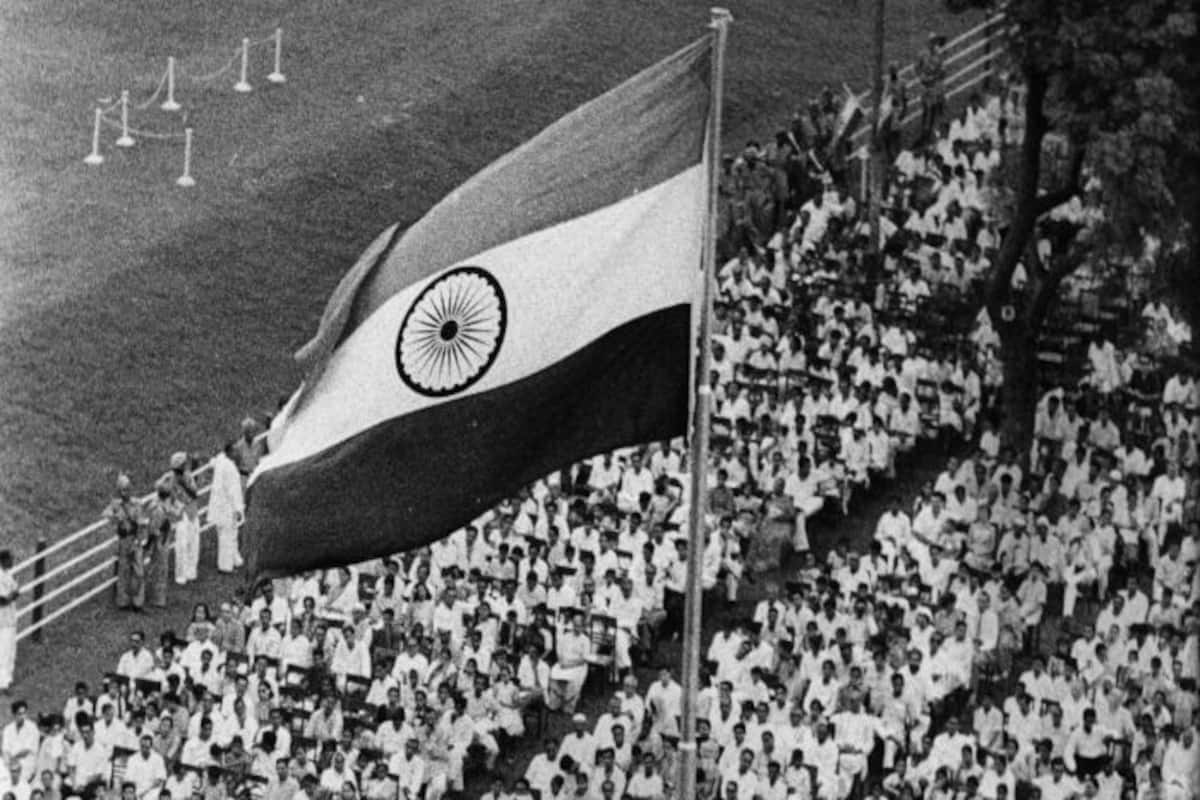
A gathering during the Indian Independence Day Act

Women’s involvement in the Gandhian phase of the Indian freedom struggle was not limited to a particular class, religion, or region. Women from all walks of life participated in the movement, including peasants, urban workers, middle-class professionals, and elite women. These women actively contributed to the movement, challenging the norms of society that relegated them to the margins.
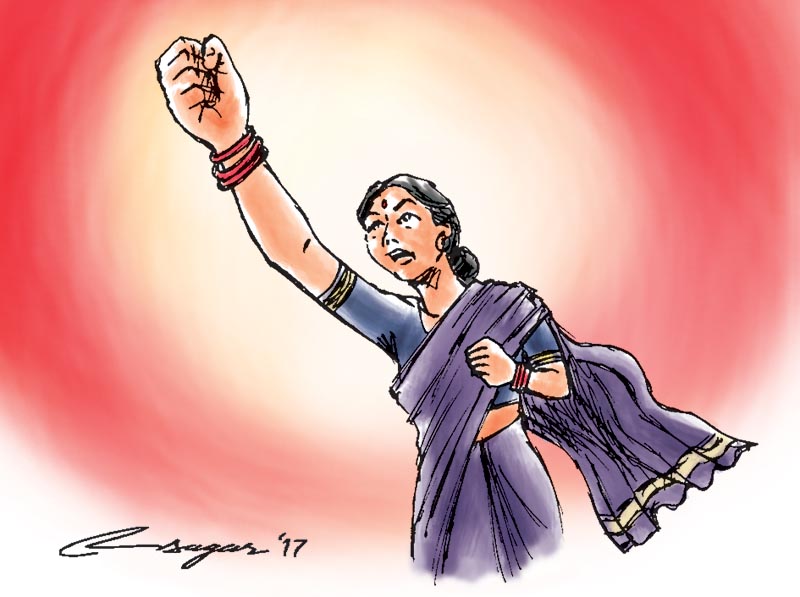
One of the most significant contributions of women during the Gandhian phase of the freedom struggle was their participation in nonviolent protests. Women took part in marches, picketing, and satyagraha movements, which were a hallmark of the Gandhian phase of the freedom struggle. Women’s participation in these protests was an assertion of their agency and a demonstration of their commitment to the cause of freedom.

A fistful of salt: Women actively participated in large numbers during the salt satyagraha at Dandi Beach under Gandhiji.

Women’s contribution to the nationalistic discourse was also significant during this period. They actively participated in debates, discussions, and public meetings, where they articulated their views on the political and social issues of the day. Women’s involvement in the nationalistic discourse challenged the patriarchal structures of society, which had relegated them to the margins of public life.
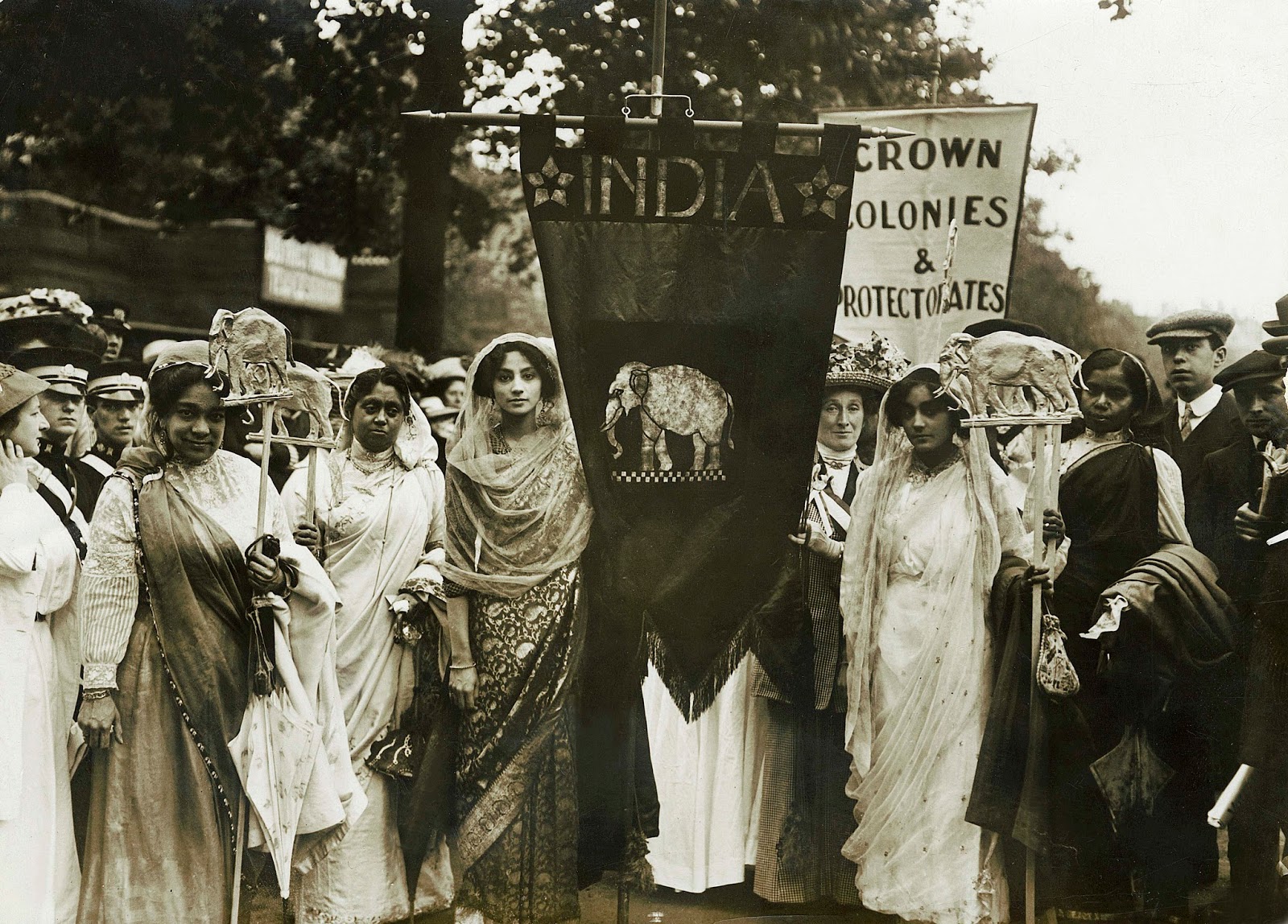
Indian women, post-independence.

Women’s role in the freedom struggle was not limited to protests and political engagement. They also played a vital role in the social and economic empowerment of women. Women’s organizations, such as the All India Women’s Conference and the National Council of Women, worked towards improving the status of women and promoting their participation in public life. These organizations helped women acquire skills, provided them with education, and encouraged their participation in the political process.
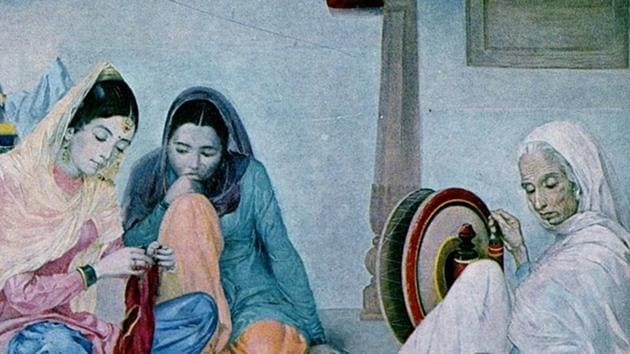
Skilled women, using charkha to earn a living.

One of the most prominent women leaders of the Gandhian phase of the freedom struggle was Sarojini Naidu. She was a poet, a writer, and a social activist, who played a critical role in the freedom movement. She was actively involved in the Non-Cooperation Movement, the Civil Disobedience Movement, and the Quit India Movement. She was also the first woman to become the President of the Indian National Congress.
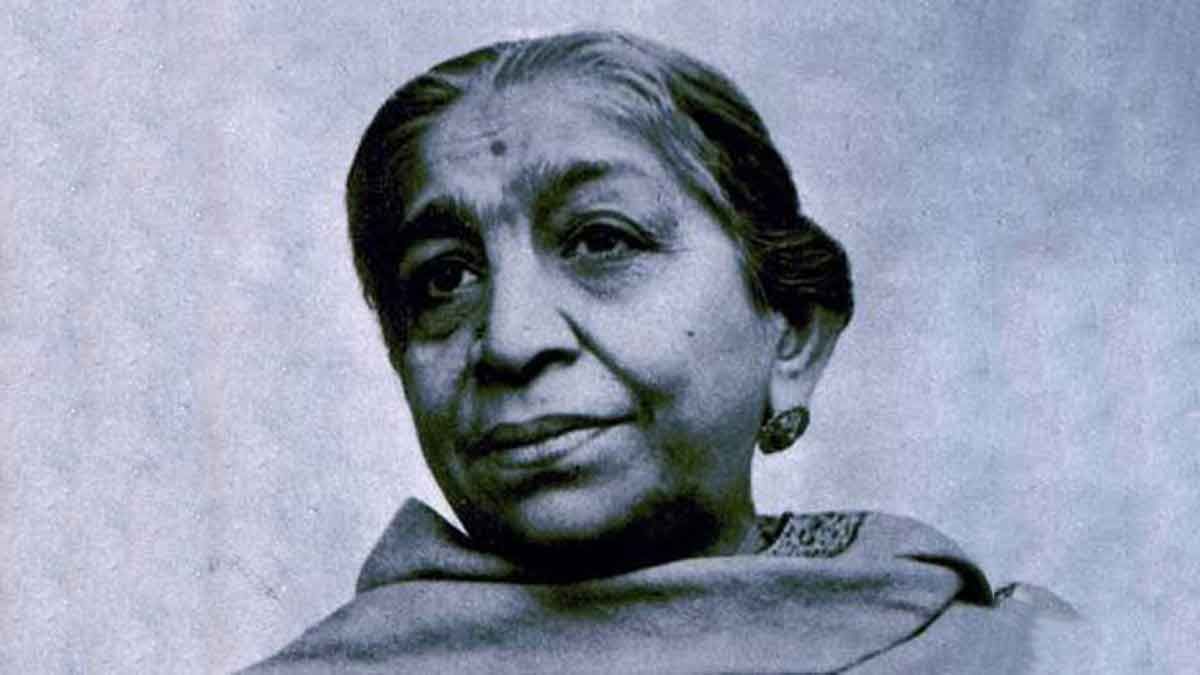
Sarojini Naidu, the nightingale of India.

Another notable woman leader of the freedom struggle was Kasturba Gandhi, the wife of Mahatma Gandhi. Kasturba was an active participant in the nonviolent protests led by her husband and played a critical role in organizing women’s groups to support the freedom struggle. She was also a prominent figure in the women’s movement and worked towards improving the status of women in society.
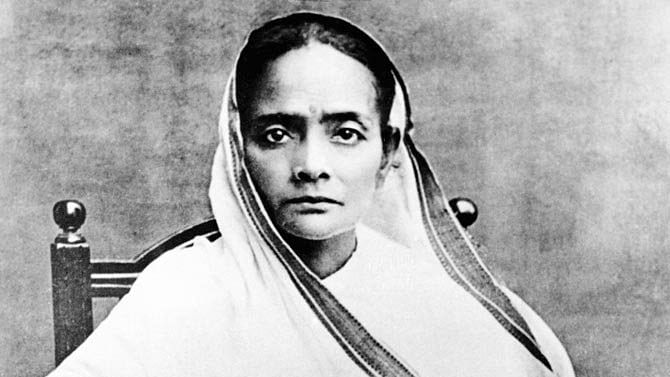
Kasturba Gandhi.

To conclude, women played a vital role in the Gandhian phase of the Indian freedom struggle. They challenged patriarchal structures, participated in nonviolent protests, contributed to the nationalistic discourse, and worked towards the social and economic empowerment of women. Their contribution to the freedom struggle was critical, and it paved the way for the recognition of women’s rights in independent India. The legacy of these women leaders continues to inspire women’s participation in public life and their pursuit of equality and justice.

Gandhi Jayanti – History and significance

“An eye for an eye makes the whole world blind” – Mahatma Gandhi

Mohandas Karamchand Gandhi or Mahatma Gandhi was born on October 2, 1869, in Porbandar, Gujarat. This year will mark Gandhi’s 152nd birth anniversary.

He was an anti-colonial nationalist and political ethicist, he used nonviolent resistance to lead India’s successful independence campaign from British rule and helped inspire movements that have fought for freedom and civil rights all over the world. He was also a successful Indian lawyer, trained at Inner Temple, London. He passed the law exam at the age of 22, in June 1891.

He then moved to South Africa, where he lived for 21 years. The first nonviolent campaign for civil rights took place in South Africa where Gandhi engaged in nonviolent resistance and raised his family. He returned to India in 1915, at the age of 45 and took over the leadership of the Indian National Congress in 1921. In addition to his national campaigning for eradicating poverty, expanding women’s rights, promoting religious and ethnic harmony, and ending untouchability, Gandhi also pushed for Swaraj or self-rule. During the 1920s, Gandhi also began wearing a loincloth and a shawl (in the winter) made of yarn hand spun on a traditional spinning wheel known as a “Charkha” to symbolize the poor of rural India. Furthermore, as a mean of self-purification and political protest, he also began to live modestly in a self-sufficient community, eat simple vegetarian fare, and fast for long periods.

Gandhi often ignited a spirit of anti-colonial nationalism to the common Indians, making them challenge the severe British-imposed norms. One such incident marked in history was the Dandi Salt March in 1930. The Dandi Salt March also known as the Salt Satyagraha was an act of nonviolent civil disobedience in colonial India led by Mahatma Gandhi. It was a twenty-four day march lasting from 12 March 1930 to 5 April 1930, covering a distance of 400 km (250 mi) and symbolized a direct action campaign of tax resistance and nonviolent protest against the British salt monopoly.

Mohandas Gandhi was called “Mahatma” meaning “great-souled” by the common people, who viewed him as India’s national and spiritual leader. This honorific was first applied to him in 1914 in South Africa, is now used throughout the world. His legacy continues to this day which is why he is still regarded as the “Father of the nation”

Gandhi’s vision for an ideal Indian is based on four pillars – Truth (satya), non-violence (ahimsa), welfare of all (sarvodaya) and peaceful protest (satyagraha). These principles together are the backbone of “Dharma” which means ‘to hold together’.

Satya means truth or oneness in your thoughts, speech and actions. Gandhi believed that “there is no religion higher than truth”. This is evidently witnessed in Gandhi’s classic autobiography “The Story of My Experiments with Truth”. Written between his childhood and 1921, this is a magnificent piece of literature touching on his life. It was written in weekly instalments and published in his journal Navjivan from 1925 to 1929.

Ahimsa or non-violence means the personal practice of not causing harm to one’s self and others under every condition.  It should be practiced not only in actions but also in thoughts and speech. Ahimsa also forms the basis of Jainism and Hinduism as a religion.

The third principle is sarvodaya or welfare for all. The basic fundamental teaching of the Vedic science is also based on sarvodaya. It talks about “bahujan hitay-bahujan sukhay” – “the good of the masses, the benefit of the masses”.

Satyagraha is protest based on satya (path of truthfulness) and non-violence and includes peaceful demonstrations, prolonged fasts etc. i.e., a non-violence-based civil resistance. It is based on the law of persistence. 

Gandhi’s teachings and principles are still preached among the civilians today. His vision for India is celebrated on his birth anniversary. This day, 2nd October is declared as a national holiday across India. On this day, people celebrate with prayer services, commemorative ceremonies and cultural events that are held in colleges, local government institutions and socio-political institutions. The statues of Mahatma Gandhi are decorated with garlands and flowers. His favourite song Raghupati Raghava is also sung at some of the meetings.

Many other countries celebrate his birth anniversary as well. In a resolution adopted on June 15, 2007, the UN General Assembly designated October 2 as International Day of Non-Violence. Resolution reiterates “the universal significance of non-violence” and pledges to “to cultivate a culture of peace, tolerance, understanding, and non-violence”.

Gandhi Jayanti

2nd October, Gandhi Jayanti ,a date which needs no introduction. Father of our nation Mohandas Karamchand Gandhi was born on this day. He was one of the strongest pillar for India during in struggle for freedom from British era.

He was very different from other freedom fighters. He believed in the concept of nonviolence and self sufficiency. His personality has impressed many leaders around the world like Martin Luther King Jr, Nelson Mandela, Einstein and even the Britishers one of those.

He was a gentleman who gained law degree in London and came back to the India and I was so touched by the living conditions of the people here that he decided to be one of them. He wore a dhoti and thin cloth on upper body.

He was a man of principle, in his aashram he did all of his work on his own and teach the same lesson to his followers. He was a tiny man but having a great speed. He walked miles on his foot that too with great speed, matching his speed was not easy.

He always live for his countrymen and tried to solve their problems and dedicated whole of his life for the country. He fought the fight of freedom with never compromising his principles. That’s the reason he was given the title of ‘Father of India’.

Gandhi preach us more!

Have you at any point longed for world with harmony and thriving for all mankind- a world where we love and care for each other notwithstanding the differences in our way of life, religion and lifestyle?

I frequently feel vulnerable when I see the world in disturbance, an after effect of contrast between our goals. Mahatma Gandhi was the man who inspired the world with Ahimsa, his faith in peace, and non- animosity. His life was a message – a message of harmony overpower, of discovering approaches to accommodate our disparities and of living in amicability with difference and love notwithstanding for our adversary. His message was as clear to his enemies as it was to his followers. He believed we can resolve best our issues if we set out to have a constructive discussion with our enemy. “Be the change you wish to see in the world ” was the statement he gave. We frequently like to complain about the system that we need to follow. But before changing the system it’s significant that we see inside ourselves and try to fix our faults. Self- realization is one of the ways to achieve success. Pour out love and respect for every individual you come across, and don’t form biases based on their background. Each simple act matters. We are responsible for our future, whatever actions we do in present determine our future. Be a life long learner, learn as if you were to live forever.

Gandhi and our nation have suffered a lot under British, but instead of taking up arms against them, he chose the path of non-violence. See how we enjoy our freedom now. He taught us revenge is never a solution, it doesn’t lead to peace or happiness. One needs to learn to forgive.It is important to be true to yourself, no matter whatever the consequences are. Stand up for what you feel is right, even if it displeases a lot of people.

Gandhi’s musings can play a tremendous role in taking the human culture forward, towards the ideal objective. His lessons and analyses are more legitimate today than any time in recent memory, particularly when we are attempting to discover answers for overall greed, corruption, violence, and runaway which are putting a heavy burden on
the world. We as a nation continue to fail him. But like for every other thing, here is also hope. We can bring harmony to our world by spreading love and peace. Although the task is daunting, Gandhi has shown us how a fragile man can achieve incredible magnitude with a staunch belief to practice peace and harmony.
Will you take the pledge to become the change you want to see in the world?