

A vaccine based on whole inactivated coronavirus has an efficacy rate of 77.8% against symptomatic COVID-19 infections, phase 3 trial data suggest.
Covaxin, also known as BBV152, was authorised for emergency
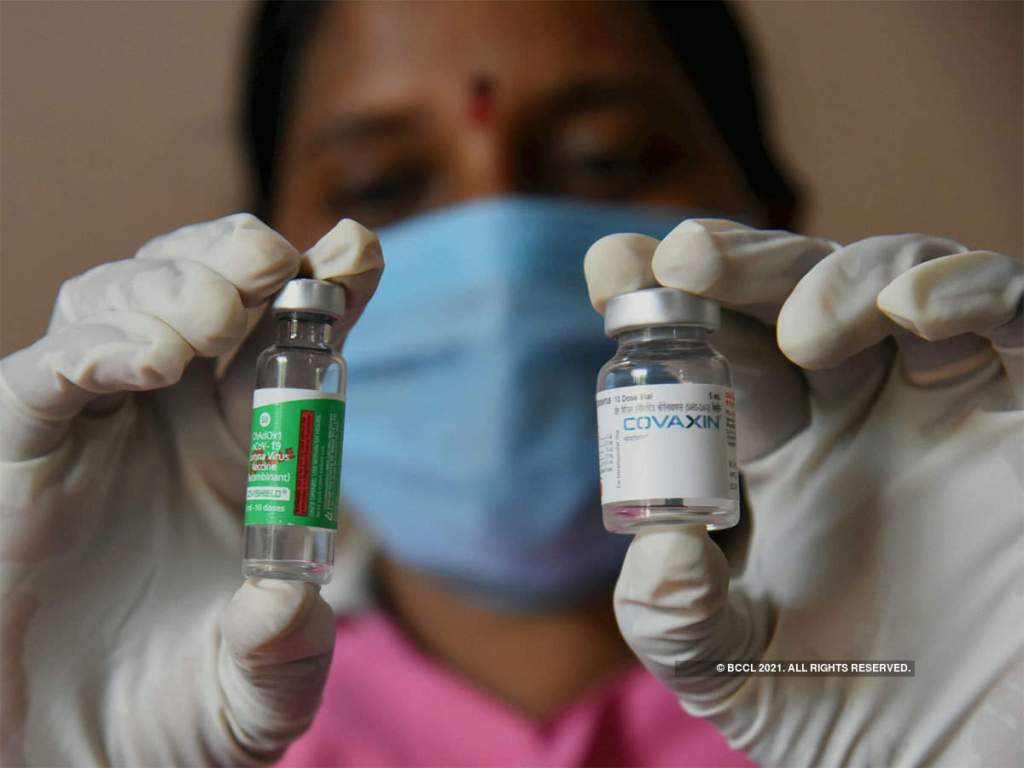
COVAXIN, India‘s indigenous COVID-19 vaccine by Bharat Biotech is developed in collaboration with the Indian Council of Medical Research (ICMR) – National Institute of Virology (NIV).
The indigenous, inactivated vaccine is developed and manufactured in Bharat Biotech’s BSL-3 (Bio-Safety Level 3) high containment facility.
The vaccine is developed using Whole-Virion Inactivated Vero Cell derived platform technology. Inactivated vaccines do not replicate and are therefore unlikely to revert and cause pathological effects. They contain dead virus, incapable of infecting people but still able to instruct the immune system to mount a defensive reaction against an infection

.
Bharat Biotech’s Covaxin has demonstrated 77.8 per cent effectiveness against symptomatic Covid and 65.2 per cent protection against the new Delta variant.
The company on Saturday said it concluded the final analysis of Covaxin efficacy from Phase 3 trials.
The efficacy analysis demonstrates Covaxin to be 93.4 per cent effective against severe symptomatic Covid cases while safety analysis shows adverse events reported were similar to placebo, with 12 per cent of subjects experiencing commonly known side-effects and less than 0.5 per cent feeling serious adverse events.
The efficacy data demonstrates 63.6 per cent protection against asymptomatic Covid, a release from the city-based vaccine maker said.
Phase 3 clinical trials of the vaccine was an event-driven analysis of 130 symptomatic Covid cases, reported at least two weeks after the second dose, conducted at 25 sites across India.
The whole virion inactivated vaccine against SARS-CoV2, was developed in partnership with Indian Council of Medical Research and National Institute of Virology in Pune.
Krishna Ella, Chairman and Managing Director of Bharat Biotech, said, “The successful safety and efficacy readouts of Covaxin as a result of conducting the largest ever Covid vaccine’s trials in India establishes the ability of India and developing world countries to focus towards innovation and novel product development. We are proud to state that Innovation from India will now be available to protect global populations.”
POSITIVE RESULTS
The Phase 3 trial involved 25,800 participants in India aged 18 to 98. Of these, 2,433 were over 60 years old, and 4,500 had pre-existing medical conditions (co-morbidities) such as cardiovascular disease, diabetes or obesity.
The study found that Covaxin had an efficacy of 93.4% against severe COVID-19 disease, and an overall vaccine efficacy of 77.8% against symptomatic infections confirmed by PCR tests. Against asymptomatic COVID-19, the efficacy was 63.6%. The vaccine also conferred 65.2% protection against symptomatic infection with the Delta variant, at least two weeks after the second dose.
As a rough comparison, recent figures from Public Health Scotland suggested that at least two weeks after the second dose, the Pfizer-BioNTech vaccine was 79% effective against the Delta variant, while the Oxford-AstraZeneca was 60% effective. However, different trial methodologies make it impossible to directly compare the relative efficacies of the various vaccines.
The main side effects from Covaxin were pain at the injection site, followed by headache, fatigue and fever. No severe or life-threatening adverse events were reported.

 Track2Training
You must be logged in to post a comment.