Zikavirus: A new terror?

Similar to West Nile, yellow fever and dengue viruses is the zika virus. Zika is mostly spread by mosquito bites and is carried by contaminated Aedes aegypti mosquitoes, however, it can also be contracted to intrauterin. Zika may affect anybody, but because to the possibility of embryonic microcephaly and other brain abnormalities, pregnant women are particularly at risk. It’s possible for this virus to spread sexually. It has been documented that sexual partners of sick men and women can spread the disease. 

Presently, there is no established vaccine or cure. However, to prevent this disease it should be made sure to get rid of old tyres and make holes in the swings’ bottoms, clean out blocked gutters.
Insecticide treatment for rain barrels, weekly water changes, or emptying of birdbaths.During the first week of sickness, closely adhere to the precautions to avoid mosquito bites in order to help stop others from getting sick.

TYPES OF MALWARE

WHAT IS MALWARE?

  Malware is malicious software that is designed to affect computer operations or gaining access to the computer system without the user’s knowledge or permission. Computer viruses, worms, Trojan horses, ransomware, spyware, adware, scareware are some of the malware. Malware is simple to identify. Most cybercriminals target the user’s end devices through the installation of malware.

VIRUSES:

  A malicious executable code attached to another executable file is known as a virus. Most of the viruses need the end user’s initiation and can activate at a specific time or date. Computer viruses are spread through removable media, downloads from the internet, and email attachments. The virus can be simple or destructive. They may delete or modify the user’s data. Opening a file may trigger a virus. The USB flash drives are infected by the virus and then spread to the system’s hard disk. A virus will also be activated by executing a specific program. Once the programs get infected by a virus, it will affect the other programs on the computer network. The Melissa virus was an example of a virus that has spread through email and affected thousands of end-users.

WORMS:

  Worms are malicious code that exploiting vulnerabilities in networks. Unlike a virus, they replicate independently. Viruses require a host program to run whereas worms can run by themselves. Worms are used to slow down the networks. Other than the initial infection, worms no longer need the user’s participation. Worms share similar patterns and once they affect the host they can spread fast through the network. Worms propagate themselves by carrying a payload. The code red worm in 2001 has affected nearly 658 servers.

TROJAN HORSES:

  A Trojan horse is a malware that carries out malicious operations. It is disguised under the desired operation such as playing an online game. Once the user runs the files with Trojan horse, the malicious code exploits the privileges of the user. The Trojan horse binds to the non-executable files. Some of such files are image files, audio files, or games.

LOGIC BOMBS:

   A logic bomb is a malicious program. It requires a trigger to work. It remains inactive until it is triggered by an external event. Once the bomb gets activated, it harms the user’s computer. A logic bomb can modify data records, or remove files or attack the operating system. The logic bomb overdrives the devices like cooling fans, CPU memory, hard drives until these devices get overheated or corrupts.

RANSOMWARE:

   Ransomware holds the files and devices until the target makes the payment. It works by encrypting the data with a key unknown to the user. To remove the restriction, the user may pay a ransom to the criminals. Some other versions of ransomware can take advantage of specific vulnerabilities to lock down the system. It may enter through the downloaded files or sometimes it may propagate as Trojan horses. Once the victims pay the ransom, the criminals will issue the key to unlock the code or the programs that decrypt the files. They receive the payment through the untraceable payment system.

BACKDOORS:

  A backdoor refers to the criminal introduces the malicious program or code by compromising the system. Netbus and Back office are some of the backdoors that allow remote access to unauthorized access. Even though the organization fixes the original vulnerability, the backdoor grants the cybercriminals future access to the system. Usually, criminals run a Trojan horse program to install the backdoor to the user’s system.

ROOTKITS:

  To introduce a backdoor in the system, the rootkits help to modify the operating system. The attackers use the backdoor to access the system. Most rootkits take advantage of software vulnerabilities to modify or delete the system files. Rootkits modify the system forensics and monitoring tools.

DEFENDING AGAINST MALWARE

  Some steps to follow that defends against all types of malware:

·        ANTIVIRUS SOFTWARE: Most of the malware is caught by the antivirus suites. On the daily basis, cybercriminals develop and deploy new threats. Therefore the key to an effective antivirus solution is that keep the systems updated. A signature is like a fingerprint to identify malicious codes.

·        UP-TO-DATE SOFTWARE: Through the software vulnerabilities in software both in the OS and applications, malware can achieve its objectives. The application-level vulnerabilities also cause severe risks to the system. So always use the up-to-date software.

.

HERPES SIMPLEX- CAUSES, DIAGNOSIS, SYMPTOMS, TREATMENT

BY- DAKSHITA NAITHANI

INTRODUCTION AND CAUSATIVE AGENT

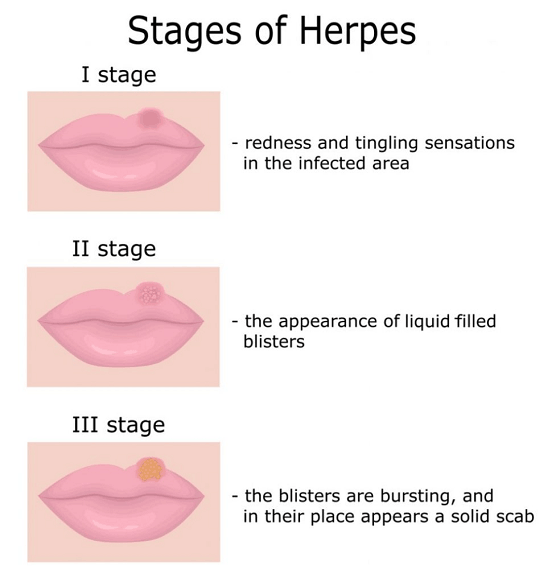
Herpes is a generic word for a group of viral diseases that cause painful, fluid-filled sores or blisters in and around the mouth or genital area. Also known as herpes simplex, it is of two types:

Genital herpes is a prevalent sexually transmitted disease (STD) characterised by genital blisters and ulcers. Herpes simplex virus type 2 infection is the most common cause of genital herpes (HSV-2). According to the CDC, one out of every six persons aged 14 – 49 faces this condition.

Herpes simplex virus type 1 (HSV-1), which is more commonly associated with oral herpes, can also cause genital herpes.

Oral herpes causes tiny cold sores and fever blisters in the mouth, lips, and gums. HSV-1 is the most common cause of oral herpes, however HSV-2 may also be to blame in rare situations.

SYMPTOMS

It’s crucial to remember that an infection might exist even if there are no apparent symptoms. They might potentially spread the infection to others. Blistering sores (in the mouth or on the genitals), discomfort while urinating and itching are some of the symptoms linked with this virus.

Symptoms that are comparable to the flu may also occur. Fever, enlarged lymph nodes, headaches, exhaustion, and a loss of appetite are some of the symptoms. Herpes keratitis is a disease caused by HSV spreading to the eyes. Symptoms include eye discomfort, drainage, and a gritty sensation in the eyes.

DIAGNOSIS

Doctors can diagnose a herpes infection by examining at the skin and/or swabbing the sores for evidence if signs of HSV type 1 or 2 are present. A blood test can assist establish whether or not you have an infection if you don’t have any visible symptoms.

Viral culture: This test entails obtaining a tissue sample or scraping the lesions for analysis.

PCR test: Even if there are no symptoms, a PCR test can determine if someone has genital herpes. In a sample collected from fluids from the urinary system, the PCR test looks for fragments of the virus’s DNA. This is an extremely accurate and widely used test.

Cell culture: During the checkup, the doctor might collect a sample of cells from a sore and examine them under a microscope for HSV.

If the lesions have started to heal or have been infected recently, a cell culture or PCR test may produce a false-negative result.

Blood test: To diagnose a previous herpes infection, this test examines a sample of blood for the presence of antibodies.

Antibodies against a herpes virus are detected in type-specific herpes blood tests, which also determine if the antibodies are against HSV-1 or HSV-2. Type-specific testing is unable to pinpoint the exact location of the infection in the body. Antibodies to any kind of herpes are detected in general herpes blood tests, but they do not indicate for which type the antibodies are present for.

After being infected, it generally takes two weeks for symptoms to develop. If you do not have any lesions that can be tested, it’s a good idea to wait at least a month or two after a possible exposure before obtaining a test. This is due to the fact that the body takes time to produce antibodies that may be detected in the blood, without these antibodies a false-negative test may occur.

TREATMENT

Prescription antiviral medicines may: Aid in the healing of sores following a first outbreak In repeated outbreaks, reduce the severity and duration of symptoms. Recurrence frequency is also reduced. It also reduces the risk of spreading the herpes virus to others.

Antiviral medications used for genital herpes include:

Acyclovir (Zovirax)

Valacyclovir (Valtrex)

What are germs?

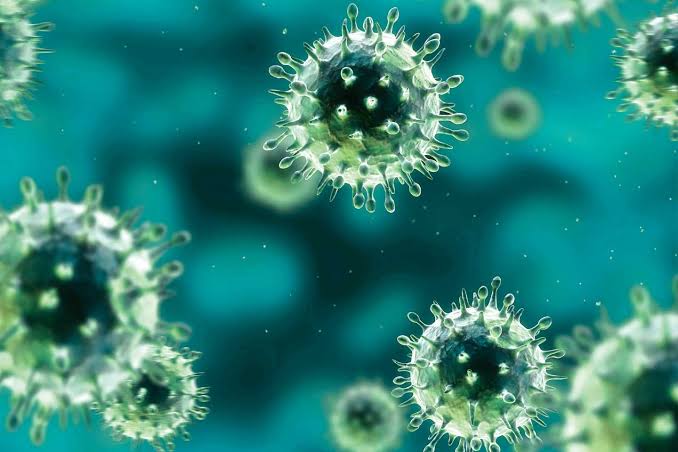
The term “germ” encompasses an army of tiny terrors, including viruses, fungi, parasites, and bacteria. These “pathogens” all have the ability to spread from victim to victim(called a host). Germs are so small you can see them only through a microscope. They look like spiky blogs, oozing spirals,hairy hotdogs, or other microscopic monsters.

Why are germs bad for us?

These microorganisms hitch a ride into our bodies on the food we eat, in the air we breathe, or through a variety of other methods. Once they have invaded our personal spaces, germs reproduce and create toxic waste, which triggers our body’s most repulsive reactions. They make us sniffle, upchuck, run to the toilet, break out in rashes and fevers, and suffer even more unpleasant symptoms.

How do we get sick from viruses?

Most viruses are frail little things ( unlike bacteria and fungi, viruses are not even alive ) that can multiply only inside a living host ( including animals, plants, and even bacteria). There they spread overwhelming and attacking the host’s immune system and causing all sorts of nasty symptoms. Colds, flus, chicken pox, immune disorders, and measles are caused by viruses. Among the worst is a Ebola, which triggers bleeding and is fatal more than half the people who catch it.

How do we get sick from fungi?

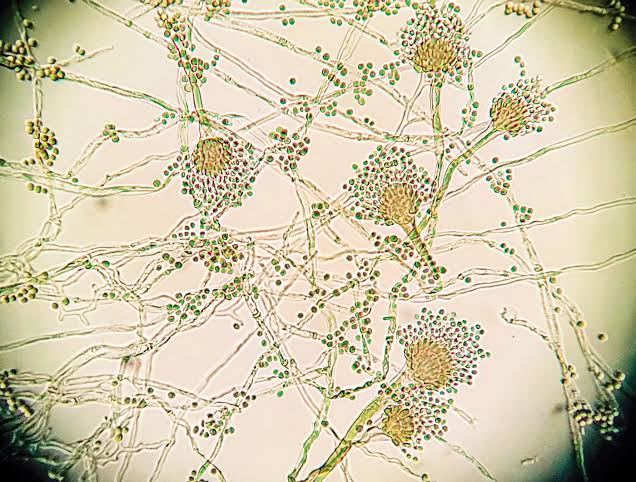
Fungi are microscopic molds, yeasts, and other plant like pathogens that thrive in wet, warm places like our armpits, our belly buttons, and the dank spaces between our toes. They feed on our respect and dead tissues and produce stinky wastes that irritate our skin.

How do we get sick from parasites?

This ghastly germ group includes itty-bitty insect larvae, amoebas, and one celled organisms called Protozoa that live in nasty food, damp soil, or dirty water. Parasites depend on a living host for their survival. They sneak into our bodies in tainted water and food, costing of all sorts of gastrointestinal gripes: diarrhoea, vomiting, upset stomachs, and worse. Malaria – common diseases that causes chills, shaking, and fevers – is spread by a parasite passed in mosquito bites. These life-sucking relationships are often the stuff of nightmares.

How do we get sick from bacteria?

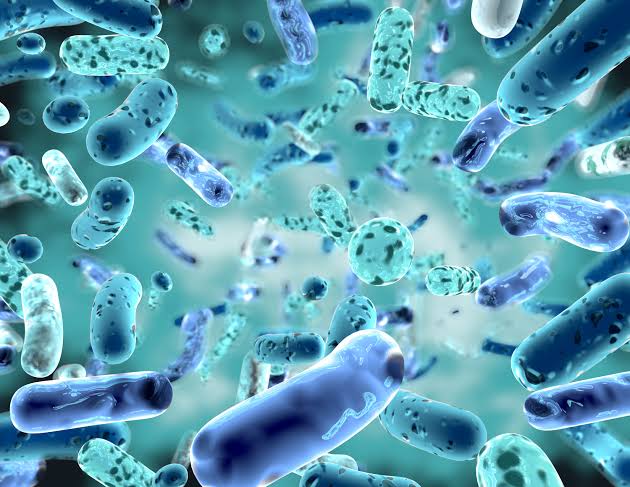
Unlike viruses, bacteria are living single celled organisms that can reproduce both outside and inside the body. Like all living things, bacteria create waste -microscopic poops that can act as a poison inside the host. You can blame sore throat, ear infections and tooth-tartar buildup on bacteria. One of the most famous bacteria is Escherichia coli. This rod shaped micorbe lives deep in your intestines, the body’s busiest bacterial neighborhood. Harmful ones make you puke for days.E.coli strains produce an important vitamin. That’s right – some bacteria are actually good for you!

How many bacteria are inside our body right now?

Your body is built of trillions of itty-bitty living blobs, called cells, that work together to make you you. But for every cell you call your own, ten foreign bacteria cluster around or near it. You are a microbe metropolis! Scientists call these communities of foreign bacteria your body’s “flora”, and no two people host the same mix of microorganisms. In fact, scientists are beginning to think of your flora as just another organ.

Can we see these bacteria?

No, they are microscopic. But you can certainly smell them. Like any living thing, bacteria eat, reproduce,die, and create waste which can make your life stink – literally !(Bacteria are the source of bad breath and body odor.)

Benefits of Bacteria

Your gut reaction might be to wrinkle your nose at the thought of bacteria inside your guts, but it turns out that many so-called good bacteria are essential to your health, the survival of life on Earth, and the making of tasty foods. Behold, the benefits of a microscopic allies…

Health boosting

Your body’s microbes support your immune system, which fights sickness.

Plant feeding

Blue-green algae and other types of bacteria convert the nitrogen in the air into compounds plants can use.

Food processing

Micorbes in our innards play a huge role in the digestive process, helping us absorb nutrients and vitamins from our food.

Food making

Bacteria are a vital ingredient in the process of turning milk into yogurt and tasty cheeses. The holes in Swiss cheese are created by carbon dioxide bubbles exhaled by bacteria during the cheese making process.

Planet Cleaning

Bacteria breakdown dead animals and plants, which “decompose” into nutrients for the living.

References :

WHY?-Answers to everything, Image publications.