By Dileep Verma (Research Expert and Associate Editor of Track2training, New Delhi, India)
Social psychology often studies concepts that cannot be observed directly. Attitudes, perceived discrimination, social identity, trust, human dignity, prejudice, perceived inclusion, behavioural intentions, and psychological well-being are examples of latent constructs. Researchers usually measure these concepts through multiple questionnaire items rather than a single observed variable. Structural equation modelling (SEM) is particularly useful in such situations because it allows researchers to examine measurement quality and relationships among constructs within an integrated statistical framework.
SmartPLS 4 provides several SEM approaches in one graphical environment, including partial least squares structural equation modelling (PLS-SEM), consistent PLS (PLSc), confirmatory composite analysis (CCA), covariance-based SEM (CB-SEM), and confirmatory factor analysis (CFA) (Ringle et al., 2024). The choice among these methods should follow the theoretical conception of the constructs and the purpose of the analysis rather than software convenience.
CFA, CCA and PLS-SEM: An Important Distinction
Researchers should distinguish CFA from CCA. CFA belongs to the common-factor tradition and is normally associated with CB-SEM. SmartPLS now supports CFA through its CB-SEM functionality using maximum-likelihood estimation. CFA asks whether observed indicators adequately represent hypothesised latent factors and is commonly used before evaluating structural relationships in CB-SEM (Hair et al., 2018; Hair et al., 2025).
CCA serves a related confirmatory purpose within composite-based SEM, including PLS-SEM. Hair, Howard, and Nitzl (2020) proposed CCA as a systematic procedure for assessing measurement-model quality in PLS-SEM. Current SmartPLS documentation nevertheless notes continuing methodological debate about CCA and does not recommend treating it as the only approach to measurement-model assessment.
This distinction matters in social psychology. If a researcher conceptualises psychological attributes as common factors that generate observed responses, CFA may be appropriate. If the research model uses composite-based estimation and emphasises explanation or prediction of relationships among constructs, PLS-SEM may be suitable.
Confirmatory Assessment of the Measurement Model
Before interpreting relationships among psychological constructs, researchers need to establish that the measures have acceptable reliability and validity.
For reflective constructs, outer loadings provide an initial assessment of indicator reliability. A loading of approximately 0.708 or higher is desirable because 0.70820.708^2 is approximately 0.50, indicating that the construct explains about half of the indicator’s variance (Hair et al., 2022). Indicators with loadings between 0.40 and 0.708 should not be deleted automatically. Researchers should consider theoretical content and whether removing an item improves composite reliability and AVE. Very weak indicators, particularly those below 0.40, generally require closer scrutiny.
Internal consistency is then assessed. Cronbach’s alpha (α), rho_A, and composite reliability (rho_c) are commonly reported. Values of 0.70 or above generally indicate acceptable reliability in established research, while values between 0.70 and 0.95 are usually desirable for composite reliability. Values above approximately 0.95 may indicate that indicators are excessively similar or redundant (Hair et al., 2022).
Convergent validity is commonly evaluated using the Average Variance Extracted (AVE). An AVE ≥ 0.50 indicates that a construct explains at least half of the variance in its indicators on average.
A practical reporting guide is therefore:
Outer loadings: preferably ≥ 0.708 Cronbach’s α: generally ≥ 0.70 rho_A: generally ≥ 0.70 Composite reliability (rho_c): approximately 0.70–0.95 AVE: ≥ 0.50
These thresholds should guide judgement rather than operate as mechanical rules for deleting questionnaire items.
Discriminant Validity: Give Priority to HTMT
Social-psychological constructs are often conceptually related. Perceived discrimination may correlate with social exclusion; dignity may correlate with psychological well-being; and attitudes may correlate strongly with behavioural intentions. Researchers therefore need to demonstrate that supposedly different constructs are empirically distinguishable.
The Heterotrait-Monotrait ratio (HTMT) has become the preferred criterion for evaluating discriminant validity in PLS-SEM (Henseler et al., 2015). An HTMT value below 0.85 represents a conservative criterion, while 0.90 is frequently used when constructs are conceptually close.
Older PLS-SEM studies frequently report the Fornell-Larcker criterion and cross-loadings. These can still appear as supplementary information, but current SmartPLS guidance describes them as outdated for establishing discriminant validity because they may fail to identify validity problems that HTMT detects.
Thus, a modern PLS-SEM study should normally give greater weight to HTMT and, where appropriate, bootstrap-based HTMT inference.
From Measurement to the Structural Model
Once measurement quality has been established, researchers can assess the structural model. The analysis commonly considers collinearity, path coefficients (β), coefficient of determination (R²), effect size (f²), statistical significance, confidence intervals, and predictive assessment where relevant (Hair et al., 2019; Hair et al., 2022).
For example, a social psychologist might hypothesise:
Perceived discrimination → Social exclusion → Psychological well-being
or:
Institutional inclusion → Human dignity → Perceived policy impact
PLS-SEM allows researchers to estimate these relationships simultaneously while accounting for the measurement of each construct.
Why 5,000 Bootstrap Samples?
PLS-SEM commonly uses non-parametric bootstrapping to assess the statistical uncertainty of estimated relationships. A researcher can generate 5,000 bootstrap samples, repeatedly re-estimate the model, and obtain standard errors, t-values, p-values, and confidence intervals.
The analytical sequence can be expressed as:
Original sample → 5,000 bootstrap resamples → repeated model estimation → sampling distribution → confidence intervals and significance tests
Researchers should therefore report the path coefficient (β), bootstrap standard error, t-value or p-value, and confidence interval, rather than relying solely on whether p < .05.
Bootstrapping is particularly useful for indirect effects and mediation, where researchers need to assess the indirect pathway itself rather than infer mediation simply because separate component paths are statistically significant.
What About Model Fit?
This is an area where CFA and PLS-SEM should not be mixed.
For CFA conducted through CB-SEM, researchers may examine global fit statistics such as χ², CFI, TLI, RMSEA and SRMR. Common guidelines often regard CFI/TLI around 0.90 or higher, RMSEA below about 0.08, and SRMR below about 0.08 as indicative of acceptable fit, although interpretation depends on model characteristics and should not rely on a single cutoff (Kline, 2023).
These CB-SEM fit criteria should not simply be transferred to standard PLS-SEM. PLS-SEM has a different estimation objective, and measurement quality is primarily evaluated through reliability, convergent validity, discriminant validity, and appropriate assessment of formative measures when present.
Demographic Robustness Without Fishing for Moderators
Social-psychological findings may also be checked across characteristics such as gender, age, education, income, employment status, residence, or prior experience. Such analysis can establish whether the main conclusions remain reasonably stable after accounting for relevant demographic characteristics.
However, robustness analysis is not automatically moderation analysis.
Researchers should avoid adding numerous interaction terms simply because SmartPLS makes moderation technically easy. When theory does not specify demographic moderation, the more defensible approach is to retain the prespecified structural model and use demographics for clearly defined robustness checks. Where theoretically justified group comparisons are required, researchers should consider measurement invariance and appropriate multigroup analysis.
PLS-SEM Does Not Automatically Demonstrate Causality
Finally, arrows in a SmartPLS model do not themselves prove causal effects. This limitation is especially important for cross-sectional observational social-psychological surveys.
A significant coefficient from perceived discrimination to well-being establishes a statistical relationship conditional on the specified model. It does not independently rule out reverse relationships, omitted variables, selection processes, or other explanations.
Researchers should therefore write:
“Perceived discrimination was negatively associated with psychological well-being.”
Similarly, statistically significant mediation in cross-sectional data supports an indirect statistical relationship consistent with the theoretical mechanism, but it should not automatically be presented as evidence of a causal process.
Conclusion
SmartPLS offers social psychologists a flexible environment for studying complex relationships among attitudes, perceptions, identities, experiences, and behavioural outcomes. A rigorous application begins with theory and construct specification, followed by careful measurement assessment and only then structural-model evaluation.
For PLS-SEM, researchers should examine indicator loadings, reliability, AVE and especially HTMT before interpreting structural paths. Bootstrapping with 5,000 resamples provides inference for direct and indirect relationships. Demographic checks can assess robustness without turning the analysis into an exploratory search for moderators. Most importantly, researchers should distinguish CFA from CCA, CB-SEM fit from PLS-SEM assessment, statistical association from causation, and software capability from theoretical justification.
These distinctions make SmartPLS more than a path-diagram tool. They allow researchers to use SEM in a way that remains closely connected to measurement theory, substantive social-psychological questions, and defensible statistical interpretation.
References
Hair, J. F., Babin, B. J., Ringle, C. M., Sarstedt, M., & Becker, J.-M. (2025). Covariance-based structural equation modeling (CB-SEM): A SmartPLS 4 software tutorial. Journal of Marketing Analytics, 13, 709–724.
Hair, J. F., Black, W. C., Babin, B. J., & Anderson, R. E. (2018). Multivariate data analysis (8th ed.). Cengage.
Hair, J. F., Howard, M. C., & Nitzl, C. (2020). Assessing measurement model quality in PLS-SEM using confirmatory composite analysis. Journal of Business Research, 109, 101–110.
Hair, J. F., Hult, G. T. M., Ringle, C. M., & Sarstedt, M. (2022). A primer on partial least squares structural equation modeling (PLS-SEM) (3rd ed.). Sage.
Hair, J. F., Risher, J. J., Sarstedt, M., & Ringle, C. M. (2019). When to use and how to report the results of PLS-SEM. European Business Review, 31(1), 2–24.
Henseler, J., Ringle, C. M., & Sarstedt, M. (2015). A new criterion for assessing discriminant validity in variance-based structural equation modeling. Journal of the Academy of Marketing Science, 43, 115–135.
Kline, R. B. (2023). Principles and practice of structural equation modeling (5th ed.). Guilford Press.
Ringle, C. M., Wende, S., & Becker, J.-M. (2024). SmartPLS 4. SmartPLS.
If you could start a new business right now, what would it be?
India’s human settlements are undergoing profound transformation as a result of urbanisation, metropolitan expansion, migration, infrastructure investment, changing housing markets, environmental pressures and technological development. These transformations have generated substantial opportunities for economic growth and improved connectivity, but their benefits and costs are not distributed equally. Inequalities persist in access to housing, sanitation, transportation, public spaces, employment, environmental resources and decision-making. Social justice must therefore become a central objective of spatial planning rather than a supplementary concern addressed after physical development has occurred. This article examines inclusive human settlement planning in India through an integrated review of housing, informal settlements, urban-fringe development, sanitation, universal design, public transportation, first- and last-mile connectivity, transit-oriented development, public-space accessibility, gender, caste, rural development, participatory planning, environmental justice and emerging digital technologies. It draws extensively on the supplied research literature, including studies by Dehalwar, Sharma and their collaborators on social injustice, slums, housing, research methodology, women’s reservation, transport, urban growth, green buildings, life-cycle assessment, artificial intelligence, digital twins, rural employment, sanitation and accessibility. The article argues that social justice has distributive, recognitional, procedural and representational dimensions. It proposes an integrated framework in which housing, mobility, infrastructure, environment and participation are planned as interconnected systems. The article further argues that artificial intelligence, GIS, machine learning and digital twins can strengthen planning only when accompanied by representative data, community participation and institutional accountability. The future of Indian planning should therefore move from infrastructure-centred development towards people-centred, context-sensitive and evidence-based human settlement planning.
Keywords: social justice; inclusive human settlements; spatial inequality; housing; informal settlements; transport accessibility; universal design; participatory planning; environmental justice; artificial intelligence; India
1. Introduction
Human settlements are not merely collections of buildings, roads and infrastructure. They are complex spatial systems in which economic activity, social relationships, cultural practices, environmental processes and institutional structures interact. A neighbourhood provides not only shelter but also access to employment, education, healthcare, transportation, public spaces and social networks. Consequently, decisions about land use, housing, roads, public facilities and environmental infrastructure are simultaneously decisions about opportunity and inclusion.
The importance of inclusive settlement planning has become increasingly visible as urbanisation accelerates. The United Nations identifies inclusive, safe, resilient and sustainable cities as a central global development objective under Sustainable Development Goal 11. Current UN reporting emphasises that rapid urbanisation can outpace the provision of housing, infrastructure and services, while urban sprawl, informal settlements and unequal access to public transport remain major challenges. United Nations
These challenges are especially significant in India. Large metropolitan regions are expanding beyond conventional municipal boundaries; smaller cities are experiencing increasing development pressure; villages are becoming functionally integrated with urban economies; and peri-urban areas are being transformed by residential, commercial and infrastructure development. At the same time, informal settlements remain important sources of affordable housing and employment access for economically vulnerable populations.
Climate change adds another layer of complexity. UN-Habitat’s World Cities Report 2024 notes that climate impacts interact with existing inequalities and that poorer and marginalised urban groups frequently have fewer resources with which to respond to climate risks. The report also stresses that poorly designed climate interventions can themselves create exclusionary outcomes, particularly where informal settlements and vulnerable communities are overlooked. UN-Habitat The IPCC similarly identifies unplanned and informal settlements and smaller and medium-sized cities in low- and middle-income countries as important areas of increasing climate vulnerability and exposure. IPCC
The research supplied for this article provides a valuable India-specific basis for examining these questions. It includes research on social injustice caused by spatial changes in vernacular settings, the fate of slums in Bhopal, housing development in urban fringe areas, rural sanitation, universal design, women’s reservation, Dalit representation, rural employment, public transport, first- and last-mile accessibility, public-space access, green buildings, life-cycle assessment, urban growth modelling, artificial intelligence and digital twins. The bibliography supplied by the user records these works across the period 2012–2027. Pasted text Pasted text
The central proposition of this article is that social justice should be embedded in the entire planning process. It should influence how problems are diagnosed, how alternatives are developed, how infrastructure is located, how investments are prioritised, how communities participate and how outcomes are evaluated.
The objective should not simply be to build more infrastructure or create more technologically advanced cities. It should be to create human settlements in which people with different incomes, ages, genders, abilities, occupations and social backgrounds can access opportunities and participate meaningfully in shaping the places where they live.
2. Social Justice as a Foundation of Human Settlement Planning
Social justice in spatial planning can be understood through four interconnected dimensions: distribution, recognition, participation and representation.
2.1 Distributive justice
Distributive justice concerns the allocation of resources and opportunities. In spatial planning, these include:
housing;
roads;
public transport;
schools;
healthcare;
sanitation;
parks;
water;
employment opportunities; and
environmental amenities.
A settlement can be physically developed while remaining socially unequal if infrastructure and opportunities are concentrated in selected areas.
2.2 Recognitional justice
Recognitional justice requires planners to recognise differences between social groups. Older adults, women, children, persons with disabilities, migrants, informal workers and socially marginalised communities may experience the same urban environment differently.
A staircase, for example, may represent convenient circulation for one person but a major barrier for another.
2.3 Procedural justice
Procedural justice concerns who participates in decisions. Residents should have opportunities to contribute to planning rather than merely being informed after decisions are finalised.
2.4 Representational justice
Representational justice concerns institutional power. Dehalwar and Sharma’s work on women’s reservation and the research of Verma, Yadav, and Sharma on Dalit representation demonstrate that social inclusion is also a question of access to institutions and decision-making power. Pasted text Pasted text
These dimensions cannot be separated. Poor distribution may result from weak representation. Lack of recognition may lead to inappropriate infrastructure. Limited participation can result in plans that fail to understand local needs.
Consequently, an inclusive planning framework should address all four.
3. Spatial Transformation and Social Injustice
Physical transformation is an essential characteristic of urban development, but it is not socially neutral.
Dehalwar and Sharma (2024), in their study “Social injustice inflicted by spatial changes in vernacular settings: An analysis of published literature,” examine how changes in spatial environments can produce social consequences. The study is particularly relevant to settlements where traditional forms, social networks and cultural relationships are altered by development. Pasted text
Traditional neighbourhoods often contain forms of social infrastructure that are difficult to quantify. Streets may function as social spaces. Courtyards may support community interaction. Local markets may support informal employment. Religious or cultural spaces may contribute to collective identity.
When redevelopment replaces these systems, the physical quality of the new environment does not necessarily compensate for the loss of social relationships.
This creates a fundamental planning question:
Should successful redevelopment be measured only by what replaces the existing physical environment, or also by what happens to the community that occupied it?
A socially just approach requires the second question to be considered.
Spatial transformation should therefore be evaluated in terms of:
displacement;
affordability;
cultural continuity;
access to social networks;
livelihood impacts;
accessibility;
public-space changes; and
community participation.
4. Urbanisation and Uneven Development
Urbanisation generates economic opportunities, but its benefits are spatially uneven.
Areas with better transportation, employment and infrastructure tend to attract investment. Property values may increase, commercial activities may intensify and development may accelerate. At the same time, communities with lower incomes may face affordability pressures.
This produces a paradox: improved infrastructure can simultaneously improve accessibility and increase displacement pressure.
Planning must therefore consider the distributional consequences of infrastructure investment.
Kumar, Vyas, Sharma, and Dehalwar (2023) examined planning and development of housing in the urban fringe area of Bhopal, providing an example of the complexity of peripheral urban development. Pasted text
Urban fringes are particularly important because they often contain:
agricultural land;
villages;
informal settlements;
plotted developments;
institutional uses;
industrial areas;
new housing projects; and
emerging transport corridors.
These areas require planning at a scale larger than individual municipal jurisdictions.
5. The Urban Fringe as a Zone of Social Transformation
The urban fringe is not simply an undeveloped area waiting for urban expansion.
It is often an existing social and economic landscape.
Agricultural households may depend on land for livelihood. Villages may possess established community institutions. Informal settlements may provide affordable housing to workers employed in nearby cities.
When development occurs, some landowners may benefit from rising land values, while agricultural labourers may lose employment opportunities. Existing residents may gain access to infrastructure but face increased costs.
The transition from rural to urban land use can therefore produce differentiated outcomes.
A socially just metropolitan strategy should include:
protection of essential agricultural land;
recognition of existing villages;
infrastructure provision for peripheral communities;
affordable housing;
public-transport connectivity;
protection of livelihoods;
environmental management; and
community participation.
6. Predicting Urban Growth: From Modelling to Inclusive Planning
Urban growth modelling can help planners anticipate development.
Kumar, Vyas, Sharma, and Dehalwar (2025) examined urban growth prediction using a CA–ANN model and spatial analysis for planning policy in Indore city. The supplied bibliography records the article in GeoJournal. Pasted text
CA–ANN approaches combine spatial transition modelling with artificial neural-network techniques. Such approaches can support identification of potential growth areas and relationships among land-use variables.
However, predictive modelling should not be treated as an automatic substitute for planning.
A model may indicate that development is likely in a particular location. It does not determine:
whether development should occur there;
who will benefit;
who may be displaced;
whether infrastructure is adequate;
whether the land is environmentally suitable; or
whether the development is socially equitable.
The next generation of urban-growth modelling should therefore incorporate social indicators alongside physical variables.
Possible social variables include:
income;
housing affordability;
accessibility;
service coverage;
tenure;
population vulnerability;
environmental exposure; and
displacement risk.
This would transform urban growth modelling from a prediction tool into a more comprehensive equity-aware planning tool.
7. Informal Settlements: Vulnerability and Resilience
Informal settlements are often located where formal housing markets fail to meet demand.
They can provide proximity to employment at costs that are accessible to low-income households. At the same time, they may lack formal tenure, sanitation, drainage, road infrastructure and adequate housing.
Dehalwar and Sharma (2023), in “Fate of slums of Bhopal—a tale of struggle and resilience,” emphasise the complexity of these communities. Pasted text
The concept of resilience is important.
Residents frequently create:
informal economic networks;
mutual-support systems;
local associations;
shared services;
flexible housing arrangements; and
informal transportation systems.
These should not automatically be viewed as failures of planning. They can also represent adaptive responses to formal-system limitations.
Consequently, planning interventions should seek to understand existing community capacities before replacing them.
8. In-Situ Upgrading Versus Relocation
Relocation is sometimes necessary when settlements occupy locations exposed to severe hazards or when essential infrastructure cannot safely be provided.
However, relocation can have unintended effects.
A household may receive improved physical housing but lose:
proximity to employment;
access to schools;
social networks;
local markets;
childcare support;
familiar transportation routes.
Thus, housing improvement should not be assessed only by the physical quality of the dwelling.
Where feasible, in-situ upgrading may provide an alternative.
Upgrading can include:
water supply;
sanitation;
drainage;
street improvements;
lighting;
waste management;
housing improvement;
public spaces; and
tenure regularisation.
The most appropriate strategy depends on local conditions and environmental risk.
9. Housing as a Spatial Right
Housing is frequently treated as a construction problem: how many houses should be built and at what cost?
A social-justice perspective asks a broader question:
Where should housing be located, for whom, and with what access to opportunity?
Housing located far from employment may be inexpensive but generate substantial transportation costs.
A household’s real housing burden can therefore be expressed conceptually as:
Total household spatial burden = housing cost + transport cost + service cost + time cost.
The time component is particularly important.
Long commutes reduce time available for:
childcare;
education;
recreation;
community participation; and
rest.
Housing planning should therefore be coordinated with transportation planning.
10. Housing Diversity
Indian households have diverse structures.
They include:
nuclear families;
joint families;
elderly households;
single-person households;
women-headed households;
migrants;
students;
informal workers; and
temporary workers.
Housing policies based on a single household model can therefore exclude important groups.
Flexible housing design can provide adaptability over time.
Universal design can further ensure that housing remains usable as household circumstances change.
The principle should be housing adaptability rather than housing uniformity.
11. Sanitation and Dignity
Sanitation is a fundamental component of human settlement quality.
Sharma’s work on rural sanitation and his earlier work on best practices for total sanitation demonstrate that sanitation is not simply an infrastructure issue. Pasted text Pasted text
A complete sanitation system requires:
toilets;
water;
wastewater collection;
treatment;
safe disposal;
maintenance;
monitoring; and
behavioural support.
The absence of any component can compromise the entire system.
Sanitation is also connected to social dignity.
Inadequate sanitation can affect women, children, older adults and people with disabilities differently.
Therefore, sanitation planning should incorporate:
safety;
privacy;
accessibility;
gender;
location; and
maintenance.
12. Water Quality and Public Health
Water-quality management represents another dimension of social justice.
Sharma, Dehalwar, and Pandey (2026) examine measures to manage urban water quality for public health. The supplied publication list identifies the work within Environmentalism in Healthcare. Pasted text
Water pollution can create unequal health burdens because communities with fewer resources may have fewer alternatives when local water quality deteriorates.
Urban water planning should therefore integrate:
source protection;
drainage;
wastewater treatment;
monitoring;
public-health surveillance; and
community awareness.
Water quality should be understood as a settlement-level issue rather than solely as a technical utility function.
13. Universal Design and Inclusive Environments
Agarwal and Sharma (2014) examined universal design to ensure an equitable society. Pasted text
Universal design is essential because accessibility barriers are often embedded in ordinary physical systems.
Examples include:
stairs without ramps;
narrow footpaths;
inaccessible bus stops;
high kerbs;
insufficient seating;
poorly designed crossings;
inadequate signage.
Universal design should be integrated into planning from the beginning.
It should apply to:
buildings;
housing;
streets;
parks;
transport;
government facilities;
schools; and
healthcare.
14. Ageing and Transport Inclusion
Older adults often face declining mobility, increased sensitivity to environmental conditions and greater dependence on accessible transport.
Sharma and Dehalwar (2025) examined the inclusivity of India’s National Urban Transport Policy for senior citizens. Pasted text
Age-friendly mobility requires:
accessible vehicles;
low-floor boarding;
safe crossings;
appropriate seating;
shorter walking distances;
clear information;
adequate lighting; and
reliable services.
Planning for older adults also benefits other groups.
A footpath designed for an elderly pedestrian can also improve mobility for children, persons with disabilities and people carrying goods.
15. Public Transport and User Experience
Lodhi, Jaiswal, and Sharma (2024) examined bus-user satisfaction using discrete choice models in Bhopal. Pasted text
The study highlights the value of user-oriented transport research.
Transport systems should not be evaluated only according to:
traffic speed;
road capacity;
vehicle throughput.
They should also be assessed through:
waiting time;
comfort;
affordability;
reliability;
safety;
accessibility;
information; and
connectivity.
A system that moves vehicles efficiently but fails to meet user needs is not necessarily successful from a human-mobility perspective.
16. First- and Last-Mile Connectivity
Yadav, Dehalwar, and Sharma (2025) examined the factors affecting first- and last-mile accessibility in transit-oriented development. Pasted text
The first and last mile is often where the accessibility of public transport succeeds or fails.
A major transit station may be located within a neighbourhood, but residents may still be unable to use it because of:
missing sidewalks;
unsafe roads;
excessive distance;
poor crossings;
steep terrain;
extreme heat;
lack of feeder services.
Yadav et al. (2025) also studied user satisfaction in last-mile connectivity in Tier-2 Indian cities from a climate-sensitive perspective. Pasted text
This perspective is particularly valuable because climate conditions influence walking and cycling.
17. Climate-Sensitive Accessibility
Transportation planning increasingly needs to consider environmental comfort.
Extreme heat, rainfall and flooding can make walking and cycling difficult even when the physical network exists.
Yadav, Dehalwar, and Sharma (2026) examined environmental determinants of mode choice in first- and last-mile connectivity. Pasted text
This work suggests that accessibility is not purely a spatial variable.
A route can be physically available but functionally inaccessible during certain environmental conditions.
Therefore, climate-sensitive transport planning should consider:
shade;
vegetation;
drainage;
sheltered waiting areas;
surface quality;
heat exposure;
flood risk.
This is particularly important in Indian cities experiencing increasing heat stress.
18. Public Open Spaces and Social Inclusion
Public spaces are essential for recreation, social interaction and public life.
Lalramsangi, Garg, and Sharma (2025) studied route choices to access public open spaces in hill cities. Pasted text
Their work illustrates that access is influenced by spatial configuration and route characteristics.
In hilly cities, actual walking effort can differ substantially from straight-line distance.
Therefore, public-space accessibility assessment should include:
slope;
stairs;
route directness;
pedestrian safety;
lighting;
seating;
shade;
connectivity.
Public-space provision should thus move beyond the simple calculation of area per capita.
19. Transit-Oriented Development and Equity
Transit-oriented development integrates transport and land use around transit corridors.
Sharma and Dehalwar (2025) reviewed the role of TOD in economic development, while Yadav et al. (2025) examined first- and last-mile accessibility within TOD environments.
TOD can improve:
accessibility;
public transport use;
pedestrian movement;
mixed land use;
development efficiency.
However, increased accessibility can also increase land values.
This creates an important social-justice concern.
If existing low-income residents cannot afford rising rents or property taxes, they may be displaced from areas that have received public investment.
Therefore, inclusive TOD should consider:
affordable housing;
tenant protection;
local employment;
public-space access;
universal design;
community participation.
Transit-oriented development should not be understood solely as a density strategy.
20. Land Use–Transport Interaction
Sharma and Dehalwar (2025) reviewed land-use transportation interaction models in smart urban growth management. Pasted text
Land use and transportation form a feedback system.
Transportation infrastructure influences land values and development patterns.
Land-use patterns influence travel demand.
This interaction has important implications for social equity.
If affordable housing is located far from employment, transport demand increases.
If transport investment is concentrated in wealthy areas, existing inequalities may be reinforced.
Integrated land-use–transport planning can instead support more balanced spatial development.
21. Travel Behaviour and Social Inclusion
Travel behaviour is influenced by more than individual preference.
It can reflect:
income;
gender;
age;
employment;
household structure;
accessibility;
safety;
environmental conditions.
Sharma and Dehalwar’s research on travel behaviour and TOD, together with Yadav et al.’s work on multimodal accessibility, indicates the importance of understanding travel as part of a broader spatial system.
The user-centric machine-learning framework developed by Yadav, Dehalwar, and Sharma (2026) further explores prediction of multimodal accessibility in TOD zones. Pasted text
Such methods can help identify populations facing poor accessibility.
However, machine learning should be complemented by qualitative evidence to understand why accessibility is low.
22. Gender and the Spatial Experience of the City
Women and men may experience the same urban space differently.
Women’s mobility can be influenced by:
safety;
childcare;
household responsibilities;
employment;
social norms;
public transport conditions.
Dehalwar and Sharma’s (2024) work on politics in the name of women’s reservation introduces an institutional dimension to this discussion. Pasted text
Gender inclusion requires both:
spatial inclusion, through safer and more accessible environments,
and
institutional inclusion, through meaningful participation in decision-making.
Women should therefore not be viewed solely as beneficiaries of planning. They should be recognised as active participants in shaping plans.
23. Caste, Representation and Access to Power
Social justice in India cannot be adequately discussed without considering caste-based inequality.
Verma, Yadav, and Sharma (2026) examined Dalit representation deficits across state, market and cultural institutions. Pasted text
The relevance to planning is that access to space and access to institutions are interconnected.
A community may physically live near a public institution but still lack effective influence over decisions.
This suggests that spatial planning should consider:
representation;
institutional access;
participation;
social exclusion;
resource distribution.
Planning processes should actively seek participation from groups that have historically had limited institutional power.
24. Rural Employment and Spatial Justice
Human settlement planning must include rural areas.
Sharma, Chatterjee, and Dehalwar (2023) examined the Mahatma Gandhi National Rural Employment Guarantee Scheme, highlighting challenges and opportunities in rural employment. Pasted text
Similarly, research on rural road connectivity examines how infrastructure can reduce spatial isolation.
Rural roads can improve:
access to markets;
education;
healthcare;
employment;
government services.
However, connectivity should be accompanied by services and economic opportunities.
25. Rural–Urban Integration
Urban and rural areas increasingly form interconnected systems.
People may:
live in villages and work in cities;
produce agricultural goods for urban markets;
commute between settlements;
access urban healthcare;
migrate temporarily for employment.
Metropolitan expansion can therefore transform rural livelihoods.
Regional planning should coordinate:
land use;
agriculture;
transportation;
housing;
environmental protection;
employment;
public services.
This approach can reduce fragmented development.
26. Participatory Planning
Sharma’s work on participatory planning in plan preparation provides an important basis for community-centred planning.
Participation can reveal information that conventional datasets cannot capture.
Residents can identify:
unsafe areas;
informal paths;
seasonal flooding;
local markets;
community assets;
transport problems;
inaccessible services.
Participation should therefore be considered a form of planning knowledge.
However, participation must be meaningful.
A process in which decisions have already been made before public consultation is limited.
Effective participation requires early involvement and feedback mechanisms.
27. Quantitative and Qualitative Evidence
Dehalwar and Sharma (2024) examined the distinction between quantitative and qualitative research methods. Pasted text
Quantitative methods can answer:
How many?
Where?
How often?
What relationship exists?
What pattern is visible?
Qualitative methods can answer:
Why?
How is the problem experienced?
What does a space mean to residents?
Why does a service remain inaccessible?
Both forms of knowledge are valuable.
For example, GIS may identify a neighbourhood with poor access to healthcare. Interviews may reveal that the actual barrier is not physical distance but unaffordable transportation.
Mixed-method research can therefore provide a more complete understanding of social inequality.
28. Delphi Research and Expert Knowledge
Jain, Dehalwar, and Sharma (2024) discussed the Delphi research method and expert opinion surveys. Pasted text
Delphi methods can be useful when planning involves uncertainty or competing priorities.
Potential applications include:
prioritising social-justice indicators;
identifying accessibility criteria;
evaluating planning scenarios;
developing resilience frameworks;
assessing policy alternatives.
Expert judgement should complement rather than replace community knowledge.
Environmental benefits and environmental risks are not equally distributed.
Low-income communities may experience:
greater flood exposure;
poor drainage;
pollution;
inadequate waste management;
limited green space.
UN-Habitat’s World Cities Report 2024 specifically highlights the interaction between climate change and pre-existing inequalities and notes that vulnerable populations can face disproportionate impacts. UN-Habitat
The report also cautions that climate infrastructure can have exclusionary consequences when informal settlements and poorer households are not incorporated into planning. UN-Habitat
This reinforces the importance of social-impact assessment.
Environmental interventions should therefore be evaluated according to:
who benefits;
who bears costs;
who is displaced;
who participates; and
whether vulnerable groups are protected.
30. Climate Change and Inclusive Human Settlements
Climate change is increasingly transforming the planning context.
Flooding, heatwaves, drought and extreme rainfall can affect infrastructure and public health.
The IPCC identifies urbanisation, exposure and climate hazards as interacting drivers of urban risk, with vulnerability particularly significant in informal and unplanned settlements and in smaller and medium-sized urban areas. IPCC
This is highly relevant to India.
A climate-resilient settlement requires:
drainage;
heat mitigation;
resilient infrastructure;
emergency access;
green infrastructure;
water management;
safe housing.
But resilience should also be socially distributed.
A settlement cannot be considered resilient if only affluent neighbourhoods have access to protective infrastructure.
UN-Habitat’s 2024 report explicitly connects climate action with poverty reduction, resilient infrastructure, public health and social inclusion. UN-Habitat
31. Green Buildings and Neighbourhood Sustainability
Sharma, Singh, Kumar, Pandey, and Dehalwar (2025) examined the role of green buildings in creating sustainable neighbourhoods. Pasted text
Green buildings can improve:
energy efficiency;
water efficiency;
indoor environmental quality;
resource conservation.
However, a green building is not necessarily a socially inclusive building.
A socially sustainable building should also be:
affordable;
accessible;
connected to public transport;
integrated with public space;
suitable for diverse users.
The neighbourhood context is therefore essential.
32. Life-Cycle Thinking in Infrastructure
Sharma, Lodhi, Dehalwar, and Jaiswal (2024) examined life-cycle assessment of recycled and secondary materials in road construction. Pasted text
Such a framework encourages long-term rather than short-term decision-making.
33. Solid Waste Management and Social Equity
Solid waste management is a basic urban service.
Sharma, Dehalwar, Jain, and Pandey (2025) examined AI applications and prospects in solid waste management. Pasted text
AI can potentially improve:
collection routes;
scheduling;
waste classification;
recycling;
monitoring.
However, waste management is also a social system involving workers and communities.
Planning should therefore consider:
occupational health;
worker safety;
dignity;
protective equipment;
location of waste facilities;
community exposure.
Technological optimisation should not replace attention to human conditions.
34. Artificial Intelligence and Socially Responsible Planning
AI is increasingly used for prediction, classification and optimisation.
The supplied research includes work on:
AI and social work;
AI and solid waste;
machine learning and accessibility;
urban growth prediction;
digital twins;
mobility modelling.
Ogbanga et al. (2025) discuss AI in social work for environmental sustainability, illustrating the broader potential of AI to connect technological systems with social and environmental objectives. Pasted text
However, AI systems inherit limitations from their data.
If informal settlements are underrepresented in datasets, AI may underestimate their needs.
If mobility datasets primarily represent smartphone users, travel patterns among digitally excluded populations may be missed.
Socially responsible AI therefore requires:
representative datasets;
transparency;
validation;
human oversight;
explainability;
continuous evaluation.
35. Digital Twins and Urban Equity
Sharma and Dehalwar’s work on urban spatial digital twins and sustainability in TOD-based development demonstrates the growing role of digital representation in urban planning. Pasted text
Digital twins can potentially integrate:
land use;
buildings;
transportation;
infrastructure;
environmental data;
population;
energy;
water.
They can support scenario testing.
For example, planners could examine how a new transport corridor might affect accessibility and land-use development.
But digital twins should also represent social realities.
A settlement that is poorly represented in the digital model can become poorly represented in the planning process.
Thus, the principle should be:
No digital representation without social representation.
36. People-Centred Smart Cities
UN-Habitat’s World Smart Cities Outlook 2024 explicitly frames smart-city development around people-centred approaches and examines technology through the lenses of sustainability, resilience, equity, social inclusion, accessibility and quality of life. UN-Habitat
This perspective is important because smart-city programmes can otherwise become technology-centred.
A smart city should not simply contain:
sensors;
cameras;
digital platforms;
AI;
automated systems.
It should also improve:
accessibility;
public services;
transparency;
safety;
environmental quality;
participation;
quality of life.
Technology should therefore be judged according to social outcomes.
37. Infrastructure and Social Resilience
Infrastructure is often discussed in engineering terms, but infrastructure also shapes social resilience.
Roads determine emergency access.
Drainage influences flood vulnerability.
Public transport influences employment access.
Water systems influence public health.
Public spaces influence social interaction.
Digital networks influence access to information.
Consequently, infrastructure should be understood as social infrastructure as well as physical infrastructure.
UN-Habitat’s World Cities Report 2024 emphasises that infrastructure deficits increase climate vulnerability and that infrastructure planning should incorporate underlying social and environmental conditions. UN-Habitat
This supports an integrated infrastructure-planning approach.
38. A Comprehensive Framework for Socially Just Human Settlements
The research reviewed in this article can be synthesised into an integrated framework with ten dimensions.
38.1 Housing justice
Adequate, affordable and secure housing.
38.2 Mobility justice
Affordable, safe and reliable mobility.
38.3 Accessibility justice
Universal access to buildings, streets and public spaces.
38.4 Infrastructure justice
Equitable distribution of essential services.
38.5 Environmental justice
Fair distribution of environmental benefits and risks.
38.6 Gender justice
Safe mobility, sanitation, public spaces and representation.
38.7 Social representation
Inclusion of historically marginalised communities.
38.8 Participatory justice
Meaningful community participation.
38.9 Rural–urban justice
Balanced access to development opportunities across regions.
38.10 Digital justice
Inclusive data and accountable technological systems.
These dimensions should be assessed together rather than independently.
39. Measuring Inclusive Human Settlements
A socially just settlement requires measurable indicators.
Dimension
Indicators
Housing
Affordability, tenure, overcrowding
Mobility
Transit access, travel time, fare burden
Walking
Footpath coverage, crossing safety
Universal design
Accessible buildings and streets
Sanitation
Toilet, water and wastewater access
Public space
Park access, distribution and safety
Gender
Safety, mobility, participation
Social inclusion
Service accessibility by social group
Environment
Flood exposure, heat, air quality
Employment
Job accessibility
Participation
Community involvement
Representation
Participation of marginalised groups
Digital inclusion
Data and service accessibility
Governance
Transparency and accountability
Such indicators can be mapped using GIS and combined with household surveys and participatory research.
40. Spatial Accessibility as a Unifying Concept
Accessibility provides a useful bridge between housing, transport, land use and social justice.
A household’s quality of life depends not only on where it lives but on what it can reach.
Accessibility can be measured in terms of:
employment;
education;
healthcare;
public transport;
public spaces;
markets;
recreation.
This suggests a shift from location-based planning to access-based planning.
Instead of asking:
How many facilities exist?
planners should also ask:
How many people can reach these facilities conveniently, affordably and safely?
This is particularly relevant to the research on multimodal accessibility, first- and last-mile connectivity and public-space route choices.
41. From Equality to Equity
Equality and equity are not identical.
If every neighbourhood receives one park of the same size, this represents equality of provision.
But if one neighbourhood has a much larger population and no existing green space, identical provision may not be equitable.
Similarly, identical bus frequencies may not produce equal accessibility if some areas have large elderly populations or difficult terrain.
Equity requires context-sensitive allocation.
This principle should guide:
housing;
public transport;
parks;
sanitation;
healthcare;
infrastructure investment.
42. Vulnerability as a Multidimensional Concept
Vulnerability is rarely caused by one characteristic.
It can emerge from combinations of:
poverty;
age;
disability;
gender;
insecure housing;
environmental exposure;
lack of transport;
social exclusion.
A low-income elderly person living in an informal settlement on a flood-prone site may face multiple overlapping vulnerabilities.
Such assessments can combine demographic, spatial, environmental and accessibility data.
43. The Importance of Local Context
There is no universal model of an inclusive settlement.
Planning approaches should respond to:
climate;
topography;
settlement morphology;
economic conditions;
social structure;
cultural practices;
governance;
infrastructure.
The research on hill-city public-space access demonstrates the significance of topography. The Bhopal studies illustrate the importance of local housing and informal-settlement conditions. The Tier-2-city transport studies demonstrate the need for context-sensitive mobility planning.
Therefore, context-sensitive planning should be considered a core principle.
44. Governance and Multi-Level Planning
Human settlement problems frequently cross administrative boundaries.
Housing, transport, water, waste and environmental systems often operate across municipal jurisdictions.
UN-Habitat’s World Cities Report 2024 highlights the importance of multi-level governance and stronger collaboration among national, regional and local governments, communities and civil-society actors. UN-Habitat
This is particularly important in metropolitan regions.
A fragmented governance structure can produce:
disconnected transportation;
uneven infrastructure;
uncontrolled fringe development;
inconsistent environmental management.
Metropolitan planning mechanisms can help coordinate these systems.
45. Planning Education and Professional Practice
The changing complexity of human settlements requires a broader planning skill set.
Future planners need competence in:
GIS;
spatial modelling;
statistics;
qualitative research;
transport planning;
housing;
environmental planning;
universal design;
participatory planning;
AI;
digital twins.
However, technical competence must be accompanied by ethical and social awareness.
A planner should be capable of asking:
Who benefits?
Who bears the cost?
Who is missing from the data?
Who participates?
Who may be displaced?
What happens over the long term?
These questions should become integral to professional planning practice.
46. Future Research Agenda
The literature points towards several important research directions.
46.1 Equity-sensitive urban-growth modelling
CA–ANN and other predictive models should incorporate social vulnerability and accessibility.
46.2 Housing–transport affordability
Future studies should examine housing and transportation costs together.
46.3 Informal settlement resilience
More longitudinal research is needed on upgrading and relocation outcomes.
46.4 Gender-sensitive transport
Research should examine women’s mobility patterns in smaller Indian cities.
46.5 Age-friendly planning
Older adults should be incorporated into transport and public-space planning research.
46.6 Climate-sensitive accessibility
Heat, flooding and extreme rainfall should be incorporated into accessibility models.
46.7 Socially responsible AI
Researchers should assess data gaps, bias and representation.
46.8 Digital twins and participation
Digital twins should incorporate community-generated information.
46.9 Environmental justice
Green infrastructure should be evaluated for distributional consequences.
46.10 Rural–urban transformation
More integrated studies should examine how metropolitan expansion affects rural communities.
47. Policy Implications
Several policy directions emerge from the analysis.
47.1 Integrate housing and transport planning
Affordable housing should be located with consideration of employment and public transportation.
47.2 Protect vulnerable communities during redevelopment
Redevelopment should assess displacement and livelihood impacts.
47.3 Strengthen in-situ upgrading
Where environmental and structural conditions permit, settlement improvement should be considered alongside relocation.
47.4 Mainstream universal design
Accessibility should be integrated into all infrastructure planning.
47.5 Strengthen public participation
Participation should occur before major decisions are finalised.
47.6 Improve representation
Planning institutions should incorporate the perspectives of marginalised communities.
47.7 Integrate climate and social planning
Climate adaptation should not unintentionally exclude vulnerable residents.
47.8 Use technology responsibly
AI and digital twins should improve planning without replacing community knowledge or institutional accountability.
47.9 Strengthen metropolitan governance
Urban and peri-urban development should be coordinated across administrative boundaries.
47.10 Develop social-justice indicators
Planning agencies should monitor distributional outcomes rather than only project completion.
48. Conclusion
The future of India’s human settlements will be shaped by the interaction of urbanisation, housing, transportation, environmental change, infrastructure investment, demographic transformation and technology. These processes cannot be planned independently.
The extensive body of research considered in this article demonstrates the multidimensional character of social justice.
Research on spatial injustice demonstrates that physical transformation can alter social relationships and cultural identity. Research on Bhopal’s slums demonstrates that informal settlements contain both vulnerability and resilience. Housing research demonstrates the importance of urban-fringe development. Sanitation research demonstrates the connection between infrastructure, health and dignity. Universal-design research establishes accessibility as a fundamental element of equitable environments.
Transport research adds another dimension. Bus-user satisfaction demonstrates the importance of understanding mobility from the user’s perspective. First- and last-mile studies demonstrate that major transit systems cannot function effectively without local accessibility. Research on public-space route choices demonstrates that spatial configuration influences everyday access. Work on senior citizens highlights the importance of age-sensitive mobility. Land-use–transport interaction research demonstrates that housing and mobility cannot be planned independently.
The institutional dimension is equally important. Research on women’s reservation and Dalit representation demonstrates that social justice also involves representation and access to power. Participatory planning research highlights the importance of community knowledge. Methodological research on quantitative and qualitative methods and Delphi techniques provides tools for generating more comprehensive planning evidence.
The environmental dimension further reinforces the argument. Green-building research, life-cycle assessment, water-quality research, waste-management research and climate-resilience literature all demonstrate that environmental sustainability has social consequences.
Climate change makes this integration even more urgent. UN-Habitat emphasises that climate impacts can intensify existing inequalities and that vulnerable communities must be incorporated into climate action. UN-Habitat The IPCC likewise identifies urbanisation, exposure and limited adaptive capacity as interacting dimensions of urban climate risk. IPCC
The emerging digital transformation of planning provides both opportunities and challenges. CA–ANN modelling, machine learning, AI and digital twins can improve spatial analysis and scenario development. However, these tools are only as inclusive as the data and institutions behind them. A digital system that excludes informal settlements, low-income households or digitally marginalised communities can reproduce rather than reduce inequality.
The concept of the people-centred smart city is therefore particularly relevant. UN-Habitat’s World Smart Cities Outlook 2024 places equity, accessibility, social inclusion, sustainability and quality of life alongside technological innovation. UN-Habitat
The central argument of this article is consequently that inclusive human settlement planning must integrate spatial, social, environmental, economic and technological dimensions.
The planning profession should move:
from infrastructure provision to equitable accessibility;
from housing construction to housing security and location;
from transport movement to accessibility;
from public consultation to meaningful participation;
from physical inclusion to social inclusion;
from isolated projects to integrated settlement systems;
from technology-centred smart cities to people-centred smart cities;
from short-term project evaluation to life-cycle assessment;
from urban-only planning to rural–urban integration; and
from development-centred planning to people-centred development.
A socially just settlement is not necessarily the settlement with the largest number of roads, buildings, technologies or infrastructure projects. It is a settlement in which diverse residents can access essential opportunities and participate meaningfully in decisions affecting their lives.
This requires planners to understand that spatial accessibility is a social issue, housing is a mobility issue, transportation is an equity issue, environmental resilience is a justice issue, technology is a governance issue and participation is a planning requirement.
The ultimate goal should be to create human settlements where people can live with dignity, security, accessibility, opportunity, participation and resilience.
Such an approach provides a stronger foundation for sustainable urban and regional development in India and offers a pathway towards settlements that are not merely more efficient or technologically advanced, but more inclusive and responsive to the people who inhabit them.
References
Agarwal, S., & Sharma, S. N. (2014). Universal design to ensure equitable society. International Journal of Engineering and Technical Research, 2(1).
Chatterjee, S., & Sharma, S. N. (2020). Review of Pradhan Mantri Gram Sadak Yojana. Think India Journal, 23(1), 33–42.
Dehalwar, K., & Sharma, S. N. (2023). Fate of slums of Bhopal—a tale of struggle and resilience. Think India Journal, 26(4), 4.
Dehalwar, K., & Sharma, S. N. (2024). Exploring the distinctions between quantitative and qualitative research methods. Think India Journal, 27(1), 7–15.
Dehalwar, K., & Sharma, S. N. (2024). Social injustice inflicted by spatial changes in vernacular settings: An analysis of published literature. ISVS e-journal, 11(9), 93–113.
Jain, S., Dehalwar, K., & Sharma, S. N. (2024). Explanation of Delphi research method and expert opinion surveys. Think India, 27(4), 37–48.
Kumar, G., Vyas, S., Sharma, S. N., & Dehalwar, K. (2023). Planning and development of housing in urban fringe area: Case of Bhopal (MP). GIS Business, 18(1), 1–14.
Kumar, G., Vyas, S., Sharma, S. N., & Dehalwar, K. (2025). Urban growth prediction using CA-ANN model and spatial analysis for planning policy in Indore city, India. GeoJournal, 90(3), 139.
Lalramsangi, V., Garg, Y. K., & Sharma, S. N. (2025). Route choices to access public open spaces in hill cities. Environment and Urbanization ASIA, 16(2), 283–299. https://doi.org/10.1177/09754253251388721
Lodhi, A. S., Jaiswal, A., & Sharma, S. N. (2024). Assessing bus users’ satisfaction using discrete choice models: A case of Bhopal. Innovative Infrastructure Solutions, 9, 437. https://doi.org/10.1007/s41062-024-01652-w
Ogbanga, M. M., Sharma, S. N., Pandey, A. K., & Singh, P. (2025). Artificial intelligence in social work to ensure environmental sustainability. In M. Nasr, A. Negm, & L. Peng (Eds.), Artificial intelligence applications for a sustainable environment (pp. 491–508). Springer.
Sharma, S. N. (2012). Participatory planning in plan preparation: A case of Delhi. EduPedia Publications (P) Ltd.
Sharma, S. N. (2013). Sustainable development strategies and approaches. International Journal of Engineering and Technical Research.
Sharma, S. N. (2014). Fate of rural sanitation scheme. International Journal of Research, 1(2).
Sharma, S. N. (2019). Review of most used urban growth models. International Journal of Advanced Research in Engineering and Technology, 10.
Sharma, S. N., Chatterjee, S., & Dehalwar, K. (2023). Mahatma Gandhi National Rural Employment Guarantee Scheme: Challenges and opportunities. Think India Journal, 26(1), 7–15.
Sharma, S. N., & Dehalwar, K. (2025). A systematic literature review of transit-oriented development to assess its role in economic development of city. Transportation in Developing Economies, 11(2), 23. https://doi.org/10.1007/s40890-025-00245-1
Sharma, S. N., & Dehalwar, K. (2025). Examining the inclusivity of India’s National Urban Transport Policy for senior citizens. In D. S.-K. Ting & J. A. Stagner (Eds.), Transforming healthcare infrastructure (pp. 115–134). CRC Press. https://doi.org/10.1201/9781003513834-5
Sharma, S. N., & Dehalwar, K. (2025). Review of landuse transportation interaction model in smart urban growth management. European Transport/Trasporti Europei, 103, 1–15.
Sharma, S. N., & Dehalwar, K. (2025). A systematic literature review of transit-oriented development to assess its role in economic development of city. Transportation in Developing Economies, 11(2), 23. https://doi.org/10.1007/s40890-025-00245-1
Sharma, S. N., Dehalwar, K., Jain, S., & Pandey, A. K. (2025). An assessment of the applications and prospects of AI tools in solid waste management. In Artificial intelligence applications for a sustainable environment (pp. 97–118). Springer.
Sharma, S. N., Dehalwar, K., & Pandey, A. K. (2026). Measures to manage the urban water quality for public health. In Environmentalism in healthcare (pp. 339–371).
Sharma, S. N., Dehalwar, K., & Yadav, K. (2026). Advancing travel behaviour modelling: A systematic literature review. Civil Engineering Infrastructures Journal, e108027.
Sharma, S. N., Dehalwar, K., & Yadav, K. (2026). Urban spatial digital twin in sustainability to spur economic growth in transit-oriented development-based development. In Tenable Engineering for a Sustainable Future (pp. 257–300).
Sharma, S. N., Dehalwar, K., & Yadav, K. (2026). Advances in AI-based mobility modelling: Toward intelligent transport infrastructure in smart cities. In AI-Based Data Mobility and Intelligent Modeling for Smart Cities (pp. 67–106).
Sharma, S. N., Dehalwar, K., Kumar, G., Yadav, K., & Verma, D. (2026). Utilization of advanced materials for permeable paving, biocrete, and piezoelectric materials in walkways to transit stations. In Engineering sustainability goals: UNSDG 12 (p. 209).
Sharma, S. N., Lodhi, A. S., Dehalwar, K., & Jaiswal, A. (2024). Life cycle assessment (LCA) of recycled & secondary materials in the construction of roads. IOP Conference Series: Earth and Environmental Science, 1326(1), 012102.
Sharma, S. N., Singh, S., Kumar, G., Pandey, A. K., & Dehalwar, K. (2025). Role of green buildings in creating sustainable neighbourhoods. IOP Conference Series: Earth and Environmental Science, 1519(1), 012018.
Verma, D., Yadav, P., & Sharma, S. N. (2026). From access to power: Dalit representation deficits across state, market, and cultural institutions in neoliberal India. Forum for Social Economics, 1–26.
Yadav, K., Dehalwar, K., & Sharma, S. N. (2025). Assessing the factors affecting first and last mile accessibility in transit-oriented development: A literature review. GeoJournal, 90, 298. https://doi.org/10.1007/s10708-025-11546-8
Yadav, K., Dehalwar, K., Sharma, S. N., & Yadav, S. (2025). Understanding user satisfaction in last-mile connectivity under transit-oriented development in Tier 2 Indian cities: A climate-sensitive perspective. IOP Conference Series: Earth and Environmental Science, 1579(1), 012006. https://doi.org/10.1088/1755-1315/1579/1/012006
Yadav, K., Dehalwar, K., & Sharma, S. N. (2026). Exploring the environmental determinants of mode choice in first and last mile connectivity: Evidence from a systematic review. Innovative Infrastructure Solutions, 11(4), 204.
United Nations. (2015). Transforming our world: The 2030 Agenda for Sustainable Development. United Nations.
United Nations Human Settlements Programme (UN-Habitat). (2022). World cities report 2022: Envisaging the future of cities. UN-Habitat.
United Nations Human Settlements Programme (UN-Habitat). (2024). World cities report 2024: Cities and climate action. UN-Habitat. UN-Habitat report page
United Nations Human Settlements Programme (UN-Habitat). (2024). World smart cities outlook 2024. UN-Habitat. UN-Habitat Smart Cities Outlook
United Nations Development Programme, United Nations Human Settlements Programme, & University of Southern Denmark. (2024). Urban content of NDCs: Local climate action explored through in-depth country analyses. UN-Habitat. Urban Content of NDCs report
World Health Organization. (2021). Global report on ageism. World Health Organization.
Intergovernmental Panel on Climate Change. (2022). Cities, settlements and key infrastructure. In Climate change 2022: Impacts, adaptation and vulnerability. Cambridge University Press. IPCC Chapter 6 :::
If you could start a new business right now, what would it be?
Cities are increasingly becoming the principal arenas in which environmental, social, economic and technological transformations converge. Rapid urbanisation has created opportunities for economic development, improved access to services and innovation, but it has also intensified pressures on land, infrastructure, mobility, housing, water resources, ecosystems and public health. Climate change further compounds these pressures through heatwaves, flooding, water stress, extreme precipitation and other hazards. The challenge for contemporary urban planning is therefore no longer simply to accommodate population growth. It is to create cities that are environmentally sustainable, socially inclusive, economically productive and capable of adapting to changing conditions.
The United Nations Sustainable Development Goal 11 explicitly calls for cities and human settlements to become inclusive, safe, resilient and sustainable. Its targets include adequate housing, accessible and sustainable transport, participatory urban planning, reduced disaster impacts and improved environmental conditions (United Nations, 2024). At the same time, the IPCC identifies cities, settlements and infrastructure as interconnected systems in which climate risks interact with urbanisation, land-use change, poverty, infrastructure deficits and social vulnerability (Dodman et al., 2022).
For Indian cities, these challenges are particularly significant. Urban areas are expanding spatially while infrastructure and institutional capacities do not always expand at the same pace. Unplanned peripheral growth, automobile dependence, inadequate pedestrian infrastructure, environmental degradation and socio-spatial inequalities can undermine the benefits of urbanisation. A sustainable urban future therefore requires integrated planning rather than isolated interventions.
Recent research associated with Indian urban contexts provides important directions in this regard. Studies on urban growth prediction using Cellular Automata–Artificial Neural Network (CA–ANN) models demonstrate how spatial modelling can support planning decisions. Research on life-cycle assessment of recycled and secondary materials highlights the importance of considering environmental impacts throughout infrastructure development. Studies of green buildings, public-space accessibility, transit-oriented development and spatial inequality further demonstrate that sustainability must be addressed simultaneously at the building, neighbourhood, transport and metropolitan scales.
Urban Growth and the Need for Evidence-Based Planning
One of the most fundamental requirements of sustainable urban planning is the ability to understand and anticipate urban growth. Conventional planning approaches often rely on static land-use plans that may not adequately capture the nonlinear and spatially dynamic nature of urban expansion. Urban development is influenced by population growth, transportation infrastructure, land values, employment opportunities, accessibility and neighbourhood effects.
Kumar, Vyas, Sharma, and Dehalwar (2025) demonstrate the potential of a hybrid CA–ANN approach for predicting urban growth in Indore. The study combines the spatial dynamics of Cellular Automata with the computational capabilities of Artificial Neural Networks to identify patterns of urban expansion and potential growth hotspots. The study illustrates how geospatial data, land-use information, population characteristics and infrastructure development can be integrated to support forward-looking planning. The bibliographic record supplied for this work identifies its publication in GeoJournal, 90(3), with DOI 10.1007/s10708-025-11393-7.
Such approaches are valuable because urban planning increasingly requires scenario-based decision-making. Instead of asking only where development has occurred, planners need to examine where development is likely to occur, what infrastructure will be required and what environmental consequences may emerge. Spatial prediction can consequently support decisions concerning urban growth boundaries, infrastructure investment, transport corridors, green-space protection and service provision.
However, predictive technologies should not replace planning judgement. Models represent assumptions and depend upon the quality, scale and availability of input data. Their greatest value lies in supporting planners in comparing scenarios and identifying areas requiring further investigation.
Sustainable Infrastructure and Life-Cycle Thinking
Urban sustainability cannot be achieved without addressing the environmental footprint of infrastructure. Roads, buildings, drainage systems, utilities and transport infrastructure consume substantial quantities of materials and energy. Therefore, the sustainability of a city depends not only on how infrastructure functions after construction but also on how materials are extracted, manufactured, transported, used and eventually reused or disposed of.
Sharma, Lodhi, Dehalwar, and Jaiswal (2024) examined the life-cycle assessment of recycled and secondary materials in road construction. Their work highlights the relevance of life-cycle thinking for infrastructure decisions. Rather than assessing materials solely on initial cost or technical performance, planners can consider resource consumption, environmental impacts and potential benefits of recycling and secondary material use.
This approach is particularly relevant to rapidly urbanising cities, where infrastructure demand is increasing. Circular construction practices can reduce dependence on virgin resources and encourage the reuse of materials. Life-cycle assessment can also help municipalities and infrastructure agencies compare alternative construction strategies on a broader environmental basis.
Sustainable infrastructure should therefore be evaluated through multiple criteria: durability, embodied energy, carbon emissions, resource efficiency, maintenance requirements, recyclability, resilience and social benefits. This represents a shift from conventional infrastructure provision towards life-cycle-oriented infrastructure planning.
Green Buildings and Sustainable Neighbourhoods
Buildings constitute another major component of urban environmental performance. Yet the sustainability of individual buildings cannot be separated from the neighbourhood in which they are located. A highly energy-efficient building may still generate automobile dependence if it is isolated from public transport, walking networks and essential services.
Sharma, Singh, Kumar, Pandey, and Dehalwar (2025) examined the role of green buildings in creating sustainable neighbourhoods. Their research identifies green buildings as contributing not only to reduced environmental impacts but also to occupant well-being, water conservation, improved air quality and broader neighbourhood sustainability. The published study specifically examines the role of green buildings in Indian cities.
This perspective suggests that building sustainability should be integrated with urban design. Building orientation, passive climatic design, renewable energy, rainwater management, vegetation, shaded pedestrian networks and efficient waste systems can collectively improve neighbourhood performance.
The neighbourhood scale is particularly important because many environmental outcomes depend on the relationship between buildings. Tree cover, street geometry, building density, open spaces and mobility patterns influence urban heat, energy demand and pedestrian comfort. Green buildings should therefore be regarded as components of a wider urban ecological system rather than isolated technological objects.
Sustainable Mobility and Accessibility
Transportation is one of the most visible dimensions of urban sustainability. Mobility provides access to employment, education, healthcare, recreation and social opportunities. However, transport systems can also produce congestion, air pollution, greenhouse-gas emissions, road injuries and social exclusion.
Sustainable mobility requires a transition from a narrow emphasis on vehicle movement towards accessibility and human movement. The objective should be to ensure that people can reach essential destinations safely, affordably and conveniently.
Research on bus-user satisfaction in Bhopal demonstrates the importance of understanding the user experience in public transport. Lodhi, Jaiswal, and Sharma (2024) applied discrete choice modelling to assess bus users’ satisfaction, providing an example of how user preferences can inform public-transport planning.
Accessibility is equally important at the pedestrian level. Lalramsangi, Garg, and Sharma (2025) examined route choices for accessing public open spaces in hill cities and showed how topography and spatial configuration influence pedestrian movement. Their work demonstrates the usefulness of space syntax for understanding pedestrian accessibility and route choices in complex urban environments. A related 2026 study further investigates vertical pedestrian movement and the role of steps as connectors in Aizawl, demonstrating that pedestrian infrastructure needs to respond to local topography rather than follow uniform design assumptions.
These findings have broader implications. Sustainable mobility is not simply about introducing electric vehicles. It also involves walking, cycling, public transport, first- and last-mile connectivity, safe street design and accessible public spaces. A city can reduce transport-related environmental impacts more effectively when land-use planning and transport planning are integrated.
The United Nations’ SDG 11.2 specifically calls for safe, affordable, accessible and sustainable transport systems, with particular attention to vulnerable groups, women, children, persons with disabilities and older persons. Thus, accessibility should be treated as both a transport and social-equity issue.
Public Space, Social Inclusion and Spatial Justice
Sustainability has an important social dimension. A city cannot be considered sustainable if environmental improvements are accompanied by exclusion, displacement or unequal access to infrastructure.
Dehalwar and Sharma (2024), in their analysis of social injustice associated with spatial changes in vernacular settings, draw attention to the social consequences of spatial transformation. The work reinforces the importance of considering how changes in the built environment affect communities, identities and patterns of social interaction.
Urban planning decisions frequently redistribute opportunities. New roads, redevelopment projects, transit investments, commercial centres and environmental improvements may increase land values and accessibility in some areas while creating pressures for lower-income communities in others. Consequently, sustainability interventions should include social-impact assessment alongside environmental assessment.
Public spaces provide an important mechanism for strengthening social inclusion. Parks, plazas, streets and community spaces can support recreation, social interaction, health and community identity. Yet their benefits depend upon accessibility. Research on hill cities demonstrates that physical configuration can influence people’s ability to reach public open spaces. Sustainable public-space planning should therefore consider walking distance, route directness, topography, safety, universal accessibility and perceived comfort.
A people-centred approach is also central to contemporary climate-resilient planning. UN-Habitat’s World Cities Report 2024 argues that vulnerable groups need to be placed at the centre of urban climate action and that climate interventions should avoid reinforcing existing inequalities.
Nature-Based Solutions and Climate Resilience
Climate-resilient cities require infrastructure that can manage both gradual environmental change and sudden shocks. Traditional engineered infrastructure remains important, but it can be complemented by nature-based solutions such as urban forests, wetlands, bioswales, permeable surfaces, restored watercourses, green roofs and rain gardens.
Nature-based solutions can provide multiple benefits simultaneously. Vegetation can contribute to cooling and ecological connectivity; permeable surfaces can reduce runoff; wetlands can support water management; and green corridors can provide recreational and biodiversity benefits.
The IPCC emphasises that urban climate risks emerge from interactions between climate hazards and urban systems, including infrastructure, land use, poverty and human mobility. This suggests that resilience should not be approached through isolated infrastructure projects. Instead, risk-sensitive planning should connect drainage, land-use planning, transportation, housing, ecological systems and emergency management.
For Indian cities, this is particularly relevant because rapid construction can increase impervious surfaces and modify natural drainage patterns. Integrating blue-green infrastructure into development plans can help reduce runoff and heat while improving public-space quality.
Artificial Intelligence, Digital Twins and the Smart City
Digital technologies are transforming the way urban systems can be monitored, analysed and managed. Artificial intelligence, machine learning, geographic information systems, remote sensing and digital twins can provide planners with new capabilities for understanding complex urban systems.
The supplied research portfolio includes work on AI applications in solid waste management, machine learning for multimodal accessibility, urban growth prediction, digital twins for sustainable logistics and urban spatial digital twins. These studies collectively indicate a transition from static planning towards data-informed and increasingly dynamic urban management. The uploaded bibliography records research on AI applications in solid waste management and AI in social work for environmental sustainability, alongside studies on digital twins and mobility.
Digital twins are particularly promising because they can integrate spatial, infrastructural, environmental and mobility data into a common digital representation of an urban area. When combined with real-time information, they can support scenario testing—for example, examining how a new transit corridor may affect accessibility, land use or traffic conditions.
Nevertheless, technological sophistication should not be confused with sustainability. Smart-city systems can reproduce existing inequalities when data coverage is uneven or when communities have limited digital access. UN-Habitat’s World Smart Cities Outlook 2024 consequently places people-centred smart-city development, digital inclusion, accessibility and quality of life alongside technological innovation.
An Integrated Framework for Indian Cities
The evidence suggests that sustainable urban development requires integration across five dimensions.
First, spatial planning should anticipate urban growth through GIS, remote sensing and predictive models while protecting environmentally sensitive areas.
Second, sustainable mobility should integrate public transport, walking, cycling and first- and last-mile connectivity with land-use planning.
Third, green infrastructure and buildings should be planned at building, neighbourhood and metropolitan scales to improve environmental performance and resilience.
Fourth, social inclusion should be embedded in infrastructure and redevelopment decisions through participatory planning and accessibility assessment.
Fifth, digital technologies should be used to improve evidence-based decision-making while maintaining transparency, privacy, accessibility and human oversight.
These dimensions should not operate independently. For example, a new transit corridor can influence land-use change; land-use change can influence travel behaviour; travel behaviour affects emissions; emissions influence climate conditions; and climate risks affect infrastructure and vulnerable communities. Urban planning therefore needs to recognise cities as interconnected systems.
Conclusion
The sustainable city of the future cannot be created through a single technology, policy or infrastructure project. It requires an integrated planning philosophy in which environmental performance, accessibility, social justice, climate resilience and technological innovation reinforce one another.
Research on CA–ANN modelling demonstrates how urban growth can be anticipated spatially. Life-cycle assessment provides a framework for improving infrastructure material decisions. Green-building research demonstrates the importance of neighbourhood-scale sustainability. Studies of public-space accessibility and public transport highlight the human dimension of mobility. Research on spatial injustice reminds planners that physical transformation can have unequal social consequences. Finally, AI and digital twins provide emerging tools for understanding and managing complex urban systems.
The central principle should therefore be people-centred, evidence-based and context-sensitive planning. Urban technologies should support—not replace—professional judgement, community knowledge and democratic planning processes. Climate action should similarly improve everyday urban life rather than being treated as a separate environmental agenda.
UN-Habitat’s recent assessment emphasises that cities have a major role in climate action but that solutions must be adapted to local conditions and vulnerabilities. For India, this means combining advanced analytical tools with local knowledge, ecological understanding and inclusive planning practices.
Sustainable urban development ultimately depends on the ability to connect the physical city with the social city and the ecological city. When land-use planning, transport, buildings, public spaces, infrastructure, nature and digital technologies are considered as interconnected systems, cities can become not only more efficient but also more resilient, accessible and equitable. The future of urban planning should therefore be understood not as the pursuit of a technologically perfect city, but as the continuous creation of healthier, more inclusive and climate-resilient places for people.
References
Dehalwar, K., & Sharma, S. N. (2024). Social injustice inflicted by spatial changes in vernacular settings: An analysis of published literature. ISVS e-journal, 11(9), 93–113.
Dodman, D., Hayward, B., Pelling, M., Castán Broto, V., Chow, W., Chu, E., Dawson, R., Khirfan, L., McPhearson, T., Prakash, A., Zheng, Y., & Ziervogel, G. (2022). Cities, settlements and key infrastructure. In Climate change 2022: Impacts, adaptation and vulnerability (pp. 907–1040). Cambridge University Press. doi:10.1017/9781009325844.008
Kumar, G., Vyas, S., Sharma, S. N., & Dehalwar, K. (2025). Urban growth prediction using CA-ANN model and spatial analysis for planning policy in Indore city, India. GeoJournal, 90(3), 139. doi:10.1007/s10708-025-11393-7
Lalramsangi, V., Garg, Y. K., & Sharma, S. N. (2025). Route choices to access public open spaces in hill cities. Environment and Urbanization ASIA, 16(2), 283–299. doi:10.1177/09754253251388721
Lodhi, A. S., Jaiswal, A., & Sharma, S. N. (2024). Assessing bus users’ satisfaction using discrete choice models: A case of Bhopal. Innovative Infrastructure Solutions, 9, 437. doi:10.1007/s41062-024-01652-w
Sharma, S. N., Dehalwar, K., & Pandey, A. K. (2026). Measures to manage the urban water quality for public health. In Environmentalism in healthcare (pp. 339–371).
Sharma, S. N., Dehalwar, K., & Yadav, K. (2026). Advancing travel behaviour modelling: A systematic literature review. Civil Engineering Infrastructures Journal, e108027.
Sharma, S. N., & Dehalwar, K. (2026). Urban spatial digital twin in sustainability spur economic growth in transit-oriented development-based development. In Tenable engineering for a sustainable future (pp. 257–300). Elsevier.
Sharma, S. N., Lodhi, A. S., Dehalwar, K., & Jaiswal, A. (2024). Life cycle assessment (LCA) of recycled & secondary materials in the construction of roads. IOP Conference Series: Earth and Environmental Science, 1326(1), 012102.
Sharma, S. N., Singh, S., Kumar, G., Pandey, A. K., & Dehalwar, K. (2025). Role of green buildings in creating sustainable neighbourhoods. IOP Conference Series: Earth and Environmental Science, 1519(1), 012018. doi:10.1088/1755-1315/1519/1/012018
United Nations. (2024). Sustainable Development Goal 11: Sustainable cities and communities. United Nations Department of Economic and Social Affairs.
UN-Habitat. (2024). World Cities Report 2024: Cities and climate action. United Nations Human Settlements Programme.
UN-Habitat. (2024). World Smart Cities Outlook 2024. United Nations Human Settlements Programme.
World Health Organization. (2021). WHO global air quality guidelines: Particulate matter (PM₂.₅ and PM₁₀), ozone, nitrogen dioxide, sulfur dioxide and carbon monoxide. World Health Organization.
Yadav, K., Dehalwar, K., & Sharma, S. N. (2026). Exploring the environmental determinants of mode choice in first and last mile connectivity: Evidence from a systematic review. Innovative Infrastructure Solutions, 11, 204. doi:10.1007/s41062-026-02614-0If you could start a new business right now, what would it be?
Artificial Intelligence, Machine Learning, Generative AI and Data Science are among the fastest-growing career areas for students and young professionals. Companies are increasingly using AI for supply-chain optimization, financial analytics, customer service, software development, document intelligence, forecasting, computer vision and business automation.
For students pursuing B.Tech, B.E., M.Tech, MCA, BCA, B.Sc., M.Sc., MBA, PhD or other technology-related programs, an AI/ML internship can provide valuable industry exposure and help build a strong career portfolio.
From multinational corporations to AI-native startups, there are many organisations worth monitoring for internship and early-career opportunities.
🏢 1. Global Supply Chain, FinTech & Enterprise Companies
Large corporations are increasingly integrating artificial intelligence into traditional business operations. For interns, this creates opportunities to work on real datasets, enterprise processes and large-scale technology platforms.
Cargill
Cargill is a global company operating across agriculture, food, supply chains and related industries. Its technology teams recruit professionals and university candidates in areas connected with AI, software engineering and data.
As of September 2026, Cargill’s career search includes a Gen AI Analyst Internship in Singapore, along with several AI-related professional positions in locations including Bengaluru. Because vacancies change frequently, applicants should search the official Cargill careers portal regularly rather than relying on old internship advertisements.
Relevant skills may include:
Python
SQL
Data preprocessing
Machine learning
Generative AI
Prompt engineering
Retrieval-Augmented Generation (RAG)
Data visualization
Cloud technologies
Students interested in the application of AI to supply chains, forecasting and enterprise operations should keep companies such as Cargill on their watchlist.
CRISIL
Financial analytics organisations such as CRISIL are also attractive destinations for students interested in combining AI, machine learning, finance and data analytics.
Potential work in this sector may include NLP, predictive modelling, financial datasets, risk analytics, automation and quantitative research.
Students interested in FinTech should therefore develop both technical abilities and an understanding of financial data.
Icertis
Icertis develops contract intelligence technology and describes its platform as AI-native, making it particularly relevant for students interested in the intersection of Artificial Intelligence, NLP, enterprise software and document analytics. Its careers portal provides current vacancies and opportunities to join its technology teams.
Internship applicants interested in companies like Icertis should strengthen Python, APIs, NLP, LLM applications and document-processing skills.
HighRadius
HighRadius operates in autonomous finance technology for the Office of the CFO and maintains career opportunities, including India-based positions in Hyderabad.
Students seeking careers at the intersection of AI, SaaS and financial operations should watch companies in this category for internships, graduate programs and entry-level openings.
💻 2. Big Tech and Advanced AI Research Organisations
Students wanting deeper exposure to machine learning engineering, computer vision, AI infrastructure or advanced research should monitor major technology companies.
Apple
Apple maintains dedicated Machine Learning and AI internship opportunities as well as research-oriented programs. Its Machine Learning Research portal specifically highlights internships in ML and AI.
Apple also operates advanced programs such as its AIML Residency. The residency targets graduates with advanced degrees and provides opportunities to work on high-impact machine-learning projects with Apple teams and mentors.
Typical areas worth preparing for include:
Machine learning algorithms
Deep learning
Computer vision
Natural Language Processing
Speech technologies
Data-centric AI
Privacy-preserving ML
Interactive ML and AI agents
NVIDIA and Intel
Companies involved in CPUs, GPUs and accelerated computing are particularly attractive for students interested in deep learning infrastructure, computer vision, CUDA, model optimization and high-performance computing.
Candidates targeting such organisations should go beyond introductory Python and gain experience with PyTorch or TensorFlow, Linux, algorithms, GPU computing and model deployment.
Google, Microsoft and Amazon
Global technology companies regularly offer student, graduate and research opportunities across software engineering, cloud computing, AI, data science and applied research.
Competition is extremely high, so students should prepare early rather than waiting until their final semester.
A strong GitHub profile, competitive-programming experience, research publications or well-developed AI projects can significantly strengthen an application.
🚀 3. AI-Native Startups and Growth Companies
Startups provide a different internship experience.
Instead of working on only one small part of a large corporate system, interns may get exposure to multiple stages of development — from gathering data to building models, creating APIs and deploying applications.
Yellow.ai
AI-powered customer-service companies such as Yellow.ai are especially relevant for people interested in:
Conversational AI, NLP, chatbots, LLM applications, AI agents and enterprise automation.
Students should monitor company career pages and professional platforms for new internship announcements.
Cleanlab
Cleanlab focuses heavily on improving the reliability and quality of AI systems. Its team has strong research roots, including founders and researchers with MIT machine-learning backgrounds, and the company invites prospective candidates to monitor its careers opportunities.
This type of company may particularly interest students working on data quality, noisy labels, model evaluation and trustworthy AI.
Sarvam AI
Sarvam AI is building AI systems for India, including foundational models, infrastructure and enterprise applications. Its careers page currently lists dozens of positions across engineering, models, infrastructure, product and other functions.
As of September 2026, Sarvam also lists internship opportunities in areas such as marketing and strategy/operations, while its technical teams include roles connected with foundational models, ML infrastructure and AI engineering.
Sarvam’s 2026 campus initiative also gives students opportunities to interact with its research and engineering teams and build AI projects.
📊 Enterprise vs AI-Native Internship
Feature
Enterprise Companies
AI-Native Startups
Main Focus
Applying AI to business processes
Developing AI-first products
Typical Projects
Forecasting, analytics, automation
LLMs, agents, RAG and GenAI
Useful Skills
Python, SQL, BI, ML
Python, PyTorch, Hugging Face, APIs
Work Environment
Structured teams and processes
Rapid experimentation
Learning Opportunity
Enterprise-scale implementation
End-to-end product development
Best For
Business + AI exposure
Deep hands-on AI exposure
Neither environment is automatically better. The right internship depends on whether the student’s priority is enterprise-scale implementation, research, product development or startup-style experimentation.
🧠 Skills Students Should Develop
If you want to apply for AI/ML internships, focus on building practical skills rather than collecting certificates alone.
Learn Python, NumPy, Pandas, Scikit-learn, SQL, Git and GitHub first. Then progress toward TensorFlow or PyTorch, Hugging Face Transformers, NLP, computer vision, LLMs, vector databases, RAG, prompt engineering, APIs and cloud deployment.
Equally important is developing 3–5 meaningful projects.
Examples include an AI chatbot using RAG, recommendation system, image-classification model, sentiment-analysis application, forecasting system or LLM-based document-search platform.
Publish the code on GitHub and prepare a clear README explaining the problem, methodology, dataset, results and limitations.
📩 How to Find and Apply for Internships
Do not depend entirely on LinkedIn posts or third-party internship websites.
Start with the company’s official careers page.
Also monitor LinkedIn, university placement cells, company campus programs, research laboratories, startup career pages and professional communities.
Prepare a concise one-page resume highlighting technical skills, projects, GitHub, research work, internships and measurable achievements.
Customize your application according to the job description rather than sending the same resume everywhere.
Most importantly, apply early and apply consistently.
An applicant may need to submit dozens of applications before receiving interviews. Rejection is a normal part of competitive technology recruitment.
🎯 Final Takeaway
The AI revolution is creating internship opportunities far beyond traditional software companies. Agriculture, supply chains, finance, SaaS, healthcare, manufacturing and enterprise operations are all adopting AI.
Students should therefore consider a broad range of employers including Cargill, CRISIL, Icertis, HighRadius, Apple, NVIDIA, Intel, Amazon, Google, Microsoft, Yellow.ai, Cleanlab and Sarvam AI.
An internship can become much more than a certificate. It can provide real-world experience, industry connections, research exposure, stronger technical skills and potentially a pathway toward a full-time career in AI, Machine Learning, Generative AI and Data Science.
⚠️ Important: Internship openings, eligibility requirements, locations and application deadlines change frequently. Always verify vacancies and application requirements on the organisation’s official careers page before applying.

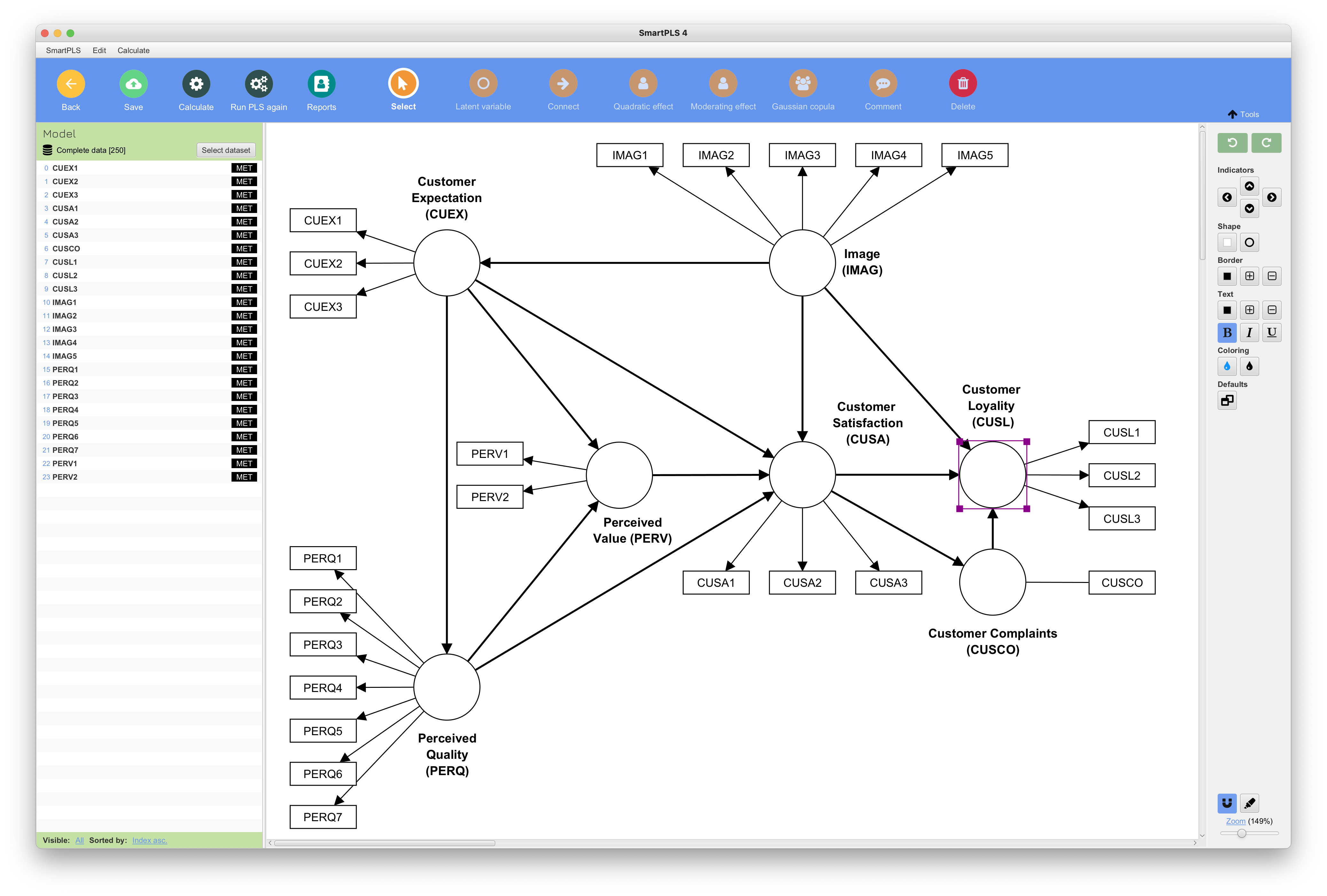


You must be logged in to post a comment.