RainWater Harvesting

N kavya

Rainwater harvesting is a sustainable process that helps in preserving water for future needs. Water scarcity is a major concern in today’s scenario. The process of rainwater harvesting is a good way to conserve water. Rainwater Harvesting is one of the most used methods to save water. It refers to storing rainwater for various uses. The notion behind rainwater harvesting is to not waste the rainwater and prevent it from running off. In other words, it is done to collect rainwater using simple mechanisms. It is usually collected at the place the rain falls from the ground or rooftops. Rainwater harvesting is an alternative to reduce the stress of public water supply sources. The recharge of rainwater to the ground in the coastal regions prevents seawater immersion into the freshwater. Finally, rainwater harvesting reduces water supply bills.

Rainwater Filtration -:

Rainwater can be harvested or purified in multiple ways. The catch area before harvesting must be cleaned thoroughly, and the pipelined must be flushed regularly. Initially, the water flow is diverted to wash or rinse the area.
Rainwater contains contaminants or other waste materials that affect the quality of the water. Contaminants such as dust, Bird excreta, pollution, leaves, and sand particles can affect water quality.


Filtration removes contaminants and other impurities and purifies rainwater for drinking and other purposes. However, the harvested water must be treated and tested before consumption to ensure the right quality check.
Industries use the practice of pre-filtration to ensure that the purified water is directed water to the tank. The pre-filtration measure is a vital step that the water supply system should not compromise in terms of water quality.


Some techniques of rainwater purification are solar sterilization, the use of chemicals like iodine or chlorine, or sediment filtration. However, harvested rainwater used for drinking purposes can be filtered through Reverse Osmosis (RO).

Favorable aspects of Rainwater Harvesting -:

Rainwater Harvesting positively affects underground water quality. It dilutes the number of nitrates, fluorides, and salinity of the underground water. It contains zero hardness and almost neutral pH, making it highly suitable for industries, homes, institutions, industries, and other commercial establishments. Rainwater Harvesting reduces water supply bills. It is an excellent method that solves the water shortage crisis and lessens the energy consumption in water disturbance. Rooftop Rainwater harvesting controls urban flooding. The recharge of rainwater to the ground in the coastal regions prevents seawater immersion into the freshwater. Rainwater harvesting is an alternative to reduce the stress of public water supply sources. Construction of deeper wells can damage the natural environment as well as upscale. Therefore, the source of rainwater is highly effective and dependable. Stored harvested rainwater can be used as an alternative to municipal water and used during the water crisis.

Rainwater harvesting can be done in a variety of methods, including -:

1. A watershed is a region where precipitation flows directly into a river or another reservoir.
2. There are two ways to keep water: on the roof or the ground.
3. Normally, rainwater is collected on the rooftops. The rainwater from the roof is usually collected in PVC pipes and stored in a sump (a deep pit dug into the earth) or a tank.
4. The water in the tank can then be used for home purposes after it has been filtered.
5. Rainwater collection also helps to restore natural aquifers.

The two types of rainwater harvesting -:

1. Surface runoff harvesting -:

In this method, rainwater flows away as surface runoff and can be stored for future use. Surface water can be stored by diverting the flow of small creeks and streams into reservoirs on the surface or underground. It can provide water for farming, cattle, and for general domestic use. Surface runoff harvesting is most suitable in urban areas.
Rooftop rainwater/storm runoff can be harvested in urban areas through:
• Recharge Pit
• Recharge Trench
• Tubewell
• Recharge Well

Groundwater recharge -:

Groundwater recharge is a hydrologic process where water moves downward from surface water to groundwater. Recharge is the primary method through which water enters an aquifer. The aquifer also serves as a distribution system. The surplus rainwater can then be used to recharge Grothe underwater aquifer through artificial recharge techniques.

3. Rainwater in rural areas can be harvested through -:

• Gully Plug
• Contour Bund
• Dugwell Recharge
• Percolation Tank
• Check Dam/Cement Plug/Nala Bund
• Recharge Shaft


Although rainwater harvesting measure is deemed to be a desirable concept for the last few years, it is rarely implemented in rural India. Different regions of the country practiced a variety of rainwater harvesting and artificial recharge methods. Some ancient rainwater harvesting methods followed in India includes Madaras, Ahar Pynes, Surangas, Taankas, etc.

Advantages of Rainwater Harvesting -:

1. Less cost.
2. Helps in reducing the water bill.
3. Decreases the water demand.
4. Reduces the need for imported water.
5. Promotes both water and energy conservation.
6. Improves the quality and quantity of groundwater.
7. Does not require a filtration system for landscape irrigation.
8. This technology is simple and easy to install and operate.
9. It reduces soil erosion, stormwater runoff, flooding, and pollution of surface water with fertilizers, pesticides, metals, and other sediments.
10. It is an excellent source of water for landscape irrigation with no chemicals, or dissolved salts, and is free from all minerals.

Disadvantages of Rainwater Harvesting-:

1. In addition to the great advantages, the rainwater harvesting system has a few disadvantages like unpredictable rainfall, unavailability of the proper storage system, etc.
2. Listed below are a few more disadvantages of the rainwater harvesting process.
3. Regular maintenance is required.
4. Requires some technical skills for installation.
5. Limited and no rainfall can limit the supply of rainwater.
6. If not installed correctly, it may attract mosquitoes and other waterborne diseases. 7. One of the significant drawbacks of the rainwater harvesting system is storage limits.

The world faces an increasingly critical need to address climate change, and the impact that water conservation has on a sustainable environment is undeniable. Groundwater is the primary source of freshwater that caters to the demand of the ever-growing domestic, agrarian, and industrial sectors of the country. Over the years, it has been observed that the necessity for the exploitation of groundwater resources for various everyday needs, like toileting, bathing, cleaning, agriculture, drinking water, industrial and ever-changing lifestyles with modernization is leading to tremendous water wastage. Harvesting and collecting rainwater is an adequate strategy that can be used to address the problem of water crisis globally. The use of a rainwater harvesting system provides excellent merits for every community. This simple water conservation method can be a boost to an incredible solution in areas where there is enough rainfall but not enough supply of groundwater. It will not only provide the most sustainable and efficient means of water management but also unlock the vista of several other economic activities leading to the Empowerment of people at the grass-root level.

For this, the Government should come out with an appropriate incentive structure and logistic assistance to make it a real success. Rainwater harvesting is something that thousands of families across the world should participate in rather than pinning hopes on the administration to fight the water crisis. This water conservation method is a simple and effective process with numerous benefits that can be easily practiced in individual homes, apartments, parks, and across the world. As we all know that charity begins at home, likewise, a contribution to society’s welfare must be initiated from one’s home.

DEFORESTATION

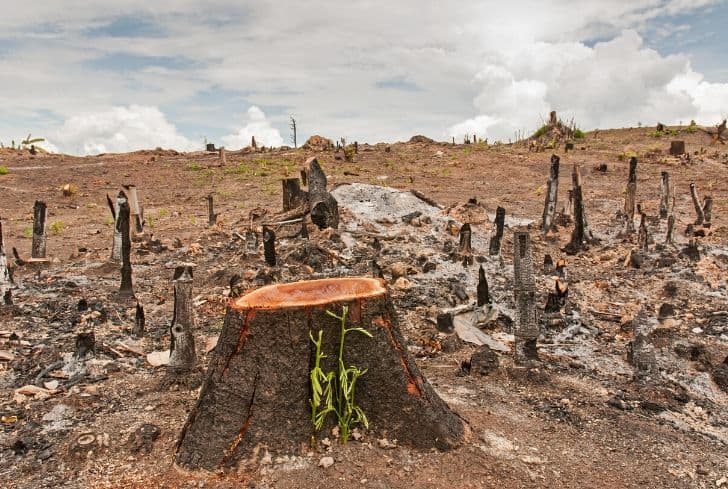
Deforestation is the process of removal of trees from forest for the human purposes.Deforestation has greatly altered landscapes around the world.Deforestion is one of the major threats to the environment.Deforestation refers to the decrease in forest areas across the world that are lost for other uses such as agricultural croplands, urbanization, or mining activities.Deforestration cause landfall,soil erosion and drought.

The loss of forest is an issue that predominantly affects tropical areas, regions with the highest biodiversity on Earth. In 2018 alone, 30 million acres of tropical rainforest were destroyed, with more than a third of the Earth’s land now being used for agriculture, a process that involves the clearing of woodland to create pasture.Most of this loss has been focussed around the Amazon, a rate of destruction that has only increased in recent years with policy shifts in Brazilian government – 3,769 square miles of Amazonian forest cover was lost between 2018 and 2019.Southeast Asia that has seen the greatest rate of forest loss of anywhere in the world, losing 30% of its forest surface in the last 40 years.

Coupled with huge population growth – with the region’s population forecast to rise by almost 250 million by 2030 – human settlements are increasingly coming into contact with animals that had previously been naturally contained in woodland habitats.The increase of disease linked to deforestation and increased contact between humans and tropical animals speaks to the risks involved when ancient natural ecosystems are disrupted.The loss of trees and other vegetation can cause climate change, desertification, soil erosion, fewer crops, flooding, increased greenhouse gases in the atmosphere, and a host of problems for indigenous people.

Environment Issues

Earth is the only planet in the solar system with life. It is home to numerous species. It is home to numerous species. but today, our planet is afflicted with environmental issues that are life threatening. Now water, air, and soil is polluted. Because of the increasing population and the irresponsible human behaviour, the environment conditions are becoming worse and perhaps uninhabitable. Some of the major environment problems faced by the world looming large are listed below.

Global Warming & Climate Change

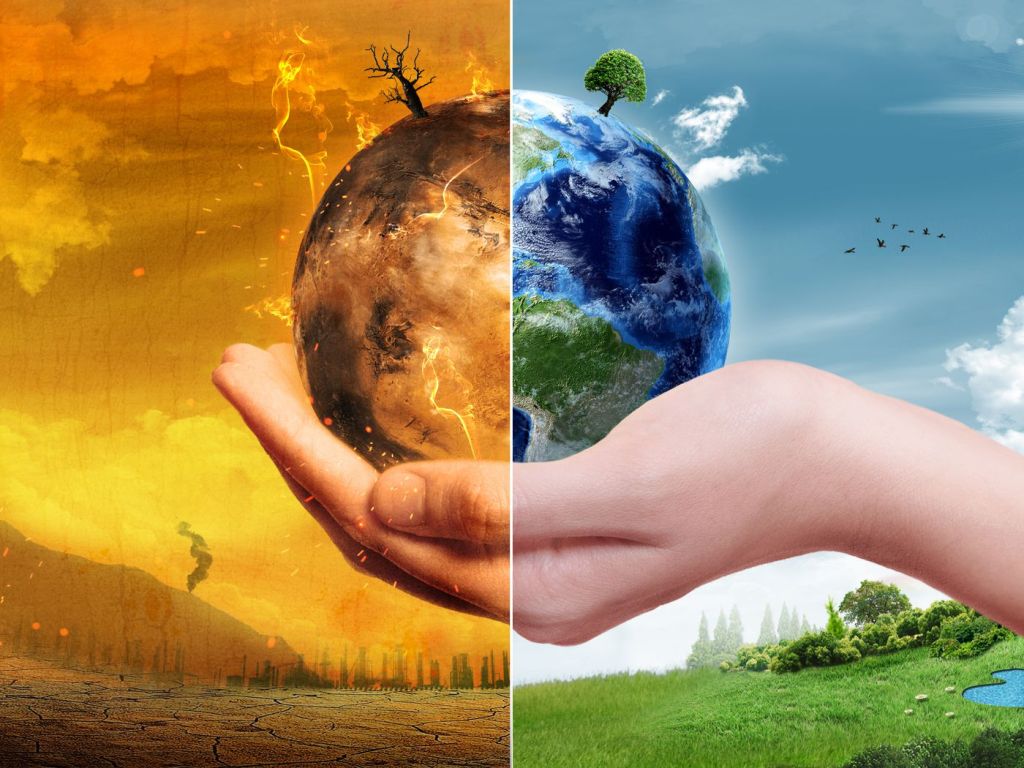
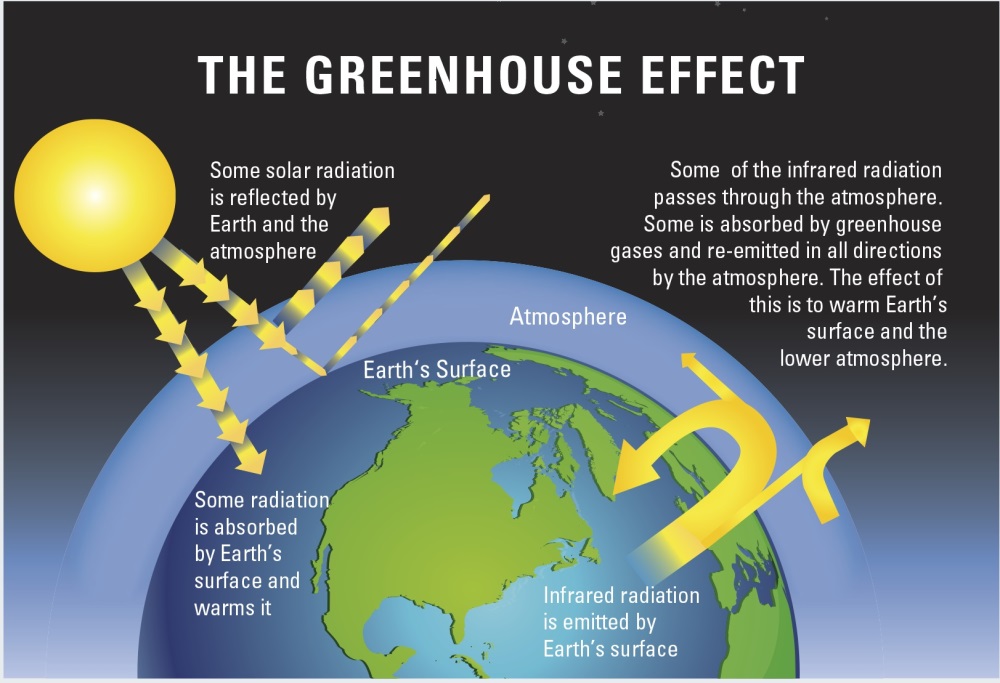
  • “Global warming” refers to the rise in global temperatures due mainly to the increasing concentrations of greenhouse gases in the atmosphere.
  • “Climate change” refers to the increasing changes in the measures of climate over a long period of time – including precipitation, temperature, and wind patterns.
  • Earth’s climate has changed throughout history. Just in the last 650,000 years there have been seven cycles of glacial advance and retreat, with the abrupt end of the last ice age about 11,700 years ago marking the beginning of the modern climate era — and of human civilization. Most of these climate changes are attributed to very small variations in Earth’s orbit that change the amount of solar energy our planet receives.
  • The current warming trend is of particular significance because it is unequivocally the result of human activity since the mid-20th century and proceeding at a rate that is unprecedented over millennia. It is undeniable that human activities have warmed the atmosphere, ocean, and land and that widespread and rapid changes in the atmosphere, ocean, cryosphere, and biosphere have occurred.
  • The planet’s average surface temperature has risen about 2.12 degrees Fahrenheit (1.18 degrees Celsius) since the late 19th century, a change driven largely by increased carbon dioxide emissions into the atmosphere and other human activities.4 Most of the warming occurred in the past 40 years, with the seven most recent years being the warmest. The years 2016 and 2020 are tied for the warmest year on record.
  • The ocean has absorbed much of this increased heat, with the top 100 meters (about 328 feet) of ocean showing warming of more than 0.6 degrees Fahrenheit (0.33 degrees Celsius) since 1969.6 Earth stores 90% of the extra energy in the ocean.
  • The Greenland and Antarctic ice sheets have decreased in mass. Data from NASA’s Gravity Recovery and Climate Experiment show Greenland lost an average of 279 billion tons of ice per year between 1993 and 2019, while Antarctica lost about 148 billion tons of ice per year.
  • Glaciers are retreating almost everywhere around the world — including in the Alps, Himalayas, Andes, Rockies, Alaska, and Africa.
  • Satellite observations reveal that the amount of spring snow cover in the Northern Hemisphere has decreased over the past five decades and the snow is melting earlier.
  • Global sea level rose about 8 inches (20 centimeters) in the last century. The rate in the last two decades, however, is nearly double that of the last century and accelerating slightly every year.

Deforestation

  • The clearing or thinning of forests by humans is known as Deforestation.
  • Forests cover 31% of the land area on our planet. They help people thrive and survive by, for example, purifying water and air and providing people with jobs; some 13.2 million people across the world have a job in the forest sector and another 41 million have a job that is related to the sector. Many animals also rely on forests. Eighty percent of the world’s land-based species, such as elephants and rhinos, live in forests.
  • Forests also play a critical role in mitigating climate change because they act as a carbon sink soaking up carbon dioxide that would otherwise be free in the atmosphere and contribute to ongoing changes in climate patterns.
  • But forests around the world are under threat, jeopardizing these benefits. The threats manifest themselves in the form of deforestation and forest degradation.
  • The main cause of deforestation is agriculture (poorly planned infrastructure is emerging as a big threat too) and the main cause of forest degradation is illegal logging. In 2019, the tropics lost close to 30 soccer fields’ worth of trees every single minute.
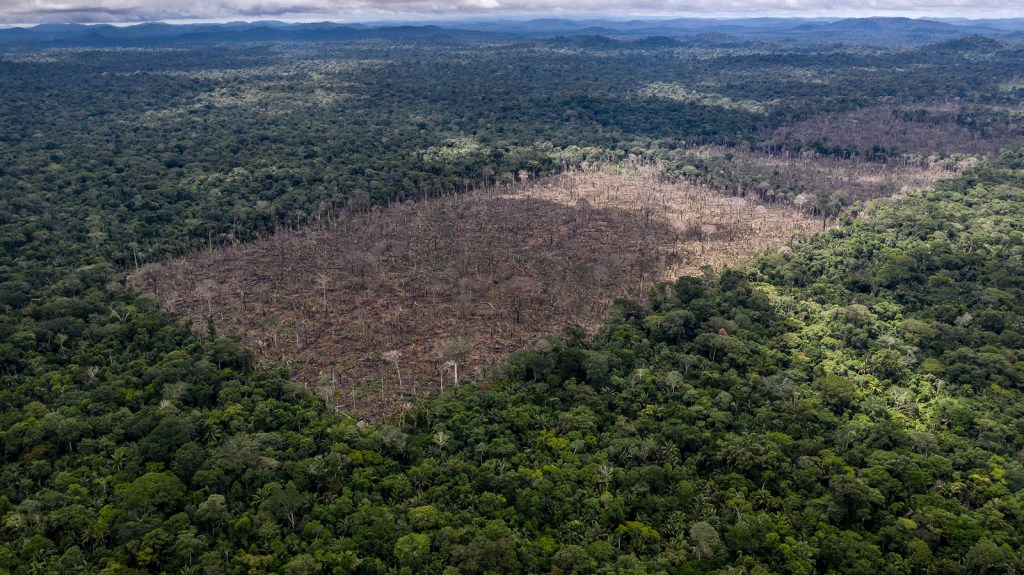
Illegal deforestation found in the indigenous Uru-Eu-Wau-Wau territory. This area of ​​deforestation was discovered on December 15th 2019 during the first surveillance made by the Uru-eu-wau-wau after the drone course funded by WWF’s Amazon Emergency Appeal. Drones are to be used to monitor deforestation, invasion and land grabbing. The Uru-Eu-Wau-Wau people received drone piloting training in a partnership between Kanindé Ethno-Environmental Defense Association and WWF. From the funds raised from WWF’s Amazon Emergency Appeal WWF donated 14 drones and trained 55 people to operate them during a training course in December 2019 held in Rondônia. The Indigenous Uru-Eu-Wau-Wau territory in Rondônia measures 1,867,117 hectares and is home to the springs of the 17 largest rivers, it is known as “the state water tank”. This Indigenous Land is the most important of Rondônia because of its biodiversity and the economic value of the water available. There are also caves with rock scriptures, endangered animals, flora and fauna that have never been studied. In the history of the Indigenous Land there have been successive invasions by loggers, rubber tappers, farmers, and land grabbers but it suffers in particular from land grabbing and illegal livestock. The invasions intensified from the 1980s and persist to this day. A new wave of invasions has intensified threats to the people of the Uru-eu-wau-wau Indigenous Land since the 2018 election campaign.

Energy Crisis

Our energy sources such as petroleum, biofuel, coal, etc. are ,mostly non-renewable resources. The energy crisis due to the excess usage of these energy sources, are not depleting the sources fast, but are also adding the green the greenhouse gases which in turn are adding to the green house gases which in turn are adding to the global warming condition. So, most countries are looking for alternative energy sources such as wind energy, solar energy, nuclear energy etc, which will be helpful in the future.

Ozone Layer Depletion

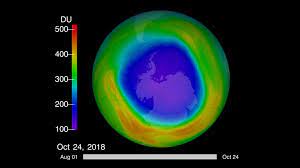
  • Ozone layer depletion is the gradual thinning of the earth’s ozone layer in the upper atmosphere caused due to the release of chemical compounds containing gaseous bromine or chlorine from industries or other human activities.
  • This happens when the chlorine and bromine atoms in the atmosphere come in contact with ozone and destroy the ozone molecules. One chlorine can destroy 100,000 molecules of ozone. It is destroyed more quickly than it is created.
  • Some compounds release chlorine and bromine on exposure to high ultraviolet light, which then contributes to the ozone layer depletion. Such compounds are known as Ozone Depleting Substances (ODS).
  • The ozone-depleting substances that contain chlorine include chlorofluorocarbon, carbon tetra-chloride, hydro-chlorofluorocarbons, and methyl chloroform. Whereas, the ozone-depleting substances that contain bromine are halons, methyl bromide, and hydro bromofluorocarbons.
  • Chlorofluorocarbons are the most abundant ozone-depleting substance. It is only when the chlorine atom reacts with some other molecule, it does not react with ozone.
  • Montreal Protocol was proposed in 1987 to stop the use, production and import of ozone-depleting substances and minimise their concentration in the atmosphere to protect the ozone layer of the earth.
  • If the emission of these gases and other harmful gases are not checked, the ozone layer will disappear very soon. This may expose the living beings to harmful radiations which cause life-threatening diseases like skin cancer.
Forming a Ozone-hole

Pollution

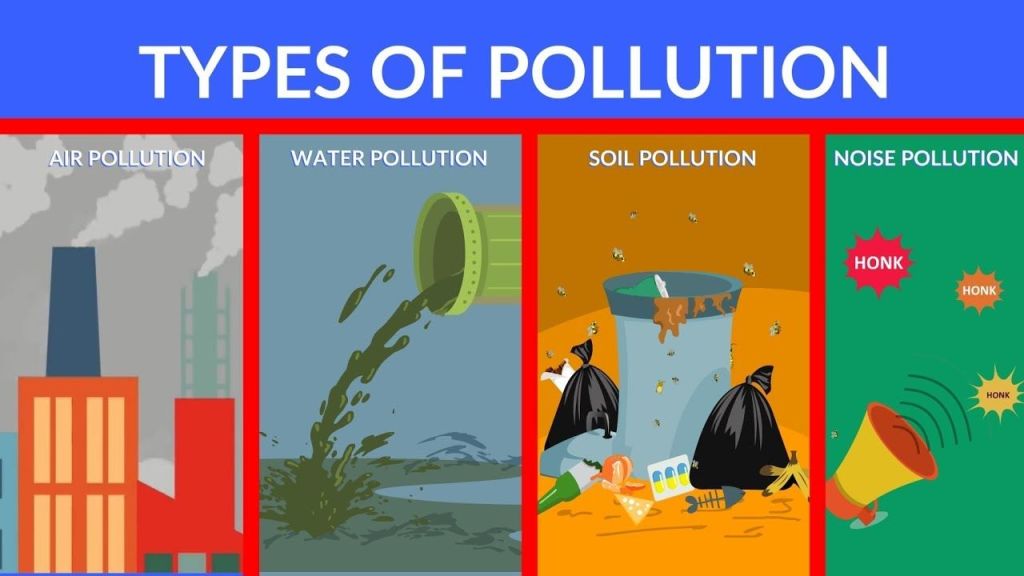
Pollution is the introduction of contaminants into the natural environment that cause adverse change. Pollution can take the form of chemical substances or energy, such as noise, heat, or light. All these pollution are very harmful and can seriously affect the living being. Air pollution is related to the emission of harmful gases in the earth’s atmosphere causing health problems. Water Pollution on the other hand, is related to the dumping of waste materials in the water which causes harm to the aquatic as well as terrestrial life. Soil pollution is also related to dumping of waste material, fertilizer run-offs, pesticides and in the sol which degrades the soil. Now comes noise pollution, radio waves from mobile towers and mobile phones, smell pollution, which is related to the high frequency sound ways and pungent smell which are harmful for the ears, brains, nose and lungs.

Waste

  • Waste are unwanted or unusable materials. Waste is any substance which is discarded after primary use, or is worthless, defective and of no use.
  • A by-product by contrast is a joint product of relatively minor economic value. A waste product may become a by-product, joint product or resource through an invention that raises a waste product’s value above zero.
  • Examples include municipal solid waste (household trash/refuse), hazardous waste, wastewater (such as sewage, which contains bodily wastes (feces and urine) and surface runoff), radioactive waste, and others.
  • Inappropriately managed waste can attract rodents and insects, which can harbor gastrointestinal parasites, yellow fever, worms, the plague and other conditions for humans, and exposure to hazardous wastes, particularly when they are burned, can cause various other diseases including cancers.
  • Toxic waste materials can contaminate surface water, groundwater, soil, and air which causes more problems for humans, other species, and ecosystems.
  • Waste treatment and disposal produces significant green house gas (GHG) emissions, notably methane, which are contributing significantly to global warming.
  • As global warming and carbon-dioxide emission increase, soil begins to become a larger carbon sink and will become increasingly volatile for our plant life.
  • Education and awareness in the area of waste and waste management is increasingly important from a global perspective of resource management. The Talloires Declaration is a declaration for sustainability concerned about the unprecedented scale and speed of environmental pollution and degradation, and the depletion of natural resources.
  • Local, regional, and global air pollution; accumulation and distribution of toxic wastes; destruction and depletion of forests, soil, and water; depletion of the ozone layer and emission of “green house” gases threaten the survival of humans and thousands of other living species, the integrity of the earth and its biodiversity, the security of nations, and the heritage of future generations.
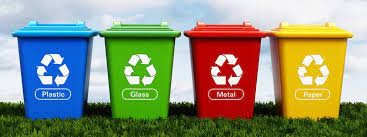
Recycling

Oil Spills

An oil spill is the release of a liquid petroleum hydrocarbon into the environment, especially the marine ecosystem, due to human activity, and is a form of pollution. Oil spills may be due to releases of crude oil from tankers, offshore platforms, drilling rigs and wells, as well as spills of refined petroleum products (such as gasoline, diesel) and their by-products, heavier fuels used by large ships such as bunker fuel, or the spill of any oily refuse or waste oil. It has become a major cause for the extinction of many marine species. The biggest oil spill in the world history was a result of Gulf War and it took place in the Persian Gulf where more than 420 million gallons of oil was spilled by the Iraqi forces just to stop the American soldiers from landing.

Depletion of Resources

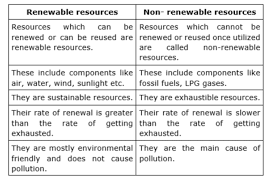
  • Resource depletion is the consumption of a resource faster than it can be replenished.
  • Natural resources are commonly divided between renewable resources and non-renewable resources . Use of either of these forms of resources beyond their rate of replacement is considered to be resource depletion.
  • The value of a resource is a direct result of its availability in nature and the cost of extracting the resource, the more a resource is depleted the more the value of the resource increases.
  • There are several types of resource depletion, the most known being – Aquifer depletion, deforestation, mining for fossil fuels and minerals, pollution or contamination of resources, slash-and-burn agricultural practices, soil erosion, and over consumption, excessive or unnecessary use of resources.

The 1760 industrial revolution saw large-scale mineral and oil exploration and the practice has been gradually growing, leading to more and more natural oil and mineral depletion. And together with the advancements in technology, development, and research in the contemporary era; exploitation of minerals has become easier and humans are digging deeper to access different ore. The increased exploitation of different minerals has led to some of them entering into a production decline.

For example, minerals such as Gasoline, Copper, and Zinc production are estimated to decline in the next 20 years. Plus, oil mining continues to rise due to the upsurge in the number of engines that use petroleum thereby magnifying its depletion. The peak oil theory supports this fact by putting forward that it will come a time when the globe will experience uncertainties on alternative means of fuels owing to the over-harvesting of petroleum.

Overpopulation

The total global population is more than seven billion people. Still, there is a consistent increase in the overall earth populace and this has been a critical factor in accelerating the depletion of natural resources. An increase in the populace expands the need for resources and conditions necessary to sustain it. In addition, It contributes to increased ecological contamination. Research further indicates that developing countries are using more and more resources to industrialize and support their ever-increasing population. Hence, the depletion of natural resources will continue as long as the world population increases.

Nuclear Issues

Nations long to have nuclear weapons. But the fact is, nuclear weapons have become one of the most dangerous environmental issues today. The amount of nuclear weapons we have can destroy the entire earth in a few seconds. There are many disadvantages of nuclear of nuclear power. Water is used to cool the reactors which then mixes up with he other water bodies and by this, it ads to the problem of global warming. The waste which is produced is so dangerous that even a a small amount of nuclear waste can harm, a big area and effect the living beings. The misuse of nuclear power has become a threat to the survival of life on earth.

Nuclear Power Plants

Go Green to Save Earth

In order to save the planet, the only way is to go green. We need to save energy to reduce the energy crisis and to save nature. Switch off all electrical appliances when not in use. Try to avoid non-renewable energy resources and concentrate on renewable energy like solar energy. Save water. preserve rainwater and stop water pollution. Use recycled things. Stop using plastic bags and bottles. Use Eco-friendly things. Control over-population. save trees avoid using paper bags. Plant tress.

Global Warming a Global Threat

“Global warming, a global threat”. We have heard a lot about global warming in the news debates general discussion and international discussions too. But are we really serious about it, we just hear it and leave it we never try to understand the seriousness of it. It has just turn to be a debate topic for us.

The temperature of the Earth is increasing drastically, even in Antarctica whoes normal temperature remain +10°C in summer experience 18.3 degree Celsius record temperature which is an alarm in one. Even Canada is facing about 50 degree celsius temperature which is the record highest in the history of Canada.

Cause of global warming is the CFC gases which are released by the AC, refrigerators and cars that we use. The clearing of forests that leads to deforestation is another cause of global warming as carbon dioxide is not been able to use by the trees. Global warming leads to melting of glaciers which ultimately leads to increase in sea level which is the main cause of tsunamis and other problems.

We always hear that action speaks Louder Than words and this is the real problem to take action upon. There are many steps taken internationally for this cause but we should contribute from our side too.

We can contribute by planting a tree or any small plant or by reducing the use of ACs, refrigerators and cars. Just think about it it might be a very small step from your side but will cause a great difference to this earth. Just bring the first step forward and other get inspired by you and will ultimately E result in reduction of the Global temperature.

ON KILLING A TREE: Poem analysis

“ON KILLING A TREE” is a poem written by Gieve Patel. This poem is highlights deforestation and exploitation of nature by man in a cruel way to satisfy his needs. The poem gives a vivid picture of the brutal act of killing a tree. The poem compares the killing of a tree to a murder.

“It takes much time to kill a tree,

Not a simple jab of the knife

Will do it. It has grown

Slowly consuming the earth,

Rising out of it, feeding

Upon its crust, absorbing

Years of sunlight, air, water,

And out of its leprous hide

Sprouting leaves.”

The poem starts with the poet starting to describe how difficult it is to kill a tree. It cannot be killed with just a quick blow of a knife because it had grown this huge and is deep rooted in the soil. It rises out of the earth’s crust and absorbing years of sunlight, water and air. The tree also sprouts leaves from its discoloured bark.

So hack and chop

But this alone wont do it.

Not so much pain will do it.

The bleeding bark will heal

And from close to the ground

Will rise curled green twigs,

Miniature boughs

Which if unchecked will expand again

To former size.”

In stanza 2, these lines state that even though human being chop the tree, it doesn’t mean the tree is destroyed. Just like how we get cuts and bleed and finally heal, the tree also releases sap when chopped. The bleeding bark will heal back itself and grow again from the ground. Green twigs grow and when left unnoticed, it grows back to it’s former size.

“No, The root is to be pulled out —

Out of the anchoring earth;

It is to be roped, tied,

And pulled out — snapped out

Or pulled out entirely,

Out from the earth-cave,

And the strength of the tree exposed

The source, white and wet,

The most sensitive, hidden

For years inside the earth.”

In the above lines, the initial step to destroy a tree is described. The initial step is uprooting the tree. To destroy a tree completely, first it needs to be pulled out from the earth which was holding and sustaining it. The earth nurtured the tree for many years but now roped, tied and pulled out entirely. ‘Earth cave’ is maybe referred to deep hole that is created by pulling out the tree. It is only when the act of pulling the tree out of the earth is done, it’s real strength is revealed. When the tree is uprooted, the most sensitive, white and moist part of the tree, the roots come out from the earth which was deep down the soil for years.

“Then the matter

Of scorching and choking

In sun and air,

Browning, hardening,

Twisting, withering,

And then it is done.”

And after the tree is uprooted, it is destroyed by other elements of nature such as sunlight and air. The climatic and environmental changes play a role in browning and hardening of the tree. It dries and twists and finally withers. By this stage, the tree is destroyed once and for all.

This poem conveys a social message to all stating the importance of trees and destroying them is a crime. The nature has provided man so much but man becomes greedy and exploits nature. Man should realize that destroying nature is destroying himself.

RELEVANT LINKS: https://byjus.com/cbse-notes/class-9-english-beehive-on-killing-a-tree-summary/ https://experimentwithperspectives.blogspot.com/2016/03/poem-analysis-subject-summarisation-and-explanatioon-on-killing-a-tree-by-gieve-patel.html

INDIA’S CRIPPLING TROPICAL FORESTS EPITOMIZE CARBON SINKS

By the year 2050, the world’s tropical forest supply may be severely depleted. Scientists expect that by 2050, sea levels will have risen to the point where most major cities will be flooded. In the last two decades, neglecting our biodiversity has resulted in four disease outbreaks. Can the human race afford another global epidemic that makes it impossible to breathe?

Carbon sinks are natural processes that absorb and store carbon dioxide from the atmosphere; the oceans and forests are the two largest carbon sinks on the planet. Oceans are the world’s main carbon sinks. Plants and soil are the two carbon sinks found in forests. Plants absorb carbon dioxide from the atmosphere for photosynthesis, and some carbon dioxide is released by the soil as plants die and decompose. In the event of a forest fire, forests will change from carbon sink to carbon source. If forests remain intact, with no leakages such as erosion and deforestation, this trade-off between sink and source can be balanced. Forests’ ability to function as a carbon sink or source is dependent on the balance of photosynthesis and respiration. If you believe it or not, forest soil has sequestered a significant amount of carbon.

When a tree dies and the microbes finish the decomposition process, some of the accumulated carbon is released back into the atmosphere. This method does not result in the complete loss of carbon. A sizable portion of it has remained in the soil. A large area of forest is an excellent example of a carbon sink. “Basically half of the carbon dioxide emissions are consumed by the Earth’s land and ocean,” says Paul Fraser of the Commonwealth Scientific and Research Organization.

The titan Amazon basin, which predominantly serves as the largest carbon sink of all of the forests, and benefits us by generating over 20% of the total oxygen production for the earth, is an example of the world’s largest tropical forest, holding up to 40 thousand plant species, 2.5 million insect species, and a myriad variety of wildlife. The Amazon is used to demonstrate how tropical forests can function as a carbon sink. “We have already lost 20% of the Amazon in 2019, and scientists worry that if we lose yet another 5%, the Amazon will hit its tipping point,” says Mike Barrett, WWF Director of Science and Conservation.

India is ranked 9th among the world’s megadiverse countries, with nearly 40,000 plant species and 90,000 animal species living through diverse geographical environments in all four directions. The Northeast (NE), once one of India’s greenest areas, has been slowly losing forest cover for the past 20 years.

According to data mapped by the Global Forest Watch, a repository for global forest data, the rate has doubled. According to a report published by the Deccan Herald in 2018, over 70 percent of the forest cover in the Northeastern states was lost due to deforestation between 2001 and 2018. Infrastructure is essential for the economy, but not at the expense of our aid recipients. The Northeast has been facing a significant threat to its forests for the past two decades as a result of deforestation for coal mining, cement manufacturing, and illegal logging. Deforestation has already wreaked havoc on the Garo Hills of Meghalaya and the Karbi Anglong Hills of Assam. As a result of the Etalin Hydroelectricity Project, the Dibang valley in Arunachal Pradesh is on the verge of losing 2.7 lakh trees. The Northeast is already feeling the heat of forest depletion, with some states experiencing the highest temperature increase in the last two decades. In Karnataka, a similar incident occurred when the long-delayed Hubballi-Ankola railway line was finally approved. This 164-kilometer railway line would cut through the Kali Tiger Reserve and the Bedti Conservation Reserve, destroying more than 80% of the forest cover in the Western Ghats, one of India’s most ecologically sensitive areas. There are fears that the Bannerghatta National Park, which is located in the ESZ (eco-sensitive zone), Bangalore’s only remaining lung space, would lose about 100 square kilometres. The loss of trees would increase carbon emissions, and these forests are home to more than 250 species of plants, birds, animals, and insects that are listed on the IUCN Red List of Threatened Species and protected by the Wildlife Protection Act of 197.

Mining and various agricultural and commercial growth projects in India generate at least 1,000 million tonnes of carbon. With the pace at which trees are being cut down, India will experience many stages of ecological cancer. India’s average reported temperature has already increased. Even Antarctica experienced the hottest temperature increase in 141 years, not to mention the July 2019 Heat Wave. According to the World Bank, nearly 1.3 million sq/km of land cover was destroyed between 1990 and 2016, an area greater than South Africa. What are the warning signs if these aren’t them? Tropical woods, unlike the Notre Dame Cathedral, cannot be rebuilt.

As a result, I implore everyone to take responsibility for raising consciousness about these issues and not allowing them to go unnoticed. Begin to shoulder some of the world’s responsibilities. It has been far too long since we have felt a sense of awe for the natural world. In this sense, President John F. Kennedy said, “If not us, who?” When, if not now, would it be?”

Deforestation

Clearing or removal of trees or any type of plantations for resources or land is called deforestation. Forests cover almost 31 percent of the Earths land today. The Earth is losing forests at an alarming rate. Forest area that are being lost area every decade is about the size of a nation.

The main reason for deforestation is to convert the forest area for the following reasons:

  • Agricultural land
  • Construction of roads
  • Construction of buildings
  • Grazing
  • Timber
  • Mining
  • Food items
  • Medicinal uses. 

Forests are the homes to thousands of species of animals, birds, insects and many other life forms. Destroying them for resources will endanger the many life forms that solely depend on them as it is their natural habitat. These resources are very essential for man but man being greedy does not know when to stop. 

It starts with converting a few acres of forest for urbanization.  Then as the demand rises few more acres are cleared and this keeps on going until the entire forest is lost. Rearing livestock for milk and meat has a drastic effect on the environment. Grazing causes soil erosion which damages soil permanently so no new plants can grow there. Millions of trees are cut down for timber and for paper.

Forests take in carbon dioxide from the atmosphere. This carbon dioxide is a greenhouse gas which causes global warming. Removal of trees is one of the main causes of global warming which in turn causes climate change.  Melting of ice bergs in the Arctic and Antarctic region gradually increases the sea level, which results in the sea covering the land for containing the extra water. Forest fire is also a main reason for deforestation.

Trees take in the water from the ground through their roots and release them into the atmosphere. This loss of transpiration makes the climate drier and ensures minimum rain. Soil erosion is also a result of deforestation, where the soil become loose and results in landslides.

How can we reduce this abuse of nature? Farmers must adopt new and sustainable farming techniques to produce crops efficiently which will stop the farmers from acquiring the forest area for farming. We live in the digital age, so we must make minimum use of paper. We can use aluminium sliding windows instead of wood windows and find alternate solutions where ever it is possible. We do not want future generations to suffer for our mistakes and irresponsibility.

The various governments around the world along with many good citizens and organisations are taking necessary steps for the protection of forests. They do this by planting tree saplings where ever or whenever it is possible. Many offices are going paperless. Governments have created forest bodies to protect and maintain forest area from encroachment. Many other steps are also taken to reduce cutting of trees, which are more valuable than gold for all the resources that they give man. You and I too can help, by having small plants at our houses. By doing the best we can even in the smallest ways possible we can make a difference because one small plant for every person makes it seven billion more plants in the world.