Air India is one of the most talked about airlines in India. After the takeover by the Tatas, the airline is being put on a road to revival.
The first signs regarding the recovery of this airline are showing up. In October, the airlines got the top spot in terms of punctuality. Tata has three airlines all of which are occupying the top three slots in the punctuality index. Other than that, AI Express is not on the chart because it generally operates on international routes.
In recent developments, Air India is also planning to introduce some international flights to some important destinations.
Flights to New York, Paris and Frankfurt have already been announced. These flights were new on the route chart. Other than these, some non-flights have been introduced on other routes also Vienna, Milan and Copenhagen.
All the new flights are taking the tally of regular flights between India and the US to 47 and it will be around 79 to European countries and including Britain.
The new flights have been introduced and they will be using the new Dreamliners from Boeing. These introductions will ensure that the major cities in India get more connectivity with the other major cities of the world. It will also give people from other countries the to experience the hospitality and the friendly nature that Indians have.
Apart from all these, there has also been some news that Air India is also planning to hire more foreign pilots to fly its fleet of Boeing 777. It has come as a setback for the Indian-origin pilots who claim that India has sufficient skilled widebody aircraft pilots. A senior pilot also argued that India has no scarcity of able pilots and the pay the Indian pilots get is also lower than the global average.
The new hiring offer is also going to be costlier for the airlines as the foreign pilots usually get 40% extra that their Indian counterparts. According to the latest developments, the offer will be $11500 for a month of service. There will also be an extra payment of $134 for every hour flown above the stipulated limit of 70 hours on ultra–long–haul flights.
It has come at a point when Air India is planning to acquire more flights on lease from other airlines. These flights will ensure to fulfil of the long-haul-flight plans of the Maharaja. There are also some speculations that the prestigious airline is also on the lookout for some well-trained cabin crew for its long-haul- flights.
All of these are coming as a welcome change for the Maharaja. The airlines are currently going through a transition phase. The changes have been planned by keeping in mind a 5-year cycle. These changes will bear fruits for the airline in the long run. But in recent times. These changes will be difficult for some. There have also been some positive changes. For example, the airline is planning to retain some of these experienced pilots for a longer duration. Currently, their pilots retire at the age of 58. But some will be offered to extend their services until the age of 65.
NEW DELHI: The end of the Diwali week marked a steady increase in new Covid-19 infections. India recorded 80,614 new cases of the coronavirus this week. With 10,789 new cases in the last 24 hours.
While cases in the southern states, namely Kerela and Tamil Nadu continue to gradually drop, a number of states observed a significant spike in cases. Jammu & Kashmir recorded a 34% increase in new cases in the past week.
Other states where the count increased in the current week are Karnataka, with a 17% increase, Maharashtra, Punjab, Delhi, Uttar Pradesh, Bengal, Rajasthan. Experts claim the increase in cases is a result of increased contact among people in the festive period. A major credit for the over-all spike can also be credited to increase in population in the markets. As most people connect the festival with an incentive to shop.
Explained : Although the monsoon season ends in September, a delayed withdrawal and other factors have been causing severe rainfall in several states.
Western disturbances, which begin to have significant interference in local weather over the extreme northern parts of India, commonly cause either rain or snowfall. Since late last week, Ladakh, the higher reaches of Kashmir and Uttarakhand have reported the season’s first snowfall.
Last week, two low-pressure systems were active simultaneously, one each over the Arabian Sea and the Bay of Bengal regions. Collectively, these triggered severe weather events over Kerala, Tamil Nadu, Andhra Pradesh, Telangana, Delhi, Madhya Pradesh, Uttarakhand, Odisha and West Bengal.
Delayed monsoon withdrawal
The four-month southwest monsoon season normally withdraws completely by early October. During the withdrawal phase, it causes thunderstorms and localised heavy rainfall.
This year, however, the withdrawal began only on October 6 against a normal of September 17. So far, the monsoon has withdrawn completely from the Western, Northern, Central and Eastern India regions. But it remains active over the southern peninsula. Thus, Kerala, Tamil Nadu, Telangana, Karnataka and Andhra Pradesh have had significant rainfall during the last 10 days.
Until Monday, the monsoon had not withdrawn from Manipur, Mizoram, Tripura, parts of West Bengal and Odisha and entire southern peninsular India.
“As there has been a delay in the southwest monsoon withdrawal, good rainfall has continued over Odisha, the Northeast and south India,” said Mrutyunjay Mohaptra, director general, India Meteorological Department (IMD).
Normally, by mid-October, the monsoon winds reverse their direction of flow from the southwest to the northeast.
“Even though the easterlies are beginning to replace the westerlies, the former is yet strengthen and fully establish. The easterly winds indicate the arrival of the northeast monsoon,” said D Sivanand Pai, head, Climate Research and Services, IMD, Pune.
This year, conditions for the onset of the northeast monsoon are expected to develop around October 25.
Extreme rains
For most days last week, at least two low-pressure systems remained active along the east and west coasts and over central India, bringing rains over large parts of the country.
Delhi received 87.9mm (over a 24-hour period) between Sunday and Monday, making it the fourth wettest October day for the national capital since 1901. The month of October has also been the fourth wettest so far. It has received 94.6 mm rains this month so far, which is next only to the 238.2 mm it received in 1954, the 236.2 mm in 1956, and 186.9 mm in the entire Octobers of 1910.
Likewise, Balasore in Odisha recorded 210mm in a day and it was only the second such occasion in a decade for this month.
While Tamil Nadu normally receives good rainfall between October and December, mainly during the northeast monsoon, Coimbatore (110mm) witnessed its wettest October day in a decade even before the onset of the northeast monsoon.
The Western Ghats, northeast and central India are known as high-rainfall receiving regions. However, in recent years, it has been noted that intense spells during a short time span are increasingly becoming frequent.
“Due to climate change, there is definitely a rising frequency in the extreme weather events round the year. But these specific occurrences of heavy to very heavy rains that we are seeing right now can be attributed to the formation of low-pressure systems,” said Mohaptra.
“Whenever there is a low-pressure system, depending on its strength, it results in heavy to very heavy rainfall activity. In addition, when a low-pressure system interacts with western disturbance, further intense rainfall occurs,” he said.
Extreme rainfall in Kerala
A low-pressure system that formed in the east-central Arabian Sea moved and sustained over Kerala between October 15 and17.
Simultaneously, another low-pressure system prevailed over the north Andhra Pradesh coast and southern Odisha. The interaction between them strengthened the southwest winds which brought extreme rainfall over central and southern Kerala during the last weekend.
At some places in Idukki, Ernakulam, Kollam and Kottayam districts, the 24-hour rainfall was over 200 mm. As many of these districts are hilly and covered with dense forests, the water run-off triggered landslides and mudslides.
Rainy days ahead
The low-pressure system that affected Kerala has weakened now. But a similar system is still active over central India, because of which northern India is likely to received good rainfall this week.
Heavy rainfall events are predicted over Western Uttar Pradesh, Uttarakhand and Himachal Pradesh for Tuesday, with a ‘red’ alert having been issued by IMD for these regions.
Another low pressure — located over Northern Odisha and Gangetic West Bengal — is active and its interaction with the moist easterly winds from the Bay of Bengal is expected to bring heavy rain over West Bengal, Odisha, Sikkim, and Bihar until Wednesday. The maximum impact in terms of extremely heavy rain (more than 204 mm in 24 hours) is likely over some places in West Bengal and Sikkim on Tuesday.
सड़क परिवहन मंत्री नितिन गडकरी ने गुरुवार को कहा कि केंद्र सरकार अगले तीन साल में दिल्ली को वायु, जल और ध्वनि प्रदूषण से मुक्त करेगी। उन्होंने कहा कि मौजूदा समय में प्रदूषण देश के लिए सबसे बड़ी चिंता की बात है।
इंडस्ट्री पीएचडी चैंबर ऑफ कॉमर्स के सालाना कार्यक्रम में गडकरी ने कहा कि उनके मंत्रालय ने सड़क बुनियादी ढांचा विकास पर 60,000 करोड़ रुपये खर्च किए हैं। इस प्रयास से दिल्ली में वायु प्रदूषण को कम करने में भी मदद की। वायु प्रदूषण, जल प्रदूषण और ध्वनि प्रदूषण देश के लिए चिंतित करने वाले मुद्दे हैं। हम दिल्ली को अगले तीन वर्षों में वायु, जल और ध्वनि प्रदूषण से मुक्त कर देंगे।
गडकरी ने कहा कि सरकार सुप्रीम कोर्ट से मंजूरी मिलने के बाद सभी वाहन निर्माताओं के लिए फ्लेक्स फ्यूल के अनुकूल इंजन बनाना अनिवार्य कर देगी। फ्लेक्स-फ्यूल, पेट्रोल और एथेनॉल को मिलाकर बनने वाला एक वैकल्पिक ईंधन है। अब एक एथेनॉल अर्थव्यवस्था विकसित करने पर काम किया जा रहा है। गडकरी ने सुझाव दिया कि सेना को डीजल इंजन वाले वाहनों के इस्तेमाल पर प्रतिबंध लगाना चाहिए और एलएनजी, सीएनजी और एथनॉल पर चलने वाले ट्रकों का उपयोग करना चाहिए। मंत्री ने कहा कि इथेनॉल, पेट्रोल और डीजल की तुलना में काफी सस्ता है।
Delhi is a great place from where you can plan some of the most enthralling weekend trips. The proximity of the national capital to the nearby popular tourist destinations is indeed a blessing for all the travelers.
Here a list of some of the best places to visit in winter near Delhi for a quick refreshing getaway:
1.JAIPUR:
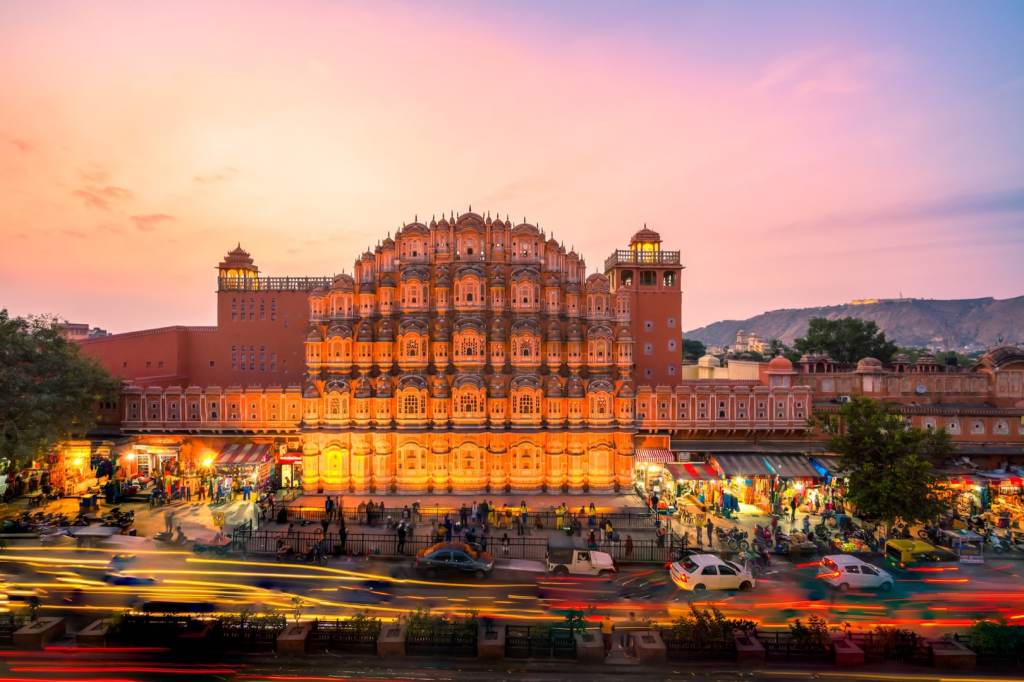
Jaipur is a vibrant amalgamation of the old and the new. Also called the Pink City, the capital of the royal state of Rajasthan, was ruled by the Rajputs for many centuries and developed as a planned city in the 17th century AD. Along with Delhi and Agra, Jaipur forms the Golden Triangle and hails as one of the most famous tourist circuits of the country. From architectural wonders, opulent palaces to ancient forts, Jaipur is one of the most preferred tourist destinations near Delhi. It is even more breathtaking in the winter season. As we mentioned, with a plethora of forts and museums to explore, the pink city (as it is popularly called) gets an influx of visitors during winter.
Jaipur is also one of the best places to visit during the New Year with your loved ones to explore the beauty of this city. Some of the popular attractions in Jaipur include City Palace Museum, Jantar Mantar, Amer Fort, Jaigarh Fort, Hawa Mahal, Jal Mahal, Nahargarh Fort, and Lakshmi Narayan Birla Mandir among others.
2. JIM CORBETT NATIONAL PARK:
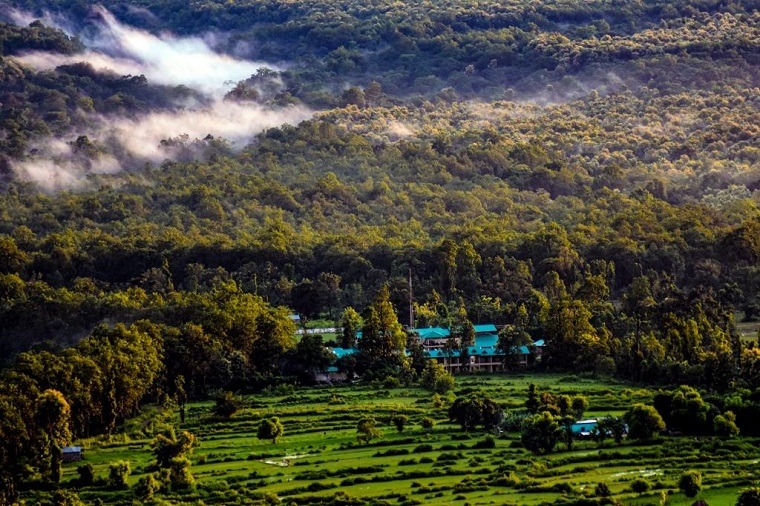
Corbett is one of the popular tourist destinations near the national capital. For nature lovers, this is a go-to place for a fun weekend getaway near Delhi. Jim Corbett National Park is extremely famous for its fun jungle safari.
Meanwhile even if you are not someone who wishes to go on an adventurous jungle safari, a relaxing stay in the luxury resorts in Jim Corbett Park will rejuvenate you from within. You can also visit Corbett waterfall and Garjiya Devi Temple among others.
Corbett National Park, set amidst the foothills of Himalayas, houses a variety of flora and fauna including rare ones such as tigers and is a treat for wildlife enthusiasts and photographers.
3. RISHIKESH:
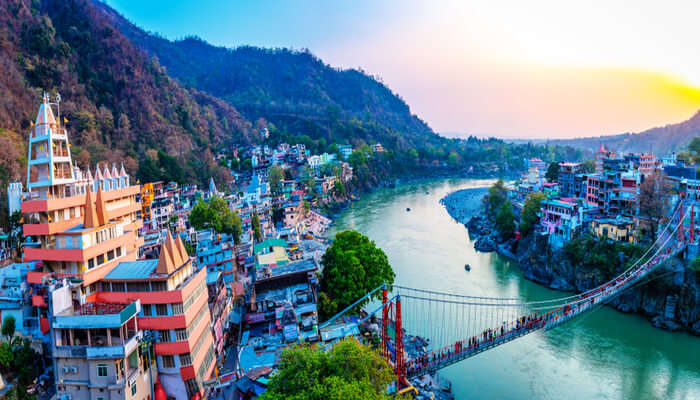
Rishikesh is often touted as the adventure capital of India. It is best visited in the winter months. Rishikesh’s moderate climatic conditions make it easy for the traveler’s to indulge in various adventure activities such as bungee jumping, cliff jumping, flying fox, and river rafting among others. Nights and evenings are however cold, so don’t forget to carry woolens.
In the heart of the state of Uttarakhand lies the destination that is often mistaken to be purely religious. While its Ram Jhula, Laxman Jhula, & Triveni ghat provide it every bit of religious touch, many other spiritual & adventurous places to visit in Rishikesh provide a different angle to the tourism scene of the place. No wonder, the destination has emerged as one of the most popular weekend getaways from Delhi within 300 km.
4.BHARATPUR BIRD SANCTUARY – (A World Heritage Site):
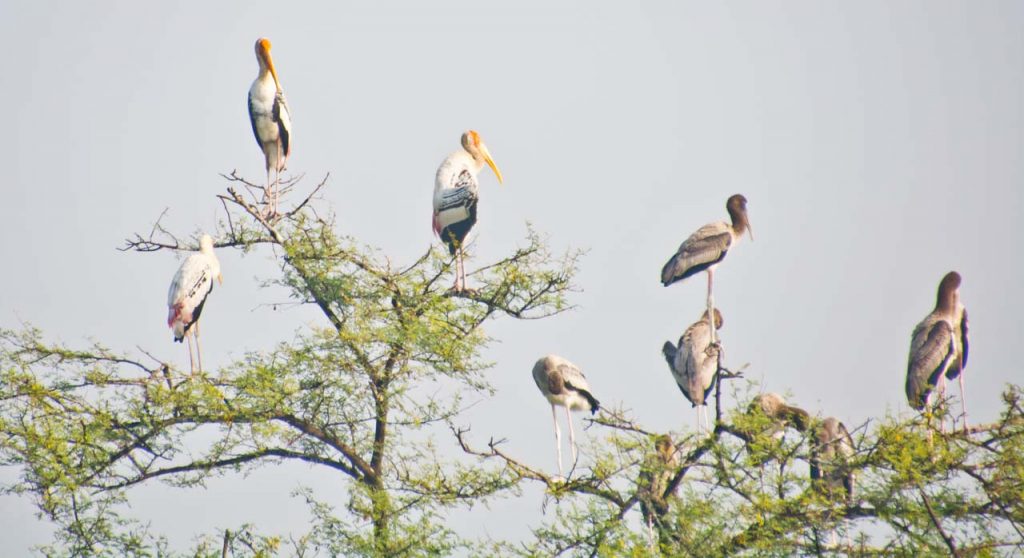
House to over 366 species of birds, 379 species of plants, and 30 mammals, Keoladeo National Park or – as it was formerly called – Bharatpur Bird Sanctuary is one of the best places near Delhi for the nature lovers. The new name has been derived from the temple of Keoladeo that is dedicated to Lord Shiva. Listed by UNESCO as a World Heritage Site, the national park is an interesting getaway for bird watchers and wildlife photographers.
5. NAINITAL -UTTARAKHAND:
The gem of Uttarakhand – Nainital is a charming hill station that sits prettily at the green foothills of the Kumaon ranges in the Himalayas. Located at an elevation of around 1938 meters, the epicenter of the towns popularity and beauty lies within the gorgeous Naini Lake, after which the town is named. Founded by the British due to its resemblance to the Cumbrian Lake district, Nainital brims with elegant colonial structures that amplify the beauty of this place. It is a perfect weekend getaway from the Indian capital of Delhi.
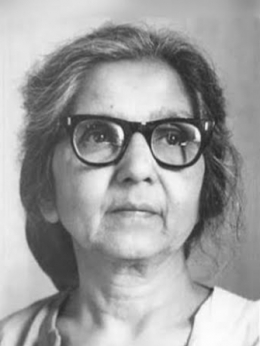
Women of Revolutionary Movement in British India: Aruna Asaf Ali
Aruna Asaf Ali(1909-1996) was an Indian educator, political activist and publisher who actively participated in Indian Independence Movement.
She was a member of Congress Socialist Party, factions within the Congress Party for activists that had socialist-leaning.
She was jailed for actively engaging in the Salt Satyagraha and remained in jail till 1931. She was imprisoned several times over the course of her lifetime.
Aruna Asaf Ali, popularly known as the ‘Grand Old Lady’ of the Independence Movement, is known for hoisting the Indian flag at Gowalia Tank Maidan in Mumbai during the Quit India Movement.
Post Independence
She served as Delhi’s first Mayor.
Later she left the Congress Socialist Party to join the Communist Party of India(CPI).
“Oh, King! You’ve built such a wall around Sher-i-nau
That stone can reach the moon from the pinnacle (of its towers)”
– Amir Khusraw
Delhi is known for its proverbial seven cities albeit it lacks precision. The ruins of the city of Khilokri, however, have not survived the wrath of time. However, the city has significantly helped in the socio-cultural development of the Sultanate capital of Delhi. The city came to the limelight when it was favoured for residence by Sultan Kaiqubad.
The early settlements in Khilokri are, however, not insignificant. Qutubuddin Bhaktiyar Kaki was staying in Multan with his preceptor, Bahauddin Zakariya when the city was besieged by the Mongols. Consequently, he set off for Delhi and settled at Khilokri. Two leading theologians of Iltumish’s court visited him frequently but were troubled by the distance. With Iltumish’s help, they brought Kaki to Qutb Delhi (The present-day Old Delhi or Shahjahanabad) and got a house for him next to the Izzuddin’s mosque. Firishta writes that Kaki had settled in Khilokri due to ‘proximity to water’ and was unwilling to move to Old Delhi but he eventually gave in and settled there.
Ruknuddin Firoz succeeded Iltumish as the Sultan of Delhi. A conspiracy against his rule was held in Khilokri by several officials of the old sect/dispensation. Khilokri was no longer a Sufi city and had shed all the vestiges of Kaki. Now, the city was a cantonment-like town. To suppress the rebellion, the Sultan marched with a multitude of armed men to Khilokri only to be executed. Razzia Sultana, the first and the only woman claimant of the Delhi Sultanate festooned the throne. However, she was sacked for showing signs of rebellion against the entrenched Iltumish’s military commanders or Shamsi sect and three more Shamsi puppets were placed in quick succession.
When the emissaries of the Mongol conqueror of Iran and Iraq arrived at Delhi to meet Sultan Nasiruddin Mahmud, the entire route from Old Delhi to Khilokri was embellished with an array of soldiers and civilian militia. Juzzani twice mentioned the city as the ‘sher-i-nau’ or the ‘new city’. The riparian plains of Khilokri was indeed an excellent location far from the hustle-bustle of the overpopulated Qutb Delhi.
The fresh founding of the city comes from the accounts of Ziyauddin Barani in his magnum opus, Tarikh-i-Firuz Shahi. He credits Sultan Kaiqubad as the founding father of Khilokri. He describes him as a ‘handsome young man of excellent qualities with a heart filled with the desire to enjoy the pleasures of life’. On the banks of river Yamuna, Kaiqubad laid foundations of a large palace and a splendid garden. He moved there and started living with his auxiliaries. The nobilities started building palaces in the quarters they occupied and the heads of each profession moved from Delhi–i-Kuhna or the Old Delhi to Khilokri, making it populous and flourishing. Eventually, singers, jesters and performers started migrating to the city. In the due course of time, wine houses became full and recreational places came up in the city. Sources suggest that the price of wine increased ten-fold. Everybody was busy seeking the sensual pleasure of the materialistic world supplemented by an enormous demand for wine and perfume.
However, there’s no evidence suggesting that Qutb Delhi ceased to be the capital of the Sultanate. The imperial mint continued to be located in Qutb Delhi and the coins mentioning the name of Sultan Kaiqubad were found from Qutb Delhi.
Nau Roz is celebrated to mark the beginning of the Iranian Solar year. A long poem by Amir Khusraw describes the celebration of the same in Khilokri.
Eventually, Kaiqubad was murdered and the intra-dispensational conflict placed Jalaluddin Khalji on the throne of Delhi Sultanate. Barani mentions that fearing the hostilities of the city residents to the new ruler, Jalaluddin Khalji chose to reside in Khilokri. The nobles of Qutb Delhi travelled to Khilokri to offer allegiance to the newly enthroned emperor. The reign of Jalaluddin Khalji witnessed a new round of construction activities in Khilokri. Firstly, he ordered the completion of the palace commissioned by Kaiqubad. Secondly, he commissioned a splendid garden in front of the palace by the banks of the river Yamuna. Thirdly, a fort was built inlaid with stone walls and watchtowers each of which were placed under the control of a noble. In consequence of the imperial favour conferred to Khilokri, markets began to be built on all sides of the city. Another layer of houses was built by the nobles and officers of the new Khalji dispensation. Merchants started to migrate to Khilokri and started building markets. The population of Khilokri was increasing to an extent that a new mosque was built especially for the Friday congregational prayers. It is further evident that the term ‘sehr-i-nau’ for Khilokri reclined the Qutb Delhi to the status of Delhi-i-Kuhna or Old Delhi.
Furthermore, Sheikh Nizammudin Auliya built his hospice in Ghiyaspur guided by a ‘divine voice’. After the founding of Khilokri by Sultan Kaiqubad, the population of Ghiyaspur started rising substantially. The distance from Ghiyaspur to Khilokri was close to half a kuroh or 1.458 kilometres. Sources suggest that Sheikh Nizammudin Auliya would walk from Ghiyaspur to Khilokri for the Friday prayers. It is also found that Sheikh Nizammudin Auliya got a house in front of the Friday Mosque at Khilokri. Finally, Ghiyaspur became a suburb of Khilokri on its northward extension.
References
Ali, Athar. (1985). “Capital of the Sultans: Delhi through the 13th and 14th Centuries”, in R.E. Frykenberg, ed., Delhi Through the Age: Essays in Urban History, Culture and Society, Delhi: Oxford University Press, pp. 34-44
Kumar, Sunil. (2011). “Courts, Capitals and Kingship: Delhi and its Sultans in the Thirteenth and Fourteenth Centuries CE” in Albrecht Fuess and Jan Peter Hartung. (eds.).Court Cultures in the Muslim World: Seventh to Nineteenth Centuries, London: Routledge, pp. 123-148
Kumar, Sunil. (2019) ”The Tyranny of Meta-Narratives; Re-reading a History of Sultanate Delhi”, in Kumkum Roy and NainaDayal.(Ed.).Questioning Paradigms, Constructing Histories: A Festschrift for Romila Thapar, Aleph Book Company, pp 222-235.
Haidar, Najaf. (2014). ‘Persian Histories and a Lost City of Delhi’, Studies in People’s History, vol. 1, pp. 163–171
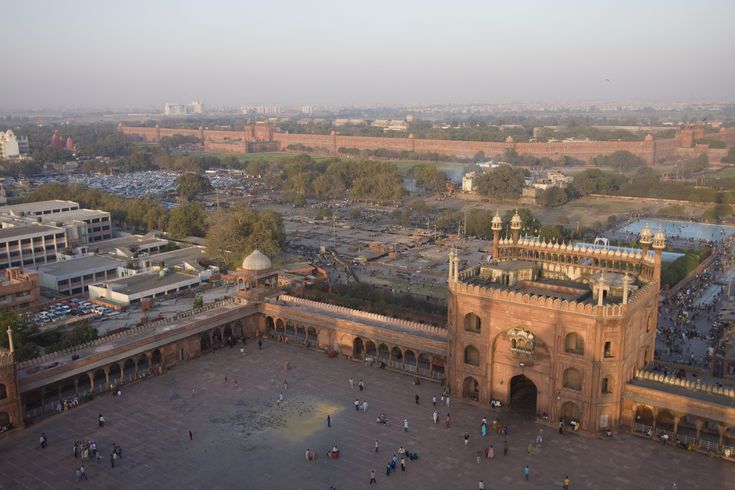
Being a city with a soul, the grandeur of unshakable cultural ethos of Delhi had been reverberating in the air across centuries from the inception of Indraprastha to the present. Even though she was lacerated by incessant plunders, devastating wars, shifting capitals and changing rulers, the cultural vibe of Delhi remained fit as a fiddle, radiating the grandeur of a thousand suns rising in all its splendor. Delhi is, therefore, a city with unparalleled cultural eminence, unsurpassable glory and more importantly, an indomitable spirit.
Owing to the colossal historical backdrop of Delhi, this article attempts to spotlight the indomitable cultural grandeur of the city confined to a brief timeframe of fifty years from 1675 to 1725. However, one may note that this particular time frame is purely abstract and open-ended. None of the limits coincides with any major historical event nor the reigning period of any emperor and hence necessitates the need of referring to some period before or after the pre-designated timeframe.
The designated timeframe witnesses the rule of Aurangazeb, Bahadur Shah I, Jalandhar Shah, Farrukhsiyar, Akbar II and Muhammad Shah. Nonetheless, the timeframe fails to incorporate the entire reign of Aurangazeb and Muhammad Shah and therefore, this article tends to briefly mention those periods even though it’s beyond the scope of the predetermined timeframe.
On a brief analysis of Aurangazeb’s reign, one may conclude that his regnal period witnessed mass cultural genocide prima facie. Firstly, he banned music from the court for the want of time for festivity amidst his surging devotion for duty. Secondly, being a hardcore proponent of shari’a, he believed that the content of poetry was immobilized by Sufi mysticism and considered them hawkers of duplicity. Finally, he believed that paintings were un-Islamic and banned it and withdrew all forms of royal patronage offered to artists. One may note that Islamic law forbids the depiction of living creatures in art as it believes that the power of creation safely vests with God.
However, on careful analysis of the period, Delhi emerged as an exquisite centre for thriving Indo-Mughal culture braving the ravages of Aurangazeb’s antics. Even though Aurangazeb banned music from the court, ceremonial music (naubat) continued to exist. Literateurs and artists now looked upon the members of the harem and the leading nobles for patronage. To illustrate, Prince Azam extended his patronage to a plethora of poets and artists.
Soon after Aurangazeb withdrew royal patronage for art, music and poetry, many artists left Delhi in search of patronage and imperial attention. Nonetheless, one may note that many of them were hesitant to leave the premises of the city which had honed their skills and supported their livelihood. One of the many poets who were unwilling to leave Delhi was Bedil, a close associate of Aqil Khan ‘Razi’, the venerated Governor of Delhi. He spent thirty-six years of his life in the city and was deeply influenced by Sufi mystic poetry. Moreover, he trained a school of poets in Delhi and he was deeply revered to an extent that an annual urs to his grave began after his death in 1720 where the poets were expected to read out their recent compositions.
Jahanara with her handsome allowance fixed by Aurangazeb continued extending patronage to a school of poets, musicians and artists. Even after her death, her legacy was inherited by Zeb-un-Nisa and Aqil Khan ‘Razi’ and they emerged as cultural patrons of Delhi, supporting the baluster slackened by Aurangazeb.
However, Aurangazeb imprisoned Zeb-un-Nisa for supporting rebellious Akbar nonetheless she was granted great sort of freedom and a handsome allowance in confinement and at the later phase of her life, she set up an academy that aimed at incubating and honing the skills of artists.
In addition to that, the celebrated Chishti order was revived by Sheikh Kalimullah and Jahanara contributed to the growth and revival of the same towards the later stages of her life. Delhi now came to be known as the ‘metropolis of liberalism’ and towards the end of the seventeenth century, two rival centres emerged for the development and propagation of cultural values- Aurangabad that stood for Orthodoxy, theology and Islamic studies and Delhi that resonated with Liberalism and Sufism.
One may note that Delhi was deprived of the imperatorial presence for about thirty-three years from 1679 when Aurangazeb left for Aurangabad. Bahadur Shah I was in power till 1712 but he never entered Delhi in his capacity as the Emperor. However, this never meant a depreciating political legacy of the city. Firstly, Asad Khan, the ex-Wazir of Aurangazeb was elevated to the position of the Governor of Delhi and this appointment of the most senior officer as the Governor of Delhi exemplifies the political legacy of the city. Secondly, Bahadur Shah ordered that none shall leave Delhi or none shall visit Delhi without his permission. Thirdly, the Red Fort continued to be a formidable macrocosm of legitimate power which can be comprehended by the fact that the newly appointed Governor of Lahore sought permission to visit the Red Fort before assuming his office.
Even though Delhi was deprived of the imperial presence, it thrived as an important centre for trade, commerce, manufacture and culture. Vestiges of Shah Jahan’s artistic inclination failed to meet a sudden death. Patronage continued to be extended to artists, poets and scholars, both Hindus and Muslims by Dara Shikoh and by the mid-seventeenth century, Delhi emerged as a significant cultural centre. Delhi reclaimed its political importance with the advent of Jalandhar Shah in 1712. However, from 1712 to 1759 Delhi guarded the gates of a rapidly diminishing empire. With declining monarchial prestige and dislodged nobility supplemented by food insecurity, inflation, epidemics and famines with necessary provisions being confined to imperial coffers, Delhi witnessed an era of surging turmoil and insecurity. Merciless executions, imprisonment and dispossession of nobles who had supported a rival prince laid the foundations of catastrophic factional warfare in Delhi.
Declining monarchical prestige was amplified by the act of Jalandhar Shah as he elevated Lal Kunwar coming from a family of musicians to the status of a queen and such elevations were considered undesirable for nobility. The emperor spent his time with her and even got drunk in public. The emperor seemed to be reduced to the position of a King in the game of Chess being manipulated by the entire clan of musicians. This paved the way towards social instability where the emperor lost the support of the nobles, landlords and theologians. Farrkukhsiyar also failed to restore the lost prestige of Mughal nobility and he was widely despised for his association with a low-born homosexual.
However, amid such adverse insecurities and catastrophic conflagrations, Delhi remained to be a city with an indomitable spirit. Firstly, even though the Emperor was reduced to the status of a restricted monarch figurehead, the subjects considered him as the guardian of social order and justice. Even the Sayyid Brothers couldn’t attempt a direct consolidation of political power and had to support Farrukhsiyar to the throne. Secondly, albeit the political power of the Mughals were rapidly diminishing with the snowballing Maratha power and semi-independent principalities like Awadh, Bengal and Hyderabad, the Mughal Emperor was seen as a nominal head and a legitimate authority to an extent to which the Marathas and even the British had to approach them at a later stage for political legitimacy.
Despite the social instability of the period under consideration, the emergence of a small elite class with both means and desire to offer patronage ensured the evergreen perpetuity of cultural activities. Delhi remained to be the favourite halt of nobles and money-lenders who had invested in building markets, lending money for interest or trade aspiring for a supplementary income and this made Delhi one of the mammoth financial centres in India. In consequence of the same, many businessmen, manufacturers, scholars, religious leaders and elites settled in Delhi and offered patronage to cultural activities and thus, Delhi remained to be culturally bouncy even though it faced adverse calamities. Delhi was, is and will be a city with an indomitable spirit and unsurpassable glory.
One of the biggest loot in the history of India that handicapped Delhi was the invasion of Nadir Shah in 1739. On one hand, the inexpensive Peacock Throne and the Kohinoor were looted and on the other, the repercussions of this loot incarnated as anarchy and insecurity among both the rich and the poor alike for a period of twenty years from 1740-1760. However, this event was also easily overcome within no time as the looted wealth was mostly hoarded ones, not in circulation and by and large it just accounted for a very small part of gold and silver in circulation. Supplemented by a favourable foreign trade, the indomitable spirit of the city overcame the backlash of the loot with ease and cultural life was restored.
The period under consideration is undoubtedly venerated for flourishing music and literature. Whereas Persian was used by the upper class, Urdu continued to be the language of the masses. The Urdu poetry incorporated Persian and Hindi styles and represented an integrated culture.
Even though she was wounded by adverse calamities in the period under consideration, Delhi remained to be culturally vibrant, alive and breathing. In the fifty years from 1675 to 1725, she was left without an Emperor for thirty-three years and after the advent of Jalandhar Shah, she witnessed social instability supplemented by inflation, epidemics, famine and factional warfare. She was much better off in the absence of the monarch as the later monarchs were downgraded to the status of a restricted monarch figurehead backed by a myriad of misfortunes.
Delhi surpassed all her misfortunes with her indomitable spirit. Banning of cultural activities, absence of the emperor, incapable rulers, social unrest, epidemics and famines, inflation, diminishing moral values, factional warfare and plunder miserably failed to amend the cultural landscape of the city. Although Delhi was overshadowed in size, economy and cultural activities by Lahore and Agra as far as the predetermined timeframe is concerned, Delhi was an unparalleled metropolis in the eyes of its people and it remains to be so and it will remain so for the times to come.






 Track2Training
You must be logged in to post a comment.