
Malnutrition

A good level of nutrition is important to consistently keep our body healthy and reduce the risk of chronic diseases. Combined with good physical activity and right amount of nutrients, it gives rise to a strong immune system, a healthy weight and lifestyle.

Malnutrition is a condition that develops due inadequate consumption of vitamins, minerals and other nutrients that are necessary to maintain a proper functioning of the organs”. Though this condition is present worldwide, it is mainly noticed in developing countries which have high poverty rate, low financial aid and poor sanitation facilities. Malnutrition and undernutrition are two words that are often used interchangeably but they are not actually synonyms. Undernutrition is in fact a part of malnutrition. Undernutrition is often due to lack of availability of nutrient-rich food and overweight and obesity which is mainly due to large consumption of processed foods leads overnutrition condition. Malnutrition however consists of both undernutrition and overnutrition. There are around 1.9 billion adults worldwide who are overweight, while 462 million are underweight. As per the Food and Agricultural Organisation (FAO) almost 14.5% of the Indian population is malnourished. Deficiency of every nutrient creates specific health issues. Malnutrition can lead to:

  • Short term and long term diseases
  • Injury or damage recoveries at a slow rate
  • Difficulty in focussing
  • Higher risk to infections
  • Muscular weakness
  • Fatigue
  • Weak immune system

WHAT CAUSES MALNUTRITION?

There can be many reasons depending upon the type of malnutrition

  1. Low consumption of food- Some people are malnourished due to the low intake of food which might be related to their economic position which implies lower nutrients absorbed by the body.
  2. Mental health-Malnutrition can occur with people having issues related to mental health such as depression, schizophrenia and amnesia etc.
  3. Consumption of alcohol- Heavy consumption of alcohol can lead to gastritis which makes it difficult to absorb nutrients and digest food. Thus intake of unhealthy foods can lead a person malnourished.
  4. Low income- Not all families are financially well off to supply their members with a whole meal rich in nutrients nor afford to buy fruits, vegetables, meat and milk etc. Poverty is also another reason for malnourishment as they might not get food every time.
  5. Diseases- Chronic ailments are also a cause for malnutrition.
  6. Food habits- Food habits play a major role in healthy lifestyle of an individual. Consumption of processed food spoils health as it is not freshly cooked.

SYMPTOMS OF MALNUTRITION

  • Depression
  • Lack of appetite
  • Loss of fat
  • Difficulty to focus/concentrate
  • Longer healing time for injuries
  • Loss of fat or muscle mass
  • Constant sickness/ illness
  • Tender bones
  • Skin which is pale and dry
  • Anemia
  • Brittle nails
  • Joint ache
  • Bleeding gums
  • Sparse hair
  • Either skinny or bloated
  • Gastrointestinal problems

Malnutrition can be prevented if a person eats a balanced diet, engages in physical workout regularly, avoids processed and preserved foods and consume food low in carbs and fat. Malnutrition can make an enormous impact in the economy of a country especially when it is developing, the impacts are of course negative. It will seriously affect the productivity and mortality rates of a nation thereby generating inefficient human resource capital in the future.

RELEVANT LINKS:https://vikaspedia.in/health/nutrition/malnutrition/malnutrition-causes-and-types https://www.healthline.com/nutrition/malnutrition
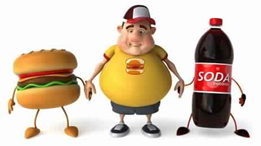
MALNUTRITION IN INDIA

Nutrition plays an important role in determining a person’s health. Foundation of a good life is laid down in childhood where the food we eat plays an important role. Proper nutrition sets us up a good immune system and proper growth in us. This is the ideal condition but not the reality in most parts in India More than half of the deaths of children under the age of 5 in India are due to malnutrition. India has more than 46.6 million stunted children according to the Global Nutrition Report 2018. More than one-third of the world’s malnourished children live in India. Malnutrition is a poor condition of health of a person caused due to lack of food or a restrictive diet, it includes deficiencies, excess and imbalance intake of a person’s diet.
Malnutrition is divided into two broad classifications, undernutrition and over nutrition. Undernutrition is the lack or deficiency of nutrients or calories. Undernutrition comprises of stunting, wasting, underweight and deficiencies. Overnutrition is a condition where there is higher than needed uptake of nutrition. It includes overweight, obesity and chronic non-communicable diseases. Malnutrition affects people of all age group but malnourished children are at higher risk because these children do not have the adequate nutrition to build a strong immune system which exposes them to a wide array of diseases such as diarrhoea, measles. Chronic malnutrition can damage a child’s mental and physical development it also could affect the child’s growth and development. Malnutrition may result in decreased productivity and poor performance. Malnutrition puts pregnant women as the risk of pregnancy-related complications. Overnutrition causes obesity which leads to heart problems at the very least. India’s main reason for malnutrition is economic inequality. There is food production but people can’t afford them. Most of India’s population still lives below the national poverty line. 25 per cent of the world’s hungry call India their home. According to the data provided by UNICEF, one in three malnourished children in the world is Indian. Globally over 146 million children are malnourished and 46.6 million children reside in India.
Most of India’s population depends upon rains to grow their crops and with climate change and irregularities in rains force the family into poverty where there is no solid way of providing children with a healthy diet. Undernutrition is more prevalent in rural areas where much of the population depends on agriculture as its main force of income. Providing accessible healthy food to a population of a country is always a big problem. India has taken steps to overtake the problem. India has introduced the Mid Day meal scheme where free food is provided to government schools aided by government funds and donations given by individuals and corporations. India also launched the Intergraded Child Development Scheme where children and mothers are provided with through health and nutrition education, free or subsidized health services and supplementary food by the government, the program has reached over 70 million young children and 16 million pregnant women. Considering all factors India does have a high rate of malnutrition in the country but it has taken steps towards solving the problem.

HOMEMADE CHOCOLATE AND STRESS

Take it from a college student who is home with parents all the time due to COVID- 19, chocolate at this point in my life is the only thing that is keeping me sane, chocolate is the cure to all problems in life.
This lock down has shaken my self-confidence and I now call my myself a little stress ball. But if anything in this world is perfect, then it’s chocolate. Chocolate is the personification of human emotions. Are you happy? You eat chocolate. Are you sad? You eat chocolate. Are you tired? You eat chocolate. Are you bored, my friend? you eat chocolate. That also basically sums up how much money I spend on chocolate but it’s okay I’m helping the economy grow and that’s the truth. Yet, to help my bank account than the economy, sometimes I to make chocolate at home. Yes, I make chocolate at home from scratch. That’s how I was a female who menstruates cope with pain and sadness. It’s chocolate its perfect and more perfect. Amazingly, the answer to all my problem is chocolate or ice cream. To release this stress, I make amazing homemade chocolate which is delicious. It’s a truly amazing thing to do because the final product is always a fresh batch of decadent chocolate. Let’s make mouthwateringly smooth homemade chocolate today.

THE PROCESS
First, I want you to take an additional 1 cup of sieved milk powder to a bowl(the milk powder oddly reminds me off the milky bar). Take another bowl and add sieved cocoa powder to it. The mil powder and cocoa powder are sieved to break any lumps and its easier to mix the ingredients together. Now mix the two powders. Add ¼ cup of milk to the mixture, 2 tablespoons of melted butter (melted not burnt), 3 tablespoons of condensed milk (i advise you to taste the condensed milk, it’s forking great.) The smell from the mixture should be heavenly and should remind you of chocolate ice cream(it also means that you are hungry ). Mix thoroughly mix the mixture until the mixture is smooth. Now, this is the crucial step where you can make the chocolate to suit your taste. If you like it to be more on the sweeter side, then add icing sugar to the mixture. Go on, you can add anything, peppermint, spices or chilli…the list goes on. As long as the taste of the chocolate makes sense to you, it’s going to be beautiful. Now grease a microwave-safe tray and pour the mixture on it. microwave for 4 minutes and set the tray down to cool off the mixture. Pour the mixture into your desired mould, refrigerate it for 1 hour and voila your chocolate is ready now, we should find a cosy place, sit and eat chocolate and smile ’cause that’s what life should be. this is how I’ ve dealt with stress and anxiety during the lockdown and trying to stay afloat. chocolate is truly one of mankind’s favourite comfort food and rightly so. So why don’t we all try to make some homemade chocolate today

obesity disorder

what is obesity??

obesity starting of stress and depression

Obesity is a complex disease involving an excessive amount of body fat. Obesity isn’t just a cosmetic concern. It is a medical problem that increases your risk of other diseases and health problems, such as heart disease, diabetes, high blood pressure and certain cancers.

There are many reasons why some people have difficulty avoiding obesity. Usually, obesity results from a combination of inherited factors, combined with the environment and personal diet and exercise choices.

The good news is that even modest weight loss can improve or prevent the health problems associated with obesity. Dietary changes, increased physical activity and behavior changes can help you lose weight.

Causes

Although there are genetic, behavioral, metabolic and hormonal influences on body weight, obesity occurs when you take in more calories than you burn through exercise and normal daily activities. Your body stores these excess calories as fat.

Most Americans’ diets are too high in calories — often from fast food and high-calorie beverages. People with obesity might eat more calories before feeling full, feel hungry sooner, or eat more due to stress or anxiety.

Risk factors

Obesity usually results from a combination of causes and contributing factors:

Family inheritance and influences

The genes you inherit from your parents may affect the amount of body fat you store, and where that fat is distributed. Genetics may also play a role in how efficiently your body converts food into energy, how your body regulates your appetite and how your body burns calories during exercise.

Obesity tends to run in families. That’s not just because of the genes they share. Family members also tend to share similar eating and activity habits.

Lifestyle choices

  • Unhealthy diet. A diet that’s high in calories, lacking in fruits and vegetables, full of fast food, and laden with high-calorie beverages and oversized portions contributes to weight gain.
  • Liquid calories. People can drink many calories without feeling full, especially calories from alcohol. Other high-calorie beverages, such as sugared soft drinks, can contribute to significant weight gain.
  • Inactivity. If you have a sedentary lifestyle, you can easily take in more calories every day than you burn through exercise and routine daily activities. Looking at computer, tablet and phone screens is a sedentary activity. The number of hours you spend in front of a screen is highly associated with weight gain.
  • stress.In most of the cases ,shows that when you starting to take lots of stress you might become feel heavy not only on your mind nut your body become heavier day by day.

Other factors

  • Pregnancy. Weight gain is common during pregnancy. Some women find this weight difficult to lose after the baby is born. This weight gain may contribute to the development of obesity in women. Breast-feeding may be the best option to lose the weight gained during pregnancy.
  • Quitting smoking. Quitting smoking is often associated with weight gain. And for some, it can lead to enough weight gain to qualify as obesity. Often, this happens as people use food to cope with smoking withdrawal. In the long run, however, quitting smoking is still a greater benefit to your health than is continuing to smoke. Your doctor can help you prevent weight gain after quitting smoking.
  • Lack of sleep. Not getting enough sleep or getting too much sleep can cause changes in hormones that increase your appetite. You may also crave foods high in calories and carbohydrates, which can contribute to weight gain.
  • Previous attempts to lose weight. Previous attempts of weight loss followed by rapid weight regain may contribute to further weight gain. This phenomenon, sometimes called yo-yo dieting, can slow your metabolism.

Even if you have one or more of these risk factors, it doesn’t mean that you’re destined to develop obesity. You can counteract most risk factors through diet, physical activity and exercise, and behavior changes.

Complications

People with obesity are more likely to develop a number of potentially serious health problems, including:

  • Heart disease and strokes. Obesity makes you more likely to have high blood pressure and abnormal cholesterol levels, which are risk factors for heart disease and strokes.
  • Type 2 diabetes. Obesity can affect the way your body uses insulin to control blood sugar levels. This raises your risk of insulin resistance and diabetes.
  • Certain cancers. Obesity may increase your risk of cancer of the uterus, cervix, endometrium, ovary, breast, colon, rectum, esophagus, liver, gallbladder, pancreas, kidney and prostate.
  • Digestive problems. Obesity increases the likelihood that you’ll develop heartburn, gallbladder disease and liver problems.

Prevention:

  • Exercise regularly. You need to get 150 to 300 minutes of moderate-intensity activity a week to prevent weight gain. Moderately intense physical activities include fast walking and swimming.
  • Follow a healthy-eating plan. Focus on low-calorie, nutrient-dense foods, such as fruits, vegetables and whole grains. Avoid saturated fat and limit sweets and alcohol. Eat three regular meals a day with limited snacking. You can still enjoy small amounts of high-fat, high-calorie foods as an infrequent treat. Just be sure to choose foods that promote a healthy weight and good health most of the time.
  • Know and avoid the food traps that cause you to eat. Identify situations that trigger out-of-control eating. Try keeping a journal and write down what you eat, how much you eat, when you eat, how you’re feeling and how hungry you are. After a while, you should see patterns emerge. You can plan ahead and develop strategies for handling these types of situations and stay in control of your eating behaviors.
  • Monitor your weight regularly. People who weigh themselves at least once a week are more successful in keeping off excess pounds. Monitoring your weight can tell you whether your efforts are working and can help you detect small weight gains before they become big problems.
  • Be consistent. Sticking to your healthy-weight plan during the week, on the weekends, and amidst vacation and holidays as much as possible increases your chances of long-term success.

RECENT GUIDELINES HAVE REVEALED THAT 10-15% OF INDIAN POPULATION WOULD FALL UNDER THE OBESE CATEGORY AND WOULD NEED APPROPRIATE MANAGEMENT .