
Treating illness by using tools to remove or manipulate parts of the human body is an old idea. Even the minor operations carried high risks, but that doesn’t mean all early surgery failed. Indian doctors, at the beginning centuries before the birth of Christ, successfully removed tumors and performed amputations and other operations. They developed dozens of metal tools, relied on alcohol to dull the patient, and controlled bleeding with hot oil and tar. The 20th century brought even more radical change through technology. Advances in fiber optic technology and the miniaturization of video equipment have revolutionized surgery. The laparoscopy is the James Bond like gadget of the surgeon’s repertoire of instruments. Only a small incision through the patient’s abdominal wall is made into which the surgeon puffs carbon dioxide to open up the passage.
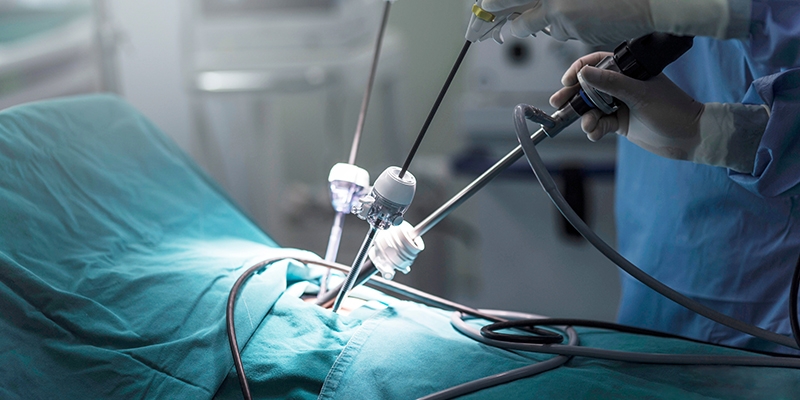
Using a laparoscope, a visual assessment and diagnosis, and even surgery causes less physiological damage, reduces patient’s pain and speeds their recovery leading to shorter hospital stays. In the early 1900s, Germany’s George Kelling developed a surgical technique in which he injected air into the abdominal cavity and inserted a cytoscope – a tube like viewing scope to assess the patient’s innards. In late 1901, he began experimenting and successfully peered into a dog’s abdominal cavity using the technique. Without cameras, laparoscopy’s use limited to diagnostic procedures carried out by gynecologists and gastroenterologists.
By the 1980s, improvements in miniature video devices and fiber optics inspired surgeons to embrace minimally invasive surgery. In 1996, the first live broadcast of a laparoscopy took place. A year later, Dr. J. Himpens used a computer controlled robotic system to aid in laparoscopy. This type of surgery is now used for gallbladder removal as well as for the diagnosis and surgeries of fertility disorder, cancer, and hernias.
Hypothermia is a drop in body temperature significantly below normal can be life threatening, as in the case of overexposure to severe wintry conditions. But in some cases, like that of Kevin Everett of the buffalo bills, hypothermia can be lifesaver. Everett fell to the ground with a potentially crippling spinal cord injury during a 2007 football game. Doctors treating him on the field immediately injected his body with a cooling fluid. At the hospital, they inserted a cooling catheter to lower his body temperature by roughly five degrees, at the same time proceeding with surgery to fix his fractured spine. Despite fears that he would be paralyzed, Everett has regained his ability to walk, and advocates of therapeutic hypothermia feel his lowered body temperature may have made the difference.
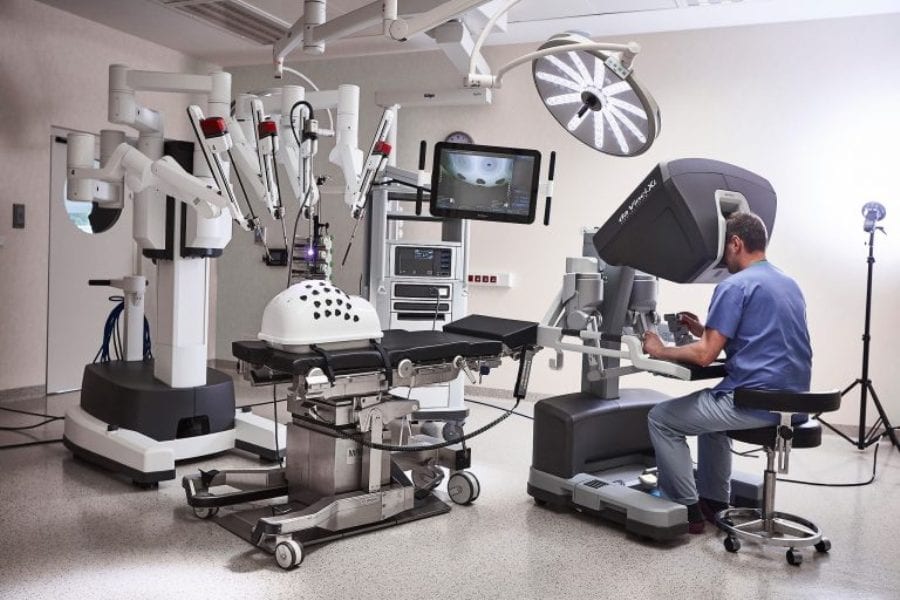
Therapeutic hypothermia is still a controversial procedure. The side effects of excessive cooling include heart problems, blood clotting, and increased infection risk. On the other hand, supporters claim, it slows down cell damage, swelling, and other destructive processes well enough that it can mean successful surgery after a catastrophic injury. Surgical lasers can generate heat up to 10,000°F on a pinhead size spot, sealing blood vessels and sterilizing. Surgical robots and virtual computer technology are changing medical practice. Robotic surgical tools increase precision. In 1998, heart surgeons at Paris’s Broussais hospital performed the first robotic surgery. New technology allows an enhanced views and precise control of instruments.
“After a complex laparoscopic operation, the 65-year-old patient was home in time for dinner”. – Elisa Birnbaum, surgeon

 Track2Training
You must be logged in to post a comment.