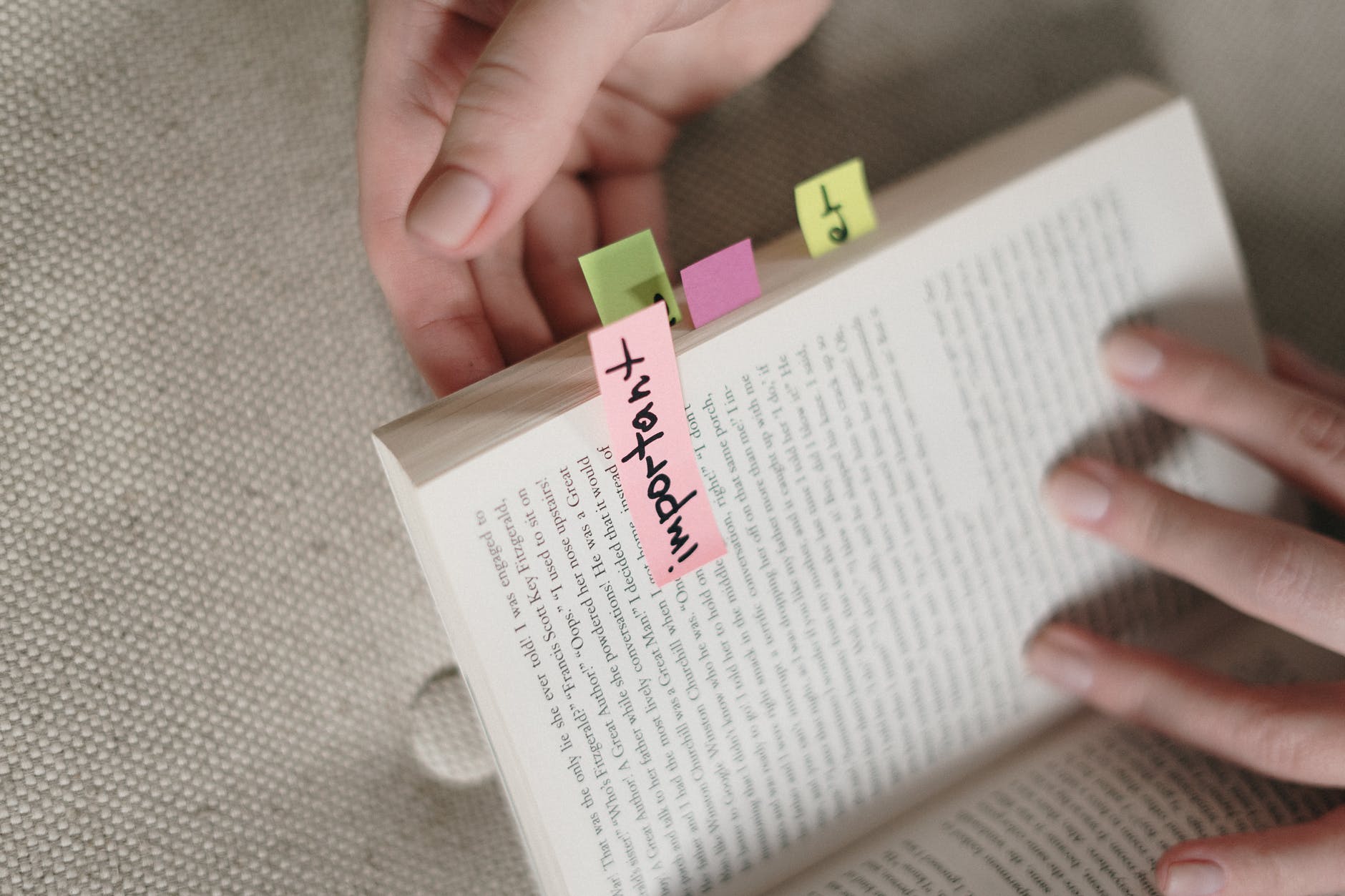
Get More Done : Strategies for an Effective To-Do List

The term ‘To-Do List’ evokes different images for different people. For some it is that of a never-ending-ever-growing scroll of magic paper that gives them nightmares. For others it might come across as something only the boring folks, who schedule even their loo breaks, do. And then there is another bunch who considers it to be their life saviour which keeps them sane through the madness of their daily chores and tasks. 

Whatever be the image that you have conjured up, a fact that one cannot deny is that an effective to-do list is one of the simplest yet powerful productivity tools that can work wonders in increasing your overall productivity. 

Though it is one of the best and most efficient productivity techniques around, the success of it depends on how effectively it is being used. Moreover, if not used in the correct way, it can do more harm than good. 

Photo by Breakingpic on Pexels.com

So, let’s now see some of the strategies to help you kick-start your art-of-making-the-perfect-list journey 

Pick a suitable medium

Choosing a medium that you are comfortable with is the first and foremost thing to be considered while making a list. It may differ according to the personal preferences of people. It doesn’t matter whether you choose an app or the good old pen and paper, what is important is to stick to the one that you have chosen.Having your tasks scattered across different mediums makes managing and tracking the tasks difficult.

Dump all those tasks eating up your brain to the list

Transfer all those ideas, goals and tasks to the medium that you have chosen. Don’t bother assessing its value or prioritising it (yet). For now, just dig out every single thing from your brain and dump it onto your list.

Identify the ones which align with your purpose

It’s important that you need to have a clear idea about what you want to accomplish in life and accordingly pick tasks that’ll help you realise your goals. Write down clearly why you need to do the task and how it adds value to your life. Identifying your whys gives the brain the much needed motivation and energy to tackle the task.

Break the list into multiple lists

So now you have a big list of all the items that aligns with your long-term goals listed right in front of you. This list will contain all your goals listed out together. Let’s now split them into separate lists . Three basic lists that you can use are : 

  • The Master List , where you keep a list of your long term goals .For eg: Write a novel. Here, you could categorise the goals as personal, professional, finance, health etc. 
  • The Weekly List contains all those items that need to be ticked off by the end of the week. This would essentially contain tasks which would help in achieving your long term goals, plus other things that need your attention during the week. 
  • High Impact List is the one that contains the tasks which are of the highest priority and needs your immediate attention. These might or might not be related to the other two lists. 

Apart from these you could also keep a separate list for the daily activities that you need to track. For eg : If Doing exercise is something that you want to track on a daily basis, then instead of adding this item to your high impact list, add it to a separate list which is meant solely for daily activities. 

You can come up with as many lists as you want. But I would suggest not to overdo it (then you might end up having to come up with another list to track the list of lists ! ). 

List down tasks, not goals on your list

Your master list is the one where you have all the goals listed and when it comes to creating weekly lists, you need to make sure that you break your goals down into actionable items and put those on the list. In this way, you get clarity on how to go about with achieving the long term goals. Make it as specific as possible.

Prioritize 

From the weekly list, identify the items that are of the highest priority and move them to the High Impact List. This is the list that you need to follow to keep track of the items that need to be completed by the end of the day. Sit with your list and identify the ones that are urgent and important and rank them accordingly. Setting priorities makes sure that you don’t end up cleaning your kitchen drawer when you have an important assignment due for the day.

Photo by Suzy Hazelwood on Pexels.com

The shorter the better

One of the mistakes people make while creating a list is to cram up the list with as many items as they can think of. By doing so chances are high that you may end up not finishing most of the tasks on your list. And, there is nothing more depressing than staring at a long list of pending tasks at the end of the day. So keep it short. There is no hard and fast rule as to the maximum number of items that you can put on your list. Start with as low as three and experiment and find out the number that works for you. 

Set a time limit for each task and measure the time taken

Each person has a different pace at which he works. To find out yours, roughly estimate the time you think you would need to complete a task and once you are done with the task, compare it with the actual time taken. This way, you will have a realistic idea about how many tasks you can complete in a day and can accordingly decide the length of your list. 

Break bigger tasks into a set of smaller tasks

While you time your tasks, you might come across some tasks which need more time.Say for example, writing a blog post might not fit into the two hour window that has been allotted to it. In such cases, break the task down into a number of smaller tasks – research the topic, write, edit, select pictures etc. By breaking it down, you will have a clear step-by-step strategy listed right in front of you.Also, instead of waiting to check off that one big monstrous item, you can now check off 3-4 small items. That’s a pleasure in itself, isn’t it ?

Create a May-Be-Later-If-I-Feel-Like list

This is one of my personal favourites. All those items that you want to do but which are neither urgent nor important go on this list. Say for eg: learn to knit, may be something you might want to do but definitely not when you have a project release coming up the following week. 

Always expect the unexpected

As much as we all want everything to go as planned, in reality that’s not always possible. At times, unexpected events may pop up. So, it’s always a good idea to leave a bit of cushion time between your tasks. Not just that it leaves you with some wiggle room in case of emergencies but also provides you that much needed breather from the tasks on normal days.
Block time for yourself

Always always always make sure to take some time out of your schedule to relax. Burnout is real ! So it’s really important that you find time to pause, breathe and relax. Adding break time to your list is essential to help the brain maintain its focus and energy levels. 

Revisit and Re-evaluate your list periodically

Constant evaluations and reevaluations are needed for this productivity tool to work effectively. At the end of each day set aside some time to sit with your list and reflect on what worked and what didn’t. Move those items which you feel are of low priority to your may-be list. Re-prioritise the list, play around with it and you will eventually figure out a strategy that works best for you. It’s all about experimenting, buddy !

 Make the list the day before

Though it is not a rule that you should make the list on the previous day, it is always better if you can do so. At the end of each day, after you evaluate your list for that day, you would already be in a state of mind where it is easier for you to figure out what items need to go on the list for the next day. Also, if you have a list of tasks ready right in front of you in the morning, you know exactly what’s on your plate for the day and hence you can use your morning energy on productive stuff rather than wasting it on planning your day.

Create a Done List

Even if you hate every other list mentioned above, this is one list that you are gonna love. It is a list of all the tasks that you have accomplished. Once you complete a task, along with crossing it off from the main list, add it to your Done List. That’s double the euphoria, you see ! This list is a reminder to yourself of how close you have come to your end goal and is an instant mood booster on days you feel low. Also, do not forget to celebrate even the smallest of your milestones.

Bottom line

Learning to make an effective to do list is not something that you can master overnight. It takes a lot of experimenting to figure out the strategies that work for you. There are no hard and fast rules here. Remember not to obsess too much with the idea of making that perfect list in the first go. Have patience and keep experimenting until you figure out a strategy that best suits your needs. Good Luck !

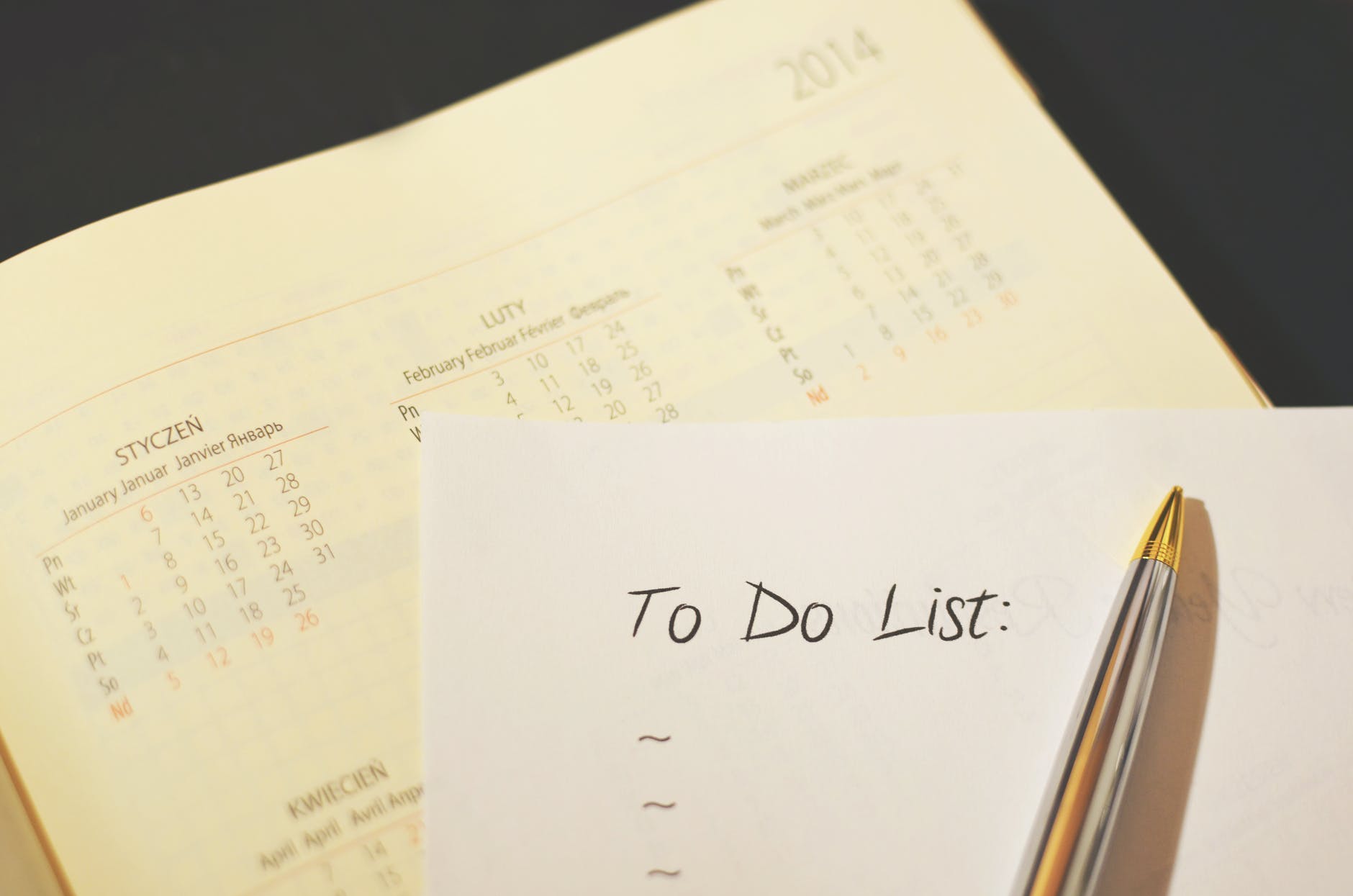
How to make the best use of time. 

This is an image for how to make the best use of time.
Photo by Eunice Lui on Pexels.com

Time is precious, it’s a saying that is reiterated often by everyone! We all are gifted with 24 hours everyday and many more during our whole lives. But often we don’t know how to utilize them. We understand how precious time is only when it passes away, leaving us with only a few hours left to turn in an assignment! This doesn’t have to repeat because here are some ways you can make the best use of time. 

Keep track of your time

When time passes you in a whiff, leaving you with the feeling of having nothing done from your ‘to do list’. The moment has come to identify how you have been utilizing your time. A simple note making activity along the week can do the trick. Keep tabs on the activities you do on a regular basis across different time periods. You can do this the old school way by writing down in a notebook or the modern way by typing in your smartphone. The aim of the activity is to figure out the tasks that waste your time by the end of the week and curb the duration of indulging in such activities. 

For example if using your mobile phone or watching television is eating up your time, leaving you with no time to do what is necessary. Keeping track of your time will help you understand this mishap and rectify your actions. Thus helping you to make the best use of time. 

Make a ‘To do list’, but avoid listing a ton of items. 

This is an image of  To do list.
Photo by Breakingpic on Pexels.com

Making a ‘To do list’ is supposed to motivate us to get things done for the day. But listing a ton of tasks kills the motivation to do the same. Listing even 3 important items to do for the day can help you get things done and motivate you to do more. Three tasks might seem very less, but it accounts for a day well spent as you accomplish the 3 most important tasks that need to be done, rather than listing 10 items in your ‘to do list’ and get nothing finished. 

Doing less also helps you focus and spend adequate time over your important tasks, making you less prone to make errors and getting things done efficiently. 

Plan your day before time

We all have heard the famous words of Benjamin Franklin, “If you fail to plan, you are planning to fail.” Although it sounds daunting and negative, it makes a lot of sense when you try to make the best use of time. When you haven’t given a thought about the day ahead, you end up spending the day doing mundane things that take up the majority of your time. 

It is best to plan the next day before going to bed or during the early hours of the day to make the best use of time. This helps you to remember the important things to be done for the day and keep you occupied. 

Take out the bad habits from your day

This is an image for bad habits
Photo by Maria Orlova on Pexels.com

We all develop some habits in our lives that are harmful or keep us from being productive. You might probably take your love for music to the next level by having your earphones plugged in for several hours. This could be harmful to your ears or reduce efficiency as you listen to music in the background while doing something important. Hence, it becomes necessary to fix a duration for plugging in some music rather than doing so all the time.

Similarly, you can curb other time consuming habits by spending less time over them or putting them away during your time of productivity. 

  • Put your phone away to resist the urge for checking messages while you study or work on an assignment. 
  • Turn off the Wifi or mobile data on your phone to prevent notifications from interrupting your work schedule. 

Begin with the most important task for the day

Although it sounds intimidating, waking up after the right duration of sleep leaves you with great energy and potential to complete important tasks that you have planned for the day. Maybe that’s why schools, colleges and offices expect people to arrive in the morning as they are equipped with sufficient energy for conveyance and other important things. 

Finishing the significant tasks in the morning such as studying or attending meetings, equips you with the necessary information and a sense of accomplishment to carry on with the rest of the day. Thus making the best use of time. 

Figure out what is important to you in the long run

This is an image for important
Photo by cottonbro on Pexels.com

Finally, it’s all in the bigger picture. You need to figure out what carries significance in your life. Some may want to explore while the others may want to settle down. What is important to you would determine your actions. 

Do tasks that provide good returns. 

Taking a break during the day from your studies or work is something you deserve. As you plan your activities and ‘to do lists’, it is also necessary to plan your time of leisure. Playing video games or watching television for 4 hours straight can be tempting, but it prevents you from reading the book you were planning on reading or meeting up with a good friend. 

It is better to limit your time over tasks that provide less returns and focus more on tasks that add value to your life.  So pick an interesting book while you feel the urge to binge watch or initiate a meet-up with friends which you have been putting off for a while. 

Because making the best use of time is to learn new things and add new experiences to your life. 

References

Chris Bailey, https://www.lifehack.org/articles/productivity/7-ways-make-better-use-your-time.html

Arda Ozdemir, August 25 2021, https://www.wikihow.com/Use-Your-Time-Wisely

John Rampton, May 1 2018, 8:00am, https://www.forbes.com/sites/johnrampton/2018/05/01/manipulate-time-with-these-powerful-20-time-management-tips/?sh=62c777857ab4

Power of Time

You had heard of the film ‘No time to die’, you have heard of the phrase ‘no time to waste’, you had heard of people saying ‘time is money’. From all these examples you have understood that time has very much importance in our life.

Have you ever thought that something which is not even visible have so much importance in our life. Everybody says this one thing that the person who knows how to manage his time knows all the secret of success.

Time management has gained so much importance in today’s world that there are even courses to let people learn and understand how to manage their time. This is the one thing which we have to follow as we all know that time never follows anyone or stops for anyone.

This is the one thing which everybody has in eaqual amount, whether you are rich poor lives in America India anywhere in this world you all have a 24 hour in a day. The thing which make time different is how we utilise it.

We all know that the strongest thing in this world is time. We all should understand and utilise at a time in useful things. And by this way I am not saying that you should not have a relaxing time what time for your hobbies you should absolutely have those time. You should have time for everything in life. And you should do all the thing at the right time.

3 Most important time management techniques

Everyone gets 24 hours a day but those who have ability to get maximum out of these 24 hours are classified as successful. Time management is the key to convert 24 hours into 25 hours. In simple words time management is process of organizing and dividing your time into various activities.

It’s about simplifying how you work and getting things done better and faster. It’s about working smarter. It is a game of choices. You have to make a choice about how you want to use your precious time. So if you are interested in improving your time management skills, check out these cool techniques.

Eat that frog

Brian Tracy says “You cannot eat every tadpole and frog in the pond. But you can eat the biggest and ugliest one, and that will be enough, at least for the time being.”

Identify your most important task of the day, this is your frog. It is the most impactful task of your day so begin your day by tackling this frog. Start this work and do this without any interruptions. This will bring an early win in your day which will build the momentum and sense of accomplishment.

But what if you have multiple frogs? Eat the biggest frog first. So instead of doing easy tasks first, do the difficult ones.

The Pomodoro technique

It is one of the most simple yet effective time management technique. This technique forces you to do single task so that your brain can focus on only one thing at a time as switching between tasks reduces productivity.

According to this technique turn off all distractions and set a timer for 25 minutes. During that time you will only focus on that work. After 25 minutes take a break of 5 minutes. After repeating this process for 4 times, take a long break.

The reason why it is successful is that it creates a sense of urgency as you have only 25 minutes to make as much progress as you can. Also it forces you to take a break which keeps you fresh throughout the day.

The Eisenhower Matrix

Prioritizing your tasks is a crucial part of time management as you may be spending hours doing useless things. The Eisenhower Matrix( urgent-important matrix) helps you in discovering your important tasks.

This matrix divides all your tasks into 4 quadrants:

  1. Urgent and important: These are the most important tasks of your day. You have to do these tasks at any cost. This quadrant include crisis and deadline driven tasks.
  2. Not urgent and important: These are important tasks but can be delegated like business planning, building relationships. As these tasks are not urgent you can schedule them in near future.
  3. Urgent and not important: These are tasks like interruptions, non important email etc. As these tasks are not important delegate them instead of completing them now.
  4. Non important and non urgent: These tasks are distractions and time wasters like playing video games. Just eliminate these tasks and focus on important ones.

To make this matrix, write down all your task and insert each task in respective quadrant. To be more productive spend more time on Not urgent but important activities as these tasks are meaningful to you but not urgent.

So these are some time management techniques, try to implement them every morning and get the best out of your precious time.

Importance of time

We don’t realize the importance of time when we are passing it. It all strikes only when everything becomes the past. This article is to make you realize that every single second matters and sometimes it feels okay to waste our time and do nothing but it is us who will regret it later. Let us not do that mistake anymore. Things will come into place when we start realizing that time is the most important thing in anyone’s life!

Reasons why time is precious

  • Time is precious because we cannot get it back. Once it is gone, nothing can be done.
  • If you keep running at the same pace of time, you will feel a lot better. Of course you can take small breaks, but never let time outrun you. Make use of every second in improving yourself and nourishing yourself.
  • Time is precious because it has the power to make you a better person if you use it.
  • The best proverb that says perfectly about time is “Time and tide wait for none“.

What can I do to not waste time?

You can do literally anything instead of wasting time. I sometimes find myself doing useless things like simply scrolling Instagram feed with no motivation. I could have done a lot more in that time right? It is okay to take breaks but if you find yourself taking that break very often, you need to come back on feet.

If you are a student, it all feels right when we sit and do nothing but believe me, we will regret it in future. For students, time management is very importance and if we don’t realize and act accordingly, it tends to lead to failure. So instead you can do SOMETHING. You can watch a useful video. You can do something that you love. You can even watch series or movies! as long as it has something to teach you of course. You can even play for sometime to develop your gaming skills.

In a day, if you want to make the best use of the next 24 hours, plan your day first thing in the morning and go with that flow. It will help you get your work done, will make you productive, will make you feel good about yourself. What else do we want?

When we have the good health and better energy, it is best if we use it right now. When we become old even if we want to go out and play it will eventually become difficult. Work on improving yourself.

Time is the biggest gift of all, try to spend time with your family and friends too! We don’t know what the next sec is going to bring us so instead of wondering about it we can live in the present and spend our time happily.

Conclusion

I am not insisting you to spend time on learning or improving alone, but of course to make yourself happy. Spend every sec of your life happily. After all, time spent on enjoying is not a waste.

Time Management: Definition and Importance

For busy businesses, time management is critical so that they can prioritize all of their job responsibilities and reach their objectives more quickly. You’ll be able to take on new possibilities and build your business in a sustainable way if you properly manage your time.

In this article, let’s see the definition and importance of Time Management.

What is Time Management?

Time management is the process of planning out your available time and managing the amount of time you spend on various tasks in order to operate more efficiently. Some people find it easier to manage their time than others, but adopting routines can help anyone improve their time management skills. Your work and well-being may suffer as a result of poor time management, which can lead to:

  • Creating low-quality work
  • Failure to meet deadlines
  • Increasing your level of stress
  • Negatively affecting your work-life balance
  • Putting your professional reputation in jeopardy

Importance of Time Management

Time management is vital because it allows you to organize your workday so that you may grow your business while maintaining a healthy work-life balance. Here are seven advantages of effective time management:

1. In less time, accomplish more

One of the most significant benefits of time management is that it enables us to be more productive by allowing us to regulate how we spend our time. We can focus more effectively on vital tasks, resulting in enhanced efficiency. Consider a car being driven slowly by someone who is always staring out the window and talking on the phone. Consider another car being driven by someone who is focused on driving at the best possible speed to get to their destination as quickly as possible. That is what effective time management can accomplish.

2. Improve the quality of your job

You are required to offer work of a specific quality and standard as a dedicated employee. One can easily deliver a higher quality of work by properly utilizing time and prioritizing duties. Prioritization aids in focusing on critical tasks by placing them at the top of the priority list, allowing you to devote your whole attention and focus to them. As a result, the work’s quality has improved.

3. Reduce Your Anxiety

When you have a long list of duties to complete both at work and at home, it’s easy to grow nervous. Good time management may help you prioritize your to-do list and set aside the necessary time for your most important tasks, so you know exactly what you need to get done and how much time you have. Prioritizing your chores and allowing adequate time to complete them will help you feel less stressed.

4. A higher standard of living

Effective time management skills can improve your life outside of the office as well as your working life. When you have your business life under control, you have more time to focus on your personal life and relationships. Knowing that your responsibilities and activities are on schedule will help you relax in your personal life. Your quality of life increases instantly as you feel calmer and less worried.

5. Time to ponder

Time management tactics that work provide you extra time to think and plan. Planning your schedule allows you to devote more time to your most important tasks. You’ll have more time to strategize, which means you’ll have more time to focus on reaching your objectives. You won’t be able to make progress on your most important goals if you don’t manage your time well. It’s just as vital to take time to consider how to go forward with your goals as it is to take action.

Conclusion

Effective time management skills can benefit both your business and your personal life. You enhance your capacity to get things done, make better judgments, and, most importantly, obtain total control of your major priorities when you learn to manage your time on a regular basis.

Online Classes : Boon or Bane?

Coronavirus is changing the world in unprecedented ways. COVID-19 has its impact on all segments of life. It has also strongly affected whole education system. The sudden impact of corona pandemic in our country not only affects the global economy but harshly damaged our physical, social and mental well-being. The whole education system has been suddenly shifted digitally which is a huge challenge for both the students and teachers. The education system has been turned upside down. Students tend to lose their interest in online learning and it’s very challenging for the engagement of students.  

Online education has also proven to be a boon for people who were craving for some ‘me time’ amidst this hustle of life. This could be a great time to work on getting regular sleep, regular exercise, healthy nutrition, and getting regular work hours. We can finally enjoy that hobby that we never got around to. Online classes can often be more cost-effective than traditional classes and can be done at a pace the student is comfortable with.

Advantages of Online Classes

  1.  Online classes are convenient.

The biggest advantage of an online classes is that your classroom and instructor (theoretically) are available 24 hours a day, seven days a week. Your only excuse for missing class is not getting online. Otherwise, everything is available to you. You can get announcements, access notes, review assignments, take practice quizzes, discuss questions, chat with fellow students and study any time you want. Other than certain due dates, you make your own schedule for completing the requirements of the course.

2. Online classes offer flexibility.

You can study any time you want. You can study with whomever you want. You can study wearing anything you want. Online courses give you the flexibility to spend time with work, family, friends, significant others or any other activity you like.

3. Online classes offer flexibility.

You can study any time you want. You can study with whomever you want. You can study wearing anything you want. Online courses give you the flexibility to spend time with work, family, friends, significant others or any other activity you like.

4. Online classes have financial benefits.

Although you may think that buying a computer and paying for Internet access is pretty expensive, consider what it would cost you to reach to the campus. Consider the costs of eating out versus eating at home. These are very tangible benefits of having access to education at home.

5. Online courses teach you to be self-disciplined.

Most of us put off the things we need to do until the very last moment. When it comes to education, the last moment is the worst possible moment to learn. Sometimes that lesson is learned the hard way in the form of poor performance on an exam or assignment. But ultimately, you succeed because you realize the importance of doing things on time or even ahead of time. That self-realization propels your success in an online course. No one is there looking over your shoulder to tell you to go online and study. No one is there to make you ask questions or post responses. The motivation to study in an online course comes from you. It’s something we call student-centered or active learning. The online student takes responsibility for their course of studies and matures into an individual for whom learning and accomplishment are highly valued. In short, your success depends on you.

Disadvantages of Online Classes

  1. Online classes make it easier to procrastinate.

Procrastination will chop you to bits in an online course. There is no one to tell you to get to class on time. There is no one reminding you that assignments are due or that exams are coming. It’s easy to put off reading and assignments in the online environment. Before you know it, weeks have gone by, you haven’t done any homework and its exam time.

2. Online classes require you to be responsible for your own learning.

Only you are responsible for your learning. No one can force it on you. No one can make you study. Teachers can share a little knowledge and experience, show you a few tools and hope you get it. The spark and desire to pursue your dreams must be yours. So, the real disadvantage is that you might not own up to it. You might not take responsibility for your studies and your goals. You might get way behind and never catch up.

3. Online classes require more time than on-campus classes.

Believe it or not, you will spend more time studying and completing assignments in the online environment than you will in an on-campus course. If you are sitting in a classroom, it’s likely that you’ll miss a good percentage of what the teacher says, no matter how focused you are. It’s human nature to zone out for brief periods of time. When you are reading, you will have a tendency to go back over the notes if you miss something and that takes more time. The point is that you will likely learn more in an online environment, but you will have to make a greater effort to accomplish that learning.

4. Online classes may create a sense of isolation.

In an online class, no one can hear you scream. And that causes discomfort for some online students. Studying alone with only the computer as your companion can be terrifying. There’s no whispering in the back of the room, no commanding presence at the front of the classroom pleading for everyone to listen. The online environment is a much different atmosphere that takes some getting used to.

5. Lack of communicational skill development in online students

E-Learning methods are proven to be highly effective at improving the academic knowledge of the students. However, developing the communicational skills of the students is an area often neglected during online lessons. Due to the lack of face-to-face communication between peers, students and teachers in an online setting, the students might find that they are unable to work effectively in a team setting. Neglecting the communicational skills of the students will inevitably lead to many graduates who excel in theoretical knowledge, but who fail to pass their knowledge on to others.

TIME MANAGEMENT

Everybody must have heard of this quote

“TIME AND TIDE WAITS FOR NO MAN”

The proverb tells everything. Nothing can stop time from flying away. It can never be bought with money. These evidently tell us the value of time. Time is the most valuable thing in a person’s life. The time which was wasted cannot be reversed or changed. Time cannot be also borrowed or saved. Time is so precious because we don’t know how much do we have still. You must have heard people investing their time for some purposes. Do not think it’s nothing much! If people are willing to invest some quality time with you, it means they are valuing you so much that they decide to share their valuable time to spend with you.

Time management is about making the most of your time. If it is effectively used, you can reap better things in your life. Time management can be really useful to a person to sort their activities in a particular way in order to avert the possibility of confusion.

TIPS TO HAVE A PROPER TIME MANAGEMENT:

  1. PLAN A SCHEDULE- The first and foremost basic step is planning your schedule. It involves the time duration of the schedule, its deadline, listing activities and sorting them to necessary and unnecessary activities, number of breaks etc. There needs to be clear goals specified that needs to be accomplished within the time frame.
  2. AVOID DISTRACTIONS- Everybody might be good at planning a schedule but is often hard to follow for many. A person is behind a schedule only because of distractions. There can be no excuse about the comfortability of the schedule because each schedule is framed based on the basis of the capacity of individuals and were framed by themselves too!
  3. KEEP TRACK OF THE TIME LOGS- It is important to know how much time is needed to actually complete a scheduled work. Thus the time must be set after several trials to choose the optimum time it takes to complete a particular task.
  4. ENSURE YOU HAVE SUFFICIENT BREAKS- To follow your schedule continuously, you need sufficient breaks to rejuvenate your mind and body. Long and continuous working can make you lose track and you might end up running behind your schedule. Breaks are meant for relaxation so that you do not feel tired or lazy to continue your work. Humans, after all, are not machines.
  5. FIND YOUR BEST PRODUCTIVITY TIME- Some people might be feeling comfortable to work at nights while some feel good to work at mornings. Each person knows his/her strengths and weaknesses. Thus, it is the individual’s decision to find out the best suitable time for working.
  6. REWARD YOURSELF- Self-motivation is always the best. Rewarding yourself can really bring a state of happiness to you and encourage you to stay on track with the schedule. After all, what better reward can you receive than successfully achieving your goals?

WHY IS TIME MANAGEMENT IMPORTANT?

Time management makes your activities happen in an organised manner. There involves no tensions. It is all about sticking to your schedule. Time management teaches an individual punctuality and discipline. Effective time management boosts your confidence and finally, helps you to achieve your goals in the shortest span with focussed efforts.

RELEVANT LINKS: https://www.mindtools.com/pages/article/newHTE_00.htm https://www.slideshare.net/ubatool3/time-management-ppt-15402539