
Pandemic, Placement, and Future of young generation.

Covid19 binds us to our shelters, and study remains restricted to computer screens. In one way or another way, covid19 does impact the life of the people. So to the final year students. Due to covid19 outbreak and lockdown, many students did not receive their job letters those who received them faced delaying joining dates even after getting hired. some students did not get a call back from the employer regarding their status of employment. Along with elders, students were hoping too for things to get back to normal But the second wave of the virus crushed all the hopes of the students. Students will have to set in the new normal of digitization.


Firms have changed their hiring process also from full-time to unpaid or stipend-based internships, to cut costs. Companies are even reducing the number of hiring employees and are also offering comparatively lower compensation packages. Only a few companies have joined so far for placement in the but only with minimal vacancies. besides affecting the health sector, Covid19 has also posed major setbacks for small businesses and it’s going to affect freshers.

Marginal or no placements have hugely affected students. There’s a persistent fear of remaining unemployed even after college ends. Sadly, the institutions no longer take the responsibility of getting their students placed and ensuring their economic and financial safety. Also, there’s a lack of strategy behind planning placement drives. Government should interrupt to negotiate between the colleges and companies for the interest of the students.. The government has to put in extra effort to ensure that unemployment levels among the youth do not increase further. A lot of people lost their jobs during the pandemic. Now, the challenge in front of freshers is to compete with those who are experienced enough but unemployed. Our state should look into this matter and try to create job opportunities for the youth so that the number of unemployed population could be declined.
One plasma donor saves at least three lives

India is going through the second wave and suffering the loss of lakhs of lives. The country witnessed 4,12,000 cases in the last 24 hours which is the highest number of cases reported in a single day. The smiles from Indian faces is burning on funeral pyres. In such a drastic crisis, plasma and oxygen cylinders stand out to be two things which have not only become the life line of people but also has become the only ray of hope for people. India requires plasma, every day, the social media handles are flooded with millions of posts seeking for plasma. Let us try to find out why plasma holds such a significance in fighting the covid war.

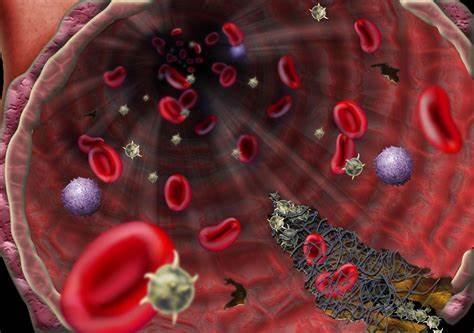
Plasma is the liquid component of the blood which holds the white blood cells (WBCs), Red blood cells (RBCs). About 55% of the blood is plasma and remaining 45% are RBCs and WBCs. 92% of the constituent of plasma is water.

Now, the question arises, how does this plasma help a covid-19 infected individual? The answer to this question lies in the fact that whenever an individual gets an infection, the human body produces a response to it and produces anti bodies against the pathogen (corona virus). These anti bodies remain dispersed in the plasma of the individual and can be used to introduce anti bodies in another body to produce an immune response. Any individual who had been infected by covid 19 and has recovered can donate plasma given that the infection was moderate. Asymptomatic individuals cannot donate plasma. The age group which is legible is in between 18 to 65 years having a body weight more than 50kg and no other disease like diabetes, hypertension etc.

Donating plasma is an absolutely safe process. The donor doesn’t feel any kind of side effects or weakness at all. The donor just needs to take a 15 minutes rest post donation following which he/she can return to daily activities and routine. An individual is recommended to donate plasma after 14 days of complete recovery after infection and can continue donating plasma for about 4 to 6 times in the next 3 to 4 months.

A single donor of plasma saves at least three lives. The human body automatically regenerates plasma after 24 hours so, your need not worry about running short of plasma! All the people reading out this article, encourage people to donate plasma and save lives!