Reservation of seats – a threat to the population

By Shashikant Nishant Sharma

India is one of the most populous countries among the rest. There is a change of cycle from past to present. People’s lifestyles and living patterns have changed and along with that the leap of authorization. The term reservation is nothing new, it is running for a long period. History speaks that people in past have faced discrimination in name of caste, crude, and sex. Although the terms have been given by humans themselves still some communities faced bias. Before independence, there was a hierarchy of class where different people were put into a different class box. According to a person is brahmin or Dalit they were given task and place to live. No doubt backward class people had to suffer a dark past. An individual was not allowed to touch the bowl of brahmin because it was a symbol of impurity. People behaved and formed a mentality among themselves that, if one belongs to the lower caste they should behave like a slave and if one is from an upper class, they should lead a glamorous life. The long injustice within a certain community was not justified. And due to this, after independence, the new government introduced a reservation system. Needless to say, the reservation policy was a much-needed gift to the people who mostly suffered from the unfairness. A scheme for ST, SC, OBC, and the backward class was initiated to empower them and ensure their participation in the decision-making process. Reservation was applied in the job sectors, education field, and economic field as well.The issue that arises at present time is that “whether there is a need for reservation in 2021?”. With a lot of discussions and eye-witnessed scenarios, it can be said that there is a demand for change in the system. No doubt we can’t repay the injustices that happened in the past but looking at the present picture it is becoming very hard for the common people to survive in this race. The change in a generation has led to great progress in all communities irrespective of caste or class. A Dalit man like Raja Nayak has turned his business to 60 crores. He currently serves as President of the Karnataka chapter of Dalit Indian Chamber of Commerce and Industries (DICCI) and runs schools and a college under the banner of Kalani Ketan Educational Society for the underprivileged and disadvantaged sections of society. So, it is in itself is the sign of change.Thus, it’s a request and a demand from the commoners to revise the scheme and at least serve all people equally. We see a student committing suicide just because she could not reach the cutoff and some others with less number book the seat because he/she is from a reserved category. A qualified employee has to lose his chance because that seat is for some other category person. If this is not partiality then what is? The revival of a year-long plan could change the whole picture and could provide justice. After all, people want democracy and not quotacracy.

References

Dehalwar, K., & Sharma, S. N. (2024). Politics in the Name of Women’s Reservation. Contemporary Voice of Dalit, 0(0). https://doi.org/10.1177/2455328X241262562

Disaster and disaster management

Catastrophe (Disasters) are classified into three types: naturals, man‐made, and hybrid disasters. A natural disaster is a major adverse event resulting from natural processes of the Earth; examples include firestorms, dust storms, floods, hurricanes, tornadoes, volcanic eruptions, earthquakes, tsunamis, storms, and other geologic processes. A normal calamity can cause misfortune of life or harm property, and ordinarily clears out a few financial harm in its wake, the seriousness of which depends on the influenced population’s versatility and on the framework accessible.

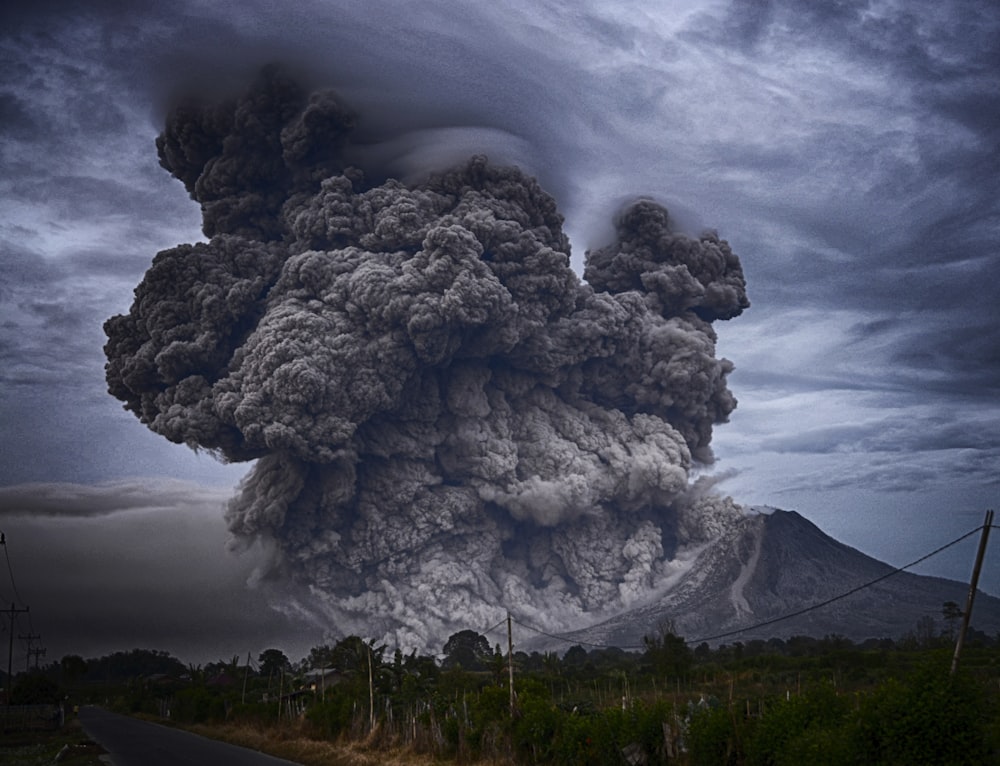
A landslide is depicted as an outward and descending slant development of an wealth of slope-forming materials counting shake, soil, manufactured materials, or a combination of these. An seismic tremor is the result of a sudden discharge of vitality within the Earth’s hull that makes seismic waves. At the Earth’s surface, seismic tremors show themselves by vibration, shaking, and in some cases relocation of the ground. Volcanoes can cause far reaching pulverization and resulting catastrophe in a few ways. One danger is the volcanic emission itself, with the constrain of the blast and falling rocks able to cause hurt. Dust storm may be a spread of tidy in dry regions. A manmade disaster is more cascading than a natural disaster an example of natural disaster is Bhopal Gas Tragedy.

Bhopal Gas Tragedy, India : Imagine waking up in the middle of the night in agonizing pain with your eyes and lungs burning. You wonder if you’re going to make it. Many don’t. That was the experience countless residents of Bhopal, India had on December 2, 1984 when the Union Carbide India Limited pesticide plant sprang a gas leak. Over 500,000 people were exposed to methyl isocyanine gas and other chemicals. Thousands of people died within the first hours of the leak, but estimates between 5,000 to upwards of 16,000 deaths resulted from the leak overall.

Deepwater Skyline Oil Spill, Inlet of Mexico It’s difficult to disregard the most noticeably awful and biggest oil spill in human history since it as it were happened less than three a long time prior. It begun on April 20, 2010 when an blast on BP’s Deepwater Skyline oilrig murdered 11 specialists, harmed 17 others, and cleared out the well spouting oil. Initially, BP claimed the spill was fair 1,000 barrels per day, concealing the reality that the well was spilling anyplace from 40,000 to 162,000 barrels a day.

Worldwide Warming, Third Planet from the Sun: Global warming is one of the foremost neglected and continuous man-made fiascos — one that will have the most noteworthy long-term affect on humankind. Over the top sums of nursery gasses, especially CO2, presented into the air have expanded normal worldwide temperatures determining a number of desperate results. Impacts from rising ocean levels, desertification, and harm from strongly super storms like Typhoon Katrina have already created a few of the primary bunches of climate-change outcasts and a few appraise that number to rise to 150 million by 2050.

Hybrid disaster is the third type of disaster. A crossover catastrophe may be a artificial one, when powers of nature are unleashed as a result of specialized disappointment or disrupt. There are disasters that result from both human mistake and normal strengths. These are crossover catastrophes. An case of a crossover disaster is the broad clearing of wildernesses causing soil disintegration, and hence overwhelming rain causing avalanches.

Disaster management is how we deal with the human, material, economic or environmental impacts of said disaster, it is the process of how we “prepare for, respond to and learn from the effects of major failures”

Disaster management has three stages which include disaster prevention, disaster preparedness, and disaster response/relief UNISDR sees Calamity Anticipation as the concept of locks in in exercises which proposed to anticipate or dodge potential unfavorable impacts through activity taken in development, exercises planned to supply security from the event of catastrophes. WCPT so also highlight that whereas not all catastrophes can be avoided, great hazard administration, clearing plans, natural arranging and plan benchmarks can decrease chance of misfortune of life and harm relief. The HYOGO System was one such Worldwide Arrange for common Calamity Hazard Decrease, which was received in 2005 as a 10 year Worldwide Arrange, marked by understanding with 168 Governments which advertised directing standards, needs for activity and viable implies for accomplishing fiasco versatility for defenseless communities.

“The information and capacities created by governments, proficient reaction and recuperation organizations, communities and people to successfully expect, react to, and recoup from, the impacts of likely, inescapable or current danger occasions or conditions” “The provision of emergency services and public assistance during or immediately after a disaster in order to save lives, reduce health impacts, ensure public safety and meet the basic subsistence needs of the people affected”

The lingering effects of unexpected emergencies and disasters are different for everyone. Knowing what to do after an emergency can help reduce stress and aid in a quicker recovery. Recovery is a process the process to repair and restore your life after an emergency or disaster is not easy and takes time, flexibility and patience. Examples of recovery include: removing waste and debris, contacting your insurance company, replacing lost or destroyed documentation, finding a new home, getting mental health support etc.

Bio-diversity and climate change (Nature’s cries for assistance)

Bio diversity is the biological variability of life on earth. It is the variation of animal, plants, fungi and microorganisms like bacteria. Biodiversity is a variation in the genetic, species, and ecosystem level. Terrestrial biodiversity is usually greater near to the equator. Biodiversity is not equally distributed on earth. There are only 10% of tropical evergreen forests on earth but they contain about 90% of world species. Marine Biodiversity is greater is usually higher along the coast in western pacific where the sea temperature is highest. Biodiversity generally tends to cluster in hotspots and has been increasing through time. Biodiversity supports everything in nature that we need to survive: food, clean water, medicine, and shelter.

But as people put expanding weight on the planet, utilizing and devouring more assets than ever some time recently, we hazard disquieting the adjust of biological systems and losing biodiversity. Quick natural changes regularly cause mass terminations. More than 99.9 percent of all species that ever lived on Soil, producing to over five billion species, are evaluated to be terminated. In 2006, numerous species were formally classified as uncommon or imperiled or undermined; in addition, researchers have assessed that millions more species are at chance which have not been formally recognized. Approximately 40 percent of the 40,177 species surveyed utilizing the IUCN Ruddy List criteria are presently recorded as undermined with extinction—a add up to of 16,119.

The factors affecting the biodiversity are Residential & commercial development, Farming activities, Energy production & mining, Transportation & service corridors and human activities. Pollution is an another major cause of loss of biodiversity causing habitat destruction. Territory devastation has played a key part in terminations, particularly in connection to tropical woodland pulverization. Components contributing to living space misfortune incorporate: overconsumption, overpopulation, arrive utilize alter, deforestation, contamination (discuss contamination, water contamination, soil defilement) and worldwide warming or climate alter.

Climate change is the long-term alteration of temperature and normal climate designs in short. Climate alter might allude to a specific area or the planet as a entire. Climate alter may cause climate designs to be less unsurprising. These unforeseen climate designs can make it troublesome to preserve and develop crops in districts that depend on cultivating since anticipated temperature and rainfall levels can now not be depended on. Climate alter has too been associated with other harming climate occasions such as more visit and more seriously tropical storms, surges, deluges, and winter storms.

Effects of climate change are Hotter temperatures Nearly all land areas are seeing more hot days and heat waves; 2020 was one of the hottest years on record. Higher temperatures increase heat-related illnesses and can make it more difficult to work and move around. Wildfires start more easily and spread more rapidly when conditions are hotter. More extreme storms Changes in temperature cause changes in precipitation. This comes about in more extreme and visit storms. They cause flooding and avalanches, pulverizing homes and communities, and costing billions of dollars. Many more effects like Droughts, Rise in the level of oceans, shortage of food and more health problems.

Securing biodiversity could be a exceptionally complex errand since most of human’s activities have a negative impact on biological systems by overexploiting them. For occurrence, human exercises create contamination that influences living species. Deforestation crushes the living space of numerous animals, reptiles, and plants. Limiting deforestation Reducing the artificialization of natural environments and preserve natural areas as much as possible Reduce air pollution (by limiting our use of transport and our energy consumption, by switching to renewable energies) Fighting global warming by creating regulations for activities that contribute to the greenhouse effect. Making changes in the way industrial agriculture works and using more agroecology methods.

Expression

Every person has their own language of expression. Each being express themselves in a way that is so unique to them and that way gives them next level comfort and warmth. Every morning they find one or other way of letting people know what they are feeling but the best way they can and should and mostly express themselves is through their love language. A language that makes them more of themselves and less of everyone else, a language that describes them in the most perfect way, a language that makes them free, independent and illuminated. This language is so pure and pious. And this language as said, have many forms and states but with each different personality these forms and states of this language also becomes different making it not only unique but special in its own way.

Poetry has to be the one that is close to my heart and special to my personality. But as mentioned, it might not necessarily be same poetry as someone else. I might write in way that not only describes my state of mind but also my insecurities or even the thoughts that are deep engraved in by sub-conscious. My language has to be poetry, it is the way I express myself. My poetries not only make me free but also lead me out of the dark tunnel of silence in to the world that has bright sunny day of full of thoughts and intellect. I express only grief, anger, or despair through my poetries but also, love, compassion and even bliss through it. Every emotion finds its place in my poetry and just fit well in its position to portray myself being just the way I want to.

Some people have painting as their language. They communicate their thoughts, feelings through painting them in colours. They choose red for love and green for happiness and black for grief and they go for white to describe peace. These colours express them way better than words could ever. They paint the canvas of their life with these colours of emotions and passion and at the same convey their opinions in the most colourful way to the person across the room. They have colour for each occasion and they have the best strokes to kill the heart breaking moments of life. Their paintings not only describe them as the painter who knows how well to use colours but those pieces are the reflection of their inner self and that they paint a part of themselves with each of their painting and say it out loud in those art works just as perfectly anybody could through writing.

Along with these languages that mostly involve the imagination in their expression, there come are languages that help beings express themselves through the moves of their body. Dance as they say, one must dance to express, not to impress has to be one of the most powerful of expressing and channeling their inner energy in conveying what they want to. With all the gloomy days taking a toll on the dancers they become quite and choose to perform only for themselves or on the music that fits their conditions but sometimes, their performance has a glow that shows us how happy or contended they are. This dance language is the language that makes us express through our body, a language that makes us believe in the beauty of this self that god created.

Let It Out

We the creatures of this planet are born with numerous feelings and emotions and as soon as we get hold of ourselves we decide for ourselves if a certain emotions are important for us or not. And the emotion that gets the last place in this not so perfect ranking is the feeling that portray us as sentimental, weak, and quite vulnerable that of crying, venting out all that we have deep buried inside us through our eyes, tears as people call them are what we find the heaviest to let out and yet heavier to carry within us. The vulnerability that we believe surrounds us every time we emit sentiments or feelings that are emotionally draining turns us into some being that isn’t comfortable about their own emotions and consequently we crawl further into ourselves becoming more of an emotional wreck than an emotional person.

The salty water that is emitted every time we experience any sort of emotional trouble or low can actually turn in to the best kind of respite from the burden that this world puts on us. The relieving of our tensions through our eyes is quite normal and in fact healthy. Taking into the acceptance that we are having a bad day and that crying it out might be the best part of the day then one must do that. With all the responsibilities and tensions of the world we definitely need some type of respite from that hectic schedule and mostly people want to run away from it but crying can actually be the medicine we need on a long day. Though different people have different ways of getting themselves back after a heavy day but if letting out the tears is your way you must not shy away from it.

A common stereotype that makes people control their tears to the extent that they start getting uneasy and it becomes unhealthy is that of crying being associated with weakness, while in reality it has to be quite strong of a person to be vulnerable enough to own this emotional self that they make of themselves. Physical health has always got priority over mental health for a very long time in the past. But now as the times are changing and we as human beings are evolving the significance of taking care of our mental health has been increasing to the extent that people are normalizing the act of crying as the perfect humanly behavior and no connection whatsoever with it being the deed of the coward or the weak. In fact keeping it in is considered much less brave and as more of the action of those who are not familiar with their own weak side and in consequence do not know themselves inside out.

There is no insistence on crying out loud in front of the people we know or not know, but rather it is about letting out of the fear which resides within us, the fear of losing it all, the fear of staying the emotional wreck for the rest of our lives, the fear of going away from sanity, the fear of knowing the weak, vulnerable person that we actually are, the fear of people knowing or seeing our not so perfect side, the fear of getting everything to its worst end, the fear of not making ourselves what we thought of, the fear of not getting back on our feet, the fear of unknown, the fear that makes us let it out.

Photo by Kat Jayne on Pexels.com

The Digital Well Being

We the people of new, technologically developed world have a way around the advance, next-gen, electronic in such a fashion that it has started affecting our health to the extent of the worst.  The toll that excessive screen-time can have on being’s health is of major concern in today’s highly advanced times. Be it a small town or a big city, be it a young kid or an old man, be it the middle-class or the rich, be it a third-world citizen or a first world citizen, everyone has an excessively disturbing effect on health. With the rays that are responsible of the operation of these electronics are said to be harmful as that causing a heart-attack. Along with many other health- problems the cutting- off from the real world around has to be one of the most unwanted affect. As the world moves forward in the digital world, it moves backward in the health status in the real world.

Ramifications

There are numerous effects in a variety of ways on the human being because of the too much interaction with the virtual world. These effects are not only too harmful but sometimes even life-threatening.

 Repercussions on Physical health=

The prolonged hours in front of the screen can lead to a number of physical health problems. These can cause health issues like obesity, weak eyesight, neck and back problems.

With people sitting in front of the screens for hours in the same place can lead them to eat unhealthily and excessively. They become more prone to junk food as an instant food is better than the one taking time to cook. The unhealthy food habits that develop because of the increased hours of sitting, makes the person obese sometimes to the extent of no return to a healthy body.

Weakening of the eyesight is one of the most disturbing affect when more than enough hours are spent in front of the screen. The blue light from the screen can cause problems like eye fatigue and blurry vision. Fatigue can cause inability to look clearly at night.

People usually sit in one place for hours while using screen and those positions can cause neck and back problems as sitting in not so comfortable positions can lead to neck, shoulder and back pains, these pains can be higher than we think. Too much screen time snatches away the person of the sleep that comes to them naturally. As studies have found that people generally tend to stretch their screen time by spending time late at nights, causing sleep related problems, generally loss of sleep.

Mental health =

Depression has been indicated as one of the worst effects of increased screen time along with anxiety. The use of too much of phones, laptops, etc can lead to drop in mental health as they tend to damage the brain cells and thereby making the case of one’s mental health further worse.

Students have generally experienced lack of concentration while studying as the excess of screen time robs them off their focus while learning something new and for the first time. The attention span reduces and the sitting hour for actually learning or studying suffers.

With sleep deprivation and lack of focus as is the effect of some drug addiction, screen time leads to irritable behaviour along with person becoming an emotional wreck. People usually involved in screen time addiction end up staying alone for hours and there by affecting their mental stability and health.

Detoxification

The screen time usage can be restrained by detoxification. There are a number of ways of detoxifying, which is the act of staying away from the screen for a specific period of time so as to reduce the effects that it might have on physical and or mental health.

Switching off the applications is proved to be one of the best ways of staying away from the screen when not so required. Turning them off gives people to more time to spend on other things than just the screen.

Resorting to other activities whenever the person finds some free time instead of gadgets can help them restore their concentration and focus. With recreational activities such as reading, writing, painting, playing any instrument etc can be beneficial for the recharging of the brains.

Making a proper routine to follow including the correction of sleep cycle has to be one of the best ways to regain the lost mental and physical health. With a good night sleep, the less strain on the eyes could bring down the eyes fatigue and irritability levels.

Physically being active is very important if you spend hours in front of the screen. Exercising has been a proven treatment to a lot of health problems and here too definitely is going to be beneficial. With the hours of sitting at least one hour of exercise makes the person gain the lost stamina and physical abilities.

Yoga and meditation have had been famous in India now for quite a long time. These two have proved to be the best cure for most the mental health related problems. Thus even only fifteen to twenty minutes of meditation shows tremendous positive effect on mental health of a being.

The Transit

Moving out, has to be a difficult choice especially if you live in a small town, moving to a big, metropolitan city could be one hell of ride. These metropolises can have a toll on the new, moved in person’s mind as they entail the feeling of racing through the life for a goal so far away to reach. The kid of 16-17 that moves out having a different perspective for everything that came across them changes as soon as that teenager finds himself/herself walking on the streets of a totally unknown place all alone. The innocence and purity that small town had taught to a person is soon discovered to be a fragile characteristic for a person who needs to compete in the rat race with other strong headed people. This rat race robs the person’s inner capability that was enlightening enough to him/her but not for others. The difference in lifestyle varies on whole new level and adjusting to that can be a sport in itself.

The Problems

Whenever a person from a small town moves into a different city there are a number of problems that they have to face and difficulties that they have to go through. These problems as some might feel hinder the development as compared to the natives. For a person moving into a new city, leaving behind the comfort home, living away from their beloved has to be a different sport altogether. They are on their own for at least three years, adjusting to the situations and circumstances all alone. The fear of uncertainty and aloofness stares right into the eyes of the migrated. The difference in culture, lifestyle, sometimes language and ethnicity is something that may further make the migrated anxious the fear of unknown. Further, for someone coming from a middle class of a small town shifting to a big city might become a financial constraint, a thing that definitely affects their overall development and growth for what they actually shift or migrate. The most important issue that the migrated ones face is discrimination. They are treated with the stereotypes that have existed for forever now. The immigrants aren’t treated with equal respect and dignity sometimes because of the small town origin. Immigrants are offered low-paying jobs because of the thinking that the standard of education is not so up to the mark that they might fit in the top positions.

The Bright Side

Though all these problems might be prevalent in the big cities even today but there have been a change in attitude in past few years. Today, globalization has reduced all sorts of gaps and hence, the standard of living in small towns has come near close to that of big cities. The settlers in new cities are judged for their capabilities and talents rather than their original cities. Although financial constrain still poses a big problem for the immigrants but the promise of a better and bright future makes them take the risk and mostly succeed in it. The peace that they find at home and among the people they love still might be missing in the new city but they do get the peace that they always aspire for. The rat race they become part of unknowingly might not be as beneficial as they believe it to be but it could still open the door to the illuminated path which turns out to be their real passion and the better career.

OBSESSION

The people of India have a special love for the language of English. With it being one of the official languages of India, people have obsessed over it now for years. It is considered supreme to any other local or regional language, the language of the elites, the language of the educated, the language of the rich, the language of the better, the language of the greater. Why the knowledge of an alien language has been recognised as the mark of standard or class? Why do Indians take pride in celebrating the English language more than any other? Why do the older generations boast about their children being able to speak English so much? Why do Indians being proud about their culture, traditions, ethnicity, customs and festivals are not as proud of their mother tongues as they are of English? These questions pop up every time a non- English speaking person is humiliated or belittled for their poor English speaking skills. But the real question is do we really need this toxicity of humiliating someone just for the sake of a mere language? No, absolutely we do not.

The answers to all these questions go back to the pre independent era. Ever since the British ruled over India they started with the policy of rejecting non-English, non-white, natives so as to establish strong foot of their supremacy. They dented the minds of naive Indians with the theory that only English speaking, white, educated (the western way) people were supreme and had the capability of ruling over others. With decades of humiliation and degradation, the people in pre independent India accepted the superiority of the English language and this made them bound to have inferiority complex about their very own language and mother tongue. The effect was so profound that even after independence, the people educated in English were considered better than those who were equally skilled but not in this supreme language. The Indian population were now interested in educating their children in an English medium school. The liking for the society with English read people enlarged to a level that it lead to the decay and ultimately the end of traditional schools with Indian native languages.

As India’s economy started to grow and new industries and establishments were born, the culture of hiring mostly and after some time only English speaking people grew to an unexpected level. The new businesses wanted English conversing people as they were now associated with better intelligence and know how. When we look back into the history of the relation between English language and the skills or expertise or wisdom we do not find any strong logical evidence to support that. It was merely the supremacy of the language created by the British that Indians starting judging themselves on the basis of the English speaking skills. The interviews were taken only in English language so as to ensure their hold of the language. Students with better grip of this foreign speech were preferred over others. Even this lingo came to be recognised as the symbol of intelligent, sincere and best for any job students.

Society made it very clear with their over likeness towards English that only the privileged, classy, affluent and powerful individuals could afford and were entitled to this learning. This obsession with a foreign tongue was so unhealthy and unwanted that till this day citizens of India have not been able to accept the fact that it is just a language and that the understanding of this speech has nothing to do with intelligence or wisdom. The folks with lesser experience or practice in English are judged too quickly as being the lesser ones. There is a swift shift in people’s attitude after they realize they are conversing with someone with no skills for English language than with the one who is an expert in it. Though with developing nature of the society today, the respect and glory of the local, regional or native language that was lost decades ago is returning back but nevertheless the tilt towards the English language continues, bent enough to stay an obsession.  

HOPE

Every time we look in the mirror we hope to find the person we have always wanted to become and not our actual self. But the fun about this whole hoping and wishing is that we never accept and move on, we continue to hope. People say hoping is what makes our life beautiful and worth living but in reality it is the fact that we try and work hard towards getting what we hope for, that makes our life adventurous and value hyping.  Hope isn’t something that lead us dream unattainable but rather it is something that compel us to work hard enough to attain the unattainable. We decide to put our best foot forward in the battle field, we aim on reaching the top end of the ladder, we become courageous enough to climb that mountain peak and all that because of one not so little thing- HOPE. How amazingly pure this emotion of hope is that we surrender ourselves with all our might to it regardless of the moment, time, person or our own actions. Hope takes us to another beautiful emotion called- FAITH. Faith isn’t something that will take us places but it is definitely something that describes the world in much more innocent sense and leads us to the path of prospect. Hope is something that can make us optimistic about future, something that can make us fight the toughest battles of our life and eventually win them with zero loss. Hope brings out the best in life it describes each of our act with certainty of killing it and accomplishing the unimaginable.

Hope knock together the possibility of a future so different from present and yet so close to our past. Hope turns us into the being so true to our own selves that we dream big and pull of something even bigger. Hope sticks us to the ground reality but at the same time motivates us to alter that reality into our biggest ambition. Our fantasies start growing into reality and making more sense to us as we hope of realizing it. With each step closer to the goal, we take a jump upwards the clouds of hope. As soon as we start accepting the fact that with each of our day of hoping more we accomplish more we begin to hope more and in the constant act of hoping and genuinely conquering we end up hoping what we did not even suppose of wishing of and ultimately getting it. Hope regenerates the self- confidence which life’s unpredictability robbed us off. Hope gives rise to general feeling of completeness even when events around us seem a little unfair. Hope does not cause us doubt our self worth instead it furthers our treasure of self believing powers. We gain and loose in life simultaneously but hope ameliorate the realization of loosing and celebrate the actions of gaining. Hope optimizes everything around us, it looks straight into the black sky and wonder in the stars assisting us to trust the process and pray to hope forever.

Photo by Rodolfo Clix on Pexels.com

The Refugees

“Taking Mum’s hand, I whispered ‘Are we really safe, here?’ ”

Alwyn Evans (Walk in my Shoes)

Everyone has a right to make his/ her life happy and fruitful but the refugees have to pay a high price for this quality life. The refugees are the most affected people, in today’s globalised world. Refugees are people who are outside their home country because of their race, religion, nationality, membership of a particular social group or political opinion. Displacement is a long, lasting reality for most refugees. We need to bring them out of the situation which they face at borders of different countries. We all know that refugees deserve much better treatment on the borders of the countries than they are able to get. Migration has long been part of our human history, but the current Afghan crisis has shown that countries must accept refugees into their sovereign states. Although we all know the countries with refugees have special security but still we are not ready to take responsibility of human. All the countries know the process to bring refugees or displaced people to a stable life in their country. But still one fact is that we are not ready for this responsibility. Why? No one knows, but what all we should know is the way to make refugees’ life stable as readily as possible. Countries have potential to make life better and even best for refugees but the problem is that we are not taking refugees a collective responsibility. But still there are some super ways to help refugees collectively (by different countries).

All the countries should investigate trafficking gangs who exploit refuges and migrants, and put people’s safety above all. Governments also need to stop blaming refugees and migrants for economic and social problems. Even if governments allow refugees to enter their country, they should not treat them as worthless creatures as they are intruders. Opening up safe routes for refugees is one important solution to the problem. When people are assured about their security, they too start feeling safe though they have a lot of crisis in their country related to their country related to their health and housing, yet they have faith in those country members who by giving equal rights and opportunities assure them that they will definitely be able to live comfortable and happy life. Resettlement is vital solution for the most refugees. And whether they travel by land, or by sea, they should be allowed to cross borders, with or without travel documents. Though countries are not forced to make refugees a part of them, still if they allow some of them to enter, they would definitely be one of the countries who appreciate their courage to come out of drastic situations just to ensure good future on their own basis but what all they want is some support of the country and its permission to enter that particular country.

As we all know women are essential part of a family and a nation. The condition of migrant and displayed women has become the worst. Refugee women, who lose their homes, families, husbands, have to face some very devastating situations during migration. They have to go through different critical situations of rape, sexual and physical harassment and violence. Even the girls of five to twelve years of age have to face such unfortunate incidents which haunt them throughout their lives. Women are more required to migrate than men as they have to face more violence than men. Single parent with her children needs to be concerned more. When females try to cross the borders of the other countries, they are locked with men who are unknown to them, which make the situation worse than ever.

All these incidents of misfortune, violence and harassment can be stopped if we all take a collective step against them countries should accept women as their part of the nation. They should make efforts to make women safe, and secure from these kinds of situations. All the countries should make more migration policies for women and children. For women and children, different routes for migration should be made. If their cases are pending, they should be allowed to live in quarters but not with men of other families. If women refugees are being oppressed, their cases should be recognized and they should be given justice. For children, policies like keeping them away from gang exploiters should be formed. Children who get separated from their parents should be kept in safe places. Special security forces should be there to safeguard children and women. So it is not important that whatever we do alone could gain better results, things done collectively are more beneficial for people who are real heroes, who leave their home and nation for betterment, who we call victims of misfortune, “THE REFUGEES”.

Child Marriage

The Beginning

God resides in the heart of a child. Child is as pure as water. When dirt enters in water it becomes impure. When a child is married the child loses the inner purity. To fulfill some “so called” rituals and respect their tradition people get ready to tie their children’s knot with someone even before the appropriate age. To prove our traditions, to respect them do we really need sin like child marriage? On one hand we talk about children and on the other hand we talk about marriage, how come we are living with this contradiction? We are living in a society where a separate section of society feels marrying their children after 18 is as dangerous as nuclear bomb. The actual nuclear bomb is child marriage. Because of this many children have died or let me say they have martyred. And here we are crying over GST; high price of tomatoes. This is the culture we are living with, this is the nation we are residing in.

The Middle

What actually child marriage is? Child marriage is a human rights violation. Despite laws against it, the practice remains widespread, in part because of persistent poverty and gender inequality. In developing countries, one in every three girls is married before reaching age 18. Child marriage is related to child espousal and court approved early marriages after teenage pregnancy. In many cases, only one marriage-partner is a child, usually the female. Child marriages were common throughout history for a variety of reasons, including poverty, insecurity, as well as for political and financial reasons. Today, child marriage is still fairly widespread in developing countries, such as parts of Africa, South Asia and Latin America. The incidence of child marriage has been falling in most parts of the world. Somewhere child marriage has given rise to teenage pregnancy. In poor countries, early pregnancy limits or can even eliminate their education options. This affects their economic independence. This makes girls more vulnerable to persistent poverty if their spouses die, abandon, or divorce them. Girls in child marriages are more likely to suffer from domestic violence, child sexual abuse, and marital rape.

Picture Credit: http://shorturl.at/afpCZ


The United Nations, through a series of conventions has declared child marriage a violation of human rights. Child marriages violates a range of women’s interconnected rights such as equality on grounds of sex and age, to receive the highest attainable standard of health, access to education and freedom from violence. The society is interlinked with each other. If one factor gets effected the whole system is disturbed. Then in which world we thought that child marriage would not create any change in our surroundings? Or the objects encircling us wouldn’t have any effect on child marriage? Factors that impact child marriage include poverty, gender inequality, protecting family honor; tradition and culture; and insecurity, particularly during war, famine or epidemics. Other factors include family ties in which marriage is a means of consolidating powerful relations between families. Why have we made marriage a form of business? Why always dowry has to be included in marriage? Why bride’s price is to be paid? Providing a girl with a dowry at her marriage is an ancient practice which continues in some parts of the world. These difficulties pressed families to betroth their girl, irrespective of her age, as soon as they had the resources to pay the dowry. A bride price is the amount paid by the groom to the parents of a bride for them to consent to him marrying their daughter. In some countries, the younger the bride, the higher the price she may fetch. Hence, the rise of the menace like child has become so popular all around the globe.

The End

Some of these marriages could have been stopped, in fact they should have been prevented only if people were well aware? No, only if we were all aware. We as a society need to come together to stop this gruesome crime. We need to stand against such traditional practices that endanger the lives of young kids, which lead to the creation of a dark cloud over these kids’ future. We just don’t need an end to this practice but we need an end to the thought process that lead people to think crimes like this to be okay in the name of traditions, we need an end to this totally aggravated legacy of ruining children’s life.

Casteist Of Them All

Growing up in India, belonging to a caste which is not deemed as “prestigious” or “glorified” as some others, because certain classiest men believe it to be the best way of managing a society, cannot be and does not have to be easy. The fact that these casteist men are able to pull the scam of calling names to people of a caste different to them and blaming it to be their fault requires guts to another level. Caste system has been around for so long that now when someone prefers to not to state their surname so as to avoid any sort of casteist slurs or just to promote the feeling of unity or equality they are forced to introduce themselves with their full name. The feeling that one caste is superior to another leading to subjugation of the so called inferior caste to the degree that it becomes everyday business for some and normal for others is problematic and definitely needs urgent attention. With years of development and advancement there has to be some difference in the way “dominant” look at the “survivors”, but with lack of access to education and technology the gap has only grown further, making things worse for the “non-dominants”.

Entrenched In Past

History of caste system dates back to the “SATYUG”. At the time of RAMAYANA and MAHABHARTA, the caste system started taking shape although it was not as watertight as it appears to be today but still existed. A lot of scholars argue that it was VARNA system that existed then and that CASTE system is its corrupted and un-required form. It has long been believed that there are/were four strata of society each originating from different body parts of GOD BRAHMA. With Brahamanas taking birth from the head, Kshatriyas from arms, Vaishyas from thighs and finally Shudras from feet. They were assigned tasks on the basis of this division as their capabilities matched. Although there was this division of duties and responsibilities but people could change or shift from Varna to another if they had the capability for the same. And those who did not want to change remained in the same, but were never subjected to disrespect or violence for belonging to a particular Varna.

As the society shifted its YUGA, the system of Varna also started to change. It went through a dramatic change to become present day caste system- a system way worse than Varna system. With the involvement of traditions and customs and rules that were not to be broken the Varna system soon started becoming more rigid and difficult to cut through. People were now assigned the Varna on the basis of their birth and they were to follow their parents’ leads and indulge in the same occupation as them with no adherence to their own capabilities. As society progressed towards the present times, Varna system achieved its highest level of rigidity and was now termed as caste system. The caste system did not allow anything outside the caste and was seen as an assault on the whole system. Anyone who tried to break through this system was termed anti-traditions and given capital punishment. And thus, these roots became so deep that it is difficult to cut them off even in the present day.

Data on Vulnerability

Today, we witness a number of cases of violence, brutality, discrimination and barbarity against the India’s “UNTOUCHABLES”. The graph of these cases has only been rising ever since. Sexual and physical and even mental torture continues in the name of protecting the society from the ills of SCs and STs causing a substantial number of deaths every year. The members of other caste take the responsibility onto themselves of ensuring that the audacity of these marginalized sects or caste remains in check through use of economic, political and violent power and resources, making it difficult for SCs and STs to live equally in this country as everyone. The women belonging to the discriminated castes face violence and sexual harassment more than those not belonging to these castes. According to National Crime Records Bureau of India as much as ten SC women are raped everyday and there has been a rise in their proneness to cruelty for about 44% in past ten years.

Picture Credit: https://bit.ly/39RBZpr

Present Times

In present times there have been a change in attitude of a lot of people with movies like, ARTICLE 15, MASAAN, THE WHITE TIGER and many more, the harsh reality has come in limelight and tried to change the perspective of the society towards the weaker sections. The big cities have never cared about the caste of a certain person, it is mostly the smaller towns and villages where the caste is so deeply engraved in the mindset of people that it will take time for the better and equal future. Though it will take time till this menace is shot dead in our Indian society and we could seize being Casteist of them All but still got to work for it together.

Big Fat Indian Weddings

The groom riding on the back of a horse, just being the prince charming, this beautiful bride had been waiting for, since she was nine, hundreds of people dancing, singing, celebrating, some other busy hosting more than a thousand people and the guests just rejecting every good thing. Rings a bell? Yes! That is what a Big Fat Indian Wedding Is! Will this showing off business take us anywhere? Why can’t we just have a wedding to satisfy ourselves rather than some strangers? The tradition of BIG FAT WEDDING has been in India for as long as humans have existed on earth and even a slightest change is considered crime in the eyes of the envoys of these traditions. With fair variety of food amounts taking space in the rented marriage halls as deemed necessary and appropriate measure of the respect they give to their guest has to be toxic at another level.

Hidden Ills

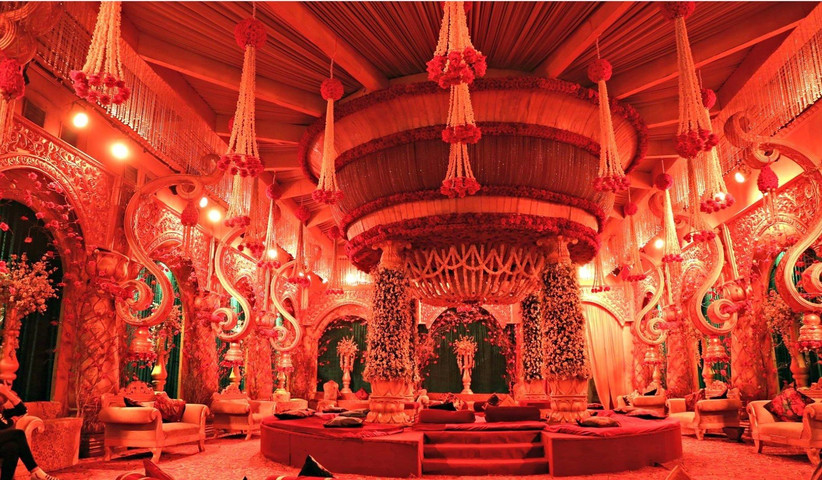
These high budgeted, well planned, stretching for over a week weddings could be fun for people who can afford it but for those who are to take loans just to satisfy the people (of half of whom doesn’t even matter to them), is something that definitely catches the eye. The issue with these weddings is that their sole purpose is not the happiness and contentedness of the bride and the groom but of the people who does not even knew the couple existed until before their wedding day. The show business is something that is worrisome to people who intend on getting married with lesser crowds and obviously lesser money. Because when these people do not follow the lead of burning millions in food, drinks, lodging, entertainment, for the people they hardly know, they are termed as misers, or even sometimes questioned if they are happy for their own wedding. The glorification of picture perfect wedding, the one where bride has at least one Sabyasachi or Manish Malhotra, groom gets a diamond ring for the engagement, there are as many as thousand shaguns given to all the guests, the hotels are no less than five stars, magnificent wedding sets inspired from dharma movies and only some 10-15 years worth savings going away with each step, is doing the harms it can in all the directions.

Picture Credits: WeddingWire.in
http://shorturl.at/noLQW

The amount to be spent on the wedding which was once one’s own choice today has become not only the status symbol but also a way of getting much craved respect from far away relatives. The amount that is spent has gone so high that people are compelled to give up all their savings along with loans burden on their heads. Everything becoming expensive day-by-day, the total cost can range anything from 20 lakhs to 5 crores, which also happens to be some family’s total savings or at least half of it. From decor to events to catering to photography with list adding on, the wealth drains with every event until it’s over. 80% people take loans for the wedding expenses. Reliance Money has stated that “An Indian wedding is generally a three-day affair with different ceremonies and rituals lined up. Each ceremony requires its own set of apparel, set-up, and materials. The average cost of a single ceremony may range between 6 to 10 lakhs.” Could we even think that these weddings are nothing more than wastage of money in its most prime way?

Refined Way

as the younger generation is getting married with their own money and not with their families taking loans, there has been a change in the way the weddings are being planned out. They marry on their own terms and more specifically in their own budgets. These new couples of 21st century aren’t the ones who spend money to impress some strangers but the ones who plan and spend as their own needs. The court marriages have emerged as a new trend with only the couple and parents saving the money and mostly donating it. With covid hitting the world and restricting the number of people in weddings in India, people have been inviting guests that are close to them. Now weddings are turning into more of a private affair than a public one, with only limited guests and less spending, there by moving forward in the right direction of curbing the ills of BIG FAT INDIAN WEDDING.

Reference: https://www.reliancemoney.co.in/getting-married-in-india-what-does-an-average-wedding-cost

PLIGHT OF WOMEN IN AFGHANISTAN

BY DAKSHITA NAITHANI

The Afghan women, maybe more than anybody else, have dreaded the Taliban’s return. There have been many advances in women’s rights over the last 20 years, which appear to be set to erase nearly overnight.

A quick lesson from history…

The Taliban, a political and military force, is said to have started in Islamic schools in Northern Pakistan in the early 1990s. Its aim was to restore order in Afghanistan following the withdrawal of Soviet troops in 1989, as well as to impose a harsh form of Sharia law. By 1998, the organisation had seized 90% of Afghanistan’s territory.

Once in control, the organisation garnered worldwide condemnation for a slew of human-rights violations. The ban on female education above the age of ten as well as harsh limitations on day-to-day liberties, were among the stringent mores imposed on women and its influence has frequently threatened to expand beyond, to places like Pakistan, where the organisation memorably shot teenager Malala Yousafzai in 2012. Women were treated worse than at any previous period or by any other culture throughout its rule (1996–2001). They were prohibited from working, leaving the house without a male escort, seeking medical assistance from a male doctor, and being compelled to cover themselves from head to toe, including their eyes. Women who had previously worked as physicians and teachers were compelled to become beggars or even prostitutes in order to feed their families during the Taliban’s rule.

Following the 9/11 attacks, it was thought that the Taliban were harbouring Al-Qaeda soldiers, thus an US-led international operation was started against Afghanistan. As a consequence, the Taliban were deposed from power, an Afghan government was established, and soldiers occupied the country for 20 years. It destabilised several regions of the nation due to battles with US and UK forces on a regular basis, and Afghan people were continued to be assaulted. Many would agree that the political and cultural status of Afghan women had improved significantly since the Taliban’s collapse in late 2001.

The Bush administration’s acceptance of women’s rights and empowerment as rationale for its assault on the Taliban is long gone. So it was under the Barack Obama administration, when then-Secretary of State Hillary Clinton stated that the Taliban’s repudiation of al-Qaida and promise to support the Afghan constitution and safeguard women’s rights were preconditions for US discussions with them. The rejection of al-Qaida has yet to be declared openly and publicly less than 10 years later; the constitutional order and women’s rights are still subject to intra-Afghan talks and will be influenced by the changing balance of military power.

In February 2020, US-Taliban peace talks were concluded, with the US pledging a quiet departure in exchange for an end to hostilities. Afghan leaders and top military generals have warned that the government will collapse without foreign assistance. It looks like the worst has transpired only weeks before Biden’s deadline of September 11th.

The Taliban rule wreaked havoc on the institutions and the economy, which had already been ravaged by decades of conflict and the Soviet scorched-earth counterinsurgency policy.

The post-Taliban constitution of 2004 granted Afghan women a wide range of rights, and the political epoch brought social and economic progress, which greatly improved the socioeconomic situation. From a crumbling health-care system with almost no healthcare available to women during the Taliban years, the post regime built 3,135 functional facilities by 2018, giving more than 80 percent of Afghans access to a medical facility within two hours’ drive.

 Less than 10% of females were enrolled in elementary schools in 2003; by 2017, that figure had risen to 33%, while female secondary school attendance increased from 6% to 39%. As a result, 3.5 million Afghan females were enrolled in education, with 100,000 of them enrolled in academic institutions. Women’s life expectancy increased from 56 to 66 years in 2017 and maternal mortality fell from 1,100 per 100,000 live births in 2000 to 396 per 100,000 in 2015. By 2020, women made up 21% of Afghan public workers, including 16% of top management positions, and 27% of Afghan parliamentarians.

 These benefits for women have been dispersed inequitably, with women in metropolitan areas benefiting considerably more than women in rural regions. Despite formal legal empowerment, life for many rural women has not improved much since the Taliban era, notably in Pashtun regions but also among other rural minority groups. Many Afghan males are staunch conservatives. Families often let their daughters to complete a primary or secondary education before proceeding with planned marriages. The burqa is worn by the majority of Afghan women in rural regions without any pushing from the Taliban.

What is the situation for women in Afghanistan now?

Women’s rights in Afghan had arguably maintained pace with many other Western countries prior to the 1970s. Women were granted the right to vote in 1919, one year after women in the United Kingdom. In the 1950s, gender segregation was eliminated, and in the 1960s, a constitution was enacted that included women in political life. As the region became more unstable in the 1970s, these rights were steadily eroded.

Only 38% of the international humanitarian response plan for Afghanistan is financed as of August 2021. This gap might result in the loss of specialised protection services for 1.2 million children, putting them at risk of abuse, recruitment, child labour, early and forced marriages, and sex abuse. About 1.4 million females, many of whom are survivors of domestic abuse, would be left without access to safe spaces where they may receive full care.

Females, who have experienced life with rights and freedoms, are among the most exposed as a result of the Taliban’s fast progress in Afghanistan. As the Taliban capture control of Kabul, they risk losing their hard-won achievements.

Those cries for aid may be too late as the capital city falls into the clutches of Islamist rebels. There have been several stories of the Taliban going door-to-door and compiling a list of women and girls aged 12 to 45 who are then compelled to marry Taliban warriors. Women are told that they cannot leave the house without a male escort, that they cannot work or study, and that they cannot wear anything they want. Schools are also being shuttered.

There is a lot to lose for a whole generation of Afghan women who entered public life – legislators, journalists, local governors, physicians, nurses, teachers, and public administrators. While they worked alongside male colleagues and in communities that were unfamiliar with people in positions of power to help establish a truly democratic civil society, they also wanted to pave the way for future generations to follow in their footsteps.

The Taliban offers itself a broad range of possibilities by claiming that they will “protect” women’s rights under sharia but refusing to explain how women’s rights and life in Afghanistan will alter if they achieve their goals. Even if the government did not openly adopt as cruel a system for women as in the 1990s, the Taliban’s dispositions are quite likely to undermine women’s rights, impose cultural prohibitions on women, and reduce socio-economic possibilities for them.

In summary, even with this change in behaviour, the Taliban in power would almost certainly strive to curtail Afghan women’s legal rights, exacerbating their social, economic, and political circumstances. How much and in what manner, is the question.

Reservation of seats – a threat to the population

India is one of the most populous countries among the rest. There is a change of cycle from past to present. People’s lifestyles and living patterns have changed and along with that the leap of authorization. The term reservation is nothing new, it is running for a long period. History speaks that people in past have faced discrimination in name of caste, crude, and sex. Although the terms have been given by humans themselves still some communities faced bias. Before independence, there was a hierarchy of class where different people were put into a different class box. According to a person is brahmin or Dalit they were given task and place to live. No doubt backward class people had to suffer a dark past. An individual was not allowed to touch the bowl of brahmin because it was a symbol of impurity. People behaved and formed a mentality among themselves that, if one belongs to the lower caste they should behave like a slave and if one is from an upper class, they should lead a glamorous life. The long injustice within a certain community was not justified. And due to this, after independence, the new government introduced a reservation system. Needless to say, the reservation policy was a much-needed gift to the people who mostly suffered from the unfairness. A scheme for ST, SC, OBC, and the backward class was initiated to empower them and ensure their participation in the decision-making process. Reservation was applied in the job sectors, education field, and economic field as well.The issue that arises at present time is that “whether there is a need for reservation in 2021?”. With a lot of discussions and eye-witnessed scenarios, it can be said that there is a demand for change in the system. No doubt we can’t repay the injustices that happened in the past but looking at the present picture it is becoming very hard for the common people to survive in this race. The change in a generation has led to great progress in all communities irrespective of caste or class. A Dalit man like Raja Nayak has turned his business to 60 crores. He currently serves as President of the Karnataka chapter of Dalit Indian Chamber of Commerce and Industries (DICCI) and runs schools and a college under the banner of Kalani Ketan Educational Society for the underprivileged and disadvantaged sections of society. So, it is in itself is the sign of change.Thus, it’s a request and a demand from the commoners to revise the scheme and at least serve all people equally. We see a student committing suicide just because she could not reach the cutoff and some others with less number book the seat because he/she is from a reserved category. A qualified employee has to lose his chance because that seat is for some other category person. If this is not partiality then what is? The revival of a year-long plan could change the whole picture and could provide justice. After all, people want democracy and not quotacracy.