🌍 Call for Essays: SDG Essay Writing Opportunity by Track2Training
Are you passionate about creating a sustainable future? Track2Training invites students, researchers, professionals, and global citizens to participate in the SDG Essay Writing Opportunity, centered on the United Nations Sustainable Development Goals (SDGs).
Showcase your ideas, critical thinking, and writing skills to make an impact toward achieving the 2030 Agenda for Sustainable Development.
📝 Essay Guidelines
Word Limit: Minimum 1000 words and maximum 2000 words.
Theme: Any of the 17 Sustainable Development Goals (SDGs) or their sub-goals.
Language: English.
Format: Typed, double-spaced, Times New Roman, Font Size 12, justified alignment.
Structure of the Essay:
Title of the Essay
Author Name (include your full name and affiliation/institution, if any)
Abstract (150–200 words)
Introduction
Findings
Discussion
Conclusion
References (minimum 10 references in APA 7th Edition format)
Essays must be original and unpublished. Plagiarism will result in immediate disqualification.
🌏 Suggested Topics
You may choose to write on any SDG or sub-target, such as:
SDG 1: No Poverty
SDG 2: Zero Hunger
SDG 3: Good Health and Well-being
SDG 4: Quality Education
SDG 5: Gender Equality
SDG 6: Clean Water and Sanitation
SDG 7: Affordable and Clean Energy
SDG 11: Sustainable Cities and Communities
SDG 13: Climate Action
SDG 17: Partnerships for the Goals
Or explore cross-cutting themes, for example:
Youth and innovation for sustainable development
Climate-resilient communities
Women leadership in sustainability
Education as a tool for achieving SDGs
Technology and AI for social good
🎯 Purpose of the Initiative
This essay writing opportunity aims to:
Promote awareness and understanding of the SDGs.
Inspire individuals to research, analyze, and express their insights creatively.
Build a collaborative community for sustainability-focused thinkers.
Publish and recognize outstanding contributions toward sustainable development.
🏆 Recognition and Benefits
Top five essays will be published daily on the Track2Training platform.
Selected contributors will receive invitations to submit book chapters or research papers (details to be shared later).
Published authors gain global visibility and a platform to showcase their writing skills in support of the SDGs.
Share your published essay on social media using the hashtags: 👉 #SDGs #Track2Training #Sustainability
Submission Mode: Continuous — essays are accepted year-round.
💡 Formatting Example
Title:Sustainable Urban Mobility: Pathways to SDG 11 – Sustainable Cities and Communities Author:Aarav Sharma, Department of Urban Studies, Delhi University
Abstract: (150–200 words summary of the essay’s aim and findings)
Introduction: Describe the importance of the chosen SDG, context, and objectives.
Findings: Present evidence, data, or case studies related to your topic.
Discussion: Analyze key issues, challenges, and possible solutions.
Conclusion: Summarize major insights and propose recommendations.
References (APA 7th Edition):
United Nations. (2015). Transforming our world: The 2030 Agenda for Sustainable Development.
Sachs, J. D. (2016). The Age of Sustainable Development. Columbia University Press.
UNDP. (2022). Human Development Report 2022. United Nations Development Programme.
World Bank. (2023). Sustainable Development Overview. (add at least six more references)
🌱 Make Your Voice Count
Your essay can be a step toward global change. Let your ideas, analysis, and vision inspire others and contribute to building a sustainable future.
📨 Submit your essay now to research@track2training.com 📢 Share your published essay with friends and social media using: #SDGs #Track2Training #Sustainability
Effective office management is crucial for the smooth functioning of any organization. In India, where cultural, economic, and regulatory factors play significant roles, there are unique considerations to keep in mind. Here are some tips tailored for office management in India:
Respect Hierarchies: Indian workplaces often have a hierarchical structure. Recognize and respect the chain of command.
Festivals and Holidays: Be aware of and accommodate various regional festivals and holidays. Celebrating festivals at the office can boost morale.
Communication Style: Indian communication can be indirect. Be mindful of non-verbal cues and ensure clear, respectful communication.
2. Compliance and Regulations
Labor Laws: Familiarize yourself with Indian labor laws, including those related to working hours, minimum wages, and employee benefits.
Statutory Requirements: Ensure compliance with regulations such as Provident Fund (PF), Employees’ State Insurance (ESI), and Goods and Services Tax (GST).
Data Privacy: Adhere to data protection laws and ensure the secure handling of personal and company data.
3. Infrastructure and Technology
Reliable Internet: Ensure a stable and fast internet connection to support efficient operations and communication.
Technology Integration: Invest in the latest office management software for tasks like HR management, payroll, and project management.
Work Environment: Create a comfortable and productive workspace with necessary amenities and ergonomic furniture.
4. Talent Management
Recruitment: Use diverse recruitment channels, including online job portals, campus placements, and referrals.
Training and Development: Invest in continuous learning and development programs to upskill employees.
Retention Strategies: Offer competitive salaries, benefits, and a positive work culture to retain talent.
5. Financial Management
Budgeting: Maintain a detailed budget and monitor expenses to ensure financial health.
Cost Control: Implement cost-effective measures without compromising on quality.
Vendor Management: Build strong relationships with vendors to negotiate better terms and ensure timely delivery of goods and services.
6. Employee Engagement and Wellbeing
Work-Life Balance: Encourage a healthy work-life balance to prevent burnout. Consider flexible working hours or remote work options.
Health and Safety: Prioritize employee health and safety by maintaining a clean and safe work environment.
Employee Feedback: Regularly seek and act on employee feedback to improve workplace satisfaction and performance.
7. Sustainability and Corporate Social Responsibility (CSR)
Eco-friendly Practices: Implement sustainable practices such as reducing paper usage, recycling, and energy conservation.
CSR Initiatives: Engage in CSR activities that benefit the community and enhance the company’s reputation.
8. Crisis Management
Contingency Planning: Have a robust contingency plan in place for emergencies like natural disasters, political unrest, or pandemics.
Communication Plan: Ensure clear communication channels for timely updates during a crisis.
9. Legal and Ethical Practices
Ethical Standards: Uphold high ethical standards in all business practices to build trust and credibility.
Legal Counsel: Have access to legal counsel to navigate any legal issues or disputes.
10. Networking and Collaboration
Industry Networks: Join industry associations and participate in networking events to stay updated on trends and opportunities.
Collaboration: Foster a culture of collaboration within teams and with external partners for innovation and growth.
By focusing on these areas, office managers in India can create a productive, compliant, and positive work environment that supports both employees and organizational goals.
References
Aronow, W. S. (2010). Office management of peripheral arterial disease. The American journal of medicine, 123(9), 790-792.
Bardi, J. A. (2011). Hotel front office management. John Wiley & Sons, Inc..
Dehalwar, K., & Singh, J. (2015). Current State of Water Management System: Case Review of Bhopal, Madhya Pradesh. International Journal of Civil, Structural, Environmental and Infrastructure Engineering Research and Development (IJCSEIERD), 5(6), 35-40.
Dehalwar, K., & Singh, J. Determining the Role of Different Stakeholders towards Sustainable Water Management within Bhopal.
Gibbs, C. F., Johnson II, T. M., & Ouslander, J. G. (2007). Office management of geriatric urinary incontinence. The American journal of medicine, 120(3), 211-220.
Nickel, J. C. (1998). Effective office management of chronic prostatitis. Urologic Clinics of North America, 25(4), 677-684.
Sharma, S. N., & Dehalwar, K. (2024). Review of Evergreen ILS: Highly-Scalable Open Source Library Management Solution. Available at SSRN 4853757.
Weiner, D. K. (2007). Office management of chronic pain in the elderly. The American journal of medicine, 120(4), 306-315.
In the modern decision-making landscape, where complexity and the need for nuanced choices abound, Multi-Criteria Decision Making (MCDM) emerges as a pivotal research technique. MCDM encompasses a range of methodologies and tools designed to evaluate, prioritize, and select options based on multiple conflicting criteria. This approach is invaluable across various domains, including business, engineering, environmental management, and public policy, where decisions are rarely black and white.
1. Criteria and Alternatives: At the heart of MCDM are two fundamental components: criteria and alternatives. Criteria represent the dimensions or attributes against which decisions are evaluated, while alternatives are the different options or courses of action available. For instance, in selecting a location for a new manufacturing plant, criteria might include cost, proximity to suppliers, environmental impact, and local labor availability.
2. Decision Matrix: A decision matrix is a common tool in MCDM, where alternatives are listed against criteria in a tabular format. Each cell in the matrix contains a value representing the performance of a particular alternative against a specific criterion. This matrix serves as the foundation for further analysis.
3. Weighting of Criteria: Different criteria often hold varying levels of importance in the decision-making process. Weighting involves assigning a relative importance to each criterion, typically through techniques like pairwise comparisons, direct rating, or the Analytic Hierarchy Process (AHP). These weights ensure that more critical criteria have a greater influence on the final decision.
Prominent MCDM Techniques
1. Analytic Hierarchy Process (AHP): Developed by Thomas L. Saaty in the 1970s, AHP is one of the most widely used MCDM techniques. It involves decomposing a decision problem into a hierarchy of sub-problems, comparing elements pairwise, and calculating weighted scores to rank alternatives. AHP is particularly useful for complex decisions requiring both qualitative and quantitative assessments.
2. Technique for Order Preference by Similarity to Ideal Solution (TOPSIS): TOPSIS is based on the concept that the chosen alternative should have the shortest geometric distance from the ideal solution and the farthest distance from the negative-ideal solution. It involves normalizing the decision matrix, calculating the Euclidean distance for each alternative, and ranking them accordingly.
3. Preference Ranking Organization Method for Enrichment Evaluation (PROMETHEE): PROMETHEE is a family of outranking methods that evaluate alternatives based on preference functions. It helps decision-makers visualize the strengths and weaknesses of each alternative through graphical representations like the PROMETHEE I partial ranking and PROMETHEE II complete ranking.
4. Simple Additive Weighting (SAW): SAW, also known as the weighted sum method, is a straightforward technique where each alternative’s performance scores are multiplied by the respective criterion weights and summed up. The alternative with the highest total score is considered the best choice.
Applications of MCDM
1. Business and Management: MCDM techniques are extensively used in strategic planning, resource allocation, project selection, and performance evaluation. For instance, companies can employ AHP to prioritize projects based on criteria like cost, return on investment, and strategic alignment.
2. Engineering and Technology: In engineering, MCDM aids in material selection, design optimization, and risk assessment. Techniques like TOPSIS can help engineers select the best materials for a specific application by evaluating properties such as strength, weight, and cost.
3. Environmental Management: MCDM is crucial in environmental decision-making, where trade-offs between economic development and environmental sustainability must be carefully balanced. PROMETHEE and AHP are often used to assess the impacts of various policies and select the most sustainable options.
4. Public Policy: Governments and policy-makers use MCDM to address complex societal issues, such as urban planning, healthcare, and education. MCDM techniques facilitate transparent and rational decision-making by considering diverse stakeholder perspectives and conflicting objectives.
Challenges and Future Directions
Despite its widespread applicability, MCDM is not without challenges. Key issues include the subjectivity in criteria weighting, the complexity of certain methods, and the need for accurate and comprehensive data. Future research is likely to focus on integrating MCDM with artificial intelligence and machine learning to enhance decision support systems, improve robustness, and handle large datasets more efficiently.
Conclusion
Multi-Criteria Decision Making stands as a vital tool in the arsenal of modern decision-makers. By systematically evaluating alternatives against a set of diverse and often conflicting criteria, MCDM facilitates more informed, transparent, and rational choices. As complexity in decision-making continues to grow, the evolution and adoption of MCDM techniques will remain crucial in navigating the multifaceted challenges of the contemporary world.
References
Dehalwar, K., & Sharma, S. N. (2023). Fundamentals of Research Writing and Uses of Research Methodologies. Edupedia Publications Pvt Ltd.
Kumar, A., Sah, B., Singh, A. R., Deng, Y., He, X., Kumar, P., & Bansal, R. C. (2017). A review of multi criteria decision making (MCDM) towards sustainable renewable energy development. Renewable and sustainable energy reviews, 69, 596-609.
Massam, B. H. (1988). Multi-criteria decision making (MCDM) techniques in planning. Progress in planning, 30, 1-84.
Sharma, S. N., Dehalwar, K., & Singh, J. (2023). Cellular Automata Model for Smart Urban Growth Management.
Taherdoost, H., & Madanchian, M. (2023). Multi-criteria decision making (MCDM) methods and concepts. Encyclopedia, 3(1), 77-87.
Transit-Oriented Development (TOD) seeks to integrate residential, business, and leisure spaces into compact, walkable communities centered around high-quality public transportation. This urban development model leverages transit to help reduce congestion and pollution, enhance accessibility, and boost local economies. Implementing TOD effectively involves a combination of strategic planning, policy support, and community engagement. Below, we explore several successful strategies for TOD implementation, illustrated with case studies where these strategies have been effectively applied.
One of the foundational strategies for effective TOD is the adaptation of zoning laws and planning guidelines to support higher density and mixed-use developments near transit hubs. This often involves changing zoning to allow for greater height and density, reducing parking requirements, and permitting a wider array of commercial and residential building types.
Case Study: Arlington, Virginia, USA
Arlington’s Rosslyn-Ballston Metro Corridor is a prime example of how strategic zoning changes can drive TOD. Early on, Arlington County leaders adopted a “Bull’s-Eye” concept of zoning, where densities were highest near the metro stations and tapered off with distance. This approach supported vibrant, walkable communities around transit stations, significantly increasing public transit usage and reducing dependence on cars.
2. Stakeholder Collaboration and Public Participation
Successful TOD projects often result from collaborative efforts involving multiple stakeholders, including government authorities, developers, residents, and businesses. Engaging the community early and often in the planning process helps align the development with local needs and gain public support.
Case Study: Fruitvale Transit Village, Oakland, California, USA
The Fruitvale Transit Village project was initiated by the Unity Council in collaboration with the local transit authority and city officials. Extensive community engagement led to a design that preserved the neighborhood’s cultural fabric while adding housing, retail spaces, and community services around a major transit station. This development has not only increased transit ridership but also improved economic conditions in the area.
3. Leveraging Private Investment
Public-private partnerships (PPPs) can be critical in financing TOD projects. By sharing the costs, risks, and rewards of development, these partnerships can attract private investment that might not otherwise consider transit-proximate locations.
Case Study: Denver Union Station, Denver, Colorado, USA
The redevelopment of Denver Union Station into a multi-modal transit hub was funded through a mix of public funds and private investment. This PPP arrangement enabled the extensive renovation of the station and surrounding area, incorporating new public spaces, commercial developments, and improved connectivity between different transport modes.
4. Prioritizing Pedestrian and Cyclist Infrastructure
Creating pedestrian-friendly environments is essential in TOD. This involves designing safe, attractive, and comfortable street environments with amenities such as wide sidewalks, bike lanes, benches, shade, and lighting.
Case Study: Strijp-S, Eindhoven, Netherlands
In Strijp-S, an old industrial area was transformed into a dynamic TOD neighborhood, emphasizing pedestrian and cyclist infrastructure. The area features extensive bike paths, pedestrian zones, and public transport links, making it highly accessible without a car.
5. Sustainable Design and Green Building
Integrating sustainable building practices and green infrastructure can enhance the environmental benefits of TOD. This can include energy-efficient building designs, green roofs, and sustainable water management systems.
Case Study: Hammarby Sjöstad, Stockholm, Sweden
Hammarby Sjöstad is internationally recognized for its sustainable approach to TOD. The district uses eco-friendly waste management, energy recovery systems, and water conservation techniques, setting a high standard for sustainable urban development.
Conclusion
Effective TOD implementation requires a multifaceted approach that includes strategic planning, community involvement, private sector engagement, infrastructure development, and sustainability. These case studies demonstrate that when implemented thoughtfully, TOD can significantly enhance urban livability, reduce environmental impacts, and create cohesive communities centered around efficient transit systems.
References
Cervero, R. (2004). Transit-oriented development in the United States: Experiences, challenges, and prospects.
Dehalwar, K. Defining Neighbourhood, Clusters, and Society: Analyzing Neighborhood Development Patterns.
Huang, R., Grigolon, A., Madureira, M., & Brussel, M. (2018). Measuring transit-oriented development (TOD) network complementarity based on TOD node typology. Journal of transport and land use, 11(1), 305-324.
Ibraeva, A., de Almeida Correia, G. H., Silva, C., & Antunes, A. P. (2020). Transit-oriented development: A review of research achievements and challenges. Transportation Research Part A: Policy and Practice, 132, 110-130.
Lyu, G., Bertolini, L., & Pfeffer, K. (2016). Developing a TOD typology for Beijing metro station areas. Journal of Transport Geography, 55, 40-50.
Sharma, S. N., Kumar, A., & Dehalwar, K. (2024). The Precursors of Transit-oriented Development. Economic and Political Weekly, 59(14), 16-20.
Xu, W., Guthrie, A., Fan, Y., & Li, Y. (2017). Transit-oriented development in China: Literature review and evaluation of TOD potential across 50 Chinese cities. Journal of Transport and Land Use, 10(1), 743-762.
Widyahari, N. L. A., & Indradjati, P. N. (2015). The potential of transit-oriented development (TOD) and its opportunity in Bandung Metropolitan Area. Procedia Environmental Sciences, 28, 474-482.
In recent years, the construction industry has witnessed a significant transformation with the rise of prefabricated building construction. This method involves assembling components of a structure in a manufacturing site and transporting complete assemblies or sub-assemblies to the construction site where the structure is to be located. This innovative approach not only accelerates building timelines but also offers improvements in cost, quality, and sustainability.
What is Prefabricated Building Construction?
Prefabricated building construction, also known as modular construction, involves the off-site manufacturing of building sections, known as modules. These modules are constructed in a controlled factory setting, where environmental factors can be managed to avoid delays. Once completed, these modules are transported to the building site and assembled to form a fully functional structure.
The technology used in prefabricated construction has evolved significantly, allowing for greater complexities in design and larger scales of construction. This method is used for a wide range of buildings, from single residential units to large-scale commercial projects.
Benefits of Prefabricated Building Construction
1. Efficiency and Speed: Construction speed is one of the most significant advantages of prefabrication. Buildings can be completed 30% to 50% quicker than those using traditional construction methods. This is largely due to the simultaneous progress in site preparation and building manufacturing, which drastically cuts down overall project time.
2. Cost-Effectiveness: Although the initial costs might be similar or slightly higher than traditional construction, prefabricated building construction saves money in the long run. This saving is due to reduced construction times, decreased labor costs, and less waste.
3. Quality Control: Since the components are manufactured in a controlled environment, the quality is often superior to that of traditional construction, where environmental factors and varying skill levels can affect the build.
4. Sustainability: Prefabricated construction is often more sustainable than traditional construction methods. The controlled factory environment leads to more accurate assemblies, better air filtration, and tighter joints, which make the buildings more energy-efficient. Moreover, the factory setting allows for recycling materials, controlling inventory, and optimizing material usage which reduces waste.
5. Safety: Enhanced safety is another crucial benefit of prefabricated construction. Factory settings are less hazardous compared to construction sites, and workers are not exposed to environmental hazards and risks associated with traditional construction sites, such as extreme weather and heights.
Challenges and Considerations
While prefabricated building construction offers numerous benefits, there are also challenges that need to be addressed:
1. Transportation: The larger the modules, the more complex and costly it becomes to transport them to the site. Logistics require careful planning and sometimes special transportation permits.
2. Design Limitations: Although technology has advanced, there are still some design limitations compared to traditional methods. Complex, non-repetitive structures can be more challenging to achieve with prefabrication.
3. Upfront Planning: Prefabrication requires detailed planning and coordination at the early stages of a project. Changes to the design after the production process begins can be costly and difficult to implement.
4. Market Perception: There is a perception issue where some clients believe prefabricated buildings are inferior or less durable than traditional structures, though this is changing as more high-quality projects are completed.
Conclusion
Prefabricated building construction is poised to be a game-changer in the construction industry. With the ongoing advancements in technology and increasing focus on sustainable development, it offers an efficient, economical, and environmentally friendly alternative to traditional construction methods. As the industry overcomes the existing challenges and more successes are documented, prefabricated construction is likely to become more prevalent globally, shaping the future of how buildings are created.
References
Baghchesaraei, A., Kaptan, M. V., & Baghchesaraei, O. R. (2015). Using prefabrication systems in building construction. International journal of applied engineering research, 10(24), 44258-44262.
Fard, M. M., Terouhid, S. A., Kibert, C. J., & Hakim, H. (2017). Safety concerns related to modular/prefabricated building construction. International journal of injury control and safety promotion, 24(1), 10-23.
Jaillon, L., & Poon, C. S. (2010). Design issues of using prefabrication in Hong Kong building construction. Construction Management and Economics, 28(10), 1025-1042.
Navaratnam, S., Ngo, T., Gunawardena, T., & Henderson, D. (2019). Performance review of prefabricated building systems and future research in Australia. Buildings, 9(2), 38.
Shashikant Nishant Sharma , Dr. Kavita Dehalwar , Arjun Singh Lodhi , Gopal Kumar,”PREFABRICATED BUILDING CONSTRUCTION: A THEMATIC ANALYSIS APPROACH “, Futuristic Trends in Construction Materials & Civil Engineering Volume 3 Book 1,IIP Series, Volume 3, May, 2024, Page no.91-114, e-ISBN: 978-93-5747-479-5
In the modern era of urbanization and environmental awareness, site suitability analysis plays a pivotal role in guiding sustainable development. It is a comprehensive process that evaluates the suitability of a particular location for specific uses, balancing socio-economic benefits with environmental sustainability. By identifying the optimal locations for development, site suitability analysis minimizes environmental impacts and maximizes resource efficiency, ensuring projects align with local regulations and community needs.
Understanding the Process
Site suitability analysis involves a multidisciplinary approach that integrates geographic, environmental, economic, and social data. It typically includes several steps:
Define Objectives:
Establish the purpose of the analysis, such as residential zoning, industrial development, or conservation efforts. Clear objectives guide data collection and evaluation criteria.
Data Collection:
Gather relevant information about the site, including topography, soil quality, hydrology, climate, land use patterns, infrastructure, and socio-economic data.
Assessment Criteria:
Develop a framework of criteria based on objectives. For instance, residential development may prioritize proximity to schools and healthcare facilities, while agricultural suitability might focus on soil quality and water availability.
Developing a framework of criteria for site suitability analysis begins by clearly defining the objectives for each type of development or use. The criteria selected should directly support these objectives, ensuring that the analysis accurately reflects the needs and priorities of the project.
For residential development, the framework might include criteria such as:
Proximity to essential services: Evaluate the distance to schools, healthcare facilities, shopping centers, and public transportation. Closer proximity enhances the quality of life for residents and can increase property values.
Safety: Consider crime rates and public safety measures in potential areas to ensure resident security.
Environmental quality: Include measures of air and noise pollution to ensure a healthy living environment.
Infrastructure: Assess the availability and quality of essential utilities like water, electricity, and internet service.
For agricultural development, the criteria would be quite different, focusing on aspects such as:
Soil quality: Analyze soil composition, pH levels, and fertility to determine the suitability for various types of crops.
Water availability: Assess local water resources to ensure sufficient irrigation capabilities, considering both surface and groundwater sources.
Climate: Evaluate local climate conditions, including average temperatures and precipitation patterns, which directly affect agricultural productivity.
Accessibility: Include the ease of access to markets and processing facilities to reduce transportation costs and spoilage of agricultural products.
In both cases, these criteria are quantified and, where necessary, weighted to reflect their importance relative to the overall goals of the project. This structured approach ensures that the site suitability analysis is both comprehensive and aligned with the strategic objectives, leading to more informed and effective decision-making.
Data Analysis:
Utilize Geographic Information System (GIS) tools and statistical models to analyze spatial data against criteria. This step often involves weighting factors to reflect their relative importance.
During the data analysis phase of site suitability analysis, Geographic Information System (GIS) tools and statistical models are employed to evaluate spatial data against established criteria. This sophisticated analysis involves layering various data sets—such as environmental characteristics, infrastructural details, and socio-economic information—within a GIS framework to assess each location’s compatibility with the desired outcomes.
A critical component of this phase is the application of weighting factors to different criteria based on their relative importance. These weights are determined by the objectives of the project and the priorities of the stakeholders, ensuring that more crucial factors have a greater influence on the final analysis. For example, in a project prioritizing environmental conservation, factors like biodiversity and water quality might be assigned higher weights compared to access to road networks.
GIS tools enable the visualization of complex datasets as interactive maps, making it easier to identify patterns and relationships that are not readily apparent in raw data. Statistical models further assist in quantifying these relationships, providing a robust basis for scoring and ranking the suitability of different areas. This rigorous analysis helps ensure that decisions are data-driven and align with strategic planning objectives, enhancing the efficiency and sustainability of development projects.
Mapping and Scoring:
In the mapping and scoring phase of site suitability analysis, the collected and analyzed data are transformed into visual representations—maps that highlight the suitability of different areas for specific uses. These maps are created using Geographic Information System (GIS) technology, which allows for the layering of various datasets including environmental attributes, infrastructural factors, and socio-economic indicators. Each area is scored based on its alignment with the predetermined criteria; these scores are then color-coded or symbolized to indicate varying levels of suitability. The resulting maps serve as practical tools for decision-makers, enabling them to visually identify and compare the most suitable locations for development, conservation, or other purposes. This process not only simplifies complex data into an understandable format but also ensures that decisions are grounded in a comprehensive and systematic evaluation, leading to more informed, efficient, and sustainable outcomes.
Decision-Making:
Interpret the results to inform planning decisions. This may involve consultation with stakeholders to ensure decisions reflect broader community goals.
In the decision-making phase of site suitability analysis, the results obtained from mapping and scoring are interpreted to guide planning and development decisions. This step involves a detailed examination of the visualized data to identify the most optimal locations for specific projects or uses based on their suitability scores. Planners and decision-makers may consider various factors, such as economic viability, environmental impact, and social acceptability.
Consultation with stakeholders is crucial at this stage. Engaging local communities, business owners, government officials, and other relevant parties ensures that the decisions made reflect the broader goals and needs of the community. This collaborative approach helps to balance different interests and priorities, which is essential for the successful implementation of sustainable development projects.
By integrating stakeholder feedback and aligning it with the analytical data from the site suitability analysis, decision-makers can develop plans that are not only technically sound but also socially and environmentally responsible. This holistic approach fosters greater community support and enhances the effectiveness of the development initiatives, leading to more sustainable and inclusive outcomes.
Applications and Benefits
Site suitability analysis offers benefits across various sectors. In urban planning, it identifies optimal locations for new infrastructure, helping to reduce traffic congestion and improve quality of life. For agricultural expansion, the process ensures that only areas with the highest crop yield potential are utilized, preserving less suitable lands. Conservation projects also benefit by pinpointing critical habitats that need protection.
Furthermore, this analysis supports disaster resilience planning by identifying safe zones for development, away from flood-prone or seismic areas.
Challenges and Considerations
Despite its benefits, site suitability analysis faces challenges such as data availability and accuracy. Remote areas may lack comprehensive data, and changing environmental conditions could quickly render findings obsolete. Moreover, socio-political dynamics and economic interests may affect decision-making, requiring a balance between development objectives and community needs.
Conclusion
Site suitability analysis is an indispensable tool for sustainable development. It provides a data-driven foundation for making informed, forward-looking decisions that can help balance growth with environmental conservation. By incorporating this analysis into planning processes, decision-makers can shape resilient, inclusive, and environmentally responsible communities for the future.
References
Banai-Kashani, R. (1989). A new method for site suitability analysis: The analytic hierarchy process. Environmental management, 13, 685-693.
Baseer, M. A., Rehman, S., Meyer, J. P., & Alam, M. M. (2017). GIS-based site suitability analysis for wind farm development in Saudi Arabia. Energy, 141, 1166-1176.
Charabi, Y., & Gastli, A. (2011). PV site suitability analysis using GIS-based spatial fuzzy multi-criteria evaluation. Renewable Energy, 36(9), 2554-2561.
Dehalwar, K., & Sharma, S. N. (2023). Fundamentals of Research Writing and Uses of Research Methodologies. Edupedia Publications Pvt Ltd.
Dehalwar, K. Mastering Qualitative Data Analysis and Report Writing: A Guide for Researchers.
Misra, S. K., & Sharma, S. (2015). Site suitability analysis for urban development: a review. Int J Recent Innov Trends Comput Commun, 3(6), 3647-3651.
Patel, R. S., Taneja, S., Singh, J., & Sharma, S. N. (2024). Modelling of Surface Runoff using SWMM and GIS for Efficient Storm Water Management. CURRENT SCIENCE, 126(4), 463.
Pramanik, M. K. (2016). Site suitability analysis for agricultural land use of Darjeeling district using AHP and GIS techniques. Modeling Earth Systems and Environment, 2, 1-22.
Sharma, S. N., & Abhishek, K. (2015). Planning Issue in Roorkee Town. Planning.
Stormwater management is a critical aspect of urban planning and infrastructure development, as it aims to mitigate the adverse impacts of excessive runoff and improve water quality. This review synthesizes the key findings from recent research on stormwater management practices and their effectiveness.Urbanization has significantly altered the natural hydrological cycle, leading to increased runoff volumes and reduced groundwater recharge12. This has resulted in more frequent flooding, erosion, and water pollution in many cities. To address these challenges, stormwater management has evolved from a focus on quantity control to a more holistic approach that also considers water quality and environmental sustainability23.Modern stormwater management techniques, often referred to as “sustainable (urban) drainage systems” (SUDS), “low impact development” (LID), or “best management practices” (BMPs), aim to reduce runoff volumes, enhance groundwater recharge, minimize flood and erosion risks, and improve water quality23. These approaches can be categorized as non-structural (e.g., street cleaning, spill control) or structural (e.g., porous pavements, swales, detention ponds)3.Research has shown that structural SUDS can effectively reduce peak flows and total runoff volumes, as well as remove various pollutants such as suspended solids, heavy metals, and nutrients45. The performance of these practices is influenced by factors such as climate, soil characteristics, and design parameters. For example, cold climates can pose challenges for the operation and maintenance of certain SUDS, necessitating adaptations4.In addition to their hydrological and water quality benefits, SUDS can also provide ecosystem services, enhance urban aesthetics, and contribute to climate change adaptation23. However, the implementation of SUDS may face various constraints, including limited space, high costs, and institutional barriers1.Future research should focus on optimizing SUDS design, evaluating long-term performance, and addressing the challenges of implementing these practices in diverse urban contexts. Interdisciplinary collaboration and stakeholder engagement will be crucial for advancing stormwater management strategies that are both effective and sustainable.
An integrated approach that manages the entire urban water cycle, including groundwater, surface runoff, drinking water, and wastewater.
Focuses on storage, treatment, and beneficial use of runoff, as well as water-efficient landscaping and enhancing biodiversity.
The choice of stormwater management techniques depends on factors such as climate, soil characteristics, land use, and development constraints3.
The environmental impacts of poor stormwater management include:
Sediment: Sediment enters stormwater when rainwater flows across bare soil, reducing water clarity, impeding aquatic plant growth, and destroying aquatic habitats1.
Nutrients: Excess nutrients from sources like pet waste and fertilizer in stormwater runoff can lead to algae overgrowths, toxic algal blooms, reduced water oxygen levels, and harm to aquatic organisms1.
Bacteria and pathogens: Human and animal waste contribute bacteria and pathogens to stormwater, causing illnesses, closing swimming areas, and impairing streams for recreational use1.
Trash and debris: Stormwater runoff picks up trash and pollutants from streets and parking lots, impacting waterways, wildlife, and aesthetics1.
Oils, chemicals, and other pollutants: Improperly stored or disposed chemicals can end up in storm drains, altering water chemistry, diminishing water quality, and posing risks to aquatic organisms1.
Downstream impacts: Poor stormwater management can lead to downstream environmental issues such as altered water temperature regimes, degraded water quality, shifts in trophic status, fish passage barriers, and destruction of riparian cover and wetlands2.
These environmental impacts highlight the importance of effective stormwater management practices to protect water quality, aquatic ecosystems, and public health.
References
1 Hao, W., Sohn, D.-W., & Wan, D. (2023). Development and Research Regarding Stormwater Runoff Management: Bibliometric Analysis from 2001 to 2021. Buildings, 13(4), 901. https://doi.org/10.3390/buildings13040901 2 Pimentel da Silva, L., & Souza, F.T.d. (2020). Stormwater Management: An Overview. In: Leal Filho, W., Marisa Azul, A., Brandli, L., Gökçin Özuyar, P., Wall, T. (eds) Sustainable Cities and Communities. Encyclopedia of the UN Sustainable Development Goals. Springer, Cham. https://doi.org/10.1007/978-3-319-95717-3_16 3 Jotte, L., Raspati, G., & Azrague, K. (2017). Review of stormwater management practices. Klima 2050 Report No 7. SINTEF Building and Infrastructure. 4 Vermont Agency of Transportation. (2012). Stormwater Practices Research Project Final Report. https://dec.vermont.gov/sites/dec/files/wsm/stormwater/docs/Resources/sw_VTransStormwaterResearch.pdf 5 Eck, B. J., Winston, R. J., Burchell, M. R., & Hunt, W. F. (2012). Water quality of drainage from permeable friction course. Journal of Environmental Engineering, 138(2), 174-181.
Patel, R. S., Taneja, S., Singh, J., & Sharma, S. N. (2024). Modelling of Surface Runoff using SWMM and GIS for Efficient Storm Water Management. CURRENT SCIENCE, 126(4), 463.
By Dr. Kavita Dehalwar & Shashikant Nishant Sharma
Bhopal, the capital city of Madhya Pradesh, India, has undergone significant transformations in its public transport system over the years. The city’s bus transit systems, in particular, have become a critical component of urban mobility, aiming to provide efficient, affordable, and sustainable transport solutions to its residents. This article provides a detailed exploration of the bus transit systems in Bhopal, examining their structure, effectiveness, and the level of user satisfaction, with reference to recent academic research.
Overview of Bhopal’s Bus Transit System
Bhopal’s bus transit system is spearheaded by the Bhopal City Link Limited (BCLL), which operates under the brand name ‘MyBus’. Launched in 2006, ‘MyBus’ operates a fleet of buses intended to serve all major routes across the city. The system was designed to reduce congestion, improve air quality, and provide a reliable alternative to private vehicle use.
In addition to regular buses, Bhopal has also introduced Bus Rapid Transit System (BRTS), known locally as the Bhopal BRTS, which began operations in 2013. This system features dedicated corridors for buses, aiming to ensure faster travel times by avoiding the usual traffic congestion on roads.
Infrastructure and Technology
The Bhopal bus transit system features modern infrastructure that includes well-designed bus stops equipped with real-time information systems. The BRTS corridors are specially engineered with elevated and at-grade sections that separate buses from general traffic, thereby increasing efficiency and punctuality.
Technological enhancements have been integrated into the system, such as GPS tracking of buses and automated ticketing systems. These technologies facilitate ease of use and improve passenger experiences by providing accurate information on bus timings and routes.
Assessment of Satisfaction Levels
A critical assessment by Jaiswal, A., Rokade, S., Vijay, N.C. (2024) in their study titled “Assessment of Satisfaction Level for Bus Transit Systems in Bhopal” found varied satisfaction levels among users of the city’s bus transit system. Published in the Springer series Lecture Notes in Civil Engineering, their research evaluates several parameters that influence user satisfaction, including comfort, safety, frequency of buses, and accessibility of bus stops (Jaiswal et al., 2024).
Their findings indicate that while there are areas of strength, such as the availability of buses during peak hours, there are also significant areas for improvement, especially in terms of bus maintenance and service consistency. The study highlights the need for regular monitoring and upgrades to keep up with the growing demand and to ensure sustainable operations.
Challenges and Opportunities
Despite the advancements and the positive impact on urban mobility, Bhopal’s bus transit system faces several challenges. These include operational inefficiencies, financial sustainability issues, and the need for continuous improvement in customer service. Moreover, the increasing population of the city calls for an expansion of the bus network to cover newer areas and to handle greater passenger loads.
The opportunities for improvement align closely with the challenges. There is potential for expansion of the BRTS network, which could significantly improve the overall efficiency of public transport in Bhopal. Additionally, incorporating more eco-friendly buses, such as electric or hybrid models, could address environmental concerns and enhance the sustainability of the transit system.
Conclusion
Bhopal’s bus transit system plays an essential role in shaping the city’s transport landscape. With ongoing assessments and feedback mechanisms, such as the study conducted by Jaiswal et al. (2024), the system can continue to evolve and adapt to the needs of its users. The future of urban mobility in Bhopal appears promising, with continued investments in infrastructure, technology, and service quality poised to enhance the efficacy and popularity of its bus transit networks.
References
Chaurasia, D. (2014). Bus rapid transit system (BRTS): A sustainable way of city transport (Case Study of Bhopal BRTS). International Journal of Engineering and Advanced Technology (IJEAT) ISSN, 2249, 8958.
Dehawar, K. The Harsh Reality of Slum Life in Bhopal: A Closer Look at Poor Living Conditions.
Gurjar, J., Agarwal, P. K., & Jain, P. K. (2020). A comprehensive methodology for comparative performance evaluation of public transport systems in urban areas. Transportation Research Procedia, 48, 3508-3531.
Jaiswal, A., Rokade, S., Vijay, N.C. (2024). Assessment of Satisfaction Level for Bus Transit Systems in Bhopal. In: Singh, D., Maji, A., Karmarkar, O., Gupta, M., Velaga, N.R., Debbarma, S. (eds) Transportation Research. TPMDC 2022. Lecture Notes in Civil Engineering, vol 434. Springer, Singapore. https://doi.org/10.1007/978-981-99-6090-3_35.
Jaiswal, A., Jain, G., & Goswami, S. Assessment of Satisfaction Level for Existing Public Transport Systems using Machine Learning: A Case of Bhopal (India).
LODHI, A. S., & SHARMA, S. N. Framework for Road Safety Improvement Measures for Madhya Pradesh.
Saxena, A., Gupta, V., & Shrivastava, B. (2021). An assessment of public transport accessibility levels for slums in Bhopal. City, 1000, 9.
Sharma, S. N., Kumar, A., & Dehalwar, K. (2024). The Precursors of Transit-oriented Development. Economic and Political Weekly, 59(14), 16-20.
Singh, A. P., Singh, V., Sharma, A. K., & Sharma, A. Review of Public Transit Services in the State Capital Bhopal.
Earth Day is an annual event on April 22 to demonstrate support for environmental protection. First held on April 22, 1970, it now includes a wide range of events coordinated globally by EARTHDAY.ORG including 1 billion people in more than 193 countries. The official theme for 2024 is “Planet vs. Plastics.” 2025 will be the 55th anniversary of Earth Day.
Earth Day, observed annually on April 22, is a pivotal event dedicated to endorsing environmental protection. Launched in 1970, this day marks an era of increasing environmental awareness and advocacy. As we approach the 55th anniversary of this crucial occasion in 2025, it’s essential to look back at its origins, achievements, and the ongoing efforts to safeguard our planet.
The Inception of Earth Day
The first Earth Day was held on April 22, 1970, catalyzed by U.S. Senator Gaylord Nelson as a nationwide teach-in on environmental issues. It mobilized 20 million Americans from various social backgrounds to advocate for a healthy, sustainable environment. This overwhelming response highlighted the importance of the environment in national discourse and led to the creation of the United States Environmental Protection Agency (EPA). Additionally, it spurred the passage of critical environmental laws, such as the Clean Air Act, Clean Water Act, and the Endangered Species Act.
Global Expansion and Impact
Over the decades, Earth Day grew from a national event in the United States to a global movement. Coordinated by EARTHDAY.ORG, the initiative now encompasses 1 billion people across more than 193 countries, making it one of the largest secular observances in the world. Each year, activities range from tree planting and community clean-ups to educational forums and policy advocacy, all aimed at fostering a sustainable future.
Earth Day 2024: “Planet vs. Plastics”
The theme for Earth Day 2024, “Planet vs. Plastics,” underscores a critical environmental challenge. Plastics, particularly single-use plastics, have become a ubiquitous and formidable pollutant, clogging our waterways, harming marine life, and contributing to health problems in humans and animals. The focus on plastics aims to ignite change in consumption patterns, promote alternatives to plastic products, and encourage policies that reduce plastic waste.
Toward the 55th Anniversary
As we approach the 55th anniversary of Earth Day in 2025, it is a moment to reflect on past achievements and renew our commitment to environmental stewardship. The challenges we face today—climate change, biodiversity loss, pollution—are daunting, but the spirit of Earth Day encourages collaborative action and innovative solutions.
How to Participate
Participating in Earth Day can take many forms, whether it’s joining a local clean-up, educating oneself and others about sustainable practices, or supporting environmental policies. Everyone’s involvement counts. As individuals, we can make impactful changes in our daily lives, such as reducing plastic use, recycling more efficiently, and supporting sustainable businesses.
Conclusion
Earth Day serves as a yearly reminder of the power and responsibility we hold to maintain and enhance the health of our planet. It is a day for action and advocacy, a chance to unite globally around the protection of the environment, our shared home. As Earth Day continues to evolve and inspire, the call to protect our planet becomes more urgent. Let’s heed this call and ensure that every day is Earth Day.
References
Bowman, K. (1996). Attitudes toward the environment twenty-five years after Earth Day (pp. 179-189). Washington, DC: National Academy Press.
Christofferson, B. (2009). The man from clear lake: Earth day founder senator Gaylord Nelson. University of Wisconsin Pres.
Dehalwar, K., & Singh, J. (2015). A Critical Evaluation of the main Causes of Water Management Problems in Indian Urban Areas. International Research Journal of Environment Sciences. 4, 8.
Dehalwar, K. (2015). Basics of Environment Sustainability and Environmental Impact Assessment. In Basics of Environment Sustainability and Environmental Impact Assessment (pp. 1–208). Edupedia Publications Pvt Ltd. https://doi.org/10.5281/zenodo.8321058
Dunaway, F. (2008). Gas masks, pogo, and the ecological Indian: Earth Day and the visual politics of American environmentalism. American Quarterly, 60(1), 67-99.
Freeman III, A. M. (2002). Environmental policy since Earth day I: what have we gained?. Journal of Economic Perspectives, 16(1), 125-146.
Sharma, S. N., Dehalwar, K., Kumar, G., & Vyas, S. (2023). Redefining Peri-urban Urban Areas. Thematics Journal of Geography, 12(3), 7-13.
Sharma, S. N., Kumar, A., & Dehalwar, K. (2024). The Precursors of Transit-oriented Development. Economic and Political Weekly, 59(14), 16-20.
One positive change that can profoundly inspire the life of an urban planner is the successful implementation of a transformative Transit-Oriented Development (TOD) project within their city or region. TOD represents a holistic approach to urban planning that centers around creating vibrant, sustainable, and inclusive communities around public transit hubs. Here’s how the successful execution of a TOD project can inspire urban planners:
Impact on Urban Mobility: A well-executed TOD project can significantly improve urban mobility by promoting the use of public transportation, walking, and cycling over private car ownership. This shift towards sustainable transportation modes reduces traffic congestion, air pollution, and carbon emissions, leading to cleaner and healthier urban environments.
Enhanced Quality of Life: TODs prioritize mixed-use development, walkable neighborhoods, and access to amenities such as parks, schools, healthcare facilities, and retail establishments. By fostering vibrant, pedestrian-friendly environments, TODs enhance the overall quality of life for residents, making cities more livable and enjoyable places to reside.
Promotion of Social Equity: TODs have the potential to address social equity concerns by providing affordable housing options, improving access to jobs and educational opportunities, and fostering inclusive communities. Successful TOD projects can help reduce disparities in access to transportation and amenities, thereby promoting social cohesion and economic opportunity for all residents.
Economic Development: TODs can stimulate economic development by attracting investment, creating jobs, and revitalizing underutilized or blighted areas around transit stations. The increased density and activity generated by TODs can support local businesses, spur entrepreneurship, and contribute to the overall economic vitality of urban areas.
Environmental Sustainability: TODs promote sustainable land use and transportation practices, which are essential for mitigating climate change and protecting natural resources. By encouraging compact development, reducing car dependence, and preserving green spaces, TODs contribute to the conservation of biodiversity and the preservation of ecosystems within urban areas.
Community Engagement and Empowerment: Successful TOD projects often involve extensive community engagement and participatory planning processes, empowering residents to shape the future of their neighborhoods. By involving stakeholders in decision-making and fostering collaboration between government agencies, developers, and community organizations, TODs can build trust, foster social capital, and promote civic engagement.
Demonstration of Best Practices: A successful TOD project serves as a tangible demonstration of best practices in urban planning, design, and development. It can inspire other cities and regions to replicate similar initiatives, leading to a broader adoption of TOD principles and strategies across different contexts. This ripple effect can catalyze positive change on a larger scale and contribute to the advancement of sustainable urban development worldwide.
In conclusion, the successful implementation of a transformative Transit-Oriented Development project can inspire urban planners by demonstrating the potential for creating more sustainable, equitable, and livable cities. By prioritizing public transportation, mixed land uses, social inclusion, and environmental stewardship, TODs exemplify a holistic approach to urban planning that balances the needs of people, the economy, and the environment. As such, they serve as powerful catalysts for positive change and exemplars of urban innovation and progress.
References
Carlton, I. (2009). Histories of transit-oriented development: Perspectives on the development of the TOD concept.
Cervero, R. (2004). Transit-oriented development in the United States: Experiences, challenges, and prospects.
Ibraeva, A., de Almeida Correia, G. H., Silva, C., & Antunes, A. P. (2020). Transit-oriented development: A review of research achievements and challenges. Transportation Research Part A: Policy and Practice, 132, 110-130.
Nasri, A., & Zhang, L. (2014). The analysis of transit-oriented development (TOD) in Washington, DC and Baltimore metropolitan areas. Transport policy, 32, 172-179.
Sharma, S. N., Kumar, A., & Dehalwar, K. (2024). The Precursors of Transit-oriented Development. Economic and Political Weekly, 59(14), 16–20. https://doi.org/10.5281/zenodo.10939448
Xu, W., Guthrie, A., Fan, Y., & Li, Y. (2017). Transit-oriented development in China: Literature review and evaluation of TOD potential across 50 Chinese cities. Journal of Transport and Land Use, 10(1), 743-762.
The dynamics of rural and urban spaces are constantly evolving, presenting unique challenges and opportunities for planners and policymakers. In both settings, community engagement and participatory approaches are essential for sustainable development. However, the methodologies to address issues in rural and urban areas differ due to their distinct characteristics. This article explores the significance of community-based and workshop-based methods in tackling planning issues in both rural and urban environments.
Rural areas often face challenges such as limited access to basic amenities, inadequate infrastructure, economic disparities, and environmental degradation. These issues require tailored solutions that consider the specific needs and contexts of rural communities. Community-based methods involve active participation of local residents, stakeholders, and community organizations in the planning process. This approach acknowledges the unique knowledge and perspectives of rural inhabitants, empowering them to be co-creators of their own development.
Community-based methods in rural planning often include participatory rural appraisal (PRA), community mapping, focus group discussions, and consensus-building exercises. These methods facilitate inclusive decision-making, foster social cohesion, and promote ownership of development initiatives. By engaging local communities, planners can gain insights into the socio-economic dynamics, cultural heritage, and environmental concerns that shape rural landscapes.
Urban Planning Issues:
Urban areas, on the other hand, grapple with challenges such as rapid urbanization, inadequate housing, traffic congestion, pollution, and social exclusion. Effective urban planning requires holistic approaches that balance economic growth, social equity, and environmental sustainability. Workshop-based methods offer a structured platform for stakeholders to collaborate, exchange ideas, and co-design solutions to complex urban problems.
The comparative and exhaustive table outlining planning issues in urban and rural India:
Planning Issues
Urban India
Rural India
Population Density
High population density leading to congestion,
Low population density with scattered settlements,
pressure on infrastructure, and housing
but pockets of high population density in some
shortages.
regions.
Infrastructure
Inadequate infrastructure including roads,
Limited access to basic amenities such as
water supply, sanitation, and waste management.
clean water, electricity, sanitation, and roads.
Housing
Informal settlements, slums, and housing
Lack of affordable housing, poor quality housing,
shortages leading to overcrowding and
and traditional construction methods.
inadequate living conditions.
Employment
Formal and informal sectors, but high rates of
Agriculture-based livelihoods, seasonal migration
unemployment and underemployment.
to cities for employment opportunities.
Economy
Diverse economic activities including
Agriculture-dependent economy with low income
manufacturing, services, and commerce.
levels and limited diversification.
Education
Access to quality education but disparities in
Limited access to schools, especially higher
rural-urban divide.
education institutions.
Healthcare
Healthcare facilities available but disparities
Limited healthcare infrastructure, lack of
in quality and accessibility, especially in
trained medical professionals, and inadequate
rural areas.
access to healthcare services.
Environment
Pollution, degradation of natural resources,
Deforestation, soil erosion, water scarcity,
and loss of green spaces.
and pollution from agricultural practices.
Governance
Complex governance structures, bureaucratic
Limited access to government services,
hurdles, and corruption.
bureaucratic inefficiencies, and corruption.
Social Inclusion
Urban poverty, social exclusion, and disparities
Marginalization of marginalized communities,
in access to resources and opportunities.
caste-based discrimination, and lack of
social infrastructure.
This table provides a comprehensive overview of the planning issues in both urban and rural India, highlighting the diverse challenges faced by each setting. These issues necessitate tailored planning and policy interventions to address the unique needs and contexts of urban and rural communities.
Workshop-based methods in urban planning often involve charrettes, design thinking sessions, urban labs, and scenario planning exercises. These workshops bring together diverse stakeholders, including residents, businesses, government agencies, and non-profit organizations, to brainstorm innovative strategies and visualize future scenarios for urban development. By fostering cross-sectoral collaboration and creative problem-solving, workshop-based methods facilitate the integration of diverse perspectives into urban planning processes.
Bridging the Gap:
While rural and urban planning issues may differ in scale and scope, there are common principles that underpin effective planning approaches in both contexts. Community engagement, participatory decision-making, and capacity building are key elements that can bridge the gap between rural and urban planning practices.
In rural areas, community-based methods empower local residents to identify their priorities, leverage local resources, and build resilient communities. By fostering a sense of ownership and agency, these methods can help address issues such as poverty alleviation, sustainable agriculture, and natural resource management.
In urban areas, workshop-based methods facilitate collaboration between various stakeholders to address complex urban challenges. By harnessing the collective intelligence of diverse actors, these methods can lead to innovative solutions for improving urban livability, promoting inclusive growth, and enhancing environmental quality.
Conclusion:
In conclusion, addressing rural and urban planning issues requires a nuanced understanding of local contexts, stakeholders, and dynamics. Community-based and workshop-based methods offer complementary approaches to engage residents, foster collaboration, and co-create sustainable solutions. By combining the strengths of these methodologies, planners and policymakers can navigate the complexities of rural and urban landscapes, and work towards building inclusive, resilient, and vibrant communities for the future.
References
Dehalwar, K., & Sharma, S. N. (2023). Fate of Slums of Bhopal-A Tale of Struggle and Resilience. Think India Journal, 26(4), 12-18.
Dehalwar, K., & Singh, J. (2016). Challenges and strategies for the improvement of water management in Bhopal. European Scientific Journal, 12(2).
Levy, J. M., Hirt, S., & Dawkins, C. J. (2009). Contemporary urban planning. Upper Saddle River: Pearson/Prentice Hall.
Pinson, D. (2004). Urban planning: an ‘undisciplined’discipline?. Futures, 36(4), 503-513.
Sharma, S. N. (2014). Participatory Planning in Plan Preparation. BookCountry.
Sharma, S. N., & Abhishek, K. (2015). Planning Issue in Roorkee Town. Planning.
Sharma, S. N. (2005). Evaluation of the JnNURM Programme of Government of India for Urban Renewal. Think India Journal, 8(2), 1-7.
Watson, V. (2009). Seeing from the South: Refocusing urban planning on the globe’s central urban issues. Urban studies, 46(11), 2259-2275.
Neighborhoods, clusters, and society are fundamental units of human settlement, shaping the way people live, interact, and develop. Understanding their dynamics and patterns is crucial for urban planning, social cohesion, and community development. In this article, we delve into the definitions of these terms, explore neighborhood development patterns, and discuss strategies for fostering sustainable neighborhood growth.
Understanding Neighbourhood, Clusters, and Society
Neighbourhood: A neighbourhood is commonly defined as a geographically localized community within a larger urban or rural area. It’s characterized by its distinct physical boundaries, social networks, and shared amenities. Neighbourhoods vary widely in size, population density, socio-economic status, and cultural composition. They often comprise residential, commercial, and recreational spaces, fostering a sense of belonging and identity among residents.
Clusters: Clusters refer to groups of closely located entities, such as buildings, businesses, or institutions, sharing common characteristics or functions. Clustering facilitates synergy, collaboration, and economies of scale. In urban contexts, clusters can emerge organically or be deliberately planned to encourage innovation, specialization, and efficiency. Examples include technology hubs, industrial estates, and cultural districts.
Society: Society encompasses the collective interactions, norms, and institutions of a group of people living within a defined geographical area. It encompasses diverse social, cultural, economic, and political dimensions, shaping individuals’ identities, behaviors, and aspirations. Societies evolve over time in response to internal dynamics and external influences, reflecting the interplay of tradition, innovation, and globalization.
comparative table outlining the key characteristics of Neighborhoods, Clusters, and Society:
Aspect
Neighborhood
Clusters
Society
Definition
A geographically localized community within a larger urban or rural area, characterized by distinct physical boundaries, social networks, and shared amenities.
Groups of closely located entities (e.g., buildings, businesses, institutions) sharing common characteristics or functions.
The collective interactions, norms, and institutions of a group of people living within a defined geographical area.
Physical Boundaries
Clearly defined, often with identifiable borders such as streets, rivers, or natural landmarks.
May or may not have clearly delineated boundaries; often characterized by proximity or functional relationships.
Not bound by physical geography; encompasses a broader socio-cultural and political context.
Composition
Varied mix of residential, commercial, and recreational spaces; diverse socio-economic and cultural demographics.
Typically consists of entities with similar functions or characteristics, fostering synergy and collaboration.
Comprised of diverse individuals, groups, and institutions interacting within the social framework.
Interaction
Encourages face-to-face interactions among residents; fosters a sense of belonging and community identity.
Facilitates collaboration, knowledge exchange, and specialization among entities within the cluster.
Involves complex networks of social interactions, norms, and institutions shaping individuals’ behaviors and identities.
Purpose
Provides a localized context for daily activities, social interactions, and community engagement.
Promotes efficiency, innovation, and economies of scale through shared resources and expertise.
Serves as the foundation for collective governance, cultural expression, and socio-economic development.
Planning & Governance
Subject to urban planning regulations and local governance structures; may have community organizations or associations.
May be organized around formal or informal networks, industry associations, or government initiatives.
Governed by formal institutions, laws, and governance mechanisms, as well as informal norms, traditions, and social contracts.
This table provides a concise overview of the distinguishing features of Neighborhoods, Clusters, and Society, highlighting their respective roles, compositions, and dynamics within human settlements.
Neighborhood Development Patterns
Neighborhood development patterns are influenced by a myriad of factors, including historical context, economic forces, governance structures, and cultural norms. Several common patterns can be observed:
Traditional Neighbourhoods: These neighborhoods often feature compact, mixed-use developments with pedestrian-friendly streets, reflecting centuries-old urban design principles. Examples include historic city centers, where residential, commercial, and civic functions coexist harmoniously.
Suburban Sprawl: Suburban sprawl is characterized by low-density, car-dependent developments sprawling outward from urban centers. It often leads to inefficient land use, traffic congestion, and social isolation, as neighborhoods prioritize individual privacy over communal interaction.
Gated Communities: Gated communities are enclaves characterized by restricted access, private amenities, and homogeneous socio-economic demographics. While offering security and exclusivity, they can exacerbate social segregation and limit opportunities for diversity and integration.
Mixed-Income Developments: Mixed-income developments aim to create diverse, inclusive neighborhoods by integrating housing options for people of varying income levels. These initiatives promote social cohesion, reduce stigma, and enhance economic mobility, albeit requiring careful planning and community engagement.
Regeneration Projects: Regeneration projects seek to revitalize neglected or blighted neighborhoods through targeted investments in infrastructure, housing, and public spaces. By harnessing public-private partnerships and community participation, these initiatives can foster economic growth, improve quality of life, and preserve local heritage.
Development Strategies for Sustainable Neighborhoods
Creating sustainable neighborhoods requires a holistic approach that balances economic viability, environmental stewardship, and social equity. Key strategies include:
Compact Urban Design: Promoting mixed-use, walkable neighborhoods reduces car dependency, mitigates urban sprawl, and enhances social interaction.
Green Infrastructure: Integrating green spaces, parks, and urban forests improves air quality, mitigates heat islands, and enhances residents’ well-being.
Community Engagement: Empowering residents through participatory planning processes fosters ownership, trust, and social capital, enhancing the resilience and vibrancy of neighborhoods.
Smart Mobility: Investing in public transit, cycling infrastructure, and pedestrian-friendly streets reduces congestion, lowers emissions, and promotes active lifestyles.
Cultural Preservation: Celebrating local heritage, traditions, and arts fosters a sense of place, identity, and belonging among residents, enriching the social fabric of neighborhoods.
In conclusion, neighborhoods, clusters, and society are integral components of human settlements, shaping the way people live, work, and interact. By understanding their dynamics and patterns, and implementing inclusive and sustainable development strategies, we can create vibrant, resilient communities that enrich the lives of residents and contribute to the well-being of society as a whole.
References
Chaskin, R. J. (1997). Perspectives on neighborhood and community: A review of the literature. Social Service Review, 71(4), 521-547.
Durlauf, S. N. (2004). Neighborhood effects. Handbook of regional and urban economics, 4, 2173-2242.
Hipp, J. R., Faris, R. W., & Boessen, A. (2012). Measuring ‘neighborhood’: Constructing network neighborhoods. Social networks, 34(1), 128-140.
Lansing, J. B., & Marans, R. W. (1969). Evaluation of neighborhood quality. Journal of the American Institute of Planners, 35(3), 195-199.
LODHI, A. S., & SHARMA, S. N. Framework for Road Safety Improvement Measures for Madhya Pradesh.
Mannarini, T., Tartaglia, S., Fedi, A., & Greganti, K. (2006). Image of neighborhood, self-image and sense of community. Journal of environmental psychology, 26(3), 202-214.
Mumford, L. (1954). The neighborhood and the neighborhood unit. The Town Planning Review, 24(4), 256-270.
Sharma, S. N., & Biswas, A. (2016). Best practices for ensuring total sanitation. International Journal for Social Studies, ISSN, 2455-3220.
Stormwater, often overlooked in the grand scheme of environmental concerns, plays a crucial role in maintaining the health of our ecosystems and communities. As urbanization continues to expand and climate change exacerbates weather patterns, effective stormwater management becomes increasingly imperative. In this article, we delve into the significance of stormwater management, its challenges, and innovative solutions shaping its future.
The Significance of Stormwater Management: Stormwater refers to precipitation that flows over land surfaces, collecting pollutants, debris, and sediment along its path before entering water bodies. Uncontrolled stormwater runoff poses various threats to the environment and public health, including erosion, flooding, water pollution, and habitat destruction.
Moreover, urban development alters natural landscapes, replacing permeable surfaces with impervious ones like roads, roofs, and sidewalks. This shift disrupts the natural infiltration of rainwater into the ground, exacerbating runoff and intensifying the risk of flooding and water pollution.
Challenges in Stormwater Management: One of the primary challenges in stormwater management is the sheer volume and intensity of storm events, which often overwhelm traditional drainage systems. Aging infrastructure, inadequate maintenance, and insufficient funding further compound these challenges, leaving many communities vulnerable to the impacts of stormwater runoff.
Additionally, the diverse array of pollutants carried by stormwater, including heavy metals, nutrients, pathogens, and sediment, poses a significant threat to water quality and ecosystem health. These pollutants originate from various sources such as industrial activities, agriculture, transportation, and urban runoff, making effective mitigation strategies complex and multifaceted.
Innovative Solutions: Addressing the complexities of stormwater management requires a holistic approach that integrates engineering solutions, policy interventions, public education, and community engagement.
Green infrastructure, which utilizes natural processes to manage stormwater, has emerged as a promising solution. Techniques such as green roofs, permeable pavements, rain gardens, and constructed wetlands help to capture, absorb, and treat stormwater at its source, reducing runoff and mitigating pollution.
Furthermore, advancements in technology, such as sensor networks, predictive modeling, and real-time monitoring systems, enable more accurate forecasting of storm events and adaptive management of drainage systems. These tools empower decision-makers to optimize infrastructure investments and enhance resilience to climate change impacts.
Policy initiatives and regulatory frameworks also play a crucial role in promoting sustainable stormwater management practices. Measures such as stormwater utility fees, development regulations, and pollution control standards incentivize the adoption of best management practices and foster collaboration among stakeholders.
Moreover, public education campaigns raise awareness about the importance of responsible stormwater management and encourage individuals to adopt water conservation practices, reduce pollution, and participate in community-based initiatives.
Conclusion: Stormwater management is a complex and multifaceted challenge that requires collaborative efforts from government agencies, private sectors, communities, and individuals. By implementing innovative solutions, investing in green infrastructure, and enacting effective policies, we can mitigate the impacts of stormwater runoff, protect water resources, and build more resilient and sustainable communities for future generations.
References
Barbosa, A. E., Fernandes, J. N., & David, L. M. (2012). Key issues for sustainable urban stormwater management. Water research, 46(20), 6787-6798.
Berland, A., Shiflett, S. A., Shuster, W. D., Garmestani, A. S., Goddard, H. C., Herrmann, D. L., & Hopton, M. E. (2017). The role of trees in urban stormwater management. Landscape and urban planning, 162, 167-177.
Dehalwar, K., & Singh, J. (2015). A Critical Evaluation of the main Causes of Water Management Problems in Indian Urban Areas. International Research Journal of Environment Sciences. 4, 8.
Dehalwar, K., & Singh, J. (2016). Challenges and strategies for the improvement of water management in Bhopal. European Scientific Journal, 12(2).
Dehawar, K. The Harsh Reality of Slum Life in Bhopal: A Closer Look at Poor Living Conditions.
Patel, R. S., Taneja, S., Singh, J., & Sharma, S. N. (2024). Modelling of Surface Runoff using SWMM and GIS for Efficient Storm Water Management. CURRENT SCIENCE, 126(4), 463.
Sharma, S. N. (2019). Review of most used urban growth models. International Journal of Advanced Research in Engineering and Technology (IJARET), 10(3), 397-405.
Sharma, S. N. (2014). Participatory Planning in Plan Preparation. BookCountry.
Transport planning involves a multidisciplinary approach to analyzing, designing, and managing transportation systems. Various research techniques are employed to gather data, model scenarios, and make informed decisions in the field of transport planning. Here are some commonly used research techniques:
Origin-Destination Surveys: Collect data on the travel patterns and destinations of individuals within a region.
Household Surveys: Gather information on transportation preferences, commuting patterns, and socio-economic factors.
Mode Choice Surveys: Understand the factors influencing individuals’ choices of transportation modes.
Traffic Counts and Volume Studies:
Manual and Automated Traffic Counts: Collect data on the volume and types of vehicles at specific locations.
Turning Movement Counts: Analyze the movements of vehicles at intersections to understand traffic flow patterns.
Geographic Information System (GIS) Analysis:
Spatial Analysis: Use GIS to analyze spatial relationships, plan routes, and identify areas with transportation challenges.
Network Analysis: Model transportation networks, evaluate connectivity, and assess the impact of changes.
Simulation and Modeling:
Traffic Simulation Models: Simulate traffic flow to analyze the impact of changes in infrastructure or traffic management strategies.
Transport Demand Models: Predict future transportation demand based on population growth, economic factors, and land use.
Travel Time and Delay Studies:
GPS Data Analysis: Utilize GPS data to analyze travel times, congestion, and identify bottlenecks.
Delay Studies: Assess delays in transportation systems and identify factors contributing to congestion.
Cost-Benefit Analysis (CBA):
Evaluate the economic feasibility of transportation projects by comparing costs and benefits over time.
Consider factors such as time savings, reduced congestion, and environmental impact.
Stakeholder Consultation and Public Participation:
Engage with the community, businesses, and other stakeholders to gather input on transportation needs and preferences.
Public Meetings and Workshops: Facilitate discussions to gather feedback on proposed transportation projects.
Environmental Impact Assessment (EIA):
Evaluate the environmental consequences of transportation projects, considering factors like air quality, noise, and habitat disruption.
Accessibility Analysis:
Assess how easily individuals can reach various destinations, considering factors like transportation modes, distance, and connectivity.
Smart Mobility Data:
Use data from intelligent transportation systems, such as real-time traffic information and smart city technologies, to enhance planning and decision-making.
These techniques are often used in combination to provide a comprehensive understanding of transportation systems and to formulate effective planning strategies. The integration of technology and data analytics continues to play a growing role in modern transport planning.
References
Dehalwar, K., & Sharma, S. N. (2023). Fundamentals of Research Writing and Uses of Research Methodologies.
LODHI, A. S., & SHARMA, S. N. Framework for Road Safety Improvement Measures for Madhya Pradesh.
Lodhi, A. S., & Jaiswal, A. (2022, December). Passengers Perception and Satisfaction Level Towards Public Transport: A Review. In International Conference on Transportation Planning and Implementation Methodologies for Developing Countries (pp. 403-410). Singapore: Springer Nature Singapore.
Sharma, S. N. Leveraging GIS for Enhanced Planning Education.
Sharma, S. N. Understanding the Distinction: Quantitative vs. Qualitative Research.
In a significant move towards boosting tourism in the country, the Ministry of Tourism has announced the development of 57 destinations under the Swadesh Darshan 2.0 scheme. This initiative is part of the Ministry’s broader efforts to promote sustainable and responsible tourism, focusing on the development of various thematic circuits across India.
The Ministry of Tourism plays a crucial role in formulating national policies and programs for the coordinated development and promotion of tourism in the country. The scope of its responsibilities includes policy matters, planning, coordination with other ministries and state/union territory administrations, infrastructure development, research, international cooperation, and marketing and promotion activities.
Swadesh Darshan Scheme – Overview
The Swadesh Darshan Scheme, initially launched to develop theme-based tourist circuits, has now evolved into Swadesh Darshan 2.0 with a renewed focus on sustainable tourism development. Under this scheme, states and union territories prepare a State Perspective Plan, and the Ministry of Tourism selects destinations for development based on these plans. The latest announcement sees the notification of 57 destinations for development under Swadesh Darshan 2.0.
Table 1: Circuit-wise Projects Sanctioned under Swadesh Darshan Scheme
Sr. No.
Name of the Theme
Number of Projects
Amount Sanctioned (Rs. in Crore)
1
Buddhist Circuit
05
319.01
2
Coastal Circuit
10
631.39
3
Desert Circuit
01
50.01
…
…
…
…
15
Wayside
01
15.07
Total
76
5294.11
PRASHAD Scheme – Pilgrimage Rejuvenation and Spiritual Heritage Augmentation Drive
In addition to Swadesh Darshan, the Ministry of Tourism also launched the National Mission on Pilgrimage Rejuvenation and Spiritual Heritage Augmentation Drive (PRASHAD) Scheme. This scheme aims at the integrated development of identified pilgrimage destinations, with a focus on creating pilgrimage/spiritual tourism infrastructure.
Table 2: State-wise Projects Sanctioned under PRASHAD Scheme
S. No.
State/ UT
Number of Projects
Sanctioned Amount (Rs. in Crore)
1
Andhra Pradesh
3
124.89
2
Arunachal Pradesh
1
37.88
3
Assam
1
29.80
…
…
…
…
25
Uttar Pradesh
6
130.28
26
Uttarakhand
3
145.28
27
West Bengal
1
30.03
Total
46
1631.93
The comprehensive approach of the Ministry towards tourism development is reflected in its efforts to promote destinations both domestically and internationally. Through the “Incredible India” brand, the Ministry engages in media campaigns, travel fairs, and exhibitions to showcase the diverse attractions that India offers to tourists.
In conclusion, the notification of 57 destinations under Swadesh Darshan 2.0 is a positive step towards enhancing India’s tourism potential. The concerted efforts of the Ministry of Tourism in promoting sustainable and responsible tourism will not only boost the economy but also showcase the incredible cultural and natural wealth of the country to the world. As these projects unfold, they are expected to create a ripple effect, leading to increased footfall and a more robust tourism industry in India.
References
Agrawal, A., Awasthi, S., & Vishnoi, S. (2022). Transformation From Model Village to Model Tourist Village: The Missing Link. Journal of Rural Development, 171-184.
Dehalwar, K., & Sharma, S. N. (2024). Exploring the Distinctions between Quantitative and Qualitative Research Methods. Think India Journal, 27(1), 7-15.
Pandya, R. Growth and Preferences of Tourism Industry in India: A Distinctive Study in the Framework of Gujarat.
Roy, N., & Gretzel, U. (2020). Themed route marketing in India. Anatolia, 31(2), 304-315.
Sengupta, C. Government Intervention and the Future of Tourism in India: Analysis of the Swadesh Darshan Scheme. Perspectives, Patterns and Practices, 2.
Sharma, S. N. (2017). Challenges and Opportunities for Tourist Destination Mussoorie. Think India Journal, 20(4), 95-102.
Tripathi, M. K., & Ali, M. (2021). Government Initiatives for Development of Rural Tourism in India: A Study. International journal of economic perspectives, 15(1), 650-653.
The Bus Rapid Transit System (BRTS) in Bhopal, initiated in 2013 under the Jawaharlal Nehru National Urban Renewal Mission (JnNURM) scheme by the Bhopal Municipal Corporation, is now facing dismantlement after nearly a decade of operation. The 24 km long corridor, stretching from Misrod to Sant Hirdaram Nagar (Bairagarh), was a substantial infrastructure investment amounting to Rs. 329 crores. However, the decision to dismantle the BRTS has stirred controversy, as public representatives argue that removing it could enhance the local transport system’s convenience.
Infrastructure Investment and Implementation: The Bhopal BRTS project, conceptualized to address the growing transportation needs of the city, was a significant undertaking. The 24 km long corridor aimed to streamline public transportation, reduce traffic congestion, and provide a more efficient and eco-friendly mode of commuting. The investment of Rs. 329 crores was directed towards creating dedicated bus lanes, modern bus stations, and other necessary infrastructure elements.
The corridor, with its dedicated lanes and well-designed stations, was expected to improve the overall transportation experience for residents while contributing to the city’s sustainable development goals. However, the success of BRTS projects often depends on effective planning, public support, and continuous adaptation based on the evolving needs of the community.
Controversial Decision to Dismantle: The controversy surrounding the Bhopal BRTS escalated when, on December 25, 2023, Madhya Pradesh Chief Minister Mohan Yadav ordered the scrapping of the BRTS corridor during a meeting held at the state secretariat. This decision was met with mixed reactions from the public, transportation experts, and local authorities.
Proponents of the decision argue that the BRTS corridor has not lived up to its expectations, citing concerns such as underutilization, operational inefficiencies, and negative impacts on existing traffic patterns. Additionally, there were financial considerations, with an additional Rs. 18.5 crores earmarked for the dismantling process. Critics, on the other hand, question the rationale behind scrapping a significant investment without exploring potential improvements or alternatives.
Public Representatives’ Perspective: Local public representatives supporting the decision to dismantle the BRTS corridor believe that the move will pave the way for a more convenient and adaptable local transport system. They argue that the current system has not effectively addressed the city’s diverse transportation needs and that a fresh approach is needed to enhance accessibility and efficiency.
Looking Forward: As the decision to dismantle the BRTS corridor unfolds, the fate of Bhopal’s public transportation system hangs in the balance. It remains to be seen whether the removal of BRTS will lead to a more convenient and effective alternative or if the city will face new challenges in addressing its growing transportation demands. The controversy underscores the complexities involved in urban planning and the importance of thoroughly assessing the long-term impact of transportation infrastructure projects on a community.
References
Chaurasia, D. (2014). Bus rapid transit system (BRTS): A sustainable way of city transport (Case Study of Bhopal BRTS). International Journal of Engineering and Advanced Technology (IJEAT) ISSN, 2249, 8958.
Jaiswal, A., Rokade, S., & Vijay, N. C. (2022, December). Assessment of Satisfaction Level for Bus Transit Systems in Bhopal. In International Conference on Transportation Planning and Implementation Methodologies for Developing Countries (pp. 431-448). Singapore: Springer Nature Singapore.
Khare, R., Villuri, V. G. K., & Chaurasia, D. (2021). Urban sustainability assessment: The evaluation of coordinated relationship between BRTS and land use in transit-oriented development mode using DEA model. Ain Shams Engineering Journal, 12(1), 107-117.
Kolluru, H. K., Rajpal, S., Jha, S., & Jain, P. K. (2018). Bus rapid transit system in Bhopal city: A review. Education, 2019.
LODHI, A. S., & SHARMA, S. N. Framework for Road Safety Improvement Measures for Madhya Pradesh.
Sharma, A., Parida, M., Sekhar, C. R., & Kathuria, A. (2015). Capacity analysis of Bhopal BRTS using empirical and simulation model. Journal of the Eastern Asia Society for Transportation Studies, 11, 1575-1593.
The Ministry of Cooperation has made various efforts for the betterment, empowerment and income generation for women in the cooperative sector. The major initiative taken by the Ministry in this regard are as under:
1. Reservation for Women on the Board of Multi State Cooperative Societies
The Multi-State Cooperative Societies (Act) 2002 has been amended to mandate requirement of women Directors in the Board of Multi-State Cooperative Societies. This will ensure representation of women in the Board of more than 1,550 Multi-State Cooperatives across the country.
2. Reservation to Members in Primary Agriculture Cooperative Credit Societies (PACS) through adoption of Model Bye-laws
Model Bye Laws for the PACS has been prepared by the Ministry of Cooperation and adopted by the States/UTs across the country. It mandates requirement of women Directors in the Board of PACS. This will ensure representation of women and their decision making in more than 1 Lakh PACS.
3. Nandini Sahakar Scheme
Nandini Sahakar Scheme of National Cooperative Development Corporation (NCDC) under Ministry of Cooperation is a financial assistance scheme for project formulation, hand- holding and capacity development of women cooperatives. NCDC has disbursed 5,714.88 Crore to Women Cooperatives benefitting more than 1.56 Crore women members.
The Ministry of Cooperation also organizes various training programs for skill development of the women in the cooperative sector through its National Level Institutes like National Council for Cooperative Training (NCCT), Vaikunth Mehta National Institute of Co-operative Management (VAMNICOM), and Laxmanrao Inamdar National Academy for Cooperative Research and Development (LINAC). The details of these training programs are given in Annexure-A.
In addition to the above, Ministry of Cooperation has taken 54 major Initiatives which will further benefit and empower all members of the cooperative sector including women. The details of such initiatives taken and progress made so far is given in Annexure-B.
Annexure-A
Ministry of Cooperation
The Ministry of Cooperation organizes various training programs for skill development of the women through its National Level Institutes. The details of these programs are as under:
National Council for Cooperative Training (NCCT):
NCCT and its Training units organized skill development programmes covering the sectors like Dairy, Handlooms, Micro Credit, Rural Entrepreneurships, Bee-Keeping, Industrial Cooperatives etc. where the women participants also attended.
The Last three-year training participants are as follows:
S. No.
Year
Total No. of Participation for Training
Total No. of Women Participants
Percentage of Women participants
1.
2020-21
40,288
8,875
22.02
2.
2021-22
62,774
15,309
24.38
3.
2022-23
2,01,507
77,584
38.50
Vaikunth Mehta National Institute of Co-operative Management (VAMNICOM):
(1) VAMNICOM, as a National Institute has been conducting various training programmes for women’s empowerment / skill development in Cooperative Sector and SHGs including SC/ST women participants for example: –
(a) Strengthening of Cluster Level Federation (CLF) of women SHG
(b) Management Development Programme for Women Directors in Credit Cooperatives
(c) Financial & Digital Literacy for Women Members of Self-Help Group (SHG)
(d) Book keeping and Auditing Training for Women Members of SHG
(e) Business Development Strategies for Women’s SHGS
(2) During the year 2022-23 the Institute has conducted 24 training programmes exclusively for women with 1056 participants.
(3) During the year 2023-24 (up to Nov, 2023) the Institute has conducted 29 training programmes exclusively for women with 1,010 participants.
Laxmanrao Inamdar National Academy for Cooperative Research and Development (LINAC):
Laxmanrao Inamdar National Academy for Cooperative Research and Development (LINAC) endeavors to develop its programs and interventions with a strong client-orientation and inter-disciplinary perspective to strengthen institutional capabilities and human resources in cooperatives.
Number of training programmes conducted during 2022-23 and 2023-24 for women participants on “Role of Women Directors in Governance & Business Development in Coops/SHGs”:
S. No.
Year
No of training Programmes
No of women Participants
01
2022-23
18
951
02
2023-24(Till 14.12.2023)
18
957
Annexure-B
Ministry of Cooperation
Ministry of Cooperation, since its inception on 6th July, 2021, has undertaken several initiatives to realize the vision of “Sahakar-se-Samriddhi” and to strengthen & deepen the cooperative movement from Primary to Apex level Cooperatives in the country. List of initiatives taken and progress made so far are as follows:
Making Primary Cooperatives economically vibrant and transparent
Model Bye-Laws for PACS making them multipurpose, multidimensional and transparent entities: Government, in consultation with all the stakeholders, including States/ UTs, National Level Federations, State Cooperative Banks (StCBs), District Central Cooperative Banks (DCCBs), etc., has prepared and circulated Model Byelaws for PACS to all the States/ UTs, which enable PACS to undertake more than 25 business activities, improve governance, transparency and accountability in their operations. Provisions have also been made to make the membership of PACS more inclusive and broad-based, giving adequate representation to women and Scheduled Castes/Schedules Tribes. Model Byelaws have been adopted by 31 States/ UTs so far.
Strengthening of PACS through Computerization: In order to strengthen PACS, project for Computerization of 63,000 functional PACS with a total financial outlay of ₹2,516 Crore has been approved by the Government of India, which entails bringing all functional PACS in the Country onto a common ERP based national software, linking them with NABARD through StCBs and DCCBs. A total of 62,318 PACS from 28 States/ UTs have been sanctioned under the project. Software is ready and trials have already started in 5,673 PACS in 26 States/ UTs so far.
New Multipurpose PACS/ Dairy/ Fishery Cooperatives in uncovered Panchayats: A proposal has been approved by the Government to set up new multi-purpose PACS or primary dairy/ fisheries cooperatives covering every Panchayat/ village in the next five years, with support of NABARD, NDDB, NFDB, NCDC and other National level Federations. As reported by the States/ UTs, the process for registering 9,961 new PACS/ Dairy/ Fishery cooperative societies in 23 States/ UTs is in various stages.
World’s Largest Decentralized Grain Storage Plan in Cooperative sector: Government has approved a plan to create warehouses, custom hiring centres, primary processing units and other agri-infra for grain storage at PACS level, by converging various schemes of Government such as AIF, AMI, SMAM, PMFME, etc. This will reduce wastage of food grains and transportation costs, enable farmers to realize better prices for their produce and meet various agricultural needs at the PACS level itself. 22 States/ UTs and National level Cooperative Federations such as National Cooperative Consumers Federation (NCCF) and National Agricultural Cooperative Marketing Federation of India Ltd. (NAFED), have identified 1,711 PACS for creation of storage capacity under the Pilot Project. At present, construction is going in 13 PACS of 13 States/ UTs under the Pilot Project.
PACS as Common Service Centers (CSCs) for better access to e-services: MoU has been signed between Ministry of Cooperation, MeitY, NABARD and CSC e-Governance Services India Limited for providing more than 300 e-services such as banking, insurance, Aadhar enrolment/ updation, health services, PAN card and IRCTC/ Bus/ Air ticket, etc. through PACS. So far, 24,470 PACS have started providing CSC services to the rural citizens which will also result in increase in income of those PACS at the same time.
Formation of new Farmer Producer Organizations (FPOs) by PACS: Government has allowed 1,100 additional FPOs to be formed by PACS with the support of NCDC, in those blocks where FPOs have not yet been formed or the blocks are not covered by any other implementing agency. This will be helpful in providing the farmers with necessary market linkage and get fair and remunerative prices for their produce.
PACS given priority for Retail Petrol/ Diesel outlets: Government has allowed PACS to be included in the Combined Category 2 (CC2) for allotment of retail petrol/ diesel outlets. As per information received from Oil Marketing Companies (OMCs), a total of 228 PACS have applied online for retail petrol/ diesel outlets.
PACS given permission to convert bulk consumer petrol pumps into retail outlets: Based on the discussions with the Ministry of Petroleum and Natural Gas, guidelines have been issued to convert the existing bulk consumer licensee PACS into retail outlets for increasing the profit of PACS and generate employment opportunities in rural areas. 109 PACS from 5 States having wholesale consumer pumps have given consent for conversion into Retail Outlets, out of which 43 PACS have received Letter of Intent (LOI) from the OMCs.
PACS eligible for LPG Distributorship for diversifying its activities: Government has now allowed PACS to apply for LPG Distributorships. This will give PACS an option to increase their economic activities and create new employment opportunities in rural areas. Two locations have already been advertised in the State of Jharkhand.
PACS as PM Bharatiya Jan Aushadhi Kendra for improving access to generic medicines at rural level: Government is promoting PACS to operate Pradhan Mantri Bhartiya Janaushadhi Kendras which will provide additional income source to them and provide easy access of generic medicines to rural citizens. So far, 4,289 PACS/ cooperative societies have applied online for PM Janaushadhi Kendras, out of which 2,293 PACS have been given initial approval also.
PACS as Pradhan Mantri Kisan Samriddhi Kendras (PMKSK): Government is promoting PACS to operate PMKSK for ensuring easy accessibility of fertilizer & related services to farmers in the country. As per the information shared by States/ UTs, 28,648 PACS are functioning as PMKSK so far.
Convergence of PM-KUSUM at PACS level: Farmers associated with PACS can adopt solar agricultural water pumps and install photovoltaic modules in their farms.
PACS to carry out O&M of rural piped water supply schemes (PWS): In order to utilize the reach of PACS in rural areas, on the initiative of the Ministry of Cooperation, Ministry of Jal Shakti has made PACS as eligible agencies to carry out the Operations & Maintenance (O&M) of PWS in rural areas. As per information received from States/ UTs, 1,381 PACS have been identified by 12 States/ UTs to provide O&M services at Panchayat/ Village level.
Micro-ATMs to Bank Mitra Cooperative Societies for providing doorsteps financial services: Dairy and Fisheries cooperative societies can be made Bank Mitras of DCCBs and StCBs to ensure their ease of doing business, transparency and financial inclusion, Micro-ATMs are also being given to these Bank Mitra Co-operative Societies with support from NABARD to provide ‘Door Step Financial Services’. As a pilot project, 1,723 Micro-ATMs have been distributed to Bank Mitra cooperative societies in Panchmahal and Banaskantha Districts of Gujarat.
Rupay Kisan Credit Card to Members of Milk Cooperatives: In order to expand the reach of DCCBs/ StCBs and to provide necessary liquidity to the members of Dairy Cooperative societies, Rupay Kisan Credit Cards (KCCs) are being distributed to the members of cooperatives for providing credit at comparatively lower interest rates and enable other financial transactions. As a pilot project, 73,503 Rupay KCC have been distributed in Panchmahal and Banaskantha Districts of Gujarat.
Formation of Fish Farmer Producer Organization (FFPO): In order to provide market linkage and providing processing facilities to the fishermen, NCDC has registered 69 FFPOs in the initial phase. Department of Fisheries, Government of India has further allocated conversion of 1000 existing fisheries cooperative societies into FFPOs to NCDC, with an approved outlay of Rs 225.50 crore.
Strengthening the Urban and Rural Cooperative Banks
UCBs have been allowed to open new branches to expand their business: UCBs can now open new branches up to 10% (maximum 5 branches) of the existing number of branches in the previous financial year without prior approval of RBI.
UCBs have been allowed by RBI to offer doorstep services to their customers: Door step banking facility can now be provided by the UCBs. Account holders associated with these banks can now avail various banking facilities at home such as cash withdrawal, cash deposit, KYC, demand draft and life certificate for pensioners, etc.
Cooperative banks have been allowed to make one-time settlement of outstanding loans, like Commercial Banks: Co-operative banks, through board-approved policies, can now provide process for technical write-off as well as settlement with borrowers.
Time limit increased to achieve Priority Sector Lending (PSL) targets given to UCBs: RBI has extended the timeline for UCBs to achieve Priority Sector Lending (PSL) targets by two years i.e., up to March 31, 2026.
A Nodal Officer designated in RBI for regular interaction with UCBs: In order to meet the long pending demand of the cooperative sector for closer coordination and focused interaction, RBI has notified a nodal officer as well.
Individual housing loan limit more than doubled by RBI for Rural and Urban Co-operative Banks:
Housing loan limit of Urban cooperative banks have now been doubled from Rs 30 lakh to Rs 60 lakh.
Housing loan limit of Rural cooperative banks has been increased to two and a half times to Rs 75 lakh.
Rural Co-operative Banks will now be able to lend to commercial real estate/ residential housing sector, thereby diversifying their business: This will not only help Rural co-operative banks to diversify their business, but benefit Housing co-operative societies also.
License fee reduced for Cooperative Banks: License fee for onboarding Cooperative Banks to ‘Aadhaar Enabled Payment System’ (AePS) has been reduced by linking it to the number of transactions. Cooperative financial institutions will also be able to get the facility free of cost for the first three months of the pre-production phase. With this, farmers will now be able to get the facility of banking at their home with their fingerprints.
Non-scheduled UCBs, StCBs and DCCBs notified as Member Lending Institutions (MLIs) in CGTMSE Scheme to increase the share of cooperatives in lending: The co-operative banks will now be able to take advantage of risk coverage up to 85 percent on the loans given. Also, cooperative sector enterprises will also be able to get collateral free loans from co-operative banks now.
Notification of Scheduling norms for including Urban Co-operative Banks: UCBs that meet the ‘Financially Sound and Well Managed’ (FSWM) criteria and have maintained the minimum deposits required for classification as Tier 3 for the last two years are now eligible to be included in Schedule II of the Reserve Bank of India Act 1934 and get ‘Scheduled’ status.
Monetary ceiling doubled by RBI for Gold Loan: RBI has doubled monetary ceiling from Rs. 2 lakh to Rs.4 lakh, for those UCBs that meet the PSL targets.
Umbrella Organization for Urban Cooperative Banks: RBI has accorded approval to the National Federation of Urban Co-operative Banks and Credit Societies Ltd. (NAFCUB) for the formation of an Umbrella Organization (UO) for the UCB sector, which will provide necessary IT infrastructure and operation support to around 1,500 UCBs.
Relief to Cooperative Societies in the Income Tax Act
Surcharge reduced from 12 % to 7% for co-operative societies having income between Rs. 1 to 10 Cr.: This will reduce the burden of Income Tax on Cooperative Societies and more capital will be available with them to work for the benefit of their members.
MAT reduced for cooperatives from 18.5% to 15%: With this provision, now there is parity between Cooperative Societies and Companies in this regard.
Relief in cash transactions under section 269ST of the Income Tax Act: In order to remove difficulties in cash transactions by cooperatives under Section 269ST of IT Act, Government has issued a clarification that cash transaction of less than Rs. 2 lakhs done by a cooperative society with its distributor in a day will be considered separately, and will not be charged with income tax penalty.
Tax cut for new manufacturing Cooperative societies: Government has decided that a flat lower tax rate of 15% will be charged, compared to an earlier rate of up to 30% plus surcharge, for new cooperatives commencing manufacturing activities by March 31, 2024. This will encourage the formation of new cooperative societies in the manufacturing sector.
Increase in limit of Cash Deposits and Cash Loans by PACS and PCARDBs: Government has enhanced the limit for Cash Deposits and Cash Loans by PACS and Primary Cooperative Agriculture and Rural Development Banks (PCARDBs) from Rs 20,000 to Rs 2 lakh per member. This provision will facilitate their activities, increase their business and benefit members of their societies.
Increase in the limit of Tax Deducted at Source (TDS) in Cash Withdrawal: Government has increased the cash withdrawal limit of cooperative societies without deduction of tax at source from Rs.1 crore to Rs.3 crore per year. This provision will save Tax Deducted at Source (TDS) for cooperative societies, which will enhance liquidity of the cooperative society.
Revival of Cooperative Sugar Mills
Relief from Income Tax to Sugar Cooperative Mills: Government has issued a clarification that Sugar cooperative mills would not be subjected to additional income tax for paying higher sugarcane prices to farmers up to Fair and Remunerative or State Advised Price, from April, 2016 onwards.
Resolution of decades old pending issues related to Income Tax of Sugar Cooperative Mills: Government has made a provision in its Union Budget 2023-24, wherein Sugar cooperatives have been allowed to claim as expenditure their payments to sugarcane farmers for the period prior to assessment year 2016–17, giving a relief of more than Rs.10,000 crores.
Rs. 10,000 crore loan scheme launched for strengthening of Sugar Cooperative Mills: Government has launched a scheme through NCDC for setting up ethanol plants or cogeneration plants or for working capital or for all three purposes. Loan amount of Rs. 3,010 cr. has been sanctioned by NCDC to 24 Cooperative Sugar Mills so far.
Preference to Cooperative Sugar Mills in purchase of ethanol: Cooperative Sugar Mills have now been put at par with private companies for ethanol procurement by Government of India under the Ethanol Blending Programme (EBP).
Reduction in GST on molasses from 28% to 5%: Government has decided to reduce the GST on molasses from 28% to 5% which will enable cooperative sugar mills to earn more profits for its members by selling molasses to distilleries with higher margins.
Three new Multi-State Societies at the National Level
New National Multi-State Cooperative Seed Society for certified seeds: Government has established a new apex multi-state cooperative seed society under the MSCS Act, 2002, namely Bharatiya Beej Sahakari Samiti Limited (BBSSL) as an umbrella organization for quality seed cultivation, production and distribution under a single brand. BBSSL has received 8,200 PACS/ cooperative societies applications from 27 States/ UTs for membership so far.
New National Multi-State Cooperative Organic Society for organic farming: Government has established a new apex multi-state cooperative organic society under the MSCS Act, 2002, namely National Cooperative Organics Limited (NCOL) as an umbrella organization to produce, distribute and market certified and authentic organic products. NCOL has received 2,475 PACS/ cooperative societies applications from 24 States/ UTs for membership so far. 6 organic products have already been launched by NCOL so far.
New National Multi-State Cooperative Export Society for promoting exports: Government has established a new apex multi-state cooperative export society under the MSCS Act, 2002, namely National Cooperative Export Limited (NCEL) as an umbrella organization to give thrust to exports from cooperative sector. NCEL has received 2,625 PACS/ cooperative societies applications from 22 States/ UTs for membership so far. Till date, NCEL has got permission to export 14.92 LMT rice to 16 countries and 50,000 MT sugar to 2 countries.
Capacity Building in Cooperatives
Establishment of the Cooperative University: Steps are being taken by Ministry of Cooperation for setting up of a National Cooperative University for Cooperative education, training, consultancy, research and development and a sustainable and quality supply of trained manpower.
Promotion of training and awareness through National Council for Cooperative Training (NCCT): By increasing its reach, NCCT has conducted 3,287 training programs and provided training to 2,01,507 participants in FY 2022-23.
Use of Information Technology for ‘Ease of Doing Business’
Computerization of the Central Registrar’s Office: Central Registrar’s office has been computerized to create a digital ecosystem for Multi-State Cooperative Societies, which will assist in processing applications and service requests in a time bound manner.
Scheme for computerization of office of RCSs in States and Union Territories: To increase ‘Ease of doing business’ for Cooperative Societies and create a digital ecosystem for transparent paperless regulation in all States/Union Territories, a Centrally Sponsored Project for computerization of RCS Offices has been approved by the Government. Grants will be provided for purchase of hardware, development of software, etc. to the States/ UTs.
Computerization of Agriculture and Rural Development Banks (ARDBs): To strengthen the Long-term Cooperative Credit structure, the project of computerization of 1,851 units of Agriculture and Rural Development Banks (ARDBs) has been approved by the Government. NABARD is the implementing agency for the project and will develop a national level software for ARDBs. Hardware, support for Digitization of legacy data, training to the employees, etc. will be provided under the project.
Other Initiatives
New National Cooperative Database for authentic and updated data repository: A database of cooperatives in the country has been prepared with the support of State Governments to facilitate stakeholders in policy making and implementation of programmes/ schemes related to cooperatives across the country. So far, data of around 7.86 lakh cooperatives has been captured in the database.
Formulation of New National Cooperative Policy: A National level committee comprising 49 experts and stakeholders drawn from all over the Country has been constituted to formulate the New National Cooperative Policy for enabling a vibrant ecosystem to realize the vision of ‘Sahakar-se-Samriddhi’.
Multi-State Co-operative Societies (Amendment) Act, 2023: Amendment has been brought in the MSCS Act, 2002 to strengthen governance, enhance transparency, increase accountability, reform electoral process and incorporate provisions of 97th Constitutional Amendment in the Multi State Cooperative Societies.
Inclusion of Cooperatives as ‘buyers’ on GeM portal: Government has permitted the cooperatives to register as ‘buyer’ on GeM, enabling them to procure goods and services from nearly over 67 lakh vendors to facilitate economical purchases and greater transparency. So far, 559 cooperative societies have been onboarded on GeM as buyers.
Expansion of National Cooperative Development Corporation (NCDC) to increase its range and depth: NCDC has launched new schemes in various sectors such as ‘Swayamshakti Sahkar’ for SHGs; ‘Deerghavadhi Krishak Sahkar’ for long term agricultural credit and ‘Dairy Sahkar’ for dairy. Total financial assistance of Rs. 41,024 Crores has been disbursed by NCDC in FY 2022-23, which is almost 20% higher than the disbursement of Rs.34,221 crore in 2021-22. Government of India has permitted NCDC to issue bonds worth ₹2000 crore with government guarantee, subject to the adherence of specified terms and conditions. Further, NCDC is setting up sub-offices in 6 North Eastern States – Arunachal Pradesh, Meghalaya, Mizoram, Manipur, Nagaland and Tripura with the objective of taking various national schemes to the cooperative societies at their doorstep.
Financial assistance by NCDC for Deep Sea Trawlers: NCDC is providing financial assistance for projects related to deep sea trawlers in coordination with the Department of Fisheries, Government of India. NCDC has already sanctioned financial assistance of Rs 20.30 crore for purchase of 14 deep sea trawlers for the Fisheries Cooperative Societies of Maharashtra.
Refund to Investors of Sahara Group of Societies: A portal has been launched for making payments to the genuine depositors of the cooperative societies of Sahara Group in a transparent manner. Disbursement have already started after proper identification and submission of proof of their deposits and claims.
Peri-urban areas, situated at the fringe of urban centers, represent a unique and dynamic space that embodies the confluence of urban and rural characteristics. These transitional zones are increasingly becoming focal points for researchers, policymakers, and planners due to their distinct challenges and opportunities. This article explores the multifaceted nature of peri-urban areas, shedding light on their defining features, issues, and the implications for sustainable development.
Image Credit: Idczak, P., & Mrozik, K. (2018)
Peri-urban areas, the dynamic spaces straddling the urban and rural realms, have been subjects of extensive research, each contributing valuable insights into their unique challenges and opportunities. The works of Dehalwar et al. (“Fate of Slums of Bhopal-A Tale of Struggle and Resilience”) and Kumar et al. (“Planning and Development of Housing in Urban Fringe Area: Case of Bhopal (M.P.)”) shed light on the struggles and resilience of communities in peri-urban Bhopal, illustrating the complex interplay of social, economic, and environmental factors.
Kombe’s study (“Land use dynamics in peri-urban areas and their implications on the urban growth and form: the case of Dar es Salaam, Tanzania”) delves into land use dynamics, emphasizing their impact on urban growth and form. This work highlights the need for comprehensive planning to address the challenges posed by rapid urbanization on the fringes of cities.
Mortoja et al.’s systematic review (“What is the most suitable methodological approach to demarcate peri-urban areas?”) critically assesses various methodological approaches to demarcate peri-urban areas. Understanding the most suitable demarcation methods is crucial for effective planning and development interventions.
Rauws and de Roo (“Exploring transitions in the peri-urban area”) offer insights into the transitions occurring in peri-urban areas, emphasizing the importance of understanding and managing these changes to ensure sustainable development.
Sharma’s extensive body of work, including “Urban forms in planning and design,” “Sustainable development strategies and approaches,” and “Review of most used urban growth models,” provides a comprehensive understanding of urban development, sustainability, and growth models. Additionally, Sharma et al.’s article in Thematics Journal of Geography (“Redefining Peri-urban Urban Areas”) contributes to the ongoing discourse on peri-urban areas, offering new perspectives and frameworks for understanding and planning these transitional zones.
Lastly, Wandl and Magoni (“Sustainable planning of peri-urban areas: Introduction to the special issue”) underscore the importance of sustainable planning in peri-urban areas. Their work provides a foundational perspective for policymakers and planners aiming to strike a balance between urbanization and environmental conservation in these crucial zones.
Collectively, these studies contribute to a holistic understanding of peri-urban areas, addressing their complexities, challenges, and sustainable development strategies. The interdisciplinary nature of the research reflects the diverse factors at play in these transitional spaces, ultimately guiding policymakers and researchers toward informed and effective interventions.
Defining Peri-Urban Areas:
Peri-urban areas, often referred to as the urban-rural interface, are regions that lie on the outskirts of expanding urban centers. These zones are characterized by a complex interplay of urban and rural elements, encompassing a mix of agricultural, residential, industrial, and recreational land uses. The boundaries between the urban and rural become blurred in peri-urban areas, creating a mosaic of land uses and socio-economic activities.
Features and Challenges:
Land Use Diversity: Peri-urban areas exhibit diverse land uses, ranging from traditional agriculture and rural settlements to industrial zones and suburban developments. This diversity poses challenges in land management, as conflicting interests may arise between agricultural preservation and urban expansion.
Infrastructure and Services: The rapid urbanization of peri-urban areas often outpaces the development of necessary infrastructure and services. Issues such as inadequate transportation, water supply, and sanitation facilities can impede the quality of life for residents.
Environmental Concerns: Balancing the preservation of natural resources with urban growth is a critical concern in peri-urban regions. Deforestation, pollution, and the depletion of water resources are challenges that require sustainable planning and management strategies.
Social Dynamics: Peri-urban areas experience social transformations as migration and urbanization influence local communities. This can lead to issues related to cultural identity, social cohesion, and access to education and healthcare.
Opportunities for Sustainable Development:
Integrated Planning: Adopting integrated planning approaches that consider both urban and rural aspects is essential for sustainable peri-urban development. This involves collaboration between urban and rural planners to create cohesive land use strategies.
Agricultural Innovation: Supporting sustainable agriculture practices in peri-urban areas can enhance food security while preserving rural livelihoods. This may involve promoting agroecology, local markets, and alternative farming methods.
Green Infrastructure: Designing peri-urban areas with green spaces, parks, and sustainable infrastructure not only improves the quality of life but also contributes to environmental conservation.
Community Engagement: Involving local communities in decision-making processes is crucial for addressing the unique challenges of peri-urban areas. Community engagement ensures that development initiatives align with the needs and aspirations of residents.
Conclusion:
Peri-urban areas stand at the crossroads of urbanization and rural life, presenting both challenges and opportunities. Effectively managing these transitional zones requires a holistic and integrated approach that considers the diverse needs of residents, the environment, and the economy. By acknowledging the complexity of peri-urban dynamics, planners and policymakers can work towards fostering sustainable development that respects the unique identity of these areas.
References
Dehalwar, Kavita, and Shashikant Nishant Sharma. “Fate of Slums of Bhopal-A Tale of Struggle and Resilience.” Think India Journal 26.4 (2023): 12-18.
Idczak, P., & Mrozik, K. (2018). Periurbanisation – evidence from Polish metropolitan areas. Economic and Environmental Studies, 18(45), 173–192. https://doi.org/10.25167/ees.2018.45.11
Kombe, Wilbard Jackson. “Land use dynamics in peri-urban areas and their implications on the urban growth and form: the case of Dar es Salaam, Tanzania.” Habitat International 29.1 (2005): 113-135.
Kumar, G., Vyas, S., Sharma, S. N., & Dehalwar, K. (2023). Planning and Development of Housing in Urban Fringe Area: Case of Bhopal (M.P.). GIS Business, 18(1), 1–14.
Mortoja, Md Golam, Tan Yigitcanlar, and Severine Mayere. “What is the most suitable methodological approach to demarcate peri-urban areas? A systematic review of the literature.” Land Use Policy 95 (2020): 104601.
Rauws, W. S., and Gert de Roo. “Exploring transitions in the peri-urban area.” Planning Theory & Practice 12.2 (2011): 269-284.
Sharma, Shashikant Nishant. “Urban forms in planning and design.” International Journal of Research 1.1 (2014): 7-16.
Sharma, Shashikant Nishant. “Sustainable development strategies and approaches.” International Journal of Engineering and Technical Research (IJETR) 2 (2013).
Sharma, Shashikant Nishant. “Review of most used urban growth models.” International Journal of Advanced Research in Engineering and Technology (IJARET) 10.3 (2019): 397-405.
Sharma, Shashikant Nishant, Shankar Chatterjee, and Kavita Dehalwar. “Mahatma Gandhi National Rural Employment Guarantee Scheme: Challenges and Opportunities.” Think India Journal 26.1 (2023): 7-15.
Sharma, Shashikant Nishant, ed. New perspectives in sociology and allied fields. EduPedia Publications (P) Ltd, 2016.
Sharma, Shashikant Nishant, Dehalwar, K., Kumar, G., & Vyas, S. (2023). Redefining Peri-urban Urban Areas. Thematics Journal of Geography, 12(3), 8–13.
Wandl, Alexander, and Marcello Magoni. “Sustainable planning of peri-urban areas: Introduction to the special issue.” Planning Practice & Research 32.1 (2017): 1-3.
Times are not just difficult but also alarming for every sphere of our existence. At first glance, it might appear that the raging pandemic has temporarily paused climate action and initiatives related to other environmental issues. Sustainability, it appears, may have taken a back-seat too. However, with a decade left for the end of ‘Agenda 2030’, achieving sustainable development has become even more important.
A significant feature of the raging pandemic is that it has disrupted the hyper-interconnected world characterized by globalization. Supply chains are badly affected and global markets are under severe stress. Evidently, the virus has laid bare the vulnerabilities and risks of a globalized world order. In fact, it has put under scanner not just globalization but also the Sustainable Development Goals. Nevertheless, this could be a turning point for the international community to unlearn and revamp its basic conduct on global governance and make it more inclusive in nature. Besides, the pandemic has also thrown open an opportunity to give impetus to a glocalized framework of global governance to protect the ‘global commons’ in the light of the broader debate on sustainability.
This is where glocalization can fill the gap. Simply put, glocalization refers to the interpretation, representation and replication of the global elements at the local level.
The term, glocalization, is used quite frequently in business parlance but it has begun to gain momentum in cultural, social and political arenas too. Utilizing it appropriately in the environmental domain is the need of the hour.
The term, glocalization, is used quite frequently in business parlance but it has begun to gain momentum in cultural, social and political arenas too. Utilizing it appropriately in the environmental domain is the need of the hour.
Covid-19 has brought about the necessity of refining and revising globalization. This can be done by integrating glocal elements to achieve global good, be it sustainable development or climate action, by roping in local actors, such as subnational agencies, grassroots bodies, non-governmental organizations and other relevant non-State actors in the discussion on sustainability. Localizing economies would provide leverage to the development targets of those like India. This can help attain the much-needed balance between ecological equity and economic growth. Additionally, it is hard to overlook the expertise and knowledge offered by local populations that are located at ground zero and are in tune with ground realities. This kind of resource efficiency could prove to be useful in operationalizing the potential glocal elements of global governance. Factors like accountability, transparency and trust-building among the State and non-State actors are also vital in this context.
Considering the changes in modern living, starting from working remotely to radically cutting down on carbon footprints, glocalization could turn out to be a viable alternative to globalization, thereby creating innovative pathways for sustainable development in the near future.
“The greatest threat to our planet is the belief that someone else will save it.”
– Robert Swan, Author.
This quote definitely screams volumes about how we need to change our beliefs and start taking action to save our planet now.
There are many ways one can take action to save our planet, and one of them is using sustainable products. But – what are sustainable products?
Sustainable products are those products that protect the environment and have a positive impact on environmental, social as well as economical factors. Our needs can be met without sacrificing the future generation’s needs by using sustainable products. Sustainable products also help tremendously by saving our natural resources.
There are several sustainable products in the market, and as the warning of scarce resources arises the number of sustainable products has been increasing. However, one can start using these sustainable products as a beginner and take a step ahead to save our environment.
Some of the sustainable products include:
1. Reusable Straws
The perfect alternative to those disposable straws are these reusable straws, which can be easily cleaned, and has the ability to keep the environment clean as well. These are not only affordable but also reduce plastic waste, one sip at a time. With the reduction in plastic waste, we also save marine life.
2. Copper Water Bottles
Only one out of six bottles are actually recycled (maybe lesser), leading to a massive issue. These plastic bottles photodegrade which implies that it could take a minimum of thousand years for such a bottle to decompose, which is not at all environmentally friendly or sustainable. This is why using a sustainable alternative is the need of the hour. Copper water bottles not only are reusable, which in turn contributes in way lesser plastic waste but also has been known to significantly improve your health.
3. Wooden Combs
Wooden combs are brilliant because they have a plethora of hair care benefits which include less static, them being gentle on your hair as well as your scalp along nourishing your hair evenly with the natural oils it produces. On the other hand, normal plastic combs serve negligible benefits and can break sooner, and can also lead to overconsumption – which piles up on the planet. Using wooden combs means healthy hair as well as a healthier environment – sounds great, right?
4. Bamboo Toothbrushes
Bamboo Toothbrushes are incredibly soft and gentle and clean the teeth well at the same time. They are made up of bamboo and other natural sources which do mean less burden on the environment. This eco-friendly alternative disintegrates in six months as compared to a plastic toothbrush which would obviously take a much longer time. They are also as effective, if not better than plastic toothbrushes.
5. Reusable Cloth Bags
Long-lasting, cost-effective, and great quality – these bags should be a must-have in every household for carrying almost anything that a plastic bag can carry. It indeed is a brilliant alternative to plastic and also means less plastic pollution.
Conclusion
The majority of sustainable products are produced to reduce plastic waste. All of the above items are developed to reduce plastic waste which can significantly harm the environment since it is non-biodegradable.
It is highly recommended that we start using sustainable products. With so much innovation in today’s world, it is possible to find sustainable products that are light on our pockets and light on our environment as well.
Happy World’s Overshoot day!! Today we’ve exhausted all the natural resources generated by Mother Earth last year and as economists say, we are in a deficit, although not financial, but ecological. This could be quite shocking news to many, but interestingly this year World’s Overshoot day has been pushed by 3 weeks. In 2019, World’s Overshoot day was marked on July 29 as opposed to August 22 in 2020. In fact, this day has never been pushed so far since 2005. So, is it an achievement worth celebrating? Apparently not, cause it is not done by design, rather by the disaster. The World’s Overshoot day is calculated by GFN (Global footprint network), an independent think tank established in 2003 with its headquarters located in California, United States. Overshoot is calculated by ecological footprint, which is a measure of how much area of biologically productive land and water an individual, population or activity requires to produce all the resources it consumes and to absorb the waste it generates, using prevailing technology and resource management practices. Researchers estimate that the planet equivalent has grown from 1.5 in 2008 to 1.6 in 2020, i.e. now humans require 1.6 planet Earth to sustain themselves and this doesn’t account for all other species in the world. However, this doesn’t mean that all countries contribute equally to the spectrum. Overshoot day varies from country to country due to the prevailing technologies in different countries. For e.g. a world would be enough for Indonesians to survive, but it would require approximately two worlds to sustain ourselves if we were to live like Qataris. The worst country to perform in this index is Luxembourg, which consumed all its resources by February 16. Even Australia, the biocapacity giant is seeing deficit for the first time in its history due to the devastating fires of 2019-20. This shows how fragile biocapacity can be. But this year is not an achievement, all though the COVID lockdowns brought down the Ecological Footprint by 9.3% reduction as compared to the same period last year and put a remarkable dent on the global economy. Since this pushed date is a reflection of a lot of sufferings and the reflection of imposed changes to our lives. The irony is that these vast reductions that scientists had always been craving but through sustainable developments rather than sufferings. Now it would be foolish to presume that in order to reduce our carbon footprints and planet equivalent we require such sufferings since such reductions are discriminatory, they disproportionately affect people of color and caste economically. Climate skeptics have used the situation to say that lockdown is what “green campaigners want” and they cannot enjoy things like international travel and economic growth in the future. But it is foolish to fall for such beliefs. The goal should be having better economies and social outcomes with lower emissions. Researchers reiterate that balance of humanities consumption and Earth”s produce needs to be restored. It would be wise to make such balance intentionally rather than facing such disasters that comes at such high and terrible human cost.






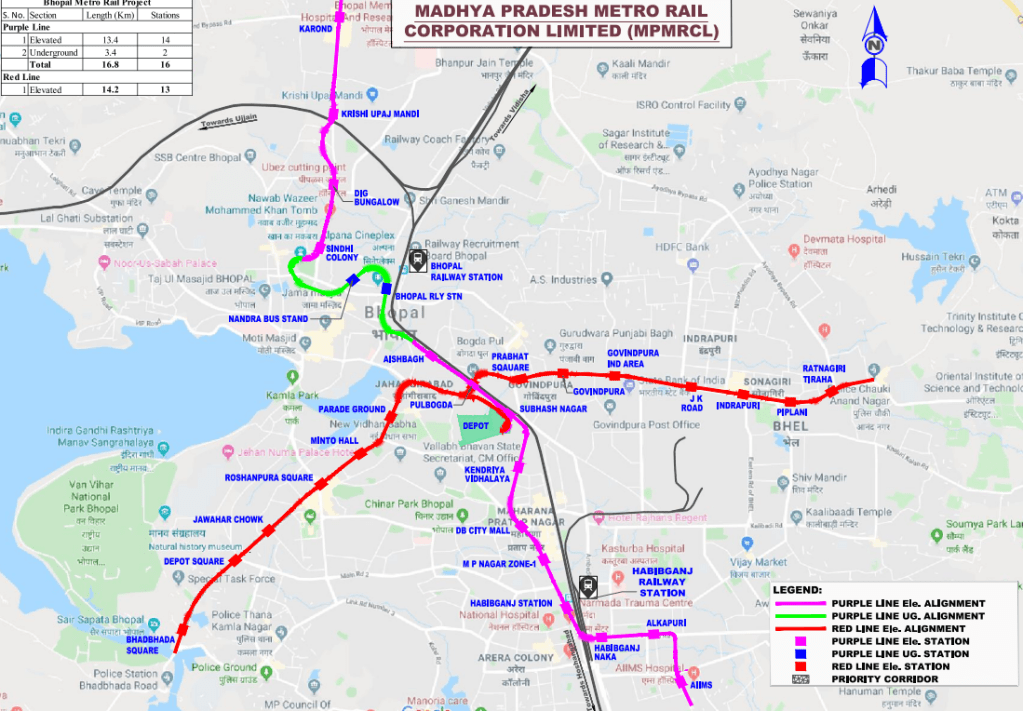











 Track2Training
You must be logged in to post a comment.