
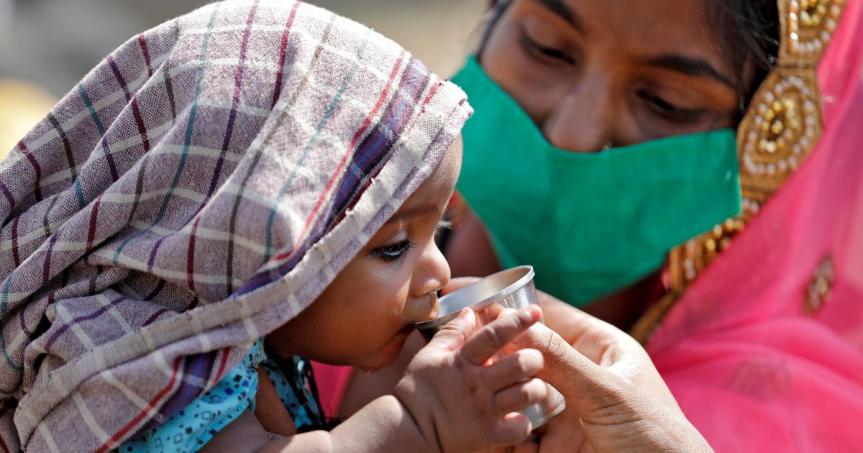
कुछ इसी प्रकार से राजनेताओं की पोल खुली जब मजदूरों से असीम सांत्वना रखने वाले राजनेता देश के श्रम मंत्री का नाम नहीं कह पाए। इस बात से कोई फ़र्क नही पड़ता कि इस समय वह संसद के किस भाग में विराजित है लेकिन क्या सरकार अथवा विपक्ष की इसमें कोई जवाबदेही नही?
कुछ दिनों पहले एक मार्मिक चित्र पूरे देशभर में वायरल था। एक छोटा बच्चा बिहार के मुज्जफरपुर रेलवे स्टेशन पर अपनी मां के मृत शव के साथ खेलता हुआ पाया गया। उसकी श्रमिक मां भूख और गर्मी से प्रताड़ित हो कर अंत में अपने जीवन से हाथ धो बैठी। ऐसे अनेक दृश्य पिछले 3 महीनों से देश के अलग अलग शहरों से प्रतिदिन हमारे सोशल मीडिया पर आ रहें हैं।
कहीं मज़दूर सड़कों पर भीषण गर्मी में पैदल चल रहे हैं तो कहीं आय से कई गुना अधिक पैसे देकर ट्रकों से अपने घर जाने की कोशिश कर रहे हैं।
इस तरह के मामलों के बाद भी सरकार इन श्रमिकों के लिए कोई ठोस कदम नहीं उठा पाई। राज्य और केंद्र दोनों ही दरवाजों से मजदूरों को केवल मायूसी ही मिली। महामरी के इस दौर ने एक बहुत ही कड़वे सच से पर्दा उठा दिया है कि इस देश के विकास में श्रमिकों की अहम भूमिका तो है लेकिन उनके निजी विकास में किसी को कोई रुचि नही।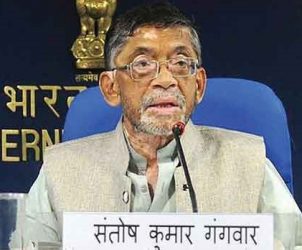
हमारे श्रम मंत्री श्री संतोष कुमार गंगवार इस दौर में भी मीडिया से गायब हैं। उत्तर प्रदेश, पंजाब जैसे राज्यों में श्रमिक कानूनों में किए गए बदलावों पर भी उन्होंने कोई आपत्ती नही जताई। न्यूज़ चैनलों पर बैठकर विभिन्न राजनैतिक पार्टियों से आए प्रवक्ताओं ने पूरे उत्साह से मजदूरों को अपना समर्थन दिया और बड़े ही उत्तम तरीके से आरोप प्रत्यारोप के खेल को निभाया परन्तु कोई भी मुख्य समस्या पर स्पष्ट उत्तर नहीं दे पाया।
दूसरे मुद्ददों की तरह ये भी चुनावी रैलियों में राजनेताओं की जय जयकार करवाने के लिए छोड़ दिया गया। श्रमिकों के लिए चलाई गई ट्रेनें भी परेशानी का सबब बन गई। मुंबई से गोरखपुर जाने वाली गाड़ी ओडिशा पहुंच गई तो किसी ट्रेन को पटना पहुंचते हुए 60 घंटे लग गए। ट्रेनों में दिए गए भोजन में चीटियां होना, कई घंटो कड़ी गर्मी में बिना जल के सफ़र करना ऐसी कई परेशानियों का सामना करते हुए ये श्रमिक अपने घर पहुंच भी गए तो फ़िर सरकार के क्वारांटाइन सेंटर में इन्हे लचड़ व्यवस्था में गुज़ारा करना पड़ रहा है। बिहार में जितनी मौतें अस्पतालों में नहीं हुई उससे अधिक तो उनके क्वारांटाइन सेन्टर में भूख से हो रही है।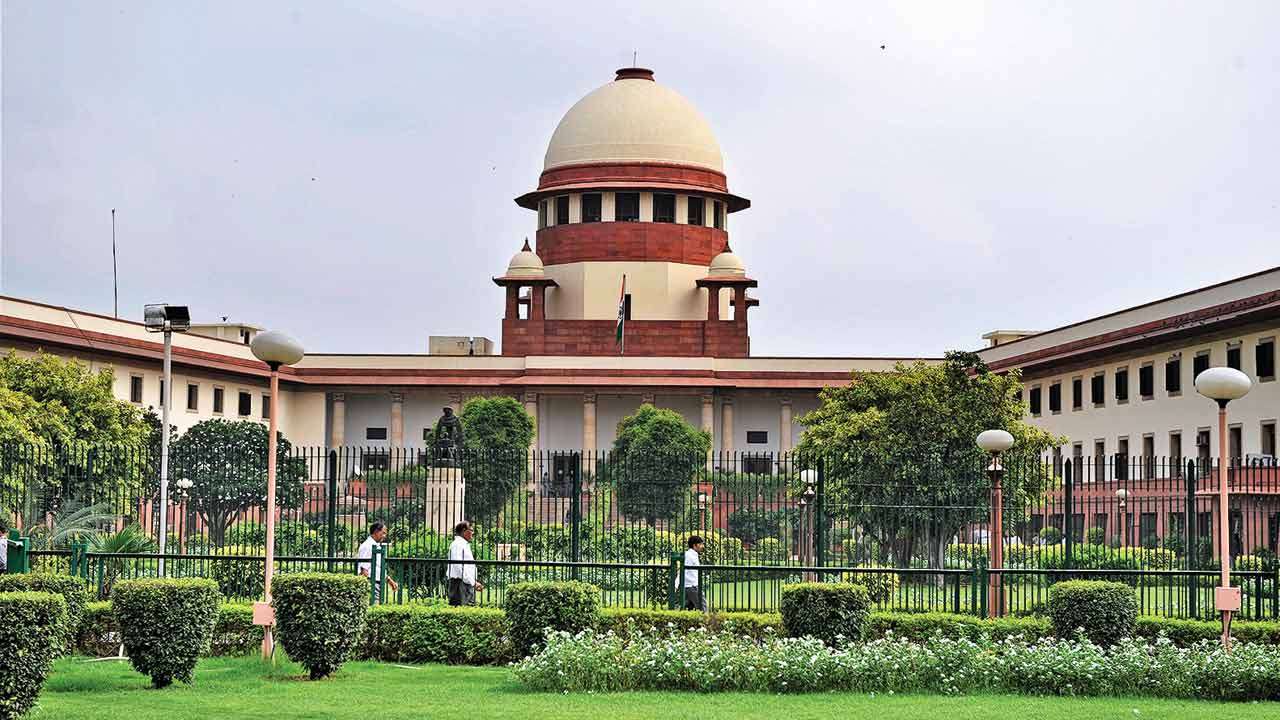
इतने हादसों के बाद जब उच्च न्यायालय ने सरकार को निर्देश दिए तब तक बहुत देर हो चुकी थी। 8 करोड़ होने के बावजूद इन मजदूरों की कोई आवाज़ नहीं है। स्थिति सामान्य होने पर ये फिर से पलायन को मजबूर होंगे और अपनी जीविका के लिए फिर से महानगरों का रुख करेंगे किन्तु क्या सरकार और विपक्ष अपनी जवाबदेही तय करेंगे? क्या आगे फिर ऐसी स्तिथि का उपाय किया जाएगा? क्या ये गरीब तबका अपने लिए आवाज़ उठा पाएगा? क्या मजदूर संघ और जटिल तरीके से श्रमिकों का पक्ष रख सकेंगे या फिर ये अधिकारों की लड़ाई भी अदालत और सरकारी मेजों पर केवल कागज़ मात्र रह जाएगी।
Year: 2020
Gig Economy
I remember 2 months back, there was GEPIWAT (Group Exercise, Personal Interview, and Word Association Test) Process for the upcoming batch in our college and I was one of the Volunteers for the same. In Group Discussion, a panel was given the topic of “Gig Economy”.
Gig Economy is a new concept where provisional, flexible jobs are commonplace and companies tend toward hiring independent contractors and freelancers instead of full-time employees. This gives workers greater control of their time, money and lives.

During that period the concept had a more positive side to it. For instance, delivery guys used to get paid according to their one-day work or on payment on flexible bases. It is used by a lot of companies such as Oyo, Airbnb, Ola and Uber to name a few. This also means role reversal easily. A person can become a car driver for a month and choose food delivery for next depending upon the demand. It somehow gave more power to the worker as a whole.
But considering the current situation, the tables have turned. Workers who were provided with multiple opportunities are forced to stay at home due to the unavailability of jobs. Instead of finding one role. They are sitting idle. With India amid a 21-day lock-down, demand has collapsed at transportation and hospitality marketplaces.
There is a myth among the masses that gig economy work is usually the one that has less return on investment and people who are a part are actually paid less. But the truth is that if a person is cultivated by the right skill set, they are bound to get more stipend even at times compared with full-time employees. For instance, With the advancement of technology and automation taking the world, deep learning jobs stand as one of the highest paying jobs. The professionals need the right skill set and knowledge of technological tools and programming languages. It is then followed by another interesting job that is the one in the field of cryptocurrency. Some other fields include robotics, data analysts, AWS, coders and developers etc.
When times are good, marketplaces see their valuations soar as they attract large amounts of capital, a fraction of which goes to their drivers and suppliers. When the bad times come, platforms simply wait for them to pass, leaving workers and suppliers to foot the bill.
Surely this is an important question to consider. The gig economy has left workers vulnerable to risk in this pandemic. Is it better than the traditional form of employment?
What Type of Program is Best for your Career?

Training and growth are what primarily guide the career path of an HR professional as their role within organizations becomes progressively more specialized. The development of one’s skills is considered to be mandatory for long term success and this is most evident by the highest paid professionals within the industry. Most CHROs are distinguished by their scholastic wealth and professional excellence with many championing the initiative behind using certifications to augment your career with the qualifications and skills needed to cover leaps and bounds that take you higher up in the ladder by conquering and innovating with key business challenges and opportunities. Certificates also contribute in this fashion but they serve to fill in academic foundations that may be lacking, geared more toward research and learning than professional capability growth. As a matter of priority, it’s important to characterize exactly how these two choices contrast from each other and what precisely every one involves. While they might seem like related fields of expertise, they serve different purposes when it comes to their applicability and scope.
The Difference Between HR Certificates and Certifications
HR certificates are academic programs, provided to students who wish to learn about the industry, its theories, and its impact. They as a rule comprise of a bunch courses (five or six) and can be finished in as meager as one and a half months, or up to four months, contingent upon the specialization. Most programs highlight a specialization, with subjects including compensation systems, marketing and HR, and HR managements. A few programs like the certificate in HR designed by Cornell is a course that can be taken online with only a working internet connection. No prior academic experience is required to ensure you obtain an education from these programs, making them a decent alternative for the individuals who don’t have a four-year college education. It provides a smaller workload and depth of subject but ensures the candidate is able to broadly comprehend their topic in a logical and meaningful fashion.
Certification, on the other hand, function as a professional HR certification online and includes no academic experience. Like most other professional training programs, it is offered by privately owned businesses; in the field of HR. Diverse range of qualifications are up for offer depending upon your experience, interests and skillsets. They are accessible for both junior and senior employees, and eligibility is largely dependent on experience, above all else. Designed with practicality in mind, these specialized programs are what define the growth trajectory of a professional primarily within the private sector, although these programs exist in some form across multiple sectors. Filling in skill gaps and learning modern methodologies to future priorities is a dynamic approach to professional success that must be encouraged by the talent management departments within organizations. Recertification is also a part of this process where the candidate must take the course again, or a higher level course after a few years to keep their credential, and to stay updated with the latest skillsets and methodologies.
Is money donation the only way to save a life
We all know about the donation but what if it could not save the lives. Money donations are right because money is the important source of our lives. But beside this there are more donations which you can go through like blood donations or making some useful things from the old clothes. Helping the kids in orphanage. Making yourself with the first volunteer planning about what to do for them and what to make for them. Making some toys with the old clothes that would be more beneficial or giving them an education so that they can also learn about what is happening in this world, learn about faith, love, wisdom, sincere, sacrifice, success, helping others.
Blood donations
Blood is donated when a person is in need of it. It may be of a whole blood and may be a part of it.
Who can donate blood
You can donate blood if you are eligible to donate blood with having good health. A proper test has been done it sees that whether you are capable of it or not.
Who cannot donate blood
You will be denied if your blood tests positive for: HIV-1, HIV-2, human T-lymphotropic virus (HTLV)-I, HTLV-II, hepatitis C virus, hepatitis B virus, West Nile Virus (WNV), and T. pallidum (syphilis). Blood donation is actually a quick and easy way to get tested for all of these things.
How you can donate blood
You must be 18 years old and above not less than 18. Should be healthy and not having any internal problem. Find a local blood bank.
Here is a hero who just save a 14 years old girl’s life without hesitation by donating blood

A Mumbai cop who just save a life of a girl by donating blood. When the lockdown had trapped us tight and cyclone nisarga threatened to shake our world. He was on duty then found her family helpless due to cyclone and covid 19. So always be a volunteered. Donate to the needed people if you can like Donate Sadaqah.
Helping with old clothes by making soft toys and be a volunteer
We all are having old clothes which we sometimes threw them but we can you it and can make some different things. You can make a small bag from that or make a soft toy by filling cotton inside it and distribute/ donate the owner of orphanage.
When to give
You can give as per choice or when asked on a monthly basis. So by this always be a volunteer. A volunteer needs a time initiating and how to be innovative how much skills you can share how much you are passionate about and how much time you can give in this. A quote which inspired us all by National volunteer and philanthropy centre that think about the cause you are passionate about, how much time you can commit and the skills you can share when considering volunteering .
REAL ESTATE SURVIVAL IN THE TIME OF PANDEMIC.
As we are surviving through a virus called COVID-19, not just the health but it has been affecting each and every aspect of the people’s life. In terms of health we atleast have some of the precautions for our defense from it but in terms of other aspects specially buisness, we don’t even have precautions, all we are left with is finding a cure. One among the badly affected businesses is the real estate business.
Impacts on the indian real estate business:
As the whole Indian economy is in crisis, the most anticipated result of it in real estate sector is delayed investment decisions, specially from the eastern countries. However, the actual possible impact is still uncertain as the COVID-19 situation remains volatile.
As per the researchers, the impacts that we may face are:
- If the COVID-19 stays longer than expected, the commercial real estate may face less investments as it is already a slow mover.
- In the current situation, investors are more likely to shift their investment into something more stable such as a bond market.
- According to UN, india is at risk of trade loss of about 2,500 crores as most of the real estate investment in India came from Singapore, China and Hongkong in 2019.
- As the export from China will be at pause, the cheaper supply will be hindered and this will affect the profit margin of the real estate developers.
- The recent crash in the stock market in India is another sign that suggests the reduce investment in the real estate sector.
Measure taken by Indian government to improve the situation:
In order to improve the economy and the stressed real estate sector the government has announced variety of financial packages, schemes and new ideas to formulate within the country.
- Under “Atmanirbhar Bharat”, government announced a financial package of ₹200 crores restricted to the local markets compulsorily.
- RBI has provided special fund of 30,000 crores for non-banking finance companies and Housing finance companies generating a wave of relief to the real estate sector.
- Extention of loan repayment period and reduced repo rate by RBI and extention if loan compliance for the current financial year has been a hope of light in the construction sector.
- Subordinate debt-based scheme, equity support, collateral free automatic loans and revised definition or classification are some measures for MSMEs which will provide a force to the infrastructure sector as MSMEs supplies various construction materials to them.
Conclusively, the real estate sector has to hold itself for even worse impact than assumed. As this pandemic is affecting the lives of people the real estate has already facing less investors and property buyers. But with the hope and positivity that as we have overcome many calamities previously we will overcome this too, we must continue our production and innovation and take the full opportunity in the bad times as well till the government finds a measure to stop the spread of this virus.
Strictest Punishment For Mob Lynching Needed Now Most

It has to be said right at the outset that mob lynching cannot be justified on any pretext and under any circumstances come what may! There has to be zero tolerance for it but right now we see that the perpetrators of the crime are either escaping with just no punishment or are being punished on a very lenient basis thus making a complete mockery of our country on the world stage! It merits no reiteration that this must be set right now.
What message are we sending to the world if we don’t ensure that mob lynchers are promptly punished with most appropriately death penalty or at the least with life imprisonment for at least 25 years in jail without any parole or remission of any kind whatsoever? How can mob lynching be justified by anyone under any circumstances? Are we living in Talibani India? Certainly not!
Every year we get to hear many incidents of mob lynching but when do we hear that mob lynchers have been mob hanged or mob jailed for life! Centre must now wake up and act on this immediately. I rate mob lynching no less than terrorism rather even worse than terrorism because without being trained ever by the intelligence agency or army of any foreign country such brutal crimes are committed most heinously!
There is no reason that why it must not be crushed with an iron hand and those involved in it be made to pay for it by paying fine of many lakhs and also death penalty or life term! We all know how even a police officer Mohammad Ayyub Pandit was not spared in Kashmir and his body was broken after mob beat him badly, broke all his bones and set him ablaze! Same is the case in many other similar cases! We saw how brutally Tabrez Ansari was mob lynched in June yet the Jharkhand police has sought to charge the 11 men with culpable homicide that does not amount to murder! Should all those involved in such heinous acts not be hanged promptly? Yet we see that not even murder charges are slapped against such mob lynchers!
Needless to say, we all know fully well that even Supreme Court in Tehseen S Poonawalla Vs Union of India & Ors in Writ Petition (Civil) No. 754 of 2016 delivered on July 17, 2018 has most unequivocally directed the Centre and States to take preventive, punitive and remedial measures to stop lynching incidents in the future and issued detailed guidelines pertaining to the same. The Apex Court Bench has minced just no words to hold unequivocally that the State has to act positively and responsibly to safeguard and secure the constitutional promises to its citizens. Article 21 of the Constitution guarantees the right to life and personal liberty to all the citizens of our nation and no mob can be allowed under any circumstances to hold it to ransom!
Having said this, it must now be brought out here that the Apex Court then issued some guidelines to be followed. Those guidelines are as follows: –
A. Preventive Measures
(i) The State Governments shall designate a senior police officer, not below the rank of Superintendent of Police, as Nodal Officer in each district. Such Nodal Officer shall be assisted by one of the DSP rank officers in the district for taking measure to prevent incidents of mob violence and lynching. They shall constitute a special task force so as to procure intelligence reports about the people who are likely to commit such crimes or who are involved in spreading hate speeches, provocative statements and fake news.
(ii) The State Governments shall forthwith identify Districts, Sub-Divisions and/or Villages where instances of lynching and mob violence have been reported in the recent past, say, in the last five years. The process of identification should be done within a period of three weeks from the date of this judgment, as such time period is sufficient to get the task done in today’s fast world of data collection.
(iii) The Secretary, Home Department of the concerned States shall issue directives/advisories to the Nodal Officers of the concerned districts for ensuring that the Officer In-charge of the Police Stations of the identified areas are extra cautious if any instance of mob violence within their jurisdiction comes to their notice.
(iv) The Nodal Officer, so designated, shall hold regular meetings (at least once a month) with the local intelligence units in the district along with all Station House Officers of the district so as to identify the existence of the tendencies of vigilantism, mob violence or lynching in the district and take steps to prohibit instances of dissemination of offensive material through different social media platforms or any other means for inciting such tendencies. The Nodal Officer shall also make efforts to eradicate hostile environment against any community or caste which is targeted in such incidents.
(v) The Director General of Police/the Secretary, Home Department of the concerned States shall take regular review meetings (at least once a quarter) with all the Nodal Officers and State Police Intelligence heads. The Nodal Officers shall bring to the notice of the DGP any inter-district co-ordination issues for devising a strategy to tackle lynching and mob violence related issues at the State level.
(vi) It shall be the duty of every police officer to cause a mob to disperse, by exercising his power under Section 129 of CrPC, which , in his opinion, has a tendency to cause violence or wreak the havoc of lynching in the disguise of vigilantism or otherwise.
(vii) The Home Department of the Government of India must take initiative and work in coordination with the State Governments for sensitising the law enforcement agencies and by involving all the stakeholders to identify the measures for prevention of mob violence and lynching against any caste or community and to implement the constitutional goal of social justice and the Rule of Law.
(viii) The Director General of Police shall issue a circular to the Superintendents of Police with regard to police patrolling in the sensitive areas keeping in view the incidents of the past and the intelligence obtained by the office of the Director-General. It singularly means that there should be seriousness in patrolling so that the anti-social elements involved in such crimes are discouraged and remain within the boundaries of law thus fearing to even think of taking the law into their own hands.
(ix) The Central and the State Governments should broadcast on radio and television and other media platforms including the official websites of the Home Department and Police of the States that lynching and mob violence of any kind shall invite serious consequence under the law.
(x) It shall be the duty of the Central Government as well as the State Governments to take steps to curb and stop dissemination of irresponsible and explosive messages, videos and other material on various social media platforms which have a tendency to incite mob violence and lynching of any kind.
(xi) The police shall cause to register FIR under Section 153A of IPC and/or other relevant provisions of law against persons who disseminate irresponsible and explosive messages and videos having content which is likely to incite mob violence and lynching of any kind.
(xii) The Central Government shall also issue appropriate directions/advisories to the State Governments which would reflect the gravity and seriousness of the situation and the measures to be taken.
B. Remedial measures
(i) Despite the preventive measures taken by the State Police, it comes to the notice of the local police that an incident of lynching or mob violence has taken place, the jurisdictional police station shall immediately cause to lodge an FIR, without any undue delay, under the relevant provisions of IPC and/or other provisions of law.
(ii) It shall be the duty of the Station House Officer, in whose police station such FIR is registered, to forthwith intimate the Nodal Officer in the district who shall, in turn, ensure that there is no further harassment of the family members of the victim(s).
(iii) Investigation in such offences shall be personally monitored by the Nodal Officer who shall be duty bound to ensure that the investigation is carried out effectively and the charge-sheet in such cases is filed within the statutory period from the date of registration of the FIR or arrest of the accused, as the case may be.
(iv) The State Governments shall prepare a lynching/mob violence victim compensation scheme in the light of the provisions of Section 357A of CrPC within one month from the date of this judgment. In the said scheme for computation of compensation, the State Governments shall give due regard to the nature of bodily injury, psychological injury and loss of earnings including loss of opportunities of employment and education and expenses incurred on account of legal and medical expenses. The said compensation scheme must also have a provision for interim relief to be paid to the victim(s) or to the next of kin of the deceased within a period of thirty days of the incident of mob violence/lynching.
(v) The cases of lynching and mob violence shall be specifically tried by designated court/Fast Track Courts earmarked for that purpose in each district. Such courts shall hold trial of the case on a day to day basis. The trial shall preferably be concluded within six months from the date of taking cognizance. We may hasten to add that this direction shall apply to even pending cases. The District Judge shall assign those cases as far as possible to one jurisdictional court so as to ensure expeditious disposal thereof. It shall be the duty of the State Governments and the Nodal Officers, in particular, to see that the prosecuting agency strictly carries out its role in appropriate furtherance of the trial.
(vi) To set a stern example in cases of mob violence and lynching, upon conviction of the accused person(s), the trial court must ordinarily award maximum sentence as provided for various offences under the provisions of the IPC.
(vii) The courts trying the cases of mob violence and lynching may, on an application by a witness or by the public prosecutor in relation to such witness or on its own motion, take such measures, as it deems fit, for protection and for concealing the identity and address of the witness.
(viii) The victim(s) or the next kin of the deceased in cases of mob violence and lynching shall be given timely notice of any court proceedings and he/she shall be entitled to be heard at the trial in respect of applications such as bail, discharge, release and parole filed by the accused persons. They shall also have the right to file written submissions on conviction, acquittal or sentencing.
(ix) The victim(s) or the next of kin of the deceased in cases of mob violence and lynching shall receive free legal aid if he or she so chooses and engage any advocate of his/her choice from amongst those enrolled in the legal aid panel under the Legal Services Authorities Act, 1987.
C. Punitive measures
(i) Wherever it is found that a police officer or an officer of the district administration has failed to comply with the aforesaid directions in order to prevent and/or investigate and/or facilitate expeditious trial of any crime of mob violence and lynching, the same shall be considered as an act of deliberate negligence and/or misconduct for which appropriate action must be taken against him/her and not limited to departmental action under the service rules. The departmental action shall be taken to its logical conclusion preferably within six months by the authority of the first instance.
(ii) In terms of the ruling of this Court in Arumugam Servai v. State of Tamil Nadu (2011) 6 SCC 405, the States are directed to take disciplinary action against the concerned officials if it is found that (i) such official(s) did not prevent the incident, despite having prior knowledge of it, or (ii) where the incident has already occurred, such official(s) did not promptly apprehend and institute criminal proceedings against the culprits.
Simply put, the Bench directed that, “Apart from the directions we have given hereinbefore and what we have expressed, we think it appropriate to recommend to the legislature, that is, the Parliament, to create a separate offence for lynching and provide adequate punishment for the same. We have said so as a special law in this field would instill a sense of fear amongst the people who involve themselves in such kinds of activities.” Now it is up to Parliament to act and make lynching a separate offence as soon as possible as the Apex Court has directed.
Needless to say, it was made amply clear by the Bench that the measures that are directed to be taken have to be carried out within four weeks by the Central and the State Governments. The Bench also made it clear that, “Reports of compliance be filed within the said period before the Registry of this Court. We may emphatically note that it is axiomatic that it is the duty of the State to ensure that the machinery of law and order functions efficiently and effectively in maintaining peace so as to preserve our quintessentially secular ethos and pluralistic social fabric in a democratic set-up governed by rule of law. In times of chaos and anarchy, the State has to act positively and responsibly to safeguard and secure the constitutional promises to its citizens. The horrendous acts of mobocracy cannot be permitted to inundate the law of the land. Earnest action and concrete steps have to be taken to protect the citizens from the recurrent pattern of violence which cannot be allowed to become “the new normal”. The State cannot turn a deaf ear to the growing rumblings of its People, since its concern, to quote Woodrow Wilson, “must ring with the voices of the people.” The exigencies of the situation require us to sound a clarion call for earnest action to strengthen our inclusive and all-embracing social order which would in turn, reaffirm the constitutional faith. We expect nothing more and nothing less.”
It has been more than a year and two months that the top court had urged the Parliament in this extremely landmark and laudable judgment to enact a separate law to punish offenders participating in lynching of persons yet no action taken till now! India has faced major international embarrassment because of this and will continue to face so thus giving a bad name to our nation if such incidents are not controlled on a war footing immediately! It brooks no more delay now! Centre must abide entirely by what the Apex Court has held so categorically, clearly and convincingly! Let’s hope so!
Sanjeev Sirohi, Advocate,
s/o Col BPS Sirohi,
A 82, Defence Enclave,
Sardhana Road, Kankerkhera,
Meerut – 250001, Uttar Pradesh.
Comprehensive Sustenance

To ‘lead’ connotes the idea of taking charge and leading the way. Leading a healthy lifestyle might be reckoned as an arduous work- from making the right eating choices, the workout sessions, the inner happiness! but it shows that one is ready to take command over their life choices. In addition to that knowing exactly how to go about the entire healthy lifestyle regime, makes this whole process easy-peasy and a bit more fun.
For starters, knowing about your body is extremely important before going on a nutritional therapy or following a particular diet plan that you’ve seen on the internet, heard from a friend (as a matter of fact anyone) etc. Each person is bio-individual meaning, a weight-reduction regime that works for me might not necessarily work for the other person. Certainly there are a few things that everybody has to follow, for instance eating a little less but not skipping a meal, making healthier eating choices such as eating lots of fruits and green veggies, physically exerting your body etc. Apart from that the categories of foods that are ‘beau idéal’ may differ a bit.
Leading a healthy lifestyle is not solely about physical fitness; it is about being mentally and emotionally healthy too. Being physically fit is just a portion of your overall healthy lifestyle. Having a positive attitude or mindset, and surrounding yourself with people who’ll provide you with constructive criticism could uplift your energy and boost your inner strength.
Along with an endomorph diet plan, physically exerting your body is also important. Your workout sessions need not be intensive but nevertheless you should be regular, that is you should workout for at least thirty minutes everyday. Set a target everyday and then accomplish it, using fitness applications and smart watches can help you achieve the target that you’ve set for yourself.
The most essential aspect of leading a healthy lifestyle is self-care, for me my so called eleven step Korean skin care routine is the best way to forget about my worries and appreciate myself. For others it might be reading, gardening, sketching etc. Always take some time out for things that make you feel happy, things that you are passionate about, something that sends you to the world of ecstasy. Another way to improve your mental health is to do yoga, meditation to be more precise. Meditation is a persistent process of priming your mind to focus and redirect your thoughts, it makes you aware of your surroundings and increases your concentration power. It is a great way to increase your will power, which will ultimately help you in the long run and also it will help you in disciplining yourself. Yoga itself is very beneficial for your body, it is a tool that harmonizes your body and mind.
Keeping up with a healthy lifestyle is not that strenuous, nor does it call for a great deal of work. Just keep doing what you do with determination and patience, as the say in Korean ‘fighting’ which means keep up the good work and you’ll surely become a versatile individual.
Education: Then and Now
In this pandemic, the world has come to a halt. With ‘Ramayan’ serial broadcasted on Doordarshan has garnered a lot of attention and depicting Indian culture, the show has clearly shown some instances of the history allowing one to ponder over the past. Students being given education and life lessons under the banyan tree is one of them. How has education changed since then? Is there a shift in the context of teaching or all together the methodology has changed? This article will let one to think on some of these aspects and will give us a new dimension in the way learning has been obtained.


Let’s begin by knowing the difference between learning and education, the two words are often used interchangeably. In simple terms, education is imparting of knowledge and ideas whereas learning is how much one has gained after being educated. For instance, when a ten-year-old is given tips on how to score a goal in football, he is being educated. But how much he has understood and gained actually is called learning.
In the recent past with advancement of technology, education has been formally transferred to students in schools, universities and colleges. The typical mode of delivery was a teacher standing in front of bunch of students and teaching with the help of a blackboard. After sometime when internet reached schools, e-learning and videos were shown to the students in classes for experiential learning. Informally, it is now being spread with the use of internet such as how to bake a cake, how to make a doodle, how to make a pony-tail or in fact how to raise a child. The online means of transferring knowledge is now being used globally helping both tutors as well as learners. It is becoming more popular among working professionals, students and other learners as they find immense convenience in the autonomy and flexibility that the courses offer.

With the free flow of information, there are multiple risks also associated leading to degradation of education system as a whole. One of them is the invalidity to differentiate between what is right and what is wrong. A fact-check is not something that people are familiar with and most of them fall for the manipulative information that is visible to their eyes.
Now with the amalgamation of offline and online learning, learners are able to upskill themselves and are trying to stand out from the crowd. Discussion forums via email tools, video conferencing and video lectures and live lectures are all possible through web. The craze for e-certificates has hit the new generation with multiple educational websites offering online courses and sessions. On a brighter side, the existing situation has given multiple options to learners to decide their tutors. If someone is not comfortable with one particular teacher, they can easily switch to another one. The previous attitude of learning within classroom walls is no longer relevant and slowly the fact that learning practical is more effective than gaining theoretical knowledge is being acknowledged by the masses.

The dissemination of knowledge is bound to happen and let’s hope in the coming future, there will be more creative and innovative ways for it. At the end, I would like to say that:
“A baby born is like a clay. It is the insights that they get from grasping education that gives them an opportunity to become whatever they want to be and shapes their future.”
Yes, we bleed and there is nothing about to shame

The plight of migrant workers

When the world is fighting a deadly pandemic, the migrant workers of India have a fight of their own. It is fight of their survival. The rule of this world is simple and that is, the weak gets taken. When many people were exploring their hobbies in their home during lockdown, these migrant workers were struggling to find their way back to home. They walked miles to reach their home and many lost their precious lives because of it.
For them before fighting Covid-19, the fight of their survival was important. After a long time of ignoring their problems, the government finally appears to have woken up by announcing some measures to reduce the plight of the migrant workers.
Some of the measures announced by it are as follows:
- Rs. 3500 crore food support programme.
- An allotment of additional funding of Rs. 40000 crore to NREGA scheme.
- Plan to provide them with affordable housing so that they are able to come back to cities.
Apart from these measures, the measure which will definitely make a lot of effect will be direct benefit transfer to these workers. This will help them to sustain themselves and atleast fulfill their basic needs. The aforementioned measures are also effective but they won’t solve the problem these workers are facing right now. These workers are in a devastating situation and some amount of direct transfer can cure their pain.
The ripple effects of their problem
The migrant workers will reduce the spending on education of their children. They will also not travel long distances in search of some work. Their will an increase in interstate migration and a drop in long-distance inter state migration.
Starving for food
Without a day job these migrant workers are fighting persistent hunger. Some of them, mostly children, are facing a condition called “wasting” a sign of acute malnutrition and chronic hunger. The landless families that are dependent on day job are covered under federal food security scheme and normally gets 20kg of rice and wheat every month. The government, expanded this federal food security scheme and provided extra 20kg of grains for free. However, many of them can not avail this benefit because of absence of their Aadhar data in the database. In such circumstanes, they have hopes on wages from rural jobs scheme so that they can sustain their families. However, the problem with scheme is that there are many hands and few work which makes the situation more vulnerable for them.
The problem with rural jobs scheme like NREGA is that there is work for one or two weeks and then there is nothing for two to two and a half months. This uncertainty adds to the plight of the workers. Also a unique feature of this scheme is that the workers are not paid on daily basis but according to the earthwork done by them. Suppose if a person completes earthwork equivalent to 80 cubic feet in a day then, he /she will receive a day’s wage of Rs. 202. Also, the maximum permitted number of days to work are 100. The government has not made any changes for now on this limit.
The order of Supreme Court
The Supreme Court has ordered the Central and State Government to drop all the cases against migrant workers to break lockdown and also facilitate their return home in next 15 days so that they can be provided with ration, food and jobs in the next phase.
Many actors like Sonu Sood and Amitabh Bachchan have come ahead to support these migrant workers. All they need is some support. Kindly, support them in which ever way you can.
“Playfulness, creativity and many other aspects can never be transferred through online learning”, says the former ISRO Chief
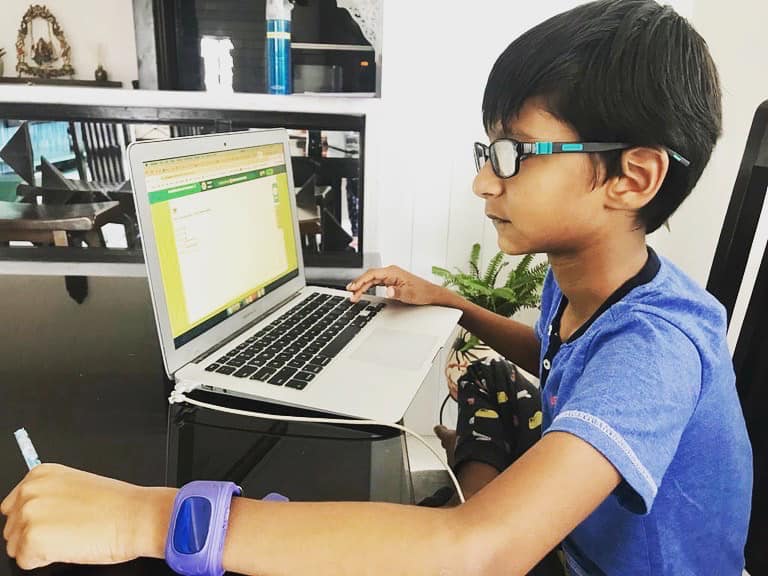
The theory of procuring online education for school children does not seem favourable to the eminent scientist K Kasturirangan, who says that candid physical and cognitive association is essential to bring out the meaningful characteristics such as playfulness and ideation.
The National Education Policy, 2019, draft committee chairperson intensified the necessity for face-to-face communications, interactions, exchange of ideas and beliefs as he braced the traditional mode, amid a debate on online classes for children due to COVID-19 resulted in the closure of schools.
“Fundamentally, the physical and mental connection with children directly is extremely important. Playfulness, creativity and many other aspects can never be transferred through online learning”, Kasturirangan, who was Chairman of Indian Space Research Organisation between 1994 and 2003, told news agency PTI.
He stated 86 percent of the brain develops by the age of eight, expanding that issues associated with the initial stage of children need to be scrutinized and evaluated carefully and any sort of new strategy prefers a scientific footing.
Development of a brain is a continuous process within these eight years, and if you don’t stimulate the brain properly by continuous interactions, then obviously you are missing a chance of really getting the best out of youngsters in terms of brain boat and performance, the recipient of Padma Shri, Padma Bhushan and Padma Vibhushan said.
There are issues of these which need to be analysed very carefully. Just the kind of solutions that we talk of for higher education like online and so on may not be the way to deal when it comes to dealing with the early phase of children, the former Rajya Sabha member said.
The issue of online education for school children needs to be looked into very carefully and one should not jump into any kind of approach without any scientific basis.
“There is much to be evaluated, and it has to be assessed”, underlined Kasturirangan, who had also served as a Member of the now-defunct Planning Commission of India.
Another renowned scientist, Prof. C N R Rao, who was awarded ‘Bharat Ratna’ in 2014, also spoke out lately against inducting online classes for children, giving prominence to the importance of human interface for useful communication and motivating young minds.
The Honorary President of the Jawaharlal Nehru Centre for Advanced Scientific Research and the Linus Pauling Research Professor said online classes for young children such as KG, first and second grade should be terminated.
I am not an enthusiast about online teaching. We need a human interface with students for good communication. That is how young minds can be inspired, Prof. Rao, who was Chairman of the Science Advisory Council to the Prime Minister from 1985-1989, and from 2004-2014, told PTI.

I look upto NGOs for bringing a revolution…
The situation of the poor has always been worse in our country as government promises many things but how much has been actually applied can’t really be tracked. As a result, we can see that our country still comprises of 70% poor population. People at an individual level can only be a part of making a change in poor people’s lives but they alone cannot bring back lives of all the poor people on track. To make a big and noticable change we need a solid body to take the command for this. And I look upto NGOs for this.
HOW NGOs CAN IMPROVE THE LIFE OF POOR PEOPLE?
1. NGOs has the power to speak to the government about several issues and they can speak about poverty too as they have recognition in society.
2. Also, many big business men prefer donating tremendous amount of money to the NGOs instead of distributing it separately to the poor households, so, an NGO can use that money to improve the lives of poor.
3. As we know how much education or skills means these days and how it changes a person’s life, NGOs can also teach and make poor kids learn new skills with the help of those people who loves to be associated with social work. They can just ask them to do the teaching work for these poor children and they would do it with all their heart.
4. NGOs can create a good PR with different industries to get donations and human resources for free to help improve the situation of poor people and they have high possibilities to get success by this step as every industry needs to fulfill CSR in order to gain goodwill in the society.
ROLE OF NGOs IN THE CURRENT SITUATION.
During this time of pandemic, as we can see how much problem a poor is facing, NGOs have a huge responsibility if they call themselves “social workers”.
1.They need to make shelters for the homeless
2. They need to make sure all migrants reach their home safely
3. They need to fight for the labours to get work post pandemic
4.They need to make sure each one has the necessities for the precaution during this time.
RESPONSIBILITIES OF NGOs
1. NGOs must be accountable to the public and must submit the report publicly in order to ensure the society that they are actually working and improving the situation.
2. They should be checking on to the people even after they are done helping them. As we don’t just want to help them for a moment but to ensure that their life has actually improved and still improving for the better.
3. They should pressurise government while also maintaining good terms with them for the smooth functioning and attainment of the goal.
An individual can initiate a change but to make it a revolution he needs many people to support him and his cause, but people tend to support only those who have recognition in the society and NGOs are one of the recognisable bodies hence, they can gather a huge support if they ask, or some support even if they don’t ask. These all reasons make an NGO able to bring about a change in poor people’s lives and I hope they perform their duty well and wish that not just a change but we get to see a revolution.
5 Tips for Crafting Your First Nursing Resume
CareerBuilder recently announced that registered nurse is the hottest job of 2016. The rankings were based on the difference between jobs posted each month and new hires. For nurses, the popular job-hunting site found that there are nearly 200,000 more postings per month than nurses hired.
That’s a very promising number for nursing students entering the workforce. But when graduation is looming and the NCLEX is just around the corner, it’s easy to understand why some nursing students might feel anxious about putting together their first resume. No matter how hard you’ve hit the books, deftly relaying your skills on paper can be a monumental task.
It’s important to keep in mind that resumes aren’t a one-size-fits-all undertaking. Your resume should be much more than a filled-in template. However, following best practices and knowing what hiring managers want to see can go a long way.
Here are 5 tips for crafting your first nursing resume:
1) Be specific
Nurses entering the workforce may have a limited amount of professional experience, but detailing your clinical hours and simulation experience will show hiring managers the areas in which you’ve already had some hands-on training. For clinical rotations, Nursetogether.com recommends including unit, organization and dates. Also include the details of relevant volunteer experiences and internships.
2) Show off your computer knowledge
With the standardization of EHRs, comprehensive computer skills can make a big difference when you’re job hunting. List any medical software that you are familiar with, along with any other programs that will help you stand out among the competition.
3) Clean and update your social media and email address
When submitting online applications, there’s often an option to connect your app to LinkedIn and other social media profiles. Make sure your LinkedIn is up-to-date and is consistent with the information on your resume. When your profiles are tidy and professional, they can serve as a great supplementary resource to your resume and cover letter, especially if you’re active in groups and organizations connected to your field. Remember your email address should also reflect professionalism. There is a very different perception between bjames23@gmail.com and hotmomma@gmail.com.
4) Highlight all relevant licenses, certifications, awards, or special skills
When hiring managers are scanning your resume they need to get information as efficiently as possible. A certification or being bilingual may immediately differentiate you from the crowd and land you that desired job. Make sure the most important information is easy to locate on the page and that everything is up to date.
5) Showcase accomplishments rather than duties
While new grads will likely have limited field-relevant accomplishments in the working world, make sure the ones you do have stand out. Young professionals tend to list duties or job expectations, because they’re often easier to quantify. Use any academic, volunteer or professional duties as a starting point, and then expand those ideas to encapsulate larger successes.
Dr. Markham joined the Herzing University team in December 2011 after serving as nursing program director at Bryant & Stratton College, Milwaukee market and interim nursing program director at Fayetteville State University in Fayetteville, NC. Her previous experiences includes faculty positions at Milwaukee School of Engineering (MSOE); Fayetteville State University and North Carolina Central University, as well as Duke University Medical Center. She has a background in nursing program planning and curriculum and program accreditation. She is active in the Wisconsin Nurses Association, Wisconsin Center for Nursing Board (WCN), and the Racine-Kenosha Chapter of the National Black Nurses Association. As a nurse-educator she believes that learning is the act of gaining knowledge and skills that allow the person to effect social change and understand the impact of the actions of societal members on culture as a whole. Her role as a teacher is to facilitate and serve as a resource to promote the intrinsic search for knowledge inherent in all persons. She finds immense joy in seeing the accomplishments of her students and seeing the many “lumps of coal’ transformed into valuable “diamonds” who will contribute to the improvement of global healthcare and the enhancement of self and society.
7 Strategies to Build A Successful Career
:max_bytes(150000):strip_icc():format(webp)/impossible-5af22ec9ba617700365f8c58-5be3054d46e0fb002699e4b6.jpg)
Having a successful career will offer you a lot of benefits and real profitable opportunities. As we live in a world governed by social status and money, working your way up to the top will definitely improve your quality of life. There are many possible reasons for which an individual would desire success.
I guess one of the reasons is that maybe by being successful in your professional life makes you feel better among other people. It offers you a feeling of security and accomplishment. Many people who went from zero to a successful career have reported that their lives were improved in almost all the aspects.
There are certain habits and activities that successful people from all over the world do. The best way of approaching success is by following and figuring out what are the strategies that professionals use, and model them according to your needs.
The follwoing seven working strategies will give you enough boosts to improve your career.
1. Identify with Your Goals
Before even considering following a career route, you must get to know yourself. A big majority of people go through life by following a well-established pattern. The sad part is, they don’t even like what they do or they just don’t really realize how many other things they could do.
In order to avoid this awful happening, you need to identify what are your biggest rational wishes. Then, start going deeper and make an in-depth introspection in which you should think about the connection between your inner desires and your rational goals.
They have to match. Otherwise, you will not be truly fulfilled with your professional life. Identifying with your goals takes some time and effort, but it is a truly important process in any successful person’s journey.
2. Build a Professional Resume
Your resume is basically your way of saying “I’m good at this, good at that, and I can help by doing this and that”. Well, that is why you should create a professional, neat resume.
By taking care of this aspect, you are making sure that you’ll never be caught off guard. Opportunities are everywhere, and you should always be ready with a quality resume. I believe that letting professionals deal with your resume is a productive choice.
There are some amazing services like Careers Booster or VisualCV that can take care of your problem. They can help you to create a classic or an impressive visual resume.
3. Become Aware of Your Strengths
Awareness is an essential key to personal improvement. By being aware of your inner thoughts, your strengths, your desires, and your disadvantages, you can adapt your life to whatever conditions you’re being put through. You’ll also get many benefits as you can leverage your knowledge and wisdom for the best purposes.
It’s better if you choose your long term profession according to what you know about yourself. Are you a patient person? Would you be able to sit eight to twelve hours in an office working on a computer? Or you’d rather be a football coach because you’re truly passionate about football and you believe you could be an efficient trainer?
No matter your strengths and disadvantages, you should choose a career path that advantages your traits and qualities.
4. Assume Full Responsibility for Your Life
One difference between mediocre and successful professionals: responsibility. Even though you know the concept, you may not apply it every day. Whenever something bad happens, you need to assume it.
Even if you haven’t done anything wrong, being there, the previous choices you’ve made (like trusting someone), these are still all factors which have been influenced by your thoughts and actions.
Start assuming responsibility for all of your actions and never blame anyone for your mistakes. That’s the worst thing someone can do. Do not take things personally, and be calm.
5. Always Raise Your Standards
Here’s another critical factor which differentiates the successful from the non-successful. Your standards influence the way you think, believe, and behave. If your standards are high, you’ll never be satisfied with less than you can accomplish. People with high standards are most of the times more successful than the average.
Every two or three months take a moment to reflect upon your standards and values. Try to improve them bit by bit up until you realize that you’ve become the best version of yourself.
6. Brand Yourself
Branding is very important nowadays. Big companies are spending hundreds of millions in order to establish themselves as the “big dogs” in the marketplace. It is an old business strategy used by almost every professional company. Your branding is your image in the marketplace.
Professional employees should brand their names and services and constantly improve it. You can do that by starting a blog, creating a professional social media profile, or simply by providing awesome services.
7. Network — A LOT
Networking is all about opportunities and connections. When you meet new people, you basically get a chance to use their skills to your advantage. Of course, you must also give back something: your services, your knowledge, your money. Successful people always network and create those life-lasting profitable relationships.
Start by creating social media profiles on LinkedIn, Twitter, and Facebook. These three specific networks are the best choices when it comes to this type of activity. You’ll find lots of opportunities and career choices along the way.
LinkedIn, for example, is filled with business professionals that are branding their companies and also networking in the same time. Twitter is also very used in these matters, and Facebook is good for everything, including networking.
Here we see 7 strategies to build a successful career. But this is not only enough also you have to trust yourself.
Some tips about career success:
- Be willing to work hard. …
- Set goals. …
- Get a mentor. …
- Surround yourself with successful people. …
- Set a routine. …
- Have regular check-ins with yourself. …
- Always keep improving.
· Choose Your Occupation Wisely
· Don’t Let Anyone Tell You What Choice Is Best for You
· Measure Your Own Success
· Don’t Be Afraid to Ask for Help
· Always Acknowledge People Who Help You
· Own Your Mistakes
· Be Your Own Cheerleader
· Never Feel Like You Are Stuck
· Lose the Negative Attitude
· Listen More Than You Speak
Conclusion
Building a successful career takes time, effort, and patience. If you’re willing to sacrifice some free time and you’re willing to get out of your comfort zone, you will succeed. It’s not that hard, honestly. It just takes courage and commitment to follow everything that you’ve targeted.
How to help the poor people

1. Social media

So this the number 1 platform where you can easily give your contribution. Like you can easily donate from apps which are helping the poor people. In facebook there is number of pages for donating. Also, emails instagram where could one donation will help them a lot. And helping those needy people will make you happy.
2. Donation

Donations can be number of types like cash donations, clothes donations. So if you are having old clothes you can easily gave them to wear. Just don’t through them you can donate to those who are not having clothes to cover themselves. By this they will have a smile on their face.
3. Education
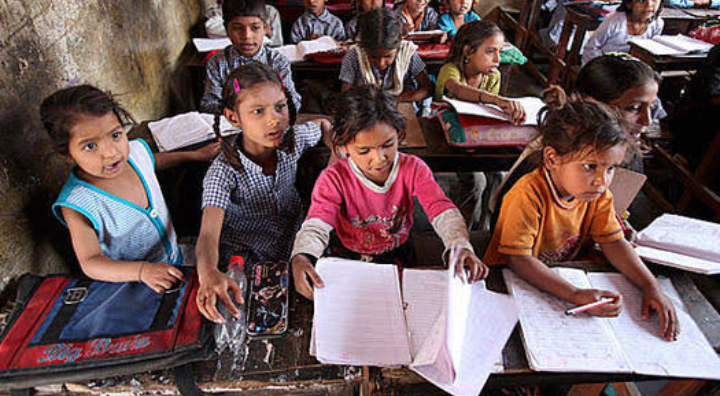
Education is must required for everyone but some poor people couldn’t afford it so there is a free education system for those people who wants to study. Poor People just dream to study in schools but they can’t now what we can do is as a part time for us non beneficial we could start teaching those poor people. Giving them proper information about anything they want. They’ll learn lot of new things some basic things in our daily lives and that too will remove the poverty also.
4. Donate groceries

As they are not having enough money to buy food and sometimes remains in hunger. So here you can also donate groceries/ eatable items so they don’t feel helpless.
Ways to donate food:
* Directly to your local food bank – find the nearest one.
* Add collection points in supermarkets across the country.
* By hosting a collection at your school/ universities/ temple/ church/ business/ friends for your local food bank
5. Financial help
“Being rich is having money; being wealthy is having time.” — Margaret Bonnano. Money is an important part of financial freedom. But it’s simply a vehicle to pursue living your best life. You can always make more money but you can’t make more time.

Though we all know that money is soo important part of our lives. Helping those needy by financial support. Give some charity so that they can also live happy like us. Support them with some amount of money. Giving a small loans so that they can open their own business and can feed themselves. As if financial support is their one can easily be helpful from the hospitals and buying the medicines which are expensive and poors can’t afford it they can also save the life of their lovedones.
So here were the some tips that cou
Role of Education in Technology
Education is a form of learning where we can see the transmission of knowledge, skills from generation to generation.21st century is also regarded as century of technology. Technology brings education to student’s doorstep.
Technology in education can be classified as:
- Technology as learning tool.
- Technology as teaching tool.
- Technology as tutor.
Technology is an opportunity to design meaningful learning experiences.
History:
It goes back to many years to know about technology in education. At the end of world war-II US started using projectors.
Digitalized communications and networks in education started in mid 1980’s.
In fall of 2015, more than 6 million students enrolled in atleast one online course and still the count is growing rapidly.
Role of ICT in Education:
Information and communication technology (ICT) plays a major key role
for students today as it has a significant and good effect on student success and learning. ICT includes television, computers, internet etc. when used appropriately and in a good way it can strengthen and raise quality of education. This ICT includes databases, spreadsheets, statistical, and graphical programs, etc. It is also likely that science and technology teachers are better trained and equipped.
Advantages of technology in education:
- Technology helps students in preparing in their future career either in academics and non academics.
(Includes online books, exams, course, etc.)
- It helps students to learn there own interests which helps in developing their individuals.
- Easily accessible to learning materials.
(As present world is running around internet it is very easy to a student to access materials)
- Proper understanding of a subject by using record keeping.
- Using audio and visual materials helps students to learn things interesting.
- Accurate exam conducting and grade awarding.
Limitations of technology in education:
- Distraction to some students.
(Inappropriate websites which distracts student from there respective work)
- Students (programmer’s) involving in cyber crime.
- Can be expensive to keep updated.
- There are some health issues too when used over limit.
Some Ways to use technology in education:
- Creating webpage includes writings, arts, quizes.
(Creating webpage helps students to learn things in creative way as it includes some writings, discussions, etc)
- Video conferencing
- Spread sheets
- Creating class newspaper
(Newspaper gives us lot of information today if it’s a classroom newspaper it is really interesting to know things around a student in class)
- Creative powerpoint presentation including picture, audio, videos.
(videos, pictures helps students to think in practical way, and it may some time leads to innovation).
Conclusion:
Technology has a very positive impact on education and should eliminate the drawbacks which are pulling back many students learning.
And it’s time for every country to include more technologically equipped education for student’s future.
Atma Nirbhar Bharat

Government Schemes in our country are introduced by the government with the intention of addressing the societal and economic well-being of the inhabitants of this nation. These schemes play a pivotal role in resolving innumerable socio-economic issues that afflict the Indian society at large.
A little while back, Prime Minister Narendra Modi promulgated the Atma-nirbhar Bharat Abhiyan (or Self-reliant India Mission) to revive the economic activity of the country, inimically affected by the Covid-19 outbreak in differing ways, and further stated that in the days ahead his government would be revealing the details of an economic conglomeration- worth rupees twenty lakh crore or about ten percent of India’s GDP in the year 2019-20- striving towards accomplishing the mission. The conglomeration italicizes land, labor, liquidity and laws.
The purpose of this scheme is double-barreled. First being, ad interim manoeuvre such as liquidity infusion and direct cash transfers for the penurious, which will work as a buffer for those in grave stress (farmers, daily wage workers, vegetable vendors, and migrant workers etc.), and hopefully will lessen their burden. The second fragment of this scheme being, the longstanding reforms in growth-critical sectors (such as MSME, cottage industries etc.) to make them internationally vying and appealing. A number of ameliorations are set forth to make India a self-reliant economy and alleviate negative outcomes in coming times. A few of those ameliorations are: simple and comprehensible laws, rational taxation system, supply chain ameliorations in agriculture sector, competent human resources, and a resilient financial system. This stimulus package might be able to resuscitate the economic activity and generate a whole lot of opportunities for growth in sectors like agriculture, micro, macro, medium enterprises, power, coal and mining, defense, civil aviation etc., nevertheless there are numerous drawbacks that are required to be addressed in order to achieve the vision of this ‘abhiyan’.
The impact of this package will be as following on different sectors of the economy: first, the manoeuvre declared for the primary sector (agriculture and allied sectors) are particularly transformative. These measures are initiatives on the road to One Nation One Market, and will succour India to become the food factory of the world. Second, this conglomeration will aid the finance destituted sectors and will help in sustaining the labor intensive industries, therefore assisting in leveraging India’s comparative advantage. Third, government has launched various online education platforms, which shall facilitate schools and universities to stream online courses without further loss of teaching hours.
Corresponding problems that will be faced on implementing this scheme are: issues related to liquidity, lack of demand, lack of backward and forward linkages, burgeoning fiscal deficit, difficulty in mobilizing finances, etc. The measures that should be taken to resolve the above stated issues are, enhancing demand, mobilizing finances, making holistic reforms, etc.
The economic predicament set off by the Covid-19 pandemic is comparable with 1991 economic predicament, which was a herald paradigm shift through liberalization, privatization and globalization. The post Covid-19 aeon may usher in unprecedented opportunities provided that the implementation deficit is adequately addressed.
HOW DOES THE INTERNET WORK?

An interesting question that may pop up in everyone’s mind! I am here to release some of that pressure. The Internet has become an essential part of our lives and a good understanding is needed to use this new tool most effectively. This article explains the underlying infrastructure and technologies that make the Internet work. It does not go into great depth but covers enough of each area to give a basic understanding of the concepts involved.
What is the Internet?
The INTERNET is a global system of interconnected computer networks. When two or more electronic devices (e.g. computers) are connected so that they can communicate, they become part of a network. The Internet consists of a worldwide interconnection of such networks, belonging to companies, governments, and individuals, allowing all of the devices connected to these networks to communicate with each other.
In order to communicate, computers need to be able to understand each other. On the Internet, communication is possible because all devices use the same “language” or protocol, namely the Internet Protocol (IP), a “single market” with no physical, technical or national barriers. It forms the basis for all other systems of communication on the Internet. Sending any communication over the Internet using the Internet Protocol is quite like sending the pages of a book by post in lots of different envelopes. All of the envelopes use the same sender address and the same destination address. Even if some envelopes are transported by ship and others by air, the envelopes all eventually arrive at their destination.
Examples of such conventions on top of IP are:
*SMTP for sending emails
*HTTP for accessing websites
*Bit Torrent for peer-to-peer (P2P) file sharing (a way to exchange data files with large groups of people).
Anyone is free to invent their own convention/protocol and use it on the Internet, as long as it works on top of the Internet Protocol. In other words: the only limit is the limit of the human imagination, the only rule is that the address on the envelope is in a standard format. The openness of the system is what makes the Internet the global phenomenon it is. Every restriction on the openness of the Internet reduces its potential for future development. The universal use of a single protocol for all communications has a number of important advantages. The devices that are responsible for transporting Internet data (called routers) do not need to be programmed differently to deal with different types of data – they don’t even need any information about the data they are transporting as long as it is all using the Internet Protocol.
Like the postman delivering traditional mail, they only have to look at the outside of the envelopes to be able to deliver the message. It doesn’t matter if the envelope contains a bill or a love letter (except to the recipient of course).
This leads to:
*Unlimited innovation possibilities in terms of new protocols and applications.
*“Privacy by design”: there is no need to know anything about the contents of any communication.
*Flexible, fast data flow: the Internet offers only one flexible service: getting data from one device to another regardless of the nature of the devices, regardless of how and where the devices are connected to the Internet and regardless of the nature or content of the data. It is this openness and flexibility that is the primary reason for the innovation and democratic and economic successes of the Internet.
What is an IP Address?
Because the Internet is a global network of computers each computer connected to the Internet must have a unique address. Internet addresses are in the form zzz.zzz.zzz.zzz, where zzz must be a number from 0 – 255. This address is known as an IP address. So, An IP address is a numerical address that is assigned to every device connected to the Internet. IP addresses may be used to identify an organization or individual that has acquired the services of an Internet Service Provider in order to connect one or more devices to the Internet. On the other hand, a router has only one IP Address irrespective of how many people have connected with this router. So, In this case, we cannot identify the person behind the work.
World Wide Web:
When we type any website address in the browser we use WWW keyword. Anyone ever thought what this meant for? I think many of us have thought that and many of us knew the answer. But here we are not as intelligent as them who already know the answer. So, let see what it is. WWW or World Wide Web combines text, pictures, and hyperlinks to a hypertext document – a hyperlink points to another document. It Can also contain moving pictures, active programs etc. This hypertext document is written in HTML language – Hyper Text Markup Language based on SGML (Standard Generalized Markup Language) which describes the structure of a document. WWW browser decides how to display the document based on the structure description in HTML.
What is an URL?
URL stands for Universal Resource Locator. URL is an address to the current location of information protocol. For example http://www.google.com, https://krazytech.com, etc. WWW browser uses the URL address to retrieve a document over the network.
What is an HTTP?
When we are writing a web address we are using “Http:”. What does the word HTTP stand for? HTTP (Hypertext Transfer Protocol) is a simple protocol for file transfer over the network. Client (browser) initiates the session by connecting to the server. The server does not transmit on its own. Client issues the GET command to retrieve a file from the server. Additional information is also passed. The server sends information about the file and the contents of the file.
When a user makes a request to any website the requests are served over the HTTP or HTTPS (secured) protocol and the webpage gets displayed. The time consumed to display a webpage depends on various factors like internet speed (to know your internet speed, go here), server performance, network latency, etc.
What is GOOGLE?
In our daily life, we ask GOOGLE many questions. What is GOOGLE? It is a search engine. A web search engine is a software system that is designed to search for information on the World Wide Web. The search results are generally presented in a line of results often referred to as search engine results pages (SERPs). The information may be a mix of web pages, images, and other types of files. Some search engines also mine data available in databases or open directories. Unlike web directories, which are maintained only by human editors, search engines also maintain real-time information by running an algorithm on a web crawler.
How does Google search engine work?
Here I have tried to discuss as much as possible in such a short note. Now, it depends on you how you can utilize the article. You can get a brief knowledge only by reading this. If you explore more you can find more terms about the internet like TCP, DNS, and DOMAIN etc. In our daily life, you are now using the internet. So, Keep exploring and Increase your Knowledge.
Government schemes to lead economic development and financial stability for upliftment of poor people
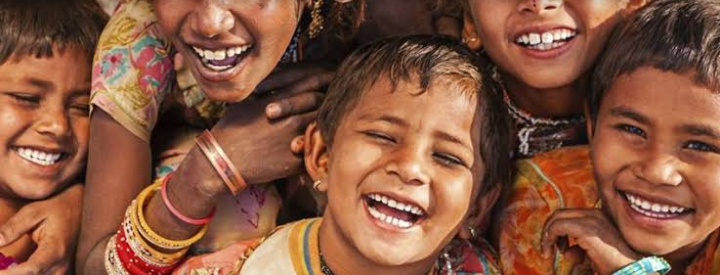
Government has launched various schemes, programs for the needy ones and right for the education schemes. So during lockdown we people are busy making variety of foods new recipes but if we look on the other side the poor ones who need soo much help from the government and from us also. Though, the government is launching schemes for the poor like the Pradhan Mantri Gareeb kalyan yojna( PMGKY) where the poor ones are getting 5 kg of rice/ wheat for three months. Other several schemes are also their for helping them. They are surviving a lot from this as they are jobless and not having a one time meal. Soo people should help them by giving a one time meal and some donations. So that they are living peacefully and they can fulfilled their needs.
On one hand, there are people who live their life lavishly. They are not only enjoying the joy of essentials but also have what they want and desire; a luxurious living providing them an extra comfort. On the other hand, there are people who cannot even afford the basic requirements of living. They do not have shelter to live, food to eat, and clothes to wear.People who have extra are living a comfortable and a posh life. While those who have barely the vitals are fighting each day for life.They fail to meet the basic requirements.
There are people who have much more than they need to live while others have barely enough to survive.
On one hand, there are people who live their life lavishly. They are not only enjoying the joy of essentials but also have what they want and desire; a luxurious living providing them an extra comfort. On the other hand, there are people who cannot even afford the basic requirements of living. They do not have shelter to live, food to eat, and clothes to wear.People who have extra are living a comfortable and a posh life. While those who have barely the vitals are fighting each day for life.They fail to meet the basic requirements.
There are people who have much more than they need to live while others have barely enough to survive.
Poor people do not have enough clothing, food, education and healthcare. Being poor means deprived economically, politically and socially. They hardly get opportunities. They have inadequate nutrition, higher risk of diseases and lack access to healthcare and basic essentials for living resulting in low achievement.
One cannot make such people opulent but can at least help them achieve the essentials of life and lead a prosperous life. Helping the poor and needy people is a good deed. Caring for the poor and needy people and helping them is a noble endeavor. The more you give to poor and needy people, the more you strengthen their dependency. If you give them the chance or opportunity, you’ll see an effective and long-lasting improvement in their lives. Create a new system built on inter-dependency which motivates them to work and move forward and their dignity is maintained. Tossing out money or other kinds of donation do help the poor and needy people but the need is to direct your energies and efforts in raising them, building relationship, teaching them and moreover, regaining their self-confidence and self-esteem to work for themselves.
Social media can help a lot just by donating a portion of their proceeds. Just a portion will give them a second life donating through any charity app would help them a lot so there is proper economic development and financial
Pradhan Mantri Jan Dhan Yojana- A step towards Financal Independence and Inclusion of the poor

For a long time, the poor population of our country was devoid from basic financial services. With Pradhan Mantri Jan Dhan Yojana(PMJDY), the government is trying to provide the basic financial services to those who were not able to avail it previously.
Major benefits under this scheme:
- No minimum balance required.
- Interest on deposits.
- Accidental insurance cover upto Rs. 2,00,000.
- Life cover of Rs. 30,000 payable on the death of the beneficiary, subject to the fulfillment of eligibility criteria.
- Beneficiaries of government schemes will get Direct Benefit transfer in these accounts.
- After satisfactory operation of the account for 6 months, overdraft facility is available.
- Overdraft facility of 10,000 is available in only one account per household, preferably lady of the household.
Who is eligible?
- Indian citizen
- Age should be 10 years and above
- The person should not have any bank account.
If all the above criterias are fulfilled, then the person can open an account under this scheme.
Documents Required:
- Passport
- Driving Licence
- Aadhar Card
- Voter’s Identity Card
- Job Card issued by NREGA signed by an officer of the State Government.
- ID card with photograph issued by Central/ State Government Departments, Statutory/ Regulatory authorities, Public Sector Undertakings, Scheduled Commercial Banks, and Public Financal Institutions; or
- A letter with duly attested photograph of the person issued by a Gazetted Officer.
What if you don’t have a document?
Well, even if you don’t have a document you can still open a Small Account with the bank by submitting a self-attested photo and signing or giving thumb print in presence of a bank official.
To open an account Click here
How Business Leaders can Improve Work Performance
Most organizations are powered by a diverse – and sometimes volatile – mix of personalities that don’t always mesh on a day-to-day basis. When you add in the reality of constant organizational change it’s no wonder some of us are frequently stressed out.
However, smart organizations find a way to preserve a strong corporate culture even in difficult times.
It is important that work expectations are aligned with the organization’s overall strategic plan. If that is done effectively, work performance will improve.
Some tips on how leaders can manage change during challenging times:
1) Have an open dialogue with staff to reconnect. This promotes a positive work environment among all staff members.
2) Remind people who are data-driven that they need to prioritize work synergy among all staff members. That might require them to take a more personal approach.
3) Promote a high sense of energy but don’t act anxious or angry. Be calm during difficult times.
4) Embrace organizational threats as an opportunity to improve work processes.
5) Neutralize all relentless people who promote a negative work environment.
Explain to them they are part of the organization and their cooperation is needed, especially during transitional phases.
By eliminating convoluted processes and focusing on a positive and straightforward company culture, organizations can better develop realistic goals and functional pathways to improvement.
Dr. Orlando Rivero is a proven academic leader with strengths in developing students, faculty and community support. He serves as the Graduate Program Chair of Herzing University Online. During his tenure, additionally, Dr. Rivero is the Vice-President, JDT Management Consultants Inc. He serves as a Consultant for various enterprises in the U.S. and abroad, specializing in Human Resources Management, Strategic Management, Governmental Organization Administration, Latin American Industrial and Educational Management.
Dr. Rivero is a graduate of Argosy University where he completed his Doctoral degree in Business and completed his Master of Public Administration degree at Nova Southeastern University.
Creative People: Is that job right for you?
Before you accept the offer, make sure that the company culture is a good fit.
So, you’re a creative person, you’ve assembled a great design portfolio, and you’re ready to hit the job-hunting trail. Want to know how to find a great job that matches your values?
This article is about you and your specific needs as an artist, and your role in an organization.
Start by examining the big picture:
1. Do the company’s values align with yours? Would you feel proud to work there? Imagine yourself six months from now. You’re telling a friend about your job, and how it doesn’t even feel like work. You enjoy your job that much. Your friend asks about openings, and you tell her how to apply.
Tip: According to Richard Nelson Bolles, author of the best-selling book, What Color Is Your Parachute? asking friends is one of the best ways to find a job. Which technique ranks first? Doing homework on yourself, with emphasis on defining your values. Bolles’ 40-plus years of research shows an 86 percent success rate among job hunters who use this technique.
2. Is the company offering products or services that you believe in? For example, if you are against smoking and forbid it in your home, would you want to work at Philip Morris?
3. How big is the company? Do you want to work for a large corporation, an agency, or a boutique? What are the benefits of each? While a global company may offer the opportunity to work on a three-month project in the Shanghai office, you might be more comfortable in a locally-based boutique.
4. Corporations have very different political structures than agencies or boutiques. The work is very different as well. For example, will you be doing B2B work or do you want to be engaged in retail design? Or are you a more experienced designer who wants a seat at the CEO’s table? If you do, I recommend that you become familiar with Allen Samuels’ Design Thinking approach to problem solving.
5. Next, let’s consider the organizational culture. Is the company creative? Innovative? Team oriented? People oriented? Outcome oriented? What methods are used to produce new products and services? How does the business treat its employees? How does the culture align with your values?
After you’ve considered the big picture, think about your day-to-day life on the job. Here are six important questions:
1. How does the job align with your life? Do you need flexible hours? Can you work from home? If you’re responsible for the care of others – whether children, a spouse, or elders – these issues matter. What about travel? Some people like to hit the road. Others prefer to remain at home. And take a close look at the benefits package – the insurance, retirement plan, and time off for vacations, illness, and family leave. Would it work for you and your family?
2. Is there a career path? What is your starting role and where should you aspire to be in the company in five to 10 years?
3. What kind of inspiration and training will you be getting? Is the job in a large city or is it in the country? While some people feel inspired by the hustle and bustle of the city, others want to be surrounded by nature. And does the job have training or other opportunities to be inspired, such as lectures, workshops, mentorships, or group outings?
4. Who are your direct reports and what is the interaction like on a daily basis? What types of projects will you be working on, and with whom? Make sure that you understand the hierarchical structure of the organization.
5. Who has the final sign-off on assignments? Does each assignment come with an extensive list of people who must approve it? Or is one person in charge of approvals? One scenario isn’t better than the other. You need input from the right people to get your job done. This includes the person who makes the assignment – and knows what the client wants – and someone who okay’s the finished product.
6. What is the social environment like? Are there activities before, after, and during work? Would you want to be involved?
If you’re a creative person, company culture is of particular importance. We need a culture that inspires us to do our best work and align it to who we are as people. We want to know that we have improved other peoples’ lives with our work.
We also want to keep learning new things – and growing. So, make sure that you aren’t in a dead-end job. I see too many young people jumping ship for two reasons:
1. Their value system doesn’t align with their employer’s.
2. They’re bored at work and they’re stagnating.
2. They’re bored at work and they’re stagnating.
Work can be so much more than just making a living. That’s why organizational behavior and company culture matters.
Christine Milot is an Adjunct Professor in the online Graphic Design Program at Herzing University. She has been a professional Graphic Designer for over 20 years and completed projects for clients such as Disney, Visa, Bankers Trust, Deloitte and Pepsi.
Why do I need this class? I’m never going to need math!
When these courses appear on a student’s schedule, he or she may think, “Why do I need this class? This isn’t something I’ll use every day.”
Regardless of a student’s major, general education (Gen Ed) classes are beneficial for three key reasons:
#1 – Academic preparation
General education courses cover basic academic skills such as communication, abstract problem solving, and analysis. These skills are necessary to complete their major’s courses. At first one might think that a career in IT doesn’t require extensive writing (which we can debate in a future blog) but for school, an instructor might ask IT students to demonstrate their knowledge of current issues in network security by writing an essay. Another example, perhaps a career in criminal justice won’t require solving algebraic equations, but the quantitiative reasoning skills gained from an introductory algebra course will be necessary when reading and discussing the results of research studies about the impact of community policing. Learning these skills in Gen Ed classes prepares students for the coursework ahead.
#2 – Career preparation
Potential employees set themselves apart from other applicants by demonstrating their “soft skills.” In Gen Ed classes, students learn to write well, think critically and thrive in a diverse community, which are soft skills necessary for success in any profession. A report from business research consultant Hay Group reveals a disconnect between what recent graduates and employers value most. Researchers found that 70 percent of recent graduates believe technical skills are more important than people skills, but 90 percent of HR directors and business leaders believe employees with excellent soft skills have a stronger impact on the organization. Classes that address communication, critical thinking and diversity will set up students for success when they look for an internship and job.
#3 – Community participation and leadership
The impact of Herzing University graduates extend far beyond the workplace and into the community. In Gen Ed courses, students are empowered to make a difference. In social science courses, students see how they both shape and are shaped by the world we live in. In English classes, students practice leadership skills by using their voices effectively to advocate for important issues. Being engaged in Gen Ed courses helps students see how they can become leaders in their communities.
The good news is that Herzing University prepares students to excel in their careers after graduation by providing job-related knowledge. The great news is that’s not all. The reason Herzing University graduates are so successful is that they are well-prepared for anything they encounter in their academic, professional and civic lives. And it all starts with general education.
Tina Shanahan is Associate Professor of English at Herzing University and a doctoral student in the Language and Literacy program at Cardinal Stritch University. She feels grateful every day for the opportunity to work hard at a job she loves, fuel her passion for literacy through her doctoral studies, and raise two young boys.
7 Signs that You Could be a Great Physical Therapist Assistant
A physical therapist assistant (PTA) works under the direction and supervision of a physical therapist. Together they work toward each patient’s goals using interventions such as therapeutic exercise, functional training, soft tissue massage, and various physical modalities. The PTA is an integral part of the team and communicates vital information to other team members, directly contributing to overall patient success. Due to the aging population, the demand for PTAs is expected to continue to grow. Is this career right for you?
Here are seven reasons you might make the perfect PTA:
- You are a great communicator. PTAs work with patients and clients on a regular basis and often spend more time with them than many other providers. An important aspect of physical therapy is being able to effectively teach each patient, client, or family member how they can help care for themselves or their loved one.
- You do not like sitting behind a desk. Physical therapists and PTAs work in fast-paced environments that keep both the mind and body active. As a profession that promotes mobility, function, and quality of life, PTAs live out these principles through their own work.
- You love to inspire and motivate others. In the rehabilitation profession, the ultimate objective is to help people realize their goals. PTAs have the awesome responsibility of supporting people on their journey to reaching their potential, and that is the most rewarding component of physical therapy practice.
- You want a flexible work schedule. Physical therapy can offer both part- or full-time schedules in a variety of settings. PTAs can work in hospitals, school systems, outpatient clinics, and skilled nursing facilities to name a few.
- The human body fascinates you. PTAs need to be well-versed in how the human body works in order to effectively provide safe treatment. If your interest is piqued when flipping through the Discovery Channel or in a biology class, PTA might be a great step for you professionally.
- You want to belong to a socially active profession. The APTA has a strong presence both nationally and in each state to help support PTs and PTAs. There are national and state conferences to connect with other professionals and to engage in continuing education both as a student and a licensed PTA.
- You never want to stop learning. The world of medicine is ever-changing. It is an exciting field but also demands that those within it keep up with current research. At Herzing University, a student can earn their associate degree as a physical therapist assistant in 20 months, but the learning goes far beyond.
OTA vs. PTA? There are a few factors to consider. Discover the main difference between a physical therapist assistant and occupational therapy assistant.
Considering a career as a PTA?
If you have a thirst for knowledge and a desire to use that learning to help others succeed, PTA may be the career path for you. Learn more about how to become a physical therapist assistant, including the education you need, information about certifications, and how much you can make as a PTA by state.
Kim DeChant is a physical therapist. She graduated from Marquette University with her doctorate in physical therapy in 2007 and earned her Neurologist Clinical Specialist Certification in 2010. Prior to working for Herzing University, she worked at the VA and is passionate about giving back to veterans. Her favorite part about her profession is having the opportunity to help both students and patients maximize their potential. She enjoys spending time with her family, which includes her three young children. When time allows, she experiments with new recipes.
Breaking Bad Habits
By the time we’re more than a month into the New Year, many of us have forgotten – or just don’t want to follow through on our resolutions. In order to stay assertive with your goals for the year, I challenge you to break bad habits and minimize procrastination.
Breaking bad habits will provide you with more time to be productive. Sanyin Siang recently posted on LinkedIn that Mark Zuckerberg wears the same thing every day to minimize unnecessary decision-making, known as “decision fatigue,” in an effort to channel his effectiveness to key decision-making. For some, taking hours to decide on what to wear may be considered a bad habit, especially if it takes too much time.
Most of what we do throughout our lives is habitual. Habits, both good and bad, define who we are. I challenge you to drop one bad habit this year and replace it with a new, efficient habit to achieve the goals you set out to make throughout 2016.
Success does not always come overnight, therefore, try taking steps to improve your bad habits each week. Set measurable and attainable goals so that you can keep track of your progress. When you figure out how to change your habits, small efforts can create significant changes!
In closing, always remember that education is the K.E.Y. to success, so Keep Educating Yourself!
Theatis (Theo) Anderson, Jr is President of Herzing University – Atlanta Campus. Theo is a talented leader possessing 15 years of proven core strengths in the areas of operations and post-secondary education management coupled with expertise in strategic planning, leadership, and enhancing profitability. Since his transition into education, he has received various leadership awards and participated in various leadership academies. Most recent is Theo’s participation in Leadership DeKalb, a highly respected leadership development organization in DeKalb County, Georgia. He is a proud 2013 graduate of Leadership DeKalb. Theo was inducted into the 100 Black Men of America – DeKalb County chapter which will allow him to showcase his passion for helping youth achieve their educational and career goals throughout Metro Atlanta.
Study Better with a Little Focus and Planning
When you sit down to study, are you the type of person who opens a book, then checks your phone, gets a snack, checks your phone again, talks with a study buddy and then finally starts reading just to repeat the entire process 10 minutes later?
Hitting the books or e-books can be tough, especially when your mind is racing in a dozen different directions. But the more you can concentrate on your work, the more time you’ll have to address all of your other obligations. For busy students, time management is key, and concentration is an integral component.
So, to help you make the most out of your study time, here are six tips to improve concentration:
1. Identify the best environment to help you concentrate
Knowing where you are best able to concentrate is imperative to making the most of your time. If you need to be holed up at a desk in a quiet room, then make sure you have a dedicated study space and let your family or roommates know that you’re not to be disturbed. For others, a coffeehouse might be preferable, but keep in mind that public areas can quickly get crowded and noisy.
Knowing where you are best able to concentrate is imperative to making the most of your time. If you need to be holed up at a desk in a quiet room, then make sure you have a dedicated study space and let your family or roommates know that you’re not to be disturbed. For others, a coffeehouse might be preferable, but keep in mind that public areas can quickly get crowded and noisy.
2. Minimize distractions
Trying to study with the television and a dozen tabs open on your web browser is going to make it difficult to focus on your studies. Remove distractions, including your phone, from your workspace.
Trying to study with the television and a dozen tabs open on your web browser is going to make it difficult to focus on your studies. Remove distractions, including your phone, from your workspace.
3. Write a to-do list
It’s common to look at everything you need to get done and get overwhelmed. Breaking up your studying into smaller tasks will make easier to manage your time and provide a sense of accomplishment. This process also makes your goals more straightforward, so it’ll be harder to get lost in your workload.
It’s common to look at everything you need to get done and get overwhelmed. Breaking up your studying into smaller tasks will make easier to manage your time and provide a sense of accomplishment. This process also makes your goals more straightforward, so it’ll be harder to get lost in your workload.
4. Schedule study time
Rather than scramble to meet deadlines, set aside time in your weekly schedule to study. In the long run, you’ll get used to studying at a certain time each day, and avoid the unnecessary stress caused by cramming sessions or all-nighters.
Rather than scramble to meet deadlines, set aside time in your weekly schedule to study. In the long run, you’ll get used to studying at a certain time each day, and avoid the unnecessary stress caused by cramming sessions or all-nighters.
5. Make healthy snack choices
Don’t let food drag you down. Choose snacks that will give you energy rather than ones that will make you lethargic. Again, this is where planning your study time can make a big difference. For example, if you’re going straight to class or the library from work, pack a healthy snack to help you push through rather than rely on the vending machine or fast food.
Don’t let food drag you down. Choose snacks that will give you energy rather than ones that will make you lethargic. Again, this is where planning your study time can make a big difference. For example, if you’re going straight to class or the library from work, pack a healthy snack to help you push through rather than rely on the vending machine or fast food.
6. Take breaks
Our brains aren’t meant to study for hours on end without any type of break. Instead, focus on a project for a 30- to 45-minute sprint, then break for a few minutes before moving to the next item on your list.
Our brains aren’t meant to study for hours on end without any type of break. Instead, focus on a project for a 30- to 45-minute sprint, then break for a few minutes before moving to the next item on your list.
How to Prepare for your First Phone Interview
Phone interviews are a common way for companies to screen applicants, so make sure you leave a good impression or else you might not get in for a face-to-face meeting. Even though your interviewer can’t see you, he or she can learn pretty quickly whether you’re prepared or not. Here are some recommendations to help you ace this first step:
Prepare for the phone call like you would for a face-to-face interview
Get up, get moving, shower, dress well and warm up your voice before the phone call the same way you would for a physical meeting. Your appearance will give you an extra boost of confidence. This can even improve how your voice sounds over the phone and will ensure that you don’t sound like you just got out of bed.
Get up, get moving, shower, dress well and warm up your voice before the phone call the same way you would for a physical meeting. Your appearance will give you an extra boost of confidence. This can even improve how your voice sounds over the phone and will ensure that you don’t sound like you just got out of bed.
It can help to sit in front of a mirror. You’ll notice your facial queues, which translate over the phone via your voice. You will also have someone to interact with visually during the phone interview. It might seem awkward but you will want to let your personality show through the phone.
Answer the phone sitting up straight or standing. Laying down or getting to comfortable will constrict your air flow and change the tone of your voice. It can also lead you to be less professional in your conversation.
Be sure to find a quiet area (no pets) where you can have your materials laid out in front of you. While the latest smart phones and earpieces can block out a lot of background noises, barking dogs and kids can distract you from the task at-hand. It is also difficult to layout your resume, portfolio and laptop without worrying about someone spilling their coffee on you, a gust of wind blowing your papers around or running out of battery power.
Have a copy of your resume (make sure that it is the one you submitted for the job), a copy of the job posting and the job description printed; with your notes – highlight the points in the job description that align to your resume and the ones that you want to address. You can even have resources such as the company’s website up and notes for anticipated questions in front of you, since the other person won’t be able to see. Remember that hiring managers and recruiters expect you to be prepared for a phone interview, so make sure to do thorough research beforehand.
Minimize disruptions
Don’t assume your interviewer only wants a few minutes of your time. Make sure you have set aside ample time before and after the set interview. Inform those that communicate with you often (significant others, family, friends) of your interview schedule so they don’t disrupt the call. To be safe, U.S. News & World Report recommends disabling distracting phone alerts and using a landline whenever possible to minimize the chance of losing the signal.
Don’t assume your interviewer only wants a few minutes of your time. Make sure you have set aside ample time before and after the set interview. Inform those that communicate with you often (significant others, family, friends) of your interview schedule so they don’t disrupt the call. To be safe, U.S. News & World Report recommends disabling distracting phone alerts and using a landline whenever possible to minimize the chance of losing the signal.
If you live with others, make sure they are aware of when you are interviewing over the phone so that they won’t be disruptive. If you have to get out of the house to do your interview, sit in your car or see if your local library or college has private study rooms that you can borrow.
Follow up!
No matter how many times you’ve heard it, remember it’s always best practice to send a thank-you note. After a phone interview, emailing a quick thank you and summary of the conversation to the person or people to which you were talking makes a big impact. Follow up as soon as possible. Send an email within an hour or two, and if you’re sending a handwritten note, make sure it gets in the mail by the end of the day.
No matter how many times you’ve heard it, remember it’s always best practice to send a thank-you note. After a phone interview, emailing a quick thank you and summary of the conversation to the person or people to which you were talking makes a big impact. Follow up as soon as possible. Send an email within an hour or two, and if you’re sending a handwritten note, make sure it gets in the mail by the end of the day.
Appreciating Nurses During National Nurses Week
While on the road recently, I sat next to a fellow traveler. Once we got to talking, we realized our shared profession: nursing. I am a relatively new nurse of 14 years and she was a veteran with far more than 13 years of experience.
Though we’re in the same profession our career paths are very different. I work in perinatal nursing, where life begins, and she works as a hospice nurse, where life ends. Regardless of our different specialties, we share a common bond and thought process: once a nurse, always a nurse. We assess, diagnose, plan, implement and evaluate everything. On our shared trip, we laughed about the things we had in common while we swapped stories.
As we approach National Nurses Week, it’s a good time to look at what nursing was, what nursing is, and what nursing will be. According to the American Association of Colleges of Nursing (2016), there are expected to be 1.5 million job openings for nurses in 2025. A contributing factor is the percentage of nurses who are likely to retire.
A recent survey shows that 55 percent of the current nursing workforce is 50 years of age or older (AACN, 2016). This means that many of these nurses will retire in the next 10 to 15 years. For National Nurses Week, let’s take the time to remember this segment of the nursing workforce that will soon retire and say “thank you.”
How nursing has changed
Many nurses approaching retirement started as “diploma nurses.” The diploma schools were tough. Students lived in school-provided housing and had a strict curfew. Clinical hours took place around the clock and could range from 7 a.m. to 3 p.m., 3 to 11 p.m. or 11 p.m. to 7 a.m. Students were not granted the privilege of selecting their hours, and many were used to help staff hospital wards. They could be expected to work anytime.
These diploma nurses also received very little orientation after graduating. A new nurse on a perinatal unit would get three days of orientation. After the orientation period, the nurse was put in the labor room by his or herself and expected to take care of everything. This meant multiple deliveries, outpatients, and anything else that happened to come through the doors.
Today, new staff nurses receive at least eight weeks of orientation, if not more. After this orientation, the new nurse will be paired with a more seasoned nurse.
Another difference between then and now is charting. Back then, all charting was done on paper. A nurse did an assessment or implemented an intervention, or performed an evaluation of an intervention and wrote a progress or nurse’s note. Today, the majority of charting is done via computer. The chart, and even the medication record, is on the computer.
For those that started with only paper, changing to this new way of charting was disconcerting. For some, it was not worth the effort and they retired. For others, they figured it out with the younger staff and remained working.
On the flip side, the younger staff have a hard time completing a nurse’s note that is not computerized. The handwritten nurse’s note is a lost art! Yet computerized charting is here to stay, and the handwritten nurse’s note is slowly being retired.
These changes, big and small, help make nursing an exciting field to train for and be in. Who knows what challenges nurses will face in the future? Yet given the passion I see in both new nurses and nursing students, I have no doubt they will rise to the occasion and be very successful.
Thank you, nurses!
During this Nurses’ Week, we say “thank you” to all nurses, whether you have only days of experience or many years. Thank you to those who are ready to retire after a long career of service. Thank you to those who continue to care for your patients, regardless of specialty. Thank you to those who are newly licensed or training to become nurses.
To all nurses, we appreciate your service.
Interested in learning more about Herzing’s nursing programs? Learn more here.
Dr. Christina Silva is nurse and nurse educator who is passionate about preparing the next generation of nurses. She worked as a perinatal staff nurse at Uniontown Hospital, Uniontown, PA 15401, and is a nurse administrator at Herzing University’s Akron campus.
The Evolution of the Police Officer’s Uniform and Why It Matters
Police officers’ uniforms have come a long way. In Milwaukee, our law enforcement officers are dressed and equipped based on what we have learned from our involvement in previous events and incidents. We base our uniform on police culture from our past to present day. You could even say our police vehicles (squad cars) have evolved to meet new expectations both from law enforcement and the citizens we serve.
The way we dress is important because it must convey a message of teamwork, unity, organization and power. The police officer’s uniform is a form of non-verbal communication. When an officer arrives on scene, his or her uniform is meant to grab your attention, command respect and demonstrate consistency, strength and competence.
So let’s examine how police officers can dress in a way that is functional and effective. Over the last few years, our basic uniform material has changed from fabrics that were not comfortable or conducive to harsh weather and scene conditions to lightweight, safer materials that provide better protection and more ease of movement. Older uniforms were too hot and heavy in summer months and unsafe at fire scenes, because the fabric could melt and cause additional burns to your body. In addition, there have been several recent studies conducted regarding uniform color and the individual message each color conveys.
The equipment that we currently carry has also changed over the years based on societal needs, lessons learned and advancements in technology. When I first walked the street more than 16 years ago, the equipment issued was a semi-automatic handgun, pepper spray, a metal whistle, a call box key (which was slowly becoming obsolete), an expandable baton, a wooden baton, one set of handcuffs and a Sam Browne belt containing storage pouches and a gun holster.
To meet the ever-changing demands of our fast-paced world and to provide safety for our law enforcement and the public it protects, our equipment has evolved to add the following: tasers, body cameras and multiple sets of handcuffs. Even our flashlights have become more effective by being streamlined, smaller in size and more light weight with extremely powerful luminosity. Patches that have long been sewed into uniforms in some law enforcement agencies and divisions have also been updated due to negative connotations represented in some of the insignias. They have now been altered to send out a more positive reflection of the communities and towns they represent and serve.
“When an officer arrives on scene, his or her uniform is meant to grab your attention, command respect and demonstrate consistency, strength and competence.”
Our police vehicles (squads) have gone through a similar evolution for many of the same reasons. Some examples would be from blue and white squads to all black or black and white squads, depending on the jurisdiction. The equipment housed inside and outside of our vehicles has also changed from a very basic emergency lighting, the traditional “gumball” on the roof, to high tech LED lights that are more visible for longer distances. The radio communication system has advanced from an analog system to a digital system so that it is more secure, private and identifiable. It also allows for multi-jurisdictional and multi-agency forces to work together, providing Emergency Management, Police, Fire, and EMS full communication with one another.
These constant updates in equipment, as well as in the rules and expectations to use new equipment, are one of the reasons criminal justice education is so important. We need police officers that have strong knowledge of every piece of gear they are issued. Police officers must not only understand how to use these tools, but also the appropriate protocols for complex situations. A police officer’s uniform must be used to help create safe environments for the people he or she serves.
A police officer’s look is dictated by the history in which policing has evolved and the needs and wants of the society and community in which he or she serves. Crime is like electronics. It’s always changing and advancing. In order to keep up, police officers must adapt.
Mitch Ross started with the Milwaukee Police Department in 2000. He has been assigned to Milwaukee Police Districts #3 and #6 as a Patrol Officer and Field Training Officer, as well as assigned to the Anti-Gang Unit Squads at both districts. He has also worked in the Department’s Sensitive Crimes Division, which handles crimes against children and elderly. He is a member of the Milwaukee Police Major Incident Response Team. Mitch is an adjunct instructor at the Milwaukee Police Training Academy in the following unified tactics: CPR, DAAT, Firearms, Vehicle Contacts, Professional Communications /Tactical Communications, and Leadership in Police Organization. He is currently assigned to the Milwaukee Police Department’s lntelligence Fusion Center, Southeastern Threat Analysis Center Division.
How to make a better morning?

A lovely good afternoon to everyone soo, here i am a first user and this is my first post that would be my first choice as a topic to start a day. As i was looking after these quarantine days people are getting lethargic and working online these days. So here some points that you should kept in your mind:
* While getting up have some stretching. Also most important is be happy.
* Get a warm class of water with honey so that it will give a cure to your stomach and you’ll feel fresh.
* While you sitting and taking an online classes so just rotate your legs so that no fat is stored in your thighs. Also rotate your wrist by this you’ll be fit and also your work been done.
Who I am..Why I am here…
I am HEMAPRIYA K B studying B.E-(ECE) 1st year in K.L.N. College of Engineering.Why I choose this internship means I want to spend my time worthy during this lockdown period due to COVID-19. I choose this internship not because of stipend only for the new experience to build my career. So I took myself to search many internships in Google during this period.
A mis niños y niñas especiales: To my special students
This is a love letter to you, my special, smart, and beautiful students. You have touched my heart so deeply and profoundly that words cannot adequately convey how much you mean to me. I write this note, so you know the hopes and dreams I have for you.
You come to a school that is known as a Title 1 school meaning that a lot of students at our school come from economically disadvantaged families. You may not know this as the teachers and staff at our school demand that you receive educational resources and a quality education; the same kind of education that students receive at schools in the wealthier parts of our school district. My hope for you is that you always realize that true wealth is not measured by how much money one has but in how much one stays open to learning and gives of oneself to make the world a better place.
You come to a school that, before the state stopped rating schools, had C and D ratings (due to standardized test scores). You did not know that because when you or anyone else walks into our school, you are greeted with smiles and kindness. The walls throughout the school walls are filled with the wonderful academic work from our K-6 students.
During our gifted classes, as you know, respect for each other takes precedence over everything else. You are different ages, different genders, and different ethnicities. Conflicts happen as they do in life. You handled them with great sophistication, never calling one another names, talking about how the conflict made you feel, and discussing actions to avoid similar conflicts in the future. My hope is that you take this respect and ability to discuss your thoughts and feelings in other parts of your life now and in the future.
We live in a state that is 55% Hispanic and a school that is 85% Hispanic. Your Mexican customs and culture are so very beautiful. It has been a privilege to learn about the Mexican food, music, dance, art, and holidays. I hope you will always be proud of your culture and will freely share it with others who are unfamiliar with it. I owe you an apology in that I didn’t use curriculum materials and resources that featured the Mexican culture. You should have learned more about Mexican writers, artists, scientists, mathematicians, culinary artists, and athletes. I am making a commitment to use such materials during our next school year. To the few of you who are moving onto middle school and won’t be in my gifted classes any longer, I am deeply sorry. I can only wish that your future teachers will use and create such materials. My hope for all of you is that you will educate your children, relatives, friends, and others about your beautiful Mexican culture.
You come from a state that is 55% Hispanic and a school that is 85% Hispanic. Your background and culture are accepted here in New Mexico. You may not be accepted if you end up going to school or living in a state without a majority of a Hispanic population. I’ve had students in the past who told me stories of being shocked when living in another state where there were prejudicial acts against them such as being followed throughout a store; just because of the color of their skin. I hope, as MLK stated, that you will live in a world that you will not be judged by the color of your skin, but by the content of your character. My hope for you, in any case, is that you have developed the resilience that comes with loving and being proud of who you are regardless of what others may think. Black and Brown lives really do matter.
You come from families with parents who do not have college degrees. My hope for you is that, if you choose to, you will go to college. In my discussions with your parents, that is their hope for you, too. Even though you haven’t had some of the same advantages as wealthier students, you are smart enough, creative enough, and motivated enough to be successful in any college you choose; that you can keep up and even surpass other students at that college.
I write this note to you in times of unrest in the United States due to the murders of Black men and women by the police. I write this note in hopes that you will become an adult who works for justice for all. I know this is a lot of pressure, but my hope and faith come from knowing you will be our future leaders.
I leave you with this Mexican Dichos (Proverb):

Track2Training NGO – VOCATIONAL TRAINING

Training By Track2Training NGO
Track2Training NGO has started 90 days tailoring & embroidery course so that women can become self-reliant and earn a sustained living.

Selection criteria
• Beneficiaries are selected through various methods like identification of the target families during field visits, enquiry within the local community and direct requests from potential beneficiaries.
• Beneficiaries are then shortlisted based on their attitude and approach, education levels, learning capabilities, personal verification and by collecting data on the beneficiary’s socio-economical conditions.
Details of training
• Students are taught cutting, stitching and machine maintenance.
• Both theory and practical sessions are conducted.
Post training
• Certificates are given to successful candidates.
• Machines are distributed on 50% subsidy to ensure that they continue with the vocation.
How to Publish Paper

- Authors submit their profile Manuscript
- Manuscript checking by Reviewer committee and Give Reply Accept or Reject via mail.
- Accept your Manuscript after Author submits their payment and copyrights form at same time .
- Verify your payment and copyrights form.
- Your paper has been published online
- Send paper to editor@aabru.org
Indexing and Abstracting


Faculty Development Program (FDP) conducted by Track2Training 10 June to 20 June 2020


The Faculty Development Program (FDP) conducted by Track2Training from June 10 to June 20, 2020, was a comprehensive and immersive online event designed to enhance the skills and competencies of educators in various aspects of teaching and learning. Here is a detailed overview of the program:

Overview
Event: Faculty Development Program
Dates: June 10 – June 20, 2020
Mode: Online
Organizer: Track2Training
Objective: To equip faculty members with modern teaching methodologies, technological tools, and innovative strategies to improve educational delivery and student engagement.
Key Components
- Curriculum and Content:
- The program covered a broad range of topics relevant to contemporary educational practices.
- Sessions included pedagogical innovations, assessment and evaluation techniques, curriculum design, and integration of technology in teaching.
- Schedule and Structure:
- The FDP was structured over 10 days, with daily sessions divided into lectures, workshops, and interactive discussions.
- Each day consisted of multiple sessions, including keynotes from industry experts, hands-on training, and Q&A segments.
- Learning Management System:
- The program was facilitated through a robust online learning management system (LMS) that provided seamless access to resources, recorded sessions, and interactive tools.
- Participants had access to a dashboard for tracking progress, submitting assignments, and engaging with peers and instructors.
- Expert Speakers and Facilitators:
- The FDP featured a lineup of distinguished speakers and facilitators from academia and industry.
- Experts shared insights on various educational trends, technological advancements, and best practices in teaching.
- Interactive and Practical Approach:
- The sessions emphasized active learning through case studies, group activities, and role-playing exercises.
- Participants were encouraged to share their experiences and apply new strategies in simulated classroom environments.
- Assessment and Feedback:
- Participants underwent periodic assessments to gauge their understanding and application of the content.
- Feedback mechanisms were in place to provide constructive criticism and guide improvement.
Detailed Session Breakdown
- Day 1-2: Introduction to Modern Pedagogy
- Overview of current trends in education.
- Understanding student-centered learning.
- Techniques for fostering critical thinking and problem-solving skills.
- Day 3-4: Technology Integration in Teaching
- Utilizing digital tools for effective teaching.
- Introduction to e-learning platforms and virtual classrooms.
- Best practices for creating engaging multimedia content.
- Day 5-6: Curriculum Development and Assessment
- Principles of curriculum design and alignment with learning outcomes.
- Innovative assessment techniques for measuring student performance.
- Designing effective rubrics and feedback mechanisms.
- Day 7-8: Enhancing Student Engagement
- Strategies for motivating and engaging students.
- Incorporating gamification and interactive elements in lessons.
- Understanding diverse learning styles and adapting teaching methods.
- Day 9: Research and Innovation in Education
- Encouraging research-based teaching practices.
- Exploring opportunities for educational research and publication.
- Introduction to grant writing and research funding.
- Day 10: Reflection and Future Directions
- Reflecting on learning outcomes and personal growth.
- Developing action plans for implementing new strategies.
- Networking and collaboration opportunities with fellow educators.
Outcomes and Benefits
- Enhanced Skill Set: Participants gained practical skills in curriculum development, technology integration, and student engagement.
- Professional Development: The program contributed to participants’ professional growth, enhancing their teaching effectiveness and career prospects.
- Networking Opportunities: Attendees connected with peers, experts, and industry leaders, fostering collaboration and knowledge exchange.
- Certification: Participants received a certificate of completion, validating their participation and newly acquired competencies.
The Faculty Development Program organized by Track2Training from June 10 to June 20, 2020, was a highly impactful initiative that equipped educators with essential skills and knowledge to navigate the evolving landscape of education. Through a blend of theoretical insights and practical applications, the program successfully addressed the challenges faced by modern educators and provided a platform for continuous learning and professional advancement.
Eduindex News

Eduindex News is a next-generation global news publishing company that helps scholars get the free access to educational contents and news at one place. Our digital products, services, and engineering are built on years of innovation, with a world-renowned management philosophy, a strong culture of invention and risk-taking, and a relentless focus on customer relationships.
EDUindex News is a division subsidiary company of Edupedia Publications Pvt Ltd created with a vision to provide educational contents & educational news at one place. With our brands like IJR, EduPub, Pen2Print and Eduindex, we are serving the humanity and helping scholars around the world.
Joining the Eduindex News team give you an opportunity to work on different fields of content writing, editorial works, digital marketing, publishing, audio visual communication and public relation building aspects of the media publication work.
सानिया मिर्जा
उम्र के लिहाज से ज्यादा प्रतिभावान, दोनों हाथों से रैकेट पकड़कर बैक हैंड शाॅट लगाने वाली, विश्व टेनिस में सबसे तेजी से रैकिंग सुधारने वाली 18 वर्षीय यह बाला भारत में हैदराबाद शहर में जन्मी और बढ़ी। मात्र 18 वर्ष की इस बाला ने अपने खेल से विश्व टेनिस में सनसनी फैला दी है। इस बाला के पास जज्बा है, महत्वकांक्षा है और ऐसी दमखम वाली कलाई है जिसने विशेषज्ञों को भी हैरत में डाल दिया है। उसका जोश टेनिस कोर्ट पर बिजली की चमक पैदा कर देता है। वह रमेश कृष्णन के बाद दुनिया के चोटी के 50 टेनिस खिलाड़ियों में पहुंचने वाली पहली भारतीय है। वह टेनिस की ऐसी उभरती खिलाड़ी है। जो डब्ल्यू. टी. ए. रैकिंग सूची में तेजी से ऊपर चढ़ रही है। पिछले 18 माह में ही वह आश्चर्यजनक ढंग से 264 अंक ऊपर आ गई है।
बेहद कम उ्र्रम और कम समय में एक के बाद एक कामयाबी, कोर्ट में उतरने के समय हर बार दर्शकों के बीच भारी हलचल, दुनिया भर के स्टेडियमों में उनकी हौसला अफजाई के लिए मौजूद उनके ऐसे प्रशंसकों की बढ़ती फौैज, डब्ल्यू. टी. ए. की वेबसाइट के मुताबिक यह तथ्य कि वे यू.एस. ओपन में तीसरी ऐसी महिला खिलाड़ी थीं, जिनकी सबसे ज्यादा तस्वीरें खींची गईं। जिन्दगी तथा टेनिस के प्रति एकदम नया नजरिया, नाक तथा कान की बालियों का शौक और जोरदार संदेश वाली टी-शर्ट सानिया मिर्जा की खास पहचान है। उनके प्रदर्शन से ज्यादा महत्त्वपूर्ण उनका रवैया है, ंजैसा कि टेनिस स्टार लिएंडर पेस कहते हैं- ’’उनके खेल का एक दिलचस्प पहलू उनकी यह सोच है कि किसी भी खिलाड़ी को हराया जा सकता है।’’
सानिया के चमत्कारिक उत्थान की एक वजह यह है कि उनके पास हमेशा साथ सफर करने वाले कोच जाॅन फैरिंगटन हैं, जो टेनिस के दिग्गज हैं और पिछले दो दशक से कोच हैं, वे अपने शार्गिद को चोटी की 10 खिलाड़ियों में लाने के लिए जद्दोजहद कर रहे हैं।
सानिया मिर्जा ने फरवरी 2004 में अपने गृह नगर हैदराबाद के दर्शकों के सामने अपना पहला डब्ल्यू. टी. ए. खिताब जीता – युगल का ताज। फ्रेंच ओपन में उन्होंने सीधे ग्रैण्ड स्लैम में प्रवैश लेने वाली पहली भारतीय महिला बनकर इतिहास रच दिया। सानिया ने अपना पहला टूर्नामेेंट भारत में 2002 में आइ. टी. एफ. वुमन सर्किट में खेला- वे तब मात्र 14 साल की थीं। उन्होंने नौ मैचों में उस समय 6 में जीत दर्ज की।
सानिया ने छः साल की उम्र में तब टेनिस खेलना शुरू किया था जब उनके माता-पिता प्रिंटिग प्रेस चलाते थे। वे गर्मी की छुट्टियों के दौरान उन्हें टेनिस सिखाने ले जाते थे। सानिया ने एक साल से भी कम समय में अपने कौशल को निखार लिया। जब वे 12 साल की थीं तो उन्होंने अंडर-14 और अंडर-16 की राष्ट्रीय चैम्पियनशिप जीतीं। तभी उन्होंने टेनिस को अपना करिअर बनाने का फैसला कर लिया। जब वे मात्र 11 साल की जूनियर खिलाड़ी थीं तभी जी. वी. के. गु्रप ने उनकी प्रतिभा को पहचान लिया और वह उनका पहला प्रायोजक बन गया। प्रोमोटर जी. वी. कृष्ण रेड्डी, जो खुद टेनिस खिलाड़ी हैं, कहते हैं – ’’हममें से कुछ लोगों ने उनका खेल देखा और उन्हें समर्थन देने का फैसला कर लिया।’’
सानिया ने उम्र के लिहाज से कहीं ऊंची प्रतिभा का परिचय दिया है लेकिन अंततः उनके भविष्य का फैसला इस आधार पर होगा कि अपनी शोहरत, दबाव, खामियों और वरीयता क्रम में अपने से ऊपर के खिलाड़ियों से मैदान में कैसे निपटती हैं। फिलहाल, दुनिया भारतीय खेल जगत की इस सनसनी का दिल खोलकर स्वागत कर रही है।
जातिवाद की समस्या
गाीता में भगवान श्रीकृष्ण कहते हैं- ’चातुर्वण्यं मया सृष्टं गुणकर्म विभागशः।’ अर्थात चार वर्ण-बा्रहाण, क्षत्रिय, वैश्य, शूद्र-गुण एवं कर्म के आधार पर मेरे द्वारा रचित हैं। भगवान बुद्ध और महावीर ने भी कहा है- ’मनुष्य जन्म से नहीें, वरन कर्म से बा्रहाण या शुद्र होता है।’ पहले बा्रहाण का पुत्र व्यवसाय करता था, तो वह वैश्य हो जाता था। सभी आपस में मिलजुल रहते थे। पर, कुछ कट्टर जातिवादियों ने इसके मूल स्वरूप में परिवर्तन ला दिया। धीरे-धीरे यह विभाजन कर्म के अनुसार न होकर जन्म के आधार पर होने लगा। शूद्र पुत्र को क्षत्रिय का कार्य करने की प्रवृत्ति रखने पर भी शूद्र का ही कार्य करना पड़ता था। जाति के बाहर विवाह करना या अन्य जाति वालो के साथ रहन-सहन करना धर्म-विरूद्ध घोषित कर दिया गया, जिससे समाज में भाईचारे का सम्बन्ध खत्म हो गया और जातिवादी झगड़े होने लगे। यहीं से जातिवाद की गलत परम्परा चह पड़ी। मध्यकालीन भारत में यह जातिवाद सुरसा की तरह मुंह फैलाए हुए था।
जातिवाद देश के विकास में सबसे बड़ा बाधक है। इसके सहारे जहां एक ओर प्रतिभाहीन व्यक्ति ऊंचे-ऊंचे पदों को सुशोभित कर रहे हैं, वहीं दूसरी ओर प्रतिभावान दर-दर की ठोकरें खाते-फिरते हैं। इससे राष्ट्रीय क्षमता का हृास होता है। देश अन्तर्राष्ट्रीय स्पद्धाओं में पिछड़ जाता है। सामाजिक एकता के स्थान पर समाज खण्ड-खण्ड हो जाता है। देश की आजादी खतरे में पड़ जाती है। राष्ट्र कवि दिनकर ने जाति व्यवस्था पर कटाक्ष करते हुए लिखा है- भारत को सुखी और शक्तिशाली राष्ट्र बनाने के लिए जातिवाद का समूल विनाश आवश्यक है। इसके लिए चलचित्र, साहित्य, प्रेस, अखबार, टेलिविजन आदि प्रचार-साधनों के द्वारा जाति विरोधी प्रचार करना आवश्यक है। अन्तर्जातीय विवाहों को प्रोत्साहित किया जाना चाहिए। सरकार द्वारा अस्पृश्यता एवं छूआछूत को राष्ट्रीय अपराध घोषित किया जाना चाहिए। अगर सरकारी नीति ऐसी है भी तो व्यवहार में यह कहीे दिखता नहीं है, बल्कि सरकार में शामिल नेता जातिवाद को और प्रश्रय देते हैं। वे जातिवाद को अपनी राजनीतिक सफलता के लिए हथकण्डा बनाते हैं। अभी वर्तमान में जो स्थिति है उससे तो यही मालूम पड़ता है कि भारत से जातिवाद कभी विदा नहीे हो सकता । अब भी बहुत से ऐसे मंदिर हैं, जहां हरिजनों का प्रवेश वर्जित है। बहुत-सी ऐसी जातियां हैं जिसकी छाया से भी उच्च वर्ग के लोग परहेज करते हैं। आज के परिवेश में वे नेता कितने निर्लज्ज हैं जो जातीय सम्मेलन आयोजित करते हैं। इसके समापन के लिए सभी राजनीतिक दलों, समाज-सुधारकों, धार्मिक संस्थाओं एवं स्वयंसेवी एवं सामाजिक संस्थाओं को कारगर प्रयास करना चाहिए। राजा राममोहन राय, स्वामी दयानन्द, महात्मा गांधी, विनोबा भावे के बताए मार्ग पर चलकर ही इस लक्ष्य को प्राप्त किया जा सकता है। आम चुनावों में नेताओं द्वारा जात-पात का नारा दिया जाता है। सरकार को इसे कानूनी रूप से रोकना चाहिए। पंÛ जवाहर लाल नेहरू के शब्दों में-’’भारत में जाति-पाति प्राचीन काल में चाहे कितनी भी उपयोगी क्यों न रही हो, परन्तु इस समय सब प्रकार की उन्नति के मार्ग में भारी बाधा और रूकावट बन रही है। हमें इसे जड़ से उखाड़कर अपनी सामाजिक रचना दूसरे ही ढंग से करनी चाहिए।’’
सारांशतः जातिवाद भारत के माथे पर कलंक है। इसे मिटाकर ही इस अखण्ड एवं शक्तिशाली भारत की कल्पना कर सकते हैं। सुमित्रानंदन पंत की इन पंक्तियों से भी यही भाव उजागर होता है-
सेतुसमुद्रम परियोजना
सेतुसमुद्रम नौवहन परियोजना ;ैमजनेंउनकतंउ ैीपच ब्ंदंस च्तवरमबज.ैैब्च्) भारत और श्रीलंका के बीच एक परियोजना है। भारत और श्रीलंका के बीच समुद्र की गहराई बढ़ाकर इस मार्ग को नौवहन योग्य बनाने की परियोजना के तहत तमिलनाडु में कोडैकनाल के तट से 45 कि.मी. दूर खाड़ी में खुदाई का काम प्रारम्भ हो चुका है।
लगभग 100 साल पुरानी सेतुसमुद्रम परियोजना को केन्द्र सरकार की मंजूरी मिलने के बाद ही यह काम शुरू हो सका। इस पर 2427.40 करोड़ रुपये खर्च होने का अनुमान है। इस परियोजना के तहत भारत और श्रीलंका के बीच स्थित पाक-जलडमरूमध्य से होकर चैनल की खुदाई की योजना है जिससे भारत के पूर्वी एवं पश्चिमी तटों में आने-जाने वाले जलपोतों को श्रीलंका का चक्कर लगाकर नहीं जाना पडे़गा बल्कि वे सीधे जा सकेंगे। इससे जलपोतों को 424 नाॅटिकल मील (780 कि.मी.) दूरी की बचत के साथ-साथ यात्रा के दरम्यान लगभग 30 घंटे समय की बचत भी होगी। सुरक्षा के दृष्टिकोण से भी यह परियोजना काफी लाभदायक सिद्ध होगी। नौ सैनिक तथा सीमा सुरक्षा गार्ड अब श्रीलंका का चक्कर लगाकर जाने की बजाय सीधे गश्त लगा सकेंगे।
इस परियोजना के तहत बंगाल की खाडी़ (ठंल व िठमदहंस) और मन्नार की खाड़ी (ळनस िव िडंददंत) के मध्य भारत के विशिष्ट आर्थिक क्षेत्र में समुद्र के भीतर चट्टानों को काटकर जल की गहराई बढ़ाकर नौवहन योग्य चैनल का निर्माण किया जाना है। स्वेज नहर और पनामा नहर की तर्ज पर बनाए जाने वाले इस नौवहलनीय जलमार्ग का निर्माण पूर्ण होने पर भारत के पूर्वी व पश्चिमी तटों के बीच नौवहन के लिए पोतों को श्रीलंका का चक्कर नहीं लगाना पडे़गा।
वास्तविकता यह है कि इस परियोजना की परिकल्पना सौ साल से अधिक पहले इंडियन मैरींस के कमाण्डर ए.डी. टेलर ने सन् 1860 में की थी। अनुमान है कि इस परियोजना को पूरा होने में तीन साल का समय लगेगा। यों तो यह आर्थिक रूप से फायदे वाली परियोजना का चैतरफा विरोध हो रहा है। विरोध में जो मुद्दे सामने आए हैं, वे इस प्रकार हैं-
– क्या परियोजना में मन्नार की खाड़ी के नाजुक जैव क्षेत्र के बारे में दी गई पर्यावरणविदों की चेतावनी पर ध्यान दिया जा रहा है?
– क्या केन्द्र सरकार ने समुद्री जीवन पर परियोजना के पड़ने वाले प्रभाव का अध्ययन किया है जिससे यह हमेशा के लिए बर्बाद हो सकता है?
– क्या परियोजना में जीवित मूंगे की खूबसूरत चादर और मैन्ग्रोव ईकोसिस्टम पर ध्यान दिया गया है?
– क्या मछुआरों के विस्थापित होने की स्थिति पर विचार किया गया है ?
इस परियोजना का विरोध कर रहे संगठनों का कहना है कि इस परियोजना से मन्नार की खाडी़ का समुद्री पारिस्थितिकी तंत्र बिगड़ जाएगा। जैव विविधता भी स्थायी रूप से प्रभावित होगी और परंपरागत मछुआरों के लिए रोजी-रोटी के लाले पड़ जाएंगे। वास्तव में मन्नार की खाडी़ जीवित वैज्ञानिक प्रयोगशाला का काम करती है, जिसका राष्ट्रीय और अन्तर्राष्ट्रीय महत्व है। सागर विज्ञानियों के मुताबिक अगर यह मान भी लिया जाए कि परियोजना मेंक सभी बातों का ध्यान रखा जाएगा और खुदाई की गतिविधियों से पर्यावरण को नुकसार नहीं पहुंचेगा तो भी जहाजों की आवाजाही में वृद्धि होने से नाजुक पारिस्थितिकी तंत्र नष्ट हो जाएगा। समुद्री अध्ययन विज्ञानी डाॅ. अरण्यचलम कहते हैं-’’सबसे अधिक चिंता की बात यह है कि जहाज बंदरगाह में प्रवेश करने से पहले गंदा पानी छोड़ता है जिसमें विदेशी प्रजाति के जीव और अंडे होते हैं। ये जीव मन्नार की खाडी़ में भी आ सकते हैं और यहां के पौधे, प्राणियों और दूसरी चीजों को नुकसान पहुंचा सकते हैं।’’
इन विरोधों के मद्देनजर केन्द्र सरकार ने हाल में परियोजना के पर्यावरणीय प्रभावों के अध्ययन के लिए आठ सदस्यीय समिमि का गठन किया है। यह समिति समय-समय पर संबंधित संस्थाओं को परियोजना के प्रतिकूल प्रभावों के बारे में जानकारी देगी।
पर्यावरणवादियों की आपŸिायां दर्ज कराई हैं। उनका विरोध इन बातों पर है-
– सुखा सहित जलवायु में बदलाव की आशंका
– पŸानों में बाढ़ की संभावना
– समुद्र के अपरदन की आशंका
चूंकि मन्नार की खाड़ी एवं बंगाल की खाडी़ में जलस्तर भिन्न है और परियोजना के पूरा होने के बाद धारा प्रवाह में बदलाव आएगा, इसी से श्रीलंकाई तटीय भूमि पर बाढ़ की संभावना बनी रहेगी। पारिस्थितिकी तंत्र प्रभावित होने के कारण जलवायु भी परिवर्तित होगी और परियोजना से कोलंबो पŸान के अन्तर्राष्ट्रीय परिवहन पर प्रतिकूल प्रभाव पडे़गा।
एकता का महत्व
एक होने के भाव को ‘एकता’ कहते हैं। किसी काम को करते समय हाथ की पांचों उंगलियों का एक होना, तिनकों को मिलाकर रस्सी का निर्माण, ईंटों के संयोग से दीवार का निर्माण, कुछ व्यक्तियों के मेल से परिवार का निर्माण एवं छोटे-छोटे राज्यों के संयोग से एक शक्तिशाली राष्ट्र का निर्माण इत्यादि एकता के कुछ दृष्टान्त हैं। यदि मानव परस्पर पृथक-पृथ्क होकर विचार एवं कार्य करे तो उसकी प्रगति असम्भव है एवं उसका पालन धु्रव सत्य है। अतः व्यक्ति को मन, वचन और कर्म से एक होकर कार्य करना चाहिए। यही एकता है।
एकता के महत्व से सम्बन्धित अनेक लोकोक्तियां प्रचलित है। यथा- संघे शक्तिः कलौयुगे; दस की लाठी एक का बोझ; अकेला चना भाड़ नहीं फोड़ सकता, इत्यादि। एक तिनके की क्या हस्ती लेकिन जब वही तिनका संगठित होकर रस्सी बन जाता है। तब इससे बलशाली हाथी भी बंध जाता है। एक ईट की क्या बिसात लेकिन, जब यही ईट मिलकर दीवार बनती है, तब उसे तोड़ना मुश्किल हो जाता है। एक बूंद जल का क्या अस्तित्व लेकिन जब इन्हीं बूंदों के मेल से सागर का निर्माण होता है तो उसे लांघना दुष्कर हो जाता है। एक चीटीं की क्या औकात। लेकिन जब यही चीटीं एकजुट हो जाती है तब अपने से बड़े आकार के जीवों को चट कर जाती है।एकता के महत्व से सम्बन्धित एक किसान, उसके बच्चे और लकड़ी के टुकड़ों की कथा प्रचलित है। लकड़ी के टुकड़े जब अलग-अलग रहते हैं।, तब बच्चों द्वारा वे आसानी से तोड़ दिए जाते हैं। परन्तु वे ही टुकड़े जब संगठित होकर गट्ठर बन जाते हैं। तब बच्चे उसे तोड़ नहीं पाते हैं, इन दृष्टान्तों से स्पष्ट है कि एकता में ही बल है।ेे
अ्रंगेजी में एक कहावत है- संगठित होने पर हम खड़े होंगे और असंगठित होने पर बिखर जाएंगे। इतिहास साक्षी है- जब-जब हमारी एकता विखण्डित हुई है, तब-तब हम पराधीन हुए हैं और जब-जब हम संगठित हुए हैं, दुश्मन को भागना पड़ा है। कौरवों और पाण्डवों की आपसी फूट के कारण इतना बड़ा महाभारत हुआ। विभीषण की एक फूट के कारण ही रावण जैसे शक्तिशाली राजा का विनाश हुआ। पृथ्वीराज और जयचन्द की फूट के कारण ही हमारा देश विदेशियों का गुलाम बना। ठीक दूसरी ओर एकताबद्ध भारत ने चन्द्रगुप्त और चाणक्य के नेतृत्व में विश्व विजयी सिकंदर का मान-मर्दन किया। नेपोलियन के नेतृत्व में संगठित फ्रांस ने यूरोप पर कब्जा जमाया। द्वितीय विश्वयुद्ध में पराजित अणु बमों से ध्वस्त जापान एकता के कारण ही आज विश्व की एक शक्ति है। गांधी जी के नेतृत्व में जब सारा हिन्दुस्तान एक हो गया, तब अंग्रेजों को भागना पड़ा और हमें स्वतंत्रता मिली।
लेकिन आज जातीयता, साम्प्रदायिकता एवं क्षेत्रीयता हमारी एकता की नींव को भीतर ही भीतर खोखली करती जा रही है। आज जगह-जगह जातीय हिंसा एवं अगड़े-पिछड़े के बीच दंगों से हमारी शक्ति बिखर रही है। राष्ट्रीय एकता की लौ मद्धिम पड़ती जा रही है। इसी फूट के कारण एक दिन विदेशी हमारे शासक बन बैठे थे। हम पुनः गुलाम न बन जाएं, इसके लिए हमें पहले से ही सचेष्ट रहना चाहिए। यह तभी सभ्भव है, जब हम भारतवासी क्षुद्र स्वार्थपरक राजनीति से ऊपर उठकर घर की फूट को रोकें।
सेंसर बोर्ड की भूमिका
ज्ञातव्य है कि भारतीय फिल्म उद्योग दुनिया में सबसे बड़ा है। सांस्कृतिक क्षेत्र में फिल्म निर्माण एवं प्रदर्शन का स्थान महत्त्वपूर्ण है। क्योंकि जनतंत्र में यह सर्वाधिक प्रशंसित विधा है। जनता के राय-निर्माण और उन्हें जानकारियां उपलब्ध कराने मंे, उनके जीवन और परंपराओं को समझने में फिल्मों की उल्लेखनीय भूमिका होती है। लोगों के विचारांे और सोच को प्रभावित करने की क्षमता जितनी फिल्मों में है उतनी अन्य किसी माध्यम में नहीं। वस्तुतः फिल्में भारतीय जीवन का एक अभिन्न अंग बन गई हैं। भारत में प्रेस स्वतंत्र है और यही स्वतंत्रता फिल्मों को भी हासिल है। यह सरकारी नियंत्रण से मुक्त स्वतंत्र उद्यम है। सिनेमा अथवा प्रेस को संविधान में अलग से सूचीबद्ध नहीं किया गया है। प्रेस और सिनेमा संविधान के मौलिक अधिकारों में शामिल हैं। जिनमें बोलने और अभिव्यक्ति (अनुच्छेद 10 (1) (क) में वर्णित) की स्वतंत्रता को शामिल किया गया है। अभिव्यक्ति की स्वतंत्रता का अर्थ है अपने विचारों को वाणी, लेखन, चित्रकला अथवा फिल्म सहित किसी अन्य तरीके से व्यक्त करने की स्वतंत्रता।
मीडिया हमारे देश में आजाद है लेकिन फिल्म के संदर्भ में यह आवश्यक समझा गया कि बाजार में प्रदर्शित किए जाने से पूर्व एक बार उनकी जांच कर ली जाए। ऐसा इसलिए कि दृश्य-श्रव्य (।नकपव.टपेनंस) माध्यम होने के कारण इसका प्रभाव मुद्रित सामग्री की बनिस्बत काफी अधिक होता है। फिल्म विचारों और गतिविधियों को प्रेरित करती है तथा अधिक ध्यान आकर्षित करती हैं। हमारे देखने और सूनने की इंद्रियों को इसका प्रभाव एक साथ उद्वेलित करता है। पर्दे पर तीव्र प्रकाश का केंद्रण तथा तथ्यांे और विचारों की नाटकीय प्रस्तुति उन्हें अधिक प्रभावशाली बनाती है। सिनेमाघर के धुंधलके में अभिनय और आवाज, दृश्य और ध्वनि का संगम एकाग्रता भंग करने वाले सभी कारकों को नष्ट करते हुए दर्शकों के मस्तिष्क पर स्पष्ट प्रभाव डालता है। इसलिए कहा जा सकता है कि फिल्मों में भावनाओं को आहत करने की जितनी क्षमता है उतनी ही बुरा करने की भी। इन्हीं विशेषताआंे के आलोक में, खासकर इस तथ्य के मद्देनजर कि आमतौर पर दर्शक सिनेमा की अंतर्वस्तु के चयन को लेकर सतर्क नहीं होते, इस माध्यम की तुलना अन्य माध्यमों से नहीं की जा सकती। इसीलिए, समाचार-पत्रों और पत्रिकाओं की तरह इसे स्वच्छंद रूप से प्रदर्शित नहीं किया जा सकता और उनकी सेंसरशिप न केवल अपेक्षित, बल्कि अनिवार्य हो जाती हैं।
भारत में फिल्मों का प्रदर्शन केन्द्रीय फिल्म प्रमाणन बोर्ड द्वारा उन्हंे प्रमाणित करने के बाद ही किया जा सकता है। बेरोक-टोक सभी वर्ग के दर्शकों को दिखाई जाने योग्य फिल्मों को ‘यू’ प्रमाणपत्र दिया जाता है। जिन फिल्मों को 12 वर्ष से कम उम्र के बच्चों को न दिखाने योग्य माना जाता है, उन्हें ‘यू/ए’ प्रमाणपत्र जारी किया जाता है। केवल वयस्कों को दिखाई जा सकने वाली फिल्मों को ‘ए’ प्रमाणपत्र जारी किया जाता है। सार्वजनिक प्रदर्शन के लिए अनुपयुक्त फिल्मों को प्रमाणपत्र जारी नहीं किया जाता है।
केन्द्रीय फिल्म प्रमाणन बोर्ड का गठन 1952 के अधिनियम तथा सिनेमेटोग्राफ (प्रमाणन) विनियम 1993 के अनुरूप किया गया। वर्तमान समय में मुंबई, कोलकाता, चेन्नई, हैदराबाद, बंगलोर, गुवाहाटी, तिरूवनन्तपुरम, कटक तथा नई दिल्ली में नौ क्षेत्रीय कार्यालय हैं जो फिल्म निर्माण के केन्द्रीय तथा उदयमान केन्द्रों की आवश्यकताओं की पूर्ति करते हैं। इस तरह बोर्ड पूरी तरह से एक विकेन्द्रीकृत संस्था है जो भारत जैसे देश की विविधता के अनुरूप है। प्रत्येक क्षेत्रीय कार्यालय की परामर्शदात्री समिति के सदस्य भी विभिन्न विधाओं का प्रतिनिधित्व करते हैं ताकि समाज मंे व्याप्त विभिन्न दृष्टिकोणों और विचारों का फिल्म प्रमाणन के क्रम में प्रतिनिधित्व कर सकें।
बोर्ड में फिल्मों की जांच और संशोधन की दो अलग-अलग समितियां होती हैं। इनसे फिल्म प्रमाणन की प्रक्रिया द्विस्तरीय हो जाती हैं। जांच समिति में विचार-मतभेद होने की स्थिति में अथवा उनके निर्णय से आवेदक के असंतुष्ट होने की हालत मेें फिल्म को संशोधन समिति के पास भेजा जाता है। बोर्ड के निर्णय के खिलाफ फिल्म प्रमाणन अपीलीय ट्रिब्यूनल मंे अपील की जा सकती है, जिसके उध्यक्ष उच्च न्यायालय के आवकाश प्राप्त न्यायाधीश होते हैं। प्रमाणन संबंधी नियम विदेशी फिल्मों, डब की गई फिल्मों तथा वीडियों फिल्मों का प्रमाणन नहीं होता, क्योंकि दूरदर्शन स्वयं फिल्मों की जांच करता है।
बदलते हुए सामाजिक परिदृश्य में सेक्स तथा हिंसा के प्रदर्शन को रोकने हेतु निम्नांकित उपाय किए गए हैं-
– दूरदर्शन पर दिखाए जाने वाली भारतीय फिल्मों के टेªलर और गानों को अब प्री-सेंसरशिप के लिए भेजा जाता है।
– यह सुनिश्चित किया गया है कि प्रत्येक जांच समिति/संशोधन समिति की कम से कम 50 प्रतिशत सदस्य महिलाएं हों।
– बोर्ड तथा परामर्शदात्री समिति के सदस्यों को दिशा-निर्देशों का कठोरतापूर्वक पालन करने के लिए कहा गया है।
– जिन दिशा-निर्देशों का बार-बार उल्लंघन किया जाता है, उनके बारे में स्पष्टीकरण जारी किए गए हैं।
– किसी फिल्म के सार्वजनिक प्रदर्शन की अनुशंसा करने वाली जांच समिति/संशोधन समिति/फिल्म प्रमाणन अपीलीय ट्रिब्यूनल के सदस्यांे के नाम उसके प्रमाणपत्र पर दिखाए जाते हैं।
इधर सिनेमा संस्कृति की पांरपरिक दृष्टि में बदलाव आ रहा है और अधिक बोल्ड तथा लीक से हटकर विषयों पर फिल्में बनाई जा रही हैं। नागरिक अधिकार संगठन भी काफी सक्रिय हो उठे हैं और फिल्मकारों से बच्चों के साथ दुव्र्यवहार, महिलाओं की घिसी-पिटी छवि की प्रस्तुति, पशुओं के प्रति क्रूरता आदि जैसे विषयों पर निरंतर संवाद कर रहे हैं। इन सब कारणों से सेंसरशिप का कार्य और अधिक चुनौतीपूर्ण हो गया है। हर वक्त तेजी से परिवर्तनशील समाज की नब्ज पर ध्यान रखना जरूरी हो गया है। लेकिन यह सवाल अभी भी बना हुआ है कि दर्शकों के लिए क्या उपयुक्त है और क्या नहीं, इसका निर्णय कौन करे? इस सवाल का उत्तर आसान नहीं है। हां, यह जरूर कहा जा सकता है कि संेसरशिप को समाज के प्रति जवाबदेह होना चाहिए। इसका मकसद मनमाने तरीके से कैंची चलाकर खेल खराब करना न हो, बल्कि फिल्मों की इस तरह जांच करना हो कि दर्शकों की संवेदनाएं आहत न होने पाएं, यही सबसे बड़ी चुनौती है।
G8 शिखर सम्मेलन
विश्व के 8 प्रमुख औद्योगिक लोकतंात्रिक देशों का समूह G 8 के नाम से जाना जाता है। इसके सदस्य देश हैं- अमेरिका, ब्रिटेन, जापान, इटली, फ्रांस, जर्मनी, कनाडा, व रूस। इसके गठन की शुरूआत 1975 में संयुक्त राज्य अमेरिका, ब्रिटेन, जापान, जर्मनी व फ्रांस ने न्यूयाॅर्क में G5 से की। कुछ दिनों बाद इटली के शामिल होने से यह G6 हो गया। 1976 में कनाडा और रूस (जो पहले सिर्फ डायलाॅग पार्टनर थे) इसमें शामिल नहीं थे, 1998 में इसमें शामिल हो गये और G6 पुनः G 8 हो गया। इस समूह की वार्षिक बैठक होती है, जिसमें सदस्य देश पारस्परिक हितों, अन्तर्राष्ट्रीय राजनीति व अर्थव्यवस्था, तृतीय विश्व के देशों की समस्याएं, विश्व शांति एवं सुरक्षा तथा विज्ञान और तकनीकी प्रसार जैसे विषयों पर विचार विमर्श करते हैं तथा इनसे संबंधित कार्यक्रमों को लागू करने की योजना बनाते हैं। 2000 में जापान में नागो-ओकीनावा में सम्पन्न इस समूह की बैठक में गरीब देशों के ऋण को माफ करने का निर्णय किया गया। 2005 में स्काॅटलैंड के ग्लेनिंगलन में आयोजित शिखर सम्मेलन में पांच प्रमुख विकासशाील देशों को बैठक में भाग लेने क लिए आमंत्रित किया गया। ये देश थे- भारत, चीन, ब्राजील, दक्षिण अफ्रीका और मैक्सिको।
8-10 जुलाई 2005 को विश्व के आठ सर्वाधिक औद्योगीकृत एवं समृद्ध देशों का शिखर सम्मलेन स्काॅटलैंड के ग्लेनिंगलन में सम्पन्न हुआ। इस सम्मेलन में 5 आमंत्रित देशों के सदस्यों के अलावा अंतर्राष्ट्रीय ऊर्जा एजेंसी, अंतर्राष्ट्रीय मुद्रा कोष, संयुक्त राष्ट्रसंघ, विश्व बैंक तथा विश्व व्यापार संगठन के प्रमुखों ने भी हिस्सा लिया।
इस शिखर बैठक में वैसे तो बातचीत के मुख्य मुद्दे अफ्रीकी देशों में छाई व्यापक गरीबी, स्वच्छ ऊर्जा का विकास, सतत विकास और ग्लोबल वाॅर्मिंग का मुद्दा प्रमुख था, लेकिन लंदन में हुए आतंकवादी हमले के बाद आतंकवाद का मुद्दा इस सूची में सबसे ऊपर आ गया। इस विशेष परिस्थिति में सबसे अधिक फायदा अमेरिका के राष्ट्रपति जाॅर्ज बुश को हुआ जिनकी इच्छा के मुताबिक ग्लोबल वाॅर्मिंग का मुद्दा दब गया। आतंकवादी हमले की ओट में उन्होंने ग्लोबल वाॅर्मिंग को सामान्य मुद्दा बना दिया।
पारम्परिक तौर पर G 8 का मेजबान देश समझौते के लिए एजेंडा तय करता है, जिस पर सम्मेलन के अंत में सहमति के आधार पर संयुक्त बयान जारी किया जाता है। लेकन 2005 के शिखर सम्मेलन के लिए ब्रिटिश सरकार ने प्राथमिकताओं को तय किया, जिसमें अफ्रीका के आर्थिक विकास को (गरीब देशांे का ऋण माफ करने तथा सहायता राशि बढ़ाकर) तथा ग्लोबल वाॅर्मिंग को उच्च प्राथमिकता दी गई। ब्रिटिश प्रधानमंत्री टोनी ब्लेयर ने क्योटो प्रोटोकाॅल से भी आगे बढ़कर एक योजना तैयार की थी, जिसके अन्तर्गत कुछ चुने हुए विकासशील देशों को शामिल न करके उनको ग्रीन आउस गैसों को कम करने के बदले में स्वच्छ ऊर्जा टेक्नोलाॅजी स्थानांतरित करने के बात थी। लेकिन 7 जुलाई को लंदन में हुए बम धमाकों से प्राथमिकता पर आतंकवाद आ गया।इस शिखर सम्मेलन में समझौते के मुख्य बिन्दु इस प्रकार थे-
2010 तक विकासशील देशों के लिए 50 बिलियन अमेरिकी डाॅलर की सहायता जिसमंे 25 बिलियन अमेरिकी डाॅलर अफ्रीका को दिए जाएंगे।
2010 तक अफ्रीका में एंटी-एचआईवी दवाओं तक सामान्य लोगों की पहुंच कायम करना।
अफ्रीका के लिए 20,000 शांति सैनिकांे को प्रशिक्षण देना। बदले में अफ्रीका अच्छे शासन तथा प्रजातंत्र के लिए वचनबद्धता दिखाएगा।
G 8 के सदस्य देश 2010 तक जीडीपी का 0.56 प्रतिशत तथा 2010 तक जीडीपी का 0.7 प्रतिशत विदेशी सहायता के रूप में देंगे।
व्यापार में बाधा पहंुचाने वाले टैरिफ तथा सब्सिडी को कम किया जाएगा।
फिलिस्तीन को आधारभूत ढांचा खड़ा करने के लिए 3 बिलियन अमेरिकी डाॅलर की सहायता।
ब्रिटेन की पहल पर G 8 देशों ने वर्षों से गरीबी झेल रहे अफ्रीकी देशों के लिए 40 बिलियन डाॅलर के कर्ज माफ कर देने की बात पर सहमति व्यक्त की गई यह भी तय किया गया कि अफ्रीका को दी जाने वाली सहायता को 2010 तक दुगुना कर दिया जाए। यह भी तय हुआ कि सहायता में की जाने वाली वृद्धि 2004 के स्तर के आधार पर मापी जाएगी। साथ ही अफ्रीकी शांति सैनिकों को संघर्ष रोकने के अतिरिक्त संसाधन उपलब्ध कराए जाएंगे।
सम्मेलन के दौरान जलवायु परिवर्तन से जुडे़ ग्लोबल वाॅर्मिंग के मुद्दे पर अमेरिका के अन्य देशों के साथ मतभेद खुलकर सामने आ गए। सम्मेलन के अंत मंे कोई ठोस प्रस्ताव पारित नहीं किया जा सका।
विश्व में भारत को अब आर्थिक शक्ति के रूप में पहचन मिलने लगी है तथा इसी वजह से आज भारत के साथ आर्थिक संबंधांे को प्रगाढ़ करने का प्रयास लगभग सभी आर्थिक शक्तियों, देशों तथा क्षेत्रीय-संगठनों द्वारा किया जा रहा है। G 8 भी भारतीय बाजार तक अपनी पहुंच बढ़ाना चाहता है। G 8 देशों के साथ भारत के व्यापार की स्थिति इस प्रकार है-
भारत और G 8 देशों के बीच व्यापार में वर्ष 2004-05 के दौरान 17 प्रतिशत की वृद्धि दर्ज की गई है।
भारत और G 8 देशों के बीच 2004-05 के दौरान 48 बिलियन डाॅलर का व्यपार किया गया।
विश्व के साथ किए जाने वाले कुल व्यापार का 25 प्रतिशत व्यापार भारत G 8 देशों के साथ करता है।
G 8 के देशों को वर्ष 2004-05 में भारत द्वारा अपने कुल निर्यात का 33.6 प्रतिशत निर्यात किया गया।
लेकिन इन देशों में किए जाने वाले आयात की मात्रा वर्ष 2003-04 के 22.5 प्रतिशत से घटकर 2004-05 में 20 प्रतिशत रह गई।
इसी तरह अगर देखा जाए तो भारत तथा G 8 देशों के बीच आपसी व्यापार तथा सहयोग की अपार सम्भावनाएं मौजूद हैं, जिन्हें तलाशने और भुनाने की जरूरत है।
औधोगिकरण
जिसे अंग्रेजी भाषा में इंडस्ट्रियलाइजेशन कहा जाता है, उसे ही हिन्दी में उद्योगीकरण कहा जाता है। इसका आशय यह है कि किसी भी देश में वहां के आर्थिक विकास के लिए वैज्ञानिक आधारों पर और विशाल पैमाने पर उद्योग का विकास हो। कारण, आज केवल ग्रामीण अद्योग-धन्धे ही इसके लिए पर्याप्त नहीं कहे जा सकते हैं। कारखानों से उत्पादन भी हो और उत्पादित वस्तुओं को खपाने के लिए बाजार भी हो। तब लाभ यह होगा कि वस्तुओं की मांग बढ़ने से अधिकाधिक उत्पादन हो सकेगा। तब परिणाम यह होगा कि बेकारी की समस्या बहुत हद तक दूर हो सकेगी। पूंजी किसी व्यक्ति विशेष के हाथ में नहीं रहकर कुछ तो कारखानों में व्यय होगी और कुछ पर सरकार का नियंत्रण रहेगा। इससे मजदूरों के शोषण की बात समाप्त होगी। सब लोग अधिक परिश्रम करेंगे और देश उन्नति की ओर अग्रसर होगा। आज भारत में उपर्युक्त कारणों से उद्योगीकरण की अपेक्षा है।
अंग्रेजों के भारत आगमन से पूर्व यहां कच्चे माल का उत्पादन बहुत होता था और फिर दैनिक उपयोग के लिए वस्तुएं भी तैयार होती थीं। लेकिन वैज्ञानिक साधनों को यहां अभाव था और पश्चिमी राष्ट्र इन साधनों को अपनाकर धनी होते जा रहे थे। जब अंग्रेज भारत में आए तब उनका उद्योग केवल इंग्लैण्ड द्वारा निर्मित माल को यहां खपाना था। ग्रामीण उद्योगों की अपेक्षा यह सस्ता भी था और चमकदार भी। अतः अधिकांश व्यक्तियों का ध्यान उधर आकृष्ट होना स्वाभाविक था। लेकिन भारतीय माल पर टैक्स बढ़ा दिया गया, फलतः उनका निर्यात भी रूक गया और अपने देश में भी महंगा होने के कारण कम प्रयुक्त होने लगा। अंग्रेजी शिक्षा तथा रहन-सहन का प्रसार होने के कारण भारतीय भारतीयता को भूलने लगे। भारतीय आत्मा पर विदेशी आवरण चढ़ने लगा। इंग्लैण्ड निर्मित वस्तुएं भारत में खूब बिकने लगीं। लेकिन अंग्रेजों ने हमारे यहां (भारत में) अपने वैज्ञानिक साधनों का प्रयोग नहीं किया। भारत में ग्रामीण उद्योग धीरे-धीरे समाप्त हाने लगे तथा भारत अंग्रेजी माल की मण्डी बन गया। हमें अपनी दैनिक आवश्यकताओं की पूर्ति के लिए प्रतिपल विदेशी माल की शरण लेनी पड़ी। लेकिन हर्ष का विषय यही है कि आज हम स्वतंत्र है और भारत सरकार उद्योगीकरण के लिए सतत प्रयत्नशील है।
आज औद्योगिक विकास के लिए अनेक साधन उपलब्ध हैं। हम जिस रूप में चाहें उनका प्रयोग कर लाभान्वित हो सकते हैं। सर्वप्रथम इनके लिए कच्चे माल की अपेक्षा है। लोहे-कोयले के प्रचुर भंडार भारत में हैं। अतः कारखानों के चलाने में कोई परेशानी नहीं हो सकती। इसके बाद वैज्ञानिक साधनों के प्रयोग का प्रश्न उठता है। इस सम्बन्ध में अभी हमें अन्य देशों पर निर्भर रहना पड़ता है। लेकिन यदि इन मशाीनों को मंगाकर यहां काम में लाया जाए तो उत्पादन बढ़ सकता है। अनेक स्थानों पर इस साधनों का अधिकाधिक प्रयोग किया जा रहा है। साथ ही सीमेंट, लोहा-इस्पात, सूती-उद्योग, मशीनों के छोटे-छोटे पुर्जे, हवाई जहाज, बिजली के अनेक सामान भी इन्हीं आधारों पर बनने लगे हैं। इनके अतिरिक्त इसके लिए कुशल मजदूरों की आवश्यकता है और यह तभी सम्भव है जबकि यहां औद्योगिक-शिक्षा का पर्याप्त प्रचार हो। शैशव से ही बच्चे की रूचि-अनुकूल क्षेत्र में विकास के लिए साधन जुटाए जाएं। वैज्ञानिक-साधनों के साथ उनके प्रयोबों की विधियों से भी अवगत होना जरूरी है। जिससे परिस्थिनिवश मशीनादि में कोई त्रुटि होने पर पुनः विदेश दौड़ना न पड़े अन्यथा देश का धन इन्हीं खात्राओं में समाप्त हो जाएगा। देश ने पूंजीपतियों का भी इस ओर (उद्योगीकरण की दिशा में) प्रेरित किया जाना चाहिए। छोटे व्यापार से अधिक लाभ उठाने की उनकी प्रवृŸिा को कम किया जाए। ऐसे बाजारों की भी व्यवस्था की जाए जहां निर्मित माल को बेचा भी जा सके। हमाराी पंचवर्षीय योजनाओं का इसमें बहुत अधिक हाथ है। इन साधनों की व्यवस्था और प्रयोग से जहां हम दैनिक जीवन की अपेक्षित वस्तुओं का प्राप्त कर सकेंगे वहां सैनिक-दृष्टि से भी उद्योगीकरण में सफल हो सकेंगे, क्योंकि गोली-बारूद एवं आयुध आदि वस्तुओं का निर्माण भी देश-रक्षा के लिए आज के युग में आवश्यक है।
भारत सरकार का कर्तव्य है िकवह व्यापारियों का मूलभूत सुविधाएं प्रदान करे। उन्हें उद्योग-विकास की ओर बढ़ने की प्रेरणा दे। शिक्षा का विशेष प्रबन्ध हो और इस प्रकार तैयार माल को देश के कोने-कोने में पहुंचाने का कार्य भी सरकार द्वारा पूरा हो। फलतः हमारा पैसा हमारे ही पास रहेगा तथा हमारी आवश्यकताओं की भी सहज ही पूति हो सकेगी। उद्योगीकरण ही भारत के भावी विकास में सर्वाधिक उपयोगी है।
एफ. एम. रेडियो के लाभ
स्थानीय बोली में स्थानीय सांस्कृतिक परम्पराओं से सम्बन्धित ढेर सारे कार्यक्रम अब श्रोताओं तक प्रसारित किए जा सकेंगे जिसका प्रसारण-माध्यम होगा-एफ.एम.रेडियो। पहले की भांति अब समय सीमा की वजह से रेडियो तरंगों से स्थानीय सामग्री और संदर्भ वाले कार्यक्रमों का हटाया नहीं जा सकेगा। निजी एफ.एम. (फ्रीक्वेंसी माॅड्यूलेशन) रेडियो स्टेशनों के दूसरे चरण की सरकार की नीति लागू होते ही यह हकीकत सामने आ गई।
नौवीं पंचवर्षीय योजना में सरकार का रेडियो के बारे में नीतिगत लक्ष्य विषय वस्तु की विविधता तथा तकनीकी गुणवत्ता बढ़ाना था। तकनीकी मोर्चे पर जोर मीडियम वेव से हटकर एफ.एम. पर आ गया। कार्यक्रम में सुधार, तकनीकी विशिष्टता के बढ़ाने, पुराने और बेकार उपकरणों के नवीनीकरण और रेडियो स्टेशनों पर नवीन सुविधाएं उपलब्ध कराने पर मुख्य जोर था। उदारीकरण और सुधारों की नीति के अनुरूप सरकार ने लाइसेंस शुल्क आधार पर पूर्ण भारतीय स्वामित्व वाले एफ.एम. रेडियो केंद्र स्थापित करने की अनुमति प्रदान कर दी है। मई 2005 में सरकार ने देश के 40 नगरों में एफ.एम. की 40 फ्रीक्वेंसियों की खुली बोली के द्वारा नीलामी की। सरकार द्वारा निजी भागीदारी के लिए फ्रीक्वेंसियों को खोलने के मुख्य अभिप्रेत थे-एफ.एम. रेडियो नेटवर्क का विस्तार, उच्च गुणवत्ता वाले रेडियो कार्यक्रम उपलब्ध कराना, स्थानीय प्रतिभा को प्रोत्साहन देना तथा रोजगार बढ़ाना और आकाशवाणी की सेवाओं की सहायता करना एवं भारतवासियों के लाभार्थ देश में प्रसरण नेटवर्क के त्वरित विस्तार को बढ़ावा देना।
जुलाई 2003 में सरकार ने एफ.एम. प्रसारण के उदारीकरण के दूसरे चरण के लए रेडियो प्रसारण नीति समिति का गठन किया। इस समिति ने पहले चरण से हासिल सीखें, दूरसंचार क्षेत्र से सम्बद्ध अनुभवों तथा वैश्विक अनुभवों का अध्ययन करने के उपरांत कई सुझाव दिए। इनमें प्राथमिक रूप से प्रसारण क्षेत्र में प्रवेश करने और छोड़ने की प्रविधि, लाइसेंस शुल्क की संरचना, सेवाओं का क्षेत्र बढ़ने और मौजूदा लाइसेंसधारियों के दूसरे चरण में जाने की विधि सम्बन्धी अनुशंसाएं हैं।
दुनिया भर में रेडियो प्रसारणों का पसंदीदा माध्यम एफ.एम. ही है। इसकी वजह इसकी उक्त गुणवŸाा वाली स्टीरियोफोनिक आवाज है। इसलिए दसवीं योजना में मीडियम वेव प्रसारण नेटवर्क को, जिसकी पहुंच 99 प्रतिशत आबादी तक है, समन्वित करने के साथ-साथ एफ.एम. की कवरेज को दोगुना करने पर जोर दिया गया। एफ.एम. की कवरेज देश की आबादी के 30 प्रतिशत तक थी। यह सारा का सारा कवरेज तब तक आकाशवाणी के द्वारा किया जा रहा था। इसे दोगुना कर 60 प्रतिशत आबादी का एफ.एम. प्रसारण की कवरेज के दायरे में लाने का लक्ष्य रखा गया। इसके लिए निजी भागीदारी को प्रोत्साहित करने तथा लाइसेंस की नीलामी की मौजूदा प्रणाली क स्थान पर प्रविधि लाने पर जोर दिया गया। अन्य मुख्य क्षेत्र इस प्रकार रखे गए-20 किलोवाट तक की क्षमता वाले सभी एफ.एम. एवं मीडियम वेव ट्रांसमीटरों को स्वचालित बनाना, सिक्किम सहित सभी पूर्वोŸार राज्यों तथा द्वीप-समूहों में रेडियो की पहुंच का विस्तार और उसे मजबूती देना तथा एफ.एम. के बेहतर प्रसारण और साफ आवाज के कारण उपयोग साक्षरता के प्रसार के लिए करना।
पहले चरण में 108 फ्रीक्वेंशियों का चालू किया गया था और दो को चालू किया गया ’मान’ लिया था। 40 शहरों के 108 फ्रीक्वेंसियों के लिए सरकार को कुल 101 बोलियां प्राप्त हुई। पहले भाग में वे फ्रीक्वेंशियां शामिल हैं जिन्हें पहले चरण में कवर किए गए नगरों की अन्य फ्रीक्वेंसियां भी शामिल हैं। दूसरे भाग में नए नगरों की फ्रीक्वेंसियों को शामिल किया गया है, जिन्हें अब तक कवर नहीं किया जा सका है।
नई नीति के तहत देश के 90 नगरों में 336 अतिरिक्त निजी एफ.एम. रेडियो चैनल उपलब्ध होंगे। इन नगरों को ।़ए ।ए ठए ब्ए क् वर्गों में रखा गया है। इसके अतिरिक्त इग्नू के 36 चैनल तथा 51 अन्य चैनलों को भी शैक्षिक उदेश्यों के लिए रखा गया है। लेकिन समाचार प्रसारण एफ.एम. रेडियो के दायरे से बाहर बना रहोगा। पूर्वोŸार के आठ शहरों का इस कार्यक्रम के तहत कवर किया जाएगा। इनमें 40 चैनल होंगे, जिनमें से 32 चैनल निजी प्रचालकों द्वारा संचालित किए जाएंगे तथा आठ शैक्षिक उदेश्यों को समर्पित होंगे। इसी तरह, जम्मू-कश्मीर के लिए नौ चैनलों की योजना बनाई गई है, जिनमें से सात पर निजी प्रसारण होंगे तथा दो पर शैक्षिक प्रसारण। ये सभी चैनल श्रीनगर तथा जम्मू में स्थित होंगे।
नवीन नीति के प्रावधानों के अन्तर्गत इस बात का ख्याल रखा गया है कि कोई एक बड़ा समूह वायु तरंगों पर एकाधिकार न कर ले। कोई भी समूह एक नगर में एक से अधिक एफ.एम. रेडियो स्टेशनों का स्वामित्व नहीं हासिल कर सकता। एक समूह को देश के कुल वायु तरंगों के 15 प्रतिशत से अधिक का स्वामित्व हासिल करने की अनुमति नहीं होगी।
’ग’ और ’घ’ वर्ग में आने वाले छोटे शहरों में अधिकाधिक प्रचालकों को आकर्षित करने के मकसद से यहां कार्यरत प्रचालाकों को अपने कार्यक्रम की नेटवर्किंग करने की अनुमति होगी। व उच्च वर्ग के शहरों में स्थित रेडियो स्टेशनों पर अपना विज्ञापन दे सकेंगे तथा उनके कार्यक्रमों का उपयोग कर सकेंगे।
शैक्षिक महत्व की सामग्री का सही-सही निर्धारण कठिन होने के बावजूद उम्मीद है कि इग्नू के 36 चैनलों सहित कुल 87 चैनल शैक्षिक उ६ेश्य की पूर्ति के लिए प्रसारण करेंगे। वे निचले स्तर पर अनौपचारिक तथा औपचारिक शिक्षा के प्रसार में अपना योगदान देंगे। कुछ लोगों को आशंका है कि ये निजी चैनल आकाशवाणी के साथ स्पद्र्धा करेंगे तथा उनके राजस्व का एक हिस्सा ले जाएंगे। लेकिन इससे श्रोताओं का बेहतर गुणवŸाा वाले कार्यक्रम मिल पाएंगे। वित्तिय हानि यदि हुई भी तो समय के साथ-साथ उसकी भरपाई कर ली जाएगी। इससे स्थानीय प्रतिभा के लिए रोजगार के अवसर भी पैदा होंगे।
इन दिशा-निर्देशों के साथ सरकार ने देश में एफ.एम. रेडियो के विकास का वातावरण तैयार करने का गंभीर प्रयास किया है। समय के साथ-साथ इसके वास्तविक विकास का स्वरूप निजी उद्यम पर निर्भर करेगा।
एशियाई खेल प्रतियोगिता
भारत सैकड़ों वर्षों तक गुलाम रहा और इस गुलामी के कारण हम हर क्षेत्र में पिछड़ते चले गए। क्रीड़ा-क्षेत्र में भी हमारी यही स्थिति रही। लेकिन इन दिनों प्रत्येक क्षेत्र में हमारा विकास हो रहा है और खेलों में भी हम अब दुनिया से बहुत पीछे नहीं चल रहे हैं। बावजूद इस सब के, अन्तर्राष्ट्रीय प्रतिस्पर्धाओं में हमारी उपलब्धि कम है। इसी भावना से आहत और प्रेरित होकर हमारे तत्कालीन लोकप्रिय प्रधानमंत्री पं. जवाहरलाल नेहरू ने एशियाई खेल प्रतियोगता की नींव रखने में सक्रिय भूमिका निभाई। एशियाई खेल-प्रतियोगता को ही ’एशियाड’ कहा जाता है। हम भारतीयों के लिए तो यह और भी खुशी की बात हुई कि प्रथम एशियाड का आयोजन 4 मार्च 1952 ई. को भारत की धरती पर ही हुआ। ओलम्पिक व राष्ट्रमंडल खेलों के बाद यह विश्व का सबसे बड़ा क्रीड़ा-समारोह है। इस समारोह में एशिया महादेश के प्रायः सभी देशों के खिलाड़ी बिना जाति, लिंग, धर्म एवं रंग व भेद-भाव के हिस्सा लेते हैं। इसका आयोजन चार वर्षों के अन्तराल पर किया जाता है।
4 मार्च 1952 ई. को प्रथम एशियाड के आयोजन के अवसर पर पं. जवाहर लाल नेहरू द्वारा प्रसारित संदेश इस आयोजन के उ६ेश्य को स्पष्ट कर देता है। नेहरूजी के ये शब्द खेल और खिलाड़ियों के लिए काफी महत्वपूर्ण हैं-
“खिलाड़ियों के इस अन्तर्राष्ट्रीय मिलन का एक और भी महत्वपूर्ण पहलू ह। इनमें अनेक देशों के युवा लोग शामिल होते हैं और इस प्रकार अन्तर्राष्ट्रीय मैत्री और सहयोग को बढ़ावा मिलता है। प्रत्येक खिलाड़ी को अपनी पूरी कोशिश करनी चाहिए, चाहे वह हारे, चाहे जीते। उसे दोष मुक्त होकर खेल की भावना से ही खेल खेलना चाहिए।“
सन् 1952 ई. के प्रथम एशियाड में मात्र 6 खेल ही खेले गए थे। प्रतियोगी देशों की संख्या भी मात्र ग्यारह ही थी। किन्तु वर्तमान में इस आयोजन में सम्मिलित खेलों की संख्या तीस से ऊपर हो चुकी है। इन खेलों में प्रथम, द्वितीय एवं तृतीय स्तर के विजेताओं को क्रमशः स्वर्ण, रजत एवं कांस्य-पदक प्रदान किया जाता है। पदक जीतना किसी भी खिलाड़ी एवं संबंधित देश कि लिए गौरव की बात है। इन दिनों एशियाई खेलों में चीन का वर्चस्व है। जापान दूसरे स्थान पर रहता है तथा भारत प्रायः पांचवें व सातवें स्थान पर रहता है।
अब तक दो बार-प्रथम और नौवें एशियाड की मेजबानी करने का सुअवसर भारत का मिल चुका है। नवें एशियाड को तो बड़ी धूमधाम से नई दिल्ली में आयोजित किया गया। 19 नवम्बर 1982 ई. को तत्कालीन राष्ट्रपति माननीय ज्ञानी जैल सिंह द्वारा इसका उद्घाटन हुआ और 4 दिसम्बर 1982 का उसी गरिमा के साथ इसका समापन भी किया गया। इस आयोजन का सफल बनाने के लिए दिल्ली में कुल सत्रह स्टेडियम तैयार किए गए। जिनमें जवाहरलाल नेहरू स्टेडियम, इन्द्रप्रस्थ स्टेडियम और तालकटोरा स्टेडियम उल्लेखनीय हैं।
क्या संसदीय लोकतंत्र असफल हो गया है ?
भारत द्वारा स्वतंत्रता के बाद संसदात्मक लोकतंत्र अपनाए जाने के बाद कई पश्चिमी विद्वानों का कहना था कि धार्मिक महानता, सामाजिक भेदभाव तथा मूलतः असंगठन में लिप्त भारत संसदीय लोकतंत्र के उपयुक्त नहीं है, परन्तु उनके ये आक्षेप चूर-चर हो गए, जब विभाजन के बाद राष्ट्रीय सरकार ने 552 रियासतों को भारत में मिला लिया। इसलिए मौरिस जोन्स का कहना था कि भारत में संसदीय राजनीति का प्रतिरूप उदय हो चुका है। उसने उस समय का सब भ्रान्तियों को दूर कर दिया हो भारत में संसदीय लोकतंत्र की सफलता के बारे में उत्पन्न की गई थी।
वर्तमान में समय-समय पर यह मांग उठती रही है कि भारत में संसदीय लोकतंत्र असफल हो गया है और इसकी जगह राष्ट्रपति शासन प्रणाली लागू की जाए। राष्ट्रपति शासन वह शासन है जिसमें कार्यपालिका अपनी अवधि, शक्तियों और कार्यांे के सम्बन्ध में व्यवस्थापिका से स्वतंत्र रहती है। इस व्यवस्था में राष्ट्रपति राज्य एवं सरकार दोनों का प्रधान होता है। संसदीय लोकतंत्र सुचारू रूप से चल सके, क्या वह भारत में विद्यमान है। इन शर्तों में अनुशासन, चरित्र, संयम, नैतिकता की उच्च भावना, अल्पसंख्यक दृष्टिकोण को सुनने की तत्परता, राजनीतिक सहिष्णुता तथा सहनशाीलता की आवश्यकता होती है।
जहां तक पहली शर्त अनुशासन की बात है, हमारे प्रतिनिधियों का अमर्यादित आचरण जगजाहिर है। संसद भवन में ये लोग एक-दूसरे की आलोचना करते हैं, गाली-गलौज करते हैं; असंसदीय भाषा का प्रयोग करते हैं। राज्यों की विधानसभाओं में तो स्थिति कई बाद भारी अराजकता की सी बन जाती है। चरित्रवान व्यक्ति का आज संसद में पहुंचना बहुत कठिन कार्य है क्योंकि राजनीति का अपराधीकरण एवं अपराध का राजनीतिकरण हो गया है। चुनाव के दौरान बूथ कैप्चरिंग, धन के बला पर वोटों को खरीदना तो आम बात है।
संसदीय लोकतंत्र में जन प्रतिनिधियों की जनता के प्रति जवाबदेही होती है। इस जवाबदेही की उपेक्षा के चलते हमारे संसदीय लोकतंत्र का क्षरण हुआ है। संसद के लिफ्ट संख्या-2 के निकटवर्ती गुम्बज का भिŸिा लेख दो शाश्वत गुणों- सत्य और धर्म-पर जोर देते हैं, सिसका संसद को पालन करना चाहिए। अंकित सूक्ति कहती है-“सभा वा न प्रवेष्टव्या, वक्तवयं वा सामंजसम अबुवन विबुवन वापि, नरो भवति किल्विषी।“ जिसका हिन्दी अर्थ है-कोई व्यक्ति या तो सभा में प्रवेश ही न करे अथवा यदि व ऐसा करे तो वहां धर्मासुनार बोलना चाहिए क्योंकि न बोलने वाला असत्य बोलने वाला मनुष्य दोनों ही पाप के भागी होते हैं। इस सूक्ति की रोशनी में जब हम अपने सांसदों के आचरण का अध्ययन करें तो पाएंगे कि हमारे जनप्रतिनिधि अपने मतदाताओं और अन्तर्वस्तु में संसदीय लोकतंत्र को समृद्ध करने के लिए क्या करते हैं। इनके आचरण व राजनीति से ही आम जन को घृणा पैदा होने लगी है, जिसके लिए इसका स्वयं का गैर जिम्मेदाराना जनविरोधी आचरण मुख्य रूप से जिम्मेदार है।
दल-बदल संसदीय लोकतंत्र का शोक कर्म है। दल-बदल विरोधी कानून बनाए जाने के बावजूद हमारी संसदीय व्यवस्था को घुन की तरह खा रहे इस गम्भीर रोग को रोकने के लिए हमारी संसद ने कठोर कदम नहीं उठाया क्या ऐसा कठारे कानून नहीं बनाना चाहिए जिससे दल-बदल करने वाले संासद एवं विधायक को तत्काल प्रभाव से अपनी सीट से त्यागपत्र देना पड़े इसके साथ ही गैर जिम्मेदारी एवं निजी लोभा से प्रेरित प्रतिनिधियों को जनता द्वारा वापस बुलाने (राइट टू रीकाॅल) का अधिकार दे देला चाहिए।
अनेक लोग तर्क दे रहे हैं कि बहुदलीय प्रणाली संसदीय लोकतंत्र की सफलता के लिए उŸारदायी है। लेकिन यदि ब्रिटिश संसदीय लोकतंत्र का उदाहरण लिया जाए तो वहां भी शुरू में बहुदलीय प्रणाली थी, लेकिन वहां की जागरूक जनता ने अन्य दलों का नकार दिया तथा यह परम्परा बना दी कि दो ही दल उचित है। इसलिए यह कहा जा सकता है कि बहुदलीय प्रणाली की कमियों को दूर करने के लिए जनता को शिक्षित किया जाए एवं उन्हें जागरूक बनाया जाए, जिससे भारत में संसदीय लोकतंत्र समृद्ध हो सके। आज लोकतन्त्रीय संस्थाओं में बढ़ती अनास्था का ही परिणाम है कि केन्द्रीयकरण की घातक प्रवृŸिा बढ़ रही है और राष्ट्रपति शासन प्रणाली है कि केन्द्रीयकरण की घातक प्रवृŸिा बढ़ रही है और राष्ट्रपति शासन प्रणाली की मांग एक तरफ से तो जायज दिखाई देती है। राष्ट्रपति शासन प्रणाली अपना जी जाए, जिसमें राष्ट्रपति के हाथों में सम्पूर्ण शासन होता है तो इससे लोकतंत्र का मूल उ६ेश्य ही समाप्त हो जाएगा, क्योंकि संसदीय लोकतन्त्र में प्रशासन का कार्यभार जनता द्वारा चुले गए प्रतिनिधियों को रहता है। जबकि राष्ट्रपति प्रणाल में राष्ट्रपति प्रशासनिक पदों पर अपने मनुकूल व्यक्तियों की नियुक्ति करता है। इसलिए इस प्रणाली में जनता की अनदेखी हो सकती है और भारत जैसे विकासशील देश के लिए तो यह और खतरलाक हो सकता है। इसके अतिरिक्त हमारे यहां सैनिकों को प्रशासन से अलग रखा गया है। इसलिए यदि एकाएक राष्ट्रपति शासन प्रणाली अपना जी जाती है तो इन सैनिकों के माध्यम से राष्ट्रपति तानाशाह बन सकता है और भाता की लोकतांत्रिक एवं सांविधानिक भावनओं को ठेस पहुंच सकती है।
आवश्यकता है भारतीय संसदीय लोकतंत्र की जो कमजोरियां हैं, उन्हें दूर किया जाए क्योंकि संसदीय लोकतांत्रिक परिवेश में ही समस्याओं का समाधान हो सकता है। इसके लिए आवश्यकता है कि सम्पूर्ण समाज के जनवादीकरण के लिए चैतरफा प्रयास चलाया जाए। जनवाद की विरोधी सामंती शक्तियों को श्किस्त दी जाए। राज्य मशीनरी का जनवादीकरण किया जाए, जिससे आम जनता की भागीदारी बढ़ेगी। केवल संसदीय लोकतंत्र में ही जन शिक्षण हो सकता है, क्योंकि इस व्यवस्था में सरकार जनता की आवश्कताओं के प्रति अनुक्रियाशील रहती है। साथ जी यह कहा जा सकता है कि केवल इसी व्यवस्था में लोकतांत्रिक सिद्धांतों का रक्षण हो सकता है।
निष्कर्षतः, यह कहा जस सकता है कि राष्ट्रपति शासन की मांग विचार के स्तर पर तो ठीक है, लेकिन यह कहना कि अपने देश की समस्याएं इसी तरह ठीक हो सकती हैं-इस कहावत को चरितार्थ करता है कि ’नाच न जाने आंगन टेढ़ा’। इसीलिए हमारी संसद का लोकतंत्र को जमीना स्तर पर मजबूत करने के कार्य में लगना चाहिए, तभी संसदीय लोकतंत्र का वृक्ष फलदायी वृक्ष के रूप में विकसित हो सकता है अन्यथा समस्याएं बढ़ती जाएंगी।
Create Free WordPress Site

काला धन: समस्या एवं समाधान
जिस रूपये को हम काले धन के नाम से पुकारते हैं, उसकी आत्मा तथा मन दोनों ही काला है। सरकारी टैक्स से बचने के लिए इसे अत्यन्त गुप्त एवं गोपनीय रखा जाता है और साथ ही विधिवत या लिखित रूप में भी इसका कोई हिसाब-किताब नहीं होता है। देश की अर्थव्यवस्था के लिए काला धन टी.बी. समान रोग है। यदि ठीक से इसका निदान नहीं किया गया तो देश की अर्थव्यवस्था चैपट हो सकती है। देश की प्रगति एवं अर्थव्यवस्था दिनोंदिन अवनति की ओर बढ़ती जाएगी।
काले धन का हमारे आज के जीवन में और हमारे आर्थिक व्यवहार में कितना बड़ा हाथ है, इसके तरह-तरह के अनुमान लगाए जाते है। एक अर्थशास्त्री के अनुसार हमारा आधा आर्थिक व्यापार काले धन के बल पर ही चलता है। यह बात तो सच है कि हमारे आर्थिक, सामाजिक और राजनीतिक जीवन पर इस काले धन ने बहुत ही अनिष्टकारी प्रभाव डाला है। इसका सबसे भयानक दुष्परिणाम यह है कि इसके कारण सरकार की तमाम नीतियां निष्फल जा रही हैं।
अगर किसी ने सफेद धन कमा लिया तो उसका एक बड़ा भाग करों के द्वारा छीन लिया जाता है। सफेद धन को परिश्रम से कमाया जाता है। उसका अधिकांश भाग करों और आज के बढ़े हुए मूल्यों के कारण हाथ से निकल जाता है और बचत के नाम पर कुछ नहीं बचता है। इसके विपरीत काला धन आसानी से कमाया जाता है और इसे आसानी से छिपा भी लिया जाता है और उस पर कर चुकाने को प्रश्न ही नहीं उठता। काले धन से अभिप्राय उस धन से है जो सरकारी टैक्स से बचने हेतु बिना लिखा-पढ़ी किए हुए छिपाकर तथा गोपनीय रखा जाता है। चाहे चल संपत्ति हो अथवा अचल संपत्ति, सबके ऊपर कालेधन की काली छाया मंडरा नही है। काला धन व्यक्ति तक ही सीमित रहता है। इसका उपयोग भी सीमित हो जाता है। इससे देश की अत्यधिक क्षति हो रही है।
काले धन से एक और अनिष्टकारी प्रभाव पड़ रहा है। समाज का अधिकांश आर्थिक कारोबार सरकार की आंखों से छिपाकर किया जाता है और सरकार को बचे-खुचे संकुचित क्षेत्र पर अपना नियंत्रण रखकर करना पड़ता है। हमारा सामाजिक जीवन भी इस काले धन से खोखला होता जा रहा है। जिन सामाजिक गुणो से हमें पे्ररणा लेनी चाहिए, वे गुण नष्ट होते जा रहे हैं और जिन असामाजिक तŸवों की रोकथाम होनी चाहिए, वे ’दिन दूना राज चैगुना’ करते जा रहे है। आज प्रायः हर व्यवसायी काला धन कमाने और उसे छुपाने में ही व्यस्त रहता है। हमारे देश में प्रत्येक वर्ष लगभग 250 करोड़ रूपये की विदेशी मुद्रा चोरी की जाती है, जिसकी काले धन के अन्तर्गत ही गणना करनी चाहिए। इस कालेधन के कारण धन का संचय सीमित लोगों के हाथों में सिमटा है। ’काले धन’ का संचय केवल धनिक वर्ग तक सीमित रहता है क्योंकि निर्धन का तो कठोर श्रम करने के पश्चात भी बड़ी कठिनाई से पेट भर पाता है। धनिक लोग ’काले धन’ के माध्यम से समाज में महंगाई का घातक विष प्रसारित करते रहते हैं।
ओलम्पिक खेल प्रतियोगिता
ओलम्पिक अन्तर्राष्टीय स्तर पर प्रत्येक चार वर्षों में आयोजित होने वाला विश्व का सबसे विशालतम खेल-मेला है जिसमें, विश्व के लगभग सभी देशाों के खिलाड़ी जाति, धर्म, राजनिति, भाषा एवं सम्प्रदाय का भेद-भाव भुलाकर एक जगह एकत्रित हो अपने कौशल का प्रदर्शन करते हैं। इन खेलों में प्रथम, द्वितीय एवं तृतीय स्तर के विजेताओं को क्रमाशः स्वर्ण, रजत एवं कांस्य-पदक प्रदान किया जाता है। ओलम्पिक में पदक जीतना खिलाडी़ एवं राष्ट्र दोनों के लिए गौरव का विषय है।
ओलम्पिक का इतिहास काफी पुराना है। सर्वप्रथम 776 ई. पूर्व यूनान के नगर एथेंस के ओलम्पिया पर्वत की तलहटी में खेलों की एक प्रतियोगिता आयोजित की गई थी। बाद में ओलम्पिया पर्वत के नाम पर ही इस आयोजन का नाम ओलम्पिक पडा़। समय के साथ-साथ इसकी परम्परा एवं स्वरूप में धीरे-धीरे संशोधन एवं परिवर्धन होते गए। अब ओलम्पिक सारे विश्व को अपने में समाहित किए हुए है। आधुनिक ओलम्पियन खेलों के आयोजन का मुख्य श्रेय यूनान-निवासी ’पियरे द कुबर्तिन’ को जाता है, जिनके अथक प्रयास के फलस्वरूप ओलम्पिक का वर्तमान विशाल स्वरूप विश्व के सामने हैं।
ओलम्पिक का एक झण्डा है जिसक रंग सफेद है और इसमें आपस में जुडे़ पांच गोले अंकित हैं। ये गोले पंाच महाद्वीपों का प्रतिनिधित्व करते हैं। उद्घाटन के समय मशाल जलाकर हजारों कबूतरों को आकाशा में उड़ाया जाता है, जिसे अन्तर्राष्ट्रीय सद्भावना एवं शांति का प्रतीक माना जाता है।
आधुनिक ओलम्पिक का प्रथम आयोजन सन् 1896 में यूनान के एथेंस नगर में ही हुआ था। इसके बाद से प्रति चार वर्षो के अन्तराल पर विश्व के बडे़-बड़े नगरों में ओलम्पिक का आयोजन होता चला आ रहा है। अंतराल आया केवल दो बार, जब प्रथम व द्वितीय विश्व युद्ध के कारण इन खेलों का आयोजन रद्द का देना पड़ा था।
खेल में हार और जीत का विशेष महत्व पहीं होता । महत्व होता है अनुशासन, भइचारे ओर इमानदारी का। 1996 ई. के आलम्पिक में इन्हीं कारणों से भारत को हाॅकी में ’फेयर प्ले एवार्ड’ मिला। जिस खेल-स्पर्धा में उŸाम खेल तकनीक के साथ-साथ जितना अधिक अनुशासन, ईमानदारी और बन्घत्व का भाव रहता है, उस खेल का उतना ही उत्कृष्ट माना जाता है। ओलम्पिक -आयोजन का उद्देश् खेलों के माध्यम से सारे जगत को एक सूत्र में जोडनस है। वस्तुतः ’वसुधैव कुटुम्बकम’ ही ओलम्विक का नारा है।
Emotional Check-Ins in a Teaching Webinar
I always start my classes with some form of emotional check-in regardless of age or grade level. I do so in my college classes as well as in my elementary gifted classes. I think this is even more imperative given the stress students are experiencing due to COVID19. The 10 to 15 minutes it takes is so worth the class time.
Some of the benefits of emotional check-ins discussed in the Edutopia article, A Simple but Powerful Class Opening Activity, include:
Students know that every voice matters: The emotional check-in gets every student’s voice into the room at the start of each class. Although students can always say “pass” instead of sharing, each student has the opportunity to be heard every class session. The check-in is also a great opportunity to practice active listening, turn-taking, and following group norms.
Students develop awareness of others’ emotions—and how to respond to them: When students share their emotions during the check-in, they give their classmates a snapshot of their emotional state. And if I hear a student say that “I didn’t sleep much last night” or “I feel like I can’t focus today,” I can adjust my interactions with that person accordingly.
The check-ins also acknowledge that how students are feeling is important to the educator, that they matter as human beings who have feelings and emotions.
One of my college classes moved from face-to-face to Zoom this semester. What follows are some of the check-in activities I have done with them.
Using a Feeling Chart
Students use a feeling chart to describe how they are feeling. A side benefit of using feeling charts is that they help students increase their feelings vocabulary.
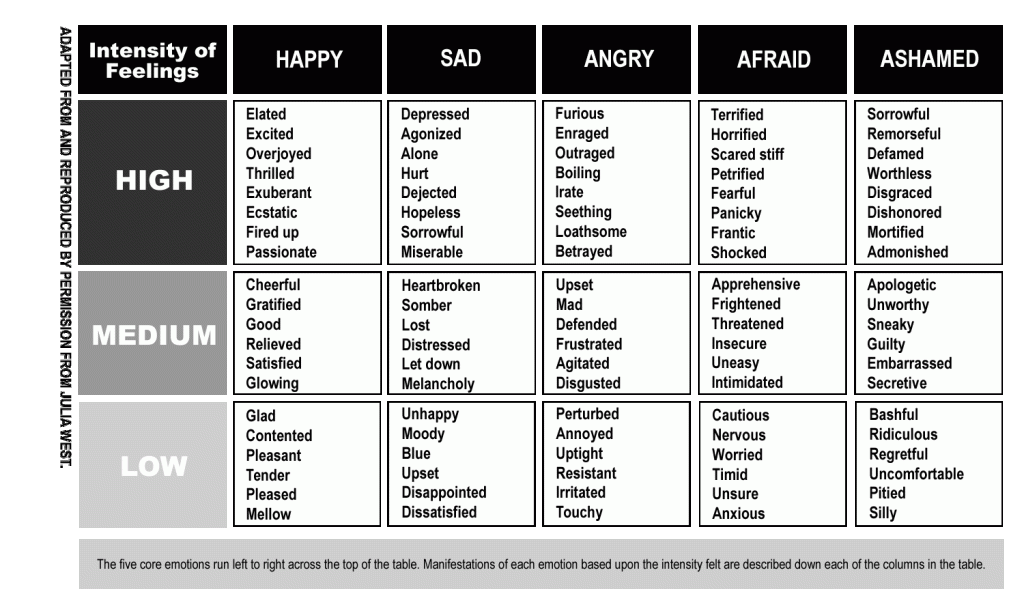
Share a Rose; Share a Thorn
Each student shares a Rose, something good or positive, from the day or week; and a Thorn, something not-so-good or positive, from the day or week.

Four Types of Care
Students, during the check-in, take turns using the four types of self care graphic to describe strategies they are doing or would like to do to be physically, emotionally, socially, and spiritually healthy.
5 Step Check-In Process
The teacher leads students through the 5 step check-in process described in Emotional Check-ins: Why You Need Them:
- Tune into your body.
- Take a deep breath.
- Ask the question. Use the simple question, “How am I feeling?” Make it even more specific by tacking on the phrase “right now” or “in this moment.”
- Use descriptive words to capture how you feel.
- Brainstorm what might be contributing to those emotions.
Then each student is given an opportunity to share what came up for them during the exercise.
Pear Deck
Pear Decks are very similar to a PowerPoint or Google Slides presentation. But instead of simply static, informational slides, you get to create Interactive Slides that let every student respond to your questions or prompts. Once PearDeck is activated, through the Google Slides add-on, students are given a code to access the Pear Deck. There they interact with each slide through typing, drawing, and using a draggable icon depending how the teacher set up the slide. What follows is the Pear Deck I used for a check-in at the start of one of my classes.
Create an Image Based Timeline of Feelings
Students create a timeline of images that represent: how you felt last week; how you feel today; how you want to feel this coming week; and finally, what strategies you can use to get to how you want to feel this coming week. Students then share their images via their webinar cameras and discuss their meaning with the rest of the class. What follows are (1) the prompt for this activity, and (2) sample student pictures:
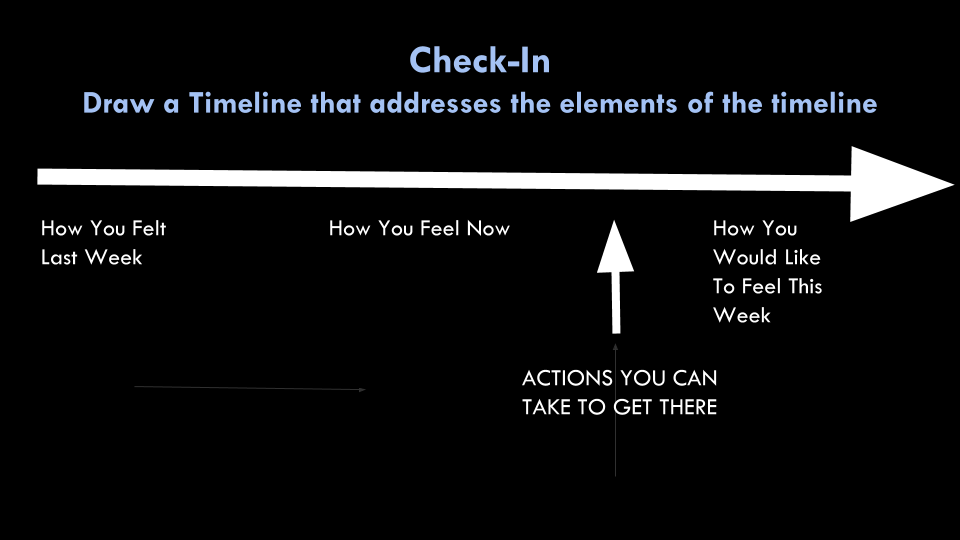


Gif Image
Using Giphy students do a search for different feelings and emotions they are currently experiencing, and then select one or more Gifs that represent those feelings. They then take turns to do a screenshare of their selected Giphy and explain why they selected it.
Padlet Check-In
Padlet is an application to create an online bulletin board that you can use to display information for any topic. You can add images, links, videos, text, and drawings. Below is a Padlet I created for an emotional check-in.
Mentimeter
Menitmeter allows teachers to engage and interact with students in real-time. It is a polling tool wherein teachers can set the questions and your students can give their input using a mobile phone or any other device connected to the Internet. Their input is displayed on a slide in a selected format: Word Cloud, Speech Bubbles, One-By-One, and Flowchart. In the case of check-ins, it can be used to have students put in responses to a question related to how they feeling at the start of class and their responses then are shown to the class via a slide. The example below shows a slide with a Word Cloud of emotional check-in responses.
Flipgrid
Flipgrid is a website that allows teachers to create “grids” to facilitate video discussions. Each grid is like a message board where teachers can pose questions, called “topics,” and their students can post video responses. For an emotional check-in, students record a short video about how they are feeling.
इन्टरनेट का बढ़ता प्रभाव
इंटरनेट दूनिया भर में फैले कम्प्यूटरों का एक विशाल संजाल है जिसमें ज्ञान एवं सूचनाएं भौगोलिक एवं राजनितिक सीमाओं का अतिक्रमण करते हुए अनवरत प्रवाहित होती रहती है। उस संजाल में कुछ ऐसे कम्प्यूटर होते हैं जो सर्वदा सक्रिय रहते हैं और कुछ ऐसे कम्प्यूटर होते हैं जो उपभोक्ताओं के द्वारा आवश्यकता पड़ने पर खोले जाते हैं। जो कम्प्यूटर इस संजाल में सर्वदा खुले होते हैं, वह संजाल उन्हीं कम्प्यूटरों के द्वारा चलता है। ऐसे कम्प्यूटर को सर्वर कहते है। इन्टरनेट के संजाल में ऐसे कई सर्वर होते हैं और ये सभी एक-दूसरे से जुड़े रहते हैं। हम जब कम्प्यूटर का प्रयोग करते हैं तो इन्हीं में से किसी एक सर्वर से अपने कम्प्यूटर का संबंध स्थापित करते हैं और सूचनाओं का आदान-प्रदान करते हैं।
इंटरनेट का प्रारम्भ आज से लगभग साढे़ तीन दशक पूर्व अमेरिका के रक्षा विभाग के एक शोध प्रकल्प के रूप में हुआ था। उस समय इस शोध में लगे वैज्ञानिकों का महत्वपूर्ण उद्देश्य यह था कि दो अलग-अलग स्थानों पर स्थित कम्प्यूटरों के माध्यम से आंकडों एवं सूचनाओं का आदान-प्रदान कैसे किया जाए। शीत युद्ध के दौर में संयुक्त राज्य अमेरिका के कैलिफोर्निया के तीन मेनफ्रेम कम्प्यूटर और यूटा के एक मेनफ्रेम कम्प्यूटर को आपस में जोड़ा गया और इसे अर्पानेट कहा गया। इस शोध परियोजना के लिए अमेरिका की उन्नत अनुसंधान परियोजना ऐजेंसी धन उपलब्ध करा रही थी, इसलिए नेटवर्क का यह नाम रखा गया। कैलिफोर्निया विश्वविद्यालय के प्रोफेसर सियोनार्ड क्लिनराॅक एवं उनके साथियों द्वारा किए गए एक प्रयोग से दिनांक 2 सितम्बर 1969 को इस कार्य को अंजाम मिला। डाॅ. क्निराॅक को इन्टरनेट का जन्मदाता माना जाता है। इन्टरनेट के स्थापना के पीछे उद्देश्य यह था कि परमाणु हमले की स्थिति में संचार के एक जीवंत नेटवर्क को बनाए रखा जाए। लेकिन जल्द ही रक्षा अनुसंधान प्रयोगशाला से हटकर इसका प्रयोग व्यावसायिक आधार पर होने लगा । फिर इन्टरनेट के व्यापक स्तर पर उपयोग की संभवनाओं का मार्ग प्रशस्त हुआ और बड़ी-बडी़ कम्पनियों ने इस नेटवर्क को व्यापक स्तर पर स्थापित करने के लिए अपना धन लगाना प्रारम्भ कर दिया। 1992 ई. के बाद इन्टरनेट पर ध्वनि एवं वीडियो का आदान-प्रदान संभव हो गया। अपनी कुछ दशकों की यात्रा में ही इन्टरनेट ने आज विकास की कल्पनातीत दूरी तय कर ली है। आज के इन्टरनेट के संजाल में छोटे-छोटे व्यक्तिगत कम्म्यूटरों से लेकर मेनफ्रेम और सुपर कम्प्यूटर तक परस्पर सूचनाओं का आदान-प्रदान कर रहे हैं। आज जिसके पास भी अपना व्यक्तिगत कम्प्यूटर है वह इंटरनेट से जुड़ने की आकांक्षा रखता है।
इन्टरनेट आधुनिक विश्व के सूचना विस्फोट की क्रांति का आधार है। इन्टरनेट के ताने-बाने में आज पूरी दुनिया है। विश्व के जिस शहर में इन्टरनेट की सुविधा उपलब्ध है, वह शहर सूचना के सुपर हाइवे का हिस्सा है। दुनिया में जो कुछ भी घटित होता है और नया होता है वह सुपर हाइवे के उस शहर में तत्काल पहुंच जाता है। इन्टरनेट आधुनिक सदी का ऐसा ताना बाना है, जो अपनी स्वच्छन्द गति से पूरी दुनिया को अपने आगोश में लेता जा रहा है। कोई सीमा इसे रोक नहीं सकती। यह एक ऐसा तंत्र है, जिस पर किसी एक संस्था या व्यक्ति या देश का अधिकार नहीं है बल्कि सेवा प्रदाताओं और उपभोक्ताओं की सामूहिक संपत्ति है। इन्टरनेट सभी संचार माध्यमों का समन्वित एक नया रूप है। पत्र-पत्रिका, रेडियों और टेलीविजन ने सुचनाओं के आदान-प्रदान के रूप् में लिस सूचना क्रांति का प्रवर्तन किया था, आज इन्टरनेट के विकास के कारण वह विस्फोट की स्थिति में है। इन्टरनेट में माध्यम से सूचनाओं के आदान-प्रदान एवं संवाद आज दुनिया के एक कोने से दूसरे कोने तक पलक झपकते संभव हो चुका है।
उत्पाद पेटेंट व्यवस्था
विश्व व्यापार संगठन के प्रति अपनी प्रतिबद्धता को पूरा करने के उद्देश्य से भारत सरकार ने पेटेंट अधिनियम में संशोधन हेतु एक अध्यादेश 25 दिसम्बर 2004 को जारी किया। इससे बहुविवादित रही उत्पाद पेटेंट व्यस्था 1 जनवरी 2004 से प्रभावी हो गई। इसके पूर्व 1999 एवं 2002 के पेटेंट (संशोधन) अधिनियमों के जरिये प्रक्रिया पेटेंट को लागू कर दिया गया था, जबकि दवाओं, रसायनों एवं अनाज के मामलों में उत्पाद पेटेंट अभी तक लम्बित था। अन्य क्षेत्रों में उत्पाद पेटेंट का प्रावधान पहले के संशोधन के जरिये किया जा चुका था। विश्व व्यापार संगठन के बौद्धिक सम्पदा अधिकार समझौते के तहत भारत को दवाओं, खाद्य पदार्थो व रसायनों के मामले में उत्पाद पेटेंट व्यवस्था को 1 जनवरी 2005 तक लागू करना था। इस प्रतिबद्धता को सन्दर्भित अध्यादेश के जरिये पूरा किया गया है।
विश्लेषकों का मत है कि उत्पाद पेटेंट व्यवस्था लागू होने से शरू के कुछ वर्ष तक भले ही इसका अधिक प्रभाव आम व्यक्तियों पर न पडे़, किन्तु उन्नत दवाओं, रसायनों, कृषि बीजों के मूल्यों में भारी वृद्धि इसके परिणामस्वरूप अन्ततः होगी। विश्व व्यापार संगठन के बौद्धिक सम्पदा अधिकार समझौते के तहत नई खोजों पर आधारित उत्पादों के 20 वर्ष तक विपणन का विशेषाधिकार केवल शोधकर्ता व्यक्ति अथवा कम्पनी को प्रप्त होगा तथा उसे उसके मूल्य निर्धारण की पूर्ण स्वतंत्रता होगी। इन आलोचनाओं का खण्डन करते हुए सरकार ने दावा किया है कि नए अध्यादेश के कारण न तो दवाएं आम आदमी की पहुंच से बाहर होंगी और न ही भारतीय उद्योगों पर इसका बुरा असर पडे़गा। नयी पेटेण्ट व्यवस्था में भारतीय फार्मा इण्डस्ट्री को उन्नति के पहले से अधिक अवसर प्राप्त होंगे तथा बाजार में प्रतिस्पद्र्धा बढ़ने से दवाएं सस्ती भी हो सकती हैं। इस संदर्भ में तीन तथ्यों का हवाला सरकार ने दिया है। एक तो यह कि बाजार में उपलब्ध 97 प्रतिशत दवाएं पेटेंट के दायरे में आती ही नहीं, इसलिए उनके महंगा होने का सवाल ही नहीं पैदा होता। दूसरे पेटेंट के दायरे में आने वाली बाकी तीन प्रतिशत दवाओं में से भी अनेक ऐसी हैं जिनके बाजार में विकल्प उपलब्ध हैं और तीसरे भारत सरकार ने संशोधित कानून में जनहित की दृष्टि से 7 ऐसे विशेष प्रावधान रखे हैं जिनके जरिये सरकार किसी भी पेटेंट का रद्द करने, पेटेंटशुदा प्रोडक्ट का आयात करने अथवा किसी भी आविष्कार को अपने लिए इस्तेमाल करने का अधिकार रख सकेगी।
विदित है कि एक दशक पूर्व भारत में पेटेंट कानून की बात डराती थी, क्योंकि ऐसे कानून से सिर्फ बहुराष्ट्रीय कम्पनियों को फायदा होता नजर आता था, किन्तु अब हालात बदल गए हैं। अब स्वयं भारतीय दवा कम्पनियों को विश्व बाजार में झण्डे गाड़ने के लिए पेटेंट संरक्षण की आवश्यकता है। 10 वर्ष पूर्व भारत का फार्म निर्यात 4 हजार करोड़ रूपये था जो आज बढ़कर 14 हजार करोड़ रूपये हो गया है। भारतीय फार्मा निर्यात अब प्रति वर्ष 30 प्रतिशत की रफ्तार से बढ़ रहा है और कम्पनियां अब अपने टर्न-ओवर का 6 से 8 प्रतिशत भाग अनुसन्धान (त्-क्) मे लगा रही हैं। इन परिस्थितियों में कडे़ पेटेंट कानून से भारतीय दवा बाजार को नुकसान नहीं, फायदा होने जा रहा है।
उल्लेखनीय है कि ट्रिप्स समझौते के अनुपालन हेतु 1970 के पेटेंट अधिनियम (जो 20 अप्रैल 1972 से प्रभावी हुआ) में यह तीसरा संशोधन 26 दिसम्बर 2004 के आध्यादेश के जरिये किया गया तथा 23 मार्च 2005 को इसे संसद के दानो सदनों द्वारा पारित कर दिया गया। पहला संशोधन मार्च 1999 में अधिसूचित किया गया, जो 1 जनवरी 1995 से प्रभावी हुआ था। जून 2002 में अधिसूचित दूसरा संशोधन 1 जनवरी 2000 से प्रभावी हुआ था जबकि तीसरा संशोधन 1 जनवरी 2005 से प्रभावी हुआ था।
गंगा नदी – हमारी सांस्कृतिक गरिमा
गंगा पतित पावनी कहलाती है। पुण्य सलिला गंगा, गीता और गौ-इन तीनों को हमारी संस्कृति का आधार तत्व माना गया है। इसमें गंगा का स्थान प्रमुख है। इसकी उत्पत्ति के सम्बन्ध में अनेक पौराणिक कथाएं प्रचलित हैं। कहा जाता है कि गंगा विष्णु के चरण-नख से निःसृत होकर ब्रह्या के कमण्डलु और तत्पश्चात शिव की जटाओं में विश्राम पाती हुई भगीरथ के अथक प्रयास के फलस्वरूप पृथ्वी पर अवतरित हो पाई है। पृथ्वी पर आते ही इसने राजा सगर के साठ हजार पुत्रों को शाप से मुक्त कर दिया। तब से अब तक न जाने कितने पतितों का उद्धार इसने किया। इसकी पावन पुलिन पर याज्ञवल्क्य, भारद्वाज, अंगिरा, विश्वामित्र आदि ऋषि-मुनियों के आश्रम थे, जहां से ज्ञान की किरणें प्रस्फुटित होती थीं गंगा पुत्र भीष्म के पराक्रम को कौन नहीं जानता? इसकी पविता तो सर्वविदित है ही। ऐसी मान्यता है कि मरते समय व्यक्ति के मुख में अगर गंगा जल पड़ जाए तो व्यक्ति को मोक्ष की प्राप्ति हो जाती है। इतना ही नहीं, गंगा को हमारी संस्कृति में मां का स्थान दिया गया है। जैसे जन्मदात्री मां पुत्रों का दुख हरकर सुख देती है, वैसे ही गंगा भक्तों के लिए दुखहरणी और समस्त आनन्द-मंगलों की जननी है। गोस्वामी जी गंगा महात्म्य के बारे में लिखते हैंः- ग्ंगा का अतीत जितना गौरवशाली रहा है, वर्तमान भी उतना ही प्रभावशाली है। हिमालय भारत का रजत-मुकुट है और गंगा इसके वक्षस्थल का हीरक-हार। हिमालय से निःसृत होने के कारण इसके जल में जड़ी-बूटियां मिली होती हैं। इसलिए गंगाजल का स्नान और पान दोनों ही स्वास्थ्य के लिए हितकर हैं। इसके तट पर बड़े-बडे़ महानगरों का आर्विभाव हुआ है, यथा ऋषिकेश, हरिद्वार, कानपुर, इलाहाबाद, वाराणसी, पटना, कोलकाता इत्यादि। ये नगर धार्मिक एवं व्यावसायिक-दोनों दृष्टिकोणों से महत्वपूर्ण हैं। गंगोत्री से निकलकर बंगाल की खाड़ी से मिलने तक गंगा लंबी दूरी तय करती है। इस बीच गंगाजल से सिंचित भूमि (गंगा का मैदान) सोना उगलने लगाती है। इसके तटों पर हरे-भरे जंगल हैं, जो पर्यावरण को शुद्ध कर रहे हैं। इस प्रकार गंगा आध्यात्मिक एवं भौमिक दोनों दृष्टिकोणों से भारत के लिए वरदान है। गीमा में भगवान श्रीकृष्ण कहते हैं-’स्त्रोतसामस्ति जाहृवी’ (10/31) अर्थात मैं नदियों में गंगा हूं।
आज इनती पवित्र और उपयोगी गंगा हमारे कुकृत्यों से दूषित हो चली है। बडे़-बडे़ नगरों का प्रदूषित जल एवं कल-कारखानों से निकले विषैले स्त्राव को सीधे गंगा में प्रवाहित किया जा रहा। यह एक गंभीर चिंता का विषय है। इसकी शु़िद्ध के लिए केन्द्र सरकार ने ’गंगा सफाई योजना’ शुरू की है। परन्तु अभी तक इसके सार्थक परिणाम नहीं प्राप्त हो सके हैं। हमें तो गंगा की वह पूर्ण स्थिति प्राप्त करनी है, जब कहा जाता था-’गंगा तेरा पानी अमृत’। अतः हम भारतीयों का यह पुनीत कर्Ÿाव्य है कि गंगा को प्रदुषित होने से बचाएं।
सच पूछा जाए तो भातर की मर्यादा गंगा में निहित है औार गंगा की मर्यादा भारत में। गंगा की कहानी भारतीय संस्कृति का इतिहास है। वैदिक युग से इस वैज्ञानिक युग तक सामाजिक तथा राजनीतिक उत्थान- पतन की सारी गाथाएं गंगा की लहरों तथा तटवर्ती शिलाओं पर अंकित है।
गंगा-प्रदुषण की समस्या
पुण्य-सलिला गंगा के जल को सर्वपापहारी, सर्वरोगहारी अमृत-तुल्य माना गया है। यही कारण है कि हिन्दुओं के अनेक तीर्थ हरिद्वार, काशी, प्रयाग आदि गंगा के तट पर स्थित हैं। आर्थिक दृष्टि से गंगा के उपकारों का भारत सदैव ऋणी रहेगा। अनगिनत कल-कारखाने गंगा-तट पर स्थापित किए गए हैं तथा उत्तर प्रदेश, बिहार एवं बंगाल का विशाल क्षेत्र गंगा-जल से सिंचित उर्वर कृषि-क्षेत्र. बना हुआ है। तथापि राष्ट्र का दुर्भाग्य है कि ज्यों-ज्यों जनसंख्या बढ़ती जा रही है त्यों-त्यों गंगा का जल विभिन्न रूपों मंे अधिकाधिक प्रदुषित होता जा रहा है।
हिमालय के अंक में अवस्थित गंगोत्री से जन्मी हिमालय पर होने वाली वर्षा की विभिन्न जल-धाराओं से गंगा ने नदी का स्वरूप धारण किया। उस क्षेत्र में गंगा निश्चय ही पुण्य सलिला है और उसकी गति में प्रखरता है। किन्तु मैदानी क्षेत्र में उतरते ही उसके प्रदुषण की प्रक्रिया आरंभ हो जाती है। बढ़ती हुई जनसंख्या के कारण गंगा-तट पर घनी आबादी के शहर और गांव विकसित हो गए हैं। उन बस्तियों का सारा कूड़ा-करकट तथा उनसे निकलता हुआ गंदे नाले-नालियों का जल गंगा में दिन-रात समाता रहता है। गंगा तट पर बसे हुए छोटे-बड़े शहरों की संख्या लगभग 920 है। कहा जाता है कि परम पावनी काशी नगरी से ही प्रतिवर्ष लगभग 10 करोड़ लीटर दूषित जल गंगा मंे प्रवाहित होता है। बनारस से ही लगभग 9000 शव प्रतिवर्ष गंगा के किनारे जलाए या बहाए जाते हैं। अधजले मुर्दे बहा देना तो आम बात है। इसी तरह अन्य क्षेत्रों से भी गंदा जल तथा कूड़ा-कचरा गंगा में बहता रहता है।
कानपुर के निकट से जब गंगा गुजरती है तब कल-कारखानों से भी गंगा-जल प्रदुषित होता है। कानपुर महानगर के चर्म शोधन संयंत्रों से बहुत घातक रासायनिक अवशेष गंगा में बहाए जाते हैं। इनके अतिरिक्त कपड़ा-मिलों और सैकड़ों प्रकार के अन्य उद्योगों के द्वारा गंगा प्रदूषित होती रहती है। जूट, रसायन, धातु, नगरीय मल, चिकित्सकीय यंत्र, चमड़ा उद्योग, कपड़ा मिल आदि विभिन्न स्त्रोतों से गंगा का अमृत निरन्तर जहर बन रहा है। गंगा-तट पर स्थित उत्तर प्रदेश की औद्योगिक इकाइयों में से अधिकांश कानपुर में स्थित हैं। बिहार से होकर बंगाल की दिशा मंे बढ़ती हुई गंगा को इसी तरह प्रदूषण की भेंट स्वीकार करनी पड़ती है। बंगाल में यह हुगली कहलाती है। हुगली के दोनो तटों पर कोलकाता और उसके निकटवर्ती क्षेत्र मंे उद्योगों की बहुत सी इकाइयां कार्यरत हैं और उन सबसे रासायनिक प्रदूषण दिन-रात हुगली में खपता रहता है। महानगर से करोड़ों लीटर दूषित जन प्रति वर्ष हुगली में बहतर और घुलता रहता है। अनुमान है कि शहरी क्षेत्र से प्रतिवर्ष 4 लाख किलोग्राम वज्र्य पदार्थ नदी में बहाया जाता है। हालत यह है कि प्रदूषित गंगा अमृत के स्थान पर विष बांट रही है। हालांकि हिमालय की गोद में पवित्र गंगा की धारा की प्रत्येक बूंद आज भी, अभी भी अमृत-तुल्य है लेकिन मैदानी क्षेत्र का गंगा-जल प्रदूषण के कारण अपना संजीवनी गुण खो चुका है।
सच पूछा जाए तो औद्योगिक विस्तारवाद की दानवी गिरफ्त से हमारे जल स्त्रोत बच नहीं पा हैं। यह गिरफ्त प्रतिवर्ष लाखों लोगों की मौत, विकलांगता, अस्वस्थता और रूग्णता का कारण बन रही है। प्रदूषित गंगा जल न केवल प्रत्यक्ष उपयोग के कारण, बल्कि खाद्य-शल्य के माध्यम से, मछलियों तथा अन्य जलीय प्राणियों के द्वारा, गगांजल का प्रयोग करने वाले दुधारू पशुओं के द्वारा भी हमें विभिन्न प्रकार के रोगों का शिकार बनना पड़ता है। जल में घुलनशील पदार्थों में अतिरिक्त अघुलनशील पदार्थ भी प्रवेश करते हैं, जिनके कारण नदी की गहराई कम होती जा रही है, अतः छिछली नदी नौकायन के योग्य भी नहीं रह गई है। इससे हमारे व्यापार-वाणिज्य को भी क्षति पहुंचती है। यह भी देखा जा रहा है कि नदी के विषाक्त जल के कारण जलीय प्राणियों की संख्या कम होती जा रही है। कानपुर के निकट शहर का किनारा छोड़कर गंगा की धारा कई फर्लांग दूर हटकर बह रही है। जिसका दुष्परिणाम शहरवासी भोग रहे हैं। धारा को पूर्ववत शहर के निकट लाने के सारे प्रयास विफल हुए हैं। इसका एकमात्र कारण अघुलनशील द्रव्यों के जमा होने पर नदी के तलपट का अत्यधिक उथला हो जाना है।
औद्योगिकरण की अनियोजित व्यवस्था गंगा-जल के प्रदूषण का बहुत बड़ा कारण है। औद्योगिक विकास के लिए सरकारी प्रयत्नों तथा नीतियों का अधकचरापन, उनके अधूरे निष्कर्ष तथा नौकरशाही में व्याप्त भ्रष्टाचार प्रदूषण की जटिल समस्या है जिस पर काबू पाना भारत जैसे विकासशील देश के लिए असंभव नही ंतो कठिन जरूर है। यह भी द्रष्टत्व है कि पर्यावरणविदों द्वारा दिए गए सुझावों को सरकारी अधिकारी अपेक्षित महत्व नहीं देते हैं। पतित पावनी गंगा का 600 कि.मी. का जल-क्षेत्र विशेष रूप से विषाक्त हो चुका है। ’गंगा एक्शन प्जान’ का भी वही हाल हुआ जो प्रायः ऐसी सरकारी परियोजनाओं का होता है। गंगा के निकटवर्ती 29 शहरों को इसके लिए चुन भी लिया गया। यह योजना बनाई गई कि इन शहरों से बहकर गंगा में गिरते हुए गन्दे जल के नालों को गंगा मंे न मिलने दिया जाए, बल्कि नदी की धारा के समानान्तर नए नाले खोल कर सारा गन्दा जल उनसे होकर बड़े-बड़े कुओं में इकटठा किया जाए, जहां से पाइपों के जरिये उस जल को जल साफ करने वाले संयंत्रों को भेजा जाए। इस उद्देश्य से सभी योजनाएं पक्की तरह बनकर तैयार हो चुकी थीं। लेकिन योजनाएं अब भी कागज पर तो हैं, व्यवहार में शिथिलता आ गई है।
गंगा प्रदूषण का सबसे कारण अगर कोई है तो वह हमारे कल-कारखाने और सरकार की गंगा के प्रति उपेक्षा की भावना। भारतीय लोकतंत्र में राजनीति से सम्बद्ध लोग 99 फीसदी तुष्टीकरण की नीति पर भरोसा करते हैं, इसीलिए यह कहा जाना काफी कठिन है कि गंगा को प्रदूषण से मुक्त कर पाने में सरकार कहां तक सफल हो सकेगी।
गांधी चिंतन
गांधी दर्शन जितना पवित्र और आदर्शात्मक था उतना ही तत्कालीन भारत के लिए उपयोगी भी था। लेकिन 21वीं सदी में यह दर्शन हमारी जीवन शैली से दूर होता जा रहा है और ऐसा मालूम होने लगा है कि गांधी जी के सपनों का भारत कहीं खो गया है। सत्य के नाम पर झूठ एवं धोखाधड़ी, अहिंसा के नाम पर हिंसा और सादगी और सत्याग्रह के नाम पर स्वार्थ, दिखावा और पूर्वाग्रह से ग्रसित परिस्थितियां देखने को मिलती हैं। घोटालों का देश हो जाए यह भारत, इससे बड़ा जुल्म और हो ही क्या सकता है गांधी जी के पदचिन्हों पर चलकर जहां हम गरीबी हटाकर ग्राम विकास का दम्भ भरते थे वहीं आज गरीबी कर चिंता छोड़कर शहरी विकास पर ध्यान दिया जा रहा है। गरीबी के स्थान पर गरीबों को ही हटाया जा रहा है। आधी जनसंख्या का गरीबी रेखा के नीचे जीवन यापन करना, भाई-भतीजावाद, रिश्वतखोरी और नौकरशाही हमारे अंग-भंग में शामिल है। धर्म के परदे के पीछे साम्प्रदायिकता का जहर फैलने लगा है, धार्मिक उन्माद से हिंसा का ताण्डव हो रहा है। हमारी स्वतंत्रता एवं स्वाालम्बन को विदेशियों के हाथों बेचा जा रहा है। बढ़ता आंतकवाद, हमारी शांति, एकता और अखण्डता को निगल रहा है।
अब गांधी जी का अस्तित्व तस्वीरों, प्रतिमाआंे व भजन तक सिमट कर रह गया है। प्रति वर्ष गांधी जयन्ती पर फूल-माला चढ़ाकर अपने कर्तव्यों की इतिश्री मान लेना ही हमारी और हमारे राजनेताओं की प्रवृति बन गई है। हमें यह सोचने के लिए बाध्य होना पड़ता है कि वास्तव मंे वर्तमान परिस्थितियों में गांधी जी कोई प्रासंगिकता है भी या नहीं।
गांधी जी का सपना कुछ और था। वे पाश्चात्य सभ्यता की चकाचैंध से दूर रहकर भारतीय संस्कृति का उत्थान चाहते थे। उनके सपनों का भारत मानव कल्याण से आपूरित भारत था। उनका मानना था कि जब भी तुम्हें सन्देह हो या तुम्हारा अहंकार तुम्हें परेशान करने लगे, तब तुम स्वंय को निम्नलिखित कसौटी पर परखो-उस गरीब से गरीब और कमजोर से कमजोर व्यक्ति का चेहरा याद करो, फिर खुदा से पूछो कि जो कदम तुम उठाने जा रहे हो क्या उससे उस व्यक्ति का भला होगा? गांधी जी का तो आदर्श था-
’’सर्वे भवन्तु सुखिनः, सर्वे सन्तु निरामयः।
सर्वे भद्राणि पश्यन्तु मा कश्विद दुखभाग भवेत।।’’
गांधी जी स्वावलम्बन, समाजवाद, समानता, सादगी और स्वदेशी के माध्यम से ग्राम राज्य और राम राज्य लाना चाहते थे। दुर्भाग्यवश बापू का सपना साकार नहीं हो सका। गांधी के सारे सिद्धान्त हमारे व्यवहार से हटकर सिर्फ ढोल पीटने भर के लिए रह गए हैं। सम्प्रति विज्ञान और टेक्नोलाॅजी प्रधान युग में गांध जी के आदर्शों, सिद्धांतों तथा चिन्तन के साथ-साथ उनकी प्रतिपादित समूची जीवन पद्धति ही प्रासंगिकता के प्रश्नों के घेरे में फंस गई है। उनका विचार इस 21वीं सदी मंे दकियानूसी माना जा रहा है। अहिंसा रूपी ढाल टूट चुकी है, निहत्थी निरीह जनता गोलियों का शिकार हो रही है और गांधी का जीवन दर्शन सत्य की वह ढाल बन चुका है जिसे लेका सर्वत्र असत्य की लड़ाई लड़ी जा रही है। गांधी जी हरिजन उद्धार की बात करते थे, आज उन्हीं के देश में हरिजन इस समाज में सबसे अधिक उत्पीड़ित हैं। उन्हें आरक्षण के छलावे से फुसलाया जा रहा है।
सर्वेश्वर दयाल सक्सेना के शब्दों में ’गांधी नहीं रहे पर गांधीवाद घसीटा जा रहा हे। सैकड़ों संस्थाएं उनके नाम पर चल रही हैं। सत्ता की नई पौध उनके नाम पर पनपती है। दार्शनिक उनके सिद्धांतों एवं आदर्शों की चकाचैंध फैलाते हैं। संसार को चकित करते हैं।’ गांधीजी का मूलमंत्र था साधन को पाने के लिए साधन की पवित्रता की अनिवार्यता। भारतीय समाज में गांधीजी की सबसे बड़ी देन यही थी कि उन्होंने करोड़ों बेबस लोगों को आत्मनिर्भरता, आत्मशक्ति संकल्प, स्वावलम्बन की प्रेरणा दी। सुस्पष्ट है कि गांधी की राजनीति नैतिक मूल्यों पर आधारित थी। बायड आर. के. का तो यहां तक कहना है कि ’’मेरे विचार स ेअब वह समय आया पहुंचा है जब गांधी जी द्वारा प्रतिपादित सिद्धांतों को विश्वव्यापी स्तर पर व्यवहार में लाना चाहिए। इसका प्रयोग अवश्य करना चाहिए, क्योंकि जनता वह अनुभव करती है कि इसके सिवा विनाश से परित्राण की कोई आशा नहीं है।’’
’’आजादी के बाद गांधी जैसे सन्त राजनीतिक नेता की सार्थकता ही नहीं रही।’’ यह कथन माक्र्सवादी विचाराधारा के पुरोधा ई. एम.एस. नंबूदरीपाद का है। उनका यह कथन कड़वा तो लगता है लेकिन यह सत्य है। गांधी ने अपने विषय मंे स्वयं भी कहा है-’आज हिन्दुस्तान में कौन-सी ऐसी चीज हो रही है जिसमें मुझे खुशी हो सके। कांग्रेस बहुत बड़ी संस्था हो चुकी है। इसके सामने मैं उपवास नहीं कर सकता। लेकिन आज मैं भटठी में पड़ा हूं और मेरे दिल में अंगार जल रहे हैं।’
गांधी जी ने अपनी नयी जिन्दगी को सार्वजनिक आयाम देकर, अपने दर्शन को जमीन पर उतारकर, आखिरी आदमी की लड़ाई लड़ने की कोशिश की। धनी से लेकर सर्वहारा, कृषक से लेकर जमींदार, बाबू से लेकर अधिकारी, सभी के नेतृत्व का भार उठाया और राजनीतिक जगत में उनका मुकाबला करने वाला अब तक कोई पैदा नहीं हुआ। गांधी जी अपनी मृत्यु के कई दशक बाद भी लोगों के दिमाग मंे लिखित हैं क्योंकि वे भारत के लिए उसी प्रकार थे जिस प्रकार-’गंगा और हिमालय।’
निष्कर्ष रूप में यही कहा जा सकता है कि वर्तमान परिवर्तित परिस्थितियो में गांधी दर्शन को अपनाकर चलना जहां मुश्किल है, वहीं उसे पूर्ण रूप से नकारना भी हमारे हित में नहीं है। नए विचारों के बारे में गांधी जी ने कहा था-’’मैं नए विचारों को कदापि नहीं रोकना चाहता, पर मैं उनका गुलाम भी नहीं बनना चाहता।’’ यदि हम कहें वह पुराने युग में थे-उनके सिद्धांत, उनके आदर्श, उनका दर्शन पराधीन भारत के लिए ही मान्य था तो क्या हमारा यह कर्तव्य नही होगा कि हम विचार करें कि आज कौन से सिद्धांत हमारे देश के लिए मान्य होंगे। शांति, सुरक्षा, स्वावलम्बन, सादगी, स्वाभिमान, अहिंसा की आवश्यकता जितनी आज है उतनी तब नहीं थी। बढ़ते हुए कटटरवाद, अलगावाद, आंतकवाद एवं असहिष्णुता के वर्तमान युग में गांधी चिंतन आज पूर्व की अपेक्षा अधिक प्रासंगिक है।
राष्ट्रीय एवं अन्तर्राष्ट्रीय स्तर पर बढ़ती बेरोजगारी, जाति एवं नस्ल की वैमनस्यता, आर्थिक विषमताओं से उभरती, आर्थिक नूतन प्रवृतियों एवं अस्थिरता मे गांधी की राजनीति, सामाजिक, धार्मिक, आर्थिक विचारधारा आज अत्यन्त प्रासंगिक है क्योंकि यह इन समस्याओं को सुलझाने में सक्षम है। हमें गांधी दर्शन के समानुकूल दर्शन करने का सदुपयोग करने का संकल्प लेना चाहिए। वर्तमान परिस्थितियों को ध्यान में रखते हुए ही गांधी दर्शन का उपयोग किया जाना चाहिए। आज हमें अंधानुकरण के संकीर्ण मार्ग से थोड़ा हटकर इस दिशा मंे गहन विचार करने की आवश्यकता है ताकि हम उस महान पुरूष के सपने को साकार कर सकें। । हिन्दू-मुस्लिम एकता केवल कहने की बात रह गई है। पश्चिमी शिक्षा और सभ्यता का गहरा रंग चढ़ता जा रहा है, मद्यपान हमारी सभ्यता और सम्मान का परिचायक बन चुका है। जो लोग भ्रष्ट आचरण और चरित्रहीनता के लिए बदनाम हैं, वे ही हर क्षेत्र में हमारे पथ प्रदर्शक एवं भाग्य विधाता बन बैठे हैं-
चुनाव या निर्वाचन
‘जम्हूरियत वह तर्ज-ए-हुकूमत है कि जिसमें,
बन्दों को गिना करते हैं, तौला नहीं करते।‘
– मो. इकबाल
भारत एक प्रजातांत्रिक देश है। प्रजातांत्रिक शासत-प्रणाली में शासन जनता के हाथों में होता है। लेकिन यह संभव नहीं है कि जनता स्वयं शासर करे। इसमें जनता द्वारा चयनित या निर्वाचित प्रतिनिधि शासन चलाते हैं। इन प्रतिनिधियों का चयन जिस प्रक्रिया द्वारा होता है उसे ही ‘चुनाव या निर्वाचन‘ कहते हैं। चुनाव में विजयी उम्मीदवार देश का शासन चलाता है। अतः यह आवश्यक है कि प्रतिनिधियों का चयन सही हो अन्यथा देश में कुव्यवस्था फैल सकती है। इसलिए चुनाव प्रजातांत्रिक शासन-प्रणाली की आधारशिला है।
स्वतंत्र भारत में पांच वर्षों के अन्तराल पर आम चुनाव का प्रावधान किया गया है। इसके अलावा मध्यावधि चुनाव और उन-चुनाव की भी व्यवस्था है। भारत में भली-भांति चुनाव सम्पन्न कराने के लिए चुनाव-आयोग की व्यवस्था की गई है। चुनाव आयोग के सर्वोच्च पदाधिकारी को मुख्य चुनाव आयुक्त कहा जाता है। केन्द्रीय निर्वाचन आयोग के अधीन राज्यों में भी राज्य निर्वाचन आयोग कार्य करता है। चुनाव में 18 वर्ष या ऊपर के सभी वयस्क स्त्री-पुरूष मतदाताओं को मन देने का समान अधिकार है, बशर्ते वह पागल, दिवालिया या आपराधिक चरित्र का न हो। चुनाव दो तरह से सम्पन्न कराए जाते हैं-1. प्रत्यक्ष, 2. अप्रत्यक्ष। प्रत्यक्ष चुनाव में जनता सीधे अपना मत देकर प्रतिनिधियों का चयन करती है, जैसे- विधानसभा और लोकसभा के सदस्यों का चुनाव। अप्रत्यक्ष चुनाव में जनता द्वारा चयनित प्रतिनिधि ही चुनाव में भाग लेते हैं। यथा- राष्ट्रपति, उपराष्ट्रपति, राज्यसभा तथा विधान परिषद के चुनाव।
च्ुनाव के लिए सर्वप्रथम चुनाव आयोग द्वारा अधिसूचना जारी की जाती है। चुनाव में विभिन्न राजनीतिक दल अपने-अपने उम्मीदवार खड़ा करते हैं। इसके लिए चुनाव क्षेत्र निर्धारित रहते हैं। सम्पूर्ण चुनाव क्षेत्रों को छोटी-छोटी इकाइयों में बांट दिया जाता है। उन इकाइयों के सभी मतदाता एक स्थान पर एकत्र होकर, पंक्तिबद्ध होकर मतदान करते हैं। उस स्थान को मतदान केन्द्र कहा जाता है। मतदान केन्द्र का सही संचालन करने के लिए उसका सबसे बड़ा अधिकारी पीठासीन अधिकारी कहलाता है। निष्पक्ष और शांतिपूर्ण मतदान के लिए पर्याप्त सुरक्षा बलों की तैनाती की जाती है। प्रत्येक मतदान केन्द्र (बूथ) पर मतदाताओं की संख्या लगभग 500 से 1000 के बीच होती है। निर्धारित तिथि के एक दित पूर्व ही चुनाव कर्मचारी बूथ पर पर पहुंच जाते हैं। वे अपने साथ मतपत्र, मतपेटियां या इलेक्ट्राॅनिक वोटिंग मशीन (इ.वी.एम.) तथा अन्य चुनाव-सम्बन्धी सामान ले जाते हैं। शांति-व्यवस्था के लिए बूथों में से संवेदनशील अथवा अतिसंवेदनशील बूथों का चयन पहले ही कर लिया जाता है। पीठासीन अधिकारी की देख-रेख में चुनाव सम्पन्न होता है। मतदान कार्य प्रातः 8 बजे से 5 बजे शाम तक चलता रहता है। मतदान के बाद मतपेटियों या इलेक्ट्राॅनिक वोटिंग मशीन को सील कर दिया जाता है। मतगणना की तिथि चुनाव आयोग द्वारा निर्धारित की जाती है। निर्धारित समय पर मतगणना की जाती है। मतगणना स्थल के चारों ओर सुरक्षा की कड़ी व्यवस्था की जाती है। मतगणना के बाद जिस उम्मीदवार को सर्वाधिक मत प्राप्त होते हैं, उसे विजयी घोषित किया जाता है और सम्बन्धित जिले के जिलाधिकारी की उपस्थिति में उस उम्मीदवार को विजयी होने का प्रमाणपत्र दिया जाता है। उस क्षेत्र के सिविल एस.डी.ओ. या बी.डी.ओ., जो भी रिटर्निंग ऑफिसर होते हैं, उनके द्वारा विजयी होने का प्रमाण पत्र दिया जाता है।
भारत में चुनाव एक समस्या है, क्योंकि भारत की अधिकांश जनता अशिक्षित है। अशिक्षित जनता चुनाव का महŸव नहीं समझ पाती है। जातीयता, साम्प्रदायिकता एवं आर्थिक प्रलोभन के चक्कर में फंसकर वह अपने मताधिकार का दुरूपयोग कर बैठती है। चुनाव के समय हत्या, बूथ-कैप्चरिंग या बूथ पर भय का वातावरण बनाना आम बात है। शक्तिशाली लोग बहुमत प्राप्त करने के लिए बूथों को ही अपने पक्ष में लुटवा लेते हैं। पैसों के बल पर गरीब जनता का मत खरीद लिया जाता है। अब तो सŸाालोलुप पदाधिकारी भी बूथ लुटवाने में असामाजिक तŸवों का सहयोग करते हैं। इतना ही नहीं, वे पदाधिकारी मतगणना में भी हेराफरी से नहीं चूकते।
इस प्रकार चुनाव का अर्थ ही समाप्त हो जाता है। इस चुनाव का एक खास दोष यह भी है कि इसमें मूर्ख और विद्वान में कोई अन्तर नहीं रह जाता। यही कारण है कि आज विधायिकाओं में बुद्धिमान के बदले पहलवान लोग ही ज्यादा सुशोभित हो रहे हैं।
सारांशतः लोकतन्त्र की सफलता के लिए चुनाव का निष्पक्ष होना जरूरी है। इसके लिए चुनाव को एक पर्व की तरह मनाया जाना चाहिए। जैसे पर्व में पवित्रता का काफी महŸव है-हिंसा, बूथ-लूट, जातीयता, साम्प्रदायिकता, आर्थिक भ्रष्टाचार आदि चुनाव की अपविभताएं हैं- इन्हें दूर भगाकर ही चुनाव को पवित्र बनाया जा सकता है। इसीलिए हमें यह मानकर चलना चाहिए-’’चुनाव युद्ध नहीं, तीर्थ है, पर्व है।’’
दल-बदल की राजनीति
दल-बदल का सामान्य अर्थ अपने दायित्व को त्यागना या उससे मुकरना है। लेकिन राजनीति में विशेष स्थितियों में इसके विभिन्न स्वरूप होते हैं। जैसे-दल का बदलना, जिस दल के अधीन चुनाव लड़े उस दल का त्याग, कोई दल छोड़ना या फिर उसमें शामिल होना आदि। अभी तक दल-बदल की कोई सार्वभौमिक एवं सर्व स्वीकृत परिभाषा नहीं बन पाई है। इस दिशा में डाॅ. सुभाष कश्यप की परिभाषा बहुत हद तक दल-बदल की अवधारणा को स्पष्ट करती है। उनके अनुसार दल-बदल का मतलब राजनीतिक प्रतीक का बदलना है, जिसमें निम्नलिखित मामले शामिल हो सकते हैं-
एक दल के टिकट पर विधायक चुना जाना और फिर उस विशेष दल को छोड़कर अन्य दल में चला जाना।दल से त्यागपत्र देकर अपने को निर्दलीय घोषित कर देना।
निर्दलीय के रूप में चुनाव जीतकर किसी विशेष दल में शामिल हो जाना।
यदि कोई विधायक या सांसद किसी मामले में दल से त्यागपत्र दिए बिना अपने दल के विपरीत मत देता है तो उसे किसी भी रूप में दल-बदल से कम नहीं माना जाना चाहिए। वस्तुतः दल-बदल की प्रक्रिया उसी समय शुरू हो जाती है जब व्यक्ति चाहे किसी भी उद्देश्य से अपनी राजनीतिक निष्ठा बदलता है। मूलतः राजनीतिक दल-बदल की क्रिया का प्रेरक किसी लाभ की संभावना होती है। सामान्यतः दल-बदलू वे लोग है जो राजनीतिक लाभ के लिए अपनी अवस्था बदल लेते हैं। यद्यपि कुछ राजनेताओं ने सैद्धांतिक आधार एवं नीतिगत मतभेदों के आधार पर कोई दल छोड़ा है तथापि अधिकतर मामलों में राजनीतिक दल-बदल का कारण घोर अवसरवादिता तथा पद-लाभ की आकांक्षा रही है। यदि ऐतिहासिक दृष्टिकोण से देखा जाए तो लोकतांत्रिक स्वरूप के शासन मंे दल-बदल विभिन्न स्वरूपों एवं मात्राओं में पाया जाता है। विश्व का कोई लोकतांत्रिक देश इसका अपवाद नहीं है। ब्रिटेन में ग्लेडस्टन, चर्चिल जैसे महान नेताओं ने सदन में अपना पाला बदला। यदि हम स्वतंत्रता पूर्व इतिहास को देखें तो श्यामलाल नेहरू, विट्ठल भाई पटेल, हाफिज मुहम्मद इब्राहिम जैसे कई नाम हैं, जिन्होंने कई पद लाभों के लिए अपनी दलीय प्रतिबद्धताएं बदलीं। 1967 के पूर्व आचार्य नरेंद्रदेव, जे.बी. कृपालानी, अशोक मेहता इत्यादि नेताओं ने अपनी राजनीतिक प्रतिबद्धताएं बदलीं, किन्तु इन घटनाओं ने दलीय राजनीति को अधिक दूषित नहीं किया।
जो भी हो, भारत में चतुर्थ आम चुनाव (1967) के बाद राजनीतिक दल-बदल की समस्या ने गंभीर रूप धारण कर लिया। इस दल-बदल की प्रवृति में और वृद्धि होती गई तथा जून 1975 में आपातकाल लागू होने के बाद भारत की राजनीति में तो जैसे दल-बदल की बाढ़-सी आ गई। इतना तो तय है कि भारत में राजनीतिक दल-बदल की प्रक्रिया का उद्भव कांग्रेस के पतन से ही त्रीव हुआ।
- राजनीतिक दल-बदल के निम्नलिखित कारण हो सकते हैं-
- अधिकतर दल-बदल राजनीतिक लाभ के लिए होता है।
- दलों मे अन्तर्कलह और उनमें गुटबन्दी के कारण हो सकता ळें
- राजनीतिक दलों में सैद्धांतिक ध्रुवीकरण का अभाव हो सकता है।
- साधारण विधायक और दल के नेता के बीच व्यक्तित्व का टकराव हो सकता है।
- पद, धन, स्तर आदि का लालच या उसका अभाव हो सकता है।
- राजनीतिक दलों में शक्तिशाली दबाव समूहों की भूमिका हो सकती है।
- सभी दलों में वृद्ध लोगों का नेतृत्व हो सकता है।
- दलों की सदस्यता, उनके लक्ष्यव गतिविधियों में जन भागीदारी का अभाव तथा चुने हुए प्रतिनिधियों की दल-बदल सम्बन्धी गतिविधियों के प्रति जन उपेक्षा हो सकती है।
- राज्य विधानसभाओं में अल्पमत वाली सरकारें तथा निर्दलीय सदस्यों की भूमिका हो सकती है।
उपरोक्त कारणों से स्पष्ट होता है कि राजनीतिक दल-बदल मंे व्यक्तिगत लाभ की महत्वपूर्ण भूमिका रहती है।
दल-बदल रोकने के लिए समय-समय पर सरकार ने प्रयास किए। 8 दिसम्बर 1967 को लोकसभा ने एक उच्च स्तरीय समिति बनाने का प्रस्ताव पारित किया, जिसमे राजनीतिक दलों के प्रतिनिधि एवं संवैधानिक विशेषज्ञ रखें गए। इसके बाद पुनः 16 मई 1973 को लोकसभा मे राजनीतिक दल-बदल विरोधी विधेयक पेश किया। पुनः इसके बाद जनता सरकार ने अप्रैल 1978 में एक विधेयक रखा जिसमे संविधान के अनुच्छेद 102 और 109 को परिवर्तित कर संसद एवं राज्य व्यवस्थापिकाओं के सदस्यों की योग्यताओं को पुननिर्धारित किया गया और अनेक प्रावधान किए गए। लेकिन पूर्व के सभी प्रयास असफल ही सिद्ध हुए। दल-बदल के विरोध में पहला ठोस कदम राजीव गांधी के द्वारा उठाया गया। राजीव गांधी सरकार ने 8वीं लोकसभा के पहले ही सत्र में विपक्षी दलों के सहयोग से दल-बदल पर अकुंश लगाने पर सहारनीय कार्य किया। जनवरी 1985 में दोनों सदनों से पारित होकर यह चर्चित विधेयक 52वें संविधान विधेयक के रूप में सामने आया। इसने भारतीय संविधान मंे दसवीं अनुसची को बढ़ाया जिसमें निम्नलिखित प्रावधान हैं, जिससे दल-बदल को रोकने का प्रयास किया गया-
निम्न परिस्थितियों में संसद या राज्य विधानमण्डल के सदस्य की सदस्यता समाप्त हो जाएगी-
यदि वह स्वेच्छा से अपने दल से त्यागपत्र दे दे।
यदि वह अपने दल या उसके अधिकृत व्यक्ति की अनुमति के बिना सदन में उसके किसी निर्देश के प्रतिकूल मतदान करे या मतदान के समय अनुपस्थित रहे। परन्तु यदि 15 दिन के अन्दर उसका दल उसे उल्लंघन के लिए क्षमा कर दे तो उसकी सदस्यता पर कोई प्रभाव नहीं पड़ेगा।
यदि कोई निर्दलीय निर्वाचित सदस्य एक निश्चित समयावधि में किसी राजनीतिक दल में सम्मिलित हो जाए, तो उसे दल-बदल का दोषी नहीं माना जाएगा।
किसी राजनीतिक दल के विघटन पर विधायक की सदस्यता समाप्त नहीं होगी यदि मूल दल के एक तिहाई सांसद, विधायक वह दल छोड़ दें।
इसी प्रकार विलय की स्थिति मंे दल-बदल नहीं माना जाएगा। यदि किसी दल के दो-तिहाई सदस्य किसी अन्य दल में मिल जाएं।
दल-बदल के किसी प्रश्न पर अंतिम निर्णय सदन के अध्यक्ष का होगा और किसी न्यायालय को उसकी वैधता जांचने का अधिकार नहीं होगा।
इस विधेयक को कार्यान्वित करने के लिए सदन के अध्यक्ष को नियम व निर्देश बनाने का अधिकार होगा।
यह सही है कि दल-बदल विरोधी अधिनियम हमारे राजनीतिक जीवन को स्वच्छ रखने की दिशा में महत्वपूर्ण कदम है, लेकिन वह ज्यादा अच्छा होता कि दल-बदल के प्रमुख कारणों जैस भौतिक लाभ की सम्भावनाओं पर प्रतिबन्ध लगाया जाता तथा दल-बदलू को स्वीकारने वाले दल को कुछ समय के लिए अमान्य घोषित कर दिया जाता। इसके अतिरिक्त एक व्यावहारिक सुझाव यह भी हो सकता है कि राजनीतिक लाभ रोकने के लिए किन्हीं संवैधानिक प्रावधानों की व्यवस्था के साथ-साथ स्वस्थ लोकतांत्रिक परम्पराओं का विकास होता। मंत्रिपरिषद के आकार पर प्रतिबन्ध, मंत्री की अवधि का निर्धारण तथा राजनीतिक दल बदलुओं की सदन की सदस्यता समाप्ति आदि ऐसे उपाय हैं जिनसे दल-बदल को कुछ हद तक रोका जा सकता है तथा जनता को भी इस दिशा में जागृत करना चाहिए जिससे ऐसे अपराधियों को स्वस्थ जनमत सजा दे तथा ऐसी संभवनाओं को निरूत्साहित करे। अतः जनता को स्वंय अपने सांसदों एवं विधायकों पर कड़ी निगाह रखनी होगी क्यांेकि विधायी एवं नैतिक विकल्पांे का संयोजन ही इसका एकमात्र प्रभावी उपचार हो सकता है।
नास्टैल्जिया
आजकल हर जगह नास्टैल्जिया का व्यापार किया जा रहा है। एक संगीत कम्पनी ने फ्लैशबैक नामक एक एलबम के लिए 21 हिट गानों का चयन किया। यह कम्पनी तीसरे-चैथे दशक से संगीत का व्यापार कर रही है। उसके संग्रह में ऐसी धुनें हैं जिनसे लगभग प्रत्येक पीढ़ी की भावनाएं गहराई से जुड़ी हुई हैं। वस्तुतः इस कंपनी ने युगों पहले नास्टैल्जिया को कमाऊ जरिया बना लिया था। हम सब जानते हैं कि खुशबू के बाद संगीत ही आपको तत्काल अतीत में ले जा सकता है। प्रत्येक पीढ़ी के लोगों में उम्र बढ़ने के साथ-साथ अपनी घड़ी को पीछे ले जाने और अतीत के सुखद समय में लौट जाने की चाह बढ़ती जाती है। व्यापारियों ने इसे समझ लिया है और इसका इस्तेमाल अपने फायदे के लिए कर रहे हैं। हाल के समय में बाॅलीवुड में रीमेक और रीमिक्सेज की बहार आ गई है। दुनिया भर में ’मुगले आजम’ की सफलता से यह साफ है कि जितनी तेजी से हम सहस्त्राब्दी में आगे बढ़ रहे हैं उतनी ही तीव्र एक पीढी़ को वापस पीछे देखने की इच्छा है।
नास्टैल्जिया तनाव से मुक्ति देता है। यह अनेकानेक लोगों को बढ़ती उम्र मृत्यु और सतत परिवर्तन की चिंता से लड़ने की शक्ति देता है। उच्च गति वाले माॅडेम तथा 200 के करीब चैबीसों घंटे चलने वाले चैनलों के प्रहार से भारतवासी घिर गए हैं। भारत की लगभग आधी आबादी जो अभी युवा है, इस नई सुबह का स्वागत कर रही है और डिजिटल युग से लाभ उठा रही है। जबकी अनेक ऐसे लोग हैं जो इस संस्कृति के साथ सामंजस्य नहीं बिठा पा रहे हैं क्योंकि यह उनकी अपनी जमीन से उदित नहीं हुई है। इन पुराने लोगों को अपने अतीत से कुछ ऐसी कोमल चीजें चाहिए जो उन्हें सुकून दे सकें।
विश्व की सबसे बड़ी मार्केटिंग कम्पनियों के लिए काम करने वाले एक विशेषज्ञ ने पिछले दिनों कहा,’’इन दिनों हम अपनी अधुनिक सुविधाओं की पैकेजिंग पुरानी शैली में कर रहे हैं। हमें उम्मीद है कि इससे उम्रदराज लोगों की अतीत की स्मृतियां जागेंगी, उनकी जेब में पैसे है, वे हमारे उत्पाद खरीदेंगे।‘‘ इससे मैकडोनाल्ड के उस विज्ञापन का निहितार्थ समझने में आसानी होगी जिसमें बर्गर के विज्ञापन के लिए वह राजकुमार, संजीव कुमार और राजेश खन्ना के हमशक्लों का इस्तेमाल करता है। ऐसा करके वह उम्रदराज लोगों को अपने फास्ट-फूड की ओर आकर्षित करता है।
आजकल एफ. एम. रेडियों पुराने हिट गानों का कार्यक्रम प्रसारित करता है जबकि ऐसे टीवी चैनल भी हैं जो केवल पुरानी फिल्में ही दिखाते हैं। मुगले आजम का नया संस्करण न केवल भारत बल्कि पाकिस्तान मे भी हाथों-हाथ बिका है और फिल्म निर्माताओं की नई पीढ़ी अपने अगले विषय के लिए बाॅलीवुड का पुराना कचरा खंगाल रही है। आधुनिक अभिनेताओं को पुराने विषयों में प्रस्तुत कर वे अपना बाजार बढ़ा रहे है। पुरानी फिल्मों के री-मेक का दौर चल पड़ा है।
स्वर्णिम स्मृतियों का व्यपार दुनिया भर में फायदे का धंधा बन रहा है। अमेरिका में समय-समय पर एक के बाद एक पुराने गानों की सीडी, पुरानी तस्वीरों की पुस्तकें अथवा बचपन की याद दिलाने वाले लेखों की पुनः पैकेजिंग कर उन्हें जारी किया जा रहा है। जापान के लगभग तीन करोड़ लोग जो कुल आबादी का लगभग एक चैथाई है 38 से 56 वर्ष की आयु के हैं। दुनिया भर में इस आयु वर्ग के लोग केवल किशोरों पर केन्द्रित पाॅप संस्कृति को खारिज कर रहे है। इस प्रवृति के अनुकूल तथा उपभोक्ताओं की नास्टैल्जिया से भरी भावनाओं के अनुरूप व्यापारी एक के बाद एक ऐसे उत्पादों की लहर पैदा कर रहें है जो इस समूह की युवावस्था के दौरान लोकप्रिय थे।
भारत अब इस प्रवृति की तरफ आंखे खोल रहा है। मजबूत अर्थव्यवस्था तथा पिछले कुछ वर्षो में अचानक आई समृद्धि के बावजूद सच्चाई यह है कि भारतीय लोगों को इन्हें आत्मसात करने में अभी थोड़ा समय लगेगा। हमारे जीवन में आए नाटकीय परिवर्तनों के कारण हमारी इच्छा मित्रों और परिवार वालों के साथा सहज बातचीत की और हमारे जीवन पर छा गए ब्रांडों और गति से मुक्त ठेठ देहाती जीवन जीने की होती है। भारतीय लोग अपनी परम्परा के प्रति काफी संवेदनशील हैं और अतीत की स्मृमियां उन्हें धराशायी कर देती हैं। उदीयमान नास्टैल्जिया के व्यापार से उन्हें उपनी इस कमजोरी से मुक्ति मिलती है। युवा भारत आज जहां दीप्त भविष्य के सपने देख रहा है वहीं उम्रदराज लोग अपने धूमिल कल की स्मृतियों के सहारे जी रहे हैं।
यह नास्टैल्जिया कब तक बना रहेगा, इसकी कल्पना की जा सकती है। लेकिन यह कहना उचित होगा कि युवा सपनों के आक्रमण से बढ़ती उम्र के अमीर भारतीय लोगों को अतीत से सम्बन्ध स्थापित कर अपने जीवन पर नियंत्रण बनाए रखने की इच्छा बलवती होती जा रही है।
निःशस्त्रीकरण
निःशस्त्रीकरण का अभिप्राय है घातक शस्त्रास्त्र पर नियंत्रण रखना और शस्त्रों की बढ़ती संख्या को रोकना। विश्व-शांति का मूल उपाय निःशस्त्रीकरण में ही निहित है। आज विश्व शस्त्रों के अम्बार के नीचे दमघोंटू परिस्थिति में पड़ा हुआ है। विज्ञान ने इतने शक्तिशाली बमों का निर्माण कर लिया है कि विश्व की शांति के लिए खतरा पैदा हो गया है। प्रधानमंत्री नेहरू ने आधुनिक अस्त्रो की भीषणता का वर्णन करते हुए कहा-’’आज के भीषण हाइड्रोजन बमों के सम्मुख एक-एक बम जो हिरोशिमा और नागासाकी में गिराए गए थे, खिलौने के तुल्य हैं।’’ इन अणुबमों के विनाशक प्रभाव को हिरोशिमा और नागासाकी मे देखकर लोग कांप उठे थे। उसकी स्मृति से मानवता का कलेजा कांप उठता है, किन्तु जब वे शस्त्र आधुनिक शस्त्रों के सम्मुख खिलौने के तुल्य हैं, तो बड़े शस्त्र कितने भंयकर होंगे, हम कल्पना भी नहीं कर सकते।
जब इतने भंयकर शस्त्रों का निर्माण हो चुका और दिन-प्रतिदिन उनकी भंयकरता मंे वृद्धि होती जा रही है, तब मानव का चिंतित हो उठना नितान्त स्वाभाविक है। आज विश्व की समस्या युद्ध और शांति है। युद्ध शस्त्रों से ही लड़े जाएंगे और इन भयानक शस्त्रों का प्रयोग प्राणिजगत को रसातल में पहुंचा देगा। अतः विचारकों और शांतिप्रिय विश्व नेताओं का मत है कि मानवता की रक्षा के लिए अस्त्रों का विनाश आवश्यक है। निरस्त्रीकरण ही इस अशांति का एकमात्र उपाय है। द्वितीय विश्वयुद्ध की विभीषिका देखकर प्रत्येक राष्ट्र चिंतित हो उठा और शांति-स्थापना के लिए सभी ने सामूहिक प्रयास आरम्भ किए। 1945 में निरस्त्रीकरण का प्रश्न बड़े-बड़े राष्ट्रों द्वारा उठाया गया। अमेरिका के तत्कालीन राष्ट्रपति ने युद्धों की विभीषिका को रोकने के लिए ’संयुक्त राष्ट्र संघ’ की स्थापना की। सन् 1946 में आणविक शस्त्रों पर नियंत्रण रखने के लिए अणुशक्ति आयोग का गठन किया गया और 1947 में सशस्त्र सेनाओं और हथियारों को घटाने के लिए परम्परागत शस्त्रास्त्र आयोग बनाया गया। 11 जनवरी 1952 को संयुक्त राष्ट्र महासभा ने निरस्त्रीकरण आयोग की स्थापना की। इसके कर्तव्य निम्नलिखित थे-
सभी सशस्त्र सेनाओं और इस प्रकार के हथियारों के नियमन, उसकी सीमा और उसे संतुलित करना।
जनसंहार के लिए प्रयुक्त किए जाने वाले सभी बड़े अस्त्रों को नष्ट करना।
अणुशक्ति का प्रभावकारी, अन्तर्राष्ट्रीय निरीक्षण करने के लिए ऐसे प्रस्ताव तैयार करना।
निरस्त्रीकरण को लागू करने, राज्यों के सैनिक बजटों के स्थिरीकरण करने, परमाणविक अस्त्रों के प्रयोग की समाप्ति की घोषणा करने, युद्ध प्रचार पर प्रतिबन्ध लगाने, समाजवादी और पूंजीवादी देशों के बीच अनाक्रमण संधि सम्पन्न करने, दूसरे देशों के प्रदेशों से फौजों को हटाने, परमाणविक अस्त्रों के और भी अधिक प्रसार करने के विरूद्ध कदम उठाने, आकस्मिक आक्रमण को समाप्त करने के लिए कार्यवाहियां करने सम्बन्धी उपायों को क्रियान्वित करने की नितांत आवश्यकता है। जब तक ईमानदारी एवं सद्भावना से बड़े राष्ट्र निःशस्त्रीकरण का प्रयास नहीं करेंगे, तब तक इसमंे सफलता की आशा नहीं की जा सकती। पश्चिमी शक्तियों ने दोरंगी चाल अपनाई है। एक ओर वे विश्व-शांति-सम्मेलन में भाग लेकर ऊंचे आदर्श और विचार रख रहे हैं, दूसरी ओर अपने परमाणु शक्ति परीक्षण में सतत प्रयत्नशील हैं।
बहुत प्रसन्नता का विषय है कि आज संसार के अनेक देश निःशस्त्रीकरण की समस्या और उसके महत्व पर गम्भीरता से विचार करने लगे हैं। निःशस्त्रीकरण के लिए आज के बुद्धिवादी मनुष्य को सबसे अधिक आवश्यकता है-सहानुभूति, करूणा, प्रेम, दया, भाईचारा तथा विश्व बन्धुत्व की जिसमें संसार मंे शांति का वातावरण उत्पन्न हो सके। राष्ट्रपति डाॅ. राधाकृष्णन के ये शब्द, जो परमाणु हथियार विरोधी सम्मेलन में भाषण देते हुए कहे थे, कितने तर्कयुक्त, सामयिक एवं गम्भीरतापूर्ण हैं-
अतः निःशस्त्रीकरण आज की मांग है और आवश्यकता इस बात की सबसे अधिक है कि उचित निदान द्वारा विश्वजनित मतभेदों को भुलाकर अशान्ति का माहौल खत्म किया जाए। अतः निःशस्त्रीकरण वरणीय, ग्रहणीय, सराहनीय एवं श्लाघनीय है।
 Track2Training
You must be logged in to post a comment.