IMMUNOLOGY SERIES- PART 6- IMMUNOGLOBULIN

The previous article was about the different types of immune cells. This article is about a special molecule in immunity known as immunoglobulin.

There might be a question that what is so special about this immunoglobulin. There is a reason for this. These molecules play an important and inevitable role in the phagocytosis of pathogens. To understand this, it is essential to know about immunoglobulins.

The immunoglobulin is a gamma globulin, a specialized group of proteins (glycoprotein) produced in response to pathogens. It is produced by the plasma cells (a globulin protein present in the plasma). These constitute 25-30% of the blood proteins.

There are two important terms that are more commonly known by the most, they are the antigen and the antibody. The antigen is the molecule present on the surface of the pathogen and can stimulate an immune response. There is a small part of the antigen called the epitope which interacts with the antibody.  The epitope is known as the antigen determinant site. An antigen can have unlimited epitopes.
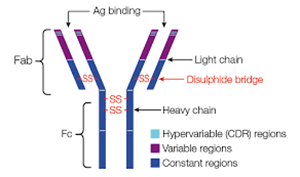
On the contrary, the antibody is the molecule produced in response to the antigen in order to kick it away. The part of the antibody which interacts with the antigen is called a paratope. An antibody must have at least 2 paratopes. These antibodies belong to the immunoglobulins. All antibodies are immunoglobulins but not immunoglobulins are antibodies. To understand how the antibody helps in immunity, it is essential to understand the structure of an antibody/immunoglobulin. The image below shows the general structure of an immunoglobulin:-

There are two chains in an immunoglobulin namely the light chain and heavy chain. The light chain has 212 amino acids (the building block of protein) and the heavy chain has 450 amino acids. Each chain has two types namely the constant and variable. These regions are based on the amino acid sequences. Half of the light chain (1 out of 2) is constant and the rest is variable. A quarter of the heavy chain (1 out of 4) is variable and the rest is constant. These are linked by two types of sulfide bonds namely the intra (H-H AND L-L) and inter (H-L). These molecules contain carbohydrates (CHO) hence these are called as glycoproteins.

The tip of the variable regions of the heavy and light chain is hypervariable in nature and these constitute the antigen-binding site (Fab). These are hyper-variable because they have to produce amino acid sequences complementary to that of the antigen so that they can interact together. The other site is called a crystallizable region (Fc).

Having known all this, now it will be convenient to explain the process by which the antibody plays in the prevention of infections.

There are millions of substances that pass through the blood every day. So there must be a criterion/substance to identify them whether they are pathogenic. This is where antigen comes to play. These antigens present on the surface of the pathogens alert the immune system which then identifies this as a pathogen. So in response to the antigen, a suitable antibody is secreted and deployed to the target site. On reaching the antigen, the Fab region binds with the antigen.

The ultimate aim of the immune system is to abolish the pathogen and one way is by phagocytosing them. This is done by the macrophages. But it is essential for them to identify the substance before engulfing it. This is where the antibody comes to play. The Fc region of the antibody combines with the receptor of the macrophage. This facilitates the process of phagocytosis.
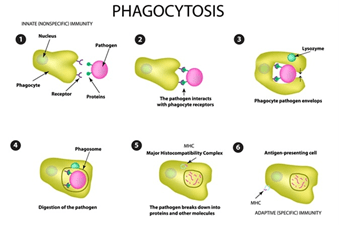
Hence the antibody acts like a bridge between the source (antigen) and the destination (macrophage) aiding in phagocytosis. This is essential because in most of the cases the macrophages, it is difficult to identify the non-self-objects and this is where antibody helps.

In the case of the new pathogen, the antigen is new, and therefore their might not be a suitable antibody. In that case, the macrophage cannot phagocytocise the pathogen and it reigns in the body causing infection and disease.

The next article is about the types of immunoglobulins.

HAPPY LEARNING!!

Periods

By Anshiki Jadia

What’s the menstruation?

Your feminine cycle assists your body with getting ready pregnancy consistently. It additionally causes you to have a period in case you’re not pregnant. Your monthly cycle and period are constrained by chemicals like estrogen and progesterone. Here’s the means by which everything goes down. You have 2 ovaries, and every one holds a lot of eggs. The eggs are really minuscule — too little to even consider seeing with the unaided eye.

During your monthly cycle, chemicals make the eggs in your ovaries develop — when an egg is adult, that implies it’s fit to be treated by a sperm cell. These chemicals likewise make the coating of your uterus thick and elastic. So if your egg gets prepared, it has a decent comfortable spot to land and begin a pregnancy. This covering is made of tissue and blood, as nearly all the other things inside our bodies. It has bunches of supplements to assist a pregnancy with developing. Part of the way through your feminine cycle, your chemicals advise one of your ovaries to deliver a develop egg — this is called ovulation. The vast majority don’t feel it when they ovulate, yet some ovulation manifestations are bulging, spotting, or a little aggravation in your lower tummy that you may just feel on one side. When the egg leaves your ovary, it goes through one of your fallopian tubes toward your uterus.

In the event that pregnancy doesn’t occur, your body needn’t bother with the thick covering in your uterus. Your coating separates, and the blood, supplements, and tissue stream out of your body through your vagina. Presto, it’s your period! In the event that you do get pregnant, your body needs the coating — that is the reason your period quits during pregnancy. Your period returns when you’re not pregnant any longer.

When in life do periods begin and stop? Eventually during pubescence, blood emerges from your vagina, and that is your first period. The vast majority get their first period between ages 12 and 14, however a few group get them prior or later than that. It’s basically impossible to know precisely when you’ll get it, however you might feel a few PMS indications (connection to PMS segment) a couple of days before it occurs. On the off chance that you don’t get your period when you’re 16, it’s a smart thought to visit a specialist or attendant. Peruse more about getting your first period.

The vast majority quit getting their period when they’re somewhere in the range of 45 and 55 years of age — this is called menopause. Menopause can require a couple of years, and periods for the most part change progressively during this time. After menopause is absolutely finished, you can’t get pregnant any longer. Peruse more about menopause. Your period might begin and stop around the time it accomplished for others you’re identified with, similar to your mother or sisters.

Do transsexual folks get a period? Not every person who gets a period distinguishes as a young lady or lady. Transsexual men and genderqueer individuals who have uteruses, vaginas, fallopian cylinders, and ovaries additionally get their periods. Having a period can be a distressing encounter for some trans people since it’s an update that their bodies don’t coordinate with their actual sex character — this uneasiness and nervousness is once in a while called sex dysphoria. Other trans individuals probably won’t be excessively troubled by their periods. Either response is typical and alright.

Now and then trans individuals who haven’t arrived at pubescence yet take chemicals (called adolescence blockers) to forestall the entirety of the gendered body changes that occur during pubescence, including periods. What’s more, individuals who as of now get periods can utilize specific kinds of conception prevention (like the embed or hormonal IUD) that help ease up or stop their periods. Chemical substitution treatment, such as taking testosterone, may likewise stop your period.

In the event that you begin taking testosterone, your period will disappear. In any case, this is reversible — on the off chance that you quit taking testosterone, your period will return. There can be a few changes in your feminine cycle before it stops for great. Periods get lighter and more limited over the long run, or come when you don’t anticipate it. You might have spotting or squeezing now and again until you quit getting your period, and once in a while even get-togethers appears to have halted — this is typical. Testosterone infusions make your periods disappear quicker than testosterone cream.

In the event that you experience sexual orientation dysphoria when you get your period, realize that you’re in good company. It very well might be useful to look at our assets and track down a trans-accommodating specialist in your space that you can converse with.

TIPS TO STAY FOCUSED

“Always remember, your focus determines your reality.” — George Lucas

Unless you have a strong desire to learn the information or develop a skill, it can be hard to focus all of your attention in one place. If you are impatient to learn or master anything, it wouldn’t benefit you more. If you are restless, you will make more mistakes and you will be more distracted as your whole focus will be on result, not on your action.

Instead, remain calm and be devoted to your work.

A mind which is calmer helps you to concentrate better, attaining undivided focus and it makes you proactive.

Television, smart phones, social media, friends, and family can all distract you from your goal of doing well in school. Create an environment that helps you focus. Set a schedule that maximized your study time. Try different study techniques and take breaks so you don’t become too overwhelmed. Here are some of the best tricks that scientists have come up with to help you increase your focus in studying.

  1. Get rid of distractions. Choose the right spot. In order to concentrate, you must eliminate those things that you know will distract you. Put up mobile devices. Turn off the TV. Close other pages in your web browser. Sit away from people making loud noises.
  2. Play music without lyrics. Some people cannot stand silence. They need to have background noise to help keep themselves motivated. Consider playing classical music softly. For some people, music helps them concentrate. For some, it doesn’t. Try it out and see what works best for you. A little something in the background can make you forget that you’re studying instead of out having fun.
  3. Come prepared. Be sure to have all the materials needed to work. Have pencils, pens, highlighters, paper, textbooks, calculators, or whatever else will help you finish the task. Organize the area. A clean space will mean less distractions too. Your goal should be to take care of everything outside of studying before you sit down to focus. If not, you’ll just end up getting up repeatedly. Having to stop and start takes more time than continuously working.
  4. Find a place where you can “unplug”. One of the biggest complaints that teachers have about their students is their inability to concentrate on a subject. Our constant use of social media and personal devices like cell phones divides our attention and makes it more difficult to concentrate.
  5. Learn when to say no. Often times, people find it difficult to concentrate on their studies because they are overextended with other obligations. If this is you, don’t be afraid to tell people no. Just explain that you need to study and won’t have the time or energy to do so, if you help them out.

Ultimately, there’s no quick, one-size-fits-all solution to staying focused while studying. Different methods and tools will work better for some than others. However, with a little trial and error and the tools and techniques above, you can create a routine of focused studying that works best for you.

LUCID DREAMS

Photo by Pixabay on Pexels.com

We spend one third of our life dreaming. Sometimes dreams are happy, scary, unexplainable and even an indication of what is going to happen in future. There is a popular saying that the dreams we see in the morning are usually true and real, though there is no scientific proof to it. We usually dream what we think, stress is an important factor in dreams. Less stress means happy dreams.

But will you believe it if I tell you that you can actually control your dreams?🤔
A dream where one becomes aware of the dream it is known as lucid dreaming. And there are people who do this. You can do it too!! Let’s know how.
People have been studying lucid dreams for a very long time, from ancient to modern it has been studied to understand the cause and purposes of it. As a result many theories have emerged, though it is still under research.


This term was given by Dutch author and psychiatrist Fredreik Van Eeden. In his article A Study of Dreams in 1913. He studied his own dreams for a period of time and wrote them in his dream diary, 352 of his dreams were categorized as lucid.
He mentioned 7 different types of dreams and out of which he considered lucid dreams most interesting and worthy of observation.
The reference to this phenomenon can be found in ancient greek writings. According to Aristotle, Greek philosopher, “often when one is asleep, there is something in consciousness which declares that what then presents itself is but a dream”. Other than Aristotle, physician Sir Thomas Browne, Samuel Pepys and more have mentioned lucid dreaming.
In 2020 there was a large increase in reports of lucid dreams compared to the previous year.


There are a few conditions for a dream in order to be defined as a lucid dream and these were given by Paul Tholey. The conditions are:
1. Awareness of the dream state (orientation)
2. Awareness of the capacity to make decisions
3. Awareness of memory functions
4. Awareness of self
5. Awareness of the dream environment
6. Awareness of the meaning of the dream
7. Awareness of concentration and focus (the subjective clarity of that state)

Photo by Nadi Lindsay on Pexels.com

Lucid dreams are often found to be affective in treating nightmares. Physiotherapists have also been including lucid dreaming as a part of therapy. There are also books and movies based on this like inception, paprika, etc.
Though lucid dreaming has been beneficial in many aspects but for the people who experience it for the first time can go through the feelings of stress or confusion. People who see lucid dreams very often might feel empowered and also isolated from others in terms of their dreaming experience which is quiet different to others. Others might experience sleep paralysis, which is sometimes confused with lucid dreams.

Read about sleep paralysis here: https://edupub.org/2021/08/12/sleep-paralysis/

There are many methods using which one can experience lucid dream like, make a dream diary and jot down the dreams you remember, diary alone won’t help but it will be beneficial with other methods. Some devices and drugs are also used.

IMMUNOLOGY SERIES-PART 5- INTRODUCTION TO THE IMMUNE CELLS

The previous article was about the acquired immunity. This article is all about the immune cells, the warriors of the human body.

These cells play a major role in protecting the body from infections. Some of them contribute directly and some contribute indirectly. Despite the methods, all of them are required in optimum amounts so as to live a healthy life.

All of these cells are derived from a specific type of cell found in the blood. The blood is a freely flowing interstitial fluid that transports oxygen, nutrients, etc. to the cells of the body. There are two components in the blood in which the first one is called plasma. The plasma is the liquid carrying water, salts, enzymes, and proteins. There are three specialized proteins in the plasma-
Albumin- to maintain water balance

Globulin- for immunity (it is a part of immunoglobulin)

Fibrinogen- for clotting

Hence the plasma also contributes to immunity. This plasma constitutes about 55% of the blood. The rest 45% of the blood is constituted by the formed elements or corpuscles. There are three elements in it namely-

Erythrocyte or Red Blood Corpuscle- transport of oxygen

Leucocyte or White Blood Corpuscle- fight infections

Thrombocyte or platelets- for clotting

Out of these, the WBC is the one primarily contributing to immunity. A healthy person must have a WBC count from 4000-11000. Count less than 4000 means leukopenia meaning that the immune system is weak. If the count is more than 11000 then it means the condition of autoimmunity known as leucocytosis. There are some further classifications in the WBC which are displayed through the flowchart below.

There are two types of cells in the WBC namely the granulocytes and agranulocytes.

The granulocytes, as the name specifies have granules in their cytoplasm. There are three different cells in this.

The neutrophil constitutes to about 55-70% of the total WBC and they are ones involved in most of the fights against the infections. These defend against bacterial and fungal infections. These cells are mostly found in the epidermal regions and are in the first line of defense.  These cells engulf the pathogens by the process of phagocytosis. These cells have multiple nuclei hence these are also known as PMN (Poly Morpho Neutrophils). Neutrophils help prevent infections by blocking, disabling, and digesting off invading particles and microorganisms. They also communicate with other cells to help them repair cells and mount a proper immune response. The death of these cells often results in the formation of pus (suppuration).
neutrophil

The eosinophil constitutes about 2-4% of the total WBC. These cells are very little in the body but can increase in the case of allergic reactions, parasite infection, and so on. The functions of the eosinophil include movement to inflamed areas, trapping substances, killing cells, anti-parasitic and bactericidal activity, participating in immediate allergic reactions, and modulating inflammatory responses.

eosinophil

The basophil is present in the least concentration of all (0.2%) in total WBC. These cells play an important role in allergic reactions in which their count can increase. The basophil contains inflammatory mediators like histamine and heparin. The release of the compounds results in dilation of the blood vessels. Hence these cells regulate the inflammation process.

The agranulocytes are those which lack granules in their cytoplasm. There are two types in this. The lymphocyte can be called as the memory of the immune system. There are two types of lymphocytes namely T and B lymphocytes. These lymphocytes recognize the incoming pathogens and based on their memory it produces a suitable response in a short amount of time. These cells are involved in the secondary response in the acquired immunity.

B cells make antibodies that can bind to pathogens, block pathogen invasion, activate the complement system, and enhance pathogen destruction. The T cells mostly known as CD4+ T helper cells produce the cytokines (proteins in cell signaling) and coordinate with the immune system. There is another form called CD8+ cytotoxic T cells which is opposite to the previous type, they help in the destruction of tumors and pathogens.

The monocyte is the largest of all the cells in WBC. They function similarly to that of the neutrophils (phagocytosis of the pathogens). These cells present the pathogen to the memory cells upon which a response is generated. Once they leave the blood, they turn into macrophages which help in clearing cell debris and killing pathogens. These are known as the vacuum cleaners of immunity.

Hence all these cells work in different mechanisms and they coordinate together to make sure that we do not fall prey to the disease-causing microorganisms.

HAPPY LEARNING!!

DEBATE CONCEPTS IN OSTEOARTHRITIS

This article deals with some of the concepts related to the progression of osteoarthritis. These statements were given by prominent researchers and resulted in a debate between two prominent groups of researchers against each other. All of these took place actively in the 19th century where the publications of research scholars were opposed to that of the scholars in the other group.

William Bauer told that mechanical trauma can result in OA directly or indirectly. By the 20th century ideologies were majorly split into two ‘inflammation’ and ‘no inflammation’. Henry Fuller and Robert Todd suggested that OA occurred due to disruption to nutrients required for knee development and doesn’t occur through inflammation. On the other hand, Garrod and others stated that OA is partly degenerative and partly inflammative. Hence the study for OA continued under these two domains and each group of scientists trying to prove the other is false. But this situation can be compared to two sides of a coin where both the situations cannot be neglected. Hence both the domains of OA cannot be neglected.

Some others say that OA is a neurogenic immune homeostatic disorder. Garrod in 1988 stated that OA is associated with lesions in CNS in a peculiar manner. CNS refers to the central nervous system which constitutes the brain and spinal cord. The brain is the mastermind of the body which generates electrochemical signals to simulate several neurons in the body. The spinal cord is known as a warehouse of reflexes. Reflex is an involuntary (cannot be controlled by conscience) rapid sequence of actions. Reflex can be best explained by several experiments.

When someone comes to hit you; you will either duck or catch his hand spontaneously and this is known as a reflex and the spinal cord or vertebral column is responsible for this.

The reflex of the knee is tested by the doctor who takes a rubber mallet and taps it on the knee and what interestingly happens is that the knee starts to retract and the patient can feel the pain. In case of OA or any knee-related diseases, the patient cannot experience any pain and hence the doctor understands that there is some abnormality in the knee. Hence we can understand that there is a connection between the knee’s ability and CNS and an interruption in this connection can lead to knee diseases.

We have to understand that this is a basic relation and there are other complex associations between them and require more complex methods like electrophysiology and pharmacology to understand them. Later it was proposed that changes in the sympathetic nervous system can also lead to OA.

The sympathetic nervous system is a part of the autonomic nervous system. This can be correlated to the word ‘increase’. The sympathetic nervous system works in response to stimuli like emotions and increases some parameters of the human body like heart rate, eye dilation, blood sugar, blood pressure, etc. this proposal paved the way for using micro-circuitry to correct it.

There is also another field on which the world is divided into two namely ‘nociceptive’ and ‘neuropathic’ where nociceptive refers to pain resulted due to receptors. These are present at target and send signals to the brain via the spine more or less like the reflex. On the other hand neuropathic refers to the condition where pain occurs due to nerves. The following table shows the difference between these two. 

NociceptiveNeuropathic
Receptor-mediated painNerve mediated pain
Doesn’t affect nervesAffects the nerves
Due to painful stimuliDue to inflammation

However, some of the debate topics have not been resolved even till now but a lot of research articles about the progression of the disease and its underlying phenomena have been published. This is one of the cases in which a debate has done some good to the field of science!

HAPPY READING!!

Organ Donation Live Life.Give Life.

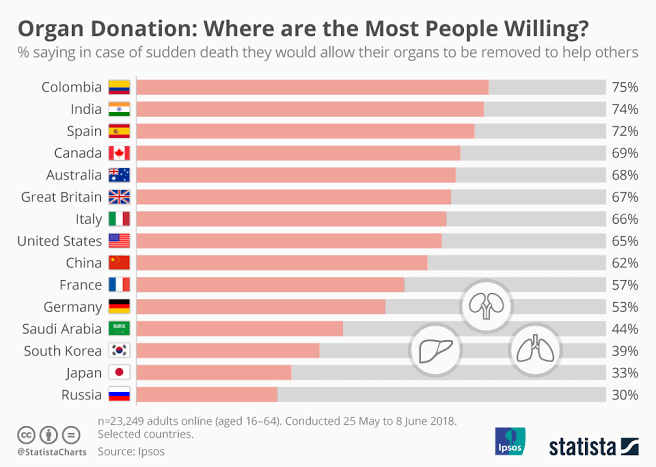
Organ donation is a process in which a person willingly donates an organ of his body to another person. Furthermore, it is the process of allowing the removal of one’s organ for its transplanting in another person. Moreover, organ donation can legally take place by the consent of the donor when he is alive. Also, organ donation can also take place by the assent of the next of kin of a dead person. There has been a significant increase in organ donations due to the advancement of medical science.

Organ Donation in Different Countries

First of all, India follows the opt-in system regarding organ donation. Furthermore, any person wishing to donate an organ must fill a compulsory form. Most noteworthy, this form is available on the website of the Ministry of Health and Family Welfare Government of India. Also, The Transplantation of Human Organs Act 1994, controls organ donation in India.

The need for organ donation in the United States is growing at a considerable rate. Furthermore, there has also been a significant rise in the number of organ donors in the United States. Most noteworthy, organ donation in the United States takes place only by the consent of the donor or their family. Nevertheless, plenty of organizations are pushing for opt-out organ donation.

Within the European Union, the regulation of organ donation takes place by the member states. Furthermore, many European countries have some form of an opt-out system. Moreover, the most prominent opt-out systems are in Austria, Spain, and Belgium. In England, no consent is presumed and organ donation is a voluntary process.

Argentina is a country that has plenty of awareness regarding organ donation. Most noteworthy, the congress of Argentina introduced an opt-out organ donation policy. Moreover, this means that every person over 18 years of age will be a donor unless they or their family state their negative. However, in 2018, another law was passed by congress. Under the new law, the family requirement was removed. Consequently, this means that the organ donor is the only person who can state their negative.

Benefits of Organ Donation

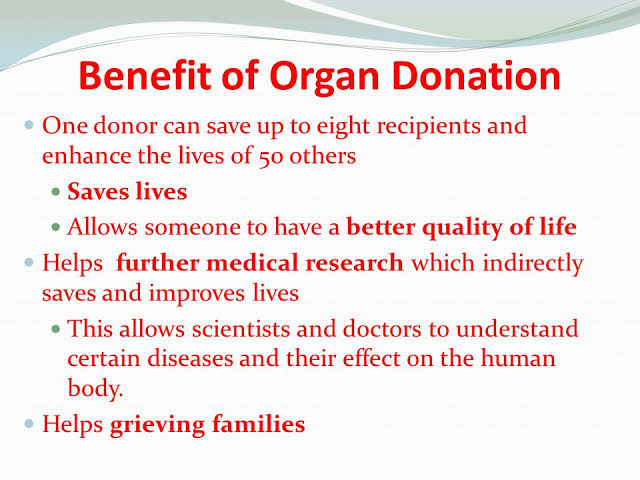
First of all, organ donation is very helpful for the grieving process. Furthermore, many donor families take relief and consolation due to organ donation. This is because they understand that their loved one has helped save the life of other people. Most noteworthy, a single donor can save up to eight lives.

Organ donation can also improve the quality of life of many people. An eye transplant could mean the ability to see again for a blind person. Similarly, donating organs could mean removing the depression and pain of others. Most noteworthy, organ donation could also remove the dependency on costly routine treatments.

Organ donation is significantly beneficial for medical science research. Donated organs offer an excellent tool for conducting scientific researches and experiments. Furthermore, many medical students can greatly benefit from these organs. Most noteworthy, beneficial medical discoveries could result due to organ donation. Organ donation would also contribute to the field of Biotechnology.

To sum it up, organ donation is a noble deed. Furthermore, it shows the contribution of an individual even after death. Most noteworthy, organ donation can save plenty of lives. Extensive awareness regarding organ donation must certainly be spread among the people.

“THE GIFT THAT HAS BEEN GIVEN TO ME SAYS MUCH ABOUT OUR CAPACITY FOR GREAT COMPASSION AND GENEROSITY, AND I HOPE IT SENDS AN INSPIRING MESSAGE TO OTHERS ABOUT THE IMPORTANCE OF ORGAN DONATION.”

. —STEVEN COJOCARU

Benefits of Regular Exercise

Exercise is defined as any movement that makes your muscles work and requires your body to burn calories.

There are many types of physical activity, including swimming, running, jogging, walking, and dancing, to name a few.

Here are the fews ways regular exercise benefits your body and brain.

It can make you feel happier

Exercise has been shown to improve your mood and decrease feelings of depression, anxiety, and stress.

It produces changes in the parts of the brain that regulate stress and anxiety. It can also increase brain sensitivity for the hormones serotonin and norepinephrine, which relieve feelings of depression.

Additionally, exercise can increase the production of endorphins, which are known to help produce positive feelings and reduce the perception of pain.

It can help with weight loss

Some studies have shown that inactivity is a major factor in weight gain and obesity.

To understand the effect of exercise on weight reduction, it is important to understand the relationship between exercise and energy expenditure.

Your body spends energy in three ways:

👉digesting food
👉exercising
👉maintaining body functions like your heartbeat and breathing
While dieting, a reduced calorie intake will lower your metabolic rate, which can delay weight loss. On the contrary, regular exercise has been shown to increase your metabolic rate, which can burn more calories to help you lose weight.

It can help skin health

Your skin can be affected by the amount of oxidative stress in your body.

Oxidative stress occurs when the body’s antioxidant defenses cannot completely repair the cell damage caused by compounds known as free radicals. This can damage the structure of the cells and negatively impact your skin.

Even though intense and exhaustive physical activity can contribute to oxidative damage, regular moderate exercise can actually increase your body’s production of natural antioxidants, which help protect cells.

“Good things come to those who sweat.”

12 Indian Snacks You Must Try

If you’re throwing a party, these party snacks recipes will come in handy while preparing your menu. Snacks and appetizers are a must-have at every party or celebration.

Vegetarian snacks are prepared in India in a number of ways. Some snacks have different recipes and methods depending on the locale. While some delicacies are extremely popular across India. There are various delicacies that are only popular in certain parts of India.

Photo by Chan Walrus on Pexels.com

Here are 12 Indian snacks that are easy to make and you can serve them to your guests at the party or get-together.

1. Paneer Tikka: Paneer (Indian cottage cheese cubes) are marinated in a spiced yogurt-based marinade, skewered, and cooked in the oven in this Restaurant Style Tandoori Paneer Tikka.

2. Aloo Tikki: A crispy, crusty, and delicious Aloo Tikki recipe. In Hindi, aloo refers to potatoes, while tikki refers to patties. So these are spicy, herby, and tasty potato patties in the Indian way.

3. Onion Pakoda: Onion fritters prepared with gramme flour are a popular street snack in India. It’s a snack that’s simple to make and tastes great. Serve them with green chutney or sweet chutney and fried salted green chilies. This entire meal can be accompanied by Indian chai.

4. Dahi Bhalla: Lentil dumplings are dipped in a creamy whipped yoghurt and topped with spicy and sweet chutneys in this popular North Indian street food snack. Dahi bhalla differs slightly from dahi vada. Papdis, boiling potato cubes, and cooked chickpeas are all added to dahi bhalla, giving it a variety of textures, tastes, and flavours.

5. Pani Puri: Crisp fried dough balls (puri) are packed with potatoes, sprouts, spicy acidic water, or sweet chutney in this popular Indian street snack. You just cannot eat just one pani puri with so many bursts of flavours and flavours in your mouth.

6. Kaman Dhokla: Gujarati cuisine has a nutritious, tasty, and wonderful vegan snack. It’s light and fluffy, with a mildly tangy-sweet flavour that’s perfect at any time of day. This is also a recipe for instant khaman dhokla.

7. Veg Cutlet: Crispy and flavorful vegetable patties cooked with a variety of vegetables. These vegan patties are best served hot with tomato ketchup and green chutney as a late-night snack. They’re a tasty teatime snack that can also be cooked during the rainy season.

8. Bhel Puri: It is a well-known Mumbai street food. Puffed rice is blended with onions, tomatoes, and other chutneys to make bhel puri. This bhel puri is simple to prepare and contains quick recipes for the three chutneys commonly used in bhel puris.

9. Dal Vada: chana dal, onions, and spices-herbs are used to make this renowned crispy and crunchy fried snack. These are crispy and crunchy, and they make a wonderful tea time snack.

10. Bread Pakora: Bread is dipped in a spicy gramme flour batter and packed with potato stuffing before being fried shallow or deep. In most Punjabi households, these bread pakoras are made for breakfast on Saturdays or Sundays.

11. Hara Bhara Kabab: These delightful and nutritious kababs are made with spinach, peas, and potatoes. It’s both nutritious and delicious, and it goes well with any chutney or sauce. They’re frequently fried in a pan. However, you may either bake or air fried them if you like.

12. Samosas: These samosas have a wonderful potato and peas mixture and are flaky and crispy on the outside. This recipe is a true winner, with a beautiful crust and a soothing filling. Give it a shot and you’ll be surprised at how easy and enjoyable it is to cook samosa at home.

What Is Stress-Eating or Emotional-Eating? How To Avoid It?

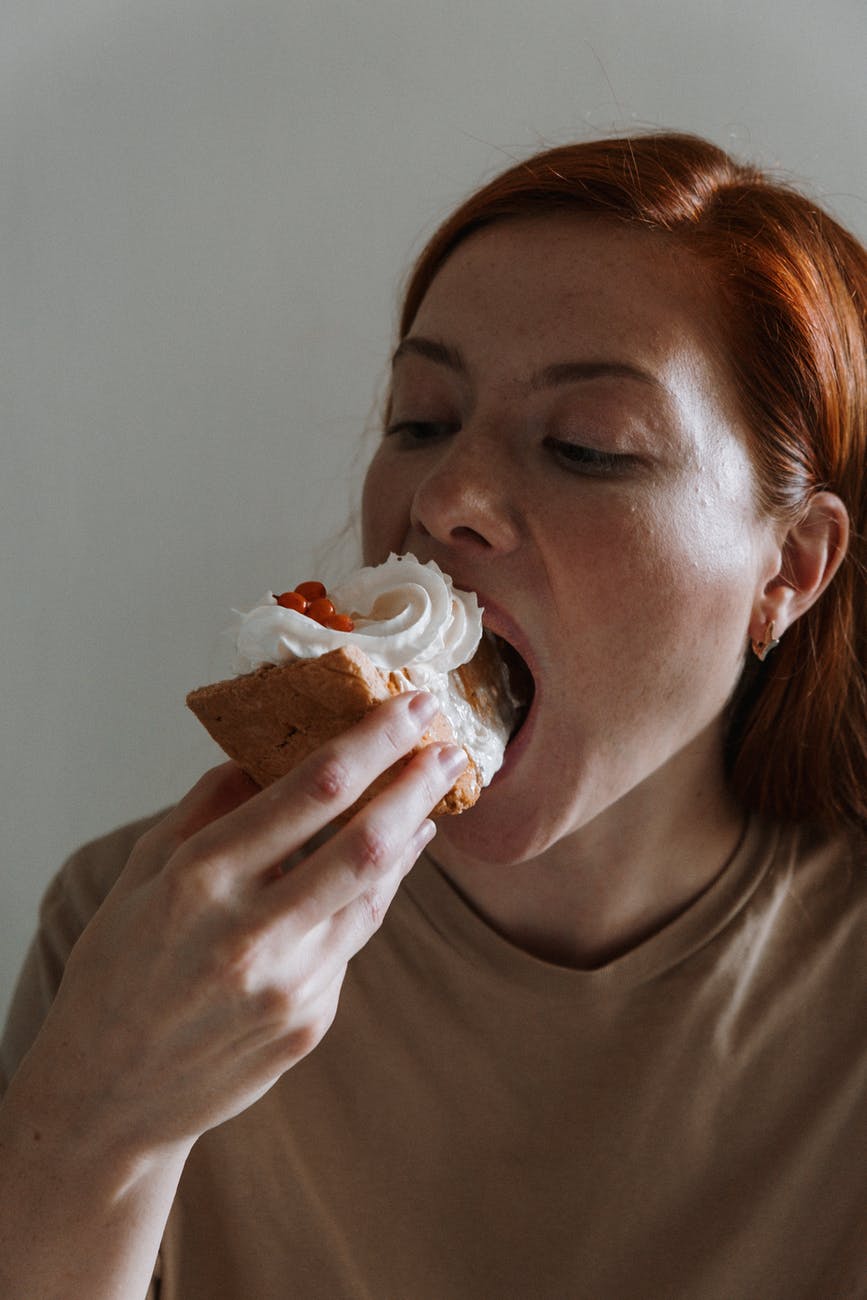
Stress-Eating or Emotional eating is a type of eating that involves people using food to cope with stressful events. Emotional eating affects many people at some point in their lives. It could manifest as boredom eating a bag of chips or a chocolate bar after a stressful day at work. When emotional eating occurs regularly or becomes the primary means of coping with emotions, a person’s life, health, happiness, and weight can all be significantly impacted.

Photo by cottonbro on Pexels.com

Stress and Emotional Eating Triggers

Emotional eating is triggered by a variety of factors, including stress. Other common causes mentioned by people are:

1. Boredom: A typical emotional eating trigger is boredom or a lack of things to do. Many people have very active and stimulating lives, and when they are bored, they turn to eating to fill the void.

2. Habits: These are frequently fueled by nostalgia or events from a person’s youth. Having ice cream after a good report card or baking cookies with a grandma are two examples.

3. Fatigue: When you’re weary, it’s simpler to overeat or eat mindlessly, especially if you’re tired of doing something unpleasant. Food may appear to be the solution to a desire to no longer engage in a particular activity.

4. Social influences: Everyone has that one friend that encourages them to order pizza after a night out, go out for dinner or drinks after a stressful day, or treat themselves for a successful day. When dining with friends or family, it’s easy to overeat.

How to avoid the triggers

1. Recognise the triggers:  The first step in overcoming emotional eating is to recognise the triggers and scenarios that occur in one’s life.

2. Journal or Food Diary: Keeping a food diary or notebook might help you spot circumstances where you’re more inclined to eat for emotional reasons rather than real hunger.

3. Track Your Eating Behaviour: Another technique to obtain insight into one’s eating habits is to track their behaviour. The following are examples of the kind of conduct they may observe:

– Patterns of hunger, perhaps on a scale of 1–10.

– what they’re doing, and whether or not it’s boring and unpleasant.

– what they’re thinking, whether they’re bored or upset.

4. Trying other activities to avoid triggers: – Someone who eats while bored might wish to start reading a new book that seems interesting or take up a new hobby that will provide a challenge.

– To cope with their emotions, someone who eats due to stress could try yoga, meditation, or going for a walk.

– To cope with their negative sentiments, someone who eats while unhappy can call a friend, go for a run with the dog, or arrange an outing.

5. Professional Help: – Talking to a therapist or psychologist about different strategies to disrupt the pattern of emotional eating can also be beneficial.

– A nutritionist or doctor may also be able to refer you to an expert or give you with extra information on how to develop healthy eating habits and improve your relationship with food.

Emotional eating isn’t just about a person’s lack of self-control or a desire to eat less. People who eat to cope with stress, on the other hand, don’t only lack self-control.

How to Reduce Stress

Photo by Nathan Cowley on Pexels.com

If we get stressed often and quickly, it means that we are harboring many internal conflicts and are not conscious of them. This makes it impossible to get rid of stress quickly. First, we must learn what causes mental stress. The information we receive from the outside (which we dislike), creates a feeling that evolves into a negative emotion (negative mental energy). For example, the inability to understand or accept other people’s point of view can cause mental stress.

In my late twenties, I struggled consistently with mental stress. I was happy to work in a global corporation and also excited to be responsible for many projects at once. Despite the work load I had, I was a victim of mobbing because of my keen engagement towards my tasks. I was physically and mentally exhausted because of the many complex purchase orders I had to place for the projects assigned to me. On top of that, there were certain people in the organization giving me hard time because of my desire to strive to improve.

There was an immediate disharmony between me and these people that generated a feeling of intolerance and non-acceptance. This grew into feelings of disappointment and frustration, which ended up creating emotion of anger and anxiety over not performing well or losing my job.

Day in, and day out, I was stressed. I understood that the people and the circumstances causing my mental stress wouldn’t change, so I had to understand that, accept it, and find a way to approach my stress and conflicts efficiently. I saw it as a challenge and was grateful for it. I not only reduced my mental stress but found a way to never let it develop again.

A technique is applied successfully when its essence is really understood and absorbed. If a technique is to be applied quickly, there must be extensive knowledge of the situation in which the technique is required.

In the context of mental stress, for example, we get scared and anxious in (sometimes normal) situations because we don’t know what is happening or what is going to happen. The uncertainty of the result causes tension and mental stress. The longer we move in that uncertainty, the greater and heavier our mental stress becomes.

Meditation brings short-term stress relief as well as lasting stress management benefits. There are many different forms of meditation to try–each one is unique and brings its own appeal.2

You might develop a mantra that you repeat in your mind as you take slow deep breaths. Or, you might take a few minutes to practice mindfulness, which involves being in the moment. Simply pay attention to what you see, hear, taste, touch, and smell.

Yoga combines physical movement, meditation, light exercise, and controlled breathing—all of which provide excellent stress relief.13

And while you’re likely to reap immediate benefits from a single yoga session, you’re likely to receive long-term benefits if you incorporate it into your life in a consistent way. 

eisure activities can be a wonderful way to relieve stress.12 Yet, many people feel as though their lives are too busy for hobbies, games, or extra fun.

But building time for leisure into your schedule could be key to helping you feel your best. And when you feel better, you’ll perform better, which means leisure time may make your work time more efficient.

THE DREADFUL DISEASE FOR THE AGED- THE OSTEOARTHRITIS

Osteoarthritis is the most well-known type of joint pain, influencing a huge number of individuals in the world. It occurs as a result of the wearing down of the cartilage that cushions the ends of your bone over time. It is a complex disease that integrates biomechanics and biochemistry associated with the knee. This is the standard way of defining OA which will be difficult to understand. Hence let us try to understand what OA is. The best way is by splitting the word and analyzing it part by part

Osteo- bone

Arth- joint                        

It is- inflammation    

Knee, Old, Care, Injury, Pain, Knee Pain
x-ray of the osteoarthritic knee joint


As mentioned earlier, the unit of bone is called osteon and any word ending with itis refers to inflammation. Also, arthro term refers to joints in general. Hence the combination of the terms corresponds to inflammation of bones in the joint. This rather sounds simplified. The previous definition had complex terms like biomechanics and biochemistry. Biomechanics refers to the study of movement in living beings. Biochemistry refers to the study of the reactions occurring in living things. So in short, osteoarthritis is such a disease that results in inflammation of joints that occur due to wearing down of the bones surrounding the joint hence affecting the movement and chemical reactions which used to occur properly during normal conditions.

Osteoarthritis can occur in any joint in the human body like elbows, hips, knees, etc. Since our primary focus is on the knee, we will take a deep dive into it. In view of its expectancy and the tolerance that goes with sickness in the knee osteoarthritis represents more prevalence with daily activities like climbing steps and walking when compared to other diseases. Osteoarthritis is the most standardized reason for total knee replacement. As a result of the frequency of this disease especially in middle-aged people, osteoarthritis can act as an extensive barrier towards work and can lead to early retirement.

Coining of OA

Many say that the term osteoarthritis was coined by the British physician John Kent Spender but it was Richard Von Volkmann who tried to separate it from rheumatoid arthritis. The other names which were offered to this disease were ‘chronical rheumatism’

‘senile arthritis’

‘hypertrophic arthritis’

‘arthritis deformans’.

Effect of age

Osteoarthritis can affect people of any age group but it majorly affects old age people. National Library of Medicine suggests that people with an age greater than 70 have more risk to get osteoarthritis. The reason lies in the definition of osteoarthritis. The definition says that disease occurs due to the wearing down of bones. So the bones don’t get worn down the next instant a baby is born. Every process requires time to occur. A mother has to wait for a minimum of 9 months to give birth to a healthy baby. A student must wait for 4 years to get a degree from college. Similarly, it takes time for the bones in the knee to get worn down.

This disease has always troubled old aged people in their lives. Living with osteoarthritis is dreadful. Even climbing the stairs will be a difficult task for them. Hence it is worth knowing about the disease.

HAPPY READING!!

Said “I love you” more -Positive thinking

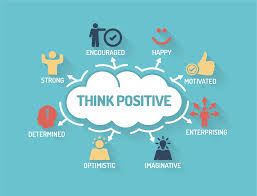
Positive thinking refers to a belief or mental attitude which makes us think that good things will happen eventually and our efforts will pay off sooner or later. It is the opposite of negative thinking which makes our mind full of stress and fear. Thus, an essay on positive thinking will show us how it reinforces thoughts like optimism and hope and works wonders.

Benefits of Positive Thinking

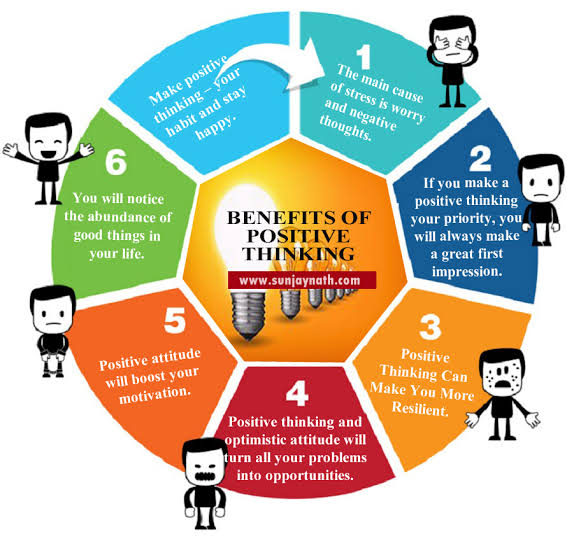
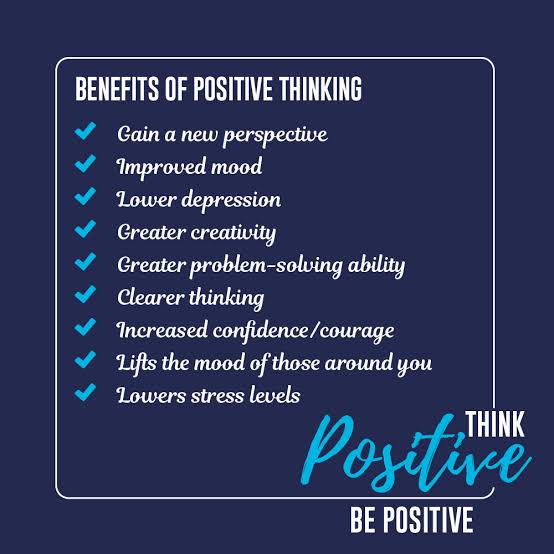
Let it be clear that positive thinking does not mean you do not notice the bad things in life. It means you try to find a solution in a productive way instead of whining about it. There are many benefits of positive thinking.

The first one is better health. Negative thinking gives rise to anxiety, stress, frustration and more. However, positive thinking helps you avoid all this and focus on staying healthy and doing better in life.

Further, it is essential for us to fight depression which positive thinking helps with. Similarly, it will also help us to relieve stress. Positive thinking overwhelms stress and it will allow you to get rid of stress.

As a result, positive thinking helps you live longer. It is because you will be free from diseases that form due to stress, anxiety and more. Moreover, it is also the key to success. Meaning to say, success becomes easier when you don’t bash yourself up.

Similarly, it also gives us more confidence. It boosts our self-esteem and helps in becoming more confident and self-assured. Therefore, we must certainly adopt positive thinking to make the most of our lives.

How to Build a Positive Thinking

There are many ways through which we can build positive thinking. To begin with, we must inculcate the habit of reading motivational and inspiring stories of people who are successful.

All this will help in motivating and inspiring you and showing you the right path. Moreover, it is important to never let negative thoughts thrive in your mind and work towards putting end to this habit.

You can do so by replacing your negative thoughts with constructive and positive reviews. Start to pay attention to your ideas and don’t pay heed to negative thoughts. Further, it is helpful to use affirmations.

These positive statements will truly sink into your subconscious mind and guide you to take better action. It will also help in visualising your dreams and getting the right means to achieve them fast.

Finally, always stay guard and gatekeep your mind to make important changes in life. In other words, do not be afraid to take actions. Keep yourself busy and do different things to avoid becoming cynical and remaining positive.

Conclusion of the Essay on Positive Thinking

To conclude, we must change our attitude and believe that we will succeed one day. Moreover, we also need to implement positive thinking techniques which will help us learn from our failures and stay focused. As positive thinking plays an essential role in our lives, we must make sure to adopt in our lives.

Positive thinking helps you stand back up again when you are knocked down by bad luck or negativity.

. —Tom Laurie

USAGE OF BOTTLED WATER

SHOULD WE AVOID IT?

For a long time now, bottled water has become a trend amongst people all around the world. Mostly, it is cheap and advertised as healthy. Unfortunately, the water is actually not always as healthy as it might seem. Many companies use tap water sealed into bottles, sometimes purified, sometimes not. Many people who buy water bottles never reuse them and the plastic ends up polluting the environment. The cost for transporting millions of empty bottles each month is huge, and ultimately pollutes the air. Therefore, harming the environment, polluting the air and wasting plastic and fuel are strong arguments that why should not sell bottle water.

“Drinking water is like washing out your insides. The water will cleanse the system, fill you up, decrease your caloric load and improve the function of all your tissues.” – Kevin R. Stone

Even though recycling is something everyone should be doing, many people still throw away their water bottles. Millions use plastic bottles each month, causing transport to waste lands costing great amounts of money for fuel. The wastelands pollute the air, and so does the fuel when used. If our school sells and uses these plastic bottles normally, that demonstrates that we are helping to pollute the environment.

I believe that bottled water should be banned, because of the environmental impact & the health effects they cause. Bottled water is obviously not a healthier or cleaner option to normal tap water. Also, bottled water is despicably expensive when you compare it to the cost per gallon of tap water.

Almost all bottled water sold is tap water, which is put in plastic bottles and sold at huge profits. So pretty much what you’re doing is buying the same water that you could drink at your house for FREE. Also, if a person is choosing between tap water and bottled water, tap water is clearly the more economical and the healthier option.

According to a 2001 report of the World-Wide Fund for Nature, approximately 1.5 million tons of plastic are used in the bottling of 89 billion liters of water each year. Other than the amount of plastic bottles produced each year, the energy essential to produce and transfer these bottles to the market uncontrollably drains limited fossil fuels.

Did you know that each year the making of the plastic water bottles takes sufficient oil and energy to fuel a million cars? Millions of gallons of fuel are wasted daily transporting filtered tap water around the world and across countries. All the energy to make the bottle, even more to ship it around the planet and then we drink it in about two minutes? And do you know what happens when you’re finished with that bottle?

Ninety percent of water bottles end up in landfills where they sit for thousands of years or in incinerators where they’re burned releasing toxic pollution. I don’t see this as being recycling; real recycling would be turning the bottles back into bottles, which happens to only ten percent of the water bottles.

Pretty much what the government is doing, is wasting so much money and energy to pollute our earth. Bottled water companies have made a momentous strain on the environment, due to their tolerant use of precious resources and their manufacturing of billions of plastic bottles.

Around the globe, a billion people don’t have access to clean water. However cities all over the world are spending millions of dollars to deal with all the plastic bottles thrown out. What if we spent that money improving our water systems or even better, developing better water systems in third world countries?

Just remember it could be the beginning of this change, but after cities would be banning water bottles and maybe even countries.

Why do we yawn?

Everybody yawns – even unborn babies in the womb – and yet researchers are not quite sure why we do it.

Although humans yawn more often when we are tired or bored, scientists have ruled out sleepiness or lack of oxygen ( which would cause sleepiness) as causes. Instead, they suspect yawning might help us keep a cold head. As a supercomputer, the brain needs to stay cool to function properly. Each yawn pumps air into sinus activities in the head, cooling the brain in the process. And because the brain and body are slightly warmer just before bed, we tend to yawn when we are tired.

Why do we need to sleep?

Video games, track meets, chemistry class – you are waking hours are crammed with activities and tasks that give your noggin a real workout. All that processing causes chemicals to clutter your brain. A good night’s sleep clears your head – literally. While use snooze, your brain goes into housekeeping mode, flushing the toxins and preparing itself for a busy day of math classes, socializing, and beating your brother in basketball.

How much sleep do we need?

That depends on your age. Kids between 5 and 12 need about 11 hours of sleep. Older kids and adults can get by with 7 or 8.

Is yawning contagious?

Absolutely! In fact, yawning is contagious that even reading about yawning can make you yawn. (Go ahead and get it out of your system). Studies have shown again and again that people who see other people yawn – even in videos are more likely to yawn.

Why is yawning contagious?

Yawns thandon’t catch on among children younger than five or among people with emotionally dampening disorders. That leads researchers to believe contagious yawning is just another way humans reinforce social bonds between people. Humans are social and emotional animals. We tend to understand and feel emotions of friends and even strangers. Yawning falls into that category. When we see someone yawn, we yawn.

Is yawning contagious for other animals besides humans?

You bet, at least among higher primates such as chimpanzees and bonobos ( for the same reason as for humans, researchers suspect ). Even more surprising, experiments show dogs catch yawns from watching people.

Why do I get sleepy?

Whenever you try to defeat drowsiness to finish one more Harry Potter chapter, you’re actually locked in a losing battle over bedtime with your brain stem. This chunk of gray matter at the base of your brain regulates your sleep, along with other automatic bodily functions such as breathing and the ticking of your heart.

What happens if we don’t get enough sleep?

Doctors believe that a good night’s sleep comes with many benefits, including improved creativity and mental sharpness. Avoid going to bed and you will soon suffer the consequences : crankiness, clumsiness – even hallucinations if you miss a few days. Your brain will go on strike, and easy tasks will become supremely difficult until you turn in and switch off.

How can we get a good night’s sleep?

  • Keep to a sleep schedule. Set a bedtime and wake -up time and stick to them.
  • Relax with a book before bed, but don’t keep your smartphone within reach. It is a certified sleep stopper.
  • Don’t fall asleep with the television on.
  • Don’t eat any big meals or chug any large drinks within two hours of bedtime.
  • Getting plenty of sun exposure during the day helps you sleep at night, so spend some waking hours outside!

References :

WHY – Answers to everything, Image publications.

Television and Video Games are Corrupting the Minds of Youngs.

Mankind has a great history of inventions, and one of it’s greatest inventions were ‘Television’. This word is well known to us. Entertainment was the major reason for the invention of television, but it’s said “Every coin has two sides” even television has its demerits.

Viewing television has become a popular culture and every one enjoys it. One of the most used technological commodity ,has become a threatening problem for the today’s youth. It is Corrupting the young minds and leading them to dark future. The young mind’s are not able to sense the negative impact of this entertainment gadget.

Watching television is waste of time. Youth’s are not able to distinguish between good and bad content for their minds. Most of the programmes casted on the television illustrates distruction, violence, sex , bullying and many other negative things. Young minds are brainstormed in such a way that they try to implement the depicted things in their real life.

Watching crime shows influence the young mind in a negative way as they are not able to pick up the positive aspects of it. Psychologically the wrongdoer is shown in a good light and this in turn encourages the youth to get inspired from them lead them to actually becoming a criminal.

Now days television shows comes with variations like drama, comedy, suspense and many other. The show producers are minting money out of the illogical shows and destroying the young minds imagination. They are detached from the reality and are made to believe and imagine what they show is correct, superstition are also encouraged. Gradually the people get addictive to this type of content and the imaginative power, IQ level is reduced to nothing. Hence Roald Dahl has rightly said,” It clots the child’s mind, it makes the mind as soft as cheese.”

Television are not the only component that corrupts the youth’s mind but video games are one of them. In this modern generation not only an adult but also children know how to used different electronic devices. Video games are basically a person’s imagination which they make them into reality through technology. These games make a person’s mind habitual to play it. Their minds are completely focused in this unreal world that they forget they have a real world, which in turn make them less social and creates a lonely environment. They lose their interest in other important things like studying, etc.

Author John Leo has explained that ” Children who are heavy viewers of television are more aggressive”. Watching television and playing video games makes a person prone to obesity and mental disorders and affects their personality. So we should take care before it’s too late , as they say “Prevention is better than cure.”

Top 5 Food To Stop Hair Fall

1.COCONUT WATER:

Coconut water is an excellent source of antioxidants which help to prevent hair fall and repair the damage. It is an amazing hair care ingredient that helps nourish and condition your hair. It helps to deal with severe hair loss and also to boost hair growth. It is rich in essential vitamins and minerals like vitamin B and potassium, which helps keep your scalp and hair nourished and healthy.

TO PREVENT HAIR LOSS:

Drink 1 glass of tender coconut water everyday to stop hair fall.

2. BEETROOT:

Beetroots have always been considered as a superfood for hair. It is high in antioxidants, vitamin A, vitamin C, Calcium, Iron and Potassium. With all its minerals and nutrients, it enhances new hair growth, prevents premature balding and hair loss. BEETROOT allows for better blood circulation in the scalp and nourishes the hair follicles from within.

TO PREVENT HAIR LOSS:

Drink 1 glass of beetroot juice every day or eat atleast 1 beetroot as salad everyday.

3. EGG:

Eggs are power-packed with proteins, minerals and vitamin B complex that are essential hair nutrients. These nutrients, especially biotin and other B-complex vitamins, helps to curb hair loss by strengthening the roots of your hair. The nutrients also helps to stimulate new hair growth, adding volume and thickening your hair. The proteins helps to strengthen your hair while the fats helps to condition it and improving hair texture.

TO PREVENT HAIR LOSS:

Eat atleast 2 egg whites and 1 whole boiled egg everyday.

4. SPINACH:

Spinach is rich in vitamins like K, A, C, B2, B6, B1, E, manganese, Zinc, Iron and Omega-3 fatty acids. These nutrients help nourish your scalp and hair, ensuring healthy hair growth. The green leafy vegetable has a high nutritional content and is extremely rich in antioxidants which helps avoid hair damage and boosts scalp health.

TO PREVENT HAIR LOSS:

You can have spinach smoothie every day or can apply spinach mask on hair 2-3 times in a week or can add spinach in your everyday diet or meal.

5. WALNUT:

Walnuts are known as hair food, because they contain omega-3 fatty acids and nutrients essential for healthy, long and lustrous hair. They also contain biotin, vitamin E, protein,and magnesium that strengthen the hair follicles and maintain scalp health.

TO PREVENT HAIR LOSS:

You can either eat 3-4 walnut pieces raw or soak them in water overnight and have them.

Why can I survive without all my organs?

It is a no-brainer that you need your brain and your heart, hurtand you wouldn’t last long if your liver failed.

But the lungs and Kidneys come in pairs, so you could survive if one of them failed. People who have lost their spleens in accidents have gone on to live healthy lives. The tonsils and appendix, meanwhile, are practically useless and are routinely removed when they become inflamed.

Why are some body parts pointless?

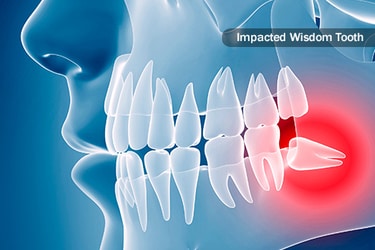
Called “vestigial” organs, this useless body parts are leftovers from our evolutionary ancestors, who actually needed them. Take your wisdom teeth, for example.Today crowd our mouth and often need to get yanked by the dentist, but our primate ancestors had larger jaws and needed the extra choppers in case some rotted away in the days before tartar-control toothpaste. Our tailbone – or coccyx – is a leftover from animals that needed tails for balance or grasping branches.

Why do we have eyebrows?

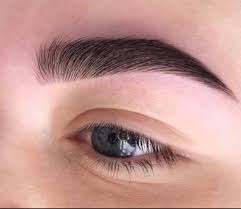
Humans have evolved to become less hairy in the past six million years or so, but we still have those clumps of fur above our eyes.Beyond their role in facial expressions, eyebrows act like natural sweatbands, preventing rain and sweat from running directly into our eyes.

Why do we have nipples?

They were there even before you were even born. Human embryos in the womb develop according to a blueprint that’s design for males and females. Eventually, the embryo begin to take on features specific to their gender, but not until after they have already developed nipples. Later in life, chemicals called hormones trigger changes in females so that they can nurse their young. Males don’t have those hormones, so they are stuck with nipples that are nothing more than chest accessories. Other than a few exceptions ( mice, platypuses, stallions), most male mammals have nipples. Nipples don’t cause males any harm, which is probably why evolution hasn’t given them the ol’ heave – ho.

Why do people get goosebumps?

Like youryou are wisdom teeth and your tailbone, goose bumps serve no purpose in modern humans. They are created by itty-bitty muscles in our hair follicles, which raise the bumps as a reflex reaction sudden drop in temperature or feelings of panic, or anger, or extreme fear. Goosebumps fluffed up the body hair of our much furrier ancestors to help trap heat or make them look larger to threatening animals. Today, goose bumps just make you look like you need to borrow a sweater.

Why do we have a belly button?

For the same reason dolphinsthe same reason dolphins, cats, dogs, bats, and other “placental mammals ” – animals nourished inside their mothers before birth – have navels. In other words, you can thank your mother for that link connector on your stomach. Before you were born, when you were still developing in the womb, you were hooked up to your life – support system through a special code that plugged into your navel. Through this “umbilical cord “, you received food and oxygen and passed waste. The day you were born, you let out a cry and began breathing on your own. That let the doctor know he or she could cut off the umbilical cord, leaving you with a belly button as a souvenir. Whether it’s an “innie” or an “outie,” we all have one !

References :

WHY – Answers to everything, Impulse publications.

Digital Detox in 10 Steps

Digital Detoxification is a practice to limit the use of technology.  Digital Detox helps us to enhance the quality of our lives. It is a way to stop the constant urge to use social media. 

Do we really need Digital detox?

Our lives are filled with technology. According to a study we give about 2.5 hours daily on social media. But some take it too further than this.

Here is the list to check if you need a Digital Detox.

Do you:

  • Use social media late night instead of sleeping;
  • Get stressed, anxious, and irritated without social media;
  • Think about social media even after using cell phone;
  • Check likes, shares, comments constantly.

If yes, then you need Digital Detox.

Benefits of Digital Detox 

1. Keep your life balanced. 

According to Ayurveda a balanced mind, body, and life is key to all round health. 

2. Sleep benefits

The health of a person can be judged by his sleeping pattern. If you have irregular sleep and insomnia then your body might have some underlying problems. Using digital detox helps you sleep peacefully.

3. Time for Family and friends

Time spent with family and friends boost your Psychological health. Digital detox helps you to focus on your life. This gives you emotional wellbeing.

4. Embracing reality

The contemporary world is virtually oriented. People spend time getting perfect selfies, try to maintain a hectic online presence, and feel insecure about themselves. Same cycle again and again. 

Digital detox will give you inspiration, boost your creativity, and give you true values of life.

5. Look younger

A study shows that people who spend more time on screen age faster than others. Looking at the screen gives your skin wrinkles and lines. Digital detox helps you look fresh and young.

Check out this infographics for quick ways to detox:

How to Digital Detox

Here are 10 useful tips that you can do to Detox digitally:

1. Keep away from your cell phone for a minimum of 5 hours. You can increase as you like.

2. Keep away from distractions such as Netflix, gaming, other digital products.

3. Read a book during disconnection. Write a journal about how you feel during this time. You will be amazed that in a month your health has progressed.

4. Go out. Embrace nature. Do some activity that connects you to nature such as gardening, walking on beaches, swimming, or cycling in the morning. 

5. Play with your pets. This is the best time to bond with your pets.

6. Do volunteering. Give your hand to a person in need. Everything that goes around comes around.

7. Spend time with your family. 

8. Declutter your house.

9. Use cell phones ONLY when necessary. If you really need your cell phone, you may use it. Make sure you don’t exceed your time limit.

10. Practice your hobby and master it. Remove negative self with Digital Detox. 

Do these 10 simple Digital Detox techniques every week. You will be surprised with the productivity and efficiency you see in your life and work.

Here are 5 famous motivational quotes to inspire you while you Digitally Detox.

The body achieves what the mind believes.

Be patient with yourself. Nothing in nature blooms all year.

Your life only gets better when you do. Work on yourself and the rest will follow.

Nurturing yourself is not selfish—it’s essential to your survival and your well–being.

It is health that is real wealth and not pieces of gold and silver.

How to boost your self-esteem?

Self-esteem is basically the overall opinion about yourself, how you feel about yourself which includes your abilities and limitations. Everyone lack confidence at some point of time in different situations which is temporary but having low self-esteem leads to unsatisfied and unhappy with themselves for most of the time. Generally people who are having low self-esteem are:-

  • Critical about their own personality
  • Ignores their positive qualities or aspects
  • Uses negative or cuss words to describe themselves
  • While having self-talk with themselves, they are always negative or self-blaming.
  • Doesn’t believe if someone compliments them.
  • When things go wrong they always blame themselves for the failure instead of considering other things in account such as actions of other Individual or some crisis externally.

With these things in low self-esteem person, it reduces the quality of life which often leads to:-

Fear of Trying – The person who has low self-esteem will always doubt themselves in terms of their abilities, worth and challenges to experience something new in their life.

Fear of getting judged – People with low self-esteem may avoid the social gathering or some activity based on a group of people, just because they are afraid of being judged on negative basis.

Self-care – People with low self-esteem lacks in taking care of their self as they neglect themselves.

Negativity – Person with low self-esteem constantly abuses or neglects themselves which leads to attracting negative feeling which eventually causes anxiety, sadness, depression, shame or guilt.

Self-harming behaviors – Person with low self-esteem always puts themselves in a situations where they are at increased risk of harming themselves. For e.g. – Drug abuse, eating disorder or suicide.

There are many causes of low self-esteem like unhappy childhood, relationship break ups, low performance in academics, ongoing medical problem or Mental illness. But there are simple ways to boost your self-esteem and that are:-

Record your story

recording your life story is a fun and therapeutic strategy that countless people have used not only does it help you remember what you love about yourself but telling your story also motivates you to maintain that positivity in the future but it’s not just about reflection the fact that you’re writing down your story plays an important role because when you write something down you have to be clear you have to be concrete you’re forcing yourself to be specific about who you are so if you’re feeling confused your story can give you the clarity that you’re looking for.

A Point to Pride

Instead of looking back in time you can also boost your self-esteem by setting goals for the future for example, you’re an aspiring author but you’ve never actually written a book before you’ve written plenty of short stories but you’ve always been too scared to try something bigger maybe you’re worried you’re going to fail or you’re just feeling overwhelmed and you don’t have enough faith in yourself to take on the challenge how can you build the self-esteem you need to accomplish your dreams try setting something called a point of pride a point of pride is one specific goal that you accomplish in order to prove something to yourself.

Self-evaluation

You can boost your self-esteem by changing basic things like the way you speak for example you might be using self-critical language you undercut your own success you belittle your own accomplishments and you overrate the value of the people around you. The problem is you probably don’t even realize that you’re doing it it’s become almost automatic for you so how do you change something that you don’t even think about try studying the way you speak every time you undermine your own achievements go and write it down that way you can focus your attention on your harmful language and gradually change it for the better you may not notice a difference at first but over time this simple strategy you can use it to make a huge impact on your self-esteem.

Self-compassion

One of the hardest things of building self-esteem is learning how to forgive your own mistakes you want to be perfect, you want to be respected and successful so whenever that doesn’t happen you either pretend that nothing happened or you become your own worst enemy you criticize yourself and you hold a grudge but both of these approaches have the same fundamental problem they’re focused on preserving the good you’re trying to maintain this fragile image of yourself you expect to be that perfect successful person so you react negatively every time that doesn’t happen you either ignore your mistakes or you tear yourself down and slowly but surely you chip away at your self-esteem so what should you do instead the real secret behind your self-esteem has nothing to do with preserving the good it’s about forgiving the bad you’ll spend the rest of your life making mistakes we all do there’s just no way around it so before you can believe in yourself you have to learn to live with those failures little by little you can boost your self-esteem by actively forgiving yourself each time you say something stupid or make a careless error just take a minute to acknowledge what you did wrong.

When a person is having a high self-esteem then they appreciate themselves and others too, they see the world from the positive light and also understands other people’s problem. Their relationships are loving and calm full and also they speak up calmly and tell other their opinion towards and topic freely.

SLEEP HYGIENE

“Sleep’s what we need. It produces an emptiness in us into which sooner or later energies flow.”
― John Cage.

Almost everyone has encountered a zombie-like feeling after a night of minimal or no sleep. Even after just one night without enough rest, we can feel drowsy during the day with slowed thinking, lack of energy, and an irritable mood.

Sleep deprivation is when you don’t get the sleep you need, and it is It’s estimated to affect most of the students, a problem that has only worsened in recent years.

Lack of sleep directly affects how we think and feel. While the short-term impacts are more noticeable, chronic sleep deprivation can heighten the long-term risk of physical and mental health problems.

If you eat well and exercise regularly, but don’t get at least seven hours of sleep every night, you may be undermining all of your other efforts.

How much sleep do you actually need?

Everyone feels better after a good night’s rest.  But now, thanks to a report from the National Sleep Foundation, you can aim for a targeted sleep number tailored to your age.

  • Older adults, 65+ years: 7 to 8 hours.
  • Adults, 26 to 64 years: 7 to 9 hours.
  • Young adults, 18 to 25 years: 7 to 9 hours.
  • Teenagers, 14 to 17 years: 8 to 10 hours.
  • School-age children, 6 to 13 years: 9 to 11 hours.
  • Preschool children, 3 to 5 years: 10 to 13 hours.
  • Toddlers, 1 to 2 years: 11 to 14 hours.
  • Infants, 4 to 11 months: 12 to 15 hours.
  • New-born, 0 to 3 months: 14 to 17 hours.

But a minimum of seven hours of sleep is a step in the right direction to improve your health.

What happens when you don’t get enough sleep?

Short-term problems can include:

  • Lack of alertness. Even missing as little as 1.5 hours can have an impact on how you feel.
  • Excessive daytime sleepiness. It can make you very sleepy and tired during the day.
  • Impaired memory. Lack of sleep can affect your ability to think, remember and process information.
  • Relationship stress. It can make you feel moody and you can become more likely to have conflicts with others.
  • Quality of life. You may become less likely to participate in normal daily activities or to exercise.
  • Greater likelihood for car accidents. Drowsy driving accounts for thousands of crashes, injuries and fatalities each year, according to the National Highway Traffic Safety Administration.

Chronic sleep deprivation can even affect your appearance. Over time, it can lead to premature wrinkling and dark circles under the eyes. There’s also a link between lack of sleep and an increase in the stress hormone, cortisol, in the body. Cortisol can break down collagen, the protein that keeps skin smooth.

So lack of sleep could mean more wrinkles! Understand why sleep is so important yet?

How to Sleep Better

If you’re experiencing mild, occasional problems with sleep, try these simple strategies to make you better.

1. Treat getting enough sleep as if it is as important as taking medicine.

With all the demands on our time every day, you might put a good night’s rest at the bottom of your priority list.

2. Keep a consistent wake time.

Wake up at the same time every day, including weekends or days off.  Waking at the same time every day will actually help you to sleep better at night. A fixed wake time helps to build a strong desire for sleep throughout wakefulness. This sleep drive gradually builds, and shortening it by sleeping in will make it harder to fall asleep the next night. Sleeping in on the weekend makes it much more difficult to wake up earlier on Monday morning.  

It also is important to do some relaxing activity such as taking a warm bath or reading a book before bedtime. By making these activities part of your bedtime ritual, you can train yourself to associate these activities with sleep. This association will help you to move more easily into slumber.

3. Put away the smart phones and tablets.

Electronic devices keep your mind humming — and far from the relaxed state you need to achieve before bedtime. So, keep away the gadgets at least an hour ago before sleep.

BOTTOM LINE

Getting frequent sunlight exposure during the day supports a healthy circadian rhythm that helps you be alert during the day and sleepy at night. Regular physical activity can also contribute to a normal sleep schedule, so try to engage in at least moderate exercise every day.

REFERENCES https://health.clevelandclinic.org/happens-body-dont-get-enough-sleep