AuthorAID is a global network and online platform aimed at helping researchers in developing countries, especially early-career researchers, improve their academic writing, publication skills, and overall research capabilities. It is an initiative that supports the development of high-quality research by providing mentorship, resources, and training to researchers who often face significant challenges in accessing academic publishing, funding, and networking opportunities.
The program is a project of the International Network for the Availability of Scientific Publications (INASP), a UK-based development organization that works to improve the quality and accessibility of research and knowledge in developing countries.
AuthorAID’s mission is to bridge the gap between researchers from developed and developing countries in terms of research development, capacity building, and access to scientific knowledge. Specifically, AuthorAID aims to:
Improve Research Quality: Help researchers enhance the quality of their academic papers and publications through training, feedback, and peer review support.
Facilitate Publication: Assist early-career researchers in navigating the academic publishing process, including how to write, format, and submit papers for journals.
Mentorship: Connect early-career researchers with mentors from around the world who can provide guidance on improving research and career development.
Foster Networking and Collaboration: Encourage collaboration between researchers across different countries, regions, and academic disciplines.
Enhance Capacity: Provide training and resources on a wide range of research-related topics, from research methodology and grant writing to effective communication and academic writing skills.
Key Features and Services of AuthorAID
Online Platform and ResourcesAuthorAID offers a comprehensive online platform that includes:
Webinars and Online Courses: Free webinars and self-paced online courses on various topics, such as writing research papers, publishing in journals, understanding impact factors, and navigating peer review.
Research and Writing Guides: A library of articles, manuals, and guides on research methods, writing techniques, and publication strategies tailored to the needs of researchers in developing countries.
Discussion Forums: A platform for researchers to share experiences, ask questions, and discuss challenges related to academic writing, publishing, and research.
Mentorship ProgramOne of the core offerings of AuthorAID is its mentorship program, which connects early-career researchers with experienced mentors in their respective fields. Mentors provide advice and guidance on a wide range of issues, including:
Improving research methodology and writing skills.
Navigating the complexities of the peer review process.
Identifying appropriate journals for submission.
Developing successful grant proposals.
Career guidance and professional development.
Researchers seeking mentorship can sign up through the AuthorAID platform, where they are matched with mentors who have expertise in their specific areas of research.
Researcher NetworkingThe AuthorAID platform facilitates networking among researchers through the following:
Collaborative Projects: Researchers can find potential collaborators, both within their country and internationally, for joint research projects, papers, and publications.
Social Media and Community Engagement: Through social media groups (e.g., LinkedIn, Twitter, and Facebook), AuthorAID connects researchers, providing opportunities for interaction and knowledge-sharing.
Publication and Peer Review SupportOne of the most significant barriers for researchers from developing countries is navigating the publication process. AuthorAID offers a variety of tools to assist researchers, including:
Publication Advice: Practical advice on how to write and submit manuscripts for peer review and how to interpret reviewer feedback.
Peer Review Training: Offering workshops and materials to help researchers become better at reviewing papers and understanding the peer review process.
Journal Matching Service: A tool that helps researchers find appropriate journals for their work based on the content of their papers.
Grants and Funding InformationWhile AuthorAID does not provide direct funding, the platform offers valuable information and advice on where to find research funding and how to write successful grant proposals. This includes:
Funding Databases: Access to information about various funding opportunities for researchers in developing countries.
Grant Writing Workshops: Practical training on how to write strong and competitive research grant applications.
Impact of AuthorAID
AuthorAID has made a significant impact on the research community, particularly in the Global South. By providing critical support to researchers in low- and middle-income countries, the platform has:
Improved Research Outcomes: Many researchers have been able to successfully publish in high-impact journals, leading to greater visibility for their work.
Enhanced Collaboration: By connecting researchers from around the world, AuthorAID has helped establish research partnerships that may not have otherwise occurred.
Increased Confidence: Early-career researchers who may have felt isolated or unsure about their work have gained confidence through mentoring and peer support.
Capacity Building: The wide variety of resources and training available on the platform has helped researchers build essential skills for their academic careers.
Challenges and Future Directions
Despite its success, AuthorAID faces several challenges:
Language Barriers: Many researchers in developing countries struggle with English-language proficiency, which can limit their ability to publish in international journals. AuthorAID is working to address this by offering resources and support in multiple languages.
Funding Limitations: While AuthorAID helps researchers find funding, the availability of grants and financial support for researchers in developing countries remains a critical issue.
Infrastructure and Access to Technology: In some regions, internet access and access to the necessary tools for online research and publication remain barriers.
Looking to the future, AuthorAID aims to expand its services, enhance the reach of its mentorship program, and continue developing resources tailored to the needs of researchers in diverse settings.
Conclusion
AuthorAID plays a vital role in strengthening the research capacity of scholars in developing countries. By providing mentorship, resources, and training on academic writing, publishing, and networking, the platform empowers researchers to overcome the barriers they face and contribute valuable knowledge to the global scientific community. It is a powerful tool for anyone seeking to make a meaningful impact through research and to foster greater collaboration between the Global South and Global North.
The initiative stands as a testament to the importance of global cooperation in advancing knowledge and research, ensuring that scholars from all parts of the world have the resources and support they need to succeed.
References
Bruijns, S. R., Banner, M., & Jacquet, G. A. (2017). Improving publication quality and quantity for acute care authors from low-and middle-income settings. Annals of Emergency Medicine, 69(4), 462-468.
Dehalwar, K., & Sharma, S. N. (2023). Fundamentals of Research Writing and Uses of Research Methodologies. Edupedia Publications Pvt Ltd.
Gastel, B. (2013). AuthorAID: An international service and chance to serve. Medical Writing, 22(4), 284-287.
Gastel, B. (2015). AuthorAID and editors: collaborating to assist authors in developing countries.
Harris, S. (2019). Truth and Lies in Academic Publishing: Distrust in Research Highlights the Importance of Education in Critical Thinking Skills. Refer, 35(2), 30-34.
Nobes, A. (2016). AuthorAID–supporting early career researchers in developing countries. The Biochemist, 38(5), 39-41.
Obino, F., Salomon, S., & Zanfini, L. (2023). Financing without doing harm: for virtuous mechanisms to support African social science research. In Financing without doing harm: for virtuous mechanisms to support African social science research: Obino, Francesco| uSalomon, Sophie| uZanfini, Linda. Paris, France: Éditions AFD.
Shashok, K. (2010). How AuthorAID in the Eastern Mediterranean helps researchers become authors. The Write Stuff, 9(1), 43-6.
Interviews are a central method of gathering qualitative data across disciplines, particularly in research, psychology, human resources, and customer service. Broadly, interviews can be classified into structured, semi-structured, and unstructured types. Each of these types serves a unique purpose and provides varying levels of flexibility and control over the data-gathering process. Here’s a detailed breakdown of each type:
1. Structured Interviews
Definition: Structured interviews are a standardized approach to interviewing where the interviewer follows a predetermined set of questions, asked in a specific order, with little to no deviation. The questions are often closed-ended, focusing on eliciting specific information from respondents.
Key Characteristics:
Standardization: All interviewees are asked identical questions in the same sequence, ensuring consistency across interviews.
Fixed Response Options: Often, structured interviews include closed-ended questions, allowing for objective comparison across responses.
Limited Flexibility: The interviewer does not deviate from the script, leaving little room for follow-up or probing questions.
Objective Scoring: In many cases, responses can be scored or rated, making it possible to quantify results.
Advantages:
Reliability and Consistency: Because the structure is rigid, responses are easier to compare and analyze statistically, which improves the reliability of findings.
Efficiency: Structured interviews tend to be shorter and more focused, making them ideal when time or resources are limited.
Reduced Interviewer Bias: With a fixed set of questions, the likelihood of interviewer bias affecting responses is minimized.
Disadvantages:
Limited Depth: Structured interviews lack flexibility, making it difficult to explore topics beyond the predetermined questions, which may limit the depth of information gathered.
Inflexible Responses: Respondents may find it challenging to fully express their thoughts within the confines of closed-ended questions.
Applications:
Hiring and Recruitment: Structured interviews are common in initial screening processes, where specific job-related competencies are evaluated.
Surveys: Many survey-based interviews (e.g., census interviews) use structured formats for consistency and reliability.
Research Studies: Structured interviews are often used in studies that require quantifiable data, such as psychological assessments or standardized tests.
2. Semi-Structured Interviews
Definition: Semi-structured interviews use a blend of predetermined questions and the flexibility to explore topics as they arise. Interviewers start with a set of key questions but can deviate to probe for additional information based on the respondent’s answers.
Key Characteristics:
Guided Structure: A framework of core questions is provided, but the interviewer can ask follow-up questions, depending on responses.
Flexibility: Unlike structured interviews, semi-structured interviews allow for spontaneous questions that provide richer data.
Open-Ended Questions: Questions are generally open-ended, allowing interviewees to elaborate and provide nuanced responses.
Advantages:
Balance of Consistency and Flexibility: Semi-structured interviews combine the structure needed to guide the conversation with the flexibility to explore unplanned topics in depth.
In-Depth Data Collection: The open-ended nature allows for deeper insights, as participants can share more detailed, personal information.
Improved Rapport: Semi-structured interviews foster a more conversational style, which can make interviewees feel more comfortable and open.
Disadvantages:
Time-Consuming: Semi-structured interviews require more time to conduct and analyze, as responses are often longer and more complex.
Interviewer Skill Dependency: The effectiveness of semi-structured interviews depends on the interviewer’s ability to ask relevant follow-up questions and guide the conversation.
Subjective Interpretation: Because responses are open-ended, interpretation can be subjective, requiring careful analysis to avoid biases.
Applications:
Qualitative Research: Semi-structured interviews are frequently used in fields like sociology, anthropology, and psychology to gather rich qualitative data.
Customer Feedback: Organizations often use semi-structured interviews to understand customer needs and preferences in detail.
Performance Appraisals: Semi-structured interviews are common in performance evaluations, where feedback can be explored in depth through a blend of preset and flexible questions.
3. Unstructured Interviews
Definition: Unstructured interviews are the most flexible type, with no predetermined set of questions. Instead, the interviewer and interviewee engage in an open, free-flowing conversation where topics can evolve based on the participant’s responses.
Key Characteristics:
Complete Flexibility: The interviewer can ask any question based on the conversation flow, without being constrained by a script or structure.
Participant-Led: Often, the participant’s responses guide the direction of the interview, allowing for exploration of topics that might not have been initially considered.
High Depth and Detail: Unstructured interviews often yield highly detailed and personal insights, as interviewees are free to discuss topics in-depth.
Advantages:
Depth and Richness of Data: Because there is no structure, interviewees can express themselves freely, leading to unique, valuable insights.
Adaptability: Unstructured interviews are ideal for exploring complex, sensitive topics where a structured approach might limit expression.
Rapport Building: The conversational nature often helps interviewees feel at ease, fostering a sense of trust that can yield honest responses.
Disadvantages:
Difficulty in Analysis: Data from unstructured interviews can be challenging to organize and analyze, as responses vary widely and lack uniformity.
Interviewer Skill Requirement: Successful unstructured interviews require high interviewer skills, including active listening, adaptability, and the ability to ask relevant probing questions.
Time-Consuming: Without a predetermined structure, unstructured interviews can be lengthy, both in conducting and analyzing responses.
Applications:
Exploratory Research: Often used in exploratory studies where the objective is to uncover new insights or hypotheses rather than test existing ones.
Therapy and Counseling: Therapists often use an unstructured approach, allowing clients to direct conversations based on what they feel comfortable sharing.
Investigative Journalism: Journalists frequently use unstructured interviews to gather in-depth, personal stories that may reveal new angles to a story.
Summary Table
Interview Type
Structure
Flexibility
Data Depth
Common Applications
Structured
High
Low
Low
Surveys, hiring, standardized research
Semi-Structured
Moderate
Moderate
Moderate
Qualitative research, feedback, appraisals
Unstructured
None
High
High
Therapy, exploratory research, journalism
In choosing an interview type, one should consider the purpose of the interview, the desired depth of information, available time, and the skills of the interviewer. Structured interviews provide consistency, while unstructured ones allow for richer insights, and semi-structured interviews offer a balance between the two.
References
Adeoye‐Olatunde, O. A., & Olenik, N. L. (2021). Research and scholarly methods: Semi‐structured interviews. Journal of the american college of clinical pharmacy, 4(10), 1358-1367.
Brinkmann, S. (2014). Unstructured and semi-structured interviewing. The Oxford handbook of qualitative research, 2, 277-299.
Dehalwar, K., & Sharma, S. N. (2023). Fundamentals of Research Writing and Uses of Research Methodologies. Edupedia Publications Pvt Ltd.
Dehalwar, K., & Sharma, S. N. (2024). Exploring the Distinctions between Quantitative and Qualitative Research Methods. Think India Journal, 27(1), 7-15.
Dehalwar, K. (Ed.). (2024). Basics of Research Methodology-Writing and Publication. EduPedia Publications Pvt Ltd.
Kumar, G., Vyas, S., Sharma, S. N., & Dehalwar, K. (2024). Challenges of Environmental Health in Waste Management for Peri-urban Areas. In Solid Waste Management: Advances and Trends to Tackle the SDGs (pp. 149-168). Cham: Springer Nature Switzerland.
Low, J. (2019). Unstructured and semi–structured interviews in Health Research. Researching Health: Qualitative, Quantitative and Mixed methods. London: Sage publications, 123-41.
Miller, P. R., Dasher, R., Collins, R., Griffiths, P., & Brown, F. (2001). Inpatient diagnostic assessments: 1. Accuracy of structured vs. unstructured interviews. Psychiatry research, 105(3), 255-264.
Segal, D. L., Coolidge, F. L., O’Riley, A., & Heinz, B. A. (2006). Structured and semistructured interviews. In Clinician’s handbook of adult behavioral assessment (pp. 121-144). Academic Press.
Sharma, S. N., Lodhi, A. S., Dehalwar, K., & Jaiswal, A. (2024, June). Life Cycle Assessment (LCA) of Recycled & Secondary Materials in the Construction of Roads. In IOP Conference Series: Earth and Environmental Science (Vol. 1326, No. 1, p. 012102). IOP Publishing.
Statistical software is essential for data analysis across various fields such as social sciences, medicine, economics, and more. Below is a detailed discussion of four popular statistical software packages: SPSS, R, STATA, and SAS.
1. SPSS (Statistical Package for the Social Sciences)
SPSS is widely used in the social sciences, market research, health research, and various other fields for data management and statistical analysis.
Key Features:
User-Friendly Interface: SPSS is known for its intuitive graphical interface, making it easy to use even for those with limited programming knowledge. It offers a drag-and-drop feature and allows users to run statistical analyses through menus.
Statistical Procedures: It offers a range of statistical tests such as t-tests, chi-square tests, ANOVA, regression (linear and logistic), factor analysis, and more.
Data Handling: SPSS allows for efficient data management, such as handling missing data, merging files, and transforming data. It also supports large datasets.
Graphical Representation: Users can create various types of graphs (e.g., histograms, bar charts, scatterplots) to visualize data.
Integration with Other Software: SPSS integrates well with Excel, databases, and other statistical tools. It also offers scripting capabilities through its syntax language.
Applications: SPSS is commonly used in academia for research projects, surveys, and experiments. It’s also popular in businesses for data mining and forecasting.
Advantages:
Easy to learn and user-friendly.
Ideal for basic to intermediate statistical analysis.
Good for quick data analysis without needing to learn extensive programming.
Limitations:
Can be limited for more advanced or complex analyses.
Expensive for individual users and institutions compared to some open-source alternatives.
2. R (for Statistical Computing and Graphics)
R is an open-source statistical software used extensively for statistical analysis, graphics, and data visualization. It’s highly popular among data scientists, researchers, and statisticians.
Key Features:
Programming Language: R is both a software environment and a programming language specifically designed for statistical computing and graphics. It allows users to write custom scripts for complex statistical analyses.
Advanced Statistical Capabilities: R supports advanced statistical techniques such as machine learning, time-series analysis, multivariate statistics, and Bayesian analysis. It has thousands of user-contributed packages in CRAN (Comprehensive R Archive Network) for specialized tasks.
Graphical Capabilities: R is known for producing publication-quality graphics and visualizations. Packages like ggplot2 offer extensive customizability for creating detailed graphs.
Open-Source and Community-Driven: R is free and open-source, with an active community constantly contributing packages and updates.
Data Handling: R handles a wide range of data types and can process large datasets efficiently. It also integrates well with databases and other software (e.g., Python, SQL).
Advantages:
Free and open-source.
Capable of handling complex and cutting-edge statistical techniques.
Strong visualization tools for both basic and advanced users.
Highly flexible and customizable through numerous packages.
Limitations:
Steeper learning curve compared to SPSS or other GUI-based tools.
Less user-friendly for beginners due to its command-line interface.
Memory-intensive, which can limit its performance for very large datasets.
3. STATA (Data Analysis and Statistical Software)
STATA is a powerful software used for data management, statistical analysis, graphics, and simulations. It’s popular in fields such as economics, sociology, and epidemiology.
Key Features:
Comprehensive Statistical Tools: STATA supports a wide range of statistical methods, including linear and nonlinear models, time series analysis, panel data analysis, survival analysis, and more.
User Interface: STATA offers both a graphical user interface (GUI) and a command-line interface. The GUI is user-friendly and allows users to perform tasks without programming knowledge, while the command-line is favored by advanced users.
Data Management: STATA excels in managing large datasets, providing tools for reshaping, combining, and manipulating data.
Reproducible Research: It supports dynamic documents for reproducible research, meaning that users can combine code, output, and written reports in one place.
Econometric Focus: STATA is particularly strong in econometric analysis and is widely used in academic and policy research for this reason.
Automation and Customization: Users can write custom STATA programs (known as “do-files”) to automate repetitive tasks or create custom analyses.
Advantages:
Excellent for handling large datasets efficiently.
Widely used in econometrics, social sciences, and health research.
Strong community support and extensive documentation.
Good balance between ease of use and depth of statistical tools.
Limitations:
Expensive for individuals, though it offers different pricing tiers based on use.
Not as flexible as R when it comes to customization and adding cutting-edge techniques.
Graphical capabilities are more limited compared to R.
4. SAS (Statistical Analysis System)
SAS is a robust software suite for advanced analytics, business intelligence, data management, and predictive analytics.
Key Features:
Advanced Analytics: SAS offers a broad range of statistical and mathematical procedures, including descriptive statistics, predictive modeling, forecasting, econometrics, data mining, and machine learning.
Data Integration and Management: SAS is excellent at handling, transforming, and managing large, complex datasets. It integrates seamlessly with a variety of data sources.
Programming and GUI: SAS provides a mix of programming (through the SAS programming language) and a graphical interface, allowing users flexibility depending on their expertise. Its GUI is particularly useful for business users who may not be familiar with coding.
Enterprise-Level Solution: SAS is designed for large-scale, enterprise-level applications and is used by organizations for decision-making, fraud detection, risk management, and more.
Custom Procedures: Users can write custom SAS procedures using its macro language and integrate these into existing workflows.
Security and Compliance: It is known for its strong data security and compliance features, making it popular in industries like healthcare and finance.
Advantages:
Best suited for large-scale, enterprise applications.
Strong in advanced analytics, particularly for business applications.
Excellent data management and integration capabilities.
Scalable and secure, with features to handle compliance and governance.
Limitations:
High cost, making it less accessible for individuals or smaller organizations.
Steep learning curve, especially for those unfamiliar with the SAS language.
Not open-source, limiting flexibility in terms of updates and customizations compared to R.
Summary Comparison:
Feature/Software
SPSS
R
STATA
SAS
Ease of Use
High
Low
Medium
Medium
Cost
Paid
Free
Paid
Paid
Advanced Stats
Moderate
High
High
High
Customization
Low
High
Medium
Medium
Best For
Beginners, social scientists
Data scientists, statisticians
Econometricians, health researchers
Enterprise-level analytics
Each of these statistical software packages has unique strengths and is suited for different types of users and projects. The choice depends on the complexity of the analysis, budget, and familiarity with programming languages.
References
Asprey, S. P., & Macchietto, S. (2000). Statistical tools for optimal dynamic model building. Computers & Chemical Engineering, 24(2-7), 1261-1267.
Čížek, P., Härdle, W., Weron, R., & Härdle, W. (2011). Statistical tools for finance and insurance. Berlin: Springer.
Dehalwar, K., & Sharma, S. N. (2023). Fundamentals of Research Writing and Uses of Research Methodologies. Edupedia Publications Pvt Ltd.
Dehalwar, K. (Ed.). (2024). Basics of Research Methodology-Writing and Publication. EduPedia Publications Pvt Ltd.
Dehalwar, K., & Sharma, S. N. (2024). Exploring the Distinctions between Quantitative and Qualitative Research Methods. Think India Journal, 27(1), 7-15.
Dehalwar, K., & Sharma, S. N. (2024). Social Injustice Inflicted by Spatial Changes in Vernacular Settings: An Analysis of Published Literature.
Lin, L., Hedayat, A. S., & Wu, W. (2012). Statistical tools for measuring agreement.
Meeker, W. Q., & Hamada, M. (1995). Statistical tools for the rapid development and evaluation of high-reliability products. IEEE transactions on reliability, 44(2), 187-198.
Sharma, S. N., Dehalwar, K., & Singh, J. (2024). Emerging Techniques of Solid Waste Management for Sustainable and Safe Living Environment. In Solid Waste Management: Advances and Trends to Tackle the SDGs (pp. 29-51). Cham: Springer Nature Switzerland.
Sharma, S. N., Prajapati, R., Jaiswal, A., & Dehalwar, K. (2024, June). A Comparative Study of the Applications and Prospects of Self-healing Concrete/Biocrete and Self-Sensing Concrete. In IOP Conference Series: Earth and Environmental Science (Vol. 1326, No. 1, p. 012090). IOP Publishing.
Tanner, M. A. (1993). Tools for statistical inference (Vol. 3). New York: Springer.
Surveys and questionnaires are widely used research tools designed to collect data from a target population. They are integral to fields such as social sciences, marketing, healthcare, and education, providing insight into behaviors, opinions, experiences, and trends. While these terms are often used interchangeably, a distinction exists between the two: surveys typically refer to the broader method of data collection, whereas questionnaires refer to the specific set of questions used in the survey process.
Purpose of Surveys and Questionnaires
The primary purpose of surveys and questionnaires is to gather information systematically from a predefined group of people. This information can be used to:
Identify trends and patterns in attitudes or behaviors.
Test hypotheses and theories in academic research.
Collect feedback on products, services, or policies.
Support decision-making in business and policy contexts.
Assess needs for program development or resource allocation.
Key Components of Surveys
Survey Design: A well-designed survey ensures the collection of reliable and valid data. Key considerations include:
Objectives: Defining the purpose and what you aim to achieve with the survey.
Population and Sampling: Identifying the target audience and determining how they will be selected (sampling techniques such as random, stratified, or convenience sampling).
Mode of Distribution: Selecting a method for delivering the survey (online, mail, phone, or in-person).
Questionnaire Development: The core of a survey is the questionnaire, which should be carefully designed to minimize bias and gather meaningful data. Considerations for question design include:
Type of Questions: Closed-ended (e.g., multiple choice, yes/no) or open-ended (allowing detailed responses).
Wording: Questions should be clear, unambiguous, and neutral to avoid leading respondents.
Order of Questions: Grouping similar topics together, ensuring a logical flow, and starting with less sensitive or easier questions to engage respondents early.
Scale: Likert scales, semantic differential scales, and numerical rating systems are often used to measure attitudes or perceptions.
Pretesting: Before deploying the survey, it is important to pilot test it on a small subset of the target population. This ensures that the questions are interpreted correctly and that there are no technical issues in administration.
Types of Surveys
Descriptive Surveys: These are designed to describe the characteristics of a population. For example, a survey may aim to understand consumer preferences for a particular product or gather demographic data about a community.
Analytical Surveys: These surveys seek to understand relationships between different variables, often used to explore cause and effect. Analytical surveys may use more complex designs, including longitudinal surveys to track changes over time.
Cross-sectional vs. Longitudinal Surveys:
Cross-sectional Surveys collect data from respondents at a single point in time, providing a snapshot of the population.
Longitudinal Surveys collect data from the same respondents over multiple time points, allowing for the observation of changes and trends over time.
Types of Questions in Questionnaires
Closed-ended Questions: These limit responses to predefined options, making them easy to analyze but potentially limiting in detail.
Dichotomous: Yes/No or True/False responses.
Multiple Choice: Offering several options for respondents to choose from.
Ranking: Asking respondents to rank items in order of preference or importance.
Scaled Questions: Using scales (e.g., 1-5 or 1-10) to measure the intensity of a response.
Open-ended Questions: These allow respondents to provide their own answers, giving more in-depth insights but requiring more effort to analyze. They are particularly useful in exploratory research or when seeking qualitative data.
Advantages of Surveys and Questionnaires
Cost-effective: Especially when conducted online or via mail, surveys can reach a large audience without incurring significant costs.
Scalability: Surveys can collect data from hundreds or even thousands of respondents, making them an efficient tool for studying large populations.
Anonymity and Confidentiality: Surveys can be designed to ensure anonymity, making respondents more comfortable when answering sensitive or personal questions.
Data Analysis: Closed-ended questions allow for easy quantification and statistical analysis, providing clear insights into trends and patterns.
Flexibility: Surveys can be tailored to a variety of topics and settings, making them applicable across many industries and fields of study.
Limitations of Surveys and Questionnaires
Response Bias: Respondents may provide answers they believe are socially acceptable rather than their true thoughts, especially when sensitive topics are involved.
Sampling Bias: If the sample is not representative of the population, the results may not be generalizable.
Inaccurate Responses: Memory recall errors or misunderstanding of questions can lead to inaccurate data.
Low Response Rates: Especially in mail or online surveys, response rates can be low, which may skew the data.
Superficial Data: Closed-ended questions often limit the depth of response, and important nuances might be missed.
Best Practices for Creating Effective Surveys and Questionnaires
Be Clear and Concise: Avoid overly complex or technical language. Ensure that questions are easy to understand and do not overwhelm respondents with long or complicated instructions.
Avoid Leading Questions: Ensure that questions do not suggest a particular answer. For example, instead of asking “How much do you enjoy our excellent customer service?” ask “How would you rate our customer service?”
Use Neutral Language: Avoid emotionally charged or biased terms that could influence responses.
Pilot Test: Always test your questionnaire on a small group before full deployment to identify any issues with question interpretation or flow.
Optimize for Devices: For online surveys, ensure that the questionnaire is mobile-friendly, as a large percentage of respondents may complete it on their phones or tablets.
Survey Data Analysis
Once the survey data is collected, it needs to be analyzed effectively. For closed-ended questions, quantitative analysis is often performed using statistical software like SPSS, R, or Excel. Descriptive statistics (mean, median, mode) or inferential statistics (correlation, regression) can provide insights into the relationships and trends in the data.
Open-ended questions are typically analyzed using qualitative methods, such as thematic analysis or content analysis. This involves coding the responses into themes or categories that capture the essence of what respondents are saying.
Conclusion
Surveys and questionnaires are invaluable tools for collecting information from diverse groups. When designed and implemented correctly, they provide accurate, reliable data that can inform decision-making, contribute to research, and offer insight into public opinion or customer satisfaction. However, it is crucial to carefully consider design, sampling, question wording, and analysis methods to ensure that the data gathered is both valid and actionable.
References
Dalati, S., & Marx Gómez, J. (2018). Surveys and questionnaires. Modernizing the Academic Teaching and Research Environment: Methodologies and Cases in Business Research, 175-186.
Dehalwar, K., & Sharma, S. N. (2023). Fundamentals of Research Writing and Uses of Research Methodologies. Edupedia Publications Pvt Ltd.
Dehalwar, K. (Ed.). (2024). Basics of Research Methodology-Writing and Publication. EduPedia Publications Pvt Ltd.
Siraj-Blatchford, J. (2020). Surveys and questionnaires: An evaluative case study. In Doing early childhood research (pp. 223-238). Routledge.
Slattery, E. L., Voelker, C. C., Nussenbaum, B., Rich, J. T., Paniello, R. C., & Neely, J. G. (2011). A practical guide to surveys and questionnaires. Otolaryngology–Head and Neck Surgery, 144(6), 831-837.
Testa, M. A., & Simonson, D. C. (2017). The use of questionnaires and surveys. In Clinical and translational science (pp. 207-226). Academic Press.
Surveys and Questionnaires: Used to gather large amounts of data from a specific population.
Statistical Software:
SPSS (Statistical Package for the Social Sciences)
R (for statistical computing and graphics)
STATA (data analysis and statistical software)
SAS (Statistical Analysis System)
Sampling Methods: Random, stratified, cluster, and systematic sampling.
Regression Analysis: Used to understand relationships between variables.
Factor Analysis: Identifies underlying relationships between variables.
ANOVA (Analysis of Variance): Compares means among groups.
Structural Equation Modeling (SEM): Tests relationships between observed and latent variables.
2. Qualitative Tools and Techniques
Interviews:
Structured, semi-structured, and unstructured.
Focus Groups: Facilitated group discussions to gather insights.
Case Studies: In-depth exploration of a specific case or phenomenon.
Ethnography: Fieldwork that involves immersion in a particular community or group.
Content Analysis: Systematic analysis of communication and media content.
Narrative Analysis: Interpreting personal stories or life histories.
Discourse Analysis: Examining language, conversations, and texts.
3. Mixed Methods:
Triangulation: Combining multiple research methods to cross-verify data.
Convergent Parallel Design: Quantitative and qualitative data collected simultaneously but analyzed separately.
Explanatory Sequential Design: Quantitative data collected first, followed by qualitative analysis for deeper insights.
4. Digital and Online Research Tools
NVivo: Software for qualitative and mixed-methods data analysis.
MAXQDA: Another qualitative data analysis tool.
Google Scholar: Database for academic research and citation tracking.
EndNote and Zotero: Reference management tools.
Mendeley: Reference manager and academic social network.
SurveyMonkey or Google Forms: Tools for creating and distributing surveys online.
Atlas.ti: Qualitative research tool for coding and analyzing qualitative data.
Dedoose: Web-based tool for mixed-methods research.
5. Other Techniques
Comparative Analysis: Systematically comparing cases, phenomena, or groups.
Grounded Theory: Developing a theory grounded in empirical data.
Social Network Analysis (SNA): Analyzing social structures through networks and relationships.
Participatory Action Research (PAR): Involving participants in the research process to foster change.
6. Experimental Methods
Randomized Controlled Trials (RCTs): Used in social experiments to test interventions.
Quasi-Experimental Designs: Non-randomized studies used when RCTs are not feasible.
These tools and techniques allow social science scholars to explore various social phenomena in both quantitative and qualitative dimensions.
References
Dehalwar, K., & Sharma, S. N. (2023). Fundamentals of Research Writing and Uses of Research Methodologies. Edupedia Publications Pvt Ltd.
Dehalwar, K. (Ed.). (2024). Basics of Research Methodology-Writing and Publication. EduPedia Publications Pvt Ltd.
Dehalwar, K., & Sharma, S. N. (2024). Exploring the Distinctions between Quantitative and Qualitative Research Methods. Think India Journal, 27(1), 7-15.
Foster, I., Ghani, R., Jarmin, R. S., Kreuter, F., & Lane, J. (2016). Big data and social science: A practical guide to methods and tools. Chapman and Hall/CRC.
Kuechler, M. (1998). The survey method: An indispensable tool for social science research everywhere?. American Behavioral Scientist, 42(2), 178-200.
Rose, J. (1997). Soft systems methodology as a social science research tool. Systems Research and Behavioral Science: The Official Journal of the International Federation for Systems Research, 14(4), 249-258.
Sharma, S. N. (2023). An Insight into the Book Titled Why Stories Work. Think India Journal, 26(4), 19-24.
Suleiman, R., Troitzsch, K. G., & Gilbert, N. (Eds.). (2012). Tools and techniques for social science simulation. Springer Science & Business Media.
Soundscape research is a technique used to study the auditory environment, focusing on how people perceive, interact with, and respond to sounds in their surroundings. It involves the analysis of both natural and human-made sounds, taking into account the physical, social, and cultural aspects of sound in different environments. This interdisciplinary research is used in fields such as urban planning, ecology, and architecture.
Acoustic Measurements: Objective measurements, such as sound level (decibels) and frequency analysis, are conducted to understand the intensity and characteristics of different sounds in a specific area. Tools like sound level meters and frequency analyzers are commonly used.
Subjective Perception: This involves the human experience of soundscapes, including how pleasant or annoying certain sounds are. Researchers use surveys, interviews, or psychoacoustic experiments to gather data on human responses to sounds in specific environments.
Contextual Factors: Soundscape research does not just focus on sounds in isolation but considers how context, such as the time of day, the location, and the activity taking place, influences sound perception. For example, a busy marketplace might be perceived differently from a quiet park, even if both have similar sound levels.
Qualitative Sound Mapping: Sound maps visually represent the distribution of sounds across a space, showing where particular sounds dominate. This can help in identifying noise pollution hotspots or areas where certain sounds (e.g., birdsong) enhance the environment.
Biophony, Geophony, and Anthrophony: Soundscape research often categorizes sounds into these three broad types:
Biophony: Sounds produced by living organisms, like birds or insects.
Geophony: Sounds from non-biological natural sources, like wind or rain.
Anthrophony: Human-generated sounds, such as traffic or industrial noise.
Applications of Soundscape Research:
Urban Design and Planning: Soundscape research informs city planners about how to create more pleasant acoustic environments, reducing noise pollution and improving public spaces’ sound quality.
Conservation and Ecology: Ecologists use soundscape analysis to monitor biodiversity. The presence or absence of certain animal sounds can provide insight into the health of ecosystems.
Public Health: Understanding the impact of noise on mental and physical well-being is an important aspect of soundscape research. Studies have shown that excessive noise can lead to stress and other health problems, making this research vital for improving urban health policies.
Architecture: Architects use soundscape techniques to design buildings and spaces that optimize acoustic comfort, such as theaters or public squares, where sound quality is a critical design factor.
By combining acoustic data with human perception, soundscape research offers a holistic approach to understanding and improving the auditory experiences in various environments.
References
Chen, C., Jain, U., Schissler, C., Gari, S. V. A., Al-Halah, Z., Ithapu, V. K., … & Grauman, K. (2020). Soundspaces: Audio-visual navigation in 3d environments. In Computer Vision–ECCV 2020: 16th European Conference, Glasgow, UK, August 23–28, 2020, Proceedings, Part VI 16 (pp. 17-36). Springer International Publishing.
Harrison, J. (1998). Sound, space, sculpture: some thoughts on the ‘what’,‘how’and ‘why’of sound diffusion. Organised Sound, 3(2), 117-127.
Kraugerud, E. (2016). Spaces of sound: Meanings of spatiality in recorded sound (Master’s thesis).
Solomos, M. (2018). From sound to sound space, sound environment, soundscape, sound milieu or ambiance…. Paragraph, 41(1), 95-109.
The cryptocurrency sector is getting mature, and the demand for secure, scalable, and efficient platforms for institutional needs is growing rapidly. Institutional crypto platforms offer services that go far beyond the scope of typical retail trading platforms, making it a preferred choice for large financial entities, hedge funds, and corporations. An example is the institutional crypto platform WhiteBIT – the largest European exchange that offers advanced tools for companies tapping into the crypto market. Let’s see what services can be found on platforms like WhiteBIT.
The Essence of Institutional Cryptocurrency Trading
Institutional crypto trading differs significantly from individual or retail trading in several key aspects. While retail traders may focus on short-term gains and smaller trades, institutions often deal with substantial volumes of cryptocurrency assets, requiring more robust trading infrastructures. These entities engage in large-scale, high-frequency trading, which demands access to deep liquidity pools, advanced trading algorithms, and over-the-counter (OTC) markets that offer higher transaction limits.
Advantages of Using an Institutional Trading Platform
Institutional crypto exchanges offer various extended services and specialized tools to enhance trading efficiency, security, and compliance. Below are some of the key services available on these platforms:
Market-making. It provides liquidity to the market by ensuring that buy and sell orders are consistently filled. Institutions benefit from market-making because it minimizes the slippage and volatility that can arise from large-volume trades. Institutional traders often engage in liquidity provision themselves or partner with market makers to optimize their trading strategies.
Token listing. Institutional platforms typically provide a seamless and secure environment for token listings, which is essential for projects looking to attract institutional investors. On the other hand, institutions that plan to launch their own crypto can also use institutional cryptocurrency exchange services, including launchpads and marketing solutions.
Lending and borrowing. Lending services are particularly appealing to institutional investors who may need to leverage their positions or borrow assets for strategic purposes. A b2b crypto exchange may offer dedicated lending platforms where businesses can lend out digital assets, often under favorable terms compared to retail platforms.
Over-the-counter (OTC) trading. OTC trading desks provide institutions with the ability to execute large trades without directly impacting the market price. OTC trades are negotiated directly between two parties, allowing institutions to buy or sell large volumes of cryptocurrency without causing price fluctuations.
Advanced security and AML/KYC compliance. Institutional cryptocurrency platforms are equipped with advanced security protocols, including multi-signature wallets, cold storage, and encrypted data transfers. Additionally, these platforms must comply with rigorous AML and KYC requirements, ensuring that all transactions are transparent and meet regulatory standards.
Institutional crypto exchanges are a critical part of the digital asset landscape, offering extended services and tools that meet the specific needs of large financial institutions, fun
Writing effective answers in exams like the UPSC Civil Services Examination requires a strategic approach. Here are some essential tips to enhance your answer-writing skills:
Read Carefully: Make sure you comprehend what is being asked. Look for keywords and specific instructions.
Identify the Demand: Determine if the question is asking for an explanation, analysis, comparison, or opinion.
2. Structure Your Answer
Introduction: Start with a brief introduction that outlines the key points you will discuss. This sets the context for your answer.
Body: Present your arguments and points systematically. Use subheadings or bullet points where appropriate for clarity.
Conclusion: End with a concise conclusion that summarizes your main points and, if applicable, provides a perspective or recommendation.
3. Be Concise and Relevant
Stick to the Point: Avoid unnecessary elaboration. Focus on the question and avoid tangents.
Use Clear Language: Write in simple and straightforward language. Avoid jargon unless necessary.
4. Incorporate Facts and Examples
Use Data and Statistics: Support your arguments with relevant facts, figures, and examples. This adds credibility to your answer.
Real-Life Examples: Referencing current events, historical instances, or case studies can illustrate your points effectively.
5. Practice Time Management
Plan Your Time: Allocate a specific amount of time for each question. Practice writing answers within the set time limits to build efficiency.
Review Your Answers: If time permits, quickly review your answers for clarity and completeness.
6. Develop Your Own Style
Practice Regularly: Write practice answers to previous years’ questions to improve your style and speed.
Seek Feedback: Share your answers with peers or mentors to get constructive feedback and improve.
7. Use Diagrams and Flowcharts
Visual Aids: Where applicable, use diagrams, flowcharts, or tables to summarize information. Visuals can make complex information easier to digest.
8. Be Objective and Analytical
Critical Thinking: Show your ability to analyze different viewpoints. Weigh pros and cons where necessary, demonstrating depth in your understanding.
Balanced Approach: If the question requires an opinion, present a balanced view rather than a one-sided argument.
9. Stay Updated on Current Affairs
Integrate Relevant Current Events: Relate your answers to current affairs when relevant. This shows your awareness of the world and how it relates to the topic.
10. Stay Calm and Focused
Maintain Composure: Manage exam stress with relaxation techniques. A calm mind enhances clarity and focus while writing.
Stay Positive: Believe in your preparation and skills. Confidence can greatly influence your performance.
Conclusion
Effective answer writing in UPSC exams is a skill that develops over time with practice and reflection. By following these tips and continuously honing your writing ability, you can enhance your chances of success in the examination.
References
Clayton, D. L. K., Rogers, S., & Stuifbergen, A. (1999). Answers to unasked questions: Writing in the margins. Research in Nursing & Health, 22(6), 512-522.
Dehalwar, K., & Sharma, S. N. (2023). Fundamentals of Research Writing and Uses of Research Methodologies. Edupedia Publications Pvt Ltd.
Dehalwar, K. (Ed.). (2024). Basics of Research Methodology-Writing and Publication. EduPedia Publications Pvt Ltd.
Hand, B., Prain, V., & Wallace, C. (2002). Influences of writing tasks on students’ answers to recall and higher-level test questions. Research in Science Education, 32, 19-34.
Rijlaarsdam, G., & Van den Bergh, H. (2013). The dynamics of composing—An agenda for research into an interactive compensatory model of writing: Many questions, some answers. In The science of writing (pp. 107-125). Routledge.
The present paper is on the assessment of commonly used forms of energy in the study area in Okrika Local Government Area. The researcher adopted the descriptive survey research design. Taro Yamene was used to derive a representative sample size from the target population. Data were sourced from both primary and secondary sources. Primary data were generated with use of a close-ended questionnaire. Secondary data which were used to compliment the primary data were collected from journal articles. Descriptive method of data analysis was employed for the analysis of primary data. This involved the use of percentage and frequency distribution tables, pie charts and bar charts. The results of the analysis show high level of non-patronage for clean energy. It was recommended that there is need for enlightenment on the long term economic and environmental cost benefits of clean energy for cooking.
For the past decades, the world has been dominated by fossil fuel energy sources; and literature evidence has proved that the heavy reliance on fossil-fuel based energy sources remains at the heart of the current global challenge of significant climate change which poses severe threat to the generality of mankind. Realising the huge environmental and social costs of using fossil fuel energy sources, there has been a call from international organisations, as well as researchers for the adoption of clean energy which is believed to hold the key potential to displace greenhouse gas emissions from fossil fuel-based sources of energy. Notwithstanding, many nations of the world still rely heavily on the use of traditional sources of energy, especially in the sphere of cooking at the household level (Crosby, 2016). In Nigeria, this challenge has gone for decades despite the abundance of other natural resources such as liquid natural gaswhich could be utilised for the generation of clean energy for cooking purposes (Azubuike, 2016). In most Nigerian societies, mosthouseholds can only access or use traditional energy sources and non-clean fuel such as firewood (traditional biomass), charcoal, kerosene, plant residue and animal waste; which are of very low technological-base. On daily basis, women, who do the major household cooking are seen engaging in fuel-gathering which they depend on for cooking. The cooking fuel mainly consists of cut wood, twigs, small branches, thorns, small herbs and crop residues, and dung-cakes.The use of these substances poses serious environmental and social health problems. Since major household cooking is done by the women, this study has been designed to examine the role women organisations could play to promote the use of clean energy for household cooking purposes.
Aim and objective of the study
The aim of this paper is to assess the commonly used forms of energy for household cooking.
Research question
What are the commonly used forms of energy for household cooking?
Significance of the study
Theoretical significance: this study is designed to investigate the place of women organisations is promoting the adoption of clean energy for household cooking. This is an area that does not enjoy major scholarly documentations. Therefore, findings made from this study would fill a major gap in literature. Also, the data generated from this study would prove useful for the conduct of future researches related to the subject matter.
Scope of the study
The study examines the role of women organisations in promoting the use of clean energy for household cooking. The specific issues to be considered are: the factors that influence a family’s cooking energy; the barriers affecting the adoption of clean energy for household cooking; the potential of women organisations in promoting the use of clean energy for household cooking and the implications of heavy use of non-clean energy for household cooking. All these would follow a critical look at the commonly used forms of energy. The study locale is Okrika Local Government Area of Rives State.
Definition of terms
Women: these are members of the female gender
Organisations: a group of people with an explicit purpose and written rules.
Women organisations: these are cultural associations comprising women who unite on the bases of certain socio-cultural factors such as age, marital status and economic standing.
Energy: a substance that allows people to do work.
Clean energy: clean energy refers to any source of fuel that is efficient and poses less environmental health challenges.
Promotion: a practice is promoted when its use is supported ad encouraged
Household: a household is a family, comprising people who are related by blood or other some socially recognised process such as adoption and marriage.
Cooking: this refers to the activity or preparing food for personal or public consumption.
An overview of the concept of clean energy.
Concept of clean energy
The term clean energy refers to fuels which are more environmentally sustainable, energy efficient and when used do not have any harm on the health of those in the households (IEA, 2017). The following sources of clean energy are commonly cited in literature:
Hydropower:
Hydropower is an essential energy source harnessed from water (Asumadu-Sarkodie, Owusu, and Jayaweera, 2015; Asumadu-Sarkodie, Owusu, and Rufangura, 2015). It is generated from reservoirs created in dams, run-off-rivers or in-streams. When water is released, the reservoir level changes to some extent and accordingly influences electricity production (Førsund, 2015). Hydropower discharges practically no particulate pollution, can upgrade quickly, and is capable of storing energy for many hours (Hamann, 2015).
Bioenergy:
Bioenergy is a renewable energy source derived from biological sources. Bioenergy is an important source of energy which can be used for transport using biodiesel, electricity generation, cooking and heating. Electricity from bioenergy attracts a large range of different sources, including forest byproducts such as wood residues; agricultural residues such as sugar cane waste; and animal husbandry residue such as cow dung. One advantage of biomass energy-based electricity is that fuel is often a by-product. Significantly, it does not create a competition between land for food and land for fuel (Urban and Mitchell, 2018). Presently, global production of biofuels is comparatively low, but continuously increasing (Ajanovic, 2017). The annual biodiesel consumption in the United States was 15 billion litres in 2006. It has been growing at a rate of 30–50% per year to achieve an annual target of 30 billion litres at the end of year 2020 (Ayoub and Abdullah, 2015). Biomass has a large potential which meets the goal of reducing greenhouse gases and could insure fuel supply in the future. A lot of research is being done in this area trying to quantify global biomass technology. According to Hoogwijk, Faaij, Eickhout, de Vries, and Turkenburg (2015), the theoretical potential of bioenergy at the total terrestrial surface is about 3,500 EJ/year. The greater part of this potential is located in South America and Caribbean (47–221 EJ/year), Sub-Saharan Africa (31 – 317 EJ/year), the Commonwealth of Independent States (C.I.S) and Baltic states (45–199 EJ/ year). The yield of biomass and its potential varies from country to country, from medium yields in temperature to high level in sub tropic and tropic countries. With biomass, a lot of research is focusing on an environmentally acceptable and sustainable source to mitigate climate change (Demirbas, Balat, andBalat, 2019).
Direct solar energy:
The word “direct” solar energy refers to the energy base for those renewable energy source technologies that draw on the Sun’s energy directly. Some renewable technologies, such as wind and ocean thermal, use solar energy after it has been absorbed on the earth and converted. Solar energy technology is obtained from solar irradiance to generate electricity using photovoltaic (PV) (Asumadu-Sarkodie and Owusu, 2016) and concentrating solar power (CSP) to produce thermal energy, to meet direct lighting needs and, potentially, to produce fuels that might be used for transport and other purposes (Edenhofer, 2016). According to the World Energy Council (2013), the total energy from solar radiation falling on the earth was more than 7,500 times the World’s total annual primary energy consumption of 450 EJ” (Urban and Mitchell, 2018).
Geothermal energy:
Geothermal energy is obtained naturally from the earth’s interior as heat energy source (Barbier, 2017). Heat is mined from geothermal reservoirs using wells and other means. Reservoirs that are naturally adequately hot and permeable are called hydrothermal reservoirs, while reservoirs that are satisfactorily hot but are improved with hydraulic stimulation are called enhanced geothermal systems (ESG). Once drawn to the surface, fluids of various temperatures can be used to generate electricity and other purposes that require the use of heat energy (Edenhofer, 2016).
Wind energy:
The emergence of wind as an important source of the World’s energy has taken a commanding lead among renewable sources. Wind exists everywhere in the world, in some places with considerable energy density (Manwell, McGowan, and Rogers, 2016). Wind energy harnesses kinetic energy from moving air. The primary application of the importance to climate change mitigation is to produce electricity from large turbines located onshore (land) or offshore (in sea or fresh water) (Asumadu-Sarkodie & Owusu, 2016). Onshore wind energy technologies are already being manufactured and deployed on large scale (Edenhofer, 2016). Wind turbines convert the energy of wind into electricity.
Ocean energy (tide and wave):
Surface waves are created when wind passes over water (Ocean). The faster the wind speed, the longer the wind is sustained; the greater distance the wind travels, the greater the wave height, and the greater the wave energy produced (Jacobson & Delucchi, 2016). The ocean stores enough energy to meet the total worldwide demand for power many times over in the form of waves, tide, currents and heat. The year 2008 saw the beginning of the first generation of commercial ocean energy devices, with the first units being installed in the UK-SeaGen and Portugal-Pelamis. There are presently four ways of obtaining energy from sea areas, namely from Wind, Tides, Waves and Thermal differences between deep and shallow Sea water (Esteban and Leary, 2014).
Research Methodology
Research Design
According to Cooper and Schindler (2016), a research design is like a plan by which a given research work is to be carried out. The descriptive survey research design is adopted for this study. The descriptive survey design is a method of collecting information by interviewing or administering a questionnaire to a sample of individuals (Kombo & Tromp, 2016). This type of design is also useful when collecting information about people’s attitudes, opinions, and habits (Kombo and Tromp, 2016). Since this falls within the focus of this study, the descriptive survey would be the most appropriate design to be used.
Population of the study
According to Mugenda and Mugenda (2019), the population of a study is that population to which a researcher wants to generalise the results of the study. The target population for this study are women in Okrika Local Government Area of Rivers State. According to the National Population Commission’s (2016) projection, the number of women in Okrika Local Government Area is 108,323.
Sample Size and Sampling Techniques
A sample is a smaller part of a statistical population where properties are studied to gain information about the whole (Kombo and Tromp, 2016). A sample size of 399 is adopted for the study. This is based on the application of the Taro Yamene statistical formula as represented below:
Where n is the subject of the formula
1 is constant
E2 = margin of error (0.05)
N is the study population of the study (108323).
Therefore,
n = 108323/1+ 108323 (0.0025).
n = 108323/1+270.8075
n = 108323/271.8075
n = 399
The selection of the sample elements will be based on the accidental sampling technique. The accidental sampling technique involves selecting available individuals who indicate readiness to participate in the study. The respondents do not have to meet any predetermined criteria. Ten out of the towns/villages that make up Okrika LGA are selected for the study. This is based on the simple random sampling technique which involves writing the names of all constituent towns in separate pieces of papers which are put in a hat; and picking ten pieces after the hat would have shaken to shuffle the pieces of papers. From each of the selected communities, at least 39 respondents would be chosen to ensure fair representation. (See table 1 below for details)
Table 1 showing selected communities and sample size.
Serial number
List of randomly selected towns
Sample size
1.
Abam–Ama
39
2
Okochiri
39
3
Opuado-Ama
39
4
Sara- Ama
39
5
Semembiri-Ama
39
6
Otobipi
39
7
Okujagu-Ama
39
8
Okumgba-Ama
39
9
Omoaobi
43
10
Ogoloma
44
Total
10
399
Sources of data
Two kinds of data are used for this work. First are primary data which are sourced first hand by the researcher from the field using questionnaires. The other are secondary data, sourced from secondary materials including books, magazines, journal articles, newspaper publications and encyclopedia.
Research setting
Okrika is one of the local Government areas of Rivers State. It has its headquarters located in Okrika town. The local government area is made up of several villages with four major districts. The 2006 census determined that the population of Okrika LGA was 222,026. The people of Okrika, like other Ijo sub-groups of the Niger Delta are organised into autonomous and co-equal canoe houses. Kinsmen leaving together in same area make up each War-canoe house. The languages spoken by the Okrika people are okrika and kalabari. Historically, the okrika people of old were polytheists, believing in several gods and deities. Others were animists who believed in many spirits including marine spirits and in the spirits of their ancestors. In modern Okrika, Christianity has emerged as the dominant religion. Traditional religion however still exists side by side with Christianity. Before the onset of oil and gas activities, the people of Okrika were predominantly farmers, fishers and traders.
Instrument of data collection
The research instruments used in this study are questionnaires. The questionnaires are designed using close-ended questions. The questionnaires have two sections. The items in the first section seek demographic information about the respondents such as age, experience and qualifications. The second part seek information on the research questions.
Validity and reliability of research instrument
Orodho (2015) defines validity as a prior qualitative procedure test of the research instrument in attempting to ascertain how they are accurate, correct, true, meaningful and right in enhancing the intended data for the study. Reliability on the other handis a measure of the degree to which the instrument yields consistent data after repeated trials (Mugenda and Mugenda 2013). After preparing the questionnaire, it would be submitted to the project supervisor for perusal. Her contributions would be incorporated to enhance content validity and reliability.
Method of data analysis
The analysis of the research questions would be done using simple percentage, pie-charts and histograms.
Data Presentation and Analysis, And Discussion Of Findings
Table 2 Questionnaire Response
Copies administered
Copies retrieved
Invalid copies
Valid and useful copies
Response rate
399
312
97
215
67%
The data in table 2 above represent the questionnaire response rate. It is shown in the table that a total of 399 questionnaires were distributed for the study. However, the researcher was able to retrieve only 312, 97 of which were not properly filled by the respondents; leaving only 215 copies of valid questionnaire and a response rate of 69%.
Table 3 commonly used household energy cooking sources
No.
Item
Very commonly usedF (%)
Commonly usedF (%)
Not commonly usedF (%)
Not used at allF (%)
No ideaF (%)
F total
% total
1
Charcoal
111 (51.6)
64 (29.8)
12 (5.6)
18 (8.4)
10 (4.7)
215
100
2
Firewood
89 (41.4)
96 (44.7)
16 (7.4)
4 (1.9)
10(4.7)
215
100
3
Kerosene stove
6(2.8)
115(53.5)
4 (1.9)
62 (28.8)
28 (13.02)
215
100
4
Gas stove
6 (2.8)
19 (8.9)
90 (41.9)
41 (19.07)
59 (27.4)
215
100
5
Electric cooker
4 (1.9)
16 (7.44)
108 (50.2)
12 (5.6)
70 (32.6)
215
100
The data in table 3 represent respondents’ report on the frequency of use of some common energy for household cooking purposes. For charcoal, 51.6% indicated that it is very commonly used. 29.8% reported that it is commonly used; 5.6% reported that it is not commonly used; 8.4% reported that it is not used at all; while 4.7% indicated that they have no idea on the frequency of use of the charcoal. The results for firewood are: 41.45 very commonly used, 44.7%; 44.7% commonly used; 7.4% not commonly used; 1.9% not used at all and 4.7% no idea. The results for kerosene stove are presented as: 2.8% (very commonly used); 53.5% commonly used; 1.9% not commonly used; 28.8% not used at all and 13.02% no idea. A completely different trend is observed in gas stove where 2.8% reported that it is very commonly used; 8.9% reported that it is commonly used; 19.07% reported that it is not used at all; while 27.4% reported that had no idea. A similar response pattern is observable for electric cooker which has 1.9% (very commonly used); 7.4% (commonly used); 50.2% (not commonly used); 5.6% (not used at all) and 32.6% (no idea).
Discussion of findings
The objective was to examine the commonly used forms of energy in the study area. The results of the analysis show high level of non-patronage for clean energy. In table 3, it is shown that charcoal and fuel remain the dominant sources of cooking energy. Only a small proportion of the respondents make use of gas stove and electric cooking gadgets. This findings validate the reports by Crosby (2016) and Azubuike (2016) that many nations of the world still rely heavily on the use of traditional sources of energy in the sphere of cooking at the household level.
Recommendations
Based on the findings of this study, the following recommendations are provided:
1. There is need for enlightenment on the long term economic and environmental cost benefits of clean energy for cooking.
2. There should be intensive, monitored and sustainable development programme targeted at rural areas in Nigeria. These programmes should include massive deployment of infrastructures which will aid easy access to cleaner cooking fuel energy for households use.
References
African Women Power Network Reviews (2015). Fourteen (14) Leading
Asumadu-Sarkodie S, &Owusu, P. A. (2016f). The relationship between carbon dioxide and agriculture in Ghana, a comparison of VECM and ARDL model. Environmental Science and Pollution Research. doi:10.1007/ s11356-016-6252-x
Asumadu-Sarkodie, S., &Owusu, P. A. (2016a). Feasibility of biomass heating system in Middle East Technical University, Northern Cyprus campus. Cogent Engineering,
Asumadu-Sarkodie, S., &Owusu, P. A. (2016b). A review of Ghana’s energy sector national energy statistics and policy framework. Cogent Engineering.
Asumadu-Sarkodie, S., &Owusu, P. A. (2016c). Multivariate co-integration analysis of the Kaya factors in Ghana.
Asumadu-Sarkodie, S., &Owusu, P. A. (2016d). The potential and economic viability of solar photovoltaic in Ghana. Energy Sources, Part A: Recovery, Utilization, and Environmental Effects. doi:10.1080/15567036.2015.112 2682
Asumadu-Sarkodie, S., &Owusu, P. A. (2016e). The potential and economic viability of wind farms in Ghana Energy Sources, Part A: Recovery, Utilization, and Environmental Effects. doi:10.1080/15567036.2015.1122680
Asumadu-Sarkodie, S., &Owusu, P. A. (2016g). Carbon dioxide emissions, GDP, energy use and population growth: A multivariate and causality analysis for Ghana, 1971–2013. Environmental Science and Pollution Research International. doi:10.1007/s11356-016-6511-x
Asumadu-Sarkodie, S., Owusu, P. A., &Jayaweera, H. M. (2015). Flood risk management in Ghana: A case study in Accra. Advances in Applied Science Research, 6, 196–201.
Asumadu-Sarkodie, S., Owusu, P. A., &Rufangura, P. (2015). Impact analysis of flood in Accra, Ghana. Advances in Applied Science Research, 6, 53–78.
Asumadu-Sarkodie, S., Rufangura, P., Jayaweera, H. M., &Owusu, P. A. (2015). Situational analysis of flood and drought in Rwanda. International Journal of Scientific and Engineering Research, 6, 960–970. doi:10.14299/ ijser.2015.08.013
Ayoub, M., & Abdullah, A. Z. (2016). Critical review on the current scenario and significance of crude glycerol resulting from biodiesel industry towards more sustainable renewable energy industry. Renewable and Sustainable Energy Reviews, 16, 2671–2686.
Baiyegunhi, L.J.S., Hassan, M.B. (2014), Rural household fuel energy transition: Evidence from Giwa LGA Kaduna State, Nigeria. Energy for Sustainable Development, 20(1), 30-35.
Barbier, E. (2016). Geothermal energy technology and current status: An overview. Renewable and Sustainable Energy Reviews, 6, 3–65. Demirbas, M. F., Balat, M., &Balat, H. (2019). Potential contribution of biomass to the sustainable energy development. Energy Conversion and Management, 50, 1746–1760. http://dx.doi.org/10.1016/S1364-0321(02)00002-3
Bhattacharyya, S.C., Timilsina, G.R. (2019), Energy Demand Models for Policy Formulation. A Comparative Study of Energy Demand Models. Washington D.C: World Bank Policy Research Working Paper No. 4866.
Bisu, D., Kuhe, A., Iortyer, H. (2016), Urban household cooking energy choice: An example of Bauchi Metropolis, Nigeria. Energy, Sustainability and Society, 6(1), 15.
Brew-Hammond, A. (2016), Energy access in Africa: Challenges Ahead. Energy Policy, 38(5), 2291-2301.
Edenhofer, O., Pichs-Madruga, R., Sokona, Y., Seyboth, K.,Matschoss, P., Kadner, S. and Stechow, C. (2016). Renewable Energy Sources and Climate Change Mitigation. Cambridge : Cambridge University Press.http://dx.doi.org/10.1017/CBO9781139151153
Førsund, F. R. (2015). Hydropower economics (Vol. 217). New York: Springer.
IEA (2014). Energy and poverty. In: World Energy Outlook 2002. International Energy Agency, Paris.
IEA. (2017), Energy Access Outlook 2017: From Poverty to Prosperity. World Energy Outlook Special Report. Available from: http://www. iea.org/energyaccess.
Karimu, A. (2015), Cooking fuel preferences among Ghanaian households: An empirical analysis. Energy for Sustainable Development, 27, 10-17.
Manwell, J. F., McGowan, J. G., & Rogers, A. L. (2015). Wind energy explained: Theory, design and application. Wiley.
Mensah, J, T., Adu, G. (2016). An empirical analysis of household energy choice in Ghana. Working paper 06/2012 Swedish University of Agriculture Science, Department of Economics.
Mensah, J.T., Adu, G. (2015), An empirical analysis of household energy choice in Ghana. Renewable and Sustainable Energy Reviews, 51, 1402-1411.
Nlom, J.H., Karimov, A.A. (2015), Modeling fuel choice among households in Northern Cameroon. Sustainability, 7(8), 9989-9999.
OECD and IEA. 2010. CO2 Emissions from Fuel Combustion: Highlights. Paris, Organization for Economic Co- operation and Development & International Energy Agency, 2010:130.
Ogbanga, M. M. (2024). Communication Skills in Social Work. EduPedia Publications Pvt Ltd.
Ogbanga, M. M. (2024). Oil, Gender and Unemployment: Social Issues in the Niger. Eduindex.
Ogbanga, M. M., & Sharma, S. N. (2024). Climate Change and Mental Heat. EduPedia Publications Pvt Ltd.
Ogwumike, F.O., Ozughalu, U. (2016), Energy consumption, poverty and environmental linkages In Nigeria: A case of traditional and modern fuels for cooking. In: Adenikinju, A., Iwayemi, A., Iledare, W., editors. Green Energy and Energy Security: Options for Africa. Ibadan: Atlantis Books. pp.235-254.
Ogwumike, F.O., Ozughalu, U.M. (2016), Analysis of energy poverty and its implications for sustainable development in Nigeria. Environment and Development Economics, 21(3), 273-290.
Ogwumike, F.O., Ozughalu, U.M., Abiona, G.A. (2014), Household energy use and determinants : Evidence from Nigeria. International Journal of Energy Economics and Policy, 4(2), 248-262.
Olojede, I. (2018). Women’s Interest Organizations: Encounters With the State on Issues of Good Governance. Report. Civil Society and Governance Programmes, IDS, Department of Political Science, Lagos State University, Ojo Nigeria.
Organizations Changing the Lives of Nigerian Women and Girls. Available online at https://awpnetwork.com (Accessed October 13, 2015).
Oyekale, A.S. (2012), Assessment of households’ access to electricity and modern cooking fuels in rural and Urban Nigeria: Insights from DHS data. Life Science Journal, 9(4), 1564-1570.
Rahut, D.B., Mottaleb, K.A., Ali, A. (2017), Household energy consumption and its determinants in Timor-Leste. Asian Development Review, 34(1), 167-197.
Sa’ad, S., Bugaje, I.M. (2016), Biomass consumption in Nigeria: Trends and policy issues. Journal of Agriculture and Sustainability, 9(2), 127-157.
Smith, K., Mehta, S. and Maeusezahl-Feuz, M. (2014), “Indoor Air Pollution from Household Use of Solid Fuels”, in Ezzati, M., Rogers, A., Lopez, A., Murray C. (editors), Comparative Quantification of Health Risks, Volume 2, WHO, Geneva.
Urban, F., & Mitchell, T. (2011). Climate change, disasters and electricity generation.
WHO, 2011. Health in the Green Economy. Co-benefits of Climate Change Mitigation- Household Energy Sector in Developing Countries. Executive Summary. http://www.who.int/hia/hgebrief_henergy.pdf
Sentiment analysis (also known as opinion mining) refers to the use of natural language processing (NLP), machine learning (ML), and text analytics to identify and extract subjective information from textual data. The primary objective of sentiment analysis is to determine whether a given piece of text expresses a positive, negative, or neutral sentiment.
2. Applications in Research
Marketing and Business Research: Companies use sentiment analysis to gauge public opinion about their products, services, or brands. For example, analyzing customer reviews, feedback, or social media mentions helps businesses understand consumer satisfaction, brand reputation, and areas for improvement.
Political Science: Sentiment analysis is used to measure public opinion about political parties, candidates, or policies. Researchers can analyze social media posts, news articles, or public speeches to evaluate the general sentiment of voters and predict election outcomes or policy acceptance.
Social Science and Psychology: In these fields, sentiment analysis helps understand human emotions and behavior. Analyzing online discussions or blogs can reveal insights about mental health issues, social movements, or societal trends.
Healthcare: In healthcare research, sentiment analysis helps assess patient feedback, such as reviews of hospitals or doctor-patient interactions. It can also be used to analyze public opinion on health policies or medication.
3. Techniques in Sentiment Analysis
Lexicon-based Approaches: This method relies on predefined lists of words associated with positive or negative sentiments. The text is analyzed by counting the number of positive and negative words. However, this approach may struggle with handling sarcasm, negations, or complex sentence structures.
Machine Learning-based Approaches: Using algorithms like Support Vector Machines (SVM), Naïve Bayes, or neural networks, these models are trained on labeled datasets (where the sentiment is already known) to predict the sentiment of new data. These approaches are more flexible than lexicon-based methods as they learn to interpret context and complex relationships between words.
Deep Learning: Advanced techniques such as Convolutional Neural Networks (CNNs) and Recurrent Neural Networks (RNNs) further improve accuracy by learning from large datasets and handling nuances in language, including context, tone, and more complex sentence structures.
4. Challenges in Sentiment Analysis
Ambiguity and Context: Human language is often ambiguous, making it difficult for machines to correctly interpret context. For example, the sentence “The movie was surprisingly good for a boring director” contains mixed sentiment, which can be tricky for algorithms to decipher.
Sarcasm and Irony: Sentiment analysis algorithms often struggle with sarcasm or ironic statements. A sentence like “Oh great, another rainy day” might be interpreted as positive due to the word “great” when the true sentiment is negative.
Domain-Specific Language: Sentiment analysis models trained on general data may not perform well in specialized fields like finance, medicine, or law, where the meaning of certain terms could differ from common usage.
Emotion Detection: Beyond positive or negative sentiment, there are subtleties of human emotion like anger, sadness, joy, or fear. Detecting such granular emotions is a complex challenge that requires advanced models and labeled datasets.
5. Tools and Technologies
TextBlob: A Python library for text processing that provides simple sentiment analysis tools.
VADER (Valence Aware Dictionary and sEntiment Reasoner): VADER is a lexicon and rule-based sentiment analysis tool specifically designed for social media texts.
NLTK (Natural Language Toolkit): A powerful library that supports complex text analysis, including sentiment analysis.
Google Cloud Natural Language API and AWS Comprehend: Cloud-based services that offer NLP and sentiment analysis as a service.
Transformers (e.g., BERT): Transformer-based models have been revolutionary in NLP and are often fine-tuned for sentiment analysis tasks to capture the context better.
6. Data Sources for Sentiment Analysis in Research
Social Media: Platforms like Twitter, Facebook, and Reddit are rich sources of opinionated content. Twitter sentiment analysis is particularly popular due to the public nature of tweets and their limited character count.
Surveys and Reviews: Analyzing reviews from platforms like Amazon, Yelp, or TripAdvisor helps researchers understand customer satisfaction and perception.
News Articles and Blogs: These sources are useful in understanding public sentiment over longer texts, such as editorials or opinion pieces.
7. Impact on Decision-Making
Sentiment analysis aids in decision-making by providing quantifiable insights into public opinion, brand health, or societal trends. For instance:
Businesses can tweak marketing strategies based on customer feedback.
Politicians can tailor their campaign strategies after understanding voter sentiment.
Researchers can track the emotional well-being of society by monitoring discussions on mental health.
8. Future Directions
Emotion Detection and Analysis: Researchers are working to enhance sentiment analysis with more refined emotion detection capabilities.
Multilingual Sentiment Analysis: With the rise of global online communities, sentiment analysis tools need to handle multiple languages and regional dialects effectively.
Real-Time Sentiment Analysis: As data streams from social media or other sources become more real-time, sentiment analysis models that can provide real-time insights are increasingly in demand.
In summary, sentiment analysis has become an invaluable tool across various research domains, helping researchers and organizations measure public opinion and make informed decisions.
References
Cambria, E., Das, D., Bandyopadhyay, S., & Feraco, A. (Eds.). (2017). A practical guide to sentiment analysis (Vol. 5). Cham: Springer International Publishing.
Dehalwar, K., & Sharma, S. N. (2023). Fundamentals of Research Writing and Uses of Research Methodologies. Edupedia Publications Pvt Ltd.
Medhat, W., Hassan, A., & Korashy, H. (2014). Sentiment analysis algorithms and applications: A survey. Ain Shams engineering journal, 5(4), 1093-1113.
Prabowo, R., & Thelwall, M. (2009). Sentiment analysis: A combined approach. Journal of Informetrics, 3(2), 143-157.
Taboada, M. (2016). Sentiment analysis: An overview from linguistics. Annual Review of Linguistics, 2(1), 325-347.
Wankhade, M., Rao, A. C. S., & Kulkarni, C. (2022). A survey on sentiment analysis methods, applications, and challenges. Artificial Intelligence Review, 55(7), 5731-5780.
What’s the point of your essay? Is it clear to the reader from the very beginning? This is key since this is one of the main ways to improve the quality of the essay.
CREATIVITY
How you tell your story is just as important as which story you decide to tell. A creative introduction is a great way to catch your reader’s attention.
COMPELLING
Write so that the reader wants to keep reading. Aim for telling a good story, as if you are introducing yourself to someone through your favorite story about yourself. Use specific, descriptive language. Use active words rather than passive ones.
CONCISE
Use as few words as possible and make sure each word is the right one for the job. It should be concise in content but deep in meaning. Keeping meaningful and necessary sentences. Use conjunctions and compound sentences to make essay concise.
CANDOR
Make it your mission to be honest with your readers. Give readers something they can actually use in the real world: hard-won advice, useful facts that you’ve discovered, a careful description of problems, and actionable solutions to those problems. Level with your readers about important information that less courageous writers would rather not write about.
CONFIDENCE
Be both calm and firm about the rightness of your argument. Don’t demand that readers agree with you; ironically, such an approach shows lack of confidence. Invite readers to agree with you and congratulate them for choosing your firm side. Acknowledge opposing points of view, but refute them immediately and resolutely.
CONTROL
A strong argument has more impact when discussed matter-of-factly than when screamed or shouted. Don’t quote others excessively. Always retain the first word and last word of every paragraph for yourself. Balance the structure of your essay. Each section of the essay should have a specific role.
COMPREHENSION
Whatever your topic, proactively show readers that you understand it well. Be both a helpful guide through complex issues and an informed judge when choices must be made. Cover your territory fully and give readers information that they’re not likely to know. Generous sharing of useful, real-world knowledge is the fastest way to establish trust with your audience. Never forget the ultimate goal, which is to contribute your wisdom freely and help your readers sincerely.
CONSISTENT
Essay should be consistent with the norms and guidelines usually followed in academic writing. Don’t try to out of box and invent something new, this might not create impress rather it might lead to low score in essay writing answers.
References
Dehalwar, K., & Sharma, S. N. (2023). Fundamentals of Research Writing and Uses of Research Methodologies. Edupedia Publications Pvt Ltd.
Rosenwasser, D., Stephen, J., & Rosernwasser, D. (2009). Writing analytically. Thomson Wadsworth.
Raimes, A. (1998). Teaching writing. Annual review of applied linguistics, 18, 142-167.
Sharma, S. N. (2023). An Insight into the Book Titled Why Stories Work. Think India Journal, 26(4), 19-24.
Weigle, S. C. (2002). Assessing writing. Ernst Klett Sprachen.
The Rational Urban Planning Process is a systematic and methodical approach used to guide urban development and city management. It is based on logical reasoning, data-driven decision-making, and a structured series of steps that ensure urban plans are comprehensive, practical, and sustainable. This process is often used by urban planners, city managers, and policymakers to design cities or manage growth in a way that maximizes benefits for residents, businesses, and the environment while minimizing potential negative impacts.
Key Components of the Rational Urban Planning Process
Key Components of the Rational Urban Planning Process
Problem Identification and Definition The first step involves identifying and clearly defining the urban issues or problems that need to be addressed. This could range from housing shortages and traffic congestion to environmental degradation and infrastructure deficiencies. Clear problem definition allows the planning team to establish focused objectives for the planning process.
Data Collection and Analysis Planners gather comprehensive data about the city, which may include demographic statistics, land use patterns, environmental data, and economic conditions. Analyzing this data helps planners understand the current situation, identify trends, and forecast future changes. This phase often involves mapping, surveys, and field studies.
Goal Setting Based on the problem definition and data analysis, planners set specific, measurable goals for the urban plan. These goals may include reducing traffic, increasing green spaces, or improving public transport efficiency. It’s essential that these goals align with the broader vision of the city and the needs of its residents.
Generating Alternative Solutions In the rational planning model, a variety of alternative solutions or plans are developed to address the defined problems. These alternatives are based on the collected data and are designed to achieve the goals set in the previous step. Each alternative is typically distinct, offering different strategies or priorities, such as emphasizing public transportation over private car use or increasing high-density housing versus preserving more open spaces.
Evaluating Alternatives Once a range of alternatives has been developed, they are evaluated based on their potential impacts, costs, benefits, and feasibility. This evaluation uses quantitative and qualitative methods to assess how well each alternative aligns with the planning goals. Cost-benefit analysis, environmental impact assessments, and social equity assessments are some tools used in this step. Stakeholder feedback may also be integrated to refine the options.
Selecting the Best Alternative The rational planning process aims to identify the “optimal” solution from the evaluated alternatives. This is the option that best meets the identified goals, maximizes benefits, and minimizes costs or negative impacts. The selected plan may not be perfect but should represent the most balanced and feasible approach.
Implementation of the Plan Once the best alternative is selected, planners develop a detailed action plan that outlines how the urban plan will be implemented. This step involves creating policies, regulations, and strategies that ensure the plan is executed efficiently. It may also include designing timelines, allocating budgets, and identifying key agencies or stakeholders responsible for various aspects of the implementation.
Monitoring and Evaluation After implementation, the plan must be regularly monitored to ensure that it is achieving the desired outcomes. Evaluation involves comparing actual results against the goals and objectives set earlier in the process. If the plan is not performing as expected, adjustments can be made. This continuous monitoring ensures that the urban plan remains responsive to changing conditions and community needs.
Characteristics of the Rational Urban Planning Process
Systematic: The process is highly structured and follows a step-by-step methodology, ensuring no aspect of urban planning is overlooked.
Goal-Oriented: Each step is driven by clearly defined goals and objectives, which guide decision-making throughout the process.
Data-Driven: Decisions are based on empirical data, research, and analysis, which helps avoid subjective or politically driven choices.
Flexibility in Alternatives: Multiple solutions are considered, allowing for a range of options to be explored and evaluated before selecting the best one.
Predictive: The process involves forecasting future trends and conditions, enabling planners to anticipate challenges and opportunities.
Criticism of the Rational Planning Process
Despite its logical structure, the rational planning process has faced criticism, particularly in the context of urban planning:
Complexity of Urban Environments: Cities are dynamic and complex systems where social, economic, and environmental factors are interrelated. The rational approach can sometimes oversimplify this complexity, assuming that all variables can be measured and controlled.
Time-Consuming: The thoroughness of data collection, analysis, and evaluation can make the rational process lengthy, sometimes leading to delays in decision-making or action.
Limited Flexibility: The step-by-step nature of the process may not always allow for the flexibility needed to respond to unexpected changes, such as political shifts or economic crises.
Stakeholder Exclusion: Critics argue that the rational planning process can overlook the voices of marginalized groups if the focus is solely on data and technical analysis, without sufficient community input or consideration of social equity.
Over-Emphasis on Quantitative Data: While data-driven decision-making is a strength, the process sometimes places too much emphasis on quantitative analysis, neglecting qualitative factors like cultural significance or social well-being that are harder to measure.
Application in Modern Urban Planning
Today, the rational urban planning process is often blended with other planning models to address some of its limitations. For example:
Participatory Planning: Involves stakeholders, including local communities, in each step of the process, ensuring their voices are heard and their needs are reflected in the final plan.
Incremental Planning: Allows for smaller, more flexible decisions to be made, adjusting the plan as new information becomes available.
Sustainability Planning: Incorporates environmental considerations from the outset, aiming to create cities that are not only functional but also ecologically responsible.
Conclusion
The Rational Urban Planning Process is a valuable tool for systematically addressing the challenges of urban growth and development. Its emphasis on logical, data-driven decision-making helps create well-thought-out, practical solutions. However, in modern contexts, it is often used in combination with other models to address its limitations and ensure more inclusive, flexible, and adaptive urban planning outcomes.
References
Baum, H. S. (1996). Why the rational paradigm persists: Tales from the field. Journal of Planning Education and Research, 15(2), 127-135.
de Smit, J., & Rade, N. L. (1980). Rational and non-rational planning. Long Range Planning, 13(2), 87-101.
Gezelius, S. S., & Refsgaard, K. (2007). Barriers to rational decision-making in environmental planning. Land use policy, 24(2), 338-348.
Rothblatt, D. N. (1971). Rational planning reexamined. Journal of the American Institute of Planners, 37(1), 26-37.
Stuart, D. G. (1969). Rational urban planning: problems and prospects. Urban Affairs Quarterly, 5(2), 151-182.
Sherry Arnstein’s “Ladder of Citizen Participation” is a seminal framework in urban planning and public policy, which she introduced in a 1969 article in the Journal of the American Institute of Planners. The framework categorizes different levels of citizen involvement in decision-making processes, offering a critical perspective on the dynamics between power holders and citizens. Arnstein’s ladder remains influential in discussions of participatory democracy, power distribution, and community engagement.
Overview of the Ladder
The “Ladder of Citizen Participation” is depicted as an eight-rung ladder, with each rung representing a different level of citizen participation. The higher the rung, the greater the degree of citizen power and influence in the decision-making process. Arnstein’s model is divided into three broad categories:
Nonparticipation: The lowest rungs, where the primary goal is not genuine participation but rather to manipulate or placate the public.
Tokenism: The middle rungs, where citizens are allowed to have a voice but without any real power to influence the outcome.
Citizen Power: The highest rungs, where citizens obtain decision-making power and can directly influence policies and programs.
The Eight Rungs of the Ladder
Manipulation:
Definition: This is the lowest level of participation, where those in power (government officials, developers, etc.) “educate” or “inform” citizens in a way that subtly or overtly manipulates them into supporting predetermined plans.
Characteristics: Citizens are used as a public relations tool, with the illusion of participation rather than any real influence. Information is controlled and selectively released to shape opinions without genuinely addressing citizen concerns.
Therapy:
Definition: This rung is characterized by efforts to “cure” or “educate” citizens about their own problems, under the assumption that their attitudes or behaviors are the root cause of issues, rather than systemic problems.
Characteristics: Citizens are involved in activities meant to change their views or attitudes, but not in a way that grants them any control over decisions. The focus is on “adjusting” citizens to fit existing structures, rather than altering those structures.
Informing:
Definition: The first level of what Arnstein describes as “tokenism,” where citizens are merely informed of their rights, responsibilities, and options.
Characteristics: Information flows from the power holders to the citizens with no channel for feedback or dialogue. While informing is a necessary part of participation, at this stage, it is largely one-way communication, with little to no influence on decision-making.
Consultation:
Definition: This rung involves asking citizens for their opinions through surveys, meetings, or public hearings.
Characteristics: Although this represents an improvement over simply informing, consultation often fails to ensure that citizen feedback will be heeded. It gives the appearance of involving citizens, but without any guarantee of influence on the final decision.
Placation:
Definition: At this stage, citizens are allowed to advise or make recommendations, but the power holders retain the right to decide whether to accept or reject the advice.
Characteristics: Mechanisms like citizen advisory boards or committees are established, but these bodies typically lack the authority to make or enforce decisions.
Partnership: In this level, power is shared between citizens and authorities. Citizens actively participate in decision-making processes, forming a partnership with officials. Negotiations take place, and there is mutual decision-making power.
Delegated Power: Citizens gain more control as decision-making authority is largely handed over to them. They are given delegated responsibilities to govern specific areas, although ultimate control may still lie with higher authorities.
Citizen Control: At the highest level of participation, citizens have full authority over decision-making processes. They initiate and lead programs, having complete control over policies and governance without needing external approval.
The participation levels of partnership, delegated power, and citizen control refer to degrees of citizen involvement in decision-making processes, often depicted in Arnstein’s Ladder of Citizen Participation. These levels represent increasing degrees of citizen empowerment.
These levels reflect a progression toward greater citizen autonomy and control over public matters.
References
Arnstein, S. R. (1969). A ladder of citizen participation. Journal of the American Institute of planners, 35(4), 216-224.
Arnstein, S. R. (2019). A ladder of citizen participation. Journal of the American planning association, 85(1), 24-34.
Gaber, J. (2020). Building “a ladder of citizen participation”: Sherry Arnstein, citizen participation, and model cities. In Learning from Arnstein’s Ladder (pp. 13-34). Routledge.
Maier, K. (2001). Citizen participation in planning: Climbing a ladder?. European Planning Studies, 9(6), 707-719.
May, J. (2006). Ladders, stars and triangles: old and new theory for the practice of public participation. International journal of market research, 48(3), 305-319.
Understanding how we perceive and appreciate the area and space around us is fundamental to numerous fields, including architecture, urban planning, psychology, and even art. Our ability to navigate, interact with, and interpret spaces plays a critical role in daily life, influencing everything from how we move through environments to how we experience aesthetic and functional qualities of designed spaces. In this article, we will delve into two key concepts—area appreciation and space perception—to understand how these elements shape human experience and environmental design.
1. Defining Area Appreciation and Space Perception
Area Appreciation
Area appreciation refers to an individual’s or a community’s recognition and valuation of a specific geographical or physical area. This appreciation can arise from multiple factors, including cultural significance, aesthetic value, functional utility, and emotional attachment. In essence, it is how people cognitively and emotionally connect with a particular area, whether it is a neighborhood, city block, or natural landscape.
Key factors that influence area appreciation:
Aesthetic Appeal: The beauty or attractiveness of an area can significantly impact its appreciation. Green spaces, architectural designs, and cultural landmarks often enhance aesthetic value.
Functional Value: Practical aspects like accessibility, infrastructure, and amenities (e.g., shops, schools, hospitals) contribute to an area’s functionality, increasing its appreciation.
Cultural and Historical Significance: Areas with deep cultural or historical roots often enjoy greater appreciation, as they foster a sense of identity and continuity.
Emotional and Psychological Attachment: An area may hold sentimental value for individuals due to personal history or experiences, enhancing their attachment and appreciation for the place.
Space Perception
Space perception is the cognitive process by which individuals understand and interpret their spatial surroundings. It involves the use of sensory information—visual, auditory, tactile, and even olfactory cues—to determine the size, distance, depth, and orientation of objects in relation to one another. Space perception is integral to how we move through, interact with, and mentally map our environment.
Key dimensions of space perception:
Depth Perception: The ability to perceive the world in three dimensions (3D) and judge the distance between objects.
Size and Scale: Estimating the size of objects or areas based on visual cues and comparing them to familiar objects.
Proximity and Spatial Relationships: Understanding how objects relate to each other in terms of distance and spatial arrangement.
Orientation and Navigation: Using landmarks, visual cues, and environmental information to orient oneself within a space and navigate it.
Space perception relies on multiple sensory inputs (visual, auditory, and kinesthetic), as well as the brain’s ability to synthesize and interpret these inputs to form a coherent understanding of the environment.
2. The Science Behind Space Perception
Visual Cues and Depth Perception
Visual information is the most significant input for perceiving space. The brain processes various visual cues to construct a 3D image of the world around us. Some of the essential cues include:
Binocular Cues: These arise from the slight difference between the images seen by each eye, also known as binocular disparity. The brain uses this disparity to estimate the depth and distance of objects.
Monocular Cues: When one eye is used, the brain still picks up clues such as relative size, texture gradient, linear perspective, and occlusion (one object partially blocking another) to infer depth and spatial relationships.
Motion Parallax: As you move, objects closer to you appear to move faster than objects farther away. This provides valuable information about the distance of objects.
Shadows and Light: Shadows, shading, and the play of light on surfaces help the brain understand the contours and depth of objects.
Auditory Cues
While vision plays the dominant role in space perception, auditory cues also contribute to spatial awareness. For instance, the direction, volume, and echoes of sound help us gauge the location of objects or events without directly seeing them.
Echo-location: The way sound waves reflect off surfaces gives us information about the space and distance of objects.
Binaural Hearing: Differences in the time and intensity of sounds arriving at each ear help the brain determine the direction and distance of sound sources.
Proprioception and Kinesthetic Awareness
Proprioception, or the awareness of body position and movement, complements space perception by helping us understand how our body moves through space. This internal sense is crucial for tasks like walking, grasping objects, and maintaining balance.
3. Cultural and Psychological Dimensions of Space Perception
Cultural Influences on Space Perception
Culture heavily influences how individuals perceive and use space. Different cultures have distinct norms related to personal space, spatial organization, and how space is used in social interactions.
Proxemics: The study of personal space in different cultures reveals varying comfort zones. For example, in some cultures, people stand closer together when communicating, while others maintain a larger distance.
Architecture and Spatial Design: Cultural traditions influence how buildings and public spaces are designed. In some cultures, open spaces and courtyards are valued, while others prioritize compartmentalized or enclosed environments.
Psychological and Emotional Dimensions
Space perception is not only a sensory or cognitive process but also an emotional and psychological one. Individuals’ moods, personalities, and experiences can all affect how they perceive space.
Crowdedness and Comfort: High-density environments can lead to feelings of discomfort or stress, while spacious areas often evoke relaxation.
Familiarity and Attachment: People tend to feel more comfortable in familiar spaces, and emotional bonds with a place can enhance perceptions of safety, comfort, and pleasure.
Anxiety and Claustrophobia: Some individuals may experience anxiety in confined spaces (claustrophobia) or large, open spaces (agoraphobia), illustrating how psychological states affect space perception.
4. The Role of Area Appreciation in Urban Planning and Design
Enhancing Quality of Life
Area appreciation is a crucial consideration in urban planning and design, as it directly impacts quality of life. Planners and architects seek to create spaces that balance functionality, aesthetics, and cultural relevance to foster a strong sense of community and belonging.
Green Spaces and Public Areas: Incorporating parks, plazas, and communal spaces can increase area appreciation by offering aesthetic value and social interaction opportunities.
Walkability and Accessibility: Designing areas that are pedestrian-friendly and well-connected to public transport enhances functional value and increases appreciation of the space.
Sustainability and Innovation: Environmentally conscious designs that prioritize sustainability and resilience to climate change often lead to a deeper appreciation of the area, aligning with modern values.
Place-Making and Identity
“Place-making” is the process of creating spaces that foster a strong sense of identity and community. Urban planners use place-making strategies to enhance area appreciation by reflecting the cultural, historical, and social fabric of a community.
Cultural Landmarks: Establishing monuments, public art, or historically significant structures in urban spaces can imbue areas with cultural meaning, enhancing appreciation.
Community Engagement: Involving local communities in the design and development of spaces can increase the emotional connection and collective ownership of the area.
5. Artistic Interpretation of Space Perception
Space in Art and Architecture
Artists and architects have long explored the concept of space perception to influence how viewers experience their work. Understanding how individuals perceive space allows creators to manipulate it for aesthetic or functional purposes.
Perspective in Art: Techniques like linear perspective and shading are used in visual art to create the illusion of depth and space on a 2D surface.
Architectural Design: Architects use space perception principles to design buildings that evoke particular emotions or behaviors. For example, high ceilings may inspire awe, while narrow corridors can create feelings of intimacy or constraint.
Virtual and Augmented Reality
Modern technology, such as virtual reality (VR) and augmented reality (AR), offers new avenues to explore space perception. These technologies allow users to experience spaces that may not physically exist or are distant, offering an immersive experience of virtual environments.
Conclusion
Area appreciation and space perception are essential elements in how humans interact with and interpret their environments. While area appreciation speaks to our emotional, cultural, and practical connection to specific locations, space perception involves the cognitive and sensory processes by which we navigate and understand those spaces. Both concepts are integral to fields like architecture, urban planning, psychology, and art, shaping our daily experiences and contributing to the richness of our environments. By understanding the mechanics and influences behind these processes, we can design spaces that enhance quality of life, foster emotional attachment, and reflect cultural identity.
References
Dehalwar, K., & Sharma, S. N. (2023). Fundamentals of Research Writing and Uses of Research Methodologies. Edupedia Publications Pvt Ltd.
Dehalwar, K. (Ed.). (2024). Basics of Research Methodology-Writing and Publication. EduPedia Publications Pvt Ltd.
Dehalwar, K., & Sharma, S. N. (2023). Fundamentals of Area Appreciation and Space Perceptions.
Hamilton, W. G. (1977). Landscape appreciation: Utilizing sense of place themes in college geography. Journal of Geography, 76(5), 175-179.
Hofstede, H., Salemink, K., & Haartsen, T. (2022). The appreciation of rural areas and their contribution to young adults’ staying expectations. Journal of Rural Studies, 95, 148-159.
Jia, J., Zhang, X., Huang, C., & Luan, H. (2022). Multiscale analysis of human social sensing of urban appearance and its effects on house price appreciation in Wuhan, China. Sustainable Cities and Society, 81, 103844.
Kumar, G., Vyas, S., Sharma, S. N., & Dehalwar, K. (2023). Planning and Development of Housing in Urban Fringe Area: Case of Bhopal (MP). GIS Business, 18(1), 1-14.
Sharma, S. N., & Dehalwar, K. (2023). Fundamentals of Planning and Design of Housing.
SOUAYAH, H. (2022). The notion of appreciation in space design’s approach: from conception to reception and perception. International Design Journal, 12(2), 343-347.
Swensen, G., & Sæter, O. (2011). The mall method: Applied in a study of inhabitants’ appreciation of urban cultural heritage areas. International Journal of Qualitative Methods, 10(2), 125-139.
Urban congestion is a pressing issue in many cities around the globe, contributing to environmental degradation, diminished quality of life, and economic inefficiencies. As cities continue to grow, the challenge of managing traffic congestion becomes increasingly complex. One promising approach to mitigating these issues is Sustainable Transit-Oriented Development (TOD). TOD focuses on creating vibrant, walkable communities centered around efficient transit systems, offering a multifaceted solution to congestion. This article explores the principles of TOD, its benefits, and how it can address urban congestion effectively.
Understanding Transit-Oriented Development
Transit-Oriented Development is a planning and design strategy that emphasizes high-density, mixed-use development around public transit stations. The goal is to create environments where people can live, work, and play without relying heavily on personal vehicles. TOD integrates several key elements:
High-Density Development: TOD promotes denser, more compact development near transit hubs. By concentrating people and activities in these areas, TOD reduces the distance people need to travel, thereby decreasing reliance on cars.
Mixed-Use Zoning: TOD encourages the development of residential, commercial, and recreational spaces in close proximity. This mix of uses supports a vibrant, active community where residents have easy access to amenities and services.
Pedestrian-Friendly Design: TOD emphasizes walkability, with well-designed streetscapes, pedestrian pathways, and safe crossings. This design reduces the need for short car trips, which are often inefficient and contribute to congestion.
Efficient Transit Systems: At the core of TOD is a robust transit network that provides frequent, reliable service. This might include trains, buses, trams, or ferries that connect people to key destinations efficiently.
Sustainable Practices: TOD incorporates green building practices, energy-efficient infrastructure, and environmental conservation. Sustainable development reduces the carbon footprint of urban areas and enhances overall livability.
Benefits of Transit-Oriented Development
Reduction in Traffic Congestion: By providing viable alternatives to car travel and reducing the need for long commutes, TOD can significantly decrease the volume of vehicles on the road. This leads to less congestion and smoother traffic flow.
Environmental Impact: TOD reduces greenhouse gas emissions by promoting the use of public transit and encouraging walking and cycling. Additionally, compact development lowers the urban sprawl, preserving natural landscapes and reducing habitat destruction.
Economic Advantages: High-density development increases property values and generates greater revenue for municipalities through property taxes. Businesses benefit from higher foot traffic, and investments in transit infrastructure can lead to long-term economic growth.
Enhanced Quality of Life: TOD fosters vibrant communities with easy access to amenities, cultural attractions, and recreational opportunities. This increases overall quality of life by reducing travel time, lowering stress, and enhancing social interactions.
Health Benefits: Encouraging walking and cycling promotes physical activity, which can improve public health outcomes. Reduced vehicle emissions also contribute to better air quality, further benefiting health.
Implementing Successful TOD
Planning and Zoning: Effective TOD requires careful planning and zoning regulations that support high-density and mixed-use development. Planners need to balance growth with infrastructure capacity and ensure that land use policies align with TOD principles.
Community Engagement: Engaging with the community is crucial for the success of TOD projects. Public input helps address concerns, tailor developments to local needs, and build support for transit initiatives.
Investment in Infrastructure: Successful TOD relies on well-developed transit infrastructure. Governments and private stakeholders must invest in transit systems, including stations, routes, and amenities, to ensure they meet the demands of growing populations.
Integration with Existing Systems: TOD should complement and enhance existing transportation networks. Integrating new developments with current transit systems can maximize the benefits and ensure a seamless experience for users.
Policy Support: Strong policy frameworks and incentives are essential for promoting TOD. Governments can support TOD through grants, tax incentives, and supportive legislation that encourages sustainable development practices.
Case Studies
Portland, Oregon: Portland is renowned for its successful TOD initiatives. The city has integrated light rail lines with mixed-use developments, creating vibrant neighborhoods around transit stations. The Portland Streetcar and MAX Light Rail are pivotal in reducing congestion and supporting local businesses.
Hong Kong: Hong Kong’s TOD model is characterized by its extensive and efficient transit system, which is intricately linked with high-density development. The city’s integration of transit with residential and commercial spaces has helped manage congestion effectively and promote sustainable urban living.
Copenhagen, Denmark: Copenhagen is a leader in sustainable transit planning, with its focus on cycling infrastructure and public transit. The city’s TOD strategies include bike-friendly streets and efficient transit options that reduce reliance on cars and alleviate congestion.
Challenges and Considerations
Despite its benefits, TOD faces challenges that need to be addressed:
Funding and Investment: Securing funding for transit infrastructure and development can be challenging. Public-private partnerships and innovative financing mechanisms can help overcome this hurdle.
Gentrification: High-density development can lead to increased property values, which may result in the displacement of lower-income residents. Ensuring affordable housing options and inclusive planning can mitigate this issue.
Integration with Existing Urban Fabric: Implementing TOD in established urban areas requires careful planning to integrate new developments with existing infrastructure and communities.
Long-Term Sustainability: TOD projects need to be designed with long-term sustainability in mind, considering future growth, changing transportation needs, and evolving environmental conditions.
Conclusion
Sustainable Transit-Oriented Development offers a compelling solution to urban congestion by promoting high-density, mixed-use communities centered around efficient transit systems. By reducing reliance on personal vehicles, enhancing walkability, and investing in sustainable practices, TOD can alleviate congestion, improve environmental outcomes, and enhance quality of life. As cities continue to grow, adopting TOD principles can help create more livable, sustainable urban environments and address one of the most pressing challenges of modern urban life.
References
Cervero, R., & Sullivan, C. (2011). Green TODs: marrying transit-oriented development and green urbanism. International journal of sustainable development & world ecology, 18(3), 210-218.
Dehalwar, K., & Sharma, S. N. (2023). Fundamentals of Area Appreciation and Space Perceptions.
Ibraeva, A., de Almeida Correia, G. H., Silva, C., & Antunes, A. P. (2020). Transit-oriented development: A review of research achievements and challenges. Transportation Research Part A: Policy and Practice, 132, 110-130.
Jaiswal, A., Rathore, K., & Jain, D. (2012). Sustainable transit oriented development: solving congestion problem at Delhi. OIDA International Journal of Sustainable Development, 3(8), 59-68.
Liang, Y., Du, M., Wang, X., & Xu, X. (2020). Planning for urban life: A new approach of sustainable land use plan based on transit-oriented development. Evaluation and program planning, 80, 101811.
Loo, B. P., & du Verle, F. (2017). Transit-oriented development in future cities: towards a two-level sustainable mobility strategy. International Journal of Urban Sciences, 21(sup1), 54-67.
Ma, X., Chen, X., Li, X., Ding, C., & Wang, Y. (2018). Sustainable station-level planning: An integrated transport and land use design model for transit-oriented development. Journal of Cleaner Production, 170, 1052-1063.
Sharma, S. N. (2019). Review of most used urban growth models. International Journal of Advanced Research in Engineering and Technology (IJARET), 10(3), 397-405.
Sharma, S. N., & Dehalwar, K. (2023). Fundamentals of Planning and Design of Housing.
Sharma, S. N., Kumar, A., & Dehalwar, K. (2024). The Precursors of Transit-oriented Development. EPW Economic & Political Weekly, 59(16), 14.
Textual analysis is a research method used to interpret and analyze the content of written, spoken, or visual communication. It aims to explore how meaning is constructed and conveyed through texts. The method is widely employed in fields such as literature, media studies, communication, linguistics, and social sciences. By examining the underlying structure, themes, and patterns of a text, textual analysis helps researchers understand the relationships between language, meaning, and culture.
Definition and Purpose of Textual Analysis
Textual analysis involves a systematic examination of a text’s content, context, and form. A text, in this sense, can be anything that communicates meaning—whether it is a written document, a speech, an image, or a media production. The purpose of textual analysis is to uncover how these forms of communication convey particular meanings, ideologies, and cultural values to an audience. Researchers conducting textual analysis examine not only what the text says, but also how it says it and the potential interpretations that readers or viewers might have.
Textual analysis is a research method used to interpret and understand the meaning, themes, and structure of a text. This method is commonly used in disciplines such as literature, media studies, communication, cultural studies, and social sciences to analyze written, visual, or audio texts. Textual analysis allows researchers to critically examine how texts communicate messages, represent ideas, and influence society.
Definition and Purpose
Textual analysis is the process of closely reading a text to uncover its underlying meanings, ideologies, and assumptions. The text in question can be anything that communicates information, including written documents (e.g., books, articles, speeches), visual materials (e.g., advertisements, films, photographs), or oral communication (e.g., interviews, broadcasts).
The purpose of textual analysis is to dissect how a text conveys its message, paying attention to elements such as language, tone, symbolism, structure, and context. Through this method, researchers can reveal the deeper meaning behind a text, how it reflects or shapes culture, and the power relations embedded within it.
Types of Textual Analysis
There are various approaches to textual analysis, each with its unique focus and methodology. Some of the most prominent methods include:
Content Analysis: Content analysis focuses on the quantitative aspect of text. It involves counting the frequency of certain words, phrases, themes, or images to identify patterns within the text. This method is often used in media studies to analyze how often particular themes (e.g., gender roles, political ideologies) are present in news articles, films, or advertisements.
Discourse Analysis: Discourse analysis examines how language is used in a text to create meaning and convey power dynamics. It explores the social and political context of language use, examining how certain groups or ideologies are represented, constructed, or marginalized in the text. This method is often used in analyzing political speeches, news media, or institutional communication.
Narrative Analysis: Narrative analysis focuses on the structure and storytelling elements of a text. It studies how a text is organized, the progression of its plot, and how characters, events, and themes are developed. This method is particularly useful for analyzing novels, films, and other forms of storytelling to understand the impact of narrative choices on the audience.
Semiotic Analysis: Semiotics is the study of signs and symbols within a text and how they create meaning. Semiotic analysis focuses on how visual and linguistic signs (e.g., colors, logos, images, language) in a text are used to communicate messages. It is often used in analyzing advertisements, films, and other media that rely on symbolic communication.
Steps in Conducting Textual Analysis
Conducting textual analysis involves several key steps:
Identifying the Text: The first step is selecting the text to be analyzed. The text should be relevant to the research question and provide sufficient content for analysis. Depending on the research field, the text could be a book, film, advertisement, speech, or news article.
Defining Research Questions: Researchers must establish specific research questions or objectives that guide the analysis. These questions might focus on understanding how a particular theme is represented, uncovering ideological assumptions, or analyzing the role of language in shaping perceptions.
Close Reading of the Text: Textual analysis requires a close reading of the text to examine its structure, language, and other relevant features. Researchers should pay attention to recurring themes, metaphors, tone, and narrative techniques. The goal is to identify patterns or anomalies that reveal how the text constructs meaning.
Contextualizing the Text: Understanding the context in which the text was produced and consumed is crucial for textual analysis. Researchers must consider historical, social, cultural, and political factors that influence the text’s production and reception. This helps to uncover the underlying ideologies and messages within the text.
Interpreting and Analyzing: Once the text has been closely examined and contextualized, researchers interpret the findings, drawing connections between the text’s elements and its broader meaning. They explore how the text aligns with or challenges social norms, conveys particular ideologies, or engages with specific audiences.
Conclusion and Presentation: Finally, researchers draw conclusions about their analysis, linking the text’s internal features to its broader cultural or social significance. The results of the analysis are then presented in a coherent and structured format, whether as an academic paper, report, or presentation.
Advantages of Textual Analysis
Insight into Cultural Representation: Textual analysis helps reveal how texts shape or reflect cultural norms, values, and ideologies. It provides insights into how power, gender, race, and other social categories are constructed and portrayed in texts.
Flexibility Across Disciplines: Textual analysis is a versatile method used across various disciplines, from literature and media studies to sociology and political science. It can be applied to a wide range of texts, making it a valuable tool for interdisciplinary research.
Revealing Ideological Assumptions: Textual analysis uncovers the ideological assumptions embedded in texts, which may not be immediately apparent. It helps to deconstruct dominant narratives and power relations, providing a deeper understanding of social and political dynamics.
Limitations of Textual Analysis
Subjectivity: One of the key limitations of textual analysis is its inherent subjectivity. Since the analysis is interpretive, different researchers might draw different conclusions from the same text. This makes it important for analysts to provide clear justifications for their interpretations.
Limited Generalizability: Textual analysis often focuses on a single text or a small sample of texts, which can limit its generalizability. The findings from analyzing one text may not necessarily apply to others, especially when dealing with texts from different cultural or historical contexts.
Conclusion
The textual analysis method is a powerful tool for understanding how texts communicate meaning, shape ideologies, and influence society. It enables researchers to delve into the layers of language, symbols, and narratives, uncovering hidden meanings and broader social implications. Despite its challenges, textual analysis remains an essential method in various academic disciplines, providing valuable insights into the complex interplay between text and context.
References
Burrows, J. (2004). Textual analysis. A companion to digital humanities, 323-347.
Belsey, C. (2013). Textual analysis as a research method. Research methods for English studies, 2, 160-178.
Carley, K. (1994). Extracting culture through textual analysis. Poetics, 22(4), 291-312.
Chung, C. K., & Pennebaker, J. W. (2018). Textual analysis. In Measurement in social psychology (pp. 153-173). Routledge.
Dehalwar, K., & Sharma, S. N. (2023). Fundamentals of Research Writing and Uses of Research Methodologies. Edupedia Publications Pvt Ltd.
Dehalwar, K., & Sharma, S. N. (2024). Politics in the Name of Women’s Reservation. Contemporary Voice of Dalit, 2455328X241262562.
Van Dormolen, J. (1986). Textual analysis. In Perspectives on mathematics education: Papers submitted by members of the Bacomet group (pp. 141-171). Dordrecht: Springer Netherlands.
Sharma, S. N. (2023). Understanding Citations: A Crucial Element of Academic Writing.
Sharma, S. N. Techniques of Meta-Analysis for Unlocking Knowledge.
Every year, we come together on September 5th to celebrate Teachers’ Day, a day dedicated to recognizing and honoring the contributions of educators. It’s a time when students and communities express their gratitude to the individuals who play a crucial role in shaping young minds and building the future. In India, this day holds special significance as it marks the birth anniversary of Dr. Sarvepalli Radhakrishnan, an eminent philosopher and the second President of India, who believed in the power of education and the importance of teachers in society.
Why Teachers’ Day is Important
Teachers’ Day serves as a reminder of the profound impact that teachers have on both individuals and society. Teachers are more than just instructors; they are mentors, guides, and role models who nurture students’ intellectual, emotional, and social development. They inspire curiosity, foster creativity, and ignite the spark of learning. The lessons they impart often extend beyond textbooks, shaping how students view the world and their role in it.
The importance of teachers goes beyond the classroom walls. They lay the foundation for a productive, informed, and ethical society by helping students develop critical thinking skills, empathy, and resilience. Teachers provide the tools students need to succeed in life, preparing them for a world that is constantly evolving.
Dr. Sarvepalli Radhakrishnan: The Man Behind the Day
Teachers’ Day in India holds a special meaning because of Dr. Sarvepalli Radhakrishnan’s legacy. When his students expressed a desire to celebrate his birthday, he requested that the day be dedicated to honoring all teachers instead. This humble gesture by one of India’s most respected educators set the tone for what the day represents — a tribute to all those who dedicate their lives to teaching.
Dr. Radhakrishnan, known for his wisdom and advocacy of education, believed that teachers are the true architects of society. He viewed education as the key to national development, and teachers as the driving force behind shaping a nation’s character and future.
The Role of Teachers in a Changing World
The role of teachers has evolved significantly in recent years. In today’s fast-paced, technology-driven world, teachers are tasked with much more than imparting knowledge. They must also equip students with the skills to navigate an increasingly complex and interconnected global landscape. From digital literacy to critical thinking and emotional intelligence, today’s educators are preparing students for challenges that are still unfolding.
At the same time, teachers must balance the traditional role of fostering personal growth and values. They help students develop into compassionate, responsible individuals who contribute positively to society. Teachers often serve as role models, exemplifying integrity, perseverance, and the importance of lifelong learning.
Challenges Faced by Educators
Despite the vital role they play, teachers face numerous challenges. In many parts of the world, especially in rural or underfunded regions, teachers struggle with a lack of resources. Classrooms may be overcrowded, teaching materials limited, and infrastructure inadequate. These conditions make it difficult for educators to provide the quality education that every student deserves.
Moreover, teachers often face societal pressure and expectations that go beyond the scope of their profession. They are expected to play multiple roles—educator, counselor, disciplinarian, and sometimes even caregiver—while often receiving limited recognition or support. This imbalance can lead to burnout and demotivation, making it crucial for societies to provide better working conditions and support for their educators.
The COVID-19 pandemic further underscored these challenges. With the sudden shift to online learning, teachers had to quickly adapt to new methods of instruction while ensuring that students remained engaged and motivated. Despite these unprecedented challenges, teachers around the world rose to the occasion, demonstrating their resilience and commitment to education.
Teachers’ Day Celebrations
On Teachers’ Day, students across India participate in a variety of activities to show appreciation for their teachers. Schools and colleges often organize cultural events, speeches, and performances. It’s common for students to take on the role of teachers for the day, conducting classes and gaining firsthand experience of the challenges and rewards of the teaching profession. This tradition helps students develop a deeper respect for the hard work their teachers do every day.
For teachers, this day is a special opportunity to reflect on their journey, celebrate their achievements, and feel the appreciation from their students. Many schools also use this day to recognize exceptional educators with awards and honors, highlighting their contributions to the field of education.
Teachers’ Day Around the World
While the date and traditions of Teachers’ Day vary across countries, the sentiment remains universal. The recognition of teachers as key figures in shaping the future is acknowledged worldwide. For instance, World Teachers’ Day is celebrated on October 5th globally, under the banner of UNESCO. This international celebration emphasizes the need for better working conditions, training, and recognition for teachers everywhere.
In countries like China, the United States, and Brazil, Teachers’ Day is marked with ceremonies, tributes, and public acknowledgments of the importance of educators. These celebrations highlight the global appreciation for the vital work teachers do, despite the different challenges and educational systems around the world.
Conclusion
Teachers’ Day is not just about celebrating one day out of the year. It is about recognizing the ongoing, invaluable contributions that teachers make every day. Their work has a ripple effect, influencing not only the lives of individual students but also shaping the future of entire communities and nations.
As we celebrate Teachers’ Day, let us remember the challenges teachers face and the support they need to continue doing their essential work. Teachers deserve our respect, appreciation, and above all, the resources to provide every student with the best possible education. They are, without a doubt, the pillars of society, and their influence extends far beyond the walls of the classroom.
References
Ford, C. E. (1984). The influence of speech variety on teachers’ evaluation of students with comparable academic ability. TESOL quarterly, 18(1), 25-40.
Giridhar, S. (2019). Ordinary people, extraordinary teachers: The heroes of real India. Westland.
Hunter, E. J., Bottalico, P., Graetzer, S., Leishman, T. W., Berardi, M. L., Eyring, N. G., … & Whiting, J. K. (2015). Teachers and teaching: speech production accommodations due to changes in the acoustic environment. Energy procedia, 78, 3102-3107.
Jónsdottir, V., Rantala, L., Laukkanen, A. M., & Vilkman, E. (2001). Effects of sound amplification on teachers’ speech while teaching. Logopedics Phoniatrics Vocology, 26(3), 118-123.
Kingdon, G. G., & Sipahimalani-Rao, V. (2010). Para-teachers in India: Status and impact. Economic and Political weekly, 59-67.
Reading research papers effectively is crucial for writing a comprehensive and insightful review paper. Here’s a step-by-step guide to help you navigate through research papers and synthesize the information for your review:
1. Understand the Purpose of a Review Paper
A review paper synthesizes existing research on a specific topic, identifies trends, gaps, and inconsistencies, and often suggests future research directions.
Your goal is to provide a comprehensive summary and critical analysis of the literature, not just a list of findings.
2. Identify the Core Literature
Search for Relevant Papers: Use academic databases like PubMed, Google Scholar, Scopus, and Web of Science to find relevant papers. Keywords and citations from seminal papers can guide you.
Select Core Papers: Focus on highly cited papers, recent studies, and seminal works that are central to your topic. These will form the backbone of your review.
3. Skim the Papers for Relevance
Read the Abstract: Start with the abstract to get an overview of the paper’s objectives, methods, results, and conclusions. This helps determine if the paper is relevant to your review.
Check the Introduction and Conclusion: The introduction provides context and background, while the conclusion summarizes the key findings. These sections help you quickly assess the paper’s significance.
4. Read the Paper in Detail
Introduction: Understand the research question, objectives, and hypothesis. This will help you frame your review within the existing literature.
Methods: Review the methodology to understand how the research was conducted. This is crucial for assessing the validity of the results.
Results: Focus on the data presented, tables, and figures. Take notes on key findings, but be cautious about drawing conclusions based solely on this section.
Discussion/Conclusion: This section provides the authors’ interpretation of the results, their significance, and how they fit into the broader context of the field.
References: Scan the references for additional papers that might be relevant to your review.
5. Take Structured Notes
Summarize Key Points: For each paper, note down the research question, methods, key findings, strengths, weaknesses, and how it contributes to the field.
Identify Themes: Look for recurring themes, theories, methods, or findings across multiple papers. These will help you structure your review.
Highlight Gaps: Identify areas where research is lacking or where findings are contradictory. These gaps often suggest opportunities for future research.
6. Organize Your Notes and Synthesize Information
Create a Thematic Outline: Organize your notes into themes or subtopics. This will form the structure of your review paper.
Synthesize, Don’t Summarize: Instead of simply summarizing each paper, synthesize the information by discussing how different studies relate to each other. Compare and contrast their findings, methods, and implications.
Develop a Critical Perspective: Assess the strengths and weaknesses of the studies you’ve reviewed. Consider the robustness of the methodologies, the significance of the findings, and the reliability of the conclusions.
7. Write the Review Paper
Introduction: Introduce the topic, explain its significance, and outline the scope of your review. Mention the key themes or issues you’ll address.
Main Body: Organize this section according to themes, methodologies, or chronological order. For each theme, discuss the relevant literature, highlight key findings, and provide critical analysis.
Conclusion: Summarize the main insights from the review, highlight the gaps in the literature, and suggest directions for future research.
References: Include a comprehensive list of all the papers you’ve cited in your review.
8. Revise and Proofread
Check for Coherence: Ensure that your review flows logically from one section to the next and that your analysis is cohesive.
Edit for Clarity and Conciseness: Ensure that your writing is clear, concise, and free of jargon.
Verify References: Double-check that all citations are accurate and that your reference list is complete.
9. Seek Feedback
Peer Review: Share your draft with colleagues or mentors for feedback. They can provide valuable insights on the clarity, coherence, and comprehensiveness of your review.
Revise Based on Feedback: Incorporate the feedback and refine your paper before final submission.
Conclusion
Reading research papers for writing a review requires a systematic approach to identifying, analyzing, and synthesizing information. By carefully selecting relevant literature, taking structured notes, and critically engaging with the content, you can produce a review paper that provides valuable insights into the current state of research on your chosen topic.
References
Adler, M. J., & Van Doren, C. (1972). How to read a book. Simon and Schuster.
Dehaene, S. (2010). Reading in the brain: The new science of how we read. Penguin.
Dehalwar, K., & Sharma, S. N. (2023). Fundamentals of Research Writing and Uses of Research Methodologies. Edupedia Publications Pvt Ltd.
Eagleton, T. (2011). How to read a poem. John Wiley & Sons.
Ellet, W. (2007). The case study handbook: How to read, discuss, and write persuasively about cases. Harvard Business Press.
Rolston, D. L. (Ed.). (1990). How to read the Chinese novel. Princeton University Press.
Sharma, S. N. Techniques of Meta-Analysis for Unlocking Knowledge.
Sharma, S. N. How to Write a Grant Proposal in an Effective Manner to get Projects.
The Altmetric Attention Score, or Altmetric, is a weighted count of how much attention an article has received from non-traditional sources. It’s calculated using an automated algorithm that considers three main factors:
Volume: The more people mention the article, the higher the score.
Sources: Each type of mention contributes a different amount to the score. For example, a news article is worth more than a tweet.
Author: The author of a post is important, too. For example, a post from a doctor that’s followed by other doctors will contribute more than an automated post from a journal.
Altmetrics can be an early indicator of an article’s potential impact. They can also help get work noticed, which may lead to citations.
Altmetrics tracks engagement with research as it’s shared, mentioned, reviewed, and read online. The Altmetric Details Page can show a demographics map of the locations of users who have mentioned or saved the research on Twitter or Mendeley.
The Altmetric Attention Score is a metric designed to measure the attention that a research output, such as a journal article, receives online. Unlike traditional citation metrics, which focus on academic citations, the Altmetric Attention Score considers a wider range of indicators, including social media mentions, news articles, policy documents, blogs, and other platforms where research can be discussed and disseminated. Here’s a detailed overview of how it works and what it represents:
1. Purpose of the Altmetric Attention Score
Broad Reach Measurement: The score aims to provide a more comprehensive picture of the influence and reach of research beyond academia.
Immediate Impact: It helps track the immediate impact and public interest in research soon after publication, unlike citations that accumulate over longer periods.
2. Components of the Score
The score is based on various sources that mention or link to a research output. These sources include:
Social Media: Platforms like Twitter (now X), Facebook, LinkedIn, and others.
News Outlets: Online news articles that mention the research.
Policy Documents: Citations or references in official documents from government agencies or policy makers.
Blogs and Websites: Mentions in academic and non-academic blogs.
Wikipedia: References in Wikipedia entries.
Mendeley and other Reference Managers: Mentions in library catalogs or bookmarks in reference management systems.
3. Calculation of the Score
Weighted Sources: Each type of mention is assigned a different weight based on its source and perceived importance. For example, a news article may have a higher weight than a tweet.
Volume and Sources: The score increases with the number of mentions and the variety of sources. Diverse sources contribute more significantly than repeated mentions from a single platform.
Attention and Engagement: It considers not just mentions, but also the level of engagement, such as likes, shares, and comments.
4. Score Representation
Score Badge: The score is often visualized with a colorful badge. The colors on the badge represent different sources of attention: blue for Twitter, red for news, yellow for blogs, etc.
Numeric Score: The number itself ranges widely depending on the level of attention. Higher scores indicate broader and more varied attention.
5. Interpretation of the Score
Contextual Understanding: A high score indicates widespread attention, but not necessarily positive or academic validation. It reflects the reach and engagement but not the quality or scientific rigor.
Comparison Across Fields: Altmetric scores are field-agnostic, so comparisons across different disciplines should be approached with caution. A high score in a niche field might not be directly comparable to a high score in a more popular or public-interest field.
6. Limitations
Potential for Misinterpretation: High attention does not equate to high-quality research; it simply measures visibility and interest.
Vulnerability to Manipulation: As with any metric based on online activity, there is potential for manipulation through coordinated promotions or excessive self-promotion.
7. Applications
Researcher Impact: Helps researchers and institutions understand the broader impact of their work beyond academic circles.
Funding and Policymaking: Can influence decisions by showing how research resonates with the public and policymakers.
Academic Institutions: Universities and research bodies use the score to demonstrate the societal impact of their research.
8. Criticism and Challenges
Quality vs. Popularity: Some criticize the metric for conflating popularity with impact, as a high score can result from controversial or sensational topics.
Short-Term Focus: It emphasizes immediate reactions and may not capture long-term academic influence.
Overall, the Altmetric Attention Score serves as a valuable tool for assessing the broader societal impact of research, offering insights into how research outputs are discussed and disseminated beyond traditional academic channels. However, it should be used alongside other metrics and qualitative evaluations to provide a balanced understanding of research impact.
References
Barakat, A. F., Nimri, N., Shokr, M., Mahtta, D., Mansoor, H., Masri, A., & Elgendy, I. Y. (2019). Correlation of altmetric attention score and citations for high-impact general medicine journals: a cross-sectional study. Journal of general internal medicine, 34, 825-827.
Elmore, S. A. (2018). The altmetric attention score: what does it mean and why should I care?. Toxicologic pathology, 46(3), 252-255.
Huang, W., Wang, P., & Wu, Q. (2018). A correlation comparison between Altmetric Attention Scores and citations for six PLOS journals. PloS one, 13(4), e0194962.
Iglesias‐Puzas, Á., Conde‐Taboada, A., Aranegui‐Arteaga, B., & López‐Bran, E. (2021). Factors associated with high Altmetric Attention Score in dermatology research. Australasian Journal of Dermatology, 62(3), e380-e385.
Kolahi, J., Khazaei, S., Iranmanesh, P., Kim, J., Bang, H., & Khademi, A. (2021). Meta‐analysis of correlations between altmetric attention score and citations in health sciences. BioMed research international, 2021(1), 6680764.
🌱 Emerging Techniques of Solid Waste Management for a Sustainable and Safe Living Environment 🌍
In our pursuit of a sustainable future, managing solid waste efficiently is more crucial than ever. With rapid urbanization and population growth, the strain on our waste management systems is increasing, making innovation in this field essential for a healthier and safer living environment.
Here are some emerging techniques shaping the future of waste management, along with real-world examples:
1️⃣ Waste-to-Energy Conversion: Technologies like pyrolysis, gasification, and anaerobic digestion convert waste into renewable energy. For example, Sweden’s Waste-to-Energy plants use incineration to convert household waste into heat and electricity, powering over a million homes while significantly reducing landfill dependency.
2️⃣ Smart Waste Bins: Smart bins equipped with sensors and IoT technology are revolutionizing waste collection. In cities like San Francisco, smart bins signal waste collectors when they are full, optimizing collection routes, reducing fuel consumption, and lowering CO2 emissions. This approach not only saves costs but also enhances the efficiency of urban waste management.
3️⃣ Circular Economy Practices: Embracing circular economy principles is about rethinking our approach to production and consumption. Companies like IKEA are taking the lead with initiatives like furniture buy-back and resale programs, extending product life cycles and minimizing waste. This shift not only diverts waste from landfills but also supports sustainable consumption habits.
4️⃣ Advanced Recycling Technologies: Innovations like chemical recycling allow the breakdown of complex plastics into their original monomers, making them reusable in the production of new plastics. A prime example is the company Brightmark, which utilizes chemical recycling to turn plastic waste into valuable products like fuels, waxes, and new plastics, providing a solution for materials previously considered non-recyclable.
5️⃣ Community-Based Waste Management: Community-driven initiatives are making a big impact on waste management at the grassroots level. For instance, in Bangalore, India, the Daily Dump organization promotes home composting kits, encouraging households to turn organic waste into valuable compost. This not only reduces the burden on local waste management systems but also fosters a culture of sustainability within communities.
6️⃣ AI and Machine Learning: AI-powered systems are enhancing the efficiency of waste sorting at recycling facilities. ZenRobotics, a Finnish company, uses AI-driven robots to identify and sort different types of waste materials with high precision, improving the quality of recyclable outputs and reducing contamination rates.
By embracing these innovative techniques and learning from successful examples around the globe, we can build a more sustainable and resilient environment for future generations. Let’s all do our part in promoting these practices in our communities, businesses, and daily lives.
Iqbal, A., Liu, X., & Chen, G. H. (2020). Municipal solid waste: Review of best practices in application of life cycle assessment and sustainable management techniques. Science of The Total Environment, 729, 138622.
Kumar, G., Vyas, S., Sharma, S.N., Dehalwar, K. (2024). Challenges of Environmental Health in Waste Management for Peri-urban Areas. In: Nasr, M., Negm, A. (eds) Solid Waste Management. Sustainable Development Goals Series. Springer, Cham. https://doi.org/10.1007/978-3-031-60684-7_9
Sharma, S. N., Dehalwar, K., & Singh, J. (2024). Emerging Techniques of Solid Waste Management for Sustainable and Safe Living Environment. In Solid Waste Management: Advances and Trends to Tackle the SDGs (pp. 29-51). Cham: Springer Nature Switzerland.
Shrivastava, P., Mishra, S., & Katiyar, S. K. (2015, December). A review of solid waste management techniques using GIS and other technologies. In 2015 International conference on computational intelligence and communication networks (CICN) (pp. 1456-1459). IEEE.
Sharma, S.N., Dehalwar, K., Singh, J. (2024). Emerging Techniques of Solid Waste Management for Sustainable and Safe Living Environment. In: Nasr, M., Negm, A. (eds) Solid Waste Management. Sustainable Development Goals Series. Springer, Cham. https://doi.org/10.1007/978-3-031-60684-7_3
Vaccari, M., Torretta, V., & Collivignarelli, C. (2012). Effect of improving environmental sustainability in developing countries by upgrading solid waste management techniques: A case study. Sustainability, 4(11), 2852-2861.
Neighborhood planning is a type of urban planning that aims to shape and guide new and existing neighborhoods. It’s a positive process that involves communities and professional urban planners working together to plan for new development that meets local needs. Neighborhood planning can involve creating a physical plan, or it can be an ongoing process.
Neighborhood planning is a grassroots, community-led process that allows residents and local stakeholders to actively participate in shaping the development and future of their local areas. This approach is built on the principle that local people are best placed to understand and plan for the needs of their community, ensuring that growth and change align with local values, needs, and preferences.
Community Involvement: Neighborhood planning encourages wide participation from residents, businesses, and other local stakeholders. This includes workshops, public meetings, surveys, and other forms of consultation to gather diverse opinions and ideas.
Vision and Goals: The process typically begins with the community defining a clear vision for the future of their neighborhood. This vision guides the creation of specific goals related to housing, transportation, green spaces, economic development, and other local priorities.
Policy Development: Based on the community’s vision, a set of policies and guidelines are developed to direct future development. These policies cover areas such as land use, building design, infrastructure, and environmental protection.
Land Use Planning: A significant component of neighborhood planning is determining how land within the area should be used. This includes zoning decisions, the location of new homes, shops, or offices, and the protection of green spaces.
Design Standards: Neighborhood plans often include design guidelines that ensure new developments are in harmony with the existing character of the area. This can include specifications for building height, materials, and architectural style.
Implementation and Monitoring: Once a plan is adopted, it guides local government decisions on planning applications and development projects. The community also monitors progress and can make adjustments to the plan as needed.
Legal Status: In many regions, neighborhood plans can become legally binding documents once they are approved through a community referendum and adopted by the local authority. This gives the plan significant influence over future development in the area.
Benefits of Neighborhood Planning:
Empowerment: Residents have a direct say in the development of their community.
Local Knowledge: Plans are more likely to reflect the unique needs and characteristics of the neighborhood.
Sustainable Development: Local input can help ensure that growth is sustainable and enhances the quality of life.
Conflict Reduction: Early community involvement can reduce conflicts over development decisions by addressing concerns upfront.
Challenges:
Resource Intensive: The process can be time-consuming and require significant effort from volunteers.
Complexity: Navigating planning regulations and technical details can be challenging for community groups.
Representation: Ensuring that the plan reflects the views of the entire community, including marginalized groups, can be difficult.
Overall, neighborhood planning is a powerful tool for local communities to shape their environment, fostering a sense of ownership and ensuring that development aligns with local needs and values.
References
Dehalwar, K. Bridging the Gap: Community-Based and Workshop-Based Approaches to Address Rural and Urban Planning Issues.
Dehalwar, K. (Ed.). (2024). Basics of Research Methodology-Writing and Publication. EduPedia Publications Pvt Ltd.
Lowndes, V., & Sullivan, H. (2008). How low can you go? Rationales and challenges for neighbourhood governance. Public administration, 86(1), 53-74.
Subhashini, M., & Wickramaarachchi, N. (2022). Applicability of Perry’s neighbourhood concept in neighbourhood planning in Sri Lanka. International Planning Studies, 27(4), 370-393.
Dehalwar, K., & Sharma, S. N. (2023). Fundamentals of Area Appreciation and Space Perceptions A Textbook for Students of Architecture and Planning. Notion Press. https://doi.org/10.5281/zenodo.13325383
Sharma, S. N., & Dehalwar, K. (2024). Fundamentals of Planning and Design of Housing A textbook for Undergraduate Students of Architecture and Planning. Notion Press. https://doi.org/10.5281/zenodo.13325661
Transit-Oriented Development (TOD) is an urban planning and design strategy that aims to create sustainable, livable, and efficient communities by integrating land use with transportation. The concept of TOD centers around the idea of building mixed-use, high-density neighborhoods that are well-connected by public transit, encouraging people to live, work, and play within walking distance of transit services. This approach reduces reliance on automobiles, lowers carbon emissions, and fosters more vibrant, equitable communities. Here’s a detailed explanation of the basic concepts of Transit-Oriented Development:
1. Proximity to Transit
Core Principle: TOD is typically centered around a major transit hub such as a train station, metro stop, or bus interchange. The area within a 5-10 minute walking radius (approximately 400-800 meters) from the transit hub is considered the TOD zone.
Pedestrian Accessibility: The design emphasizes pedestrian-friendly streetscapes that provide safe, convenient, and comfortable access to transit stations. Sidewalks, crosswalks, and public spaces are designed to prioritize walking over driving.
2. Mixed-Use Development
Diverse Land Use: TOD promotes a mix of residential, commercial, office, and recreational spaces within the same neighborhood. This reduces the need for long commutes and supports a more dynamic, 24-hour community.
Vertical Integration: Mixed-use buildings often combine residential units above and retail or office spaces below, maximizing land efficiency and creating a vibrant street-level experience.
3. High Density
Increased Density: TOD encourages higher population and employment densities in areas close to transit stations. This supports the viability of public transportation by ensuring a steady demand for services.
Zoning Regulations: Zoning laws and building codes are often adjusted in TOD areas to allow for higher density development, which can include taller buildings and smaller setbacks from the street.
4. Sustainable Urban Design
Environmentally Friendly: TOD aims to reduce urban sprawl by concentrating growth within already developed areas, preserving green spaces, and minimizing the environmental impact of development.
Energy Efficiency: Buildings in TOD areas are often designed with energy efficiency in mind, incorporating green building standards, sustainable materials, and renewable energy sources.
5. Public and Private Spaces
Vibrant Public Spaces: TOD projects typically include parks, plazas, and other public spaces that enhance the quality of life for residents and visitors. These spaces encourage social interaction and community building.
Private Amenities: In addition to public spaces, TOD developments often feature amenities like gyms, community centers, and retail options that cater to the daily needs of residents.
6. Reduced Dependence on Cars
Car Alternatives: TOD emphasizes reducing car dependency by providing robust public transportation options, along with bike-sharing programs, pedestrian paths, and carpool services.
Parking Management: Parking is strategically managed to discourage excessive car use, often through reduced parking minimums, shared parking structures, or even car-free zones.
7. Economic Benefits
Economic Development: TOD can spur economic growth by attracting investment in transit-adjacent areas, increasing property values, and creating jobs in construction, retail, and services.
Affordable Housing: To ensure equitable development, TOD strategies often include provisions for affordable housing, making it possible for people of different income levels to live near transit.
8. Social Equity
Inclusive Development: TOD aims to provide affordable and accessible transportation options to all residents, including low-income and marginalized communities, reducing transportation costs and improving access to jobs and services.
Community Engagement: Successful TOD projects involve the local community in the planning process, ensuring that development meets the needs and desires of current and future residents.
9. Integrated Transportation Planning
Multi-Modal Connectivity: TOD integrates various forms of transportation—such as buses, trains, bicycles, and walking—into a seamless network, allowing for easy and efficient movement within and between neighborhoods.
First and Last Mile Connectivity: Attention is given to the “first and last mile” of a person’s journey, ensuring that there are convenient ways to get to and from transit stations, such as bike lanes, pedestrian paths, and shuttle services.
10. Long-Term Vision and Planning
Strategic Planning: TOD requires a long-term vision, with careful planning and coordination among various stakeholders, including government agencies, private developers, and the community.
Phased Development: TOD projects are often implemented in phases, allowing for gradual growth and adaptation over time as the community evolves and as demand for transit increases.
Conclusion
Transit-Oriented Development is a holistic approach to urban planning that fosters sustainable growth by integrating transportation and land use. It promotes high-density, mixed-use neighborhoods with easy access to public transit, reducing car dependency, and enhancing quality of life. TOD is not just about transportation; it’s about creating vibrant, inclusive communities where people can live, work, and thrive with minimal environmental impact.
References
Dittmar, H., & Ohland, G. (Eds.). (2012). The new transit town: Best practices in transit-oriented development. Island Press.
Ibraeva, A., de Almeida Correia, G. H., Silva, C., & Antunes, A. P. (2020). Transit-oriented development: A review of research achievements and challenges. Transportation Research Part A: Policy and Practice, 132, 110-130.
Sharma, S. N., Kumar, A., & Dehalwar, K. (2024). The Precursors of Transit-oriented Development. EPW Economic & Political Weekly, 59(16), 14.
Thomas, R., Pojani, D., Lenferink, S., Bertolini, L., Stead, D., & Van der Krabben, E. (2018). Is transit-oriented development (TOD) an internationally transferable policy concept?. Regional Studies, 52(9), 1201-1213.
Bid-Rent Theory is a key concept in urban economics and geography that explains how the price and demand for real estate change as the distance from the Central Business District (CBD) or city center increases. The theory was first proposed by William Alonso in 1960, building on earlier works by Johann Heinrich von Thünen. It helps to understand the spatial organization of cities and how different land uses (residential, commercial, industrial) are distributed across urban areas based on their proximity to the CBD.
Core Concepts of Bid-Rent Theory
Land Value Gradient: Bid-Rent Theory is based on the idea that land value decreases as one moves away from the city center. The CBD is the most accessible part of a city, often serving as the hub for business, commerce, and transportation. Because of this accessibility, land near the CBD is highly desirable, leading to higher demand and, consequently, higher land prices. As distance from the CBD increases, accessibility decreases, and so does the value of the land.
Bid-Rent Curve: The bid-rent curve represents the maximum rent or price that different land users (e.g., commercial, residential, and industrial) are willing to pay at various distances from the CBD. Each type of land use has its own bid-rent curve, reflecting the different needs and constraints of each group. Typically, the curve for commercial activities is the steepest, as businesses are willing to pay a premium to be close to the CBD, while residential and industrial bid-rent curves are flatter.
Competition for Land: In urban areas, different land users compete for the most desirable locations. Commercial enterprises, particularly retail businesses, often outbid other land users for prime locations near the CBD because they benefit the most from high foot traffic and accessibility. Residential users are willing to pay less for land as they prioritize living space and can tolerate longer commutes. Industrial users, needing large amounts of space and less direct access to consumers, tend to locate further from the city center where land is cheaper.
Impact of Accessibility on Land Use: Accessibility is the key factor influencing the bid-rent curve. For businesses, especially those that rely on customer traffic, being close to the CBD reduces transportation costs and maximizes visibility and customer access. For residents, accessibility to work, schools, and amenities influences where they choose to live. As a result, wealthier residents may choose locations with good access to both the CBD and desirable suburban amenities, while lower-income residents may reside in areas with longer commutes.
Application of Bid-Rent Theory
Urban Land Use Patterns: Bid-Rent Theory explains the classic concentric zone model of urban land use, where the CBD is surrounded by zones of commercial, industrial, and residential use. The theory helps planners understand why certain areas of a city develop in specific ways, with commercial activities concentrated in the center and residential areas spreading outwards.
Real Estate and Housing Markets: Real estate developers and investors use bid-rent principles to evaluate the potential profitability of land in different urban locations. Understanding the demand for land at various distances from the CBD allows them to make informed decisions about where to build and invest.
Transportation Planning: Bid-Rent Theory is also used in transportation planning to assess how infrastructure developments, such as new roads or public transit, will impact land values and urban growth. By improving accessibility, transportation projects can shift the bid-rent curve, leading to changes in land use and development patterns.
Gentrification: The theory also provides insights into gentrification, where wealthier individuals or businesses move into previously lower-cost areas near the city center, driving up land prices and displacing lower-income residents. As accessibility improves or the desirability of an area increases, the bid-rent curve for that area shifts, leading to redevelopment and rising property values.
Strengths of Bid-Rent Theory
Predictive Power: Bid-Rent Theory provides a clear framework for predicting how land use will change in response to economic factors, transportation developments, and population growth. It offers a way to model the dynamic relationship between land value and location.
Flexibility: The theory can be applied to various urban contexts, from large metropolitan areas to smaller cities, and it can accommodate changes in transportation technology, such as the rise of automobiles or public transit systems.
Integration with Other Theories: Bid-Rent Theory complements other urban models, such as the Concentric Zone Model, Sector Model, and Multiple Nuclei Model, by explaining the economic forces behind urban land use patterns.
Limitations of Bid-Rent Theory
Price of land closer to CBD is higher. Different land uses will compete for desirable pieces of property in order to maximize profits. Accessibility increases the potential for more customers. Trade-off between accessibility and cost of land. Where have we seen a similar idea before? How does this relate to Concentric Zone Model?
Simplification of Urban Dynamics: Bid-Rent Theory assumes a monocentric city structure with a single CBD, which oversimplifies the complex dynamics of modern cities that often have multiple centers of activity. The emergence of polycentric cities with multiple business districts challenges the theory’s traditional assumptions.
Static Assumptions: The theory assumes that land use patterns remain stable over time, but in reality, cities are constantly evolving due to economic shifts, policy changes, and social dynamics. Bid-Rent Theory does not fully account for these dynamic processes.
Neglect of Social and Cultural Factors: While Bid-Rent Theory focuses on economic factors, it does not consider social, cultural, and political influences on land use decisions. For example, historical factors, zoning regulations, and community preferences can significantly impact urban development in ways not captured by the theory.
Conclusion
Bid-Rent Theory is a fundamental concept in urban economics and geography that provides valuable insights into how land use is organized in cities. By explaining the relationship between land value, accessibility, and distance from the CBD, the theory helps urban planners, real estate developers, and policymakers understand the spatial distribution of different land uses. Despite its limitations, Bid-Rent Theory remains a powerful tool for analyzing urban growth and land use patterns, especially when integrated with other urban models and theories.
Core-Periphery Planning Theory is a spatial-economic model that describes the relationship between economically developed regions (core) and less developed regions (periphery). This theory is often used in the context of regional development, urban planning, and economic geography. The core-periphery model explains how economic, social, and political power is concentrated in the core areas, leading to uneven development between the core and periphery. Below is a detailed discussion of the core-periphery planning theory:
1. Origins and Theoretical Foundation
Dependency Theory: Core-periphery theory is rooted in the broader dependency theory, which explains the global economic system as one where the core (developed countries) exploits the periphery (developing countries). This relationship is marked by unequal exchange and a flow of resources from the periphery to the core.
World Systems Theory: Immanuel Wallerstein’s World Systems Theory further elaborates on core-periphery dynamics, emphasizing the hierarchical structure of the global economy, where core countries dominate in production, finance, and technology, while peripheral countries are dependent on primary commodities and low-value-added industries.
2. Core-Periphery Model in Regional Development
Core Regions: These are economically advanced regions with high levels of industrialization, infrastructure, and urbanization. Core regions often serve as hubs for economic activities, political power, and cultural influence. Examples include major cities or industrialized regions within a country.
Periphery Regions: These regions are less developed, often characterized by lower income levels, inadequate infrastructure, and a dependence on primary sectors like agriculture or mining. Peripheral regions may struggle with issues such as outmigration, unemployment, and poor access to services.
Semi-Periphery: Some models introduce a semi-periphery category, which represents regions that are in transition between core and periphery. These areas might have emerging industries and infrastructure but still face challenges in fully integrating into the core.
3. Spatial Patterns and Processes
Polarization: The core-periphery model suggests that economic growth and development tend to be polarized, concentrating in core regions and leaving peripheral areas lagging. This can lead to increased inequalities between regions.
Circular Causation: Gunnar Myrdal’s concept of circular causation explains how initial advantages in core regions (e.g., better infrastructure, skilled labor) attract more investment, leading to further growth. Conversely, peripheral regions may experience a downward spiral due to a lack of investment.
Backwash Effects: This refers to the negative impacts on peripheral regions as resources, labor, and capital migrate to core regions. Peripheral areas may suffer from depopulation, deindustrialization, and a decline in economic opportunities.
Spread Effects: In contrast to backwash effects, spread effects describe the positive impacts that core regions can have on the periphery, such as through technology transfer, investment, and increased demand for peripheral products. However, these effects are often weaker than backwash effects.
4. Implications for Planning and Policy
Balanced Regional Development: One of the main objectives of planning in the context of core-periphery theory is to reduce regional disparities. Policies might include decentralizing industries, improving infrastructure in peripheral regions, and promoting regional development initiatives.
Growth Poles: A common strategy is to develop “growth poles” in peripheral regions—specific areas where investment and development are concentrated in the hope that growth will radiate outwards to surrounding areas.
Incentives and Subsidies: Governments may offer incentives, such as tax breaks or subsidies, to encourage businesses to invest in peripheral regions.
Infrastructure Development: Improving transportation, communication, and energy infrastructure in peripheral areas can help integrate them into the national and global economy, reducing the dominance of core regions.
5. Criticisms and Challenges
Overemphasis on Economic Factors: Critics argue that the core-periphery model overly focuses on economic factors and may neglect social, cultural, and environmental dimensions of development.
Inequality Perpetuation: Some scholars contend that policies inspired by core-periphery theory may inadvertently reinforce existing inequalities by focusing too much on core areas or by failing to address the root causes of peripheral underdevelopment.
5. Criticisms and Challenges
Overemphasis on Economic Factors: Critics argue that the core-periphery model overly focuses on economic factors and may neglect social, cultural, and environmental dimensions of development.
Inequality Perpetuation: Some scholars contend that policies inspired by core-periphery theory may inadvertently reinforce existing inequalities by focusing too much on core areas or by failing to address the root causes of peripheral underdevelopment.
Globalization: The increasing interconnectedness of the world economy challenges traditional core-periphery dynamics. Some peripheral regions may bypass national cores and engage directly with global markets, leading to new patterns of development.
Applications in Urban and Regional Planning
Urban-Rural Divide: The core-periphery model is often applied to understand the urban-rural divide, where cities (core) dominate economically and socially over rural areas (periphery).
References
Borgatti, S. P., & Everett, M. G. (2000). Models of core/periphery structures. Social networks, 21(4), 375-395.
Baldwin, R. E. (2001). Core-periphery model with forward-looking expectations. Regional science and urban economics, 31(1), 21-49.
Currie, M., & Kubin, I. (2006). Chaos in the core-periphery model. Journal of Economic Behavior & Organization, 60(2), 252-275.
Sharma, S. N., Dehalwar, K., Kumar, G., & Vyas, S. (2023). Redefining Peri-urban Urban Areas. Thematics Journal of Geography, 12(3), 7-13.
Sharma, S. N., & Dehalwar, K. (2024). Fundamentals of Planning and Design of Housing A textbook for Undergraduate Students of Architecture and Planning. Notion Press. https://doi.org/10.5281/zenodo.13325661
Central Place Theory (CPT) is a geographical theory developed by German geographer Walter Christaller in 1933. The theory aims to explain the size, number, and distribution of human settlements in a region, focusing on the relationships between cities (central places) and the surrounding rural areas. It is a fundamental concept in urban geography and regional planning, providing insights into how and why urban centers develop in specific locations and how they are organized spatially.
Core Concepts of Central Place Theory
Central Places: According to Christaller, central places are settlements that provide goods and services to the surrounding population. These places vary in size and function, ranging from small towns offering basic services to large cities with specialized services. The theory categorizes central places based on the range and threshold of the goods and services they provide.
Range and Threshold:
Range: The range refers to the maximum distance people are willing to travel to obtain a particular good or service. It depends on the nature of the product; for example, people may travel farther for specialized medical care than for daily groceries.
Threshold: The threshold is the minimum population required to sustain a particular service or business. If a central place does not have enough people to support a service, that service will not be provided.
Hierarchy of Central Places: Central Place Theory proposes a hierarchical structure of settlements, with larger, more specialized cities at the top and smaller, less specialized towns and villages at the bottom. Larger cities serve as regional hubs, offering a wide variety of goods and services, while smaller towns provide only basic necessities. This hierarchy is often represented in a hexagonal pattern, with smaller settlements evenly spaced between larger ones.
Hexagonal Spatial Pattern: Christaller’s model uses a hexagonal grid to represent the spatial organization of central places. He chose this shape because it efficiently covers space without overlap or gaps, unlike circular patterns. The hexagons represent the market areas of different central places, where each central place serves as the center of a hexagonal region.
Principles of Central Place Theory: Christaller identified three principles that determine the arrangement of central places:
Marketing Principle (K=3): Under this principle, each central place serves three surrounding smaller settlements. This results in a hierarchical network where each larger settlement has a greater range and serves as a market center for smaller ones.
Transportation Principle (K=4): This principle focuses on minimizing transportation costs by organizing central places along transportation routes. In this model, each central place serves four surrounding settlements.
Administrative Principle (K=7): The administrative principle organizes central places based on political and administrative boundaries, with each central place overseeing seven surrounding settlements.
Applications and Limitations of Central Place Theory
Applications:
Urban Planning: Central Place Theory is used to plan the location of new towns, shopping centers, and services by understanding the distribution of existing settlements and market areas.
Regional Development: The theory helps in the analysis of regional development patterns, identifying areas that may be underserved or overpopulated in terms of services and infrastructure.
Retail Location Analysis: Businesses use the concepts of range and threshold to determine the best locations for new stores or services, ensuring they are accessible to a sufficient customer base.
Limitations:
Assumptions of Uniformity: Christaller’s model assumes a flat, featureless landscape with uniform transportation costs and evenly distributed populations, which is rarely the case in reality.
Technological Changes: The theory was developed in the 1930s and does not account for modern transportation and communication advancements, which can alter the dynamics of central place relationships.
Variability in Consumer Behavior: The model assumes that consumers will always choose the nearest central place for services, but in reality, preferences, brand loyalty, and other factors can influence consumer choices.
Conclusion
Central Place Theory remains a foundational concept in urban and regional geography, despite its limitations. It provides a framework for understanding the spatial organization of settlements and the distribution of services. While modern developments and technologies have modified some of Christaller’s original ideas, the theory’s core principles continue to inform urban planning and regional development practices.
The Growth Pole Theory is a concept in urban and regional planning that revolves around the idea that economic development is not uniform across a region but instead concentrates around certain key locations or “poles.” These poles act as catalysts for economic activity, stimulating growth in surrounding areas. The theory was developed in the mid-20th century by the French economist François Perroux, who initially applied it to industrial economics. However, it has since been adapted and applied to urban and regional planning.
Key Concepts of the Growth Pole Theory
Growth Poles as Economic Catalysts:
A growth pole is a specific location, such as a city or an industrial area, where economic activity is concentrated. This concentration of economic activities often includes industries, services, infrastructure, and capital, which together drive economic growth in the area.
The growth pole functions as an engine of development, generating economic momentum that can extend to surrounding areas through the spread of investment, innovation, and employment opportunities.
Polarization Effects:
Growth pole theory suggests that economic development is inherently uneven, with some areas (the poles) experiencing rapid growth while others (the periphery) may lag behind.
Polarization effects refer to the concentration of economic activities and wealth in the growth pole, which can lead to increased regional disparities. The pole attracts resources, talent, and investment, potentially at the expense of less developed areas.
Spread or Diffusion Effects:
While growth poles concentrate economic activities, the theory also posits that these poles can generate positive spillover effects, known as spread or diffusion effects.
These effects occur when the economic benefits of the growth pole, such as increased employment, technological advancements, and infrastructure development, extend to surrounding areas, promoting regional development.
Development of Industries:
Growth poles often focus on key industries that drive economic growth. These industries typically have strong forward and backward linkages, meaning they generate demand for products and services from other sectors and stimulate further economic activities.
For example, an industrial hub might focus on manufacturing, attracting suppliers, and related businesses to the area, which in turn boosts local economies.
Role of Infrastructure:
Infrastructure development is a critical component of the growth pole strategy. Investment in transportation, communication, energy, and social infrastructure in and around the growth pole enhances connectivity, reduces transaction costs, and supports economic activities.
The growth of the pole is often accompanied by significant public and private investment in infrastructure, which helps integrate the pole with surrounding regions.
Urbanization and Population Concentration:
Growth poles often lead to urbanization, as people move to these areas in search of employment and better living conditions. This migration results in population concentration in and around the pole, which can drive further economic activities and urban development.
Over time, the growth pole can evolve into a large urban center, with a diverse economy and a significant population.
Government and Policy Interventions:
Governments play a crucial role in implementing the growth pole strategy by identifying potential growth poles and providing the necessary support, such as infrastructure investment, incentives for businesses, and regulatory frameworks.
Policy interventions are often needed to manage the challenges associated with growth poles, such as regional disparities, environmental impacts, and social inequalities.
Applications and Examples of Growth Pole Theory
Regional Development in Developing Countries:
Many developing countries have adopted the growth pole strategy to stimulate regional development and reduce disparities between urban and rural areas. By focusing on specific cities or regions as growth poles, governments aim to create economic hubs that can drive broader national development.
For example, in India, cities like Bengaluru and Hyderabad have been developed as growth poles in the technology sector, attracting investment and talent, which in turn has spurred economic growth in surrounding regions.
Industrial Growth Centers:
The growth pole concept has been applied to the development of industrial growth centers, where specific industries are concentrated. These centers attract related businesses, creating an industrial cluster that drives regional economic growth.
The Ruhr region in Germany is an example of an industrial growth pole, where the concentration of coal and steel industries historically drove economic development in the area.
Economic Zones and Clusters:
Economic zones, such as Special Economic Zones (SEZs) or Free Trade Zones (FTZs), are often developed as growth poles. These zones offer favorable conditions for businesses, such as tax incentives, relaxed regulations, and advanced infrastructure, attracting investment and driving regional economic growth.
Shenzhen in China is a prominent example of a growth pole developed as a Special Economic Zone, which transformed from a small town into a global manufacturing and innovation hub.
Strengths of the Growth Pole Theory
Focused Economic Development: By concentrating resources and efforts on specific areas, the growth pole strategy can effectively drive economic development in targeted regions, leading to significant economic gains.
Promotion of Industrialization: The theory encourages the development of key industries and industrial clusters, which can create economies of scale, innovation, and increased productivity.
Regional Development: Growth poles can serve as anchors for regional development, helping to reduce disparities between urban and rural areas by spreading economic benefits to surrounding regions.
Criticisms of the Growth Pole Theory
Regional Disparities: One of the main criticisms of the growth pole theory is that it can exacerbate regional disparities. The concentration of economic activities in specific areas may lead to the neglect of other regions, deepening inequalities.
Environmental and Social Issues: Rapid urbanization and industrialization around growth poles can lead to environmental degradation, overpopulation, and social challenges such as housing shortages and increased cost of living.
Dependency on Key Industries: Growth poles that rely heavily on specific industries may become vulnerable to economic downturns in those sectors, leading to economic instability if the industry declines.
Before discussing Perroux theory, one first needs to understand the basic terminology used in the model:
Basic terminologies
Firms: The firm is an organization involved in trading goods and services. For example, Flipkart, Amazon, Walmart, TATA Consultancy, Wipro, etc.
Industry: The industry is an organization involved in the manufacturing of goods. For Example, the Steel industry, Iron ore industry, coal industry, sugar industry, etc. Firms or industries can be two types as per Perroux:
Dominant industry/ Firms
Dynamic propulsive firm/industry
Dominant industry: If industry A is dominant over B then the flow of goods or services or both from A to B will be greater than A’s output than B’s output. For example, the iron ore industry or coal industry will be the dominant industry over the steel industry; a larger proportion of the iron ore industry or coal industry will be consumed by the steel industry.
They can dominate the economic environment because of their:
Negotiating strength
Nature of operations
Their innovative skill
Impression and brand values
Dynamic Propulsive Firms: If the firm has high degrees of interaction with others with a highly advanced level of technology and expertise. The firms are fast-growing and have advanced in technology and the ability to innovate. For Example, Walmart, Flipkart, and Automobile industries.
Perroux ‘s Growth Pole: As per Perroux, growth poles do not mean geographical areas such as cities, or towns. Growth poles may be single firms or industries or groups of industries. Generally, the growth pole is an economic space where a large number of economic activities happen.
Economic polarization:Division of opposite economic activities and agglomeration of similar types of activities into one location.
External economics: External economics exist if a change in the output of a particular firm or industry affects the cost of other firms or industries. It can be: Negative external economy: The polluting industry costs the other industries. The coal industry is a negative external economy in the sugar industry. Positive external industry: The development of one industry helps to grow another industry is called a positive industry. For example, the development of the Robots industry helps to grow many industries, hospitals, etc.
Linkage;Production or services of one industry or firm is linked with other industries or firms. the linkage can be forward or backward linkage.
Forward linkage: forward linkage of the Steel industry is the automobile and construction industry. The forward linkage of the iron ore and coke industry is the steel industry.
Backward linkage; The backward linkage of the steel industry is the iron ore and coal industry. The backward linkage of the automobile industry is the steel industry.
Schumpeter’s’ theory.
As per Schumpeter’s theory, innovation and technology development is key to any industry, and they always try to maximize profit through research, innovation, and technological advancement.
Growth pole theory by Perroux:
The central idea of the growth pole theory is that economic development or growth does not happen uniformly in the entire region, first, it starts in a specific pole/cluster and then diffusion of this growth happens around the pole.
The place where propulsive or dominant industries are located that region becomes the pole of the region, and due to spread out effect or trickle-down effect development gets spread around the pole. The polarization of economic activities around the pole happened because of external economics.
Limitation of Perroux Growth Pole Theory
Dynamic propulsive firms are normally found in Capitalist countries.
Perroux economic polarization was unnecessarily transferred to geographical polarization.
Geographical polarization generally happens in underdeveloped countries.
Conclusion
The Growth Pole Theory is a powerful tool in urban and regional planning that provides a framework for understanding and promoting economic development. By focusing on specific areas as catalysts for growth, the theory helps planners and policymakers identify strategic locations for investment and development. While the theory has proven effective in driving economic growth and industrialization, it also poses challenges related to regional disparities, environmental sustainability, and social equity. Effective implementation of the growth pole strategy requires careful planning, strong policy support, and a balanced approach to managing the potential negative impacts.
References
Benedek, J., Varvari, Ş., & Litan, C. M. (2019). Urban growth pole policy and regional development: old wine in new bottles?. Regional and Local Development in Times of Polarisation: Re-Thinking Spatial Policies in Europe, 173-195.
Thomas, M. D. (1975). Growth pole theory, technological change, and regional economic growth. Papers in Regional Science, 34(1), 3-25.
Lasuen, J. R. (1969). On growth poles. Urban studies, 6(2), 137-161.
Perroux, F. (2017). The pole of development’s new place in a general theory of economic activity. In Regional economic development (pp. 48-76). Routledge.
Sharma, S. N. (2013). Sustainable development strategies and approaches. International Journal of Engineering and Technical Research (IJETR), 2.
The Homer Hoyt Sector Model, also known as the Hoyt Model or the Sectoral Model, is a theory of urban land use that was developed by economist Homer Hoyt in 1939. This model was an alternative to the earlier Burgess Concentric Zone Model and offered a different perspective on how cities grow and how different social groups and land uses are distributed within an urban area.
Overview of the Model
The Sector Model suggests that cities develop in wedge-shaped sectors rather than concentric rings. According to Hoyt, the city grows outward from the center, but land use is not evenly distributed in all directions. Instead, certain areas or “sectors” of a city become dominated by particular types of land use due to historical, environmental, or economic factors.
Key Features of the Sector Model
Sector Formation:
Growth Along Transportation Routes: Hoyt observed that cities tend to grow along transportation routes, such as roads, railways, or rivers. These routes create corridors or sectors of development that extend outward from the city center.
Direction of Growth: The direction in which sectors develop is often influenced by natural features (such as rivers or hills), transportation infrastructure, and historical patterns of land use. For example, industrial sectors may develop along railways or rivers, while residential areas may spread along major roads.
Land Use Sectors:
Central Business District (CBD): At the heart of the model is the CBD, similar to the Burgess model. This area is the commercial and business hub of the city, characterized by high land values and dense development.
High-Rent Residential Sector: High-income residential areas tend to develop in sectors radiating out from the CBD, often along desirable corridors such as scenic routes, waterfronts, or major roads. These areas are typically situated away from industrial zones and are characterized by larger homes, better amenities, and more green spaces.
Middle-Rent Residential Sector: Middle-income housing tends to develop in sectors adjacent to the high-rent areas but further from the CBD. These areas offer moderate amenities and are more affordable than high-rent sectors.
Low-Rent Residential Sector: Low-income housing tends to develop near industrial zones and transportation routes, where land is cheaper and less desirable for higher-income residents. These areas may suffer from pollution, noise, and other negative externalities associated with industrial activities.
Industrial Sector: Industrial land use often forms a sector extending out from the CBD, typically along major transportation routes like railways or rivers. This area may include factories, warehouses, and other industrial facilities that require access to transportation and lower land costs.
Retail and Commercial Sector: Retail and commercial land use also tends to follow major transportation routes, forming sectors that extend outward from the CBD. These areas may include shopping districts, markets, and other commercial activities that benefit from high accessibility.
Influence of Historical and Social Factors:
Hoyt emphasized that historical and social factors play a significant role in determining the location and growth of different sectors. For example, the presence of a prestigious neighborhood or an undesirable industrial zone can influence the development of surrounding areas.
Sector Stability and Change:
Stability: Once a sector is established, it tends to remain stable over time. High-income residential areas, for example, may remain prestigious for decades due to the quality of housing, social status, and amenities.
Change: However, sectors can also change over time due to economic shifts, changes in transportation technology, or urban redevelopment. For example, a decline in industrial activity may lead to the conversion of industrial sectors into residential or commercial areas.
Advantages of the Sector Model
Reflects Real-World Urban Patterns: The Sector Model was based on empirical observations of American cities, particularly Chicago. It reflects the tendency of cities to develop along transportation routes and the uneven distribution of land uses.
Flexible and Dynamic: The model accounts for the influence of transportation infrastructure and historical factors, making it more adaptable to different urban contexts compared to the rigid concentric rings of the Burgess Model.
Explains Social Segregation: The model helps explain social segregation within cities, showing how different income groups and land uses can become concentrated in specific sectors based on historical, economic, and environmental factors.
Criticisms and Limitations
Oversimplification: Like all models, the Sector Model is a simplification of reality. It assumes that land use within a sector is homogeneous and that all cities develop in a similar manner, which may not always be the case.
Inapplicability to Modern Cities: The model was developed based on observations of early 20th-century American cities. Modern cities, especially those with complex, polycentric structures, do not always conform to the sectoral pattern.
Neglects Other Factors: The Sector Model does not fully account for the impact of government policies, zoning laws, or changes in transportation technology that can influence urban development. For example, the development of highways or public transit systems can drastically alter urban growth patterns, leading to more dispersed or decentralized urban forms.
Static Nature: While the model recognizes that sectors can change over time, it does not fully capture the dynamic and evolving nature of urban development, particularly in rapidly growing cities.
Relevance Today
Despite its limitations, the Hoyt Sector Model remains a valuable tool for understanding certain aspects of urban growth and land use. It is particularly useful for analyzing cities where transportation routes have played a significant role in shaping development patterns. The model has also influenced subsequent theories in urban planning, including the Multiple Nuclei Model, which builds on the idea of differentiated urban zones but allows for a more complex and multi-centered urban structure.
In contemporary urban planning, the Sector Model serves as a historical reference point and a foundation for more nuanced models that take into account the complexities of modern urban life. It helps urban planners and geographers understand the spatial distribution of social groups and land uses and provides insights into the processes that shape the evolution of urban areas over time.
References
Adams, J. S. (2005). Hoyt, H. 1939: The structure and growth of residential neighborhoods in American cities. Washington, DC: Federal Housing Administration. Progress in Human Geography, 29(3), 321-325.
Beauregard, R. (2007). More than sector theory: Homer hoyt’s contributions to planning knowledge. Journal of Planning History, 6(3), 248-271.
Hoyt, H. (1943). Rebuilding American cities after the war. The Journal of Land & Public Utility Economics, 19(3), 364-368.
Hoyt, H. (1964). Recent distortions of the classical models of urban structure. Land economics, 40(2), 199-212.
Park, S. H. (1965). The economic base identification: An appraisal. Land Economics, 41(4), 382-386.
Sharma, S. N. (2014). Participatory Planning in Plan Preparation. BookCountry.
The Burgess Concentric Zone Model, also known as the Concentric Ring Model or Concentric Zone Theory, is an urban land use model that was developed by sociologist Ernest W. Burgess in 1925. This model was part of a broader body of work aimed at understanding the structure and dynamics of cities, particularly in the context of rapid urbanization during the early 20th century. The model is one of the foundational theories in urban sociology and geography.
Overview of the Model
The Concentric Zone Model suggests that urban areas develop in a series of concentric rings or zones, each with distinct characteristics and functions. According to the model, a city grows outward from a central point, with different social groups and land uses segregating into these rings based on economic and social factors.
The Five Zones in the Concentric Zone Model
Burgess identified five distinct zones in the model:
Zone 1: The Central Business District (CBD)
Location and Function: At the center of the model is the Central Business District (CBD). This is the core of the city, where commercial, administrative, and cultural activities are concentrated.
Characteristics: The CBD is characterized by high land values, a dense concentration of office buildings, retail spaces, and government institutions. Land use is predominantly non-residential due to the high cost of land.
Dynamics: The CBD is highly accessible, with major transportation hubs often located here. It is the focal point of the city’s economy and a place where businesses compete for space, leading to vertical development (e.g., skyscrapers).
Zone 2: The Zone of Transition
Location and Function: Surrounding the CBD is the Zone of Transition. This area is in flux, often containing a mix of residential, commercial, and industrial uses.
Characteristics: This zone is typically characterized by deteriorating housing, often occupied by low-income residents and new immigrants. It may also contain light industry, warehouses, and other activities that are incompatible with high-quality residential areas.
Dynamics: The Zone of Transition is subject to change as the city expands and as land values increase in the CBD, causing commercial and industrial uses to spill over into this area. It is often associated with social problems such as poverty, crime, and overcrowding.
Zone 3: The Zone of Working-Class Homes
Location and Function: This zone is the first true residential area, located just outside the Zone of Transition.
Characteristics: The Zone of Working-Class Homes is typically populated by factory workers and other blue-collar employees who work in the nearby industrial areas. Housing here is usually modest, but of better quality than in the Zone of Transition.
Dynamics: Residents in this zone often have strong ties to their neighborhood and place of work, resulting in relatively stable communities.
Zone 4: The Zone of Better Residences
Location and Function: Further out is the Zone of Better Residences, where more affluent citizens live.
Characteristics: This area is characterized by more spacious and higher-quality housing, with residents often comprising the middle class. The homes here are larger, and the neighborhoods are more suburban in character, with more green spaces and a lower population density.
Dynamics: The residents in this zone often commute to work, either to the CBD or other areas of the city, and enjoy a higher quality of life compared to those in the inner zones.
Zone 5: The Commuter Zone
Location and Function: The outermost ring in the model is the Commuter Zone, sometimes referred to as the suburbs or exurbs.
Characteristics: This zone is characterized by a predominantly residential landscape, with larger homes, more space, and a high level of owner-occupancy. It is typically populated by the upper-middle class and the wealthy.
Dynamics: Residents in this zone often have longer commutes to work, typically traveling to the CBD or other business districts. This area represents the furthest extent of urban sprawl.
Key Assumptions and Criticisms
The Concentric Zone Model is based on several key assumptions:
Uniform Land Use: The model assumes that land use is uniform across each zone and that each zone has a single, dominant function.
Transportation: The model is premised on the idea that transportation is centrally focused, with people commuting into the CBD for work.
Unidirectional Growth: It assumes that the city grows outward in a uniform manner from a central point.
While the model was pioneering in its time, it has faced criticism and has limitations:
Over-Simplification: The model is often criticized for oversimplifying the complexities of urban development and for not accounting for the diversity and multi-nucleated nature of modern cities.
Historical Context: The model was developed in the context of early 20th-century Chicago, which had specific social and economic conditions that may not apply universally.
Ignored Factors: It doesn’t account for factors such as topography, governmental zoning laws, and the impact of transportation technologies (e.g., highways and railroads) that have influenced urban development.
Relevance Today
Despite its limitations, the Concentric Zone Model remains a foundational concept in urban geography and planning. It has influenced subsequent urban models, such as the Sector Model (Hoyt Model) and the Multiple Nuclei Model, which attempt to address some of the Concentric Zone Model’s limitations. It provides a basic framework for understanding the spatial organization of cities, particularly during periods of rapid industrialization and urbanization.
References
Balakrishnan, T. R., & Jarvis, G. K. (1991). Is the Burgess concentric zonal theory of spatial differentiation still applicable to urban Canada?. Canadian Review of Sociology/Revue canadienne de sociologie, 28(4), 526-539.
Ford, L. R. (1974). The Urban Housetype as an Illustration of the Concentric Zone Model: The Perception of Architectural Continuity. Journal of Geography, 73(2), 29-39.
Pineo, P. C. (1988). Socioeconomic status and the concentric zonal structure of Canadian cities. Canadian Review of Sociology/Revue canadienne de sociologie, 25(3), 421-438.
Schwirian, K. (2007). Ecological models of urban form: Concentric zone model, the sector model, and the multiple nuclei model. The blackwell encyclopedia of sociology.
Sharma, S. N., & Abhishek, K. (2015). Planning Issue in Roorkee Town. Planning.
The Garden City concept is a visionary urban planning model that was conceived by Sir Ebenezer Howard in the late 19th century, specifically in his 1898 book “To-Morrow: A Peaceful Path to Real Reform,” which was later republished as “Garden Cities of To-Morrow.” This model was developed as a response to the poor living conditions in urban areas during the Industrial Revolution. Howard’s idea was to create self-contained communities that balanced the benefits of both city and countryside living, thus avoiding the pitfalls of both overcrowded cities and isolated rural areas.
Key Principles of the Garden City Concept
Self-Contained Communities: A Garden City was envisioned as a planned settlement that was both economically self-sufficient and socially integrated. Each Garden City was designed to be self-contained with its own residential, industrial, and agricultural areas.
Balance of Town and Country: Howard aimed to combine the advantages of both urban and rural life. Garden Cities were to offer the employment and social opportunities of urban areas while also providing the fresh air, open spaces, and healthier living conditions associated with the countryside.
Greenbelts: A central feature of the Garden City was the inclusion of greenbelts, which were large areas of open space surrounding the urban area. These greenbelts served to prevent urban sprawl, provide recreational spaces, and support agriculture within proximity to the urban population.
Population Limits: Garden Cities were designed with a cap on population size, typically around 30,000 people. This limit ensured that the city did not become too crowded and maintained a human scale, promoting social cohesion and efficient urban management.
Zoning and Land Use: The Garden City concept introduced the idea of zoning, where different land uses (residential, industrial, and agricultural) were clearly delineated and planned. The goal was to create a harmonious balance between these zones, with easy access and minimal conflict between them.
Public Ownership and Cooperative Management: Howard envisioned the land within a Garden City being owned by the community and managed cooperatively. This public ownership was intended to prevent land speculation and ensure that the economic benefits of the city were shared by all its residents.
Connectivity and Expansion: Garden Cities were to be connected by a network of railways, allowing easy travel between them and facilitating the exchange of goods and services. As each Garden City reached its population limit, new Garden Cities would be established nearby, forming a network of interconnected communities.
Planning Norms for Garden Cities
When translating Howard’s vision into practical urban planning, several key norms and standards are typically considered:
1. Spatial Organization
Concentric Layout: The Garden City is often laid out in a concentric pattern, with the central area designated for public buildings, parks, and a town center. Surrounding this core are residential neighborhoods, and beyond them, industrial zones and the agricultural greenbelt.
Zoning: Land is categorized into distinct zones—residential, commercial, industrial, and agricultural—with a clear separation between them. This zoning helps to minimize conflicts between different land uses and ensures a balanced urban environment.
2. Density and Population
Population Cap: The ideal population size is around 30,000 to 32,000 people, ensuring that the city remains at a manageable scale. Beyond this limit, new Garden Cities would be established rather than expanding the existing one.
Housing Density: Low to moderate housing density is preferred, with an emphasis on providing each household with access to open spaces and gardens.
3. Green Spaces and Recreation
Greenbelt: A surrounding greenbelt is crucial, typically spanning several thousand acres. This space is reserved for agriculture, parks, and recreational areas, preventing urban sprawl and maintaining the city’s connection to nature.
Parks and Open Spaces: Within the city, numerous parks and open spaces are integrated into the urban fabric. These areas serve both aesthetic and functional purposes, providing recreational areas and contributing to the health and well-being of residents.
4. Transportation and Infrastructure
Public Transport: A robust public transportation system is essential, ideally with a focus on railways connecting the Garden City to other cities and towns. Internally, the city would have an efficient public transit system that minimizes the need for private cars.
Road Network: The road network should be designed to minimize traffic congestion, with a focus on pedestrian-friendly streets and cycling paths. Roads would be hierarchical, with major arteries for through traffic and smaller streets serving residential areas.
5. Economic and Social Infrastructure
Local Economy: Each Garden City would have a mix of local industries and services, ensuring that residents have access to jobs, shopping, and other amenities within the city. This reduces the need for long commutes and supports the city’s self-sufficiency.
Public Services: High-quality public services, including schools, hospitals, and cultural institutions, are central to the Garden City. These services are ideally distributed throughout the city to ensure easy access for all residents.
6. Environmental Sustainability
Renewable Resources: The design of the Garden City encourages the use of renewable resources, both in terms of energy (e.g., solar, wind) and materials for construction and infrastructure.
Waste Management: Efficient waste management systems are essential, with a focus on recycling and minimizing environmental impact. This includes sewage treatment, water conservation, and waste recycling programs.
Implementation and Legacy
The first Garden Cities, Letchworth (1903) and Welwyn (1920), were established in the UK based on Howard’s principles, and they became models for future developments worldwide. The Garden City concept has influenced numerous urban planning movements, including the New Towns movement in the UK, the development of satellite towns, and even aspects of the modern-day smart city concept.
While the pure Garden City concept has been challenging to implement on a large scale, its principles have been adapted into various forms, particularly in the design of suburban developments and planned communities. However, one of the ongoing challenges has been maintaining the balance between growth and sustainability, particularly in the face of modern economic and environmental pressures.
In conclusion, the Garden City concept offers a visionary framework for urban development that prioritizes quality of life, environmental sustainability, and social cohesion. While it has evolved over time, its core principles remain relevant as urban planners and communities continue to seek solutions for the challenges of urbanization in the 21st century.
Planning theory is a crucial aspect of urban and regional planning, providing the intellectual framework and guiding principles that shape how planners think about the design, development, and management of spaces. Here’s an overview of key concepts and theories in planning:
1. Rational Planning Theory
Description: Rational planning is a systematic, step-by-step approach to decision-making. It is often seen as a linear process, beginning with problem identification, followed by the setting of goals, generation of alternatives, evaluation of alternatives, and finally, implementation and monitoring.
Criticism: It is criticized for being too rigid and not accounting for the complexities of real-world planning, where multiple stakeholders and unpredictable factors play a role.
2. Incrementalism
Description: Also known as “muddling through,” incrementalism suggests that planning should proceed through small, manageable changes rather than grand, comprehensive plans. Decisions are made through a series of minor adjustments rather than sweeping changes.
Key Figure: Charles Lindblom.
Criticism: It may lead to a lack of long-term vision and perpetuate existing inequalities.
3. Advocacy Planning
Description: Advocacy planning emerged in response to the perceived failure of traditional planning to address the needs of marginalized communities. It argues that planners should act as advocates for underrepresented groups, ensuring their voices are heard in the planning process.
Key Figure: Paul Davidoff.
Criticism: It can lead to conflicts between different advocacy groups and may challenge the notion of the planner as a neutral expert.
4. Communicative Planning Theory
Description: This theory focuses on the role of communication and dialogue in the planning process. It emphasizes the importance of engaging all stakeholders in a collaborative process where diverse perspectives are considered.
Key Figures: Patsy Healey, John Forester.
Criticism: It can be time-consuming and may struggle to reconcile deep-seated conflicts among stakeholders.
5. Radical Planning
Description: Radical planning challenges the status quo by questioning the power dynamics inherent in traditional planning processes. It advocates for grassroots, bottom-up approaches that empower communities to take control of their own development.
Key Figure: John Friedmann.
Criticism: It may face resistance from established institutions and be difficult to implement on a large scale.
6. Sustainable Planning
Description: Sustainable planning integrates environmental, social, and economic considerations to create development that meets the needs of the present without compromising the ability of future generations to meet their own needs.
Criticism: Balancing the three pillars of sustainability can be challenging, and trade-offs are often required.
7. New Urbanism
Description: New Urbanism advocates for the creation of walkable, mixed-use communities that reduce dependence on cars and foster a sense of community. It promotes traditional town planning principles such as human-scale development, diverse housing options, and public spaces.
Key Figures: Andrés Duany, Elizabeth Plater-Zyberk.
Criticism: It has been critiqued for sometimes leading to gentrification and not always being affordable.
These theories highlight the diversity of approaches to planning, reflecting different priorities, values, and understandings of how best to manage urban and regional development. Each theory has its strengths and weaknesses, and planners often draw on multiple theories to address the complex challenges they face.
References
Allmendinger, P. (2017). Planning theory. Bloomsbury Publishing.
Brooks, M. (2019). Planning theory for practitioners. Routledge.
Faludi, A. (Ed.). (2013). A reader in planning theory (Vol. 5). Elsevier.
Friedmann, J. (1998). Planning theory revisited. European Planning Studies, 6(3), 245-253.
Fainstein, S. S. (2005). Planning theory and the city. Journal of planning education and research, 25(2), 121-130.
Sharma, S. N. (2013). Participatory Planning in Practice. Lulu. com.
Sharma, S. N., & Abhishek, K. (2015). Planning Issue in Roorkee Town. Planning.
The Swarna Jayanti Shahari Rozgar Yojana (SJSRY) is an ambitious urban poverty alleviation program launched by the Government of India in December 1997. The scheme aims to provide gainful employment to the urban unemployed and underemployed, especially the urban poor, by encouraging the setting up of self-employment ventures or provision of wage employment. This review delves into the objectives, structure, implementation, achievements, and challenges of the SJSRY, shedding light on its significance and impact on urban poverty alleviation.
Objectives
The primary objectives of the SJSRY are:
Alleviation of Urban Poverty: To provide sustainable employment to the urban unemployed and underemployed poor through skill development and entrepreneurial ventures.
Self-Employment Promotion: To support urban poor in setting up small enterprises through financial assistance, skill training, and infrastructural support.
Wage Employment: To create wage employment opportunities by providing support for the construction of community assets.
Empowerment of Women and Vulnerable Groups: To enhance the income-generating capacities of the urban poor, particularly women and other vulnerable sections of the society.
Structure of the Scheme
The SJSRY is structured around five key components:
Urban Self-Employment Programme (USEP): This component focuses on providing assistance to individuals or groups to set up self-employment ventures. It includes:
Individual Enterprises (Urban Poor): Financial support to individuals for starting small businesses.
Self-Help Groups (SHGs): Formation and support of SHGs for income-generating activities.
Skill Training for Employment Promotion amongst Urban Poor (STEP-UP): Providing training to enhance employability.
Urban Wage Employment Programme (UWEP): This component aims to provide wage employment through the creation of community assets like roads, drains, and parks in urban areas.
Urban Women Self-Help Programme (UWSP): Focused on empowering urban poor women by encouraging the formation of women SHGs and providing them with financial and technical support to start income-generating activities.
Urban Community Development Network (UCDN): This component seeks to promote community development by involving Community Development Societies (CDS) in planning and implementation.
Thrift and Credit Societies (T&CS): Encouraging savings and providing credit facilities to the urban poor.
Implementation
The implementation of SJSRY is decentralized, with the Ministry of Housing and Urban Affairs (MoHUA) overseeing the scheme at the national level. At the state level, the Department of Urban Development is responsible, and at the urban local body (ULB) level, it is implemented through Municipal Corporations, Municipalities, and Nagar Panchayats.
The process involves:
Identification of Beneficiaries: The urban poor are identified through surveys and community participation.
Training and Capacity Building: Beneficiaries are provided with skill training and capacity-building programs.
Financial Support: Financial assistance is provided in the form of subsidies and loans.
Monitoring and Evaluation: Regular monitoring and evaluation are conducted to ensure effective implementation and to address challenges.
Achievements
Since its inception, the SJSRY has made significant strides in urban poverty alleviation:
Employment Generation: The scheme has created numerous self-employment and wage employment opportunities for the urban poor.
Empowerment of Women: Through the formation of SHGs, many urban poor women have gained financial independence and improved their social status.
Skill Development: The STEP-UP component has enhanced the employability of many urban poor through skill training.
Community Development: The UCDN component has fostered community participation and development.
Challenges
Despite its successes, the SJSRY faces several challenges:
Awareness and Outreach: Limited awareness among the urban poor about the scheme’s benefits and provisions.
Financial Inclusion: Difficulty in accessing financial services and credit facilities.
Sustainability of Ventures: Ensuring the sustainability of self-employment ventures remains a challenge.
Infrastructure and Capacity: Inadequate infrastructure and capacity at the ULB level hinder effective implementation.
Monitoring and Evaluation: Lack of robust monitoring and evaluation mechanisms to track progress and address issues promptly.
Conclusion
The Swarna Jayanti Shahari Rozgar Yojana (SJSRY) has been instrumental in addressing urban poverty by providing employment opportunities and empowering the urban poor, particularly women. While the scheme has achieved significant success, addressing the challenges through improved awareness, financial inclusion, sustainable ventures, better infrastructure, and robust monitoring is crucial for its continued effectiveness. The SJSRY remains a vital component of India’s urban poverty alleviation strategy, reflecting the government’s commitment to creating an inclusive and sustainable urban economy.
References
Reddy, S. I. (2015). RATIONALE OF GOVERNMENT POLICIES AND PROGRAMMES IN RURAL DEVELOPMENT THROUGH WOMEN EMPOWERMENT. The Indian Journal of Political Science, 76(3), 611-614.
Rajkonwar, A. B. (2005). Swama Jayanti Shahari Rozgar Yojana: A study on effectiveness in Dibrugarh. SEDME (Small Enterprises Development, Management & Extension Journal), 32(4), 23-42.
Shah, G., Joshi, A., Prasad, P. N., Chettiparamb, A., Sekher, M., Kumar, M., … & Mathur, N. (2010). The globalizing state, public services and the new governance of urban local communities in India: A colloquium. Vikalpa, 35(1), 75-106.
Sharma, S. N. (2020). A Review of Swarna Jayanti Shahari Rozgar Yojana. Think India Journal, 23(1), 26-32.
Surappa, M. K. (2013). India’s ranking in materials research. Current Science, 105(2), 147-149.
Life Cycle Assessment (LCA) is a systematic method for evaluating the environmental impacts of products, processes, or services from cradle to grave. In the context of road construction, the incorporation of recycled and secondary materials has gained significant attention due to its potential to reduce environmental impacts and promote sustainability. This article delves into the use of LCA for assessing recycled and secondary materials in road construction, highlighting its importance, methodologies, benefits, challenges, and case studies.
Importance of LCA in Road Construction
LCA is essential in road construction for several reasons:
Environmental Impact Assessment: It provides a comprehensive analysis of the environmental impacts associated with different materials and construction processes.
Resource Efficiency: It promotes the efficient use of resources by identifying opportunities to use recycled and secondary materials.
Sustainability Goals: LCA supports sustainability goals by highlighting the potential for reducing greenhouse gas emissions, energy consumption, and waste generation.
Policy and Decision Making: It aids policymakers and stakeholders in making informed decisions based on scientific data.
Methodologies of LCA in Road Construction
The LCA of recycled and secondary materials in road construction involves several key steps:
Goal and Scope Definition: This initial phase involves defining the purpose of the study, the system boundaries, and the functional unit (e.g., one kilometer of road).
Life Cycle Inventory (LCI): This phase involves data collection on all relevant inputs and outputs, such as raw material extraction, transportation, processing, construction, maintenance, and end-of-life disposal.
Life Cycle Impact Assessment (LCIA): In this phase, the inventory data is analyzed to assess potential environmental impacts across various categories, such as global warming potential, resource depletion, and toxicity.
Interpretation: The final phase involves interpreting the results to identify significant impacts, potential improvements, and recommendations for stakeholders.
Benefits of Using Recycled and Secondary Materials
Reduced Environmental Impact: Utilizing recycled materials can significantly lower the carbon footprint, reduce energy consumption, and minimize landfill waste.
Resource Conservation: It helps conserve natural resources by reducing the demand for virgin materials.
Cost Savings: Recycled materials can be cost-effective, reducing the overall cost of road construction and maintenance.
Improved Performance: In some cases, recycled materials can enhance the performance and durability of road surfaces.
Challenges in Implementing LCA for Recycled Materials
Data Availability and Quality: Obtaining reliable and comprehensive data for all life cycle stages can be challenging.
Standardization: The lack of standardized methods and guidelines for LCA in road construction can lead to inconsistent results.
Technical Limitations: Some recycled materials may have limitations in terms of performance and suitability for specific applications.
Regulatory and Market Barriers: Regulatory restrictions and market acceptance can hinder the widespread adoption of recycled materials.
Case Studies
Recycled Asphalt Pavement (RAP): RAP is widely used in road construction. LCA studies have shown that using RAP can reduce greenhouse gas emissions by up to 25% compared to virgin asphalt.
Crushed Concrete Aggregate (CCA): Recycled concrete is used as aggregate in road base layers. LCA indicates that CCA reduces the demand for natural aggregates and decreases energy consumption.
Blast Furnace Slag: This by-product of steel production is used as a supplementary cementitious material. LCA demonstrates that it can lower the carbon footprint of road construction.
Conclusion
Life Cycle Assessment is a crucial tool for evaluating the environmental impacts of recycled and secondary materials in road construction. By providing a comprehensive analysis of these impacts, LCA helps promote sustainable practices, resource efficiency, and informed decision-making. Despite the challenges, the benefits of using recycled materials, such as reduced environmental impact, resource conservation, cost savings, and improved performance, make it a viable option for sustainable road construction. Continued research, data collection, and collaboration among stakeholders are essential to overcome the challenges and fully realize the potential of recycled materials in the construction industry.
References
Huang, Y., Bird, R. N., & Heidrich, O. (2007). A review of the use of recycled solid waste materials in asphalt pavements. Resources, conservation and recycling, 52(1), 58-73.
Marinković, M., Zavadskas, E. K., Matić, B., Jovanović, S., Das, D. K., & Sremac, S. (2022). Application of wasted and recycled materials for production of stabilized layers of road structures. Buildings, 12(5), 552.
Saride, S., Puppala, A. J., & Williammee, R. (2010). Assessing recycled/secondary materials as pavement bases. Proceedings of the Institution of Civil Engineers-Ground Improvement, 163(1), 3-12.
Sharma, S. N., Lodhi, A. S., Dehalwar, K., & Jaiswal, A. (2024, June). Life Cycle Assessment (LCA) of Recycled & Secondary Materials in the Construction of Roads. In IOP Conference Series: Earth and Environmental Science (Vol. 1326, No. 1, p. 012102). IOP Publishing.
Sharma, S. N., Prajapati, R., Jaiswal, A., & Dehalwar, K. (2024, June). A Comparative Study of the Applications and Prospects of Self-healing Concrete/Biocrete and Self-Sensing Concrete. In IOP Conference Series: Earth and Environmental Science (Vol. 1326, No. 1, p. 012090). IOP Publishing.
Grounded Theory (GT) is a systematic methodology in the social sciences involving the construction of theories through methodical gathering and analysis of data. Unlike traditional research methodologies, GT doesn’t start with a hypothesis but instead allows the theory to emerge from the data. This approach was developed by sociologists Barney Glaser and Anselm Strauss in the 1960s. Here, we will delve into the detailed process of conducting grounded theory research, including its key principles, stages, and practical applications.
Key Principles of Grounded Theory
Data-Driven: Grounded theory is inherently data-driven. Researchers do not begin with a preconceived theory in mind; instead, they allow the theory to emerge from the data collected.
Iterative Process: The process is iterative, involving continuous data collection, coding, and analysis. This iterative nature allows for the refinement and adjustment of emerging theories.
Theoretical Sampling: Sampling is directed by the emerging theory. Researchers seek out participants or data that will help elaborate or refine the emerging categories and relationships.
Constant Comparison: Data is constantly compared with other data throughout the research process. This involves comparing incidents to incidents, incidents to codes, codes to categories, and categories to other categories.
Theoretical Saturation: The process continues until no new insights or categories emerge, indicating that theoretical saturation has been reached.
Stages of Grounded Theory Research
1. Preparation
a. Research Questions: Begin with broad research questions that allow flexibility. These questions are not fixed hypotheses but rather general areas of interest. b. Literature Review: Conduct a preliminary literature review to understand the context. This review is not exhaustive initially but helps in formulating the research questions.
2. Data Collection
a. Initial Data Collection: Start collecting qualitative data through interviews, observations, documents, or any other relevant sources. b. Theoretical Sampling: As data collection progresses, decide on further sampling based on the emerging theory. This means choosing participants or data sources that will contribute most significantly to theory development.
3. Data Coding
a. Open Coding: Begin with open coding, where you break down the data into discrete parts, closely examining and comparing them for similarities and differences. Assign codes to these parts. b. Axial Coding: Move to axial coding, where you begin to link codes together to form categories and subcategories. This involves identifying relationships and patterns among the codes. c. Selective Coding: Finally, engage in selective coding, focusing on one core category that all other categories relate to. This core category becomes the central phenomenon around which the theory is built.
4. Constant Comparison
a. Incident-to-Incident Comparison: Compare each incident in the data with other incidents to identify similarities and differences. b. Incident-to-Code Comparison: Compare incidents with codes to refine and adjust the coding scheme. c. Code-to-Code Comparison: Compare codes to identify broader categories and subcategories. d. Category-to-Category Comparison: Compare categories to refine the emerging theory and ensure it is comprehensive and cohesive.
5. Memo Writing
Throughout the process, write memos to document your thoughts, insights, and reflections. Memos are critical for tracking the development of ideas and the evolution of the theory. They serve as a bridge between data collection and theory formation.
6. Theoretical Saturation
Continue data collection and analysis until no new insights, properties, or dimensions of the categories emerge. This indicates that theoretical saturation has been reached, and the theory is well-developed.
7. Theory Integration
a. Integrating Categories: Integrate all categories and subcategories around the core category to form a coherent theoretical framework. b. Refining Theory: Refine the theory by checking for consistency, comprehensiveness, and coherence. This involves ensuring that the theory adequately explains the phenomenon under study.
Practical Applications of Grounded Theory
Grounded theory is widely used in various fields, including sociology, psychology, education, and healthcare. It is particularly useful for:
Exploring New Areas: GT is ideal for exploring new or under-researched areas where existing theories may not be applicable.
Developing Theories: It helps in developing new theories grounded in empirical data, providing a strong foundation for understanding complex phenomena.
Informing Practice: Theories developed through GT can inform practice by offering insights into processes, behaviors, and interactions within specific contexts.
Policy Development: GT can guide policy development by providing evidence-based insights into the needs and experiences of different populations.
Conclusion
Grounded theory research is a powerful qualitative methodology that allows for the development of theories rooted in empirical data. Its iterative, data-driven approach ensures that the resulting theories are grounded in real-world experiences and observations. By following the stages of preparation, data collection, coding, constant comparison, memo writing, theoretical saturation, and theory integration, researchers can generate robust and insightful theories that contribute significantly to their field of study.
References
Birks, M., & Mills, J. (2015). Grounded theory: A practical guide. Sage.
Cutcliffe, J. R. (2000). Methodological issues in grounded theory. Journal of advanced nursing, 31(6), 1476-1484.
Dehalwar, K., & Sharma, S. N. (2023). Fundamentals of Research Writing and Uses of Research Methodologies. Edupedia Publications Pvt Ltd.
Dehalwar, K., & Sharma, S. N. (2024). Exploring the Distinctions between Quantitative and Qualitative Research Methods. Think India Journal, 27(1), 7-15.
Dehalwar, K. (Ed.). (2024). Basics of Research Methodology-Writing and Publication. EduPedia Publications Pvt Ltd.
Dunne, C. (2011). The place of the literature review in grounded theory research. International journal of social research methodology, 14(2), 111-124.
Oktay, J. S. (2012). Grounded theory. Oxford University Press.
Biohealing and sensing concrete represent advanced materials that combine biological and technological innovations to enhance the performance and durability of concrete structures. Here’s an overview of these technologies and their applications in modern construction:
Biohealing Concrete
Biohealing concrete, also known as self-healing concrete, incorporates biological agents that enable the material to repair itself when cracks occur. This innovation aims to extend the lifespan of concrete structures and reduce maintenance costs.
Components and Mechanism:
Bacteria: Certain bacteria, such as Bacillus species, are used for their ability to produce calcium carbonate (CaCO₃) when exposed to water and nutrients. These bacteria are encapsulated in the concrete mix and remain dormant until cracks form.
Nutrients: Nutrients like calcium lactate are included to feed the bacteria when they become active.
Microcapsules: The bacteria and nutrients are often encapsulated in microcapsules made of materials like silica gel or other polymers that break open when cracks form, releasing the bacteria and nutrients.
Healing Process: When cracks allow water to penetrate the concrete, the bacteria are activated, consume the nutrients, and produce calcium carbonate, which fills and seals the cracks.
Benefits:
Extends the lifespan of concrete structures.
Reduces maintenance costs and frequency of repairs.
Enhances structural integrity and durability.
Applications:
Infrastructure such as bridges, tunnels, and highways.
Buildings and architectural structures.
Marine and hydraulic structures where crack resistance is crucial.
Sensing Concrete
Sensing concrete incorporates sensors and smart materials into the concrete matrix to monitor the health and performance of the structure in real time. This technology enables proactive maintenance and enhances the safety and reliability of concrete structures.
Components and Mechanism:
Sensors: Embedded sensors can detect various parameters such as strain, temperature, humidity, pH, and crack formation. Common types include fiber optic sensors, piezoelectric sensors, and wireless sensors.
Data Transmission: Sensors are connected to a data acquisition system that collects and transmits data to a central monitoring system.
Data Analysis: Advanced algorithms and software analyze the data to assess the condition of the concrete structure, predict potential failures, and recommend maintenance actions.
Benefits:
Real-time monitoring of structural health.
Early detection of potential issues and timely maintenance.
Improved safety and reliability of structures.
Data-driven decision-making for maintenance and repairs.
Applications:
Critical infrastructure such as bridges, dams, and power plants.
High-rise buildings and large-scale construction projects.
Military and defense structures.
Historical buildings and monuments requiring preservation.
Integration and Future Prospects
The integration of biohealing and sensing concrete in modern construction holds great promise for the future. Combining these technologies can create intelligent, self-sustaining structures that not only repair themselves but also communicate their status to engineers and maintenance teams. This can lead to more resilient infrastructure, reduced environmental impact due to lower repair needs, and significant cost savings over the lifespan of the structures.
Challenges:
Initial costs and complexity of incorporating these technologies.
Ensuring long-term reliability and functionality of embedded sensors and biological agents.
Standardization and regulatory approval for widespread use.
Future Directions:
Development of more efficient and cost-effective biohealing agents and sensors.
Advances in data analytics and artificial intelligence to enhance predictive maintenance capabilities.
Increased collaboration between material scientists, engineers, and biologists to innovate and improve these technologies.
In summary, biohealing and sensing concrete represent transformative advancements in construction materials, offering significant benefits in terms of durability, safety, and maintenance efficiency. Their continued development and integration into construction practices will play a crucial role in shaping the future of infrastructure and building technology.
References
Anbazhagan, R., Arunachalam, S., Dharmalingam, G., & Sundramurthy, V. P. (2023). Development on bio-based concrete crack healing in soil exposures: isolation, identification, and characterization of potential bacteria and evaluation of crack healing performance. Biomass Conversion and Biorefinery, 1-14.
Esaker, M., Hamza, O., & Elliott, D. (2023). Monitoring the bio-self-healing performance of cement mortar incubated within soil and water using electrical resistivity. Construction and Building Materials, 393, 132109.
Mahmoud, H. H., Kalaba, M. H., El-Sherbiny, G. M., Mostafa, A. E., Ouf, M. E., & Tawhed, W. M. (2022). Sustainable repairing and improvement of concrete properties using artificial bacterial consortium. Journal of Sustainable Cement-Based Materials, 11(6), 465-478.
Nguyen, M. T., Fernandez, C. A., Haider, M. M., Chu, K. H., Jian, G., Nassiri, S., … & Glezakou, V. A. (2023). Toward self-healing concrete infrastructure: review of experiments and simulations across scales. Chemical Reviews, 123(18), 10838-10876.
Shaheen, N., Khushnood, R. A., Memon, S. A., & Adnan, F. (2023). Feasibility assessment of newly isolated calcifying bacterial strains in self-healing concrete. Construction and Building Materials, 362, 129662.
Sharma, S. N., Prajapati, R., Jaiswal, A., & Dehalwar, K. (2024, June). A Comparative Study of the Applications and Prospects of Self-healing Concrete/Biocrete and Self-Sensing Concrete. In IOP Conference Series: Earth and Environmental Science (Vol. 1326, No. 1, p. 012090). IOP Publishing.
Sharma, S. N., Lodhi, A. S., Dehalwar, K., & Jaiswal, A. (2024, June). Life Cycle Assessment (LCA) of Recycled & Secondary Materials in the Construction of Roads. In IOP Conference Series: Earth and Environmental Science (Vol. 1326, No. 1, p. 012102). IOP Publishing.
Sharma, S. N., Dehalwar, D. K., Lodhi, A. S., & Kumar, G. (2024). PREFABRICATED BUILDING CONSTRUCTION: A THEMATIC ANALYSIS APPROACH. Futuristic Trends in Construction Materials & Civil Engineering Volume 3 Book 1, IIP Series, 3, 91-114.
The Analytic Hierarchy Process (AHP) is a structured technique for organizing and analyzing complex decisions, based on mathematics and psychology. It was developed by Thomas L. Saaty in the 1970s and has been extensively studied and refined since then. AHP helps decision-makers set priorities and make the best decision by reducing complex decisions to a series of pairwise comparisons, and then synthesizing the results.
Key Steps in AHP
Define the Problem and Goal: Clearly state the decision problem and identify the goal to be achieved.
Structure the Hierarchy: Break down the problem into a hierarchy of more easily comprehended sub-problems, each of which can be analyzed independently. The hierarchy typically has three levels:
Goal: The overall objective of the decision.
Criteria: Factors or attributes that will be used to evaluate the alternatives.
Alternatives: The different options or choices available.
Pairwise Comparisons: Compare the elements at each level of the hierarchy pairwise in terms of their impact on an element above them. This involves asking how much more one element is important or preferred over another with respect to the criterion above them. This comparison can be done using a scale of relative importance, typically ranging from 1 (equal importance) to 9 (extreme importance of one over the other).
Priority Calculation: Use the pairwise comparison matrix to calculate the weight or priority of each element. This is often done using eigenvalue methods or other techniques to derive ratio scales.
Consistency Check: Evaluate the consistency of the judgments to ensure that the pairwise comparisons are reliable. A Consistency Ratio (CR) is calculated, and if it is within an acceptable range (usually CR < 0.1), the judgments are considered consistent.
Synthesize the Results: Combine the priorities of the elements to determine the overall ranking of the alternatives. This is done by aggregating the weights through the hierarchy to arrive at the overall priorities for the decision alternatives.
Applications of AHP
AHP is versatile and can be applied in various fields, including:
Business and Management: For strategic planning, resource allocation, and performance measurement.
Engineering: For selecting the best engineering design or technology.
Healthcare: For evaluating treatment options or healthcare policies.
Education: For selecting academic programs or assessing teaching methods.
Government and Public Policy: For policy analysis and decision-making in public projects.
Example
Consider a simple example where a company needs to choose a new software package. The goal is to select the best software package. The criteria might include cost, ease of use, functionality, and support. The alternatives are Software A, Software B, and Software C.
Define the Problem and Goal: Select the best software package.
Structure the Hierarchy:
Goal: Select the best software package.
Criteria: Cost, Ease of Use, Functionality, Support.
Alternatives: Software A, Software B, Software C.
Pairwise Comparisons: Compare each criterion pairwise and each software alternative under each criterion pairwise.
Priority Calculation: Calculate the weights for each criterion and for each software alternative under each criterion.
Consistency Check: Ensure the consistency ratio is acceptable.
Synthesize the Results: Combine the weights to determine the overall ranking of the software packages.
By following these steps, the decision-makers can arrive at a rational and justifiable decision based on a structured and quantifiable method.
Advantages of AHP
Structured Approach: Provides a clear and systematic framework for decision-making.
Flexibility: Can be applied to a wide range of decision problems.
Consistency: Ensures consistency in judgments through the consistency ratio.
Quantitative and Qualitative: Combines both quantitative data and qualitative judgments.
Disadvantages of AHP
Subjectivity: The process relies on the subjective judgments of the decision-makers.
Complexity: Can become complex and time-consuming for large-scale problems with many criteria and alternatives.
Pairwise Comparison Limitations: The number of comparisons grows rapidly with the number of criteria and alternatives, which can be overwhelming.
In summary, AHP is a powerful tool for decision-making that helps break down complex problems into manageable parts, allowing for a rational and comprehensive analysis of the alternatives.
References
Dehalwar, K., & Sharma, S. N. (2023). Fundamentals of Research Writing and Uses of Research Methodologies. Edupedia Publications Pvt Ltd.
Ishizaka, A., & Labib, A. (2011). Review of the main developments in the analytic hierarchy process. Expert systems with applications, 38(11), 14336-14345.
Kumar, G., & Sharma, S. N. (2022). Evolution of Affordable Housing in India.
Marinoni, O. (2004). Implementation of the analytical hierarchy process with VBA in ArcGIS. Computers & Geosciences, 30(6), 637-646.
Saaty, R. W. (1987). The analytic hierarchy process—what it is and how it is used. Mathematical modelling, 9(3-5), 161-176.
Sharma, S. N. (2014). Fate of Rural Sanitation Scheme. International Journal of Research (IJR), 1(2).
Sharma, S. N., & Adeoye, M. A. (2024). New Perspectives on Transformative Leadership in Education. EduPedia Publications Pvt Ltd.
Sipahi, S., & Timor, M. (2010). The analytic hierarchy process and analytic network process: an overview of applications. Management decision, 48(5), 775-808.
Vaidya, O. S., & Kumar, S. (2006). Analytic hierarchy process: An overview of applications. European Journal of operational research, 169(1), 1-29.
Vargas, L. G. (1990). An overview of the analytic hierarchy process and its applications. European journal of operational research, 48(1), 2-8.
Here are some more advanced statistical methods used in various fields:
Bayesian Statistics
Bayesian Inference – A method of statistical inference in which Bayes’ theorem is used to update the probability for a hypothesis as more evidence or information becomes available.
Markov Chain Monte Carlo (MCMC) – A class of algorithms that sample from a probability distribution based on constructing a Markov chain.
Bayesian Network – A graphical model that represents a set of variables and their conditional dependencies via a directed acyclic graph.
Multivariate Analysis
Principal Component Analysis (PCA) – A technique used to emphasize variation and bring out strong patterns in a dataset by transforming it into a set of orthogonal (uncorrelated) variables called principal components.
Canonical Correlation Analysis (CCA) – A way of inferring information from cross-covariance matrices.
Multidimensional Scaling (MDS) – A means of visualizing the level of similarity of individual cases of a dataset.
Machine Learning Techniques
Support Vector Machines (SVM) – A supervised learning model used for classification and regression analysis.
Random Forest – An ensemble learning method that operates by constructing multiple decision trees during training and outputting the class that is the mode of the classes or mean prediction of the individual trees.
Neural Networks – A series of algorithms that attempt to recognize underlying relationships in a set of data through a process that mimics the way the human brain operates.
Survival Analysis
Cox Proportional Hazards Model – A regression model used to explore the relationship between the survival time of subjects and one or more predictor variables.
Kaplan-Meier Estimator – A non-parametric statistic used to estimate the survival function from lifetime data.
Structural Equation Modeling (SEM)
Path Analysis – A form of SEM that examines the directed dependencies among a set of variables.
Latent Variable Models – Models that include variables that are not directly observed but are inferred from other variables that are observed (measured).
Time Series Analysis
ARIMA (AutoRegressive Integrated Moving Average) – A popular statistical method for time series forecasting.
GARCH (Generalized Autoregressive Conditional Heteroskedasticity) – A statistical model for estimating the volatility of stock returns and other financial series.
Spatial Statistics
Kriging – A group of geostatistical techniques used to interpolate the value of a random field at an unobserved location from observations at nearby locations.
Spatial Autocorrelation – The correlation of a variable with itself through space.
Hierarchical Models
Hierarchical Linear Models (HLM) – Models that account for data that is nested (e.g., students within schools, patients within hospitals).
Bayesian Hierarchical Models – Models that use Bayesian methods to estimate the parameters of hierarchical models.
Advanced Hypothesis Testing
Permutation Tests – Non-parametric tests that involve the rearrangement of the data to determine the distribution of the test statistic under the null hypothesis.
Bootstrapping – A resampling method used to estimate the distribution of a statistic by sampling with replacement from the original data.
Functional Data Analysis
Functional Principal Component Analysis (FPCA) – Extends PCA to data that can be represented as functions rather than vectors.
Functional Linear Models – Models that relate functional responses to functional or scalar predictors.
These methods are used in various advanced fields and can handle complex datasets and sophisticated modeling scenarios.
Research guidance plays a crucial role in research writing for several reasons. It provides the necessary support, direction, and expertise that can significantly enhance the quality and effectiveness of the research process. Here are some key points highlighting the importance of research guidance in research writing:
Clarifying Research Objectives:
Research guidance helps in refining and clearly defining research objectives and questions. This ensures that the research is focused, relevant, and addresses significant issues within the field.
Methodological Support:
Expert guidance provides insight into selecting appropriate research methods and techniques. It helps in designing the study, choosing suitable tools for data collection, and implementing proper data analysis methods, which are critical for the validity and reliability of the research.
Literature Review Assistance:
Guidance aids in conducting a comprehensive literature review. It helps in identifying key sources, understanding existing research trends, and recognizing gaps in the literature that the new research can address.
Ethical Considerations:
Research mentors and advisors ensure that ethical guidelines are adhered to throughout the research process. They help in securing necessary approvals, ensuring informed consent, and maintaining the integrity of the research.
Technical Writing Skills:
Effective research guidance improves the researcher’s writing skills. Advisors can provide feedback on structure, coherence, and clarity, ensuring that the research is communicated effectively and meets academic standards.
Critical Analysis and Problem-Solving:
Guidance fosters critical thinking and analytical skills. It encourages researchers to question assumptions, evaluate evidence, and develop robust arguments and conclusions.
Time Management:
Research guidance helps in planning and managing time effectively. Advisors can assist in setting realistic timelines, monitoring progress, and ensuring that deadlines are met without compromising the quality of the research.
Access to Resources:
Experienced mentors often have access to a wide range of resources, including academic journals, databases, and networks within the academic community. They can guide researchers to these resources, enhancing the depth and breadth of the research.
Professional Development:
Engaging with research guidance fosters professional growth. It provides opportunities for learning, collaboration, and networking, which are valuable for a researcher’s academic and career development.
Quality Assurance:
Continuous feedback from experienced researchers ensures that the research maintains high standards of quality. It helps in identifying and rectifying errors, improving the overall credibility and impact of the research.
In summary, research guidance is indispensable in research writing. It not only enhances the quality of the research but also ensures that the research process is efficient, ethical, and aligned with academic standards. This support is crucial for both novice and experienced researchers in achieving successful research outcomes.
References
Bennett, C., Khangura, S., Brehaut, J. C., Graham, I. D., Moher, D., Potter, B. K., & M. Grimshaw, J. (2011). Reporting guidelines for survey research: an analysis of published guidance and reporting practices. PLoS medicine, 8(8), e1001069.
Clark, R. E. (2009). How much and what type of guidance is optimal for learning from instruction?. In Constructivist instruction (pp. 170-195). Routledge.
Clarke, R., Gelatt, H. B., & Levine, L. (1965). A decision‐making paradigm for local guidance research. The Personnel and Guidance Journal, 44(1), 40-51.
Dehalwar, K. (Ed.). (2024). Basics of Research Methodology-Writing and Publication. EduPedia Publications Pvt Ltd.
Laws, S., Harper, C., Jones, N., & Marcus, R. (2013). Research for development: A practical guide. Sage.
Morana, S., Schacht, S., Scherp, A., & Maedche, A. (2017). A review of the nature and effects of guidance design features. Decision Support Systems, 97, 31-42.
O’Cathain, A., Hoddinott, P., Lewin, S., Thomas, K. J., Young, B., Adamson, J., … & Donovan, J. L. (2015). Maximising the impact of qualitative research in feasibility studies for randomised controlled trials: guidance for researchers. Pilot and feasibility studies, 1, 1-13.
In the ever-evolving landscape of academic research, the dissemination of knowledge and findings is of paramount importance. Traditionally, peer-reviewed journals have been the gold standard for publishing research, ensuring that studies undergo rigorous evaluation before being shared with the broader community. However, in recent years, the use of preprints has gained significant traction, offering a complementary and often advantageous approach to sharing scientific discoveries. Preprints, which are versions of research papers shared publicly before undergoing peer review, have become an essential component of the modern scientific process. This essay explores the importance of preprints in academic research, highlighting their role in accelerating knowledge dissemination, fostering collaboration, and enhancing transparency.
Accelerating Knowledge Dissemination
One of the most significant advantages of preprints is their ability to accelerate the dissemination of knowledge. Traditional peer review processes can be time-consuming, often taking months or even years before a paper is published. This delay can hinder the timely sharing of important findings, particularly in fast-moving fields such as biomedicine, climate science, and artificial intelligence. Preprints address this issue by allowing researchers to share their results with the global community almost immediately after completing their work. This rapid dissemination can be crucial in situations where timely access to information is critical, such as during public health emergencies or when addressing urgent scientific questions.
Fostering Collaboration and Feedback
Preprints also play a vital role in fostering collaboration and feedback within the scientific community. By making their work publicly available at an early stage, researchers invite input and critique from a broader audience, beyond the limited pool of peer reviewers selected by journals. This open feedback mechanism can lead to valuable insights, identifying potential flaws, suggesting new directions for research, and refining methodologies. Furthermore, preprints can facilitate collaborations that might not have occurred otherwise. Researchers from different institutions or disciplines can discover each other’s work early on, potentially leading to synergistic partnerships and interdisciplinary projects.
Enhancing Transparency and Reproducibility
Transparency and reproducibility are cornerstones of scientific integrity. Preprints contribute to these principles by providing open access to research data, methodologies, and findings. This openness allows other researchers to scrutinize and replicate studies more effectively, identifying potential issues and validating results. Moreover, preprints offer a clear record of the evolution of a research project, from initial hypotheses to final conclusions, providing a comprehensive view of the scientific process. This transparency can help build trust in the scientific community and the broader public, countering skepticism and misinformation.
Mitigating Publication Bias
Publication bias, where positive or novel results are more likely to be published than negative or confirmatory findings, is a well-documented issue in academic research. Preprints can help mitigate this bias by providing a platform for all types of research, regardless of the outcome. By sharing their work as preprints, researchers can ensure that their findings are accessible and citable, even if they struggle to get published in traditional journals. This inclusivity fosters a more complete and accurate representation of scientific knowledge, contributing to a more balanced and robust body of literature.
Democratizing Access to Research
Preprints democratize access to research by making studies freely available to anyone with an internet connection. This open access model stands in contrast to many traditional journals, which often require costly subscriptions or one-time fees to access articles. By removing financial barriers, preprints enable a wider audience, including researchers in low- and middle-income countries, educators, policymakers, and the general public, to engage with scientific research. This broader access can drive innovation, inform policy decisions, and enhance science education.
Addressing Concerns and Challenges
While the benefits of preprints are substantial, it is essential to acknowledge and address potential concerns. One of the main criticisms of preprints is the lack of peer review, which raises questions about the quality and reliability of the shared research. To mitigate this issue, many preprint servers encourage authors to clearly state the status of their work and to update their preprints with subsequent peer-reviewed versions. Additionally, the scientific community must develop robust mechanisms for post-publication review and commentary to ensure that preprints are critically evaluated and improved over time.
Conclusion
In conclusion, preprints have emerged as a vital tool in the academic research ecosystem, offering numerous benefits that complement traditional publishing models. By accelerating knowledge dissemination, fostering collaboration and feedback, enhancing transparency and reproducibility, mitigating publication bias, and democratizing access to research, preprints play a crucial role in advancing science and innovation. While challenges remain, the continued evolution of preprint platforms and the growing acceptance of preprints within the scientific community suggest that their importance will only increase in the years to come. Embracing preprints as a standard practice can help create a more open, inclusive, and dynamic scientific enterprise, ultimately benefiting researchers and society as a whole.
References
Akbaritabar, A., Stephen, D., & Squazzoni, F. (2022). A study of referencing changes in preprint-publication pairs across multiple fields. Journal of Informetrics, 16(2), 101258.
Brierley, L., Nanni, F., Polka, J. K., Dey, G., Pálfy, M., Fraser, N., & Coates, J. A. (2022). Tracking changes between preprint posting and journal publication during a pandemic. PLoS biology, 20(2), e3001285.
Bourne, P. E., Polka, J. K., Vale, R. D., & Kiley, R. (2017). Ten simple rules to consider regarding preprint submission. PLOS Computational Biology, 13(5), e1005473.
Cabanac, G., Oikonomidi, T., & Boutron, I. (2021). Day-to-day discovery of preprint–publication links. Scientometrics, 126(6), 5285-5304.
Da Silva, J. A. T. (2018). The preprint debate: What are the issues?. Medical Journal Armed Forces India, 74(2), 162-164.
Dehalwar, K. (Ed.). (2024). Basics of Research Methodology-Writing and Publication. EduPedia Publications Pvt Ltd.
Sharma, S. N., Dehalwar, K., & Singh, J. (2023). Cellular Automata Model for Smart Urban Growth Management.
Library Science, a multidisciplinary field that combines the principles of information management, technology, and educational outreach, has evolved significantly in the digital age. Traditionally associated with managing physical collections of books and manuscripts, Library Science now encompasses a broad range of activities including digital curation, information architecture, and data management. This article explores the expansive scope of Library Science and the diverse job opportunities available to professionals in the field.
Scope of Library Science
Traditional Libraries
Public Libraries: These libraries serve communities, providing access to a wide range of resources including books, periodicals, multimedia, and internet services. Librarians here are involved in cataloging, collection development, community programming, and user education.
Academic Libraries: Found in educational institutions like universities and colleges, these libraries support the curriculum and research needs of students and faculty. Academic librarians manage scholarly resources, assist with research, and often engage in information literacy instruction.
Special Libraries
Corporate Libraries: Serving businesses and organizations, corporate librarians manage information resources that support the company’s objectives. This can include market research, industry reports, and internal knowledge bases.
Medical Libraries: These libraries provide specialized resources for healthcare professionals, including access to medical journals, research databases, and clinical guidelines.
Law Libraries: Found in law firms, courts, and academic institutions, law librarians assist with legal research, manage legal documents, and ensure access to legal information.
Digital Libraries
Digital Curation: Librarians in this area manage digital collections, ensuring their preservation and accessibility over time. This involves tasks such as metadata creation, digital archiving, and database management.
Information Architecture: Professionals design and manage the structures that allow for effective storage, retrieval, and use of digital information. This includes developing taxonomies, indexing systems, and user interfaces.
Information Management and Technology
Data Management: Library scientists often take on roles in data stewardship, managing large datasets and ensuring their integrity and accessibility for research and analysis.
Knowledge Management: Involves creating systems to capture, distribute, and effectively use knowledge within an organization. This can include developing intranets, managing document repositories, and facilitating information sharing.
Job Opportunities in Library Science
Librarians
Reference Librarian: Assists patrons in finding information and conducting research. This role often involves extensive interaction with users, answering queries, and guiding them to appropriate resources.
Cataloger: Responsible for organizing and cataloging library materials, ensuring that items are easily accessible. This role requires knowledge of classification systems such as Dewey Decimal or Library of Congress.
Archivists
Digital Archivist: Focuses on preserving digital materials, managing electronic records, and ensuring long-term access to digital collections.
Manuscript Curator: Manages collections of rare books, manuscripts, and other historical documents, ensuring their preservation and accessibility for research.
Information Professionals
Information Specialist: Works in a variety of settings including corporate, legal, and medical environments, managing specialized information resources and providing research support.
Knowledge Manager: Develops and implements strategies to capture and share organizational knowledge, often working closely with IT departments to develop knowledge management systems.
Technology and Digital Services
Digital Librarian: Manages digital collections, develops digital repositories, and ensures that digital resources are easily accessible to users.
Systems Librarian: Oversees library information systems, managing the integration and functionality of software used in library operations.
Educational Roles
Instructional Librarian: Provides training and educational programs on information literacy, helping users develop skills to effectively find, evaluate, and use information.
Library Science Educator: Teaches courses in Library and Information Science programs, preparing the next generation of library professionals.
Conclusion
The field of Library Science is dynamic and multifaceted, offering a wide range of career opportunities across different sectors. As the digital landscape continues to evolve, the role of library professionals in managing information, preserving knowledge, and supporting research and education will only become more critical. With skills in information management, technology, and user services, graduates of Library Science programs are well-positioned to take on diverse and rewarding careers in this ever-changing field.
References
Maness, J. M. (2006). Library 2.0 theory: Web 2.0 and its implications for libraries. Webology, 3(2).
Rubin, R. E., & Rubin, R. G. (2020). Foundations of library and information science. American Library Association.
Sharma, S. N., & Dehalwar, K. (2024). Review of Evergreen ILS: Highly-Scalable Open Source Library Management Solution. Available at SSRN 4853757.
Wildemuth, B. M. (Ed.). (2016). Applications of social research methods to questions in information and library science. Bloomsbury Publishing USA.
In the quest for sustainable construction materials, biocrete, also known as bioconcrete or bacterial concrete, has emerged as a promising innovation. Biocrete integrates biological processes into traditional concrete, enhancing its durability, reducing maintenance costs, and significantly lowering its environmental impact. This article explores the science behind biocrete, its advantages, applications, and potential challenges.
What is Biocrete?
Biocrete is a type of concrete that incorporates bacteria capable of producing calcium carbonate (CaCO3) through a process known as microbial-induced calcite precipitation (MICP). These bacteria, often from the genus Bacillus, are added to the concrete mix along with a nutrient source. When cracks form in the concrete, water infiltrates and activates the bacteria, which then precipitate calcium carbonate, effectively “healing” the cracks.
The Science Behind Biocrete
The self-healing property of biocrete relies on the biological activity of specific bacteria. The general process can be summarized as follows:
Bacterial Selection: Bacteria such as Bacillus pasteurii, Bacillus sphaericus, and Bacillus subtilis are chosen for their ability to precipitate calcium carbonate.
Nutrient Addition: Nutrients like urea and calcium sources (e.g., calcium lactate) are added to the concrete mix to feed the bacteria.
Activation: When cracks form, water penetrates the concrete and activates the dormant bacteria.
Calcite Precipitation: The bacteria convert the nutrients into calcium carbonate, which fills and seals the cracks.
This process not only repairs the cracks but also enhances the overall durability and longevity of the concrete.
Advantages of Biocrete
Self-Healing Properties: Biocrete can autonomously repair cracks, reducing the need for costly repairs and extending the lifespan of structures.
Durability: The formation of calcium carbonate enhances the strength and durability of concrete, making it more resistant to environmental degradation.
Sustainability: By reducing the need for repairs and maintenance, biocrete lowers the overall carbon footprint of construction projects. Additionally, some bacteria can help capture CO2 during the curing process.
Cost-Effective: Although the initial cost of biocrete may be higher than traditional concrete, the reduction in maintenance and repair costs can make it more economical in the long run.
Applications of Biocrete
Biocrete has a wide range of applications in construction and infrastructure:
Building Construction: Used in residential, commercial, and industrial buildings to enhance structural integrity and longevity.
Infrastructure Projects: Ideal for bridges, tunnels, and highways where maintenance and durability are critical.
Water-Related Structures: Suitable for dams, canals, and sewage systems, where water infiltration and crack repair are significant concerns.
Historic Preservation: Can be used to repair and preserve historic structures, where traditional repair methods may be invasive or unsuitable.
Challenges and Limitations
Despite its promising benefits, biocrete faces several challenges:
Cost: The initial production cost of biocrete is higher than that of conventional concrete, which may be a barrier for widespread adoption.
Performance Consistency: Ensuring consistent performance in varying environmental conditions can be challenging. The bacteria must remain viable and effective over the concrete’s lifespan.
Regulatory Hurdles: Regulatory standards and building codes may need to be updated to accommodate the use of biocrete, which can be a lengthy process.
Scalability: Scaling up the production of biocrete to meet the demands of large construction projects requires significant investment and development.
Future Prospects
Research and development in biocrete are rapidly advancing, with scientists exploring ways to improve its efficiency and reduce costs. Innovations such as genetically engineered bacteria, more effective nutrient delivery systems, and integration with other sustainable construction materials hold promise for the future.
Conclusion
Biocrete represents a significant step forward in sustainable construction, offering a self-healing, durable, and environmentally friendly alternative to traditional concrete. While challenges remain, the potential benefits make it a compelling option for the future of construction. As research progresses and technology advances, biocrete could play a crucial role in building resilient and sustainable infrastructure worldwide.
References
Kjersgaard, D., Jacobsen, B. N., Rindel, K., Andreasen, L., Larsen, F., Nyegaard, P., … & Bodker, J. (2007, June). The reuse of bio ash for the production of concrete. A Danish case study. In IWA Specialist Conference on Wastewater Biosolids (pp. 24-27).
Rautray, P., Roy, A., Mathew, D. J., & Eisenbart, B. (2019, July). Bio-Brick-Development of sustainable and cost effective building material. In Proceedings of the Design Society: International Conference on Engineering Design (Vol. 1, No. 1, pp. 3171-3180). Cambridge University Press.
Sharma, S. N., Prajapati, R., Jaiswal, A., & Dehalwar, K. (2024, June). A Comparative Study of the Applications and Prospects of Self-healing Concrete/Biocrete and Self-Sensing Concrete. In IOP Conference Series: Earth and Environmental Science (Vol. 1326, No. 1, p. 012090). IOP Publishing.
Citation styles are crucial in academic writing for attributing sources, avoiding plagiarism, and guiding readers to original works. Different academic fields often prefer specific citation styles, each with unique formatting rules for in-text citations and reference lists. This chapter explores the most commonly used citation styles, their distinctive features, and guidelines for effectively using them in academic writing.
The APA style is widely used in social sciences, including psychology, sociology, education, and business. It emphasizes the author’s name and publication year, which helps readers quickly identify the currency and relevance of the sources.
Key Features:
In-text citations: Include the author’s last name and publication year.
References list: Alphabetized by the author’s last name, with each entry providing comprehensive publication details.
Guidelines:
In-Text Citations:
Format: (Author, Year)
Example: (Smith, 2020)
For direct quotes, include the page number: (Smith, 2020, p. 25).
References List:
Books: Author, A. A. (Year). Title of work: Capital letter also for subtitle. Publisher.
Example: Smith, J. (2020). Understanding psychology. Academic Press.
Journal Articles: Author, A. A., Author, B. B., & Author, C. C. (Year). Title of article. Title of Journal, volume number(issue number), page range.
Example: Brown, L., & Green, P. (2019). Cognitive development in early childhood. Journal of Child Psychology, 45(2), 100-115.
Website:
Author, A. A. (Year, Month Date). Title of page. Site Name. URL
“Publication Manual of the American Psychological Association” (7th edition).
2. MLA (Modern Language Association)
Overview:
The MLA style is commonly used in the humanities, particularly in literature, philosophy, and the arts. It focuses on the authorship and is designed to be straightforward and flexible for a variety of sources.
Key Features:
In-text citations: Include the author’s last name and page number.
Works Cited: Alphabetized by the author’s last name, with concise entries.
Guidelines:
In-Text Citations:
Format: (Author page number)
Example: (Smith 45)
No comma between the author’s name and page number.
Works Cited:
Books: Author’s Last Name, First Name. Title of Book. Publisher, Year.
The Chicago style is used in history and some social sciences, providing two systems: the notes-bibliography system (NB) for humanities and the author-date system for sciences. Turabian style is a simplified version for students and researchers.
Key Features:
Notes-Bibliography: Uses footnotes or endnotes and a bibliography.
Author-Date: Similar to APA with in-text citations and a reference list.
Guidelines:
Notes-Bibliography:
In-Text Citations: Use superscript numbers to reference footnotes or endnotes.
Example: Smith argues that…^1
Footnotes/Endnotes:
Books: Author’s First Name Last Name, Title of Book (Place of Publication: Publisher, Year), page number.
Example: John Smith, Understanding History (New York: History Press, 2019), 45.
Journal Articles: Author’s First Name Last Name, “Title of Article,” Title of Journal volume number, issue number (Year): page number.
Example: Laura Brown, “Medieval Studies,” Journal of Historical Research 32, no. 2 (2018): 134.
Bibliography:
Author’s Last Name, First Name. Title of Book. Place of Publication: Publisher, Year.
Example: Smith, John. Understanding History. New York: History Press, 2019.
Author-Date:
In-Text Citations: (Author Year, page number)
Example: (Smith 2019, 45)
References:
Books: Author’s Last Name, First Name. Year. Title of Book. Place of Publication: Publisher.
Example: Smith, John. 2019. Understanding History. New York: History Press.
“A Manual for Writers of Research Papers, Theses, and Dissertations” by Kate L. Turabian.
4. Harvard
Overview:
The Harvard style is used in various fields, including natural and social sciences. It emphasizes author-date citations, making it similar to the APA style but with slight variations.
Key Features:
In-text citations: Include the author’s last name and publication year.
Reference list: Alphabetized by the author’s last name.
Guidelines:
In-Text Citations:
Format: (Author Year)
Example: (Smith 2019)
For direct quotes, include the page number: (Smith 2019, p. 45).
Reference List:
Books: Author’s Last Name, First Initial(s). Year. Title. Edition (if applicable). Place of Publication: Publisher.
“Cite Them Right: The Essential Referencing Guide” by Richard Pears and Graham Shields.
5. IEEE (Institute of Electrical and Electronics Engineers)
Overview:
The IEEE style is used primarily in engineering, computer science, and other technical fields. It employs numbered citations that correspond to a detailed reference list.
Key Features:
In-text citations: Numbered in square brackets.
References: Numbered list of sources in the order they are cited.
Guidelines:
In-Text Citations:
Format: [Number]
Example: As demonstrated in [1], the algorithm…
References:
Books: [Number] Author’s Initial(s). Last Name, Title of Book, Xth ed. Place of Publication: Publisher, Year.
Example: [1] J. Smith, Introduction to Engineering, 2nd ed. New York: Engineering Press, 2019.
Journal Articles: [Number] Author’s Initial(s). Last Name, “Title of Article,” Journal Name, vol. number, no. number, pp. range, Month Year.
Example: [2] L. Brown, “Artificial Intelligence in Modern Systems,” IEEE Trans. Comput., vol. 32, no. 2, pp. 45-67, Feb. 2018.
Website:
[Number] Author’s Initial(s). Last Name. (Year, Month Day). Title of Web Page. [Online]. Available: URL
Meta-analysis is a statistical method used to combine the results of multiple studies on a specific topic to derive a more precise and comprehensive understanding of the subject. It is commonly used in fields such as medicine, psychology, and social sciences. Here’s an overview of the meta-analysis research methodology:
Steps in Meta-Analysis Research Methodology
Problem Formulation:
Define the research question or hypothesis clearly.
Determine the inclusion and exclusion criteria for studies to be considered in the meta-analysis.
Literature Search:
Conduct a comprehensive search of databases, journals, and other sources to identify relevant studies.
Use keywords and search strategies that are broad enough to capture all relevant studies but specific enough to exclude irrelevant ones.
Selection of Studies:
Screen the identified studies against the inclusion and exclusion criteria.
Ensure that the selected studies are homogeneous in terms of the variables and outcomes they measure.
Data Extraction:
Extract data from the selected studies systematically.
Important data points include sample size, effect sizes, standard deviations, and other relevant metrics.
Quality Assessment:
Assess the quality of the studies using standardized criteria.
Evaluate aspects such as study design, sample size, data collection methods, and potential biases.
Statistical Analysis:
Use statistical techniques to combine the results of the selected studies.
Calculate overall effect sizes, confidence intervals, and test for heterogeneity (variation among study results).
Common statistical models used include fixed-effects and random-effects models.
Addressing Heterogeneity:
Analyze sources of heterogeneity (differences among study results) using subgroup analyses or meta-regression.
Determine whether heterogeneity is due to variations in study populations, interventions, outcomes, or other factors.
Sensitivity Analysis:
Conduct sensitivity analyses to assess the robustness of the results.
Test the impact of excluding certain studies or using different statistical models.
Publication Bias:
Assess the potential for publication bias using methods such as funnel plots or statistical tests (e.g., Egger’s test).
Publication bias occurs when studies with significant or positive results are more likely to be published than studies with null or negative results.
Interpretation and Reporting:
Interpret the results in the context of the broader literature and the quality of the included studies.
Report the findings transparently, including the methods used, data sources, and any limitations of the meta-analysis.
Updating Meta-Analysis:
As new studies are published, update the meta-analysis to include the latest evidence.
Ensure that the conclusions remain valid over time.
Advantages of Meta-Analysis
Increased Statistical Power: By combining data from multiple studies, meta-analysis increases the overall sample size and statistical power, making it easier to detect effects.
Generalizability: Results from a meta-analysis are often more generalizable than those from individual studies because they are based on a broader range of participants and settings.
Resolution of Discrepancies: Meta-analysis can resolve discrepancies among studies by providing a more comprehensive summary of the evidence.
Evidence Synthesis: It synthesizes existing research, providing a clearer picture of what is known and identifying gaps in the literature.
Limitations of Meta-Analysis
Heterogeneity: Differences in study design, populations, and methodologies can make it challenging to combine results meaningfully.
Publication Bias: The tendency to publish only positive findings can skew the results of a meta-analysis.
Quality of Included Studies: The overall validity of the meta-analysis depends on the quality of the studies included.
Complexity and Resource Intensity: Conducting a meta-analysis requires significant time, expertise, and resources.
Meta-analysis is a powerful tool in research synthesis, providing valuable insights by combining the results of multiple studies. When conducted rigorously, it can inform evidence-based practice and guide future research directions.
References
Borenstein, M., Hedges, L. V., Higgins, J. P., & Rothstein, H. R. (2021). Introduction to meta-analysis. John Wiley & Sons.
DeCoster, J. (2004). Meta-analysis notes.
Dehalwar, K., & Sharma, S. N. (2023). Fundamentals of Research Writing and Uses of Research Methodologies. Edupedia Publications Pvt Ltd.
Dehalwar, K., & Sharma, S. N. (2024). Exploring the Distinctions between Quantitative and Qualitative Research Methods. Think India Journal, 27(1), 7-15.
Dehalwar, K. Mastering Qualitative Data Analysis and Report Writing: A Guide for Researchers.
Guzzo, R. A., Jackson, S. E., & Katzell, R. A. (1987). Meta-analysis analysis. Research in organizational behavior, 9(1), 407-442.
Sharma, S. N. (2023). Understanding Citations: A Crucial Element of Academic Writing.
Sharma, S. N., Prajapati, R., Jaiswal, A., & Dehalwar, K. (2024, June). A Comparative Study of the Applications and Prospects of Self-healing Concrete/Biocrete and Self-Sensing Concrete. In IOP Conference Series: Earth and Environmental Science (Vol. 1326, No. 1, p. 012090). IOP Publishing.
Sharma, S. N. Techniques of Meta-Analysis for Unlocking Knowledge.
Sutton, A. J., & Higgins, J. P. (2008). Recent developments in meta‐analysis. Statistics in medicine, 27(5), 625-650.
Tang, S. H., & Hall, V. C. (1995). The overjustification effect: A meta‐analysis. Applied cognitive psychology, 9(5), 365-404.
As concerns about environmental sustainability grow, organizations and governments seek robust methods to assess the environmental impacts of products and services. One such method is the Life Cycle Assessment (LCA). LCA is a systematic process for evaluating the environmental aspects of a product or service through its entire life cycle, from raw material extraction to disposal. This article explores the fundamental principles, stages, benefits, and challenges of LCA.
What is Life Cycle Assessment?
Life Cycle Assessment (LCA) is a methodological framework for estimating and assessing the environmental impacts associated with all stages of a product’s life. The goal is to understand the cumulative environmental impacts to make informed decisions about design, production, and consumption.
The Four Stages of LCA
Goal and Scope Definition:
Objective: Establish the purpose of the LCA, the product or process being assessed, and the system boundaries.
Scope: Define the functional unit (a measure of the function of the system) and the system boundaries (which processes are included and excluded).
Inventory Analysis (Life Cycle Inventory, LCI):
Data Collection: Gather data on inputs and outputs for the product system within the defined boundaries. This includes raw materials, energy use, emissions, and waste.
Modeling: Create a model that quantifies the flow of materials and energy through the system.
Classification and Characterization: Assign inventory data to specific environmental impact categories (e.g., global warming, acidification, resource depletion) and quantify their potential impacts.
Normalization and Weighting (optional): Compare impact categories to a reference system and assign weights based on their relative importance.
Interpretation:
Results Analysis: Evaluate the results in the context of the goal and scope, considering data quality, uncertainties, and limitations.
Conclusions and Recommendations: Provide insights and recommendations based on the findings to improve environmental performance.
Benefits of LCA
Holistic Perspective: LCA provides a comprehensive view of environmental impacts across the entire life cycle of a product, preventing problem-shifting between life cycle stages or impact categories.
Decision Support: Helps businesses and policymakers make informed decisions about product design, process improvements, and policy development.
Environmental Awareness: Increases understanding of the environmental implications of products and processes, fostering more sustainable consumption and production patterns.
Challenges of LCA
Data Intensity: LCA requires extensive and detailed data, which can be time-consuming and costly to collect.
Complexity: The comprehensive nature of LCA can make it complex to perform and interpret, requiring expertise in environmental science and modeling.
Uncertainty and Variability: Variability in data quality and methodological choices can introduce uncertainty into LCA results, affecting their reliability and comparability.
Evolving Standards: LCA methodologies and standards are continuously evolving, which can lead to inconsistencies in assessments.
Applications of LCA
LCA is applied in various fields to improve environmental sustainability:
Product Development: Identifying opportunities for reducing environmental impacts through design modifications.
Policy Making: Informing regulations and standards to promote environmentally friendly products and practices.
Corporate Sustainability: Supporting corporate sustainability strategies and reporting by assessing the environmental footprint of products and operations.
Consumer Information: Providing transparent environmental information to consumers to support sustainable purchasing decisions.
Conclusion
Life Cycle Assessment is a powerful tool for understanding and mitigating the environmental impacts of products and services. By considering the entire life cycle, LCA helps avoid shifting problems and supports the development of more sustainable solutions. Despite its challenges, the benefits of LCA make it an essential component of environmental management and sustainability efforts. As the field evolves, improved data quality, standardized methodologies, and increased accessibility will further enhance the value of LCA in promoting sustainable development.
References
ISO 14040:2006 Environmental management — Life cycle assessment — Principles and framework.
ISO 14044:2006 Environmental management — Life cycle assessment — Requirements and guidelines.
European Commission – Joint Research Centre. (2010). International Reference Life Cycle Data System (ILCD) Handbook.
Sharma, S. N., Lodhi, A. S., Dehalwar, K., & Jaiswal, A. (2024, June). Life Cycle Assessment (LCA) of Recycled & Secondary Materials in the Construction of Roads. In IOP Conference Series: Earth and Environmental Science (Vol. 1326, No. 1, p. 012102). IOP Publishing.
Urban planning is the process by which cities and towns are designed, organized, and regulated to ensure orderly development and efficient use of resources. A critical component of urban planning is the designation of land-use zones, which define the specific purposes for which different parcels of land can be used. These zones help manage growth, minimize conflicts between incompatible uses, and promote the overall well-being of urban areas. This article explores the concept of land-use zones, their types, benefits, and the challenges associated with zoning in urban planning.
Land-use zoning typically categorizes urban areas into several primary types, each serving distinct functions. The main types of land-use zones include:
Residential Zones: These areas are designated for housing. Residential zones can vary widely, including single-family homes, multi-family apartments, and high-density housing complexes. Subcategories often exist to address specific residential needs, such as low-, medium-, and high-density housing.
Commercial Zones: Commercial zones are allocated for businesses, retail stores, offices, and other enterprises. These zones support economic activity and provide spaces for shopping, dining, and professional services. Central business districts (CBDs) are often the most intensive commercial zones, featuring high-rise buildings and a dense concentration of businesses.
Industrial Zones: These zones are intended for manufacturing, warehousing, and other industrial activities. Industrial zones are typically located away from residential areas to minimize noise, pollution, and other potential nuisances. Subcategories might include light industrial and heavy industrial zones, depending on the intensity of the industrial activities permitted.
Mixed-Use Zones: Mixed-use zoning allows for a combination of residential, commercial, and sometimes industrial uses within a single area. This approach promotes diverse, vibrant neighborhoods where people can live, work, and play in close proximity.
Agricultural Zones: These zones preserve land for farming, livestock, and other agricultural activities. Agricultural zoning helps protect rural areas from urban sprawl and ensures the availability of land for food production.
Recreational and Open Space Zones: These areas are set aside for parks, playgrounds, sports fields, and natural preserves. Recreational zones provide residents with green spaces for leisure and physical activity, contributing to the quality of life in urban areas.
Institutional Zones: Institutional zones are reserved for public and semi-public facilities such as schools, hospitals, government buildings, and religious institutions. These zones ensure that essential services are accessible to the community.
Benefits of Land-Use Zoning
Land-use zoning offers several benefits that contribute to the orderly and sustainable development of urban areas:
Conflict Reduction: By segregating incompatible uses, zoning minimizes conflicts between different types of land uses. For instance, separating industrial zones from residential areas reduces the impact of noise, pollution, and heavy traffic on residential neighborhoods.
Efficient Land Use: Zoning helps optimize the use of land by guiding development towards suitable areas. It ensures that land is used in a way that meets the needs of the community while preserving important natural and agricultural resources.
Property Value Protection: Zoning regulations can stabilize property values by preventing incompatible or undesirable developments. This protection benefits property owners and encourages investment in urban areas.
Orderly Growth and Development: Zoning provides a framework for planned urban growth, helping cities expand in an organized manner. It allows for the development of necessary infrastructure, such as roads, utilities, and public services, in a coordinated way.
Environmental Protection: Zoning can incorporate environmental considerations by designating areas for conservation and restricting development in ecologically sensitive regions. This helps preserve natural habitats and reduce the urban environmental footprint.
Challenges and Criticisms of Zoning
Despite its benefits, zoning also faces several challenges and criticisms:
Rigidity and Inflexibility: Zoning regulations can be rigid, making it difficult to adapt to changing economic, social, and technological conditions. Overly strict zoning can stifle innovation and limit the ability to respond to new opportunities or challenges.
Inequity and Segregation: Zoning can sometimes perpetuate social and economic inequities by segregating communities based on income or race. Historically, zoning has been used to exclude certain groups from desirable neighborhoods, leading to patterns of segregation and disparity.
Complexity and Bureaucracy: The zoning process can be complex and bureaucratic, requiring extensive paperwork, approvals, and compliance checks. This can delay development projects and increase costs for developers and property owners.
Potential for NIMBYism: Zoning decisions can be influenced by “Not In My Backyard” (NIMBY) attitudes, where residents oppose developments near their homes, even if such developments serve broader community needs. This can hinder the establishment of necessary facilities like affordable housing or shelters.
Urban Sprawl: In some cases, zoning can contribute to urban sprawl by encouraging low-density development and car-dependent communities. This can lead to increased traffic congestion, pollution, and loss of open space.
Conclusion
Land-use zoning is a fundamental tool in urban planning, shaping the development and organization of cities and towns. By designating specific areas for residential, commercial, industrial, and other uses, zoning helps manage growth, reduce conflicts, and promote sustainable development. However, it is essential to address the challenges and criticisms associated with zoning to ensure that it remains a flexible, equitable, and effective tool for urban planning. Balancing the need for orderly development with the goals of inclusivity, adaptability, and environmental stewardship will be crucial for the future of urban areas.
References
Aribigbola, A. (2008). Imroving urban land use planning and management in Nigeria: the case of Akure. Cercetǎri practice și teoretice în managementul urban, 3(9), 1-14.
Kumar, A., & Meshram, D. S. (Eds.). (2022). Future of Cities: Planning, Infrastructure, and Development. Taylor & Francis.
Kumar, A. (2006). Trends of planning and governance in metropolitan India. ITPI J, 3(2), 10-20.
Kumar, A., Vidyarthi, S., & Prakash, P. (2020). City planning in India, 1947–2017. Routledge India.
Prakash, P. (2022). Future of Zoning: From Land-Use Zones to Development Zones. In Future of Cities (pp. 131-151). Routledge India.
PRAKASH, P. (2016). REFLECTIONS ON THE PROCESSES. Public Participation in Planning in India, 143.
Qian, Z. (2010). Without zoning: Urban development and land use controls in Houston. Cities, 27(1), 31-41.
Sharma, S. N. (2019). Review of most used urban growth models. International Journal of Advanced Research in Engineering and Technology (IJARET), 10(3), 397-405.
Sharma, S. N., Kumar, A., & Dehalwar, K. (2024). The Precursors of Transit-oriented Development. EPW Economic & Political Weekly, 59(16), 14.
Waddell, P. (2002). UrbanSim: Modeling urban development for land use, transportation, and environmental planning. Journal of the American planning association, 68(3), 297-314.
Zhao, B., Nakagoshi, N., Chen, J. K., & Kong, L. Y. (2003). The impact of urban planning on land use and land cover in Pudong of Shanghai, China. Journal of Environmental Sciences, 15(2), 205-214.
Architectural heritage embodies the historical, cultural, and social narratives of a city. It offers a tangible connection to the past, reflecting the artistic, technological, and societal advancements of different eras. Learning and exploring a city’s architectural heritage is not only crucial for preserving historical identity but also for fostering a sense of community, inspiring contemporary design, and promoting sustainable development. This chapter delves into the multifaceted importance of understanding and engaging with the architectural heritage of a city.
Preservation of History: Architectural heritage serves as a living record of a city’s history. Structures like monuments, historic buildings, and public spaces provide insights into the events, people, and cultures that shaped the city over time.
Cultural Continuity: By maintaining and studying architectural heritage, communities can preserve their cultural identity and traditions. This continuity helps future generations understand and appreciate their heritage, fostering a sense of pride and belonging.
Educational Resource: Historic buildings and sites offer educational opportunities for students, researchers, and the public. They serve as real-world examples to study architectural styles, construction techniques, and historical contexts.
Cultural and Social Impact
Cultural Identity and Diversity: Architectural heritage reflects the diversity of cultural influences and traditions within a city. Exploring these structures helps appreciate the multicultural aspects of urban development and the contributions of various communities.
Community Engagement: Heritage sites often become focal points for community activities and cultural events. Engaging with these sites fosters social cohesion, encourages local participation, and strengthens community bonds.
Tourism and Cultural Exchange: Architectural heritage attracts tourists, promoting cultural exchange and mutual understanding. Tourism based on heritage sites contributes to the local economy and raises awareness about the city’s cultural assets.
Economic Benefits
Economic Development: Restoring and maintaining heritage buildings can stimulate economic growth. Heritage tourism, in particular, generates revenue, creates jobs, and supports local businesses.
Real Estate Value: Well-preserved historic neighborhoods and buildings can enhance property values. Unique architectural features and historical significance make these areas desirable for residents and investors.
Sustainable Development: Adaptive reuse of historic buildings promotes sustainable development by reducing the need for new construction and minimizing waste. It also conserves resources by preserving existing structures.
Architectural and Design Inspiration
Architectural Innovation: Studying historic buildings inspires contemporary architects and designers. Elements of traditional styles, construction techniques, and materials can be adapted and integrated into modern designs, creating innovative and contextually sensitive architecture.
Urban Planning and Development: Understanding the historical context of a city’s development aids in informed urban planning. Planners can design new developments that harmonize with the existing urban fabric, preserving the city’s character while accommodating growth.
Aesthetic Appreciation: Historic buildings often feature intricate craftsmanship and artistic details. Learning about these aspects fosters an appreciation for architectural beauty and encourages the incorporation of aesthetic considerations in new constructions.
Challenges and Opportunities
Conservation Challenges: Preserving architectural heritage involves challenges such as funding, legal protections, and balancing development pressures. Effective conservation requires collaboration between government, private sector, and community stakeholders.
Technological Advancements: Modern technology offers innovative solutions for documenting, preserving, and restoring heritage sites. Techniques like 3D scanning, digital archiving, and advanced materials can enhance conservation efforts.
Inclusive Narratives: Ensuring that architectural heritage reflects diverse narratives and experiences is crucial. Inclusive heritage practices recognize the contributions of marginalized groups and provide a more comprehensive understanding of history.
Conclusion
Exploring and learning about a city’s architectural heritage is integral to preserving its historical, cultural, and social fabric. It offers numerous benefits, from educational and economic opportunities to fostering community engagement and inspiring contemporary design. As cities continue to evolve, the importance of architectural heritage will only grow, serving as a bridge between the past and future, and enriching the lives of present and future generations. By valuing and preserving our architectural heritage, we ensure that the stories, skills, and beauty of our built environment endure, contributing to a richer, more diverse, and sustainable urban landscape.
References
Borri, A., & Corradi, M. (2019). Architectural heritage: A discussion on conservation and safety. Heritage, 2(1), 631-647.
Croci, G. (1998). The conservation and structural restoration of architectural heritage (Vol. 1). WIT Press.
Dehalwar, K., & Sharma, S. N. (2023). Fate of Slums of Bhopal-A Tale of Struggle and Resilience. Think India Journal, 26(4), 12-18.
Dehalwar, K. Defining Neighbourhood, Clusters, and Society: Analyzing Neighborhood Development Patterns.
Menezes, M., & Tavares, M. L. (2008, September). Social and sustainable development of the architectural heritage. In Historical Mortars Conference, Lisbon, Portugual (pp. 24-26).
Moneta, A. N. D. R. E. A. (2020). Architecture, heritage, and the metaverse. Traditional Dwellings and Settlements Review, 32(1), 37-49.
Prakash, P. (2015). Critical learning and reflective practice through studio-based learning in planning and architecture education. Creative Space, 3(1), 41-54.
Sharma, S. N. (2020). A Review of Swarna Jayanti Shahari Rozgar Yojana. Think India Journal, 23(1), 26-32.
Sharma, S. N., & Adeoye, M. A. (2024). New Perspectives on Transformative Leadership in Education. EduPedia Publications Pvt Ltd.
Zhao, C., Zhang, Y., Wang, C. C., Hou, M., & Li, A. (2019). Recent progress in instrumental techniques for architectural heritage materials. Heritage Science, 7, 1-50.
Ensuring the safety of public transport users is crucial for fostering trust and encouraging the use of public transportation. Here are several measures that can be implemented to enhance the safety of public transport users:
Improved Lighting: Ensure that all public transport stops and stations are well-lit, particularly during night hours, to enhance visibility and deter criminal activities.
Surveillance Cameras: Install CCTV cameras on buses, trains, and at stations to monitor activities and provide evidence in case of incidents.
Emergency Call Buttons: Place emergency call buttons at strategic locations in vehicles and stations, enabling passengers to alert authorities quickly.
Barrier-Free Access: Design stations and vehicles to be accessible for all users, including those with disabilities, to ensure safe and easy access.
Clear Signage: Use clear and visible signs to guide passengers, reducing confusion and potential safety hazards.
Operational Measures
Regular Maintenance: Conduct routine maintenance of vehicles and infrastructure to prevent accidents caused by mechanical failures.
Real-Time Information Systems: Provide real-time updates on schedules, delays, and route changes to help passengers plan their journeys and avoid unsafe situations.
Staff Training: Train drivers, conductors, and station staff in emergency response, conflict resolution, and customer service to handle safety issues effectively.
Crowd Management: Implement measures to manage crowding, especially during peak hours, to prevent stampedes and ensure orderly boarding and alighting.
Security Measures
Increased Patrols: Deploy security personnel at stations and on vehicles to maintain order and respond quickly to incidents.
Collaboration with Law Enforcement: Work closely with local police to ensure quick response to emergencies and enhanced security presence.
Anonymous Reporting Systems: Enable passengers to report suspicious activities or safety concerns anonymously through apps or hotlines.
Health and Hygiene
Sanitation Protocols: Regularly clean and disinfect vehicles and stations to maintain hygiene and reduce the spread of illnesses.
Hand Sanitizer Stations: Install hand sanitizer dispensers at stations and on vehicles for passenger use.
Health Screenings: Implement health screenings and temperature checks during pandemics or health crises to ensure passenger safety.
Technological Innovations
Mobile Apps: Develop apps that provide safety features, such as location sharing, emergency contact alerts, and real-time updates on safety conditions.
GPS Tracking: Equip vehicles with GPS tracking to monitor routes and ensure timely response to any deviations or emergencies.
Contactless Payment Systems: Reduce the need for physical interactions by implementing contactless payment options, enhancing both security and convenience.
Community Engagement
Safety Campaigns: Conduct public awareness campaigns to educate passengers on safety practices and the importance of vigilance.
Feedback Mechanisms: Create channels for passengers to provide feedback on safety issues and suggest improvements.
Community Watch Programs: Encourage community involvement in monitoring and reporting safety concerns in public transport systems.
By implementing these measures, public transport authorities can significantly enhance the safety and security of their users, fostering a more reliable and trustworthy transportation system.
References
Agarwal, S., & Sharma, S. N. (2014). Universal Design to Ensure Equitable Society. International Journal of Engineering and Technical Research (IJETR), 1.
Chatterjee, S., & Sharma, S. N. (2020). Review of Pradhan Mantri Gram Sadak Yojana. Think India Journal, 23(1), 33-42.
Lodhi, A. S., Jaiswal, A., & Sharma, S. N. (2023). An Investigation into the Recent Developments in Intelligent Transport System. In Proceedings of the Eastern Asia Society for Transportation Studies (Vol. 14).
LODHI, A. S., & SHARMA, S. N. Framework for Road Safety Improvement Measures for Madhya Pradesh.
Sharma, S. N. (2019). Review of most used urban growth models. International Journal of Advanced Research in Engineering and Technology (IJARET), 10(3), 397-405.
Sharma, S. N., & Abhishek, K. (2015). Planning Issue in Roorkee Town. Planning.
Sharma, S. N. (2013). Participatory Planning in Practice. Lulu. com.
Sharma, S. N. Enhancing Safety Analysis with Surrogate Methods: A Focus on Uncontrolled Traffic Intersections.
Sharma, S. N. (2005). Evaluation of the JnNURM Programme of Government of India for Urban Renewal. Think India Journal, 8(2), 1-7.
Sharma, S. N. Artificial Intelligence Applications in Public Transport.
Sharma, S. N., Kumar, A., & Dehalwar, K. (2024). The Precursors of Transit-oriented Development. EPW Economic & Political Weekly, 59(16), 14.
Sharma, S. N. (2018). Review of National Urban Policy Framework 2018. Think India Journal, 21(3), 74-81.
Sharma, S. N. (2018). Review of National Urban Policy Framework 2018. Think India Journal, 21(3), 74-81.
Public toilets play a crucial role in the sanitation planning of cities, impacting public health, environmental sustainability, social inclusivity, and urban infrastructure. Here’s an in-depth look at their significance:
Disease Prevention: Adequate public toilet facilities reduce the risk of communicable diseases by providing safe and hygienic sanitation options. This is particularly vital in densely populated urban areas where the spread of infections can be rapid.
Hygiene Promotion: Public toilets help promote good hygiene practices, such as regular handwashing, which is essential in preventing illnesses like gastroenteritis, cholera, and other waterborne diseases.
2. Environmental Sustainability
Waste Management: Properly designed and maintained public toilets ensure that human waste is effectively managed, reducing contamination of water bodies and urban environments.
Resource Conservation: Modern public toilets often incorporate water-saving technologies, like low-flow fixtures and greywater recycling systems, contributing to more sustainable water use in cities.
3. Social Inclusivity
Accessibility: Public toilets are essential for inclusivity, providing sanitation facilities for all city residents, including those who are homeless, elderly, disabled, or otherwise disadvantaged.
Gender Equity: Well-planned public toilets can address gender disparities by providing safe and sufficient facilities for women, who often face greater challenges related to sanitation.
4. Economic Impact
Tourism: Clean and accessible public toilets are important for the tourism industry, enhancing the overall visitor experience and making cities more attractive to tourists.
Productivity: Access to public toilets can improve the productivity of city dwellers by minimizing disruptions in daily activities caused by the need to find appropriate sanitation facilities.
5. Urban Planning and Infrastructure
Urban Design: Integrating public toilets into urban planning ensures that they are conveniently located and accessible, supporting the overall functionality of public spaces like parks, markets, and transportation hubs.
Emergency Preparedness: Public toilets can be crucial during emergencies, providing sanitation facilities when usual services are disrupted, such as during natural disasters or public events.
6. Behavioral and Cultural Aspects
Public Behavior: The availability of public toilets can reduce public urination and defecation, improving the cleanliness and overall image of the city.
Cultural Sensitivity: Public toilets can be designed to meet the cultural and religious needs of diverse populations, ensuring they are respectful and usable by all community members.
Challenges and Considerations
Maintenance: Ensuring regular maintenance and cleanliness of public toilets is a significant challenge, requiring effective management and sufficient funding.
Safety and Security: Public toilets must be safe and secure, with designs that prevent vandalism and misuse while ensuring user safety.
Funding and Policy: Sustainable funding models and supportive policies are necessary to build, maintain, and manage public toilet facilities effectively.
Innovations and Future Trends
Smart Toilets: Integration of technology in public toilets, such as sensors for maintenance needs, automated cleaning systems, and real-time usage data, can enhance efficiency and user experience.
Eco-Friendly Solutions: Innovations like composting toilets, waterless urinals, and energy-efficient designs contribute to environmental sustainability.
Public-Private Partnerships: Collaborations between municipalities and private companies can help in the development and management of public toilet facilities, ensuring better services and maintenance.
In summary, public toilets are a vital component of urban sanitation planning, contributing to public health, environmental sustainability, social equity, and overall urban livability. Effective planning, innovative solutions, and robust management are essential to maximize their benefits and ensure they meet the needs of diverse urban populations.
References
Afacan, Y., & Gurel, M. O. (2015). Public toilets: an exploratory study on the demands, needs, and expectations in Turkey. Environment and Planning B: Planning and Design, 42(2), 242-262.
Gershenson, O., & Penner, B. (Eds.). (2009). Ladies and gents: Public toilets and gender. Temple University Press.
Greed, C. (2007). Inclusive urban design: Public toilets. Routledge.
Kitchin, R., & Law, R. (2001). The socio-spatial construction of (in) accessible public toilets. Urban studies, 38(2), 287-298.
Moreira, F. D., Rezende, S., & Passos, F. (2022). Public toilets from the perspective of users: a case study in a public place, Brazil. Journal of water and health, 20(1), 41-53.
Sharma, S. N. (2015). Reinventing Public Toilets in Delhi. Journal for Studies in Management and Planning, 1(2), 23-36.
Stanwell-Smith, R. (2010). Public toilets down the drain? Why privies are a public health concern. Public Health, 124(11), 613-616.
India, a land of diverse landscapes and rich cultural heritage, offers a plethora of options for summer vacations. From the snow-capped mountains of the Himalayas to the serene beaches of the south, and from the lush green valleys of the northeast to the royal palaces of Rajasthan, every traveler can find something to their liking. Here are some of the top tourist destinations for a summer vacation in India.
1. Manali, Himachal Pradesh
Why Visit?
Nestled in the Kullu Valley, Manali is a haven for nature lovers and adventure enthusiasts. The cool climate, picturesque landscapes, and vibrant culture make it an ideal summer getaway.
Top Attractions
Rohtang Pass: A high mountain pass offering breathtaking views and snow activities.
Solang Valley: Famous for adventure sports like paragliding, zorbing, and skiing.
Hadimba Temple: An ancient temple surrounded by cedar forests.
2. Ladakh, Jammu and Kashmir
Why Visit?
Known as the “Land of High Passes,” Ladakh is renowned for its stunning landscapes, clear skies, and unique Buddhist culture. It’s a paradise for trekkers and nature enthusiasts.
Top Attractions
Pangong Lake: A mesmerizing lake that changes colors from blue to green to red.
Nubra Valley: Famous for its sand dunes and double-humped Bactrian camels.
Leh Palace: A historic palace offering panoramic views of the Leh town.
3. Darjeeling, West Bengal
Why Visit?
Often referred to as the “Queen of the Hills,” Darjeeling is famous for its tea gardens, scenic beauty, and pleasant weather. The colonial charm and vibrant Tibetan culture add to its allure.
Top Attractions
Tiger Hill: Offers a spectacular view of the sunrise over the Kanchenjunga range.
Darjeeling Himalayan Railway: A UNESCO World Heritage site, offering a nostalgic toy train ride.
Batasia Loop: A scenic spot with a panoramic view of the surrounding mountains.
4. Ooty, Tamil Nadu
Why Visit?
Situated in the Nilgiri Hills, Ooty is a popular hill station known for its tea plantations, lakes, and colonial architecture. The cool climate and lush greenery make it a perfect summer retreat.
Top Attractions
Ooty Lake: Ideal for boating and picnics.
Botanical Gardens: Home to a variety of exotic plants and a 20-million-year-old fossilized tree.
Nilgiri Mountain Railway: A charming toy train ride offering scenic views.
5. Munnar, Kerala
Why Visit?
Munnar, located in the Western Ghats, is famous for its tea gardens, misty hills, and exotic wildlife. The cool climate and serene atmosphere make it a popular destination for honeymooners and nature lovers.
Top Attractions
Eravikulam National Park: Home to the endangered Nilgiri Tahr and offering breathtaking views of the tea gardens.
Mattupetty Dam: A perfect spot for picnicking and boating.
Tea Museum: Showcases the history and process of tea production in Munnar.
6. Rishikesh, Uttarakhand
Why Visit?
Rishikesh, located on the banks of the Ganges River, is known as the “Yoga Capital of the World.” It offers a unique blend of spirituality and adventure, attracting both pilgrims and thrill-seekers.
Top Attractions
Laxman Jhula: A famous suspension bridge with a mythological significance.
Triveni Ghat: Known for the evening Ganga Aarti.
River Rafting: An exhilarating experience on the rapids of the Ganges.
7. Coorg, Karnataka
Why Visit?
Coorg, also known as Kodagu, is a charming hill station known for its coffee plantations, scenic landscapes, and pleasant climate. It’s a perfect destination for a peaceful and rejuvenating vacation.
Top Attractions
Abbey Falls: A picturesque waterfall surrounded by coffee plantations.
Raja’s Seat: Offers stunning sunset views and a panoramic view of the valley.
Dubare Elephant Camp: An opportunity to interact with elephants and enjoy a wildlife safari.
8. Pachmarhi, Madhya Pradesh
Why Visit?
Pachmarhi, often referred to as the “Queen of Satpura,” is the only hill station in Madhya Pradesh. It is known for its lush greenery, waterfalls, ancient caves, and colonial-era architecture. The cool and pleasant climate makes it an ideal summer retreat.
Top Attractions
Bee Falls: One of the most popular waterfalls in Pachmarhi, Bee Falls offers a refreshing escape with its cascading waters and scenic surroundings.
Jata Shankar Caves: A sacred cave believed to be the place where Lord Shiva concealed himself from the demon Bhasmasur. The cave’s natural rock formations resemble the matted hair of Lord Shiva.
Dhupgarh: The highest point in the Satpura range, Dhupgarh offers panoramic views of the surrounding hills and valleys. It is a perfect spot to witness breathtaking sunsets.
Pandav Caves: These ancient rock-cut caves are believed to have been the abode of the Pandavas during their exile. The caves are an important archaeological site and attract history enthusiasts.
Apsara Vihar: A beautiful natural pool with a small waterfall, ideal for a refreshing dip and a picnic spot.
Activities
Trekking and Hiking: Pachmarhi offers numerous trekking trails that take you through dense forests, waterfalls, and viewpoints.
Wildlife Spotting: The Satpura National Park, located nearby, is home to a variety of wildlife including leopards, bison, and numerous bird species.
Boating: Enjoy a peaceful boat ride on the serene waters of Pachmarhi Lake.
Cultural Experiences
Colonial Architecture: Explore the remnants of British-era buildings and churches, which add to the charm of this hill station.
Local Cuisine: Savor the flavors of Madhya Pradesh with local delicacies like poha, jalebi, and bhutte ka kees.
Best Time to Visit
The best time to visit Pachmarhi is from October to June when the weather is pleasant and suitable for sightseeing and outdoor activities.
How to Get There
By Air: The nearest airport is Raja Bhoj Airport in Bhopal, approximately 195 km away.
By Train: Pipariya railway station, located about 47 km from Pachmarhi, is the closest railhead.
By Road: Pachmarhi is well-connected by road, with regular bus and taxi services from major cities in Madhya Pradesh.
Pachmarhi, with its natural beauty and serene environment, offers a perfect escape from the hustle and bustle of city life. Whether you’re a nature lover, an adventure enthusiast, or a history buff, Pachmarhi has something to offer. Add this gem of Madhya Pradesh to your summer travel itinerary for a memorable and rejuvenating vacation.
Conclusion
India offers an incredible array of destinations for a memorable summer vacation. Whether you seek adventure in the mountains, relaxation on the beaches, or cultural experiences in historical cities, there’s something for everyone. So, pack your bags and get ready to explore the diverse and captivating landscapes of India this summer!
World Environment Day is celebrated on June 5 every year, and it is a day designated by the United Nations to encourage global awareness and action to protect the environment. The theme for World Environment Day changes every year, and it serves as a platform for individuals, governments, and organizations to come together and take action towards a sustainable future. While celebrating World Environment Day is crucial, it is equally essential to ensure that the celebrations are meaningful and impactful. In this critical note, we will discuss how to celebrate World Environment Day effectively.
Spread Awareness: One of the primary purposes of World Environment Day is to raise awareness about environmental issues. Therefore, it is essential to create awareness about the importance of protecting the environment and the impact of human activities on it. We can organize events and campaigns such as rallies, poster competitions, and educational seminars to spread awareness. We can also use social media platforms to spread awareness and educate people about environmental issues.
Plant Trees: Planting trees is an effective way to celebrate World Environment Day as it helps to combat air pollution and climate change. We can organize tree planting drives in parks, schools, and other public spaces. We can also encourage people to plant trees in their homes and communities. It is essential to ensure that the trees planted are native species and are planted in areas where they can grow and thrive.
Reduce Waste: The world is currently grappling with a waste management crisis, and reducing waste is an effective way to combat this problem. On World Environment Day, we can organize waste management campaigns such as plastic clean-up drives and awareness campaigns about reducing plastic waste. We can also encourage people to reduce waste by practicing sustainable habits such as recycling and composting.
Clean-Up Campaigns: Clean-up campaigns are an effective way to celebrate World Environment Day as they help to clean up polluted areas and promote cleanliness. We can organize clean-up campaigns in beaches, parks, and other public spaces. These campaigns can involve volunteers who can help to pick up litter and debris.
Support Local Conservation Efforts: World Environment Day is an opportunity to support local conservation efforts. We can partner with local organizations and groups working towards environmental conservation and support their efforts. This can involve volunteering, donating funds, or participating in events organized by these organizations.
Sustainable Living: Sustainable living is the key to a greener and cleaner future, and World Environment Day is an opportunity to encourage people to adopt sustainable living practices. We can organize campaigns and events that promote sustainable practices such as reducing energy consumption, using public transport, and reducing water usage. These events can also encourage people to adopt eco-friendly products and practices.
Encourage Policy Changes: Policy changes are crucial to combat environmental issues, and World Environment Day is an opportunity to urge policymakers to take action towards a sustainable future. We can organize petitions, letters, and other campaigns that encourage policymakers to implement policies that promote sustainability.
In conclusion, World Environment Day is an opportunity to celebrate and take action towards a sustainable future. While celebrating the day, it is essential to ensure that the celebrations are meaningful and impactful. We can spread awareness, plant trees, reduce waste, organize clean-up campaigns, support local conservation efforts, promote sustainable living, and encourage policy changes to make World Environment Day celebrations effective. Together, we can make a difference and work towards a sustainable future.
Construction management at the site is a critical aspect of the construction industry, focusing on the meticulous planning, coordination, and supervision of a project from inception to completion. Effective site management ensures that projects are delivered on time, within budget, and to the required quality standards. Here, we delve into the key components and practices that make construction management at the site successful.
Pre-construction planning sets the foundation for successful site management. It involves:
Project Scope Definition: Clearly defining the project’s objectives, deliverables, and deadlines.
Budgeting: Establishing a realistic budget considering all potential costs.
Scheduling: Creating a detailed project schedule outlining all phases and milestones.
Risk Assessment: Identifying potential risks and developing mitigation strategies.
2. Site Preparation
Proper site preparation ensures that the project starts on a solid footing. This includes:
Site Surveys and Investigations: Conducting thorough surveys to understand site conditions.
Clearing and Excavation: Preparing the site by clearing vegetation, debris, and excavating as needed.
Setting Up Temporary Facilities: Establishing site offices, storage areas, and worker accommodations.
3. Resource Management
Efficient management of resources—human, material, and equipment—is vital. Key aspects include:
Labor Management: Recruiting skilled labor and ensuring proper workforce allocation.
Material Procurement: Timely procurement of quality materials to avoid delays.
Equipment Management: Ensuring availability and proper maintenance of construction equipment.
4. Quality Control
Maintaining high-quality standards throughout the construction process is essential. This involves:
Inspections and Testing: Regular inspections and testing of materials and workmanship.
Compliance: Ensuring compliance with building codes, standards, and specifications.
Documentation: Keeping detailed records of quality checks and corrective actions taken.
5. Safety Management
Safety is paramount in construction. Effective safety management includes:
Safety Plans: Developing comprehensive safety plans and protocols.
Training: Providing safety training for all site personnel.
Monitoring: Continuous monitoring and enforcement of safety practices.
6. Communication and Coordination
Seamless communication and coordination among stakeholders are crucial. This can be achieved through:
Regular Meetings: Conducting regular progress meetings with project teams and stakeholders.
Reporting: Providing timely updates through detailed progress reports.
Collaboration Tools: Utilizing modern collaboration tools and software for real-time communication.
7. Change Management
Construction projects often encounter changes due to various factors. Effective change management involves:
Change Requests: Formalizing the process for requesting changes.
Impact Analysis: Assessing the impact of changes on schedule, budget, and quality.
Approval Process: Establishing a clear approval process for changes.
8. Progress Monitoring and Reporting
Continuous monitoring and reporting of project progress ensure that the project stays on track. Key practices include:
Progress Tracking: Using project management software to track progress against the schedule.
Performance Metrics: Monitoring key performance indicators (KPIs) to measure efficiency and productivity.
Adjustments: Making necessary adjustments based on progress reports and feedback.
9. Completion and Handover
Successful completion and handover involve:
Final Inspections: Conducting thorough inspections to ensure all work meets the required standards.
Punch List: Creating a punch list of any outstanding items and ensuring their completion.
Handover Documentation: Preparing and handing over all necessary documentation, including warranties, manuals, and as-built drawings.
10. Post-Construction Evaluation
Post-construction evaluation provides valuable insights for future projects. It involves:
Lessons Learned: Conducting a review to capture lessons learned.
Performance Review: Evaluating the performance of the project team and subcontractors.
Client Feedback: Gathering feedback from the client to assess satisfaction and areas for improvement.
Conclusion
Effective construction management at the site is a multifaceted process that requires meticulous planning, resourcefulness, and a proactive approach to problem-solving. By adhering to best practices in site management, construction managers can ensure that projects are completed efficiently, safely, and to the highest quality standards, ultimately leading to successful project delivery and client satisfaction.
Thematic study is a qualitative research technique employed to identify, analyze, and report patterns (themes) within data. This method is highly valuable in various fields, including social sciences, psychology, and market research, as it provides insights into the underlying themes that characterize a particular phenomenon.
What is Thematic Analysis?
Thematic analysis is a method for systematically identifying, organizing, and offering insight into patterns of meaning (themes) across a dataset. It allows researchers to interpret and make sense of collective or shared meanings and experiences. This method is flexible and can be applied across a range of theoretical and epistemological approaches.
Steps in Thematic Analysis
The thematic analysis process generally involves six key phases:
Familiarization with the Data:
This initial phase involves immersing oneself in the data to get a thorough understanding of its content. Researchers transcribe verbal data, read through the text multiple times, and begin noting initial observations and potential codes.
Generating Initial Codes:
Coding involves organizing the data into meaningful groups. This is done by identifying features of the data that appear interesting and systematically tagging them with codes. Codes are the building blocks of themes, and they capture the essence of the data segments.
Searching for Themes:
In this phase, researchers examine the codes to identify significant broader patterns of meaning. Themes are constructed by grouping related codes and data extracts. This phase often involves the creation of thematic maps to visualize relationships between codes and themes.
Reviewing Themes:
Themes are then reviewed and refined to ensure they accurately represent the data. This involves checking if the themes work in relation to the coded extracts and the entire dataset. Themes may be split, combined, or discarded during this phase.
Defining and Naming Themes:
Each theme is then clearly defined and named, which involves formulating a concise description that captures the essence of the theme. Researchers develop a detailed analysis for each theme, describing its scope and the specific data it encompasses.
Producing the Report:
The final phase involves weaving together the themes into a coherent narrative. This report includes compelling data extracts that provide evidence for the themes and illustrates the story the data tells.
Applications of Thematic Analysis
Thematic analysis can be applied in various contexts and for multiple purposes:
Understanding Experiences:
It helps in understanding the experiences and perspectives of individuals or groups by identifying common themes in their narratives. For instance, it can be used to explore patient experiences in healthcare settings.
Developing Interventions:
Themes identified through thematic analysis can inform the development of interventions. For example, themes related to barriers and facilitators in smoking cessation can guide the creation of targeted public health interventions.
Policy Development:
By identifying recurring themes in public opinion or stakeholder feedback, thematic analysis can inform policy development and decision-making.
Market Research:
In market research, thematic analysis can help understand consumer preferences and behaviors, thereby guiding product development and marketing strategies.
Advantages of Thematic Analysis
Flexibility: It is a highly adaptable method that can be used across various research questions and types of data.
Richness of Data: It provides a detailed and nuanced understanding of the data, allowing for in-depth analysis.
Accessibility: The approach is relatively easy to learn and apply, making it accessible to novice researchers.
Challenges and Limitations
Subjectivity: The analysis can be influenced by the researcher’s biases and perspectives, which might affect the interpretation of the data.
Complexity: Handling large datasets can be overwhelming, and ensuring the reliability and validity of the themes requires meticulous work.
Time-Consuming: The process is often time-intensive, requiring a significant amount of effort to thoroughly analyze the data.
Enhancing Rigor in Thematic Analysis
To enhance the rigor of thematic analysis, researchers can adopt the following strategies:
Triangulation: Using multiple data sources or analytical perspectives to cross-verify the findings.
Peer Review: Engaging other researchers to review and critique the themes and interpretations.
Member Checking: Returning to the participants to validate the findings and ensure the accuracy of the themes.
Conclusion
Thematic analysis is a powerful qualitative research technique that allows researchers to uncover the underlying themes within data. Through a systematic process, it provides deep insights into various phenomena, making it an invaluable tool in multiple research fields. Despite its challenges, the benefits of thematic analysis in providing rich, detailed, and nuanced understanding make it a widely adopted and respected method in qualitative research.
References
Agarwal, S., & Sharma, S. N. (2014). Universal Design to Ensure Equitable Society. International Journal of Engineering and Technical Research (IJETR), 1.
Dana, R. H. (1968). Thematic techniques and clinical practice. Journal of Projective Techniques and Personality Assessment, 32(3), 204-214.
Dehalwar, K. Mastering Qualitative Data Analysis and Report Writing: A Guide for Researchers.
Dehalwar, K., & Sharma, S. N. (2024). Exploring the Distinctions between Quantitative and Qualitative Research Methods. Think India Journal, 27(1), 7-15.
Dehalwar, K., & Sharma, S. N. (2023). Fundamentals of Research Writing and Uses of Research Methodologies. Edupedia Publications Pvt Ltd.
Palmer, C. L. (2004). Thematic research collections. A companion to digital humanities, 348-365.
Smith, D. A. (2016). Online interactive thematic mapping: Applications and techniques for socio-economic research. Computers, Environment and Urban Systems, 57, 106-117.
Thomas, J., & Harden, A. (2008). Methods for the thematic synthesis of qualitative research in systematic reviews. BMC medical research methodology, 8, 1-10.
Harnessing Expertise for Effective Transit-Oriented Development
Transit-Oriented Development (TOD) represents a comprehensive approach to urban planning that seeks to boost public transport use, reduce automobile dependency, and promote sustainable urban growth. This multidisciplinary endeavor requires the expertise of various professionals, each contributing uniquely to create efficient, vibrant, and sustainable communities centered around transit systems.
Urban Planners
Urban planners are at the forefront of TOD, designing city plans that integrate land use with transportation. Their work ensures that residential and commercial areas are developed in a way that maximizes access to public transit, facilitating a seamless blend of mobility and livability.
Transportation Engineers
Transportation engineers are vital in designing and implementing efficient transit systems that serve as the backbone of TOD. They focus on the connectivity of transit networks that link different urban areas smoothly and efficiently, encouraging the use of public transport over private vehicles.
Architects
Architects contribute by designing buildings and spaces that align with the principles of TOD. They focus on creating accessible, user-friendly, and aesthetically pleasing environments that encourage walking, cycling, and the use of public transport, thus enhancing the overall usability of urban spaces.
Civil Engineers
The role of civil engineers in TOD is crucial. They are responsible for the physical infrastructure that supports transit systems, including roads, bridges, and transit stops. Their work ensures that these structures are safely integrated into the urban fabric, supporting the overall functionality of the transportation network.
Real Estate Developers
Real estate developers analyze market trends to develop properties that maximize the economic benefits of proximity to transit hubs. Their developments help to increase property values and attract businesses and residents who are drawn to the convenience of transit-oriented living.
Environmental Planners
Environmental planners assess and mitigate the ecological impacts of TOD projects. Their expertise ensures that developments are sustainable, incorporating green spaces and environmentally friendly practices that contribute to the health of urban environments.
Geographers
Geographers use spatial analysis to determine the optimal locations for TOD. They provide insights into how these developments can best serve the community and integrate with existing geographic and demographic patterns.
Economists
Economists evaluate the financial implications of TOD, analyzing potential costs and benefits. Their assessments help to justify TOD projects by highlighting their economic viability and the long-term savings associated with reduced traffic congestion and improved public health.
Public Policy Analysts
Public policy analysts craft and advocate for policies that support TOD. They work to align local, state, and federal regulations to foster environments where TOD can thrive, ensuring that legal and administrative frameworks are conducive to integrated urban development.
Sustainability Consultants
Sustainability consultants focus on making TOD projects environmentally sustainable. They advise on incorporating renewable energy sources, efficient waste management systems, and sustainable building materials into development projects.
Traffic Consultants
Traffic consultants play a critical role in ensuring that TODs effectively reduce traffic congestion. They analyze traffic patterns and propose solutions that optimize pedestrian, cyclist, and vehicle flows, enhancing the efficiency of the transit system.
Land Use Attorneys
Land use attorneys navigate the complex legal landscapes of zoning and land use. Their expertise ensures that TOD projects comply with all relevant laws and regulations, facilitating smoother project approvals and implementations.
Social Scientists
Social scientists examine the social dynamics of TOD, including community responses and demographic shifts. Their research helps to ensure that developments are socially equitable and meet the needs of diverse populations.
Landscape Architects
Finally, landscape architects design the green spaces and public areas around transit hubs, making them attractive and functional. Their designs help to ensure that these spaces are not only transit-accessible but also enjoyable places to live, work, and play.
References
Lyu, G., Bertolini, L., & Pfeffer, K. (2016). Developing a TOD typology for Beijing metro station areas. Journal of Transport Geography, 55, 40-50.
Singh, Y. J., Lukman, A., Flacke, J., Zuidgeest, M., & Van Maarseveen, M. F. A. M. (2017). Measuring TOD around transit nodes-Towards TOD policy. Transport policy, 56, 96-111.
Sharma, S. N., Kumar, A., & Dehalwar, K. (2024). The Precursors of Transit-oriented Development. Economic and Political Weekly, 59(14), 16-20.
Thomas, R., Pojani, D., Lenferink, S., Bertolini, L., Stead, D., & Van der Krabben, E. (2018). Is transit-oriented development (TOD) an internationally transferable policy concept?. Regional Studies, 52(9), 1201-1213.
Transit-Oriented Development (TOD) seeks to integrate residential, business, and leisure spaces into compact, walkable communities centered around high-quality public transportation. This urban development model leverages transit to help reduce congestion and pollution, enhance accessibility, and boost local economies. Implementing TOD effectively involves a combination of strategic planning, policy support, and community engagement. Below, we explore several successful strategies for TOD implementation, illustrated with case studies where these strategies have been effectively applied.
One of the foundational strategies for effective TOD is the adaptation of zoning laws and planning guidelines to support higher density and mixed-use developments near transit hubs. This often involves changing zoning to allow for greater height and density, reducing parking requirements, and permitting a wider array of commercial and residential building types.
Case Study: Arlington, Virginia, USA
Arlington’s Rosslyn-Ballston Metro Corridor is a prime example of how strategic zoning changes can drive TOD. Early on, Arlington County leaders adopted a “Bull’s-Eye” concept of zoning, where densities were highest near the metro stations and tapered off with distance. This approach supported vibrant, walkable communities around transit stations, significantly increasing public transit usage and reducing dependence on cars.
2. Stakeholder Collaboration and Public Participation
Successful TOD projects often result from collaborative efforts involving multiple stakeholders, including government authorities, developers, residents, and businesses. Engaging the community early and often in the planning process helps align the development with local needs and gain public support.
Case Study: Fruitvale Transit Village, Oakland, California, USA
The Fruitvale Transit Village project was initiated by the Unity Council in collaboration with the local transit authority and city officials. Extensive community engagement led to a design that preserved the neighborhood’s cultural fabric while adding housing, retail spaces, and community services around a major transit station. This development has not only increased transit ridership but also improved economic conditions in the area.
3. Leveraging Private Investment
Public-private partnerships (PPPs) can be critical in financing TOD projects. By sharing the costs, risks, and rewards of development, these partnerships can attract private investment that might not otherwise consider transit-proximate locations.
Case Study: Denver Union Station, Denver, Colorado, USA
The redevelopment of Denver Union Station into a multi-modal transit hub was funded through a mix of public funds and private investment. This PPP arrangement enabled the extensive renovation of the station and surrounding area, incorporating new public spaces, commercial developments, and improved connectivity between different transport modes.
4. Prioritizing Pedestrian and Cyclist Infrastructure
Creating pedestrian-friendly environments is essential in TOD. This involves designing safe, attractive, and comfortable street environments with amenities such as wide sidewalks, bike lanes, benches, shade, and lighting.
Case Study: Strijp-S, Eindhoven, Netherlands
In Strijp-S, an old industrial area was transformed into a dynamic TOD neighborhood, emphasizing pedestrian and cyclist infrastructure. The area features extensive bike paths, pedestrian zones, and public transport links, making it highly accessible without a car.
5. Sustainable Design and Green Building
Integrating sustainable building practices and green infrastructure can enhance the environmental benefits of TOD. This can include energy-efficient building designs, green roofs, and sustainable water management systems.
Case Study: Hammarby Sjöstad, Stockholm, Sweden
Hammarby Sjöstad is internationally recognized for its sustainable approach to TOD. The district uses eco-friendly waste management, energy recovery systems, and water conservation techniques, setting a high standard for sustainable urban development.
Conclusion
Effective TOD implementation requires a multifaceted approach that includes strategic planning, community involvement, private sector engagement, infrastructure development, and sustainability. These case studies demonstrate that when implemented thoughtfully, TOD can significantly enhance urban livability, reduce environmental impacts, and create cohesive communities centered around efficient transit systems.
References
Cervero, R. (2004). Transit-oriented development in the United States: Experiences, challenges, and prospects.
Dehalwar, K. Defining Neighbourhood, Clusters, and Society: Analyzing Neighborhood Development Patterns.
Huang, R., Grigolon, A., Madureira, M., & Brussel, M. (2018). Measuring transit-oriented development (TOD) network complementarity based on TOD node typology. Journal of transport and land use, 11(1), 305-324.
Ibraeva, A., de Almeida Correia, G. H., Silva, C., & Antunes, A. P. (2020). Transit-oriented development: A review of research achievements and challenges. Transportation Research Part A: Policy and Practice, 132, 110-130.
Lyu, G., Bertolini, L., & Pfeffer, K. (2016). Developing a TOD typology for Beijing metro station areas. Journal of Transport Geography, 55, 40-50.
Sharma, S. N., Kumar, A., & Dehalwar, K. (2024). The Precursors of Transit-oriented Development. Economic and Political Weekly, 59(14), 16-20.
Xu, W., Guthrie, A., Fan, Y., & Li, Y. (2017). Transit-oriented development in China: Literature review and evaluation of TOD potential across 50 Chinese cities. Journal of Transport and Land Use, 10(1), 743-762.
Widyahari, N. L. A., & Indradjati, P. N. (2015). The potential of transit-oriented development (TOD) and its opportunity in Bandung Metropolitan Area. Procedia Environmental Sciences, 28, 474-482.
Grounded theory research is a qualitative methodology that aims to generate or discover a theory through the collection and analysis of data. Unlike traditional research methods that begin with a hypothesis, grounded theory starts with data collection and uses it to develop theories grounded in real-world observations. This approach is particularly valuable in social sciences, where understanding complex human behaviors and interactions is essential.
Origins and Evolution
Grounded theory was developed in the 1960s by sociologists Barney Glaser and Anselm Strauss. Their seminal work, The Discovery of Grounded Theory (1967), introduced a new approach to qualitative research that emphasized the generation of theory from data. This was a departure from the traditional positivist approach, which often tested existing theories through quantitative methods.
Over the decades, grounded theory has evolved, with Glaser and Strauss eventually diverging in their approaches. Glaser’s approach remains more aligned with the original inductive methodology, while Strauss, along with Juliet Corbin, introduced a more structured and systematic method of coding and analyzing data, as detailed in their book Basics of Qualitative Research.
Core Principles
Grounded theory is built on several core principles:
Theoretical Sensitivity: Researchers must be open to understanding the subtleties and nuances in the data, allowing theories to emerge naturally without preconceived notions.
Simultaneous Data Collection and Analysis: Data collection and analysis occur concurrently, allowing for constant comparison and theory refinement throughout the research process.
Coding: This involves breaking down data into discrete parts, closely examining and comparing these parts, and grouping them into categories. Strauss and Corbin’s approach includes three types of coding: open, axial, and selective.
Memo-Writing: Researchers write memos throughout the research process to document their thoughts, hypotheses, and theoretical ideas, aiding in the development and refinement of the emerging theory.
Theoretical Sampling: Data collection is guided by the emerging theory, with researchers seeking out new data to fill gaps and refine categories until theoretical saturation is achieved.
Constant Comparison: Each piece of data is compared with others to identify patterns and variations, ensuring the theory is deeply rooted in the data.
Conducting Grounded Theory Research
Initial Data Collection: Researchers begin by collecting data through various qualitative methods, such as interviews, observations, and document analysis. The goal is to gather rich, detailed information about the phenomenon under study.
Open Coding: During this initial phase, researchers break down the data into smaller parts, labeling and categorizing each segment. This process helps identify initial patterns and themes.
Axial Coding: Here, researchers focus on reassembling the data by identifying relationships between categories. This involves linking subcategories to main categories, often through a process of identifying causal conditions, contexts, strategies, and consequences.
Selective Coding: Researchers integrate and refine the categories to develop a coherent theory. This final phase involves selecting the core category around which the other categories are organized, refining relationships, and validating the theory against the data.
Theoretical Saturation: Researchers continue collecting and analyzing data until no new information or categories emerge. This indicates that the theory is well-developed and grounded in the data.
Applications and Impact
Grounded theory has been widely used across various fields, including sociology, psychology, education, nursing, and business. Its flexibility and inductive nature make it particularly useful for exploring new or complex phenomena where existing theories may not adequately explain the data.
For example, in healthcare, grounded theory has been used to understand patient experiences, the dynamics of healthcare teams, and the development of health policies. In education, it has helped uncover the processes of learning and teaching, student motivation, and curriculum development.
Challenges and Criticisms
Despite its strengths, grounded theory is not without its challenges and criticisms. Some researchers argue that the method can be too subjective, as the researcher’s interpretations play a significant role in data analysis. Others point out that the iterative nature of data collection and analysis can be time-consuming and labor-intensive.
Additionally, the divergence in methodologies between Glaser and Strauss has led to debates about the “correct” way to conduct grounded theory research. Researchers must navigate these differing approaches and determine which best fits their study’s goals and context.
Conclusion
Grounded theory research offers a robust framework for generating theories that are deeply rooted in empirical data. Its emphasis on inductive reasoning and iterative analysis allows researchers to uncover the underlying structures of human experience and behavior. While it presents certain challenges, its flexibility and depth make it an invaluable tool in the qualitative research arsenal. By remaining grounded in the data, researchers can develop theories that offer meaningful insights and contribute to a deeper understanding of complex social phenomena.
References
Breckenridge, J., & Jones, D. (2009). Demystifying theoretical sampling in grounded theory research. Grounded Theory Review, 8(2).
Dehalwar, K., & Sharma, S. N. (2023). Fundamentals of Research Writing and Uses of Research Methodologies. Edupedia Publications Pvt Ltd.
Dougherty, D. (2017). Grounded theory research methods. The Blackwell companion to organizations, 849-866.
Dunne, C. (2011). The place of the literature review in grounded theory research. International journal of social research methodology, 14(2), 111-124.
Holton, J. A. (2008). Grounded theory as a general research methodology. The grounded theory review, 7(2), 67-93.
McGhee, G., Marland, G. R., & Atkinson, J. (2007). Grounded theory research: literature reviewing and reflexivity. Journal of advanced nursing, 60(3), 334-342.
Oktay, J. S. (2012). Grounded theory. Oxford University Press.
Sharma, S. N., & Adeoye, M. A. (2024). New Perspectives on Transformative Leadership in Education. EduPedia Publications Pvt Ltd.
As urbanization continues to surge, cities worldwide face significant challenges related to water management. Traditional infrastructure often struggles to cope with heavy rainfall, leading to flooding, water pollution, and depletion of groundwater resources. The concept of the “sponge city” offers an innovative solution, aiming to enhance urban resilience by mimicking natural water cycles. This article explores the principles of sponge cities, their benefits, and effective strategies for their implementation.
What is a Sponge City?
A sponge city is an urban area designed to absorb, store, and purify rainwater, allowing it to be reused or to recharge groundwater. This approach contrasts with conventional urban design, which typically focuses on rapid drainage of stormwater through sewers and channels. By integrating green infrastructure and sustainable water management practices, sponge cities aim to mitigate flooding, improve water quality, and ensure a sustainable water supply.
Key Principles of Sponge Cities
Infiltration
Green Spaces and Permeable Surfaces: Utilizing parks, green roofs, and permeable pavements to allow rainwater to infiltrate the ground, reducing surface runoff and promoting groundwater recharge.
Bioretention Systems: Implementing rain gardens and bioswales to capture and filter stormwater.
Storage
Retention Ponds and Wetlands: Creating ponds and artificial wetlands to store excess rainwater, which can later be used for irrigation or released gradually to prevent flooding.
Underground Tanks and Cisterns: Installing tanks beneath buildings and streets to capture and store rainwater for non-potable uses like flushing toilets and watering plants.
Purification
Natural Treatment Systems: Utilizing plants and soil in wetlands and green spaces to naturally filter pollutants from stormwater.
Constructed Wetlands: Designing engineered wetlands that mimic natural processes to treat and purify water.
Reuse
Rainwater Harvesting: Collecting and storing rainwater from rooftops and other surfaces for domestic and industrial use.
Greywater Recycling: Treating and reusing water from sinks, showers, and laundry for landscaping and irrigation.
Benefits of Sponge Cities
Flood Mitigation By enhancing the capacity of urban areas to absorb and store rainwater, sponge cities significantly reduce the risk of flooding during heavy rainfall events.
Water Quality Improvement Natural filtration systems remove pollutants from stormwater, leading to cleaner rivers, lakes, and coastal waters.
Groundwater Recharge Increased infiltration helps replenish groundwater reserves, which is crucial for maintaining water supplies during dry periods.
Climate Resilience Sponge cities are better equipped to cope with the impacts of climate change, such as more frequent and intense rainfall and prolonged droughts.
Enhanced Urban Greenery Integrating green spaces into urban design not only supports water management but also enhances biodiversity, reduces urban heat islands, and improves residents’ quality of life.
Implementation Strategies
Policy and Planning
Integrated Water Management Plans: Developing comprehensive plans that incorporate sponge city principles into urban development projects.
Regulations and Incentives: Enforcing regulations that mandate the inclusion of green infrastructure in new developments and providing incentives for retrofitting existing buildings.
Community Involvement
Public Awareness Campaigns: Educating residents about the benefits of sponge cities and encouraging practices like rainwater harvesting.
Participatory Planning: Involving local communities in the design and implementation of green infrastructure projects.
Technical Solutions
Green Roofs and Walls: Installing vegetation on rooftops and building facades to absorb rainwater and provide insulation.
Permeable Pavements: Using materials that allow water to pass through, reducing runoff and promoting infiltration.
Monitoring and Maintenance
Regular Inspections: Ensuring that green infrastructure components are functioning correctly and efficiently.
Adaptive Management: Adjusting strategies based on performance data and evolving climate conditions.
Conclusion
Sponge cities represent a forward-thinking approach to urban water management, offering sustainable solutions to the challenges posed by rapid urbanization and climate change. By incorporating principles of infiltration, storage, purification, and reuse, cities can transform themselves into resilient, water-sensitive environments. The successful implementation of sponge city strategies requires a collaborative effort involving policymakers, urban planners, engineers, and the community. As more cities adopt this innovative model, the vision of sustainable and livable urban spaces can become a reality.
References
Cosgrove, W. J., & Loucks, D. P. (2015). Water management: Current and future challenges and research directions. Water Resources Research, 51(6), 4823-4839.
Guan, X., Wang, J., & Xiao, F. (2021). Sponge city strategy and application of pavement materials in sponge city. Journal of Cleaner Production, 303, 127022.
Haasnoot, M., Middelkoop, H., Van Beek, E., & Van Deursen, W. P. A. (2011). A method to develop sustainable water management strategies for an uncertain future. Sustainable Development, 19(6), 369-381.
Pahl-Wostl, C. (2008). Requirements for adaptive water management. In Adaptive and integrated water management: Coping with complexity and uncertainty (pp. 1-22). Berlin, Heidelberg: Springer Berlin Heidelberg.
Rogers, P. P., & Fiering, M. B. (1986). Use of systems analysis in water management. Water resources research, 22(9S), 146S-158S.
In an age where mobility and transportation are pivotal to societal progress, the role of a Road Safety Expert has never been more critical. These professionals are dedicated to minimizing traffic accidents and enhancing the safety of all road users, including drivers, pedestrians, cyclists, and motorcyclists. This article explores the multifaceted job of a Road Safety Expert, highlighting their responsibilities, required skills, and the impact they make on our daily lives.
One of the primary tasks of a Road Safety Expert is collecting and analyzing data related to road accidents and traffic flow. This data includes accident reports, traffic volume statistics, and observational studies. By scrutinizing this information, experts identify patterns and underlying causes of road incidents, which is crucial for developing effective safety strategies.
2. Designing Safety Programs
Based on their data analysis, Road Safety Experts design and implement comprehensive road safety programs. These programs can range from public awareness campaigns to engineering solutions like improved road signage, better lighting, and safer pedestrian crossings. The goal is to reduce accident rates and enhance overall road safety.
3. Policy Development and Advocacy
Road Safety Experts often work closely with government bodies and policymakers to develop and advocate for regulations that enhance road safety. They provide expert opinions on traffic laws, vehicle standards, and road design guidelines, ensuring that these regulations are grounded in empirical evidence and best practices.
4. Conducting Safety Audits
A significant aspect of their job involves conducting road safety audits. These audits are thorough examinations of existing road conditions and traffic systems. The experts identify potential hazards and recommend modifications to improve safety. This might involve redesigning dangerous intersections, implementing traffic calming measures, or improving road maintenance.
5. Training and Education
Educating the public and professionals about road safety is another critical role. Road Safety Experts develop training programs for drivers, school children, and even road maintenance workers. They might also conduct workshops and seminars to raise awareness about the importance of road safety and safe driving practices.
Essential Skills and Qualifications
1. Technical Knowledge
A strong foundation in civil engineering, traffic engineering, or transportation planning is essential. Knowledge of road design principles, traffic flow theories, and accident analysis techniques forms the bedrock of their expertise.
2. Analytical Skills
The ability to analyze complex data sets and derive meaningful insights is crucial. Road Safety Experts must be proficient in using statistical software and geographic information systems (GIS) to interpret data and visualize safety trends.
3. Communication Skills
Effective communication is vital for advocating safety measures and educating the public. Road Safety Experts must be able to convey technical information in a clear and persuasive manner to various stakeholders, including government officials, engineers, and the general public.
4. Attention to Detail
Given the potential consequences of their work, a meticulous approach is necessary. Road Safety Experts must thoroughly evaluate road conditions and traffic patterns, identifying even the smallest risk factors that could lead to accidents.
Impact on Society
The work of Road Safety Experts has a profound impact on society. By reducing the frequency and severity of road accidents, they help save lives and prevent injuries. Their efforts contribute to smoother traffic flow, less congestion, and a more efficient transportation system. Moreover, enhancing road safety fosters a sense of security among all road users, encouraging more people to use non-motorized forms of transport, such as cycling and walking, which also benefits public health and the environment.
Conclusion
The role of a Road Safety Expert is indispensable in creating a safer and more sustainable transportation system. Their expertise in data analysis, safety program design, policy development, and education significantly contributes to reducing road accidents and saving lives. As urbanization continues and traffic volumes increase, the demand for skilled Road Safety Experts will undoubtedly grow, underscoring the importance of their role in ensuring that our journeys are not only efficient but also safe.
References
Agarwal, S., & Sharma, S. N. (2014). Universal Design to Ensure Equitable Society. International Journal of Engineering and Technical Research (IJETR), 1.
Huvarinen, Y., Svatkova, E., Oleshchenko, E., & Pushchina, S. (2017). Road safety audit. Transportation Research Procedia, 20, 236-241.
Korchagin, V., Pogodaev, A., Kliavin, V., & Sitnikov, V. (2017). Scientific basis of the expert system of road safety. Transportation Research Procedia, 20, 321-325.
Proctor, S., Belcher, M., & Cook, P. (2001). Practical road safety auditing. Thomas Telford.
Sayed, T. A. (1995). A highway safety expert system: A new approach to safety programs (Doctoral dissertation, University of British Columbia).
Sharma, S. N. Enhancing Safety Analysis with Surrogate Methods: A Focus on Uncontrolled Traffic Intersections.
Sharma, S. N., & Adeoye, M. A. (2024). New Perspectives on Transformative Leadership in Education. EduPedia Publications Pvt Ltd.
Sharma, S. N., & Singh, D. (2023). Understanding mid-block traffic analysis: A crucial tool for road safety. Think India Journal, 26(3), 5-9.
Singh, D., Das, P., & Ghosh, I. (2024). Bridging conventional and proactive approaches for road safety analytic modeling and future perspectives. Innovative Infrastructure Solutions, 9(5), 1-21.
Toroyan, T. (2009). Global status report on road safety. Injury prevention, 15(4), 286-286.
Artificial Intelligence (AI) is revolutionizing various sectors, and public transport is no exception. With the ability to process vast amounts of data and make real-time decisions, AI is enhancing the efficiency, safety, and convenience of public transportation systems worldwide. Here are some of the key applications of AI in public transport:
1. Predictive Maintenance
AI-driven predictive maintenance systems use data from sensors placed on vehicles and infrastructure to predict when a part is likely to fail. This proactive approach allows for maintenance to be performed before breakdowns occur, reducing downtime and improving reliability. By analyzing patterns and trends, AI can forecast potential issues, ensuring that vehicles are always in optimal condition.
2. Traffic Management
AI algorithms are being used to manage traffic flow in real-time. By analyzing data from traffic cameras, sensors, and GPS devices, AI can adjust traffic light timings, reroute buses, and provide real-time updates to commuters. This helps to reduce congestion, minimize delays, and enhance the overall efficiency of the public transport network.
3. Autonomous Vehicles
Self-driving buses and trains are one of the most exciting applications of AI in public transport. Autonomous vehicles can operate with precision, adhere to schedules, and reduce human error. Pilot programs for autonomous buses are already underway in several cities, promising a future where public transport is not only more efficient but also safer and more reliable.
4. Smart Ticketing and Payment Systems
AI-powered ticketing systems are simplifying the payment process for passengers. Using machine learning algorithms, these systems can provide dynamic pricing based on demand, offer personalized travel recommendations, and streamline fare collection. Contactless payment options and mobile ticketing apps enhance the convenience for users, reducing the need for physical tickets and cash transactions.
5. Route Optimization
AI can analyze vast amounts of data to determine the most efficient routes for public transport vehicles. This includes considering factors such as traffic conditions, passenger demand, and historical data. By optimizing routes, AI helps in reducing travel time, lowering fuel consumption, and improving the overall service quality for passengers.
6. Passenger Information Systems
AI enhances passenger information systems by providing real-time updates on schedules, delays, and disruptions. Chatbots and virtual assistants powered by AI can answer passenger queries, provide travel recommendations, and assist with trip planning. These systems improve the passenger experience by ensuring that they have access to accurate and timely information.
7. Safety and Security
AI is playing a crucial role in improving safety and security in public transport. Surveillance systems equipped with AI can detect unusual behavior, monitor crowd density, and identify potential threats. Facial recognition technology can be used to enhance security measures, ensuring that public transport systems remain safe for all users.
8. Energy Efficiency
AI can optimize the energy consumption of public transport vehicles. By analyzing data on fuel usage, driving patterns, and environmental conditions, AI systems can suggest ways to reduce energy consumption and emissions. This not only lowers operational costs but also contributes to a more sustainable and environmentally friendly public transport system.
9. Accessibility
AI applications are making public transport more accessible to individuals with disabilities. AI-powered apps can provide real-time information on accessible routes, help with navigation, and even assist with boarding and alighting from vehicles. This ensures that public transport is inclusive and caters to the needs of all passengers.
Conclusion
The integration of AI into public transport systems is transforming the way we travel. From improving operational efficiency and safety to enhancing the passenger experience, AI is paving the way for smarter, more reliable, and more sustainable public transport. As AI technology continues to advance, we can expect even more innovative applications that will further revolutionize the public transport industry.
References
Costa, V., Fontes, T., Costa, P. M., & Dias, T. G. (2015). Prediction of journey destination in urban public transport. In Progress in Artificial Intelligence: 17th Portuguese Conference on Artificial Intelligence, EPIA 2015, Coimbra, Portugal, September 8-11, 2015. Proceedings 17 (pp. 169-180). Springer International Publishing.
Jevinger, Å., Zhao, C., Persson, J. A., & Davidsson, P. (2024). Artificial intelligence for improving public transport: a mapping study. Public Transport, 16(1), 99-158.
Kouziokas, G. N. (2017). The application of artificial intelligence in public administration for forecasting high crime risk transportation areas in urban environment. Transportation research procedia, 24, 467-473.
Lodhia, A. S., Jaiswalb, A., & Sharmac, S. N. (2023). An Investigation into the Recent Developments in Intelligent Transport System. In Proceedings of the Eastern Asia Society for Transportation Studies (Vol. 14).
Okrepilov, V. V., Kovalenko, B. B., Getmanova, G. V., & Turovskaj, M. S. (2022). Modern trends in artificial intelligence in the transport system. Transportation Research Procedia, 61, 229-233.
Sharma, S. N., Dehalwar, K., & Singh, J. (2023). Cellular Automata Model for Smart Urban Growth Management.
Ushakov, D., Dudukalov, E., Shmatko, L., & Shatila, K. (2022). Artificial Intelligence as a factor of public transportations system development. Transportation Research Procedia, 63, 2401-2408.
Collecting data for a binary logit model involves several key steps, each crucial to ensuring the accuracy and reliability of your analysis. Here’s a detailed guide on how to gather and prepare your data:
1. Define the Objective
Before collecting data, clearly define what you aim to analyze or predict. This definition will guide your decisions on what kind of data to collect and the variables to include. For a binary logit model, you need a binary outcome variable (e.g., pass/fail, yes/no, buy/not buy) and several predictor variables that you hypothesize might influence the outcome.
2. Identify Your Variables
Dependent Variable: This should be a binary variable representing two mutually exclusive outcomes.
Independent Variables: Choose factors that you believe might predict or influence the dependent variable. These could include demographic information, behavioral data, economic factors, etc.
3. Data Collection Methods
There are several methods you can use to collect data:
Surveys and Questionnaires: Useful for gathering qualitative and quantitative data directly from subjects.
Experiments: Design an experiment to manipulate predictor variables under controlled conditions and observe the outcomes.
Existing Databases: Use data from existing databases or datasets relevant to your research question.
Observational Studies: Collect data from observing subjects in natural settings without interference.
Administrative Records: Government or organizational records can be a rich source of data.
4. Sampling
Ensure that your sample is representative of the population you intend to study. This can involve:
Random Sampling: Every member of the population has an equal chance of being included.
Stratified Sampling: The population is divided into subgroups (strata), and random samples are drawn from each stratum.
Cluster Sampling: Randomly selecting entire clusters of individuals, where a cluster forms naturally, like geographic areas or institutions.
5. Data Cleaning
Once collected, data often needs to be cleaned and prepared for analysis:
Outlier Detection: Identify and treat outliers as they can skew analysis results.
Variable Transformation: You may need to transform variables (e.g., log transformation, categorization) to fit the model requirements or to better capture the nonlinear relationships.
Dummy Coding: Convert categorical independent variables into numerical form through dummy coding, especially if they are nominal without an inherent ordering.
6. Data Splitting
If you are also interested in validating the predictive power of your model, you should split your dataset:
Training Set: Used to train the model.
Test Set: Used to test the model, unseen during the training phase, to evaluate its performance and generalizability.
7. Ethical Considerations
Ensure ethical guidelines are followed, particularly with respect to participant privacy, informed consent, and data security, especially when handling sensitive information.
8. Data Integration
If data is collected from different sources or at different times, integrate it into a consistent format in a single database or spreadsheet. This unified format will simplify the analysis.
9. Preliminary Analysis
Before running the binary logit model, conduct a preliminary analysis to understand the data’s characteristics, including distributions, correlations among variables, and a preliminary check for potential multicollinearity, which might necessitate adjustments in the model.
By following these steps, you can collect robust data that will form a solid foundation for your binary logit model analysis, providing insights into the factors influencing your outcome of interest.
References
Cramer, J. S. (1999). Predictive performance of the binary logit model in unbalanced samples. Journal of the Royal Statistical Society: Series D (The Statistician), 48(1), 85-94.
Dehalwar, K., & Sharma, S. N. (2023). Fundamentals of Research Writing and Uses of Research Methodologies. Edupedia Publications Pvt Ltd.
Horowitz, J. L., & Savin, N. E. (2001). Binary response models: Logits, probits and semiparametrics. Journal of economic perspectives, 15(4), 43-56.
Singh, D., Das, P., & Ghosh, I. (2024). Driver behavior modeling at uncontrolled intersections under Indian traffic conditions. Innovative Infrastructure Solutions, 9(4), 1-11.
Tranmer, M., & Elliot, M. (2008). Binary logistic regression. Cathie Marsh for census and survey research, paper, 20.
Wilson, J. R., Lorenz, K. A., Wilson, J. R., & Lorenz, K. A. (2015). Standard binary logistic regression model. Modeling binary correlated responses using SAS, SPSS and R, 25-54.
Young, R. K., & Liesman, J. (2007). Estimating the relationship between measured wind speed and overturning truck crashes using a binary logit model. Accident Analysis & Prevention, 39(3), 574-580.
The binary logit model is a statistical technique widely used in various fields such as economics, marketing, medicine, and political science to analyze decisions where the outcome is binary—having two possible states, typically “yes” or “no.” Understanding the model provides valuable insights into factors influencing decision-making processes.
Key Elements of the Binary Logit Model:
Outcome Variable:
This is the dependent variable and is binary. For instance, it can represent whether an individual purchases a product (1) or not (0), whether a patient recovers from an illness (1) or does not (0), or whether a customer renews their subscription (1) or cancels it (0).
Predictor Variables:
The independent variables, or predictors, are those factors that might influence the outcome. Examples include age, income, education level, or marketing exposure.
Logit Function:
The model uses a logistic (sigmoid) function to transform the predictors’ linear combination into probabilities that lie between 0 and 1. The logit equation typically looks like this:
𝑝=11+𝑒−(𝛽0+𝛽1𝑋1+𝛽2𝑋2+…+𝛽𝑛𝑋𝑛)p=1+e−(β0+β1X1+β2X2+…+βnXn)1Here, 𝑝p is the probability of the outcome occurring, and 𝛽𝑖βi are the coefficients associated with each predictor variable 𝑋𝑖Xi.
How It Works:
The graph above illustrates the binary logit model, showing the relationship between the predictor value (horizontal axis) and the predicted probability (vertical axis). This logistic curve, often referred to as an “S-curve,” demonstrates how the logit function transforms a linear combination of predictor variables into probabilities ranging between 0 and 1.
The red dashed line represents a probability threshold of 0.5, which is often used to classify the two outcomes: above this threshold, an event is predicted to occur (1), and below it, it’s predicted not to occur (0).
The steepest portion of the curve indicates where changes in the predictor value have the most significant impact on the probability.
Coefficient Estimation:
The coefficients (𝛽β) are estimated using the method of maximum likelihood. The process finds the values that maximize the likelihood of observing the given outcomes in the dataset.
Odds and Odds Ratios:
The odds represent the ratio of the probability of an event happening to it not happening. The model outputs an odds ratio for each predictor, indicating how a one-unit change in the predictor affects the odds of the outcome.
Interpreting Results:
Coefficients indicate the direction of the relationship between predictors and outcomes. Positive coefficients suggest that increases in the predictor increase the likelihood of the outcome. Odds ratios greater than one imply higher odds of the event with higher predictor values.
Applications:
Marketing Analysis: Understanding customer responses to a new product or marketing campaign.
Healthcare: Identifying factors influencing recovery or disease progression.
Political Science: Predicting voter behavior or election outcomes.
Economics: Studying consumer behavior in terms of buying decisions or investment choices.
Limitations:
Assumptions: The model assumes a linear relationship between the log-odds and predictor variables, which may not always hold.
Data Requirements: Requires a sufficient amount of data for meaningful statistical analysis.
Model Fit: Goodness-of-fit assessments, such as the Hosmer-Lemeshow test or ROC curves, are crucial for evaluating model accuracy.
Conclusion:
The binary logit model provides a robust framework for analyzing decisions and predicting binary outcomes. By understanding the relationships between predictor variables and outcomes, businesses, researchers, and policymakers can unlock valuable insights to inform strategies and interventions.
References
Cramer, J. S. (1999). Predictive performance of the binary logit model in unbalanced samples. Journal of the Royal Statistical Society: Series D (The Statistician), 48(1), 85-94.
Dehalwar, K., & Sharma, S. N. (2023). Fundamentals of Research Writing and Uses of Research Methodologies. Edupedia Publications Pvt Ltd.
Singh, D., Das, P., & Ghosh, I. (2024). Driver behavior modeling at uncontrolled intersections under Indian traffic conditions. Innovative Infrastructure Solutions, 9(4), 1-11.
Tranmer, M., & Elliot, M. (2008). Binary logistic regression. Cathie Marsh for census and survey research, paper, 20.
Wilson, J. R., Lorenz, K. A., Wilson, J. R., & Lorenz, K. A. (2015). Standard binary logistic regression model. Modeling binary correlated responses using SAS, SPSS and R, 25-54.
Young, R. K., & Liesman, J. (2007). Estimating the relationship between measured wind speed and overturning truck crashes using a binary logit model. Accident Analysis & Prevention, 39(3), 574-580.
In recent years, the construction industry has witnessed a significant transformation with the rise of prefabricated building construction. This method involves assembling components of a structure in a manufacturing site and transporting complete assemblies or sub-assemblies to the construction site where the structure is to be located. This innovative approach not only accelerates building timelines but also offers improvements in cost, quality, and sustainability.
What is Prefabricated Building Construction?
Prefabricated building construction, also known as modular construction, involves the off-site manufacturing of building sections, known as modules. These modules are constructed in a controlled factory setting, where environmental factors can be managed to avoid delays. Once completed, these modules are transported to the building site and assembled to form a fully functional structure.
The technology used in prefabricated construction has evolved significantly, allowing for greater complexities in design and larger scales of construction. This method is used for a wide range of buildings, from single residential units to large-scale commercial projects.
Benefits of Prefabricated Building Construction
1. Efficiency and Speed: Construction speed is one of the most significant advantages of prefabrication. Buildings can be completed 30% to 50% quicker than those using traditional construction methods. This is largely due to the simultaneous progress in site preparation and building manufacturing, which drastically cuts down overall project time.
2. Cost-Effectiveness: Although the initial costs might be similar or slightly higher than traditional construction, prefabricated building construction saves money in the long run. This saving is due to reduced construction times, decreased labor costs, and less waste.
3. Quality Control: Since the components are manufactured in a controlled environment, the quality is often superior to that of traditional construction, where environmental factors and varying skill levels can affect the build.
4. Sustainability: Prefabricated construction is often more sustainable than traditional construction methods. The controlled factory environment leads to more accurate assemblies, better air filtration, and tighter joints, which make the buildings more energy-efficient. Moreover, the factory setting allows for recycling materials, controlling inventory, and optimizing material usage which reduces waste.
5. Safety: Enhanced safety is another crucial benefit of prefabricated construction. Factory settings are less hazardous compared to construction sites, and workers are not exposed to environmental hazards and risks associated with traditional construction sites, such as extreme weather and heights.
Challenges and Considerations
While prefabricated building construction offers numerous benefits, there are also challenges that need to be addressed:
1. Transportation: The larger the modules, the more complex and costly it becomes to transport them to the site. Logistics require careful planning and sometimes special transportation permits.
2. Design Limitations: Although technology has advanced, there are still some design limitations compared to traditional methods. Complex, non-repetitive structures can be more challenging to achieve with prefabrication.
3. Upfront Planning: Prefabrication requires detailed planning and coordination at the early stages of a project. Changes to the design after the production process begins can be costly and difficult to implement.
4. Market Perception: There is a perception issue where some clients believe prefabricated buildings are inferior or less durable than traditional structures, though this is changing as more high-quality projects are completed.
Conclusion
Prefabricated building construction is poised to be a game-changer in the construction industry. With the ongoing advancements in technology and increasing focus on sustainable development, it offers an efficient, economical, and environmentally friendly alternative to traditional construction methods. As the industry overcomes the existing challenges and more successes are documented, prefabricated construction is likely to become more prevalent globally, shaping the future of how buildings are created.
References
Baghchesaraei, A., Kaptan, M. V., & Baghchesaraei, O. R. (2015). Using prefabrication systems in building construction. International journal of applied engineering research, 10(24), 44258-44262.
Fard, M. M., Terouhid, S. A., Kibert, C. J., & Hakim, H. (2017). Safety concerns related to modular/prefabricated building construction. International journal of injury control and safety promotion, 24(1), 10-23.
Jaillon, L., & Poon, C. S. (2010). Design issues of using prefabrication in Hong Kong building construction. Construction Management and Economics, 28(10), 1025-1042.
Navaratnam, S., Ngo, T., Gunawardena, T., & Henderson, D. (2019). Performance review of prefabricated building systems and future research in Australia. Buildings, 9(2), 38.
Shashikant Nishant Sharma , Dr. Kavita Dehalwar , Arjun Singh Lodhi , Gopal Kumar,”PREFABRICATED BUILDING CONSTRUCTION: A THEMATIC ANALYSIS APPROACH “, Futuristic Trends in Construction Materials & Civil Engineering Volume 3 Book 1,IIP Series, Volume 3, May, 2024, Page no.91-114, e-ISBN: 978-93-5747-479-5








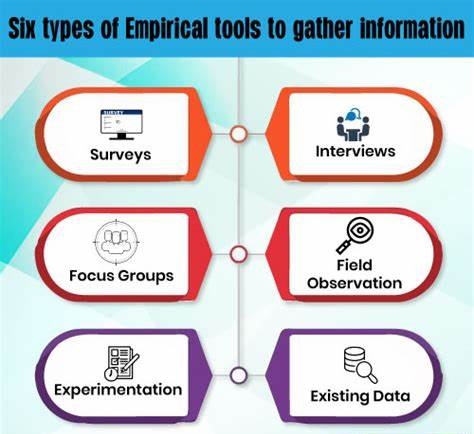






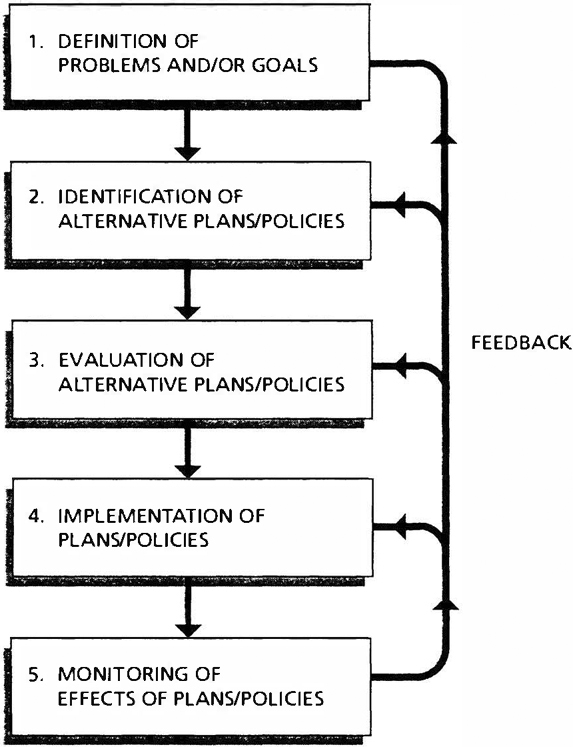

















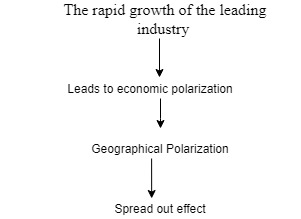



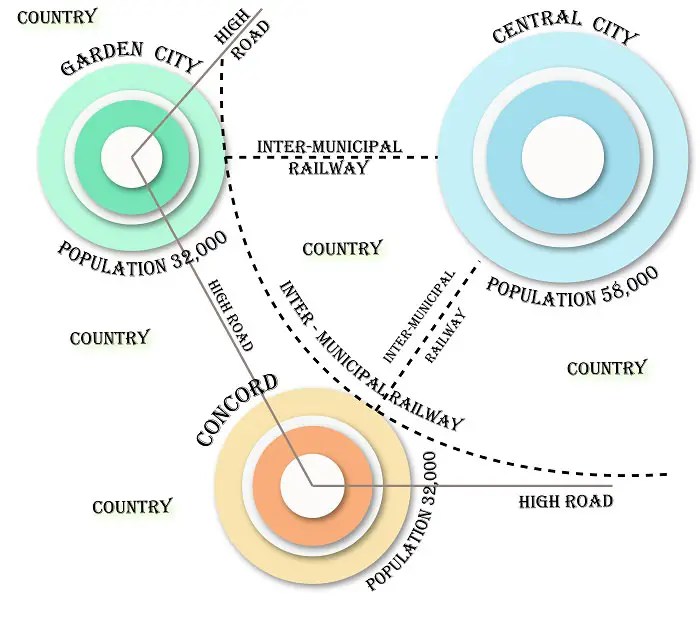


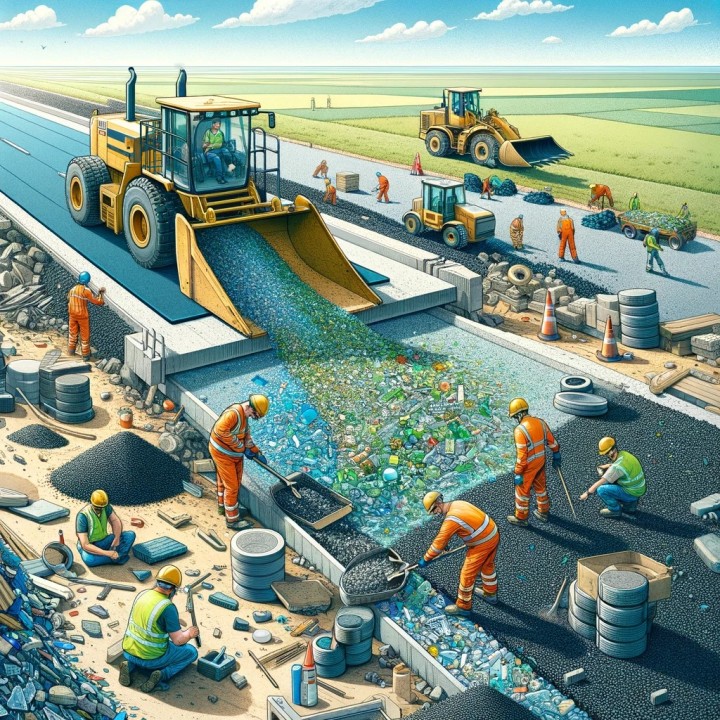
































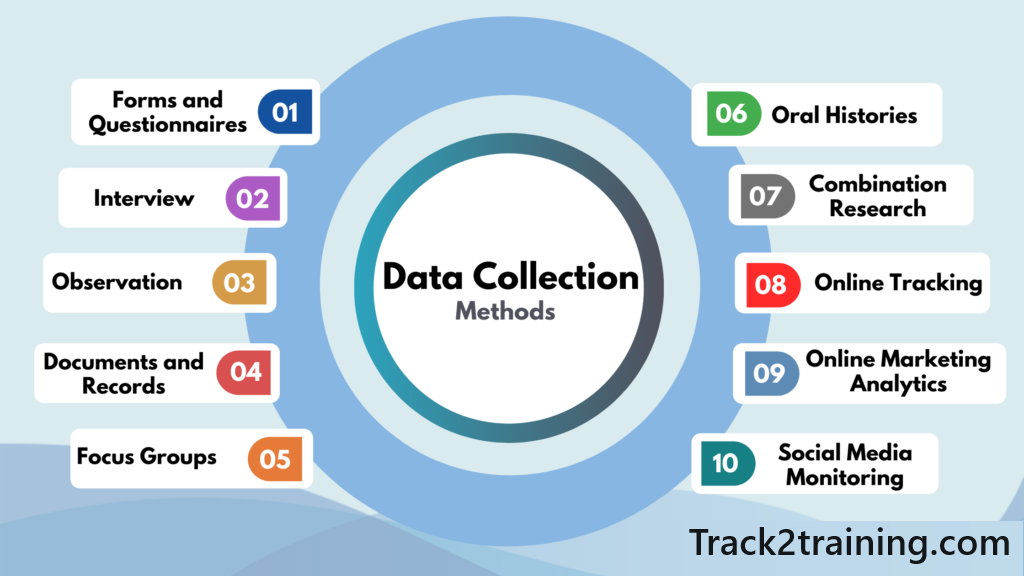


 Track2Training
You must be logged in to post a comment.