Structure of the novel JOSEPH ANDREWS By Henry Fielding

Joseph Andrews by Henry Fielding is considered as the first novel of English Literature. It is
described as a “comic – epic poem in prose” by the author himself in the preface to the novel. It was written in 1742 and portrays the realistic eighteenth century English society. While talking about the structure , form and style the author’s words say that “this form is not seen until and not intended before in the language”.

The narration of the novel follows a linear pattern eventhough certain digression or temporary departure is visible in certain chapters. The plot or the organization of events can be categorized into different parts such as Exposition ( initial stage), rising action, conflict / complication, climax, falling action and resolution or denoument. In this novel the protagonist Joseph Andrews was working as a footman for Mr Thomas Booby. This stage can be considered as the exposition of the novel. He was a good footman. Lady Booby had sexual desires in him and he was the talk of the London town. After Booby’s death, Lady Booby tried to show his passions towards him and he refuses. As a result Lady Booby fires him from the job.

Next in the rising action of the novel. He leaves , then hits the road in search for his love Fanny Goodwill. She is at Lady Booby’s country side far away from London. He passes through a maze of storms, ruffians and angry innkeepers. Ruffians attacks and strips his clothesleaving him naked in a ditch. All these events constitutes the rising action of the novel.

By a stroke of luck, Parson Adams turns into Joseph after his fatal injury. Once he heals up they plan to travel Booby country together. They face many problems and they solve. The parson forgets his horse, forgets to pay for his horse and fights with the innkeeper. Thus the conflict arises. They solve the problem and travel . In a way, he saves a woman who was being attacked by a stranger. That girl was Fanny Goodwill. But a group of strangers mistakes the two of them as criminals and submit them before the Justice of Peace. Here the plot reaches the peak of conflicts or climax. But another man identifies Parson Adams and saves them. After this some events occurs which were against Joseph and Fanny. The turning point occurs on the time when it is said that Joseph and Fanny to be siblings.

Lady Booby with the help of the lawyer Scout plans to throw Joseph and Fanny to Bridewell, a notorious prison to seperate them. These actions creates a falling action of the novel. Towards the end of the novel Pamela and her new husband Mr Booby arrives and prevents them from throwing into the Bridewell. The mysterious peddler who Joseph and Parson Adams met in the journey arrives and says that Fanny is actually Joseph’s parent’s daughter and Joseph is the son of Mr Wilson, who also met them in the journey. Thus the confusion settles and Joseph and Fanny finally gets hitched. Thus through this the novel reaches a resolution or denouement.

The work is divided into four books and the books into subsequent chapters. There are sixty four chapters altogether. The narration is linear eventhough there are certain digressions. These deviation from the main plot will not cause any harm to the novel. They were used by henry Fielding to give some examples about human passion and characteristics of the protagonist. The stucture is well organized and explanatory. While analyzing the structure it can be considered as a scientific research work. As a satire, which focuses on the the reality, mockery and the reformations of the society, Joseph Andrews follows this pattern of a research work. As a scientific work researches the reality, the writer experimented with the eighteenth century English society and the results are incorporated as this work. Subsequent tentative titles gives an impression about what is going to find in the following chapters like the title What Happened after Their Journey to London. Like the research is not for the researcher but for the betterment of the society Joseph Andrews also intends reformation of the society. The structure can also be considered as that of classical works which is about the general truths of human nature.

Henry Fielding said the structure a s ” comic – epic poem in prose” in the preface. Thus it possess certain epic like qualities. The division into books and further chapter division resembles epic like structure. Like the fable of epic the fable here is not supernatural but realistic. The action is mild but the fight between ruffians and Joseph and fight of Parson Adams to save Fanny are the actions like those found in epics. In terms of diction and language, allusions and referernces from various languages and use of archaic languages is apparent,like submissiveness of Mrs Trubiller is compared to the example of Sarah, wife of Abraham, Greek language references and references to Homer. In terms of themes also Joseph Andrews resembles epic like reformation of society from the ills of vanity, hypocricy and affectation and presentation of characters from the different classes of society.

The style is simple, explanatory and vivid and there is no artificial use of elevatory language or high vocabulary. Since the work is a satire on Samuel Richardson’s Pamela in which the emphasis of female chastity, in Joseph Andrews the emphasis of male chastity is presented in a humourous way. The vices are presented this humour and not in a didatic language rather it is suggestive. Through the letters to Pamela the novel possess epistolary style also. Joseph’s character is presented as a rougue of low social class as a footman and encounters in a bad world. So in this perspective the novel can also be considered as a picaresque novel. Eventhough Joseph Andrews was written when English novel was in it’s infancy, the well organized and explanatory srtucture and humourous elements makes the novel special.

THE KITE RUNNER: A STORY OF ETERNAL FRIENDSHIP

Khaled Hosseini’s first novel ‘The Kite Runner’ opens the world of two friends and their never ending friendship. Through the stories of Hassan and Amir Hosseini portrays various themes like the search for redemption, the love and conflicts between father-son relationship, the social, political and racial background of Afghanistan. The way Hosseini portrayed Afghanistan is very much different from the stereotyped images of Afghanistan. For Hosseini Afghanistan was home, with the landscape, pomegranate trees and kite.

Many books have primarily focused on loyalty and friendship. But the friendship and relation between Amir and Hassan is different. The change in the attitude towards Hassan is the point where the search for redemption begins. In the beginning race and religion played a very integral role in their friendship. Hassan being a Hazara boy with a cleft lip, it was very difficult for him to be in that friendship. On the other hand Amir, the Pashtun boy with power and money he easily dominated Hassan. But he was unsuccessful in winning Abba’s heart. Abba’s love flowed to Hassan more than Amir. This also created a kind of hatred in the mind of Amir towards Hassan. Thus the friendship was a kind of master slave relationship back then. Hassan was loyal to Amir, no matter how much he ridiculed Hassan. Hassan gave first priority to Amir by saying that “for you a thousand times over”. But for Amir friendship was a kind of authority.

But towards the second half the relation between Amir and Hassan has a shift. From the hatred evolved from jealous, Amir now has a guilt feeling for Hassan. The guilt rised from the understanding that Amir wasn’t able to stand up for Hassan, when he needed that support. The betrayal questions the loyalty of Hassan every time. Finally the loyalty wins. Hassan not only saves Amir from his childhood, but saves him later also. When Amir struggles with regret and guilt the letter of Hassan saves him and leads to the path of redemption. The struggle faced by Amir on his way to save the son of Hassan, is considered as a kind of punishment for himself for the past betrayal. Finally Amir saves Hassan’s son Sohrab, which is a kind of redemption. The relation between Amir and Hassan is something special which unfold behind the kites.

THEMES OF THE NOVEL “A TALE OF THE TWO CITIES” BY CHARLES DICKENS

While analyzing the themes of Charles Dickens’s 1859 historical fiction, A Tale of Two Cities it is apparent that the author has incorporated variety of themes in the novel. Through the beginning lines “It was the best of times, it was the worst of times. . .” the chaotic society of eighteenth society is well depicted by Dickens. Even though the characters in the novel do not engage in many conversations, their actions strengthens the themes of this work.
Resurrection or rebirth is the major theme of the novel, which is presented from the beginning to the end of the novel. The first important resurrection is that of Sydney Carton’s. Sydney Carton’s resurrection and sacrifice gives new life to Lucie and her family. Carton is portrayed as a Christ like figure who dies to save the lives of the people he loves and reborn in their minds. The theme of resurrection comes again with respect to Dr Alexandre Manette, who is reborn into his previous life, from imprisonment and mental illness, with the love of his daughter Lucie. In Jerry Cruncherโ€™s life also we can see the resurrection, who leaves the job of grave digging for his loved ones. These are the resurrection in
personal level. In the societal level, we can see the old status of France appears to give way to New France with the sacrifice of many revolutionaries. The revival of peace and a better society echoes throughout the novel. Sacrifice is the next dominant theme in A Tale of Two Cities . On a personal level sacrifice of Sydney Carton is most strongly visible. He gives importance to the happiness of Lucie and family and this encourages him to sacrifice his life. Carton does not have a family of his own and he lead an unproductive life throughout, so he havenโ€™t offered much to the world. So he believes this act of sacrifice will redeem everything and make his life meaningful. Next factor which strengthens the theme of sacrifice is the revolution. Revolutionaries sacrifice their life to give a new society.
Violence and oppression is the next major theme. Even though Dickensโ€™s seems to support the revolution, he emphasizes the sufferings caused by violence. Dickens sympathizes with the peasantry and emphasizes the need for liberation. But the strategy of peasants for overcoming this situation causes more violence and death of many innocent humans. The scenes of people sharpening their weapons in the grindstone, senseless killings of people and dance with weapons emphasizes the theme of violence and oppression.

Since the background of the novel is eighteenth century society Social Inequality and Class conflict are the next important theme. There are two classes in France, the peasants and the aristocrats. The aristocrats are portrayed as lazy, irresponsible, spoiled and heartless who does not have any regard for the peasants or lower section of the society. The social inequality is evident in the incident of the rape of the peasant woman by Marquis. And when the Marquis killed the son of Gaspard he is not subjected to any legal proceedings because he is from the aristocracy. The storming of Marquisโ€™s castle is the symbol of the fall of aristocracy. Towards the end the situation reverse. The violent measures by the peasants arises as a result of long suffering. Even though Dickens supported revolution he portrayed both social class as equally violent and oppressive.
The theme of justice is intertwined with discrimination and injustice. Justice is presented literally by trails and imprisonments in the plot. The imprisonments of Darnay and Dr Manette are example of innocent people being subjected. As said earlier after the death of the son of Gaspard Marquis is not subjected to any legal proceedings. At this occasion justice is taken by individuals, like murder of Marquis by Madame Defarge as a revenge against Everemonde family.


Apart from these major themes Dickens focuses on themes of duality like light v/s darkness love v/s hatred with the comparison of two countries and the actions of the people there. While England remained as peaceful country, France goes through intense revolution. The contrast between these countries is progressed through the novel which intensifies the theme of light v/s darkness. Dr. Manette has been locked away in a dark prison for many years and lost his mind. Charles Darnay is struggling to right the wrongs done by Evremonde family. Sydney Carton is living his life unproductive and feels he has no purpose. So Lucie is the person who is considered as the light in their lives, who lead them to recovery and bring them out of darkness.

Revolution is the next major theme which is clearly apparent throughout the novel. The revolution and itโ€™s impact on lives of many people is clearly portrayed. The sinners and innocent people, both are equally affected by revolution. The reversal of roles are the next theme. Towards the end of the novel the peasants who were poor in the beginning become more barbaric and cruel. And as a result of this the aristocrats suffer at the end. So this is an example of reversal of roles among peasants and aristocrats. On another level the replacement of Darnay by Carton in the prison is also an example for the reversal of roles. Apart from these, themes like family preservation, fate, love and hate are also included by Dickens. Through these themes author clearly reflects the society of eighteenth century.

RELIGIOUS AND PHILOSOPHICAL ELEMENTS IN THE NOVEL ‘THE SLAVE’ BY ISAAC BASHEVIS SINGER

Written in the socio-political background of Polish- Cossack war and the Khemelnsky massacre, the novel The Slave unfolds many layers of religion, philosophy, vulnerabilities and guilt of man. The novel also portrays the critical or unbiased representation of the jew community. Isaac Bashevis Singer is a Jewish immigrant writer, and he is known for his unbiased representation of the Judaism. In this novel also Singer portrays this criticism of religion and Judaism and he questions the aim or meaning of the religion if it only serves for the separation of humans. The novel carries various religious allusions, symbols and philosophical truths.

The protagonist Jacob is a religious Jew, with extreme beliefs. He is described as ” he resembles the men in the holy pictures that hung in the chapel in the valley”. He upholds his Jewish identity. At the same time he is in a religious conflict and dilemma. Being an ardent believer , sexual relations and marriage with an “outsider” or non Jew is not allowed in Judaism. But his intense love for Wanda is in conflict with this. Here, a juxtaposition between free will and determinism is evident. The question that does God control his destiny or does Jacob controls his destiny is always in juxtaposition in his mind. In the relationship between Jacob and Wanda the novel questions the religion and the customs by giving the notion that, why do we follow certain rituals if it intends the seperatedness of individuals rather than their union. Apart from this internal dilemma, one external dilemma is there, that is the thought of discrimination or exclusion in the village. And this made him to tell that Wanda is deaf and mute to hide her ethnic Identity.

Another question of choice, righteousness comes in the instance where Teresa tries to seduce Jacob. But Jacob refuses and Teresa feels guilt and she laments.

There are several biblical allusions present in the novel. When Jacob changes Wanda’s name to Sarah, he is alluded to Abraham who changes his wife’s name to Sarah. The name of their son Benjamin also carry biblical allusion. And he takes him to Jerusalem for pilgrimage. Towards the end novelist presents the ultimate philosophy of life by the growing cemetery, which included the remains of Sarah, which was not accepted by the community because of Sarah not being a Jew. So here Singer portrays the ultimate philosophy and truth of life, the death. Death is the leveller, which is equal for everyone irrespective of race and religion. And everyone gets equality through death.

ANALYSIS OF THE STYLE AND STRUCTURE OF THE NOVEL THE STONE ANGEL BY MARGARET LAURENCE

Margaret Laurence’s 1964 novel The Stone Angel depicts the story of Hagar Shipley, whose life was filled with chaos and sorrows. Hagar Shipley the protagonist of the novel is a ninety year old woman who outlived her husband and younger son John. Hagar is the daughter of a wealthy shop owner, Jason Currie. As a young woman she marries Brampton Shipley against the wishes of her parents. After marriage she gave birth to two sons Marvin and John, among which Hagar shows favoritism towards younger son John. Hagar and Brampton’s marriage become unsuccessful and they become separated. Hagar takes John along with her, but finally he returns to his father. Hagar visits her hometown Manawaka, after hearing the news of Brampton’s poor health, and he dies soon. Then John too dies soon in a car accident. Upon hearing the news of John’s death, Hagar doesn’t show any emotions. From these incidents she becomes a strong, emotionless person, the stone angel, as the title suggests. Then, she lives with her elder son Marvin and his wife Doris. Hagar runs off from them, when they planned to send her to nursing home, and wanders around at Shadow point. Towards the end Marvin and Doris takes her back home, brings to the hospital. Aware that she is dying Hagar finally apologizes to Marvin.
This life story of Hagar is presented in the first person point of view by the author. The narrator itself is Hagar, who presents the events in the form of fragmented memories and images. The novel is divided into ten chapters and they shifts back and forth between the present and the past. At the present Hagar is a ninety year old woman, whose physical breakdown made her dependent. As Hagar narrates her own story, the narrative arc goes back to her early ages, where the events are presented in a chronological order. But these memories and images of the past occur in a fragmented way, which represents the present, helpless, ill condition of Hagar. Margaret Laurence has incorporated the technique of stream of consciousness in the narration. This made the mental and emotional state of narrator transparent. And by this the readers will also be able to perceive the intensity of her feelings and experiences and they can feel with her. The shift from present state to past memories can also be analysed as the attempt of Hagar to
suppress her fear of mortality. The use of Hagar as narrator to tell her own story makes the work more special. Even though Hagar tells her past in the form of monologues, whose tragic flaw is excessive pride, they can also be considered as biased. By the structure it can also be considered as a kind of autobiography of Hagar. The shift from present to past somehow resembles the narrative part of Benjamin in the novel The Sound and the Fury. Margaret Laurence made the novel rich with various symbols and images which strengthens the narrative. The title itself, identifies with Hagar. The stone angel represents the rigid, unbending, proud self of Hagar. But at the same time she is not completely without emotions. Towards the end she feels guilt, sorrow and regret. So, the symbol of stone angel
clearly depicts Hagar. As an angel she considered herself as superior to others, whose tragic flaw was excessive pride. The symbol of eggs, used by author represents nurture and compassion for others, which lacks in Hagar. While analyzing the images used by the author, the biblical image is superior. The name Hagar, came from Bible, Abraham’s concubine and mother of Ishmael. As Hagar was banished from heaven, Hagar in the novel also left her home. The nursing home and hospital imagery can be related to death which Hagar fears. The narration, images and symbols makes the novel greatest Canadian novels ever written by Margaret Laurence. The two narrative arcs, narration through fragmented images and stream of consciousness technique, first person perspective etc make the structure and style of the novel different.

BOOK REVIEW-THE KITE RUNNER BY KHALED HOSSEINI

BY DAKSHITA NAITHANI

The Kite Runner is a remarkable and compelling novel that has become a cherished, yet another classic. It is a sweeping narrative of family, love, and friendship set against the terrible background of Afghanistan’s history during the previous three decades.

The Kite Runner is a riveting and dramatic narrative of treachery and redemption that left the readers both excited and touched. It depicts the narrative of Amir and Hassan, two best friends who are also specialists in the art of kite flying and are as close as brothers. The two young boys reside in Kabul, the capital of Afghanistan and this year they’ll try harder than ever before to win the local kite-fighting championship, a traditional Afghan pastimeโ€”which is Amir’s last hope of regaining his father’s affection. But, like the kites fighting in the skies, conflict descends on Afghanistan, turning the nation into a deadly region.

In this work, the kite was utilised as a metaphor. Amir wants to please his father by winning the game, while Hassan demonstrates his naive allegiance by being a kite runner, in the early stages of the storey. Khaled Hosseini’s words are quite solemn, like as Hassan’s dialogue “For you, a thousand times over” when Amir replied “Hassan, come back with the kite.” It expresses Hassan’s earnest commitment to their friendship. Baba is a hero to his son, treating his servant’s son as if he were his own. Amir attempts to amaze him for the most part and becomes exhausted, but Hassan makes it look easy As a result, he despises Hassan for that reason alone. โ€œThere is just one sin, only one,โ€ Baba said of lying. That is thievery. Theft is the root of all other sins. When you kill a guy, you take away a life… you take away his wife’s right to a husband, and you take away his children’s right to a father. When you tell a falsehood, you are robbing someone of their right to know the truth. Cheating robs you of your right to justice… there is no more heinous conduct than stealing.โ€ In the second part of the storey, he develops into an irony.

People are frequently compelled to make enormous sacrifices in battle, and the young Amir himself commits a treachery, directed at his best mate Hassan, that will plague him for the rest of his life. When Amir and his father are forced to escape Afghanistan for America, The Kite Runner has become the narrative of Amir’s search for atonement, as he seeks to atone for the wrongs he did as a child in Kabul.

The tale is fast-paced and never dull, and it brings us to a weird, intriguing, yet oddly familiar world, the world of Afghan life. Not only is the storey itself brilliantly constructed, but the book also explores the very art of storytelling. Hosseini’s writing strikes a great balance between being clear and yet powerful, and not only is the story itself brilliantly constructed, but the book also explores the very art of storytelling. Amir becomes a writer himself, and he reflects on his experiences in the tale as if his lifetime were a work of fiction.

The kite runner’s finest feature is its feeling of fate and justice, of virtue triumphing over bad in the end, despite all obstacles. Without giving anything away about the plot, Amir returns to Afghanistan and undertakes a new series of sacrifices in order to put things right. The message underlying the finale might be taken differently by various readers, but it gives a glimmer of hope for the characters’ futures, as well as possibly for war-torn Afghanistan.

Khaled Hosseini writes with a heart that recalls, and remembers well, his motherland. Though most of us think of Afghanistan as war-torn and exhausted, obsessive and confining, even terrifying, Hosseini recalls what it was like before all of that. He provides the Afghan community a face, which has the potential to be quite strong.

He doesn’t offer us a narrator that is pleasant, admirable, or even excusable, but he does give us a narrator who is real, fragile, and suffers as a result of his flaws. There is no atonement for certain sins, just pardon.

BOOK REVIEW – THE BLUE UMBRELLA BY RUSKIN BOND

BY DAKSHITA NAITHANI

The Blue Umbrella has received widespread acclaim from readers and reviewers alike, and is considered one of Ruskin Bond’s best works. The narrative is brief and straightforward, yet it eloquently hits on a fundamental quality of humanity: compassion. Binya Ruskin instils a spirit of kindness in youngsters via his work. It’s a fantastic book that everyone should read. The author’s writing style is admirable since it is basic yet effective, and his imagination is warm and inviting. This collection of lines captures the enthusiasm of people living in mountainous places, a location dear to the author’s heart as his birthplace.

Binya is a poor little girl who lives in a tiny mountainous village in Garhwal with her mother and older brother, Bijju. She comes upon some city folks enjoying a picnic in the valley one day while herding her two cows back home. She is captivated by their well-groomed appearance and wealth. She aspires to be like them, and amid their numerous possessions, a blue frilly umbrella strikes her eye. She has a strong desire for it. The city folks, on the other hand, are drawn to her naive beauty and the necklace around her neck. The pendant is made of a leopard’s claw, which is generally regarded as a mascot in the hills. Binya exchanges her necklace for a blue umbrella.

The blue umbrella is so lovely that it quickly becomes a topic of talk among the villagers, and the youngsters admire her umbrella so much that they want to touch or hold it at all times. Binya is in seventh heaven and only shuts it once in a while since she thinks it looks so lovely while it’s open.

Ram Bharosa owns a tiny shop without a refrigerator where he sells food, groceries, and soft beverages. He is so enamoured with the umbrella that he decides to acquire it under all circumstances. As a result, he makes Binya an offer to buy the umbrella. She, on the other hand, declines the offer. He is turned off by the refusal. He quickly recruits a youngster from a nearby hamlet to work in his business. Binya is out in the forest gathering porcupine quills when the boy, who is devoted to him, snatches the umbrella from her.

Bijju, ironically, catches the youngster. When the child discloses Ram Bharosa’s involvement in the theft, the locals shun him and refuse to visit his business. As a result, Ram Bharosa suffers a setback, and his livelihood is jeopardised. Binya is saddened by Ram Bharosa’s predicament and feels guilty for his suffering. She then gives Ram Bharosa her umbrella. In exchange, Ram gives her a pendant with a bear’s claw embedded in it, which is thought to be fortunate than a leopard’s.

When it comes to little children, various individuals with varied perspectives account for a sense of belonging when it comes to what is good and what is wrong.

In this narrative, it is a lovely trip of the umbrella, rather a risk worthy umbrella, from one hand to another, encapsulating a confusing attitude to how to cope with its beauty from the perspective of a youngster.

On the list, it is a highly recommended book. Adults may use it to educate themselves that power by empathy, rather than power via arrogance, is the only road to succeed. The author has flamboyantly inflated the setting and people, according to a mild critical viewpoint. Apart from that, everything is very gentle and enticing. The enthusiasm for the umbrella is a metaphor for our desire for small pleasures in life.

This book review was provided by a professional online writing service โ€” WriteMyPaperHub. If you need toย write your own book reviewย and the deadline is scarily close, you can either compromise on quality and risk getting a bad grade, or delegate this task to a reliable writer online. Experts in writing book reports and other academic papers help thousands of students worldwide every day. They know the rules for these assignments and have read most of the syllabusย for now, so they don’t need to spend extra time on it. Pay an expert writer to help you with this task, and focus on other assignments.ย 

BOOK REVIEW- ROOM BY EMMA DONOGHUE

BY DAKSHITA NAITHANI

The extraordinary novel “Room” by Emma Donoghue is constructed on two extreme constraints: the narrator’s constrained point of view, a 5-year-old child named Jack, and the limits of Jack’s physical environment, an 11-by-11-foot room where he lives with his mother. We begin the book with our feet firmly planted in these constraints. We only know what Jack knows, thus the tension is palpable, as is our perplexity as to why these individuals are at this location. Jack appears to be content in a routine that he finds reassuring, in a location where he can see his mother at any time of the day. For him, she has devised an organised, energetic routine that includes exercises, music, and readings. The room’s primary items are given letters โ€” Rug, Bed, Wall โ€” which is an excellent decision because they are named beings to Jack. In an environment where his mother is his only other company, Bed is as much a buddy as anything else. In this manner, Jack is a super-charged form of a typical youngster, giving infinite pleasure and purpose to everything he does.

Donoghue gracefully directs these constraints. Jack’s voice is one of the novel’s true accomplishments: she has created a kid narrator in him who is one of the most fascinating in recent memory, his voice so ubiquitous that I could hear him chattering away throughout the day when I wasn’t reading it. Jack is lovable simply because he is lovable, as Donoghue reworks language to reflect the delicacy of a child’s learning without making him coy or excessively adorable. Donoghue gives us a glimpse into Jack’s world through dialogue and well placed hints of eavesdropping, without relying on heavy-handed or clumsy narrative. The reader understands together with Jack, and we frequently learn more than he can comprehend, yet the gap between his knowledge and ours is a zone of emotional resilience, as it is in most children’s stories.

Her creativity rises even further when she animates the novel’s physical environment through her protagonists’ rituals: they run around a handmade track; they watch Television, though not much since “it rots our brains”; they tie eggshells together with a needle to form a snake. Toys and books are regarded as valuable as gold. A lollipop is a discovery, and the tale shows early on that Room is truly a jail, with an antagonist having the key, and Ma being held captive.

The meticulous, methodically built structure of the characters’ days takes on a new tone once it is apparent that Ma does not want to be there. Ma becomes a heroic character because she can engage and fascinate a vibrant, intelligent kid despite enduring the sadness of their position.

Jack doesn’t have to change because this is his normal. The space works as a large womb, a real extension of a mother’s body in many respects, a small region of absolute intimacy and care. It’s a child’s paradise for a while, but it’d be his horror if he grew up there.

Overall, Donoghue goes the extra mile with โ€œRoom,โ€ bringing her narrative to a dramatic conclusion that seems just right. This is a remarkable work that may be seen through a variety of perspectives: psychological, social, and political. It offers a fresh, comprehensive perspective on the world we live in while presenting an absolutely unique approach to talk about love. Never before has a modern literary classic portrayed a child’s innocence, inventiveness, and perseverance as well as this novel does.

Ma, the main character, has made numerous significant decisions regarding Jack’s upbringing. He’s been raised to think that the sound-proofed shack where he and Ma live, the ‘Room,’ is the sole reality. For example, he believes Ma is the only woman in the world and that he is the only โ€˜Jack’. This tough choice by Ma enables Jack to have a relatively normal upbringing. Jack is a cheerful, curious youngster like any other because of this decision – he is kept unaware of the tragedy wherein he lives for his own safety. The story then does take a turn and the author handles issues like as schooling, upbringing, and dealing with PTSD symptoms with remarkable humility, leaving the reader with a profound sense of respect and compassion for the protagonists.

We could talk about Room for hours if we wanted to, that’s how essential it is. Room will linger with you long after you put it back on your bookshelves, emotionally compelling, troubled, and with a ray of hope.

Shutter Island – book review

About the book

Author : Dennis Lehane

Genre : Gothic, Psychological Horror, Crime

Pages : 380

Publication date : April 15, 2003

Story plot

In 1954, widower U.S. Marshal Edward “Teddy” Daniels and his new partner, Chuck Aule, go on a ferry boat to Shutter Island, the home of Ashecliffe Hospital for the criminally insane, to investigate the disappearance of a patient, Rachel Solando (who was incarcerated for drowning her three children). Despite being kept in a locked cell under constant supervision, she has escaped the hospital and the desolate island.

In Rachel’s room, Teddy and Chuck discover a code that Teddy breaks. He tells Chuck that he believes the code points to a 67th patient, when records show only 66. Teddy also reveals that he wants to avenge the death of his wife Dolores, who was murdered two years prior by a man called Andrew Laeddis, whom he believes is an inmate in Ashecliffe Hospital. The novel is interspersed with graphic descriptions of World War II and Dachau, which Teddy helped to liberate. After Hurricane Carol hits the island, Teddy and Chuck investigate Ward C, where Teddy believes government experiments with psychotropic drugs are being conducted. While separated from Chuck for a short while in Ward C, Teddy meets a patient called George Noyce, who tells him that everything is an elaborate game designed for him, and that Chuck is not to be trusted.

As Teddy and Chuck return to the main hospital area, they are separated. Teddy discovers a woman (in a sea cave he tried to take refuge in) who says she is the real Rachel Solando. She tells him she was actually a psychiatrist at Ashecliffe, and when she discovered the illegal experiments being run by them, she was incarcerated as a patient. She escaped and has been hiding in different places on the island. She warns him about the other residents of the island, telling him to take care with the food, medication and cigarettes, which have been laced with psychotropic drugs. When Teddy returns to the hospital, he can’t find Chuck and is told he had no partner. He escapes and tries to rescue Chuck at the lighthouse, where he believes the experiments take place. He reaches the top of the lighthouse and finds only hospital administrator Dr. Cawley seated at a desk. Cawley tells Teddy that he himself is in fact Andrew Laeddis (an anagram of Edward Daniels) and that he has been a patient at Shutter Island for two years for murdering his wife, Dolores Chanal (an anagram of Rachel Solando), after she murdered their three children.

Andrew/Teddy refuses to believe this and takes extreme measures to disprove it, grabbing what he thinks is his gun and tries to shoot Dr. Cawley; but the weapon is a toy water pistol. Chuck then enters, revealing that he is actually Andrew’s psychiatrist, Dr. Lester Sheehan. He is told that Dr. Cawley and Chuck/Sheehan have devised this treatment to allow him to live out his elaborate fantasy, in order to confront the truth, or else undergo a radicalย lobotomyย treatment. Teddy/Andrew accepts that he killed his wife and his service as a US Marshal was a long time ago.

The ending of the novel has Teddy receive a lobotomy in order to avoid living with the knowledge that his wife murdered their children and he is her murderer.

Review

Have you seen the movie Shutter Island starring Leonardo DiCaprio? If you havenโ€™t yet, read the Shutter Island book first. It was originally published in 2003 by Dennis Lehane, and made into a movie not long ago, 2010 actually. I personally havenโ€™t seen the movie either, but after reading the book Iโ€™ve decided I HAVE to see the movie adaptation.

Why was the book so good? Many people will already be familiar with Lehaneโ€™s work, heโ€™s a famous thriller/crime novelist, so to start off the book is really well written. Not only that, but the plot is fantastic, with lots of twists that you never see coming, which always makes great for a screenplay as well. The copy of the book that I read was a lent to me by a colleague of mine, so it was an older, well-loved paperback from a while back; a nice change from the brand new books I typically get! Anyway, as mass market paperbacks typically do, it had quotes and blurbs from press reviews all over the cover, and a few of them described the book as โ€˜cinematicโ€™, meaning the descriptions of the scenery and characters are so vivid that readers can easily imagine these scenes in their mind. Of course these were just predictions at the time, but the book was good enough for Martin Scorsese to take notice, as he was the eventual director of the film.

For those of you who like โ€˜spookyโ€™ summer time reads, this book is definitely for you, so make some time for some โ€˜oldies but goodiesโ€™ on your shelf, and then clear away an afternoon to watch the movie when youโ€™re done the book.

The Da Vinci Code – book review

About the book

Author : Dan Brown
Publication date : April 2003
Pages : 689 (U.S. hardback)
489 (U.S. paperback)


The novel explores an alternative religious history, whose central plot point is that the Merovingian kings of France were descended from the bloodline of Jesus Christ and Mary Magdalene, ideas derived from Clive Prince’s The Templar Revelation (1997) and books by Margaret Starbird. The book also refers to The Holy Blood and the Holy Grail (1982) though Dan Brown has stated that it was not used as research material.

Characters

Robert Langdon: A professor of symbology at Harvard University and the protagonist of the novel.

Jacques Sauniรจre: The grandmaster of priory of Sion, Curator of Louvre Museum and primary antogonist of the novel.

Sophie Neveu: A Cryptologist of French police and granddaughter of Sauniรจre.

Bezu Fache: A member of Opus dei and a French police.

Silas The monk: A member of Opus dei who murders Sauniรจre.

Manuel Aringarosa: A bishop of Vatican and member of Opus dei.

Sister Sandrine: A Seneschal of priory of Sion and sister of St. Sulpice.

Andrรฉ Vernet: A guard of Zurich bank.

Sir Leigh Teabing The Teacher: A Grail scholar, living in Paris and secondary antogonist of the novel.

Rรฉmy Legaludec: A maid who assist Teabing.

Jรฉrรดme Collet: A French police.

Marie Chauvel Saint-Clair: Sophieโ€™s grandmother and Sauniรจreโ€™s wife.

Summary


In the Louvre, a monk of Opus Dei named Silas apprehends Jacques Sauniรจre, the museumโ€™s curator, and demands to know where the Holy Grail is. After Sauniรจre tells him, Silas shoots him and leaves him to die. However, Sauniรจre has lied to Silas about the Grailโ€™s location. Realizing that he has only a few minutes to live and that he must pass on his important secret, Sauniรจre paints a pentacle on his stomach with his own blood, draws a circle with his blood, and drags himself into the center of the circle, re-creating the position of Da Vinciโ€™sย Vitruvian Man. He also leaves a code, a line of numbers, and two lines of text on the ground in invisible ink.

A police detective, Jerome Collet, calls Robert Langdon, the storyโ€™s protagonist and a professor of symbology, and asks him to come to the Louvre to try to interpret the scene. Langdon does not yet realize that he himself is suspected of the murder.

After murdering Sauniรจre, Silas calls the โ€œTeacherโ€ and tells him that, according to Sauniรจre, the keystone is in the Church of Saint-Sulpice in Paris. The Teacher sends Silas there. Silas follows Sauniรจreโ€™s clues to the keystoneโ€™s location and discovers that he has been tricked. In a fit of rage, he kills Sister Sandrine Bieil, the churchโ€™s keeper and a sentry for the Priory of Sion. At the Louvre, Langdon meets Jerome Collet and Bezu Fache, the police captain, and realizes that the two policemen suspect him of the murder.

Sophie Neveu, an agent of the department of cryptology and Sauniรจreโ€™s granddaughter, arrives at the crime scene and tells Langdon that he must call the embassy. When Langdon calls the number Sophie gave him, he reaches her answering service. The message warns Langdon that he is in danger and should meet Sophie in the bathroom at the Louvre.


In the bathroom, Sophie shows Langdon that Fache is noting his movements with a tracking device. She throws the device out the window onto a passing truck, tricking the police into thinking that Langdon has escaped from the Louvre.

Sophie also tells Langdon that the last line in the secret message, โ€œP.S. Find Robert Langdon,โ€ was her grandfatherโ€™s way of alerting her: P.S. are the initials of her grandfatherโ€™s nickname for her,ย Princesse Sophie. Langdon thinks that P.S. might stand for Priory of Sion, an ancient brotherhood devoted to the preservation of the pagan goddess worship tradition, and to the maintenance of the secret that Sauniรจre died protecting.

Langdon decodes the second and third lines in Sauniรจreโ€™s message: โ€œLeonardo Da Vinci! Theย Mona Lisa!โ€ Sophie returns to the paintings to look for another clue. The police have returned to the Louvre as well, and they arrest Langdon. Sophie finds a key behind theย Madonna of the Rocks. By using the painting as a hostage, she manages to disarm the police officer and get herself and Langdon out of the building.

As Sophie and Langdon drive toward the Swiss bank identified on the back of the key, Langdon explains the history of the Priory of Sion and their armed force, the Knights Templar. He reveals that the Priory protects secret documents known as theย Sangreal, or the Holy Grail. Langdonโ€™s latest manuscript is about this very subject.

When Sophie and Langdon enter the bank, an unnamed security guard realizes that they are fugitives and calls the police, but Andrรฉ Vernet, the bankโ€™s manager and a friend of Sauniรจreโ€™s, recognizes Sophie and helps her and Langdon escape. Sophie and Langdon figure out that the number left near Sauniรจreโ€™s body must be the account number that will open the vault. When they open the vault they find a cryptex, a message delivery device designed by Da Vinci and crafted by Sauniรจre. The cryptex can only be opened with a password.

Vernet successfully smuggles Sophie and Langdon past Collet in the back of a locked armored car. Vernet turns on them, but they manage to get away with the cryptex, which Langdon realizes is actually the Priory keystoneโ€”that is, the key to all of the secrets the Priory holds about the location of the Holy Grail.

Langdon and Sophie go to the house of Sir Leigh Teabing, a historian, to ask for his help opening the box. Teabing tells them the legend of the Grail, starting with the historical evidence that the Bible didnโ€™t come straight from God but was compiled by Emperor Constantine. He also cites evidence that Jesusโ€™ divinity was decided by a vote at Nicaea, and that Jesus was married to Mary Magdalene, who was of royal blood, and had children by her. Teabing shows them the hidden symbols inย The Last Supperย and the painted representation of the Magdalene. He tells them that the Holy Grail is actually Mary Magdaleneโ€™s body and the documents that prove Maryโ€™s blood line is related to Jesus. He says he thinks Sauniรจre and the others may have been killed because the Church suspected that the Priory was about to unveil this secret.

As Langdon is showing off the cryptex, Silas appears and hits him over the head. Silas holds Sophie and Teabing at gunpoint and demands the keystone, but Teabing attacks Silas, hitting him on the thigh where his punishment belt is located, and Sophie finishes him off by kicking him in the face. They tie Silas up.

Collet arrives at the castle, but Sophie, Langdon, the bound Silas, Teabing, and his servant, Rรฉmy, escape and board Teabingโ€™s private plane to England. Sophie realizes that the writing on the cryptex is decipherable if viewed in a mirror. They come to understand the poem, which refers to โ€œa headstone praised by Templarsโ€ and the โ€œAtbash cipher,โ€ which will help them arrive at the password. Langdon remembers that the Knights Templar supposedly worshipped the god Baphomet, who is sometimes represented by a large stone head. The word, unscrambled by the Atbash Cipher, isย Sofia. When they open the cryptex, however, they find only another cryptex, this one with a clue about a tomb where a knight was buried by a pope. They must find the orb that should have been on the knightโ€™s tomb.

Fache realizes that Teabing and the rest of them are in the jet. He calls the British police and asks them to surround the airfield, but Teabing tricks the police into believing that there is nobody inside the plane but himself. Then he goes with Sophie, Langdon, Rรฉmy, and Silas to the Temple Church in London, the burial site of knights that the Pope had killed.

Rรฉmy frees Silas and reveals that he, too, follows the Teacher. Silas goes to the church to get the keystone, but when he tries to force Langdon to give it up, Langdon threatens to break it. Rรฉmy intervenes, taking Teabing hostage and thus forcing Langdon to give up the cryptex.

Meanwhile, Collet and his men look through Teabingโ€™s house and become suspicious when they find that he has been monitoring Sauniรจre. Over the phone, the Teacher instructs Silas to let Rรฉmy deliver the cryptex. The Teacher meets Rรฉmy in the park and kills him. The Teacher calls the police and turns Silas in to the authorities. As Silas tries to escape, he is shot, and he accidentally shoots his idol, Bishop Aringarosa.

Silas takes Bishop Aringarosa to the hospital and staggers into a park, where he dies. In the hospital the next day, Aringarosa bitterly reflects that Teabing tricked him into helping with his murderous plan by claiming that if the Bishop delivered the Grail to him, he would help the Opus Dei regain favor with the Church.

Sophieโ€™s and Langdonโ€™s research leads them to the discovery that Sir Isaac Newton is the knight they are looking for, the one buried by a Pope, because they learn he was buried by Alexander Pope. They go to Westminster Abbey, where Newton is buried. There, the Teacher lures them to the garden with a note saying he has Teabing. They go there only to discover that Teabing himself is the Teacher. Teabing suspected that Sauniรจre had decided not to release the secret of the Priory of Sion, because the Church threatened to kill Sophie if the secret was released. Wanting the secret to be public knowledge, he had decided to find the Grail himself.

Teabing gives Langdon the cryptex and asks Langdon and Sophie to help him open it. Langdon figures out that the password isย appleโ€”the orb missing from Newtonโ€™s tomb. He opens the cryptex and secretly takes out the papyrus. Then he throws the empty cryptex in the air, causing Teabing to drop his pistol as he attempts to catch it and prevent the map inside from being destroyed. Suddenly, Fache bursts into the room and arrests Teabing.

The papyrus inside the second cryptex directs Sophie and Langdon to Scotland, where Sophie finds her brother and her grandmother. During the reunion, she discovers that her family is, indeed, of the bloodline of Jesus and Mary Magdalene. Sophie and Langdon part, promising to meet in Florence in a month. Back in Paris, Langdon comprehends the poem, which leads him to the small pyramid built into the ground in the Louvre, where he is sure the Grail must be hidden

Review

The Da Vinci Code by Dan Brown was a wonderful book. At several points in the book I found myself wondering what the next twist would be. The Da Vinci Code is about a symbologist named Robert Langdon.

I enjoyed how the author tied symbology into his novel. I learned things that I was not expecting to in a way that did not feel like I was in a class. I also feel that the action-packed novel kept me engaged with the characters. I often found myself sitting on the edge of my seat waiting for the next piece of the puzzle to be revealed. I highly recommend The Da Vinci Code to any who love mysteries or even to those looking for an adventure.

THE LUCKY ONE – BOOK REVIEW

About the book

Author : Nicholas Sparks


Genre : Romance Drama


Publication date : 2008


Pages : 386

Story plot

The book starts from Keith Clayton’s perspective. Keith is a local police officer. He is at a location where local college students go for nude swimming. He is carrying a camera he borrowed from the Police Department and is taking pictures of three female college students. One of them leaves the beach and comes upon Keith who is supposed to be on duty. He hides the camera and talks with the girls about their breaking the law by nude bathing. He lets them go. He comes across a man whom Keith describes as looking like a hippie walking down a logging road by the beach with a dog. It is Logan Thibault and his dog, Zeus. Keith is concerned Logan saw everything that had happened and tries to find a way to take Logan in. However, after running a background check on Logan and Logan refusing to let him search his bags he lets Logan go. He asks Logan where he is going and states he is heading to Arden. Keith goes back to find the camera he hid, but it is gone and the tires on his squad car are slashed. Keith becomes concerned as his father is the local Sheriff and his grandfather is a local judge.

When the story changes to Logan’s perspective, he is in the car with the three college girls who picked him up when he indicated he wanted to hitch a ride. He gives the camera (from which he removed the memory disk) to the college girls. The story also back tracks to Logan witnessing Keith taking the pictures and Logan taking the camera, destroying the disk, and slashing the tires of Keith’s cruiser. The story then goes back further into Logan’s life as he reflects on his walking all the way from Colorado and even further back as to why he decided to join the Marines. It is explained how Logan began to play Poker while tensions were building in the Middle East and this was his outlet. He lost all of his money while doing this and eventually gave up joining in on the games. It is then mentioned that Logan liked to go for early morning runs while in the Middle East and one day he came upon a picture half buried in the sand. It turns out to be a picture of Beth who is wearing a shirt that says Lucky Lady. His luck then begins to change. It is first noticed when his friend in his squad, Victor, encourages him to join in a poker game that night. Victor also believes in omens and superstitions and is the one who slowly convinces Logan the picture and the girl in the picture are powerful to Logan and the picture may have a deeper meaning in Logan’s life.

Elizabeth (Beth) is next introduced in the story. It starts at a birthday party her son, Ben, is attending. It comes up that Beth’s grandmother, Nana, recently had a stroke and Beth has been helping her run the dog kennel/obedience school Nana owns. It is also mentioned that Nana raised Beth, because Beth’s parents died in a car accident when Beth was 3 years old. Beth is also a teacher at a local school. It slowly becomes known that Keith Clayton is the ex-husband of Beth, and the father of Ben. Beth expresses her frustration about Keith’s disappointment in Ben as Ben is not as athletically inclined as other boys of his age. It becomes apparent that Ben does not care for his father much and does not like spending every other weekend with Keith.

The story goes back to Logan and the beginning of his experience in the Middle East is mentioned. A story is told about how the two comrades in his fire team are killed by a RPG and Logan survives. Logan is staying at a local motel and first decides to find the fairgrounds where the picture he had of Beth was taken. He finds the exact location where the picture was taken and knows he is in the right place. He determines he is going to go to a pool hall/bar to ask the locals if anyone knows the girl in the picture.

Next, Keith reminisces about his day and having to explain the slashed tires to his father. It comes to light that his dad and grandfather are well known in the town and Keith is stuck between keeping out of trouble and his family being able to get him out of trouble due to their status in town. Keith also explains his dislike for his son’s (in Keith’s eyes) weaknesses. Instead of wanting to be with Ben, Keith wants to be out looking for Logan to make him pay for what he did. Keith receives a phone call from a co-worker, Tony, who says a stranger has a picture of Beth at a local pool hall and was asking about her. Keith asks if the guy looks like what Logan had looked like earlier, but the co-worker says that is not the description of the man at the pool hall. Keith is disappointed and decides to do nothing about man with the picture.

Logan’s version of the bar/pool hall encounter is described and he learns Beth’s full name. The next day Logan goes to the dog kennel and meets Beth for the first time. He applies for a position at the kennel and Beth becomes suspicious due to the half told story Logan tells her. (He leaves the part out about the picture as the reason why he came to Hampton). Beth is skeptical and decides to have Nana talk with Logan. Nana decides to hire Logan, but admits she feels he isn’t telling the whole truth about being in Hampton. Once hired, Logan finds a place to rent in town and begins working at the kennel. Over the next few weeks Logan (and Zeus) becomes closer with Nana, Beth and Ben.

Nana decides to go on a trip to visit her sister in Greensboro, leaving Beth and Logan to tend to the kennel. Beth and Logan get to know each other better, and this is one of the weekends when Ben spends time with his father. Logan and Beth make ice cream on the Saturday night Ben is gone when Keith brings him back to Beth. Ben has a bruise on his face and his glasses are broken. Keith tells Ben to tell Beth it wasn’t his fault, but it’s apparent Keith threw a baseball too hard and it hit Ben in the face. Keith does not notice Logan initially, but when he does he demands to know what Logan is doing there. Zeus becomes defensive and Logan tells Keith to leave. Keith does, but is upset about the incident, because he does not like being challenged and forced to back down. He also upset to have found out that Logan had never left town and is concerned Logan may still have the camera’s memory disk.

Beth and Logan go on a date and Logan opens up about Victor and Logan’s boating trip in Minnesota. Logan informs Beth that Victor died when another boat hit their boat. Logan and Beth continue to date, and eventually Keith breaks into Logan’s home to see if he could the photo disk. Logan suggests to Beth that Keith has been the reason why none of her relationships have lasted and tells her about the break-in he had had in his home. Nana implies she agrees with Logan. Beth goes to a former boyfriend’s home and he weakly admits Keith may have been involved in his breaking up with her. Beth (politely) confronts Keith about this. Keith during this conversation tries to convince Beth that she knows nothing about Logan and this could dangerous. Keith thinks he has begun to convince Beth and is in high spirits. However, Logan did research on Keith’s family and meets Keith at his Keith’s home. Logan tells Keith he knows it was Keith who broke into his home and bluffs that he has a video recording of the break in. Logan said he would take the information to Keith’s family if Keith did not stay out of Beth’s business. Keith realizes he no longer has the upper hand and begins to drink heavily.

Later, there is a storm that comes through Hampton and it rains for days/weeks and the area begins to flood. Ben convinces Logan to go to his tree house and Logan realizes it is no longer safe because of the flooding. They still enter the tree house and Logan gives Ben the picture because he feels it will keep Ben safe. Logan mentions his friend Victor’s belief in the luck of the photo. Logan also plays the piano in church for Nana and the town begins to admire Logan, and even Keith’s grandfather praises Ben, deepening Keith’s hatred of Logan.

Tony, the co-worker who called Keith from the pool hall when Logan first arrived in town, goes to Keith’s house and informs Keith that Logan was the guy who had had the picture of Beth which Keith had ignored. Keith goes to the school where Beth works and convinces Beth that Logan is a stalker. Beth doesn’t necessarily believe Keith at the time and confronts Logan who admits to having the photo. Beth becomes extremely upset and demands the picture. Logan informs Beth that he had given it to Ben.

Later, Beth asks Ben for the photo and asks him to tell her everything Logan had said when Logan had given it to Ben. Beth realizes Logan had been honest about how he felt the photo was a good luck charm. Beth goes to Logan’s home and he tells her everything. He also mentions the tree house being very unsafe to Beth. Keith spies on Beth and Logan and is enraged. When Beth leaves Logan’s house Keith follows her to her home. Keith tells her he was going to take her to court to obtain full custody of Ben if she doesn’t follow his rules. He wants her to stop seeing Logan and date him (Keith) again. Ben overhears Keith threatening to take full custody, and tells Keith he doesn’t want to live with him. Ben runs away to his tree house. Logan had seen the extra set of tire tracks and realizes Keith had been around when Beth was at his house. Logan runs to Beth’s house.

Beth finally realizes Ben had run to the tree house and both Keith and Beth struggle to get to the tree house through the flooding and rain. When they arrive at the tree house it has partially collapsed and Ben was in the creek running under the tree house clinging to the rope bridge. Keith tries to go to the tree house but falls through the rotten wood and breaks his ribs and clings to rope bridge as well. Beth broke her foot on the way to the tree house and only able to watch everything unfold. Logan and Zeus arrive and try to help, as well. Logan ends up closer to Keith and Keith clings to Logan dragging him under when the whole tree house collapses and Logan and Keith disappear into the abyss. Zeus saves Ben.

In the epilogue it becomes apparent that Keith died and Logan survives. Ben continues to carry the photo around for good luck.

Review

Over the past few years I have have come to realize that I am a hopeless romantic. I love reading stories about two people having a chance meeting and just knowing from that moment that they were meant to be together, no matter how much their relationship gets tested. That is why this week’s selection happens to be from the man that I like to call the King of Romance Novels, Nicholas Sparks.
“The Lucky One” tells the story of Logan Thibault, a U.S. Marine who finds a lost picture while in Iraq. When nobody claims the picture he decides to keep it, providing him with good luck in every situation he is put into. After coming homeย he decides to find the woman in the picture even though he knows nothing about her. When he meets Beth Clayton there is an instant attraction and a passionate love affair begins, but Logan has a secret that may tear them apart for good.

I liked this book. I have read two previous Nicholas Sparks novels -“A Walk To Remember” and “Dear John,” and enjoyed them, even though they both had sad endings. The ending to this novel is also sad but happy at the same time.
The book drags in certain spots because there is a lot of back story about each character that needs to be told, but there are also moments of action. Now, keep in mind because this is a romance novel the action scenes are few and far between, but the few that do exist leave an impact on the reader, especially the ending.

Sparks writes from the perspective of the main love triangle – Logan, Beth, and Beth’s ex-husband, Keith. As I’ve mentioned before, I am not the biggest fan of multiple points of view, but this method helps push the plot along. It also shows the readers how the characters are connected. This book is great for anyone, especially those who love a great love story every now and then. I enjoyed reading it and I hope you do too. Maybe someday we will have that chance meeting where we meet the right person.

P.S. I LOVE YOU – book review

About the book

Author: Cecelia Ahern

Genre:ย  Romance, Womens Fiction chick- lit

Published: September 1st 2003

Pages: 470

PS, I Love You was a number-one bestseller in the United States, Ireland, and several other countries. It was made into a hit movie in 2007 starring Hillary Swank as Holly and Gerard Butler as Gerry. Ahern wrote a sequel, titled Postscript, released in the United Kingdom in 2020.

Summary

PS, I Love You (2004), a novel by Irish author Cecelia Ahern, tells the story of a young widow who receives a series of letters written by her late husband before his death; these letters help her through her grief, compelling her to embark on a series of funโ€”and often funnyโ€”adventures. PS, I Love You is ultimately a tale of love and marriage, death and survival, loss and recovery, and the eternal bond that can unite two people, even after one of them has passed away. It is also about the very human and awkward experience of moving forward alone after the death of a soulmate.

Holly Kennedy holds the sweater of her husband, Gerry Clark. Gerry has just died at the age of thirty from a brain tumor. Holly smells his sweater to remind her of his scent and presence. But as soon as she does, the reality of her loss hits her, and she feels as if she is going to be sick. Holly cannot imagine a life without Gerry, who had been her junior high sweetheart and her one constant source of love and strength for more than fifteen years.

Holly spends her days alone, wandering from room to room inside the home she had shared with Gerry. Consumed with loss, her sleep is fitful, and she rarely leaves the house. One day, her mother, Elizabeth, calls her to check in. Elizabeth has received a large envelope addressed to Holly; Holly assumes it is just another sympathy card. Her mother’s comment that the words The List are written on the top of the envelope shocks Holly. She suddenly knows what the envelope contains and who it is from.

She flashes back to a scene from her past with Gerry. When he jokes that someday he might not be around to do the little things like turn off the bedroom light before bed, Holly laughingly suggests he write her a list of things to do and leave it in his will. It started as a joke, but now, Holly knows, he followed through, sending the list to her mother before he passed away.

After a visit with her best friend, Sharon McCarthy, Holly decides to retrieve the envelope from her mother. She discovers that it is not really an envelope, but a package with no return address. Above the main address are the wordsย The List. She opens the package. On top is a letter in which Gerry assures Holly that she will be able to go on after his death and that she should open and follow the directions inside each small envelope only on the date written on the front of each one. The package contains ten small envelopes labeled with the months March through December. This month’s envelope tells her to buy a bedside lamp so she doesn’t have to get out of her cozy bed every night to shut off the bedroom light-switch. This letter, like all subsequent ones, ends with the words, “PS, I love you.”

For the next nine months, Holly looks forward to opening Gerry’s letters. She, Sharon, and Sharon’s husband, John, marvel at Gerry’s ability to put this project together. He had been so weak and ill toward the end of his life, it must have required a herculean effort.

In April, Gerry instructs Holly to buy a smart new outfit because she will need it in time for next month’s letter. In May, he tells her to put on her new outfit to face one of her biggest fears: singing karaoke live onstage. In June, he asks her to get rid of his belongings; “Iโ€™m already hereโ€ฆalways wrapping my arms around you,” he writes. In July, he wishes her a “good Holly day,” which she interprets as an order to get ready to go on vacation. In August, he sends her on vacation to Spain for a week with her friends. In September, Gerry advises Hollyโ€”who has a hard time finding a job she likesโ€”to get a career she finds fulfilling. In October, he sends her sunflowers with the instructions to plant more, in order “to brighten the dark October days you hate most.” In November, he encourages her to start dating. Finally, in December, he gives his permission for her to fall in love again.

Throughout these letters, buoyed by Gerry’s love and guidance, Holly emerges from the shell she has built around herself. She starts gradually by shopping for an outfit that will get her out of the blue-jeans-and-Gerry’s-shirts combination she’s been living in. The letters introduce more and more action and engagement, providing the springboard for Holly to reenter life once again. In the end, she doesn’t feel abandoned by Gerry or alone and single at a vulnerable time. She feels reconnected to all the amazing things in her life: her friends, her family, her newfound career in magazine advertisingโ€”and the eternal memory of one incredible man.

My Review

It is a very interesting read and very emotional one too. Love is the central theme of the book and it is presented in such a beautiful way. Dealing with the death of the beloved can be devastating but life goes on. You have to be keep on living and learn to be happy again for the sake of your family and friends but most importantly, for the same of your lost love who would never have wanted to see you unhappy.

A beautiful well written story which will make you cry for sure and also make you appreciate your loved ones. Cecilia Ahern has created some compelling characters. Her style of writing is simple and sometimes amateurish but the beauty of the story covers all the flaws. The poignancy of loss, letting go and rediscovery is beautifully captured in this story. Its a touching and emotional story about the long road of healing and finding yourself again after losing a loved one. I will definitely recommend this book to anyone who loves to read chick-lit.


Greatest Hindi Novels – You Must Read!

Literature has never failed to amaze us and to top it Hindi literature goes way beyond our imagination and there are many Hindi novels you must read. If you are bored of watching digital content in this lockdown and are planning to read books, and if you haven’t read Hindi literature, this is the time you should totally give it a try. Hindi language has all kinds of stories and has a very rich literary heritage. From the classic literature by Munshi Premchand to the heart-touching poems of Dr. Harivansh Rai Bachchan, many amazing Hindi novels touched the core of Indian culture and development. Here is a list of such amazing Hindi novels that will not fail to touch your hearts.

It is a difficult task to put together the best Hindi novels of all times, but somehow I manage to provide you the list of Best Hindi Novels by Indian Authors that everyone should read with our best of knowledge.

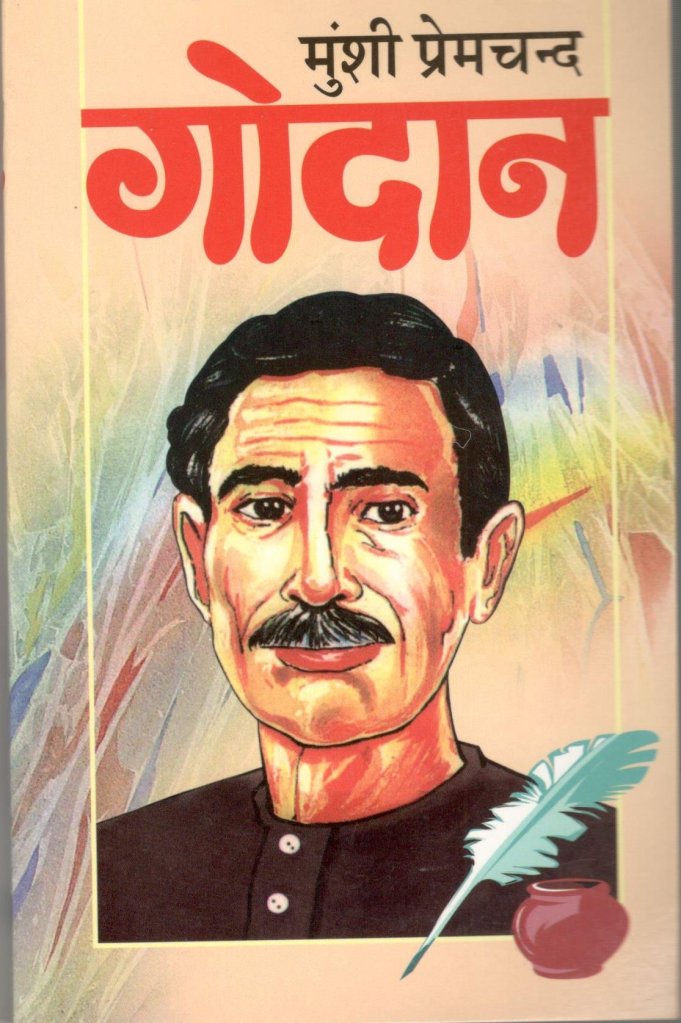
Godaan (Munshi Premchand)

Godaan is a beautifully described novel by Munshi Premchand that touches the subject of rural communities of India. It was published in 1936. It has been revered as one of the greatest Hindi novels of the Indian literature. The main theme of the novel was based on Indian peasantry. The theme includes: Socio-economic deprivation, Exploitation of rural people, Caste segregation, varied concept of dharma as held by different people. Impact of industrialization on the various sections of Indian community.vi condition of women in society child marriage and dowry. Godan is an epic of Indian peasant Hari and his wife Dhania who were cheated by the landlords money lenders priests and colonial bureaucrats. They formed a network of oppression robbed their land and converted them to landless Labourers. In the end the couple died with dignity.

Madhushala (Harivansh Rai Bachchan)

Madhushala is a beautifully written novel by Dr Harivansh Rai Bachchan. It is a series of poems that describe the complexity of life with comparisons to four Instruments which come almost in every verse: Madhu (wine), saaki (server), pyaala (cup) and madhushala (bar). It is applicable even in todayโ€™s life as we are experiencing religious discord. This book inspires brotherhood and harmony and gives hope to people who are trapped in religious disputes. A very famous and one other to the list of Hindi novels you must read.

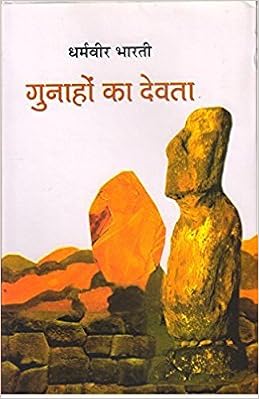
Gunaho Ka Devta (Dharamvir Bharati)

Buy GUNAHO KA DEVTA Book Online at Low Prices in India | GUNAHO KA DEVTA  Reviews & Ratings - Amazon.in

Gunaho Ka Devtaย is a love story thatย revolves around a student, Chander, who falls in love with Sudha, the daughter of his college professorย Dr. Shukla. This story also talks aboutย caste discrimination in ourย society. The beautiful description of love,ย angst and confusion makes the book amazing.There is a television adaptation of the novel titledย Ek Tha Chander Ek Thi Sudhaย which aired on Life OK.

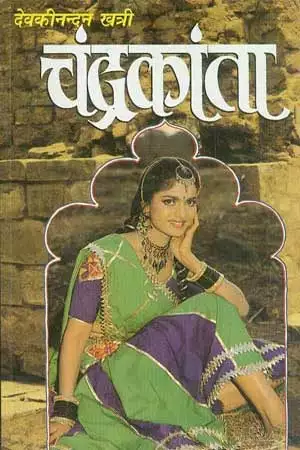
Chandrakanta (Devki Nandan Khatri)

เคšเค‚เคฆเฅเคฐเค•เคพเคจเฅเคคเคพ - เคฆเฅ‡เคตเค•เฅ€เคจเคจเฅเคฆเคจ เค–เคคเฅเคฐเฅ€ Chandrakanta - Hindi book by - Devkinandan  Khatri

This book written by Devaki Nandan Khatri is a romantic fantasy that tells the story of two lovers from rival kingdoms. There is a TV serial based on this novel as well. The princess Chandrakanta of Vijaygarh and the prince Virendra Singh of Naugarh go through a series of obstacles to be together and fulfil their love lives. The writing style of the book takes you in the world of โ€œaiyarsโ€ and โ€œtilismโ€. This is one of the best Hindi novels you must read if you like love stories with various challenges.

Rashmirathi (Ramdhari Singh Dinkar)

เคฐเคถเฅเคฎเคฟเคฐเคฅเฅ€ by Ramdhari Singh 'Dinkar'

This book is written by the well known Hindi Novelist, Ramdhari Singh โ€˜Dinkarโ€™.

It lies in the top 10 in the list of best Hindi novels that one must-read. This book is about Kuntiโ€™s firstborn child, Karna and his life as he grows up to become a violent soldier although being raised in a very humble family. This book has various emotions including pride, courage, power, and honour. It is a beautifully written poem that explores various parts of Karnaโ€™s life.

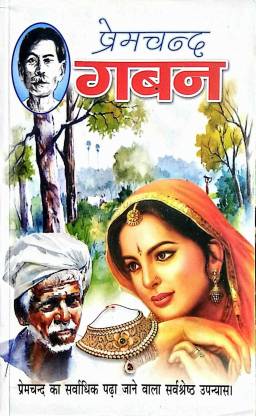
Gaban (Mushi Premchand)

Gaban is also one of Munshi Premchandโ€™s best Hindi novels. It is a typical middle-class love story with big desires and dreams. It is about a charming guy named Ramanath. He is not financially sound but he loves his wife too much and gifts her precious things which he cannot afford. Things hit the rock when he is bound with debts and the story gets interesting. Letโ€™s see if he will make it through this crisis morally or will he commit any crime to cover his debts.

Maila Aanchal (Phanishwar Nath Renu)

เคฎเฅˆเคฒเคพ เค†เค‚เคšเคฒ -เคซเคฃเฅ€เคถเฅเคตเคฐเคจเคพเคฅ เคฐเฅ‡เคฃเฅ - เคญเคพเคฐเคคเค•เฅ‹เคถ, เคœเฅเคžเคพเคจ เค•เคพ เคนเคฟเคจเฅเคฆเฅ€ เคฎเคนเคพเคธเคพเค—เคฐ

This book by Phanishwar Renu lies next in line with Munshi Premchandโ€™s Godan. It is a very well-appreciated and touching story. It is set in the 90s during the Quit India Movement as the states experience a series of trails and rituals in the villages of North-East Bihar. It was the first novel by Phanishwar Nath Renu after which he gained popularity which gave rise to a series of other such books. It is quite often found in the Hindi curriculum of schools.

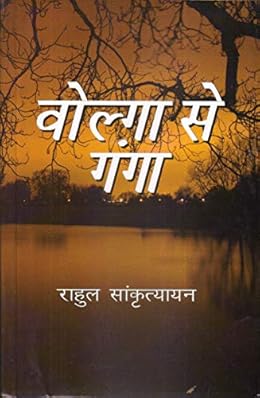
Volga Se Ganga (Rahul Sankrityayan)

Best Hindi Novels That Everyone Should Read : Volga Se Ganga

This book by Rahul Sankrityayan is a historical fiction that marks the entry of Aryans into the Volga from the steppes of Eurasia. A journey from the Volga to the Ganges contains 20 different short stories that are part fiction and explains the migration of Aryans to River Volga. The authorโ€™s influence from Marxist ideas is visible in his last three stories. If you like reading about history then you must add this book to your library.

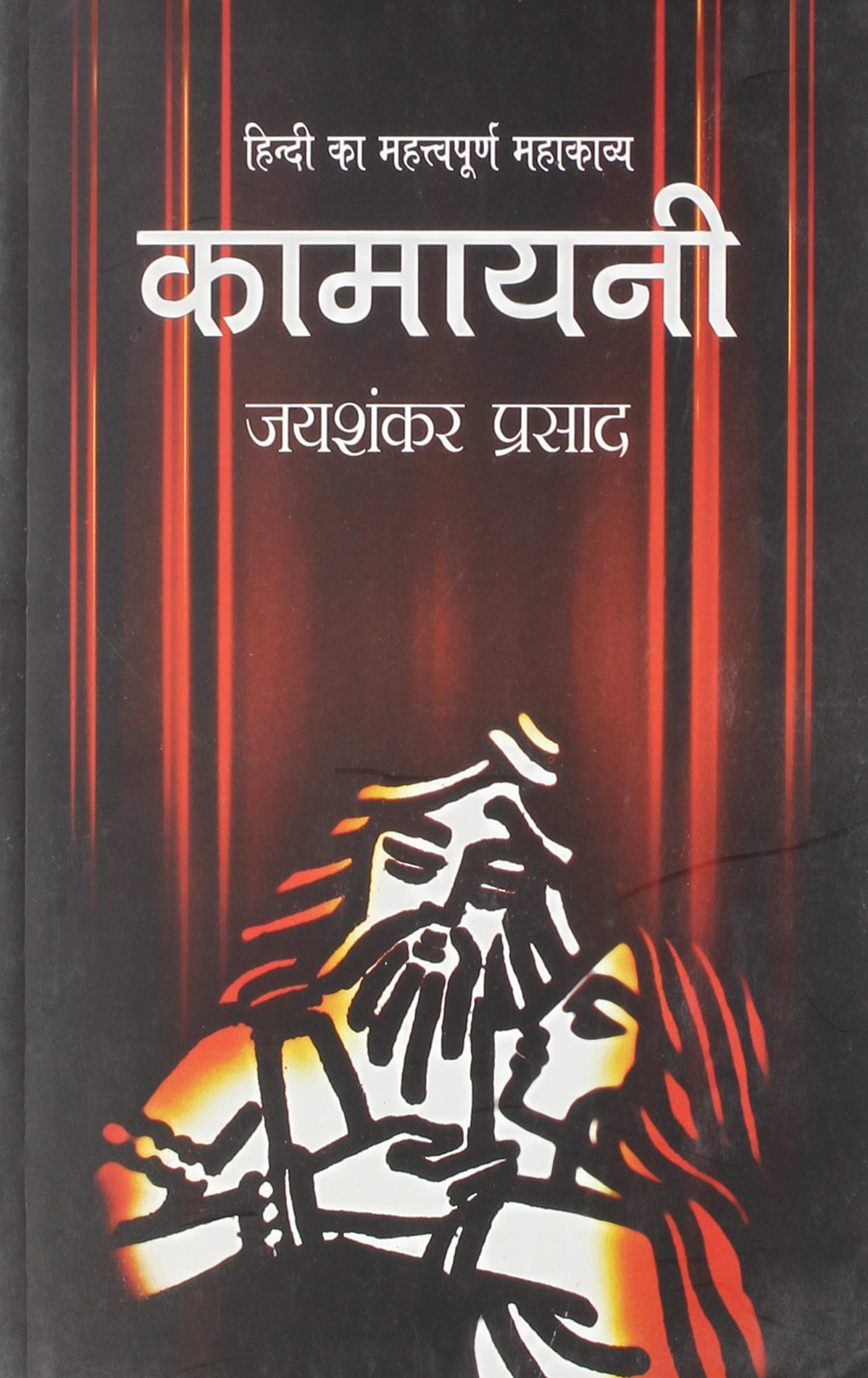
Kamayani (Jaishankar Prasad)

Buy Kamayani Book Online at Low Prices in India | Kamayani Reviews &  Ratings - Amazon.in

Kamayani is considered to be one of the greatest written Hindi literature by Jaishankar Prasad. It is an epic poem that perceives the effects of human emotions, thoughts, and actions with the help of relevant metaphors. It was quite popular in the eighteenth century. It takes reference from mythology to try and explain human behaviour concerning human emotions. Another gem to the list of hindi novels you must read.

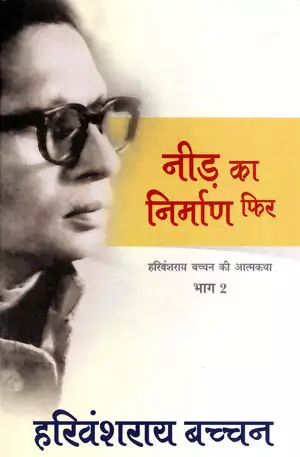
Need Ka Nirman Phir (Harivansh Rai Bachchan)

เคจเฅ€เคกเคผ เค•เคพ เคจเคฟเคฐเฅเคฎเคพเคฃ เคซเคฟเคฐ - เคนเคฐเคฟเคตเค‚เคถเคฐเคพเคฏ เคฌเคšเฅเคšเคจ Neer Ka Nirman Phir - Hindi book by -  Harivansh Rai Bachchan

Need Ka Nirman Phir is a beautifully written poem by Harivansh Rai Bachchan. It is about his life and how he overcomes the challenges in his life. The book is full of examples that depict hope. No one should give up because, after every night, the sun comes and brings light into lives. It also has a part where his wife died but he still hoping for a better tomorrow.

If you donโ€™t like to read, you havenโ€™t found the right book.

J.K. Rowling

THE GIRL ON THE TRAIN

Hollowness: that I understand. I’m starting to believe that there isn’t anything you can do to fix it. The holes in your life are permanent. You have to grow around them, like tree roots around concrete; you mold yourself through the gaps.

-Paula Hawkins, The Girl on the Train

This is for all the girls who have just experienced a breakup. I just want you to understand that it was not your fault, so stop blaming yourself.

Breakups can be a shambles. Breakups can be excruciating. People also use memes to mask their pain and turn it into a source of amusement. They are aware, however, that it will not be easy. The agony you’re experiencing is indescribable, and no one could possibly comprehend it. You’re stuck in a rut, unsure of what to do next. Is it time to move on or not? Was he going to return or not? Is it better if I call or if he calls? Is he going through the same thing I am right now?

All of these questions have the same answer: ‘It doesn’t matter.’

What matters is how you’re keeping things together. Is it fair to be so harsh on yourself? You weren’t solely to blame. Perhaps you should set aside some time for yourself. What if he doesn’t return? So, what’s the point? You’ve got your friends, family, and, most importantly, you’ve got yourself. โ€œBut I just want him,โ€ I know you’re wondering right now. You don’t want him, that’s the truth. YOU DON’T WANT HIM, BELIEVE ME. He abandoned you in this mess. He said he wouldn’t, but he did anyway. He deceived you. It’s time for you to do the same. He walked away without looking back, and it’s time for you to do the same. It’s past time for you to forgive yourself.

This is just like the girl on the train. Rachel, who recently experienced a breakup, is unable to accept the harsh reality. She also believes Tom loves her and that he will return. Everyone assumes she’s just a drunk girl who’s lost her job and has a broken heart.

Is anybody a fan of suspense novels? If you answered yes, you should probably read this at least once. It’s not great, but it’s not horrible either. You won’t be able to figure out who the killer is.

Apart from that, there is a lot of lying in this storey. All is deceiving one another. Many secrets are kept locked in the recesses of their minds. Loved ones are kept in the dark about secrets. However, with all of the lying, I began to doubt the confidence. Who could be trusted by whom? Rachel had faith in Tom. Scott had faith in Rachel. Anna had faith in Tom. Megan had faith in Kamal Abdic. Despite this, they all ended up rejecting each other. Okay, well, Rachel trusted herself in the end.

That’s one of the things I loved about this book: she wanted to see the whole picture and trust her intuition over Tom’s words. This is a tale about three women who were once strong but had become vulnerable as a result of their circumstances. Don’t let it happen to you as well. Have faith in yourself. Fight for your own interests. Because you are the best, girl.

THE ALCHEMIST

Book : The Alchemist
Original Title : O Alquimista (Portuguese)
Author : Paulo Coelho
Publisher : HarperCollins Publishers LLC
Genre : Quest, Adventure, Fantasy

The majority of the people we see are members of a community. In a dynamic and traditional world, When we’re together, when we look around, we notice that most people are doing similar things, even though their priorities are different. However, if we come across someone who matches our criteria when searching, someone who dares to be different, someone who pays attention to their surroundings. I believe we have found the most courageous among us.

The Alchemist is a mystical fable about the importance of pursuing one’s dreams. The tale of a young shepherd boy who longs to travel and discover a secret that no one else has ever found is wonderfully told by the poet. He continued on his search for the lost treasure in the pyramids. He learned a lot on his journey, read a lot of books, battled with those who got in his way, survived the mighty desert, and finally realised that a person’s treasure is where his heart is. He discovered that it is our decisions, not destiny, that determine what happens to us.

The path to find the treasure is jam-packed with life lessons. Paulo Coelho’s โ€“ The Alchemist โ€“ became an international bestseller after being translated into 56 languages and selling over 43 million copies worldwide. This book teaches us that we are the masters of our own destiny and captains of our own dreams. It’s a must-read for anyone who has ever doubted themselves. So, if you just pick up one book during the lockdown, make it this one.

SITA- THE WARRIOR OF MITHILA

Book: Sita – The Warrior of Mithila
Author: Amish Tripathi
Publisher: Westend Publishers
Genre: Fantasy, Mythology

We’ve grown up hearing exciting mythological stories, whether from the Mahabharat, the Ramayan, or other sagas, and we’ve only ever seen them from this perspective. The book Sita gives us various perspectives on Sita’s life, who is best known to most of us as Lord Ram’s wife. The book chronicles her life and the battles she faced before marrying Lord Ram. Her abduction is the only important aspect of her life that most people are aware of. This novel, on the other hand, shows Sita in a variety of colours that many people are unaware of. Sita is depicted in the book as being as fierce, strong, and witty as her husband. In a world where we struggle for feminism and equal rights, this book is essential reading.

Sita fights for her own and others’ interests. Sita is more than a princess; she is a warrior who was raised for a greater purpose: to protect our dharma and to unite India under her leadership. The author has arranged it in the most beautiful and wonderful way possible, from the depiction of environments to the characters and plot. This work of fiction incorporates all mythological elements thus giving Sita’s character the highest priority and fully explaining it. This is a good book to read if you’re interested in learning more about Indian myths or female warriors.

THE GRAPES OF WRATH

John Steinbeck won a Pulitzer Prize and a Nobel Prize for his novel The Grapes of Wrath, which was inspired by the Great Depression. The story follows the journey of a poor family of Joads who were pushed out of their homes and land in Oklahoma after the banks confiscated them during the Great Depression, leaving the family homeless. In the expectation of better pay, the family and other poor tenants are persuaded to move to California.

Steinbeck aptly captures the farmers’ disappointment as they learn that the California dream they were sold was nothing more than a mirage. We are given a brief overview of life at these migrant camps through the eyes of Tom Joad, the main protagonist. During the gold rush, families could hardly scrape together enough money to feed themselves, while the wealthy profited from their labour.

Throughout the novel, we see the different challenges that these poor farmers face, from being shot for forming labour unions to family members leaving due to poverty’s hardships. When you read about the inequitable care migrant workers get, the heartbreaking injustice they experience, and the bleak and serious consequences of vulturistic capitalism that poor people face, you know that Steinbeck was able to write a book that is still socio-politically important 75 years later.

The miserable living conditions of farmers, as well as the exploitative existence of landlords, can be seen in modern society. The book appeals to many working-class people because of its authentic depiction of their struggles. When the book was first published, it drew a lot of criticism and was largely banned in California, with accusations that Steinbeck was supporting communist propaganda.

I strongly advise people to add this American classic to their reading lists because it is a beautiful story about humanity, hope, and agitation that is particularly pertinent in these times.

Harry potter – A must read

Harry Potter is a story of a young wizard who fought against the Dark Lord, Voldemort and defeated hs penned down by J.K Rowling. As we are growing up, we are accustomed with choosing to watch series over going through the main Novel. The Novel depicts the characters Harry Potter, Hermione Granger and Ron Wealsey played by Daniel Radcliff, Emma Watson, Rupert Grint respectively showing the pure bond of friendship between the three. They stood strong, in spite of all the odds. The Genre for Harry Potter isn’t much specified, as it portrays Horror, Thriller, Drama, Romance, Friendship also Fantasy. While the series influenced the minds of youngsters a lot, this is for Good. There were 7 novels written Part by Part, starting with the Philosopher’s Stone (1997), Harry meets Hagrid, who came to take him away to the Hogwarts School of Witchcraft and Wizardry, as ordered by Albus Dumbeldore, the Professor. He learns that his parents were killed by Lord Voldemort, but he somehow survived. Harry met his friends here and recognized his talents for Quiditch Game. He met Snape, the Potions master who disliked Harry a lot. the second novel was Harry Potter and the Chamber of Secrets (1998), Ginny, Ron’s sister finds out the Tom Riddle’s Diary, through which Voldemort possessed her, she opened the chamber of Secrets. Harry learns that he can speak Parseltongue, snake’s language, with help of which he entered in Chamber to kill Basilisk, the ancient monster. The third novel was Prisoner of Azkaban (1999), Here Harry meets with Sirius Black, his father’s best friend who was a mass murderer, as stated by the Wizarding World, also Remus Lupin, a Defence of Dark Arts teacher, who was a warewolf by nature. Lupin taught harry a few Defences. The forth one was Goblet of Fire (2000), this is basically a tournament which was dangerous, for wining Triwizard’s Cup. He was mentored by Mad-eye-moody. Here, Voldemort tried to kill him by kills Cedric Diggory instead, another student of Hogwarts. The fifth book was Order of the Pheonix (2003), Ministry of Magic refuses to believe that Voldemort has returned, Harry and his friends form Dumbledore’s Army. Ministry appoints Dolores Umbridge, who turns the school into dictatorial regime. Harry had a face off against Voldemort’s followers, Series black dies in the conflict. The fifth novel was The Half Blood Prince (2005), Harry finds out, through a device that Voldemort has split his soul into pieces, and created a series of Horcruxes, hidden in various locations. Draco Malfoy, who was his classmate joined with the Death Eaters and attempted to kill the Professor, who was killed by Prof. Snape instead. The last novel Deathly Hollows (2007) was the final climax. These novels had attracted children a lot due to absurd creatures and magic elements present on, through there was a lot more to understand. How much positivity is incurred in Harry Potter, in spite of being such a young boy. The Wizarding world was related to the Fantasy world, having no practicality as such on its own and mostly based on imagination. According to Rowling, main was death, other than that there was Prejudice, Corruption and Madness. Novel also shows the angle of Harry’s cleverness and focus to remove all evils, whereas without his friends, he was nothing. He was all alone on his childhood, before he came to know his wizarding skills, and no one loved him as such, he was tortured by his Aunt’ Family. Harry potter has been one of the greatest Media Franchise of all times. Harry Potter became widely popular, for all age groups due to relativity. Like something we all face in our teenage, heartbreaks, betrayal, respect, loneliness and such feelings. Though, it is a fact that Positive energy conquers all sorts of negativity, how much powerful it is.

As for many, Prof. Snape was the real Hero of the series because he was exceptionally skilled, Wizard, who was extremely mocking and aloof was initially threat for the Wizards, Snape loved Harry’s mother, as shown later on through, was deeply attracted to Voldemort’s theories, who hated Muggles.