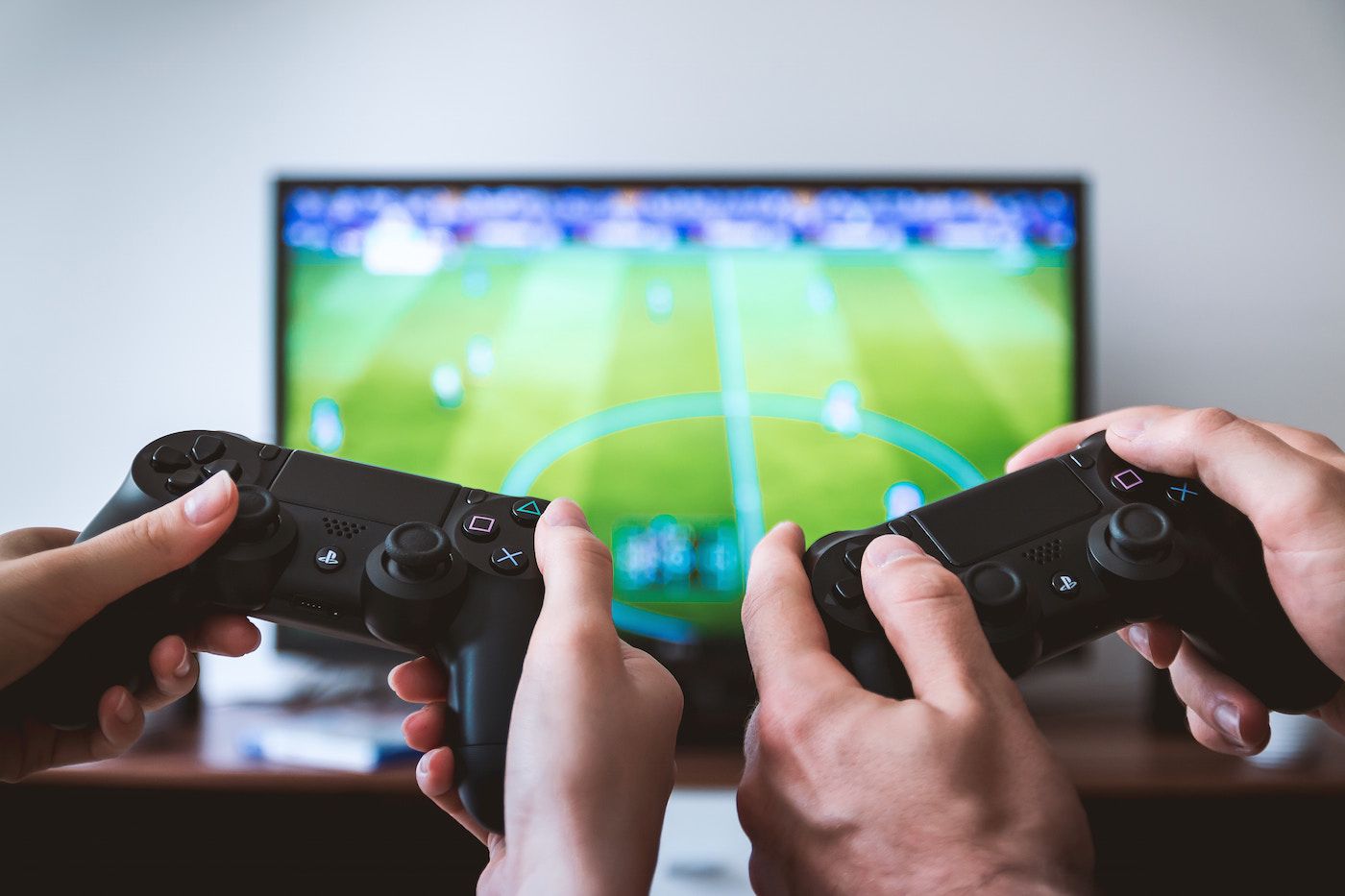
Television In India

N kavya

Television is the most powerful medium of mass communication that has ever existed. It has revolutionized our lives in many ways. Isn’t it a wonder that we can witness the events happening all over the world in the comfort of our drawing-room by merely switching on the Television? Today television has become an integral part of our lives. Television is a recent invention. Very few homes had television sets some fifty years ago. Also, till the 1990s Doordarshan was the only channel available to a vast majority of Indians.

Evolution Of Television-:

Today television has become an integral part of our lives. 1939, television broadcasts began in the United States also. Other countries began television broadcasting on a wide scale only by the 1950s. Second World War slowed down the rapid development of the new medium, but the post-war years made up for it. The limitations of the early camera forced the actors and anchors to work with impossibly hot lights. Imagine trying to read news with full makeup under a blazing light. The early television broadcasts were all black and white. The first successful program in color was transmitted by Columbia Broadcasting System (CBS) in the USA in 1953. From being a “radio with pictures” it acquired a unique style of its own. As a result of this, this phase is often called the “golden age” of television.

Important dates -:

1. 1936 – British Broadcasting Corporation (BBC) of Britain began the first television service in the world.
2. 1939 – Television broadcasts began in the US. The 1950s – Other countries began television broadcasting on a wide scale.
3. 1953 – The first successful program in color was transmitted by CBS in the USA.

1959- TELEVISION BEGAN IN INDIA ON AN EXPERIMENTAL BASIS -:

The early programs on these experimental broadcasts were generally educational programs for school children and farmers. Several community television sets were set up in Delhi’s rural areas and schools around Delhi for the dissemination of these programs. By the 1970s, television centers were opened in other parts of the country also. In 1976, Doordarshan, which was All India Radio’s television arm until then became a separate department.

1976- DOORDARSHAN BECAME A SEPARATE DEPARTMENT INDEPENDENT OF ALL INDIA RADIO (AIR) -:

Several community television sets were distributed as a part of one of the important landmarks in the history of Indian television, the Satellite Instructional Television Experiment (SITE). It was conducted between August 1975 and July 1976. Under this program, the Indian government used the American satellite ATS-6 to broadcast educational programs to Indian villages. Six states were selected for this experiment and television sets were distributed in these states.

• Clusters selected for SITE

1. Andhra Pradesh
2. Karnataka
3. Madhya Pradesh
4. Bihar
5. Orissa
6. Rajasthan

1975-1976 SATELLITE INSTRUCTIONAL TELEVISION EXPERIMENT (SITE) -:

SITE was an important step taken by India to use television for development. The programs were mainly produced by Doordarshan which was then a part of AIR. The telecasts happened twice a day, in the morning and evening. Other than agricultural information, health and family planning were the other important topics dealt with in these programs. Entertainment was also included in these telecasts in the form of dance, music, drama, folk, and rural art forms. A major milestone in the history of Indian television was the coverage of the Ninth Asian Games in 1982. In addition to the domestic transmission, Doordarshan was also providing content for the broadcasters of many other countries. After 1982, there was a huge increase in the live coverage of sports by Doordarshan. Doordarshan provided national coverage for the first time through the satellite INSAT 1A. Also, for the first time, the transmission was in color.

1982- DOORDARSHAN PROVIDED NATIONAL COVERAGE FOR THE FIRST TIME THROUGH THE SATELLITE INSAT 1A. -:

By 1983, the government-sanctioned a huge expansion of Doordarshan. Several new transmitters were set up throughout the country. Thus towards the end of the 80s around 75 percent of the population could be covered by the transmitters. Many of the programs of Doordarshan like Hum Log, Buniyaad, and Nukkad were immensely popular.

1983- GOVERNMENT SANCTIONS HUGE EXPANSION OF DOORDARSHAN -:

In 1997, Prasar Bharati, a statutory autonomous body was established. Doordarshan along with AIR was converted into government corporations under Prasar Bharati. The Prasar Bharati Corporation was established to serve as the public service broadcaster of the country which would achieve its objectives through AIR and DD. This was a step towards greater autonomy for Doordarshan and AIR. However, Prasar Bharati has not succeeded in shielding Doordarshan from government control.

1997- ESTABLISHMENT OF PRASAR BHARATI -:

About 90 percent of the Indian population can receive Doordarshan programs through its network. From its humble beginning as a part of All India Radio, Doordarshan has grown into a major television broadcaster with around 30 channels. These include Regional Language Satellite Channels, State Networks, International Channel, and All India Channels like DD National, DD News, DD Sports, DD Gyandarshan, DD Bharati, Loksabha Channel, and DD Urdu.

Conclusion -:

Television as a medium of visual communication offers immense possibilities to overcome the illiteracy barrier and assists in the process of modernization. It has a marked role to play in furthering the cause 2 of education and has a unique advantage over the media. While it provides words with pictures and sound effects like the movies, it scores over the latter by its high intimacy and reaches the largest number of people in the shortest possible time the visual in it has ii an edge over sound broadcasting. It can also deal with topical problems and present known persons who can provide solutions. People learn through the eye and remember things better. periodical surveys about the public reaction to television programs have indicated that most of the programs telecast are rather dull. There is a lot to be done in them. The plays particularly are uninspiring and badly directed.

Criticism against Indian television is that like the All India Radio, it is the mouthpiece of the Government and the ruling party. The News Bulletins in Hindi and English and the news and views programs are heavily colored in favor of the Government and the party in power. Achievements of the Government are highlighted while the weaknesses are ignored. There is hardly any program: which allows free, frank, and straightforward criticism of the Governmental policies and the ruling party politicians. Therefore, there has been a demand for All India Radio and Doordarshan to be turned into autonomous bodies with no control and interference by the Government.

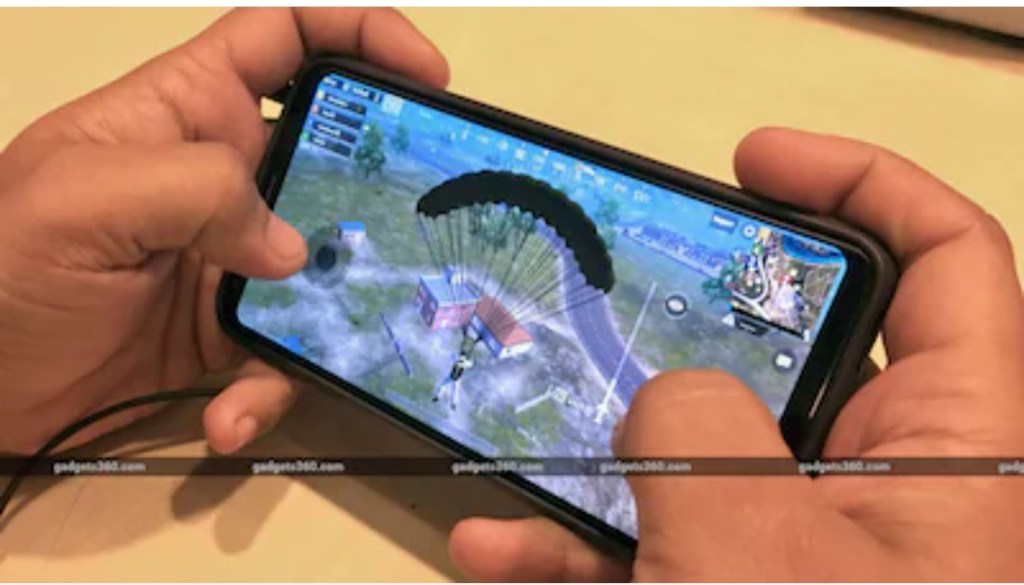
GAMING ADDICTION:-

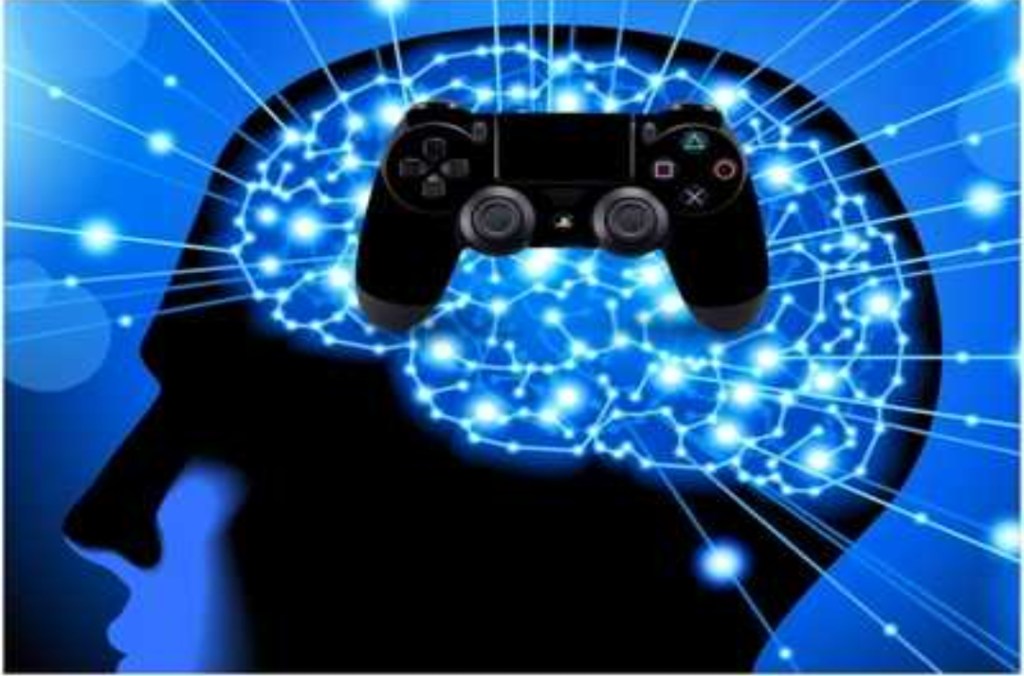
Gaming addiction is a type of mental disorder leads to insomnia,stress, pressure.Gaming is not a waste of time limited time of playing games can reduce pressure.

SIGN OF GAMING ADDICTION:-

* Thinking about game for lot of time.

* Feeling bad when you are not playing games.

* Want to spend more time in games to feel good.

* Having problems in school, office,work because of games.

ALTERNATION OF GAMES:-

In place of playing games you can replace it with:

* Arts ,dance,music.

* playing outside.

* playing indoor games like chess,carrom etc.

* you can do exercise,martial arts.

EFFECT OF GAMING ADDICTION:-

* It leads to mental disorder.

* sleepless.

* It creates lack of social interaction.

* Feeling lonely.

IS GAMING A ADDICTION:-

Gaming is not a addiction it is a type of mental disorder.It leads to psychological problems like insomnia,lack of social interaction.By research a normal healthy person can play less than 5 hours per day.

RELIVE FROM GAMING ADDICTION:-

* Schedule your time for Playing games and follow it.

* Replace the video games with the outdoor games.

* Talk to your friends, family.

* uninstall your game from the mobile or computer.

Gaming – pros and cons

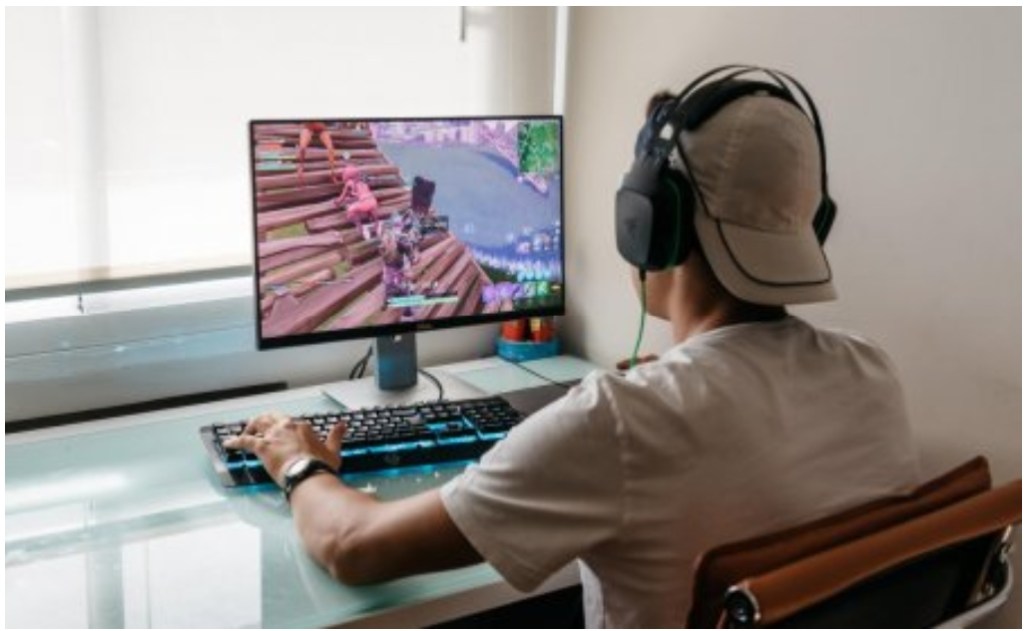
All of us at some point of our life have played some game, at least candy crush. So why not we know what the pros and cons are. We see Indian parents being against gaming and thinking it as a sin or something but is it really that bad? I have seen streamers play for 25 hours for their 25th birthday, is it that good for health?

Pros of gaming

  • Gaming is not actually that bad. There is good as well as a bad side for everything in this world just like gaming. Gaming improves our logical thinking and reflexes. As a gamer myself I can say that I have seen improving in the particular game by learning all tactics and stuff. So it is not a waste of time.

  • Social skills – Gamers can easily develop their social skills. If it is a multiplayer game, you need to communicate with your teammates. You will be communicating with people from various places and over time you will find yourself making a bunch of gamer friends online.

  • I am not sure about physical health but it does improve your mental health. My go-to mood changes is always gaming. It is like you sunk into the virtual world, so obviously you forget your life problems and have a good game. You will be inside the virtual world thinking how to kill this guy, how to win this match etc. and that would be your major problem at that time.

  • Increases brain function. You give your brain exercise by thinking deeply about how to win this match or something. Video games gives us a reason to implement reasoning and logical ability.

Cons of gaming

  • Health issues – I am not a doctor to find out what exactly it does to our eyes or health but I do know it is not good for our eyes to sit and play for more than 3 hours. For me 3 hours is the maximum, if I play beyond that I tend to get headaches. Obviously screen time should be reduced as everything now is done online. So it is better if we start playing outdoor games.

  • Too much of anything is good for nothing. Addiction is bad no matter what is it. That too addiction towards gaming is going to affect you mentally and physically as well. You can play games daily for a limited time but you can’t play the whole day.

  • The amount of negativity in the gaming community is more than negativity in any other place. I encounter with toxic players everyday. It is just easy for them to be toxic and hurt you as they are hiding behind a fake identity “game name”.

  • Not concentrating on other works. Going into the virtual world and never coming back to the real world is another problem. Again we need to know our limits of when to stop gaming. Anything in limit is not harmful according to me.

Conclusion

The only reason why parents are against gaming is that we tend to play for hours and hours and spoil our health which our parents obviously don’t like. So let them know that few hours of gaming is good and not going to affect anyone and have fun!

GAMING – good or bad?

“You know what’s really exciting about video games is you don’t just interact with the game physically—you’re not just moving your hand on a joystick, but you’re asked to interact with the game psychologically and emotionally as well. You’re not just watching the characters on screen; you’re becoming those characters.” – Nina Huntemann, Game Over

When most people think of video games they see little use for them besides being a source of entertainment or as a waste of time.

But most young kids see video games as a social activity, rather than an isolating one, and they believe video games are a great way to spend time with their peers or even make new friends.

Although it is true that there are negative effects associated with playing video games, with proper guidance there is so much that can be gained from the positive effects of playing video games.

Some psychologists suggest that video games can actually have many benefits, especially bearing in mind that the nature of these games has changed dramatically and now they are more complex and realistic .

So, in order to understand the impact video games have on children’s development, we need to look at both the positive and the negative effects of these games.

Some pros are- problem solving and logic , Hand-eye coordination, fine motor and spatial skills, Planning, resource management and logistics, Multitasking, simultaneous tracking of many shifting variables and managing multiple objectives, Strategy and anticipation and memory..

Some negative effects are- Aggression in Children, Gaming Addiction and Poor academic performance..

So as we can see gaming can be both good and bad ..all it really depends on is how children use it and the guidance they get.

Is Online Gaming harmful or beneficial?

Online games can be credited for being the best help to parents at the time of lockdown. Games kept the children busy making it easy for parents to keep them at home. While it has not been hidden from us that the market of online gaming is growing very fast, the vulnerability caused in a child’s mind due to its addiction is out as well. There have been many debates regarding the advantages and disadvantages of online gaming. While many studies have presented its benefits some have criticized it for developing a lazy generation. Let us look at some of the advantages and disadvantages of online gaming. 

Some of the Advantages of Online Gaming are:

  • Develops Multi-tasking skills: Many games in the market require maximum attention when the player has to gather the weapons along with fighting the opponent. This develops the multi-tasking ability in the player which can be very well equipped in real life. Hence providing an important life skill to the players.
  • Increased Concentration: Games that include warfares demands maximum attention of the player in every direction of the game. This way the player is forced to only focus on the game neglecting the outer disturbance, hence improving the concentration and memory of the player.
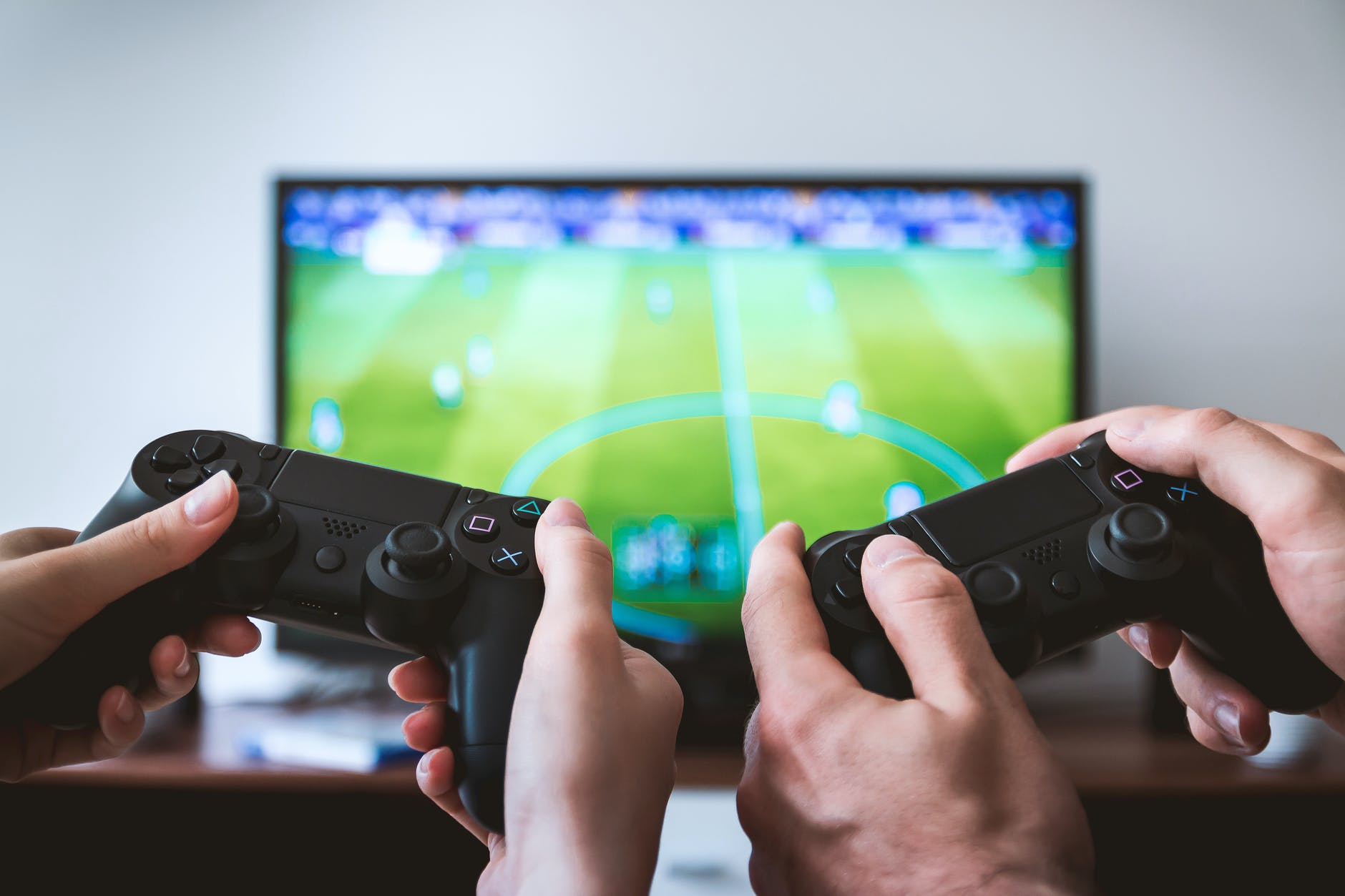
  • Promotes Teamwork: Multiplayer games are to be played with team-mates. This promotes the strategy of teamwork in the minds of the player. This can further help the player in his future jobs and also develop his mindset with a more compassionate approach towards his team. 
  • Develop future skills: While promoting teamwork multiplayer games also demand instant reaction and problem-solving skills while attempting a task in the game. These skills when employed in real life can increase the outsourcing capacity of the player, thus developing his skills for future life.

With the above advantages, there are many disadvantages of online gaming as well. Some of them are listed below:

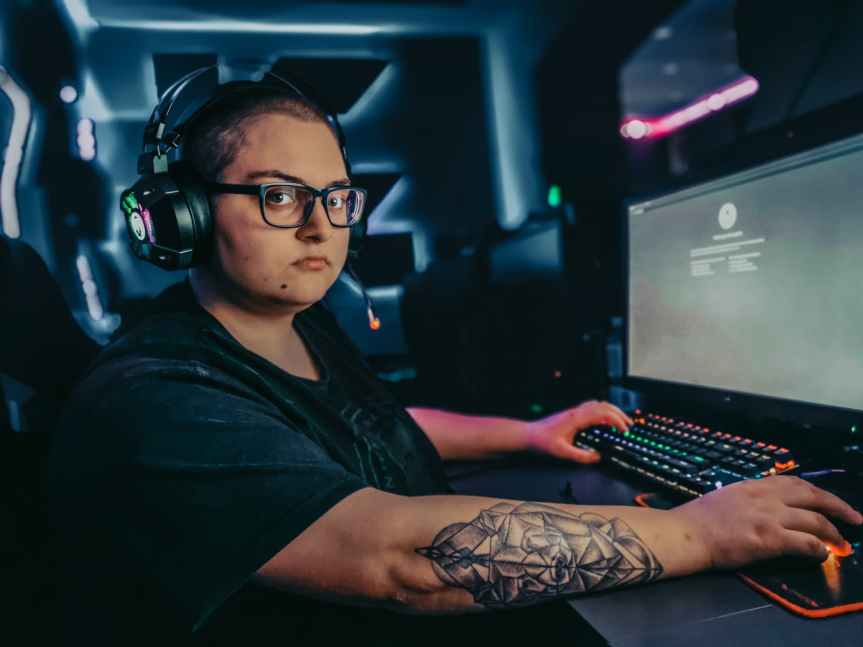
  • Addiction: This is one of the biggest disadvantages of online gaming. Online Video games are designed to be addictive but it is up to the person to control himself from getting addicted. One of the studies compares the addiction to online gaming as bad as that of drugs. This addiction can also affect the academics of a student. So if you ever feel like you are spending a lot of time on your computer or mobile then ALERT! This can be dangerous for your mental health.
  • Promote Aggression: Online gaming inhabits the player with a different level of stress. A stressful player can turn aggressive towards the people surrounding him. In a Psychological experiment, the people playing violent video games were examined to be more aggressive and have lower patience levels than others. 
  • Social Replacement: While many stats are presenting that people who are regular gamers may tend to lose their self-esteem and their confidence, this can also result in turning the people anti-social. Players may start to find socializing too difficult and thus end up being a loner.
  • Obesity: As surprising as it may sound, one of the most common problems found in gamers is the problem of Obesity. Sometimes players get so involved in the games that they lose track of their appetite, eating more than required. Also, online gaming does not include any physical activity for the extra calories to be burnt resulting in the accumulation of extra fat on the body of the gamer. 
  • Bad Vision: Spending a lot of time in front of the computer or cell phone may result in a distorted vision of the player. 

It’s said that everything done in excess is harmful. It is best applicable to online gaming which if played for some time is beneficial both mentally and socially but is equally dangerous if played in excess.  So while enjoying online games also pay attention to your physical and mental health.

Can Video Games be beneficial for Education?

In parallel to their entertainment factor, video games have tremendous promising aspects and there has been significant progress when games are

Designed to tackle a particular problem or teach some skill. Video games have grown and developed, and so has our society. Graphics got prettier, stories got richer and more involved. We have slowly got to recognize the true potential for learning and enriching ourselves in virtual worlds. We have also seen the appearance of “Gamification” in many industry sectors with the growth of the video game market; education is at the forefront of this.

9 Benefits of Video Games for Your Child | Parents

Why it is that such a massive industry cannot be used to make the world better? Video games are the bread and butter of recreation for kids. It’s a pastime that incentivizes teamwork, communication skills and also a depth of information depending on the content. We’ve begun to realize that just as people enjoy books and movies and physical media, people also enjoy gambling. And they can use it for more than just discovering fantasy worlds and destroying castles. The core Language skills are a typical example of the educational value video games provide.

This research project of the ESL classroom by the Kanda University of International Studies produced by Jared R. Baierschmidt has a wealth of knowledge on the topic of gaming-learning. Baierschmidt generated and implemented a unique English as a Second Language course with a focus on gaming. He writes that In terms of the activities themselves, approximately 39 percent of respondents found the multiplayer cooperative activity to be most useful for their studies. The stated reasons included the fact that during the activity, the educators were able to use a variety of language skills and the activity encouraged them to actively communicate with their partner.

This means that collaborative, competitive games through meaning, play, and human relationships can help students learn English as a second language. Baierschmidt also writes that according to polls, around 90 % of respondents plan to continue using digital games for language learning even after the [ESL] course has been completed. While researching how gaming helps people learn a second language is still so fresh, this work is a big step in the right direction when it comes to understanding the effect and intersection between playing. It turns out that breaking down activities into challenges and awarding accomplishments (just as video games do) is a smart idea.

Cosmetics, tools to create their own games, and a lot of competition and motivation from the staff and facility all act as opportunities for successful work. By motivating students to see failure as an opportunity to improve, they excel rather than as a sign of something lacking in the student. It’s this idea of failure is just a loss, not a catastrophe, which helps children to succeed and really enjoy learning and developing, just as a character in a video game is progressing on their path. There seems to be a dominant view that education isn’t congruent with fun, and when placed in the same realm as learning, happiness should take a back seat. But why?

Education should be able to educate, direct and nurture young people as effectively as possible, even if it means changing the system. Even on the side-lines, video games can still provide excellent educational opportunities. We need to teach kids how to learn in order to drive education forward. And learning by play is a great way to get children interested in awareness, their future, and scholastic subjects.