Youth Alcohol Usage

Every year alcohol is being consumed by young teenagers. Alcohol is not being seen as a bad decision they rather see it as pure satisfaction. Alcohol is being advertised everywhere. Sooner or later teenagers are bound to use it. Alcohol can quickly lead to the horrifying world of addiction not only that, but it could also destroy many lives. Just drinking a few beers could lead to someone to become an alcoholic at a very young age. If someone becomes an alcoholic their whole world could fall apart in a blink of an eye.

Teenage alcohol abuse is one of the major problems that affect academic performance, cause health problems and is responsible for the death of teenage drivers and sometime their passengers. Many teens drink because they think it is cool and do not understand the dangers of drinking alcohol. Teens and drinking have been an issue for some time and it continues to persist, attracting many young individuals. Whether it’s the pleasure or the ability to forget problems drinking as a teen has become a problem in society with many alcohol related issues. However, that sensation of being able to forget problems soon enters a cycle of many other issues such as consequences to the physical development and to the body itself, which is not able to handle the alcohol properly.

Alcohol abuse is extremely harmful to ones body, especially to a teenagers. It affects almost every organ system, either directly or indirectly. Unfortunately, drinkers often do not think about what kind of effect alcohol will have on them when they get older; so many people end up learning the hard way. Teenagers that abuse alcohol often develop problems with their liver, heart, stomach, kidneys, and/or mouth and throat. Teens should realize that drinking does not make them cool or help them fit in. Alcohol use is associated with a variety of negative consequences, including increased risk of serious drug use later in life, school failure, and poor judgment puts teens at risk for accidents, violence, unplanned and unsafe sex, and suicide.

Astrology

Astrology is the investigation of positions and parts of divine bodies in the conviction that they impact the course of regular natural events and human issues. The investigation of crystal gazing might appear to be a world loaded with magic and vulnerability. It is normal to find out if an individual’s character qualities can be dictated via planet arrangement; After all it appears to be fantastical. Soothsaying and zodiac are considerably more intricate than the normal individual.

In old occasions, crystal gazing was firmly connected to such fields as space science, theory, and medication. Crystal gazing is a wide-running point with profound roots ever, which ought to be broken to completely get it. The normal individual just thinks about the indications of his Sun; This is the start of just a single zodiac profile. Every planet in our planetary group addresses a specific part of life. For the most dependable perusing of your zodiac, you should know which image was influencing every planet at that point and season of your introduction to the world. It very well may be just about as explicit as the level of which the planet is influenced by its separate image.

Crystal gazing has a long queue of history and a splendid future. Indications of Zodiac include: Aries, Taurus, Gemini, Cancer, Leo, Virgo, Libra, Scorpio, Sagittarius, Capricorn, Aquarius and Pisces. Soothsayers likewise guarantee that the planets assume a part in many central point. We will likewise consider crystal gazing to be a science; One way of foreseeing and control our lives and our fate.

Indeed, even today, Astrology is a fascinating profession for adolescents. Tragically, the examination is as yet in the advancement stages.

BOOKS

Books are alluded to as a man’s dearest companion. They are extremely useful for humanity and have helped it advance. There is a force to be reckoned with of data and information. Books give us such countless things without requesting anything as a trade off. Books leave a profound effect on us and are answerable for elevating our disposition.

Books are the assortment of words which structure various sorts of stories, sonnets, articles on various issues, point savvy expositions, accommodating rules or numerous other information based data identified with any sort of fanciful or existing things in this world. Books are drawn in by all time of individuals that are intrigued and sharp in getting data or information by perusing books. Great books are the genuine companion of us which never requests or misleads us, they just needs some time from us and fill information and intelligence inside us. Books can be demonstrated as best aide, motivation, moral ally and furthermore at some point a defining moment for the coming life as propensity for perusing great books empowers you to turn out to be very much educated and taught likewise assemble your way of life with extraordinary changes of physical and mental wellness and adaptability. The scholars of good books give the best of their musings in the books composed by them. To have such books as associates is to have the best musings as friends. Nothing can be worthier than that. It would be the best utilization of one’s time.

In this quickest developing world, we were unable to get some an ideal opportunity for ourselves. Book gives us a lot of euphoria, by perusing books we simply include into it and for quite a while we fail to remember the severe reality of realty. Books are the genuine companion of us; they neither interest nor let us be. Perusing great books is a pleasant side interest for all and we as a whole ought to get some an ideal opportunity for going through with the books for the advancement of ourselves.

Are electric cars the future? The success story of Tesla

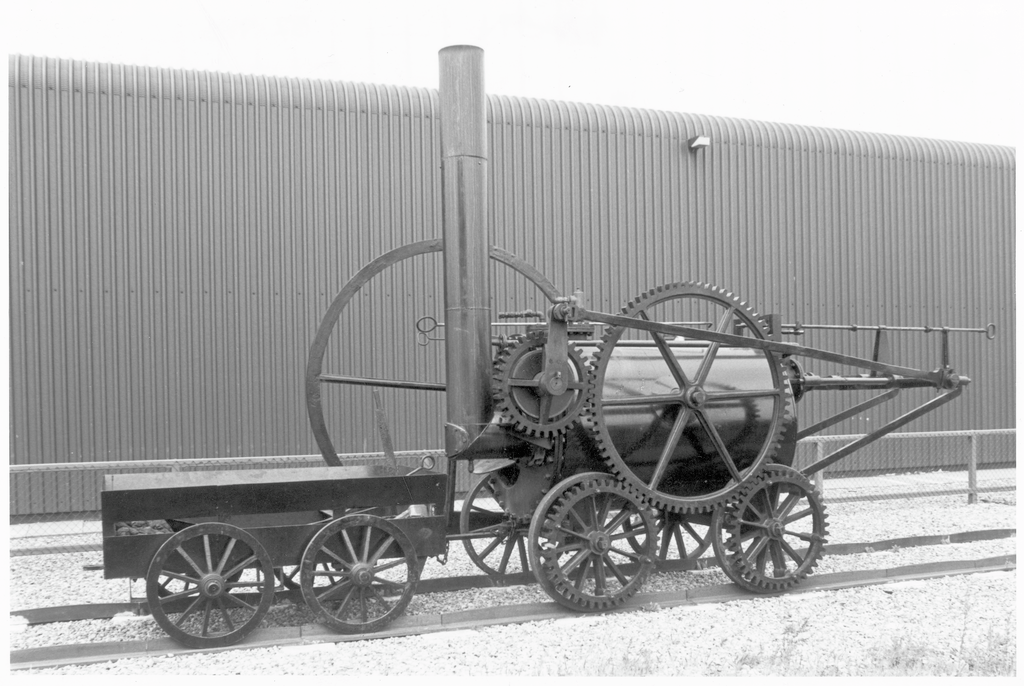
In 1834, Robert Anderson of Scotland created the first electric car carriage. The following year, a small electric car was built by the team of professor Stratingh of Groningen, Holland and his assistant, Christopher Becker. More practical electric vehicles were brought onto the road by both American Thomas davenport and Scotsman Robert Davidson in 1842. Both of these inventors introduced non rechargeable electric cells in the electric car. The Parisian engineer Charles Jentaud fitted a carriage with an electric motor in 1881. William Edward Ayrton and John Perry, professors at the London’s city and guilds institute, began road trails with an electrical tricycle in 1882; Three years later a battery-driven electric cab serviced Brighton.

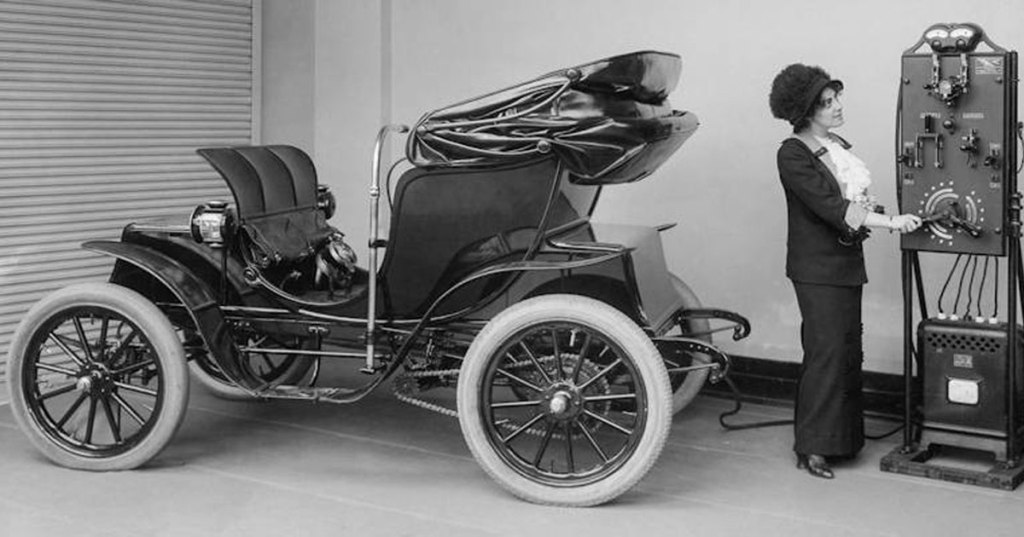
Electric cars during 1890s in the United States

Around 1900, internal combustion engines were only one of three competing technologies for propelling cars. Steam engines were used, while electric vehicles were clean, quiet, and did not smell. In the United States, electric cabs dominated in major cities for several years. The electric vehicle did not fail because of the limited range of batteries or their weight. Historian Michel Schiffer and others maintain, rather, that failed business strategies were more important. Thus, most moor cars in the twentieth century relied on internal combustion, except for niche applications such as urban deliveries. At the end of the century, after several efforts from small manufactures, general motors’ made available on all electric vehicle called EV1 from 1996 to 2003. In the late 1990s, Toyota and Honda introduced hybrid vehicles combining internal combustion engines and batteries.

How Tesla was created?

Entrepreneur Elon Musk is the man behind many modern innovations. It includes the digital payment service PayPal, the independent space travel company SpaceX, and the electric car company Tesla motors. Tesla motors is named after Nikola Tesla, a Serbian American inventor who contributed to the development f alternating current electricity. In 2003 two Silicon Valley engineers, Martin Eberhard and Marc Tarpenning sold their eBook business for 187 million dollars and started Tesla to build a greener car. Elon musk joined as an early investor leading the series finance and taking on several other roles as well. Tesla’s plan was simple but potentially genius. They focused on lithium-ion batteries which they expected to get cheaper and more powerful for many years. They planned to start their journey with a high margin, high performance sports car. Tesla also planned to integrate energy generation and storage in the home and develop other emerging technologies like autonomous vehicles.

Tesla Gigafactory in Tilburg, Netherlands

With this plan set, the company was ready to build a high performance low volume sports car, the roadster. Finally in 2008 Tesla motors released its first car, the completely electric roadster. In 2008, Martin and Marc left the company, and eventually Elon Musk took over as CEO. He made drastic changes, raising 40 million of debt financing and borrowed 465 million from the US government. In 2012 Tesla started focusing on two new cars, model S and model X. beginning in 2012, Tesla built stations called supercharges in the United States and Europe, designed for charging batteries quickly and at no extra cost to Tesla owners. These two models were poised for success but the high cost of lithium ion batteries made it a luxury item. To compensate this, in 2013, Tesla began building large factories called Gigafactories to produce lithium ion batteries and cars n large scale. It made Tesla cars ultimately cheaper than gas powered vehicles. Then Tesla gave autopilot system for its model S which gives semi autonomous capacities. By the end of 2017 Tesla passed ford in market value. Tesla released another crossover he model Y, in 2020. The model Y was smaller and less expensive than the model X and shared many parts with the model 3. Tesla announced several models to be released in the future, including a second version of the Roadster, a Semi trailer truck, a Pick-up truck and the Cybertruck.

Death as a lesson

Most would agree with me when I say, Steve Jobs was one of the most brilliant people, who went on to become an innovator and entrepreneur and a co-founder of Apple then worked for Pixar too.

Today, for the first time, I watched a motivating speech given by him.

What he said, and how he said is no doubt invaluable. But the points he made is what makes it so great, making it an inspiring array of words aimed for people from all walks of life.

Perhaps that is the reason, this video on YouTube had more than 1.3 crore views. And this was not even the original one, it had been edited to create a story. But the lessons he has learnt and the three stories he told made all the difference.

We all know the successful reviews of Apple company from their over priced gadgets which no doubt never fail to deliver what they promise. But the penance behind it’s creation is perhaps more interesting to know and yet many are not aware of it.

From what I understood, Jobs talked of circumstances that lead you to a place. The dots that you can connect months, years or sometimes even decades. He also talked of failure as a teacher, and the lessons it teaches.

Now all of these were a good expressions of wisdom, because most of would have heard of it or have been told about while growing up. In some cases, you must have felt them to be true as well.

But the last one, the quote that he read at the age of 17, which impacted him for the next 33 years when he gave the speech and probably till his death 5 years later.

If you live each day as if it were your last, someday you’ll most certainly be right.”

-unknown

He questioned himself every morning, if he was going to do the things he would be doing if it were his last?

And facing yourself in the mirror when you answer. Because everything we do daily has an impact for the rest of our lives.

Living our life as a boon, living each moment as if it is the last will no doubt make us more happy if not more successful. Because then you are free of all the chains that bind your potential. The fears and thoughts that hinder your growth.

You are not only less self conscious (as you have few hours left to live) but you become an outgoing individual. You grab the chances, even the unseen opportunities that come your way.

You live the day to its fullest.

Carpe Diem becomes your mantra. Keeps you going through the ups and downs.

Just look at what Jobs managed to do all by himself. There are countless other people who have managed to become great personalities despite the troubles they had to live through.

And that my friend is how you can unlock your true potential. Wishing you all the very best all of your life’s endeavours.

Image source : Google

The Journey of rocket science from 900 A.D till Now

The history of rocketry dates back to around 900 C.E., but the use of rockets as highly destructive missiles able to carry large payloads of explosives was not feasible until the late 1930s. War has been the catalyst for many inventions, both benevolent and destructive. The ballistic missile is intriguing because it can be both of these things. It has made possible some of the greatest deeds mankind has ever achieved, and also some of the worst. German Walter Dornberger and his team began developing rockets in 1938, but it was not until 1944 that the first ballistic missile, the aggregate-4 or V-2 rocket, was ready for use. V-2 was used extensively by the Nazis at the end of World War II, primarily as an error weapon against civilian targets. They were powerful and imposing: 46 feet (14m) long, able to reach speeds of around 3,500 miles per hour (5600 kph) and deliver a warhead of around 2,200 pounds (1000 kg) at a range of 200 miles (320 km).

The German V-1 of World War II was the world’s first guided missile.

Ballistic missiles follow a ballistic flight path, determined by the brief initial powered phase of the missile’s flight. This is unlike guided missiles, such as cruise missiles, which are essentially unmanned airplanes packed with explosives. This meant that the early V-2 flew inaccurately, so they were of most use in attacking large, city sized targets such as London, Paris, and Antwerp. The Nazi ballistic missile program has had both a great and a terrible legacy. Ballistic missiles such as the V-2 were scaled up to produce intercontinental ballistic missiles with a variety of warheads, but also the craft that have carried people into space. Ballistic missiles may have led us to the point of self destruction, but to venture beyond our atmosphere.

The intercontinental ballistic missiles (ICBM)

 Intercontinental ballistic missiles (ICBM) were first developed by the United States in 1959. It is a guided ballistic missile with a minimum range of 5500 kilometres primarily designed for nuclear weapon. United States, China, France, India, United Kingdom and North Korea are the only countries that have operational ICBMs. The ICBMs has a three stage booster, during the boost phase the rocket get the missile airborne, this phase last around 2 to 5 minutes until the ICBM has reached space. ICBMs have up to three rocket phases with each one ejected or discarded after it burns out.

The DF-41 is currently the most powerful Intercontinental Ballistic Missile (ICBM), developed in China

They use either liquid or solid propellant. The Liquid fuel rockets tend to burn longer in the boost phase than the solid propellant. The second phase of the ICBMs is the point where the rocket has reached space, here it continues along is ballistic trajectory. At this point the rocket will be travelling anywhere from 24,140 and 27,360 kilometres an hour. The final phase is the ICBM’s final separation and re- entry into earth’s atmosphere. The nose cone section carrying the warhead separates from the final rocket booster and drops back to earth. If the ICBM has rocket thrusters, those will be used at this point to orient itself towards the target. It is important that ICBMs have adequate heat shields to survive reentry, if not they burn up and fall apart. It’s important to note that although countries have ICBMs, none have ever been fired in anger against another country.

“This third day of October, 1942, is the first of a new era in transportation that of space travel.” –  Walter Dornberger

The Bloody Tower – A Brief Account

History

The Bloody Tower was one of the many towers that together constituted the Tower of London Complex. It was built in the early 1220s as part of the first wave of modifications of the Tower of London under the watchful gaze of King Henry III. The Tower was originally named Garden Tower because the upper storey opened on the parade ground which was formerly the Constable’s Garden. Notable people who suffered imprisonment and death include the Tudor Archbishop Cranmer, Bishops Ridley and Latimer, Protestant martyrs, a Lord Chancellor and Sir Walter Raleigh. Later on, the tower became synonymous with a gruesome murder that stained its legacy forever.

The Murder and noteworthy suspects 

The then thirteen-year-old Edward V and his brother, Richard Duke of York, were confined to the tower on the orders of their uncle, who was later crowned King Richard III. The mystery surrounding the tower continues to fascinate as well as baffle historians to this day. On one such fateful day in 1483, the Yorkist princes completely disappeared off the face of the earth, never to be heard of again. It is believed that the princes were killed in cold blood by their uncle. Since they were next in line to the throne, others vying for the royal seat viewed them as inconvenient roadblocks that needed to be obliterated. Richard was away from court on a progression through the Yorkist heartlands at the time the princes disappeared. If they had truly died at that time, he would have been unable to murder them in person. Instead, he must have dispatched one of his men to do the deed.

However, revisionists argue that Richard was portrayed as the villain owing to Tudor propaganda and that his successor, Henry VII, had the same reason for removing the two boys.

Some, regard Buckingham as a very plausible suspect since he had a number of potential motives. After his rebellion against Richard in October 1483 and his subsequent execution, it could be surmised that he and the king had fallen out, possibly due to Richard’s decision to murder the princes without Buckingham’s knowledge.

Many years hence, in 1674, bones presumed to belong to the young brothers were found when a staircase leading to the White Tower was demolished. The bones were later removed at the command of Charles II.

In popular culture 

According to local legends, the tower is haunted by the young boys’ spirits. Guards in the late fifteenth century had reported that when they passed the Bloody Tower, they caught sight of the shadows of two small figures, gliding down the stairs, still wearing the white nightshirts they had on the night they disappeared. The mystery of the Princes in the Tower has spawned best-selling novels such as Josephine Tey’s The Daughter of Time and four novels in Philippa Gregory’s Cousins’ War series, which has attracted the attention of historians and novelists alive. 

Presently, the tower is a popular tourist destination. The stories surrounding it piques the curiosity of many individuals, luring them to the enigma that the tower poses.

AVOIDING JUNK FOOD AND EATING HEALTHY

Health is wealth: this is an adage that is forever true. We are living in an age where everyone lives life in the fast lane. People want to get everything done quickly and on the go. Unfortunately, this attitude is also being applied to our eating habits, which has given rise to fast foods, aka. junk foods.

Of course, junk foods are extremely tasty and offer you a palatable taste and quickly satiate your hunger. They are easily available and have the ability to suit a wide variety of taste buds. But, taste is not everything, and researchers have pointed out that a diet consisting primarily of junk food can lead to many health problems.

Avoiding junk food once you’re used to it can be very difficult, but certainly not impossible. There are many healthy alternatives to junk food that can satisfy your palate as well as provide the essential nutrients that are required for the smooth functioning of the body and mind.

Adopting a diet that is free of junk food brings about many benefits such as weight loss, stronger bones, better digestion, sharper memory and a healthy heart. So, ditch that urge for fast food and hop on to the healthy-eating bandwagon.

KNOWLEDGE REPOSITORIES

A knowledge repository is an online database that systematically captures, organizes, and categorizes knowledge-based information. Knowledge repositories are most often private databases that manage enterprise and proprietary information, but public repositories also exist to manage public domain intelligence. They are also referred to as  Digital Learning Repositories, Digital Object Repositories and Electronic Performance Support Systems.

OVERVIEW

Retaining and sharing corporate knowledge has become a critical objective for companies, regardless of their size and industry. The proliferation of digital resources such as online databases and corporate intranets enable training organizations to create and maintain knowledge repositories for the benefit of employees and customers alike.

Knowledge repositories help organizations connect people with information and expertise globally via online searchable libraries, discussion forums and other elements. They provide a central location to collect, contribute and share digital learning resources for use in instructional design and content development for both traditional and non-traditional learning environments. They have become an integral part of corporate-wide knowledge management programs and a valuable stimulant of social and informal learning activities.

Along with providing centralized hosting and access, repositories enable users to share digital objects or files while also allowing administrators to set permissions and controls for access to content, and to protect the integrity and intellectual property rights of content owners and creators. They also invite collaboration among facilitators and students.

Knowledge repositories have evolved from static archives of published documents; they are now dynamic online communities that facilitate search and navigation of relevant information within agile learning platforms. Along with being a vehicle for just-in-time learning, knowledge repositories also enable post-training support and assessment.

Numerous software providers serve the fast-growing marketplace for digital repositories. They include suppliers of learning content management systems (LCMS), Microsoft Corporation’s SharePoint collaboration tool, an open source content management package called Drupal, and Pearson Education’s Equella solution.

KEY FEATURES

There are several key features of effective digital knowledge repositories:

  • Centralization. A wide variety of digital courseware, and content curated from multiple sources, can be housed in a central location where it can be tagged, shared and commented upon globally within one consistent interface.
  • Content management. The breadth of learning content can include audio visual files, simulations, data, learning modules, articles, blogs, YouTube videos, best practices guidance, monitoring capabilities and contact information. Content is searchable by key words, learning outcomes, and other vehicles.
  • Cost savings. Repositories can potentially reduce the cost of training and education by making affordable course materials accessible, reducing the need for classroom training and stimulating productive informal learning.
  • Access control. By restricting individual content pieces via password authentication and other security functionality, curators can accomplish various goals. Access controls often involve safeguarding proprietary information and protecting intellectual property. Some, but not all, repositories employ digital rights management (DRM) to protect and monetize intellectual property in the market.
  • Record management. Repositories can integrate with learning management systems to blend seamlessly into learning and talent management programs.

BEST PRACTICES

A variety of best practices are employed by training organizations to facilitate learning while also protecting proprietary information and intellectual property.

  • Ensure quality over quantity. To protect and maintain the integrity of information contained in repositories, organizations often create a system of “stewards” — subject matter experts who accept responsibilities over specific areas or communities. Stewards often moderate posts, respond to questions and, when advisable, coach and mentor learners and host webinars.
  • Provide oversight and control. To ensure that knowledge sharing objectives are established and executed, organizations can create a cross-functional committee of valued employees and training professionals. The panels are tasked with ensuring that repositories become a valued aspect of a holistic learning experience for intended internal and external audiences. That means making certain that the right people can acquire the right knowledge at the right time. Other priorities include gauging the effectiveness of e-learning modules created to teach important skills and modifying them, as needed.
  • Protect intellectual property. Knowledge repositories are required to protect the integrity and relevance of IP. Organizations can do so most effectively by building copyright compliance and digital rights management (DRM) into systems so that administrators can track content usage. Most current repositories lack DRM capabilities, a major limitation that impacts content creators and other IP holders, and stunts the growth of the platforms.

KNOWLEDGE MANAGEMENT IN INFRASTRUCTURE

Knowledge Management infrastructure reflects the long-term foundations for knowledge management. In an organizational context, knowledge management infrastructure includes five major components:

  • organization culture
  • organization structure
  • organisation’s information technology infrastructure
  • common knowledge, and
  • physical environment (Becerra-Fernandez and Sabherwal, 2010).

Organization culture reflects the norms and beliefs that guide the behaviour of the organization’s members. It is an important enabler of knowledge management in organizations.

Attributes of enabling organizational culture include understanding the value of knowledge management practices, managing support for knowledge management at all levels, incentives that reward knowledge sharing, and encouragement of interaction for the creation and sharing of knowledge (Ambrect et al, 2001 as cited in Becerra-Fernandez and Sabherwal, 2010).

PROFESSIONAL ETHICS

Professional ethics are principles that govern the behaviour of a person or group in a business environment. Like values, professional ethics provide rules on how a person should act towards other people and institutions in such an environment.

The Code is an example of a codified set of professional ethics for those who choose to enter the immigration advice profession.

Ethical principles

Ethical principles underpin all professional codes of conduct. Ethical principles may differ depending on the profession; for example, professional ethics that relate to medical practitioners will differ from those that relate to lawyers or real estate agents.

However, there are some universal ethical principles that apply across all professions, including:

  • honesty
  • trustworthiness
  • loyalty
  • respect for others
  • adherence to the law
  • doing good and avoiding harm to others
  • accountability.

Codes of conduct

Professional codes of conduct draw on these professional ethical principles as the basis for prescribing required standards of behaviour for members of a profession. They also seek to set out the expectations that the profession and society have of its members.

The intention of codes of conduct is to provide guidelines for the minimum standard of appropriate behaviour in a professional context. Codes of conduct sit alongside the general law of the land and the personal values of members of the profession.

Professional codes of conduct provide benefits to:

  • the public, as they build confidence in the profession’s trustworthiness
  • clients, as they provide greater transparency and certainty about how their affairs will be handled
  • members of the profession, as they provide a supporting framework for resisting pressure to act inappropriately, and for making acceptable decisions in what may be ‘grey areas’
  • the profession as a whole, as they provide a common understanding of acceptable practice which builds collegiality and allows for fairer disciplinary procedures
  • others dealing with the profession, as the profession will be seen as more reliable and easier to deal with.

Other contributors to professional ethics

Fiduciary duties

When an adviser agrees to assist a client, they agree to take on a level of responsibility for that person and their immigration matter. The client becomes dependent on the adviser in relation to that assistance. This is a fiduciary relationship between the fiduciary (the adviser) and a principal (the client). Even without a Code this fiduciary relationship means the adviser has certain obligations to their client.

Contractual obligations

When an adviser enters into a contract (or written agreement) with a client this creates legally binding obligations to perform the terms of the contract in a particular way. This includes a duty to act with diligence, due care and skill, and also implies obligations such as confidentiality and honesty, even if they are not specifically set out in the contract.

Many ethical issues are likely to stem from advisers’ relationships with clients. Most of these can be overcome by having clear terms in a written agreement about how certain matters will be dealt with, such as the sharing of confidential information, the use of interpreters, refunds and invoicing. More information on written agreements can be found in the code of conduct toolkit.

Other laws

As well as New Zealand immigration legislation, advisers should also be aware of other relevant laws that seek to regulate how service providers must behave. In New Zealand this could include the Consumer Guarantees Act 1993. Advisers operating outside of New Zealand should make sure that they are familiar with any equivalent legislation that governs the behaviour of service providers there.

ENVIRONMENTAL

Environment refers to the natural surroundings and conditions in which we live. Unfortunately, this Environment has come under serious threat. This threat is almost entirely due to human activities. These human activities have certainly caused serious damage to the Environment. Most noteworthy, this damage risks the survival of living things on Earth. Therefore, there is an urgent need to save the Environment.

Ways of Saving Environment

First of all, planting trees should be given massive attention. Above all, a tree is the source of oxygen. Unfortunately, due to construction, many trees have been cut down. This certainly reduces the amount of oxygen in the environment. Growing more trees means more oxygen. Hence, growing more trees would mean better life quality.

Similarly, people must give attention to forest conservation. Forests are vital for the Environment. However, deforestation certainly reduces the area of forests around the World. The government must launch programs to conserve the forests. The government must make harming forests a criminal offense.

Soil conservation is yet another important way to save the Environment. For this, there must be control of landslides, floods, and soil erosion . Furthermore, there should also be afforestation and tree plantation to conserve the soil. Also, terrace farming and using natural fertilizers are some more ways.

Waste management is a powerful way of protecting the environment. There must be proper disposal of wastes. Most noteworthy, this would help to keep the surroundings healthy. The government must ensure to clean the streets and other polluted land areas. Furthermore, there should be toilets in every house. Also, the government must provide enough public toilets.

Pollution is probably the biggest danger to the Environment. Smoke, dust, and harmful gases cause air pollution. These causes of air pollution come from industries and vehicles mostly. Furthermore, Chemicals and pesticides cause land and water pollution.

Saving Environment would certainly protect the animals. Extinction of many species will not take place due to saving Environment. Many endangered species would also increase in population.

The water level would rise. Damage to Environment has severely reduced the level of groundwater. Furthermore, there is a scarcity of clean drinking water around the World. Due to this, many people fell ill and die. Saving Environment would certainly avoid such problems.

In conclusion, Environment is a precious gift on this planet. Our Environment is facing a big danger. Saving Environment is the need of the hour. Probably, it is the biggest concern of Humanity right now. Any delay in this regard could be disastrous.

SAVE GIRL CHILD

The importance of the girl child 

A recent news report revealed that not a single girl was born in 132 villages in Uttarkashi district in Uttarakhand in the previous three months. Census 2011 had indicated that the child sex ratio of girls to boys (0-6 years) had deteriorated to 919 girls per thousand boys from 927 girls per 1000 boys in 2001. The adverse sex ratio is the result of a patriarchal mindset due to which families do not want to give birth to a daughter and raise her to fulfil her potential.  How can we convince people of the importance of the girl child in India? How can we make everybody celebrate daughters?

Girl Child Protection- the need for Beti Zindabad

The struggle of a girl child begins even before the day she is conceived. In India, female foeticide is a worrying practice, as cheap abortion technology allows households to exercise their preference for sons over daughters. She is ‘lucky’ if she is allowed to be born. Even after birth, the girl child faces discrimination and oppression. She is not provided with proper nutrition compared to her male siblings, her education is not given much importance and in many cases, parents prefer that their sons continue schooling, and want their daughters to stay at home and do household work.  After marriage, the trials faced by women do not end as she continues to face oppression and even violence in her marital home.
We, at ActionAid Association, launched Beti Zindabad –a nation-wide campaign to tackle the adverse sex ratio. The campaign has grown since its inception and come to address a wide variety of issues of violence against women, the need to recognize and celebrate women’s place in the world of work, and efforts to ensure women’s access to the property, including housing and agricultural land.
Through all our interventions at ActionAid Association, we seek to reach out to the women in the communities we work with.  We encourage them to take up positions of leadership in the family and the community. When we support the creation of collectives or community-based organisations in these communities or in our partner civil society we actively look for strong women community leaders and empower them to take up key positions in these groups.  Our allies and partners are encouraged to take pride in their daughters and value the contributions of the women in their communities. This can be seen through programmes like the Beti Utsav where communities celebrate the birth of a girl child amongst them.

The Government is also concerned with declining child sex ratio and in 2015 it launched ” Beti Bachao Beti Padhao” Scheme, to create awareness on the need to protect the girl child and focus on their education. We at ActionAid have welcomed this scheme and wish to support the government’s initiatives through our interventions. We seek to work with communities to celebrate the girl child and ensure the protection of the girl child.

How can we save girl children in India?

Bhimrao Ramji Ambedkar, the architect of the Constitution of India has said, “I measure the progress of a community by the degree of progress which women have achieved.” A country that empowers women empowers every individual! We have to start with protecting the girl child, ensuring that her birth is greeted with joy and she receives all the care and love needed to grow to her full potential. As a woman, we need to work to ensure that she gets every opportunity to realise her potential. By celebrating, protecting and educating the girl child, we empower her. By empowering our daughters we empower their communities which means empowering the nation! We must start making significant steps in the following directions:

  • Spread awareness and change mindsets to ensure that communities and families welcome and celebrate daughters.
  • Education for all girl children.
  • Create a safe environment for all women and support women’s resistance to violence.
  • Mobilize society, private enterprise and the government to recognize and celebrate women in the world of work.
  • Recognize, redistribute and reduce care work.
  • Ensure decent work, fair and equal wages and a safe working environment for women.
  • Ensure that women have access to the property, including house and land.

Why it is important to save and educate girls
In order to achieve true women empowerment, it is important that we begin with the girl children. This is because girls of today are the women of tomorrow. The role of social welfare organizations is critical here as it is not possible for the government to reach every nook and corner of the country. As the aware citizens, we can support organizations which work for the eradication of female infanticide and women empowerment. Donations to them serve two purposes: driving change in the society and providing 
tax benefit to the donor.

Some yardsticks of women empowerment are:

  • Helping women carve a positive self-image and increase their confidence level
  • Enabling them to develop the ability to think critically.
  • Ensuring that they have equal participation in decision making, whether it’s in the family or at the community level
  • Providing economic independence to women

The mindset that a girl is a liability needs to be changed and this requires happening at the grass root level. While spreading awareness is critical, there is a need of stricter laws in place which deter people from resorting to female foeticide.

The role of education is extremely important here and goes a long way in empowering women. And the process of education has to begin early in life. More and more girl children need to be sent to school, provided quality and holistic education. Numerous benefits come with educating girls the right way. Educated girls are able to take the right decisions in life. For example, when an educated girl falls sick, she will have better understanding and awareness to avail proper healthcare services. At the same time, a society in which girls are educated will see less child marriages, decreased levels of poverty and heightened participation of women in socio-economic processes. Educating a girl has far-reaching impacts. It is rightly said that when a woman is educated, an entire generation benefits from it.

Conclusion
There is an urgent need to change this archaic mindset of the patriarchal Indian society which views girls as liabilities. It needs to be established that girls are in no way less than boys. When given the right chances to nurture their talent and skills, they have it in them to excel in different areas of life. It is therefore imperative that both government and non-government organizations work in cohesion to spread the message of saving and educating the girl child. You can donate online to NGOs to lend your support to this movement.

SET A GOAL’S

How to Set a Goal

First consider what you want to achieve, and then commit to it. Set SMART (specific, measureable, attainable, relevant and time-bound) goals that motivate you and write them down to make them feel tangible. Then plan the steps you must take to realize your goal, and cross off each one as you work through them.

Goal setting is a powerful process for thinking about your ideal future, and for motivating yourself to turn your vision of this future into reality.

The process of setting goals helps you choose where you want to go in life. By knowing precisely what you want to achieve, you know where you have to concentrate your efforts. You’ll also quickly spot the distractions that can, so easily, lead you astray.

Why Set Goals?

Top-level athletes, successful businesspeople and achievers in all fields all set goals. Setting goals gives you long-term vision and short-term motivation. It focuses your acquisition of knowledge, and helps you to organize your time and your resources so that you can make the most of your life.

By setting sharp, clearly defined goals, you can measure and take pride in the achievement of those goals, and you’ll see forward progress in what might previously have seemed a long pointless grind. You will also raise your  self confidence, as you recognize your own ability and competence in achieving the goals that you’ve set.

Starting to Set Personal Goals

You set your goals on a number of levels:

  • First you create your “big picture” of what you want to do with your life (or over, say, the next 10 years), and identify the large-scale goals that you want to achieve.
  • Then, you break these down into the smaller and smaller targets that you must hit to reach your lifetime goals.
  • Finally, once you have your plan, you start working on it to achieve these goals.

This is why we start the process of setting goals by looking at your lifetime goals. Then, we work down to the things that you can do in, say, the next five years, then next year, next month, next week, and today, to start moving towards them.

Step 1: Setting Lifetime Goals

The first step in setting personal goals is to consider what you want to achieve in your lifetime (or at least, by a significant and distant age in the future). Setting lifetime goals gives you the overall perspective that shapes all other aspects of your decision making.

To give a broad, balanced coverage of all important areas in your life, try to set goals in some of the following categories (or in other categories of your own, where these are important to you):

  • Career – What level do you want to reach in your career, or what do you want to achieve?
  • Financial – How much do you want to earn, by what stage? How is this related to your career goals?
  • Education – Is there any knowledge you want to acquire in particular? What information and skills will you need to have in order to achieve other goals?
  • Family – Do you want to be a parent? If so, how are you going to be a good parent? How do you want to be seen by a partner or by members of your extended family?
  • Artistic – Do you want to achieve any artistic goals?
  • Attitude – Is any part of your mindset holding you back? Is there any part of the way that you behave that upsets you? (If so, set a goal to improve your behavior or find a solution to the problem.)
  • Physical – Are there any athletic goals that you want to achieve, or do you want good health deep into old age? What steps are you going to take to achieve this?
  • Pleasure – How do you want to enjoy yourself? (You should ensure that some of your life is for you!)
  • Public Service – Do you want to make the world a better place? If so, how?

Spend some time brainstorming  these things, and then select one or more goals in each category that best reflect what you want to do. Then consider trimming again so that you have a small number of really significant goals that you can focus on.

As you do this, make sure that the goals that you have set are ones that you genuinely want to achieve, not ones that your parents, family, or employers might want. (If you have a partner, you probably want to consider what he or she wants – however, make sure that you also remain true to yourself!

Step 2: Setting Smaller Goals

Once you have set your lifetime goals, set a five-year plan of smaller goals that you need to complete if you are to reach your lifetime plan.

Then create a one-year plan, six-month plan, and a one-month plan of progressively smaller goals that you should reach to achieve your lifetime goals. Each of these should be based on the previous plan.

Then create a daily  To_Do_List of things that you should do today to work towards your lifetime goals.

At an early stage, your smaller goals might be to read books and gather information on the achievement of your higher level goals. This will help you to improve the quality and realism of your goal setting.

Finally, review your plans, and make sure that they fit the way in which you want to live your life.

IMPROVED YOUR MEMORY

1. Learn something new

Memory strength is just like muscular strength. The more you use it, the stronger it gets. But you can’t lift the same size weight every day and expect to get stronger. You’ll need to keep your brain constantly challenged. Learning a new skill is an excellent way to strengthen your brain’s memory capacity.

There are many activities to choose from, but most importantly, you’ll need to find something that forces you out of your comfort zone and commands your full attention.

Here are some examples:

  • learn a new instrument
  • make pottery
  • play mind games, like Sudoku or chess
  • learn a new type of dance, like the tango
  • learn a new language

2. Repeat and retrieve

Any time you learn a new piece of information, you’re more likely to mentally record that information if it’s repeated.

Repetition reinforces the connections we create between neurons. Repeat what you hear out loud. Try using it in a sentence. Write it down and read it aloud.

But the work doesn’t stop there. Research shows that simple repetition is an ineffective learning tool if used on its own. You’ll need to sit back down later and actively try to retrieve the information without looking at where you wrote it down. Testing yourself to retrieve the information is better than repeated studying. Practicing retrieval creates more long-term and meaningful learning experiences.

3. Try acronyms , abbreviations, and mnemonic

Mnemonic devices can be in the form of acronyms, abbreviations, songs, or rhymes.

Mnemonics have been tested  since the 1960s as an effective strategy for students. You’ve probably been taught a few mnemonic devices for remembering long lists. For example, the colors of the spectrum can be remembered with the name ROY G. BIV (Red, Orange, Yellow, Green, Blue, Indigo, Violet).

4. “Group” or “Group” or “Chunk” information

Grouping or chunking refers to the process of dividing newly learned information into chunks to produce fewer, larger chunks of information. For example, you may have noticed that it’s much easier to remember a phone number if the 10 digits are grouped into three separate chunk

5. Construct a “mind palace”

The mind palace technique is often used by memory champions. In this ancient technique, you create a visual and complex place to store a set of memories.

CONCENTRATION & MEMORY

Concentration and memory work together, but one does not lead to the other. To concentrate is to direct your mental powers, or efforts, towards a particular activity, subject, or problem. Memory is the ability to remember information, experiences, and people. There are some specific skills that can be learned to enhance both concentration and memory. Practicing these skills is likely to improve one’s success as a student.

Once something is stored in our brains, we never forget it. We may, however, have difficulty recalling the information. It is also possible that the information we are trying to recall was never stored. This program will help you understand the structure of memory and also suggest some skills you can use to try to improve your memory.
Good concentration will enhance memory. If we only practice skills that improve our memory but never look at factors that enhance concentration, our efforts will only be marginally successful. For this reason, tips for improving concentration will also be discussed.

Memory Basics

Creating conditions for better concentration is likely to improve the quality of your studying; however, it is also necessary to implement skills that will enhance your ability to remember the material you are studying.

Four skills that can improve memory:

  • Organizational skills
  • Using your body
  • Using your brain
  • Including time for recall

RAIN WATER HARVESTING

All living things including, plants, animals and human beings need water to live and to carry out different cellular activities.

Have you ever imagined a day without water?  

No, we have not and it is hard to imagine. We all use water for different kinds of day to day activities, such as cleaning, washing, bathing, cooking, drinking and other domestic and industrial uses.

Water is a precious, essential and an abiotic component of the ecosystem. Today we all are heading toward the scarcity of water, and this is mainly because of the lack of water conservation and pollution of water bodies. So, let us not waste a drop of water and start conserving water for further use.

Also read: Water

There are different methods used for conserving water, here let us learn about the rainwater harvesting system.

What is Rainwater harvesting?

Rainwater harvesting is the simple process or technology used to conserve Rainwater by collecting, storing, conveying and purifying of Rainwater that runs off from rooftops, parks, roads, open grounds, etc. for later use.

How to Harvest the Rainwater?

Rainwater harvesting systems consists of the following components:

  • Catchment- Used to collect and store the captured Rainwater.
  • Conveyance system – It is used to transport the harvested water from the catchment to the recharge zone.
  • Flush- It is used to flush out the first spell of rain.
  • Filter – Used for filtering the collected Rainwater and remove pollutants.
  • Tanks and the recharge structures: Used to store the filtered water which is ready to use.

The process of rainwater harvesting involves the collection and the storage of rainwater with the help of artificially designed systems that run off naturally or man-made catchment areas like- the rooftop, compounds, rock surface, hill slopes, artificially repaired impervious or semi-pervious land surface.

Several factors play a vital role in the amount of water harvested. Some of these factors are:

  • The quantum of runoff
  • Features of the catchments
  • Impact on the environment
  • Availability of the technology
  • The capacity of the storage tanks
  • Types of the roof, its slope and its materials
  • The frequency,  quantity  and the quality of the rainfall
  •  The speed and ease with which the Rainwater penetrates through the subsoil to recharge the groundwater.

Why do we Harvest Rainwater?

The rainwater harvesting system is one of the best methods practised and followed to support the conservation of water. Today, scarcity of good quality water has become a significant cause of concern. However, Rainwater, which is pure and of good quality, can be used for irrigation, washing, cleaning, bathing, cooking and also for other livestock requirements.

Advantages of Rainwater Harvesting

The benefits of rainwater harvesting system are listed below.

  • Less cost.
  • Helps in reducing the water bill.
  • Decreases the demand for water.
  • Reduces the need for imported water.
  • Promotes both water and energy conservation.
  • Improves the quality and quantity of groundwater.
  • Does not require a filtration system for landscape irrigation.
  • This technology is relatively simple, easy to install and operate.
  • It reduces soil erosion, stormwater runoff, flooding, and pollution of surface water with fertilizers, pesticides, metals and other sediments.
  • It is an excellent source of water for landscape irrigation with no chemicals and dissolved salts and free from all minerals.

CODING IN KNOWLEDGE MANAGEMENT


Every engineer understands the value of code knowledge management. I doubt many developers repeatedly say to themselves: “There’s too much documentation here.” Yet, most of the existing knowledge management tools do not answer our requirements, and we’re left with tedious, manual processes. As a result, documenting code has become like going to the gym. Once we’re into it, we understand the value, but it’s hard to get us up and running.

As a VP R&D who is co-founding a startup, and a tech lead at Guradicore just last year, I believe knowledge management is at the core of making good decisions and being productive. Here are four requirements I look for when shopping for a code knowledge management tool.

4 Code Knowledge Management Tool Requirements

1. Covers Multiple Use Cases

A good code knowledge management tool will single-handedly cover a wide span of use cases, from onboarding to code reviews to component installation. To do so, the tool should be able to include tutorials, algorithm explanations, information about why certain technologies were chosen, etc. If these different documentation formats are distributed between different tools, adoption will be scarce and usage will be non-efficient.

2. Available On-demand

Tools like Discord , Confluence and Notion are useful for managing discussions and projects. They can be used for looking back into why certain decisions were made. But a good documentation tool needs to be able to provide answers on-demand, without the digging (and the time that goes into it).

Developers need to be able to immediately find out what a code line means, why a decision was made, how to install a component, why files are divided the way they are, which research was done on the feature, etc. Trying to find out by retrieving lists from Jira or Confluence does not yield high-quality results. If getting the answers is too difficult or takes too much time, they will not use the tool and go back to asking others or move forward to the best of their understanding.

3. Answers the What and the Why

Today, most tools either explain what they did with the code, or why they did it. Code snippets, service contracts, in-line documentation – they all explain what happened in the code. Wikipedias, emails, chats – cover the why. But more often than not, this is not documented anywhere.

To really understand the code and how to use it, our engineers need to understand both what was done and why it took place. Blog posts are a good way to cover this, as they provide technical tutorials and explanations. But they are not scalable in large organizations, and they could also be difficult to find answers in, if they are not structured well. So, we need a tool that shows us the code, and the entire story behind developing it – from design through research and up to programming.

4. Fit For Beginners and Senior Engineers

Too often we think of documentation only for one audience: new developers. More specifically, when they’re onboarded to the company. As a result, we lack the right infrastructure for more senior developers. For example, when they work together on a new feature a service they’re not familiar with. Or when they have to gain observability into dependencies.

Therefore, good documentation needs to be usable and understandable for beginners, intermediate developers and our advanced developers who (think they’ve) seen everything. It should include beginner and advanced explanations, enable high-level and in-depth understanding, and enable integration into existing developer tools.

IDENTIFYING TALENT 

Several years on from the so called ‘war’ for talent, most organisations agree that having the biggest share of the right people is crucial when it comes to achieving a competitive edge.

Research completed by McKinsey & Company found that 86% of senior executives believe that talent is the single biggest contributor towards profitability and bottom line performance.  At the same time, over half of those same executives admitted that they do not spend enough time on key talent matters, including:

  • How to recruit more of the right people
  • How to identify potential stars and high performers within an organisation more accurately
  • How to identify and develop leadership skills, behaviours and traits
  • How to prepare for management and leadership succession
  • How to prevent derailment and failure
  • How to deal with the people implications of structural business change, growth and evolving customer expectations

IDENTIFYING WINNERS AND FUTURE POTENTIAL

Since our launch in 1993, Quo have been a global pioneer when it comes to helping organisations address the above challenges.  Blending applied psychology, commercial best practices and our core expertise in behavioural science, we have helped hundreds of organisations identify, develop and retain the right people at all levels, from front line colleagues and team managers to senior leaders and the next Chief Executive.

Over two decades we have developed a globally unique assessment approach (PfAM) which allows organisations to accurately project the likely career paths of their most talented people, significantly increasing internal succession numbers and reducing recruitment costs. 

We have pioneered the application of the Assessment for Development Centre, enabling large numbers of high potential colleagues to build on their core strengths and address development needs, while increasing future leader pools significantly. 

We have developed ground breaking screening and assessment tools, including psychometric assessment, innovative 360 degree evaluation, thinking styles, complexity exercises and 1:1 interview techniques.  Our global partnership with Hogan Assessments and the bespoke application of the Hogan Suite of psychometric questionnaires has played a significant role in helping organisations resource, screen and develop the right people, while planning with greater certainty for future succession.

Organisations including Warner Bros, Johnson & Johnson, Align Technology, Cancer Research UK and Berendsen PLC have worked with Quo to address their biggest talent challenges.  To arrange an initial consultation please contact us at the number listed above.

Recent research on the subject of talent and potential

  • Internally appointed staff members are 3 times more likely to remain with the organisation (than external hires) according to research completed by Hogan Assessments
  • In the next 10 years there will be a 25% increase in the demand for talent within the 35-45 age range.  At the same time, due to changing demographics in recent decades, the supply of talent within this age range will decrease by 15% (research by McKinsey & Company)
  • The cost of losing top performing staff can equate to a financial sum up to 500 times greater than the cost of their replacement (in lost revenues)
  • Staff who have taken up structured personal ’Development Plans’ have been twice as likely to remain with an organisation than those who have not

CONTEMPORARY THEORIES OF MOTIVATION.

Contemporary Theories of Motivation

Early motivation theories were based on the assumptions and sometime these theories were not supported by strong evidence. Maslow’s hierarchy of needs is a good example of this approach. Therefore, alternative theories of motivation have been put forward over time.

 Self-determination theory

Self-determination theory of motivation and argues that people often seek control of their actions.

 Goal setting theory

Goal setting theory is based on the view that challenging objectives should aid and improve workplace performance. In this theory, it is assumed that an employee is committed to the firm’s goals and desires to make a positive contribution. It is important that the set goals are also perceived as achievable.

Self-efficacy theory

Self-efficacy theory is based upon an employee’s view about their ability to perform the tasks of their job role. This theory is also known as social learning theory or social cognitive theory.

If an employee has a high self-efficacy, then they will be more confident and have a greater chance of success. In more challenging situations, employees with a low self-efficacy will often have a reduction in their job performance levels.

According to the Albert Bandura, self-efficacy can be increased by four ways such as:

  1.  Vicarious modeling
  2. Enactive mastery
  3. Arousal
  4. Verbal persuasion

 Reinforcement theory

Reinforcement theory refers that to behavior or an attitude is a function of its outcomes or consequences. That is, the theory suggests that the outcomes of behaviour (positive or negative) will either reinforce (or modify if a negative outcome) ongoing behavior.

Equity theory

Equity theory is where employees compare their job inputs and outputs with others in the organisation – primarily in an attempt to reduce the perceived inequities.

If the employees find inequities they seek resolve them by:

  • Changing the inputs
  • Changing the outcomes
  • Distorting perceptions of themselves
  • Distorting perceptions of others
  • Quitting their job

Expectancy theory

Expectancy theory is the tendency to act in a particular way based upon a preconceived expectation of the likely outcome.

RECRUITMENT

What is recruitment?

Recruitment refers to the process of identifying, attracting, interviewing, selecting, hiring and onboarding employees. In other words, it involves everything from the identification of a staffing need to filling it.

Depending on the size of an organization, recruitment is the responsibility of a range of workers. Larger organizations may have entire teams of recruiters, while others only a single recruiter. In small outfits, the hiring manager may be responsible for recruiting. In addition, many organizations outsource recruiting to outside firms. Companies almost always recruit candidates for new positions via advertisements, job boards, social media sites, and others. Many companies utilise recruiting software to more effectively and efficiently source top candidates. Regardless, recruitment typically works in conjunction with, or as a part of Human Resources.

What is recruiting in HRM?

Human Resource Management, otherwise known as HRM or HR for short, is the function of people management within an organization. HR is responsible for facilitating the overall goals of the organization through effective administration of human capital — focusing on employees as the company’s most important asset.

Recruitment is the first step in building an organization’s human capital. At a high level, the goals are to locate and hire the best candidates, on time, and on budget.

What does recruitment involve?

While the recruitment process is unique to each organization, there are 15 essential steps of the hiring process. We’ve listed them here, but for a detailed exploration of these steps, check out our page on Hiring processing steps

  • Identify the hiring need
  • Devise a recruitment plan
  • Write a job description
  • Advertise the position
  • Recruit the position
  • Review applications
  • Phone Interview/Initial Screening
  • Interviews
  • Applicant Assessment
  • Background Check
  • Decision
  • Reference Check
  • Job offer
  • Hiring
  • Onboarding.

Types of recruiting

There are several types of recruiting. Here’s an overview:

Internal Recruiting: internal recruiting involves filling vacancies with existing employees from within an organization.

Retained Recruiting: When organization hire a recruiting firm, there are several ways to do so; retained recruiting is a common one. When an organization retains a recruiting firm to fill a vacancy, they pay an upfront fee to fill the position. The firm is responsible for finding candidates until the position is filled. The organization also agrees to work exclusively with the firm. Companies cannot, in other words, hire multiple recruiting firms to fill the same position.

Contingency Recruiting: like retained recruiting, contingency recruiting requires an outside firm. Unlike retained recruiting, there is no upfront fee with contingency. Instead, the recruitment company receives payment only when the clients they represent are hired by an organization.

Staffing Recruiting: staffing recruiters work for staffing agencies. Staffing recruiting matches qualified applicants with qualified job openings. Moreover, staffing agencies typically focus on short-term or temporary employment positions.

Outplacement Recruiting: outplacement is typically an employer-sponsored benefit which helps former employees transition into new jobs. Outplacement recruiting is designed to provide displaced employees with the resources to find new positions or careers.

Reverse Recruiting: refers to the process whereby an employee is encouraged to seek employment with a different organization that offers a better fit for their skill set. We offer Reverse recruiting days to help workers with this process. At our Reverse Recruiting Days we review resumes, conduct mock interviews, and offer deep dives into specific job roles.

SELECTION PROCESS

Definition: The Selection is a process of picking the right candidate with prerequisite qualifications and capabilities to fill the jobs in the organization.

The selection process is quite lengthy and complex as it involves a series of steps before making the final selection. The procedure of selection may vary from industry to industry, company to company and even from department to department. Every organization designs its selection process, keeping in mind the urgency of hiring people and the prerequisites for the job vacancy.

Selection Process

The selection procedure comprises of following systematic steps:

  1. Preliminary Interview: The preliminary interview is also called as a screening interview wherein those candidates are eliminated from the further selection process who do not meet the minimum eligibility criteria as required by the organization.Here, the individuals are checked for their academic qualifications, skill sets, family backgrounds and their interest in working with the firm. The preliminary interview is less formal and is basically done to weed out the unsuitable candidates very much before proceeding with a full-fledged selection process.
  2. Receiving Applications: Once the individual qualifies the preliminary interview he is required to fill in the application form in the prescribed format. This application contains the candidate data such as age, qualification, experience, etc. This information helps the interviewer to get the fair idea about the candidate and formulate questions to get more information about him.
  3. Screening Applications: Once the applications are received, these are screened by the screening committee, who then prepare a list of those applicants whom they find suitable for the interviews. The shortlisting criteria could be the age, sex, qualification, experience of an individual. Once the list is prepared, the qualified candidates are called for the interview either through a registered mail or e-mails.
  4. Employment Tests: In order to check the mental ability and skill set of an individual, several tests are conducted. Such as intelligence tests, aptitude tests, interest tests, psychological tests, personality tests, etc. These tests are conducted to judge the suitability of the candidate for the job.
  5. Employment Interview: The one on one session with the candidate is conducted to gain more insights about him. Here, the interviewer asks questions from the applicant to discover more about him and to give him the accurate picture of the kind of a job he is required to perform.Also, the briefing of certain organizational policies is done, which is crucial in the performance of the job. Through an interview, it is easier for the employer to understand the candidate’s expectations from the job and also his communication skills along with the confidence level can be checked at this stage.
  6. Checking References: The firms usually ask for the references from the candidate to cross check the authenticity of the information provided by him. These references could be from the education institute from where the candidate has completed his studies or from his previous employment where he was formerly engaged. These references are checked to know the conduct and behavior of an individual and also his potential of learning new jobs.
  7. Medical Examination: Here the physical and mental fitness of the candidate are checked to ensure that he is capable of performing the job. In some organizations, the medical examination is done at the very beginning of the selection process while in some cases it is done after the final selection.Thus, this stage is not rigid and can take place anywhere in the process. The medical examination is an important step in the selection process as it helps in ascertaining the applicant’s physical ability to fulfill the job requirements.
  8. Final Selection: Finally, the candidate who qualifies all the rounds of a selection process is given the appointment letter to join the firm.

TIME MANAGEMENT MATRIX

Industrial operators widely recognised preventative maintenance extends the life of assets, increases productivity, improves overall efficiency and reduces maintenance costs, with a significant margin on a run-to-failure maintenance approach..

But proper preventative maintenance is difficult to achieve, because it involves putting the seemingly non-urgent things before the fires that need to be fought in everyday production.

Today, we’ll take a look at a time-honoured tool in the business world,the Time Management Matrix, to show how it can help industrial operators move towards a preventative maintenance The good news is, It’s surprisingly simple.

JOB ANALYSIS

Definition of Job Analysis

Mathis and Jackson (1999) view job analysis as a systematic way to gather and analyze information about the content and human requirements of jobs and the context in which jobs are performed.

Dessier (2005) defines job analysis as the procedure through which job analyst determines the duties of different positions of an’ organization and the characteristics of the people to hire them.

Dale Yoder (1983) defines job analysis as “a process in which jobs are studied to determine what tasks and responsibilities they include their relationships to other jobs, the conditions under which work is performed, and the personnel capabilities required for satisfactory performance.”

In the opinion of Strauss and Sayles (1977), job analysis consists of two parts, a statement of work to be done (Job description) and the skills and knowledge which must be possessed by anyone filling the job (Job Specification)”.

According to Gary Dessler, “Job analysis is the procedure for determining the duties and skills requirements of a job and the kind of person who should be hired for it.”

According to Edwin B. Flippo, “Job Analysis is the process of studying and collecting information relating to the operation and responsibilities of a specific job.”

“Job analysis is a systematic way to gather and analyze information about the content and the human requirements of jobs and the context in which jobs are performed.” – Decenzo and Robbins.

Job analysis involves collecting data about the performance of the job in an organization.

However, this definition is probably too simplistic when all of the different types of information that must be collected are considered.

For example, the data collected should clearly describe exactly what is required to perform a specific job.

This should include the:

  • Knowledge: Knowledge is defined as the degree to which a job holder must know specific technical material.
  • Skill: Skill is defined as adequate performance on tasks requiring tools, equipment, and machinery.
  • Abilities: Abilities refers to the physical and material capabilities needed to perform tasks not requiring the use of tools, equipment, and machinery. Further, where the job is completed must be considered.

So the types of information to be collected by a job analysis are shown below:

  • Work activities.
  • Work-oriented activities.
  • Machines, tools, equipment, and work aids are used.
  • Job-related tangible and intangible.
  • Work performance.
  • Job context.
  • Personal requirement.

So. job analysis is the process of determining and reporting pertinent information relating to the nature of a specific job. It is the determination of the tasks that comprise the job and the skills, knowledge, abilities, and responsibilities required of the holder for successful job performance.

The end product of a job analysis is a written description of the actual requirements of the job.

LEARNING ORGANISATION

Learning organisation is the one that has developed the capacity to continuously learn, adapt, and change”. — B. P. Robbins and M. Coulter

Organisations operate in the dynamic environment. There are continuous innovations in information and computer technologies. Markets are global and customers are spread worldwide. Though the world has become global, customers all over the world are not the same. They are guided by their country’s culture, attitudes and beliefs.

In order to be successful, organisations should learn and respond to changes quickly. They learn about effectively challenging conventional wisdom, manage the organisation’s knowledge base and make the desired changes. All organisational members take active part in identifying and resolving work- related issues. In a learning organisation, employees practice knowledge management.

They continuously acquire, share and apply new knowledge in making decisions. In today’s world of competition, organisations that learn and apply new concepts have edge over competitors. “All organisations learn, whether they consciously choose to or not — it is a fundamental requirement for their sustained existence”.

Learning organisations:

a. Learn from experience

b. Adopt continuous development programmes.

c. Solve problems through systematic techniques

d. Transfer knowledge throughout the organisation through formal training programmes.

e. Create space and formal mechanism for people to think, ask questions, reflect and learn, encourage them to challenge the existing way of working and suggest improvements.

It “provides a healthy environment for natural learning.” It identifies individual needs, develops skills of people through training, reviews organisational policies and learns from experiences of its members. It makes use of experiences of managers to meet its strategies needs. Learning organisations are associated with internal renewal of the organisation in the face of competitive environment.

Save Girl Child!

The existence of human lifestyles on the planet is not possible with out the equal participation of both women and men. They are similarly responsible for the survival of the human race on this planet. They are also accountable for the development and growth of a nation. However, the lifestyles of the girl is for greater essential than men. Because with out her we can’t consider our lifestyles.

Girl toddler is a blessing. There are some societies where gender discrimination exits until today. Uneducated and illiterate people do not recognise that girls are similarly essential for the social equilibrium. In many societies it’s far observed that ladies enjoy much less rights compared to guys. People’s attitude has grown so terrible that they started out to differentiate among little children. Girls were understood as fabric or stranger man or woman but no longer as a daughter of own residence. Such sort of human beings are satisfied and have a good time the delivery of a son whilst they’re blessed with a daughter, the complete house is in silence or grief. They even mourn for the delivery of a female child. Many cases have been located in our united states of america that the newly born female infant has been dumped in an unwanted and stranger location. Also, from time to time they have been admitted to the orphanage, although their mother and father still exist on earth.

We can’t deny the value of a lady toddler, she plays her position within the form of a mother, wife, daughter or sister. Government is taking strict measures to do away with the crime towards women.

Social Media!

Social media is a device which is becoming quite popular these days due to its consumer-friendly features. Social media systems like Facebook, Instagram, Twitter and greater are giving human beings a chance to connect with every different throughout distances. In other words, the entire global is at our fingertips all thanks to social media. The youngsters is mainly one of the most dominant users of social media. All this makes you wonder that something so powerful and with one of these big attain can not be all appropriate. Like how there are continually aspects to a coin, the equal goes for social media. Subsequently, exclusive human beings have exceptional critiques on this debatable subject matter.

When we have a look at the wonderful factor of social media, we discover several benefits. The most crucial being a top notch device for schooling. All the statistics one requires is just a click on away. Students can train themselves on numerous subjects the use of social media. Furthermore, as an increasing number of humans are distancing themselves from newspapers, they are depending on social media for news. You are always updated at the state-of-the-art happenings of the world through it. An individual turns into extra socially aware of the issues of the arena. Most importantly, it also presents a tremendous platform for young budding artists to showcase their talent without cost. You can get amazing possibilities for employment via social media too.

Despite having such precise advantages, social media is taken into consideration to be one of the most dangerous elements of society. If using social media isn’t monitored, it is able to lead to grave results. It is harmful because it invades your privacy like by no means earlier than. The oversharing taking place on social media makes youngsters a goal for predators and hackers. It also results in cyberbullying which impacts any individual notably. This dependancy hampers with the educational performance of a student as they waste their time on social media rather than studying. Social media additionally creates communal rifts. Fake information is unfold with the usage of it, which poisons the thoughts of peace-loving residents.

Social media has both advantages and downsides. When you use it productively, it could be a device of titanic assist however over utilization can become a silent enemy. Thus, we as users ought to learn how to stability and now not permit ourselves to be controlled by way of this technology.

Sustainable Development Goals

Times are not just difficult but also alarming for every sphere of our existence. At first glance, it might appear that the raging pandemic has temporarily paused climate action and initiatives related to other environmental issues. Sustainability, it appears, may have taken a back-seat too. However, with a decade left for the end of ‘Agenda 2030’, achieving sustainable development has become even more important.


A significant feature of the raging pandemic is that it has disrupted the hyper-interconnected world characterized by globalization. Supply chains are badly affected and global markets are under severe stress. Evidently, the virus has laid bare the vulnerabilities and risks of a globalized world order. In fact, it has put under scanner not just globalization but also the Sustainable Development Goals. Nevertheless, this could be a turning point for the international community to unlearn and revamp its basic conduct on global governance and make it more inclusive in nature. Besides, the pandemic has also thrown open an opportunity to give impetus to a glocalized framework of global governance to protect the ‘global commons’ in the light of the broader debate on sustainability.

This is where glocalization can fill the gap. Simply put, glocalization refers to the interpretation, representation and replication of the global elements at the local level.

The term, glocalization, is used quite frequently in business parlance but it has begun to gain momentum in cultural, social and political arenas too. Utilizing it appropriately in the environmental domain is the need of the hour.

The term, glocalization, is used quite frequently in business parlance but it has begun to gain momentum in cultural, social and political arenas too. Utilizing it appropriately in the environmental domain is the need of the hour.


Covid-19 has brought about the necessity of refining and revising globalization. This can be done by integrating glocal elements to achieve global good, be it sustainable development or climate action, by roping in local actors, such as subnational agencies, grassroots bodies, non-governmental organizations and other relevant non-State actors in the discussion on sustainability. Localizing economies would provide leverage to the development targets of those like India. This can help attain the much-needed balance between ecological equity and economic growth. Additionally, it is hard to overlook the expertise and knowledge offered by local populations that are located at ground zero and are in tune with ground realities. This kind of resource efficiency could prove to be useful in operationalizing the potential glocal elements of global governance. Factors like accountability, transparency and trust-building among the State and non-State actors are also vital in this context.


Considering the changes in modern living, starting from working remotely to radically cutting down on carbon footprints, glocalization could turn out to be a viable alternative to globalization, thereby creating innovative pathways for sustainable development in the near future.

Written by : Ananya Kaushal

The James Webb Space Telescope- World’s most powerful telescope

The James Webb space telescope or JWST will replace the Hubble space telescope. It will help us to see the universe as it was shortly after the big bang. It was named after the second head of NAS James Webb. James Webb headed the office of space affairs from 1961 to 1968. This new telescope was first planned for launch into orbit in 2007 but has since been delayed more than once, now it’s been scheduled for 18 December 2012. After 2030 the Hubble will go on a well deserved rest since its launch in 1990 its provided more than a million images of thousands of stars, nebulae, planets and galaxies. The Hubble captured images of stars that are show about 380 million years after the big bang which supposedly happened 13.7 billion years ago. These objects may no longer exist, we still see their light. Now we expect James Webb to show us the universe as it was only 100 to 250 million years after its birth. It can transform our current understanding of the structure of the universe. The Spitzer space telescope and Hubble telescopes have collected data of gas shells of about a hundred planets. According to experts, the James Webb is capable of exploring the atmospheres of more than 300 different exoplanets.

The main mirror- A giant honeycomb consisting of 18 sections.

The working of James Webb space telescope

The James Webb is an orbiting infrared observatory that will investigate the thermal radiation of space objects. When heated to a certain temperature, all solids and liquids emit energy in the infrared spectrum; here there is a relationship between wavelength and temperature. The higher the temperature, there will shorter the wavelength and higher the radiation intensity. James Webb sensitive equipment will be able to study the cold exoplanets with surface temperatures of up to 27° Celsius. An important quality of this new telescope is that it will revolve around the sun and not the earth unlike Hubble which is located at an altitude of about 570 kilometers in low earth orbit. With the James Webb orbiting the sun, it will be impossible for the earth to interfere with it, however he James Webb will move in sync with the earth to maintain strong communication yet the distance from the James Webb to the earth will be between about 374,000 to 1.5 million kilometers in the direction opposite of the sun. So its design must be extremely reliable.

The James Webb telescope weighs 6.2 tones. The main mirror of the telescope is with a diameter of 6.5 meters and a colleting area of 25 square meters, it resembles a giant honeycomb consisting of 18 sections. Due to its impressive size, the main has to be folded for start up; this giant mirror will capture light from the most distant galaxies. The mirror can create a clear picture and eliminate distortion. A special type of beryllium was used in the mirror which retains its shape at low cryogenics temperature. The front of the mirror is covered with a layer of 48.25 grams of gold, 100 nanometers thick; such a coating best reflects infrared radiation. A small secondary mirror opposite the main mirror, it receives light from the main mirror and directs it to instruments at the rear of the telescope. The sunshield is with a length of 20 meters and width of 7 meters. It composed of very thin layers of kapton polyimide film which protects the mirror and tools from sunlight and cools the telescope’s ultra sensitive matrices to 220° Celsius.

The NIRCam- Near Infrared Camera is the main set of eyes of the telescope, with the NIRCam we expect to be able to view the oldest stars in the universe and he planets around them. The nurse back near infrared spectrograph will collect information on both physical and chemical properties of an object. And the MIRI mid-infrared instrument will allow you to see stars being born many unknown objects of the Kepler belt. Then the near infrared imager and sliteless spectrograph or NIRIIS camera is aimed at finding exoplanets and the first light of distant objects. Finally the FGS- Fine Guidance Sensor helps accurately point the telescope for higher quality images updates its position in space sixteen times per second and controls the operation the steering and main mirrors. They are planning to launch the telescope with the help of the European launch vehicle Ariana 5 from the kourou Cosmodrome in French Guiana space center. The device is designed for between 5 to 10 years of operation but, it may serve longer. If everything goes well, $10 billion worth of construction and one year of preparation will have finally started in orbit.

नितिन अग्रवाल को राहत, बने रहेंगे विधायक

हरदोई।

सदर विधायक नितिन अग्रवाल को बड़ी राहत मिली है. विधानसभा सदस्यता रद्द करने के लिए सपा नेता द्धारा दाखिल की गई याचिका को विधानसभा अध्यक्ष हृदय नारायण दीक्षित ने खारिज कर दिया है। इसकी जानकारी मिलते ही सदर विधायक के समर्थकों में खुशी की लहर दौड़ गई।


विधानसभा में नेता प्रतिपक्ष रामगोविंद चौधरी ने 11 नवंबर 2019 को विधानसभा अध्यक्ष के सामने याचिका दाखिल की थी। इसमें कहा था कि सदर विधायक नितिन अग्रवाल 2017 में हुए विधानसभा चुनाव में सपा के टिकट पर निर्वाचित हुए थे। 2019 में गांधी जयंती के मौके पर हुए मैराथन विधानसभा सत्र के दौरान सपा ने विह्प जारी की थी कि सपा का कोई भी विधायक उक्त सत्र में शामिल नहीं होगा।

इसके बावजूद नितिन अग्रवाल सत्र में शामिल हुए। विह्प का उल्लंघन किए जाने का आरोप लगा उनकी सदस्यता रद्द करने की मांग की गई थी। पूरे मामले पर चली सुनवाई के बाद विधानसभा अध्यक्ष हृदय नारायण दीक्षित ने रामगोविंद चौधरी की याचिका खारिज कर दी है। सदर विधायक नितिन अग्रवाल ने इसकी पुष्टि करते हुए बताया कि गुरुवार को ही इस संबंध में विधानसभा अध्यक्ष ने आदेश पारित कर दिया था

बता दें कि हरदोई सदर विधानसभा पर कई पंचवर्षीय से नितिन अग्रवाल के पिता नरेश अग्रवाल का दवदवा रहा है. इस सीट पर हमेशा से ही नरेश ही जीतते आये हैं. 2017 के विधानसभा चुनाव में बेटे नितिन अग्रवाल सपा की टिकट पर विधानसभा पहुंचे थे. बाद में वे सत्ताधारी पार्टी भाजपा में शामिल हो गए थे।

अनन्या कौशल द्वारा संपादित।

Edgar Allan Poe

By Track2Training

About that author- Edgar Allan Poe

Edgar Allan Poe established his name in literature majorly as a short story writer and poems with his great command in writing. He is also considered as the architect of the modern short story. Edgar Allan Poe, often discussed through his writing which was usually in the horror genre.

Early Life 

Edgar Allan Poe was born in 1809 in Boston, Massachusetts, U.S. his parents were both actors. He was very young when he lost both his parents and was then taken care of by John Allan and his wife. In 1824 Poe got into the University of Virginia and was doing well academically but had to leave due to financial stress. 

Early career 

After living with Allan for sometime Poe went to Boston and published a collection of poems Tamerlane, and Other Poems in 1827. He also was forced to join the army, because of his poverty. 

He published his next collection of poetry Al Aaraaf, Tamerlane, and Minor Poems in 1829. Both of the collections that were published did not receive much attention. The same year Poe’s father helped him secure him an appointment at the U.S. Military Academy at West Point.

About 2 years later Poe moved to New York  , where he published another collection of his works, Poems.

He later went back to Baltimore to his aunt and began writing stories. His stories were getting published in newsletters, he also won a 50 USD cash prize for one of his short stories MS. Found in a Bottle involving an unnamed narrator who sails a ship and encounters a bunch of terrifying situations along his journey.

Poe was offered the position of an editor at Southern Literary Messenger in Richmond where he married his 13 year old cousin, which is bizarre but it was 1836. 

Poe established himself as a fine literary critic over the years although his writing did not grab people’s eyes until the late 1930s. 

Later Years 

His career was going well but he was still not earning enough, his jobs were not getting him enough money so he went to New York again, where he was often seen drinking. In 1838, he published The Narrative of Arthur Gordon Pym, the only complete novel by him.

A year later, he was the editor of Burton’s Gentleman’s Magazine in Philadelphia and after that he was the editor of Broadway Journal in New York City. While editing in Philadelphia and New York he published several stories like Broadway Journal in New York City. which was published in Burton’s Gentleman’s Magazine while he was editing there, Burton’s Gentleman’s Magazine, his first detective story published in 1842 in Graham’s magazine.

Poe’s work grabbed national attention after the publishing of his poem The Raven which led him to become an editor of the Broadway Journal. Virginia, Poe’s wife passed away due to tuberculosis in 1847 after which he was involved romantically with multiple women. 

Poe moved to Baltimore in 1849, where one morning Poe was discovered lying, almost unconscious and a few days later, he died. The cause of his death is still not known  

References

Beaver, H., & Poe, E. A. (2006). The Science Fiction of Edgar Allan Poe. Penguin UK.

Jain, Sarika, Kavita Dehalwar, and Shashikant Nishant Sharma. “Explanation of Delphi research method and expert opinion surveys.” Think India 27, no. 4 (2024): 37-48.

Kennedy, J. G. (Ed.). (2001). A historical guide to Edgar Allan Poe. Oxford University Press, USA.

Poe, E. A. (1895). The Works of Edgar Allan Poe (Vol. 2). AC Armstrong &son.

Sigmund Freud

One day, in retrospect, the years of struggle will strike you as the most beautiful– Sigmund Freud.

Sigmund freud one of the most influential neurologists known to us

An Austrian neurologist and founder of psychoanalysis. He conducted a lot of research throughout his life, and was wrong about a lot of his studies but he still managed to leave a mark in the science textbooks

Made a profound impact on psychology even though he faced a lot of criticism for a lot of his studies. He had a lot of unconventional ideas, he was filled with them. It is known that he studied and pushed the use of cocaine, this also led to one of his close friends getting addicted to the drug.

Sigmund Freud was born in 1856, Freiberg, Moravia, Austrian Empire

At the age of 17, he went to study medicine in the University of Vienna where he studied physiology under Ernst von Brücke. He spent about 6 years in Brücke’s lab where he compared brains of different animals. 

In 1882 After graduating from The University of Vienna, he started working in the General Hospital in Vienna as a clinical assistant under the psychiatrist Theodor Meynert and Hermann Nothnagel.

In 1885, went to Paris to study neuropathology at a clinic where he also worked under  Jean-Martin Charcot, charot used to work with patients with hysteria which exposed him to psychological disorders and the possibility that psychological disorders might be linked with the mind and not the brain. Charot’s technique of hypnosis left freud quite impressed and was intrigued by the idea of hypnosis 

After his return from Paris he established a clinic for neuropsychology for his clinical practice and this could also be termed as the beginning of his psychoanalytic theories. Freud was partners with the physician Josef Breuer for a long time and also published their work together in 1895 Studien über Hysterie (Studies in Hysteria) which was a result of some previous research conducted and their clinical experience.

The next year in 1886 he married  Martha Bernays with whom he had 6 children, one of being Anna Freud who followed her father and studied psychoanalysis just like him.

Freud’s psychoanalytic theories further  gave birth to multiple concepts. Psychoanalysis is a collection of theories associated with psychology and a group of techniques that deal with the unconscious mind with an attempt to cure mental disorders. It basically involved trying to make the unconscious thoughts of the patient conscious by various methods and when these thoughts were made conscious, they showed improvement. The development of these concepts and techniques were a result of Freud’s working with people and his own clinical experiences.

Now, psychoanalytics is a vast subject and everything mentioned in the article about his contributions was just the tip of the iceberg. It is impossible to cover the whole subject here,it is almost impossible to study and understand all of his work, that is the quality and quantity of work he has done for science and this article doesn’t  justice to his work, so I hope it is at least encouraging enough to get you to read more about his studies.

Different Types of Vegetables

1. Artichoke

Artichoke (or artichoke heart) is a kind of thistle.Interestingly, this vegetable is actually the flower buds of the plant before they bloom.Nutritionally, artichokes offer a decent mix of vitamins and minerals per 100g (1);Calories: 47 kcalCarbohydrate: 10.5 gFiber: 5.4 gSugar: 1.0 gFat: 0.2 gProtein: 3.3 gVitamin C: 20% RDAVitamin K1: 18% RDAFolate: 17% RDAMagnesium: 15% RDAManganese: 13% RDA

2. Arugula

Arugula leaves are otherwise known as ‘rocket’, and they are particularly popular in the Mediterranean and Middle-East.

In fact, arugula is one of the tastiest foods on this vegetable list, and it adds a complex flavor to any dish.These leaves are relatively nutrient-dense too, and their nutritional

3. Asparagus

Out of all the different vegetables in the world, asparagus has a good argument for being the tastiest.After all, it’s often the one which steakhouses serve alongside the main attraction.As well as being one of the tastiest vegetables, it provides a good source of nutrition too (3);Calories: 20 kcalCarbohydrate: 4.0 gFiber: 2.1 gSugar: 1.9 gFat: 0.1 gProtein: 2.2 gVitamin K1: 52% RDAVitamin A: 15% RDAFolate: 13% RDAIron: 12% RDAVitamin B1: 10% RDA

4. Bell Peppers

Bell peppers come in all shapes and sizes, but they all grow from the same plant.The difference between green, yellow, orange and red varieties is merely the state of ripeness. Red bell peppers are the ripest and sweetest, while green peppers are the freshest and slightly bitter.Technically bell peppers are a fruit, but since most people use them as a vegetable, they make this list.Nutritionally, each color pepper has a very slight difference, but they are fairly similar.

5 . Beet Greens

The leaves of the beetroot plant are incredibly nutritious, so don’t throw them away!Out of all plant foods, beet greens are one of the most impressive for nutrient density (5);Calories: 22 kcalCarbohydrate: 4.3 gFiber: 3.7 gSugar: 0.5 gFat: 0.1 gProtein: 2.2 gVitamin K1: 500% RDAVitamin A: 127% RDAVitamin C: 50% RDAPotassium: 22% RDAManganese: 20% RDASee this guide to leafy greens for an in-depth look at the nutritional benefits of leafy vegetables.

6. Beets / Beetroot

Depending on where you are from, beets (or beetroot) goes by different names.Beets are a root vegetable, and they are quite adaptable too. For instance, they can be boiled, fried, roasted, mashed, or you can even buy pickled beets.Consuming beets leads to a large intake of nitrate, which has many purported health benefits. Most notably, nitrate helps to lower blood pressure

Health Benefits Vegetables

All food and beverage choices matter – focus on variety, amount, and nutrition.

1 . As part of an overall healthy diet, eating foods such as vegetables that are lower in calories per cup instead of some other higher-calorie food may be useful in helping to lower calorie intake.

2 . Eating a diet rich in vegetables and fruits as part of an overall healthy diet may reduce risk for heart disease, including heart attack and stroke.

3 . Eating a diet rich in some vegetables and fruits as part of an overall healthy diet may protect against certain types of cancers.

4 . Adding vegetables can help increase intake of fiber and potassium, which are important nutrients that many Americans do not get enough of in their diet.

Benefits of Lemons

Lemons are high in vitamin C, fiber, and various beneficial plant compounds.These nutrients are responsible for several health benefits.In fact, lemons may support heart health, weight control, and digestive health

1. Support Heart Health

Lemons are a good source of vitamin C.One lemon provides about 31 mg of vitamin C, which is 51% of the reference daily intake (RDI).Research shows that eating fruits and vegetables rich in vitamin C reduces your risk of heart disease and stroke

2. Help Control Weight

Lemons are often promoted as a weight loss food, and there are a few theories as to why this is.One common theory is that the soluble pectin fiber in them expands in your stomach, helping you feel full for longer.That said, not many people eat lemons whole. And because lemon juice contains no pectin, lemon juice drinks will not promote fullness in the same way.

3. Prevent Kidney Stones

Kidney stones are small lumps that form when waste products crystallize and build up in your kidneys.They are quite common, and people who get them often get them repeatedly.Citric acid may help prevent kidney stones by increasing urine volume and increasing urine pH, creating a less favorable environment for kidney stone formation

4. Protect Against Anemia

Iron deficiency anemia is quite common. It occurs when you don’t get enough iron from the foods you eat.Lemons contain some iron, but they primarily prevent anemia by improving your absorption of iron from plant foods (26Trusted Source, 27Trusted Source).Your gut absorbs iron from meat, chicken, and fish (known as heme iron) very easily, while iron from plant sources (non-heme iron) not as easily. However, this absorption can be improved by consuming vitamin C and citric acid.

5. Reduce Cancer Risk

A healthy diet rich in fruits and vegetables may help prevent some cancers (28Trusted Source).Some observational studies have found that people who eat the most citrus fruit have a lower risk of cancer, while other studies have found no effects (29Trusted Source, 30Trusted Source, 31Trusted Source).In test-tube studies, many compounds from lemons have killed cancer cells. However, they may not have the same effect on the human body

Avocados

Avocados

The popularity of avocado is down to its rich, creamy texture and mild flavour. The avocado, or Persea Americana, is a fruit that belongs to the family of lauraceae; a group that also includes members such as cinnamon and laurel. There are dozens of varieties of avocado, ranging in size, colour and texture. All are native to tropical climates and when harvested, the flesh softens to a buttery texture that has become extremely popular in everything from dips to desserts.

  1. Avocados are nutritionally rich

Avocados have been commended as an example of a nutrient dense food, with one half of the fruit counting towards your five-a-day.Avocados are an excellent source of monounsaturated fat and vitamin E, and are a good source of folate. They also supply more soluble fibre than other fruit and contain a number of useful minerals including iron, copper and potassium.

2. May support heart health

Avocados are high in fat with 60 per cent of this being monounsaturated fats, which research suggests helps to protect against heart disease and lower blood pressure. They are also an excellent source of potassium, folate and fibre, all of which benefit the heart and cardiovascular system.

3. May help to lower cholesterol

The oils supplied by avocado include oleic acid and linoleic acid, these unsaturated fats are recommended as part of a balanced diet to help manage cholesterol.

4. May help to regulate appetite

There is no doubt that the calorie content of avocados is greater than other fruits and vegetables. However, an interesting study has shown that the fat and fibre content of avocados leads to feelings of satiety which helps regulate appetite.

5. May help keep eyes healthy

Alongside the benefits outlined above, avocado are a rich source of protective vitamin E as well as carotenes including lutein and zeaxanthin which are thought to help keep the eyes healthy.

Health Benefits of Kiwifruit

The kiwifruit, or Chinese gooseberry, originally grew wild in China. Kiwis are a nutrient-dense food — they are rich in in nutrients and low in calories.A schoolteacher introduced the fruitTrusted Source to New Zealand in 1904, upon returning from China with seeds. The New Zealanders called it “kiwi” after their national bird.Kiwi has a reputation as a health food because of its high vitamin C content, but the fruit is also rich in other nutrients. These may help reduce blood pressure, boost wound healing, help maintain bowel health, and more.

Kiwi and other fruits provide a range of health benefits due to their nutritional contents. Kiwis are a good source of vitamin C, antioxidants, and fiber.Antioxidants — including vitamin C, choline, lutein, and zeaxanthin — help remove free radicals from the body. Free radicals are unstable molecules that the body produces during metabolism and other processes.If too many free radicals build up, they can causeTrusted Source oxidative stress, which can result in cell damage. This damage may lead to issues such as heart disease or cancer. Antioxidants can help protect the body by removing free radicals.

Are you also thinking to do B.Pharm?

If you are thinking to do a Bachelor of Pharmacy (B.Pharm) after your 12th, then you must know the various career opportunities after B.pharm.

In my previous content, we talk about the various entrance exams after B. Pharmacy and their preparation.

Now we will address the various career opportunities after B. Pharmacy.

First, we will talk about the “Government Jobs” available for B. Pharm graduates.

Goverment Jobs:-

All of us have a dream to do government jobs. If we start our preparation from today then our dreams can comes true.

Drug inspector:-

After graduating we can give this test. This test is not much easy as you assume. Most of the students have a dream to become a drug inspector, but the problem is that the seats for this post are very less and the competition is very high, that’s why many of the students are not able to achieve this.

Drug inspector is an expert in monitoring and executing efficiency, safety, quality and usefulness of drugs from the production stage to the final stage.

To become a drug inspector, students are required to go through a selection process conducted by the UPSC and/ or SPSCs.

RRB:-

Railway Recruitment Board Exam (RRB) also we can give after our graduation. For this exam both B. Pharma and D. Pharma candidates are eligible.

The exam type of RRB exam is objective and computer-based. The jobs are available all over India.

Syllabus:-The Syllabus for the RRB Pharmacist exam includes topics from Aptitude, Reasoning, Professional Knowledge, General Awareness. Professional knowledge encompasses questions from all 4 years of B. Pharmacy subjects.

Hospital pharmacist:-

After completion of our graduation, we can also do a job as hospital pharmacists.

Hospital pharmacists (also known as health-system or clinical pharmacists) encompasses a broad range of duties which includes providing quality care during an inpatient stay, ensuring a seamless transition of care, and reducing the number of medication mistakes.

The important thing for students who are interested in doing government jobs is to keep updated on vacancy seats.

Jobs In Industrial Sector:-

Most of the students are interested in doing the job in the industrial sector. But many of the graduates that are doing the job in the industrial sector are completed their master’s degree after B.Pharm. It is our wish to do Masters Degree or not, but I think if we do the masters then we can get placement in the industry with a good package.

Production Department:-

In the industrial sector, there are two divisions one is production and the other is R&D.

Further, there are two divisions in the Production department i.e. “Quality Control & Quality Assurance”.

Quality control:- As the name suggests, it involves assuring the quality of all the products manufactured, at every stage of manufacturing/processing Drug Products.

It also involves the tests to verify the product quality against the predefined standards given in pharmacopoeias.

Quality Assurance:- In the pharmaceutical industry, the main role of the QA department is to ensure that pharmaceutical products are manufactured to a safe and are of a consistent standard. It’s is a very broad field and it involves various other important roles.

R & D department:-

This sector involves research and development and it mostly works to review its business model strategies to maximize the income.

In this sector largely preferred candidates are of having a masters degree (M.Pharm). In this department, the candidate having a B. Pharm degree are much low. The advantage of doing M.Pharm is to increase our knowledge and experience which helps us in this department.

Entrepreneurship:-

In this, we can do our own business. After B. Pharmacy we have the license and we can easily do our business.

In wholesale business, we can transport the required product to a small pharmacy store.

As an entrepreneur, we have to be confident, have patience and work hard to achieve the success. If we have a loss in our business then we have to face the problem and not stay away from that issue.

It includes a whole sell business, retailer and we can also do business of selling manufacturing units.

Marketing:-

After our graduation, we can also get a job in the marketing field as a “Medical Representative”(MR), in which we have to increase the sales of specific medical products of the respective brand.

Academics:-

After our graduation or post-graduation, we have also a career opportunity in academics as Assistant Professor & lecturers.

In this, if we have completed our graduation in B.Pharm then we can do the job as a professor to teach D.Pharm students. And if we have completed our masters then we can teach to B.pharm students.

Entrance exam & Post-graduation:-

As we know, B.Pharm is graduation after this we can prepare for various competitive exams including MPSC etc.

If you want to accomplish specialisation in pharmacy then you have two options i.e. M.Pharm and M.B.A.

My opinion is if you are having an interest in the marketing field then you can do an M.B.A.from a top university.

The benefit of doing M.Pharm. :- As I said earlier, we have the benefit of doing M.Pharm for doing the job in the industrial sector.

Secondly, after qualifying for GPAT (Graduate Pharmacy Aptitude Test ) i.e. entrance exam for taking admission, with good rank, then we can get a scholarship monthly.

Entrance exams to take admission in postgraduate courses:- There are mainly two tests that are GPAT (Graduate Pharmacy Aptitude Test ) & NIPER JEE (National Institute of Pharmaceutical Education and Research Joint Entrance Exam ).

After qualifying the GPAT we are eligible for the NIPER JEE exam.

There are other entrance exams too such as GMAT, CAT etc.

This is all about the basic knowledge about various career opportunities after B.Pharmacy. So, let’s start investing the time for preparation and achieve success. If you are currently doing the B. Pharm then you must have to do planning as per your interest in various fields and work hard. Best of luck with your upcoming journey. 👍✌

!! Thank you !!

Muskmelon

MuskmelonHomeEntertainment & Pop CultureFoodMuskmelonplantAlternate titles: nutmeg melon BY The Editors of Encyclopaedia Britannica | View Edit HistoryMuskmelon, also called nutmeg melon, any of several varieties of netted-rind melons in the gourd family (Cucurbitaceae), noted for their musky-scented sweet juicy orange flesh. Muskmelons are among the most-important commercial melons and are commonly eaten fresh. Although the term muskmelon is sometimes loosely applied to any dessert melon, in botanical usage it refers strictly to the fruits that are cultivars of the common melon (Cucumis melo) and are classified in the Reticulatus cultivar group. In addition, those melons are sometimes inaccurately referred to as cantaloupe in North America, a term that should properly be reserved for European melons of the Cantalupensis group. Like all melons, muskmelons are annual vines that require a long warm growing season. They have hairy trailing stems with clasping tendrils and bear round to lobed leaves. The yellow unisexual flowers produce large fruits, which give off a sweet odour when ripe. The plants are susceptible to a number of fungal diseases, especially in humid conditions, and are killed by frost.

Cantaloupe nutrition benefits

The humble cantaloupe may not get as much respect as other fruits, but it should.This tasty, although odd-looking, melon is packed with nutrients. If you don’t think about nabbing a cantaloupe each time you hit your grocery store’s produce section, read on to learn why you may want to think again.Adding fruit of any kind to your diet is beneficial. Cantaloupe, a variety of musk melon, is a particularly good choice.

Beta-carotene

When it comes to beta-carotene, cantaloupe knocks other yellow-orange fruits out of the park.According to the United States Department of Agriculture (USDA)Trusted Source, cantaloupe has more beta- carotene than:apricotsgrapefruitorangespeachestangerinesnectarinesmangoes

Vitamin C

According to the USDATrusted Source, 1 cup of balled cantaloupe contains over 100 percent of the recommended daily value (DV) of vitamin C. According to the Mayo Clinic, vitamin C is involved in the production of:blood vesselscartilagemusclecollagen in bonesMore research is needed on vitamin C to prove its effectiveness against diseases like:asthmacancerdiabetesHowever, eating vitamin C-rich foods may help reduce how long your symptoms last the next time you have the common cold.

Folate

Folate is also known as vitamin B-9. Folate is the term used when it’s naturally present in foods. Folic acid is the term used for supplements and fortified foods.Folate is well-known for preventing neural-tube birth defects like spinal bifida.It may also help:reduce the risk of some cancersaddress memory loss due to aging, although more research is neededWhen it comes to cancer, folate may be a double-edged sword.According to a closer look at studies on the vitamin published in the American Journal of Clinical Nutrition, folate may offer protection in early cancers and in people with a folate deficiency. However, vitamin B-9 in high doses, such as excessive supplementation, may stimulate or worsen later-stage cancers.

Cantaloupe

Cantaloupe melon makes a refreshing snack in the summer, and it contains nutrients that can benefit a person’s health.Popular with children and adults, cantaloupe can make a refreshing, healthful, and easy summer dessert, while their high water content helps prevent dehydration.This type of fruit also contains a variety of vitamins, minerals, and antioxidants.Other names for cantaloupe include muskmelon, mush melon, rock melon, and Persian melon. They are a member of the Cucurbitaceae family, along with honeydew melons, watermelons, and cucumbers.

The water, antioxidants, vitamins, and minerals in cantaloupe can provide a variety of health benefits.Antioxidants, for example, can help prevent cell damage that can lead to cancer and other health conditions.During metabolism, the body produces unstable molecules called free radicals, which can collect in the body and damage cells. This damage is known as oxidative stress. Antioxidants help remove free radicals from the body and prevent oxidative stress.Canteloupe contains a range of antioxidants, includingTrusted Source:seleniumbeta carotenevitamin CluteinzeaxanthincholineIt is worth noting that, while the nutrients in food are essential for maintaining a healthy body, scientific investigations into the effects of these nutrients often deal with supplements, rather than dietary sources, and the results may be somewhat different.

Health benefits of oranges

Human and animal studies indicate that regular consumption of oranges is beneficial for health.

Heart health

Heart disease is currently the world’s most common cause of premature death.Flavonoids — especially hesperidin — in oranges may have protective effects against heart disease (11Trusted Source, 16).Clinical studies in humans note that daily intake of orange juice for four weeks has a blood-thinning effect and may reduce blood pressure significantly (11Trusted Source, 17Trusted Source).Fibers also seem to play a role. Intake of isolated fibers from citrus fruits has been shown to decrease blood cholesterol levels (8).Taken together, it is likely that regular consumption of oranges may help lower your risk of heart disease.

Kidney stone prevention

Oranges are a good source of citric acid and citrates, which are believed to help prevent kidney stone formation.Potassium citrate is often prescribed to patients with kidney stones. Citrates in oranges seem to have similar effects (14Trusted Source, 15Trusted Source).

Anemia prevention

Anemia is a condition characterized by low level of red blood cells or hemoglobin, decreasing its ability to carry oxygen. It is often caused by iron deficiency.Although oranges are not a good source of iron, they are an excellent source of organic acids, such as vitamin C (ascorbic acid) and citric acid.Both vitamin C and citric acid can increase your body’s absorption of iron from the digestive tract (18Trusted Source, 19Trusted Source).When eaten with iron-rich food, oranges may help prevent anemia.

paper making

Chemical pulping

Main articles: kraft process, sulfite process, and soda pulpingTo make pulp from wood, a chemical pulping process separates lignin from cellulose fibre. A cooking liquor is used to dissolve the lignin, which is then washed from the cellulose; this preserves the length of the cellulose fibres. Paper made from chemical pulps are also known as wood-free papers (not to be confused with tree-free paper); this is because they do not contain lignin, which deteriorates over time. The pulp can also be bleached to produce white paper, but this consumes 5% of the fibres. Chemical pulping processes are not used to make paper made from cotton, which is already 90% cellulose.

Mechanical pulping

There are two major mechanical pulps: thermomechanical pulp (TMP) and groundwood pulp (GW). In the TMP process, wood is chipped and then fed into steam-heated refiners, where the chips are squeezed and converted to fibres between two steel discs. In the groundwood process, debarked logs are fed into grinders where they are pressed against rotating stones to be made into fibres. Mechanical pulping does not remove the lignin, so the yield is very high, > 95%; however, lignin causes the paper thus produced to turn yellow and become brittle over time. Mechanical pulps have rather short fibres, thus producing weak paper. Although large amounts of electrical energy are required to produce mechanical pulp, it costs less than the chemical kind.

De-inked pulp

Paper recycling processes can use either Chemically or mechanically produced pulp; by mixing it with water and applying mechanical action the hydrogen bonds in the paper can be broken and fibres separated again. Most recycled paper contains a proportion of virgin fibre for the sake of quality; generally speaking, de-inked pulp is of the same quality or lower than the collected paper it was made from.

Additives

Besides the fibres, pulps may contain fillers such as chalk or china clay,[12] which improve its characteristics for printing or writing.[13] Additives for sizing purposes may be mixed with it or applied to the paper web later in the manufacturing process; the purpose of such sizing is to establish the correct level of surface absorbency to suit ink or paint.

Producing paper

Paper mill in Mänttä-Vilppula, FinlandThe pulp is fed to a paper machine, where it is formed as a paper web and the water is removed from it by pressing and drying.Pressing the sheet removes the water by force. Once the water is forced from the sheet, a special kind of felt, which is not to be confused with the traditional one, is used to collect the water. When making paper by hand, a blotter sheet is used instead.
Finishing

The paper may then undergo sizing to alter its physical properties for use in various applications.Paper at this point is uncoated. Coated paper has a thin layer of material such as calcium carbonate or china clay applied to one or both sides in order to create a surface more suitable for high-resolution halftone screens. (Uncoated papers are rarely suitable for screens above 150 lpi.) Coated or uncoated papers may have their surfaces polished by calendering. Coated papers are divided into matte, semi-matte or silk, and gloss. Gloss papers give the highest optical density in the printed image.The paper is then fed onto reels if it is to be used on web printing presses, or cut into sheets for other printing processes or other purposes. The fibres in the paper basically run in the machine direction. Sheets are usually cut “long-grain”, i.e. with the grain parallel to the longer dimension of the sheet. Continuous form paper (or continuous stationery) is cut to width with holes punched at the edges, and folded into stacks.

Paper grain

All paper produced by paper machines as the Fourdrinier Machine are wove paper, i.e. the wire mesh that transports the web leaves a pattern that has the same density along the paper grain and across the grain. Textured finishes, watermarks and wire patterns imitating hand-made laid paper can be created by the use of appropriate rollers in the later stages of the machine.

Rose And Uses Of Rose

Roses are best known as ornamental plants grown for their flowers in the garden and sometimes indoors. They have been also used for commercial perfumery and commercial cut flower crops. Some are used as landscape plants, for hedging and for other utilitarian purposes such as game cover and slope stabilization.

Ornamental plants

The majority of ornamental roses are hybrids that were bred for their flowers. A few, mostly species roses are grown for attractive or scented foliage (such as Rosa glauca and Rosa rubiginosa), ornamental thorns (such as Rosa sericea) or for their showy fruit (such as Rosa moyesii).Ornamental roses have been cultivated for millennia, with the earliest known cultivation known to date from at least 500 BC in Mediterranean countries, Persia, and China.It is estimated that 30 to 35 thousand rose hybrids and cultivars have been bred and selected for garden use as flowering plants.Most are double-flowered with many or all of the stamens having morphed into additional petals.
Cut flowers

Cut flowersBouquet of pink rosesRoses are a popular crop for both domestic and commercial cut flowers. Generally they are harvested and cut when in bud, and held in refrigerated conditions until ready for display at their point of sale.In temperate climates, cut roses are often grown in greenhouses, and in warmer countries they may also be grown under cover in order to ensure that the flowers are not damaged by weather and that pest and disease control can be carried out effectively. Significant quantities are grown in some tropical countries, and these are shipped by air to markets across the world.

Cut flowers

Main article: Cut flowersBouquet of pink roses

Roses are a popular crop for both domestic and commercial cut flowers. Generally they are harvested and cut when in bud, and held in refrigerated conditions until ready for display at their point of sale.

In temperate climates, cut roses are often grown in greenhouses, and in warmer countries they may also be grown under cover in order to ensure that the flowers are not damaged by weather and that pest and disease control can be carried out effectively. Significant quantities are grown in some tropical countries, and these are shipped by air to markets across the world.

Perfume

Rose oil and Rose waterGeraniol (C10H18O)Rose perfumes are made from rose oil (also called attar of roses), which is a mixture of volatile essential oils obtained by steam distilling the crushed petals of roses. An associated product is rose water which is used for cooking, cosmetics, medicine and religious practices. The production technique originated in Persia and then spread through Arabia and India, and more recently into eastern Europe. In Bulgaria, Iran and Germany, damask roses (Rosa × damascena ‘Trigintipetala’) are used. In other parts of the world Rosa × centifolia is commonly used. The oil is transparent pale yellow or yellow-grey in colour. ‘Rose Absolute’ is solvent-extracted with hexane and produces a darker oil, dark yellow to orange in colour. The weight of oil extracted is about one three-thousandth to one six-thousandth of the weight of the flowers; for example, about two thousand flowers are required to produce one gram of oil.

sunflower

Origin

EditSunflowers originate in the Americas. They were first domesticated in what is now Mexico and the Southern United States.Domestic sunflower seeds have been found in Mexico, dating to 2100 BCE. Native American people grew sunflowers as a crop from Mexico to Southern Canada. In the 16th century the first crop breeds were brought from America to Europe by explorers.

History

Sunflowers are thought to have been domesticated 3000–5000 years ago by Native Americans who would use them primarily as a source for edible seeds. They were then introduced to Europe in the early 16th century and made their way to Russia. In Russia, where oilseed cultivators were located, these flowers were developed and grown on an industrial scale. Russia then reintroduced this oilseed cultivation process to North America in the mid-20th century; North America began their commercial era of sunflower production and breeding.New breeds of the Helianthus spp. began to become more prominent in new geographical areas.

Benefits of pomegranate

Antioxidants

Pomegranates have been eaten throughout history for their health benefits. Nowadays, the juice of this fruit is a popular part of healthy diets.Pomegranate seeds get their vibrant red hue from polyphenols. These chemicals are powerful antioxidants.Pomegranate juice contains higher levels of antioxidants than most other fruit juices. It also has three times more antioxidants than red wine and green tea.

xidants in pomegranate juice can help remove free radicals, protect cells from damage, and reduce inflammation.

Vitamin C

The juice of a single pomegranate has more than 40 percent of your daily requirement of vitamin C. Vitamin C can be broken down when pasteurized, so opt for homemade or fresh pomegranate juice to get the most of the nutrient.

Alzheimer’s disease protection

The antioxidants in the juice and their high concentration are believed to stall the progress of Alzheimer disease and protect memory.

Digestion

Pomegranate juice can reduce inflammation in the gut and improve digestion. It may be beneficial for people with Crohn’s disease, ulcerative colitis, and other inflammatory bowel diseases.While there are conflicting beliefs and research on whether pomegranate juice helps or worsens diarrhea, most doctors recommend avoiding it until you are feeling better and your symptoms have subsided

Cancer prevention

Pomegranate juice recently made a splash when researchers found that it may help stop the growth of prostate cancer cells. Despite multiple studies on the effects of the juice on prostate cancer, results are still preliminary.While there haven’t been long-term studies with humans that prove that pomegranate juice prevents cancer or reduces the risk, adding it to your diet certainly can’t hurt. There have been encouraging results in studies so far, and bigger studies are now being doneTrusted Source.

pomegranate

Pomegranate is a tree. Various parts of the tree and fruit are used to make medicine.People use pomegranate for high blood pressure, athletic performance, heart disease, diabetes, and many other conditions, but there is no good scientific evidence to support most of these uses.Pomegranate has been used for thousands of years. It is in Greek, Hebrew, Buddhist, Islamic, and Christian mythology and writings. It is described in records dating from around 1500 BCE as a treatment for tapeworm and other parasites.Many cultures use pomegranate as a folk medicine. Pomegranate is native to Iran. It is primarily cultivated in Mediterranean counties, parts of the United States, Afghanistan, Russia, India, China, and Japan. You’ll see pomegranate in some royal and medical coats of arms.

Uses of pineapple

Pineapple is more than just a delicious tropical fruit — it offers significant health benefits as well. In fact, it’s been used in folk medicine since ancient times, according to a study published in September 2016 in Biomedical Reports. It’s native to the Americas and is also grown in tropical climates around the world, according to the National Center for Complementary and Integrative Health (NCCIH).“Pineapple is a great source of vitamin C, B vitamins, fiber, and minerals like manganese,” says Julie Andrews, RDN, a chef based in Appleton, Wisconsin.You’ll find pineapple offered fresh, frozen, and canned, making it a year-round option for those living in the United States. Canned pineapple is convenient, but be sure to look for an option that’s packed in its own juices, not syrup, says Allison Knott, RDN, a dietitian in New York City. “Fruit naturally contains sugar in the form of fructose, so even the canned fruit in its own juice will have grams of sugar listed on the label,” she says. “However, the syrup is considered added sugar and will increase the total grams of sugar while contributing to added sugar intake for the day.”REL

uses of apple

All parts of the fruit, including the skin, except for the seeds, are suitable for human consumption. The core, from stem to bottom, containing the seeds, is usually not eaten and is discarded.Apples can be consumed various ways: juice, raw in salads, baked in pies, cooked into sauces and spreads like apple butter, and other baked dishes.Apples are sometimes used as an ingredient in savory foods, such as sausage and stuffing.Several techniques are used to preserve apples and apple products. Apples can be canned, dried or frozen.Canned or frozen apples are eventually baked into pies or other cooked dishes. Apple juice or cider is also bottled. Apple juice is often concentrated and frozen.Apples are an important ingredient in many desserts, such as apple pie, apple crumble, apple crisp and apple cake. When cooked, some apple cultivars easily form a puree known as apple sauce. Apples are also made into apple butter and apple jelly. They are often baked or stewed and are also (cooked) in some meat dishes. Dried apples can be eaten or reconstituted (soaked in water, alcohol or some other liquid).Apples are milled or pressed to produce apple juice, which may be drunk unfiltered (called apple cider in North America), or filtered. Filtered juice is often concentrated and frozen, then reconstituted later and consumed. Apple juice can be fermented to make cider (called hard cider in North America), ciderkin, and vinegar. Through distillation, various alcoholic beverages can be produced, such as applejack, Calvados, and apfelwein

Apple

An apple is an edible fruit produced by an apple tree (Malus domestica). Apple trees are cultivated worldwide and are the most widely grown species in the genus Malus. The tree originated in Central Asia, where its wild ancestor, Malus sieversii, is still found today. Apples have been grown for thousands of years in Asia and Europe and were brought to North America by European colonists. Apples have religious and mythological significance in many cultures, including NorseGreek, and European Christian tradition.

Apples grown from seed tend to be very different from those of the parents, and the resultant fruit frequently lack desired characteristics. Generally then, apple cultivars are propagated by clonal grafting onto rootstocks. Apple trees grown without rootstocks tend to be large and much slower to fruit after planting. Rootstocks are used to control speed of growth and the size of the resulting tree allowing for easier harvesting.There are more than 7,500 known cultivars of apples. Different cultivars are bred for various tastes and use, including cooking, eating raw and cider production. Trees and fruit are prone to a number of fungal, bacterial and pest problems, which can be controlled by a number of organic and non-organic means. In 2010, the fruit’s genome was sequenced as part of research on disease control and selective breeding in apple production.Worldwide production of apples in 2018 was 86 million tonnes, with China accounting for nearly half of the total.

Life of Mukesh Dhirubhai Ambani

Mukesh Dhirubhai Ambani was born on 19 April 1957 in the British Crown colony of Aden (present-day Yemen) to Dhirubhai Ambani and Kokilaben Ambani. He has a younger brother Anil Ambani and two sisters, Nina Bhadrashyam Kothari and Dipti Dattaraj Salgaonkar.Ambani lived only briefly in Yemen, because his father decided to move back to India in 1958[7] to start a trading business that focused on spices and textiles. The latter was originally named “Vimal” but later changed to “Only Vimal”.[8][9] His family lived in a modest two-bedroom apartment in Bhuleshwar, Mumbai until the 1970s.[10] The family’s financial status slightly improved when they moved to India but Ambani still lived in a communal society, used public transportation, and never received an allowance Dhirubhai later purchased a 14-floor apartment block called ‘Sea Wind’ in Colaba, where, until recently, Ambani and his brother lived with their families on different floors.

Education

Ambani attended the Hill Grange High School at Peddar Road, Mumbai, along with his brother and Anand Jain, who later became his close associate After his secondary schooling, he studied at the St. Xavier’s College, Mumbai.He then received a BE degree in chemical engineering from the Institute of Chemical Technology.Ambani later enrolled for an MBA at Stanford University, but withdrew in 1980 to help his father build Reliance, which at the time was still a small but fast-growing enterprise.[15] His father felt that real-life skills were harnessed through experiences and not by sitting in a classroom, so he called his son back to India from Stanford to take command of a yarn manufacturing project in his company.

Ambani has been quoted as saying that he was influenced by his teachers William F. Sharpe and Man Mohan Sharma because they are “the kind of professors who made you think out of the box.

Sister Nivedita

Sister Nivedita (Bengali pronunciation: [bhågini: niːbediːtaː] About this soundlisten born Margaret Elizabeth Noble; 28 October 1867 – 13 October 1911)[1][2] was an Irish teacher, author, social activist, school founder and disciple of Swami Vivekananda.[3][4] She spent her childhood and early youth in Ireland. She was engaged to marry a Welsh youth, but he died soon after their engagement.

Sister Nivedita met Swami Vivekananda in 1895 in London and travelled to Calcutta (present-day Kolkata), India in 1898. Swami Vivekananda gave her the name Nivedita (meaning “Dedicated to God”) when he initiated her into the vow of Brahmacharya on 25 March 1898. In November 1898, she opened a girls’ school in the Bagbazar area of Calcutta. She wanted to educate girls who were deprived of even basic education. During the plague epidemic in Calcutta in 1899, Nivedita nursed and took care of the poor patients. Nivedita had close associations with the newly established Ramakrishna Mission. Because of her active contribution in the field of Indian Nationalism, she had to publicly dissociate herself from the activities of the Ramakrishna Mission under the then president, Swami Brahmananda. She was very close to Sarada Devi, the spiritual consort of Ramakrishna and one of the major influences behind Ramakrishna Mission, and also with all brother disciples of Swami Vivekananda. She died on 13 October 1911 in Darjeeling. Her epitaph reads, “Here lies Sister Nivedita who gave her all to India”.[5]

Bhuvaneswari Devi

Bhuvaneshwari Devi (19th century AD) was the mother of Swami Vivekananda and she lived a pious and a noble life, and contains very good qualities. At her younger age, she got married to a noble person Sri Vishwanath Datta, who was a barrister by profession. She gave birth to Swami Vivekananda in the year 1863 at Kolkata, and during that time, she got a dream that the powers of Lord Shiva was entering in her womb. After her husband’s death, she went to her mother’s house and lived along with Vivekananda, and at that time she was very poor. And in course of time, her daughter was also died and Swami Vivekananda has also become a saint.Even then, Mata Bhuvaneshwari Devi remained calm, and maintained her strength, and concentrated her entire attention towards worshipping Shiva-Parvati. Swami Vivekananda was very affectionate with his mother, and visits his mother’s home, once in a month, and used to help her.She spent most of her days by observing fasting and doing meditation, and gained more spiritual energy through that. After leading a spiritual and a noble life for several years, she died, and attained SALVATION.Let us worship the holy mother and be blessed.

Bhupendranath Datta

Bhupendranath Datta (4 September 1880 – 25 December 1961)[1] was an Indian revolutionary and later a noted sociologist and anthropologist. He associated Rishi Aurobindo in his political works. In his youth, he was closely associated with the Jugantar movement, serving as the editor of Jugantar Patrika till his arrest and imprisonment in 1907. In his later revolutionary career, he was privy to the Indo-German Conspiracy. His elder brother was Swami Vivekananda. The Asiatic Society today holds the Dr. Bhupendranath Datta memorial lecture in his honour

Datta was a writer too. He wrote several books on Indian culture and society. He wrote a book named “Swami Vivekananda, Patriot-prophet”.

Life of Sarada Devi

Saradamani Devi was born of Brahmin parents as the eldest daughter on 22 December 1853, in the quiet village of Jayrambati in present-day West Bengal, India.[2] Her parents, Ramachandra Mukhopadhyay and Shyama Sundari Devi,[3] were poor. Her father Ramchandra earned his living as a farmer and through the performance of priestly duties. According to traditional accounts, Ramachandra and Syama Sundari had visions and supernatural events foretelling the birth of a divine being as their daughter.[2][4]Sarada lived the simple life of an Indian village girl. As a child, Sarada—then known as Saradamani—was fascinated by traditional Hindu folklore and narratives. As in the case of most girls of rural upbringing, she did not receive any formal education but learned to serve others as she helped her mother run a large household and looked after her younger brothers.[5][6] During the terrible famine of 1864, Sarada worked ceaselessly as her family served food to hungry people.[7] She was interested in the clay models of goddesses Kali and Lakshmi, which she worshiped regularly. She is said to have started meditating from her childhood, and traditional accounts recount her mystic visions and experiences.[2] According to Sarada Devi, she used to see a bevy of eight girls of her age coming from an unknown place and escorting her in her chores during her childhood.[6]The mother and brother of Ramakrishna thought that a marriage would be a good steadying effect on him, by diverting his attention away from spiritual austerities and visions.[8] It is reported that Ramakrishna himself indicated Saradamani as the bride.[9] In May 1859, Sarada was betrothed to Ramakrishna. Sarada was 5 years old and Ramakrishna was 23; the age difference was typical for 19th century rural Bengal.[10][11]After the betrothal, Sarada was left to the care of her parents and Ramakrishna returned to Dakshineswar.[9] Sarada next met Ramakrishna when she was fourteen years old, and she spent three months with him at Kamarpukur. There, Ramakrishna imparted to Sarada instructions on meditation and spiritual life.[12] Ramakrishna’s frequent bhava samadhi (ecstasy)[13] and unorthodox ways of worship led some onlookers to doubt his mental stability, while others regarded him as a great saint.[14] Sarada joined Ramakrishna at Dakshineswar in 1872 on her own accord when she was eighteen, after hearing these rumours about his mental health. She found Ramakrishna to be a kind and caring person.[11]

Sarada Devi was born in Joyrambati, a village in present-day Bankura District in the state of West Bengal, India. She was married to Ramakrishna in 1859[citation needed] when she was only six years old while Ramakrishna was 23 years old. After the marriage, Sarada mostly stayed at Jayrambati and joined Ramakrishna in Dakshineswar Kali temple at the age of eighteen. According to her biographers, both lived “lives of unbroken continence, showing the ideals of a householder and of the monastic ways of life”. After Ramakrishna’s death, Sarada Devi stayed most of the time either at Joyrambati or at the Udbodhan office, Calcutta. The disciples of Ramakrishna regarded her as their own mother, and after their guru’s death looked to her for advice and encouragement. The followers of the Ramakrishna movement and a large section of devotees across the world worship Sarada Devi as an incarnation of the Adi Parashakti or the Divine Mother.

NATURE

All that we see around us, directly from the second we venture outside our house is essential for nature. The trees, creatures, scene, blossoms, trees, breeze, daylight, all that makes our environmental elements so lovely and hypnotizing are important for nature. Nature doesn’t emerge immediately however needs forever and a day to sprout and bloom.

Nature has given us such a great amount to contemplate at. It has turned into the focal point of the formation of numerous expressions and thoughts. It is the motivation and directing component for some. All incredible artists on the planet have referenced nature in their compositions as well. There are such countless grand and lovely scenes on earth, for example, the extraordinary valleys, seas, mountains, untamed life, and so on Individuals head out for a significant distance to see a nightfall, investigate a specific normally made spot, partake in the landscape. Everything gives us a feeling of unwinding as one contemplates and loses all sense of direction in the magnificence of nature. It is the Mother Nature who never hurts us yet consistently supports us. By giving us products of the soil, it sustains our body. By giving us water hydrates our body, and by giving oxygen, it scrubs our body. It is normally seen that individuals who live near nature, particularly the locals carry on with a fairly cheerful daily routine when contrasted with individuals experiencing in the midst of the great drifting high rises. Nature gives our ears sweet strong of birds, restores us with outside air, breeze fills our spirit with satisfaction, and rouses to stream like the waterway. Nature gives the unrefined substance to monetary improvement too.

Taking everything into account, nature has an amazing groundbreaking force which is liable for the working of life on the planet. It is fundamental for humanity to prosper so it is our obligation to preserve it for our people in the future. We should stop the childish exercises and make an honest effort to protect the regular assets so life can everlastingly be supported on the planet.

The deepest image of universe ever taken- Hubble Space Telescope

The Hubble space telescope is the most famous telescope in the world. It was named after the famous astronomer Edwin Hubble who changed our understanding of the universe proving the existence of other galaxies. It is an automatic observatory, has discovered millions of new objects in space. It helped us to witness the birth of new stars, found planets outside the solar system and see super massive black holes. Hubble was launched in 1990, and from December 1993 to may 2009, the telescope was repaired and updated four times. Astronauts visited HST five times in order to make repairs and new instruments.

Hubble holds the record for the longest range of observation. The light from the most distant galaxies has taken billions of years to travel across the universe and reach Hubble. By taking this picture, Hubble was literally looking back in time to the very early universe. You can notice on the right side of the image, there is a galaxy very much like the Milky Way that galaxy is about five billion years away, so we are looking back in time by five billion years. In March 4th, 2016, NASA releases a historic image, one that many believed was impossible. It captured the farthest away of all known galaxies; it’s located about 13.4 billion light years away from us. The light from his galaxy has just reached the earth crossing the distance that separates us; hat is now we can observe it as it was 400 million years after the big bang. This galaxy is 25 times smaller than our galaxy, the Milky Way.  It helped to find the age for the universe now known to be 13.8 billion years, roughly three times the age of earth.

This view of nearly 10,000 galaxies is called the Hubble Ultra Deep Field. The snapshot includes galaxies of various ages, sizes, shapes, and colours. The smallest, reddest galaxies, about 100, may be among the most distant known, existing when the universe was just 800 million years old. The nearest galaxies – the larger, brighter, well-defined spirals and ellipticals – thrived about 1 billion years ago, when the cosmos was 13 billion years old. The image required 800 exposures taken over the course of 400 Hubble orbits around Earth. The total amount of exposure time was 11.3 days, taken between Sept. 24, 2003 and Jan. 16, 2004.

With the advanced camera of the NASA’s Hubble space telescope, it discovered a new planet called Fomalhaut b which orbiting is parent star Fomalhaut. Fomalhaut is 2.3 times heavier and 6 times larger than the sun around it is a disc of cosmic dust which creates the resemblance of an ominous eye. Fomalhaut b lies 1.8 billion miles inside the ring’s inner edge and orbits 10.7 billion miles from its star. Astronomers have calculated that Fomalhaut b completes an orbit around its parent star every 872 years. The Fomalhaut system is 25 light years away in the constellation Piscis Australis. But in April 2020, astronomers began doubting its existence; the planet is missing in the new Hubble pictures. Scientists believe that this planet was a cloud of dust and debris formed as a result of a collision of two icy celestial bodies.

Fomalhaut – The the brightest star in the constellation of Piscis Austrinus

In 1994, Hubble captured the most detailed image of the iconic feature called the pillars of creation. The pillars of creation are fascinating but relatively small feature of the entire eagle nebula. The blue color in the image represent oxygen, red is sulfur, and green represents both nitrogen and hydrogen. The nebula was discovered in 1745 by the Swiss astronomer jean Philippe Loys de Cheseaux, is located 7,000 light years from earth in the constellation Serpens. During its work Hubble has presented millions of images but unfortunately NASA has suspended missions to repair and modernize the telescope. It is assumed that in 2021, Hubble will be replaced with the new James Webb space telescope.

OBSESSION

The people of India have a special love for the language of English. With it being one of the official languages of India, people have obsessed over it now for years. It is considered supreme to any other local or regional language, the language of the elites, the language of the educated, the language of the rich, the language of the better, the language of the greater. Why the knowledge of an alien language has been recognised as the mark of standard or class? Why do Indians take pride in celebrating the English language more than any other? Why do the older generations boast about their children being able to speak English so much? Why do Indians being proud about their culture, traditions, ethnicity, customs and festivals are not as proud of their mother tongues as they are of English? These questions pop up every time a non- English speaking person is humiliated or belittled for their poor English speaking skills. But the real question is do we really need this toxicity of humiliating someone just for the sake of a mere language? No, absolutely we do not.

The answers to all these questions go back to the pre independent era. Ever since the British ruled over India they started with the policy of rejecting non-English, non-white, natives so as to establish strong foot of their supremacy. They dented the minds of naive Indians with the theory that only English speaking, white, educated (the western way) people were supreme and had the capability of ruling over others. With decades of humiliation and degradation, the people in pre independent India accepted the superiority of the English language and this made them bound to have inferiority complex about their very own language and mother tongue. The effect was so profound that even after independence, the people educated in English were considered better than those who were equally skilled but not in this supreme language. The Indian population were now interested in educating their children in an English medium school. The liking for the society with English read people enlarged to a level that it lead to the decay and ultimately the end of traditional schools with Indian native languages.

As India’s economy started to grow and new industries and establishments were born, the culture of hiring mostly and after some time only English speaking people grew to an unexpected level. The new businesses wanted English conversing people as they were now associated with better intelligence and know how. When we look back into the history of the relation between English language and the skills or expertise or wisdom we do not find any strong logical evidence to support that. It was merely the supremacy of the language created by the British that Indians starting judging themselves on the basis of the English speaking skills. The interviews were taken only in English language so as to ensure their hold of the language. Students with better grip of this foreign speech were preferred over others. Even this lingo came to be recognised as the symbol of intelligent, sincere and best for any job students.

Society made it very clear with their over likeness towards English that only the privileged, classy, affluent and powerful individuals could afford and were entitled to this learning. This obsession with a foreign tongue was so unhealthy and unwanted that till this day citizens of India have not been able to accept the fact that it is just a language and that the understanding of this speech has nothing to do with intelligence or wisdom. The folks with lesser experience or practice in English are judged too quickly as being the lesser ones. There is a swift shift in people’s attitude after they realize they are conversing with someone with no skills for English language than with the one who is an expert in it. Though with developing nature of the society today, the respect and glory of the local, regional or native language that was lost decades ago is returning back but nevertheless the tilt towards the English language continues, bent enough to stay an obsession.  

Time Management

In our daily life, we’ve got handiest twenty-four hours. Therefore we can’t do everything in one day. This creates obstacles in our ordinary work. In order to manage paintings, social life and sleep, division of time is crucial. In a particular way division of time is the need. This will help the character to finish all his obligations. You ought to write your duties in a schedule.

Time Management refers to the green use of time in order that it is able to be the most useful. The less complicated it seems, the greater difficult it is to observe this method. If you learn how to control the time, then he can attain nearly everything in lifestyles. It is said, “If you cannot control a while, you’ll not be able to set up every other part of your lifestyles”. Therefore, the first step toward success is to control a while effectively. If you master the art of organizing a while, then you may be capable of deal with your paintings higher. Time control will assist you to remove wastage, be organized for conferences, refuse immoderate workloads, screen challenge development, allocate aid (time) appropriate to a undertaking’s importance, ensure that long term initiatives are not unnoticed, plan every day successfully, plan each week efficiently.

With time management skill sets, you may get a deeper understanding of your self. As we develop antique, we lose music of the important matters in our lives. This may be averted to an quantity if you discover what you sincerely want to accomplish. Focus on quick term desires. Maintain a diary to maintain tune of your tasks. You also can put together a chart of your agenda on a paper and stick it in your bulletin board. This will assist you be updated for every mission. Learn to mark deadlines for your calendar. This acts as a consistent reminder if you want to obtain your dreams.

In conclusion, time control is a completely vital ability to be found out and to be mastered so as to have a higher way of life. By coping with nicely time, you will not suffer from strain and your works/tasks may be carried out on time and with exceptional great.

The beginning of covid culture

With the rise of coronavirus (COVID19), In the last few months, individuals, families, and communities in India have been negotiating a new social order. India’s roughly 1.3 billion people went under the first phase of lockdown in March 2020.  

The government had initiated these protocols concerning WHO :

  1. Wearing a mask in public 
  • Make sure your mask covers your nose, mouth, and chin.
  • Clean your hands before you put your mask on, before and after you take it off, and after you touch it at any time.
  • When you take off your mask, store it in a clean plastic bag, and every day either wash it if it’s a fabric mask or dispose of it in a trash bin if it’s a medical mask.
  • Don’t use masks with valves. 

2. Maintaining distance in public places

  • Avoid the 3Cs: spaces that are closed, crowded, or involve close contact.
  • Keeping 6 feet distance or a minimum of 3 feet in public
  • Meet people outside. Outdoor gatherings are safer than indoor ones, particularly if indoor spaces are small and without outdoor air coming in.
  •  Open a window to increase the amount of natural ventilation when indoors.

3. Keep good hygiene 

  • Regularly and thoroughly clean your hands with either an alcohol-based hand rub or soap and water. This eliminates germs that may be on your hands, including viruses.
  • Cover your mouth and nose with your bent elbow or a tissue when you cough or sneeze. Dispose of the used tissue immediately into a closed bin and wash your hands.
  • Clean and disinfect surfaces frequently, especially those which are regularly touched, such as door handles, faucets, and phone screens.

4. Vaccination 

  • Get vaccinated as soon as it’s your turn and follow local guidance on vaccination.
  • Do not believe in any false information about vaccination.
  • The vaccines approved in India are :

          1 Zydus Cadila. ZyCoV-D. 

          2 Moderna. mRNA-1273.

          3 Sputnik V.

          4 Janssen (Johnson & Johnson) 

          5 Oxford/AstraZeneca. AZD1222.

          6 Serum Institute of India. Covishield

          7 Bharat Biotech. Covaxin. 

What to do if we get sick?

  • If you have a fever, cough, and difficulty breathing, seek medical attention immediately. Call by telephone first and follow the directions of your local health authority.
  • Do not take any random medicines without the concern of a proper physician. 
  • Know the full range of symptoms of COVID-19. The most common symptoms of COVID-19 are fever, dry cough, tiredness, and loss of taste or smell. Less common symptoms include aches and pains, headache, sore throat, red or irritated eyes, diarrhea, a skin rash, or discoloration of fingers or toes.
  • Stay home and self-isolate for 10 days from symptom onset, plus three days after symptoms cease. Call your health care provider or hotline for advice. Have someone bring you supplies. If you need to leave your house or have someone near you, wear a properly fitted mask to avoid infecting others.
  • Keep up to date on the latest information from trusted sources, such as WHO or your local and national health authorities. Local and national authorities and public health units are best placed to advise on what people in your area should be doing to protect themselves.

Written with reference to WHO and MoHFW (Ministery of health and family welfare Government of India )