It is a known fact that a healthy adult is supposed to have 8 hours of sleep for most people of age between 18 to 64 years. But what if one feels all-time sleepy?
The “proper” hours of rest varies from person to person since some individuals function well on seven hours of sleep while others may require a bit more. However, research and experts generally agree that individuals should not sleep for longer than nine hours every night.It probably won’t be a huge problem if you occasionally take advantage of the holiday to sleep in. If you typically get much more than nine hours of sleep per night or don’t feel refreshed when you get less, it could be worthwhile to check further.
The sleep pattern has to be assessed if a person is at rest for more than 9 hours each night. You might spend longer in bed if your sleep is in poor condition. Your body needs eight hours of profound, restful sleep, but if that’s not happening, it will naturally strive to extend the sleep time in order to get the quality sleep it requires.
Depression, Higher risk of obesity, and Cognitive impairment are some of the health risks one might face due to improper sleep. Thus, it is essential to have a healthy diet, a proper bedtime routine, and a proper amount of sunlight in the bedroom.
Spirituality is a broad concept with room for many perspectives. In general, it includes a sense of connection to something bigger than ourselves, and it typically involves a search for meaning in life. As such, it is a universal human experience—something that touches us all. People may describe a spiritual experience as sacred or transcendent or simply a deep sense of aliveness and interconnectedness.
Some may find that their spiritual life is intricately linked to their association with a church, temple, mosque, or synagogue. Others may pray or find comfort in a personal relationship with God or a higher power. Still others seek meaning through their connections to nature or art. Like your sense of purpose, your personal definition of spirituality may change throughout your life, adapting to your own experiences and relationships.
Times are not just difficult but also alarming for every sphere of our existence. At first glance, it might appear that the raging pandemic has temporarily paused climate action and initiatives related to other environmental issues. Sustainability, it appears, may have taken a back-seat too. However, with a decade left for the end of ‘Agenda 2030’, achieving sustainable development has become even more important.
A significant feature of the raging pandemic is that it has disrupted the hyper-interconnected world characterized by globalization. Supply chains are badly affected and global markets are under severe stress. Evidently, the virus has laid bare the vulnerabilities and risks of a globalized world order. In fact, it has put under scanner not just globalization but also the Sustainable Development Goals. Nevertheless, this could be a turning point for the international community to unlearn and revamp its basic conduct on global governance and make it more inclusive in nature. Besides, the pandemic has also thrown open an opportunity to give impetus to a glocalized framework of global governance to protect the ‘global commons’ in the light of the broader debate on sustainability.
This is where glocalization can fill the gap. Simply put, glocalization refers to the interpretation, representation and replication of the global elements at the local level.
The term, glocalization, is used quite frequently in business parlance but it has begun to gain momentum in cultural, social and political arenas too. Utilizing it appropriately in the environmental domain is the need of the hour.
The term, glocalization, is used quite frequently in business parlance but it has begun to gain momentum in cultural, social and political arenas too. Utilizing it appropriately in the environmental domain is the need of the hour.
Covid-19 has brought about the necessity of refining and revising globalization. This can be done by integrating glocal elements to achieve global good, be it sustainable development or climate action, by roping in local actors, such as subnational agencies, grassroots bodies, non-governmental organizations and other relevant non-State actors in the discussion on sustainability. Localizing economies would provide leverage to the development targets of those like India. This can help attain the much-needed balance between ecological equity and economic growth. Additionally, it is hard to overlook the expertise and knowledge offered by local populations that are located at ground zero and are in tune with ground realities. This kind of resource efficiency could prove to be useful in operationalizing the potential glocal elements of global governance. Factors like accountability, transparency and trust-building among the State and non-State actors are also vital in this context.
Considering the changes in modern living, starting from working remotely to radically cutting down on carbon footprints, glocalization could turn out to be a viable alternative to globalization, thereby creating innovative pathways for sustainable development in the near future.
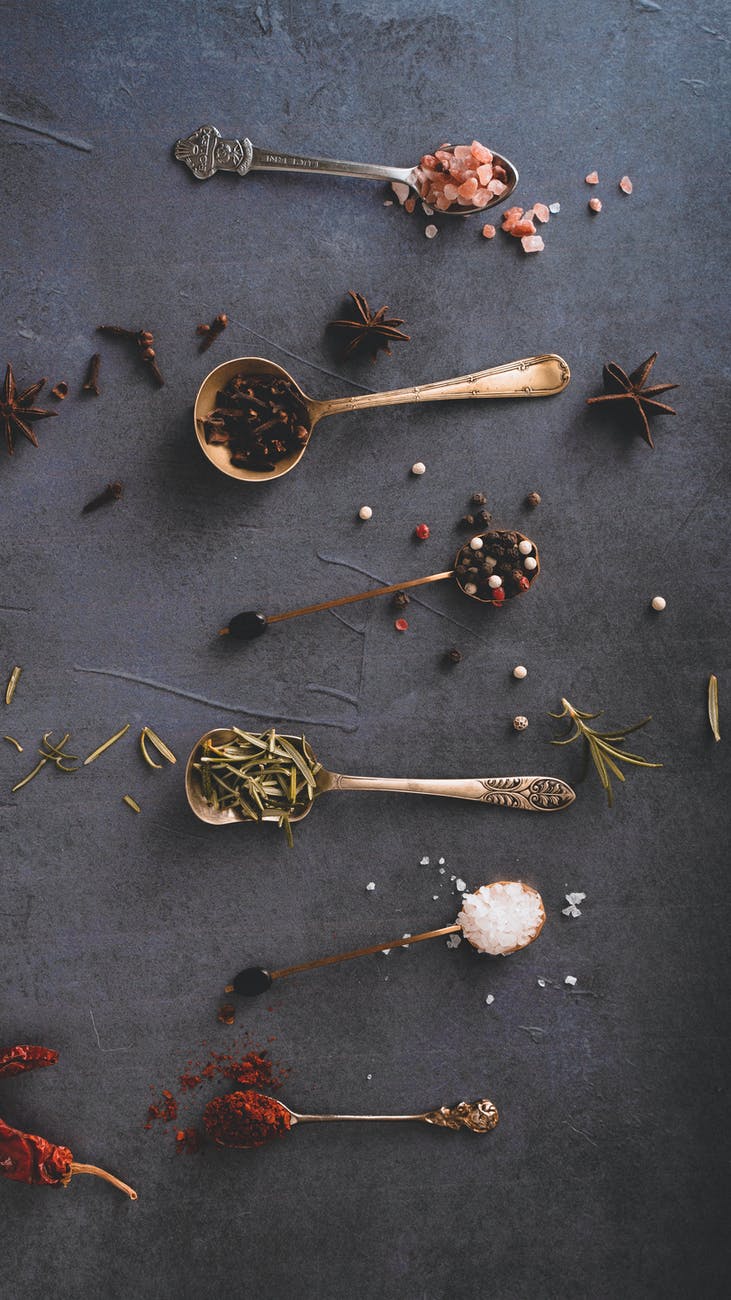
India is the biggest producer, consumer and exporter of spices in the world. India exports about 180 different spices to 150 countries of the world. A wide variety of spices are grown in different parts of the country many of which are native to these places. Others are imported and cultivated locally. Spices have been used in Indian kitchens for centuries, they are one of the most important thing in our daily diet. Spices are added to food to give it flavor, aroma, and to preserve it, also spices are said to be really good for health. Several spices are blended together to give food the known Indian taste. Not only in kitchens but spices play a vital role in pharmaceutical products, medicines, cosmetics, etc. Spices are known to help in curing many deseases like arthritis cancer, diabetes.
Spices add a twist to our foods. Without spices food looks, smells and tastes dull and lifeless, a pinch of common spices is what we all need. Be it cardamom in our tea, turmeric in lentils or curry leaves in curry, all the spices offer something different and are an essential part of our lives. They are known to be effective in gastric problems, blood disorders, infectious diseases. There are 7 spices which are a must to have in indian households. These spices are used for their aroma and spices and for their potential health benefits.
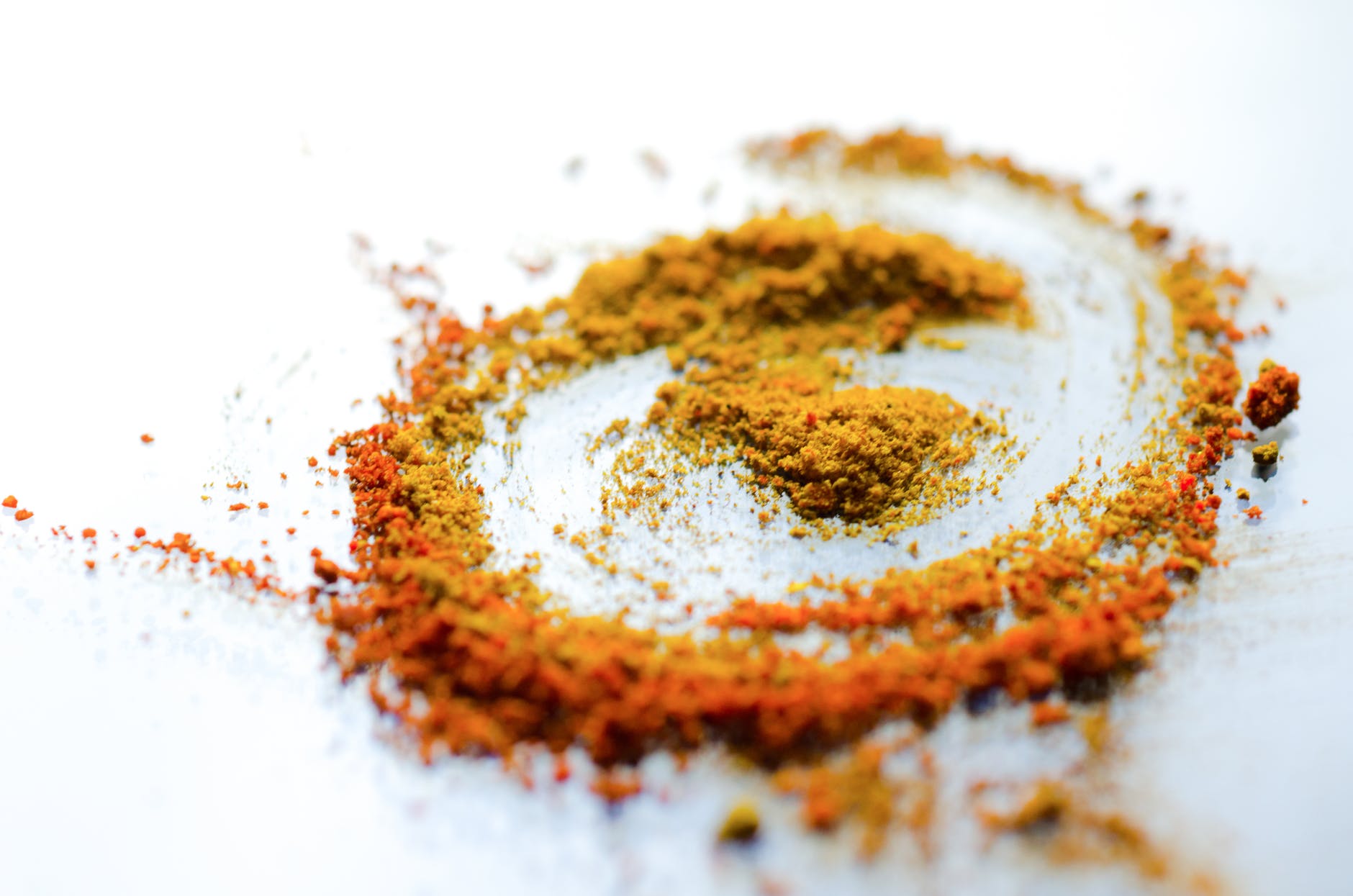
Turmeric has been used since ancient times as a healer, coloring agent and most importantly to give a yellow shade to our food and all the health benefits it provides us with consuming just a small amount daily. It is like a sack of nutrients. It has many benefits including, it’s antioxidant and antispetic properties. It has been a prominent ingredient in cosmetic industry as well. Face creams, face washes, etc with the goodness of turmeric are found in abudance. It is grown as a rhizom and can be used as fresh or dried. Cucurmin is the main component of turmeric. It is also helpful in stopping blood for minor cuts. Also known as golden spice or indian saffron. It helps relieve pain, aids digestion and supports immune system. A glass of milk with turmeric can be very effective at night for better sleep and digestion. It is known to provide warmth to the body, clean blood and cure skin realted problems.
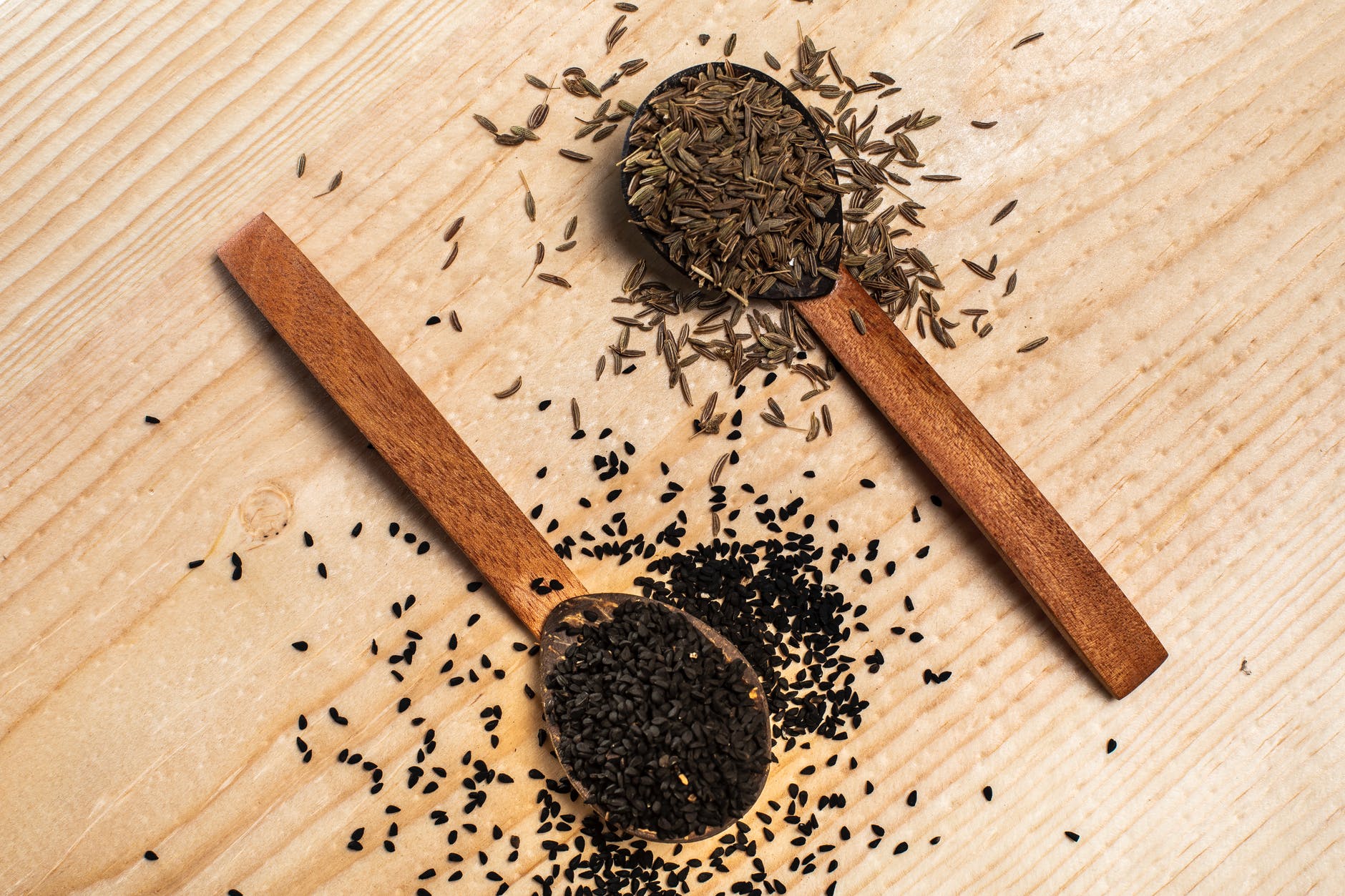
Cumin consists of oil that provide a particular aroma to the seeds. It is the basic and one of the first ingredient used while cooking. Smal boat shaped seeds is an ancient spice used as whole or powder and is infused with the hot oil or lightly roasted to bring out the flavor. It has an earthy aroma, and is beneficial for heart related diseases due to its antioxidant properties and has various vitamins and minerals in it. Cumin seeds improve taste and craving. Cumin oil posesses antifungal and antimicrobial properties. It is helpful in toothache and jaundice as well and is widely used in pharmaceutical industries.
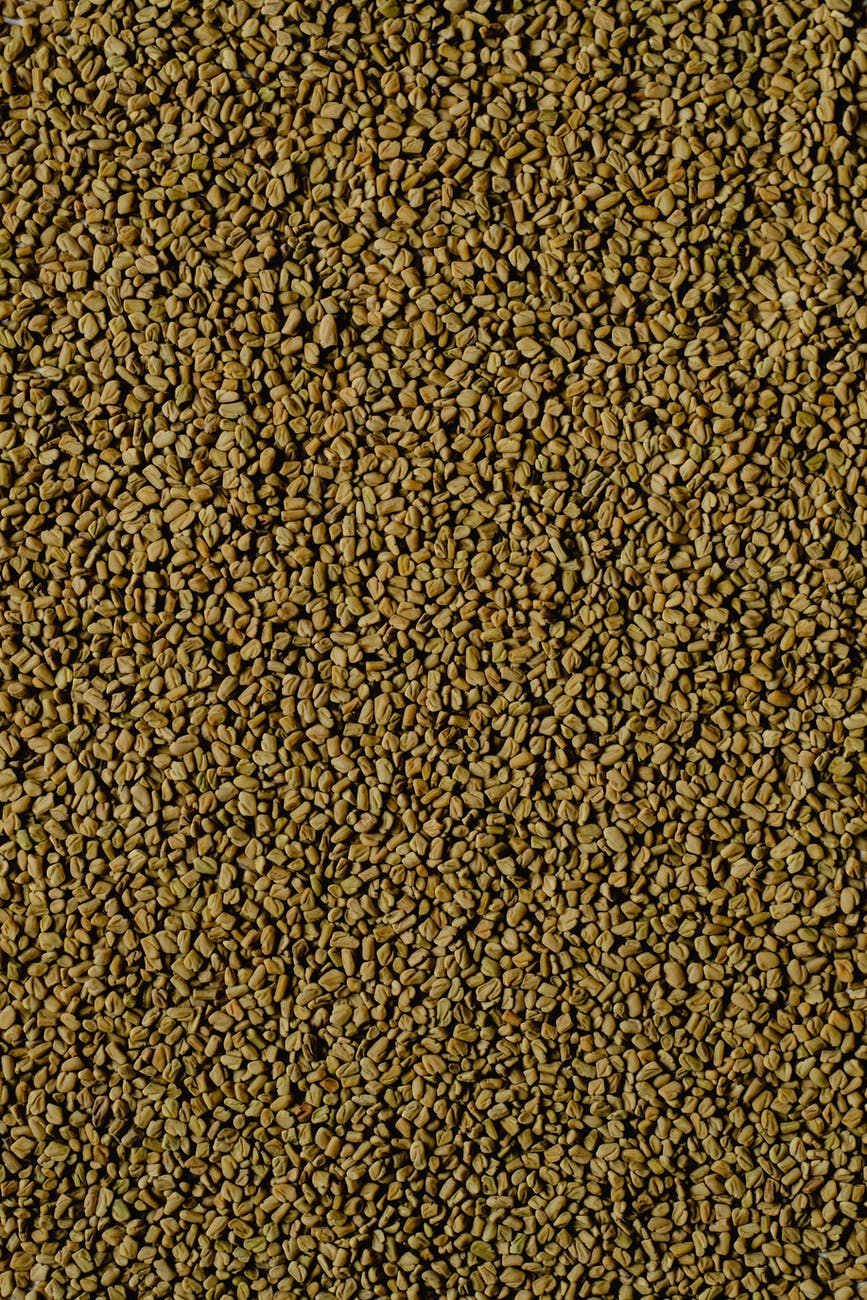
India accounts for the major production of fenugreek and is derived from various states out of which Rajasthan alone gives 80% of the indian output. The majority is cultivated and consumed in India itself. It is used as a herb dried or fresh in cooking, it possesses bitter taste which is reduced by roasting the seeds. Fenugreek plant is about 2-3 feet tall, it’s green leaves and pods that contain small, golden-brown seeds. For many years it has been used in Chinese medicines to treak skin problems many other diseases. And for similar reasons it has long utilized in households and can be found in shampoos and soaps as well. For it’s nutritious value and sweet nutty taste it has been a must to have spice in Indian kitchens. Fenugreek may be helpful in aiding diabetes and is also taken as supplement.
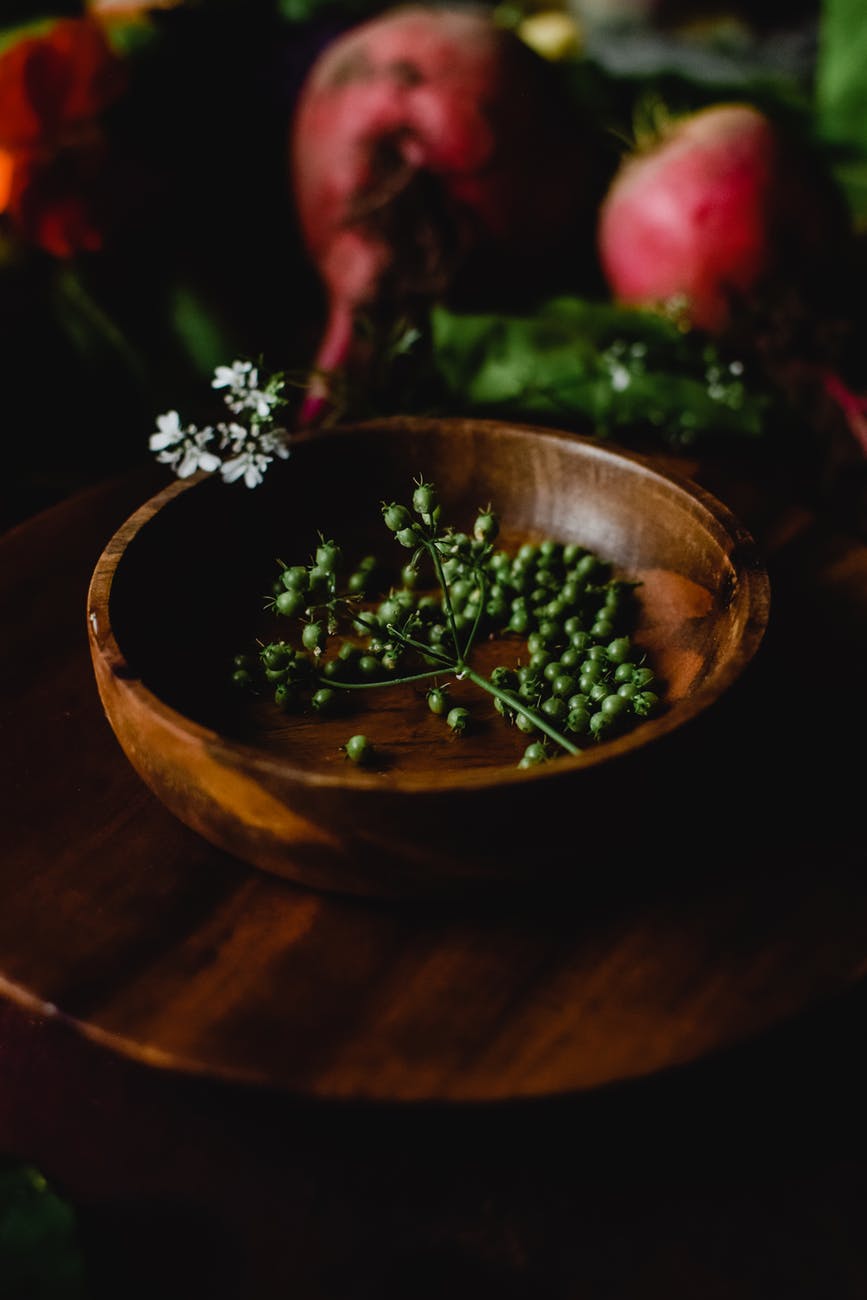
Coriander is one of the most used herb to flavor dishes, the seeds known as Coriander and the leaves as cilantro. Commonly known as dhaniya in india, It is also known as chinese parsley. Used in soups, currie masalas in India, middle, eastern and asian meals. While leaves and dried or ground seeds are used, coriander is useful in lowerin blood sugar, boosting immune system, lower heart related deseases. Both seeds and leaves of coriander are very different in taste. Whole seeds are added to vegetables, pickes, lentils and baked goods. Their aroma is released by warming. While leaves are used to garnish dishes. Coriander seeds are toasted and ground before eating as their texture can be hard to chew. A bright shining green plant. Surprisingly it has several skin benefits. It slowly absorbs the sugar in stomach and stimulates insulin and is found effective in lowering blood sugar levels in diabetic patients.
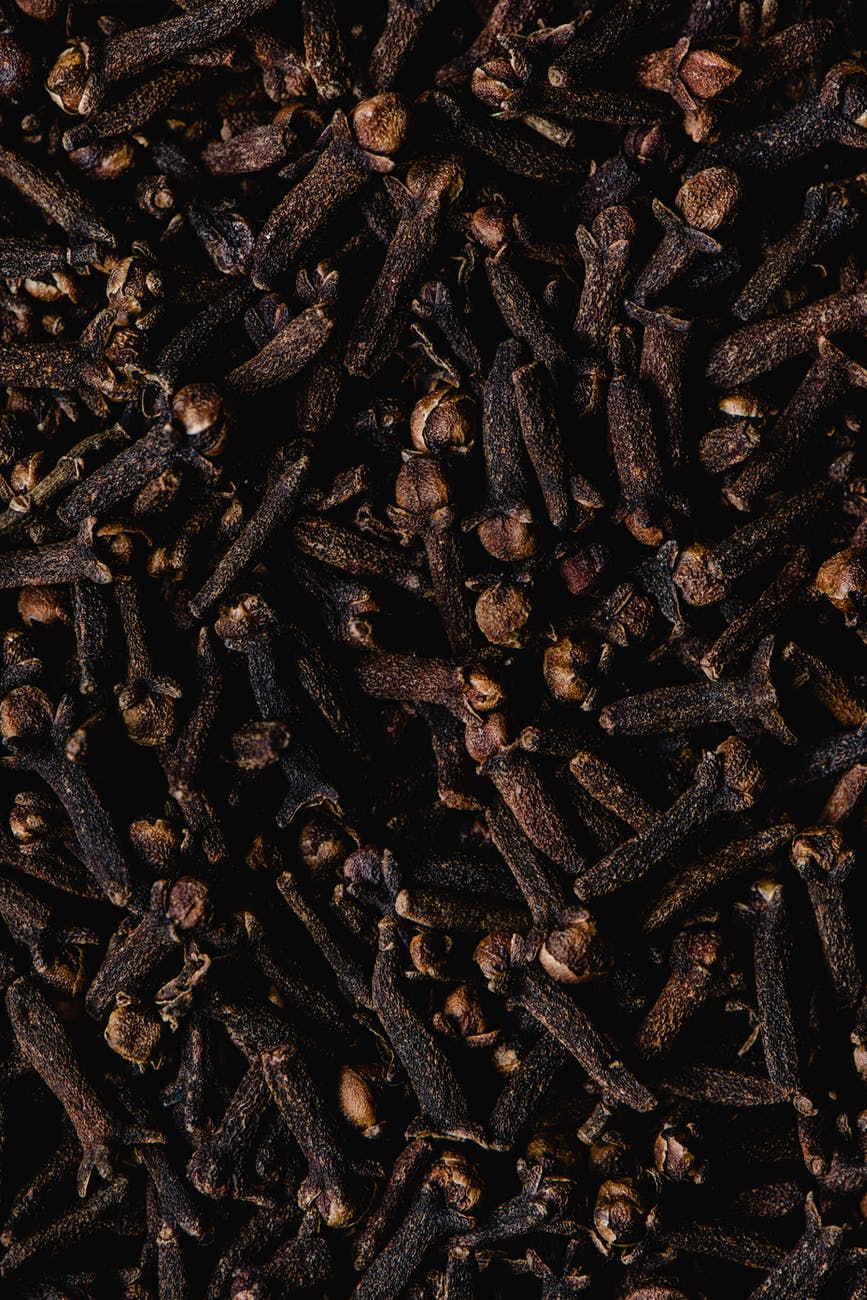
Clove is grown in Asia and America, its oil, stem, dried flower buds and leaves are used in making medicines. Clove is very effective in dental problems and can cure toothache when applied directly to it. Also used as a flavoring in foods and beverages, toothpaste, perfume, soaps and cigarettes. It resembles a nail in shape. It’s use in culinary is mainly for flavoring as it blends both with sweet and savory dishes. Clove oil has antispetic and antibiotic properties and is used especially in dentistry. Clove is often found in indian cuisine for it aroma and flavor and is a part of garam masala, which is a mixture od different spices.
Cinnamon is a spice extracted from bark, leaves, flowers, fruits, and roots of the cinnamon tree and has been a part of traditional medicine for thousands for years. It has many health benefits and is also used for flavoring and fragrance. It is effective in blood sugar levels, lower cholesterol, stomach issues and obesity. It has antioxidant, antibiotic and anti inflammatory properties and has traces of nutrients in it. In india it is used in making chutneys, meat or rice dishes. Sometimes while cinnamon sticks are also used.
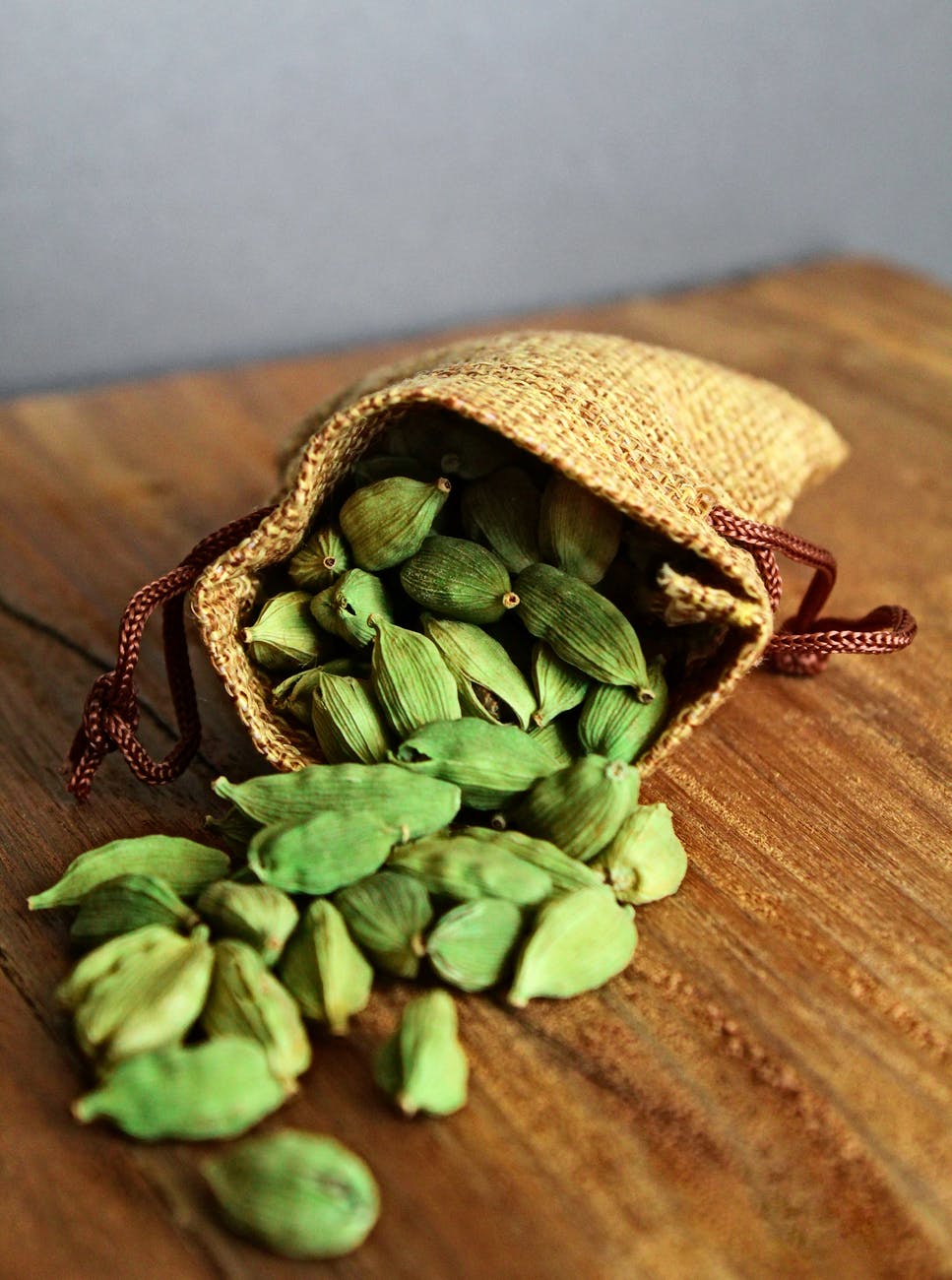
After Saffron and vanilla, cardamom is the most expensive spice in the world. This versatile pod is used in teas, spices and many sweets are garnished using cardamom. In indian cuisine whole pods of cardamom are used in making curry, milk deserts and many other dishes. It is widely used in making chai as it for its aroma and flavor. It benefits in gastric problems, cardiovascular issues, controlling cancer and cholesterol and is rich in nutrients. It is also included in garam masala as an essential ingredient. These small green and black pods have a wide range of uses added to their list.
Digestion is a term that portrays every one of the synthetic responses that occur in the body. These substance responses are significant for the working of your body.
The term is frequently utilized reciprocally with metabolic rate, which is the quantity of calories you consume. The higher the metabolic rate, the more calories you consume. The more calories you consume, the more weight you lose.
Having an elevated capacity to burn calories keeps you lively and helps you to have an improved outlook the entire day. Here are 5 simple approaches to support your digestion.
START YOUR DAY EARLY
To begin the day on a solid note, get a decent night’s rest the prior night. Great quality rest is related with more noteworthy possibilities of getting thinner effectively. It will furnish you with energy for your bustling timetable.
Prior to having your morning meal in the first part of the day, do a decent morning stretch to your wellbeing and prosperity.
BE ACTIVE DURING OFFICE HOURS TOO
For a great many people, office takes up most of their days’ time. When they are home, they are worn out to the point that they have no energy to go out to the rec centre.
In such cases, one such take a stab at remaining dynamic at work to keep their digestion up. In the event that you have a stationary work, take small action breaks for the duration of the day. Standard development isn’t only useful for weight reduction yet additionally in boosting your efficiency and capacity to focus on the current work.
Have a nutritious dinner at lunch, which incorporates protein and other digestion boosting fixings. Try not to nibble thoughtlessly. Skirt the chips, chocolates, cakes and confections.
EAT SMARTLY
There are sure food varieties that can assist you with consuming more calories. The most common way of biting, processing and putting away the food requires your body to consume calories. This is known as the thermic impact of food (TEF). It just compensates for around 5 – 10 percent of your day-by-day calorie consumption.
High protein food varieties are harder to process and support the development of bulk in case you are strength preparing. Fiber likewise should be bitten more earnestly and brings energy to separate. Adding flavors to your food is one more approach to somewhat support the internal heat level to consume more calories.
Consolidating protein and fiber-rich food varieties can control hunger longings for quite a long time in the wake of eating, which decreases the general inclination to gorge. Pay attention to your inner yearning prompts to separate between evident craving and passionate appetite.
EXERCISE
Undoubtedly, practice is the best method to help your digestion. An exceptional exercise can fire up your metabolic motor for quite a long time even after a meeting. Regardless of whether you are new to actual work, there are bunches of advantages to acquire by working out even as a fledgling.
Obstruction preparing that aide in building muscles is useful in long haul digestion boosting impacts. Indeed, even essential exercises assist with developing fortitude, consume calories and work on your wellbeing.
EAT PROTEIN IN EVERY MEAL
Eating food can build your digestion for quite a while. This is known as the thermic impact of food (TEF). It is the additional calories needed to process, retain and measure the supplements in your dinner.
Protein causes the biggest ascent in TEF. It builds your metabolic rate by 15 – 30 percent when contrasted with 5.10 percent for carbs and 0 – 3 percent for fat. Protein likewise saves you fuller for more and keeps you from indulging. An investigation discovered that individuals were probably going to eat 441 calories less each day when protein made up 30% of their eating routine.
When we hear the word meditation, we feel like we have to get immersed in a deep concentration. We feel like we have some magical powers for the same. But today I am here to brief you about what meditation is. It is a calm and lovable state of mind. It is a journey of slowing your thinking process and also a path towards positive thinking. So, meditation is a state of mind which should incorporated in your life. In times of crisis, where the pandemic has significantly affected our mental health ,we should spare at least 5 mins wherein we could sit in peace, let the thoughts and emotions flow.
So yes , it is rightly said that we thrive every moment to turn our lives into a positive direction. But only a calm, relaxed and blissful mind can pave the way for a successful and well lived experience on this planet. To do so , we have to acknowledge and adopt meditation in our culture.
Now let’s take a look at some benefits of meditation 1- regular meditation helps in coping with anxiety attacks- practicing meditation decreases grey matter in the areas of the brain associated with fear and anxiety, and increases grey matters in areas where compassion and love exist.
2- helps in getting rid of unwanted/ negative thoughts- As an idol is created after removing unwanted stones, in the same way, meditation helps you to remove unwanted thoughts and a beautiful personality comes before everyone.
3-Meditation improves concentration and memory- the calmer the mind is , the more you can focus on things and see them clearly ; which also makes it easier to remember.
4- increases your productivity- when you’re in a peaceful state of mind , you would be able to determine which tasks are most important and which aren’t urgent.
To conclude, when we start meditating we start seeing significant changes in our life. Therefore, start meditating today to live a stress free , productive life.
Life on the earth is precious. But life with health is more precious. Life without health is like food without salt. A healthy lifestyle concerns the health and well-being of an individual. In ancient days, health is defined as the absence of disease. But, health is a complete state of physical, mental, and social well-being of an individual nor merely an absence of disease. We have to be responsible for maintaining our health. A healthy lifestyle helps you to live longer with a better and happy life. If you are healthy, you can finish the assigned task at a faster speed. To be healthy, first, identify the unhealthy habits and find new ways to replace them. Change one thing at a time. Because the small changes over a long period will be very helpful. When you live healthily, both your mind and body remain fresh and active, and also helps to prevent you from chronic diseases and long-term diseases. Feeling good about yourself and taking care of your health helps to increase your self-esteem and self-image. Some of the tips that you can follow to lead a healthy lifestyle are listed below:
Maintain a regular exercise routine: Do simple exercises in the home. Walking is also a good exercise. Use steps instead of escalators in case you do not hurry. Doing household chores is also an exercise. Keep your body parts active. Avoid sitting in the same place for a long time. Practice yoga to keep both your body and mind relaxed.
Sleep properly: Go to bed early at night and wake up early in the morning. Avoid usage of mobile phones at least one hour before you go to bed. One should sleep at least eight hours per day to lead a healthy lifestyle. Sleep helps in the healing and repair of your heart and blood vessels. Without enough sleep, the brain cannot be function well. Good periods of sleep also help in improving concentration.
Drink water: On average, an adult’s body is composed of at least 50% of water. Drink 8 glasses of water per day. Water helps to regulate the body temperature. It also helps to carry nutrients and oxygen to cells. Drink 100% fresh fruit juices.
Eat healthy foods: Consume foods that are rich in vitamins and nutrients. Eat fresh fruits and vegetables. Maintaining a balanced diet helps you to maintain the health of your body. Eat foods that contain proteins, minerals, and nutrients. It is best to eat at least 3 meals per day to keep you healthy.
Avoid eating junk foods: Eating junk foods cause several diseases to human. Eating a lot of junk foods will result in obesity. Also, reduce the consumption of fast foods. Recent studies revealed that eating junk foods continuously also affects brain health. So try to avoid eating junk foods.
Avoid smoking, drinking alcohol, and drugs: We all know that smoking causes cancer, and liquor consumption is injurious to health. Smoking not only causes cancer to the one who smokes, but it also affects the health of the persons around him. Drug- addiction causes several problems to the individual.
Avoid stress, anxiety, and depression: Stress hormones affect your heart and brain. Avoid doing stressful works. Do the job that you are interested in. Don’t get angry over small things. Be calm and patient.
Cleanliness: Always keep your surroundings clean. Don’t throw the garbage on the roads. Put them in the garbage can. A dirty environment will cause several health problems. We must maintain the cleanliness of our bodies, homes, surroundings to have good health.
Be kind to everyone: Interact with your families and friends. Share your happiness and sadness with them. Be friendly to everyone. Smile often. It helps to keeps you healthy. There is also a proverb that says “Laughter is the best medicine”.
Listen to Music: Listening to music makes you happier. It also improves your visual and verbal skills. Music boosts your immune system and helps you to free yourself from depression. It helps to reduce blood pressure, pulse rate, and heart rate.
“IT IS HEALTH THAT IS REAL WEALTH AND NOT PIECES OF GOLD AND SILVER”
In today’s day and age, confidence works as an important factor in determining our place within the various social, political and cultural arenas of the society we all live in. With the right mindset and a good confidence, we can achieve really great things in life that would not be otherwise possible to acquire with a low confident mindset. It ca aid people in achieving their highest of dreams. Like the saying goes. “Rome was not built in day”, great speakers too take years of hard work and practice in order to inculcate confidence that is worthy of mentioning. No one is born confidence. However, some people, unfortunately, fail to realize this and as a result of it, their confidence levels go even down. While everyone has their own strengths and weakness, low confidence can influence the daily lives of people who deal with self esteem issues and are extremely anxious and nervous in public meetings. While everyone learns to garner their confidence overtime, it requires an active and actual effort to fully flourish and grow.
Now, let’s discuss some of the ways in which can develop our confidence. Firstly, Focus on the positive: Identifying and nit-picking positive aspects of our everyday lives is an extremely hectic job indeed. However, it is in our hands to have a positive outlook towards various arenas comprising our point of view. Doing the things you love, surrounding yourself with people that love and cherish you as well as developing habits that promote positivity can have a significant impact on your self confidence, as you will only focus on the good things instead of automatically drawing not-so-positive conclusion.
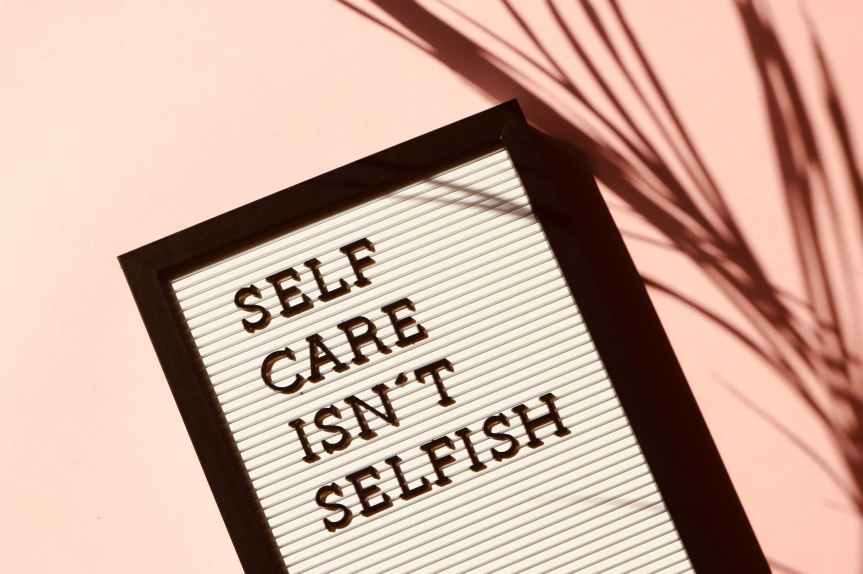
Secondly, Take care of yourself :One of the sure shot ways through which you can instantly improve your self-confidence is through self-grooming and cleanliness. In fact, hygiene plays an important role in bettering our overall mood and mindset. Just taking a cold shower early in the morning can help you work on your confidence, making you feel refreshed as you become ready to seize the day and make it yours!
Furthermore, as we require cleanliness externally, we need to also focus on the cleanliness from within; eating good foods that promote our health and well-being of your body. Eating healthy foods like vegetables, fruits and whole grains instead of processed foods, helps our body to get rid of any toxins present within it. Another point worth mentioning is the significance of meditation and how it further cleanses our mind. It can help us promote positive and impactful thinking that may have a great affect on our overall mental health.
Thirdly, Be kind: while it is not possible for us to act kind and generous in every circumstance that we come across, but it certainly does not hurt to try. Being kind ca have major impact on our outlook towards the world. Kindness only attracts more kindness. Being kind gives you a satisfactory feeling of warmth within your heart makes you feel good about yourself. So, be kind to everyone and to yourself too.
In conclusion, developing confidence is a skill that requires major hard work of years to polish. However once it has developed,we have a tool that can take us places!










 Track2Training
You must be logged in to post a comment.