Clear and concise difference between General Specifications and Detailed Specifications:
Difference Between General and Detailed Specifications
1. Meaning
General Specifications: Provide an overall description of the nature, quality, and class of materials and workmanship. They outline the broad requirements of a project without going into minute details.
Detailed Specifications: Provide precise, item-wise, and technical descriptions of materials, proportions, methods of preparation, execution, and testing. They define exactly how each component of the work must be carried out.
2. Purpose
General Specifications: Used to inform the contractor about the standard and quality expected in the project.
Detailed Specifications: Used to avoid ambiguity by giving complete technical clarity to contractors and engineers during execution.
3. Level of Detail
General Specifications: Broad, descriptive, and not quantitative.
Detailed Specifications: Highly specific, quantitative, and technical.
4. Use in Documents
General Specifications: Commonly used in estimates, preliminary proposals, and tender descriptions.
Detailed Specifications: Used in contract documents, working drawings, bills of quantities (BOQ), and construction execution.
5. Content Description
General Specifications: Describe the class of work—for example, type of flooring, grade of concrete, or category of plastering.
Detailed Specifications: Include exact proportions, thickness, mix ratios, curing time, workmanship standards, measurement methods, and testing requirements.
6. Flexibility
General Specifications: More flexible; minor variations are acceptable.
Detailed Specifications: Very rigid; deviations are not allowed without formal approval.
7. Example
General Specifications: “10 mm thick plaster using cement mortar.”
Detailed Specifications: “10 mm thick cement plaster in 1:4 cement-sand mortar, surface properly cleaned, joints raked, mortar mixed mechanically, applied in one coat, cured for seven days.”
Goal-Setting Theory, developed principally by Edwin Locke and further expanded by Gary Latham, is one of the most influential and practical theories of motivation in organizational psychology. It is based on the premise that conscious goals and intentions are primary determinants of behavior. In other words, when people set clear and meaningful goals, they are more motivated to take actions that lead to achievement.
The theory arose from extensive empirical research conducted from the 1960s onward, showing that specific, challenging goals consistently lead to higher performance than vague or easy goals. Goal-setting directs attention, energizes effort, prolongs persistence, and encourages individuals to develop effective strategies to accomplish tasks.
1. Core Principles of Goal-Setting Theory
a. Clarity
Goals must be clear, precise, and measurable. Vague goals such as “do your best” are less motivating because they do not give individuals concrete direction. Clear goals reduce ambiguity and help people understand exactly what is expected. For example:
“Improve customer satisfaction scores by 10% in the next quarter” is much clearer than “improve customer service.”
b. Challenge
Challenging goals generate greater motivation than easy ones. When goals stretch a person’s ability without becoming unrealistic, they stimulate effort, focus, and persistence. This concept is rooted in the human tendency to respond positively to meaningful challenges.
c. Commitment
Individuals perform better when they are committed to their goals. Commitment is strengthened when:
People participate in setting their goals
Goals are publicly declared
Goals align with personal values or incentives
Individuals believe the goal is achievable
High commitment increases the willingness to invest sustained effort.
d. Feedback
Feedback helps individuals track progress, adjust strategies, and stay motivated. Without feedback, people cannot evaluate whether their efforts are sufficient. Feedback can be:
Regular, constructive feedback ensures alignment between effort and performance outcomes.
e. Task Complexity
If a goal is too complex or overwhelming, it can reduce motivation. For complex tasks, the theory suggests:
Breaking goals into smaller, manageable sub-goals
Allowing sufficient time to learn and strategize
Providing resources, training, or guidance
Managing complexity ensures that challenge does not turn into discouragement.
2. How Goals Influence Motivation and Performance
a. Direction
Goals help individuals focus their attention on activities that directly contribute to goal achievement while filtering out distractions.
b. Effort
Challenging goals increase the effort individuals are willing to exert. People naturally mobilize more energy when stakes and standards are higher.
c. Persistence
Clear and challenging goals encourage individuals to remain committed over time, even in the face of obstacles.
d. Strategy Development
Goals push people to think creatively and develop action plans. They encourage the use of new skills, better time management, and innovative problem-solving.
3. Moderators of Goal Effectiveness
Goal-setting does not operate in isolation. Several variables influence how effective goals are:
a. Ability
Even the clearest goals cannot motivate performance if the person lacks the necessary skills. Training and development reinforce goal achievement.
b. Resources and Support
Tools, equipment, time, and managerial support enhance the ability to reach goals.
c. Personality
High self-efficacy individuals respond more positively to challenging goals. Conversely, low-confidence individuals may feel threatened by difficult goals.
d. Incentives
Rewards—monetary or non-monetary—reinforce commitment and persistence.
4. Applications of Goal-Setting Theory
Goal-setting is widely used in:
Workplace performance management
Education and student progression tracking
Sports coaching and athlete development
Personal productivity and habit formation
Project planning and team coordination
Behavioral change (fitness, finance, health)
Organizations use Key Performance Indicators (KPIs), OKRs (Objectives and Key Results), and SMART goals—all based on Goal-Setting Theory.
5. Limitations of the Theory
While powerful, the theory has limitations:
Overly difficult goals may cause stress or unethical behavior.
Focusing only on measurable goals can neglect important qualitative aspects.
Individuals may become discouraged if goal-setting is top-down rather than participatory.
Narrow goals may reduce creativity if they restrict broader thinking.
Despite these limitations, it remains one of the most validated motivation theories in psychological and organizational research.
Conclusion
Goal-Setting Theory provides a robust framework for enhancing motivation and performance. By focusing on clarity, challenge, commitment, feedback, and task complexity, it explains how goals guide behavior and inspire higher achievement. Whether in professional settings, education, or personal development, the theory’s principles help create structured pathways to success and sustained motivation.
Expectancy Theory, proposed by Victor Vroom, states that motivation depends on three beliefs:
Expectancy: “If I put in effort, I can perform well.”
Instrumentality: “If I perform well, I will receive a reward.”
Valence: “The reward is meaningful to me.”
Motivation is highest when all three are strong. This theory highlights that individuals are rational decision-makers who evaluate the effort–performance–reward relationship. A disconnect in any link—unclear goals, unreliable reward systems, or rewards that don’t matter to employees—reduces motivation. Organizations can apply this theory by offering relevant rewards, providing adequate resources, and ensuring transparent evaluation systems. When employees trust the process, their willingness to exert effort increases significantly.
Drive Reduction Theory, developed by Clark Hull in the 1940s and expanded by Kenneth Spence, is a foundational concept in the psychology of motivation. It explains human and animal behavior through biological drives, suggesting that most actions are motivated by a desire to reduce internal tension or discomfort caused by unmet physiological needs. Once these needs are fulfilled, the drive is reduced, restoring balance in the body. This state of balance is known as homeostasis.
The theory is one of the earliest systematic attempts to explain motivation scientifically, and although later theories expanded or critiqued Hull’s approach, Drive Reduction Theory remains essential for understanding basic motivational processes.
1. Core Idea of Drive Reduction Theory
Hull proposed that motivation begins with a biological need—a deficiency or imbalance in the body such as hunger, thirst, or fatigue. This need creates a psychological state of tension called a drive. The drive energizes and directs behavior toward actions that can reduce the tension.
In short:
Need → Drive → Behavior → Drive Reduction → Homeostasis
Example: When you feel hungry (need), you experience an uncomfortable tension (drive). You seek food (behavior), eat, and the hunger subsides (drive reduction), restoring bodily balance (homeostasis).
The reduction of the drive is reinforcing; it encourages individuals to repeat behaviors that successfully satisfy their needs.
2. Types of Drives
Hull identified two main categories of drives:
a. Primary (Biological) Drives
These are innate and essential for survival, including:
Hunger
Thirst
Sleep
Temperature regulation
Pain avoidance
Sex
Elimination of waste
Primary drives are universal across humans and animals.
b. Secondary (Learned) Drives
These are not biological but develop through association with primary drives. Examples include:
Money (used to buy food or shelter)
Social approval
Academic achievement
Power
Anxiety reduction
Secondary drives help explain complex human behaviors that go beyond biological survival.
3. Reinforcement and Learning
A central element of Drive Reduction Theory is the role of reinforcement. According to Hull, a behavior is strengthened if it leads to drive reduction. This aligns closely with behaviorist principles.
For example:
If studying hard leads to praise (reducing the need for approval), the behavior is reinforced.
If working overtime leads to higher pay (reducing financial stress), the behavior is likely to continue.
Over time, behaviors become habit strength, meaning individuals repeat the same actions automatically when similar drives appear.
4. Relation to Homeostasis
Homeostasis is the body’s natural mechanism to maintain internal balance. Drive Reduction Theory assumes that:
Motivation arises from physiological imbalances
Behavior aims to restore equilibrium
When a need disrupts homeostasis, the organism is motivated to act. This makes Drive Reduction Theory one of the first models to connect physiology and psychology systematically.
5. Strengths of Drive Reduction Theory
a. Strong Biological Basis
It accurately explains many survival-related behaviors like eating, drinking, resting, and avoiding harm.
b. Foundation for Later Theories
It influenced:
Incentive theory
Operant conditioning
Arousal theory
Contemporary models of homeostasis and stress
c. Predictability of Basic Behavior
It explains why people act quickly to remove discomfort or satisfy urgent bodily needs.
6. Limitations of the Theory
Despite its foundational value, Drive Reduction Theory has several limitations:
a. Cannot Explain All Motivated Behaviors
Many human actions have nothing to do with drive reduction. For example:
Playing sports
Exploring new places
Seeking thrills
Creating art
Learning for enjoyment
These behaviors often increase arousal rather than reduce it.
b. Overemphasis on Biology
The theory largely ignores psychological, social, and cognitive factors that influence motivation.
c. Doesn’t Explain Curiosity or Intrinsic Motivation
Humans and animals sometimes seek stimulation even without deprivation. For example, children explore the environment out of curiosity—not to reduce a biological drive.
d. Not All Reinforcers Reduce Drives
Money, praise, or social status often motivate behavior but do not directly reduce biological needs.
7. Contemporary Relevance
Although Drive Reduction Theory is no longer seen as a complete explanation of motivation, it remains highly relevant in:
Understanding physiological and survival-related behaviors
Behavioral psychology and habit formation
Explaining addiction, where the drive becomes psychological
Medical and health contexts where bodily needs strongly guide behavior
It also provides a historical basis for modern motivation theories that integrate biological, psychological, and social factors.
Conclusion
Drive Reduction Theory offers a biologically grounded explanation of motivation, focusing on how internal needs create drives that guide behavior toward restoring bodily balance. While it cannot explain all aspects of human motivation—especially complex, social, or intrinsic behaviors—it provides a valuable framework for understanding basic survival-driven actions. By highlighting the role of needs, drives, and reinforcement, Hull’s theory laid the groundwork for future research in motivation, learning, and behavioral science.
Cognitive Evaluation Theory (CET) is a sub-theory within the broader framework of Self-Determination Theory (SDT), developed by Edward Deci and Richard Ryan. CET focuses specifically on the ways external rewards, feedback, and social contexts influence intrinsic motivation—the inherent desire to engage in an activity for its own enjoyment or satisfaction. The theory argues that intrinsic motivation thrives when individuals feel autonomous and competent, but can be weakened when these psychological needs are undermined.
Cognitive Evaluation Theory is highly influential in fields such as education, workplace management, sports, and behavioral psychology because it explains why some reward structures enhance motivation while others diminish it.
1. Core Assumptions of Cognitive Evaluation Theory
CET is built on two main psychological needs:
a. Need for Autonomy
This refers to the desire to feel that one’s actions are freely chosen and self-directed. When individuals experience a sense of control over their behavior, intrinsic motivation increases.
b. Need for Competence
This refers to the desire to feel effective, skilled, and capable of performing tasks successfully. Positive feedback and achievable challenges enhance this feeling.
According to CET, anything that enhances autonomy and competence strengthens intrinsic motivation; anything that diminishes these feelings weakens it.
2. Effects of External Events on Intrinsic Motivation
The theory emphasizes that external events—such as rewards, deadlines, threats, and evaluations—have different motivational impacts depending on how they are perceived.
a. Controlling vs. Informational Events
External events can have two psychological meanings:
Controlling
When a reward or instruction is perceived as pressuring the individual to behave in a certain way, it undermines autonomy.
Controlling events decrease intrinsic motivation.
Examples: strict deadlines, conditional rewards (“You’ll get this only if…”), surveillance, coercion.
Informational
When a reward or feedback conveys meaningful information about competence or improvement, it boosts intrinsic motivation.
It enhances feelings of mastery and autonomy.
Examples: constructive feedback, recognition of achievement, skill-building comments.
Whether an external event is controlling or informational depends on perception, not just intent.
3. External Rewards and Their Impact
CET is especially known for explaining how different kinds of rewards influence motivation.
a. Tangible Rewards
Examples: money, prizes, grades, bonuses.
Tend to undermine intrinsic motivation, especially when given for simply participating or completing tasks.
Why? Because they shift the perceived locus of control from internal (“I do it because I like it”) to external (“I do it for the reward”).
Can enhance intrinsic motivation if they are informational and focus on competence.
But if used manipulatively or excessively, they may feel controlling and harm autonomy.
c. Unexpected Rewards
Have less negative impact because the individual didn’t perform the task for the reward.
d. Task-Noncontingent Rewards
Rewards given unrelated to task performance (e.g., holiday gifts).
Usually do not affect intrinsic motivation.
4. Effects of Pressure, Evaluations, and Deadlines
a. Pressure
Threats, surveillance, and strict oversight reduce feelings of autonomy and thus reduce intrinsic motivation.
b. Evaluations
Being evaluated can feel controlling and anxiety-inducing. This shifts attention away from enjoyment and toward performance, reducing intrinsic motivation unless the evaluation is supportive and developmental.
c. Deadlines
Strict deadlines can pressure individuals, decreasing autonomy. Flexible deadlines, on the other hand, often maintain or enhance intrinsic motivation by supporting autonomy.
5. Implications of CET in Different Settings
a. Education
CET suggests that:
Students learn more deeply when tasks are interesting and autonomy-supported.
Too many grades, rewards, or rigid rules can reduce intrinsic interest.
Teachers who offer choices, meaningful feedback, and encouragement boost motivation.
b. Workplace Management
Employees are more motivated when they have autonomy, recognition, and opportunities for mastery.
Excessive monitoring, quotas, or contingent bonuses may decrease intrinsic engagement.
Job design should emphasize autonomy, skill use, and meaningful tasks.
c. Sports and Coaching
Athletes thrive when coaches encourage rather than control.
Children develop strong intrinsic motivation when parents provide choices, support exploration, and avoid controlling language.
6. Strengths of Cognitive Evaluation Theory
Explains why internal motivation decreases when tasks are over-externalized.
Highlights the importance of supportive social environments.
Supported by substantial empirical research.
Influential in designing modern motivation systems (education reforms, HR policies).
7. Limitations of the Theory
Effects of rewards vary across individuals and cultures.
Some tasks are difficult to motivate intrinsically (e.g., repetitive or unpleasant tasks).
External rewards may be necessary in some contexts, even if they reduce intrinsic motivation.
Conclusion
Cognitive Evaluation Theory provides deep insights into how external rewards and social environments shape intrinsic motivation. By emphasizing the importance of autonomy and competence, CET helps educators, managers, coaches, and leaders design conditions that foster authentic engagement rather than dependence on external incentives. It stands as one of the most influential theories explaining why people enjoy what they do—and how to keep that enjoyment alive.
ERG Theory is a motivation theory that explains human needs in a simpler and more flexible way than Maslow’s hierarchy.
Alderfer’s ERG Theory
Clayton Alderfer developed the ERG Theory, which groups human needs into three categories:
1. Existence Needs (E)
These are basic survival needs such as:
Food, water, shelter
Salary, job security
Safe working conditions
They are similar to Maslow’s physiological and safety needs.
2. Relatedness Needs (R)
These involve relationships and social connections:
Friendship
Family bonds
Good interpersonal relations at work
Feeling accepted and valued
This matches Maslow’s social/love needs.
3. Growth Needs (G)
These are related to personal development:
Learning new skills
Creativity
Achievement
Opportunities to grow and advance
Similar to Maslow’s esteem and self-actualization needs.
Key Features of ERG Theory
✔ More Flexible Than Maslow
Unlike Maslow, Alderfer said people do not need to satisfy needs in a strict order.
✔ Multiple Needs Can Motivate at the Same Time
For example, a person may seek relationships (R) and growth (G) simultaneously.
✔ Frustration–Regression Principle
If a higher-level need (like Growth) is blocked, people may shift back to a lower-level need (like Relatedness or Existence). Example: If an employee cannot get promotion opportunities, they may focus more on salary or job security.
Motivation Activation Theory, often associated with the broader family of arousal-based and activation theories in psychology, explains how internal arousal levels influence motivation, behavior, and performance. Sometimes called the Activation Theory of Motivation, it states that behavior is energized, directed, and sustained by the level of physiological and psychological activation (arousal) within an individual. People naturally seek an optimal level of arousal—neither too low nor too high—to function effectively. This search for an optimal activation level becomes a core driver of motivational behavior.
The theory builds upon earlier ideas from Hull’s drive theory, Yerkes–Dodson Law, and sensory stimulation research, but it broadens the concept by emphasizing activation systems in the brain, emotional readiness, and adaptive engagement with the environment.
1. Core Principles of Motivation Activation Theory
a. Activation as a Motivational Force
According to the theory, individuals act to regulate activation levels. Activation includes:
Physiological arousal (heart rate, alertness)
Emotional readiness
Cognitive alertness
Energy levels
When activation is too low, people feel bored, tired, or disengaged. This low point motivates them to seek stimulation—such as social activity, challenges, or physical movement. When activation is too high, people experience stress, anxiety, or cognitive overload, motivating them to withdraw, simplify tasks, or seek calm.
Thus, behavior is fundamentally driven by the need to maintain an optimal activation range.
b. Optimal Activation Zone
The theory argues that individuals are most motivated and productive in their optimal zone of activation. This zone balances challenge, attention, and internal readiness.
For example:
Too little stimulation: a student may procrastinate, feel unmotivated, or lose focus.
Optimal stimulation: they engage actively, understand deeply, and enjoy learning.
Excessive stimulation: they feel anxious before exams, struggle to concentrate, or burn out.
Motivation arises from trying to reach and maintain this optimal level.
c. Individual Differences
People differ significantly in their preferred activation levels. Personality psychology reflects this through:
Introverts, who prefer lower activation and avoid overstimulation
Extroverts, who seek higher activation and enjoy stimulating environments
These preferences influence career choices, work styles, and social behavior.
2. Components of the Activation System
Motivation Activation Theory often considers two key activation pathways:
a. Ascending Reticular Activating System (ARAS)
Located in the brainstem, ARAS regulates wakefulness, alertness, and attention. Higher activation leads to increased alertness; lower activation leads to drowsiness.
b. Behavioral Activation System (BAS)
Linked to approach behaviors, BAS motivates individuals to seek rewards, pursue goals, and engage in exploration.
When ARAS and BAS are stimulated, people naturally feel driven, curious, and productive.
3. How Activation Influences Motivation and Performance
Activation affects motivation in several ways:
a. Energizing Action
Moderate activation mobilizes physical and mental energy. Athletes, for example, perform best when they are alert but not overwhelmed.
b. Directing Attention
Activation determines what individuals focus on. Optimal activation allows sustained attention; very low or very high activation disrupts it.
c. Influencing Effort and Persistence
The right activation level helps individuals persist in tasks. Overactivation leads to avoidance; underactivation leads to disinterest.
d. Regulating Goal Pursuit
Activation influences how individuals approach challenges.
High activation fuels goal seeking.
Low activation limits ambition.
4. Motivation Activation in Workplace and Learning Contexts
a. Workplace Application
Managers can enhance employee motivation by adjusting activation factors:
Providing challenges to reduce boredom
Supporting stress management to prevent overactivation
Creating stimulating yet balanced work environments
Offering task variety and autonomy
Activation also explains why creative employees need flexibility, and analytical workers need calm environments.
b. Education
Teachers can influence student activation by:
Using interactive teaching to boost engagement
Breaking tasks into manageable parts to prevent overload
Offering choices to support autonomy and intrinsic motivation
Learning is strongest when activation is balanced—not too easy, not too stressful.
5. Strengths of the Theory
Explains motivation as dynamic, not fixed
Connects physiological arousal with psychological readiness
Applies across fields: education, sports, workplaces, therapy
Accounts for individual differences in stimulation preferences
Helps explain procrastination, burnout, and peak performance
6. Limitations
Difficult to measure activation precisely
Does not fully explain complex intrinsic motives (values, beliefs)
Overemphasizes arousal compared to cognitive factors
Cannot fully explain long-term goals that persist despite low activation
Conclusion
Motivation Activation Theory provides a powerful explanation of how internal arousal systems shape behavior and motivation. By showing that people act to maintain an optimal level of activation, the theory helps explain patterns of engagement, stress, performance, and personal preference. Whether in daily decision-making, learning, or workplace behavior, activation becomes a central force that drives people to seek stimulation or rest—and ultimately shapes how motivated they feel.
Arousal Theory suggests that people are motivated to maintain an optimal level of internal arousal—neither too low nor too high. Too little arousal leads to boredom and disengagement; too much arousal creates stress and anxiety. Motivation arises from the desire to return to the ideal zone where performance and focus peak. This explains why some individuals seek thrill, challenge, or novelty (high-arousal seekers), while others prefer calm, stable environments (low-arousal seekers). The theory also aligns with the Yerkes–Dodson Law, which states that moderate arousal produces the best performance. In workplaces and classrooms, designing tasks that are stimulating but not overwhelming helps individuals stay engaged and motivated.
Equity Theory explains that motivation at work is shaped by an individual’s perception of fairness. People constantly compare their inputs (effort, skills, time) and outcomes (salary, recognition, opportunities) with those of others. When they sense fairness, motivation strengthens. But when they perceive inequity—whether feeling under-rewarded or over-rewarded—tension arises, prompting them to restore balance. This may occur through reducing effort, seeking changes in rewards, or even leaving the organization. The core idea is simple yet powerful: fair treatment fuels engagement, while perceived unfairness undermines performance and satisfaction. Organizations that ensure transparency, consistency, and clear communication are more successful in maintaining motivated, committed teams.
Cumulative Prospect Theory (CPT), developed by Daniel Kahneman and Amos Tversky (1992), is an advanced version of the original Prospect Theory (1979). While Prospect Theory explained decision-making under risk by showing that people evaluate potential gains and losses relative to a reference point, CPT refined the model to handle more complex, cumulative probability distributions. Although CPT is primarily a behavioral economic theory, it has powerful implications for motivation, especially in contexts where individuals must make decisions under uncertainty—such as career choices, workplace risk-taking, financial decisions, or effort–reward trade-offs.
At its core, Cumulative Prospect Theory explains how people perceive outcomes and probabilities in a non-linear, psychologically biased manner, and these perceptions shape their motivation to act.
1. Motivation Through Reference Points
CPT assumes that individuals evaluate outcomes relative to a reference point, not in absolute terms. For motivation, this means:
People feel motivated when they believe actions will help them move above their reference point (e.g., earning more than they currently do, performing better than peers).
They feel demotivated when outcomes appear to keep them below or only barely above their reference point.
In organizations, employees often compare rewards, recognition, and workload relative to colleagues, past experiences, or expectations. This reference-dependent perception drives effort and engagement.
2. Loss Aversion as a Motivational Force
One of the strongest elements of CPT is loss aversion, the idea that losses hurt more than equivalent gains feel good. This has major motivational implications:
People are often more motivated to avoid a loss than to achieve a gain.
Deadlines, penalties, and potential negative outcomes can create powerful motivational pressure.
Employees may work harder to avoid losing a bonus than to earn a new one.
Thus, loss framing—when used ethically—can strongly influence behavior.
3. Probability Weighting and Motivation
CPT introduces non-linear probability weighting, meaning people overestimate small probabilities and underestimate large ones. Motivation is affected in the following ways:
Overweighting small chances motivates people to engage in high-risk, high-reward actions (e.g., working hard for a promotion that statistically few receive, participating in competitions).
Underweighting high probabilities may reduce motivation when success seems too certain and thus less exciting.
Conversely, people may give up if failure is seen as likely, even if real odds are manageable.
This helps explain why uncertain rewards can sometimes motivate more strongly than guaranteed ones.
4. Diminishing Sensitivity and Effort Choices
CPT also states that psychological sensitivity to gains and losses decreases as their magnitude grows.
For motivation, this means:
Small rewards can be highly motivating for early effort stages but lose effect over time.
Employees may require increasingly larger rewards to feel the same motivational boost.
Conversely, even small losses can feel disproportionately harmful when occurring after steady progress.
This helps organizations design reward systems that avoid stagnation.
5. Decision Framing and Motivational Behavior
CPT demonstrates that framing a situation as a “gain” or a “loss” significantly changes motivation.
For example:
“You will gain ₹5,000 if you exceed your target” vs.
“You will lose ₹5,000 from your performance bonus if you fail to meet the target.”
The second framing typically increases motivation due to loss aversion, even though outcomes are economically identical.
6. Implications for Organizational and Personal Motivation
CPT helps leaders, educators, policymakers, and individuals understand how people actually behave—not how they should behave under rational models.
Key implications include:
Motivation is psychological, not mathematical. People react more to perceived gains/losses than to objective values.
Risk-taking behavior is shaped by emotional responses, not pure logic.
Goal-setting works best when reference points are clear.
Uncertainty can either motivate or demotivate, depending on framing.
Organizations that understand CPT can design incentive systems, communication strategies, and decision environments that align with natural human tendencies.
Conclusion
Cumulative Prospect Theory provides a rich, psychology-based explanation of how people evaluate potential outcomes under risk, and this evaluation directly influences motivation. By highlighting loss aversion, reference dependence, probability weighting, and diminishing sensitivity, CPT offers a realistic framework for understanding why people take risks, avoid losses, chase uncertain rewards, or resist change. In modern workplaces and personal decision-making, applying CPT principles can lead to more effective motivational strategies and better behavioral predictions.
Reinforcement Theory, rooted in the work of B.F. Skinner and central to behaviorism, explains motivation as a function of consequences. According to the theory, behavior is shaped and maintained by what happens immediately after it occurs. Individuals are more likely to repeat behaviors that lead to positive outcomes and avoid behaviors that lead to negative outcomes. This simple but powerful principle has become foundational in psychology, education, management, and organizational behavior.
The theory rejects internal states like needs or attitudes as primary drivers of behavior. Instead, it focuses on observable actions and how the environment reinforces or discourages those actions. By systematically controlling reinforcements, one can shape behavior in predictable ways.
1. Types of Reinforcement
Reinforcement Theory identifies two major categories: positive reinforcement, negative reinforcement, punishment, and extinction. Each influences future behavior differently.
a. Positive Reinforcement
Positive reinforcement strengthens behavior by providing a desirable consequence immediately after the action. Examples include:
Praise or recognition
Bonuses or salary increments
Rewards, certificates, or promotions
Extra privileges or flexible schedules
When an employee completes a project and receives appreciation, they are more likely to repeat similar efforts. In education, students who receive encouragement after good performance often become more engaged.
Positive reinforcement is the most widely used and most effective method for building desired behaviors.
b. Negative Reinforcement
Negative reinforcement also strengthens behavior but works by removing an unpleasant condition. Examples include:
Reducing supervision when performance improves
Removing penalties once compliance is achieved
Eliminating tedious tasks after consistent good behavior
Negative reinforcement is often misunderstood as punishment, but it is different. It encourages behavior by eliminating discomfort.
c. Punishment
Punishment weakens or eliminates undesirable behavior by applying negative consequences. Examples:
Demotion or salary cut
Reprimands or warnings
Suspension
Withdrawal of privileges
Punishment may produce immediate compliance, but it often leads to resentment, avoidance, reduced morale, and defensive behavior if not used carefully. Because it focuses on stopping behavior rather than teaching desirable alternatives, it is less effective than reinforcement-based methods.
d. Extinction
Extinction involves removing the reinforcement that previously maintained a behavior. Over time, the behavior weakens and disappears. Examples:
Ignoring attention-seeking behavior
Withholding praise for non-performance
Eliminating rewards for poor-quality work
Extinction can be effective but may temporarily increase unwanted behavior before reducing it (known as an “extinction burst”).
2. Schedules of Reinforcement
Reinforcement is not just about what is delivered but also how often and when. Skinner identified several reinforcement schedules:
Continuous reinforcement: behavior is rewarded every time it occurs (useful for learning new behaviors).
Fixed interval schedules: rewards are given after predetermined time intervals.
Fixed ratio schedules: reinforcement after a fixed number of responses.
Variable interval/ratio schedules: reinforcement after unpredictable intervals or response counts (extremely powerful for maintaining behavior).
Organizations often unknowingly use these schedules, e.g., monthly salaries, yearly appraisals, or unpredictable praise from supervisors.
3. Applications of Reinforcement Theory
a. In Workplace Management
Managers use reinforcement to shape employee performance:
Incentive schemes encourage productivity
Recognition programs reinforce positive work culture
Clear, immediate, and fair reinforcements produce the strongest motivation.
b. In Education
Teachers apply reinforcement to shape classroom behavior:
Praise, stickers, or extra activities reinforce learning
Removal of restrictions encourages discipline
Ignoring minor misbehavior reduces attention-seeking
c. In Everyday Life
Parents, coaches, and individuals use reinforcement to build habits, develop skills, and reduce undesirable behavior.
4. Strengths of Reinforcement Theory
Highly practical and easy to apply
Supported by decades of experimental research
Provides clear guidelines for shaping behavior
Effective for training, habit formation, and performance management
5. Limitations of the Theory
Focuses on external behavior, ignoring internal motivation
Overuse of external rewards may reduce intrinsic interest
Punishment can produce negative emotional consequences
Not all behavior is driven solely by reinforcement; cognition and values also play a role
Conclusion
Reinforcement Theory offers a powerful explanation of motivation by emphasizing the role of consequences in shaping behavior. By strategically applying positive reinforcement, minimizing reliance on punishment, and understanding reinforcement schedules, individuals and organizations can cultivate desired behaviors, enhance performance, and create supportive environments. Although it has limitations, the theory remains one of the most effective practical tools for influencing human behavior across diverse settings.
Incentive Theory focuses on the pull of external rewards. It argues that behavior is driven by incentives—tangible or intangible—that make certain actions more appealing. These can include money, grades, praise, promotions, recognition, or privileges. Unlike internal desire or biological need theories, Incentive Theory emphasizes how the environment shapes choices. People are motivated when they clearly see the reward linked to performance. The better the incentive matches personal values, the stronger the motivation.
Effective reward systems highlight desired behaviors, reinforce positive actions, and create a predictable structure where individuals know what they will gain from their efforts. Meaningful incentives transform effort into achievement.
Expectancy Theory of Motivation, proposed by Victor Vroom in 1964, is one of the most influential cognitive theories explaining why individuals choose certain behaviors in organizational and everyday contexts. Unlike traditional models that view motivation as an internal drive or a reaction to external stimuli, Vroom’s theory emphasizes the rational decision-making process individuals use to determine whether a particular action is worth the effort. According to this theory, motivation results from a combination of three key components: Expectancy, Instrumentality, and Valence.
1. Expectancy (Effort → Performance) Expectancy refers to an individual’s belief that their effort will lead to the desired level of performance. It reflects questions such as: “If I work hard, can I achieve the required performance?” Expectancy is influenced by factors including self-efficacy, past experiences, availability of resources, clarity of instructions, and perceived difficulty of the task. When employees believe they can successfully perform a task, their motivation to attempt it increases. Conversely, if they feel unprepared or unsupported, expectancy—and thus motivation—declines.
2. Instrumentality (Performance → Outcome) Instrumentality is the belief that performing well will lead to specific outcomes or rewards. It addresses the question: “If I perform well, will I get the reward I expect?” This component is shaped by trust in the system, transparency of performance evaluation, and fairness in reward distribution. If employees perceive the organizational reward system as arbitrary or biased, instrumentality will weaken, even if they believe they can perform the task well.
3. Valence (Value of the Outcome) Valence refers to the value an individual places on the anticipated reward. It asks: “Do I want the reward being offered?” Valence is subjective and varies from person to person. Some employees may value monetary incentives, others may prefer recognition, flexible schedules, or opportunities for career growth. High motivation occurs when the reward is perceived as desirable and personally meaningful.
Vroom argues that motivation is a multiplicative function of expectancy, instrumentality, and valence: Motivation = Expectancy × Instrumentality × Valence This means if any one component is zero, motivation will also be zero. For example, even if a reward is highly valued (high valence), an employee will not be motivated if they believe their effort will not improve performance (low expectancy) or if the reward is unlikely to be given even with good performance (low instrumentality).
Expectancy Theory has significant implications for managers and leaders. It highlights the importance of creating supportive environments where employees feel capable of performing tasks, ensuring transparent and reliable reward systems, and tailoring rewards to individual preferences. Leaders must provide regular feedback, adequate training, and clear role expectations to strengthen expectancy. They must also maintain fairness and consistency in performance evaluation to reinforce instrumentality.
Additionally, organizations should avoid one-size-fits-all reward strategies and instead adopt flexible systems that address diverse employee needs, thereby enhancing valence.
In conclusion, Vroom’s Expectancy Theory provides a comprehensive framework for understanding how individuals make choices based on expected outcomes. By aligning employee capabilities, organizational systems, and meaningful rewards, this theory helps explain and enhance motivation in modern workplaces.
Need theories of motivation focus on the internal factors that energize, direct, and sustain human behavior. They assume that individuals are driven by unfulfilled needs, and once these needs are satisfied, motivation decreases until a new need emerges. Several major theorists have contributed to the development of need-based perspectives, including Abraham Maslow, Clayton Alderfer, and David McClelland. Together, their theories offer deep insights into why people behave the way they do in workplaces and broader social environments.
1. Maslow’s Hierarchy of Needs
Maslow’s model is among the most famous and widely applied need theories. He proposed that human needs are arranged in a five-level hierarchy, progressing from basic survival to higher psychological development:
Physiological Needs: Food, water, shelter—fundamental for survival.
Safety Needs: Security, stability, protection from harm.
Social Needs: Love, belonging, friendships, relationships.
Self-Actualization Needs: Personal growth, fulfillment, realizing one’s potential.
Maslow argued that lower-level needs must be at least partially satisfied before higher-level needs become strong motivators. For example, an employee struggling with job security (safety need) will not be motivated by opportunities for creativity (self-actualization). Although hierarchical progression may not always be strict in real-life situations, the model remains an essential foundation for understanding human motivation.
2. Alderfer’s ERG Theory
Clayton Alderfer refined Maslow’s hierarchy into a more flexible three-need model known as ERG Theory:
Existence Needs: Physical well-being and safety (similar to Maslow’s physiological and safety needs).
Relatedness Needs: Interpersonal relationships, belongingness, social support.
Growth Needs: Personal development, creativity, achievement.
A key innovation in ERG theory is the frustration–regression principle. If individuals fail to satisfy higher-level growth needs, they may revert to focusing on lower-level needs. For example, when growth opportunities are blocked, employees may seek more social contact or better working conditions. This makes ERG theory more dynamic and realistic compared to Maslow’s strict hierarchy.
3. McClelland’s Theory of Learned Needs
David McClelland proposed that three dominant needs drive human behavior, and these needs are shaped through life experiences:
Need for Achievement (nAch): Desire to excel, solve problems, and accomplish challenging goals.
Need for Affiliation (nAff): Desire for close relationships, acceptance, and social harmony.
Need for Power (nPow): Desire to influence, control, or lead others.
According to McClelland, individuals develop varying strengths of these needs, which influence their workplace behavior. For instance, high-achievement individuals prefer tasks with moderate difficulty, seek feedback, and avoid risks. Those with high affiliation needs thrive in cooperative settings, while individuals driven by power often excel in leadership roles.
Conclusion
Need theories of motivation emphasize that behavior is driven by internal psychological forces. Whether in classrooms, workplaces, or everyday life, unmet needs push individuals toward specific actions. Maslow highlights a hierarchy, Alderfer focuses on flexibility and movement between needs, and McClelland emphasizes learned motivational patterns. Together, these theories help leaders, educators, and policymakers create environments that foster motivation by recognizing and fulfilling human needs.
Flow Theory, proposed by psychologist Mihaly Csikszentmihalyi, is one of the most influential frameworks for understanding optimal human experience and motivation. Flow refers to a mental state of complete absorption, deep focus, and enjoyment in an activity. When individuals enter this state, they feel fully engaged, lose track of time, and perform at their highest potential. Csikszentmihalyi called this experience “the psychology of optimal experience.”
Flow Theory has been studied in fields as diverse as education, creativity, sports, workplace performance, gaming, arts, and even spiritual practices. It explains why certain activities feel deeply satisfying and how individuals can design conditions to stay motivated for longer periods.
1. What Is Flow?
Flow is a psychological state where a person becomes so engaged in an activity that everything else fades away. The sense of self-consciousness disappears, and the person feels completely immersed. People often describe flow as:
“Being in the zone”
“Total absorption”
“Peak performance”
“Effortless concentration”
Flow is internally rewarding, meaning the activity itself becomes motivating—regardless of external rewards or pressures.
2. Characteristics of Flow State
Csikszentmihalyi identified nine key characteristics that commonly appear during flow:
a. Clear Goals
The individual knows exactly what needs to be done, which keeps attention focused.
b. Immediate Feedback
Responses or outcomes of actions are instantly visible, helping the person adjust behavior effortlessly.
c. Balance Between Challenge and Skill
Flow occurs when a task is challenging enough to require full attention but not so difficult that it causes anxiety. This balance is central to the theory.
d. Deep Concentration
Attention becomes laser-focused on the task, excluding distractions.
e. Loss of Self-Consciousness
Worries about oneself fade away; there is no space for self-criticism or doubt.
f. Altered Sense of Time
Time may seem to pass quickly or sometimes slow down.
g. Personal Control
Individuals feel they are in control of their actions and environment.
h. Intrinsic Reward
The activity feels satisfying in itself, motivating the person to continue.
i. Effortlessness and Ease
Despite being a challenging activity, the engagement feels natural and fluid.
3. Conditions Required for Flow
a. Clear Goals and Rules
Activities such as sports, games, music, and coding naturally provide clear objectives, making flow easier to achieve.
b. A Good Match Between Skills and Challenge
When tasks are too easy, people feel bored. When tasks are too hard, people feel anxious. Flow emerges when tasks demand full skill but remain achievable.
c. Concentration and Limited Distractions
Flow requires uninterrupted time and mental space.
d. Skill Mastery
The more skilled a person is, the more easily they can enter flow in that domain.
4. Flow in Different Contexts
a. Education
Students experience flow when learning activities are interactive, appropriately challenging, and meaningful. Flow enhances comprehension, retention, and creativity.
b. Work and Productivity
Professionals often enter flow during coding, design, writing, analysis, problem-solving, or project work. Organizations use task design, autonomy, and feedback to enhance flow at work.
c. Sports and Physical Activity
Athletes frequently report flow during peak performance. Coaches design training sessions to help athletes match challenge with skill.
d. Creative Arts
Artists, musicians, writers, and performers often enter flow during deep creative engagement, leading to innovation and emotional expression.
e. Technology and Gaming
Video games are intentionally designed to induce flow through increasing difficulty levels, instant feedback, and immersive challenges.
5. Flow and Motivation
Flow is a form of intrinsic motivation. When people enjoy an activity enough to do it for its own sake, they are more likely to:
Persist longer
Perform better
Display creativity
Experience satisfaction and well-being
Flow transforms motivation from external pressure to internal desire.
6. Benefits of Flow
Increased creativity
Higher performance and productivity
Enhanced learning
Reduced stress and anxiety
Greater life satisfaction
Improved emotional regulation
Stronger engagement and resilience
People who frequently experience flow tend to report overall happier and more fulfilling lives.
7. Limitations and Critiques
Flow may be harder to achieve in low-autonomy jobs.
It requires skill; beginners may struggle to enter flow.
Excessive flow in one area may lead to neglect of responsibilities in other areas.
Not all activities naturally support flow.
Conclusion
Flow Theory provides a powerful understanding of how people achieve peak performance and deep enjoyment. Csikszentmihalyi’s insight that motivation arises naturally when skills match challenges has transformed how educators, employers, athletes, and artists structure tasks. By designing environments with clear goals, immediate feedback, and balanced challenges, individuals can experience the rich, engaging state of flow—turning work into passion and daily activities into opportunities for fulfillment.
Hyperbolic Discounting Theory is a behavioral model that explains how individuals evaluate rewards over time and why they often choose smaller, immediate rewards over larger, delayed ones. Unlike the classical economic assumption of exponential discounting—where people consistently devalue future rewards at a constant rate—hyperbolic discounting shows that people discount future rewards much more steeply when the delay is short, and more gradually when the delay is long. This creates a “present bias,” where the immediate moment exerts disproportionate influence on decision-making. This theory has deep implications for human motivation, behavior change, self-regulation, and goal-directed action.
1. Present Bias as a Motivational Mechanism
At the center of hyperbolic discounting is present bias, the tendency to give stronger weight to rewards that can be enjoyed now. This shapes motivation by making tasks with immediate benefits easier to pursue, while those requiring long-term effort feel less appealing.
People are strongly motivated to:
Experience pleasure now
Reduce discomfort now
Avoid effort now
This explains procrastination, impulsive decision-making, and difficulty in sticking to long-term goals like savings, health routines, and career development. When faced with the choice between a small immediate reward (relaxing today) and a larger future reward (completing an important project), present bias often leads to selecting the immediate gratification.
2. Time-Inconsistent Preferences and Motivation
Hyperbolic discounting leads to time-inconsistent preferences, meaning that people change their minds as the moment of choice gets closer.
For example:
A person may plan to start exercising next week (valuing future health).
When next week arrives, they choose rest instead (valuing immediate comfort).
This inconsistency weakens motivation because the individual continually renegotiates with themselves, leading to cycles of avoidance and regret. The intention to act exists, but motivation collapses at the point of action because immediate costs feel heavier than future benefits.
3. Motivation, Self-Control, and Internal Conflict
Humans often face internal conflicts between:
The “future self” who wants long-term well-being, and
The “present self” who wants immediate pleasure or relief.
Hyperbolic discounting explains why motivation is not simply about rational goal-setting—it also involves overcoming biological and psychological impulses. This theory suggests that self-control strategies become essential for sustained motivation:
Commitment devices (e.g., locking savings in a fixed deposit)
Deadlines and accountability
Breaking large goals into short-term tasks
Immediate rewards for small steps
These strategies work because they reshape reward timing or reduce the influence of present bias.
4. Organizational Implications of Hyperbolic Discounting
Workplace motivation is strongly influenced by how rewards are structured in time:
Employees are more motivated when feedback and rewards are frequent and immediate.
Long-term incentives like pensions or distant promotions have weaker motivational impact unless paired with short-term recognition.
Training programs, performance evaluations, and career development must incorporate short-term milestones to maintain engagement.
Organizations that ignore hyperbolic discounting risk designing systems that fail to motivate because the benefits feel too distant.
5. Behavioral Change and Long-Term Motivation
Hyperbolic discounting helps explain why behavior change is difficult:
Saving money consistently
Adopting healthy habits
Building skills
Maintaining discipline in studies or work
Long-term rewards (financial stability, health, expertise) are heavily discounted, making short-term discomfort appear more significant. Successful motivation strategies therefore aim to close the gap between action and reward, such as:
Immediate tracking of progress
Small, frequent incentives
Visual cues of long-term benefits
Social reinforcement and accountability groups
6. Broader Psychological Implications
This theory shows that motivation is deeply shaped by cognitive biases, not just logical cost–benefit calculations. It provides insight into patterns such as:
Procrastination
Addiction
Impulse spending
Difficulty in sticking to routines
Inconsistent work habits
Hyperbolic discounting reframes these issues not as moral weaknesses but as predictable psychological tendencies.
Conclusion
Hyperbolic Discounting Theory provides a powerful lens for understanding motivation by showing how time affects decision-making. People are inherently biased toward immediate outcomes, which leads to time-inconsistent choices and challenges in maintaining long-term motivation. By recognizing this tendency and designing environments, habits, and reward structures that counteract present bias, individuals and organizations can significantly enhance sustained motivation and goal achievement.
Herzberg’s Two-Factor Theory, also known as the Motivation–Hygiene Theory, is one of the most influential frameworks in organizational behavior and human motivation. Developed by psychologist Frederick Herzberg in the late 1950s, the theory emerged from extensive interviews of employees about the events that led to job satisfaction and dissatisfaction. Herzberg found that the factors causing satisfaction were very different from those causing dissatisfaction, leading to the central idea of his model: job satisfaction and job dissatisfaction are not opposite ends of a single continuum but are influenced by two distinct sets of factors. These two sets are motivators and hygiene factors.
1. Hygiene Factors: Prevent Dissatisfaction but Do Not Motivate
Hygiene factors (also called maintenance factors) are elements of the work environment that, when absent or inadequate, lead to dissatisfaction. However, their presence does not create motivation or job satisfaction; they only prevent negative feelings.
Key hygiene factors include:
Salary and financial compensation
Working conditions
Company policies and administration
Job security
Supervision quality
Interpersonal relations with colleagues and managers
Work–life balance considerations
Herzberg observed that when employees complained about their jobs, the complaints typically concerned these hygiene factors. For example, poor supervision, unclear company policies, or an uncomfortable workspace created dissatisfaction. But even when these factors were excellent—when employees received good pay, had pleasant workspaces, and experienced fair policies—these conditions did not create genuine motivation or long-term satisfaction. They only neutralized potential dissatisfaction.
This distinction is crucial, because many organizations mistakenly believe that improving salaries or perks alone is enough to motivate employees. According to Herzberg, such improvements merely remove dissatisfaction but do not inspire higher performance or commitment.
2. Motivator Factors: Create Satisfaction and Drive Performance
Motivators are intrinsic to the nature of the work and lead to genuine job satisfaction, enhanced motivation, and improved performance. These factors relate to the psychological growth of the individual and the meaningfulness of the work itself.
Motivator factors include:
Achievement
Recognition
Responsibility
Opportunities for advancement
Work that is meaningful or challenging
Personal growth and learning
Herzberg found that when employees spoke positively about their work experiences, they referred to these motivators. For example, completing a challenging task, receiving recognition from a supervisor, or taking on increased responsibility produced authentic satisfaction.
Motivators thus stimulate intrinsic motivation—motivation that emerges from within the individual rather than from external rewards. They drive long-term engagement and foster a deep sense of commitment and pride in one’s work.
3. Dual-Structure: Why Two Factors Matter
The core insight of Herzberg’s theory is that satisfaction and dissatisfaction do not lie on a single scale. Instead:
Eliminating dissatisfaction does not create satisfaction.
Increasing satisfaction does not automatically eliminate dissatisfaction.
This implies that organizations must address both sets of factors independently:
First, ensure hygiene factors are adequate to prevent demotivation.
Second, cultivate motivator factors to generate high performance and engagement.
This dual-structure model encourages managers to adopt a more holistic and strategic approach to motivation, rather than relying solely on pay increases or improved conditions.
4. Implications for Job Design and Management
Herzberg’s theory has far-reaching implications for designing jobs, managing employees, and improving organizational performance.
a. Job Enrichment Herzberg emphasized “job enrichment”—expanding the depth of job responsibilities to increase meaningfulness. Examples include giving employees more control, adding challenging tasks, or providing opportunities for skill development.
b. Empowerment and Autonomy Employees are more motivated when they feel trusted and empowered. Allowing decision-making authority and encouraging initiative enhances responsibility, a key motivator.
c. Recognition Systems While money is a hygiene factor, recognition is a motivator. Non-monetary recognition—praise, awards, appreciation—can significantly boost motivation.
d. Career Development and Growth Training programs, promotions, and learning opportunities are essential motivators that reinforce long-term employee engagement.
5. Strengths and Limitations
Strengths:
Distinguishes between factors that prevent dissatisfaction and those that create motivation.
Offers practical strategies for job enrichment and employee empowerment.
Highlights the importance of intrinsic motivation.
Limitations:
Individual differences may influence what people find motivating.
Some factors, such as salary or recognition, may function as both hygiene and motivator depending on context.
The original study was based on a specific occupational group, raising concerns about generalizability.
Conclusion
Herzberg’s Two-Factor Theory provides a powerful framework for understanding workplace motivation. By distinguishing between hygiene factors and motivators, it highlights that true motivation comes from intrinsic elements of the job—achievement, responsibility, recognition, and growth. For organizations seeking to build motivated, high-performing teams, the theory underscores the need to go beyond eliminating dissatisfaction and instead focus on designing meaningful, enriching work experiences that inspire employees from within.
Self-Determination Theory (SDT), developed by psychologists Edward Deci and Richard Ryan, is one of the most widely applied and empirically supported theories of human motivation. Unlike traditional theories that focus on external rewards or needs, SDT emphasizes intrinsic motivation—the natural human desire to explore, learn, and grow. The theory suggests that people are inherently motivated to pursue actions that are interesting, meaningful, or aligned with their personal values. However, this natural motivation flourishes only under certain psychological conditions.
At its core, SDT proposes that optimal motivation arises when three fundamental psychological needs are satisfied: autonomy, competence, and relatedness. These three needs are considered universal and essential for personal growth, well-being, and consistent goal-directed behavior.
1. Autonomy: The Need for Personal Control
Autonomy refers to the need to feel in control of one’s own behavior and choices. When individuals perceive that they are acting out of free will, motivation becomes internalized and self-driven. Autonomy does not mean independence; rather, it means having the psychological freedom to make choices aligned with one’s values and interests.
In workplaces, autonomy is fostered when employees have flexibility in how they perform tasks, opportunities to voice opinions, and the ability to take ownership of decisions. In educational settings, allowing students to choose projects or learning paths enhances intrinsic motivation. Conversely, controlling environments—where people are pressured, micromanaged, or coerced—undermine autonomy and weaken motivation.
2. Competence: The Need to Feel Effective and Capable
Competence refers to the desire to feel skilled and capable of achieving desired outcomes. People are most motivated when they believe their actions will lead to mastery or improvement. This explains why clear feedback, structured challenges, and achievable goals are essential for maintaining motivation.
When individuals feel incompetent or unsupported—such as when tasks are too difficult or feedback is unclear—their intrinsic motivation drops. In contrast, environments that provide encouragement, skill-building opportunities, and progressively challenging tasks enhance competence and drive sustained engagement.
3. Relatedness: The Need for Meaningful Connections
Relatedness is the basic human need to feel connected to others, to care for and be cared for, and to feel a sense of belonging. Social relationships deeply influence motivation because they shape emotional security, trust, and commitment.
Supportive interactions in workplaces, families, and educational settings strengthen intrinsic motivation by fulfilling this need. On the other hand, environments marked by isolation, neglect, or hostility undermine relatedness and reduce motivation.
4. Types of Motivation in SDT
SDT distinguishes between different forms of motivation along a continuum from non-self-determined to fully self-determined:
Amotivation: Lack of intention or interest in acting.
Extrinsic Motivation: Acting due to external rewards or pressures (e.g., salary, grades).
Introjected Regulation: Action driven by guilt, obligation, or fear.
Identified Regulation: Recognizing and accepting the value of an activity.
Integrated Regulation: Aligning actions with personal values and identity.
Intrinsic Motivation: Performing tasks out of genuine interest and enjoyment.
SDT highlights that the quality of motivation matters more than the quantity. Intrinsic and well-internalized forms of extrinsic motivation produce better performance, creativity, and emotional well-being.
5. Role of Social Environments
According to SDT, motivation does not exist in isolation; it is heavily shaped by social environments. Supportive environments that respect autonomy, encourage skill-building, and foster positive social connections enhance self-determined motivation. Controlling environments, by contrast, trigger defensive behavior, reduce engagement, and may increase burnout.
In organizations, teachers, managers, and leaders play a crucial role in shaping these environments. For example:
Empowering employees with decision-making authority supports autonomy.
Providing training and constructive feedback supports competence.
Building team cohesion supports relatedness.
6. Applications of SDT
SDT has wide-ranging applications across multiple fields:
Education: Improves student engagement, creativity, and academic performance.
Workplace Management: Enhances job satisfaction, teamwork, and productivity.
Health and Fitness: Supports long-term adherence to healthy behaviors.
Sports and Coaching: Helps athletes maintain focus, resilience, and intrinsic enjoyment.
Therapy and Counseling: Supports personal growth and self-awareness.
7. Conclusion
Self-Determination Theory provides a deep and realistic explanation of human motivation by emphasizing intrinsic desires and psychological needs. When autonomy, competence, and relatedness are nurtured, individuals naturally become more motivated, persistent, and satisfied. SDT thus offers a powerful framework for designing environments—whether at school, work, or home—that promote well-being, meaningful engagement, and sustainable performance.
Katz’s Three Managerial Skills, widely used in management studies:
Katz’s Three Managerial Skills
Robert L. Katz proposed that effective managers need three essential types of skills to perform their roles successfully:
1. Technical Skills
These are job-specific skills that involve understanding and using tools, techniques, procedures, or knowledge of a particular field.
Example: An engineer knowing how to use CAD software, or an accountant using tally/financial tools.
2. Human Skills (Interpersonal Skills)
These refer to the ability to work effectively with people, communicate clearly, motivate team members, and build good relationships.
Managers with strong human skills are good listeners, team-oriented, and empathetic.
3. Conceptual Skills
These involve the ability to see the bigger picture, think strategically, analyze complex situations, and solve problems creatively.
Managers with conceptual skills can understand how different parts of the organization fit together and plan for the future.
Skill Importance at Different Managerial Levels
Managerial LevelTechnical SkillsHuman SkillsConceptual SkillsTop Level Managers Low High Very High Middle Level Managers Medium High Medium Lower / First-line Managers Very High High Low
Summary
Katz’s model highlights that:
Technical skills are most important for lower-level managers.
Human skills are essential at all levels.
Conceptual skills are crucial for top-level management.
Sugar has become an integral part of our modern diet, but its excessive consumption is taking a toll on our health. It’s added to everything from processed foods to beverages, and it’s even found in natural foods like fruits and vegetables. While sugar can be enjoyed in moderation, consuming too much can have a negative impact on your health. From obesity to heart disease and diabetes, the negative impact of sugar on our well-being cannot be overstated. In this blog, we will delve into the various ways sugar affects our health and explore practical strategies to reduce sugar intake.
Sugar-sugar
∆ What is sugar?
Sugar is a simple carbohydrate that provides your body with energy. It’s found naturally in foods like fruits, vegetables, and dairy products. However, most of the sugar that we consume comes from added sugars, which are found in processed foods and beverages. Added sugars are sugars that are not naturally present in foods. They’re often added to foods during processing to improve flavor, texture, and shelf life. Added sugars are also found in sugary drinks like soda, juice, and sports drinks.
∆ How much sugar should you eat?
The American Heart Association recommends that adults consume no more than 6 teaspoons (24 grams) of added sugar per day for women and 9 teaspoons (36 grams) per day for men. However, most Americans consume much more than this. According to the Centers for Disease Control and Prevention, the average American consumes 77 grams of added sugar per day.
Doughnuts
∆ The Sweet Temptation:
Sugar is everywhere in our food supply. It’s not just the obvious sources like candy and soft drinks; it’s hiding in seemingly innocent foods like cereals, yogurt, and even salad dressings. The average American consumes around 17 teaspoons of added sugar per day, far exceeding the recommended limit of 6 teaspoons for women and 9 teaspoons for men.
∆ The Bitter Truth: The Health Effects of Excess Sugar:
Consuming too much sugar can have a number of negative health effects, including
Weight Gain and Obesity: One of the most well-documented effects of excess sugar intake is weight gain. Sugar is dense in calories but lacks essential nutrients, leading to overconsumption of empty calories. High sugar consumption can disrupt hormones that regulate hunger and satiety, leading to increased calorie intake and weight gain.
Type 2 Diabetes: Excessive sugar consumption has a direct link to the development of type 2 diabetes. When we consume sugar, especially in the form of sugary beverages, our blood sugar levels spike. Over time, this can lead to insulin resistance, a key factor in the development of diabetes.
Heart Disease: Sugar, particularly fructose, can contribute to heart disease. Excess fructose consumption can lead to high blood pressure, inflammation, and an increase in harmful LDL cholesterol levels – all risk factors for heart disease.
Fatty Liver Disease: The liver metabolizes sugar, and when overloaded with excessive sugar intake, it can turn the excess into fat, leading to non-alcoholic fatty liver disease (NAFLD).
Dental Problems: Sugar is a leading cause of tooth decay. Bacteria in the mouth feed on sugar, producing acids that erode tooth enamel and lead to cavities.
∆ Reducing Sugar Intake: A Sweet Challenge-
Now that we understand the detrimental effects of excessive sugar intake, let’s explore how to reduce our sugar consumption without sacrificing flavor and enjoyment in our diets.
Read Labels Carefully: To reduce sugar intake, start by checking food labels. Look for terms like sucrose, high fructose corn syrup, agave nectar, and any word ending in “-ose.” These are all forms of sugar. Be mindful of hidden sugars in processed foods.
Choose Whole Foods: Whole foods like fruits, vegetables, lean proteins, and whole grains are naturally low in added sugars. Incorporate more of these foods into your diet to reduce your reliance on processed foods.
Limit Sugary Beverages: Sugary beverages like soda, fruit juices, and energy drinks are some of the worst culprits. Opt for water, herbal tea, or sparkling water with a splash of citrus to satisfy your thirst. Use Natural Sweeteners Sparingly: While natural sweeteners like honey, maple syrup, and agave nectar may seem healthier, they are still sugar and should be used in moderation.
Cook at Home: When you prepare meals at home, you have full control over the ingredients. This allows you to reduce sugar content in your dishes and experiment with healthier alternatives. Gradual Reduction: If you’re used to a high-sugar diet, abrupt changes may be challenging. Gradually reduce sugar intake to give your taste buds time to adjust.
Sugar Substitutes: Consider using non-caloric sweeteners like stevia or erythritol as alternatives to sugar. However, use them sparingly and be aware of potential digestive side effects.
∆ The Sweet Rewards of a Low-Sugar Lifestyle:
Reducing your sugar intake can be challenging, but it’s worth it for your health. By making small changes, you can reduce your risk of developing chronic diseases and improve your overall health and well-being.
Weight Management: Lower sugar intake can help with weight management by reducing calorie consumption and improving hormone regulation.
Stable Energy Levels: Cutting sugar can prevent energy crashes and sugar-induced mood swings, providing more consistent energy throughout the day.
Better Dental Health: Lower sugar intake leads to improved dental health, reducing the risk of cavities and gum disease.
Reduced Risk of Chronic Diseases: A low-sugar lifestyle can reduce the risk of chronic diseases like diabetes, heart disease, and fatty liver disease.
Improved Taste Sensitivity: Over time, your taste buds will adapt, and you’ll find that you can enjoy the natural sweetness of foods like fruits and vegetables more intensely. Sample meal plan for a low-sugar diet
∆ Here is a sample meal plan for a low-sugar diet:
Breakfast– Oatmeal with berries and nuts Hard-boiled eggs with whole-wheat toast Greek yogurt with fruit and granola
Lunch– Salad with grilled chicken or fish Soup and sandwich on whole-wheat bread Leftovers from dinner
Dinner– Salmon with roasted vegetables Chicken stir-fry with brown rice Lentil soup with whole-wheat bread
Snacks– Fruits and vegetables Nuts
Macroons
Sugar is undoubtedly a significant health concern, but it doesn’t mean you have to eliminate all sweetness from your life. The key is moderation and mindful choices. By reducing your sugar intake and opting for healthier alternatives, you can protect your health and enjoy a sweet life without the bitter consequences. Remember, it’s not just about avoiding sugar altogether but finding a balance that works for you. Your health will thank you for it, and you’ll savor the sweetness of life in a whole new way.
In today’s hyper-connected world, it’s no secret that our screens have become an integral part of our lives. From smartphones to laptops, we’re constantly plugged in. While this digital revolution has brought numerous benefits, it has also given rise to a concerning issue: screen addiction. In this blog, We all want a healthy mindset, concentration, control of our actions and emotions and a real social life with real people, not on screen but in our living room or somewhere out. That’s where a need for Digital Detox comes in. Yes, you heard it right. “Digital Detox!” This specific detoxification makes it possible to maintain a tech-life balance to help live a fuller and happier life, we’ll explore what screen addiction is, its consequences, and most importantly, how you can take steps to detox from digital devices and regain control of your life.
• What is Digital Detox? A digital detox is a period of time when a person voluntarily refrains from using digital devices such as smartphones, computers, and social media platforms. This form of detoxification has gained popularity, as individuals have increased their time spent on digital devices and the Internet.
• The Consequences of Digital Detox: A digital detox, the deliberate reduction or elimination of digital device use, can have both positive and negative consequences. A digital detox can enhance mental health and relationships, but it may lead to social and professional challenges. The consequences vary depending on the extent and context of the detox, highlighting the importance of balance in today’s digital age.
• The Benefits of Digital Detox : Here are the benefits of a digital detox summarized in pointers-
(i) Improved Mental Health: < Reduced screen time can alleviate anxiety and depression. < Enhanced mindfulness and reduced digital distractions lead to better mental well-being. (ii) Increased Productivity: < Fewer digital distractions mean more focus on tasks. < Enhanced time management skills as you prioritize non-digital activities. (iii) Better Sleep Quality: < Reduced exposure to screens before bedtime leads to improved sleep patterns. < Deeper and more restful sleep contributes to overall health.
(iv) Enhanced Relationships: < More face-to-face interactions foster deeper connections. < Reduced screen time reduces conflicts arising from digital neglect. (v) Physical Health Benefits: < Less screen time encourages physical activity. < Decreased sedentary behavior improves overall health. (vi) Improved Concentration: < Reduced multitasking leads to better concentration and cognitive abilities. < Enhanced ability to stay on task and complete projects. (vii) Stress Reduction: < Lower screen time decreases information overload and screen-induced stress. < Time for relaxation and hobbies reduces overall stress levels.
• Signs You Need a Digital Detox: Now that we’ve explored the benefits of digital detoxes, it’s time to determine if you need to do a digital detox. Here are some signs you need a digital detox: ∆ You constantly feel a need to check your phone ∆ You feel high stress when you are separated from your phone ∆ You have feelings of anxiety or depression after checking social media ∆ You have a hard time connecting with others in real life ∆ You have difficulty concentrating on work tasks or conversations with others ∆ You spend several hours per day on your phone. ∆ You think about social media more than you think about real-life experiences ∆ You are constantly doom scrolling through negative news coverage ∆ Your devices create more negative thoughts and emotions than positive ones
• Creating a Digital Detox Plan : To embark on a successful digital detox, you’ll need a well-thought-out plan. Start by setting clear goals for yourself, such as reducing daily screen time or designating tech-free zones and times. Next, identify the apps or activities that consume the most of your time and consider using screen time management apps to limit their use. Establishing a support system can also be beneficial, as friends and family can help hold you accountable.
• Practical Tips for a Digital Detox : Here are some practical tips to help you successfully detox from screens: (a) Schedule tech-free breaks throughout your day. (b) Engage in physical activities or hobbies that don’t involve screens. (c) Turn off non-essential notifications on your devices. (d) Set specific times for checking and responding to emails and messages. (e) Consider a “no screens before bedtime” rule to improve sleep quality. (f) Replace screen time with face-to-face interactions whenever possible. (g) Be mindful of your screen usage and track your progress.
• Maintaining a Balanced Digital Life : Once you’ve completed a digital detox, the goal is not to eliminate screens from your life entirely but to establish a healthy balance. Use the lessons learned during your detox to maintain a mindful approach to technology. Regularly reassess your screen time habits and make adjustments as needed.
• Overcoming Challenges : It’s natural to face challenges while attempting a digital detox. You may experience withdrawal symptoms, boredom, or the fear of missing out. To overcome these challenges, remind yourself of your goals and the benefits of reducing screen time. Find alternative activities that you genuinely enjoy and that don’t involve screens. Seek support from friends or support groups, and remember that progress takes time.
In a world where screens dominate our attention, it’s essential to recognize the signs of screen addiction and take proactive steps to regain control. A digital detox can be a transformative experience, leading to improved physical and mental well-being, stronger relationships, and a deeper connection with the real world. By following a well-planned detox strategy and maintaining a balanced digital life, you can break free from screen addiction and rediscover the joys of a screen-free existence. It’s time to take the first step towards a healthier, more fulfilling life.
Union Minister of Ports, Shipping & Waterways and Ayush, Shri Sarbananda Sonowal held a meeting with senior officials of Central government as well as Gujarat government to review the preparedness to minimise loss from ensuing Cyclone Biporjoy. The cyclone, which has been described as “very severe cyclonic storm” is likely to cross Gujarat coast tomorrow.
Speaking on the occasion, the ShriSonowal said, “We must be prepared for all kind of eventualities as this is one of the most critical natural disasters to affect India in the recent times. We are taking steps to minimise material losses and ensuring all steps to ensure safety of the people. Our people residing in the coastal areas are being evacuated to safety and measures have been taken to create rest shelters for affected people post the cyclone. All necessary steps have been taken to provide all kind of emergency care, medical care as well as nutritional care for the needy including women and children in these rest shelters. We have also reviewed our preparedness to ensure safety of large ships in the affected areas. We are constantly monitoring the process as the team on ground remain highly alert to take necessary steps for all kind of support to ensure public safety and minimise material losses.”
Among the officials, the meeting was attended by Kandla Port Authority, Director General of Shipping, Mercantile Marine Department, senior officials led by Chief Secretary of Gujarat State administration, Chairman of Deen Dayal Port Authority along with their disaster management team, Gujarat Maritime Department along with the disaster management teams set up by the Gujarat government.
It is to be noted that the Kandla Port authority has set up three control rooms, equipped with modern communications tools, at Gandhidham which are working round the clock since 11th June. A public awareness campaign is also going on and necessary advisories have been issued to all associations, authorities. Around 3,000 people, living in the Port area and other low lying areas around it, have already been evacuated and shifted to relief shelters. The rest shelters, with a capacity to accommodate 5000 to 6000 persons, have been set up at Gopalpuri colony. All necessary items like drinking water, food packets, medical support etc. are being organised and kept at this shelter. Doctors from the port hospital have been deputed to treat those who need care.
For ensuring minimum losses to material properties, inward movement of vessels as well as all anchored vessels have already sailed out of Gulf of Kachchh. Evacuation of the remaining vessels from the berths have also been completed. All moving cranes have been secured after evacuation of vessels at berth. High Masts Lighting Towers have been lowered down in alternate manner. Steel Floating Dry Dock has been secured and operations inside have been suspended. All Port Crafts and other crafts at Kandla and Vadinar harbour have been secured/kept in standby with short notice.
During the review meeting, the Union Minister was also appraised by DG Shipping and CEO of Gujarat Maritime Board that all necessary steps as per SOP have been taken to ensure that no loss of life or property occurs onboard any vessel in the area of impact. The team is closely monitoring the evolution of cyclone ‘Biparjoy’ at Signal Station, Kandla and Vadinar. Medical Teams and Ambulances are kept ready with high alert at Kandla to attend any emergency situation. Fire Brigade Division of DPA has been kept on high alert to avoid any causalities and extend necessary support to District Administration in rescue and relief work as may be required. Arrangement of power backup at different places as well as in the back up area of the Port had been made for use in case of power failure. The drainage system has been surveyed and cleared from any blockage for free flow of storm water.
Shri Sonowal also interacted & reviewed steps taken by the with the officials of Mercantile Marine Department at Kandla and Jamnagar to mitigate losses in the wake of Cyclone Biporjoy. Sonowal also enquired about the safety and security of the fishing harbours and ensured that all fishermen and those residing in the area of impact are evacuated to safety. The Minister requested all agencies to coordinate & communicate constantly for total protection of life and property till the cyclone passes over. Union Port, Shipping and Waterways Ministry continues to closely monitor the cyclone situation and is taking all necessary measures to be prepared for any kind of emergencies.
The environment plays a significant role to support life on earth. But there are some issues that are causing damages to life and the ecosystem of the earth. It is related to the not only environment but with everyone that lives on the planet. Besides, its main source is pollution, global warming, greenhouse gas, and many others. The everyday activities of human are constantly degrading the quality of the environment which ultimately results in the loss of survival condition from the earth.There are hundreds of issue that causing damage to the environment. But in this, we are going to discuss the main causes of environmental issues because they are very dangerous to life and the ecosystem.
Pollution – It is one of the main causes of an environmental issue because it poisons the air, water, soil, and noise. As we know that in the past few decades the numbers of industries have rapidly increased. Moreover, these industries discharge their untreated waste into the water bodies, on soil, and in air. Most of these wastes contain harmful and poisonous materials that spread very easily because of the movement of water bodies and wind. Greenhouse Gases – These are the gases which are responsible for the increase in the temperature of the earth surface. This gases directly relates to air pollution because of the pollution produced by the vehicle and factories which contains a toxic chemical that harms the life and environment of earth. Climate Changes – Due to environmental issue the climate is changing rapidly and things like smog, acid rains are getting common. Also, the number of natural calamities is also increasing and almost every year there is flood, famine, drought, landslides, earthquakes, and many more calamities are increasing.
Development recognises that social, economic and environmental issues are interconnected, and that decisions must incorporate each of these aspects if there are to be good decisions in the longer term.For sustainable development, accurate environment forecasts and warnings with effective information on pollution which are essential for planning and for ensuring safe and environmentally sound socio-economic activities should be made known.
Early times the Indian subcontinent appears to have provided an attractive habitat for human occupation. Toward the south it is effectively sheltered by wide expanses of ocean, which tended to isolate it culturally in ancient times, while to the north it is protected by the massive ranges of the Himalayas, which also sheltered it from the Arctic winds and the air currents of Central Asia. Only in the northwest and northeast is there easier access by land, and it was through those two sectors that most of the early contacts with the outside world took place.
Within the framework of hills and mountains represented by the Indo-Iranian borderlands on the west, the Indo-Myanmar borderlands in the east, and the Himalayas to the north, the subcontinent may in broadest terms be divided into two major divisions: in the north, the basins of the Indus and Ganges (Ganga) rivers (the Indo-Gangetic Plain) and, to the south, the block of Archean rocks that forms the Deccan plateau region. The expansive alluvial plain of the river basins provided the environment and focus for the rise of two great phases of city life: the civilization of the Indus valley, known as the Indus civilization, during the 3rd millennium BCE; and, during the 1st millennium BCE, that of the Ganges. To the south of this zone, and separating it from the peninsula proper, is a belt of hills and forests, running generally from west to east and to this day largely inhabited by tribal people. This belt has played mainly a negative role throughout Indian history in that it remained relatively thinly populated and did not form the focal point of any of the principal regional cultural developments of South Asia. However, it is traversed by various routes linking the more-attractive areas north and south of it. The Narmada (Narbada) River flows through this belt toward the west, mostly along the Vindhya Range, which has long been regarded as the symbolic boundary between northern and southern India.
India’s movement for Independence occurred in stages elicit by the inflexibility of the Britishers and in various instances, their violent responses to non-violent protests. It was understood that the British were controlling the resources of India and the lives of its people, and as far as this control was ended India could not be for Indians.
On 28 December 1885 Indian National Congress (INC) was founded on the premises of Gokuldas Tejpal Sanskrit School at Bombay. It was presided over by W.C Banerjee and attended by 72 delegates. A.O Hume played an instrumental role in the foundation of INC with an aim to provide Safety Valve to the British Government. A.O Hume served as the first General Secretary of INC. The real Aim of Congress is to train the Indian youth in political agitation and to organise or to create public opinion in the country. For this, they use the method of an annual session where they discuss the problem and passed the resolution. The first or early phase of Indian Nationalism is also termed as Moderate Phase (1885-1905). Moderate leaders were W.C Banerjee, Gopal Krishna Gokhale, R.C Dutt, Ferozeshah Mehta, George Yule, etc. Moderates have full faith in British Government and adopted the PPP path i.e. Protest, Prayer, and Petition. Due to disillusionment from Moderates’ methods of work, extremism began to develop within the congress after 1892. The Extremist leaders were Lala Lajpat Rai, Bal Gangadhar Tilak, Bipin Chandra Pal, and Aurobindo Ghosh. Instead of the PPP path, they emphasise on self-reliance, constructive work, and swadeshi. With the announcement of the Partition of Bengal (1905) by Lord Curzon for administrative convenience, Swadeshi and Boycott resolution was passed in 1905.
ONE INDIVIDUAL MAY DIE; BUT THAT IDEA WILL, AFTER HIS DEATH, INCARNATE ITSELF IN A THOUSAND LIVES.
Life organisation frequently resembles a delicate balancing act. As soon as you switch to grab one goal line, such as money, family obligations, or having fun with family and friends, the next one is rushing at you rapidly. Sadly, some pieces are destined to fall: weeks where rest was not prioritised, eating fast food rather than preparing meals, and slacking with limited chores rather than concentrating on substantial work.
Instead of tossing life’s responsibilities in the hopes that you’ll survive to grasp em all, stick to a plan to keep everything in its position.
1. Discipline – Organise your day and make a to do list of tasks and punctually do everything on its set time. You’ll feel content at the end of the day and not guilty when you’re chilling watching your favorite movie and having that slice of pizza because you know you’ve worked for it. 2. Awareness – Presence of mind increases with managing your time because it ultimately helps you manage your life and when that happens your mind is free of stress which allows you to focus more on the details that one otherwise is ignorant about.
3.Clear Vision – For ones particularly ,confused about their purpose or goal, managing a note of things that you enjoy from the one’s that you enjoy less will allow you to decide with more clarity on the areas that you should focus.
4.Unwavering Focus – When you lead a life of discipline your skill to concentrate enhances hugely and allows you to work with stability. You start to work more minutely on things and your end product is always the best
5.productivity – Enhances the quality of your work and you start to enjoy the work you do, all this because you’ve got time to do thing through your organisational skills.
6.Maintaining a list – keeping track of your daily activities ,writing down things and analysing your thoughts helps to understand your life better. Writing down things for each day and accomplishing them will give you clear headstart to your goals and life in general.
7.Prioritise – Allowing some things to fall into place consciously can help make navigating all of life’s obligations efficient. Get used to saying “no” so that you can spend more time for the things that are essential to you. A crucial technique in your suite for organising your life is prioritisation. The only way to get anything done is to prioritise what is most important. You can direct your intense focus on what matters by eliminating what doesn’t advance your best expectations.
8. value your time – Time is not something you can control. Time is more valuable than money regardless of the lack of tangible value. Like money, time may be wasted or saved. Time is something you can’t earn back,like money. Choose accordingly to expend it and don’t use it all in one space. If you value time you don’t waste it. Instead use it to your advantage.
Arguments, whether they are interpersonal or professional, are essential. Be it a constructive or non-beneficial disagreement, we engage in it more frequently than we plan to in our regular lifestyle.
Nobody can win an argument against you unless you give the opportunity to.
Even if this isn’t your strongest suit, there are a few straightforward strategies you may use to quickly and easily win. To assist you, here are a few of them:
1. Do your research – In a professional setting when you know you’re likely to have to get into an argument, prepare yourself beforehand with all the information and facts so that you have an upper hand in the discussion
2. When it’s unlikely – Sometimes you could encounter yourself in a heated argument in an unusual situation, caught off guard and unsure of what to say. It’s typically best to try to reason with the other person so that you can depart the argument quickly.
3. Calm down – The most important thing to remember when in an argument is to keep your composure and maintain decorum, especially if your parents are on the other side. However, this is true for practically all contentious discussions.
4. Don’t raise your voice – Being ear-splittingly loud won’t help you win, instead strengthen your case. Maintaining your mental fortitude will help you make your point to the opposing side as effectively as you can.
5. Decapitate them delicately – Be gentle and kind! Talk calm and pleasant until your generosity and encouraging wordscause the opposition’s rage to subside. In between disputes, you must remind the other person of the good in you in case they have forgotten. This works!
6.Be reasonable – Avoid making assumptions just to justify your assertions. Provide evidence to back up your claims so the opposite side won’t have a chance to refute the information.
7. Choose your next word carefully- Remember in an argument the point is not just winning but also successfully winning at it. So communicating the issue that you’re debating about is also vital because that is the reason it happened in the first place. In doing so, be careful how you choose your words.
8.Don’t rush— Time may not always be to your advantage, so consider whether it is the appropriate time to protest before you start the conversation. Better to steer clear of it for a while if not. Additionally, it will offer both parties a chance to think things through.
9. Listen!- If you aren’t willing to listen and consider the opposing viewpoint, how can you expect others to? It’s crucial to hear what the opposing side has to say because a one-sided discussion is not an argument.
10. Make believe – when you really want to win and your case isn’t solid enough, make the opposition believe that your perspective is stronger and their claim needs to be reevaluated. Even if you’re wrong, trick them into thinking otherwise.
You’ll master the art of argumentation in no time, just follow these simple methods and the win is yours.
An IP address abbreviation of Internet Protocol address, it is an address that is provided by the Internet Service Provider to the user, it is just like a postal address code that is pin code to find the location or place where to send the message. An IP address is a unique group of number what are separated by the period (.), it varies from 0 to 255, and every device has a separate and unique IP address that is assigned by the specific Internet Service Provider (ISP) to identify which particular device is communicating with them and accessing the internet from there.
If you want to access internet from you device which may be your Android, I phone, Computer the service provider assigned them a particular, unique address that is help them to communicate send, receive information from the right person without any misunderstanding, mistake the message is pass to the authentic person to whom it has to send. This problem is solved by the IP address, in olden days; we have postal address to send the message/letter to the person, the message that has to be sent with the help of the address which may be his house number, city, town, postal code. The sender will write the address on the top of the letter envelope so that it will be delivery to the right person. If the person connected his device to internet provide by the hotel, the hotel‘s Internet Service Provider will assign an IP address to the device.
Types of IP addresses
There are different types of IP based on different categories, types.
Consumer IP addresses
A Consumer IP addresses is the individual IP addresses of a customer who connects his/her device to a public or private network. A consumer connects his device through internet from his Internet Service Provider, or from the Wi-Fi. In these days the Consumer has many electronic gadgets which he connects to his router that transfer the data from the Internet Service Provider.
Private IP addresses
A Private IP addresses are a secure one that is connected Private Network and every devices that is connected to this Private Network is assigned a unique IP address that is assigned by the Internet Service Provider. All Mobile devices, Computer, and Internet of Things that are connected to this private network are assigned a unique string number to the devices.
Public IP addresses
A Public IP addresses is the main address that is related to your network, as stated above that the IP address are assigned by the Internet Service Provider, the Public IP address is also assigned by the Internet Service Provider, The Internet Service Provider has a large amount of IP addresses that are stored and assigned to the customer. The public IP address is the address that devices that are outside the network use to identify the network.
The Public IP addresses are further classified into two types they are:
Dynamic
Static
Dynamic IP addresses
The Dynamic IP address are the IP address that changes very frequently, so the Internet Service Providers purchase a very huge amount of IP addresses , they assign it mechanically to the customer . This frequently changing the IP address helps the customer not to make the security actions. The frequently changing IP address won’t let the hacks to track or pool your data.
Static IP addresses
The Static IP addresses is the contradictory to the Dynamic IP address, it remain fixed. The IP address remains fixed when it is assigned by the Internet Service Provider. The mostly many person and business man don’t choose static because it is risk of getting easily track, but most business which are trying host her own website server choose Static IP address so it will easier for the customer to find them.
The IP address can be protect by 2 ways that are using proxy and the other one is use of Virtual Private Network. A proxy server acts as a intermediary between the internet server and your internet service providers, when you visit any website it will show the proxy IP address not yours.
Where to find IP address is Device?
The IP address set up in every device that is connected to the Internet, but the steps or direction is different in different devices. Some of device direction is given below:
In this Digital age, the market has became more global than ever it has been, the use of internet has been at peak, than it has never before, the small business that were in the street has started to open a wide market through the use of Internet, the local shop has reached to other parts of the world through the use of internet, websites, social media etc., many big multinational company has been facilitating the tools and facilities for the small business owner to come on the much bigger platform than ever before through the internet. Global integration through this medium that remove the barrier of trade, investment, communication, factor flows, bringing the economics together for the development.
There is a global change in the world, in this pandemic, changes in economies, business, technology, communication, politics and many more. This changes make the require the business to adapt to this changes as quick as possible or else they will get outdated, obsolete and might even wind up the business. There are many uncertainties in the business, so the entrepreneur must adapt to this changes, think about the future of the business. There are many other factors that are forcing the business to make changes, like limited resources, limited market, huge competition, highly skilled labor to change from traditional way to alternative way for getting the business more successful and to get in global market. Advantages of going international: It can able to take advantage of market opportunities in abroad countries through internet, trade. It also defends and grips the position of the business from the competitive position in varying technology, and also from domestic rivalry or government policies. It also enhances their return from the higher revenue and also lowers their cost of production. It also reduces it imports and try to increase their exports It breaks the barriers of places, geographical locations through internet. It also amplifies their relations with the International Diplomats. It also takes benefits from the international technology, labor and many opportunities. To get more access to the global markets and get the resources at low price without compromising its quality. The Domestic business is a business that buys or sells the goods and services within the national boundaries. It gets its resource within the country boundaries doesn’t have any option to search for the better option and even for the markets, it has limited its boundaries in terms of place, markets, resources unlike International business where goods and services are traded across the boundaries of the country, it can be either the countries or between the multinational companies from the different countries. The Domestic business has some limitation that it operates only within the boundaries, limited to narrow markets, no new customer, no customer visibility and reach, scare resources with high price, not good quality, but whereas International business all this limitations are eradicated with the help of technologies which remove the barrier of place, market, time, and new customer with high quality product with reasonable price, and the owner get the raw material with good quality and with reasonable price. In domestic business, the business get a constant threat of competition, rival companies as they don’t have new markets and large reach for their products, it becomes difficult for the domestic business to survive in the market. Many domestic businesses are going in the way of globalization, market integration with the use of technologies and becoming the international business and removing all the hindrance of the small business problems, competition.
Porter’s 5 Forces Model is a business model and a tool which helps in identifying main competitive forces of an industry or a sector. The 5 Forces Model is mainly used to create a corporate strategy which will help a company to enhance its long- term profitability.
Understanding Porter’s Five Forces Model
The 5 Forces Model was created by Harvard Business School’s Professor Michael E. Porter and was published in his book “Competitive Strategy: Techniques for Analyzing Industries and Competitors” in 1980. The model was created to explain why various industries are able to maintain varying level of profitability. Porter’s 5 Forces helps in analyzing the industry of the company so that a company can adjust their corporate strategy, boost their profitability and beat their competition.
What are the five forces of the Porter’s Model?
Competition in the industry
Potential of new entrants into the industry
Power of Suppliers
Power of Customers
Threat of substitute products
Competition in the Industry
For most industry, the level of competition in the industry determines the positioning of the product in the market. The intense the competition in the market, the more the company has to focus on innovation, marketing, price, etc. of the product. When the competition is less, a company has more authority to charge higher prices and establish the terms of deals in order to increase sales and profits.
Potential of New Entrants into the Industry
A company’s positioning is also affected by the new entrants in the market. This in turn puts pressure on prices, costs, and the rate of investment needed to sustain a business within the industry. The less the time, money and effort it takes for a competitor to enter the market, more is the threat for a company to lose its market share. On the contrary, if there are strong barriers to entry in the industry, companies more secure about their market share.
Power of Suppliers
Power of suppliers in a market means how easily suppliers can increase the cost of the inputs. The suppliers’ power in the market is determined by the factors like number of suppliers in the market, uniqueness of the inputs they provide, cost of switching a supplier for a company. If the number of suppliers in an industry is less, a company would depend more on its current supplier, thus giving more power to supplier in terms of cost of inputs and other advantages in trade. However, if the suppliers are more in the market, then company has the advantage of switching the supplier in case the supplier increases the price or if a company finds a cheap supplier, thus keeping their input costs low and increasing their profitability.
Power of Customers
Customers are more powerful in an industry when there are less number of customers in an industry and more number of suppliers. Because the client base for a company is smaller and more strong, each customer has greater negotiating leverage to get better rates and deals. A company with a large number of smaller, independent consumers will find it easier to raise prices and increase profits.
Threat of Substitute Products
A substitute is a product or service that can be easily replaced with another by consumers. In economics, products are often substitutes if the demand for one product increases when the price of the other goes up. When there are no close substitutes in the market, a company can take advantage of charging higher prices. However, if there is availability of close substitutes, customers will switch to substitutes in case of increase of the prices of the products of a company.
Understanding Porter’s Five Forces and how they apply to a particular industry can help a company change its business plan to make better use of its resources and generate more profits for its shareholders.
Transfer money to your savings account every time you receive a paycheck
Choose all your outfits for your week on Sunday and hang them in the closet in order
Subscribe to a weekly fresh delivery of organic vegetables and fruits to your home
Standardize the typical daily meals you like the most, saving time in cooking and grocery shopping
Prepare your sports bag every night and put it in your car. If you prefer running in the morning, leave your running shoes near the bed
Automate all electronic gadgets to go into sleep mode at a certain hour
“Time management is not a peripheral activity or skill. It is the core skill upon which everything else in life depends.” – Brian Tracy
Work Around Your Energy Levels
Productivity is directly related to your energy level. Find your most productive hours — the time of your peak energy — and schedule Deep Work for those periods. Do low-value and low-energy tasks (also known as shallow work), such as responding to emails or unimportant meetings, in between those hours.
Plan Your Day the Night Before
Before going to bed, spend 5 minutes writing your to-do list for the next day. These tasks should help you move towards your professional and personal goals. You’ll be better prepared mentally for the challenges ahead before waking up and there won’t be any room for procrastination in the morning. As a result, you’ll work faster and smoother than ever before.
Start the Day with Critical Work
A golden time management technique: Find your most important task (MIT) for the day and tackle it first. Your MIT should be the one thing that creates the most impact on your work. Getting it done will give you the momentum and sense of accomplishment early in the day. That’s how big life goals are achieved: small continuous efforts, day after day.
Prioritize Tasks
Write down all your tasks.
Identify what’s urgent and what’s important. After each task, mark them with “U” for Urgent and “I” for Important.
Assess value: look at your “I” tasks and identify the high-value drivers of your work. You want to find which tasks have priority over others and how many people are impacted by your work
Estimate time to complete each task. Order them from the most effort to the least effort.
Delegate or Outsource Tasks
Find the right person: he should have all the necessary skills and is capable of doing the job
Provide clear instructions: write down the tasks in a step-by-step manual be as specific as possible
Define success: be specific about what the expected outcome is and the deadline to have the task completed
Clarity: have the tasks explained back to you and offer clarification when something is unclear, rewriting the specifications if needed
Automate Repetitive Tasks
Putting some of your daily tasks on autopilot is key to working smarter.
Create canned responses for emails you keep writing over and over again
Set reminders in your calendar so you never forget anything
Proofread your writing automatically
Schedule and automate your social media posts in advance
Automatically fill online forms, saving all your passwords in one place
Create spreadsheet templates for reports you have to do weekly/monthly.
Set Time Constraints
Set deadlines even when you don’t need to. Schedule less time to complete tasks and force your brain to focus. Parkinson’s law states: “work expands to fill the time available for its completion”. So, if you reduce the time you have to complete a task, you force your brain to focus and complete it.
Eliminate Distractions
Turn off all notifications on your phone, computer, and tablet
Leave your phone in odd places that prevent you from immediately finding it
Work with headphones as people are less likely to approach you.
If you find interesting articles, save them to read later, such as during the commute
Turn off your Wi-Fi when your tasks don’t require internet connectivity
Don’t browse social media at work at all.
Use “Do Not Disturb” functions on chat systems.
If you have an office, shut the door.
Track Your Time
Track your time to have real data on your work and uncover insights on how you can improve your productivity. After a couple of weeks, you’ll start noticing patterns and knowing where and how your time is leaking. By being aware of how exactly you are using your time, you can devise a plan to attack your leaks and how to get rid of them.
The 2-Minute Rule
If it can be done in two minutes, just do it. Don’t add it to your to-do list, put it aside for later, or delegate it to someone else. Just do it.
If it takes more than two minutes, start it. Once you start acting on small tasks, you can keep the ball rolling. Simply working on it for two minutes will help you break the first barrier of procrastination.
Say No More Often Than Yes
Say “no” by default to anything that doesn’t contribute to your top 5 career goals. Your time is a limited resource and you can’t let people set your agenda in life.
Use “Gap Time” Effectively:
Learn a new skill, either for your professional or personal life
Read books or articles you saved for later
Organize your computer, folders, calendar or work
Plan your week, tomorrow, or the rest of your day
Listen to a podcast
Learn a language
Take a walk and think and let your mind wander
Take a productive pause to clear your mind.
80/20 Your Time
The 80 20 rule states that “80% of the output or results will come from 20% of the input or action”. In other words, the little things are the ones that account for the majority of the results. Use the 80/20 rule in your life and work to prioritize the input that brings the majority of the output.
Break Down Big Tasks
Break down big tasks into smaller ones to avoid procrastinating and help you stay on track to achieve your final goal. Never put a huge project down as just one to-do on your list. Instead, put bite-sized to-dos that you can do one at a time. Take it to step by step.
Work From the Calendar
Schedule tasks, working from your calendar instead of the to-do list. When an event is consistently scheduled on your calendar, it’s much more likely to transform into an unconscious habit Using your calendar forces you to rethink your work from tasks to time units. That small change increases the likelihood of getting things done.
To be successful and reach your goals, you need to be organized. One first step in this direction refers to starting your day planning: choosing the agenda that works best for you can be a game-changer.
Practice a lot
Acquiring organizational skills, as in getting better at planning, can take a while. While finding the appropriate agenda is essential, making a habit out of using it is just as important.
Plan important moments monthly
When preparing your schedule monthly, make sure to add not only the daily tasks and objectives but also the big moments. For instance, integrating your friends’ birthdays can prove both useful and time saving for the future.
Establish a day for planning your schedule
Establishing a certain day, when you can sit and plan your next week can prove extremely useful. For instance, choosing Friday to be that day, seems pretty clever, as this day marks both the end of a working week and, why not, the beginning of another one.
Manage priorities first
To have successful days at work and not only, make sure you keep track of your tasks. Furthermore, taking care first of the priorities should be on everybody’s calendar.
Necessities are the real thing
Whenever you plan your schedule, write down whatever you need to do, but not everything you need to do. Some tasks do not require being noted down, as they have become part of a daily ritual and can not be forgotten.
Use colours to plan your agenda or not
You choose how you want your planning to look like, therefore avoid trusting too much others’ opinions, but rather choose to prioritize your own. For instance, using colour appeals to many individuals, but not to everybody. Just choose your style and get started.
No one remains a stranger to this phrase, But there is nothing more vague and inarticulate than this phrase. From the moment we are born into this world, we are being directed to behave and do things in a certain way. When we reach adolescence, we no longer have to be told to behave in a certain way as we begin to realise what the society expects from us and behave in accordance to their expectations. Finally, when we enter adulthood, we become champions in complying to societal expectations.
After going through all these stages in life, while in a group discussion or a meeting, a team leader or a manager asks us to think outside the box. That’s unfair. Nobody taught us to think for ourselves, even if we did, it fell in the societal pattern of studying, marrying, rearing kids, and retiring.
What is thinking out of the box?
In a professional terminology, thinking out of the box basically means coming up with a new idea (because the contemporary ones didn’t work) that would reap huge benefits for the company. In terms of life, thinking out of the box means being indifferent to societal norms and expectations as you do things your own way. Although my monologue above is defensive towards societal expectations, it is often impractical as not all of us can afford to waste our time and resources on carving a new path, when we can comply with our society and become financially stable and independent.
How to think outside the box?
Nevertheless, we can still incorporate the habit of thinking outside the box to make a difference in our lives when needed. Thinking out of the box does not require racking your brains till you come up with a feasible idea.
Take up a new course
Enrolling yourself for a new course will open doors to learning about new and unfamiliar things. Learning new things will influence your thinking in different areas and aspects of your life. Thereafter when you are confronted with a problem, you will be equipped with knowledge from the specialisation in a certain field that can aid you with thinking out of the box.
Daydream
Although it sounds counter intuitive, daydreaming is an important factor that influences your thinking out of the box. While daydreaming, your brain is led astray from the logical aspects and helps you make connections and co-relations that you couldn’t come up with while racking your brain. So, turn your attention away from the problem you are facing and let your imagination go wild!
Read a book from a new genre
Thinking out of the box would require you to do things differently or try new things. So how about reading from a different genre than the one you usually prefer? Try nonfiction or didactical if you have always preferred fiction. Fiction might have accustomed you to think in a certain manner. To break that monotony in thinking, reading from a different genre might just do the trick.
Pen a poem
The motive behind doing this relatively weird stuff during a serious confrontation is to break free from rational and logical thinking and invite new possibilities and ideas into the situation. Try writing a poem on the basis of your problems. As your mind begins wandering to support your efforts in poetry, you expand your horizon of thinking, leading to thinking outside the box.
So there you go, a vague article on an equally vague topic. Thinking out of the box. Do drop in your thoughts in the comment box. Now that’s a rhyme scheme created which can be considered as the first two lines of a poem. I was wondering how to end this article so I made a rhyme scheme, a.k.a a poem.
Getting ahead or wealthy in life can be challenging. There are certain daily habits one must follow to achieve success. These habits enable people to use their potential and get things done on time. Many successful and wealthy people are said to have followed or maintained these habits to get to where they are today. So let us do ourselves a favor today by learning about some of these habits.
Everyday isn’t going to be a bliss in our lives. Instead, each day brings with it a challenge and problem of its own. But we don’t have to be upset or defeated by them. A positive attitude is one of the key habits of successful people that you can adopt. It is the habit of finding positive attributes in every challenge you face.
You might be overwhelmed and swamped with problems in your lives, but the idea that one day you will emerge as a resilient and a strong person after going through them can be relatively less draining.
After all, we can only control our reactions and not our circumstances.
The path to success is not always about solitude. It requires you to share your ideas with others and even help others. One doesn’t have to be super rich to help or share with people around them. You can share your ideas with people that can benefit you as well as them. Volunteering for a cause is also a great idea of helping and sharing with your community.
J.K. Rowling says that she used to read anything that comes her way as a child. She states that one must read as much as possible as nothing is as rewarding as reading. Today there are books, e-books and blogs being written on every possible field. You can read from a wide range of reading materials based on your fields of interest.
Reading also helps you develop your vocabulary. You can post or publish your own writings based on the knowledge and vocabulary you have gained by your readings.
Frugality is the habit of being cautious with expenditures. Successful people are very thrifty with their money and resources. They draw comparisons while making deals or purchases and find ways to save money. It is also known as being economical. Economically spending can result in reduction of wastage on resources and money. Thus leading to efficiency.
Success and wealth has often been associated with the habit of rising early. Early risers can devote more time to their work and get more things done. It is again one of the key habits of successful people that you can adapt. There are several benefits of rising early in the morning such as:
Enhancement of organisation skills as you plan your day ahead under a peaceful and calm environment in the mornings.
Rising early gives you enough time to prepare a healthy breakfast which is important to carry on the following tasks of the day.
Rising early puts you at the advantage of being on time. You get the following tasks of the day done without any delay.
Finally, early rising also helps you sleep early without leaving you watching your phone during midnight.
These are some of the habits of successful people you can adopt to be successful yourself.
In a world full of distractions, with beeps and pop-ups ruling most parts of your day and dozens of thoughts floating in your head, staying focused is a herculean task. Amidst all the chaos, one thing that can help you stay sane is the good old productivity tool – To-Do List.
Having said that, you should also know that it is a double edged sword. This age-old technique has a reputation of hurting productivity. The key however is in knowing how to use it effectively.
With a lot of speculation and confusion doing the rounds about this tool, it’s natural that you may end up being double minded about whether or not to use it. Listed below are 6 points which can aid you in your decision making process.
Frees up a hell lot of space in your brain
Whether it’s the list of items you need to buy, the ideas that popped up while you were doing laundry or the schedule of the meetings you need to attend, cramming your brain with a hundred thoughts is definitely not something it would appreciate. By doing so, you are not only overwhelming the brain but also using up the energy and space that could otherwise have been used for more productive stuff. So please do yourself and your brain a favour – get it all out of your head, put it on a list and thank me later !
Throws the ‘Oops ! I Forgot’ excuse out of the window
As much as we all would like to remember every single detail about everything, let’s face it, not many of us have that extraordinary memory power. So if you don’t have it written down somewhere, it’s only natural that you may forget some of the things that you really wanted to remember. To-Do lists are visual reminders of all the tasks that you wanted the brain to remember and when you have it right in front of you, it’s impossible to miss any.
Helps you to organise and prioritise the tasks
Prioritising the tasks and focusing on the most important ones can be challenging when you have a lot going inside your head. Without that clarity, instead of sending out that important email to your client, you may end up decluttering your closet. When you have all the tasks listed out right in front of you, it becomes much easier to analyse and sort out what needs to be done right away and what can wait.
Suppose you are travelling from Chennai to Kolkata.You know your starting point and also your destination. But without knowing how to proceed and which route to take do you think you’ll ever reach Kolkata ? In the same way your long term goals are the end results that you want to achieve and the tasks act as your milestones which give you an idea about the route that you need to take in order to reach your end goal. By breaking down the long term goals into tiny actionable steps and putting them on your list, you get a clear idea on the course of action you are supposed to take.
Helps calm your monkey mind
There may be times when your mind suddenly decides to remind you about the gift that you need to order for your friend’s birthday while you are trying hard to focus and complete the article due for the day. It now becomes the responsibility of the brain to remember this and in an attempt to do so it loses focus on the task at hand. Putting this newly popped up task on your list takes the weight off the brain and gives your restless mind an assurance that it will eventually be taken care of.
Checking off an item on your list gives you that daily dose of dopamine
When you finish a task and check it off your list, your brain feels a certain sense of success. And as a reaction to it, it releases a small amount of dopamine which in turn makes you feel happy and good about yourself. Crossing out an item from your list is something that can instantly make you feel good and motivates you to take action on the remaining tasks.
Bottom Line
Your To-Do List should be something that motivates you to get up each day and work hard to crush those goals that you have set for yourself.It is supposed to elevate your overall happiness and not pull you down. Instead, if you find your list giving you nightmares or panic attacks, chances are that you might not be using it the right way. Figure out strategies on how to effectively make and use a To-Do List and try incorporating them in your process and I’m sure with the right strategies and complete dedication to the process you will definitely see the results. Good luck !
The term ‘To-Do List’ evokes different images for different people. For some it is that of a never-ending-ever-growing scroll of magic paper that gives them nightmares. For others it might come across as something only the boring folks, who schedule even their loo breaks, do. And then there is another bunch who considers it to be their life saviour which keeps them sane through the madness of their daily chores and tasks.
Whatever be the image that you have conjured up, a fact that one cannot deny is that an effective to-do list is one of the simplest yet powerful productivity tools that can work wonders in increasing your overall productivity.
Though it is one of the best and most efficient productivity techniques around, the success of it depends on how effectively it is being used. Moreover, if not used in the correct way, it can do more harm than good.
So, let’s now see some of the strategies to help you kick-start your art-of-making-the-perfect-list journey
Pick a suitable medium
Choosing a medium that you are comfortable with is the first and foremost thing to be considered while making a list. It may differ according to the personal preferences of people. It doesn’t matter whether you choose an app or the good old pen and paper, what is important is to stick to the one that you have chosen.Having your tasks scattered across different mediums makes managing and tracking the tasks difficult.
Dump all those tasks eating up your brain to the list
Transfer all those ideas, goals and tasks to the medium that you have chosen. Don’t bother assessing its value or prioritising it (yet). For now, just dig out every single thing from your brain and dump it onto your list.
Identify the ones which align with your purpose
It’s important that you need to have a clear idea about what you want to accomplish in life and accordingly pick tasks that’ll help you realise your goals. Write down clearly why you need to do the task and how it adds value to your life. Identifying your whys gives the brain the much needed motivation and energy to tackle the task.
Break the list into multiple lists
So now you have a big list of all the items that aligns with your long-term goals listed right in front of you. This list will contain all your goals listed out together. Let’s now split them into separate lists . Three basic lists that you can use are :
The Master List , where you keep a list of your long term goals .For eg: Write a novel. Here, you could categorise the goals as personal, professional, finance, health etc.
The Weekly List contains all those items that need to be ticked off by the end of the week. This would essentially contain tasks which would help in achieving your long term goals, plus other things that need your attention during the week.
High Impact List is the one that contains the tasks which are of the highest priority and needs your immediate attention. These might or might not be related to the other two lists.
Apart from these you could also keep a separate list for the daily activities that you need to track. For eg : If Doing exercise is something that you want to track on a daily basis, then instead of adding this item to your high impact list, add it to a separate list which is meant solely for daily activities.
You can come up with as many lists as you want. But I would suggest not to overdo it (then you might end up having to come up with another list to track the list of lists ! ).
List down tasks, not goals on your list
Your master list is the one where you have all the goals listed and when it comes to creating weekly lists, you need to make sure that you break your goals down into actionable items and put those on the list. In this way, you get clarity on how to go about with achieving the long term goals. Make it as specific as possible.
Prioritize
From the weekly list, identify the items that are of the highest priority and move them to the High Impact List. This is the list that you need to follow to keep track of the items that need to be completed by the end of the day. Sit with your list and identify the ones that are urgent and important and rank them accordingly. Setting priorities makes sure that you don’t end up cleaning your kitchen drawer when you have an important assignment due for the day.
One of the mistakes people make while creating a list is to cram up the list with as many items as they can think of. By doing so chances are high that you may end up not finishing most of the tasks on your list. And, there is nothing more depressing than staring at a long list of pending tasks at the end of the day. So keep it short. There is no hard and fast rule as to the maximum number of items that you can put on your list. Start with as low as three and experiment and find out the number that works for you.
Set a time limit for each task and measure the time taken
Each person has a different pace at which he works. To find out yours, roughly estimate the time you think you would need to complete a task and once you are done with the task, compare it with the actual time taken. This way, you will have a realistic idea about how many tasks you can complete in a day and can accordingly decide the length of your list.
Break bigger tasks into a set of smaller tasks
While you time your tasks, you might come across some tasks which need more time.Say for example, writing a blog post might not fit into the two hour window that has been allotted to it. In such cases, break the task down into a number of smaller tasks – research the topic, write, edit, select pictures etc. By breaking it down, you will have a clear step-by-step strategy listed right in front of you.Also, instead of waiting to check off that one big monstrous item, you can now check off 3-4 small items. That’s a pleasure in itself, isn’t it ?
Create a May-Be-Later-If-I-Feel-Like list
This is one of my personal favourites. All those items that you want to do but which are neither urgent nor important go on this list. Say for eg: learn to knit, may be something you might want to do but definitely not when you have a project release coming up the following week.
Always expect the unexpected
As much as we all want everything to go as planned, in reality that’s not always possible. At times, unexpected events may pop up. So, it’s always a good idea to leave a bit of cushion time between your tasks. Not just that it leaves you with some wiggle room in case of emergencies but also provides you that much needed breather from the tasks on normal days.
Always always always make sure to take some time out of your schedule to relax. Burnout is real ! So it’s really important that you find time to pause, breathe and relax. Adding break time to your list is essential to help the brain maintain its focus and energy levels.
Revisit and Re-evaluate your list periodically
Constant evaluations and reevaluations are needed for this productivity tool to work effectively. At the end of each day set aside some time to sit with your list and reflect on what worked and what didn’t. Move those items which you feel are of low priority to your may-be list. Re-prioritise the list, play around with it and you will eventually figure out a strategy that works best for you. It’s all about experimenting, buddy !
Make the list the day before
Though it is not a rule that you should make the list on the previous day, it is always better if you can do so. At the end of each day, after you evaluate your list for that day, you would already be in a state of mind where it is easier for you to figure out what items need to go on the list for the next day. Also, if you have a list of tasks ready right in front of you in the morning, you know exactly what’s on your plate for the day and hence you can use your morning energy on productive stuff rather than wasting it on planning your day.
Create a Done List
Even if you hate every other list mentioned above, this is one list that you are gonna love. It is a list of all the tasks that you have accomplished. Once you complete a task, along with crossing it off from the main list, add it to your Done List. That’s double the euphoria, you see ! This list is a reminder to yourself of how close you have come to your end goal and is an instant mood booster on days you feel low. Also, do not forget to celebrate even the smallest of your milestones.
Bottom line
Learning to make an effective to do list is not something that you can master overnight. It takes a lot of experimenting to figure out the strategies that work for you. There are no hard and fast rules here. Remember not to obsess too much with the idea of making that perfect list in the first go. Have patience and keep experimenting until you figure out a strategy that best suits your needs. Good Luck !
Food secure future is a significant issue for the United Arab Emirates (UAE) yet in addition for India. Worldwide Food Policy Research Institute (IFPRI), truth be told, cautions that evolving environment, developing worldwide populace, rising food costs and natural stressors will uncertainly affect food security in the coming many years. Notwithstanding, industry specialists and strategy creators accept that the UAE and India can up their synergistic endeavors to handle food security issues towards accomplishing food independence.
This is because the United Arab Emirates is India’s third largest trading partner with the bilateral trade of US$ 59.1 billion in 2019-20. Furthermore, it is a well-known fact that India wants to work very closely with the UAE as a reliable partner in food security. India’s food corridor is slated to attract investments to the tune of US$ 7 billion. Dubai can be a gateway for Indian companies in agriculture and food processing sector to take their products and services globally. This is the opinion of Dr Aman Puri council general of India.
According to him the UA should not be looked at as just a market of 10 million consumers rather it is is beneficial to the entire middle East and North African region. It is considered food secure due to its ability to import food from international markets.
The food technology valley aims at promoting innovation in agriculture to achieve food security from sustainable sources. Dubai is already adopting the new age farming technologies, vertical farming, smart farming, aeroponics, hydroponics, LOT and other new technologies have resulted in a 53% increase in output in agriculture.
The capital intensive nature of the Emirates aptly suits India which needs funding infusions for infrastructure creation. All the sovereign wealth funds have an investor bill capacity of around US$ 1.2 trillion which is growing at a rate of 18 % per annum.
India is on the threshold of a landmark change in the nature of food processing it is now moving towards value-added process and ready to eat foods. Thus, there has never been a better time for the Indian companies to tap the opportunities that the UAE and Dubai throw up. With the peceeding opportunities, both UAE and India face a common challengeas well, in the creation of value chain perspective, that is, end-to-end, farm-to-fork. So, moving forward, the two countries can deepen their collaboration and help each other in achieving this goal.
Time is precious, it’s a saying that is reiterated often by everyone! We all are gifted with 24 hours everyday and many more during our whole lives. But often we don’t know how to utilize them. We understand how precious time is only when it passes away, leaving us with only a few hours left to turn in an assignment! This doesn’t have to repeat because here are some ways you can make the best use of time.
Keep track of your time
When time passes you in a whiff, leaving you with the feeling of having nothing done from your ‘to do list’. The moment has come to identify how you have been utilizing your time. A simple note making activity along the week can do the trick. Keep tabs on the activities you do on a regular basis across different time periods. You can do this the old school way by writing down in a notebook or the modern way by typing in your smartphone. The aim of the activity is to figure out the tasks that waste your time by the end of the week and curb the duration of indulging in such activities.
For example if using your mobile phone or watching television is eating up your time, leaving you with no time to do what is necessary. Keeping track of your time will help you understand this mishap and rectify your actions. Thus helping you to make the best use of time.
Make a ‘To do list’, but avoid listing a ton of items.
Making a ‘To do list’ is supposed to motivate us to get things done for the day. But listing a ton of tasks kills the motivation to do the same. Listing even 3 important items to do for the day can help you get things done and motivate you to do more. Three tasks might seem very less, but it accounts for a day well spent as you accomplish the 3 most important tasks that need to be done, rather than listing 10 items in your ‘to do list’ and get nothing finished.
Doing less also helps you focus and spend adequate time over your important tasks, making you less prone to make errors and getting things done efficiently.
Plan your day before time
We all have heard the famous words of Benjamin Franklin, “If you fail to plan, you are planning to fail.” Although it sounds daunting and negative, it makes a lot of sense when you try to make the best use of time. When you haven’t given a thought about the day ahead, you end up spending the day doing mundane things that take up the majority of your time.
It is best to plan the next day before going to bed or during the early hours of the day to make the best use of time. This helps you to remember the important things to be done for the day and keep you occupied.
We all develop some habits in our lives that are harmful or keep us from being productive. You might probably take your love for music to the next level by having your earphones plugged in for several hours. This could be harmful to your ears or reduce efficiency as you listen to music in the background while doing something important. Hence, it becomes necessary to fix a duration for plugging in some music rather than doing so all the time.
Similarly, you can curb other time consuming habits by spending less time over them or putting them away during your time of productivity.
Put your phone away to resist the urge for checking messages while you study or work on an assignment.
Turn off the Wifi or mobile data on your phone to prevent notifications from interrupting your work schedule.
Begin with the most important task for the day
Although it sounds intimidating, waking up after the right duration of sleep leaves you with great energy and potential to complete important tasks that you have planned for the day. Maybe that’s why schools, colleges and offices expect people to arrive in the morning as they are equipped with sufficient energy for conveyance and other important things.
Finishing the significant tasks in the morning such as studying or attending meetings, equips you with the necessary information and a sense of accomplishment to carry on with the rest of the day. Thus making the best use of time.
Figure out what is important to you in the long run
Finally, it’s all in the bigger picture. You need to figure out what carries significance in your life. Some may want to explore while the others may want to settle down. What is important to you would determine your actions.
Do tasks that provide good returns.
Taking a break during the day from your studies or work is something you deserve. As you plan your activities and ‘to do lists’, it is also necessary to plan your time of leisure. Playing video games or watching television for 4 hours straight can be tempting, but it prevents you from reading the book you were planning on reading or meeting up with a good friend.
It is better to limit your time over tasks that provide less returns and focus more on tasks that add value to your life. So pick an interesting book while you feel the urge to binge watch or initiate a meet-up with friends which you have been putting off for a while.
Because making the best use of time is to learn new things and add new experiences to your life.
BA in English Literature is an undergraduate course that is opted for following the completion of the 10+2 formal schooling. Do you have a knack for analysing poetry or writing one? Are you keen about learning the history and evolution of different forms of arts and literature? Then a BA in English Literature was an ideal choice for your graduation. Many great inventions today across different fields such as astronomy, engineering and medicine are influenced by ancient literature and several art forms.
For example, Nicolaus Copernicus’ book “The revolutions of the celestial spheres” popularised the heliocentric theory that proposed the sun as the centre of the universe. With the majority of students opting for medical, engineering or legal degrees, Bachelor of Arts as a degree course is often undermined. There are a lot of common misconceptions and stigmas surrounding this graduation course.
Students studying BA in English Literature are assumed to lackluster in studies.
It is a course often idealised as suitable for women.
Students opting for BA in English LIterature can only become a teacher or professor.
Many students graduate in English Literature as they are passionate about what the course has to offer. Although women are the majority among English Literature graduates, Men also specialise in this field and go on to pursue post graduation alongside women.
As we have debunked some of the misconceptions and stigmas surrounding BA in English Literature, let us look at the doors of opportunities this course leads us to.
Courses to take up after BA In English Literature
BA in English Literature is a three year graduation course that familiarises you with the evolution of English language and its literature through plays, different forms of poems, novels and theatre. Its curriculum consists of literary analysis, literary criticism and communication skills. Graduating in English Literature qualifies you for several job opportunities and higher studies.
For further specialisation or better job opportunities, doing a Masters course following BA in English Literature might be an ideal choice.
Here are the following courses you can consider following your graduation in English Literature.
MA in Communication is a postgraduate program for the duration of 2 years which equips students with information regarding transmitting messages and principles of communication.
This masters course prepares its candidates for professions such as film directors, producers, screenwriters, journalists, public relations officers, and other professional careers.
Eligibility
Minimum requirement for admission to MA in Communication is a Bachelor’s degree in any stream from a recognized university.
Students must have secured 50% in their bachelor’s degree course.
Candidates may be required to pass entrance exams conducted by specific colleges or universities.
Employment Opportunities
Choosing MA in Communication following BA in English Literature can set you up for the following employment roles.
MA in Sociology is a postgraduate program like MA in Communication. Students keen about social studies, politics and economics can pursue this masters course following BA in English Literature. The MA Sociology curriculum consists of the study of religion and society, political society, Indian society, economy and society, social development, and research in sociology.
Eligibility
Interested candidates must be graduated in any stream of education from a reputed university.
Candidates must have scored a minimum of 50% in the undergraduate level.
Some colleges expect students to be a graduate in psychology while the others accept candidates across different streams.
Colleges conduct entrance exams that need to be cleared by the admission seeking candidates.
Employment Opportunities
MA in Sociology opens doors to an expansive range of career opportunities after your graduation in English Literature. Following are some of the job profiles that might get you interested.
Nothing seems more appropriate than studying for MA in English Literature post your graduation from BA in English Literature. This post graduation course in English Literature is the study of ancient and modern English literature, consisting of poetry, drama and fiction. Literature in the English language is not only written by English authors from England but also writers from across the world.
Post graduation in English Literature sets you up for job profiles such as a teacher or a journalist. Candidates interested in writing and translating for agencies can also benefit from this masters course.
Eligibility
Already being a graduate in English Literature, one needs to make sure that he or she has earned upto 50% marks to be qualified for admission.
Your graduation course should be from a recognized university.
Admissions can be provided on both merit basis as well as clearance of entrance exams.
Employment Opportunities
Upon completion of your post graduation course, you will be qualified for the following job profiles.
Bachelor of Law is a popular choice for higher studies among graduates of English Literature. A degree in LLB familiarises students with environmental law, consumer protection act, arbitration, and insurance law including others. Following the completion of Bachelor in Law, candidates can opt to study LLM (Masters of Law) for further specialisation, practice law after registering with certain agencies or take up careers as legal professionals in public or private sectors.
Eligibility
Students aspiring to study Bachelor of Law must have graduated from a recognized university with an aggregate of 45% in any stream.
Selection for the course is based on the results from entrance exams such as SLAT, CUET, and CLAT.
Employment Opportunities
Careers after a Bachelor of Law are not confined to courtroom duties involving defending clients. Law graduates today have scope for job profiles in corporate firms, legal agencies, IT firms, and administrative services. Following are some of the job profiles mentioned below.
Graduates who want to begin a career in the field of teaching can further study Bachelor of Education. This post graduation course acquaints the candidates with different learning methods and Pedagogy of a school subject. The course lasts for a duration of 3 to 4 years.
After the completion of B.Ed, clearing aptitude tests such as TET and CTET will qualify you for teaching in primary and secondary schools.
Eligibility
A bachelor’s degree from a recognized university with 50% aggregate marks.
A master’s degree from a recognized university with 50% aggregate marks.
Aspirants for B.Ed must be at least 21 years old, irrespective of their graduation or post graduation.
Job Profiles
Job profiles for B.Ed graduates are usually related to the field of teaching. One can become a teacher with specialisation in a particular subject or head teacher in a primary or secondary school.
Happy Learning!
References
Vinayak Kashyap, mycourseguru.in/courses after ba english/
Team Careers360 | Updated on Sep 29, 2021 – 3:32 p.m. IST career360.com/10 best career options to progress with after llb degree/
Let’s begin by knowing what Mass Media or Mass Communication is. Mass media refers to the media technologies such as movies, songs, news, podcasts, advertisements and photos, that are utilized to carry information to the masses.
Importance of Mass Media
This blog you are reading is helping you gain knowledge about Mass Media and communication. Hence this blog becomes a media technology and educating you in the field of Mass Media defines its importance. From applying for a job to reaching out to a friend on your phone, everything becomes a portion of Mass Media as they help users pass on information from one place to another or one person to another.
Here are some advantages of Mass Media to highlight its importance.
It becomes a voice for the voiceless: Mass Media provides every individual with an opportunity to practice their freedom of speech and spread their ideas among the world. YouTube is a great example of Mass Media. As a platform in this 21st century it helps both small and large creators publish their videos for everybody to watch.
Enables widespread communication: Today, the world is often referred to as a global village. This is made possible due to several types of mass media technologies such as social media, internet, and other digital content. It helps governments, businesses and organizations to communicate with each other and stay connected.
Diversifying culture: Mass Media helps in diversifying languages and cultures beyond its place of origin. A good internet connection and a mobile phone or a computer is all you need to learn a new language or gain knowledge about a new culture. You can even take a peek around the world without leaving your home.
The Evolution of Mass Media
Mass Media can be traced back to the 800 AD which consisted of prehistoric arts, writings and some basic printing technology. The introduction of Gutenberg’s printing press in the 1450s helped art and literature gain a wider reach among the people.The year 1605 witnessed the publishing of the first weekly newspaper in Antwerp, known as ‘Relation’. This was followed by the inventions of radio and television in 1895 and 1925 respectively. Finally in 1990, the world wide web was introduced by Tim Berners Lee.
The number of people benefiting from these media technologies witnessed a steady growth from a handful, to thousands, and millions with the introduction of newspapers, radios and televisions. Today, due to the internet, these numbers are reaching billions. In 2018, the number of World Wide Web’s users was estimated to be 4 billion.
The 21st century has introduced the ability for even individuals to broadcast a customised message for thousands across the globe. You no longer need to be a part of some huge networking channel to do so. A good internet connection and a hand held device can do the job.
The functions of Mass Media
Mass Media, in the form of writing, podcasting, and publishing, has a significant effect on the masses. Commercials on television, billboards and social media influence the audience into buying a product or availing a service. Hence companies across the world look for suitable mediums such as social media, blogs, forums, or video streaming platforms to convey their messages based on their businesses. Once they find the right mass media technology, they conduct campaigns to communicate their ideas.
Majority of the companies today create and maintain their social media pages, maintain blog posts on their websites, and run advertisements on video streaming platforms to educate viewers about their products or to entertain them. These define the functionality of Mass Media.
Courses in the field of Mass Media and communication
After addressing the ‘Wh’ questions of Mass Media, let us dive into the courses one can opt for in the field of Mass Media and communication. There are three kinds of courses available for aspiring students in the field of Mass Media and communication. Courses at undergraduate, postgraduate and diploma levels.
Both the course levels familiarise students both practically and theoretically in the field of Mass Media and Communication.
Eligibility for courses in Mass Media and communication (UG PG)
A student aspiring to seek admission in a Bachelor of Arts in Mass Communication course, he or she must fulfil some eligibility criterias.
The applicant should have completed senior secondary schooling (10+2) from a recognized university.
The applicant must have scored a minimum of 50% from the aggregate in their senior secondary schooling.
Similarly, students aspiring for seeking admission in the Master of Arts in Mass Communication course must fulfil the following eligibility criterias.
The applicant must have a Bachelor’s degree in any stream from a recognized university.
The applicant must have scored a minimum of 50% from the aggregates in their Bachelor’s degree.
Institutes may also require you to give an entrance exam to fulfil the admission process.
Here’s what you will learn from Mass Media and Communication courses
Courses in Mass Media helps you get acquainted with subjects such as Public Relations, Design and Graphics, Digital Media, Reporting and Editing for Print Media, Data Journalism, Photojournalism, Event Management, and Media Law and Ethics. The courses are inclusive of Computer based learning, Guest Lectures, Seminars, Workshops, Massive Open Online Courses, Individual and Group projects, and community based projects.
Scope for Mass Media courses under employment prospect.
With an increase in media technologies following new inventions and establishments such as Television Channels, Radio Stations, Advertising Agencies, PR Agencies, etc. Scope in this field is also parallely increasing. Here are some of the job profiles candidates can look out for upon completion of the course.
Journalism
Public Relations
Advertising
Media Planner
Broadcasting and Production
Event Manager
Conclusion
Mass Media and Communication as a field in academics has a great scope in India and overseas. Freshers with expertise in specific areas and sufficient experience will be hired by prominent media companies for different job profiles. Individuals with good communication skills, writing proficiency, and passion for learning can pursue an undergraduate or a postgraduate course in Mass Media and Communication.
References
Ritika Shrivastava, May 17, 2021 09:36 IST, shiksha.com
HC restrains chairpersons from taking major decisions.
The division bench of Justice Rajiv Shakdher and Justice Talwant Singh said that the power to appoint chairpersons is expressly conferred upon the executive council and not the vice-chancellor. Rejecting the varsity’s argument that the VC had exercised the powers under Statue 4(5) of the Statute of the university, the court said that the VC can exercise such powers only when immediate action is required “on account of emergent situation”, which then is reported to the concerned authority for obtaining its approval.
Observing that Sood had objected to the agenda for the 296th meeting of the executive council and informed the latter that the appointments made by the VC are flawed, the court said therefore prima facie the authorities were put to notice that the course on which they were proceeding was perhaps not the correct one.
“Despite this, respondent no.2 (VC), it appears, went on to appoint the Chairpersons of the concerned Centres/Special Centres,” reads the order.
The division bench also noted a submission made by Sood’s counsel Abhik Chimni that after a single bench of the high court refused to stay the nine appointments made by the VC, he went ahead with the appointment of another person as chairperson of Centre of Spanish, Portuguese, Italian and Latin American Studies/School of Language, Literature & Cultural Studies on October 08, again exercising the emergency powers vested in him.
Observing that the vice-chancellor of Jawaharlal Nehru University (JNU) is not vested with the power to appoint chairpersons of centres, the Delhi High Court has restrained the nine chairpersons appointed by Prof M Jagadesh Kumar from taking any major decisions, including those relating to the convening of selection committees or carrying out selections concerning the centres or special centres.
The division bench of Justice Rajiv Shakdher and Justice Talwant Singh said that the power to appoint chairpersons is expressly conferred upon the executive council and not the VC.
“Therefore, prima facie, respondent no.2 could not have exercised the power to appoint Chairpersons of Centres/Special Centres,” said the court, adding that the appointments made by the VC prima facie are without authority.
The court was hearing a matter relating to the appointment of professors as chairpersons of the centres or special centres by the VC. Professor Atul Sood has approached the court with a petition challenging the approval granted by the executive council to the nine appointments made by the VC. It has been argued before the court that the appointments cannot emanate from the VC.
Although it sounds complex, Logical Reasoning is a simple process that involves effective thinking. It is put into action when we ask questions like, “If this is true, what else is true?, If this isn’t true, what else couldn’t be true?” These questions raised are inferences, they form connections between the given primary sentence and the secondary sentence. There are rigid rules that determine if something can be considered an inference or not.
For Example:
If there are puddles of water on the road, it rained yesterday.
Considering this sentence to be true, the following sentence could also be true.
If there are no puddles of water on the road, it wouldn’t have rained yesterday.
Just because there are puddles of water on the road, it doesn’t mean that it rained yesterday.
Ludwig Wittgenstein states that, “Logic takes care of itself; all we have to do is to look and see how it does it.”
There are two types of Logical reasoning that are categorized by their respective inferences.
Deductive Logical Reasoning:
Deductive logical reasoning is identified when the secondary sentence in accordance with the primary sentence, must be true. For example, if it is true that there are always puddles of water while it rains and it’s true that it rained. Then it must be true that there will be puddles of water. Obviously the world doesn’t always conform to the conditions of deductive logical reasoning. There wouldn’t be a puddles of water every time or everywhere it rains as mentioned in the above example But deductive logical reasoning is an important quotient in fields such as law, science, and engineering that possess rigid principles.
Inductive Logical Reasoning
Inductive logical reasoning can be associated with when the secondary sentence, which is in accordance with the primary sentence, could probably be true. The secondary statement in Inductive reasoning is less definitive in comparison with deductive reasoning. But this kind of reasoning proves to be more useful. Induction helps us to guess what will happen in the near future. We observe how things are happening, how things had happened before, and draw conclusions about how things will happen in the future. However these conclusions are based on estimations and not certaninity. For example, there is a probability that it will rain tomorrow. But it is not certain as there are several other factors that could have caused the formation of dark clouds.
Importance of Logical Reasoning
Logical Reasoning, in accordance with Analytical Ability, is useful in everyday situations. It helps you make decisions, identify truths, and arrive at solutions while solving complex problems. It also helps you formulate new ideas and set achievable goals. Logical reasoning is also an important factor for testing intelligence in IQ tests.
Analytical ability is a skill which helps you understand the complexities of a problem and provide solutions for it. Analytical thinking is a process involving utilization of existing resources to accurately assess situations. Analytical ability heavily focuses on the cause and effect relationship that predicts the impacts of different solutions. Employers expect their potential employees to possess the skill of analyzing as it is important for making decisions that benefit their company.
Here are some common factors of analytical ability that can be put to fair use:
Attention to detail: This is an important factor of analytical ability that involves identifying specific details, picking up on social cues, and finding subtle patterns in an aspect that helps you stock up on data necessary to think analytically.
Research: A factor of analytical ability that helps in identifying relevant information and reliable sources for the information through research. It further enhances the ability to analyze.
Data mining: Data mining involves looking through large sets of data and finding patterns among them to make analytical projections about situations in the future.
Data analysis: Data analysis is the process of using information uncovered by data mining to make models, tables, and other visual representations to help others understand your analysis.
Diagnostics: Diagnosing the cause of a problem and clearly defining it forms an integral part of analytical ability.
Organising: Organising information into different categories makes it easier to access the most relevant information and create convenient patterns for analysing information.
Problem-Solving: Problem-solving is an analytical ability that involves utilising the information gathered on real-world situations to arrive at solutions.
Forecasting: This process involves making predictions about the future with the information in hand. It encourages further analysis to create plans for handling foreseen challenges.
Decision making: Taking a course of decision adds credibility to your analysis as it shifts the focus from theories to strategies.
Importance of Analytical Ability
Analytical ability is important because it helps people to arrive at a solution while dealing with complex problems by taking necessary decisions and fruitful actions. This ability comprises several related skills such as decision making, critical thinking, attention to detail, research skills, etc as mentioned above.
Computer Crime Cyber crime encompasses any criminal act dealing with computers and networks (called hacking).Additionally, cyber crime also includes traditional crimes conducted through the internet. For example; The computer may be used as a tool in the following kinds of activity- financial crimes, sale of illegal articles, pornography, online gambling, intellectual property crime, e-mail spoofing, forgery, cyber defamation, cyber stalking.The computer may however be target for unlawful acts in the following cases- unauthorized access to computer/ computer system/ computer networks, theft of information contained in the electronic form, e-mail bombing, Trojan attacks, internet time thefts, theft of computer system, physically damaging the computer system
Cyber Law is the law governing cyberspace. Cyberspace is a wide term and includes computers, networks,software, data storage devices (such as hard disks, USB disks), the Internet, websites, emails and even electronic devices such as cell phones, ATM machines etc.
Computer crimes encompass a broad range of potentially illegal activities. Generally, however, it may be divided into one of two types of categories
(1) Crimes that target computer networks or devices directly; Examples – Malware and malicious code, Denial-of-service attacks and Computing viruses.
(2) Crimes facilitated by computer networks or devices, the primary target of which is independent of the computer network or device. Examples – Cyber stalking, Fraud and identity theft, Phishing scams and Information warfare.
CASE STUDIES
Case no:1 Hosting Obscene Profiles (Tamil Nadu)
The case is about the hosting obscene profiles. This case has solved by the investigation team in Tamil Nadu. The complainant was a girl and the suspect was her college mate. In this case the suspect will create some fake profile of the complainant and put in some dating website. He did this as a revenge for not accepting his marriage proposal. So this is the background of the case.
Investigation Process
Let’s get into the investigation process. As per the complaint of the girls the investigators started investigation and analyze the webpage where her profile and details. And they log in to that fake profile by determining its credentials, and they find out from where these profiles were created by using access log. They identified 2 IP addresses, and also identified the ISP. From that ISP detail they determine that those details are uploaded from a café. So the investigators went to that café and from the register and determine suspect name. Then he got arrested and examining his SIM the investigators found number of the complainant.
Conclusion
The suspect was convicted of the crime, and he sentenced to two years of imprisonment as well as fine.
Case no:2 Illegal money transfer (Maharashtra)
ThIS case is about an illegal money transfer. This case is happened in Maharashtra. The accused in this case is a person who is worked in a BPO. He is handling the business of a multinational bank. So, he had used some confidential information of the banks customers and transferred huge sum of money from the accounts.
Investigation Process
Let’s see the investigation process of the case. As per the complaint received from the frim they analysed and studied the systems of the firm to determine the source of data theft. During the investigation the system server logs of BPO were collected, and they find that the illegal transfer were made by tracing the IP address to the internet service provider and it is ultimately through cyber café and they also found that they made illegal transfer by using swift codes. Almost has been The registers made in cyber café assisted in identifying the accused in the case. Almost 17 accused were arrested.
Conclusion
Trail for this case is not completed, its pending trial in the court.
Case no:3 Creating Fake Profile (Andhra Pradesh)
The next case is of creating fake profile. This case is happened in Andhra Pradesh. The complainant received obscene email from unknown email IDs. The suspect also noticed that obscene profiles and pictures are posted in matrimonial sites.
Investigation Process
The investigators collect the original email of the suspect and determine its IP address. From the IP address he could confirm the internet service provider, and its leads the investigating officer to the accused house. Then they search the accused house and seized a desktop computer and a handicam. By analysing and examining the desktop computer and handicam they find the obscene email and they find an identical copy of the uploaded photos from the handicam. The accused was the divorced husband of the suspect.
Conclusion
Based on the evidence collected from the handicam and desktop computer charge sheet has been filed against accused and case is currently pending trial.
Hacking is a widespread crime nowadays due to the rapid development of the computer technologies. In order to protect from hacking there are numerous brand new technologies which are updated every day, but very often it is difficult to stand the hacker’s attack effectively. With some of these case studies, one is expected to learn about the cause and effect of hacking and then evaluate the whole impact of the hacker on the individual or the organization.
Education the solution for every problem in this world. If you are educated you know how to manage difficult time in a better way then others. Education is not only provided in school but it also present all around you.
The context of education is very wide, you can’t say that education is only provided in schools and colleges. By education you’re mean that you learn from your surrounding not only bookcase knowledge. A person who never went to school doesn’t mean that he don’t have knowledge of anything.
At present to the covid-19 situation there are millions of children who had lost the access to education, because they are not having digital devices to have their online Classic in even their schools are shut off.
Today we are having so many excuses for online classes like we’re having strain in eyes, neck, headache etc. I don’t mean mad they are not genuine but, these are not as hard as you are not getting education. You are fortunate in now to continue your education even without going to school but many in this world a not so fortunate.
There are many example synthesis world who had sacrifice a lot just to get educated. One of them is Malala Yousafzai who was ready to get shot from gun just to get educated.
So whenever you feel like you don’t want to study just think about them and you automatically will get an inspiration and a sense of gratitude that you are having so many resources that your education is not getting any hindrance.
We and government together should take step that gift access of education to everyone in your country or in the world. We can donate our old book, pencils and other stationaries to them and that will be a small step from our side but will make a big difference for them.
You had heard of the film ‘No time to die’, you have heard of the phrase ‘no time to waste’, you had heard of people saying ‘time is money’. From all these examples you have understood that time has very much importance in our life.
Have you ever thought that something which is not even visible have so much importance in our life. Everybody says this one thing that the person who knows how to manage his time knows all the secret of success.
Time management has gained so much importance in today’s world that there are even courses to let people learn and understand how to manage their time. This is the one thing which we have to follow as we all know that time never follows anyone or stops for anyone.
This is the one thing which everybody has in eaqual amount, whether you are rich poor lives in America India anywhere in this world you all have a 24 hour in a day. The thing which make time different is how we utilise it.
We all know that the strongest thing in this world is time. We all should understand and utilise at a time in useful things. And by this way I am not saying that you should not have a relaxing time what time for your hobbies you should absolutely have those time. You should have time for everything in life. And you should do all the thing at the right time.
Past decade has handed over much benefit to human kind and the one to suffer is environment exposing environmental degradation that costs…….. per year worldwide.
“While the overall policy focus should be on meeting basic needs and expanding opportunities for growth, they should not be on the expense of unsustainable environmental degradation.”-muthukmara mani(senior environmental economist).
Using natural resources as fuel to the economic development many have curbed themselves over the poverty, it providing employability and many new opportunities to individuals. With excess greed and overuse of all these resources there has been excruciating effects on environment overall degrading forests, scarring natural resources these are overall affecting the economy in return.
Poverty remains cause of either of both consequence and cause of environmental degradation. Needless mining and overuse of resources that are on first hand limited to us which is quiet evident over degrading agriculture yields per hectare as livestock is overgrazed grassland and forest deplete for human settlements.
The question that arises is our economic benefit so crucial that it costs us worsened environmental quality, depleted resources, extinct habitats and other impacts?
Something that emerges out is environmental stability, low emission resource efficient greening of the economy should be possible at costs of terms less to that of GDP of each country, valuing the available natural resources and taking policy decision accordingly.
To avail this issue the natural environmental growth be necessary, affordable, desirable, and measurable.
If not now it’s going to be a challenge to turn the pages around to covert the damages done to nature with hefty economical costs in future and also proving deadly not only to the flora-fauna but eventually to humans too, hence it’s necessary to avail it at the very moment.
Policies such as environmental taxes can positively help minimize the cost and pressure over governments hence making it affordable to all.
With so many diversifies ecologies and habitat all over the globe the policies and laws needs to be designed such that it preserves and nourishes these natural gems.
What can be done?
Particulate emission reduction can effectively help decrease GDP modestly even reducing 10%.
Making more tractable efficient commitments and following them religiously, look through the environments vision and then make other end decision regarding the communities, societies, business and governments. Science can be at its most use when it’s accessible to every person who wishes to use it. Every person taking this as a personal responsibility the awareness would make it up to history pages. We need to turn around the current situation and consider it as a need of an hour if we wish out economy our trades our families to thrive in peace without draining our economies.
GOOD SAY OR BAD ADOPTING COPING STRATEGIES OR HOBBIES ARE THE THING ON WHICH NOBODY HAS A CONTROL OVER DURING THE LOCKDOWN.
The COVID-19 pandemic and ensuing lockdown measures have created unprecedented circumstances that increase stress and anxiety, thus leading individuals experiencing home confinement to adopt various coping strategies that contribute to building resilience. Given the novelty and recency of the COVID-19 lockdown, factors of coping and resilience in this specific context of home confinement remain undefined. Some put this time in effective routine to get good result but there were some who waste their time with some bad coping strategies.
SOME COPING STRATEGIES WERE-
COOKING– people have learnt to cook for them-self. People who live alone and deprived from the food delivery option have taken up the ladle, some who have no choice and some who see this as a opportunity to learn or put their confined time to some effective work or activity.
DUSTING AND CLEANING- people have to take this activity without any choice as with this lockdown and without any house help their hands were tied or say only their hands were the one left to do the job. Some saw this as an opportunity to cover their missed fitness routine and some did because they didn’t have any choice but to keep their house clean.
READING- This is one of the good coping strategies people have taken up in this lockdown. Prior to this covid-19 lockdown, people with their busy and anxious schedule and working hours with no time left to give to literature or reading has taken this opportunity for an mind relaxing time with reading .
SCREEN TIME – This is the most adopted and with too much used time, it’s seen as and become a bad coping strategy and habit especially during this lockdown. Most people coped this confined and with too much time on digital screen with movies, shows and net etc, under these most people are kids and students with no school and colleges.
YOGA – Yoga during this lockdown has replaced the gym for fitness routine and mental health also. Some has adopted it to replace the gym but some ha adopted it to relax their mind from this anxious and confined situation. And surprisingly during lockdown it has become a big hit among all age of people from kids to adult and old people also.
It is a never ending process. Continuity is an important part of management. It is necessary throughout the life of organization. Management is essential to begin the activity, to run it smoothly and to control the activity.
2) MANAGEMENT IS GOAL ORIENTED
Every business organisation has their own set of goals which is decided prior to the execution of the goal. When the management achieves the goal it is called success. Success depends on proper management skills and a manager takes a lot of efforts to achieve this goals. So management is a goal oriented activity.
3) MANAGEMENT IS DYNAMIC
Management is dynamic and not static in character. It deals with human efforts different situations and activities. It embrace changes in form of technological change, socio-economical change, political changes and many more.
4) MANAGEMENT IS UNIVERSAL
Management is universal in character. The principles and theories of management are equally applicable to everywhere and in every field like defence, business, education, etc. These principles are guidelines which are flexible and capable of adaptation to every type of organization.
A college assists a student in building their career. Colleges are necessary for converting the thoughts into action. The institution acts as a bridge for their career pathways. In college we are taught how to make into the society and working industry and progress in life, the institution boost our overall development. A college provide with many activities, fest, placement, etc so that an individual growth is secured. It’s on us to work hard and achieve our dream; here are few of the best colleges in Mumbai.
1) IIT BOMBAY – INDIAN INSTITUTE OF TECHNOLOGY
It is a public technical and research university, located in Powai. It was established in 1958, the Chairmanis Dr Pawan Goenka and the Director is Subhasis Chaudhari. The institute has physically expanded to include more than 584 major building. The institute grant’s admission through JEE and Advance. It offers many courses such as bachelor of technology, bachelor of science. It offer courses for post graduate, doctoral and postdoctoral level. The centre has five primary research areas. It offers a great campus area and an awesome student life.
2) ST. XAVIER’S COLLEGE
It is a private Catholic autonomous higher education institution run by The Society of Jesus in Mumbai, located in the Fort area of South Bombay. It was established in 1869, the Chairman is Fr. Arun de Souza, SJ and the Principal is Dr. Rajendra Shinde. The college was greatly expanded in 1930s and is built in Indo-Gothic style. The college is equipped with modern amenities and has a large common library. It also has a leisure space area known as ‘The Woods’. The college is affiliated with the University of Mumbai, offering undergraduate and postgraduate courses in Arts, Science, Commerce and Management. One can opt for this college for a better career development.
3) MITHIBAI COLLEGE OF ARTS, CHAUHAN INSTITUTE OF SCIENCE AND AMRUTHBEN JIVANLAL COLLEGE OF COMMERCE AND ECONOMICS
Mithibai college is affiliated by the University of Mumbai and was granted the status of autonomous in 2018. The college was established in 1961 by Shri Vile Parle Kelavani Mandal as a part of the trust’s Silver Jubilee Celebration, located in Vile Parle. The principal was Dr. Rajpal Hande. It has 50% reservation for gujrati speaking community. It has been consistently featured on the top 5 ranks in India Today College rankings. It offers an undergraduate and postgraduate courses in commerce. Other courses include bachelor of management studies, bachelor of science and master of science courses in biochemistry, biotechnology and computer science.
4) JAI HIND COLLEGE
Jai Hind College is an autonomous college affiliated by the University of Mumbai, located in Churchgate Mumbai. It was established in 1948, the Principal of the college is Ashok Wadia. The college offers both junior college and regular degree college. The college provides bachelor degree in science, commerce and arts and also offers MSc in Big Data Analytic. It offers great students life and hosts big college fests every year. Once can consider this college if they have to enjoy their college life along with their studies.
“Everyone believes the world’s greatest lie…” says the mysterious old man.
“What is the world’s greatest lie?” the little boy asks.
The old man replies, “It’s this: that at a certain point in our lives, we lose control of what’s happening to us, and our lives become controlled by fate. That’s the world’s greatest lie.”
(An excerpt from The Alchemist by Paulo Coelho. A fable about following your dreams.)
Do you believe you have no control over your life? Are you who you are today, by choice or by fate? Will a change in your actions create a change in your life? Many people have given up on their dreams… they say, “Dreaming is only for the rich. When you have money, you can dream. When you have no money, don’t dream.”
That’s true… not everyone is lucky enough to be born with a silver spoon. If you are lacking in funds, it’s going to be difficult to start living life the way you want to. Money buys you freedom to follow your passions. But you don’t have to give up on your dreams, just because you lack money. Depending on where you are brought up, you will face limitations depending on your family finance, culture, and environment. Some of us are born to have easy lives, while some are born to take a more challenging path. Perhaps the limitations and obstacles you face today are part of your journey — you must overcome them to grow stronger on the path to achieving your goals.
When we are young, we all seem to have clear idea of what we want to be when we grow up. But somewhere along the way, these dreams get buried under the reality of daily living. The focus shifts from ‘living the dream’ to just ‘finding a good job with a stable income’. “Survival first”, as they call it. The sad part is that many people spend much of their lives doing what they don’t like, so they can finally earn enough to start doing what they do like. I say, that’s a great way to bury your happiness and turn into an economic slave. Doing what you dislike, day after day, will numb the sense of joy within you. Soon you will feel that your life has no greater purpose, and there is nothing to look forward to but work, work, work…. You will have forgotten how much fun it is to spend your time doing the things you like to do.
*~The Secret to Living Your Dreams~*
It’s painful if you don’t make enough money to live comfortably. But what’s more painful is if the work you do has no meaning to you. Everyday you can drag yourself to work, perform meaningless actions, and then drag yourself back home. Apart from sleeping, work takes up the majority of our time. So if you’re not enjoying your work, you’re not enjoying your life. And life is so short, isn’t it? We probably have less than a hundred years to make our mark in this world. And you never know… you fail to look while crossing the road and BOOM! You could be gone tomorrow. So why spend your life doing something you don’t like to do? We don’t slog three-quarters of our lives just so we can enjoy one-quarter… we might not live that long. Realize that the essence of your life is happening right now — you are walking a path; making your journey through life. And if the work you do, is not designed to help you fulfill your higher purpose in life, then perhaps you are walking in the wrong direction. No point taking this path… change direction.
For your dream to stay alive, you have to act on it. It’s like a fire that grows brighter and stronger if you fan its flames and keep adding wood. If you leave the fire alone, never doing anything to keep it alive, it will burn itself out. When you fail to act on your dreams, they die.
A little girl called Leanne wants to be a ballerina. But her family is poor and unable to afford the fees of the fine arts dance school. Her father tells her not to dream because dreaming is only for the rich. But her mother says, “Lea, you can be whatever you want to be. As long as you put your heart into it, and never give up. Always hold on to your dreams because when there’s a will, there’s a way.”
Leanne remembered her mother’s words. She paid her way through a college degree in the fine arts, using money she earned from working full-time. She was talent scouted by the Royal Dance and Music Theatre of England, where she began her illustrious career as a ballerina. Earning in British pounds, she made more than enough to support her family and give them a comfortable lifestyle.
Leanne had a choice… to fervently believe in her dreams, and do whatever it takes to achieve it, or believe the World’s Greatest Lie… that at some point in her life, she lost control, and fate took over. She had to have the courage to step up to her dreams, and not give up just because she lacked money. If she listened to her father and put her love aside because dreaming was only for the rich, then she wouldn’t have lived to experience her passion. She would pass on from this world, with the music still left within her… buried under some obscure belief that she could never make money doing what she loved to do.
There is music within you, and you only need to coax it out. The daily grind forces us to forget what we love to do. Imagine you’re retired… You have enough money to live comfortably, but not to splurge. How would you spend your time? What activities would you find purpose in? What would you do to amuse yourself? If you have an idea of what you would love to do but are not doing, then schedule some time everyday to do it. Making time for what you love is just like fanning the flames of your passion — the fire can only grow stronger. It’s what will bring a sense of purpose and meaning into your life; that spark of joy and wonder.
The happiest people are those who enjoy their work. They’ve managed to make money doing what they love to do, just like Leanne. And this can happen for you… if you are willing to reject the World’s Greatest Lie. Realize that you always have control over your actions, and therefore your results. The only time your start to fail in life, is when you stop believing in your ability to make a difference. You don’t need a silver spoon; you don’t need to be a genius. What you need is a sincere belief in yourself and willingness to take action towards your dreams. Believe me, you have what it takes. Just follow what British Prime Minister, Winston Churchill said in World War II: “…never give up, never give up.” And you’ll win the war.
Good mental health is characterised by a person’s ability to fulfil a number of key functions and activities, including : the ability to learn, the ability to feel, express and manage a range of positive and negative emotions, & the ability to form and maintain good relationships with others. Who doesn’t want to be strong mentally?
Here are some methods for good mental health :
1. Value yourself
While self-worth is more emotional, self-value is more behavioural. This is where we take the foundation of how we feel about ourselves and put it to work. Self-value is the driving vehicle that allows us to walk the walk and act in ways that align with what we value. This shows up in the way we talk to people or in steps we take to speak our truth. Both self-worth and self-value feed off of one another, but it’s helpful to point out the subtle differences. Treat yourself with kindness and respect, and avoid self-criticism. Make time for your hobbies and favourite projects, or broaden your horizons. Do a daily crossword puzzle, plant a garden, take dance lessons, learn to play an instrument or become fluent in another language
2. Give yourself
Volunteer your time and energy to help someone else. You’ll feel good about doing something tangible to help someone in need and it’s a great way to meet new people.
Healthy Ways to Take a Mental Break :
Get Outside. Getting outside and enjoying the fresh air is a great way to renew your energy
Be Active
Meditate
Treat Yourself
Drink Water
Make Time to Socialise
3. Take care of your body
Taking better care of our bodies means increased energy levels, and a better ability to accomplish our daily goals. It means better ability to concentrate on any given task, and that our tasks will take less time to complete. Taking care of yourself physically can improve your mental health. Be sure to :
Eat nutritious meals
Avoid smoking and vaping
Drink plenty of water
Exercise, which helps decrease depression and anxiety and improve moods
Get enough sleep. Researchers believe that lack of sleep contributes to a high rate of depression in college students.
4. Surround yourself with good people
When you surround yourself with positive people, you’re more likely to adopt empowering beliefs and see life as happening for you instead of to you. Just as you benefit when you surround yourself with people who make you happy, you suffer when those in your business or social circles are negative or narrow-minded. People with strong family or social connections are generally healthier than those who lack a support network. Make plans with supportive family members and friends, or seek out activities where you can meet new people, such as a club, class or support group.
5. Quiet your mind
Try meditating, mindfulness or prayer. Relaxation exercises and prayer can improve your state of mind and outlook on life. In fact, research shows that meditation may help you feel calm and enhance the effects of therapy. Silencing the mind does not mean stopping to think at all. It means thinking when you need to think, but keeping the mind calm when you don’t need to think.
6. Learn how to deal with stress
Like it or not, stress is a part of life. Practice good coping skills: Try One-Minute Stress Strategies, exercise, take a nature walk, play with your pet or try journal writing as a stress reducer. Also, remember to smile and see the humour in life. Research shows that laughter can boost your immune system, ease pain, relax your body and reduce stress.
7. Set realistic goals
Decide what you want to achieve academically, professionally and personally, and write down the steps you need to realize your goals. Aim high, but be realistic and don’t over-schedule. You’ll enjoy a tremendous sense of accomplishment and self-worth as you progress toward your goal. Wellness Coaching can help you develop goals and stay on track.
8. Avoid alcohol and other drugs
Keep alcohol use to a minimum and avoid other drugs. Sometimes people use alcohol and other drugs to “self-medicate” but in reality, alcohol and other drugs only aggravate problems.
Some ways to avoid using alcohol :
Keep a diary of your drinking
Don’t keep alcohol in your house
Choose alcohol-free days
Watch for peer pressure
Set a drinking goal
9. Break up the monotony
Although our routines make us more efficient and enhance our feelings of security and safety, a little change of pace can perk up a tedious schedule. Alter your jogging route, plan a road-trip, take a walk in a different park, hang some new pictures or try a new restaurant.
5 Ways to Break the Monotony of Your Routine
Start your morning with something different
Add some new scenery to your day
Shake up your lunch break
Listen to music
Review your habits regularly
10. Get help when you need it
Seeking help is a sign of strength not a weakness. And it is important to remember that treatment is effective. People who get appropriate care can recover from mental illness and addiction and lead full, rewarding lives. Asking for help allows us to surround ourselves with people who can make us feel good and facilitate further development. These people create optimism and hope that we are able to deal with challenging situations, which improves our resilience.
Have you ever put off your homework till the last minute? Or perhaps studied for the test only a day before? Maybe delayed writing an essay till the last possible hour? All of us are guilty of delaying tasks and putting off important work until a later date. This is essentially procrastinating. It is the action of purposefully delaying any task or activity. In this procrastination essay, we will see the reasons and the solutions to this problem.
As we will see in this procrastination essay, this is not a rare phenomenon. Almost everyone is guilty of it at some point in their lives. So we ask ourselves this question – why do people procrastinate even when they are so busy most of the time? We live in the 21st century, where time is our most precious commodity. And yet, we waste this precious resource procrastinating our time away.
Why do we Procrastinate?
The reasons for a person procrastinating can be varied. It depends on person-to-person and situation-to-situation. However, there are some universal reasons that cause people to delay their tasks and actions. One of the most important ones is the fear of failure. When a person delays doing an important task or is disinterested in finishing it, the cause could be a deep-rooted fear of failure. It is in human nature to avoid and fear failure. So by choosing to never finish the task, we can avoid the consequences as well.
Another reason is the lack of focus and determination. Feeling directionless and unfocused can often cause people to lose their wills to do their jobs. This leads to procrastination. Sometimes the lack of goals and objectives is also the reason a person loses their focus. Since they do not have an end-goal in mind, they end up wasting energy in other useless tasks.
There are other reasons a person may procrastinate. Sometimes, a person may be too much of a perfectionist. This distracts them from other tasks. And then there are other reasons like laziness, low energy levels, easy distractions, etc.
How to Stop Procrastinating?
While procrastinating is a very natural fault we all share, if it gets out of hand it can get quite troublesome. Excessive procrastination can disrupt your life and cause you to lose control of your schedules and deadlines. So when the procrastination gets out of hand, you need to reign it in and get back in control.
One way to stop procrastinating is to break down the dreaded task into little steps. If the work or the task is too overwhelming, we tend to procrastinate about it. But if the job is broken down, then we can tackle one step at a time without being overwhelmed. You can also create a detailed timetable or a timeline of some sort to help you with the steps.
At other times changing your work environment may be beneficial. It can provide you with the boost necessary to stop procrastinating and finish the task. If possible get a friend or a parent to keep a check on your progress. It helps keep the motivation levels up and encourages you to finish the task on time.
The main concern is not to over-focus or blame yourself for procrastinating sometimes. We are all a victim to procrastination from time-to-time. As long as it does not derail your entire schedule, give yourself a break and just get back to work!
10 Ways To Stop Procrastinating
So why do I still do it? In fact, how come millions of people all over the world procrastinate even when they know they will regret it? More importantly still, is there anything that you can do to stop wasting your time, put an end to your procrastination, and get your work done? I discovered some great trick which helped me stay focused on my work, and saved me the embarrassment of missing crucial deadlines. Find out 10 tricks which helped me stop procrastinating, and can help you as well!
1. Don’t overthink it: A plan needn’t be perfect. It should just get the work done. Spending hours, days, or even weeks planning something, is only going to cause you endless delays.
2. Don’t wait too long to start:
So you have come up with the perfect plan to do it. Great! So why aren’t you starting? Stop waiting for the perfect moment, there is no such thing. Start today. Start this very instant. You will thank yourself later.
3. Divide and conquer: If the British could rule over half the world with this strategy, you can certainly use it to get that priority assignment done! Break it down. Start small, and just keep going. Divide, and conquer it all!
4. Stick to your deadlines: When you set a deadline for yourself, it is somewhat easy to not follow it. Follow them anyway. Make it a habit. Self-discipline is the only way to conquer procrastination.
5. Remove all obstacles: Whether you are studying or have an important project submission, it is easy to find things to keep you distracted. Identify what these commonly are, and eliminate them before you start work.
6. Work with others: Teams are made for a reason. They not only reduce your overall work load, they also keep you focused. Work with other people and surround yourself with them. If you have to study, go to the library or the common room.
7. Broadcast your goals: Seek support from your friends and let them know what you are trying to do. Tell them your goals. Their positive feedback will inspire you to work harder.
8. Ask an expert: There will be people who have already achieved what you are trying to do. Seek them out if you can and ask them for the strategy that helped them succeed.
9. Stop making your life difficult: There is no need to complicate things. Sometimes a task can be very simple, and we just keep making it harder by delaying or not planning properly. Do yourself a favour and simplify your goals whenever you can.
10. Be sure of why you are doing it: Setting a goal, such as Complete this assignment in 5 hours is a great start. But what is your end goal? How will you benefit? Remind yourself why you are working so hard, and it will help you stay focused.
So now you have my 10 simple ways to get work done. They helped me stop procrastinating and I hope they will help you succeed as well!
For busy businesses, time management is critical so that they can prioritize all of their job responsibilities and reach their objectives more quickly. You’ll be able to take on new possibilities and build your business in a sustainable way if you properly manage your time.
In this article, let’s see the definition and importance of Time Management.
What is Time Management?
Time management is the process of planning out your available time and managing the amount of time you spend on various tasks in order to operate more efficiently. Some people find it easier to manage their time than others, but adopting routines can help anyone improve their time management skills. Your work and well-being may suffer as a result of poor time management, which can lead to:
Creating low-quality work
Failure to meet deadlines
Increasing your level of stress
Negatively affecting your work-life balance
Putting your professional reputation in jeopardy
Importance of Time Management
Time management is vital because it allows you to organize your workday so that you may grow your business while maintaining a healthy work-life balance. Here are seven advantages of effective time management:
1. In less time, accomplish more
One of the most significant benefits of time management is that it enables us to be more productive by allowing us to regulate how we spend our time. We can focus more effectively on vital tasks, resulting in enhanced efficiency. Consider a car being driven slowly by someone who is always staring out the window and talking on the phone. Consider another car being driven by someone who is focused on driving at the best possible speed to get to their destination as quickly as possible. That is what effective time management can accomplish.
2. Improve the quality of your job
You are required to offer work of a specific quality and standard as a dedicated employee. One can easily deliver a higher quality of work by properly utilizing time and prioritizing duties. Prioritization aids in focusing on critical tasks by placing them at the top of the priority list, allowing you to devote your whole attention and focus to them. As a result, the work’s quality has improved.
3. Reduce Your Anxiety
When you have a long list of duties to complete both at work and at home, it’s easy to grow nervous. Good time management may help you prioritize your to-do list and set aside the necessary time for your most important tasks, so you know exactly what you need to get done and how much time you have. Prioritizing your chores and allowing adequate time to complete them will help you feel less stressed.
4. A higher standard of living
Effective time management skills can improve your life outside of the office as well as your working life. When you have your business life under control, you have more time to focus on your personal life and relationships. Knowing that your responsibilities and activities are on schedule will help you relax in your personal life. Your quality of life increases instantly as you feel calmer and less worried.
5. Time to ponder
Time management tactics that work provide you extra time to think and plan. Planning your schedule allows you to devote more time to your most important tasks. You’ll have more time to strategize, which means you’ll have more time to focus on reaching your objectives. You won’t be able to make progress on your most important goals if you don’t manage your time well. It’s just as vital to take time to consider how to go forward with your goals as it is to take action.
Conclusion
Effective time management skills can benefit both your business and your personal life. You enhance your capacity to get things done, make better judgments, and, most importantly, obtain total control of your major priorities when you learn to manage your time on a regular basis.
A disaster is a sudden, calamitous event that seriously disrupts the functioning of a community or society and causes human, material, and economic or environmental losses that exceed the community’s or society’s ability to cope using its own resources. Though often caused by nature, disasters can have human origins.
The word disaster implies a sudden overwhelming and unforeseen event. At the household level, a disaster could result in a major illness, death, a substantial economic or social misfortune. At the community level, it could be a flood, a fire, a collapse of buildings in an earthquake, the destruction of livelihoods, an epidemic or displacement through conflict. When occurring at district or provincial level, a large number of people can be affected. Most disasters result in the inability of those affected to cope with outside assistance. At the household level, this could mean dealing with the help from neighbours. At the national level, it could mean assistance from organizations, various non-governmental organizations (NGOs) and government agencies themselves. As the limiting factor in disaster response is often the coping capacity of those affected, improving their resilience when responding to disasters is a key approach to lessening the consequence of a disaster.
There is no single measure of a disaster that can capture the full scope of a disaster. A common measure is the number of people killed or affected. The individual will consider the impact on his or her family and livelihood. Disaster managers will assess the speed and success of the disaster response. Economists will measure physical loss to houses and buildings and loss of production. Politicians will assess political damage from a poor response by state agencies. Health workers will consider the resources required to contain an outbreak of Ebola or Coronavirus. Others may focus on the nature of the hazard, the social consequences and the impact to specific elements of the infrastructure. To think seriously about a disaster means we must consider all affected and their losses both in the immediate and the longer term.
A disaster may occur with or without a warning phase. A response is made following a disaster. The response may be helped substantially by any preparedness actions which were made before the disaster occurred. Relief activities occur during the emergency phase, which follows the impact of the disaster.
General Effects of Disasters
The typical effects of disasters may be one or more of the following :
Loss of life
Injury
Destruction of property, plantations and crops
Disruption of production, lifestyle & transport
Loss of livelihood and occupation to people
Disruption to essential services like electricity, water supply and gas supply
Damage to national infrastructure
Disruption of communication and other networks
Disruption to government systems and schemes
Shortage of food resources
Spreading of diseases
National economic loss
Sociological effects
Psychological after effects.
Types of Disasters
There are 2 major types of disasters :
1. Natural Disasters
A natural disaster can be defined as a major event brought about by the natural processes of the Earth that causes widespread destruction to the environment and loss of life. The list of natural disasters include weather phenomena such as tropical storms, extreme heat or extreme cold, winds, floods, earthquakes, landslides and volcanic eruptions.
Management of Natural Disasters
Early warning systems can alert costal populations of approaching tsunamis and they can give populations time to be evacuated from danger areas.
Responsible land use can reduce the risk of landslips caused by unchecked felling of trees. For other events classified as natural disasters, risks can be dramatically reduced through careful planning.
Construction codes when enforced can reduce loss from earthquakes. Governments can institute measures to assist in extreme cold and extreme heat.
Food security programmes can protect a population against food crisis arising from pests and failed crops.
Surveillance systems and high coverage by routine immunization programmes can help prevent outbreaks of disease.
Social programmes can reduce vulnerability to disasters which otherwise could not be controlled.
Types of natural disaster
Natural disasters may be broadly grouped into major and minor types depending upon their potential to cause damage to human life and property. The disasters like earthquakes, volcanic eruptions, droughts, floods and cyclones could be regarded as major types. The disasters like hailstorms, avalanches, landslides, fire accidents, etc. whose impact is localised and the intensity of the damage is much less than the others may be categorized as minor disasters.
Natural disasters can be categorised into 4 parts :
Geophysical (e.g., Earthquakes, Landslides, Tsunamis and Volcanic Activity)
Hydrological (e.g., Avalanches and Floods)
Climatological (e.g., Extreme Temperatures, Drought and Wildfires)
Meteorological (e.g., Cyclones and Storms/Wave Surges)
2. Man-Made Disasters
Man-made disasters are extreme hazardous events that are caused by human beings. Some examples of man-made disaster emergencies include chemical spills, hazardous material spills, explosions, chemical or biological attacks, nuclear blast, train accidents, plane crashes, or groundwater contamination.
Man-made disasters have an element of human intent, negligence, or error involving a failure of a man-made system, as opposed to natural disasters resulting from natural hazards. Such man-made disasters are crime, arson, civil disorder, terrorism, war, biological/chemical threat, cyber-attacks, etc.
Man-made disasters can be caused by :
Environmental Degradation
Pollution
Accidents (e.g., Industrial, Technological and Transport usually involving the production, use or transport of hazardous materials)
Though weather and geologically related disasters are considered to have generated the greatest number of deaths and economic loss, disasters generated by humans are increasing in importance. As society has become more complex, it is evident that people are increasingly responsible, directly or indirectly, for the consequences of events previously ascribed to forces beyond their control. Globalization is now carrying industrial production to previously agrarian societies. The risk from the unintended release of hazardous materials is becoming ever more widespread. Potentially hazardous products are now available in communities and populations which do not have adequate regulations governing their use and, in fact, may not even be aware of their presence or health risks. Rapidly increasing transport of people and commodities across continents means that transportation disasters pose increasing threats to millions.
Disaster Management
Disaster Management can be defined as the organization and management of resources and responsibilities for dealing with all humanitarian aspects of emergencies, in particular preparedness, response and recovery in order to lessen the impact of disasters.
Disaster management conveys the important idea that protecting populations and property also involves the estimation of risks, preparation, activities which will mitigate the consequences of predictable hazards and post-disaster reconstruction in a way that will decrease vulnerabilities. An important goal is building a culture of awareness that preparation is not only possible, but also will greatly reduce the consequences from disasters in terms of human and economic loss.
An effective response to disaster begins with effective planning, but must include many other steps. Each of these steps depends on the strength of other links in the disaster management chain. While no one organization or group ‘owns’ a disaster, the ultimate responsibility rests with governments to protect its people against disaster. No government can carry out these responsibilities without cooperating with many other groups in a country. Disaster management planning is often seen as a separate activity from the main functions of governments and organizations.
Conclusion :
Disaster management is the only way to mitigate the effects of all these hazards. Advance planning is always needed to keep the items of emergency for any disaster. Guidelines are also to be prepared in the form of booklets and circulated to the educated individuals. Awareness camps are to be organised for public. Training is yet another initiative. Training involves the duties and responsibilities, efforts to sustain, role of employees/NGOs, risks, errors, behavioural patterns, recovery techniques, communication channels, safety rules, priorities and security measures. Knowledge of water quality, sanitation, first aid, emergency medicines, electricity controls and gas usage are needed. Evacuation, reporting and alert procedures, are the other major initiatives. Proper insurance policies, alterations to existing buildings, changes in business locations and other resources are to be planned, for future disaster mitigation.
Transformational leaders are positive, empowering, and inspiring. They value followers and inspire them to perform better. So what can you do to embrace these valued leadership qualities and become a stronger and more effective leader?
Understand Your Leadership Style: Understanding your current leadership style is essential. What are your strengths? Which areas need some improvement? One way to start assessing your skills is to take this leadership style quiz to get a general idea of how you lead.
Once you have completed the quiz, read about the major characteristics of your dominant style. Are these qualities helping or hindering your leadership? Once you’ve determined which areas need some work, you can begin looking for ways to improve your leadership abilities.
Encourage Creativity: One way to foster creativity is to offer challenges to group members, making sure that the goals are within the grasp of their abilities. The purpose of this type of exercise is to get people to stretch their limits but not become discouraged by barriers to success.
Show Passion: You can develop this leadership quality by thinking of different ways that you can express your zeal. Let people know that you care about their progress. When one person shares something with the rest of the group, be sure to tell them how much you appreciate such contributions.
Communicate Effectively: Another important quality of transformational leadership involves a focus on providing one-on-one communication with group members. Transformational leadership is effective when leaders are able to communicate their vision to followers, who then feel inspired and motivated by this vision.
Part of the trust-building process is creating an environment where it’s safe to take risks and allows you and your employees to comfortably exchange candid, honest and direct feedback without the fear of being punished.
It’s important you provide ample channels for two-way communication between employees and managers, and also solicit and reward them for their ideas and contributions. This facilitates progress toward reaching organizational goals. As a leader, you should foster trust and cooperation. Leaders can paint a vision of the future that inspires the team to do whatever it takes to get there.
And as a coach, you have to inspire action that will help execute that goal. Reinforce an honest and candid environment without taking information personally. Equally treat everyone like you would want to be treated.
Give credit where credit is due. Say “thank you,” be encouraging, and try to put yourself in their shoes to better understand their everyday challenges.
You have to support and assist your team. Give them the confidence to take risks and speak up without being punished.
When the mistake is yours, take ownership. Don’t try to blame someone else, the situation or a circumstance.
Be credible – people want to follow an honest leader. Be candid about why things didn’t work out, learn from the mistake and move on. People will trust someone who actively displays honesty. As you work toward developing some of these leadership qualities, don’t forget to look to your followers for feedback and inspiration. Pay attention to the things that have been effective in the past and always be on the lookout for new ways to inspire, motivate, and reward group members.
Its success stems from the fact that it was able to deliver an experience that revolutionised the way the world views coffee shops and how many of us drink coffee outside of our homes. Starbucks has created a space in between home and work where people can unwind, enjoy a cup of coffee, and take in the appealing atmosphere. Starbucks competes not with other coffee companies, but with going to the movies.
The following are the primary components of the company’s success formula:
1. Core Competence and Visions: The Company’s primary job or responsibility is to ensuring that the organisational culture is consistent with the types of individuals they want to attract and retain. Starbucks strives to instil a sense of belonging among its staff and consumers, as well as trust and faith in the company’s values. The quality of the coffee and the quality of the experience are what keep their consumers coming back, and the experience comes to life thanks to the personnel. Starbucks believes in a successful, competitive business approach aided by a strong commitment to the product. The Company’s good leadership and management strategy has resulted in the brand’s outstanding success and a clear vision of core competence. The company’s desire to create the most recognisable brand was fueled by a well-thought-out planning and positioning approach.
2. Promotional Patience: Starbucks has decided to avoid what would be considered standard marketing techniques, which is a departure from the norm. By depending on cafés to advertise themselves, a major reliance on a strong brand and word-of-mouth to spread a good reputation is unavoidable. Sutter (2003) also claims that effective positioning of the Starbucks environment uses powerful marketing techniques to create a setting that encourages individuals to study, hang out, and read.
3. Employee’s Approach: The Starbucks brand’s main retail success is defined by people’s interactions with the company’s experience, as well as the culture and values of how they connect with consumers. By investing in and cultivating a unique relationship with employees, and ensuring that they understand that the primary goal is to surpass the expectations of both employees and consumers. Starbucks employees are never treated as commodities, but rather as business partners.
4. Command of a Premium Brand: According to Hayes (1999), customers are prepared to pay higher costs for Starbucks coffee because they are not only purchasing a beverage, but also making a social statement. Consumers are purchasing an experience, a way of life, and a mindset. While these intangibles are notoriously difficult to quantify, Starbucks consumers are making it easy by flocking in massive numbers.
5. Experimentation and Innovation: Starbucks is a disciplined innovator, and one of the key reasons for the Company’s constant high levels of same-store sales is its effective management of its innovation timetable. In the store, customers can sample a variety of coffee brands. The Company’s capacity to quickly launch new activities and products is a significant competitive advantage. Customers are also becoming more interested in Starbucks’ music compilations, which are produced by Hear Music exclusively for the company. Starbucks aims to launch hi-tech cafés by the end of 2005, with bespoke music CDs in addition to high-speed Internet access (Ruggless,1997; Vishwanath and Harding, 2000; Donation, 2003).
6. Measured Expansion: While McDonald’s is known for its lightning-fast location evaluation and company setup, Starbucks has taken a more careful approach, particularly in international markets. Outlets in China have continuously risen from 8 in 1999 to just under 70 in 2004. Because of rising opportunities and its well-known global brand, the company is expanding into new markets.
Plastics is currently one of the world’s most significant challenges. Consumers are becoming more aware of the thousands of tonnes of plastic that are polluting the ocean thanks to David Attenborough’s Blue Planet. Due of the widespread usage of plastic, particularly in packaging, firms will need to act quickly to identify plastic alternatives. In fact, 25% of customers are extremely concerned about plastic packaging, and 42% believe manufacturers should prioritise making packaging recyclable, while 21% believe the industry should move toward completely plastic-free packaging (Kantar). As plastic continues to be featured in the news on a regular basis, this figure will only climb. Brands must be seen to be taking a responsible approach; else, their hard-earned equity will be harmed.
With so many plastic alternatives being produced, we’ve compiled a list of 13 of the most interesting plastic replacement technologies.
1. Plant Based Plastic: Bioplastics are created from a range of materials, including corn that has been broken down into PLA (polylactic acid). Because it’s manufactured from waste products from maize cultivation – which is also easy to grow – it’s highly sustainable to make. PLA can be used to produce beverage bottles, food-grade containers, and films. Innocent, the eco-heroes, are now using 15% PLA in their bottles.
2. Bagasse: Bagasse is a sugarcane manufacturing waste product. It may be easily moulded into packaging ideal for food delivery and food service, comparable to polystyrene, because to its malleability and stickiness. It’s guaranteed biodegradable and compostable, and because it’s a by-product, it’s considerably more environmentally friendly to make than polystyrene.
3. Seaweed Water Bubbles: Ooho, a British firm, has developed a seaweed-based edible (and, by default, biodegradable) water bubble. “To provide the convenience of plastic bottles while minimising environmental impact,” they say. They’ve devised manufacturing methods that are both more efficient and less expensive than creating plastic bottles. When compared to PET manufacture, the process emits 5 times less CO2 and consumes 9 times less energy.
4. Shower Friendly Paper: L’Oréal, the beauty juggernaut, has now introduced Seed Phytonutrients, an eco-beauty line. The products themselves sound wonderful (crafted with 93-100 percent natural ingredients, cruelty-free, paraben-free, etc. ), but it’s the packaging that stands out. The exterior card is made by Ecologic and is recyclable, compostable, glue-free, and water-resistant. The inner liner is composed of recyclable plastic and consumes 60% less material than standard plastic bottles.
5. Stone Paper and Plastic: You might be surprised to learn that stone can be used to make paper. It obviously had an effect on me. I have a stone paper notepad with a lovely smooth finish that feels almost chilly to the touch. This wonderful invention might be used in a variety of packaging applications. It can be used as a paper or plastic substitute because it is printable, recyclable, and water-resistant… and it also has good eco credentials. It’s created from calcium carbonate, one of the world’s most common minerals, and the manufacturing process consumes less water, has a lower carbon footprint, and is more energy efficient than traditional papermaking. FDA-approved food packaging can also be made with stone paper. Paper (supermarket singlet) bags, takeaway food cartons, greaseproof paper wraps, and Ziplock bags can all be made with this.
6. Palm Leaves: The oyster-like casings for Holy Lama’s handmade soaps are constructed from palm leaves from the areca palm. The areca palm’s leaves naturally fall to the ground, where they are collected and shaped into the required shape. They’re brilliantly environmentally friendly because they employ a natural areca palm waste product and the final packaging is biodegradable. Arekapak, a Berlin-based firm, is working on palm leaf packaging for foods like fresh fruit, vegetables, and nuts.
7. Mushroom Root: Packaging is physically grown with Mycelium (mushroom roots, which is also the same substance that Quorn is comprised of). Ecovative Design collects agricultural waste, mixes it with mycelium in moulds, and then watches as the packaging grows. You can see how it works here, but I’m not convinced it’s not magic.
8. Wood Pulp Cellophane: NatureFlex is the more environmentally friendly younger sibling of cellophane, created from FSC-approved wood pulp and certified biodegradable. It is available in three different types: uncoated, which is ideal for chocolate and confectionery as well as household items; semi-permeable, which is suitable for fresh produce and dairy; and barrier, which is suitable for bakery, snacks, coffee, tea, chocolate, confectionery, as well as home and personal care items.
Cooperation is not always an easy thing to achieve in the workplace, but the effort is worth it because it leads to a harmonious and productive space. Cooperation can make the difference between success and failure for many businesses. When employees dedicate more time to their duties in a cooperative workplace, they are more productive and things get done more quickly and efficiently. Valuable time is not lost resolving bickering and conflict between employees and management when there is cooperation at the workplace. Teamwork is a mark of cooperation at the workplace. ‘Teamwork makes the dream work” says author John C. Maxwell. In a cooperation-rich workplace, individuals will voluntarily engage in open discussion. Management and employees work together and try to keep arguments to a minimum.
It takes empathy and skill, to bring a group of employees to cooperate and come together as a team. The basic role of a leader is to inspire. If you are a leader, in any sense, never forget the influence you have on others. As a boss, supervisor or leader, your attitude affects your employees and co-workers. Remember, that as your attitude affects your employees, in turn their attitudes affect your customers. And, as we all know, your customers are the lifeblood of your business.
A lot of people don’t know how to build a highly effective team. It is cooperation which is the pillar of teamwork. It has to be a part of any team that hopes to be successful. So what does it mean? And how do you get it? Cooperation means a group of employees working together for everyone’s benefit.
Techniques of Co-Ordination (How to Achieve Co-Ordination?):
(i) Clearly Defined Goals:–
The goals of the enterprise should be laid down clearly. Every individual in the enterprise should understand the overall objectives and the contribution of his job to these objectives.
(ii) Precise and Comprehensive Programmes and Policies:–
Laying down well defined programmes and policies is another measure for achieving effective coordination. This brings uniformity of action because everybody understands the programmes and policies which act as guides for taking decisions.
(iii) Clear Lines of Authority and Responsibility:–
An enterprise is composed of several vertical and horizontal authority relationships. Authority flows from top through various positions down to the level of operative workers. There is a line of authority in every enterprise which indicates that who is accountable to whom. This line of authority and responsibility should be clearly defined to achieve coordination.
(iv) Effective Communication:–
Effective communication is key to proper coordination. The channel of communication used in the enterprise should be reliable so that they are able to create proper understanding in the mind of the receiver. As advised by Mary Follett, personal contacts should be encouraged as it is the most effective means of communications for achieving coordination.
(v) Effective Leadership and Supervision:–
Management can achieve better coordination through effective leadership and supervision. Effective leadership ensures coordination both at the planning and the implementing stage. Effective supervision is also necessary to guide the activities of individuals in the proper direction. This will bring unity of action which is essential to co-ordination.
Ways to Gain Cooperation and Increase Engagement–
If you want to increase your employees’ engagement and commitment and encourage teamwork there are a few things you can do to make them feel valuable which will lead to committed employees.
It is easy for workers to feel like cogs in a big machine and having no real impact when they are not shown recognition. In cooperative workplaces, where employees are treated like a valuable part of the organization, management commonly reaches out to lower-leval employees seeking their input as to what should be done or how a task should be completed.
Engaging Your Employees–
If you want employee engagement you have to find a way to make them part of the process. There is a difference between commitment and compliance. Compliant employees do what is required and no more. Committed employees become part of a team, looking for ways to benefit the company with their expertise, their ideas and their energy. Employees buy in to what they help to create. Once you have built a platform of trust with them, you can go to the next level and get their active participation.
Showing Respect–
If you ever had a boss who did not show much respect, but, now being on the other side of the fence, perhaps you do understand that leaders get tired of employee complaints, and frequently talk about how drama in the workplace hampers productivity. As a leader, you must set the tone of how complaints are registered, and you must develop the wisdom to respond appropriately instead of reacting to an employee’s negativity.
Listening to your Employees–
The worst thing that a manager can do when an employee comes to him/her with a problem is to criticize or ignore. Do not make your employee feel insignificant. Pretending to listen or be sympathetic is even worse. Even if you hear what is being said, if you are distracted by checking e-mail, or looking at a message on your phone, you are unintentionally communicating that the person in front of you is not important enough to give your full attention.
Magnifying the Strengths-
The benefits of developing existing staff more than outweigh the cost of the time and money required to find new workers. The best companies make their employees even better and the least of them become better than what they thought they would ever be! In today’s competitive business economy, Managers are pushed towards minimizing labour costs rather than developing the long terms goal of increasing employees’ potential.
Conclusion:-
Co-ordination results in creation of a true whole that is larger than the sum total of its parts. The analogy of the conductor of a symphony orchestra is appropriate here. The conductor by his coordinating skills of vision, leadership and simultaneous attention to totality of the orchestra group and its individual instrument players, creates a living musical performance and not mere noise.
In any case, management has no alternative but to perform mediating, moderating and motivating roles in securing coordinated action. Mediation with external environment, moderation while controlling internal environment and motivation of individual organisational members are integral coordinating functions of management.
Coronavirus is changing the world in unprecedented ways. COVID-19 has its impact on all segments of life. It has also strongly affected whole education system. The sudden impact of corona pandemic in our country not only affects the global economy but harshly damaged our physical, social and mental well-being. The whole education system has been suddenly shifted digitally which is a huge challenge for both the students and teachers. The education system has been turned upside down. Students tend to lose their interest in online learning and it’s very challenging for the engagement of students.
Online education has also proven to be a boon for people who were craving for some ‘me time’ amidst this hustle of life. This could be a great time to work on getting regular sleep, regular exercise, healthy nutrition, and getting regular work hours. We can finally enjoy that hobby that we never got around to. Online classes can often be more cost-effective than traditional classes and can be done at a pace the student is comfortable with.
Advantages of Online Classes
Online classes are convenient.
The biggest advantage of an online classes is that your classroom and instructor (theoretically) are available 24 hours a day, seven days a week. Your only excuse for missing class is not getting online. Otherwise, everything is available to you. You can get announcements, access notes, review assignments, take practice quizzes, discuss questions, chat with fellow students and study any time you want. Other than certain due dates, you make your own schedule for completing the requirements of the course.
2. Online classes offer flexibility.
You can study any time you want. You can study with whomever you want. You can study wearing anything you want. Online courses give you the flexibility to spend time with work, family, friends, significant others or any other activity you like.
3. Online classes offer flexibility.
You can study any time you want. You can study with whomever you want. You can study wearing anything you want. Online courses give you the flexibility to spend time with work, family, friends, significant others or any other activity you like.
4. Online classes have financial benefits.
Although you may think that buying a computer and paying for Internet access is pretty expensive, consider what it would cost you to reach to the campus. Consider the costs of eating out versus eating at home. These are very tangible benefits of having access to education at home.
5. Online courses teach you to be self-disciplined.
Most of us put off the things we need to do until the very last moment. When it comes to education, the last moment is the worst possible moment to learn. Sometimes that lesson is learned the hard way in the form of poor performance on an exam or assignment. But ultimately, you succeed because you realize the importance of doing things on time or even ahead of time. That self-realization propels your success in an online course. No one is there looking over your shoulder to tell you to go online and study. No one is there to make you ask questions or post responses. The motivation to study in an online course comes from you. It’s something we call student-centered or active learning. The online student takes responsibility for their course of studies and matures into an individual for whom learning and accomplishment are highly valued. In short, your success depends on you.
Disadvantages of Online Classes
Online classes make it easier to procrastinate.
Procrastination will chop you to bits in an online course. There is no one to tell you to get to class on time. There is no one reminding you that assignments are due or that exams are coming. It’s easy to put off reading and assignments in the online environment. Before you know it, weeks have gone by, you haven’t done any homework and its exam time.
2. Online classes require you to be responsible for your own learning.
Only you are responsible for your learning. No one can force it on you. No one can make you study. Teachers can share a little knowledge and experience, show you a few tools and hope you get it. The spark and desire to pursue your dreams must be yours. So, the real disadvantage is that you might not own up to it. You might not take responsibility for your studies and your goals. You might get way behind and never catch up.
3. Online classes require more time than on-campus classes.
Believe it or not, you will spend more time studying and completing assignments in the online environment than you will in an on-campus course. If you are sitting in a classroom, it’s likely that you’ll miss a good percentage of what the teacher says, no matter how focused you are. It’s human nature to zone out for brief periods of time. When you are reading, you will have a tendency to go back over the notes if you miss something and that takes more time. The point is that you will likely learn more in an online environment, but you will have to make a greater effort to accomplish that learning.
4. Online classes may create a sense of isolation.
In an online class, no one can hear you scream. And that causes discomfort for some online students. Studying alone with only the computer as your companion can be terrifying. There’s no whispering in the back of the room, no commanding presence at the front of the classroom pleading for everyone to listen. The online environment is a much different atmosphere that takes some getting used to.
5. Lack of communicational skill development in online students
E-Learning methods are proven to be highly effective at improving the academic knowledge of the students. However, developing the communicational skills of the students is an area often neglected during online lessons. Due to the lack of face-to-face communication between peers, students and teachers in an online setting, the students might find that they are unable to work effectively in a team setting. Neglecting the communicational skills of the students will inevitably lead to many graduates who excel in theoretical knowledge, but who fail to pass their knowledge on to others.



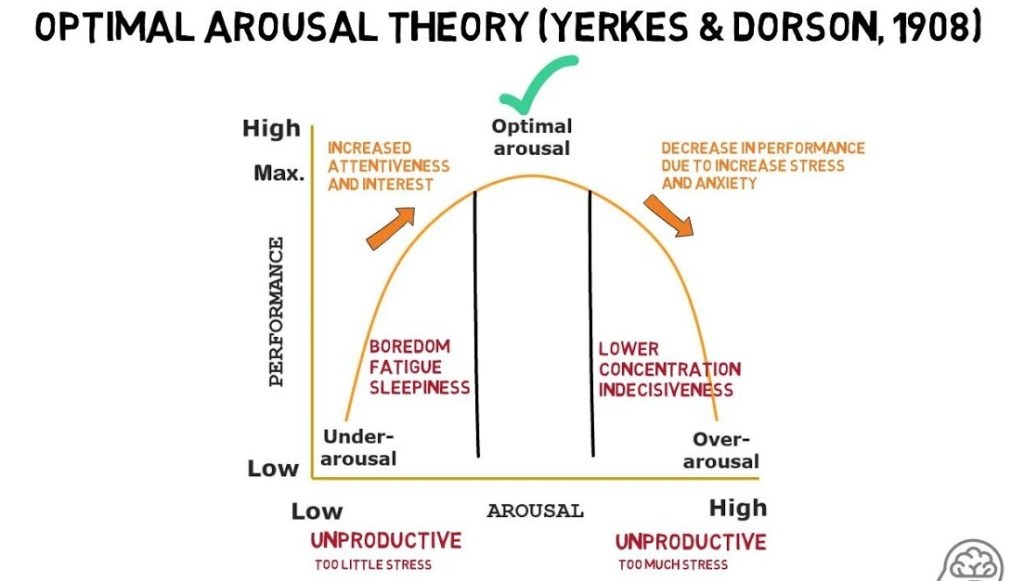

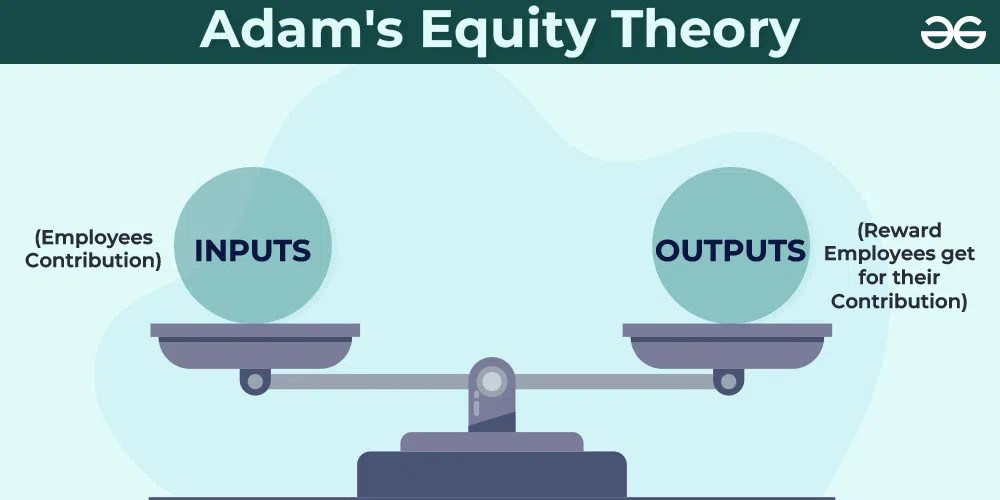



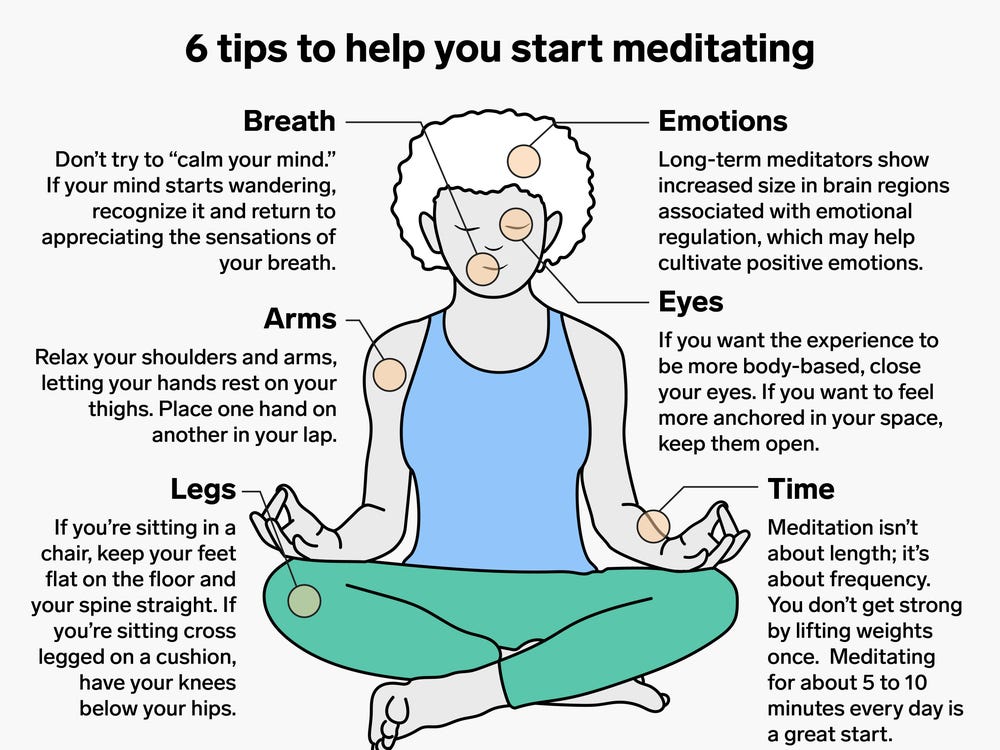































 Track2Training
You must be logged in to post a comment.