The term “empathy” is used to describe a wide range of experiences. Emotion researchers generally define empathy as the ability to sense other people’s emotions, coupled with the ability to imagine what someone else might be thinking or feeling. The term “empathy” is used to describe a wide range of experiences. Emotion researchers generally define empathy as the ability to sense other people’s emotions, coupled with the ability to imagine what someone else might be thinking or feeling.
Contemporary researchers often differentiate between two types of empathy: “Affective empathy” refers to the sensations and feelings we get in response to others’ emotions; this can include mirroring what that person is feeling or just feeling stressed when we detect another’s fear or anxiety. “Cognitive empathy,” sometimes called “perspective taking,” refers to our ability to identify and understand other people’s emotions. Studies suggest that people with autism spectrum disorders have a hard time empathizing.
Empathy seems to have deep roots in our brains and bodies, and our evolutionary history. Elementary forms of empathy have been observed in our primate relatives, in dogs, and even in rats. Empathy has been associated with two different pathways in the brain, and scientists have speculated that some aspects of empathy can be traced to mirror neurons, cells in the brain that fire when we observe someone else act in much the same way that they would fire if we performed that action ourselves. Research has also uncovered evidence of a genetic basis for empathy, though studies suggest that people can enhance (or restrict) their natural empathic abilities.
Having empathy doesn’t necessarily mean we’ll want to help someone in need, though it’s often a vital first step toward compassionate action.
Empathy manifests in education as well as between teachers and students. Empathy becomes difficult when there are differences between people regarding culture, language, skin color, gender, and age. Empathy is considered a motivating factor for unselfish behavior. Lack of empathy is similar to antisocial behavior. Empathy develops deep roots in our brains, as our evolutionary history. Having empathy does not mean that a person is willing to help someone. It is an essential step toward compassionate action.
Empathy forms one of the most critical components of creating harmonious relationships. It reduces stress and enhances emotional awareness. People are well attuned to their feelings and emotions. Getting into someone’s head can be challenging at times. People tend to be empathetic when they listen to what others have to say. It makes an individual overwhelmed by tragic incidents. Empathy can make an individual concerned about the well-being of another individual.
Empathy helps to make an individual a better person. By understanding what people are thinking and feeling, people can respond appropriately. Social connections build up as a result of empathy. It helps in both physical and psychological well-being. Empathizing with others helps to regulate a person’s own emotions. It helps an individual to manage his feelings even at times of great stress.
Empathy helps a person to engage themselves in helpful behaviors. Not everyone experiences empathy. Some people may be more naturally empathetic than others. How a person perceives another person can influence empathy to a great extent. Being empathetic toward others will help to understand others’ suffering and create harmony in the world.
Key aspects of empathy -:
1. In the absence of empathy, relationships remain shallow. 2. Empathy does not form a part of intuition; it is about understanding others. 3. Empathy is a learned behavior. 4. The capacity of being empathetic to another person depends on each individual. 5. Empathetic people tend to help others more. 6. Painkillers can reduce your capacity of being empathetic toward other people. 7. Anxiety and tension can influence empathy to a great extent. 8. An individual can heighten their empathy through meditation. 9. All humans are inclined toward empathizing with others in their pain and suffering. 10. A genetic defect can reduce an individual’s empathy.
Empathy can be learned and practiced. It is a vital aspect of our everyday lives. It enables an individual to show compassion. It helps to relate to other people, relatives, colleagues, and loved ones and helps to impact the world positively. Some people are born with empathy while some learn it and can increase or decrease it. It is a part of emotional intelligence, which can be taught to children at a very early stage. Children can be taught to be empathetic by sharing their things and not hurting others.
Depression is a mood disorder that causes a persistent feeling of sadness and loss of interest, also called major depressive disorder or clinical depression. It affects how you feel, think, and behave and can lead to a variety of emotional and physical problems. Depression is not a weakness; you cannot simply “snap out “of it. Depression may require long-term treatment. But we should not feel discouraged because most people with depression feel better with medication, psychotherapy, or both.
Let us see know about the symptoms of depression –:
• Feelings of sadness, tearfulness, emptiness, or hopelessness
• Angry outbursts, irritability or frustration, even over small matters
• Loss of interest or pleasure in most or all normal activities, in their hobbies or sports
• Sleep disturbances, including insomnia or sleeping too much
• Tiredness and lack of energy, so even small tasks take extra effort
• Reduced appetite and weight loss or increased cravings for food and weight gain
• Anxiety, agitation, or restlessness
• Slowed thinking, speaking, or body movements
• Feelings of worthlessness or guilt fixating on past failures or self-blame
• Trouble thinking, concentrating, making decisions, and remembering things
• Frequent or recurrent thoughts of death, suicidal thoughts, suicide attempts, or suicide
• Unexplained physical problems, such as back pain or headaches.
People dealing with depression may occur only once during their life, people typically have multiple episodes, and during these episodes, symptoms occur most of the day, nearly every day which also affects their day-to-day activities, such as work, school, social activities, or relationships with others. Some people might even feel generally miserable without really knowing the exact reason.
• Depression in children and teens may include sadness, irritability, clinginess, worry, aches, pains, being extremely sensitive, feeling misunderstood, anger, and poor performance. • Depression in symptoms in older adults may include memory, difficulties or personality changes, fatigue, and often wanting to stay at home, rather than go out to socialize or do new things.
Causes of depression –:
• Biological differences – People with depression appear to have physical changes in their brains. The significance of these changes is still uncertain.
• Brain chemistry – Neurotransmitters are naturally occurring brain chemicals that likely play a role in depression.
• Hormones – Changes in the body’s balance of hormones may be involved in causing or triggering depression.
• Inherited traits – Depression is more common in people whose blood relatives also have this condition. Research shows genes may be involved in causing depression.
Risk factors of depression –:
• Certain personality traits, such as low self-esteem and being too dependent, self-critical, or pessimistic
• Traumatic or stressful events, such as physical or sexual abuse, the death or loss of a loved one, a difficult relationship, or financial problems.
• History of other mental health disorders, such as anxiety disorder, eating disorders, or post-traumatic stress disorder. Abuse of alcohol or recreational drugs.
• Serious or chronic illness, including cancer, stroke, chronic pain, or heart disease. Certain medications may also trigger depression such as some high blood pressure medications or sleeping pills.
Complications in depression – :
• Excess weight or obesity, which can lead to heart disease and diabetes
• Pain or physical illness
• Alcohol or drug misuse
• Anxiety, panic disorder, or social phobia
• Family conflicts, relationship difficulties, and work or school problems
• Social isolation
• Suicidal feelings, suicide attempts, or suicide
• Self-mutation, such as cutting
• Premature death from medical conditions
Prevention of depression -:
There is no fixed way to prevent depression but these strategies may play a major role – • Take steps to control stress • Reach out to family and friends • Get treatment at the earliest sign of a problem • Consider getting long–term treatment because it helps to prevent a relapse of symptoms.
Types of depressive disorders -:
• Major depressive disorder
• Anxious distress, Melancholy, Agitated (Major depression looks different in different people. So they are characterized into three types.)
• Persistent depressive disorder
• Bipolar disorder
• Seasonal affective disorder (SAD)
• Psychotic disorder
• Peripartum (Postpartum) Depression
• Premenstrual Dysphoric Disorder
• ‘Situational ’Depression
• Atypical depression
• Clinical depression
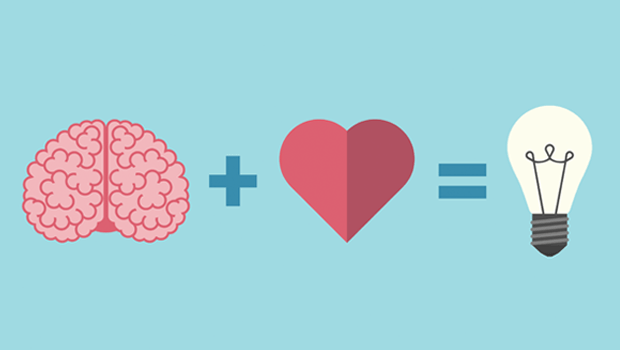
Emotional intelligence, also known as the emotional intelligence quotient (EIQ) or emotional quotient (EQ), is the ability to perceive, control, and manage emotions. Although the term first appeared in 1964, it gained popularity in the 1995 best-selling book Emotional Intelligence, written by science journalist Daniel Goleman. Goleman defined EI as the array of skills and characteristics that drive leadership performance. Emotional intelligence helps build stronger relationships, increase performance at school and work, and achieve professional and personal goals. It can also help connect with your feelings, turn intention into action, and make informed decisions about what matters the most. Since its popularization in recent decades, methods of developing EI have become widely sought by individuals seeking to become more effective leaders.
Abilities:
Mayer, Salovey and Caruso developed the four-branch ability model of emotional intelligence. They divide the abilities and skills of emotional intelligence into four areas –
The ability to perceive emotion
The ability to use emotion to facilitate thought
The ability to understand emotions
The ability to manage emotions
Components:
According to Daniel Goleman, an American psychologist who helped to popularize emotional intelligence, there are five main components to it:
Self Awareness: Self-awareness refers to the capacity to recognize and understand emotions and how they can affect others. Self-awareness is associated with being open to different experiences and new ideas and learning from social interactions. It involves knowing your strengths and weaknesses.
Self Regulation: Self-regulation includes being flexible, coping with change, and managing conflict. It also refers to diffusing difficult or tense situations and being aware of how one’s actions affect others and taking ownership of these actions. It involves the appropriate expression of emotion.
Empathy: Empathy, or the ability to understand how others are feeling, is critical to emotional intelligence. This component enables an individual to respond appropriately to other people based on recognizing their emotions. Being empathetic also allows you to understand the power dynamics that often influence social relationships, especially in workplaces. It is vital for guiding your interactions with different people you encounter each day.
Social Skills: Social Skills refers to interacting well with other people. It involves applying an understanding of the emotions of ourselves and others to communicate and interact with others on a day-to-day basis. Different social skills include – active listening, verbal communication skills, non-verbal communication skills, leadership, and developing rapport.
Motivation: Motivation is another important emotional intelligence skill. Emotionally intelligent people are motivated by things beyond external rewards like fame, money, recognition, and acclaim. Instead, they have the desire to fulfil their own inner needs and goals. They seek internal rewards, experience flow from being totally in tune with activity, and pursue peak experiences. Those who are competent in this area tend to be action-oriented. They set goals, have a high need for achievement, and are always looking for ways to do better.
Ways to improve emotional intelligence:
Practice observing how you feel
Pay attention to how you behave
Take responsibility for your feelings
Take time to celebrate the positive
Acknowledge your emotional triggers
Today, studies show that emotional intelligence (EQ) is more important than IQ. Individuals can improve their emotional intelligence to live a successful life. Being emotionally intelligent is important to how you respond to what life gives us. It’s also an important component of compassion and understanding the deeper reasons behind other people’s actions.
The term emotional intelligence was termed by Michel Beldochin 1964. The term means “it’s the capacity and ability to understand and manage your own emotions in a positive manner. People with high emotional intelligence are well adjusted individual as their emotions are in tune, they can co-up with their stress and panic and are able to handle the situation in an appropriate way. As a result they are able to com up with proper solution in a crucial situation.
Emotional intelligence have five components;
1) Self awareness: It’s an ability to perceive and understand your own emotions. A well adjusted individual is aware of their emotions; like their strength and weakness?
2) Self regulation: It’s controlling the expression of our emotions, an ability to express ourselves appropriately at right place and time; like controlling your laughter when some one can feel bad at.
3) Self motivation: It’s one’s motivation to change , you are setting an aim to achieve it and u are determined to do it; liked getting succeed in your career.
4) Empathy: It’s an emotion of putting yourself into someone’s else shoes. Understanding their situation and their point of view and feeling their pain; like helping a helpless person keeping your biases aside?
5) Social skills: It’s an ability to interact well with others which includes active communication, leadership skills and many more.
Loneliness, a dangerous pandemic which is spreading faster than coronavirus. This I would say, is a disease that cannot be cured by medicine but is the consequence of inattentiveness from the side of friends and family. Introverts are often confused with loners because both are detached from the outside. But introverts like it being that way because they prefer to spend time with themselves and they have their own little world to think about and live in it. But people become loners due to less interaction with outside world and become mentally low and go into a shell. It takes some special efforts to bring them out of that shell. That efforts needs to start from family because not all of them can understand one’s difficulties and problems. Only a close family member often checks on you and notes even the slightest changes in your behaviour. They must feel special so that they come back again. But sadly, the families are busy with their own work that not only at times they forget to notice others but also forget to look upon themselves. At that time, friends come to the rescue. Friends are nothing but an extended family though they don’t stay with you all the time. But still friends can turn out to be more comfortable to be with, to share problems and find solutions. A friend can sniff out the difference in you sometimes even before your family. But for those without much close friends, it is even more a difficult task to come out of loneliness. Loneliness can make a person mentally unstable leading to anxiety and depression. It is mainly due to the fact that they get neglected or unnoticed for some reason.
Here are a few tips for those loners who want bring back their self and stop waiting for others to show some love:
A new world into books: For people who feel lonely, there can never be a better companion than a book. A book becomes your best friend when you slowly start developing the habit of reading.
New hobbies: We just have one life and use your lifetime to learn more and explore. The more you dig deeper, the more it gets interesting. And the main part is, it keeps you busy!
Gardening: Flowers and plants are so refreshing to see and even more refreshing to grow. Being around a place full of plants and flowers uplift our mood putting a smile on our face.
Grow a pet: There can be no greater friend than your pet. It always disturbs you, it would do anything to seek your attention. With such a companion, no one could ever feel lonely.
Team sports: Team sports are a great way to make new friends, have fun and find back a way to yourself.
Fitness: If you are a fitness freak, you might very well be able to battle loneliness because your body is your friend and you get to concentrate on yourself instead of expecting it from others.
Reconnecting with others: Don’t expect others to notice. When you feel you need attention, you can always reconnect with your close ones just by a phone call.
Be active online: Being active on social media can become an addiction, but still is a lot way helpful for finding new friends and relationships.
Feel positive: Never think negative about anyone or yourself. Start loving yourself that you would begin to take care of yourself. Spread positivity to everyone. Do notice what’s happening around, especially around your people. There are chances someone might be feeling lonely too! Feel happy, be happy!!
Did you ever feel that therapy involves talk by a psychologist and nothing else could come under the domain of therapy?If your answer is yes,Then you are wrong!!Well times have changed my reader~
Therapies have come a long way to incorporate other clinically approved methods such as animal assisted therapy,food therapy,aroma therapy etc.Music Therapy is one clinically developed program by psychologists to assist speedy healing of their clients.In this blog,the readers would be introduced to the world of Music therapy.So lets get started!
Music Therapy is the clinical and evidence-based use of music interventions to accomplish individualized goals within a therapeutic relationship by a credentialed professional who has completed an approved music therapy program.It is is an established health profession in which music is used within a therapeutic relationship to address physical, emotional, cognitive, and social needs of individuals. After assessing the strengths and needs of each client, the qualified music therapist provides the indicated treatment including creating, singing, moving to, and/or listening to music.
Through musical involvement in the therapeutic context, clients’ abilities are strengthened and transferred to other areas of their lives.This therapy also provides avenues for communication that can be helpful to those who find it difficult to express themselves in words. Research in music therapy supports its effectiveness in many areas especially emotional rehabilitation.
history
You all will be shocked to know that both world wars were the trigger that initiated the development of this therapy.During and after both World Wars, doctors and clinicians began to realize the powerful effects that music has on the healing process and requested that professional musicians be hired by the hospitals.This therapy first got officially recognized in the Michigan state university of the United States of America.Ultimately,The American Music Therapy Association (AMTA) was formed which focuses on creating more awareness about this wonderful therapy.
BENEFITS
Music therapy can benefit many individuals. The diverse nature of music means it can be applied in the treatment of concerns both physical and psychological.Since music can evoke positive emotions and improve brain health,Music therapy is said to manage and alleviate symptoms of mental health concern such as Depression, Mood issues,Anxiety,Schizophrenia,Substance abuse,Autism,Personality issues,Insomnia,Dementia etc.
In addition,Music therapy can improve the social,cognitive,emotional and motor functioning.This therapy was also effective in controlling patient’s situation in Alzheimer’s,Cancer and Hypertension.
Music therapy is frequently administered to reduce stress levels and pain perception of females in labor.This novel therapy has also been linked with improvements in self-esteem, self-concept, verbal communication, prosocial behavior, socialization skills, group cohesion, and coping skills.
Limitations
Even the most beautiful things have flaws,and so has music therapy.One of the major drawback is that this therapy cannot be used as a stand-alone therapy.The music therapy is also known as music assisted therapy implying it’s sole purpose is to assist the main therapy applied by the clinician on the client to produce fast results and relief.
Also,the music therapy like all other therapies is individualized.This is not a major drawback but should be kept in mind before going in for this option.All individuals are unique and so is their taste in music.Thus the therapist has to do additional tests to see which type of music and musical instrument works better for the client.
ALWAYS REMEMBER,WHERE WORDS FAIL,MUSIC SPEAKS…..
Thus in short we need to know that music therapy is a wonderful form of therapy which strengthens an individual and increases his/her quality of life.Choose Music for a better Life!
Do give a like,if you all found this article to be Interesting!
The outbreak of coronavirus disease (COVID-19) was a huge shock to governments, administrative agencies, businesses and ordinary people. In addition to the imminent threat to public health, the pandemic is causing tremendous economic and social stress. Following measures can slow the spread of flu:
Large rallies can be canceled, schools can be dismissed and business hours shortened. Workers may stay at home and continue their jobs using computers and telephones. People with flu can be told to stay home, along with their families. You may need to reorganize your life to provide for your loved ones or get treatment.
Several companies have introduced contingency plans. Employees can function online, or adapt to significant organizational changes. Systems are in place and the enterprise continues. You may have also provided advice to your workers on how to better adapt to work from home or on self-care ideas. However, we are seeing gradually one missing piece of the solution that can undo all the rest that has been achieved.
While there is plenty of information on how we can adapt and care for ourselves, there is much less information on how we can feel and think about changes. The key component in crisis psychology is called “normalization”. Whenever something occurs that’s distressing, unplanned or affects the people we ‘re close to, most individuals will develop an unpleasant, disturbing and potentially overwhelming reaction. When we feel that we are unable to control the outcome and our standard lifestyle is threatened or impeded, then that is particularly challenging.
The ongoing COVID-19 disease outbreak means that treatment for our mental health and wellness is just as important as our physical health. At the center of handling crisis emotional health, we ‘re learning the same stuff from people:
“I feel restless constantly and can’t settle. I think sometimes that I’m not in charge of my brain.”
Normalization describes that this is how the body and brain respond. In terms, it would make sense for people to connect to. It should be providing advice on what people could do to help calm the reaction. It should encourage people to generate action plans that give them a sense of control, as they now have a clear idea of their reaction and action justification. Unless we normalize the emotional reaction, it is very unlikely that we will involve people in activities that will help them take good care of themselves and adapt to what is going on.
As part of the pandemic response, health care providers have a significant role to play in resolving such emotional outcomes. Emergencies in public health can affect the health, safety and well-being of both individuals causing, for example, feelings of inadequacy, confusion, emotional isolation and communities due to economic losses, closures of work and schools, inadequate medical response resources and poor distribution of necessities. These effects can transform into a range of emotional reactions, such as distress or mental illnesses, undesirable lifestyles, such as increased use of substances, and lack of compliance with public health directives like home restraint and vaccination in people contracting the disease and in the general population.
Health problems from natural causes such as life-threatening viral infection would not match the new trauma criteria required for PTSD (post-traumatic stress disorder) diagnosis, but other psychopathologies, such as mood and anxiety disorders, may try to emulate.
Many people are even more vulnerable to the psychosocial impact of pandemics than others. In specific, individuals who catch the virus, those at increased risk for it, including the elderly, people with weakened immune function, as well as people with medical history, mental health, or drug use issues, are at increased risk of adverse psychosocial consequences. Medical professionals are also especially prone to emotional distress in the current pandemic, considering their risk of virus transmission, worries about infecting and caring for their loved ones, scarcity of personal protective equipment (PPE), extended working hours, and participation in the allocation of resources that are emotionally and morally complicated.
Besides the stresses inherent in the disease itself, guidelines on mass home containment, including residence-at-home orders, quarantine, and isolation, are unfamiliar to individuals and raise questions about how they may respond individually and collectively. A recent analysis of psychological impact in samples of quarantined individuals and health care providers could be instructive; it reported various emotional outcomes, including stress, depression, irritability, insomnia, anxiety, uncertainty, rage, annoyance, boredom and quarantine-related stigma, some of which remained after the quarantine was ended.
In the existing pandemic, huge areas of the population’s home confining for indefinite periods, differences between the stay-at-home orders issued by different states and countries, and mixed information from government and public health organizations will most probably amplify distress. COVID-19 will provide behavioral evaluation and tracking of associated stressors such as exposure to infected sites, infected family members, loss of loved ones, and physical distance, secondary adversities such as economic loss, psychosocial consequences such as depression, anxiety, insomnia, increased use of drugs, and domestic violence.
Bearing in mind the worsening economic crisis and various uncertainties surrounding this virus outbreak, suicidal thoughts could arise and require urgent consultation with a mental health professional or referrals for potential psychiatric emergency hospital treatment. Medical professionals may give strategies for handling and dealing with stress, such as organizing and maintaining habits, connecting patients to social and mental health resources, and encourage patients to receive appropriate mental health treatment when required. Because media reports can be emotionally distressing, contact with news related to the pandemic should be regulated and reduced.
Since parents frequently ignore the distress of their children, open discussions should be urged to address the reactions and concerns of the children. Self-care for services, such as mental health care providers, includes being educated about the disease and risks, checking one’s own stress reactions, and seeking additional help with personal and professional commitments and concerns — including, where indicated, professional mental health interventions. Health care facilities would need to tackle the burden on individual providers and overall operations by tracking reactions and results, changing assignments and schedules, adjusting priorities, and developing structures to provide supportive care where appropriate.
Separating from others could be stressful if a healthcare provider thinks you may have been exposed to COVID-19, even if you are not getting sick. After quarantine everyone feels different. Emotional responses to quarantine probably include:
Mixed emotions like post quarantine relief.
Fear and worry about your own health, and your loved ones’ health.
Stress from the perspective of observing yourself or being watched by others about COVID-19 signs and symptoms.
Sorrow, frustration, or disappointment, as friends or loved ones, have irrational fears of contracting the disease from contact with you, even though you were determined not to be infectious.
Guilt over not being capable of performing normal duties of job or parenting throughout quarantine.
Many improvements to the physical or mental wellness.
In view of the fact that most COVID-19 cases will be reported and handled by staff with almost no mental health experience in health care settings, it is important that psychosocial issues identification and treatment be implemented in those situations. Ideally, incorporation of mental health issues into COVID-19 treatment should be discussed at the organizational level by state and local planning; processes for recognizing, referring and managing serious psychosocial consequences; and the capacity to communicate with specialists will be assured. Health sector executives, emergency workers and health care providers should be provided with information and training on psychosocial issues. The sectors in mental health and emergency management will work together to identify, create and analyze evidence-based services regarding mental health crises and referrals in mental health and certain population’s needs. Risk-communication initiatives will predict the dynamics of evolving problems such as guidelines on prevention, accessibility and acceptability of vaccinations, and require pandemic-related evidence-based approaches and tackle a variety of psychosocial concerns. Healthcare professionals should assist in developing messages which respected leaders should deliver.
The Covid-19 pandemic has disturbing consequences for emotional and social functioning of a person and collective health. Beyond delivering medical services, already strained health care professionals have a significant role to play in tracking psychosocial needs and offering psychosocial support to their patients, health care professionals, and the public — activities that should be incorporated into general pandemic health care. We see people affected from all walks of life, with especially big numbers among those working in the medical field or as first people on the scene along with other essential workers. Our hearts are going out to those heroes. Furthermore, residents of nursing homes and even prisoners are also at higher risk due to health factors and proximity to each other.
Crisis incidents can cause a lot of shock – and then emotional distress, which can take time to subside. Once we know our emotional responses and accept them, we are much more likely to take steps that can help.
Detection is important and once you know what is wrong with you, you can seek ways to treat and help yourself. First and foremost, it is important to accept that you are not in your best condition to work and go on with your life. Physical ailments are easier to detect but that’s not the case with mental ailments like emotional exhaustion. Emotional exhaustion is the state of complete hopelessness and emotional detachment. It is not something that can be overlooked and needs to be treated for an individual to continue to be efficient in whatever he does.
A person can get emotionally exhausted due to an array of reasons, some of which are relationship troubles, demise of a loved one, job related and financial problems. In the current pandemic situation, everyone – from front-line healthcare workers to people who are working from home – must have felt a wave of exhaustion due to the uncertainty and new working conditions at some point. Some people must have rebounded without any efforts and the good news for those who didn’t is, the condition can be reversed with some efforts.
Here is a list of things that you can do for mental and emotional replenishment:
Exercise and eat healthy
A healthy being can overcome anything. Exercising not only distracts you but the physical stress leads to release of happy hormones that elevate your mood. The pandemic might not allow you to hit the gym but you can still workout at home.
Indigestion is a sign of emotional exhaustion and even if you feel like eating a lot or eating nothing at all, try and stick to a healthy, nutritious diet as it will not only energise you and make your gut happy but also help with your sleeping schedule and workout routine. Staying hydrated is also a must for a healthy body.
Indulge in calming activities
Meditation and Yoga are a few activities that lead to peace of mind. They are also effective in helping with the blood pressure and heart rate which are associated with stress. There are a lot of breathing exercises in Yoga Asanas that can help the erratic breathing associated with panic attacks and just hyperventilation,
A diary can become an outlet for everything that you are feeling and going through and you won’t have to worry about what it would think about you.
Distract yourself
Everything and everyone comes after your own well being. Take a break and do what makes you happy. If you think, nothing makes you happy, think again! Do something different, learn something new. Hang out with your friends and talk to them about their life. Knowing that other people have it rough too and what they do to fix their situation can not only make you feel that you are not the only one but also give you ideas. Maybe, what you need is a solo trip. Try out everything that can help openly.
Actively seek help
Talk to someone – be it a therapist or a close friend. Sometimes you just want to feel validated and empathised with. The person may not advise you anything but having someone to talk to about and someone who would listen to your pain and agony will definitely help you feel better.
Parenting is not easy and single parenting is tougher as it entails added accountabilities. A single parent has to face continuous newer challenges every day. A proper schedule if made will make the task much easier.
Here are some common challenges faced by single parents and the ways to overcome them. Read on.
Giving birth and raising a child is always a challenge. People all over the world are buoyed down when faced with the responsibility of parenthood. But when you have your partner by your side you feel a lot confident as you are assured of the presence of emotional support. Single parenthood is a huge challenge in itself as you have to deal with the situation where you have lost your loved one and at the same time, you need to take up the responsibilities of rearing the child and life as a whole. The challenges get multiplied by themselves.
The first challenge is to deal with the family all by yourself, where you need to fulfil the responsibility of both. You need to make all the decisions all by yourself, you need to ensure that all the requirements of your family are met, you need to deal with the overload of tasks that too efficiently, meet your career responsibilities and above all, deal with your emotional overload, not to overlook the emotional requirements of your baby.
For a single parent, these challenges appear in a series, in combination or even alone. Whatever the situation, there is no denying the fact that single parenting is full of challenges. You need to seek out options where you find a solution to deal with these challenges as they can easily lead you to anxiety and depression.
Single Parenting Challenges:
Have a quick look at the common challenges briefly explained.
Scheduling- As mentioned earlier, a single parent is flustered with heaps of responsibilities. They are thus required to juggle them all through a hectic schedule. Keeping afloat with the schedule is in itself a huge challenge.
Balancing– A single parent has to balance work and home all the more. The workplace is a whole new world of professional responsibilities. Then you need to take care of the child, provide them with all that they need, including your time and at the same time teach them to evolve as a disciplinarian by being a friend to them is an added challenge.
Financial– Financial problem is perhaps one of the biggest challenges faced by a single parent. You cannot be a stay at home mom or dad as you need to think of the expenses. Thereby you cannot spend all your time for rearing the child even if you believe that staying with the child throughout his growing up years is important. The challenge magnifies if you are not very well off. It is a tough job to plan your entire expenses and yet have savings through a single paycheck.
Finding childcare support – Since you need to go to work you need to make adequate arrangement for a childminder. The person needs to be reliable as well as competent. It is indeed a challenge to find such a person especially when you do not have a proper support system from your extended family.
Being there for your child- Apart from juggling with the regular household chores, you must be there when your child needs you. It is a challenge to adjust your schedule and be completely involved with your child’s school activities. Your parenting skills, patience and understanding will constantly be put to test and it is a big challenge to instil discipline in your kids while you have to spend most of your hours outdoors.
Further, you need to ensure that the child does not feel isolated or ignored as it can spell doom for their all-round development. But as the child grows up, your difficulties will fade away with the decrease of certain responsibilities which you can share with the child and as his maturity level develops, he will also act emotional support that a single parent so desperately craves for.
Around the world and especially in deeply patriarchal countries such as India, single — divorced, widowed, unmarried or single by choice — parents, especially women, are judged harshly and stigmatised for their personal, marital and parenting choices. According to a recently released United Nations report The Progress of the World’s Women 2019-2020: Families in a Changing World, which analyses diverse family structures and their impact on women, ending a marital relationship typically entails far more adverse economic consequences for women than for men. “All too often, women lose access to marital assets, resources, and even child custody” and face societal censure if not ostracism, write the authors of the report. Despite this spurt in the number of OPHs in India, prompted by numerous factors including meltdown of joint families, increase in the number of nuclear households, social emancipation of women, economic liberalisation, relaxation of divorce laws, among others, social attitudes have been slow to change. Most people are hostile towards single parents, especially women. From financial anxiety to juggling work with child care duties, single moms are under constant pressure to meet societal and their own children’s expectations. Moreover, in deeply misogynistic and gender-insensitive Indian society, it’s not unusual for divorced/widowed single mothers to be propositioned and harassed by men, who believe they are fair game for sexual predators. “Being a single parent, especially a single mom is a hard slog in India. Though education and financial independence have empowered many women to break free from abusive and unhappy marriages, Indian society doesn’t readily accept single mothers who don’t have strong parental support. Although these attitudes are changing — at least in metropolitan India — where single-parent households are multiplying, single mothers are often judged harshly and labelled headstrong, obstinate and blamed for failed marriages. Being a single mother is emotionally draining and stressful,” says Sushma Ramachandran, a Chennai-based psychotherapist.
A new 21st century phenomenon is single parenting by choice. Increasingly, successful women and men who side-stepped formal marriage, are becoming single parents through adoption or surrogacy. In 2015, the Union government’s Central Adoption Resource Authority (CARA) relaxed its rules to permit unmarried women/men to adopt children. In July 2017, the guidelines were further liberalised to permit single women over 40 years of age to adopt legally with their waiting period shortened by six months — the average waiting period for prospective adoptive parents (PAPs) is two years. However, the rules forbid single males from adopting girl children.
According to CARA data, over the past four years, there’s been a 50 percent increase in the number of single PAPs, especially women tendering adoption applications. In 2015-16, 412 single women registered for adoption with CARA. By end 2017, this number almost doubled to 817. Seventy-five single women adopted children in 2015-16, 93 in 2016-17, 106 in 2017-18 and 121 in 2018-19.
Don’t judge, enable single parents!
Being a single parent is twice the work, twice the stress, and twice the tears, but also twice the hugs, twice the love and twice the pride.
When a person is described with the word ‘intelligent’, what usually comes to our mind is high IQ, ‘he must do well in his subjects’ or ‘he must be good at math. What if I told you that having just a high IQ isn’t enough to become successful? Most people think that people who are good at studies or those who get good grades will do well in life but not every topper has an exceptional career – shining stars of a workplace could be average scoring students. The concept of emotional intelligence or emotional quotient (EQ) is relatively new but very effective for one’s career if he or she is able to master it.
Daniel Goleman popularized the term ‘emotional intelligence’ by authoring a book with the same name in 1996, defined it as ‘the ability to perceive emotions, to access and generate emotions so as to assist thought, to understand emotions and emotional knowledge, and to reflectively regulate emotions so as to promote emotional and intellectual growth.’ The five components of emotional intelligence that an individual should familiarise himself with are self-awareness, self-regulation, motivation, empathy and social skills.
The ability to identify your emotions towards a particular person or a situation is called self-awareness and it forms the basis for the other higher level components. If one can accurately assess what he is feeling, it can be said that he knows himself from inside-out. Such an individual would also know his strengths and weaknesses and his emotional sensitivity towards different topics. Just knowing what you are feeling can help you control your expressions and actions to some extent. For an instance, if you don’t get a promotion you have been waiting for, as an emotionally unaware individual, you could be angry and make an impulsive decision of quitting the job. However, you could have a more positive outlook and try to improve yourself and work on what you are lacking. The latter would certainly be more beneficial for you.
Motivation is the drive that keeps one going and makes efforts to achieve his goals. To remain self-motivated, one must have a burning urge to reach the level of excellence and it should not be driven by mere external rewards like pay rise or promotion but own satisfaction. The goals that one is working towards should not intersect with organisational goals to avoid conflict of interest and inefficiency in turn. To cease every opportunity that one comes across and overcome any obstacle or setback with an optimistic approach are also qualities of self-motivated individuals.
Empathising with someone is the awareness of someone else’s feelings. To understand people and what makes them do what they do, recognizing their emotions is one of the most important and basic things and it even helps a person in regulating his behaviour towards the people that he is trying to understand. It is not easy and it cannot surely be accurate but it is something worth trying. A person can only fulfill the needs of customers and exceed the expectations of people if he is empathetic enough to recognise them.
Social skills, like the name suggests, are the ways in which a person interacts with the people that are surrounding him in both his work and personal life. The kind of relationships that he has with people is only a result of his social skills. Social skills make a person influential and good at communicating his ideas such that an individual can both lead and work as a member of a team effectively. The person is not only able to initiate and drive change if he wants to but also resolve conflict or disagreement that arises due to the change.










 Track2Training
You must be logged in to post a comment.