NUCLEAR HAZARDS AND THEIR EFFECTS ON ECOLOGY

Nuclear energy is a major source of clean power everywhere in the world. It is considered to be an efficient power source, as it produces lesser carbon dioxide and operate for a longer period of time. a strong nuclear energy program of a country is essential for energy security and national prosperity. Nuclear power plants are fitted with complex set of safety and security features but an uncontrolled reaction can result in widespread air and water contamination. In the nuclear waste is not disposed off properly, it could also result in hazardous land pollution.

As Nuclear power plants create a lot of hazardous waste in the form of radioactive wastes such as uranium tailings, spent reactor fuel and other such radioactive materials, these wastes can remain radioactive for thousands of years and pose dangers to human health. There are always concerns associated with transportation, storage and disposal of nuclear wastes and even nuclear fuels nuclear disasters are capable of producing large damages to human health and the environment. The radiation release associated with nuclear disaster causes significant acute and chronic problems in the immediate environment as well as over a wide geographic area over longer periods of time.

WHAT ARE NUCLEAR HAZARDS?

Nuclear hazards refer to the incidents involving the release of significant levels of radioactive materials and exposure of general public or the natural environment to nuclear radiation. The nuclear hazards primarily affect public health due to direct exposure to radioactive materials, inhalation of radioactive waste, ingestion of contaminated food, water etc. and long-term exposure to radioactive materials in the environment that leads to acute or chronic health and environmental damage.

Due to radioactivity, even a small amount of radiation exposure can have serious biological consequences due to nuclear hazards The radioactive elements emit high energy particles that cause damage to environmental resources. Radiations emitted due to hazards in nuclear facilities can result in mutations in DNA, burns and radiation sickness, weakness, nausea, hair loss etc. Contamination of natural resources further aggravates the potential of nuclear hazards nuclear hazards can be created by man through the mining of radioactive materials, careless handling and processing of nuclear fuels, storage of radioactive wastes, carelessness in safety protocols while operating reactors, as well as improper use of devices that are used to give radiation therapies in hospitals, clinics etc.

CAUSES OF NUCLEAR HAZARDS NUCLEAR HAZARDS OCCUR DUE TO THE FOLLOWING REASONS:

  • Nuclear Accidents Nuclear energy has been considered as environmentally safe and potential source of energy. If nuclear facilities producing nuclear energy are not put under strict safety measures, there are chances that nuclear accidents may occur. Nuclear plants have huge amount of radioactive maternal for generation of nuclear energy The radioactive elements if escape into the environment, proves most harmful for the immediate land, air and water resources as well human health. If nuclear power plants are operated with flawed design, then too nuclear power plant accidents occur. For e.g., Chernobyl Nuclear accident, 1986, Ukraine.
  • Nuclear Waste Handling Radioactive nuclear wastes are categorized as low level and high level wastes the handling and disposal of these wastes if not performed according to standards prescribed for handling wastes, then nuclear hazards can take place because of leakage of this radioactive material. Radiation waste cannot be degraded or treated biologically or chemically. The only options are either to contain the waste by storing them in closed containers, having radioactive protection or disposing them at remote locations.
  • Mining of Nuclear Fuels Mining and extracting nuclear fuels such as thorium, uranium can turn into a nuclear hazard if safety precautions are not taken Mining increases exposure to humans by moving radio materials from below the Earth’s surface to the top These substances are usually mined with safety gears and protective equipment Exposing the natural environment such as trees, plants, water, animals to radioactive elements during mining also increases hazard risks.
  • Spilling of Radioactive Elements Spilling occurs due to marine accidents which are due to accidents of ships carrying nuclear materials and radioactive elements Spilling in water bodies causes harmful effects on marine life, contaminate water resources and ends up killing thousands of marine florals as well as faunal species Contaminated water supply in households can have drastic effects on human health.
  • Radiation Based Tests Radiation has been used in several medical therapies such as Chemotherapies for cancers Exposure to medical based radiotherapies leads to deaths and other complications Radioactive elements leaking out of medical facilities can cause fatal nuclear hazards.
Nuclear power: how might radioactive waste water affect the environment?

HUMAN AND ECOLOGICAL EFFECTS OF NUCLEAR HAZARDS

Nuclear hazards cause large amounts of nuclear wastes to be released in the environment this contaminating air, water and land resources. It is essential to contain nuclear material and facilities having nuclear materials safely. The harmful effects of nuclear hazards include:

  • Radioactive materials released from nuclear hazards cause mutations in the DNA thereby affecting genes and chromosomes. The genetic makeup of future generation is affected due to these mutations. It leads to several incurable birth defects.
  • Radiations can kill essential flora and fauna, important environmental species and can make land and plants etc. toxic and critical species are also affected. It results in huge damage to biodiversity.
  • Damages caused by different kinds of radiations also include direct physical harms such as burns miscarriages, cancer, bone defects, eye diseases etc. Even a small exposure to radiation can cause adverse effects. Damages that occur over longer periods are spread over for generations.
  • Natural resources such as land, soil, forests, water bodies like rivers, ponds, oceans get affected by nuclear wastes and nuclear elements. Contamination of natural resources affects large number of people living in urban as well as rural areas.
  • If nuclear accident sites are not treated and managed properly, it could result in human infectious diseases due to contaminated water and soil in a region.
  • Children are at particular risk from nuclear radiations. High doses of radiation increase cancer risk early in the life of children. Lifetime cancer risk significantly increases among children due to exposure to radiation.
  • Nuclear hazards increase the pressure on land as soil and water resources are contaminated and therefore lesser land is available for agricultural purposes. The microorganisms present in land and soil also pet killed due to insufficient oxygen which reduces soil fertility.
  • Nuclear hazards also reduce human immunity to fight against diseases and infections. This makes people vulnerable to infections. It further increases the chances of disease risk in the population.
Looking for a Trash Can: Nuclear waste management in the United States -  Science in the News

WAYS TO MITIGATE HARMFUL EFFECTS OF NUCLEAR HAZARDS

Nuclear hazards can pose serious risks to environment, humans and animal and plant life. Nuclear hazards can be mitigated by taking following measures:

  • There must be robust design and construction of nuclear reactors so that any fault does not occur during operation of the reactor.
  • Medical devices involving nuclear fuel and its use sold be used with caution to prevent any undesirable exposure to nuclear material.
  • Leakage of nuclear materials, radioactive elements, careless handling of radioactive elements must be fully ensured before carrying out any operations in nuclear facilities.
  • There should be regular monitoring of areas that are prone to nuclear hazards.
  • Nuclear wastes should be disposed properly as to prevent any long-term presence of radioactive material. Long term presence of radioactivity results in hidden and unwanted effects on human lives for longer periods of time.
Ozone Depletion-A Path to Destruction

The bad state of environment is not often taken seriously due to the ignorance of the people of the world. It is high time that everybody should start working on improving environmental conditions or else nature would start showing us it’s fury which would ultimately lead to our destruction. The main reason for this shape of environment is us, the human race. Activities that are profitable to human beings are sometimes harmful to the environment. Though nature gives us so much we do not give back anything. But is our duty to protect nature because there will be no men when there is no nature. Everybody must understand the seriousness and should initiate possible ways to improve the environment before it gets too late.

Ozone depletion is one of the serious environmental issues that need immediate attention.

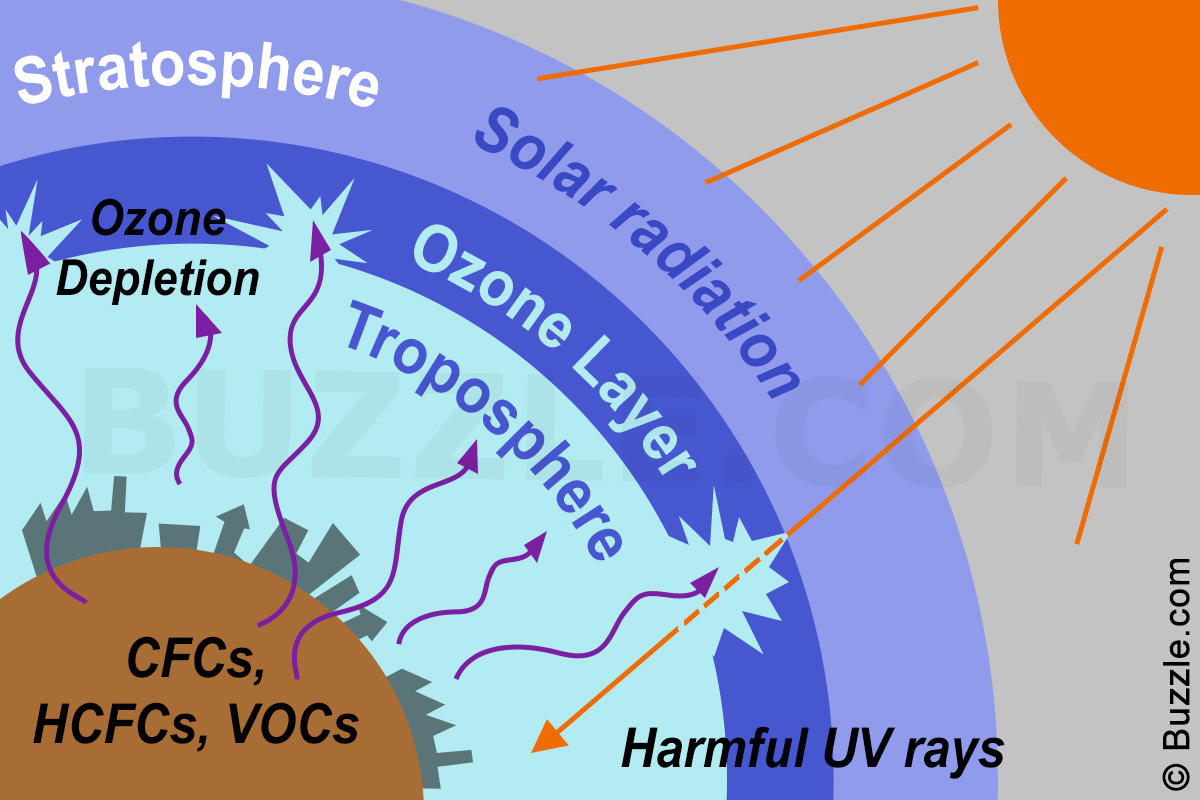
“The ozone layer is a region in the earth’s stratosphere that contains high concentration of ozone or trioxygen and protects the earth from the harmful ultraviolet radiations of the sun”.

Earth has various layers of atmosphere. They are troposphere, stratosphere, mesosphere, thermosphere and exosphere. Stratosphere contains the ozone layer. Ozone absorbs about 97%-99% of the UV rays and thereby protecting lives on earth. Due to combined human activities and environmental pollution, holes are created in the ozone layer and because of which harmful UV rays enter the earth.

REASONS FOR DEPLETION

  • Chlorofluorocarbons or CFCs are the main reasons for the depletion of ozone layer. These CFCs can be generally found in aerosols, refrigerators and air coolants etc.
  • According to researchers, unregulated launching of rockets can do more harm to the ozone layer than the CFCs.
  • Volcanic eruptions are also a cause for ozone depletion.
  • Nitrogen compounds such as NO2, N2O and NO mostly used in industries, agricultural fertilizers etc. also affect ozone.

EFFECTS OF OZONE DEPLETION

  • Human beings are directly exposed to the ultraviolet rays due to ozone depletion and it leads to serious health issues such as cancer, skin diseases, cataract, quick ageing and weakened immune system.
  • UV rays can also cause cancer in animals.
  • Ozone depletion also affects the environment because strong ultraviolet rays leads to minimal growth and photosynthesis of plants. It also severely affects forests.
  • Ultraviolet rays has been found to cause damage in the early development stages of fishes and amphibians. Another effect on marine organisms is decreasing their ability to reproduce.

OZONE AND COVID 19

As the coronavirus started spreading rapidly around the earth, the whole was shut down due to the pandemic and all the commercial and industrial activities came to a standstill. This was a decision to actually stop the spread of the disease. It was a “Blessing in disguise” because it indirectly gave ample time for the environment to heal itself. Some studies have also shown good improvements in the quality of air, clear sky and decrease in pollution. It was also found that the ozone layer stopped depleting and started healing itself during the shutdown.

CONCLUSION

From our part, we can express gratitude to nature by controlling pollution, using eco-friendly products, limiting vehicle use and finally planting more and more trees.

HAPPY WORLD ENVIRONMENT DAY!

GO GREEN, SAVE GREEN!!

Relevant links: https://in.finance.yahoo.com/news/good-news-largest-ozone-layer-072150152.html https://in.news.yahoo.com/global-efforts-ozone-help-reverse-160002811.html

Sri Lankaโ€™s one of the worst ecological disasters in History

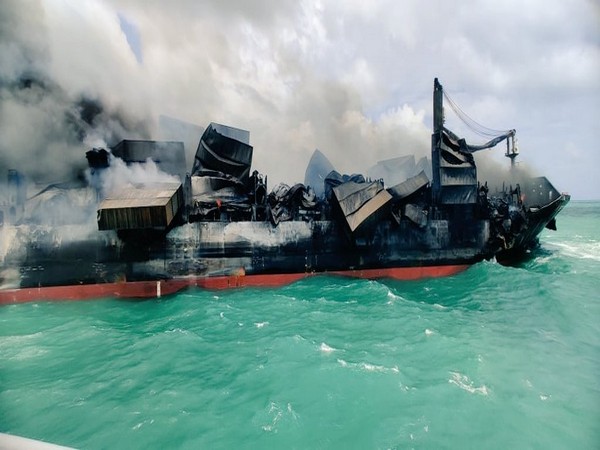
Burnt-out Container Vessel is sinking in Sri Lanka, which has already endangered the marine life and affected the life of people who depend on the sea in Colombo. X-Press Pearl Singaporean Super Eco 2700-class Container ship on 20th may 2021 caught on fire in the cost of Colombo, Sri Lanka. There were 25 crew members on board and they were evacuated safely.

The vessel, which is 186-meter, carried 1486 containers which includes 25tonnes of nitric acid, other chemicals and plastic raw material. The mv left Hazira port in India on 15th may and was travelling to Singapore via Colombo, where the disaster occurred.

The vessel was on blaze for straight 13 days, it was put off after two weeks of struggle by Sri Lankan Navy, experts from Dutch salvage Company and the Indian Coast Guard. The burnt-out ship is sinking off in the coast with the danger of Oil spill that may occur, the vessel carries 350tonnes of oil in its fuel tank. Marine Environmental Protection Authority (MEPA) said, they are assessing environmental damage and collecting evidence.

Damage Done:

  • The wreckage is greatly affecting the aqua habitat causing several marine creatures to die, fishes and turtles were found dead on the shore.
  • Plastic pellets from the ship deposited along the countryโ€™s beaches and these LDPE( Low-density polyethylene) pellets have also washed off to the nearby island.
  • Health experts and Environment Authority have warned that, the emission of nitrogen dioxide could possibly cause mild acid rain in Sri Lanka.
  • Sri Lankan authorities banned Coastal Fishing because of the pollution, and about 5600 boats are unable to sail. This will affect 4600 families.
  • The Cargo loss of X-Press Pearl could range between $30 million -$50 million in addition to the loss of vessel.


The Disaster brought severe harm, the water region is highly polluted. Marine Environmental Protection Authority (MEPA), termed the incident to be one of the Sri Lankaโ€™s worst ecological disasters in history.


Sustainable Products โ€“ Save our Environment by using these products!

โ€œThe greatest threat to our planet is the belief that someone else will save it.โ€
โ€“ Robert Swan, Author.
This quote definitely screams volumes about how we need to change our beliefs and start taking action to save our planet now.

There are many ways one can take action to save our planet, and one of them is using sustainable products. But โ€“ what are sustainable products?

Sustainable products are those products that protect the environment and have a positive impact on environmental, social as well as economical factors. Our needs can be met without sacrificing the future generationโ€™s needs by using sustainable products. Sustainable products also help tremendously by saving our natural resources.

There are several sustainable products in the market, and as the warning of scarce resources arises the number of sustainable products has been increasing. However, one can start using these sustainable products as a beginner and take a step ahead to save our environment.

Some of the sustainable products include:

1. Reusable Straws
The perfect alternative to those disposable straws are these reusable straws, which can be easily cleaned, and has the ability to keep the environment clean as well. These are not only affordable but also reduce plastic waste, one sip at a time. With the reduction in plastic waste, we also save marine life.

2. Copper Water Bottles
Only one out of six bottles are actually recycled (maybe lesser), leading to a massive issue. These plastic bottles photodegrade which implies that it could take a minimum of thousand years for such a bottle to decompose, which is not at all environmentally friendly or sustainable. This is why using a sustainable alternative is the need of the hour. Copper water bottles not only are reusable, which in turn contributes in way lesser plastic waste but also has been known to significantly improve your health.

3. Wooden Combs
Wooden combs are brilliant because they have a plethora of hair care benefits which include less static, them being gentle on your hair as well as your scalp along nourishing your hair evenly with the natural oils it produces. On the other hand, normal plastic combs serve negligible benefits and can break sooner, and can also lead to overconsumption โ€“ which piles up on the planet. Using wooden combs means healthy hair as well as a healthier environment โ€“ sounds great, right?

4. Bamboo Toothbrushes
Bamboo Toothbrushes are incredibly soft and gentle and clean the teeth well at the same time. They are made up of bamboo and other natural sources which do mean less burden on the environment. This eco-friendly alternative disintegrates in six months as compared to a plastic toothbrush which would obviously take a much longer time. They are also as effective, if not better than plastic toothbrushes.

5. Reusable Cloth Bags
Long-lasting, cost-effective, and great quality โ€“ these bags should be a must-have in every household for carrying almost anything that a plastic bag can carry. It indeed is a brilliant alternative to plastic and also means less plastic pollution.

Conclusion

The majority of sustainable products are produced to reduce plastic waste. All of the above items are developed to reduce plastic waste which can significantly harm the environment since it is non-biodegradable.
It is highly recommended that we start using sustainable products. With so much innovation in todayโ€™s world, it is possible to find sustainable products that are light on our pockets and light on our environment as well.

INDIA’S CRIPPLING TROPICAL FORESTS EPITOMIZE CARBON SINKS

By the year 2050, the world’s tropical forest supply may be severely depleted. Scientists expect that by 2050, sea levels will have risen to the point where most major cities will be flooded. In the last two decades, neglecting our biodiversity has resulted in four disease outbreaks. Can the human race afford another global epidemic that makes it impossible to breathe?

Carbon sinks are natural processes that absorb and store carbon dioxide from the atmosphere; the oceans and forests are the two largest carbon sinks on the planet. Oceans are the world’s main carbon sinks. Plants and soil are the two carbon sinks found in forests. Plants absorb carbon dioxide from the atmosphere for photosynthesis, and some carbon dioxide is released by the soil as plants die and decompose. In the event of a forest fire, forests will change from carbon sink to carbon source. If forests remain intact, with no leakages such as erosion and deforestation, this trade-off between sink and source can be balanced. Forests’ ability to function as a carbon sink or source is dependent on the balance of photosynthesis and respiration. If you believe it or not, forest soil has sequestered a significant amount of carbon.

When a tree dies and the microbes finish the decomposition process, some of the accumulated carbon is released back into the atmosphere. This method does not result in the complete loss of carbon. A sizable portion of it has remained in the soil. A large area of forest is an excellent example of a carbon sink. โ€œBasically half of the carbon dioxide emissions are consumed by the Earth’s land and ocean,โ€ says Paul Fraser of the Commonwealth Scientific and Research Organization.

The titan Amazon basin, which predominantly serves as the largest carbon sink of all of the forests, and benefits us by generating over 20% of the total oxygen production for the earth, is an example of the world’s largest tropical forest, holding up to 40 thousand plant species, 2.5 million insect species, and a myriad variety of wildlife. The Amazon is used to demonstrate how tropical forests can function as a carbon sink. โ€œWe have already lost 20% of the Amazon in 2019, and scientists worry that if we lose yet another 5%, the Amazon will hit its tipping point,โ€ says Mike Barrett, WWF Director of Science and Conservation.

India is ranked 9th among the world’s megadiverse countries, with nearly 40,000 plant species and 90,000 animal species living through diverse geographical environments in all four directions. The Northeast (NE), once one of India’s greenest areas, has been slowly losing forest cover for the past 20 years.

According to data mapped by the Global Forest Watch, a repository for global forest data, the rate has doubled. According to a report published by the Deccan Herald in 2018, over 70 percent of the forest cover in the Northeastern states was lost due to deforestation between 2001 and 2018. Infrastructure is essential for the economy, but not at the expense of our aid recipients. The Northeast has been facing a significant threat to its forests for the past two decades as a result of deforestation for coal mining, cement manufacturing, and illegal logging. Deforestation has already wreaked havoc on the Garo Hills of Meghalaya and the Karbi Anglong Hills of Assam. As a result of the Etalin Hydroelectricity Project, the Dibang valley in Arunachal Pradesh is on the verge of losing 2.7 lakh trees. The Northeast is already feeling the heat of forest depletion, with some states experiencing the highest temperature increase in the last two decades. In Karnataka, a similar incident occurred when the long-delayed Hubballi-Ankola railway line was finally approved. This 164-kilometer railway line would cut through the Kali Tiger Reserve and the Bedti Conservation Reserve, destroying more than 80% of the forest cover in the Western Ghats, one of India’s most ecologically sensitive areas. There are fears that the Bannerghatta National Park, which is located in the ESZ (eco-sensitive zone), Bangalore’s only remaining lung space, would lose about 100 square kilometres. The loss of trees would increase carbon emissions, and these forests are home to more than 250 species of plants, birds, animals, and insects that are listed on the IUCN Red List of Threatened Species and protected by the Wildlife Protection Act of 197.

Mining and various agricultural and commercial growth projects in India generate at least 1,000 million tonnes of carbon. With the pace at which trees are being cut down, India will experience many stages of ecological cancer. India’s average reported temperature has already increased. Even Antarctica experienced the hottest temperature increase in 141 years, not to mention the July 2019 Heat Wave. According to the World Bank, nearly 1.3 million sq/km of land cover was destroyed between 1990 and 2016, an area greater than South Africa. What are the warning signs if these aren’t them? Tropical woods, unlike the Notre Dame Cathedral, cannot be rebuilt.

As a result, I implore everyone to take responsibility for raising consciousness about these issues and not allowing them to go unnoticed. Begin to shoulder some of the world’s responsibilities. It has been far too long since we have felt a sense of awe for the natural world. In this sense, President John F. Kennedy said, “If not us, who?” When, if not now, would it be?โ€

ENVIRONMENT

WHAT IS ENVIRONMENT? :

Everything around us is known as the environment. The environment is the total of land, water, air, and other living organisms. The environment is the area where we live. The environment also has an interrelationship with human beings. The environment is important to all. Changes in the environment affect living things. Today many people are working to protect the environment.

TYPES:

According to Kurt Lewin, the environment is simply classified as THREE types that influence the personality of an individual. They are,

  • PHYSICAL ENVIRONMENT:-

                                             The physical environment refers to geographical climates and weather or physical conditions. The human working efficiency can also depend on the climatic conditions.

  • SOCIAL AND CULTURAL ENVIRONMENT:-

                                                                     The social and cultural environment includes an individual’s social and political conditions.

  • PSYCHOLOGICAL ENVIRONMENT:-

                                                             The physiological environment enables us to understand the personality of an individual. Both the person and his goal form a psychological environment. By adopting this mechanism, the individual is helped in his adjustment to the environment.

STRUCTURE OF ENVIRONMENT:

                                                      The environment is both physical and biological. It includes both living and non-living components. They are,

  • Physical environment

The physical environment is classified into three broad categories. They are,

  • Solid
  • Liquid
  • gas  

WHY IS ENVIRONMENT IMPORTANT? :

 The environment is the key to the existence of life on earth. It matters because it provides air, food, and other essential needs. Environments also play an important role in regulating air and climate. . Without it, there can be no life on earth.There are other planets in the solar system without life because of a lack of environment. Hence the environment is important for all living beings to survive.

FUN FACTS ABOUT ENVIRONMENT!  :

  • AROUND 20 MILLION TREES ARE CUT DOWN EACH YEAR TO MAKE WOODEN CHOPSTICKS
  • TREES CAN HELP TO REDUCE NOISE POLLUTION
  • RECYCLING OF ONE TON PAPER CAN SAVE 17 TREES
  • HUMMINGBIRDโ€™S EGGS ARE SMALLER THAN JELLY BEANS
  • DOLPHINS ARE MARINE MAMMALS AND NOT FISH
  • 75% OF EVERY VEHICLE IS RECYCLABLE
  • OVER 90% OF ALL VOLCANIC ACTIVITY HAPPENS IN THE OCEAN
  • WE EACH USE ABOUT 12,000 GALLONS OF WATER EACH YEAR

CONSEQUENCES OF ENVIRONMENT DEGRADATION:

Environmental Degradation occurs when the earth’s natural resources are depleted. It leads to weather extremes, species loss, rare specious disappearance, disasters, and over population. Land degradation and dam burst can lead to massive siltation and floods situation.

CAUSES OF ENVIRONMENTAL POLLUTIONS:

                                        โ€œENVIRONMENTAL POLLUTION IS AN INCURABLE                                  DISEASE. IT CAN ONLY BE PREVENTEDโ€.

                                                               -Barry Commoner

      Mainly the environment is polluted by air pollution, water pollution, and land pollution. Oil spillage causes environmental pollution when oil is spilled in water. Smoke and fumes from industries also lead to environmental pollution since it produces smoke that may limit oxygen supply. Land pollution is caused by accidental spills, landfill and litter dumping, use of chemical fertilizers.

HOW TO CONTROL ENVIRONMENTAL POLLUTION:

  1. Avoid excessive use of pesticides and chemical fertilizers
  2. Discharge of wastewater can be minimized
  3. Disposal of radioactive materials must be safe and secure            
  4. Use eco-friendly products
  5. Conduct pollution prevention programs
  6. Plant more trees
  7. Reduce waste production
  8. Avoid burning trashes and other materials.

Veganism

Over the past few years, the concept of veganism has become largely popular. Many famous personalities have also started switching into veganism. According to Wikipedia, โ€œVeganism is the practice of abstaining from the use of animal products, particularly in diet, and an associated philosophy that rejects the commodity status of animals.โ€ There is a specific pattern of eating involved in it which includes only plant-based food items. Vegan people replace dairy products with plant based milks like soy, scrambled eggs with scrambled tofu, honey with maple syrup and similar other options. They also refrain from using other animal products like clothing from animal products and leather. It is a lifestyle which attempts to decrease animal exploitation as much as possible.

Photo by Jill Wellington on Pexels.com

The term โ€œveganโ€ was first coined by Donald Watson in 1944 when he founded the Vegan Society with a small group of vegetarians, who broke away from the Leicester Vegetarian Society in England. It is said that the term โ€œveganโ€ was constructed by combining the first and last letters of โ€œvegetarian.โ€ At first it was used to mean “non-dairy vegetarian” and by May 1945 vegans started abstaining from “eggs, honey; and animals’ milk, butter and cheese”. They chose to not consume dairy or any other product of animal origin along with abstaining from meat like vegetarians. In 1951, the Society changed its definition to “the doctrine that man should live without exploiting animals”. It is currently defined as โ€œa way of living that attempts to exclude all forms of animal exploitation and cruelty, be it from food, clothing, or any other purpose.โ€ Interest in Veganism started from the latter part of 2010s as more and more vegan stores opened increasing vegan options. These have started to be increasingly available in supermarkets and restaurants across the world.

Photo by Fuzzy Rescue on Pexels.com

Reason behind going vegan

Vegans generally choose to avoid animal products for reasons like Ethics, Health and Environment.

People who support the ethics of the practice are called Ethical Vegans who strongly agree to the belief that all creatures have the right to life and freedom. So, they oppose killing a conscious being to simply consume its flesh, drink its milk, or wear its skin โ€” especially when alternatives are available. They also oppose the psychological and physical stress that animals may endure as a result of modern farming practices. For instance, the small pens and cages in which many livestock animals are forced to live between birth and slaughter, the farming industryโ€™s practices of the grinding of live male chicks by the egg industry or the force-feeding of ducks and geese for the foie gras market. Ethical vegans also protest against animal cruelty and raise awareness about ending all forms of cruelty towards animals.

Some also choose veganism due to its health benefits. Plant-based diets may reduce the risk of heart disease, type 2 diabetes, cancer, and premature death. Lowering the intake of animal products may likewise reduce the risk of Alzheimerโ€™s disease or dying from cancer or heart disease. One can also avoid the side effects linked to the antibiotics and hormones which are used in modern animal agriculture. Studies show that there is a relation between vegan diets and lower body weight and body mass index (BMI).

Photo by Lauris Rozentu0101ls on Pexels.com

Vegan diets are high in dietary fiber, magnesium, folic acid, vitamin C, vitamin E, iron, and phytochemicals; and low in dietary energy, saturated fat, cholesterol, long-chain omega-3 fatty acids, vitamin D, calcium, zinc, and vitamin B12. There is also the possibility of nutrition deficiency because elimination of all animal products may lead to nutritional deficiencies. Some of these can only be prevented through the choice of fortified foods or the regular intake of dietary supplements. Vitamin B12 supplementation is considered to be very important in some cases.

Some people avoid animal products and shift to veganism for the environmental impacts. It is widely known that animal agriculture is a very water intensive process. The UN report of 2010 suggests that animal products need more resources and produce a higher percentage of greenhouse gas emissions than plant-based options.

Was the Environment Healing During the Pandemic?

While the outbreak of the Covid 19 pandemic prompted lockdowns in many countries all over the world, the resultant decrease in emissions may have improved the health of our planet. Incidents where endangered animals have been spotted in certain areas were all around social media.

Photo by Anna Shvets on Pexels.com

The worldwide disruption caused by this has resulted in great impacts on the environment and the climate. Also, the considerable decline in travel has caused many regions to experience a large drop in air pollution. Carbon emission rates have reduced across countries significantly. There have been many instances where considerable changes in environmental conditions were observed. In China, lockdowns and similar measures have resulted in a 25 percent reduction in carbon emissions and 50 per cent reduction in nitrogen oxides emissions. One scientist estimated that this may have saved at least 77,000 lives over the course of two months. When compared with indexes of last year, pollution levels in New York have decreased almost by 50% this year. Satellite images have shown that Nitrogen dioxide emissions have started to decrease in Northern Italy, Spain and United Kingdom.

As most people had to stay at home due to lockdown and travel restrictions, many animals have been spotted in several cities. Sea turtles were spotted laying eggs on beaches they once avoided. This was found in coasts of the Bay of Bengal due to the lowered levels of pollution and human intervention. In the United States, dangerous vehicle collisions with animals such as deer, elk, moose, bears, mountain lions were very common. These incidents have reduced greatly and the rates fell by 58% during March and April. Endangered animals were visible in urban cities. A group of Nilgai deer were spotted on the roads of Noida near New Delhi. Dolphins which were seen in the Ganges many years ago, were also spotted in the river during the lockdowns. Several migratory birds were spotted across cities.

Gabon, an African country, had decided to ban the human consumption of certain animals like, bats and pangolins. This was done to reduce the spread of zoonotic diseases because the novel coronavirus is thought to have transmitted to humans through these animals.

According to a study published in May 2020, it was found that the rate of daily global carbon emissions during the lockdown in early April fell by 17%. This could possibly lead to an annual carbon emissions decline of up to 7%, which would be the biggest drop in emissions since World War II according to the study. Researchers suggest that these decreases are mainly due to the reduction of transportation usage and industrial activities. It is true that rebounding and returning to our previous routine and lives could diminish these reductions due to the more limited industrial activities. Due to the reduction in flights, air pollution levels have also dropped significantly.

Temporary changes have affected the environmental conditions. However, whether this pandemic will have a lasting impact on the environment is yet to be known. None of us would have wanted to lower emissions in this way, but it has shown us what we can do together in times of need. Covid-19 has shown us the importance of lives, health services, jobs and mental health. It has also shown us the difference that people and communities can make when they work together โ€“ this has given us hope that we can show the same zeal while dealing with climate change and saving our planet.

Climate Change

The phenomenon of rising temperatures of the Earth resulting in change of climate, seasons, rainfall patterns etc. is called Global warming. Global warming and its effects are together referred to as Climate Change. While these changes have been seen before but the rate of change has increased rapidly from the middle of the 20th century. Findings from different recognized scientific organizations support these claims. According to the Intergovernmental Panel on Climate Change (IPCC), “human influence on climate has been the dominant cause of observed warming since the mid-20th century”. The emission of greenhouse gases as a result of human activities have been one of the largest causes for this. Fossil fuels, Chloro-fluro carbons (CFCs), deforestation, rise in different forms of pollution are all behind this.

Photo by Markus Spiske on Pexels.com

Temperature change is also accompanied by loss of snow cover, melting permafrost, frequent natural disasters like cyclones. Land surfaces heat more quickly which have resulted in heat waves, forest fires, increase in desert area. These temperature changes are the highest in the Arctic region. Changes in environmental conditions have led to extinction of several wildlife species in forests, coral reefs etc. Rising carbon dioxide emissions lead to rising sea levels, ocean temperatures and ocean acidification. These changes bring in frequent droughts, extreme weather conditions affecting the equilibrium and natural balance.

Photo by Markus Spiske on Pexels.com

Almost all countries have come together for climate change under the umbrella of the United Nations Framework Convention on Climate Change (UNFCCC). The convention aims to “prevent dangerous anthropogenic interference with the climate system”. It has instructed policy makers that there is much greater risk to human and natural systems if the warming goes above 1.5 ยฐC compared to pre-industrial levels. Under the Paris Agreement, nations have made climate pledges to reduce greenhouse gas (GHG) emissions, but even after following those, global warming would still reach about 2.8 ยฐC by 2100. To prevent this from happening and limit the warming to 1.5 ยฐC, methane emissions need to decrease to near-zero levels and carbon dioxide emissions should reach net-zero by the year 2050.

Governments should act immediately and policies should be constructed to reduce fossil fuel emissions, increase reforestation, forest prevention, use of low carbon energy technologies, food preservation. All societies should work together towards dealing with future global warming problems in a scientific way. Development of more resistant crops, better disaster management should also be considered.

Several international movements have taken place like Fridays For Future where school students take time off from school to aware people and demand climate change action from governments. They demand action from political leaders of the world for the fossil fuel industry to convert to renewable energy and take immediate measures for climate change. This movement was publicised after Greta Thunberg started a protest outside the Swedish parliament with a poster saying โ€œSchool strike for climateโ€. She is an environmental activist who has spoken at several internationally recognised platforms. She started her journey as an activist from the time when she had convinced her parents to change their lifestyle for reducing their carbon footprint. She is known for her straight forward manner of speaking at public platforms and criticizing world leaders for their failure to address climate change. She has participated in the United Nations Climate Change Conference (2018) and UN Climate Action Summit (2019). She has also got several awards and made it into the Forbes list of The Worldโ€™s 100 Most Powerful Women (2019). Though her popularity at such a young age has made her a target of critics, but she continues to work and struggle towards her goal with indomitable spirit.

PETS AND US

Our unconditional support systems.

Thereโ€™s something about those animals that makes us not resist the urge to stop and play with them a little. Maybe itโ€™s those eyes, dreamy eyes, โ€˜they say the eyes donโ€™t lie.โ€™ The innocence. Serene smiles. The enthusiasm. Unparalleled.

We get drawn to them like moth to fire. Lures us in and makes us pour our hearts out for them. Makes us slip into a beautiful vibe, pushing all worries and troubles aside. Reminding us there are no things in this world that can elude us, of our cheerfulness, but us.

Itโ€™s hard not to budge and ogle at a strangerโ€™s pet. As cliche it may have been portrayed in motion pictures, itโ€™s true.

To vibe with your own tribe. To strike up a conversation with somebody who you wouldnโ€™t have, if not for his little friend.

Coming across a person whoโ€™s not a pet person seems paradoxical. With the reason of such a peeve mostly from a traumatic experience in the past. Something that can be worked on effectively to eradicate.

They say Exposure is key, perennial for growth. To elevate the character of a person. Unknowingly or knowingly paving the way to learn a thing or two. Be it whatever the species, a bird, fish or Manโ€™s best friend our beloved little hairy friends.

From dealing with responsibilities like catering to their needs- from feeding them to taking care of them. To learning a thing or two about giving and taking respect, on how to respect the boundaries of other beings. What little time spend with them is never wasted.

For we can learn or a thing or two from them. About compassion and the love for the family. After all home is where the heart is right? Life lessons at our disposal.

To live our lives carefree and free from the shackles of worries and self doubt. To live and let live. Being unconditional to the love you give out to the ones around us. To be full of life and a little mischievous, because you only live once.

Pets are synonymous for unconditional love. Even if youโ€™re having the baddest of days, spending a little time with them elevates the mood to a higher level. Itโ€™s funny how they can totally read the situation and act aptly, when most of our two legged buddies fail to do so.

No matter whatever you have or who you are, their love for us never flutters.

A loyal comrade. What more do you need when you can live with your best friend?

People complain how deceitful and tragic the world is. I believe in doing and not complaining. โ€œBeing the change you want to see in the world,โ€ the best way to live.

By adopting a pet, I believe it can have umpteen effect on making the people more compassionate and generous, like they say, little acts of kindness makes the world a place.

Adopting a pet could just be a part of oneโ€™s life, but for the pet itโ€™ll be his whole world.

EIA 2020

The EIA draft 2020 have been doing the rounds on various online and social media platforms for a while now. People are doing everything in their hands to educate the rest and to put a stop to this draft from being implemented, which the national and most local medias have shut a blind eye towards.

This clearly depicts where their priorities are at, more on mainstream politics and other topics, putting the people who depend on such mediums in the dark. Unaware.

The very idea of people having to take to social media to get the word about such a devious plan is a clear depiction that weโ€™re in the endgame now. Itโ€™s going to be every man for himself from now.

The EIA draft of 2020 is something we as the citizens of this great nation canโ€™t afford to be a part in. Itโ€™s for a greater cause, for a better future. If neglected, the consequences coming generations will have to face will be a plenty. Itโ€™s now or never.

From elementary schools we are taught about the importance of conservation of mother nature and the dangers of pollution. Weโ€™re taught that the earth is our only home, yet and that we should do everything in our hands to protect it from such acts of fellow less concerned beings.ย 

Several movies and campaigns instituted by conservative environmentalists are more often that not given the spotlight to inform the masses of what weโ€™re in store for. I for one, believe that an educated nation will be a better functioning nation.

The destructions of the Bhopal Gas tragedy needs no introduction. A grave tragedy. Post the Gas tragedy of โ€˜86, the Government of India brought into action the Environment Protection Act with a concern for the safety of the Public and the Nature.

The EIA under the aforementioned Act of 1986, constitutes a process which prevents the industrial and Infrastructural projects by Individuals and body corporates from being approved without proper oversight. It basically consists of a tool of environmental management forming a part of project approval and decision making.

It ensured that every project would go through the process for obtaining proper environmental clearance certificates , for a better, safer tomorrow.

The point of contention in the draft of  Environment Impact Assessment is post-facto clearance and less public participation of the affected communities. Making the voices of the already barely heard voices, totally mute.

The EIA (Environment Impact Assessment) draft 2020 by the Ministry of Environment, Forest and Climate Change under the Government of India has a counter regressive approach towards protecting the nature of the Largest democracy in the World. 

The EIA covers numerous projects like mining of various minerals, infrastructure development, industrial projects, thermal nuclear and hydropower projects. The projects for which clearance was sought was allotted clearance by a panel of experts based on its potential impact on the environment.

It involves prospective changes suggested against the EIA notification of 2006. By embodying norms to weaken environmental norms and outright silencing the affected communities. 

This draft basically allows the various Infrastructural and Industrial bodies to go ahead with various projects and seek the approval later ( post facto clearance), which would certify the starting of various projects without proper clearance certificates, afterwards when the destruction wouldโ€™ve been already done.

The point of emphasis is that the principles embodied in the draft is against the various principles that shouldnโ€™t exist in such a democratic nation. It not only possess a grave threat to the environment but also takes away the fundamental rights of citizens to raise their voices and deliver criticism regarding such concerns.

Rather than strengthening the norms under the Act and allowing the people to participate and raise their concerns, this draft focuses on restricting the Publicโ€™s voice over such environmentally degrading projects.

It also curtails the right of the communities by legalising projects that has already caused a great deal of harm and the ones which are already existing without proper approvals under the EIA. Making potential threats of mass destruction legal.

However, the Government has commented that the proposed draft would further bring transparency and expedite the process of development. Experts in the field have commented that the only process expedited by such a drastic change would be dragging the country to the ground and crippling the powers of the common man versus huge industrial organisations.

Foreseeable accidents of Vizag Gas leak and the Baghjan Oil fire are grave examples of the gravity of destruction that can be caused by projects that are not run under proper EIA guidelines.

Sighting the present troubles already upon the citizens, the drafts brought to life should be of those which corporates building a greener and more sustainable future where the nature would be the heart of all operations.

Earthquakes

An earthquake is caused by a sudden slip on a fault. Stresses in the earth’s outer layer push the sides of the fault together. Stress builds up and the rocks slips suddenly, releasing energy in waves that travel through the earth’s crust and cause the shaking. An Earthquake occurs when plates grind and scrape against each other. India lies at the northwestern end of the IndoAustralian Plate, which encompasses India, Australia, a major portion of the Indian Ocean and other small countries. This plate is colliding against the huge Eurasian Plate and going under the Eurasian Plate,this process of one tectonic plate getting under another is responsible for making India a earthquake prone country. A number of significant earthquakes occured in and around India over the past century. Some of these occured in populated and urbanized areas and hence caused great damage. Many went unnoticed, as they occurred deep under the Earth’s surface or in relatively un-inhabited places. The varying geology at different locations in the country implies that the likelihood of damaging earthquakes taking place at different locations is different. Thus, a seismic zone map is required to identify these regions.

Bureau of Indian Standards, based on the past seismic history, grouped the country into four seismic zones, Zone – 2,-3,-4and 5. Of these, zone 5 is the most seismically active region, while zone 2 is the least. The Modified Mercalli(MM) intensity, which measures the impact of the earthquakes on the surface of the earth, broadly associated with various zones, is as follows.

Cyclone

Cyclonic storm is caused by atmospheric disturbances around a low-pressure area and is usually accompanied by violent storms and severe weather conditions. Cyclone is derived from the greek word cyclos – coiling of snake. Tropical Cyclone is a deep low pressure area from around the center the strong winds, spirals and pick up the speeds of 62 kmph or more. In Northern hemisphere these winds rotate counter clock wise and in Southern hemisphere clockwise. The tropical cyclones that are intense are known as huricanes Over the Atlantic Ocean and typhoons over the pacific ocean. They are know by different names for example dust devils, supercell thunderstorm, tomadoes, tropical cyclones, extra tropical cyclones etc. On the basis of the speed of the wind cyclones are classified into 5 different categories.

According to the category of the cyclone the wind speed varies that is from 60 km an hour to about 220 kmph and above. When the speed of the wind around the low pressure area reach upto 60 kmph it is known as tropical cyclone and the name is assigned. When wind speed settles between 89 and 118 kmph, it turns into a severe Cyclonic storm. When wind blows at a speed of about 119 to 221 kmph then it is known as very severe Cyclonic storm and when the speed of the wind exceeds 221kmph then the cyclone is known as supercyclonic storm. The word meteorological organization (WMO) has a well defined process to select the name of each cyclone.

A cyclone named fani is a massive Cyclonic formation over the south of bay of Bengal which made landfall in odisha.

Cyclone like ookhi hit parts of kerala, tamil nadu, sri lanka, and maldives at 185kmph with total fatalities of 245 in kerala that time around 80 fisherman were killed and 140 people were reported missing. In 2018 cyclone gaja also made landfall in Nagapattinam ‘s vedaranyam block and killed around 46 people. In 2019 vayu in the Arabian Sea.

The polar vortex is a large area of low pressure and cold air surrounding the Earth’s North and South poles in each Hemisphere. The term refers to the counter clockwise flow of air that helps the colder air close to the poles. Often during winter in the Northern hemisphere the polar vortex will become less stable and expand senting cold artic air southward over the East of US with the jet stream. One exist in the troposphere where we live and where the weather happens. The other exists in the second lowest, called the stratosphere, which is a shroud of thin air that gets warmer at higher altitudes. The tropospheric polar vortex is the one that affects our weather with piercing shots of cold, intense bouts of storminous and bitter wind chills reaching upto 80ยฐCelsius.

Environment Scan

The world is a greener place today than it was 20 years ago. NASA used Moderate Resolution Imaging Spectroradiometer(MODIS) to get a detailed picture of Earth’s global vegetation through time. The technique provided up to 500 meter resolution for the past two decades.

According to NASA, in contrast to the perception that China and India are over exploiting land, water and resources for economic gain, the countries are responsible for the largest greening of the planet in the past two decades. China and India implemented besides infusion of technology around agriculture. India broke world records in tree planting, with 800000 Indians planting 50 million trees in just 24 hours.

The NASA’s high resolution imagery published in the journal Nature Sustainability, allowed comparison of satellite data :mid-1990s-2019.Initially,the researchers wondered about the significant greening around the planet. Was it due to a warming planet, increased CO2 or a wetter climate that could have caused more plants to grow. Further investigation of the satellite imagery, helped find the disproportionate greening in China and India. If the greening was primarily a response from climate change and a warming planet, the increase vegetation wouldn’t be limited to country borders. Besides, higher latitude regions should also become greener faster than lower latitudes as permafrost melts and areas like Northern Russia become more habitable.

The United States stands 7th in the total change in vegetation percent by decade. It is encouraging to see swift and rapid change in governance and land use.

Electronic waste comprises waste electronics/electrical goods that are not fit for their originally intended use or have reached their end of life. This may include items such as mobile phones, computers, monitors, calculators, CDs, printers, scanners, copiers, battery cells, Radio, TVs, medical apara and electronic components besides white goods such as refrigerators and air conditioners which contain hazardous constituents, although e-waste itself is not harmful. E – waste also contains recoverable value materials like copper, silver, gold and platinum. The harmful materials contained in electronic products are heavy metals such as lead, barium and cadmium which are harmful to health if they enter the water bodies. These materials can cause damage to the human nervous and respiratory systems.

India is among the world’s largest consumers of mobile phones and produces more than 1.5 million tonnes of e-waste each year. Most consumers are still unaware of how to dispose of their e-waste. E-waste Rules, 2016,was enacted on 1 oct 2017,further strengthening the existing rules.

Taiji Dolphin Hunt

Theย Taiji dolphin drive huntย is based on driving dolphins and other small cetaceans into a small bay where they can be killed or captured forย their meatย and for sale toย dolphinariums.ย Dolphin drive huntsย exist in coastal communities around the world,ย andย Taijiย has a long connection toย Japanese whaling. The 2009 documentary filmย โ€œThe Coveโ€ drew international attention to the hunt. Taiji is the only town in Japan where drive hunting still takes place on a large scale.

The government quota allows over 2,000 cetaceans to be slaughtered or captured, and this hunt is one of the world’s biggest.ย Annually, an approximation of 22,000 small cetaceans are killed using the methodology of drive hunting, taking place in the waters of Japan. The annual dolphin hunt provides income for local residents, but has received criticism for both the cruelty of the slaughter methods and the high mercury levels of the dolphin meat.

It has been practiced in various parts of Japan as well, but Taiji is the only substantial hunt that remains. The hunts are argued to be a part of Japanese culture.

PETA’s take on it

PETAโ€™s friends at Dolphin Project report thatย 740 dolphinsย were eitherย killed or taken captiveย in this yearโ€™s(2020) annual slaughter in Taiji, Japan. For six months, fishing vessels sailed out of Taiji, hunted down pods of wild dolphins, surrounded them, and drove them back toward land and theย infamous killing cove. Many more dolphins likely died in the process.

How is it actually done?

  • In the cove, dolphin huntersย snared the animals with nets and dragged them to shore for the selection process.
  • Dolphin trainers work with them to help choose the most beautiful onesโ€”the ones who will be sold toย marine parksย and โ€œswim with dolphinsโ€ encounters.
  • A metal rod is rammed down the spines of others, and they die of hemorrhaging or suffocation in full view of their friends and family members.
  • Their flesh is then sold as meat.

Dolphins deserve better.

Dolphinsโ€™ brains are much larger than those of humans. (Many would argue their hearts are, too.) These brilliant animals use complex echolocation to navigate the vast ocean, and several species swim up to 60 miles a day. They have highly developed communication skills, and itโ€™s believed that individuals respond to the sound of a signature whistle the same way humans respond to the sound of their names. Forcing these brilliant animals to live inside cages for our entertainment is moral bankruptcy.

Image Courtesy:The Dolphin Project

Loktak Lake:The Only Floating Lake in the World

Loktak Lake is the largest freshwater lake in Northeast India and is famous for the phumdis (heterogeneous mass of vegetation, soil and organic matter at various stages of decomposition) floating over it. The lake is located at Moirang in Manipur state, India. The etymology of Loktak is Lok = “stream” and tak = “the end”. The largest of all the phumdis covers an area of 40 km2 (15 sq mi) and is situated on the southeastern shore of the lake. Located on this phumdi, Keibul Lamjao National Park is the only floating national park in the world. The park is the last natural refuge of the endangered Sangai (state animal), Rucervus eldii eldii or Manipur brown-antlered deer (Cervus eldi eldi), one of three subspecies of Eldโ€™s Deer.

This ancient lake plays an important role in the economy ofย Manipur. It serves as a source of water forย hydropowerย generation, irrigation and drinking water supply. The lake is also a source of livelihood for the rural fishermen who live in the surrounding areas and on phumdis, also known as “phumshongs”.ย 

A rich biodiversity with habitat heterogeneity has been recorded during a scientific survey carried out between January 2000 and December 2002 in different habitat patches of the lake. The lakeโ€™s rich biological diversity comprises 233 species of aquatic macrophytes of emergent, submergent, free-floating and rooted floating leaf types.

BIODIVERSITY.

BIODIVERSITY HOTSPOT :

Biodiversity is the collection of flora and fauna of a place. Biodiversity Hotspot is a region which is a prime location for the existence of rich biodiversity but also faces the threat of destruction. It is a place which needs our immediate and constant attention to survive and thrive in the future as well. This idea of identifying hotspots was put forth by Norman Myers in 1988. By now, a total of 35 biodiversity hotspots have been identified out of which most of them lie in tropical forests. Almost 2.3% of the land surface of Earth is represented by these hotspots. These also comprise of around 50% of the world’s most common plant species and 42% of terrestrial vertebrates prevalent. Sadly, these biodiversity hotspots have been losing 86% of their habitats some of which are still on the verge of extinction due to serious threats posed by climate change and human intervention.

BIODIVERSITY HOTSPOT IN MAHARASHTRA :

Indiaโ€™s western state and economy hub Maharashtra is also blessed with verdant natural beauty. With the biodiversity hot spot Western Ghats beginning from this state, the Zoological Survey of India recently found that the state has 1065 species of vertebrates and 642 species of invertebrates. The assessment was carried out by ZSI beginning from the time of its inception in 1959 till last year. The areas for the study included the protected areas national parks and wildlife sanctuaries, tiger reserve, wetlands and almost all districts of the state.

RICH BIODIVERSITY IN INDIA :

Invasion hotspots in India delineated through intersection of ...

As it has been already mentioned, India is a country rich in biological diversity. It is situated in the Indomalaya ecozone and comprises of 2 out of the 35 biodiversity hotspots in the world. The third one, that is, Indo Burma lies partially in North-East India. In India, there are approximate-
-350 mammals which make up 7.6% of world species
-1224 birds which make up 2.6% of the world species
-197 amphibians which make up 4.4% of the world species
-408 reptiles which make up 6.2% of the world species
-2546 fishes which make up 11.7% of the world species
-15000 flowering plants which make up 6% of the world species.

HISTORY OF BIODIVERSITY IN INDIA :

India originally belonged to Gondwana from where many Indian species (descendants of taxa) originated. Due to the collision of Peninsular India with the Laurasian landmass, there was a mass exchange of species which took place. However, what caused most turmoil was the eruption of volcanoes and climate change 20 million years ago which led to the extinction of many Indian forms. After this, mammals were seen entering India through from Asia through the Himalayas as a result of which out of the Indian species, there were 12.6% mammals and 4.5% birds which were endemic and 45.8% reptiles as well as 55.8% amphibians.

IN THE INDIA WESTERN GHATS:

Western Ghats โ€“ a biodiversity hotspot | JLR Explore

There are more than 6000 vascular plants here which belong to more than 2500 genus. 3000 plants out of these are endemic. Most of the spices found in the world such as black pepper and cardamom all are believed to have originated in the Western Ghats. Most of the species are however present in the Agasthyamalai Hills situated in extreme South. The region is also home to around 450 species of birds, 140 mammals, 260 reptiles and 175 amphibians. Such diversity is quite beautiful as well as rare but now lies on the verge of extinction. The vegetation in this region was originally spread over 190,000 square kilometres but has reduced to 43,000 square kilometres today. Only 1.5% of the original forest is still prevalent in Sri Lanka.

International Tiger Day

“Let us keep the tigers in jungles & not in history, save tigers”

Global Tiger Day, often calledย International Tiger Day, is an annual celebration to raise awareness forย tiger conservation, held annually on 29 July.ย It was created in 2010 at theย Saint Petersburgย Tiger Summit. In the summit, governments of tiger-populated countries vowed to double the tiger population by 2022. Almost a decade has passed since then. The goal of the day is to promote a global system for protecting the natural habitats of tigers and to raise public awareness and support for tiger conservation issues. According to the WWF experts Darren Grover, ย the world had lost around 97 percent of wild tigers in the last 100 years. Currently, only 3,000 tigers are left alive compared to around 100,000 Tiger a century ago. ย Many international organizations, including the World Wildlife Fund (WWF), the International Fund for Animal Welfare (IFAW), and Smithsonian Conservation Biology Institute (SCBI), are also involved in the conservation of the wild tigers.

“The roar is rare.”

unnamed

The awe-inspiring tiger is one of the most iconic animals on Earth. The tiger population across the world dropped sharply since the beginning of the 20th century but now for the first time in conservation history, their numbers are on the rise. Union Minister for Environment, Forests and Climate Change, Prakash Javadekar, on Tuesday, released the detailed Status of Tigers Report 2018. According to the report, released on the eve of Global Tiger Day, tigers were observed to be increasing at a rate of 6 percent per annum in India from 2006 to 2018. In good news for India, Environment Minister, Prakash Javadekar on Tuesday said, the country “has 70 percent of world’s tiger population”, after releasing a report on tiger census ahead of International Tiger Day on July 29.

There are a number of different issues that tigers all around the world face. There are a number of threats that are driving tigers close to extinction, and we can do our bit to make sure that we do not lose these incredible creatures. Some of the threats that tigers face include poaching, conflict with humans, and habitat loss.ย  Poaching and the illegal trade industry is a very worrying one. This is the biggest threat that wild tigers face. Demand for tiger bone, skin, and other body parts is leading to poaching and trafficking. This is having a monumental impact on the sub-populations of tigers, resulting in localized extinctions. We often see tiger skins being used in home decor. Moreover, bones are used for medicines and tonics. This has seen illegal criminal syndicates get involved in the tiger trade in order to make huge profits. It really is a worrying industry. In fact, it is thought to be worth 10 billion dollars per annum in the United States alone. This is why we need to support charities and work hard to put an end to poaching and the illegal trade of tiger parts. While this represents the biggest threats to tigers, there are a number of other threats as well. This includes habitat loss. Throughout the world, tiger habitats have reduced because of access routes, human settlements, timber logging, plantations, and agriculture. In fact, only around seven percent of the historical range of a tiger is still intact today. That is an incredibly small and worrying amount. This can increase the number of conflicts between tigers, as they roman about and try to locate new habitats. Not only this, but genetic diversity can reduce because it can cause there to be inbreeding in small populations.

Since the tiger is an โ€œumbrella speciesโ€, its conservation enables the conservation of their entire ecosystems. Several studies have shown that Tiger reserves harbor new species, which are found practically every year. Tiger reserves have also improved the water regimes in regions where they are located, improving groundwater tables and other water bodies, thus contributing favorably to the climate. This year marks the tenth International Tiger Day. On International Tiger Day, several countries discuss issues related toย tiger conservationย and also try to amass funds for wildlife preservation. Moreover, many celebrities also pitch in for International Tiger Day and try to spread awareness about the conditions of tigers using their massive social media presence. India is especially important for International Tiger Day 2020 as the country currently has 75% of all tigers on the planet. A lot of people are not aware of these threats, and so spreading the knowledge can help to make sure that we all do our bit to ensure that the tigerโ€™s future is a fruitful one. There will be a lot of videos, infographics, and interesting pieces of content going around that you can share with others.

Male_Tiger_Ranthambhore

“Tiger is a symbol of Beauty, Bravery, Strength and Nationality. So Save the Tiger, Save the Nationโ€™s Pride.”

Easy Ways To Live More Sustainably

Photo by Markus Spiske on Pexels.com

How beautiful is our planet earth, refreshing and clear lakes, gorgeous sunsets, glorious mountains, and that’s the reason why we love it so much but what if this beautiful nature starts asking for something in return, something as simple as using less water, would we still claim to love it? It is not news that factors like climate change and pollution are a threat to our planet, it been decades that scientists and activists are begging people to be considerate towards our unsustainable lifestyles which are hurting the planet. But our habits and convenience are not letting us change and we chose to ignore the dire warnings, continuing our usage of plastic and burning fuel like there is no tomorrow, which at this rate might be true. While the changes are not just needed for an individual but a policy and behavior changes of companies is also essential in saving the planet and being more sustainable. There was a study conducted in 2017, which stated that 71% of the global emissions were generated by just 100 companies. But as charity begins at home, change also begins from an individual, so here are some extremely simple ways in which we can move to a sustainable lifestyle, help the planet and be the change we want to see in this world.

1. Turn off the tap when you brush your teeth – It is a habit of most people that they leave the tap running while brushing their teeth, leaving a tap open can waste eight gallons of water per day which is a ridiculous amount considering that the precious water is going to waste. It can be hard breaking a habit which you have been carrying all your life but there is no reason in continuing such a habit knowing the amount of clean water going to waste like that. Water may be a renewable resource but we just have a limited amount of clean, fresh, and unpolluted water, which is not available everywhere, and hence saving even a drop is important. With groundwater being polluted and lack of clean water, we rely on water from rainfall which is also decreased due to climate change. If the situation continues like this by 2030 half of the world population would face a major water crisis. And if you need a monetary motivation, saving water can reduce your water bill too.

2. Use Public Transportation- We always complain and crib about public transports and avoid them at any chance we get. But the truth being told embracing buses, metros, and trains is one of the best things we can do to save our planet since transport is the second-largest emitter of greenhouse gases around the world. Using public transport and avoiding your car is the most beneficial way to curb climate change. An average car emits around 4.6 metric tons of carbon dioxide every year, so living car-free has the highest potential of mitigating a person’s carbon emissions. If you don’t have a choice but to drive, try using carpooling if the travel is unavoidable, it not only decreases the carbon but also saves you money.

3. Stop Buying Packaged Water- People prefer buying single-use plastic bottles of water every time they go out and then throw that plastic away which may never decompose, instead make it a habit of filling up a water bottle from home and carry it whenever you go out, it may take a tiny effort but it can delay the inevitable end of the planet. Almost all the plastic produced to date still exist in the environment and is likely to stay forever as it takes over 500 years for plastic to decompose into smaller particles.

There is no doubt that these suggestions cannot be feasible for everyone, like one won’t take pubic transport if the time of travel becomes three-times but this does not mean we should not try changing and embrace it, trying is the least we can do. If we wish to make the biggest impact on the climate for the least amount of effort, the best place to start is by making small changes individually and then taking it up to our communities, schools, colleges, and workplaces.

Oil spills

A Decade After BP Oil Spill, Scientists Still Working To Save Bird ...

In this figure we can see clearly very bad condition of sea water.

The oil spills are very harmful to marine birds mammals as well as the under water various fishes, shellfish, sharks etc. there are oil destroy the insulating ability of fur bearing mammals such as sea otters and the water repellent of a bird’s features , thus the abilities, thus exposing these creaturess to the harsh elements.

Two cargo ships collided off the Mumbai coast on August 7 causing an oil spill that spread quickly through Maharashtra’s coastline. MS,c Chitra ruptured its tank when it hit incoming MV Khalijia and ran aground at Colaba, near Prongs Reef Lighthouse. The vessel contained about 1,200 tonnes of fuel oil in its tanks of which 800 tonnes spilled into the Arabian Sea before the leaks could be plugged two days later.

BAD IMPACT ON THE SEA FISHES:

5 Environmental Consequences of Oil Spills

Oil destroys the insulating ability of fur-bearing mammals, such as sea otters, and the water repellency of a bird’s feathers, thus exposing these creatures to the harsh elements. Without the ability to repel water and insulate from the cold water, birds and mammals will die from hypothermia.

Juvenile sea turtles can also become trapped in oil and mistake it for food. Dolphins and whales can inhale oil, which can affect lungs, immune function and reproduction. Many birds and animals also ingest oil when they try to clean themselves, which can poison them.

Fish, shellfish, and corals may not be exposed immediately, but can come into contact with oil if it is mixed into the water column โ€” shellfish can also be exposed in the intertidal zone. When exposed to oil, adult fish may experience reduced growth, enlarged livers, changes in heart and respiration rates, fin erosion, and reproduction impairment. Fish eggs and larvae can be especially sensitive to lethal and sublethal impacts. Even when lethal impacts are not observed, oil can make fish and shellfish unsafe for humans to eat.

An oil tanker stationed in Tamil Naduโ€™s Ennore released at least two tonnes of oil into the sea north of Chennai on Sunday after its fuel hose snapped, the spill occurred at the Kamarajar Port in Ennore, around 20 km from the state capital. An oil spill was reported from the same port in January 2017 after two vessels collided. It had affected 30 km of the coastline, caused significant environmental damage and killed a large number of turtles and hatchlings.

โ€œPreliminary estimate of spilled fuel oil quantity is less than 2 tonnes,โ€ port authorities said in a statement. โ€œThe emergency response mechanism was immediately activated and all concerned agencies, including the Coast Guard, swung in action to attend and mitigate the situation.โ€ Raveendran added that 80% of the spilled oil has been contained within the boom โ€“ floating barriers installed to contain leaks โ€“ and has not spread out into the sea.

Animal Cruelty: Are Humans Losing Their Humanity?

Imagine you were the one being tested on, imagine your skin being torn off alive, imagine your arms and legs being ripped off while still alive, imagine being burnt alive, fellow classmates even imagine losing your life, just so you can satisfy other species. Doesn’t sound fun, does it?

Now imagine this, you are a poor soul who has been searching for food everywhere. Suddenly, your happiness sees no bound as you see pineapple lying in front of you. You thank god and people for feeding such a delicacy amidst long hunger. You gulp that in one bite and feel inside of your body hurting and burning. You soon realize it was not just a pineapple. You run for water to soothe down the internal wound and burning. You stand in water for hours in oblivion just to face one reality โ€“ that now only death can relieve this burning. If reading this makes your stomach churn, you might understand the pain that poor soul went through which for some people was a mere ‘elephant’. What makes it even more disheartening that the elephant was pregnantย  and yet had to spend her last few hours standing in the water waiting for death so that to leave this cruel world in solace.

In yet another instance of cruelty towards animals, a monkey was hanged to death from a tree in Telangana’s Khammam district.

Animals โ€“ creatures that are considered fit for human cruelty. Hitting dogs, throwing bricks at speechless animals and taming them forcefully for circuses has become common news now. It is time we re-emphasized the need for animal rights to protect and safeguard their lives from humans.

Itโ€™s blood curling that there exist some people who intentionally hurt animals because they enjoy hurting things, or because it makes them feel powerful. Some, love the control they possess over these helpless creatures. While, there are others who simply enjoy pain and violence.

It should be noted that intentional cruelty to animals is strongly correlated with other crimes, including violence against people. (HSLF). Any psychologist or police officer can ascertain you that animal cruelty is a precursor to criminally violent behavior toward humans. There are plenty of laws against cruelty to animals as well. Thus, Outright cruelty, harm to a living creature for no other purpose than the cruelty itself, is definitely prohibited and while not punishable to the extent that human cruelty is punishable, it is considered a serious indicator of a disordered mind and a dangerous person.

There are very strict guidelines laid down by the Indian government. Like, the animal should have rested before being slaughtered, an animal should not be killed in front of the other animals, no pregnant animal can be killed and all the animals should be diagnosed by the veterinarian before butchering them. The veterinarian must allow only the healthy animals to be slaughtered but all of it is on paper. All the strict laws have no strict implementation due to lack of will. There will surely be reduction in the rate of animal cruelty if these laws are implemented strictly!

We need to begin with our own selves without expecting any kind of new policies or laws to protect animals. Regularly keeping a bowl of fresh water outside your house and feeding the street animals. Such small activities would provide street animals with basic survival needs in the harsh city life.

Are we going to realize this any soon that we are a part of an ecosystem where human, plants, animals, insects, and microorganisms, all have to live together without harming each other? Itโ€™s generally only the humans that are less tolerant towards animals, plants, insets, etc. whereas, the rest simply seek for a peaceful existence.

What is Sustainable Development?

Our planet is currently facing grave dangers in the form of climate change and global warming. Resources are depleting at a rapid rate and mass extinctions of species are on the rise. This is one among the, if not the foremost global issue of our times. We cannot underestimate its importance since what we do now about this crisis will decide the fate of our future generations and the existence of life itself on our planet.

It is in this context that sustainable development is propounded as a measure that can greatly better the quality of all human life as well as ensures better protection for the planet. Sustainable development refers to principles for development that we can follow to ensure that our current needs are met without us compromising the ability of future generations to meet their needs. It places great importance on healthy sustenance of the natural systems and ecological conditions that we have which ensures the prosperity of humankind as well. Without them, our societies would not be able to survive as they currently are.

low angle photo of airplane
Photo by Sam Willis on Pexels.com

This is absolutely essential because we have come dangerously close to irreversibly depleting the resources that we take from nature. With the industrial revolution and Capitalism taking a stronghold of our cultures in the last century, our focus was generally bent on mass production and profit. Materialism and consumer culture greatly encouraged and solidified this move. The need for progress, the development of cities that were built without proper planning, the rise of the use-and-throw culture, the large scale production of materials that do not naturally decompose, and poor waste management plans all led to a situation where nature was suffering from being indiscriminately exploited. Large scale mining, unprecedented deforestation that clears up entire woodlands, using up of non-renewable resources that cannot be replaced in the same quantity simultaneously at the rate of consumption are all situations where human intervention is disrupting the natural equilibrium. These states of harmony and equilibrium are vital for sustenance of all kinds of life and man cannot hope to progress as a species at the cost of using up every resource available. This will only lead to his extinction as well.

The United Nations Development Programme announced 17 Sustainable Development Goals (SDGs) in 2015. This includes goals such as eradication of poverty and hunger, gender equality, good health, and gender equality, while also aiming at better protection of natural resources on land and in water, climate action, clean water, responsible consumption and production, sustainable communities, etc. This was done to create a better environment and living conditions for all of humanity by 2030, fast-tracking progress for the communities who were behind. SDGs are for all the countries in the world.

A developmental method by which man and nature can co-exist well is the need of the hour, and sustainable development moves ahead with these goals. It seeks to redeem much of what has been lost and protect what we have now so that our existence will not be threatened, but also for the sake of the flora, fauna and the resources and ecosystems surrounding us. If we are to have a future where we do not need to pay for water and buy air, where lives can be led in ways not threatening to nature, we are to work towards more sustainable modes of progress and development.

Little Things To Help The Planet

It is extremely important that we look after our planet but often as teenagers it can be hard to donate money to support the cause or spend time volunteering, so here are a few things you can do instead.

1. Say no to the straw!

According to Indian pollution control board15,342 tonnes of plastic waste is produced in India every year. A big chunk of it is single use plastic straws, which can’t be recycled! These tiny straws can do a lot of harm to the ocean- it can kill all sorts of wildlife including sea turtles. So why not stop using plastic straws altogether? Some love using straws, but that doesn’t mean there isn’t anything you can do. Instead, switch to glass straws, paper straws or metal straws, here are some affordable options:

1.ย Reusable Stainless Steel Metal Straws Set (2 Bend & 2 Straight Straws, 1 Cleaning Brush) from Amazon

2. Reusable Stainless Steel Metal Straws (Copper Colour) – Pack of 4 (Straight & Bent) with Brush and Jute Pouch Cutlery from Amazon

3.ย Premium Biodegradable Paper straws from Amazon

4.ย Bent Glass Straws, Pack of 6 from Amazon

2. Invest in a tote

Whenever youโ€™re out for grocery shopping, carry a reusable tote with you. Personally, I love a good tote bag, especially the ones you can fold up and tuck away in your shoulder bag. 

Here are some affordable options:

  1. Foldable Shopping Bags for Grocery from Amazon

2.ย Ikea Compact Size Foldable Reusableย Bag from Amazon

3. Reusable mugs!

Every time you go out to the coffee shop and order your cappuccino to go you’re wasting a cup. To avoid this you might want to buy yourself a nice reusable cup. Not only do they reduce waste, but cups with lids are also a better alternative if you drink tea or coffee while youโ€™re on the go. 

Here are some affordable options:

  1. Glass mug with aย with Steel Steinerย from Amazon

2. Biodegradable Bamboo Fibre Eco Travel Mug from Amazon

3.ย Silicone Travel Collapsible Coffee Cup By The June Shop

4. Bottle it up 

There is nothing better than a cute reusable water bottle in my opinion. There are so many to choose from and reduce the waste created by using plastic water bottles. 

Here are some affordable options:

1. Stainless Steel Water Bottle from Amazon

2. Glass Transparent Bottles, Set of 2 from Amazon,

3.ย Copper Water Bottle from Amazon

5. Wrap your gift up in paper

Avoid using things that are packaged  or wrapped in single use plastic. Try to use paper or paper bags instead. And if you can’t do that, look for recyclable packaging. 

Here are some affordable options:

  1. Paper wrappers from Amazon

2. Brown Paper Bags from Amazon

6. Walk more 

Using a car is one of the worst things for the environment. If the distance to be covered can be covered on foot then why not walk to where you want to be? It’s an easy way to exercise and you’re helping our planet too by reducing greenhouse gasses. If you can’t walk there, why not take the public transport? It’s cheaper and saves the planet. 

Sustainability: The Only Way Out

We can’t just consume our way to a more sustainable world…

When the Father of the Nation, Mahatma Gandhi decided to return back to his motherland from South Africa where he had gone as a lawyer for the Indian community, he called Kasturba and told her, ‘Letโ€™s distribute these gifts among the impecunious and needy people.โ€™ Kasturba, befuddled, replied, ‘But these gifts have been given to you by the very same people. To this Mahatma Gandhi answered, โ€˜They gave it to me out of love , but I don’t need it.’ This man spent his whole life the basis of needs, that too reduced.

This is also what he had preached in context of sustainability, ‘Earth provides enough to satisfy every man’s needs, but not every man’s greed’. This is proved by a research conducted in the 80s which indicates that if the world’s population is multiplied by 4, there still would be enough for everyone provided that our life is confined to our needs and not greed. Keeping this in mind, it’s vital to understand that the distribution of development in our country isn’t horse to horse. The current model of development has created more problems and solved less. The irrational methods of production, consumption and distribution has created a huge gap between the haves and have-nots. If the benefits of development doesn’t reach to all the people then how can we call it development? So it’s logical and rather exigent to question ourselves whether the type of development we pursue creates, reinforces and perpetuates this crises. If the answer is yes, then it’s the eleventh hour for us to altercate our policies and consciously design a thorough plan development that by every means is sustainable.

We can recall an advertisement where a school going youngin expresses his wish of becoming a cycle mechanic to his father reasoning it with the fact that if we are ever so careless with the precious resources we possess, it wouldn’t even last until he’s grown up. The father in the same advertisement shows sensitivity and awareness towards his son’s words and turns off the car stuck in the traffic . But what if he hadn’t, what if WE don’t, donโ€™t what would lie in our future? Perhaps something like this ‘The street is carpeted in the same dusty powder that is in my hair and clothes. Homes trajectory the street like broken teeth, falling down impetuously as if they were bombed. Yet the most sumptuous thing to happen here in the past twenty years is the ever hotter summers and wind that howls across the landscape unhindered by trees. Graffiti still shows red and blue through the dust, tags from people who fled north with the dying rains, all childish rebellions long blotted out. How all this trauma aged us. Adolescents could be ninety in those teenage bones. One wouldn’t come here if it weren’t for the resources we now need, stuff that could be lying relinquished behind these sunbaked walls. I would shout to shock this place with the exuberance of life, but then I would have to breath this foul air in more deeply and I don’t know how much this old hospital mask will filter.”

The child symbolizes the future generation and the father represents the present generation. As parents we all are concerned about our children’s future. After all we want it to be safe, secure and prosperous. But do we really? The answer is a big no. You need not ask me โ€˜whyโ€™. Let us ask ourselves what are we leaving for our children โ€“ toxic air, water and soil. This translates to the fact that whatever they will inhale , drink and eat is TOXIC. This again leaves us with a question – Are we responsible parents or citizens? No matter how harsh this dreadful imagination may sound, it has the potential to transform into reality if we aren’t cautious enough. We are setting up the future generation for a dark future. Can we reverse the trend, repair the damage and change it for the better? The answer is yes. The solution is Sustainable Development which is development that meets the needs of the present without compromising the ability of future generations to meet their own needs.

But this leaves a lot of room for interpretation. Whose โ€œneeds of the presentโ€ is this referring to? The needs of a family of four in a United States suburb are quite different than those of a similar sized family in sub-Saharan Africa. And regarding the needs of future generations, a world in 2100 is drastically different than our current world . Figuring out how to meet our needs while simultaneously considering the uncharted territory of such a large future population is a massive undertaking. Most importantly this definition doesnโ€™t tell us what sustainability actually looks like in practice. How can we motivate people to move toward more sustainable lifestyles if they canโ€™t envision what theyโ€™re moving toward?
Further complicating the topic of sustainability are the myriad aliases it operates under โ€” sustainable development, resilience, sustainable entrepreneurship, Triple Bottom Line, corporate social responsibility, etc.
That’s why, perhaps itโ€™s more efficacious to break the issue into smaller, more manageable knobs than to speak of sustainability in grand pronouncements .To that end, here are four suggestions to help advance the โ€œglobal sustainabilityโ€ narrative.

1. Break sustainability down by sector

When throwing around phrases such as โ€œbuilding a sustainable future,โ€ itโ€™s critical to identify the sector youโ€™re talking about. The sustainability of the transportation sector obviously presents a different range of challenges and opportunities than, say, the sustainability of global agriculture. And if one becomes more sustainable while the other becomes less sustainable, are we truly moving toward a more sustainable future overall? Even within sectors there are challenges. If your goal is to create a more sustainable energy system, does that mean reducing carbon emissions โ€” thus including nuclear energy โ€” or are you referring to โ€œcleanโ€ sources of renewable energy such as solar and wind? Once again, details matter greatly.

2. Speak in specifics

Ask a hundred people if theyโ€™re interested in living in a โ€œmore sustainable worldโ€ and I bet the vast majority would respond, โ€œYes.โ€ The trouble is, theyโ€™d probably all have a different idea in their heads of what that meant. We need to start talking about a sustainable future in specifics. Sustainability over what time frame? Where? For whom? Which brings me to my next pointโ€ฆ

3. Clearly identify who benefits

We need to clarify who benefits from sustainability efforts. For example, does sustainable apparel benefit someone making dollars a day? If so, explain how. Does sustainable energy help the millions living without access to electricity? Are we talking about sustainability for humans, animals, plants and/or other natural systems? If humans are living โ€œmore sustainable lifestylesโ€ while the extinction rate for plants and animals continues its upward trajectory, can we call that a success?

4. Paint a picture

What does sustainability look like in practice? How does it actually work? Whatโ€™s different from the world we live in today? And, perhaps most importantly, what are the trade-offs? Walking and biking might be the most sustainable forms of transportation, but theyโ€™re probably not the most time efficient if you need to drive 10 miles across town for work or an appointment. No matter how different we want the future to be, we canโ€™t simply ignore the way people actually live today. We cannot simply wish for a world we want.

It’s also imperative to comprehend that sustainable development does not mean a return to a preindustrial or pre-technological era. It calls for perpetuated economic growth and for business and industry to play a pivotal role in achieving sustainable livelihoods for all peopleโ€“alleviating poverty and improving living standards while maintaining the integrity of the global environment. But the process has been hindered by a conceptual obstacle: the belief that economic progress and environmental protection are mutually antagonistic goals. This thinking originated with the industrial revolution and achieved its fullest realization in the decades of unprecedented growth following World War II, when innovation produced such high-tech items as computer chips and satellites, new and quicker modes of transport, agricultural green revolution, etc. However, this only served to reinforce a belief in the virtues of unbridled industrial development, even at the expense of the environment. Balance is essential between development and environment changes in global climate patterns, deforestation, species loss, air and water pollution, ozone depletion and toxic waste disposal, all indicate the urgent need for sustainable practices. The crisis is global. So everyone rich or poor , developed or underdeveloped have to make painful choices in the name of mutual security in order to meet the goals of sustainable development.

Sustainable development is the need of the present time not only for the survival of mankind but also for itโ€™s future protection. Unlike the other great revolutions in human history like the Green Revolution and the Industrial Revolution; the โ€˜sustainable revolutionโ€™ will have to take place rapidly, consciously and on many different levels and in many different spheres, simultaneously.

Screenshot_20200713-162109_Chrome
Sustainability

Upcycling Household Items

Hacks everyone should know

When it comes to upcycling household goods and items, it can involve creative and innovative thinking. Instead of letting item you no longer use pile up, gather dust, occupy unnecessary space or throwing them out in the garbage, which is definitely not recommend, give them new life.

To get yourย DIYย routine warmed up, Iโ€™m sharing some ways toย upcycleย household items that are present in every home which arenโ€™t in use anymore. Use these green hacks and shift your home to a more sustainable and waste free home.ย 

Hacks to Upcycle Household Items:

Before you toss your over used rubber gloves, that have seen better days, in the bin, cut the fingers off and then cut them further into small rings and use them as elastic rubber bands to keep miscellaneous items in place. 

Only a single sock left? Take the solo sock and turn it into a reusable and washable face mask by cutting the top section off, and then cut two slits in the heel portion for your ears. 

Turn your broken belt or any belt that you no longer style into a rustic shelf in a few easy steps. First, remove the buckle part, then cut your belt in half. Form a loop out of each half of the belt and then nail them into the wall. Then gently slide a piece of sleek board or an old piece of wood between the loops.

Upcycle your household and beauty products like candles in glass containers, glass bottles, old jewellery boxes, containers that you no longer use. First, properly cleaning them out, then use them as decorative storage- story your pins, makeup brushes, pens, use these to store spices in the kitchen or use them to store flowers in the bathroom. 

Do you have too many mason jars laying around? Create your own homemade scented candles- fill the jar with oil, lemon, and add a wick. Or just YouTube the procedure. 

A run in your favourite tights and you canโ€™t wear them anymore? Get yourself nice beachy waves, watch this viral no-heat curls hack using a pair of tights.

Want to go grocery shopping in your shoes but fear them contacting any corona surface? Use on old shower cap to cover the sole. Throw them out before entering back. 

Want to read more such hacks? Check my favourites ones out: 

  1. 22 genius ways to upcycle everyday objects

2. How to Repurpose or Upcycle 38 Common Household Items

3. Reuse Everyday Objects! 10 DIY Home Decor Ideas and More Upcycling Hacks

4. Upcycling Household Items Quick Make

5. 11 Genius Ways To Upcycle Loads Of Household Items!

Soil Pollution

Soil pollution refers to the contamination of soil with anomalous concentrations of toxic substances. It is a serious environmental concern since it harbours many health hazards. For example, exposure to soil containing high concentrations of benzene increases the risk of contracting leukaemia. An image detailing the discolouration of soil due to soil pollution is provided below.

Soil Pollution

It is important to understand that all soils contain compounds that are harmful/toxic to human beings and other living organisms. However, the concentration of such substances in unpolluted soil is low enough that they do not pose any threat to the surrounding ecosystem. When the concentration of one or more such toxic substances is high enough to cause damage to living organisms, the soil is said to be contaminated.

The root cause of soil pollution is often one of the following:

  • Agriculture (excessive/improper use of pesticides)
  • Excessive industrial activity
  • Poor management or inefficient disposal of waste

The challenges faced in soil remediation (decontamination of soil) are closely related to the extent of soil pollution. The greater the contamination, the greater the requirement of resources for remediation.

What are the Pollutants that Contaminate Soil?

Some of the most hazardous soil pollutants are xenobiotics โ€“ substances that are not naturally found in nature and are synthesized by human beings. The term โ€˜xenobioticโ€™ has Greek roots โ€“ โ€˜Xenosโ€™ (foreigner), and โ€˜Biosโ€™ (life). Several xenobiotics are known to be carcinogens. An illustration detailing major soil pollutants is provided below.

Soil Pollutants

The different types of pollutants that are found in contaminated soil are listed in this subsection.

Heavy Metals

The presence of heavy metals (such as lead and mercury, in abnormally high concentrations) in soils can cause it to become highly toxic to human beings. Some metals that can be classified as soil pollutants are tabulated below.

Toxic Metals that Cause Soil Pollution
ArsenicMercuryLead
AntimonyZincNickel
CadmiumSeleniumBeryllium
ThalliumChromiumCopper

These metals can originate from several sources such as mining activities, agricultural activities, electronic waste (e-waste), and medical waste.

Polycyclic Aromatic Hydrocarbons

Polycyclic aromatic hydrocarbons (often abbreviated to PAHs) are organic compounds that:

  1. Contain only carbon and hydrogen atoms.
  2. Contain more than one aromatic ring in their chemical structures.

Common examples of PAHs include naphthalene, anthracene, and phenalene. Exposure to polycyclic aromatic hydrocarbons has been linked to several forms of cancer. These organic compounds can also cause cardiovascular diseases in humans.

Soil pollution due to PAHs can be sourced to coke (coal) processing, vehicle emissions, cigarette smoke, and the extraction of shale oil.

Industrial Waste

The discharge of industrial waste into soils can result in soil pollution. Some common soil pollutants that can be sourced to industrial waste are listed below.

  • Chlorinated industrial solvents
  • Dioxins produced from the manufacture of pesticides and the incineration of waste.
  • Plasticizers/dispersants
  • Polychlorinated biphenyls (PCBs)

The petroleum industry creates many petroleum hydrocarbon waste products. Some of these wastes, such as benzene and methylbenzene, are known to be carcinogenic in nature.

Pesticides

Pesticides are substances (or mixtures of substances) that are used to kill or inhibit the growth of pests. Common types of pesticides used in agriculture include:

  • Herbicides โ€“ used to kill/control weeds and other unwanted plants.
  • Insecticides โ€“ used to kill insects.
  • Fungicides โ€“ used to kill parasitic fungi or inhibit their growth.

However, the unintentional diffusion of pesticides into the environment (commonly known as โ€˜pesticide driftโ€™) poses a variety of environmental concerns such as water pollution and soil pollution. Some important soil contaminants found in pesticides are listed below.

Herbicides

  • Triazines
  • Carbamates
  • Amides
  • Phenoxyalkyl acids
  • Aliphatic acids

Insecticides

  • Organophosphates
  • Chlorinated hydrocarbons
  • Arsenic-containing compounds
  • Pyrethrum

Fungicides

These chemicals pose several health risks to humans. Examples of health hazards related to pesticides include diseases of the central nervous system, immune system diseases, cancer, and birth defects.

What are the Processes that Cause Soil Pollution?

Soil pollution can be broadly classified into two categories โ€“

  • Naturally caused soil pollution
  • Anthropogenic soil pollution (caused by human activity)

Natural Pollution of Soil

In some extremely rare processes, some pollutants are naturally accumulated in soils. This can occur due to the differential deposition of soil by the atmosphere. Another manner in which this type of soil pollution can occur is via the transportation of soil pollutants with precipitation water.

An example of natural soil pollution is the accumulation of compounds containing the perchlorate anion (ClO4โ€“) in some dry, arid ecosystems. It is important to note that some contaminants can be naturally produced in the soil under the effect of certain environmental conditions. For example, perchlorates can be formed in soils containing chlorine and certain metals during a thunderstorm.

Anthropogenic Soil Pollution

Anthropogenic Soil Pollution

Almost all cases of soil pollution are anthropogenic in nature. A variety of human activities can lead to the contamination of soil. Some such processes are listed below.

  • The demolition of old buildings can involve the contamination of nearby soil with asbestos.
  • Usage of lead-based paint during construction activities can also pollute the soil with hazardous concentrations of lead.
  • Spillage of petrol and diesel during transportation can contaminate soils with the hydrocarbons found in petroleum.
  • Activities associated with metal casting factories (foundries) often cause the dispersion of metallic contaminants into the nearby soils.
  • Underground mining activities can cause the contamination of land with heavy metals.
  • Improper disposal of highly toxic industrial/chemical waste can severely pollute the soil. For example, the storage of toxic wastes in landfills can result in the seepage of the waste into the soil. This waste can go on to pollute groundwater as well.
  • Chemical pesticides contain several hazardous substances. Excessive and inefficient use of chemical pesticides can result in severe soil pollution.
  • Sewage produced in urbanized areas can also contaminate soil (if not disposed of correctly). These wastes may also contain several carcinogenic substances.

Other forms of waste that can pollute soil include nuclear waste, e-waste, and coal ash.

What are the Negative Consequences of Soil Pollution?

Soil pollution harbours a broad spectrum of negative consequences that affect plants, animals, humans, and the ecosystem as a whole. Since children are more susceptible to diseases, polluted soil poses a greater threat to them. Some important effects of soil pollution are detailed in this subsection.

Effects on Human Beings

Soil contaminants can exist in all three phases (solid, liquid, and gaseous). Therefore, these contaminants can find their way into the human body via several channels such as direct contact with the skin or through the inhalation of contaminated soil dust.

The short term effects of human exposure to polluted soil include:

  • Headaches, nausea, and vomiting.
  • Coughing, pain in the chest, and wheezing.
  • Irritation of the skin and the eyes.
  • Fatigue and weakness.

A variety of long-term ailments have been linked to soil pollution. Some such diseases are listed below.

  • Exposure to high levels of lead can result in permanent damage to the nervous system. Children are particularly vulnerable to lead.
  • Depression of the CNS (Central Nervous System).
  • Damage to vital organs such as the kidney and the liver.
  • Higher risk of developing cancer.

It can be noted that many soil pollutants such as petroleum hydrocarbons and industrial solvents have been linked to congenital disorders in humans. Thus, soil pollution can have several negative effects on human health.

Effects on Plants and Animals

Since soil pollution is often accompanied by a decrease in the availability of nutrients, plant life ceases to thrive in such soils. Soils contaminated with inorganic aluminium can prove toxic to plants. Also, this type of pollution often increases the salinity of the soil, making it inhospitable for the growth of plant life.

Plants that are grown in polluted soil may accumulate high concentrations of soil pollutants through a process known as bioaccumulation. When these plants are consumed by herbivores, all the accumulated pollutants are passed up the food chain. This can result in the loss/extinction of many desirable animal species. Also, these pollutants can eventually make their way to the top of the food chain and manifest as diseases in human beings.

Effects on the Ecosystem

  • Since the volatile contaminants in the soil can be carried away into the atmosphere by winds or can seep into underground water reserves, soil pollution can be a direct contributor to air and water pollution.
  • It can also contribute towards acid rain (by releasing huge quantities of ammonia into the atmosphere).
  • Acidic soils are inhospitable to several microorganisms that improve soil texture and help in the decomposition of organic matter. Thus, the negative effects of soil pollution also impact soil quality and texture.
  • Crop yield is greatly affected by this form of pollution. In China, over 12 million tons of grain (worth approximately 2.6 billion USD) is found to be unfit for human consumption due to contamination with heavy metals (as per studies conducted by the China Dialogue).

How can Soil Pollution be Controlled?

Several technologies have been developed to tackle soil remediation. Some important strategies followed for the decontamination of polluted soil are listed below.

  • Excavation and subsequent transportation of polluted soils to remote, uninhabited locations.
  • Extraction of pollutants via thermal remediation โ€“ the temperature is raised in order to force the contaminants into the vapour phase, after which they can be collected through vapour extraction.
  • Bioremediation or phytoremediation involves the use of microorganisms and plants for the decontamination of soil.
  • Mycoremediation involves the use of fungi for the accumulation of heavy metal contaminants.

How Is COVID-19 Impacting The Environment?

A BRIEF ON COVID-19:

The coronavirus disease- COVID-19 is a highly transmittable and pathogenic viral infection caused by severe acute respiratory syndrome coronavirus 2 or SARS-CoV-2, which emerged in Wuhan, China and spread around the world. Analysis revealed that SARS-CoV-2 is phylogenetically related to severe acute respiratory syndrome-like bat viruses, therefore bats could be the possible primary reservoir. The intermediate source of origin and transfer to humans is not known, however, the rapid human to human transfer has been confirmed widely. There is no clinically approved antiviral drug or vaccine available to be used against COVID-19. However, few broad-spectrum antiviral drugs have been evaluated against COVID-19 in clinical trials, resulted in clinical recovery.

ORIGIN:

The first human infections were reported at the end of December 2019 in Wuhan, Hubei province in China when a cluster of 41 pneumonia cases was identified. Deeper analysis showed that it was a novel coronavirus. A third โ€“ 66% of the cases โ€“ had direct exposure to the Huanan Seafood market. Fish, shellfish, wildlife, snakes, birds and several different types of meat and carcasses were sold at this market. The market was closed immediately, and it has not reopened since. (source: ScienceDirect.com, https://www.sciencedirect.com/science/article/pii/S0140673620301835?via%3Dihub)

The strongest speculation of the origin has been that the virus is somehow linked to the market given two thirds of the first batch of people infected had had ties with it. But even this hasnโ€™t been proved yet. Nevertheless, Bats, in particular, have been studied closely because they are considered to be the natural host of coronaviruses.

this is not my image, credit to the artist

EFFECT of covid-19 on the environment:

The objective of this article is to analyse the positive and the negative environmental impact of this abhorrent pandemic, Covid-19.

The Positives-

  • Improved Air Quality: 

The coronavirus has temporarily slashed air pollution levels around the world (source: European Space Agency). Readings from ESAโ€™s Sentinel-5P satellite also show that over the past six weeks, the levels of nitrogen dioxide (NO2) over cities and industrial clusters in Asia and Europe were markedly lower than in the same period last year. Nitrogen dioxide is produced from car engines, power plants and other industrial processes and is thought to exacerbate respiratory illnesses such as asthma. While not a greenhouse gas itself, the pollutant originates from the same activities and industrial sectors that are responsible for a large share of the worldโ€™s carbon emissions and that drive global heating. Take transport, for example, which makes up 23% of global carbon emissions. Driving and aviation are key contributors to emissions from transport, contributing 72% and 11% of the transport sectorโ€™s greenhouse gas emissions respectively. (Source: http://www.ipcc.ch)

If we consider the case of Delhi, on 6th April, for the third week Delhi continued to breathe clean. The weekend before this saw the best air quality in the national capital region (NCR) in 2020, with an average AQI of 46. The weekend before that, it was at 159.  There was a remarked improvement in air quality in the NCR, as the harmful PM10 and PM2.5 levels were down by 35-40% in Delhi (source: The Economic Times).

The visible positive impacts whether through improved air quality or reduced greenhouse gas emissions โ€“ are but temporary. This is because they come on the back of an economic slowdown and human distress. During the pandemic, these emissions will stay lowered. But what will happen when the safety measures are eventually lifted?  The people will be back to regular.

  • Some Cut Downs on Wastage:

During the coronavirus outbreak, the habits that are coincidentally good for the climate might be travelling less, like cutting down on food waste as we experience shortages due to stockpiling.

  • Rethinking how we use energy:

A benefit of no travel and a lockdown is we will spend some time rethinking how we use energy.

The Negatives-

  • Increase In Use Of Single-Use Plastics:

With as many as 12,82,931 cases recorded in 211 countries ( as of 8 April 2020, 05:30 GMT, Source: WHO), the United Nationsโ€™ World Health Organization has recently declared the fast-spreading COVID-19 outbreak as a pandemic. It is natural then that citizens around the globe are hastening to take every possible measure to safeguard their health against the virus. The most widespread of these precautions is the extensive use of surgical face masks.

These masks are mainly made of non-woven fabric such as polypropylene, polystyrene, polycarbonate, polyethylene or polyester. While they keep out bacteria effectively, the masks are plastic-based, liquid-resistant products that have a long afterlife after they are discarded, ending up in landfill or oceans.  

Given that surgical masks are supposed to be worn for no longer than one day, their disposal- along with that of empty hand sanitizer bottles and soiled tissue papers- is leading to a massive trail of clinical waste in the environment.

Take the case of Wuhan, for example. The Chinese city which has been at the epicentre of the pandemic and which is home to over 11 million people, is reported to have generated 200 tons of clinical trash on a single day (24 February 2020), four times the amount the cityโ€™s only dedicated facility can incinerate per day. (source: scmp.com)

  • Mountain Of Waste:

With consumers stuck at home, thereโ€™s been a surge in the amount of household garbage as people increasingly shop online and order meals to be delivered, which come with a lot of packaging. (source: time.com)

Meanwhile, China is drowning under medical waste produced by hospitals including face masks and single-use tissues. If the waste is not handled properly, the garbage collectors are likely to catch and spread the infection

  • More Hand Wash, More Use Of Water:

Today, the only defence against the pandemic is that we wash our hands frequently โ€” 20 seconds each time. The fact is, clean water remains the most important preventive health measure in the world.

A proper hand wash involves lathering soap and scrubbing hands on both sides for at least 20 seconds, according to WHO guidelines. A 30 to 40 second hand wash would use up around four litres of water if the tap is on, or two litres with the tap closed, while scrubbing with soap. Around 20 to 40 litres of water is used up every day, with the assumption that every person cleans her hands at least 10 times a day, instead of a usual average of five times a day.

A family of five members would thus need 100 to 200 litres of water per day only to wash hands. This would result in the generation of around 200 litres of wastewater per day, a 20 to 25 per cent increase in water demand and generation of wastewater from human settlements. (source: downtoearth.org.in)

It is also important to note that a large numbers of people in India and vast parts of the still emerging world do not have access to water, forget its portability. 

  • Climate Issues Take a Backseat:

Before the coronavirus, momentum seemed to be building behind governments and businesses taking steps to address climate change. As 2020 began, wildfires were destroying vast swaths of Australia; and the climate activist Greta Thunberg had become a household name. But the spread of the coronavirus has thrown an even more urgent crisis at governments and business: how to save the lives of millions of people, prevent health care systems from collapsing, and shore up economies that must now enter something comparable to an induced coma. 

CONCLUSION:

In conclusion, the coronavirus crisis has been having short term positive environmental effects but long term negative effects on the environment. Production has decreased, thereโ€™s less pressure on energy resources, less fuel burnt in transportation, fewer carbon emissions, and less air pollution. However, all of this is temporary and in the long term, the environmental impacts of the coronavirus such as water shortage, increase in plastic production and waste and issues relating to correct waste disposable, to name a few, will pose as a greater problem.

Why should we care about light pollution?

Among the various kinds of pollutions that we discuss about and find measures to deal with in the contemporary world , light pollution is probably the one least known and consequently least discussed. This is particularly a problem in developed countries and the metropolitan cities of the world owing to the increased commercial activity. Lights are always on and roads are always illuminated. People work longer into the night and many go to sleep late as a routine. This phenomenon is increasingly seen in different parts of the world as we move towards greater urbanization and longer days of work.

aerial photo of cityscape at night

Light pollution is also known as luminous pollution. It refers to the excessive use of artificial light to such an extent that it is obtrusive and starts harming the environment. This is a direct result of our modern and industrial lifestyle. Light pollution is important because it is also a way through which humans leave their carbon imprint on the planet. It is seen that increased light pollution can create health issues as well as be harmful to wildlife and the natural environment. It affects nocturnal animals more and can even have an effect on the physiology of plants. It can disrupt normal migration patterns and the biochemical rhythmic cycles of nature which rely on the variations of light and dark during the day. In humans, it can cause stress, headaches, fatigue, sleeplessness, and many lifestyle disorders. It can even cause depression or cardiovascular diseases. Light pollution makes it extremely difficult to see the night sky as it is without the extraneous lights that tend to get in our eyes thereby dimming our view of the sky. The peace of the night sky and the view it offers has become difficult to find. Increased light pollution also interferes with research related to astronomy and can lead to calculation errors as well. This interference is the reason even astro-photographers search for places where there are no extra lights to click pictures of the night sky. These dark spaces where only natural illumination is present are decreasing at a rapid rate. Many researchers opine that the darkness of the night is essential for us and have to be reclaimed. The excessive light used causes a massive waste of energy also which directly increased the carbon footprint that humans leave on the planet.

We can do much to reduce light pollution if we are thoughtful and take some simple measures. Making sure that we do not use an unnecessary amount of illumination in our homes and streets is an effective method that can help. Turn off lights that are unnecessary. Wastage of light energy has to be reduced as well. So, we can use light bulbs that are energy efficient and use light shields to reduce glares. LED lights if used well can be an answer here. We can also work towards policies that seek better strategies of utilizing light energy and is eco-friendly. Spread awareness about this issue and help others to use their lights efficiently. All these will aid us in protecting our planet better and being responsible guardians of it.

Air Pollution

What Is Air Pollution?

Air pollution refers to the release of pollutants into the air that are detrimental to human health and the planet as a whole.

The Clean Air Act authorizes the U.S. Environmental Protection Agency (EPA) to protect public health by regulating the emissions of these harmful air pollutants. The NRDC has been a leading authority on this law since it was established in 1970.

What Causes Air Pollution?

โ€œMost air pollution comes from energy use and production,โ€ says John Walke, director of the Clean Air Project, part of the Climate and Clean Air program at NRDC. โ€œBurning fossil fuels releases gases and chemicals into the air.โ€ And in an especially destructive feedback loop, air pollution not only contributes to climate change but is also exacerbated by it. โ€œAir pollution in the form of carbon dioxide and methane raises the earthโ€™s temperature,โ€ Walke says. โ€œAnother type of air pollution is then worsened by that increased heat: Smog forms when the weather is warmer and thereโ€™s more ultraviolet radiation.โ€ Climate change also increases the production of allergenic air pollutants including mold (thanks to damp conditions caused by extreme weather and increased flooding) and pollen (due to a longer pollen season and more pollen production).

Effects of Air Pollution

โ€œWhile weโ€™ve made progress over the last 40-plus years improving air quality in the U.S. thanks to the Clean Air Act, climate change will make it harder in the future to meet pollution standards, which are designed to protect health,โ€ says Kim Knowlton, senior scientist and deputy director of the NRDC Science Center.

Smog and soot

These two are the most prevalent types of air pollution. Smog, or โ€œground-level ozone,โ€ as it is more wonkily called, occurs when emissions from combusting fossil fuels react with sunlight. Soot, or โ€œparticulate matter,โ€ is made up of tiny particles of chemicals, soil, smoke, dust, or allergens, in the form of gas or solids, that are carried in the air. The EPAโ€™s โ€œPlain English Guide to the Clean Air Actโ€ states, โ€œIn many parts of the United States, pollution has reduced the distance and clarity of what we see by 70 percent.โ€ The sources of smog and soot are similar. โ€œBoth come from cars and trucks, factories, power plants, incinerators, enginesโ€”anything that combusts fossil fuels such as coal, gas, or natural gas,โ€ Walke says. The tiniest airborne particles in sootโ€”whether theyโ€™re in the form of gas or solidsโ€”are especially dangerous because they can penetrate the lungs and bloodstream and worsen bronchitis, lead to heart attacks, and even hasten death.

Smog can irritate the eyes and throat and also damage the lungsโ€”especially of people who work or exercise outside, children, and senior citizens. Itโ€™s even worse for people who have asthma or allergiesโ€”these extra pollutants only intensify their symptoms and can trigger asthma attacks.

Hazardous air pollutants

These are either deadly or have severe health risks even in small amounts. Almost 200 are regulated by law; some of the most common are mercury, lead, dioxins, and benzene. โ€œThese are also most often emitted during gas or coal combustion, incinerating, or in the case of benzene, found in gasoline,โ€ Walke says. Benzene, classified as a carcinogen by the EPA, can cause eye, skin, and lung irritation in the short term and blood disorders in the long term. Dioxins, more typically found in food but also present in small amounts in the air, can affect the liver in the short term and harm the immune, nervous, and endocrine systems, as well as reproductive functions. Lead in large amounts can damage childrenโ€™s brains and kidneys, and even in small amounts it can affect childrenโ€™s IQ and ability to learn. Mercury affects the central nervous system.

Polycyclic aromatic hydrocarbons, or PAHs, are toxic components of traffic exhaust and wildfire smoke. In large amounts, they have been linked to eye and lung irritation, blood and liver issues, and even cancer. In one recent study, the children of mothers whoโ€™d had higher PAH exposure during pregnancy had slower brain processing speeds and worse symptoms of ADHD.

Greenhouse gases

By trapping the earthโ€™s heat in the atmosphere, greenhouse gases lead to warmer temperatures and all the hallmarks of climate change: rising sea levels, more extreme weather, heat-related deaths, and increasing transmission of infectious diseases like Lyme. According to a 2014 EPA study, carbon dioxide was responsible for 81 percent of the countryโ€™s total greenhouse gas emissions, and methane made up 11 percent. โ€œCarbon dioxide comes from combusting fossil fuels, and methane comes from natural and industrial sources, including the large amounts that are released during oil and gas drilling,โ€ Walke says. โ€œWe emit far larger amounts of carbon dioxide, but methane is significantly more potent, so itโ€™s also very destructive.โ€ Another class of greenhouse gases, hydrofluorocarbons (HFCs), are thousands of times more powerful than carbon dioxide in their ability to trap heat. In October 2016, more than 140 countries reached an agreement to reduce the use of these chemicalsโ€”which are used in air conditioners and refrigeratorsโ€”and find greener alternatives over time. David Doniger, director of NRDCโ€™s Climate and Clean Air program, writes, โ€œNRDC estimates that the agreed HFC phase-down will avoid the equivalent of more than 80 billion tons of CO2 over the next 35 years.โ€

Pollen and mold

Mold and allergens from trees, weeds, and grass are also carried in the air, are exacerbated by climate change, and can be hazardous to health. They are not regulated by the government and are less directly connected to human actions, but they can be considered air pollution. โ€œWhen homes, schools, or businesses get water damage, mold can grow and can produce allergenic airborne pollutants,โ€ Knowlton says. โ€œMold exposure can precipitate asthma attacks or an allergic response, and some molds can even produce toxins that would be dangerous for anyone to inhale.โ€

Pollen allergies are worsening because of climate change. โ€œLab and field studies are showing that the more carbon dioxide pollen-producing plantsโ€”especially ragweedโ€”are grown in, the bigger they grow and the more pollen they produce,โ€ Knowlton says. โ€œClimate change also extends the pollen production season, and some studies are beginning to suggest that ragweed pollen itself might be becoming a more potent allergen.โ€ That means more people will suffer runny noses, fevers, itchy eyes, and other symptoms.

How to Help Reduce Air Pollution

โ€œThe less gasoline we burn, the better weโ€™re doing to reduce air pollution and harmful effects of climate change,โ€ Walke says. โ€œMake good choices about transportation. When you can, walk, ride a bike, or take public transportation. For driving, choose cars that get better miles per gallon of gas or choose an electric car.โ€ You can also investigate your power provider optionsโ€”you may be able to request that your electricity be supplied by wind or solar. Buying your food locally cuts down on the fossil fuels burned in trucking or flying food in from across the country. And perhaps most important, โ€œSupport leaders who push for clean air and water and responsible steps on climate change,โ€ Walke says.

How to Protect Your Health

  • โ€œWhen you see in the newspaper or hear on the weather report that pollution levels are high, it may be useful to limit the time when children go outside or you go for a jog,โ€ Walke says. Generally, ozone levels tend to be lower in the morning.
  • When you do exercise outside, stay as far as you can from heavily trafficked roads. Then shower and wash your clothes to remove fine particles.
  • If the air quality is bad, stay inside with windows closed.
  • Wear sunscreen. When ultraviolet radiation comes through the weakened ozone layer, it can cause skin damage and skin cancer.

Does EIA need revaluation?

This year, in March, a new draft of the EIA has been proposed by the Union Government. It constitutes some complicated and argumentative changes in the rules.


What was the need to bring out this notification in the midst of the pandemic?
How are people going to take part in public consultation during this lockdown?
How will they protest if they want changes in it?
Is the government trying to lay the blame on this pandemic for their decisions?


What is EIA?
On 27th January 1994, the Union Ministry of Environment and Forests (MEF), Government of India, under the Environmental Protection Act 1986, proclaimed an EIA notification making Environmental Clearance (EC) mandatory for expansion or modernization of any activity or for setting up new projects listed in Schedule 1 of the notification.
The Ministry of Environment, Forest and Climate Change (MoEFCC) has proposed a draft Environmental Impact Assessment (EIA) notification to replace the current one, which dates back to 2006. The EIA process is extremely important because it is the only process which is supposed to prioritize Environment safety over Economic benefits. A prior, free and informed consent of people is welcomed in it; people can ask questions about the need of the process. In this process, the project can be rejected on precautionary grounds. The values that are fundamental to the EIA process are sustainability, equity, environmental justice, accountability, transparency; it is these values that make the EIA meaningful.

But the new draft of 2020 is considered to change some of these basic values of EIA and some of the provisions are:
๏‚ง Projects can receive clearance post-facto; a project operating in violation of the EPA can now apply for clearance.
๏‚ง The draft says that no information on such projects shall be placed in the public domain. This list also includes all inland waterways projects.
๏‚ง Violations on any project can only be reported by any government representative or the project proponent, not citizens.
Now, the EIC members typically are bureaucrats, project proponents from previous projects who do not have any environmental credential.
๏‚ง Priorly the EIA report does not go directly to the decision-maker, that report is to be shared with the public. A person who may be directly affected by the report or anyone interested in knowing about its impact can participate in the public hearing. But now the Public Consultation may be cancelled owing to the local situation, i.e; if the people are protesting against a project that itself can be used to cancel Public hearing. Isnโ€™t it a violation of our rights?
๏‚ง Once the EC is granted it will be included for the lifetime in the project without any review. EC cannot be revoked even in case it violates EIA.
๏‚ง The time allotted for public hearings has been reduced to speed up clearance process, this makes it difficult for people living in rural and tribal areas who are most often directly influenced by these projects. Today we have 30days notice period which is itself insufficient, now itโ€™s been said to be reduced to 20days. The only motive behind this is that people will not be able to participate.
๏‚ง Earlier buildings of 20,000sq.m or above required an environment clearance after detailed scrutiny by the state-level expert committee. Now, in this draft, it has been proposed to make it 150,000 sq.m, more than 7times if you count.

The 2020 EIA draft seems to be leaning in favour of the industries and does not take care of the environment. This is important amidst the climate crisis and the pandemic. In the last 6 years, MoEFCC has given environment clearance to 2,256 of the 2,592 received proposals. At least 49 industrial projects have been approved since the lockdown began. Some of the projects which are in question are:
โ€ข Dibang Valley Hydropower Project, Arunachal Pradesh
A 3,097 MW project is being developed by Etalin Hydro Electric Power Company Limited which comprehends the felling of 2.7 lakhs trees in the subtropical rain forests.
โ€ข Coal Mining Project in Dehing Patkai Elephant Reserve, Assam
The government is discussing a proposal to divert 98.59 hectares of the reserve forest in Assam for a coal-mining project. This Reserve is home to a vibrant habitat including Asian elephants, Royal Bengal tigers, Leopard, and crab-eating mongoose.
โ€ข Oil Drilling in Baghjan, Assam
In 2016, Oil India Limited decided to extend its drilling and bypassed the public hearings clause. On May 27, 2020, an oil well in eastern Assamโ€™s Tinsukia district experienced a blowout which led to a fire.
โ€ข Talabira coal mines, Odisha
The forest area has been cleared in Odisha for an opencast coal mining project. Parts of the forest have been protected over decades by the local community are now gone forever.
โ€ข Gas leakage in LG Polymers, Vishakhapatnam
In May, there was a gas leak in this company and this project didnโ€™t have all the clearances as the company admitted this subsequently.
โ€ข A dyke at a Reliance power plant in Madhya Pradesh broke, spilling ashes over hundreds of acres of cropland, polluting the river and killing many people.

Recently the state government of Goa was caught for being engaged in fraudulence. It submitted a false report to obtain clearance for an airport near the ecologically sensitive Mopa plateau which will not only affect the vegetations or animals but also plunder the livelihood of hundreds of farmers. Even after this, no one was blamed for it. On the other hand, the EAC of MoEFCC revisited the project and issued a clearance.

Biotechnology is underrated!

33 Best Masters Biotechnology Programs for Commercialization and ...

Everyday, we see advances in almost everything around us. Not just technological advancements but even in living organisms as they continue to evolve with time. From the smallest microorganisms to more complex human beings, every living thing is upgrading just to survive as the living conditions become harsher. After the Covid-19 outbreak, it can be certainly said that new infectious organisms are also on the rise somewhere, waiting for their turn to enter the human world. Species are becoming extinct at a much faster rate due to human interference, lack of benevolence, and greed. With these developments, the role of biotechnology has become more significant than ever.

Biotechnology is the modification and usage of living organisms for various purposes like agricultural, industrial, and healthcare. We know that microorganisms like yeast help us in making bread and Lactobacillus leads to curdling of milk and they have been there for a long time now but now we know that there are several other such living organisms that have the potential to make lives better. These organisms are capable of doing work that are more important than making a loaf of bread or a bowl of milk but the fact that they can save lives! Biotechnology isnโ€™t even about only these organisms but also human beings in which genetic manipulation is definitely complicated but not impossible.

In the field of agriculture and animal husbandry, biotechnology has made it possible for farms to raise both disease resistant plants and animals that are also more resilient to changing environmental conditions. The population is growing rapidly and food shortage is a major concern. With the aid of biotechnology, it is possible to ensure that no man, woman or child goes to bed hungry through enhanced productivity of crops and animals that take up less space and resources. The new farming methods also need to be environmentally sustainable so as they are not burdensome on mother earth and nature. The practices and manipulation must not take the dignity of species that canโ€™t even speak out their concerns, for granted and humanity and empathy must persist. 

The healthcare has also been benefited by introduction of more effective medications and drugs that are biotechnologically synthesised and pose lesser risks of contamination and side effects. Gene testing and manipulation has made it possible to diagnose, prevent and even cure diseases that are inheritable. Various substances like insulin that are synthesised by the body can also be synthesised using genetically modified organisms and can aid the people that are unable to synthesise them due to underlying medical conditions. Biotechnology can also be applied to industrial processes to manufacture products that are important for human beings. Not just that, renewable sources of energy can be generated using biotechnology and can replace fossil fuels in industries. The industrial waste can be treated using genetically modified organisms until the waste is not hazardous when it is released into the environment.

Biotechnology has innumerable applications and the fact that it is a comparatively new field, a lot of research still needs to be done and new techniques are yet to be discovered so a career in biotechnology is definitely a promising one.