Feelings

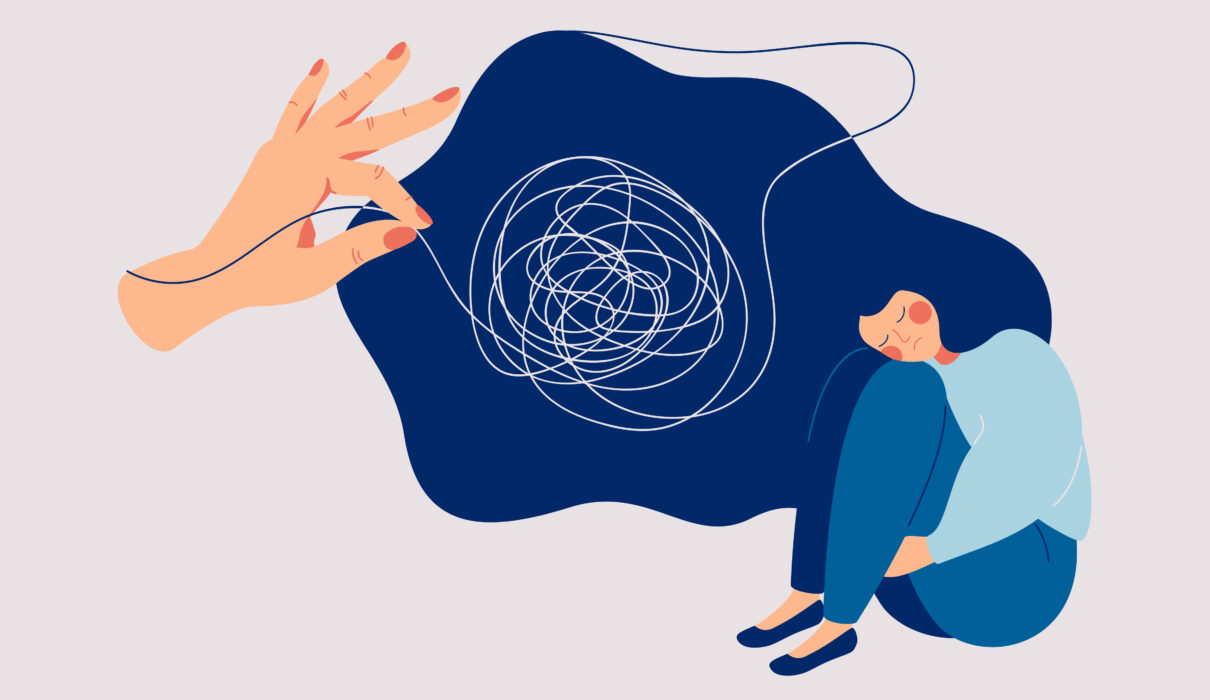
Do you have any idea what feelings actually are? There are people who know it, there might be people who don’t know. Feeling are actually your true personality.

Feelings actually represent your true personality. Like for instance we know many people around us cry by Justin emotional scene in the movie, what does it represent? It represents that they are soft hearted people it’s a part of the personality, they are emotional.

And in this world you cannot actually categorise feelings because in human there are so many types of feeling that we can’t even express many of them. We have sometimes very weird feelings that we can’t even express them. Just think it yourself you might be having such feelings at some point in your life.

A feeling of joy, a feeling of happiness, a feeling of sadness, a feeling of embarrassment etc. The list goes on and on and on. Here we meet categorised feeling in some of the specified sections, but the reality is that they are really very vast.

Sometime we have combinations of feelings together that we can’t give it a new name. And in reality your personality e is Defined by how you feel about each and everything around you. Feelings are a part of your thoughts. How we think of each and everything, ultimately develop feelings in everybody. That’s why everybody have different feelings in a same situation.

Sports

Sports happy way to stay fit. Sports has now change the way we live. Sports help us to stay fit while you are having fun. Playing sports also improve your personality and give few more skills.

Sports teaches us the sportsman spirit. It helps us to build a teen spirit among us. It’s such childhood pleasure. It’s time when we forgot our all worries and just focus on a happiness and on the sport.

It helps us to increase our concentration power as well. It helps us to stay fit, and from the word that I mean both mental as well as physical fitness. Value place port you doesn’t need to go to gym and all the stuff wish you don’t like to do.

It’s just not academic that is important being is sports is equally important. Being in sport doesn’t mean that you have to be a professional or a very good clay for it you can just played for your happiness your leisure time, just for fun.

It bills a healthy competition environment. It helps us to stay away from mental diseases like depression, anxiety, stress, etc. It teaches us some really important lessons in a life like how to be optimistic, there is always another way for any problem, there is always something good at the end, if you lose by one score that doesn’t mean you are not good it’s just the luck and you have to try for the next time.

Mother Nature

Mother nature the word we often come across but we don’t give much importance. In this context nature has been given in the respect of a mother. But as we all know that a mother’s presence is so much in a life that at a point we start to ignore her little little things done for us. Similarly we have forgotten the importance of mother nature too.

Just think if we don’t have this nature what would happen of us. None of us would have been alive. We should not be so thankless towards nature who has always helped us in all aspects.

Instead of respecting nature as mother we have started exploiting it. We are taking the resources from nature but we are not giving anything bad to her free just want to full feel handbag letting hands empty.

This change we cannot bring all alone we need the support of all us, but everything starts with a single step if even one starts to respect or do something towards nature everyone else would join. The need of today’s just that one step.

Just take care for nature as if you are caring your own mother then you will start experiencing an aura of happiness. Nature is our everything and we are because of nature so please protect mother nature and mother earth.

Malnutrition a growing problem

Malnutrition is one of the most dangerous growing problem in this modern world. Now when we are talking about malnutrition many people have misconception about what malnutrition actually means.

According to WHO Malnutrition, in all its forms, includes undernutrition (wasting, stunting, underweight), inadequate vitamins or minerals, overweight, obesity, and resulting diet-related noncommunicable diseases.

So in simple sense there are two types of malnutrition when is under-nourished and the other is over-nourished. Today actually there are more obese adults than undernourished one.ie., about 1.9 billion are obese and 462 million are under-nourished. And there are 45% of the death caused children under 5 years of age is due to malnutrition.

So we can actually see that how this situation has been worse for the children and for the adults and even for the senior citizens too. We need to focus on how to atleast give them two times meal a day which, actually will help them to survive at least.

Government should come up with policies and programs which could help them. And from our side we can give whatever surplus is with us or we can work with NGOs to provide these people at least one time of meal if we can.

This article is mainly written to to highlight this problem which is actually now been overshadowed due to the covid-19 situation. But we have to consider the fact that covid has make their condition more worse. From belonging to at least a middle class family we should do something from a site to help the needy. And the people those who are suffering from obesity should try

Music a Therapy

Music a word which we all love to listen and we always love to listen music as well. Music relaxes our mind. Music listening to music makes us happy. Today everybody whenever they get little bit of their time they listen to music.

It has become an integral part of our life, we can’t even think of a life without music. We have music for every situation. It is scientifically proven that music has many good effects on our health. It helps us to relax from a busy life, it helps to change your mind when we are not feeling good, it booster moral to do something I.e., motivates us, it helps us to work out by giving us inspiration to do it, it helps to forget our tension etc.

Music has actually become a therapy today. Everyone have airpods, earphones, headphones which they use while working out to listen to music to have an inspiration to do it more fast or properly. We hear music in functions which makes us feel very happy with actually enhance is the party or function.

When we hear energetic music automatically feel like dancing which helps is to feel happy. And in Indian weddings we can’t even think of weddings without music and Nagin Dance too.

Whatever be your mode music is always there to motivate you to do better I just to make you happy and enjoy. It actually and has a thinking ability. So there are so many positive effects of listening music so, you do listen to music but, do take care of your ears too, don’t listen it in very high volume. And listen to positive music.

Yoga an Ancient way of Modern Living

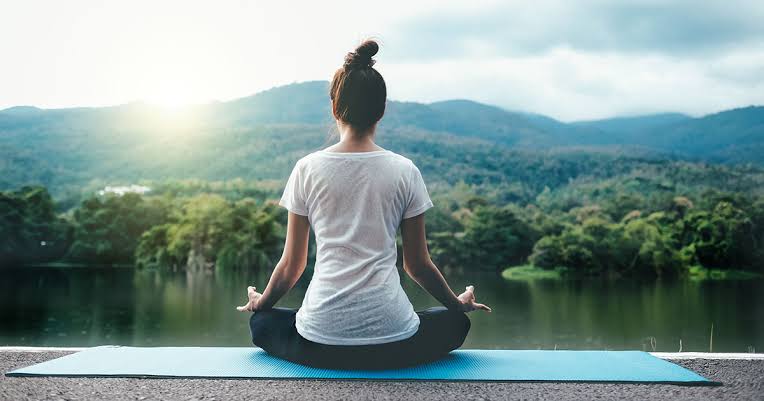
Yoga an ancient Indian practice of balancing your body and mind. This is the actual modern way of living as in the stressful life we have forgot in the mean essence of life. Yoga helps us to be fit mentally as well as physically.

Now the whole world has realised the power of yoga. Even the UN has announced 21st june as the international yoga day. Now the whole world is doing yoga and are actually paralyzing the benefits of it.

It is scientifically proven that doing yoga helps you to calm your blood pressure, anxiety, stress and is capable of curing any diseases if done in right manner. It makes your body more flexible and yoga is actually a way of living.

It is really proud moment for India as an Indian ancient practice is now valued in the whole world and is given the Prestige which it deserves. One of the best thing of doing yoga is that it doesn’t have any side effect. Anyone can do it it doesn’t need any prior fitness or anything you can start with simple yoga.

Just if you introduce your car in your daily routine even for 15 minutes it will really give good benefits to your health which you will realise. Yoga has actually become a modern science. So if you are doing yoga please do it on a regular basis and if you are not doing your please start doing it as it has really very good effects on your mental as well as Physical health.

Pets A True Friend

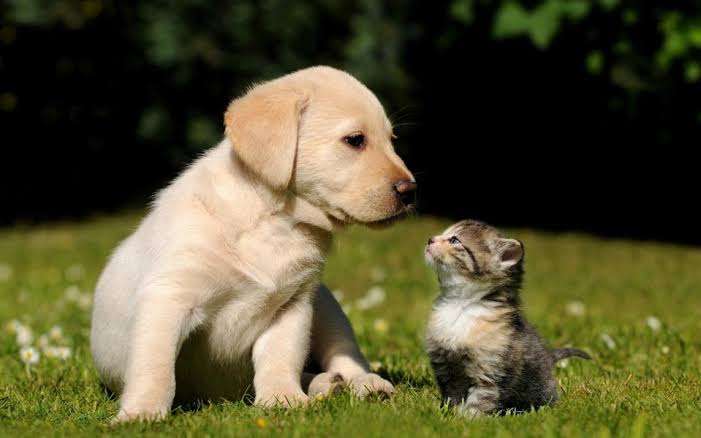
Having a pet at home, may be a dog, cat or any other animal makes you feel like a family and a companion. For a pet owners become their whole world. They are always loyal towards their owner, they are actually like parent to them.

There are many scientific proven positive effects on mental and social well being while having a pet at your home. They never let you feel alone, they are always around you. They sense your feelings and try to make you happy always. They can’t speak in our language but, they can understand and we can understand them too, there is actually an internal connection with them.

Having a pet miss you more social as you always have to take them for a walk that also help in having a physical exercise for us too. The help us connect to the people. Once you have a pet you actually have a family member with you which never lets you be lonely.

l just want to say that please care for your pets, don’t ever leave them as where whole world is you can’t live without you. Teacher responsibility of paint only when you can take care of them till the last breath don’t leave them alone in the middle of an ocean.

Be a good pet owner. Be like their parent and care for them as your child, play with them as friend and treat them as your family.

Plastic A Modern Devil

Plastic the most dangerous and harmful enemy of our environment. It is killing mother nature and our health too. We take plastic bags from shop and don’t realise that we are actually taking home a devil who will cause harm to not only nature but to us too.

A normal plastic takes about 1000 years to decompose. Just think about it that a single piece of plastic take such long years to decompose, the level of plastic which we are using today will take how many years to decompose. It is choking our water organisms life. It is also choking are animals who eat food from the garbage like the cow, dogs, cats etc.

The youth are taking responsibility reduce the use of the plastic and organising campaigns and webinars to create awareness among people to not use plastic or use decomposable plastic. The big companies are taking responsibilities to to recycle plastic and many new forms has also set up for this purpose.

Even the government have started realising the need to protect our environment and nature. International organisations like UN has also so so called for an international cooperation in this matter.

There are many innovative way in which the plastic are being reused like in making bricks, floor, dolls, chair, etc. Forest sustainable future we have to look into this matter with utmost seriousness. This earth belongs to everyone and we have no right to miss you or destroy any element on this earth.

ALCOHOLISM IN INDIA

One of the most important products of global addiction demand is an alcoholic beverage. In developing countries like India, alcohol consumption tends to be a major problem because of the various socio-cultural practices across the nation, different alcohol policies and practices across the various states, lack of awareness of alcohol-related problems among the community, false mass media propaganda about alcohol use, various alcohol drinking patterns among the alcohol consumers and the emergence of social drinking as a habit because of the widespread urbanisation across the country. 

Social consequences of alcohol use

Alcohol consumption not only affects the individuals but also his family members get affected in one way or the other. The person in an intoxicated state may indulge in domestic violence with his family members; may exhaust the savings of the family, which can negatively affect the education of his children, and the children of alcoholic fathers will have strained relationship with their family members, which can affect their psychological wellbeing.

Road traffic accidents

One of the major problem of alcohol consumption are road traffic accidents which occur due to driving vehicles under the influence of alcoholic beverages. Both developing and developed countries report high rates of road traffic accidents because of alcohol consumption.

Primary care intervention for alcohol-related problems

In developing countries like India, primary care physicians are the first contact of patients with the healthcare system. primary care management of alcohol-related problems include three core steps, namely, counselling the patient on the ill-effects of alcohol and, if necessary, prescribing medications like disulfiram and connecting with the patients by organizing treatment programs and forming support groups. If necessary, they have to refer the patient to higher centres for further care and management.

BUT WHAT ABOUT PEOPLE WHO CAN’T AFFORD THESE TREATMENT AND SUFFERES FROM ITS CONSEQUENCES

In many countries AA Meetings are held for being a support emotionally and spiritually to an alcoholic person with no financial support and most of all countries it being held have not only they have accepted this but hole heartedly supported it some for their family members or some for their friends suffering from alcoholism.

What is AA?

Alcoholics Anonymous is a fellowship of men and women who share their experience, strength and hope with each other that they may solve their common problem and help others to recover from alcoholism.

The only requirement for membership is a desire to stop drinking. There are no dues or fees for AA membership; we are self-supporting through our own contributions. AA is not allied with any sect, denomination, politics, organization or institution; does not wish to engage in any controversy; neither endorses nor opposes any causes. Our primary purpose is to stay sober and help other alcoholics to achieve sobriety.

AA is nonprofessional – it doesn’t have clinics, doctors, counsellors or psychologists. All members are themselves recovering from alcoholism. There is no central authority controlling how AA groups operate. It is up to the members of each group to decide what they do. However, the AA program of recovery has proved to be so successful that almost every group follows it in very similar ways.

WHAT DOES A.A. DO?

  1. A.A. members share their experience with anyone seeking help with a drinking problem; they give person-to-person service or “sponsorship” to the alcoholic coming to A.A. from any source.
  2. The A.A. programme, set forth in our Twelve Steps, offers the alcoholic a way to develop a satisfying life without alcohol.

HISTORY OF AA IN INDIA

Here is an account of how AA came to India and it’s growth in the subsequent years. Though there are no accurate records from the early days, what is definitely clear is that Harold M., a school teacher by profession, was the first person in India, to stop drinking and gain lasting sobriety through the spiritual principles of Alcoholics Anonymous. He stopped drinking on 5th May 1957, and hence that date is nationally acknowledged as the “Founders Day” in India.

On 5th May 2021, AA completed 64 years of its service in India. Looking back, the results are heart-warming. The wide support and awareness generated by the groups in India and its members inspires immense hope for the future.

AWARENESS OF AA

In India, AA meeting is a program which mostly seen by people through foreign movies and shows not through advertisement or medical portals as its necessity seems nonsensical by people especially in India because of their traditional values about alcohol where some drinks it as a medicine and some as men for showing their authority and masculinity over others, stupid norms like that make bad habit like drinking into ADDICTION.

Positive effects of Covid Lockdown

Covid 19 a name which has changed the life of every individual in this world. It has changed the way we live, the way we work the way we think.When we hear covid-19 we get anxious, sad and always look at the negative side of it. Which is right because we have lost so many lives, jobs, increase in the number of of depression cases, which has ultimately made everyone’s life a Topsy-turvy.

But as we know there is always two sides of a coin, so there is always two sides of any situation too. We have already looked at the negative side and we know about it but now let’s look at the positive sides too.

Reduction in air pollution : there was reduced in air pollution which improve the air quality of whole world, as all of the big factories where close up and there was no emission of carbon dioxide, Sulphur and other toxic gases in the atmosphere.

Clearance of water body : the water bodies have cleaned themselves during this time as the industries and factories when not releasing any toxic chemicals and materials in the water bodies which even increased the number of water organism.

Reduction in use of energy : again due to the close down of all the factories and industries the energy consumed earlier was reduced and which lead to saving a lot of energy.

Improve in health facilities : as this covid-19 broke out we actually realised that we need a better health facilities and to provide these facilities many new firms were established to provide this medical and health facilities leading to its improvement. India was one of the largest producer of mass and PPE kits.

Technological advancement : when the spender make broke out everything has switched to online platforms which lead to to its improvement. As we know necessity is the mother of invention and in these time when we were not able to meet each other physically technology help us a lot to overcome this hindrance

Removal of place hindrance : we were able to take online classes, meetings, webinars and other events online which actually remove the hindrance of place as we can attend it being in any part of this world.

Spend more time with family : we were able to give more time to our family members and loved ones which earlier was not possible due to a busy work schedule.

Getting a break from busy life : this actually gave us a break from our busy life and think about ourselves and enjoy quality time with her family which actually make us very happy.

Chances for learning new skills : this also provided as to improve our skills through online courses which was earlier difficult for us to focus upon because of our busy life.

Just look at the positive sides of it. There are many more which I may not be able to cover right now, but you know it. So in order to get inspiration in the difficult time we should look at the positive points of it. Because this is what life is about facing difficulties with a smile on your face and a positive attitude in your mind.

Global Warming a Global Threat

“Global warming, a global threat”. We have heard a lot about global warming in the news debates general discussion and international discussions too. But are we really serious about it, we just hear it and leave it we never try to understand the seriousness of it. It has just turn to be a debate topic for us.

The temperature of the Earth is increasing drastically, even in Antarctica whoes normal temperature remain +10°C in summer experience 18.3 degree Celsius record temperature which is an alarm in one. Even Canada is facing about 50 degree celsius temperature which is the record highest in the history of Canada.

Cause of global warming is the CFC gases which are released by the AC, refrigerators and cars that we use. The clearing of forests that leads to deforestation is another cause of global warming as carbon dioxide is not been able to use by the trees. Global warming leads to melting of glaciers which ultimately leads to increase in sea level which is the main cause of tsunamis and other problems.

We always hear that action speaks Louder Than words and this is the real problem to take action upon. There are many steps taken internationally for this cause but we should contribute from our side too.

We can contribute by planting a tree or any small plant or by reducing the use of ACs, refrigerators and cars. Just think about it it might be a very small step from your side but will cause a great difference to this earth. Just bring the first step forward and other get inspired by you and will ultimately E result in reduction of the Global temperature.

Water A Priceless Resource

Water an absolute necessity of life. How weird, a thing which doesn’t have taste, colour or smell plays the most important part in our life. It is our daily basic necessity, it is so basic that even we have started ignoring it’s presence. The importance of anything is only realise when we are deprived of that.

We have started misusing this resource. We waste a lot of water while brushing, bathing and even pollute water bodies by contaminating it with harmful Chemicals and industrial waste which, leads to death of water organism. We have forgot that what is not our property it belongs to everyone who is present on earth.

The value of water is realised by those who are deprived of it. Almost 90% of the world’s population to not have access to clean drinking water they are forced to drink muddy and dirty water. Those people use every drop of water very cautiously. We should at least think of them if we save even a single drop of water if we can, this will contribute to a great cause.

We should take a youth from today itself that we should not waste a single drop of water. Saving water means saving life, there are many people who died because of drought and many other reason like drinking contaminated water. Do think about them and please save water if you can. Be a responsible citizen and it is our responsibility.

WHY MENSTRUATION A TABOO IN INDIA?

Menstruation is a phenomenon unique to girls. Menstruation is the natural part of the reproductive cycle in which blood from the uterus exits through the vagina. It is a natural process that first occurs in girls usually between the age of 11 and 14 years and is one of the indicators of the onset of puberty among them.

Taboos surrounding menstruation exclude women and girls from many aspects of social and cultural life. Some of these are helpful, but others have potentially harmful implications.

In India especially, I found it extremely ironic for it to be still a taboo in this time and era, even before I don’t understand why it was called a taboo and the reason for that I guess was, India where a girl child recognised as boon ( as GODDESS LAKSHMI when born) and giving birth is also considered boon given only to women despite that this unique process that make it possible for a women to have a child is considered a TABOO. Even with many scientific clarification of the process of this unique phenomenon, even though being this 21st century there still continuous myth regarding this adapted within the society.

SOME OF THEM ARE:

  • Women who menstruate have long been taught to keep silent about their periods. Young girls are taught from a young age that they have to manage it privately and discreetly.
  •  In Indian households including the literate ones, women are constantly reminded of the old-age traditions where “you are not allowed to touch anything holy, visit temples, cook or touch pickle.”
  • The taboo is so ingrained that women often have the “walk of shame” while carrying their sanitary pads wrapped in black plastic bags in their hands. 
  • Strangely enough, in some cultures, celebrations are held on the commencement of menstruation. And in the same cultures, the already menstruating women are looked down upon as impure and filthy.
  • It is not uncommon for boys to giggle and laugh during biology class when the topic of menstruation comes up.
  • BUT NOT IN EVERY CULTURE IT OCCURS- In Kashmiri Hindu culture, menstruating women are given special care considering the belief that they become weak due to blood loss. They do not consider them to be impure and rules like, a woman on her period can’t visit temples or can’t work don’t apply.

#BREAKTHEBLOODYTABOO

It’s high time that we normalize menstruation as just a healthy and positive part of the female life cycle. Menstrual periods are nothing to be ashamed of. Just like digestion, blood circulation and respiration are considered as natural and biological processes, both men and women should work towards making menstruation an important topic to talk about openly. This is the only way to combat its silence and break the stigma.

some changes I notice toward breaking this taboo for women in this society

  • The greatest changed I noticed was for the changed working environment toward women as the sanitary environment facilities given to them as employment care like washroom provided with sanitary pads and tampons etc.
  • knowledge about the first period to young girls now given at their school is compulsory not only to girls but to boys too given knowledge for it be known as normal topic and not as a taboo topic.
  • Advertisement about sanitary pads and tampons starts to make this topic to talk openly about.
  • Men buying the sanitary pads and tampons make it comfortable for women during their periods so that they can express their thoughts, sorrows, angers, happiness with them.

What it means when you find yourself detaching from society?

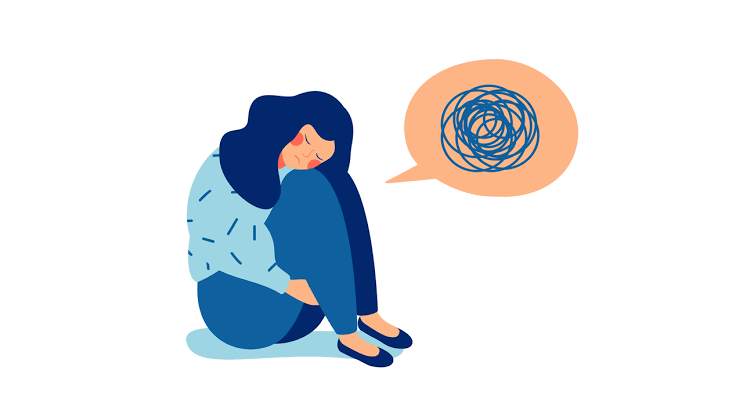
Do you constantly find yourself cutting off from people without any reason? The feeling that you don’t belong? A major reason for such thoughts is that you find it difficult to blend in with your friends and family. While such mindset is not something permanent, it can develop from a constant state of neglect and lack of affection.

It is not necessary that such state of mind arises in only those who are generally closed off by nature. There is a larger percentage of so-called ‘extroverts’ who also suffer with the same complexion.

While this situation generally arises from a change in friend circle, or after losing a loved one, breakup, or a change in surroundings. Some other reasons like depression, heavy medicines, illness or other social factors can also be an imminent variable.

Some people can also call it a ‘Retreat’, a means to detach from society in order to better focus on their upcoming projects, a major people comprising this class will consist of authors, artists, and such other people in need of peace and tranquility.

The case is not always same for teenagers and young adults. Retreating from society in an abrupt manner is major teller of mental illness, depression, as it is generally termed. While it is not uncurable, a major support is required from family and loved ones in most cases. Emotional support goes a long way in providing support and a feeling of togetherness.


This does not mean that a person who appears to be detached from the general colorful society is weak. That would be a gross understatement. Such people are generally in need of a closure with whatever is it that they have suffering with. No other person can help solve this condition other than the person who suffers from it. All others can-do is provide an understanding gesture and emotional support.

The best ways to deal with such a swing of emotion could be to try to talk to someone and share your thoughts. Other than that, going out for a walk or eating your favorite dish will help make you feel better! The one thing that is imperative through the whole process is that you will emerge Stronger. A better version of your own self. With a better view of your dreams and desires. The only quality required is to have faith and be kind to yourself.

Think of your future self 5 or 10 years from now and how thankful they would be to you that in spite of all the hardships thrown your way, you held on, that is all that is required.

Just hold on!

Written by: Ananya Kaushal

Global Citizen Live 2021

Global Citizen Live is a charity concert organized by the Global Citizen Organization founded in 2008. It hosts an annual music festival, one of the main objectives of the event is to raise awareness of global poverty and climate change.

Broadcasting from sites on six continents, including New York’s Central Park and in front of the Eiffel Tower in Paris, Global Citizen also secured pledges from France for 60 million COVID-19 vaccine doses for developing countries and corporate pledges for planting 157 million trees around the world.

This year’s festival held across six continents, was the largest, part of global citizen’s 2021 Recovery Plan For The World Program. Added to the festival mission was an aim to help bring an end to the COVID-19 pandemic. The main focus was on equity.


Artists and politicians alike from around the world had converged for the cause of the festival. International artists like Shawn and Camilla Mendes, Ed Sheeran, Doja Cat, Billie Eilish, BTS, Metallika, Coldplay, Lizzo, One Republic, Jennifer Lopez, Paul Simon, Demi Lovato, H.E.R., among many others.

Personalities from India included Priyanka Chopra as the host. Others like Amitabh Bacchan, Anil Kapoor, Amit Trivedi, Farhan Akhtar, Badshah, Tanishk Bagchi, Ayushmann Khuranna, Dia Mirza, Hritik Roshan, Sonakshi Sinha also played their considerable part in the event.

Vaccine pledges, which also came from the governments of Croatia and Ireland, followed numerous pleas, including from Prince Harry and Meghan, the Duke and Duchess of Sussex, onstage at Central Park on Saturday afternoon.

“This year, the world is expected to produce enough doses to meet the target of vaccinating 70per cent of people in every single country,” Meghan, the Duchess of Sussex, said to cheers from the Central Park crowd. “But it is wrong that so much of the vaccine supply has only gone to just 10 wealthy nations so far, and not everyone else.”

Written by : Ananya Kaushal

Stem cell therapy – the future of modern medicine.

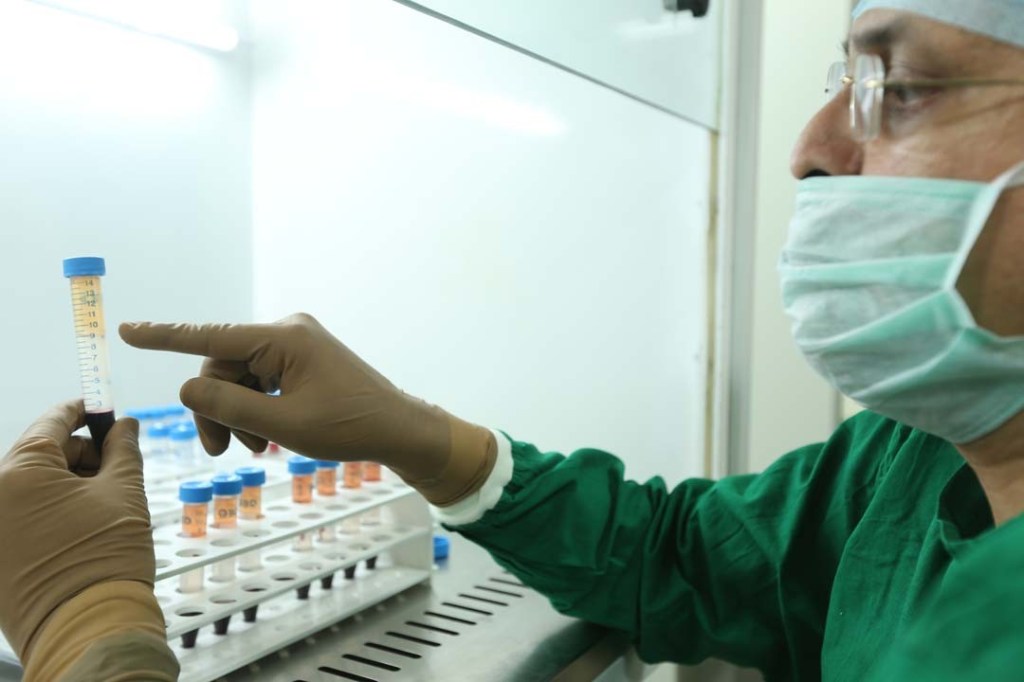
Our bodies contain many specialized cells that carry out specific functions. These specialized cells are called differentiated cells. Stem cells are cells with the potential to develop into many different types of cells in the body. They act as a repair system for the body. They are unspecialized cells, so they cannot do specific functions in the body. It can create the potential for the cells to be used to grow replacement tissues. American development biologist James Thomson (1958), from the University of Wisconsin School of medicine, won the race to isolate and human embryonic stem cells. On November 6 1998, the ‘journal science’ published the results of Thompson’s research. It described how he used embryos from fro fertility clinics which were donated by couples who no longer needed them, and developed ways to extract stem cells and keep them reproducing indefinitely.

With the ability to develop into any one of the 220 cell types in the body, stem cells hold great promise for treating a host of debilitating illness, including diabetes, leukemia, Parkinson’s disease, heart disease, and spinal cord injury. They also provide scientists with models of human disease and a new ways of testing drugs more effectively in living organisms. But for all the hopes invested, progress has been slow. It has helped that stem cell research has been steeped in controversy, with different groups questing the ethics of harvesting stem cells from human embryos.

Stem cell therapy – Delhi, India

In 2007 Thomson and Shinya Yamanaka, from Kyoto university, Japan, both independently found a way to turn ordinary human skin cells into stem cells. Both groups used four genes to reprogram human skin cells. Their work is being heralded as an opportunity to overcome problems including the shortage of human embryonic stem cells and restrictions on U.S. federal funding for research.

How stem cell therapy works?

Researches grow stem cells in lab. These developed stem cells are manipulated to specialize into specific types of cells, such as heart muscle cells, blood cells or nerve cells. These manipulated specialized cells can be implanted into the heart muscle. The healthy implanted heart muscle could then contribute to repairing defective heart muscle. The first stem cell therapy was a bone marrow transplant performed by French oncologist Georges Mathew in 1958 on five workers at the Vinca nuclear institute in Yugoslavia who had been affected by a criticality accident.

Stem cell therapies have become very popular in recent years, as people are seeking the latest alternative treatments for their many conditions. Stem cell therapies are very expensive to pursue. Even simple joint injections can cost $1,000 and more advancement treatments can rise in cost up to $100,000 depending on the condition. Patients must do their research and ask as many questions as they can before financially committing to treatment. Since it is a life changing treatment, it will effectively cost high.

Future stem cell treatments

 The stem cell treatment can helps us curing various diseases in the future. But it is important not to overhype the potential of stem cells and to accurately communicate findings to the public. We must not allow the misleading of some people says that we can cure the untreatable diseases with stem cell treatments. However with more research and investment, I believe that stem cell therapy could transform disease outcomes of many patients.

“The regenerative medicine revolution is upon us. Like iron and steel to the industrial revolution, like the microchip to the tech revolution, stem cells will be the driving force of this next revolution.”   -Cade Hildreth

Discovery and working of an MRI

      The MRI (Magnetic resonance imaging) scan is a medical imaging procedure that uses a magnetic field and radio waves to take pictures of our body’s interior. It is mainly used to investigate or diagnose the conditions that affect soft tissue such as tumors or brain disorders. The MRI scanner is a complicated piece of equipment that is expensive to use and found only in specialized centers. Although Raymond Vahan Damadian (1936) is credited with the idea of turning nuclear magnetic resonance to look inside the human body, it was Paul Lauterbur (1929-2007) and Peter Mansfield (1933) who carried out the work most strongly linked to Magnetic resonance imaging (MRI) technology. The technique makes use of hydrogen atoms resonating when bombarded with magnetic energy. MRI provides three dimensional images without harmful radiation and offers more detail than older techniques.

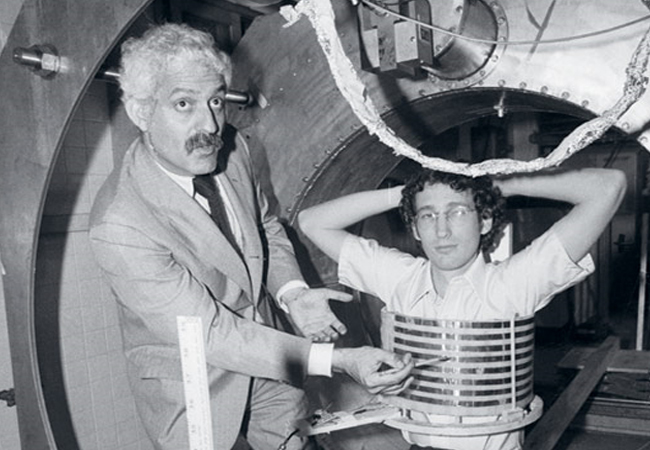
       While training as a doctor in New York, Damadian started investigating living cells with a nuclear magnetic resonance machine. In 1971 he found that the signals carried on for longer with cells from tumors than from healthy ones. But the methods used at this time were neither effective nor practical although Damadian received a patent for such a machine to be used by doctors to pick up cancer cells in 1974.

The first full body MRI scanner at the University of Aberdeen in Scotland (1970)

       The real shift came when Lauterbur, a U.S, chemist, introduced gradients to the magnetic field so that the origin of radio waves from the nuclei of the scanned object could be worked out. Through this he created the first MRI images in two and here dimensions. Mansfield, a physicist from England, came up with a mathematical technique that would speed up scanning and make clearer images. Damadian went on to build the full body MRI machine in 1977 and he produced the first full MRI scan of the heart, lungs, and chest wall of his skinny graduate student, Larry Minkoff – although in a very different way to modern imaging.

Working of an MRI machine

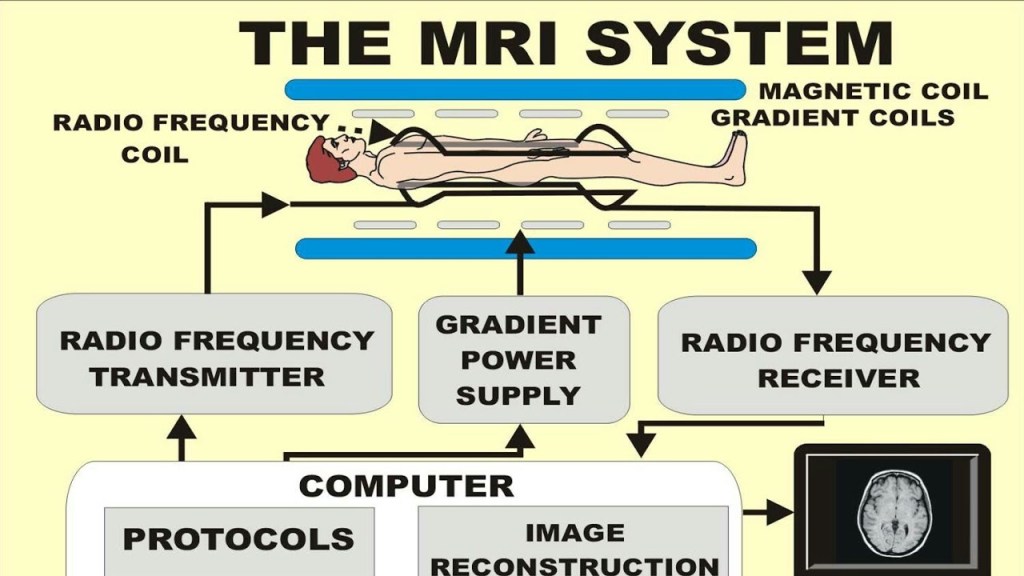
        The key components of an MRI machine are magnet, radio waves, gradient, and a super advanced computer. We all know that human bodies are made up of 60% water, and water is magnetic. Each of the billons of water molecules inside us consists of an oxygen atom bonded to two hydrogen atoms that are called as H2O. Small parts of the hydrogen atoms act as tiny magnets and are very sensitive to magnetic fields. The first step in taking an MRI scan is to use a big magnet to produce a unified magnetic field around the patient. The gradient adjusts the magnetic field into smaller sections of different magnetic strengths to isolate our body parts. Take brain as an example, normally the water molecules inside us are arranged randomly. But when we lie inside the magnetic field, most of our water molecules move at the same rhythm or frequency as the magnetic field. The ones that don’t move along the magnetic field are called low energy water molecules. To create an image of a body part, the machine focuses on the low energy molecules. The radio waves move at the same rhythm or frequency as the magnetic fields in an MRI machine.

       By sending radio waves that match or resonate with the magnetic field, the low energy water molecules absorb the energy they need to move alongside the magnetic field. When the machine stops emitting radio waves, the water molecules that had just moved along the magnetic field release the energy they had absorbed and go back to their position. This movement is detected by the MRI machine and the signal is sent to a powerful computer which uses imaging software to translate the information into an image of the body. By taking images of the body in each section of the magnetic field the machine produces a final three dimensional image of the organ which doctors can analyze to make a diagnosis.

“Medicine is a science of uncertainty and an art of probability”. –William Osler

Should more money be spent on space exploration?

Poverty still rising all over the world, COVID-19 pandemic made it even worse. About 1.89 billion people, or nearly 36% of the world’s population, lived in extreme poverty. Nearly half the population in developing countries lived on less than $1.25 a day. Why should we spend money on space exploration when we already have so many problems here on Earth? Is it really that important? It’s like What if our ancestors thought that it would be a waste of time to figure out agriculture while we can do hunting? Or why should we spend so much time on exploring new lands while we have so many problems in our land? Each year, space exploration contributes to a lot of innovations on earth. It gave answers to many fundamental questions about our existence, and a lot of questions there to be answered if only we could increase our investment on space exploration. NASA’s annual budget is 23 billion dollars but, its only 0.1% of the total revenue. even if we were to increase the international budget 20 times it would only be a small fraction of GDP. isn’t our future worth a quarter of a percent?

“That’s one small step for man, one giant leap for mankind”.

Benefits of space exploration:

    Improves our day to day life

       Since 1969, Neil Armstrong became the first human to ever set foot on moon, our interest in science and technology has improved a lot. In 22nd February 1978, US space agency launched the first satellite for its program of global positioning system (GPS). Currently there are 31 global positioning system (GPS) satellites orbiting the earth.Space exploration helped us to create many inventions like television, camera phones, internet, laptops, LED’s, wireless gadgets, purifying system of water and many more that we are using in our day to day life. There are nearly 3,372 active satellites providing information on navigation, business & finance, weather, climate and environmental monitoring, communication and safety.

   Improving health care

       The international space station plays a vital role in health and medical advancements. The Astronauts who works on the ISS able to do experiments that aren’t possible on earth due to the difference in the gravity. The project of Exomedicine – the study of medicine and micro-gravity, gravity has an effect on a molecular level so working in an environment where it can be eliminated from the equation allows discoveries that would otherwise be impossible. Medical advancements due to space exploration include,

  • Diagnosis, treatment, and prevention of cardiovascular diseases
  • Treatment of chronic metabolic disorders
  • Better understanding of osteoporosis
  • Improvements in Breast cancer detection
  • Programmable pacemakers
  • Laser angioplasty
  • NASA’s device with Space technology for Asthma
  • ISS plays vital role in vaccine development
  • Early detection of immune changes prevents shingles
  • Development of MRI s and CT or CAT Scans
  • And invention of ear thermometers
Proxima Centauri b is an exoplanet orbiting the red dwarf star Proxima Centauri

Need for space colonization

       Overpopulation is one of the major crises in our planet. Currently we have 7.8 billion people alive on earth. Experts predict that there will be 9.7 billion people by 2050 and 11 billion by 2100, our earth can carry only 9 billion to 12 billion people with the limited food and freshwater resources. That means we have to find an exoplanet with suitable conditions soon. We already went to moon 6 times, we already sent a rover to Mars. Robotic missions are cost efficient, but if one is considering the future of human race we have to go there ourselves. Elon Musk announced that SpaceX is going to send people to Mars I 2022. NASA planned to make a colony on Mars by 2030. These missions are not something we need at this moment. But it may play an important role on our future. Proxima Centauri b is an exoplanet which is 4.24 light years away from us. With our current technology, it is impossible to reach it in our lifetime. But we should make it as an aim for interstellar travel over the next 200 to 500 years. Stephen hawking said that the human race has existed as a separate species for about 2 million years. Civilization began about 10,000 years ago, and the rate of development has been steadily increasing. If the human race is to continue for another million years, we will have to boldly go where no one has gone before.

The day we stop exploring is the day we commit ourselves to live in a stagnant world, devoid of curiosity, empty of dreams. –Neil deGrasse Tyson

Technology – Friend or Foe

In today’s world we can’t even imagine life without Technology. And since the pandemic broke out the technology has became an absolute necessity. In the current time, everything we do is mostly online whether it is classes, meetings, webinar etc. And this might be the way our future will be working.

Technology as friend

  • No place limitation : Technology has remove the hindrance of place as you can have your meetings classes webinars competition online from all over the world at any place in the any corner of the world
  • Connecting to a wider range of people: with the help of social media you can connect to wider range of people, know more about the culture tradition or you can connect with the people who like you, might be friends with you from any part of this world.
  • Learn courses online : it provides with the opportunity to learn online on your pace and time when ever you want.
  • Online payment : now no longer we have to keep a wallet with ourselves, we just need our smartphone and there is no fear of theft as everything is locked with secure password.
  • Online shopping : no need to roam shop to shop to get your favourite outfit or anything and at your price, home delivery with just one click.

Technology as foe

  • Slave of Technology : we are so much dependent on technology that we don’t use it are actually became a slave of it.
  • Loss of memory power : earlier when there were no call logs present, we use to remember the numbers of everyone but now we have started storing everything in our phones, laptop we have started losing the memory power.
  • Causing damage to Eyes : the screen time has increased ever since the pandemic has started everything we attend is online and it is causing damage to our eyes.
  • Online fraud : the cases for online fraud has increased as we don’t know whom to trust and whom to not. We are not meeting anyone personally or know where to report it.
  • Unethical hacking : hacking has increased which cause us loss of money in even leads to stalking.
  • Trolling and bullying online : everyone is on social media when we post anything there are mean comment, trolling, bullying which cause mental pressure.

At the end I want to say that there is a positive and a negative side of everything we should always focus on the positive side and stay happy in our life.

Dance A Stress Buster

Dance wether zumba, hip-hop, Kathak, bhangra, garba, dandiya, shuffle, house, chicago or freestyle is a way to express our thoughts and feelings without the need of words or expression.

It’s an art that let’s your creativity being expressed through the medium of your hands, legs and body. It does not have any specific way to do it, it is unique to everyone’s own creativity. It is just expressing your heart out. It need not be in front of everyone to show-off your skills in dance, it is actually to free yourself and dance the way you want, maybe in a closed room in front of a camera of mirror.

The actually essence of dance is being what you are, doing what you like, just for yourself and nobody else. It is like a stress buster, which helps you to take all your worries, frustration, anger, happiness out and makes you feel a relaxed. And if you dance happily it even have positive effect on your body, helps you to stay fit. It helps to develop your personality.

If you are really want to dance you can join a dance club or group, which helps you to interact with new people, expand you world from just home to school, college or office. You find like minded people it motivates you to be more expressive in your life.

And ultimately I want to say, you want to join a club or not it’s your decision, it actually doesn’t matter, the thing matter is just ‘Dance Your Heart Out’ that’s it, no matter in club, stage or just in a room.

DANCE YOUR HEART OUT

Do we have to sacrifice good economy for healthy environment?

Be the change you wish to see in the world. Take a pledge to protect Mother Earth this World Environment day

Past decade has handed over much benefit to human kind and the one to suffer is environment exposing environmental degradation that costs…….. per year worldwide.

“While the overall policy focus should be on meeting basic needs and expanding opportunities for growth, they should not be on the expense of unsustainable environmental degradation.”-muthukmara mani(senior environmental economist).

Using natural resources as fuel to the economic development many have curbed themselves over the poverty, it providing employability and many new opportunities to individuals. With excess greed and overuse of all these resources there has been excruciating effects on environment overall degrading forests, scarring natural resources these are overall affecting the economy in return.

Tony Abbott said his govt. won't "put the environment ahead of the economy". RT if you think he's got his it wrong.

Poverty remains cause of either of both consequence and cause of environmental degradation. Needless mining and overuse of resources that are on first hand limited to us which is quiet evident over degrading agriculture yields per hectare as livestock is overgrazed grassland and forest deplete for human settlements.

            The question that arises is our economic benefit so crucial that it costs us worsened environmental quality, depleted resources, extinct habitats and other impacts?

Something that emerges out is environmental stability, low emission resource efficient greening of the economy should be possible at costs of terms less to that of GDP of each country, valuing the available natural resources and taking policy decision accordingly.

To avail this issue the natural environmental growth be necessary, affordable, desirable, and measurable.

  • If not now it’s going to be a challenge to turn the pages around to covert the damages done to nature with hefty economical costs in future and also proving deadly not only to the flora-fauna but eventually to humans too, hence it’s necessary to avail it at the very moment.
  • Policies such as environmental taxes can positively help minimize the cost and pressure over governments hence making it affordable to all.
  • With so many diversifies ecologies and habitat all over the globe the policies and laws needs to be designed such that it preserves and nourishes these natural gems.
We think cutting edge technology is essential in delivering environmental and economic gains.

What can be done?

Particulate emission reduction can effectively help decrease GDP modestly even reducing 10%.

Making more tractable efficient commitments and following them religiously, look through the environments vision and then make other end decision regarding the communities, societies, business and governments. Science can be at its most use when it’s accessible to every person who wishes to use it. Every person taking this as a personal responsibility the awareness would make it up to history pages. We need to turn around the current situation and consider it as a need of an hour if we wish out economy our trades our families to thrive in peace without draining our economies.

Bloom’s Taxonomy

A group of cognitive psychologists, curriculum theorists and instructional researchers, and testing and assessment specialists published in 2001 a revision of Bloom’s Taxonomy with the title A Taxonomy for Teaching, Learning, and Assessment. This title draws attention away from the somewhat static notion of “educational objectives” (in Bloom’s original title) and points to a more dynamic conception of classification.

The authors of the revised taxonomy underscore this dynamism, using verbs and gerunds to label their categories and subcategories (rather than the nouns of the original taxonomy). These “action words” describe the cognitive processes by which thinkers encounter and work with knowledge.

A statement of a learning objective contains a verb (an action) and an object (usually a noun).

Using Bloom's taxonomy to help write lesson plans is the best way to start to differentiate your lessons. It can be tricky for new teachers and trainee teachers to plan lessons and differentiate effectively but I found using Bloom's taxonomy is a great help. This infographic shows exactly the differentiation possible.  #teacherofsci  #adviceforteachers #teacheradvice #teachertips #teachingtips #teacher #teachers #teaching #education #writinglessonplans #lessonplan #bloomstaxonomy #blooms
  • The verb generally refers to [actions associated with] the intended cognitive process.
  • The object generally describes the knowledge students are expected to acquire or construct. (Anderson and Krathwohl, 2001, pp. 4–5)

The cognitive process dimension represents a continuum of increasing cognitive complexity—from remember to create. Anderson and Krathwohl identify 19 specific cognitive processes that further clarify the bounds of the six categories. 

The Cognitive Process Dimension – categories, cognitive processes (and alternative names)

..

Remember

recognizing(identifying)

recalling (retrieving)

Understand

interpreting(clarifying, paraphrasing, representing, translating)

exemplifying(illustrating, instantiating)

classifying(categorizing, subsuming)

summarizing(abstracting, generalizing)

inferring (concluding, extrapolating, interpolating, predicting)

comparing(contrasting, mapping, matching)

explaining(constructing models)

Apply

executing (carrying out)

implementing (using)

Analyze

differentiating(discriminating, distinguishing, focusing, selecting)

organizing (finding, coherence, integrating, outlining, parsing, structuring)

attributing(deconstructing)

Evaluate

checking (coordinating, detecting, monitoring, testing)

critiquing (judging)

Create

generating(hypothesizing)

planning (designing)

producing (construct)

The knowledge dimension represents a range from concrete (factual) to abstract (metacognitive) (Table 2). Representation of the knowledge dimension as a number of discrete steps can be a bit misleading. For example, all procedural knowledge may not be more abstract than all conceptual knowledge. And metacognitive knowledge is a special case. In this model, “metacognitive knowledge is knowledge of [one’s own] cognition and about oneself in relation to various subject matters . . . ” (Anderson and Krathwohl)

 The Knowledge Dimension

Factual

  • knowledge of terminology
  • knowledge of specific details and elements

Conceptual

  • knowledge of classifications and categories
  • knowledge of principles and generalizations
  • knowledge of theories, models, and structures

Procedural

  • knowledge of subject-specific skills and algorithms
  • knowledge of subject-specific techniques and methods
  • knowledge of criteria for determining when to use appropriate procedures

Metacognitive

  • strategic knowledge
  • knowledge about cognitive tasks, including appropriate contextual and conditional knowledge
  • self-knowledge

Bloom’s Revised Taxonomy Model

Note: These are learning objectives – not learning activities. It may be useful to think of preceding each objective with something like, “students will be able to…:

The Knowledge Dimension

Factual

The basic elements a student must know to be acquainted with a discipline or solve problems in it.

The Knowledge Dimension

Conceptual

The interrelationships among the basic elements within a larger structure that enable them to function together.

The Knowledge Dimension

Procedural

How to do something, methods of inquiry, and criteria for using skills, algorithms, techniques, and methods.

The Knowledge Dimension

Metacognitive

Knowledge of cognition in general as well as awareness and knowledge of one’s own cognition

The Cognitive Process Dimension

Remember

Retrieve relevant knowledge from long-term memory.

Remember + Factual

List primary and secondary colors.

Remember + Conceptual

Recognize symptoms of exhaustion.

Remember + Procedural

Recall how to perform CPR.

Remember + Metacognitive

Identify strategies for retaining information.

The Cognitive Process Dimension

Understand

Construct meaning from instructional messages, including oral, written and graphic communication.

Understand + Factual

Summarize features of a new product.

Understand + Conceptual

Classify adhesives by toxicity.

Understand + Procedural

Clarify assembly instructions.

Understand + Metacognitive

Predict one’s response to culture shock.

The Cognitive Process Dimension

Apply

Carry out or use a procedure in a given situation.

Apply + Factual

Respond to frequently asked questions.

Apply + Conceptual

Provide advice to novices.

Apply + Procedural

Carry out pH tests of water samples.

Apply + Metacognitive

Use techniques that match one’s strengths.

The Cognitive Process Dimension

Analyze

Carry out or use a procedure in a given situation.

Analyze + Factual

Select the most complete list of activities.

Analyze + Conceptual

Differentiate high and low culture.

Analyze + Procedural

Integrate compliance with regulations.

Analyze + Metacognitive

Deconstruct one’s biases.

The Cognitive Process Dimension

Evaluate

Make judgments based on criteria and standards.

Evaluate + Factual

Select the most complete list of activities.

Evaluate + Conceptual

Determine relevance of results.

Evaluate + Procedural

Judge efficiency of sampling techniques.

Evaluate + Metacognitive

Reflect on one’s progress.

The Cognitive Process Dimension

Create

Put elements together to form a coherent whole; reorganize into a new pattern or structure.

Create + Factual

Generate a log of daily activities.

Create + Conceptual

Assemble a team of experts.

Create + Procedural

Design efficient project workflow.

Create + Metacognitive

Create a learning portfolio.

Power of your Subconscious Mind

The Power Of Your Subconscious Mind is a spiritual self-help book, which teaches you how to use visualization and other suggestion techniques to adapt your unconscious behavior in positive ways.

Understanding your subconscious mind as a photographic mechanism removes the emotion and struggle from changing your life, because if it is simply a matter of replacing existing mental images with new ones, you begin to see the ease with which you may change.

‘The law of your mind is the law of belief itself,’ Murphy says. What we believe makes us who we are. William James observed that whatever people expect to be true, will be so, irrespective of whether the object of their belief exists in fact. In the West we have made ‘the truth’ our highest value; this motivation, while important, is weak next to the actual power of belief in shaping our lives.

1. You Receive Answers To Prayer Because Of Mental Acceptance About What You Pray

Murphy proposes that your religious affiliation is not what makes prayer effective. Rather, it is based on your ability and willingness to accept what you pray.

It makes sense that whatever you can and do accept on a conscious level has to be accepted by your subconscious as well.

Another statement that expands on this idea is this one: “the subconscious mind is subject to the conscious mind.” What Murphy is saying is that you can train your subconscious mind to believe what you can accept on a conscious level.

2. Your Subconscious Mind Has The Answer To All Your Problems

This statement makes perfect sense if you don’t have any problems with the idea that your subconscious mind = God.

Even if not for that, though, it speaks to the power of the subconscious mind. You don’t need to go looking outside for the answers you seek – Murphy is saying – you can look inside, and pose questions to your subconscious.

The answers may not come immediately, but your mind is always working on problems you submit to it even when you’re doing other things, and it will eventually present to you a workable solution.

3. Faith Is The Only Universal Healing Principle Operating Through Everybody

I believe the implication here is that faith is created by accessing and harnessing the power of our subconscious minds. Illness, physical ailments, and even traumatic experiences can be healed by repeatedly submitting thoughts of healing to our subconscious minds.

Can we be healed by any other means? According to Murphy, no. Faith is the universal healing principle. Of course, I don’t think he would discount the importance of medicine and other orthodox cures, but I have to guess that in this case he is referring to instances of healing that have occurred in so-called “healing services”, churches, or religious gatherings.

4. If A Prayer Is Answered, It Is Answered Scientifically

What Murphy is suggesting is that there is a formula to prayers that are answered. He explains that “science” means knowledge that is coordinated, arranged and systematized, so the idea here is that we can cooperate with our subconscious minds to see more of our prayers answered.

If anything, the entire book sheds light on how little attention and thought we give to our subconscious minds, and what fantastic tools they are in helping us achieve ends that we desire to see in our lives.

5. Don’t Compel Your Subconscious Mind To Accept Your Idea By Willpower

Although Murphy does talk about presenting positive thoughts and images to our subconscious minds, he is also quick to caution us that we can’t force things. Our willpower is limited, and it continues to decrease and diminish throughout the day. Can you imagine how tiring it would be to force yourself to think the same things and visualize the same images all day long?

I think the idea is that we can plant seeds and nurture them, but we shouldn’t be constantly uncovering the soil to see how our seeds are doing. We must keep pulling the weeds and watering the seed, and while that may require a daily investment, it shouldn’t take more than a couple of minutes.

6. The World You Live In Is Determined By What Goes In Your Mind

Regardless of whether you subscribe to Murphy’s theology, I think this is something we can all agree on. What goes into your mind is hugely important. If you choose poorly, you’ll assimilate bad attitudes, behaviors, and thoughts. If you choose well, you’ll begin to see positive changes within yourself.

What world do you want to live in? Have you thought about it? If you aren’t sure what you want to achieve in your lifetime, it makes it much harder to select input that will assist you on your journey. If you are fully in alignment with your objectives, choosing the right input becomes much easier.

7. Man Punishes Himself With His False Concepts Of God

We create our own misery. No one else does it for us. I think I know exactly what Murphy was saying here. I can attest to the fact that my false concepts of God led me down a path of misery.

In 2014, I went through a period of depression. Up until that point, I had felt that there was a clear path laid out ahead of me. Suddenly, that path disappeared and I could no longer see what was ahead. I cried out to God, but to no avail. My prayers kept hitting the ceiling. And, in retrospect, I feel it was my false ideas of the divine that were responsible for my bouts of depression.

Mysticism is the belief that something outside you controls your life. Recognizing that you are in control and you can rely upon your subconscious mind for the answers you seek is empowering. Right or wrong is not something you can check against a book. Right or wrong is embedded deep within you already, and to try to fit yourself into someone else’s ideas is to try to put a square peg in a round hole.

  1. Be willing to see the unchangeable change.
  2. Give yourself permission to be successful.
  3. Don’t allow other people’s fears to cast shadows of doubt.
  4. Surround yourself with positive reinforcement.
  5. Speak your success as a present fact, not a future plan.

COPING STRATEGIES ADOPTED DURING LOCKDOWN

GOOD SAY OR BAD ADOPTING COPING STRATEGIES OR HOBBIES ARE THE THING ON WHICH NOBODY HAS A CONTROL OVER DURING THE LOCKDOWN.

The COVID-19 pandemic and ensuing lockdown measures have created unprecedented circumstances that increase stress and anxiety, thus leading individuals experiencing home confinement to adopt various coping strategies that contribute to building resilience. Given the novelty and recency of the COVID-19 lockdown, factors of coping and resilience in this specific context of home confinement remain undefined. Some put this time in effective routine to get good result but there were some who waste their time with some bad coping strategies.

SOME COPING STRATEGIES WERE-

  • COOKING– people have learnt to cook for them-self. People who live alone and deprived from the food delivery option have taken up the ladle, some who have no choice and some who see this as a opportunity to learn or put their confined time to some effective work or activity.
  • DUSTING AND CLEANING- people have to take this activity without any choice as with this lockdown and without any house help their hands were tied or say only their hands were the one left to do the job. Some saw this as an opportunity to cover their missed fitness routine and some did because they didn’t have any choice but to keep their house clean.
  • READING- This is one of the good coping strategies people have taken up in this lockdown. Prior to this covid-19 lockdown, people with their busy and anxious schedule and working hours with no time left to give to literature or reading has taken this opportunity for an mind relaxing time with reading .
  • SCREEN TIME – This is the most adopted and with too much used time, it’s seen as and become a bad coping strategy and habit especially during this lockdown. Most people coped this confined and with too much time on digital screen with movies, shows and net etc, under these most people are kids and students with no school and colleges.
  • YOGA – Yoga during this lockdown has replaced the gym for fitness routine and mental health also. Some has adopted it to replace the gym but some ha adopted it to relax their mind from this anxious and confined situation. And surprisingly during lockdown it has become a big hit among all age of people from kids to adult and old people also.

Stress Busters

Our daily routine can have a toll on our mental health. Work pressures, exam related stress, house responsibilities, overtime with no rest can cause serious health problems and therefore needed to be taken care of. Our human bodies need rest to reset for further work, and when that is ignored we end up getting sick or stressed. As sickness could be treated with medications, we need stress bursting activities too. These activities not only reset our brains for a fresh start but also help us develop the capabilities we never actually cared enough about. These activities help us in getting relaxed after a hectic day or two. There are a number of these activities that can and are helpful in relieving stress.

Hobbies

Every person has at least one or two hobbies that can come as a savior while having a stressful day like, painting, writing, reading, cooking, watching movies, art and craft, singing, dancing etc. With heavy work or studies load people end up paying zero percent attention to their hobbies, but these might help in taking the head out of work for some time and just relaxing while exploring their lost hobbies further. Mostly a person’s hobbies relate to its right part of the brain, which is also responsible for creative development of a being, thus these hobbies can prove to be beneficial in many unexpected ways. Any sort of art form can relieve the stress from a heavy work day.

Music

“My heart, which is so full to overflowing, has often been solaced and refreshed by music when sick and weary.”

― Martin Luther

Music is to have a magic effect on us while trying to survive through a tiring day. The soft and slow music is to act as a meditation, keeping us at peace and relaxing us. The slow paced music helps us clear our mind and ease up while in a stressful situation. The fast paced music is proven to make us happy or excited while in a low mood. Our brain responds to the happy waves generated by music and helps us loosen up better.

Strolls

With most of the work being desk related or requiring hours of sitting in front of the screen, can be hectic and have unhealthy effects on our mental health. Such a situation calls for a stroll or a walk for at least an hour or so to breathe fresh in park and walk to stretch out our muscles. Walking reduces the strain caused by hours of sitting, thus freeing us from part of our undeserved stress.

Conversations

People sometimes forget the power of conversations. Having work related problems? Talk to your work best friend. Having relationship problem? Talk to your best friend. Having life problems? Talk to your mother. The conversations with right person have the healing power to take you away from a rough, awful day. It might seem like a waste of time to a lot of people but in reality, these conversations hold the power cut off the distress and calm us down.

Breaks

Just like we need an interval in between of a movie or a break in the middle of a show, we sometimes need a break from our daily routine. Little tea or coffee breaks while still going strong with work can be a short term solution but breaks such as- visiting parents, going back to hometown, taking on a vacation, meeting friends, celebrating without any particular reason, can all charge us up to the level that of a fighting war and holding up with pressures then a becomes the easiest task in the world.

Covid impact on Children

‘The new normal’ a phrase you have offen listened to, and had became used to nowadays. Everything has changed the way we live, the way we interact, the way we meet, the way we chill. Our whole world has shrinking to just our electronic gadgets and our house. Even though everything is opening slowly but still, it is not the same as it was before covid.

Effect on children

One of the worst effected during this ‘new normal’ times are the children. They are not able to go out and play, not able to interact with their friends and teachers, not able to enjoy outdoor meals.As they used to before covid.

Now, their eyes are getting strained due to online class, they are becoming insocial, have become a night own. They have actually lost their whole routine. They have lost their speaking skills, have became addictive to social media. They have ultimately started losing the main essence of their childhood.

This is a really important issue, it should be treated with at most seriousness, as they number of children facing mental problems has increased drastically since, the out break of the covid.

It is the responsibility of the parents and teachers to observe their child’s behavior, if the are behavior has become rude or they are getting irritated or frustrated on small things or has stopped or reduced their interaction with you. Then it is certainly a matter of concern.

Ultimately this article is not to scare you, but to bring out the genuine problems of the children in this difficult time.

Does sneeze stops your Heart for an instant?

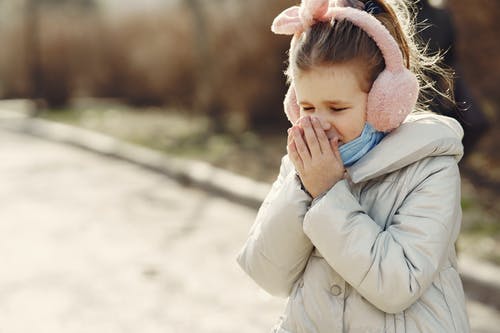
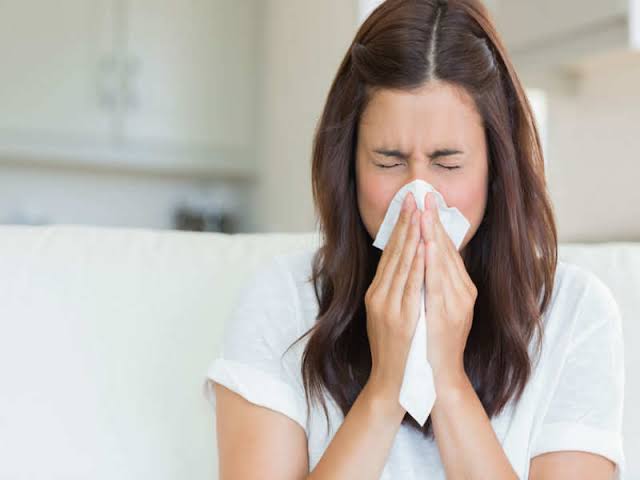
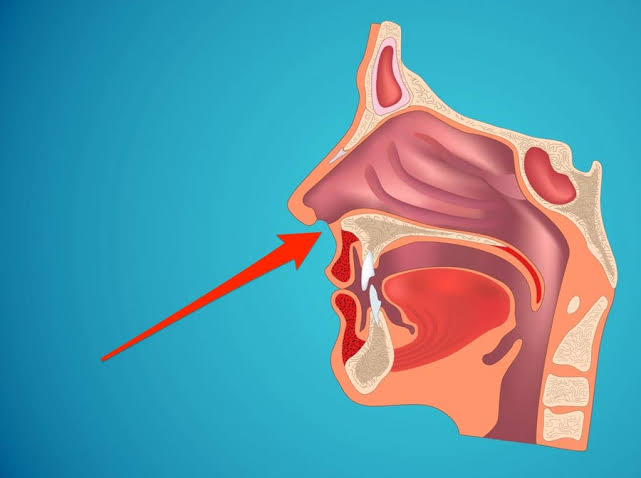
Most of us have experienced it while in our class, meeting or at any other important commitments. Yes, sneezing, especially when we were suffering from some allergies, we can’t control it, but why do we sneeze? What’s the reason behind it? Well a sneeze is officially called as Sternutation. Sneezing is an involuntary activity of our body to clear our nose. Whenever a foreign matter such as dust, dirt, germs or anything that shouldn’t be there enters your nostrils, the nose get irritated and it sends a message to your brain. Then to remove the particle your brain sends a message to all of your muscles for a sudden exhalation process called a sneeze, and it would take only milliseconds for your brain to process this. In 2002, a study at Denmark’s department of Otorhinolaryngology at Rigshospitalet showed that 95% of people sneeze four times or less each day. Worldwide, we could be sneezing upwards of 7.8 billion times a day.

source: pexels.com

Cultural beliefs about sneezing

          Many people think that sneeze is a sign of good luck, while others think it’s a bad sign. People in ancient Greece, 400 BC believed these sneezes are favorable sign from the gods. During the 6th century, the plague killed 200 million people all over the world; sneeze is also one of the symptoms of this disease. So people started to believe that sneeze is a sign of death and by saying “bless you” they thought it may prevent them from being infected and some used to consider as a final blessing. That’s why still some people say “God bless you” when someone sneeze.

Does really sneeze stops our heart?

        Do you know? Your sneeze can create 100,000 droplets and it can travel up to 160 kilometers (100 miles) an hour. Yes it’s more likely a faster way to spread diseases than a cough. So while sneezing, our heart stops for a second and start after that? Well it seems like it takes a break but, it’s not the case. Usually we inhale deeply before sneezing; this increases the pressure in your chest and slows down the blood flow to your heart. The heart compensates this by changing to its regular beat right after we sneeze. So it only reduces the heart rate for a short period of time rather than stopping it. Do you know? The heart can continue to beat for a short time after being removed from the body because; it has its own electrical system that can pump blood as long as it gets oxygen. So a sneeze won’t stop the electrical activity of our heart.

source: verywellhealth.com

Is holding your sneeze dangerous?

       Most of us hate sneezing in awkward situations, it makes us embarrassed. Did you ever tried to hold your sneeze? If you did, the following incident will show why you should not. A 34 year old man has admitted to a hospital in the UK for serious neck infection. Doctors found that the pressure built from the sneeze cant able to escape as he blocked his nose and mouth. It causes rupture in the cavity that connects our nose and mouth called pharynx. It seems that he is trying to hold his sneeze every time for the last 30 years because, he feels that it would be unhygienic to sneeze into the atmosphere. He was hospitalized for a week and doctors treated him with the necessary antibiotics to cure the infection.

      Sneezing is one of the primary defense systems in our body to get rid of harmful irritants in our nose. The entered irritant somehow should have to go out. So, don’t try to hold it, just let it happen.

“I used to wake up at 4 AM and start sneezing, sometimes for five hours. I tried to find out what sort of allergy I had but finally came to the conclusion that it must be an allergy to consciousness”.     – James Thurber.

ANXIETY A GROWING PROBLEM

Anxiety a problem faced by millions in the world. Some know about it; others are not even aware of it. They are suffering it all alone. Some suffer with minor, others with major anxiety to the extent that they even try to take away their own life.

What is anxiety ?

So, let’s first know what anxiety is? This is really important to know what anxiety actually means, because there are many who are suffering from it, but are not even aware of it.

Anxiety in simple sense means having worry, fear in some stressful or tensed situation, which is normal. But when somebody experiences it on a daily basis in an intense and excessive manner on small-small things, is actually suffering from anxiety disorder. And this is a very severe disorder to the extent that people are not able to overcome it and end up taking their lives.

Cause

The main causes of anxiety disorder are:

  • Not Living in Present : the first and in most of the cases it is caused to youngsters because of the uncertainty and worry about their future. Their worry rises day by day, and it grows to become a disorder.
  • Expectations: the other cause is worry of not being up to the mark of their expectations or having over-expectations.
  • Results : worry about result is another cause.
  • Thinking negative : what ever they think they are always seeing it negatively.
  • Overthinking : another main cause is overthinking. They keep on thinking about one thing and their mind goes on to think of other related things with it. And ultimately they go into so much deep thinking that they themselves don’t realize.
  • Hopelessness : they become hopeless and think they are of no worth to the world.
  • Being altruistic : it simply means always thinking what others or the world would think about them, which makes them more nervous.

These we some of the causes their might be other reasons too. But now we should look at the solution, because for every problem their is a solutions as every night has a day.

Solutions

  • Start to Live in Present : the first and foremost thing is to start living in the present. Don’t worry about the future as that is not in your hand; what you have is the present just live in the present.
  • Stop Expecting: the other thing is that do not expect anything from time(future) or anyone, because you are disheartened only when you have expection. When you do not expect anything, then whatever you get you are satisfied with it.
  • Don’t worry about results : Stop worring about results as it is not in your hand, just leave it ot God, everything will be fine. You just do your work and don’t worry about the result (hindi saying : karm Kar phal ki chinta mat kar).
  • Think positively : try to be positive as being negative never helps. And just think it yourself as even if you are negative what ever the destiny has decided it will happen. Just keep one thing in your mind whatever happens happens for good (joh hota hai achhe ke liye hota hai).
  • Do Yoga : the one of the most effective way to calm your mind is doing Yoga. By doing yoga you to try to make balance between your mind and body. Try to meditate. Whenever any negative thoughts comes to your mind just stop, what ever you are doing and do simple yoga. Watch videos on internet. Try to divert your mind.
  • Don’t worry about what people think : just keep in mind that, whatever you do, you do it for yourself and not to get somebody’s remark or happiness, it’s for you. Just do whatever you like, don’t let them affect you as it’s not worth it because they have no importance in your life.
  • Stop overthinking : when every you realize that you are getting trapped in your endless thinking, just keep everything aside and immediately stop thinking, just take two deep breath and try to relax yourself. And try to remember all the above points, you will feel relaxed.
  • Take a nap : just take a nap if you are feeling stressed.

Just try it once. If then too you are not feeling well, then please do contact a psychiatrist or any friend or your parents or anyone close to you to share your feelings with them. And be positive.

Say ‘YES’ to these habits

Internet has made our lives easy, everything is available there from assignments to math problems but can internet do Everything for us? No, ultimately it’s us, students, who have to study, write for exams and get through this phase of our life. It’s very easy for all of us to get distracted with just one notification on our phone, or thought of our crush😉.
Not everyone can study with all that is going around and concentrate, so many students opt for night time as their study time. But you won’t disagree with fhe fact that it affects our daily routine, makes us feel exhausted for the rest of the day. Night time is for dreaming!! It’s important to rest for our body and our mind. If you are not satisfied with your daily routine, change it. Start with small changes like waking up early, eating healthy and being productive etc,. You don’t have to have a very strict routine, chill you are just a student few ‘habits’ are enough for you.

Photo by cottonbro on Pexels.com

START FRESH🐓

You must have heard your parents saying that you never forget whatever you learn in the morning, can’t bet on it’s authenticity but it’s true that mornings are good to start learning. From my experience it is because there is no or very less disturbance with your family sleeping peacefully it’s easy to concentrate. And you know when you start early most of your work is done by the time others wake up. Your reasons for not exercising are eliminated. It also helps in protecting you against:

  • Stress
  • Respiratory issues
  • Obesity
  • Bad mood

DISTRACT THE DISTRACTION 🥷

Do you find it hard to concentrate while studying? Everytime you open your book your phone calls you and asks to scroll for 5 more mintues? Or your mind starts wandering to some wonderland? Well, it’s normal but it makes the study time difficult. Thankfully you can actually eliminate these small distractions. Let’s start with phone. Keep you phone one silent or block the apps for the time being, download website and app blockers from playstore. Keep your away from the place you’re studying so that you don’t pick up your phone everytime you have the urge to check msgs.
Start with the topic that you find most interesting and make a time period for every subject. Don’t include the boring ones together and study when you feel it.

Make good habits and they will make you

Parks Cousins

TAKE A BREAK

It’s so important to just forget about everything and enjoy for a moment. You can plan a family trip to some nearby hill station or a dinner or you can ask your friends for a weekend reunion. It will help you in keeping your study tension side for a day or two. You will stay up to date with your loved ones and you will have people to share your story. You can explore new things like, a dish, a new restro or a new friend you met online. Just get out of the house feel free, dump everything from your head make it ready for the next week. You don’t wanna start your week burdened with stress of the last one.

SLEEP ON TIME😴

As students we often ignore the importance of sleep and how much it affects us. Lack of sleep can cause many serious issues affecting our brain function and body. It will cause you to feel exhausted all day long and lower your productivity. It can lead to stress and a greater risk of heart attack. A good 7 hour sleep is a must as our brain and body rest at that time. In simple words you have all the reasons in the world to get a good sleep. To keep you healthy, working, efficient, happy. What else reason do you need?? It is the ultimate solution to all your problems. Start sleeping on time and you will discover the ultimate change in your lifestyle. You will have all the time to do you daily chores and still have time in your sleeves to relax.

Reference : https://www.helathline.com

7 spices of India

Photo by Taryn Elliott on Pexels.com

India is the biggest producer, consumer and exporter of spices in the world. India exports about 180 different spices to 150 countries of the world. A wide variety of spices are grown in different parts of the country many of which are native to these places. Others are imported and cultivated locally. Spices have been used in Indian kitchens for centuries, they are one of the most important thing in our daily diet. Spices are added to food to give it flavor, aroma, and to preserve it, also spices are said to be really good for health. Several spices are blended together to give food the known Indian taste. Not only in kitchens but spices play a vital role in pharmaceutical products, medicines, cosmetics, etc. Spices are known to help in curing many deseases like arthritis cancer, diabetes.

Spices add a twist to our foods. Without spices food looks, smells and tastes dull and lifeless, a pinch of common spices is what we all need. Be it cardamom in our tea, turmeric in lentils or curry leaves in curry, all the spices offer something different and are an essential part of our lives. They are known to be effective in gastric problems, blood disorders, infectious diseases. There are 7 spices which are a must to have in indian households. These spices are used for their aroma and spices and for their potential health benefits.

TURMERIC

Photo by Skitterphoto on Pexels.com

Turmeric has been used since ancient times as a healer, coloring agent and most importantly to give a yellow shade to our food and all the health benefits it provides us with consuming just a small amount daily. It is like a sack of nutrients. It has many benefits including, it’s antioxidant and antispetic properties. It has been a prominent ingredient in cosmetic industry as well. Face creams, face washes, etc with the goodness of turmeric are found in abudance. It is grown as a rhizom and can be used as fresh or dried. Cucurmin is the main component of turmeric. It is also helpful in stopping blood for minor cuts. Also known as golden spice or indian saffron. It helps relieve pain, aids digestion and supports immune system. A glass of milk with turmeric can be very effective at night for better sleep and digestion. It is known to provide warmth to the body, clean blood and cure skin realted problems.

CUIMIN

Photo by Jubair Bin Iqbal on Pexels.com

Cumin consists of oil that provide a particular aroma to the seeds. It is the basic and one of the first ingredient used while cooking. Smal boat shaped seeds is an ancient spice used as whole or powder and is infused with the hot oil or lightly roasted to bring out the flavor. It has an earthy aroma, and is beneficial for heart related diseases due to its antioxidant properties and has various vitamins and minerals in it. Cumin seeds improve taste and craving. Cumin oil posesses antifungal and antimicrobial properties. It is helpful in toothache and jaundice as well and is widely used in pharmaceutical industries.

FENUGREEK

Photo by Eva Elijas on Pexels.com

India accounts for the major production of fenugreek and is derived from various states out of which Rajasthan alone gives 80% of the indian output. The majority is cultivated and consumed in India itself. It is used as a herb dried or fresh in cooking, it possesses bitter taste which is reduced by roasting the seeds. Fenugreek plant is about 2-3 feet tall, it’s green leaves and pods that contain small, golden-brown seeds. For many years it has been used in Chinese medicines to treak skin problems many other diseases. And for similar reasons it has long utilized in households and can be found in shampoos and soaps as well. For it’s nutritious value and sweet nutty taste it has been a must to have spice in Indian kitchens. Fenugreek may be helpful in aiding diabetes and is also taken as supplement.

CORIANDER

Photo by Eva Elijas on Pexels.com

Coriander is one of the most used herb to flavor dishes, the seeds known as Coriander and the leaves as cilantro. Commonly known as dhaniya in india, It is also known as chinese parsley. Used in soups, currie masalas in India, middle, eastern and asian meals. While leaves and dried or ground seeds are used, coriander is useful in lowerin blood sugar, boosting immune system, lower heart related deseases. Both seeds and leaves of coriander are very different in taste. Whole seeds are added to vegetables, pickes, lentils and baked goods. Their aroma is released by warming. While leaves are used to garnish dishes. Coriander seeds are toasted and ground before eating as their texture can be hard to chew. A bright shining green plant. Surprisingly it has several skin benefits. It slowly absorbs the sugar in stomach and stimulates insulin and is found effective in lowering blood sugar levels in diabetic patients.

CLOVE

Photo by Eva Elijas on Pexels.com

Clove is grown in Asia and America, its oil, stem, dried flower buds and leaves are used in making medicines. Clove is very effective in dental problems and can cure toothache when applied directly to it. Also used as a flavoring in foods and beverages, toothpaste, perfume, soaps and cigarettes. It resembles a nail in shape. It’s use in culinary is mainly for flavoring as it blends both with sweet and savory dishes. Clove oil has antispetic and antibiotic properties and is used especially in dentistry. Clove is often found in indian cuisine for it aroma and flavor and is a part of garam masala, which is a mixture od different spices.

CINNAMON

Photo by Nicole Michalou on Pexels.com

Cinnamon is a spice extracted from bark, leaves, flowers, fruits, and roots of the cinnamon tree and has been a part of traditional medicine for thousands for years. It has many health benefits and is also used for flavoring and fragrance. It is effective in blood sugar levels, lower cholesterol, stomach issues and obesity. It has antioxidant, antibiotic and anti inflammatory properties and has traces of nutrients in it. In india it is used in making chutneys, meat or rice dishes. Sometimes while cinnamon sticks are also used.

CARDAMOM

Photo by Nidhin K S on Pexels.com

After Saffron and vanilla, cardamom is the most expensive spice in the world. This versatile pod is used in teas, spices and many sweets are garnished using cardamom. In indian cuisine whole pods of cardamom are used in making curry, milk deserts and many other dishes. It is widely used in making chai as it for its aroma and flavor. It benefits in gastric problems, cardiovascular issues, controlling cancer and cholesterol and is rich in nutrients. It is also included in garam masala as an essential ingredient. These small green and black pods have a wide range of uses added to their list.

POVERTY

POVERTY IS THE WORST FORM OF VIOLENCE – MAHATAMA GANDHI.

Poverty can be defined as the condition where an individuals basic necessities are not fulfilled like; shelter, clothing, education. Today world is heading towards globalization, but still poverty remains a prime issue in many countries. Poverty has become a complex problem. It leads to other problems. A poor person is not able to get education which causes increase in illiteracy. An illiterate person is not qualified for jobs roles which leads to unemployment and in many cases humans exploitation and child labour. An unemployed person is not able get proper nutrition diet leading to power health and no energy for work. Most of the underprivileged class lives in slum areas. They lack in proper sanitation and drinking water, eventually leading to an early death. We can say that poverty is the root cause of other problems in society. There are various causes of poverty and one of the chief cause is population explosion. Rising population is putting load over the resources and budgeting of the country. In some countries past civil war had made poverty widespread. Natural disaster has also contributed to countries poverty. Today the rich are getting richer and poor are getting more poor. Government has come up with many plans to eradicate poverty but we can get better by joint efforts of government and people.

HUMAN MICROFLORA

BY DAKSHITA NAITHANI

INTRODUCTION

Microorganisms that survive on another living thing (human or animal) or inanimate item without producing disease are referred to as normal flora. The human body, like most other ecosystems on the planet, provides a vital habitat for millions of microorganisms such as bacteria, fungus, protozoa, and viruses. 

From shortly after birth until death, every human being’s skin and mucous membranes are home to a varied microbial flora. The human body, which has around 1013 cells, is home to about 1014 microorganisms on a regular basis. The typical microbial flora is made up of this bacterial population. The typical microbial flora is very stable, with certain genera occupying different bodily areas at different times in a person’s life. Microorganisms from the typical flora may help, damage, or exist as commensals with the host. Despite the fact that most members of the natural microbial flora found on human skin, nails, eyes, oropharynx, genitalia, and gastrointestinal system are innocuous in healthy people, these organisms commonly cause disease in sick people. Most researchers do not consider viruses and parasites to be part of the normal microbial flora since they are not commensals and do not help the host.

The Human Microbiome Project takes on the task of sequencing the human microbiota’s genome, with an emphasis on the microbes that live in the skin, mouth, nose, digestive system, and vaginal area. When it released its early results in 2012, it marked a watershed moment in the project’s history.

SIGNIFICANCE

The host’s anatomy, physiology, susceptibility to infections, and morbidity are all influenced by the normal flora.

Until germ-free animals became accessible, it was not generally known that the normal flora has a significant impact on the host’s well-being. The investigator got germ-free animals by caesarean delivery and kept them in special isolators, allowing him to raise them in an environment devoid of detectable viruses, bacteria, and other organisms. Two intriguing discoveries regarding animals grown in germ-free environments were made. First, the animals which were free of germs survived nearly twice as long as their traditionally kept counterparts, and second, the principal reasons of mortality in the two groups were different. Infection commonly killed traditional animals, whereas intestinal atonia killed germ-free animals regularly.

Despite the fact that the bacterial flora may be unfavourable, research on antibiotic-treated animals show that the flora protects people against infections. Streptomycin was used to decrease the normal flora, and subsequently animals were infected with streptomycin-resistant Salmonella. Normally, around 106 organisms are required to develop a gastrointestinal infection, however infectious illness was caused by less than 10 organisms in streptomycin-treated mice with altered flora. After birth, humans’ typical flora normally develops in an orderly sequence, or succession, leading to stable populations of bacteria that make up the normal adult flora. The nature of the local environment, which is influenced by pH, temperature, redox potential, and oxygen, water, and nutrient levels, is the most important element influencing the makeup of the typical flora in a body area. The local setting is similar to a concerto in which one main instrument generally takes centre stage.

So, what does the regular flora have to do with anything? The flora appears to impact human anatomy, physiology, longevity, and, ultimately, cause of death, according to animal and human research. Although the causal link between flora and mortality and illness in humans is well established, the human microflora’s participation in these processes requires additional investigation.

FLORA PRESENT ON SKIN

The nature of the microenvironment influences the makeup of the dermal microflora, which differs from site to site. Each of the three areas of skin has its own bacterial flora: (1) axilla, perineum, and toe webs; (2) hand, face, and trunk; and (3) upper arms and legs. Partially occluded skin sites (axilla, perineum, and toe webs) contain more germs than non-occluded skin sites (legs, arms, and trunk). Gram-negative bacteria populate the axilla, perineum, and toe webs more commonly than dry skin regions.

The quantity of germs on a person’s skin remains essentially constant; bacterial survival and colonisation depend on a combination of factors, including skin exposure to a specific environment and innate and species-specific bactericidal action. Bacterial adhesion to epithelial surfaces also requires a high degree of specificity. Staphylococci, which make up the majority of the nasal flora, have a clear advantage over Viridans streptococci when it comes to colonising the nasal mucosa. Viridans streptococci, on the other hand, are rarely found in significant quantities on the skin or in the nose, but they dominate the oral flora.

The density of bacteria on the skin is inconsistent in the microbiology literature; one explanation for this is the diversity of techniques used to collect skin germs. For a particular skin area, the scrub technique produces the highest and most accurate counts. The majority of microorganisms dwell in the Stratum corneum surface layers and the higher portions of hair follicles. Some microbes, on the other hand, live in the deeper parts of the hair follicles and are immune to standard disinfection methods.

FLORA PRESENT IN NAIL

A typical nail’s microbiology is quite similar to that of the skin. Depending on what the nail comes into touch with, dust particles and other foreign things may become trapped behind it. These dust particles may contain fungus and bacilli in addition to existing skin flora. The most common fungus found beneath the nails are Aspergillus, Penicillium, Cladosporium, and Mucor.

FLORA IN ORAL AND UPPER RESPIRATORY TRACT

Dental caries and periodontal disease, which afflict roughly 80% of the people in the Western world, are caused by the oral flora. Many brain, face, and respiratory problems are caused by anaerobes in the oral flora, which are commonly characterised by abscess development.

Anaerobes, Staphylococci, Neisseriae, Diphtheroids, and other bacteria are found in the pharynx and trachea, as well as those found in the normal oral cavity. The pharynx may also include pathogenic organisms such as Haemophilus, mycoplasmas, and pneumococci. Anaerobic microbes are also commonly reported. Pathogens (Neisseria meningitides, C. diphtheriae, Bordetella pertussis, and others) frequently colonise the upper respiratory tract, and it may be regarded the primary point of assault for such organisms.

FLORA OF THE GASTROINTESTINAL TRACT

Bacteria find the stomach to be a hostile habitat. It comprises of germs that have been ingested with food as well as those that have been expelled from the mouth. Helicobacter species that may colonise the stomach are linked to gastritis type B and peptic ulcer disease. In most people, aspirates of duodenal or jejunal fluid contain around 103 organisms per millilitre. The majority of the bacteria cultivated (streptococci, lactobacilli, Bacteroides) are considered transients. The lack of organisms in the upper GI system may be explained in part by rapid peristalsis and the existence of bile. Bacterial populations begin to rise farther up the jejunum and into the ileum, reaching 106 to 108 organisms/ml at the ileocecal junction, with Streptococci, Lactobacilli, Bacteroides, and bifidobacteria predominating.

Although infections are inhibited by the natural flora, several of its members can cause disease in humans. Intra-abdominal abscesses and peritonitis are caused by anaerobes in the digestive system. Appendicitis, cancer, infarction, surgery, or gunshot wounds all cause bowel perforation, which nearly invariably seed the peritoneal space and surrounding organs with the normal flora. Anaerobes can also wreak havoc on the gastrointestinal tract.

The animal microbiota has more information than the human microbiome. According to animal studies, unique filamentous bacteria adhere to ileal epithelial cells and alter host membranes with few or no negative consequences. Microbes have been found on gastrointestinal surfaces and in the Lieberkuhn crypts in dense layers. Other research suggests that the gut flora might influence immune response.

FLORA IN THE UROGENITAL AREA 

Flora which is prevalent in the vaginal area is determined by the host’s age, pH, and hormone levels. During the first month of life, Lactobacillus spp. is predominant in female newborns (vaginal pH, about 5). Glycogen release appears to stop around the age of one month and continues till puberty. Diphtheroids, S. epidermidis, Streptococci, and E. coli prevail at a higher pH during this time (approximately pH 7). Glycogen secretion restarts at puberty, the pH decreases, and women develop an adult flora dominated by Lactobacillus acidophilus, Corynebacteria, Peptostreptococci, Staphylococci, Streptococci, and Bacteroides. The pH increases again after menopause and the flora recovers to that of prepubescent females due to less secretion of glycogen. Yeasts (Torulopsis and Candida) are present in the vaginal area on a regular basis (10 to 30% of women); they can grow and can induce vaginitis.

FLORA IN CONJUNCTIVAL AREA

Flora of the Conjunctiva is limited. Around 17 to 49% of culture specimens are found to be negligible. Lysozyme, which is produced in tears, may have a role in bacterial control by disrupting with the development of their cell walls. Corynebacteria, Neisseriae, and Moraxellae are cultivated when positive samples indicate bacteria. Staphylococci and streptococci are also prevalent, and Haemophilus parainfluenzae has been found in 25 percent of the total of Conjunctival samples, according to latest findings.

INFECTIONS IN THE HOST CAUSED BY NORMAL FLORA

The normal human flora has been briefly described; however, the infectious processes of a species and the clinical syndromes in which they have been implicated have not yet been explored. A breach in mucosal surface frequently leads to the host becoming infected by various members of the natural flora. Infections with species of the regular human flora include caries, periodontal disease, abscesses, foul-smelling discharges, and endocarditis. Furthermore, host impairment or host defences might cause the normal flora to fail to inhibit transitory infections or for members of the normal flora to infiltrate the host. Both the cases may result into the death of the host.

PSYCHOLOGY – DEFENSE MECHANISM

What is defense mechanism? How psychology looks into this aspects? Defense mechanism are something that is studied under topic stress. What do you do when you are stress? You meditate, or listen to your favourite music, etc your some how try to divert your mind or make your mind and fight it. According to psychology defense mechanism are the unconscious strategies used to protect the ego from shattering due to unacceptable and harsh reality, it’s a face saving device. Excessive used of defense mechanism leads us to a habit of escaping from the reality and indulge in falsehood about’s one own self which causes lack of concentration eventually leading to symptoms of mental disorder. Let’s see some of the defense mechanism described by Dr. Sigmund Freud;

1) REPRESSION

Suppose a person has underwent a traumatic experience it’s called repression. It’s an unconscious mechanism devise by the ego to keep disturbing the thoughts outside our conscious awareness. Thoughts that are often repressed are those that would result in feelings of guilt from superego.

2) DISPLACEMENT

Displacement is the redirection of an impulse onto to less powerful target. In this case the person can’t retaliate against the actual source of their impulse and that person redirects it to a less powerful target. Example if your working parent is scolded by the boss in the office they come n vent out that anger on you.

3) SUBLIMATION

It is considered to be the a more adaptive defense mechanism in that it can be transform the negative thoughts and emotions into a more positive energy. It’s like redirecting your emotion into a productive endeavour.

4) DAYDREAMING

A person day dreams to escape the reality. It’s when life appears to be tough and unfair a person often uses fantasy to escape the reality. Adolescent is a stage when they get more into this defense mechanism which can be dangerous for their mental health. If they day dream excessively they may lose touch with the actual world and surrounding.

SOME OF THE MAJOR PSYCHOLOGICAL DISORDERS

1) ANXIETY DISORDERS

The word anxiety is derived from Latin word ‘Anxietas’ which means uneasy or troubled mind. When a person feels nervous without any obvious reason for a long time and it affects the person daily life it is termed as Anxiety Disorder. There are many types of Anxiety Disorder let’s look at few;

GENERALIZED ANXIETY DISORDER

Humans feels tension in their daily life it can be termed as a a good pressure as it compels us to face difficult situation in a systematic and planned manner like studying for exams or some responsibilities. But when this pressure becomes too intense and start to interfere with our daily routine it can be called as generalized anxiety disorder.

– PHOBIC DISORDER

The word phobia is derived from Phobos the name of a Greek god of fear. When an individual has an intense and irrational fear of some object or situation which they are not able to overcome it is termed as phobia; there are many types of phobia like fear of heights, fear of water , social phobia, etc.

2) DEPRESSIVE DISORDER

When a person experiences an extreme feeling of sadness as well as guilt due to some negative incidences or some other external factors for atleast two weeks it is called depressive disorder. People may experience suicidal thoughts, feeling of hopelessness, lack of sleep and many more.

3) BIPOLAR DISORDER

This is also called Manic depressive disorder. An individual experiences alternate phases of extreme sadness, hopelessness, stress at one time and extreme happiness, enthusiasm, and elation at other times. In some cases this conditions happens one after the other. Genetic factors, imbalance in neurotransmitter in brain, mainly norepinephrine, serotonin and dopamine are found to be the main causative factors.

10 Stress-Reducing Activities For Students To Chill Out!

Anyone can get stress from any situation. Dealing with stress does not have to be a boring routine. Stress-reducing activities are simple, relaxing, and you can do them anywhere. Find out why Stress, Anxiety, and Depression in students increased since COVID-19, and ways to stop them!! 

Stress is your body’s response to the physical, mental, and emotional pressure beyond your coping ability. Stress is a silent killer which is responsible for 60% of health issues in your body. Students are more prone to stress since the pandemic.

Let’s see the severity of mental health issues on students.

Onset of Covid-19 Pandemic: Surge in Mental Health Issues

Covid-19 has brought stern changes in our lives. People avoid areas of heavy public congestion to stay safe from any contagious virus. 

If you are a student you will know the effects pandemic has brought in your life. You are expected to change your mode of education and take online classes to continue your semester. Many students have seen the demise of their loved ones in the pandemic. 

Because of these sudden changes, students have faced extreme mental and emotional pressure.

Lee, Jeong, and Kimshows in their research show that in the US alone, the early stage of Covid-19 pandemic has marked increased stress in undergraduate students.

The research concluded that about two-third of students never used any mental health services. Moreover,

  • 88% students had moderate to severe stress
  • 44% students had moderate to severe anxiety
  • 36% students had moderate to severe depression

The students that were most vulnerable to these mental health issues were female, rural, low-income(below 22K), and academically underperforming students(cgpa<2.0).

The infographic shows the the need for mental health education in students and 10 Stress-management strategies for students to relax.

Want to display this infographic on your site?

Copy this code to attribute https://edupub.org/.

<a href="https://edupub.org/2021/09/01/10-stress-reducing-activities-for-students-to-chill-out/"><img style="width:100%;" src="https://track2training.com/wp-content/uploads/2024/03/9cd81-10-stress-reducing-activities-infographic-joysi-1.png"></a><br>Made by : Joysi7 from <a href="https://edupub.org/">EDUPUB</a>
INFOGRAPHIC: 10 Stress-Reducing Activities For Students To Chill Out!  Coping with stress; stress management
Infographic:10 Stress-Reducing Activities For Students To Chill Out!

Coping with Stress

Stress is called a silent killer. Why??

Because stress affects your hormones, blood pressure, memory, sleep pattern, appetite, immune system, and cholesterol. That’s a lot of damage to your health.

But you don’t have to worry about it. Managing stress at the initial level is FREE, EASY, and you can do it ANYWHERE. Stress management at the initial level is done by altering your physical, mental, and emotional status, even without taking any medications. Yay!!

Managing stress in the initial level is your best health investment.

Reduce Your Stress with 10 Easy Activities

1. Take a deep breath

This is a simple breathing exercise. Sit still, relax your body, and try to forget your anxieties. Now, take a deep breath count till 5. Exhale and repeat.

This exercise relaxes you in minutes. When you breathe slowly your heart slows down, signaling your nervous system – it’s time to calm down man.

2. Write yourself a motivational letter

You think no one understands you? Why not write a letter to yourself?

Make an inspiring note. You may add affirmations of your choice, and end the letter with motivation you want.

Just add your name here if you don’t have any clue:

Dear (Your/Name)

I know you are going through a lot. But I know you will be great(insert what you want to be) some day. Keep it up and never give up.

Keep a bunch of self motivating notes somewhere. Whenever you are stressed out, pop one out and read it. You will feel calm and composed.

This is a self motivation technique to calm you. It is your words pushing you to get up on your feet and face that day!

3. Brush up dance moves

If you feel no interest in doing any paperwork then this step is for you. Gen Zs are blessed with all the viral(and cringey) dance moves.

Take 5 minutes to practice a crazy step. Take up a viral challenge(safe, ofcourse). This might sound goofy, but it works brilliantly.

Dancing helps your body release endorphins and finishing a challenge motivates you. The result is positive energy and good vibes!

4. Snacks to help

Certain foods are mood boosters. Your empty stomach makes stress worse. So grab a healthy snack, sip your tea and see magic happen.

Try out variations in your snack including dark chocolate, bananas, oats, and berries. These foods release stress-reducing hormones that will elevate your mood. Stress managing activity sounds delicious.

5. IMAGINATION

Find out which visuals make you happy. Feeling calm starts with your mind. Here check the following steps to reach your calm space:

  1. Plug in your favorite soundtrack
  2. Get into a comfortable position
  3. Close your eyes
  4. Visualize your happy place
  5. Enjoy

This step will manage your stress in an hour, and you’ll end up sleeping like a baby. Visualizing is a guided imagery technique that helps to shift your focus from stress to something peaceful.

6. Keep a Happy Face

You have been told to keep a stiff upper lip to compose your emotions. Many, like me, feel an outburst of emotions that are difficult to control. What is needed is a big laugh. Do you need to force it? Yes you do. 

Force smiling releases a stress-reducing hormone that boosts your happiness level, and it’s also free.

7. Clean rooms

Your room mirrors your personality. A cluttered room shows a cluttered personality.

Start by arranging your desk, flipping bits of paper in bins, and re-ordering your books from frequently read to least. Then move to the other areas of your room.

This stress-reducing technique releases endorphins, burns your calories, cleans your room and leaves you with a calm mind.

8. Nature’s touch

A study on the impact of plant’s touch on our body shows:

that active interaction with indoor plants can reduce physiological and psychological stress compared with mental work. This is accomplished through suppression of sympathetic nervous system activity and diastolic blood pressure and promotion of comfortable, soothed, and natural feelings.

doi: 10.1186/s40101-015-0060-8

So bring in the greens in your house, keep a small sapling on your desk. Touching leaves is a great stress buster to gently reduce your blood pressure. Go green thumb.

9. Coloring

People find a variety of activities calming. There are many adult coloring resources available in the market. Coloring is a stress-reducing technique that is a fun and fantastic pre-bed time ritual. 

Creativity makes you happier and relaxed.

10. Nap time

Your health is related to your sleep pattern. Sleeping makes your mind to rejuneivate all the lost strength. Loss of sleep can cause altered blood pressure, fatigue, low concentration, and dull skin. 

And we haven’t even started talking about chaos when you are sleep deprived.

But taking midday sleep, even for 15 minutes, will change your mood game. Mid-day sleep or power naps is a stress reducing activity you can do at your station. You will feel fresh and stress free.

Final thoughts

Your health is the outcome of all the positive efforts you make.

Pro Tip: Tired doing all the activities? 

If you have done all you can to feel better, and still find no change in your mood. Do seek help from your Psychologist. You can also take help from your friends, family or Minister. Frequent mood changes signal an underlying problem. Stress can be more deadly if hidden for a long time.

Stay safe. Eliminate stress for a better life!! 

References:
  1. Jungmin . Hyun Ju . Sujin Kim, “Stress, Anxiety, and Depression Among Undergraduate Students during the COVID-19 Pandemic and their Use of Mental Health Services“, Innovative Higher Education, Springer, 2021. doi: 10.1007/s10755-021-09552-y
  2.  Min-sun . Juyoung . Bum-Jin . Miyazaki, “Interaction with indoor plants may reduce psychological and physiological stress by suppressing autonomic nervous system activity in young adults: a randomized crossover study” J Physiol Anthropol. 2015; 34(1): 21.doi: 10.1186/s40101-015-0060-8
  3. Sclhealth.org/blog/2019/06/the-real-health-benefits-of-smiling-and-laughing/

BRANCHES IN PSYCHOLOGY

Today psychology has evolved to much higher level, it’s an important science in modern day. Now a days more than 50 branches of psychology are existing to study human behaviour from various points. Let’s know few of them;

1) CHILD PSYCHOLOGY

Child psychology is the study of subconscious and conscious childhood development. It deals with the biological, psychological and emotional changes that occur during childhood. A child psychologist uses standardized psychological test to measure intelligence, etc. They perform researches on effective child practice, etc.

2) COGNITIVE PSYCHOLOGY

Cognitive psychology is the scientific study of the mind as an information processor. It focuses on higher mental processes like thinking, reasoning and decision making. It concern about the study of attention, perception, language development, thinking, memory and problem solving.

3) CLINICAL PSYCHOLOGY

Clinical psychology looks into the area of diagnosis and treatment of emotional and behavioural problems like mental illness, alcoholism, etc. To do the diagnosis a psychologist takes the detailed information of the patient by different test and interview. They use proper psychotherapy to help the patient to deal with the problem.

4) CRIMINAL PSYCHOLOGY

Criminal psychology deals with the study of criminal mind and their personality and the causes of this behaviour and suggesting effective methods to prevent this criminal behaviour and implementing it. A criminal psychiatrist plays an important role in forensic department to understand and detect the scene of crime place and interpreting clues for investigation. They generally work with law enforcement department or in a criminal rehabilitation centre or other departments of this field.

13 REASONS WHY?

As a student it is important to have a balanced lifestyle, for the better physical and mental well being. It’s important to find things that your enjoy and it’s possible only when we keep our body, mind and ot⁸her factors in control. We go through several changes at this age, socially and personally so, to be able to sustain a good life we need to check our overall lifestyle. We don’t have to go overboard for it simple habits can make a huge difference.


I have listed a few reasons as to why we should…

1 Wake up early

Photo by Acharaporn Kamornboonyarush on Pexels.com

Every parent has told their child to wake up early in the morning and we all have ignored it like we ignore assignments on holidays. There are ‘n’ no. of reasons to turn into an early bird. It gives us a lot of time for our work, helps in getting a good sleep, decreases stress and respiratory issues. It motivates us to get fresh air and meditate. Gives us enough time to eat our breakfast, most important meal of the day. Girls got a bonus reason for it as it gives a healthy, good skin to flaunt.

2 Drink water

Photo by Pixabay on Pexels.com

Although water is tasteless but only real drinkers know the taste of water. Water carries oxygen and nutrients to the cells of our body. Drink at least 3 L water daily to get the toxins out of our body, to get a healthy skin and a glow on the face. Helps in flushing bacteria from our bladder and helps indigestion. Water level affects energy and brain function of our body so, drinking a good amount of water is beneficial and it’s the best thing to prevent kidney stones. There are so many health benefits of water that the list can go on and on.

3 Read books

Photo by Mau00ebl BALLAND on Pexels.com

One of the most important habit in a person’s life is reading, from a very young age we are taught it’s importance as it helps in developing the mind. It reduces stres and helps us in escaping the stressful world for a moment. It gives power to our imagination, improves vocabulary and helps us learn new things. We should read everyday even if it’s for few mintues. Every night before sleeping ditch your phone and television with books. It will help you to develop reading habit.

4 Take a walk

Photo by Sebastian Voortman on Pexels.com

After a busy day of studying and scrolling memes on your phone it’s important to give your mind and body a break and what’s better than going out for a walk. A brisk walk for half an hour can be effective in burning a hell lot of calories. It will boost your mood and for your next session of studying you will be as fresh as a new rose bud. You can discover new things as you walk in your neighborhood. It also helps in lowering blood sugar level and will keep the weight in check.

5 Eat healthy

Photo by Jill Wellington on Pexels.com

Eating healthy food is important for students to keep their health as well as mind in proper state. Our mind will work properly only if our body is working properly and to get all the valuable nutrients one should eat vegetables, fruits and lentils in good quantity. Follow a balanced diet and eliminate the unhealthy food. Eating junk once in a while is okay but it should be avoided on a regular basis.

6 Write a journal

Photo by Bich Tran on Pexels.com

With the onset of digital world we have almost forgotten how to write. The only time we take up a pen is while writing our exams otherwise everything including notes are available on mobile phone. Writing has been included as one of the must to have skills. It helps you improve vocabulary and clarifies your thinking. Writing is a powerful skills that can help you get a wider perspective on thing and to influence other people. It gives you the power to frame your creativity and imagination on a piece of paper.

7 Do internships

Photo by Magnetme on Pexels.com

Internships play an important role whenever you apply for a job after all you need to have some experience and also it helps you learn new things related to the respective field. Big companies prefer students with a good number of internships over students with less or no experience in internships. So, take a Internship whenever you can.

8 Take a online course

Photo by Katerina Holmes on Pexels.com

Apart from school and college, there are so many online course available online, you can find and enroll yourself in any of them as per your interests. They will not only enhance your skills but they will provide you with a certificate as well that you can add in your resume. You can easily complete these courses while sitting in your home, you can turn your free time into a productive one.

9 Be socially active

Photo by Lisa on Pexels.com

Maintaining social relationships is equally vital as scoring good marks. You can’t excel in your life without relations. You need people to grow at times and being active socially helps you in a lot of ways like enhancing your communication skills, being up to date. If you are isolated from the outer world there are chances of you to feel depressed. So, for your mental, physical and social well being going out of the house once in a while is crucial.

10 Take up a hobby

Photo by Porapak Apichodilok on Pexels.com

Hobbies are always our best friends. They bring out the best in us, they give us way to express our creativity. They de-stress us and boost our mental health. Hobbies encourage us to have some ‘me-time’ and are like a mental escape from our daily routine. We don’t have to be perfect in something, we can always enjoy our hobbies as we like.

11 Watch series

Photo by John-Mark Smith on Pexels.com

Series or movies are not just for entertainment, many series are educational, motivational and good for mental health. They are a great stress relievers, and you can choose any genre from the heap of series like FRIENDS when you want to feel good, THE OFFICE when you want to laugh.They are also helpful in refining language skills. You can also connect with the characters and also you can write a review of the series it will upgrade your writing skills.

12 Listen music

Photo by Pixabay on Pexels.com

Music has proven to be mood uplifter. When we listen to our favorite music, our brain releases dopamine which promotes positive effects on mood. It reduces stress, anxiety and produces a positive effect on mind. You can even do you homework while listening to music on a low volume. Music is one the best way to kill boredom.

13 Take proper sleep

Photo by u0410u043bu0435u043au0441u0430u043du0434u0430u0440 u0426u0432u0435u0442u0430u043du043eu0432u0438u045b on Pexels.com

A full 8 hour sleep is as important as eating healthy and doing exercise. If the body doesn’t get proper rest all the above mentioned things will be in vain because improper sleeping schedule will affect your body and ultimately your studies. It will affect the brain function as well which will lower your concentration level. So, Keep all your electronics away at night and also eat light food to get a peaceful sleep.

STRESS- CAUSES, EFFECTS,SYMPTOMS AND TREATMENT

BY DAKSHITA NAITHANI

INTRODUCTION

Stress is a human emotion that is natural and affects everyone at some point in their lives. The human body is built to recognise and respond to stress. An individual’s body creates physical and mental reactions in response to changes or difficulties (stressors). It is any sort of change that produces physical, emotional, or psychological pressure. It may be caused by a variety of conditions or life events. When we encounter anything new, unanticipated which challenges our sense of self, or when we believe we have little control over a situation, it is frequently activated.

Your body’s stress reactions assist it in adapting to new conditions. A stress reaction, for example, may help your body work harder and remain awake longer if you have an important test coming up. When stresses persist without release or times of relaxation, it becomes a problem.

To some extent, everyone is stressed. We all handle stress in various ways which also has a significant impact on your wellbeing .Genetics, early life events, personality, and social and economic conditions can all influence our capacity to cope.

TYPES OF STRESS

Not all types of stress are harmful or even negative. Some of the different types of stress that you might experience include:

Acute stress:  We face this type of stress in daily life it is short term and can be either positive or distressing.

 Chronic stress: Chronic stress is a type of stress that appears to be never-ending and unavoidable, such as the stress of a physically demanding profession; chronic stress can also result from catastrophic events and psychological trauma.

Episodic acute stress: Acute stress that appears to be rampant and becomes a way of life, resulting in a life of constant distress, is known as episodic acute stress.

Eustress: Eustress is a thrilling and enjoyable experience. It’s a type of positive stress that can help you stay energised. It’s linked to adrenaline rushes, as when you’re skiing or rushing to reach a target.

CAUSES OF STRESS

There are numerous factors that might generate stress in one’s life. Work, economics, partnerships, parenthood, and day-to-day hassles are all common causes of stress. Workplace stress may also be detrimental to your psychological health. Workplace stress causes people to miss an average of 24 days of work each year due to illness.

Even life changes that are positive in nature such as moving to a larger house, getting a work promotion, or going on vacation can lead to stress. If you’re anxious in certain situations, you could have a hard time understanding why, or you might be hesitant to express your thoughts with others.

The fight-or-flight response, which is usually triggered by stress, is the body’s reaction to a perceived threat or danger. The fight-or-flight response, which was called for its capacity to enable us to physically fight or flee when faced with danger when is triggered in situations where both the responses are not appropriate, such as in traffic or during a stressful day at work. The relaxation reaction does not occur frequently enough in instances of chronic stress, and being in a near-constant state of fight-or-flight might harm the body.

HOW CHRONIC STRESS AFFECTS YOUR HEALTH

When you consider the influence stress has on your life, you can see the link between your mind and body. Physical health problems might arise when you are worried out about a relationship, money, or your living circumstances. It’s also true in reverse. Wellness issues, whether you have high blood pressure or diabetes, will have an impact on your stress level and mental health.

Heart attacks, arrhythmias, and even sudden death can be triggered by severe acute stress, such as being involved in a natural disaster or getting into a verbal altercation. Stress has an emotional impact as well. While mild anxiety or frustration may result from some stress, prolonged stress can lead to burnout, anxiety disorders, and depression. When under a lot of stress, your autonomic nervous system becomes overactive, which can harm your body.

SIGNS AND SYMPTOMS

Continuous activation of the stress response creates wear and tear on the body. When a person is under stress for a long term symptoms manifest themselves in the form of physical, emotional, and behavioural manifestations.

Physical symptoms of stress include:

  • Aches and pains such as chest pain or a feeling like your heart is racing.
  • Feeling exhausted all the time or having trouble while sleeping.
  • Having Headaches, High blood pressure, dizziness or shaking.
  • Muscle tension or jaw clenching (Grinding teeth)
  • Having various digestive problems.
  • It also results in a weak immune system.
  • Clammy or sweaty palms

Stress can lead to emotional and mental symptoms such as:

  • Anxiety or irritability.
  • Depression.
  • Panic attacks.
  • Sadness.
  • Changes in mood

Identifying Stress

Having stress for long-terms has also been related to various gastrointestinal diseases including Irritable Bowel Syndrome (IBS) or stomach ulcers, as well as cardiovascular illness, according to certain studies.

Stress may originate from a variety of places, but even little everyday pressures from job, school, family, and friends can have a negative impact on your mind and body.

If you think it might be bothering you, there are a few things you can look for:

  • Difficulty concentrating, worrying, anxiety, and difficulties remembering are all psychological symptoms.
  • Anger, irritability, moodiness, and frustration are examples of emotional indicators.
  • High blood pressure, weight fluctuations, frequent colds or infections, and changes in the menstrual cycle and libido are among physical symptoms.
  • Poor self-care, not having time for the activities you like, or depending on drugs and alcohol to cope are all behavioural markers to look out for.

TREATMENT

There is no one particular therapy for stress because it is not a separate medical diagnosis. Change the environment, improve stress coping abilities, apply various relaxation techniques and treating conditions that may have been created by chronic stress are all part of stress treatment.

Psychotherapy, medication, and complementary and alternative medicine are some of the therapies that may be beneficial.

HOW TO COPE WITH STRESS

Stress is unavoidable, but can be managed. One can take control of their health and decrease the influence stress has on life once they understand the toll it takes and how to battle it. You can’t escape stress, but you can keep it from becoming overwhelming by using the following methods on a regular basis:

  1. Exercise

Regular exercise is one of the most effective methods to calm your body and mind. Plus it will also lift your spirits. Work up to 2 hours and 30 minutes of moderately intensive activity, such as brisk walks, or 75 minutes of rigorous exercise, such as swimming laps, running, or participating in other sports. Focus on creating realistic fitness goals so you don’t give up.

  • Relax Your Muscles

Your muscles stiffen up when you’re anxious. Stretching, getting a massage and other self-care activities can help loosen them up and rejuvenate your body. Taking a hot bath or shower is a great way to relax. Having a restful night’s sleep is also very important.

  • Deep Breathing

Stopping and taking a few deep breaths can immediately relieve stress. Once you get the hang of it, you’ll be amazed at how much better you feel. Simply take these five steps:

  • Sit with your hands in your lap and your feet on the floor in a comfortable posture.
  • Close your eyes for a moment.
  • Consider yourself in a soothing environment. It may be on the beach, in a lovely field of grass, anyplace else that helps you feel calm.
  • Slowly inhale and exhale deeply.
  • At a moment, do it for 5 to 10 minutes.
  • Eat Well

Eating a good well-balanced, regular diet will make you feel better overall. It may also aid with mood regulation. For energy, your meals should include plenty of vegetables, fruit, healthy grains, and lean protein and make sure you don’t forget any. 

  • Slow Down
  • 5 to 10 minutes ahead of time, set your watch. You’ll be able to arrive a bit earlier and avoid the worry of being late.
  • Switch to the slow lane if you’re travelling on the highway to prevent road rage.
  • Break down projects into manageable chunks. If you don’t have to, don’t try to respond to all 100 emails; instead, respond to a handful of them.
  • Take a Break

 To give your mind a break from stress, schedule some genuine leisure. It may be difficult for you at first if you are someone who enjoys setting objectives for the day. But if you stay with it, you’ll come to like these times. Meditation, Yoga, Tai chi, Prayer, Listening to music, and spending time in nature are all relaxing activities.

  • Make Time for Hobbies

You must schedule time for activities that you like. Every day, try to do something that makes you happy, it helps you to relax. It doesn’t have to take a long time; 15 to 20 minutes would suffice. Reading, knitting, doing an art project, playing golf, watching a movie, doing puzzles, and playing cards and board games are all relaxing activities.

  • Talk About Your Problems

If anything is troubling you, talking about it might help you relax. Family members, friends, a trustworthy priest, a doctor, or a therapist are all good places to start.

So, when you’re worried, pay attention to what you’re thinking or saying. Change the negative message you’re sending yourself to a positive one. Don’t tell yourself, “I can’t do this,” for example. Instead, tell yourself, “I can do this,” or “I’m doing the best I can.”

  • Go Easy On Yourself

Accept that no matter how hard you strive, you will never be able to achieve everything with perfection. So, do yourself a favour and quit being hard over yourself and stop overestimating your abilities. Also, remember to retain your sense of humour. Laughter is one of the most effective ways to relax.

  1. Eliminate Your Triggers

Determine the main sources of stress in your life. Is it your job, your commute, or your schooling that’s the problem? If you can figure out what they are you may get rid of them or at least decrease them in your life.

CHALLENGES ESTABLISHING PSYCHOLOGY AS A SCIENCE.

Wilhelm Wundt a German physician and philosopher in 19th century set up the first psychological laboratory at Leipzig University in 1879 to study human behaviour, through his rigorous experiment, work and efforts made psychology emerged as a science.

However, establishing psychology as a science was a challenge. People still didn’t knew how the mind work and functions. There was still a massive amount of data yet to be gathered. Thought it emerged as a science it was into many controversies and criticism; let see what were they.

1) PSYCHOLOGY IN PRE PARADIGMATIC STATE

According to American philosopher, Thomus Kuhn psychology has not succeeded in producing a cumulative body of knowledge that has a clear conceptual core. It contrasts with other sciences.

2) PROBLEM RELATED TO OBJECTIVITY AND VALIDITY

Methods such as introspection and psychoanalysis are inherently subjective, so in some extant psychology falls short on the criteria of objectivity and validity.

3) OBJECTIFYING HUMANS

Since many experiments on humans and their behaviour some of the scientist from the same field criticised the work. They said it treats human as an object, it sometimes portrayed as dehumanizing.

4) ISSUES RELATED TO PREDICTABILITY AND REPLICABILITY

In psychology making exact prediction is difficult and major goal of psychology is to predict human behaviour and humans respond in different way in different situations thus causing more difficult to understand human behaviour. Therefore causing the test results in psychology are more varied, harder to control and difficult to replicate.

Heath Benefits Of Cycling 15 Minutes A Day

When done properly, cycling is an effective and enjoyable form of aerobic exercise. Cycling can reduce the risk of heart disease, high blood pressure, obesity and diabetes according to a report by Kelley GA. Effects of Aerobic exercise in normotensive adults, 1995. It can reduce your ‘real age’, lowering it more than a decade lower than your chronological age.

The indirect health benefits include reducing serious injuries caused by falls in older people, osteoporosis, and hip fractures.

Statistics show that cyclists, even those who only travel short distances can reduce the risk of death by 22 per cent.

Optimum results are achieved when cyclists are breathing heavily, but are not out of breath. Exercise has been shown to increase HDL (“good” cholesterol) and reduce the amount of triglycerides in the blood. Again, this means improved cardiovascular health. This leads to a reduced chance of heart blockage and reduces the risk of stroke. There are some reports that link exercise to a lowered risk of developing some cancer, like colon cancer.

Cycling burns the calories in a chocolate bar or a couple of alcoholic drinks in one hour, 300 calories. Translated into modern lifestyle terms, a fifteen-minute bike ride, five times a week, burns off 11 pounds of fat a year and meets the requirements for reducing heath risks.

There is a trick to exercising. Running a nine-minute-mile burns 11 calories a minute. Walking at 18 minutes per mile burns five. Faster exercise burns more calories.

Exercise continues to burn fat after the workout ends. Once the sweating stops the body’s metabolisms remains high. You can you increase the post-exercise burn?

A few scientific studies suggest that exercising for 20 minutes at 35 to 55% of aerobic capacity, as in riding briskly, elevated metabolism for 20 minutes after stopping. That means that a 20 minute, brisk bike ride burns fat for 40 minutes.

Cycling has been proven to reduce stress and depression and relieve symptoms of premenstrual syndrome.

The Department of Transport reports that ‘even a small amount of cycling can lead to significant gains in fitness’. The study reveals that aerobic fitness was boosted by 11 per cent after six weeks of cycling ‘short distances’ four times a week and cycling four miles a day the aerobic benefit increased to 17 per cent.

The Fentem PH. ABC of sports medicine report, Benefits of exercise in health and disease, 1994 concludes that cycling is ‘one of the few physical activities which can be undertaken by the majority of the population as part of a daily routine’.

The choice of bike is a personal thing.

Most people never cycle more than five miles, so choosing an expensive bike designed to challenge the most adventurous dare devils. Instead, choose a bike that will manage the local terrain, comfortably.

Equipment needs will also vary. Older people should consider elbow and knee guards. These will help prevent debilitating joint injuries that can seriously limit your mobility. A helmet is not optional.

Do not buy a helmet from a local hardware store. Get one from a bicycle specialty store. The selection is larger, and the quality better. Shopping at an online store can also save money.

Once introduced into the bicyle riding community, you’ll soon set out on your daily cycle for the joy of it. Health benefits will be secondary

Importance of Meditation

When we hear the word meditation, we feel like we have to get immersed in a deep concentration. We feel like we have some magical powers for the same. But today I am here to brief you about what meditation is. It is a calm and lovable state of mind. It is a journey of slowing your thinking process and also a path towards positive thinking. So, meditation is a state of mind which should incorporated in your life. In times of crisis, where the pandemic has significantly affected our mental health ,we should spare at least 5 mins wherein we could sit in peace, let the thoughts and emotions flow. 

Photo by Prasanth Inturi on Pexels.com

So yes , it is rightly said that we thrive every moment to turn our lives into a positive direction. 
But only a calm, relaxed and blissful mind can pave the way for a successful and well lived experience on this planet. To do so , we have to acknowledge and adopt meditation in our culture.

Now let’s take a look at some benefits of meditation 1- regular meditation helps in coping with anxiety attacks- practicing meditation decreases grey matter in the areas of the brain associated with fear and anxiety, and increases grey matters in areas where compassion and love exist. 

2- helps in getting rid of unwanted/ negative thoughts- As an idol is created after removing unwanted stones, in the same way, meditation helps you to remove unwanted thoughts and a beautiful personality comes before everyone. 

3-Meditation improves concentration and memory- the calmer the mind is , the more you can focus on things and see them clearly ; which also makes it easier to remember. 

4- increases your productivity- when you’re in a peaceful state of mind , you would be able to determine which tasks are most important and which aren’t urgent.

To conclude, when we start meditating we start seeing significant changes in our life. Therefore, start meditating today to live a stress free , productive life.

What Are Vitamins And Why We Need Them?

We must obtain vitamins from natural foods, or dietary supplements in order to sustain life.
When I mention the word vitamin, most people think pill. Thinking pill brings to mind confusing images of medicine and drugs. Though vitamins can and certainly often do the work of both medicine and drugs,they are neither.
Quite simply, vitamins are organic substances necessary for life. Vitamins
are essential to the normal functioning of our bodies and, save for a few exceptions, cannot be manufactured or synthesized internally. Necessary for
our growth, vitality, and general well-being, they are found in minute quantities in all natural food. We must obtain vitamins from these foods or from dietary supplements.
What you have to keep in mind is that supplements, which are available
in tablet, capsule, liquid, powder, spray, patch, and injection forms, are still just food substances, and, unless synthetic, are also derived from living plant sand animals.
It is impossible to sustain life without all the essential vitamins.
What Vitamins Are Not
Vitamins are neither pep pills nor substitutes for food.
A lot of people think vitamins can replace food. They cannot. In fact, vitamins cannot be assimilated without ingesting food. There are a lot of erroneous beliefs about vitamins, and I hope this book can clear up most of them.Vitamins are not pep pills and have no caloric or energy value of
their own.
Vitamins are not substitutes for protein or for any other nutrients, such as minerals, fats, carbohydrates, water or even for each other!
Vitamins themselves are not the components of our body structures.
You cannot take vitamins, stop eating, and expect to be healthy.

How They Work

If you think of the body as an automobile’s combustion engine and vitamins as spark plugs, you have a fairly good idea of how these amazing minute food substances work for us.
Vitamins regulate our metabolism through enzyme systems. A single deficiency can endanger the whole body.Vitamins are components of our enzyme systems which, acting like spar
plugs, energize and regulate our metabolism, keeping us tuned up and functioning at high performance.
Compared with our intake of other nutrients like proteins, fats, and carbo
hydrates, our vitamin intake (even on some mega dose regimens) is minuscule. But a deficiency in even one vitamin can endanger the whole human body.
But, you should always remember that supplements are supplements and not replacement of regular and healthy food. Without food, they will not work.

Teenagers & Anxiety

All teens experience some amount of anxiety at times. Anxiety is actually a normal reaction to stress, and sometimes it helps teens deal with tense or overwhelming situations. For many teens, things like public speaking, final exams, important athletic competitions, or even going out on a date can cause feelings of apprehension and uneasiness. They may also experience an increase in heartbeat or excessive sweating. That’s how the brain responds to anxious feelings.

For some teens, however, anxiety can go beyond these typical symptoms to negatively affect friendships and family relationships, participation in extracurricular activities, and even their schoolwork. When feelings of anxiety interfere with normal daily living, the presence of an anxiety disorder should be considered. According to the National Institute of Mental Health, approximately 25% of 13 to 18-year-olds have an anxiety disorder, and just under 6% have a severe anxiety disorder.

Given that teens experience a wide variety of physical and emotional changes as they grow, an anxiety disorder can be difficult to spot. Many red flags may seem like usual teens struggles or be chalked up to hormones. Watch for these hidden signs of anxiety in your teens :

1. Emotional Changes to Watch Out For in Teens

While some anxious teens express feelings of pervasive worry, others experience subtle emotional changes such as :

  • Feeling “keyed up”
  • Feeling on edge
  • Irritability
  • Difficulty concentrating
  • Restlessness
  • Unexplained outbursts

2. Social Changes

Anxiety can negatively affect friendships. If your once social teen suddenly avoids his favourite activities or stops making plans with friends, think twice. You might notice that he/she is :

  • Avoiding social interactions with usual friends
  • Avoiding extracurricular activities
  • Isolating from peer group
  • Spending increased time alone

3. Physical Changes

Many of the physical complaints that can occur with an anxiety disorder mimic average teen complaint, which tend to increase as they get older. Pay attention to patterns. A couple of headaches here and there shouldn’t be a cause for concern, for example, but frequent headaches are a red flag. Watch for these common psychosomatic complaints :

  • Frequent headaches, including migraines
  • Gastrointestinal problems
  • Unexplained aches and pains
  • Excessive fatigue
  • Complaints of not feeling well with no obvious medical cause
  • Changes in eating habits

4. Sleep Disturbances

Teens aged 13 to 18 get 8 to 10 hours of sleep on a regular basis to promote optimal health. It is also recommend shutting down screens 30 minutes prior to bedtime, and removing all electronics from the bedroom.

It’s no big secret that homework demands, changing brain structure, extracurricular activities, and screen time can all cut into the sleep habits of teens. Therefore, it can be difficult to know whether fatigue is a product of anxiety or of a busy schedule. Watch for these red flags :

  • Difficulty falling asleep
  • Difficulty staying asleep
  • Frequent nightmares
  • Not feeling refreshed after sleep

5. Poor School Performance

Given that anxiety can affect everything from sleep habits to eating habits to missing school due to physical issues, it should come as no surprise that poor academic performance can also result from untreated anxiety. School avoidance, missed days due to anxiety-related illness, and persistent worry can make it difficult for anxious teens to keep up with their workload. Watch for these changes in your teen :

  • Significant jump in grades (usually downward)
  • Frequently missed assignments
  • Describes feeling overwhelmed by workload
  • Procrastinates on, or has difficulty concentrating on, homework assignments more than usual

6. Panic Attacks : Know the Symptoms

Not all anxious teens experience panic attacks, and some experience mild symptoms of panic without enduring a full panic attack. The following symptoms are common among people with anxiety disorders :

  • Rapid heartbeat
  • Sweating and trembling
  • Dizziness
  • Upset stomach
  • Difficulty breathing
  • Chest pain
  • Feeling like they’re dying
  • Feeling like they’re “going crazy”
  • Numbness or tingling in arms and legs
  • Derealization.

3 Most important time management techniques

Everyone gets 24 hours a day but those who have ability to get maximum out of these 24 hours are classified as successful. Time management is the key to convert 24 hours into 25 hours. In simple words time management is process of organizing and dividing your time into various activities.

It’s about simplifying how you work and getting things done better and faster. It’s about working smarter. It is a game of choices. You have to make a choice about how you want to use your precious time. So if you are interested in improving your time management skills, check out these cool techniques.

Eat that frog

Brian Tracy says “You cannot eat every tadpole and frog in the pond. But you can eat the biggest and ugliest one, and that will be enough, at least for the time being.”

Identify your most important task of the day, this is your frog. It is the most impactful task of your day so begin your day by tackling this frog. Start this work and do this without any interruptions. This will bring an early win in your day which will build the momentum and sense of accomplishment.

But what if you have multiple frogs? Eat the biggest frog first. So instead of doing easy tasks first, do the difficult ones.

The Pomodoro technique

It is one of the most simple yet effective time management technique. This technique forces you to do single task so that your brain can focus on only one thing at a time as switching between tasks reduces productivity.

According to this technique turn off all distractions and set a timer for 25 minutes. During that time you will only focus on that work. After 25 minutes take a break of 5 minutes. After repeating this process for 4 times, take a long break.

The reason why it is successful is that it creates a sense of urgency as you have only 25 minutes to make as much progress as you can. Also it forces you to take a break which keeps you fresh throughout the day.

The Eisenhower Matrix

Prioritizing your tasks is a crucial part of time management as you may be spending hours doing useless things. The Eisenhower Matrix( urgent-important matrix) helps you in discovering your important tasks.

This matrix divides all your tasks into 4 quadrants:

  1. Urgent and important: These are the most important tasks of your day. You have to do these tasks at any cost. This quadrant include crisis and deadline driven tasks.
  2. Not urgent and important: These are important tasks but can be delegated like business planning, building relationships. As these tasks are not urgent you can schedule them in near future.
  3. Urgent and not important: These are tasks like interruptions, non important email etc. As these tasks are not important delegate them instead of completing them now.
  4. Non important and non urgent: These tasks are distractions and time wasters like playing video games. Just eliminate these tasks and focus on important ones.

To make this matrix, write down all your task and insert each task in respective quadrant. To be more productive spend more time on Not urgent but important activities as these tasks are meaningful to you but not urgent.

So these are some time management techniques, try to implement them every morning and get the best out of your precious time.

Is the world becoming a meme?

I feel in today’s time, you are truly successful if a meme is based on you.

brainyquote.com
Made this meme as soon as I decided to write on this topic.

What is a meme?

The word meme is the short form of greek word mīmēma which means ‘imitated thing’. According to Wikipedia, a humorous image, video or text that is copied and rapidly spread by the internet users. It has become a lifestyle through which people give out their creativity. The reason it has become so popular is the connection viewers feel between them and the events portrayed.
With the rise in meme culture, meme makers that are known as memers have increased incredibly since, its not a tough task to make a meme, but being consistent and up to date is an important and must to have skill. With the decline in humour of COMEDY industry memes have come as life saviors.

How it came into existence

Memes have literally evolved with the internet and they became a thing in the mid 1990s. Memes in the form of short clips were shared by peope in usenet forums. People put their humor into the right place or as we see a right template. Earlier they were shared via mails, messages or even newspapers and as the electronics took over social media became a meme hub. It has become an important aspect of marketing strategy. Whenever a movie is about to be released, memes related to it are all over the internet, a very smart move by the marketing people because what’s better than meme when you want your stuff to be known by the audience.

Pros of meme

Meme shared by Dominos_india on twitter.
  1. Gives us a reason to SMILE: Feeling bored? Scroll through social media memes. Sad? Obviously memes!! Sometimes we are feeling down and really have someone to talk to, thats when people start looking for relatable things and memes provide them the feeling of satisfaction that there are others just like us, who go through similar things. They are meant to be funny even with the darkest of humor.
  2. A source of income: Big brands like Domino’s, IPL, are hiring professionals memers for their marketing. It helps them in popularity and also gives their fans a chance to interact with them via internet. Not only brand but celebrities share memes nowadays. Big meme pages get paid promotions regularly. Meme accounts, which these people started a few years ago have become a good source of income for them.
  3. A link between friends: You can’t talk to your friends everyday but you can share memes. Sharing memes has become a trend. There are groups for this single purpose where this small happiness is shared everyday and people connect to each other without having a proper conversation.
  4. Free of cost! This is the best thing about memes. You can get them anywhere and anytime without spending a single penny. Who doesn’t like to get things free?
pic courtesy: pinterest

According to psychologist paul Thagard in a 2013 web article, memes are not a good way to express extreme thoughts.

Cons of memes

  1. Offensive: memes that are funny to some might be offensive to others. With time they have become controversial, though hurting other’s sentiments should be avoided but you never know what can hurt people. This offensive side of meme culture gets unnoticed. People don’t understand the depth of it.
  2. Negativity: lately everything that goes viral becomes a meme and with it goes hate. People hate on others who they dislike or disagree with. For example, few days ago a lady was seen slapping a guy and soon as the matter was discovered, people got their fresh meme material much of which was funny but a small portion if it was purely bad taste. Abusing or hating should never be considered right in memes.
  3. Short lived: memes get famous for a short period of time and are replaces by others as soon as something new comes in market. They are forgotten easily and sometimes you just get bored of them because there are so many similar memes they don’t appeal to us the same way others do.

Conclusion

Despite the pros and cons, it’s important for the public especially youngsters to understand that memes are just a means of making people laugh but within the limits. We need to understand that mocking others or using the memes to laugh on sensitive topics should be avoided. There have been many incidents in the past where people have made meme without acknowledging the seriousness of the matter. Just yesterday I saw a meme on people who got killed by clinging to the plane in Afghanistan.
On the other hand there have been cases where memes have saved people in their gloomy days. And they have also been helpful in spreading information on a wide scale. We get the news of an earthquake from meme fater than the media. Funny but true.
Meme culture can have repercussions on our mental well being, it affects the way we see our society and sometimes stops us from changing by approving our toxic traits.

Let’s not make this world a meme and keep it real. Laugh at funny but be serious when required. Laughing about negative aspects of human life is not ok. Making memes on suicide, depression and other such matters is not ok. Turning these serious matters into trivial ones is not ok!! Let’s enjoy memes that are really funny and within the limits.

On a lighter note…

Pic courtesy: HumorNama

Reference: https://smeharbinger.net

https://www.wikipedia.org

Why you should include push ups in your workout routine?

Push-up is a evergreen exercise in the evolving fitness world. Many new exercises emerges and many disappears but push-up is right there enhancing everyone’s gain. Here’s some motivation to include push-ups in your workout routine.

Compound movement

It simply means that they targets activate multiple muscle groups at time instead of targeting muscles in isolation. Like bicep curls target only biceps but push-ups target whole upper body. Push-ups performed with correct technique chest, triceps, core, anterior shoulders etc. It maximizes your training efficiency. If you are skinny guy with ectomorph body type, focus on compound movements like push-ups to stimulate muscle growth.

Measure of cardiovascular health

According to a study by Jama network, men who could complete at least 40 push-ups under 30 seconds were at a significantly lower risk of cardiovascular problems like heart attack and heart failure. It means more push-ups you can do, the more likely your cardiovascular health is good.

Modifiable

If you can’t even do a single traditional push-up, no need to worry as there are many variations of this exercises and you can perform variation which suits your fitness level. Pushups can be modified up to 100 variations. If you are a beginner and find normal push ups very hard, start with wall push ups and than move to tougher variations like decline push up, knee push up and normal push up. Also there are many variations available for pros like one hand push ups.

No equipment needed

Push ups are a great way to challenge yourself without spending a single cent. While many exercises requires equipment like dumbbells and barbells, but that’s not the case with push ups. There’s always a push up variant to challenge your body irrespective of your fitness level. You can do it anytime, anywhere.

Helpful in improving posture

It is a great posture improving exercise. If done with proper form, push ups can help you in getting a proper posture helping in putting us in a good positioning instead of being hunched over or looking down. So to save your back bone, do push ups daily.

Beneficial for core and upper body and bones

Generally push ups are considered as an exercise for our limbs. But many people don’t know that they help in strengthening your core stabilization muscles. These muscles are foundation of any strength work we do and kay factor in getting stronger. They are also a great exercise to improve upper body strength. They will you in getting bigger and stronger chest biceps , triceps , shoulders and upper back. Also few pushups a day will keep your bone doctor away. They build bone density which prevents from osteoporosis specially for women.

They are empowering

As stated earlier push ups help in strengthening upper body. Big and strong upper body will make you feel more strong confident and capable. The fact that you can push your own body weight up off of the ground and hold yourself up is incredible—and something we should all aspire to do!

So next you do a workout, try to include any variation of push ups.

THE CORONAVIRUS- 20 MONTHS LATER

COVID-19 is invisible the disruption it has triggered is visible everywhere. COVID-19 the disease caused by the virus has been wreaking havoc across the world for the last twenty months. No part of the planet has been left untouched. How safe is the world faring today? Some experts refer to number showing that the world is better off given the fact that COVID is less deadly than the “Spanish flu” safe vaccines were developed and record times vaccinations work treatment other than vaccines for covid have been proven to work too and open science has led to a life saved.

Granted no two pandemics or the same, covid and the Spanish Flu belong to different eras. Science is not as advanced 100 years ago as it is today. The world population at 7.8 billion today is much bigger. Still, the sheer numbers are instructive. when the Spanish flu pandemic hit it had infected an estimated 500 million people between 1918 to 1920 and killed up to 50 million or 10% of the fatality rate- during a period when the planet’s inhabitants were still less than two billion. The world today is truly more global with both its upsides and downsides. This makes covid truly a pandemic. one cannot unmake travel. have but this has a potentially dangerous downside: in the case of smaller island nations, their very existence is at risk warned World Health Organization.

There are at least 21 COVID-19 vaccines approved today vaccines were developed in record time using at least three platforms. The World Health Organization so far approved seven vaccines. experts estimate that if 30.2 million vaccines are produced daily around the rate of 349 vaccines per second that number would enable the world to achieved herd immunity in the next 12 months. The current batch of approved vaccines is highly effective at preventing severe cases. However, they are less effective and preventing mild cases of the delta. Science benefits mankind. In this pandemic-keeping science, open help save lives. As the research findings are getting translated and to practice even more rapidly open science encourages a broader endorsement of the principles that science should always be a rigorous process reliable and transparent. They had some glitches but in general, the world has seen an unprecedented pace of research and development in the midst of COVID. Rapid sharing and review of research data have greatly improved understanding of the pandemic which has led to reducing mortality. Another benefit of open science is greater scrutiny of informed consent and in any drug study, adverse effects cannot be neglected.

But despite these developments, there are still some worries. What Health Organization has approved seven covid vaccines. more than 190 countries have approved vaccines that are at least 138 vaccines candidates and 404 vaccine trials. But there isn’t enough vaccine stock in the world. Wealthy nations are funded by vaccine research have plenty of vaccine supplies while underdeveloped countries struggle. Online learning helped to win the virus that was ramping across the world. It wasn’t perfect but allowed education to continue even when schools were closed. decent learning is never the same as classroom learning. Life on a university campus the education of life itself students missed all that. Not to mention the difficulty in accessing the internet for students living in poorer sections of society.

Why do we sneeze?

Sometimes dust, flakes of dead skin, pollution, microbes, or your own booger build up from a cold find their way into your nose’s passages. When mucous membranes in the lining of your nose detect this intruders, they sent an urgent message to your brain : Unleash a sneeze !

How do we sneeze?

You don’t have to do anything.react Sneezing is a lightning-fast-involuntary reaction, in which your chest,stomach, throat, and face muscles work together to blast particles from your nasal passages. The whole process last less than 3 secondsprofiles The whole process last less than three seconds, and it propels spit, boogers, chewed food, and other particles from your nose and mouth at nearly 100 miles per hour or 161 kph.

Why do we upchuck when we get sick?

If you catch a stomach flu ( usually a virus in your guts ), swallow food spoiled by bacteria, or simply pig out your body rebels, your stomach will kick into reverse to eject whatever’s causing the trouble. Your guts churn, your head spins, and your throat begins to burn.Before you know it, blaaargh! You have launched your lunch !Clammy skin, waves of uneasiness, and a queasy feeling known as nausea usually precede puking, giving you a heads-up to hang your head over the toilet. Motion sickness – a condition brought on by winding roads, rocking boats,or back to back rides on the Tilt-a-Whirl – can lead to hurling, too.

Why does throw – up burn my throat?

Your stomach contains powerful acids that help break down food, and some of this sour-tasting gastric juice get pumped up and away when you puke. Although a wave of spit and mucus helps protect your throat and mouth when you vomit, you will still feel the burn. Particularly forceful barfing sessions will propel puke into your sinuses and out your nose, producing an eye-watering sting. Nasty !

Why hasn’t medical science found a cure for the common cold?

You’d think curing a case of the sniffles would be a cinch for the scientists who invented artificial hearts and defeated lethal diseases like smallpox and polio. But eliminating the common cold is tricky because it is actually caused by more than 200 evolving viruses that all produce the same symptoms ( whereas smallpox was caused by just one virus).

Why does my nose run when we get a cold?

Your nasal membranes make mucus – aka snot – and this sticky substance serves as security against germs, dust, and pollen particles that would make breathing difficult if they reached our lungs. Moved along by tiny nostril hairs called cilia, snot pummels and pushes invading particles toword the exit – your nostrils – or dumps them down your throat. Your body produces nearly wo gallons (7.6 L) of mucus each week. You usually swallow all that snot without giving it a second thought. Catch a cold virus or come under an allergy attack, however, and the membranes pump up the volume. Your nose turns into a leaky snot faucet. You start coughing up globes of phlegm – a type of mucus produced in your throat and lungs. A hacking cough and runny nose are your body’s ways of flushing all the bad stuff.

Where do boogers come from?

Snot is sticky for a reason – it collects all the crud that get up your nose. Once snot reaches the nostrils, it dries into crumbly little boogers for easy disposal. Polite people blow them into tissues ; everyone else engages in rhinotellexis. The technical term for nose -picking.

How can we avoid germs?

  • Wash your hands with soap and water for at least 20 seconds after you touch any potentially infected surface or person.
  • Don’t touch your face after touching an infected surface. It’s a sure fire way to get sick !
  • Get vaccinations for all the major germ based illness from your doctor. Vaccine contains trace amounts of ( or weakened )microbes that trigger your body into making antibodies to fight against specific diseases, making you immune to them.
  • Be careful about sharing food or drinks with sick friends.
  • If you get sick, remember : the inside of your elbow makes a great sneeze shield. You might coat your arm in snot, but at least you will avoid infecting everyone in your launch zone.

How are germs spread?

Every time an infected person coughs or sneezes, he or she spreads sickness. One sneeze alone can launch thousands of germ-jammed droplets nearly 20 feet (6m), potentially infecting anyone in the blast radius. Bacteria and some viruses can survive for a short time on door handles, bathroom counter, and other surfaces.

References :

WHY?-Answers to everything, Image publications.

Social Media and our Mental Health

By Anshiki Jadia

The social media plays in psychological wellness

Individuals are social animals. We need the friendship of others to flourish throughout everyday life, and the strength of our associations massively affects our emotional wellness and satisfaction. Being socially associated with others can ease pressure, nervousness, and wretchedness, support self-esteem, give solace and happiness, forestall dejection, and even add a long time to your life. On the other side, lacking solid social associations can represent a genuine danger to your psychological and passionate wellbeing.

In this day and age, a large number of us depend via web-based media stages like Facebook, Twitter, Snapchat, YouTube, and Instagram to discover and associate with one another. While each has its advantages, recollect that online media can never be a substitution for certifiable human association. It needs face to face contact with others to trigger the chemicals that reduce pressure and cause you to feel more joyful, better, and more good. Amusingly for an innovation that is intended to unite individuals, investing an excess of energy drawing in with online media can really cause you to feel all the more desolate and detached—and intensify emotional wellness issues like uneasiness and despondency.

In case you’re investing an unnecessary measure of energy in web-based media and sensations of bitterness, disappointment, dissatisfaction, or dejection are affecting your life, it could be an ideal opportunity to rethink your online propensities and track down a better equilibrium.

The positive parts of web-based media – While virtual cooperation via online media doesn’t have similar mental advantages as vis-à-vis contact, there are as yet numerous positive manners by which it can help you stay associated and support your prosperity. Web-based media empowers you to: – Impart and keep awake to date with loved ones all throughout the planet. – Discover new companions and networks; network with others who share comparative interests or aspirations. – Join or advance advantageous aims; bring issues to light on significant issues. – – Look for or offer enthusiastic help during difficult stretches. – Discover fundamental social association in the event that you live in a far off region, for instance, or have restricted freedom, social uneasiness, or are essential for a minimized gathering. – Discover a source for your imagination and self-articulation. – Find (with care) wellsprings of important data and learning.

The negative parts of web-based media

Since it’s a somewhat new innovation, there’s little examination to set up the drawn out results, positive or negative, of online media use. In any case, different examinations have tracked down a solid connection between substantial online media and an expanded danger for gloom, tension, dejection, self-hurt, and surprisingly self-destructive musings.

Online media might advance negative encounters, for example,

Insufficiency about your life or appearance. Regardless of whether you realize that pictures you’re seeing via online media are controlled, they can in any case cause you to feel unreliable about what you look like for sure’s going on in your own life. Additionally, we’re all mindful that others will in general share simply the features of their lives, infrequently the depressed spots that everybody encounters. In any case, that doesn’t decrease those sensations of jealousy and disappointment when you’re looking through a companion’s artificially glamorized photographs of their tropical sea shore occasion or finding out about their intriguing new advancement at work.

Dread of passing up a major opportunity (FOMO). While FOMO has been around far longer than online media, destinations, for example, Facebook and Instagram appear to intensify sentiments that others are having a good time or carrying on with preferable lives over you are. The possibility that you’re passing up specific things can affect your confidence, trigger nervousness, and fuel much more prominent web-based media use. FOMO can force you to get your telephone like clockwork to check for refreshes, or urgently react to every single caution—regardless of whether that implies facing challenges while you’re driving, passing up rest around evening time, or focusing via web-based media communication over certifiable connections.

Separation. An examination at the University of Pennsylvania tracked down that high utilization of Facebook, Snapchat, and Instagram increments rather diminishes sensations of dejection. Then again, the investigation found that decreasing web-based media use can really cause you to feel less desolate and separated and work on your general prosperity.

Melancholy and nervousness. Individuals need vis-à-vis contact to be intellectually solid. Nothing lessens pressure and lifts your mind-set quicker or more viably than eye-to-eye to eye connection with somebody who thinks often about you. The more you focus via online media communication over in-person connections, the more you’re in danger of creating or compounding state of mind issues like tension and gloom.

Cyberbullying. Around 10% of youngsters report being harassed via web-based media and numerous different clients are exposed to hostile remarks. Web-based media stages, for example, Twitter can be focal points for spreading terrible bits of gossip, lies, and misuse that can leave enduring enthusiastic scars.

Self-retention. Sharing unending selfies and all your deepest contemplations via web-based media can make an unfortunate narcissism and distance you from genuine associations.

Signs that web-based media is affecting your psychological well-being Everybody is unique and there is no particular measure of time spent via web-based media, or the recurrence you check for refreshes, or the quantity of posts you make that demonstrates your utilization is becoming unfortunate. Maybe, it has to do with the effect time spent via web-based media has on your disposition and different parts of your life, alongside your inspirations for utilizing it. For instance, your web-based media use might be risky in the event that it makes you disregard eye to eye connections, diverts you from work or school, or leaves you feeling jealous, furious, or discouraged. Essentially, in case you’re spurred to utilize web-based media since you’re exhausted or forlorn, or need to present something on make others envious or upset, it very well might be an ideal opportunity to rethink your online media propensities.

Pointers that online media might be antagonistically influencing your emotional well-being include:

Investing more energy in web-based media than with true companions. Utilizing web-based media has gotten a substitute for a ton of your disconnected social communication. Regardless of whether you’re out with companions, you actually want to continually check web-based media, regularly determined by sentiments that others might be having some good times than you.

Contrasting yourself horribly and others via web-based media. You have low confidence or negative self-perception. You might even have examples of disarranged eating.

Encountering cyberbullying. Or then again you stress that you have no power over the things individuals post about you.

Being occupied at school or work. You feel strain to post customary substance about yourself, get remarks or likes on your posts, or react rapidly and energetically to companions’ posts.

Lacking the capacity to deal with self-reflection. Each extra second is filled by drawing in with online media, leaving you or no an ideal opportunity for pondering what your identity is, your opinion, or why you act the way that you do—the things that permit you to develop personally.

Participating in hazardous conduct to acquire preferences, offers, or positive responses via online media. You play risky tricks, post humiliating material, cyberbully others, or access your telephone while driving or in other perilous circumstances.

Experiencing rest issues. Do you check web-based media last thing around evening time, before anything else, or in any event, when you awaken in the evening? The light from telephones and different gadgets can disturb your rest, which thusly can truly affect your psychological well-being.

Deteriorating side effects of uneasiness or melancholy. Maybe than assisting with reducing negative sentiments and lift your state of mind, you feel more restless, discouraged, or desolate in the wake of utilizing online media.

BEING VEGAN

Plant based meat or meat subsidies are taking the world by storm. There is science and capitalism behind the growth of this multibillion-dollar industry. There are cultural and environmental aspects too. First the science: A study published in March 2020 noted that plant-based diets can help reduce the risk of heart disease, which is a much bigger killer than to COVID 19. As of end December 2020 COVID-19 already has killed more than 300,000 people in the U S. By comparison in 2018 heart disease was the cause of death for about 6,55,000 Americans; cancer for 5,99,000 and stroke nearly 140,000.

In general, consumption of red processed meats has been associated with increasing weight gain over time as well as increased risk of diabetes heart diseases and colon cancer according to the study. It is no wonder a whole new industry has risen out of protein alternatives. at the end of 2020 the global meat substitutes sector was worth 20.7 billion it is set to grow 23.2 billion by 2024, according to market research company Euromonitor. And there are moves among food scientist make plant -based protein tastier and healthier. The awareness of healthy eating habits is growing. A vegan diet is not considered a fad diet rather it is an eating pattern that has been more on the rise with the increased awareness on anti-animal affairs and environmental concerns. For many vegans’ nutritional choices centered around taking better care of the earth’s resources and the environment, ethical issues about animal care the use of antibiotics and growth stimulant to produce animals.

Vegans are generally thinner have lower serum cholesterol and blood pressure and have lower risk of cardiovascular disease. Sticking to veganism is ultimately a matter of commitment and determination. Food companies come up with many choices for the consumers fast food chains too have options for vegans. A vegan diet contains more antioxidants and fibers. It is rich in potassium magnesium foliates and vitamins A C and E. It is also a good way to reduce excessive body fat and maintain healthy body weight if it is well balanced. the median effect of adopting a vegan diet is an increase in energy levels. this is also accompanied by changing bowel habits to a regular and healthier pattern ensuring good digestive health. these benefits are associated with the detoxification for the process as you substitute animal products with whole foods higher in fiber and lower in fats and sugars. Generally, vegans often might need to add vitamin B12 supplements omega-3 and calcium.

IMMUNOLOGY SERIES- PART 9- VACCINES

The previous article was all about the process of inflammation. This article is about vaccines.

The vaccines fall under the type of artificial active acquired immunity. This is artificial because we are giving the vaccine externally and this is active because the body is generating the antibodies/response and it is acquired because we are getting the immunity and it is not present by birth. You must have known what immunity is at least by now.

A vaccine is a biological preparation that provides active acquired immunity to a particular infectious disease. A vaccine typically contains an agent that resembles a disease-causing microorganism and is often made from weakened or killed forms of the microbe, its toxins, or one of its surface proteins (antigens). So these vaccines are nothing but the pathogen itself but it cannot cause any disease, instead, it triggers the immune system.

This is a quick recap of the principle of working on vaccines. The vaccine contains the pathogens as a whole or the surface antigens only. These antigens stimulate the immune system. If the immune system had a memory about this antigen, then it would immediately produce an antibody, and phagocytosis of the antigen occurs by the macrophage aided by the antibody. In this scenario, the antigen is new and there is no memory, therefore the immune system struggles and takes time to produce the antibody.

So the antigen reign over the body and this can lead to inflammation. As a result, some of the symptoms of inflammation like fever, heat, pain in the area of application, and swelling may appear. The chances of them are rare and also severity is less (last for a few hours/days) since the pathogen is attenuated.

Once the immune system produces the correct antibody, phagocytosis of the antigen occurs and hence the causative agent is eliminated from the body (primary response). So if the same or similar pathogen which has disease-causing ability enters into the body, the memory triggers the immune system to produce the correct antibody. So a heightened and rapid response is generated in order to kick away the pathogen quickly (secondary response).

There are three types of vaccines:-

Live- infection is caused without any harm – measles & polio

Dead- doesn’t last long, requires booster dose- cholera

Microbial products- involves non-infectious pathogen, capsule and toxoid- anthrax, diptheria

Hence using the vaccine as a stimulus, the body is able to generate a response that is stored and can be useful for preventing the disease caused by the pathogen.

There might be an idea to generate vaccines for all diseases so that all humans are protected. But there are some difficulties in this which are listed below:-

There are new microbes being discovered every day and no one knows which microbe can cause disease. There can be multiple microbes causing the same or similar disease. So being immune to one microbe doesn’t mean being immune to the disease

The disease-causing microbe can undergo mutation meaning that there can be changes in the genetic material and hence the antigen can change. In this case, the antibody which was stimulated by the vaccine won’t work. A suitable example is a common cold, it is impossible to produce a vaccine that covers all mutants of viruses

The pathogen has to be genetically modified so as to remove its disease-causing ability which is easy to say but difficult to implement

Also, it is important that the antigen chose for the vaccine must be close to that of the original causative agent of the disease. If the original pathogen is not so close to that of the vaccine, then it will not work

Hence all these above points explain the difficulties in producing a vaccine. Despite these many research organizations in many countries have produced vaccines especially for the pandemic and dreadful diseases like the COVID-19, hepatitis, polio, etc. in which some vaccines provide lifetime immunity to some of the diseases. We must take a minute to appreciate those who have done immense work and their contribution is stopping some of the dreadful diseases.

With this, we come to the end of the series. I hope that all the concepts explained in this were simple and clear and also would have inculcated an interest in immunology. By now, it would be clear how the immune system protects us from several microbes and diseases.

HAPPY LEARNING!!

IMMUNOLOGY SERIES- PART 8- INFLAMMATION

The previous article dealt with the types and functions of immunoglobulin. This article provides a complete explanation of the process of inflammation.

Inflammation is the process of protection which was seen as one of the six mechanisms of innate immunity.

Inflammation is one of the body’s responses to the invasion of foreign particles. This is an important process in the human body that occurs to drive away from the pathogen. Inflammation is one of the stages seen in healing. Some of the changes that can be seen in the target site are:-

  • Changes in blood flow (mostly blood loss)
  • Increase in platelets (to plug the damaged vessel)
  • Increase in immune cells
  • Supply of nutrients

The word inflammation refers to a burning sensation. Hence there are five cardinal signs in inflammation namely:-

  • Rubor (redness)
  • Tumor (swelling)
  • Calor (heat)
  • Dolor (pain)
  • Functioleasia (loss of function)

These cardinal signs as well as the changes occur due to some mediators which are basically chemicals and also due to the action of various immune cells.

Mediator nameIt’s effect
Bradykinin, histamine, serotoninIncrease permeability
ProstaglandinDecreases blood pressure
CytokinesProduce fever
Toxic metabolitesDamage tissue

This inflammation can be either acute or chronic. As seen earlier, acute stays for a shorter time but produces more vigorous pain whereas chronic stays for a longer time with less vigorous pain. If the causative agent has been driven away then healing occurs either by complete restoration or scar formation. There are chances that the acute inflammation can become chronic which can be worse. It can lead to several diseases and complications.

The pathogen in order to establish its supremacy in the human body, it has to pass through the epidermis which is the outermost layer of the human body. This is known as SALT skin-associated lymphoid tissues. Hence T and B lymphocytes are prominent in the skin. Most of the pathogens get destroyed in this stage. Let us assume that our pathogen is strong and it had passed through it. The next layer it encounters is the dermis. As we go deep inside the skin, more and more immune cells get involved. In the dermis the following immune cells are seen:-

immunity in the skin
  • Macrophage
  • NK cells
  • Mast cell – produce histamine and serotonin
  • T helper cells – it provides help to other immune cells

The next stage is the hypodermis which has a large number of macrophages and neutrophils that phagocytosis the pathogen. Hence these following processes help in defending against the pathogens.

When a particular pathogen say a virus enters the cell, the immune system will get alerted through signals and they immediately send the correct immune cell to the target site. This occurs since either the immune system gets information naturally or artificially through previous infection or vaccine. This leads to the classification of immunity in humans.

So now we will consider a new and strong pathogen that has not been recognized by the immune system and has dodged those barriers and has entered inside the skin. Now it multiplies at a rapid rate and colonizes that particular area. Hence the cells in that area start to die and they release several signals like TNF, cytokines, interleukins. This gets combined with other signals like histamine, serotonin released from immune cells. Some of these signals produce direct effects on the target site as seen in the table.

An array of these signals triggers the immune system and it, in turn, starts the inflammation process and the cardinal signs are observed. This process lasts for some time and as it occurs; the pathogens decrease in number through phagocytosis and subsequently vanishes from the body. This can be observed by a decrease in the signs. After this process, the targeted site starts to heal and the immune system learns how to defend the pathogen when it enters the next time.

Now the damage caused by the pathogen has to be repaired by the process of healing.

  1. Haemostasis
  2. Inflammation
  3. Proliferation
  4. Maturation/Remodelling

The pathogen will rupture and damage the outer layer of blood vessels known as endothelium resulting in blood loss. Hence the blood vessels start to contract to prevent further loss. Also, a plug is formed at the site of leakage by the platelets. Then the process of inflammation occurs; clearing out the dead cells and the pathogen. In the proliferative stage, new blood cells are formed by a process known as neovascularisation and the new epithelium is formed. In the last phase, the newly formed cells become stronger and flexible. Hence the combination of these steps brings the affected area back to normal.

Hence the inflammation is an essential process in the immune system and it has to occur to prevent the conspiracy of the microbes. The next article is about vaccines and their principle of working.

HAPPY READING!!!

Normal animal sicknesses and their management

By Anshiki Jadia

1 – Bacillus anthracis Anhrax, a profoundly irresistible and deadly sickness of dairy cattle, is brought about by a moderately enormous spore-framing rectangular formed bacterium called Bacillus anthracis. Bacillus anthracis causes intense mortality in ruminants. The microbes produce incredibly powerful poisons which are answerable for the evil impacts, causing a high death rate. Indications of the ailment for the most part seem 3 to 7 days after the spores are gulped or breathed in. When signs start in creatures, they generally bite the dust inside two days. Hoofed creatures, like deer, cows, goats, and sheep, are the principle creatures influenced by this sickness. They for the most part get the infection by gulping Bacillus anthracis spores while touching on field tainted (made debased) with Bacillus anthracis spores. Breathing in (taking in) the spores, which are unscented, dull, and boring, may likewise cause disease in creatures and individuals.

Side effects: Unexpected passing (regularly inside 2 or 3 hours of being evidently typical) is by a long shot the most widely recognized sign; Incidentally a few creatures might show shuddering, a high temperature Trouble breathing, breakdown and spasms before death. This generally happens over a time of 24 hours; After death blood, may not cluster, bringing about a modest quantity of ridiculous release from the nose, mouth and different openings

Treatment and control Because of the intense idea of the infection bringing about abrupt demise, therapy is normally impractical in creatures despite the fact that Anthrax bacilli are clines. Treatment is useful in cases showing sub-intense type of the infection. Much of the time, early treatment can fix Bacillus anthracis. The cutaneous (skin) type of Bacillus anthracis can be treated with normal anti-microbials.

Preventive measures: Normal yearly immunization of creatures in endemic regions will keep the illness from happening. Inoculation might be done somewhere around a month preceding expected sickness event in endemic regions. Never open a corpse of a creature suspected to have passed on from Bacillus anthracis. Contact a veterinarian promptly if the accompanying manifestations are seen and look for counsel on control measures to be taken on. Fever (106-108°F), loss of craving, sorrow and bluntness

2 – Dark quarter (dark leg) It is an intense irresistible and profoundly deadly, bacterial sickness of dairy cattle. Bison, sheep and goats are additionally influenced. Youthful cows between 6 two years old enough, in great body condition are for the most part influenced. It is soil-borne contamination which for the most part happens during blustery season. In India, the illness is inconsistent (1-2 creature) in nature. Causal organic entity: it is a bacterial infection brought about by Clostridium chauvoei

Side effects: Fever (106-108°F), Loss of hunger, Depression and bluntness Suspended rumination Quick heartbeat and pulses Troublesome breathing (dyspnoea) Faltering in influenced leg Crepitation expanding over hip, back and shoulder Expanding is hot and difficult in beginning phases though cold and effortless entomb. Supineness (surrender) trailed by death inside 12-48 hrs.

Treatment: Early treatment can be feasible to finish fix of the creature. Talk with veterinarian right away.

3 – Foot and mouth illness The foot-and-mouth illness is an exceptionally transferable sickness influencing cloven-footed creatures. It is described by fever, arrangement of vesicles and rankles in the mouth, udder, nipples and on the skin between the toes or more the feet. Creatures recuperated from the illness present a naturally unpleasant coat and misshapening of the foot. In India, the illness is far reaching and expects a place of significance in animals industry. The sickness spreads by direct contact or by implication through contaminated water, compost, feed and fields. It is additionally passed on by cows specialists. It is known to spread through recuperated creatures, field rodents, porcupines and birds.

Indications fever with 104-105o F lavish salivation – ropes of wiry spit dangles from mouth vesicles show up in mouth and in the entomb advanced space faltering noticed cross reproduced cows are exceptionally vulnerable to it

Safety measures substantial milch creatures and extraordinary types of cows reared for milk ought to be secured consistently. it is fitting to do two immunizations at a time period months followed by a yearly inoculation program. disengagement and isolation of debilitated creatures. It ought to be educated quickly to the veterinary specialist sterilization of creature sheds with blanching powder or phenol chaperons and hardware’s for wiped out creatures ought to be preferably independent the gear’s ought to be altogether disinfected appropriate removal of left over feed by the creature legitimate removal of remains control of flies

4 – Rabies (Mad canine infection) Rabies is an infection of canines, foxes, wolves, hyaenas and in certain spots, it is an illness of bats which feed on blood. The illness is passed to different creatures or to individuals in case they are chomped by a creature with rabies. The germs which cause rabies live in the spit of the debilitated (frenzied) creature. This is an amazing sickness however only one out of every odd canine which nibbles is tainted with rabies. At the point when the out of control creature chomps another creature or human, the germs which live in its salivation pass into the body through the injury brought about by the nibble. The germs venture out along the nerves to the cerebrum. The time between the chomp and the principal appearance of signs that the nibbled creature or human has been tainted can take from 2 to 10 weeks or more. The time taken relies upon the distance of the chomp from the cerebrum. In the event that the nibble is on the face or head, the chomped creature or human will rapidly give indications, yet on the off chance that the nibble is on the leg it will take any longer for signs to create.

General indications of rabies You should initially search for the characteristics of the nibble and find where and when the creature was chomped. All raging creatures give comparable indications in the first place. they change their typical conduct and act unusually. They quit eating or drinking. Male creature will attempt to mate (mount) different creatures. The calm (stupid) type when the creature is tranquil and doesn’t move.

Control of rabies Canines locally can be immunized against rabies. You ought to get some information about immunization against rabies. In case there is a flare-up of rabies, the animals locally can be inoculated as well.

What are germs?

The term “germ” encompasses an army of tiny terrors, including viruses, fungi, parasites, and bacteria. These “pathogens” all have the ability to spread from victim to victim(called a host). Germs are so small you can see them only through a microscope. They look like spiky blogs, oozing spirals,hairy hotdogs, or other microscopic monsters.

Why are germs bad for us?

These microorganisms hitch a ride into our bodies on the food we eat, in the air we breathe, or through a variety of other methods. Once they have invaded our personal spaces, germs reproduce and create toxic waste, which triggers our body’s most repulsive reactions. They make us sniffle, upchuck, run to the toilet, break out in rashes and fevers, and suffer even more unpleasant symptoms.

How do we get sick from viruses?

Most viruses are frail little things ( unlike bacteria and fungi, viruses are not even alive ) that can multiply only inside a living host ( including animals, plants, and even bacteria). There they spread overwhelming and attacking the host’s immune system and causing all sorts of nasty symptoms. Colds, flus, chicken pox, immune disorders, and measles are caused by viruses. Among the worst is a Ebola, which triggers bleeding and is fatal more than half the people who catch it.

How do we get sick from fungi?

Fungi are microscopic molds, yeasts, and other plant like pathogens that thrive in wet, warm places like our armpits, our belly buttons, and the dank spaces between our toes. They feed on our respect and dead tissues and produce stinky wastes that irritate our skin.

How do we get sick from parasites?

This ghastly germ group includes itty-bitty insect larvae, amoebas, and one celled organisms called Protozoa that live in nasty food, damp soil, or dirty water. Parasites depend on a living host for their survival. They sneak into our bodies in tainted water and food, costing of all sorts of gastrointestinal gripes: diarrhoea, vomiting, upset stomachs, and worse. Malaria – common diseases that causes chills, shaking, and fevers – is spread by a parasite passed in mosquito bites. These life-sucking relationships are often the stuff of nightmares.

How do we get sick from bacteria?

Unlike viruses, bacteria are living single celled organisms that can reproduce both outside and inside the body. Like all living things, bacteria create waste -microscopic poops that can act as a poison inside the host. You can blame sore throat, ear infections and tooth-tartar buildup on bacteria. One of the most famous bacteria is Escherichia coli. This rod shaped micorbe lives deep in your intestines, the body’s busiest bacterial neighborhood. Harmful ones make you puke for days.E.coli strains produce an important vitamin. That’s right – some bacteria are actually good for you!

How many bacteria are inside our body right now?

Your body is built of trillions of itty-bitty living blobs, called cells, that work together to make you you. But for every cell you call your own, ten foreign bacteria cluster around or near it. You are a microbe metropolis! Scientists call these communities of foreign bacteria your body’s “flora”, and no two people host the same mix of microorganisms. In fact, scientists are beginning to think of your flora as just another organ.

Can we see these bacteria?

No, they are microscopic. But you can certainly smell them. Like any living thing, bacteria eat, reproduce,die, and create waste which can make your life stink – literally !(Bacteria are the source of bad breath and body odor.)

Benefits of Bacteria

Your gut reaction might be to wrinkle your nose at the thought of bacteria inside your guts, but it turns out that many so-called good bacteria are essential to your health, the survival of life on Earth, and the making of tasty foods. Behold, the benefits of a microscopic allies…

Health boosting

Your body’s microbes support your immune system, which fights sickness.

Plant feeding

Blue-green algae and other types of bacteria convert the nitrogen in the air into compounds plants can use.

Food processing

Micorbes in our innards play a huge role in the digestive process, helping us absorb nutrients and vitamins from our food.

Food making

Bacteria are a vital ingredient in the process of turning milk into yogurt and tasty cheeses. The holes in Swiss cheese are created by carbon dioxide bubbles exhaled by bacteria during the cheese making process.

Planet Cleaning

Bacteria breakdown dead animals and plants, which “decompose” into nutrients for the living.

References :

WHY?-Answers to everything, Image publications.

How to stay mentally healthy

Good mental health is characterised by a person’s ability to fulfil a number of key functions and activities, including : the ability to learn, the ability to feel, express and manage a range of positive and negative emotions, & the ability to form and maintain good relationships with others. Who doesn’t want to be strong mentally?

Here are some methods for good mental health :

1. Value yourself

While self-worth is more emotional, self-value is more behavioural. This is where we take the foundation of how we feel about ourselves and put it to work. Self-value is the driving vehicle that allows us to walk the walk and act in ways that align with what we value. This shows up in the way we talk to people or in steps we take to speak our truth. Both self-worth and self-value feed off of one another, but it’s helpful to point out the subtle differences. Treat yourself with kindness and respect, and avoid self-criticism. Make time for your hobbies and favourite projects, or broaden your horizons. Do a daily crossword puzzle, plant a garden, take dance lessons, learn to play an instrument or become fluent in another language

2. Give yourself

Volunteer your time and energy to help someone else. You’ll feel good about doing something tangible to help someone in need and it’s a great way to meet new people.

Healthy Ways to Take a Mental Break :

  • Get Outside. Getting outside and enjoying the fresh air is a great way to renew your energy
  • Be Active
  • Meditate
  • Treat Yourself
  • Drink Water
  • Make Time to Socialise

3. Take care of your body

Taking better care of our bodies means increased energy levels, and a better ability to accomplish our daily goals. It means better ability to concentrate on any given task, and that our tasks will take less time to complete. Taking care of yourself physically can improve your mental health. Be sure to :

  • Eat nutritious meals
  • Avoid smoking and vaping
  • Drink plenty of water
  • Exercise, which helps decrease depression and anxiety and improve moods
  • Get enough sleep. Researchers believe that lack of sleep contributes to a high rate of depression in college students. 

4. Surround yourself with good people

When you surround yourself with positive people, you’re more likely to adopt empowering beliefs and see life as happening for you instead of to you. Just as you benefit when you surround yourself with people who make you happy, you suffer when those in your business or social circles are negative or narrow-minded. People with strong family or social connections are generally healthier than those who lack a support network. Make plans with supportive family members and friends, or seek out activities where you can meet new people, such as a club, class or support group.

5. Quiet your mind

Try meditating, mindfulness or prayer. Relaxation exercises and prayer can improve your state of mind and outlook on life. In fact, research shows that meditation may help you feel calm and enhance the effects of therapy. Silencing the mind does not mean stopping to think at all. It means thinking when you need to think, but keeping the mind calm when you don’t need to think.

6. Learn how to deal with stress

Like it or not, stress is a part of life. Practice good coping skills: Try One-Minute Stress Strategies, exercise, take a nature walk, play with your pet or try journal writing as a stress reducer. Also, remember to smile and see the humour in life. Research shows that laughter can boost your immune system, ease pain, relax your body and reduce stress.

7. Set realistic goals

Decide what you want to achieve academically, professionally and personally, and write down the steps you need to realize your goals. Aim high, but be realistic and don’t over-schedule. You’ll enjoy a tremendous sense of accomplishment and self-worth as you progress toward your goal. Wellness Coaching can help you develop goals and stay on track.

8. Avoid alcohol and other drugs

Keep alcohol use to a minimum and avoid other drugs. Sometimes people use alcohol and other drugs to “self-medicate” but in reality, alcohol and other drugs only aggravate problems.

Some ways to avoid using alcohol :

  • Keep a diary of your drinking
  • Don’t keep alcohol in your house
  • Choose alcohol-free days
  • Watch for peer pressure
  • Set a drinking goal

9. Break up the monotony

Although our routines make us more efficient and enhance our feelings of security and safety, a little change of pace can perk up a tedious schedule. Alter your jogging route, plan a road-trip, take a walk in a different park, hang some new pictures or try a new restaurant.

5 Ways to Break the Monotony of Your Routine

  • Start your morning with something different
  • Add some new scenery to your day
  • Shake up your lunch break
  • Listen to music
  • Review your habits regularly

10. Get help when you need it

Seeking help is a sign of strength not a weakness. And it is important to remember that treatment is effective. People who get appropriate care can recover from mental illness and addiction and lead full, rewarding lives.  Asking for help allows us to surround ourselves with people who can make us feel good and facilitate further development. These people create optimism and hope that we are able to deal with challenging situations, which improves our resilience.

Green Tea and 6 Reasons Why You Should Drink It Daily

Green tea is often regarded as one of the world’s healthiest beverages. It’s high in antioxidants, which have a variety of health benefits, including:

– enhanced mental performance

– slimming down

– anti-cancer protection

– reducing the risk of coronary artery disease

Photo by Mareefe on Pexels.com

1. Contains Healthy Bioactive Compounds: Green tea is more than just a drink that keeps you hydrated. The green tea plant has a variety of beneficial substances that make their way into the finished beverage. Tea is high in polyphenols, which are natural substances with health advantages such as inflammation reduction and cancer prevention. Epigallocatechin-3-gallate is a catechin found in green tea (EGCG). Catechins are natural antioxidants that aid in the prevention of cell damage as well as providing other advantages. These chemicals can protect cells and molecules from damage by reducing the generation of free radicals in the body. These free radicals contribute to ageing and a variety of ailments. One of the most potent components in green tea is EGCG. Its ability to assist treat a variety of ailments has been studied. It appears to be one among the key chemicals responsible for the therapeutic benefits of green tea. Green tea also contains trace minerals that are beneficial to your health.

2. Increases Fat Burning: If you look at the ingredients list of any fat-burning supplement, you’ll almost certainly see green tea. This is because green tea has been shown to increase fat burning and metabolic rate in studies. Green tea extract boosted the quantity of calories burnt by 4% in a research involving ten healthy men. Green tea extract boosted fat oxidation by 17 percent in another study involving 12 healthy males when compared to those who took a placebo.

However, some research on green tea have found no increase in metabolism, suggesting that the effects may vary depending on the individual and how the study was conducted.

3. May Protect The Brain From Aging: Green tea has been shown to increase brain function in the near term as well as protect the brain as it ages. Alzheimer’s disease is a widespread neurological illness that is the leading cause of dementia among seniors. Another prevalent neurodegenerative disease is Parkinson’s disease, which is characterised by the death of dopamine-producing neurons in the brain. Green tea catechin chemicals have been shown in several studies to have diverse protective effects on neurons in test tubes and animal models, potentially lowering the incidence of dementia.

4. May Improve Brain Function: Green tea may assist increase brain function in addition to keeping you alert. Caffeine, a well-known stimulant, is the main active component. It doesn’t have as much caffeine as coffee, but it’s enough to elicit a response without generating the jittery affects that come with too much caffeine. Caffeine impacts the brain by inhibiting adenosine, an inhibitory neurotransmitter. This enhances neuronal activity and neurotransmitter concentrations such as dopamine and norepinephrine. Caffeine has been found in studies to increase mood, vigilance, response time, and memory, among other aspects of brain function.

5. Antioxidants May Lower the Risk of Some Cancer: Cancer is a disease caused by uncontrolled cell development. It is one of the major causes of death in the world. Oxidative damage has been linked to chronic inflammation, which has been linked to chronic diseases such as cancer. Antioxidants can aid in the prevention of oxidative damage. Green tea is high in antioxidants and is a great source of them. Green tea components have been associated to a lower risk of cancer in studies such as these:

Breast cancer: Breast cancer is a disease that affects women. According to a meta-analysis of observational studies, women who drank more green tea had a 20–30 percent lower risk of breast cancer, one of the most frequent diseases in women.

Prostate cancer: Prostate cancer is a disease that affects men. Men who drank green tea had a decreased chance of advanced prostate cancer, according to one study.

Colorectal cancer: Colorectal cancer is a type of cancer that affects the colon. Green tea drinkers were 42 percent less likely to acquire colorectal cancer, according to a review of 29 research.

Green tea users are less likely to acquire numerous types of cancer, according to many observational studies, but more high-quality research is needed to corroborate these findings.

Avoid adding milk to your tea to obtain the maximum health advantages. According to certain research, it may lower the antioxidant value of various teas.

Why do we have 10 fingers?

Scientists have several ideas why humans can high-five each other instead of, say, high four or high six. One theory suggests four fingers and a thumb on each hand are the perfect number and length to grip objects firmly. (Another study suggests we can gasp most things with just our thumb and index finger if necessary ; the other four fingers are spares).

The process of evolution determined the most beneficial number of fingers and toes for our survival. Pandas, after all, have thumblike digits to help them grasp bamboo shoots, while some birds have quadruple digits for perching and tucking away during flight. Occasionally, babies are born with extra fingers and toes (a condition known as polydactyly), but those additional digits have never offered enough of an edge to survive to later generations. In other words, evolution determined that five fingers per hand are just right for humans.

Why do we have thumbs?

Having no thumbs would make you all thumbs, fumbling to tie your shoes or assemble a hamburger. (Don’t believe us? Tape one of your thumbs against the side of your hand and see how hard life becomes). We inherited a fully “opposable” thumb named for its ability to close tip-to-tip against our other fingers – grom our primate ancestors around two million years ago. These ancient relatives needed handier hands to help get a grip on simple tools. So give a thumbs – up to your thumbs. So give a thumbs – up to your thumbs. They are the main reasons you can text with one hand and build a burger without fumbling the bun.

Do other animals have thumbs beside us?

Lots of them, although the exact number depends on your definition of “thumbs”. Apes and many monkeys have opposable thumbs just like us, while smaller primates, pandas, and koalas have thumblike digits and claws that help them grip plants and prey.

Why do we have fingerprints?

Those whirls, swirls, loops, and arches on your fingertips (and toes, in case you didn’t know) are hnique to you – even if you have an identical twin – and they remain unchanged throughout your entire life. In fact, the faint ridges known as fingerprints form before you have ever born. Fluids in the womb put pressure on your developing digits, which, combined with your rate of growth and genetic makeup, create one-of-a-kind designs.

Okay, but why do we have fingerprints?

Ah, you want to know the point of those fingertip designs ( well, besides incriminating crooks who forget to wear gloves). Scientist have put forth all sorts of possible reasons. Fingerprints might magnify the hand’s ability to detect vibrations, for example, or improve our sense of touch. They also might work like tyre trying to help They also might work like tire treads to help us grip objects.

Why do my fingers wrinkle when we’ve been swimming?

You might think that playing in the pool or soaking in the tub makes your fingertips and toes waterlogged and soggy. Not so ! The prune effect is caused by blood vessels bringing just below the skin – an automatic reaction triggered by your nervous system when it senses long exposure to water. Scientists think people evolved this reaction to improve their grip and traction in wet environments. After all, pruny fingers make it easier to snag slippery fish.

Why can we pop our knuckles?

When you move or bend your fingers, you occasionally squeeze tiny air bubbles that form in the protective fluid around your body’s joints.Those poping bubbles create an audible crack.

References :

WHY? – Answers to everything, Image publications.

Women Safety in India: Still a Major Concern?

Women Safety in India - An Unending Struggle? – BloggerBunny

Protection of women in India has become a crucial issue. We cannot assure the safety of the women nowadays because if we read a newspaper or go on social media, the news of girls getting raped by cab drivers, acid burning, child marriage, domestic violence, molestation is flooded from different parts of India. Such incidents have created fear and fright among young girls and women. They don’t feel safe in their own country. In rural areas, the conditions are worse where women are burned and killed by in-laws or tortured for dowry. Moreover, female infanticide is still practised in some remote areas.

The most dreadful event that the country faced was the Nirbhaya gang-rape incident. To curb such horrendous crimes against women, the government has passed laws for women’s safety. They are Child Marriage Restraint Act 1929, Hindu Marriage Act 1955, Dowry Prohibition Act 1961, Deaths and Marriages Registration Act 1886, Indian Divorce Act 1969, Equal Remuneration Act 1976, Prohibition of Sex Selection Act 1994, Protection of women from Domestic Violence Act 2005, Sexual Harassment of Women at Work Place Act 2013 etc. and many more.

How to Ensure Women Safety in India?

Everyone requires to determine and willingly agree that every person has the freedom to feel safe. Indian constitution states that every person is even before the law. But unfortunately, it is not practiced everywhere. Women and girls around the world should be given access to education, freely walk at any place, reach to hospitals, the opportunity of choosing a career, freedom of choice of marriage partner and also the freedom to wear their own choice of clothes. They should not be punished for the selection of garments, friends, and other extra-curricular activities.

Education is the demand for the hour to eradicate such problems and to help individuals in the nation recognize and respect limits, and approval in order not to dishonor women’s rights. As individuals, we can regard each other with respect. Let us stand as active bystanders where we stop sexual violence and interfere if any such incidence happens anywhere with the women. Most importantly, do not perpetuate it.

Role of the Government:-

The Government must ensure that the law in force is activated. What is the point of having women’s security law if the order is definitive and inhibiting? There is a requirement to improve the infrastructure to secure women’s freedom. Notwithstanding the production of various efficient laws and ordinance by the Government of India to trade with and set assaults against females, the volume and repetition of sins against females are growing daily. The state of women in the country has been metal assault and offensive in the past few years.

Women’s belief in their protection in their country has decreased. Women are in questionable conditions for their security and anxiety while going everywhere or outside their houses (such as office, market, etc.). We should not criticize the government, because it is not just the duty of the government to safeguard women but of every citizen of India, especially the people who require it. Research that put India as the most unsafe place due to its raised incidence of sexual violence, deficiency of access to trial in rape instances, child wedding, female feticide and trafficking in human beings. India surpassed nations that have a high rate of women’s criticism.

The safety of women in India is a significant concern today. We cannot say that women are safe in India by going through crimes against women in the past few years. Women feel frightened to move out and roam around by themselves.

Some Major Safety Tips:-

  • Self-defense routines are the first and foremost method that every woman must be mindful of and have sufficient self-defense practice for their security.
  • Women need to be mindful of some efficient defense techniques, such as crotch kicks, blocking punches, etc. Usually, most women should be trained well to recognize the issue.
  • Women should at once limit any situation that they feel wrong about.
  • Escape and operate is also an excellent way to mitigate some of the risks women face whenever they are in trouble.
  • They should never travel alone with an unknown person in some strange location.
  • Women must know and feel their dynamic power and practice it subsequently. They should nevermore think that they are more insecure than men and get some self-defense practice.
  • Women should be alert to interact with someone on the Internet in cyberspace.
  • Pepper spray can also be used as a self-defense tool, but it may be not effective for some people who cannot be harmed by even full-face spraying. It may not obstruct the attacker; thus women should not depend completely on it and use other methods as well.
  • Women should carry all the emergency numbers with them to tell their family members and the police immediately, in case of any emergency.

Conclusion:-

Though we had a woman prime minister, a woman president and a woman finance minister, and a woman defense minister, still we have a gender non-inclusive legislature primarily. At 12%, India is one of the stragglers among its associates in the portrayal of women in Parliament.

Free India represents women as half of the population, which is observed in the Chinese bureaucracy. The situation is not very promising yet in the state of the judiciary, where, as a nation, we are glorifying only the first instance of three female judges sitting in the 68-year tale of the nation’s Supreme Court. Notwithstanding repeated crimes against women and young girls, India still does not have a wide database of physical offenders. Registration and information systems for sex offenders have been created around the world over the past 20 years. Since 1994, 18 more countries have launched new laws on the recording of sex offenders.

Women, in the past years, have made an extraordinary contribution to the world whether she is Mother Teresa, Marie Curie, Virginia Woolf, Betty William, and the most present one is Malala Yousafzai. They fought for their freedoms and stood up for their convictions against all the odds. Few more women such as Kalpana Chawla, Sania Mirza, Saina Nehwal, Indra Nooyi, etc. are the examples in the history of India, who broke down all the obstacles in their routes to progress and impact.

Women empowerment in the nation encourages equality between women and men and supports women by allowing them with power and courage to be the decision-maker of their individual life. Women’s empowerment in India has achieved power with the support of women’s welfare organizations by giving them all the required support.

IMMUNOLOGY SERIES- PART 7- TYPES OF IMMUNOGLOBULIN

The previous article dealt in detail with immunoglobulin and how they help in phagocytosis. This article is about the types of immunoglobulins, their functions.

The types of immunoglobulins are based on the types of light and heavy chains. There are two types of light chains namely the kappa and the lambda. An immunoglobulin contains either kappa (K-K) or lambda (L-L) but does not have a mixture of both (K-L not possible). About 60% of the immunoglobulins in humans have kappa chains.

So, the classes of immunoglobulins are based on the heavy chain. So based on this condition, there are five classes of immunoglobulins namely:-

  • Immunoglobulin G (IgG) – gamma
  • Immunoglobulin M (IgM) – mu
  • Immunoglobulin A (IgA) – alpha
  • Immunoglobulin D (IgD) – delta
  • Immunoglobulin E (IgE) – epsilon

These immunoglobulins have certain configurations and play different roles in the human body. The immunoglobulin G is present the most. It constitutes about 80% of the total immunoglobulin. These are mostly present in the blood, plasma, and other body fluids. This immunoglobulin has the lowest carbohydrate content when compared to the rest. This immunoglobulin has a half-life of 23 days which is the longest of all. Some of the unique features and functions of this immunoglobulin:-
  • This is the only immunoglobulin which can cross the placenta (this is a unique feature because this immunoglobulin provides immunity to the foetus inside the womb and also after birth for some months. Presence of others may indicate infection)
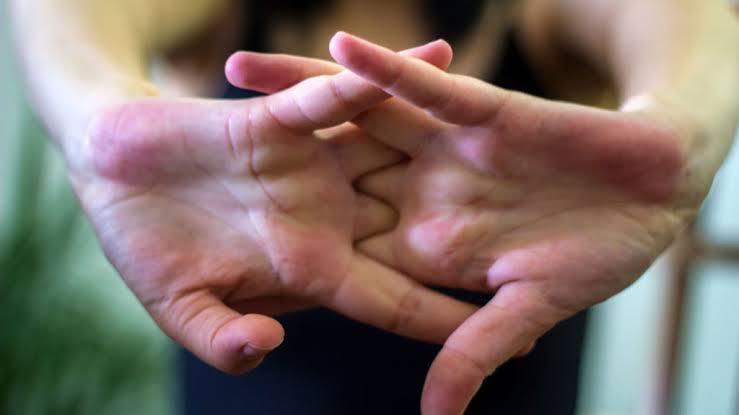
  • This helps in killing bacteria and viruses by opsonisation (the process of covering the pathogen with a protein coat such that the pathogens become more presentable to the immune cells)
  • Neutralize toxins
  • Activate complement by classical pathway (The complement system, also known as complement cascade, is a part of the immune system that enhances the ability of antibodies and phagocytic cells to clear microbes and damaged cells from an organism, promote inflammation, and attack the pathogen’s cell membrane)
  • Unique catabolism (breaking down of molecules) based on concentration
  • There are four sub classes (G1, G2, G3 and G4) out of which 1,3 and 4 cross the placenta and offer immunity
  • Also involves in the Rh immunization (there are two types’ Rh+ve and Rh-ve based on the presence of Rh factor in blood). The mother being Rh+ve and child the opposite is not a problem in the first pregnancy but can be fatal in second, killing the foetus.

The immunoglobulin M constitutes about 5-10% of total proteins. This is a pentamer structure with a J chain. This weighs about 900000-1000000 and is the heaviest of all. They have 5 days of half-life. Some of its features-

  • Presence in newborn indicate congenital infection as they don’t cross placenta
  • Short lived, so their presence indicates recent infection
  • First Ig to participate in primary response
  • Opsonisation
  • classical pathway
  • bacteria agglutination
  • Play an important role in ABO blood grouping (discovered by Landsteiner). There are 8 types of blood groups based on antigen, antibody and Rh factor

Immunoglobulin A is also known as the secretory immunoglobulin and is mostly present in body secretions (tear, saliva, sebum, mucous, and milk) in which they are dimer and are monomer in blood. They constitute 10-15% of the proteins. They also have a J chain and secretory piece. Their half-life is 6-8 days.

  • The secretory piece protects the Ig from enzymes and juices
  • Complement activation by alternate pathway
  • Promote phagocytosis
  • Intracellular microorganism killing
  • First line of defense against some microbes

Immunoglobulin E is a dimer similar to IgG. This is present in low concentrations (about 0.3) and has the weight of about 1,90,000. These have a half-life of about 2 days and can become inactivated at 56 C.

  • Present extra-cellularly
  • Associated with allergic reactions like asthma, hay fever and anaphylactic shock
  • Bind with the Fc of mast cells and basophils resulting in degranulation and release histamine which causes allergy
  • Mediate the some immunity reactions
  • No complement activation
  • Provide immunity against helminthes

The last is immunoglobulin D.  It is present in low concentrations and on the surface of B lymphocytes. They constitute 0.2% of proteins. They have a half-life of 3 days. The IgM and IgD bind on the B lymphocyte to help in antigen identification.

Hence these were the different types of immunoglobulins and the mechanisms by which they help with immunity. The next article is about the process of inflammation.

HAPPY READING!!