The cities mentioned in this list belong to different states in India. Each city showcases the distinct culture and beauty of their state. Many companies and factories have been set up in these cities since the beginning of globalisation. This has led to people migrating from different parts of the country in search of a livelihood.
Today these cities are commonly rich in manpower and resources which increases its scope of development. Although they are overpopulated, residents and visitors alike benefit from modern facilities and technological advancements that are introduced on a regular basis.
So, welcome to some of the best cities to live in India.
Ever came across the news about people quitting their 9 to 5 jobs and starting their own businesses? It might probably have occurred in the city of Bangalore. It is an IT hub for people doing their 9 to 5 jobs, and a start-up city for people starting their own businesses. Bangalore is located in one of the southern states of India. It also bags the title of the third largest city in India.
It has everything you can expect from a tier one city. Shopping hubs, entertainment opportunities, buzzing nightlife, art, culture and so on. Thanks to its rapid industrialisation. The city also has lakes, gardens and generous spaces for recreation. However, the goodness it reeks of also becomes the reason for overpopulation, it is infamously known for its hour long traffic jams!
Pune houses some of the best educational centres and IT companies that attract youngsters who are yearning for a livelihood. Housing, transport and food are affordable if spent wisely. Thus, making it one of the best cities to live in India. It is indeed known as the cultural capital of Maharashtra, due to its historical sites, museums and heritage. It is an ideal city for tourism as it has many sightseeing options such as Sinhagad Fort, Khadakwasla Dam, Tulsibaug, Shaniwar Wada, etc.
Ahmedabad, the city in Gujarat, is famous for its Sabarmati Ashram, which carries the pride of once being Mahatma Gandhi’s residence. Today it has been established into a museum which is visited by millions of tourists every year. Ahmedabad is one of the best cities to live in India due to its affordability and ideal places to stay.
Manek Chowk, Lal Darwaja Market, and the famous shopping centre at Dhalgarwad are some of weekend getaways and visual treats for the explorers of Ahmedabad.
Chennai is not only the best, but also one of the cheapest cities to live in india. It is the capital city of Tamil Nadu
which is well known for its extravagant temples, beautiful churches, passion for classical music and popular beaches. Like Bangalore, it also comprises factories and industries of the elites that support the economy of the city and its residents.
Chennai boasts awesome connectivity with its expansive transport system of buses, rickshaws and cabs. It also acts as a host of several start-ups and unique initiatives in an effort to suffice development in the city.
Navi Mumbai is a booming town, nearer to Mumbai, the city of dreams. It holds the title of the largest planned city in the entire world that boasts of tourist attractions such as Golf courses, waterfalls, wonderful parks, etc. Plans of establishing an international airport and metro train connectivity are being carried on with great enthusiasm.
What makes it one of the best cities to live in India is it’s relatively calmer, less polluted and populated environment in comparison to Mumbai. But it’s relatively higher cost of living and rent can be a turnoff for many.
Want to experience the city lifestyle or planning on settling in a new city? Do check out at least four of the cities mentioned in the list.
National Computer Security Day demands our attention every November 30 because cyber security affects everything from where we bank and how we spend our money to who we elect to public office. We certainly don’t want a replay of MyDoom, the worst email virus in history, which caused $38.5 billion in damage, so let’s get educated on staying safe online!
HISTORY OF COMPUTER SECURITY
National Computer Security Day began in 1988, around the time that computers were becoming commonplace, even if they were yet to become ubiquitous in homes. The 1980s saw not only increased usage of computers, especially in business and government, and the internet was in its early stages.
While hacking and viruses have virtually been around since the early days of modern computing, evolving and increasingly sophisticated technologies began to see more applications, and therefore more security risks due to the simple fact that more data was at risk as computers found their way into banks, government offices, and businesses.
More important data stored on computers and servers meant more valuable information for hackers, and this meant higher profile cases of security breaches. As such, online security became an important concern by the end of the decade, and so National Computer Security Day was created to raise awareness about computer security.
WHAT WE DO IN COMPUTER SECURITY DAY
The most obvious way to celebrate Computer Security day would be to focus on ensuring that your computer, your devices, and the data you have in the cloud are all secure. One very important thing to do for your online security is to have strong passwords and keep them updated regularly, as this reduces the chances of your personal data falling into the wrong hands. If you aren’t the sort of person who’s good at coming up with strong passwords (and let’s be honest, some of us aren’t), then there are a number of password managers which you can choose from to generate random passwords and also save them so you don’t have to remember.
One strategy is to mix upper and lowercase letters with symbols, as this can be harder to guess and also difficult to hack – and passwords increase in difficulty the longer they are. Surprisingly, it doesn’t seem that everyone would think to do this, because “123456” and “password” have remained the two most popular passwords for years now. And don’t use the same password over and over for every online account you have – this ensures that if someone manages to get into one of your accounts, then they can access all of your accounts. Bad idea. So make strong passwords, don’t recycle them, and update them regularly.
Another thing that you can do to celebrate Computer Awareness Day is to update all of your spyware and malware protection software. Follow up with thorough scans, and you should have a more secure computer or device as an end result. While you may be aware that computers require such protection, you should also remember that your other devices such as tablets and smartphones are also vulnerable to malware and spyware – so take the necessary measures to keep them secure.
And if you still have a computer running the outdated Windows XP or Vista, you should be aware that this creates huge security vulnerabilities for you. So upgrade your OS or your device. For the rest of us with more contemporary operating systems, it’s still important to install the regular security updates in order to stay safe.
You can also observe National Computer Security Day by encrypting all of your files and backing them up. Your device should give you the option to encrypt all of your files (this is typically found amongst the settings), and then it’s your choice whether to go for a physical device such as an external hard drive or USB drive or for any of the numerous online cloud storage options. Many of these offer encrypted storage, and while Google’s Drive is probably the best-known, it’s far from the only player in the field. And most of the cloud storage options are free up to a certain limit.
So remember National Computer Security Day, and observe it in whatever way you can because online safety and security are important things.
“RATHER THEN FEARING OR IGNORING CYBER ATTACKS,DO ENSURE YOUR CYBER RESILIENCE TO THEM”
The human brain is the central organ of the human nervous system, and with the spinal cord makes up the central nervous system. The brain consists of the cerebrum, the brainstem and the cerebellum. The cerebrum, the largest part of the human brain, consists of two cerebral hemispheres.It controls most of the activities of the body, processing, integrating, and coordinating the information it receives from the sense organs, and making decisions as to the instructions sent to the rest of the body. The brain is contained in, and protected by, the skull bones of the head.
There are three types of brain fore brain, midbrain,hindbrain.The hindbrain includes the upper part of the spinal cord, the brain stem, and a wrinkled ball of tissue called the cerebellum.Brains are made of soft tissue, which includes gray and white matter, containing the nerve cells, non-neuronal cells which help to maintain neurons and brain health, and small blood vessels. They have a high water content as well as a large amount nearly 60 percent of fat.
FUNCTION OF BRAIN:-
* Attention and concentration.
* Self-monitoring.
* Organization.
* Speaking (expressive language).
* planning and initiation.
* Awareness of abilities and limitations.
* Personality.
* Mental flexibility.
* Inhibition of behavior.
The human brain color physically appears to be white, black, and red-pinkish while it is alive and pulsating. The brain itself does not feel pain because there are no nociceptors located in brain tissue itself. This feature explains why neurosurgeons can operate on brain tissue without causing a patient discomfort, and, in some cases, can even perform surgery while the patient is awake.Brain controls vital functions such as breathing, swallowing, digestion, eye movement and heartbeat, there can be no life without it. But the rest of the brain is obviously capable of some remarkable feats, with one part able to compensate for deficiencies in another.
The chilly weather indicates that winter has arrived. Therefore, we will all be home, wrapped up in our comfy blankets spending some quality time with our friends and family. But there are people out there who are not as blessed as us. These people spend the nights shivering and waiting for the cold winters to end. A little generosity and help from people like us can make them happy and contended. Doing a generous deed for them will not only make them feel happy but it will also make you fulfilled and satisfied.
Here are a few ways you can help the needy ones out there this winter:
Create some tiny beds for the street animals:
IMAGE: ISTOCK
Winters can be really harsh for the animals out there. They suffer a lot due to such cold nights on the streets. These animals cannot express the problems faced by them during winters. Hence, people like us can give them the comfort that they require during winters. You can make a tiny bed from your old ragged clothes which are of no use anymore and place it outside your home.
Donate blankets:
While blankets may be easily available to many of us, some people can’t afford them. They pass their time shivering on the footpaths wishing for the cold nights to end. Some of such people also have a family to feed and hence, they cannot afford to get sick due to such situations. Offering blankets to such people will not only help them, but it’ll also make you feel contended.
Donate warm clothes:
Warm clothes are a necessity for most us but for some unfortunate people it is a luxury. Such people are used to wearing old worn out clothes for the rest of the year. However, during winters they somehow manage to get some newspapers to cover themselves up during winters. Offering your old, warm clothes to the needy people will protect them from the cold winters and make them feel comfortable. You will also make it easier for them to survive the nights.
Donate food:
Another way to help the disadvantaged people this winter is to donate them some food. We often see such hungry people on the streets. Giving them a bowl of hot soup or a hot cup of tea will make them feel pleasant and warm. The look of satisfaction on their faces after having a small hot cup of tea will motivate you do this more frequently.
Spread awareness:
The last thing you can do spread awareness about the issues faced by the needy people through social media and encourage more people to do their bit for the society. You can also volunteer with an NGO or form a group with your friends and family and help the needy people cope with the cold and windy nights.
You can also do something that you feel for their happiness and comfort. After all, spreading joy and positivity is a beautiful way to make yourself feel calm and peaceful.
Ozone is a highly reactive form of oxygen. An ozone molecule is composed of three oxygen atoms (O3), instead of the two oxygen atoms in the molecular oxygen (O2) that we need in order to survive. In the upper atmosphere (stratosphere), the protective ozone layer is beneficial to people because it shields us from the harmful effects of ultra-violet radiation. However, ozone in the lower atmosphere (troposphere) is a powerful oxidizing agent that can damage human lung tissue and the tissue found in the leaves of plants. For more information about ozone’s effects on humans, refer to the EPA brochure Ozone and Your Health.
Ozone Sources :
Ozone is formed in the lower atmosphere primarily by nitrogen oxides (NOx) reacting with volatile organic compounds (VOCs) on warm, sunny days. Nitrogen oxides are released into the atmosphere as a by-product of any combustion.
For example, nitrogen oxides are released from the burning of vegetation during a fire. However, internal combustion engines (especially automobiles) and coal-fired power plants are the main sources of nitrogen oxides in the eastern United States. VOCs, or hydrocarbons, also come from man-made sources such as cars, service stations, dry cleaners, and factories and from natural sources such as trees and other vegetation. In fact, the main source of VOCs, in the southeastern United States, is from gases released by trees and other vegetation.
Patterns of Ozone Concentrations and Exposure:
Ozone exposures are usually greatest close to large urban areas like Dallas, Texas; or Atlanta, Georgia. Ozone exposures are higher in these major cities because there are more cars, industry and other nitrogen oxide emissions sources then rural areas. Ozone concentrations can increase considerably on hot-sunny days when there is a stagnant air mass (i.e. little to no winds) present. Therefore, ozone is primarily a problem during the summer months, when heat and sunlight are more intense. Furthermore, the ozone formed in cities, or the nitrogen oxides originating in cities can be transported long distances into the rural areas. For example, in western North Carolina, the high elevations above 4000 feet have greater ozone exposures than nearby low-elevation areas. For example, the figure below shows the average ozone concentration for each hour of the day for a low elevation and a high elevation ozone-monitoring site. The low elevation site is adjacent to Asheville, North Carolina (called Bent Creek), and the high elevation site is near Shining Rock Wilderness. It is noteworthy that these two sites are about 15 miles apart, and separated by about 3000 feet in elevation.
Average ozone concentrations : Average ozone concentrations for each hour of the day (April through October 1998) for a low elevation (top) and high elevation (bottom) sites. The low elevation site has a diurnal pattern in the ozone exposure and also shows that at lower elevations the ozone exposures are less than the ozone exposures found at high elevations. Results were produced using the Ozone Calculator.
The Bent Creek data shows a typical pattern (called a diurnal pattern) of ozone concentrations throughout the day (Berry, C.R., 1964). Ozone concentrations begin to rise in the morning and then decrease after the sun sets in the evening. Remember the recipe to form ozone is on warm sunny days, nitrogen oxides react with the VOCs. One pattern the Bent Creek data shows (right) is the ozone concentrations increase as the solar radiation and temperatures increase during the day. The Bent Creek data also reflects people’s daily activities. Typically, electrical generation (a major source of nitrogen oxides) increases in the morning as people get ready for work, and remains high on hot days in order to provide electricity to cool people’s homes and businesses. Also, when people drive to work each day they release nitrogen oxides from the tailpipes of their automobiles. The large amount of nitrogen oxides released early in the day contributes to recipe that forms ozone. The combination of a favorable environment and high nitrogen oxide emissions makes high ozone concentrations during the day.
Conversely, later in the day, many people drive home from work and electrical demand remains high on the hot days – thus there are still large amounts of nitrogen oxides released into the atmosphere. Solar radiation declines until sunset and the temperature also decreases. As nightfall approaches there is a lower likelihood that ozone will form because there is not enough sunlight (ultraviolet radiation) to cause the reactions necessary to form ozone. The nitrogen oxide emissions then serve an interesting role due to their abundance. Instead of contributing to ozone formation, the nitrogen oxides react with the ozone present in the atmosphere and cause a reduction of ozone concentrations during the nighttime. This occurs because nitrogen oxide molecules, in the absence of heat and strong sunlight, remove the third oxygen atom from the unstable ozone molecule.
In mountain valleys, such as occur near Bent Creek, ozone-forming pollution comes from both local and out-of-state sources. Winds can carry ozone formed in urban areas long distances to surrounding rural areas. Much of the ozone pollution at high elevations in the mountains of Western North Carolina is transported by winds from other states. The results from the high elevation ozone monitoring site near Shining Rock Wilderness (figure above) show ozone concentrations do not change throughout the day and that average concentrations are greater than at the Bent Creek site. Consequently, people and vegetation at higher elevations are exposed to more ozone then people and vegetation at low elevations.
Effect on Plants:
These blackberry plants near Shining Rock Wilderness had severe ozone symptoms present in mid-August 1997.Ozone effects on plants are most pronounced when soil moisture and nutrients are adequate and ozone concentrations are high. Under good soil moisture and nutrient conditions the ozone will enter through openings into the leaf and damage the cells that produce the food for the plants. Once the ozone is absorbed into the leaf, some plants spend energy to produce bio-chemicals that can neutralize a toxic effect from the ozone. Other plants will suffer from a toxic effect, and growth loss and/or visible symptoms may occur. The presence of ozone in an area can be detected when consistent and known symptoms are observed on the upper-leaf surface of a sensitive plant species.
For example, some air specialists use blackberry plants as a “bio-indicator” of ground level ozone. The photograph to the right shows the severe reddening of the blackberry foliage near Shining Rock Wilderness in western North Carolina when both adequate soil moisture and high ozone concentrations were present.
The presence of ozone symptoms is not an accurate indicator of how much growth loss has occurred to a sensitive plant from ozone exposure. Therefore, some air resource specialists rely upon measurements taken with ozone monitoring equipment in order to predict if growth loss has occurred. Ozone monitors provides over 4000 ozone readings from April through October. Researchers and technical specialists have examined ways to summarize and use this extensive information. The Ozone Calculator is one tool that has been developed to estimate if ozone exposures recorded at a monitoring site could cause a growth loss to the vegetation.
Exposure Indices :
There are two important statistics used to estimate the growth loss to vegetation when summarizing data from an ozone monitor. The N100 statistic is the number of hours when the measured ozone concentration is greater than or equal to 0.100 parts per million (ppm). Experimental trials with a frequent number of peaks (hourly averages greater than or equal to 0.100 ppm) have been demonstrated to cause greater growth loss to vegetation than trials with no peaks in the exposure regime (Hogsett et al., 1985; Musselman et al., 1983; and Musselman et al., 1986). For this reason, the W126 (Lefohn and Runeckles, 1987) was developed as a biologically meaningful way to summarize hourly average ozone data. The W126 places a greater weight on the measured values as the concentrations increase. Thus, it is possible for a high W126 value to occur with few to no hours above 0.100 ppm. Therefore, it is also necessary to determine the number of hours the ozone concentrations are greater than or equal to 0.100 ppm. It should also be noted the lack of N100 values does not mean ozone symptoms will not be present when field surveys are conducted.
The field of literacy studies has made many of us take a deeper look into the similarities and differences between text based and digital literacy. It seems not only through the literature but also by observation as a classroom practitioner that there are certain elements and conflicts between digital literacy and text based literacy that need to be combed through by educators in the field.
One of the most powerful lessons we’ve learned through our work with schools is the importance of doing the work we ask our students to do. Nothing helps us anticipate misunderstandings or understand the strategic support our students will need as much as stepping into their shoes, and doing the reading, writing, and thinking they will do as part of upcoming instruction. The approach to these said instructions is what one may categorize into digital literacy and text based literacy.
Similarities And Dissimilarities
There are a number of similarities between digital and text based literacy, one of them being, both have a common goal, which is, to gather information and communicate effectively. Digital literacy means having the skills you need to live, learn, and work in a society where communication and access to information is increasingly through digital technologies like internet platforms, social media, and mobile devices. While, text literacy is the ability to gather information to communicate using text. The common goal in both the cases is clearly somewhat similar, just the catalyst is different.
From school to the workforce, digital literacy is vital in many areas of life — but simply, having it is an absolute necessity for anyone who uses the internet. Sometimes forms and applications are only available online, so you’ll need to be comfortable accessing and using them. In short, digital literacy is a necessary skill for navigating in our modern, digital world.
Advantages And Disadvantages
Text based literacy has many advantaged over digital literacy. Text based materials are available all the time, regardless of not being in a good internet zone. Text based materials are not as expensive, But its limitation says, they are not as interactive as digital literacy might be. Also, text based literacy works merely on facts and memorization and has zero scope of innovations and ideas, unlike digital literacy.
People feel generally competent and confident when discussing matters of communication. Some perceive communication as one of the fundamental differences between human and other animal species, and as the very element that led to human change, development, adaptation, and domination. But to try and define such a broad term is a difficult task – one that many scholars have undertaken. The essence of communication though can be expressed in simple words: communication is the transfer of thoughts, feelings, ideas, and opinions from one person to another (or to a group of others) through specific channels.
The Virtual Scenario
Virtual communication clearly has many advantages including increased productivity, reduced business costs and a better work/life balance of the workforce. However, virtual communication also entails numerous challenges and obstacles which are often neglected in light of the benefits.
When communication is effective, it leaves all parties involved satisfied and feeling accomplished. By delivering messages clearly, there is no room for misunderstanding or alteration of messages, which decreases the potential for conflict. In situations where conflict does arise, effective communication is a key factor to ensure that the situation is resolved in a respectful manner. How one communicates can be a make or break factor in securing a job, maintaining a healthy relationship, and healthy self-expression.
In contemporary virtual scenario, effective communication fosters trust with others. Your ability to listen attentively and embrace different points of view helps others trust that you are making optimal decisions for everyone in the group. The ability to communicate effectively plays a large role in resolving conflicts and preventing potential ones from arising. The key is to remain calm, make sure all parties are heard and find a solution that is ideal for everyone involved. With people feeling more confident in their work and in their understanding of what they need to do, they become more engaged with their work as a whole. To cite a day-to-day example, video-conference with clients on another continent or even replying to a flood of emails for that matter, can be two of the very prominent instances, one may come across quite frequently.
A video-conference with clients on another continent, can be best accomplished only with one’s spontaneous communication skills, virtually. It is definitely not as easy as it may seem in an authentic face-to-face scenario.
The same holds true for online classes as well. Communicating with teachers, and students, virtually, isn’t as fun as it used to be in the past in a non-virtual scenario. To make situations like these more welcoming. One must have good communication skills and must know the right way to make use of it too. Being able to communicate effectively is one of the most important life skills to learn.
Deforestation is the process of removalof trees from forest for the human purposes.Deforestation has greatly altered landscapes around the world.Deforestion is one of the major threats to the environment.Deforestation refers to the decrease in forest areas across the world that are lost for other uses such as agricultural croplands, urbanization, or mining activities.Deforestration cause landfall,soil erosion and drought.
The loss of forest is an issue that predominantly affects tropical areas, regions with the highest biodiversity on Earth. In 2018 alone, 30 million acres of tropical rainforest were destroyed, with more than a third of the Earth’s land now being used for agriculture, a process that involves the clearing of woodland to create pasture.Most of this loss has been focussed around the Amazon, a rate of destruction that has only increased in recent years with policy shifts in Brazilian government – 3,769 square miles of Amazonian forest cover was lost between 2018 and 2019.Southeast Asia that has seen the greatest rate of forest loss of anywhere in the world, losing 30% of its forest surface in the last 40 years.
Coupled with huge population growth – with the region’s population forecast to rise by almost 250 million by 2030 – human settlements are increasingly coming into contact with animals that had previously been naturally contained in woodland habitats.The increase of disease linked to deforestation and increased contact between humans and tropical animals speaks to the risks involved when ancient natural ecosystems are disrupted.The loss of trees and other vegetation can cause climate change, desertification, soil erosion, fewer crops, flooding, increased greenhouse gases in the atmosphere, and a host of problems for indigenous people.
When rain falls onto the earth, it just doesn’t sit there, it starts moving according to the laws of gravity. A portion of the precipitation seeps into the ground to replenish Earth’s groundwater. Most of it flows downhill as runoff. Runoff is extremely important in that not only does it keep rivers and lakes full of water, but it also changes the landscape by the action of erosion. Flowing water has tremendous power it can move boulders and carve out canyons; check out the Grand Canyon!
Runoff of course occurs during storms, and much more water flows in rivers (and as runoff) during storms. For example, in 2001 during a major storm at PeachtreeCreek in Atlanta, Georgia, the amount of water that flowed in the river in one day was 7 percent of all the streamflow for the year.
Some definitions of runoff:.
1. That part of the precipitation, snow melt, or irrigation water that appears in uncontrolled (not regulated by a dam upstream) surface streams, rivers, drains or sewers. Runoff may be classified according to speed of appearance after rainfall or melting snow as direct runoff or base runoff, and according to source as surface runoff, storm interflow, or groundwater runoff.
2. The sum of total discharges described in (1), above, during a specified period of time.
3. The depth to which a watershed (drainage area) would be covered if all of the runoff for a given period of time were uniformly distributed over it.
Meteorological factors affecting runoff:
Type of precipitation (rain, snow, sleet, etc.) * Rainfall intensity * Rainfall amount * Rainfall duration * Distribution of rainfall over the watersheds * Direction of storm movement Antecedent precipitation and resulting soil moisture *Other meteorological and climatic conditions that affect evapotranspiration, such as temperature, wind, relative humidity, and season.
Physical characteristics affecting runoff:
* Land use * Vegetation * Soil type * Drainage area * Basin shape * Elevation * Slope * Topography * Direction of orientation * Drainage network patterns * Ponds, lakes, reservoirs, sinks, etc. in the basin, which prevent or alter runoff from continuing downstream
Runoff and water quality :
A significant portion of rainfall in forested watersheds is absorbed into soils (infiltration), is stored as groundwater, and is slowly discharged to streams through seeps and springs. Flooding is less significant in these more natural conditions because some of the runoff during a storm is absorbed into the ground, thus lessening the amount of runoff into a stream during the storm.
As watersheds are urbanized, much of the vegetation is replaced by impervious surfaces, thus reducing the area where infiltration to groundwater can occur. Thus, more stormwater runoff occurs—runoff that must be collected by extensive drainage systems that combine curbs, storm sewers (as shown in this picture), and ditches to carry stormwater runoff directly to streams. More simply, in a developed watershed, much more water arrives into a stream much more quickly, resulting in an increased likelihood of more frequent and more severe flooding.
What if the street you live on had only a curb built around it, with no stormwater intake such as the one pictured here. Any low points in your street would collect water when it rained. And if your street was surrounded by houses with yards sloping uphill, then all the runoff from those yards and driveways would collect in a lake at the bottom of the street.
A storm sewer intake such as the one in this picture is a common site on almost all streets. Rainfall runoff, and sometimes small kids’ toys left out in the rain, are collected by these drains and the water is delivered via the street curb or drainage ditch alongside the street to the storm-sewer drain to pipes that help to move runoff to nearby creeks and streams. ; storm sewers help to prevent flooding on neighborhood streets.
Drainage ditches to carry stormwater runoff to storage ponds are often built to hold runoff and collect excess sediment in order to keep it out of streams.
Runoff from agricultural land (and even our own yards) can carry excess nutrients, such as nitrogen and phosphorus into streams, lakes, and groundwater supplies. These excess nutrients have the potential to degrade water quality.
Why might stormwater runoff be a problem?
As it flows over the land surface, stormwater picks up potential pollutants that may include sediment, nutrients (from lawn fertilizers), bacteria (from animal and human waste), pesticides (from lawn and garden chemicals), metals (from rooftops and roadways), and petroleum by-products (from leaking vehicles). Pollution originating over a large land area without a single point of origin and generally carried by stormwater is considered non-point pollution. In contrast, point sources of pollution originate from a single point, such as a municipal or industrial discharge pipe. Polluted stormwater runoff can be harmful to plants, animals, and people.
Runoff can carry a lot of sediment
When storms hit and streamflows increase, the sediment moved into the river by runoff can end up being seen from hundreds of miles up by satellites. The right-side pictures shows the aftermath of Hurricane Irene in Florida in October 1999. Sediment-filled rivers are dumping tremendous amounts of suspended sediment into the Atlantic Ocean. The sediment being dumped into the oceans has an effect on the ecology of the oceans, both in a good and bad way. And, this is one of the ways that the oceans have become what they are: salty.
Florida, Oct. 14, 1999. When Hurricane Irene passed over Florida in 1999, the heavy rainfall over land caused extensive amounts of runoff that first entered Florida’s rivers which then dumped the runoff water, containing lots of sediment, into the Atlantic Ocean.
Florida, Dec. 16, 2002. The east coast of Florida is mostly clear of sediment from runoff. The shallow coastal waters to the west of Florida are very turbid (sediment-filled), perhaps from a storm that passed over a few days earlier.
Abdul Kalam is the Indian aerospace scientist.He was born in Rameswaram in Tamil Nadu at 15 October 1931.His full name was Avul Pakir Jainulabdeen Abdul Kalam.He studied schooling in manadapam panchayat union middle school and Schwartz higher secondary school.He did college in st. Joseph,Trichy and Madras institute of technology, chennai.He was also the President of India in 2002-2007.
He played a leading role in the development of India’s missile and nuclear weapons programs. He called as missile man of india for the development of ballistic missile and launch vehicle technology.He lived a simple living and high thinking. He was a true patriot, a man who believed in the empowerment of students and made missiles but talked of peace. He firmly believed that educational opportunities should be provided to all children as that was the only way to remove poverty.
HONORS FOR DR.A.P.J.ABDUL KALAM:-
* 2014- Honorary professor.
* 2014 Honorary professor Beijing University, China.
2014 Doctor of Science Edinburgh University, Uk.
2013 Von Braun Award National Space Society.
2012 Doctor of Laws (Honoris Causa) Simon Fraser University.
2011 IEEE Honorary Membership IEEE.
2010 Doctor of Engineering University of Waterloo.
2009 Honorary Doctorate Oakland University.
2009 Hoover Medal ASME Foundation, USA.
2009 International von Kármán Wings Award California Institute of Technology, USA.
2008 Doctor of Engineering (Honoris Causa) Nanyang Technological University, Singapore.
2008 Doctor of Science (Honoris Causa) Aligarh Muslim University, Aligarh.
2007 Honorary Doctorate of Science and Technology Carnegie Mellon University.
2007 King Charles II Medal Royal Society, UK.
2007 Honorary Doctorate of Science University of Wolverhampton, UK.
2000 Ramanujan Award Alwars Research Centre, Chennai.
1998 Veer Savarkar Award Government of India.
1997 Indira Gandhi Award for National Integration Indian National Congress.
1997 Bharat Ratna Government of India.
1995 Honorary Fellow National Academy of Medical Sciences.
1994 Distinguished Fellow Institute of Directors (India).
1990 Padma Vibhushan Government of India.
1981 Padma Bhushan Government of India.
HIS GOAL:-
* Planting trees.
* Educating students.
” Dream comes in sleep is not a Dream Dream which not let you to sleep is a dream”.
The Taj Mahal is not merely an architectural marvel. Moreover, it also portrays an emperor’s heartfelt passion for the memories of his beloved, embodied in living stone. The grand mausoleum was built between 1631 and 1648 under the orders of the great Mughal Emperor Shah Jahan. This architectural wonder, one of UNESCO’S World Heritage Sites, is situated on the right bank of the Yamuna River in the Agra District of Uttar Pradesh. It is surrounded by expansive Mughal gardens, and occupies an area of almost 17 hectares of land. The Taj Mahal is perhaps the finest example of Indo-Islamic Architecture, and is world renowned for its aesthetic appeal and architectonic beauty. The structure of the Taj Mahal comprises a complex complementary interplay of domes and arches, concave and convex surfaces, solids and voids, and light and shadow. Externally, the lush green gardens, brick red pathway, and the azure canopy garland the pristinely shimmering whiteness of the Taj Mahal, augmenting its halo to a divine level.
HISTORY
About 20,000 workers, including architects, masons, horticulture planners, artists, and carvers, each excelling in their respective fields of work, were employed by the Emperor Shah Jahan in building the Taj Mahal. The cenotaphs of Shah Jahan and his beloved wife, Mumtaz Mahal, lie side by side. The cenotaphs are richly decorated with inlay work and a marble lattice framework, which exhibit the expert workmanship and skill of the craftsmen who put their best into this historical monument. The cenotaphs are primarily for ornamental purposes, as the real graves lie in the crypt at a level lower than them. Decorations with inlaid semiprecious stones, the life-like bas reliefs, calligraphical representations of Koranic verses on the walls, the arch and dome profile of the marble building, and the perfect architectural symmetry of the entire monument are all listed among the features that make the Taj Mahal one of the most unique examples of architectural genius in the history of mankind. The Taj Mahal truly has earned its position among the greatest man-made wonders of our world.
Uniqueness
The Taj Mahal is located in the heart of the busy and densely populated historical city of Agra. Agra lies at one corner of the famous Golden Triangle of tourist destinations in India, which includes Jaipur and Delhi as its other two points. Besides the Taj, Agra has a lot more to offer to its visitors. The city also hosts two other UNESCO World Heritage Sites, namely the breathtaking Agra Fort and Fatehpur Sikri, as well a number of other historical sites. Visitors to the Taj Mahal can enjoy an enriching and unique experience when they visit this destination, both historically and culturally. Shopping is a popular activity among the tourists to Taj Mahal, as the streets leading to this picturesque monument are dotted with souvenir shops selling vibrant and unique north Indian handicrafts, jewelry, sarees, and other items. One must also not forget to try out the delectable local cuisine of the area, especially the Mughlai dishes and north indian sweets
THREATS
Taj Mahal, being one of India’s greatest prides, is afforded great precaution. Especially stringent protective measures were taken during World War II and the India-Pakistan wars in 1965 and 1971 by enclosing the building in scaffolding to protect it against the potential attacks of rival forces. Currently, however, even greater threats to this picturesque monument arise from environmental pollution. The effects of acid rain, caused by emissions from nearby factories, threaten to damage the marble of the building, yellowing it in the process. Recently, the Indian government set up the Taj Trapezium Zone to limit air pollution in the area in and around the Taj Mahal. The decline in the water levels of the Yamuna River also spells bad news for this historical monument, as the lack of moisture has led to the development of cracks and crevices in many parts of the building. The danger persists to this date, and protective measures are continuously being undertaken to improve the structural integrity of this marvellous building. Tourist footfall to the Taj Mahal has also declined in the recent years due to a rise in criminal activities in the area, and the constant hassles faced by the tourists at the hands of touts and hawkers in the streets are real concerns as well. It is thus important that tourists to the Taj Mahal remain cautious and aware of their surroundings, and avoid falling into local sellers’ traps of any kind.
TOURISM
The Taj Mahal has attracted millions of tourists for many years, due to its enchanting beauty and intriguing historical significance. According to recent statistics, about 6.9 million tourists visited this World Heritage Site in 2014 alone. The Taj Mahal is easily accessible via a variety of conveyance services, such as buses, trains, and cars. Air service to nearby Agra is limited, but tourists usually arrive at the Delhi airport in India and then travel to Agra by road or rail. Most travel itineraries of northern India include Taj Mahal on their listed agenda items, and numerous tour operators offer visitors attractive packages to this historical monument. The best time to visit the Taj Mahal is during the months stretching from October through March. Access to the site remains partially restricted on Fridays, when only Muslims are allowed to enter for attending prayer ceremonies. Most people recommend visiting the Taj during sunrise and full moon nights, as these times are when the beauty of the white marble mausoleum is said to be most fascinating, in all of its spectacular appearance.
“THERE ARE TWO KINDS PEOPLE IN THE WORLD.THOSE WHO SEEN THE TAJ MAHAL AND LOVE IT AND THOSE WHO NOT SEEN THE TAJ MAHAL AND LOVE IT”
Chandrayaan-1,India’s first mission to Moon, was launched successfully on October 22, 2008 from SDSC SHAR,Sriharikota. The spacecraft was orbiting around the Moon at a height of 100 km from the lunar surface for chemical, mineralogical and photo-geologic mapping of the Moon. The spacecraft carried 11 scientific instruments built in India, USA, UK, Germany, Sweden and Bulgaria.
After the successful completion of all the major mission objectives, the orbit has been raised to 200 km during May 2009. The satellite made more than 3400 orbits around the moon and the mission was concluded when the communication with the spacecraft was lost on August 29, 2009.
The idea of undertaking an Indian scientific mission to Moon was initially mooted in a meeting of the Indian Academy of Sciences in 1999 that was followed up by discussions in the Astronautical Society of India in 2000.
Based on the recommendations made by the learned members of these forums, a National Lunar Mission Task Force was constituted by the Indian Space Research Organisation (ISRO). Leading Indian scientists and technologists participated in the deliberations of the Task Force that provided an assessment on the feasibility of an Indian Mission to the Moon as well as dwelt on the focus of such a mission and its possible configuration.
After detailed discussions, it was unanimously recommended that India should undertake the Mission to Moon, particularly in view of the renewed international interest in moon with several exciting missions planned for the new millennium. In addition, such a mission could provide the needed thrust to basic science and engineering research in the country including new challenges to ISRO to go beyond the Geostationary Orbit. Further, such a project could also help bringing in young talents to the arena of fundamental research. The academia would also find participation in such a project intellectually rewarding.
Subsequently, Government of India approved ISRO’s proposal for the first Indian Moon Mission, called Chandrayaan-1 in November 2003.
The Chandrayaan-1 mission performed high-resolution remote sensing of the moon in visible, near infrared (NIR),lowenergy X-rays and high-energy X-ray regions. One of the objectives was to prepare a three-dimensional atlas (with high spatial and altitude resolution) of both near and far side of the moon. It aimed at conducting chemical and mineralogical mapping of the entire lunar surface for distribution of mineral and chemical elements such as Magnesium, Aluminium, Silicon, Calcium, Iron and Titanium as well as high atomic number elements such as Radon, Uranium &Thorium with high spatial resolution.
Various mission planning and management objectives were also met. The mission goal of harnessing the science payloads, lunar craft and the launch vehicle with suitable ground support systems including Deep Space Network(DSN) station were realised, which were helpful for future explorations like the Mars Orbiter Mission. Mission goals like spacecraft integration and testing, launching and achieving lunar polar orbit of about 100 km, in-orbit operation of experiments, communication/ telecommand, telemetry data reception, quick look data and archival for scientific utilisation by scientists were also met.
PSLV-C11 PSLV-C11, chosen to launch Chandrayaan-1 spacecraft, was an updated version of ISRO’s Polar Satellite Launch Vehicle standard configuration. Weighing 320 tonne at lift-off, the vehicle used larger strap-on motors (PSOM-XL) to achieve higher payload capability.
PSLV is the trusted workhorse launch Vehicle of ISRO. During September 1993- April 2008 period, PSLV had twelve consecutively successful launches carrying satellites to Sun Synchronous, Low Earth and Geosynchronous Transfer Orbits. On October 22, 2008, its fourteenth flight launched Chandrayaan-1 spacecraft.
By mid 2008, PSLV had repeatedly proved its reliability and versatility by launching 29 satellites into a variety of orbits. Of these, ten remote sensing satellites of India, an Indian satellite for amateur radiocommunications, a recoverable Space Capsule (SRE-1) and fourteen satellites from abroad were put into polar Sun Synchronous Orbits (SSO) of 550-820 km heights. Besides, PSLV has launched two satellites from abroad into Low Earth Orbits of low or medium inclinations. This apart, PSLV has launched KALPANA-1, a weather satellite of India, into Geosynchronous Transfer Orbit (GTO).
PSLV was initially designed by ISRO to place 1,000 kg class Indian Remote Sensing (IRS) satellites into 900 km polar SunSynchronous Orbits. Since the first successful flight in October 1994, the capability of PSLV was successively enhanced from 850 kg to 1,600 kg. In its ninth flight on May 5, 2005 from the Second Launch Pad (SLP), PSLV launched ISRO’s remote sensing satellite,1,560 kg CARTOSAT-1 and the 42 kg Amateur Radio satellite, HAMSAT, into a 620 km polar Sun Synchronous Orbit. The improvement in the capability over successive flights has been achieved through several means. They include increased propellant loading in the stage motors, employing composite material for the satellite mounting structure and changing the sequence of firing of the strap-on motors.
Vikram Sarabhai Space Centre (VSSC), Thiruvananthapuram, designed and developed PSLV-C11. ISRO Inertial Systems Unit (IISU) at Thiruvananthapuram developed the inertial systems for the vehicle. Liquid Propulsion Systems Centre (LPSC), also at Thiruvananthapuram, developed the liquid propulsion stages for the second and fourth stages of PSLV-C11 as well as reaction control systems. SDSC SHAR processed the solid motors and carries out launch operations. ISRO Telemetry, Tracking and Command Network (ISTRAC) provide telemetry, tracking and command support during PSLV-C11’s flight
Who can submit a Proposal?
Proposals could be submitted by individuals or a group of scientists and academicians belonging to recognized institutions, universities, planetaria and government organisations of India. Only those having at least a minimum remaining service of four years before superannuation are eligible to lead the project as PI/Co-PI. The proposals must be forwarded through the Head of the Institution, with appropriate assurance for providing necessary facilities for carrying out the projects under this AO programme. The end….
Global warming is defined as the global annual temperature has increased in total by a little more than 1 degree Celsius, or about 2 degrees Fahrenheit. Global warming is mainly because of the industrial revolution, burning plastics.
CAUSES OF GLOBAL WARMING:-
* Greenhouse Gases Are the Main Reasons for Global Warming.
* Another main reason for global warming is the industries.
* Deforestation is one of the reason for global warming.
* The smoke from vehicles.
EFFECTS OF GLOBAL WARMING:-
* Global warming cause increase in temperature that raises sea level can cause flood.
* Global warming raises temperature in the atmosphere.
* Melting of glaciers are one of the most threat for the earth
* If global warming cause increase in temperature then there is threat for availablity of water.
* It also cause some diseases like allergies,chest pain etc.
CONTROLLING MEASURES OF GLOBAL WARMING:-
* By decreasing deforestation and encouraging affrostration
Dr. APJ Abdul Kalam is a motivation for the individuals of India. Individuals regarded him with great respect and used to call him Sir APJ Abdul Kalam. Indeed, even a child younger than ten knows who APJ Abdul Kalam is. He was an Indian aerospace researcher who filled in as the eleventh president of India.People consider him the ‘Rocket Man of India’. Dr APJ Abdul Kalam was a significant believer of ‘Simple Living High Thinking’.Sir Abdul Kalam has faced numerous problems throughout his life. His youth was full of struggles, and he wanted to become a fighter pilot. He was firm on his hard work and commitment and he, at last, turned into a famous scientist of India. His life is a motivation for us.
MISSILE MAN OF INDIA
ACHIEVEMENTS
1.HE HELPED TO BUILD A FIRST INDIGENOUS HOVERCRAFT
Abdul Kalam joined the Aeronautical Development Establishment of the Defense Research and Development Organization (DRDO), right after graduating from the Madras Institute of Technology in 1960. As a young scientist, he was assigned his first project to design and develop a hovercraft for the country’s defence applications. A hovercraft is an amphibious craft capable of travelling over land, water, mud, ice and other surfaces. After days of hard-work, Kalam and his team were successful in developing India’s first indigenous hovercraft which was named Nandi, the impressive white bull who acts as the vehicle of the Hindu deity Lord Shiva. Project Nandi received massive applause from the then Defense Minister, V.K Krishna Menon, and encouraged Kalam for his future endeavours. However, Project Nandi was shelved as the new government in power didn’t show any interest in the invention.
2.HE WAS A PART OF TEAM WHICH SET UP TERLS
Though Project Nandi was put in cold storage, due to it Kalam got a call from the Indian Committee for Space Research (INCOSPAR) to attend an interview at the Tata Institute of Fundamental Research (TIFR). At the time, INCOSPAR was formed out of the TIFR talent pool. Among the members of the selection panel who interviewed Kalam was Dr. Vikram Sarabhai, the father of the Indian Space Programme and the founder of Indian Space Research Organisation (ISRO). Dr. Sarabhai took a deep interest in Kalam and selected him as a rocket engineer in INCOSPAR. The team of rocket engineers of which Kalam was a part, set up the Thumba Equatorial Rocket Launching Station (TERLS) in 1963. TERLS is used by ISRO to launch sounding rockets even today.
3.HE WAS PROJECT DIRECTOR FOR INDIA’S FIRST SLV
In 1969, when INCOSPAR led to the birth of the ISRO, Kalam was transferred there and was initially involved in research about building rockets. In the early 1970s, ISRO introduced its own Satellite Launch Vehicle program owing to geopolitical and economic considerations. It was a program to develop the technology needed to launch satellites. Dr. A. P. J. Abdul Kalam was made the project director of the program. Beginning with mechanical designing to electrical integration, Kalam single-handedly supervised every aspect of the project, which was a massive success. On July 18, 1980,Satellite Launch Vehicle-3 (SLV-3) was successfully launched from Sriharikota range in the Nellore district of Andhra Pradesh. It deployed the Rohini satellite in near-earth orbit. It was the first successful satellite launch that took place on Indian soil and thereby made India the seventh member of an exclusive club of space-faring nations in international society.
4.HE WAS RESPONSIBLE FOR THE SUCCESSFUL LAUNCH AGNI AND PRITHIV MISSILES
After the huge triumph of SLV-III and dedicating the paramount years of his life to ISRO, Dr. Kalam was issued transfer orders to DRDO, where he was given the responsibility to lead the Integrated Guided Missile Development Program (IGMDP). According to the instructions of then Defence Minister R. Venkataraman, four missiles were to be developed simultaneously as part of the program. After years of consistent hard work and immense dedication, India got her first range of ballistic missiles, the Prithvi, the Agni, the Aakash, and the Nag. Out of the four, two missiles, namely, Prithvi, the tactical surface-to-surface missile; and Agni, an intermediate-range ballistic missile; were launched successfully. Due to this mammoth achievement under his leadership, India became a major military power and Dr Kalam became popularly known as the “Missile Man of India”.
5.HE SERVED AS A FIRST PRINCIPAL SCIENTIFIC ADVISOR TO THE GOVERNMENT OF INDIA
After his retirement from DRDO, Kalam was appointed as the first-ever Principal Scientific Advisor (PSA) to the Government Of India from November 1999 to November 2001. Principal Scientific Advisor was a Cabinet rank position at the time and was largely created to assist scientific cross-sectoral synergy across ministries, institutions and the industry. During his service period, Dr. Kalam supervised committees making master plans regarding defence, agriculture, healthcare and information technology. Under this esteemed post, he was also responsible for evolving policies, strategies and missions for many developmental applications.
6.DR. A. P. J. ABDUL KALAM SERVED AS THE 11th PRESIDENT OF INDIA
DR. A. P. J. ABDUL KALAM
On June 10, 2002, the National Democratic Alliance (NDA), the then ruling party expressed their will to nominate Dr. Kalam for the post of President. On June 18, Kalam filed his nomination papers in the Indian Parliament. He went on to win the 2002 Indian presidential election with an electoral vote of 922,884 as compared to 107,366 votes won by Lakshmi Sahgal. Kalam was the first scientist to become the president of India. During his term as president, he was fondly called the People’s President because of his humility, integrity, vision; and his immense contribution to inspire and nurture the young minds of the nation. Dr. Kalam’s guidelines under the scheme of “Vision of 2020” to make India a developed country has been incorporated under plans of the Indian Government. After the expiry of his term and his unwillingness to contest the election for the second term, Pratibha Patil became his successor as the 12th president of India. Dr. A. P. J. Abdul Kalam served as the 11th President of India from July 25, 2002 to July 25, 2007.
AWARDS
Dr Kalam was awarded the Padma Bhushan in 1981 and the Padma Vibhushan in 1990 by the Government of India. These are the third highest and the second highest civilian awards in India respectively. He received the Padma Bhushan after the successful launch of SLV-III; while he received the Padma Vibhushan after the successful completion of the Integrated Guided Missile Development Programme. In 1997, Dr. A. P. J. Abdul Kalam received India’s highest civilian honour, the Bharat Ratna, for his contribution to the scientific research and modernization of defence technology in India. Kalam has received numerous other honours including Veer Savarkar Award (1998); Ramanujan Award (2000); King Charles II Medal (2007); International von Kármán Wings Award (2009); Hoover Medal (2009); and Von Braun Award (2013). Moreover, he has received 7 honorary doctorates from 40 universities. Apart from these prestigious accolades, in 2010, the United Nations declared October 15 as World Students’ Day to commemorate the birthday Dr. Kalam.
A lunar eclipse occurs when the Moon moves into the Earth’s shadow.This can occur only when the Sun, Earth, and Moon are exactly or very closely aligned (in syzygy) with Earth between the other two, and only on the night of a full moon. The type and length of a lunar eclipse depend on the Moon’s proximity to either node of its orbit.
Totality during the lunar eclipse of21 January 2019. Direct sunlight is being blocked by the Earth, and the only light reaching it is sunlight refracted by Earth’s atmosphere, producing a reddish color.
A totally eclipsed Moon is sometimes called a blood moon for its reddish color, which is caused by Earth completely blocking direct sunlight from reaching the Moon. The only light reflected from the lunar surface has been refracted by Earth’s atmosphere. This light appears reddish for the same reason that a sunset or sunrise does: the Rayleigh scattering of bluer light.
Unlike a solar eclipse, which can only be viewed from a relatively small area of the world, a lunar eclipse may be viewed from anywhere on the night side of Earth. A total lunar eclipse can last up to nearly 2 hours, while a total solar eclipse lasts only up to a few minutes at any given place, because the Moon’s shadow is smaller. Also unlike solar eclipses, lunar eclipses are safe to view without any eye protection or special precautions, as they are dimmer than the full Moon.
Types of Lunar Eclipse:
A schematic diagram of the shadow cast by Earth. Within the umbra, the central region, the planet totally shields direct sunlight. In contrast, within the penumbra, the outer portion, the sunlight is only partially blocked. (Neither the Sun, Moon, and Earth sizes nor the distances between the bodies are to scale.)
A total penumbral lunar eclipse dims the Moon in direct proportion to the area of the Sun’s disk covered by Earth. This comparison of the Moon (within the southern part of Earth’s shadow) during the penumbral lunar eclipse of January 1999 (left) and the Moon outside the shadow (right) shows this slight darkening.
Penumbral Lunar Eclipse
This occurs when the Moon passes through Earth’s penumbra. The penumbra causes a subtle dimming of the lunar surface, which is only visible to the naked eye when about 70% of the Moon’s diameter has immersed into Earth’s penumbra.A special type of penumbral eclipse is a total penumbral lunar eclipse, during which the Moon lies exclusively within Earth’s penumbra. Total penumbral eclipses are rare, and when these occur, the portion of the Moon closest to the umbra may appear slightly darker than the rest of the lunar disk.
Partial lunar eclipse
This occurs when only a portion of the Moon enters Earth’s umbra, while a total lunar eclipse occurs when the entire Moon enters the planet’s umbra. The Moon’s average orbital speed is about 1.03 km/s (2,300 mph), or a little more than its diameter per hour, so totality may last up to nearly 107 minutes. Nevertheless, the total time between the first and the last contacts of the Moon’s limb with Earth’s shadow is much longer and could last up to 236 minutes.
Total lunar eclipse
This occurs when the moon falls entirely within the earth’s umbra. Just prior to complete entry, the brightness of the lunar limb– the curved edge of the moon still being hit by direct sunlight– will cause the rest of the moon to appear comparatively dim. The moment the moon enters a complete eclipse, the entire surface will become more or less uniformly bright. Later, as the moon’s opposite limb is struck by sunlight, the overall disk will again become obscured.
This is because as viewed from the Earth, the brightness of a lunar limb is generally greater than that of the rest of the surface due to reflections from the many surface irregularities within the limb: sunlight striking these irregularities is always reflected back in greater quantities than that striking more central parts, and is why the edges of full moons generally appear brighter than the rest of the lunar surface.
Central lunar eclipse
This is a total lunar eclipse during which the Moon passes through the centre of Earth’s shadow, contacting the antisolar point. This type of lunar eclipse is relatively rare.
The relative distance of the Moon from Earth at the time of an eclipse can affect the eclipse’s duration. In particular, when the Moon is near apogee, the farthest point from Earth in its orbit, its orbital speed is the slowest. The diameter of Earth’s umbra does not decrease appreciably within the changes in the Moon’s orbital distance. Thus, the concurrence of a totally eclipsed Moon near apogee will lengthen the duration of totality.
Selenelion
A selenelion or selenehelion, also called a horizontal eclipse, occurs where and when both the Sun and an eclipsed Moon can be observed at the same time. The event can only be observed just before sunset or just after sunrise, when both bodies will appear just above opposite horizons at nearly opposite points in the sky. A selenelion occurs during every total lunar eclipse it is an experience of the observer, not a planetary event separate from the lunar eclipse itself. Typically, observers on Earth located on high mountain ridges undergoing false sunrise or false sunset at the same moment of a total lunar eclipse will be able to experience it. Although during selenelion the Moon is completely within the Earth’s umbra, both it and the Sun can be observed in the sky because atmospheric refraction causes each body to appear higher (i.e., more central) in the sky than its true geometric planetary position.
Timing
The timing of total lunar eclipses is determined by what are known as its “contacts” (moments of contact with Earth’s shadow)
P1 (First contact): Beginning of the penumbral eclipse. Earth’s penumbra touches the Moon’s outer limb. U1 (Second contact): Beginning of the partial eclipse. Earth’s umbra touches the Moon’s outer limb. U2 (Third contact): Beginning of the total eclipse. The Moon’s surface is entirely within Earth’s umbra. Greatest eclipse: The peak stage of the total eclipse. The Moon is at its closest to the center of Earth’s umbra. U3 (Fourth contact): End of the total eclipse. The Moon’s outer limb exits Earth’s umbra. U4 (Fifth contact): End of the partial eclipse. Earth’s umbra leaves the Moon’s surface. P4 (Sixth contact): End of the penumbral eclipse. Earth’s penumbra no longer makes contact with the Moon.
Danjon scale:
L = 0: Very dark eclipse. Moon almost invisible, especially at mid-totality. L = 1: Dark eclipse, gray or brownish in coloration. Details distinguishable only with difficulty. L = 2: Deep red or rust-colored eclipse. Very dark central shadow, while outer edge of umbra is relatively bright. L = 3: Brick-red eclipse. Umbral shadow usually has a bright or yellow rim. L = 4: Very bright copper-red or orange eclipse. Umbral shadow is bluish and has a very bright rim.
Mahendra Singh Dhoni or MS Dhoni is an Indian International Cricketer who has retired from International Cricket. MS Dhoni is the only captain in the history of Cricket to win all the ICC trophies. An everyday man who went on to be popularly known as the ‘Captain Cool’ is none other than our very own Indian Men’s (ODI & T20Is) Cricket Team Captain, Mahendra Singh Dhoni or simply known as Dhoni.
MS DHONI ACHIEVEMENTS
IN TEST CRICKET
1- In 2009, under Dhoni’s captaincy, India topped the ICC Test Cricket rankings for the first time.
2- He is the most celebrated Indian Test Captain with 27 Test wins.
3- He has 15 overseas Test defeats, the most by an Indian captain.
4- He became the first Indian wicket-keeper to complete 4,000 test runs.
5- Dhoni scored 224 against Australia. This is the highest score by a wicket-keeper–captain and the third-highest score by an Indian Captain.
6- His maiden century against Pakistan is the fastest century to date scored by an Indian wicket-keeper and fourth overall.
7- Dhoni completed 50 sixes as a captain.
8- With 294 dismissals in his entire career, he tops the list in all-time dismissals list by Indian wicket-keepers.
IN ODI CRICKET
1- Third and First Indian Captain to win 100 games.
2- Fourth Indian Cricketer to reach 10,000 ODI runs after Sachin Tendulkar, Sourav Ganguly & Rahul Dravid. He is also the second wicket-keeper to reach this milestone.
3- With a career average of over 50, he is the first player to achieve 10,000 runs.
4- Among cricketers with more than 5,000 runs, he has the 5th highest batting average and the 2nd highest batting average among players with an aggregate of over 10,000 runs– 51.09.
5- With 4031 runs in his entire career, he scores the most runs in ODI history at number 6.
6- While batting at number 7, only cricketer to score centuries in ODI history– 2 centuries at number 7.
7- He has 82 Not Outs in ODIs.
8- He scored 183* against Sri Lanka– the highest score by a wicket-keeper.
IN T20 CRICKET
1- He holds the record of most wins as a Captain– 41.
2- He played most matches as a captain and wicket-keeper– 72.
3- He played most consecutive T20I innings without a duck– 84.
4- Dhoni played the most T20I innings– 76.
5- He holds the record of most dismissals as wicket-keeper in T20Is– 87.
6- He holds the record of most catches by a wicket-keeper in T20Is– 54.
7- He holds the record of most stumpings as a wicket-keeper in T20Is– 33.
8- He holds the record of most catches as wicketkeeper in a T20I inning– 5.
AWARDS
1- In 2018, he received India’s third-highest civilian award– Padma Bhushan.
2- In 2009, he received India’s fourth-highest civilian award– Padma Shri.
3- For 2007-2008, he received India’s highest honour given for achievement in sports– Rajiv Gandhi Khel Ratna.
4- In 2008, 2009, he was awarded the ICC ODI Player of the Year.
5- In 2006, 2008, 2009, 2010, 2011, 2012, 2013, 2014; he was awarded the ICC Wolrd ODI XI.
6- In 2009, 2010 and 2013; he was awarded the ICC World Test XI.
7- In 2011, he was awarded Castrol Indian Cricketer of the Year.
8- In 2006, he received the title of MTV Youth Icon of the Year.
9- In 2013, he received the LG People’s Choice Award.
10- In August 2011, he received an honorary doctorate from De Montfort University.
“SUCCESSFUL ARE NOT GIFTED; THEY JUST WORK HARD THEN SUCCEED ON PURPOSE”
“FIELD IS NOT A MATTER,YOU GIVE YOUR EFFORT YOU WILL DEFINITELY GET REWARD”
Sociology is a science of society that studies human behaviour in groups. Anthropology is a science of man and studies human behaviour in social surroundings. Thus it is clear that the subject matter of sociology and social anthropology is common to a great extent. Anthropologists and sociologists share an interest in issues of race, ethnicity, social class, gender, and power relations in modern nations.
2. Psychology
For the psychologists the focus of study is upon all aspects of human behaviour: and its personal, social and cultural dimensions which will never be complete without having the knowledge of social anthropology. Therefore, for understanding the social processes and meanings in the world around us one has to study social anthropology. Both Psychology and Anthropology deals with the manifold relations between individuals on the one hand and groups, communities, societies and cultures on the other hand.
3. History
History may be important to social anthropologists in the sense, that is, not only as an account of past events leading up to and explaining the present, but also as the body of contemporary ideas which people have about these events, people’s ideas about the past are an intrinsic part of the contemporary situation which is the anthropologists immediate concern and often they have important implications for existing social relationships.
4. Folklore
Folklore has an important place in every primitive culture. It is through the medium of folklores that the culture of a primitive society is transmitted from one generation to the next generation. Folklores contain the philosophy of the primitive people. How the world was evolved is a theme of many folklores of existing tribes. In most of the folklores, a reference to the mutual relation of the people and their gods is given.
Anthropology And Biological Sciences
1. Zoology
In terms of the relationship to other animals and the overall places of the human species in the process of evolutions. Anthropology has a sort of specialization or sharpening of certain aspects of general biology, more specifically, zoology.
2. Botany
No matter what the time period or geographical area, plants played an important role in human culture. Plant remains enable us to assess human impact on the environment. As direct, site-specific evidence of agricultural and culinary activities, they enrich our understanding of how people lived.
3. Genetics
Genetic anthropology is the branch of scientific study which deals with combining genetic data with available physical evidence and past history. Genetic anthropology is an important branch of anthropology. The relevance of genetics in anthropology has slowly been reinforcing the importance of nature (biology) in culture, and also emphasises on the phenomena of variation. To study evolution, understanding genetics and variation in the anthropological context is highly vital.
4. Medical Sciences
Quite a few things are common in anthropology and medicine. In the proper study of mankind, anthropology aims at discovering man as a human being, so it should be the case with a physician. Anthropology can assist more clearly and satisfactorily in identifying the health needs, and in clarifying factors influencing acceptability and utilisation of health services, and can also assist in showing how these health needs can be most appropriately solved.
This Temple is situated in Thanjavur Tamil Nadu.It is constructed by Raja Raja chola in 1003 and 1010 A.D. This temple is originally known as Peruvudaiyar Kovil locally known as Thanjai Periya Kovil, and also called Rajarajeswaram, is a Hindu temple dedicated to Shiva located in South bank of Cauvery river in Thanjavur, Tamil Nadu, India. It is one of the largest Hindu temples and an exemplary example of a fully realized Tamil architecture.[4] It is called as Dakshina Meru.In top of the temple they built the vimana which is one of the highest in South India.
The main temple along with its gopurams is from the early 11th century. The temple also saw additions, renovations, and repairs over the next 1,000 years. Because the kings who made wars caused damaged to the temple And it is renovated by the Hindu dynasty.The main temple-related monuments and the great tower is in the middle of this courtyard Around the main temple that is dedicated to Shiva, are smaller shrines, most of which are aligned axially. These are dedicated to his consort Parvati, his sons Subrahmanya and Ganesha, Nandi, Varahi, Karvur deva As a world heritage monument, the temple and the premises comes under the Archaeological Survey of India (ASI) which falls under the Ministry of Culture of the Government of India, to ensure safety, preservation and restoration.The lighting of the monument is designed to enhance the natural color of the stone along with the sculptural forms adorning all corners of the temple. The restoration has been undertaken by the Archaeological Survey of India.
Chandrayaan –2 is India’s second lunar probe, and its first attempt to make a soft landing on the Moon. It has an Orbiter, which will go around the Moon for a year in an orbit of 100 km from the surface, and a Lander and a Rover that will land on the Moon. Once there, the Rover will separate from the Lander, and will move around on the lunar surface. Both the Lander and the Rover are expected to be active for one month.
CHANDRAYAAN BEGUN ITS JOURNEY: Chandrayaan-2 satellite had begun its journey towards the moon leaving the earth’s orbit in the dark hours on August 14, after a crucial maneuver called Trans Lunar Insertion (TLI) that was carried out by Isro to place the spacecraft on “Lunar Transfer Trajectory”
India’s Moon mission: Chandrayaan-2 will be a ground-breaking mission to the south pole of the moon and should land on a high plain between two craters, Manzinus C and Simpelius N, which are around 70° south.
India’s Geosynchronous Satellite Launch Vehicle, GSLV MkIII-M1 had successfully launched the 3,840-kg Chandrayaan-2 spacecraft into the earth’s orbit on July 22.
In a major milestone for India’s second Moon mission, the Chandrayaan-2 spacecraft had successfully entered the lunar orbit on August 20 by performing Lunar Orbit Insertion (LOI) maneuver. On August 22, Isro released the first image of the moon captured by Chandrayaan-2. On September 2, ‘Vikram’ successfully separated from the orbiter, following which two de-orbiting manoeuvres were performed to bring the lander closer to the Moon.
Vikram’ and ‘Pragyan’
As India attempted a soft landing on the lunar surface on September 7, all eyes were on the lander ‘Vikram’ and rover ‘Pragyan’.
The 1,471-kg ‘Vikram‘, named after Vikram Sarabhai, father of the Indian space programme, was designed to execute a soft landing on the lunar surface, and to function for one lunar day, which is equivalent to about 14 earth days.
Chandrayaan, which means “moon vehicle” in Sanskrit, exemplifies the resurgence of international interest in space. The US, China and private corporations are among those racing to explore everything from resource mining to extraterrestrial colonies on the moon and even Mars.
LAUNCHED IN: India’s second mission to the Moon, Chandrayaan-2 was launched on 22nd July 2019 from Satish Dhawan Space Center, Sriharikota. The Orbiter which was injected into a lunar orbit on 2nd Sept 2019, carries 8 experiments to address many open questions on lunar science.
India’s ambitious mission to land on the Moon failed. The Vikram lander, of the Chandrayaan 2 mission, crashed on the lunar surface on September 7, 2019, but it was only in December that scientists found it. Why did it take so long to find the lander?
There are quite a few technical reasons for that. Let’s start with a quick recap of what happened on the landing day.
who said three days after the landing day that they had spotted the lander. ISRO failed to show any pictures or provide location coordinates to the public despite the claims.
The statement is in fact only the third and the last time ISRO publicly spoke of the lander’s condition. However, it didn’t stop ISRO from coming out of the slumber and boasting that they found the lander first, i.e. before NASA did with help from Subramanian.
Going by the publicly available evidence, NASA found the Vikram lander on the Moon’s surface, not ISRO. And what does Chandrayaan 2’s landing failure mean for ISRO? Go back to the launch pad.
The first book in the 8-booked series of Throne of glass novellas, it is epic. Way beyond epic. It tells us a story of a mere 16-year old, yeah! you probably are thinking, “what a bore”. NOT. This 16- year old, believe it or not, is WAAYYY cooler than us, she’s an assassin. Well, you ask me what’s new? for there are one or two assassins in every fantasy book, I’ll tell ya what’s new, that girl is nothing like it. She is kind, generous, lovable, likable, and most of all gorgeous. Do you remember that 1 girl in school who had it all? good looks, good personality, good brains? yeah, she’s that. And much much more. She is a bibliophile, which shows the ability of Sarah to relate with all her readers as she knows we are massive bibliophiles if we chose to read such a long string of novels as entertainment.
It all starts, with Celeana Sardothien, That 16-year old have-it-all I told you about. Well, it seems she is NOT the have it all right now, for she trying to solve every problem happening in the Assasin’s guild, starting with beating Sam Cortland. Then the news of ben, and then the scene in skull’s bay. that’s where the actual story begins.
A LOT happens in this fairly thin book, but I am not giving you any spoilers, you have to read it yourself. Give it time, and it will be your paradise. Published in 2014, 2 years after the publish of Throne of Glass, the first book which gave its name to the series, It is phenomenal. You can’t get enough of it. ever.
The story is not of this world, not even of the FANTASY world. It is something you’ve never read before. Something you’re not familiar with, and still, somehow, you find a home in it.
Poverty is the state of not having enough material possessions or income for a person basic needs. Poverty may include social, economic, and political elements. Absolute poverty is the complete lack of the means necessary to meet basic personal needs, such as food, clothing, and shelter. Poverty is linked with negative conditions such as substandard housing, homelessness, inadequate nutrition and food insecurity, inadequate child care, lack of access to health care, unsafe neighborhoods, and under resourced schools which adversely impact our nation’s children.
There are several definitions of poverty, and scholars disagree as to which definition is appropriate for India. Inside India, both income-based poverty definition and consumption-based poverty statistics are in use.Outside India, the World Bank and institutions of the United Nations use a broader definition to compare poverty among nations, including India, based on purchasing power parity (PPP), as well as a nominal relative basis. Each state in India has its poverty threshold to determine how many people are below its poverty line and to reflect regional economic conditions. These differences in definitions yield a complex and conflicting picture about poverty in India, both internally and when compared to other developing countries of the world.
More than 800 million people in India are considered poor. Most of them live in the countryside and keep afloat with odd jobs. The lack of employment which provides a livable wage in rural areas is driving many Indians into rapidly growing metropolitan areas such as Bombay, Delhi, Bangalore or Calcutta. There, most of them expect a life of poverty and despair in the mega-slums, made up of millions of corrugated ironworks, without sufficient drinking water supply, without garbage disposal and in many cases without electricity. Poor hygiene conditions cause diseases such as cholera, typhus and dysentery, which affects children more.
Poverty in India impacts children, families and individuals in a variety of different ways through:
High infant mortality
Malnutrition
Child labour
Lack of education
Child marriage
HIV / AIDS
Since the 1950s, the Indian government and non-governmental organisations have initiated several programs to alleviate poverty, including subsidising food and other necessities, increased access to loans, improving agricultural techniques and price supports, promoting education and family planning. These measures have helped eliminate famines, cut absolute poverty levels by more than half, and reduce illiteracy and malnutrition.
Around 75 million more people in India fell into poverty last year because of the pandemic-induced economic recession, compared with what it would have been without the outbreak, an analysis by Pew Research Center showed on Thursday. That number in India accounts for nearly 60% of the global increase in poverty in 2020, the analysis showed. It defined the poor as people who live on $2 or less daily.
India has achieved annual growth exceeding 7 per cent over the last 15 years and continues to pull millions of people out of poverty, according to the World Bank. The country has halved its poverty rate over the past three decades and has seen strong improvements in most human development outcomes, a report by the international financial institution has found. Growth is expected to continue and, the elimination of extreme poverty in the next decade is within reach, said the bank, which warned that the country’s development trajectory faces considerable challenges.
Rail transport is the most commonly used mode of long-distance transportation in India. Indian Railways (IR) is the primary operator of rail operations throughout the country, a state-owned organization of the Ministry of Railways, which historically had its government budget. The rail network traverses the length and width of the country, covering a total of 63,140 km (39,200 miles).
It is one of the world’s largest and busiest rail networks, transporting over 5 billion passengers and over 350 million tonnes of freight annually. Its operations cover 28 states and 3 Union territories and link the neighbouring countries of Nepal, Bangladesh and Pakistan. In March 2020, the national rail network comprised 126,366 km (78,520 mi) of track over a route of 67,368 km (41,861 mi) and 7,325 stations. It is the fourth-largest national railway network in the world (after those of the United States, Russia, and China).
Indian Railways is headed by a Four-member Railway Board whose chairman reports to the Ministry of Railways. The Railway Board also acts as the Ministry of Railways. The officers manning the office of Railway Board are mostly from organised Group A Railway Services and Railway Board Secretariat Service. IR is divided into 18 zones, headed by general managers who report to the Railway Board. The zones are further subdivided into 71 operating divisions headed by divisional railways managers (DRM).
A plan for a rail system in India was first put forward in 1832, but no further steps were taken for more than a decade. In 1844, the Governor-General of India Lord Hardinge allowed private entrepreneurs to set up a rail system in India. Two new railway companies were created and the East India Company was asked to assist them. Interest from a lot of investors in the UK led to the rapid creation of a rail system over the next few years.
Railways were first introduced to India in 1853, and by 1947, the year of India’s independence, they had grown to forty-two rail systems. In 1951 the systems were nationalised as one unit to become one of the largest networks in the world. India’s first passenger train, operated by the Great Indian Peninsula Railway and hauled by three steam locomotives (Sahib, Sindh and Sultan), ran for 34 kilometres (21 mi) with 400 people in 14 carriages on 1,676 mm (5 ft 6 in) broad gauge track between Bori Bunder (Mumbai) and Thane on 16 April 1853.
It was as late as 1895 that India saw the birth of its first locomotive. The locomotive, an F class 0-6-0 metre gauge numbered F-734, was built at Ajmer for the Rajputana Malwa Railway. It weighed 38 tonnes. The locomotive, to be used for hauling mixed trains, was built at a cost of Rs 15,869. This locomotive has outside connecting rods and side rods. It was also used on the Bombay Baroda and Central India Railway (BB&CI) network. Today, the locomotive has been stored as one of the outdoor exhibits at the National Railway Museum, New Delhi.
In June 1950, the Railway Board put forward a plan to divide the railways in India into six zones to get things organized. However, after some formalities, the actual plan was implemented a year later, by April 1951.
On April 14, 1951, the Southern Railway was formed by merging the Madras Railway, the South Marhatta Railway, the South Indian Railway and the Mysore Railway. On November 5, 1951, the Central Railway was constituted by bringing together the Great Indian Peninsula Railway (GIPR), the Nizam Railway, the ScindiaRailway and the Dholpur Railway.
On the same day, the Western Railway was constituted by merging the Bombay Baroda and Central India Railway (BB&CI), the Sourashtra Railway, the Rajasthan Railway and Jaipur Railway. The merger of Eastern Punjab Railway, the Jodhpur Railway, the Bikaner Railway and some upper divisions of the East India Railway led to the formation of the Northern Railway on April 14, 1952. Oudh Railway, Tirhut Railway and the Assam Railway formed the North Eastern Railway and the remaining divisions of the East India Railway and the Bengal Nagpur Railway constituted the Eastern Railway on the same day. These were the first six zones of Indian Railways.
On March 31, 1978, the railways were split into nine zones. The Northern zone with its headquarters at Delhi (Delhi junction), the North Eastern zone with its headquarters at Gorakhpur, the North East Frontier with its headquarters at Maligaon (Guwahati), the eastern zone with its headquarters at Kolkatta (Howrah junction), the south eastern zone with its headquarters at Kolkatta again (Howrah junction), the south central zone with its head offices at Secunderabad, the southern zone at Chennai (Chennai Central) and the Central and Western Railways with their administrative headquarters at CST and Churchgate respectively.
In 1977, the country’s first railway museum was set up at Chanakyapuri, New Delhi. The first of its kind in the country, this unique museum covers a land area of over 10 acres, comprising an elegantly designed octagonal building housing nine display galleries and a large open area laid out to simulate a Railway Yard. With constant emphasis on improvements and additions, the museum can now boast of being one of the finest rail museums in the world and a very popular tourist attraction of the country’s capital. On an average, this museum has around 1,000 visitors daily.
Employment screening enables you to verify the skills, experience and qualifications of a candidate to assist you in making your hiring and recruitment decisions. This provides you with all of the available information about a candidate to make the most accurate decision and safeguard your hiring process. Employment screening also helps to protect your company’s reputation and ensure that your financial and people risk is minimised.
Many employers will conduct pre-employment screenings before they send you a job offer. Potential employers will typically perform a screening sometime during the interview process to assist in their hiring decision. There are a variety of screenings potential employers can use to get a thorough understanding of your background. In this article, we will explain what pre-employment screening is and how you can prepare for it.
What is pre-employment screening?
Also sometimes called a “background check,” a pre-employment…
Employment screening enables you to verify the skills, experience and qualifications of a candidate to assist you in making your hiring and recruitment decisions. This provides you with all of the available information about a candidate to make the most accurate decision and safeguard your hiring process. Employment screening also helps to protect your company’s reputation and ensure that your financial and people risk is minimised.
Many employers will conduct pre-employment screenings before they send you a job offer. Potential employers will typically perform a screening sometime during the interview process to assist in their hiring decision. There are a variety of screenings potential employers can use to get a thorough understanding of your background. In this article, we will explain what pre-employment screening is and how you can prepare for it.
What is pre-employment screening?
Also sometimes called a “background check,” a pre-employment screening is a verification of your information and background. Employers can use screenings to determine if you can handle sensitive or confidential information and to assess skills that are relevant to the position.
Depending on the job, employers can conduct one or more of these common pre-employment screens:
Social security number (SSN) tracing is used to find all of the names, date of birth and addresses associated with that SSN. This trace makes it possible for employers to find areas to search for additional records.
Criminal history screenings check records in various local, state, national, federal and even international databases. Some criminal history screenings may require you to submit your fingerprints. Criminal record checks will often include a combination of records derived from multiple sources. They can be done at county, state, federal, or even international levels. Companies can commonly access this data from just online databases.
Using those databases to check criminal records is referred to as screen-scraping. This process can sometimes turn up charges against job applicants that are very old or have been dismissed.
The general consensus is that the most effective method of getting an accurate picture of a job candidate is to have real people looking through hard copies of records, in order to ensure that they are getting information about the correct person and the true outcome of all criminal cases.
Pre-employment screening services are offered by government agencies such as the FBI and the Department of Transportation to employers who want information about driving or criminal records.
It’s possible that checking criminal records will protect a company in any negligent hiring lawsuits. However, there are laws in many states which specify just how information from these criminal records can be used when evaluating job candidates.
Criminal background checks will often include the following:
FBI Fingerprint Database Search – Submitting fingerprints to the FBI database will not necessarily result in a comprehensive picture of a job candidate’s criminal history. That is because the database depends upon local jurisdictions to provide information regarding arrests and their final dispositions. A great deal of information may be missing. This search should comprise only one small part of any pre-employment screening.
National Criminal Record Search (NCRD) – This database is constructed from information in the repositories at the municipal, circuit, district, and superior court levels, plus the FBI, Department of Corrections, U.S. Customs, DEA, U.S. Marshal, Department of Justice and Secret Service. It identifies criminal offenses not only where the job candidate has worked or lived, but from all over the country. The national database allows instant access to hundreds of millions of records, including the National Sex Offender Registry.
Federal Criminal Records Search – Bank robbery, embezzlement, interstate drug trafficking are just some examples of the type of federal offenses that won’t show up on state and county level searches because they fall under federal jurisdiction. That is why a search of federal crime records is suggested for a thorough pre-employment screening.
Statewide Criminal Records Search – Records of felonies and misdemeanors are usually found in the central repositories of each state. The information is provided by courts, corrections, and law enforcement agencies all over the state. However, the quality of these searches can vary widely from state to state, since each one gets to decide how data is imported and who is allowed access to it. The information is not always accurate, or up to date. Depending on the state, the records may not even cover all levels of its court system.
County Criminal Record Search – Local county and municipal records will be available through this search.
Public records screenings can search motor vehicle records, driving history, credit history, bankruptcy records, workers’ compensation records, civil records and sometimes medical records.
Verifications and credentials screenings check the accuracy of your education or degree received, previous employment, professional certifications or licenses, professional references and military service records. Particularly for entry-level employees, employers like to verify a job applicant’s degree, academic performance or major. The Family Right to Privacy Act requires that schools obtain consent from the former student before they release any type of academic records.
These reports will verify the dates students attended the academic institution, which fields were studied, the degree earned, grade point averages, and the date of graduation. The Fair Credit Reporting Act (FCRA) covers all of the background checks included in an education verification screening.
Controlled substance screenings are conducted by a health care provider to ensure your employment complies with company-wide policies on illicit substances.
Lie detector or polygraph tests can only be required by companies that provide security services or manufacture or distribute controlled substances. Most private companies are not allowed to use lie detector tests as a form of pre-employment screening. However, certain types of businesses are exempt from this prohibition, such as alarm, guard or armored car services, as well as those who dispense, distribute, or manufacture pharmaceuticals.
Pre-employment assessments are tests your potential employer may ask you to take to determine your abilities as they relate to the role.
Drug Testing
Drug testing is probably one of the most common screenings that employers use to ensure that job candidates will be productive employees and as a preventative measure against injuries in the workplace.
Drug tests identify illegal substances potential employees may have ingested or been exposed to. It must be done in strict compliance with laws of the state where the business is located.
Worker’s Compensation Claims History
Screening for worker’s compensation claims that a job applicant has filed in the past is not available in all states. Furthermore, in those states where it is available, it must be conducted in strict compliance with the Americans with Disabilities Act (ADA).
Credit History Screening
Pre-employment screening of the credit history of job candidates is regulated by the Fair Credit Reporting Act (FCRA). Employers are not only required to obtain the consent of all applicants to perform such a search, they must also provide the applicant with access to the results.
Still, many employers consider such a screening to be helpful as an indicator of irresponsible behavior if the search turns up financial problems. On the other hand, it is also considered evidence of trustworthiness and reliability if the applicant has a positive report.
Sex Offender Registry Screening
Employers may conduct searches through registries at both the state and Federal level to find out if job applicants are on sex offender lists. This type of pre-employment screening allows them to avoid endangering their staff or tarnishing their reputation by removing sex offenders from their pool of prospective employees.
Motor Vehicle Records Screening
This information comes from a state’s Department of Motor Vehicles (DMV) and is usually immediately available. Records of license suspensions, accidents, convictions, violation or any disciplinary actions are included in the results from DMV. Companies whose employees operate motor vehicles in the course of their work, such as trucking, delivery or sales, are most likely to require this type of pre-employment screening.
Employment Verification
Employers verify previous employment listed on resumes and job applications using this type of pre-employment screening. It is also used to check the accuracy of dates of employment, job title, and other related details. However, some of the employers which job candidates list on their resume or application may have policies which limit what type of information they will provide about a former employee.
Another important screening element is to verify that a job applicant is eligible to work in this country. All workers in the United States are required to complete an I-9 Employment Verification Form in order to prove their identity and eligibility.
Supervisor/Reference Interviews
Employers will sometimes want to interview references or former supervisors, in order to evaluate the ability of a candidate to perform the job in question. In these cases, the employers will usually be required to provide written permission from the applicant before anyone will speak with them.
International Homeland Security Search
This pre-employment screening will provide information regarding the possibility that a job applicant might prove to be a threat to the economy or national security foreign policy of the United Sates.
Civil Records Search
A county based search of civil records is commonly used by employers as a guide to a job candidate’s character. This pre-employment screening will reveal lawsuits which are based on the applicant’s failure to fulfill the terms of a contract, it will also reveal all civil lawsuits which have been filed against the potential employee.
A civil records search will also make it easy to see whether a job candidate makes a habit of filing lawsuits. It can be a useful tool for determining whether a potential employee is reliable or not.
Licensing and Professional Certification Verification
Companies will always want to verify that their employees have any licenses that are required for their work. This would include attorneys, medical personnel, engineers, accountants, real estate agents, and more.
The pre-employment screening will reveal whether a license is valid, the expiration date, and whether the applicant has been the subject of any type of disciplinary action.
Military Service Records
Records available on veterans will show the dates served, the type of discharge, and the rank held at time of discharge.
Bankruptcy Records
It’s easy to verify whether a job applicant has filed for bankruptcy. However, employers are prohibited from using that information against the applicant.
Medical Records Verification
Companies are not allowed to check a job candidate’s medical records under any circumstances. They are not even allowed to ask specific questions about a candidate’s medical history.
Applicants may be asked whether they can perform all of the responsibilities of a job. If the answer is yes, an employer has no choice but to accept it as the truth.
One exception is when companies make medical exams a requirement of that job, and all similar ones, so that everyone in those positions are required to undergo an exam. In other words, they can’t require a person who is limping to have a medical exam unless all other applicants are also required to undergo an exam as a requisite of employment.
Pollution in ocean is a major problem that is affecting the ocean and the rest of the Earth, too.Pollution in the ocean directly affects ocean organisms and indirectly affects human health and resources.Oil spills, toxic wastes, and dumping of other harmful materials are all major sources of pollution in the ocean.
Marine Pollution:
Marine pollution is a combination of chemicals and trash,most of which comes from land sources and is washed or blown into the ocean.
CAUSES:
Some of the main causes for the marine pollution is as follows
• Ocean dumping
Land runoff
• Oil spills
• Littering
• Ocean mining
• Noise pollution
Ocean dumping:
Deliberate disposal of hazardous wastes at sea from vessels, aircraft, platforms or other human-made structures.
Land runoff:
Eighty percent of marine pollution comes from land run off.
Oil spills:
Contamination of seawater due to an oil pour, as a result of an accident or human error, is termed an oil spill.
Littering:
Marine litter is not only ugly it can harm ocean ecosystems wildlife, and humans. It can gure coral reels and bottom dwelling species and entangle or drown ocean wildlife. Some marine animals ingest smaller plastic particles and choke or starve
Ocean Mining (Deep Sea Mining):
Mining under the ocean for gold, silver, copper, cobalt,etc is another source for ocean pollution.Deep sea mining could even make climate change worse. The disruption caused by the machines may release carbon stored in deep sea sediments.
Noise Pollution in the ocean:
Ocean noise refers to sounds made by human activities that can interfere with or obscure the ability of marine animals to hear natural sounds in the ocean.
Devastating Effects of Ocean Pollution:
1. Effect of Toxic Wastes on Marine Animals:
The oil spilled in the ocean could get on to the gills and feathers of marine animals, which makes it difficult for them to move or fly properly or feed their children.
2. Disruption to the Cycle of Coral
Reefs:
Oil spill floats on the surface of the water and prevents sunlight from reaching to marine plants and affects the process of photosynthesis.
3. Depletes Oxygen Content in Water:
When oxygen levels go down, the chances of survival of marine animals like whales, turtles, sharks, dolphins, penguins for a long time also goes down.
4. Failure in the Reproductive System of Sea Animals
Chemicals from pesticides can accumulate in the fatty tissue of animals, leading to failure in their reproductive system.
5. Effect on Food Chain:
Chemicals used in industries are ingested into small animals in the ocean and are later eaten by large animals, which then affects the whole food chain.
6. Affects Human Health:
Animals from impacted food chain are then eaten by humans, which affects their health as toxins from these contaminated animals get deposited in the tissues of people and can lead to cancer, birth defects or long term health problems.
Solutions to Ocean Pollution:
1. Reducing the Use of Plastic Products
2. Use Reusable Bottles and Cutlery
3. Recycle Whatever You Can
REDUCE DISCHARGE OF SEWA IN THE OCEAN
4. Stop Littering the Beach, and Start
Cleaning It
5. Reducing the Use of Chemical Fertilize
6. Reducing the Energy Use
Conclusion
• We must help to stop ocean pollution, by recycling, using decomposable materials instead of plastic or glass to decrease our accumulating waste. Marine animals are suffering due to our actions, and if we do not put a halt to pollution soon, we too will suffer the consequences.
CHANDRAYAN-II is one of the successful satellite in CHANDRAYAN-II is the second lunar exploration mission developed by the Indian Space Research Organisation (ISRO), after Chandrayaan-1. It consists of a lunar orbiter, and also included the Vikram lander, and the Pragyan lunar rover, all of which were developed in India. CHANDRAYAN-II launched in 22 July 2019 in GSLV Mark III M1 rocket launched from Satish Dhawan Space Centre Second Launch Pad.
Isro chief K Sivan said that the spacecraft has completed 9,000 revolutions of the Moon during a workshop. Two years after its lander, rover combination crash-landed on the far side of the moon, the Chandrayaan-2 mission is still delivering critical observations to India as it completes 9,000 orbits around the Moon.06-Sept-2021.
Chandrayaan-2 Orbiter continues to orbit the Moon in an orbit of 96 km x 125 km and both the Orbiter and Lander are healthy. The first de-orbiting maneuver for Chandrayaan-2 spacecraft was performed successfully today (September 03, 2019) beginning at 0850 hrs IST as planned, using the onboard propulsion system.
In a world full of distractions, with beeps and pop-ups ruling most parts of your day and dozens of thoughts floating in your head, staying focused is a herculean task. Amidst all the chaos, one thing that can help you stay sane is the good old productivity tool – To-Do List.
Having said that, you should also know that it is a double edged sword. This age-old technique has a reputation of hurting productivity. The key however is in knowing how to use it effectively.
With a lot of speculation and confusion doing the rounds about this tool, it’s natural that you may end up being double minded about whether or not to use it. Listed below are 6 points which can aid you in your decision making process.
Frees up a hell lot of space in your brain
Whether it’s the list of items you need to buy, the ideas that popped up while you were doing laundry or the schedule of the meetings you need to attend, cramming your brain with a hundred thoughts is definitely not something it would appreciate. By doing so, you are not only overwhelming the brain but also using up the energy and space that could otherwise have been used for more productive stuff. So please do yourself and your brain a favour – get it all out of your head, put it on a list and thank me later !
Throws the ‘Oops ! I Forgot’ excuse out of the window
As much as we all would like to remember every single detail about everything, let’s face it, not many of us have that extraordinary memory power. So if you don’t have it written down somewhere, it’s only natural that you may forget some of the things that you really wanted to remember. To-Do lists are visual reminders of all the tasks that you wanted the brain to remember and when you have it right in front of you, it’s impossible to miss any.
Helps you to organise and prioritise the tasks
Prioritising the tasks and focusing on the most important ones can be challenging when you have a lot going inside your head. Without that clarity, instead of sending out that important email to your client, you may end up decluttering your closet. When you have all the tasks listed out right in front of you, it becomes much easier to analyse and sort out what needs to be done right away and what can wait.
Suppose you are travelling from Chennai to Kolkata.You know your starting point and also your destination. But without knowing how to proceed and which route to take do you think you’ll ever reach Kolkata ? In the same way your long term goals are the end results that you want to achieve and the tasks act as your milestones which give you an idea about the route that you need to take in order to reach your end goal. By breaking down the long term goals into tiny actionable steps and putting them on your list, you get a clear idea on the course of action you are supposed to take.
Helps calm your monkey mind
There may be times when your mind suddenly decides to remind you about the gift that you need to order for your friend’s birthday while you are trying hard to focus and complete the article due for the day. It now becomes the responsibility of the brain to remember this and in an attempt to do so it loses focus on the task at hand. Putting this newly popped up task on your list takes the weight off the brain and gives your restless mind an assurance that it will eventually be taken care of.
Checking off an item on your list gives you that daily dose of dopamine
When you finish a task and check it off your list, your brain feels a certain sense of success. And as a reaction to it, it releases a small amount of dopamine which in turn makes you feel happy and good about yourself. Crossing out an item from your list is something that can instantly make you feel good and motivates you to take action on the remaining tasks.
Bottom Line
Your To-Do List should be something that motivates you to get up each day and work hard to crush those goals that you have set for yourself.It is supposed to elevate your overall happiness and not pull you down. Instead, if you find your list giving you nightmares or panic attacks, chances are that you might not be using it the right way. Figure out strategies on how to effectively make and use a To-Do List and try incorporating them in your process and I’m sure with the right strategies and complete dedication to the process you will definitely see the results. Good luck !
A code of ethics sets out an organization’s ethical guidelines and best practices to follow for honesty, integrity, and professionalism. It is a document that outlines the core values and ethics of business that professionals must follow. The codes of ethics are determined by the professional body, company management or the association. The main types of codes of ethics include a compliance-based code of ethics, a value-based code of ethics, and a code of ethics among professionals.
A code of ethics will start by setting out the values that underpin the code and will describe an organization’s obligation to its stakeholders. The code is publicly available and addressed to anyone with an interest in that organization’s activities and the way it operates. It will include details of how the organization plans to implement its values and vision, as well as guidance to staff on ethical standards and how to achieve them.
Types of Codes of Ethics
A code of ethics can take a variety of forms, but the general goal is to ensure that a business and its employees are following state and federal laws, conducting themselves with an idea that can be exemplary, and ensuring that the business being conducted is beneficial for all stakeholders. The following are three types of codes of ethics found in the business.
Compliance-Based Code of Ethics
For all businesses, laws regulate issues such as hiring and safety standards. Compliance-based codes of ethics not only set guidelines for conduct but also determine penalties for violations. In some industries, including banking, specific laws govern business conduct. These industries formulate compliance-based codes of ethics to enforce laws and regulations. Employees usually undergo formal training to learn the rules of conduct. Because noncompliance can create legal issues for the company as a whole, individual workers within a firm may face penalties for failing to follow guidelines.
To ensure that the aims and principles of the code of ethics are followed, some companies appoint a compliance officer. This individual is tasked with keeping up to date on changes in regulation codes and monitoring employee conduct to encourage conformity.
This type of code of ethics is based on clear-cut rules and well-defined consequences rather than individual monitoring of personal behaviour. Despite strict adherence to the law, some compliance-based codes of conduct do not thus promote a climate of moral responsibility within the company.
Value-Based Code of Ethics
A value-based code of ethics addresses a company’s core value system. It may outline standards of responsible conduct as they relate to the larger public good and the environment. Value-based ethical codes may require a greater degree of self-regulation than compliance-based codes.
Some codes of conduct contain language that addresses both compliance and values. For example, a grocery store chain might create a code of conduct that espouses the company’s commitment to health and safety regulations above financial gain. That grocery chain might also include a statement about refusing to contract with suppliers that feed hormones to livestock or raise animals in inhumane living conditions.
Code of Ethics Among Professionals
Financial advisers registered with the Securities and Exchange Commission (SEC) or a state regulator are bound by a code of ethics known as a fiduciary duty. This is a legal requirement and also a code of loyalty that requires them to act in the best interest of their clients.
Certified public accountants, who are not typically considered fiduciaries to their clients, still are expected to follow similar ethical standards, such as integrity, objectivity, truthfulness, and avoidance of conflicts of interest, according to the American Institute of Certified Public Accountants (AICPA).
Cricket is the most popular sport in india.Every part of the country they will play cricket Indian National cricket team also known as men in blue represent in world tournament like Odi, T20,Test.The Indian cricket team is governed by BCCI(Board of control of cricket in india).
Indian team started cricket in 1721 long ago.There are 38 first class clubs and 10 ipl clubs from 2022.There are many form of cricket first class,ipl,clubs etc.
List of cricket:-
First Class Cricket:-
Ranji Trophy Duleep Trophy Irani Trophy
List A Cricket:-
Vijay Hazare Trophy Deodhar Trophy
T20 Cricket:-
Syed Mushtaq Ali trophy
Club competitions:-
Indian premier league
International competitions:-
ICC World Test Championship ICC Cricket World Cup ICC World Twenty20 ICC Champions Trophy Asia Cup Women’s Cricket World Cup ICC Women’s World Twenty20 Under 19 Cricket World Cup
In 2007 first time T20 started india gone with a young team under ms dhoni without any star players and they won T20 world cup.
In ODI world cup india 2 times won the championship First in 1983 against West Indies under kapil dev And second time won in 2011 against Sri Lanka under ms dhoni.India has provided many legends in cricket.From children to youngster all will play cricket in india.
E-Agriculture is a new area of knowledge emerging out of the convergence of IT and farming techniques. It enhances the agricultural value chain through the application of the Internet and related technologies. IT helps farmers to have better access to information which increases productivity. It also enables him to get better prices through the information of changes in price in different markets.
The information related to policies and programs of the government, schemes for farmers, institutions through which these schemes are implemented, innovations in agriculture, Good Agricultural Practices (GAPs), Institutions providing new agricultural inputs(high yielding seeds, new fertilizers etc) and training in new techniques are disseminated to farmers through the use of Information technology to ensure inclusiveness and to avoid digital divide.
The advantages of E-Agriculture are –
Better and spontaneous agricultural practices.
Better marketing exposure and pricing.
Lessening of agricultural risks and enhanced incomes.
Better awareness and information.
Enhanced networking and communication.
Facility of online trading and e-commerce.
Better representation at various forums, authorities and platform.
E-agriculture can play vital role in the increased food production and productivity in India.
Access to price information, access to agriculture information, access to national and international markets, increasing production efficiency and creating a ‘conducive policy environment’ are the beneficial outcomes of e-Agriculture which enhances the quality of life of farmers.
Soil Management, Water Management, Seed Management, Fertilizer Management, Pest Management, Harvest Management and Post-Harvest Management are the important components of e-Agriculture where technology aids farmers with better information and alternatives. It uses a host of technologies like Remote Sensing, Computer Simulation, Assessment of speed and direction of Wind, Soil quality assays, Crop Yield predictions and Marketing using IT.
In India, there have been several initiatives by State and Central Governments to meet the various challenges facing the agriculture sector in the country. The E-Agriculture is part of the Mission Mode Project, which has been included in NeGP (under National E-governance Plan) to consolidate the various learnings from the past, integrate all the diverse and disparate efforts currently underway, and upscale them to cover the entire country.
In the framework of agriculture, the impact of information technology can be evaluated broadly under two categories. First, Information technology is a tool for direct contribution to agricultural productivity and secondly, it is an indirect tool for empowering agriculturalists to make informed and quality decisions that will have a positive impact on the agriculture and allied activities conducted. Precision agriculture which is popular in developed countries broadly uses information technology to make a direct contribution to agricultural efficiency.
It is well recognized that E-Agriculture is a developing field focusing on the augmentation of agricultural and rural development through better information and communication processes. More precisely, e-Agriculture involves the conceptualization, design, development, evaluation and application of innovative ways to use information and communication technologies in the rural area, with a primary focus on agriculture.
Information technology can aid Indian farmers to get significant information regarding agro-inputs, crop production technologies, agro-processing, market support, agro-finance and management of farm agri-business. The agricultural extension tool is becoming dependent on Information technology to provide appropriate and location-specific technologies for the farmers to provide timely and proficient advice to the farmers. Information technology can be the best means not only to develop agricultural extension but also to expand agriculture research and education system.
Information and communication technologies can enhance the agricultural sector in developing countries by functioning as pioneering solutions to agricultural challenges. Information technology is drastically changing the lives of humans in all areas including the agriculture sector. Information technology use computers along with telecommunication equipment for the retrieval, storage, transmission and manipulation of data, which are aimed to improve competence in the agriculture sector.
Now, more people use Instagram than Facebook or Snapchat combined. People of a younger age are attracted to Instagram’s stories feature, while others like the ability to post long-form material that gives a clear picture of their identity and the goals they have for the future of the platform.
In this post, we will share 5 ways that you can use right now to continuously attract more users to follow your account on Instagram. Of course, you can?buy Instagram followers?if you want to quick growth. But if you are looking for organic ways, you can not miss out on the following content.
Posting Regularly and Consistently
Even if you just update once or twice a week, you should maintain a consistent posting schedule. Decide on a time when you’ll have lots of possibilities to interact with your listeners and share your thoughts. Make every effort to publish on…
Have you ever wondered how some people have a natural ability to express their opinions and views confidently, politely turn down the things that they don’t want to do and still manage to maintain a good rapport with people ? Do you think it is some superpower that they are born with ? Well, this superpower that they possess is called Assertiveness. And the good news is that with the help of the right strategies and dedicated practice, you too can develop this superpower.
What is assertiveness ?
Assertiveness is a healthy behaviour that helps you express your views, feelings, needs and desires in a calm, clear and reasonable way without disrespecting the other person.It is a crucial life skill that enables you to stand up for your rights without undermining those of others’. Assertiveness doesn’t come naturally to most people. Often, they tend to respond passively or end up responding aggressively. At times people may also choose to respond in a passive-aggressive manner, which can be considered as a combination of these two types.
Passive people often end up doing things that they really don’t want to do in an attempt to please others and eventually it takes a toll on their self esteem and confidence. On the other hand, the aggressive ones, though most of the time manage to get their ways, often find their insecurities getting worse due to their behaviour and end up being lonely and dissatisfied in life. In the case of passive aggressive responses, it may work well initially, but in the long run, the guilt of not being open and honest with people starts weighing them down and affects their relationships with people adversely.
By being assertive, you are honest in your thoughts and words and express yourself clearly, while remaining empathetic and fair. An assertive person knows how to strike a balance between speaking up for himself and respecting the rights and beliefs of the other person. They are firm without being rude and also adept at handling their emotions.
Well, it all sounds good in theory, but putting it into practice requires a lot of effort. Be prepared for the numerous sighs, eye rolls, I-Can’t-Believe-You-Said-No lectures, rants on how disrespectful and rude you are etc., that are bound to come your way during this journey of being assertive. But trust me once you have passed the initial phase of discomfort, you will find that it’s way less stressful and a lot easier to express yourself effectively.
How to be assertive?
Have a clear idea about your core values and beliefs
Only if you have a clear understanding about yourself and your core values, will you be able to express yourself clearly and confidently. A good place to start is by assessing your behaviour, style and thought pattern. Identify those beliefs that prevent you from standing up for yourself. Look out for the triggers that blow your fuse. Dig deeper into your mind and identify your core values. Ask yourself whether your actions and responses align with your core values. This understanding of yourself and your values is the foundation of self confidence which in turn is the cornerstone of assertiveness.
Speak up even if your voice shakes
Whenever you find yourself in a situation where you don’t particularly agree on the thing that the majority agrees with, instead of nodding along or yelling at them, try putting across your views honestly in a clear and composed tone. It might be difficult in the beginning and you might have a hard time controlling your emotions and tone. But with practice you’ll find your confidence and ability to articulate your thoughts gradually improving. Trust the process and keep practicing.
Accept both the bricks and bouquets gracefully
Whenever you are starting out on something new, you are bound to face criticisms and if you are lucky you might end up winning a few compliments as well. Accept both with an open mind. Graciously accept the compliments and train yourself to handle criticisms positively.
I.Wish.I.Could.But.I.Don’t.Want.To
If you were to ask a people pleaser what scares him the most – dealing with Dracula or saying No – chances are high that his answer would be the latter. Well, saying No can be hard not just for people pleasers but for everyone. But it is one of the crucial skills to master on your journey of becoming an assertive person. Acknowledge the request and then give a short but clear and honest reply. Remember that neither do you owe anybody a justification nor an apology for your decision. In any relationship, people generally appreciate transparency and by being open and honest about your feelings you are doing yourself as well as the other person a favour.
Practice Active Listening
Active listening is a skill that helps you better understand the other person’s perspective. While being assertive, respecting and considering the other person’s opinions and views is as important as articulating your thoughts. So it is important that you pay attention to what the other person says. Don’t shy away from asking questions if you need further information or clarification. By giving the other person room to explain himself, you are laying the basis for a constructive discussion and by attentively listening to him you are giving yourself a chance to view things from his perspective.
Watch your tone and body language
To have the desired impact, it’s not enough that you express yourself respectfully and honestly but you also need to maintain an assertive body language and tone while you speak. A relaxed open posture, good eye contact and the perfect mix of firmness and composure in the tone play a vital role in projecting your confidence. And this applies both when you are speaking as well as listening.
‘I’ vs ‘You’
While expressing yourself, one thing that you need to keep remaining yourself is that your focus should be on the issue and not on pulling the other person down. To get your points across firmly and respectfully, use phrases like ‘I feel’, ‘In my opinion’, ‘I would like’ etc . The impact the expression ‘I feel that my choice would be better in this case’ makes is way different from the one the expression ‘Your choice is terrible’ makes . The latter points fingers at the other person and ridicules his choice whereas the former gets your point across without engaging in the blame game.
Take a moment to reflect on your progress
Every time, after you’ve faced a situation where you acted assertively or at least tried to do so, take a moment to reflect on what went well and what did not. Remember not to be too hard on yourself. Taking time out to review your progress helps you in understanding how far you have come in this journey of being assertive. It also gives you an opportunity to identify your weak points and the areas you need to work on. Also, helps you in identifying your behavioural patterns and thought process better. Consistent practice, along with periodic reflection, makes sure that your ride ahead is safe and smooth
Final Thoughts
Assertiveness may be a natural trait for a lucky few, but for most people it is a skill that needs practice and time to develop. During this journey, if you find yourself slipping to aggressive or passive modes, at times, just keep in mind that even the person who has won the ‘The Most Assertive Person of the Year’ award may not respond assertively 100% of the time. Instead of beating yourself up for such occasional goof ups, focus your attention on learning from them and fine tuning your assertiveness skills. Good Luck !
The Bhagavad Gita (“The Song of the Lord”) is is among the most important religious texts of Hinduism. The Gita is the sixth book of the Mahabharata, one of India’s most famous epic poems. The work is also known as the Shrimad Bhagavad Gita, Iswara Gita, the Ananta Gita, the Hari Gita, the Vyasa Gita, or simply the Gita. The Gita is a dialogue between Krishna and Arjuna, right before the start of the climactic Kurukshetra War in the Hindu epic Mahabharata.
The Bhagavad Gita is a poem written in the Sanskrit language. It has a total of 700 verses which are structured into several ancient Indian poetic meters, with the principal being the shloka. It has 18 chapters in total. Each shloka consists of a couplet, thus the entire text consists of 1,400 lines. It’s unclear exactly when the Gita was composed as estimates vary widely, but several scholars suggest it was completed around 200 CE and then inserted into the larger work; many see it as the first fully realized yogic scripture.
In the Indian tradition, the Bhagavad Gita, as well as the epic Mahabharata of which it is a part, is attributed to the sage Vyasa, whose full name was Krishna Dvaipayana, also called Veda-Vyasa. Another Hindu legend states that Vyasa narrated it while the elephant-headed deity Ganesha broke one of his tusks and wrote down the Mahabharata along with the Bhagavad Gita.
The Gita is a dialogue between the warrior-prince Arjuna and the god Krishna who is serving as his charioteer at the Battle of Kurukshetra fought between Arjuna’s family and allies (the Pandavas) and those of the prince Duryodhana and his family (the Kauravas) and their allies. Arjuna and his brothers have been exiled from the kingdom of Kurukshetra for 13 years and cut off from their rightful heritage by another faction of the family; the Gita takes up their struggle to reclaim the throne, which requires that Arjuna wage war against his kinsmen, bringing his considerable military skills to bear. This dialogue is recited by the Kauravan counselor Sanjaya to his blind king Dhritarashtra (both far from the battleground) as Krishna has given Sanjaya mystical sight so he will be able to see and report the battle to the king.
On the battlefield, the armies of the Pandavas and the Kauravas have gathered, ready to fight. The Pandava prince Arjuna asks his charioteer Krishna to drive to the center of the battlefield so that he can get a good look at both the armies and all those who are going to fight on both sides. He sees that some among his enemies are his own relatives, beloved friends, and revered teachers. He does not want to fight to kill them and is thus filled with doubt and despair on the battlefield. He drops his bow, wonders if he should renounce and just leave the battlefield. He turns to his charioteer and guide Krishna, for advice on the rationale for war, his choices and the right thing to do.
The Bhagavad Gita is the compilation of Arjuna’s questions and moral dilemma, Krishna’s answers and insights that elaborate on a variety of philosophical concepts. The compiled dialogue goes far beyond the “a rationale for war”; it touches on many human ethical dilemmas, philosophical issues and life’s choices. The Gita has three major themes: knowledge, action and love. The setting of the Gita on a battlefield has been interpreted as an allegory for the ethical and moral struggles of human life.
The Gita combines the concepts expressed in the central texts of Hinduism – the Vedas and Upanishads – which are here synthesized into a single, coherent vision of belief in one God and the underlying unity of all existence. The text instructs on how one must elevate the mind and soul to look beyond appearances – which fool one into believing in duality and multiplicity – and recognize these are illusions; all humans and aspects of existence are a unified extension of the Divine which one will recognize once the trappings of illusion have been discarded.
The Gita inspired the Bhakti (“devotion”) Movement which then influenced the development of Buddhism, Jainism, and Sikhism. Krishna explains the path of selfless devotion as one of the paths toward self-actualization, recognition of the truth of existence, and liberation from the cycle of rebirth and death; the other two being jnana (“knowledge”) and karma (“action”). The Hare Krishna Movement of the present day is an expression of Bhakti, and the Gita remains their principal text.
According to Flood and Martin, although the Gita is set in the context of a war epic, the narrative is structured to apply to all situations; it wrestles with questions about “who we are, how we should live our lives, and how should we act in the world”.
Gandhi first proposed a flag to the Indian National Congress in 1921. The Indian flag was designed by Pingali Venkayya.In the flag the deep saffron colour is for courage and sacrifice white colour is for honesty, peace, and purity dark green colour is for faith and chivalry and the chakra in the middle is for vigilance, perseverance, and justice.This flag was accepted in 1947.Bhikaji Rustom Cama, the fiery lady who unfurled the first version of the Indian national flag—a tricolour of green, saffron, and red stripes—at the International Socialist Congress held at Stuttgart
The Indian flag was designed as A horizontal triband of India saffron, white, and India green; charged with a navy blue wheel with 24 spokes in the centre.The flag was proposed by Nehru at the Constituent Assembly on 22 July 1947 as a horizontal tricolour of deep saffron, white and dark green in equal proportions, with the Ashoka wheel in blue in the centre of the white band. From 26 January 2002, allowing private citizens to hoist the flag on any day of the year, subject to their safeguarding the dignity, honour and respect of the flag.
Home automation or domotics is building automation for a home, called a smart home or a smart house. The word “domotics” is a contraction of the Latin word for a home (Domus) and the word robotics. The word “smart” in “smart home” refers to the system being aware of the state of its devices, which is done through the information and communication technologies (ICT) protocol and the Internet of Things (IoT).
A home automation system will monitor and control home attributes such as lighting, climate, entertainment systems, and appliances. It may also include home security such as access control and alarm systems. Home automation allows you to control almost every aspect of your home through the Internet of Things.
A home automation system typically connects controlled devices to a central smart home hub (also called a “gateway”). The user interface for controls of the system uses either wall-mounted terminals, tablet or desktop computers, a mobile phone application, or a Web interface that may also be accessible off-site through the Internet. Home automation has a high potential for sharing data between family members or trusted individuals for personal security and leads to energy-saving measures with a positive environmental impact in the future.
Applications and technologies:
Home automation is prevalent in a variety of different realms, including:
Heating, ventilation and air conditioning (HVAC): it is possible to have remote control of all home energy monitors over the internet incorporating a simple and friendly user interface.
Lighting control system: a “smart” network that incorporates communication between various lighting system inputs and outputs, using one or more central computing devices.
Occupancy-aware control system: it is possible to sense the occupancy of the home using smart meters and environmental sensors like CO2 sensors, which can be integrated into the building automation system to trigger automatic responses for energy efficiency and building comfort applications.
Appliance control and integration with the smart grid and a smart meter, taking advantage, for instance, of high solar panel output in the middle of the day to run washing machines.
Home robots and security: a household security system integrated with a home automation system can provide additional services such as remote surveillance of security cameras over the Internet, or access control and central locking of all perimeter doors and windows.
Leak detection, smoke and CO detectors
Laundry-folding machine
Indoor positioning systems (IPS). Home automation for the elderly and disabled.
Pet and baby care, for example, tracking the pets and babies’ movements and controlling pet access rights.
Air quality control (inside and outside). For example, Air Quality Egg is used by people at home to monitor the air quality and pollution level in the city and create a map of the pollution.
Smart kitchen, with refrigerator inventory, premade cooking programs, cooking surveillance, etc.
Voice control devices like Amazon Alexa or Google Home are used to control home appliances or systems.
Advantages:
1. Energy Savings
Home automation systems have proven themselves in the arena of energy efficiency. Automated thermostats allow you to pre-program temperatures based on the time of day and the day of the week. And some even adjust to your behaviours, learning and adapting to your temperature preferences without your ever inputting a pre-selected schedule. Traditional or behaviour-based automation can also be applied to virtually every gadget that can be remotely controlled – from sprinkler systems to coffee makers. Actual energy savings ultimately depend on the type of device you select and its automation capabilities. But on average, product manufacturers estimate the systems can help consumers save anywhere from 10 to 15 per cent off of heating and cooling bills.
2. Convenience
In today’s fast-paced society, the less you have to worry about, the better. Right? Convenience is another primary selling point of home automation devices, which virtually eliminate small hassles such as turning the lights off before you go to bed or adjusting the thermostat when you wake up in the morning.
Many systems come with remote dashboard capabilities, so forgetting to turn off that coffee pot before you leave no longer requires a trip back to the house. Simply pull up the dashboard on a smart device or computer, and turn the coffee pot off in a matter of seconds.
3. Security
Remote monitoring can put your mind at ease while you’re away from the house. With remote dashboards, lights and lamps can be turned on and off, and automated blinds can be raised and lowered. These capabilities – combined with automated security systems – can help you mitigate the risks of intrusions: you will be alerted immediately if something uncharacteristic happens.
The Disadvantages
1. Installation
Depending on the complexity of the system, installing a home automation device can be a significant burden on the homeowner. It can either cost you money if you hire an outside contractor or cost you time if you venture to do it yourself.
2. Complex Technology
Automating everything in life may sound extremely appealing, but sometimes a good old-fashioned flip of the switch is a lot easier than reaching for your smartphone to turn lights on and off. Before you decide which system is right for you, think about how far you want to take home automation in your household.
3. System Compatibility
Controlling all aspects of home automation from one centralized platform is important, but not all systems are compatible with one another. Your security system, for example, may require you to log in to one location to manage settings, while your smart thermostat may require you to log in to another platform to turn the air conditioner on and off. To truly leverage the convenience of home automation, you may need to invest in centralized platform technology to control all systems and devices from one location.
4. Cost
Even though the price of home automation systems has become much more affordable in recent years, the cost to purchase and install a device can still add up. Consumer Reports offers a wide range of information and insights – including costs – on the best home automation systems on the market.
Main purpose of home automation system is to provide ease to people to control different home appliances with the help of the android application present in their mobile phones and to save electricity, time and money. The sheer quantity of consumer attention generated by home automation technology means the biggest technology businesses and innovators have entered a race to overtake one another. That means better smart house technology is continually improved to coincide with our technological requirements.
The term ‘international relations’ was first used by Jeremy Bentham in the 18th century, although its Latin equivalent, ‘intergentes‘, was used a century earlier by Rijehare Zouche. Both of them had used the term in the context of what later came to be known as international law. Today, nation states have become highly interdependent, and relations between them, political or economic, have developed into an essential area of knowledge.
The term ‘international relations’ (IR) may be used both for a ‘condition’ and a ‘discipline’ Quincy Wright, for example, makes such a distinction. The official relations between sovereign countries are described as international relations, though according to Wright, ‘… the word “interstate” would have been more accurate because in political science, the state came to be the term applied to such societies’. Viewed thus, international relations, as a condition, refers to the facts of international life, that is to say, the actual conduct of relations among nations through diplomacy based on foreign policy. It also includes actual areas of cooperation, conflict and war. According to Quincy Wright, IR should tell the ‘truth about the subject’, i.e., how such relations are conducted and, as a discipline, IR should treat them in a systematic and scientific manner.
Meaning Of International Relations
International relations as a subject is concerned with the relationships among the governments of various sovereign states. Many people may think that relations among nations are regulated and conducted by presidents, prime ministers, foreign ministers, officials of the foreign offices and diplomats. This is partially true. The scope of international relations is not merely political. Today, economic activities such as international trade, role of multinational corporations, terrorist activities and impact of environment are all embraced in the fold of relations among nations.
Most scholars agree that the term ‘international politics’ is used to describe official political relations between governments acting on behalf of their states. The term ‘international relations’ is broader. According to Stanley Hoffman, ‘The discipline of international relations is concerned with the factors and activities which affect the external policies and power of the basic units into which the world is divided.’
International Relations As A Field Of Study
As a field of study, international relations analyses a wide range of political activities. These include war, peace, diplomacy, trade relations, treaties, alliances, cultural, exchanges, participation in international organizations, etc. Each of these activities makes up distinct issue areas on which scholars and foreign policy makers focus attention.
The scope of international relations is often defined by subtitles, like ‘questions of war and peace’ as a subtitle of international security. Joshua S Goldstein wrote, ‘the movements of armies and of diplomats, the crafting of treaties and alliances, the development and deployment of military capabilities – these are the subjects that dominated the study of IR in the past… and they continue to hold central position in the field.’
Besides these, religious groups and movements working in two or more countries also act as non-state actors in the international relations. These may include large followers as the Catholic Church has, or a spread out population as sought to be represented by the Vishwa Hindu Parishad.
References
International Relations By V N KHANNA and LESLIE K KUMAR
Global warming’ is the term used to describe the rise in global surface temperatures. The term is often used interchangeably with ‘climate change’. The phenomenon revolves around the rise in surface temperatures – over land and oceans – that have led to an accelerated increase in temperatures. This has in turn led to the progressive shrinkage of the glaciers and polar ice caps, leading to rise in sea level. Another observed effect has been the disruption of cyclical weather patterns and the rising number of freak natural disasters.
The rise in temperatures has been attributed to the build-up of greenhouse gases, such as carbon dioxide and methane, at especially accelerated levels as a result of the industrialisation of the past 100 years. A concerted global effort to counter and mitigate the effects of this phenomenon has been elusive, with developed nations and developing countries facing off over the respective levels of emission cuts they would have to effect domestically.
However, there is also a considerable minority, especially in the US, that holds the assumption that global warming as a hoax perpetrated by certain countries for their own benefit.
The disturbing thoughts swim in the conscience as one could clearly hear the sound of social implosion in Ram Madhvani’s compelling thriller, lined with commentary on media ethics
In the week of big public apology, comes a film where a common man seeks repentance from a powerful minister for not being able to do his duty. A gutsy idea that fills you with nervous energy, the film is an official remake of a Korean flick but, closer home, it reminds you of the angry common man of ‘A Wednesday’.
In the Neeraj Pandey film, the desperate everyman threatened to bomb Mumbai, here the despairing migrant crosses the line. The film makes you wonder what has changed in the last decade. Perhaps, the trust of the marginalised has been breached. Perhaps, it was reflected during the mass exodus from big cities to villages during the pandemic. It is not that the last man standing in the row was getting attention earlier but he was not being fed hope by a section of rapacious media. His trust was not being played with 24×7.
What seems like a ‘usual’ terror attack/ hostage situation to him that he intends to milk, quickly turns personal as his estranged wife (Mrunal Thakur) is reporting from ground zero. Even as the threat lurks into the newsroom, the remnant of journalism left in his system is smoked out by a hard-nosed producer Ankita Malaskar (Amruta Subhash). For her, truth and news are two different things.
In the ensuing moral battle, it becomes increasingly clear who is the bigger villain of the piece. But, at the same time, the narrative also becomes increasingly predictable. As the taut thriller starts getting flaccid, you start picking up faults in the plot. When a film takes a high moral ground, the margin to slip also reduces. When a film that seeks to expose the artifice of prime-time news starts looking staged, it pains.
The set design and cinematography are top-notch but the functioning of the newsroom, the motivations of the ‘villain’, and the actions of the officer of the anti-terror unit (Vikas Kumar) leave you unsated. After taking you to the edge of the seat, the climax is a tad disappointing. A few more drafts, a little more sharpness would have helped. No such issue with Amruta who excels in a minutely observed character that exemplifies the state of a section of electronic news media.
Karthik has been astutely cast in the role of the hollow television anchor fattened by opportunism, teleprompter, and TRPs. Like in ‘Love Aaj Kal’, he plays the ‘straying’ part well but when it comes to the transformation, he fumbles. Thankfully, that portion is short here.
In 2015, the largest marine heat wave in the U.S. hit the Pacific Coast. Whales moved closer to shore to find prey, but they came across something dangerous—they were getting entangled in crab fishing gear.
Crab fishermen and women wouldn’t usually be out at that time of year. But the change in climate was also causing an algal bloom, toxic to crabs. So the fisheries delayed their timing by several months—the same time migrating whales were on the coast.
“It was this double-whammy,” said Briana Abrahms, an assistant professor in the Department of Biology and Center for Ecosystems Sentinels at the University of Washington.
This was one of the topics Abrahms was studying when she realized there hadn’t been much published research on how climate change is exacerbating human-wildlife conflicts. Looking at scientific literature and government reports, she came across only a few dozen. And many of those were either buried in obscure journals or just anecdotal mentions.
In a paper published in Science, she delved deeper into this area and wrote a call to action for managers and researchers to focus on this issue.Abrahms was working on another project at the same time as her whale research that was on completely different species in a completely different area, but seemed to have some similarities when it came to climate and conflict.
In Botswana, a government report cited some of the highest numbers of human-wild conflicts on record, mostly large carnivores preying on livestock. That happened to be during an extreme drought in 2018. “It struck me how different these systems were, but the story was the same,” she said. “I felt like it was really important to tell this story and draw attention since these climate changes and conflicts are likely to increase in the future.”
As part of her paper, Abrahms applauded a new, proactive risk assessment developed by the state of California to help managers figure out when and where to close fisheries under different climate and ocean conditions. “If you understand what the underlying driver is, in this case climate is a factor in these dynamics, you can better prepare to make management decisions and reduce conflict—or avoid it in the first place,” she said.
Abrahms also pushes for more research in these areas, especially where there are geographic and taxonomic gaps. “We definitely need more research and also need to be synthesizing research across everything already out there to understand how much we should be more worried about long-term changes,” she said.
KOCHI: Wildlife-related crimes have increased dramatically in the state and there has been a 100% rise in the number of cases registered in 2020 compared to the previous year.
According to data obtained under the Right to Information (RTI) Act, the state registered 303 cases in 2020 as against 151 in 2019 and 61 in 2018. As many as 156 cases were recorded in the state in 2021 till August 26 this year.
Most cases pertained to poaching of endangered animals and reptiles, hunting for meat and illegal trading and possession of horns, tusks, nails, and teeth. Removing tusks or nails and collecting meat from animals that died naturally is also an offence. More than 80% of the total cases registered each year are in connection with poaching of wild animals other than wild boars that cause extensive damage to standing crops.
Besides wild boars, sambar deer, spotted deer, porcupines, monitor lizards, pythons, civets and turtles are among those that fall prey to poaching. Occasionally, elephants, leopard, tigers and wild gaurs are also hunted down, say the data.
“Since movements were restricted during the Covid period, people living adjacent to forests got more opportunities to engage in poaching. Poachers have also improved their intelligence gathering. The presence of wild animals also increased in the fringe areas, leading to the rise in poaching incidents,” said a member of a flying squad of the forest department.
People also lay electric wires to electrocute the animals, besides using poisoning too. Besides killing the animals, depriving them of food is also an offence, as the data show. Among the registered cases, two are in connection with freeing chickens from the mouth of a python forcefully.
The phrase ‘healthy lifestyle’ is an abbreviated definition of what it looks like to live a vibrant, active life with a healthy body and healthy mind. Creating a healthy lifestyle doesn’t have to mean drastic changes. Making gradual small changes to your daily routine can have a big impact.
What Is a Healthy Lifestyle? You know the obvious behaviors that describe someone who is healthy and takes care of themselves. A healthy person doesn’t smoke, tries to maintain a healthy weight, eats healthy foods with plenty of fruits, vegetables and fiber and, of course, exercises on a regular basis.
Then there are other elements to add to the list. A healthy person also knows how to manage stress, gets good quality sleep each night, doesn’t drink too much, doesn’t sit too much—basically, does everything in moderation all the time. When you look at everything that could possibly go into a healthy lifestyle, you can see just how hard all of those things are in our current world.
The good news is, you don’t have to change everything at the same time. In fact, the trick to healthy living is making small changes—taking more steps each day,1 adding fruit to your cereal, having an extra glass of water, or saying no to that second helping of buttery mashed potatoes. One thing you can do right now to make your lifestyle healthier is to move more.
Benefits of Physical Activity You know you need to exercise, but there are many excuses not to do it. You’re too busy, don’t know where to start, you’re not motivated or you’re afraid you’ll injure yourself. Maybe you think exercise has to be really hard or it isn’t good enough.
Whatever definition you have about what exercise is or isn’t, the bottom line is that exercise is movement. Whether it’s walking around the block or running a marathon, that movement is exercise and every time you move more than you normally do, it counts.
Healthy Weight Loss or Maintenance Even if you opt for small changes, the benefits are still pretty amazing. For example, increasing your activity level can help you to reach and maintain a healthy weight. If you are currently overweight, small steps toward that goal can have an impact.
According to a Climate Central map, hundreds of cities on India’s eastern coast will be under water by 2050. CEEW says more than 80% of India’s population is vulnerable to “extreme climate risks”
According to a map created by Climate Central, hundreds of cities on the eastern coast of India will be under water by the year 2050. Over 27 states and union territories in India and more than 80% of the country’s population are vulnerable to “extreme climate risks”, says a report by the Council on Energy, Environment and Water.
These statistics show that the lives of many communities are put in danger due to climate change, and that a significant number of them lose their livelihood to it as well. Ritayan Mukherjee, a photojournalist, shares that while covering the pastoral nomads in the Himalayas, he came across the Changpa community who take their yak and sheep to grazing grounds that are 10,000-11,000 feet above the sea level. “The livelihood of these people is directly dependent on nature, because they move with their herd from one place to another,” says he.
Mukherjee shares that because of global warming, rising temperatures and the winter months getting shorter, the pastoralists have to take their herds to even higher grazing grounds. A report that Mukherjee worked on for the People’s Archive of Rural India said that the yak population in Leh fell about 57% between 1991-2010, according to the Department of Animal Husbandry and Dairying. A lot of these pastoralists don’t just depend on yak for their economic incomes, but they also use the yak-wool to build traditional tents, called Rebos. However, Mukherjee shares that these residential tents have disappeared over the past few years for reasons that can be attributed to climate change.
According to a Climate Central map, hundreds of cities on India’s eastern coast will be under water by 2050. CEEW says more than 80% of India’s population is vulnerable to “extreme climate risks”.
How many headlines and news articles did you come across in the last month that told you the condition of the climate is deteriorating? That a big chunk of our lives will be lost battling global warming in the next few decades? It’s no secret that climate change is impacting lives every single day, but let’s take a look at how it has been affecting us and what we can do to change its course.
The Union Minister for Finance & Corporate Affairs, Smt Nirmala Sitharaman presented the Union Budget 2021-22 in Parliament today, which is the first budget of this new decade and also a digital one in the backdrop of unprecedented COVID-19 crisis.
This year’s Budget lays focus on the seven pillars for reviving the economy – Health and Wellbeing, Physical and Financial Capital and Infrastructure, Inclusive Development for Aspirational India, Reinvigorating Human Capital, Innovation and R&D, and Minimum Government Maximum Governance. Several regulations around the securities market are proposed to be merged as a single code. Several direct taxes and indirect taxes amendments were also proposed.
Our FM starts the budget2021 announcement by mentioning the challenges during the pandemic and the vision of the Pradhan Mantri Garib Kalyan Yojana. FM says that India has two #COVID19 vaccines made available and two more will be made accessible soon. FM reiterated that the government is fully prepared to support the economy’s reset. FM says the Budget2021 is based on 6 pillars. Starting with healthcare & wellbeing: Spending’s been increased New scheme with an outlay of Rs.64K crore to be spread over 6 yrs The above is in addition to the National Health Mission.
Support to rural & urban health centres FM announces the Jal Jeevan Mission with an outlay of 2.87 lakh crores aiming to provide full-fledged water supply to all urban local bodies with household tap connections. The FM proposed Rs1.41 lakh crores over a period of 5 Years for the Urban Swacch Bharath 2.0.
An amount of Rs.1.47 lakh crores, over a 5-year-period, from 2021 has been assigned for initiatives such as wastewater treatment, reduction in plastic waster, reduction in pollution and the like. The Scrapping Policy has been announced in the Budget2021. The voluntary vehicle scrapping policy aims to remove inefficient vehicles so as to reduce vehicular pollution and oil import bills. FM proposes an amount of Rs.35000 crore to manufacture and make accessible the COVID19 vaccine.
To strengthen nutritional content, delivery, outreach, and outcome, Government will merge the Supplementary Nutrition Programme and the PoshanAbhiyan and launch the Mission Poshan 2.0. Government will adopt an intensified strategy to improve nutritional outcomes across 112 Aspirational Districts.
Universal Coverage of Water Supply and Swachch Bharat Mission:
The Finance Minister announced that the JalJeevan Mission (Urban), will be launched for universal water supply in all 4,378 Urban Local Bodies with 2.86 crore household tap connections, as well as liquid waste management in 500 AMRUT cities. It will be implemented over 5 years, with an outlay of Rs. 2,87,000 crore. Moreover, the Urban Swachh Bharat Mission will be implemented with a total financial allocation of Rs 1,41,678 crore over a period of 5 years from 2021-2026. Also to tackle the burgeoning problem of air pollution, government proposed to provide an amount of Rs. 2,217 crore for 42 urban centres with a million-plus population in this budget. A voluntary vehicle scrapping policy to phase out old and unfit vehicles was also announced. Fitness tests have been proposed in automated fitness centres after 20 years in case of personal vehicles, and after 15 years in case of commercial vehicles.
Physical and Financial Capital and Infrastructure:
Finance Minister said that for a USD 5 trillion economy, our manufacturing sector has to grow in double digits on a sustained basis. Our manufacturing companies need to become an integral part of global supply chains, possess core competence and cutting-edge technology. To achieve all of the above, PLI schemes to create manufacturing global champions for an AatmaNirbhar Bharat have been announced for 13 sectors. For this, the government has committed nearly Rs.1.97 lakh crore in the next 5 years starting FY 2021-22. This initiative will help bring scale and size in key sectors, create and nurture global champions and provide jobs to our youth.
Textiles:
Similarly, to enable the textile industry to become globally competitive, attract large investments and boost employment generation, a scheme of Mega Investment Textiles Parks (MITRA) will be launched in addition to the PLI scheme. This will create world class infrastructure with plug and play facilities to enable create global champions in exports. 7 Textile Parks will be established over 3 years.
Thus, the budget was widely acclaimed and appreciated.
Tiger is the national animal of india.It is declared in April 1973 Tiger is choosed as the national animal of india because of its elegance, strength, agility, and colossal power. Government was launched project to save tigers on April 1973.It was launched from the Jim Corbett National Park in Uttarakhand.There was of declaring national animal whether it is lion or tiger.But in 1972, the Bengal tiger was adopted as the national animal in a meeting of the Indian Board for Wildlife. The main reason given was that the tiger was important worldwide and was distributed across 16 states of the country, while the Asiatic lion was found only in Gir in Gujarat.
The Bengal Tiger is a highly adaptable animal and lives in a wide range of different habitats. These include forests, mangroves and wetlands. Tigers can cope with hot or cold temperature areas.Due to the size and power of the Bengal tiger, it has no natural predators in its native environment. Humans that hunt the Bengal tiger and habitat loss are the only threats to the Bengal tiger. It is now estimated that less than 2,000 Bengal Tigers are left in theareas.Tiger population in india is decreasing day by day Government has taken steps to save tigers.Hunting and human population growth are the main threats to Bengal Tigers. … Due to habitat destruction and fragmentation, as well as hunting, three of the nine sub-species of tiger that have existed in modern times are now extinct.
As per 2016 census India has 2500 Tiger it is not a big number.Karnataka in india has highest number of tiger which has 408 in number followed by 340 tigers in Uttarakhand and 304 in the state of Madhya Pradesh.
We have to take responsibility and want to save tiger.Now it is in endangered species if we do not take steps it will be extinct.
In India there is a discipline prescribed for the gradual evolution of the human individual by stages of
(1) education,
(2) adjustment of oneself with the demands of natural and social living and,
(3) an austere detachment from the usual entanglements in life and
(4) final rootedness of oneself in God. This last mentioned stage is known as Sannyasa and the first two stages are the religious disciplines preparing a person for the third and the fourth stages.
Religion has its various restrictions imposed on a person, keeping all human activity confined to specific areas of living with its several do’s and don’ts – ‘do this’ and ‘do not do that’. There cannot be any religion without these two mandates imposed on man. People in the first two stages of life mentioned above are placed under an obligation to follow these dos and don’ts of religion in social behaviour, in personal conduct and dealings with people in any manner whatsoever. Every religion has these ordinances defining the duties, which are religious, whether in the form of ritual, worship, or pilgrimage and even in diet, daily ablution, and an exclusive literal devotion to the word of the scripture of the religion. These restrictions are lifted in the third stage where the life of a person is mainly an internal operation of thought, feeling and understanding and not connected with human society in any way.
Spirituality is a broad concept with room for many perspectives. In general, it includes a sense of connection to something bigger than ourselves, and it typically involves a search for meaning in life. As such, it is a universal human experience—something that touches us all. People may describe a spiritual experience as sacred or transcendent or simply a deep sense of aliveness and interconnectedness.
Some may find that their spiritual life is intricately linked to their association with a church, temple, mosque, or synagogue. Others may pray or find comfort in a personal relationship with God or a higher power. Still others seek meaning through their connections to nature or art. Like your sense of purpose, your personal definition of spirituality may change throughout your life, adapting to your own experiences and relationships.
Environmental pollution is increasing with each passing year and inflicting grave and irreparable injury to the world. Environmental pollution is of different types namely air, water, soil, noise and light-weight. These cause damage to the living system. How pollution interacts with public health, environmental medicine and the environment has undergone dramatic change.
Recent oil spills in the Yellowstone River, Alaska tundra and Enbridge (Wisconsin) demonstrate how pollution can directly and indirectly impact man’s health environmental pollution was not a medical/public health issue nor was it discussed in clinical settings. Since the 1950s, environmental medicine has been discussed more frequently through a greater awareness in public health and preventive medicine; although today, there is now a focus on occupational medicine.
Environmental and occupational medicine are however more commonly viewed as an integrated subject, with emphasis given to industrial issues. Certainly, pollution problems have been recognized in the distant past but were more easily mitigated by nature due to the limited complexity of the pollutant, its degradability (e.g. biodegradable organics) and lower industrialization. Health-related effects from environmental pollution have been well known, but were not fully realized until highly notable events like the Donora (Pennsylvania) smog occurrence in 1948 resulting in later public health programs including in their training a discussion of environmental medicine.
There has been an increased awareness of how pollution is observed regarding its health impact and attitudes toward public health and environmental medicine. Damage from oil spills will not only influence public health but overall disease rates for years to come. As environmental pollution increases so will the importance of environmental medicine in managing its consequences.
NASA will design a new set of Earth-focused missions to provide key information to guide efforts related to climate change, disaster mitigation, fighting forest fires, and improving real-time agricultural processes. With the Earth System Observatory, each satellite will be uniquely designed to complement the others, working in tandem to create a 3D, holistic view of Earth, from bedrock to atmosphere.
“I’ve seen firsthand the impact of hurricanes made more intense and destructive by climate change, like Maria and Irma. The Biden-Harris Administration’s response to climate change matches the magnitude of the threat: a whole of government, all hands-on-deck approach to meet this moment,” said NASA Administrator Sen. Bill Nelson. “Over the past three decades, much of what we’ve learned about the Earth’s changing climate is built on NASA satellite observations and research. NASA’s new Earth System Observatory will expand that work, providing the world with an unprecedented understanding of our Earth’s climate system, arming us with next-generation data critical to mitigating climate change, and protecting our communities in the face of natural disasters
In the present scenario, most of us live the ultra-modern lifestyle. This means that we set unrealistic goals for ourselves and to pursue those larger than life dreams we stretch ourselves thin, often to the extent of depreciating our well being and manipulating with our healthy lifestyle.
Time for a reality check…more often than not, you skip breakfast, ignore the mid day hunger pangs that creep up between an important presentation, binge an extra loaded cheese sandwich to compensate for a healthy lunch, drive straight into a pub after work to unwind the load of a hectic day, return home to gorge on a cold frozen dinner and head straight to bed when it is already past midnight and still struggle to sleep!
This is what slowly kills our capacity to work better. Sleep plays a major role in improving our work efficiency. Think of a machine, if not given proper rest, it will overheat and break down.
To put it simply, you cannot expect to deliver your best at work, if your body is un-rested and under nourished. While a number of modern vitamin and health supplements flooding the markets may make up for the deficiency in vitamins, there is absolutely no substitute for good sleep.
On going in detail about the science of sleep nourishment, When we are off to sleep, our brain removes the toxic proteins from its neurons that are by products of neural activity when we are awake and our brains are functioning. Our brain can engage in this cleansing activity only when we are asleep and most of the nerves are resting. Sleep deprivation would mean missing out on this important cleansing regime. When we deprive our bodies of sleep, the brain cannot drive out or sanitize the nerve cells, hampering our thinking and cognitive abilities to a large extent.
Revisit the old adage ‘Take care of the pennies and the pounds will take care of themselves’ with a new perception. Yes, you take care of your health and quintessential sleep and everything else will fall into place-your health, your lifestyle, your emotions, your relationships, your job and not to forget -your applaudable performance at the boardroom!
Politics work with inthe constitution of India.India is a parliamentary democratic republic in which the president of India is the head of state and the prime minister of India is the head of government.
POLITICAL PARTY IN INDIA:-
As per 23, September 2021 the election commission of India total number of parties registered was 2858, with 8 national parties, 54 state parties and 2796 unrecognised parties.
THREE BRANCHES OF INDIAN GOVERNMENT:-
* Executive.
*Legislative.
* Judiciary.
EXECUTIVE:-
Executive type of Indian government include,
* president of india.
* prime minister of India.
* union cabinet.
* council of ministers.
* Bureaucrats.
PRESIDENT OF INDIA:-
President of India is the highest post and is the constitutional head of the country. According to our constitution, President is the first citizen of our country and a symbol of unity and integrity.President is also responsible for appointing other executives and judicial members in the country like the Chief Justice of India, Judges of all the High courts, the Election Commissioner of India and states too. President of India is also the Commander in Chief of all the Indian forces i.e. Indian Army, Indian Navy, and Indian Air force.
PRIME MINISTER OF INDIA:-
Prime Minister is the chief of the Central government of India and also acts as the advisor of President. He is also head of the Council of Ministers and is responsible for appointing or dismissing any minister from the council. In case Prime Minister resigns from his office or dies during his tenure then the cabinet will automatically dissolve.
UNION CABINET:-
Union Cabinet consists of the Prime Minister and Cabinet Ministers. This is the decision making body in the central government.The Cabinet Minister cannot make a law concerning his department on its own, he can only propose the decision and then the Union Cabinet will make the final law.
COUNCIL OF MINISTERS:-
Council of Ministers works under the Union Cabinet. All the members of the Union Cabinet are members of the Council of Ministers and here the Minister of States appointed by the President on the advice of the Prime Minister.
BUREAUCRATS:-
Bureaucrats are selected and appointed by Union Public Service Commission and for states there is a State Public Service Commission. They are responsible for implementing the laws and all the other functions of government. Bureaucrats consist of IAS, IPS, IFS and other officials leading various government agencies.
LEGISLATIVE:-
Legislative type of government include president,lok sabha also known as lower house,Rajya sabha also known as upper house.
LOK SABHA:-
Lok Sabha is more powerful in both the houses. Members of Lok Sabha are elected directly by citizens of India. There are total 530 members from the states and 20 members from the union territories. They are elected in general election. Their term is five years.
RAJYA SABHA:-
There cannot be more than 250 members in the Rajya Sabha. Members of Rajya Sabha are elected by state legislative assemblies out of which 12 members are directly appointed by President who come from different backgrounds like Literature, Art, Social Services etc.
JUDICIARY:-
Judiciary type of government includes supreme court,high court and district court.
SUPREME COURT:-
Supreme Court is the highest judicial body of the country. The decision by Supreme Court of India is acceptable by all judicial bodies and no other judicial body has the power to change a decision by Supreme Court. Indian judiciary is an independent body and is not affected by Legislature or Executive. Supreme Court has the power to question any decision made by Legislative Bodies or Executive if the decision is not in accordance with the Constitution of India.supreme court of india consists of 34 judges maximum in which there can be a Chief Justice and 33 other judges.
HIGH COURT:-
The High Court is the highest judicial body of a state. High court functions under Supreme Court. High court maintains the rule of law in the particular state and in case of two small states there can be one common High court.
DISTRICT COURT:-
District court or sub-ordinate courts function under High court. They maintain rule of law in a particular district or locality in which they function. They look after the civil and criminal matters of that particular region.
Reading is an immersive experience that often rewards you with a great story and good vocabulary. There are books across several genres one can choose from to indulge in a wonderful reading experience. But there are some books that fall under the category of ‘classics’ as their themes, characters, and plot lines become relevant for ages to come. These are written by some of the brilliant literary minds that became popular and they went on to influence many modern works of literature.
The story begins with a typical farm being run by a human with a variety of animals living in it. The farm animals are often mistreated, overworked and ignored by the human which agitates them. Hoping to overthrow the human race and reaping all the benefits of their work, they drive the human out of the farm. What follows is a satirical allegory to the events that happened during and after the Russian Revolution of 1917.
Although the story revolves around farm animals, its themes of corruption, slavery, dicatorship, class distinction, and characters, makes the readers draw parallels with the current political scenario. It is a must-read for a better understanding of the Russian revolution and an engaging experience.
The Great Gatsby- The Jazz age novel
The Great Gatsby is a 1925 novel written by F. Scott Fitzgerald. It follows the life of a self-made millionaire named Jay Gatsby who is in pursuit of his long lost lover named Daisy Buchanan. The novel however, has little scope for romance and represents America in the 1920s. It highlights the era of unrivalled wealth and materialistic access.
The novel upon its release didn’t gain commercial success. Critics believed that it did not amount to Fitzgerald’s earlier novels. However, it began to gain popularity during World War II as free copies were distributed among American soldiers who were serving overseas. The Great Gatsby went on to become an important part of America’s educational curriculum and pop culture.
The novel continues to attract scholarly attention and is a contender for the title of ‘The Great American Novel’.
Harry Potter and the Philosopher’s stone- You Know Who
This book can be considered as J.K Rowlings’ stepping stone to success. After being rejected by 11 publications and finally being published by Bloomsbury publication, upon the request of the chief executive’s 8 year old daughter. Harry Potter and the Philosopher’s stone went on to be translated into 73 languages and sold 120 million copies. Becoming the second best-selling novel of all time.
The story follows Harry Potter and the readers’ introduction to the world of magic, following Harry’s discovery of his magical heritage and acceptance into the Hogwarts School of Witchcraft and Wizardry. As the readers alongside Harry manage to grasp the revelation of a whole new world of possibilities, worthy opponents and dangers show up on whom magic must be used to defeat and protect.
Reading is an immersive experience that often rewards you with a great story and good vocabulary. There are books across several genres one can choose from to indulge in a wonderful reading experience. But there are some books that fall under the category of ‘classics’ as their themes, characters, and plot lines become relevant for ages to come. These are written by some of the brilliant literary minds that became popular and they went on to influence many modern works of literature.
The book thief is a 21st century novel that uses the Nazi regime in Germany as its background. Although it has its fair share of horror and despair. The Book Thief delivers hope to its readers through love and tranquility among family and friends.
The novel follows the life of Liesel, who moves into her new foster parents’ home following her brother’s death. As she goes on to witness the dangers posed by the Nazi regime, Liesel adopts her newly found passion for reading by stealing books from the rubbles and also the Mayor’s house. One of the pivotal characters in the novel is death itself as it narrates the entire story.
The Lion, The Witch, and The Wardrobe- A world of fantasy
Open the book to a whole new world of fantasy, mythical creatures and magic. When 4 siblings are relocated to a large house in the countryside due to wartime evacuation. They discover a wardrobe in the house which had more than just clothes hanging inside. The 4 siblings venture into the world of dreams upon entering the wardrobe. They go on to encounter the witch and the lion, and participate in an impending war to end the evil’s oppression over the good.
This fantasy novel was the first to be published among the 7 volumes known as The Chronicles of Narnia. C.S Lewis wrote this novel as a dedication to his goddaughter named Lucy Barfield.
Here are some of the classic novels from the 20th century across different genres to enhance your reading pleasure.
The term ‘To-Do List’ evokes different images for different people. For some it is that of a never-ending-ever-growing scroll of magic paper that gives them nightmares. For others it might come across as something only the boring folks, who schedule even their loo breaks, do. And then there is another bunch who considers it to be their life saviour which keeps them sane through the madness of their daily chores and tasks.
Whatever be the image that you have conjured up, a fact that one cannot deny is that an effective to-do list is one of the simplest yet powerful productivity tools that can work wonders in increasing your overall productivity.
Though it is one of the best and most efficient productivity techniques around, the success of it depends on how effectively it is being used. Moreover, if not used in the correct way, it can do more harm than good.
So, let’s now see some of the strategies to help you kick-start your art-of-making-the-perfect-list journey
Pick a suitable medium
Choosing a medium that you are comfortable with is the first and foremost thing to be considered while making a list. It may differ according to the personal preferences of people. It doesn’t matter whether you choose an app or the good old pen and paper, what is important is to stick to the one that you have chosen.Having your tasks scattered across different mediums makes managing and tracking the tasks difficult.
Dump all those tasks eating up your brain to the list
Transfer all those ideas, goals and tasks to the medium that you have chosen. Don’t bother assessing its value or prioritising it (yet). For now, just dig out every single thing from your brain and dump it onto your list.
Identify the ones which align with your purpose
It’s important that you need to have a clear idea about what you want to accomplish in life and accordingly pick tasks that’ll help you realise your goals. Write down clearly why you need to do the task and how it adds value to your life. Identifying your whys gives the brain the much needed motivation and energy to tackle the task.
Break the list into multiple lists
So now you have a big list of all the items that aligns with your long-term goals listed right in front of you. This list will contain all your goals listed out together. Let’s now split them into separate lists . Three basic lists that you can use are :
The Master List , where you keep a list of your long term goals .For eg: Write a novel. Here, you could categorise the goals as personal, professional, finance, health etc.
The Weekly List contains all those items that need to be ticked off by the end of the week. This would essentially contain tasks which would help in achieving your long term goals, plus other things that need your attention during the week.
High Impact List is the one that contains the tasks which are of the highest priority and needs your immediate attention. These might or might not be related to the other two lists.
Apart from these you could also keep a separate list for the daily activities that you need to track. For eg : If Doing exercise is something that you want to track on a daily basis, then instead of adding this item to your high impact list, add it to a separate list which is meant solely for daily activities.
You can come up with as many lists as you want. But I would suggest not to overdo it (then you might end up having to come up with another list to track the list of lists ! ).
List down tasks, not goals on your list
Your master list is the one where you have all the goals listed and when it comes to creating weekly lists, you need to make sure that you break your goals down into actionable items and put those on the list. In this way, you get clarity on how to go about with achieving the long term goals. Make it as specific as possible.
Prioritize
From the weekly list, identify the items that are of the highest priority and move them to the High Impact List. This is the list that you need to follow to keep track of the items that need to be completed by the end of the day. Sit with your list and identify the ones that are urgent and important and rank them accordingly. Setting priorities makes sure that you don’t end up cleaning your kitchen drawer when you have an important assignment due for the day.
One of the mistakes people make while creating a list is to cram up the list with as many items as they can think of. By doing so chances are high that you may end up not finishing most of the tasks on your list. And, there is nothing more depressing than staring at a long list of pending tasks at the end of the day. So keep it short. There is no hard and fast rule as to the maximum number of items that you can put on your list. Start with as low as three and experiment and find out the number that works for you.
Set a time limit for each task and measure the time taken
Each person has a different pace at which he works. To find out yours, roughly estimate the time you think you would need to complete a task and once you are done with the task, compare it with the actual time taken. This way, you will have a realistic idea about how many tasks you can complete in a day and can accordingly decide the length of your list.
Break bigger tasks into a set of smaller tasks
While you time your tasks, you might come across some tasks which need more time.Say for example, writing a blog post might not fit into the two hour window that has been allotted to it. In such cases, break the task down into a number of smaller tasks – research the topic, write, edit, select pictures etc. By breaking it down, you will have a clear step-by-step strategy listed right in front of you.Also, instead of waiting to check off that one big monstrous item, you can now check off 3-4 small items. That’s a pleasure in itself, isn’t it ?
Create a May-Be-Later-If-I-Feel-Like list
This is one of my personal favourites. All those items that you want to do but which are neither urgent nor important go on this list. Say for eg: learn to knit, may be something you might want to do but definitely not when you have a project release coming up the following week.
Always expect the unexpected
As much as we all want everything to go as planned, in reality that’s not always possible. At times, unexpected events may pop up. So, it’s always a good idea to leave a bit of cushion time between your tasks. Not just that it leaves you with some wiggle room in case of emergencies but also provides you that much needed breather from the tasks on normal days.
Always always always make sure to take some time out of your schedule to relax. Burnout is real ! So it’s really important that you find time to pause, breathe and relax. Adding break time to your list is essential to help the brain maintain its focus and energy levels.
Revisit and Re-evaluate your list periodically
Constant evaluations and reevaluations are needed for this productivity tool to work effectively. At the end of each day set aside some time to sit with your list and reflect on what worked and what didn’t. Move those items which you feel are of low priority to your may-be list. Re-prioritise the list, play around with it and you will eventually figure out a strategy that works best for you. It’s all about experimenting, buddy !
Make the list the day before
Though it is not a rule that you should make the list on the previous day, it is always better if you can do so. At the end of each day, after you evaluate your list for that day, you would already be in a state of mind where it is easier for you to figure out what items need to go on the list for the next day. Also, if you have a list of tasks ready right in front of you in the morning, you know exactly what’s on your plate for the day and hence you can use your morning energy on productive stuff rather than wasting it on planning your day.
Create a Done List
Even if you hate every other list mentioned above, this is one list that you are gonna love. It is a list of all the tasks that you have accomplished. Once you complete a task, along with crossing it off from the main list, add it to your Done List. That’s double the euphoria, you see ! This list is a reminder to yourself of how close you have come to your end goal and is an instant mood booster on days you feel low. Also, do not forget to celebrate even the smallest of your milestones.
Bottom line
Learning to make an effective to do list is not something that you can master overnight. It takes a lot of experimenting to figure out the strategies that work for you. There are no hard and fast rules here. Remember not to obsess too much with the idea of making that perfect list in the first go. Have patience and keep experimenting until you figure out a strategy that best suits your needs. Good Luck !
Children are called as the leaders of the future generations. They are also known to be the torch bearers for the future of the human society. Universal Children’s Day is celebrated every year on the 20th of November as an observance to promote children rights and welfare. Every year, the United Nations (UN) provides a particular theme for this day to improve the conditions of children and build a better environment for them. It was first celebrated in the year 1954 to encourage unity and friendliness among children across various nations. In the year 1959, the United Nations General Assembly accepted the Declaration of the children’s rights on the 20th of November. Therefore, this day is celebrated as Universal Children’s Day.
The theme
The theme for this year by UNICEF is to help children to recover from interruptions and learning losses experienced through the pandemic in the last two years and contribute towards the betterment of the children. Hence, the UNICEF has started a #GoBlue Campaign to highlight the issues faced by children due to the COVID-19 pandemic. This pandemic has shown us how unequal and unfair things have been for the children of the nation. From climate change to racism, many children have been deprived from their basic rights and the youngsters have been raising their voices against such injustices to lead the world towards a better future. Hence, the UNGA has requested several countries to support this cause so the children will be able to lead a better life. To support this cause, the United Nations Children’s Fund (UNICEF) will be holding a parliamentary meeting today at 7:30 pm to raise awareness regarding such issues.
India’s Contribution
IMAGE: ANI
India has also supported this campaign by illuminating monuments like Qutub Minar and Rashtrapati Bhavan with blue lights. The parliament buildings like North block and south block have also been lit up in the capital city of India on the occasion of World Children’s Day.
Conclusion
This purpose of this year’s theme is to encourage children and youngsters to highlight the issues faced by them and urges adults to understand and take the required actions for the future generations’ well-being. This World Children’s Day, it is extremely important to raise awareness against the discrimination and the racism faced by little children. it is more important than ever, that the leaders listen to their ideas and demands and take actions accordingly. It is our responsibility as a human being to create and build a better world for the children and we must work extremely hard towards achieving that goal.
Education is one of the important thing in this world.Without education we cannot lead a good life.Education is the key to success in life.
Education plays the significant role in the human race.Educated people are responsible for the better future for Society and country.An educated person has the ability to decision making.Education teaches us writing and reading.Reading and writing is the first step in education.Education improves the person mentally to handle the difficult situation.
Education improve the humans personality.Educated person is brave, confident to face any situation.Most of the well known persons are educated.Education helps in the development and innovation of technology.
The technology,science, millitary all are improved because of the education.Without education nothing happened in this world.Education help us to acquire knowledge.knowledge can be used to make better living.Education is the weapon which cannot be break by anyone.
Education teaches us to be honest and polite.Educated peoples are always respected in the society.
Education teaches us to be civilized. Education helps us to understand the feelings.It provides the manpower like police, doctor and millitary.Education improves us mentally strong to face the hard situation in both outer and inner life.Education brings peace in the world.
Peer pressure is the direct influence on people by peers, or an individual who gets encouraged to follow their peers by changing their attitude, values or behaviour just for the sake of acceptance. The section of society which is most vulnerable to the effects of peer pressure is teenagers. The fact of peer pressure is that when your peers start trying to get you do things which you otherwise wouldn’t do. For instance, in our society we have people who pressurise us to do things we don’t want to do, hence causing us to not being able to think for ourselves. If you neglect being able to think for yourself and let others do that job then it could have a good outcome for them, but for your well being and for you as a person it can turn out to be a disaster.
Ill effects and Impact
Peer pressure can harm the group by making it too uniform. When all the members think and act alike, the group does not have access to alternative opinions creating a barrier in solving problems.
Peer pressure is a rite of passage that all of us go through but its impact varies from person to person. Some are able to brush it off without any issues while it negatively impacts others. Peer pressure affects the lives of teenagers in a number of ways. It can take a self-confident child and make him or her someone who is not sure about themselves and has a low self esteem. It affects their academic skills too because despite being capable of performing well, they choose not to because in the eyes of their peers, it would seem uncool. In an effort to fit in with their peer group, they place more emphasis on being social rather than working on their academics.
Adolescence and Peer Pressure
The desire to be accepted by their peer group is one of the strongest motivating forces during adolescence. The reason that negative peer pressure happens, especially during adolescence, is because humans are social beings and ‘WE’ want to belong. We do what we believe others want us to do for the sake of acceptance and to ‘fit in’. Extreme peer pressure may lead you to follow what your peers feel right, thereby, you end up losing your own identity.
Conclusion
It honestly depends on the people you surround yourself with. Peer pressure is influenced from a members peers. So it is up to you who you hang around with. It is only a bad thing if you make it one.
Communication is the integral part of our life.It is the process of share whatever we want and sharing ideas,feelings. communication is the key to directing function of the management.
TYPES OF COMMUNICATION:-
There are three types of communication:-
* Formal communication.
* Informal communication.
FORMAL COMMUNICATION:-
Formal communication divided into two types,
* Horizontal communication.
* Vertical communication.
Formal communication is usually takes between the manager to sub manager,sub manager to manager.Who are in the same level of post.
HORIZONTAL COMMUNICATION:-
It is also called as lateral communication.It takes place between one division to another division.
VERTICAL COMMUNICATION:-
Vertical communication as the name suggests flows vertically upwards or downwards through formal channels. Upward communication refers to the flow of communication from a subordinate to a superior whereas downward communication flows from a superior to a subordinate.
INFORMAL COMMUNICATION:-
Informal communication is nothing but the communication takes place without following the formal types is called informal communication.It is also called as grapevine.
HOW COMMUNICATION IS EFFECTIVE:-
Communication is very effective tool.With communication we can able to understand others feelings And delivery of message.If false message delivered it becomes rumor and cause problems in life.
IMPORTANCE OF COMMUNICATION:-
* Basis of Decision-Making and Planning.
* Smooth and Efficient Working of an Organisation.
Corporate social responsibility (CSR) is a form of international private business self-regulation which aims to contribute to societal goals of a philanthropic, activist, or charitable nature by engaging in or supporting volunteering or ethically-oriented practices.
According to the World Business Council of Sustainable Development, corporate social responsibility is the “continuing commitment by business to contribute to economic development while improving the quality of life of the workforce and their families as well as of the community and society at large.” It is also called corporate sustainability, sustainable business, corporate conscience, corporate citizenship, conscious capitalism, or responsible business.
CSR is generally understood as being the way through which a company achieves a balance of economic, environmental and social imperatives (“Triple-Bottom-Line-Approach”), while at the same time addressing the expectations of shareholders and stakeholders. It is a management concept that helps companies be socially accountable to themselves, their stakeholders, and the public. Corporate social responsibility is now a familiar metric of how well a brand interacts with stakeholders and communities, both locally and globally.
On April 1, 2014, India became the first country to legally mandate corporate social responsibility. The new rules in Section 135 of India’s Companies Act make it mandatory for companies of a certain turnover and profitability to spend two percent of their average net profit for the past three years on CSR.
Some examples of CSR in action include:
Reducing carbon footprint
Engaging in charity work
Purchasing fair trade products
Investing in environmentally conscious businesses
Getting involved in volunteer work
Improving labour policies
Types of Corporate Social Responsibility
Corporate social responsibility is divided into four categories: environmental, philanthropic, ethical, and economic responsibility.
Environmental Responsibility: Environmental responsibility refers to the belief that organizations should behave as environmentally friendly as possible. It’s one of the most common forms of corporate social responsibility. Some companies use the term “environmental stewardship” to refer to such initiatives.
Companies that seek to embrace environmental responsibility can do so in several ways: Reducing pollution, greenhouse gas emissions, the use of single-use plastics, water consumption, and general waste; Increasing reliance on renewable energy, sustainable resources, and recycled or partially recycled materials; Offsetting negative environmental impact; for example, by planting trees, funding research, and donating to related causes.
Ethical Responsibility: Ethical responsibility is concerned with ensuring an organization is operating fairly and ethically. Organizations that embrace ethical responsibility aim to achieve fair treatment of all stakeholders, including leadership, investors, employees, suppliers, and customers.
Firms can embrace ethical responsibility in different ways. For example, a business might set its own, higher minimum wage if the one mandated by the state or federal government doesn’t constitute a “livable wage.” Likewise, a business might require that products, ingredients, materials, or components be sourced according to free trade standards. In this regard, many firms have processes to ensure they’re not purchasing products resulting from slavery or child labour.
Philanthropic Responsibility: Philanthropic responsibility refers to a business’s aim to actively make the world and society a better place. In addition to acting as ethically and environmentally friendly as possible, organizations are driven by philanthropic responsibility often dedicate a portion of their earnings. While many firms donate to charities and nonprofits that align with their guiding missions, others donate to worthy causes that don’t directly relate to their business. Others go so far as to create their charitable trust or organization to give back.
Economic responsibility: Economic Responsibility is the practice of a firm backing all of its financial decisions in its commitment to do good in the areas listed above. The end goal is not to simply maximize profits, but positively impact the environment, people, and society.
Examples of CSR Companies
Lego: The toy company has invested millions of dollars into addressing climate change and reducing waste. Lego’s environmentally conscious efforts include reduced packaging, using sustainable materials and investing in alternative energy.
TOMS: TOMS donates one-third of its net profits to various charities that support physical and mental health as well as educational opportunities. As of April 1, 2020, the brand is directing all charitable donations to the TOMS COVID-19 Global Giving Fund.
Johnson & Johnson: The brand focuses on reducing its environmental impact by investing in various alternative energy sources. Globally, Johnson & Johnson also works to provide clean, safe water to communities.
Starbucks: The global coffee chain has implemented a socially responsible hiring process to diversify their workforce. Their efforts are focused on hiring more veterans, young people looking to start their careers, and refugees.
Google: Google has demonstrated its commitment to the environment by investing in renewable energy sources and sustainable offices. The company’s CEO, Sundar Pichai, is also known to take stands on certain social issues.
Pfizer: The pharmaceutical company’s focus on “corporate citizenship” is reflected in its healthcare initiatives. Some of the company’s initiatives include spreading awareness about noninfectious diseases and providing accessible health services to women and children in need.
A properly implemented CSR concept can bring along a variety of competitive advantages, such as enhanced access to capital and markets, increased sales and profits, operational cost savings, improved productivity and quality, efficient human resource base, improved brand image and reputation, enhanced customer loyalty, better decision making and risk management processes.
While the goal of CSR is to push businesses to act responsibly and ethically toward the environment and community, there are some disadvantages. Engaging in CSR is not always cheap. It can rely on expensive structures and strategies to plan, execute and measure. A poorly planned CSR strategy that doesn’t deliver what it says it can quickly become a failure and business liability. The impact on a business’s reputation can be detrimental, and the community will be quick to scrutinise its actions.
H&M’s Greenwashing campaign is an example of a misleading or disingenuous CSR – Swedish fast-fashion chain H&M has been called out recently for supplying insufficient information about the sustainability of their “sustainable style” collection. This is known as greenwashing (the act of giving a false impression that a company and its products are more environmentally friendly than they truly are). The internationally renowned fashion company has marked some of its products as ethical and environmentally friendly, yet they still produce materials at a non-environmentally friendly rate. The Norwegian Consumer Authority called out the chain for failing to produce sufficient information on how their products have “environmental benefits”. As a result, H&M have received criticism in the media.
The movement toward CSR has had an impact in several domains. For example, many companies have taken steps to improve the environmental sustainability of their operations, through measures such as installing renewable energy sources or purchasing carbon offsets. In managing supply chains, efforts have also been taken to eliminate reliance on unethical labour practices, such as child labour and slavery.
As the use of corporate responsibility expands, it is becoming increasingly important to have a socially conscious image. Consumers, employees and stakeholders prioritize CSR when choosing a brand or company, and they are holding corporations accountable for effecting social change with their business beliefs, practices and profits. In today’s socially conscious environment, employees and customers place a premium on working for and spending their money with businesses that prioritize CSR.
National Princess Day comes around annually on November 18, so clear your schedule and prepare for a magical day of pampering and fabulousness. Everyone has a favorite princess (real or fake) and dreams of being treated like one (at least for a day). A dream is a wish your heart makes, and it’s time to make that wish come true.
HISTORY
The first princess to come to our TV screens was Snow White in 1937’s Snow White and the Seven Dwarfs. Based on the fairy tale by the Brothers Grimm, this movie was also the first full length traditional animation film as well as the earliest Disney animated feature film. When Xena: Warrior Princess came out in 1995 and Mulan was released in 1998, they showed everyone that a princess can do more than wear a pretty dress. These two iconic women let children everywhere know that a princess can also be a strong and adventurous warrior. New wave princesses like Moana and Frozen’s Elsa show us that you can still be a princess while maintaining your independence.
We all grew up with animated, and live action, princesses guiding us through life. When thinking of our favorite princesses, our minds instantly go to Disney. However, when it comes to National Princess Day, Disney had very little involvement in its inception. Nest Family Entertainment, a Texas based entertainment company, teamed up with Rich Animation in 1994 to create the animated film The Swan Princess, a musical adaptation of Swan Lake. The studio wanted people of every age to have a day to celebrate like royalty, embodying the kindness and grace that we all associated with princess at the time — and thus, National Princess Day was created.
The definition of a princess is constantly changing. From the 1930s until the 1990s, princesses were meant to be saved by a prince and live happily ever after. Nowadays, princesses create their own happily ever after, save the prince, and then put the prince squarely in the friend zone. So basically, embodying a princess on National Princess Day is to embody, what the kids call, the G.O.A.T (greatest of all time)
FACTS
Almost everyone is fascinated by princesses but few people know everything there is to know about some of the famous fictional princesses of all time. That’s why we’re listing some of the top facts about princesses below.
The only Disney princesses based on a real person is Pocahontas.
Almost all Disney princesses wear blue.
Snow White is the youngest princess and is 14-years old.
Jasmine is the next youngest princess and is 15-years old.
The oldest princesses are Cinderella and Tiana and both of them are 19-years old.
Snow White And Rapunzel are both from Bavaria.
PATHWAY
TIME MAGAZINE RECOGNIZED THIS PRINCESS INFLUENCE – 2013
Princess Kate made Time’s “100 Most Influential People in the World” list for the second time.
PRETTY SMART PRINCESS – 2012
After earning a B.A. in International Relations at Sukhothai Thammatirat University and a Masters of Law and Doctor of Juridical Science degree at Cornell Law School, Princess Bajrakitiyabha of Thailand received an honorary Doctor of Law degree.
A HUMANITARIAN AWARD – 2011
Princess Ameera, a Saudi Arabian princess, received the ITP Special Humanitarian Award for her work with the Alwaleed Bin Talal Foundation.
THIS POPULAR PRINCESS ADVOCATED FOR AIDS – 1987
Princess Diana opened the first hospital unit dedicated to AIDS in Middlesex Hospital. This is the same location where she famously hugged an AIDS patient four years later.
PRINCESS ANN TOOK ON CAUSE – 1970
Princess Ann of England served as president of the Save the Children organization, an non-governmental group that advocates for children rights and supports children in developing countries.
Data scientists combine mathematics, statistics and the use of computer science to extract,analyze data from thousands of data sources in order to build creative and innovative business solutions.Data Scientist’s job involves solving the problems of his or her client by providing solutions using real time data and tools and algorithms.
Industries and Departments in which Data Scientist are hired:-
Data scientists and analysts are largely employed by IT companies, marketing, finance and retail sectors. Companies use Data Scientists to give them a report on what their clients demands and needs and give them innovative solutions on how to cater to them. Oil, gas and telecommunication companies also have started employing data scientists to better cater to their clients. Other sectors and departments that employ data scientists are ● NHS ● Government offices ● Research institutions and universities.
The roles and responsibilities of a data scientist:-
● To handle vast amounts of data and choose reliable sources.
● Developing prediction models and advanced machine learning algorithms
● Verifying data using data investigation and data analysis.
● Using data visualization techniques to present findings.
● Finding solutions to business problems by working with data engineers and data analysts.
Educational qualification For data scientist:-
● Should have a BSc/BA degree in the field of Computer Science/ Software Engineering/Information Science/Mathematics.
● Should have a postgraduate degree/diploma certification in Data Science/Machine Learning.
Career growth of a Data Scientist:-
The life of a Data Scientist starts from an associate data analyst and can go up to the role of Chief Data Scientist.Promotion can take two to five years it is based on the performance.After some experience they get into some higher position.
CONCLUSION:-
Data Scientists are one of the most in demand people in the world. They can skyrocket companies’ shares and make them reach new heights.Data Science is a very high paying industry thus finding a job with a seven-figure salary won’t be a problem. Data Science as an industry has a very bright future.Data Scientists have the ability to change the world’s future.
Food secure future is a significant issue for the United Arab Emirates (UAE) yet in addition for India. Worldwide Food Policy Research Institute (IFPRI), truth be told, cautions that evolving environment, developing worldwide populace, rising food costs and natural stressors will uncertainly affect food security in the coming many years. Notwithstanding, industry specialists and strategy creators accept that the UAE and India can up their synergistic endeavors to handle food security issues towards accomplishing food independence.
This is because the United Arab Emirates is India’s third largest trading partner with the bilateral trade of US$ 59.1 billion in 2019-20. Furthermore, it is a well-known fact that India wants to work very closely with the UAE as a reliable partner in food security. India’s food corridor is slated to attract investments to the tune of US$ 7 billion. Dubai can be a gateway for Indian companies in agriculture and food processing sector to take their products and services globally. This is the opinion of Dr Aman Puri council general of India.
According to him the UA should not be looked at as just a market of 10 million consumers rather it is is beneficial to the entire middle East and North African region. It is considered food secure due to its ability to import food from international markets.
The food technology valley aims at promoting innovation in agriculture to achieve food security from sustainable sources. Dubai is already adopting the new age farming technologies, vertical farming, smart farming, aeroponics, hydroponics, LOT and other new technologies have resulted in a 53% increase in output in agriculture.
The capital intensive nature of the Emirates aptly suits India which needs funding infusions for infrastructure creation. All the sovereign wealth funds have an investor bill capacity of around US$ 1.2 trillion which is growing at a rate of 18 % per annum.
India is on the threshold of a landmark change in the nature of food processing it is now moving towards value-added process and ready to eat foods. Thus, there has never been a better time for the Indian companies to tap the opportunities that the UAE and Dubai throw up. With the peceeding opportunities, both UAE and India face a common challengeas well, in the creation of value chain perspective, that is, end-to-end, farm-to-fork. So, moving forward, the two countries can deepen their collaboration and help each other in achieving this goal.



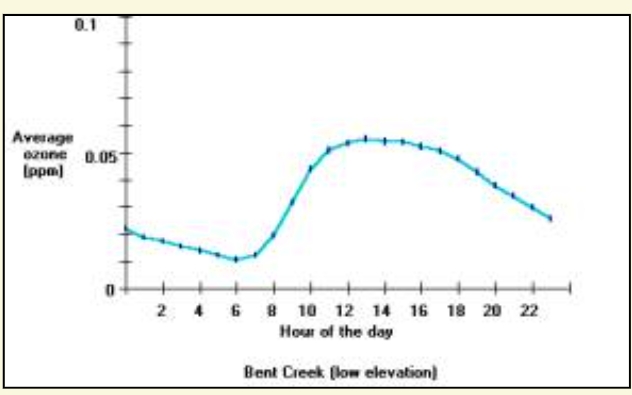
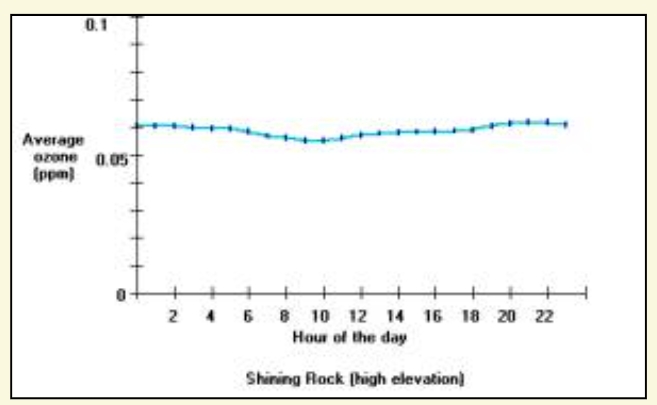




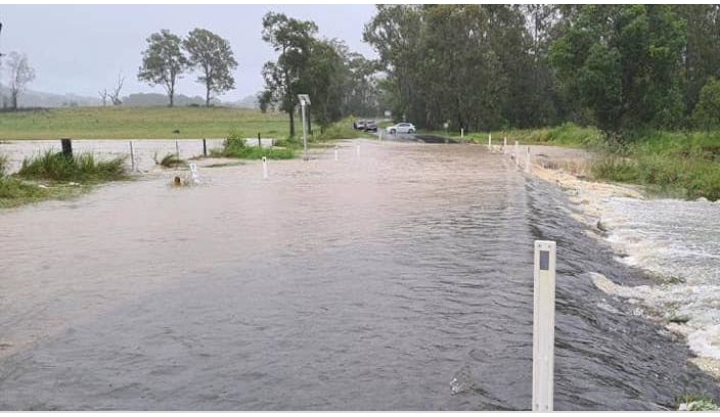
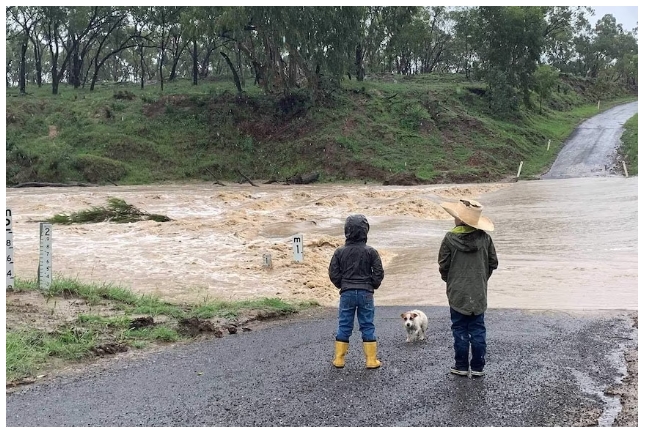

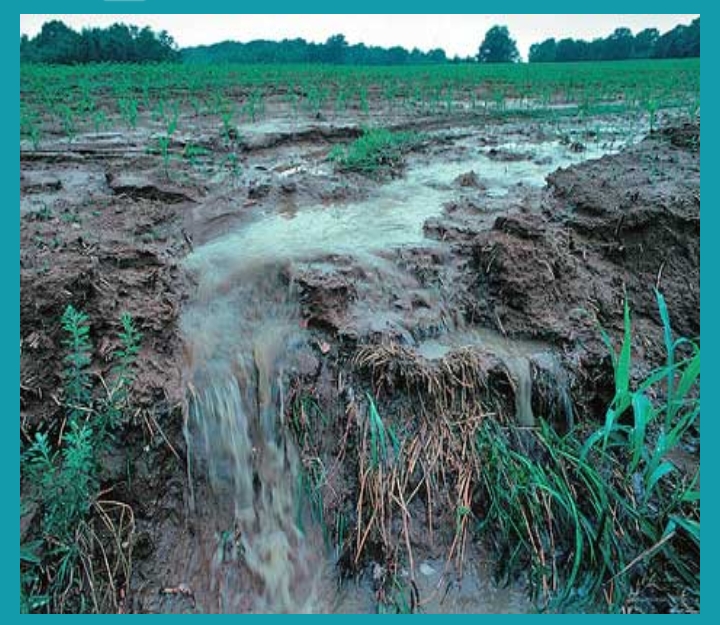
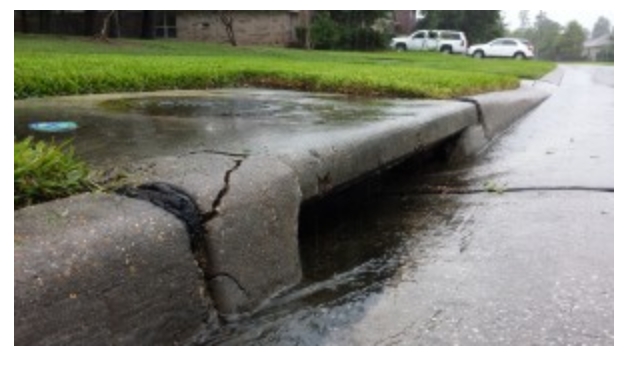
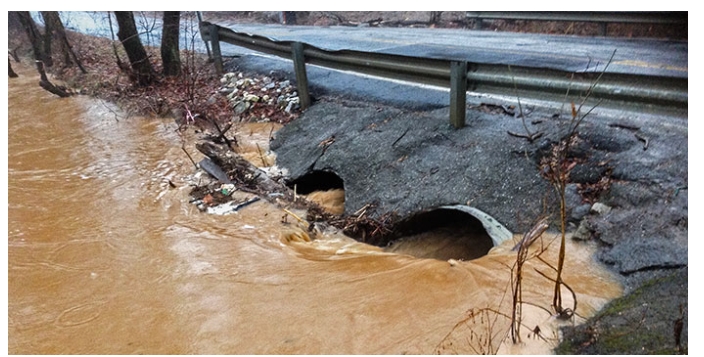
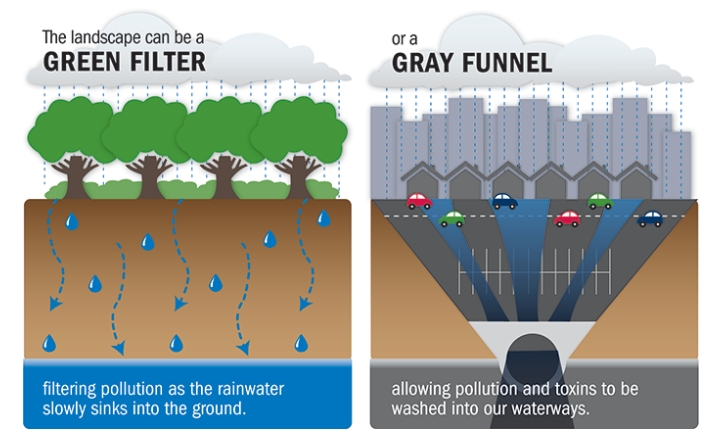
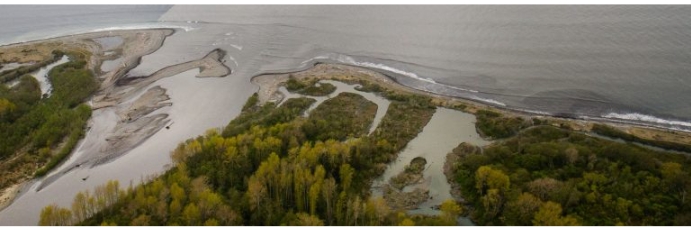
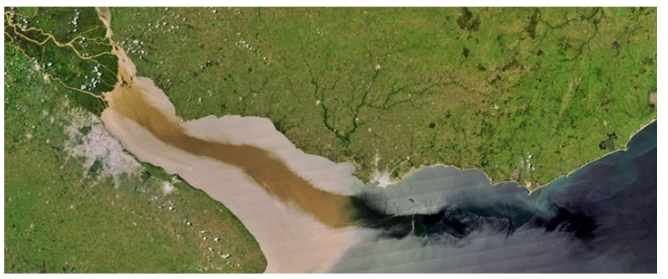
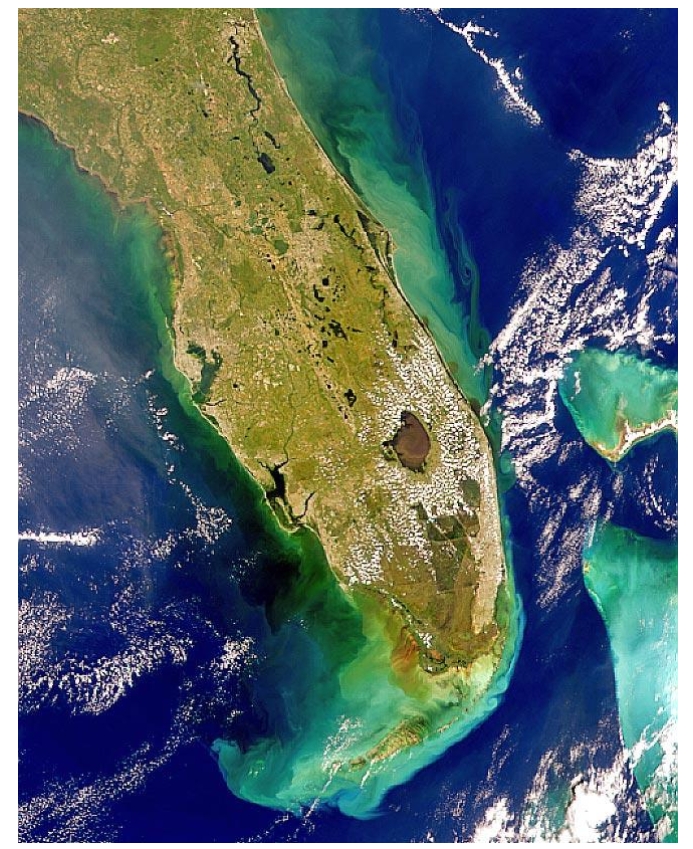
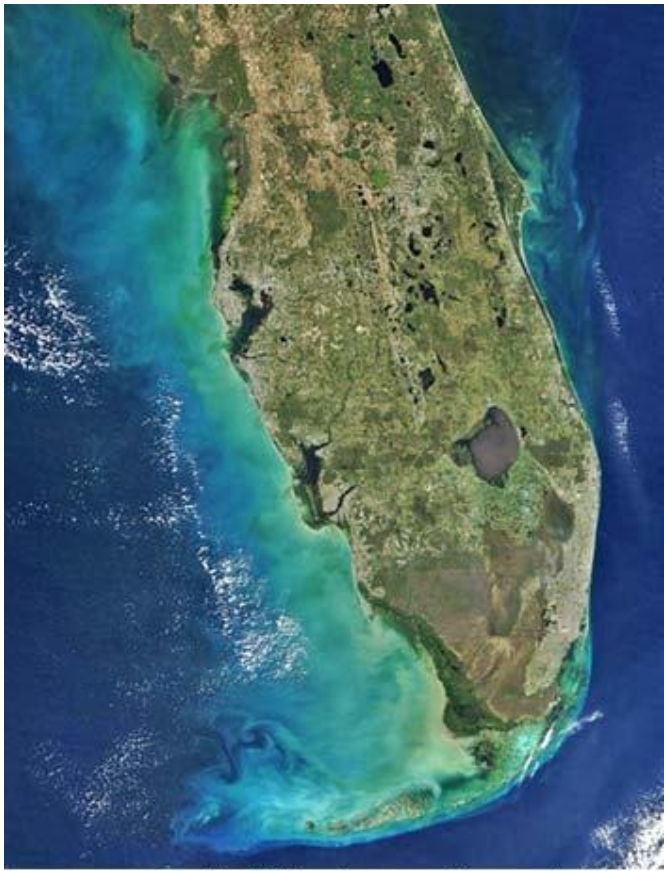


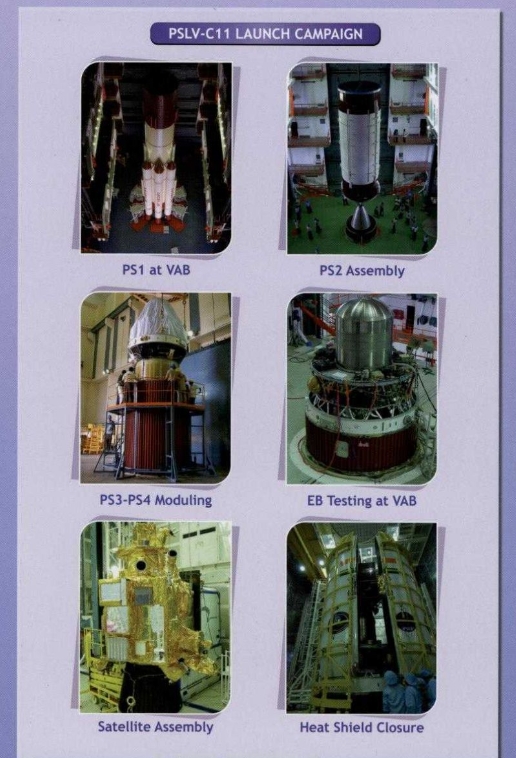
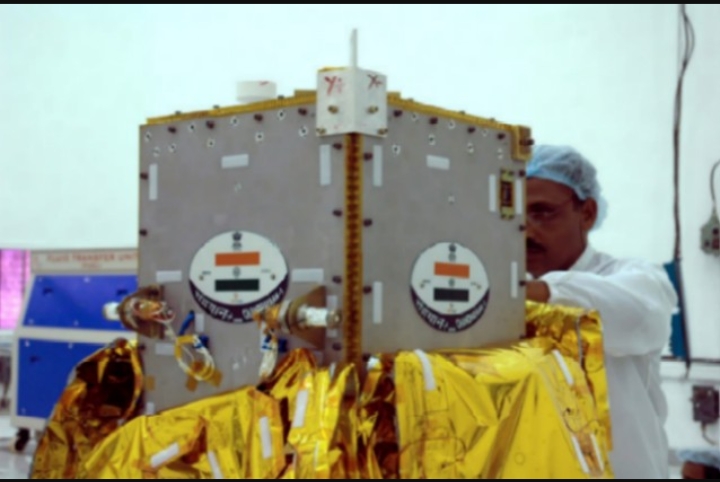
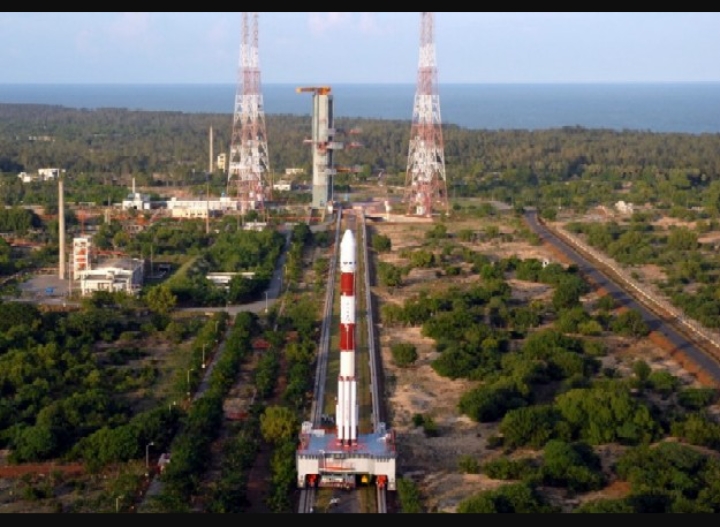
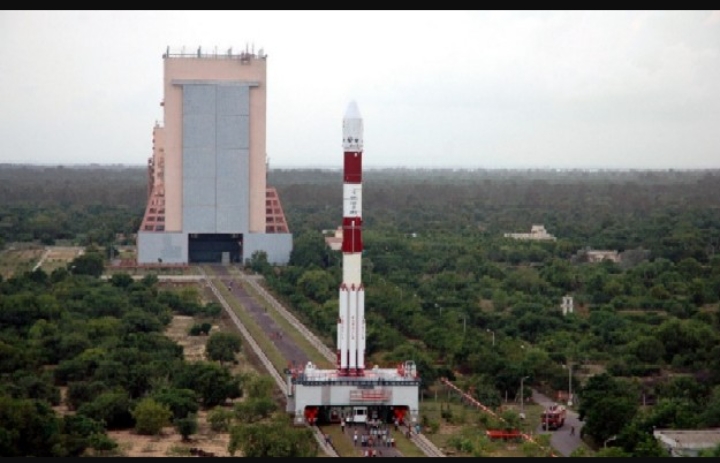
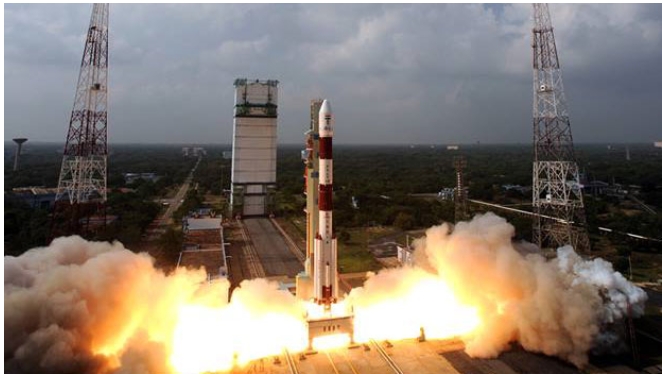
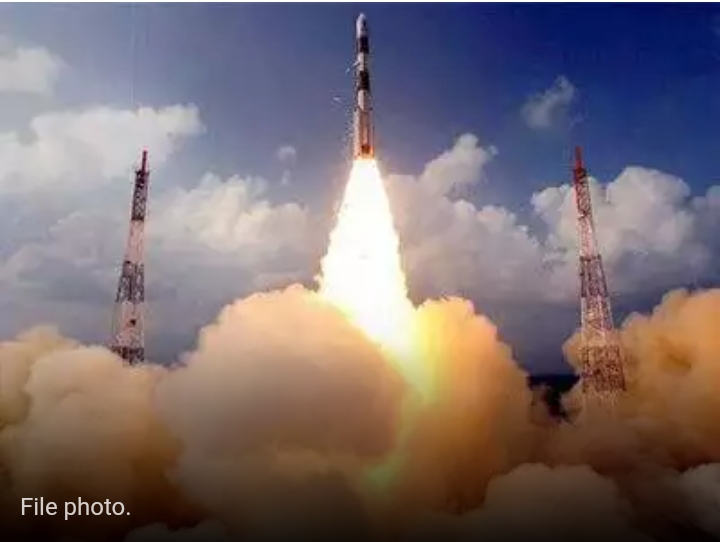
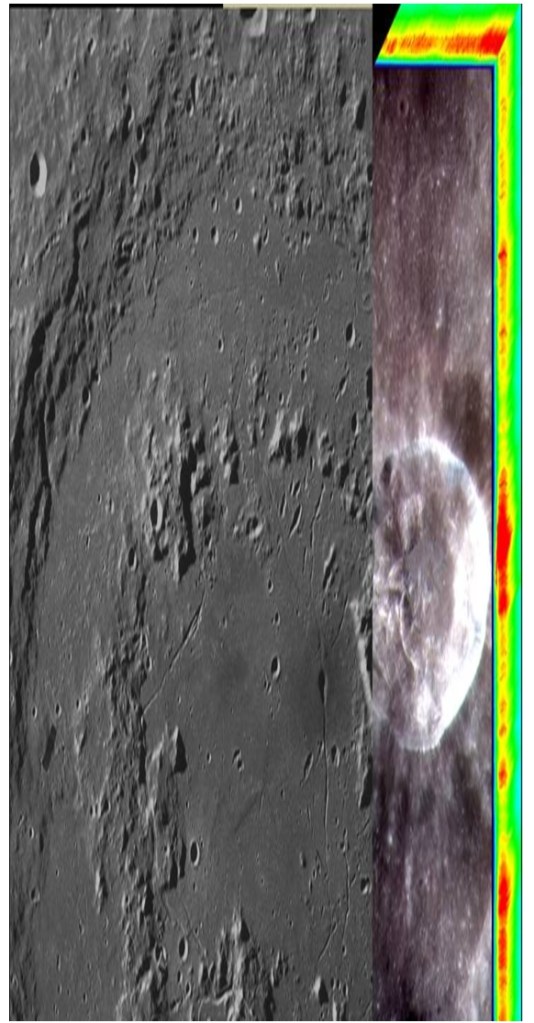


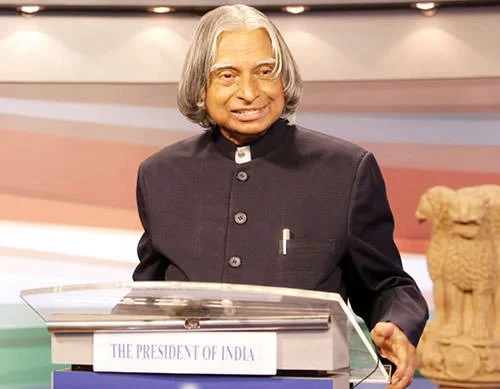


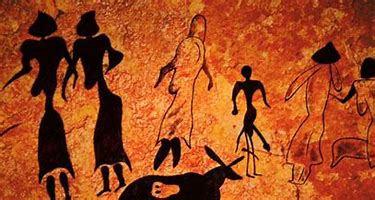

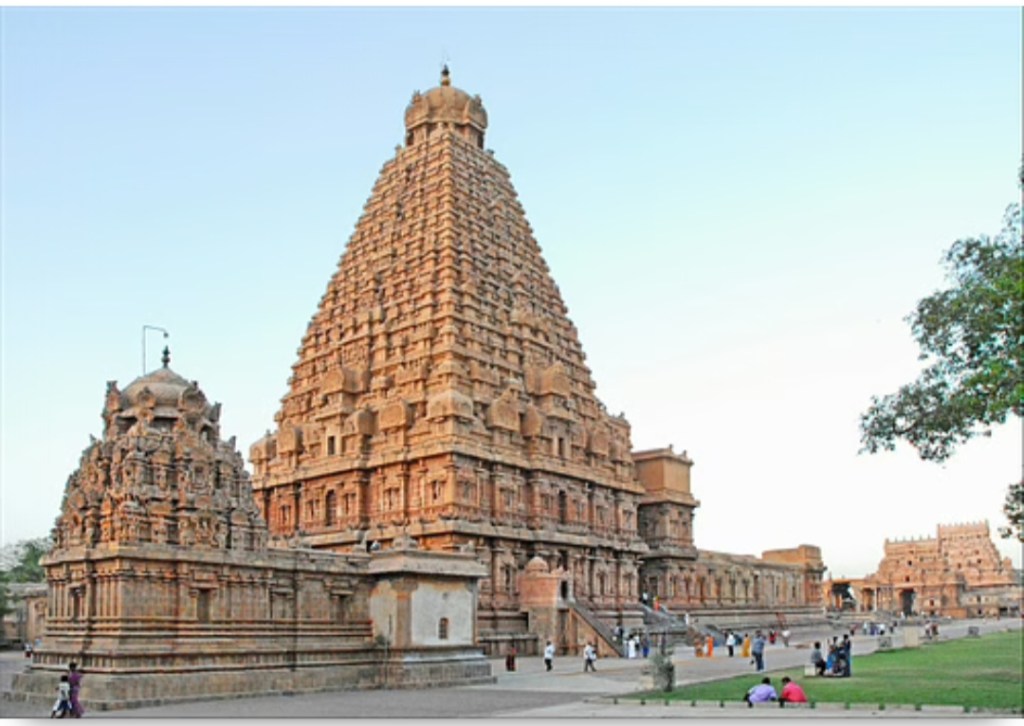
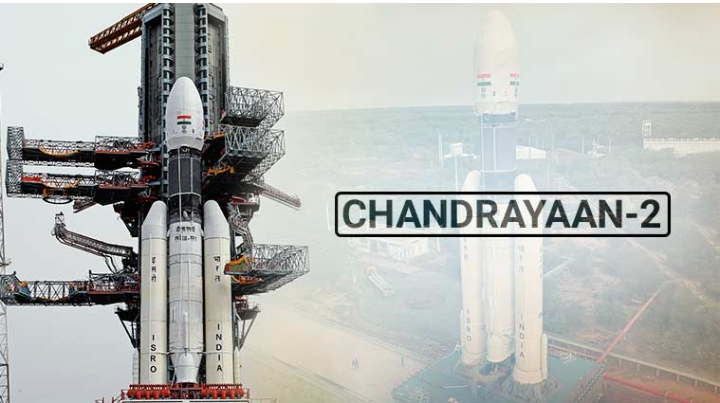
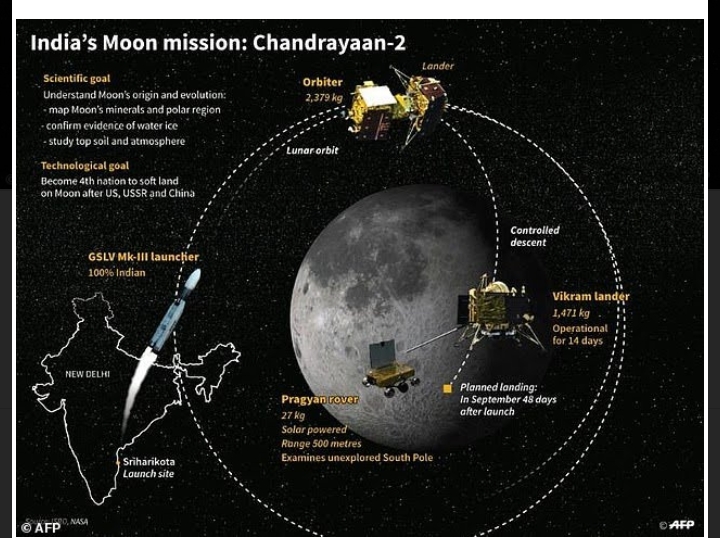
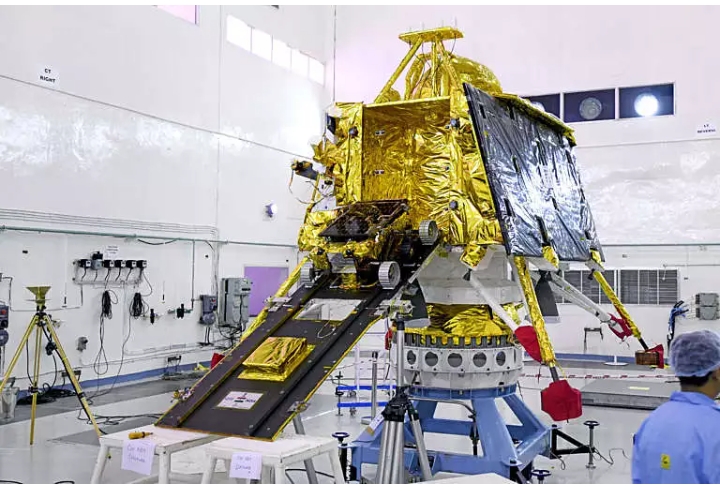
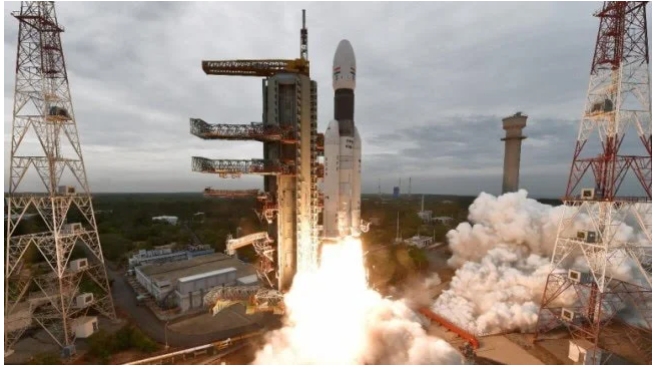
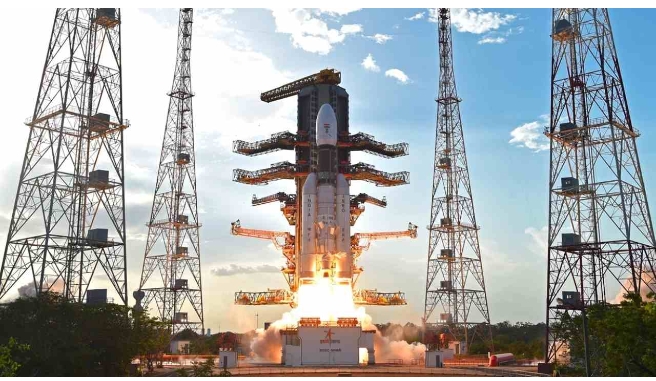
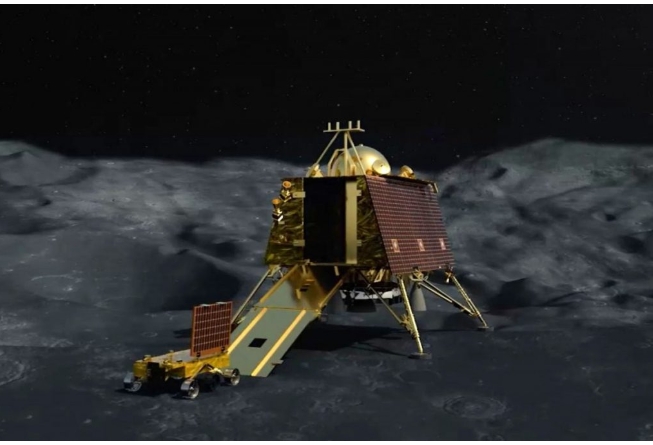
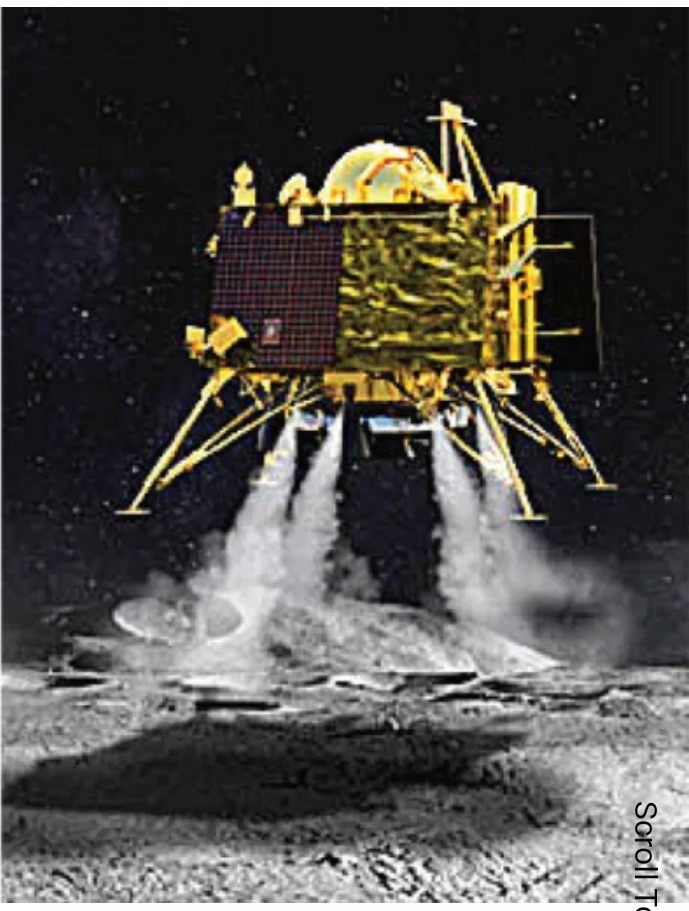



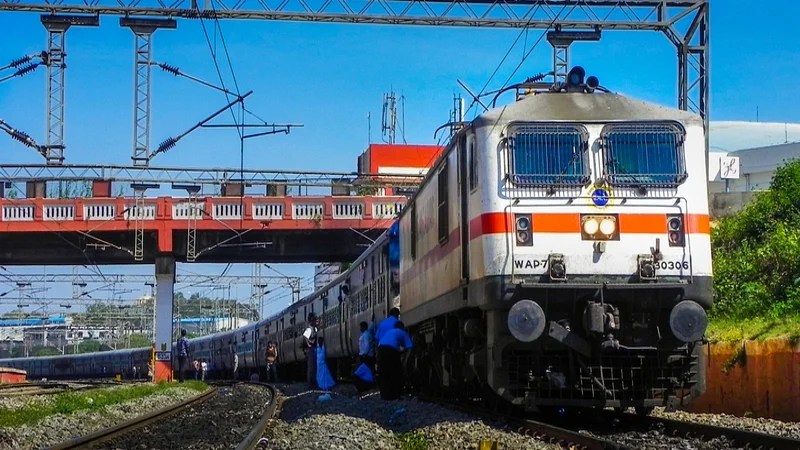


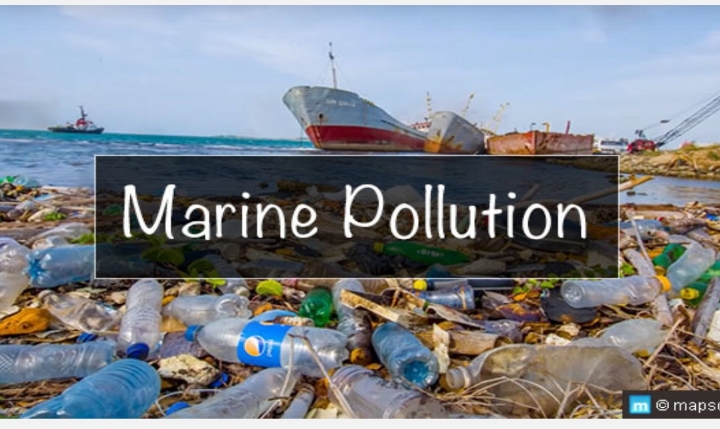
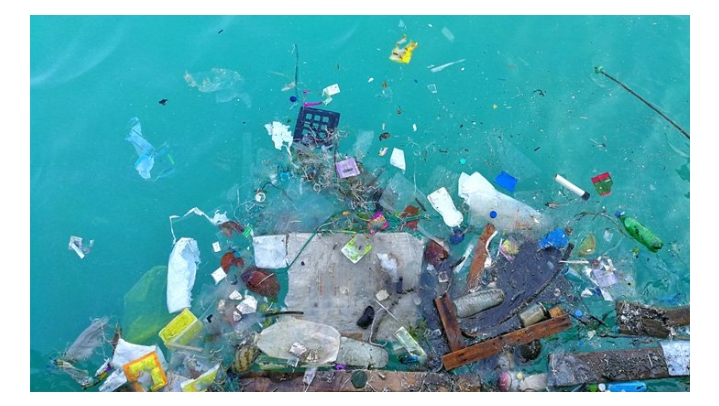
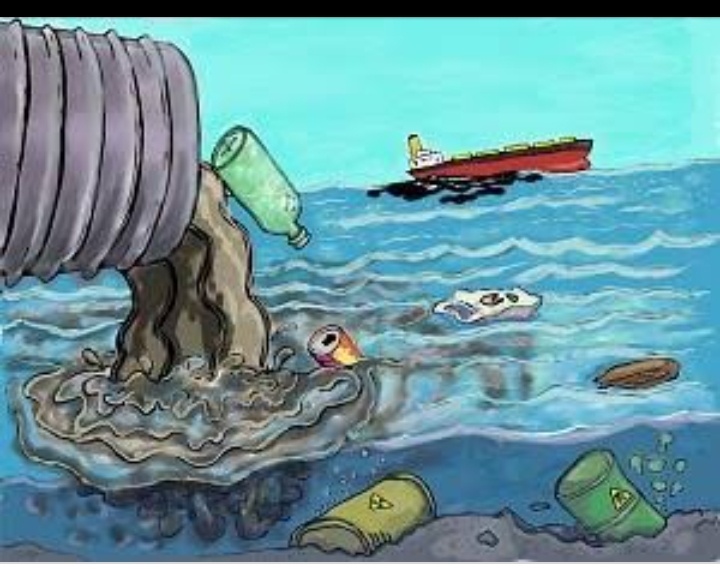
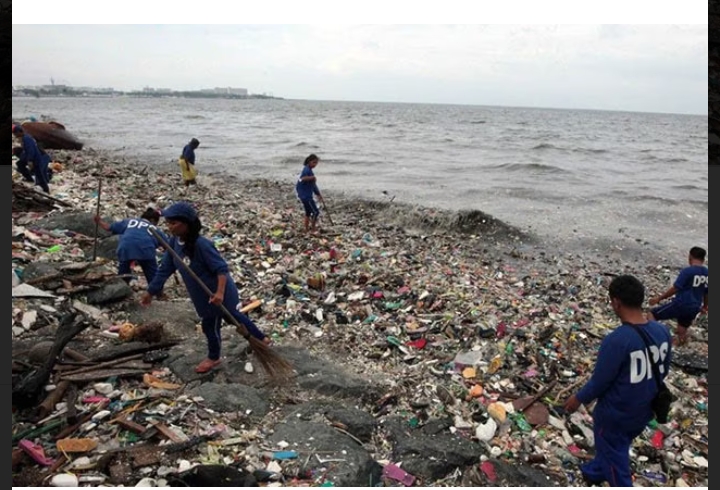
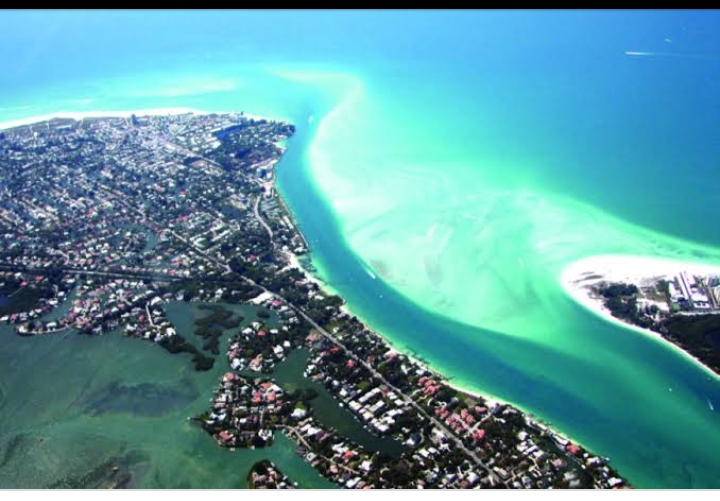
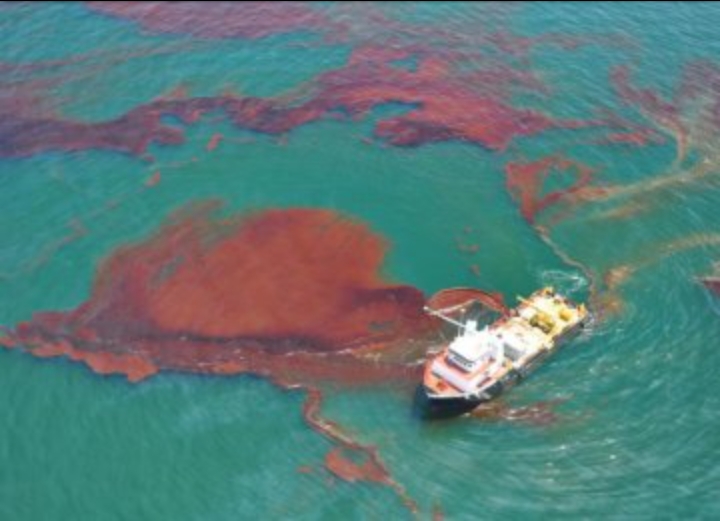
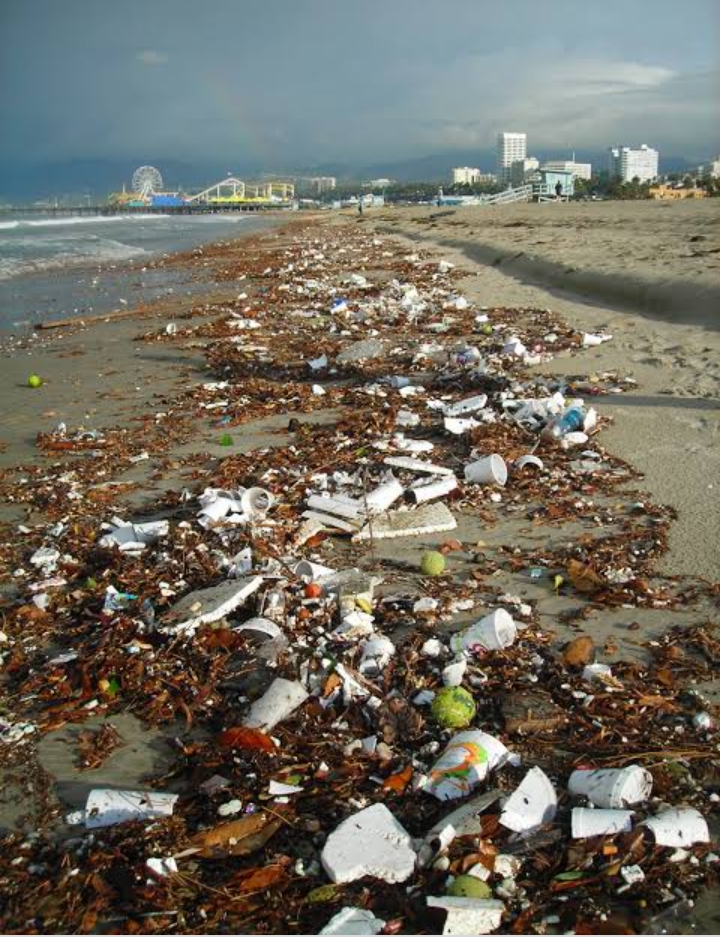
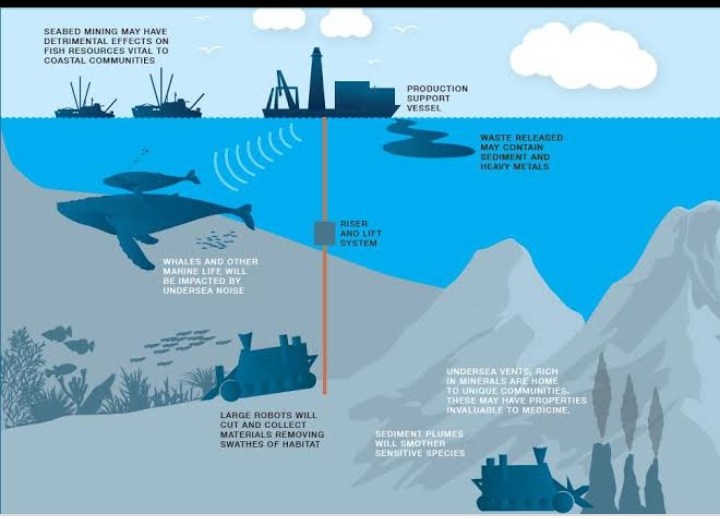
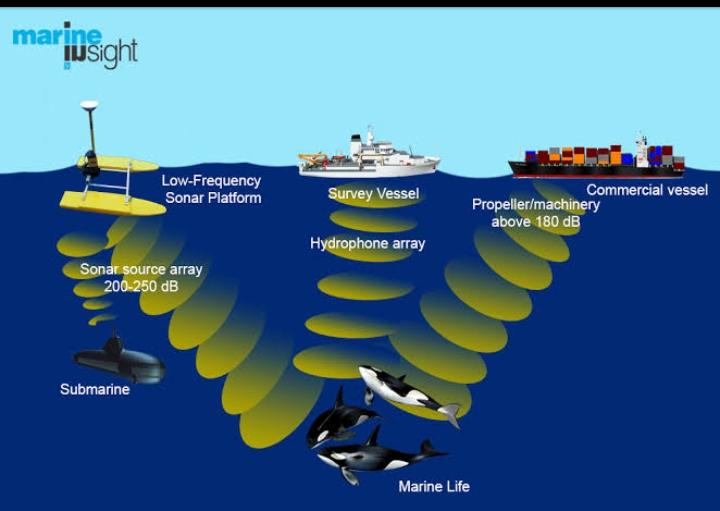
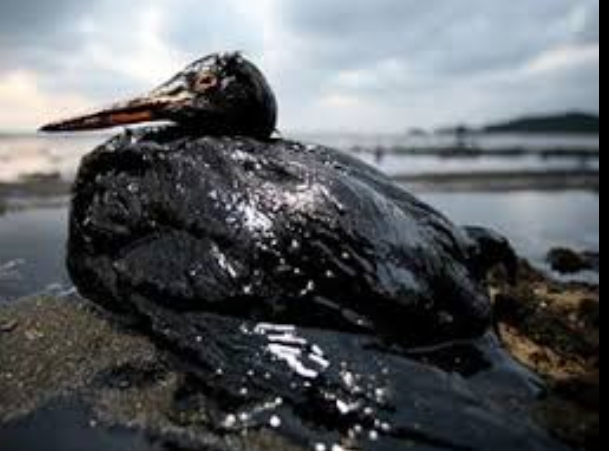
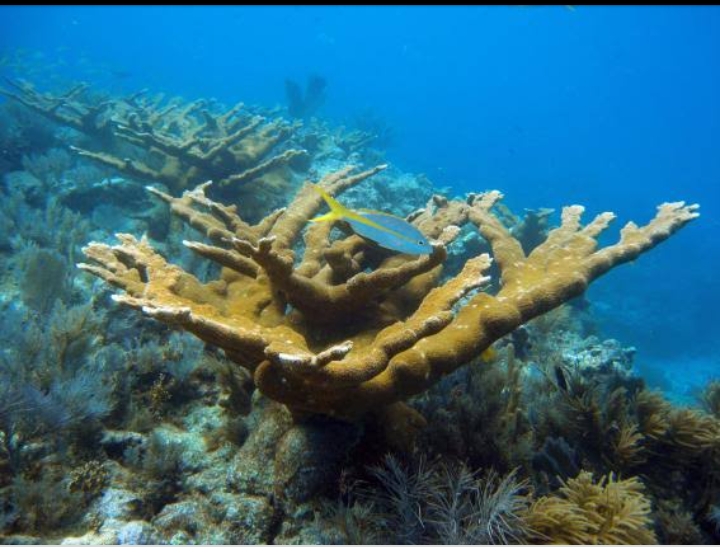

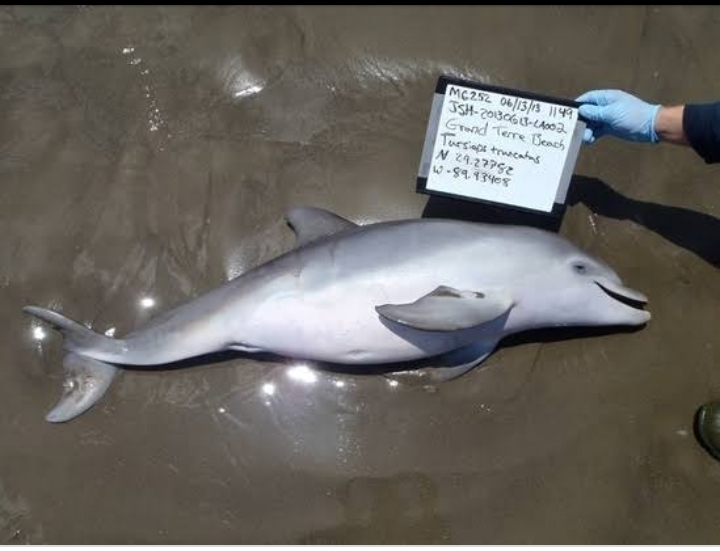
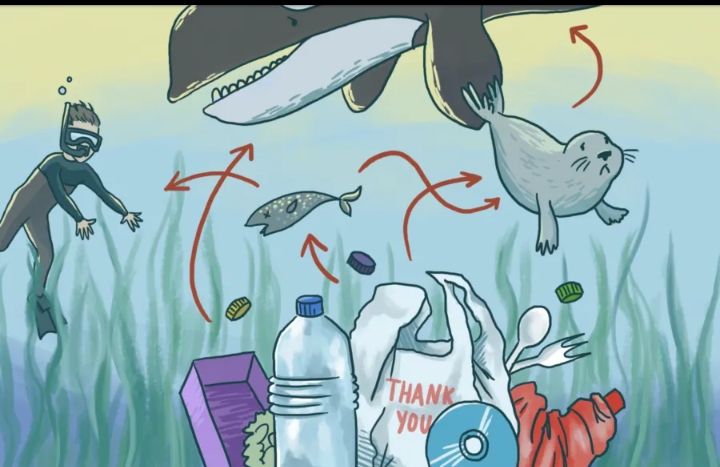
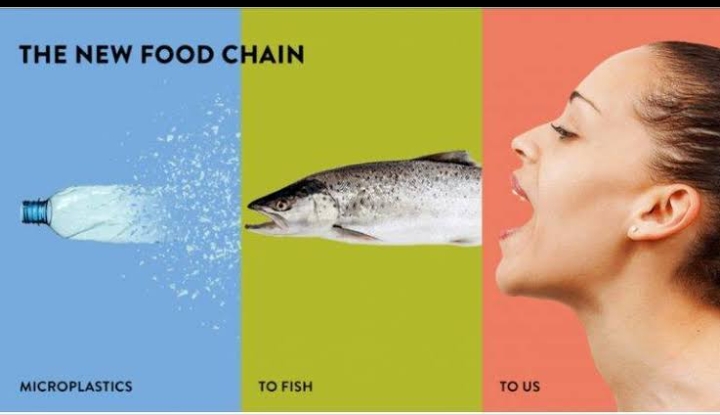
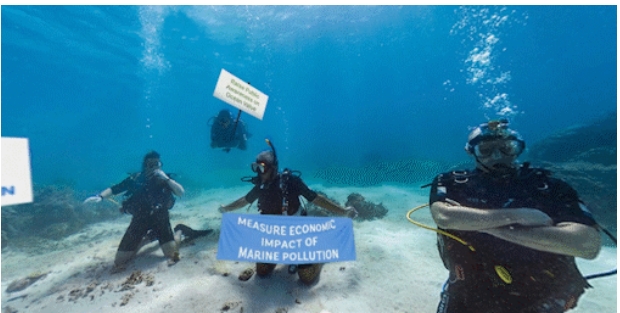
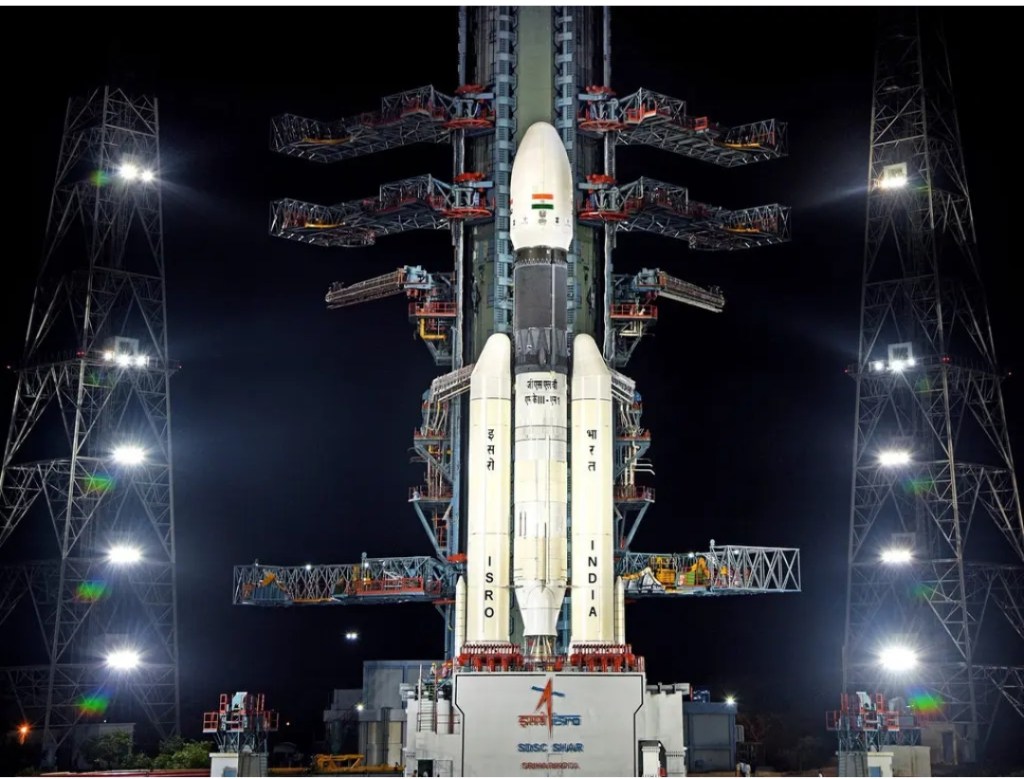


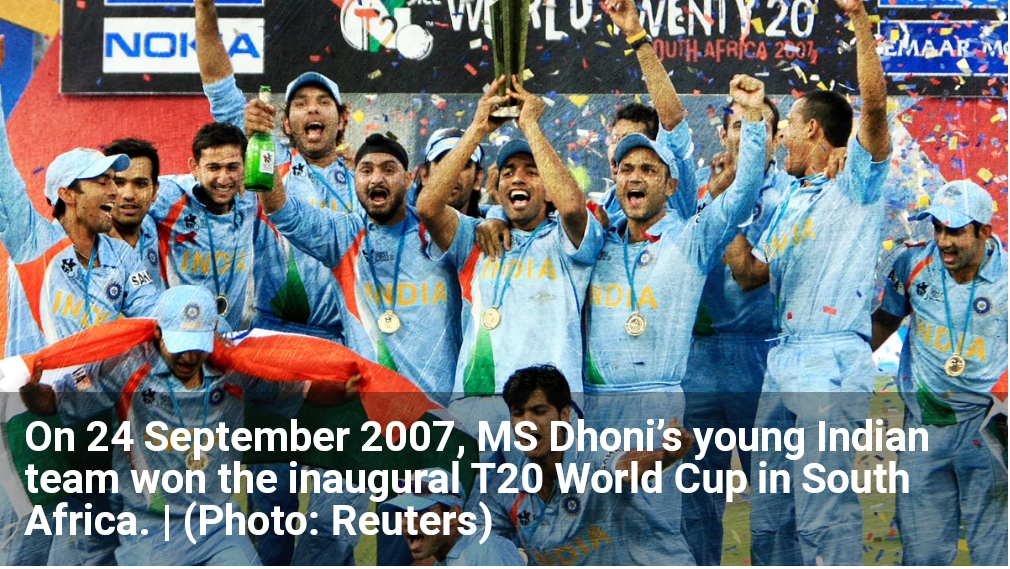
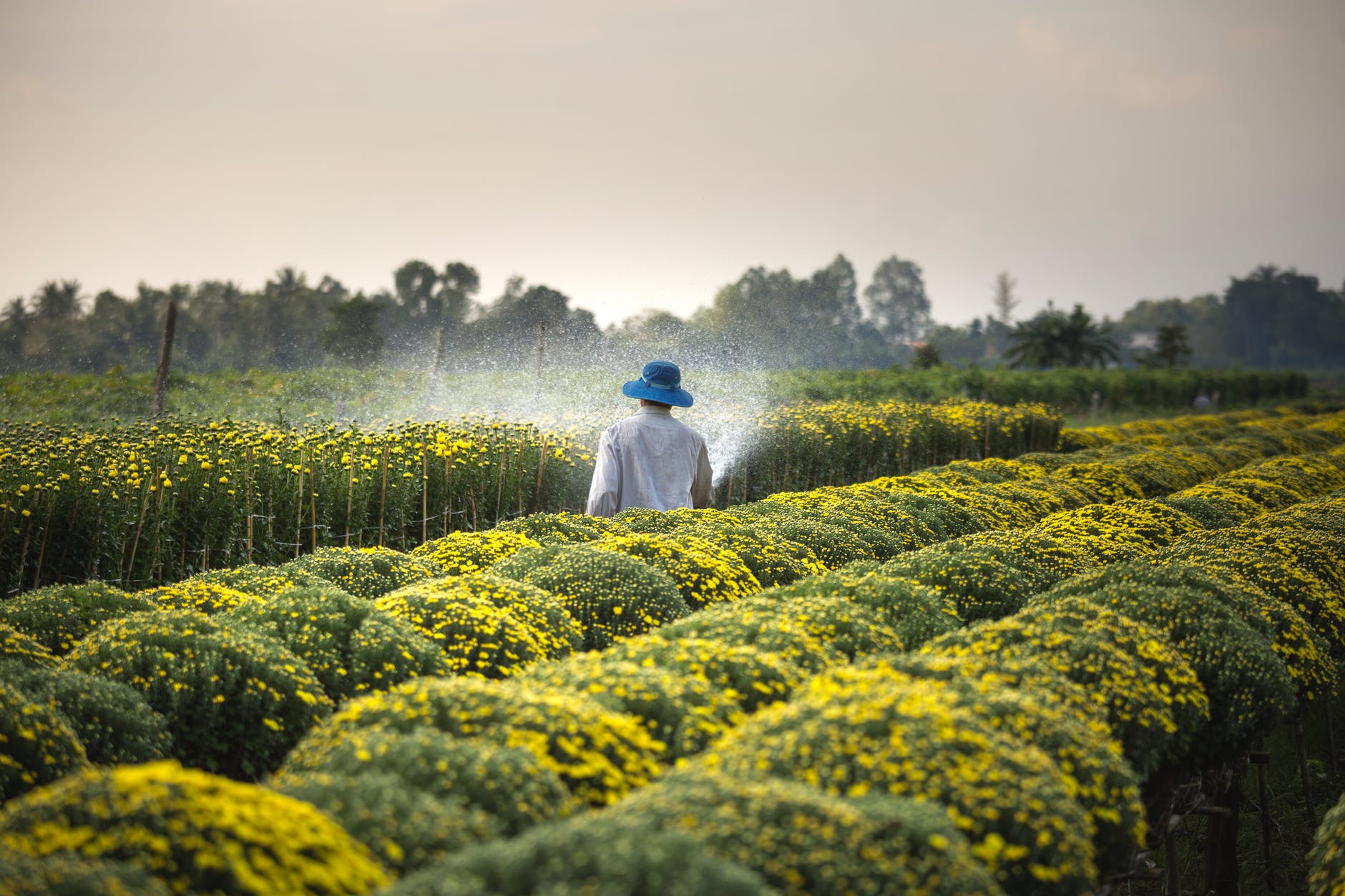



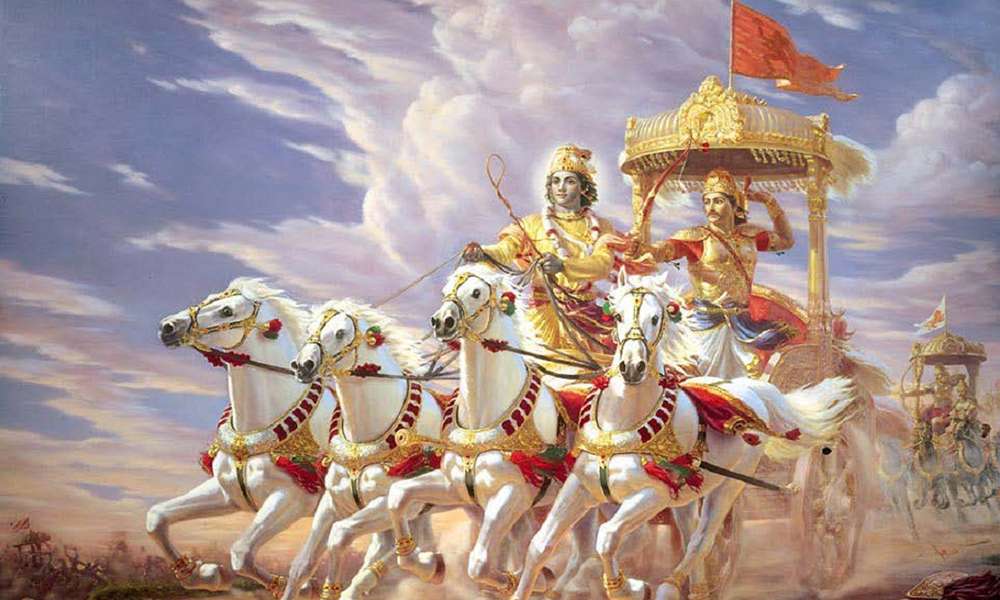



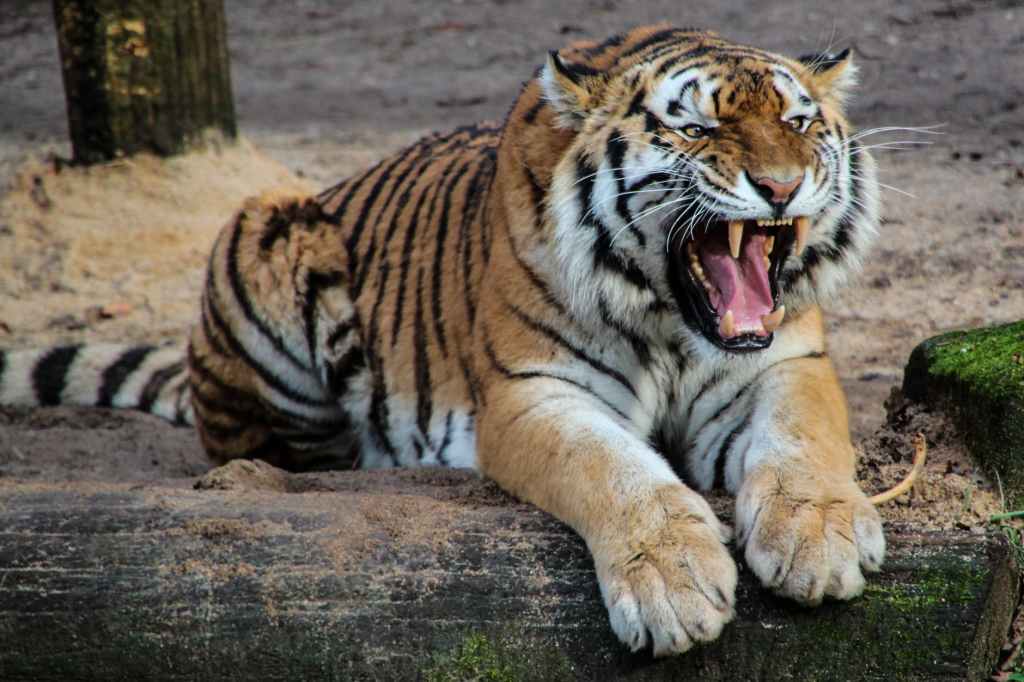
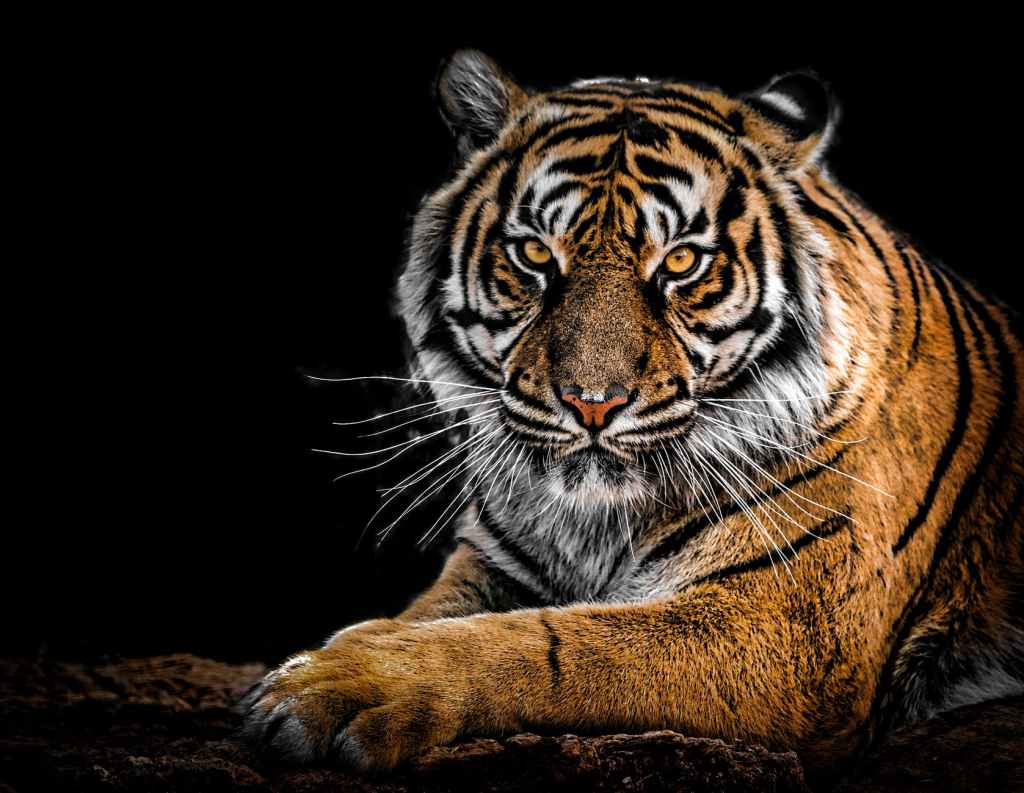



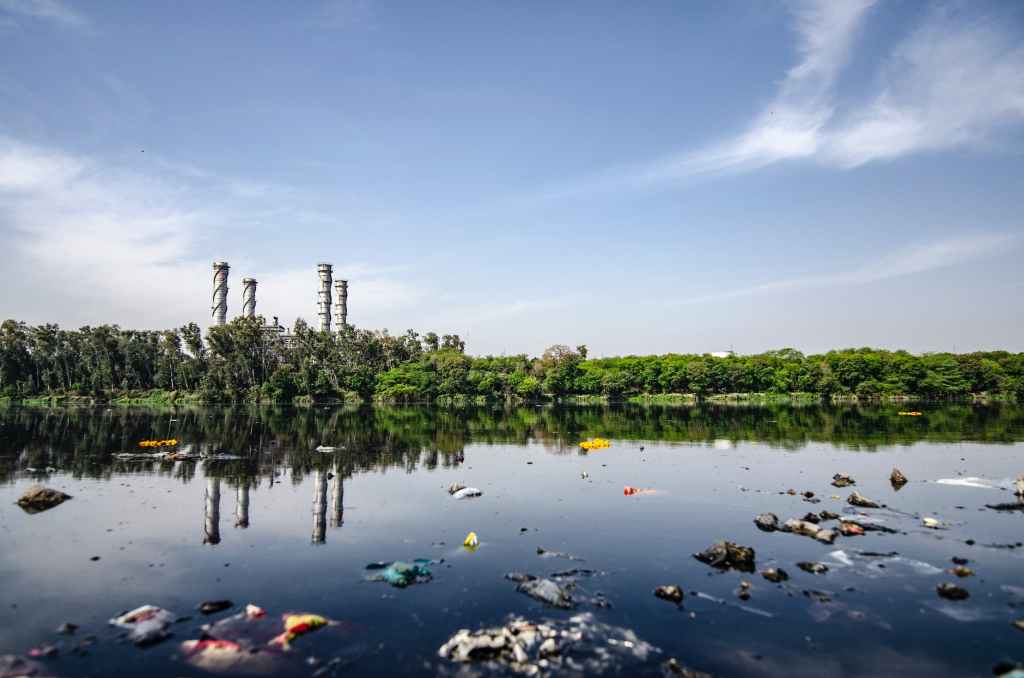
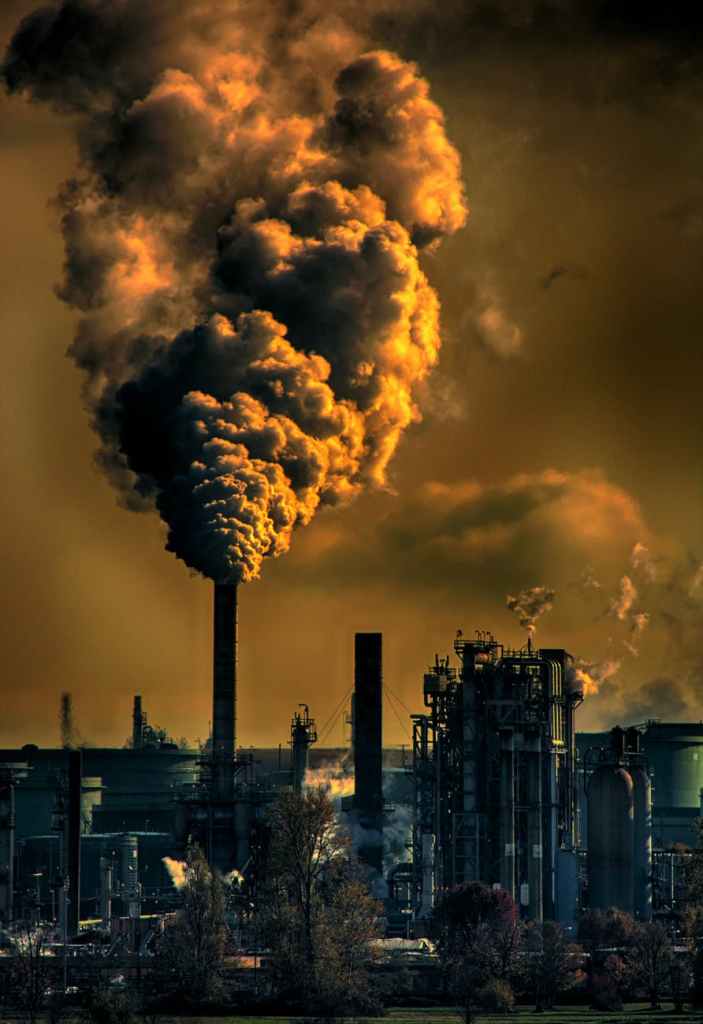





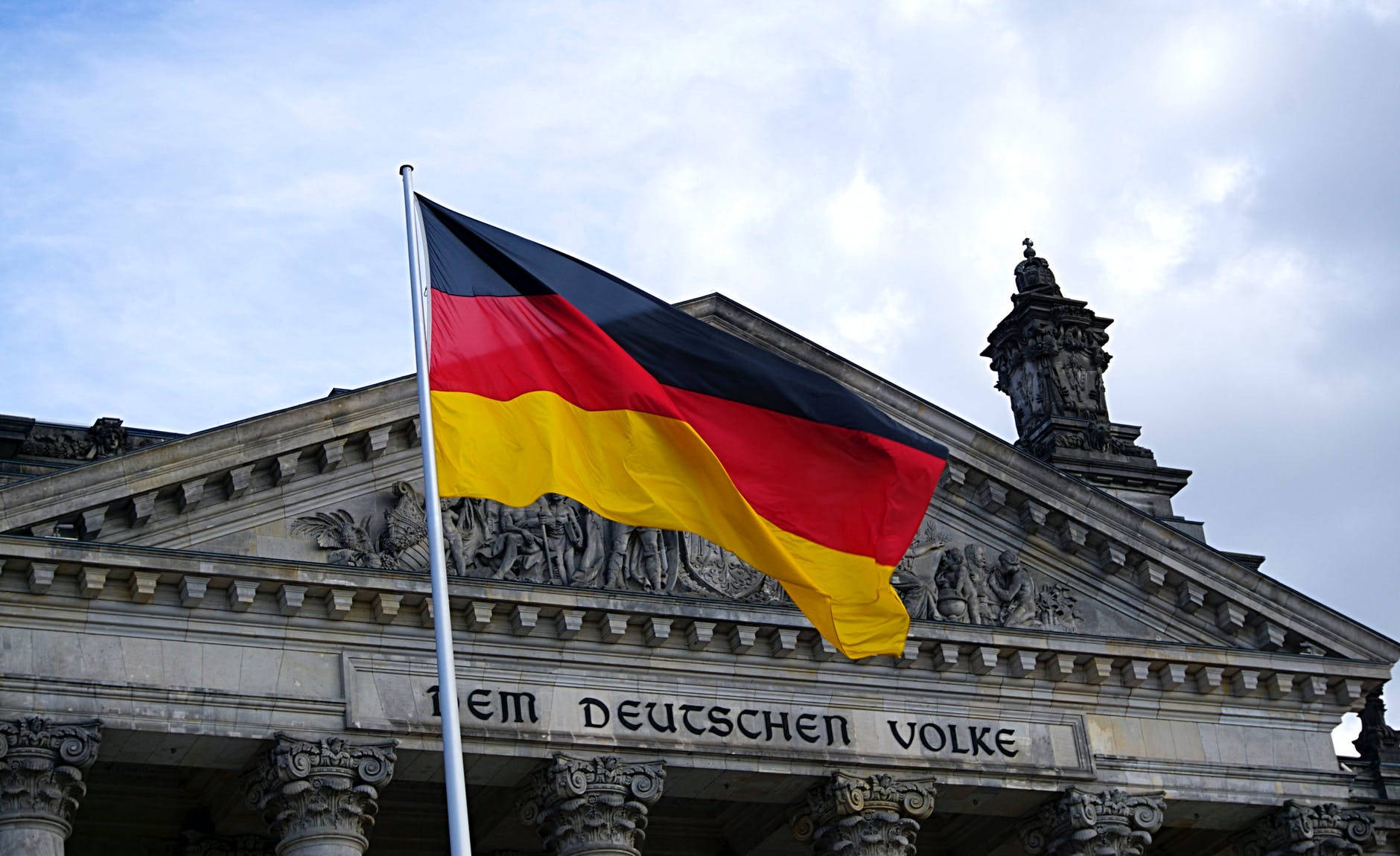


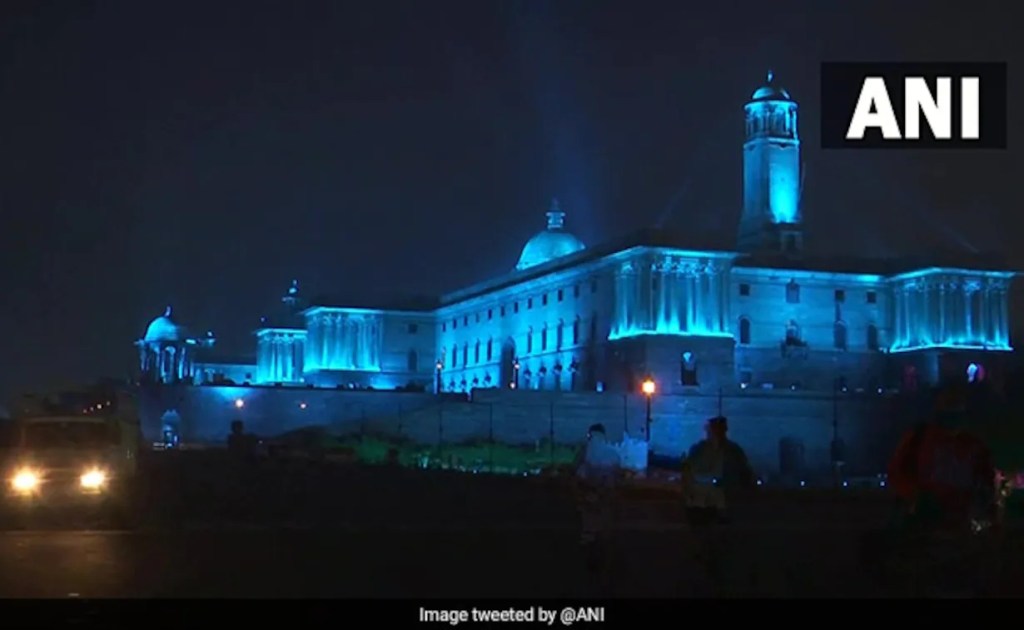





 Track2Training
You must be logged in to post a comment.