Global Warming

Global warming’ is the term used to describe the rise in global surface temperatures. The term is often used interchangeably with ‘climate change’. The phenomenon revolves around the rise in surface temperatures – over land and oceans – that have led to an accelerated increase in temperatures. This has in turn led to the progressive shrinkage of the glaciers and polar ice caps, leading to rise in sea level. Another observed effect has been the disruption of cyclical weather patterns and the rising number of freak natural disasters.

The rise in temperatures has been attributed to the build-up of greenhouse gases, such as carbon dioxide and methane, at especially accelerated levels as a result of the industrialisation of the past 100 years. A concerted global effort to counter and mitigate the effects of this phenomenon has been elusive, with developed nations and developing countries facing off over the respective levels of emission cuts they would have to effect domestically.

However, there is also a considerable minority, especially in the US, that holds the assumption that global warming as a hoax perpetrated by certain countries for their own benefit.

Climate change: Everyone Focused on saving lives till now, time to save livelihood as well:

According to a Climate Central map, hundreds of cities on India’s eastern coast will be under water by 2050. CEEW says more than 80% of India’s population is vulnerable to “extreme climate risks”

According to a map created by Climate Central, hundreds of cities on the eastern coast of India will be under water by the year 2050. Over 27 states and union territories in India and more than 80% of the country’s population are vulnerable to “extreme climate risks”, says a report by the Council on Energy, Environment and Water.

These statistics show that the lives of many communities are put in danger due to climate change, and that a significant number of them lose their livelihood to it as well. Ritayan Mukherjee, a photojournalist, shares that while covering the pastoral nomads in the Himalayas, he came across the Changpa community who take their yak and sheep to grazing grounds that are 10,000-11,000 feet above the sea level. “The livelihood of these people is directly dependent on nature, because they move with their herd from one place to another,” says he.


Mukherjee shares that because of global warming, rising temperatures and the winter months getting shorter, the pastoralists have to take their herds to even higher grazing grounds. A report that Mukherjee worked on for the People’s Archive of Rural India said that the yak population in Leh fell about 57% between 1991-2010, according to the Department of Animal Husbandry and Dairying. A lot of these pastoralists don’t just depend on yak for their economic incomes, but they also use the yak-wool to build traditional tents, called Rebos. However, Mukherjee shares that these residential tents have disappeared over the past few years for reasons that can be attributed to climate change.

According to a Climate Central map, hundreds of cities on India’s eastern coast will be under water by 2050. CEEW says more than 80% of India’s population is vulnerable to “extreme climate risks”.

How many headlines and news articles did you come across in the last month that told you the condition of the climate is deteriorating? That a big chunk of our lives will be lost battling global warming in the next few decades? It’s no secret that climate change is impacting lives every single day, but let’s take a look at how it has been affecting us and what we can do to change its course.

New NASA Earth System Observatory to Help Address, Mitigate Climate Change

May 24, 2021

NASA will design a new set of Earth-focused missions to provide key information to guide efforts related to climate change, disaster mitigation, fighting forest fires, and improving real-time agricultural processes. With the Earth System Observatory, each satellite will be uniquely designed to complement the others, working in tandem to create a 3D, holistic view of Earth, from bedrock to atmosphere.


“I’ve seen firsthand the impact of hurricanes made more intense and destructive by climate change, like Maria and Irma. The Biden-Harris Administration’s response to climate change matches the magnitude of the threat: a whole of government, all hands-on-deck approach to meet this moment,” said NASA Administrator Sen. Bill Nelson. “Over the past three decades, much of what we’ve learned about the Earth’s changing climate is built on NASA satellite observations and research. NASA’s new Earth System Observatory will expand that work, providing the world with an unprecedented understanding of our Earth’s climate system, arming us with next-generation data critical to mitigating climate change, and protecting our communities in the face of natural disasters

What are Carbon Markets ?


Carbon Markets: Carbon markets facilitate the trading of emission reductions. Such a market allows countries, or industries, to earn carbon credits for the emission reductions they make in excess of their targets. These carbon credits can be traded to the highest bidder in exchange of money. The buyers of carbon credits can show the emission reductions as their own and use them to meet their reduction targets. Carbon markets are considered a very important and effective instrument to reduce overall emissions.


A carbon market existed under Kyoto Protocol but is no longer there because the Protocol itself expired last year. A new market under Paris Agreement is yet to become functional. Developing countries like India, China or Brazil have large amounts of carbon credits left over because of the lack of demand as many countries abandoned their emission reduction targets. The developing countries wanted their unused carbon credits to be transitioned to the new market, something that the developed nations had been opposing on the grounds that the quality of these credits — the question whether these credits represent actual emission reductions — was a suspect. A deadlock over this had been holding up the finalisation of the rules and procedures of the Paris Agreement.


The Glasgow Pact has offered some reprieve to the developing nations. It has allowed these carbon credits to be used in meeting countries’ first NDC targets. These cannot be used for meeting targets in subsequent NDCs. That means, if a developed country wants to buy these credits to meet its own emission reduction targets, it can do so till 2025. Most countries have presented climate targets for 2025 in their first NDCs.

The resolution of the deadlock over carbon markets represents one of the major successes of COP26.

Achievements of the Glasgow Summit 2021


What was achieved?

Mitigation: The Glasgow agreement has emphasised that stronger action in the current decade was most critical to achieving the 1.5-degree target. Accordingly, it has:

1. Asked countries to strengthen their 2030 climate action plans, or NDCs (nationally-determined contributions), by next year.

2. Established a work programme to urgently scale-up mitigation ambition and implementation.

3. Decided to convene an annual meeting of ministers to raise ambition of 2030 climate actions.

4. Called for an annual synthesis report on what countries were doing.

5. Requested the UN Secretary General to convene a meeting of world leaders in 2023 to scale-up ambition of climate action.

6. Asked countries to make efforts to reduce usage of coal as a source of fuel, and abolish “inefficient” subsidies on fossil fuels
Has called for a phase-down of coal, and phase-out of fossil fuels. This is the first time that coal has been explicitly mentioned in any COP decision. It also led to big fracas at the end, with a group of countries led by India and China forcing an amendment to the word “phase-out” in relation to coal changed to “phase-down”. The initial language on this provision was much more direct. It called on all parties to accelerate phase-out of coal and fossil fuel subsidies. It was watered down in subsequent drafts to read phase-out of “unabated” coal power and “inefficient” fossil fuel subsidies. But even this was not liking to the developing countries who then got it changed to “phase down unabated coal power and phase out inefficient fossil fuel subsidies while providing targeted support to the poorest and the most vulnerable in line with national circumstances…”. Despite the dilution, the inclusion of language on reduction of coal power is being seen as a significant movement forward.


Adaptation: Most of the countries, especially the smaller and poorer ones, and the small island states, consider adaptation to be the most important component of climate action. These countries, due to their lower capacities, are already facing the worst impacts of climate change, and require immediate money, technology and capacity building for their adaptation activities.

As such, the Glasgow Climate Pact has:

Asked the developed countries to at least double the money being provided for adaptation by 2025 from the 2019 levels. In 2019, about $15 billion was made available for adaptation that was less than 20 per cent of the total climate finance flows. Developing countries have been demanding that at least half of all climate finance should be directed towards adaptation efforts.


Created a two-year work programme to define a global goal on adaptation. The Paris Agreement has a global goal on mitigation — reduce greenhouse gas emissions deep enough to keep the temperature rise within 2 degree Celsius of pre-industrial times. A similar global goal on adaptation has been missing, primarily because of the difficulty in defining such a target. Unlike mitigation efforts that bring global benefits, the benefits from adaptation are local or regional. There are no uniform global criteria against which adaptation targets can be set and measured. However, this has been a long-pending demand of developing countries and the Paris Agreement also asks for defining such a goal.


Finance: Every climate action has financial implications. It is now estimated that trillions of dollars are required every year to fund all the actions necessary to achieve the climate targets. But, money has been in short supply. Developed countries are under an obligation, due to their historical responsibility in emitting greenhouse gases, to provide finance and technology to the developing nations to help them deal with climate change. In 2009, developed countries had promised to mobilise at least $100 billion every year from 2020. This promise was reaffirmed during the Paris Agreement, which also asked the developed countries to scale up this amount from 2025. The 2020 deadline has long passed but the $100 billion promise has not been fulfilled. The developed nations have now said that they will arrange this amount by 2023.

What does the Glasgow Agreement say?

Following are the major observations of the Glasgow Summit :

1. A deal aimed at staving off dangerous climate change has been struck at the COP26 summit in Glasgow.

2. Expressed “deep regrets” over the failure of the developed countries to deliver on their $100 billion promise. It has asked them to arrange this money urgently and in every year till 2025.

3. Initiated discussions on setting the new target for climate finance, beyond $100 billion for the post-2025 period.

4. Asked the developed countries to provide transparent information about the money they plan to provide.

5. Loss and Damage: The frequency of climate disasters has been rising rapidly, and many of these cause largescale devastation. The worst affected are the poor and small countries, and the island states. There is no institutional mechanism to compensate these nations for the losses, or provide them help in the form of relief and rehabilitation. The loss and damage provision in the Paris Agreement seeks to address that.


Introduced eight years ago in Warsaw, the provision hasn’t received much attention at the COPs, mainly because it was seen as an effort requiring huge sums of money. However, the affected countries have been demanding some meaningful action on this front. Thanks to a push from many nations, substantive discussions on loss and damage could take place in Glasgow. One of the earlier drafts included a provision for setting up of a facility to coordinate loss and damage activities. However, the final agreement, which has acknowledged the problem and dealt with the subject at substantial length, has only established a “dialogue” to discuss arrangements for funding of such activities. This is being seen as a major let-down.

What are Carbon Markets ?

Glasgow Summit 2021


Carbon Markets: Carbon markets facilitate the trading of emission reductions. Such a market allows countries, or industries, to earn carbon credits for the emission reductions they make in excess of their targets. These carbon credits can be traded to the highest bidder in exchange of money. The buyers of carbon credits can show the emission reductions as their own and use them to meet their reduction targets. Carbon markets are considered a very important and effective instrument to reduce overall emissions.


A carbon market existed under Kyoto Protocol but is no longer there because the Protocol itself expired last year. A new market under Paris Agreement is yet to become functional. Developing countries like India, China or Brazil have large amounts of carbon credits left over because of the lack of demand as many countries abandoned their emission reduction targets. The developing countries wanted their unused carbon credits to be transitioned to the new market, something that the developed nations had been opposing on the grounds that the quality of these credits — the question whether these credits represent actual emission reductions — was a suspect. A deadlock over this had been holding up the finalisation of the rules and procedures of the Paris Agreement.


The Glasgow Pact has offered some reprieve to the developing nations. It has allowed these carbon credits to be used in meeting countries’ first NDC targets. These cannot be used for meeting targets in subsequent NDCs. That means, if a developed country wants to buy these credits to meet its own emission reduction targets, it can do so till 2025. Most countries have presented climate targets for 2025 in their first NDCs.

The resolution of the deadlock over carbon markets represents one of the major successes of COP26.

Five terms that came up at the climate change conference in Glasgow 2021


The main task for COP26 was to finalise the rules and procedures for implementation of the Paris Agreement. Most of these rules had been finalised by 2018, but a few provisions, like the one relating to creation of new carbon markets, had remained unresolved.

After two weeks of negotiations with governments debating over provisions on phasing out coal, cutting greenhouse gas emissions and providing money to the poor world, the annual climate change summit came to an end on Saturday night with the adoption of a weaker-than-expected agreement called the Glasgow Climate Pact.


The Glasgow meeting was the 26th session of the Conference of Parties to the UN Framework Convention on Climate Change, or COP26. The main task for COP26 was to finalise the rules and procedures for implementation of the Paris Agreement. Most of these rules had been finalised by 2018, but a few provisions, like the one relating to creation of new carbon markets, had remained unresolved. However, due to clear evidence of worsening of the climate crisis in the six years since the Paris Agreement was finalised, host country United Kingdom was keen to ensure that Glasgow, instead of becoming merely a “procedural” COP, was a turning point in enhancing climate actions. The effort was to push for an agreement that could put the world on a 1.5 degree Celsius pathway, instead of the 2 degree Celsius trajectory which is the main objective of the Paris Agreement.

POLLUTION

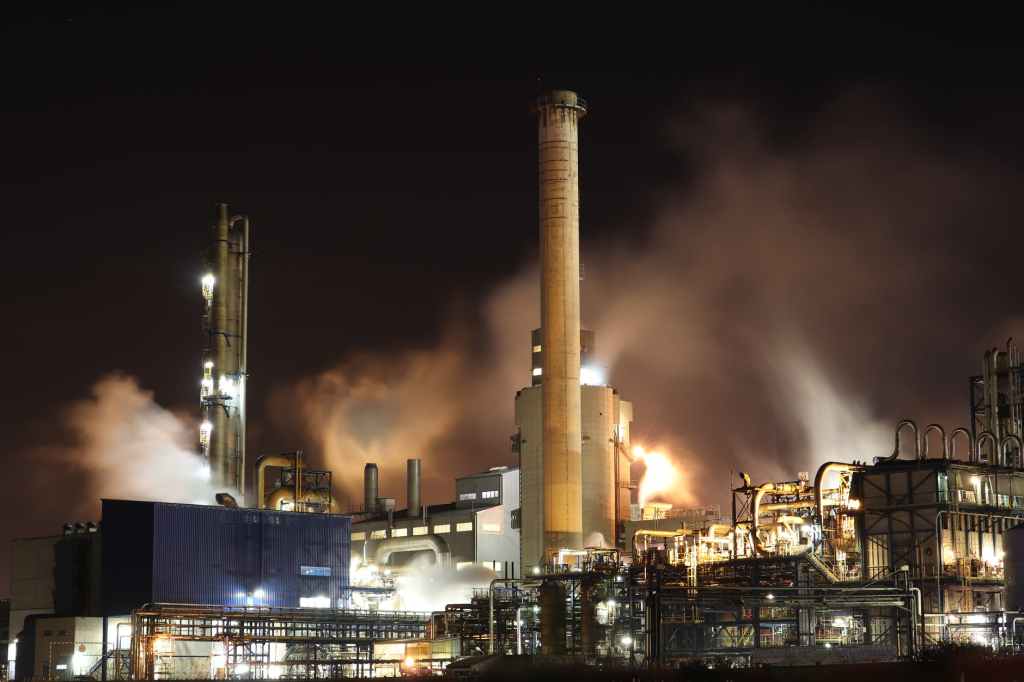
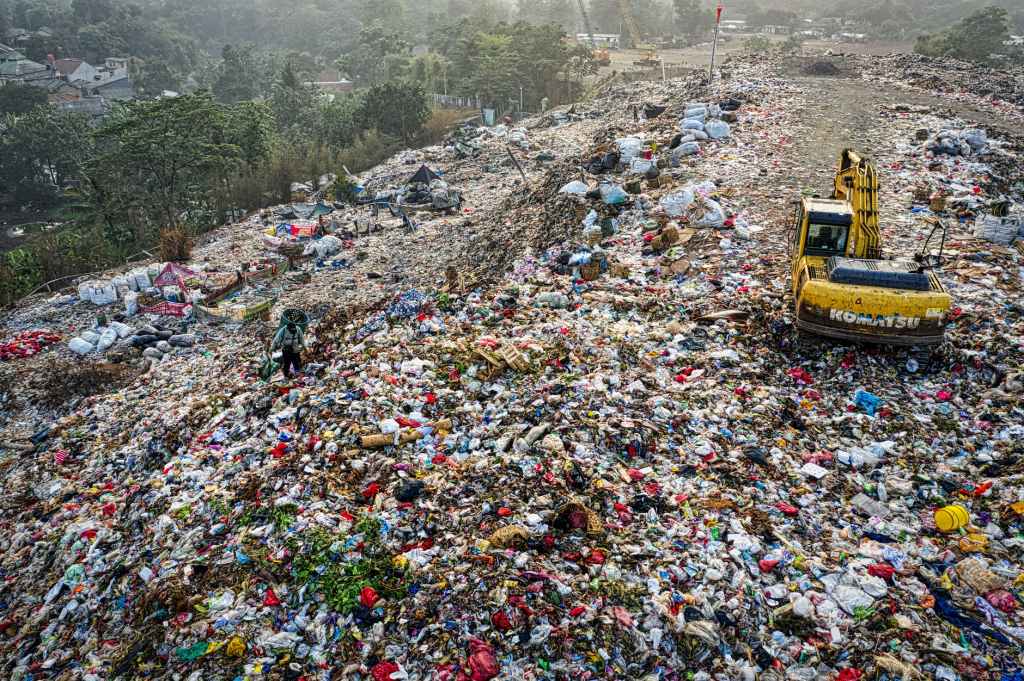
Pollution is defined as introduction of harmful particles in the environment.It can be man made or natural.The reason for pollution is many like toxic gas from industry, plastics in water,sound from vehicles etc.

TYPES OF POLLUTION:-

* Land pollution

* Noise pollution

* Water pollution

* Air pollution

* Light pollution.

LAND POLLUTION:-

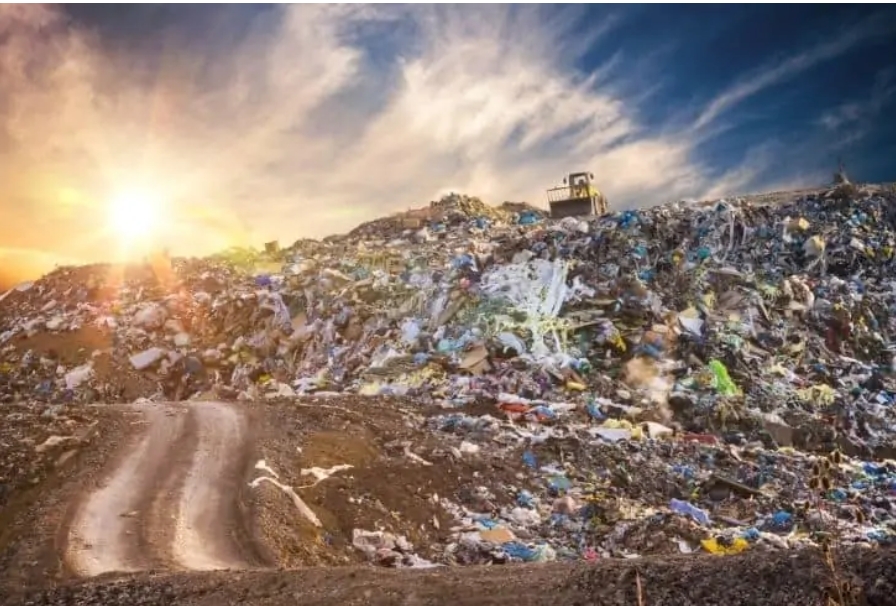
Land pollution means that contamination of soil or land. Land pollution leads to contamination of ground water.Land pollution is caused due to urbanization, deforestation, mining and throwing plastics in the land.

NOISE POLLUTION:-


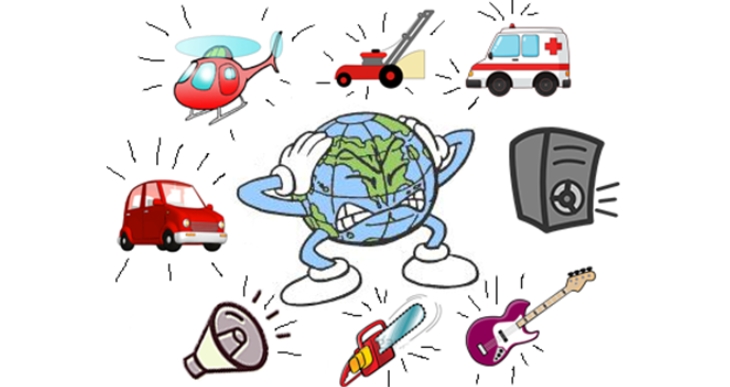
Noise is,defined as unwanted sound. Sound which pleases the listeners is music and that which causes pain and annoyance is noise.Noise pollution is majorly from vehicles,industrial works.Noise pollution leads to hearing problems, sleepless,cardio vascular issues and psychological problems.

WATER POLLUTION:-

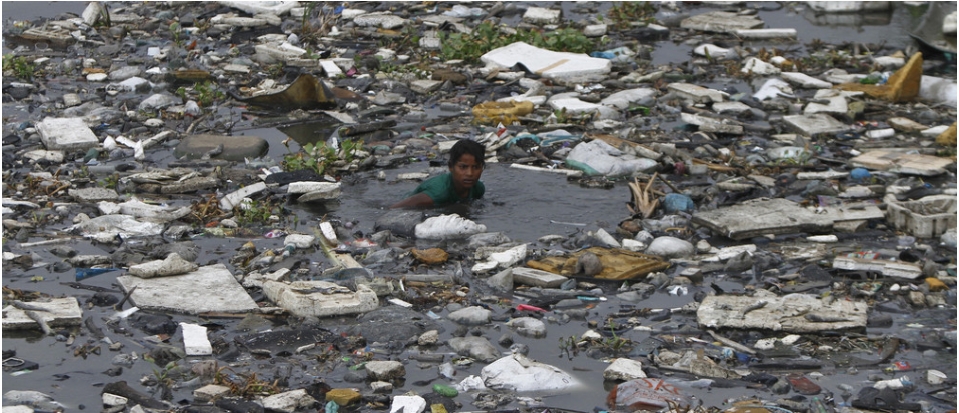
Water pollution is defined as introduction of unwanted materials in the water.It is one of the serious type of pollution Harmful to human, plants and animals.water pollution is caused by industrial waste,oil spills,marine dumping plastics,sewage,mining activities.It leads to serious problems like cancer,diarrheal disease, respiratory disease, neurological disorder and cardiovascular disease.

AIR POLLUTION:-

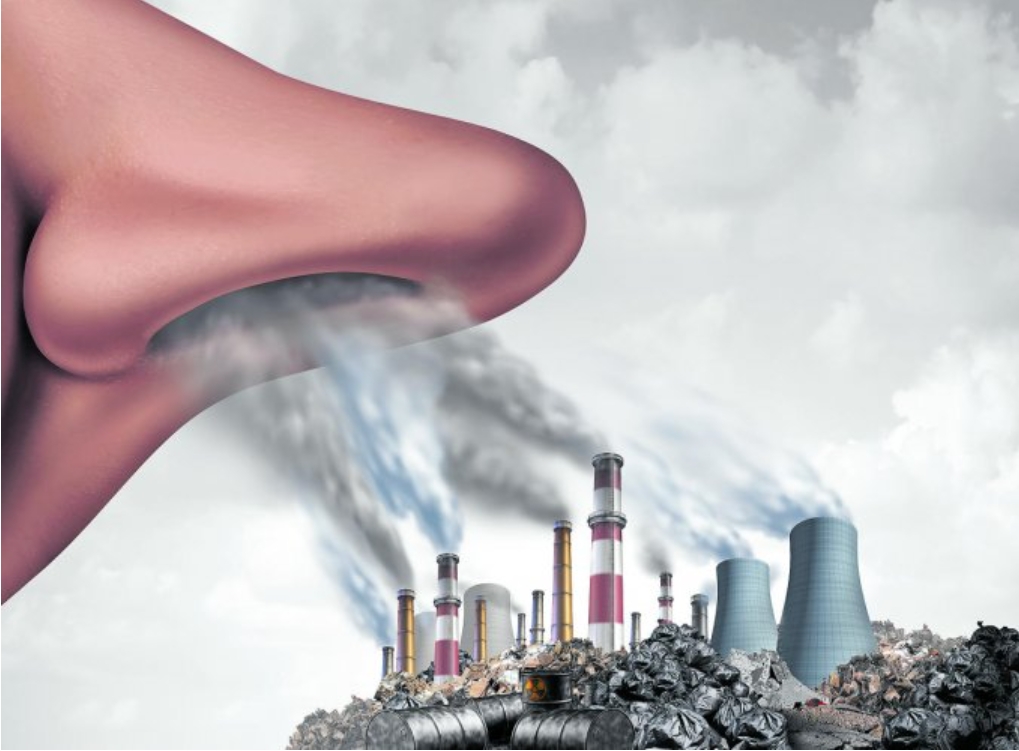
Air pollution is a mixture of solid particles and gases in the air. Car emissions, chemicals from factories, dust, and mold spores may be suspended as particles. Ozone, a gas, is a major part of air pollution in cities.Some air pollutants are poisonous.It is harmful to all living organisms in the world.Air pollution leads to breathing problems, asthma, heart attack and stroke.

LIGHT POLLUTION:-

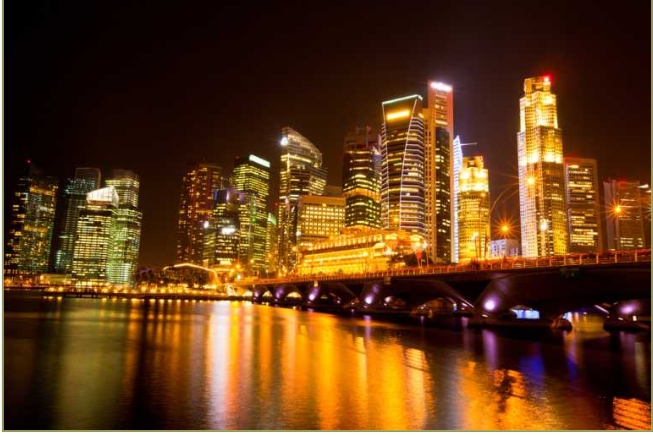
Light pollution is unwanted over usage of artificial light.It wash out star light in the night, disturb ecosystem,interferes with space research.Light pollution alters their night time environment by turning night into day.spark from artificial lights can also impact wetland habitats that are home to amphibians such as frogs and toads.

CONTROLLING MEASURES FOR POLLUTION:-

* By controlling wastes.

* With the practice of recycle.

* Going with natural ways.

* Using eco friendly products instead of plastics.

* planting trees.

” Save nature

Save world”.

Global Citizen Live 2021

Global Citizen Live is a charity concert organized by the Global Citizen Organization founded in 2008. It hosts an annual music festival, one of the main objectives of the event is to raise awareness of global poverty and climate change.

Broadcasting from sites on six continents, including New York’s Central Park and in front of the Eiffel Tower in Paris, Global Citizen also secured pledges from France for 60 million COVID-19 vaccine doses for developing countries and corporate pledges for planting 157 million trees around the world.

This year’s festival held across six continents, was the largest, part of global citizen’s 2021 Recovery Plan For The World Program. Added to the festival mission was an aim to help bring an end to the COVID-19 pandemic. The main focus was on equity.


Artists and politicians alike from around the world had converged for the cause of the festival. International artists like Shawn and Camilla Mendes, Ed Sheeran, Doja Cat, Billie Eilish, BTS, Metallika, Coldplay, Lizzo, One Republic, Jennifer Lopez, Paul Simon, Demi Lovato, H.E.R., among many others.

Personalities from India included Priyanka Chopra as the host. Others like Amitabh Bacchan, Anil Kapoor, Amit Trivedi, Farhan Akhtar, Badshah, Tanishk Bagchi, Ayushmann Khuranna, Dia Mirza, Hritik Roshan, Sonakshi Sinha also played their considerable part in the event.

Vaccine pledges, which also came from the governments of Croatia and Ireland, followed numerous pleas, including from Prince Harry and Meghan, the Duke and Duchess of Sussex, onstage at Central Park on Saturday afternoon.

“This year, the world is expected to produce enough doses to meet the target of vaccinating 70per cent of people in every single country,” Meghan, the Duchess of Sussex, said to cheers from the Central Park crowd. “But it is wrong that so much of the vaccine supply has only gone to just 10 wealthy nations so far, and not everyone else.”

Written by : Ananya Kaushal

PERMACULTURE-ETHICS,PRINCIPLES,METHODS

BY DAKSHITA NAITHANI

INTRODUCTION TO PERMACULTURE:

Permaculture is a method of design in agriculture that emphasises whole-systems thinking and the use of or stimulation of natural patterns.

Bill Mollison, a senior lecturer in Environmental Psychology at the University of Tasmania, and David Holmgren, a graduate student in the Department of Environmental Design at the Tasmanian College of Advanced Education, coined the term.

These principles are being applied in a growing variety of industries.

HISTORY:

Permaculture as we know it now was created in the 1970s t happened approximately a decade after the world became aware of the risks of pesticides like DDT and the damage they represented to humanity and the environment.

Because it was created for the development of long – term (in other words, permanent) systems, the phrase was coined from a combination of the words “permanent” and “agricultural.”

It was one of the first agricultural systems to recognise that local actions might have drastic implications.

 Holmgren is credited for popularising permaculture but it’s worth mentioning that various books on topics like agroforestry and forest farming have been around since the 1930s or earlier.

3 ETHICS:

Permaculture has 3 core tenants:

•             Care for the earth. To put it another way, assist all living systems in continuing to exist and multiply. But a healthy world is required for existence, it is important to understand the principles of nature and how it functions.

•             Care for the people. Allow people to have access to the resources they require to live. Members of the community who are in need of assistance are supported by the community (e.g. after someone dies, help build homes).

•             Fair share. We should take only what we require and reinvest any excess. Any surplus can be used to assist satisfy the other two basic tenets. This involves reintroducing waste products into the system so that they can be reused.

PRINCIPLES:

All sustainable community design initiatives should use Permaculture concepts.

They are the most important rules for putting it into practise. They may aid in improving and protecting the land, ecosystem, and people, as well as maximising efficiency and productivity.

These principles promote innovation while maximising outcomes. Every location, every circumstance, and every family is unique. As a result, each project’s plans, procedures, plants, animals, and building materials may differ. Even yet, the same principles apply to any location and endeavour, big or little.

1. Observe and Interact

2. Catch and Store Energy

3. Obtain a Yield

4. Apply Self-regulation and Accept Feedback

5. Use and Value Renewable Resources and Services

6. Produce No Waste

7. Design From Patterns to Details

8. Integrate Rather Than Segregate

9. Use Small and Slow Solutions

10. Use and Value Diversity

11. Use Edges and Value The Marginal

12. Creatively Use and Respond to Change

BENEFITS OF PERMACULTURE:

Reduced water usage

Wastewater and rainfall are used in permaculture. This is useful for homes, but for farms with larger areas, it becomes a more cost effective and efficient means of watering the produce.

Reduced waste

Nothing is thrown away. Garden waste, leaves, table scraps, and other waste products are composted or fed to animals as food. Some people go beyond and utilise compost toilets to fully live a zero-waste lifestyle. Permaculture is only sustainable if it makes use of leftovers.

Economically feasible

It is cost effective since pesticides are not required, and most systems require minimal upkeep. All you have to do is water the plants and mulch them once in a while.

Less pollution

Permaculture is a more natural manner of growing food, tractors and other powered agricultural equipment are rarely used.

Improved values

You’ll automatically acquire more ethical and good principles like consuming little, just using what you need, minimising pollution, and helping others if you practise.

More self-sufficiency

A farmer or gardener who practises permaculture may grow a broader range of crops on their property. It allows you to be self-sufficient by allowing you to grow whatever you desire or need to eat.

Applicable to existing systems

 Agricultural systems and lands that already exist can be converted to principles. Permaculture may be practised on a big or small scale wherever that you can normally grow food.

COMMON METHODS OF PERMACULTURE:

1) Agroforestry

Agroforestry is a technique that incorporates trees, shrubs, animals, and crops. The term is derived from a blend of agriculture and forestry. These two apparently disparate professions collaborate to produce systems that are more resilient, healthy, lucrative, and productive. Forestry farming, which is a permaculture technique also falls under the category of agroforestry. However, the main concept is to construct your food forest using a seven-layered method. A canopy layer, a low tree layer, a shrub layer, a herbaceous layer, a rhizosphere, a ground cover layer, and a vertical layer are all included. Silvopastoral and silvoarable are two other agroforestry systems.

2) Hügelkultur

Hügelkultur is a German word that means “hill culture.” It’s a method of burying huge volumes of wood in order to increase the soil’s ability to retain water. This rotting wood behaves like an absorbent, soaking up water from the ground.  Plant materials which behave as a compost are usually placed on top of the mound and decomposed into the soil. A Hügelkultur mound generally lasts 5 to 6 years until the wood rots completely and the procedure must be repeated.

3) Harvesting Rainwater and Grey water

Instead of letting rainwater wash from the property, you may collect it and store it for later use. Roofs gather the majority of rainwater. Eaves troughs, which collect and transport water away from buildings, are likely already installed on your farm’s homes, barns, and other structures. To collect rainwater, just connect a big tank to your downspout and catch the water rather than having it seep into the ground and go to waste. Storm water harvesting is another way to collect water. It is distinct from rainwater harvesting in that it collects runoff from creeks, drains, and other waterways rather than from rooftops. Grey water is a last source of reusable water on the farm. This is water that is used in the house or on the farm for things like bathing and doing laundry.  Because grey water includes detergents, it cannot be used for drinking, but it may be utilised for irrigation purposes and other reasons.

4) Cell Grazing

Grazing is commonly seen as a negative activity that, if not carried out appropriately, has the potential to harm the ecosystem in various ways. Allowing animals to overgraze a region can have severe repercussions, and this is true. Cell grazing is the favoured approach in permaculture. This entails moving herds of animals between fields, pastures, or woodlands on a regular basis. The disruptions created by grazing animals, when done correctly, can actually improve the ecosystem and allow plants to recover more quickly. It also keeps an eye on how animals interact with the land. Plants require appropriate time to rest between each grazing and therefore it’s critical that a region receives a rest time after being grazed.

5) Sheet Mulching

Mulching is simply any protective layer placed on top of the soil to retain water and prevent weed development and is used by many farmers and gardeners. A variety of materials such as wood chips, cardboard, plastic, stones, and are frequently employed. Sheet mulching is an organic no-dig technique that aims to imitate natural soil building in forests, namely how leaves cover the ground. Sheet mulching is most often done with alternating layers of “green” and “brown” materials. Fallen leaves, shredded paper and cardboard, pine needles, wood chips, and straw are examples of brown materials. Manure, grass clippings, worm casings, vegetable scraps, hay, coffee grounds, and compost are examples of green materials. It’s possible to utilise 5 to 10 layers of materials. Sheet mulching adds nutrients and minerals to the soil, inhibits weed development, regulates weather and protects against frost, reduces erosion and evaporation, and absorbs rainwater.

6) Natural Building

Natural building is a more environmentally friendly alternative to purchasing materials from your local hardware shop or lumber yard. You should try to employ as much recycled materials as possible in a system. There are a lot of renewable resources on the land that you may employ in your next construction project. Most people ignore clay, pebbles, wood, reeds, straw, and sand, which are all easily available materials. Tires, which are less natural, can also be utilised for building. This is a fantastic method to recycle old tyres that would otherwise be thrown away or burned. Similarly, instead of purchasing new windows, discarded glass windows are frequently repurposed.

7) No-Till or Minimum-Till Farming

The goal of no-till farming is to leave the soil untouched. The soil is left undisturbed rather than being broken up before planting. This helps to keep water in the soil, keeps carbon from leaving the soil, increases soil quality, and lowers the quantity of weed seeds that are brought closer to the surface to germinate. The soil is disturbed by conventional agriculture methods. This allows carbon dioxide to enter the atmosphere while also over oxygenating the soil. Loosening the soil in this way can cause erosion and nutrient runoff, as well as obliterate important fungal networks. Tilling can be reduced or even removed altogether for some systems with the right approaches.

8) Intercropping and Companion Planting

Intercropping is the planting of more than one two plant species in the same region that mutually benefit one another. Companion planting, for example, involves growing strong-scented plants and herbs such as basil, oregano alongside primary. Many of these companion plants with powerful smells are repulsive to pests. Not only that, but some of them really help the plants they’re partnered with to grow and taste better. Others help to loosen the soil or provide additional advantages. While many plants get along well when grown together, there are some who don’t because they demand the same nutrients or for other reasons.

9) Market Gardening

Market gardening is an intriguing shift away from conventional style of agriculture, which is carried out on huge swaths of land far out in the nation, to smaller plots of land, even in metropolitan areas sometimes. Market gardeners, as the name implies, sell their vegetables at farmer’s markets, however some may also supply restaurants and grocery shops directly.

Cash crops are aggressively produced on a small scale in market gardening (usually less than an acre of land.) While cultivating on as little as a quarter acre of land, a market gardener may earn up to $100,000 each year.

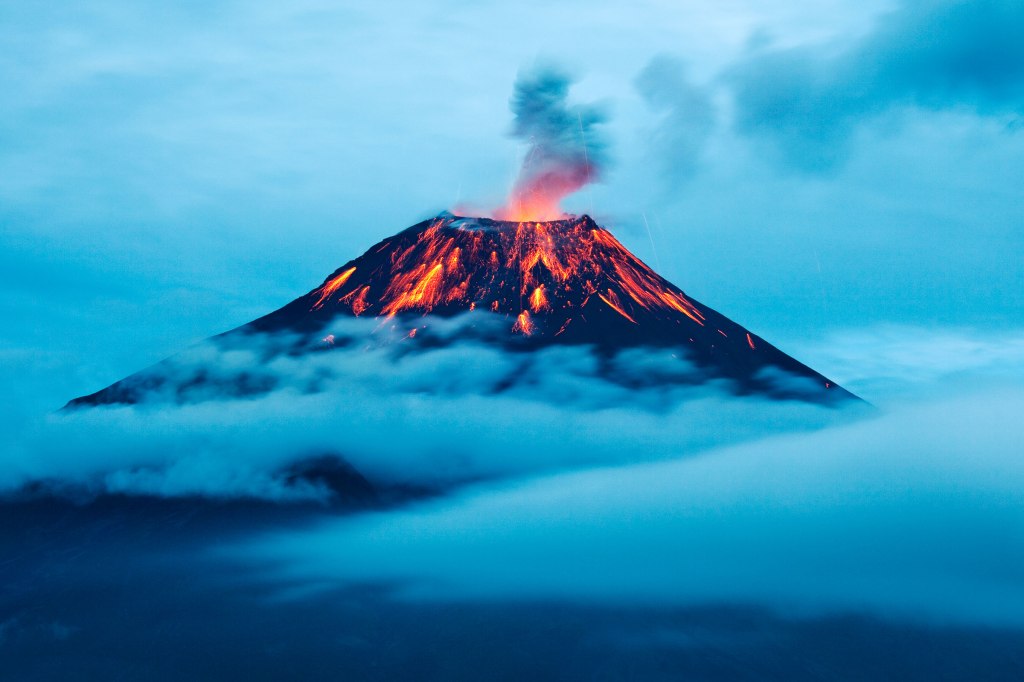
Volcanoes have kept Earth’s surface temperatures balanced out

The specialists, working alongside others at the University of Sydney, Australian National University (ANU), University of Ottawa and the University of Leeds, investigated the consolidated effect of cycles in the strong Earth, seas and air in the course of the last 400 million years.

The normal separate and disintegration of rocks at Earth’s surface is called substance enduring. It is basically significant on the grounds that the results of enduring (components like calcium and magnesium) are flushed by means of waterways to the seas, where they structure minerals that lock up CO2.

This input system controls barometrical CO2 levels, and thusly worldwide environment, throughout geographical time, a news discharge clarifies.

“In this regard, enduring of the Earth’s surface fills in as a geographical indoor regulator,” Tom Gernon, academic partner in geology at the University of Southampton, and an individual of the Turing Institute clarifies in the delivery.

“In any case, the hidden controls have demonstrated hard to decide because of the intricacy of the Earth framework,” added Gernon, who is additionally the lead creator of the investigation.

“Many Earth measures are interlinked, and there are some significant delays among measures and their belongings,” Eelco Rohling, teacher in sea and environmental change at ANU and the investigation’s co-creator clarifies. “Understanding the general impact of explicit cycles inside the Earth framework reaction has in this manner been a recalcitrant issue,” Rohling adds.

To comprehend the intricacy, the group developed a book “Earth organization”, fusing AI calculations and plate structural recreations. This empowered the specialists to distinguish the predominant communications inside the Earth framework, and how they advanced through time, the delivery clarifies.

The group tracked down that mainland volcanic bends were the main driver of enduring force in the course of the last 400 million years. Today, mainland circular segments involve chains of volcanoes in, for instance, the Andes in South America, and the Cascades in the US. These volcanoes are probably the most elevated and quickest dissolving highlights on Earth. Since the volcanic rocks are divided and artificially receptive, they are quickly endured and flushed into the seas.

Martin Palmer, educator of geochemistry at the University of Southampton and a co-creator of the examination said: “It’s a difficult exercise. On one hand, these volcanoes siphoned out a lot of CO2 that expanded barometrical CO2 levels. Then again, these equivalent volcanoes helped eliminate that carbon by means of fast enduring responses.”

The examination additionally provides reason to feel ambiguous about a since a long time ago held idea that Earth’s environment dependability more than tens to countless years mirrors a harmony between enduring of the ocean bottom and mainland insides. “The possibility of a particularly geographical back-and-forth between the landmasses and the ocean bottom as a prevailing driver of Earth surface enduring isn’t upheld by the information,” Gernon clarifies in the delivery. “Lamentably, the outcomes don’t imply that nature will save us from environmental change,” Gernon adds.

Today, air CO2 levels are higher than whenever in the previous 3 million years, and human-driven emanations are multiple times bigger than volcanic CO2 discharges,” clarifies Gernon. “The mainland circular segments that seem to have saved the planet in the profound past are just not present at the scale expected to assist with balancing present-day CO2 discharges.”

In any case, the group’s discoveries actually gave basic bits of knowledge into how society may deal with the current environment emergency.

The Fascination of Blue

Photo by Pixabay on Pexels.com

The fascination is something that comes in handy when you indeed are gifted with the weird yet beautiful planet of the solar system. Yes, earth, though this earth has many things to provide us and above all give us our life, a place to call home and a guardian to protect us too it also has many secrets, some of them we can find but some are way deep than our reach and all this is what makes it more fascinating and mysterious in its way.

So, today this article will provide you more facts and data to help the level of fascination to be more than just a child’s dream of a candy house.

Rolling It Up

  • Round- Round way flat- Though we have always learned from childhood that our home is round but what if I tell you it’s flat around the equator and the melting of ice is also helping in the broadening of its waistline. Earth rotation, many other forces, and motion are responsible for changing the earth’s shape, it still will be able to hold this not-so-round sphere shape for a long time.
  • The Purple and long DayDo you know that many scientists believe that our earth once was purple in color because at that time as a molecule Retinol was used as the way to absorb green light instead of chlorophyll. Our day use to be 6 hours long but as our moon keeps slowing down the rotation of the earth today we have 24hrs long days and it will keep on increasing after every century.
  • Magic is in Air: Every one of us believes in the magic of something or anything but what if I say that it’s actually true that magic is in the air and every day the dust or cosmic dust as we call them is falling on the earth surface around 60 tons every day. Our earth is not just having cosmic dust but also there is no record of having the information about who gave it the name Earth as every else planet is named after Greek god just not the earth.
  • The big Appetite: Our earth is close enough to the sun, though having many benefits over the doom but we still have some pressing issue of the big, old and angry star our Sun. As every old star gets old, exhausts its hydrogen and collapses into gravity, and then consumes everything around him to create a void-filled hole, a black hole. So do can happen with our sun and taking all of us in the process but we don’t need to worry it’s still a long way down.
  • The apple that fell: As the apple fell so do the gravity gets its virtue but even though we know there is everywhere gravity and not just our solar system but each and everything is under the direct effect of gravity which is keeping everything in its static position, but then also some of the places or point of the gravity bed is so high and so low that they make a noticeable difference. This variation is known as Gravity Anomili.

Why is Earth the only planet with life?

Not so fast,Earthling ! Outer space is a big place, and one thing scientists have learnt from studying life on Earth is that organisms can thrive in all sorts of harsh environments. Meanwhile, astronomers have discovered nearly 4,000 Earth like planets beyond our solar system and are spotting more everyday. Some of these ” exoplanets ” orbit their stars in the “Goldilocks zone”, a distance that neither too hot nor too cold to support liquid water and possibly alien life. Who knows? Maybe an alien kid somewhere up there is wondering if you exist.

Why does Mars have a face on it?

When the Viking I aur picture pictures of Mars in 1976, one photo became a hit for its apparent portrayal of a mountainous Martian face resembling An Egyptian Pharaoh. Eager to set the record straight on this crowd- pleasing Mars anomaly, NASA used a satellite to re photograph the region in 1998 and 2001. The high resolution images revealed a natural geological feature rather than a monument to Martiankind.

How many exoplanets might support life?

After analysing the known exoplanets and comparing that data with what they know about the Milky Way, astronomers at Cornell University predict that as many as 100 million worlds in our galaxy could support complex life.

So why we haven’t met aliens yet?

Because space is big. The galaxy might be teeming with life, but the gulfs between stars make visiting our neighbours an impossible mission – at least for now. Remember, it would take thousands of years to travel to the closest star outside our solar system using modern spaceship technology.

What about the possibility of life closer to home?

Where? Like in London? Ah, you mean in our solar system! Mars was once considered a top candidate for alien life,but so far we haven’t found any Martians. ( Anything that lived on the red planet is most likely long dead). Astronomers seeking signs of life are now turning their attention to the solar system’s moons instead of its planets.

Why did people once think Martians lived on Mars?

Astronomers peering at mass in the 17th,18th, and 19th centuries saw signs of life everywhere. Seas ! Continents ! Canals that carried water to Martian farms ! But modern telescopes, probes, and NASA landers ruined the fun by revealing our planetary neighbor’s dry details:It’s just a lifeless ball of red rock. Early astronomers had confused Mars’s ancient seas and riverbeds for signs of civilisation.

Which of the solar system’s moons might have life?

The Frozen surface of jupiter’s moon Europa hides a liquid Ocean that might contain alien creatures. Enceladus, one of Saturn’s many moons, has a sea the size of Lake Superior under its icy surface. And Titan, Saturn’s largest moon, has vast lakes of liquid methane. If life existed here, it would be truly alien.

How are astronomers searching for alien life?

  • BY DIGGING: Robotic rovers are sampling Martian soils for science of ancient life.
  • BY VISITING: Probes are being dispatched to spots across the solar system that might harbor life today.
  • BY LOOKING: NASA’S Earth- and space -based telescopes have been scanning galaxy for earth like exoplanets outside our solar system capable of supporting life.
  • BY LISTENING: In 1960, scientists began scanning the universe with special telescope for radio signals from alien civilizations. The project is called SETI, for the Search for Extraterrestrial Intelligence. It hasn’t picked up any alien broadcast yet, but we haven’t stopped listening.

Why is the U.S government hiding evidence of alien life?

Ah, you must be thinking of the “Rosewell incident”, in which an unidentified craft crashed near the small town of Roswell, New Mexico, U.S.A., in 1947. Conspiracy theorist claim the craft was a flying saucer and that the U.S military whisked away the wreckage along with the bodies of its alien pilots. The U.S government released a report on Rosewell in the mid -1990s claiming the debris was actually a crashed balloon in its top-secret “Project Mogul,” which used high-altitude sensors to monitor for enemy nuclear-missile tests. “Likely story,” claim the conspiracy theorists.

References :

WHY? – Answers to everything, Image publications.

Six unfigured places on Earth

Most of us always wanted to explore the Outer-space to discover various unique planets or Aliens, but have we ever wondered that our planet Earth holds many unexplainable secrets that even scientists couldn’t able to explain. There are many Mysterious places on our planet which we have to still figure out, and those places are:- 

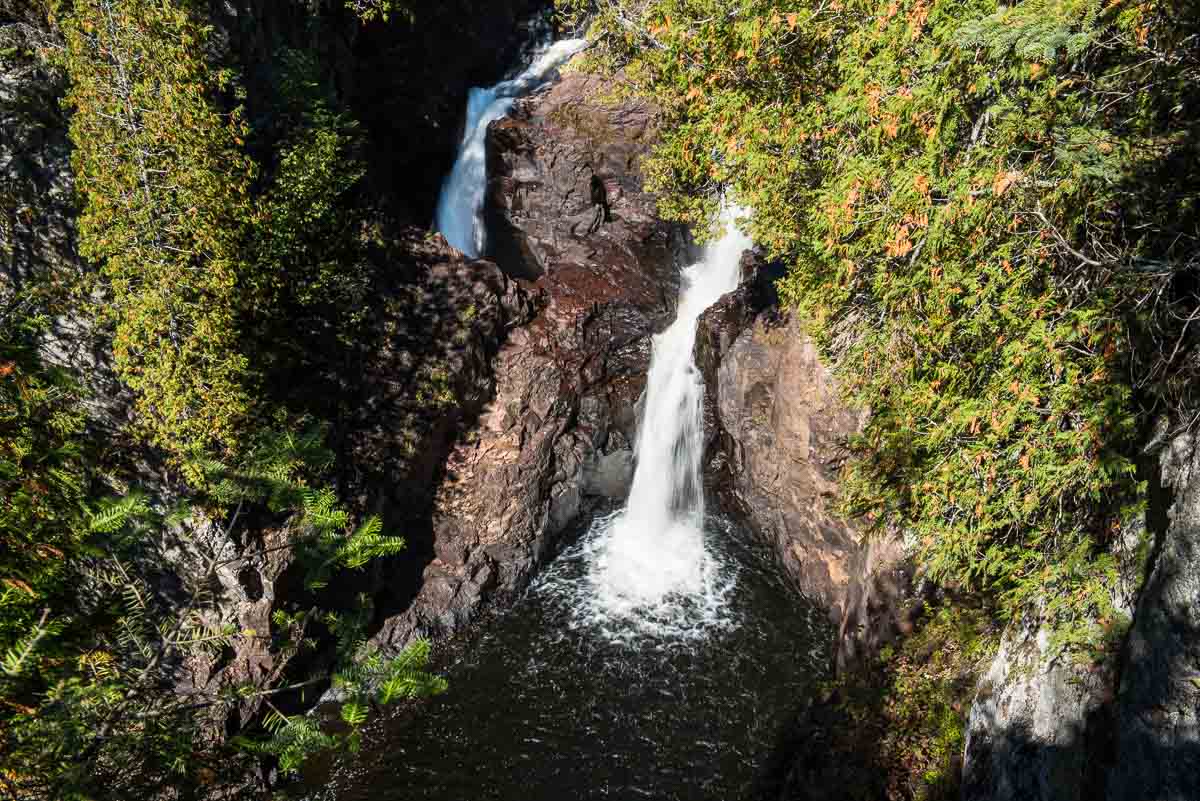
Devil’s Kettle Falls

Photo Credit : MN Trips

There is a place in the United States of America called by the name Minnesota which is known for this mysterious waterfall which is known as Devil’s Kettle Falls. This Waterfall has been puzzling the scientist, geologists and Hikers for many decades because as it looks like an average waterfall that drops about 800 feet of water but the interesting part about this waterfall has two different bodies of falling water. One side of the body of waterfalls on Lake Superior and the other one falls straight into a huge natural hole in the ground, where this water lead is still a mystery. Many researchers or curious people who visited this place has poured many items like dye, sticks, ping pong balls and even logs into the kettle but one of them found any trace of a thing in the water or the nearby area. 

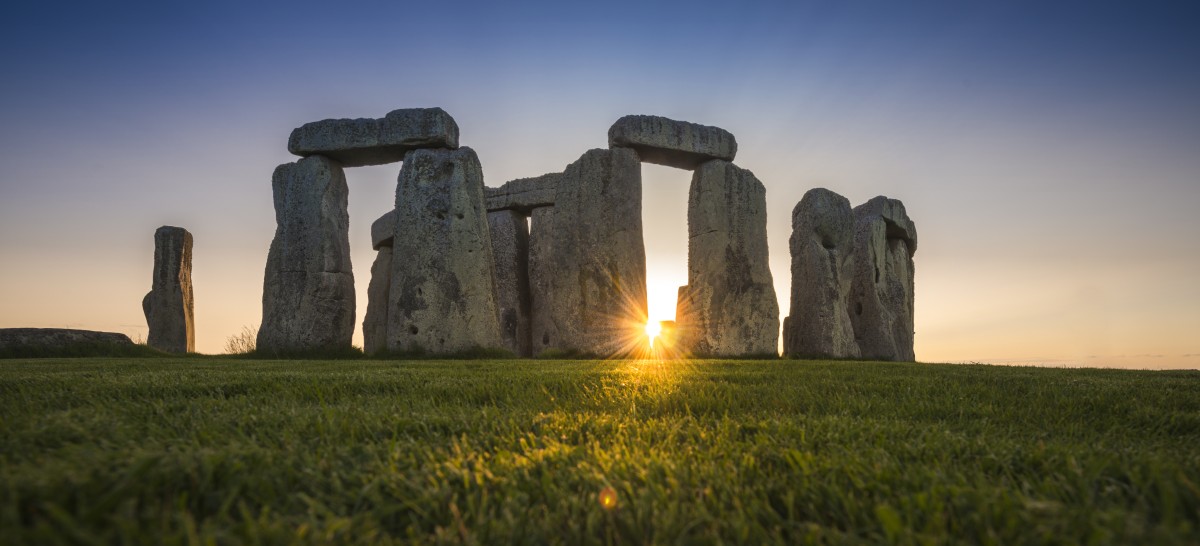
Stonehenge 

Photo Credit : Olympus Europa

It is a unique prehistoric monument on Salisbury Plain located in Wiltshire, England, two miles (3 km) away from the west of Amesbury. It is considered to be one of the architecturally sophisticated and only surviving lintel led stone circles in the world. According to the Encyclopedia Britannica, Stonehenge was constructed in six stages between 3000 and 1520 BCE. Nowadays we have machines that can help us lift heavy materials to build huge buildings and monuments, but back in those days when Stonehenge was built no one had access to this type of technology. Many questions are arising that how can anyone have lifted stones weighing anywhere from four to thirty-seven tons and also that why were they doing this, archaeologists have come up with plenty of theories to explain this phenomenon some guessed that the men who built Stonehenge used a system of sledges rollers and boats others hypothesized that it was built with a weighted levy system well many of these guesses seem to make sense to a certain extent to this day no one has a definitive answer.

The Hessdalen Lights

Photo Credit : Pinterest

This is an unidentified light which are 12 kilometres long located in a Hessdalen valley in rural central Norway. The residents of Hestia land valley Norway have to live with this burning question every single night it has to Lin Valley brightly coloured lights appear in the sky in different colours and shapes for the last four decades and possibly longer. This phenomenon has continued to puzzle scientists, according to some theories these lights could be caused by a nearby radioactive lake emitting particles that light up in the air as they evaporate other scientists think that the base of the valley contains a lot of sulfuric acids when it comes into contact with the water it causes sparks to appear in the sky even though there are many different guesses as to why this town gets their very own light show every night scientists still haven’t come up with a definitive answer.

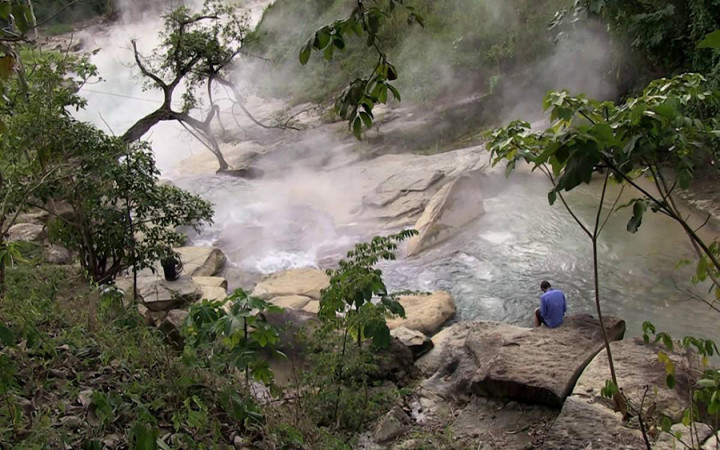
The Boiling River in the Amazon

Photo Credit : Wonderopolis

In the Amazon forests lies a floating river in the forested region of my Mayantuyacu that boasts temperatures so hot that any person or animal that falls into it boils alive from the inside out. This river runs at an unbelievable 196 degrees Fahrenheit dang that’s hot locals used the water to brew tea and sometimes they cook with it well this river’s high temperature is incredibly intriguing what makes this natural phenomenon a mystery is a fact that no one can figure out what makes the water so hot. According to geophysicist Adres Ruzo, boiling waters are typically attached to an active volcano or magmatic system like the boiling River Trail in Yellowstone National Park in the US but in the town of my Mayantuyacu, there are no active volcanoes within 400 miles. Over the centuries residents of this town believed that the river had magical healing powers and used it spiritually and medicinally. Ruzo guesses that hot geothermal waters pour in from cracks in the earth heating the temperature of the river but this has yet to be scientifically proven. 

Movile Cave

Photo Credit : Britannica.

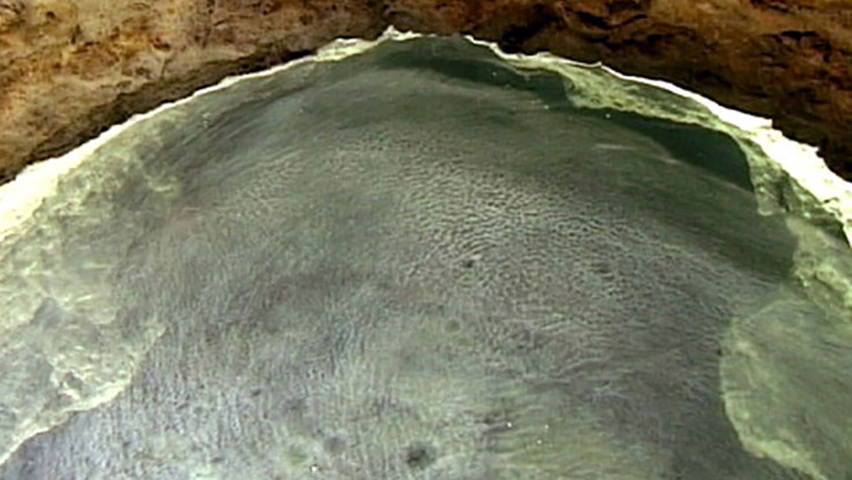
There’s a place on earth with its ecosystem and atmosphere similar to another planet well the name of that place is movile cave which is located in the southeastern part of Romania remain closed in complete darkness for approximately 5.5 million years. It wasn’t until workers discovered the cave when they were looking for a place to build that anyone learned about it scientists carved out an opening to the cave and found that a completely sustained ecosystem was thriving inside as a pathway was carved through the rock past numerous tunnels. Scientists found a lake of sulfuric water that stinks, the air was filled with hydrogen sulfide and had 100 times more carbon dioxide than Earth’s air contains needless to say this air is completely toxic what’s even crazier is that a whole ecosystem has been existing in this cave with 33 species that can’t be found anywhere else on earth this cave gives us a glimpse of what could exist on other planets with completely different atmospheres how it managed to exist on earth all this time is still a question. 

Circles of Namibia

Photo Credit : Science

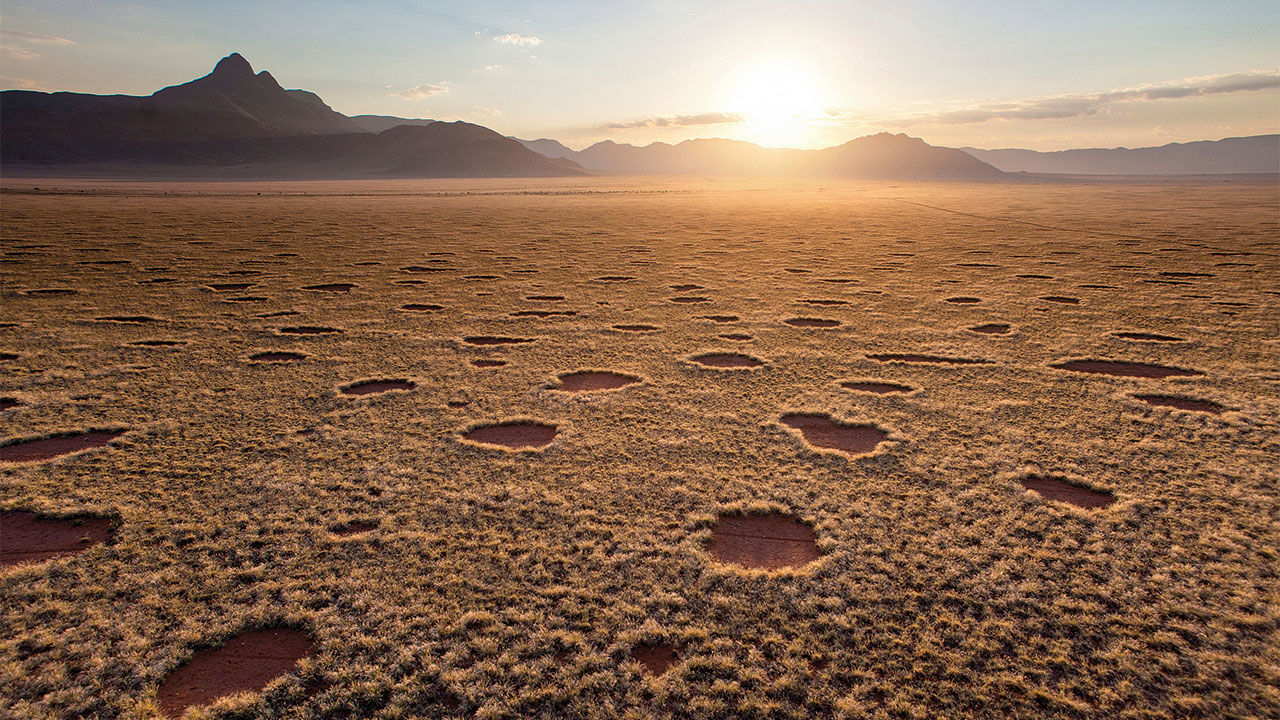
Namibian deserts are full of elephants, snakes, antelope and also hundreds of evenly placed circles which makes the mysterious part of this desert, this brutally hot desert is home to a vast array of wildlife but even more interesting are the fields of grass with evenly spaced holes and now these circles are almost perfect and range anywhere from 10 to 65 feet in diameter many scientists have offered up theories as to why these circles appear instead of other more random shapes. In 2013 environmental scientist Norbert Juergens hypothesized that termites were the cause of these circles but like all the hypotheses that came before his, it was later disproved.

Top 5 venomous snake species

Snake are deadliest animal. Whenever one encounters it many get hurt or you can easily say they are dangerous to humans. They have aggressive nature. They are very dangerous especially for rural area people’s. There are estimated 3,500 snake species out of which 600 are venomous. Their estimated yearly attacks ranges from 53 lakhs to 54 lakhs, out of which more than 1 lakh people die due to their attack.

1) Inland Taipan

They are also known as fierce snake. They has the most toxic venom in the world. The average quantity venom give by this snake is 44mg while the most given is 110mg, which is enough to kill 100 people. Its venom consists of neurotoxins, Hemotoxins (procoagulants) affecting the blood, myotoxin affecting the muscles, nephrotoxins affecting the kidneys and hemorrhaggins causing hemorrhage. Its venom paralysis the body and cause hemorrhage. It is found in Australia.

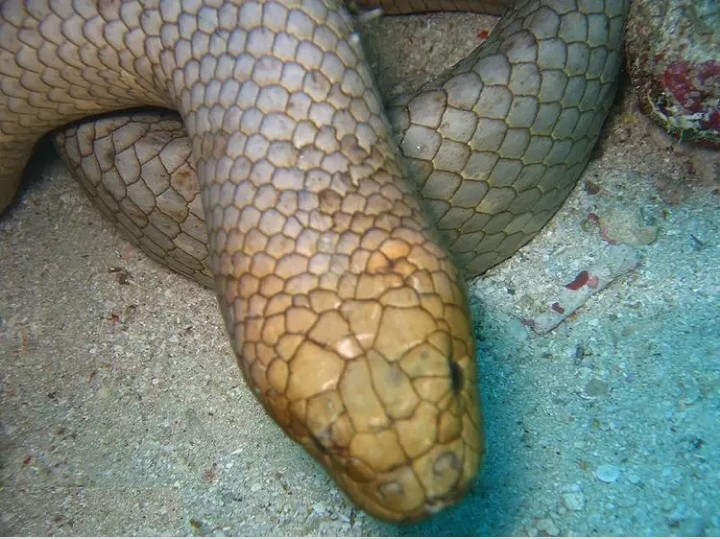
2) Dubois sea snake

Dubois sea snake is also known as reef shallow sea snake. It is a species of venomous sea snake. Adult sea snake grows upto 4.86ft but usually grow upto 2.6ft. It is most venomous sea snake and one of the top three most venomous snakes in the world. The venom is lethal and contains neurotoxin that act on the nerve cell, myotoxins acting on muscles. The venom of this snake paralysis the respiratory system which ultimately cause death of the person. They feed on fish and swallow the whole fish. True incident of sea snake bite has not been recorded but they might have caused bite in rural area where taking record might not be possible. They are not aggressive but can bite if feel threatened or surprised. Fisherman’s are more likely to get trapped in their bites often when they try to remove them from fishing net. They are found in Australia, and some parts of Indian Ocean and Timor sea.

3) Eastern brown snake

Eastern brown snake or also known as common brown snake. This snake is highly venomous snake in the family Elapidae. Adult eastern brown snake goes upto 2m or 7ft. The venom of the snake mainly affects the circulatory system, coagulopathy, hemorrhage, cardiovascular collapse and cardiac arrest mainly the death occurs due to cardiac arrest. And one of the main components of venom is prothombinase which breaks down prothrombin. It is responsible for about 60% of snake bite death in Australia. They are native to eastern and central Australia and southern New Guinea.

4) Black mamba

Black mamba also belongs to highly venomous species of family Elapidae. It is second longest venomous snake after king cobra. It grows upto 2m (6ft 7in) and commonly grow to 3m (9ft 10in). Its colour varies from grey to dark brown and it’s species is both terrestrial and arboreal (found on trees). It is native to parts of Sub Sahara Africa. Its venom is composed of neurotoxins and it’s induce symptoms within ten minutes and is frequently fatal. This species of snake is aggressive but only attack when threatened or cornered. It constantly bites more than once and it’s bite derive 100mg-120mg of venom, the highest venom recorded is 400mg. It is considered as snake of medical importance by World Health Organization. Its venom if not treated on time will result in respiratory failure, cardiovascular collapse and ultimately death.

5) Boomslang

Boomslang snake is one of the venomous snake of family Colubridae Average adult Boomslang is 100-160 cm in total length and exceeds to 183cm. Colouration is very different like males are light green with black or blue scale edge while females may be brown. Their weight varies from 175 to 510 g. The Boomslang snake is able to open its jaws up to 170 degree when butting. It is found in sub Saharan Africa, south africa, Botswana and Namibia. Its venom is hemotoxin and disables coagulation process and the victim die as a result of internal or external bleeding. Its venom cause hemorrhaging in to tissue such as muscles and the brain tissue. Its venom is slow acting. This snake is timid and only bite if attempted to handle, catch or kill.

Small Steps to Help the Earth

In today’s time of climate change and environmental degradation, it is of utmost importance to rein in the damage done to the environment before it crosses a point of no return. The major portion of environmental damage caused can only be worked towards reducing if the various governments, organizations and corporations work towards solving the various issues and the sources causing these issues. But that doesn’t mean that normal people cannot do anything. We each can, in our own way, change certain habits and follow a certain way of lifestyle which can be more efficient and reduce environmental strain. One person, or a small group of people’s efforts will not do anything. However, if all of us on the Earth try and make an effort to our best abilities, then our small steps will give rise to a large positive impact on the environment.

By regulating the way we manage certain things in our life and by following certain practices, right from within our home itself, each one of us can contribute to reducing environmental damage and making the Earth a better place.

A few ways you can make a difference in the health of the environment and planet:

Practice the 3Rs: The 3Rs stand for Reduce, Reuse and Recycle. Reduce means to limit and decrease the use of something. Reuse is using a used item again. Recycling is to make a new object from an old one.

3Rs
3Rs

Both plastic as well as glass bottles can either be reused or recycled. However, not all types of plastic can be recycled, only certain types of plastic can. This recyclable plastic is taken to factories and used in the automobile industry to make plastic parts for cars. Glass bottles get taken to factories and recycled by crushing and then melting them to eventually form new bottles and the like. Both glass and plastic bottles can be reused. They can be reused normally or be used to grow small plants in.

Reuse of bottles
Reuse of bottles

Paper can also be recycled to make new paper and cardboard. Recently, notebooks made from recycled paper have shown a rise in popularity.

Old clothes can either be sent to charity organizations, where they are given to the needy or sent to textile mills where they get recycled.

Vegetable waste like fruit peelings, tea leaves and even paper to a certain extent can be used to make compost. This compost is very nutrient rich and can be used for keeping plants grown at home healthy.

Carrier bags should be reused. It is better to use cloth bags, as they are not only eco-friendly, but also can be reused multiple times and repaired and washable if they get spoiled.

Electrical and energy consuming appliances should be switched of when not in use. Water taps should be checked to ensure that no water gets wasted due to dripping.

Apart from all this, it is necessary to spread awareness too. Educate and encourage your family, neighbors, friends and acquaintances. Students can form ‘Green Clubs’.

At first glance, these may seem insignificant, but with everyone doing it, it will make a difference.

Spiritual person

The Mindful World

The first thing that caught my eye about The Mindful World is just how beautiful their site design is. This is one good looking mindfulness blog.

It takes more than just good looks to be included in this list of the best spiritual blogs, though. And, indeed, The Mindful World has a lot of depth behind that pretty exterior.

The Mindful World is a group of individuals who are passionate about spreading mindfulness around the world. Their articles are very in-depth and some of the most professionally written pieces on any spiritual website.

Excerpt from CONFRONTING REALITY: The lie of Evidence-Based Treatment and how it affects psychological therapy for abused children

“The scientific process is supposed to be the golden standard for the pursuit of knowledge and truth. When asked to think of a scientist, many people will imagine a somewhat “nerdish” individual who’s often more comfortable with numbers than people.

We imagine these scientists as being wholly dedicated to their research and unwavering in their pursuit of the truth. The idea that many published scientists are heavily influenced by politics, that scientific journals often compromise their standards for publications, and that many universities look the other way to secure federal funding, often comes as a shock to most people.”

Change Your Energy

Change Your Energy is a spiritual healing blog. It reads like a self improvement blog, packed full of excellent advice on articles on all manner of self development topics. Every article is full of spiritual guidance and offers inspiration for developing your spiritual life. Change Your Energy is is also one of the most professionally presented spiritual blogs.

My favourite excerpt : From the article “Sing As If Speaking, Dance As If Walking”

“Do you pick up your smartphone, look for people to chat with, or go to the TV or Internet because time alone is lonely, strange, or difficult? You can be a wonderful friend to yourself, incomparably better than any person or any machine.

Here is a suggestion for enjoying spending time with yourself: Sing and dance for 30 minutes every day. Try to sing as if speaking and to dance as if walking.

Enjoy being immersed in yourself, regardless of what other people think. The time you enjoy spending with yourself is time for changing your energy and for accumulating energy. You can encounter your soul as you sing and dance.

Mom On A Spiritual Journey:
Mom on a Spiritual Journey is the blog of Sarah Lawrence Hinson. Sarah gives spiritual coaching sessions and writes articles about both her personal life and about spiritual energy.
My favourite excerpt:
From “6 tips for driving your car as a spiritual practice”
“MAKE YOUR CAR A NO PHONE ZONE LIKE OPRAH SAYS.  I’ll be the first to admit that I am useless at using a phone and driving, in fact I’m a downright danger so don’t do it at all.  Just because you might be better than me doesn’t mean you should do it too though.  If the phone rings and I am alone, I pull over if I know I’m waiting for an important call.  If you work a lot on your phone, get hands free…it’s not the greatest idea but it could save your life.  If I have the girls in the car then they answer the phone for me.  When it’s their turn to learn to drive, texting and driving will not be acceptable because I DON’T DO IT

Spiritual Awakening Process:

Spiritual Awakening Process discusses many aspects of spirituality and offers practical advice to improve your spiritual life. The best part of Spiritual Awakening Process is the one hour sessions that can be booked and which offer help for you on your spiritual journey. Definitely a great spiritual blog.

LINK: SPIRITUAL AWAKENING

Favourite Except: From “Awakening”

“Life inside the awakening is a whole other beast. Many people focus on the singular point of awakening, that amazing “Ah-ha!” moment. However, while that is a critical piece of the awakening process, so is the transition from sleep-mode to every moment awakeness. The awakening ushers in a time of transition that is unsettled, unstable, and unique. It is a time of embracing new and amazing parts of you and then trying to crawl right back into bed. It is a time of expansion and contraction as you grow and then shrink back to the core issues that are still unresolved and holding you back.”

Spiritual Awakening Process:

Spiritual Awakening Process discusses many aspects of spirituality and offers practical advice to improve your spiritual life. The best part of Spiritual Awakening Process is the one hour sessions that can be booked and which offer help for you on your spiritual journey. Definitely a great spiritual blog.

LINK: SPIRITUAL AWAKENING

Favourite Except: From “Awakening”

“Life inside the awakening is a whole other beast. Many people focus on the singular point of awakening, that amazing “Ah-ha!” moment. However, while that is a critical piece of the awakening process, so is the transition from sleep-mode to every moment awakeness. The awakening ushers in a time of transition that is unsettled, unstable, and unique. It is a time of embracing new and amazing parts of you and then trying to crawl right back into bed. It is a time of expansion and contraction as you grow and then shrink back to the core issues that are still unresolved and holding you back.”

Tiny Buddha

Tiny Buddha is an absolutely wonderful spiritual blog that is mostly a mindfulness blog. It matches cuteness and fun with insight and wisdom. It’s also got more Facebook followers than anyone else on this list, partly because it was a pioneer of the whole spiritual blogging movement.

Excerpt from : Boost Your Happiness: 10 Mindfulness Tips for Busy People

“Do you ever feel as though you would be happy if only things were a little different?

You know that happiness is important, but you keep putting it on the backburner because there simply isn’t enough time to prioritize your own inner joy.

And at the same time, you know that meditation would help, but you can’t even imagine where you’re going to get the spare time you need to sit still and meditate.

In an ideal world, we would schedule moments every day in which to cater to our health needs, because health and well-being are paramount. Yet despite our best efforts we will inevitably face those times when we’re busy every minute of the day. I know I’ve been there.”

INDIA’S CRIPPLING TROPICAL FORESTS EPITOMIZE CARBON SINKS

By the year 2050, the world’s tropical forest supply may be severely depleted. Scientists expect that by 2050, sea levels will have risen to the point where most major cities will be flooded. In the last two decades, neglecting our biodiversity has resulted in four disease outbreaks. Can the human race afford another global epidemic that makes it impossible to breathe?

Carbon sinks are natural processes that absorb and store carbon dioxide from the atmosphere; the oceans and forests are the two largest carbon sinks on the planet. Oceans are the world’s main carbon sinks. Plants and soil are the two carbon sinks found in forests. Plants absorb carbon dioxide from the atmosphere for photosynthesis, and some carbon dioxide is released by the soil as plants die and decompose. In the event of a forest fire, forests will change from carbon sink to carbon source. If forests remain intact, with no leakages such as erosion and deforestation, this trade-off between sink and source can be balanced. Forests’ ability to function as a carbon sink or source is dependent on the balance of photosynthesis and respiration. If you believe it or not, forest soil has sequestered a significant amount of carbon.

When a tree dies and the microbes finish the decomposition process, some of the accumulated carbon is released back into the atmosphere. This method does not result in the complete loss of carbon. A sizable portion of it has remained in the soil. A large area of forest is an excellent example of a carbon sink. “Basically half of the carbon dioxide emissions are consumed by the Earth’s land and ocean,” says Paul Fraser of the Commonwealth Scientific and Research Organization.

The titan Amazon basin, which predominantly serves as the largest carbon sink of all of the forests, and benefits us by generating over 20% of the total oxygen production for the earth, is an example of the world’s largest tropical forest, holding up to 40 thousand plant species, 2.5 million insect species, and a myriad variety of wildlife. The Amazon is used to demonstrate how tropical forests can function as a carbon sink. “We have already lost 20% of the Amazon in 2019, and scientists worry that if we lose yet another 5%, the Amazon will hit its tipping point,” says Mike Barrett, WWF Director of Science and Conservation.

India is ranked 9th among the world’s megadiverse countries, with nearly 40,000 plant species and 90,000 animal species living through diverse geographical environments in all four directions. The Northeast (NE), once one of India’s greenest areas, has been slowly losing forest cover for the past 20 years.

According to data mapped by the Global Forest Watch, a repository for global forest data, the rate has doubled. According to a report published by the Deccan Herald in 2018, over 70 percent of the forest cover in the Northeastern states was lost due to deforestation between 2001 and 2018. Infrastructure is essential for the economy, but not at the expense of our aid recipients. The Northeast has been facing a significant threat to its forests for the past two decades as a result of deforestation for coal mining, cement manufacturing, and illegal logging. Deforestation has already wreaked havoc on the Garo Hills of Meghalaya and the Karbi Anglong Hills of Assam. As a result of the Etalin Hydroelectricity Project, the Dibang valley in Arunachal Pradesh is on the verge of losing 2.7 lakh trees. The Northeast is already feeling the heat of forest depletion, with some states experiencing the highest temperature increase in the last two decades. In Karnataka, a similar incident occurred when the long-delayed Hubballi-Ankola railway line was finally approved. This 164-kilometer railway line would cut through the Kali Tiger Reserve and the Bedti Conservation Reserve, destroying more than 80% of the forest cover in the Western Ghats, one of India’s most ecologically sensitive areas. There are fears that the Bannerghatta National Park, which is located in the ESZ (eco-sensitive zone), Bangalore’s only remaining lung space, would lose about 100 square kilometres. The loss of trees would increase carbon emissions, and these forests are home to more than 250 species of plants, birds, animals, and insects that are listed on the IUCN Red List of Threatened Species and protected by the Wildlife Protection Act of 197.

Mining and various agricultural and commercial growth projects in India generate at least 1,000 million tonnes of carbon. With the pace at which trees are being cut down, India will experience many stages of ecological cancer. India’s average reported temperature has already increased. Even Antarctica experienced the hottest temperature increase in 141 years, not to mention the July 2019 Heat Wave. According to the World Bank, nearly 1.3 million sq/km of land cover was destroyed between 1990 and 2016, an area greater than South Africa. What are the warning signs if these aren’t them? Tropical woods, unlike the Notre Dame Cathedral, cannot be rebuilt.

As a result, I implore everyone to take responsibility for raising consciousness about these issues and not allowing them to go unnoticed. Begin to shoulder some of the world’s responsibilities. It has been far too long since we have felt a sense of awe for the natural world. In this sense, President John F. Kennedy said, “If not us, who?” When, if not now, would it be?”

Earth

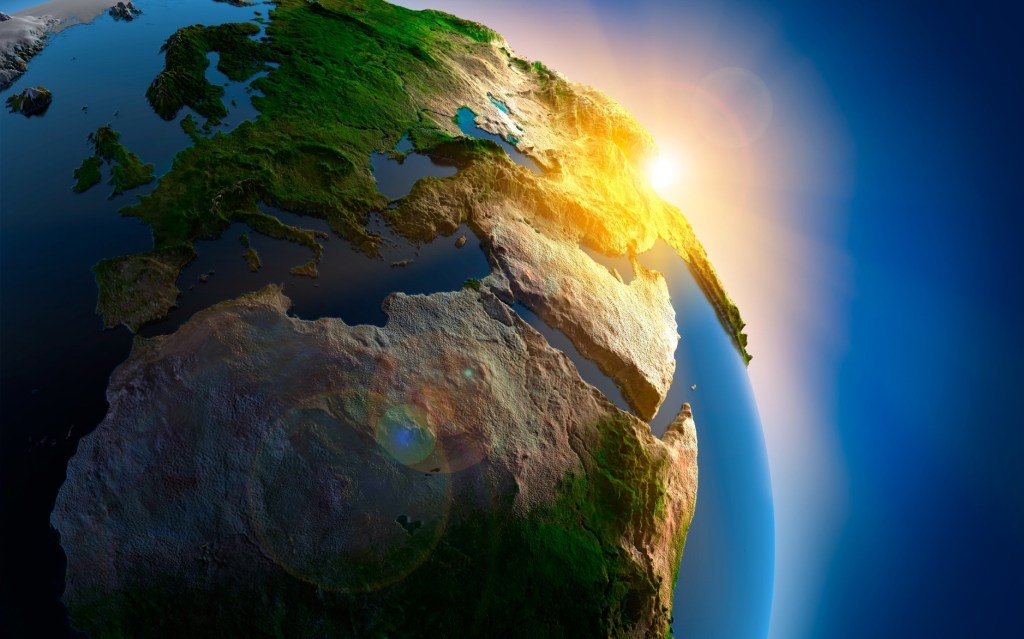
Earth is the only planet in our Solar System where life exists. Approximately 4.5 billion years ago, Earth formed from the particles left over from the creation of our Sun. Gravity pulled swirling gas and dust in together to form the Earth. It is the third planet in our Solar System.


29% surface on Earth is land ( i.e continents and islands ) and the rest 71% is water mostly oceans but also lakes, rivers and other fresh water bodies. Out of this 71% water, 97% is saline water(water in oceans) and the availability of freshwater is only 3%. Earth’s polar region is covered with ice.

Earth’s atmosphere contains 78% nitrogen, 21% oxygen and 1% other gases such as carbon dioxide, argon and neon. The atmosphere acts as a shield and protect us from the harmful radiation coming from the Sun. It also protects us from meteoroids which burn up in the atmosphere before they can hit the surface.

Earth is the only planet that was not named after a Greek or Roman god. Its alternative names are Gaia, Gaea, Terra, Tellus, The World, The Globe.

The journey of life on Earth started in oceans. The earliest forms of life were microscopic organisms (microbes) that left signals of their presence in rocks about 3.7 billion years old. These microbes are known as Prokaryotes that fed on carbon compounds that were accumulating in Earth’s early oceans. Slowly, many other organisms evolved that used the Sun’s energy, along with compounds such as sulfides, to generate their own energy.


Earth is composed of four main layers.
The inner core is a solid sphere made of iron and nickel metals about 759 miles (1,221 kilometers) in radius. The temperature there is as high as 9,800 degrees Fahrenheit (5,400 degrees Celsius). Surrounding the inner core is the outer core. This layer is about 1,400 miles (2,300 kilometers) thick, made of iron and nickel fluids.In between the outer core and crust is the mantle, the thickest layer. This hot, viscous mixture of molten rock is about 1,800 miles (2,900 kilometers) thick and has the consistency of caramel. The outermost layer, Earth’s crust, goes about 19 miles (30 kilometers) deep on average on land. At the bottom of the ocean, the crust is thinner and extends about 3 miles (5 kilometers) from the sea floor to the top of the mantle.

Earth doesn’t take 24 hours to rotate on its axis
It actually takes 23 hours, 56 minutes and 4 seconds to completely rotate around it’s axis. Also known as sidereal day. Earth’s rotation is slowing slightly with time. Thus, a day was shorter in the past. This is due to the tidal effects the Moon has on Earth’s rotation. Analysis of historical astronomical records shows a slowing trend that the length of a day increased about 2.3 milliseconds per century since the 8th century BCE.

Earth has only one moon. Without the moon, a day on earth would only last six to twelve hours. There could be more than a thousand days in one year. That’s because the Earth’s rotation slows down over time thanks to the gravitational force or pull of the moon and without it days would go by in a blink.
EARTH

ABOUT EARTH:

Our Earth is the most beautiful planet in our solar system. Earth is the planet we live on. The earth is a habitat for millions of species of plants and animals. Earth is an integral part of the solar system. Earth is the third planet from the sun. Earth is the fifth-largest of the planets in the solar system. The alternative names for the earth are Gaia, Gaea, Terra, Tellus, the world, the globe. Earth is a planet of the Sun which is also called Blue Planet because of the availability of water and it looks blue when observed from space. It’s the only planet known to have an atmosphere containing free oxygen, oceans of water on its surface, and, of course, life. Water covers 70 percent of Earth’s surface. Earth has an atmosphere containing 21% oxygen which helps in the survival of living beings. The gases like nitrogen, CO2, and oxygen in the earth’s atmosphere help plants to grow. Our planet Earth is a rotating sphere that orbits the Sun. Earth is made of rocks and came into existence billions of years ago. Along with the movement, Earth also rotates on its axis from east to west and completes a rotation in 24 hours which we call a solar day. The Earth is located approximately 150 million kilometers from the Sun and this distance is known as Astronomical Unit. It takes about 8.3 minutes for sunlight to reach the Earth. The Earth’s Atmosphere Extends to a Distance of 10,000 km. Earth’s atmosphere nourishes life and protects it from harmful UV rays and meteorites. Earth Day is observed every year on 22nd April to protect the environment. Along with human earth is home to millions of species and plants. The presence of water on the surface of the earth and air in the atmosphere makes life possible here. As the only livable planet of the sun, we should respect and protect our earth from our wrong practices.

STRUCTURE OF EARTH:

​​The earth is made up of three different layers. They are,

· THE CRUST:

This is the outside layer of the earth and is made of solid rock, mostly basalt, and granite. There are two types of a crust; oceanic and continental. Oceanic crust is denser and thinner and mainly composed of basalt. Continental crust is less dense, thicker, and mainly composed of granite.

· THE MANTLE:

The mantle is the layer located directly under the sima. It is the largest layer of the Earth, 1800 miles thick. The mantle is composed of very hot, dense rock. This layer of rock even flows like asphalt under a heavyweight.

· THE CORE:

Earth’s core is the very hot, very dense center of our planet. The ball-shaped core lies beneath the cool, brittle crust and the mostly-solid mantle. The core is found about 2,900 kilometers (1,802 miles) below Earth’s surface and has a radius of about 3,485 kilometers (2,165 miles). The core is made of two layers: the outer core, which borders the mantle, and the inner core. The outer core, about 2,200 kilometers (1,367 miles) thick, is mostly composed of liquid iron and nickel. The inner core is a hot, dense ball of (mostly) iron. It has a radius of about 1,220 kilometers (758 miles). The temperature in the inner core is about 5,200° Celsius (9,392° Fahrenheit). The pressure is nearly 3.6 million atmospheres (atm).

World’s Overshoot day!!

Happy World’s Overshoot day!! Today we’ve exhausted all the natural resources generated by Mother Earth last year and as economists say, we are in a deficit, although not financial, but ecological. This could be quite shocking news to many, but interestingly this year World’s Overshoot day has been pushed by 3 weeks. In 2019, World’s Overshoot day was marked on July 29 as opposed to August 22 in 2020. In fact, this day has never been pushed so far since 2005. So, is it an achievement worth celebrating? Apparently not, cause it is not done by design, rather by the disaster. The World’s Overshoot day is calculated by GFN (Global footprint network), an independent think tank established in 2003 with its headquarters located in California, United States. Overshoot is calculated by ecological footprint, which is a measure of how much area of biologically productive land and water an individual, population or activity requires to produce all the resources it consumes and to absorb the waste it generates, using prevailing technology and resource management practices. Researchers estimate that the planet equivalent has grown from 1.5 in 2008 to 1.6 in 2020, i.e. now humans require 1.6 planet Earth to sustain themselves and this doesn’t account for all other species in the world. However, this doesn’t mean that all countries contribute equally to the spectrum. Overshoot day varies from country to country due to the prevailing technologies in different countries. For e.g. a world would be enough for Indonesians to survive, but it would require approximately two worlds to sustain ourselves if we were to live like Qataris. The worst country to perform in this index is Luxembourg, which consumed all its resources by February 16. Even Australia, the biocapacity giant is seeing deficit for the first time in its history due to the devastating fires of 2019-20. This shows how fragile biocapacity can be.
But this year is not an achievement, all though the COVID lockdowns brought down the Ecological Footprint by 9.3% reduction as compared to the same period last year and put a remarkable dent on the global economy. Since this pushed date is a reflection of a lot of sufferings and the reflection of imposed changes to our lives. The irony is that these vast reductions that scientists had always been craving but through sustainable developments rather than sufferings. Now it would be foolish to presume that in order to reduce our carbon footprints and planet equivalent we require such sufferings since such reductions are discriminatory, they disproportionately affect people of color and caste economically. Climate skeptics have used the situation to say that lockdown is what “green campaigners want” and they cannot enjoy things like international travel and economic growth in the future. But it is foolish to fall for such beliefs. The goal should be having better economies and social outcomes with lower emissions.
Researchers reiterate that balance of humanities consumption and Earth”s produce needs to be restored. It would be wise to make such balance intentionally rather than facing such disasters that comes at such high and terrible human cost.

Climate Change

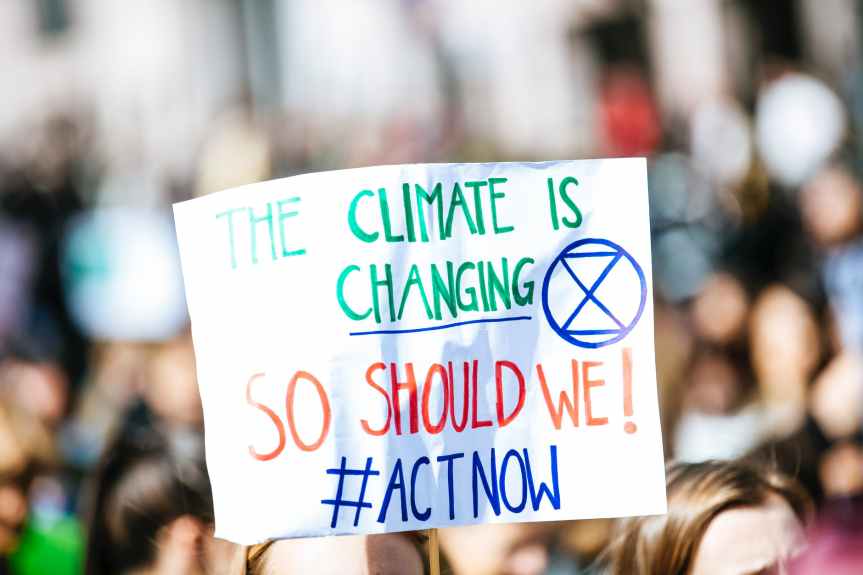
The phenomenon of rising temperatures of the Earth resulting in change of climate, seasons, rainfall patterns etc. is called Global warming. Global warming and its effects are together referred to as Climate Change. While these changes have been seen before but the rate of change has increased rapidly from the middle of the 20th century. Findings from different recognized scientific organizations support these claims. According to the Intergovernmental Panel on Climate Change (IPCC), “human influence on climate has been the dominant cause of observed warming since the mid-20th century”. The emission of greenhouse gases as a result of human activities have been one of the largest causes for this. Fossil fuels, Chloro-fluro carbons (CFCs), deforestation, rise in different forms of pollution are all behind this.

Photo by Markus Spiske on Pexels.com

Temperature change is also accompanied by loss of snow cover, melting permafrost, frequent natural disasters like cyclones. Land surfaces heat more quickly which have resulted in heat waves, forest fires, increase in desert area. These temperature changes are the highest in the Arctic region. Changes in environmental conditions have led to extinction of several wildlife species in forests, coral reefs etc. Rising carbon dioxide emissions lead to rising sea levels, ocean temperatures and ocean acidification. These changes bring in frequent droughts, extreme weather conditions affecting the equilibrium and natural balance.

Photo by Markus Spiske on Pexels.com

Almost all countries have come together for climate change under the umbrella of the United Nations Framework Convention on Climate Change (UNFCCC). The convention aims to “prevent dangerous anthropogenic interference with the climate system”. It has instructed policy makers that there is much greater risk to human and natural systems if the warming goes above 1.5 °C compared to pre-industrial levels. Under the Paris Agreement, nations have made climate pledges to reduce greenhouse gas (GHG) emissions, but even after following those, global warming would still reach about 2.8 °C by 2100. To prevent this from happening and limit the warming to 1.5 °C, methane emissions need to decrease to near-zero levels and carbon dioxide emissions should reach net-zero by the year 2050.

Governments should act immediately and policies should be constructed to reduce fossil fuel emissions, increase reforestation, forest prevention, use of low carbon energy technologies, food preservation. All societies should work together towards dealing with future global warming problems in a scientific way. Development of more resistant crops, better disaster management should also be considered.

Several international movements have taken place like Fridays For Future where school students take time off from school to aware people and demand climate change action from governments. They demand action from political leaders of the world for the fossil fuel industry to convert to renewable energy and take immediate measures for climate change. This movement was publicised after Greta Thunberg started a protest outside the Swedish parliament with a poster saying “School strike for climate”. She is an environmental activist who has spoken at several internationally recognised platforms. She started her journey as an activist from the time when she had convinced her parents to change their lifestyle for reducing their carbon footprint. She is known for her straight forward manner of speaking at public platforms and criticizing world leaders for their failure to address climate change. She has participated in the United Nations Climate Change Conference (2018) and UN Climate Action Summit (2019). She has also got several awards and made it into the Forbes list of The World’s 100 Most Powerful Women (2019). Though her popularity at such a young age has made her a target of critics, but she continues to work and struggle towards her goal with indomitable spirit.

Earthquakes

An earthquake is caused by a sudden slip on a fault. Stresses in the earth’s outer layer push the sides of the fault together. Stress builds up and the rocks slips suddenly, releasing energy in waves that travel through the earth’s crust and cause the shaking. An Earthquake occurs when plates grind and scrape against each other. India lies at the northwestern end of the IndoAustralian Plate, which encompasses India, Australia, a major portion of the Indian Ocean and other small countries. This plate is colliding against the huge Eurasian Plate and going under the Eurasian Plate,this process of one tectonic plate getting under another is responsible for making India a earthquake prone country. A number of significant earthquakes occured in and around India over the past century. Some of these occured in populated and urbanized areas and hence caused great damage. Many went unnoticed, as they occurred deep under the Earth’s surface or in relatively un-inhabited places. The varying geology at different locations in the country implies that the likelihood of damaging earthquakes taking place at different locations is different. Thus, a seismic zone map is required to identify these regions.

Bureau of Indian Standards, based on the past seismic history, grouped the country into four seismic zones, Zone – 2,-3,-4and 5. Of these, zone 5 is the most seismically active region, while zone 2 is the least. The Modified Mercalli(MM) intensity, which measures the impact of the earthquakes on the surface of the earth, broadly associated with various zones, is as follows.

Little Things To Help The Planet

It is extremely important that we look after our planet but often as teenagers it can be hard to donate money to support the cause or spend time volunteering, so here are a few things you can do instead.

1. Say no to the straw!

According to Indian pollution control board15,342 tonnes of plastic waste is produced in India every year. A big chunk of it is single use plastic straws, which can’t be recycled! These tiny straws can do a lot of harm to the ocean- it can kill all sorts of wildlife including sea turtles. So why not stop using plastic straws altogether? Some love using straws, but that doesn’t mean there isn’t anything you can do. Instead, switch to glass straws, paper straws or metal straws, here are some affordable options:

1. Reusable Stainless Steel Metal Straws Set (2 Bend & 2 Straight Straws, 1 Cleaning Brush) from Amazon

2. Reusable Stainless Steel Metal Straws (Copper Colour) – Pack of 4 (Straight & Bent) with Brush and Jute Pouch Cutlery from Amazon

3. Premium Biodegradable Paper straws from Amazon

4. Bent Glass Straws, Pack of 6 from Amazon

2. Invest in a tote

Whenever you’re out for grocery shopping, carry a reusable tote with you. Personally, I love a good tote bag, especially the ones you can fold up and tuck away in your shoulder bag. 

Here are some affordable options:

  1. Foldable Shopping Bags for Grocery from Amazon

2. Ikea Compact Size Foldable Reusable Bag from Amazon

3. Reusable mugs!

Every time you go out to the coffee shop and order your cappuccino to go you’re wasting a cup. To avoid this you might want to buy yourself a nice reusable cup. Not only do they reduce waste, but cups with lids are also a better alternative if you drink tea or coffee while you’re on the go. 

Here are some affordable options:

  1. Glass mug with a with Steel Steiner from Amazon

2. Biodegradable Bamboo Fibre Eco Travel Mug from Amazon

3. Silicone Travel Collapsible Coffee Cup By The June Shop

4. Bottle it up 

There is nothing better than a cute reusable water bottle in my opinion. There are so many to choose from and reduce the waste created by using plastic water bottles. 

Here are some affordable options:

1. Stainless Steel Water Bottle from Amazon

2. Glass Transparent Bottles, Set of 2 from Amazon,

3. Copper Water Bottle from Amazon

5. Wrap your gift up in paper

Avoid using things that are packaged  or wrapped in single use plastic. Try to use paper or paper bags instead. And if you can’t do that, look for recyclable packaging. 

Here are some affordable options:

  1. Paper wrappers from Amazon

2. Brown Paper Bags from Amazon

6. Walk more 

Using a car is one of the worst things for the environment. If the distance to be covered can be covered on foot then why not walk to where you want to be? It’s an easy way to exercise and you’re helping our planet too by reducing greenhouse gasses. If you can’t walk there, why not take the public transport? It’s cheaper and saves the planet. 

Upcycling Household Items

Hacks everyone should know

When it comes to upcycling household goods and items, it can involve creative and innovative thinking. Instead of letting item you no longer use pile up, gather dust, occupy unnecessary space or throwing them out in the garbage, which is definitely not recommend, give them new life.

To get your DIY routine warmed up, I’m sharing some ways to upcycle household items that are present in every home which aren’t in use anymore. Use these green hacks and shift your home to a more sustainable and waste free home. 

Hacks to Upcycle Household Items:

Before you toss your over used rubber gloves, that have seen better days, in the bin, cut the fingers off and then cut them further into small rings and use them as elastic rubber bands to keep miscellaneous items in place. 

Only a single sock left? Take the solo sock and turn it into a reusable and washable face mask by cutting the top section off, and then cut two slits in the heel portion for your ears. 

Turn your broken belt or any belt that you no longer style into a rustic shelf in a few easy steps. First, remove the buckle part, then cut your belt in half. Form a loop out of each half of the belt and then nail them into the wall. Then gently slide a piece of sleek board or an old piece of wood between the loops.

Upcycle your household and beauty products like candles in glass containers, glass bottles, old jewellery boxes, containers that you no longer use. First, properly cleaning them out, then use them as decorative storage- story your pins, makeup brushes, pens, use these to store spices in the kitchen or use them to store flowers in the bathroom. 

Do you have too many mason jars laying around? Create your own homemade scented candles- fill the jar with oil, lemon, and add a wick. Or just YouTube the procedure. 

A run in your favourite tights and you can’t wear them anymore? Get yourself nice beachy waves, watch this viral no-heat curls hack using a pair of tights.

Want to go grocery shopping in your shoes but fear them contacting any corona surface? Use on old shower cap to cover the sole. Throw them out before entering back. 

Want to read more such hacks? Check my favourites ones out: 

  1. 22 genius ways to upcycle everyday objects

2. How to Repurpose or Upcycle 38 Common Household Items

3. Reuse Everyday Objects! 10 DIY Home Decor Ideas and More Upcycling Hacks

4. Upcycling Household Items Quick Make

5. 11 Genius Ways To Upcycle Loads Of Household Items!

How Is COVID-19 Impacting The Environment?

A BRIEF ON COVID-19:

The coronavirus disease- COVID-19 is a highly transmittable and pathogenic viral infection caused by severe acute respiratory syndrome coronavirus 2 or SARS-CoV-2, which emerged in Wuhan, China and spread around the world. Analysis revealed that SARS-CoV-2 is phylogenetically related to severe acute respiratory syndrome-like bat viruses, therefore bats could be the possible primary reservoir. The intermediate source of origin and transfer to humans is not known, however, the rapid human to human transfer has been confirmed widely. There is no clinically approved antiviral drug or vaccine available to be used against COVID-19. However, few broad-spectrum antiviral drugs have been evaluated against COVID-19 in clinical trials, resulted in clinical recovery.

ORIGIN:

The first human infections were reported at the end of December 2019 in Wuhan, Hubei province in China when a cluster of 41 pneumonia cases was identified. Deeper analysis showed that it was a novel coronavirus. A third – 66% of the cases – had direct exposure to the Huanan Seafood market. Fish, shellfish, wildlife, snakes, birds and several different types of meat and carcasses were sold at this market. The market was closed immediately, and it has not reopened since. (source: ScienceDirect.com, https://www.sciencedirect.com/science/article/pii/S0140673620301835?via%3Dihub)

The strongest speculation of the origin has been that the virus is somehow linked to the market given two thirds of the first batch of people infected had had ties with it. But even this hasn’t been proved yet. Nevertheless, Bats, in particular, have been studied closely because they are considered to be the natural host of coronaviruses.

this is not my image, credit to the artist

EFFECT of covid-19 on the environment:

The objective of this article is to analyse the positive and the negative environmental impact of this abhorrent pandemic, Covid-19.

The Positives-

  • Improved Air Quality: 

The coronavirus has temporarily slashed air pollution levels around the world (source: European Space Agency). Readings from ESA’s Sentinel-5P satellite also show that over the past six weeks, the levels of nitrogen dioxide (NO2) over cities and industrial clusters in Asia and Europe were markedly lower than in the same period last year. Nitrogen dioxide is produced from car engines, power plants and other industrial processes and is thought to exacerbate respiratory illnesses such as asthma. While not a greenhouse gas itself, the pollutant originates from the same activities and industrial sectors that are responsible for a large share of the world’s carbon emissions and that drive global heating. Take transport, for example, which makes up 23% of global carbon emissions. Driving and aviation are key contributors to emissions from transport, contributing 72% and 11% of the transport sector’s greenhouse gas emissions respectively. (Source: http://www.ipcc.ch)
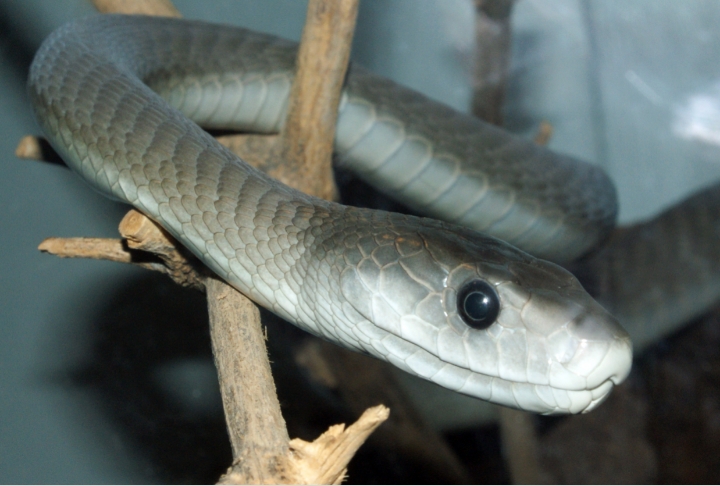
If we consider the case of Delhi, on 6th April, for the third week Delhi continued to breathe clean. The weekend before this saw the best air quality in the national capital region (NCR) in 2020, with an average AQI of 46. The weekend before that, it was at 159.  There was a remarked improvement in air quality in the NCR, as the harmful PM10 and PM2.5 levels were down by 35-40% in Delhi (source: The Economic Times).

The visible positive impacts whether through improved air quality or reduced greenhouse gas emissions – are but temporary. This is because they come on the back of an economic slowdown and human distress. During the pandemic, these emissions will stay lowered. But what will happen when the safety measures are eventually lifted?  The people will be back to regular.

  • Some Cut Downs on Wastage:

During the coronavirus outbreak, the habits that are coincidentally good for the climate might be travelling less, like cutting down on food waste as we experience shortages due to stockpiling.

  • Rethinking how we use energy:

A benefit of no travel and a lockdown is we will spend some time rethinking how we use energy.

The Negatives-

  • Increase In Use Of Single-Use Plastics:

With as many as 12,82,931 cases recorded in 211 countries ( as of 8 April 2020, 05:30 GMT, Source: WHO), the United Nations’ World Health Organization has recently declared the fast-spreading COVID-19 outbreak as a pandemic. It is natural then that citizens around the globe are hastening to take every possible measure to safeguard their health against the virus. The most widespread of these precautions is the extensive use of surgical face masks.

These masks are mainly made of non-woven fabric such as polypropylene, polystyrene, polycarbonate, polyethylene or polyester. While they keep out bacteria effectively, the masks are plastic-based, liquid-resistant products that have a long afterlife after they are discarded, ending up in landfill or oceans.  

Given that surgical masks are supposed to be worn for no longer than one day, their disposal- along with that of empty hand sanitizer bottles and soiled tissue papers- is leading to a massive trail of clinical waste in the environment.

Take the case of Wuhan, for example. The Chinese city which has been at the epicentre of the pandemic and which is home to over 11 million people, is reported to have generated 200 tons of clinical trash on a single day (24 February 2020), four times the amount the city’s only dedicated facility can incinerate per day. (source: scmp.com)

  • Mountain Of Waste:

With consumers stuck at home, there’s been a surge in the amount of household garbage as people increasingly shop online and order meals to be delivered, which come with a lot of packaging. (source: time.com)

Meanwhile, China is drowning under medical waste produced by hospitals including face masks and single-use tissues. If the waste is not handled properly, the garbage collectors are likely to catch and spread the infection

  • More Hand Wash, More Use Of Water:

Today, the only defence against the pandemic is that we wash our hands frequently — 20 seconds each time. The fact is, clean water remains the most important preventive health measure in the world.

A proper hand wash involves lathering soap and scrubbing hands on both sides for at least 20 seconds, according to WHO guidelines. A 30 to 40 second hand wash would use up around four litres of water if the tap is on, or two litres with the tap closed, while scrubbing with soap. Around 20 to 40 litres of water is used up every day, with the assumption that every person cleans her hands at least 10 times a day, instead of a usual average of five times a day.

A family of five members would thus need 100 to 200 litres of water per day only to wash hands. This would result in the generation of around 200 litres of wastewater per day, a 20 to 25 per cent increase in water demand and generation of wastewater from human settlements. (source: downtoearth.org.in)

It is also important to note that a large numbers of people in India and vast parts of the still emerging world do not have access to water, forget its portability. 

  • Climate Issues Take a Backseat:

Before the coronavirus, momentum seemed to be building behind governments and businesses taking steps to address climate change. As 2020 began, wildfires were destroying vast swaths of Australia; and the climate activist Greta Thunberg had become a household name. But the spread of the coronavirus has thrown an even more urgent crisis at governments and business: how to save the lives of millions of people, prevent health care systems from collapsing, and shore up economies that must now enter something comparable to an induced coma. 

CONCLUSION:

In conclusion, the coronavirus crisis has been having short term positive environmental effects but long term negative effects on the environment. Production has decreased, there’s less pressure on energy resources, less fuel burnt in transportation, fewer carbon emissions, and less air pollution. However, all of this is temporary and in the long term, the environmental impacts of the coronavirus such as water shortage, increase in plastic production and waste and issues relating to correct waste disposable, to name a few, will pose as a greater problem.