The Complex Reality of Delhi’s Slums: A Closer Look at Urban Informality

By: Shashikant Nishant Sharma

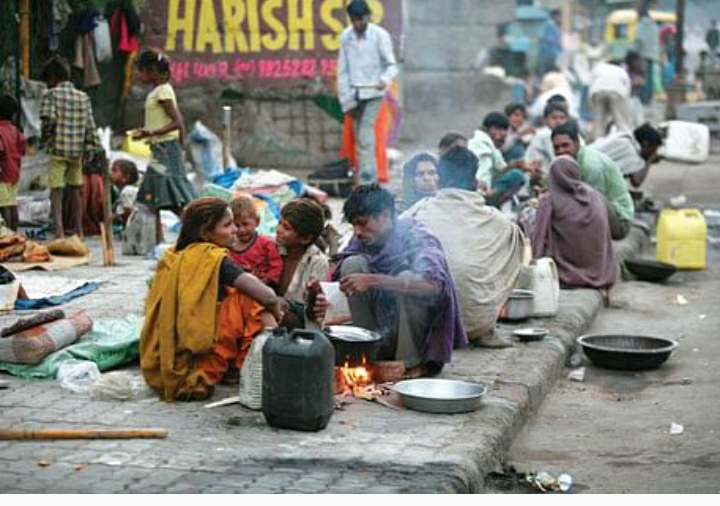
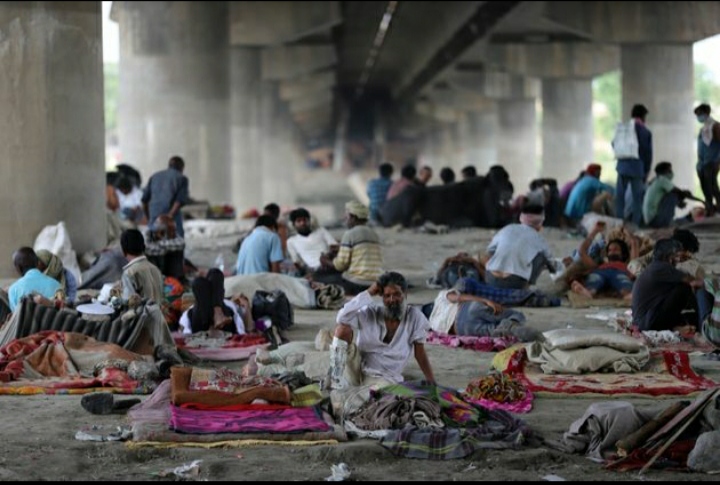
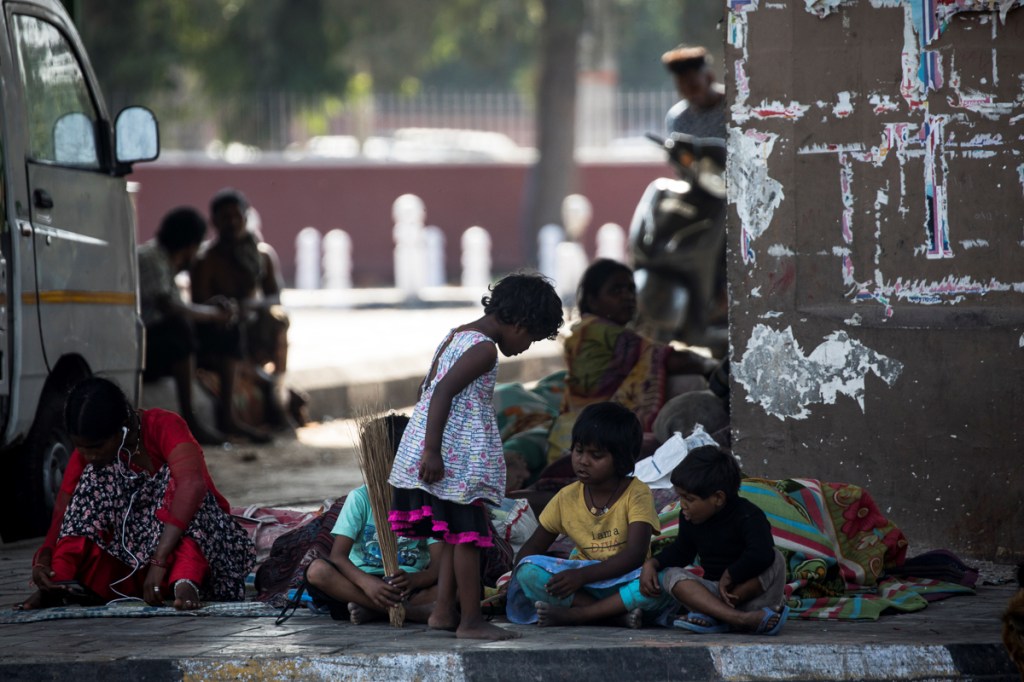
Delhi, the capital city of India, is a vibrant metropolis that juxtaposes modernity and tradition. However, amid the glittering skyscrapers and bustling marketplaces, there exists a stark contrast in the form of slums that dot the cityscape. These informal settlements, home to a significant portion of Delhi’s population, present a complex and challenging reality. This article aims to shed light on the slums of Delhi, exploring the factors that contribute to their existence, the challenges faced by residents, and potential solutions to address this pressing issue.

Factors Contributing to the Existence of Slums:

  1. Rapid Urbanization: Delhi has witnessed rapid urbanization over the years, attracting people from rural areas in search of better opportunities. However, the city’s infrastructure has struggled to keep pace with the population influx, leading to the formation of informal settlements.
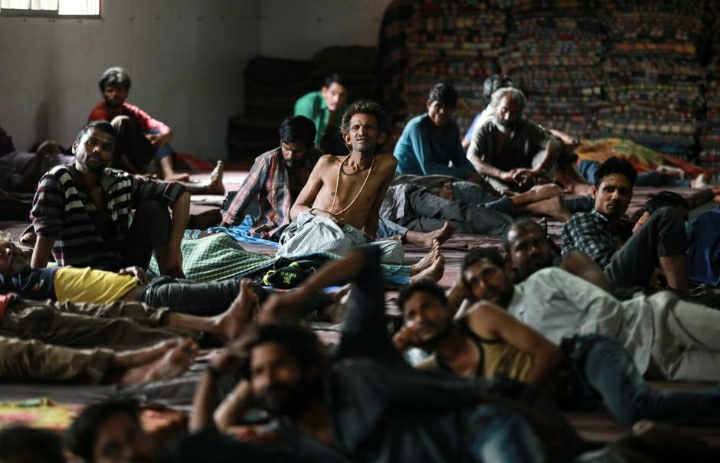
  2. Lack of Affordable Housing: The soaring cost of real estate in Delhi has made it difficult for a significant portion of the population to afford proper housing. As a result, many individuals and families find themselves living in makeshift shelters in slums.
  3. Informal Employment: A substantial number of slum dwellers are engaged in informal and low-wage employment opportunities. The lack of stable income makes it challenging for them to access formal housing options, pushing them towards the fringes of the city.

Rapid Urbanization:

Delhi’s landscape has undergone a rapid transformation as it evolved into a bustling metropolis, magnetically attracting individuals from rural areas in pursuit of improved livelihoods. The city’s economic opportunities and urban allure have spurred an influx of people seeking a better life. However, this surge in population has strained the existing infrastructure, causing a proliferation of informal settlements. The speed at which Delhi has urbanized has outpaced the development of essential services, resulting in the emergence of slums that grapple with inadequate amenities and living conditions.

Lack of Affordable Housing:

One of the most pressing challenges contributing to the existence of slums in Delhi is the exorbitant cost of real estate. The city’s property market has experienced a meteoric rise, rendering it increasingly unaffordable for a significant segment of the population. The soaring property prices have left a considerable portion of Delhi’s residents with limited housing options, forcing them into makeshift shelters within the confines of slums. This disparity in housing affordability underscores a critical issue that demands attention to ensure a more equitable distribution of living spaces within the city.

Informal Employment:

A significant demographic within Delhi’s slums is engaged in informal and low-wage employment opportunities. The city’s economic landscape accommodates a diverse range of informal sectors, from street vending to day labor, providing a source of income for many. However, the nature of informal employment often means irregular and unstable income streams, making it arduous for individuals to secure formal housing. As a consequence, slum dwellers, driven by economic necessity, find themselves on the peripheries of the city, residing in settlements that lack the basic amenities necessary for dignified living.

Addressing these factors necessitates a comprehensive approach that considers not only housing but also the broader issues of urban planning, economic development, and social welfare. Efforts to provide affordable housing options, improve infrastructure, and formalize employment opportunities can contribute to alleviating the challenges faced by residents of Delhi’s slums. By acknowledging the multifaceted nature of the issue, policymakers and urban planners can work towards creating a more inclusive and sustainable urban environment for all of Delhi’s inhabitants.

Challenges Faced by Slum Dwellers:

  1. Inadequate Infrastructure: Slums often lack basic amenities such as proper sanitation, clean water supply, and electricity. The absence of these fundamental services contributes to a cycle of poverty and health challenges for the residents.
  2. Health and Hygiene Concerns: Overcrowded living conditions, coupled with inadequate sanitation facilities, create a breeding ground for diseases. The prevalence of health issues in slums underscores the urgent need for improved healthcare services and sanitation infrastructure.
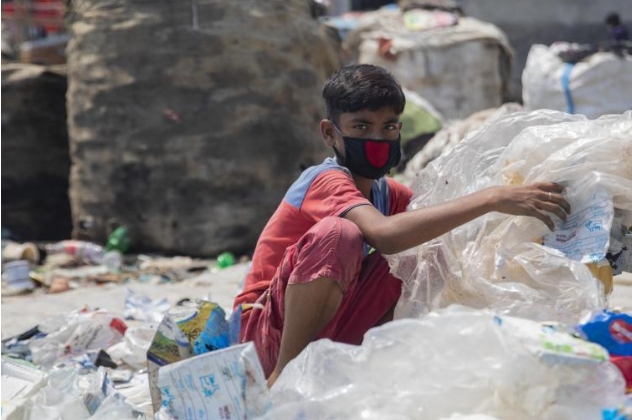
  3. Educational Barriers: Access to quality education remains a significant challenge for children living in slums. Limited resources, coupled with the need for children to contribute to family income, often result in lower enrollment and higher dropout rates.
  4. Vulnerability to Displacement: Slum dwellers often live in constant fear of eviction, as their settlements are considered illegal. This vulnerability adds a layer of uncertainty to their lives and makes it difficult for them to invest in long-term improvements to their living conditions.

Inadequate Infrastructure:

One of the most pressing challenges faced by slum dwellers in Delhi is the pervasive lack of basic infrastructure. Many slum settlements are characterized by the absence of essential amenities such as proper sanitation, a reliable clean water supply, and consistent electricity. The dearth of these fundamental services perpetuates a cycle of poverty, hindering residents from breaking free from the constraints of their living conditions. Insufficient infrastructure not only compromises the daily lives of slum dwellers but also restricts their potential for economic and social advancement.

Health and Hygiene Concerns:

The overcrowded living conditions within Delhi’s slums, combined with the absence of adequate sanitation facilities, create a breeding ground for various diseases. The prevalence of health issues in these communities highlights the urgent need for improved healthcare services and enhanced sanitation infrastructure. Communicable diseases thrive in environments where hygiene is compromised, posing a constant threat to the well-being of slum residents. Addressing health and hygiene concerns is paramount to breaking the cycle of illness and promoting the overall welfare of those residing in Delhi’s slums.

Educational Barriers:

Access to quality education remains a significant hurdle for children growing up in Delhi’s slums. Limited resources, both within the slum communities and in the broader education system, contribute to lower enrollment rates and higher dropout rates. Children often face the dual challenge of needing to contribute to family income, making it difficult for them to prioritize education. Breaking down educational barriers is essential for empowering the younger generation within slum communities, providing them with the tools and opportunities needed to overcome the cycle of poverty.

Vulnerability to Displacement:

The constant fear of eviction looms large over the lives of slum dwellers in Delhi, as their settlements are often deemed illegal. This vulnerability not only disrupts the daily lives of residents but also creates a layer of uncertainty that impedes long-term improvements to their living conditions. The perpetual risk of displacement discourages investments in infrastructure, education, and healthcare within slum communities, perpetuating a cycle of neglect and marginalization.

To address these challenges, concerted efforts are needed from policymakers, community leaders, and civil society organizations. Initiatives that focus on improving infrastructure, enhancing healthcare services, promoting education, and providing secure land tenure can contribute to breaking the cycle of poverty and vulnerability faced by the residents of Delhi’s slums. Only through a holistic and collaborative approach can meaningful progress be made towards creating more inclusive and equitable urban spaces.

Potential Solutions and Initiatives:

  1. Affordable Housing Programs: Implementing affordable housing initiatives and policies can help address the housing crisis in Delhi. The government, in collaboration with non-governmental organizations, can work towards providing affordable housing options for low-income families.
  2. Improving Infrastructure: Investment in basic infrastructure such as sanitation, clean water supply, and electricity is crucial for enhancing the living conditions in slums. Targeted interventions can significantly improve the quality of life for residents.
  3. Community Empowerment: Empowering slum communities through education and skill development programs can break the cycle of poverty. Initiatives that focus on providing vocational training and creating employment opportunities within or near the slums can uplift residents economically.
  4. Regularization of Informal Settlements: Instead of displacement, authorities could consider the regularization of existing informal settlements. This involves providing legal recognition, basic services, and tenure security to residents, contributing to a more stable and secure living environment.

In the dynamic and evolving landscape of Delhi’s slums, addressing the challenges faced by residents requires proactive and comprehensive solutions. Here are potential initiatives and strategies that could make a significant impact on improving the lives of those living in informal settlements:

Affordable Housing Programs: Implementing affordable housing initiatives is paramount in alleviating the housing crisis in Delhi. The government, in collaboration with non-governmental organizations (NGOs) and private stakeholders, can develop and execute policies that prioritize affordable housing options for low-income families. This may involve the creation of subsidized housing schemes, low-interest loans, or innovative housing models that cater to the unique needs of slum dwellers.

Improving Infrastructure: A targeted and sustained investment in basic infrastructure is crucial for enhancing the living conditions in Delhi’s slums. This includes initiatives to improve sanitation facilities, ensure a reliable and clean water supply, and provide access to electricity. Upgrading infrastructure not only addresses immediate health and hygiene concerns but also contributes to the overall well-being and dignity of slum residents.

Community Empowerment: Empowering slum communities through education and skill development programs can be a transformative step in breaking the cycle of poverty. Initiatives that provide access to quality education for children and adults alike, coupled with vocational training programs, can equip residents with the skills needed for better employment opportunities. Creating avenues for entrepreneurship within or near the slums further uplifts the economic prospects of the community.

Regularization of Informal Settlements: Rather than displacing residents, authorities could consider the regularization of existing informal settlements. This involves providing legal recognition to these settlements, ensuring basic services such as water, sanitation, and electricity, and granting tenure security to residents. Regularization not only enhances the legitimacy of slum communities but also provides a more stable and secure living environment, encouraging long-term investments in infrastructure and community development.

Public-Private Partnerships (PPPs): Encouraging partnerships between the public and private sectors can amplify the impact of initiatives aimed at slum improvement. Collaborations with private entities can bring in additional resources, expertise, and innovative solutions. This could involve joint ventures for housing projects, infrastructure development, or social enterprises that benefit the residents of slum communities.

Inclusive Urban Planning: Integrating slum development into the broader urban planning framework is essential for creating a more inclusive city. Authorities can adopt participatory approaches, involving slum residents in the planning and decision-making processes. This ensures that development initiatives align with the unique needs and aspirations of the communities they seek to serve.

Conclusion:

The slums of Delhi represent a complex challenge that requires a multifaceted approach. Tackling issues related to housing, infrastructure, healthcare, and education is crucial for creating a more inclusive and equitable urban environment. As Delhi continues to evolve, policymakers, community leaders, and citizens must come together to find sustainable solutions that uplift the lives of those residing in the city’s informal settlements. By combining these initiatives and strategies, Delhi has the potential to transform its slum areas into thriving, sustainable communities. These efforts not only address immediate challenges but also lay the foundation for a more equitable and inclusive urban landscape.

References

Datta, Ayona. “The intimate city: Violence, gender and ordinary life in Delhi slums.”ย Urban Geographyย 37.3 (2016): 323-342.

Dehalwar, K., & Sharma, S. N. (2023). Fate of Slums of Bhopal-A Tale of Struggle and Resilience.ย Think India Journal,ย 26(4), 12-18.

Dehalwar, Kavita, and Shashikant Nishant Sharma. “Fundamentals of Research Writing and Uses of Research Methodologies.” (2023).

Gupta, I., & Mitra, A. (2002). Rural migrants and labour segmentation: micro-level evidence from Delhi slums.ย Economic and Political Weekly, 163-168.

Kumar, N., & Aggarwal, S. C. (2003). Patterns of consumption and poverty in Delhi slums.ย Economic and Political Weekly, 5294-5300.

Mitra, A. (2004). Informal Sector, Networks and Intraโ€City Variations in Activities: Findings from Delhi Slums.ย Review of Urban & Regional Development Studies,ย 16(2), 154-169.

Sharma, Shashikant Nishant. “Urban forms in planning and design.”ย International Journal of Researchย 1.1 (2014): 7-16.

Sharma, S. N. (2013). Sustainable development strategies and approaches.ย International Journal of Engineering and Technical Research (IJETR),ย 2.

Sharma, S. N. (2014).ย Participatory Planning in Plan Preparation. BookCountry.

Sharma, S. N. (2016). Introduction to Sociology.ย New Perspectives in Sociology and Allied Fields, 1.

Sharma, S. N. (Ed.). (2016).ย New perspectives in sociology and allied fields. EduPedia Publications (P) Ltd.

Snell-Rood, C. (2015).ย No one will let her live: women’s struggle for well-being in a Delhi slum. University of California Press.

Tsujita, Y. (2013). Factors that prevent children from gaining access to schooling: A study of Delhi slum households.ย International Journal of Educational Development,ย 33(4), 348-357.

ISSUES RELATING TO POVERTY AND HUNGER

India is a country which suffers a lot due to hunger and poverty. Hunger is very closely related to poverty as poverty is one of the main reasons for hunger. 

Indian economist and philosopher Amartya Sen said that lack of ability to pay for food is obviously caused by poverty.

POVERTY

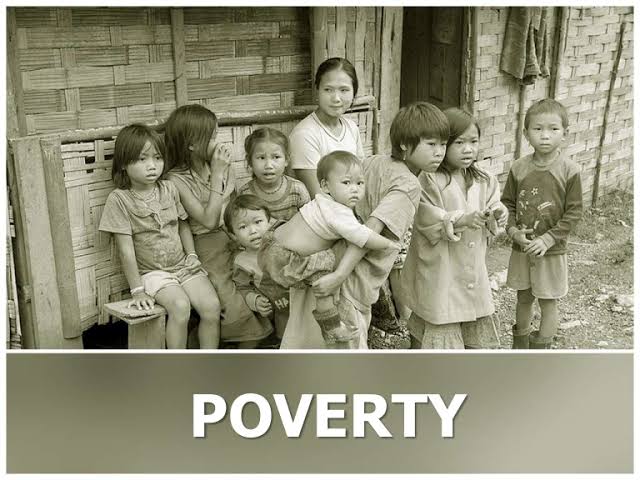
Poverty is a condition caused due to lack of basic needs of life such as water, health care, food, unemployment etc. It is described as the low income level of people which leads them to poor standard of living. Poverty means that the income level from employment is so low that even the basic human needs are not fulfilled. The impact of poverty on children is substantial. Children who grow up in poverty typically suffer from severe and frequent health problems; infants born into poverty have an increased chance of low birth weight, which can lead to physical and mental disabilities. Poverty is a difficult cycle to break and often passes from one generation to the next. Typical consequences of poverty include alcohol and substance abuse, limited access to education, poor housing and living conditions, and increased levels of disease.ย 

Hunger and food insecurity are the most serious forms of extreme poverty. To eradicate these issues from society is the prime concern of international organizations.

HUNGER

Hunger is a global problem and a lot of countries are facing this problem. Hunger is a condition where both the adults as well as children do not have access to food and there is a constant decrease in food intake, nutrients, no proper diet is there and some days are even gone without food which eventually leads to their death.

Climate change is also one of the reasons for world hunger. The amount of rain determines the production of crops. Droughts also affects agricultural production and extreme rain also causes flooding that leads to destruction of crops . Use of outdated products, not using better quality seeds also leads to shortage of food and those who are capable and have money buys food even at higher prices, the ones who have to suffer are poor people. They do not have money to buy food and hence they remain hungry. Hunger has a lot of serious problems such as insufficient economic systems, climate changes, misinformation but the most serious problem of all is poverty. Many poor nations such as Kenya, Uganda etc. are in desperate need of food. The growing population is one of the major causes of rising hunger and poverty. In Indian scenario Hunger and malnutrition are closely related. The main outcome of poverty is hunger. India is a home to the largest undernourished population in the world, 14โ„… of our population is undernourished, 20โ„… of children under 5 are underweight, 34.7โ„… of children are stunned, 51.4โ„… of women in the in the reproductive age i.e. 15-49 are anemic.

DIFFERENT ISSUES RELATING TO HUNGER AND POVERTY

Overpopulation is a major issue of rising poverty. There are not enough resources to satisfy your need. Demand is more and resources are limited and this leads to no proper distribution of resources and a large amount of people are left with no food. India is a country with a large population, and hence everyone’s demand is not full and people remain hungry.

Poor health service– the health sector of India is not as efficient as compared to other developed Nations, which leads to less access to good health and sanitization and hence causes ill health and maintains poverty.

Malnutrition- It is a phenomena that occurs in a human body when it receives little or no nutrition as a result of it people easily get sick and it causes death. it is responsible for the death of people, especially young children.

Insufficient education and lack of training- due to Rising poverty children are not able to get basic education and again since they are not educated, they don’t get employed and this vicious cycle of poverty is continued. Lack of money is reason for them not attending proper School and they have to indulge in labour to provide for a minimal living also causes rise for child labour. Parents send their children to work at a very young age.

Inequality– different gender, ethnic, group and social classes face inequality due to poverty. Low rate of economic development, If a country is poor then its development is also very slow.

Rise in crime – Often due to poverty and hunger, people indulge in criminal activities. To fill their empty stomach many young children opt for wrong ways and indulge in theft and loot and its disturbance in the society.

Way Forward

To eradicate poverty and hunger from the society, there is a need for the government to implement schemes and methods. The government should spend moreย in health, nutrition, and education. The government should invest more in agriculture and provide the farmers with better quality seeds and advanced machineries and modern techniques for more agricultural production, Also it is necessary to decrease rural poverty. Subsidies address only short-term issues. There is a need to develop technologies, with the help of which farmers can practice all-weather agriculture. Government should focus on increasing employment opportunities creating jobs in modern sectors and promote labor-intensive industries. Reduction in corruption will lead to an overall development of the economy. A country with low poverty level will only develop in a better manner.

Sources: civilservicesindia.com

Poverty in India

Poverty is the state of not having enough material possessions or income for a person basic needs. Poverty may include social, economic, and political elements. Absolute poverty is the complete lack of the means necessary to meet basic personal needs, such as food, clothing, and shelter.ย Poverty is linked with negative conditions such asย substandard housing, homelessness, inadequate nutrition and food insecurity, inadequate child care, lack of access to health care, unsafe neighborhoods, and under resourced schools which adversely impact our nation’s children.

There are several definitions of poverty, and scholars disagree as to which definition is appropriate for India. Inside India, both income-based poverty definition and consumption-based poverty statistics are in use. Outside India, the World Bank and institutions of the United Nations use a broader definition to compare poverty among nations, including India, based on purchasing power parity (PPP), as well as a nominal relative basis. Each state in India has its poverty threshold to determine how many people are below its poverty line and to reflect regional economic conditions. These differences in definitions yield a complex and conflicting picture about poverty in India, both internally and when compared to other developing countries of the world. 

More than 800 million people in India are considered poor. Most of them live in the countryside and keep afloat with odd jobs. The lack of employment which provides a livable wage in rural areas is driving many Indians into rapidly growing metropolitan areas such as Bombay, Delhi, Bangalore or Calcutta. There, most of them expect a life of poverty and despair in the mega-slums, made up of millions of corrugated ironworks, without sufficient drinking water supply, without garbage disposal and in many cases without electricity. Poor hygiene conditions cause diseases such as cholera, typhus and dysentery, which affects children more. 

Poverty in India impacts children, families and individuals in a variety of different ways through:

  • High infant mortality
  • Malnutrition
  • Child labour
  • Lack of education
  • Child marriage
  • HIV / AIDS

Since the 1950s, the Indian government and non-governmental organisations have initiated several programs to alleviate poverty, including subsidising food and other necessities, increased access to loans, improving agricultural techniques and price supports, promoting education and family planning. These measures have helped eliminate famines, cut absolute poverty levels by more than half, and reduce illiteracy and malnutrition.

Around 75 million more people in India fell into poverty last year because of the pandemic-induced economic recession, compared with what it would have been without the outbreak, an analysis by Pew Research Center showed on Thursday. That number in India accounts for nearly 60% of the global increase in poverty in 2020, the analysis showed. It defined the poor as people who live on $2 or less daily.

India has achieved annual growth exceeding 7 per cent over the last 15 years and continues to pull millions of people out of poverty, according to the World Bank. The country has halved its poverty rate over the past three decades and has seen strong improvements in most human development outcomes, a report by the international financial institution has found. Growth is expected to continue and, the elimination of extreme poverty in the next decade is within reach, said the bank, which warned that the country’s development trajectory faces considerable challenges. 

The problem of poverty in India

In India, poverty is presently estimated by fixing a poverty line based on a differentiated calorie-norm. This means that the level of poverty depends upon the capacity of a person to purchase food and a person who can buy specific amount of food to cross the poverty line margin for nutrients and calorie intake is above the poverty line. Whereas, the person who cannot buy enough food to meet the required nutrition value of calories and carbohydrates is below the poverty line. This level is not the correct parameter to check the level of poverty.

A task force of the Planning Commission in 1979 defined the poverty line as that per capita expenditure at which the average per capita per day calorie intake was 2400 calories in rural areas and 2100 calories in urban areas. Average per capita expenditures incurred by that population group in each State which consumed these quantities of calories, as per the 1973-74 survey of NSSO, were used as the poverty lines.

The debate on the extent of poverty in India has been a matter of global interest in the recent years. The primary reason for the global interest in the debate is that the levels of poverty in India and China have come to exert significant influence over the trends in world poverty itself.

Within India too, there has been growing contestation around poverty estimates, particularly in the period of economic reforms. First, there are persistent disagreements among economists on whether the rate of poverty decline after economic reforms was slower than in the preceding period. Secondly, the shift to targeted, rather than universal, welfare schemes has witnessed the use of poverty estimates to decide on the number of households eligible to access these schemes. The report of the Expert Group on the estimation of poverty, chaired by Suresh Tendulkar, is the latest input to the โ€œGreat Indian Poverty Debate.โ€

It is to be noted here that many subsidies and programs are launched by the government but these additional increments do not reach the actual people that are in need of them. Instead it is sent back to the businessman and thus a lot of profit is earned on these subsidized goods. Thus, to lower the level of poverty in India, schemes have to be launched in order to directly benefit the people in need.

The Hindu states that, “A final issue with the report, of much long-term consequence, relates to the wisdom of abandoning the calorie norm. It is indeed true that the levels of calorie intakes are not well correlated with nutritional outcomes. However, abandoning the calorie norm altogether and taking solace from the fortuitous fact that calorie intakes appear adequate at the new poverty lines is an arbitrary proposition. It is unclear whether there is any basis, theoretical or empirical, for this relationship to hold true across time.”

the Tendulkar Committee has pitched for a policy position that is stranded between the harsh realities of poverty in India and the fiscal conservativeness of a neo-liberal framework. The real challenge lies in preserving the positives from the report, and strongly persisting with the demand for a universal social security system.

– Ananya Kaushal

The problem of poverty in India

In India, poverty is presently estimated by fixing a poverty line based on a differentiated calorie-norm. This means that the level of poverty depends upon the capacity of a person to purchase food and a person who can buy specific amount of food to cross the poverty line margin for nutrients and calorie intake is above the poverty line. Whereas, the person who cannot buy enough food to meet the required nutrition value of calories and carbohydrates is below the poverty line. This level is not the correct parameter to check the level of poverty.

A task force of the Planning Commission in 1979 defined the poverty line as that per capita expenditure at which the average per capita per day calorie intake was 2400 calories in rural areas and 2100 calories in urban areas. Average per capita expenditures incurred by that population group in each State which consumed these quantities of calories, as per the 1973-74 survey of NSSO, were used as the poverty lines.

The debate on the extent of poverty in India has been a matter of global interest in the recent years. The primary reason for the global interest in the debate is that the levels of poverty in India and China have come to exert significant influence over the trends in world poverty itself.

Within India too, there has been growing contestation around poverty estimates, particularly in the period of economic reforms. First, there are persistent disagreements among economists on whether the rate of poverty decline after economic reforms was slower than in the preceding period. Secondly, the shift to targeted, rather than universal, welfare schemes has witnessed the use of poverty estimates to decide on the number of households eligible to access these schemes. The report of the Expert Group on the estimation of poverty, chaired by Suresh Tendulkar, is the latest input to the โ€œGreat Indian Poverty Debate.โ€

It is to be noted here that many subsidies and programs are launched by the government but these additional increments do not reach the actual people that are in need of them. Instead it is sent back to the businessman and thus a lot of profit is earned on these subsidized goods. Thus, to lower the level of poverty in India, schemes have to be launched in order to directly benefit the people in need.

The Hindu states that, “A final issue with the report, of much long-term consequence, relates to the wisdom of abandoning the calorie norm. It is indeed true that the levels of calorie intakes are not well correlated with nutritional outcomes. However, abandoning the calorie norm altogether and taking solace from the fortuitous fact that calorie intakes appear adequate at the new poverty lines is an arbitrary proposition. It is unclear whether there is any basis, theoretical or empirical, for this relationship to hold true across time.”

The Tendulkar Committee has pitched for a policy position that is stranded between the harsh realities of poverty in India and the fiscal conservativeness of a neo-liberal framework. The real challenge lies in preserving the positives from the report, and strongly persisting with the demand for a universal social security system.


Written by: Ananya Kaushal

Global Citizen Live 2021

Global Citizen Live is a charity concert organized by the Global Citizen Organization founded in 2008. It hosts an annual music festival, one of the main objectives of the event is to raise awareness of global poverty and climate change.

Broadcasting from sites on six continents, including New York’s Central Park and in front of the Eiffel Tower in Paris, Global Citizen also secured pledges from France for 60 million COVID-19 vaccine doses for developing countries and corporate pledges for planting 157 million trees around the world.

This yearโ€™s festival held across six continents, was the largest, part of global citizenโ€™s 2021 Recovery Plan For The World Program. Added to the festival mission was an aim to help bring an end to the COVID-19 pandemic. The main focus was on equity.


Artists and politicians alike from around the world had converged for the cause of the festival. International artists like Shawn and Camilla Mendes, Ed Sheeran, Doja Cat, Billie Eilish, BTS, Metallika, Coldplay, Lizzo, One Republic, Jennifer Lopez, Paul Simon, Demi Lovato, H.E.R., among many others.

Personalities from India included Priyanka Chopra as the host. Others like Amitabh Bacchan, Anil Kapoor, Amit Trivedi, Farhan Akhtar, Badshah, Tanishk Bagchi, Ayushmann Khuranna, Dia Mirza, Hritik Roshan, Sonakshi Sinha also played their considerable part in the event.

Vaccine pledges, which also came from the governments of Croatia and Ireland, followed numerous pleas, including from Prince Harry and Meghan, the Duke and Duchess of Sussex, onstage at Central Park on Saturday afternoon.

โ€œThis year, the world is expected to produce enough doses to meet the target of vaccinating 70per cent of people in every single country,โ€ Meghan, the Duchess of Sussex, said to cheers from the Central Park crowd. โ€œBut it is wrong that so much of the vaccine supply has only gone to just 10 wealthy nations so far, and not everyone else.โ€

Written by : Ananya Kaushal

POVERTY

POVERTY IS THE WORST FORM OF VIOLENCE – MAHATAMA GANDHI.

Poverty can be defined as the condition where an individuals basic necessities are not fulfilled like; shelter, clothing, education. Today world is heading towards globalization, but still poverty remains a prime issue in many countries. Poverty has become a complex problem. It leads to other problems. A poor person is not able to get education which causes increase in illiteracy. An illiterate person is not qualified for jobs roles which leads to unemployment and in many cases humans exploitation and child labour. An unemployed person is not able get proper nutrition diet leading to power health and no energy for work. Most of the underprivileged class lives in slum areas. They lack in proper sanitation and drinking water, eventually leading to an early death. We can say that poverty is the root cause of other problems in society. There are various causes of poverty and one of the chief cause is population explosion. Rising population is putting load over the resources and budgeting of the country. In some countries past civil war had made poverty widespread. Natural disaster has also contributed to countries poverty. Today the rich are getting richer and poor are getting more poor. Government has come up with many plans to eradicate poverty but we can get better by joint efforts of government and people.

If I were the Prime Minister of India

A country blessed with enormous species, spices, and reserves, popularly known as Incredible India is the only place holding the largest democracy. The opportunity to be the Prime Minister of such a vast country is nothing less than a blessing. I would have put in every effort to take the nation to the top.

Although it is gifted, no country is without flaws. The position which it holds today is due to all the accomplishments it acquired after conquering the obstacles posed by the foreign invaders.

The biggest problem nationwide is poverty. I would have taken the first step to eradicate it with the help of education. Promising infrastructure and equipment at government schools would have been capitalized for the needy. Without any discrimination, the students of government and private schools would have been taught by world-class teachers in a friendly environment. Therefore, following the saying, “education is the key to success” would have been applied for the bright future of Indians.

The next step would be taken for the graduates to aid them with suitable jobs based upon the skills rather than merits. Officials would be appointed to keep a check upon the data and ensure everyone is getting equal rights. The money earned through jobs would be in turn used in the economy as consumption of resources. And considering that the basic necessities like shelter, food, and clothes would be fulfilled at minimal costs and good quality. Hence, the cycle of economy will be balanced properly.

The nation depends upon assets, and ensuring the safety and health of the working class is essential. High taxes will be levied from the wealthy and accustomed to building techno-savvy devices for hospitals and the defense army. In all, it will lead to proportional distribution of resources.

Governing the region is not a one-time investment but a moving process that should be revised with time. All the hands would be joined, within the five years in which I will be employed.

Poverty in India

It has been observed that India is a rich country inhabited by the poor. This paradoxical statement underlines the fact that India is very rich, both in material and human resources, which have not been properly used and exploited so far.

Poverty amidst plenty seems to be the main problem of India. The majority of our population lives in rural areas. But following the rapid growth in the number of large cities and towns, there has been migration from rural areas to these cities and urban industrial complexes on an unprecedented scale. It has not helped much in the alleviation of the rural poverty. Obviously, unless our efforts and planning are rural-oriented, nothing appreciable can be achieved. โ€˜Go ruralโ€™ should be our watchยญword.

Over 80% of the income of the rural poor is spent on food and the expenditure on shelter is also very high. The urban poor also spend almost the same proportion of their income on these two items. The remainder is too meager to meet their demands of clothing, health, education, and entertainment, etc. The purchasing power of the Indian rural masses is miserably low. They are unable to afford even the basic needs of life. The problem of economic inequality and improper distribution of national income has been a chronic one. Consequently, the rich are becoming richer and the poor more poor. The growth in industry and agriculture in the past few years has further encouraged concentration of wealth and resources in the hands of a few. What is needed are radical changes in our planning and implementation of schemes to remove all these inequalities, distortions and imbalances in the distribution of national income and resources.

We must ensure land- reforms, self-reliance, quick redressal of the grievances of the weaker and vulnerable sections, like landless labourers, scheduled castes and tribes and the womenfolk. We should ensure that these weaker sections of the society are liberated from the vicious grip of the money-lenders, big farmers and landowners. Effective planning is the only way to eradicate poverty. There should be no faltering and hesitation in the implementation of our planning. Soon after our independence, we launched our Five Year Plans, which have yielded good dividends. Consequently, there has been self-sufficiency in food grains.

The Indian farmers are now ready to take risks because they are sure of speedier supply of agricultural inputs, modern irrigation facilities, quicker and easier loan and credit facilities by the government. And yet we cannot rest on our laurels. As far as pulses and oil-seeds are concerned, self-sufficiency is still to be achieved. Moreover, our population is growing very fast. The growth rate in food production has barely kept ahead of the growth of our population. The per capita availability of food grains in India has not risen appreciably. As far as fine and superior varieties of grains like wheat and rice are concerned, our achievement^ have been really laudable. But in coarse grains, like maize, barley, bajra, and jowar, etc., there have been no significant achievements; it only means that the interest of the poor masses has not been adequately served. They mostly consume coarse grains as their purchasing power is very low.

The Community Development Programme, started in 1952, should be further strengthened and expanded. This programme has helped significantly in development of villages. The scheme chiefly aims at providing more employment ,production by the application of latest methods of agriculture, horticulture, animal husbandry, and fisheries, etc., and the establish-mend of subsidiary and cottage industries.

The whole country has been divided into a large number of community development blocks, with each one of these having about a 100 villages under it. Thousands of officials, administrators and gramsevaks have been engaged in the scheme. Consequently, there has been significant improvement but we still have a long way to go.

In a country like India, with a population of more than a billion people and a population growth rate of about 2.2%, the poverty eradication programme is bound to be arduous and long drawn. Over 35% of our population is estimated to be living below the poverty line, in spite of the fact that the main emphasis of our Five Year Plans has been on poverty eradication, modernisation of the economy and industry and self-reliance. For example, the main objectives of the Seventh Plan, beginning in 1985, were growth in food-grain production, increase in employment opportunities and rise in productivity. Obviously, our plans have to play a greater role as an instrument of growth and development in times to come. And this can be done only by greater and enlarged participation of the masses, especially in villages and small towns.

One of the main objectives of our Five Year Plans has been the expansion and creation of more employment opportunities in rural India. To achieve this objective, sufficient funds have been allocated under various employment schemes. For example, under the Jawahar Rozgar Yojna, the various states and Union Territories have been given funds in proportion to the number of people living below the line of poverty. Special consideration has been given to such areas as the hills, deserts and the islands under the scheme.

Further, the devolution of funds to village Panchayats is determined by the proportion of the scheduled castes and tribes and the backwardness of the region. The expenditure under this scheme is to be shared between the Centre and the states, in the ratio of 80: 20. With the involvement of village panchayats in the scheme, wider participation of the rural people is envisaged. Jawahar Rozgar Yojana is the biggest of its kind in the world and a sum of Rs. 2,600 crore was earmarked by the Centre to implement it. The utilization of funds is at the sole discretion of the gram and village panchayats and there will be no state intervention in the matter of selection of projects, etc. Based on decentralised planning, the scheme is bound to help thousands of families living below the poverty line in rural areas. It further shows that democracy is compatible with rural growth and development. In April 1999, a new scheme known as Swaranjayanti Gram Swarozgar Yojana was launched with a plan outlay of Rs. 1000 crore, to eradicate poverty and unemployment.

The economic reform process, now gathering momentum, will further help reduce poverty in villages and towns. The governmentโ€™s liberalisation policy has helped in rural employment because of the various incentives granted to the industries established in the backward and rural areas of the country. With industrial growth picking up, the picture will be still better. In the long term, the economic and industrial growth will increase the income of the poor substantially. Initially, the results of liberalisation and opening of the Indian economy may not be as appreciable as desired, in terms of poverty eradication and increase in employment for rural people, but ultimately it will result in reduction of poverty. It also ensures reduction in inequalities, because it has been found that distribution of national income and assets under a more open economy is less unequal. Privatisation will also help the government to devote its resources in a better manner to its social obligations.

Therefore, the alleged contradiction between liberalisation, growth and social justice is unfounded. With liberalisation, India is bound to grow rapidly by virtue of its huge natural and human resources. The growth will be marked by improvement in standards of living, removal of poverty to a great extent and emergence of India as a great economic power. Thus, it is clear that eradication of poverty is intimately linked with the raising of productivity and employment, both in agricultural and industrial sectors. As removal of poverty, increase in employment and living standards of the people are our main priorities at this point of time, we shall have to strike a balance between the development of agriculture and industry.

We cannot think of India without villages and agriculture. At the same time, industries cannot be asked to wait. Sometimes it is asked, should we give priority to agriculture over industry, or should industries get priority over agriculture? Perhaps both should go hand in hand in order to make India poverty-free, and an industrial major in the world. Food and agriculture are like the same sides of the coin while industries are the reverse. In the Indian context, both are ultimately interrelated and important. Items produced in mills and factories will be purchased by the masses only when they have enough money to buy them. And our masses in villages depend on agriculture for their livelihood and improvement in their living standards. Consumerism pre-supposes a sound agriculture base and income.

What is a “Fundamental” Purchase for an impoverished background Family? – Phone or flour?

As a general public, we assume thus, uncovering a “inauspicious twofold norm,” discovers an examination distributed for the current month, Inequality in Socially Permissible Consumption.It was composed by Kate Barasz, a Harvard Business School right hand teacher, and Serena F. Hagerty, a PhD up-and-comer in the Business Administration PhD program, an inter-faculty program between the Graduate School of Arts and Sciences and Harvard Business School. Hagerty and Barasz looked to show this marvel exactly and clarify its causes. In 11 investigations, they tracked down thatโ€”comparative with higher-pay workersโ€”individuals with lower earnings were passed judgment on more brutally for what they decided to purchase, in any event, when the two gatherings made indistinguishable buyer choices.It’s an idea Hagerty and Barasz call “admissible utilization,” or what is considered socially satisfactory (or not) for others to buy. As they discover, lower-pay individuals manage the cost of a much smaller scope of “admissibility.”

Such a thought is now unavoidable in mainstream society. For example, Syrian outcasts were disgraced via web-based media subsequent to being shot with cell phones, and government organizations have criticized how lower-pay people spend help assets after catastrophic events. Indeed, even basic foods aren’t protected, Hagerty and Barasz note in the examination. As one model, they highlight an article in the parody distribution The Onion featured, “Lady A Leading Authority On What Shouldn’t Be In Poor People’s Grocery Carts.” 

This present examination’s outcomes could have suggestions for everything from social and monetary policy-making to beneficent gifts and regular relational interactions.Such a thought is as of now unavoidable in mainstream society. For example, Syrian outcasts were disgraced via online media subsequent to being shot with cell phones, and government offices have censured how lower-pay people spend help assets after cataclysmic events. Indeed, even basic foods aren’t protected, Hagerty and Barasz note in the examination. As one model, they highlight an article in the parody distribution The Onion featured, “Lady A Leading Authority On What Shouldn’t Be In Poor People’s Grocery Carts.”

As well as showing contrasts in reason-ability, Hagerty and Barasz tried to research why this happens. They found that individuals structure mental pass-ability decisions dependent on how fundamental they think the thing is for the purchaser. The more vital they saw a thing, the more admissible it is deemed.However, even “need” is dependent upon a hazardous twofold norm, as per the analysts. In another examination, members read about the Jacksons, a speculative family searching for another home. Members appraised how vital they believed an assortment of lodging credits to be for the Jacksons including a carport, a free from any danger area, inside dividers in great condition, and regular light. Of the 20 ascribes tried, 17 of them were evaluated as essentially less important for the lower-pay family.

“The hole arose for things like a reasonable floor plan, open air space, and cooling,” Hagerty says. It shows individuals do this in all cases and even with apparently essential conveniences. We appear to accept the poor have more essential fundamental requirements. There’s been a great deal of press inclusion about how broadband web, or the deficiency in that department, has harmed a ton of provincial and lower-pay Americans since they can’t take part in an online school. They’re in a real sense cut off from the world now

POVERTY

POVERTY


INTRODUCTION :

We can characterize neediness as the condition where the essential necessities of a family, similar to food, sanctuary, dress, and training are not satisfied. It can prompt different issues like helpless literacy, unemployment, unhealthiness, and so on A needy individual can’t get schooling because of absence of cash and along these lines stays jobless. A jobless individual can’t sufficiently accepting and nutritious nourishment for his family and their wellbeing decrease. A frail individual does not have the energy needed for the work. A ย jobless individual remaining parts poor in particular. In this manner we can say that neediness is the main driver of different issues.

CAUSE OF POVERTY :

As per the Noble prize champ South African leader, Nelson Mandela โ€“”Destitution isn’t regular, it is artificial”. The above assertion is valid as the reasons for destitution are for the most part man-made. There are different reasons for destitution however the most significant is populace. Rising populace is putting the weight on the assets and financial plan of nations. Governments are finding hard to give food, cover and work to the rising populace.

Different causes are-absence of instruction, war, cataclysmic event, absence of business, absence of framework, political precariousness, and so on For example absence of business openings makes an individual jobless and he can’t acquire enough to satisfy the fundamental necessities of his family and gets poor. Absence of instruction forces an individual for less paying positions and it makes him more unfortunate. Absence of framework implies there are no ventures, banks, and so forth in a nation bringing about absence of work openings. Cataclysmic events like flood, quake likewise add to neediness.

In certain nations, particularly African nations like Somalia, an extensive stretch of common conflict has made neediness far reaching. This is on the grounds that every one of the assets and cash is being spent in battle rather than public government assistance. Nations like India, Pakistan, Bangladesh, and so on are inclined to catastrophic events like tornado, and so forth These calamities happen each year making neediness rise.

GOVERMENT NORMS TO REMOVE POVERTY :

The public authority of India additionally took a few measures to annihilate neediness from India. Some of them are โ€“ creating employment openings, controlling populace, and so on In India, about 60% of the populace is as yet reliant upon agribusiness for its vocation. Government has taken certain actions to advance agribusiness in India. The public authority built certain dams and trenches in our nation to give simple accessibility of water to water system. Government has additionally made strides for the modest accessibility of seeds & farming equipment to advance horticulture. Government is additionally advancing cultivating of money crops like cotton, rather than food crops. In urban areas, the public authority is elevating industrialization to make more positions. Government has likewise openedย  ‘Apportion shops’. Different measures incorporate giving free and mandatory schooling to youngsters as long as 14 years old, grant to meriting understudies from a helpless foundation, giving financed houses to needy individuals, and so forth.

Destitution is a social insidiousness, we can likewise add to control it. For instance we can essentially give old garments to needy individuals, we can likewise support the instruction of a helpless youngster or we can use our available energy by showing helpless understudies. Recall prior to squandering food, someone is as yet resting hungry.

EFFECTS OF POVERTY IN INDIA

INRODUCTION:-
The situation in which a person remains underprivileged from the basic necessities of life is called poverty. The person does not have an adequate supply of food to eat, shelter to stay, and clothes to wear. Most of the people in India are suffering from poverty. They cannot afford to pay even for a single meal a day. They sleep on the roadside and wear dirty clothes. They do not get healthy and nutritious food. They donโ€™t get any medicine and other necessary things either.

POVERTY IN INDIA:-
CAUSES OF POVERTY
The rate of poverty in India is increasing because urbanisation is increasing everyday. The people from rural areas are migrating to cities to find better employment. To provide the necessary needs of the family these people end up getting an underpaid job or an activity that pays only for their food. Most importantly, around crores of urban people are below the poverty line and many of the people are on the borderline of poverty.

Maximum people who are suffering in these poverty live in low-lying areas or slums. Most of the people are illiterate and for this reason in spite of efforts their condition remains the same and there is no satisfactory result.

There are many more reasons which can be said as the major causes of poverty in India. These causes include corruption, growing population, poor agriculture, the wide gap between rich and poor, old customs, illiteracy, unemployment and many more. Many people are engaged in an agricultural activity but in comparison to the earnings of other employees they get paid very less.

The more the population is, the more need of food ,houses and money. The deficiency in these needs results in the high growth of poverty. Thus as a result the difference and gaps between the extra rich and extra poor keeps on increasing.

The rich are growing richer and the poor are getting poorer resulting in the formation of an economic gap that is difficult to fill up.
EFFECTS Of POVERTY:-
Poverty affects the lives of people in many ways. It has various effects like illiteracy, reduced nutrition and diet, poor housing, child labor, unemployment, poor hygiene and lifestyle, and feminization of poverty, etc. These poor people are unable to afford a healthy and balanced diet, nice clothes, proper education, a stable and clean house, etc. because all these facilities require money and they donโ€™t even have money to feed two meals a day.

EFFECTS OF POVERTY ON CHILDREN:-
Poverty in India impacts children, families and individuals in a variety of different ways through:

High infant mortality
Malnutrition
Child labour
Lack of education
High infant mortality
Every year at least 1.4 million children die in India before their fifth birthday. In addition to Nigeria, Pakistan, the Democratic Republic of the Congo and China, India is one of the countries with the highest child mortality rates. Most frequent causes of death of children are Pneumonia, malaria and diarrheal diseases as well as chronic malnutrition.

Malnutrition
India is one of the worldโ€™s top countries when it comes to malnutrition. In India most of the people cannot afford to pay for even one meal. More than 200 million people donโ€™t get adequate quantities of food among which 61million are children. 7.8 million infants were found to have a birth weight of less than 2.5 kilograms.

Child labour โ€“ no time to play and learn
As we all know, in India child labour for children under the age of 14 is prohibited by law, 12.5 million children between the ages of 5 and 14 are working. In reality, there are more than 65 million children between 6 and 14 years old who do not go to school. Instead, for the sake of their family and to secure survival it is believed that Indian children contribute to the livelihood of their families; they work in the field, in factories, in quarries, in private households and in prostitution.


Lack of education โ€“ no opportunities without education
According to UNICEF, about 25% of children in India cannot afford education. The number of children excluded from school is higher among girls than boys. Under Indian law, women and men are treated equally but in the lower social caste girls and women are considered inferior. They are dominated by their fathers, brothers and husbands. The chances of finding a living wage from employment in India is virtually hopeless without education.

Due to poverty, many parents encourage early marriages for their daughters in hopes of better lives for them.

THE SOLUTIONS FOR ENDING POVERTY:-
For solving the problem of poverty it is necessary for us to act quickly and correctly. Some of the ways of solving these problems are to provide proper facilities to farmers. So that they can make profit from agriculture and do not have to migrate to urban cities in search of employment.

Illiterate people can live a better life if they are provided with required training. Everyone should follow family planning to check the rise in population.
We should take measures to end corruption, so that we can deal with the gap between rich and poor.

CONCLUSION:-
Poverty is not the problem of a single person but also of the whole nation.. We should deal with it on an urgent basis by taking effective measures. Eradication of poverty has become necessary for the sustainable and inclusive growth of people, society, country, and economy.

@track2trainings @track2trainingseminar @track2trainingngo @eduindexnewseditor @track2trainingservice

Starvation in North Korea

The north koreans are starving but they have no choice but to face such starvation . They cannot fight , shout or do anything . They are brutalized every second by the cruel emperor of North Korea . No one is allowed to raise his or her voice against the cruel emperor . They can only suffer under his regime . The problem with this country is that their are so many trade restrictions imposed on this country that no external trade happens in North Korea . Now since China is not allowing any trade with this country so it has resulted in starvation of the people of North Korea . Now they have no choice but to suffer indefinitely .

ENDING CHILD MARRIAGE

India is a fast developing country fighting against social, political and economic evils but still there are some more devilry issues that might not be very much visible. Child marriage is one of the serious social concern that needs special attention. In ancient India child marriage was used as a weapon to protect girls from rapes and abduction by foreign rulers. Though it was ancient practice in India, it is still prevalent in many parts of the country. People must evolve to understand the problem and obliterate the outdated practice of child marriage. India stands second in the highest number of child marriages according to the United Nations. As per the Indian law, any girl married off below the age of 18 and any boy married below the age of 21 is termed as child marriage. But the rules are still violated in rural and backward areas of the country. Almost 45% of Indian girls are wedded even before they attain they age of 18. Marriage is a sacred union with the consent of two matured individuals to share all the responsibilities in life. But child marriage is a social evil and its eradication is a laborious task. Child marriage has an effect on other social issues such as quality education, gender equality, access to quality healthcare etc. Girls are most affected in child marriages because of poor socio-economic conditions.

CAUSES OF CHILD MARRIAGE

  1. Low status of women in society.
  2. Financial inability of the family to take care of members. Because of this, they force their girls into marriage.
  3. Many families do not wish to invest on their girl’s education with poor finance. Thus, many girls are illiterate and are then married to adult men.
  4. Child marriage is considered as a tradition and is thus carried on for generations.
  5. Gender inequality.

PROBLEMS/EFFECTS OF CHILD MARRIAGE

  1. Responsibility- Young children are given a load of responsibilities after marriage that they will not be able to manage. There will be no one to help them out or guide them in their chores.
  2. Teenage life- They lose their fun and freedom that they are supposed to enjoy. This affects their overall growth and turn up to be irresponsible citizens.
  3. Early pregnancy related complications- Child marriage can lead to early pregnancy which gives rise to a lot of complications. It is due to the incomplete development of the reproductive organs. These complications are not good for both mother and baby. Some girls even die after giving birth.
  4. Inability to manage family- The young girls have less abilities to run a family, take of children, managing health and household.
  5. Fall in high fertility age group- When a girl is married at an early age, she normally tends to have more children and unwanted pregnancy. Lack of access to modern medical facilities to avoid or postpone pregnancy, women are forced to have pregnancy and carry the child.

As per the reports of Child Rights and You (CRY), there has been a 40% increase in the child marriages in May 2020 in India during the COVID 19. The government has brought in a lot of schemes such as “Beti Bachao Beti Padhao” and “Balika Samriddhi Yojana” ensuring the survival and protection of girl child. Thus, empowering girl child and providing financial aid to them can provide a solution to child marriage.

Relevant links:https://in.news.yahoo.com/14-old-married-off-40-144902449.html https://timesofindia.indiatimes.com/world/middle-east/syrian-refugee-girls-face-dangerous-child-marriage-trend-says-charity/articleshow/83844108.cms

Poverty

Poverty refers to a situation in which a person remain underprivileged from the basic necessities of life. In addition, the person does not have an inadequate supply of food, shelter, and clothes. In India, most of the people who are suffering from poverty cannot afford to pay for a single meal a day.ย Also, they sleep on the roadside; wear dirty old clothes. In addition, they do not get proper healthy and nutritious food, neither medicine nor any other necessary thing.

The rate of poverty in India is increasing because of the increase in the urban population. The rural people are migrating to cities to find better employment. Most of these people find an underpaid job or an activity that pays only for their food. Most importantly, around crores of urban people are below the poverty line and many of the people are on the borderline of poverty.

Furthermore, there are many reasons that we can say are the major cause of poverty in India. These causes include corruption, growing population, poor agriculture,the wide gap of rich and poor, old customs, illiteracy, unemployment and few more.

the rich are growing richer and the poor are getting poorer creating an economic gap that is difficult to fill up.

Poverty has various effects that include illiteracy, reduced nutrition and diet, poor housing, child labor, unemployment, poor hygiene and lifestyle, and feminization of poverty, etc. Besides, this poor people cannot afford a healthy and balanced diet, nice clothes, proper education, a stable and clean house, etc. because all these facilities require money and they donโ€™t even have money to feed two meals a day then how can they afford to pay for these facilities.

illiterate people should be given the required training so that they can live a better life. To check the rising population, family planning should be followed, providing proper facilities to farmers.

Besides, measures should be taken to end corruption, so that we can deal with the gap between rich and poor.

it is necessary for us to act quickly and correctly. Poverty is a major problem in the World and it have to be solved on a serious note. Our government is taking a large number of steps to reduce poverty. Eradication of poverty would ensure a sustainable and inclusive growth of economy and society. We all should do our best to help alleviate poverty from our country.

Poverty and the Pandemic

The Covid-19 pandemic, which led to a wave of infections in March 2020, brought the whole country to a standstill. Nation-wide lockdown was imposed, and movement of public was restricted. Many of us were fortunate enough to be in the comfort of our own homes, away from harm and any form of risk.ย  But for many unfortunate people of our country, this pandemic just made things a lot harder than they already were.

According to recent studies, the poverty rate of the country, during the first wave in 2020, almost doubled. Crores of people lost their jobs and livelihoods. The pandemic disrupted almost all the industries in the last year, leading to huge job losses across both, the formal and informal sector of the economy. For a nation that managed to reduce the poverty rate from 2011 to 2019, 2020 came as huge blow, and disrupted the progress that the country had achieved.

The number of individuals, that had incomes below the minimum wave threshold income (less than 375Rs), increased by 230 million during the pandemic. Incomes decreased all throughout the country, but the economically weaker section took a larger blow, with the poorest 20% losing their entire income.

During the lockdown, 61% of men remained employed, and 7% lost employment. This ratio was lower for women, where, only 19% remained employed and 47% suffered a permanent job loss during lockdown. Most of the women, who were unemployed, did not return to their work field even after restrictions were lifted.

The reports show that younger workers were much more impacted, they experienced higher losses and of a more permanent nature. Households have coped by reducing food intake, borrowing and selling assets and properties.ย  People had to dig into their meager savings for survival. People have stopped the basics like lentil as food inflation has spiked.


Cut to 2021. Rural Indians which compose the informal workforce have lived with irregular jobs for over one year now. ย What exactly does one mean by โ€˜informal work forceโ€™?ย  The informal sector consists of low-skilled laborers who are desperate enough to work for miserly wages in order to meet their daily requirements. Due to this constant need of jobs, the employers can control the pay and the work hours which, in some cases, are inhumane and brutal. These informal workers have no safety net to fall back on and hence are in a very dangerous situation.

As per June 1, 2021, Indiaโ€™s economy contracted 7.3 percent, its worst recession since independence. ย The government has faced growing criticism for focusing on loans to hard-hit businesses rather than direct cash handouts to vulnerable households. The focus, currently, should be to make sure that every citizen of this country is above the poverty line.

Social safety net transfers should be more prevalent, so that during an emergency, the family or individual has funds to fall back on. For employment of women, microfinance loans should be given, but it should be paired with extensive training and knowledge as to how it can help them learn new skills, and in turn help them start earning.

If we donโ€™t make any changes, the second wave of pandemic will paralyze the economically weaker sections, who have just recovered from the first wave of the virus. These are all citizens of this country, and yet, they are being treated differently. Every job is important, and deserves respect and acknowledgement.ย  How can we progress as a nation, if 28% of our population is below the poverty line?


References :
Deccan Herald 29/5/21

DAWN 01/06/21

POVERTY IN INDIA

India lifted 271 million people out of poverty in a decade. Poverty is a state of economic status where employment or financial resources of a person isnโ€™t enough to meet the minimum standard of living and basic human needs arenโ€™t met. A person needs basic shelter, food, access to health care and education as these are basic human needs to lead a life. But a poor person does not have access to most of these needs. Though India has pulled millions of people out of poverty but yet the distribution of wealth is extremely uneven across the population. In India, 1 per cent of the population holds 73 per cent of the wealth.
Poverty is a problem that all countries are facing but India had done an exceptional job lifting people out of poverty. In India, most poor people who canโ€™t afford food canโ€™t also afford shelter. Over dependency on monsoon with no proper irrigation makes people come to cities which have much stable employment opportunities. Poor people in India depend upon subsidized food rates provided by the government and free food given by organizations and temples. They end up sleeping on the streets with zero access to proper and safe food and basic health care. Urban poverty is higher than in rural poverty. The rural population migrates to cities in search of better job opportunities. Because of the lack of education, most jobs that they find are labour intensive and underpaid. Large numbers of people who live below the poverty line live in slums where there isnโ€™t proper sanitation, infrastructure and no safe access to drinking water.
There are multiple causes of poverty is high employment levels. But the main causes of poverty are the lack of funds to invest in education and limited access to bank systems. Corruption, the growing population which means fewer job opportunities, clears dependency on irregular rains for agriculture and illiteracy. A large portion of the population is dependent on agriculture but agriculture doesnโ€™t pay well low agriculture and many crop failure leads to farmers in debt traps some farmers go to banks or some go to other illegal methods. Historical causes are colonialism, slavery and frequent wars. Because the parents arenโ€™t earning the children usually go get jobs. Children get jobs such as waitressing, mining and other such jobs. When the children are working their education is at pause thus the poverty circle continues. The government has incentives like Indira Awas Yojana which provides housing to the poor. The government has mid-day meal schemes to attract children to stay in schools and the Mahatma Gandhi National Rural Employment Guarantee Act secures the citizens right to work. The state governments offer food, rations as a cheap and subsidized rate to people owning a below poverty line card. There are also government schemes which allow subsidized school rates for people who own a below poverty line card.
Poverty is an issue for the entire country. India has an annual growth of 7 per cent for 15 years and has put more than 271 million people out of poverty. Elimination of poverty has been Indiaโ€™s priority and should continue to be.

Poverty

Poverty is when someone cannot afford the basic necessities of life like food, clothing, shelter and education. It can lead to other problems like poor literacy, unemployment, malnutrition. Poor people are not able to get education due to lack of money and remains unemployed. Unemployed people cannot afford enough and nutritious food for their families and their health declines. A weak person lacks the energy required for the job. A jobless person remains poor only. We can say that Poverty is the root cause of other problems.

United Nations have devised 2 measures to measure Poverty – Absolute poverty and Relative poverty. Absolute Poverty is used to measure poverty in developing countries like India. Relative poverty is used to measure poverty in developed countries like U.S.A. In absolute poverty, a line based on the minimum level of income has been created & is called a poverty line.  If per day income of a family is below this level, then it is poor or below the poverty line. If per day income of a family is above this level, then it is non-poor or above the poverty line. In India, the new poverty line is  Rs 32 in rural areas and Rs 47 in urban areas.

The government of India also took several measures to eradicate poverty from India. Some of them are โ€“ creatingย employment opportunities, controlling population, etc. In India, about 60% of the population is still dependent on agriculture for its livelihood. Government has taken certain measures to promote agriculture in India. The government constructed certain dams & canals in our country to provide easy availability of water for irrigation. Government has also taken steps for the cheap availability of seeds &ย farming equipmentsย to promote agriculture. Government is also promoting farming of cash crops like cotton, instead of food crops. In cities, the government is promoting industrialization to create more jobs. Government has also openedย  โ€˜Ration shopsโ€™. Other measures include providing free & compulsory education for children up to 14 years of age, scholarship to deserving students from a poor background, providing subsidized houses to poor people, etc.

Poverty is a social evil, we can also contribute to control it. For example- we can simply donate old clothes to poor people, we can also sponsor the education of a poor child or we can utilize our free time by teaching poor students. Remember before wasting food, somebody is still sleeping hungry.

Child Labour

An innocent child, whose age is to enjoy the best days of his childhood, He/she should see big dreams about his/her future, should be learning new things and grow freely and play carefreely, should be going to school everyday. Is going to work everyday whose shoulders should be carrying a School bag but instead of carrying school bag carrying heavy burden of responsibility. That burden is spoiling his mental and physical health and opportunity to build a better future.

Child labours are exploited, exposed to hazardous work conditions and paid a pittance for their long hours of work. Child labour is very common in many developing countries due to severe poverty and poor schooling. High rate of child labour is still more than 50 percent in which children of 5 to 14 years are working in developing countries. Child lobour are cheap and easily available in developing countries, that’s why they are preferable which is an offence, under Child labour (prohibition and regulation) Act 1986.

The Constitution says that :- a) No child below the age of 14 shall be employed to work in any hazardous employment (Article 24) b) Childhood and youth are to be protected against exploitation and against moral and material abandonment (Article 39 (f)) c) The State shall endeavour to provide within a period of 10 year from the commencement of Constitution free and compulsory education for all children until they have completed the age of 14 years (Article 45)

Child labour is becoming a big social issue in India which should be resolved on regular basis. This is not only the responsibility of the government, but it also be reconciled by all the social organizations, bosses and guardians. This issue is for everyone which needs to be sorted out personally because it can be with any child of anybody.

Inaccessible or Untouchables?

There is more to this existence than meets the eye!

Our economy is being ruined between inefficient government and sluggish opposition, if the situation does not improve then we will become the new ‘Untouchables.’


Untouchability has been a stigma for our country for centuries. Ambedkar, who fought for his whole life, claimed that there is enough evidence to suggest that it has been going on since 400 BC and it has always been the way of Indians to live.
This is the reason why devout Hindus on one hand and committed inclusionist Gandhi, on the other hand, believed that it is good for us to end this deadly practice. And Nehru, who relied on social justice, had said that India will never reach its true height until we end the caste system and ensure equality for all Indians.

This is the motive that our constitution made untouchability illicit and considered it a punishable offence.
But is it over? No.
Untouchability is deeply ingrained in our thinking and is seen openly. Its ugliness has recently increased, which has been promoted by some political parties, who want to keep it alive to achieve ruthless majoritarianism.

Now only the lower castes, Dalits, are not suffering. In some parts of India, indigent people belonging to a particular community have become new untouchables. So in some parts, some tribes are the new untouchables, who have been left marginalized by governments to grab their land, forest and mineral wealth.

And now, after this pandemic in the country, we see a new class of untouchables is emerging. These are sick, migrant labourers, unemployed and extremely impoverished people. Their connection with the cities is broken and their villages do not want to take them back because they are unemployed and miserable and additionally there is a risk of health issues.

Today the suffering/affected people are being boycotted openly. Their wives and children are not allowed to be home quarantined as per the regulations. People are getting them out of the village, throwing them along with their family members from trains, refusing to burn in the crematorium when one dies. Dead bodies are being collected in hospital corridors. Nobody wants to accept them, not even own family. The corpses are placed next to the patients being treated. It is like a return to the fierce plague.

But, today who is the frustrated-indigent?
No, not the farmers who commit suicide every year due to poverty. Now, these dispirited poor are those who were working in our factories, offices and our homes till back in the days. It also includes small traders, food carts, autorickshaw drivers, small restaurant workers, multiplexes and security guards standing outside malls.

Viruses and lockdowns left them unemployed, homeless and nearly devastated. And now about 14 crores middle-class families have also been associated with them. According to research, their savings will end by the end of July. That is, they will be poverty-stricken.

A recent survey shows that 84 per cent of the households have suffered severe loss of income after lockdown. They are living on their savings right now. By the end of this month, with the increase in rains, many middle-class families will fall into the category of destitute.

They will also be unable to spend on treatment or meet basic family needs. They will have to leave the rented house, sell their goods and borrow money at such a rate, which will become impossible for them to repay later. They are also worried pensioners who relied on interest from the bank, as banks have reduced interest rates.

Those who counted on their children working abroad are also trapped because their children have lost their jobs or lost wages. Meanwhile, the prices of petrol and diesel are continuously increasing, while the prices should have been reduced based on the global trend. This is going to make everything expensive.

Overall, the pace of the wave is not stopping and more and more people will continue to drown.  The government is refusing to provide cash in their hands, as some other countries are doing. These are the new untouchables. Nobody has time for these and the government has the least interest in their future or prospect. Instead, govt is making hefty policies of millions for billions, which will never reach out to these people.

An economy that was ready for a better future, is being wrecked.

How does education impact the poor?

Education is the best investment one can ever make in life. For a developing nation like India, every child should receive a quality education. It can not only change the health and livelihood of people, but also contribute to long term economic growth and social stability.

However, despite great progress in last few years, lakhs of children are still denied education. The lack of education is a big reason that transmits poverty from generation to generation. The society still doesn’t realize that right to education is a vital human right granted to every citizen.

Although it is true that not every individual without an education is living in extreme poverty, but most of the poor lack education. The ones living below poverty line keep their children out of school, which means their children will also have a greater chance to live in poverty.

Education is considered as a great equalizer which can open door to jobs, skills and resources that a family needs to thrive and survive. Access to good quality education and supporting child well being has been recognized as a solution to poverty. Not just this, it helps the communities to solve other issues that keeps them vulnerable. Not just this, it helps these communities to solve other issues as well that can keep them vulnerable.

Education is directly related to may solutions in terms of poverty, like:

  • Reduce income inequality
  • Economic growth
  • Reduce infant and maternal deaths
  • Reduce vulnerability to HIV & AIDS
  • Reduce stunting
  • Reduce violence at home and society

According to UNESCO, if all children in low-income nation just get basic reading skills, an estimated 171 million people could come out of poverty. And if all adults receive secondary education, the global poverty could be cut by more than half.

Children are the future of any nation.The children who receive quality education are empowered to grow into mature and skilled adults who are capable of picking employment. Education is the key under which several issues related to health, unemployment, population control and human rights can be solved.

Educated individuals are more likely to escape all troubles of life like ecconomic and social despair. On a larger scale, the rewards of individuals getting education also flow into the society, motivating other, thus can have an impact on the entire country. An educated country always flourishes and always progress far better as they can achieve better healthcare and economic independence. It will make people more independent.

There are many solutions to improve the situation between poverty and education.ย  Teachers should be provided incentives for teaching in low-income zones. Better resources and funding should be provided in school for poor.

All this sums up enabling communities to come out from the state of poverty.