There’s no research to support learning styles. How to learn: Match your content to the process – students should learn music by listening to music, while students should learn reading by doing more reading.
Rereading Material
How to learn: Instead of rereading, highlighting, or underlining important information, ask yourself:
What is the author trying to say?’
How is this different from other things I’ve read?’
How does this relate to other material I know?’
Focusing On One Subject At A Time
When it comes to learning a difficult subject, people often believe you should practice one thing at a time. How to learn: Mixing it up, however, is a better approach. In mixed learning, you get a chance to see the core idea below it.
Sticking With The First Answer
In school, many of us were taught that if you put an answer on a test you shouldn’t change it, but we’re better off reconsidering. We need time to deliberate and reflect to understand something. How to learn: While facts are important, how you use them is key. To solve new problems and come up with ideas, you need analogies and systems of how things relate to each other.
More Time For Learning
Putting in a lot of hours doesn’t always mean you’ll become good at something. People tend to be blissfully unaware of their incompetence. How to learn: What works instead isn’t just time; it’s outside advice and input. That’s why hiring coaches and tutors are so beneficial to learning.
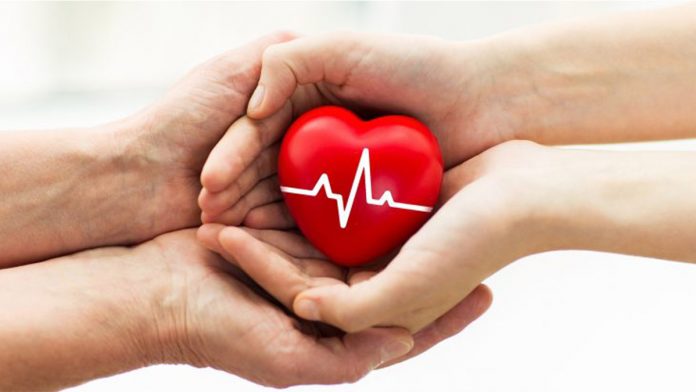
Every years, many thousands receives the gift of life, a life saving transplant of Heart, Kidney, Liver, Lungs, Pancreas and Interesting. And thousands more people receive Corneas and other tissues that restore sight and health. Organ transplantation is one of the medicals advances of our time.
How does it work?
It all starts when someone’s organ begins to fail and that person will need a transplant to survive. The steps are as folllow:-
A through evaluation is conducted at a transplant centre and the person is a good candidate for transplant, he or she will be put into the National Transplant Waiting List.
Once a person is on the waiting list, the wait for organ begins.
A national system matches people on the waiting list with donors. That factors matching donors to recipient includes
Blood type
Body size
How sick the patient is
Distance from donor
Tissue type
Time on list
What isn’t taken into account, organs are never matched based on
Race
Gender
Income
Celebrity
Social status
There is no telling how long the wait will take. Infact, some people don’t receive an organ in time, because the Waiting List is really long and there aren’t enough donors available. That’s why an average of 20 people on the Waiting List died each day. Imagine how many could we save if we all were donors.
Becoming a donors
Most of organs transplant comes a deceived donors. For example, a person comes to the hospital with a life threatening brain injury, such as from an accident, stroke, our lack of oxygen. The doctors work hard to save them patients life but sometimes nothing can be done. There’s a complete, irreversible loss of brain function. The patient is clinically and legally dead.
Thats when being a donor can turn a time of loss into a time of hope. Because machines have blood containing and oxygen flowing into the organs, they can be passed along. One person can give life to as many as eight people through organ donation, and enhance the lives of fifty people or more with eye and tissue donation. But now minutes matter, matches must be found and transplants must happen quickly.
Organ Procurement organization
The hospital contracts an Organ Procurement Organization (OPO), it manages the recovery process. The OPO checks the state of organ donor registry, if the person is already registered as a donor they inform the family, if not they’ll ask the family to authorise donation.
A medical examination is taken place. They check the medical and social history and the person is eligible to be an organ donor, the computer begins to search on the National Waiting List for well matched patients The best matched patients are contracted by the transplant team. This is the call that every person on the Waiting List was waiting for.
The Transplant
A surgical team recovers the organs, then Corneas and other tissues. The organs are sent to the transplant hospital where patients and transplant teams are waiting and the life saving transplant takes place. It will take health living and medication to keep the organ working well in its new home.
You too could make the decision today, sign up on your state registry as an organ, eye and tissues donor, any age is the right age, Young or old, any day is the right day to sign up as a donor. You can register through your drivers license or you can register online. Remember to tell your family so that they can support your wishes. More than 1r5 million people have already registered, and we all need to save kore lives. So let’s share the gift of life.
The explosion of wellness as a mainstream trend has affected some positive change: healthier options at major restaurants, an influx of boutique fitness studios, and a renewed interest in self- care among them. But the invigorated interest in our health has also opened the floodgates for information – particularly around diet and fitness – that isn’t always the foremost reliable. There is so much information floating around about exercise, that it’s sometimes hard to discern fact from myth. And unfortunately for several folks, hearing is believing. Here are some common myths regarding fitness which are commonly believed and followed.
1. Stretch before you workout- We all must have heard this one and believed it without even questioning it. The importance of a pre-workout stretch is that the favorite most-believed myth, with nearly 3 in 5 believers. Studies have shown that the main advantage of stretching is maintaining or increasing range of motion through a joint. What about injury prevention and improved performance? Stretching has historically been prescribed for tight muscles as a way to get the body to relax but recently the fitness industry has discovered that stretching a ‘cold’ body could have negative impacts. But that doesn’t mean jumping right into your workout is the better option; instead, keep the pre-workout warm-up but change what it consists of. A proper workout schedule should be a cardiovascular exercise to warm the body up and get the blood flowing for about 5 to 15 minutes, followed by a sequence of dynamic exercises.
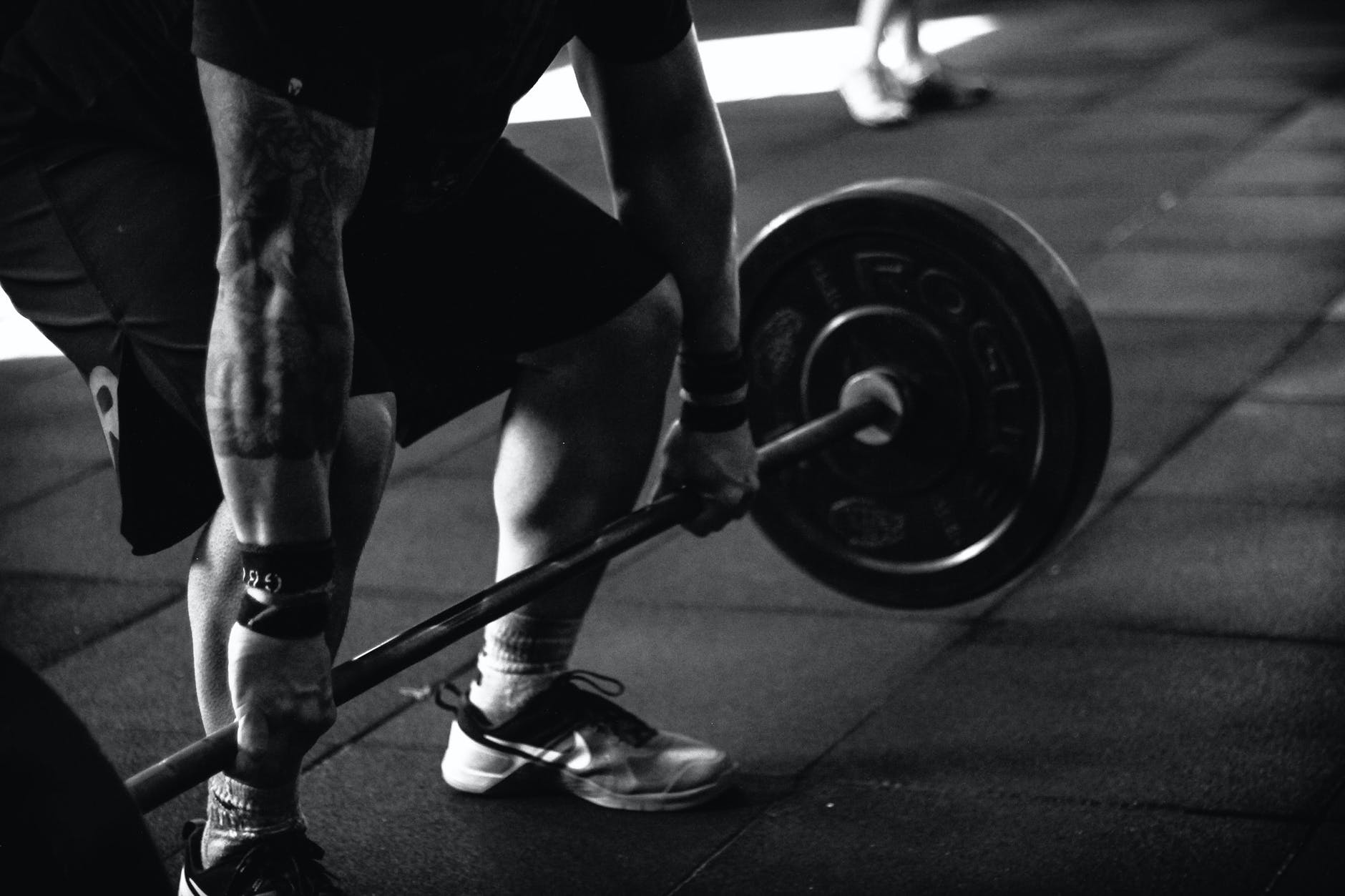
2. Lifting weights will pump up your body- For a long time weight lifting was put in the spotlight by bodybuilders, strongmen, and professional athletes determined to be the biggest and worst on the block. It bred the longstanding misnomer that you lift heavy weights minimal times for size and strength and you lift little weight a lot of times to lose weight/lean out … not true. At all. It’s important to dispel this myth because strength training is a vital component of any fitness routine. Lifting weights regularly (and appropriately) will: improve your heart health, keep your tendons/joints/ligaments lubricated and feeling good, boost your metabolism, correct your posture, regulate your hormones and make you stronger. t does all this because lifting weights taps into all of your body’s energy/movement systems while challenging it in a way that forces the response of all that was previously mentioned. What lifting weights won’t do is give you unwanted bulkiness unless you are specifically training for that.
3. Muscles turn into fat if you stop working out- This is a popular myth in part because of an optical illusion. If I transition from a lively lifestyle of building mass to whatever an alternate lifestyle seems like, there’s a chance. The muscles get smaller and therefore the body fat will probably rise counting on the diet. This leads most people to believe that their muscle is turning into fat. The real story is that muscle and fat are two different tissue systems with different functions. Muscle tissue is what gives you mass and what is constantly burning calories. The fat tissue is what gives you the ‘gut’ and is where excess energy is stored. Although energy is shared between the 2 systems, muscle and fat don’t convert to at least one another. They simply move up and down on a spectrum independently and in most cases simultaneously. The confusion for people probably come therein once they are inactive, their muscle size and productivity decreases. This results in less of a demand for ‘fuel’ or energy from food consumption. When your body has excess fuel from unused food its default is to convert it into long term storage, aka ‘fat.’ When you have an increased demand for storage your fat cells expand or grow larger and in some instances, new ones are created.



 Track2Training
You must be logged in to post a comment.