Education is the process of facilitating learning, or the acquisition of knowledge, skills, values, beliefs, and habits. Educational methods include teaching, training, storytelling, discussion and directed research
Incredible, I honestly have to say that this could be the best anime ever due to its development and plot. Shingeki No Kyojin has one of the best character developments and plot in history (note that this series does not have fill), he even the secondary and third characters have a great importance in the story, but also has that sense of terror, action and drama that by the way is incredibly well done, makes you live the situation that the characters go through and transmit their emotions to you in a very human way. It has an excellent background story that is simply memorable.
Every decision they make is of minor importance to the series and should not be missed, their deaths and the surprise of knowing who are the real antagonists add a magical touch
The first season has a slight start, it ends up being a spectacular season, it is not the best but it is an amazing season with an incredible animation and plot, here you will be introduced to the first antagonist of the series. 9.4/10
The second season I think was epic, this is when you start to see the faces of the real villains (get ready for Senshi Tmp 2 Ep 6 which according to me is the best of the second season, an overwhelming chapter) Shingeki no Kyojin explains it to you perfectly without leaving gaps in the plot, an incredible season. 9.6/10
The third season is truly phenomenal, has a good start and lets you know the problems you will have in a society by not agreeing with something or the difficult decisions you must make to ensure your survival. After this, too many things are clarified without detours, the chapters that stood out most were Perfect Game (Tmp 3, Ep 16), Hero (Tmp 3, Ep 17), Midnight Sun (Tmp 3, Ep 18) and That Day (Tmp 3, Ep 20) (That day has no action or features our main characters, but this chapter amazes me, its development is spectacular and the way they explain everything is overwhelming, honestly, the best development chapter in the history of anime). 9.8/10
Season four is the start of the finale. A season practically perfect, in this season everything comes to light answering every question of the viewer, leaves no gaps in the plot and has a beautiful animation, besides that is incredibly shocking and demonstrates the incredible development in our protagonists, Eren has the best character development I think. For me the best chapters were in my opinion Declaration of War (Tmp 4, Ep 5) (Declaration of War is one of the most impactful chapters of development), The War Hammer Titan (Tmp 4, Ep 6), Assault (Tmp 4, Ep 7), Assassin’s Bullet (Tmp 4, Ep 7) (Assassin’s Bullet left me speechless…) and Above and Below (Tmp 4, Ep 16), has not yet finished this season, but still for me it is spectacular. 9.9/ 10 This season is the best.
In my opinion your average would be 9.3/10. Sincerely from my point of view, the best anime ever, a work of art from post-apocalyptic fiction.
Education is an essential thing in our daily life. According to the growth of society, education must be provided to every citizen. The new world is mysterious, all things that exist had to be known to every people education ensures that. So whatever we want to be we should know about that.
Findings of great peoples, Technological know-how, awareness of the environment, History, etc are the main components of education. An educated person must show good character they were intelligent and efficient. They can build up our economy in a good manner
Nowadays students are struggling with exam results. They were worried about the marks they got. Parents also wanted marks from children. However, studying with understanding makes a perfect education. There are a few tips for good studies.
1. Awareness Of The Chapters
The student must have a correct idea of the chapters including the basic needs. It will increase our energy to study new things.
2. Making The Day For Studies
Mornings are a good time for making good decisions they may whisper through our ears for an entire day. Put a goal for the day in the mornings and we will begin to work toward that.
3. Visualization
When we were teaching or studying, try to imagine the concepts as well it will lead to an incredible memory of the topics.
4. Setting Our Mind
Setting our minds before studies is the best way to attain knowledge. When we think that we are free from anything, nothing can disturb us from our goals. Set our minds to study and make differences
5. Concluding Sentences
When we are willing to study a paragraph, make the important keywords from that. It will help you to study shortly and easily .
felt it very likely that Hyakkiamaru and Dororo would separate in the end, at least for a while (though not before he told her she was pretty). It was indeed Biwamaru’s path (what an interesting revelation, that he was once a samurai) that Hyakki chose, and to walk that path Hyakkimaru had to do so alone for a while, to come to terms with what he’d seen and with who and what he was. And Dororo’s path – to use her fortune in a way that ultimately would have made her parents very happy – really didn’t hold a place for Hyakkimaru. The story makes it very clear that those path will one day emerge, even as it leaves it to our imagination what shared course they might follow afterwards.
All in all, that was a very satisfying conclusion and a far better one than I feared might be in the offing. Dororo has seen a great many iterations, each one of them taking a different view on how the story should conclude – a function, I think, of Tezuka proving so little clarity on the issue himself. As much as I struggled with the anime’s assessment of Hyakkimaru – perhaps reflective of an especially Japanese interpretation of the character and his arc – in the final analysis it did both he and the story justice. It was really the love of two people – Jukai and Dororo – that redeemed Hyakkimaru in the end. Jukai was the reason he was alive and understood the nature of love, and even as he was collecting the physical parts that would make him human, Dororo was teaching him how to be human. Without that, the limbs and organs would have been a hollow shell.
This drama is very different from your typical kdrama. It addresses the sensitive topic of mental health and it has me completely hooked after watching only the first few episodes. The actors have great chemistry; their charisma is insane. I really enjoyed the animations that were incorporated into the film. I highly recommend everyone to try experiencing this great drama for themselves because it will surely not disappoint.
So many things about this series are exceptionally good. The journey of healing and learning of each of the characters from the main leads to the various patients is very moving. Admirably tasteful way to deal with mental and emotional issues on screen. The central love story is so involving because their pain feels profound. The incomparable Seo Ye Ji as writer Ko Moon-young is unforgettable – strong and vulnerable, finally a real step forward for K drama heroines. Enjoy each sentence she utters in her signature low voice. She has some memorable and often hilarious dialogue.
A far cry from the Cinderella type heroines of early melodramas. And her outfits are stunning – perfectly suited to her tiny waist. Kim Soo-hyun is well cast as caregiver Moon Gang-tae. He isn’t a larger than life hero but instead a man with pain and burdens. He looks more mature here. The pairing of the two leads is right. Much better than The King Eternal Monarch where there was little chemistry between Lee Min Ho and Kim Go Eun. Oh Jung-se gives a likable convincing performance as autistic Moon Sang-tae, In less capable hands the character could have been annoying or tiresome but he made the brotherly relationship very touching. The production values are very high.
From the well integrated animation of the stories to the quirky Tim Burton style house, it all has a high quality feature film standard feel to it. To cap it all off the ending is a good and satisfying one. For all those who have been disappointed by unsatisfying endings in K dramas this one helps to makes up for some of them. A must watch.
One of the major reason that Tata coffee grand didn’t gain popularity compared to Nescafe and Bru is because of its Advertisement strategy, it wasn’t able to attract customers towards it. And already Nescafe has captured the whole market its difficult for the brand to gain customers towards it. Proper ad campaigns should have been taken. Just how Nescafe has taken. When we read the reviews of Tata grand they say that the it taste’s bitter.
The brand, that targets the audience between the age group of 20-45 years, has recently introduced the campaign to build awareness on the brand, convey its distinctive product story. The larger aim is to add few more category codes that promises greatCoffee taste and experience through very simple sensory check consumers can do at a retail store or home. The thought was to build upon the unique sound made when a pack of Tata Coffee Grand is shaken,” says Puneet Das, SVP, Marketing – Beverages, TATA Consumer Products.
Through this campaign, the brand aims to create a new language for coffee – Shik-Shik-Shik – that evokes emotions and excitement amongst consumers. The campaign synonymises the word ‘Coffee’ with the sound i.e. Shik-Shik-Shik – which represents the sound that is heard when the coffee jar or pack is shaken. Tata Consumer Products has a large and robust distribution with many outlets pan India. The brand plans to leverage the company’s distribution strength to make the product available to consumer, with a sharper focus in South.
We usually think Korean Dramas are just about a girl meeting a boy and falling in love but we fail to understand the purpose and the hidden messages behind them. True Beauty is one of the k-dramas which teach some heartfelt life lessons. This story is not just about a “love triangle” or good looking people, its so much more. The show tells us about how love is not just about the appearance but is much more deeper than that, its about how one shouldn’t regret the choices they’ve made in life, this show tells us that no matter how lonely you feel, there is always at least one person who will love you unconditionally and care for you no matter what, it tells us how being selfish sometimes is okay, sometimes putting your loved one’s happiness before you is necessary, it tells us how accepting yourself is very essential and most importantly, it gives us a strong message that everything has a reason behind it to happen, everyone has reasons to do what they are doing be it big or small, we must respect every single human being on this planet.
The casting is done perfectly with each actor suiting their role and portraying it beautifully.
This show is full of mixed emotions, it will make you cry as much as it made you laugh. Very realistic scenes and no unnecessary drags. Watching the siblings fight and watching the characters getting embarrassed publicly or even in front of their crushes will make you relate to the characters very much and that’s something I love the most about the show. They mix the genres in such a realistic way that makes us relate to the characters too!
As a girl who suffered with acne in the past, I can relate to Lim Jugyeong a lot and can understand her emotions.
My personal favorite character is Lim Hee-Kyung(Jugyeong’s older sister) I love the bold personality she has and the attitude to get what she wants.
Another thing I love the most about this show is how the female characters like Kang Soojin and Lim Hee-Kyung are crafted in such a way that they are strong and independent.
There are such different characters of such different personalities which is so much fun to watch.
I would highly recommend people to watch this show, it’s gonna be worth it!
“Doctor John” is a medical drama about doctors specializing in pain management. In a refreshing take on the genre, “Doctor John” will portray the doctors’ search for the cause of their patients’ mysterious pain as a thrilling chase, almost like a detective hunting down the perpetrator behind an unsolved crime. Cha Yo Han is a genius anesthesiologist, who is also the youngest professor at his medical school.
The brilliant doctor goes by the nickname “10 Seconds,” a reference to his ability to diagnose his patients in the 10 seconds that it takes for them to enter an examination room and walk to their seat. Kang Shi Young is a legendary anesthesiologist, who was always at the top of her class throughout medical school. The talented doctor inherited her skills from her cool-headed, rational mother, while she inherited her empathy, listening skills, and warm bedside manner from her father.
I solely started this drama because of Ji Sung. I can’t say I dislike medical dramas but they aren’t exactly my go-to genre. But like always, Ji Sung didn’t let me down. I am so glad that I decided to watch this drama!
It’s no breaking news that Ji Sung has acting chops. Well, that seems a bit of an understatement. Every character that he plays on screen, you can’t help but fall in love with. With that much charisma he is surely one of the most lovable ahjussi on TV right now.
Lee Se Young has grown so much as an actress. Maybe her character didn’t sit well with everyone, but she did grew a lot throughout the series. Though that girl’s hair is a mess, that I cannot deny.
The chemistry between the leads! Woah!! I loved them! This has a slow burn romance, but it’s so worth it! The drama doesn’t shy away from their age gap, but it’s never creepy or uncomfortable. Their relationship begins simply as a mentor mentee, but gradually develops into more, and it’s so beautifully portrayed!
A couple of students are sharing a rumor about a strange and handsome magician that lives in the abandoned amusement park at the top of the hill. He seems to perform real magic and starts every trick with the phrase “Do you…believe in magic?”.
The police are now actively looking for the magician as Seo Ha-yoon’s body has been found and her belongings were found somewhere near the amusement park.
Ah-yi goes ahead to warn the magician and finds him in distress, caring for his parrot who is ill. She tells him that the police are coming and he replies that he has nothing to hide and as long as one person believes in him things will be alright.
The detectives arrive and take the magician, whose real name is Ryu Min-hyuk, back to the station for questioning. Il-deung arrives later and Ah-yi tells him that there is someone they need to meet and talk to.
Ah-yi then performs her first ever magic trick by making Min-hyuk disappear while the police go searching for him. A few weeks pass by and the police find new footage from an old camera at the park.
The shopkeeper who had initially disappeared is on the feed and he comes out with the truth. He had tried to take advantage of Ha-yoon after he caught her trying to steal from his shop.
However, she was one step ahead of him and caught him on video and decided to blackmail him. He lured her to the park and killed her, then proceeded to get that magician’s fingerprints on the murder weapon to frame him.
Il-deung applies to drop out of high school as he feels that he’s done travelling the smooth path his parents laid out for him and wants to bloom like a flower on a dirt filled road.
Ah-yi is doing better as she has picked up a job as a magician entertaining guests at a fancy restaurant while she’s also in touch with her father on a regular basis.
Ah-yi attributes all this to Min-hyuk who made her believe when no one else in the world was able to.
I am currently watching kimetsu no yaiba which is also known as Demon slayer recommended by one of my friends. while I was watching the trailer I thought it to be a childish anime but once I watched it, This anime has become really special to me.
The story is somewhat new in a sense and character location or setting I would say is also kind of new to me in shounen anime, I am saying this because now days shounen anime always start in a city or suburb areas. Its nice to see this anime start the story from middle of nowhere kind of setting (given this anime takes place in past, its not new but different in my opinion).
The action scenes are jaw dropping and are something you would rewind the few seconds of that scene to see again. Tanijro as a character is also breath of fresh air in this shounen setting, because he do not have lofty goals like becoming king of pirates or something like that, he just wants to turn his sister back to human form once again and he do not rely on friendship power or activating his fourth gear on or going ssj 3, nope he trains like any other human being to earn his power. Directing on this anime is also fascinating, you can tell that director cut no corner for fight scenes(like one other anime I know, looking at you OPM S2) and he went with full force to animate those gorgeous fight scenes.
The only tiny bit problem is that occasional use of CG models of characters when they are far in the view or are fast moving, but this use of CG is ten times better than what we got for goblin slayer. When its comes to using CG studio Ufotable is leagues ahead in the competition and it shows here.
This is only anime I am enjoying, which is doing action scenes right. Give it a try you will enjoy it.
Spy X Family met and exceeded my expectations. Twilight’s cold autistic behavior is well represented by his inner monologue, which is even a surprise, since his interaction with the adorable anya is quite charismatic, and all of this is elevated due to the direction, the comic timing, the faces and mouths, and the well-executed action that is very satisfying managing to mix the comedy with the serious moments.
Highlighting the production, the work is being produced by wit studio in conjunction with CloverWorks, both of which are always responsible for well-produced works. The production being divided between the two improves the fact, since besides the staff being competent, it will hardly have difficulty with overloaded producers, especially by CloverWorks, which keeps picking up many anime a year.
About the characters: I talk about twinlight and call its behavior autistic because it actually is. Twilight misses some basic social cues (see how he broke up with the mobster’s daughter), while being highly proficient in his field to the point of obsession. Stoicism implies none of this. Obviously there is no way to know about the future of the work, and whether it will go on to develop this psychology or have any arc about it, but twinlight is a character that has points to be explored.
What I also didn’t expect was Anya to have flaws. She is not a Mary Sue super-genius character, but rather a normal girl for her age who uses her power to her best advantage, which is another fantastic angle to take. Particularly, Anya being more human in comparison to her parents who are quite problematic is great, even more so that her being a knowledgeable character could make the work smug, as the author could literally give conclusion to whatever he wanted using Anya, as her ability to read minds + an irrational intelligence, would only bring difficulties to the script, sensational move on the author’s part.
Yor in my vision, is the most mysterious character in the work, it doesn’t make her a bad character, but in my vision, she doesn’t have any kind of problem either personal or mental like her family, even being an assassin, she is less rational and more emotional, struggling to keep herself disguised and not standing out too much.
Another thing is the fact that the work gently reveals information about the twilight, such as the fact that he is a master of disguise, and this is blurred because the scene of great impact is the sudden end and his comment about never wanting to have a family, but anyway these events are used in the same episode, as when he goes to rescue Anya, and the whole scene is about his disguise, which is a great scene precisely for the breach of expectation, but that already in the beginning was revealed.
After the 6th episode of spy x family the viewers have started shipping anya with damien. I hope this characters become good friends in the future episodes.
Track2Training is a not-for-profit organization committed to empowering communities through education, training, and capacity-building programs. We work with youth, women, and vulnerable groups to enhance livelihood opportunities, skill improvement, disaster resilience, and community development. Through our specialized training initiatives, we aim to equip individuals with practical knowledge and hands-on skills to become self-reliant and resilient in the face of challenges.
Position Overview
We are seeking passionate and dedicated Skill Trainers to join our team. The trainers will be responsible for delivering livelihood-oriented skill training, conducting workshops for skill development and improvement, and facilitating community-based resilience programs. The role requires individuals who are enthusiastic about capacity building, vocational education, and disaster preparedness, and who can motivate trainees to achieve their learning and career goals.
Key Responsibilities
Conduct structured training programs in livelihood skills, entrepreneurship, vocational skills, and disaster resilience.
Develop innovative and participatory training modules for youth, women, and marginalized communities.
Facilitate sessions on life skills, employability, communication, and digital literacy.
Provide hands-on demonstrations, group exercises, and interactive learning methods.
Train communities on disaster risk reduction (DRR), emergency preparedness, and resilience strategies.
Monitor progress of trainees and assess skill development outcomes.
Support beneficiaries in accessing livelihood opportunities, self-employment, and micro-entrepreneurship.
Prepare training reports, maintain attendance, and document success stories.
Collaborate with local partners, NGOs, and government agencies to maximize outreach and impact.
Desired Skills and Qualifications
Graduate / Postgraduate in Social Work, Education, Rural Development, Vocational Training, Disaster Management, or related fields.
Professional certification or experience in vocational skills training, entrepreneurship, or disaster resilience will be an added advantage.
Strong facilitation and communication skills in English and local languages.
Ability to motivate and mentor trainees from diverse backgrounds.
Knowledge of livelihood programs, community development, and skill-building initiatives.
Experience in working with NGOs, skill development missions, or government livelihood programs preferred.
Proficiency in MS Office, digital training tools, and online learning platforms.
Why Join Us?
Be part of a mission-driven NGO creating real social impact.
Opportunity to empower marginalized communities through sustainable skill development.
Work on innovative projects in livelihood training, digital empowerment, and disaster resilience.
Exposure to national and international collaborations in development initiatives.
Flexible and supportive work culture.
Remuneration
Competitive salary based on qualifications and experience.
Additional benefits as per NGO norms and project-based funding support.
How to Apply
Interested candidates are invited to send their CV, cover letter, and a brief note on their training experience to:
Whenever we think of coffee only one thing comes to our mind and that is ‘Nescafe’. Nescafe, being a product of a famous brand nestle have been successful in capturing a high market share of instant coffee. The word Nescafe is actually the portmanteau of two words that are “Nestle” and “café”. Max Mergenthaleralong with his team members had worked hard for almost seven years to make coffee powder into a big hit.
In the year 1975 Japan thought of introducing Nescafe into Japan in the hope that they might be interested in drinking coffee. But japanese culture is steeped in tea, and it has strong emotional imprint, meanwhile coffee had a superficial/ non existent imprint on the japanese people.
Nestle started making (caffeine-free) coffee-flavored desserts for kids. Most children love candy and dessert, and Japanese kids were no different — no culture issue there. Fifty years later, Japan spends $22 billion on instant coffee, more than any other country. When Nestlé made coffee-flavored desserts, they were able to positively imprint on Japanese children. This grew into a strong emotional resonance withcoffee inJapanese cultureand a huge market for Nescafé to tap into and monetize.
Both Nescafe & Bru are locked in a fierce battle for market leadership today, with each commanding about 36% market share by value in the Indian retail coffee market in 2020. Operating Profit was $12.17 billion. Sales was $94.69 billion. Current Share price is 120.58 CHF i.e. Rs. 9906.16
“back then if we could have heard each others voices, everything would have been so much better”. after reading this quote I thought of watching this movie called, A silent voice.
A Silent Voice (or “The Shape of a Voice”) is a great addition to the “slice of life” anime of modern times. At times life affirming in its quieter moments, at other times shocking in its depiction of Japanese teen life.
Egged on by his school mates, Shoya bullies the newly arrived Shoko, who happens to be deaf. Perceived to be receiving special treatment, and being different (a crime in Japanese society), Shoko is fair game for any number of cruelties. Until it goes too far.
This movie then takes a different approach. Instead of showing the bullied person’s return to strength, it shows the traumatised bully (and his cohorts) as he seeks to recover from the horror he put Shoko through. You may balk at the thought, but the paths of Shoya and Shoko are explored in their later high school lives, both being treated sympathetically.
The animation is beautiful, the script manages to avoid typical Japanese cliche, and the story takes some shocking turns without relying on trite misery or emotional manipulation. If you miss Ghibli, give this a watch. You’ll be happy to know the spirit of great Japanese animation lives on.
A Silent Voice or Shape of Voice is a beautiful drama film about a guy who struggles to redeem his past that tackles heavy themes such as bullying.
Apparently, there are a lot of characters in this 2-hour long film. And quite a number of them I believe didn’t develop to the maximum as the film concludes but it was suffice enough to convey the message that the film desires to.
However, huge compliments should be given to this film for the amazing build up before reaching its climax which is realistically intense, powerful and heartfelt that will leave you on the edge of your seat with your jaws dropped. You might as well cry, too.
Let me introduce you to one of the darkest anime which I have watched recently called ‘Death Parade’. This was not recommended to me by anyone I was just googling some dark anime to watch and then death parade caught my eyes and I started watching it. Death Parade consists of only 12 episodes with only one season. It is an old anime around in 2013 so I’m sure there won’t be any season 2.
So the story goes this way After death, all go to a bar in Limbo, a quiet place, where bartender Decim waits to judge passing souls, pitting them against each other in pub games like bowling, darts, and arcade cabinets. These are no mere games, however. Each point, each strike…each miss has consequences, for they inflict pain on the opponent, or worse, reveal one’s true self in this parade of death. Reincarnation awaits those found worthy, the eternal void for all others. Actions and emotions make a dangerous game.
As a game progresses, memories from the players’ lives return, piece by piece, and it is in how the characters react to these pieces that determines who they truly are. Best of all, Death Parade does not go easy on the characters out of pity. Yes, you will pity many among the dead, but like reality, pity will not erase a poor decision. As more memories return, the greater the strain and conflict becomes on these people, escalating tension to breaking point. And it is brilliant.
And at the end of the game the opponents will understand that they are dead and both the opponents are send to two different elevators. One consists of reincarnation and other void. so according to the choices made by the opponents they are send to the different elevators. Good souls get to go to the reincarnation elevator and the bad souls are send into void.
I was amazed that they also showed ‘Light yagami’ aka kira in this anime, they showed a small reference of Kira and hats off to that. I would recommend anyone to watch it especially those who are interested in dark anime themes.
The 2022 FIFA World Cup scheduled to be the 22nd running of the FIFA World Cup competition, the quadrennial international men’s football championship contested by the national teams of the member associations of FIFA. It is scheduled to take place in Qatar from 21 November to 18 December 2022. This will be the first World Cup ever to be held in the Arab world, and it will be the second World Cup held entirely in Asia after the 2022 tournament was held in South Korea and Japan. In addition, the tournament will be the last to involve 32 teams, with an increase to 48 teams scheduled for the 2026 tournament in the United States, Mexico, and Canada. The reigning World Cup champions are France. Due to Qatar’s intense summer heat, this World Cup will be held from late-November to mid-December, making it the first tournament not to be held in May, June, or July; it is to be played in a reduced time-frame of around 28 days. The first match played at the tournament will be contested between Senegal and the Netherlands.
Qualified teams
As of 31 March 2022, 29 nations have qualified for the finals, including 22 that competed at the previous tournament in 2018. Qatar are the only team making their debut in the FIFA World Cup, becoming the first hosts to make their tournament debut since Italy in 1934. As a result, the 2022 tournament is the first World Cup in which none of the teams that earned a spot through qualification were making their debut. The Netherlands, Ecuador, Ghana, Cameroon and the United States returned to the tournament after missing the 2018 tournament. Canada returned after 36 years, their only prior appearance being in 1986.
Four-time champions and winners of UEFA Euro 2020, Italy, failed to qualify for a second successive World Cup for the first time in their history, losing in the qualification playoff semi-finals against North Macedonia. The Italians were the only former champions that failed to qualify. The previous World Cup hosts, Russia, were disqualified from competing due to the Russian invasion of Ukraine.
-by Omkar Bhikle.
Credits- 1. Wikipedia
2. FIFA.com
“Some people think football [soccer]is a matter of life and death. I don’t like that attitude. I can assure them it is much more serious than that.” Bill Shankly
This series was actually recommended to me by my friend. at first I thought it was a childish cartoon and then I started watching it with my brothers and I must say it did melt my heart.
After losing both parents in a fatal plane crash, teenager Ryuuichi Kashima must adjust to his new life as the guardian of his younger brother Kotarou. Although Ryuuichi is able to maintain a friendly and kindhearted demeanor, Kotarou is a reserved toddler still too young to understand the reality of the situation. At their parents’ funeral, they are approached by Youko Morinomiya, the stern chairman of an elite academy, who decides to take them under her care.
However, there is one condition Ryuuichi must fulfill in exchange for a roof over their heads and enrolment in the school–he must become the school’s babysitter. In an effort to support the female teachers at the academy, a babysitter’s club was established to look after their infant children; unfortunately, the club is severely short-staffed, so now not only is Ryuuichi responsible for his little brother, but also a handful of toddlers who possess dynamic personalities.
I would recommend this anime to anyone if you have a kid or if you have younger siblings then you can relate yourselves to this anime because i’m sure this anime will make you smile and melt your heart.
The Way Of The Househusband is a weird but interesting series that you could easily finish in less than an hour. Nothing too special but an engrossing series to say the least. The main character is somewhat relatable and the supporting characters as well. One notable thing though is the animation which is at best, a 6/10, although the show is overall an 8/10 as I see it. It doesn’t dive too deep into romance and action, it sticks to comedy, and that’s what I appreciate in this series. The quirky unorthodox humor is strangely great, which had me shaking with laughter.
Gokushufudou: The Way of the House Husband is a 5 episode animation based off of the manga of the same name. It’s about an Ex-Yakuza member known as the “Immortal Dragon” due to his terrifying fighting prowess, having been known to wipe out multiple large groups of enemy gangs bare handed in one night. However he decides to give up the life of crime in order to be a full time househusband, and care for his wife Miku. That’s it. Nothing more. Nothing less. However, i feel like people are trying to treat it as if it’s something more than that, as if it were an epic action manga that “wasn’t done justice” by the animation, and i couldn’t really disagree more. More on that later.
As for the individual ratings:
Story: 9 It’s a simple, cute, fun concept that you honestly can’t really go wrong with on it’s own.
Sound: 7 Intro and outro tracks were pretty good. (idk if this goes w/ sound or characters so apologies if I am wrong) The voice actors were great as well, with Kenjiro Tsuda acting as Tatsu’s VA.
Character: 10 I love the idea behind Tatsu as a character. I think that the designs are executed well, and that the other characters do a good job of supporting his own character.
Art: 5 Look, I’m not gonna sit here and act like it was animated well. It isn’t great. To be fair I do think that it was colored very well. But, I don’t feel that the animation needs to be absolutely insane to find enjoyment in the series. I think we should take a slightly different perspective on this. I believe that the animation quality was not a main focus. I think that they may have even lessened the animation quality purposefully in order to make it more akin to a motion manga than an anime, as well as highlight the story a bit more. While this is QUITE a stretch, I know, for me, it had that exact effect, which is part of the reason i would rate the enjoyment:
Enjoyment: 10 As I sat and watched all 5 episodes, I genuinely couldn’t stop smiling. The jokes, the story, the characters all gave me the goofiest smile I had had in a few days.
With all of this taken into close consideration, I rate Gokushufudou: The Way of the House Husband at an overall 8/10. Although it falls short in some audio and visual qualities, I believe it more than makes up for it in story, comedy, and character.
I just recently completed Tokyo revengers anime. I had heard a lot of reviews about some of them told me its not worth watching and some of them gave me really nice reviews about it. so now i am going to put forth my reviews regarding Tokyo Revengers.
Tokyo revengers is an amazing anime with an amazing plot and story line with great characters. The main protagonist of tokyo revengers is a guy called Takemichi. Takemichi has been shown as a 28 year old adult working in a CD shop who hates his life. One day he was watching news and then he saw that his ex girlfriend has been dead due to an accident at that point of time he thinks about his past and wished he could change it. while travelling by train takemichi was pushed into the tracks by anonymous person and then he was immediately transferred into the past. Now its a mission for takemichi to save his dead girlfriend from the future.
Throughout Takemichi’s journey he meets alot of people called mickey leader of tokyo maji gang, draken vice president of tokyo manji gang and various division heads such as chifiyu, baji, mitsuyu, pa chan, kazutoro etc.
The only fault which i have seen in this anime is that the protagonist is considered to be a very weak character. He thinks himself to be useless. throughout the anime you guys may be disappointed because of the main character because he does a lot of mistakes.
Tokyo Revengers is a good anime. so people also compare it with another anime called erased. The theme of tokyo revengers is some what same as erased. Erased is also one of the must watch anime. uptill now tokyo revengers has 22 episodes with season one got complete and now I am waiting for season 2.
Tokyo Revengers is a must watch anime. A lot of people will like the plot as well the characters are also considered to very nice. this anime is an action packed and comedy anime. I hope Takemitchi will be able to save his girlfriend in the future.
Yesterday I completed reading ‘To kill a mocking bird’ a novel written by Harper Lee. I felt kinda empty after reading it. It was a really nice book but I have often heard about it that this book was considered to be Red flag. I don’t know why it is considered to be a red flag because this book has been read by the American students at their school during their 7th standards.
The age group which I recommend for this book might be 16 plus. Because there are certain terms in the book which could not be understood by the younger generation. So I would suggest the age group of 16 and above to read this book.
To kill a mocking bird is a novel published in the year 1960 by the author Harper lee. The main characters of the book are scout a six year old who is known as jean Louis, her brother jem, their friend Dill, Mr Atticus (scout and jems father) and boo radly.
The book starts with scout talking about some events which resulted in jem (scouts brother) accident. Where they talk about boo radly a neighbor to bring him out of the house, so boo Radley always stayed at his house he never came out. So scout, jem and dill try to bring him out of the house. Scouts father Atticus is a lawyer. Atticus gets a case to defend which is considered to be a very controversial case in their town.
I really liked scouts character and also boo radly , boo only enters in at the end of the book and only has a sentence to say “can you take me home”. So at the end of the book I felt empty because in the end scout does sees boo radly for the first and the last time, that’s the only reason I felt empty. I forgot to mention about what mocking bird is, so mocking birds are considered to be small species of birds mimicking songs.
There is a famous quote given in the book, “shoot all the bluejays you want, if you can hit em, but remember it’s a sin to kill a mocking bird”
According to me the original mocking bird of the story is boo Radley, it’s a must read book. I would suggest a person above 16 can definitely read it.
Loneliness is a social miracle that has been the subject of important exploration for a time old. Still, there isn’t any solid explanation as to why some people are more prone to loneliness than others. This article will seek to dissect this potentially enervating condition from different perspectives. It’ll cover the relationship between loneliness and incarceration or loss of liberty; also it’ll do into agitating how feelings play a part in making us feel lonely; eventually, it’ll look at how these passions can affect our internal stability and overall well-being.
LONELINESS Source: Wallpaperup.com
WHAT IS THIS LONELINESS MEAN?
“Loneliness is a consequence of being burgled of one’s freedom”. It can be due to imprisonment, loss of liberty, or being discerned against. Loneliness is to be easily distinguished from solitariness as unlike the ultimate, it’s always an unwelcomed feeling to which one is subject to some external or inner forces. It’s beyond one’s control whereas numerous persons would sometimes prefer enjoying solitariness, far from the madding crowds.
Loneliness is a universal feeling which has the capability to produce its own culture within different societies. In detention installations, there’s a unique kind of loneliness that prevails among captures who are frequently divided into colorful orders and population groups. This has been described by Mandela as a consequence of being burgled of one’s freedom. The fact that it can be due to imprisonment, loss of liberty, or being discerned against makes it indeed clearer why this insulation from other people occurs so constantly among detainees. In addition, when one spends time confined in solitary confinement, they may come more educated at managing passions of loneliness and despondency; still, these passions don’t tend to dissipate fully because living in an artificial world can not be compared with living out in the open.
DIFFERENCE BETWEEN FEELING LONELY AND BEING ALONE
There’s also a difference between feeling lonely and actually being alone; numerous individuals who don’t feel social pressure, meaning that they’re further than happy spending time on their own without any external stimulation, may still find themselves girdled by people every day. Yet, indeed this doesn’t guarantee that one will escape passions of insulation or rejection. Loneliness becomes an issue when it’s habitual and educated constantly, if only fleetingly. It can affect our cerebral balance as well as our physical health because it generally initiates stress responses within the body which beget high blood pressure and prompt dependence on medicines or alcohol consumption. All these reasons may lead to dropped productivity and eventually affect one’s capability to develop or maintain social connections.
INTROVERTED PEOPLE
Circumstances apart, there are certain individuals who, because of their withdrawn nature, can not come out of their shells and interact with their associates, neighbors, or classmates. They don’t take action to make substantiation to them.
Source: introvertdear.com
They make up a character of being cold and indifferent to others. They are often called introverts. So, by this means they can make others stop approaching them. Indeed in their time of need, similar withdrawn people can not request others to help them and therefore remain alone.
PSYCHOLOGICAL FACT
Loneliness may frequently grow out of some cerebral forces. A person may suffer from an inferiority complex that he’s unwanted or unloved. He’ll naturally avoid routine contact with others for fear of being repulsed or rebuffed. He’ll feel secure only when he’s alone. He who can not enjoy a company, can not enjoy real happiness which consists substantially of commerce with others or in getting appreciation or blessing from others.
Loneliness is a condition that we can’t always avoid, but it’s the commodity we should be apprehensive of and try to limit. Therefore, while the goods of loneliness on the existent may not be suitable to stimulate any significant changes in society, at least there will always remain one person more who understands what you’re going through. Eventually, it all comes down to empathy and participating in our own stories so that further people learn how to manage this potentially dangerous emotional response.
Passing by an empty lane, I got reminded of the emptiness I have in my brain. It will take some time to decide that what’s killing me from inside, despite having many people by my side.
I don’t know what’s missing that makes me feel this way, But there’s a hope that I will find a solution to the void someday. Till then I need to move on, keeping a smile outside and void inside, just like every other day. But one day I will comprehend it, Till then I will pretend a bit, Just like most of them out there, counterfeiting their smiles right there. Yes, there is a void that needs to be filled, but till then everything will remain unfulfilled.
क्यों इतनी खामोश सी पढ़ गई है तू? क्यूं अंदर ही अंदर खुद से लड़ रही है तू? वक्त ही तो है गुजर जाएगा, सूरज फिर से एक नया आएगा। खुद पर यकीन रख कर आगे बढ़ती जा तू, कभी ना कभी तो रास्ता मिल ही जाएगा।
During school days, we read books are our best friends who will never walk away from us. Undoubtedly books are our friends. It provides knowledge in different fields and enhances our wisdom and intelligence. From class one onwards we all read books and many of us continuously read books until our death. To popularize reading habits this year 23 April 2022 is observed as World Book Day. This is also known as World Book and Copyright Day or International Day of the Book, which is an annual event organized by the United Nations Educational, Scientific and Cultural Organization (UNESCO) to promote reading, publishing, and copyright
Each year, on 23 April, celebrations take place all over the world to recognize the scope of books – a link between the past and the future, a bridge between generations and across cultures. On this occasion, UNESCO and the international organizations representing the three major sectors of the book industry – publishers, booksellers, and libraries, select the World Book Capital for a year to maintain, through its own initiatives, the impetus of the Day’s celebrations. 23 April is a symbolic date in world literature as on this date several prominent authors, William Shakespeare, Miguel de Cervantes, and Inca Garcilaso de la Vega all passed away. So this, the date was a natural choice for UNESCO’s General Conference, held in Paris in 1995, to pay a worldwide tribute to books and authors on this date, encouraging everyone to access books (unesco.org/commemorations/worldbookday).
According to World Reading Habits in 2020, (geediting.com/world-reading-habits-2020), by conducting research studies across the world they have found that coronavirus has changed our reading habits. Some of the highlights of World Reading Habits in 2020 research inter alia are:
India reads more than any other country, followed by Thailand and China
Printed books continue to drive more revenue than eBooks or audiobooks. However, physical books sales did dip because of coronavirus (not surprisingly).
35% of the world read more due to coronavirus.
Also, World Reading Habits in 2020 have given ranks which may be seen as below:
1) India (10.42 hours spent in reading per person per week)
2) Thailand (9.24 hours spent in reading per person per week)
3) China (8.00 hours spent in reading per person per week)
4) Philippines (7.36 hours spent in reading per person per week)
5) Egypt (7.30 hours spent in reading per person per week)
19) Spain (5.48 hours spent in reading per person per week)
20) Canada (5.48 hours spent in reading per person per week)
21) Germany (5.42 hours spent in reading per person per week)
22) USA (5.42 hours spent in reading per person per week)
It is pertinent to mention that ranks have been given by World Reading Habits in 2020. But interesting points are India, Thailand, China, Philippines, and Egypt are in the first five but so-called developed countries such as Spain, Canada, Germany, and the USA are placed at a comparatively low level.
On this Day of 23 April, as a senior citizen, I suggest that parents should encourage their children to read more and more books including newspapers. Reading habit is the sine qua non for leading a balanced lifestyle.
Students who are music enthusiasts or just music listeners prefer to study with music. The music that they prefer depends on their taste and what they feel comfortable or non-disturbing during their study session. You can visit ragnarok.group for more.
Music can have both positive and negative effects on studying, depending on the student and the type of music. In this article, we will look at the best study music – what to listen to while studying.
Pros of Listening to Music While Studying
Music that is soothing and relaxing can help students to beat stress or anxiety while studying. It may improve focus on a task by providing motivation, improving mood, and aiding endurance. Sometimes, students have found that music helps them with memorization, likely by creating a positive mood, which indirectly boosts memory formation.
Cons of Listening to Music While Studying
However, students who listen to music with lyrics while completing reading or writing tasks tend to be less efficient and come away having absorbed less information. Loud music can have adverse effects on reading comprehension and on mood, making the focus more difficult.
What Does Science Say?
The theory that listening to music, particularly classical music, makes people smarter, was developed in the early 1990s. It’s not clearly established, at least scientifically, that listening to classical music, or any music for that matter, actually makes a person smarter or more intelligent. Studies and research have found that depending on the type of music, it can actually help students to focus more while studying. In this post, we will look at the best music type or playlist that can help you study better.
So, What is the Best Music to Listen to?
Start With Something You Know
It’s important to remember that there’s music for every occasion and so the best music for concentration might not be your first choice on a normal day. Think about the sort of music that you play whilst online gaming – do you ever turn it down for when you need to concentrate? Perhaps you have a playlist that you switch to when you know that the gameplay will be confusing; that might just be your best study music.
If you’re able to start by finding one or two songs that really help you to focus then that can be a great place to start. Music plays a big role in all of our lives, so it’s key to find something that suits your own tastes. Working from the tracks you’ve found, try a search through an app like Spotify to help find more tracks that are similar. Their algorithms can see which tracks people listen to and match you up to new songs that you might enjoy.
Try Classical Music
Classical music is known for being both peaceful and harmonious, creating a calm and serene study environment for the listen. It’s recommended as one of the best studying genres for students because listeners report side effects like better mood and increased productivity. As far as side effects go, those aren’t too shabby!
Stay Away From Lyrics
Music with lyrics or basically songs are meant to be heard with certain amount of attention. This would make studying tedious as it interferes into your studies and would waste your time. It’s like trying doing both things at the same time and end up doing nothing.
Conclusion
Listening to music can calm you down, leading to more conscientious studying, elevating your mood, motivating you to stay focused and studying for longer periods of time. However, it really depends on what to listen to while studying.
At the end of the day, what actually matters is that whatever you’re listening to doesn’t distract you, calms you and truly puts your mind into study mode so that you can be productive and retain as much information as possible.
Focus on study can become all-consuming at exam time and nutrition might sometimes fall behind in the list of priorities. However, a healthy diet plays a vital role in achieving peak academic performance. So, here we present best foods to feed you brain during exam times which keep you in-track and help you prepare effectively.
An overall healthy diet is most important for keeping your body and brain nourished and ready to take on difficult tasks, research shows that certain foods may be especially important for brain health and promoting mental performance.
So the idea is to optimize healthy food intake through eating a range of foods from the five food groups:
Vegetables and legumes/beans
Fruit
Grain (cereal foods) mostly wholegrain and/or high cereal varieties
These healthy meals and snacks suggested below are packed with nutrients that support brain function, provide a slow and sustained release of glucose and are rich in resistant starch which supports your gut microbiome and gut-brain axis.
A common mistake many make during this crucial period is to eat poorly and unhealthily. Junk food, lots of chocolate, energy drinks and crisps are often eaten in place of normal meals to “keep energy levels up”. However, this is not only harmful to your long-term health, but can also negatively affect your exam performance.
The best way to feed your brain is to eat a wide range of foods from all food groups. However, when you’re hitting the books, it can be a little tricky to put it into practice. So, we’ve come up with some easy meal-swaps to give you the best diet for studying that will get your brain humming in no time. Eating well-rounded meals most of the time will help you study better, and lead to better results, both in the short-term and the long-term. While many of the brain foods we’ve talked about have immediate results (like caffeine), the best results are the ones that show up over time, such as the slowing down of age-related cognitive decline, and the decreased likelihood of degenerative conditions like Alzheimer’s.
Computer programming or coding is a very important skill in tech that engineering students, app developers, website developers, game developers etc. use in order to create what they intend to. Over the past couple of years, coding has progressed from a geeky hobby to career-creating skill. It is easy to learn, doesn’t take much time in learning, fun to apply and eventually grow step-by-step. The fact that literally anybody can learn to code surprises everyone who stumble upon it. Moreover, employers have shown a willingness to pay a premium for the work of employees with coding and programming ability.
You might be wondering if coding is something you should consider. So how to start to learn coding? How long will it take? How much time is less time? What exactly should be our goal?- are all the questions one goes through before starting to learn coding in the present time. So here we have ‘5 benefits of learning to code’ which will go through all the aforesaid questions and answer quite more than what comes in the general thought.
A new perspective to problem-solving:
Coding helps us in understanding logic at a deep level and improves my problem-solving proficiency. In its most basic terms, is really just assigning a computer a task to do based on the logical guidelines you’ve outlined. Once you have got a really good grip on the coding language, it provides you an arsenal of tools which helps you to reciprocate your idea into a working code. This psychology improves problem solving as you approach the problem in a way that matches to your intellect in a certain field; that field being coding.
Hilary Bird, senior developer at Get Century Link says, “I can break problems down into small, separate parts and figure out how each is affecting the other,” she explains. “This helps me decide what area of the problem to focus on first.”
2.Great earning potential:
One of the most important and the strongest merits of learning to code is that it offers impeccable earning potential to programmers. Demand remains strong for coding-related jobs and this means that it has got a high probability that it pays really well. In the US, median annual salary information for these coding and programming-related professions is as follows:
Web developers: $73,760
Network and computer systems administrators: $83,510
Computer programmers: $86,550
Database administrators: $93,750
Software developers: $107,510
To put it into perspective, the national average for all occupations in the US is around $39,810. As you can see, careers that involve some programming, coding or scripting skills tend to come with above-average salaries.
3. Career flexibility:
Learning to code can help open up new areas of opportunity in your career and ultimately make you a more flexible candidate in a rapidly-shifting digital economy. Even if your job doesn’t require you to have a deep understanding of coding or programming languages, it still helps because you’ll likely need to interact with another person who does. Learning to code, even as a hobby, can give you a common reference point and better understanding of those who tackle some of the more complex programming and coding roles out there.
4. Complements creativity:
Another benefit of learning to code is that it can help you showcase your creativity online. For example, with coding knowledge, you can create online blogs or complex websites and customize them to make your own rather than using pre-existing templates. This can be a great way to help you stand out when designing your online portfolio or for creating a strong visual identity for your brand as an aspiring business owner.
5. Coding is a universal language:
Much like mathematics, code is a universal language; it is the same across the world and does not need to be translated, unless different coding languages are used. When transferring jobs or moving to another country, language barriers can sometimes get in the way. However, since coding languages are the same globally, it is a skill you can carry with you to any country. Learning how to code can make you a highly employable individual and give you the ability to thrive in any environment.
All things considered, coding or computer programming can be regarded as one of the most basic skill that one should learn. Nowadays, coding has been incorporated in schools as a compulsory subject like mathematics which is a good sign as it provides school-going children an early-start into the programming world and can improve the condition of numerous fields where it is applied there on.
Candidates are chosen to be considered for Regional Rural Banks (RRBs) during this IBPS RRB selection process. The Regional Rural Banks are the scheduled Indian commercial banks, and the purpose of RRB is to offer banking services to mainly rural and semi-urban regions.
The recruitment is for Office Assistant (multipurpose) and Officer Scale I, II, and III. It is expected that the IBPS RRB vacancy for each post in the recruitment will be made public. Candidates are eager to learn about the state-specific job openings, and this huge gap creates great job prospects for hopefuls each year.
The Age Limit and Qualification
The minimum age is for IBPS RRB office assistants is between 18 and 28. For scale 1, it’s 18-30. For scale 2, 21-32. For scale 3, it’s 21-40. There will be a relaxation of age in different categories.
Qualifications for education are required for each post. For the post of office assistant, Bachelor’s degree in any stream from a government-recognized University would be enough. Language proficiency in the local language is an advantage, and they should possess a basic understanding of computers. IBPS RRB PO free mock test 2022is here for your preparation.
For scale 1, work experience is not a requirement. A minimum of a bachelor’s degree in any field from a recognized institution is required. The first preference is given to applicants with degrees in Agriculture or Agriculture, Marketing, Horticulture, Forestry, Information Technology, Animal Husbandry, or Veterinarian Science Management and Agricultural Engineering and Pisciculture, Accounting, Law, or Economics. Language proficiency in the local language. Basic computer skills are common for everyone.
For scale 2, you must have, at the very least, a bachelor’s or master’s degree in one of the streams at an accredited university or equivalent, with at least a mark of 50% in your degree. Experience of two years as an officer at a financial institution or Bank is required.
For scale 3, Bachelor’s Degree in any discipline from a recognized university or equivalent, with minimum marks of 50% or more. Priority is given to candidates who hold a degree or diploma in banking, marketing, Finance, Agriculture, etc. Five years’ experience (minimum) as an officer in a financial institution or Bank.
The Process of Recruiting
This IBPS RRB Office Assistant selection procedure will include preliminary and main examinations. Candidates who pass the prelims exam will sit for the mains test, the last phase, and candidates will receive a provisional order based on the scores of the main exam.
Three stages are held when it comes to the IBPS RRB selection procedure for the Officer Scale I hire. Candidates who pass the preliminary test are invited to take the main examination. After the main exam, the candidates are then selected as the candidates for the interview phase. The interview has a total score of 100 marks. The last merit lists are made using the marks obtained from the main stage and interview stage in a ratio of 80:20.
The process for selection comprises two rounds to be eligible for the recruitment of IBPS RRB Scale II Officer and III. The first stage is a single-level test. Candidates who have passed the exam at a single level will be selected for the interview. The exam will be conducted with a total of 100 marks. The marks of the single-level exam and the interview are taken in the proportion of 80:20 to prepare the merit lists for final submission. You can opt for IBPS RRB PO free mock test 2022 here.
What comes to your mind when you come across the word ‘ROBOT’? If you think they are only the thing of space movies and science fiction novels, then think again. Robots are the best growing technological device in the world. Ranging from space exploration to entertainment , a robot’s performance is commendable.
The robot industry is growing very fast, providing us with various new technologies that can assist with household work,medical work,industrial work, space exploration and many other tasks. Robotic technology has brought a lot of changes around us and is continuing to impact the way we are living in this world. Robotics technology has transformed a lot since the past to the present scenario. It surrounds almost everyone in today’s world and affects both work and leisure activities.
Robotics was a sub-branch of mechanical, electrical and computer science engineering. But now with increasing demand for artificial intelligence, machine learning and automation. Robotics and automation has introduced itself as a branch of engineering. Robotics deals with the design,construction, operation and application of robots and computer systems and their control and processing.
Robotic technology is becoming one of the fastest growing technologies in the world. Some of the leading robotics companies are ABB, Fanuc, KUKA, Yaskawa.Robots are versatile, they can perform many functions.They are multifunctional in today’s society.
Some of the projects that became famous all over the globe are the curiosity rover,sophia the human robo, DJI Mavic and Phantom,Robonaut-R2 and R5.The use of robotic technology has made a deep influence on the world in several ways. As technological advances continue, research design and building new robots serve various practical purposes, whether domestic, commercial, military or space.
Incredibly human race have made robots that can replace humans from working in hazardous conditions like defusing bombs, mining and exploring shipwrecks.Robots are very beneficial to human race. They are efficient, take less time to complete a task,save a lot of money and provide accurate and precise work.There are various industry segments which are making use of robotics to improve their production capabilities.
The craze of robots has spread so much that so many movies and series are also based on its theme. Some popular movies include Star Wars, Robocop, Ra one, Transformers etc. The increasing popularity of robotics has resulted in the formation of the Robotics Society of India (RSI). It is an academie society founded on 10th July, 2011, which aims at promoting Indian robotics and automation activities.
We all know every coin has two sides, robotics too has a flip side to it. The largest barrier in the development of robots has been the expensive hardware such as sensors, motors etc. Nowadays micro and nano technologies are also used that are exorbitant. Customizing and updating such complex technologies is also an added problem.
With each passing day new advancements in technologies are taking place, a new product launch could possibly be a problem for the people already in the game. Robots cut down labor charges, thus reducing an enormous amount of opportunities of employment for many workers. In several developed countries, scientists are making robotic military forces that can prove dangerous to others in future. As the power and potential of computers will keep expanding, revolution will be created in the field of robotics technology. Imagination is coupled with technology. It would not be wrong to say that in the near future there will be a time when robots will become smarter than the human race and robots might rule over the human race.
R.W Emerson the father of American Transcendentalism redefined 19th century American culture, literature and religion. In his first work Nature published in 1836. Emerson articulated basic concept of his new philosophy. He advocated spiritualism and preached oneness of Man, God and Nature. While defining basic tenace of his philosophy Emerson relayed upon the blend of the subjective and objective Idealism. Emerson could not ascribe to any specific idealism. This Ontological confusion created intellectual stagnation in his career.
Emerson studied German idealism and Greek philosophy to resolve Ontological riddles. The ancient Greek philosophy persuaded Emerson to dwell into Vedantic Literature. The Vedantic Doctrine of Mayavada helped Emerson to overcome the Ontological obstacles and to give legitimate conclusion to his philosophy.
Keywords: Illusion, Maya, Eternal Bliss, Phenomenal World, Sensory Objects, Delusive power, Ignorance, Realized being and God within.
Introduction:
The Indian non dualistic thought (Advaita Vedanta) advocates Mayavada and defines the nature of the world. The doctrine of Maya defines the absolute being as non-dual and the one without second. It also ratifies the existence of the world and all objects and beings.
R.W Emerson in his doctrine of Illusion presents God as non-dual and all pervasive oversoul. He also explains the nature of the phenomenal world and considers all beings and objects as mere appearance. Emerson in his work Conduct of life deals with primary question that how one can attain spiritual realization and maintain perfect balance between spiritual and family life. According to Emerson man due to his ignorance subjects himself to the illusive power of the world and invites sufferings. The individual can attain liberation through self-realization and self-reliance enables the individual in attaining the purpose of human life. Vedanta also discusses the concept of liberation and highlights the importance of Atmasakshatkara.
Vedanta says the universal being adopts illusion as a method to govern whole creation. This principle also known as the principle of relativity, inversion and oppositional states. According to Advaita they exist only one reality but the individual perceives multiple realities in various forms and names. It argues that multiple objects of this world are buy products of Maya. All the ancient religions advocate same principle (Maya) with various names. Indian non dualistic thought describes the Maya as indefinable because of its fleeting nature and indefinite structures. It says the absolute being dwells in every being and instructs all beings to overcome the delusive power of phenomenal world. The individual due to ignorance misidentifies himself with ego and surrenders himself to the Maya.
Young Emerson during his Harvard days at the age of 17 years composed a poem titled The Superstition. In the poem discussed the delusive power of the world mentioned in Indian scriptures but the content of the poem could not satisfy his readers. Though he had little knowledge of Maya he didn’t study the concept till 1845. Emerson borrowed Bhagavata Purana from his friend Thoreau’s library and read about the Doctrine of Maya. In 1860 in his essay “The Conduct of life” Emerson advocated his doctrine of Illusion. The Doctrine of Maya enriched Emersons philosophy and enabled him to answer all the queries that haunted him throughout his career.
Advaita Vedanta says there is one reality and it manifests itself in various forms and names. The individuals’ constant misperception makes him to accept multiple realities in this world. The individual attributes the qualities of real to the unreal and subjects himself to the power of Maya. Audisankara explains this with the analogy of the Serpent and the Rope. The Indian non-dualistic thought appeals the mankind to relay upon intuition to realize the ultimate reality. It articulates Neeti Neeti method to comprehend the absolute. According to Advaita Vedanta the absolute (God) mocks and instructs the individual through the Maya. According to the doctrine of Maya the nature (the proxy of the absolute) educates the individual and teaches him to see the ultimate reality through the veil of Maya.
Emerson like Vedanta refers the absolute as oversoul in the context of universe and refers the individual soul in the context of man. For Emerson oversoul and the individual soul are one and the same. He finds no distinction between God and the individual. He writes “Who shall define to me an individual? I behold with awe and delight many illustrations of the One Universal Mind. I see my being embedded in it; as a plant in the earth so I grow in God. I amonly a form of him. He is the soul of me. I can even with mountainous aspiring say, I am God, by transferring my me out of the flimsy and unclear precinct of my body, my fortunes, my private will” (Journals. Vol. V. Pp. 336-37).
In all his works he presents the doctrine of infinitude of private man. For him the individual is not mere aboard where the absolute resides but the individual is part and parcel of the oversoul. Vedanta ratifies Emersons idea when it says “know that self alone that is one without a second…and give up all other talks.” (The Thirteen Principal Upanishad. P. 372.). Emerson says our life is in this world like momentary dream which is unreal. “Philosophy affirmsthat the outward world is only phenomenal and the whole concern of dimness, of tailors, of gigs, of balls, whereof men make such account is …an intricate dream”. (Ralph L. Rusx. ed. Letters, I. P. 412; also see Journals, Vol. III. P. 335,481.)
Emerson in his first work Nature describes the nature as the medium through which the divine reveals its mind. He writes in his journals “nature is only the foliage, the flowering, and the fruit of the soul…every part, therefore exists as an emblem and sign of some fact in the soul” (Works. Vol. VIII, P. 53). He argues that the world being the cause can’t exist without the cause (absolute). He further says the world befools the individual with its illusive power. He suggests the mankind to discriminate between right and wrong and to liberate from the Maya. For him the world along with arts, persons, letters, scriptures, religions and etc. are the buy products of Maya. He writes that “towns, landscapes are fugitives like the smoke or snow; the institutions, society and whole world are simply products of illusion. Though thesoul exists in every particle of the universe it stands apart from the phenomenal world.” He says thought the maya is the power of the absolute is distinctive from the Maya. Unlike phenomenal objects the absolute is beyond all constrains. Thus, Emerson’s concept of Nature resembles Vedantic concept of Prakruti in many respects.
Emerson and Vedanta articulate that the individual can liberate himself from the through self-realization in his essay Emerson echoes same idea. When he writes Flow, flow the waves hated, Accursed, adored, the waves of mutation: No anchorage is. Emerson quoted line from Vishnu purana and other Indian scriptures to strengthen his argument. He called Illusion with various names in the essay like Fascination, Trick, Deception and Disguise. He says irrespective of age, sex and race everyone subjected to Maya. He writes “the young mortal enters the hall of the firmament …on the instant, and incessantly, fall snow storms of illusions” (Works, Vol. VI.P.325. “Illusions”). He argues that everything that an individual perceives through his senses or unreal and temporal. He says the one who treats all his experiences feelings and emotions as true can’t liberate himself from the Maya. The world with its illusive power perceives the mankind to go after temporal things. In his essay “Montaigne” he appeals his contemporaries to depend upon the God within escape from the power of Maya.
Emerson in his essay Illusion consider all human emotions like love, anger, jealous etc. as results of human ignorance and Maya. He refers all relations, positions and possessions also products of Maya. According to him the individual invites sufferings and sorrows by surrendering himself to the Maya. Vedanta too emphasizes the same idea it says the individual depends upon the temporal and unreal phenomenal objects derive happiness. Vedanta defines the absolute as pure conscious, existence and bliss (Sat Chit Anand). According to Vedanta the absolute who is the defined as Ananda dwells in every individual. Thus, the individual becomes the embodiment of the bliss which is internal. Man, due to his ignorance instead of depending upon is innate self which is the embodiment of eternal bliss seeks happiness from phenomenal objects which are temporal. Therefore, man subjects himself to the ever-ending desires and sufferings.
Conclusion:
Like Vedanta Emerson argues that the man identifies himself with phenomenal ego and fails to recognize his true self. This attitude of individual makes him the victim of the illusive power of the world. The individual who is the aboard of God within is the real source for fountain of bliss but the individual forgetting this truth seeks happiness from external sources. Both Emerson and Vedanta say the individual can attain Self-realization through intuition and can attain Moksha which is the purpose of life. Thus, the doctrine of Illusion propelled the Vedanta philosophy and Emerson’s Transcendentalism to legitimate conclusion.
References:
Agarwal. M.M. Freedom of the Soul. A Post-modern Understanding of Hinduism. New Delhi: conceptpublishing company. 2002.
Alcott, Amos Bo Ralph Waldo Emerson: Philosopher and Seer, Boston, 1882.
Bishap, Jonathan, Emerson on the Soul. Cambridge Mass.1964.
Cary, Elizabeth Luther. Emerson, Poet and Thinker. Concord, Mass. 1903.
Carpenter. F.I. Emerson and Asia. New York, 1953.
Chakravarti. S.C. The Philosophy of the Upanishads, Calcutta, 1935.
Das, S.P. Emerson’s Debt to Hindu Thought: A Reappraisal. Thesis submitted to Guru Nanak DevUniversity, Amritsar, 1977.
Gray, Robert M. Emerson: A Study of the Poet as Seer. New York, 1928.
Radhakrishnan. S. The Principal Upanishads. London: George Allen & Unwin, 1968.
Siccar, Mahendranath. Hindu Mysticism: According to the Upanishads. New Delhi: Orient Book ReprintCorporation, 1974.
The Complete Works of Ralph Waldo Emerson, Centenary. ed. 12 Volumes. Boston and New York. 1903-1994.
Waldo Emerson, Ralph. Emerson, Essays and Lectures. Ed. Joel Porte. New York: Literary classic of theUnited States, Inc, 1983.
At one point in every teacher’s career, they have come to a point where they just feel lost. Their goals seem unattainable, state and district standards are looming overhead and it feels like you are lost and adrift in the ocean. Lessons seem fragmented and like they aren’t building on each other and the kids seem to be just as lost as their instructor. While the initial reaction might be to cry and think that you aren’t cut out to be an educator, don’t! Almost everyone feels this way at some point in their career and the easiest way to find the promised land is to get a curriculum map!
Curriculum mapping is one of the most important skills that a teacher has in their non-teaching arsenal. Many think that the work inside of the classroom is the hard part, but oftentimes that is because preparations haven’t been made outside of the classroom. Before the school year even begins, it is imperative to sit down and plan out your year. Try to answer the following questions ahead of time:
What are my big units?
What do I want the students to learn in each unit?
How much homework should I give?
How much time should I give for instruction?
How much time should be devoted to working on skills in class?
What should the test and quiz schedule look like?
Are there going to be any big projects?
By asking these questions ahead of time an educator can start to form a plan before a child even steps foot in the classroom. Ask any veteran teacher their biggest piece of advice and chances are many will answer with, “be proactive, not reactive”.
Where to Even Begin
Once the big questions above are answered, many wonder where to even go from there. Curriculum mapping can seem like such a daunting task. After all, you are planning out what you are going to do for the whole year right? While the process seems daunting your goal isn’t to account for every minute in the entire school year! For the average teacher that would be planning out 78,120 instructional minutes! The goal with curriculum mapping is to help you plan the following:
What units you want to teach.
What the main idea behind each unit is.
What you will use to test student knowledge at the end of units.
Is that a project?
Is that a presentation?
Is that a test?
What you will use to check for understanding along the way.
Homework?
Quizzes?
With your big pieces placed out it is easy to check the progression and flow of your instruction and to make sure that you have a clear goal for each big unit and have thought out why you are doing the things you are beforehand,
Ready? Use a Blank Curriculum Map Template
Don’t feel like you need to create everything from scratch! There are a myriad of resources created for teachers, by teachers, that can be extremely helpful. A blank curriculum map template can be useful in helping to guide someone through the curriculum mapping process.
An economic indicator is a piece of economic data, typically on a macroeconomic scale, that analysts use to analyse current and prospective investment opportunities. These metrics can also be used to assess an economy’s overall health.
Economic indicators can be anything an investor wants, but specific data supplied by the government and non-profit groups has grown popular. Some examples of such indicators include, but are not limited to:
The Consumer Price Index (CPI)
Gross domestic product (GDP)
Unemployment figures
Price of crude oil
Economic Indicator Explained
Economic indicators are classified into groups or categories. Most of these economic indicators have a set publication schedule, allowing investors to anticipate and plan for certain data at specific times of the month and year.
Leading indicators are used to forecast an economy’s future movements, such as the yield curve, consumer durables, net business formations, and stock prices. These financial guideposts’ figures or data will shift or change before the economy, hence their category name. The information provided by these indicators should be taken with a grain of salt because it is possible that it is erroneous.
Coincident indicators, such as GDP, employment levels, and retail sales, are seen in conjunction with the occurrence of particular economic activities. This type of measure depicts the activity of a certain region or area. This real-time data is closely monitored by many policymakers and economists. Lagging indicators, such as the gross national product (GNP), the consumer price index (CPI), unemployment rates, and interest rates, are only visible after a certain economic activity has taken place. These data sets, as the name implies, show information after an event has occurred. This trailing indication is a technical indicator that appears following significant economic changes.
Economic Indicators and Their Interpretation
An economic indicator can only be beneficial if it is accurately interpreted. Economic growth, as measured by GDP, and corporate profit growth have historically had strong relationships. However, predicting whether a company’s earnings would expand solely on a single metric of GDP is practically impossible.
Interest rates, the gross domestic product, and existing house sales or other indicators are all objectively important. Why is it objectively significant? Because what you’re actually looking at is the cost of money, expenditure, investment, and the degree of activity in a significant part of the economy.
The Stock Market as an Indicator
Leading indicators predict where an economy will go in the future. The stock market is one of the most important leading indicators. Even while it isn’t the most important leading sign, it is the one that most people pay attention to. If earnings predictions are right, the market can reflect the economy’s trajectory because stock prices factor in forward-looking performance.
A strong market could indicate that profit estimates are rising, implying that total economic activity is increasing. A falling market, on the other hand, could imply that corporate earnings are projected to decrease. However, the stock market’s value as an indicator is limited because performance against estimates is not guaranteed, therefore there is a risk.
Ratan Naval Tata is the Chairman of Tata Sons and Tata Group, and is one of India’s most well-known and respected industrialists. Tata, who is 73 years old, is the chairman of one of the country’s largest conglomerates, which includes approximately 100 companies with a combined revenue of USD 67 billion. Tata Steel, Tata Motors, Tata Teleservices, Tata Power, Tata Consultancy Services, Tata Tea, Tata Chemicals, and The Indian Hotels Company are among his key Tata firms.
Tata was born on December 28, 1937, into one of Mumbai’s wealthiest families. Jamsedji Tata, the Tata group’s founder, was his great grandpa. Tata had a tumultuous life following his parents’ divorce when he was a child. Lady Navajbai, his grandmother, nurtured him in the lap of luxury at Tata Palace. The Tata scion was captivated by America, and he attended Cornell University to study architecture and structural engineering. Later, he attended Harvard University for a management course.
He joined the Tata Group in 1962, and his first position was with the Tata Steel division in Jamshedpur, where he worked with blue-collar workers shoveling stone and operating furnaces. In 1971, he was named Director-in-Charge of the National Radio and Electronics Company Limited (Nelco), and he was successful in bringing the company around.
Tata rose through the ranks of Tata Industries to become Chairman and was a driving force behind a slew of reforms. Tata Consultancy Services went public under his leadership, and Tata Motors was listed on the New York Stock Exchange, giving it greater international strength and prestige. He is recognised with directing the Tata Group’s successful bid for Corus, an Anglo-Dutch steel and aluminium company, as well as the Ford Company’s Jaguar and Land Rover brands.
During his leadership, the company saw the birth of the ‘Indica,’ India’s first fully Indian car. Tata was the designer of the vehicle. Tata’s food division purchased tea company Tetley for GBP 70 million in 2000. The group’s revenues increased nearly 12-fold in 2009-10, totaling USD 67.4 billion. Tata is also a member of the boards of Fiat SpA and Alcoa, as well as the international advisory boards of Mitsubishi Corporation, American International Group, JP Morgan Chase, Rolls Royce, Temasek Holdings, and the Singapore Monetary Authority.
He was awarded the Padma Bhushan by the Indian government in the year 2000. Ohio State University awarded him an honorary doctorate in business administration, the Asian Institute of Technology in Bangkok awarded him an honorary doctorate in technology, and the University of Warwick awarded him an honorary doctorate in science. Tata’s personal fortune is around GBP 300 million, and he controls less than 1% of the conglomerate. Charitable trusts own about two-thirds of Tata Group, which helps to fund good causes.
During the 26/11 attacks, Tata offered a magnificent example of charity and leadership. He stood alone outside the Taj hotel, unarmed, and oversaw the actions aimed at assisting the victims. He shown his humanity by paying personal visits to the families of all 80 colleagues murdered or injured. He didn’t leave any stone unturned in his efforts to help the victims, even asking the victims’ families and dependents what they wanted him to do.
Tata has begun making arrangements for his post-retirement life, despite the fact that his retirement is still a year away. He intends to establish an international design centre with international standards and size. He has led the development of a number of groundbreaking designs and products, the most well-known of which is Nano. His concern for the safety of nuclear families commuting on two-wheelers inspired him to create Nano. He was the one who suggested that the little car just have one wiper on the windscreen. Its pricing and maintenance costs were decreased as a result.
He also spearheaded a strategy to deliver affordable and safe drinking water, and aided a group of Pune-based designers in developing Swach, a water filter that costs less than Rs 1,000. This 560-mm water purification device was created over the course of more than three years by Design Directions Private Limited.
Tata, who is a bachelor in real life, values privacy and avoids the limelight. Only CDs, books, and pets keep him company. In an unassuming Tata sedan, the business baron drives himself to work.
Ratan Tata, who stands tall among his peers with a tremendous fortune and global fame, has remarkably never made the Forbes billionaires list.
Despite the fact that beauty is in the eyes of the beholder, the global beauty industry has never lost its allure. Along with its steady growth, the industry has amassed a dedicated consumer base that spans decades. What female doesn’t enjoy applying cosmetics? Cosmetics play an important role in all of our lives, from learning makeup tutorials to experimenting with different colours on free days, to adorning ourselves before a wedding or an event, or simply putting on a fast light application before work.
But we’ve come a long way from the days when consumers had to go to a cosmetic store in person. Why should brick-and-mortar stores be the sole option when there are now online cosmetics stores that allow clients to order things at any time and from anywhere.
Despite the fact that the Indian economy has hit unprecedented lows in recent months as a result of the COVID19 pandemic-induced shutdown, a handful of platforms have remained stable.
Nykaa is one of these e-commerce platforms for beauty and wellness products, and it has quickly become the preferred option for all cosmetic aficionados in India. Anyone who has even a passing interest in beauty and wellness products has probably heard of Nykaa at some time in their lives. This is an e-commerce site that specialises in cosmetics and beauty products. This platform, which was founded in 2012, has played a critical part in dispelling the idea that e-commerce and beauty retail do not do well in India.
Nykaa has recently become a household name across the country following the launch of its initial public offering (IPO) and the overwhelming response it received, propelling its founder Falguni Nayar into India’s elite group of self-made billionaire women, with her net worth rising to $6.5 billion following Nykaa’s record listing, according to Bloomberg Billionaires Index.
We will provide you an overview of Nykaa’s platform, its creators, its business model, its funding, its success story, its inception, and its growth through this blog.
Nykaa’s Background
Nykaa is an Indian cosmetics company that specialises in multi-beauty and personal care items. It started off as a solo e-commerce platform before expanding into a variety of retail locations across the country.
For both women and men, the company specialises in providing a broad variety of cosmetics, skincare, haircare, perfumes, bath & body, luxury, and wellness items. The portal, which claims to receive more than 1.5 million visitors per month from across India, permits adequately prepared and priced branded products.Nykaa now has three types of stores: Luxe, On Trend, and Kiosks. Nykaa’s Luxe stores contain more premium and luxury brands such as Estee Lauder, Dior, Huda Beauty, and M.A.C Cosmetics, among others, whereas Nykaa On Trend goods are limited to trending and fashionable names.
Aside from women’s beauty, the Nykaa Man website and app, as well as Nykaa Network, an online community for beauty enthusiasts, offer a variety of grooming products for males. Currently, the organisation is a staunch believer in focusing on the vertical market.
Founders of Nykaa
Falguni Nayar, an MBA graduate from IIM Ahmedabad, began working in investment banking at Kotak Mahindra immediately after graduation. She was promoted to Managing Director of the same bank division in 2005.
She worked for Kotak Mahindra for nearly 18 years, during which time she decided to branch out from banking and try her hand at other fields.
She saw the untapped potential of the online beauty industry. Since there was a scarcity of accessible online brands and things that people could trust and purchase with confidence at the time, she saw an opportunity for Nykaa.
She wanted to change Indian women’s perceptions about personal grooming because she was passionate about makeup and beauty products. Nykaa was founded in 2012 by her with the goal of creating something unique to her.
Nykaa’s Beginnings
Nykaa was founded in 2012, and it all started there. Falguni Nayar was looking for a promising business opportunity in India when she discovered an inconsistency in the beauty items market in India, which wasn’t up to par with the product’s scope in other countries such as France or Japan, despite high demand, owing to a lack of product availability in many places. As a result, she and her husband, Sanjay Nayar, founded Nykaa.
Business Model of Nykaa
Nykaa’s inventory methodology is essentially what distinguishes it from its competitors. The products are obtained through brands and distributors and then sold directly to consumers in this arrangement. This is in contrast to a marketplace model, in which third-party vendors offer the products. Nykaa will be able to keep a tighter grip on its items as a result of this, reducing the chances of forged things making their way onto the platform.
Nykaa’s Recent Growth
As reported by Your Story, recently in the month of July of this year, the platform stated that it’s in-house brand Nykaa Beauty has now penetrated into travel care as well as home necessities.
Nykaa’s platform has come a long way since its inception in 2012, and it currently plays an important part in the advancement of the beauty industry.
Nykaa currently has over 5 million monthly active users, 80 outlets across India, and over 500 brands and 130,000 products available via its website, app, and stores, according to CNBCTV18.
The company’s transformation from an online approach to an omnichannel retail model has been a critical factor in its growth. This transformation has had a significant impact on how the brand is currently perceived by its audience, as well as allowing the brand to reach out to a previously untapped demographic.
According to the Economic Times, the Nykaa Fashion label has recently expanded into the intimate apparel area with its Nykd brand. On October 22, 2021, Nykaa announced the acquisition of Dot & Key Wellness, a domestic skincare platform.
Customers are gravitating toward key categories like personal skin and hair care, according to Nykaa.
Nykaa’s Initial Public Offering
The platform’s initial public offering (IPO) was open for subscription from October 28 to November 1, with a price range of Rs 1,085-1,125 per share. Nykaa’s initial public offering (IPO) was oversubscribed by 81.78 times the 2.64 crore shares available.
Investors reacted positively to Nykaa’s initial public offering (IPO) when it was made available for subscription. The platform was launched on the BSE and NSE on November 10 and entered the 1 lakh crore market capitalization club when its stocks closed at 2,206.70, nearly double the issue price, valuing the beauty firm at about $14 billion.
Nykaa Investments is a company that invests in startups.
Nykaa’s parent firm, FSN E-Commerce Ventures Ltd, said on October 27th 2021 that it had raised roughly Rs 2,396 crore from anchor investors prior to its IPO.
Fidelity Management & Research Company has previously invested an undisclosed amount in the platform in late November 2020.
In early April of 2020, the platform received a new $13 million fundraising round from previous investor Steadview Capital, cementing its status as a unicorn.
Steadview Capital, TPG Growth, and Lighthouse Funds are among the platform’s top investors.
Conclusion
Nykaa has recently launched a number of new items, some of which have celebrity endorsements. In addition, they have included a number of new collections into their personal brand.
The platform has a number of big plans in the works to make a difference in the beauty and fashion business, and it’s been focusing on delivering high-quality items and services to users at reasonable prices. The platform has a lot of promise in terms of developing and gaining a more dominant position in the future.
Emotional Intelligence or Intellectual Intelligence: Which is More Important in the Workplace?
Among all the good qualities that effective leaders bring to the workplace, research has proven that our emotional intelligence is more reliable than our IQ in predicting overall success (EI). EI is described as the ability to perceive and effectively manage our own and others’ personal emotions.
What is the Importance of Emotional Intelligence?
A strong proclivity for emotional intelligence, according to research published in the American Journal of Pharmaceutical Education, improves one’s ability to make sound decisions, build and sustain collaborative relationships, deal effectively with stress, and cope to a greater degree with constant change. To wit, it enables an individual not only to perform well in the workplace, but also in accomplishing various other goals and objectives in his or her life.
What are the Benefits of Emotional Intelligence for Managers?
EI is also important for workplace conflict resolution, which entails being able to guide others through uncomfortable circumstances, politely bringing issues to the surface, and establishing solutions that everyone can agree on. Leaders who take the time to comprehend other points of view attempt to find a middle ground in conflicts. You can try to make others feel heard by paying attention to how others respond to one another, which will make them more open to compromise.
What is the Importance of Emotional Intelligence in the Workplace?
Emotional intelligence in the workplace begins with each individual from the inside out.. It entails understanding different parts of your feelings and emotions, as well as devoting time to developing self-awareness, self-regulation, motivation, empathy, and social skills. The online Master of Arts in Leadership (MAL) degree from Ottawa University provides you with the tools to assess and analyse your emotional intelligence levels. You’ll also learn ways for increasing your emotional intelligence at various phases of your career.
The 5 Elements of EI by Goleman
So, how does emotional intelligence play a role in workplace leadership? Emotional intelligence contains five critical parts, according to Daniel Goleman, an American psychologist and author of the breakthrough book “Emotional Intelligence.” When controlled, these elements enable leaders achieve a greater level of emotional intelligence.
Self-Awareness
Emotional intelligence includes the ability to detect and understand one’s own emotions. Being aware of the impact of your behaviours, moods, and emotions on others goes beyond simply acknowledging your emotions. You must be able to monitor your own emotions, recognise different emotional reactions, and accurately name each feeling in order to become self-aware. Self-conscious people are also aware of the connections between their feelings and their actions.
Self-Regulation
The ability to control and manage your emotions, which isn’t to mean that you’re putting your emotions on hold and disguising your genuine feelings. It merely entails waiting for the appropriate moment and location to express them. It’s all about expressing your emotions in a healthy way when it comes to self-regulation. Self-regulators are more adaptable and versatile in their approach to change. They’re also skilled at defusing stressful or challenging situations and managing conflict.
Motivation
In emotional intelligence, intrinsic motivation is also important. People who are emotionally intelligent are motivated by factors other than monetary gain, recognition, or acclaim. Instead, they are driven by a desire to meet their own personal demands and objectives.
Empathy Empathy – or the ability to comprehend how others are experiencing – is an essential component of emotional intelligence. However, it entails more than merely being able to perceive others’ emotional states. It also includes how you respond to others based on the information you’ve gathered. How do you react when you notice someone is unhappy, depressed, or disheartened? You may show them more care and concern, or you could make an attempt to cheer them up.
Social Skills Another key part of emotional intelligence is the ability to interact well with people. True emotional knowledge entails more than just thinking about your own and others’ feelings. You must also be able to apply this knowledge in your everyday interactions and conversations. Managers gain from being able to form relationships and connections with their staff in professional situations. Workers gain from being able to form strong bonds with their supervisors and coworkers. Active listening, vocal communication skills, nonverbal communication skills, leadership, and persuasiveness are all important social skills.
Given all of these considerations, it’s easy to see why emotional intelligence is important in the workplace. If this research-based theory piques your interest as a business professional, a graduate degree in leadership might be perfect for you. Ottawa University’s online Master of Arts in Leadership programme is the best, fastest, and most economical in Kansas City. The Accreditation Council for Business Schools and Programs (ACBSP) has granted this competitive programme accreditation, indicating the excellent quality of business education provided. Ottawa University and its online programmes have been ranked near the top of the best colleges in Kansas City by U.S. News & World Report.
Gender inequality is visible in girls’ and boys’ homes and communities on a daily basis — in textbooks, the media, and among the adults who care for them.
Parents may shoulder disproportionate home responsibilities, with females shouldering the burden of caregiving and chores. Women make up the bulk of low-skilled and underpaid community health workers who work with children, with few opportunities for advancement.
In addition, many females receive less help in school than boys in order to pursue the studies they choose. This occurs for a number of reasons: Girls’ safety, hygiene, and sanitation needs may be overlooked, preventing them from attending class on a regular basis. Gender disparities in learning and skill development are also a result of discriminatory teaching styles and educational resources. As a result, approximately one out of every four girls between the ages of 15 and 19 is unemployed or in school or training, compared to one out of every ten boys.
Gender inequalities in early childhood, however, are minor. Girls have a better rate of survival at birth, are more likely to be on track developmentally, and are equally as likely to attend preschool. In every country where data is available, girls exceed boys in reading among those who reach secondary school.
Adolescence, on the other hand, can provide substantial challenges for females’ well-being. Unwanted pregnancies, HIV and AIDS, and malnutrition are all increased by gender stereotypes and discrimination. Girls are shut off from the information and equipment they need to stay healthy and safe, especially in emergency situations and locations where menstruation is still taboo.
Gender discrimination can become violent in its most insidious form. Around 13 million girls between the ages of 15 and 19 have been subjected to forced sex. Adolescent girls are the most vulnerable to gender-based violence in both peace and conflict. Hundreds of millions of girls around the world are still subjected to child marriage and female genital mutilation, despite the fact that both have been recognised as human rights crimes internationally. And violence can occur during childbirth, especially in areas where female infanticide is a problem.
At the highest levels, harmful gender norms are promoted. In other nations, laws and policies that fail to safeguard – or even violate – girls’ rights, such as laws prohibiting women from inheriting property, become established. Gender norms affect boys as well: social ideas of masculinity can fuel child labour, gang violence, school dropouts, and armed group recruitment.
What Progress has been made for Girls and Young Women?
Despite significant obstacles that continue to deny them equal rights, girls are unafraid to pursue their dreams. The globe has seen unequal progress since the signing of the Beijing Declaration and Platform for Action in 1995 – the most comprehensive policy agenda for gender equality.
Girls are attending and completing school in greater numbers, and fewer are marrying or becoming moms while still children. Discrimination and stereotypes persist, however. Girls face new problems as a result of technological advancements and humanitarian crises, while old ones — violence, entrenched biases, and limited learning and life chances – endure.
That is why young women from all areas of life are speaking out against inequity. Stopping child marriage and female genital mutilation, demanding action on climate change, and breaking new ground in the fields of science, technology, engineering, and math (STEM) are all examples of girl-led groups asserting their authority as global change-makers.
The suffocating sensation of your heart pounding and sinking, the feeling that there is nothing good around you and that you are continually imprisoned in a circle of negativity. This is something that we have all experienced at some point in our lives. Especially in light of the current situation, where the entire planet is on the verge of collapsing due to a virus, every occurrence sends shivers down the spines of practically everyone. We can’t deny that the current situation is having an impact on our emotional and mental health, but we also can’t give in and lose our spark in these trying times. We must gather our resources and fortify our resolve.
Nobody can tell you that being anxious is abnormal. What isn’t natural is succumbing to it and allowing your anxiety to rule you. You’ll need to gather your thoughts and get a handle on the problem before you can figure out how to cope with it. Anxiety is associated with feelings of despair, pessimism, and agitation, yet there are various ways to overcome it.
Nobody can tell you that being anxious is abnormal. What isn’t natural is succumbing to it and allowing your anxiety to rule you. You’ll need to gather your thoughts and get a handle on the problem before you can figure out how to cope with it. Anxiety is associated with feelings of despair, pessimism, and agitation, yet there are various ways to overcome it.
1. Mindfulness
When you feel like everything around you is spinning out of control and you need some time to step back and reflect on your life. Close your eyes and meditate while sitting calmly in fresh air. Meditation is a state of relaxation in which your body is put on hold and all of your muscles relax. The blood pressure drops, and you can feel your thoughts all the way down to your bones. You don’t need to have a clear mind right now; the thoughts that are bothering you need to be acknowledged, and only then will they be expelled from your system.Take a few deep breaths to relax and feel all of the stress leave your body. Be open to all of the positive energies that are all around you.
Meditation is an excellent approach to reduce stress and quiet a racing mind. It is the simplest method to set aside some time to address and eliminate the things that cause you anxiety.
2. Get some rest
A good sleeping routine is required to equip your body to withstand all of life’s instabilities. As simple as it may appear, only those who suffer from anxiety difficulties understand how tough it is to go asleep when your thoughts are continuously bothering you. Anxiety causes insomnia and prevents people from falling into a deep slumber where they are free of all their worries and thoughts. But, as a last note, if you hit the hay and are able to sleep nonetheless, there is a greater possibility that when you wake up, you will feel relaxed and refreshed.
‘A good night’s sleep is the bridge between despair and hope,’ as the saying goes. So, do the same and try to fall asleep, allowing your body and mind to recover on their own.
3. Communicate with your loved ones.
There is nothing more therapeutic than sitting down with your family, close friends, or loved ones and having a great talk with them about all the serious and random things that come up. You can moan, rant, and express your insecurities and thoughts, and after a while, you’ll find a heavy load of anxiety lifting from your shoulders. It is always recommended to people who are dwelling into the phase of anxiety to have a few people in their life who can be their 3 Am friends and can lend an ear to all the venting sessions to help them calm down.
Having a full-fledged conversation involving various shades of emotions helps in calming the mind as well as lightens the mood to its best.
‘A good night’s sleep is the bridge between despair and hope,’ as the saying goes. So, do the same and try to fall asleep, allowing your body and mind to recover on their own.
4. Treat yourself to a spa day.
It never hurts to indulge yourself. Even if you’re in the midst of a bad mood, a little self-pampering can completely transform your mood. It is not necessary to go all out, but a little something goes a long way. Give yourself a pedicure/manicure, take a hot shower, mask, and wear your favourite dress with subtle make-up to notice how this changes the entire dismal attitude into one of self-love.
‘A good night’s sleep is the bridge between despair and hope,’ as the saying goes. So, do the same and try to fall asleep, allowing your body and mind to recover on their own.
Anxiety is a mental illness, and sitting in a corner and obsessively thinking about it isn’t going to assist you at all. Instead, make an effort to do something that makes you feel wonderful and energised.
5. Relax and let go
This is a skill that we all need to master: letting go. You have no control over your cognitive process, and you never know what will trigger you at any given moment. There are a number of factors that make you anxious, and you have no control over them. The greatest approach to get rid of all these ideas and reflections is to scribble them down on a piece of paper. You must let go of everything that is bothering you on the inside and is affecting your mental well-being. And writing it out on paper and clearing your mind of all the toxicity will help you feel better in every way.
Writing is the best way to express oneself, and using it to liberate yourself from all the thinking thoughts in your head is one of the most effective ways to do so.
These were the five most straightforward methods for dealing with anxiety and overcoming it. Anxiety leads to sadness, and the only way to avoid slipping into this pit is to face your problems head on and deal with them as effectively as possible.
Anyone who notices a loved one showing signs of anxiety disorders needs to be empathic towards them so that they can be guided through the process with the utmost care and concern. If you believe they require professional care, do not hesitate to contact a psychologist or therapist to assist them in maintaining their mental health.
We hope that we were able to shed some light on the various approaches of dealing with anxiety problems. None of us is an expert or a licensed psychologist, so these suggestions are just based on our own personal experiences. They might work for some and might not for others, make sure to leave your comments down below if any of these were useful for you to relax your mind and soul and proved to be therapeutic for you.
Many teenagers’ lives are dominated by social media. According to a 2018 Pew Research Center survey of almost 750 13- to 17-year-olds, 45 percent of them are almost always online, and 97 percent use a social media platform like YouTube, Facebook, Instagram, or Snapchat But how does social media use affect teenagers?
The Advantages of Social Media
Teens can use social media to establish online identities, engage with others, and form social networks. These networks can be extremely beneficial to youth, especially those who are socially excluded, have impairments, or suffer from chronic illnesses.
Social media is also used by teenagers for enjoyment and self-expression. Furthermore, the platforms can educate kids on a range of topics, including healthy behaviors, by exposing them to current events, allowing them to interact across geographic barriers, and exposing them to current events. Humorous or distracting social media, as well as social media that gives a genuine connection to peers and a large social network, may even help kids avoid sadness.
Social Media Harms
Social media use can also negatively affect teens, distracting them, disrupting their sleep, and exposing them to bullying, rumor spreading, unrealistic views of other people’s lives and peer pressure.
The risks might be related to how much social media teens use. A 2019 study of more than 6,500 12- to 15-year-olds in the U.S. found that those who spent more than three hours a day using social media might be at heightened risk for mental health problems. Another 2019 study of more than 12,000 13- to 16-year-olds in England found that using social media more than three times a day predicted poor mental health and well-being in teens.
Other research has found a link between excessive social media use and depression or anxiety symptoms. Greater social media use, midnight social media use, and emotional involvement in social media — such as feeling upset when unable to go on — were all connected to poor sleep quality and higher levels of anxiety and despair in a 2016 research of more than 450 teenagers.
The influence of social media may also be determined by how teens utilise it. According to a 2015 study, social comparison and feedback seeking by teenagers on social media and telephones is associated with depressed symptoms. Furthermore, a tiny 2013 study indicated that older teenagers who used social media passively, such as by just looking at other people’s images, had lower life satisfaction. These declines did not affect those who utilised social media to communicate with others or upload their own content.
And, according to a previous study on the impact of social media on undergraduate college students, the longer they used Facebook, the stronger their opinion that others were happier than they were. However, the more time students spent socialising with their peers, the less they felt this way.
Experts believe that kids who post information on social media are at danger of disclosing intimate images or highly personal stories due to their impulsive natures. Teens may be bullied, harassed, or even blackmailed as a result of this. Teens frequently make posts without thinking about the repercussions or privacy issues.
Protecting your Teen
You can take steps to encourage ethical social media use and mitigate some of its negative impacts. Consider the following suggestions:
Set sensible boundaries: Discuss with your teen how to keep social media from interfering with his or her activities, sleep, food, or homework. Encourage teens to follow a sleep ritual that excludes the use of electronic media, and keep cellphones and tablets out of their rooms. Set a good example by adhering to these guidelines.
Keep an eye on your teen’s social media profiles: Let your teen know that you’ll be reviewing his or her social media accounts on a frequent basis. You should try to perform it at least once a week. Make certain you complete the task.
Describe what isn’t acceptable: Encourage your kid not to gossip, spread rumours, bully, or harm someone’s reputation, whether online or off. Discuss what is proper and safe to publish on social media with your teen.
Encourage your pals to interact with you in person: This is especially crucial for teenagers who are prone to social anxiety.
Talk about social media: Discuss your own social media usage. Inquire about your teen’s use of social media and how it makes him or her feel. Remind your adolescent that social media is full of unreasonable expectations.
Every business’s story usually includes the four stages of a corporate life cycle. The specifics, as well as the length of time a corporation spends in each, will differ. Some businesses will experience setbacks or readjustments, forcing them to return to a former stage. Others, on the other hand, may take a different approach to the final stages. In this post, we go through what happens at each stage of the corporate life cycle in greater depth.
What is the Life Cycle of a Company?
A corporate life cycle is the progression of a company’s growth and development from its inception to its eventual demise, which can occur in a variety of ways. A business’s life cycle is divided into four stages:
Startup stage
Growth and establishment stage
Maturity stage
Decline or exit
Startup Stage
This is the stage at which the company begins planting, developing, or launching its product or providing services to customers. This can be separated into two parts: pre-launch research and fund-raising, and post-launch product or service production and launch.
The start-up stage spans the time between when a business is founded and when it reaches its first key degree of stability. The company’s founder creates prototypes or pilots, solicits and analyses comments, and seeks out potential investors or sources of funding at the start of this stage.
Other aspects of the start-up stage include:
Financial: The primary purpose of this stage is to secure funding. Owners require finances in order to rent space, purchase raw materials, pay employees, and purchase advertising. Due to the necessity to pay for capital inputs, startup costs are typically substantial, and profit will most certainly lag behind sales.
Personnel: Typically, the owner is the face and name of the company, and their identity is often confused with that of the brand. All significant decisions are made by the owner or owners, who, in the case of small beginning enterprises, play various responsibilities. They may create their own marketing materials, run their own social media accounts, manufacture or provide services, and keep track of their finances.
Goal: At this stage, the most important goals are to gain awareness and attract enough clients to fund the costs of running the business. Another goal is to constantly and swiftly refine the company’s offerings in order to respond to market changes.
Stages of Development and Establishment
The company has begun to generate steady income at this point, and both cash flow and revenue have improved. Redefining goals, reorganising departments, establishing an unified marketing plan, and beginning to explore community and business relationships are all good things to do now. Also, at this time, a distinct company culture may have evolved.
The following are some features of the growth and establishment stage:
Financial: Financially, the company’s profits should readily support wages and overhead at this time. Sales are likely to rise, and profit margins are likely to widen as the company continues to pay off capital investments and loans.
Personnel: Owners become more strategic in their hiring. This is when business leaders assemble teams to whom they entrust their vision and message communication. This necessitates clearly defining duties and responsibilities, as well as carefully hiring personnel who are capable of doing them. This will provide the owner more time and bandwidth to deepen existing client connections while also exploring new opportunities with potential clients and partners.
Goals: Profit and brand-driven goals are the primary objectives at this level. The company wants to be profitable in order to attract extra funding for expansion. It also aspires to increase its market share and strengthen its position.
Maturity Level
Sales may have reached a halt at this point, and earnings should remain stable. A corporate structure with levels of hierarchy and clearly defined positions is normally in place. The company has a well-defined business model and has a steady stream of clients and consumers, with new accounts being added on a regular basis. This may be the ultimate goal for several business owners. For many businesses, the expansion phase is when they look to expand their product line, launch new services, branch out into a new field, or enter a new geographic market.
This stage also has the following characteristics:
Financial: This stage is marked by slow but steady increases in profits and revenue, though the direction of the gain may start to flatten out as competitors and new entrants compete for market share. This is also the time to take advantage of that expansion by combining and utilising available money for expansion—almost like a second stage of the first. If a large-scale expansion is in the works, this could be the time when the company brings in new investors to help fund the project.
Personnel: Management and senior managers may be fully entrenched in their roles at this point.This stage also has the following characteristics: Managers are in charge of departments, and they have specific guidelines. Owners sometimes remove themselves from the equation at this stage as the needs of the firm change, employing individuals to run the company totally so they can focus on new initiatives or new directions within the same company.
Goals: At this stage, a mature company’s goals are focused on reinvention in order to stay relevant in a rapidly changing field.
Accept or Decline
This phase of the corporate life cycle could be viewed as a conclusion or a new beginning. Businesses frequently have two options: expand the business to the point of reinvention or withdraw completely, either by selling the company or handing over complete management to executives. There will be some overall change if the decision is taken to keep the company. Perhaps fresh branding, packaging, or a newly redesigned product to breathe new life into an old favourite.
Financial: At this point, business owners can go in a variety of directions. They can either reinvest in the firm to restart the growth cycle, or they can cash out by selling the company to another company or to the current management. Despite the fact that revenues appear to be stable at this point, practically all businesses will eventually find themselves sharing the market with competitors.
Personnel: The company has dispersed leadership at this time, and departments can operate within well-organized structures.
Goals: The fundamental purpose of this stage of the corporate life cycle is strategic planning. The owner and management must decide whether to continue the same, expand and evolve, or sell the business.
The Falcon super heavy launch vehicle was designed to transport people, spaceships, and various cargos into space. Such a powerful unit wasn’t created instantly and it also had its predecessors. The history of the Falcon family of vehicles began with the creation of the Falcon 1- a lightweight launch vehicle with a length of 21.3 meters and a diameter of 1.7 meters and a launch mass of 27.6 tones; the rocket could carry 420 kilograms or 926 pounds of payload on board. It became the first private device that was able to bring cargo into low earth orbit. Construction of the Falcon 1 of only two stages, the first of them consisted of a supporting element with fuel tanks, an engine and a parachute system. They chose kerosene as the fuel and liquid oxygen became its oxidizing agent.
The second stage also contains fuel tanks and an engine; though the latter had less thrust compared to the one in the first stage despite the huge launch cost $7.9 million. Totally five attempts were made to send the Falcon 1 beyond the of our planet nut not all of them were successful. During the debut launch of the rocket, a fire started in the first stage engine; this led to a loss of pressure which caused the engine to shut down in the 34th second of flight. The second attempt to start the Falcon 1 incurred a problem with the fuel system of the second stage fuels stopped flowing into its engine at 474 second of flight it shut down as well. The third time of the Falcon 1 went on a flight, it wasn’t alone of the serious cargo the rocket carried onboard the trailblazer satellites and to NASA microsatellites. In phase one with the first stage he flight went normally but when the time came to separate the stages, the first hit the second when it started engine, so the second stage couldn’t continue its flight.
The fourth and fifth launches shoed good results but that wasn’t enough. The main problem with Falcon 1 was low demand due to its low payload abilities. For this reason, they designed Falcon 9; this device can carry on onboard 23 tons of cargo. It’s also a two stage launch vehicle and uses kerosene and l liquid oxygen as fuel. The device is currently in operation and the cost of its launch is equal to $62 million. The first stage of the rocket is reusable; it can return to earth and can be used again. The Falcon 9 is designed to not only launch commercial communication satieties but also to deliver dragon 1 to the ISS. Dragon 1 can carry a six ton payload from the earth, this drone supplies the ISS with everything they needs and it also takes goods back.
The dragon 2 is designed to deliver a crew of four people to the ISS and back to earth. Now there is an ultra heavy launch vehicle with a payload capacity of almost 64 tones. It is the most powerful and heavier device called the Falcon heavy. This rocket was first launched on February 6th 2018 and the test was successful. The rocket sent Elon Musk’s car into space- a red Tesla Roadster. After this debut subsequent launches were also conducted without problem. The launch cost is estimated to $150 million.
The first stage of the Falcon heavy consists f three parts. There are three blocks contain 27 incredibly powerful engines in nine each one. The thrust created when takeoff is comparable to 18 Boeing 747s at full power. The second stage is equipped with a single engine. It is planned that the device would be used for missions to the moon and mars. Currently, SpaceX working on the starship manned spacecraft. According to its creators, this device will be much larger and heavier than all of the company’s existing rockets. This device will able to deliver cargo into space weighing more than a hundred tons. The launch of starship into pace is planned for 2022 to mars with a payload. Who knows, one of the mankind’s largest dreams may come true within the next year.
The MRI (Magnetic resonance imaging) scan is a medical imaging procedure that uses a magnetic field and radio waves to take pictures of our body’s interior. It is mainly used to investigate or diagnose the conditions that affect soft tissue such as tumors or brain disorders. The MRI scanner is a complicated piece of equipment that is expensive to use and found only in specialized centers. Although Raymond Vahan Damadian (1936) is credited with the idea of turning nuclear magnetic resonance to look inside the human body, it was Paul Lauterbur (1929-2007) and Peter Mansfield (1933) who carried out the work most strongly linked to Magnetic resonance imaging (MRI) technology. The technique makes use of hydrogen atoms resonating when bombarded with magnetic energy. MRI provides three dimensional images without harmful radiation and offers more detail than older techniques.
While training as a doctor in New York, Damadian started investigating living cells with a nuclear magnetic resonance machine. In 1971 he found that the signals carried on for longer with cells from tumors than from healthy ones. But the methods used at this time were neither effective nor practical although Damadian received a patent for such a machine to be used by doctors to pick up cancer cells in 1974.
The real shift came when Lauterbur, a U.S, chemist, introduced gradients to the magnetic field so that the origin of radio waves from the nuclei of the scanned object could be worked out. Through this he created the first MRI images in two and here dimensions. Mansfield, a physicist from England, came up with a mathematical technique that would speed up scanning and make clearer images. Damadian went on to build the full body MRI machine in 1977 and he produced the first full MRI scan of the heart, lungs, and chest wall of his skinny graduate student, Larry Minkoff – although in a very different way to modern imaging.
Working of an MRI machine
The key components of an MRI machine are magnet, radio waves, gradient, and a super advanced computer. We all know that human bodies are made up of 60% water, and water is magnetic. Each of the billons of water molecules inside us consists of an oxygen atom bonded to two hydrogen atoms that are called as H2O. Small parts of the hydrogen atoms act as tiny magnets and are very sensitive to magnetic fields. The first step in taking an MRI scan is to use a big magnet to produce a unified magnetic field around the patient. The gradient adjusts the magnetic field into smaller sections of different magnetic strengths to isolate our body parts. Take brain as an example, normally the water molecules inside us are arranged randomly. But when we lie inside the magnetic field, most of our water molecules move at the same rhythm or frequency as the magnetic field. The ones that don’t move along the magnetic field are called low energy water molecules. To create an image of a body part, the machine focuses on the low energy molecules. The radio waves move at the same rhythm or frequency as the magnetic fields in an MRI machine.
By sending radio waves that match or resonate with the magnetic field, the low energy water molecules absorb the energy they need to move alongside the magnetic field. When the machine stops emitting radio waves, the water molecules that had just moved along the magnetic field release the energy they had absorbed and go back to their position. This movement is detected by the MRI machine and the signal is sent to a powerful computer which uses imaging software to translate the information into an image of the body. By taking images of the body in each section of the magnetic field the machine produces a final three dimensional image of the organ which doctors can analyze to make a diagnosis.
“Medicine is a science of uncertainty and an art of probability”. –William Osler
Expressing oneself through art seems a universal human impulse, while the style of that expression is one of the distinguishing marks of a culture. As difficult as it to define, art typically involves a skilled, imaginative creator, whose creation is pleasing to the senses and often symbolically significant or useful. Art can be verbal, as in poetry, storytelling or literature or can take the form of music and dance. The oldest stories, passed down orally may be lost to us now, but thanks to writing, tales such as the epic of Gilgamesh or the Lliad entered the record and still hold meaning today. Visual art dates back 30,000 years, when Paleolithic humans decorated themselves with beads and shells. Then as now, skilled artisans often mixed aesthetic effect with symbolic meaning.
In an existence that centered on hunting, ancient Australians carved animal and bird tracks into their rocks. Early cave artists in Lascaux, France, painted or engraved more than 2,000 real and mythical animals. Ancient Africans created stirring masks, highly stylized depictions of animals and spirits that allow the wearer to embody the spiritual power of those beings. Even when creating tools or kitchen items, people seem unable to resist decorating or shaping them for beauty. Ancient hunters carved the ivory handles of their knives. Ming dynasty ceramists embellished plates with graceful dragons. Modern pueblo Indians incorporates traditional motifs in to their carved and painted pots. The western fine arts tradition values beauty and message. Once heavily influenced by Christianity and classical mythology, painting and sculptures has more recently moved toward personal expression and abstraction.
Humans have probably been molding clay- one of the most widely available materials in the world- since the earliest times. The era of ceramics began, however, only after the discovery of that very high heat renders clay hard enough to be impervious to water. As societies grew more complex and settled, the need for ways to store water, food, and other commodities increased. In Japan, the Jomon people were making ceramics as early as 11,000 B.C. by about the seventh millennium B.C.; kilns were in use in the Middle East and china, achieving temperatures above 1832°F. Mesopotamians were the first to develop true glazes, through the art of glazing arguably reached its highest expression in the celadon and three color glazes of the medieval china. In the new world, although potters never reached the heights of technology seen elsewhere, Moche, Maya, Aztec, and Puebloan artists created a diversity of expressive figurines and glazed vessels.
When Spanish nobleman Marcelino Sanz de Sautuola described the paintings he discovered in a cave in Altamira, contemporizes declared the whole thing a modern fraud. Subsequent finds confirmed the validity of his claims and proved that Paleolithic people were skilled artists. Early artists used stone tools to engrave shapes into walls. They used pigments from hematite, manganese dioxide, and evergreens to achieve red, yelled, brown, and black colors. Brushes were made from feathers, leaves, and animal hair. Artists also used blowpipes to spray paint around hands and stencils.
The Gurukul was India’s first educational system. It was a residential schooling system that began approximately 5000 BC, in which the shisya (student) and guru (teacher) lived in the guru’s ashram (residence) or in close vicinity. This allows for the development of an emotional attachment prior to the transmission of knowledge. The ancient Sanskrit language was used as a means of communication.
The foundation of learning was not just reading books and memorising facts, but a child’s well-rounded, holistic development. Their mental, cognitive, physical, and spiritual well-being were all considered. Religion, holy scriptures, medicine, philosophy, warfare, statecraft, astrology, and other topics were covered.
The focus was on instilling human values in students, such as self-reliance, appropriate behaviour, empathy, creativity, and strong moral and ethical principles. The goal was for knowledge to be applied in the future to develop solutions to real-world challenges.
The Gurukul students’ six educational goals are as follows:
The acquisition of highest knowledge: The Gurukul education system’s ultimate goal was to understand Brahma (God) and the universe beyond sensual pleasures in order to achieve immortality.
Character development: The student developed will-power, which is a necessity for excellent character, as a result of their study of the Vedas (old scriptures), allowing them to develop a more positive attitude and outlook on life.
Development in all areas: The optimum approach for entire living was thought to be learning to withdraw the senses inside and practising introversion. While completing various jobs at the Gurukul, pupils were able to become aware of the inner workings of the mind, as well as their responses and reactions.
Social virtues: The learner was motivated to only tell the truth and avoid deception and lying by training his body, mind, and heart. This was regarded as the pinnacle of human morality. They were also encouraged to believe in charitable giving, which made them more socially responsible.
Spiritual development: Ancient literature, especially Yagyas, recommend introversion as the best approach for spiritual development (rituals). As a result, the learner spent time in reflection and isolation from the outside world in order to gain self-knowledge and self-realisation by looking fully within himself.
Students presented food to a pedestrian or a guest once a year as part of their cultural education. This act was regarded as a sacrifice comparable to one’s social and religious obligations to others.
India’s Educational Statistics and Facts
Every child between the ages of three and eighteen is entitled to free and compulsory education under India’s Right to Education Act 2020.
According to India’s education statistics, over 26% of the population (1.39 billion) is between the ages of 0 and 14, which presents a significant opportunity for the primary education sector.
Furthermore, approximately 500 million people, or 18% of the population, are between the ages of 15 and 24, offering for prospects for expansion in India’s secondary and higher education institutions.
According to the Indian education data, the literacy rate for adults (15+ years) in India is 69.3%, with male literacy at 78.8% and female literacy at 59.3%.
Kerala has the highest literacy rate in India, with 96.2 percent as of 2018.
The University of Delhi is the most well-known Indian higher education institution, followed by the Indian Institute of Technology Bombay.
In the 2019 English Proficiency Index, India was ranked 34 out of 100 countries, allowing for easy distribution of educational materials that satisfy Universal standards.
Goals for India’s educational future
India joined the United Nations’ E9 programme in April 2021, which aims to build a digital learning and skills initiative for marginalised children and youth, particularly girls.
The Indian government allotted a budget of US7.56 billion towards school education and literacy in the Union Budget 2021-22.
India’s higher education system is expected to feature more than 20 universities among the top 200 universities in the world by 2030. With an annual research and development (R&D) budget of US$140 billion, it is expected to be among the top five countries in the world in terms of research production.
What is the present Indian Educational System like?
It is obvious that modern Indian education differs from that of the “Gurukula.” The curriculum is generally taught in English or Hindi, and computer technology and skills have been integrated into learning systems. The focus is more on competitive examinations and grades than moral, ethical, and spiritual education.
In the 1830s, Lord Thomas Babington Macaulay introduced the modern school system to India for the first time. Metaphysics and philosophy were deemed unnecessary in favour of “modern” subjects like science and mathematics.
Until July 2020, India’s education system was based on the 10+2 system, which awarded a Secondary School Certificate (SSC) after finishing class 10th and a Higher Secondary Certificate (HSC) after finishing class 12th.
This has been replaced by the 5+3+3+4 system as a result of the new National Education Policy (NEP). The phases have been divided to correspond to the stages of cognitive growth that a kid goes through naturally.
India’s obligatory education system is divided into four levels.
1. Establishing a foundation According to the NEP, the five-year foundational stage of education consists of three years of preschool followed by two years of primary school. This stage will include the development of linguistic abilities as well as age-appropriate play or activity-based strategies.
We have a course called English in Early Childhood: Learning Language Through Play for people working in early education that can help you understand the importance of play in language development and how to use play to teach language skills to children in a fun way. With our free online course, you can also learn how to Prevent and Manage Infections in Childcare and Pre-School.
2. Stage of preparation This three-year stage will continue to emphasise verbal development while also emphasising numeracy abilities. Classroom interactions will also be activity-based, with a strong emphasis on the aspect of discovery.
3. The middle stage The three-year focus moves to critical learning objectives, such as experiential learning in the sciences, mathematics, arts, social sciences, and humanities, for classes six through eight.
4. The second stage Students in grades 9 and 10, as well as grades 11 and 12, have a range of subject combinations to pick from and study, depending on their talents and interests.
Critical thinking, an open mind, and flexibility in the cognitive process are all encouraged at this level. Our course Volunteering in the Classroom: Bringing STEM Industry into Schools will boost your students’ thinking abilities while also encouraging their interest in the subject of STEM, which has a large skills deficit and hence has a great employment potential.
Higher education In India
At the undergraduate stage, students can choose to study at this level from age 18 onwards. The majority of students attend a free public college or university, while others choose a private institution for their education. Indian college and university degrees in the field of agriculture, engineering, pharmaceutics and technology usually take four years to complete. Law, medicine and architecture can take up to five years.
Post-graduate study in India
Known as master’s courses or doctorate degrees, they can take from two up to three years to complete, respectively. Post-graduate education in India is largely provided by universities, followed by colleges and the majority of students are women. Post-graduate study allows students to specialise in a chosen field and conduct large amounts of research.
Adult education India
Adult education aims to improve literacy and move illiterate adults over the age of 21 along the path to knowledge. The National Literacy Mission Authority (NLMA) in India is in charge of supporting and promoting adult literacy programmes.
Our course Online Teaching: Creating Courses for Adult Learners offers everything you need to educate adults online if you’re an adult education provider or thinking about becoming one.
In India, distance education is available.
The School of Correspondence Courses and Continuing Education at Delhi University was the first to implement distance learning in India in 1962. The goal was to allow people who had the desire and aptitude to learn more and improve their professional skills to do so.
Significant gains in online education in India have been made and continue to be made as technology advances. Due to rising consumer demand and the pandemic’s effects, Indian higher education institutions are focusing on developing online programmes. By 2026, India’s online education market is expected to be worth $11.6 billion.
In India, homeschooling and blended learning are popular.
While homeschooling is not common in India, nor is it usually acknowledged, distant learning is becoming the new standard as a result of the epidemic. As a result, many children will learn at home while also attending school, a practise known as blended learning.
Our course Blended Learning Essentials for Vocational Education and Training provides a complete introduction to blended learning for teachers and trainers.
What is India’s New Education Policy?
The Union Cabinet authorised a new National Education Policy (NEP) in July 2020, which will be fully implemented by 2040. They also changed the Ministry of Human Resource Development (HRD) to the Ministry of Education, which will serve as the sole regulator for all Indian schools and higher education institutions.
The NEP was initially drafted in 1964 by a 17-member Education Committee and ratified by Parliament in 1968. Its objective is to provide the framework and lead the development of education in India. It has been updated three times since then, the most recent being under Narendra Modi’s Prime Ministership.
The 2020 NEP’s five major changes in school and higher education
1. School will begin at age three: The Right to Education Act (RTE) will now cover free and compulsory schooling from age three up to 18 years, instead of six to 14 years. This brings early childhood education of ages three to five, for the first time, under the scope of formal schooling.
2. Students will be taught in their mother tongue: Although not compulsory, the NEP suggests students until class five should be taught in their mother tongue or regional language as a way to help children learn and grasp non-trivial concepts quicker.
3. One umbrella body for the entire higher education system: Under the Higher Education Commission of India (HECI), public and private higher education institutions will be governed by the same set of norms for regulation, accreditation and academic standards
4. Higher education becomes multidisciplinary: By 2040, all universities and colleges are expected to be multidisciplinary, according to the policy. Students will be able to create their own subject combinations based on their skill set and areas of interest.
5. There will be a variety of exit alternatives for undergraduate degrees: Colleges and universities in India are now permitted to offer a certificate after one year of study in a discipline or a diploma after two years of study under the new regulation. After completing a three-year programme, a bachelor’s degree is conferred.
Conclusion
Because of the proactive nature of the NEP, India’s education system is in sync with the global reforms in education brought about by Covid-19. We have various teaching tools accessible to help you create a better influence on your students’ lives and your teaching abilities, as blended learning appears to be the future of education in India.
We hope you’ve gotten a better understanding of the facts that make up India’s education system, whether it’s merely to broaden your horizons or to take advantage of the rapidly expanding Indian education sector.
Internet fraud is a sort of deception that involves the use of the internet. It is not a single fraud; rather, it is a collection of frauds. Internet fraudsters are omnipresent, and they are always coming up with new ways to defraud people and drain their bank accounts. We’ll talk about the many types of internet scams in this blog.
Types of Internet Fraud
1. PHISHING OR AN EMAIL PHISHING SCAM
Fraudsters utilise this tactic to steal your personal information. Fraudsters send you emails impersonating as a legitimate or well-known organisation in this scam. The primary goal of the emails is to steal your financial information. A link or file is generally included in these emails. You will be directed to a phoney website if you click on those links. The false website will request critical information such as your credit card number, UPI code, and other bank account information. Furthermore, clicking on such links will infect your machine with a malware.
2. SCAMS IN ONLINE BUYING
It is one of the most significant online scams in recent years. Fraudsters use this method to build up bogus online shopping portals in order to defraud unsuspecting people of their hard-earned money. They display appealing products at a low price on their website. However, after paying for the transaction, either the fraudulent product is provided or the merchandise is not sent at all. There will be no return or refund procedures on these websites, and there will be no customer care personnel to contact.
3. THEFT OF PERSONAL INFORMATION
Identity theft occurs when criminals steal your personal information over the internet and use it to apply for a personal loan, a two-wheeler loan, or a bank credit card. When you take out a loan in your name, you are responsible for paying it back. Banks will give you a payback notification. If you do not repay the loan, your credit score will suffer and you will be labelled a loan defaulter.
Additionally, your stolen information might be utilized to construct phony social network accounts.
4. SCAMS INVOLVING WORK FROM HOME
The work-at-home scam is one of the most common types of online fraud. Fraudsters take advantage of those looking for work from home possibilities by suggesting that they may earn a lot of money by working from home for a few hours. Job searchers will be required to deposit a set amount of money for a job kit that will be useful for the employment in order to register for the scheme. There will be no record of employers once the money is deposited.
5. LOTTERY SWINDLE
Lottery fraud is one of India’s top three internet scams. Lottery fraud occurs when con artists phone you or send you emails and texts claiming you have won a lottery worth millions of rupees. You will be required to deposit money online in the name of tax in order to obtain the lottery money. When you visit phoney websites, you may be prompted to pay money. When you use those websites to make a payment, all of your card information is taken.
6. MATRIMONIAL DECEPTION
People use online matrimony sites to find their life partners in our fast-paced world. However, the sad reality is that many people lose lakhs of dollars when searching for their soulmates on matrimony websites. Innocent people are duped by fraudsters who create phoney profiles. In addition, various gangs have been formed to carry out this scam. First, the perpetrators persuade victims to trust them. Money is taken from the victims once the trust has been established.
7. TAX EVASION
This type of fraud usually occurs during tax season, when taxpayers are expecting a return. Taxpayers receive phoney refund SMS and emails from fraudsters pretending to be from the IRS. These messages are mostly delivered with the goal of gathering personal information such as I-T Department internet login credentials, bank account information, and so on. You will be requested to give sensitive bank information in order for the refund money to be credited to your bank account.
8. FRAUDLENT USE OF CREDIT CARD REWARD POINTS
Credit card firms offer reward points or loyalty points to encourage people to use their cards. Frauds involving credit card reward points have also been reported. Credit cardholders are contacted by fraudsters pretending to be from their credit card provider and offering to assist them in redeeming their credit card reward points. They generate a sense of urgency among cardholders by emphasising that the deal will expire soon. Cardholders will be required to enter their card details as well as an OTP in order to redeem their reward points. Fraudsters use these details to carry out fraudulent transactions.
9. OLX FRAUD
OLX fraud has become all too widespread, and many people have lost money while buying and selling items on the platform. Fraudsters pose as Army troops and place ads on the platform, which is a common occurrence on OLX. To gain people’s trust, fraudsters exploit army personnel’s stolen identification cards. They take money from the buyer in exchange for the claimed product, but they never deliver it. Fraudsters take advantage of the goodwill associated with the armed forces to defraud people of their hard-earned money.
10. SCAMS ON SOCIAL MEDIA
As the number of people utilizing social media grows, so does the number of social media hoaxes. Cyberbullying is one of the most common forms of social media fraud, and many youngsters have fallen victim to it. Cyberbullying is the use of social networking sites to bully people. There are also other more social media scams, such as a Facebook friend fraud.
The selling of products or services to other businesses and organizations is known as business-to-business marketing. It differs from B2C marketing, which is focused on customers, in various ways.
In general, B2B marketing content is more informative and simpler than B2C marketing content. This is because, in contrast to consumer purchases, company purchases are driven by bottom-line revenue impact. Return on investment (ROI) is rarely a financial factor for the average person, but it is a top priority for corporate decision makers.
Who is B2B Marketing for?
Any business that sells to other businesses. B2B can take various forms, including subscriptions to software-as-a-service (SaaS), security solutions, tools, accessories, and office supplies, to mention a few. Many businesses come under both the B2B and B2C categories.
Any individual(s) who has power or influence over purchase decisions is the target of B2B marketing initiatives. From entry-level end-users to the C-suite, this can contain a wide range of titles and functions.
Creating a B2B Marketing Strategy
There is a lot of competition for clients and their attention. Building a successful B2B strategy needs careful planning, implementation, and administration. Here’s a high-level look at how B2B organisations differentiate themselves in a crowded market:
Step 1: Create a Big Picture Vision If you don’t plan, you’re planning to fail. This axiom holds true indefinitely. Select defined and measurable business objectives before you start cranking out adverts and content. Then you’ll want to create or adopt a framework for achieving them through your B2B marketing strategy.
Step 2: Establish your target market and buyer personas This is especially important for B2B companies. B2B items and services are typically marketed to a specific set of consumers with specific difficulties and demands, whereas B2C goods are often promoted to a larger and more general audience. The more precisely you can define this audience, the better you’ll be able to communicate with them directly. It’s a good idea to make a dossier for your target buyer persona. To qualify leads, conduct demographic research, interview industry experts, and study your best customers to develop a list of criteria that you can compare against prospects.
Step 3: Determine B2B Marketing Channels and Tactics
After you’ve gathered good information about your target audience, you’ll need to figure out how and where you’ll reach them. This one should be guided by the knowledge you gained in the previous stage. You’ll want to ask yourself questions about your ideal consumers and prospects, such as these:
What do they do with their time on the internet?
What are the questions they’re posing to search engines?
What social media platforms do they favour?
What can you do to close the gaps that your competitors are leaving?
What industry events do they attend?
Step 4: Develop Assets and Launch Campaigns Now that you have a strategy in place, it’s time to put it into action. Make sure you’re following best practices for each channel you’re using in your approach. A unique strategy, relevant information, sophisticated targeting, and powerful calls to action are all essential parts in successful campaigns.
5th Step: Evaluate and Improve This is a continuous procedure that keeps you on the right track. Simply put, you want to figure out why your high-performing content succeeds and your low-performing content fails. If you understand this, you’ll be able to spend your time and money more wisely. The more diligent you are about consulting analytics and applying what you’ve learned, the more likely you’ll be to keep improving and exceeding your objectives. Even with a solid research basis, creating content and campaigns entails a lot of guesswork until you have solid engagement and conversion statistics to work with.
B2B Marketing Tactics and Content Formats
Here are some of the most frequent B2B marketing methods and content formats to think about incorporating into your plan:
Blogs: Blogs are a must-have for practically any content marketing team. Regularly updated blogs increase your site’s organic visibility and boost inbound visitors. Your blog may accommodate a wide range of material types and formats.
Search: SEO recommended practises change as frequently as Google’s algorithm (which is a lot), making this a difficult space to navigate, but any B2B marketing strategy must account for it. In recent months, the emphasis has shifted away from keywords and metadata and toward searcher intent signals.
Social Media: Both organic and sponsored social media should be included in the mix. You can reach out to prospects on social media and engage them where they are. B2B buyers are increasingly turning to these platforms to research potential vendors before making a purchase.
Whitepapers, eBooks, and infographics: Whitepapers, eBooks, and infographics are all good options. These downloaded papers can be gated (meaning a user must give contact information or perform another action to get access) or ungated (meaning a user must supply contact information or perform another action to gain access). Frequently used to generate B2B leads.
Email: Email will not go away anytime soon, even though its usefulness is fading in the age of spam filters and inbox shock. Video: This content type can be used in several of the preceding categories (blogs, social media, and emails), but it’s worth mentioning because it’s at the heart of many effective B2B initiatives.
Livestream events and Webinars: LinkedIn Live videos receive 7x more reactions and 24x more comments on average than native video generated by the same presenters during livestream events and seminars. LinkedIn Live is useful for more than just promoting an event. Use this feature to demonstrate expertise, showcase innovation, or provide a behind-the-scenes look into your company’s culture to LinkedIn members.
Case studies and customer testimonials: Case studies and customer testimonials are essential for B2B marketing strategists to establish credibility. Customer testimonials and case studies aren’t the most imaginative endeavours, but they’re essential nonetheless.
Podcasts: Podcasting is expected to grow in popularity even more than it currently has. Do you have a podcast aimed towards professionals? Are you considering starting one? Increase your podcast’s listenership by promoting it on LinkedIn.
B2B Marketing Best Practices
How can you set yourself up for success in B2B marketing? Here are a few tried-and-true pillars to help your team stand out and make an impression.
Be Human Yes, you’re attempting to gain a consumer, but you’re not marketing to a building or an intangible thing. You’re attempting to communicate with genuine employees, who, like any other human being, are motivated by emotional and cognitive factors.
Don’t limit your research to the firms and accounts you’re interested in. Learn about the people who work there, and tailor your marketing to their needs. Although business decisions are more sensible and logical, that doesn’t mean your content and tone should be robotic.
Target with Both Precision and Volume in Mind Multiple stakeholders affect the majority of B2B purchasing decisions. When it comes to targeting, one of the most typical blunders is attempting to pinpoint the decision maker. However, in almost all cases, that one decision maker does not exist. As a result, it’s critical to target all stakeholders who may have an impact on the purchasing decision.
B2B buying cycles are complicated, and stakeholders’ professions and roles are continuously changing. This is only one of many reasons why brand familiarity is so important. The following tools can assist B2B marketers in reaching out to decision-makers who can both influence and authorise purchases. They let you get as specific as you want, and you can use sophisticated automation to extend your target group as necessary.
Keep Context in Mind Today, personalization and relevance are required to gain attention. Yes, you want to speak your consumers’ language, but you also want to present content and advertising that are thematically appropriate for where they’re being viewed. Shorter videos with rapid hooks, for example, perform better on social media feeds, whereas a longer style is most likely better suited for YouTube. Catching someone looking through LinkedIn requires a different text angle than catching someone scrolling through other social media platforms. Put yourself in the shoes of the end user. When they’re watching your content, try to comprehend their current position, including their “surroundings,” and fit your message with their attitude.
B2B Marketing Solutions on LinkedIn
LinkedIn is the most-used social media network for B2B marketers, according to the CMI and MarketingProfs report B2B Content Marketing 2021: Benchmarks, Budgets, and Trends (at 96 percent ).
LinkedIn was also the leading paid social media site for B2B marketing. The most recent survey did not ask respondents which paid platform had the best results, although respondents in the prior survey said LinkedIn.
At a basic level, we strongly advocate that every B2B company create an optimised LinkedIn Page, which you can do for free on LinkedIn, since this will serve as your brand’s hub on the platform and a popular location for buyer research. Posting updates on a regular basis will keep you top of mind with your target audience and help you gain followers. There are a variety of LinkedIn marketing solutions and services you can use to target and engage the ideal users for maximum business impact and B2B marketing ROI.
Native Ads Native adverts are referred to as Sponsored Content on LinkedIn. These adverts show alongside the user-generated material that LinkedIn members come to see. For thought leadership, brand recognition, and driving strategic traffic, this is a great tool.
Lead Generation Many B2B marketers are judged on their lead generation abilities. Because they pre-populate the viewing member’s LinkedIn profile data and don’t require the user to leave the site, Lead Gen Forms are particularly useful for this purpose. It’s a win-win situation for both marketers and members. When it comes to accessing deals and information, members get a consistent experience. Lead data is of excellent quality for B2B marketers.
Retargeting The LinkedIn Insight Tag allows you to track LinkedIn visitors that come to your website and promote to them while they’re there. These people are more likely to be interested in your business and goods, increasing your conversion chances.
Message Ads LinkedIn Message Ads are becoming more advantageous as reaching professional inboxes (and sometimes even finding email addresses) becomes increasingly difficult. You can use this feature to send personalised direct messages to LinkedIn members, even if you aren’t linked yet.
Dynamic Ads These ads are tailored to the individual who is viewing them. To stand out and grab attention, they instantly populate with profile photographs and essential details.
Breaking Down B2B Marketing
Here are some essential factors to bear in mind as we summarise the most important conclusions from our investigation of modern B2B marketing:
Even though you’re doing business-to-business marketing, you’re still dealing with people. The most successful B2B marketers combine logic and passion.
Developing your goal, defining your audience, identifying techniques and channels, putting content and campaigns in action, and then continuously monitoring for optimization are the core processes in developing a B2B marketing strategy.
When targeting, strike a balance between precision and volume to ensure that you reach all of the most critical stakeholders who may have a say in the decision.
Truly effective B2B marketing is conversational, targeted, and contextually relevant.
Thought leadership content can help you gain a competitive advantage, but if it falls short of expectations, it might backfire.
It’s critical to understand the context. Market to your target audience where they are and try to fit your messaging with their attitude.
Every business, whether for profit or not, public or private, needs well-trained and experienced staff to carry out the operations necessary to meet the organization’s objectives.
Employees must be trained to improve their skill levels as well as their versatility and adaptability.
Inadequate work performance, productivity declines, changes resulting from job restructuring, or technological breakthroughs all necessitate some form of training and development.
Training Process in HRM – Steps, Process and Phases
A training is not a one-size-fits-all event; rather, it is a step-by-step procedure that can only be finished after all of the required tasks have been done successfully.
Assessment of Training Needs Prior to training someone, it is evident that it is necessary to determine whether the individual requires training and, if so, what the instruction should accomplish. As a result, establishing what training is required is generally the first step in the training process. Whether you’re training new or existing staff will affect how you analyse training needs.
The most important step in determining new employee training needs is to figure out what the work requires and split it down into subtasks, which you then teach to the new hires. Analysing existing employee demands can be more difficult because you also have to decide whether training is the best option.
The training needs are analysed with the help of following types of analysis:
The entire organisation is examined in terms of its goals, resources, resource allocation and utilisation, growth potential, and the environment in this analysis. The goal of this analysis is to establish where in the organisation training should be prioritised.
Under organisational analysis the following elements are studied:
(i)Organisational Analysis:
(a) Analysis of Objectives and Strategies: The entire organisation is examined in terms of its goals, resources, resource allocation and utilisation, growth potential, and the environment in this analysis. The goal of this analysis is to establish where in the organisation training should be prioritised.
(b) Resource Utilisation Analysis: The major goal of this investigation is to see how organisational resources are used. This analysis looks at the contributions of several departments by generating efficiency indices for each unit, which aid in estimating the human resource contribution.
(c) Environmental Analysis: This analysis looks at the organization’s economic, social, political, and technological surroundings. The major goal of this analysis is to determine the organization’s controllable and uncontrolled components.
(d) Organisational Climate Analysis: The attitude of management and employees is examined in this analysis, as the support of management and their attitude toward employees is required for planning and implementing the training programme.
(ii) Role or Task Analysis: It is a thorough assessment of all facets of the profession. It investigates the numerous operations as well as the conditions in which they are to be carried out.
Following procedure is involved in the task analysis:
(a) The duties and responsibilities of the task in question are listed using the job description as a guide. (b) Creating a list of the job’s performance standards. (c) Making a comparison between the actual and expected results. (d) Identifying the components of the task that are causing problems in the effective performance of the job if there is a gap between the two. (e) Identifying the training requirements to address the issues.
(iii) Manpower Analysis: The fundamental goal of this examination is to examine the individual’s abilities, skills, and growth and development. The manpower analysis aids in determining an individual’s strengths and shortcomings. It also aids in deciding whether or not he requires training. If that’s the case, what kind of instruction does he need?
The various sources of such information are as follows:
(a) Employee observation in the workplace. (b) Conducting an interview with the employee’s boss and coworkers. (c) The employee’s personal files. (d) Tests and records of production. These sources will supply information on the employee’s current skills and attitude, which he should have.
2. Preparing the Training Programme: The second step in the training process is to construct the training programme to suit these needs after determining the training needs.
The training programme should take into account the following considerations:
(i)New and experienced trainees (ii) The kind of training materials that are needed (iii) A person who will provide training as a resource (iv) A training programme that is either on-the-job or off-the-job (v) The length of the training programme (vi) The training method.
3. Preparing the Learners: The trainees who will participate in the training programme must be well-prepared for it. They will not be interested in learning the main components of the training programme if they are not prepared. As a result, learners should be adequately prepared so that they may get the most out of the training session.
Following steps are required for the preparation of learners for the training programme:
(i)Making the students feel at ease, especially if they are beginners, so that they are not frightened on the job. (ii) Ensuring that the learners comprehend the relevance of the job and how it relates to the overall process. (iii) Assisting learners in comprehending the training’s demands and objectives in respect to their jobs. (iv) Creating interest in the training programme among learners to motivate them to learn. (v) If on-the-job training is used, trainees should be placed as close to their employment as practicable. (vi) Getting the students acquainted with the equipment, materials, and tools, among other things.
4. Implementing Training Programme: This is the training program’s action phase. The trainer teaches and illustrates the new methods and knowledge to the learners during this phase. At this stage, the students are exposed to a variety of training exercises. To make the training a successful learning experience for the employees, the main topics are emphasised and one item is explained at a time.
To keep the learners’ attention in the training programme, audio-visual aids are employed to exhibit and illustrate, and the trainer encourages them to ask questions.
5. Performance Try Out: The learner is asked to repeat the job multiple times, slowly, at this point. The trainees’ errors are addressed, and the technical and tough portions are explained again if necessary.
6. Evaluation of the Training Programme: Training evaluation is an attempt to acquire information (feedback) on the impacts of a training programme and determine the training’s worth in light of that information. While organisations may spend a lot of money and time developing and implementing training programmes, the evaluation aspect is sometimes overlooked. This could be due to the assumption that determining the efficiency of training is difficult, if not impossible.
Only a comprehensive assessment of the real change in behaviour and performance on the job, over a long period of time, can determine the true success of training and development activities. As a result, the fundamental goal of training is to impart new knowledge, skills, and change in attitude and behaviour.
If training does not result in changes in any of these areas, it is completely useless. As a result, training is solely evaluated in terms of changes in skills, knowledge, attitude, and behaviour.
Under organisational analysis the following elements are studied:
“Meditation can wipe away the day’s stress, bringing with it inner peace. See how you can easily learn to practice meditation whenever you need it most.”
Mayo Clinic Staff
If stress makes you feel uncomfortable, tense, or worried, try meditation. Even a few minutes of meditation might help you regain your sense of calm and inner serenity.
Meditation is something that everybody can do. It’s easy to accomplish and doesn’t cost a lot of money, and it doesn’t require any special equipment.
And you can meditate anywhere you are: on a walk, on the bus, in line at the doctor’s office, or even in the middle of a tense work meeting.
Understanding Meditation
For thousands of years, people have been meditating. Meditation was created to aid in the comprehension of life’s sacred and mystical powers. Meditation is widely utilised these days for relaxation and stress reduction.
Meditation is a sort of supplementary treatment for the mind and body. Meditation can help you achieve a deep state of relaxation as well as a calm mind.
During meditation, you concentrate your attention and clear your mind of the muddled thoughts that may be bothering you and producing stress. Physical and emotional well-being may be improved as a result of this process.
Benefits of Meditation
Meditation can help you achieve a sense of quiet, peace, and balance, which can improve your emotional well-being as well as your general health.
And the advantages don’t stop when you stop meditating. Meditation can help you stay calmer throughout the day and may even aid in the management of symptoms associated with some medical problems.
Meditation and Emotional Well-Being When you meditate, you can rid your mind of the information overload that accumulates throughout the day and contributes to stress.
The following are some of the emotional advantages of meditation:
Taking a fresh look at challenging situations
Developing stress management skills and increasing self-awareness
Reducing unpleasant emotions by focusing on the present
Increasing creativity and imagination
Increasing tolerance and patience
Meditation and Illness If you have a medical problem, especially one that is exacerbated by stress, meditation may be beneficial.
Despite the fact that a growing body of scientific evidence supports the health advantages of meditation, other academics say it is still too early to draw judgments about its potential benefits.
In light of this, some study suggests that meditation may aid in the management of symptoms associated with diseases such as:
Anxiety
Asthma
Cancer
Chronic pain
Depression
Heart disease
High blood pressure
Irritable bowel syndrome
Sleep problems
Tension headaches
If you have any of these conditions or other health issues, talk to your health care practitioner about the benefits and drawbacks of meditation. Meditation has been shown to exacerbate symptoms of mental and physical illnesses in certain people. Traditional medical care is not replaced by meditation. However, it can be a good complement to your current treatment.
Types of Meditation
Meditation is a broad phrase that encompasses a variety of approaches to achieving a calm state of mind. Meditation can be found in a wide range of relaxation and meditation techniques. All of them are striving for the same thing: inner serenity.
Meditation can be done in a variety of ways, including:
Guided Meditation: This type of meditation, also known as guided imagery or visualisation, involves creating mental images of places or circumstances that you find pleasant.
You strive to employ all of your senses, including smells, sights, sounds, and textures. A mentor or teacher may accompany you through this procedure.
Mantra meditation: To avoid distracting ideas, you silently repeat a calming word, concept, or phrase in this style of meditation.
Mindfulness meditation: Being mindful, or having a greater awareness and acceptance of living in the present moment, is the foundation of this style of meditation.
You increase your conscious awareness by practising mindfulness meditation. During meditation, you concentrate on what you’re feeling, such as the flow of your breath. You can watch your thoughts and emotions but not judge them as they pass.
Qi gong: To restore and sustain balance, this practise typically involves meditation, relaxation, physical activity, and breathing techniques. Traditional Chinese medicine includes qi gong (CHEE-gung).
Tai chi: Tai chi is a Chinese martial art. This is a moderate kind of Chinese martial arts. You do a self-paced set of postures or motions in a calm, graceful manner while practising deep breathing in tai chi (TIE-CHEE).
Transcendental Meditation: It is a type of meditation that focuses on the present moment. Transcendental Meditation is a straightforward, natural practise. You silently repeat a personally allocated mantra, such as a word, sound, or phrase, in a precise way in Transcendental Meditation.
Without the need of attention or effort, this type of meditation may help your body to settle into a state of profound rest and relaxation and your mind to achieve a state of inner peace.
Yoga: To build a more flexible body and a tranquil mind, you execute a sequence of postures and controlled breathing exercises. You’re urged to focus less on your hectic day and more on the present moment as you go through positions that demand balance and concentration.
Elements of Meditation
Distinct styles of meditation may have different qualities to assist you in your meditation. These may differ depending on who you follow for advice or who is giving a lesson. The following are some of the most common elements of meditation:
Focused Attention: One of the most crucial aspects of meditation is focusing your attention. The ability to focus your attention is what allows your mind to be free of the numerous distractions that bring stress and concern. You can concentrate your attention on a single object, an image, a mantra, or even your breathing.
Relaxed Breathing: Deep, even-paced breathing using the diaphragm muscle to expand your lungs is used in this technique. The goal is to breathe more efficiently by slowing your breathing, taking in more oxygen, and reducing the use of shoulder, neck, and upper chest muscles while breathing.
Aquiet setting: If you’re a beginner, practising meditation in a peaceful place with few distractions, such as no television, radio, or telephone, may be easier.
You may be able to meditate anyplace as you gain experience, especially in high-stress situations where it is most beneficial, such as a traffic jam, a tough work meeting, or a long wait at the grocery store.
A comfortable position: Meditation can be done while sitting, lying down, walking, or in any other position or activity. Simply attempt to relax in order to get the most out of your meditation. During meditation, try to maintain a decent posture.
Open attitude: Allow your thoughts to flow through your head without judging them.
Everyday Ways to Practice Meditation
Don’t let the prospect of meditating “properly” add to your anxiety. You can go to dedicated meditation facilities or group programmes guided by certified instructors if you want to. However, you may easily practise meditation on your own.
And you may make meditation as formal or informal as you want, depending on your preferences and circumstances. Some people make it a habit to meditate every day. They could, for example, meditate for an hour at the start and finish of each day. However, all you truly need is a few minutes of great meditation time.
Here are some methods for practising meditation on your own whenever you want:
Breathe Deeply: Take a deep breath. Because breathing is a natural function, this approach is suitable for beginners.
Concentrate solely on your breathing. As you inhale and exhale through your nose, focus on feeling and listening. Slowly and deeply inhale. When your mind wanders, gently bring it back to your breathing.
Examine your entire body: Focus your attention on different parts of your body when practising this technique. Become conscious of your body’s many sensations, including pain, tension, warmth, and relaxation.
Combine body scanning with breathing exercises, imagining yourself inhaling heat or relaxation into and out of various body areas.
Repeat a manta: You can come up with your own mantra, whether religious or not. The Jesus Prayer in Christianity, the holy name of God in Judaism, and the om mantra in Hinduism, Buddhism, and other Eastern religions are examples of religious mantras.
Walk and mediate: A walk combined with meditation is an effective and healthful method to unwind. This strategy can be used anyplace you’re strolling, even in a peaceful forest, on a metropolitan sidewalk, or at the mall.
Slow down your walking pace when using this strategy so you can concentrate on each leg or foot action. Don’t put too much emphasis on a specific location. Lift each foot, move your leg forward, and set your foot on the ground, concentrating on your legs and feet and repeating action phrases like “raising,” “moving,” and “placing” in your head.
Participate in prayer: The most well-known and widely performed form of meditation is prayer. Most faith traditions include both spoken and written prayers.
You can pray in your own words or read other people’s prayers. Examples can be found in the self-help section of your local bookstore. Discuss available resources with your rabbi, priest, pastor, or other spiritual leader.
You can also listen to religious music, spoken words, or any other type of music that relaxes or inspires you. You might want to document your thoughts or talk about them with a friend or spiritual leader.
Concentrate your gratitude and loveConcentrate your gratitude and love: You focus your attention on a sacred picture or entity in this style of meditation, weaving feelings of love, compassion, and gratitude into your thoughts. You can also utilise your imagination or gaze at reproductions of the image if you close your eyes.
Read and reflect: Many people say that reading poems or spiritual texts and taking a few moments to ponder on their significance helps them.
With each transaction, successful businesses produce value for their customers in the form of satisfaction, as well as for themselves and their shareholders in the form of profit. Companies that provide more value with each sale have a better chance of profiting than those that produce less value. It’s vital to understand your company’s value chain in order to assess how much value it generates.
Here’s an overview of what a value chain is, why it’s important to understand it, and how you can use it to help your business create and keep more value from its sales.
Understanding Value Chain
The phrase “value chain” refers to all of the commercial activities and procedures that go into making a product or providing a service. A value chain can span various stages of a product’s lifecycle, from research and development through sales and all in between. In his book The Competitive Advantage: Creating and Sustaining Superior Performance, Harvard Business School Professor Michael Porter developed the notion.
Taking stock of the processes that make up your company’s value chain will give you a better understanding of what goes into each transaction. Your organisation can be better positioned to share more value with consumers while capturing a larger portion of the value created at each point in the chain by maximising the value created at each point in the chain. Similarly, understanding how your company creates value can help you better appreciate its competitive edge.
Components of Value Chain
All of the activities that make up a firm’s value chain, according to Porter’s concept, can be divided into two groups that contribute to its margin: primary activities and support activities.
Primary activities are those that directly contribute to the development of a product or the delivery of a service, such as:
Receiving, warehousing, and inventory management of source materials and components are all part of inbound logistics.
Raw materials and components are turned into a completed product through operations.
Outbound logistics refers to distribution-related activities such as packaging, sorting, and shipping.
Marketing and sales activities include promotion, advertising, and pricing strategy, all of which are relevant to the marketing and sale of a product or service.
Installation, training, quality assurance, repair, and customer service are examples of after-sales services that take place after a sale has been completed.
Secondary activities are divided into the following categories to help primary operations become more efficient, hence creating a competitive advantage:
Procurement refers to the activities involved in obtaining raw materials, components, equipment, and services.
Product design, market research, and process development are examples of activities associated to technological advancement.
Employee recruitment, hiring, training, development, retention, and remuneration are all part of human resources management.
Infrastructure includes activities such as funding and planning that are related to the company’s overhead and management.
What is Value Chain Analysis?
Value chain analysis is a method of assessing each activity in a company’s value chain to determine where improvements might be made.
A value chain analysis forces you to analyse how each step contributes to or detracts from the value of your end product or service. As a result, you may be able to gain a competitive edge, such as:
Cost savings are achieved by making each operation in the value chain more efficient and thus less costly.
Product differentiation can be achieved by devoting more time and resources to tasks such as research and development, design, and marketing.
In most cases, improving one of the four secondary activities will help at least one of the primary activities.
How to Conduct Value Chain Analysis
Identify Value Chain Activities Understanding all of the main and secondary actions that go into the creation of your product or service is the first step in doing a value chain analysis. If your organization sells a variety of items or services, this procedure should be followed for each one.
Determine the Cost and Value of Activities After identifying the major and secondary operations, the next step is to assess the value that each activity brings to the process, as well as the associated expenses.
When considering the value provided by activities, consider how each contributes to the end user’s satisfaction or enjoyment. How does it add value to my company? Is it true that using particular materials to build a product makes it more durable or luxury for the user? Is it more likely that your company will benefit from network effects and more business if you include a given feature?
Similarly, knowing the expenses associated with each step in the process is critical. Depending on your circumstances, you may discover that cutting costs is a simple method to increase the value of each transaction.
3. Identify Opportunities for Competitive Advantage You may assess your value chain through the lens of whatever competitive advantage you’re seeking to acquire once you’ve compiled it and understand the cost and value associated with each stage.
If your primary goal is to lower your company’s costs, for example, you should assess each component of your value chain through the lens of cost reduction. Which steps could be made more productive? Are there any that don’t add much value and could be outsourced or deleted entirely to save money?
Similarly, if product differentiation is your primary goal, which portions of your value chain provide the best potential to achieve that goal? Would the added value justify the expenditure of more resources?
You can identify multiple opportunities for your company through value chain analysis, which can be tough to prioritise. It’s usually better to start with the changes that require the least amount of effort yet provide the highest return on investment.
Security services guarantee protecting agents against attacks. During agent’s transportation the code is protected as a usual file. At the host site, the agent is open for modifications and very specific methods must be applied for protection.
A processing or communication service that is provided by a system to give a specific kind of protection to resources, where said resources may reside with said system or reside with other systems, for example, an authentication service or a PKI-based document attribution and authentication service. A security service is a superset of AAA services. Security services typically implement portions of security policies and are implemented via security mechanisms.
Facility Management services are designed and delivered according to the customers need; be it housekeeping services, janitorial support, HVAC repairs or pest control. We have shown significant growth over the past few years to become the 4th largest player in this space with a nationwide presence like few others. The clients are as diverse as our services, ranging from households, businesses and industrial establishments.
Cyber security to companies that provide services via the internet. Such as protecting the account of the company, their customer data, and their infrastructure. The cyber security service is based on the protection of computer data, networks, and identity management of companies.
Cyber security services are a branch of technology that protects the computer hardware, software, data and networks from unauthorized cyber attacks from internal and external sources. It is becoming increasingly more important over time, as we face more and more cyber-attacks from a variety of sources. The primary requirement of a cyber security service is to keep the systems and networks safe from external attacks.
Security Services:
A processing or communication service that enhances the security of the data processing systems and the information transfers of an organization. These services are intended to counter security attacks, and they make use of one or more security mechanisms to provide the service. Following are the five categories of these services:Authentication: The assurance that the communicating entity is the one that it claims to be.
Peer Entity Authentication: Used in association with a logical connection to provide confidence in the identity of the entities connected.
Data-Origin Authentication: In a connectionless transfer, provides assurance that the source of received data is as claimed.
Data Confidentiality: Protects data from unauthorized disclosure.
Access Control: The prevention of unauthorized use of a resource (i.e., this service controls who can have access to a resource, under what conditions access can occur, and what those accessing the resource are allowed to do).
Data Integrity: The assurance that data received are exactly as sent by an authorized entity (i.e., contain no modification, insertion, deletion, or replay).
Non-repudiation: Protects against denial by one of the entities involved in a communication of having participated in all or part of the communication.
Proof of Origin: Proof that the message was sent by the specified party.
Proof of Delivery: Proof that the message was received by the specified party.
There are different types of security services that service providers give to the firms, organisations, or individuals.
Technical Security Service. This is the most basic security service you can access. …
Event Management Security Service. Anything that comes under an event, comes under this type of security service. …
The James Webb space telescope or JWST will replace the Hubble space telescope. It will help us to see the universe as it was shortly after the big bang. It was named after the second head of NAS James Webb. James Webb headed the office of space affairs from 1961 to 1968. This new telescope was first planned for launch into orbit in 2007 but has since been delayed more than once, now it’s been scheduled for 18 December 2012. After 2030 the Hubble will go on a well deserved rest since its launch in 1990 its provided more than a million images of thousands of stars, nebulae, planets and galaxies. The Hubble captured images of stars that are show about 380 million years after the big bang which supposedly happened 13.7 billion years ago. These objects may no longer exist, we still see their light. Now we expect James Webb to show us the universe as it was only 100 to 250 million years after its birth. It can transform our current understanding of the structure of the universe. The Spitzer space telescope and Hubble telescopes have collected data of gas shells of about a hundred planets. According to experts, the James Webb is capable of exploring the atmospheres of more than 300 different exoplanets.
The working of James Webb space telescope
The James Webb is an orbiting infrared observatory that will investigate the thermal radiation of space objects. When heated to a certain temperature, all solids and liquids emit energy in the infrared spectrum; here there is a relationship between wavelength and temperature. The higher the temperature, there will shorter the wavelength and higher the radiation intensity. James Webb sensitive equipment will be able to study the cold exoplanets with surface temperatures of up to 27° Celsius. An important quality of this new telescope is that it will revolve around the sun and not the earth unlike Hubble which is located at an altitude of about 570 kilometers in low earth orbit. With the James Webb orbiting the sun, it will be impossible for the earth to interfere with it, however he James Webb will move in sync with the earth to maintain strong communication yet the distance from the James Webb to the earth will be between about 374,000 to 1.5 million kilometers in the direction opposite of the sun. So its design must be extremely reliable.
The James Webb telescope weighs 6.2 tones. The main mirror of the telescope is with a diameter of 6.5 meters and a colleting area of 25 square meters, it resembles a giant honeycomb consisting of 18 sections. Due to its impressive size, the main has to be folded for start up; this giant mirror will capture light from the most distant galaxies. The mirror can create a clear picture and eliminate distortion. A special type of beryllium was used in the mirror which retains its shape at low cryogenics temperature. The front of the mirror is covered with a layer of 48.25 grams of gold, 100 nanometers thick; such a coating best reflects infrared radiation. A small secondary mirror opposite the main mirror, it receives light from the main mirror and directs it to instruments at the rear of the telescope. The sunshield is with a length of 20 meters and width of 7 meters. It composed of very thin layers of kapton polyimide film which protects the mirror and tools from sunlight and cools the telescope’s ultra sensitive matrices to 220° Celsius.
The NIRCam- Near Infrared Camera is the main set of eyes of the telescope, with the NIRCam we expect to be able to view the oldest stars in the universe and he planets around them. The nurse back near infrared spectrograph will collect information on both physical and chemical properties of an object. And the MIRI mid-infrared instrument will allow you to see stars being born many unknown objects of the Kepler belt. Then the near infrared imager and sliteless spectrograph or NIRIIS camera is aimed at finding exoplanets and the first light of distant objects. Finally the FGS- Fine Guidance Sensor helps accurately point the telescope for higher quality images updates its position in space sixteen times per second and controls the operation the steering and main mirrors. They are planning to launch the telescope with the help of the European launch vehicle Ariana 5 from the kourou Cosmodrome in French Guiana space center. The device is designed for between 5 to 10 years of operation but, it may serve longer. If everything goes well, $10 billion worth of construction and one year of preparation will have finally started in orbit.
In the 1800s, scientists discovered the realm of light beyond what is visible. The 20th century saw dramatic improvements in observation technologies. Now we are probing distant planets, stars, galaxies and black holes where even light would take years to reach. So how we do that? Light is the fastest thing we know in the universe. It is so fast that we measure enormous distances by how long it takes for light to travel them. In one year, light travels about 6 trillion miles. It is the distance, we call one light year. The Apollo 11 had to travel four days to reach the moon but, it is one light second from earth. Meanwhile, the nearest star beyond our own sun is Proxima Centauri but, it is 4.24 light years away. Our Milky Way galaxy is on the order of 100,000 light years across. The nearest galaxy to our own, Andromeda is about 2.5 million light years away.
The question is how do we know the distance of these stars and galaxies? For objects that are very close by, we can use a concept called trigonometric parallax. When you place your thumb and close your left eye and then, open your left eye and close your right eye. It will look like your thumb has moved, while more distant objects have remained in place. This same concept applies in measuring distant stars. But they are much farther than the length of your arm, and earth is not large enough, even if you had different telescopes across the equator, you would not see much of a shift in position. So we look at the change in the star’s apparent location over six months, when we measure the relative positions of the stars in summer, and then again in winter, nearby stars seem to have moved against the background of the more distant stars and galaxies.
But this method only works for objects less than a few thousand light years away. So, for such distances, we use a different method using indicators called standard candles. Standard candles are objects whose intrinsic brightness, or luminosity that we know well. For example, if you know how bright your light bulb is, even when you move away from it, you can find the distance by comparing the amount of light you received to the intrinsic brightness. In astronomy, we consider this as a special type of star called a Cepheid variable. These stars will constantly contract and expand. Because of this, their brightness varies. We can calculate the luminosity by measuring the period of this cycle, with more luminous stars changing more slowly. By comparing the light that we received to the intrinsic brightness we can calculate the distance.
But we can only observe individual stars up to about 40 million light years away. So we have to use another type of standard candle called type 1a supernova. Supernovae are giant stellar explosions which is one of the ways that stars die. These explosions are so bright, that they outshine the galaxies where they occur. So we can use the type 1 a supernovae as standard candles. Because, intrinsically bright ones fade slower than fainter ones. With the understanding of brightness and decline rate, we can use the supernovae to probe distances up to several billions of light years away. But is the importance of seeing distant objects? Well, the light emitted by the sun will take eight minutes to reach us, which means that the light we see now is a picture of the sun eight minutes ago. And the galaxies are million light years away. It has taken millions of years for that light to reach us. So the universe is in some kind of an inbuilt time machine. The further we can look back, the younger we are probing. Astrophysicists try to read the history of the universe, and understand how and where we come from.
“Dream in light years, challenge miles, walk step by step” – William Shakespeare
A wave begins as the wind ruffles the surface of the ocean. When the ocean is calm and glasslike, even the mildest breeze forms ripples, the smallest type of wave. Ripples provide surfaces for wind to act on, which produces larger waves. Stronger winds push the nascent waves into steeper and higher hills of water. The size a wave reaches depends on the speed and strength of the wind. The length of time it takes for the wave to form, and the distance over which it blows in the open ocean is known as the fetch. A long fetch accompanied by strong and study winds can produce enormous waves. The highest point of a wave is called the crest and the lowest point the trough. The distance from one crest to another is known as the wavelength.
On November 11, 2011, US surfer Garrett McNamara surfed a massive wave (78-foot (23,8-meter)) at Nazaré.
Although water appears to move forward with the waves, for the most part water particles travel in circles within the waves. The visible movement is the wave’s form and energy moving through the water, courtesy of energy provided by the wind. Wave speed also varies; on average waves travel about 20 to 50 Mph. Ocean waves vary greatly in height from crest to trough, averaging 5 to 10 feet. Storm waves may tower 50 to 70 feet or more. The biggest wave that was ever recorded by humans was in Lituya bay on July 9th, 1958. Lituya bay sits on the southeast side of Alaska. A massive earthquake during the time would trigger a mega tsunami and the tallest tsunami in modern times. As a wave enters shallow water and nears the shore, it’s up and down movement is disrupted and it slows down. The crest grows higher and be gins to surge ahead of the rest of the wave, eventually toppling over and breaking apart. The energy released by a breaking wave can be explosive. Breakers can wear down rocky coast and also build up sandy beaches.
Why does a tide occur?
Tides are the regular daily rise and fall of ocean waters. Twice each day in most locations, water rises up over the shore until it reaches its highest level, or high tide. In between, the water recedes from the shore until it reaches its lowest level, or low tide. Tides respond to the gravitational pull of the moon and sun. Gravitational pull has little effect on the solid and inflexible land, but the fluid oceans react strongly. Because the moon is closer, its pull is greater, making it the dominant force in tide formation.
Gravitational pull is greatest on the side of earth facing the moon and weakest on the side opposite to the moon. Nonetheless, the difference in these forces, in combination with earth’s rotation and other factors, allows the oceans to bulge outward on each side, creating high tides. The sides of earth that are not in alignment with the moon experience low tides at this time. Tides follow different patterns, depending on the shape of the seacoast and the ocean floor. In Nova Scotia, water at high tide can rise more than 50 feet higher than the low tide level. They tend to roll in gently on wide, open beaches in confined spaces, such as a narrow inlet or bay, the water may rise to very high levels at high tide.
There are typically two spring tides and two narrow tides each month. Spring tie of great range than the mean range, the water level rises and falls to the greatest extend from the mean tide level. Spring tides occur about every two weeks, when the moon is full or new. Tides are at their maximum when the moon and the sun are in the same place as the earth. In a semidiurnal cycle the high and low tides occur around 6 hours and 12.5 minutes apart. The same tidal forces that cause tides in the oceans affect the solid earth causing it to change shape by a few inches.
When a massive star dies, it leaves a small but dense remnant core in its wake. If the mass of the core is more than 3 times the mass of the sun, the force of gravity overwhelms all other forces and a black hole is formed. Imagine the size of a star is 10times more massive than our sun being squeezed into a sphere with a diameter equal to the size of New York City. The result is a celestial object whose gravitational field is so strong that nothing, not even light can escape it. The history of black holes was started with the father of all physics, Isaac Newton. In 1687, Newton gave the first description of gravity in his publication, Principia mathematica, that would change the world. Then 100 years later, John Michelle proposed the idea that there could exist a structure that would be massive enough and not even light would be able to escape its gravitational pull. In 1796, the famous French scientist Pierre-Simon Laplace made an important prediction about the nature of black holes. He suggested that because even the speed of light was slower than the escape velocity of black hole, the massive objects would be invisible. In 1915, Albert Einstein changed physics forever by publishing his theory of general relativity. In this theory, he explained space time curvature and gave a mathematical description of a black hole. And in 1964, john wheeler gave these objects the name, the black hole.
The “Interstellar” black hole was created using a new CGI rendering software that was based on theoretical equations provided by Thorne.
In classical physics, the mass of a black hole cannot decrease; it can either stay the same or get larger, because nothing can escape a black hole. If mass and energy are added to a black hole, then its radius and surface area also should get bigger. For a black hole, the radius is called the Schwarzschild radius. The second law of thermodynamics states that, an entropy of a closed system is always increases or remains the same. In 1974, Stephen hawking– an English theoretical physicists and cosmologist, proposed a groundbreaking theory regarding a special kind of radiation, which later became known as hawking radiation. So hawking postulated an analogous theorem for black holes called the second law of black hole mechanics that in any natural process, the surface area of the event horizon of a black hole always increase, or remains constant. It never decreases. In thermodynamics, black bodies doesn’t transmit or reflect any radiation, it only absorbs radiation.
When Stephen hawking saw these ideas, he found the idea of shining black holes to be preposterous. But when he applied the laws of quantum mechanics to general relativity, he found the opposite to be true. He realized that stuff can come out near the event horizon. In 1974, he published a paper where outlined a mechanism for this shine. This is based on the Heisenberg uncertainty Principe. According to the principle of quantum mechanisms, for every particle throughout the universe, there exists an antiparticle. These particles always exist in pairs, and continually pop in and out of existence everywhere in the universe. Typically, these particles don’t last long because as soon as possible and its antiparticle pop into existence, they annihilate each other and cease to exist almost immediately after their creation.
In 2019, the Event Horizon Telescope (EHT) collaboration produced the first-ever image of a black hole
In the event horizon that the point which nothing can escape its gravity. If a virtual particle pair blip into existence very close to the event horizon of a black hole, one of the particles could fall into the black hole while the other escapes. The one that falls into the black hole effectively has negative energy, which is, in Layman’s terms, akin to subtracting energy from the black hole, or taking mass away from the black hole. The other particle of the pair that escapes the black hole has positive energy, and is referred to as hawking radiation. Due to the presence of hawking radiation, a black hole continues to loss mass and continues shrinking until the point where it loses all its mass and evaporates. It is not clearly established what an evaporating black hole would actually look like. The hawking radiation itself would contain highly energetic particles, antiparticles and gamma rays. Such radiation is invisible to the naked eye, so an evaporating black hole might not look like anything at all. It also possible that hawking radiation might power a hadronic fireball, which could degrade the radiation into gamma rays and particles of less extreme energy, which would make an evaporating black hoe visible. Scientists and cosmologists still don’t completely understand how quantum mechanics explains gravity, but hawking radiation continues to inspire research and provide clues into the nature of gravity and how it relates to other forces of nature.
The smallest thing that we can see with a light microscope is about 500 nanometers. A typical is anywhere from 0.1 to 0.5 nanometers in diameter. So we need an electron microscope to measure these atoms. The electron microscope was invented in 1931. Beams of electrons are focused on a sample. When they hit it, they are scattered, and this scattering is used to recreate an image. Then what about protons or neutrons? Or what about quarks? The quarks are the most fundamental building blocks of matter. So how did we find such small particles exist? The answer is a particle collider. A particle collider is a tool used to accelerate two beams of particles to collide since 1960s.
The largest machine built by man, the Large Hadron Collider (LHC) is a particle accelerator occupying an enormous circular tunnel of 27 kilometers in circumference, ranging from 165 to 575 feet below ground. It was situated near Genoa, Switzerland. It is so large that over the course of its circumference crosses the border between France and Switzerland. That’s the giant collaboration going on between over 100 countries and 10,000 scientists. The tunnel itself was constructed between 1983 and 1988 to house another particle accelerator, the Large Hadron Collider, which operated until 2000, its replacement, the LHC, was approved in 1995, and was finally switched on in September 2008.
Working of the Large Hadron Collider
The LHC is the most powerful particle accelerator ever built and has designed to explore the limits of what physicists refer to as the standard Model, which deals with fundamental sub-atomic particles. There are two vacuum pipes are installed inside the tunnel which intersects in some places and 1,232 main magnets are connected to the pipe. For proper operation, the collider magnets need to be cooled to -271.3 °C. To attain this temperature, 120 tons of liquid helium is poured into the LHC. These powerful magnets can accelerate protons near the speed of light, so they can complete a circuit in less than 90 millionths of a second. Two beams operate in opposite directions around the ring. At four separate points the two beams cross, causing protons to smash into each other at enormous energies, with their destructions being witnessed by super-sensitive instruments. But it’s not that easy to do this experiment. Each beam consists of bunches of protons and most of the protons just miss each other and carry on around the ring and do it again. Because, atoms are mostly empty space so getting them to collide is incredibly difficult. It like colliding a needle into a needle, provided that the distance between them is 10 kilometers.
The aim of these collisions is to produce countless new particles that stimulate, on a micro scale, some of the conditions postulated in the Big Bang at the birth of the universe. Higgs Boson was discovered with the help of LHC. This so called ‘God Particle’ that could be responsible for the very existence of mass. If it disappeared, all particles in the universe will become absolutely weightless and fly around the universe in the speed of light, the exact value is 299,792,458 m/s. that mean we can reach our moon in 1.3 seconds from earth.
“When you look at a vacuum in a quantum theory of fields, it isn’t exactly nothing.” – Peter Higgs
In 1964 peter Higgs with five scientists proposed a theory called the Higgs mechanism to explain the existence of mass in the universe. Before 1930s, atoms were considered as the fundamental particles. Then we found electron, protons and neutrons as atomic particles. Later we found that protons and neutrons are made up of even more small fundamental particles called quarks. Quarks are the fundamental building blocks for the whole universe. The key evidence for the existence of these elementary particles came from a series of inelastic electron-nucleon scattering experiments conducted between 1967 and 1973 at the Stanford linear accelerator center. They are commonly found in protons and neutrons. There are six types of quarks, up quark, down quark, top quark, bottom quark, strange quark, charm quark. They can have positive (+) or negative (-) electric charge. Up, charm and top quarks have a positive 2/3 charge. Down, strange, bottom quarks have a negative 1/3 charge. So protons are positive because there are two quarks (+2/3) ups and one down quark (-1/3), giving a net positive charge (+2/3+2/3-1/3 =1). These three quarks are known as valence quarks, but the proton could have an additional up quark and anti-up quark pair.
The Higgs mechanism theory
In the second half of the 20th century, physicists made a developed a theory called a standard model of particle physics. They theorized about twelve fundamental particles that make up all matter, and four particles called bosons are responsible for three fundamental forces of nature. It includes strong force, weak force, and electromagnetism. Gravity is another force, it is not a part of this model but, it can be modeled using general relativity. With these fundamental particles in the standard model and gravity, we can build almost everything in the entire universe. However until 2012, the standard model was an underlying theory. Because all forces carrying particles should be massless. So, although the photons are massless, experiments show that the weak forces bosons have mass. So that was a promising model that could be used to explain our universe. But perhaps, it would need to be thrown out because it had the seemingly fatal flaw in being inconsistent regarding the way the weak force worked in the late 1950s physicists had no idea to resolve these issues all attempts to solve this problem. But indeed it created new theoretical problems. In 1964, Peter Higgs hypothesized that perhaps the force articles were massless but gained mass when they interacted with an energy field that is the reason for the existence of the entire universe.
During the very early moments following the big bang, in the universe, the elementary particles were massless and they were pure streams of energy that move at the speed of light. As the expansion of the universe was proceeding, density and temperature decreased below a certain key value. According to the theory, the Higgs field interacts with particles and can give them mass. It is theorized that different particles interact differently with the field, the particles that interact with it more intensely have greater mass and particles that don’t interact with it that much have lower mass. Just imagine Higgs field as water, pointed shape objects interact lesser with water and cube shaped objects interact more with it. Some particles don’t interact with the field like photons are massless. A fundamental part of the theory was the presence of a specific particle; it’s called the Higgs boson. A boson that would allow the Higgs mechanism to unfold correctly to give mass to all other particles.
CERN’s discovery of a new particle
Even though Higgs theorized it, scientists can’t able to prove that until 2012. The particle accelerators had to possess a huge amount of energy to detect them. Finally, the Large Hadron Collider (LHC), the CERN’s particle accelerator has been turned on in 2008 and managed to recreate the required energy and temperature conditions in 2012. The Higgs boson was finally experimentally detected and on 4th July, a conference held in the CERN auditorium announced the discovery of a particle compatible with the Higgs boson. The machine accelerates Hadron bundles at close to the speed of light and collides them each other in opposite directions. At four separate points the two beams cross, causing protons to smash into each other at enormous energies, with their destructions being witnessed by super-sensitive instruments. Even if LHC is the world’s largest particle accelerator, it had to work hard to detect Higgs boson. If the Higgs field doesn’t exist, all particles in the universe will become absolutely weightless and fly around the universe in the speed of light. For This reason Higgs boson is often called as the ‘God particle’.
Our bodies contain many specialized cells that carry out specific functions. These specialized cells are called differentiated cells. Stem cells are cells with the potential to develop into many different types of cells in the body. They act as a repair system for the body. They are unspecialized cells, so they cannot do specific functions in the body. It can create the potential for the cells to be used to grow replacement tissues. American development biologist James Thomson (1958), from the University of Wisconsin School of medicine, won the race to isolate and human embryonic stem cells. On November 6 1998, the ‘journal science’ published the results of Thompson’s research. It described how he used embryos from fro fertility clinics which were donated by couples who no longer needed them, and developed ways to extract stem cells and keep them reproducing indefinitely.
With the ability to develop into any one of the 220 cell types in the body, stem cells hold great promise for treating a host of debilitating illness, including diabetes, leukemia, Parkinson’s disease, heart disease, and spinal cord injury. They also provide scientists with models of human disease and a new ways of testing drugs more effectively in living organisms. But for all the hopes invested, progress has been slow. It has helped that stem cell research has been steeped in controversy, with different groups questing the ethics of harvesting stem cells from human embryos.
In 2007 Thomson and Shinya Yamanaka, from Kyoto university, Japan, both independently found a way to turn ordinary human skin cells into stem cells. Both groups used four genes to reprogram human skin cells. Their work is being heralded as an opportunity to overcome problems including the shortage of human embryonic stem cells and restrictions on U.S. federal funding for research.
How stem cell therapy works?
Researches grow stem cells in lab. These developed stem cells are manipulated to specialize into specific types of cells, such as heart muscle cells, blood cells or nerve cells. These manipulated specialized cells can be implanted into the heart muscle. The healthy implanted heart muscle could then contribute to repairing defective heart muscle. The first stem cell therapy was a bone marrow transplant performed by French oncologist Georges Mathew in 1958 on five workers at the Vinca nuclear institute in Yugoslavia who had been affected by a criticality accident.
Stem cell therapies have become very popular in recent years, as people are seeking the latest alternative treatments for their many conditions. Stem cell therapies are very expensive to pursue. Even simple joint injections can cost $1,000 and more advancement treatments can rise in cost up to $100,000 depending on the condition. Patients must do their research and ask as many questions as they can before financially committing to treatment. Since it is a life changing treatment, it will effectively cost high.
Future stem cell treatments
The stem cell treatment can helps us curing various diseases in the future. But it is important not to overhype the potential of stem cells and to accurately communicate findings to the public. We must not allow the misleading of some people says that we can cure the untreatable diseases with stem cell treatments. However with more research and investment, I believe that stem cell therapy could transform disease outcomes of many patients.
“The regenerative medicine revolution is upon us. Like iron and steel to the industrial revolution, like the microchip to the tech revolution, stem cells will be the driving force of this next revolution.” -Cade Hildreth
The Hubble space telescope is the most famous telescope in the world. It was named after the famous astronomer Edwin Hubble who changed our understanding of the universe proving the existence of other galaxies. It is an automatic observatory, has discovered millions of new objects in space. It helped us to witness the birth of new stars, found planets outside the solar system and see super massive black holes. Hubble was launched in 199o, and from December 1993 to may 2009, the telescope was repaired and updated four times. Astronauts visited HST five times in order to make repairs and new instruments.
Hubble holds the record for the longest range of observation. The light from the most distant galaxies has taken billions of years to travel across the universe and reach Hubble. By taking this picture, Hubble was literally looking back in time to the very early universe. You can notice on the right side of the image, there is a galaxy very much like the Milky Way that galaxy is about five billion years away, so we are looking back in time by five billion years. In March 4th, 2016, NASA releases a historic image, one that many believed was impossible. It captured the farthest away of all known galaxies; it’s located about 13.4 billion light years away from us. The light from his galaxy has just reached the earth crossing the distance that separates us; hat is now we can observe it as it was 400 million years after the big bang. This galaxy is 25 times smaller than our galaxy, the Milky Way. It helped to find the age for the universe now known to be 13.8 billion years, roughly three times the age of earth.
With the advanced camera of the NASA’s Hubble space telescope, it discovered a new planet called Fomalhaut b which orbiting is parent star Fomalhaut. Fomalhaut is 2.3 times heavier and 6 times larger than the sun around it is a disc of cosmic dust which creates the resemblance of an ominous eye. Fomalhaut b lies 1.8 billion miles inside the ring’s inner edge and orbits 10.7 billion miles from its star. Astronomers have calculated that Fomalhaut b completes an orbit around its parent star every 872 years. The Fomalhaut system is 25 light years away in the constellation Piscis Australis. But in April 2020, astronomers began doubting its existence; the planet is missing in the new Hubble pictures. Scientists believe that this planet was a cloud of dust and debris formed as a result of a collision of two icy celestial bodies.
In 1994, Hubble captured the most detailed image of the iconic feature called the pillars of creation. The pillars of creation are fascinating but relatively small feature of the entire eagle nebula. The blue color in the image represent oxygen, red is sulfur, and green represents both nitrogen and hydrogen. The nebula was discovered in 1745 by the Swiss astronomer jean Philippe Loys de cheseaux, is located 7,000 light years from earth in the constellation serpens. During its work Hubble has presented millions of images but unfortunately NASA has suspended missions to repair and modernize the telescope. It is assumed that in 2021, Hubble will be replaced with the new James Webb space telescope.
Most of us might have had this idea, that magnets attract each other in opposite poles, so why can’t we use this to create free energy. Like placing a magnet or a metal in a car and attach the other magnet with a rod or something and place it in front of the car that keeps them attract each other. With this idea, we can move the car without any energy, forever. A perpetual motion machine is a device that is supposed to work indefinitely without any external energy source. Imagine a windmill that produced the breeze it needed to keep rotating or a light bulb whose glow provided its own electricity. These devices have captured many inventers’ imaginations because they could transform our relationship with energy. It sounds cool right? But there is only one problem, it won’t work.
In countless instances in history, people have claimed that they have made a perpetual motion machine. Around 1159 A.D. a mathematician called Bhaskara the learned sketched a design for a wheel containing curved reservoirs of mercury. He reasoned that as the wheels spun, the mercury would flow to the bottom of each reservoir, leaving one side of the wheel perpetually heavier than the other. The imbalance would keep the wheel turning forever. Bhaskara’s drawing was one of the earliest designs for a perpetual motion machine. And more people have claimed that they made a perpetual motion machine, like Zimara’s self blowing windmill in the1500s, the capillary bowl where capillary action forces the water upwards, the oxford electric bell, which takes back and forth due to charge repulsion, and so on. In fact the US patent office stopped granting patents for perpetual motion machines without a working prototype.
Why perpetual motion machines won’t work?
Ideas of perpetual motion machine all violate one or more fundamental laws of thermodynamics. These laws describe the relationship between different forms of energy. The first law of thermodynamics says that “Energy neither be created nor be destroyed”. You can’t get out more energy than you put in. that rules out a useful perpetual motion machine right away because a machine could only ever produce as much as it consumed. There wouldn’t be any leftover energy to power a car or charge a phone. But what if you just wanted the machine to keep itself moving? Let’s take the Bhaskara’s wheel, the moving parts that make one side of the wheel heavier also shift its center of mass downward below the axle. With a low center of mass, the wheel just swings back and forth like a pendulum and will stop. In the 17th century, Robert Boyle came up with an idea for a self watering pot. He theorized that capillary action, the attraction between liquids and surfaces that pulls water through thin tubes, might keep the water cycling around the bowl. But if the capillary action is strong enough to overcome gravity and draw the water up, it would also prevent it from falling back into the bowl.
For each of these machines to keep moving, they had to create some extra energy to nudge the system past its stopping point, breaking the first law of thermodynamics. There are ones that seems to keep moving, but in reality, they invariably turn out to be drawing energy from some external source. Even if engineers could design a machine that didn’t violate the first law of thermodynamics, it still wouldn’t work in the real world because of the second law. The second law of thermodynamics tells us that energy tends to spread out through processes like friction, heating. Any real machine would have moving parts or interactions with air or liquid molecules that would generate tiny amount of friction and heat, even in a vacuum. That heat is energy escaping, and it would keep leeching out, reducing the energy available to move the system itself until the machine inevitably stopped. Like I said about the idea of a car with magnets, the magnets in it won’t able to move the car. Even if the magnet is so powerful to move the car, the friction came into action and will eventually stops the car. So these two laws of thermodynamics will destroy every idea for perpetual motion. With these, we can conclude that perpetual motion machines are impossible.
In the early models of the atom were simple, with protons and neutrons forming a nucleus and negatively charged electrons orbiting it, it seemed like a tiny solar system. In the early 1930s, however, analysis of cosmic rays and experiments with particle acceleration showed the existence of new particles by the dozen. In the early of 1960s American physicist Murray Gell-Mann and George Zweig independently conjectured that protons and neutrons were made of even more fundamental particles. They named the subatomic particles as Quark in 1964. The word quark came from James Joyce’s novel “Finnegan’s Wake” in which it is a nonsense word made by Joyce. He key evidence for their existence came from a series of inelastic electron-nucleon scattering experiments conducted between 1967 and 1973 at the Stanford linear accelerator center. Other theoretical and experimental advances of the 1970s confirmed this discovery, leading to the standard model of elementary particle physics currently in force.
Properties of Quarks
Quarks are most commonly found inside protons and neutrons. They have many properties including mass, electric, charge, and color. There are six types of quarks, up quark, down quark, top quark, bottom quark, strange quark, charm quark. They can have positive (+) or negative (-) electric charge. Up, charm and top quarks have a positive 2/3 charge. Down, strange, bottom quarks have a negative 1/3 charge. So protons are positive because there are two quarks (+2/3) ups and one down quark (-1/3), giving a net positive charge (+2/3+2/3-1/3 =1). These three quarks are known as valence quarks, but the proton could have an additional up quark and anti-up quark pair.
An anti-quark is the anti-particle of a quark and it could have other types of quarks. It includes pairs of strange quarks and anti-strange quarks, charm quarks, and anti-charm quarks. In fact, the proton has tons of quarks, anti-quarks pairs. The quarks are held together by the strong force which is carried by particles called gluons. So inside the proton, there are zillions of gluons and quarks all moving around close to the speed of light. The quarks that comprise a proton only make of 1% of the mass of that proton. A neutron consist two down quarks and one up quark which gave it an overall charge of 0. The quarks have a property called color change. It includes three color, red, blue, green and each of them is complemented with an anti-color. When we mix these three colors, we get white, that’s why proton is called colorless. The quarks change their colors constantly but, In order to maintain colorless state, the ant-color mix into it.The interaction between quarks and gluons is responsible for almost all the perceived mass of protons and neutrons and is therefore where we get our mass.
Conclusion
The discovery of quarks was a gradual process that took over a decade for the entire sequence of events to unfold. A variety of theoretical insights and experimental results contributed to this discovery, but the MIT-SLAC deep inelastic electron scattering experiments plays a vital role. The existence of quarks is recognized today as a cornerstone of the standard model. I numerous experiments at CERN including those at the Large Hadron Collider (LHC), physicists are measuring the properties of Gell-Mann and Zweig’s particles with ever-greater precision.
“Three quarks for muster mark!” – Author James Joyce
With the government encouraging make in India campaigns and promoting atmanirbhar Bharat. The budget for the year is incorporative of several schemes and initiatives that will help businesses and ecommerce websites operate more easily. schemes such as “Ease of Doing Business 2.0” and “One nation, one registration” programs and “Digital Ecosystem for Skilling and Livelihood” (DESH-Stack) portal which will aid business operations with measures such as: • Digitization for improved transparency and ease of use • Interlinking of the ASEEM (Atmanirbhar Skilled Employee-Employer Mapping) Udyam, e-Shram and National Career Service (NCS) portals to create connected databases and improve efficiency
Economic
The amazon effect
The Amazon effect refers to the impact created by the online, eCommerce, or digital marketplace on the traditional brick and mortar business model that is the result of the change in shopping patterns, customer expectations, and the industry’s competitive landscape. As online shopping and eCommerce grow in popularity, it has hurt many traditional businesses that are forced to compete with the online marketplace with only a physical location. Counter Amazon has enabled small businesses to reach millions of customers across India by providing an ecosystem for them to use. They have been empowered to offer a superlative customer experience while helping these local sellers increase their product exposure, expert endorsements along with product reviews. It has also created a space that can foster these sellers’ unique products and services. .he world.”
Technological
Amazon is virtually in every industry from food delivery, content streaming, e commerce. It is truly an unrivalled monopoly. Amazon has had several fantastic technological innovations in the last decade. Fire tv Fire TV is Amazon’s response to similar products from competitors, such as Apple TV and Roku. The product is gobbling up market share quickly. By mid-2019 it had more than 34 million active users.4 The streaming industry measures market share separately for the box and the stick. In the U.S., Amazon’s Fire TV box had a 28.5% share of the market but 57% of the market for sticks.4Its versatility has garnered rave reviews from industry analysts: A Fire TV box streams live TV and allows users to watch hundreds of queued shows and movies. It is also a popular and well-received gaming device. Amazon Alexa While the voice-assisted technology isn’t entirely there yet, Amazon’s voice-responding virtual assistant is helping to propel it forward. With the Amazon Echo, Tap, and Dot, Amazon is getting people accustomed to using this technology—and trying to grab their share of the market (versus competitors like Google and Apple). Amazon’s voice assistant, Alexa, is amazing at doing Amazon things (placing orders, finding music, etc.). And she can hear and respond to voice commands at a normal volume from across a noisy room, which is pretty impressive.
Social
the social impact of e-commerce can be measured by satisfaction and trust. Social media playing a key role in the dynamic in the website consumer relationship. Eith the nuber of people using the internet increasing day by day. the effect social media has particularly on the millennial and gen z is astonishing. Various social media platforms have a strong impact on lifestyles of people today. Facebook, Quicker, Snapdeal, Amazon, Pinterest, and Instagram greatly affect consumers in their online shopping habits with SEO and SMO, and strategies like pay per click advertising whereby they reach the target audience effectively. Compared to 39.1% of Millennials, 64.2 percent of Gen Z said they draw purchasing inspiration from Instagram. Ethics, sustainability, and equality are equally important to these younger generations. For example, 41% of Gen Z indicated they’d pay more for sustainable apparel, while 73.9 percent of Millennials believe it’s extremely or somewhat essential for firms to demonstrate their support for diversity and equality.
Over 75% of people are shopping at least once a month online.
45% of millennials admitted they prefer buying online because they can run comparisons on products and prices
Eight out of 10 millennials never buy anything without first reading a review
95.1% of millennials admit to impulse shopping
83% of Millennials are not concerned about security while online shopping
40% of millennials have used voice search before making a purchase online
More than 53% of millennials prefer to seek out details online rather than talk to store staff when they are in a shop
Social media is also a big influence on their purchase decisions. In particular, 64.2% of Gen Z noted that they get shopping inspiration from Instagram, compared to 39.1% of Millennials. These younger generations also care a great deal about ethics, sustainability, and equality. For example, 41% of Gen Z said they’d pay more for sustainable fashion, while 73.9% of Millennials think it’s very or fairly important that brands show that they are pro-diversity and pro-equality
Environmental
Recycling
Amazon is committed to reducing our environmental footprint through recycling initiatives in our own operations and partnerships that support the development of recycling infrastructure across the industry. Carbon footprint Amazon’s corporate carbon footprint quantifies the total greenhouse gas emissions attributed to our direct and indirect operational activities. We measure our total impact on the climate, map the largest activities contributing to this impact, and develop meaningful carbon reduction strategies to reach net-zero carbon emissions across our business by 2040. Renewable Energy As part of our goal to reach net-zero carbon by 2040, Amazon is on a path to powering our operations with 100% renewable energy by 2025—five years ahead of our original target of 2030. In 2020, we became the world’s largest corporate purchaser of renewable energy, reaching 65% renewable energy across our business. The Climate Pledge Amazon is committed to building a sustainable business for our customers and the planet. In 2019, Amazon co-founded The Climate Pledge—a commitment to be net-zero carbon across our business by 2040, 10 years ahead of the Paris Agreement.
legal
In June 2021 by the Department of Consumer Affairs came up with the Consumer Protection (E-Commerce) (Amendment) Rules, 2021, placing some stringent rules on ecommerce websites. Amazon as an ecommerce Some of the rules are Use of marketplace entity’s name or brand for advertising or sale of products or services: Marketplaces may not use their name or brand to represent that their offers are from the marketplace itself. Misuse of a dominating market position: An e-commerce business may not abuse its dominant market position in any market. fallback liability: In the event that a seller on a marketplace platform fails to provide goods or services, resulting in a loss to the customer, the marketplace will be held liable. Advertising that are deceptive: An e-commerce platform should not allow misleading advertisements. Falsely portraying a product or service, (ii) falsely promising or misleading regarding nature are all examples of deceptive advertising under the Act.
PepsiCo is the largest selling beverage the world over, of course after its arch rival Coca Cola. It accounts for a 37% share of the global beverage market, and therefore they need to understand each and every country’s market in order to stay in line with their PESTLE situations. Pepsico is a big brand, currently holds the 23rd place in the Interbrand report of the World’s Leading Brands. Their advertisements feature major celebrities and athletes like David Beckham, Robbie Williams, Britney Spears, Michael Jackson, Kendall Jenner etc. Their market reach is also very diverse, as they’re present in almost every country from the US to New Zealand. A probable PESTLE analysis for them is given below:
Political:
Major economies like the United States and Canada are politically stable but in many parts of the world civil unrest in certain markets results in sales dip, product seizure, disrupted supply chain, product damage and hence losses. Most importantly, cross border situations are starkly different therefore Pepsi has to stay in line with all those policies and changes so that they can adapt to all those changes accordingly. Besides, US government initiatives against sweetened carbonated drinks are a threat that could reduce PepsiCo’s revenues in the upcoming future. Due to new introduction of an American tax called the soda tax, the price of soda rose 3 cents per ounce when adopted by Philadelphia. Although this soda tax originated in 2015 but since Philadelphia’s adoption, Oakland, Seattle (Washington), San Francisco, and Boulder Colorado have also integrated this change. The government is trying to make a point- sugar and obesity is the biggest threat to American youth health today and a stop has to be put to it.
Economic:
As the recent economic downturn has plagued the economy, companies had to restructure their sales and marketing campaigns greatly- so they will have to rethink budget. Also, if profits diminish they may have to undergo downsizing internally and re-think upon how to increase the sales. Economic conditions have the highest influence on a business, regardless of what trade it is in. Social: Social factors greatly impact Pepsico, as it’s a non-alcoholic beverage it has to remain in line with the strict and stark differences of cultures the world over. Also, Pepsi has to communicate its image as a global brand so that the people can associate it with themselves as something that connects the world together. People are avoiding sweetened aerated beverages (an average can has 40 sachets of sugar) and obesity is becoming a concern- they have to address these concerns. Pepsico is running various CSR projects globally for food, water and children well-being.
Technological:
With the advent of the new age in technology, companies have completely integrated themselves with all the recent changes that have taken place. To mention a recent trend that has greatly picked up and something that almost every business is turning toward is Social Media for advertising. The social media explosion has allowed for increasingly interactive engagement with the consumers with real time results so Pepsi has to stay ahead of all the developments that take place with keeping in view how the youth of today utilizes technology for their benefit and how can Pepsi reach them in order to keep on increasing brand recall and brand engagement. E-commerce delivery can also be looked at. Factory automation is another developmental focus area and technology upgradation could help production.
Legal:
There can be many legal implications upon the beverage industry. Pepsi is a non-alcoholic beverage and is therefore regulated by the FDA. So, they’re supposed to maintain a firm standard of the laws set out by the FDA with consistency. Also, many different markets across the world have different set of regulations that are either relaxed or are either stringent. In the early decade of this century, Pepsi was accused of using contaminated water in Indian market, given a lab test that was done upon the water flowing into the Pepsi factory that was located nearby an industrial estate. A massive recall was issued for the products from shelves and then the product was tested costing the company many billions of dollars upon the tests as India is a very major market. Pesticide charges were another legal controversy.
Environmental:
Plastic is adding to environmental strain and so bottling /packaging will have to be thought again. Over utilization of water resources for manufacturing has created a concern today.
















































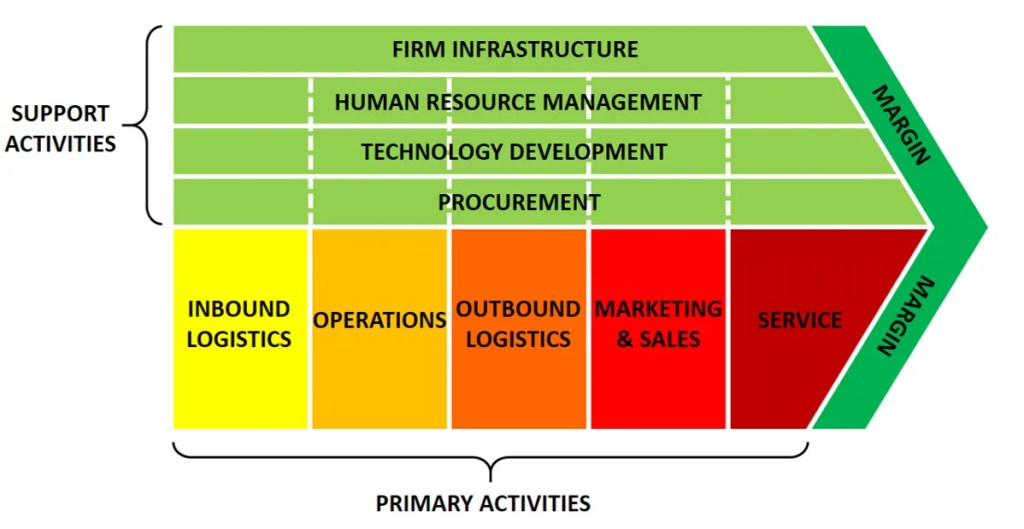

![[m1-2]](https://i.imgur.com/kEZj1sV.jpg) Authentication: The assurance that the communicating entity is the one that it claims to be.
Authentication: The assurance that the communicating entity is the one that it claims to be.



 Track2Training
You must be logged in to post a comment.