Good Health and Well-being (SDG 3): Ensuring Healthy Lives and Promoting Well-being for All at All Ages

The third Sustainable Development Goal (SDG 3) โ€” Good Health and Well-being โ€” aims to ensure healthy lives and promote well-being for all at all ages. Health is central to human development and a cornerstone of sustainable growth. Without good health, individuals cannot access education, participate in the workforce, or contribute effectively to society. SDG 3 recognizes that achieving global health requires more than disease prevention; it encompasses a holistic approach that includes physical, mental, and social well-being.

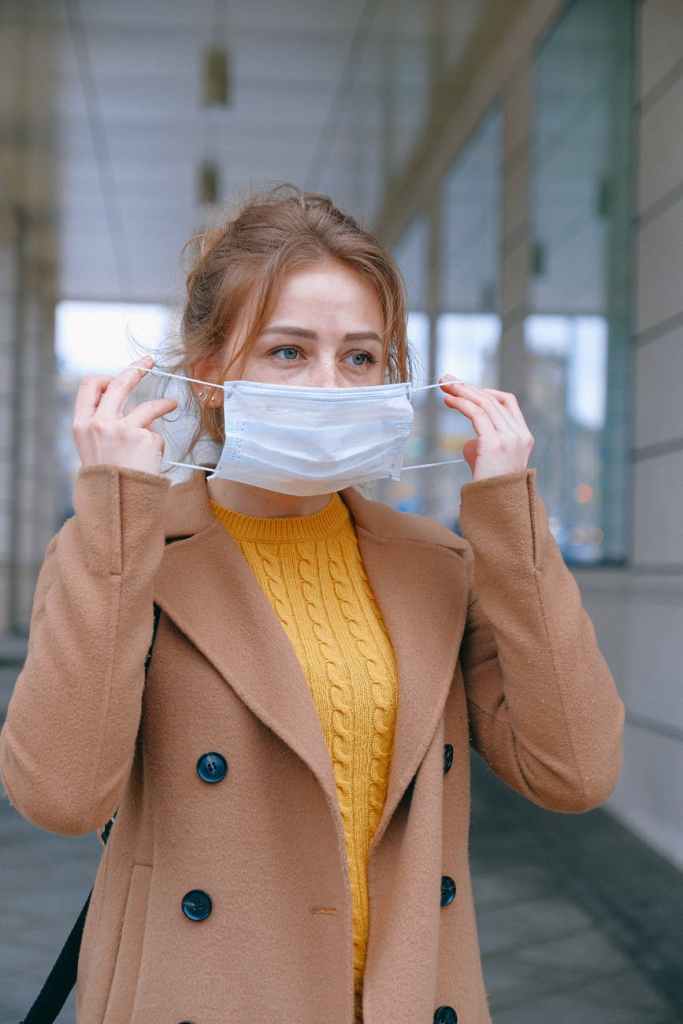
Although the world has made remarkable progress in improving health outcomes over the past few decades โ€” such as reducing child mortality, eradicating certain infectious diseases, and extending life expectancy โ€” inequalities in access to healthcare and health outcomes remain stark. The COVID-19 pandemic, in particular, exposed the fragility of health systems worldwide and reversed years of progress in several regions. Achieving SDG 3 by 2030 requires resilient, equitable, and inclusive healthcare systems that leave no one behind.


Understanding SDG 3

SDG 3 builds upon the foundation of previous global health initiatives, such as the Millennium Development Goals (MDGs), which focused on child mortality, maternal health, and combating major diseases like HIV/AIDS and malaria. The 2030 Agenda expands this vision, adopting a more comprehensive approach to health that addresses both communicable and non-communicable diseases, mental health, universal health coverage, and environmental health risks.

The overarching goal of SDG 3 is to promote health equity โ€” ensuring that every individual, regardless of gender, income, or geography, can lead a long and productive life. The World Health Organization (WHO) emphasizes that health is not merely the absence of disease but โ€œa state of complete physical, mental, and social well-being.โ€


Targets of SDG 3

The United Nations has outlined several targets to guide progress toward achieving good health and well-being by 2030:

  1. Reduce global maternal mortality to less than 70 per 100,000 live births.
  2. End preventable deaths of newborns and children under five years of age.
  3. End the epidemics of AIDS, tuberculosis, malaria, and neglected tropical diseases, and combat hepatitis, water-borne diseases, and other communicable diseases.
  4. Reduce premature mortality from non-communicable diseases (NCDs) through prevention, treatment, and promotion of mental health and well-being.
  5. Strengthen the prevention and treatment of substance abuse, including narcotic drug abuse and harmful use of alcohol.
  6. Halve the number of global deaths and injuries from road traffic accidents.
  7. Ensure universal access to sexual and reproductive health services, including family planning and education.
  8. Achieve universal health coverage (UHC), including financial risk protection and access to quality essential healthcare services.
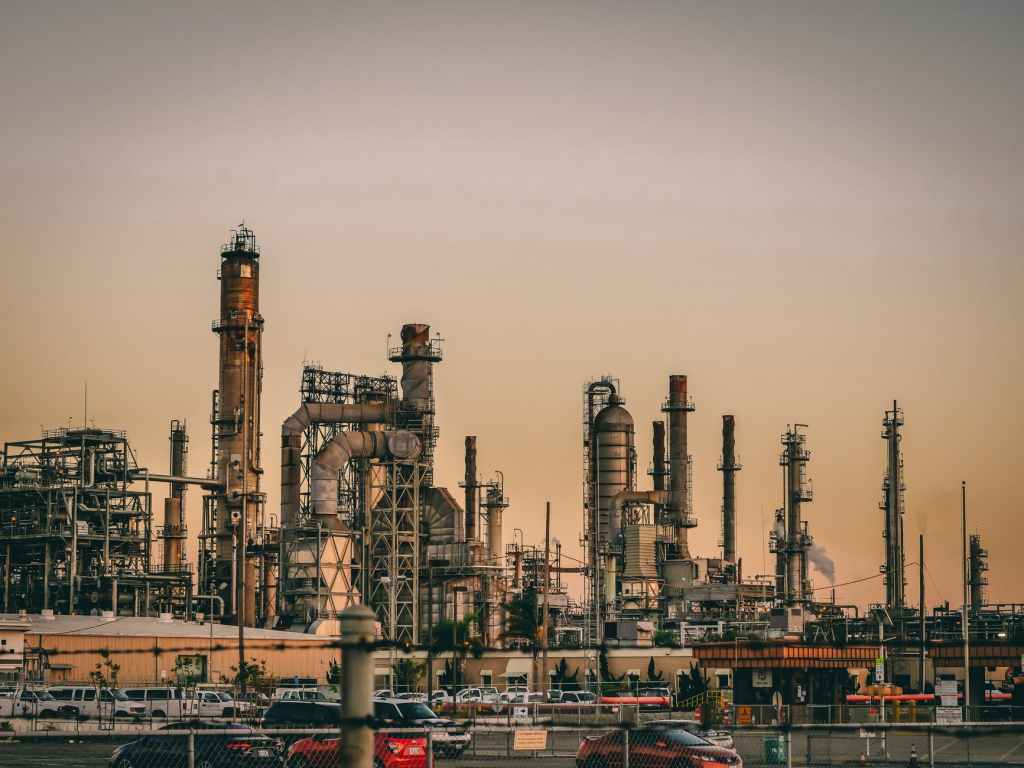
  9. Reduce deaths and illnesses from hazardous chemicals and pollution.

These targets reflect a broad commitment to addressing health challenges through prevention, treatment, and systemic reform.


Global Progress and Challenges

Significant progress has been made since 2000. Global child mortality has declined by more than half, and maternal mortality has also dropped substantially. The global HIV epidemic has been slowed through awareness, prevention, and treatment programs. Vaccination campaigns have nearly eradicated diseases like polio in most regions.

However, major challenges remain. Non-communicable diseases (NCDs) โ€” such as heart disease, cancer, diabetes, and respiratory illnesses โ€” now account for over 70% of all global deaths. Mental health disorders, including depression and anxiety, have emerged as silent epidemics. The COVID-19 pandemic further strained healthcare systems, disrupted routine immunization programs, and widened health inequities.

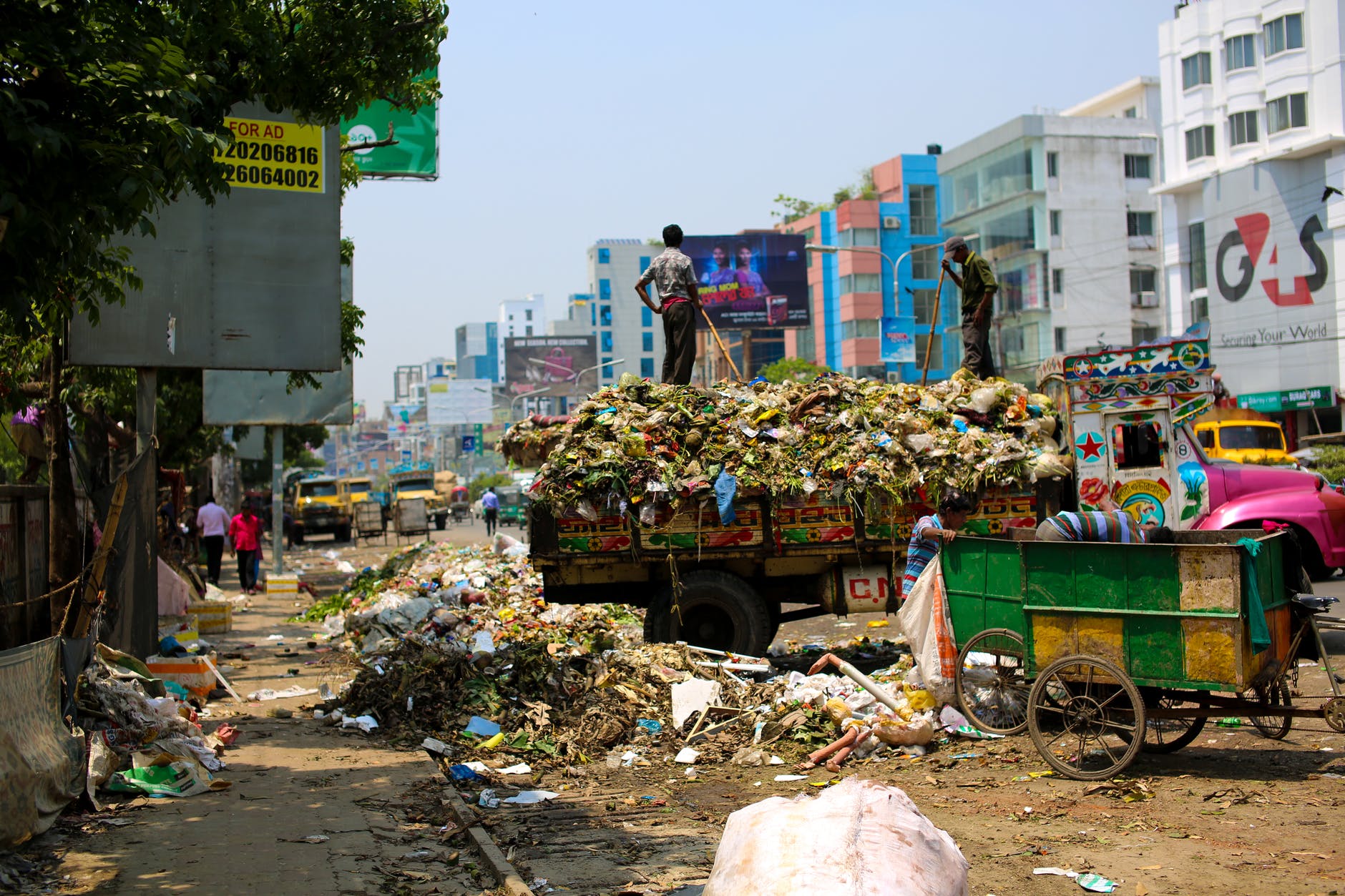
Additionally, access to healthcare remains deeply unequal: in low-income countries, millions still lack access to essential medicines, skilled birth attendants, and basic sanitation. Environmental hazards, pollution, and climate change are now major determinants of public health, causing millions of premature deaths annually.


Strategies for Achieving SDG 3

  1. Strengthening Health Systems and Universal Health Coverage (UHC)
    Achieving SDG 3 requires robust health systems capable of providing affordable, quality care for all. Governments should invest in infrastructure, digital health solutions, and health workforce development. Universal health coverage ensures that no one faces financial hardship when seeking care.
  2. Preventing and Controlling Diseases
    Effective disease surveillance, vaccination, and early detection systems are vital. Integrated healthcare approaches should address both communicable and non-communicable diseases simultaneously, especially in resource-limited settings.
  3. Promoting Healthy Lifestyles
    Encouraging physical activity, balanced diets, and the reduction of tobacco and alcohol use are key preventive strategies. Public health campaigns and school-based health education can promote lifelong healthy behaviors.
  4. Improving Maternal and Child Health
    Access to antenatal care, skilled birth attendants, and neonatal services are essential. Investments in nutrition, breastfeeding promotion, and immunization programs significantly reduce child mortality.
  5. Addressing Mental Health
    Mental health must be integrated into primary healthcare systems. Reducing stigma, expanding access to counseling and psychiatric care, and promoting community-based mental health programs can save lives and improve well-being.
  6. Environmental Health and Climate Resilience
    Air pollution, unsafe water, and exposure to hazardous chemicals are major health risks. Policies that promote clean energy, sustainable transport, and climate resilience also advance public health goals.
  7. Global Cooperation and Health Equity
    International collaboration is vital for tackling pandemics, sharing research, and ensuring equitable access to vaccines and medicines. Strengthening the role of WHO and cross-border health partnerships will enhance global preparedness.

Case Studies and Best Practices

Countries such as Thailand and Rwanda demonstrate that universal health coverage is achievable even in lower-income settings through strong political will and community-based models. Rwandaโ€™s community health insurance program, for example, has significantly improved maternal and child health outcomes. Similarly, Thailandโ€™s universal healthcare scheme has reduced inequality in health access and improved life expectancy.


The Way Forward

The pursuit of SDG 3 requires a multi-sectoral approach that integrates health with education, environment, economy, and governance. Governments must increase health budgets, enhance data-driven decision-making, and promote preventive care. Civil society and private sectors play critical roles in innovation, financing, and outreach. Moreover, empowering communities to participate in health planning ensures that interventions are locally relevant and sustainable.


Conclusion

Good Health and Well-being (SDG 3) embodies the universal right to health โ€” a right that is essential for human dignity and global prosperity. Achieving this goal by 2030 demands equitable access to healthcare, investment in prevention, and the strengthening of public health systems worldwide.

A healthy population is the foundation for all other Sustainable Development Goals. As nations recover from the COVID-19 crisis and confront new health challenges, the world must reaffirm its commitment to building resilient, inclusive, and people-centered health systems that safeguard well-being for current and future generations.


My Passion for Coffee.

Explore my love of coffee, from its rich scent to its revitalizing benefits. Coffee extends beyond being a beverage because it offers daily energy to me.

The love I have for coffee remains the greatest joy I have ever experienced.

Coffee has an enchanting appeal that attracts everyone. Coffee is the constant companion of my daily life as the strong aroma fills rooms in the mornings and the early sip creates a sense of calm relaxation. A beverage it is not since coffee brings its followers an engaging sensory voyage.

The Ritual of Coffee

Caffeine coffee requires a step-by-step ritual which extends beyond chemical ingestion. Fresh bean grinding at each step leads to a deliberate process that also brings soothing relaxation before ending in a flawless cup. 

The brewing practice has a research-backed ability to enhance focus and reduce tension according to scientists (source). Making coffee is a ritual which enables me to find tranquility just before getting busy with my day.

The Variety and Taste

Numerous emotional states correspond with different types of coffee. Several days I would select a milky latte as the ideal choice yet I need the robust essence of dark roast on different occasions.

The Social Bond

Coffee helps people connect. Getting together with friends at your local cafรฉ enables you to build lasting memories or spending relaxed time at home with fresh-brewed coffee. The development of coffee shops into cultural discussion and innovation centers can be easily understood by modern society.

The Boost in Energy

I have to mention my increased energy levels as well. My concentration levels and productivity improve throughout the entire day due to coffee consumption. The appropriate amount of caffeine becomes useful for performance enhancement yet avoids the negative effects of jitters.

Reasons to Love Coffee Too

Now is the ideal time for people who have not started drinking coffee to join the love for this beverage. Caffeine is exclusively for your taste because you can try a creamy cappuccino followed by a cold brew adventure.

In conclusion

The drink known as coffee represents both an established tradition and a manner of existence and brings laughter to our existence. The beverage plays a crucial role in my daily routine due to its delicious taste and stimulating effect. The enjoyment and everything that coffee gives me makes me love it beyond measure and I am incapable of living without its presence.

Eating Disorder

N kavya

Eating disorders are behavioral conditions characterized by severe and persistent disturbance in eating behaviors and associated distressing thoughts and emotions. They can be very serious conditions affecting physical, psychological, and social function.

The most common type of Eating disorders are -:

1. Anorexia Nervosa -: Anorexia is characterized by a distorted body image, with an unwarranted fear of being overweight.


2. Bulimia Nervosa -: A serious eating disorder marked by bingeing, followed by methods to avoid weight gain.


3. Binge Eating – People with the binge-eating disorder frequently consume unusually large amounts of food and feel unable to stop eating.

Additional eating disorders include:
1. Avoidant/resistant food intake disorder (ARFID)
2. Diabulimia
3. Other specified feeding and eating disorders (OSFED)

Physical Warning Signs of Eating Disorders -:

1. Dramatic or rapid weight loss
2. Compulsive or excessive exercise
3. Visiting the bathroom immediately after each meal
4. Loss of menses
5. Frequent stomach cramps or stomach pain

Emotional Warning Signs of Eating Disorders -:

1. Behavior changes (acting differently)
2. Isolation and withdrawing from others
3. Being less interested in daily activities
4. An increase in mood swings, irritability, or high anxiety

Warning Signs of Anorexia Nervosa -:

Anorexia is a potentially life-threatening illness characterized by the following eating disorder symptoms and signs: an abnormally low body weight, an intense fear of gaining weight, and a distorted perception of weight or shape. People with anorexia use extreme measures to control their weight, such as excessively restricting calories, over-exercising, and laxative or diet aid abuse.

Warning Signs of Bulimia Nervosa -:

Bulimia is a serious, potentially life-threatening eating disorder. It is typically characterized by episodes of bingeing on large portions of food and then voiding the food through purging, excessive exercise, or the use of diet pills or laxatives. Many people with bulimia also restrict their eating during the day, which often leads to more binge eating and purging.

Warning Signs of Binge Eating Disorder -:

People with binge eating disorder (BED) regularly eat too much food (binge) and feel a lack of control over their eating. Typically, they eat quickly or eat more food than intended, even when not hungry, or they may continue eating even long after theyโ€™re uncomfortably full. They may feel guilty, disgusted, or ashamed of their behavior and the amount of food eaten. Many times, they overeat in private. New bouts of bingeing usually occur at least once a week. Sufferers can be normal weight, overweight or obese.

Causes of Eating Disorder -:

1. Having a trauma history
2. Being pressured to look or act a certain way
3. Dealing with stringent sports performance requirements
4. Having high expectations for grades
5. Life transitions and developmental changes
6. Other challenging family dynamics
7. Perfectionism
8. Highly reactive to stress
9. High sensitivity
10. Low distress tolerance
11. Anxiety

Treatment for Eating Disorder -:

Nutritional Healing :

1. Develop a healthy relationship with food
2. Eat a variety of foods in a balanced way
3. Enjoy food in moderation

Therapy :

1. Acceptance and Commitment Therapy (ACT)
2. Radically Open Dialectical Behavior Therapy (RO DBT)
3. Dialectical Behavior Therapy (DBT)
4. Cognitive Behavioral Therapy (CBT)
5. Exposure Therapy

Family-Based Therapy :

Family-based therapy is shown to improve eating disorder treatment outcomes โ€ฏincreasing oneโ€™s chance of a full recovery. Family and caregiver support is especially critical for younger patients, but family involvement and family therapy are encouraged for all patients seeking help for eating disorders, including adults.

Medication :

In eating disorder treatment, medications may be prescribed to address physical health concerns and complications related to the eating disorder.

ANXIETY

N kavya

Anxiety is your bodyโ€™s natural response to stress. It is a feeling of fear or apprehension about what is to come. It is normal to feel anxious about moving to a new place, starting a new job, or taking a test. This type of anxiety is unpleasant, but it may motivate you to work harder and do a better job. Ordinary anxiety is a feeling that comes and goes but does not interfere with your everyday life. In the case of an anxiety disorder, the feeling of fear may be with you all the time. It is intense and sometimes debilitating. This type of anxiety may cause you to stop doing things you enjoy. For example, it may prevent you from entering an elevator, crossing the street, or even leaving your home in extreme cases. If left untreated, the anxiety will keep getting worse.

Symptoms of anxiety :
1. anxious thoughts or beliefs that are difficult to control
2. restlessness
3. trouble concentrating
4. difficulty falling asleep
5. fatigue
6. irritability
7. unexplained aches and pains.

What causes anxiety?


Medical experts are not sure of the actual cause. But a combination of factors likely plays a role.
The causes of anxiety may include:
1. stress
2. other medical issues such as depression or diabetes
3. first-degree relatives with generalized anxiety disorder
4. environmental concerns, such as child abuse
5. substance use
6. situations such as surgery or occupational hazard. 7. In addition, researchers believe that it stems from the areas of the brain responsible for controlling fear and the storing and retrieval of emotional and fear-related memories.

Physical symptoms of anxiety :


When you experience symptoms of anxiety, they can manifest as physical symptoms such as:


1. dizziness
2. tiredness
3. heart palpitations
4. muscle aches and tensions
5. shaking
6. dry mouth
7. excessive sweating
8. stomach-ache
9. headache
10. insomnia

Who is at risk of anxiety?


Medical researchers say with each type of anxiety, there are different risk factors. But there are some general influences, including:


1. Personality traits. This includes shyness and nervousness in childhood.
2. Life history. This includes being exposed to negative or stressful life events.
3. Genetics. Of those who have a diagnosis of anxiety, percent trusted to have a first-degree relative who also has a diagnosis of anxiety.
4. Other health conditions. Thyroid problems and other health conditions can make you prone to anxiety.
5. Stimulants. Consuming sources, specific substances, and medications can worsen your symptoms.

Are there treatments for anxiety :


Once youโ€™ve received a diagnosis of anxiety, treatment can help you overcome the symptoms and lead a more manageable day-to-day life.


The treatment is categorized into three types :


โ€ข Psychotherapy. Therapy can include cognitive behavioral therapy and exposure response prevention.
โ€ข Complemental health techniques. Mindfulness, yoga, and self-management strategies such as stress management are ways to treat your anxiety using alternative methods.
โ€ข Medication. Doctors prescribe antianxiety and antidepressant drugs.
โ€ข Session, with a therapist or psychologist, can help you learn tools to use and strategies to cope with stress when it occurs.

Some other commonly used medications include:

โ€ข Selective serotonin uptake inhibitors (SSRIs). Escitalopram, fluoxetine, and paroxetine are common SSRIs.
โ€ข Selective norepinephrine reuptake inhibitors (SNRIs). Duloxetine and venlafaxine are common SNRIs.
โ€ข Antipsychotics. Quetiapine and aripiprazole are common antipsychotics.
โ€ข Benzodiazepines. Diazepam and clonazepam are common benzodiazepines.
โ€ข Anxiolytics. Buspirone is a common anxiolytic.

Natural remedies for anxiety are :

1. getting enough sleep
2. meditating
3. staying active and exercising
4. eating a healthy diet
5. avoiding alcohol
6. avoiding caffeine
7. quitting smoking cigarettes if you smoke.

Foods that can help you with anxiety :

โ€ข flax and chia seeds
โ€ข fatty fish such as mackerel and salmon
โ€ข turmeric
โ€ข vitamin D
โ€ข magnesium
โ€ข tryptophan

Itโ€™s important to understand that anxiety disorders can be treated, even in severe cases. Although anxiety usually doesnโ€™t go away, you can learn to manage it and live a happy, healthy life.

DEPRESSION

N kavya

Depression is a mood disorder that causes a persistent feeling of sadness and loss of interest, also called major depressive disorder or clinical depression. It affects how you feel, think, and behave and can lead to a variety of emotional and physical problems. Depression is not a weakness; you cannot simply โ€œsnap out โ€œof it. Depression may require long-term treatment. But we should not feel discouraged because most people with depression feel better with medication, psychotherapy, or both.

Let us see know about the symptoms of depression โ€“:

โ€ข Feelings of sadness, tearfulness, emptiness, or hopelessness
โ€ข Angry outbursts, irritability or frustration, even over small matters
โ€ข Loss of interest or pleasure in most or all normal activities, in their hobbies or sports
โ€ข Sleep disturbances, including insomnia or sleeping too much
โ€ข Tiredness and lack of energy, so even small tasks take extra effort
โ€ข Reduced appetite and weight loss or increased cravings for food and weight gain
โ€ข Anxiety, agitation, or restlessness
โ€ข Slowed thinking, speaking, or body movements
โ€ข Feelings of worthlessness or guilt fixating on past failures or self-blame
โ€ข Trouble thinking, concentrating, making decisions, and remembering things
โ€ข Frequent or recurrent thoughts of death, suicidal thoughts, suicide attempts, or suicide
โ€ข Unexplained physical problems, such as back pain or headaches.

People dealing with depression may occur only once during their life, people typically have multiple episodes, and during these episodes, symptoms occur most of the day, nearly every day which also affects their day-to-day activities, such as work, school, social activities, or relationships with others. Some people might even feel generally miserable without really knowing the exact reason.

โ€ข Depression in children and teens may include sadness, irritability, clinginess, worry, aches, pains, being extremely sensitive, feeling misunderstood, anger, and poor performance.
โ€ข Depression in symptoms in older adults may include memory, difficulties or personality changes, fatigue, and often wanting to stay at home, rather than go out to socialize or do new things.

Causes of depression โ€“:

โ€ข Biological differences โ€“ People with depression appear to have physical changes in their brains. The significance of these changes is still uncertain.
โ€ข Brain chemistry โ€“ Neurotransmitters are naturally occurring brain chemicals that likely play a role in depression.
โ€ข Hormones โ€“ Changes in the bodyโ€™s balance of hormones may be involved in causing or triggering depression.
โ€ข Inherited traits โ€“ Depression is more common in people whose blood relatives also have this condition. Research shows genes may be involved in causing depression.

Risk factors of depression โ€“:

โ€ข Certain personality traits, such as low self-esteem and being too dependent, self-critical, or pessimistic
โ€ข Traumatic or stressful events, such as physical or sexual abuse, the death or loss of a loved one, a difficult relationship, or financial problems.
โ€ข History of other mental health disorders, such as anxiety disorder, eating disorders, or post-traumatic stress disorder. Abuse of alcohol or recreational drugs.
โ€ข Serious or chronic illness, including cancer, stroke, chronic pain, or heart disease. Certain medications may also trigger depression such as some high blood pressure medications or sleeping pills.

Complications in depression โ€“ :

โ€ข Excess weight or obesity, which can lead to heart disease and diabetes
โ€ข Pain or physical illness
โ€ข Alcohol or drug misuse
โ€ข Anxiety, panic disorder, or social phobia
โ€ข Family conflicts, relationship difficulties, and work or school problems
โ€ข Social isolation
โ€ข Suicidal feelings, suicide attempts, or suicide
โ€ข Self-mutation, such as cutting
โ€ข Premature death from medical conditions

Prevention of depression -:

There is no fixed way to prevent depression but these strategies may play a major role –
โ€ข Take steps to control stress
โ€ข Reach out to family and friends
โ€ข Get treatment at the earliest sign of a problem
โ€ข Consider getting longโ€“term treatment because it helps to prevent a relapse of symptoms.

Types of depressive disorders -:

โ€ข Major depressive disorder
โ€ข Anxious distress, Melancholy, Agitated (Major depression looks different in different people. So they are characterized into three types.)
โ€ข Persistent depressive disorder
โ€ข Bipolar disorder
โ€ข Seasonal affective disorder (SAD)
โ€ข Psychotic disorder
โ€ข Peripartum (Postpartum) Depression
โ€ข Premenstrual Dysphoric Disorder
โ€ข โ€˜Situational โ€™Depression
โ€ข Atypical depression
โ€ข Clinical depression

DREAM ON…..

N kavya

Dream is a succession of images, ideas, emotions, and sensations that usually occur involuntarily in the mind during certain stages of sleep.

The content and function of dreams have been topics of scientific, philosophical, and religious interest throughout recorded history. Dream interpretation was practiced by the Babylonians in the third millennium BCE and even earlier by the ancient Sumerians. .Dreams figure prominently in major world religions. The dream experience for early humans, according to one interpretation, gave rise to the notion of a human โ€˜soulโ€™ as a central element in much religious thought.

Psychologist Calvin S. Hall considered dreams part of the cognition process or a type of thinking that happens as you sleep. Hall believed dreams could offer important insight into how you view yourself and others, your problems and conflicts, and the world in general. Many psychologists believed dreams played an important role in cognitive processes including memory and emotion regulation. Domhoff also noted that, although dreams may shed some light on heavy concerns, they might not have any real purpose, because he stated normally human beings forget most of their dreams. William Dement, who helped found the field of sleep medicine, suggested that, while dreams may lack a clear purpose, they can still convey meaningful messages.

Many experts do not believe dreams have much meaning but believe they still serve a purpose. The existing theories outline a few of these purposes.

1. Threat simulation theory
2. Activation-Synthesis theory
3. Dreams as emotional regulation
4. Continual-activation theory

Psychotherapist, Eliza Boquin, states โ€œFor vivid dreamers, our body can often experience what is happening in the dream.โ€
Certified dream analyst and speaker Lauri Loewenberg says while you are sleeping your brain is conjuring up around five dreams per night. That is a lot of subconscious thoughts to unpack. And although every dream is unique, they do tend to follow certain symbolic patterns.

How to examine your own dreams -:


1. Make sure you are getting proper sleep โ€“: Research says that if we get enough sleep (7 to 9 hours) each night. This may, in turn, boost dream recall.


2. Review the dream โ€“: when you wake up from the dream, lie calmly and analyze the visions, emotions, people, and places and mainly pay attention to small details because it would play a significant role in examining the dream.


3. Write it down โ€“: Have a journal and start writing what all you saw the colors and visions, also your moods and feelings.


4. Make connections to your own life -: connecting these facts to your everyday life, would connect to your past life experiences and in some cases might even show some glimpses of your future. There are also many dreams interpretation books that you can interpret and gain more insights into.

Dreaming and sleep are intertwined. Dreams occur mainly in the rapid-eye movement (REM) stage of sleep when brain activity is high and resembles that of being awake. No one knows for certain what purposes dream serve. But at the end of the day, their true function might not really matter. It depends on each individual If you find them meaningful, then they add value to you or do not concern you.

Image credits- Google

Menstruation & It’s Taboos

N kavya

The menstrual cycle is a part of your reproductive system. Menstruation is the monthly shedding of the lining of your uterus. The menstrual blood which is partly blood and partly tissue from the inside of your uterus flows from your uterus through your cervix and out of your body through your vagina.

It has been said that during those days the tradition started for a good reason as women go through heavy cramps, PMS (premenstrual syndrome), headaches, stomach aches, mood swings, etc. Women were being isolated from their family and given complete rest in a separate room, as time passed the traditions became aggressive and gave more stress associated with myths, or misconceptions and taboos to women than being supportive to them during their menstrual cycle. Women are not allowed to enter the temples, in many householdsโ€™ girls are subjected to many superstitious practices such as; prohibition from entering the kitchen and prayer room, being made to stay in a separate room, being forced to eat in separate utensils, and in some houses, the girl is provided the left-over food. Not being allowed to touch certain kinds of food because they could get spoilt, and tagging the girl as impure and unclean. The stigma associated with a woman bleeding every month leads to poor hygiene among a large section of rural women who use wood husk, leaves, paper, and other such materials instead of sanitary napkins when on their periods. The temple in Assam โ€˜Maa Kamkhayaโ€™ where the main deity is the uterus of a woman signifies the importance of reproduction and the menstrual cycle is completely natural. In India, some school girls were allegedly forced to remove their underwear to prove they were not menstruating. The girls also reported that they were barred from touching other students during their menstrual cycle.

These social stigmas isolate the girls from family and friends which increases their stress levels and impacts their mental health. As per the survey in India, only 48% of adolescent girls are aware of what menstruation is before getting their first period, which is unhygienic for their health due to a lack of proper sanitation facilities. Young people do not have access to reliable and correct information about their reproductive health and rights. The lack of acceptance and the taboo associated with it leads the girls to stay at home due to anxiety and embarrassment… An overall lack of scientific knowledge about menstruation also gives way to myths and misconceptions. During previous centuries, there were many rules followed due to some circumstances but following those rules in this period seems unreasonable.

Girls must be given proper menstruation knowledge before they get their first period because many girls do not have the knowledge about how their body works and provide free napkins to the government schools. The main development goals must include an equal opportunity for education for girls and boys and access to proper sanitation. The media creating public awareness regarding these issues would break the taboo prevailing in society. The movie โ€˜Pad Manโ€™ starring Akshay Kumar and Radhika Apte which speaks about the importance of womenโ€™s menstrual health is notable. To cross these barriers government, NGOs, corporate companies, and media and entertainment industries must collaborate and take advantage of each otherโ€™s capability and influence to achieve this vision.

Image credits- Google

Agriculture

The word โ€œAgricultureโ€ has no rigid definition. It has been explained by many people very comprehensively. Agriculture has been defined as the science and art of cultivating the soil, and this definition emphasizes the primary nature of plant production in agriculture.Moreover, it is so frequent that the same person performs both the primary functions of growing plants and the secondary one of feeding the plants to livestock that these two industries are grouped together as agriculture. Therefore, it may be said that agriculture includes not only the production of crops by the cultivation of the soil, but also the rearing of livestock.
Thus, milk, meat and wool are as much agricultural products as are wheat, rice and cotton. In the words of George Oโ€™Brien, therefore, the word agriculture includes, โ€œevery industry which aims at producing vegetables or animals by the cultivation of the soil.โ€So, agriculture is the business of raising products from the land. The products raised may either be plants and their products or animals and their products. The former are the direct products while the latter are the indirect products of the land. Agricultural products are complex and diverse, in nature, and as such, agriculture may be regarded as complex industry.Modern agriculture is such broader in scope than merely the art and science of cultivating the land. It is the whole business of supplying food and fiber for a growing population at home and abroad. Again in agriculture we include all forms of soil production, from forestry to glass-house culture, from fishery to artificial insemination, and from breeding to horticulture.

Primiยญtive men must have begun as food gatherers, eating whatever fruits, leaves and roots they could obtain. Nature must have been bountiful in those days when human numbers were so small and wild plants grew everywhere. As time passed and human numbers grew, fishing and hunting became increasingly imยญportant in supplementing what was lacking in the field, and an endless search for food ensued.It was soon realized that some form of food proยญduction was necessary if men were to live long and secure. Animals were tamed, first to provide meat, milk and skin; later for use as draught animals. Seeds were sown in ploughed fields, carefully tended and harvested when the time came.Men were then able to live in settled communities. Because they were no longer continually moving they had time to develop the various arts, crafts and skills that formed the basis of modern industries and also evolved religious and political ideas. Without a settled agriculture, a measยญurable degree of civilization is not possible.


Agriculture
is not farming
it’s feeding

Pharmacology

Pharmacology is the science that deals with drugs.Pharmacology consists of detailed study of drugs, particularly drugs action on living animals, tissues or organs. The action of drugs may be beneficial or harmful.Pharmacology is the science in which we study the response of living animals to chemicals drug Pharmacology is defined as the study of the effects of drugs on the structures and metabolism of natural tissues.Pharmacology can be defined as the study of the manner in which the functions of living system is affected or influenced by chemicals.This subject deals with the properties and effects of drugs and in broad sense, it can be defined as the study of interactions between chemical substances and biological systems.While defining in broad sense, it includes the knowledge of the history, source, physical and chemical properties, compounding, bio-chemical and physiological effects, mechanism of action, absorption, distribution, metabolism, excretion and therapeutic and other effects of drugs.

Diseases are as old as man. Fighting disease with drugs is an endless task that originated from existence of mankind. Drugs have its origin with illness and the later has been associated with evolution. Just imagine about the nomads, the primitive man, who was wanderer, a food gatherer and shelter seeking. There was no concept of family.There were no clothes, men and women were wandering naked. Gradually the notion of family started and he lived together with so called his family members. If any of them died the pain of death he might have felt. He must have thought about death. Why some person dies? And then fear of death might have occurred to him. He must have started thinking about death.Homosapiens being the intelligent most among the species evolved, based on the principles of โ€œnecessityโ€ and โ€œtrialโ€ could observe effectiveness of many plants in relief for his pains and sufferings. The primitive (early) history of the causative agents of diseases included wrong Gods, spirits witches and other evil influences.
The form of therapy was incantation, prayer and ceremony designed to appease the evil agents of the diseases. They were using sacrifice of animals, individuals and prayers.The tribal leaders were known as medicine men or the expert or witch doctors (Ojha), were very powerful men and leader in such all ceremonies. In addition, they had knowledge about certain plants and animal products to be used in the treatment of certain diseases. The first treatise on medicine was undoubtedly the Ayurveda in India and that is at least 500 years ahead of the Greek Medicine.The medical literature was related to metaphysics, hypnotism etc. and belief in supernatural agencies as the cause and cure of diseases. Thus, in India, this was originally a part of the fourth Veda called the Atharva Veda. The real father of Indian Medicine was Atrya with his distinguished disciples-Agnivesha, Bhala, Jatukarana, parasara, Harita and Ksharapani.

Started with Oswald Schmiedeberg (1838-1921). He was excellent teacher of Pharmacology and attracted many persons to study this subject. Like other experimental sciences, Pharmacology, too, is highly dependent upon development in other branches of science.Spectacular developments in physiology, biochemistry, organic chemistry and molecular biology have greatly contributed in advancement of pharmacology. Conversion of the old pharmacology into modern pharmacology is fairly recent and probably started taking shape following introduction of experimental procedures in animals by Francois Megendie (1783-1855) and Claude Bernard (1813-1978).Oswald Schmiedeberg (1838-1921) introduced the technique of per-fusing isolated organs and study the effects of drugs on them. Abel, Cushny, Gottlieb and a galaxy of his other students popularized the expertise in their respective, countries. Thus Oswald become popular as โ€˜Father of modern Pharmacologyโ€™.


Pharmacology is benefited by the prepared mind. You need to know what you are looking for.

General issues on Environmental ecology

The environment plays a significant role to support life on earth. But there are some issues that are causing damages to life and the ecosystem of the earth. It is related to the not only environment but with everyone that lives on the planet. Besides, its main source is pollution, global warming, greenhouse gas, and many others. The everyday activities of human are constantly degrading the quality of the environment which ultimately results in the loss of survival condition from the earth.There are hundreds of issue that causing damage to the environment. But in this, we are going to discuss the main causes of environmental issues because they are very dangerous to life and the ecosystem.

Pollution โ€“ It is one of the main causes of an environmental issue because it poisons the air, water, soil, and noise. As we know that in the past few decades the numbers of industries have rapidly increased. Moreover, these industries discharge their untreated waste into the water bodies, on soil, and in air. Most of these wastes contain harmful and poisonous materials that spread very easily because of the movement of water bodies and wind. Greenhouse Gases โ€“ These are the gases which are responsible for the increase in the temperature of the earth surface. This gases directly relates to air pollution because of the pollution produced by the vehicle and factories which contains a toxic chemical that harms the life and environment of earth. Climate Changes – Due to environmental issue the climate is changing rapidly and things like smog, acid rains are getting common. Also, the number of natural calamities is also increasing and almost every year there is flood, famine, drought, landslides, earthquakes, and many more calamities are increasing.

Development recognises that social, economic and environmental issues are interconnected, and that decisions must incorporate each of these aspects if there are to be good decisions in the longer term.For sustainable development, accurate environment forecasts and warnings with effective information on pollution which are essential for planning and for ensuring safe and environmentally sound socio-economic activities should be made known.


THE EARTH IS WHAT WE
ALL HAVE IN COMMAN

History of India & Indian National Movement.

Early times the Indian subcontinent appears to have provided an attractive habitat for human occupation. Toward the south it is effectively sheltered by wide expanses of ocean, which tended to isolate it culturally in ancient times, while to the north it is protected by the massive ranges of the Himalayas, which also sheltered it from the Arctic winds and the air currents of Central Asia. Only in the northwest and northeast is there easier access by land, and it was through those two sectors that most of the early contacts with the outside world took place.

Within the framework of hills and mountains represented by the Indo-Iranian borderlands on the west, the Indo-Myanmar borderlands in the east, and the Himalayas to the north, the subcontinent may in broadest terms be divided into two major divisions: in the north, the basins of the Indus and Ganges (Ganga) rivers (the Indo-Gangetic Plain) and, to the south, the block of Archean rocks that forms the Deccan plateau region. The expansive alluvial plain of the river basins provided the environment and focus for the rise of two great phases of city life: the civilization of the Indus valley, known as the Indus civilization, during the 3rd millennium BCE; and, during the 1st millennium BCE, that of the Ganges. To the south of this zone, and separating it from the peninsula proper, is a belt of hills and forests, running generally from west to east and to this day largely inhabited by tribal people. This belt has played mainly a negative role throughout Indian history in that it remained relatively thinly populated and did not form the focal point of any of the principal regional cultural developments of South Asia. However, it is traversed by various routes linking the more-attractive areas north and south of it. The Narmada (Narbada) River flows through this belt toward the west, mostly along the Vindhya Range, which has long been regarded as the symbolic boundary between northern and southern India.

India’s movement for Independence occurred in stages elicit by the inflexibility of the Britishers and in various instances, their violent responses to non-violent protests. It was understood that the British were controlling the resources of India and the lives of its people, and as far as this control was ended India could not be for Indians.

On 28 December 1885 Indian National Congress (INC) was founded on the premises of Gokuldas Tejpal Sanskrit School at Bombay. It was presided over by W.C Banerjee and attended by 72 delegates. A.O Hume played an instrumental role in the foundation of INC with an aim to provide Safety Valve to the British Government.
A.O Hume served as the first General Secretary of INC.
The real Aim of Congress is to train the Indian youth in political agitation and to organise or to create public opinion in the country. For this, they use the method of an annual session where they discuss the problem and passed the resolution.
The first or early phase of Indian Nationalism is also termed as Moderate Phase (1885-1905). Moderate leaders were W.C Banerjee, Gopal Krishna Gokhale, R.C Dutt, Ferozeshah Mehta, George Yule, etc.
Moderates have full faith in British Government and adopted the PPP path i.e. Protest, Prayer, and Petition.
Due to disillusionment from Moderates’ methods of work, extremism began to develop within the congress after 1892. The Extremist leaders were Lala Lajpat Rai, Bal Gangadhar Tilak, Bipin Chandra Pal, and Aurobindo Ghosh. Instead of the PPP path, they emphasise on self-reliance, constructive work, and swadeshi.
With the announcement of the Partition of Bengal (1905) by Lord Curzon for administrative convenience, Swadeshi and Boycott resolution was passed in 1905.


ONE INDIVIDUAL MAY DIE; BUT THAT IDEA WILL, AFTER HIS DEATH, INCARNATE ITSELF IN A THOUSAND LIVES.

-Netaji Subhash Chandra Bose

ORGANIZATION LEADS TO HEALTHY LIFESTYLE

Image credit : Ebuyer. Com https://images.app.goo.gl/BeK2ghi9m82o18kA9

Life organisation frequently resembles a delicate balancing act. As soon as you switch to grab one goal line, such as money, family obligations, or having fun with family and friends, the next one is rushing at you rapidly. Sadly, some pieces are destined to fall: weeks where rest was not prioritised, eating fast food rather than preparing meals, and slacking with limited chores rather than concentrating on substantial work.

Instead of tossing life’s responsibilities in the hopes that you’ll survive to grasp em all, stick to a plan to keep everything in its position.


1. Discipline – Organise your day and make a to do list of tasks and punctually do everything on its set time. You’ll feel content at the end of the day and not guilty when you’re chilling watching your favorite movie and having that slice of pizza because you know you’ve worked for it.
2. Awareness – Presence of mind increases with managing your time because it ultimately helps you manage your life and when that happens your mind is free of stress which allows you to focus more on the details that one otherwise is ignorant about.

3.Clear Vision – For ones particularly ,confused about their purpose or goal, managing a note of things that you enjoy from the one’s that you enjoy less will allow you to decide with more clarity on the areas that you should focus.

4.Unwavering Focus – When you lead a life of discipline your skill to concentrate enhances hugely and allows you to work with stability. You start to work more minutely on things and your end product is always the best

5.productivity – Enhances the quality of your work and you start to enjoy the work you do, all this because you’ve got time to do thing through your organisational skills.

6.Maintaining a list – keeping track of your daily activities ,writing down things and analysing your thoughts helps to understand your life better. Writing down things for each day and accomplishing them will give you clear headstart to your goals and life in general.


7.Prioritise – Allowing some things to fall into place consciously can help make navigating all of life’s obligations efficient. Get used to saying “no” so that you can spend more time for the things that are essential to you. A crucial technique in your suite for organising your life is prioritisation. The only way to get anything done is to prioritise what is most important. You can direct your intense focus on what matters by eliminating what doesn’t advance your best expectations.

8. value your time –
Time is not something you can control. Time is more valuable than money regardless of the lack of tangible value. Like money, time may be wasted or saved. Time is something you can’t earn back,like money. Choose accordingly to expend it and don’t use it all in one space. If you value time you don’t waste it. Instead use it to your advantage.

Source credit : How to organize your life by Fadeke Adegbuyi https://blog.doist.com/organize-your-life/

More like these – https://edupubnews.wordpress.com/2022/07/02/how-to-win-an-argument/ https://edupubnews.wordpress.com/2022/06/27/hustle-culture-a-trend-or-trending-problem-for-the-youth/

Effective Journaling

Image courtesy: positivepsychology.com

We hear the word journaling very often. Almost every other day this term falls on our ears but we simply pay no heed to it. The reason is we humans have a tendency to think that the most ordinary or simplest things cannot bring us extraordinary greatness. Which is not true ofcourse.

When it comes to journaling, we sometimes underestimate how important it is to include this beneficial habit into our daily routines. Our lives can thrive from journaling in many different ways. From increased productivity overall to self-improvement and improved mental wellness, this habit is proven to be effective.

Writing down your thoughts, feelings, or anything else you want to in order to try to understand them better is what journaling is fundamentally all about. Every time we write down our thoughts in a journal, our mind starts to get more organised, making it simpler for us to prioritise our goals and every aspect of our lives that we want to work on. As a result, journaling helps us stay productive by allowing us to acknowledge what needs to be done after letting us self-assess ourselves in a way.

The ability to learn new things quickly, as well as your capacity for analytical and innovative thought, are more important indicators of productivity in today โ€™s digital economy than how much work you can get done in an hour. Journaling is therefore valuable spending a few minutes on, just like any practise that enables you to learn more acutely and think more effectively.

Outlining your goals in a journal enables you to think thoroughly about all aspects of it.
Journaling helps you keep motivated during the arduous process of actually achieving your goals by providing a track of the work you’ve made in that direction.
We refer to it as effective journaling for this reason.

Anyone who really wishes to deal with their emotions, possibly to prevent it from driving themselves in the realms of depression or anxiety, might benefit much from this mindful practice.

You can thoroughly examine your feelings, let out chaos, and mentally assimilate your experiences through writing.

Furthermore, it can support you in attaining a significant purpose or work with you to reduce certain sources of stress.
Creating and reflecting on the story of your life, including all of the decisions you have committed and the moments that have shaped who you are today, is something you may do by keeping a diary.

In a word, journaling’s healing effects are “enlightening.

You can’t change it all in your life instantly, and attempting to create healthy habits and break negative ones in a single day is probably not going to work. Legitimate, lasting change occurs when you only take on something that you can manage; frequently, altering one significant habit can have knock-on impacts that enhance your life and move you forward to your commitments in other aspects.

One such discipline is writing; it may help you stay focused, determine your capabilities and limitations, provide an outlet for awareness of self , but also much more. Merely keeping track of your ideas, emotions, and doings can change your life in unanticipated ways.

Source: positivepsychology.Com Courtney E. Ackerman, MA https://positivepsychology.com/benefits-of-journaling/

HUSTLE CULTURE A TREND OR TRENDING PROBLEM FOR THE YOUTH?

Image courtesy : thesolmag.com
http://thesolmag.com

The youth are more affected by this culture & it’s making their life miserable and the most important thing is they just don’t know how to stop worrying enough about it.ย 

The Orthodox or popular opinion of becoming successful and achieving it all very fast ; the ultimate respect status that comes with being the all achiever is Hustle culture, driven by the desire for more. 

We are compelled to believe that time is running out and that we must do more, achieve more in less time. The most essential goal in your life should be to prioritise achievement over anything else. It shouldn’t be a big deal to sacrifice your mental and physical health for your life satisfaction. As a consequence, the youth begins to believe. We are constantly seeking more from ourselves, others, and our life. Hustle culture arose from this constant desire for more. It’s also on the upswing.

Now wanting more isn’t necessarily a bad thing, but when it becomes excessive, it’s time to act.

Signs that you are a hustler :

1. You never stop overthinking –
Overanalyzing your life and ambitions lead you to constantly put self-limiting beliefs on yourself. Resulting in dread of the judgement, and assumption of the consequences which makes it worse.


2. You want to accomplish everything in one day – Being impatient with your goals and believing that completing more tasks more quickly than others will give you greater recognition and popularity.

3.You want to attain long-term goals in the short term- You focus on making the big leap instead of comprehending that it takes time, patience, and efforts to accomplish anything. Trying to skip the intermediate phases but fail and are left feeling unmotivated.


4. Trying to do all and more at once – You multitask all the time and put your work and aspirations before your needs for rest, sleep, and self-care.


5. Validation is what matters most to you – when people appreciate your achievements and proficiencies, your desire is stoked, but when it doesn’t, you spiral into self-doubt.

6.You are a materialistic life seeker – Quality of life and ideas don’t interest you & latest trends do. You are leading a typical life because you don’t know how to live otherwise

7.You feel guilty for not being productive enough– Often you feel terrible for putting comfort before your goals. Exhausting yourself completely is part of the process towards success.

8. Being ignorant about you mental health– As you pursue a career-oriented lifestyle, believing that this is the only way to gain respect and prestige, you start comparing yourself to others who are ahead of you and the seeds of self-doubt begin to grown in you.

9.You don’t put your health first – Your health is your most valuable asset and should always be prioritised above all else. Unfortunately, people frequently disregard this and endanger it in pursuit of mediocre accomplishments.

If you think you’re hustler, it’s time to take a moment and reflect. Hope you found this helpful.

Key to Happiness

What is happiness? It is something demanded by each and every being on this planet. People search for happiness in books, lectures, speaker sessions, etc, but where actually happiness lies? This articles discusses some key points of happiness and how to achieve them:

“Most folks are about as happy as they make up their minds to be.” – Abraham Lincoln

Happiness is the end of every action and is the ultimate goal of human being. As defined by Aristotle :

“Happiness is the meaning and the purpose of life , the whole aim and end of human existence.”

Panchakarma Therapy

What is Panchakarma Therapy?

In Ayurveda there are several ways to keep the body and mind fit. That is why, Panchakarma is important. To reduce the problems of body and mind with Panchakarma is helpful. Ayurveda says that the human body is made up of 5 elements (earth, water, fire, sky and air), the universe is also made of those same elements. When there is a disturbance in the ratio of these 5 elements in the body, then dosha i.e. problems occured. Ayurveda brings these elements back to normalize and thus cures diseases. Panchakarma is a special medical method of Ayurveda. is believed. It is used for purification and rejuvenation of the body. Through this method, all the 3 physical doshas: Vata, Pitta and Kapha are brought back to normal and they are removed from the body. Different types of procedures are used to remove different chemical and toxic substances from the body that contaminate the different organs and blood. 

WHO CAN AVAIL PANCHKARMA?

It has 3 categories

First category

In this category a person who want to relax and detox their body are come under this.

The body is purified during detoxification by eliminating toxins (harmful chemicals) from the body. Disease can also be healed in this manner. It is the process of purification of the body which is also beneficial for a healthy human lifestyle. 

Some of common problems in which one can take panchakarma:

  • Body relaxation
  • Headache
  • Stiffness in body
  • Tiredness due to hectic routine
  • For beauty purpose
  • For skin brightness and smoothness
  • to improve blood circulation

Therapies included:

  • Abhyanga (body massage)
  • Lepas
  • Sirodhara
  • Akshi tarpan
  • Fruit Mukha Lepam (Traditional Ayurvedic Fruit Facial)

Second category

Ayurveda is based on the principle of curing a patient’s condition and maintaining one’s health. As a result, Panchakarma is believed to be the ideal therapy for the treatment of both physical and mental disorders.

In second category severe patients with lifestyle disorders can have panchkarma.

Some of common problems in which one can take panchakarma:

  • Hypertension
  • Diabetes
  • Knee pain
  • Back pain 
  • Thyroid
  • Migraine
  • Obesity
  • Stomach ailments
  • insomnia 

Therapies include:

Herbs used according to doshas and diseases

  • Abhayanga
  • Patra Pinda Sweda (Leaf Bundle massage)
  • Shastik Shali Pinda Sweda (Medicated Rice massage)
  • Parishek (Medicated herbal water therapy)
  • Utsadan (Powder massage/ obesity massage)
  • Nabhi Vasti ( Umblical oil reservoir therapy)
  • Whole Body Lepam (Full Body Lapping)
  • Kati basti
  • Nasyam
  • Shirodhara
  • Janu basti
  • Dhoompan

Third category

This is primarily for chronic diseases. With the use of panchakarma, several major disorders that are persistent and untreatable in conventional ways can be treated.

Few common problems in which one can take panchakarma:

  • Arthritis,
  • Paralysis, 
  • Stomach related diseases,
  • Sinus
  • Cervical spondylitis, 
  • Sciatica, 
  • Sever Joint pain,
  • Eye and intestinal diseases 
  • Knee replacement
  • Depression
  • Neurological disorders
  • Varicose vein
  • Osteoporosis
  • Conjunctivitis
  • Psoriasis others..

Therapies includes:

Herbs are used according to doshas and diseases

  • Sarvangya Abhayanga (Traditional Ayurvedic massage)
  • Patra Pinda Sweda (Leaf Bundle massage)
  • Shastik Shali Pinda Sweda (Medicated Rice massage)
  • Parishek (Medicated herbal water therapy)
  • Utsadan (Powder massage/ obesity massage)
  • Nabhi Vasti ( Umblical oil reservoir therapy)
  • Whole Body Lepam (Full Body Lapping) 
  • Churna Pinda Sweda (Herbal powder massage
  • Udvartana (Dry powder massage
  • Anuvasna Vasti (Oil enema therapy)
  • Niruha Vasti (Herbal enema therapy)
  • Jaluka & Leech Therapy (Blood purifier therapy)
  • Kati basti
  • Nasyam

Cycling for Health and Fitness

Physical activity is required to be fit and healthy. Obesity, heart disease, cancer, mental illness, diabetes, and arthritis are all diseases that can be prevented by regular physical activity. One of the most effective strategies to lower your risk of health problems related with a sedentary life is to ride your bicycle on a regular basis.

Cycling is a low-impact, healthy activity that may be enjoyed by people of all ages, from toddlers to seniors. It’s also enjoyable, inexpensive, and environmentally friendly.

Riding to work or the shops is one of the most time-efficient ways to combine regular exercise with your everyday routine. An estimated one billion people ride bicycles every day โ€“ for transport, recreation and sport. It only takes two to four hours a week to achieve a general improvement to your health.

Photo by Andrea Piacquadio on Pexels.com

Health benefits of regular cycling

Cycling is mostly an aerobic activity, which means that your heart, blood vessels and lungs all get a workout. You will breathe deeper, sweat more, and have a higher body temperature, all of which will improve your overall fitness.

The health benefits of regular cycling include:

  • increased cardiovascular fitness
  • increased muscle strength and flexibility
  • improved joint mobility
  • decreased stress levels
  • improved posture and coordination
  • strengthened bones
  • decreased body fat levels
  • prevention or management of disease
  • reduced anxiety and depression.

Cycling and specific health issues

Cycling can improve both physical and mental health, and can reduce the chances of experiencing many health problems.

1) Obesity and weight control

Cycling is a good way to control or reduce weight, as it raises your metabolic rate, builds muscle and burns body fat. If youโ€™re trying to lose weight, cycling must be combined with a healthy eating plan. Cycling is a comfortable form of exercise and you can change the time and intensity โ€“ it can be built up slowly and varied to suit you.

2) Cardiovascular disease and cycling

Cardiovascular diseases include stroke, high blood pressure and heart attack. Regular cycling stimulates and improves your heart, lungs and circulation, reducing your risk of cardiovascular diseases. Cycling strengthens your heart muscles, lowers resting pulse and reduces blood fat levels.

3) Cancer and cycling

Many researchers have studied the relationship between exercise and cancer, especially colon and breast cancer. Research has shown that if you cycle, the chance of bowel cancer is reduced. Some evidence suggests that regular cycling reduces the risk of breast cancer.

4) Diabetes and cycling

The risk of developing type 2 diabetes is rising, posing a severe threat to public health. Physical inactivity is known to be a primary factor in the development of this condition. Large-scale research in Finland found that people who cycled for more than 30 minutes each day had a 40% decreased chance of acquiring diabetes.

5) Bone injuries, arthritis and cycling

Cycling improves strength, balance and coordination. It may also help to prevent falls and fractures. Riding a bike is an ideal form of exercise if you have osteoarthritis, because it is a low-impact exercise that places little stress on joints.

Cycling does not specifically help osteoporosis (bone-thinning disease) because it is not a weight-bearing exercise.

6) Mental illness and cycling

Regular bike riding can help with mental health issues like sadness, stress, and anxiety. This is due to the effects of the exercise itself and because of the enjoyment that riding a bike can bring.

7) Hand cycling and health

Hand cycles are similar to recumbent tricycles, but instead of using foot pedals, they use hand power. If necessary, Velcro straps can be used to hold the hands to the pedals.

This style of tricycle allows amputees, people with spinal injuries and those recovering from certain conditions such as stroke to cycle as a form of exercise and recreation. Hand cyclists get the same cardiovascular and aerobic benefits as normal bicycles.

Benefits of Surya Namaskar

In Surya Namaskar, Surya refers to โ€œthe sun,โ€ and Namaskar means โ€œbowing down in respect.โ€ This has been the most popular yogic kriyas for many decades now, as it combines 12 yoga asanas in a yogic sequence. Practicing Surya Namaskar daily helps in balancing three constituents of your body, i.e., Kapha, Pitta, and Vata, which will help you lead your life in a greater way and influence your creativity and intuitive abilities. Itโ€™s simple yet powerful poses are what make it possible for people of all age groups and all sizes to perform it, anytime, anywhere.

Benefits of Surya Namaskar

1) Helps lose weight

Surya namaskar at a fast pace serves as an effective cardiovascular workout. It includes poses that stretch the abdominal region which is helpful in burning the extra fat layer around the belly. Hence, it is effective in losing weight.

2) Improves overall flexibility

Along with the spine, the entire body experiences deep stretches while performing Surya Namaskar. It expands and contracts most of the muscles and keeps the body flexible and agile.

3) Relieves gastrointestinal issues

Surya Namaskar stimulates the digestive tract due to alternate stretching and contraction of abdominal muscles and organs. It keeps the digestive and gastrointestinal issues at bay.

4) Cures insomnia

Surya Namaskar includes a set of 12 poses along with synchronized breath that calms the mind and ensures sound sleep.

5) Regulates and eases the menstrual cycle

Females experiencing irregularity in their menses or pain or discomfort before or during menstruation find Surya namaskar quite relieving.

6) Lowers blood sugar levels

Surya namaskar involves poses that stimulate heart muscles and act as a natural remedy for controlling blood pressure. It regulates the blood sugar level keeping the heart healthy.

7) Helps getting rid of anxiety, stress, and depression

The deep breathing involved in Surya namaskar poses draws oxygen to the brain which brings the state of calm. Along with the nervous system, it benefits the endocrine system, especially the thyroid gland which uplifts the mood and fights against anxiety and depression.

8) Increases the focus and concentration power

As already mentioned that the benefits of Surya Namaskar are not limited to physical health as it also relaxes the mind. Therefore, the physical postures along with breath regulation in Surya Namaskar are helpful in increasing awareness levels along with enhancing the concentration power of the brain.

Conclusion

Various studies have shown how beneficial Surya Namaskar is for uplifting the overall health. Therefore, doing few rounds of Surya Namaskar before starting your hectic regular routine is a must if you want to live life to the fullest.

So, next time you wake up to start your day, consider how much productive you could be if you added Surya Namaskar to your daily routine.

Know your furry buddy

Giggling and playing with your new puppy is so mesmerising. It is fun to look how your new doggy is gradually being comfortable with you. Be honest, you love it when your puppy snuggle into you unknowingly while taking little naps right. We all love that isn’t it. There comes a phase during his adulthood where your grown up doggy follows your every command, protects you, helps you stay away from toxicity and one thing is sure that your dog is a free therapy to your mental health. Your dog will become a part of your family just like that. But everything comes with a responsibility. Would you like if your dog suffers from food poisoning just because you didn’t knew what he ate last time was injurious to his health?  Ofcourse not,  you’ll do whatever it takes to make your furry friend healthy. Pepperoni is one of the most delicious items we know so far.

Almost everyone loves it. Ever wondered if it is good for your dog? Is it something your dog should enjoy or suffer after consuming?  So, in this series of Know your furry buddy, we’ll mainly focus on one question, Can dogs eat pepperoni?

It might seem harmless, after all, it is just meat. But can dogs eat pepperoni? In this guide youโ€™ll learn all about this meat and how much of it is safe for dogs to eat.

For ultimate pet safety, I recommend consulting with your vet about all the questions you have about your dog eating pepperoni.

Dogs should not eat pepperoni. It contains too much sodium and fat for dogs. Some flavors and types of pepperoni might have seasonings in them that are unsafe for dogs.Dogs can safely eat one slice of pepperoni once in a long while โ€“ like a few times a year. More than that and they run the risk of experiencing digestive issues, salt poisoning, pancreatitis, or kidney damage.

This situation alone comes with several questions. We’ll try to deal with few of them

Can Dogs Eat Hot Pepperoni?

No, dogs can not eat hot pepperoni. Spicy foods will upset their stomach and give them digestive problems. Do not let your dog eat hot pepperoni.If your dog eats some hot pepperoni, give them plenty of water and watch for any signs of lethargy or dehydration. 

Can Dogs Eat Pepperoni Jerky?

Do not give your dog pepperoni jerky more than once every few months. Avoid any flavors that have garlic or onion powder since that is toxic for dogs.Donโ€™t give your dog spicy jerky.

Can Dogs Eat Pepperoni Slices?

It is safe to give your dog one pepperoni slice every few months, but do not give them more than that. Too many pepperoni slices could cause your dog to consume too much salt and fat โ€“ both of which have bad health effects for dogs.

Can Dogs Eat Pepperoni Sticks?

Do not give your dog entire pepperoni sticks to munch on. That is far too much sodium and fat for your dog to eat all at once. Instead, give your dog a small part of a pepperoni stick.

Can Dogs Eat Turkey Pepperoni?

Dogs can safely eat small amounts of turkey pepperoni, just like traditional pepperoni. The type of meat doesnโ€™t matter, itโ€™s the amount of salt, fat, and the types of spices it has. If the turkey pepperoni is just as high in salt and fat, then only give them a little bit of it. If it has garlic or onion powder, donโ€™t let them eat any of it.

Can Dogs Eat Pepperoni Pizza?

No, dogs should never eat pepperoni pizza. Pizza crust and sauce usually has garlic and onion powder โ€“ both are toxic for dogs.Pizza is also really high in sugars, fats, and sodium. It will give your dog an upset stomach and could lead to long-term health effects if they eat it regularly.

Is Pepperoni Bad For Dogs? Can pepperoni kill dogs?

A few slices of pepperonis wonโ€™t kill your dog, but eating too much could make them very sick.Too much pepperoni is bad for dogs. If your dog eats it frequently, then watch out for these symptoms.

Increased thirst

Increased urination

Vomiting

Diarrhea

Abdominal pain

If your dog shows any of the above symptoms, please call your vet.

How Often Can Dogs Eat Pepperoni?

Try to keep pepperoni away from your dog. Dogs should only eat a few thin slices of pepperoni once in a while. In other words, dogs can eat one slice of pepperoni every few months. They should not eat it regularly.

Dogs might love the smell of the seasoned chewy pepperoni, but keep it away from them. It is perfectly safe to allow your dog to eat one slice every few months as a special treat. Since it has so much sodium and fat in it, be careful with everything else they eat that day.As always, call your vet if you notice your dog reacting negatively after eating pepperoni.

Conclusion

Your dog is your responsibility. Through this article, i’ve tried to answer almost all the questions related to the issue. It’s human nature to make mistakes, even if you mistakenly feed your dog with pepperoni, contact your vet immediately if your dog is showing negative symptoms. Be accountable for your dog’s poor health. Take good care of him afterwards and try not to let him eat pepperoni again.

That’s it for now, wish you and your Furry Buddy stays happy and healthy forever.

Sociology & Psychology of Ashtanga Yoga

The modern age is known as age of competition. It includes not only academic field, sports field but also every sphere of life. In the field of sports we see that every player is trying to reach his maximum capacity. In international competition, take the example of running in which competitors are having the difference of fraction of seconds. Everyone wants to get medal. So competitors are acquired fraction of second with the help of psychology biomechanics nutrition, sports medicine and all other. All these science help us to develop maximum performance through the minimum expenditure of energy. Maximum sports performance are developedof the players through the yoga and pranayam.

The most of the people eat and drink(too much tea or coffee, which creates toxicity in his blood and brain) this chaotic life style makes him prone to disease both somatic and psychic such as acidity, asthma, headache, hypertension, common cold, diabetes, thyroid, postural defects and give stress etc. Which are not directly amenable to conventional (allopathic medicine). Now a days yoga and pranayam therapy have been mostly used for the treatment of both somatic and psychic diseases. Yoga and pranayam are one of the ancient Indian principles which are used in the mind-body connection.

Yoga refers to the types of exercises based on controlled the respiratory system, blood circulatory system, endocrine system, digestive system, nervous system, urinary system and muscular system etc.

The great saint Patanjali considered “Ashtanga yoga” i.e. eight fold of yoga. These are given below:

  1. Yama (forbearance)
  2. Niyama (religious observance)
  3. Asana (posture)
  4. Pranayama (suppression of the breath or breathing in a peculiar way)
  5. Pratyahara (restraint of the senses) 6. Dharana (steading of the mind)
  6. Dhyana (contemplation)
  7. Samadhi (trance

The first five make external yoga while other three are internal yoga. All of these elements have further sub divisions. According to Patanjali there are five yamas such as:

  • Ahinsa
  • Satya
  • Asteya
  • Aparigraha.
  • Brahamcharya

Niyam are also five in number such as

  • Shauch
  • Santosh
  • Tapas
  • Swadhyay
  • Ishavar paridhan
  1. Asanas are incalculable in number. For physical vigour mental poise are spiritual upliftment all these asanas, advisably done with pranayama and significantly important.
  2. Pranayam is in fact, a part of upasana or devotion. It has three phrases i.c. Purak. Rechak, Kumbhak. After the adoptation of the correct posture, one aims at synchronizing. inhalation, exhalation process to such an extent that there is natural and automatic suppression of the health. This state is called Pranayama.
  3. Pratyahar is restraining the senses which are gateways of knowledge. In fact, pratyahar simply means back from the sensual pleasures. When senses have been controlled through it is an attempt to steady one’s mind. To this yogis call ‘Dharana’ which means steadying and concentrating ones mind in particularly ‘nothing’. After the mind has been steadied, the real contemplation (Dhayan) starts. At this stage, there is smooth flow of deep thinking neither hampered nor distorted. The state of body and mind can be compared to the smooth flow of water in a stream which never disturbed. The state of mind which originates in dhayan, now culminated in “Samadhi” or profound meditation; the highest state of yoga where there is neither aught nor naught, neither dark nor light, neither pleasure nor pain etc. Dhayan, Dharana and Samadhi, all the three together make sanyam(restraint or control). We have see that yoga is not something an ordinary physical exercise or a way of worship. It is a means through which we enjoy the blessing of this life processing good health but also mitigates the pains and suffering of death.

BENEFITS OF YOGA ARE GIVEN BELLOW:

1) Yoga and pranayam are use for cure and a prevention of many diseases, such as acidity, asthma, arthritis, indigestion, diabetes, thyroid, hypertension etc.

2) Yoga is the simplest form of relaxation. It reduces obesity.

3) Yoga has a hygienic effect. Exercises like, Bhujangasana, Shalabhasana, Dhanurasana, sarvangasana, paschimotanasana and chakrasana etc. are meant for cleaning various internal and external vital organs of the body.

4) Yoga is most necessary for mental disorder of a people.

5) Yoga helps us to a great extent, which stimulates our brain.

6) Yoga helps in regularizing he breathing process(inhalation and exhalation).

7) It is the most economical activity.

Yoga is becoming popular everyday. Centers are being opened everywhere to attract people to the practice yoga. Yoga as a therapy is useful in every sphere of modern life whether it is social, professional or spiritual.

How to sleep better

Canโ€™t figure out how to sleep better? Below are the best techniques for getting better sleep, from sleep experts and neurologists.

1. Keep Clocks Out of Your Bedroom

Whatโ€™s the biggest change you can make to get more sleep? Donโ€™t look at the clock during sleeping hours, says sleep expert Terry Cralle. Without a clock, the โ€œchoreโ€ of falling asleep goes away. You wonโ€™t start doing math in your head and worrying about how little sleep youโ€™re getting. If your room is dark and cool and youโ€™re โ€œin the darkโ€ about how much sleep youโ€™ve missed, youโ€™ll most often fall back to sleep soon.

2. Follow a Sleep Schedule

One of the biggest reasons we donโ€™t sleep is that we donโ€™t respect it. โ€œPeople say they only have time for 4โ€“5 hours a night,โ€ says Cralle. โ€œBut that can be dangerous, with studies showing metabolic changes after just a few nights of short sleeping.โ€

Wondering, โ€œWhen should I wake up?โ€ Or, โ€œWhat time should I go to bed?โ€ Try to go to bed as close to the first full darkness as you can, and rise with the sun. Going to sleep at 9pm, 10pm, or 11pm matters less than keeping the same sleep schedule every night.

Is 6 hours of sleep enough?

Getting 6 hours of sleep a night will sap your focus, moods, health, and well-being. Always get 7โ€“9 hours of in-the-bed sleep time, even if youโ€™re awake for some of it. Even if you feel fine after six hours of sleep, your effectiveness suffers.

3. Get More Daylight

Numerous studies show getting more natural light is one of the top techniques for how to sleep better. Yet weโ€™ve got ever brighter screens in laptops and phones. Those screensโ€”and our brightly-lit homesโ€”are sending silent messages to our brains that say, โ€œItโ€™s morning! Go to sleep 12 hours from now.โ€ Trying to override those messages can be like eating a 32-ounce porterhouse steak right after Thanksgiving dinner. Your body will say, โ€œNope.โ€

The upside? One-third of US employees work from home at least sometime during the week. That gives us a tremendous opportunity to work on a porch, park bench or in an outdoor cafe. In winter, sit near a window for a few hours in the morning.

4. Have a Coffee Cutoff Time

Tired of being tired? Try switching to decaf after 2pm. Studies show that even drinking coffee 6 hours before bedtime can rob your sleep time.

5. Try Audiobooks

Listening to an audiobook can help you sleep. Turn the volume down and set the playback to its slowest speed. Then set a timer so it shuts off in an hour. Most phones can set a โ€œstop playbackโ€ alarm. Hereโ€™s how on iPhone and Android.

6. Distraction Techniques

When your mind has a tricky โ€œjob to do,โ€ it stays alert. โ€œSome people fall asleep better with a distraction,โ€ says Cralle. So, here are a few tips for how to sleep better with distractions:

The Navy SEAL Technique

Why is sleep important for Navy SEALs? Imagine trying to sleep in the rain, cold, or in a fire zone, when your life depends on being rested. Thankfully, these hardened warriors have a trick that helps them drift off in two minutes.

How to fall asleep:

  1. Sit on the edge of your bed.
  2. Relax the muscles of your face, jaw, tongue, and eyes.
  3. Let your shoulders and arm muscles go slack.
  4. Breathe out. Relax your chest, then thighs, calves, feet, and toes.
  5. Clear your mind for 10 seconds.
  6. Picture one of these three images:
    1. Youโ€™re lying in a pit room in a black velvet hammock.
    2. Youโ€™re in a canoe on a calm lake with blue sky above.
    3. You repeat the words โ€œdonโ€™t think,โ€ for 10 seconds.

The 2-minute Navy SEAL sleep technique works for 96% of sleepers. The downside? It can take six weeks of practice.

10 Benefits of Detoxing the Body

Your body is miraculous. It helps you do everything from eating delicious foods and driving to work to walking around town and laughing with your friends. In the midst of all these activities, your body is exposed to hundreds of thousands of toxic chemicals a day.ย 

After years of housing harmful toxins, you might start to notice some mild side effects like foggy thinking or skin problems. If these toxins arenโ€™t eventually cleared from your body, they could damage your internal organs or lead to disease.

To save our bodies from these toxins, detoxing our bodies is extremely important. Here are some of its benefits.

1. Boosts Your Energy

Detoxing empties your body of things like sugar and caffeine which is known to deprive your body of energy. Thus, it fills your body with stable energy that keeps you fresh throughout the day. This is usually one of the first changes you will notice as soon as you start following a detox plan.

2. Supports your Internal Organs

As detoxing is essentially the removal of toxins, it gives all the internal organs associated with this important task a much-needed rest. You might not be able to believe but despite the continuous working of your organs, your body still has a number of stored up toxins that can be removed by a detox.

3. Helps with Weight Loss

Itโ€™s easy to see how a detox diet would cause you to lose weight in the short term, but a healthier way to look at it would be to establish long-term eating habits, and rid yourself of unhealthy habits. Many times it is the drastic reduction in calories and rapid weight loss that is focused on, especially in the media. But these short-term results wonโ€™t last if you donโ€™t make it a point to replace bad foods with good, and use your newfound energy to exercise more and be more active overall.

4. Stronger Immune System

Detoxing will allow your organs to focus on other tasks, such as protecting your body by absorbing some vital nutrients faster. This will give a boost to your immune system.

5. Improves Skin

A healthy diet is the prime step of any skincare regime. Simply follow a detox diet and you will start seeing results. Also, many detoxes contain a sauna element, by which you can sweat out the toxins which are clogging your pores.

6. Better Breath

Along with fixing your health, the removal of toxins will also improve your breath. Detoxing helps the digestive system to function better which will remove some of the causes of bad breath. Initially, your breath may get worse because your body will gradually adjust to the detox routine. However, once your body is in tandem with the change, it will be a lot better than ever.

7. Clearer Thinking

Detoxing not only benefits your body physically but also enables a clearer and better memory. It calms your mind and removes all other negative impacts associated with unhealthy habits.

8. Healthier Hair

The accumulating toxins donโ€™t let some essential nutrients reach the follicles, thereby depriving them of the healthy shine. These toxins also result in dry, brittle, broken locks. Detoxing will thus help you flaunt healthy, shiny hair and also increase its growth.

9. Anti-Aging Benefits

Though getting older is in itself a natural and beautiful thing, we donโ€™t want the outward signs of aging to catch up with us. Detoxing can help you escape the evident visible signs of aging. Removing the toxins lessen the skin damage which is associated with growing old.

10. Improves Sense of Wellbeing

When you detox, you feel good, and when you feel good, good things happen. Detoxing is often used strategically to lose weight or to start a new diet plan, but really thereโ€™s no better reason than just to feel better. When you set the stage for wellbeing, you are going to improve all areas of your life, and you should see better relationships, better productivity at work, and a newfound or renewed zest for life.

Is It Good for Certain Conditions?

In certain medical conditions, detox diets could be harmful. There is no research showing they improve blood pressure or cholesterol or have a positive effect on the heart. For people with diabetes, it may be quite dangerous. Any diet that severely restricts what you eat could lead to dangerously low blood sugar if you take medicine for diabetes.

The exception would be a detox diet that just focuses on clean eating. This approach could be great for anyone living with high cholesterol, high blood pressure, diabetes, and even heart disease.

Detoxification (detox) has many benefits, however, diets which limits the intake of important nutrients and protein may do more harm than good. Consult a dietician to know more about whatโ€™s best for your body.

SOURCE(S)

https://www.credihealth.com/blog/advantages-of-daily-detoxification/

The Deadly Fashion Trends that Actually Killed People

Beauty is the subject of a magnificent exhibition of around 150 objects assembled in the British Museumโ€”Defining Beauty: the Body in Ancient Greek Art. One quoted epigram from Socrates sums up the central idea of this showโ€”โ€It is a disgrace to grow old through sheer carelessness before seeing what manner of man you may become by developing your bodily strength and beauty to their highest limit.โ€ But as Ian Jenkins, a Senior Curator at the museum, argued in a talk at the preview, this exhibition is really about โ€œthe quarrel between art and philosophyโ€.

The definition of beauty has changed a lot with time. The feminine beauty ideal, which also includes female body shape, varies from culture to culture. The feminine beauty ideal traits include but are not limited to: female body shape, eyelid shape, skin tones, height, clothing style, modified facial features, hairstyle and body weight. From a very young age, women are raised to live up to unrealistic beauty standards put upon them by society. They are expected to be hairless all over their body, have to be slim with no tummy but big butt, smell like daisies and roses all the time, not have regular bodily fluids and gases, and be an all-around perfect Barbie. It is hard to live up to something so unobtainable especially starting at an age as low as three. Having a normalized yet extraordinary societal implication drilled into you as soon as you are out of the womb is and can be mentally and physically draining. Social media, magazines, newspapers, and even televisions tend to push high and barely achievable standards. You must look a certain way for society to at least acknowledge your โ€œbeautyโ€ even when you have tried to mold yourself to please them. Even then there is always criticism behind it all. Women have to be slim but not too slim, thick but not too thick to where you have a tummy. Women can wear makeup but not too much because it would look like we are trying too hard. We can show skin but not too much because we would get shamed. It is considered weird or impolite for a woman to even have bodily gases. What can we do but try to love ourselves as is?

All these beauty standards are not modern things. These are going on from the past and today I am going to show you how women used to make their body beautiful by using the following “so called” beauty stuffs or hacks which were actually killing their body.

1) ORGAN CRUSHING CORSETS

The ideal of what a womanโ€™s body should look like has changed dramatically over time and varies by culture. One of the most well-known historical attempts at changing a womanโ€™s body shape, corseting of the waist to make an hourglass figure left lasting effects on the skeleton, deforming the ribs and misaligning the spine. Corset-wearing was common in the 18th and 19th centuries acrossย Europeย and across different socioeconomic classes. Women wore corsets to shape their bodies away from nature and toward a more โ€˜civilizedโ€™ ideal form. A woman would wear her corset for almost her entire life. Very young children were placed in corsets, as advertisements from Paris at the time mention sizing โ€œpour enfants & fillettes.โ€ Even in pregnancy,ย special corsets were made to fit a womanโ€™s growing belly and, later, her need to nurse her baby. Side gussets or special snaps over the breasts, were used to accommodate their changing form while still allowing them to follow the fashion of the time. While scholars still debate the extent to which patriarchal control over womenโ€™s bodiesย and womenโ€™s own clothing choices affected corseting practices, it is clear that long-term use of these garments caused changes in womenโ€™s skeletons. By looking at the variation in corsets and their physical effects on the spine, and correlating those observations with age-at-death.

Corsets
The corsets crushing the organs inside

2) EATING TAPEWORMS TO LOSE WEIGHT

Individuals seeking toย lose weightย are constantly confronted with a variety of diets,ย supplements, and weight-loss regimens to choose from. Whether in magazines, on television or on the Internet, the consumer can be bombarded with any number of advertisements that claim to offer them the opportunity to lose weight with their products. However, individuals need to be cautious and well-informed when considering what products to use, as certain weight-loss marketing claims are not only misleading but also potentially detrimental to your health. The use of tapeworms for weight-loss purposes illustrates this risk. Sometimes the affected individual may notice a segment of the tapeworm in their feces. More serious complications can also occur in some individuals. Tapeworms rarely can cause obstruction of theย intestines, requiring surgery in order to resolve the blockage. Infection with the pork tapeworm (Taenia solium) can sometimes result in a disease calledย cysticercosis, which occurs when the eggs of the pork tapeworm are ingested by humans. The larvae can then penetrate the intestinal wall and disseminate into the bloodstream to other parts of the body, leading to the formation of cysts throughout the body. These cysts can sometimes spread to the brain (neurocysticercosis), leading toย headaches,ย confusion,ย seizures, and rarely, death.

Advertise on Tapeworm Tablets for Weight loss

3) HOBBLE SKIRTS

A hobble skirt was a skirt with a narrow enough hem to significantly impede the wearer’s stride. It was called a “hobble skirt” because it seemed to hobble any woman as she walked. Hobble skirts were a short-lived fashion trend that peaked between 1908 and 1914. Hobble skirts were directly responsible for several deaths. In 1910, a hobble-skirt-wearing woman was killed by a loose horseย at a racetrack outside Paris. A year later, eighteen-year-old Ida Goyette stumbled on an Erie Canal bridge while wearing a hobble skirt, fell over the railing, and drowned.

The Hobble Skirt

4) THE STIFF HIGH COLLAR

Not only women but men were also the prey for this so-called fashion trends. The detachable collar sound innocuous enough, but in reality it was a deadly hidden killer. Known as the “Vatermorder” (father killer), this collar was designed to keep the necks of men straight and, er,ย erectย (you can guess what parallels they were attempting to draw there). This meant that they were essentially corsets for the throat. The stiff, high collar could easily cut off blood circulation and air supply, leading to death by asphyxiation at the slightest pressure or swelling, and there were even reports of the torture collars literally cutting through the neck of the wearer.

Father Killer Collar

5) FOOT BINDING

There’s nothing worse that a woman galumphing around the place with her normal-sized feet, is there? Well, something just had to be done. Foot binding was practiced by the Chinese for more than a thousand years, and is thought to have claimed the lives of more than a million women during that time. First, a girl of around four years old was treated to a nice foot spa of vinegar and botanicals. He toenails were then removed, her feet broken and bent in on themselves and wrapped in tight bandages. The broken and bound feet were highly susceptible to infection, and bits often dropped off due to lack of blood supply. If a girl’s feet were still considered too big, shards of broken tile were sometime inserted into the bindings to encourage the toes to fall off through infection. Death by septic shock was common, as was gangrene and broken bones from “falling off” bound feet.

Foot binding tradition from China

How Can Yoga Therapy help?

Yoga therapy meets people where they are, connecting them to their own innate healing potential. Yoga therapy clients report experiencing improved mood, decreased stress and chronic pain, and more.ย See a sample list of research articles on yoga therapy and yoga.

Women exercising in fitness studio yoga classes

One mechanism researchers have uncovered is yogaโ€™s capacity to affect the nervous system by improving our ability to self-regulate. The practice uses methods that work via both the mind and the body, known in research as top-down and bottom-up regulation. Put simply, top-down regulation uses cognitive tools like meditation and ethical inquiry to affect the state of the body, whereas bottom-up regulation uses the body itself, through movement and breathing techniques, to change the state of the nervous system and to affect thoughts and emotions.

In short, the practice of yoga equips us with a comprehensive toolkit to help support regulation and resilience in the mind-body system. Yoga therapy is the specific use of these tools by a trained practitioner.

Click left or below to find out how individually tailored yoga therapy can help with

  • Chronic pain, including low-back pain, arthritis, premenstrual syndrome (PMS), and other types of pain such as that associated with fibromyalgia and chronic fatigue syndrome
  • Mental health, including concerns like anxiety, depression, trauma and PTSD, insomnia, and others
  • Neurological issuesย and complications of stroke, multiple sclerosis (MS), Parkinsonโ€™s disease, and traumatic brain injury (TBI)
  • Support for illnessesย such as cancer, diabetes, and heart disease
  • Overall well-beingย (you donโ€™t need to be sick or in pain for yoga therapy to have value!) and healthy aging

Ikigai: why is it Important?

I have been fascinated by the Japanese and their culture for at least ten years now and I have learned a lot from them. Some of the things I am most fascinated by about the Japanese are their longevity (the Japanese have the longest lifespans of any race in the world), the high importance they place on teamwork, social connections and social responsibility, and their incredibly healthy diets.

If you ask someone the reason why the average Japanese lives so long, the answer you will probably receive is, โ€œbecause they have a healthy dietโ€. And that answer is mostly correct. But, as it turns out, there might be more to it than simply a healthy diet. It may also have to do with the fact that the Japanese believe in and adhere to something called โ€œikigaiโ€, which loosely means โ€œreason for beingโ€ or โ€œreason for waking upโ€.

The Japanese take their ikigai seriously and this motivates them in many ways. It is somewhat akin to the word โ€œpassionโ€ in English. It may relate to a personโ€™s career or job, but it does not have to. In fact, only about a third of Japanese profess that their ikigai is related to the type of work they do.

Very often, the Japanese will cite social connections and responsibility as their ikigai. For example, the older generation is respected and highly appreciated. Their opinions and experience are valued by society and this allows them to feel a sense of purpose and responsibility towards others. In other words, their lives matter.

Unlike in the West where our passions mostly take into account what we love to do, ikigai also involves doing something that we love, but it also places a lot of emphasis on a group and fulfilling a role that benefits that group as a whole. Many Japanese are part of formal groups called โ€œmoaiโ€ and they consider their connection to these groups to be very important in their lives.

A fishermanโ€™s ikigai might be to hone his craft so that he can help successfully feed his family, his moai, or the town, village, or city. A grandmotherโ€™s ikigai may be to impart wisdom to the younger generation. A traditional chefโ€™s ikigai might involve preserving ancient recipes and passing them on so that every new generation can enjoy traditional Japanese food. A man who conducts the church choir every week might cite that as his ikigai.

Interestingly enough, a lot of research shows that the earlier a person retires, the higher the risk of an earlier death. This could have something to do with inactivity and being sedentary. It also could have something to do with losing oneโ€™s โ€œraison dโ€™etreโ€, or ikigai.

Some people in the West compare ikigai to happiness, but the two are not synonymous. Ikigai refers to finding happiness and joy in the small, day-to-day activities rather than reaching some final goal that promises bliss. It encompasses finding meaning in the small things. In fact, a personโ€™s ikigai gives them a reason for living even when they are unhappy or miserable in the moment. It is what Victor Frankl wrote about in his epic book, Manโ€™s Search For Meaning. In other words, one can still experience his or her ikigai during times of hardship or suffering. It fosters resilience.

How to Find Your Ikigai

Simply put, your ikigai is where what you are good at, what you love, and what your values are, intersect. When all three of these factors are in line and congruent, it is likely that you have found your ikigai. Try to recall a time when you were doing something and were so engrossed in it that you lost track of time and forgot to eat lunch or dinner. This is often referred to as being in the โ€œflowโ€.

When you pay attention to tasks that seem to โ€œflowโ€ to you, you will find your ikigai and even deepen your association with it. You will find your life to be more meaningful and enjoyable. Once you notice the things that have meaning to you, you must then take the additional step of incorporating more of those types of tasks into your life. In other words, it requires some action and will not just happen on its own.

This also involves eliminating some things that are not harmonious with your values, that you are not good at, or that you do not like to do. Of course, this does not mean that you can get rid of every single task or activity that you do not like (some people do not like to brush their teeth, but it needs to be done anyway). But it does reduce the amount of tasks that are meaningless to you. Some people delegate these โ€œmeaninglessโ€ tasks to others to create more time for the tasks related to their ikigai.

One important point to note is that, once you find your ikigai, it will help you see the bigger picture and make even some mundane tasks more meaningful. For example, helping others by conducting research and writing this blog is very meaningful to me. I often experience โ€œflowโ€ and lose track of time when I am writing a blog post. However, I have also come to see that proofreading and correcting my mistakes (not my favorite things to do) are necessary in order to create an article that my readers like and can benefit from.

Knowing what your ikigai is (you can have more than one, although I would be suspicious if a person had more than four or five) not only creates more happiness and meaning in your life, it also can help you live a longer and healthier life. It makes sense if you really think about it: a person is more likely to jump out of bed each morning with vigor if he knows that the tasks he has to perform will make him more proficient at it, happier, and make a difference in the world. Knowing your ikigai also increases the likelihood of you taking better care of your health because your life has meaning.

Knowing your ikigai can be one of the most rewarding things in a personโ€™s life. What is yours?

ROLE OF YOGA IN BETTER HEALTHย 

The Sanskrit word “Yoga” is derived from its root “Yuj” which means “to join” or “to unite”. What are the two things that join together? A jivatman (embodied soul) unites with the Paramatman (Supreme Self or Spirit). Although the jivatman is a face of the Paramatman, and in essence both are the same, the jivatman has become subjectively separated from Paramatman, or God.This union of jivatman with Paramatman, and the methods by which the union is attained, both are called Yoga.ย 

Yoga refers to that enormous body of spiritual values, attitudes, precepts and techniques which purify the mind and heart of a human being and enable him to realize his true nature, the Divinity within.

Importance & Benefits of Yoga

During this coronavirus pandemic yoga is the best thing to adopt as a lifestyle habit. It helps us build a strong physical, mental and spiritual health system. When combined with breathing and meditation, it acts as the best element to take care of our mind, body and soul. There are different forms of yoga that can help us to stay physically strong and mentally balanced. It could also be something you can motivate others in your family & social circle to do, as it could help them get through these times easily & healthily. Just like a normal walk in the park or 30 minutes of hard-core gym exercising, Yoga brings its own flavour and benefits to the table, which can be performed by people of all ages, and provides you with a holistic sense of health, which is especially required during these time.

Yoga offers physical and mental health benefits for people of all ages.

  • Physical Benefits of Yoga

1) Improves posture- Working for long hours on a desk could not only hurt your spine but also make you feel tired at the end of the day. Practicing certain yoga asanas could help you in improving your posture and also prevent pain in your neck and lower back.

2) Increases flexibility- When was the last time you wished you could easily touch your toes while bending forward? Well, practicing yoga could help you in that. Yoga can not only help you in increasing your flexibility but also let you perform complex asanas.

3) Builds muscle strength- Yoga could help in strengthening weak muscles of the body. It helps in toning which prevents frequent straining of the muscles.

4) Boosts metabolism– Yoga helps in retaining the vitality in your body along with keeping it fit. It motivates you towards healthy eating and improves the metabolic system of the body.

5)ย Helps in lowering blood sugar- Yoga not only helps in lowering blood sugar but also lowers bad cholesterol and boosts good cholesterol. It encourages weight loss and improves the body’s sensitivity to insulin.

6) Increases self-esteem– Practicing yoga would help you explore a different side of yourself. It would make you feel good about yourself and helps you take a positive approach in life.

7) Improves lung function– A lot of breathing exercises are said to improve lung function. Doing such exercises in a long run could cure respiratory problems. It also increases the capacity of your Lungs Open.

8) Helps you sleep better– Yoga helps in reducing stress and creates a routine which in turn makes a regular sleeping pattern. A relaxed encourages weight loss and improves the body’s sensitivity to insulin.

9) Increases blood flow– The relaxation exercises in yoga regulates blood to all parts of your body. Exercises such as handstand, helps venous blood from the lower part of the body to flow back to your heart, where it can be pumped back to the lungs to be oxygenated.

10) Keep diseases at bay– Yoga exercises have a beneficial effect on the immune system. It not only helps in destroying various viruses we catch during season change, but also boosts our immunity to fight off diseases.

  • Mental Benefits of Yoga

1) Relieves Anxiety– Many people begin practicing yoga as a way to cope with feelings of anxiety. Interestingly enough, there is quite a bit of research showing that yoga can help reduce anxiety.

2) Can Decrease Stress– Yoga is known for its ability to ease stress and promote relaxation. In fact, multiple studies have shown that it can decrease the secretion of cortisol, the primary stress hormone.

3) May Reduce Inflammation– In addition to improving your mental health, some studies suggest that practicing yoga may reduce inflammation as well.

4) Improves Quality of Life– Yoga is becoming increasingly common as an adjunct therapy to improve the quality of life for many individuals.

5) May Fight Depression– Some studies show that yoga may have an anti-depressant effect and could help decrease symptoms of depression. This may be because yoga is able to decrease levels of cortisol, a stress hormone that influences levels of serotonin, the neurotransmitter often associated with depression.

6) May Relieve Migraine– Traditionally, migraines are treated with medications to relieve and manage symptoms.

Conclusionย 

Yoga is the medicine for nearly every problem. As you practice yoga, it does not only help you to improve your physical body but also helps in maintaining your inner peace and relaxing your mind. Thus, there is nothing that yoga will not help. Moreover, yoga is not just a one-day practice; it’s a lifelong commitment.

DRUG-ADDICTION: CAUSES AND REMEDIES

What is Drug Addiction?

Drug addiction is a complex neurobiological disorder, which affects a personโ€™s brain and behaviour in a way that they lose the ability to resist the urge to use drugs. It isnโ€™t just about illegal drugs like heroin and cocaine. You can get addicted to substances like medication drugs, alcohol, nicotine, marijuana and other legal drugs as well. Drug dependence usually starts with an experiment. Initially, you take drugs because you like the way it feels. You think itโ€™s a one-time experience and you can handle it. Also, many people start using drugs as self-medication or to cope with stress. But repeated misuse of drugs physically changes how your brain works. It makes you lose self-control and messes with your ability to avoid the desire to take drugs. These changes in the brain can be long-lasting. People who are in recovery from drug abuse are likely to return to drug use even after years of being in recovery from drug addiction. This is called drug relapse.

Effects of Drug Addiction

Drugs are chemicals which affect the brain and body. Different drugs have different compounds and affect the human body differently. Effects of drug abuse also depend on the way you consume it. There are few ways a drug can be consumed, like injection, inhalation and ingestion.

If the drug is injected into the bloodstream, it works almost instantaneously. But when ingested, it takes time for the drug to get into the bloodstream. According to the WHO, around 31 million people worldwide have drug abuse disorder, and among them, 11 million consume drugs by injecting it.

Effect of Drug Addiction on the Brain

Here are some effects of drug addiction in your brain:

  • Altered brain functions
  • Loss of rational decision-making
  • Loss of self-control
  • Drug viewed as necessary to survival
  • Inability to feel pleasure without drugs

Effect of Drug Addiction on the Body

Here are some common effects of drug misuse on the human body:

  • Drug abuse damages the immune system and makes you vulnerable to infections.
  • It causes heart conditions, including abnormal heart rates, heart attacks and the collapse of veins.
  • Drugs cause nausea, abdominal pain and vomiting.
  • Some drugs increase the risk of liver failure due to the excessive strain on the liver.
  • Misuse of drug abuse causes permanent brain damage, including memory loss, and problems with decision-making and focus.

Social Effects

Apart from these, there are social effects of drug abuse that are also damaging:

  • Damaged relationships with family and friends
  • Losing job
  • Financial trouble
  • Sexual abuse
  • Accidents and injuries
  • Legal consequences (e.g. going to jail).

Causes of Drug Addiction

  1. Genetics โ€“ According to the National institute of the drug abuse (NIDA) genetics (the genes a person is born with) account for approximately half, or 50 percent, of a personโ€™s risk for developing an addiction.
  2. Environment โ€“ Like with many other disorders, drug addiction is also largely environmental. A personโ€™s surroundings โ€“ including family, friends, home and neighborhood โ€“ can all influence their chances of drug addiction in some way. .
  3. Development โ€“ Both genetic and environmental factors correlate with a personโ€™s critical developmental stages. For example, when a teen uses drugs in adolescence (when the brain is still maturing), the risk for disrupting brain development is high.ย 
  4. Mental health disorders โ€“ When an individual is struggling with a mental health issue โ€“ such as anxiety disorder, depression, ADHD, or schizophrenia โ€“ he orย she is more likely to get addicted to drugs.

Prevention From Drug Addiction

When it comes to prevention from drug abuse, there is no foolproof way. But you can certainly do some things that will help you protect yourself and your loved ones from becoming addicted to drugs.

  • Educate yourself โ€“ Learn about the physical, biological, and social effects of drug misuse. Evaluate the risk factors like losing a job, isolation from society, dropping out of college. No one sets out to be addicted to drugs, so be careful in thinking using a drug โ€œjust onceโ€ will not be harmful.
  • Learn healthy ways to cope with stress โ€“ Stress is one of the primary reasons that drive people to drug misuse.
  • In this fast-paced world, stress is inevitable โ€“ And sometimes to escape from stress, people turn to alcohol and drugs. In the end, this can make life more miserable and stressful. To avoid this, you should learn to handle stress without using drugs. Take up exercising, read a book, volunteer for a good cause, create something. Anything positive that will give you a sense of fulfillment and take your mind away from using drugs to relieve stress.
  • Develop close bonds with family โ€“ Research has shown that people who have a close relationship with their families are less likely to abuse drugs. A loving family works as a support system and helps you deal with your pressures in life. It helps you to keep a distance from addictive substances.
  • Choose your friends mindfully โ€“ Teenagers and young adults are easily influenced by others. Often they start to explore different addictive drugs to impress their friends and portray themselves as โ€œcoolโ€. Find friends who wonโ€™t force you to do harmful things or be okay with possibly facing rejection when you turn down drugs.
  • Develop a healthy lifestyle โ€“ There is no better prevention of drug problems than adopting a healthy lifestyle. Being active and fit makes it easier to manage stress. This, in turn, helps to reduce the urge to use drugs or any other harmful substances to manage stress.

These are some of the preventive measures one can take to avoid drug addiction. But if you already developed an addiction, it is advisable to seek professional help and treatment for your drug problem.

How to study productively at home

Are you struggling to be productive while studying online? This unexpected situation is not easy for anyone. We each have to create a new temporary lifestyle! Here are a few tips fromย Les Roches Global Hospitality Educationย to help you make the most of your time at home.

Create a designated study area

It is important to separate your studying and leisure spaces to avoid distractions. Your ideal studying area should be quiet, organized, free from distractions and comfortable: so avoid studying in your bed as you might be tempted to take a nap!

Manage your time

Create a plan to help you organize your time and keep track of your daily tasks. You’ll be more effective and feel in control of your day. Scheduling breaks is also helpful. Consider separating study subjects with breaks to help you focus.

Prioritize your daily tasks to achieve

At the end of the day, make sure your tasks have been carried out, and if they haven’t, put them back on your to-do list. Carry them out on the next day according to their priority, but try not to fall behind!

Be ready with questions

Keep track of each topic covered and prepare specific questions if needed. You may want to ask your teacher to clarify any unclear points during live sessions or in discussion forums.

Reward yourself

Striking a task off your to-do list is satisfying on its own, but when you finish a task, consider rewarding yourself with something you enjoy to keep yourself motivated!

Stay connected with your peers and teachers

Human connections are essential, so it’s important to create a support network to stay in touch with others. There are many ways to stay in contact virtually. For instance, you can attend virtual classrooms, take part in discussions boards, or organize a videoconference with your peers, for group work, a study circle, or just to hang out and decompress.

Build your routine

If you’re not used to this study from home situation, it’s critical to establish a routine. For instance, set an alarm, wake up, and get dressed to get yourself into a productive mood. Treat your day like any other, whether you’re going into school or not.

Human behaviour is largely a function of learned habits. To build a new routine, you need to start by forming new habits which will help your brain switch to automatic mode. Based on various studies, it often takes around 21 days to form a habit, so start now!

The situation around the coronavirus requires a high-level adaption. It is indeed challenging, but it’s an opportunity for you to learn and practice self-discipline which is a critical skill to have in life. Learn more about how Les Roches Global Hospitality Education can help you develop the skills you need for a great career.

How BTS Saved Millions of Lives

BTS

In 2013, a group of seven boys, all from different backgrounds, who left behind their friends and family to follow their dream of becoming K-pop artistes, were about to debut. But soon afterwards, their hopes were crushed as the bad press from the media, internal strife and lack of proper finance forced them to almost disband multiple times. But they kept on fighting for their dream, even if that meant living in one cramped dorm room and having to beg people to come to their concerts. These boys had very humble beginnings โ€“ one of the members, Yoongi, recently had a surgery to repair a torn shoulder labrum. The tear was related to an injury that occurred in 2012, when the performer was hit by a car during one of his delivery-boy shifts.

Flash forward to years later, that same group of boys from South Korea, Bangtan Sonyeondan (BTS), are now one of the biggest boy bands in the world. Among other outstanding achievements, they have multiple No. 1 albums in the US Billboard Hot 100, 15 Guinness World Records and over 300 awards. BTS are the youngest recipients of South Korea’s Order of Cultural Merit award and the first ever K-pop act to receive a Grammy nomination. They are changing the world and the face of K-pop forever, paving the way for others.

For years, BTS struggled to get their music heard. They were not an overnight success, like some people might believe. But because of their struggles and despite of it, they became worldwide superstars and South Korea’s pride and joy. BTS refuse to be confined within the boundaries of the “K-pop” industry, instead often experimenting with different, versatile styles and musical genres like Hip-Hop, Jazz, EDM, R&B, Latin pop, Ballad, Country and Rock among others. Each of the seven members embody various roles and positions in the group, such as dancer, vocalist, leader, rapper, producer, choreographer, and more.

BTS

BTS’s music transcends language, time and cultural barriers; their raw and relatable lyrics resonates with people, going through different stages of life. The healing power of their music does not discriminate. The majority of their self-written and self-produced songs discuss socio-political issues found in contemporary society such as mental health, toxic-masculinity, women’s empowerment, self-love, capitalism, burn-out and the struggles of growing up among other things. Most of their topics are still taboo in the culturally-conservative Asia and are often brushed away as non-existent.

The Korean music industry is known for their “manufactured” and “engineered” sound, where the artistes themselves have no say in what they are singing about, but instead, have their music written and produced by a group of professionals fit for the industry standards. BTS breaks all those preconceived rules by having a voice in their own music. They have started a new trend for Korean singers to explore more complex and impactful themes.

These motifs are often seen in both their studio albums and individual mixtapes. In their latest album “BE”, which was released on November 20, 2020, BTS shared their experiences and hopes during the pandemic, as they as embrace “Be”-ing in this new reality. The relatable lyrics and catchy beats in titles like “Fly to my Room”, “Dis-ease”, “Stay” and “Telepathy” are contrasted with the raw, emotional ballads like “Blue & Grey” and “Life Goes On”.

This album also features their first ever completely English language song, “Dynamite”. It consoles anyone struggling with their mental health during these times and is a beacon of hope for listeners that everything will be okay and life goes on. To me, this album feels like a warm hug from a loved one on a cold winter morning.

BTS’s fans, known as ARMY (short for Adorable Representative MC for Youth) are a group of passionate and creative individuals, from all walks of life, who stand by BTS and each other through thick and thin. Shehrin Tabassum Odri, a digital marketer and an ARMY since 2018, shared her story of how much of an impact BTS has had in her life. “When I was at my loneliest, having hit rock bottom and losing the will to live, BTS was there for me. It was the day they released their ‘Life Goes On’ music video,” she says. “The song was like a wakeup call. It made me realise how many future opportunities and loved ones I will be losing if I give up now and that I’m not the only one feeling this miserable and lost, the members of BTS have gone through this phase too. If they have found a way to stay hopeful for the future to change and better times to come, maybe I should hold on a bit longer too. BTS gave me the hope to keep living.”

 “In conservative countries like ours, masculinity is associated with tall, bearded men with deep voices,” mentions Sumaiya Islam, a Nuclear Science and Engineering student.  “In a society where men struggle to be vulnerable and be seen as ‘manly’ enough, BTS breaks the gender norms by wearing makeup, jewellery, gender-neutral clothes, and long, colourful hair. They have completely changed my viewpoint on Asian men.”  Sumaiya has been an ARMY since 2018.

Atanu Roy Chowdhury shared that the band makes him feel “seen”. “Mental health is affecting our lives, but people don’t want to talk about it.  BTS is using the universal language of music to tell the world how important mental health is,” he says. “One of my closest friends died by suicide in 2012, and there are times when it still breaks my heart thinking that I will never see her or talk to her again. Songs from BTS albums help to ease the pain.  Having my favourite musicians talk about such issues makes me feel more connected to them.”

By breaking down age-old, ignorant ideas like “men don’t cry” and “only girls can wear makeup”, openly talking about their struggles and sharing their emotions, BTS are showing the world that gender does not have to confine anyone and there should be no one standard of being. Group members Min Yoongi (Suga), Kim Namjoon (RM) and recently, Kim Taehyung (V) and Kim Seokjin (Jin), are known for being open about their struggles with anxiety, depression and burn-out. “I have been called ‘girly’ because I like cooking, cleanliness and keeping my hair long. Even the way I walk has been criticised. Terms like ‘girly’ and ‘gay’ are so easily used as insults, when they should not be,” adds Atanu. “Toxic masculinity is so ingrained in us, and it affects people of all ages. BTS is fighting a difficult fight, and kudos to them for that!” Seeing someone like BTS’ Jungkook be named “Sexiest International Man Alive 2020”, in a sphere usually dominated by white men, can do wonders for brown, Asian men worldwide, giving them an ideal person they can actually relate to.  Another ARMY, Niaz Ahmed, shared that messages from the band to “Love Yourself” (a trilogy of their albums in 2018) resonated with him. “Their music was eye-opening, and helped me to start thinking that being happy with who I am is very important,” he says.

Subyeta Sarwar mentioned how being a part of the BTS fandom in Bangladesh has helped her connect with other ARMYs easily, creating deep bonds and long-lasting friendships. Going to different events such as the BD Korean Festival, hosted by BD K-Family, has helped her socialise and meet fellow ARMYs. Since there is a lack of K-pop concerts in Bangladesh, these events are the closest fans can get to experiencing them.

 For fans who have been with BTS for a couple of years like myself, it feels like we are growing up with them, experiencing the highs and lows of their lives and career alongside them, not as a distant fan, but as a close friend. There is a popular saying in the fandom, “If you are not a fan of BTS now, it’s because you’re not at a point where you need them yet. Just wait, they’ll find you and come to you when you need to be healed, never too early or too late.”

In the pop-dominated culture we live in, BTS have successfully utilised their music platform to spread the message of social inequality and injustice, which the youth often face. By speaking up about these issues, BTS are not only breaking the preconceived societal stereotypes and creating awareness, they are also urging their fans to do the same. To quote the group’s leader, Kim Namjoon (RM), from his UNICEF speech at the United Nations in 2018, “No matter who you are, where you’re from, your skin colour, gender identity: speak yourself.” 

How to improve Loving Mindful relationships?

Plenty of exercise. Healthy food. Positive attitude. Plain old good luck. Thereโ€™s lots of advice out there about how to keep body and brain in optimal shape as the years roll by.

But Louis Cozolino, professor of psychology at Pepperdine University, is deeply engaged with another idea. In Cozolinoโ€™s book,ย Timeless: Natureโ€™s Formula for Health and Longevity, he emphasizes the positive impact of human relationships.

โ€œHow we bond and stay attached to others is at the core of our resilience, self-esteem, and physical health,โ€ Cozolino writes. โ€œWe build the brains of our children through our interaction with them, and we keep our own brains growing and changing throughout life by staying connected to others.โ€

Mindful Couple

5 Effective ways to strengthen your relationship:

Spend time with the right people

We generally become more and more like the people with whom we spend our time. The more we see someone model a behavior and see that behavior being reinforced in positive ways, the more likely we are to try it out ourselvesโ€”whether itโ€™s a friend having success with a new exercise routine or a partner staying calm during disagreements by tuning into their breath.

One of the most fundamental ways to make sure your relationships are helping you grow is to surround yourself with the right people. Some relationships frustrate us, some make us happy, and some challenge us (and some relationships do all three!). While it isnโ€™t always easy to stop and start relationships, of course, we can aim to spend more time with the people who challenge us.

Create goals with others

Who says that goal setting should be a solitary venture?

When we share our goals with others, we immediately have someone to keep us accountable. It is difficult to stay on track with a goal all the time, but itโ€™s easier if we have someone to help us work through an obstacle or pick us up when we fall.

The social support that we receive from others is incredibly powerful, particularly during those tough times. When the pressure is high, those who have greater levels of social support tend to experience less stress.

We may also be more motivated when we are working toward a goal with someone else. Think about being pushed by a running mate to jog a little faster than you would otherwise. Or giving up your Saturday for a service project because a friend is doing the same thing. Sometimes we need someone else to inspire us to be our best.

Ask for feedback

Itโ€™s usually up to us to decide on the areas where we could use some self-improvement. And while this process of self-reflection is important, we can sometimes be bad judges of our own abilities; we usually assume we know much more than we actually do. So why not look to our relationships as a source of feedback about where we can improve?

Feedback is crucial for our development. Research has shown that when we seek feedback and use it as an opportunity for growth, we are more likely to improve over time. How much faster would that process be if we went and asked for feedback instead of waiting for it to come? Imagine your partnerโ€™s reaction if you were to ask for feedback on what you could have done differently after a big fight, or how blown away your teenager would be if you asked how you could be a better parent this school year.

Our positive relationships represent a safe space for us to work on ourselves with support from people who care about us. But sometimes we have to make the first move and ask for that support.

Use your broader network

Just like financial capital, social capital is a valuable resource that we can invest in for our own good. The more meaningful relationships we have, the more social resources become available. We often find work or beloved hobbies through our relationships, even at three or four degrees of separationโ€”like your brotherโ€™s wifeโ€™s friend, who heard about that great new job opening.

In addition to exposing us to new ideas, activities, and opportunities, social capital also frees us up to do more of the things we are good at when we find others to help with the things we arenโ€™t as good at. This has benefits at home and at work: For example, employees are more engaged when they get to spend more time using their strengths. And teenagers are happier and less stressed when their parents focus on building their strengths.

Be grateful

Gratitude has long been promoted as a way of increasing our happiness, but it also motivates us toward self-improvement. If you want a simple boost from your relationships, you can start by just practicing gratitude for them. The act of being thankful can increase our confidence and encourage us to move forward with our goals, perhaps because it tends to make us feel more connected to people and creates feelings of elevationโ€”a strong positive emotion that comes when we see others do good deeds.

So think about someone who has helped you a great deal in the past, and reach out to thank them. Not only will that exchange feel good for both of you, but it might also reignite a relationship that can spark your further growth.

Tips to stop mobile addiction

Pause to think before picking up your phone

Every time you’re about to unlock your phone, take a moment to think about why you are doing this right now. Because sometimes the reasons for checking your phone are much deeper than you think.

Analyze how you use your phone and set limits

With iOS 12, Apple has introduced the Screen Time feature which shows how much time you spend on your phone, what apps you use the most, and how often do you pick up your device. To see the report, go to Settings > Screen Time. Android users can try digital wellbeing which works similarly.
If particular apps take too much of your time, you can set daily limits for them. When you reach a limit, your iPhone notifies you about it.

Get rid of distracting apps

Sometimes you just canโ€™t resist tapping a colourful icon on the Home screen. This is usually the case for games and social media apps. How can one avoid this temptation? Move all addictive apps to the second page where itโ€™s harder to open them spontaneously. You can also group such apps in folders like Games or Social so theyโ€™re always one extra tap away from you.

Minimize notifications

When a new app asks if it can send me notifications, I usually say, โ€No.โ€ I only turn on notifications for messaging apps and email. If your app has flexible notification options, itโ€™s a good idea to play around with them.

Keep your phone away

Itโ€™s easier to forget about checking your phone when itโ€™s physically out of sight and reaches.

Donโ€™t use your phone before going to bed

Constantly checking your phone throughout the day ruins your productivity, while staring at the screen before bedtime can affect the quality of sleep.

Kick your device out of bed

Don’t let your phone be the last thing you see at night and the first thing you check in the morning. By using a regular alarm clock and charging your phone out of reach, you won’t be tempted to start your day by getting vortexed into an avalanche of messages and updates.

Use speaker

One of the most valuable things about smart speakers such as the Amazon Echo or Google’s Home products is that they help you live a more screen-free life.
Since I got one, I’ve stopped turning on music or podcasts on my phone and will try to answer all basic questions via voice. Generally, using my smart speaker for as many things as possible has kept my smartphone out of my hands for long periods.

Human-wildlife conflict has Climate Change as an emerging Factor

In 2015, the largest marine heat wave in the U.S. hit the Pacific Coast. Whales moved closer to shore to find prey, but they came across something dangerousโ€”they were getting entangled in crab fishing gear.

Crab fishermen and women wouldnโ€™t usually be out at that time of year. But the change in climate was also causing an algal bloom, toxic to crabs. So the fisheries delayed their timing by several monthsโ€”the same time migrating whales were on the coast.


โ€œIt was this double-whammy,โ€ said Briana Abrahms, an assistant professor in the Department of Biology and Center for Ecosystems Sentinels at the University of Washington.

This was one of the topics Abrahms was studying when she realized there hadnโ€™t been much published research on how climate change is exacerbating human-wildlife conflicts. Looking at scientific literature and government reports, she came across only a few dozen. And many of those were either buried in obscure journals or just anecdotal mentions.


In a paper published in Science, she delved deeper into this area and wrote a call to action for managers and researchers to focus on this issue.Abrahms was working on another project at the same time as her whale research that was on completely different species in a completely different area, but seemed to have some similarities when it came to climate and conflict.

In Botswana, a government report cited some of the highest numbers of human-wild conflicts on record, mostly large carnivores preying on livestock. That happened to be during an extreme drought in 2018. โ€œIt struck me how different these systems were, but the story was the same,โ€ she said. โ€œI felt like it was really important to tell this story and draw attention since these climate changes and conflicts are likely to increase in the future.โ€


As part of her paper, Abrahms applauded a new, proactive risk assessment developed by the state of California to help managers figure out when and where to close fisheries under different climate and ocean conditions. โ€œIf you understand what the underlying driver is, in this case climate is a factor in these dynamics, you can better prepare to make management decisions and reduce conflictโ€”or avoid it in the first place,โ€ she said.


Abrahms also pushes for more research in these areas, especially where there are geographic and taxonomic gaps. โ€œWe definitely need more research and also need to be synthesizing research across everything already out there to understand how much we should be more worried about long-term changes,โ€ she said.

How to Live a Healthier Lifestyle

The phrase ‘healthy lifestyle’ is an abbreviated definition of what it looks like to live a vibrant, active life with a healthy body and healthy mind. Creating a healthy lifestyle doesn’t have to mean drastic changes. Making gradual small changes to your daily routine can have a big impact.

What Is a Healthy Lifestyle?
You know the obvious behaviors that describe someone who is healthy and takes care of themselves. A healthy person doesn’t smoke, tries to maintain a healthy weight, eats healthy foods with plenty of fruits, vegetables and fiber and, of course, exercises on a regular basis.

Then there are other elements to add to the list. A healthy person also knows how to manage stress, gets good quality sleep each night, doesn’t drink too much, doesn’t sit too muchโ€”basically, does everything in moderation all the time. When you look at everything that could possibly go into a healthy lifestyle, you can see just how hard all of those things are in our current world.


The good news is, you don’t have to change everything at the same time. In fact, the trick to healthy living is making small changesโ€”taking more steps each day,1 adding fruit to your cereal, having an extra glass of water, or saying no to that second helping of buttery mashed potatoes. One thing you can do right now to make your lifestyle healthier is to move more.


Benefits of Physical Activity
You know you need to exercise, but there are many excuses not to do it. You’re too busy, don’t know where to start, you’re not motivated or you’re afraid you’ll injure yourself. Maybe you think exercise has to be really hard or it isn’t good enough.

Whatever definition you have about what exercise is or isn’t, the bottom line is that exercise is movement. Whether it’s walking around the block or running a marathon, that movement is exercise and every time you move more than you normally do, it counts.


Healthy Weight Loss or Maintenance
Even if you opt for small changes, the benefits are still pretty amazing. For example, increasing your activity level can help you to reach and maintain a healthy weight. If you are currently overweight, small steps toward that goal can have an impact.

Climate change: Everyone Focused on saving lives till now, time to save livelihood as well:

According to a Climate Central map, hundreds of cities on Indiaโ€™s eastern coast will be under water by 2050. CEEW says more than 80% of Indiaโ€™s population is vulnerable to โ€œextreme climate risksโ€

According to a map created by Climate Central, hundreds of cities on the eastern coast of India will be under water by the year 2050. Over 27 states and union territories in India and more than 80% of the countryโ€™s population are vulnerable to โ€œextreme climate risksโ€, says a report by the Council on Energy, Environment and Water.

These statistics show that the lives of many communities are put in danger due to climate change, and that a significant number of them lose their livelihood to it as well. Ritayan Mukherjee, a photojournalist, shares that while covering the pastoral nomads in the Himalayas, he came across the Changpa community who take their yak and sheep to grazing grounds that are 10,000-11,000 feet above the sea level. โ€œThe livelihood of these people is directly dependent on nature, because they move with their herd from one place to another,โ€ says he.


Mukherjee shares that because of global warming, rising temperatures and the winter months getting shorter, the pastoralists have to take their herds to even higher grazing grounds. A report that Mukherjee worked on for the Peopleโ€™s Archive of Rural India said that the yak population in Leh fell about 57% between 1991-2010, according to the Department of Animal Husbandry and Dairying. A lot of these pastoralists donโ€™t just depend on yak for their economic incomes, but they also use the yak-wool to build traditional tents, called Rebos. However, Mukherjee shares that these residential tents have disappeared over the past few years for reasons that can be attributed to climate change.

According to a Climate Central map, hundreds of cities on Indiaโ€™s eastern coast will be under water by 2050. CEEW says more than 80% of Indiaโ€™s population is vulnerable to โ€œextreme climate risksโ€.

How many headlines and news articles did you come across in the last month that told you the condition of the climate is deteriorating? That a big chunk of our lives will be lost battling global warming in the next few decades? Itโ€™s no secret that climate change is impacting lives every single day, but letโ€™s take a look at how it has been affecting us and what we can do to change its course.

Spirituality

Spirituality is a broad concept with room for many perspectives. In general, it includes a sense of connection to something bigger than ourselves, and it typically involves a search for meaning in life. As such, it is a universal human experienceโ€”something that touches us all. People may describe a spiritual experience as sacred or transcendent or simply a deep sense of aliveness and interconnectedness.

Some may find that their spiritual life is intricately linked to their association with a church, temple, mosque, or synagogue. Others may pray or find comfort in a personal relationship with God or a higher power. Still others seek meaning through their connections to nature or art. Like your sense of purpose, your personal definition of spirituality may change throughout your life, adapting to your own experiences and relationships.

Environmental Crisis From Oil Spills

Environmental pollution is increasing with each passing year and inflicting grave and irreparable injury to the world. Environmental pollution is of different types namely air, water, soil, noise and light-weight. These cause damage to the living system. How pollution interacts with public health, environmental medicine and the environment has undergone dramatic change.

Recent oil spills in the Yellowstone River, Alaska tundra and Enbridge (Wisconsin) demonstrate how pollution can directly and indirectly impact manโ€™s health environmental pollution was not a medical/public health issue nor was it discussed in clinical settings. Since the 1950s, environmental medicine has been discussed more frequently through a greater awareness in public health and preventive medicine; although today, there is now a focus on occupational medicine.

Environmental and occupational medicine are however more commonly viewed as an integrated subject, with emphasis given to industrial issues. Certainly, pollution problems have been recognized in the distant past but were more easily mitigated by nature due to the limited complexity of the pollutant, its degradability (e.g. biodegradable organics) and lower industrialization. Health-related effects from environmental pollution have been well known, but were not fully realized until highly notable events like the Donora (Pennsylvania) smog occurrence in 1948 resulting in later public health programs including in their training a discussion of environmental medicine.

There has been an increased awareness of how pollution is observed regarding its health impact and attitudes toward public health and environmental medicine. Damage from oil spills will not only influence public health but overall disease rates for years to come. As environmental pollution increases so will the importance of environmental medicine in managing its consequences.

Reasons why Sleep Deprivation is toxic for your Career


In the present scenario, most of us live the ultra-modern lifestyle. This means that we set unrealistic goals for ourselves and to pursue those larger than life dreams we stretch ourselves thin, often to the extent of depreciating our well being and manipulating with our healthy lifestyle.

Time for a reality checkโ€ฆmore often than not, you skip breakfast, ignore the mid day hunger pangs that creep up between an important presentation, binge an extra loaded cheese sandwich to compensate for a healthy lunch, drive straight into a pub after work to unwind the load of a hectic day, return home to gorge on a cold frozen dinner and head straight to bed when it is already past midnight and still struggle to sleep!


This is what slowly kills our capacity to work better. Sleep plays a major role in improving our work efficiency. Think of a machine, if not given proper rest, it will overheat and break down.

To put it simply, you cannot expect to deliver your best at work, if your body is un-rested and under nourished. While a number of modern vitamin and health supplements flooding the markets may make up for the deficiency in vitamins, there is absolutely no substitute for good sleep.


On going in detail about the science of sleep nourishment, When we are off to sleep, our brain removes the toxic proteins from its neurons that are by products of neural activity when we are awake and our brains are functioning. Our brain can engage in this cleansing activity only when we are asleep and most of the nerves are resting. Sleep deprivation would mean missing out on this important cleansing regime. When we deprive our bodies of sleep, the brain cannot drive out or sanitize the nerve cells, hampering our thinking and cognitive abilities to a large extent.


Revisit the old adage โ€˜Take care of the pennies and the pounds will take care of themselvesโ€™ with a new perception. Yes, you take care of your health and quintessential sleep and everything else will fall into place-your health, your lifestyle, your emotions, your relationships, your job and not to forget -your applaudable performance at the boardroom!

Dubal Collaboration Plans To Build ‘Food Secure Future’ Centers Around India


Food secure future is a significant issue for the United Arab Emirates (UAE) yet in addition for India. Worldwide Food Policy Research Institute (IFPRI), truth be told, cautions that evolving environment, developing worldwide populace, rising food costs and natural stressors will uncertainly affect food security in the coming many years. Notwithstanding, industry specialists and strategy creators accept that the UAE and India can up their synergistic endeavors to handle food security issues towards accomplishing food independence.


This is because the United Arab Emirates is India’s third largest trading partner with the bilateral trade of US$ 59.1 billion in 2019-20. Furthermore, it is a well-known fact that India wants to work very closely with the UAE as a reliable partner in food security. India’s food corridor is slated to attract investments to the tune of US$ 7 billion. Dubai can be a gateway for Indian companies in agriculture and food processing sector to take their products and services globally. This is the opinion of Dr Aman Puri council general of India.

According to him the UA should not be looked at as just a market of 10 million consumers rather it is is beneficial to the entire middle East and North African region. It is considered food secure due to its ability to import food from international markets.


The food technology valley aims at promoting innovation in agriculture to achieve food security from sustainable sources. Dubai is already adopting the new age farming technologies, vertical farming, smart farming, aeroponics, hydroponics, LOT and other new technologies have resulted in a 53% increase in output in agriculture.

The capital intensive nature of the Emirates aptly suits India which needs funding infusions for infrastructure creation. All the sovereign wealth funds have an investor bill capacity of around US$ 1.2 trillion which is growing at a rate of 18 % per annum.


India is on the threshold of a landmark change in the nature of food processing it is now moving towards value-added process and ready to eat foods. Thus, there has never been a better time for the Indian companies to tap the opportunities that the UAE and Dubai throw up. With the peceeding opportunities, both UAE and India face a common challengeas well, in the creation of value chain perspective, that is, end-to-end, farm-to-fork. So, moving forward, the two countries can deepen their collaboration and help each other in achieving this goal.

-Ananya Kaushal

Covid Cases on the rise in post-Diwali week


NEW DELHI: The end of the Diwali week marked a steady increase in new Covid-19 infections. India recorded 80,614 new cases of the coronavirus this week. With 10,789 new cases in the last 24 hours.

While cases in the southern states, namely Kerela and Tamil Nadu continue to gradually drop, a number of states observed a significant spike in cases. Jammu & Kashmir recorded a 34% increase in new cases in the past week.


Other states where the count increased in the current week are Karnataka, with a 17% increase, Maharashtra, Punjab, Delhi, Uttar Pradesh, Bengal, Rajasthan. Experts claim the increase in cases is a result of increased contact among people in the festive period. A major credit for the over-all spike can also be credited to increase in population in the markets. As most people connect the festival with an incentive to shop.

-Ananya Kaushal

GAMING ADDICTION:-

Gaming addiction is a type of mental disorder leads to insomnia,stress, pressure.Gaming is not a waste of time limited time of playing games can reduce pressure.

SIGN OF GAMING ADDICTION:-

* Thinking about game for lot of time.

* Feeling bad when you are not playing games.

* Want to spend more time in games to feel good.

* Having problems in school, office,work because of games.

ALTERNATION OF GAMES:-

In place of playing games you can replace it with:

* Arts ,dance,music.

* playing outside.

* playing indoor games like chess,carrom etc.

* you can do exercise,martial arts.

EFFECT OF GAMING ADDICTION:-

* It leads to mental disorder.

* sleepless.

* It creates lack of social interaction.

* Feeling lonely.

IS GAMING A ADDICTION:-

Gaming is not a addiction it is a type of mental disorder.It leads to psychological problems like insomnia,lack of social interaction.By research a normal healthy person can play less than 5 hours per day.

RELIVE FROM GAMING ADDICTION:-

* Schedule your time for Playing games and follow it.

* Replace the video games with the outdoor games.

* Talk to your friends, family.

* uninstall your game from the mobile or computer.

Disaster and disaster management

Catastrophe (Disasters) are classified into three types: naturals, manโ€made, and hybrid disasters. A natural disaster is a major adverse event resulting from natural processes of the Earth; examples include firestorms, dust storms, floods, hurricanes, tornadoes, volcanic eruptions, earthquakes, tsunamis, storms, and other geologic processes.ย Aย normalย calamityย can causeย misfortuneย of life orย harmย property, andย ordinarilyย clears outย a fewย financialย harmย in its wake, theย seriousnessย of which depends on theย influencedย population’sย versatilityย and on theย frameworkย accessible.

Aย landslideย isย depictedย as an outward andย descendingย slantย developmentย of anย wealthย of slope-forming materialsย countingย shake, soil,ย manufacturedย materials, or a combination of these. Anย seismic tremorย is the result of a suddenย dischargeย ofย vitalityย within theย Earth’sย hullย that makesย seismic waves. At the Earth’s surface,ย seismic tremorsย showย themselves by vibration, shaking, andย in some casesย relocationย of the ground. Volcanoes can causeย far reachingย pulverizationย andย resultingย catastropheย inย a fewย ways. Oneย dangerย is the volcanicย emissionย itself, with theย constrainย of theย blastย and falling rocks able to causeย hurt. Dust stormย may be aย spread ofย tidyย inย dryย regions. A manmade disaster is more cascading than a natural disaster an example of natural disaster is Bhopal Gas Tragedy.

Bhopal Gas Tragedy, India : Imagine waking up in the middle of the night in agonizing pain with your eyes and lungs burning. You wonder if you’re going to make it. Many don’t. That was the experience countless residents of Bhopal, India had on December 2, 1984 when the Union Carbide India Limited pesticide plantย sprang a gas leak. Over 500,000 people were exposed to methyl isocyanine gas and other chemicals. Thousands of people died within the first hours of the leak, but estimates betweenย 5,000 to upwards of 16,000 deathsย resulted from the leak overall.

Deepwater Skyline Oil Spill, Inlet of Mexico It’s difficult to disregard the most noticeably awful and biggest oil spill in human history since it as it were happened less than three a long time prior. It begun on April 20, 2010 when an blast on BP’s Deepwater Skyline oilrig murdered 11 specialists, harmed 17 others, and cleared out the well spouting oil. Initially, BP claimed the spill was fair 1,000 barrels per day, concealing the reality that the well was spilling anyplace from 40,000 to 162,000 barrels a day.

Worldwide Warming, Third Planet from the Sun: Global warming is one of the foremost neglected and continuous man-made fiascos โ€” one that will have the most noteworthy long-term affect on humankind. Over the top sums of nursery gasses, especially CO2, presented into the air have expanded normal worldwide temperatures determining a number of desperate results. Impacts from rising ocean levels, desertification, and harm from strongly super storms like Typhoon Katrina have already created a few of the primary bunches of climate-change outcasts and a few appraise that number to rise to 150 million by 2050.

Hybrid disaster is the third type of disaster. Aย crossoverย catastropheย may be aย artificialย one, whenย powersย of nature are unleashed as a result ofย specializedย disappointmentย orย disrupt. There areย disastersย that result from both humanย mistakeย andย normalย strengths. These areย crossoverย catastrophes. Anย caseย of aย crossoverย disasterย is theย broadย clearing ofย wildernessesย causing soilย disintegration, andย henceย overwhelmingย rain causingย avalanches.

Disaster management is how we deal with the human, material, economic or environmental impacts of said disaster, it is the process of how we โ€œprepare for, respond to and learn from the effects of major failuresโ€

Disaster management has three stages which include disaster prevention, disaster preparedness, and disaster response/relief UNISDR sees Calamity Anticipation as the concept of locks in in exercises which proposed to anticipate or dodge potential unfavorable impacts through activity taken in development, exercises planned to supply security from the event of catastrophes. WCPT so also highlight that whereas not all catastrophes can be avoided, great hazard administration, clearing plans, natural arranging and plan benchmarks can decrease chance of misfortune of life and harm relief. The HYOGO System was one such Worldwide Arrange for common Calamity Hazard Decrease, which was received in 2005 as a 10 year Worldwide Arrange, marked by understanding with 168 Governments which advertised directing standards, needs for activity and viable implies for accomplishing fiasco versatility for defenseless communities.

“The information and capacities created by governments, proficient reaction and recuperation organizations, communities and people to successfully expect, react to, and recoup from, the impacts of likely, inescapable or current danger occasions or conditions” “The provision of emergency services and public assistance during or immediately after a disaster in order to save lives, reduce health impacts, ensure public safety and meet the basic subsistence needs of the people affected”

The lingering effects of unexpected emergencies and disasters are different for everyone. Knowing what to do after an emergency can help reduce stress and aid in a quicker recovery. Recovery is a process the process to repair and restore your life after an emergency or disaster is not easy and takes time, flexibility and patience. Examples of recovery include: removing waste and debris, contacting your insurance company, replacing lost or destroyed documentation, finding a new home, getting mental health support etc.

Everything You Need to Know About Narcissistic Personality Disorder

We often are annoyed when we find someone wanting all the attention, regardless of the causes and consequences, being extremely sensitive to anyoneโ€™s remarks. To handle them cautiously is advised, as those might be signs of a narcissistic personality disorder. 

What is Narcissism and Narcissistic Personality disorder? 

  • Narcissism, often described as increased importance given to own physical self, has been developed from the Greek example of Narcissus to a cultural conception in the United States labeled as a mental disorder by the late 20th century (Jauk et.al, 2021). 
  • We might also notice people wanting to stand out because of low confidence, feelings of loneliness, being vulnerable to remarks, which are features profound in Eastern Countries (Jauk et. al, 2021) 
  • The narcissist meaning and definition goes beyond culture, into certain common traits, divided into different criteria by the Diagnostic and Statistical Manual of Mental Disorders:
    1. The idea of being unique
    2. Attention seeking
    3. Wanting special treatment
    4. Lacking the will to understand others
    5. Feeling shamefulness and humiliation
    6. Hating criticism
  • These broad signs of a narcissist: portraying the need for creating a false sense of an impressive personality and the lack of relating to others, cause an alarm of concern, as they also stem from internal factors of low self-worth, lonely and sensitive feelings (Ronningstam, 2010)

Sub – divisions of Narcissistic Personality Disorder

The diverse nature of humans cannot be reduced to certain common traits. Caligor et. al (2015) analyze specific case studies to understand the sub-variations and severities that characterize narcissistic behavior: 

  • The grandiose overt narcissists: those seen as attention seekers and arrogant over their ability to charm others, coming off as dominative, with a lack of concern for others. 
  • The vulnerable covert narcissists: those who might respond negatively to criticism, often being disturbed over it, but might also compare themselves to others due to feeling inadequate or jealous. 
  • The high functioning and autonomous narcissists: They share traits with the grandiose overt types, but they also use them for their development, so being competitive and sexually advanced also fall under their category. As they come across like any other human, their cases are rare to come out. 
  • The malignant narcissists: the extreme kind, as their standoffish nature might turn to sadistic tendencies that they derive satisfaction from. The need to treat them and the difficulty faced thus increases. 

(To know more about the subtypes and their association with other disorders, visit https://ajp.psychiatryonline.org/doi/full/10.1176/appi.ajp.2014.14060723

Narcissists and Relationships

It is important to note that individuals carrying narcissistic personalities also communicate and form relationships, subject to the same socialization process. Vaknin (2004) explains the influences, varying from birth to them being adults, as markers of the narcissistic relationship: 

  • Those with narcissistic parents are often bound to share the same tendencies due to control seen in a positive light or opposite traits due to control seen in a negative light. This can also manifest as wanting to be with a narcissist, influenced by their upbringing. 
  • The narcissist, prone to known influences being the right way, may often mistake their abuse for love and understand criticism as hate.

So, what might seem like a narcissistic abuse relationship, is their inability to form a meaningful connection. The need to control turns into an unstable relationship.   

Treating Narcissistic Traits

The recent statistics of population segments that identify with narcissistic traits are patients seeking mental help, military servers, and medical students. Under therapy, itโ€™s not unusual to find other conditions like depression, substance use, bipolar, and eating disorders (Hull,2021). 

Yakeley (2018) explains the problem faced during therapies involving narcissists:

  • The narcissists seek therapy due to the fault or difficulties they find in others that bother them, willing to less reflect on themselves. The therapist’s advice might strike the wrong side, leading back to square one of them being receptive to criticism.  
  • The willingness to have the upper hand for the narcissist might also affect the therapist who would have to deal with the pointed error of their ways or criticism to get to the healing process.

So, how do we treat those suffering from this disorder? Weinberg and Ronningstam (2020) analyze various patterns of therapies and suggest ways that can work better: 

  •  If the patient ever faces difficulties starting or even continuing the treatment, finding the causes behind them to create a healthy response to further development might help. Here, lining out an agreement or providing ultimatums that keep a constant check on their progress works.
  • To handle a patientโ€™s criticism effectively that a therapist might face initially.
  • To provide clear-cut goals and achievable alternatives so that the therapist and the patient can work together.
  • To motivate the patients to work on themselves so they recognize the positive outcome of it. 
  • Once patients are aware of broadening their perception, the process of recognizing their strengths and weaknesses, can be initiated in an open-minded way. 

Conclusion

So, to be aware and not promote the tendencies that make a narcissist more confident should be discouraged, pointing out the abuse and seeking help should be recognized and applied practically and constructively. Along with therapies, daily communication also goes a long way.[1]

This article highlights the markers of someone having NPD, the cultural and psychological factors, the diagnosis and treatment for a varied population that falls under this category. To recognize and know the disorder, researching and learning about it, is the first step. Change starts when reflecting and acting becomes a norm with abnormality and harm. 


References

Caligor, E., Levy, K. N., & Yeomans, F. E. (2015). Narcissistic personality disorder: Diagnostic and clinical challenges. American Journal of Psychiatry172(5), 415-422.

Hull, Megan (2021). Narcissistic Personality Disorder Statistics. https://www.therecoveryvillage.com/mental-health/narcissistic-personality-disorder/npd-statistics/

Jauk, E., Breyer, D., Kanske, P., & Wakabayashi, A. (2021). Narcissism in independent and interdependent cultures. Personality and Individual Differences177, 110716.

Ronningstam, E. (2010). Narcissistic personality disorder: A current review. Current psychiatry reports12(1), 68-75.

Vaknin, S. (2010). Excerpts and Case Studies from the Archives of the Narcissistic Abuse Study Group. Narcissus Publishing.

Weinberg, I., & Ronningstam, E. (2020). Dos and don’ts in treatments of patients with narcissistic personality disorder. Journal of personality disorders34(Supplement), 122-142.

Yakeley, J. (2018). Current understanding of narcissism and narcissistic personality disorder. BJPsych advances24(5), 305-315.

What are Carbon Markets ?


Carbon Markets: Carbon markets facilitate the trading of emission reductions. Such a market allows countries, or industries, to earn carbon credits for the emission reductions they make in excess of their targets. These carbon credits can be traded to the highest bidder in exchange of money. The buyers of carbon credits can show the emission reductions as their own and use them to meet their reduction targets. Carbon markets are considered a very important and effective instrument to reduce overall emissions.


A carbon market existed under Kyoto Protocol but is no longer there because the Protocol itself expired last year. A new market under Paris Agreement is yet to become functional. Developing countries like India, China or Brazil have large amounts of carbon credits left over because of the lack of demand as many countries abandoned their emission reduction targets. The developing countries wanted their unused carbon credits to be transitioned to the new market, something that the developed nations had been opposing on the grounds that the quality of these credits โ€” the question whether these credits represent actual emission reductions โ€” was a suspect. A deadlock over this had been holding up the finalisation of the rules and procedures of the Paris Agreement.


The Glasgow Pact has offered some reprieve to the developing nations. It has allowed these carbon credits to be used in meeting countriesโ€™ first NDC targets. These cannot be used for meeting targets in subsequent NDCs. That means, if a developed country wants to buy these credits to meet its own emission reduction targets, it can do so till 2025. Most countries have presented climate targets for 2025 in their first NDCs.

The resolution of the deadlock over carbon markets represents one of the major successes of COP26.

Achievements of the Glasgow Summit 2021


What was achieved?

Mitigation: The Glasgow agreement has emphasised that stronger action in the current decade was most critical to achieving the 1.5-degree target. Accordingly, it has:

1. Asked countries to strengthen their 2030 climate action plans, or NDCs (nationally-determined contributions), by next year.

2. Established a work programme to urgently scale-up mitigation ambition and implementation.

3. Decided to convene an annual meeting of ministers to raise ambition of 2030 climate actions.

4. Called for an annual synthesis report on what countries were doing.

5. Requested the UN Secretary General to convene a meeting of world leaders in 2023 to scale-up ambition of climate action.

6. Asked countries to make efforts to reduce usage of coal as a source of fuel, and abolish โ€œinefficientโ€ subsidies on fossil fuels
Has called for a phase-down of coal, and phase-out of fossil fuels. This is the first time that coal has been explicitly mentioned in any COP decision. It also led to big fracas at the end, with a group of countries led by India and China forcing an amendment to the word โ€œphase-outโ€ in relation to coal changed to โ€œphase-downโ€. The initial language on this provision was much more direct. It called on all parties to accelerate phase-out of coal and fossil fuel subsidies. It was watered down in subsequent drafts to read phase-out of โ€œunabatedโ€ coal power and โ€œinefficientโ€ fossil fuel subsidies. But even this was not liking to the developing countries who then got it changed to โ€œphase down unabated coal power and phase out inefficient fossil fuel subsidies while providing targeted support to the poorest and the most vulnerable in line with national circumstancesโ€ฆโ€. Despite the dilution, the inclusion of language on reduction of coal power is being seen as a significant movement forward.


Adaptation: Most of the countries, especially the smaller and poorer ones, and the small island states, consider adaptation to be the most important component of climate action. These countries, due to their lower capacities, are already facing the worst impacts of climate change, and require immediate money, technology and capacity building for their adaptation activities.

As such, the Glasgow Climate Pact has:

Asked the developed countries to at least double the money being provided for adaptation by 2025 from the 2019 levels. In 2019, about $15 billion was made available for adaptation that was less than 20 per cent of the total climate finance flows. Developing countries have been demanding that at least half of all climate finance should be directed towards adaptation efforts.


Created a two-year work programme to define a global goal on adaptation. The Paris Agreement has a global goal on mitigation โ€” reduce greenhouse gas emissions deep enough to keep the temperature rise within 2 degree Celsius of pre-industrial times. A similar global goal on adaptation has been missing, primarily because of the difficulty in defining such a target. Unlike mitigation efforts that bring global benefits, the benefits from adaptation are local or regional. There are no uniform global criteria against which adaptation targets can be set and measured. However, this has been a long-pending demand of developing countries and the Paris Agreement also asks for defining such a goal.


Finance: Every climate action has financial implications. It is now estimated that trillions of dollars are required every year to fund all the actions necessary to achieve the climate targets. But, money has been in short supply. Developed countries are under an obligation, due to their historical responsibility in emitting greenhouse gases, to provide finance and technology to the developing nations to help them deal with climate change. In 2009, developed countries had promised to mobilise at least $100 billion every year from 2020. This promise was reaffirmed during the Paris Agreement, which also asked the developed countries to scale up this amount from 2025. The 2020 deadline has long passed but the $100 billion promise has not been fulfilled. The developed nations have now said that they will arrange this amount by 2023.
What does the Glasgow Agreement say?

Following are the major observations of the Glasgow Summit :

1. A deal aimed at staving off dangerous climate change has been struck at the COP26 summit in Glasgow.

2. Expressed โ€œdeep regretsโ€ over the failure of the developed countries to deliver on their $100 billion promise. It has asked them to arrange this money urgently and in every year till 2025.

3. Initiated discussions on setting the new target for climate finance, beyond $100 billion for the post-2025 period.

4. Asked the developed countries to provide transparent information about the money they plan to provide.

5. Loss and Damage: The frequency of climate disasters has been rising rapidly, and many of these cause largescale devastation. The worst affected are the poor and small countries, and the island states. There is no institutional mechanism to compensate these nations for the losses, or provide them help in the form of relief and rehabilitation. The loss and damage provision in the Paris Agreement seeks to address that.


Introduced eight years ago in Warsaw, the provision hasnโ€™t received much attention at the COPs, mainly because it was seen as an effort requiring huge sums of money. However, the affected countries have been demanding some meaningful action on this front. Thanks to a push from many nations, substantive discussions on loss and damage could take place in Glasgow. One of the earlier drafts included a provision for setting up of a facility to coordinate loss and damage activities. However, the final agreement, which has acknowledged the problem and dealt with the subject at substantial length, has only established a โ€œdialogueโ€ to discuss arrangements for funding of such activities. This is being seen as a major let-down.

What are Carbon Markets ?

Glasgow Summit 2021


Carbon Markets: Carbon markets facilitate the trading of emission reductions. Such a market allows countries, or industries, to earn carbon credits for the emission reductions they make in excess of their targets. These carbon credits can be traded to the highest bidder in exchange of money. The buyers of carbon credits can show the emission reductions as their own and use them to meet their reduction targets. Carbon markets are considered a very important and effective instrument to reduce overall emissions.


A carbon market existed under Kyoto Protocol but is no longer there because the Protocol itself expired last year. A new market under Paris Agreement is yet to become functional. Developing countries like India, China or Brazil have large amounts of carbon credits left over because of the lack of demand as many countries abandoned their emission reduction targets. The developing countries wanted their unused carbon credits to be transitioned to the new market, something that the developed nations had been opposing on the grounds that the quality of these credits โ€” the question whether these credits represent actual emission reductions โ€” was a suspect. A deadlock over this had been holding up the finalisation of the rules and procedures of the Paris Agreement.



The Glasgow Pact has offered some reprieve to the developing nations. It has allowed these carbon credits to be used in meeting countriesโ€™ first NDC targets. These cannot be used for meeting targets in subsequent NDCs. That means, if a developed country wants to buy these credits to meet its own emission reduction targets, it can do so till 2025. Most countries have presented climate targets for 2025 in their first NDCs.

The resolution of the deadlock over carbon markets represents one of the major successes of COP26.

Five terms that came up at the climate change conference in Glasgow 2021


The main task for COP26 was to finalise the rules and procedures for implementation of the Paris Agreement. Most of these rules had been finalised by 2018, but a few provisions, like the one relating to creation of new carbon markets, had remained unresolved.

After two weeks of negotiations with governments debating over provisions on phasing out coal, cutting greenhouse gas emissions and providing money to the poor world, the annual climate change summit came to an end on Saturday night with the adoption of a weaker-than-expected agreement called the Glasgow Climate Pact.


The Glasgow meeting was the 26th session of the Conference of Parties to the UN Framework Convention on Climate Change, or COP26. The main task for COP26 was to finalise the rules and procedures for implementation of the Paris Agreement. Most of these rules had been finalised by 2018, but a few provisions, like the one relating to creation of new carbon markets, had remained unresolved. However, due to clear evidence of worsening of the climate crisis in the six years since the Paris Agreement was finalised, host country United Kingdom was keen to ensure that Glasgow, instead of becoming merely a โ€œproceduralโ€ COP, was a turning point in enhancing climate actions. The effort was to push for an agreement that could put the world on a 1.5 degree Celsius pathway, instead of the 2 degree Celsius trajectory which is the main objective of the Paris Agreement.

POLLUTION

Pollution is defined as introduction of harmful particles in the environment.It can be man made or natural.The reason for pollution is many like toxic gas from industry, plastics in water,sound from vehicles etc.

TYPES OF POLLUTION:-

* Land pollution

* Noise pollution

* Water pollution

* Air pollution

* Light pollution.

LAND POLLUTION:-

Land pollution means that contamination of soil or land. Land pollution leads to contamination of ground water.Land pollution is caused due to urbanization, deforestation, mining and throwing plastics in the land.

NOISE POLLUTION:-


Noise is,defined as unwanted sound. Sound which pleases the listeners is music and that which causes pain and annoyance is noise.Noise pollution is majorly from vehicles,industrial works.Noise pollution leads to hearing problems, sleepless,cardio vascular issues and psychological problems.

WATER POLLUTION:-

Water pollution is defined as introduction of unwanted materials in the water.It is one of the serious type of pollution Harmful to human, plants and animals.water pollution is caused by industrial waste,oil spills,marine dumping plastics,sewage,mining activities.It leads to serious problems like cancer,diarrheal disease, respiratory disease, neurological disorder and cardiovascular disease.

AIR POLLUTION:-

Air pollution is a mixture of solid particles and gases in the air. Car emissions, chemicals from factories, dust, and mold spores may be suspended as particles. Ozone, a gas, is a major part of air pollution in cities.Some air pollutants are poisonous.It is harmful to all living organisms in the world.Air pollution leads to breathing problems, asthma, heart attack and stroke.

LIGHT POLLUTION:-

Light pollution is unwanted over usage of artificial light.It wash out star light in the night, disturb ecosystem,interferes with space research.Light pollution alters their night time environment by turning night into day.spark from artificial lights can also impact wetland habitats that are home to amphibians such as frogs and toads.

CONTROLLING MEASURES FOR POLLUTION:-

* By controlling wastes.

* With the practice of recycle.

* Going with natural ways.

* Using eco friendly products instead of plastics.

* planting trees.

” Save nature

Save world”.

Handling Criticism Like A Pro

Everyone of us, at some point in our lives, would have faced criticism in one form or the other (except of course if weโ€™ve chosen to shut ourselves up in a room and not attempt anything at all in life). It might be about anything – about what you have said or done or not done or the way you dress or about your work, the list just goes on. Criticism pops up everywhere. Itโ€™s as much a part and parcel of our lives as the air we breathe, and hence learning how to deal with it gracefully is an important life skill to have.

Is Criticism good for you ?

Criticism, wrapped up and delivered even in the best of the packaging, is not something that anybody actually enjoys. The instant reaction to it in most cases is to close ourselves up and get into defensive mode. So identifying whether itโ€™s constructive or destructive is a key step thatโ€™ll help you in figuring out whether it’s good or bad for you.

Photo by Liza Summer on Pexels.com

So, what exactly is Constructive and Destructive criticism ?

Constructive Criticism is a way of giving feedback with an intention of helping you improve yourself. It not just points out your mistakes and weaknesses, but also includes suggestions for improvement and the actions that need to be taken. It can be considered as that much needed reality check which we all need from time to time. 

Destructive Criticism on the other hand is given with the sole intention of tearing you down. The reasons for doing that may be many – jealousy, insecurities, ignorance, complexes, boredom etc. Here, instead of commenting on the actions of a person, the focus mainly is on attacking the person and pulling him down. The critic in this case, is not in the least interested in your well being or improvement.

So, as you might have figured out by now, constructive criticism more often than not, represents an opportunity. It helps you in identifying your weaknesses, which you might otherwise be unaware of and enables you to see things from a different perspective. Whereas destructive criticism is more or less an attempt by a person to let his steam off at the expense of others. 

How do you identify them ?

Honestly, when you are out there at the receiving end, identifying whether itโ€™s constructive or destructive would probably be the last thing on your mind. But before you pounce on your critic, just pause and take a deep breath. Wait, what ? Yes you read it right. Pause and take a deep breath (Remember, deep breath not an annoyed sigh ! You donโ€™t want to worsen the situation, do you ?) Let the emotions flow through you. Do not restrict it but also do not take it out on the other person.Itโ€™s not easy but itโ€™s definitely doable. If you find it hard to refrain yourself from blowing a fuse, excuse yourself and take some time out before responding. Setting your emotions aside and getting into a frame of mind where you are calm enough to analyse the situation rationally, is the most difficult but important step to take, while facing criticism. 

Once you have calmed yourself down, listen to the other person without interrupting. By listening, I meant active listening and not just nodding along while thinking about ways on how to attack the critic back. Allow the other person to share their thoughts and comments completely. While listening, focus on the content of the comment and not on the tone. Sometimes even the best intended criticisms may sound harsh or even worse, the most toxic comments may be presented in the most tactful manner. So itโ€™s very important that you detach the content from the tone.

At this point, you can try and  repeat back what you have heard and understood. Be careful to do that in a non aggressive tone. By repeating back, you are not only making sure that you arenโ€™t misinterpreting their comments, but also helping yourself understand the comment better. When you take a step back and remove yourself from the equation and focus just on the comment, chances are that you may be able to view it through a different lens. At this stage, by analysing it objectively, you will be able to figure out the intention behind it – whether you are actually being attacked or is it just your ego playing tricks on you.

If you are still confused, seek clarification. Break it down and  ask questions. When you are asking questions, do it with an open mind and not with an intention to prove the other person wrong. You can ask for specific examples to get better clarity on the issue raised or ask for suggestions on how the situation could have been handled differently. Be genuinely curious in finding the intention. If the critic actually means well, heโ€™ll be able to give you answers or suggestions or atleast give you valid and logical reasons to back his comment, which might help you to see things from the criticโ€™s perspective. Destructive criticism shatters under scrutiny – no logic, no reasons, nothing but just a set of toxic statements thrown at you with the sole intention of hurting your self-esteem and  pulling you down.

Photo by SHVETS production on Pexels.com

How to deal with criticism ?

So now that you have calmly analysed the issue and identified whether the criticism was meant to help you or to tear you down, itโ€™s time to take action. 

Okay, but before that, you may now take a moment to appreciate yourself for successfully pulling off the I-Can-Be-Calm-No-Matter-What version of you. A little bit of self appreciation always helps to put that vulnerable little child inside you in a better mood. 

Alright, now that you are slightly in a better mood, letโ€™s get to business. Letโ€™s say you have identified the criticism to be toxic, what do you think you should do next ?  Tell them that their points are baseless ? Make them understand that you are right and argue until you prove your point ? Or give them a taste of their own medicine and criticise them ? Well, the best course of action here would be to ignore. Ignore ? Seriously? But how can you just walk away when somebody is attacking you and challenging your self worth?   

Well, it might sound all philosophical and seem like something that only people roaming about with a halo around their heads can do. But trust me, it is the most logical thing to do,ย  given such a situation. Think about it, here is a person who is trying to derogate and destroy your self-esteem, confidence and reputation using some baseless and illogical set of arguments. Do you think if that person was logical enough he would have stooped to this level ? No matter what you do, understand that he has come with a closed mindset and a fixed agenda, that is,to insult you. Nothing you say or do is going to knock sense into that personโ€™s head. And moreover itโ€™s not even your responsibility to do that.Thereโ€™s no point in wasting your time and energy on such people, so just let it go. Politely excuse yourself, thank the person for the feedback and move on with your life.ย 

Now, letโ€™s come to constructive criticism. When you receive it, ask yourself โ€˜Does this align with my priorities ?โ€™ For example, you might be criticised for not making that perfect pasta or for being lousy at tennis. Ask yourself, does it really matter ? Is this really a priority in your life ? Well, depending upon your goals, it might or might not be. In any case it is important that you identify that. And if the suggestion doesnโ€™t align with your priorities, even though it is constructive, there is no point investing too much of your time in it. So, take note of it and ask for suggestions on how to improve, if you feel a need for that and move on.And hey, donโ€™t forget to thank your critic !

Now, what if it aligns with your priorities ? Then set your ego aside and  ask yourself – โ€˜Deep down, do I agree with what is being said ?โ€™  If you canโ€™t bring yourself to agree to it, respectfully disagree. Present your side of the story. Engage in a constructive discussion.Chances are that when you do it, the other person may understand your perspective or vice-versa.Either way itโ€™s a win-win. However, there are chances that you both might not come to a conclusion at all. Accept the fact that everyone is entitled to have their own opinions and perspectives and itโ€™s perfectly okay not to be on the same page always. So just agree to disagree and peacefully move on.

Finally, letโ€™s say that the little voice inside your head secretly agrees to all the charges that you are accused of. In that case, buckle up, itโ€™s time for action. If you find that there is truth in what the other person has said, then do not shy away from acknowledging it. Analyse the comment, deconstruct it and figure out what needs to be addressed and what measures need to be taken to learn and evolve from your mistakes. You may even take suggestions from your critic on the steps that need to be taken. Accepting your mistakes and learning from them is a great way to kick-start your journey of self improvement. 

Bottom Line

Criticism comes in all shapes and forms. Neither can you avoid it nor can you control the way others perceive you. The only thing you have control over is your attitude towards it and the way you choose to respond to it. It is important that you identify the intent behind it and take action accordingly. And depending on it, you can either use the criticism as a foundation to build a better future for yourself or choose to ignore it if itโ€™s not worthy of your time and energy. Having said that, I also want you to know that developing a positive attitude towards criticism is not something that comes easy. It takes time, patience and hell a lot of practice. So be gentle with yourself; take it one step at a time. And while you are at it, donโ€™t forget to acknowledge and celebrate even the smallest of your milestones. Good Luck !

How To Break The Procrastination Cycle & Get Things Done

Itโ€™s 9 in the morning. You are fresh and focused and all set to work on that challenging project which needs to be completed urgently. You sit at your desk and fire up the laptop and while waiting for it to boot, you reach for your phone and then, as if on auto pilot, you find yourself opening Instagram (or Facebook or YouTube or news or whatever that is that you are obsessed with!) and start scrolling, and bam, the next thing you realise is itโ€™s already 11, you are exhausted and you havenโ€™t even logged in. Sounds familiar ? What exactly do you think happened here? Where did all that morning energy go ? Did the time just fly ? Well, this trap that most of us fall into is nothing but procrastination. 

What is Procrastination ?

Procrastination usually involves doing something easy or enjoyable instead of the unpleasant but important things that you are supposed to be doing. It is the irrational avoidance of a task or an activity. Most of the time we confuse it with laziness. Though outwardly both of them may seem similar and produce almost the same outcomes, they are fundamentally different.

Procrastination vs Laziness

Laziness is when a person is unwilling to put in the effort or energy needed to carry out a task. It is about avoiding responsibilities completely.Procrastination, on the other hand, is when a person has an intense desire to do the task and is even willing to put in the effort needed, but is stopped by an inner resistance or barrier that has been put up between his mind and the task at hand. Say for example, on a Sunday if you decide that you are not going to do anything but curl up on the couch and binge watch your favourite show, then you are deliberately making a choice not to do anything else at all on that day. On the other hand when you have an important assignment to submit and the deadline is fast approaching but you decide to put it off and  watch Netflix instead, then thatโ€™s a classic example of procrastination.

Effects of Long Term Procrastination

Long term procrastination can have serious adverse effects on our mental and physical health.The longer you procrastinate, the more overwhelming the task becomes, which in turn may cause anxiety, guilt and stress. Overall productivity of the individual decreases over time with procrastination and this might even lead to depression. As our mental health and physical health are deeply intertwined, a decline in one can have a serious negative impact on the other. Over time, chronic procrastination not only has productivity costs but also impacts our physical and mental wellbeing adversely.

Causes of Procrastination

Procrastination may stem from the need of the emotional part of our brain for instant rewards. When you have to deal with a task that is overwhelming or boring or unpleasant, the brain tries to find out ways to avoid doing it by replacing it with something easy or comfortable or instantly gratifying. And the momentary relief that the brain feels while putting off the task is the reward it gets for procrastination. And itโ€™s our natural tendency to repeat things that we are rewarded for and thus this becomes a cycle rather than a one-off behaviour.

Procrastination may also be due to underlying mental health issues. People with ADHD (Attention Deficit Hyperactivity Disorder) find it hard to stay organized and have difficulties with time management which can make a task seem overwhelming. 

Those suffering from depression tend to have low self esteem which makes them doubt their ability to successfully complete a task. Anxiety also plays similar tricks on the brain and instills a fear of failure and lack of confidence in the person. 

Surprisingly, perfectionists are often procrastinators.The fear of doing a task imperfectly can lead them to putting off the task indefinitely. 

Certain other traits like poor decision making skills, lack of structure, ambiguity, absence of personal meaning and lack of instant gratification may also lead to procrastination.

How to Overcome Procrastination ?

  • If you are procrastinating because you find it boring or unpleasant, then try to focus on the long term benefits of completing the task. Identifying the long term benefits would help in aligning your present self with the future self. Also, it is equally important to focus on the consequences of putting off the task.  Think about all the ways in which not doing this task would affect you. Listing down the impact of avoidance of the task in the major areas of your life would give a realistic view about the situation and give the brain that necessary push to get you started on the task.
  • The brain finds it easier to deal with tasks which are unambiguous and properly structured. When you have a pile of half finished or pending  tasks, your brain goes into a state of panic, which makes focusing even on a single task difficult. Setting a roadmap with well defined milestones and breaking down the task into tiny manageable units can help in tackling those tasks which might otherwise seem overwhelming. Knowing what, how and when to do a task brings about a structure and clarity to the task.
  • More often than not, procrastination may also be a result of underlying mental health issues. Emotional regulation and stress management under the guidance of a therapist may be the best course of action in such cases.
  • In most cases, the biggest challenge one may face is in getting started on a task. For those struggling with the starting trouble, taking the tiniest possible first step would help in overcoming the inertia. Keep a timer for 5 minutes and tell yourself that you would stop after 5 minutes and get started on the task. Once you are successful in getting the brain to stay focused for those 5 minutes, then you are most likely to get into the flow of the task and continue doing the task. Just push yourself to take that initial step and the rest will follow.
  • Fear in any form – The fear of failure, fear of judgement or fear of rejection- holds you back from getting out of your comfort zone and is yet another reason why most people procrastinate. List down all possible fears and  worst case scenarios that you have conjured up in your mind. Once you have it all listed out right in front of you, analyse each of the scenarios. If you feel that your fear is logical and rational, then try and find ways to combat it. Cross out the irrational ones. Think about your whys and about what really matters to you. Ask yourself – Would you rather do it and face the consequences or give in to your fears and regret not doing it, years later ? 
  • The brain often looks for instant rewards. Putting off a boring or difficult task provides a relief which gives the brain the much needed instant gratification. Unless you give the brain a better offer, it continues to find ways to satisfy its craving for quick rewards. So rewarding yourself with a treat after the completion of a milestone would be a good idea to trick the brain into doing similar difficult tasks. Also focusing on and internalising the โ€˜feel good vibesโ€™ that you get once you complete a difficult task would make the brain crave for such similar experiences which would eventually help in breaking the procrastination loop.
  • Thanks to scroll-culture, the attention span of most of us today has reached almost to the level of a goldfishโ€™s. It just takes a beep from the phone or a mail pop up or even the sound of our own internal voices for us to get distracted. Not surprisingly, people who have difficulty in staying focussed on the task at hand tend to be master procrastinators. So stay away from the phone, close all those unnecessary tabs and if possible disconnect from the internet before you start an important task. When it comes to the constant chatter of your mind, try and find ways to calm it down through meditation or other calming techniques. You can also try writing down the random thoughts that come to your mind during a task so that they can be dealt with later. Assuring the brain that you have set aside a certain amount of time to deal with those thoughts will help in calming it down and bringing the focus back to the work that you are doing.
  • Last but not the least, rephrase your inner dialogue. When you tell yourself that you have to or you need to do a task, it creates an internal pressure on you to do it. The phrases โ€˜Have toโ€™ or โ€˜Need toโ€™ creates an impression that you have no choice but to do the task. Most of us do not like it when somebody forces us to work, even if we like the task. The rebel in you starts to resist and finds ways to avoid doing it. The conflict here is between you and your internal voice. So, be it any task,  rephrasing the internal dialogue to โ€˜I want toโ€™ or โ€˜I choose toโ€™ , puts you in a position of power. Here, you are not doing it because you have to, rather you are doing it because you want to. It makes you feel more in control and you start owning the work. Once this change in perception happens, itโ€™s much easier to do the task, because hey, you are the boss and you are doing only those things that you really want.

To sum up, procrastination can be best described as the constant conflict between your present self and the future self. While the future self  has big dreams and goals for you and constantly comes up with ideas and plans for your bigger and better future, the present self pulls you towards the most instantly gratifying and comfortable option available. To break out of this habit loop, it is important that you learn how to manage your emotions and moods. I hope and wish that the tips mentioned above would help you kick-start your journey towards curbing procrastination. Good Luck !

เคฆเฅเคจเคฟเคฏเคพ เค•เฅ‡ เคšเคพเคนเคจเฅ‡ เคชเคฐ เค–เคคเฅเคฎ เคนเฅ‹เค—เฅ€ เคฎเคนเคพเคฎเคพเคฐเฅ€: WHO


เคตเคฟเคถเฅเคต เคธเฅเคตเคพเคธเฅเคฅเฅเคฏ เคธเค‚เค—เค เคจ เค•เฅ‡ เคชเฅเคฐเคฎเฅเค– เคŸเฅเคฐเฅ‡เคกเฅ‹เคธ เคเคกเคจเฅ‹เคฎ เค˜เฅ‡เคฌเคฐเคฟเคฏเคธ เคจเฅ‡ เคฌเคฐเฅเคฒเคฟเคจ เคฎเฅ‡เค‚ เค†เคฏเฅ‹เคœเคฟเคค เค…เคชเคจเฅ‡ เคเค• เคตเคฐเฅเคฒเฅเคกเคนเฅ‡เคฒเฅเคฅ เคธเคฎเคฟเคŸ เค•เฅ‹ เคธเค‚เคฌเฅ‹เคงเคฟเคค เค•เคฐเคคเฅ‡ เคนเฅเค เค•เคนเคพ เค•เคฟ เคœเคฌ เคธเคญเฅ€ เคฆเฅ‡เคถ เค‰เคชเคฒเคฌเฅเคง เคธเฅเคตเคพเคธเฅเคฅเฅเคฏ เค‰เคชเค•เคฐเคฃเฅ‹เค‚ เค•เคพ เคชเฅเคฐเคญเคพเคตเฅ€ เคขเค‚เค— เคธเฅ‡ เค‰เคชเคฏเฅ‹เค— เค•เคฐเคจเคพ เคถเฅเคฐเฅ‚ เค•เคฐ เคฆเฅ‡เค‚เค—เฅ‡,เคคเคฌ เคœเคพเค•เคฐ เค•เฅ‹เคฐเฅ‹เคจเคพ เคฎเคนเคพเคฎเคพเคฐเฅ€ เค–เคคเฅเคฎ เคนเฅ‹ เคœเคพเคเค—เฅ€เฅค เค‰เคจเฅเคนเฅ‹เค‚เคจเฅ‡ เค•เคนเคพ เค•เคฟ เคœเคฌ เคฆเฅเคจเคฟเคฏเคพ เค‡เคธเฅ‡ เค–เคคเฅเคฎ เค•เคฐเคจเคพ เคšเคพเคนเฅ‡เค—เฅ€, เคคเคฌ เคฏเคน เคธเคฎเคพเคชเฅเคค เคนเฅ‹เค—เคพเฅค เคฏเคน เคนเคฎเคพเคฐเฅ‡ เคนเคพเคฅเฅ‹เค‚ เคฎเฅ‡เค‚ เคนเฅˆเฅค เคตเคน เคธเคญเฅ€ เค‰เคชเค•เคฐเคฃ เคนเคฎเคพเคฐเฅ‡ เคชเคพเคธ เคฎเฅŒเคœเฅ‚เคฆ เคนเฅˆ,เคšเคพเคนเฅ‡ เคชเฅเคฐเคญเคพเคตเฅ€ เคธเคพเคฐเฅเคตเคœเคจเคฟเค• เคธเฅเคตเคพเคธเฅเคฅเฅเคฏ เค‰เคชเค•เคฐเคฃ เคนเฅ‹ เคฏเคพ เคชเฅเคฐเคญเคพเคตเฅ€ เคšเคฟเค•เคฟเคคเฅเคธเคพ เค‰เคชเค•เคฐเคฃ,เคœเคฟเคจเค•เฅ€ เคนเคฎเฅ‡ เค…เคตเคถเฅเคฏเค•เคคเคพ เคนเฅˆเฅค เคชเคฐเค‚เคคเฅ เคฆเฅเคจเคฟเคฏเคพ เคจเฅ‡ เค‡เคธเค•เคพ เค…เคšเฅเค›เฅ€ เคคเคฐเฅ€เค•เฅ‡ เคธเฅ‡ เค‰เคชเคฏเฅ‹เค— เคจเคนเฅ€เค‚ เค•เคฟเคฏเคพเฅคเคเค• เคธเคชเฅเคคเคพเคน เคฎเฅ‡เค‚ เค•เคฐเฅ€เคฌ 50 เคนเคœเคผเคพเคฐ เคฎเฅŒเคคเฅ‡เค‚ เคนเฅเคˆเค‚ เคนเฅˆเค‚ เคคเฅ‹ เค…เคญเฅ€ เคฎเคนเคพเคฎเคพเคฐเฅ€ เค–เคคเฅเคฎ เคจเคนเฅ€เค‚ เคนเฅเคˆเฅค


เค‰เคจเฅเคนเฅ‹เค‚เคจเฅ‡ เคธเคฎเฅเคฎเฅ‡เคฒเคจ เคฎเฅ‡เค‚ เคฌเฅ‹เคฒเคคเฅ‡ เคนเฅเค เค•เคนเคพ เค•เคฟ เคตเคน เค•เฅ‹ เคญเฅ€ เคจเฅ‡ เคŸเฅ€เค•เคพเค•เคฐเคฃ เค•เฅ‡ เคฒเคฟเค เคเค• เคตเฅˆเคถเฅเคตเคฟเค• เคฐเคฃเคจเฅ€เคคเคฟ เคถเฅเคฐเฅ‚ เค•เคฐเคจเฅ‡ เค•เฅ‡ เคฒเคฟเค WHO เคชเฅเคฐเคฎเฅเค– เคฎเฅ‡เค‚ เคถเคพเคฎเคฟเคฒ เคนเฅเค,เคœเฅ‹ เคธเคญเฅ€ เคฆเฅ‡เคถเฅ‹เค‚ เคฎเฅ‡เค‚ เคฒเฅ‹เค—เฅ‹เค‚ เค•เฅ‹ เคŸเฅ€เค•เฅ‡ เคตเคฟเคคเคฐเคฟเคค เค•เคฐเคจเฅ‡ เค•เฅ‡ เคฒเคฟเค เคเค• เคฒเคพเค—เคค เค”เคฐ เคตเคฟเคถเฅเคตเคธเคจเฅ€เคฏ เคชเฅเคฐเคญเคพเคตเฅ€ เคฏเฅ‹เคœเคจเคพ เค•เคพ เคธเฅเคเคพเคต เคฆเฅ‡เคคเคพ เคนเฅˆเฅค

WHO เคชเฅเคฐเคฎเฅเค– เคจเฅ‡ เคœเฅ€ 20 เคฆเฅ‡เคถเฅ‹เค‚ เค•เคพ เคชเคนเคฒเฅ‡ เคธเฅ‡ เคนเฅ€ 40% เค…เคชเคจเฅ€ เค†เคฌเคพเคฆเฅ€ เค•เฅ‹ เค•เฅ‹เคตเฅˆเค•เฅเคธ เคคเค‚เคคเฅเคฐ เคฎเฅ‡เค‚ เคธเค•เฅเคฐเคฟเคฏ เคฐเฅ‚เคช เคธเฅ‡ เคธเค‚เคฒเค—เฅเคจ เค•เคฐ เคฆเฅ‡เคจเฅ‡ เค•เฅ‡ เคฒเคฟเค เคญเฅ€ เค†เคตเฅเคนเคพเคจ เค•เคฟเคฏเคพเฅค เคฐเคตเคฟเคตเคพเคฐ เค•เฅ‹ เคธเค‚เคฏเฅเค•เฅเคค เคฐเคพเคทเฅเคŸเฅเคฐ เคฎเคนเคพเคธเคšเคฟเคต เคเค‚เคŸเฅ‹เคจเคฟเคฏเฅ‹ เค—เฅเคŸเฅ‡เคฐเฅ‡เคธ เคจเฅ‡ เคœเฅ€-20 เคฆเฅ‡เคถเฅ‹เค‚ เคธเฅ‡ เคชเฅ‚เคฐเฅ€ เคฆเฅเคจเคฟเคฏเคพ เคฎเฅ‡เค‚ เค•เฅ‹เคตเคฟเคก-19 เค•เฅ‡ เคŸเฅ€เค•เคพ เค•เคพ เค‰เคšเคฟเคค เคตเคฟเคคเคฐเคฃ เคธเฅเคจเคฟเคถเฅเคšเคฟเคค เค•เคฐเคจเฅ‡ เค•เฅ‡ เคฒเคฟเค 8 เคฌเคฟเคฒเคฟเคฏเคจ เค…เคฎเฅ‡เคฐเคฟเค•เฅ€ เคกเฅ‰เคฒเคฐ เค‡เค•เคŸเฅเค เคพ เค•เคฐเคจเฅ‡ เคฎเฅ‡เค‚ เคฎเคฆเคฆ เค•เคพ เคเคฒเคพเคจ เค•เคฟเคฏเคพเฅค

เคฌเคคเคพ เคฆเฅ‡เค‚, WHO เคชเคนเคฒเฅ‡ เคธเฅ‡ เคญเฅ€ เค•เฅ‹เคฐเฅ‹เคจเคพ เค•เฅ‹ เคฒเฅ‡เค•เคฐ เคชเฅ‚เคฐเฅ€ เคฆเฅเคจเคฟเคฏเคพ เค•เฅ‹ เคšเฅ‡เคคเคพเคตเคจเฅ€ เคฆเฅ‡เคคเคพ เคฐเคนเคพ เคนเฅˆเฅค เคเค• เคฌเคพเคฐ เคซเคฟเคฐ เคธเฅ‡ เคญเคพเคฐเคค เคฎเฅ‡เค‚ เค•เฅ‹เคฐเฅ‹เคจเคพ เคธเฅ‡ เคฎเคฐเคจเฅ‡ เคตเคพเคฒเฅ‹เค‚ เค•เฅ€ เคธเค‚เค–เฅเคฏเคพ เคฎเฅ‡เค‚ เค‡เคœเคพเคซเคพ เคฆเฅ‡เค–เคพ เค—เคฏเคพ เคนเฅˆเฅค เคชเคฟเค›เคฒเฅ‡ 24 เค˜เค‚เคŸเฅ‹เค‚ เคฎเฅ‡เค‚ 443 เคฒเฅ‹เค—เฅ‹เค‚ เค•เฅ€ เคฎเฅŒเคคเฅ‡เค‚ เคนเฅเคˆ เคนเฅˆเฅค เคตเคนเฅ€เค‚ เคเค• เคฆเคฟเคจ เคฎเฅ‡เค‚ 14,306 เค•เฅ‹เคฐเฅ‹เคจเคพ เค•เฅ‡ เคจเค เคฎเคพเคฎเคฒเฅ‡ เคธเคพเคฎเคจเฅ‡ เค†เค เคนเฅˆเค‚เฅค

เค…เคจเคจเฅเคฏเคพ เค•เฅŒเคถเคฒ เคฆเฅเคตเคพเคฐเคพ เคธเค‚เคชเคพเคฆเคฟเคคเฅค

No Judgement Club

Being out of the box and not following being a part of the rat race is the new black.

Being trapped inside the box of โ€œlog kya kahengeโ€ is something that we all have faced and we still do even if we deny it. With the parents and guardians being supportive and the youth being overtly conscious and aware of their rights, we, as a generation, as a club of the 2000โ€™s, the โ€œgen-z clubโ€ are trying to freely reign the things that we want to do ignoring any type of judgement and pushing away the people who pull us down.   

We are conquering the world of nonlinear growth pattern and not focusing on the aligned growth pattern which means that we do not focus on just the โ€œconservativeโ€ idea of growth. We do not indulge into working like a robot but focus on a nonaligned growth pattern which means that we not only love to work but also focus on our mental health. We understand that we are not in a rat race and believe in living our lives in a comfortable manner.

Why is mental health important? 

There is a clear connection between mental health and academic
performance. Mental health is important for personโ€™s growth just like
a person’s physical health. Imagine working with a broken arm, will
you be able to work? No. Then why should someone with anxiety
disorders, paranoia, depression, etc., are expected to work efficiently
when they can’t even process their mind the way they want to.

Social media and positivity 

Being a generation with extreme activeness on the social media, we have made social media a happy, comforting place for everyone. Social media positivity helps us bear things. With innumerable creators creating content that helps us ignore the negativity and LIVE. 

Log kya hi keh lenge! 

When we start, when we initiate, the paradigm shifts, the pattern starts changing. We have to hold hands and work together. We all can shift the attention from โ€œlog kya kahengeโ€ to โ€œlog kya hi keh lengeโ€ and then see how the world changes, how we conquer the art of living and being a generation that creates better adults. 

Let It Out

We the creatures of this planet are born with numerous feelings and emotions and as soon as we get hold of ourselves we decide for ourselves if a certain emotions are important for us or not. And the emotion that gets the last place in this not so perfect ranking is the feeling that portray us as sentimental, weak, and quite vulnerable that of crying, venting out all that we have deep buried inside us through our eyes, tears as people call them are what we find the heaviest to let out and yet heavier to carry within us. The vulnerability that we believe surrounds us every time we emit sentiments or feelings that are emotionally draining turns us into some being that isnโ€™t comfortable about their own emotions and consequently we crawl further into ourselves becoming more of an emotional wreck than an emotional person.

The salty water that is emitted every time we experience any sort of emotional trouble or low can actually turn in to the best kind of respite from the burden that this world puts on us. The relieving of our tensions through our eyes is quite normal and in fact healthy. Taking into the acceptance that we are having a bad day and that crying it out might be the best part of the day then one must do that. With all the responsibilities and tensions of the world we definitely need some type of respite from that hectic schedule and mostly people want to run away from it but crying can actually be the medicine we need on a long day. Though different people have different ways of getting themselves back after a heavy day but if letting out the tears is your way you must not shy away from it.

A common stereotype that makes people control their tears to the extent that they start getting uneasy and it becomes unhealthy is that of crying being associated with weakness, while in reality it has to be quite strong of a person to be vulnerable enough to own this emotional self that they make of themselves. Physical health has always got priority over mental health for a very long time in the past. But now as the times are changing and we as human beings are evolving the significance of taking care of our mental health has been increasing to the extent that people are normalizing the act of crying as the perfect humanly behavior and no connection whatsoever with it being the deed of the coward or the weak. In fact keeping it in is considered much less brave and as more of the action of those who are not familiar with their own weak side and in consequence do not know themselves inside out.

There is no insistence on crying out loud in front of the people we know or not know, but rather it is about letting out of the fear which resides within us, the fear of losing it all, the fear of staying the emotional wreck for the rest of our lives, the fear of going away from sanity, the fear of knowing the weak, vulnerable person that we actually are, the fear of people knowing or seeing our not so perfect side, the fear of getting everything to its worst end, the fear of not making ourselves what we thought of, the fear of not getting back on our feet, the fear of unknown, the fear that makes us let it out.

Photo by Kat Jayne on Pexels.com

Why has October been so rainy ?

Explained : Although the monsoon season ends in September, a delayed withdrawal and other factors have been causing severe rainfall in several states.

Western disturbances, which begin to have significant interference in local weather over the extreme northern parts of India, commonly cause either rain or snowfall. Since late last week, Ladakh, the higher reaches of Kashmir and Uttarakhand have reported the season’s first snowfall.

Last week, two low-pressure systems were active simultaneously, one each over the Arabian Sea and the Bay of Bengal regions. Collectively, these triggered severe weather events over Kerala, Tamil Nadu, Andhra Pradesh, Telangana, Delhi, Madhya Pradesh, Uttarakhand, Odisha and West Bengal.

Delayed monsoon withdrawal

The four-month southwest monsoon season normally withdraws completely by early October. During the withdrawal phase, it causes thunderstorms and localised heavy rainfall.

This year, however, the withdrawal began only on October 6 against a normal of September 17. So far, the monsoon has withdrawn completely from the Western, Northern, Central and Eastern India regions. But it remains active over the southern peninsula. Thus, Kerala, Tamil Nadu, Telangana, Karnataka and Andhra Pradesh have had significant rainfall during the last 10 days.

Until Monday, the monsoon had not withdrawn from Manipur, Mizoram, Tripura, parts of West Bengal and Odisha and entire southern peninsular India.

โ€œAs there has been a delay in the southwest monsoon withdrawal, good rainfall has continued over Odisha, the Northeast and south India,โ€ said Mrutyunjay Mohaptra, director general, India Meteorological Department (IMD).


Normally, by mid-October, the monsoon winds reverse their direction of flow from the southwest to the northeast.

โ€œEven though the easterlies are beginning to replace the westerlies, the former is yet strengthen and fully establish. The easterly winds indicate the arrival of the northeast monsoon,โ€ said D Sivanand Pai, head, Climate Research and Services, IMD, Pune.

This year, conditions for the onset of the northeast monsoon are expected to develop around October 25.

Extreme rains

For most days last week, at least two low-pressure systems remained active along the east and west coasts and over central India, bringing rains over large parts of the country.

Delhi received 87.9mm (over a 24-hour period) between Sunday and Monday, making it the fourth wettest October day for the national capital since 1901. The month of October has also been the fourth wettest so far. It has received 94.6 mm rains this month so far, which is next only to the 238.2 mm it received in 1954, the 236.2 mm in 1956, and 186.9 mm in the entire Octobers of 1910.

Likewise, Balasore in Odisha recorded 210mm in a day and it was only the second such occasion in a decade for this month.

While Tamil Nadu normally receives good rainfall between October and December, mainly during the northeast monsoon, Coimbatore (110mm) witnessed its wettest October day in a decade even before the onset of the northeast monsoon.

The Western Ghats, northeast and central India are known as high-rainfall receiving regions. However, in recent years, it has been noted that intense spells during a short time span are increasingly becoming frequent.

โ€œDue to climate change, there is definitely a rising frequency in the extreme weather events round the year. But these specific occurrences of heavy to very heavy rains that we are seeing right now can be attributed to the formation of low-pressure systems,โ€ said Mohaptra.

โ€œWhenever there is a low-pressure system, depending on its strength, it results in heavy to very heavy rainfall activity. In addition, when a low-pressure system interacts with western disturbance, further intense rainfall occurs,โ€ he said.

Extreme rainfall in Kerala

A low-pressure system that formed in the east-central Arabian Sea moved and sustained over Kerala between October 15 and17.

Simultaneously, another low-pressure system prevailed over the north Andhra Pradesh coast and southern Odisha. The interaction between them strengthened the southwest winds which brought extreme rainfall over central and southern Kerala during the last weekend.

At some places in Idukki, Ernakulam, Kollam and Kottayam districts, the 24-hour rainfall was over 200 mm. As many of these districts are hilly and covered with dense forests, the water run-off triggered landslides and mudslides.

Rainy days ahead

The low-pressure system that affected Kerala has weakened now. But a similar system is still active over central India, because of which northern India is likely to received good rainfall this week.

Heavy rainfall events are predicted over Western Uttar Pradesh, Uttarakhand and Himachal Pradesh for Tuesday, with a โ€˜redโ€™ alert having been issued by IMD for these regions.


Another low pressure โ€” located over Northern Odisha and Gangetic West Bengal โ€” is active and its interaction with the moist easterly winds from the Bay of Bengal is expected to bring heavy rain over West Bengal, Odisha, Sikkim, and Bihar until Wednesday. The maximum impact in terms of extremely heavy rain (more than 204 mm in 24 hours) is likely over some places in West Bengal and Sikkim on Tuesday.

Written by : Ananya Kaushal

Impact of Covid-19 on the Corporate Sector in India


The impact of coronavirus pandemic on India has been largely disruptive in terms of economic activity as well as a loss of human lives. Almost all the sectors have been adversely affected as domestic demand and exports sharply plummeted with some notable exceptions where high growth was observed. An attempt is made to analyze the impact and possible solutions for some key sectors.


Food & Agriculture

Since agriculture is the backbone of the country and a part of the government announced essential category, the impact is likely to be low on both primary agricultural production and usage of agro-inputs. Several state governments have already allowed free movement of fruits, vegetables, milk etc. Online food grocery platforms are heavily impacted due to unclear restrictions on movements and stoppage of logistics vehicles. RBI and Finance Minister announced measures will help the industry and the employees in the short term. Insulating the rural food production areas in the coming weeks will hold a great answer to the macro impact of COVID-19 on Indian food sector as well as larger economy.


Aviation & Tourism

The contribution of the Aviation Sector and Tourism to our GDP stands at about 2.4% and 9.2% respectively. The Tourism sector served approximately 43 million people in FY 18-19. Aviation and Tourism were the first industries that were hit significantly by the pandemic. The common consensus seems to be that COVID will hit these industries harder than 9/11 and the Financial Crisis of 2008. These two industries have been dealing with severe cash flow issues since the start of the pandemic and are staring at a potential 38 million lay-offs, which translates to 70 per cent of the total workforce. The impact is going to fall on both, White and Blue collar jobs. According to IATO estimates, these industries may incur losses of about 85 billion Rupees due to travel restrictions. The Pandemic has also brought about a wave of innovation in the fields of contactless boarding and travel technologies.


Telecom

There has been a significant amount of changes in the telecom sector of India even before the Covid-19 due to brief price wars between the service providers. Most essential services and sectors have continued to run during the pandemic thanks to the implementation of the โ€˜work from homeโ€™ due to restrictions. With over 1 billion connections as of 2019, the telecom sector contributes about 6.5 per cent of GDP and employs almost 4 million people. Increased broadband usage had a direct impact and resulted in pressure on the network. Demand has been increased by about 10%. However, the Telcoโ€™s are bracing for a sharp drop in adding new subscribers. As a policy recommendation, the government can aid the sector by relaxing the regulatory compliances and provide moratorium for spectrum dues, which can be used for network expansions by the companies.


Pharmaceuticals

The pharmaceutical industry has been on the rise since the start of the Covid-19 pandemic, especially in India, the largest producer of generic drugs globally. With a market size of $55 billion during the beginning of 2020, it has been surging in India, exporting Hydroxychloroquine to the world, esp. to the US, UK, Canada, and the Middle-East.

There has been a recent rise in the prices of raw materials imported from China due to the pandemic. Generic drugs are the most impacted due to heavy reliance on imports, disrupted supply-chain, and labour unavailability in the industry, caused by social distancing. Simultaneously, the pharmaceutical industry is struggling because of the government-imposed bans on the export of critical drugs, equipment, and PPE kits to ensure sufficient quantities for the country. The increasing demand for these drugs, coupled with hindered accessibility is making things harder. Easing the financial stress on the pharmaceutical companies, tax-relaxations, and addressing the labour force shortage could be the differentiating factors in such a desperate time.


Oil and Gas

The Indian Oil & Gas industry is quite significant in the global context โ€“ it is the third-largest energy consumer only behind USA and Chine and contributes to 5.2% of the global oil demand. The complete lockdown across the country slowed down the demand of transport fuels (accounting for 2/3rd demand in oil & gas sector) as auto & industrial manufacturing declined and goods & passenger movement (both bulk & personal) fell. Though the crude prices dipped in this period, the government increased the excise and special excise duty to make up for the revenue loss, additionally, road cess was raised too. As a policy recommendation, the government may think of passing on the benefits of decreased crude prices to end consumers at retail outlets to stimulate demand.


Beyond Covid: The new normal

In view of the scale of disruption caused by the pandemic, it is evident that the current downturn is fundamentally different from recessions. The sudden shrinkage in demand & increased unemployment is going to alter the business landscape. Adopting new principles like โ€˜shift towards localization, cash conservation, supply chain resilience and innovationโ€™ will help businesses in treading a new path in this uncertain environment.

Coronavirus (COVID-19), a virus that grew stealthily has become one of the deadliest viruses that are killing people worldwide. This virus took birth in Wuhan city of China and since then have traveled to more than 160 countries. The World Health Organization (WHO) has declared Coronavirus as a pandemic. It has become a mass scare and is leading to the deaths of thousands of people in numerous countries including China, Italy, Iran, Spain, the US, and many more. In India, this pandemic started on 30 January 2020 by affecting an individual who had a travel history from Wuhan, China.


The world economy is seeing its greatest fall ever. Coronavirus has largely impacted the growth of almost every country and is responsible for the slump in GDP worldwide. Like other countries, India is also impacted by this virus but not largely. Almost every industry sector has seen a fall in their sales and revenue. Indiaโ€™s GDP growth has fallen to 4.7% in the third quarter of 2020.


Inflation and Affected Industry:

China is one of the largest exporters of many raw materials to India. Shutting down of factories has damaged the supply chain resulting in a drastic surge in the prices of raw materials. Some of the other products that have seen a rise in their prices are gold, masks, sanitizers, smartphones, medicines, consumer durables, etc. The aviation sector and automobile companies are the hardest hit among the rest. With no airplane landings or take-offs globally and restricted travel has brought the aviation and travel industry to a halt.


Slump in Share market:
Share markets that include Sensex and Nifty are on nose dive since the occurrence of this pandemic (COVID-19). Sensex has declined close to 8000 points in a month. As of 12 March 2020, share market investors have lost approximately Rs. 33 lakh crore rupees in a month. This could be the beginning of a recession that the Indian market will never want to witness. Investors are advised to stay safe and invested in this virus-infected stock market. Few industries that can benefit from novel coronavirus during the time of the market crash are pharmaceuticals, healthcare, and Fast Moving Consumer Goods (FMCG).


Cash flow Issue:
Due to this outbreak, almost 80% of Indian companies have witnessed cash flow difficulty and over 50% of companies are facing operations issues. As per the Federation of Indian Chambers of Commerce and Industry (FICCI), 53% of companies are impacted by COVID-19. Slow economic activity is resulting in cash flow problems eventually impacting repayments, interest, taxes, etc.


Coronavirus (COVID-19), a virus that grew stealthily has become one of the deadliest viruses that are killing people worldwide. This virus took birth in Wuhan city of China and since then have traveled to more than 160 countries. The World Health Organization (WHO) has declared Coronavirus as a pandemic. It has become a mass scare and is leading to the deaths of thousands of people in numerous countries including China, Italy, Iran, Spain, the US, and many more. In India, this pandemic started on 30 January 2020 by affecting an individual who had a travel history from Wuhan, China.


The world economy is seeing its greatest fall ever. Coronavirus has largely impacted the growth of almost every country and is responsible for the slump in GDP worldwide. Like other countries, India is also impacted by this virus but not largely. Almost every industry sector has seen a fall in their sales and revenue. Indiaโ€™s GDP growth has fallen to 4.7% in the third quarter of 2020.


Efforts from CII and Govt. of India:
Confederation of Indian Industry (CII) has suggested the RBI reduce repo rate up to 50 basis points and also asked for a reduction of 50 basis points on the cash reserve ratio. The government is planning to set up an amount to support MSMEs to overcome the crisis during this phase of shut down, cash flow difficulty, and working capital issues.

Written by: Ananya Kaushal

EXOTIC FRUITS OF INDIA

Fruits that are not native and are cultivated at their place of origin are known as exotic fruits, simply they are unusual or different. There are several fruits around the world that are found in a particular place, collected from the wild and usually eaten by the locals. nowadays, exotic fruits have found their way to the international audience. India too is an abode to some fruits that are different from the usual fruits like mango, banana and are rare, found in particular places.

Photo by Geraud pfeiffer on Pexels.com

Carambola (star fruit)

Thanks to social media star fruit has become a known fruit among indian locals and is quite popular. Also known as five fingers, carambola is the native to southeast asia and is consumed in many parts of the world. The whole fruits is edible, and is fleshy, crunchy and firm. It is consumed when the fruit leaves all traces of green and turns yellow, it tastes sweet and sour. It is a source of a good number of nutrients, especially vitamin C and fiber. despite being anutritiuos fruit star fruit can have negative effects on some poeple due to availability of high oxalate content.

Buddha’s Hands (fingered citron)

An unusual hand like fruit which is given as an offering in buddhist temples, and it is believed that buddha prefers fingers that are closed rather than open as they resemble praying hands. In chinese religion it is a symbol of happiness, longitivity and good fortune. It is a very fragrant fruit an is used to add fragnance to rooms and clothes, specifically in china japan and malaysia. although citrus fruits are juicy but most variety of buddha’s hands contain no pulp and usually known for their aroma and texture. It is used as a flavouring agent in dishes, desserts and beverages. It is also a part of traditional medicine.

Phalsa (Indian sherbet berries)

Phalsa is a small dark purple fruit and is helpful in balancing sweet and sour flavors. It is a good cooling agent and perfect for hot weather. It is a good source of calcium, magnesium, potassium, iron, phosphorus and vitamin C. It cures diarrhea, stomachache, builds immunity and supports smooth digestion. It is also consumed in the form of squash or sugar syrup and despite numerous benefits it is a very less known fruit in India.

Bael (wood apple)

One of the most popular summer fruit, bael is a highly effective against the scorching heat of the sun. The outer covering of the fruit is hard but the inner part is sweet and soft. Every part of the plant is good for human body, high in fibre, vitamins and other essential nutrients, it cures ulcers and piles, prevents constipation, is a good source of energy and equally effective against respiratory issues. The number of benefits it provides are uncountable.

Chalta (elephant apple)

Large sized shrub that is native to southeastern asia and the fruit of this plant is loved by the local elephants hence the fruit is known as elephant apple. It is consumed in both ripe and unripe form and is usually used is usually used for making jam, chutney or pickled dishes. The fruit has a large greenish-yellow shape and consists of 15-20 carpels, the fruit pulp is bitter-sour. It consists of numerous health benefits, like lowering blood pressure, fighting flu,cold and other infections, it is also good for eyes, has vitmin C and also cures stomach related problems.

The Digital Well Being

We the people of new, technologically developed world have a way around the advance, next-gen, electronic in such a fashion that it has started affecting our health to the extent of the worst.  The toll that excessive screen-time can have on beingโ€™s health is of major concern in todayโ€™s highly advanced times. Be it a small town or a big city, be it a young kid or an old man, be it the middle-class or the rich, be it a third-world citizen or a first world citizen, everyone has an excessively disturbing effect on health. With the rays that are responsible of the operation of these electronics are said to be harmful as that causing a heart-attack. Along with many other health- problems the cutting- off from the real world around has to be one of the most unwanted affect. As the world moves forward in the digital world, it moves backward in the health status in the real world.

Ramifications

There are numerous effects in a variety of ways on the human being because of the too much interaction with the virtual world. These effects are not only too harmful but sometimes even life-threatening.

 Repercussions on Physical health=

The prolonged hours in front of the screen can lead to a number of physical health problems. These can cause health issues like obesity, weak eyesight, neck and back problems.

With people sitting in front of the screens for hours in the same place can lead them to eat unhealthily and excessively. They become more prone to junk food as an instant food is better than the one taking time to cook. The unhealthy food habits that develop because of the increased hours of sitting, makes the person obese sometimes to the extent of no return to a healthy body.

Weakening of the eyesight is one of the most disturbing affect when more than enough hours are spent in front of the screen. The blue light from the screen can cause problems like eye fatigue and blurry vision. Fatigue can cause inability to look clearly at night.

People usually sit in one place for hours while using screen and those positions can cause neck and back problems as sitting in not so comfortable positions can lead to neck, shoulder and back pains, these pains can be higher than we think. Too much screen time snatches away the person of the sleep that comes to them naturally. As studies have found that people generally tend to stretch their screen time by spending time late at nights, causing sleep related problems, generally loss of sleep.

Mental health =

Depression has been indicated as one of the worst effects of increased screen time along with anxiety. The use of too much of phones, laptops, etc can lead to drop in mental health as they tend to damage the brain cells and thereby making the case of oneโ€™s mental health further worse.

Students have generally experienced lack of concentration while studying as the excess of screen time robs them off their focus while learning something new and for the first time. The attention span reduces and the sitting hour for actually learning or studying suffers.

With sleep deprivation and lack of focus as is the effect of some drug addiction, screen time leads to irritable behaviour along with person becoming an emotional wreck. People usually involved in screen time addiction end up staying alone for hours and there by affecting their mental stability and health.

Detoxification

The screen time usage can be restrained by detoxification. There are a number of ways of detoxifying, which is the act of staying away from the screen for a specific period of time so as to reduce the effects that it might have on physical and or mental health.

Switching off the applications is proved to be one of the best ways of staying away from the screen when not so required. Turning them off gives people to more time to spend on other things than just the screen.

Resorting to other activities whenever the person finds some free time instead of gadgets can help them restore their concentration and focus. With recreational activities such as reading, writing, painting, playing any instrument etc can be beneficial for the recharging of the brains.

Making a proper routine to follow including the correction of sleep cycle has to be one of the best ways to regain the lost mental and physical health. With a good night sleep, the less strain on the eyes could bring down the eyes fatigue and irritability levels.

Physically being active is very important if you spend hours in front of the screen. Exercising has been a proven treatment to a lot of health problems and here too definitely is going to be beneficial. With the hours of sitting at least one hour of exercise makes the person gain the lost stamina and physical abilities.

Yoga and meditation have had been famous in India now for quite a long time. These two have proved to be the best cure for most the mental health related problems. Thus even only fifteen to twenty minutes of meditation shows tremendous positive effect on mental health of a being.

Sustainable Development Goals

Times are not just difficult but also alarming for every sphere of our existence. At first glance, it might appear that the raging pandemic has temporarily paused climate action and initiatives related to other environmental issues. Sustainability, it appears, may have taken a back-seat too. However, with a decade left for the end of โ€˜Agenda 2030โ€™, achieving sustainable development has become even more important.


A significant feature of the raging pandemic is that it has disrupted the hyper-interconnected world characterized by globalization. Supply chains are badly affected and global markets are under severe stress. Evidently, the virus has laid bare the vulnerabilities and risks of a globalized world order. In fact, it has put under scanner not just globalization but also the Sustainable Development Goals. Nevertheless, this could be a turning point for the international community to unlearn and revamp its basic conduct on global governance and make it more inclusive in nature. Besides, the pandemic has also thrown open an opportunity to give impetus to a glocalized framework of global governance to protect the โ€˜global commonsโ€™ in the light of the broader debate on sustainability.

This is where glocalization can fill the gap. Simply put, glocalization refers to the interpretation, representation and replication of the global elements at the local level.

The term, glocalization, is used quite frequently in business parlance but it has begun to gain momentum in cultural, social and political arenas too. Utilizing it appropriately in the environmental domain is the need of the hour.

The term, glocalization, is used quite frequently in business parlance but it has begun to gain momentum in cultural, social and political arenas too. Utilizing it appropriately in the environmental domain is the need of the hour.


Covid-19 has brought about the necessity of refining and revising globalization. This can be done by integrating glocal elements to achieve global good, be it sustainable development or climate action, by roping in local actors, such as subnational agencies, grassroots bodies, non-governmental organizations and other relevant non-State actors in the discussion on sustainability. Localizing economies would provide leverage to the development targets of those like India. This can help attain the much-needed balance between ecological equity and economic growth. Additionally, it is hard to overlook the expertise and knowledge offered by local populations that are located at ground zero and are in tune with ground realities. This kind of resource efficiency could prove to be useful in operationalizing the potential glocal elements of global governance. Factors like accountability, transparency and trust-building among the State and non-State actors are also vital in this context.


Considering the changes in modern living, starting from working remotely to radically cutting down on carbon footprints, glocalization could turn out to be a viable alternative to globalization, thereby creating innovative pathways for sustainable development in the near future.

Written by : Ananya Kaushal

เคฆเคฟเคฒเฅเคฒเฅ€ เค•เฅ‹ เค…เค—เคฒเฅ‡ 3 เคธเคพเคฒ เคฎเฅ‡เค‚ เคชเฅเคฐเคฆเฅ‚เคทเคฃเคฎเฅเค•เฅเคค เค•เคฐ เคฆเฅ‡เค‚เค—เฅ‡: เค—เคกเค•เคฐเฅ€

เคธเคกเคผเค• เคชเคฐเคฟเคตเคนเคจ เคฎเค‚เคคเฅเคฐเฅ€ เคจเคฟเคคเคฟเคจ เค—เคกเค•เคฐเฅ€ เคจเฅ‡ เค—เฅเคฐเฅเคตเคพเคฐ เค•เฅ‹ เค•เคนเคพ เค•เคฟ เค•เฅ‡เค‚เคฆเฅเคฐ เคธเคฐเค•เคพเคฐ เค…เค—เคฒเฅ‡ เคคเฅ€เคจ เคธเคพเคฒ เคฎเฅ‡เค‚ เคฆเคฟเคฒเฅเคฒเฅ€ เค•เฅ‹ เคตเคพเคฏเฅ, เคœเคฒ เค”เคฐ เคงเฅเคตเคจเคฟ เคชเฅเคฐเคฆเฅ‚เคทเคฃ เคธเฅ‡ เคฎเฅเค•เฅเคค เค•เคฐเฅ‡เค—เฅ€เฅค เค‰เคจเฅเคนเฅ‹เค‚เคจเฅ‡ เค•เคนเคพ เค•เคฟ เคฎเฅŒเคœเฅ‚เคฆเคพ เคธเคฎเคฏ เคฎเฅ‡เค‚ เคชเฅเคฐเคฆเฅ‚เคทเคฃ เคฆเฅ‡เคถ เค•เฅ‡ เคฒเคฟเค เคธเคฌเคธเฅ‡ เคฌเคกเคผเฅ€ เคšเคฟเค‚เคคเคพ เค•เฅ€ เคฌเคพเคค เคนเฅˆเฅค


เค‡เค‚เคกเคธเฅเคŸเฅเคฐเฅ€ เคชเฅ€เคเคšเคกเฅ€ เคšเฅˆเค‚เคฌเคฐ เค‘เคซ เค•เฅ‰เคฎเคฐเฅเคธ เค•เฅ‡ เคธเคพเคฒเคพเคจเคพ เค•เคพเคฐเฅเคฏเค•เฅเคฐเคฎ เคฎเฅ‡เค‚ เค—เคกเค•เคฐเฅ€ เคจเฅ‡ เค•เคนเคพ เค•เคฟ เค‰เคจเค•เฅ‡ เคฎเค‚เคคเฅเคฐเคพเคฒเคฏ เคจเฅ‡ เคธเคกเคผเค• เคฌเฅเคจเคฟเคฏเคพเคฆเฅ€ เคขเคพเค‚เคšเคพ เคตเคฟเค•เคพเคธ เคชเคฐ 60,000 เค•เคฐเฅ‹เคกเคผ เคฐเฅเคชเคฏเฅ‡ เค–เคฐเฅเคš เค•เคฟเค เคนเฅˆเค‚เฅค เค‡เคธ เคชเฅเคฐเคฏเคพเคธ เคธเฅ‡ เคฆเคฟเคฒเฅเคฒเฅ€ เคฎเฅ‡เค‚ เคตเคพเคฏเฅ เคชเฅเคฐเคฆเฅ‚เคทเคฃ เค•เฅ‹ เค•เคฎ เค•เคฐเคจเฅ‡ เคฎเฅ‡เค‚ เคญเฅ€ เคฎเคฆเคฆ เค•เฅ€เฅค เคตเคพเคฏเฅ เคชเฅเคฐเคฆเฅ‚เคทเคฃ, เคœเคฒ เคชเฅเคฐเคฆเฅ‚เคทเคฃ เค”เคฐ เคงเฅเคตเคจเคฟ เคชเฅเคฐเคฆเฅ‚เคทเคฃ เคฆเฅ‡เคถ เค•เฅ‡ เคฒเคฟเค เคšเคฟเค‚เคคเคฟเคค เค•เคฐเคจเฅ‡ เคตเคพเคฒเฅ‡ เคฎเฅเคฆเฅเคฆเฅ‡ เคนเฅˆเค‚เฅค เคนเคฎ เคฆเคฟเคฒเฅเคฒเฅ€ เค•เฅ‹ เค…เค—เคฒเฅ‡ เคคเฅ€เคจ เคตเคฐเฅเคทเฅ‹เค‚ เคฎเฅ‡เค‚ เคตเคพเคฏเฅ, เคœเคฒ เค”เคฐ เคงเฅเคตเคจเคฟ เคชเฅเคฐเคฆเฅ‚เคทเคฃ เคธเฅ‡ เคฎเฅเค•เฅเคค เค•เคฐ เคฆเฅ‡เค‚เค—เฅ‡เฅค


เค—เคกเค•เคฐเฅ€ เคจเฅ‡ เค•เคนเคพ เค•เคฟ เคธเคฐเค•เคพเคฐ เคธเฅเคชเฅเคฐเฅ€เคฎ เค•เฅ‹เคฐเฅเคŸ เคธเฅ‡ เคฎเค‚เคœเฅ‚เคฐเฅ€ เคฎเคฟเคฒเคจเฅ‡ เค•เฅ‡ เคฌเคพเคฆ เคธเคญเฅ€ เคตเคพเคนเคจ เคจเคฟเคฐเฅเคฎเคพเคคเคพเค“เค‚ เค•เฅ‡ เคฒเคฟเค เคซเฅเคฒเฅ‡เค•เฅเคธ เคซเฅเคฏเฅ‚เคฒ เค•เฅ‡ เค…เคจเฅเค•เฅ‚เคฒ เค‡เค‚เคœเคจ เคฌเคจเคพเคจเคพ เค…เคจเคฟเคตเคพเคฐเฅเคฏ เค•เคฐ เคฆเฅ‡เค—เฅ€เฅค เคซเฅเคฒเฅ‡เค•เฅเคธ-เคซเฅเคฏเฅ‚เคฒ, เคชเฅ‡เคŸเฅเคฐเฅ‹เคฒ เค”เคฐ เคเคฅเฅ‡เคจเฅ‰เคฒ เค•เฅ‹ เคฎเคฟเคฒเคพเค•เคฐ เคฌเคจเคจเฅ‡ เคตเคพเคฒเคพ เคเค• เคตเฅˆเค•เคฒเฅเคชเคฟเค• เคˆเค‚เคงเคจ เคนเฅˆเฅค เค…เคฌ เคเค• เคเคฅเฅ‡เคจเฅ‰เคฒ เค…เคฐเฅเคฅเคตเฅเคฏเคตเคธเฅเคฅเคพ เคตเคฟเค•เคธเคฟเคค เค•เคฐเคจเฅ‡ เคชเคฐ เค•เคพเคฎ เค•เคฟเคฏเคพ เคœเคพ เคฐเคนเคพ เคนเฅˆเฅค เค—เคกเค•เคฐเฅ€ เคจเฅ‡ เคธเฅเคเคพเคต เคฆเคฟเคฏเคพ เค•เคฟ เคธเฅ‡เคจเคพ เค•เฅ‹ เคกเฅ€เคœเคฒ เค‡เค‚เคœเคจ เคตเคพเคฒเฅ‡ เคตเคพเคนเคจเฅ‹เค‚ เค•เฅ‡ เค‡เคธเฅเคคเฅ‡เคฎเคพเคฒ เคชเคฐ เคชเฅเคฐเคคเคฟเคฌเค‚เคง เคฒเค—เคพเคจเคพ เคšเคพเคนเคฟเค เค”เคฐ เคเคฒเคเคจเคœเฅ€, เคธเฅ€เคเคจเคœเฅ€ เค”เคฐ เคเคฅเคจเฅ‰เคฒ เคชเคฐ เคšเคฒเคจเฅ‡ เคตเคพเคฒเฅ‡ เคŸเฅเคฐเค•เฅ‹เค‚ เค•เคพ เค‰เคชเคฏเฅ‹เค— เค•เคฐเคจเคพ เคšเคพเคนเคฟเคเฅค เคฎเค‚เคคเฅเคฐเฅ€ เคจเฅ‡ เค•เคนเคพ เค•เคฟ เค‡เคฅเฅ‡เคจเฅ‰เคฒ, เคชเฅ‡เคŸเฅเคฐเฅ‹เคฒ เค”เคฐ เคกเฅ€เคœเคฒ เค•เฅ€ เคคเฅเคฒเคจเคพ เคฎเฅ‡เค‚ เค•เคพเคซเฅ€ เคธเคธเฅเคคเคพ เคนเฅˆเฅค

เค…เคจเคจเฅเคฏเคพ เค•เฅŒเคถเคฒ เคฆเฅเคตเคพเคฐเคพ เคธเค‚เคชเคพเคฆเคฟเคคเฅค

Pollution a reality of today

Pollution has became a part of our life. It has became the reality whether we accepted or not. We have to now keep air purifier to purify the air inside our house. Just think of the level of destruction in has caused to just as well as to nature.

We have reduced the resources of nature or either we have misused the resources of nature for our own benefit. We youmans are so selfish that for our benefit we can even take away the things which are meant for everyone. Like we have polluted so many rivers which has caused death to so many aquatic animals that we can’t even imagine of.

We have polluted the air quality so much that we are now facing difficulty to breathe ourselves. We have caused pollution in air, water, soil, noise whatnot. Just think it yourself.

Now there are so many activist and NGOs are coming ahead for cleaning up the message that has been spread by us only. But it is not enough. To remove Facebook devil from our mother nature each and everyone have to contribute towards this.

We can take small steps like using public transport instead of personal one for travelling which will reduce the air pollution. There is no need of very much big-big steps to be taken a small step by each individual is enough for cutting this pollution into half.

It is our nature and we should use net sustainabily so that it is available for other animals and future generation as well.