
“One of the saddest lessons of history is this: If we’ve been bamboozled long enough, we tend to reject any evidence of the bamboozle. We’re no longer interested in finding out the truth. The bamboozle has captured us. It’s simply too painful to acknowledge, even to ourselves, that we’ve been taken. Once you give a charlatan power over you, you almost never get it back.”
― Carl Sagan, The Demon-Haunted World: Science as a Candle in the Dark
Corruption is the criminal act of dishonesty. It is an evil act said by an individual or a group. Most importantly, people in positions of authority are the most susceptible to corruption. Corruption is a representation of greed and selfish behaviour. India is full of corruption in today’s day and age. The politicians and several leaders of our nation are quite corrupt and hence India’s economy has been suffering.
Some of the common methods of corruption are:
• Bribery – Bribery is the demonstration of offering someone money or something of significant value in order to convince them to accomplish something for oneself.
• Extortion – Extortion is the crime of acquiring something from someone, especially through force or threats.
• Fraud – Fraud is a purposeful deception intended to furnish the culprit with an unlawful gain.
• Embezzlement – Embezzlement alludes to a type of whie-collar crime in which an individual or element abuses the resources dependent on him or her.
• Collusion – Collusion is a non-competitive, secret, and sometimes illegal agreement between rivals which attempts to disrupt the market’s equilibrium. The act of collusion involves people or companies which would typically compete against one another, but who conspire to work together to gain an unfair market advantage.
• Abuse of discretion – Abuse of discretion is a norm by which appellate courts review certain decisions by lower courts.
• Favouritism, nepotism and clientism – Favouritism, nepotism and clientism include preferring of not the culprit of corruption, but rather somebody identified with them, such as a friend, relative or member of an affiliation.
• Cronyism – Cronyism is the arrangements of companions and partners to places of power, without proper regard to their capabilities
• Patronage – Patronage is the help, advantage, or moneytary guide that an association or individual gives on another
“You know, it’s pretty easy reading this book to see why I was angry and confused for all those years. I lived my life being told different stories: some true, some lies and I still don’t know which is which. Children are born innocent. At birth we are very much like a new hard drive – no viruses, no bad information, no crap that’s been downloaded into it yet. It’s what we feed into that hard drive, or in my case “head drive” that starts the corruption of the files.”
― Nikki Sixx, The Heroin Diaries: A Year in the Life of a Shattered Rock Star
The Government should take steps to do away with corruption. They should put up banners and hoardings throughout the city. Advertisements should be given. Hand outs should be distributed outside public buildings regarding these matters. Advertisements should be played on national television in order to spread this knowledge far and wide. The Government should include this in the curriculum for young children in order to educate them about corruption. Parents should encourage their children to fight against corruption. Children should be introduced to proper laws. The capacity to decide what is right and what is wrong should be instilled into them from a very young age. Going ahead, this will ensure a brighter future for India.
Category: News
Eduindex News is a news aggregator app developed by Google. It presents a continuous flow of articles organized from thousands of publishers and magazines.
Top 8 Future Technology Trends For 2021

Technology is ever evolving regardless of the current market conditions. New technologies are emerging with groundbreaking innovations to tackle world issues. It must be strange that predictions are being made about the future of technology in these uncertain times.
In the coming years from systems that could predict the risk of a viral transmission to drones that could deliver essentials to your door their industry is transforming our lives.
1. Aerospace technologies
The aerospace sector has countless innovations that continue to increase over the coming years. Defense and other aerospace industries are looking forward to building zero fuel aircraft.
New aerospace technologies include advanced space propulsion systems, advances in material sciences, smart automation and blockchain with the help of 3D printing.
Many aerospace components are being developed given the global situation although innovation in this field may come at a calculated pace.
2. 5G networks
With an increase in video conferencing remote working and digital collaboration this year, reliable connectivity and better bandwidth are crucial. 5G deployment is preventing companies from going out of business as we continue to manage school and work from home 5g will play a key role in 2021.
Companies like Samsung, Apple and Xiaomi are readily rolling out 5g phones. Technology is helping make 5G affordable to as many smartphone users as possible next year. Reports say that the global 5G services market is estimated to reach 41.48 billion by 2020 and expanded an annual growth of 43.9 percent from 2021 to 2027.
3. Edge computing
Almost all technology in today’s world are applications of edge computing collaborations with artificial intelligence. 5g and mobile cloud edge will make data processing closer to the customers leading to faster and more efficient computing, even amidst the pandemic companies continue to consolidate and expand their offering of edge solutions from traditional rugged embedded computers to high performance edges for AI and other data intensive applications.
4. Extended reality
Extended reality includes augmented and virtual reality. This technology in conjunction with others will be used during the next year to tackle challenges posed by the current situation it will largely help in avoiding dangerous situations that could potentially cause a viral transmission.
Over the coming years this technology will revolutionize healthcare education and lifestyle among others. The AR and VR market revenue is expected to reach 55 billion usd by 2021.
5. Human augmentation
With the principles of exceeding replicating and supplementing human ability human augmentation changes. What it means to be human, the augmentation pipeline holds other great promises for the future. Like bionic human joints, embedded scanning, customizable contact lens augmented skull, feet, artificial windpipes for your throat etc.
The possibilities are endless the global human augmentation market is predicted to rise at a considerable rate during the forecast period between 2020 and 2026. Most of the innovations today are being facilitated by one vital technology.
6. Artificial Intelligence
Artificial intelligence or AI has proven to be one of today’s most transformative tech evolutions. However with the current world scenario artificial intelligence seems more promising than ever.
The volume of data collected on healthcare and infection rates can be used to prevent infection spread in the coming days machine learning algorithms will be increasingly sophisticated in the solutions.
They uncover in the coming year that AI will make predictions on demand from hospitals and other healthcare providers. According to experts global spending on cognitive and ai systems will reach 57.6 billion in 2021 and the ar market will grow to a 190 billion dollar industry by 2025.
7. Robotic Process Automation (RPA)
RPA is the utilization of programming to mechanize business cycles like deciphering applications, handling exchanges, managing information, and in any event, answering emails. RPA automates monotonous errands that individuals used to do.
In spite of the fact that Forrester Research gauges RPA mechanization will undermine the occupation of 230 million or more information laborers or roughly 9% of the worldwide labor force, RPA is likewise making new openings while changing existing positions. McKinsey tracks down that under 5% of occupations can be completely computerized, yet around 60% can be halfway mechanized.
8. Internet of Things (IoT)
The Internet of Things, or IoT, alludes to the billions of actual gadgets all throughout the planet that is currently associated with the web, all gathering and sharing information. On account of the appearance of super-modest central processors and the omnipresence of remote organizations, it’s feasible to turn anything, from something as little as a pill to something as large as a plane, into a piece of the IoT.
Interfacing up every one of these various articles and adding sensors to them adds a degree of advanced insight to gadgets that would be generally idiotic, empowering them to convey continuous information without including a person. The Internet of Things is making the texture of our general surroundings more astute and more responsive, consolidating the computerized and actual universes.
EMPLOYEE ENGAGEMENT
Employee engagement is a workplace approach resulting in their right conditions for all members of an organization to give to their best each day, committed to their organization’s, goals and values, motivated to contribute to organizational success, with an enhanced sense of their own well-being.
Employee engagement is based on trust, integrity, two way commitment and communication between an organization and its members. It is an approach that increases the chances of business success, contributing to organizational and individual performance, productivity and well-being. It can be measured. It varies from poor to great. It can be nurtured and dramatically increased; it can be lost and thrown away.
Employee engagement is getting up in the morning thinking, “Great, I’m going to work. I know what I’m going to do today. I’ve got some great ideas about how to do it really well. I’m looking forward to seeing the team and helping them work well today”.
Employee engagement is about understanding one’s role in an organisation, and being sighted and energised on where it fits in the organisation’s purpose and objectives.
Employee engagement is about having a clear understanding of how an organization is fulfilling its purpose and objectives, how it is changing to fulfil those better, and being given a voice in its journey to offer ideas and express views that are taken account of as decisions are made.
Employee engagement is about being conscious on what we are doing and have an eyesight of what is supposed to be done, whenever a task is assigned to him/her in an organization.
Employee engagement is about being included fully as a member of the team, focused on clear goals, trusted and empowered, receiving regular and constructive feedback, supported in developing new skills, thanked and recognized for achievement.
Engaged organizations have strong and authentic values, with clear evidence of trust and fairness based on mutual respect, where two-way promises and commitments – between employers and employees – are understood and fulfilled.
Employee engagement is about positive attitudes and behaviors leading to improved business outcomes, in a way that they trigger and reinforce one another.
Employee engagement is about our employees feeling pride and loyalty working for our organization, being a great advocate of the organization to our clients, users and customers, going the extra mile to finish a piece of work.
Employee engagement is about drawing on our employees’ knowledge and ideas to improve our products and services, and be innovative about how we work.
Employee engagement is about drawing out a deeper commitment from our employees so fewer leave, sick absence reduces, accident rates decline, conflicts and grievances go down, productivity increases. Employee engagement is about organization actions that are consistent with the organization’s values. It is about kept promises, or an explanation why they cannot be kept.
Employee engagement cannot be achieved by a mechanistic approach which tries to extract discretionary effort by manipulating employees’ commitment and emotions. Employees see through such attempts very quickly and can become cynical and disillusioned.

Deep Learning AI Image Recognition
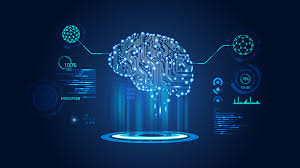
It seems like everyone these days is implementing some form of image recognition such as google facebook and car companies etc. How exactly does a machine learn what a Siberian cat looks like? That is what we will look at today on the feed.
Now, with the help of artificial intelligence, we are able to do meaningful things with each of those squares and hexagons in order to boost our productivity and make our overall lives much easier today.
How an image recognition works
Machine learning is a subset of artificial intelligence that strives on completing specific tasks by prediction based on input and algorithms. If we go even deeper, we learn about deep learning. AI is a subset of machine learning, which attempts to mimic our own brain’s network of neurons to a machine.
Learn every day we’re getting image recognition more involved in order to help us with our personal daily lives. For example, if you see some strange-looking plant in the living room simply point google as its image and it will tell you what it is.
If your discord friend uploads a photo of their new cat and you want to know what breed it is. Just run a google image reverse search and you will find out what it is. Self-driving vehicles need to know where they can drive, which is a road, where are the lanes, where they can make a turn, what the difference is between a red light green light, etc.
Image recognition is a huge part of deep learning. The basic explanation is that in order for that car to know what a stop sign looks like it must be given an image of a stop sign the machine will read the stop sign. Through a variety of algorithms, it will then study the stop sign and analyze how the image is going to look by going section per section what color is the stop sign, what shape is it what’s written on it and where is it usually seen in a driver’s peripheral vision.
If there are any errors, scientists can simply correct them once the image has been completely red. It could be labeled and categorized but why stop with one image in our perspective we don’t really need to think for half a second about what a stop sign is and what we must do when we see it.
We have seen so many stop signs in our lives it is pretty much embedded in our brains. The machine must read many different stop signs for better accuracy. That way it doesn’t matter whether the stop sign is seen during foggy or rainy conditions, during the night, or during the day. The machine has seen a stop sign many times. It can know it’s a stop sign just by looking at its shape and color alone.
If you upload and backup your photos go check out your photos, if you haven’t sorted anything you will notice that Google has done it for you. There’s a category for places, things, videos, and animations. Google has sorted photos into albums based on where Google thinks they belong.
The photos labeled as food, beaches, trains, buses, and whatever else you may have photographed in the past. This is the work of Google’s image recognition analysis. It has analyzed over a million photos on the internet. It’s not just Google that uses image recognition as well if someone uploads a photo and Facebook recognizes it.
It will automatically tag them. It’s kind of creepy considering it’s a privacy concern but some people may appreciate the convenience anyways because it saves some time no matter how cool or scary it is. Image recognition plays a huge role in society and will continue to be in development many companies are continuing to implement image recognition and other AI technologies.
The more we can automate certain tasks with machines the more productive we can be as a society.
Protection of Western Ghats
Western Ghats are home to over 5000 species of flowering plants, 139 mammal species, 508 bird species and 179 amphibian species, many undiscovered species. It spreads in 6 states :kerala, karnataka, Tamil Nadu, Goa, Maharashtra and Gujarat.
Madhav Gadgil Panel Report, 2011
*Turn entire western ghats
TEAM BUILDING
Team building is nothing but, the people work in a team, rather than working as an individual. Team building always fetches everyone almost a comfortable zone. Without working as an individual, if rather we work in a team, especially in an organization, the goal of the organization can be easily achieved. When we are working in a team, their always exists a good relationship with each other.
Team building is always aimed at:
• creating an informal atmosphere.
• building closer relationships between each other in a team.
• improving team spirit and.
• identification of leaders.
• Development of team qualities, such as mutual support, compromise, motivation etc.
Also, team building can help in the presence of conflicts in the team, as informal dialogue and joint activities help to improve relations between employees, to remove misunderstandings. As a result of team-building, team members will know each other better and find a common language with everyone in a team. If there are conflicts in the team it is possible to recommend organizing outdoor sporting team games. When team members appear in unusual conditions, they more quickly build informal communication, find mutual language and identify opinion leaders, likes and dislikes in the team. At the same time, informal communication leads to a relaxation of each and every member in the team.
Teamwork is one of the most bare minimum requirements for any organization to function and achieve all its goals. All organizations are divided into many sections or teams which work to accomplish the tasks within the specified time limit.
All the parts of the organization do teamwork and complete the various tasks assigned to them. If there is no teamwork, the organization will fail to achieve the specified tasks. One of the most significant advantages of working in a team is that the work gets divided between all the group members more or less equally. When the work is shared, all the members are going too equal amounts of jobs. Hence, the team members will not have hard feelings that they are been overloaded with work, as they work equally in a team.
There are three levels of the team in every organization – Top Level, Middle Level, and Lower Level.
- Top Level: The Top Level is the highest level on the structure of an organization. It is the level that sets the goals of the organization. Top Level is the team that works towards maximizing profits and to minimize the risk of the organization. Understanding the different needs and wants of the consumers is one of its main objectives.
- Middle Level: The Middle Level is the second level on the structure of an organization. Managers or supervisors are on the Middle Level in an organization. The work of the middle level is to follow the instructions told from the top level. It allots work to the employees so that they can accomplish the goals that are set by the organization. The people working on the Middle Level, regularly check the work done by the employees and make sure that the employees meet all the deadlines which is made.
- Last Level: The last level in the structure of an organization is the Lower Level. It is the level which consists of all the employees of the company. Employees have to work towards completing all the work that is assigned to them by the managers. They always follow the work which is given to them.

Road accidents
“ There’s a difference between driving and texting. When your driving your eyes have to be open and on the road watching the cars around you, road signs, and traffic lights. Along with your mind on the road and destination. Which means you are multitasking. When your texting your eyes are on your cell phone screen and key pad. Along with your mind on what your going to say next. So how can you do both? Please stop! ”
― Jonathan Anthony Burkett, Neglected But Undefeated: The Life Of A Boy Who Never Knew A Mother’s Love
Road accidents refer to the collision of vehicles with another vehicle or person or some inanimate object. We see numerous road accidents everyday. This comes even after so much improvements in technology. The question arises as to why this is happening. In the case of India, there is one death in every four minutes due to road accidents. The main culprits to this problem are low awareness about roads and drunk driving. Automobile companies too need to take more safety precautions while manufacturing cars. We as the citizens of India should unitedly request for better equipped cars with more safety precautions. Improper visibility due to various bad weather conditions and rash driving further contribute to the death toll. The Government should station police officers at close intervals to monitor traffic speed and motion detecting cameras to take note of overspeeding vehicles. Also, speed caps can be introduced on vehicle manufacture in order to curb over speeding of vehicles. Road accidents can cause permanent injuries that include broken bones, concussions, haemorrhages and other injuries. That being said, with proper care, most road accidents are avoidable.
“Everything started to move in slow motion. A vehicle was coming up the hill in the opposite direction, facing us but in its own lane. With vehicles parked on both sides of the road, this meant that there was just a narrow passage area for both vehicles to pass through. However, he had yet to reduce his speed, and now I knew which car he was going to hit. I was frozen stiff with fear in the front passenger seat, as I helplessly watched him slam into the back of a parked car. I was not wearing a seat belt, so upon impact my head crashed into the windshield. I was then slammed back into my seat, but with such force that everything went black.”
― Drexel Deal, The Fight of My Life is Wrapped Up in My Father
The main reasons for road accidents that are due to equipment failure can be classified as due to failing of break, bursting of tyre, tread separations or problems in steering or suspension. Traffic rules have been created in order to mitigate the possibility of such road accidents. Every day’s morning newspaper is covered with the deaths of people who are dead or severely injured. Despite so many precautions, road accidents are surprisingly common in India. These accidents mostly occur to those who do not obey traffic rules. Many people think that the worst consequence of breaking a traffic rule is a fine, but they fail to see the bigger picture. Such people in the long run end up paying for this mistake with their life. People in vehicles must always remember to wear their seat belts. Driver should stay below the recommended speed limit. Cars should be driven in their own lanes. It must be taken utmost care of to wear a helmet before stepping out.
WORKPLACE ROMANCE
Workplace romance means that, a relationship that exists between the opposite gender of people in the workplace (or) the organization there are working with. Workplace romance has become common now-a-days as, people majority spend their time in their organization. By meeting and mingling with the people of the same gender and opposite gender. Majority of their time is spent with the people or friends in the organization who surrounds them most of the time
By meeting and spending most of their time with their colleagues in the organization, they get used to liked to their friends taste and preferences, likes and dislikes, their needs and their wants. These things leads to developing a good sort of chemistry with them. This sort of feeling is the starting of their workplace romance.
Relationships between employees often cause problems for businesses: favoritism, harassment lawsuits, conflicts of interest, gossip, toxic work environment, things can get ugly in a hurry when a relationship turns sour. Plus, office romance can land a company in the headlines for inappropriate relationships.
General relationship may lead to workplace romance when there is mutual desire and longing for each other.
Advantages of Workplace Romance:
- Energy level is increased:
Office romance definitely increases the energy level of both the gender. As they get to deal with the more or less, with same type of work. They may also engage in same projects as well. This may lead them to increase their energy level and make them to engage more closer. This also helps the organization (or) the workplace to attain their goals quicker and easier.
2. Leads to motivation:
When they are engaged in workplace romance, they easily get motivated. As they used to spend much of their time with their partner. Also they would work more, as they get motivated themselves, when they are working together as a partners/team. They will always prove up to their best, as they don’t want to feel less against each other.
3. Increase in productivity level:
When they are in relationship, they feel better in expressing their views and ideas. They feel easy in communicating with each other. Both of them would, be of same attitude, knowledge and also in their skill level. They always feel productive about themselves and therefore help in achieving the goal of the organization.
Disadvantages of Workplace Romance:
- Risk at workplace:
As every coin has both sides. This also may have some disadvantages. Relationship may be positive (or) sometimes negative. If negative sort of relationship exists, it may lead to changes in their behavior. They will not be productive. At last, they end up at risk in the workplace.
2. Workplace affected:
If the relationship is not good between each other, it also affects their work too. It may affect their performance in their work. Work dedication may also suffer even though you are a brilliant employee.
3. Conflicts:
If their relationship is negative, they always feel weird and wouldn’t concentrate in their work stronger. When two employees from a different department, in a relationship, might disclose important information or decisions that were expected to be a secret to each other.

Workplace romance
Pollution Control Strategies
― Shashikant N Sharma
“ One hundred and fifty years ago, the monster began, this country had become a place of industry. Factories grew on the landscape like weeds. Trees fell, fields were up-ended, rivers blackened. The sky choked on smoke and ash, and the people did, too, spending their days coughing and itching, their eyes turned forever toward the ground. Villages grew into town, towns into cities. And people began to live on the earth rather than within it. ”
In today’s world, pollution is quite a relevant topic. Pollution has existed since the creation of the earth, and still continues to exist to this day. Pollution is the contamination of the natural environment that causes negative effects and long-lasting damage. Several types of pollution exist. Some of these are:
• Air pollution – Air pollution is the pollution of air due to harmful substances present in it. The contributors of air pollution are vehicle emission, dust and dirt, poisonous gases etc. Ozone gas (O3) is a major contributor of air pollution. When it combines with air, it is known as “smog”. Air pollution is caused by the increased levels of carbon dioxide (CO2) and methane (CH4). Frequent climatic changes can also cause air pollution.
• Water pollution – Water pollution is the contamination of water due to chemicals or microorganisms, often a body of water, degraded enough to render it toxic to humans consuming water from it. A few categories of this are groundwater, surface water, surface water, ocean water, point source, nonpoint source and transboundary. The effects of water pollution can be seen from the huge number of deaths that it has caused over the ages. Drinking contaminated water causes various illnesses in people every year. These diseases include cholera, giardia and typhoid. This type of pollution is prevalent even in well off nations.
• Soil pollution – Soil pollution is the degradation of a portion of land due to the presence of chemicals or other changes in natural soil. Such pollution is characteristically aused by industrial activity, improper use of fertilizers in agriculture and improper disposal of waste. Soil pollution has a plethora of effects. Short term effects include headaches, nausea, coughing, chest pain, irritation in eyes, fatigue and weakness. Long term effects due to prolonged exposure to soil pollution are permanent damage to nervous system, depression of CNS, damage to vital organs and a higher than average risk of developing cancer.
“Because, underneath all of this is the real truth we have been avoiding: climate change isn’t an “issue” to add to the list of things to worry about, next to health care and taxes. It is a civilizational wake-up call. A powerful message—spoken in the language of fires, floods, droughts, and extinctions—telling us that we need an entirely new economic model and a new way of sharing this planet. Telling us that we need to evolve.” Naomi Klein
Pollution can be reduced by raising awareness about it. This can be done by the Government. The Government can educate young children about pollution by including it as a compulsory part of school curriculum for them. Banners and hoardings can be put up on streets. Advertisements can be played on national television. The only way to fight pollution is to learn about its harmful effects and let everyone take steps to curb every kind of pollution. Use of plastic products should be used and replaced by sustainable and eco-friendly products. Ultimately, pollution only causes a negative effect on the environment and the life of man. Thus we must take action against pollution before it gets any worse.
References
Chang, J. S. (2001). Recent development of plasma pollution control technology: a critical review. Science and Technology of Advanced Materials, 2(3-4), 571.
Downing, P. B., & White, L. J. (1986). Innovation in pollution control. Journal of environmental economics and management, 13(1), 18-29.
Tietenberg, T. (1998). Disclosure strategies for pollution control. Environmental and resource Economics, 11, 587-602.
Van Der Ploeg, F., & De Zeeuw, A. J. (1992). International aspects of pollution control. Environmental and Resource Economics, 2, 117-139.
Disaster management
“ There is a portent of stormy weather ahead to which we had better give heed…No one knows when emergencies will strike…Set your houses in order. If you have paid your debts, if you have a reserve, even though it be small, then should storms howl about your head, you will have shelter for your wife and children and peace in your hearts. That’s all I have to say about it, but I wish to say it with all the emphasis of which I am capable. “
– Gordon B Hinkcley
Every nation should outline a plan beforehand in order to tackle disasters when they strike. These disasters may be either man-made or natural. These things involve the loss of life and property.
Some examples of disasters are:
• Chemical emergency – Under specific conditions, the chemicals used in our daily lives can become harmful to the human body. Even in the case of chemicals we come across in our daily lives, large quantities of them can be harmful. Exposure to chemicals usually occurs by breathing it in, consuming contaminated food, water, medicine or touching or coming in close proximity with toxic chemicals.
• Drought – A drought is characterised by a period of dryness long enough to cause harmful effects. Its severity depends n the degree of moisture in the air. Droughts are usually of four types – meteorological, agricultural, hydrological and socioeconomic.
• Earthquake – It is characterised by a sudden and rapid shaking of the earth which occurs due to the shifting of tectonic plates beneath the surface of the earth.
• Fire – Fires can be fought easily with the help of a working smoke alarm and an escape route that has been well practised. It can also be avoided using common workplace safety protocols that have been put in place in order to avoid such fires.
• Flood – Floods are the overflow of water to submerge land causing huge economic damages. It usually occurs after hurricanes. Flash floods are a specific type of flood that involves fast rising water levels and occurs only along a stream or low-lying areas.
• Flu – It is a contagious respiratory disease. Flu generally spreads from person to person through coughing or sneezing. The types of flus include seasonal, epidemic, swine and avian flu.
• Nuclear explosion – Nuclear explosions involve an intense amount of light and heat to be dispersed in addition to a damaging pressure wave and spreading of radioactive material, contaminating natural bodies. Nuclear fallout is the falling of minute radioactive debris from the atmosphere just after a nuclear explosion. Radiation is energy coming from a source that causes it to travel at the speed of light.
“ If you knew what I knew, you would pile it up in the middle of the floor, throw a cloth over it and walk around it!”
– Harold B. Lee
Proper measures are pertinent in order to cope with various disasters, be it natural or man-made. Safety precautions and guidelines must be laid out thoroughly beforehand in accordance with these disasters. Disaster prone areas should be notified beforehand. This can be done through education. The Government should take an initiative in this regard. Education can be given to young children in schools. Banners and hoardings can be put up. Advertisements can be played on the national television regarding disaster management. The news channels can be asked to promote proper disaster management and safety precautions that can be taken at home in order to avoid such occurrences. The only way that man can fight disasters is by spreading awareness about it.
Marriage as a Social Institution is Losing its Relevance

Holding a bouquet of dazzling red roses in her hands, she’s glancing at the shimmering eyes of the groom whose starry eyes are blazing with a fierce flair of passion, as they both swear to be everything to each other. Slowly, she extends her arms for the wedding ring, promising to be a passionate lover to the boot. This situation reverberates a typical modern marriage; which is officially, legally, culturally and socially accepted union of a man and a woman, conferring them the whereabouts of a husband and a wife. The Manusmriti labels it as a social institution fulfilling three objectives of human life: dharma (righteous duty), praja (progeny) and rati (consensual pleasure). The Tirukural ascertains that dharma (righteous duty), artha (money and materialistic pleasure) and kama (consensual pleasure) ultimately lead to moksha. However, this social institution is losing its relevance day-by-day as extrapolated from the present scenario.

“The old order changeth, yielding place to the new”, as Tennyson had put it, implies that change is intrinsic to nature. Marriage, as a social institution, couldn’t brave the ravages of this change while the world is stepping towards modernization. Now, rather than a socio-economic enterprise, marriage revolutionized itself into a more companionate one, as described in the beginning lines and a free choice engagement between two individuals, based not on duty and obligation, but on love and affection. The foundations of this socially institutionalized matrimony are also influenced by the soft power or the cultural power of the hegemon, the US, in this global village amidst the well-known process of McDonaldization or cultural homogeneity.
Now, rather than a Catholic sacrament, marriage is an individualistic choice. Modern liberalism had shaken the foundations of the ancient concept of ‘freedom’ where freedom was perceived to be the collective power of the society. The liberals started demanding ‘liberty’ rather than ‘freedom’ where the former refers to independence or the right to privacy and security. With the advent of Radical feminism, the concept of family has been questioned to an extent slogans such as ‘the personal is the political’ became the aphorism of the movement. Moreover, the moderns and libertarians celebrate the concept of coup de foudre and celebrating Valentine’s day has become popular irrespective of the barriers created by mankind.

Thanks to the legal revolution that the social institution that considered wife as femme covert and wedlock as a license for coverture is now forging its bucket-list, granting full and equal rights to women. Unconventional stories like the ‘Paper Bag Princess’ is now being absorbed in society and campaigns for equal rights for men and women are gaining ground. Increasing awareness on human rights and civil liberties along with increasing literacy rates started convincing the moderns to consider family as an instrumental organization rather than a socially structured organic one. Women started to break themselves free from the marriage ring that had hitherto ensnared them in felonious captivity.

Breakdown of socio-traditional norms of marriage is being realized by the crippling caste system, jati panchayats and landlordism, sprouting off the beaten track practices of inter-faith, inter-racial and same-sex marriage. Economic advancement along with occupational mobility incarnated as an African snail sucking calcium from the cemented basement of this traditional social institution, ultimately leading to its collapse.
In addition to that, the modern trends of cohabitation had led to a 30% decrease in the number of marriages from 1975 to 2005 in Europe. One out of a hundred marriages in India ends up in divorce and this is the situation of a country with the lowest divorce rate. Extra-marital relationships and consensual sex is being celebrated along with the concept of ménage à trois. All these factors joined their hands in the ultimate decline of marriage as a social institution.
Lack of jobs or livelihoods
“Whatever your favorite kind of resistance is, it is likely to go into full bloom as you start making changes to your livelihood because this is an area that is linked with survival (our job is what pays our bills) as well as identity (our job is how we define ourselves). As a matter of fact, the more resistance you encounter, the more likely that you’re hitting paydirt in your transformational process.”
― Maia Duerr, Work That Matters: Create a Livelihood That Reflects Your Core Intention
With the spread of the coronavirus on the rise, jobs are slowly on the decline. Most jobs have been lately reducing work hours for employees. This indirectly means lesser salaries. This is being done in order to save money which is spent in order to pay the several employees in a company periodically. As the decline continues, nearly one in every two people lately suffer from the risk of losing their job. This data has been confirmed by the International Labour Organization (ILO). With passing months, the drop in work hours continue to become steeper than what was previously estimated with more and more people suffering. The extension of the lockdown period is a contributor to the effect of people losing their jobs. America has experienced a 12.4 percent drop in working hours as compared to the 11.8 percent in Europe and Central Asia. Other regional groups follow closely behind with numbers as high as 9.5 percent.
Billions of people have lost their source of livelihood due to the global pandemic. Several billions have suffered permanent damage. Mostly people working in the restaurant, entertainment and tourism industries have been hit the hardest. People who continue to have a source of income have experienced a significiant drop in the amount that they usually earn. Since there are little to no new jobs coming up, millions of people are dying due to lack of means to survive. The Government should work upon providing more jobs for the common people in order to maintain a strong financial backbone. Better allocation of resources and provision of aid to start-ups and small family-run business are in much need. People are also expecting schemes in order to help the poor and needy survive.
“This advice comes as a surprise: job searching is not joblessness; it is a job in itself and should be structured to resemble one, right down to the more regrettable features of employment, like having to follow orders–orders which are in this case self-generated.”
― Barbara Ehrenreich, Bait and Switch: The (Futile) Pursuit of the American Dream
The prolonged lockdowns in India, although very necessary, has greatly harmed the nation’s economy. It has lead to loss of jobs for millions of people, most of whom now possess no means to survive. With no means to stop the spread of the coronavirus, lockdowns were the only logical decision at that time in order to avoid the risk of infecting millions of people. Although the lockdown contributed to saving the lives of people, it had similar negatives effects due to the loss of jobs for many people. Thus saving people’s livelihoods is equally important. The call for action should be to strike a balance between lockdown and the preservation of livelihoods for millions. The lockdown also found millions of migrating workers far away from their home, deprived of work and shelter and no means of survival. The worst blow was dealt to the people who were in informal employment. The quality of healthcare for patients without COVID-19 saw a drastic decrease in the months leading to the lockdown.
Lack of Government support
“ ‘Freedom’ means a lot to conservatives, but they have such a narrow sense of what it means. They think a lot about freedom from – freedom from government, freedom from regulation – and precious little about freedom to. Freedom to is absolutely something that has to be safeguarded by good government, just as it could be impaired by bad government. ”
– Pete Buttigieg
The first confirmed case of COVID-19 in India was at the district of Thrissur in Kerala – a student who had returned home to enjoy a vacation from the Wuhan University in China. Since then, it has been several months. Most small business are expected to fail to endure the pandemic and in the process, shut down completely. Most of the owners of these small businesses have stated that they will require financial aid in case they are to reopen or continue to stay open. These small businesses and companies mostly do not possess the necessary funds and assets required in order to survive the pandemic. It is widely believed among the small business owners that restaurants took the brunt of the effect due to the pandemic. All restaurants regardless of size had been ordered to be closed by the Government. While on the other hand, gyms are allowed to operate at full capacity, restaurants have to continue to face such difficulties.
Every year, several events are held across the globe. Some of the popular events among these are the Olympic Games, World Cup, World Expo, Art and Culture festivals, performances and charity fundraising. These events along with several other local events may be a source of earning of several locals. Due to shortage of funds, these events often fail, leading to severe losses for the locals. The Government’s financial support would make it easy for these events to take place. Other events such as Art and Cultural festivals do not create economic benefits, but they do have cultural as well as environmental benefits. Even such events require Government aid in order to function in a healthy manner. These events can also be a source of income for the Government. Since it is a win-win situation, the Government should assist in the hosting of such effects. However one must not forget that the original aim of some of these events is not to make profit, but to take forward the sports culture across generations.
“ A constant stream of ‘free’ money is a perfect way to keep an inefficient or simply bad government in power. As aid flows in, there is nothing more for the government to do – it doesn’t need to raise taxes, and as long as it pays the army, it doesn’t have to take account of its disgruntled citizens. ”
– Dambisa Moyo
Even today for many children, education remains just a dream. The Government needs to provide sufficient funds in order to make these dreams a reality. Government schools barely have the adequate equipment required in order to equip students with proper practical skills. Books and other such materials are also missing from most schools. Most teachers do not possess sufficient training to teach the students. The Government should strive towards making changes in these schools. They should start by providing financial aid to children in need. Books and other study materials should be provided by the school, free of cost, as such things can be recycled year after year. Throughout the ages, the major social problems such as deteriorating education, lawlessness and crime, homelessness, the collapse of family values, the crisis in medical care – have been produced by well-intended actions by the Government.
Online Classes are Only for the Connected
Waking up after an evening nap at 4.30, I went and sat in the hall near my father, hoping to conquer the TV remote while he was waiting for the Chief Minister’s press meet to start. Three days ago, at the same time, my pockets were vibrating with a WhatsApp notification: I had an examination (online) three days later (I.e. the present day) as I was subscribed to an entrance crash course. It was my second test, whereas I confronted with the first one weeks ago. I’d slept in the melancholy of my sheer failure in the same. Even though I wear a strong armor, impenetrable to the repercussions of an anticipated failure; outside, at the end of the day, every saint will become a sinner no? If not, circumstances will make him. I got an utter 44% against my 84% record last time. You could imagine how miserable I was, how tragic my thoughts were. Time is indeed ‘jealous’. It targets everything that is dearest to us. For instance, think of a situation when a person proud of his hair, visiting uncountable parlors and even sleep with shampoo and oil; witness his head being shaved like a mute spectator, a caged parrot. And ultimately, I’m illuminated here in a standalone manner as a living, breathing, broken-hearted illustration of the same.
Enough of all the fuss. Let’s come to the topic. 20 more minutes for the press meet. My father was sitting in front of the turned-on TV with his frameless spectacles (In which he looked more pretty) at the rim of his Roman nose. His attention was nowhere on the TV. He was engrossed in some accounting. I wanted to catch hold of the remote and was intending to coax him before I could take it. As obvious it is, the only point that attracted the attention of my mind was his unwonted accounting. With no interest in his motive, I asked, “Acha.. have you resigned your job and started accounting?” he started his epic as though he was eagerly waiting for someone to ask. My face was scintillating and my eyes were shimmering. My right arm slowly crawled towards the remote in the sofa beside him. “No”, he replied in a heavy tone. I asked, “Then what are you accounting for? You haven’t bought the reserve bank at least no?” he replied, “It’s for a new project of our office undertaking”. He took a long breath and continued, “we’ve planned to distribute 25 tablets with four-month internet connectivity to those children who couldn’t afford them at XYZ”. After hearing this, my first emotion was true, disdain. Now, my fingers were on the remote. He added, “one of our officer’s residence is in XYZ.His neighbour, ABC is a student of class 12th. He’s preparing for some law entrance examination. His poor parents had managed to remit Rs. 12,000, a heavenly incarnation of their sweat and blood; to a nearby coaching centre for his vacation classes. They were really on cloud nine. And now, in this lockdown season, classes were virtualized”. I had no time for his stories. All my sacred attention was on the remote. Still I remembered amma’s lecture and I thought, “here people are dying of hunger. Leave it. At least they’re poor. But now, those who are born with a silver spoon are forging their bucket list in hospital beds and is it the time to think about tablets? Jobless labourers are yearning for a day’s grain and here….” before I could complete, I asked him,
“Then? Then what’s the problem? You’re having everything at your fingertips” I pulled out my phone from my right pant pocket, “in this smartphone?” He gave me a close look. I suddenly lifted off my hands from the remote. A practical experience of reflex action maybe. I was out of my wits for a moment. A deadlock. Breaking the silence, he muttered, “that’s exactly the problem. He doesn’t even have a smartphone. Their family can’t afford even that.” These words were a thunderclap for me. I was shocked. I was thinking, “can anyone in this world live without a smartphone?” I continued my ‘thoughts’ as if I’d spoken, I’d have had a hibiscus-cheek before I could’ve completed. “people can live without food for a week, water for a day and not a single second without a smartphone and mobile data and here he’s talking about not having a smartphone?” suddenly, I forgot about the remote. I muttered, “and?” inspecting my abrupt and fortuitous fervour, he replied, “and what? ABC would borrow his laptop for an hour every evening.” He paused awhile and continued, “he only suggested this idea. Our officer’s association held a meeting last week and we all contributed to the cause. We selected 25 children like ABC from that locality and…” He choked.
I was lost in deep thought. I don’t know if he had completed his broken statement or not. I was entirely lost, “with these 25 tablets, the query of 25 boys in XYZ could be solved. XYZ is not India no? If XYZ has 25 such students, then how many will be there in this magnanimous country with an ever-so-expanding populace striking 1,300 million?” this thought sprouted off an unsung problem in my mind. My conscience was busy traversing this off the beaten track I forgot about the remote. All I recalled was a famous aphorism, “all are equal but some are more equal”. Instead of quacking “digital learning” and “virtual classes”, has anyone thought about a section that is deprived of the key to access these? Indeed Byju’s and Vedantu are doing great with unwavering devotion. It’s unquestioned and undoubtedly true. But, apps won’t work in open-air no? It needs a medium: a laptop, a tablet or a smartphone at least. What is the significance of a bottle of ink without a pen to fill it? Amidst this lockdown season, when our people Gasconade with a hashtag of ‘#India learns’ and ‘#India continues learning”, has anyone ever bothered about those who are deprived of a medium to access them? And this lockdown season added insult to injury by shutting the internet cafes. Where will they go now? It’s not their fault that they’re born poor. If it’s not their fault, then whose? Who has time to think about them? We can only advertise in the name of virtual learning and so. Their learning is now subjected to an indefinite quarantine.
A plate fell off from the platter stand and I came back to sane. I started thinking again, “how lucky I’m with everything below the sun at my fingertips at ease while others are painstakingly pushing the wheel-less chariot of e-learning and I’m lamenting on my lost marks like a couch potato on the sofa?” It’s 5. The press meet started. My father closed his register with a pen in the middle as a bookmark. The news highlight was about an ordinance approved by the Governor enabling the State Government to hold 25% of its official’s salary after a High Court stay on the same. The reporter exclaimed, “Government officials consists of only 1.5% of the total population of the State. But, 45% of the State revenue is the disguised form of their salaries, pensions and perks”. While I was lamenting on my inability to take the remote, my mind was lost in its world of thoughts again. “Is it that only their children should be allowed to learn? What about the children of the poorest 1.5% of the populace? What sin did they do that……” My thoughts broke.
Now, I’m happy. Indeed I’ve worn brand new pink spectacles. It’s 6. Now, I’m waiting for my phone to ring again with another notification and am mentally prepared to embrace the candied harvest of my next examination. Because, I realized that I’m one I the luckiest who’s getting a chance to learn from my home, my comfort zone. Shouldn’t our education department seriously introspect about this rather than being engrossed in their routine cock a doodle doo? Ah.. whatever Maybe.. one day like others of its kind, this will also become a story to read on, lullabies to feed babies and status to share in WhatsApp. What next? I shouted, “Amma.. coffee”.
Towards the Fourth Phase of Indian Federalism: ‘Modi’fication of Centre-State Relations from 2014 to the Present
“We require a strong and united Centre, much stronger than the Centre we had created under the Government of India Act of 1935”
-Dr B.R. Ambedkar
Devised from the principles scooped out from the Government of India Act of 1935, the Indian Federalism attempted a successful translocation from a tax and law-and-order based governance to governance committed to the welfare ideas of planning and development. However, one may witness three phases of this system, prima facie viz. benign centralism of Nehru (1950-’64) and excessive centralization of Indira Gandhi (1965-’89) followed by co-operative federalism of the era of coalitions (1989-2014). However, on a brief analysis of the contemporary political ecosystem, on the face of it, one may put the finger on the fourth phase of the Indian federal exercise of Modi from 2014 to the present characterized by a series of attempt towards centripetal governance.
The General Elections of 2014 and 2019 has paved the way for the restoration of the de facto one-party dominance at the centre. Being a landmark in the history of Indian Politics, these twin electoral events conferred a hegemonic position to the BJP at the centre. Albeit the fact that the election manifesto of the BJP (2014) attempts to constitute a ‘Team India’ stressing on more sophisticated centre-state relationship supplemented by the creation of regional councils of states that aid the Centre in planning and development, nonetheless, can be despised as BJP’s cock-a-doodle-doo of competitive, co-operative federalism. There can be two possible grounds for the same. Firstly, the party in the majority no longer relied on the endorsement from regional parties. Secondly, intra-party centralization is strengthened with its say in the nomination of candidates to pivotal positions complemented by the participation of Central leaders in regional election campaigns.
To begin with, the office of the Governors who’re being criticized as the political agent of the centre in the guise of the formal head of the State; is accorded a political dimension with the appointment of partisan Governors. In 2014, the BJP Government dismissed nine Governors who were appointed by the previous Government. One of the consequential nitpick of Indian federalism is Art.156 owing to which the office of the Governor is made immensely insecure as she shall be in harness during the pleasure of the President and can be removed from office anytime with the ease of knocking a chesspiece out.
The celebrated Bommai Judgement (1994) serves as a lodestar of the principles of Indian Federalism that brings the cold-blooded use of Art.356 under the purview of Judicial Review. The provision was invoked twice in 2016 over the Congress ministries of Arunachal Pradesh and Uttarakhand. As far as the former is concerned, the partisan Governor advanced the session of the legislative assembly by a month (Art.174) owing to a factional warfare within the Congress, paving the way for BJP-led Government in Arunachal Pradesh. Concerning the latter, nine Congress MLA’s broke-out from the party and consequently, the Congress ministry was asked to prove their majority. However, the President of India was advised to suspend the Government a day before the floor test was conducted, inviting colossal political outrage. In both cases, the Supreme Court restored the former Governments in her capacity of the Guardian of Indian Federalism or an institutional veto player.
Moreover, the Demonetization melee of 2016 has attracted large-scale opprobrium. Then Congress Chief Minister of Uttar Pradesh pummeled this act as being politically motivated, aiming to destroy political rivals and ensuring a slackened propaganda before the 2017 election campaigns of Uttar Pradesh and the incapacitated campaigning activities and the Election results favouring the BJP seemed to prove his argument valid.
In addition to that, even though the overtly centralized planning commission was replaced by NITI-Aayog, the latter tends to be inclined to the office of the Prime Minister. The Aayog constitutes of a CEO, a Vice-Chairperson, some full-time members, few ex-Officio members who’re Cabinet Ministers and special invitees of which none of them so far were State officeholders. Even though the NDC was replaced by a Governing Council, it is highly looked down upon as being a mere formulator of Union policies- like a caged parrot. For instance, the council met thrice between 2015-17 and the ‘15 meeting was devoted to policy formulation related to the proposed amendment to the Land Acquisition (Rehabilitation and Resettlement) act of 2013. Also, the Regional Councils comprise of a school of Chief-Minister’s nonetheless, the Central Executive determines the composition as well as the themes to focus on. They aren’t empowered to work on a theme of their choice, in sync with their aspirations. In 2015, three councils on Skill Development, Swachchh Bharat and Implementation of Centrally Sponsored Schemes were formed. Albeit the fact that these councils were heterogeneous in party-based compositions, they were chaired by then BJP Chief-Ministers of Andhra Pradesh, Punjab and Madhya Pradesh respectively.
The abolition of Art.370 brings to the limelight one of the excessive powers of the Union to alter the territorial boundaries and status of the constituent units with a simple majority, with minimal and exceedingly formal consultation with the affected (Art.3). Notwithstanding the Puducherry crisis, the ex-CM accused the former Lieutenant Governor and the Union of their (successful) attempt to topple the government. The Calcutta High Court’s direction to remove the anti-CAA advertisements sponsored by the West Bengal Government validates Art.256 that requires the State Governments to implement a parliamentary law. Further, Art.257 enables the Union to give directions to the States ensuring the same. En réalité, refusal to adhere to such lawful directions may invite discharge of Art.356 according to Art.365 and the Constitutional validity of the latter was upheld by the Bommai verdict.
In toto, the Parliament which is supposed to be the asseverate temple of democracy is being confined to an edifice of constitutional formalities. The constitution with a natural inclination towards the centre joins hands with the de facto one-party dominance paving the way for a centripetal centre-state relation.
Poor public works and infrastructure
There is a huge need and a huge opportunity to get everyone in the world connected, to give everyone a voice and to help transform society for the future. The scale of the technology and infrastructure that must be built is unprecedented, and we believe this is the most important problem we can focus on.
– Mark Zuckerberg
To accomplish sustained poverty reduction, nations like Indonesia should seek financial development that includes and benefits the poor. The development of the poor is a necessary aspect in order to meet the UN (United Nations) Development Goal (MDGs) which has a set focus fo various difficulties in varied sectors (agriculture and income, education, health, water and sanitation). Although infrastructure hasn’t been distinguished as a direct MDG target or indicator, the arrangement of infrastructure is essential in facilitating financial growth and local development. Without sustainable infrastructure development, a large number of MDG targets may not be met. Investing in infrastructure might be a source of livelihood for many people. The development and upkeep of such infrastructure needs labour and this creates opportunities for people to get a job. The utilization of local resources also bring about the betterment of the economy of the neighbourhood. Although India is the world’s fourth largest economy, lack of good infrastructure is a cause of major obstruction to a huge amount of growth and development. Physical infrastructure has a direct impact on economy and may cause people to invest money in India.
While infrastructure in India is still developing, there are a plethora of issues which need to be addressed in order to curb poor infrastructure. A few of such examples are:
• A stark division between production and demand of electricity detrimenting both manufacturing and overall growth
• Roads are a popular means of transport. They are cheap and easy to avail and can take us to most places in our daily lives. Roads act as a backbone for transportation in India. The poor conditions of the roads thus effect the quality, speed and the wide reach of transport here.
It turns out that advancing equal opportunity and economic empowerment is both morally right and good economics, because discrimination, poverty and ignorance restrict growth, while investments in education, infrastructure and scientific and technological research increase it, creating more good jobs and new wealth for all of us.
– William J. Clinton
India’s ambition of keeping in pace with its extremely fast pace of growth depends largely on infrastructure. The infrastructure available in India is till date inadequate and insufficient for such a growing nation. Infrastructure development is the main priority for improving India’s manufacturing competitiveness and as a result cause higher growth. Even for budgeted projects, timely execution is a challenge for many. Although things such as power generation and transmission is on the rise, the declining condition of transportation infrastructure forces a limit onto corporate performance and investments. If developed successfully, good infrastructure may benefit a myriad of sectors and be an overall boost to the country’s economy. However, large sums of money are necessary for such infrastructure to take place. It is important to first fill up the infrastructure deficit before thinking about going for better infrastructure for future growth. The cost for transport in India (around 15% of the country’s GDP) as well as China(around 18-20% of the country’s GDP). The GST (goods and service tax) aims at fixing the negative effects of different layers of taxes across the state and the central governments, causing much help to logistics and infrastructure companies.
Lack of education
There are over 200 million illiterate women in India. This low literacy negatively impacts not just their lives but also their families’ and the country’s economic development. A girl’s lack of education also has a negative impact on the health and well-being of her children.
– Sachin Tendulkar
Education is the future of man. In the 20th century, education is necessary for everyone. Like uneducated people live under the shadow of the educated, illiterate nations live under the shadow of literate nations. Even today, education remains a dream for many. Millions of children enrolled in a primary school are not able to attend regularly, while the millions of uneducated parents lack the knowledge required to earn money to be able to improve living conditions for both themselves and their children.
The reasons why people lack education are numerous. The following are some reasons:
• Gender based inequality contributes to lack of education, even for children in the same household
• Physically disabled children are often judged when they study in the same classroom as other children
• Poor health often doesn’t let children attend school
• Cultural background such as ethnicity, language or religion
• Poverty doesn’t allow them to avail education
• Unemployment of parents doesn’t allow regular payment of fees to educational institutions
• Often they cannot take part in various activities due to illnesses
• Illiterate parents do not understand the necessity of education and hence think that it is better to make their children work rather than go to school
• Lack of adequate number of schools
• Unavailability of proper schooling materials such as books
• Improperly trained teachers
• Girls are given work at home whle boys are allowed to study for a better future
Education had been a great gift for him [Ziauddin]. He believed that lack of education was the root of all the Pakistan’s problems. Ignorance allowed politicians to fool people and bad administrators to be reelected. He believed schooling should be available for all, rich and poor, boys and girls.
– Malala Yousafzai
Lack of education has long since transformed into a global issue. It causes the lack of jobs and does poverty, and in turn, this poverty doesn’t allow their children to study. Most private schools cost a lot of money. Government schools are rarely well-equipped enough to provide quality education. Most developing countries suffer from such lack of education. Parents often impose upon their children a field of study which the child may not like to study. This creates issues in the long run and the child may drop out of school or not gain education at all. Getting a degree without being properly educated causes frustration in the long run. Parents should not impose their will upon their children and instead let them decide for themselves. The most that they can do is to provide proper education and inspire their children to study. Lack of knowledge about different fields of studies due to unavailability of proper career council often leads them into studying for over-saturated careers which may be hard to succeed in.
Education is often poorly measured and their statistics do not show properly in surveys. Children not attending schools goes largely unreported and their parents prefer not to inform the authorities. In many households, family members themselves may discourage the child from studying since they themselves had not attended school. Deprivation from education doesn’t allow children to develop basic mathematical and cognitive skills which are required in order to survive. Strict and immediate actions should be taken by the Government in order to eradicate this problem. The young generation of today is the future of tomorrow.
Little or no access to clean water, sanitation and hygiene
“Fresh, clean water cannot be taken for granted. And it is not – water is political, and litigious. Transporting water is impractical for both political and physical reasons, so buying up water rights did not make a lot of sense to me, unless I was pursuing a greater fool theory of investment – which was not my intention.”
– Michael Burry
The advantage of having a clean water source to drink from, good sanitary procedures and decent hygiene practices can only be identified when all three of these are available together. Beyond the few obvious and immediate effects available, these practices have a wider effect on women and girls. For the implementation of these facilities, well – resourced capable institutions are required.
A person without access to clean drinking water is forced to depend on other sources. These sources include surface water, contaminated water bodies or unverified sources of supposedly clean water. These might contribute to several diseases. Drinking contaminated water may result in several diseases such as diarrhoea, cholera, dysentery, typhoid and polio. Without proper treatment, most of these diseases may prove fatal in the long run.
I started off with a company, InfoSpace, with my own funding. The company was listed among the most successful companies and I went on to start Intelius and Moon Express. Now, I focus my time on using the skills of an entrepreneur to solve many of the grand challenges facing us in the areas of education, healthcare, clean water and energy.
– Naveen Jain
Without access to proper sanitary facilities, people are forced to use improper sources. Defecation is performed in either community latrines which are inherently dirty, or have to defecate in the open. Exposed faecal matter in the environment may be recycled back into people’s food, making open defecation extremely dangerous. Cholera is expressly spread through these practices. The lack of water disposal systems and sewerage systems contaminate the environment and cause diseases.
To most people in need, hygiene is quite a foreign concept. They are unaware of good hygienic practises and their contributions in protecting us from diseases. Even people who do possess such knowledge are unable to maintain proper hygiene due to lack of necessary supplies. Such supplies include things such as lack of soap, clean water and washing facilities. These are important to protect themselves and people around them.
UNICEF works towards improving such conditions through several actions like the following:
• Empowering communities
• Supporting schools
• Humanitarian actions
• Responding to COVID-19
• Increasing focus on sustainability
• Partnerships
Hundreds of thousands of children die every year from diseases such as diarrhoea. Around 88% of deaths from diarrhoea are due to these contributing factors. Millions of people worldwide are infected with tropical diseases that arise from these factors. These diseases include the Guinea Worm Disease (GWD) which is an extremely dangerous disease. The infected is attacked by parasitic worms which painfully spread out through the body. GWD is usually caused due to drinking contaminated water. Other diseases include Trachoma, a disease caused due to facial uncleanliness. This disease characteristically causes poor vision or blindness. The Government should identify these problems and work towards improving these. With proper attention, education and provisions for clean water, these diseases can be easily avoided. People in rural areas should be informed about poor hygiene practises and on how to improve the same. Banners and hoardings can be put up. Advertisements on national television may spread this information far and wide. Sanitary supplies such as soaps and tissues can be made free for the public and distributed periodically.
Climatic changes
“It’s not that the world hasn’t had more carbon dioxide, it’s not that the world hasn’t been warmer. The problem is the speed at which things are changing. We are inducing a sixth mass extinction event kind of by accident and we don’t want to be the ‘extinctee.’”
– Bill Nye, ‘The Science Guy’
Changes in environment worldwide has had an effect on climate. The amount of ice whether on streams or lakes have vastly reduced throughout the ages. Researchers have anticipated several effects of changes in worldwide environmental changes. Among them are contraction of icy masses, separation of ice in streams and lakes, moving plant and creature ranges and early growth of trees. Other such effects include loss of ocean ice, sped up ocean level ascent and warm ocean waves. Worldwide temperatures are expected to rise soon and are expected to keep rising to a great extent mainly due to human by-products that effect the ozone layer of the atmosphere.
“One can see from space how the human race has changed the Earth. Nearly all of the available land has been cleared of forest and is now used for agriculture or urban development. The polar icecaps are shrinking and the desert areas are increasing. At night, the Earth is no longer dark, but large areas are lit up. All of this is evidence that human exploitation of the planet is reaching a critical limit. But human demands and expectations are ever-increasing. We cannot continue to pollute the atmosphere, poison the ocean and exhaust the land. There isn’t any more available.”
– Stephen Hawking, Physicist & Author
Some of the future effects of climate changes are:
• Changes will continue in the future – the extent of these changes across the following years relies principally upon the measure of heat-trapping gasses discharged globally amd how sensitive the Earth is to these emanations.
• Since it is human-induced, warming is superimposed on a naturally varying climate. Thus the temperature rises across countries will not be level over time.
• Frost-free season will lengthen – This will effect the ecosystem and agriculture. As globally emissions will increase much slowly if the emission of heat-trapping gases are reduced.
• Changes in precipitation patterns – changes in precipitation patterns contribute to sudden heavy precipitation
• More droughts and heat waves – Summer temperatures are expected to continue rising and hereby reduce moisture in the soil. This reduces heat and projected and contributes largely over long time periods.
• Hurricanes – The frequency and duration of hurricanes are increasing with time. Although the contributions of humans towards increasing intensity of hurricanes has been unknown, it recent hurricanes have been quite intense.
• Rise in sea levels – The global sea level has risen by about 8 inches since starting record keeping since 1880. This is due to the melting of ice and polar ice caps. With combined effects, storm surges and high tides cause massive floods in many regions. Rise in sea level will continue and this rate is estimated to rise in future. With such occurences, the arctic ocean will essentially become ice free in summer before the mid century.
Frequent climatic changes are highly damaging to the country’s economy. Several people cannot work properly in these harsh climatic conditions. Businesses are also effected in such conditions. We must take care of Nature in order to prevent such harsh climatic conditions and such frequent climatic changes. The only way to do so is through education of young people in these topics. Schools and colleges should make these topics compulsory in their curriculum. Seminars and practical sessions should be held on the topic of the conservation of Nature.
Poor healthcare systems-especially for mothers and children
Habits of pessimism lead to depression, wither achievement, and undermine physical health. The good news is that pessimism can be unlearned, and that with its removal depression, underachievement, and poor health can be alleviated.
– Martin Seligman
The future of society depends upon the health of the children of today and their mothers. Every kid has the right to a sound and healthy start to their life, and their mothers ought to receive quality medical services and medicines during pregnancy and labor. Too many children continue to die prematurely day after day in spite of so many advancements. Poorer children are almost six times more likely to pass away before their fifth birthday in comparison to their wealthier counterparts. New-borns in poorer countries are in much higher risk of death than in richer countries. Although for a family with sufficient money, the birth of a child is a thing of great joy, for families without sufficient opportunities, it is often a period of dread. Accodring to the World Health Organization (WHO), pregnancy and childbirth cause the deaths of nearly 800 such women every day. It is possible to avoid such circumstances with the introduction of proper and timely healthcare. Healthy children are a prime asset of the human world, while hunger and malnutrition often cause reduced cognitive development and intellectual performance in most children.
Occurrences of deaths due to pregnancy and childbirth are mostly prevalent in rural areas, where proper facilities are not available. These pregnant mothers mostly need to travel long distances in order to avail such services. The journey in these situations is long and arduous, and more often than not is not possible to be undergone by most. Even when they arrive at the medical facilities after a difficult journey, they often find these facilities to be understaffed and underprepared, not capable to carry out such procedures. Minority communities often face discrimination at local healthcare facilities which contributes to a higher-than-average fatality rate for such people. More often than not, medical knowledge is not put into good use due to the unavailability of a necessary number of facilities to perform such procedures. Poverty, cultural traditions and legal affairs often forbid mothers from seeking proper healthcare for themselves and their offsprings. Provision of water and decent sanitation must be done. Newborns must be kept away from indoor pollutants like the gas produced when coal is burnt in order to cook food. Mothers often are unaware of proper maternal procedures due to lack of education. Timely introduction of properly complementary foods according to a child’s age must be taken care of.
Joblessness is a weapon of mass destruction. Poverty is a weapon of mass destruction. Hunger is a weapon of mass destruction. Poor health care is a weapon of mass destruction. Poor education is a weapon of mass destruction. Discrimination is a weapon of mass destruction. Let us abolish such weapons of mass destruction here at home.
– Dennis Kucinich
With modern scientific and technological advancements, it is very well possible to treat any complications with regard to pregnancy and childbirth. Spending money on such healthcare services by the Government is a very rational decision and is in the interest of the nation. Adequately staffed hospitals should be available in close proximity of even sparsely populated rural areas. Medical representatives must be well educated about humanity and minority communities in order to reduce discriminatory acts which are quite prevalent in today’s age. Health check-ups and medicine could be made free for such young mothers in need. Working together, the World Health Organization and the World Bank are advancing towards the practise of proper healthcare practises throughout the world.
Hunger, malnutrition and stunting
“Close to a billion people – one-eighth of the world’s population – still live in hunger. Each year 2 million children die through malnutrition. This is happening at a time when doctors in Britain are warning of the spread of obesity. We are eating too much while others starve.”
-Jonathan Sacks
Malnutrition is the lack of nutrients in the body necessary to grow and stay healthy. Doctors check for the following when testing for malnutrition:
• a person’s height and weight or body mass index (BMI) to check if he is healthy
• for other underlying diseases that usually occur as a side effect of malnutrition
• blood tests to check for deficit of vitamins and minerals
• physical and medical history to look and instruct the patient to do some tests on that basis
Some of the effects of malnutrition are:
• lower levels of observed energy
• dizziness
• weak immune system which makes it hard for the body to fight off minor injuries or infections
• swollen and bleeding gums
• other dental problems such as tooth decay
• slower than average reaction time
• difficulty in paying attention for extended time periods
• low body weight
• slow physical and mental growth
• muscle weakness
• bloating of stomach
• brittle bones
• problems in various organs
• difficulty memorizing information
“Our foremost priority is the removal of poverty, hunger and malnutrition, disease and illiteracy. All social welfare programmes must be implemented efficiently. Agencies involved in the delivery of services should have a strong sense of duty and work in a transparent, corruption-free, time-bound and accountable manner.”
-Pratibha Patil
The Government can provide loans free of interest to people in dire need. Educational loans should also be made free of interest as it is one of the primary needs of mankind. The Government could also try and spread information about hunger and malnutrition in order to educate the youth of our nation. New schemes could be developed to aid disaster-stricken citizens. India ranked 94 among 107 countries in the Global Hunger Index (GHI) in 2020. According to reports, 14 percent of India’s population is malnourished. Severe rates of stunting and malnutrition still plague our country to this day.
Very often more than not, extremely poor people rely on agriculture for their livelihoods. They face several challenges like drought that do not let crops grow for extended periods of time. Sometimes all their crop may go to waste due to heavy showers of rain or flooding of rivers. Often their crops suffer due to improper usage of fertilizers and pesticides. This occurs since they have no education on how these things work, since the majority of the population suffering from poverty is uneducated. Farmers do not get any benefits while taking loans and they mostly lack the capital to spend in order to buy seeds, fertilizers, pesticides and other farm equipment necessary to feed their crops. Educating people on proper nutrition, a balanced diet, sanitation and hygiene is an important step towards eradicating poverty. Poverty is the root cause of hunger and malnutrition. For communities depending upon natural resources for their livelihood, it is important to identify that they depend on a perishable source. Thus it is important for them to prepare for calamities and to save up on natural resources and use them wisely. Sometimes, families are suddenly struck with crisis. In these situations it is extremely important for humanitarian assistance to be provided to them, so that they do not fall victim to hunger and malnutrition. Hunger and malnutrition also does not let a person work properly which in turn becomes a cause of poverty and ultimately contributes to the same.
Procrastination
“Time is an equal opportunity employer. Each human being has exactly the same number of hours and minutes every day. Rich people can’t buy more hours. Scientists can’t invent new minutes. And you can’t save time to spend it on another day. Even so, time is amazingly fair and forgiving. No matter how much time you’ve wasted in the past, you still have an entire tomorrow.”
― Denis Waitley
Procrastination is the act of deferring or delaying a task or a set of tasks. Regardless of what it is called, it prevents us from concentrating and completing our work. We now know that the world today is conducive to procrastinating and learning how to overcome it is, therefore, one of the most important skills you can learn.
Research has uncovered a particular phenomenon known as “time inconsistency” which tells us why procrastination wins even when we have sincere goals. Time inconsistency alludes the human brain to value immediate rewards much more than long term future rewards. One must remember that although thinking about our future self might bring about solid objectives, only our present self is capable of taking the action necessary in order to fulfil those objectives. This is why humans often fall asleep while thinking about thinking about future improvements, and then wake up the next day finding themselves back into their old routine, without implementing any changes even after so many thoughts.
Examples of procrastination are:
• Browsing social media instead of doing important tasks or work
• Putting off homework assignments until the last date of submission
• Delaying getting started with gym or diet or similar physical exercises to get fit
• Looking at unimportant information instead of relevant information
• Going to work on a project and then instead looking up inspirational material
• Ignoring household chores
• Ignoring regular studies and postponing them for later on
•
“I’ll think of it tomorrow, at Tara. I can stand it then. Tomorrow, I’ll think of some way to get him back. After all, tomorrow is another day.”
― Margaret Mitchell, Gone with the Wind
Procrastination is a major cause of people missing out on quite a number of things they want to do. Sometimes all our opportunities seem to be on our fingertips, but we can’t seem to reach them. It is one of the most important topics in today’s modern era. When we procrastinate, we waste time that could be invested in something meaningful. If this fierce enemy can be overcome, we can accomplish more and in doing so better utilize the potential that life has to offer. It causes depression in millions of people each year. Procrastination is the primary cause of severe psychological disorders in teenagers of today’s age. It is a common trait for people having ADHD (attention deficit/hyperactivity disorder) and OCD(obsessive compulsive disorder).
The easiest way to stop procrastinating is to make it as easy as possible for our present self to start doing our work. One of the most reasons for procrastinating is the fact that we don’t have a clear path about what we want to do. Hence, the way out is to have a clear idea about our path and then get to work. It is also extremely important to realize that we are procrastinating in order to get relief from it.
Children and young people should more often be educated about procrastination. Teachers should be asked to have a talk with their students about this topic in order to optimize their student’s study routines. We should get inspired to put in actual effort into our work, rather than waste time procrastinating about what we are going to do.
The power of advertisements
“There are a lot of great technicians in advertising. And unfortunately, they talk the best game. They know all the rules … but there’s one little rub. They forget that advertising is persuasion, and persuasion is not a science, but an art. Advertising is the art of persuasion.”
– William Bernbach
Advertisements are known to be the spreading of information about a particular brand, product or service in order to engage customers and increase sales. Advertisements have been characterized as the most remarkable, influential, and manipulative instrument that organizations need to control buyers everywhere on the world. It is a type of correspondence that regularly endeavours to convince expected clients to buy or to devour all the more a specific brand of item or administration. Advertisements have had a profound effect especially in today’s day and age. Impacting individuals’ propensities, making bogus requirements, twisting the qualities and needs of our general public with sexism and women’s liberation, publicizing has become a toxic substance snake prepared to chase his prey. In any case, then again, publicizing has had a constructive outcome as an assistance of the economy and society.
Nowadays, it is very hard for a brand or company to spread news and sell their product without advertising. The amount of sales of a product is highly dependent on how much the product is advertised. Brands are using different techniques nowadays to advertise their products. Popular celebrities are often used to advertise their product. New marketing strategies and ideas are being researched every day. Traditionally, advertisements used to be through means such as banners, posters, hoardings, radio or television. With the growth of social media, especially after the internet boom in India, a large amount of advertisements is online nowadays. Most popular social media stars use their social media handles to promote a particular product. This lets them earn vast amounts of revenue from these brands. Brands also try to conduct more and more advertisements through social media since they gain a lot through such means. The main reason to use famous people for such advertisements is that they have a much higher power to convince in comparison to an unknown brand advertising their product, claiming it to be very good. Celebrities have the power to transform their image into the product that they are advertising. It is almost as though they share their personality with the product and with this personality comes the trust of the buyers. However, the selection of a correct person to endorse a brand is prudent. This selection must be done carefully in order to achieve maximum results.
“There is a great deal of advertising that is much better than the product. When that happens, all that the good advertising will do is put you out of business faster.”
– Jerry Della Femina
Fake advertisement is a malpractice and should be done away with. Some examples of such are thing such has hidden fees, changing standard units of measurement to hide downsizing, incorporation of fillers in food and consistently comparing the product to only the competitors that it can beat. Some other example of such fake advertisement is the use of artificial colours to change appearance of food, advertising a high number of vitamins even though it is way under the Dietary Allowance, bait and switch of a discounted product with a product costing far more and permanent acceptance of a product until the consumer manually opts out of accepting it. Unfortunately, such malpractices are very common in today’s world. Harsh penalties are incurred by companies performing such false advertisements and several millions of dollars are lost in lawsuits. The government should be on the lookout for such malpractices and strict actions should be instantly taken to protect the common man.
Poverty and social life
“Child labor and poverty are inevitably bound together and if you continue to use the labor of children as the treatment for the social disease of poverty, you will have both poverty and child labor to the end of time.”
— Grace Abbott, social worker
Poverty is normally characterized as having less than than 60% of the median household income. Poverty is the parent of revolution and crime. It is defined as the inadequate supply of items that are essential to live a healthy and comfortable life. In western developed countries some people are poor not because they lack food, clothing or shelter but because the person may not have car,tv,computer etc. But in India, poor people means those who do not get two square meals a day, they sleep on others pavements and live bare bodied and bare footed. In India, poverty is primarily caused by unequal distribution of wealth. Furthermore unemployment and an increase in urban population is drastically increasing the rate of the country’s population. To aggravate the condition, the jobs that these individuals work pay woefully low wages. This is because these individuals do not possess the required qualifications and are not employable. Also, corruption is one of the biggest factors contributing to poverty followed by illiteracy. Poverty in India is from the ancient times when people who were poor weren’t allowed to enter religious places. The main causes of poverty are unemployment, lack of education, poor utilization of resources, corruption and poor government policy. Poverty is a man-made issue and can be removed by efforts from fellow human beings. Poverty in India can be reduced by providing amenities such as education, family planning etc.
India is currently known as one of the most fastest developing countries on the planet, with around 18 Indians getting past the poverty line according to the World Poverty Clock. As indicated by Oxfam, India’s top 1% of the populace presently holds 93% of the abundance, while 670 million residents, containing the country’s most unfortunate half, saw their abundance fall by 60%. The National Council of Applied Economic Research assessed that 48% of the Indian families procure more than ₹90,000 yearly. As indicated by NCAER, in 2009, of the 222 million families in India, the totally helpless families represented just 15.6% of them or around 35 million (around 200 million Indians). An additional of 80 million families were said to have pay levels of around ₹45,000 to ₹90,000 each year. These numbers are like World Bank assessments of the “underneath the-neediness line” families that may add up to around 100 million. Another reason is the lack of education. Education is a major reason for joblessness which contributes to poverty. Millions of people are jobless right now in India.
“When a poor person dies of hunger, it has not happened because God did not take care of him or her. It has happened because neither you nor I wanted to give that person what he or she needed.”
— Mother Teresa, Roman Catholic nun
One of the root causes of poverty is marginalization. When a country or a group of people are trying to come out of poverty, all classes should have a say in how things are going to work. Diseases and poor climatic conditions may also contribute to poverty since they may prevent people from earning money. Also,
The government could put up banners and posters. Hoardings could be put up across streets. The national television is an excellent place to advertise such things. This would bring about knowledge and information to the youth of India. The common man would definitely benefit from the circulation of such information. This could be supplemented by free education schemes by the government. The poor and needy could be offered education free of cost so as to support them in their educational endeavours. Overall, poverty is not a problem that can be resolved overnight. However, implanting these solutions over a long tenure may help alleviating this issue.
Materialism
The world says: “You have needs — satisfy them. You have as much right as the rich and the mighty. Don’t hesitate to satisfy your needs; indeed, expand your needs and demand more.” This is the worldly doctrine of today. And they believe that this is freedom. The result for the rich is isolation and suicide, for the poor, envy and murder.”
― Fyodor Dostoyevsky, The Brothers Karamazov
Materialism is the giving of higher value to material things instead of intellectual or spiritual things. Someone who is not materialistic is described to be “not materialistic” or “non-materialistic”. Such people do not think about acquiring materials just to gain social acceptance. Globalization is said to be the main cause of materialism in the modern era.
A major example of materialism is money. In today’s world, it is the prime cause of rifts in relationships. On a recent survey, it was observed that one in every 5 couples are a victim of materialism. These couples were very often observed to have a highly unstable relationship. Such couples mostly pay more attention to materialistic things instead of paying attention to nurturing their relationship. Materialistic people never have happiness since they are always concerned with what they do not have instead of what they have. Material possessions mostly include clothes, furnitures, accessories or cars. Most of today’s younger generation will buy clothes and overpay for them, just for the brand name, instead of the looks or comfort that it offers. Similar factors are present in the corporal world. Living in a richer neighbourhood, travelling to beautiful locations on holidays, enrolling into certain schools, colleges or clubs all come under the banner of material possession. Wealth is considered an important possession in the modern societies. Hence we often associate a person possessing a material thing with the fact that he must be wealthy. The human brain often craves for acceptance and love from their fellow creatures. This leads them to try to gain material possessions, since they believe that having that will grant them acceptance and love.
“If everyone demanded peace instead of another television set, then there’d be peace.”
― John Lennon
Materialism can negatively effect a person, by contributing to depression and anxiety and thus be a cause of sorrow for them. Since there is literally no end to obtaining material things, it is a very dangerous trait for an individual to possess.
Although the root cause of materialism is unknown, it may just be that humans are inherently jealous creatures. Be it material possessions, relationships or other social constructs. They may be thinking that what they do not have is always better than what they do. Another cause may be the fact that it is easier to think about what we do not have instead of thinking about what we already have. Acquiring what we do not have by setting our sights on it may feel like more “progress”. Some studies think that the urge to possess material things may be an evolved form of hoarding. Hoarding used to be a necessary skill to survive in the previous ages. When an unhealthy perception of what is necessary combines with the habit of hoarding, it may give rise to materialism. The media glorifies the usage of name brands and forces us to make a connection between their product and happiness. Even major blockbusters and tv shows promote such behaviour. This leaves a lasting impression on the human mind. Most of the time, it isn’t possible to avoid their tactics, even while being aware of what they are doing.
The government could introduce various programmes to educate young people upon the evils of materialism. Banners and hoardings could be put up across streets. The national television is a great place to advertise such things. Raising awareness is very important in order to eradicate such social evils.
Farm Laws 2020: Consequences and Implications
What are these laws?
The farm bills 2020 were combination of three farm bills that were brought by the central government as Ordinances in the early half 2020 with an aim of improving the dilapidated condition of the agriculture industry.
These were later passed by the Parliament of the country (which remains another contentious issue) and became a law by the assent of the President towards the end of the 2020 and are being protested against at large.
The three bills and the provisions are as follows:
- Essential Commodities Amendment Bill 2020
Provisions
This Bill states that there will be no regulations imposed on the stock limits until there is either 100% increase in the price of horticulture produce or 50% increase in the retail price of nonperishable agricultural items.
Aims
It is aimed at maximizing the number of cold store facilities and silos by involving the private players to store essential food commodities in the facilities available with them since the government alone cannot take care of the huge produce across the country in the limited spaces available.
Disadvantages and their feared consequences and implications
The biggest issue that is associated with the Bill is that there is a possibility hoarding by the large buyers thereby leading to an artificial scarcity and thus resulting in inflation (which any nation can ill afford).
- The Farmers’ Produce, Trade and Commerce Bill 2020
Provisions
This is the most elaborate Bill amongst the three Bills that were tabled, it has provisions regarding the setting up of an electronic market, the contact farming that can be done only between a farmer and a sponsor, the methods of redressal, the setting up of a parallel market to the APMC markets independent of state interference and taxation, interstate trade and removal of all barriers and setting up of an “Price Information and Market Intelligence System”.
Aims
The aim of bringing this to the floor of the House was to increase competitiveness, removal of the middle men, shortening of the supply chains and proving the farmers with an alternative market structure which is tax free to help them sell and get better prices.
Disadvantages and their feared consequences and implications
The farmers and the workers of the APMC system fear that since a parallel market will be created with better benefits; their market may crash in a few years leaving the stakeholders at the mercy of the big corporate houses who will later exploit them by being the price makers, the natural death of APMC markets will not be responsibility of any government thereby rendering the people involved jobless, the state revenue will be majorly hit since the new market structure will not give them revenue as the provision of the tax has been ruled out( already the GST system has hit the state revenues), the small farmers will be still forced to sell at the Mandis because they do not have the capacity and finance to do interstate trade hence only the big farmers stand to benefit from this system.
- Farmers’ (Empowerment and Protection) Agreement on Price Assurance and Farm Services 2020
Provisions
This Bill elaborately explains the provision of the contact farming, between whom can it be done, the terms of trade to be mentioned, the methods of redressal, etc.
Disadvantages and their feared consequences and implications
The most controversial provision is regarding the redressal where no civil court will have a say in the settling of the disputes between the parties involved in the contact farming. The settlement has a three-tier set up where first the Conciliation Board, then the Sub Divisional Authority and then the Collector will settle the disputes if none of the three work out only a Joint Secretary of the Government of India will be then able to have a final verdict. The farmers fear that the bureaucratic structure may not listen to them as they have less bargaining power, etc. The small traders will also risk themselves when entering into the contract as they will have to comply with all the rules and will be slapped with heavier penalties if they are at fault.
Advantages of the laws
The advantages are where the farmers cannot sign the contracts between themselves saving the small peasants working on the lands of big landlords from being exploited, in any circumstance the farmers’ land cannot be leased out to the sponsor if the farmer fails to fulfil the terms of the contract and is unable to pay the punishment fee.
Conclusion
In conclusion if we look at the larger picture then the major stakeholders like small and marginal farmers, the states, the small traders all stand to lose out in this process making this law non inclusive. The ills of the existing system of agriculture can be done away simply by making no changes in the familiar existing structure of the Mandis and setting up of a parallel market instead. The foremost step that the government should have taken was to change the structure such as facilitate irrigation, stop the overuse of groundwater for crops like paddy in water scarce areas of Punjab and Haryana, stop the burning of stalks by introducing scientific methods of clearing them to make the soil productive and fertile in natural ways, set up agricultural banks to facilitate the credit and set up agri schools for farmers to learn to increase the productivity and the capacity of production, implement the existing laws properly in the states(Bihar and Madhya Pradesh being some of the many) where the APMCs do not function and the contract farming takes place in order to set a good precedent which can eradicate the fears regarding the laws and the consequences and implications of them.
Obesity and social life
“To be beautiful means to be yourself. You don’t need to be accepted by others. You need to accept yourself.” – Thich Nhat Hanh
Body shaming is referred to as the act of humiliating someone by making unsolicited rude remarks on their bodily appearance. Ideal body shapes for genders have existed throughout the ages, with one coming back in vogue only to result in the others slowly becoming unpopular. While this is uplifting to people of some body type, it is demeaning to the people on the other side of the spectrum. It almost appears as though one cannot be lauded without the other being demeaned. One can even body shame themselves by comparing their body to another person. Obese people in general generally have a worse social life than the normal person due to them being much more prone to being bullied, humiliated or ostracised. Due to these factors, in turn, they are also most likely to engage in similar bullying behaviour. Obesity is generally the act of having excess fat in the body. The main causes of obesity are as follows:
• Excessive calorie intake.
• Poor diet containing high quantities of junk of processed food, eating larger quantities, drinking high quantities of alcohol or fizzy drinks, or eating to feel better from low self-esteem or depression.
• Lack of periodic physical exercise doesn’t allow the body to burn any fat.
• Some people are just genetically more prone to gain weight – this is uncommon but not rare. However, obesity is most likely due to environmental factors and poor eating habits picked up as a child.
• Medical reasons such as an underlying disease such as hypothyroidism or cushing’s syndrome.
• Some medicines taken to cure other diseases such as corticosteroids, epilepsy and diabetes may contribute to weight gain. This includes antidepressants and medicines for schizophrenia.
The use of phrases like “you should put more meat on your bones” or “you should start a better eating routine” are both belittling and still used widely throughout the world. People who fall outside social standards of body proportions face criticism regularly. They’re often called “brave” for getting a gym membership, while a person could work out for a multitude of reasons other than losing body fat, similar to how some people may not be able to work out due to a multitude of reasons. Clothes are often used as objects of criticism for such people. The failure to realise that gain or loss in body fat may come from various factors such as physical or mental health conditions is also one of the reasons why people choose to pass remarks on another’s body.
Body shaming has been attributed as the key contributing factor to several disorders like anxiety, depression and anorexia. Children who grow up looking at photo shopped celebrities on newspapers and magazines try to resemble them and believe them to be perfect, when in reality their body is completely fine. These fake pictures create mostly unachievable standards for teenagers and thus are a cause of degradation of mental health over time.
Educational disparity
“Live as if you were to die tomorrow. Learn as if you were to live forever” – Mahatma Gandhi
Educational disparity refers to the act of unequal distribution of academic resources among people. This can be through things like limitation in funding of government educational bodies, lack of skilled teachers and shortage of books and other technological means that aid education. It is one of the most important problems plaguing developing third world countries such as India. The education quality of a state may vary even when moving from city to city. Good education is a necessary thing in modern times in order to make it get a job or become successful. Schools containing a large number of minority students often have fewer and lower quality books, bigger class sizes, no labs, inexperienced teachers and less access to better learning materials overall. Thus students with a high potential but no money are unable to surpass the well-off. Inequalities among such students include:
• Regional inequality
• Inequality on the basis of gender
• Caste based inequality
• Household income
Many students in our country still lack a proper internet connection even in areas outside villages. This is a major drawback, due to most of education shifting online nowadays, especially due to the worldwide outbreak of the COVID-19 pandemic. Vast amounts of free educative material is available online for free, but cannot be accessed by most children due to the lack of an internet connection. Students coming from a wealthier background often do better in their studies. Although it is not impossible for a child from a poorer economic background to match up with him, it is quite a commendable job and for many, it is often not possible. In many rural areas, little or no schools exist which does not even give children the option to get educated. In metropolitian cities, education comes very costly and it isn’t possible for all parents to send their children to an expensive private school. Government schools still lack the guidance and infrastructure that is most likely present in their private counterparts. Most children in such schools have no access to labs and thus are never exposed to the practical side of education. Even in these modern times, we are unable to see ourselves under the lead of a woman. Girls are often denied education and are thought to be more appropriate to perform household chores. Men are expected to be better educated in comparison to women. Backdated mindsets and thoughts are the root cause of such problems. Reservations of seats in educational institutions have recently increased leading to the drop in the number of seats for meritorious children. There still exists a serious gap in education between the more privileged and the under privileged sections of the society.
“An investment in knowledge pays the best interest” – Benjamin Franklin
The Government could teach young parents about the necessity of education and explain to them why they should educate their child instead of putting them to work. More encouragement can be given to children to study by providing awards to exceptionally brilliant students, even from a small age. Banners and posters could be put up and made attractive to attract people’s attention to the importance of quality education. The anti Ragging helpline is 18001805522 and the helpline for the Central Board of Secondary Education (CBSE) is 1800117002.
The Right of Children to Free and Compulsory Education Act or Right to Education Act engraves the importance of free education (that the child will not have discontinue his education due to lack of funds) and compulsory education (that the Government are liable to pay the charges for him to complete his education). The Government is now encouraging students towards higher education by offering various grants and scholarships to meritorious students. An increasing number of Government educational bodies has been observed in the last few decades. The Government is also now carefully monitoring the educational qualifications of teachers and emphasizing on quality education.
In recent times, there has been a disproportionate amount of rise in private school enrolment. A 2020 news article from the Hindustan times narrated that the students from the richest 20% of the society are 17 times more likely to be studying law from the poorest 20%. A huge percentage of India still craves English medium education, the lack of which is apparent in most cities and towns. In a 2011 Census, it was discovered that 73% of the Indian population was literate, out of which 81% were males and 65% were females.
The absence of constistent standards of education among educational bodies and the high cost of education are huge contributing factors to educational disparity. Without quality education, it is almost impossible for most people to become successful. This in turn makes them unable to provide their children with education, and this continues in a vicious cycle.
The crisis in Madagascar: Humanitarian, food and climate change
The crisis that has now been unfolded in terms of rising food crisis has been a result of years of negligence and the apathy that the area has received.
The southern Madagascar has seen severe droughts from the past three years but recently it has changes into famine amidst the pandemic situation.
According to Africanews the civilian population of the area have been feeding themselves with cactus fruit , a staple fruit of the region, wild potato and now due to three years of no rain stopped bearing fruit and in this situation of crisis the people have started to fill their bellies with white clay and tamarind.
The locals say that they have restored to this measure because the acidity of the tamarind is balanced by the white clay and that it helps fill their bellies.
The report by the World Food Programme suggests that not only the southern states have had to face this crisis but soon the other states will be facing the crisis. The WFP has been tackling the situation but the situation is far from good and they say that it will be now impossible to sustain life their with the limited amount of resources.
Humanitarian issue
Madagascar has been facing this issue for quite some time now but the region has been met with apathy by the world at large. The major help has been coming from the NGOs where the rich countries have neglected the area and the crisis it is facing. The WFP reports that the district of Ampanihy, around 80% of the livestock has been lost and the people have very low per capita income and most are unemployed.
This leaves with people having no choice but resorting to measures such as looting, stealing the cattle and robbing on to each other: the situation is anarchic. People have been fighting for survival and the biggest stakeholders in the process the children have lost the most.
Food and Health
Surviving on white clay and tamarind and also on non-nutritious food for several weeks, or months at stretch have stunted the growth of the children in the area. The white clay when consumed at large has resulted in “swollen bellies” in the children and have resulted in numerous deaths.
The locals have been unable to provide their children with the bare minimum requirement of food leading them to witness the deaths in front of their eyes but sometimes when they return fetching food or water they find the dead bodies of their children: this has led them into trauma and has devasted them emotionally.
Climate Change
Climate change has been one of the main reasons behind the arid climate of the region and this type of droughts is not uncommon to the area but a stretch of three years of prolonged drought is really for the first time that the region has experienced. One of the reasons behind the aridity is the effect of El Nino winds.
Much of the island was once covered with evergreen and deciduous forest, but only the Eastern parts is scantly populated with forest cover.
The Guardian.com reports that the plateau suffers seriously from erosion. The forest has been cut in order to clear rice fields, to obtain fuel and building materials, and to export valuable timber such as ebony, rosewood, and sandalwood.
Sources : Africanews and Guardian.com
Drug and alcohol abuse
“An over-indulgence of anything, even something as pure as water, can intoxicate.” – Criss Jami, Venus in Arms
Drugs often alter the way our mind perceives reality. Substance abuse is generally attributed to improper or excessive use of alcohol, medicine or other substances (legal or illegal). Drugs particularly affect an individual’s ability to perform usual actions by delaying them. Teens commonly take drugs due to peer pressure and eventually get addicted. If left untreated, it can result in a myriad of complex problems which may affect an individual’s life down the road. Some common examples of drug abuse are tobacco (nicotine), marijuana, painkillers, cocaine, heroin, benzodiazepines, stimulants, inhalants and sedatives. A few indications of ongoing substance abuse are:
• Sudden lack of money
• Disturbance in sleeping patterns
• Lack of common sense or understanding
• Secrecy about personal life
• Not talking to friends
• Sudden mood swings
• Lapses in memory
• Change in body weight and facial appearance
• Poor eating habits
• Negligence of personal hygiene
Although the consequences of drug and alcohol abuse vary, there are a few common ones which happen to most people. Among them are increased diabetes-related issues, sexual problems, birth defects, loss of bone density, loss in vision, weaker immune system and a higher than average risk of cancer. Early exposure to drugs or alcohol is generally attributed to poor outcomes in adulthood. However there exist some people whose bodies are much more susceptible to get addicted to drugs or alcohol than others. Often people may fall into bad company, which may induce them into taking drugs. Pre-existing mental health issues also contribute to addiction. Troubles in personal life can be a major cause of a person taking drugs. Excessive drug or alcohol abuse can stem from a toxic or broken relationship and this can turn into abuse in the long run. It is very important to keep a check on such habits during troubled times. Children who have exposed to any of their parents or loved ones being under the influence are far more likely to get addicted than the normal teenager. Things seen during childhood often leave a lasting mark in their brain.
The most widely used drugs in India include alcohol, cannabis, opium and heroin. Buprenorphine, propoxyphene and heroin rank the highest in the list of injected drugs. 62.5 million people in India use alcohol, 8.75 million use cannabis, 2 million use opiates while 0.6 million use sedatives or hypnotics. Around 26% of these people require urgent help. Most drugs are illegal and likely will leave the person with a criminal record. India’s Narcotic Drugs and Psychotropic Substances Act (NDPS Act) was passed in 1985 and was underwent amendments in 1989, 2001 and lastly in 2014. The NDPS Act offers strict punishments to people for drug trafficking. In order to aid the NDPS Act, India released the Prevention of Illicit Trafficking act in 1988. This act contains provisions related to preventive detention of anyone who is associated to or performs drug trafficking. Such drugs are only allowed to be used under scientific purposes. Some of India’s drug law enforcement agencies include the Narcotics Control Division, Central Bureau of Narcotics (CBN), The Narcotic Control Bureau (NCB) as well as other agencies like the Directorate of Revenue Intelligence, Central Bureau of Investigation, Customs Commission and the Border Security Force.
“Courage isn’t having the strength to go on – it is going on when you don’t have the strength.” – Napoléon Bonaparte
Resources to prevent and diagnose substance abuse exist in order to help people in need. The first priority of such an addicted person should be to talk to a doctor. Other options include going to a rehab facility or participating in local support groups. The Indian Government currently has no national or local system of monitoring drug misuse. The Government could put up banners and posters to spread awareness about drug abuse. Advertisements on television and radio channels could be put up to gain a much higher reach. Schools and colleges may include programmes to educate young minds about the horrors of alcohol and drug usage. The national toll free drug de-addiction helpline is 1800-11-0031.
Reasons as to why addiction occurs are still undergoing research. Among the most commonly proved reasons is the release of a chemical substance in the brain called dopamine. This element is commonly released by the brain during occurrence of pleasure. However, the artificial induction of dopamine release far out shadows the natural release of dopamine in the brain. Thus individuals try to derive pleasure from the drug instead of other natural social activities. People who are addicted may need the drug to feel normal. Their body often feels sick and unwell whenever they cannot take the drug.
Alcohol and drug abuse can be prevented if the Government and today’s youth should work for the betterment of the society. Education should be the primary step which would lead us to such goals. Together we can hope to dream of a better tomorrow.
Fadnavis to meet Maharashtra governor today over the Deshmukh issue.
The BJP leader submitted a memorandum to governor Bhagat Singh koshyari in which he requested a report regarding current situation in the state to be submitted to the President. The Maharashtra Cabinet holded a meeting on Wednesday morning to discuss the Deshmukh issue.
After the meeting, Fadnavis said that the governor should ask the chief minister what action has been taken on the issue of extortion and transfer racket. “CM Uddhav Thackeray has maintained silence on the entire political crisis. We have requested Governor to make him speak and seek a report from him,” said the former chief minister.
The BJP has been trying to attack the three-party ruling Maharashtra Vikas Aghadi (MVA) alliance over the allegations against state home minister Anil Deshmukh, demanding his resignation. The NCP leader has been accused of corruption by Param Bir Singh, an IPS officer who was transferred as Mumbai police commissioner during the investigation into security threat case against billionaire Mukesh Ambani.
Param Bir Singh said in a letter to CM Uddhav Thackeray that Deshmukh provided Assistant Police Inspector Sachin Vaze, arrested in the Amabni Bomb scare case, a target to extort Rs 100 crore from various establishments of Mumbai. Singh has been able to move the Supreme Court against his transfer and to seek a CBI enquiry against Deshmukh.
The NCP, part of MVA, has also backed the minister and their actions, ruling out his resignation. NCP chief Sharad Pawar who was the head of stitching three -party alliance of Shiv Sena, NCP and Congress – acting as the chief crisis manager, held a press conference and multi party meeting to discuss the issue. He told reporters on Monday that Deshmukh was recuperating from Covid-19 during the period Param Bir Singh has claimed that Deshmukh was indulged in “extortion activities” through police officers.
But Fadnavis took a stand against the senior politician from Maharashtra over the statement. “Deshmukh was in home quarantine from February 15-27 but met officers and was not in isolation. I feel Pawar Sahab was not briefed properly yesterday,” the BJP leader said.
Fadnavis claimed the Maha Vikas Agadi (MVA) government in the state did not act even on a state intelligence department report containing audio intercepts of “large scale corruption” in police transfers and postings, and said he would seek a probe by the CBI.
The BJP leader met the Union home secretary in Delhi on Tuesday and submitted all the evidence regarding the issue so that they can verify all the documents. “The Union home secretary told me that they will verify document and evidence submitted and report will be sent to the Central government, which will take appropriate action,” Fadnavis told reporters after the meeting.
However, Shiv Sena Leader Sanjay Raut clearly declined that there is nothing serious in the documents which was given to the home secretary by Fadnavis. “The Government will not come under threat with it,” he added.
Meanwhile, amid the protest for his resignation, Deshmukh met Thackeray at the latter’s residence ‘Varsha’ in Mumbai on Tuesday.
Cyberbullying
“Cyber bullies can hide behind a mask of anonymity online and do not need direct physical access to their victims to do unimaginable harm.” – Anna Maria Chavez
Cyberbullying is known as the act of using laptops, mobile phones, computers or other digital technology in order to anger, shame or hurt others. It is quite a prevalent topic in today’s day and age. This form of bullying is known to be quite different than the other “traditional” forms of bullying. Traditional bullying includes bullying which is mostly physical or verbal within close proximity of the victim. Cyberbullying has much harsher levels of harassment due to anonymity offered by the internet. Thus the bullies can continue without any fear of reciprocation. While traditional bullying occurs only when the victim is in close proximity with the bully, cyberbullying can happen anytime, anywhere. Online privacy is quite a rare thing these days. This can cause the victim much more grief since he is being bullied in public. There is a popular saying-“what goes online, stays online”. This is quite true in this case and this form of bullying thus causes massive psychological damage. Cyberbullying is also hard to discover, and mostly depends on the victim coming forward, requesting for help. This is especially rare in children who do not have the maturity to do so and thus is quite a potent threat to children online.
Examples of cyberbullying may include the posting of an individual’s private pictures on the internet, verbal abuse such as in online videogames, cyber stalking, impersonating a person online, or spreading hateful messages through multi-accounting. The main places where these occur are social media, through emails or through text.
The effects of cyber bullying are huge, and can contribute in massive humiliation of the victim. It can also be a cause of the victim isolating himself from the outside world, which in turn may make him further susceptible to various mental illnesses. Anger and frustration may also stem from such practices which have a further negative impact on health. This form of bullying may particularly render the victim feeling powerless which can cause mental consequences like depression, anxiety, low self-esteem and cause the victim to want to perform self-harm, have academic issues and suicidal thoughts.
In these modern times, it is very important to know how to react to such problems. The easiest way to get help is to open up to someone by telling them about your problems. Another simple way is to just walk away from the bully and this requires much less mental stress. An individual getting bullied online should ideally take a break instead of working on immediate retaliation, as decisions are best taken with a clear mind. Protection of oneself online is very important and this can be done by staying aware of such people at all times. An antivirus is a necessary application to have and can often save individuals from attacks like phishing and malware, or even simply block them from accessing a malicious site, which in turn prevents their data from being leaked and used as a source of ridicule or blackmail. Awareness should be spread regarding resources to fight cyberbullying. The anti-bullying helpline of http://www.childline.org for children in India is 1098. These are quite frequent occurences and more resources should be developed to fight these actively.
Very few laws exist in India pertaining to cyberbullying. Among them, the most eminent ones are the section 354A, 354D, 507 under the Indian Penal Code (IPC). The Indian Internet Report from 2019 suggests that 2 in 3 internet users (66%) are between the ages of 12 and 29. 1 in every 10 adolescents (10%) in India are victims of cyberbullying. A large percentage of teens have already been victims of cyberbullying. A large number of cases like these are estimated to be unreported which causes the number seem to be lower than the original. Reports should be instantly sent to online service providers, law enforcement and to educational institutions in case of students. Friends and family should be well-informed to intervene in such cases instead of allowing it to occur. Seminars and meetings should be conducted on this topic to further spread awareness. The Government could put up banners and posters in order to encourage citizens to actively fight cyberbullying.
The reason people perform cyberbullying is much debated among researches. There is quite the possibility that it is accidental and occurs during friendly banter or ridicule. However, the most recognised reasons are the ability to stay anonymous on the internet, the ignorance of the consequences of such deeds and also social pressure. Many teenagers may simply think it to be “cool” to bully an individual, just because their peers are doing the same.
As technology progresses, more and more people continued to become victims of cyberbullying every day. It should be our job to offer them a helping hand in order to eradicate this problem for once and for all.
COVID-19 and the second wave : What it means for India?
COVID 19 here to stay or leave?
India has been experiencing a second wave in the COVID-19. Patients have been rising particularly in the state of Maharashtra, Karnataka,parts of Gujarat and Madhya Pradesh and resonable restrictions and night curfews have been put into place.
According to the experts the main reason behind the surge in the cases has been the ignorance of the pandemic protocols such as wearing of masks social distancing frequent sanitisation and taking other effective measures.
Some relief has come since the severity of the cases and mortality rate have now gone down in comparison to those during the first wave of the pandemic hit. According to the experts the reasons for this dip could be that the medical fraternity has come to know of the ways to deal with the patients and the situation. Another plausible reason can be a herd immunity which has been acquired by the people living in India but this remains to be a matter of research since there is no conclusive evidence to prove this.
What is the road ahead for India?
According to the researchers and doctors involved in the medical fraternity a compete lockdown is not the answer to tackling this situation because COVID 19 cannot simply be done away with by locking people at home.
The way forward is to follow the pandemic rules and to speed up the immunisation process but this does not mean that after getting the first dose of vaccination one is immunised completely and cannot acquire COVID 19 again, therefore, the people who have had the first shot also have to follow the COVID 19 protocols.
According to Dr Parker a senior pulmonary consultant, the COVID-19 vaccines must be made available in the free market and the people of the upper middle class and above should pay and get the vaccine whereas the people belonging to the lower income group and below should get the vaccine for free using the money that has been collected by selling the vaccines.
But according to Dr Mehta of Medanta Critical Care ,this is not feasible right now taking into consideration the capacity of production of vaccines and availability of only two types of vaccines in India. This might be taken up after a few months when more options are available with us.
Some takeaways or possibilities in the near future :
The government alone cannot tackle the situation unless it has the cooperation from the people. The government also has to keep in mind while making policies that the people are facing COVID 19 fatigue, are frustrated because of low income and inflation and also because of unemployment and lack of human interaction.
The government instead of going for a complete lockdown should call for certain restrictions like closing down of the community spaces for example religious places, regulate the functioning of physical market places and food joints, provide people with jobs to venture out and boost production to tackle inflation and occupied people will have less time about unnecessarily which might prove effective against slowing down the pace of rise in COVID 19 patients.
Source used : NDTV’s “COVID-19 News : India’s Second COVID Wave Milder than First?Experts Answer” dated 17/03/2021 .
GREENERY
Greenery may refer to any foliage of a plant, either live, freshly cut, or artificial. The term is used in the landscaping, interior design, and florist industries. Greenery is referred to nature. Nature is the natural, physical, material world or universe. Nature can be referred to as phenomena of the physical world, and also to life in general. Nature is very important for our living. It would be very difficult to live without nature. The study of nature is large.
Human beings are considered to an important part of nature. Human activity is often understood as a separate category from other natural phenomena. The concept of nature as a whole, the physical universe, is one of the several expansions of the original notion.
Nature can refer to the general realm of living plants and animals, and in some cases to the processes associated with inanimate objects-the way that particular types of things exist and change of their own accord, such as the weather and geology of the Earth. It is often taken to mean the “natural environment” or “wilderness”-wild animals, rocks, forest, and in general those things that have not been substantially altered by human intervention, or which persist despite human intervention.
Greenery or Nature is very important for our living, life and our souls. We should take care of our surroundings and nature.
CHOCOLATES

Chocolates are love. People just love consuming chocolates as they are very sweet and delicious. Chocolates are a preparation of roasted and ground cacao seeds that is made in the form of a liquid, paste, or in a block, which may be used as a flavoring ingredient in other foods.
The process of preparation of chocolates is that the seeds of the cacao tree have an intense bitter taste and must be fermented to develop the flavor. After fermentation, the beans are dried, cleaned, and roasted. The shell is removed to produce cacao nibs, which are then ground to cocoa mass, unadulterated chocolate in rough form. Once the cocoa mass is liquefied by heating, it is called chocolate liquor. The liquor may also be cooled and processed into its two components: cocoa solids and cocoa butter.
Chocolate is one of the most popular food types and flavors in the world, and many foodstuffs involving chocolate exist, particularly desserts, including cakes, pudding, mousse, chocolate brownies, and chocolate chip cookies. Many candies are filled with sweetened chocolate. Chocolate bars are either made up of solid chocolate or other ingredients coated in chocolate, are eaten as snacks. Gifts of chocolate molded into different shapes are traditional on certain Western holidays, including Christmas, Easter, Valentine’s Day, and Hanukkah. Chocolate is also used in hot and cold beverages, such as chocolate milk and hot chocolate, and in some alcoholic drinks, such as creme de cacao.
Who is Marjorie Taylor Greene, the Republican whose past comments are causing a furore in the US House.
The US House of Representatives is set to vote on whether to strip firebrand Republican lawmaker Marjorie Taylor Greene of her committee assignments, after several of her past social media posts and comments sparked a furore within the Democratic Party. This comes after top Republican leader Kevin McCarthy condemned her controversial remarks, but failed to take action against her.
Before she won a US House seat representing Northwest Georgia last year, she was known to have made a number of racist, anti-semitic and anti-Muslim statements on social media. She notably courted controversy for supporting a host of conspiracy theories, including the since-debunked QAnon theory.
In recent weeks, several old comments resurfaced where the Georgia Republican claimed school shootings were staged and even liked posts that called for the execution of top Democratic leaders, such as House Speaker Nancy Pelosi. Lawmakers on either side of the aisle have slammed Greene for her comments, and several Democrats have demanded her resignation.
But on Wednesday, McCarthy declined to take action against her — a decision that has angered both House Democrats as well as a growing number of Republicans, including Senate Minority Leader Mitch McConnell. In a lengthy statement, McCarthy condemned her past comments but accused the Democratic Party of trying to carry out a “partisan power grab” by pushing for Greene’s resignation so vehemently.
Who is Marjorie Taylor Greene?
Greene co-owns a commercial construction and renovation company with her husband in Georgia. In November last year, she won a US House seat from Georgia’s 14th congressional district, where she ran unopposed after her Democratic opponent Kevin Van Ausdal dropped out of the race in September.
Greene is no stranger to controversy. Over the last few months, she has been widely criticised for some troubling social media posts and statements that have recently resurfaced. She has publicly endorsed the far-right QAnon conspiracy theory and has even repeatedly expressed racist views in public.
Despite this, she was a favourite of former President Donald Trump who praised her and once even called her a “future republican star. Trump himself has repeatedly refused to denounce the since-debunked QAnon theory, which suggests that the former President is secretly fighting a highly-placed child sex-trafficking ring.
But after she was criticised by several Republican leaders for elevating the warped theory during her primary race against fellow Republican candidate and neurosurgeon John Cowan, Greene distanced herself from QAnon conspiracy, without explicitly denouncing it.
In January, the political newcomer was once again in the spotlight when she introduced a measure attempting to impeach US President Joe Biden, accusing him of abuse of power and corruption. Late last month, another set of old social media posts surfaced, prompting the Democratic Party to file a resolution to strip her of her committee assignments.
Why are Greene’s social media posts causing outrage?
In January, Greene took down dozens of Facebook posts dating back to 2018 and 2019, where she publicly endorsed a number of fringe conspiracy theories and showed her support for executing Democrats, CNN reported.
She has been slammed for claiming that mass shootings are “false flags” used to justify gun control. In one video shared on social media, she is seen harassing David Hogg, a survivor of a school shooting who now advocates for gun control. In another video shared in 2017, just days after a gunman shot and killed 58 people at a music festival in Las Vegas, she suggested that the incident was staged by gun control activists to promote their agenda.
She has also previously claimed that the 2018 wildfires in California were started by “Jewish space lasers”.
A CNN review of Greene’s activity on Facebook found that apart from filling her feed with extremist content and conspiracy theories, she also indicated her support for executing prominent Democrats. In January, 2019, Greene liked a comment on her post that advocated “a bullet to the head” of House Speaker Nancy Pelosi.
On Monday this week, a group of House Democrats introduced a resolution to remove Greene from her committee assignments in the House Education & Labor Committee and the House Budget Committee. Her appointment to the Education & Labour Committee caused tremendous friction between Republicans and Democrats, with the latter questioning how she could possibly be placed in the panel given her history of troubling posts and statements, particularly about school shootings.
“I think that the focus has to be on the Republican leadership of this House of Representatives for the disregard they have for the death of those children,” Pelosi said at the time, according to NBC News. “You’re just going to have to ask them why they thought that that raised itself to the level of something appropriate to do in the Congress of the United States.”
How did the Republican Party respond to the Democrats’ demands?
In a statement issued on Wednesday, top Republican Kevin McCarthy condemned Greene for endorsing conspiracy theories and making bigoted statements, but did not take away her posts on the two congressional committees.
“Past comments from and endorsed by Marjorie Taylor Greene on school shootings, political violence, and anti-Semitic conspiracy theories do not represent the values or beliefs of the House Republican Conference,” he said. His statement was issued following a closed-door meeting of Republican leaders, where they debated whether to strip Greene of her leadership posts.
They were also deciding the fate of Wyoming Republican Representative Liz Cheney after she voted in favour of impeaching former President Trump. Finally, Cheney, the third-highest ranking Republican, survived a secret ballot to oust her by 145-61.
Meanwhile, there is more of a divide within the party as far as Greene is concerned. Several top Republican lawmakers have been vocal in their criticism of her past comments. Florida Senator Marco Rubio called her “either deranged or a sadist”. Mitch McConnell accused her of embracing “loony lies” that were a “cancer” to the party. Senator Todd Young of Indiana said she was “nutty” and an embarrassment to the party, BBC reported.
During the meeting, Marjorie apologised for her past statements. She said that she did, in fact, believe school shootings were real and called them “awful”. Greene told her colleagues that she had made a mistake by being curious about QAnon, The Hill reported. At the conclusion of her address, several Republican leaders gave her a standing ovation, the report stated.
Some Republicans have argued that Greene cannot be published for comments she made before she was elected.
What next?
Nancy Pelosi announced that the House would proceed with a vote on Thursday to decide whether Greene will be removed from the education and budget committees. To pass, the measure needs a simple majority in the Democrat-controlled House.
“McCarthy’s failure to lead his party effectively hands the keys over to Greene – an anti-Semite, QAnon adherent and 9/11 Truther,” Pelosi said in a statement. Republicans are responding to the Democrats’ push to expel Greene, by trying to remove Democratic lawmaker Ilhan Omar from her committees for statements they have alleged were anti-semitic.
Why not remove Marjorie Taylor Greene from Congress altogether?
Democratic Congressman Jimmy Gomez Wednesday announced that he was introducing a resolution to expel Greene from the Congress for her comments.
“As if it weren’t enough to amplify conspiracy theories that the September 11 attacks were an inside job and the mass shooting at Marjory Stoneman Douglas High School was staged, a string of recent media reports has now confirmed that Congresswoman Marjorie Taylor Greene had previously supported social media posts calling for political violence against the Speaker of the House, members of Congress, and former President Barack Obama,” he said in a statement.
“Her very presence in office represents a direct threat against the elected officials and staff who serve our government, and it is with their safety in mind, as well as the security of institutions and public servants across our country, that I call on my House colleagues to support my resolution to immediately remove Congresswoman Marjorie Taylor Greene from this legislative body,” he added. But is it possible for Greene to be expelled from the Congress altogether? Experts say that it seems unlikely.
India series on free-to-air channel in England a boost for Test Cricket
For the first time since the 2005 Ashes, England Test cricket returns to Channel 4. On Wednesday, the free-to-air terrestrial channel confirmed that it had secured the rights for the four-match series between India and England from Star Sports.
What is the history of cricket broadcast in England?
The BBC covered all England home games for 60 years until 1999, when they lost the rights to Channel 4. The matches were on free-to-air television till England’s Ashes win over Australia in 2005 before all international cricket broadcast in the UK moved to Comcast’s pay-TV operator Sky.
While before anyone with television could see England’s home games, the move to Sky made a subscription necessary.
Sky did share the rights with Channel 4 in a one-off deal for the 2019 World Cup final between England and New Zealand — and the hosts’ thrilling Super Over win over New Zealand at Lord’s attracted 15.4 million viewers over the course of the day.
What is the new deal?
According to the deal, all four Test matches along with highlights will be available for free on Channel 4, as well as its dedicated streaming platform: All 4.
Channel 4 will get the Star Sports’ live world feed commentary from India. An in-house, London-based panel of former England captains Alastair Cook and Andrew Strauss will provide the expert analysis, along with presenter Rishi Persad
“We’re delighted to be showing live Test cricket on Channel 4 again and given the recent performances of both sides this series is set to be a cracker,” Channel 4’s head of sport Pete Andrews told Variety. “We’re thrilled to have struck this deal with Star Sports.”
The UK radio rights, meanwhile have gone to TalkSport, and the BBC Test Match Special team will opt for the ‘Cricket Social’ format of online discussion instead of ball-by-ball commentary by pundits.
How did Channel 4 pip Sky Sports and BT Sport?
Citing sources in India, The Times reported that Channel 4 may have paid as little as £5 million to Star Sports, which had initially been seeking more than £20 million for both the Test and limited-overs UK rights. Sky and BT Sport may have had to pay more due to a smaller potential audience than Channel 4. While the Test deal has been finalised, Star Sports might look for a more lucrative deal for the limited-overs matches.
Sky and BT Sport have also been in cost-cutting mode since the Covid- 19 pandemic hit, and are expected to battle it out for the Premier League football rights later this year.
The early-morning start also adds a wrinkle. The matches will begin at 4am England time, except for the third Test — a day-night match with a 9am start.
What has been the response?
England captain Joe Root hoped Test cricket’s return to terrestrial television will “inspire the next generation.”
“You look at the stuff Sky do and the reach they get, they do a wonderful job and they give great content for all the viewers. [But] this is a great opportunity to reach out to a new audience, to grow the game as we keep talking about and for it to be more accessible for everyone else,” Root told the Guardian. “So it’s a great thing for the sport and hopefully people will tune in and watch us and have something to smile about at the end of it.”
Jonathan Trott, England’s batting consultant in India who played all his 52 Tests career behind Sky’s paywall, called the development “exciting.”
“I think the more people we can get watching the game is a great idea and fantastic for the sport,” Trott told The Times. “I’m sure it’s going to be exciting for everybody. For people in lockdown, hopefully they can watch it and we can get the nation behind the side and give a little bit back in what is quite a testing time all around the world.”
For the Telegraph, historian Simon Heffer wrote: “Perhaps teenagers won’t flood back to county grounds this summer after watching India play England on free-to-air television: but it will spark the imagination of some. If a way can be found to keep showing serious cricket on free-to-air channels, it will remind the young generation that it is there.”
More vaccine doses given than Covid cases detected
In the couple of months since governments took up vaccination against the novel coronavirus, the number of vaccine doses administered worldwide has crossed the number of Covid-19 cases detected in the one year since the pandemic began.
Until February 3, a total of 107.34 million vaccine doses had been administered across the world, according to the online resource Our World in Data, which collates data from various government and educational institutions. This does not reflect the number of people vaccinated, though: every dose administered is counted and, depending on the vaccine, some regimens require multiple doses.
The number of Covid-19 cases detected until February 3 was 104.38 million (10.44 crore), according to Our World in Data citing Johns Hopkins University. By February 4 night in India, JHU had updated the count to 104.60 million.
With 44.5 million doses administered until February 3, India is fourth on the list, behind the US, UK and Israel. In terms of doses given per 100 population, Israel is on top at 1.39. India, owing to its large population, is far behind on this count, at 0.02 doses per 100.
Two PSU banks, one insurance firm to be privatised, LIC IPO this year
The government on Monday announced that two public sector banks and one general insurance company will be privatised and LIC will be listed on the bourses in the financial year 2021-22 as part of the consolidation in the banking and insurance sectors. It has also announced Rs 20,000 crore recapitalisation of PSU banks.
What privatisation of PSU banks means?
The government will start the process of privatisation for two public sector banks in the coming financial year, Finance Minister Finance Minister said in her budget speech. However, the Minister did not disclose the names of the banks. The government currently holds majority stake in PSU banks. The government is expected to bring down the stake in the two PSU banks below 51 per cent or sell the entire stake to private ownership. Bank unions are likely to oppose the government’s initiative to privatise PSU banks.
Which bank will qualify for privatisation?
Banking sources say that smaller and middle level banks are likely to be privatised by the government. It’s unlikely to change the structure of big banks like State Bank of India and PNB. “The privatisation of two public sector banks and the stake sale of LIC should help the government meet the disinvestment target and reduce the fiscal constraints,” said Raghvendra Nath, Managing Director, Ladderup Wealth Management.
Is IDBI Bank on the privatisation list?
IDBI Bank is unlikely to be in the list of the government. Life Insurance Corporation (LIC) currently holds majority stake in IDBI Bank. LIC is supposed to reduce the stake in IDBI over a period of time. LIC is unlikely to give up control over IDBI Bank in the near future.
Which general insurance company will be privatised?
The government has not disclosed the name of the public sector insurance firm that will be on the privatisation block. There are four PSU general insurance companies: New India Assurance, United India Insurance (UII), National Insurance Company (NIC) and Oriental Insurance Company (OIC). The government had earlier dropped its plan to merge UII, NIC and OIC and decided to recapitalise them. Besides, the government also owns reinsurer General Insurance Corporation (GIC Re).
What does LIC IPO mean for the government?
Finance Minister Nirmala Sitamaraman has said Life Insurance Corporation (LIC) will go for an initial public offering in 2021-22. This is likely to be a mega IPO going by the Rs 32 lakh crore assets under management of LIC. The government is expected to mop up a sizeable amount from the LIC IPO, making the life insurer one of the largest firms in market capitalisation. LIC has already started the spadework for the IPO.
What is Stardust 1.0, the first rocket to run on biofuel?
On January 31, Stardust 1.0 was launched from Loring Commerce Centre in Maine, US, a former military base, becoming the first commercial space launch powered by biofuel, which is non-toxic for the environment as opposed to traditionally used rocket fuels.
Sunday’s launch marks another historic first for Maine since Stardust 1.0 has become the first commercial rocket launch for the state located in northeastern US.
So, what is Stardust 1.0?
Stardust 1.0 is a launch vehicle suited for student and budget payloads. The rocket is 20 feet tall and has a mass of roughly 250 kg. The rocket can carry a maximum payload mass of 8 kg and during its first launch carried three payloads. According to a report in Politico, the payloads included a cubesat prototype built by highschool students, a metal alloy designed to lessen vibrations, which is developed by Kellogg’s Research Labs and a cubesat from software company Rocket Insights.
The rocket is manufactured by bluShift, an aerospace company based in Maine that is developing rockets that are powered by bio-derived fuels. Stardust 1.0 is being developed by the company since 2014 when the company was founded by its CEO Sascha Deri.
These rockets will help to launch small satellites called cubesats into space in a way that is relatively cheaper than using traditional rocket fuel and is less toxic for the environment. Other rockets being developed by the company include Stardust Gen. 2, Starless Rouge and Red Dwarf, which is a low-Earth orbit (LEO) vehicle and is designed to fly a maximum payload of 30 kg.
There are other companies working towards making access to space easier. One of them is Amazon founder Jeff Bezos’s space company called Blue Origin. Last year in October, the company tested a rocket system called New Shephard. The rocket system is meant to take tourists to space eventually and offers flights to space over 100 km above Earth and accommodation for payloads. Such efforts are a part of a growing number of commercial space companies that are working to provide easier and cheaper access to space to laypeople and also to make access to space cost-effective for purposes of academic research, corporate technology development and entrepreneurial ventures among others.
Significantly, the accommodation of mini payloads provides easier access to space to not only experienced researchers but also to students who are part of educational institutions and are working to develop their own space programs “for less than the price of new football uniforms” as Blue Origin has put it.
Another company founded by British entrepreneur Richard Branson called Virgin Galactic signed a Space Act Agreement with NASA’s Johnson Space Center in June 2020 to encourage commercial participation in orbital human spaceflight to the International Space Station (ISS) and help in the development of a Low Earth Orbit economy.
What is biofuel?
What the biofuel used for Sunday’s launch is made up of is not yet clear, but as per media reports it can be sourced from farms around the world. Deri told Politico that the biofuel is a blend of substances that can be had from any farm across the US and that it is nontoxic. “My two young daughters could eat the fuel and no harm would come to them with the exception of constipation maybe,” the report quoted Deri as saying.
But broadly, biofuels are obtained from biomass, which can be converted directly into liquid fuels that can be used as transportation fuels. According to the US government’s office of Energy Efficiency and Renewable Energy, the two most common kinds of biofuels in use today are ethanol and biodiesel and they both represent the first generation of biofuel technology. Ethanol, for instance, is renewable and made from different kinds of plant materials. Biodiesel on the other hand is produced by combining alcohol with new and used vegetable oils, animal fats or recycled cooking grease.
How the series defeat against India has put Australian coach Justin Langer under scanner
After the test series lost against India, Justin Langer’s coaching style has come under scrutiny. Sources close to the team told The Sydney Morning Herald that the Australia head coach style of management “wore thin” with players. According to the report, Langer’s intensity and mood swings have drained experienced players, who have spent months on end in either quarantine or bio-bubbles.
The reality sandwich
According to the report, during the final Test in Brisbane, Langer ordered a player to stop habitually stuffing a toasted sandwich in his pocket before walking onto the field.
“You’re walking on against India, we’re trying to win a Test match and one of our players walks on with a toasted sandwich in his hand,” Langer — whose contract as a three-format coach and selector lasts another 18 months — was quoted as saying. “I spoke to (the player) about it at length yesterday. I said, ‘How do you reckon it looks, mate?’ Is that not something I should say?”
Micro-managing bowlers
SMH also reports that some senior players are frustrated by the micro-management, with Langer bombarding bowlers with statistics and instructions during lunch breaks.
Langer denied the accusation: “It’s actually the opposite of what happens. I never talk about statistics to the bowlers, ever. I don’t go to any of the bowlers’ meetings. That’s what the bowlers’ coach is meant to be doing. And the learnings of the last few months are I should start looking at that more.”
Langer’s response
On Friday, Langer said any suggestion of deteriorating relationships with players “couldn’t be further from the truth” but added, “leadership isn’t a popularity contest”.
“If players just want someone to tickle their stomachs all the time then I’m not doing my job.”
Not the first time
A previous confrontation between Langer and his players over his coaching style — after Australia failed to regain the Border-Gavaskar trophy two years ago — was a prominent theme of the Amazon-produced documentary The Test: A New Era for Australia’s Team’.
The coach was given a stern message during a team meeting after the 2018 Boxing Day Test drubbing. Captain Tim Paine wanted Langer to be more positive and batsman Usman Khawaja asked him to not make things “too complicated”.
“We can’t always control the result. You get better as individuals, players, staff, everyone, be in better control of that emotion, be more level-headed, without trying to make it too complicated,” Khawaja was seen saying. “I think that’s what the boys are trying to say. Does that make sense? If it doesn’t then…”
When asked where the message was coming from by Langer, Khawaja replied: “Um, I think the boys are intimidated by you, Alf. I think there’s a bit of the walking-on-eggshells sort of thing. I feel like I think the boys are afraid to say it.”
An old New Year’s Resolution
After the 2-1 defeat in 2018-19, Langer resolved to be more mellow for the ODI series in India. Changing his approach, he allowed players to take more control over the training. The team came back from a 0-2 deficit to win a five-match series.
“(The Test series loss to India) was a massive wake-up call and a really tough time in my life,” Langer said on a podcast. “I’ve got no doubt in 10 years’ time, I will look back on that period and it will be the making of my coaching career.”
After the 1-wicket defeat in Leeds during the Ashes, Langer waited a day before conducting a post-mortem to avoid an emotionally-charged feedback session. Australia struck back to win at Old Trafford and, while they lost at The Oval, managed to retain the Ashes.
All seemed well last year. In October, after the opening round of Sheffield Shield matches was dominated by fringe players, Langer called it a tell-tale sign of a glorious era when “it’s harder to get into the Test side than out”.
Then India came visiting again…
The Maharashtra-Karnataka border dispute – the past and the present
Earlier this week, Maharashtra Chief Minister Uddhav Thackeray and Nationalist Congress Party (NCP) leader Sharad Pawar released a book published by the state government, titled ‘Maharashtra-Karnataka Seemavad: Sangharsh Aani Sankalp’ (Maharashtra-Karnataka Boundary Dispute: Struggle and Pledge). The book is a collection of articles, news, and other material on the demand that Marathi-speaking areas in Karnataka should be integrated into Maharashtra.
Until the Supreme Court gives is verdict on the dispute, the areas should be declared Union Territory, Thackeray said.
Pawar was more circumspect, saying that the government must make all legal efforts to ensure a favourable verdict in the apex court.
The matter has been in the Supreme Court since 2004.
The dispute
This long smouldering inter-state dispute resurfaces from time to time, rather like the issue around the demand for the renaming of Aurangabad. Maharashtra has staked claim to over 7,000 sq km area along its border with Karnataka, comprising 814 villages in the districts of Belagavi (Belgaum), Uttara Kannada, Bidar, and Gulbarga, and the towns of Belagavi, Karwar, and Nippani. All these areas are predominantly Marathi-speaking, and Maharashtra wants them to be merged with the state.
The genesis of the dispute lies in the reorganisation of states along linguistic and administrative lines in 1956.
The erstwhile Bombay Presidency, a multilingual province, included the present-day Karnataka districts of Vijayapura, Belagavi, Dharwad, and Uttara Kannada. In 1948, the Belgaum municipality requested that the district, having a predominantly Marathi-speaking population, be incorporated into the proposed Maharashtra state.
However, The States Reorganisation Act of 1956 made Belgaum and 10 talukas of Bombay State a part of the then Mysore State (which was renamed Karnataka in 1973). While demarcating borders, the Reorganisation of States Commission sought to include talukas with a Kannada-speaking population of more than 50 per cent in Mysore. But the opponents of the region’s inclusion in Mysore have maintained that in 1956, Marathi-speakers outnumbered Kannada-speakers in those areas.
Political parties in Maharashtra are united on the merger of the border areas with the state. The dispute features in every election manifesto of the Congress, NCP, Shiv Sena, and BJP Over the last six decades, every Governor’s address (which outlines the state government’s policies and programmes) to the joint session of the Maharashtra Assembly and Council has mentioned the border dispute to loud applause from members across parties.
Recent incidents
This is not the first time that this matter has arisen in the last 13 months of the Maha Vikas Aghadi (MVA) coalition government.
Bus services between Kolhapur (Maharashtra) and Belgaum (Karnataka) had to be suspended for a few days following tensions that flared on both sides of the border after Chief Minister Thackeray referred to the contentious areas as “Karnataka-occupied Maharashtra” in the Assembly.
He also named two senior ministers, Eknath Shinde and Chhagan Bhujbal, to a co-ordination committee to oversee the expeditious resolution of the case in favour of Maharashtra in the Supreme Court.
Late last year, the Maharashtra government asked all ministers to wear a black band on November 1, which is celebrated in Karnataka as Rajyotsava or state Formation Day, to express support for Marathi-speaking people in Karnataka.
Thackeray reiterated his commitment to redrawing Maharashtra’s borders to include areas that now lie in Karnataka on January 17, which is observed in Maharashtra as Martyrs’ Day, while paying tributes to those who died in the 1956 border struggle to join Maharashtra.
Deputy Chief Minister Ajit Pawar echoed the pledge.
The Mahajan Commission
The BJP government in Karnataka has accused Maharashtra of seeking to incite violence on the border dispute, and Karnataka Chief Minister B S Yediyurappa has vowed he would “not part with an inch of land”. The Mahajan Commission had “long ago settled the dispute”, Yediyurappa said, condemning Maharashtra.
The Mahajan Commission was set up by the Government of India in October 1966 to look into the border dispute. In its report submitted in August 1967, the Commission, led by former Chief Justice of India Mehr Chand Mahajan, recommended that 264 villages should be transferred to Maharashtra, and that Belgaum and 247 villages should remain with Karnataka.
Maharashtra rejected the report, calling it biased and illogical, while Karnataka welcomed it. Despite demands from Karnataka, the Centre never implemented the recommendations of the report.
Earlier this week, Sharad Pawar said the report was “100 per cent against Maharashtra”.
The BJP’s dilemma
At a time when the BJP has tried to corner Thackeray on the issue of renaming Aurangabad, challenging him to act on the old promise, the border row has handed the Shiv Sena an opportunity to hit back at its former ally.
The Maharashtra BJP had lain low for long, shying away from saying anything that would pit it against its own government and party in Karnataka. However, former Chief Minister Devendra Fadnavis has now said that the Maharashtra BJP wants that the predominantly Marathi-speaking border areas should be merged with Maharashtra.
“Irrespective of the party in power, both states have from the beginning struck to their positions. The Maharashtra BJP’s stand remains unchanged,” Fadnavis has said.
What are Canada’s new Covid-19 travel restrictions
To address the threat posed by new and more infectious variants of the novel coronavirus, Canadian Prime Minister Justin Trudeau Friday unveiled a fresh set of Covid-19 restrictions for travellers who are planning to visit the country. “New variants of Covid-19 pose a real challenge to Canada,” Prime Minister Trudeau said at a press conference. “That’s why we need to take extra measures.”
The new restrictions are aimed at minimising the impact of the deadly disease ahead of the upcoming holiday season.
From suspending flights to a number of popular destinations, to making Covid PCR tests mandatory upon arrival — the Trudeau administration announced a slew of strict new measures to crack down on the spread of the coronavirus pandemic.
What are the new travel restrictions Canada PM Trudeau announced?
Prime Minister Trudeau announced that the country’s main airlines — Air Canada, WestJet, Sunwing, and Air Transat — are suspending all flights to the Caribbean and Mexico from April 30. The airlines are in the process of “making arrangements with customers who are currently on a trip in these regions to organise their return flights,” Trudeau said at the press conference on Friday.
In addition to this, all international flights will only be permitted to land in Vancouver, Calgary, Montreal, and Toronto from next week onwards. Travellers arriving in the country will also have to take compulsory Covid-19 Polymerase Chain Reaction (PCR) tests. While awaiting their results, they will be required to quarantine in a government-approved hotel at their own expense. According to Trudeau, the cost for this is “expected to be more than $2,000.”
“Those with negative test results will then be able to quarantine at home under significantly increased surveillance and enforcement,” he added. But those who test positive, will have to quarantine in a designated government facility to ensure that they are not carrying “variants of potential concern”.
He also urged Canadians to avoid all forms of non-essential travel. Trudeau said that nonessential travellers will soon have to present a negative Covid-19 test before entering the land border with the US.
“By putting in place these tough measures now, we can look forward to a better time, when we can all plan those vacations,” the Canadian Prime Minister said.
Non-essential travel to Canada by foreign tourists has been banned since the country first began reporting coronavirus cases in March, last year. Earlier, anyone entering the country for essential travel was required to undergo a mandatory self-quarantine period of two weeks. Travellers had to provide a negative Covid-19 test, taken within three days of their departure time, before boarding a Canada-bound flight.
What has led to the new restrictions?
Trudeau’s recent announcement follows weeks of furore in Canada’s provinces, where local authorities have been urging the Prime Minister and his administration to introduce stricter travel regulations to contain the spread of the deadly virus.
According to latest statistics from the Canada Border Services Agency, over 6.3 million travellers who entered the country since the onset of the pandemic did not have to complete the mandatory 14-day quarantine, Global News reported. The figure includes truck drivers and others involved in cross-border transportation of goods. A number of these workers travel to and from the United States — the world’s
worst-affected country — regularly.
But during his press conference yesterday, Trudeau noted that only 2 per cent of Covid-19 cases in Canada are due to incoming travellers — which he claimed was evidence of the effectiveness of the country’s strict coronavirus restrictions.
What sort of travel is permitted and what is not?
While tourism has not been allowed since the very onset of the pandemic, visitors are permitted to travel to Canada for ‘family-reunification’ in some cases. Most permitted travel is exclusively reserved for Canadian citizens and permanent residents only. Foreign nationals will only be permitted to enter if they are protected workers, asylum claimants, or if they have applied to travel to the country on other compassionate grounds.
While healthcare workers have strongly advised against non-essential inter-provincial travel, residents are permitted to visit most Canadian provinces, other than the Atlantic provinces and Arctic territories. Here, authorities have banned the entry of people from the rest of Canada, unless they are travelling for essential reasons, such as for school or work.
So far, Canada has reported over 7.74 lakh Covid-19 cases and 2.2 lakh deaths.
Mental Health Awareness

Mental health is a much talked about topic these days. Earlier people barely talked of it let alone address it as a genuine problem. But this is changing. People are becoming more and more vocal about their mental health issues and sharing their stories over the internet with the hope that it might help someone.
What is mental health?
Mental health is a total of our emotional, psychological and social well-being. It affects how we think, feel and act.
How we handle stress, relate to others and make choices also depends on our mental health.
But with growing restlessness and fast-moving life, we have neglected our mental health. Neglecting our mental health gives rise to many mental problems. It reflects in your mood, behaviour and thinking.
Not just restlessness and life but there are other factors also that contribute to mental health problems. Including:
- Biological factors like genes and or brain chemistry
- Life experiences like trauma and stress
- Family history of mental health problems.
A person with good mental health will be able to realise their full potential, cope with stresses in life, work productively and make meaningful contribution to the community as whole.
Early signs of mental health problems
Some you might know may be suffering from mental health issues without you being completely unaware about it. Notice the following symptoms and reach out to them if you think they need help.
- Eating or sleeping too much or too little
- Having low or no energy
- Pulling away from people and social activities
- Feeling helpless or hopeless
- Yelling or fighting
- Severe mood swings
- Having unexplained aches and pains
There are other symptoms as well but these are the most common ones. It is very crucial to identify these signs and help the one in need or get professional help before the situation gets worse. People who are suffering from mental health problems may also try to harm themselves. Before the situation gets to this, it is advisable to seek help from a professional.
Mental health awareness
The pandemic had a big toll on everyone’s mental health. Apart from the people who died because of the coronavirus, there were hundreds of people who died because of mental health issues. It was also reported that the number of suicides increased during the lockdown.
But our society has since very long considered mental health a myth and has continuously ignored the problem. And the main reason behind this ignorance is the lack of awareness.
More than half of the people still consider depression as being just sad or crying. They are unaware of the fact that a person may look happy on the outside but may be suffering alone on the inside. They still don’t know that depression and anxiety are so much more than just being sad.
This is where awareness comes in. People and celebrities have openly started talking about their struggles with mental health. This has encouraged many people to come forward and talk about their stories. Many helplines have also been set up for people who need to talk to someone or a professional.
You can talk to someone you trust or a loved one. But if you feel like the situation is much worse which can’t be solved by talking out, seek professional help.
It’s not always the person suffering from a mental health problem who has to reach out to help. If you know someone who might be suffering you can also reach out first. Check up on your loved ones once in a while because it might make a lot of difference.
In the end, awareness is important but it is useless if not brought into action and implemented properly.
Axiom announces crew for the first private space mission

It was everyone’s dream to go to space once. The dream started when we aspired to become astronauts but this dream changed as we grew up. Earlier it was only possible for astronauts to go to space. But Elon Musk had other plans. Currently, the world’s richest man, Elon Musk is preparing to send 3 people in space. Yes, you read it right. 3 people who are not astronauts will soon go on a journey to outer space and live the dream we all had.
Axiom Space announced on January 26 that it has selected a crew for the first-ever private mission to the International Space station. It is a crew of four people. One is a NASA veteran and three private paying customers.
The proposed mission is set to launch a SpaceX Crew Dragon. But this mission will not happen before January 2022. The crew will stay at the International Space Station for a time period of eight days. The objective of this mission is to conduct extensive research and undertake “philanthropic projects”.
The crew members are:
- Michael Lopez-Alegria, a former NASA astronaut. He will be the flight’s commander
- Larry Connor will be the flight’s pilot.
- Mark Pathy will serve as a mission specialist.
- Eytan Stibbe will also serve as a mission specialist.
Michael Lopez has logged a total of 260 days in outer space in his previous missions and is also the vice president at Axiom. Lopez-Alegria will be the first former NASA astronaut to return to orbit and visit the ISS. He will also be 63 when he launches.
At the age of 71 years, Connor will become the second oldest person to fly to space. He is the head of the Connor Group, a luxury apartment investment firm with over $3 billion in assets.
Pathy, 50, will be the 11th Canadian to fly to space after nine Canadian Space Agency astronauts and the co-founder of Cirque du Soleil, who became Canada’s first so-called “space tourist” in 2009.
Patthy is the CEO and Chairman of Marvik, a privately owned investment and financing company.
Stibbe, who was born in Haifa, will be the second Israeli to launch into space, following his friend Ilan Ramon, who tragically died on the space shuttle Columbia in 2003. Stibbe founded the Vital Capital Fund, which is focused on business and financing ventures primarily in Africa. He is also one of the founders and is a board member of the Center for African Studies at Ben-Gurion University.
Although Axiom did not disclose the price the three commercial astronauts paid to be on the Ax-1 mission. But according to internal sources, an estimate of cost-per-person is priced around $55 million.
The mission now needs the approval from NASA. Axiom also proposed the potential of flying two per year. Axiom and NASA are currently working through a Basic Ordering Agreement that will enable private astronaut missions to the ISS.
The Axiom space station modules will initially be attached to the Harmony node of the ISS. After the ISS is retired, the modules will be separated. It will then become the first free-flying commercial space station in low Earth orbit.
How CSR expenditure rules have changed for Indian companies
The Corporate Affairs Ministry has amended the rules for Corporate Social Responsibility (CSR) expenditure by India Inc to allow companies to undertake multi-year projects, and also require that all CSR implementing agencies be registered with the government. We look at some of the key changes.
How do the new rules enable corporations to undertake multi-year CSR projects?
All companies with a net worth of Rs 500 crore or more, a turnover of Rs 1,000 crore or more, or net profit of Rs 5 crore or more, are required to spend 2 per cent of their average profits of the previous three years on CSR activities every year. The amended CSR rules allow companies to set off CSR expenditure above the required 2 per cent expenditure in any fiscal year against required expenditure for up to three financial years. Experts do, however, note that there was ambiguity whether the rule would apply for expenditure undertaken prior to the amendment.
“The government may consider allowing corporates which have in good faith incurred excess CSR expenditure in the past to set it off against future CSR expenditure requirements,” said Harish Kumar, partner at law firm L&L partners.
What are the changes required for implementing agencies?
A large number of companies conduct CSR expenditure through implementing agencies, but the new amendment restricts companies from authorising either a Section 8 company or a registered public charitable trust to conduct CSR projects on their behalf. A Section 8 company is a company registered with the purpose of promoting charitable causes, applies profits to promoting its objectives and is prohibited from distributing dividends to shareholders. Further, all such entities will have to be registered with the government by April 1.
Experts note that the change would impact CSR programmes of a number of large Indian companies that conduct projects through private trusts.
Kumar said the change would mean such private trusts would either have to be converted to registered public trusts, or stop acting as CSR implementing agencies “given that a sizeable amount of CSR is being contributed through their private trusts by many companies, including blue-chip companies.”
An expert who did not wish to be quoted said private trusts such as the Reliance Foundation, Bharti Foundation and DLF Foundation, which handle a majority of CSR expenditure for affiliated companies, would be impacted by this change.
What are other key changes?
The amended rules require that any corporation with a CSR obligation of Rs 10 crore or more for the three preceding financial years would be required to hire an independent agency to conduct impact assessment of all of their project with outlays of Rs 1 crore or more. Companies will be allowed to count 5 per cent of the CSR expenditure for the year up to Rs 50 lakh on impact assessment towards CSR expenditure.
Social Media Detox

Social media is a part of our daily routine. We spend hours looking at our phones, chatting and exploring things. We scroll endlessly until we go off to sleep at night. Our lives have somewhat started revolving around Instagram, Facebook, Twitter and Snapchat. We are curious to know what is happening around the world, the latest trends and keep yourself updated about the latest memes. On average a person spends 1 hour 40 minutes per day browsing through social media.
Although the world has come closer because of social media it has also increased restlessness in human beings. We start feeling anxious if we don’t check our social media handles every half hour at most.
Talking about the content of social media. There is a variety of content available to people. From funny to informative, social media has everything. But the lifestyle portrayed on social media can make people feel insecure about themselves. And this results in anxiety and depression. Because we desire to achieve that lifestyle instantly. We beat ourselves up and feel hopeless if we are not able to do that.
Therefore, it is very important to take a break from social media once in a while. It is very essential to break the online walls we have created for ourselves and connect with reality.
How to do a proper Social Media Detox?
- Deactivate your Instagram, Facebook and Twitter accounts. It will help you from not checking your social media accounts again and again.
- Uninstall your social media apps. If the apps are not on your phone you will not feel the urge to use them.
- Replace social media with some other activity. The time you spend on social media, use it to do something else. Like rediscovering a long lost hobby or honing your skills.
- Talk to your family and friends. The people you have been avoiding for a long time, it’s time to meet them and enjoy the moment like you did before social media took over you.
- Practice meditation and mindfulness. Meditation gives you a moment to reflect on yourself and clears your mind up. Mindfulness will increase your attention span and you will not get distracted easily.
Benefits of social media detox:
There are many reasons how social media detox benefits our day to day life. Some of the benefits of social media detox are:
- It breaks the comparison cycle. We usually compare ourselves to what we see online. A social media detox will help us break that comparison cycle and focus on ourselves completely.
- It is not essential to post everything from your life on social media. It is because social media is a dangerous place and many cybercrimes happen through the stuff we post online. It is essential to maintain your privacy, and thus, you should refrain from posting for some time.
- We have become so anxious that we feel like we are running a race all the time. And this race is between who has a better life as portrayed on social media. This has made us very competitive. A social media detox will help overcome this feeling of continuous competitiveness.
- It will also improve our mood. We will have more time for ourselves and we can focus on other thighs that make us happy in real life.
According to scientists, a social media detox should last up to 3 months at least. But the dopamine levels can take longer to return to the normal level if someone is excessively addicted to social media.
We have forgotten what it’s like to sit with our family and friends and live in the moment. We are so engrossed in our online lives that we forget how important human essence is. Maybe it’s time we switch off our phones and make real-life connections instead of online connections alone.
Essential Medical Check-ups

We’ve always been told that health is wealth. Even then we forget to take care of bodies the way it deserves. We delay doctor’s appointments and eat whatever pleases not only our taste buds but also our eyes. We ignore the harmful effects it can have on our body. This ignorance does not pay off well as we grow old.
When we reach a certain age, doctors advice everyone to undergo some health check-ups according to different age groups at regular intervals.
They help in the early detection and treatment of diseases if any. Some of these tests are given below for your convenience and awareness. They may depend on the age group you fall in.
- Weigh yourself:
Knowing your body weight is very important. You should not be more than the required body weight nor less. You might hate getting on the scale but it is a must. You don’t need to visit a doctor for this and it can be done at home.
- Blood Test:
A blood test will reveal several things about your body. You may fear a needle but a blood test will only benefit you. It is not very expensive and very quick. It will help you keep a track of your haemoglobin levels, RBCs, WBCs and will also tell you if you have any blood-related issues.
- Cholesterol profile:
Now you will need to go through the painful process of withdrawing blood but keeping a cholesterol check is very important. According to physicians, screening once for the age group of 9-11 years, once between the age of 17-21 years and every 4-6 years after that. If you have a family history of cholesterol or suffer from obesity, cholesterol tests become even more essential.
- Pap and Pelvic Exam for women:
Pap smears, pelvic exam and breast examination are very important for women after the age of 21 years. They might cause discomfort but help in detecting cancer cells and diseases that may result in infertility. Pap tests should begin at the age of 21 years and should be done every 3 years till the age of 65 years. Women who have normal results of the pap test can get the test done every five years after the age of 30. Women who are sexually active and are under 24 years and below should also get gonorrhoea, chlamydia and HIV screening. Women at average risk of breast cancer should get a clinical test every 1-3 years if they fall under the age group of 25-39 years. If they are 40 and above they should get it done every year.
- Eye test:
You might not have expected this test on the list and think that you only need to get an eye test when your vision becomes blurry. But no, eye test not only involves tests for eyesight but other eye-related problems as well. So it is recommended that before turning 40 you visit an eye doctor and get a detailed eye test once. If you have vision problems, you should go more often.
- Blood Sugar Test:
Usually, this test is recommended for people who are in their 30s. This test is done after 12 hours of fasting and helps in detecting diabetes. If your test results are <90, your sugar levels are normal. If the results say 100-110, it is pre-diabetes. But if the test is more than 110, the person is suffering from diabetes. If your reading is normal you can get the test done once in a year.
- ECG test:
This test is recommended for people who are 35 years and above. It is done to check if there are any heart diseases. It is advisable to get it done annually if the results are normal.
- Immunizations:
Make sure to visit your doctor and see if you need any immunizations. This can be done annually. Ask your doctor to update you regularly about the same.
All the above-mentioned tests are to give you a general idea about the tests that are essential to keep your health in check. This article is research-based and for more accurate information you should always visit a doctor.
NASA Shares Beautiful Images Of Jupiter’s Northern And Southern Auroras


The National Aeronautics and Space Administration (NASA) recently shared images that show Jupiter’s northern and southern auroras – stunning light shows in a planet’s atmosphere
23 years ago this month, these views of Jupiter’s northern and southern auroras were taken in ultraviolet light by Hubble. The auroras are brilliant curtains of light in Jupiter’s upper atmosphere,” states the Instagram post by NASA Hubble. As per NASA, Jupiter has the most powerful auroras in the solar system. The image shared by NASA has already garnered over 1 lakh likes and 200 comments where people are awe-struck by the stunning images.
For the uninitiated, Hubble, the observatory, is the first major optical telescope to be placed in space, the ultimate mountaintop, states NASA. Hubble has an unobstructed view of the universe and scientists have used it to observe the most distant stars and galaxies as well as the planets in our solar system.
NASA Hubble keeps sharing new beautiful pictures of the universe and recently also shared image of a huge cluster of galaxies, called Abell 370.
If you want to keep track of all the stunning images that NASA shares, make sure to follow the page on Instagram here.
Also, since we’re talking about Hubble, you might be interested to know that you can check out what Hubble looked at on your birthday on the NASA Website. Pretty cool, right?
Why Google might remove its search engine in Australia
Google said Friday that it might remove its search engine in Australia if the country’s government went ahead with its plans to make online tech companies pay for hosting news content.
So what’s this about?
This development is related to the News Media Bargaining Code, a mandatory code of conduct developed by the Australian Competition and Consumer Commission (ACCC) to address bargaining power imbalances between the Australian news media businesses and digital platforms, including Google and Facebook.
The ACCC released a draft code in July 2020 allowing news media businesses to bargain individually or collectively with companies such as Google and Facebook over the payment for the inclusion of news on their services.
So far, the Australian government has said that the code will be applicable to Google and Facebook only, and other companies may be added in case they were found to hold a significant bargaining power imbalance with the Australian news media businesses.
This means that Google and Facebook would have to pay news websites whose links show up their platforms including Facebook News Feed, Instagram, Facebook News Tab, Google Search, Google News and Google Discover. “These services have been selected on the basis that they display Australian news, without typically offering revenue-sharing arrangements to all news media businesses that produce this content,” the draft code says.
What is Google saying?
Google says that while it supports the idea that the financial future of publishers needs to be supported, the way the government is trying to achieve this goal would break the way Google search works.
The tech giant has maintained that code remains to be “unworkable” since it says that the ability to link freely between websites is fundamental to any search engine. If the code is implemented then Google will have to pay publishers of certain news media outlets so that their links show up as search results.
Google has also said that the code requires the company to give news publishers special treatment, which means a notice period of 14 days informing them about algorithm changes and certain “internal practices”. “Even if we could comply, that would delay important updates for our users and give special treatment to news publishers in a way that would disadvantage everyone else,” Google has said.
Therefore, Google has said that if the code were to become law it will stop making Google Search available in Australia.
Previously, Facebook responded to the code becoming law by saying that the company would remove Australians’ ability to post news content on its platforms.
On the other hand, Australian prime minister Scott Morrison has said that the government “does not respond to threats” and that the Parliament will decide what rules businesses must be allowed to follow in the country.
There’s too much gold in the universe. No one knows where it came from.
Something is raining gold across the universe. But no one knows what it is.
Here’s the problem: Gold is an element, which means you can’t make it through ordinary chemical reactions — though alchemists tried for centuries. To make the sparkly metal, you have to bind 79 protons and 118 neutrons together to form a single atomic nucleus. That’s an intense nuclear fusion reaction. But such intense fusion doesn’t happen frequently enough, at least not nearby, to make the giant trove of gold we find on Earth and elsewhere in the solar system. And a new study has found the most commonly-theorized origin of gold — collisions between neutron stars — can’t explain gold’s abundance either. So where’s the gold coming from? There are some other possibilities, including supernovas so intense they turn a star inside out. Unfortunately, even such strange phenomena can’t explain how blinged out the local universe is, the new study finds
what about those odder, star-flipping supernovas? This type of star explosion, a so-called magneto-rotational supernova, is “a very rare supernova, spinning very fast,” Kobayashi told Live Science.
During a magneto-rotational supernova, a dying star spins so fast and is wracked by such strong magnetic fields that it turns itself inside out as it explodes. As it dies, the star shoots white-hot jets of matter into space. And because the star has been turned inside out, its jets are chock full of gold nuclei. Stars that fuse gold at all are rare. Stars that fuse gold then spew it into space like this are even rarer.
But even neutron stars plus magneto-rotational supernovas together can’t explain Earth’s bonanza of gold, Kobayashi and her colleagues found.
“There’s two stages to this question,” she said. “Number one is: neutron star mergers are not enough. Number two: Even with the second source, we still can’t explain the observed amount of gold.”
Master Box Office Week 1: Thalapathy Vijay Starrer Crosses Rs 200 cr Worldwide, Rs 100 cr From Tamil Nadu Alone
Master Box Office Week 1: Thalapathy Viay starrer and Lokesh Kanagaraj-directorial has crossed the big benchmark of Rs 200 crore worldwide. Smashing records everyday

Thalapathy Vijay and Vijay Sethupathy starrer Master has taken over the Box Office with an unprecedented collection. The film has set the reviving tone at the ticket window and has already crossed the big benchmark of Rs 200 crore worldwide. After its one week’s collection, the Lokesh Kanagaraj-directorial is the fourth Vijay starrer to have reached Rs 200 crore at the worldwide Box Office after Mersal, Sarkar, and Bigil. Check out the worldwide Box Office breakup of Vijay’s films: Also Read – Master Box Office Day 7: Thalapathy Vijay, Vijay Sethupathi’s Film is Set to Cross Rs 100 Crore Mark in Tamil Nadu
Master has registered a fabulous Rs 200 crore at worldwide Box Office within eight-day of its release. The film has crossed Rs 100 crore benchmark in Tamil Nadu alone
Master has been an achiever in every sense at the Box Office. It has just not brought back the audience to the theatres but has also created hopes for filmmakers and exhibitors for the revival of cinema on the big screen. Apart from the ardent Vijay fans, it has invited the family audience to the theatres and that’s one of the biggest achievements of Master.
The film ended up beating Hollywood biggies Wonder Woman 1984, and Tenet within three days of its release in the UAE. With back-to-back records it’s making at the Box Office, Master has emerged as the biggest pandemic release in the world so far.
Watch out this space for all the Box Office latest updates on Master!
MASTER THE BLASTER
Thyroid Awareness Month

January is the Thyroid Awareness Month of the year. But do we know what thyroid is and how it affects our body?
According to research by the American Thyroid Association, 1 in 10 people suffer from a thyroid disorder. As many as 20 million Americans suffer from a thyroid disorder. More than half of the cases are undiagnosed.
What causes a thyroid is still unknown but if left undiagnosed, can cause various problems. Like an increased risk of osteoporosis, cardiovascular disease and infertility.
The thyroid plays a major role in our body. It regulates metabolism, body temperature and other physical functions. The thyroid produces hormones to keep our body functioning at a certain rate.
What is the thyroid?
It is a small butterfly-shaped gland found in the lower neck. The gland produces the hormones T3 and T4. It is located above the collarbone and in front of the windpipe. The role of these hormones is to help regulate metabolism, manage body temperature and control heart rate.
If these hormones are overproduced or underproduced, they can cause serious health issues.
The two most common diseases related to the thyroid are:
Hyperthyroidism
Hypothyroidism
What is hyperthyroidism?
When the T4 (thyroxine) hormone is overproduced in the body, it causes hyperthyroidism. It is also known as an overactive thyroid. This disease causes an increase in metabolism which leads to weight loss and an irregular heartbeat. It affects about 1% of the population. It is five times more common in women than in men. It usually affects people under the age of 50 years and results in enlargement of the thyroid gland.
It also causes insomnia, increased appetite, excessive perspiration and diarrhea.
Even though it is associated with more energy, it can sometimes lead to a body break down and make one feel more tired.
Other symptoms of hyperthyroidism are:
Anxiety
Oversensitive to heat
Increased sweating
Palpitations
Dry, thin skin
Hair loss
Trembling
What is hypothyroidism?
It is more common than hyperthyroidism. It happens when the body cannot produce enough of the thyroid hormone. It results in a slow down of the body functions. It is also known as under-active thyroid. It affects heart rate, body temperature, and metabolism.
It mostly affects people over the age of 60 years and increases with age. In older people, it can cause memory impairment, weight loss and loss of appetite. These happen because of old age as well, therefore, hypothyroidism is relatively difficult to diagnose in older people and remains under-diagnosed.
The possible causes of hypothyroidism are autoimmune disease, certain medicines or surgical removal of a part of the thyroid gland.
Symptoms of hypothyroidism include:
Fatigue
Sensitive to cold/heat
Weight gain and inability to lose weight
Depression
Anxiety
Constipation
Numbness in limbs
Other diseases that can happen because of improper functioning of the thyroid gland are Hashimoto’s disease and thyroid cancer.
Thyroid cancer is of four types:
Papillary thyroid cancer is the most commonly differentiated thyroid cancer. It may spread to the lymph nodes of the neck even though it grows slowly.
Follicular thyroid cancer is the second most common thyroid cancer. It grows near areas where there is a high iodine deficiency in the body. It is easiest to cure.
Medullary thyroid cancer is rare and mostly hereditary. It has higher chances of spreading to the lymph nodes of the neck than other types.
Anaplastic thyroid cancer is the most aggressive form of thyroid cancer and is the rarest of all. It grows rapidly and spreads easily, therefore it is the most dangerous one.
How to diagnose thyroid disorders?
They can either be self-diagnosed at home first and later consulting the doctor is the best way to be sure.
For self-diagnoses, one can perform the following:
Stand in front of the mirror or take a hand mirror above the collarbones where the area below you Adam’s Apple is visible.
- Tilt your head back and take a sip of water.
- Swallow the water and watch your neck for signs of bulging.
- Repeat a few times to make sure you don’t see obvious signs of bulging.
- If you see a huge bulge, nodule or an enlarged gland, contact a physician.
The only way to confirm you have a thyroid disease and which one is it, it by going through a blood test.
Treatment:
The treatment usually includes medication to regulate hormone production. Doctors usually treat it with medications, iodine or hormones. In some cases, one may also need to undergo therapy or surgery.
Thyroid awareness month is recognised to increase awareness about the disorders related to thyroid and their possible symptoms. The symptoms of a thyroid disorder are common in other disorders as well. Therefore it can become difficult to diagnose it and remain ignored. Thyroid disorders are not curable or preventable but are treatable. Consulting your doctor and getting regular health checkups can improve the quality of living to a great extent.
NASA shares pic of huge cluster of galaxies called Abell 370. Can you guess how far it is from Earth?

It isn’t every day that one gets to see a stunning snapshot of a massive cluster of galaxies. However, today isn’t like every other day. Today is any space enthusiast’s lucky day because today NASA has posted a picturesque image of Abell 370, a huge cluster of galaxies. An informative caption accompanies the picture. If you’re someone who generally enjoys learning about space, then you must check out the entire post.
NASA’s Hubble Space Telescope shared this image on its official Instagram account on January 19. The text shared alongside the picture describes what it depicts. It reads, “Smears and streaks of light cover this #HubbleClassic image of a huge cluster of galaxies, called Abell 370. The massive gravity of this cluster causes even light to bend as it passes through, which distorts our view of the galaxies behind Abell 370, creating the warped shapes seen here. This cluster is located a mind-boggling 4.9 billion light-years from Earth”.
Did seeing that picture of the galaxy cluster about 4.9 billion light-years from Earth make your jaw drop? If so, then know that you’re not alone. Since being shared on the photo and video sharing platform merely three hours ago, this post has captured netizens’ attention. The share currently has over 43,100 likes and has also amassed many comments. These numbers are quickly rising.
Here’s what Instagram users had to say about the share. One person said, “Awesome”.
Another individual wrote, “Beautiful”. “Yes, mind-boggling indeed,” read one comment under the share.
Donald Trump Leave White House for the Last Time

President Trump’s reign comes to an end after a rollercoaster of a journey. On Wednesday, he left Washington DC three hours ahead of the inauguration ceremony of the next US President, Joe Biden. He stated that it has been an “incredible four years” and promised his supporters and everyone else that he will be “back in some form”.
A small group of people waved goodbye to Trump and the First Lady Melania Trump as they walked out and boarded the Marine One helicopter at 8:15 am. The Trump family flew a short journey to the airbase from where they boarded a flight to Florida on Air Force One as Frank Sinatra’s “My Way” played on loudspeakers on the tarmac on a sunny but chilly day
“I just want to say goodbye but hopefully it’s not a long-term goodbye,” said Trump as he addressed a small group of people.
Trump plans to stay at his Mar-a-Lago in Florida when the US will inaugurate its new President, Joe Biden.
After the 21 gun salute and a serenade of “Hail to the Chief”, Trump said to his supporters “this has been a great journey”. He further added, “We’ve accomplished so much together. I will always fight for you.”
He also said, “it is my greatest honour and privilege to have been the president.”
Before departing the White House, Trump issued scores of pardons to people convicted of crimes or facing charges, including some prominent allies.
Influential former Trump aide Steve Bannon — charged with defrauding people over funds raised to build the Mexico border wall, a flagship Trump policy was among 73 people on a list released by the White House.
The 74-year-old Trump has hinted at running for president again in 2024 but faces a trial in the Senate over his role in the January 6 storming of the US Capitol by his supporters and a potential ban on holding office in the future.
After breaking his long silence, he also addressed the US citizens via pre-recorded video for the first time and urged the American to “pray” for the success of the incoming administration.
Biden and Vice President-elect Kamala Harris will take the oath of office at the very spot where pro-Trump rioters clashed with police two weeks ago before storming Congress in a deadly insurrection.
Although the inauguration ceremony will go as it has for the last two centuries, this will be a little different from the rest because of the events that took place a few days ago at the US Capitol.
Official Washington has taken on the dystopian look of an armed camp, protected by some 25,000 National Guard troops tasked with preventing any repeat of this month’s attack.
Because the pandemic is still raging in the US, the general public is forbidden from attending the inauguration ceremony. The National Mall seems unprecedentedly empty because of the said reason on Inauguration Day for the first time. Some 200,000 flags have been planted to represent the absent crowd.
Qualcomm reclaims the clock speed title with the Snapdragon 870 5G chipset and its 3.2 GHz CPU

Qualcomm introduced new powerful flackship processor between 865 and 888 It’s performance and feature are down👇
Its CPU reaches the highest clock speed in the mobile world – the prime core now runs at 3.2 GHz, up from 3.1 GHz on the 865+ and 2.94 GHz on the vanilla 865. Those two were surpassed by the Kirin 9000 and its 3.13 GHz prime core, but now Qualcomm has reclaimed the clock speed crown.
The Snapdragon 870 still uses Kryo 585 cores, which are based on ARM’s Cortex-A77 with some in-house tweaks. The Snapdragon 888 CPU is based on the newer Cortex-X1 and A78 instead, so while it runs at lower frequencies (2.84 GHz for the X1), there’s more to the performance story. We’ll have to wait for the first benchmarks to see how all these chips compare, though.
The Adreno 650 GPU makes a comeback, but it’s not clear if it received a clock boost of its own and, if not, whether it’s running at the 865 frequency (587 MHz) or 865+ (670 MHz). The Hexagon 698 and the Tensor Accelerator deliver the same 15 TOPS as the two 865 chips so that definitely did not get a boost.
The display driver can run 1440p class panels at up to 144Hz (or 4K at 60 Hz) and supports HDR10+ (Rec. 2020 color gamut). The Spectra 480 ISP is unchanged as well, with support for sensors up to 200 MP, 8K video capture at 30 fps (and 4K at 120 fps), high dynamic range videos using the HDR10+ and Dolby Vision standards.
There’s no onboard 5G modem, instead the chipset will be paired with an external Snapdragon X55 with sub-6 and mmWave support (up to 7.5 Gbps downlink speeds).
The Snapdragon 870 will be used in phones by Motorola, OnePlus, Oppo, Xiaomi and iQOO. Motorola says it will launch its phone “soon”, but there are no exact dates for any of the upcoming devices. The companies did give a few hints what kind of phones they are working on, though.

A supermassive black hole suddenly vanished. Scientists think it’s floating through space.

Black holes continue to elude scientists, with a lot about the celestial objects still shrouded in mystery. Now, a cosmic event has shaken astronomers!
A supermassive black hole earlier believed to be situated in the centre of a far off galaxy has suddenly vanished.
The galaxy officially called “A2261-BCG” seems to have lost its black hole. Scientists now believe that the black hole might be floating through space, marking the first such instance ever recorded.
The first ever “recoiling” black hole may now be floating through the universe.
Scientists posit that this implies that a powerful force emanating from somewhere in the galaxy may be behind the ejection of this supermassive black hole. The power of the force would have been strong enough to push the black hole far away!
According to scientists, every galaxy in the universe has at least one giant black hole at the centre. This includes our very own Milky Way.
Recently, a team from the University of Michigan published a study about recoding black holes in the American Astronomical Society Journal.
Lead by Dr Kayhan Gultekin, the team found that a black hole had suddenly went missing. He had had been studying A2261-BCG for quite some time when the unexpected event occurred.
In conversation with Motherboard, the doctor claimed that he was sceptical about seeing anything at the centre of the far-off galaxy, but found nothing.
The team of scientists observing it also believe that the black could be hiding somewhere in the galaxy where it cannot be detected.
A massive force is required to push a black hole from its position, and scientists claim that it could be owing to the collision of two supermassive black holes.
Even then, proving this remains difficult, as we have never been able to observe the collision of two supermassive blackholes
Why President Biden could cap the Keystone XL pipeline project?
After US President-elect Joe Biden takes office on Wednesday, one of the first actions the Democrat might take is cancelling the permit for the $9 billion Keystone XL pipeline project, a Canadian Broadcasting Corp (CBC) report said.
The controversial XL pipeline, if built, will become part of a larger pipeline network that is already in existence. This functioning network, which is also called Keystone, connects oil sands in Canada’s Alberta province to refineries in the US states of Illinois and Texas
What is the Keystone XL proposal?
Keystone XL is the proposed fourth phase of the Keystone Pipeline network between Canada and the US, which aims to cut short the distance between Alberta’s oil sands and the Texas Gulf Coast, where most of North America’s refineries are situated.
The first three phases of Keystone are complete, and are currently carrying 5.5 lakh barrels of oil every day to the US from Canada via a longer route.
The planned 1,897 km XL pipeline’s more direct route, as well as larger diameter, would boost the oil supply from Canada, potentially carrying 8.3 lakh barrels of oil per day. It would be privately financed, with costs of building shared by Canada-based TC Energy and other oil companies. The XL pipeline would carry both Canadian and American oil to refineries in Texas, from where it can be exported.
So, why build a shorter route?
A key reason is that the oil sands in Canada are landlocked, and a direct connection to international markets through the Texas refineries and ports would mean that they can be further developed. This would benefit the energy industry in both Canada and the US.
Another important reason stated is that if North America increases its own supply of oil, it can further reduce its reliance on imports from the Middle East, thus providing fuel at lower prices for domestic consumers. President Donald Trump has claimed that 28,000 jobs would be created for the pipeline’s construction.
Then, why is there opposition to the project?
There are a number of groups that have a problem with the XL proposal.
Environmentalists claim that building the pipeline would signify a commitment to developing the Alberta oil sands, where oil production is set to double by 2030. They argue that if the pipeline is built, it would increase North America’s reliance on fossil fuel. This would not only take away the focus from developing renewable sources, but also end up exacerbating climate change.
There are complaints about the carbon footprint of extracting Canadian oil, too. The fuel extracted from Alberta’s oil sands is bitumen, an inferior quality of petroleum. Its extraction process is more akin to mining than conventional oil drilling, and generates 15 per cent more greenhouse emissions compared to the production of one average barrel of oil used in the US, as per The Washington Post.
There is also opposition in the US state of Nebraska, where leaks from the pipeline could threaten the Ogallala Aquifer, among the world’s largest fresh water reserves which provides drinking water to 20 lakh people in eight US states. Experts say the Canadian bitumen could be especially harmful to the waterway, because unlike conventional crude, which floats on top of water in case of a spill, some of bitumen’s heavy elements settle to the ground, rendering conventional cleanup technologies redundant.
Native American groups have also opposed the project, saying the pipeline construction would affect water supplies upstream of many of their reservations.
And, how did this issue play out politically?
Because the proposed pipeline crosses the international border, it requires the approval of both national governments. Although Canada approved the XL project in 2010, former US President Barack Obama, a Democrat, axed it in 2015, saying it would increase greenhouse emissions, and that Canada would reap most of the project’s benefits.
Then in 2017, Republican President Trump, who openly questions the veracity of climate change, reversed Obama’s decision soon after taking office, allowing the pipeline to move forward.
According to a Reuters report, the XL pipeline’s construction is currently underway in Canada, and the border crossing with the US is complete. In all of the US states that the pipeline passes through, construction is taking place on pump stations, the report said.
Now, as the White House again returns to Democratic hands, the project could again get in jeopardy. In the past, Biden has already declared that he would cancel the XL pipeline’s permit if elected.
World’s oceans continue to warm, despite reduced carbon emissions
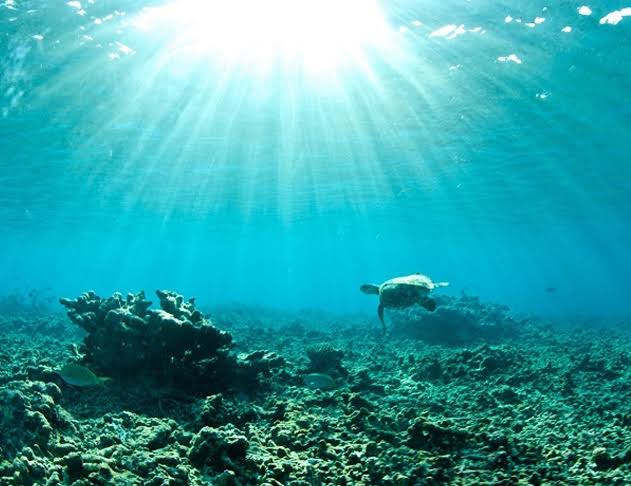
Despite reductions in global carbon emissions due to the COVID-19 lockdown, the world’s oceans in 2020 were the warmest in recorded history, according to a new research.
Published in the journal Advances in Atmospheric Sciences earlier this week, the study was conducted by 20 scientists from 13 institutes in China, the United States and Italy.
Compared with 2019, the upper 2,000 meters of the Earth’s oceans have absorbed a greater amount of heat, enough to boil 1.3 billion kettles, each containing 1.5 liters of water. The increase in heat within the oceans is responsible for the increasing trend of record-breaking global ocean temperatures, said the research.
Cheng Lijing, lead author of the study and researcher at the Institute of Atmospheric Physics (IAP) under the Chinese Academy of Sciences, said ocean heating is a key indicator for quantifying climate change, since more than 90 percent of global heat ends up in the oceans.
“However, due to the ocean’s delayed response to global warming, the trend of ocean warming will persist for decades at least,” said Cheng, explaining that the world’s ocean temperatures kept rising last year, despite reports that global carbon emissions fell as people stayed indoors due to COVID-19 restrictions
The study also found that over the past eight decades, the world’s oceans have been warmer in each decade than in the previous one. The effects of ocean warming manifest in the form of more typhoons, hurricanes and extreme rainfall.
In addition to ocean temperatures, researchers involved in the study calculated the salinity of ocean water. They found that areas of high salinity had increased in salinity, whereas the opposite was true for areas of lower salinity.
Researchers also shared data recorded by China’s IAP and the U.S. National Oceanic and Atmospheric Administration in the study.
CORONAVIRUS ON ICE CREAM CARTONS

After declaring itself Covid-free last year, China is witnessing another wave of corona cases.
And according to the latest reports, the novel coronavirus was found on an ice cream carton coming in from eastern China.
The Daqiaodao Food Co, Ltd in Tianjin, adjacent to Beijing, was sealed and its employees were being tested for the coronavirus. But there was no indication that anyone among the employees had contracted the virus.
The batch contained more than 29,000 cartons and most of it was not yet sold. Only 390 cartons were said to be sold to Tianjin. They are now being tracked and authorities elsewhere were notified of sales to their areas. The government said that they have recalled the cartons from the same batch.
The ingredients included New Zealand milk powder and whey powder from Ukraine, the government said.
On Saturday, the Health Commission of China blamed the travellers and imported goods saying they brought the virus from abroad.
Whereas on Sunday, China reported 109 new confirmed cases of Covid-19, two-thirds of them in a northern province that is close to national capital Beijing, though no deaths have been reported.
Currently, its death toll stands at 4953 and total cases at 88,227.
China was the first country to report a case of coronavirus in Central Wuhan in late 2019. The pandemic is said to have originated from that very place.
Earlier this month, a team of WHO scientists travelled to China to discover the origins of the novel coronavirus.
According to reports, the Chinese government has banned the entry of two scientists. The Chinese government is of the view that the disease came from abroad and has highlighted what it says are discoveries of the coronavirus on imported fish and other food. But this theory has been rejected by various economies around the world.
The WHO team says that the motive behind the investigation is not to blame some but to find the scientific answers. It is about studying an important interface between the human kingdom and the animal kingdom.
The investigation will apparently take months to complete even in the best circumstances. The team must also navigate attempts by China to politicize the inquiry.
The novel coronavirus has killed nearly two million people since the first outbreak first emerged in Wuhan.
Thousands of mutations in the virus have taken place as it has passed from person to person around the world, but new variants recently detected in Britain and South Africa are seemingly more contagious.
Britain has imposed a lockdown for the third time since the first outbreak in the country. Other countries have also reported cases of the new variant and have imposed a strict check on the people entering the country. Adequate measures are being taken all around the world to control the mutant variant.
 Track2Training
You must be logged in to post a comment.