Eduindex News is a news aggregator app developed by Google. It presents a continuous flow of articles organized from thousands of publishers and magazines.
Lets start !!!!! So what exactly is data science ? Data science is a multidisciplinary blend of data inference, algorithm development, and technology in order to solve analytically complex problems.
What is The history behind this ? In 2001,William S. Cleveland wanted to bring Data Mining to another level so he did that by combining computer science and data mining basically he made statistics a lot more technical which he believed to expand the possibilities of data mining and produce a powerful force for innovation, now you can take advantage to compute power of statistics and he called this combo as data science. What does a data scientist do? Job of data scientist is to solve real complicated problems of company using data. Why there is so much demand for data scientist these days ? The short answer is that over the last decade there’s been a massive explosion in both the data generated and retained by companies, as well as you and me. Sometimes we call this “big data,” and like a pile of lumber we’d like to build something with it. Data scientists are the people who make sense out of all this data and figure out just what can be done with it.
We‘re going to have three main objectives as follows:
Difference between value trading and value investing
The difference between asset and liability
Who created value insvesting
Well to understand this concept let’s assume the trade life of Mr.wilson.
Mr. Wilson started with a home business of selling toffees, then he added upon with bigger candies then the cookies, cup cakes, cakes and so on…
He got it that each item started giving up more value clear up to a big buzzy shop that he owned with time.
Now this is a big question was Mr. Wilson was conducting value trading or value investing?
Let’s reveal! He was actually making it up with value trading. There is a pretty much difference between value trading and value investing.
Value investing is a type of tactic where stocks are selected which appears to trade for less than their intrinsic or trade values. Investors who use this strategy thing that the market overreacts to the good and bad news , resulting in stock price movements which do not corresponds to the company’s fundamentals.
Now to understand this you must be able to individualize between assets and liabilities.
In above examples the car and the bungalow lie under liabilities where as the microwave and the apartmental building lies under the assets, longing for the explanation here it is.
Asset is something that helps gaining you profit after a initial investment where as liabilities are the one who even after investments there are no return’s through it we still have to invest money to keep ourselves up with those. As here the car and the bungalow needs timely servicing, petrol/diesel investment whereas the apartment can be given on rent and create extra income, the oven can be used for baking and selling those items and generating an income. This difference between asset and liabilities if we got to get lead over this concept it proves a great deal while investing.
Who started this value investing? many of them assuming it with one of the great investors Warren Buffet get it on wrong track but even he learned it from BENJAMIN GRAHAM(professor at the Colombia business school) through his two very famous books ‘the intelligent’ investor and ‘security analysis’.
Learn how to succeed early and make the most of the first hour of your day with The 5 AM Club summary.
Learn how to succeed early and make the most of the first hour of your day with The 5 AM Club summuthor, Robin Sharma introduced The 5 am Club concept over twenty years ago. Sharma’s 5 am club is based on a revolutionary morning routine that has helped his clients maximize their productivity and activate their best health.
The three key lessons from The 5 AM Club are:
The solitude of 5 am will help your brain work at it’s best
To fully utilize 5 am, you need to sleep
Use the 20/20/20 formula to get the most out of your morning.
Lesson One: The solitude of 5 am will help your brain work at it’s best
Think of your cognitive capacity like a phone battery. You start at 100% and slowly throughout the day, your battery runs out before charging it again overnight.
Waking up at 5 am ensures that you spend time on one high-level activity without distraction. In a world of constant distraction, this is so important.
Also, at a peaceful 5 am start, the part of your brain which tackles rational thought, the pre-frontal cortex is inactive. This means that you stop over-analyzing everything and you stop worrying.
This combined with the dopamine hit of sunrise ensures that you automatically enter a state of flow, where your brain is working at it’s best.
This state of flow means that you will be more focused and more productive throughout the day, not just in the morning.
Lesson two: To fully utilize 5 am, you need to sleep
I know what you’re thinking…. yes, 5 am is fucking early.
So, in order to make sure you’re a functioning human at 5 am, you need rest.
In fact, the curse of the side-hustler and entrepreneur is that you try to hustle your way though life, and sleep becomes less of a priority.
But to work effectively, you need to understand that growth doesn’t just happen through the work phase, it also happens through the recovery phase.
Talk to any farmer, or even any bodybuilder.
Their growth doesn’t happen in the hours they’re working, the development also happens during recovery.
The same is true for any high performer. You cannot work at the same efficiency 24 hours a day. In fact, you probably become busier but less effective.
So, you need to make sure that you are fully rested so you can make the most of the hours that you are working.
To ensure you are rested, stop using devices at 8 pm. Yes, 8 pm.
The blue light that comes from screens is a key contributor to disrupting sleep. Instead, read, talk to loved ones, meditate, exercise… whatever you need to do.
From there, look to go to bed at no later than 10 pm, so you can be ready to produce at 5 am the next day.
Lesson three: Use the 20/20/20 formula to get the most out of your morning
So even if you do wake up early, what is to say you don’t waste most of it scrolling though social media and checking emails?
The best way to combat wasting your extra hour, is to use the 20/20/20 formula.
That means for your hour, you should look to move for 20 minutes, reflect for 20 minutes, and grow for 20 minutes.
Look to exercise for 20 minutes as it helps your mind think more clearly; Sweat gets rid of cortisol, which is the hormone of fear. Sweat also produces protein BDNF, which repairs brain cells and quickens the formation of neural connection. So, sweat literally makes you think better!
From there, look to reflect. This can be in form of a journal and a mediation session. Using the quiet time to be alone with your thoughts grounds you for the day.
Finally, look to grow and learn something. This could be reading a book, watching a documentary, listening to a podcast, or any other activity which helps you learn.
The proper response to life is applause.’ ~William Carlos Williams
The Gradual Method
The best method for changing the time you wake up is to do it gradually — 10-15 minutes earlier for 2-4 days, until you feel used to it, and then repeat. If you get up at 8 a.m. normally, don’t suddenly change it to 6 a.m. Try 7:45 a.m. first.
3 Steps to Actually Get Up
So you’ve set your alarm for 10-15 minutes earlier than normal, and maybe got through the first few days, then set it another 10-15 minutes earlier, and soon you’re at 30-45 minutes earlier than usual … but now you have the tendency to hit the snooze alarm and stay in bed (sometimes awake) without getting up.
Here’s how to beat that in 3 steps:
Get excited. The night before, think of one thing you’d like to do in the morning that excites you. It could be something you want to write, or a new yoga routine, or meditation, or something you’d like to read, or a work project that’s got you fired up. In the morning, when you wake up, remember that exciting thing, and that will help motivate you to get up.
Jump out of bed. Yes, jump out of bed. With enthusiasm. Jump up and spread your arms wide as if to say, “Yes! I am alive! Ready to tackle the day with open arms and the gusto of a driven maniac.” Seriously, it works.
Put your alarm across the room. If it’s right next to you, you’ll hit the snooze button. So put it on the other side of the room, so you’ll have to get up (or jump up) to turn it off. Then, get into the habit of going straight to the bathroom to pee once you’ve turned it off. Once you’re done peeing, you’re much less likely to go back to bed. At this point, remember your exciting thing. If you didn’t jump out of bed, at least stretch your arms wide and greet the day.
What to Do When You Get Up
First, things not to do with your newfound early-morning time: don’t check email, news, social media, blogs. Don’t waste this new time doing the same thing you always do.
Here are some other things that are better, in my experience:
Drink a glass of water. You’re dehydrated from not drinking any water all night. Drink a full glass of water if you can. It’ll make you feel more awake.
Meditate. Even just for 3 minutes. It’s such a great way to start your day — doing nothing, just sitting, and practicing mindful focus.
Write. Or do some other kind of creating.
Exercise. Go for a walk or a run, or do a home workout. Even just 10 minutes.
Enjoy a cup of coffee or tea. Either one of these makes the morning better.
The signs were gotten utilizing the world’s most impressive radio recieving wire, the Low-Recurrence Exhibit (LOFAR) arranged in the Netherlands.
The new strategy of spotting stowed away planets could allude to the chance of life in the framework, which stays the greatest inquiry in stargazing. It is safe to say that we are distant from everyone else? The signs were distinguished by Dr Benjamin Pope from the College of Queensland and his partners at the Dutch public observatory ASTRON. The stargazers have been looking for planets utilizing LOFAR.
The stargazers have distinguished signs from 19 far off red diminutive people, four of which are best clarified by the presence of planets circling them. “We’ve since quite a while ago realized that the planets of our own planetary group discharge incredible radio waves as their attractive fields collaborate with the sun powered breeze, however radio signs from planets outside our planetary group still couldn’t seem to be gotten,” the stargazers said in an assertion.
Prior, space experts were simply ready to distinguish the very closest stars in consistent radio outflow while all the other things in the radio sky was interstellar gas or dark openings. Radio cosmologists are presently ready to see regular stars when they mention their observable facts as the group focussed on red small stars, which are a lot more modest than the Sun and known to have an extreme attractive action that drives heavenly flares and radio emanation.
Immunizations for jungle fever and dengue, tropical mosquito-borne diseases, could require two to four years to hit the Indian market, say industry insiders.
As of now, there are a few up-and-comers underway with the Serum Institute of India (SII), Bharat Biotech, and Zydus Cadila all chipping away at one or the other creating or assembling against malarial antibodies.
With respect to dengue, French firm Sanofi and Japan’s Takeda are hoping to bring their antibodies here.
SII, the world’s biggest immunization creator, and Novavax are teaming up for stage 3 clinical preliminaries of the Oxford University’s Jenner Institute’s intestinal sickness antibody on more than 4,800 youngsters in four African nations. It has shown 77% viability in preliminaries on babies, the main immunization to cross the World Health Organization’s (WHO) focus of 75% adequacy.
“Work has started over the most recent couple of months on this,” said a source near the turn of events, without revealing subtleties on India-explicit plans. Industry insiders say controllers would require neighborhood preliminary information prior to permitting it.
“Information on security and immunogenicity, regardless of whether on a little associate, would be looked for by the controller here regardless of whether they choose to put together their choice of endorsement with respect to worldwide adequacy preliminary information,” said a senior authority of an immunization firm. This could expand the timetables for accessibility here.
Adar Poonawalla, CEO of SII, couldn’t be gone after a remark on when he wished to begin the Indian arm of the preliminary.
Furthermore, the majority of the immunizations being created, truth be told, are designated at African nations. GSK’s plasmodium falciparum jungle fever antibody (RTS,S/AS01E likely marked Mosquirix), which Bharat Biotech will create will at first go to African nations. The tech move of the immunization has started. The antigen RTS,S will be made by Bharat Biotech, while GSK will supply the adjuvant.
GSK, which has fostered the immunization more than 30 years, is presently directing it in Ghana, Kenya, and Malawi under the Malaria Vaccine Implementation Program (MVIP). The WHO said last week that it has suggested far reaching utilization of the GSK immunization for kids in sub-Saharan Africa.
Sources near the improvement said Bharat Biotech is as of now dealing with setting up the assembling site. Thus, it would require a couple of years before the antibody opens up either in African countries or in India. Bharat Biotech will be the sole provider of the immunization till 2029 and will supply 15 million portions yearly to these African nations.
“Another office is being developed at Bhubaneswar for assembling the intestinal sickness antibody. The course of innovation move has effectively begun,” said a source near the turn of events. The individual added that it would require a few years before the antibody is prepared.
“Bharat Biotech should take administrative endorsements from the Indian medication controllers prior to assembling,” the source added.
Closer home, Zydus Cadila also has a possibility for jungle fever, being created by its Vaccine Technology Center in Ahmedabad. It is likewise chipping away at immunizations for Haemorrhagic Congo Fever, Ebola, and Japanese Encephalitis, among others.
Sharvil Patel, Zydus Cadila’s overseeing chief, let Business Standard know that the firm is dealing with both an antibody and a treatment. “We are chipping away at both an intestinal sickness antibody and a medication,” Patel said, without uncovering further subtleties.
We the people of new, technologically developed world have a way around the advance, next-gen, electronic in such a fashion that it has started affecting our health to the extent of the worst. The toll that excessive screen-time can have on being’s health is of major concern in today’s highly advanced times. Be it a small town or a big city, be it a young kid or an old man, be it the middle-class or the rich, be it a third-world citizen or a first world citizen, everyone has an excessively disturbing effect on health. With the rays that are responsible of the operation of these electronics are said to be harmful as that causing a heart-attack. Along with many other health- problems the cutting- off from the real world around has to be one of the most unwanted affect. As the world moves forward in the digital world, it moves backward in the health status in the real world.
Ramifications
There are numerous effects in a variety of ways on the human being because of the too much interaction with the virtual world. These effects are not only too harmful but sometimes even life-threatening.
Repercussions on Physical health=
The prolonged hours in front of the screen can lead to a number of physical health problems. These can cause health issues like obesity, weak eyesight, neck and back problems.
With people sitting in front of the screens for hours in the same place can lead them to eat unhealthily and excessively. They become more prone to junk food as an instant food is better than the one taking time to cook. The unhealthy food habits that develop because of the increased hours of sitting, makes the person obese sometimes to the extent of no return to a healthy body.
Weakening of the eyesight is one of the most disturbing affect when more than enough hours are spent in front of the screen. The blue light from the screen can cause problems like eye fatigue and blurry vision. Fatigue can cause inability to look clearly at night.
People usually sit in one place for hours while using screen and those positions can cause neck and back problems as sitting in not so comfortable positions can lead to neck, shoulder and back pains, these pains can be higher than we think. Too much screen time snatches away the person of the sleep that comes to them naturally. As studies have found that people generally tend to stretch their screen time by spending time late at nights, causing sleep related problems, generally loss of sleep.
Mental health =
Depression has been indicated as one of the worst effects of increased screen time along with anxiety. The use of too much of phones, laptops, etc can lead to drop in mental health as they tend to damage the brain cells and thereby making the case of one’s mental health further worse.
Students have generally experienced lack of concentration while studying as the excess of screen time robs them off their focus while learning something new and for the first time. The attention span reduces and the sitting hour for actually learning or studying suffers.
With sleep deprivation and lack of focus as is the effect of some drug addiction, screen time leads to irritable behaviour along with person becoming an emotional wreck. People usually involved in screen time addiction end up staying alone for hours and there by affecting their mental stability and health.
Detoxification
The screen time usage can be restrained by detoxification. There are a number of ways of detoxifying, which is the act of staying away from the screen for a specific period of time so as to reduce the effects that it might have on physical and or mental health.
Switching off the applications is proved to be one of the best ways of staying away from the screen when not so required. Turning them off gives people to more time to spend on other things than just the screen.
Resorting to other activities whenever the person finds some free time instead of gadgets can help them restore their concentration and focus. With recreational activities such as reading, writing, painting, playing any instrument etc can be beneficial for the recharging of the brains.
Making a proper routine to follow including the correction of sleep cycle has to be one of the best ways to regain the lost mental and physical health. With a good night sleep, the less strain on the eyes could bring down the eyes fatigue and irritability levels.
Physically being active is very important if you spend hours in front of the screen. Exercising has been a proven treatment to a lot of health problems and here too definitely is going to be beneficial. With the hours of sitting at least one hour of exercise makes the person gain the lost stamina and physical abilities.
Yoga and meditation have had been famous in India now for quite a long time. These two have proved to be the best cure for most the mental health related problems. Thus even only fifteen to twenty minutes of meditation shows tremendous positive effect on mental health of a being.
A historic environmental movement took place in the Chamoli district of Uttarakhand in India. It was started by Amrita Devi and lead by environmentalist Sunderlal Bahuguna. People involved in developmental projects ordered their workers to chop off the woods situated in Chamoli. The forest resources contributed greatly to the livelihood of the villagers. Their predominant occupation included, food gathering, forestry, farming, pastoral work, etc. Hence, these locals heavily relied upon the forest. The developmental officials intended to industrialize the area for improvement in transport and communication. But, the locals disagreed upon their plans. In the month of April 1973, contractors and workers visited the site to begin with felling of the woods. But, the locals gathered in masses and hugged the tress in protest. Women in large numbers too came forward to lead a non-violent struggle. Therefore, the movement came to be known as ‘The Chipko Movement’ (English Translation – ‘Hug The Tree Movement’) This unique movement gathered a lot of praise as the workers had to retreat due to the mass protest. The villagers thus gained success in eliminating deforestation.
A very similar protest occurred in the Aarey Forest in Mumbai city of India, which is an urban green space spread across 800 acres of land. This green landscape is popularly known as the ‘Green Lungs of Mumbai’. It is one of the only areas with a natural forest cover in Mumbai. A multi-crore metro rail project was launched in the city to ferry 13.9 lac passengers daily. Bharatiya Janata Party ( an Indian political party) announced a controversial decision to construct a car shed for Mumbai Metro line-3 at Aarey Forest. For this project, 2141 trees were cut down. Shivsena (political party) opposed the move of the BMC Tree Authority to allow felling of the trees, while other parties such as NCB and BJP were in favour. Mumbaikars were highly agitated with the decision taken. Protests regarding the same, legally gained pace when environmental activist, Zoru Bathena signed a petition at the Bombay High Court against the Tree Authority for giving clearance to the proposal.
The MD OF MMRCL claimed that the plus points of the developmental project will outweigh the felling of trees. Upon receiving all such actions and statements, not just politicians and environmentalists but also the Bollywood actors came on ground to protest against the decision. The ‘SAVE AAREY’ campaign gained popularity with social media hashtags, posters, slogans and blogs. People from NGO’s, celebs, youtubers, influencers and the civil public gathered in the Aarey Milk Colony, Goregaon to lead agitations. As a part of duty, men and women in uniform had to detain, charge and arrest people for indulging in an unlawful assembly, under Section 144 which was imposed during that time period.
All of this gained favorable outcomes when, the Maharashtra Chief Minister, Mr. Uddhav Thackeray announced the declaration of 800 acres of land in the Aarey as forest premises, which will remain unharmed pertaining to any developmental work in the future as well. The cases filed against the protesters were also taken back by the court. CM Thakeray also announced that the Metro car shed for Phase III be shifted to a land in Kanjurmarg (suburbs of Mumbai), owned by the State Government. The land will be used free of cost as a property of the State. In this manner, the green patch of Aarey was treasured by a cohesive movement. Hence, we can conclude by stating that, this Save Aarey Movement 2020 was much similar to the Chipko Movement 1973.
“The Earth provides enough to satisfy every man’s need but not every man’s greed”
– Mahatma Gandhi
Sustainable use of natural resources and prevention of environmental degradation is essential. Mass consciousness in this regard is leading to environmental actions and movements. Thus, human evolution and environmental protection must go hand in hand.
The soaring prices of petrol and diesel has time and again highlighted the question of whether bringing it under the goods and services tax (GST) regime will prove beneficial for the consumers. The much debated and speculated issue might finally come to a conclusion on Friday when the 45th GST Council meets in Lucknow. For the first time in 20 months, the GST council will be conducting a physical meeting. After December 18, 2019, all the GST Council meetings were done in virtual mode.
“We are not saying that we should bring petrol and diesel under GST immediately, we are basically asking states to suggest a timeline,” a government source told TOI ahead of the crucial meeting of the GST Council on Friday. When GST was introduced in July 2017, five commodities — crude oil, natural gas, petrol, diesel and aviation turbine fuel (ATF) — were kept out of the GST purview, considering the revenue dependence of the central and state governments on them.
As demand recovered, the spike in global oil prices pushed petrol and diesel prices to an all-time high, leading to demand for bringing it under GST. Fuel prices have been hovering at record levels on account of 41 increases in its retail rates since April this year. However, since the past 11 days there has been no revision in prices of petrol and diesel as oil marketing companies (OMCs) kept a tab on global oil prices. Accordingly, in Delhi a litre of petrol costs Rs 101.19 and diesel costs Rs 88.62. Similarly, price of petrol in Mumbai, Chennai and Kolkata stood unchanged at Rs 107.26, Rs 98.96, Rs 101.62 per litre, respectively.
Diesel price also remained unchanged. In Delhi, Mumbai, Chennai and Kolkata, the fuel was sold for Rs 88.62, Rs 96.19, Rs 93.26 and Rs 91.71 per litre respectively.
Prices are largely going to remain unchanged or get some relief by way of a cut in days ahead as global oil is expected to soften again. Oil cartel Opec and its allies have agreed to gradually raise production levels that should prevent upward price movement.
Corruption in India is an issue that affects the economy of central, state, and local government agencies in many ways. Corruption is blamed for stunting the economy of India. A study conducted by Transparency International in 2005 recorded that more than 62% of Indians had at some point or another paid a bribe to a public official to get a job done. In 2008, another report showed that about 50% of Indians had first-hand experience of paying bribes or using contacts to get services performed by public offices, however, in 2020 their Corruption Perceptions Index ranked the country 86th place out of 180, reflecting a steady decline in the perception of corruption among people.
My personal experience with corruption. (I have changed the designation and events places since I don’t want to be in trouble) It was back in February when I went to DTO(District Transport Office) to get the form for my driving license. I took the form and filled out the details, went to the counter to submit the form but I was told that the official would come on the next day. I came back the next day and the same thing happened to me all the time. After visiting the office for a week finally, the official had come and I submitted my form to him and all he responded was that the process would take up to 3 weeks to 2 months. It was already a month and I had no response for my form, I went to the office to get inquired but I found out that they had not even checked the form yet. Another official came and told me to come tomorrow for the clicking of photograph and I went there the next day. My photo was taken and processing of my form had begun. Later on the same week I had got the call that I had to appear for the driving test. I went for the test, I had seen many people outside the hall talking to the instructor but they didn’t enter inside. The instructor came inside and asked me some basic road rules, I knew the answers easily so it didn’t take me much time. And I was told again to wait for a month for a response. I came back after a month and found out that I had failed the test, I reappeared again and I failed it again. It was my third attempt now and I didn’t want to lose it, I asked the instructor that even if my answers are correct, why did I failed but he didn’t answer me. Then outside I met a man who asked me the purpose to come to this office, I told him everything about me failing the test. He replied calmly that if I don’t pay the officials 4000 rupees, they will not let me pass the test and get my license.
In India in every office there is a bit of corruption till the date, the officials won’t do the what they are given salaries for, instead, they would ask for bribes for doing the work. A study conducted between 2004 and 2005 found that India’s driver licensing procedure was a hugely distorted bureaucratic process and allows drivers to be licensed despite their low driving ability through promoting the usage of agents. Individuals with the willingness to pay make a significant payment above the official fee and most of these extra payments are made to agents, who act as an intermediary between bureaucrats and applicants The average licensee paid Rs 1,080, approximately 2.5 times the official fee of Rs 450, to obtain a license. On average, those who hired agents had a lower driving ability, with agents helping unqualified drivers obtain licenses and bypass the legally required driving examination. Among the surveyed individuals, approximately 60% of the license holders did not even take the licensing exam and 54% of those license holders failed an independent driving test. Agents are the channels of corruption in this bureaucratic driver licensing system, facilitating access to licenses among those who are unqualified to drive. Some of the failures of this licensing system are caused by corrupt bureaucrats who collaborate with agents by creating additional barriers within the system against those who did not hire agents.
(Written with reference to : Wikipedia and transparency international)
The economic term ‘The Cobra Effect’ was coined by German economist Horst Siebert. The Cobra Effect refers to a situation where in, an attempted well planned and intended solution given to any problem makes the problem worse. This leads to an unintended negative consequence. This term is used to illustrate the causes of incorrect solutions in economy and politics.
This term was coined with regards to a real situation that occurred in Colonial India. There was an alarming increase in the number of venomous cobras in the city of Delhi. The British government expressed their concern regarding this issue. The government planned to offer a sum to the public for killing the cobras. A large number of venomous snakes were captured and killed by people in order to earn the reward. This served as a very successful strategy initially. But, over a period of time, people began to trick the officials by breeding cobras, expanding their numbers and later killing them to continue getting the reward from the government. Ultimately, the government became well informed about the ill happenings in hunger for the reward. Hence, they scrapped this entire plan. After scrapping of the scheme, people were no more interested in capturing, breeding and killing cobras. Therefore, they set all their wild cobra population free in the city. This in turn, increased the population of venomous cobras in the city. Thus, a planned solution to the problem lead to the problem worsening.
A similar instance occurred in Hanoi, Vietnam during the French Colonial rule. The officials designed a scheme in which people would earn a bounty upon killing rats. In order to earn the cash reward, people had to kill a rat, chop off it’s tail and provide it to the responsible officials. Over a span of time, the government noticed rats wandering in places without tails. They were surprised on being aware of the fact that, rat catchers were collecting rats, chopping off their tails and later leaving them into sewers where breeding would take place. This produced a humongous number of rats. The idea of offering a bounty on exchange of dead rat tails failed miserably.
Airbus Airlines, formally suggested their design engineers to make it’s airplane cabins quieter to ensure a pleasant travel experience. The idea was executed and cabins were made more silent than usual. Instead of making the travel more peaceful, it worsened the travel experience of the passengers onboard. People could easily eavesdrop on other people’s conversations, could hear louder noises of food and beverage trollies rolling in the aisle, babies crying on board and restroom doors opening and shutting throughout the journey. This economic decision of Airbus did not succeed.
In 1989, Mexico proposed a plan of action called – ‘Hoy No Circula’ . According to this scheme, people were debarred from using their private vehicles from 5:00 a.m to 10:00 p.m depending on the last digit of their vehicle’s number plate. This was in context of odd and even numbers. The scheme was introduced to limit the number of vehicles on road which in turn would cut down release of pollutants in the atmosphere. Instead of abiding by the norms in a fair manner, people began purchasing two vehicles in the same household, one with an even number plate and another with an odd one. This particular scheme did not serve very fruitful in the longrun.
Perverse Incentive or better known as Cobra Effect may not always be an outcome of poorly planned modules or shortsighted decisions. It may cause due to unpredictable behaviors of the recipients. A strategy planned to curb anything may cause adverse outcomes when people find the same strategy rewarding. In such contrast outcome scenarios, planning authorities may either scrap the plan or re-design it in order to get constructive outcomes.
सड़क परिवहन मंत्री नितिन गडकरी ने गुरुवार को कहा कि केंद्र सरकार अगले तीन साल में दिल्ली को वायु, जल और ध्वनि प्रदूषण से मुक्त करेगी। उन्होंने कहा कि मौजूदा समय में प्रदूषण देश के लिए सबसे बड़ी चिंता की बात है।
इंडस्ट्री पीएचडी चैंबर ऑफ कॉमर्स के सालाना कार्यक्रम में गडकरी ने कहा कि उनके मंत्रालय ने सड़क बुनियादी ढांचा विकास पर 60,000 करोड़ रुपये खर्च किए हैं। इस प्रयास से दिल्ली में वायु प्रदूषण को कम करने में भी मदद की। वायु प्रदूषण, जल प्रदूषण और ध्वनि प्रदूषण देश के लिए चिंतित करने वाले मुद्दे हैं। हम दिल्ली को अगले तीन वर्षों में वायु, जल और ध्वनि प्रदूषण से मुक्त कर देंगे।
गडकरी ने कहा कि सरकार सुप्रीम कोर्ट से मंजूरी मिलने के बाद सभी वाहन निर्माताओं के लिए फ्लेक्स फ्यूल के अनुकूल इंजन बनाना अनिवार्य कर देगी। फ्लेक्स-फ्यूल, पेट्रोल और एथेनॉल को मिलाकर बनने वाला एक वैकल्पिक ईंधन है। अब एक एथेनॉल अर्थव्यवस्था विकसित करने पर काम किया जा रहा है। गडकरी ने सुझाव दिया कि सेना को डीजल इंजन वाले वाहनों के इस्तेमाल पर प्रतिबंध लगाना चाहिए और एलएनजी, सीएनजी और एथनॉल पर चलने वाले ट्रकों का उपयोग करना चाहिए। मंत्री ने कहा कि इथेनॉल, पेट्रोल और डीजल की तुलना में काफी सस्ता है।
देश में ईंधन की कीमतों में लगातार बढ़ोतरी देखने को मिल रही है। लागतार बढ़ रहा रेट थमने का नाम नहीं ले रहा, जिससे जनता काफी परेशान है। कच्चे तेल के दामों में जिस तरह से अंतरराष्ट्रीय बाजार में तेजी देखने को मिल रही है,वैसे ही घरेलू बाजार में पेट्रोल और डीजल के दाम भी आसमान छू रहा है। भारत में ईंधन की कीमतें रिकॉर्ड स्तर पर है।
5 अक्टूबर 2021 यानी कि मंगलवार को 1 दिन की स्थिरता के बाद भारतीय तेल कंपनियों ने डीजल और पेट्रोल के रेट में इजाफा कर दिया है। बात करें पेट्रोल की तो 25 पैसे प्रति लीटर एवं डीजल 30 पैसे प्रति लीटर और अधिक महंगा हुआ है। वहीं अक्टूबर में हरदिन भाव बढ़ता रहा है। अब तक केवल 1 दिन डीजल और पेट्रोल का रेट स्थिर रहा है।
इंडियन ऑयल कॉर्पोरेशन के मुताबिक़, ईंधन के दामों में वृद्धि के बाद दिल्ली में पेट्रोल की कीमत 102.64 रुपए प्रति लीटर एवं डीजल 91.07 रुपए प्रति लीटर तक पहुंच गया है। हालांकि,देश के चारों महानगरों की तुलना करें तो मुंबई में डीजल-पेट्रोल सबसे अधिक महंगा है। बता दें, जुलाई एवं अगस्त के महीने में कच्चे तेल के दामों में कुछ खास बदलाव नहीं आया था। इसलिए 18 जुलाई से 23 सितंबर तक तेल कंपनियों ने मूल्य वृद्धि नहीं की थी। इस दौरान पेट्रोल 0.65 और डीजल 1.25 की कीमतों में कटौती की गई थी। फिर अंतर्राष्ट्रीय बाजार में निरंतर बढ़ती कीमतों के कारण 28 सितंबर से पेट्रोल और 24 सितंबर से डीजल की कीमतों में बढ़ोतरी की गई है।
अंतरराष्ट्रीय बाजार में पेट्रोल और डीजल की कीमत क्रूड की कीमत के आधार पर प्रतिदिन अपडेट होती है। कीमतों की समीक्षा करने के बाद ऑयल मार्केटिंग कंपनियां रोज डीजल और पेट्रोल के दाम निर्धारित करती है।
Today’s child is a citizen of tomorrow . The condition of a child foretells the future of any society or nation. Children are the real mirrors of the society – the quality of life of a child reflects how progressive a society is. With the dawn of the twenty first century, one of the problems prevalent globally is the problem of child labour. Millions of children in the world have been forced into child labour owing either to non – schooling or due to dropping out from the school at an early age. Child Labour may be defined as one who has not yet attained the age of 14 years and whose physical, mental and social development has suffered due to his pre – mature employment. Children make up 36% of the country’s total population. We might boast of being the largest democracy on account of numbers , but we definitely don’t seem to be the greatest one. Due to various circumstances , young children are exploited and are forced to forget the pleasures of childhood. At the age when children should be going to schools or playing at playgrounds they are burdened with the hardships of life and denied their childhood. According to the National Child Labour Project 2001 census, there are 12.6 million working children in India. Uttar Pradesh tops this list as 1.9 million innocents are employed in this state alone in various hazardous and non- hazardous activities in agricultural sector, glass factories , carpet industry, brass industries , March- box factories, on streets as beggars and hotels. However, the fact is that not only in a few selected states but across the length and breadth of the country, a large number of childhood is in a pathetic condition.
According to a recent ILO report, about 80% child labourers in india, and are employed in the agriculture sector. The children are generally sold to the rich moneylenders to whom borrowed money cannot be returned. More than 60,000 children work in extremely inhospitable conditions in the glass and bangle industry under conditions of excessive heat. Almost 4,20,000 children are employed in the carpet industry of India, and than 70,000 work in match-box factories.
Child labour is one of the social evils that has been crippling the Indian society since a very long time.Its presence can be felt everywhere – be it a rural village or a metropolitan city. The small scale industries or Karkhanas are the breeding grounds for child labour.These children are in almost every sector of the economy – both organized and unorganised . Even though child labour is illegal large number of children are found working in factories or Karkhanas, or are working in mines,bidi, carpet , match, fireworks, brass and pandaan, agarbathi and automobiles industries . In urban areas many children work as shoeshine boys, newspaper hawkers, domestic servants and work in hotels, autoshops and plastic recycling factories. The automobile repair- shop industry is one that every one sees in his daily life. We can see these shops in every nook and corner. Young children are being illegally employed in such professions as they can be paid less. Poverty, illiteracy and insufficient resources in family , force the parents to send their children to work . Sometimes , brokers lure parents to force their children into child labour by making false promises.
Elimination of child labour is undoubtedly one of the biggest challenges facing our country. Various articles of the Constitution prohibit the employment of children in factories . Under Article 24, it has been stated that no child below the age of 14 shall be employed in any factory or mine or any other hazardous occupation or work. Similarly, Article 31 provides that the state shall ensure that adolescent children are not forced to accept an employment detrimental to their age and physical ability owing to economic compulsions. Children should be provided opportunities to develop in a healthy manner and in a free and respectful environment in which they are protected against exploitation of their childhood and adolescence. Under the schedules of the Child Labour ( Prohibition and Regulation) Act,1986, employment of children is prohibited in 12 occupations and 51 hazardous processes. The Government of India formulated the National Child Labour Policy in 1987 to tackle this problem . It aims at rehabilitation of child labour, implementation of the National Child Labour Projects, grants-in-aid to the voluntary agencies and promoting international programmes for the elimination of Child Labour. For the rehabilitation of working children, special schools and rehabilitation centres have been established where there is a provision of informal education , vocational training and nutrition for the children relieved from work.
On reviewing the factors behind the prevalence of child labour, we find that the social structure , poverty, family size, poor income, and lack of education are some of the major factors that have intensified the problem of child labour in India. The Gurupadswami Committee report shows that problem of child labour is a direct result of poverty whose elimination in itself is a great problem. Government has been taking proactive steps to tackle this problem through strict enforcement of legislative provisions along with simultaneous rehabilitative measures. The strategy for implementing the scheme under the 5- year plan aims at greater convergence with the other developmental schemes to bring about qualitative changes. The plan intends to focus and reinforce action to eliminate child labour in the hazardous occupations. Through expansion of National Child Labour Projects to additional 150 districts , it is focusing towards linking the child labour elimination efforts with the scheme of Sarva Shiksha Abhiyan to ensure that children in the age group of 5-8 years get directly admitted to regular schools and that the older working children are mainstreamed to the formal education system through special schools functioning under the NCLP scheme . Its other objective is convergence with other schemes of the Departments of Education, Rural Development , Health , and Women and Child Development for the ultimate attainment of the objective in a time – bound manner. However, the problem of child labour is an intense socio- economic issues in India that requires long – term multi – pronged strategies to be carried out on a continuous basis. These strategies should include enforcement of Child Labour Act, strengthening of primary education in rural areas, rehabilitation of child labourers, improvement of economic conditions of child’ s parents through poverty alleviation and employment generation programmes. A strong enforcement of the labour acts may be done to ensure legal action against those who employ children at work. The child labour is an evil that requires awareness and change of approach among all sections of the society. The government , media and NGOs have to unite to play their respective roles in this demanding task – only then the evil of child labour will get effectively curbed.
प्रधानमंत्री नरेंद्र मोदी ने कहा कि उनकी सरकार का उद्देश्य देश के हर जिले में कम से कम एक मेडिकल कॉलेज खोलना है। वह गुरुवार को अखिल भारतीय आयुर्विज्ञान संस्थान (एम्स) ऋषिकेश में 35 राज्यों को 35 प्रेशर स्विंग ऐडसोरप्सन(पीएसए) ऑक्सीजन संयंत्र समर्पित करने के लिए आयोजित एक समारोह में बोल रहे थे।
ये प्लांट पीएम केयर्स फंड के तहत स्थापित किए गए हैं। उन्होंने कहा कि कुछ साल पहले देश में बहुत कम एम्स थे लेकिन अब हर राज्य में एक एम्स खोलने का प्रयास किया जा रहा है।
उन्होंने कहा कि नवरात्रि पर्व के पहले दिन के अवसर पर उत्तराखंड आना उनके लिए सौभाग्य की बात है। पीएम ने कहा कि उन्होंने 20 साल पहले इसी तारीख को गुजरात के सीएम के रूप में शपथ ली थी और कहा कि इस यात्रा की शुरुआत उत्तराखंड के गठन के साथ हुई थी।
उन्होंने प्रसन्नता व्यक्त की कि जिस धरती से योग और आयुर्वेद जैसी जीवनदायिनी शक्तियों को बल मिला, उसी धरती से आज ऑक्सीजन प्लांट समर्पित किए जा रहे हैं। महामारी की अवधि के दौरान अपनी सरकार की उपलब्धियों की सराहना करते हुए, पीएम ने कहा कि महामारी से पहले सिर्फ एक परीक्षण प्रयोगशाला से लगभग 3,000 परीक्षण प्रयोगशालाओं का एक नेटवर्क बनाया गया था। उन्होंने कहा कि भारत ने दुनिया का सबसे बड़ा और सबसे तेज टीकाकरण अभियान लागू किया है।
उन्होंने कहा कि पहले देश में एक दिन में 900 मीट्रिक टन लिक्विड मेडिकल ऑक्सीजन का उत्पादन होता था, लेकिन जैसे-जैसे मांग बढ़ी, भारत ने मेडिकल ऑक्सीजन के उत्पादन में दस गुना से अधिक की वृद्धि की।
पीएम ने यह भी कहा कि कोविड -19 वैक्सीन की लगभग 93 करोड़ खुराक दी गई है और जल्द ही देश 100 करोड़ का आंकड़ा पार कर जाएगा।
पीएम ने कहा कि अब सरकार इस बात का इंतजार नहीं करती कि नागरिक अपनी समस्याएं लेकर उसके पास आएं और फिर कोई कदम उठाएं, लेकिन अब सरकार नागरिकों तक पहुंच रही है।
The Nobel prize ceremony is literature’s greatest show of the year and the jury ensures that only the best make it to the podium. Each year, the literature community is abuzz with speculations regarding the potential winner. The wait came to an end on Thursday when this year’s victor was declared.
About the Prize
The Nobel Prizes, which have been awarded since 1901, recognise achievement in literature, science and peace. As stated by Alfred Nobel in his will, the Nobel Prize in Literature is given to “the person who shall have produced in the field of literature the most outstanding work in an ideal direction.” The 18-member Swedish Academy selects the Nobel Laureates in Literature. Nominations come from members of the Academy, members of literature academies and societies, professors of literature and language, former Nobel literature laureates, and the presidents of writers’ organisations. However, it is against the rules to nominate oneself.
Winner of 2021
Abdulrazak Gurnah was preparing a cup of tea in the kitchen of his Canterbury home on Thursday when he received the auspicious call, telling him that he had won the most esteemed prize in the field of Literature. He admitted, that he didn’t have the slightest idea that he was being considered for the award.
A novelist and academic based in the United Kingdom, Gurnah was bestowed with the Nobel Prize for his eminent contributions to literature. In the words of the academy, the prize motivation was “for his uncompromising and compassionate penetration of the effects of colonialism and the fate of the refugee in the gulf between cultures and continents.”
About the winner
Born in Zanzibar in 1948, Gurnah was displaced from his country and was forced to take refuge in Britain as a young teenager. His books pronouncedly detail the struggles of refugees who sought asylum in other countries. In the 1960s, the Arab Muslims fled Zanzibar to shield themselves from the oppressive regimes that persecuted their community. After reaching England, Gurnah found solace in writing which helped him cope with the loss of his home. He soon became a member of the faculty, at the University of Kent, following the completion of his studies in Canterbury. Gurnah proceeded to have an illustrious career in both academics and writing. The settings in his stories are diverse, ranging from East Africa under German colonialism to modern-day England. Many of Gurnah’s characters deal with the dilemma of leaving their old lives behind and prepare for the life to come, finding themselves in a gulf between cultures while confronting racism and prejudice. He has authored ten novels, throughout his life with three of them featuring in the Man Booker shortlists — “Memory of Departure,” “Pilgrims Way,” “Paradise”. The novels have left a profound impact all across the world, by highlighting the issues of migration, focusing mainly on uprooted people and the places they make their new homes. His work’s relevance has increased even more now, as the world witnesses the large-scale displacement of the Afghan natives.
Past Winners
Past winners have included novelists such as Ernest Hemingway, Gabriel Garcia Marquez and Toni Morrison, poets such as Pablo Neruda, Joseph Brodsky and Rabindranath Tagore, and playwrights including Harold Pinter and Eugene O’Neill.
Domesticated animals or birds kept with oneself for companionship are called as pets. These animals are not made to work forcibly and are not tamed for consumption purpose. According to the history of tamed species, dogs are the most likely to be kept as pet animals. A person must be committed enough to nurture the animal lifelong. There is a plethora of pet animals which can be opted as companions but with appropriate research, one can opt a pet suitable to his/her lifestyle, without causing any harm to the pet. Research proves how beneficial pets are to humankind. Let us have a look at why a pet is said to be a boon to humans.
HELPS ONE TO MAINTAIN FITNESS
Nurturing a pet includes a lot of physical activity. Regular walks and playtime with a four legged will ensure that the owner steps out of his/her house. Pets increase the chances of a better exercise routine for the owner. Indulging in physical activity with the pet helps decrease cholestrol, cut down on extra calories and maintain a proper BMI. Walking lowers the risk of diseases related to the heart, hence increases life expectancy.
STATS – Dog owners on an average walk 22 minutes more per day compared to people without dogs.
SOCIALIZING
Pets are ice-breakers to socializing. Psychologically, the human community feels more secured to be around people who own pets. They can serve as great conversation starters. While taking a furry friend for a walk, several pet lovers approach to spend time with the pet. This does improve interaction with people from the neighborhood and friends. Companion animals keep the atmosphere calm and hep build social relations.
STATS – Pet owners are 60% more likely to interact with others than those who do not own pets.
PSYCHOLOGICAL MERITS
Pet help keep loneliness at bay. They act as great stress boosters due to their lively nature. They unsurprisingly increase dopamine (feel good hormone) levels in the body and alleviate cortisol (stress hormone). Furry friends help you deal with negativity and stress causing disorders such as Depression, Anxiety, PTSD, etc. Recovering from adversities is slightly easier with pets alongside than otherwise. They help in lifting up spirits and causing happiness. Hospitals and psychological clinics appoint Therapy Pets to soothe patients during the course of their treatment.
STATS – Research says, 9/10 people experience psychological well-being in presence of their pet.
DEVELOPMENT OF CHILDREN
While children grow with pets at their home, they tend to learn about the ‘trust’ factor. Children often look out for their pets when in need of emotional support. Animals at home unintentionally teach children about compassion, responsibility and non-verbal communication. All this leads to higher self esteem and confidence among these children. Such children generally tend to grow up as responsible adults. Children with ADHD and Autism feel immensely supported by their pets.
STATS – According to a questionnaire presented to 1600 households, children from dog owning houses, had 30% less chances to engage in anti-social behaviours and 34% more likely to engage in considerate behaviours.
In conclusion, pets are certainly a boon to mankind. Household pets may include cats, dogs, parakeets, budgies, rabbits, hamster, and so on. Pets help people appreciate true friendships. It is true that, we can judge the heart of a person by his treatment of animals. Welcoming a furry friend at home is not the only act of consideration but taking proper care without abandoning it is also necessary.
North Korea on Thursday, September 9 held a midnight military parade to mark their 73rd founding anniversary in the capital city of Pyongyang.
This was the 3rd parade that was held in North Korea in under a year following a parade held last October to celebrate the 75th anniversary of the worker’s party of North Korea which saw the display of the Intercontinental Ballistic Missile (ICBM) and the Submarine Launched Ballistic Missile (SLBM) and one in January after the 8th congress of the worker’s party of North Korea. Contrary to what a myriad of people might believe North Korea does not hold parades as frequently as it did this past year.
This parade was broadcasted on the North Korean state run television on Thursday.
What set this parade apart?
This parade was unlike any other parade held in North Korea as it did not consist of any display of ballistic missiles, in fact no ballistic missiles were even mentioned. This parade was more of a celebration according to Yang Moo Jin, the vice president of public affairs of North Korea. According to Moo Jin the parade was held to strengthen internal solidarity and it would have been inappropriate to exhibit any sort of missiles. The purpose of this parade was not to intimidate any country but rather to boost the morale of the citizens of North Korea in the midst of a crisis as per some experts.
The event didn’t go on for very long as opposed to the previous military parades that took place this year. This parade lasted only for around 1 hour. In addition to that it was also scaled down.
This parade observed the troops and the emergency disease prevention unit in red hazmat suits and gas masks march past their leader. The hazmat suits and the gas masks represent the prevention of Covid-19 in North Korea as the country reported no Covid-19 cases during the course of the pandemic
The leader Kim Jong-un did not deliver a speech that could cause outrage with the US, South Korea or any other country; he just simply waved at the troops that marched past. In lieu of Kim Jong-un the member of the ruling party Ri Il-Hwan addressed the nation.
Another change that was observed during the event was Kim Jong-un’s weight loss. The leader looked much healthier and skinnier since his last public appearance. All these events are taking place amidst a food crisis in North Korea. The country is reportedly facing the worst food shortages at the time, which could be attributed to the isolated economy and a trade halt that the country is under.
The state media released photos where people were seen to be enjoying the event that represented solidarity. Paratroopers could be seen jumping off of aircrafts, fireworks filled the midnight sky in Pyongyang and firetrucks filled the Pyongyang soil.
This parade also featured students carrying rifles and farmers marching as well. People were also seen dancing towards the end of the parade.
These events are being held in North Korea amid one of the worst economic and food crises the country has ever witnessed according to the reports.
Writer John Tolkien has rightly expressed, “Not all those who wander are lost.” To travel is to set on a new journey, new experiences and lifetime memories. Life is a book and those who do not travel will just remain reading a single page of that book. People travel for numerous purposes such as to explore other places, to seek education and knowledge, stress reduction, to spend time with near and dear ones, etc. To travel without hindrances, one must have thorough information about what to carry and keep alongside during the journey. This blog will attempt to cover most of the travel essentials required.
Travel Bag
It is quite apparent that one will certainly carry a bag while travelling. The bag that one will carry must depend on the time period of travel and purpose of travel. The bag used must provide comfort in mobility and must not be one which can be easily damaged.
Long Vacations – Sturdy rolling luggage bag
Treks – Long rucksacks
Short Business Travels – Cabin sized wheeled duffel bag
Shopping – Tote bag
First Aid Kit
It is a must have commodity while travelling. In case of any small mishap, having a first aid kit along, will help prevent further complications or may even omit trips to a clinic, if acted upon quickly. Accidents are unpredictable, hence being prepared beforehand is necessary. Any first aid kid must include the following items – Band aids, bandages, antibiotic ointments, non latex gloves, aspirin (as one’s doctor suggests), a pair of scissors, thermometer, etc as per the Red Cross.
Diary
Keeping your personal travel journal along will help you to rewind all those lovely memories. Jotting down personal experiences will help you list down all what you have experienced while traveling. One can also pen down important phone numbers which he/she might need in case of an emergency. If travelling solo, one may write down the list of places that one would like to visit during the travel to avoid forgetting about it later on. A soft bound, back pack friendly diary with maps and pens is ideally recommended by avid travellers.
Vitamin tablets and Energy drinks
Events in a tour are uncertain. While one must decide beforehand, about what and where he/she would consume while on the tour, there is a possibility that plans may not work out accordingly. In case of unavailability of food supplies, energy bars, energy drinks and multivitamin tablets according to the doctor’s prescription can be consumed. During in flight travels, food options are scarce, hence the body does not receive the daily needed dose of supplements. Also, while travelling in a public transport, one’s body is prone to germs and infections. To avoid being stuck in such situations, it is always better to carry the needed dose of supplements along.
Seasonal Elements
One must thoroughly research on the weather conditions of the place he/she is travelling to. The climatic conditions in various regions of the world is varied.
Tropical Climate – Carry light coloured outfits to keep yourself cool. White or lightly printed loose tees, shorts and breezy dress are a go to set of clothing. Also, one must remember to carry along, shades, hats and sunscreen.
Cold Climate – Natural fibers such as wool and silk work wonders in preventing feeling cold. Layers of sweatshirts, fleece garments or thermals worn inside an all season leather jacket helps in protection from wind and rainfall. Gloves and socks are also to be carried for better warmth.
“Man cannot discover new oceans unless he has the courage to lose sight of the shore”
– ANDRE GIDE
One must relentlessly travel and explore the world. We might not understand how flamboyant the people, cultures and landscapes of this world are, unless we travel. In order to travel worry-free and experience serenity, one has to keep in mind the essentials that he/she must carry while embarking on a journey.
A rainforest is an area of tall, mostly evergreen trees and a high amount of rainfall. Rainforests are Earth’s oldest living ecosystems, with some surviving in their present form for at least 70 million years. They are incredibly diverse and complex, home to more than half of the world’s plant and animal species—even though they cover just 6% of Earth’s surface. This makes rainforests astoundingly dense with flora and fauna; a 10-square-kilometer (4-square-mile) patch can contain as many as 1,500 flowering plants, 750 species of trees, 400 species of birds and 150 species of butterflies. Rainforests thrive on every continent except Antarctica. The largest rainforests on Earth surround the Amazon River in South America and the Congo River in Africa. The tropical islands of Southeast Asia and parts of Australia support dense rainforest habitats. Even the cool evergreen forests of North America’s Pacific Northwest and Northern Europe are a type of rainforest. Rainforests’ rich biodiversity is incredibly important to our well-being and the well-being of our planet. Rainforests help regulate our climate and provide us with everyday products. Unsustainable industrial and agricultural development, however, has severely degraded the health of the world’s rainforests. Citizens, governments, intergovernmental organizations, and conservation groups are working together to protect these invaluable but fragile ecosystems.
Rainforest Structure Most rainforests are structured in four layers: emergent, canopy, understory, and forest floor. Each layer has unique characteristics based on differing levels of water, sunlight, and air circulation. While each layer is distinct, they exist in an interdependent system: processes and species in one layer influence those in another. Emergent Layer The top layer of the rainforest is the emergent layer. Here, trees as tall as 60 meters (200 feet) dominate the skyline. Foliage is often sparse on tree trunks, but spreads wide as the trees reach the sunny upper layer, where they photosynthesize the sun’s rays. Small, waxy leaves help trees in the emergent layer retain water during long droughts or dry seasons. Lightweight seeds are carried away from the parent plant by strong winds. In the Amazon rainforest, the towering trees of the emergent layer include the Brazil nut tree and the kapok tree. The Brazil nut tree, a vulnerable species, can live up to 1,000 years in undisturbed rainforest habitats. Unlike many rainforest species, both the Brazil nut tree and the kapok tree are deciduous—they shed their leaves during the dry season. Animals often maneuver through the emergent layer’s unstable topmost branches by flying or gliding. Animals that can’t fly or glide are usually quite small—they need to be light enough to be supported by a tree’s slender uppermost layers. The animals living in the emergent layer of the Amazon rainforest include birds, bats, gliders, and butterflies. Large raptors, such as white-tailed hawks and harpy eagles, are its top predators. In rainforests on the island of New Guinea, pygmy gliders populate the emergent layer. Pygmy gliders are small rodents that get their name from the way flaps of skin between their legs allow them to glide from branch to branch. Bats are the most diverse mammal species in most tropical rainforests, and they regularly fly throughout the emergent, canopy, and understory layers. One of the world’s largest species of bat, the Madagascan flying fox (found on the African island of Madagascar), for instance, is an important pollinator that mainly feeds on juice from fruit, but will chew flowers for their nectar. Canopy Layer Beneath the emergent layer is the canopy, a deep layer of vegetation roughly 6 meters (20 feet) thick. The canopy’s dense network of leaves and branches forms a roof over the two remaining layers. The canopy blocks winds, rainfall, and sunlight, creating a humid, still, and dark environment below. Trees have adapted to this damp environment by producing glossy leaves with pointed tips that repel water. While trees in the emergent layer rely on wind to scatter their seeds, many canopy plants, lacking wind, encase their seeds in fruit. Sweet fruit entices animals, which eat the fruit and deposit seeds on the forest floor as droppings. Fig trees, common throughout most of the world’s tropical rainforests, may be the most familiar fruit tree in the canopy. With so much food available, more animals live in the canopy than any other layer in the rainforest. The dense vegetation dulls sound, so many—but not all—canopy dwellers are notable for their shrill or frequent vocalizing. In the Amazon rainforest, canopy fruit is snatched up in the large beaks of screeching scarlet macaws and keel-billed toucans, and picked by barking spider and howler monkeys. The silent two-toed sloth chews on the leaves, shoots, and fruit in the canopy. Thousands and thousands of insect species can also be found in the canopy, from bees to beetles, borers to butterflies. Many of these insects are the principal diet of the canopy’s reptiles, including the “flying” draco lizards of Southeast Asia. Understory Layer Located several meters below the canopy, the understory is an even darker, stiller, and more humid environment. Plants here, such as palms and philodendrons, are much shorter and have larger leaves than plants that dominate the canopy. Understory plants’ large leaves catch the minimal sunlight reaching beyond the dense canopy. Understory plants often produce flowers that are large and easy to see, such as Heliconia, native to the Americas and the South Pacific. Others have a strong smell, such as orchids. These features attract pollinators even in the understory’s low-light conditions. The fruit and seeds of many understory shrubs in temperate rainforests are edible. The temperate rainforests of North America, for example, bloom with berries. Animals call the understory home for a variety of reasons. Many take advantage of the dimly lit environment for camouflage. The spots on a jaguar (found in the rainforests of Central and South America) may be mistaken for leaves or flecks of sunlight, for instance. The green mamba, one of the deadliest snakes in the world, blends in with foliage as it slithers up branches in the Congo rainforest. Many bats, birds, and insects prefer the open airspace the understory offers. Amphibians, such as dazzlingly colored tree frogs, thrive in the humidity because it keeps their skin moist. Central Africa’s tropical rainforest canopies and understories are home to some of the most endangered and familiar rainforest animals—such as forest elephants, pythons, antelopes, and gorillas. Gorillas, a critically endangered species of primate, are crucial for seed dispersal. Gorillas are herbivores that move throughout the dark, dense rainforest as well as more sun-dappled swamps and jungles. Their droppings disperse seeds in these sunny areas where new trees and shrubs can take root. In this way, gorillas are keystone species in many African rainforest ecosystems. Forest Floor Layer The forest floor is the darkest of all rainforest layers, making it extremely difficult for plants to grow. Leaves that fall to the forest floor decay quickly. Decomposers, such as termites, slugs, scorpions, worms, and fungi, thrive on the forest floor. Organic matter falls from trees and plants, and these organisms break down the decaying material into nutrients. The shallow roots of rainforest trees absorb these nutrients, and dozens of predators consume the decomposers! Animals such as wild pigs, armadillos, and anteaters forage in the decomposing brush for these tasty insects, roots and tubers of the South American rainforest. Even larger predators, including leopards, skulk in the darkness to surprise their prey. Smaller rodents, such as rats and lowland pacas (a type of striped rodent indigenous to Central and South America), hide from predators beneath the shallow roots of trees that dominate the canopy and emergent layer. Rivers that run through some tropical rainforests create unusual freshwater habitats on the forest floor. The Amazon River, for instance, is home to the boto, or pink river dolphin, one of the few freshwater dolphin species in the world. The Amazon is also home to black caimans, large reptiles related to alligators, while the Congo River is home to the caimans’ crocodilian cousin, the Nile crocodile.
Types of Rainforests Tropical Rainforests Tropical rainforests are mainly located between the latitudes of 23.5°N (the Tropic of Cancer) and 23.5°S (the Tropic of Capricorn)—the tropics. Tropical rainforests are found in Central and South America, western and central Africa, western India, Southeast Asia, the island of New Guinea, and Australia. Sunlight strikes the tropics almost straight on, producing intense solar energy that keeps temperatures high, between 21° and 30°C (70° and 85°F). High temperatures keep the air warm and wet, with an average humidity of between 77% and 88%. Such humid air produces extreme and frequent rainfall, ranging between 200-1000 centimeters (80-400 inches) per year. Tropical rainforests are so warm and moist that they produce as much as 75% of their own rain through evaporation and transpiration. Such ample sunlight and moisture are the essential building blocks for tropical rainforests’ diverse flora and fauna. Roughly half of the world’s species can be found here, with an estimated 40 to 100 or more different species of trees present in each hectare. Tropical rainforests are the most biologically diverse terrestrial ecosystems in the world. The Amazon rainforest is the world’s largest tropical rainforest. It is home to around 40,000 plant species, nearly 1,300 bird species, 3,000 types of fish, 427 species of mammals, and 2.5 million different insects. Red-bellied piranhas and pink river dolphins swim its waters. Jewel-toned parrots squawk and fly through its trees. Poison dart frogs warn off predators with their bright colors. Capuchin and spider monkeys swing and scamper through the branches of the rainforest’s estimated 400 billion trees. Millions of mushrooms and other fungi decompose dead and dying plant material, recycling nutrients to the soil and organisms in the understory. The Amazon rainforest is truly an ecological kaleidoscope, full of colorful sights and sounds. Temperate Rainforests Temperate rainforests are located in the mid-latitudes, where temperatures are much more mild than the tropics. Temperate rainforests are found mostly in coastal, mountainous areas. These geographic conditions help create areas of high rainfall. Temperate rainforests can be found on the coasts of the Pacific Northwest in North America, Chile, the United Kingdom, Norway, Japan, New Zealand, and southern Australia. As their name implies, temperate rainforests are much cooler than their tropical cousins, averaging between 10° and 21°C (50° and 70°F). They are also much less sunny and rainy, receiving anywhere between 150-500 centimeters (60-200 inches) of rain per year. Rainfall in these forests is produced by warm, moist air coming in from the coast and being trapped by nearby mountains. Temperate rainforests are not as biologically diverse as tropical rainforests. They are, however, home to an incredible amount of biological productivity, storing up to 500-2000 metric tons of leaves, wood, and other organic matter per hectare (202-809 metric tons per acre). Cooler temperatures and a more stable climate slow down decomposition, allowing more material to accumulate. The old-growth forests of the Pacific Northwest, for example, produce three times the biomass (living or once-living material) of tropical rainforests. This productivity allows many plant species to grow for incredibly long periods of time. Temperate rainforest trees such as the coast redwood in the U.S. state of California and the alerce in Chile are among the oldest and largest tree species in the world. The animals of the temperate rainforest are mostly made up of large mammals and small birds, insects, and reptiles. These species vary widely between rainforests in different world regions. Bobcats, mountain lions, and black bears are major predators in the rainforests of the Pacific Northwest. In Australia, ground dwellers such as wallabies, bandicoots, and potoroos (small marsupials that are among Australia’s most endangered animals) feast on the foods provided by the forest floor. Chile’s rainforests are home to a number of unique birds such as the Magellanic woodpecker and the Juan Fernández firecrown, a hummingbird species that has a crown of color-changing feathers.
People and the Rainforest Rainforests have been home to thriving, complex communities for thousands of years. For instance, unique rainforest ecosystems have influenced the diet of cultures from Africa to the Pacific Northwest. MbutiThe Mbuti, a community indigenous to the Ituri rainforest in Central Africa, have traditionally been hunter-gatherers. Their diet consists of plants and animals from every layer of the rainforest. From the forest floor, the Mbuti hunt fish and crabs from the Ituri River (a tributary of the Congo), as well as gather berries from low-lying shrubs. The giant forest hog, a species of wild boar, is also frequently targeted by Mbuti hunters, although this species is hunted for sale more often than food. From the understory, the Mbuti may gather honey from bee hives, or hunt monkeys. From the canopy and emergent layers, Mbuti hunters may set nets or traps for birds. Although they are a historically nomadic society, agriculture has become a way of life for many Mbuti communities today as they trade and barter with neighboring agricultural groups such as the Bantu for crops such as manioc, nuts, rice, and plantains. Chimbu The Chimbu people live in the highland rainforest on the island of New Guinea. The Chimbu practice subsistence agriculture through shifting cultivation. This means they have gardens on arable land that has been cleared of vegetation. A portion of the plot may be left fallow for months or years. The plots are never abandoned and are passed on within the family. Crops harvested in Chimbu garden plots include sweet potatoes, bananas, and beans. The Chimbu also maintain livestock, particularly pigs. In addition to their own diet, pigs are valuable economic commodities for trade and sale. TlingitThe temperate rainforest of the northwest coast of North America is the home of the Tlingit. The Tlingit enjoy a diverse diet, relying on both marine and freshwater species, as well as game from inland forests. Due to bountiful Pacific inlets, rivers, and streams, the traditional Tlingit diet consists of a wide variety of aquatic life: crab, shrimp, clams, oysters, seals, and fish such as herring, halibut, and, crucially, salmon. Kelps and other seaweeds can be harvested and eaten in soups or dried. One familiar Tlingit saying is “When the tide is out, our table is set.” In more inland areas, historic Tlingit hunters may have targeted deer, elk, rabbit, and mountain goats. Plants gathered or harvested include berries, nuts, and wild celery. YanomamiThe Yanomami are a people and culture native to the northern Amazon rainforest, spanning the border between Venezuela and Brazil. Like the Chimbu, the Yanomami practice both hunting and shifting-cultivation agriculture. Game hunted by the Yanomami include deer, tapirs (an animal similar to a pig), monkeys, birds, and armadillos. The Yanomami have hunting dogs to help them search the understory and forest floor for game. The Yanomami practice slash-and-burn agriculture to clear the land of vegetation prior to farming. Crops grown include cassava, banana, and corn. In addition to food crops, the Yanomami also cultivate cotton, which is used for hammocks, nets, and clothing.
Benefits of Rainforests Ecological Well-Being Rainforests are critically important to the well-being of our planet. Tropical rainforests encompass approximately 1.2 billion hectares (3 billion acres) of vegetation and are sometimes described as the Earth’s thermostat. Rainforests produce about 20% of our oxygen and store a huge amount of carbon dioxide, drastically reducing the impact of greenhouse gas emissions. Massive amounts of solar radiation are absorbed, helping regulate temperatures around the globe. Taken together, these processes help to stabilize Earth’s climate. Rainforests also help maintain the world’s water cycle. More than 50% of precipitation striking a rainforest is returned to the atmosphere by evapotranspiration, helping regulate healthy rainfall around the planet. Rainforests also store a considerable percentage of the world’s freshwater, with the Amazon Basin alone storing one-fifth. Human Well-Being Rainforests provide us with many products that we use every day. Tropical woods such as teak, balsa, rosewood, and mahogany are used in flooring, doors, windows, boatbuilding, and cabinetry. Fibers such as raffia, bamboo, kapok, and rattan are used to make furniture, baskets, insulation, and cord. Cinnamon, vanilla, nutmeg, and ginger are just a few spices of the rainforest. The ecosystem supports fruits including bananas, papayas, mangos, cocoa and coffee beans. Rainforests also provide us with many medicinal products. According to the U.S. National Cancer Institute, 70% of plants useful in the treatment of cancer are found only in rainforests. Rainforest plants are also used in the creation of muscle relaxants, steroids, and insecticides. They are used to treat asthma, arthritis, malaria, heart disease, and pneumonia. The importance of rainforest species in public health is even more incredible considering that less than one percent of rainforest species have been analyzed for their medicinal value. Even rainforest fungi can contribute to humanity’s well-being. A mushroom discovered in the tropical rainforest of Ecuador, for example, is capable of consuming polyurethane—a hard, durable type of plastic used in everything from garden hoses to carpets to shoes. The fungi can even consume the plastic in an oxygen-free environment, leading many environmentalists and businesses to invest in research to investigate if the fungi can help reduce waste in urban landfills.
Threats to Rainforests Rainforests are disappearing at an alarmingly fast pace, largely due to human development over the past few centuries. Once covering 14% of land on Earth, rainforests now make up only 6%. Since 1947, the total area of tropical rainforests has probably been reduced by more than half, to about 6.2 to 7.8 million square kilometers (3 million square miles). Many biologists expect rainforests will lose 5-10% of their species each decade. Rampant deforestation could cause many important rainforest habitats to disappear completely within the next hundred years. Such rapid habitat loss is due to the fact that 40 hectares (100 acres) of rainforest are cleared every minute for agricultural and industrial development. In the Pacific Northwest’s rainforests, logging companies cut down trees for timber while paper industries use the wood for pulp. In the Amazon rainforest, large-scale agricultural industries, such as cattle ranching, clear huge tracts of forests for arable land. In the Congo rainforest, roads and other infrastructure development have reduced habitat and cut off migration corridors for many rainforest species. Throughout both the Amazon and Congo, mining and logging operations clear-cut to build roads and dig mines. Some rainforests are threatened by massive hydroelectric power projects, where dams flood acres of land. Development is encroaching on rainforest habitats from all sides. Economic inequalities fuel this rapid deforestation. Many rainforests are located in developing countries with economies based on natural resources. Wealthy nations drive demand for products, and economic development increases energy use. These demands encourage local governments to develop rainforest acreage at a fraction of its value. Impoverished people who live on or near these lands are also motivated to improve their lives by converting forests into subsistence farmland.
Rainforest Conservation Many individuals, communities, governments, intergovernmental organizations, and conservation groups are taking innovative approaches to protect threatened rainforest habitats. Many countries are supporting businesses and initiatives that promote the sustainable use of their rainforests. Costa Rica is a global pioneer in this field, investing in ecotourism projects that financially contribute to local economies and the forests they depend on. The country also signed an agreement with an American pharmaceutical company, Merck, which sets aside a portion of the proceeds from rainforest-derived pharmaceutical compounds to fund conservation projects. Intergovernmental groups address rainforest conservation at a global scale. The United Nations’ REDD (Reducing Emissions from Deforestation and forest Degradation) Program, for example, offers financial incentives for reducing carbon emissions created by deforestation to 58 member countries. The Democratic Republic of the Congo used REDD funds to create an online National Forest Monitoring System that tracks and maps data on logging concessions, deforestation in protected areas, and national forestry sector measures. REDD funds were also used to investigate best practices in solving land disputes in Cambodia, which lacks proper forest zoning and boundary enforcement. Nonprofit organizations are tackling rainforest conservation through a variety of different approaches. The Rainforest Trust, for example, supports local conservation groups around the world in purchasing and managing critically important habitats. In Ecuador, the Rainforest Trust worked with the Fundación Jocotoco to acquire 495 more hectares (1,222 more acres) for the Río Canandé Reserve, considered to have one of the highest concentrations of endemic and threatened species in the world. Partnering with Burung Indonesia, the Trust created a 8,900-hectare (22,000-acre) reserve on Sangihe Island to protect the highest concentration of threatened bird species in Asia. The Rainforest Alliance is a nonprofit organization that helps businesses and consumers know that their products conserve rather than degrade rainforests. Products that bear the Rainforest Alliance seal contain ingredients from farms or forests that follow strict guidelines designed to support the sustainable development of rainforests and local communities. The Alliance also allows tourism businesses use of their seal after they complete an education program on efficiency and sustainability. In turn, this seal allows tourists to make ecologically smart vacation plans.
Wildlife Conservation is the practice of protecting plant and animal species and their habitats. As part of the world’s ecosystems, wildlife provides balance and stability to nature’s processes. The goal of wildlife conservation is to ensure the survival of these species, and to educate people on living sustainably with other species.
The human population has grown exponentially over the past 200 years, to more than seven billion people today, and it continues to rapidly grow. This means natural resources are being consumed faster than ever by the billions of people on the planet. This growth and development also endangers the habitats and existence of various types of wildlife around the world, particularly animals and plants that may be displaced for land development, or used for food or other human purposes. Other threats to wildlife include the introduction of invasive species from other parts of the world, climate change, pollution, hunting, fishing, and poaching.
National and international organizations like the World Wildlife Fund, Conservation International, the Wildlife Conservation Society, and the United Nations work to support global animal and habitat conservation efforts on many different fronts. They work with the government to establish and protect public lands, like national parks and wildlife refuges. They help write legislation, such as the Endangered Species Act (ESA) of 1973 in the United States, to protect various species. They work with law enforcement to prosecute wildlife crimes, like wildlife trafficking and illegal hunting (poaching). They also promote biodiversity to support the growing human population while preserving existing species and habitats.
National Geographic Explorers, like conservation biologists Camille Coudrat and Titus Adhola, are working to slow the extinction of global species and to protect global biodiversity and habitats. Environmental filmmakers and photographers, like Thomas P. Peschak, are essential to conservation efforts as well, documenting and bringing attention to endangered wildlife all over the world.
Education the solution for every problem in this world. If you are educated you know how to manage difficult time in a better way then others. Education is not only provided in school but it also present all around you.
The context of education is very wide, you can’t say that education is only provided in schools and colleges. By education you’re mean that you learn from your surrounding not only bookcase knowledge. A person who never went to school doesn’t mean that he don’t have knowledge of anything.
At present to the covid-19 situation there are millions of children who had lost the access to education, because they are not having digital devices to have their online Classic in even their schools are shut off.
Today we are having so many excuses for online classes like we’re having strain in eyes, neck, headache etc. I don’t mean mad they are not genuine but, these are not as hard as you are not getting education. You are fortunate in now to continue your education even without going to school but many in this world a not so fortunate.
There are many example synthesis world who had sacrifice a lot just to get educated. One of them is Malala Yousafzai who was ready to get shot from gun just to get educated.
So whenever you feel like you don’t want to study just think about them and you automatically will get an inspiration and a sense of gratitude that you are having so many resources that your education is not getting any hindrance.
We and government together should take step that gift access of education to everyone in your country or in the world. We can donate our old book, pencils and other stationaries to them and that will be a small step from our side but will make a big difference for them.
Grandparents our first friend since we are born. They are actually the blessing of God. Only summer fortunate enough to spend their childhood and life with them.
It is always said that Grand children are the last friend of their grandparents, and they are our first friend. There is always a strong and friendly bonding between grandchild and grandparents. Having grandparents with you is the best thing in the life.
Only some fortunate grandchild are able to see or live with their grandparents nowadays. They teach the values which help us to grow all over our life. Detail story which are meaningful and helps us to get connected to our culture.
It is our duty to not let them feel lonely if you are there with them. In our busy schedules we often forget that the old citizens actually feeling very lonely and are not happy from inside. They never tell you about their loneliness but you should understand it by looking at their faces.
Did don’t want much from anyone they just need love and care. And if you can’t do that then you probably are are not worth calling a grandchild. Just sit with them for sometime in a day and have normal talk with them they will definitely feel happy about. Being in the company you will also feel relax from your stressful life.
And please don’t ever send them to the old age home they had taken care of you when you didn’t know anything about this world and now it’s your time don’t betray them. Take care of them as if your own child because we know that old age is like the comeback of childhood.
Nowadays we are more on speaking in English rather than choosing our own mother tongue for communication, especially in India. This post is not discourage English language but encourage mother tongue
If you are an Indian then definitely your mother tongue is not English, and mind you here I am talking about those Indians who are living in India and I want to Indian parents, not of migrats. You might be speaking Hindi Tamil Punjabi Gujarati Asami Bengali etc. English has now become a language more of showing status rather than just being a medium of communication.
We use our mother tongue only while speaking to family members. All the other official work Arjan in English which is alright because India has very diverse population having different languages. But the problem is where we treat English as as a measurement tool for checking someone intelligence.
We prefer to speak in English in interviews as to give a better impression on the interviewer that you guess we know English and we are intelligent. A person who is living in a remote village can also be has equally qualified and intelligent as the person who knows English but, just because he don’t know how to speak English he is not getting that equal treatment while he goes for any job employment. And this is a reality.
We think in our mother tongue will our comfortable in speaking our mother tongue it’s just that we don’t use it because of the societal atmosphere around us. Through this post I just want to encourage people to be proud of their mother tongue and speak it with their heads up and not to treat english as a qualification of intelligence.
It is a fact that if you think in your own mother tongue then you are getting more effective and innovative ideas.
Social media a word which is is now probably used by everyone. Social media maybe your WhatsApp, Instagram, snapchat, Facebook etc. These are some of the name of the apps which helps us to interact with whole world.
The power of social media in today’s world cannot be neglected, as there are many examples present where a small startup has grown into big business firm and because of a small post once put on some of the social media apps.
It not only help businesses to grow but it also helps your ideas to reach too many people around the world. It provides you a platform to give voice to your ideas and thoughts. Some of the other social media platforms like LinkedIn helps to create professional relationship.
It has helped each individual to showcase the talent. Earlier days the people who want to actually act in front of the audience were only limited to the film industry but, now even the common people can post their videos in any of the social media platforms like YouTube, Instagram, Facebook etc.
As we know everything has two sides so, it is also having its Dark Side as well. Today’s youth has now started misusing the social media platform for just waste of time. Day spend a lot of their valuable time just watching wasteful videos for chats. By this I don’t mean that you should not watch videos to refresh your mind you should watch but there should be a time fix for it.
We should always look at the positive thing in life to go ahead, so it similarly applies to the social media too. We should focus on using it positively so that it brings about a change in society in good manner and as well as in yourself as a person by gaining knowledge from other people.
Do you have any idea what feelings actually are? There are people who know it, there might be people who don’t know. Feeling are actually your true personality.
Feelings actually represent your true personality. Like for instance we know many people around us cry by Justin emotional scene in the movie, what does it represent? It represents that they are soft hearted people it’s a part of the personality, they are emotional.
And in this world you cannot actually categorise feelings because in human there are so many types of feeling that we can’t even express many of them. We have sometimes very weird feelings that we can’t even express them. Just think it yourself you might be having such feelings at some point in your life.
A feeling of joy, a feeling of happiness, a feeling of sadness, a feeling of embarrassment etc. The list goes on and on and on. Here we meet categorised feeling in some of the specified sections, but the reality is that they are really very vast.
Sometime we have combinations of feelings together that we can’t give it a new name. And in reality your personality e is Defined by how you feel about each and everything around you. Feelings are a part of your thoughts. How we think of each and everything, ultimately develop feelings in everybody. That’s why everybody have different feelings in a same situation.
Friend word which when you herd make you smile. Friends are the only one whom we choose ourselves. They are the ones with whom we share our feelings.
They are the ones with whom we spend our time by our own willingness. True friends are the ones who are always ready to help you at any point of time in your life. True friends are not made for benefits they are made for sharing feelings.
They are the ones with whom we fight a lot but never let another person dare to fight with them. They are the ones who understand your feelings in your weak times. No matter whatever happens they are always with you even if the whole world is against you.
True friends are like treasure you can’t easily find them but if you found them then and there always by you. That’s why everybody in this world says that finding a good friend is really very difficult in this world.
Friendship is also a relationship of respect, trust and gratitude. You play with them, have fun with them, play pranks on them and always help them. But choose your friends wisely as in today’s time everybody is two faces and you have to find the true face of a person with whom you want to be friends with.
You had heard of the film ‘No time to die’, you have heard of the phrase ‘no time to waste’, you had heard of people saying ‘time is money’. From all these examples you have understood that time has very much importance in our life.
Have you ever thought that something which is not even visible have so much importance in our life. Everybody says this one thing that the person who knows how to manage his time knows all the secret of success.
Time management has gained so much importance in today’s world that there are even courses to let people learn and understand how to manage their time. This is the one thing which we have to follow as we all know that time never follows anyone or stops for anyone.
This is the one thing which everybody has in eaqual amount, whether you are rich poor lives in America India anywhere in this world you all have a 24 hour in a day. The thing which make time different is how we utilise it.
We all know that the strongest thing in this world is time. We all should understand and utilise at a time in useful things. And by this way I am not saying that you should not have a relaxing time what time for your hobbies you should absolutely have those time. You should have time for everything in life. And you should do all the thing at the right time.
The use of an appropriate counter-measure or protection technique to physically confront an attacker is known as Self- Defense. It can be applied to protect your interests or against people who try to invade your personal space and to halt the attack. There are diverse Self Defense techniques around the world, depending upon the culture, availability of weapons, costumes, purpose, etc. A few of them have been mentioned below.
KARATE
Karate was originated in the Ryukyu Kingdom under the Chinese and Japanese influence. This self defense form gained fame during WW II, when the Japanese military men stationed at sites used this martial art to defend themselves against enemies. This combat sport involves, kicks, elbow strikes, knee strikes, punches, vital point strikes, etc. The popularity gained by this form was so tremendous that the English men started naming any Martial Art technique as Karate. There are six belt colours which can be achieved by a student, starting from White and ending with Black.
JUJUTSU
Jujutsu is a Japanese origin martial art that can be learnt for close combat with minor or no weapons to attack or subdue people that are unarmed. It was primarily developed to distract or get rid of the attacker by trying to shake his balance through strangulation or locking of joints. In the earlier times, trained Samurai’s used to find it difficult to use long swords during wars or attacks. Hence, they used to make use of short daggers, small swords or would fight unarmed. There are eight belts in totality for adults trained in Brazilian Jujutsu.
KRAV MAGA
This martial art is practiced by the Israeli Defence Operations. It is a mixture of several other fighting forms such as boxing, karate, wrestling and judo. Training is rendered in such a form that, one might end up severely injuring or even killing the opponent. It avoids long close combat fights and rather focuses on quick and aggressive blows on weaker sections of the opponent’s body. Mental toughness, agility and development of muscle memory are a part of the training. Worldwide, there is a six belt system used in Krav Maga.
KALARIPAYATTU
With a history of over 3000 years, this Indian self defence technique has two stages – Use of Weapons (taught first) and Barehanded Combat (taught later). It originated in Kerala, located in Southern tip of India. Training encompasses yogasanas, dance moves, kicks, strikes, ayurveda and healing techniques. Bodhi Dharma, a Buddhist monk who was trained in this self defense technique, travelled to China and spread this martial artform there, which evolved as Kung Fu. A greater focus is laid on mobility and flexibility. The Indian Kalaripayattu Federation is the body that governs this combat sport.
BENEFITS OF LEARNING SELF DEFENSE
Inculcates discipline within oneself. Attending coaching regularly and practicing to get better each day helps in maintaining self discipline.
It accelerates reflexes. The ones who are trained in self defense techniques respond to a situation in a different manner than normal people. Those who have learnt self defense tend to take decisions quicker and act faster than others.
It certainly helps boost confidence. In case if a person is caught up in a dangerous scenario, he/she will be self reliant enough to protect oneself. With all the upcoming news and stories, women in society have turned fearful of venturing out of their homes, during wee hours. Learning self defense will help to discard their fear by boosting self confidence.
Training in self defense techniques also helps to improve overall fitness. One can take it as a hobby or for recreational purpose. Since, it is a well defined form of exercise, it will help release endorphins in the body, leading to happiness. Along with agility, mobility, it will also help to eliminate extra calories from the body.
Self- Defense does not promote violence. It is only a method to protect oneself efficiently in case of an attack. With the rising concerns of abductions, murders and other heinous crimes, learning self defense has become the need of the hour. Hence, self defense can be explained as a justified defensive response to a threatening situation.
Half of the population is facing problem with sleep because some can not simply fall asleep. This is also known as insomnia. Insomnia is common and is mostly considered to be normal. However, the effect of not sleeping enough or change in the sleeping routine can indirectly effect our mental as well as physical health. When the sleep routine changes, it changes our eating habits as well as degrade our performance. One who is healthy and prepared is full of energy and have the potential to perform tasks better.
Stress or anxiety is the main cause for sleeplessness which can be resolved by letting out the stress or implying techniques to make our body suitable for sleeping. Techniques such as Yoga posses and exercise causes direct impact on the body which inturn relaxes the muscles.
Here are three simple and easy steps to follow if you are facing a problem sleeping.
1.Viloma Pranayama
Viloma Pranayama is a commonly used Yoga Pranayama, also called Single Nostril Breath or Alternate Nostril Breathing. This technique can be done while sitting or in a lying position.
To perform this technique, one must inhale a large amount of air while placing a finger to block one side of the nostril and hold it for about 3-4 seconds and then slowly exhale breath. This is to be done vice versa, holding the left nostril after the right nostril and the process could be repeated 7-8 rounds at once.
It is known to be effective and one does not require training to perform the technique.
2.Bhramari Pranayama
Bhramari Pranayama is one of the easiest technique of Pranayama also called ‘Bee Breath’. One can perform by either putting both index fingers on each side of the ear or even by covering the eyes using four fingers of both the hand.
It is important to stay in a quiet and peaceful environment so that all the focus and attention can be put in the humming and breathing pattern.
One should keep the mouth closed and take a deep breath and then exhale slowly, making a humming sound ‘Om’ . Repeating 4-5 times twice a day could make the respiratory system function smoothly. It is an important technique to make the heart beat level balanced, especially for the people suffering from respiratory diseases.
3.Stretching The Body
One of the most natural and easy technique to perform before bed is stretching. It could be any kind of stretch best suitable for the performers.
It can also be achieved by a simple method of stretching out the leg in a straight manner and reaching for the feet with both hands
Stretching improves circulation of blood, flexibility, mobility, relaxes the muscles and can give you a warm and comfortable sleep.
It is important to note that in order to get a better sleep, one must avoid over thinking and complete all the important task to avoid frustrations. Our mind must be in a peaceful state
Dance is freedom for me. Since as long as I could remember, I have been dancing, whether it’s Hip-hop, contemporary, Kathak, folk, or even freestyle, dance has always been a part of my daily routine. I can’t imagine my life without dance, it’s vibrations, it’s amnesty, it’s beauty and the exultance I get from it. Most people get tired by dancing too much, but even if I dance for more than 10 hours a day, I can’t get enough of it. For me, life is empty and hollow without some moves, some music and a smile, and I can assure you, dance does that for me. It is not just a part of my life, but it is my life. Even before going to sleep, my imagination wanders off to choreographing songs, learning the taal of each song or even just dancing supine on my bed. It gets even weirder after this, believe me, you don’t wanna know.
I remember vividly, that, when I was 4, my mother put me into a dance class which I REALLY didn’t wanna join, I was hauled there, while sobbing( not brutally) but who knew, that one decision would become my entire life. I am not extremely good at dance, but I do know, that when I do it, I do it freely, with no stress or regulations at all. Whatever step I like, on whatever music I like, I do it, and I can’t even tell you how much I enjoy it, it’s ineffable.
Why I don’t choose it as a primary profession is something that I learnt while growing up, not that I am a grown up, but, you know what I am saying. It is that I know that I can go beyond dancing to choose my profession. something more essential, required in today’s world, something more arduous, I am not saying that dancing isn’t arduous, NO, NEVER in my dreams I would say that! dancing is one of the most arduous professions ever, but I mean something in a way like a doctor, mentally arduous. Take grey’s anatomy for an example if you are not familiar with a doctor’s life, they are a perfect instance. A highly risky job, with fatal consequences, amazingly crazy days, and being paid for working like a donkey. Immense pressure and stress define their life. For me, dancing is nothing like that, when you dance, you aren’t in pressure or stress, or at least shouldn’t be, when you dance, ACTUALLY, you are not straining your brain into following a specific procedure, a logical algorithm. When you are dancing, it can’t be stressful, it can’t be fatal, except, when you aren’t.
MUMBAI – The financial capital of India is fondly known as the city of dreams and a city that never sleeps. The city has got such sobriquets as migrants from various places enter here in search of better education and job opportunities. It is a home to many people who have come here from across the borders to accomplish their dreams. Even during the wee hours, people can notice the hustle, bustle and euphorious atmosphere here. All this extravaganza adds up to the glory of this city. Let us have a look at the major tourist attractions here.
THE GATEWAY OF INDIA
This monument facing the magnificent Arabian Sea in Colaba was built by the British to have it as a symbolic entrance of the colonials into the city. It was also the gate from which the British left India in 1948. The structure is an adaptation of the Arc De Triomphe of Paris. It is a hub for tourists, vendors, historians, vloggers and avid photographers. Two of the five jetties located here are used for commercial ferry purposes and cruises are available too. The Archaeological Survey of India protects the monument and several big firms have come forward to help in restoration of this monument under Corporate Social Responsibilty.
MARINE DRIVE
This 3.9 km long C-shaped stretch in Mumbai is also referred to as the Queen’s Necklace. During the dusk hours, the placement of lights along this natural bay resemble a shining necklace. Cemented sitting spaces allow visitors to have a relaxed time here while facing the waves gently drenching the sand. Plenty of snacking options are available here, ranging from lip smacking Chaat to soothing Ice-creams. Uphill, Tourists can explore the Walkeshwar area (an affluent location with an expensive cost of living) where one can find a number of well built houses and a rich lifestyle. Several sports clubs also exist in the vicinity.
CHHATRAPATI SHIVAJI MAHARAJ TERMINUS
Previously known as the Victoria Terminus, this railway station is included in the UNESCO World Heritage Sites. The completion of the construction was done on the day when Queen Victoria completed 50 years of rule in India. This picturesque structure has been designed in the Victorian Gothic style by students of JJ School of Art. In the year 1996, this place was renamed from Victoria Terminus to Chhatrapati Shivaji Terminus. Later on, the the title of Maharaj (Emperor) was also added. It is the second most photographed monument in Mumbai. There’s a lot to do here. From experiencing a journey in the iconic Mumbai Locals with an unbelievable flurry of passengers to capturing scenic moments in a camera near the Terminus.
SANJAY GANDHI NATIONAL PARK
This is the most accurate place for fauna, flora and wildlife lovers. Away from the commotion, this place on the outskirts of Mumbai, provides for ample activities. Visitors can visit the Vanrani Forest, lion and tiger enclosures, butterfly garden, enjoy boating in a paddleboat or go hiking in any of the seven nature trails. The 65 mile long park is divided into three different zone – Tourist Area, Buffer Area and Core Area. Tourist guides and bicycles are available for anyone who does not wish to venture solo.
Mumbai has also been given the sobriquet of Tourist’s Paradise. With abundant tourist locations such as places of worship (Haji Ali Dargah, Siddhi Vinayak Temple, Iskon Temple), for having a leisurely family time (Bandra-Sealink, Juhu Beach, Hanging Gardens), for reasearch enthusiasts (RBI Coin Museum, Nehru Planetarium, Nehru Science Centre, Jehangir Art gallery) and many more. About 6 Million people visit Mumbai annually to see the city’s beautiful locations and to experience the culture, cuisines and lifestyle. All this has made Mumbai the 30th most visited place in the entire world.
The variety of cartoon from my childhood time for which almost all kids from my generation have spend their all time watching is nothing compared to what the kids from these days generation are watching. And the biggest difference I make is that this generation shows have from mine were that most of the shows of my generation was anime and Japanese cartoon but now a days all the cartoon were shown to kids are mostly Indian based story cartoon and some rerun of my time anime.
I still remember how after doing my homework I run towards the tv punctually on 7 pm as the shows were to be start with good contented stories, continuity, good moral and each episodes make me curious at the end about all kind of the things like what gonna happen the next day. But the cartoon happens to kids favorite are all comical with no sense and no continuity , just for fun purpose only.
Some loved and epic shows still to be remembered and watched are –
NARUTO
Naruto was something else to talk about it was so popular around my time , bullshit it still is. As it being the anime of Japan dubbed in Hindi there was some changes in the line of story as the Naruto was parted into two- Naruto and Naruto Shippuden. In India, only Naruto was broadcasted Hindi dubbed and become much more popular than Indian cartoon were ever were among children around 9 and above. Popularity of cartoons are shown very different as their taglines becomes popular as in this case were the jutsu names, mainly the famous ” RASENGAN” were used in many imaginative fight between kids for fun.
DRAGON BALL AND DRAGON BALL Z
Dragon ball in one of the most famous anime broadcasted in India and were the most popular one among the kids. The story based on the baby found by an old man who named him Goku and his journey to learn martial arts and to fight the most powerful fighter around the world. As he moved forward with his journey he meet and make many friends and foes who he with and against fights for the world peace and sometimes for the dragon balls which makes some of the wishes of the callers true. With friends like Bulma, kuririn, Master Roshi , Piccolo etc being part of the gang and after being married to chichi and having a kid named Gohan and getting informed of him being a alien warrier species called “Saiyyan” bring more of the troubles in the name of “Vegeta” and with him the bigg boss ” frieza”. The most famous line of this show becomes the “KAMEHAMEHA” the powerful energy ball of attack and the real term call “CHI” the internal energy used in martial arts.
POKEMON
Pokemon was the only anime amongst the other animes whose mostly all season were broadcasted hindi dubbed in India. Story revolves around the main character Ash and his first pokemon Pikachu and his group of friends Misty and Broke, which he make during his journey to become a pokemon master was divided into many season based on regions while catching more pokemon to become more powerful. Most of the pokemon got popularity among kids, who chooses their own favourite pokemon and most popular was the one called pikachu, Bulbasaur, Charizard etc. This anime was the only one which was popular among all age group and gender kids because it involves both cute pokemon and the one who can fight.
TAKESHI’S CASTLE
Takeshi’s castle even being not an anime but still make it to this list as the fun and entertaining show is being among the kids was overwhelming in India and viewership wasn’t limited to just the kids but to adults also well with the show being what is was its expected to be like that. The fun format of the show was to have contestant over 80 to 150 people whom General Tani forced to participate in some series of physical challenges to eliminate half of the contestants and put them against his own henchmen and Count Takeshi in the FINAL SHOWDOWN. The best and fun part of the show find by the Indian viewer is the funny and witty commentary and comments by comedian Javed Jaffrey on the beaten and eliminated contestants. The funny henchmen and twisted and sadistic challenges were the attraction for the kids who find it funny and entertaining.
Malnutrition is one of the most dangerous growing problem in this modern world. Now when we are talking about malnutrition many people have misconception about what malnutrition actually means.
According to WHO Malnutrition, in all its forms, includes undernutrition (wasting, stunting, underweight), inadequate vitamins or minerals, overweight, obesity, and resulting diet-related noncommunicable diseases.
So in simple sense there are two types of malnutrition when is under-nourished and the other is over-nourished. Today actually there are more obese adults than undernourished one.ie., about 1.9 billion are obese and 462 million are under-nourished. And there are 45% of the death caused children under 5 years of age is due to malnutrition.
So we can actually see that how this situation has been worse for the children and for the adults and even for the senior citizens too. We need to focus on how to atleast give them two times meal a day which, actually will help them to survive at least.
Government should come up with policies and programs which could help them. And from our side we can give whatever surplus is with us or we can work with NGOs to provide these people at least one time of meal if we can.
This article is mainly written to to highlight this problem which is actually now been overshadowed due to the covid-19 situation. But we have to consider the fact that covid has make their condition more worse. From belonging to at least a middle class family we should do something from a site to help the needy. And the people those who are suffering from obesity should try
This proverb is quite optimistic in nature. It reflects positivity in life. By this quote, we can infer the idea that, if anything unfortunate happens in life, one must not lose hope or feel depressed. Rather, one shall understand that life is a moving cycle of joys and sorrows. Just as happiness, elation and good times even sadness, hindrances and challenges are a part and parcel of human life.
One shall learn to cherish every moment of life. There exists a Chinese Symbol – YIN YANG. It describes the opposite forces of life and and how both are necessary in their own ways. If life is covered with dark clouds, it will also a have a hidden ray of sunshine. If cold-dark times appear and good times begin to fade away, spring will also enter and things will blossom back. If hardships occur, we must not lose hope but must wait for spring, which will bring back the warmth and happiness.
CHINESE SYMBOL – YIN YANG
Such is the story of Chantelle Whitney Brown Young aka Winnie Harlow, who was diagnosed with Vetiligo at the age of four. She started experiencing depigmentation of her skin, characterized by black and white patches all over her body. Throughout her young age she experienced a lot of body shaming and bullying. She overcame her nervousness and started working as a professional model at the age of 16. She appeared as a contestant on America’s Next Top Model and rose to glory. She says, “I always say, focus on your own opinion about yourself, rather than the opinions of others.” Winnie did not let her hardships cause an obstacle in her dreams. She has bagged several campaigns till date and has redefined beauty.
Winnie Harlow – Model
Walt Disney, a pioneer of the animation industry, an entrepreneur and producer was the fourth of five children of Elias Disney, a farmer and carpenter by profession. Sir Walt Disney was raised in a family which had a hand to mouth condition. Yet, he rose through adversities and co-founded one of the best motion picture productions in the world, along with amusement parks such as Disneyland and Disney World. He followed a can-do attitude throughout and himself brought spring to his life.
Walt Disney
British writer, screenplay director and philanthropist J.K Rowling is the author of the seven series of Harry Potter which is close to the heart of several Potterheads. Between the age 23-28 Rowling was diagnosed with Clinical depression. Her first Harry Potter pitch was rejected 12 times by different publishing houses. This was her bad phase. After several times of convincing, Bloomsbury accepted to publish her novel. Today, Harry Potter is the best-selling book serie in the world with about 500 million copies sold.
J K ROWLING
In the same manner, putting light on the current scenario, with the onset of the global Covid-19 pandemic, people had almost lost hopes on human existence in the following years. There remained a period of utter darkness and gloom. Nations were shut down according to the Lockdown norms. But gradually, doctors began to find out ways to treat patients. Currently there’s a scenario where there is ample availability of medicines and vaccines to treat the virus.
Frontline Staff
Therefore, there is no reason to get disheartened if things do not go according to one’s wish. There will surely come a time when lively spring will appear and things will turn out accordingly. And indeed-God helps those who help themselves. We should be the first ones to take ourselves out of any unfortunate event. Thus, one should ask oneself in times of adversities, “If winter is here can spring be far behind?”
Rate this:
What has led today’s younger generation to be devoted towards the Korean language and its culture & where can you meet native Korean speakers in India?
Rise of the Korean culture:
The vibrant and mind-blowing Korean culture has fascinated a lot of youth as of today’s date. The culture and its awesomeness have urged lots of youths as well as adults to learn the Korean language, so that it could be easier to watch K-dramas and also K-POP songs. The influence of the culture has urged lots of people to major in Korean language in India. As a result, people not only throng the institutes where Korean language is being taught, but also opt for those classes online even from rural areas. In the past decades, people were eager to learn
Western languages like French, German, Spanish etc., and would spend tons of dollars learning these.
Obsession towards the culture and it’s language:
The Korean industry is on the pinnacle of its glory due to its technology, K- beauty and K-pop. It has inspired a significant population of the youth, converting people into Korean language learners and Korean culture enthusiasts. Additionally, it also inspires them to meet native Korean speakers, so that they could learn from them and watch Korean dramas with ease instead of relying on the English subtitles. Moreover, it lets you experience the culture with deep insight and also helps you to learn the language more fluently. Today, the number of Korean language learners has increased exponentially in India especially during the pandemic which led them to enroll for different Korean language courses online, where they find proper guidance. Nonetheless, meeting a native speaker can add a huge impact.
Where can you meet Korean native speakers?
1.Hellotalk-A social media app designed for users to learn and exchange language and cultures.
2.Meff-Another social media app to make connections and friendships through social media.
3.Churches-You can find lots of Korean native speakers at churches as well, especially on
Sundays (it specifically includes metro cities).
4.Korean Restaurants-Another great place where you can find native speakers.
5.Tourist spots-Taj Mahal has never ceased to surprise and captivate the hearts of Koreans. It
tops the list of the tourists’ spots that are chosen by Koreans during their visits to India. Yes!!!!
every year there is a huge multitude of Koreans visiting the Taj Mahal.
The Diagnostic and Statistical Manual of Mental Disorders (DSM) recognizes Eating Disorders as a serious mental health condition characterized by unhealthy dietary habits and an obsession with body image, weight and food. This can affect any gender but women have a higher risk of getting affected.
SYMPTOMS
Avoiding meals
Often checking oneself in the mirror
Self isolation. Not interacting with people where food is involved
Keeping a check on calories, carbs and content of food eaten
Often feeling tiresome
Episodes of fainting or feeling dizzy
Sudden increase or decrease in body weight
Low immunity
Causes
Low self esteem
Facing other mental disorders such as Depression, Anxiety, O.C.D, etc
Impulsivity
Strongly following a particular thinking
Experience of traumatic events such as bullying or peer pressure in the past
Body image dissatisfaction
TYPES OF EATING DISORDERS
PICA
It is a disorder characterized by craving and consumption of non-food materials. It is mostly found to affect children and pregnant women. Common cravings include chalk, clay, ice chips, glue, soap, etc. People suffering from PICA are found to have nutritional deficiency, stomach pain and damaged teeth. The most common causes may include autism, malnourishment, schizophrenia or pregnancy. Advice of a trained medical practitioner is essential to treat this disorder. A doctor may advice the patient to consume Vitamin supplements if the disorder is caused due to Vitamin deficiency. For a person suffering from other mental health disorders including Pica, the doctor may evaluate him/her accordingly and prescribe psychological therapy. For people having intellectual problems, Pica may last throughout their term of life, while for pregnant women and children, it may fade over a couple of months with accurate treatment.
ANOREXIA NERVOSA
This disorder leads people to obsessively think about their body weight and often see themselves as bulky. Patients follow self starvation and keep a high control over what they consume in order to lose as much weight as possible. They often end up having a life threatening low BMI (body mass index). They follow an intake of medicines and induce puking in order to minimise the calories. It is a complex emotionally stressful condition showing behaviors such as following an extreme exercise routine, constantly weighing themselves, paranoid thinking about weight gain, limiting the consumption of meals, feeling anxious or depressed and social isolation. Low confidence, experience of tragic events, societal pressure, etc may contribute in occurrence of Anorexia Nervosa. Medication, counselling with the family and peer, mineral supplements, dietary advice, cognitive behavioral therapy can help resolve the causative factors of Anorexia Nervosa.
NIGHT EATING SYNDROME
According to this syndrome, patients awaken during the nocturnal period and consume food for a period of more than twice a week. It can affect people from all genders. Night eating episodes or excess consumption of food after having an evening meal is associated with NES. It is quite similar to binge eating, wherein a person is unable to control the urge to eat a large amount of food in a short time span. Symptoms include consumption of more calories in the evening, lack of appetite in the morning, skipping breakfast for more than four mornings a week, misinterpretation that eating in such a manner will induce a better sleep, dull mood, etc. Treatment comprises of physiological methods such as maintenance of a healthy sleep habit, consumption of a healthy diet, gaining emotional support, regularly exercising . Application of other strategies like preventing a response to cravings, self monitoring and increasing consumption of food in the daytime is proven helpful.
ORTHOREXIA NERVOSA
People suffering from this disorder have a mania to ingest only healthy and pure food. This disorder makes the desire to eat the right kind of food so intense that, if one consumes unhealthy or imperfect kind of food, they end up fasting or punishing themselves for it. People suffering from it, will often find themselves surfing through food research sites, convincing themselves that the food they have eaten up was pure, being wary of sickness, fearing to eat food served at unknown places or by unknown people over the thoughts that it might not be according to their set standards, etc. This disorder may be a product of consumption of intoxicants, traumatic childhood dietary illness, fear of a developing a disease, etc.
Along with the above mentioned eating disorders, there are numerous other related disorders. According to statistical research, about 70 million people across the globe are diagnosed with an eating disorder once in their lifetime. Among these approximately 10,200 people die annually, due to an eating disorder. It erodes personal relationships, causes psychological stress and major physical complications. Hence, we can conclude that suffering from any eating disorder disrupts day to day living and thus needs a timely diagnosis, medical intervention and treatment.
A new academic year brings with it a new batch of anxious faces, eagerly looking at the DU cut-offs, hoping they get in. Lakhs of students apply to the University of Delhi annually while only a few make it through. This year too over 4 lakh applications were recorded, the highest being from Delhi, followed by Uttar Pradesh. The lowest number of applications were received from West Bengal. All these candidates are vying for a mere 70,000 seats.
Owing to the deadly second wave of the coronavirus, the exams pan India were cancelled. The different education boards came up with fair scoring criteria for their students. Everyone witnessed remarkable inflation in their marks after the results were declared, with more than 70,000 CBSE students scoring above 95%.
This posed a massive dilemma for the college principals, some of them even suggesting a centralised entrance exam for the batch of 2021. But due to time and procedural constraints, the same wasn’t feasible to conduct. Finally, the University decided to follow the merit basis for admission to the undergraduate programs.
Speculations were rife about the cut-offs being astronomically high for this academic year which, unfortunately, turned out to be true.
After a long and tiring wait, the first cut off list was released yesterday.
In an unprecedented development, at least 6 colleges have released 100% cut-offs in 10 courses which have left the students all over India in shock.
Ramjas college and Hindu college demanded a whopping 100% for Political Science Hons. and Computer Science Hons. The other north campus colleges have followed the same trend. SRCC set the bar at 100% too for B.Com Hons. 13 out of 20 courses in Hansraj college are only available to students who have scored above 99%. The score required for English Hons. has increased by a percent to settle at 99% in most colleges. At Vivekananda College, History Hons requires 97%, a sharp jump from the previous year’s 85%.
Experts are now questioning the evaluation of the board results. A teacher at SRCC clarified that the 100% cut off was based on the applicant data provided to them which had almost 450 students who scored a perfect 100 in the best of four aggregate. It is indeed quite baffling how so many students managed to procure such excessive marks. Fingers would be pointed at various school managements who might have graciously rewarded marks to their pupils.
The number of 100 scorers at DU has increased to almost 10,000 from 5,500 last year. Understandably, the cut-off can’t be kept low.
The cut off list has left many students distraught, a number of them are looking at their DU dreams shattering. Aspirants who are just at the 90% margin are worried about their college prospects now, with many of them looking to seek admission in other universities. The ones who scored below 90% have very bleak chances of getting in, seeing the current trend. This is a leading cause of stress as well as anxiety for both parents and students as their future is now enveloped in a shadow of uncertainty.
The education system has been heavily criticised as there is only space for exceptional scorers in universities now. The entire focus has now shifted to performance in exams instead of the holistic development of children. The sky is the only limit now when it comes to college cut-offs.
Yoga an ancient Indian practice of balancing your body and mind. This is the actual modern way of living as in the stressful life we have forgot in the mean essence of life. Yoga helps us to be fit mentally as well as physically.
Now the whole world has realised the power of yoga. Even the UN has announced 21st june as the international yoga day. Now the whole world is doing yoga and are actually paralyzing the benefits of it.
It is scientifically proven that doing yoga helps you to calm your blood pressure, anxiety, stress and is capable of curing any diseases if done in right manner. It makes your body more flexible and yoga is actually a way of living.
It is really proud moment for India as an Indian ancient practice is now valued in the whole world and is given the Prestige which it deserves. One of the best thing of doing yoga is that it doesn’t have any side effect. Anyone can do it it doesn’t need any prior fitness or anything you can start with simple yoga.
Just if you introduce your car in your daily routine even for 15 minutes it will really give good benefits to your health which you will realise. Yoga has actually become a modern science. So if you are doing yoga please do it on a regular basis and if you are not doing your please start doing it as it has really very good effects on your mental as well as Physical health.
2nd October, Gandhi Jayanti ,a date which needs no introduction. Father of our nation Mohandas Karamchand Gandhi was born on this day. He was one of the strongest pillar for India during in struggle for freedom from British era.
He was very different from other freedom fighters. He believed in the concept of nonviolence and self sufficiency. His personality has impressed many leaders around the world like Martin Luther King Jr, Nelson Mandela, Einstein and even the Britishers one of those.
He was a gentleman who gained law degree in London and came back to the India and I was so touched by the living conditions of the people here that he decided to be one of them. He wore a dhoti and thin cloth on upper body.
He was a man of principle, in his aashram he did all of his work on his own and teach the same lesson to his followers. He was a tiny man but having a great speed. He walked miles on his foot that too with great speed, matching his speed was not easy.
He always live for his countrymen and tried to solve their problems and dedicated whole of his life for the country. He fought the fight of freedom with never compromising his principles. That’s the reason he was given the title of ‘Father of India’.
Marketing is any activity undertaken by an individual or a firm consisting of a set of processes such as creation, communication, delivery, and exchange of goods or services that have value to the clients, customers and the society as a whole. Pursuits such as conceptualization, promotion and exchange of ideas aid in satisfying the needs of the clientele. Marketing of an existing or new product or service is essential for mass awareness, maintaining brand credibility, building trust among the buyers and ultimately to increase sales. Marketing can be done through varied methods as per the requirements and convenience of a firm.
TRADITIONAL MARKETING
It is among the oldest marketing strategies followed across the world. The success rate in this type of a marketing strategy is higher as it has been tried and tested for a number of years. This includes all offline marketing strategies which help to reach out to the target audience. It may be in the form of pamphlets, bill boards, posters, FM- radio, newspapers, etc.
For Example – The footwear market is lead by brands such as Nike, Adidas, Puma, Sketchers, etc. Consumers often get attracted by looking at the advertisements of these brands on the front page of newspapers, magazines or over bill boards as well.
INFLUENCER MARKETING
Individuals having a multitude of followers are asked to endorse a product over their channel/website for a decided amount of commission fee. These influencers make use of their fame and status to market that particular brand or product to their target audience. This technique certainly helps to boost sales as a known famous person recommends a company’s product/service and it does increase the visibility of that brand.
For instance – Allen Solly employed this strategy by leading the campaign of #shootforsolly. They invited over 20 influencers to market their new product – Chinos. These influencers were asked to pair Allen Solly Chinos alongside a tee of their choice and participate in a photoshoot. This technique helped the brand reach over about 3.2 million impressions.
AFFINITY MARKETING
It’s a Win-Win situation for both the brands engaging into this type of a marketing strategy. Expansion of the business through a partnership (co-branding), wherein two related brands get along and sell their product is known as affinity marketing. This approach helps satisfy the needs of the end users in a greater manner.
For instance – Taco bell (a popular fast-food chain) got along with Doritos (brand selling flavoured tortilla chips) to offer a merged food preparation called as Doritos Locos Tacos. These two brands made it to a 500 million sales mark over a period of just 14 months.
BUZZ MARKETING
It is a marketing tactic wherein brands intentionally create videos, advertisements, bill-boards that are comical, funny, outrageous or controversial. It is a unique marketing strategy to get your brand to become the talk of the town. It intends to create excitement and enthusiastic anticipation among the people.
For instance – AMUL, an Indian dairy product brand, published a cartoon picture advertisement depicting a Chinese Dragon. The picture said, “Exit the Dragon?” Public took this advertisement as an endorsement of ‘Aatmanirbhar Bharat’ and ‘Boycott of goods made in China’. This particular endorsement made rounds on the Internet.
SOCIAL MEDIA MARKETING
We live in the times where, more than one person from every family is active on Social Media sites such as Instagram, Facebook, Twitter, YouTube, so on and so forth. Thus, marketeers take it into consideration that posting content on social media sites will definitely boost sale. In the Covid-19 Pandemic, brand endorsers looked at social media as a boon, as they could reach out to their potential clients through online modes.
For instance – Dettol (a British brand producing cleaning supplies and disinfectants), launched their Dettol Anthem on YouTube in India during the pandemic. This fetched many views, likes and also lead to a boost in their sales. The Anthem says, ‘Mil Ke Harayenge’ ( English Translation – Together we will defeat it).
Marketing is one of the most exciting branches of a business. With the changing times, even the marketing strategies are blooming and undergoing a change. Along with meeting the organization’s set targets even customer satisfaction is greatly taken care of. With a global exchange of ideas and technology the methods of marketing are evolving and will reach greater heights in the upcoming years.
The queen of YA fantasy world, author of numerous books, including the throne of glass novellas, the renowned A Court Of Thorns And Roses series(ACOTAR), Crescent City, etc. all of which are ACTUALLY New York Times bestsellers, this 35 year-old author from New York, has created works that are read all over the world and loved incomparably. She currently lives in Pennsylvania with her husband Josh, her son Taran and her dog Annie. she first wrote her novel throne of glass when she was just 16, which turned out to be her debut novel when published after almost a decade. Though after writing several chapters of the novel, which was then titled queen of glass, she put it up on fictionpress.com, and got much adoration for it.
A wild spirit, Sarah continued writing the throne of glass series, which was then purchased by Bloomsbury, and published its last novel, kingdom of ash in 2018.
Her second set of novellas is A court of thorns and roses series( my personal favorite) which is inspired by the story of Beauty and the beast( also my favorite), first written in the year of 2009 but wasn’t published until 2015. the last book of this series was just published in early 2021, in the united states and some more countries. It is expected to be a virtual series on Hulu.
Her third novel, a TOME would be a more appropriate word for it, is the Crescent City series, who’s first book, house of earth and blood was published in 2018, and the publishing of the second book was just announced yesterday! (which is how I got the idea to write about her) It is publishing on February 22, 2022. I can’t wait!
Now comes the brief introduction to each of her novellas( while NOT giving the spoilers… I guess *winks awkwardly*)
A COURT OF THORNS AND ROSES
This a story of a huntress, a fierce, strong and bold huntress. involving Fae creatures, romance, wars and what not, this book will give you chills every time you read it. though, honestly speaking, the words mate, grinned and purred are used rather extensively, if you really get into the plot, you wont even notice it! it is that good.
CRESCENT CITY
Chronicles of a girl, a valiant girl named Bryce Quinlan, and a boy, a dark but kind boy named Hunt Athalar and the adventures they face for love. Though being a massive, gigantic tome, if you’re anything like me, I am sure you’ll read it in less than 4 days if you really get into the story. There is still an extensive use of the words grin, purr, and a rather peculiar way to write ‘hel’, but regardless of all of this, I love this book to death. memento mori, and read it now!
THRONE OF GLASS
a story about Calaena Sardothien, an assassin, a person whom everyone fears, Throne of glass series is Perfect for anybody who likes a Dark Romance kinda vibe. I am truthfully not the right person to descript this book as I am still on the fourth one, but, up till now, it is GOOD, so good. I would suggest you to read it with my utter heart.
The term Social Etiquette refers to a normative acceptable behavior within a particular society, profession or group. Each one of us is expected to follow certain behavioral norms in order to harmoniously co-exist. Niceties make the atmosphere amicable. Social Etiquette are numerous in types,inclusive of Conversational etiquette, Business etiquette, Dining etiquette, Wedding etiquette, Sanitary etiquette, so on and so forth. Each kind of etiquette has its own GOLDEN RULES.
CONVERSATIONAL ETIQUETTE
Attempt to choose a common subject of talk rather than bombarding the other person with the talk of your own interest.
Always carefully listen first and speak later. Being a good listener is essential for a amiable conversation.
Avoid unnecessary interruptions such as speaking on a call while talking to somebody in person, fidgeting, etc.
Try not to sidetrack. Do not waste the other person’s valuable time on explaining unnecessary details.
Maintain a friendly eye contact with the person whom you are conversing with.
Avoid counter questioning the speaker’s talk.
BUSINESS ETIQUETTE
While at a workplace always try to use people’s names while greeting or talking to them. Also, make sure that you spell their names appropriately.
Show courtesy and respect towards all colleagues irrespective of their designations.
Avoid making your fellow workers or clients wait for you. Sincerely apologize for any delay caused.
Keep a crucial check on your verbal communication. Do not crack inappropriate puns or use offensive statements/words.
Handshakes are universal formal gestures. Let the subordinate shake hands with you first. If, he/she does not, you may offer a firm and confident handshake.
DINING ETIQUETTE
Avoid placing your personal items on the table on which the food will be served.
If dining with an employer, stay clear of ordering dishes which you have not tried before.
Maintain a proper posture while having your meal.
Be aware of the usage of different cutlery.
Do not begin eating unless everybody on the table has been served.
Avoid messy eating and chew with your mouth closed in order to maintain hygiene.
Attempt to Go Dutch (share the expenses). If, the meal has been hosted by the other person, always remember to express gratitude and thank them.
SANITARY ETIQUETTE
Patiently wait outside if there is a queue outside a washroom (at the theater, airport, restaurants,etc).
Maintain the necessary hygiene norms and leave the restroom clean once you are done.
Avoid chattering inside a restroom. Keeping other waiting outside is unacceptable.
If there are guests arriving at your home, stock your restroom with the crucial hygiene products. People may find it embarrassing to ask for it.
Politely ask the restroom attendent to clean up the public washroom in case if you find it unclean.
Never skip washing your hands with a disinfectant liquid or soap after you are done using the washroom.
“ETHICS IS THE DIFFERENCE BETWEEN WHAT YOU HAVE A RIGHT TO DO AND WHAT IS RIGHT TO DO“
POTTER STEWART
Good manners always reflect a sense of consideration and respect for the people in the world we live in. Putting yourself before others shows dignity and has got to do nothing with subservience. Small individual efforts in following the essential etiquette will help take humanity towards different horizons. This will help promote kindness, respect and care across the globe.
This dance comes from the state of Andhra Pradesh, precisely from a village which the dance is named after. Mainly a dance-drama performance, it gives a reference to the spiritual beliefs and temple gods of India, and is deeply explained in the Natyashastra. Evidence of Kuchipudi’s existence in an older version are found in copper inscriptions of the 10th century, and by the 15th century in texts such as the Machupalli Kaifat. The traditional set was performed by an all males troupe, A dancer in a male role would be in Agnivastra, also known as Bagalbandi, wear a dhoti (a single pleated piece of cloth hanging down from the waist). A dancer in a female role would wear a Sari with light makeup.
Odissi
coming from the state of Odissa, this dance is as popular as Bharatanatyam or any other dance, originally done by females, it grew in popularity in the 20th century. it expresses spiritual stories and ideas particularly of lord Vishnu. again, when it was banned by the British, Indians protested all over the country, following its revival, evolution and glory. Modern Odissi productions by Indian artists have presented a diverse range of experimental ideas, culture fusion, themes and plays.[19] Odissi was the only Indian dance form present in Michael Jackson’s 1991 hit single Black and White.
One of the most important products of global addiction demand is an alcoholic beverage. In developing countries like India, alcohol consumption tends to be a major problem because of the various socio-cultural practices across the nation, different alcohol policies and practices across the various states, lack of awareness of alcohol-related problems among the community, false mass media propaganda about alcohol use, various alcohol drinking patterns among the alcohol consumers and the emergence of social drinking as a habit because of the widespread urbanisation across the country.
Social consequences of alcohol use
Alcohol consumption not only affects the individuals but also his family members get affected in one way or the other. The person in an intoxicated state may indulge in domestic violence with his family members; may exhaust the savings of the family, which can negatively affect the education of his children, and the children of alcoholic fathers will have strained relationship with their family members, which can affect their psychological wellbeing.
Road traffic accidents
One of the major problem of alcohol consumption are road traffic accidents which occur due to driving vehicles under the influence of alcoholic beverages. Both developing and developed countries report high rates of road traffic accidents because of alcohol consumption.
Primary care intervention for alcohol-related problems
In developing countries like India, primary care physicians are the first contact of patients with the healthcare system. primary care management of alcohol-related problems include three core steps, namely, counselling the patient on the ill-effects of alcohol and, if necessary, prescribing medications like disulfiram and connecting with the patients by organizing treatment programs and forming support groups. If necessary, they have to refer the patient to higher centres for further care and management.
BUT WHAT ABOUT PEOPLE WHO CAN’T AFFORD THESE TREATMENT AND SUFFERES FROM ITS CONSEQUENCES
In many countries AA Meetings are held for being a support emotionally and spiritually to an alcoholic person with no financial support and most of all countries it being held have not only they have accepted this but hole heartedly supported it some for their family members or some for their friends suffering from alcoholism.
What is AA?
Alcoholics Anonymous is a fellowship of men and women who share their experience, strength and hope with each other that they may solve their common problem and help others to recover from alcoholism.
The only requirement for membership is a desire to stop drinking. There are no dues or fees for AA membership; we are self-supporting through our own contributions. AA is not allied with any sect, denomination, politics, organization or institution; does not wish to engage in any controversy; neither endorses nor opposes any causes. Our primary purpose is to stay sober and help other alcoholics to achieve sobriety.
AA is nonprofessional – it doesn’t have clinics, doctors, counsellors or psychologists. All members are themselves recovering from alcoholism. There is no central authority controlling how AA groups operate. It is up to the members of each group to decide what they do. However, the AA program of recovery has proved to be so successful that almost every group follows it in very similar ways.
WHAT DOES A.A. DO?
A.A. members share their experience with anyone seeking help with a drinking problem; they give person-to-person service or “sponsorship” to the alcoholic coming to A.A. from any source.
The A.A. programme, set forth in our Twelve Steps, offers the alcoholic a way to develop a satisfying life without alcohol.
HISTORY OF AA IN INDIA
Here is an account of how AA came to India and it’s growth in the subsequent years. Though there are no accurate records from the early days, what is definitely clear is that Harold M., a school teacher by profession, was the first person in India, to stop drinking and gain lasting sobriety through the spiritual principles of Alcoholics Anonymous. He stopped drinking on 5th May 1957, and hence that date is nationally acknowledged as the “Founders Day” in India.
On 5th May 2021, AA completed 64 years of its service in India. Looking back, the results are heart-warming. The wide support and awareness generated by the groups in India and its members inspires immense hope for the future.
AWARENESS OF AA
In India, AA meeting is a program which mostly seen by people through foreign movies and shows not through advertisement or medical portals as its necessity seems nonsensical by people especially in India because of their traditional values about alcohol where some drinks it as a medicine and some as men for showing their authority and masculinity over others, stupid norms like that make bad habit like drinking into ADDICTION.
Over the past several weeks, a number of important developments have taken place which may appear disconnected at a glance but in fact add up to a significant shift in regional and global geopolitics.
ONE, the withdrawal of US and NATO forces from Afghanistan and the complete takeover of the country by the Taliban. This resulted in chaos and overall disruption of the semblance of peace the country earlier possessed. With the Taliban claiming the residents of the country are happy with their takeover and the disrupted president on the run, the future of the country appears in shambles.
TWO, significant domestic political changes in the People’s Republic Of China. This includes the ideological and regulatory assault against its dynamic private high-tech companies and now recently, its real estate companies. As a result, it has a heightened risk perception among international business and industries which had seen China as a huge commercial opportunity until now. While the economical affairs of the country are entirely their own to manage and govern, there will be a lasting impact on the general job opportunities.
THREE, the announcement of the Australia-UK and US (AUKUS) alliance which represents a major departure in US strategy by its commitment to enable Australia to join a handful of countries with nuclear submarines. The alliance clearly portraits Australia’s strategic choice to firmly support USA despite its considerable economic and commercial equation in China.
FOUR, the convening of the four nation Quad physical summit (India, Australia, Japan and the US) IN Washington. This reflected a major step towards its formalization as an influential grouping in the Indo-Pacific going beyond boundaries and into a personal level of safeguarding.
These four developments together present India with both risks and opportunities. While the latter outweighs the risks henceforth. It would indeed be fitting to say a future of uncertainties awaits the entire world. Are these measurements a preparation of the unseen future or simply precautions is something only time will reveal.
How many times have you felt that your parents don’t understand you, and have no respect for you as an individual? How often do you shake your head in frustration unable to get your point across to your parents? Parents ! They are like aliens from another planet altogether! You and they are in different camps ; strangers forced to live under the same roof. Right? Wrong! There is a way of bridging what appears to be a yawning chasm.If you genuinely want to improve your relationship with your parents(and give them a big shock in the bargain!) try listening to them , just like you would listen to a valued friend. Instead of always whining ,” You don’t understand me”, stop and think. Do you ever try and understand them? Parents are under a lot of stress too. When we are worrying about our upcoming Maths exam, they are worrying about the boss in the office , and just how they are going to pay for are worrying about the boss in the office, and just how they are going to pay for our expenses.Like us , they too have bad days when someone humiliates them at work. Sometimes, they are stressed wondering where the money for all the applications you send to foreign universities is going to come from. Your mom may seldom have a chance to go out and enjoy herself. Your dad’s colleagues may deride him because he cannot afford membership to a club.
Yes, weird though it may sound, parents are humans too. They may have dreams they’ve sacrificed because they want you to realize yours. Once you step into their shoes and try to look at things from their point of view, two wonderful things happen; one, you feel a new respect for them, and two, you will find that you can actually get your own way without heated arguments. Today, when you come back from school or college,ask your mom or dad ,” How did your day go today?” or ” Tell me a little more about your job”. or ” Is there anything I can do to help you around in the house?” You will see the visible difference it makes to the atmosphere at home. And each day, try to keep your promises – to do your homework, to clean your room and to write letters or telephone if you are living away from home. Seventy five percent of the youngsters claimed that the teenage years are a time of stress and anxiety for them – anxiety about exams,jobs, parental expectations, peer pressure, love lives, the need to look good and dress smartly, and we’ll , even the state of the nation.
Generation gap means difference in attitude , or lack of understanding between younger and older generation. This generation gap has always been there but these days it has reached an explosive stage. The values and patterns of life have changed to a great extent. Today, everybody likes to live and behave in his own way. This attitude has enlarged the generation gap, which is becoming wider day by day. It is now disrupting the family life completely. The elders look after the children and make all sorts of sacrifices to bring them up. Parents want children to follow their instructions as they believe it is for benefit of children and would do them good. On the other hand, children face immense pressure of exams and cut- throat competition and think that parents know nothing about the demands of this fast paced world. In the end, despite love and affection for each other, both are drained of energy and find unable to comprehend the other. Consequently, there is lack of communication between the two that , with time, develops into larger rift. Unlike west, in india , this problem is yet in the initial stages, but the gap has appeared and it is going to grow bigger day by day. So it is not only the responsibility of the younger generation , but also of the elders to fill this gap with their love, affection and trust . The problem, in fact , has grown and intensified due to rise in complexities of modern life. These complexities have arisen in the wake of modernism as faster industrialization with increasing population has led to greater competition . The problem arises when parents begin to take things too seriously and forgot that as children they had themselves loved adventure and freedom . On the other hand, children too are in the blind race of enjoying life and following their friends. They fail to see their parents’ perspective as for them , at this age their friends suddenly become more important. This increases the anxiety of parents as they are concerned and afraid of their children falling in bad company . This leads to imposition of greater restrictions by parents, which further annoys the freedom- loving teenagers and increases the tension between the two.At this time, grandparents can play a constructive role in order to bridge the gap of thought, attitude and approaches to life. Generation gap is not that serious a problem if families can learn to sit over dinner and amicably settle things by ironing out differences and sharing experiences. When this communication barrier is transcended and the ice broken, the problem does not remain that serious anymore. Talking it out calmly and coolly , with the idea of sorting the things out, changing for each other and changing for better can be the most helpful instrument in bridging the generation gap. Family outings, vacations, tours,panic-outings, often with the family could be effective ways to initiate intimacy between parents and children. Watching movies and discussing them, putting forth different viewpoints can be a beginning to inculcate the habit of a healthy dialogue between members of the family. Such small things and steps can do wonders in initiating a healthy family atmosphere and reducing friction between two generations that are both right from their perspective . Their only folly is that they are viewing the same thing from opposite directions. Age, time and experience or the lack of it , forces them to do so.
Sir Arthur Ignatius Conan Doyle was born on 22nd May, 1859 in Edinburgh (the capital of Scotland). He was a bristish writer and physician by profession. His early education was completed at Jesuit Preparatory School at Lancanshire. Later in life, he took education at Stella Matutina in Feldkirch. This was the period of time when he rejected the Catholic faith and turned agnostic.
Sir Arthur Doyle studied medicine at the University of Edinburgh Medical School in 1876-1881. He also pursued practical botany at the Royal Botanic Garden. Sir graduated with a Bachelor of Medicine and Master of Surgery Degree from the University of Edinburgh and later obtained his Doctor of Medicine Degree. He worked as a ship surgeon during a voyage to West African Coast. Later on, he began practicing independently and while waiting for his clients, he would write literary content. Sir Arthur also tried his hands on Opthalmology but his efforts did not turn out successful.
At the age of 27, he wrote his first successful piece of writing – A Study In Scarlet. He received positive reviews in the Scotsman and Glasgow Herald. Sir Arthur created the iconic character – Sherlock Holmes, by trying to mirror his former University teacher, Joseph Bell. He wrote a plethora of Sherlock Holmes and Watson series and decided to discontinue it. He felt, these two major characters is all what his stories revolved around and that is distracting him from other topics. This prominent writer attempted to raise the price of his Sherlock Holmes writings in order to check whether his audience would still buy his writings. He was pleasantly surprised to learn that, his readers were ready to pay larger sums to read more of Sherlock Crime Fiction. Hence, he became one of the finest paid authors.
Sir Arthur Conan Doyle has written five narratives, short stories, novels such as The White Company, The Sign of Four, and works for the stage such as The Waterloo, The Speckled Band, etc.
He has been honoured with several awards such as – Knight of Grace of the most venerable order of the hospital of Saint John of Jerusalem, Queens’s South Africa Medal, Knight of the Order of the Crown of Italy, Order of the Medjidie.
Sir Arthur succumbed to a heart attack on 7th July, 1930 in East Sussex at the age of 71. He was buried in Minstead Churchyard in Hampshire. A statue in the honour of the writer has been constructed at Crowborough and a statue of the character Sherlock Holmes has also been raised at Edinburgh. Though Sir Arthur Conan Doyle is not physically present today, his remarkable writings still continue to be read by masses.
There are a lot of misconceptions about what actually the classical dances of India are, what are its types and forms, and I am here to clear those confusions and let you know more about the ethereal culture of India.
there are 7 classical dances of India.
kathak
A dance form originated in the area of the present state of Uttar Pradesh, nearly 2000 years ago. Kathak literally means, one who tells a story, and that’s what it is all about. Stories and chronicles from the ancient era. It is usually known for its swift spins, bolting footwork and lightning movements. one of the fastest performing dances in the country, it is also the one of the most complex art forms. the techniques are the most important thing in the whole dance form, to practice them, there are special algorithms, for example, tarana, thumri, tukda, tatkaar, that, gat bhav, gat nikas etc. It predominantly has 3 gharanas included in it- Jaipur Gharana, Banaras Gharana and Lucknow Gharana. Jaipur gharana mainly focuses on the footwork while Banaras gharana concentrates more on the spins, and Lucknow, of course is all for the expressions or adaa. It consists of both theoretical and practical branches extending so widely that it is difficult to study all of it even in a lifetime. This prestigious dance has now spread in not only India but also the whole world. In almost every innovating country, you could find at least one Kathak dance institute. Late Pandit Chitresh das is primarily responsible for it fanning out in the US. The renowned Hindi film industry of India, or more commonly known as Bollywood, is most influenced by this form of dance. we can trace that in the songs like, kaahe chhed, aaja nachle, etc. Basically, around all Madhuri Dixit’s songs.
kathakali
A dance form originated from the area of Malabar(now Kerala), it uses vivid costumes and vibrant makeup when performed and has less theoretical knowledge when compared to any other dance forms. It mainly centralizes around depicting the stories of Krishna and usually is performed by male dancers. roots of the origin of Kathakali are not clear, but we do know that the style of Kathakali that is performed today was established in the 17th century. Most people have a misconception between the two dance forms of Kathak and Kathakali, but if you see the dance yourself, they are almost contradictory.
Bharatanatyam
The birthplace of this dance being ancient Tamil Nadu, Bharatanatyam highly focuses on the rigid and tight postures, the movement of the eyes, and the lithe of the dancer. it is more of a theoretical dance, rather than storytelling, but the latter has become fairly prominent in the 20th- 21st century. Bharatanatyam was initially exclusive only in the Hindu temples till the eighteenth century, but when the British declared on banning the dance, The people of India revolted, and started spreading the dance outside of temples and places of worship. And look now where it has brought us, Bharatanatyam is now the most famous Indian dance form in the world, and the most widely spread, and we hope it will remain so in the future.
Mohiniyattam
Another dance from the cultural state of Kerala, Mohiniyattam is a dance that follows the lasya style of dancing( soft, eros-filled and delicate) and is mostly performed by women after extensive training. First seen in the manuscripts written in the 16th century, it started systemizing in the 18th century but decreased popularity when the British Raj banned it in the years of 1931-1938. It regained its importance in the 21st century and is still thriving sprightly.
Manipuri
As it name suggests, Manipuri is originated in the ethereal state of Manipur, one of the seven sisters in the eastern side of India. It is also known as Raas Leela in some parts of the country, for its culture fusion between various local folk dance forms. It is a dance drama for most parts, with dresses like none other. it mainly consists of the torso working arduously and the legs no moving that much, with flowy, graceful and fluid movements, it’s beauty just reflects the state it comes from.
this is it for today!
next up, we have the following dances left, I’ll also add a special segment about little details on Natyashastra.
The formal study of light began as an effort to explain vision. Early Greek thinkers associated with a ray emitted from the human eye. A surviving work from Euclid, the Greek geometrician, laid out basic concepts of perspective, using straight lines to show why objects at a distance appear shorter or slower than they actually are. Eleventh-century Islamic scholar Abu Ali al Hasan Ibn Al-Haytham known also by the Latinized name Alhazen revisited the work done by Euclid and Ptolemy and advanced the study of reflection, refraction, and color. He argued that light moves out in all directions from illuminated objects and that vision results when light enters the eye. In the late 16th and 17th centuries, researches including Dutch mathematician Willebrord Snel noticed that light bent as it passed through a lens or fluid. Although he believed the speed of light to be infinite, Danish astronomer Ole Romar in 1676 used telescopic observations of Jupiter moons to estimate the speed of light as 140,000 miles a second. Around the same time, Sir Isaac Newton used prisms to demonstrate that white light could be separated into a spectrum of basics colors. He believed that light was made of particles, where as Dutch mathematician Christiaan Huygens described light as a wave.
The particle versus the wave debate advanced in the 1800s. English physician Thomas young’s experiments with vision suggested wavelike behavior, since sources of light seemed to cancel out or reinforce each other. Scottish physicist James Clerk Maxwell’s research united the forces of electromagnetism fell along a single spectrum. Te arrival of quantum physics in late 19th and early 20th century prompted the next leap in understanding light. By studying the emission of electrons from a grid hit by a beam of light known as the photoelectric effect Albert Einstein concluded that light came from what he called photons, emitted as electrons changed their orbit around an atomic nucleus and then jumped back to their original state. Through Einstein’s finding seemed to favor the particle theory of light, further experiments showed that light and matter itself behave both as waves and as particles.
How do lasers works?
Einstein’s work on the photoelectric effect led to the laser, an acronym for “light amplification by stimulated emission radiation.” As electrons are exited from one quantum state to another, they emit a single photon when jumping back. But Einstein predicted that when an already excited atom was hit with the right type of stimulus, it would give off two identical photons. Subsequent experiments showed that certain source materials, such as ruby, not only did that but also emitted photons that were perfectly coherent-not scattered like the emissions of a flashlight, but all of the same wavelength and amplitude. These powerfully focused beams are now common-place, found in grocery store scanners, handheld pointers, and cutting instruments from the hospital operating room to the shop floors of heavy industry.
Future trends in fiber optics communication
Fiber optics communication is definitely the future of data communication. The evolution of fiber optic communication has been driven by advancement in technology and increased demand for fiber optic communication. It is expected to continue into the future, with the development of new and more advanced communication technology.
Another future trend will be the extension of present semiconductor lasers to a wider variety of lasing wavelengths. Shorter wavelength lasers with very high input powers are of interest in some high density optical applications. Presently, laser sources which are spectral shaped through chirp managing to compensate for chromatic dispersion are available. Chirp managing means that the laser is controlled such that it undergoes a sudden change in its wavelength when firing a pulse, such that the chromatic dispersion experienced by the pulse is reduced. There is need to develop instruments to be used to characterize such lasers. Also, single mode tunable lasers are of great importance for future coherent optical systems. These tunable lasers laser in a single longitudinal mode that can be tuned to a range of different frequencies.
“Music is the arithmetic of sounds as optics is the geometry of light.” – Claude Debussy
International Conference on Business and Social Sciences 2021 will accept the papers in the fifteen thematic areas with multiple research approaches and methodologies. This includes the papers on specific management areas ranging from accounting through economics and banking to general management and marketing and the methodologies ranging from hypothetic-deductive approaches through qualitative case studies to critical theorisations.
Also, conference associated journals entertain the papers with trans-disciplinary flavors, including the ones addressing the issues in the areas ranging from education through psychology to political science and culture and society, and drawing on these each other’s discipline. Hence, the conference provides a platform for wide-ranging issues, which captures contemporary developments in business, management and the social sciences within which a wide range of networking opportunities can be nurtured for the advancement of future research and global collaboration. This approach is now vital in research endeavours as business, management and education practices are…
The smallest thing that we can see with a light microscope is about 500 nano-meters. A typical atom is anywhere from 0.1 to 0.5 nano-meters in diameter. So we need an electron microscope to measure these atoms. The electron microscope was invented in 1931. Beams of electrons are focused on a sample. When they hit it, they are scattered, and this scattering is used to recreate an image. Then what about protons or neutrons? Or what about quarks? The quarks are the most fundamental building blocks of matter. So how did we find such small particles exist? The answer is a particle collider. A particle collider is a tool used to accelerate two beams of particles to collide since 1960s.
The largest machine built by man, the Large Hadron Collider (LHC) is a particle accelerator occupying an enormous circular tunnel of 27 kilometres in circumference, ranging from 165 to 575 feet below ground. It was situated near Genoa, Switzerland. It is so large that over the course of its circumference crosses the border between France and Switzerland. That’s the giant collaboration going on between over 100 countries and 10,000 scientists. The tunnel itself was constructed between 1983 and 1988 to house another particle accelerator, the Large Hadron Collider, which operated until 2000, its replacement, the LHC, was approved in 1995, and was finally switched on in September 2008.
The Larger Hadron Collider (LHC) covers the circumference of 27 kilometres
Working of the Large Hadron Collider
The LHC is the most powerful particle accelerator ever built and has designed to explore the limits of what physicists refer to as the standard Model, which deals with fundamental sub-atomic particles. There are two vacuum pipes are installed inside the tunnel which intersects in some places and 1,232 main magnets are connected to the pipe. For proper operation, the collider magnets need to be cooled to -271.3 °C. To attain this temperature, 120 tons of liquid helium is poured into the LHC. These powerful magnets can accelerate protons near the speed of light, so they can complete a circuit in less than 90 millionths of a second. Two beams operate in opposite directions around the ring. At four separate points the two beams cross, causing protons to smash into each other at enormous energies, with their destruction being witnessed by super-sensitive instruments. But it’s not that easy to do this experiment. Each beam consists of bunches of protons and most of the protons just miss each other and carry on around the ring and do they it again. Because, atoms are mostly empty space, so getting them to collide is incredibly difficult. It’s like colliding a needle into a needle, provided that the distance between them is 10 kilometres.
Collision of protons at near the speed of light
The aim of these collisions is to produce countless new particles that stimulate, on a micro scale, some of the conditions postulated in the Big Bang at the birth of the universe. Higgs Boson was discovered with the help of LHC. This so called ‘God Particle’ that could be responsible for the very existence of mass. If it disappeared, all particles in the universe will become absolutely weightless and fly around the universe in the speed of light (299,792,458 m/s). that means we can reach our moon in 1.3 seconds from earth.
“When you look at a vacuum in a quantum theory of fields, it isn’t exactly nothing.” – Peter Higgs
Women have always been the most vulnerable and off – exploited section of the society in any age, time, place and society. They have been, since ages, victims of humiliation, torture, exploitation and violence. Violence does not merely mean application of physical force,it can be mental, psychological and emotional as well. Violence, in its broadest sense, has been described as ” an act of a person which encroaches upon the freedom of another”. Violence can be an overt threat or an overt application of force which aims at harming or destroying a person or his reputation. Even the intent of causing harm and injury to someone is considered as an act of violence. Violence against women can be categorised under three broad categories of (1) Criminal Violence as rape , abduction or murder;(2) Domestic Violence which includes dowry-deaths,wife battering, sexual abuse, maltreatment of widows or elderly women, and lastly (3) Social Violence which includes forcing a wife or daughter-in-law to go for female foeticide , eve- teasing , refusing to give a share to women in property, forcing a woman to commit sati, forcing her into marriage for business interests or family honour or harassing a woman for any other reason. The Police Research Bureau, Delhi divides crime against women under two categories – crimes under the Indian Penal Code(IPC) , seven crimes such as rape , kidnapping , abduction, homicide for dowry , physical as well as mental torture, molestation and eve – teasing are covered. Forcing sati, harassment for dowry, immoral trafficking and indecent representation of women fall under local and special laws.Considering the cases of violence against women we see that most of the time the women who feel helpless and depressed and suffer from poor self- image, and those who are emotionally vulnerable, or live in stressful family situations, or sociologically abnormal families, who lack social maturity or social interaction skills or whose husbands are alcoholic etc are the ones susceptible to violence and easy victimization. In fact, women are abused and victimized mostly by men they know. According to a recent survey, India is the fourth – most dangerous place for women in the world, primarily due to high number of female foeticide, infanticide and human trafficking cases in India.As per the UN population Fund, up to 50 million girls were thought to be ‘missing’ from the country over the past century due to female infanticide and foeticide. According to the National Crime Records Bureau (India) statistics on crime against women in india , a total of 185312 incidents of crime against women (both under IPC and other laws) were reported in the country during 2007 as compared to 164765 during 2006, recording an increase of 12.5%. Out of 20737 reported rape cases in the country ,9.5%( 1972) of the total victims were girls under 15 years of age, while 15.2%(3152) were teenaged girls (15-18 years). Nearly two-third (11984) (57.7%) were women in the age – group 18 – 30 years, 3530 victims (17.0%) were in the age – group of 30-50 years while 0.6% (133) were over 50 years of age. Offenders were known to the victims in as many as 19188 (92.5%) cases. The number of sexual harassment cases has increased by 9.9% over the previous year’s 10950 cases and the number of dowry death cases soared high by 6.2% over the previous year’s 7618 cases.
Indian women are equally vulnerable to domestic violence. While a total of 75930 cases were reported in the country in 2007 with an increase of 20.3% over 2006, the world statistics of domestic violence reveals around 960000 incidents of violence, against current or former partners every year. The statistics are alarming and smoking . One must remember that these are the reported cases. There are a host of other instances of violence which go unreported due to fear of further violence, social stigma or even death. Violent crimes against women have been on an increase especially in the capital city – Delhi.
With passage of time, the society is now awakening to its responsibility towards women. It is ionical that in a land where goddesses are worshipped , the crime rate against women is so high. Thus various agencies and organisations have come up to raise the issue of women’s dignity , protection and rights.Mahila Courts, Family Courts and various NGOs are now supporting the women’s cause and are working for women. Cases of domestic of women. Most of the victimized women don’t even know that they are victims of violence and they are oblivious to their rights. Thus, if we want to stop crimes against women , we must first educate women. The age old concept of a ‘ women’s destiny’ or ‘ naseeb apna apna’ has to be changed. This can be done only by educating women and giving them their sense of dignity which they have lost over the ages by making them aware of their rights. It is only by creating awareness among women and society at large that the growing rate of violence against women can be stopped.
Social Anxiety Disorder (S.A.D.) is also known as Social Phobia. It is one of the major psychological disorders listed in the DSM-5. It leads to a fear of social situations that involve direct or indirect interactionS with other people. It is a permeating disorder that can have a negative impact on an individual’s life. According to the latest data of 2020, 15 Million adults spread across the globe were diagnosed with social anxiety.
Reasons that lead to Social Anxiety
Genetic risk factors such as, a family history of anxiety related issues
Domestic atmosphere of anxious behavioral traits
Having an overly reactive Amygdala in the brain
Having to adjust in a new atmosphere during adolescence
Early childhood experience of bullying, rejection, avoidance, domestic conflicts, sexual abuse, death of a loved one, etc
Symptoms of Social Anxiety
PHYSICAL SYMPTOMS
Blank or a racing mind
Excessive sweating
Stomach upset or nauseating sensation
Rapid heart rate
Dizziness or lightheadedness
Cold tremors or shivering
Respiratory illness
Palpitations
Avoiding eye contact with people
BEHAVIOURAL AND PSYCHOLOGICAL SYMPTOMS
Intense worry about social situations (attending a party, going for a social gathering, hanging out with with peer, presenting a business presentation, etc)
Use of intoxicants (alchohol, drugs, smoking) to face a social situation
Experiencing anxiety several day before the social event
Thoughts of embarrassing oneself before a group of people or a person
Mind racing over thoughts of being judged negatively by people
Trying to spot flaws in one’s own actions or social performances
Intense fear of meeting new people and interacting with them
Fear of making mistakes, having a shaky voice during public interactions
Diagnosis of Social Anxiety
A mental health practitioner (Psychiatrist, Psychologist, Counseller) can diagnose a patient with social anxiety though a variety of methods.
Social anxiety can be determined through the following methods :
Listing out the situations that make the person anxious
Usage of techniques such as Questionnaires, Check lists, Survey to understand the symptoms experienced by the person
Applying the DSM-5 and ICD criterions to diagnose social anxiety
Treatment of Social Anxiety
Use of psychotherapy methods like personally interacting with the therapist about the problems faced by oneself and employing ways to generate happiness and overcoming the issue
Engaging in activities organized by support groups such as ADAA, Seven Cups of Tea, Daily Strength, etc
Pursuing hobbies that makes oneself elated (singing, dancing, sports, artwork,etc) and using one’s time constructively
Trained mental health practitioners may also suggest medications such as Antidepressents to regulate the levels of chemical messengers such as dopamine, norepinephrine, serotonin in the body
Every year approximately 5 Million deaths occur due to anxiety and mood related disorders. Social Anxiety is not taken into possession by choice but varied circumstances leads to it. One must express concern and empathy towards any person known to face mental health related issues. Providing support and reassurance is much needed in such circumstances. Advancements in the diagnosis and treatment of Social Anxiety Disorder proves that the future is still optimistic for those who suffer from it.
Most types of clocks rely on the oscillation of a slid body, be it a pendulum, a balance-wheel, or a quartz crystal, but each suffers from the effects of temperature, pressure, and gravity. Time measuring devices depended on the spin of the earth, but these suffer from seasonal effects and tidal friction. The moon causes tides to occur on earth and it causes friction between moon and the earth. This friction slows down the earth’s rotation by few milliseconds. This is called tidal friction. The atoms, however, vibrate a fixed number of times per second. Both the U.S. National Bureau of Standards and the United Kingdom’s National Physics Laboratory tried to take advantage of these vibrations.
In 1949 the Americans built a quartz clock that was synchronized by the 24-GHz vibrations of low pressure gaseous ammonium molecules. The British, under the leadership of physicist Louis Essen (1908-1997), used the oscillations of an electrical circuit synchronized to the vibrations of caesium atoms, the first caesium was kept in a tunable microwave cavity and the clock relied on the fact that were 9,192,631,770 transitions between two hyperfine ground state energy levels every second. This number defined the second, as opposed to the old definition of there being 86,400 seconds in one day. A good atomic clock was accurate to one part in 1,014, and therefore would take about 3 million years to lose or gain a second.
JILA’s 3-D Quantum Gas Atomic clock
Four atomic clocks are used in each of the many satellites of the global positioning system and comparisons of electromagnetic-wave travel times enable positions of earth to be measured very precisely. The clocks are also used by geophysicists to monitor variations in the spin rate of earth, and the drifting of the continents. Since record began, earth recorded the shortest day on July 19, 2020, when the day was 1.4602 milliseconds shorter than 24 hours.
Why atomic clocks is used in GPS?
The Global Positioning System (GPS) consists of 24 satellites orbiting the earth. A GPS receiver uses the position of four of these satellites to locate itself. One to correct the time on the receiver, and three to locate its position. A signal is sent to the receiver from the first satellite that contains the satellites location and the signal’s time of departure. The receiver then multiplies the signal’s travel time by the speed of light to calculate its distance from the satellite. With one satellite the receiver knows that it’s located o a sphere around that satellite with a radius equal to the calculated distance. So, it does the same calculation with a second satellite. The intersection of these two spheres narrows the location to the circumference of a circle. Then with a third satellite, the receiver can reduce the location to a single point. Since signals are travelling at the speed of light, being off by even a millisecond means an error off about a million feet, or 300 kilometres. But with atomic accuracy, the receiver can locate itself to about 3 feet. Global Positioning System (GPS) satellites fly in medium earth orbit (MEO- Medium Earth Orbit) at an altitude of approximately 20,200 kilometres from ground.
The NIST-F1 is one of the most accurate time standards based on microwave atomic clocks. The most accurate atomic clocks lose about a second over 138 million years.
“Time isn’t the main thing. It’s the only thing.” – Miles Davis
God resides in the heart of a child. Child is as pure as water. When dirt enters in water it becomes impure. When a child is married the child loses the inner purity. To fulfill some “so called” rituals and respect their tradition people get ready to tie their children’s knot with someone even before the appropriate age. To prove our traditions, to respect them do we really need sin like child marriage? On one hand we talk about children and on the other hand we talk about marriage, how come we are living with this contradiction? We are living in a society where a separate section of society feels marrying their children after 18 is as dangerous as nuclear bomb. The actual nuclear bomb is child marriage. Because of this many children have died or let me say they have martyred. And here we are crying over GST; high price of tomatoes. This is the culture we are living with, this is the nation we are residing in.
The Middle
What actually child marriage is? Child marriage is a human rights violation. Despite laws against it, the practice remains widespread, in part because of persistent poverty and gender inequality. In developing countries, one in every three girls is married before reaching age 18. Child marriage is related to child espousal and court approved early marriages after teenage pregnancy. In many cases, only one marriage-partner is a child, usually the female. Child marriages were common throughout history for a variety of reasons, including poverty, insecurity, as well as for political and financial reasons. Today, child marriage is still fairly widespread in developing countries, such as parts of Africa, South Asia and Latin America. The incidence of child marriage has been falling in most parts of the world. Somewhere child marriage has given rise to teenage pregnancy. In poor countries, early pregnancy limits or can even eliminate their education options. This affects their economic independence. This makes girls more vulnerable to persistent poverty if their spouses die, abandon, or divorce them. Girls in child marriages are more likely to suffer from domestic violence, child sexual abuse, and marital rape.
The United Nations, through a series of conventions has declared child marriage a violation of human rights. Child marriages violates a range of women’s interconnected rights such as equality on grounds of sex and age, to receive the highest attainable standard of health, access to education and freedom from violence. The society is interlinked with each other. If one factor gets effected the whole system is disturbed. Then in which world we thought that child marriage would not create any change in our surroundings? Or the objects encircling us wouldn’t have any effect on child marriage? Factors that impact child marriage include poverty, gender inequality, protecting family honor; tradition and culture; and insecurity, particularly during war, famine or epidemics. Other factors include family ties in which marriage is a means of consolidating powerful relations between families. Why have we made marriage a form of business? Why always dowry has to be included in marriage? Why bride’s price is to be paid? Providing a girl with a dowry at her marriage is an ancient practice which continues in some parts of the world. These difficulties pressed families to betroth their girl, irrespective of her age, as soon as they had the resources to pay the dowry. A bride price is the amount paid by the groom to the parents of a bride for them to consent to him marrying their daughter. In some countries, the younger the bride, the higher the price she may fetch. Hence, the rise of the menace like child has become so popular all around the globe.
The End
Some of these marriages could have been stopped, in fact they should have been prevented only if people were well aware? No, only if we were all aware. We as a society need to come together to stop this gruesome crime. We need to stand against such traditional practices that endanger the lives of young kids, which lead to the creation of a dark cloud over these kids’ future. We just don’t need an end to this practice but we need an end to the thought process that lead people to think crimes like this to be okay in the name of traditions, we need an end to this totally aggravated legacy of ruining children’s life.
Today 28th September, we are celebrating the anniversary of surgical Strike. It was the first operation in which the Indian army’s para special forces has crossed the Line of Control to destroy terrorists camps and launch pads.
Reason for conducting surgical Strike
The Indian Army conducted the surgical Strike in response to the Uri attack on September 18, 2006, which was conducted by a Pakistani base terror group jaish-e-mohammed. The Attack aimed Indian army camp killings 19 soldiers. Similar attacks where done in Gurdaspur and Pathankot, so this was an alarming security alert for the Indian armed forces.
How it was conducted
Indian Army Army conducted this operation In the Midnight of 28 and 29 September 2016. There were 70 to 80 soldiers involved in teams a team of the forces crossed LOC in Kupwara district while, another group cross LOC from poonch district. They destroyed terrorist camp using granites and rockets, there were no casualties and no commoner was harmed during this mission. A soldier was injured due to tripping landmine.
New India
This was a moment the whole Nation was celebrating as we got our revenge of Uri attack and other previous attacks. Nations security is atmost priority and Indian Army Soldiers showed the whole world that this is New India, which knows how to enter in enemy’s land and finish them off ( Bhart dushmano ke ghar me ghusega bhi aur marega bhi).
A Central Pollution Control Board (CPCB) report of 2015 brought out the fact that 61,948 million liters of urban sewage is generated on a daily basis in India. But the cities have an installed sewage treatment capacity of only 38 per cent of this. In reality more than this amount goes untreated into the rivers or water bodies as the treatment capacity of major sewage treatment plants (STPs) in the country is around 66 per cent of the installed capacity as per CPCB findings of 2013. As a result, more than 38,000 million liters of waste water goes into the major rivers, water bodies and even percolates into the ground every day. Over and above this there is industrial effluent. The data on the raw sewage from rural areas is not available.
In April 2015, CPCB issued directions to all the state pollution control boards/pollution control committees in the country for setting up of STPs in their respective states so that untreated sewage does not enter the rivers. The same directions were also issued by CPCB to all 69 municipal authorities of metropolitan towns and capital cities in October 2015.
Crores of rupees have been pumped in for cleaning rivers under the Centre’s National River Conservation Plan (NRCP), Atal Mission for Rejuvenation and Urban Transformation (AMRUT), Smart Cities Mission programmers of the Ministry of Urban Development and the “Namami Gange” under Ministry of Water Resources, River Development and Ganga Rejuvenation (MOWR). Ministry of Drinking Water and Sanitation (MDWS) is taking care of the sanitation projects for villages near Ganga along with MOWR. The Ministry of Environment, Forest and Climate Change has so far released Rs 2,066.98 crores for implementation of various pollution abatement projects and STPs of capacity 2,446.24 million liters per day (MLD) under NRCP. Till March 2017, around Rs 7,000 crores was spent only for cleaning the Ganga, as noted in an order of the National Green Tribunal (NGT). The states are also getting financial assistance in the form of loans and grants that are sanctioned by foreign agencies. The concerned citizens and civil societies have moved the courts time and again to save rivers from pollution. In March 2017, Uttarakhand declared Ganga and Yamuna as living entities thinking that this will conserve and rejuvenate the rivers faster. But in July, the Supreme Court stayed the order taking note of its legal and administrative ramifications.
Pollution levels
Still pollution level in rivers of India has not shown any sign of improvement. Around 302 polluted stretches on 275 rivers have been reported recently (See ‘Extent of contamination’,). The top five states showing maximum number of polluted stretches are Maharashtra, Assam, Madhya Pradesh, Gujarat and West Bengal. Estimated polluted riverine length is 12,363 km, which is almost five times the length of Ganga main stem.
The Central Water Commission (CWC) report gives the maximum and minimum Biochemical Oxygen Demand (BOD) of river water between 2012-13 and 2016-17—hence a conclusion whether there is any change in pollution trend across 4-5 years due to implementation of different sewerage systems is difficult to draw. Data of total 222 CWC water quality sites was analysed and it was found that water quality at 67 locations is beyond the permissible limit. Out of the 67 sites, 14 sites show BOD more than 30 mg/l, falling under severely polluted, 12 sites show BOD between 10-30 mg/l and 30 sites show BOD 3-10 mg/l which are also substantially polluted. Other 11 sites are also polluted showing BOD range above the permissible level.
Since cleaning Ganga and its tributaries has always been the priority for the Central government, hence the monitoring of the pollution of the rivers and availability of data in the public domain is accessible.
Namami Gange projects
When the National Democratic Alliance (NDA) came to power at the Centre in 2014, cleaning of the Ganga was declared a priority. An umbrella programme Namami Gange was created in 2015 and a budget of Rs 20,000 crore was allocated for 2015-2020 and the cleaning of the river and its tributaries started. Namami Gange was even given a status of an authority in 2016.
In August 2017, data from MOWR shows that around 163 projects were sanctioned under Namami Gange, to cover all the ongoing and new initiatives. Out of 163 projects, 41 projects have been completed so far. In these completed projects 223.13 MLD of sewage capacity have been created along with 1,339 km of sewer network. The ministry’s website says that around 46 sewage treatment projects were launched under Namami Gange (May 14, 2015 to September, 2017). These sanctioned projects will create sewage capacity of 760 MLD in river Ganga. The details of this document show that none of these projects were completed till October 2017.
This means that whatever projects were claimed to be completed by MOWR were sanctioned pre-Namami Gange. However, in an announcement made by MOWR in October 2017, when Namami Gange completed one year as an authority, it was seen that 44 STPs were sanctioned under Namami Gange with a sewage capacity of 1,402.25 MLD. Nothing really moved on STPs under Namami Gange. The only projects perceived and started on the ground under Namami Gange were that of surface cleaning. Around 11 trash skimmers had been deployed at Haridwar, Garhmukteshwar, Kanpur, Varanasi, Allahabad, Patna, Sahibganj, Nabadwip, Kolkata, Delhi and Mathura Vrindavan. Around 1.3 million toilets were also constructed in rural areas near Ganga to reduce sewage inflow into Ganga and latest figure from MDWS show that the coverage of household toilets in these villages was 99 per cent. But no improvement was observed in the river water quality in the whole Ganga basin. This was because solid and liquid wastes are not managed in a planned and scientific way.
Quality of river still poor
Between 2014-15 to 2017-18, around Rs 1,942 crore has been spent against the allocated amount of Rs 3,633 crore. This means that only 10 per cent of Rs 20,000 crores allocated by the Union government has been spent till June 2017 and by 2020 the rest needs to be spent. In March this year, the Central government justified that the causes of the delay in implementation of the projects were tendering process, retendering, non-availability of land, legal issues, natural calamities like flood and earthquakes and delay in permission from local authorities on road cutting/crossing. The data of CWC (collected between May 2016-June 2017) shows that the average BOD value (a parameter to measure the pollution level) of Ganga between Garhmukteshwar and Shahzadpur was not even suitable for outdoor bathing.
Between 2006 and 2016, if the quality of Ganga is analysed for two major hotspots— Kanpur and Varanasi during the monsoon period when there is dissolution of contaminants—it is found that quality of river never dropped below 3 mg/l (CPCB standard for outdoor bathing) for Kanpur whereas there has been slight improvement in the quality of river at Varanasi. But at the same time the entry of raw sewage in the river at Varanasi did not stop between 2006 and 2016; this is indicated by high faecal colliform levels in the river water (higher than 2,500 mpn/100 ml).
But the Central government denied any such increase in the pollution trend in the monsoon session of Lok Sabha in 2017 although they agreed that there has been continuous entry of wastewater from the human settlements and industries. In 2017, when NGT gave an order in response to M C Mehta’s petition on Ganga pollution, the order document clearly showed that there has been a continuous increase in sewage and industrial effluent entering the river since 2008-09.
Yamuna also did not show any improvement during the monsoon. The quality of river is not even fit for outdoor bathing. The quality of river is poorer in 2017 in comparison to 2014 and 2016. Since 1993, the cleaning of Yamuna is being done under the Yamuna Action Plan (YAP). The Central government is supplementing the efforts of the states to reduce pollution in Yamuna by providing financial assistance to Haryana, Delhi and Uttar Pradesh in a phased manner. The total expenditure incurred on conservation of river Yamuna under the YAP Phase I & II is Rs 1,515 crore. Under Phase III, the Japan International Cooperation Agency assisted project is under implementation at an estimated cost of Rs 1,656 crore for rehabilitation and up-gradation of existing STPs (950 MLD) and trunk sewers (43 kms) in Delhi. In 2016, NGT had given directions to take up cleaning of the Yamuna under Maily Se Nirmal Yamuna Revitalisation Plan, 2017. Accordingly, the Delhi Jal Board that looks after water and sanitation of the city, has submitted a priority list of projects amounting to Rs 1,969 crore to be taken up under Phase I of Maily Se Nirmal Yamuna Revitalisation Plan, 2017.
The results of all these projects to clean Ganga and its tributaries were not satisfactory according to the experts and in September 2017, the Prime Minister handed over the gigantic task of cleaning Ganga to the Minister for Road Transport & Highways, Shipping and Water Resources, River Development & Ganga Rejuvenation Nitin Gadkari. Soon after Gadkari was entrusted with the Ministry, two STPs—one in Haridwar and another in Varanasi—were approved in a public private partnership (PPP) mode at a combined cost of Rs 325 crore. These were the first two agreements with private sector companies to build STPs under an innovative PPP called hybrid-annuity payment model that the government formulated with the help of the International Finance Corporation. Few more constructions of STPs in Uttar Pradesh, Bihar and West Bengal were announced under hybrid annuity.
Need of the hour
Only having a large number of sewerage projects and STPs will not clean the rivers. An analysis of 71 cities by Centre for Science and Environment (seventh State of India’s Environment report – Excreta Matters) has shown that sewerage systems are not seen as connected to rivers. The analysis says that a piece of “hardware” is installed and if the water utility does not have money, the hardware does not run.
In any case incomplete sewage networks, designed without a specific plan for pollution control, do not clean rivers. Most of the sewerage projects are centralized systems conveyed through pipelines and pumping stations to an STP, where it is supposed to be treated and disposed off. Very little thought is given to the re-use of treated effluents from these STPs. Most of it mixes with untreated effluents from colonies not connected to the sewerage network. The root problems are both programmers—river-cleaning and city infrastructure—remain hardware-driven and marked by poor understanding of the water-sewage situation. In October 2017, the Centre planned to move from hardware focus to bioremediation technologies for cleaning Ganga at 54 new sites. In-situ treatment is simple and easy-to-operate and does not require major modification of the drain, said a note from MOWR. Hence, the Centre understood that the centralized system is not the only solution and it can be supplemented by decentralized techniques. Looking at the long time period of implementation of STPs and their development, the ministry is interested now in such decentralized innovative technologies from different parts of the world.
In the early models of the atom were simple, with protons and neutrons forming a nucleus and negatively charged electrons orbiting it, it seemed like a tiny solar system. In the early 1930s, however, analysis of cosmic rays and experiments with particle acceleration showed the existence of new particles by the dozen. In the early of 1960s American physicist Murray Gell-Mann and George Zweig independently conjectured that protons and neutrons were made of even more fundamental particles. They named the subatomic particles as Quark in 1964. The word quark came from James Joyce’s novel “Finnegan’s Wake” in which it is a nonsense word made by Joyce. He key evidence for their existence came from a series of inelastic electron-nucleon scattering experiments conducted between 1967 and 1973 at the Stanford linear accelerator center. Other theoretical and experimental advances of the 1970s confirmed this discovery, leading to the standard model of elementary particle physics currently in force.
Properties of Quarks
Quarks are most commonly found inside protons and neutrons. They have many properties including mass, electric, charge, and color. There are six types of quarks, up quark, down quark, top quark, bottom quark, strange quark, charm quark. They can have positive (+) or negative (-) electric charge. Up, charm and top quarks have a positive 2/3 charge. Down, strange, bottom quarks have a negative 1/3 charge. So protons are positive because there are two quarks (+2/3) ups and one down quark (-1/3), giving a net positive charge (+2/3+2/3-1/3 =1). These three quarks are known as valence quarks, but the proton could have an additional up quark and anti-up quark pair.
An anti-quark is the anti-particle of a quark and it could have other types of quarks. It includes pairs of strange quarks and anti-strange quarks, charm quarks, and anti-charm quarks. In fact, the proton has tons of quarks, anti-quarks pairs. The quarks are held together by the strong force which is carried by particles called gluons. So inside the proton, there are zillions of gluons and quarks all moving around close to the speed of light. The quarks that comprise a proton only make of 1% of the mass of that proton. A neutron consist two down quarks and one up quark which gave it an overall charge of 0. The quarks have a property called color change. It includes three color, red, blue, green and each of them is complemented with an anti-color. When we mix these three colors, we get white, that’s why proton is called colorless. The quarks change their colors constantly but, In order to maintain colorless state, the ant-color mix into it.The interaction between quarks and gluons is responsible for almost all the perceived mass of protons and neutrons and is therefore where we get our mass.
The Large Hadron Collider (LHC)- the world’s largest particle accelerator (27 kilometres).
Conclusion
The discovery of quarks was a gradual process that took over a decade for the entire sequence of events to unfold. A variety of theoretical insights and experimental results contributed to this discovery, but the MIT-SLAC deep inelastic electron scattering experiments plays a vital role. The existence of quarks is recognized today as a cornerstone of the standard model. I numerous experiments at CERN including those at the Large Hadron Collider (LHC), physicists are measuring the properties of Gell-Mann and Zweig’s particles with ever-greater precision.
“Three quarks for muster mark!” – Author James Joyce
In India, poverty is presently estimated by fixing a poverty line based on a differentiated calorie-norm. This means that the level of poverty depends upon the capacity of a person to purchase food and a person who can buy specific amount of food to cross the poverty line margin for nutrients and calorie intake is above the poverty line. Whereas, the person who cannot buy enough food to meet the required nutrition value of calories and carbohydrates is below the poverty line. This level is not the correct parameter to check the level of poverty.
A task force of the Planning Commission in 1979 defined the poverty line as that per capita expenditure at which the average per capita per day calorie intake was 2400 calories in rural areas and 2100 calories in urban areas. Average per capita expenditures incurred by that population group in each State which consumed these quantities of calories, as per the 1973-74 survey of NSSO, were used as the poverty lines.
The debate on the extent of poverty in India has been a matter of global interest in the recent years. The primary reason for the global interest in the debate is that the levels of poverty in India and China have come to exert significant influence over the trends in world poverty itself.
Within India too, there has been growing contestation around poverty estimates, particularly in the period of economic reforms. First, there are persistent disagreements among economists on whether the rate of poverty decline after economic reforms was slower than in the preceding period. Secondly, the shift to targeted, rather than universal, welfare schemes has witnessed the use of poverty estimates to decide on the number of households eligible to access these schemes. The report of the Expert Group on the estimation of poverty, chaired by Suresh Tendulkar, is the latest input to the “Great Indian Poverty Debate.”
It is to be noted here that many subsidies and programs are launched by the government but these additional increments do not reach the actual people that are in need of them. Instead it is sent back to the businessman and thus a lot of profit is earned on these subsidized goods. Thus, to lower the level of poverty in India, schemes have to be launched in order to directly benefit the people in need.
The Hindu states that, “A final issue with the report, of much long-term consequence, relates to the wisdom of abandoning the calorie norm. It is indeed true that the levels of calorie intakes are not well correlated with nutritional outcomes. However, abandoning the calorie norm altogether and taking solace from the fortuitous fact that calorie intakes appear adequate at the new poverty lines is an arbitrary proposition. It is unclear whether there is any basis, theoretical or empirical, for this relationship to hold true across time.”
The Tendulkar Committee has pitched for a policy position that is stranded between the harsh realities of poverty in India and the fiscal conservativeness of a neo-liberal framework. The real challenge lies in preserving the positives from the report, and strongly persisting with the demand for a universal social security system.
India with a population of about 950 million (in 1997) accounts for 16 per cent of the world population, as compared to about 15 per cent a decade and a half ago. It is the second largest country in the world, next only to China with a population of about 1200 million (in 1995). Five countries (China with 21.7%, India with 16.0%, US with 5%, Brazil with 3.5% and Russia with 3%) account for nearly half (49.2%) of the world population.
The scale at which India’s population is increasing is simply mind- boggling. While the total population of our country in 1941 was 31.86 crore, it increased to 36.10 crore in 1951, 43.92 crore in 1961, 54.81 crore in 1971, 68.33 crore in 1981, and 84.43 crore in 1991 (India, 1992:9). It is expected to reach 103 crore by 2,001, 126 crore by 2016 and 140 crore by 2,030 according to estimates of the Registrar General as well as according to a World Bank study.
While between 1921 and 1951 the percentage of increase was 43.65, between 1961 and 1991 it was 92.2. The addition of 16 crore people in the 1981-91 decade means an addition of little less than 2 crore persons every year, or about 17 lakh persons every month, or about 74 thousand persons every day, or about 52 persons every minute. In comparison to this, the increase in number of persons per minute was 21 in the 1961-71 decade, 15 in the 1951-61 decade, and 8 in the 1941-51 decade. The essence of the date is that whereas the rate of growth of population during the middle decades of the present century was moderate, now it is faster as well as alarming.
The disaster of galloping population in India is that:
1. Every sixth person on the globe today is an Indian, and by the turn of the century, every fifth living person will be an Indian.
2. India adds about 10 lakh persons to its population every fortnight.
3. Addition to India’s population is an equivalent of a Chandigarh a week, two Bhopal a month, and an Australia every eight months. During 1981-91, addition to the population was to the tune of 113 million, equaling the combined population of France, the UK and Italy.
4. By 2035, India would overtake China as the world’s most populous nation. While the rate of annual population growth in India is 1.9 per cent, in China it is 1.2 per cent. Thus, while China’s population would double in 60 years, India’s population would double in 34 years.
5. Around 49 per cent of the increase in India’s population in one decade is from four states of Bihar, Madhya Pradesh, Rajasthan and Uttar Pradesh (known as BIMARU states).
6. More than three times as many couples enter the reproductive span than those leaving it, with the fertility rate of the younger group being three times higher than that of those passing out of the reproductive range.
7. At the present rate of growth, life for most Indians would be unbearable—medical facilities would be difficult to provide, expenses on education, housing, etc. would be exorbitant, technical and professional education would become the exclusive prerogative of the elite, and the scarcity of food would once again plunge more than half of the nation below the poverty line.
The goals of containing India’s population at the level of 1,000 million by the turn of the century and that the population growth rate would decrease to 1.2 per cent per annum by 2000 A.D. have receded beyond redemption. No amount of jugglery with statistics, particularly in relation to the acceptance of contraception by couples, can wish away the harsh reality that India’s population would reach 101 crore by 2000 A.D.




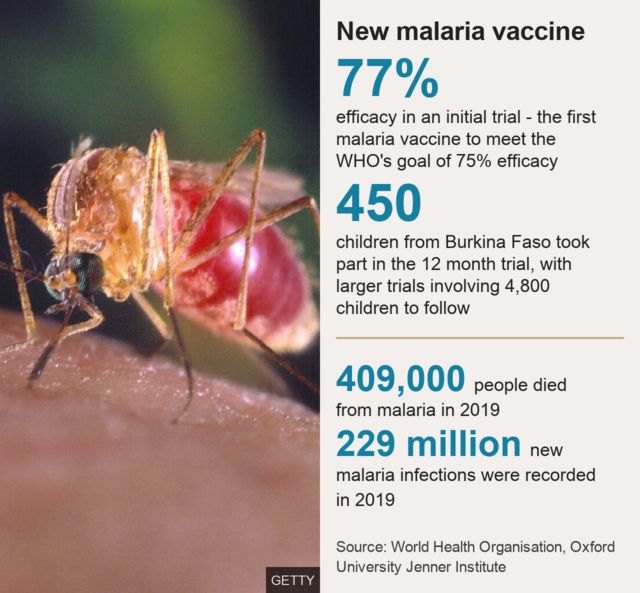


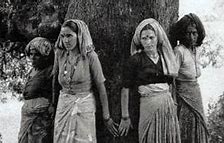
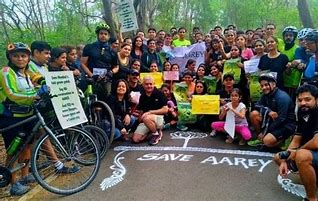
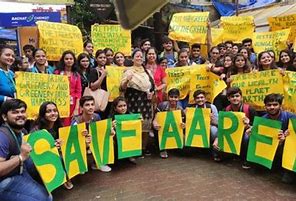





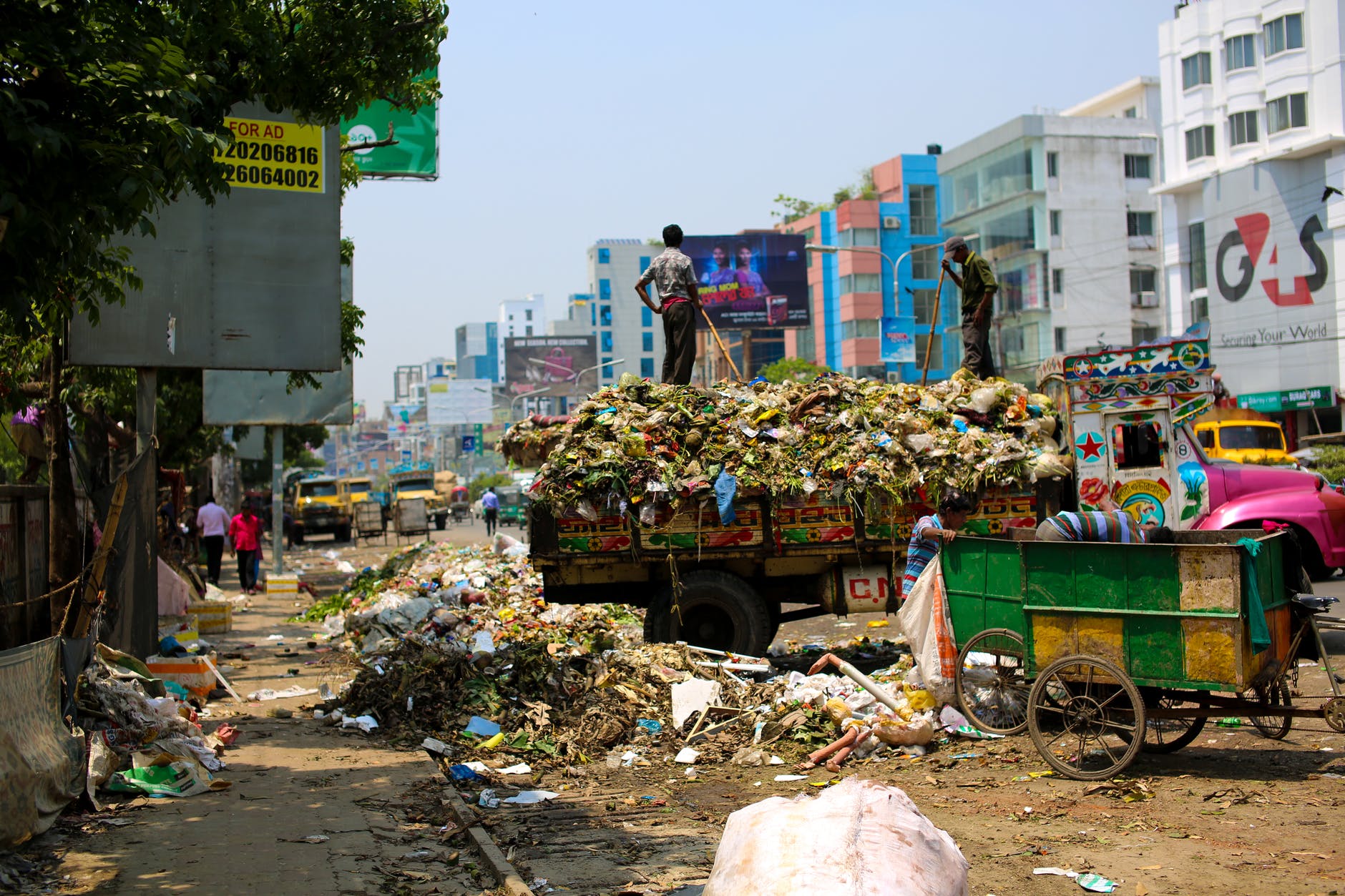

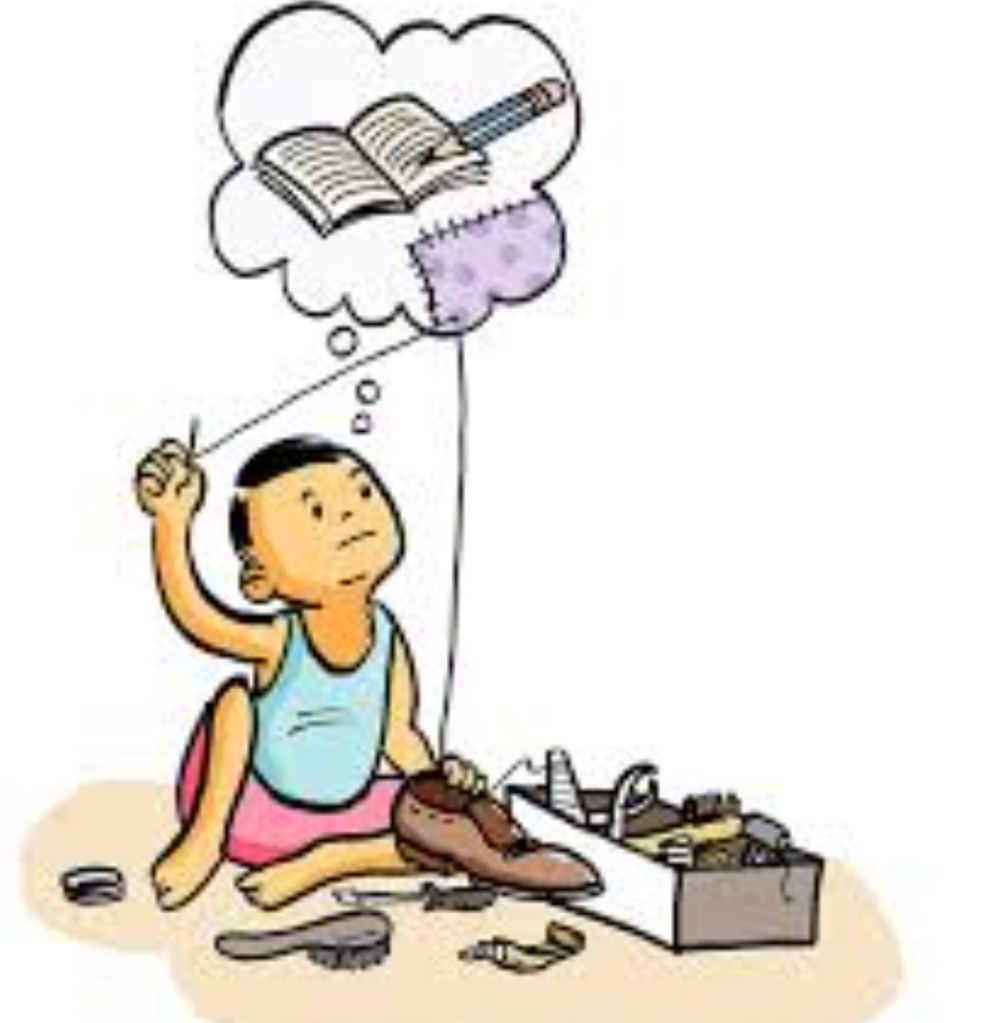
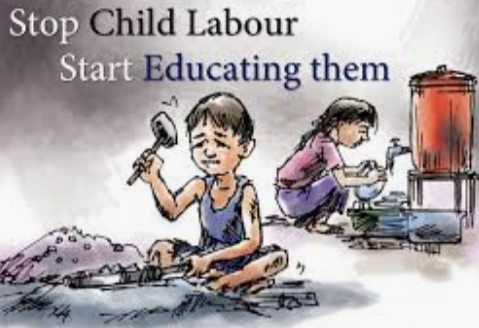


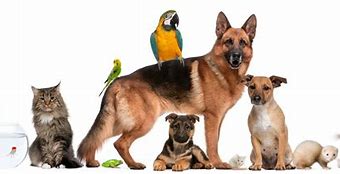
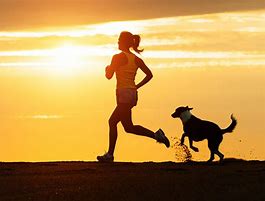

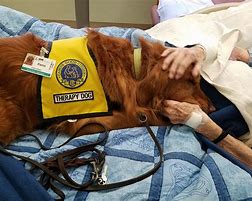
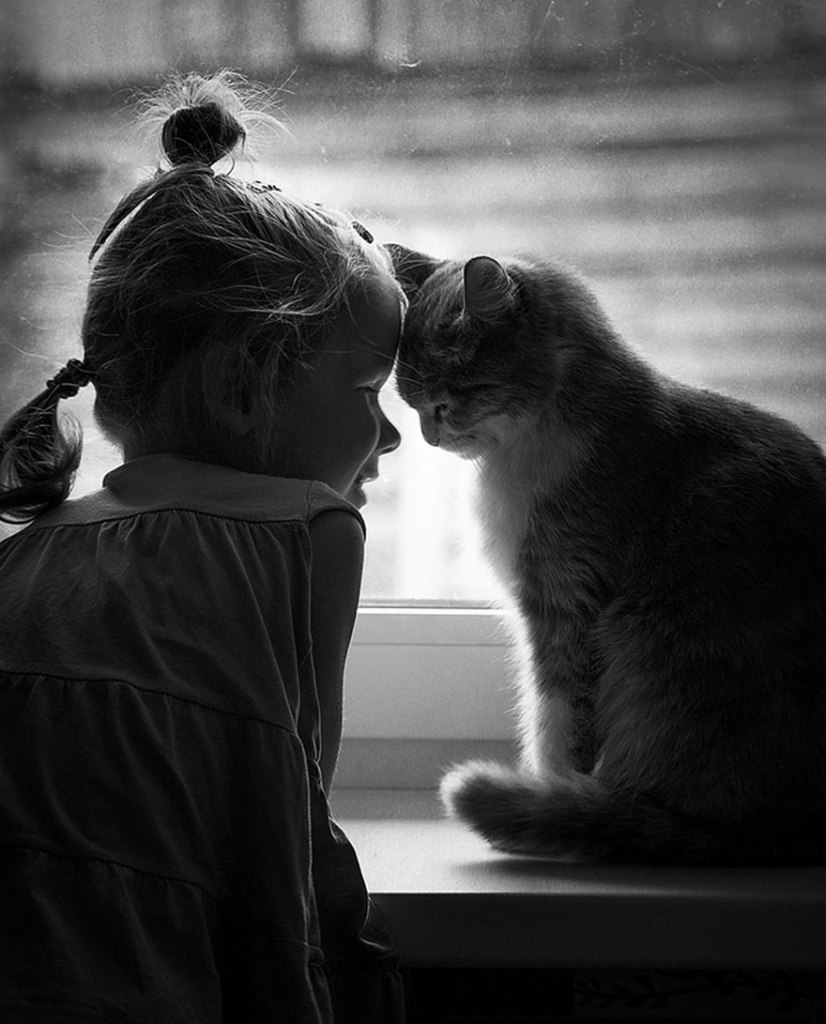






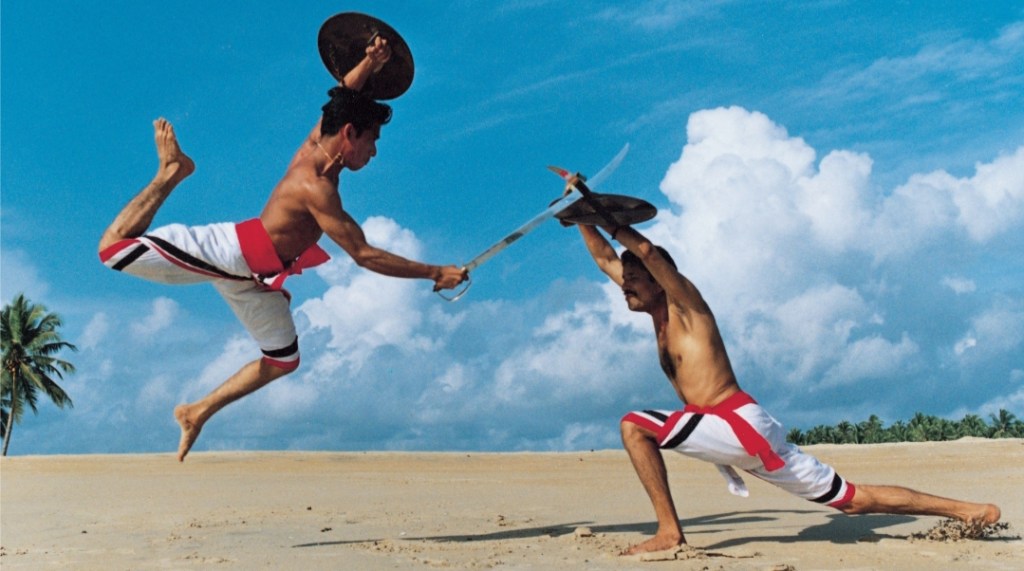



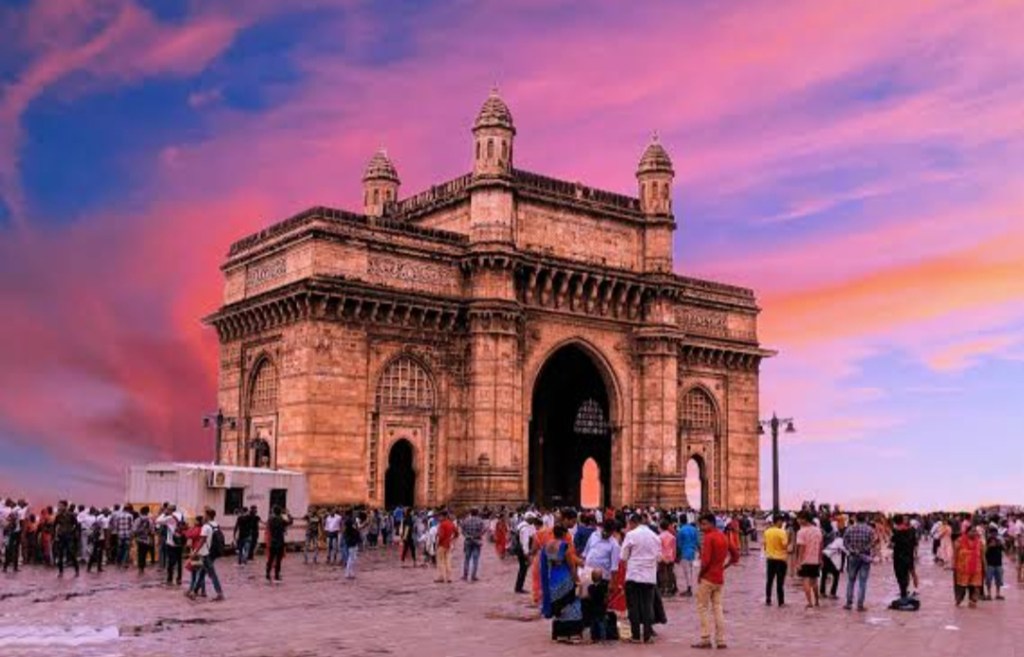

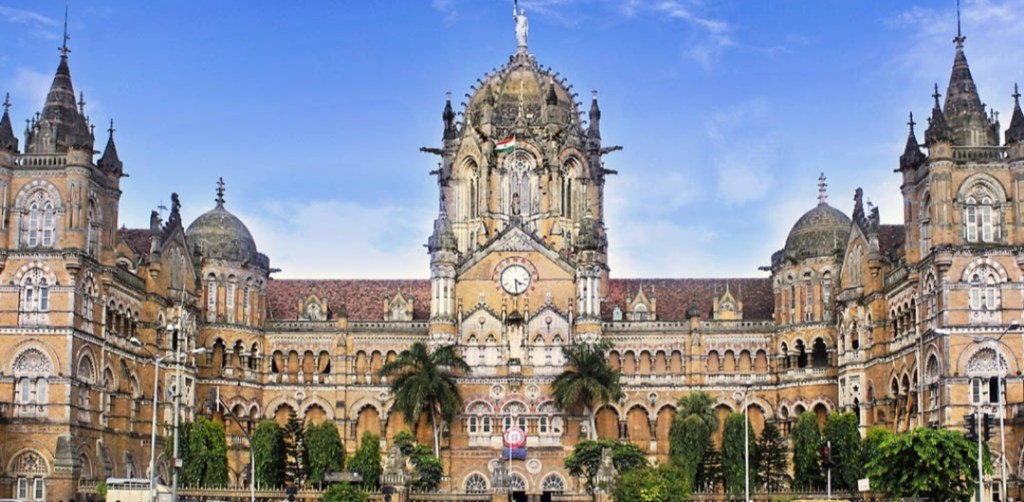
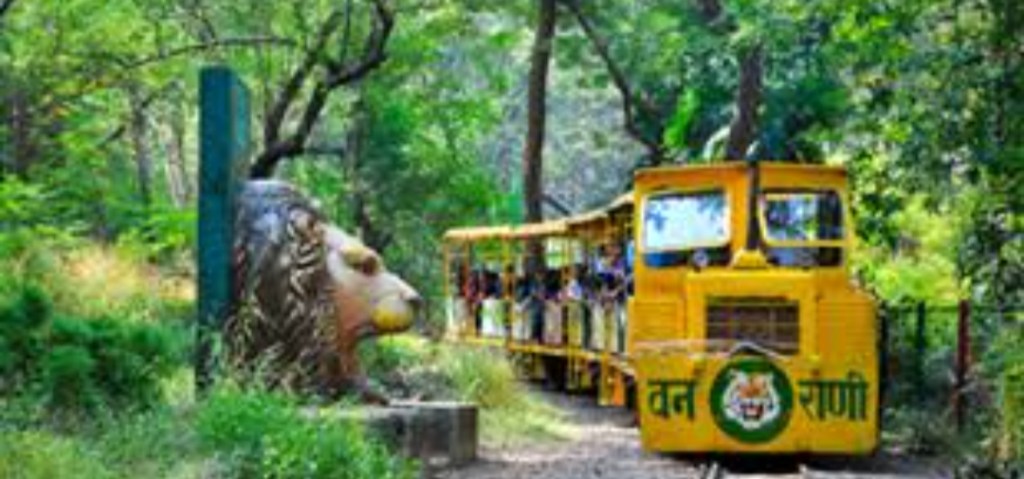


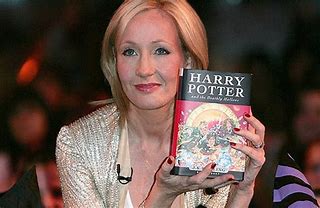
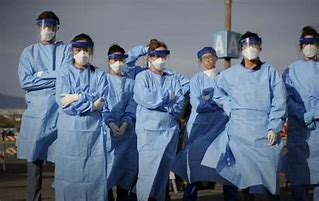
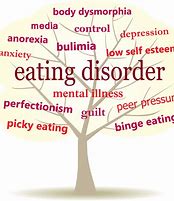







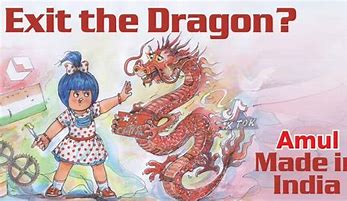













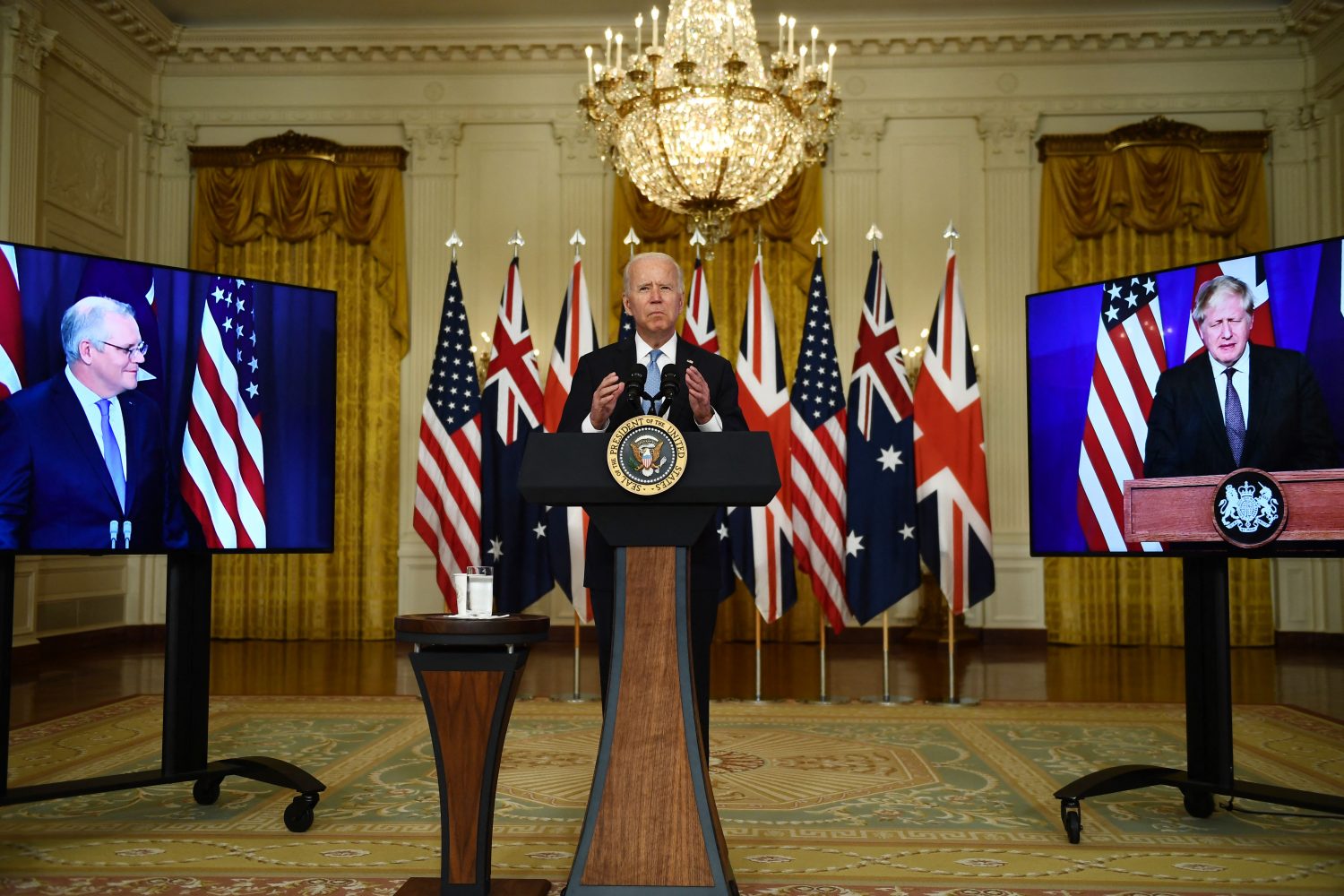
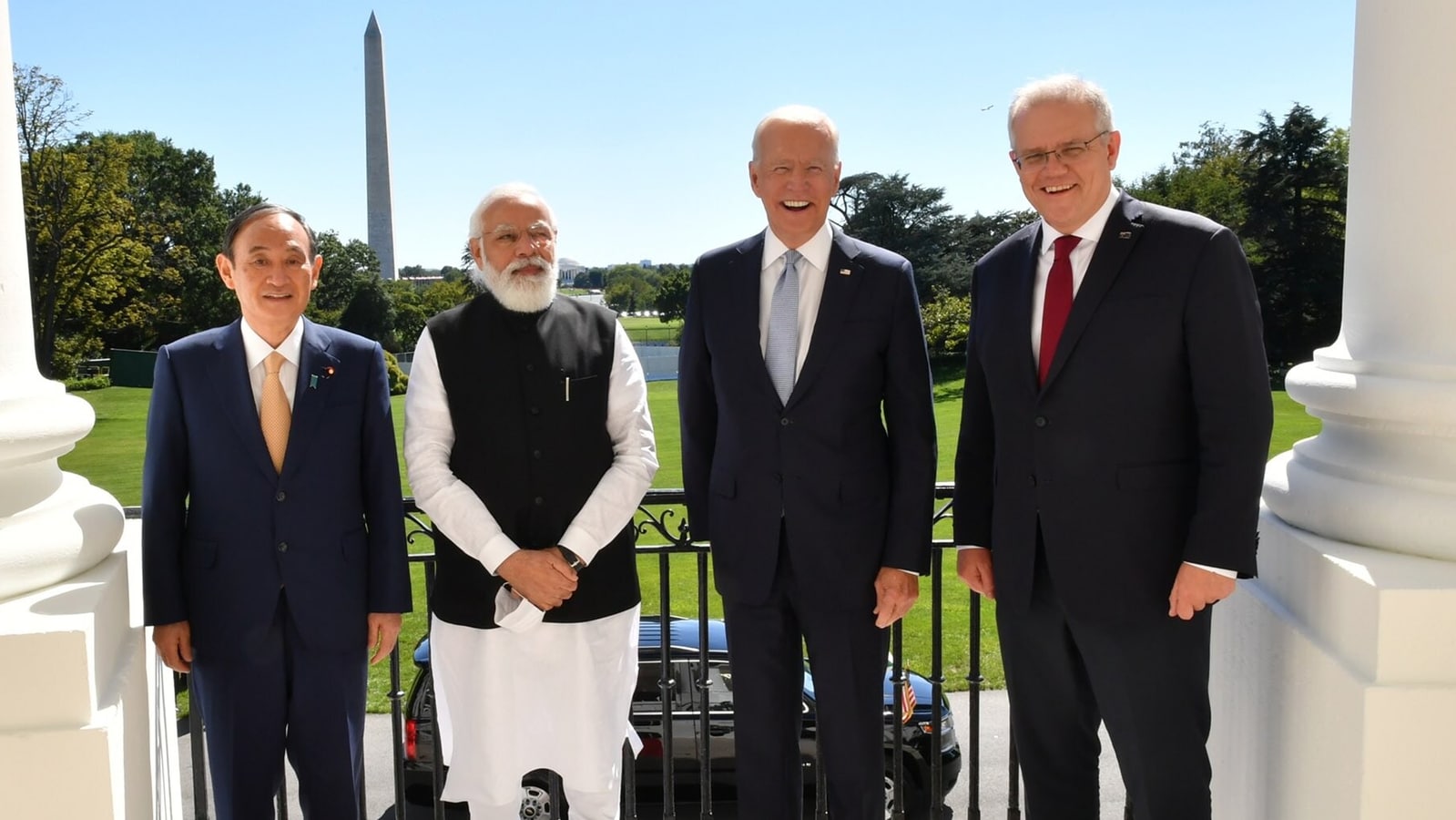
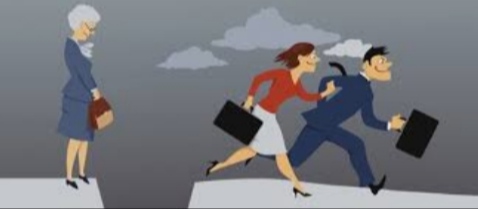





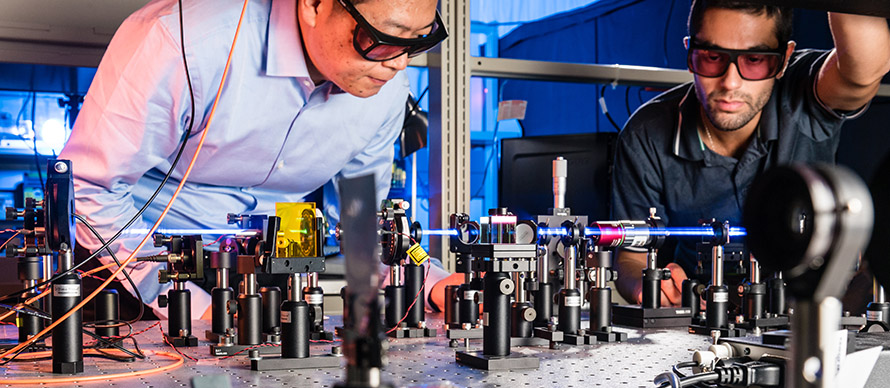
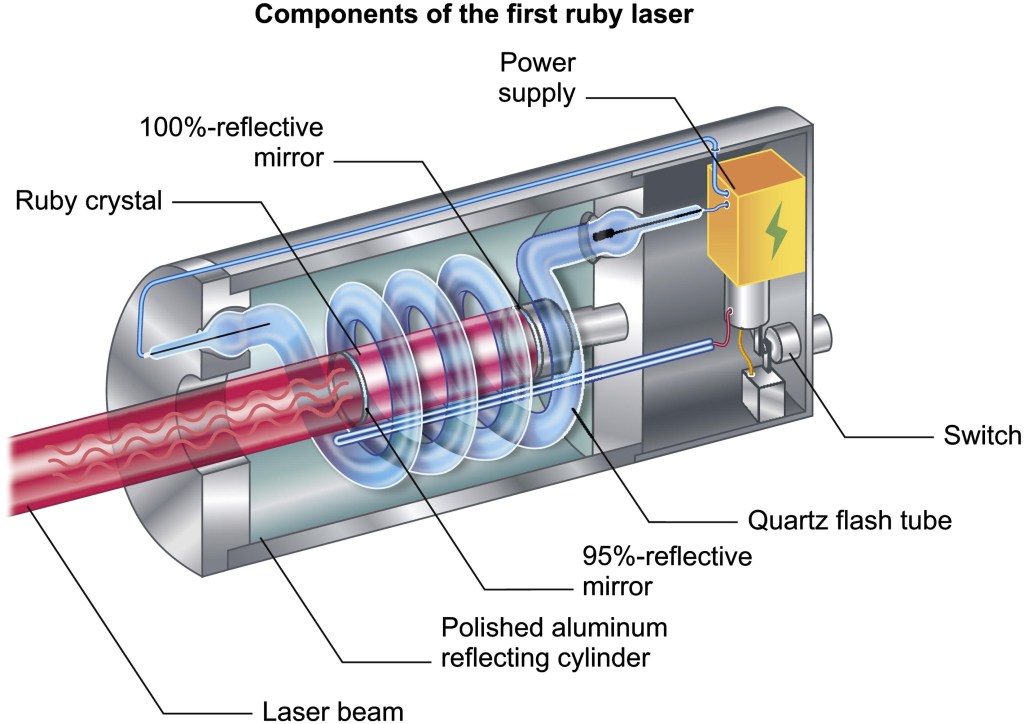


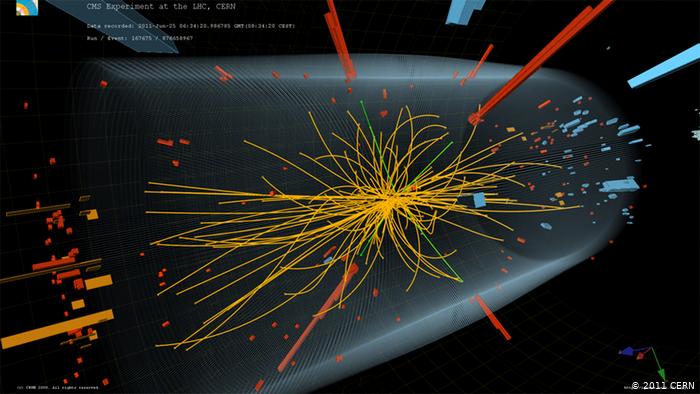


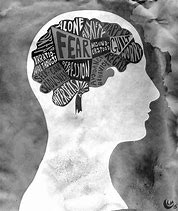
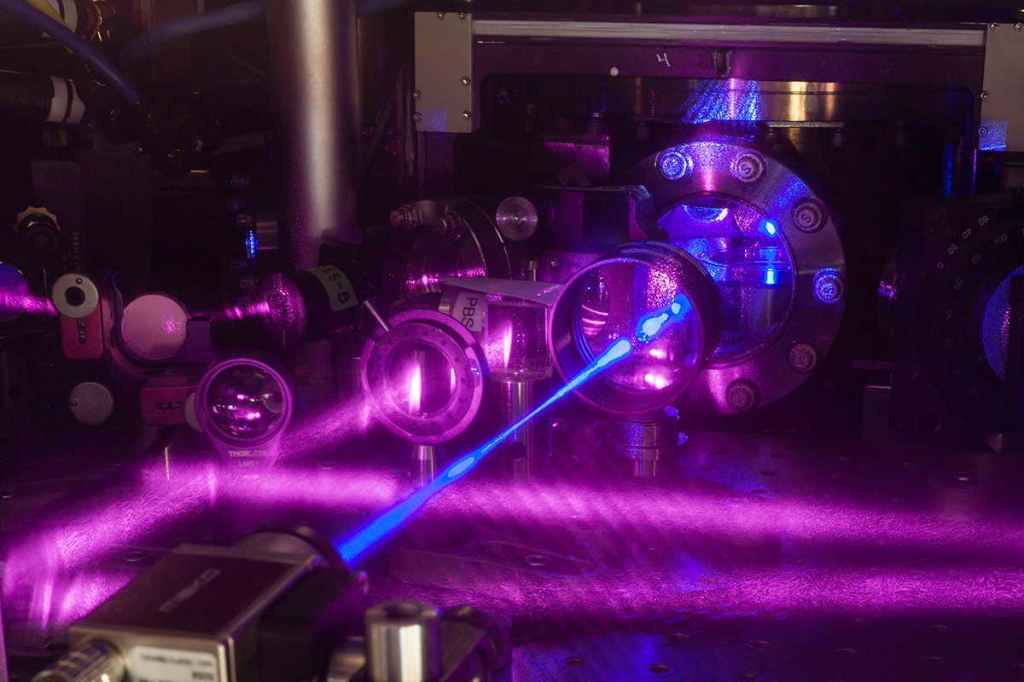
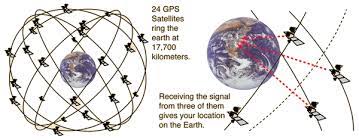

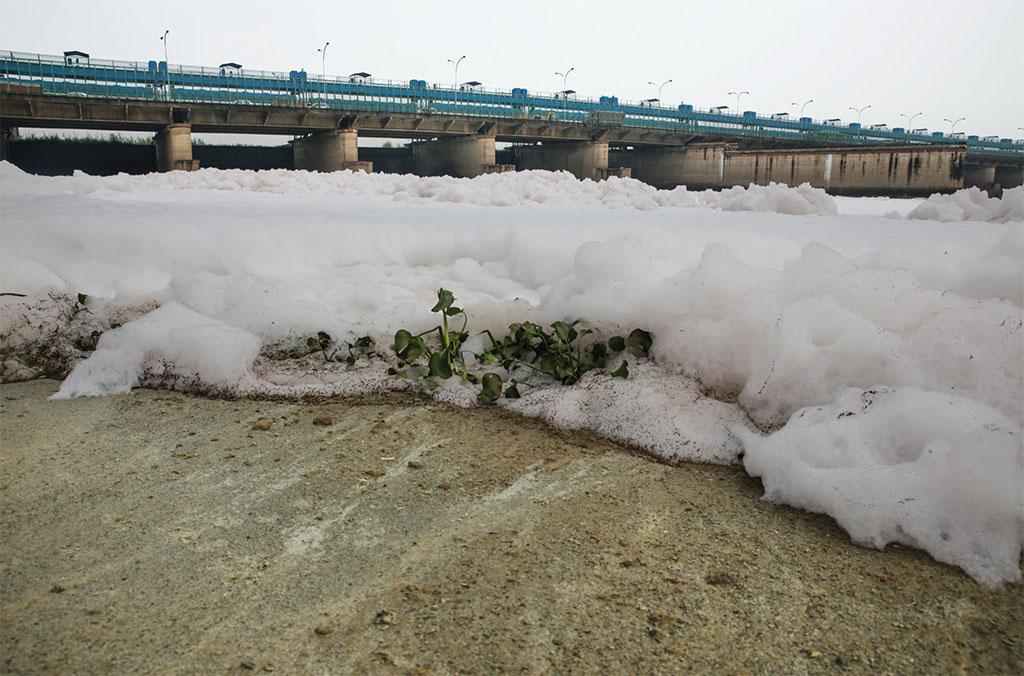
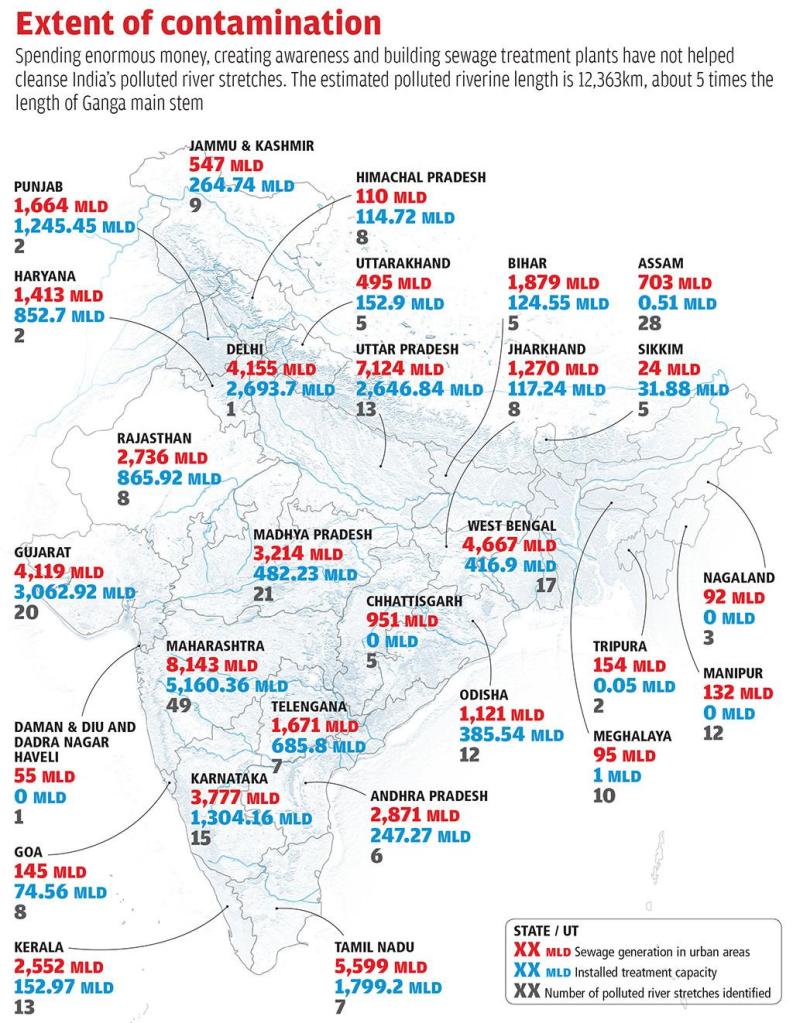
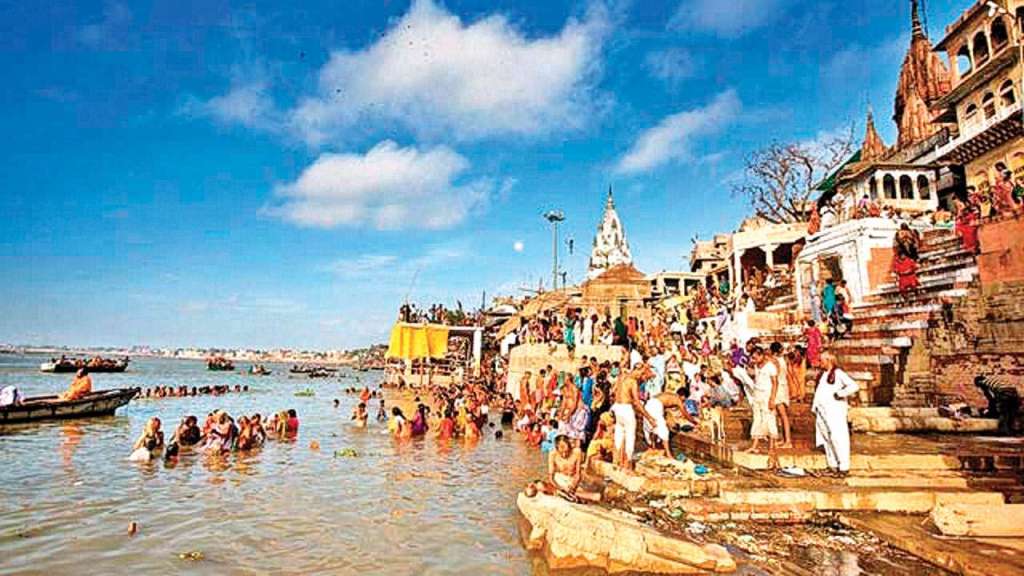
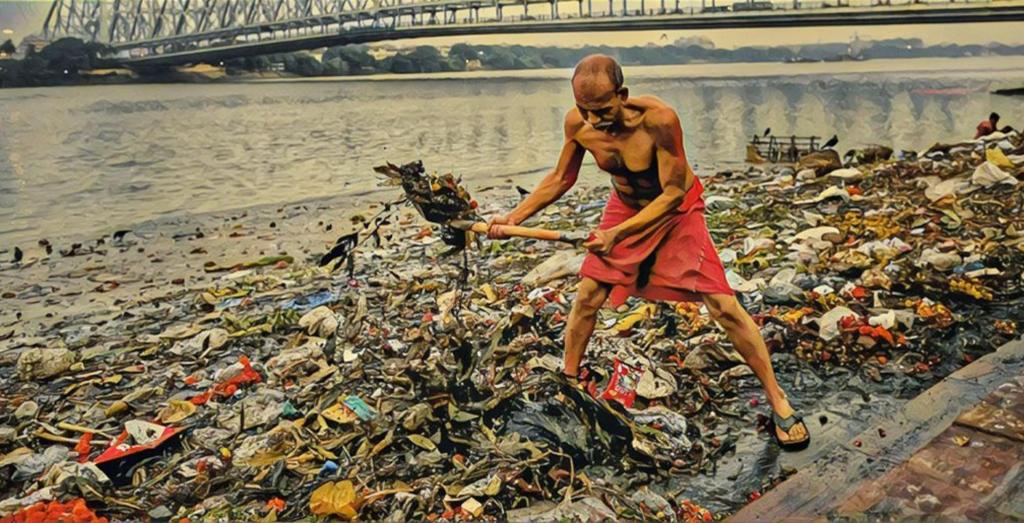
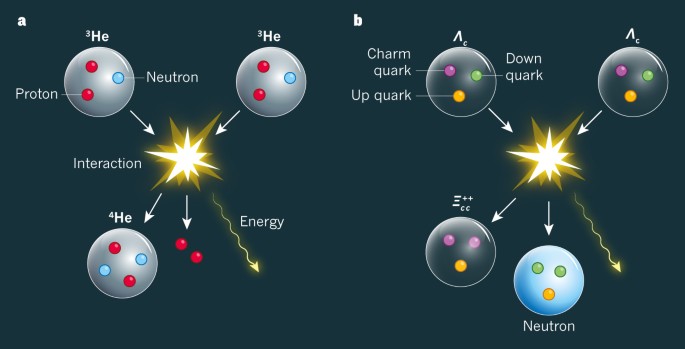
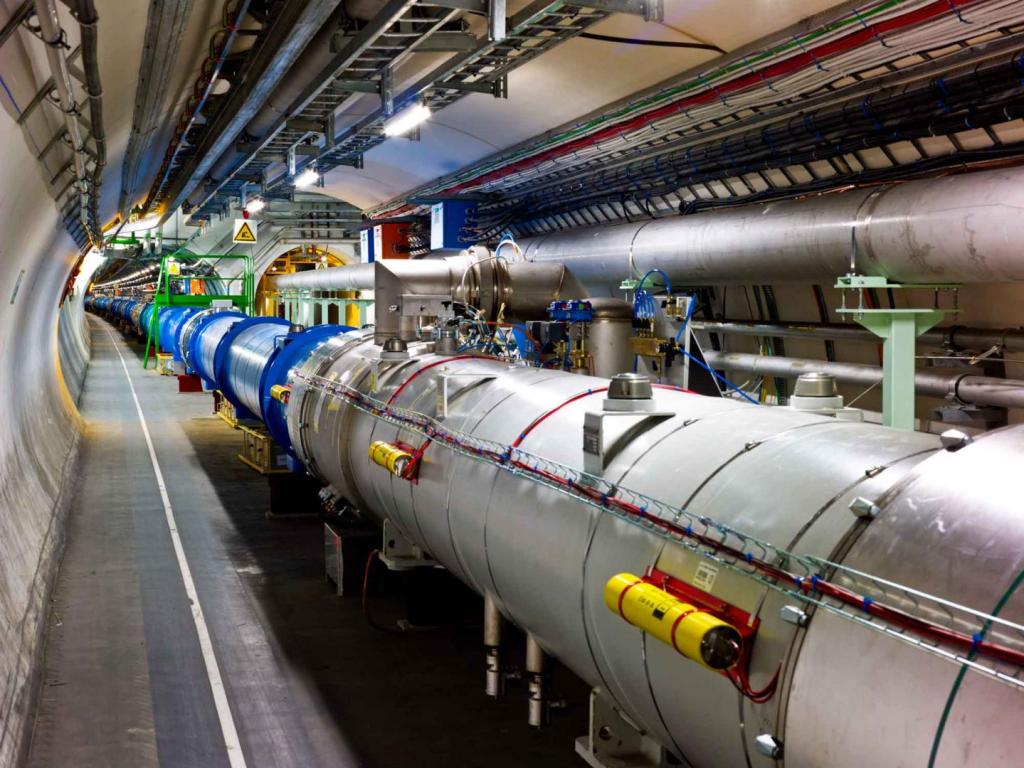

 Track2Training
You must be logged in to post a comment.