So what kind of relationship do you have with yourself? How do you treat yourself? Society has always given importance to relationships, but we are never enlightened about the relationship that we must have with ourselves. Hey, you are a loser! No, you can’t do it! You are dreadful! Visualize someone saying this to you. How will you feel? Hostile! And when you say them to yourself then…? Yes, you can have a toxic relationship with yourself.
Signs of a toxic relationship:- 1. YOU UNDERESTIMATE YOURSELF A LOT! I know many incidents might have happened in your life that pushed you back to underestimate your worth. 2. YOU DON’T ENJOY IT! When it’s time to have fun, then thoughts of your failure trigger you. 3. BRUTAL TO YOURSELF! Ok, so some of the past happenings where you faced criticzm can turn you to a cruel person towards yourself. If a person was sexually abused in his/her childhood and only that person knows about it, he/she has never communicated about that with anyone then imagine what he/she may be going through? That experience can turn him/her into a cruel person. But the truth is that no one will understand the reason for that kind of behaviour. So, there may be many occurrences that happen in your life that you don’t disclose to others, these turn you to behave in a certain way. I believe that an individual’s behaviour is framed by the kind of incidents that happen in his\her life but no one will judge you on that basis.
What to do then? JUST EXPRESS YOUR FEELINGS Never suppress your feelings. Share your feelings with someone whom you think will understand you. But most of us don’t feel comfortable articulating our feelings. So just write down whatever you are feeling. Just write down those failures, those past experiences. Start writing journal. Trust me, you will start feeling better. LIST ALL YOUR ACHIEVEMENTS Next, you can do is list down all the achievements. Ok, so now most of you may think, what achievements are you talking about? We haven’t achieved anything great. Even making your bed, getting a good score, cooking a meal for yourself, these all are small achievements and when you start counting them, you will start feeling good about yourself.
There may be situations when you are around toxic people who are turning you toxic as well, then just remember that no one is going to come to take you out from that situation. Believe it or not, it’s a fact that no one is going to believe you till you achieve something, for achieving something in life you have to believe in yourself. No matter how much your inner self reminds you of your past experiences, your failures, embarrassments, you have to push yourself away from all these, just work on yourself, JUST START, eventually, you will develop that confidence that will make you believe in yourself. Only you can take care of your mental health, don’t destroy it because of negative self-talk. Pretend to be the happiest in your worst phase of life till now, it may sound weird but I have tried this and it worked out very well for me. Initially, you will find it difficult and when you will start pretending then eventually you will be really happy. When life gives you lemons, why only make lemonade, make whatever you think will be the best for you! 🙂
Sir Andrew Motion, known for his narrative poetry is an English poet novelist and a biographer. He served as the Poet Laureate of England from 1999 to 2009. The “Last Call” is a short poem about the thoughts of a person who is at the edge of death. In a humourous way he thinks about his situation. Usually death is presented in a dark or melancholic manner. But here the narrator accepts death in a more positive light.
As the title implies, death, the last call comes to the narrator. Death is personified as “he” and the narrator,l says that he calls him to “come near”. Here, the narrator decides to answer the call of death with pity. But later the poet finds that death loves him. So then the poet reciprocates the love and he loves death back. Thud there is a constant love for each other and he embraces death.
The omnipresence of death is represented by the poet. Everyone knows that death is inevitable. Death is a companion for everyone from birth itself. Every living being are gradually moving towards death in their life. So this awareness about the omnipresence and inevitability of death is the reason for the poet’s acceptance of death. The transformation from pity to genuine love is the result of this belief that death is one’s constant companion. Thus in the short, humoristic way poet represents the notion of death. Death is presented in a more light, positive way by Andrew Motion.
Ted Hughes popularly known as animal poet portrays animal as better than humans. He has love and devotion for nature as well as animals. He believes that animals do not live under the fear of morality. Even though the themes of Hughes’ poetry is nature and animals, he do not romanticize them. But for Hughes poetry is a “journey into the inner universe” and “an exploration of the genuine self”.
In this 1959 poem “View of a Pig”, Hughes represents the pig through which he implies human characteristics. The pig mentioned in the poem is not just dead, but “too dead”, “less than lifeless”. The pig is referred to as’it’ in a cold way. The vast sized pig lie its “eyes closed” , and “it was like a sack of wheat”. Even though the narrator observes pig for a long time, he doesn’t feel pity for dead pig. He is frustrated, by thinking that how this pig could be moved. In the lines “the gadh in its throat was shocking”, is the first indication of the cause of its death. But that was shocking, not pathetic. The eating habit of the pig is mentioned as “they eat cinders, dead cats”. For a long time the narrator stared at the pig without feeling any remorse.
While analysing in a postmodern context, the themes of passivity, alienation and the lack of humanity of the post war era can be found in the observer’s behaviour. The poem can be also analysed in the finality of death. Hughes merely depicts the weight of the pig like “sack of wheat” to show that there is no life, only the body is left. The animal slaughter and industrial farming and also the cruelty of human beings can also be found in the poem.
“One Flesh” written by Elizabeth Jennings is a poem which shows the narrator’s reaction towards the passionless marriage of her parents. She explores their never in a melancholic tone. The title can be related to Bible in the Book of Genesis, in the creation of Adam and Eve. There the two individuals were ‘one flesh’ and could not be divided. This concept also extends to marriage where two individuals become one entity. Here the parents of the narrator were also ‘one flesh’ as mentioned in the title. They are the remnants of a former passion. Speaker says that she has rarely seen her parents touch or when they did that was fake or an act of necessity. Their relationship does not seem genuine. Poet describes the relation as ‘flotsam’ which shows their relationship growing colder. Poet also says that “whose fire from which I came, has now grown cold?”. The poet views her parents behaviour as chaste, or they are preparing themselves for the lives of chastity. During those times chastity was of utmost importance. So the narrator ends the poem by saying that all people, including her parents’ final destination is chastity.
Even though at an age they engage in passionate relationship they ultimately return to abstinence. Poet also questions whether the parents know they are old. The parents lie close but, they are not speaking to one another. They are mentally apart, their minds drifts to different places. The poet says that they are wasting precious moments they are together. For the speaker time seems to be a feather, which is withering away. Even though poet is able to find the feather parents are not realising that time is not left.
Biodiversity is very essential for the health of the biosphere and it provides the raw materials for man to make him adapt to the changing environment. Man derives many direct and indirect benefits from living things. Biodiversity provides ecological services also. The uses of Biodiversity are as follows.
1. Consumptive use value:
It includes food, medicine, fuel, fiber, timber, clothing, etc. 80,000 Species are edible wild plant species. 90% of the crops have been domesticated from wild tropical plants. Many wild animals were also sources of food (now it is banned). 75% of the world’s population depends upon plants for medicine. For instance, penicillin from a fungus namely Penicillium, quinine from a plant namely, cinchonas, tetracycline from a bacterium, and cancer-causing drugs like vinblastine and vincristine from a plant namely, Catharanthus roseus (Nithyakalyani) are obtained.
2. Productive Use Value:
The products are commercially usable. The wild gene resources are traded to introduce desirable traits in the crops and domesticated animals. Productive uses of biological resources are fuel, timber, musk, tusk, ivory, honey, fiber, gums, resins, medicines, silk, wool, etc. Though there is a ban on trade in products of endangered species, illegal smuggling does take place.
3. Social Value:
Biodiversity in India is related to our religious, cultural, and spiritual uses. Many plants like Tulsi, Pipal, Hibiscus, and Datura are considered to be sacred. Peacock, cow, snake, bull, and owl have a place in our spiritual arena.
4. Ethical Value:
We must protect every life. It is based on the concept ‘Live and let live’. we must enjoy watching all animals -Kangaroo, Giraffe, Zebra, etc., though they are not useful to us directly. We should not cage birds for our pleasure and pastime.
5. Aesthetic Value:
Biodiversity provides us with a good deal of fun and recreation. This type of tourism is known as ecotourism which generates 12billion dollars as income per year. If we have a lion in a zoo we get about Rs.2 crores as income per year. But if we kill the lion we get only Rs. 50,000\-. A teak tree fetches Rs.50,000\- if cut down; But if it lives, its value is priceless by way of its ecological role.
6. Option Values or Unknown Benefits :
We must try to explore the potential of Biodiversity for the future benefit of mankind. We must protect the biodiversity to find out drugs to fight diseases like cancer and AIDS.
BIODIVERSITY AT GLOBAL LEVEL:
According to Erwin(1982), 5 to 30 million species of the world are yet to be described and are living in tropical forests. So far only 1.7 million species have been described. These include green plants and fungi (3lakhs), insects (8lakhs), vertebrates (40,000), and microorganisms (3.6 lakhs).
Proportion of all the living organisms in the world.
1. 20,000 to 30,000 taxonomists all over the world do serious research and describe name, and classify plants every year.
2. 20,000 species are being discovered and named every year. There are about 2.5lakhs species of plants described so far.
3. The continental drift is a main reason for the increasing diversity.
4. In tropical forests, about 1,25,000 species of flowering plants are considered to be in existence.
The modern age is known as age of competition. It includes not only academic field, sports field but also every sphere of life. In the field of sports we see that every player is trying to reach his maximum capacity. In international competition, take the example of running in which competitors are having the difference of fraction of seconds. Everyone wants to get medal. So competitors are acquired fraction of second with the help of psychology biomechanics nutrition, sports medicine and all other. All these science help us to develop maximum performance through the minimum expenditure of energy. Maximum sports performance are developedof the players through the yoga and pranayam.
The most of the people eat and drink(too much tea or coffee, which creates toxicity in his blood and brain) this chaotic life style makes him prone to disease both somatic and psychic such as acidity, asthma, headache, hypertension, common cold, diabetes, thyroid, postural defects and give stress etc. Which are not directly amenable to conventional (allopathic medicine). Now a days yoga and pranayam therapy have been mostly used for the treatment of both somatic and psychic diseases. Yoga and pranayam are one of the ancient Indian principles which are used in the mind-body connection.
Yoga refers to the types of exercises based on controlled the respiratory system, blood circulatory system, endocrine system, digestive system, nervous system, urinary system and muscular system etc.
The great saint Patanjali considered “Ashtanga yoga” i.e. eight fold of yoga. These are given below:
Yama (forbearance)
Niyama (religious observance)
Asana (posture)
Pranayama (suppression of the breath or breathing in a peculiar way)
Pratyahara (restraint of the senses) 6. Dharana (steading of the mind)
Dhyana (contemplation)
Samadhi (trance
The first five make external yoga while other three are internal yoga. All of these elements have further sub divisions. According to Patanjali there are five yamas such as:
Ahinsa
Satya
Asteya
Aparigraha.
Brahamcharya
Niyam are also five in number such as
Shauch
Santosh
Tapas
Swadhyay
Ishavar paridhan
Asanas are incalculable in number. For physical vigour mental poise are spiritual upliftment all these asanas, advisably done with pranayama and significantly important.
Pranayam is in fact, a part of upasana or devotion. It has three phrases i.c. Purak. Rechak, Kumbhak. After the adoptation of the correct posture, one aims at synchronizing. inhalation, exhalation process to such an extent that there is natural and automatic suppression of the health. This state is called Pranayama.
Pratyahar is restraining the senses which are gateways of knowledge. In fact, pratyahar simply means back from the sensual pleasures. When senses have been controlled through it is an attempt to steady one’s mind. To this yogis call ‘Dharana’ which means steadying and concentrating ones mind in particularly ‘nothing’. After the mind has been steadied, the real contemplation (Dhayan) starts. At this stage, there is smooth flow of deep thinking neither hampered nor distorted. The state of body and mind can be compared to the smooth flow of water in a stream which never disturbed. The state of mind which originates in dhayan, now culminated in “Samadhi” or profound meditation; the highest state of yoga where there is neither aught nor naught, neither dark nor light, neither pleasure nor pain etc. Dhayan, Dharana and Samadhi, all the three together make sanyam(restraint or control). We have see that yoga is not something an ordinary physical exercise or a way of worship. It is a means through which we enjoy the blessing of this life processing good health but also mitigates the pains and suffering of death.
BENEFITS OF YOGA ARE GIVEN BELLOW:
1) Yoga and pranayam are use for cure and a prevention of many diseases, such as acidity, asthma, arthritis, indigestion, diabetes, thyroid, hypertension etc.
2) Yoga is the simplest form of relaxation. It reduces obesity.
3) Yoga has a hygienic effect. Exercises like, Bhujangasana, Shalabhasana, Dhanurasana, sarvangasana, paschimotanasana and chakrasana etc. are meant for cleaning various internal and external vital organs of the body.
4) Yoga is most necessary for mental disorder of a people.
5) Yoga helps us to a great extent, which stimulates our brain.
6) Yoga helps in regularizing he breathing process(inhalation and exhalation).
7) It is the most economical activity.
Yoga is becoming popular everyday. Centers are being opened everywhere to attract people to the practice yoga. Yoga as a therapy is useful in every sphere of modern life whether it is social, professional or spiritual.
Forest ecology is the scientific study of the interrelated patterns, processes, flora, fauna, and ecosystems in forests. A forest ecosystem comprises soil, trees, insects, animals, birds, and man as its interacting units. It is a large and complex ecosystem. It also plays a significant role in controlling the water cycle, stabilizing soils, leveling the climate, and providing a habitat for wildlife. The forest ecosystem is dominated by trees. Forests are natural plant communities. They are found in regions where there is moderate to high rainfall. They are the climax communities occupying 19% of the total land area in India. There are different types of forests depending upon the climate. They are as follows:
1.Tropical Rain Forests: They are evergreen forests found occurring near the equator. They get high temperatures, high humidity, and heavy rainfall. These forests are famous for the richest biodiversity. There are three layers, namely the topmost layer of tallest trees, (e.g., Lianes and orchids), Shrub layer(many shrubs), and ground layer (herbs) eg., The Silent Valley in Kerala.
2.Tropical Deciduous Forests: They are found a little away from the equator. There is a warm climate throughout the year. Monsoon rainfall occurs during the monsoon seasons. Since drought prevails in the forest during most of the year, the leaves fall during the dry season. In India, the tropical deciduous forests are found in the states of Madhya Pradesh, Uttar Pradesh, Odisha, Chhattisgarh, Jharkhand, and some parts of Maharashtra.
3. Tropical Scrub Forests: The tropical scrub forest is a biome that makes up the arid land. This type of biome consists of desert region and areas of low-lying regions, there are dense bushes which are growing over these places. … The plants and animals of the tropical scrub forest have to adapt and flourish in this type of harsh environment.The Deccan thorn scrub forests are a xeric shrubland ecoregion of south India and northern Sri Lanka.
4. Temperate Rain Forests: They occur in areas where there is adequate rainfall. Coniferous trees like firs, redwoods, and pines dominate these forests. There are also evergreen trees, with broad leaves. Temperate forests are mainly found in the regions of high altitudes and in maximum rainfall areas. They are found mostly in the north and northeastern states of India and consist of tall trees.
5. Temperate Deciduous Forests: Temperate deciduous or temperate broad-leaf forests are a variety of forests forests ‘dominated’ by trees that lose their leaves each year. They are found in areas with warm moist summers and cool winters. Temperate forests found between an altitude of 1,000 and 2,000 m. In the higher hill ranges of northeastern India; for example, hilly areas of West Bengal and Uttaranchal, evergreen broad leaf trees such as oak and chestnut are predominant.
6. Evergreen Coniferous Forests (or) Boreal Forests: A forest that grows in regions of the northern hemisphere with cold temperatures. Made up mostly of cold-tolerant coniferous species such as spruce and fir. The Eastern Himalayan subalpine conifer forests in temperate coniferous forests ecoregion that is found in the middle and upper elevations of the eastern Middle Himalayas, in western Nepal, Bhutan, and northern Indian states including Arunachal Pradesh and Sikkim.
Dwight Okita’s poem “In Response to Executive Order 9066” addresses issues such as identity, and discrimination as a result of cultural hybridity. The narrator of the poem is a fourteen year old Japanese girl who writes a letter to the government in response to Executive Order 9066. As the title of the poem implies the historical context of the poem is the time when president Franklin D Roosevelt signed the Executive Order 9066. After two months of the Japanese attack on the Pearl Harbour Roosevelt signed the order, which orders the removal of over 12000 people of Japanese descent from the West Coast. This resulted in their loss of home, job and all other possessions including human rights.
Okita uses the form letter to represent the innocence as well as the horrors in the mind of the young people who were forced to leave to the camps. The narrator presents the the people in her life, from father to best friend in the letter. The relevance of racial identity among children is presented by the best friend. Through the first person narrative, poet presents the contrast between two cultures, one she came from and the other she grew up.
tje narrator is a normal, naive American girl even though she is of Japanese origin. She says to the government that it is obvious that I will be coming to the camp and I have packed. Her innocence is visible when she mentions about the tomato seeds. Her father warns her that they don’t grow there. The cultural dilemma faced by the girl can be find when she mentions about her inability to use chopsticks and her love for hotdogs.
The following lines after this shows the horrors of migration, war and racial identity among children. Denise and the narrator were best friends. But after being aware that narrator is of Japanese origin her friend has started to discriminate her. She said “you are going to start a war”. Denise also told her to keep their mouth shut, and not to give secrets to the enemies. Thus these lines suggest that even innocent people were considered as enemies or “other” as a result of war. Even being a young naive girl, the narrator is discriminated.But she looks upon this discrimination with hope and love and gives Denise tomato seeds and tells her that “she would miss her”.
Through this poem Okita presents themes like discrimination, innocence and ignorance. Both the characters are ignorant. The narrator is ignorant about her being discriminated, and it’s reason, about her future in the camps. The friend is ignorant about war and considers and stereotypes every Japanese as enemies. This shows her ignorance. Innocence is the primary theme of the poem through which the narrator is unfolding her feelings and hope. Poet shows how war and relocation affect the common people and children who are not even part of that.
Philip Larkin is a British poet of twentieth century. His poem “Church Going” deals with the issues regarding the declining religious beliefs and spirituality of the twentieth century. The title of the poem carries multiple connotations. In a primary analysis the title may refer to going to the church for participating in the sermons or for praying. Another meaning is just visiting the church for the sake of visiting. And in a deeper analysis it can be said that the title may refer to going away from the church which means an escape from religion and spirituality.
The poem is filled with various rhetorical questions through which poet brings a sense of sarcasm. Poet is at the church in the beginning. As he enters he thuds close the door. But he refuses to enter first, because he doesn’t want to disturb the practices. Then there are several instances in the poem which reflects the lack of faith in the poetic persona’s mind.
He has seen many pillars, bible, altar and he doesn’t feel any respect towards them. He reads from the Bible in a sarcastic way and exits. He feels a kind of uncle or irreverence towards the church and religion. The poetic persona wonders that what will happen to the church if the people completely stop the visit. He says that some will be tourist attractions with their documents and ceremonial plate wares. Others will decay and take over by sheeps and cows. Or some women with superstitious beliefs would visit.
The narrator also wonders who will be the last person to visit the church as a church. One may be a history buff, or an antique lover. Someone who loves the Christmas will also be a visiter. But the last person may be a poet like the narrator, bored and ignorant about religion. Even though the poetic persona is ignorant and having irreverence, says that the church held everything together from the shattered form. It is the place of marriage, birth and death and gives meaning to all human action. The church, which is a serious and meaningful place in a meaningful ground combine all human instinct and humans seek wisdom from here. Through the poem Philip Larkin presents a contrast between shattering beliefs and the spirituality of the twentieth century and the role of church and religion in giving meanings to human life.
Kabuliwala is a Bengali short story written by Rabindranath Tagore in 1892, during Tagore’s “Sadhana” period (named for one of Tagore’s magazines) from 1891 to 1895. This story is one of the best stories written by Rabindranath Tagore.
This is very emotional and sensitive story which portrayed a father’s deep love for his daughter. This story is adapted many times as a Bengali and Hindi movie in 1957 and 1961 respectively and also as a part of television series named “Stories by Rabindranath Tagore”.
SUMMARY
The story opens with the narrator describing his five-year-old daughter Mini, who learned how to talk within a year of being born and practically hadn’t stopped talking since. Her mother often tells her to be quiet, but her father prefers to let her talk, so she talks to him often.
One morning, Mini chats with her father while he’s working on an adventure novel. She looks out the window and spots a man and starts calling him “Kabuliwala, Kabuliwala!” The man she’s shouting about is an Afghan named Rahamat in baggy clothes, walking along selling grapes and nuts. However, when he comes over, Mini runs into another room, convinced that his large bags are full of children, not goods.
A few days later, our narrator finds Kabuliwala sitting next to Mini with a pile of raisins and nuts in her lap, paying close attention as she talks and talks. He has given her some grapes and pistachios, so the narrator gives the Kabuliwala half a rupee and tells him not to give her any more treats.
Later, Mini’s mother finds her with the half-rupee and asks where she got it, and is displeased to hear she took money from the man.
Mini and the Kabuliwala develop a close relationship, spending time together every day joking around and talking. The narrator enjoys talking to Kabuliwala too, asking him about his home country of Afghanistan, and all about his travels. But Mini’s mother is alarmed by her daughter’s closeness with the man, worrying that he might try to abduct Mini. The narrator does not agree that there is any danger.
Every year in the middle of the month of Magh, the Kabuliwala returns home. Before making the trip, he goes around collecting money he is owed. But this year, the Kabuliwala gets into a fight with a man who owes him money and staggers him. As a result of this, he spends the next many years in prison, during which Mini grows up and starts enjoying the company of girls her age. The narrator more or less forgets about the Kabuliwala.
A few years later, the narrator and his wife are preparing for Mini’s wedding day. But on the day of Mini’s wedding, the Kabuliwala appears at the narrator’s house. Without a bag or his long hair, he is barely recognizable to the narrator, but he eventually welcomes him in. The narrator is uneasy, thinking about how the Kabuliwala is the only would-be murderer he’s ever known, and tells the visitor to leave. He complies.
But shortly after, the Kabuliwala returns, bringing a gift of grapes and pistachios for Mini. The narrator doesn’t tell him that it’s her wedding today, but simply repeats that there’s an engagement at their house and he must go. But Kabuliwala pulls “a crumpled piece of paper” out of the breast pocket of his shirt and shows the narrator the handprint of his daughter, Parvati, that he carries with him while he travels for work. He explains that he has a daughter back home in Afghanistan, and that Mini helps him deal with the heartache of being so far from her. The narrator is touched and gets Mini.
Mini and the Kabuliwala have an awkward exchange during which the Kabuliwala suddenly realizes that his daughter, like Mini, will have grown up and be different from the little girl he once knew. As Kabuliwala thinks about Afghanistan and his daughter, the narrator pulls out some money and asks Kabuliwala to use it so that he can return home to Afghanistan to see his daughter. He tells Kabuliwala that, “by your blessed reunion, Mini will be blessed.” Giving Kabuliwala the money means that Mini’s wedding party is not as grand as it might have been, but the narrator is happy with it, believing that “the ceremony was lit by a kinder, more gracious light.”
Analysis
There are two central themes in this story, and Tagore masterfully plays them against each other to build tension in the narrative. The first key theme is otherness, with Kabuliwala standing as a clear outsider who speaks broken Bengali and dresses in a way that situates him outside of typical Bengali society. The narrator is fascinated by him in part because of the fact that he’s seen parts of the world that are so different from Calcutta, while the narrator’s wife distrusts him precisely because he is a foreigner, and perhaps one who will kidnap her child, which she thinks Afghanis are wont to do.
The other theme is doubling, as the narrator and the Kabuliwala are construed as mirror characters of one another. They are both shown as storytellers, and each is fascinated enough by Mini to listen to her talk for hours. But most importantly, Tagore reminds us that they’re both fathers, and the narrator seeing the Kabuliwala as a man who is heartsick over a daughter that he has not seen in years helps the narrator see the man as a human being, not as some would-be murderer.
The genius of the story is the fact that the climax seems to come when Kabuliwala stabs the debtor, which would confirm the narrator’s wife’s worst fears that this outsider is dangerous. During what seems like the denouement of the story, the Kabuliwala returns and the narrator, who has clearly spent the intervening years considering the man a would-be murderer, tries to brush this outsider off.
But then the real climax comes. The Kabuliwala pulls out the piece of paper with his daughter’s handprint inscribed on it. This image draws a link between the narrator and Kabuliwala as men with daughters they love dearly. With the move to bond the narrator and the Kabuliwala, Tagore crafts a tale about finding common humanity despite all of the differences that two men may have.
It’s worth noting here that one of the things that makes Tagore such an innovator given the context he was writing in was his unconventional narrative structure. Indeed, this story doesn’t play out over some sort of conflict and resolution like a typical narrative (or the adventure stories that the narrator writes) might. Instead, Tagore develops a set of relationships and shows us how those relationships play out when tempered by the sands of time.
Solar Energy is the energy obtained from the sun. The sun gives out a vast amount of light and heat. It is only a little less than half (47%) of solar energy which falls on the atmosphere reaches the earth’s surface. If we could use just a small part of this energy it would fulfill all the country’s need for power. Solar Energy has advantages and also certain limitations.
SOLAR ENERGY DEVICES:
The energy from the sun can be harnessed to provide power. The various devices used for harnessing the sun’s energy are called solar energy devices.
SOLAR CELLS:
Solar cells ( Photovoltaic devices) are made up of silicon that converts sunlight directly into electricity. The solar cell produces electricity without polluting the environment. Since it uses no fuel other than sunlight, no harmful gases, no burning, and no wastes are produced. These can be installed in remote and inaccessible areas ( forests and hilly regions) were setting up of power plant is expensive.
Uses of Solar Cells:
• It can be used for street lightning, traffic signals, water pumping, battery charging system etc.
• It is used in artificial satellites and space probes.
• It provides radio and TV transmission to remote areas.
• It is used in calculators, electronic toys, and watches.
SOLAR PANEL:
Arrangement of many solar cells side by side connected to each other is called a Solar panel. The capacity to provide electric current is much increased in the solar panel. But the process of manufacture is very expensive. Installation of solar panels in homes helps in combating the harmful emissions of greenhouse gases and thus helps reduce global warming. Solar panels do not lead to any form of pollution and are clean. They also decrease our reliance on fossil fuels (which are limited) and traditional power sources. These days, solar panels are used in wide-ranging electronic equipments like calculators, which work as long as sunlight is available.However, the only major drawback of solar panels is that they are quite costly. Also, solar panels are installed outdoors as they need sunlight to get charged.
SOLAR COOKER :
It consists of an insulated metal box or wooden box which is painted from inside to absorb maximum solar radiation. A thick glass sheet forms the cover over the box. The reflector is the plane mirror that is attached to the box. The food is cooked by energy radiated by the sun .A solar cooker, or solar oven, is a device which uses the energy of sunlight to heat food or drink to cook it or sterilize it. High-tech versions, for example electric ovens powered by solar cells, are possible, and have some advantages such as being able to work in diffuse light.
SOLAR THERMAL PLANT:
Solar thermal power plants are electricity generation plants that utilize energy from the Sun to heat a fluid to a high temperature. This fluid then transfers its heat to water, which then becomes superheated steam. This steam is then used to turn turbines in a power plant, and this mechanical energy is converted into electricity by a generator. This type of generation is essentially the same as electricity generation that uses fossil fuels but instead heats steam using sunlight instead of combustion of fossil fuels. These systems use solar collectors to concentrate the Sun’s rays at one point to achieve appropriately high temperatures.
Advantages of Solar Energy:
• It is available in abundance in India and is free of cost.
• It is a renewable source of energy.
• It can be used for generating electricity or heat.
A Youth Culture was emerging with a set of values that was frowned upon by the previous generation. There was a revolution in fashion, music, literature, and the arts. The sudden development of mass communication helped create and sustain this youth culture. This youth culture spread all over Europe and USA. Miniskirts and kaftans made their appearance on the streets of London and San Francisco. This was the time when two singing groups, TheBeatles and The Rolling Stones, gained worldwide popularity. The new kind of music was symbolic of young people’s rejection of parental values. The reality of change was to be perceived in every aspect of life-in fashion, in a new frankness in conversation, and print. All these were summed up under the label ‘permissiveness’. Sexual and social taboos eroded with the introduction of contraceptive pills and recreational drugs. The values of this youth culture exercised sway over half the globe as the Swinging Sixties wore on.
MAJOR EVENTS:
In the sixties, the major cities of the world were undergoing the most dramatic transformation. Bulldozers could be seen everywhere n old buildings; and in their place, mighty skyscrapers mushroomed. The higher the skyscrapers rose, the higher seemed the people’s hope for the future. The landscape seemed to be changing faster than at any time earlier in history. In the name of welfare and development, low-cost housing was introduced. Urban motorways and hideous high-rise flats, which were becoming increasingly common, destroyed the environment. Historically, it was an important decade, witnessing the death of three great world leaders-John F Kennedy, Jawaharlal Nehru, and Martin Luther King. The Cold War was becoming more and more serious as the conflicts between the USA and the USSR increased. Tension prevailed throughout 1962 in the newly – divided city of Berlin. The Berlin Wall symbolized the East-west confrontation. Mankind reached the very pinnacle of technological advancement when Neil Armstrong set foot on the moon in 1969. Another major milestone in human history was passed when Dr. Christian Barnard performed the first-ever human heart transplant operation.
DEVELOPMENT IN LITERATURE:
In the world of literature, a new type of drama called ‘Kitchen Sink Drama’ became popular. This type of drama focused very realistically on domestic life, family quarrels, marriage, and other matters about the ordinary courageous way of life. Another type of drama called ‘absurd drama’ was also enjoying its heyday. Samuel Beckett’s Waiting for Godot and Edward Albee’s who’s Afraid of Virginia Woolf? was seen by a large number of people. Tom Stoppard’s Rosencrantz and Guildenstern are Dead was a well-known play that was written in a similar style. In America, Joseph Heller’s novel catch-22 was published in 1961 and Norman Mailer’s an American Dream in 1965. It was the decade in which the all-time favorites Dr. Zhivago and BarbaraStreisand’s funny girl were screened. Looking back, the sixties was a crucial period in the history of not only Great Britain, but of the whole world. Tremendous changes were taking place all over the globe.
The Book Thief is a historical novel by the Australian author Markus Zusak, and it is one of his most popular works. Published in 2005, The Book Thief became an international bestseller and was translated into 63 languages and sold 16 million copies. It was adapted into the 2013 feature film, The Book Thief.
SUMMARY
The majority of the novel takes place in the fictional town of Molching, Germany, near Munich, between 1939 and 1943. Death narrates the story of Liesel Meminger, beginning when she is nine years old and suffering from the death of her brother and separation from her mother. Liesel goes to live with Hans and Rosa Hubermann at 33 Himmel Street in Molching. When Liesel arrives, she can’t read and is made fun of in school. She realizes how powerless she is without words, and so Hans, a painter and accordion player, teaches her how to read during midnight lessons in the basement, reading from the book Liesel took from her brother’s burial: The Grave Digger’s Handbook. During Liesel’s early days with the Hubermanns, she has nightmares and Hans sits with her through the night. With his gentle demeanor and his accordion playing, Hans gains Liesel’s trust as she grows close to him and comes to associate his presence with safety. She becomes very good friends with Rudy Steiner, the Hubermanns’ neighbor. Rudy is constantly trying to get Liesel to kiss him, but she always refuses.
For a while, Himmel Street is a happy place for Liesel. She helps Rosa collect the washing from different wealthy inhabitants of Molching. One house, in particular, catches her attention: 8 Grande Strasse, the home of the mayor and his wife, Ilsa Hermann.
The Nazi Party’s presence becomes increasingly apparent in Molching. In addition to the destruction of Jewish shops and yellow stars that have already been painted on door fronts and windows, Liesel and Rudy are required to join the Band of German Girls and Hitler Youth, respectively. To celebrate the Führer‘s birthday, the people of Molching gather for a bonfire during which they burn enemy propaganda, including books. Liesel sees one book that survives the fire and hides it under her shirt. She’s beginning to realize that Hitler is responsible for her brother’s death and her mother’s absence, and she hates him for it. Ilsa Hermann sees Liesel take the book and decides to share her own love of books with Liesel by inviting her into her library. To Liesel, the library is the most beautiful sight she’s ever seen.
Meanwhile, Max Vandenburg, a Jew, is hiding in a storage closet in Stuttgart and receiving help from his friend Walter Kugler. Walter has been in touch with Hans and asks if Hans is willing to keep the promise he made to Max’s mother after World War I. It was Erik Vandenburg, Max’s father, who saved Hans’s life during World War I and taught Hans to play the accordion. Hans promised Frau Vandenburg that if she ever needed something, she could contact him. Hans agrees to hide Max in his basement and sends the key to his house inside the front cover of Mein Kampf, a book written by Hitler. In an ironic twist, it is this book that holds the key to Max’s life.
After Max arrives at 33 Himmel Street, Liesel is curious about the man in her basement but also somewhat afraid of him. She begins to realize that they have much in common. They both have nightmares, they both are fist-fighters, and they both have lost their families. They also share the same view of Hans Hubermann, namely that he and his accordion are sources of safety. Liesel does the best she can to bring the outside world to Max, describing the weather to him, bringing him snow, and delivering presents to the foot of his bed when he falls ill. She continues to play with Rudy and go to school, all while keeping Max a secret and listening to his stories about his past at night. Max, too, loves stories and shares these with Liesel.
Max also understands the power of words. For Liesel’s birthday, he paints over the pages of Mein Kampf and makes a book for Liesel called The Standover Man. It is the story of his life, how he had to leave his family, about his journey to the Hubermanns, and about Liesel, who has become his friend and watches over him. In addition to his nightmares, Max also starts having daydreams about boxing the Führer, but Hitler always uses his words to incite the crowd and turn the people against Max.
Because most of the people on Himmel Street are struggling for money, Rosa Hubermann loses her washing jobs, including the one for Ilsa Hermann. Meanwhile, Liesel and Rudy join a gang of youths who steal apples and potatoes from farmers. One night, Liesel takes Rudy to the mayor’s house and earns her title of book thief when she sneaks in through the window and takes The Whistler from Ilsa Hermann’s library.
The summer of 1942 is primarily a happy time for Liesel. She spends it mostly with Hans as he blackens the windows for homes and shops in Molching in preparation for air raids. He tells her stories and plays his accordion, and at one home they even share a glass of champagne with the residents. Rudy continues training for the Hitler Youth carnival where he hopes to win four gold medals like Jesse Owens in the 1936 Olympics. He wins three, but he gets disqualified from the fourth race, which, he says, he does on purpose.
On another late-night visit to Ilsa Hermann’s house, Liesel and Rudy take the Duden Dictionary and Thesaurus, which appears to have been placed by the window as a gift. Liesel finds a letter inside from Frau Hermann, saying that Liesel is welcome to come in the front door, too.
Shortly after these somewhat lighthearted days, the air raids begin. Liesel and her family, along with Rudy and his family, take shelter in the Fiedlers’ basement because they’ve been told their basement is not deep enough to protect them from the bombings. They must leave Max behind. On one occasion in the Fiedlers’ basement, Liesel begins to read from The Whistler. Everyone gathers around her and the words calm them as they calm Liesel. Those in the basement stay even after the all-clear signal has been given to hear the end of the chapter. Liesel realizes that books are her accordion.
Parades of Jews come through Molching on their way to Dachau. Liesel sees their suffering, and Hans tries to help one of them. Because of Hans’s actions, they must send Max away because Hans is afraid the Gestapo will come to search their house. The Gestapo never comes for him, though; instead, they come for Rudy to offer him a place in a special school. The Steiners refuse. Eventually, both Hans and Alex Steiner are punished for their actions. Hans is sent to serve with the LSE, an air raid unit, in Stuttgart, and Alex goes to Vienna, Austria, to serve at an army hospital. Himmel Street becomes a very forlorn place.
Rosa gives Liesel a book called The Word Shaker, which Max made for her. It contains many of Max’s stories, thoughts, and sketches. The fable about the word shaker catches Liesel’s attention. In it, Max describes a girl who is able to use words like some of Hitler’s most skilled word shakers, but she uses her words to help her friend and remove small bits of hate from a forest dominated by cruelty. Her words are for good, not for evil.
Meanwhile, Hans Hubermann avoids a fatal accident while on an LSE truck. Reinhold Zucker, who holds a grudge against Hans because of a card game loss, takes Hans’s usual seat on the truck and dies in the accident. Hans gets a broken leg and is sent home.
In 1943, the Jews continue to march through Molching, and Liesel always looks for Max. One day, she sees him and runs to him, but a Nazi soldier tosses her from the parade. She gets up and enters the parade again, reciting words from The Word Shaker. She is whipped, and Rudy has to hold her down to keep her from going back for more punishment. Afterward, Liesel finally tells Rudy about Max Vandenburg.
Liesel returns to Frau Hermann’s library and becomes angry with the words, how they can fill her up, but can also bring so much hate to so many people. She tears the pages from a book and then writes a note to Frau Hermann to apologize and say that she won’t come back. Three days later, Ilsa Hermann shows up at Liesel’s front door and gives her a black journal so that she can write the words of her own story.
Then, in October 1943, bombs fall on Himmel Street while everyone sleeps. Liesel, though, sits in the basement writing her story in her journal. She survives. When she emerges from the basement, she finds the bodies of those she loves — her Mama and Papa, as well as Rudy, whom she kisses on the lips. She is taken away by air raid officers, and it is at this moment that Death finds and takes her book, The Book Thief. This is how he knows her story.
Ilsa Hermann and the mayor collect Liesel from the police station and take her home with them. Alex Steiner is relieved of duty after he hears about the bombings and finds Liesel. She tells him about Rudy, about kissing him. They spend a lot of time together, going for walks and hiking to Dachau after its liberation. She spends a lot of time with Alex in his shop, and one day, in 1945, Max Vandenburg shows up. They have a reunion mixed with much happiness and great sadness.
Death ends the story by telling us about Liesel Meminger’s death, how she lived a long life in Sydney with her husband, three children, and many grandchildren. When Death goes to collect her, he sets her down so they can walk together for a while. He shows her The Book Thief and wants to ask her so many questions about humans. He cannot understand them, how they can contain so much lightness and darkness. He doesn’t ask these things, though. All he can tell her is that humans haunt him.
The master of romance Nicholas Sparks returned with another novel titled Every Breath in 2018 after a break of two years. Every Breath is Sparks’ 21st novel. It is a touching story of Tru and Hope who are undergoing their own issues in life. They have a chance meeting at Sunset Beach, North Carolina and fall in love under hopeless circumstances but, fate has something else in store for them.
Tru Walls is a 42-year-old safari guide from Zimbabwe; Hope is a 36-year-old emergency room nurse from North Carolina. Tru travels from Zimbabwe to Sunset Beach, North Carolina for the first time in his life to discover his late mother’s early years, after he received a letter from a man who claims to be his biological father. While Hope Anderson is going through a personal crisis—she has been dating her boyfriend for six years with no wedding plans yet, and recently her father was diagnosed with ALS—and decides to take a break and to make some important decisions of her life at her family’s cottage at Sunset Beach, North Carolina. Their paths cross during a chance encounter on the beach, and there is an instant connection between Tru and Hope which changes their lives forever. But, Hope is divided between her feelings for her boyfriend of six years and Tru, whom she falls in love with.
What’s interesting to note is that though Tru and Hope are fictional characters, the story is inspired from a real-life mailbox ‘Kindred Spirit’ which is located on a secluded part of Sunset Beach in North Carolina, where people have left their love-letters for many years for others to read and share. Sparks also reveals on his website that Tru’s character is inspired from his recent trip to Africa, as he writes, “I then came up with the character of Tru when I was travelling in Africa. I was so impressed with the welcoming people, the exotic landscape, and the natural beauty and wildlife that I wanted to find a way to include a character from Zimbabwe into one of my books.” Spread across many years and continents, Every Breath is a bittersweet contemporary story of love at first-sight, circumstances and destiny which will warm your heart.
How critics view the book:
USA Today writes in a review, “What makes “Every Breath” rise above mere pleasurable manipulation is its unpredictability and strong character development, especially with Tru.”
Sara Lawrence for the Dailymail.co.uk writes in an article, “The tussle between Hope’s head and heart is deeply moving and I was captivated.”
Quintus Horatius Flaccus (65 BCE–8 BCE ), more commonly known as Horace, was a Roman poet, best known for his satires and his lyric odes.
His letters in verse, particularly his Ars Poetica: Epistle to the Pisos, outline his beliefs about the art and craft of poetry. His main contribution to the traditions of literary theory we are exploring lie in his articulation of the purpose of poetry, or literature in general: it is dulce et utile, sweet and useful.
Horace insists that literature serves the didactic purpose which had been Plato’s main concern, and that it provides pleasure; the two goals are not incompatible, as Plato had feared. Poetry is a useful teaching tool, Horace argues, precisely because it is pleasurable. The pleasure of poetry makes it popular and accessible, and its lessons thus can be widely learned. Like Plato, Horace sees nature as the primary source for poetry, but he argues that poets should imitate other authors as well as imitating nature. Horace thus establishes the importance of a poet knowing a literary tradition, and respecting inherited forms and conventions, as well as creating new works.
Except for a few late Roman and early medieval writers who contributed to the discussion of theories about literature, such as Plotinus (204–70), Boethius (480–524), St. Thomas Aquinas (1225–74), and Dante Alighieri (1265–1321), the writings of Plato, Aristotle, and Horace pretty much defined the parameters of thought about literature from the ancient world until the Renaissance.
The explosion of art, literature, and science which we think of as the hallmark of the European Renaissance in the fourteenth to the sixteenth centuries prompted not only a deluge of literary texts, including the works of such luminaries as Shakespeare, but also a torrent of writings about the purpose, form, and importance of literature. The Renaissance discourse on literary theory was stimulated at least in part by the rediscovery of Aristotle’s Poetics, a text which had been lost to Western culture during the Dark Ages.
Can’t figure out how to sleep better? Below are the best techniques for getting better sleep, from sleep experts and neurologists.
1. Keep Clocks Out of Your Bedroom
What’s the biggest change you can make to get more sleep? Don’t look at the clock during sleeping hours, says sleep expert Terry Cralle. Without a clock, the “chore” of falling asleep goes away. You won’t start doing math in your head and worrying about how little sleep you’re getting. If your room is dark and cool and you’re “in the dark” about how much sleep you’ve missed, you’ll most often fall back to sleep soon.
2. Follow a Sleep Schedule
One of the biggest reasons we don’t sleep is that we don’t respect it. “People say they only have time for 4–5 hours a night,” says Cralle. “But that can be dangerous, with studies showing metabolic changes after just a few nights of short sleeping.”
Wondering, “When should I wake up?” Or, “What time should I go to bed?” Try to go to bed as close to the first full darkness as you can, and rise with the sun. Going to sleep at 9pm, 10pm, or 11pm matters less than keeping the same sleep schedule every night.
Is 6 hours of sleep enough?
Getting 6 hours of sleep a night will sap your focus, moods, health, and well-being. Always get 7–9 hours of in-the-bed sleep time, even if you’re awake for some of it. Even if you feel fine after six hours of sleep, your effectiveness suffers.
3. Get More Daylight
Numerous studies show getting more natural light is one of the top techniques for how to sleep better. Yet we’ve got ever brighter screens in laptops and phones. Those screens—and our brightly-lit homes—are sending silent messages to our brains that say, “It’s morning! Go to sleep 12 hours from now.” Trying to override those messages can be like eating a 32-ounce porterhouse steak right after Thanksgiving dinner. Your body will say, “Nope.”
The upside? One-third of US employees work from home at least sometime during the week. That gives us a tremendous opportunity to work on a porch, park bench or in an outdoor cafe. In winter, sit near a window for a few hours in the morning.
4. Have a Coffee Cutoff Time
Tired of being tired? Try switching to decaf after 2pm. Studies show that even drinking coffee 6 hours before bedtime can rob your sleep time.
5. Try Audiobooks
Listening to an audiobook can help you sleep. Turn the volume down and set the playback to its slowest speed. Then set a timer so it shuts off in an hour. Most phones can set a “stop playback” alarm. Here’s how on iPhone and Android.
6. Distraction Techniques
When your mind has a tricky “job to do,” it stays alert. “Some people fall asleep better with a distraction,” says Cralle. So, here are a few tips for how to sleep better with distractions:
The Navy SEAL Technique
Why is sleep important for Navy SEALs? Imagine trying to sleep in the rain, cold, or in a fire zone, when your life depends on being rested. Thankfully, these hardened warriors have a trick that helps them drift off in two minutes.
How to fall asleep:
Sit on the edge of your bed.
Relax the muscles of your face, jaw, tongue, and eyes.
Let your shoulders and arm muscles go slack.
Breathe out. Relax your chest, then thighs, calves, feet, and toes.
Clear your mind for 10 seconds.
Picture one of these three images:
You’re lying in a pit room in a black velvet hammock.
You’re in a canoe on a calm lake with blue sky above.
You repeat the words “don’t think,” for 10 seconds.
The 2-minute Navy SEAL sleep technique works for 96% of sleepers. The downside? It can take six weeks of practice.
There’s no research to support learning styles. How to learn: Match your content to the process – students should learn music by listening to music, while students should learn reading by doing more reading.
Rereading Material
How to learn: Instead of rereading, highlighting, or underlining important information, ask yourself:
What is the author trying to say?’
How is this different from other things I’ve read?’
How does this relate to other material I know?’
Focusing On One Subject At A Time
When it comes to learning a difficult subject, people often believe you should practice one thing at a time. How to learn: Mixing it up, however, is a better approach. In mixed learning, you get a chance to see the core idea below it.
Sticking With The First Answer
In school, many of us were taught that if you put an answer on a test you shouldn’t change it, but we’re better off reconsidering. We need time to deliberate and reflect to understand something. How to learn: While facts are important, how you use them is key. To solve new problems and come up with ideas, you need analogies and systems of how things relate to each other.
More Time For Learning
Putting in a lot of hours doesn’t always mean you’ll become good at something. People tend to be blissfully unaware of their incompetence. How to learn: What works instead isn’t just time; it’s outside advice and input. That’s why hiring coaches and tutors are so beneficial to learning.
It is a healthy activity to reflect on the time gone by, objectively, before making plans for the year ahead. However, most of us are moving towards one of the two extremes:
Self-ridicule or lamenting the stuff we didn’t do or did wrong.
Self-congratulation of patting oneself on the back for all the great stuff we did, while ignoring the mistakes.
Reviewing The Year: Achievement And Effort
While reflecting on the past, we normally look at our achievements and appreciate what we have been successful at. Despite our best efforts, we sometimes do not get success due to other factors like luck, timing etc. The right approach is to learn from the experiences and to appreciate one’s effort. Example: Going for various interviews that didn’t go well wasted a lot of our time, energy, effort and resources, but we still have to appreciate our effort and what all we learned from the rejections.
Reviewing The Year: Self-Change
If we learned and changed during the past year/decade, we are on the path towards growth, even though it may not be visible or tangible as of now. Personal growth means your experiments are paying results. The troubling thing would be to remain completely unchanged, as stagnancy is a cause for concern.
Reviewing The Year: The Boss-Like Evaluation
It’s a great idea to have an objective assessment for one’s achievements and efforts, reviewing them like a supportive boss would do while providing an appraisal. To maintain an ideal balance, give yourself constructive feedback (25 per cent) and appreciate the hard work and achieved goals (75 per cent).
“Follow effective action with quiet reflection. From the quiet reflection will come even more effective action.” – Peter Drucker
Reviewing The Year: Understand What Worked
Sometimes the reason for your success is the failure you endured. The good night’s sleep that helped you shine the next day for the interview, is an important aspect of success. Most of the time it is our self-care and other unidentified reasons that become a cause for our eventual success, and one needs to think holistically while reflecting to find the hidden reasons.
Rebuilding confidence is not the same as building confidence.
When building confidence, you’re trying to do something you’re not sure you can do.
However, rebuilding confidence means you used to be good but failed at some point. Getting back is much harder to do.
Confidence is essentially about expectations
You think you’ll excel, but considering the probability of success and feeling confident is not that easy. Framing effects happen when the same thing looks different when the context change. If you’re a good student in a mediocre class, you feel smarter than if you’re a good student in an elite class.
Relearning confidence
When practising a skill that you have forgotten, you may lack the confidence to pick it up again. However, those doubts are exaggerated. Not remembering is normal, and relearning happens faster than you may expect. Yet, you may still lack self-confidence, which will undermine your self-image and motivation.
Play over Performance
When we improve in a skill, our mindset will start to shift from play to performance. Rebuilding confidence requires you to relive that initial play mindset.
Make failures painless. Your first practice should have zero consequences. Do warm-up exercises for low stakes before you put on pressure to perform. However, if you review your skill but continue to get everything wrong, it is a signal to stop.
Expect frustration and failure. When you expect failure, it won’t bother you so much when performance suffers. Set the bar lower.
Trust the rebuilding process. You don’t need confidence that you will excel, just confidence that you’ll eventually rebuild your confidence.
Reframe your expectations. You have no responsibility to live up to other people’s expectations of you.
Transfer money to your savings account every time you receive a paycheck
Choose all your outfits for your week on Sunday and hang them in the closet in order
Subscribe to a weekly fresh delivery of organic vegetables and fruits to your home
Standardize the typical daily meals you like the most, saving time in cooking and grocery shopping
Prepare your sports bag every night and put it in your car. If you prefer running in the morning, leave your running shoes near the bed
Automate all electronic gadgets to go into sleep mode at a certain hour
“Time management is not a peripheral activity or skill. It is the core skill upon which everything else in life depends.” – Brian Tracy
Work Around Your Energy Levels
Productivity is directly related to your energy level. Find your most productive hours — the time of your peak energy — and schedule Deep Work for those periods. Do low-value and low-energy tasks (also known as shallow work), such as responding to emails or unimportant meetings, in between those hours.
Plan Your Day the Night Before
Before going to bed, spend 5 minutes writing your to-do list for the next day. These tasks should help you move towards your professional and personal goals. You’ll be better prepared mentally for the challenges ahead before waking up and there won’t be any room for procrastination in the morning. As a result, you’ll work faster and smoother than ever before.
Start the Day with Critical Work
A golden time management technique: Find your most important task (MIT) for the day and tackle it first. Your MIT should be the one thing that creates the most impact on your work. Getting it done will give you the momentum and sense of accomplishment early in the day. That’s how big life goals are achieved: small continuous efforts, day after day.
Prioritize Tasks
Write down all your tasks.
Identify what’s urgent and what’s important. After each task, mark them with “U” for Urgent and “I” for Important.
Assess value: look at your “I” tasks and identify the high-value drivers of your work. You want to find which tasks have priority over others and how many people are impacted by your work
Estimate time to complete each task. Order them from the most effort to the least effort.
Delegate or Outsource Tasks
Find the right person: he should have all the necessary skills and is capable of doing the job
Provide clear instructions: write down the tasks in a step-by-step manual be as specific as possible
Define success: be specific about what the expected outcome is and the deadline to have the task completed
Clarity: have the tasks explained back to you and offer clarification when something is unclear, rewriting the specifications if needed
Automate Repetitive Tasks
Putting some of your daily tasks on autopilot is key to working smarter.
Create canned responses for emails you keep writing over and over again
Set reminders in your calendar so you never forget anything
Proofread your writing automatically
Schedule and automate your social media posts in advance
Automatically fill online forms, saving all your passwords in one place
Create spreadsheet templates for reports you have to do weekly/monthly.
Set Time Constraints
Set deadlines even when you don’t need to. Schedule less time to complete tasks and force your brain to focus. Parkinson’s law states: “work expands to fill the time available for its completion”. So, if you reduce the time you have to complete a task, you force your brain to focus and complete it.
Eliminate Distractions
Turn off all notifications on your phone, computer, and tablet
Leave your phone in odd places that prevent you from immediately finding it
Work with headphones as people are less likely to approach you.
If you find interesting articles, save them to read later, such as during the commute
Turn off your Wi-Fi when your tasks don’t require internet connectivity
Don’t browse social media at work at all.
Use “Do Not Disturb” functions on chat systems.
If you have an office, shut the door.
Track Your Time
Track your time to have real data on your work and uncover insights on how you can improve your productivity. After a couple of weeks, you’ll start noticing patterns and knowing where and how your time is leaking. By being aware of how exactly you are using your time, you can devise a plan to attack your leaks and how to get rid of them.
The 2-Minute Rule
If it can be done in two minutes, just do it. Don’t add it to your to-do list, put it aside for later, or delegate it to someone else. Just do it.
If it takes more than two minutes, start it. Once you start acting on small tasks, you can keep the ball rolling. Simply working on it for two minutes will help you break the first barrier of procrastination.
Say No More Often Than Yes
Say “no” by default to anything that doesn’t contribute to your top 5 career goals. Your time is a limited resource and you can’t let people set your agenda in life.
Use “Gap Time” Effectively:
Learn a new skill, either for your professional or personal life
Read books or articles you saved for later
Organize your computer, folders, calendar or work
Plan your week, tomorrow, or the rest of your day
Listen to a podcast
Learn a language
Take a walk and think and let your mind wander
Take a productive pause to clear your mind.
80/20 Your Time
The 80 20 rule states that “80% of the output or results will come from 20% of the input or action”. In other words, the little things are the ones that account for the majority of the results. Use the 80/20 rule in your life and work to prioritize the input that brings the majority of the output.
Break Down Big Tasks
Break down big tasks into smaller ones to avoid procrastinating and help you stay on track to achieve your final goal. Never put a huge project down as just one to-do on your list. Instead, put bite-sized to-dos that you can do one at a time. Take it to step by step.
Work From the Calendar
Schedule tasks, working from your calendar instead of the to-do list. When an event is consistently scheduled on your calendar, it’s much more likely to transform into an unconscious habit Using your calendar forces you to rethink your work from tasks to time units. That small change increases the likelihood of getting things done.
The Sixties of England was a decade of tremendous change in international, social, and cultural affairs. It was a decade in which man walked on the moon and the first-ever human heart transplant was carried out. Human life seemed to reach the very pinnacle of civilization. After a long time, England emerged into a period of remarkable stability and prosperity. The two world wars had caused havoc in Great Britain. The forties and fifties witnessed a crippled country slowly limping back to health. After facing so many trials, the people of Britain were finding life easier in the sixties. The society of the late sixties was relatively freewheeling and differed remarkably from the strait-leaded and traditionalist society of the forties and fifties.
What is the Political,Social and Economic life in 1960s of England?
In 1964, Harold Wilson became the Prime Minister, ending thirteen years of conservative rule. The new Prime Minister promised a ‘classes dynamic New Britain’. The Labour Party remained in power till 1970. Trade unions were becoming quite active in the sixties and would dominate politics in the seventies.
The sixties witnessed a new attitude towards class. One cannot call the decade’s society completely ‘classless’, but the differences between the upper and lower classes were beginning to become almost indistinguishable. The working class enjoyed increased spending power in a way that it had never done before. This was due to their high wages. Back in 1951, the average weekly earnings of men over twenty-one were £8.20; by 1968, the figure had jumped to £23 per week. Though there was an increase in the price of food and other necessities, the cost of small cars, television sets, and washing machines was much lower. By 1961, nearly 75 percent of homes in Great Britain had television sets. Next in popularity were refrigerators and washing machines.
A new kind of social divide was emerging in the sixties. Until1950, America was the preferred new home for migrant west Indians. But in 1952, the USA banned West Indian immigration. As a result, they turned to Britain. The new immigrants settled in the poor sections of London. Violent race riots broke out between the local whites and the West Indian Immigrants.
What is the education system of 1960s of England?
An important aspect of the liberation of the 1960s was the major progress in the sphere of higher education. Colleges devoted to the study of art and design were founded. Teacher Training colleges were upgraded and their importance was recognized. Certain colleges of higher technology became full universities, and new universities, such as the universities of Sussex, York, and Kent, were created. Primary Schools also underwent a metamorphosis. The primary school curriculum, which was under the shadow of Victorian values, was made more flexible and enjoyable. For a long time, the main focus of primary education was teaching the three R’s (‘reading,[w]riting and [a]rithmetic’) to little children. In 1964, the Schools Council for Curriculum and Examinations was set up. It was this council that brought about several innovations to make primary education imaginative and imaginable.
To be successful and reach your goals, you need to be organized. One first step in this direction refers to starting your day planning: choosing the agenda that works best for you can be a game-changer.
Practice a lot
Acquiring organizational skills, as in getting better at planning, can take a while. While finding the appropriate agenda is essential, making a habit out of using it is just as important.
Plan important moments monthly
When preparing your schedule monthly, make sure to add not only the daily tasks and objectives but also the big moments. For instance, integrating your friends’ birthdays can prove both useful and time saving for the future.
Establish a day for planning your schedule
Establishing a certain day, when you can sit and plan your next week can prove extremely useful. For instance, choosing Friday to be that day, seems pretty clever, as this day marks both the end of a working week and, why not, the beginning of another one.
Manage priorities first
To have successful days at work and not only, make sure you keep track of your tasks. Furthermore, taking care first of the priorities should be on everybody’s calendar.
Necessities are the real thing
Whenever you plan your schedule, write down whatever you need to do, but not everything you need to do. Some tasks do not require being noted down, as they have become part of a daily ritual and can not be forgotten.
Use colours to plan your agenda or not
You choose how you want your planning to look like, therefore avoid trusting too much others’ opinions, but rather choose to prioritize your own. For instance, using colour appeals to many individuals, but not to everybody. Just choose your style and get started.
When companies need written material, they typically use either a copywriter or a content writer. These types of writers specialize in creating marketing content for business. Understanding the difference between the two roles can help your company decide which one they need for your written content.
WHAT IS COPYWRITING?
Copywriting is the creation of text for the advertisement or marketing of one specific company. It aim to raise brand awareness and persuade an audience to take a particular action, such as purchase an item. To do this, copywriters make their content interesting and memorable. Copywriting highlighting a product’s features by structuring it in the best possible perspective through brainstorming creative ideas. Some forms of copywriting include brochures, billboards, email campaigns, taglines, magazine advertisements, press releases, etc. The common job responsibilities of a copywriter is writing copy to follow the brand’s voice and style, collaborating with public relations team and other professionals on marketing projects, editing and proofreading copy to ensure accuracy and speaking with stakeholders to determine their content needs and requirements.
WHAT IS CONTENT WRITING?
Content writing is the production of written materials to inform reader. These professionals strive to generate web traffic, using search engine optimization(SEO). Content writer also try to increase customer engagement with persuasive language and relevant content. They generate specialized materials for websites and other digital medium. During the process, content writers often research their topics to provide necessary facts for readers to understand topics fully and provide credibility. Some forms of content writing include blogs, newspaper articles, webpages, email newsletters, magazine feature, etc. The common job responsibility of a content writer is conducting research on industry related topics to create content, editing and proofreading content to improve readability for viewers, researching keywords and using SEO practices to improve web traffic to the company’s website, generating interesting headlines to attract readers and completing projects within designated deadlines. We can see Schreib es Mir is a good example of copywriting in the German language.
OVERALL GOAL- A copywriter creates content to persuade their readers, whereas a content writer produces content to inform their readers. Since copywriters are trying to sell a product or service, their copy ends with a call to action. Content writers have a more subtle goal of encouraging brand loyalty through writing articles that educate and entertain.
LENGTH OF CONTENT- Typically, a copywriter writes short form copy and a content writers long form. Copywriters keep their text brief to engage their readers. However, content writers often write more in depth explaining a process or topic.
ROLE WITHIN A COMPANY- A copywriter is a professional whose primary job is to create copy. Content writer often have other roles beyond writing. They may be an author, blogger, executive, software engineer or other individuals.
TONE OF WRITING- Copywriters use a conversational tone when speaking to their viewers. Because content writers are more informative, their tone is often more formal.
DEADLINES- Copywriters work on strict deadlines to meet their client’s requests. Since copywriters write longer content, their deadlines are usually more flexible to allow time for research.
WORK ENVIRONMENT- Copywriters typically work for an advertising agency marketing for a company. Content writers work for a variety of companies from various industries. copywriters often work directly with a company, whereas content writers work through a third party.
SKILLS FOR COPYWRITING-
Copywriters work for a variety of sectors, making it helpful to have experience writing for different fields, such as healthcare or technology.
To attract users, copywriters are empathetic in their writing to make their audience feel good.
Since copywriters work closely with marketing teams, it’s helpful for them to be a team player and work well with others.
SKILLS FOR CONTENT WRITING-
Since content writers are trying to generate traffic to a business’s website, they use SEO and keywords to direct users.
To generate informative copy, content writers conduct research from other sources to back up their claims and facts.
In order to attract readers, content writers produce captivating headlines that make viewers want to read their articles.
Overview and Early Life Milkha Singh, a legend in the history of Sports and Athletics was an Indian track and field sprinter born on 20th November, 1929. He was born in a Sikh family in Govindpura, a village 10 km from Muzaffargarh city in Punjab Province. He had 14 other siblings, eight of them died during the partition of India. Milkha was orphaned during the partition, when his parents were killed by a Muslim mobs in violence. He witnessed the killings. After seeing the deadly situation in Punjab, he decided to escape and came to Delhi, India in 1947 and lived with the family of his married sister for a short period of time. He was imprisoned in Tihar Jail for travelling in Train without ticket. His sister, Ishvar helped him in getting released. He spent his further some time at Refugee Camp , at Purana Quila and at a resettlement colony in Shahdara, both in Delhi. Milkha was discontented with his life and decided to become a dacoit, but was instead persuaded by his brother, Malkhan, to attempt to the recruitment to the Indian Army. He successfully gained entrance on his fourth attempt, in 1951, and while stationed at the Electrical Mechanical Engineering Centre in Secunderbad he was introduced to athletics. He had run the 10 km distance to and from school as a child and was selected by the army for special training in athletics after finishing sixth in a compulsory cross-country run for new recruits. Singh has acknowledged how the army introduced him to sport, saying that “I came from a remote village, I didn’t know what running was, or the Olympics”. International Career He was introduced to athletics and sports when he was recruited in Indian Army, at the Electrical Mechanical Engineering Centre in Secundarbad. He represented India in the 200 and 400 m competitions held in Olympics at Melbourne in 1956. In 1958, Singh set records for the 200m and 400m in the National Games of India, held at Cuttack, and also won gold medals in the same events at the Asian Games. He then won a gold medal in the 400m
(440 yards at this time) competition at the 1958 British Empire and Commonwealth Games with a time of 46.6 seconds. This latter achievement made him the first gold medalist at the Commonwealth Games from independent India. Before Vikas Gowda won the gold in 2014, Milkha was the only Indian male to have won an individual athletics gold medal at those Games. Jawaharlal Nehru tried to convince Milkha Singh to set aside his memories of his past during the Partition era, to focus on the to race successfully in 1960 against Abdul Khaliq in Pakistan, where a post-race comment by the then General Ayub Khan led to him acquiring the nickname of The Flying Sikh. At the 1962 Asian Games, held in Jakarta, Singh won gold in the 400m and in the 4 x 400m relay. He attended the 1964 Olympic Games in Tokyo, where he was entered to compete in the 400m, the 4 x 100m relay and the 4 x 400m relay. He did not take part in either the 400m or the 4 x 100m relay and the Indian team of Milkha Singh, Makhan Singh, Amrit Pal and Ajmer Singh were eliminated when they finished fourth in the heat stages of the 4 x 400m. There have been claims that Singh won 77 of his 80 races, but these are spurious. The number of races in which he participated is not verified, nor is the number of victories, but he lost a 400m race at the 1964 National Games in Calcutta to Makhan Singh and he did not finish first in any of his four races at the 1960 Olympic Games or the aforementioned qualification races at the 1956 Olympics. Singh’s time in the 1960 Olympics 400m final, which was run on a cinder track, set a national record that stood until 1998 when Paramjit Singh exceeded it on a synthetic track and with fully automatic timing that recorded 45.70 seconds. Although Singh’s Olympic result of 45.6 seconds had been hand-timed, an electronic system at those Games had determined his record to be 45.73. Later Life Milkha was promoted from the rank of sepoy to junior commissioned officer in recognition of his successes in the 1958 Asian Games. He
subsequently became Director of Sports in Punjab Ministry of Education, a post he retired from in 1998. Milkha was awarded the Padma Shri, India’s fourth-highest civilian award, following his success in 1958. In 2001, he turned down an offer of the Arjuna Award from the Indian government, arguing that it was intended to recognize young sports people and not those such as him. He also thought that the Award was being inappropriately given to people who had little notable involvement as active sports people at all. He said that “I have been clubbed with sportspersons who are nowhere near the level that I had achieved” and that the award had become devalued. While sharing his wealth of experience in a college in Goa on 25 August 2014, he also said, “The awards nowadays are distributed like ‘prasad’ in a temple. Why should one be honored when he or she has not achieved the benchmark for the award? I rejected the Arjuna I was offered after I received the Padma Shri. It was like being offered an SSC [secondary school] certificate after securing a Masters degree.” All of Singh’s medals have been donated to the nation. They were displayed at the Jawaharlal Nehru Stadium in New Delhi and later moved to a sports museum in Patiala, where a pair of running shoes that he wore in Rome are also displayed. In 2012, he donated the Adidas shoes that he had worn in the 1960 400m final to be sold in a charity auction organized by actor Rahul Bose. Milkha was admitted to the intensive care unit at Fortis Hospital in Mohali on 24 May 2021 with pneumonia caused by COVID-19. His condition was, for a while, described as stable, but he died on 18 June 2021 at 11:30 PM IST. His wife, Nirmal Kaur, had died a few days earlier on 13 June 2021, also due to COVID-19.
3 / 3subsequently became Director of Sports in Punjab Ministry of Education, a post he retired from in 1998. Milkha was awarded the Padma Shri, India’s fourth-highest civilian award, following his success in 1958. In 2001, he turned down an offer of the Arjuna Award from the Indian government, arguing that it was intended to recognize young sports people and not those such as him. He also thought that the Award was being inappropriately given to people who had little notable involvement as active sports people at all. He said that “I have been clubbed with sportspersons who are nowhere near the level that I had achieved” and that the award had become devalued. While sharing his wealth of experience in a college in Goa on 25 August 2014, he also said, “The awards nowadays are distributed like ‘prasad’ in a temple. Why should one be honored when he or she has not achieved the benchmark for the award? I rejected the Arjuna I was offered after I received the Padma Shri. It was like being offered an SSC [secondary school] certificate after securing a Masters degree.” All of Singh’s medals have been donated to the nation. They were displayed at the Jawaharlal Nehru Stadium in New Delhi and later moved to a sports museum in Patiala, where a pair of running shoes that he wore in Rome are also displayed. In 2012, he donated the Adidas shoes that he had worn in the 1960 400m final to be sold in a charity auction organized by actor Rahul Bose. Milkha was admitted to the intensive care unit at Fortis Hospital in Mohali on 24 May 2021 with pneumonia caused by COVID-19. His condition was, for a while, described as stable, but he died on 18 June 2021 at 11:30 PM IST. His wife, Nirmal Kaur, had died a few days earlier on 13 June 2021, also due to COVID-19.
As we all are aware, coronavirus affects different people in different ways. Some people suffer from serious symptoms like shortness of breath, chest pain while some people suffer from mild symptoms like loss of taste or smell, sore throat, headache etc.
Even after COVID recovery, people are getting infected by new fungal infections like Black fungus and White fungus. As the immunity of the body takes some time to recover, COVID patients are becoming easy targets for these fungal infections.
The only way to be safe from this coronavirus and its after harms, is to get VACCINATED.
Now, coming to the point of vaccination, people are having various misconceptions. Like,
Which vaccine should be preferred?
What will be the side-effects of taking vaccine?
Can vaccination guarantee protection against COVID?
Can anyone get corona after vaccination?
And so on.
All the vaccines , COVISHIELD, COVAXIN, SPUTNIK V have passed the standard approval of WHO(WORLD HEALTH ORGANIZATION). All are efficient and preventive against corona. These vaccines are made available free of cost at government institutions and hospitals.
Side effects:
Any side effects after taking vaccine are an indication of the working of vaccine inside the body. People can have side-effects like headache, body pain, low grade fever and fatigue. However, these side-effects will resolve in a matter of 2-3 days.
Lastly, vaccination does help in protection against COVID, but it can be ensured only after taking both vaccine doses.(1 & 2). People who have taken only 1st dose of vaccine, should follow the same guidelines of wearing masks, maintaining social distances in public, frequently sanitizing your hands.
There’s something majestic about every moment when listening to Hindi cinema music. Song and dance have long been a part of Bollywood films. Despite the fact that much has changed since the black-and-white era, present Bollywood films have stayed close to the spirit of the past. Bollywood, or the Hindi film business in Mumbai, generates an incredible amount of films each year. In India, these songs are extremely popular. While these songs have long been popular in India and its subcontinents, Bollywood has only recently become a global sensation.
The following lines feature a wide range of Bollywood songs from the 2000s and 2010s. You will have something to say if you are a Bollywood fan. Please feel free to express yourself in the comments area.
Tu jaane na from “Ajab prem ki Ghazab Kahani”
Tera hone Laga Hoon “Ajab prem ki Ghazab Kahani”
Ajj din chadheya from “love aaj kal”
Tujh mein rab dikhta hai from “ rab ne Bana Di Jodi”
Jiya dhadak dhadak jaaye From “kalyug”
Tu hi Haqeeqat from “tum mile”
Chaand sifarish from “fanaa”
Main jahaan rahoon from “Namaste London”
Tu hi meri shab hai from “gangster”
In dino from “ life in a metro”
Mere haath mein from “fanaa”
Agar tum mil jao from “zeher”
Dooriyan from “ love aaj kal”
ya ali from “Gangster”
Desi Girl from “Dostana”
Kabhi alvida naa kahena from “kabhi alvida naa kahena
Your body is miraculous. It helps you do everything from eating delicious foods and driving to work to walking around town and laughing with your friends. In the midst of all these activities, your body is exposed to hundreds of thousands of toxic chemicals a day.
After years of housing harmful toxins, you might start to notice some mild side effects like foggy thinking or skin problems. If these toxins aren’t eventually cleared from your body, they could damage your internal organs or lead to disease.
To save our bodies from these toxins, detoxing our bodies is extremely important. Here are some of its benefits.
1. Boosts Your Energy
Detoxing empties your body of things like sugar and caffeine which is known to deprive your body of energy. Thus, it fills your body with stable energy that keeps you fresh throughout the day. This is usually one of the first changes you will notice as soon as you start following a detox plan.
2.Supports your Internal Organs
As detoxing is essentially the removal of toxins, it gives all the internal organs associated with this important task a much-needed rest. You might not be able to believe but despite the continuous working of your organs, your body still has a number of stored up toxins that can be removed by a detox.
3. Helps with Weight Loss
It’s easy to see how a detox diet would cause you to lose weight in the short term, but a healthier way to look at it would be to establish long-term eating habits, and rid yourself of unhealthy habits. Many times it is the drastic reduction in calories and rapid weight loss that is focused on, especially in the media. But these short-term results won’t last if you don’t make it a point to replace bad foods with good, and use your newfound energy to exercise more and be more active overall.
4. Stronger Immune System
Detoxing will allow your organs to focus on other tasks, such as protecting your body by absorbing some vital nutrients faster. This will give a boost to your immune system.
5. Improves Skin
A healthy diet is the prime step of any skincare regime. Simply follow a detox diet and you will start seeing results. Also, many detoxes contain a sauna element, by which you can sweat out the toxins which are clogging your pores.
6. Better Breath
Along with fixing your health, the removal of toxins will also improve your breath. Detoxing helps the digestive system to function better which will remove some of the causes of bad breath. Initially, your breath may get worse because your body will gradually adjust to the detox routine. However, once your body is in tandem with the change, it will be a lot better than ever.
7. Clearer Thinking
Detoxing not only benefits your body physically but also enables a clearer and better memory. It calms your mind and removes all other negative impacts associated with unhealthy habits.
8. Healthier Hair
The accumulating toxins don’t let some essential nutrients reach the follicles, thereby depriving them of the healthy shine. These toxins also result in dry, brittle, broken locks. Detoxing will thus help you flaunt healthy, shiny hair and also increase its growth.
9. Anti-Aging Benefits
Though getting older is in itself a natural and beautiful thing, we don’t want the outward signs of aging to catch up with us. Detoxing can help you escape the evident visible signs of aging. Removing the toxins lessen the skin damage which is associated with growing old.
10. Improves Sense of Wellbeing
When you detox, you feel good, and when you feel good, good things happen. Detoxing is often used strategically to lose weight or to start a new diet plan, but really there’s no better reason than just to feel better. When you set the stage for wellbeing, you are going to improve all areas of your life, and you should see better relationships, better productivity at work, and a newfound or renewed zest for life.
Is It Good for Certain Conditions?
In certain medical conditions, detox diets could be harmful. There is no research showing they improve blood pressure or cholesterol or have a positive effect on the heart. For people with diabetes, it may be quite dangerous. Any diet that severely restricts what you eat could lead to dangerously low blood sugar if you take medicine for diabetes.
The exception would be a detox diet that just focuses on clean eating. This approach could be great for anyone living with high cholesterol, high blood pressure, diabetes, and even heart disease.
Detoxification (detox) has many benefits, however, diets which limits the intake of important nutrients and protein may do more harm than good. Consult a dietician to know more about what’s best for your body.
Falguni Nayar is an Indian businesswoman and billionaire who is the founder and CEO of the beauty and lifestyle retail company Nykaa. Nayar is one of self-made female, Indian billionaires. Falguni Nayar, former CEO of Kotak Mahindra Capital Company, founded Nykaa in April 2012. It was launched as an e-commerce portal offering a range of beauty and wellness products. The website was first launched around Diwali 2012 and was commercially available in 2013.
Nykaa is an Indian e-commerce company, founded by Falguni Nayar in 2012 and its headquarter are located in Mumbai. Nykaa sells skincare products, makeup products, wellness and fashion merchandise across the websites, mobile apps and seventy-six offline stores.
Nykaa the ‘Sanskrit’ word means actress. became popular young tech-savvy Indians – preponderantly girls – who most well-liked the wide variety of brands compared with what was on provide at their native shops. “The better part concerning Nykaa is that it lets Main access such a lot of world brands that had never been sold in India before.
Successful Journey of Falguni Nayar:
Falguni Nayar Nykaa founder
Falguni Nayar , From a CEO of a company to a successful Indian Entrepreneurial billionaire. Falguni Nayar’s entry into the beauty industry, starting entrepreneurship at 49, but her courage, determination and passion have kept her going. “Entrepreneurship is an adventure that takes courage, Age and experience are not passivity. When you’re young, it’s easy because there is no downside. Usually, with age, with some people, so we put these constraints in mind that we have enough to lose you cannot succeed”, says Nayar.
Nayar was one amongst the few ‘professional entrepreneurs’ at Kotak, as she took up roles that enclosed putting in offices in new locations, as together with New York and London. “At Kotak, we were inspired to try to to new things. The bank was fairly small then, therefore a bunch flocks need to take up entrepreneurial roles, wherever the path of however you’ve got to do things isn’t well set out you have learned to seek out innovative solutions,” she says.
Nykaa Logos
OVER THE YEARS:
2012 -Nykaa founded in the year 2012.
2014- Nykaa opens its first ever store at the international airport, Delhi.
2015-Launches makeup and beauty brand ‘NYKAA COSMETICS’.
2016- Launches ‘NYKAA NATURALS’.
2017- first Nykaa Luxe store in Mumbai.
2018- Nykaa Network, an interaction beauty platform.
2019- Launches beauty range in collaboration with designer Masaba Gupta named ‘Masaba by Nykaa’.
2020- launches intimate wear brand ‘Nykd by Nykaa’.
2021- Opens Nykaa fashion store in Mall, New Delhi. Nykaa fashion is a multi – brand platform with close to 1,500 brands.
As of 2020, it absolutely was valued at ₹85 billion (US$1.1 billion) creating it the primary startup headed by an Indian woman. It sells products that are factory-made in India in addition as internationally. In 2020, it retails over 2,000 brands and 200,000 products across its platforms.
As of 2021, In October Nykaa gets SEBI ‘s approval for its 4,000 crore IPO.
On November 10, Nykaa IPO listing valuations surge to $14 billion.
“Opportunities don’t happen. You create them.”— Chris Grosser
Many new TV and online series premiered in 2021, however the year also saw the top of highest of various renowned titles. whereas a variety of the going series are out there on major streaming sites, there also are some long-running cable network titles on the list. sadly, for Netflix, the top-tier platform bid farewell to variety of standard shows throughout the year. The impact of the coronavirus pandemic started the last decade on an incomparable note. Production on the majority of film and TV productions was delayed for a piece of 2020 due to COVID.
The international series that we have seen this year has been quite interesting and exceptional that surprised the audience. From the jaw-dropping revelations of Mare of Easttown to the eye –catching south Korean Drama Squid Game, the series of 2021 have managed to surprise the audience.
The popular international series are enlisted below:
1. Squid Game:
The most successful series of 2021 has positively been the South Korean survival drama, ‘Squid Game’. The show sees 456 players competing against themselves in children’s games with a opportunity to win the jackpot amount of 45.6 billion won. Four hundred plus contestants, who are in deep financial debt, stake their lives in games such as “Red Light, Green Light”, Tug of War, and Marbles to win the prize money.
Squid Game is a South Korean survival drama streaming series created by Hwang Dong-hyuk for Netflix. The series revolves around a contest where 456 players, all of whom are in deep money debt, risk their lives to play a series of deadly children’s games for the possibility to win a 45.6 billion prize. The title of the series attracts from a similarly named Korean children’s game. Hwang had shaped the concept based on his own economic struggles early in life, as well as the class disparity in South Korea and capitalism. although he had written it in 2009, he was unable to find a production company to fund the idea until Netflix took an interest around 2019 as part of their drive to expand their foreign programming offerings. All nine episodes were written and directed by Hwang.
Squid Game was released worldwide on September 17, 2021, to important acclaim and international attention. As of November 2021, it is Netflix’s most-watched series, the top-viewed program in 94 countries and attracting more than 142 million member households and amassing 1.65 billion viewing hours throughout its first four weeks from launch, surpassing Bridgerton for the title of most watched show.
2.Money Heist:
Money Heist, one of Netflix’s most-watched non-English programs, ended in two installments. The Spanish criminal adventure story, which was originally planned to be a two-part limited series, was extended once Netflix acquired worldwide distribution rights.
The Spanish crime drama ‘Money Heist’ came back for its final season ‘Part 5’ this year in pair of volumes consisting of 5 episodes. Folks were hooked onto their streaming devices to grasp the last word fate of The professor and his gang of robbers consisting of Tokyo, Lisbon, Rio, Stockholm and others. Seeing the massive quality of the show, Netflix has conjointly declared a spin –off titled ‘Berlin’.
Money Heist is a Spanish heistcrime drama Tv series created by Álex Pina. The series traces two long-prepared heists led by the Professor one on the Royal Mint of Spain, and one on the Bank of Spain, told from the perspective of one of the robbers, Tokyo .The narrative is told in a very real-time-like fashion associated depends on flashbacks, time-jumps, hidden character motivations, and an unreliable narrator for complexity. The series received several awards together with the International Emmy Award for Best Drama Series at the forty six International Emmy Awards, in addition as important popularity of its sophisticated plot, social dramas, direction, and making an attempt to pioneer Spanish television.
3.Friends: The Reunion:
Jennifer Aniston, Courteney Cox, Lisa Kudrow, Matt LeBlanc, Matthew Perry, and David Schwimmer came for the reunion episode of ‘Friends’, the broadcast that has developed into a current pop culture phenomenon. The cast recounted their vivid memories and enacted some of the number of unforgettable scenes from the show. The reunion special, originally broadcast by HBO Max, is streaming on Zee5 in India.
Friends The Reunion is a 2021 reunion special of the American television sitcomFriends. The special is hosted by James Corden and executive produced by the show’s co-creators, Marta Kauffman and David Crane, the show’s main cast, and Ben Winston (who also directed the special). The special sees the main cast come back the sets of the original show meet with guests who appeared on the show as well as celebrity guests, do table reads and re-enactments of Friends episodes, and share behind-the-scenes footage.
The first season, which is based on the novel You, premiered on Lifetime in September 2018, and follows Joe Goldberg, a store manager and serial killer who falls in love and develops an extreme obsession. Lifetime announced in July 2018 that You had been renewed for a second season, based on Kepnes’ follow-up novel Hidden Bodies. The series later moved to Netflix and the second season was released in December 2019. The season follows Joe as he moves to Los Angeles and falls in love with native heiress Love Quinn.
Joe Goldberg, the obsessed serial killer, returned for the third season with the psychological thriller series ‘You’. The show has been a great hit with Netflix as it was already revived for a fourth season even before the third one premiered. Even after receiving negative comments for its portrayal of stalking and violence, ‘You’ has managed to develop a dedicated following.
Lucifer fans were joyful once Netflix revived the fantasy drama once Fox shelved it after the third season. The Tom Ellis-led series, that focuses on Lucifer Morningstar’ get away Hell for a life in Los Angeles, has developed a cult following. Season five was approved supported the increasing ratings when it had been touched to Netflix. However, the service revived the show in early 2021 for a sixth and final season. The news of the approaching of the last season generated many pleasure among fans, and as soon as result of the new season started streaming, netizens wasted no time in viewing the episodes associate degreed termed the series as a satisfying end.
6.Lupin:
Lupin is a French mystery adventurous story streaming TV series created by George Kay and François Uzan that premiered on Netflix on 8 January 2021. The series consists of 10 episodes; Netflix has renewed Lupin for a 3rd season.
One of the foremost widespread releases until now, Lupin is an excellent series. The engaging watch is a classic French series about Arsène Lupin, the world-famous gentleman thief and master of disguise. The story revolves around Diop, who sets out to avenge his father for an injustice inflicted by a wealthy family. Lupin stars Omar Sy, Ludivine Sagnier and Clotilde Hesme and will leave you thrilled and excited . The series was watched by 70 million households throughout its first month, becoming the most-watched non-English series on Netflix at the time.
Atypical, Netflix’s comedy-drama, officially came to an end in July 2021. Since its premiere in 2017, the series, that follows a young guy on the autistic spectrum, has gotten mostly excellent reviews. The last episode featured Sam Gardner (Keir Gilchrist) as he continues to deal with college and selections that may have an effect on his future. the series was renewed for a fourth and final season, which premiered on July 9, 2021.
The series focuses chiefly on sisters Kim, Kourtney, and Khloé Kardashian and their half-sisters, Kendall and Kylie Jenner. It also features their parents, Kris and Caitlyn Jenner, and brother, Rob. Partners of the Kardashian sisters have additionally appeared on the show. The Kardashian-Jenner family determined to its long-running reality show. The show’s 20th season, which was the last season, premiered in June. However, there’s news that the world’s “guilty pleasure” show will be continued in an exceedingly new show which will premiere on Hulu and will drop in early 2022. It has been additionally disclosed that the family would retain editing rights to the new programmed, and that the broadcast will intentionally focus on the family’s commercial.
When Lost in Space concluded, Netflix’s original programming slate was stricken yet again. The title, that may be a remodeling of the 1965 series, premiered in 2018. Due to its success, Netflix revived the series about a family of space colonists shortly after its first premiere. Lost in Space, which has an ensemble cast and a visually spectacular setting, was renewed for a third season, and ended in December 2021.
Featuring Tom Hiddleston within the titular role, ‘Loki’ is another addition to the Marvel Cinematic Universe. Taking place after the events of the film ‘Avengers: Endgame’, the show delves into the alternate timeline created by the ‘God of Mischief’. The show, accessible on Disney+ Hotstar, has been praised for its performances, music and visuals.
11.Mare of Easttown:
Mare of Easttown is an American crime dramalimited series created by Brad Ingelsby for HBO. Directed by Craig Zobel and written by Ingelsby, the series premiered on April 18, 2021, and concluded on May 30, 2021, consisting of seven episodes. It stars Kate Winslet as the title character, a detective investigation a murder in a small town near Philadelphia.
The Academy Award winner Kate Winslet, who has acted in multiple films including ‘Titanic’, Eternal Sunshine of the Spotless Mind’, ‘Steve Jobs’ and others, portrayed the lead character of a detective Marianne “Mare” Sheehan in the crime drama ‘Mare of Easttown’. Mare of Easttown was acclaimed by critics, who lauded its story, characters, acting, and representation of women. Apart from gaining immense love for her character, Kate also won the ‘Outstanding Lead Actress in a Limited or Anthology Series or Movie’ at the Emmy Awards 2021.
오랜만에 블로그 포스팅이에요 (Its been a long time since I posted a blog) Nowadays we do nothing despite binging over shows and dramas but as you all know it’s exhausting to dig out a compatible drama from the extensive lists of dramas available on various sites to satisfy our soul. But don’t worry I am here with a dynamite (Opss!!!!………Not a BTS song ㅋㅋㅋㅋㅋ) drama recommendation (especially for K-drama lovers) 😉 , which can thrill you out in no time!!!! Do you guys want to know?????…………..Let’s Scroll down with me!! …..
The drama I am gonna tell you about is an underrated one but……. still, it had caught my eye due to its marvelous synopsis and jump scares and I am damn sure you guys will definitely love it tooI,
It’s`PRIEST (2018)’!!!
프리스트
It’s a South Korean television series released in 2018. Its protagonists are also Stunning as Father Oh Soo-Min (Yeon Woo-Jin), Dr.Ham Eun-Ho (Jeong Yu-Mi), and Father Moon Ki-Seon (Park Yong-Woo), you can’t keep your eyes away from them ㅋㅋㅋㅋㅋ. Basically, the whole script revolved around these three persona. But Ahhaa!!!!……Don’t misinterpret it as a love triangle. In this, we can see a strong brotherhood between Oh Soo-Min and Moon Ki-Seo, It includes a heartwarming love story too and It also includes some characters that will not fail to give you the shots of laughter too such as Yong-Pil (my favorite one), Doo-Kyun, Shin Mi-Yeon, etc.
REGIA VI III IV
This drama is from horror, romance, mystery and comedy genre…..Its plot is about the two priests fighting with the help of their team known as “REGIA VI III IV” (Regia 634) and a doctor, to save people from the havoc of a demon who was freed from the mother of pearl box, 8 years ago! From the very first episode, your keenness to know what will happen next will never let you to left this drama in the mid. As you go along you might think that you start grasping the plot……Then, BOOM!!!!!! The twist is that at the very next moment you would be like damn!! it was all nothing just an illusion
This drama is not only a pack of entertainment but it also teaches us that human will is a very powerful weapon. That’s why I love this plot a lot. It shows the battle of goodwill against very powerful evil…..Regia tried their all best to control and capture the demon…….What do you think would have happened??, who gonna make it through?…… There are lot of twists in this drama that never let boredom attacks you. As we all know good things have limited editions only, so here this drama also has only two OSTs available and not only the drama but even its OSTs are also marvelous. I bet if you listen to it once you won’t hold back yourself to listen it on repeat! Well, I'm going to see this again……. see you soon!!!!!
India is one of the most populous countries among the rest. There is a change of cycle from past to present. People’s lifestyles and living patterns have changed and along with that the leap of authorization. The term reservation is nothing new, it is running for a long period. History speaks that people in past have faced discrimination in name of caste, crude, and sex. Although the terms have been given by humans themselves still some communities faced bias. Before independence, there was a hierarchy of class where different people were put into a different class box. According to a person is brahmin or Dalit they were given task and place to live. No doubt backward class people had to suffer a dark past. An individual was not allowed to touch the bowl of brahmin because it was a symbol of impurity. People behaved and formed a mentality among themselves that, if one belongs to the lower caste they should behave like a slave and if one is from an upper class, they should lead a glamorous life. The long injustice within a certain community was not justified. And due to this, after independence, the new government introduced a reservation system. Needless to say, the reservation policy was a much-needed gift to the people who mostly suffered from the unfairness. A scheme for ST, SC, OBC, and the backward class was initiated to empower them and ensure their participation in the decision-making process. Reservation was applied in the job sectors, education field, and economic field as well.The issue that arises at present time is that “whether there is a need for reservation in 2021?”. With a lot of discussions and eye-witnessed scenarios, it can be said that there is a demand for change in the system. No doubt we can’t repay the injustices that happened in the past but looking at the present picture it is becoming very hard for the common people to survive in this race. The change in a generation has led to great progress in all communities irrespective of caste or class. A Dalit man like Raja Nayak has turned his business to 60 crores. He currently serves as President of the Karnataka chapter of Dalit Indian Chamber of Commerce and Industries (DICCI) and runs schools and a college under the banner of Kalani Ketan Educational Society for the underprivileged and disadvantaged sections of society. So, it is in itself is the sign of change.Thus, it’s a request and a demand from the commoners to revise the scheme and at least serve all people equally. We see a student committing suicide just because she could not reach the cutoff and some others with less number book the seat because he/she is from a reserved category. A qualified employee has to lose his chance because that seat is for some other category person. If this is not partiality then what is? The revival of a year-long plan could change the whole picture and could provide justice. After all, people want democracy and not quotacracy.
In a society that values conformity over emotional support, where giving time to yourself is frowned upon , it is essential to liberate yourself from the sameness. We as a society have been wired to conform to the social norms We constantly try to satisfy ourselves by satisfying others. True ,when you serve others you achieve some measure of happiness but if it comes at a cost where you neglect your own well being then it becomes a cause of concern
When people commit crimes , Society punishes them by locking up in solitary cells. This is not to say that they shouldn’t be punished though. You’d be considered a loser if you choose to stay at home on a Friday or a Saturday night.
The problem is that We’ve been wired to believe solitude is our worst enemy.
We’ve also tried to equate loneliness with being alone. Loneliness is a feeling of emptiness. It means you feel isolated and not connected to others , it’s a feeling or an emotion. On the other hand, solitude is a state of being happy and content with your own company.
Twice a year, Bill Gates takes a self-proclaimed “think week.” He spends seven days of solitude in a cabin in the forest.He does it to self introspect , to read books , to escape from the everyday stress in life and to develop a deeper creative thought.
Spending some valuable time with oneself is vital for your mental health and serves as an essentially ingredient for your personal growth . And perhaps the greatest gift to solitude is that it allows you to become the best version of yourself.
The word ‘budget’ is derived from the French word, Bougette, which means a leather wallet or purse.Therefore, the term modern budget refers to a document that contains estimates of revenue and expenditure of a country, usually for one year.
Types of Budget
Budgets can be categorized based on the following principles:
Combined time.
Number of budget’s tabled in the legislature.
The overall finance budget’s position is presented in the budget.
An approved policy on the takeover of revenue and expenditure in the budget.
Division of receipts and expenses in the budget.
Based on these principles budget’s can be:(Annual budget’s or long-term budget’s.
One or more budget’s.
Excess budget’s, deficits or estimates.
Budget or revenue budget.
Departmental budget or operating budget.
A brief description of the different types is as follows
1. ANNUAL or long-term budget’s
Generally, Government budget’s are for one year that is, for one year. In India, England and many other commonwealth countries the financial year, starts on April 1 and ends on March 31, but in the U.S.A., Australia, Sweden and Italy the dates are 1st July and 30th June. Some countries adopt a planned economic policy and meet the requirements for long-term planning, using a long-term budget, that is, preparing a budget for three years or more. Such a budget is a long-term plan rather than a long-term budget because what is offered is a financial plan over the years to fund the program.These countries spread the use of program costs over many years. The legislature approves the plan and estimates its costs, but that does not equal the actual voting of all-time shares. Every year, the national budget will include expenditure on a plan for that year, to be approved by the legislature.
2. One or more budget’s
When the estimates of all Government functions are allocated to a single budget, it is known as a single budget. The advantage of a single budget is that it reflects the financpractisetion of the Government as a whole.But if there are separate budget-related budget’s passed by the legislature, it is called a mass budget. In India, we have two budget’s — one for the railway line and one for the rest of the departments. The practice of having a separate train budget began in 1921. In England, there is one budget.
3. Extra income, deficit or limited budget
A budget is a surplus if the estimated income exceeds the estimated cost/expense But if the expected revenue falls below the expected cost, it becomes a budget deficit. According to economists, a deficit budget is a sign of global development. A limited budget is when the expected revenue is equal to the expected cost/expense. Budgets are often in short supply.
4. Income or budget of income
A budget is one in which the estimates of various items of income and expenditure include amounts to be acquired or used in one year,.In revenue and expenditure budget’s, accumulated in one financial year,, are planned for that financial year, regardless of whether the revenue is available or expenses incurred in that financial year,. In India, Britain and the U.S.A., counts are calculated, in France and other continents, counting income.
5. Departmental or operational budget
The current practice is to have a departmental budget, that is, the revenue and expenses of one department are organized under it. It does not provide any information about the work or activity that has been budgeted for. The operating budget is another where the total cost of a particular project is compiled under the head of a specific program.It is organized into activities, programs, activities and projects, for example, in the case of collaboration (employment), it will be divided into programs such as higher education, Secondary and Higher Education. Each program will be divided into activities, for example, teacher training is a task. The project is the final unit of division of labor.It symbolizes work as a major project, such as the construction of a school building. The A.R.C. proposed the adoption of a budget for all the departments and agencies of the Central and provincial governments that have managed development programs.
Criticism is the art of interpreting, judging, and evaluating the works of literature. It aims to enlighten and stimulate the reader so that he may have a deeper and clearer appreciation of the literary work. Traditionally there have been two broadly different approaches to literary criticism-the classical and romantic. However, from the modern point of view, there are several kinds of criticism depending on its purpose and process and the approach the critic adopts. A critic may confine himself to the work at hand or he may interpret and evaluate it in the light of his knowledge of similar other works. He may adopt the method of comparison or apply the general principles of art to the work at hand. In any case, the critic aims to help the reader to know the work better than he could do without such assistance.
The properties common to all literature can be set out in a system of principles and these principles can be applied to a literary work while interpreting and evaluating it. This type of criticism is called Theoretical Criticism. This has limitations because the rules derived from some particular instances may not apply to literary works produced in some other age or place. Practical Criticism is concerned with the study of particular works or writers basis of general principles. Dr.Jhonson’s ‘Lives of the Poets’, Arnold’s ‘Essays in Criticism’ and T.S. Eliot’s ‘Selected Essays’ belong to this category. A purely scientific kind of Literary Criticism advocated by Professor Moulton is inductive criticism. It aims to bring criticism into the fold of inductive science. It seeks scientific accuracy and impartiality. The inductive critic does not praise or blame a work, he merely reviews it to discover the laws and principles by which the work is moulded.
Inductive Criticism has nothing to do with the value of a piece of literary work, it merely investigates the laws of art practiced by the writer. Thus inductive criticism recognizes no fixed standards and therefore no fixed literary values. JudicialCriticism is a contrast to inductive criticism. It is concerned with the question of the order of merit among literary works. Unlike inductive criticism is based on the assumption that there are laws of literature binding on the writers. Again judicial criticism assumes that there are fixed standards by which literature may be judged. The best practitioners of judicial criticism were Dr.Johnson and Joseph Addison. The merit of judicial criticism is that it seeks to determine the literary value of a work. It emphasizes the truth that judgment in literature is universal. It tries to explain the effects of work in terms of its subject, organisation and techniques. Longinus’s essay ‘On the Sublime’, critical writings of Virginia Woolf and E.M Forster belong to this kind.
Impressionistic Criticism is a part of Romantic Criticism which attempts to express the felt qualities of a work and its impressions on the reader. Pragmatic Criticism views the literary work as something constructed to achieve certain effects on the reader. The quality of the work depends on the extent to which this effect is achieved. Expressive Criticism judges the work by its sincerity or genuineness in expressing the writer’s vision or state of mind.
Criticism is the branch of study concerned with defining, classifying, expounding, and evaluating works of literature. The realm of literature consists mainly of three activities- the power to create, the power to appreciate, and the power to criticize. Unlike the other two, the power to criticize may be acquired. The process of criticism is one of asking and answering rational questions about literature. The field of criticism embraces the theory of literature and the study of the individual works of writers. Criticism deals with all branches of literature like poetry, drama, novel, and even criticism. According to Walter Pater criticism is the art of interpreting art. Carlyle also considers criticism as interpretation. This is not a comprehensive view because criticism is more than interpretation or judgment. Arnold defines criticism as ‘a disinterested endeavor to learn and propagate the best that is known and thought in the world’. According to Hudson the chief function of criticism is to enlighten and stimulate. Criticism helps the reader to partake in the great vision a work of literature presents. No analysis or criticism of a literary work alone can be a substitute for our personal mastery of it.
Criticism only helps us to go forward. That is why Bacon said, “some books may be read by deputy” that is, with the assistance of others. Good criticism helps the reader to penetrate the heart of the work and to distinguish between what is permanent and what is temporary in it. If creative literature is an interpretation of life under the various forms of literary art, criticism is the interpretation of that interpretation. Emerson says that the aim of a critic is not to instruct the reader about the different aspects of a particular work but to provoke him into new meanings of the work. The two main functions of criticism are judgment and interpretation. But every effort at judgment leads to appreciation. As Pater said, ” To feel the virtue of the poet or the painter, to disengage it, to set it forth- these are the three stages of the critic’s duty”.
There are two approaches to criticism – the classical and the Romantic. Classical criticism held sway till the 18th century Aristotle’s Poetics was held as the master key to the treasure of literature by the classical critics. This type of criticism stands for judgment based on absolute standards and established conventions. It emphasized the judicial function of criticism and advocated right judgment as the first step towards right appreciation. However classical criticism severely restricted the free play of the critical faculty because it was bound by rules and standards laid down in ancient times. Romantic criticism which began with Wordsworth is subjective. It lays down that every work of art carries with it its own rules of enjoyment and there is no need to search for rules outside the work. It also began to probe into the viewpoint of the writer. Besides Wordsworth who initiated Romantic criticism with the Preface to the Lyrical Ballads, Coleridge and Shelley were the other significant Romantic critics. Romantic criticism came under attack by modern critics like T.S. Eliot, T.E Hulme, and I.A. Richards. Modern criticism is based upon a sound knowledge of the past and it respects tradition as exemplified in the writings of T.S.Eliot.
Joseph Andrews by Henry Fielding is considered as the first novel of English Literature. It is described as a “comic – epic poem in prose” by the author himself in the preface to the novel. It was written in 1742 and portrays the realistic eighteenth century English society. While talking about the structure , form and style the author’s words say that “this form is not seen until and not intended before in the language”.
The narration of the novel follows a linear pattern eventhough certain digression or temporary departure is visible in certain chapters. The plot or the organization of events can be categorized into different parts such as Exposition ( initial stage), rising action, conflict / complication, climax, falling action and resolution or denoument. In this novel the protagonist Joseph Andrews was working as a footman for Mr Thomas Booby. This stage can be considered as the exposition of the novel. He was a good footman. Lady Booby had sexual desires in him and he was the talk of the London town. After Booby’s death, Lady Booby tried to show his passions towards him and he refuses. As a result Lady Booby fires him from the job.
Next in the rising action of the novel. He leaves , then hits the road in search for his love Fanny Goodwill. She is at Lady Booby’s country side far away from London. He passes through a maze of storms, ruffians and angry innkeepers. Ruffians attacks and strips his clothesleaving him naked in a ditch. All these events constitutes the rising action of the novel.
By a stroke of luck, Parson Adams turns into Joseph after his fatal injury. Once he heals up they plan to travel Booby country together. They face many problems and they solve. The parson forgets his horse, forgets to pay for his horse and fights with the innkeeper. Thus the conflict arises. They solve the problem and travel . In a way, he saves a woman who was being attacked by a stranger. That girl was Fanny Goodwill. But a group of strangers mistakes the two of them as criminals and submit them before the Justice of Peace. Here the plot reaches the peak of conflicts or climax. But another man identifies Parson Adams and saves them. After this some events occurs which were against Joseph and Fanny. The turning point occurs on the time when it is said that Joseph and Fanny to be siblings.
Lady Booby with the help of the lawyer Scout plans to throw Joseph and Fanny to Bridewell, a notorious prison to seperate them. These actions creates a falling action of the novel. Towards the end of the novel Pamela and her new husband Mr Booby arrives and prevents them from throwing into the Bridewell. The mysterious peddler who Joseph and Parson Adams met in the journey arrives and says that Fanny is actually Joseph’s parent’s daughter and Joseph is the son of Mr Wilson, who also met them in the journey. Thus the confusion settles and Joseph and Fanny finally gets hitched. Thus through this the novel reaches a resolution or denouement.
The work is divided into four books and the books into subsequent chapters. There are sixty four chapters altogether. The narration is linear eventhough there are certain digressions. These deviation from the main plot will not cause any harm to the novel. They were used by henry Fielding to give some examples about human passion and characteristics of the protagonist. The stucture is well organized and explanatory. While analyzing the structure it can be considered as a scientific research work. As a satire, which focuses on the the reality, mockery and the reformations of the society, Joseph Andrews follows this pattern of a research work. As a scientific work researches the reality, the writer experimented with the eighteenth century English society and the results are incorporated as this work. Subsequent tentative titles gives an impression about what is going to find in the following chapters like the title What Happened after Their Journey to London. Like the research is not for the researcher but for the betterment of the society Joseph Andrews also intends reformation of the society. The structure can also be considered as that of classical works which is about the general truths of human nature.
Henry Fielding said the structure a s ” comic – epic poem in prose” in the preface. Thus it possess certain epic like qualities. The division into books and further chapter division resembles epic like structure. Like the fable of epic the fable here is not supernatural but realistic. The action is mild but the fight between ruffians and Joseph and fight of Parson Adams to save Fanny are the actions like those found in epics. In terms of diction and language, allusions and referernces from various languages and use of archaic languages is apparent,like submissiveness of Mrs Trubiller is compared to the example of Sarah, wife of Abraham, Greek language references and references to Homer. In terms of themes also Joseph Andrews resembles epic like reformation of society from the ills of vanity, hypocricy and affectation and presentation of characters from the different classes of society.
The style is simple, explanatory and vivid and there is no artificial use of elevatory language or high vocabulary. Since the work is a satire on Samuel Richardson’s Pamela in which the emphasis of female chastity, in Joseph Andrews the emphasis of male chastity is presented in a humourous way. The vices are presented this humour and not in a didatic language rather it is suggestive. Through the letters to Pamela the novel possess epistolary style also. Joseph’s character is presented as a rougue of low social class as a footman and encounters in a bad world. So in this perspective the novel can also be considered as a picaresque novel. Eventhough Joseph Andrews was written when English novel was in it’s infancy, the well organized and explanatory srtucture and humourous elements makes the novel special.
Gender,the social constuction related to one’s behaviour and attributes is one of the major factors in our society.Gender identity is different from sex.While sex is the biological aspect of an individual,gender identity is personal,internal perception of oneself,which may not the sex,which was assigned at birth.In gender perspective an individual an individual can see himself/herself as a man, women or having no gender. One’s gender role may influence wide range of factors like behaviour, clothing and personal relationships.
While talking about the evolution of gender, It is important to look in to the past.Historically the gender was attributed to an individual by birth,with reference to biological differences. The word ‘Gender’ was also used synonymous with ‘sex’ in the last centuries. By the last decades of the 20 th century th use of ‘gender’ is increased.This can be attributed to the feministic movement of the second half of 20 th century. According to those theories,the social distictions based on sex was arbitary.As said earlier,One’s biological sex was directly tied to their gender roles.Judith Bulter considered that being a woman it has more challeges,owing to society’s social category and sense of self, a culturally conditioned or constructed identity. This categorization of people into social role creates a great problem.ecause they have to be at one end of a liner spectrum and must identify themselves as man or woman and act respectively. So, these dueties mostly are in favour of men and it creates an imbalance in power and gender inequalities.These roles vary from to culture.But there is no universal standard to these roles across all cultures.Earlier being a female, characterizes one as weak,emotional,submissive and incapable of doing certain tasks attributed only to ” mam”. The gender role attributed to an individual from birth and it is included in simpler the colour of the baby’s outfit. However a person’s gender does not always allign with what has been assigned by birth.Females were always subjugated as part of these gender roles and they faced a lot of inequality.
Feminism was the major movement contributed to the equality of all genders.It included issues on reproductive rights, political rights, equal pay for equal work, suffrage right and sexual harassment.First wave has on the suffrage and political equality.The second wave attempted to abolish more social and cultural inequalities. The first wave was oriented mainly on white upper class woman.But the second wave of feminism included more women from all social class. Third wave of feminism was against financial inequalities and fourth wave was against system of power.So, feminism contributed immensely to the empowerment of women in all fields and ensured equality in many sectors of society including political and financial.
LGBTQIA is a umberlla term related to gender.Transgender are opposite to cis-gender, whose gender identity is different from the sex assigned at birth. They reassigned their sex by changing physiological or other attributes of sex.Transgender people were considered as ‘ third-gender’. Transgenders were also faced a lot of discrimination from the society as well as their homes. They were not accepted as equal to cis-genders.From the second half of 20 th century many transgenders movements and activists worked for ensuring equality for the community and fighted for their rights, to eliminate discrimination and violence against transgenders.This, similar to faminism included demanded for equality in all sectors of society. Many people from transgender communities are holding high position in our society as a result of this movement and the government also ensures their equality through laws. Many people are coming forward nowadays declaring their gender,confidently and undergoing organ transition surgeries.
Gay and lesbian are other two terms related to sexual orientation.Gay is the term used to represent men who attracted to men in romantic/sexual behaviour.Lesbian refers to a woman who has sexual orientation towards woman similarly.Bisexual is a person who experiences sexual attraction to more than one gender,not necessarily at the same time and same degree.So, LGBTQ community was considered as backword and they were not equally accepted in the society.As a result in this patriarchal society, they were forced to suppress their sexuality. But as a result of 2000s movement for same marrige, gay liberation movement of the 1960s and 1970s they ensured equality. In India on 2018 court decriminalized section 377 as it was unconstitutional.Eventhough legal protection is ensured for LGBTQIA communities they even face inequality in our society.
These are the various steps in the evolution of gender.Eventhough legally all genders are considered as equal, many still faces a lot of insecurities and inequalities.These inequalities starts from homes,to work places, educational institutions to all public sectors. But as part of the evolution of genders ,the condition of woman and LGBTQIA are improving.
WHAT DOES ELIOT MEAN BY “TRADITION” ? HOW CAN WE TELL WHAT IS TRADITIONAL ? WHAT RELATION SHOULD THE WRITER HAVE TO THE WRITINGS OF THE PAST?
T S Eliot in his 1919 essay Tradition and the Individual Talent elucidates his concept on tradition and it’s importance on individuality of poet. He begins the essay by pointing out that “tradition” is generally regarded as a word of censure. Eliot says that English people praise poet’s for wrong reasons. But he says, the most individual part of a poet’s mind shows the influence of past writers. According to Eliot “… if we approach a poet without this prejudice, we shall often find that not only the best, but the most individual part of his work may be those in which the dead poets, his ancestors, assert their immortality most vigorously”.
To elucidate upon literary tradition Eliot brings the significance of past writers. He says that tradition does not mean blind adherence to the ways of previous generations. He also says that tradition in the sense of passive repetition is to be discouraged. He says “novelty is better than repetition”. By “tradition” eliot means the recognition of the continuity of past literature. The sense of tradition instills the fact in the mind of poets that, writers of the past continue to be significant in the present. According to T S Eliot, tradition involves a historical sense. This historical sense involves the perception of not only the pastness of the past, but also it’s presence. In other words, Eliot means that the historical sense in tradition, enables the poet to realise that past is not something isolated from the present. So, the poet perceives the essence of the past through this sense. A man of historical sense have the knowledge and understanding of the whole literature of Europe from Homer to his present day and it’s significance. The writer realises that past exist in the present and both are simultaneous. This ” historical sense which is a sense of the timeless as well as of the temporal and of the timeless and of the temporal together, is what makes a writer traditional”. By this Eliot means that the writer is conscious of his own generation, it’s significance and he is also conscious about his relationship with past writers.
Next argument from Eliot is the relation of a poet with tradition and how can a poet acquire the sense of tradition. In his words “tradition cannot be inherited, and if you want if you must obtain it by great labour”. This is knowing the past writers, not blind adherence and knowing what is good and useful. The sense of tradition not only implies recognition of continuity of literature, but the critical judgement of pastness and it’s significance. As Eliot said this knowledge and judgement demands great effort. This judgement is for principle of aesthetic and not for merely historical criticism. The present writers should compare and contrast the writings of the past. This is the relation of present writers to past writings. Such comparison and contrast is essential for forming a significant idea for a new writer. According to Eliot tradition is dynamic, which is not fixed and static. It keeps changing. A writer seeks guidance from the past and a new work modifies the past. In his own words he says ” past should be altered by the present and present is directed by the past”. So when a new literary work is created, the whole literary tradition is modified. So, the relation of past and present is reciprocal. To quote Eliot ” the existing monuments form an ideal order among themselves, which is modified by the introduction of the new (the really new) work of art among them.” The past writings will not become insignificant. Every great writer like Virgil, Dante and Shakespeare never gets insignificant and they contribute to literary tradition. In this relation of the present writers to the past, the comparison and contrast is not to determine which is good or bad. It is to know facts, for the purpose of analysis and for the better understanding of the new work. The past writers should be examined critically.
Another important factor about the relation of present writers to the past is that, a poet should not be content with the poet of any particular age or major writers. The poet must know the main trends and he must also know main litrary trends and he must also know main literary trends are not determined by great poets, ordinary poet’s are also significant. So this surrender to tradition is more valuable than individuality. By a sense of tradition, poet allows his poetic sensibility to be moulded and modified by the past and it is fundamental for poetic creation.
The term Globalization has derived from the word “Globalize”, which means emergence of a international network of social and economic system. As a general phenomenon, globalization refers to a process of greater interdependence which brings proximity and “we feeling” among all human beings as residents of the same planet. It inculcates the value of “world citizenship among the habitants of the world. According to Joseph Stiglitz, winner of Nobel prize in economics, 2001″ Globalization is the removal of barriers to free trade and the close integration of national economics.”
Under World Trade organization (WTO), in 1995 signed the General agreement on Trade and Services (GATS) treaty, which is considered as the milestone in the context of globalization which created an unprecedented mode of change in the education system specially in higher education.
Impact of Globalization on Education
Globalization has both positive and negative impact on Educational system. Some of the positive impacts of globalization are as follows:
Globalization has improved the quality of education. Due to globalization, countries got the opportunity to witness the best education systems worldwide and thus could replicate them.
New methods of learning such as e-learning, blended learning was quickly adopted by many countries due to globalization.
Knowledge sharing among the world countries resulted in teaching updated technologies to students across the world.
Due to globalization, foreign universities were established in developing countries. These universities helped many students in getting a high-quality education. Moreover, foreign investments in the education sector of developing and underdeveloped countries also helped in improving the facilities and infrastructure.
Now, more and more students are studying in colleges of other countries through e-learning.
As the number of foreign students is increasing at a rapid rate, several countries are improving their quality of education and teaching practices continuously.
Education should develop empathy and understanding in students. Globalization enabled students to develop an understanding of other cultures, which is like a practical education.
Due to globalization, many realized the importance of education and hence literacy rates have improved worldwide.
Globalization made many people aware of human rights and the loopholes in the governance of their own countries. This practical education helps students in taking part in the development of their countries.
Globalization encouraged many countries to adopt alternative learning systems such as homeschooling, distance education, world schooling etc.
Many universities are now teaching global education. Moreover, in general, students are more interested in learning and following modern blended culture due to globalization. So, some people have fears about the extinction of local languages and culture.
Not everyone has access to quality education. The improved education due to globalization is only beneficial for the rich and people of urban areas. There is a huge gap between rich-poor and urban-rural areas in access to educational opportunities. Globalization is further widening these gaps because those who utilized the opportunities will improve their economic status.
Damaging Impacts of Globalization in Education
Marketisation of Higher education.
Globalization leading towards privatization in education. Which again results in hike of fee structure, declination in quality and equity.
Globalization Causing de-professionalization of teaching and excessive interest in technology.
As adverse effect of globalization of education mostly the developing countries are suffering from tremendous brain drain.
The process of globalization not only influences the educational aspect of a nation. It has equal impacts on economical, political, environmental, cultural aspects that ultimately influences the standard of living of human community.
Conclusion
Globalization has helped many countries in improving their education systems and literacy rates. However, not everyone could benefit from the impact of globalization on education. Education inequalities must be bridged between Rich-poor & urban-rural areas so that everyone can utilize the opportunities created by globalization.
John Keats introduced the term Negative Capability in a letter written in December 1817. In his own terms that is, “when a man is capable of being in uncertainties, mysteries, doubts without lany irritable reaching after fact and reasons”. According to M H Abrahams this can be taken to characterize an impersonal or objective author who maintains aesthetic distance as opposed to a subjective author who personally involved with the characters and actions represented in a work of literature, and as opposed to an author who uses a literary work to present and to make persuasive his or her personal beliefs. John Keats himself characterized this quality of writing between Shakespeare and Coleridge. In simple terms negative capability is against the pursuit of logic and reason in favor of a sense of beauty and wonder. In Keats’ poem Ode to a Nightingale an example of negative capability is visible. The poem deals with the poet’s musings on morality in a pessimistic manner. In the beginning the poet is being mesmerized by the nightingale’s song and he is in a state of intoxication. Later poet intends to join the bird by forgetting all the worldly difficulties by having high quality vine. But then the poet rejects this idea and by his “viewless wings of poesy” he can leave the sense. He believes his imagination will help him to forget all the pains of life. And he is already with the bird with his imagination. Towards the end poet believes that this is the most appropriate time to die because he can leave the world by listening to the immortal song of nightingale. When Keats concludes the poem he is in a state of confusion and says “was it a vision or dream?” He is in a state of internal conflict and never reaching for facts or reasons. In this instance we can find element of negative capability in Ode to a Nightingale.
The Pre-Raphaelites were a loose and baggy collective of Victorian poets, painters, illustrators, and designers whose tenure lasted from 1848 to roughly the turn of the century. Drawing inspiration from visual art and literature, their work privileged atmosphere and mood over narrative, focusing on medieval subjects, artistic introspection, female beauty, sexual yearning, and altered states of consciousness. In defiant opposition to the utilitarian ethos that formed the dominant ideology of the mid-century, the Pre-Raphaelites helped to popularize the notion of ‘art for art’s sake’. Generally devoid of the political edge that characterized much Victorian art and literature, Pre-Raphaelite work nevertheless incorporated elements of 19th-century realism in its attention to detail and its close observation of the natural world. Those poets who had some connection with these artists and whose work presumably shares the characteristics of their art include Dante Gabriel Rossetti, Christina Rossetti, George Meredith, William Morris, and Algernon Charles Swinburne.
They were inspired by Italian art of the 14thand 15th centuries, and their adoption of the name Pre-Raphaelite expressed their admiration for what they saw as the direct and uncomplicated depiction of nature typical of Italian painting before the High Renaissance and, particularly, before the time of Raphael. The Pre-Raphaelite movement during the Victorian era was an idealistic reaction against the didacticism moral fervor and pre-occupation of poets and novelists with contemporary society. In the reign of Queen Victoria, there was a growing tendency to make literature a handmaiden social reform and an instrument for the propagation of moral and spiritual ideas. Literature became the vehicle of social, political, and moral problems confronting the Victorian age. Ruskin, Carlyle, Dickens were engaged in attacking the evils rampant in the society of their times. So the movement was against this pre-occupation of poets, prose writers, and novelists with the mundane problems of their times, that a set of high souled artists formed this group.
Main Characteristics of Pre-Raphaelite
Like the Romantics, the Pre-Raphaelite was inspired by the art of the Middle Ages. The romance, chivalry, superstition, and mysticism of the Middle Ages inspired them. They gave a touch of modernism to the medieval concepts and vivified them.
The Pre-Raphaelite poets gave extreme attention to realistic details. This pictorial quality is noticeable in Pre-Raphalelite paintings. The Pre-Raphaelite poets transposed this into poetry. Rossetti’s ‘The Blessed Damozel’ and ‘Silent Noon’ and Morris’s ‘The Haystack in the Flood’ give several instances of beautiful word painting.
Silent Noon by Rossetti
Pre-Raphaelite poetry was free from any didactic zeal. It aimed at the perfect form and finish. Precise delineation, lavish imagery, and wealth of details are its distinguishing features. For the Pre-Raphaelite, art was for art’s sake.
Pre-Raphaelite poetry is rich in melody and music. The most melodious among the Pre-Raphaelite was Swinburne in whose poetry the musical language is so swift and effortless that it sometimes obscures the meaning. His famous poem ‘Atlanta in Calydon’ is an example. The Pre-Raphaelite poets used alliteration and musical words profusely.
Some critics attack the Pre-Raphaelite for their so-called sensuality. The love poetry of Rossetti and others is indeed outspoken, rich, and sensuous. But to call it sensual is to under-estimate Rossetti’s subtle imagination and artistic devotion to the beauty of the human body.
The Pre-Raphaelite had an affinity with the Romantics. Saintsbury thinks that this new school of poetry is a direct development of the Romantic Revival. Rossetti himself was greatly influenced by Keats. The Pre-Raphaelites were also the forerunners of the Aesthetic movement led by Oscar Wilde.
The Pre-Raphaelite Poetry’s characteristics are very rich and very vast. It focuses on the glorification of art, escape from the darkness, and the ugliness of contemporary society, a continuation of Romantic poetry, and gives a strong conception of scenes and situations, precise delineation, lavish imagery, and metaphor. By these characteristics, the Pre Raphaelite Poetry leaves a lasting impression in English Literature.
Timberlake Wertenbaker is a famous British Playwright . Our Country’s Good (1988) was adapted from Thomas Kenally’s novel “The Play Maker”. Wertenbaker uses the structure of a play within a play to explore themes of colonialism, authority, transgression and the power of narrative. Displacement is also a recurring theme in her works.. The play is set in late 18th Century Australia, where British empire had established a penal colony. When the 1st British Fleet arrive in Australia to set up the colony, they were accompanied by extreme hunger, disease, prostitution and theft, and Captain Phillip suggests that it might be better for the prisoners to watch a play instead of hanging. Lieutenant Ralph Clark seizes upon the idea of theatre in order to impress his superior officers. He decides to present the play, ” The Recruiting Officer”by George Farquhar to commemorate the birthday of King George III, and is soon auditioning and rehearsing as best as he can, while his cast fight and rage and try to escape. But even though some of the actors end up rehearsing in chains, ‘Our Country’s Good’ reveals the redemptive power of their experience to the extraordinary potential of theatre.In the play the cast recites their lines and refuse to stop their practice in order to protect Dabby, Sideway and Mary when an angry officer interrupts rehearsal to humiliate and abuse them. There is a short interlude between the play and acting with the scene entitled ‘The Question of Liz’. This is a discussion between the governing officers about the matter of Liz Morden. When she was brought to trial as an accomplice to some convicts who staged an escape, she wouldn’t speak at all. Captain Ross is certain that this means that she is guilty. But later Liz finally speaks to defend herself because of how she learned to carry herself playing one of Farquhar’s main characters, and because she wants to perform the play. Rehearsing the play allows the convicts to question the conditions that led to their punishment and to re-envision themselves as fully dignified human beings. By the end of the play, the actors have truly become a cast in terms of their unity and support for each other. It is dramatically effective that the play ends with the opening lines of ‘The Recruiting Officer’ because this draws the attention of the audience to the nature of the theatre itself.
Wertenbaker uses the theme of theatre as a socializing tool. Throughout the play , we can see that the convicts become more humane and less as the criminals that first encountered in the play. This isespecially seen through characters such as Liz Morden and “Shitty” Meg. Power of language is a vital technique used by Wretenbaker. The power of language can be seen by the effects that the play ” The Recuiting Officer” in which the convicts are performing has on idividual characters and personalities.
Mental health is the most important factor in the lives office t everyone unfortunately neglected by many. Since the pandemic the mental health’s importance became gained more prominence. People understood that mental health is as equal as the physical health of an individual. In maintaining good mental health one needs to follow certain practices or steps. Journaling is the most common and import one among these practices. Even though journaling is common, it’s effect are not really understood by people.
In simpler terms journaling is putting writing down one’s thoughts and feelings. There are traditional as well as modern tools for journaling. The traditional tool is paper and book method. But today, many applications are available in the internet for the purpose for journalists. There are no rules to journaling and they are done according to person’s interest.
Journaling is just writing the flow of thoughts and it can also be used as a daily routine, or weekly routine according to one. Journaling is writing our feelings without any filters, because it is the part of the life, which is a judgement free free flow of emotions.
There are various effects of journaling. One gets immediately feel better because it is a process of decluttering the mind. Thus it is good for your mind. While journaling one can also write the solutions to our problems. We can speak with ourselves in journaling. And it gives a conclusion and clears our mind. They are part of our life. Also by answering questions it gives a self awareness.
Gratitude journaling is writing is writing the things that one is grateful for. It’s very effective and each and every action depends on gratitude journaling, even grateful for smaller things. So, writing a genuine, specific grateful thing is important for building this as a routine and makes our life better.
Scripting is a journal method which is scripting a life one wants or visualisation on a piece of paper. This should not include needs but passion. Art journaling includes painting, stickers. Bullet journaling can be used as planner or organizer of life.
No definition of poetry can be comprehensive. Poetry is that kind of literature in which imagination, emotion, and fancy predominate. It may be generally in verse form. Metre, rhythm, rhyme, and measure are the attributes of poetry though all of them need not be present in every poem. Dr.Jonson calls poetry a ‘metrical composition’ and points out four elements of poetry- pleasure, truth, imagination, and reason. It is defined by another critic as the art of employing words to produce an illusion on the imagination. For Carlyle poetry was ‘musical thought’ and Shelley defined it as ‘The expression of imagination’. Coleridge thought poetry was the antithesis of science and Wordsworth defined it as ‘the breath and finer spirit of all knowledge’. According to Arnold poetry is ‘simply the most delightful and perfect form of utterance that human words can reach’. Edgar Allen Poe calls it ‘the rhythmic creation of beauty. T.S. Eliot calls poetry ‘the vehicle of feeling’ and insists that ‘poetry has to give pleasure’. All these definitions refer to the main elements of poetry- imagination, emotion, feeling, truth. Only when these qualities are embodied in a proper form of expression is poetry. The form is regularly rhythmic language or meter, so versification is a part of poetry.
Another aspect of poetry is that it is an interpretation of life. By the exercise of imagination, transfigures the existing reality and gives to airy nothings a local habitation and a name. Critics like Coleridge and Leigh Hunt thought that meter is not an essential element in poetry. Even prose can be a good medium if poetry can be conveyed through it. However, rhythm has significance in poetry because it gives musical and aesthetic pleasure which are among the chief functions of poetry. Science provides us with a complete rationale of things in the universe, but it is poetry that can suggest to us its beauty and mystery. This poetry is at once antithesis and complement of science. Arnold held that poetry has the power to awaken in us a wonderfully intense and complete sense of things in the universe that science cannot do. Another element is the revealing power of poetry. It opens our eyes to the beauties and spiritual meanings of the universe and nature to which, otherwise, we remain blind. It educates us to look at life for ourselves with more insight. Thus poetry is an interpretation of life through imagination and feeling.
SUBJECTIVE POETRY:
Subjective poetry or Personal poetry is the poetry of self- delineation and self-expression. In this kind of poetry, we find most, the poet’s feelings and thoughts given expression in a lyrical manner. The poet is moved by his own experience as Wordsworth in ‘The Solitary Reaper’. The essence of the subjective poetry is the personality of the poet.
OBJECTIVE POETRY:
Objective poetry is poetry that expresses the world outside the poet. In this kind of poetry, the poet goes out of himself, mingles with the action and passion of the world, and expresses what he observed there. This is an older type of poetry than subjective poetry. Subjectivism came only later. The communal ballad, the epic, and the drama were the earliest form of objective poetry. In this poetry, the experiences of the eye and the ear are given more importance than those of the mind and the soul.
Khaled Hosseini’s first novel ‘The Kite Runner’ opens the world of two friends and their never ending friendship. Through the stories of Hassan and Amir Hosseini portrays various themes like the search for redemption, the love and conflicts between father-son relationship, the social, political and racial background of Afghanistan. The way Hosseini portrayed Afghanistan is very much different from the stereotyped images of Afghanistan. For Hosseini Afghanistan was home, with the landscape, pomegranate trees and kite.
Many books have primarily focused on loyalty and friendship. But the friendship and relation between Amir and Hassan is different. The change in the attitude towards Hassan is the point where the search for redemption begins. In the beginning race and religion played a very integral role in their friendship. Hassan being a Hazara boy with a cleft lip, it was very difficult for him to be in that friendship. On the other hand Amir, the Pashtun boy with power and money he easily dominated Hassan. But he was unsuccessful in winning Abba’s heart. Abba’s love flowed to Hassan more than Amir. This also created a kind of hatred in the mind of Amir towards Hassan. Thus the friendship was a kind of master slave relationship back then. Hassan was loyal to Amir, no matter how much he ridiculed Hassan. Hassan gave first priority to Amir by saying that “for you a thousand times over”. But for Amir friendship was a kind of authority.
But towards the second half the relation between Amir and Hassan has a shift. From the hatred evolved from jealous, Amir now has a guilt feeling for Hassan. The guilt rised from the understanding that Amir wasn’t able to stand up for Hassan, when he needed that support. The betrayal questions the loyalty of Hassan every time. Finally the loyalty wins. Hassan not only saves Amir from his childhood, but saves him later also. When Amir struggles with regret and guilt the letter of Hassan saves him and leads to the path of redemption. The struggle faced by Amir on his way to save the son of Hassan, is considered as a kind of punishment for himself for the past betrayal. Finally Amir saves Hassan’s son Sohrab, which is a kind of redemption. The relation between Amir and Hassan is something special which unfold behind the kites.
We feel that comfort and convenience are the necessities of life, while all that we need to make ourselves happy is something to be proud of. ” – Albert Einstein
Dip
In all language courses, company building, and any type of creative project, there is immersion. Dip a long distance between beginner luck and real success. Extraordinary benefits accumulate a handful of people who can push for longer than most.
StartingBefore Immersion
In any goal to be achieved, there is a Beginning. It is often overlooked, as it always is. Getting started is a big problem as you can only reach The Dip if you don’t finish Start, and many people dream of doing something rather than doing it and quitting.
Motivational management
The biggest problem we face in completing our projects is not production or time management, but motivational management. If you are motivated enough to accomplish something, you will move heaven and earth to do it.
Motivation Explained
Motivation is “the reason or reason for a person to do or behave in a certain way,” or to put it another way, “a common desire or determination.”
“If you stop doing what you want to do, then the reasons for quitting are more than just reasons to keep going. Thus, to maintain your motivation you can strengthen the reasons for continuing or weaken the reasons for quitting. Effective motivation often involves both. ” – Ericsson & Poole
Promotion to Start a Project
Increase your reason for starting a project, by increasing the importance of starting it.
Increase the time you are expected to succeed in the task.
Reduce your reasons for the delay, by increasing urgency, using deadlines.
Parkinson’s Law
It says “work grows to complete the available time for its completion.”
Commitment device
Many people use a dedicated device or play around them to find and stay motivated. You can help your physical goal with things like throwing away your junk food, just bathing in the gym to get there, and similar activities aimed at focusing on your goal. People also use social responsibility in social media to keep themselves motivated by peer pressure.
Stay Motivated
Set small, climbing goals that are fun enough to motivate you and that you expect to achieve.
How to proceed
Keep your Expectancy feeling in the project using minimal winnings and achievements.
Reward yourself.
Maintain a sense of urgency by finding a way to remind yourself of the big picture of the small daily moments of effort.
“It is better to know how to learn than to know.” – Dr Seuss
False Beliefs About Self-Education
Despite having easy access to information, few people take full advantage of the opportunity we have for self-directed learning. We still believe that to learn something, we need to be formally educated on it, when in fact we’re able to educate ourselves.
Self-Education In The 21st Century
Self-education is the core skill for the 21st century. Our ability to respond to changes in the landscape of work and technology will be dictated by how skilled self-educators we are, how well we can take full advantage of the information available to us to grow our skillset.
Learning In The Real World
For 12 years, you’ve been trained to apply information that’s pre-packaged for you. But if you want to do anything independently (entrepreneurship, creative work, etc.) then you have to be able to figure things out without being handed the knowledge beforehand.
The Sandbox Method for Self-Education
This is an ongoing process of self-development and learning, that recognizes that we don’t need to memorize facts, formulas, instead, we need to develop an intuitive understanding of our skills, expose ourselves to different information about the skill, and constantly push ourselves to improve.
Steps of the Sandbox Method
Build an area where you can freely play around with the skill you’re trying to learn – Your Sandbox. It should be: low-cost or free, low stakes and public.
Research: Resources exist, you just have to figure out what’s worth reading, watching, or listening to (books, blogs, MOOCs etc).
Implement and practise purposefully.
Get feedback.
What Practicing the Sandbox Method Means
Honestly assessing your limits to figure out where you need to improve.
Setting a goal just beyond your current ability to motivate yourself to stretch beyond your comfort zone.
Practising with intense focus.
Get feedback, in whatever way you can, and incorporate that feedback into your practice.
A Comedy is a play of light and amusing characters with a happy conclusion to the plot. It adopts a humorous or familiar style and depicts laughable characters, incidents, and situations. In a Comedy, even if there are serious and complex incidents, ultimately they are resolved and the plot ends in happiness. Like tragedy, comedy also originated in ancient Greece from the festivals celebrating the nature-god Dionysus. While tragedy dealt with persons in high places, comedy dealt with people of much less importance. Among the Greeks, Aristophanes was the most important comedy writer. The atmosphere of comedy is mirthful and light. Comedy moves us to laughter through humorous intrigues, strange situations, and witty dialogue. Comedy shows the common errors of life and ridicules man’s follies and foibles. Comedy is usually allowed to convey its own moral, though it is sometimes stated at the end of the play by one of the characters.
Comedy can be divided into two types- the Classical and the Romantic. The Classical form was based on the Greek and Latin Models. Ben Jonson and the Restoration Playwrights tried the classical form of comedy. Shakespeare and some of the university wits like Lily and Greene write Romantic Comedies. Ben Jonson’s comedy was called the ‘comedy of humor’ as it was based on the medieval theory of the four ‘humor’ that determined human character. The ‘Comedy of Manners’ of the Restoration period ridiculed the follies and foibles of the upper classes and was highly stylized and artificial. Then came the genteel comedy of Colley Cibber and the sentimental comedy in which there was an excess of Melodrama and moralizing and less of wit and laughter. Anti-sentimental comedies of Sheridan and Goldsmith retrieved comedy from too many weak moralizings and ridiculous sentimentalism. They combined morality with wit and sobriety with laughter. The language and atmosphere of the English comedy remained fairly remote from those of ordinary life until the 1860s when T.W. Roberston’s play ‘Caste’ appeared. Then onwards English comedy began to employ everyday language and familiar subjects culminating in the plays of Bernard Shaw and Galsworthy in modern times. The comedy of dialogue and narration flourished in the plays of Oscar Wilde. The plays like ” The Importance of Being Earnest” and ” Lady Windermere’s Fan’ derived their strength from witty dialogue and comic situations. Shaw’s plays dealt with social problems and his comedies are characterized by intellectual wit, irony, and satire apart from penetrating analysis of social and moral problems confronting society. Some of his important plays are ‘Arms and the Man’,’ The Applecart’, ‘Major Barbara’ and ‘John Bull’s Other Island’. An experimental playwright who wrote under the influence of Shaw was James Bridie. His themes covered a wide range and plays like ‘The Anatomist’ and ‘Mr.Bolfry’ were successes.
The latter half of the present century saw plays with little literary merit succeeding on the stage. The audience wanted only entertainment and so the Playwrights provided dialogue that made a good impression and situations that tickled the audience into laughter. The theatre became a tangle of illusion and make-believe. Among the playwright of this kind, the foremost was Noel Coward who wrote plays about the leisured classes. He became famous popular with the plays such as ‘Hay Fever’ and ‘The Happy Breed’. The modern comedy is shying away from serious social and moral themes while concentrating on impressive dialogue and effective presentation on the stage.
Life of Pi is a Canadian philosophical novel by Yann Martel published in 2001. The novel has sold more than ten million copies worldwide. It was rejected by at least five London publishing housesbefore being accepted by Knopf Canada, which published it in September 2001. The UK edition won the Man Booker Prize for Fiction the following year. It was also chosen for CBC Radio’s Canada Reads 2003, where it was championed by author Nancy Lee.
Book Summary
This is a story about a young man named Piscine Patel, or Pi, whose family owns a zoo in India. Growing up, Pi is interested in religion and so he converts to each of the major religions: Christianity, Islam, and Hinduism. The family decides to move to Canada, but on the way there, their ship sinks and Pi finds himself on a lifeboat with a tiger, Richard Parker, a hyena, a zebra, and an orangutan.
Pi manages to keep himself separated from the other animals and all he can do is watch as the hyena kills the zebra and orangutan. Pi is afraid that he will be next to be killed, but the tiger kills the hyena. Pi decides to build an adjoining raft that is connected to the lifeboat by rope and luckily finds survival supplies, such as food and water.
Instead of waiting for the tiger to die, Pi decides he must train the tiger to ensure his own personal survival. Pi learns to fish and begins feeding the tiger, slowly training and taming him.
As food and water supplies dwindle, Pi suffers from health problems such as blisters and dehydration. He also becomes temporarily blind. Pi encounters another blind man who is also floating on a boat. However, the man comes aboard and the tiger eats him.
When Pi’s eyesight returns, he sees an island in the distance. He arrives on the island and finds algae that he can eat. The island has fresh water and is home to a large meerkat colony who eat fish. Life on the island is great, but then Pi realizes that the algae is carnivorous and so he gets back on the boat with the tiger and heads off.
The boat eventually reaches Mexico and Pi is rescued. In the end, Pi is questioned by investigators about his journey and despite being skeptical, they believe his story.
Analysis
A lot can be said about this story, but what draws my interest and attention is the idea of how a zoo can actually be more beneficial for a wild animal than the wild.
Pi goes to great lengths to explain how harsh conditions are for wild animals and how nice life in a zoo really is. We tend to have a romantic sense of what the wild is like for animals, but the reality is that animals in the wild are either looking for food or trying not to be food for something else.
It seems like a stressful existence in the wild, where each day could be your last and you are literally playing a game of life or death. And most humans wouldn’t be able to survive in the wild, especially since we’ve modernized ourselves to the luxuries of technology and civilization.
This also brings a greater appreciation to what we, as humans, have done with our food and safety needs: bringing them closer to us in a more controlled environment.
It’s comforting to know that our food is about twenty feet away from us whenever I want and if we run out of food, we can go to a building that has more food for us to buy.
We and our possessions are safe from the weather and we don’t need to worry about being attacked by predators.
So while it may seem lonely that the animals in zoos are confined to a limited space, we are looking at them through the eyes of a species that has, for the most part, everything it needs within reach. We are smart enough to understand that protecting ourselves and surviving that way is far greater than being free in the wild and nature.
The Pre-Raphaelite movement was started by two German painters based in Rome in 1810. The movement drew inspiration from Italian painters before Raphael such as Giotto, Bellini, and Fra Angelico. The movement was concerned with the art of painting. The Pre-Raphaelite Brotherhood was a group of English painters, poets, and art critics. It was formed in England in 1848 by William Holman Hunt, John Everett Millais, Dante Gabriel Rosetti, William Michael Rosetti, James Collinson, Frederic George Stephens, and Thomas Woolner who formed a seven-member “Brotherhood” modeled in part on the Nazarene movement. The Brotherhood was only ever a loose association and their principles were shared by other artists of the time, including Ford Madox Brown, Arthur Hughes, and Marie Spartali Stillman. Later followers of the principles of the Brotherhood included Edward Burne-Jones, William Morris, and John William Waterhouse.
The Pre-Raphaelite Brotherhood, founded in September 1848, is the most significant British artistic grouping of the nineteenth century. Its fundamental mission was to purify the art of its time by returning to the example of medieval and early Renaissance painting. Although the life of the brotherhood was short, the broad international movement it inspired, Pre-Raphaelitism, persisted into the twentieth century and profoundly influenced the aesthetic movement, symbolism, and the Arts and Crafts movement.
Firstly, Dante Gabriel Rossetti’s Girlhood of Mary Virgin (1849), in which passages of striking naturalism were situated within a complex symbolic composition. Already a published poet, Rossetti inscribed verse on the frame of his painting. In the following year, Millais’s Christ in the House of His Parents (1850) was exhibited at the Royal Academy to an outraged critical reception. The master of a brilliantly naturalistic technique, Millais represented biblical figures with closely observed portrayals of the features of real, imperfect models. In 1850 the Pre-Raphaelites also produced a literary and artistic magazine, the Germ, which was something of a manifesto for their artistic concerns and ran for only four issues.
The Girlhood of Mary Virgin by Dante Gabriel Rosetti
From the first, the Pre-Raphaelites aspired to paint subjects from modern life. In The Awakening Conscience (1854), Hunt represented a kept woman realizing the error of her ways, and in 1852 Madox Brown began the most ambitious of all Pre-Raphaelite scenes from modern life, Work (1852–1865). Although the brotherhood included no women, Christina Rossetti, sister of Dante and William, pioneered a Pre-Raphaelite style in poetry, and Elizabeth Siddall-model, muse, and eventually wife of Dante Gabriel Rossetti-produced distinctive watercolors and drawings that went unrecognized in her lifetime but received critical attention after the advent of feminist art history in the late 1970s.
The Awakening Conscience by Hunt
Another element in Pre-Raphaelite poetry is perceived in love for beauty. The Pre-Raphaelite poets are lovers of beauty. Here they are the followers of the great poetic creed of Keats. In their rich sensuousness, they are also found to carry on the tradition of great romantic poetry. They are also found to be medievalistic in their attachment to the medieval past. This also constitutes another romantic aspect of Pre-Raphaelitism. Their attempt to follow Byron’s revolutionary spirit and Shelley’s inspiration for loveliness does not appear to have much succeeded, yet these elements are not ignorable in them. Pre-Raphaelite poetry, in this respect, appears to be the second phase of Romanticism in the nineteenth century. This, however, appears to lack in humanism and the idealistic vision of human life, so much marked in romantic poetry. The Pre-Raphaelite poets aimed at infusing the art and spirit of the Pre-Raphaelite painters into poetry.
” Tattoos have a power and magic all their own. Theydecorate the body but they also enhance the soul.”
– Michelle Delio
(1875 A.D.)
For thousands of years the people had tattoos in the form of various ontological, psychosocial and cultural concepts explaining beauty, identity, medicines and sometimes supernatural protection. But in this modern world, tattoos have become a part of lifestyle and it has became a fashionable trend from a ritualistic art from ancient times. Nowadays people of the modern world has gone crazy after tattoos as you can see a huge no. of celebreties, public figures, and even the normal people from all around the world have gotten tattoos and influenced their generation, the next and will influence the upcoming one. Tattoos stay with you throughout your whole life reminding you of moments you made them for, the decision of pain you took to get them and the moments of happiness after they got completed. Yes there are some people who don’t know meaning of tattoos they are getting on them but still they got them because they wanted to have them and its happiness too. After all life’s all about moments and the happiness within them so who cares. But there are always gonna be complications, the people who judge you for who you are by the tattoos you’ve got. But as the Famous American Country Singer ‘Earl Dibbles Jr.’ said
” Sometimes the nicest people you meet are covered in tattoos and the most judgmental people you meet go to church on Sundays”
and that’s true as anybody in this whole world could be judged only by his/her character. Okay lets just move on from this philosophical part to the more informative part.
History of Tattoos
The Oldest Tattoo ever found goes back 5,000 years which was found on the body of Otzi The Iceman, dating to between 3700 B.C. to 3100 B.C. , Now that’s really a awesome fact to know about and clearly a important discovery that was made in 1991 around the Italian-Austrian borders, on the Otzal Alps. After the body was examined, it showed the medicinal aspects
The constitution of India is considered to be the supreme law of India , it lays down the basic principle on which the government and the people of the country are suppose to operate. The Indian constitution is one of the longest constitution written and is derived from different constitutions of the world, some of them include-USA, Canada, Australia,Russia, France and many more. The exclusivity of the constitution is because of the various communities it has accommodated in it’s framework.
The constitution of India was ratified on 26th November 1949 by the Constituent Assembly, which was elected by elected members of the provincial assemblies. The 389-member assembly (reduced to 299 after the partition of India) took almost three years to draft the constitution holding eleven sessions over a 165-day period. The assembly was lead by Dr. B.R. Ambedkar and the constitution came into effect from 26th January 1950. The constitution declares India as a sovereign, socialist, secular and democratic republic. The constitution has 395 articles in 22 parts and 8 schedules
Today I came up with a very familiar topic. And my topic is about “FEAR”. Fear – being afraid to do or speak out something. Everyone is having their own fear. -Fear of starting, something fresh or new -Fear to speak out i.e., to share views. -Fear of losing our loved ones -Fear to face the failure -Fear to face the truth and so on. Because of our fear we are really losing so many of our opportunities, chances and happy moments.
Let me share a story. There once was this criminal who had committed a crime. Anyway, he was sent to the king for his punishment. The king told him he had a choice of two punishments.
He could be hung by a rope.Or take what’s behind the big, dark, scary, mysterious iron door.
The criminal quickly decided on the rope.
As the noose was being slipped on him, he turned to the king and asked:
“By the way, out of curiosity, what’s behind that door?”
The king laughed and said:
“You know, it’s funny, I offer everyone the same choice, and nearly everyone picks the rope.”
“So,” said the criminal, “Tell me. What’s behind the door? I mean, obviously, I won’t tell anyone,” he said, pointing to the noose around his neck.
The king paused then answered: “Freedom, but it seems most people are so afraid of the unknown that they immediately take the rope.”
Like those criminals who missed their chance of escaping (or getting released) because of their fear, we missed many things because of our fear. But sometimes we even get feared, because of doing something unfair, as our conscience pricks us, for doing so.
Whatever it may be, let’s us take a STEP forward to Overcome our fear. And let’s us not do anything against our conscience. That’s ok, what is going to happen. -We may Get scoldings -We may Face failures -We may Lose someone (for speaking out/correcting a person)
That’s completely ok, As I said, in my previous content,’ living peacefullywithoutany fears do mattersthananything’.
Asusal at the end of the day everything is your choice “Whether you gonna stay with fear or gonna leave your fear, decision is with you”.
Gold medalist Neeraj Chopra of team India celebrates on the podium during the medal ceremony for the men’s javelin throw on day 15th of the Tokyo 2020 Olympic games at Olympic Stadium on August 7 2021 in Tokyo Japan. Neeraj Chopra did not compete on the international stage for 17 months between January 2020 and June 2021
Gold medalist Neeraj Chopra of team India celebrates on the podium during the medal ceremony for the men’s javelin throw on day 15th of Tokyo 2020 Olympic games at Olympic Stadium on August 7 2021 in Tokyo Japan . Neeraj Chopra did not compete on the international stage for 17 months between January 2020 and June 2021 . Mirabai Chanu went without completing from December 2019 to April 2021. PV Sindhu featured in five toirnaments from 2020 till the start of the Olympic Games. During the period, Lovlina Borgohain used the money series receive as a part of her Arjun award the second highest state on a for Indian sports person for the treatment of her mothers kidney ailment. While Ravi Kumar Dahiya traveled on the mats in Tokyo the local administration in his village in Haryana had to make special arrangements to ensure all his parents put tune into the action without any electricity cuts. Bajrang Punia had 24 feet a match a month ago after injuring his right knee which would remains 12 through most of his contest in Tokyo. The Indian men’s hockey team had spent most of the last one and half year log down at a national training facility in Bengaluru. In the 6th months lady up to the Tokyo games they had spent a total of four days at their respective homes. Neeraj Chopra of in team India process with his Nations flag after competing in a men’s javelin throw final on the the day 15th of Tokyo 2020 Olympic game at Olympic Stadium on August 7 2020 in Tokyo Japan. In the best of times it takes the struggle of a lifetime to deliver the Holy Grail of Olympic medal. And India read under the disaster was first and second waves of covid-19 pandemic it was the worst of the time to exist leave alone train for Sporting glory. And yet the Olympic Games Tokyo 2020 conclude as the most successful in India 120 years history of competition. These 7 Champions have travel far and wide to make that happen. That is there story recapped.
”THE WORLD WOULD BE A BETTER PLACE OF EVERYONE HAD THE ABILITY TO LOVE AS UNCONDITIONALLY AS A DOG”
-M.K. Clinton
I had ever been a one who likes animal but my love for dogs are irreplaceable. Every animal on the earth deserve love and afffection they are the beautiful creatures made by god.
And dogs are one of the animals from one of those special creatures. As everyone knows dogs are pet animal. relationsip betwqeen the dog and human is unspeakable.
there are some lovely facts that make you to love dog:
Does talking about the forbidden word “SEX” go against our culture?
I think its really funny how the Daughter’s of the world are taught to ignore when they get catcalled, To wear clothes that cover their body from head to toe, so that men don’t get ‘tempted’. First of all how dare you? If clothes were really the problem, Many kids would be alive, many women would have been able to achieve their dreams, Many women would be able to walk alone at night….but guess what? The ugly, sad reality is that clothes or pictures women post on their Instagram showing a little skin are/were never the problem. Lack of education and mysogynistic
Na. Muthukumar has worked in 34 Tamil movies. It’s anything but a record. Prior when we had less number of musicians and more number of creations, Kannadasan and Vaali composed verses for films even threefold the number. Muthukumar makes the meeting paramount, as he cites from his works and from others’ with familiarity and skill common of an individual saturated with the universe of letters. Furthermore, the best part is he makes composing verse and composition sound so natural.
Muthukumar’s verses will shape Rajini’s introduction scene in ‘Sivaji.’ Earlier chief Shankar had given him every one of the tunes in ‘Veyyil’ and ‘Kaadhal.’ “And he was exceptionally content with the ‘Sivaji’ tune. Rajinikanth likewise adulated the verse.” A.R.Rahman consistently gives him full opportunity. “‘I’ve given you the tune. In any case, don’t confine yourself. You compose what you feel and we will work it out later,'” he says. More often than not Vidyasagar requests me for the words from the pallavi and tunes them. It was something similar for ‘Deepavali’ with Yuvan. Furthermore, be it Kartik Raja, Imman, Harris Jeyaraj, Vijay Antony or G.V.Prakash, we comprehend each other well.” Diplomacy leads the trades all through. On the repetition of English words in verses till as of late, his perception is: “When such a melody clicked, different creators needed something very similar. Be that as it may, presently they’ve been weaned away from it. The new hits are verification enough.” Ask him about foulness in verses and the reaction is, “I’ve composed not very many such melodies, and even there it was inside limits. However, presently I solidly decline to pen such verses.” A doctorate holder, columnist, author, artist, lyricist, discourse essayist — Muthukumar’s measurements are many. “I work around 20 hours each day ,” he says. What’s more, where does that allow for the recently married spouse? “That is her grouse. She demands I dedicate more opportunity to her,” he chuckles reluctantly. In the mean time, this youngster from Kanchipuram is likewise composing ‘Silk City,’ a novel in English, on four ages in Kanchi. “It includes plenty of examination,” he says. His time usage abilities leave you expanding!
Even before pandemic unemployment situation was not that great. In our country we been experiencing slower economic growth and rising unemployment. But when pandemic hit it just got worse.
unemployment situation during 1st wave
there was no doubt that india witnessed sharpest drops on gdp and unemployment due to pandemic. The first wave of pandemic shoved a staggering 230 million Indians below the poverty line,estimated study by the Azim premium university. Poverty rate during pandemic was 15% in rural areas and 20% in urban areas.
The Independence Day of India, which is celebrated religiously throughout the Country on the 15th of August every year, holds tremendous ground in the list of national days, since it reminds every Indian about the dawn of a new beginning, the beginning of an era of deliverance from the clutches of British colonialism of more than 200 years. It was on 15th August 1947 that India was declared independent from British colonialism, and the reins of control were handed over to the leaders of the Country. India’s gaining of independence was a tryst with destiny, as the struggle for freedom was a long and tiresome one, witnessing the sacrifices of many freedom fighters, who laid down their lives on the line.
Peace is a stress-free state of security and calmness that comes when there’s no fighting or war, everything coexisting in perfect harmony and freedom. After a war, two countries may sign a peace treaty, agreeing to not fight anymore.
A peaceful life is a life that is lived with a balanced harmony inside you, and around you. It means that you feel content with whatever is going on in your life or around you, and nothing, no one can disturb this inner peace of yours.
Living a peaceful life is about being in harmony with yourself and the surrounding world. Peace begins from within, and once your mind is at ease, you will start to see the effects in everything that surrounds you. Being at peace doesn’t mean you have a perfect life. Instead, it is how you deal with everything around you. Controlling your fears, respecting others, and not letting the small things get to you are the stepping stones towards leading a happy, healthy life. Once you are on the journey, peace will find you soon enough!
Life is more than just work and responsibilities, and trust me; it is possible to create a peaceful life if you set your priorities straight. When you actively make time for what’s important, you will feel a fog lifting from your head, and you will find that life is more than a to-do list! It may not be immediately apparent to you how to make these changes, but we got you covered. Let’s go over a few simple suggestions that you can practice every day to get a happy and peaceful life.
In this modern era, we live such a fast-paced life that stopping to take a moment seems like a dream to many. Our day starts with a list of tasks, and we spend our time burning through the to-do list, only to start over the next day. This daily grind has detached us from the ground realities of life, and most people live their lives with no sense of what’s essential for them.
A peaceful life is something worth striving for if you:Feel infinitely calm and happy no matter what is happening around you.Like the idea of living without fear, anger, or fixation on material things.Are tired or feeling exhausted by life problems.
Feel like there’s more to life than just a never-ending chase of temporary “highs” (ways to satisfy our human nature).
7 ways to live a peaceful life 1) Lower Your Expectations It is natural for anyone to feel frustrated and disappointed when something doesn’t turn out as expected. If you want to live a peaceful life, you have to lower your expectations and suppress the urge to control everything around you. When you stop anticipating every possibility and live life on a day-to-day basis, your life will dramatically become more peaceful. You will finally stop staying up every night worrying about a business deal or the new job and focus on what matters. 2) Don’t Lose Yourself From the day we are born, we are supposed to follow the footsteps laid for us by others and live the ‘ideal life.’ Go to school, get a job, find the love of your life, and strive for greatness till your last day. However, it is very easy to lose yourself in the process! You may become so focused on chasing the dream life that you forget your own passions.Instead, take a good look at your life and see whether you are on the path set for you by others? If you desire a peaceful life, start by living life on your terms. Chase your dreams, quit the job you hate, or get enrolled in college even if you think it’s too late. A decision that takes you closer to your goal will bring you more peace than you can imagine!woman taking pictures on the roof top 3) Practice Tolerance We are accustomed to a particular way of living, and most of us are less than tolerant of the changes happening around us. However, if you want to lead a peaceful life, you need to broaden your horizons and become susceptible to the ever-changing world. Accepting diversity is the first step towards this, and you will feel a considerable difference once you start respecting other peoples’ beliefs and opinions instead of fighting them. 4) Give Up On The Urge To Control Your Loved Ones All of us want to have control over our lives, but sometimes we extend this control to the people surrounding us, and that’s where the trouble begins. If you want to live a peaceful life, it is vital to stop controlling others and have harmony in your relationships. Imposing your will on someone and taking control over relationships not only creates conflicts, but it also seeps out all the happiness from your life. Try to accept the people who surround you, embrace their flaws instead of trying to change them, and be on your way to a happier life! 5) Practice Forgiveness If you are always dwelling on the past, reliving your wounds, and thinking of the people who hurt you, you will never find true peace. For a peaceful life that is free of mental burdens, it is important to practice forgiveness for others and yourself. Don’t think of the past and don’t beat yourself for the mistakes you made; instead, focus on the present day.peaceful life illustration with cocoa pink peonies and jewellry 6) To Live A Peaceful Life, You Must Prioritize! You may spend hours and hours of a work task, forsaking everything else, including your family and friends. This is a great way to lead a successful life, but are you really at peace? Stop for a minute and ask yourself, is this what you want to do with your life? Does your professional life take precedence over your happiness? If the answer to any of these is no, then I would be best to set your priorities straight. Make time for the people you love and the things you love to do, and a peaceful life won’t seem like a dream anymore. 7) Find The Peace Within If you want to live an endlessly peaceful life, you have to start by finding your inner peace. No amount of external tranquillity can calm down the chaos in your mind. Finding your inner peace is a journey, but with some effort, you will get there.Try to connect with your inner self by disconnecting yourself from the surroundings, even if for a few minutes. Find a quiet spot to sit, close your eyes, and take a deep breath. Let all the anxiety and worries out of your body with each breath, and fill your lungs with hope and peace. This simple exercise is excellent when feeling anxious or helpless, and it will instantly put things in perspective.woman meditating on the top of the roof A happy and peaceful life is not a utopia Of course, a peaceful life doesn’t mean that all your problems will vanish, but it will give you the strength to face these challenges. When faced with a difficulty, don’t let disharmony and conflict overtake you. Instead, deal with the problems without letting them affect your life.Decide to change your life, and make a conscious choice to work for that change. You can live a peaceful life and be happier than ever, but it will not happen by magic! You have to change your priorities, give attention to the essential things in life, and open your heart to peace. However, once you make peace your focus, everything else will fall in line.Always remember what really matters to you, and stop every once in a while to appreciate the good things in life. Once you start practicing this, peace and harmony will fill both you and your days completely.Like these tips about living a peaceful life? Scroll down for more content like this!Amber & The TeamAmber & The TeamAmber is Editor-In-Chief at ShineSheets.com.“Me and my lovely team love to research, examine, analyze, and present you the best ideas that make life better! You can learn about our editorial standards here. I’d like to also invite you to connect with us on Pinterest, Instagram, Facebook, and Twitter.”Was This Helpful?Rate this article:😍 I LIKE THIS! 🤔 NOT FOR MEALSO READHow To Be An Optimistic Person And Live Your Life With a SmileBeing an optimistic person is healthy both for your mind AND body.7 Ways To Achieve a Healthy Work-Life BalanceAre you still working after work?10 Calming Ways To Practice Mindfulness Every DayDon’t waste those precious moments, EXPERIENCE them.5 Ways To Rebuild Your Life After You’ve Hit Rock BottomNewsflash – hitting rock bottom is not the end of your life.35 Ways To Enjoy Life MoreWhy wait for better times? Enjoy life now, even if it’s not perfect!Similar TopicsHAPPINESS • LIFESTYLE • MENTAL HEALTHHAPPINESS AND JOYPERSONAL GROWTHPersonal DevelopmentGood HabitsProductivity TipsSelf ImprovementChasing GoalsPlanningMotivationSelf ConfidenceGoal & Productivity PlannersTime PlannersAll Personal Growth TopicsMENTAL WELLNESSAnxietyResilienceHappinessStress ReliefSelf HelpGratitudeMental Health JournalsSelf LoveMindfulnessMeditationAll Mental Health TopicsHEALTH + BEAUTYWellnessHealthSelf CareWeight LossFit LifeBeautySelf Care JournalsHair CareSkincareMakeup TipsHands & NailsLIFESTYLEWork LifeHome & DecorOrganizationStyle ImprovementSelf Help For Unusual EventsRelationshipsMoney & BudgetingMommy & Family LifeHealthy RecipesBlogging & Working At HomeAll Life Topics HomeAbout UsReadShopSubscribeContactGuest PostAdvertisePrivacyTermsCopyrightA peaceful life is something worth striving for if you:Feel infinitely calm and happy no matter what is happening around you.Like the idea of living without fear, anger, or fixation on material things.Are tired or feeling exhausted by life problems.Feel like there’s more to life than just a never-ending chase of temporary “highs” (ways to satisfy our human nature). 7 ways to live a peaceful life 1) Lower Your Expectations It is natural for anyone to feel frustrated and disappointed when something doesn’t turn out as expected. If you want to live a peaceful life, you have to lower your expectations and suppress the urge to control everything around you. When you stop anticipating every possibility and live life on a day-to-day basis, your life will dramatically become more peaceful. You will finally stop staying up every night worrying about a business deal or the new job and focus on what matters. 2) Don’t Lose Yourself From the day we are born, we are supposed to follow the footsteps laid for us by others and live the ‘ideal life.’ Go to school, get a job, find the love of your life, and strive for greatness till your last day. However, it is very easy to lose yourself in the process! You may become so focused on chasing the dream life that you forget your own passions.Instead, take a good look at your life and see whether you are on the path set for you by others? If you desire a peaceful life, start by living life on your terms. Chase your dreams, quit the job you hate, or get enrolled in college even if you think it’s too late. A decision that takes you closer to your goal will bring you more peace than you can imagine!woman taking pictures on the roof top 3) Practice Tolerance We are accustomed to a particular way of living, and most of us are less than tolerant of the changes happening around us. However, if you want to lead a peaceful life, you need to broaden your horizons and become susceptible to the ever-changing world. Accepting diversity is the first step towards this, and you will feel a considerable difference once you start respecting other peoples’ beliefs and opinions instead of fighting them. 4) Give Up On The Urge To Control Your Loved Ones All of us want to have control over our lives, but sometimes we extend this control to the people surrounding us, and that’s where the trouble begins. If you want to live a peaceful life, it is vital to stop controlling others and have harmony in your relationships. Imposing your will on someone and taking control over relationships not only creates conflicts, but it also seeps out all the happiness from your life. Try to accept the people who surround you, embrace their flaws instead of trying to change them, and be on your way to a happier life! 5) Practice Forgiveness If you are always dwelling on the past, reliving your wounds, and thinking of the people who hurt you, you will never find true peace. For a peaceful life that is free of mental burdens, it is important to practice forgiveness for others and yourself. Don’t think of the past and don’t beat yourself for the mistakes you made; instead, focus on the present day.peaceful life illustration with cocoa pink peonies and jewellry 6) To Live A Peaceful Life, You Must Prioritize! You may spend hours and hours of a work task, forsaking everything else, including your family and friends. This is a great way to lead a successful life, but are you really at peace? Stop for a minute and ask yourself, is this what you want to do with your life? Does your professional life take precedence over your happiness? If the answer to any of these is no, then I would be best to set your priorities straight. Make time for the people you love and the things you love to do, and a peaceful life won’t seem like a dream anymore. 7) Find The Peace Within If you want to live an endlessly peaceful life, you have to start by finding your inner peace. No amount of external tranquillity can calm down the chaos in your mind. Finding your inner peace is a journey, but with some effort, you will get there.Try to connect with your inner self by disconnecting yourself from the surroundings, even if for a few minutes. Find a quiet spot to sit, close your eyes, and take a deep breath. Let all the anxiety and worries out of your body with each breath, and fill your lungs with hope and peace. This simple exercise is excellent when feeling anxious or helpless, and it will instantly put things in perspective.woman meditating on the top of the roof A happy and peaceful life is not a utopia Of course, a peaceful life doesn’t mean that all your problems will vanish, but it will give you the strength to face these challenges. When faced with a difficulty, don’t let disharmony and conflict overtake you. Instead, deal with the problems without letting them affect your life.Decide to change your life, and make a conscious choice to work for that change. You can live a peaceful life and be happier than ever, but it will not happen by magic!






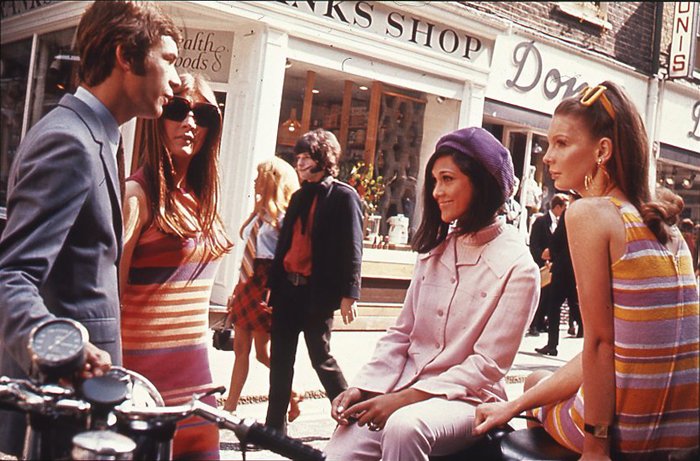
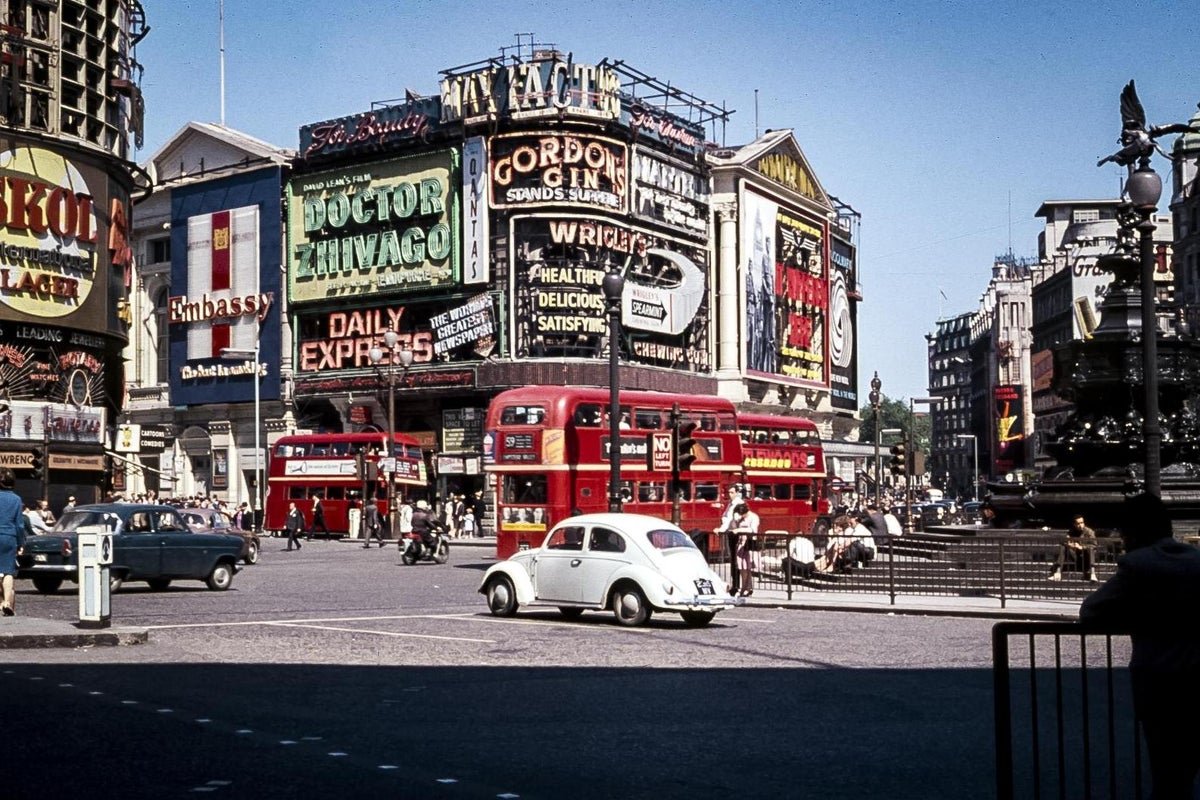


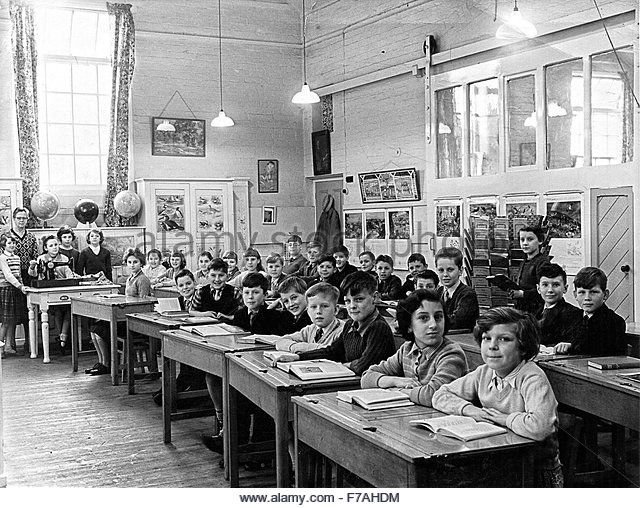

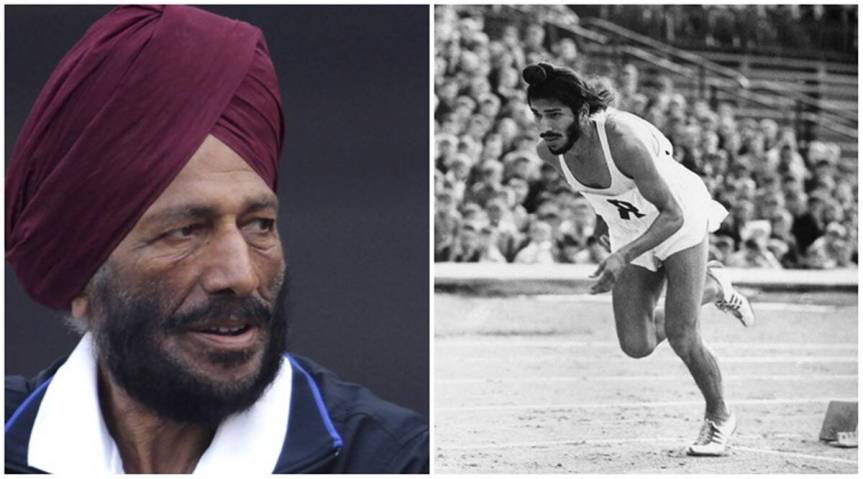


















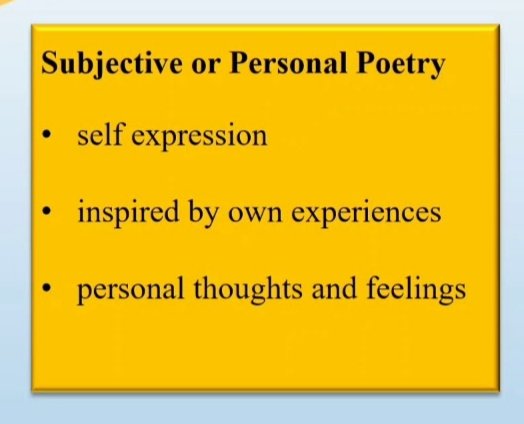
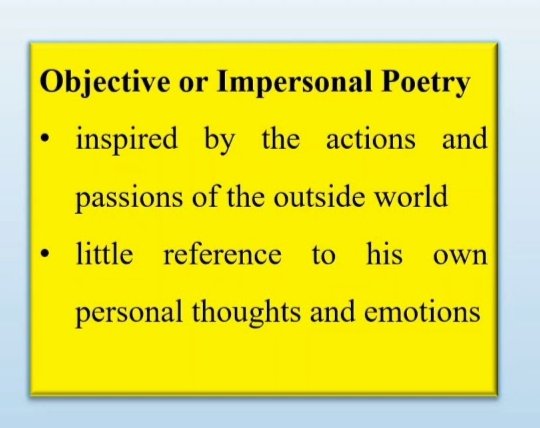













 Track2Training
You must be logged in to post a comment.