Jan Van Eyck was one of the earliest Netherlandish painters, most renowned for his religious and naturalistic oil paintings in the 1400s and is also believed to be the inventor of oil paintings. His work includes portraits, single panels, triptychs and polyptychs, most of them are speculated to be painted in the 1430s. He paid special attention to the religious subjects and realism.
Even though the exact year and place of Jan van Eyck’s birth is unknown but is believed to be born in the 1390s in Maaseik, a territory that belonged to the Holy Roman Empire, a city now known as Belgium. He is classified under the Flemish painters (artists who were active during the 15th and 16th centuries in Flanders). He was working in Hague somewhere between the years 1422 and 1424. Van Eyck, was the official painter to John of Bavaria, Count of Holland and continued to to work in the palace of Hague until 1325, the year in which the Count died.
After the Count’s death, he began working for Philip the Good, duke of Burgundy and worked for the duke until his death. Under Philip the Good, he did not just work as a painter but was also given political and diplomatic tasks, for which Van Eyck travelled all around Europe.
He took a lot of trips around the continent on Philip the Good’s behalf working on projects that were kept a secret and was given a salary for the same and his income did not depend solely on commissions.
It is believed that Van Eyck came from a family of painters. His brother Hubert van Eyck and he collaborated on perhaps one of Jan’s famous works Ghent Altarpiece, a polyptych altarpiece in St Bavo’s Cathedral, Ghent, Belgium which is considered as one of the most profound oil paintings. It began in 1420 and was completed about 12 years later in 1432.
In around 1431 Jan Van Eyck, bought a house in Burges and married a lady, Margaret with whom he had 2 children. The prime of his career began in the mid 1430s, a time during which he painted Madonna of Chancellor Rolin, Lucca Madonna and Virgin and Child with Canon van der Paele.
Madonna of Chancellor Rolin, in which Virgin Mary is being crowned by an angel while holding Jesus in her lap and presenting him to Rolin. This painting was kept in a church in Notre-Dame-du-Chastel in Autun until a fire burnt the church down in 1793 and then later, it was moved to Musée du Louvre, Paris.
Lucca Madonna, an oil painting depicting Mary sitting on a throne with Jesus Christ sitting on her lap.
In July, 1441, Van Eyck passed away and was buried in the Church of St Donatian’s graveyard. After the artist’s death, his widow was paid Van Eyck’s annual salary by Philip as a sign of utmost respect towards the artist. His reputation continued to grow after his death and many of his unfinished works were completed after his death. His brother Lambert van Eyck conducted a workshop after his death as well.
About 20 paintings are known to be made by him in the 21st century and all of them are still waiting for the mystery that encompasses them to unwind itself.
Rabi crops are also referred to as Winter crops. They grow during the winter season which is between October and March. The term ‘Rabi’ means spring. Thus, as you know, the harvesting time for Rabi crops happens during the spring season. Unlike Kharif crops, Rabi crops do not need a lot of water. Thus, they make do with routine water irrigation in order to flourish.
For instance, they include Wheat, Barley, Pulses, Gram, and more. In addition, farmers also sow seeds of Mustard, Cumin, Sunflower, Rapeseed, and more during this season.
Rabi Crops
Definition of Kharif Crop
Kharif Crops grow during the rainy season which is between June and October. Thus, we also refer to them as Monsoon crops. Unlike Rabi crops, these crops require water in abundance in order to grow. That is why the farmers sow them during the onset of monsoon. Consequently, they harvest them at the end of September or in October. However, these crops are totally dependent on the rainfall’s pattern and timing. Thus, some states sow them a bit early than other states depending on the arrival of monsoon.
For instance, Rice, Sugarcane, Cotton, Pulses, Bajra, and more are examples of these crops.
Kharif Crop
Water Requirements of Rabi & Kharif crops in Different Seasons of India
Water is one of the most important inputs essential for the production of crops. Hence crop planning should be done considering as per (Water requirement and Availability of water).
Water Requirements – The water requirement of crops is that quantity of water required by the crops within a given period of time for their maturity and it includes losses due to evapotranspiration plus the unavoidable losses during the application of water and water required for special operations such as land preparation, and leaching. The quantity of water needed for irrigation on different soil types per meter depth of soil profile at 50% of soil moisture availability is as follows – Sandy soils (25-50 mm), Sandy-loam (45-80 mm), Loam (70-110 mm), Clay-loam (80-120 mm) and Heavy clay (100-140 mm).
The water requirement of different crops is given below-
Rice – The amount of water required for growing rice is varies widely under different conditions:-
[1000 – 1500 mm – Heavy soils high water table, Short duration variety, Kharif season].
[1500 – 2000 mm – Medium soils, Kharif or early spring season].
[2000 – 2500 mm – Light soils, Long duration varieties during Kharif, Medium duration varieties during summer].
Rice
Wheat – It requires about 4-5 times irrigation. The dwarf wheat needs more wetness and the optimum moisture range is from 100-60% of availability. For tall wheat the optimum-moisture range is from the field capacity to 50% of availability.
Wheat
Barley – About 2-3 times irrigation are adequate and the optimum soil moisture ranges from the field capacity to 40% of availability.
Barley
Maize – The optimum soil moisture range is from 100-60% of availability in the maximum root-zone, which extends from 40-60 cm on different soil types. In the northern parts 2-3 times irrigation are required before the onset of the monsoon. In Karnataka 2-5 times irrigation are necessary during Kharif and Rabi respectively. At Rajasthan 4 times irrigation (500 mm of water) are required during Kharif.
Maize
Sorghum and Other Millets – The optimum moisture range is from the field capacity to 40% of the availability. At boot stage and grain development, the water requirement is very important.
SorghumTypes Of Millets
Pulses or Grain Legumes – When grown alone, 1 or 2 times irrigation would be beneficial. The grain legumes (gram, lentil, pea and Indian bean) are irrigated for 2 or 3 times during their growth.
Pulses
Oilseeds – The crops are generally grown under rain fed conditions. Groundnut – 8 to 10 times irrigation of about 50mm each are applied at 10-15 days interval during its growth period. Sunflower, Mustard and Linseeds are grown alone are mixed with cereals should receive 3 or 4 times irrigation during their growth.
Cotton – The optimum moisture range of soil moisture for the crop is from the field capacity to 20% of availability in 0-75 cm of the root-zone. Water requirements varied from 400-800 mm under different conditions and about 4-7 irrigation are required for cotton.
Cotton Plant
Jute – The optimum moisture regime is from the field capacity to 70% of availability in the maximum root-zone of the crop which can extend to about 45 cm of soil depth.
Carpets made of Jute
Sugarcane – The optimum soil moisture for sugarcane has been found to be 100-50% range of availability in the maximum root-zone, extending upto 50-75 cm in depth. In the north, the crop is planted during February-March and irrigated till the commencement of the monsoon.
Fresh sugarcane in garden.
Tobacco – For cigar, hookah and bidi, tobacco the optimum moisture regimes are from the field capacity to 70, 60 and 50% of the availability respectively. Cigar tobacco needs light and frequent irrigation during 4 months. For hookah tobacco, 12-13 times irrigation of 50 mm of water is required.
Tobacco Plants
Forage Crops – The optimum moisture range is from field capacity to about 75% of availability. Berseem requires about 20 times irrigation during its growth at intervals of about 20 days (December-January), 15 days (November-February-March) & 10 days (September-October-April). For Lucerne 1800 to 2000 mm of water require during the first year of growth.
Vegetables – The soil moisture should range between 70-80% of availability in the maximum root-zone. Potato needs water at intervals of 10-12 days. Onion and Garlic need very frequent irrigation about 3 weeks before maturity the irrigation is delayed to enhance the keeping quality of the bulb. Tomato needs irrigation at intervals of 10-12 days during summer and 15-20 days during winter. The optimum moisture regime is from 100-50% of the availability in case of cabbage and cauliflower. Water-melon and musk-melon need water at intervals of 8-10 days. Other crop of cucurbitaceae family needs irrigation at intervals of 10-12 days during summer.
Different types of Vegetables
Spices and Condiments – Important crops are turmeric, ginger, chillies, ajwan, cumin and coriander. Turmeric and ginger should be irrigated to maintain 100-60% of the available moisture in the maximum root-zone, the top 50 cm of the soil. Chillies should be irrigated to maintain 100-50% of the available moisture to about 60 cm in the soil. Coriander, cumin and ajwan need irrigation at intervals of 10-12 days on light soil and 15-20 days on heavy soils
Different types of Spices
Fruit-trees – For fruit trees soil moisture should be maintain in the range of 100-75% of availability. On the full development of the root-zone down to 75-90 cm, the crops may be irrigated when 2/3 times of the available moisture is depleted during blossoming, fruit settings are fruit enlargement. Papaya and banana needs irrigation at intervals of 8-10 days in a tropical climate. The date palm needs regular irrigation during flowering and fruiting to produce good yields.
Different Types of Fruits
Coffee – To irrigate coffee after the cessation of the monsoon rains during flowering to avoid flower shedding is of profitable.
Coffee & Coffee Beans
When the land does not receive any irrigation, the cultivator takes single crop in Kharif season on the available moisture in the soil. If the soil is heavy, a second crop in Rabi season after a short duration crop in Kharif season, but two seasonal or perennial crops is not beneficial. When irrigation becomes available the cropping plan can include heavy perennials like sugarcane and banana, light perennials like guava or orange, two seasonal crops like long staple cotton, chillies, turmeric etc. besides Kharif and Rabi seasonal crops and also follow double cropping such as groundnut green gram, black gram etc. Followed by wheat or rabbi Jowar, Kharif Jowar or cotton followed by wheat, gram or some vegetable to seasonal crop followed by summer groundnut or some vegetable crop.
When a massive star dies, it leaves a small but dense remnant core in its wake. If the mass of the core is more than 3 times the mass of the sun, the force of gravity overwhelms all other forces and a black hole is formed. Imagine the size of a star is 10 times more massive than our sun being squeezed into a sphere with a diameter equal to the size of New York City. The result is a celestial object whose gravitational field is so strong that nothing, not even light can escape it. The history of black holes was started with the father of all physics, Isaac Newton. In 1687, Newton gave the first description of gravity in his publication, Principia mathematica, that would change the world.
Then 100 years later, John Michelle proposed the idea that there could exist a structure that would be massive enough and not even light would be able to escape its gravitational pull. In 1796, the famous French scientist Pierre-Simon Laplace made an important prediction about the nature of black holes. He suggested that because even the speed of light was slower than the escape velocity of black hole, the massive objects would be invisible. In 1915, Albert Einstein changed physics forever by publishing his theory of general relativity. In this theory, he explained space time curvature and gave a mathematical description of a black hole. And in 1964, john wheeler gave these objects the name, the black hole.
The Gargantua in Interstellar is an incredibly close representation of an actual black hole
In classical physics, the mass of a black hole cannot decrease; it can either stay the same or get larger, because nothing can escape a black hole. If mass and energy are added to a black hole, then its radius and surface area also should get bigger. For a black hole, the radius is called the Schwarzschild radius. The second law of thermodynamics states that, an entropy of a closed system is always increases or remains the same. In 1974, Stephen hawking– an English theoretical physicists and cosmologist, proposed a groundbreaking theory regarding a special kind of radiation, which later became known as hawking radiation. So hawking postulated an analogous theorem for black holes called the second law of black hole mechanics that in any natural process, the surface area of the event horizon of a black hole always increase, or remains constant. It never decreases. In thermodynamics, black bodies doesn’t transmit or reflect any radiation, it only absorbs radiation.
When Stephen hawking saw these ideas, he found the idea of shining black holes to be preposterous. But when he applied the laws of quantum mechanics to general relativity, he found the opposite to be true. He realized that stuff can come out near the event horizon. In 1974, he published a paper where outlined a mechanism for this shine. This is based on the Heisenberg uncertainty Principe. According to the principle of quantum mechanisms, for every particle throughout the universe, there exists an antiparticle. These particles always exist in pairs, and continually pop in and out of existence everywhere in the universe. Typically, these particles don’t last long because as soon as possible and its antiparticle pop into existence, they annihilate each other and cease to exist almost immediately after their creation.
In the event horizon that the point which nothing can escape its gravity. If a virtual particle pair blip into existence very close to the event horizon of a black hole, one of the particles could fall into the black hole while the other escapes. The one that falls into the black hole effectively has negative energy, which is, in Layman’s terms, akin to subtracting energy from the black hole, or taking mass away from the black hole. The other particle of the pair that escapes the black hole has positive energy, and is referred to as hawking radiation.
The first-ever image of a black hole by the Event Horizon Telescope (EHT), 2019
Due to the presence of hawking radiation, a black hole continues to loss mass and continues shrinking until the point where it loses all its mass and evaporates. It is not clearly established what an evaporating black hole would actually look like. The hawking radiation itself would contain highly energetic particles, antiparticles and gamma rays. Such radiation is invisible to the naked eye, so an evaporating black hole might not look like anything at all. It also possible that hawking radiation might power a hadronic fireball, which could degrade the radiation into gamma rays and particles of less extreme energy, which would make an evaporating black hoe visible. Scientists and cosmologists still don’t completely understand how quantum mechanics explains gravity, but hawking radiation continues to inspire research and provide clues into the nature of gravity and how it relates to other forces of nature.
Rail transport (also known as train transport) is a means of transferring passengers and goods on wheeled vehicles running on rails, which are located on tracks. In contrast to road transport, where the vehicles run on a prepared flat surface, rail vehicles (rolling stock) are directionally guided by the tracks on which they run. Tracks usually consist of steel rails, installed on sleepers (ties) set in ballast, on which the rolling stock, usually fitted with metal wheels, moves. Other variations are also possible, such as “slab track”, in which the rails are fastened to a concrete foundation resting on a prepared subsurface.
Rolling stock in a rail transport system generally encounters lower frictional resistance than rubber-tired road vehicles, so passenger and freight cars (carriages and wagons) can be coupled into longer trains. The operation is carried out by a railway company, providing transport between train stations or freight customer facilities. Power is provided by locomotives that either draw electric power from a railway electrification system or produce their power, usually by diesel engines or, historically, steam engines. Most tracks are accompanied by a signaling system. Railways are a safe land transport system when compared to other forms of transport. Railway transport is capable of high levels of passenger and cargo utilization and energy efficiency but is often less flexible and more capital-intensive than road transport when lower traffic levels are considered.
Indian Railways (IR) is a statutory body under the jurisdiction of the Ministry of Railways, Government of India that operates India’s national railway system. It manages the fourth-largest railway network in the world by size, with a route length of 67,956 km (42,226 mi) as of 31 March 2020. 45,881 km (28,509 mi) or 71% of all the broad-gauge routes are electrified with 25 kV 50 Hz AC electric traction as of 1 April 2021.
In the fiscal year ending March 2020, Indian Railways carried 808.6 crores (8.086 billion) passengers and transported 121.23 crores (1.2123 billion) tonnes of freight. It runs 1 lakh (100,000) passenger trains daily, on both long-distance and suburban routes, covering 7,325 stations across India. Mail or Express trains, the most common types of trains, run at an average speed of 50.6 km/h (31.4 mph). Suburban EMUs run at an average speed of 37.5 km/h (23.3 mph). Ordinary passenger trains (incl. mixed) run at an average speed of 33.5 km/h (20.8 mph). The maximum speed of passenger trains varies, with the Gatimaan Express running at a peak speed of 160 km/h (99 mph).
In the freight segment, IR runs 8,479 trains daily. The average speed of freight trains is around 24 km/h (15 mph). The maximum speed of freight trains varies from 60–75 km/h (37–47 mph) depending on their axle load with ‘container special’ trains running at a peak speed of 100 km/h (62 mph).
The first railway proposals for India were made in Madras in 1832.
The country’s first transport train, Red Hill Railway (built by Arthur Cotton to transport granite for road-building), ran from Red Hills to the Chintadripet bridge in Madras in 1837. In 1845, the Godavari Dam Construction Railway was built by Cotton at Dowleswaram in Rajahmundry, to supply stone for the construction of a dam over the Godavari River. In 1851, the Solani Aqueduct Railway was built by Proby Cautley in Roorkee to transport construction materials for an aqueduct over the Solani River.
India’s first passenger train, operated by the Great Indian Peninsula Railway and hauled by three steam locomotives (Sahib, Sindh, and Sultan), ran for 34 kilometers (21 mi) with 400 people in 14 carriages on 1,676 mm (5 ft 6 in) broad gauge track between Bori Bunder (Mumbai) and Thane on 16 April 1853. The Thane viaducts, India’s first railway bridges, were built over the Thane creek when the Mumbai-Thane line was extended to Kalyan in May 1854. Eastern India’s first passenger train ran 39 km (24 mi) from Howrah, near Kolkata, to Hoogly on 15 August 1854. The first passenger train in South India ran 97 km (60 mi) from Royapuram-Veyasarapady (Madras) to Wallajabad (Arcot) on 1 July 1856.
The rivers of India play an important role in the lives of the Indian people. The river systems provide irrigation, potable water, cheap transportation, electricity, as well as provide livelihoods for a large number of people all over the country.
Seven major rivers (Indus, Brahmaputra, Narmada, Tapi, Godavari, Krishna and Mahanadi) along with their numerous tributaries make up the river system of India.
All major rivers of India originate from one of the three main watersheds;
The Himalaya and the Karakoram ranges
Vindhya and Satpura ranges and Chotanagpur plateau in central India
Sahyadri or Western Ghats in western India
Based on the topography, the river systems of India can be classified into four groups.
Himalayan Rivers
Deccan Rivers
Coastal Rivers
Rivers of the Inland Drainage Basin
The Himalayan Rivers – The Himalayan Rivers receive input from rain as well as snowmelt and glacier melt and, therefore, have continuous flow throughout the year. The main river systems in Himalayas are those of the Indus and the Ganga-Brahmaputra-Meghna. The Indus rises near Mansarovar in Tibet. Flowing through Kashmir, it enters Pakistan and finally falls in the Arabian Sea near Karachi. Bhagirathi and Alakhnanda are two important rivers that originate in Garhwal Himalayas. . These join at Devprayag to form Ganga which is the most sacred river of India. This river traverses through Uttaranchal, Uttar Pradesh, Bihar, and West Bengal and thereafter enters Bangladesh. Yamuna River is an important tributary of Ganga and its own important tributaries are Chambal and Betwa. The Brahmaputra rises in Tibet where it is known by the name Tsangpo. It enters India in Arunachal Pradesh and after traversing through Assam, enters Bangladesh. The combined Ganga-Brahmaputra River meets Meghna in Bangladesh and their huge volume of water flows into the Bay of Bengal.
The Deccan Rivers – The Rivers of Deccan can be further classified in two groups: west flowing rivers and east flowing rivers. The Narmada and the Tapi rivers flow westwards into Arabian Sea. The important east flowing rivers are the Brahmani, the Mahanadi, the Godavari, the Krishna, the Pennar, and the Cauvery. These rivers fall into the Bay of Bengal. The Mahanadi, rising in the state of Madhya Pradesh, is an important river in the state of Orissa. The Krishna rises in the Western Ghats and flows east into the Bay of Bengal. The Krishna is the third longest river in India. The source of the Cauvery is in the state of Karnataka and the river flows south eastward. The Narmada and the Tapi are the only major rivers that flow eastward into the Arabian Sea.
The Narmada rises in Madhya Pradesh and crosses the state, passing swiftly through a narrow valley between the Vindhya Range and spurs of the Satpura Range. It flows into the Gulf of Khambhat (or Cambay).
The Coastal Rivers – There are numerous coastal rivers which are comparatively small. While only handful of such rivers drains into the sea near the deltas of east coast, there are as many as 600 such rivers on the west coast. The West Coast Rivers are important as they contain as much as 14% of the country’s water resources while draining only 3% of the land.
Rivers of the Inland Drainage Basin – The Rivers of the inland system, centred in western Rajasthan state, are few and frequently disappear in years of scant rainfall. A few rivers in Rajasthan do not drain into the sea. They drain into salt lakes or get lost in sands with no outlet to sea.
The rivers of India can be classified on the basis of origin and on the type of basin that they form.
On the basis of Origin: Himalayan Rivers and Peninsular Rivers.
Himalayan Rivers -The main Himalayan river systems are the Ganga, the Indus and the Brahmaputra river systems. The Himalayan Rivers form large basins. Many rivers pass through the Himalayas. These deep valleys with steep rock sides were formed by the down – cutting of the river during the period of the Himalayan uplift. They perform intense erosional activity up the streams and carry huge load of sand and silt. In the plains, they form large meanders and a variety of depositional features like flood plains, river cliffs and levees.These rivers are perennial as they get water from the rainfall as well as the melting of ice. Nearly all of them create huge plains and are navigable over long distances of their course. These rivers are also harnessed in their upstream catchment area to generate hydroelectricity.
Peninsular Rivers – The main peninsular river systems include the Narmada, the Tapi, the Godavari, the Krishna, the Kaveri and the Mahanadi river systems. The Peninsular Rivers flow through shallow valleys. A large number of them are seasonal as their flow is dependent on rainfall. The intensity of erosional activities is also comparatively low because of the gentler slope. The hard rock bed and lack of silt and sand does not allow any significant meandering. Many rivers therefore have straight and linear courses. These rivers provide huge opportunities for hydro-electric power.
The Indus River System – The Indus originates in the northern slopes of the Kailas range in Tibet near Lake Mansarovar. It follows a north-westerly course through Tibet. It enters Indian Territory in Jammu and Kashmir.
The main tributaries of the Indus in India are Jhelum, Chenab, Ravi, Beas and Sutlej
Jhelum – The Jhelum originates in the south-eastern part of Kashmir, in a spring at Verinag.. It follows the Indo-Pakistan border flowing into the plains of Punjab, finally joining the Chenab at Trimmu.
Chenab – The Chenab originates from the confluence of two rivers, the Chandra and the Bhaga, which themselves originate from either side of the Bara Lacha Pass in Lahul. It is also known as the Chandrabhaga in Himachal Pradesh. It is further joined by the Ravi and the Sutlej in Pakistan.
Ravi – The Ravi originates near the Rohtang pass in the Kangra Himalayas and follows a north-westerly course. It flows as a part of the Indo-Pakistan border for some distance before entering Pakistan and joining the Chenab River. The total length of the river is about 720 km.
Beas – The Beas originates in Beas Kund, lying near the Rohtang pass. It runs past Manali and Kulu, where its beautiful valley is known as the Kulu valley. It joins the Sutlej river near Harika, after being joined by a few tributaries. The total length of the river is 615 km.
Sutlej – The Sutlej originates from the Rakas Lake, which is connected to the Mansarovar Lake by a stream, in Tibet. Its flows in a north-westerly direction and enters Himachal Pradesh at the Shipki Pass, where it is joined by the Spiti river. It turns west below Rupar and is later joined by the Beas. It enters Pakistan near Sulemanki, and is later joined by the Chenab. It has a total length of almost 1500 km.
The Narmada River System – The Narmada or Nerbudda is a river in central India. It forms the traditional boundary between North India and South India, and is a total of 1,289 km long. Its total length through the states of Madhya Pradesh, Maharashtra, and Gujarat amounts to 1312 kilometres (815 miles), and it empties into the Arabian Sea in the Bharuch district of Gujarat.
The Tapi River System – The Tapi is a river of central India. It is one of the major rivers of peninsular India with the length of around 724 km, and only the Tapi River along with the Narmada River, and the Mahi River run from east to west. It rises in the eastern Satpura Range of southern Madhya Pradesh state emptying into the Gulf of Cambay of the Arabian Sea, in the State of Gujarat.
The Godavari River System – The river with second longest course within India, Godavari is often referred to as the Vriddh (Old) Ganga or the Dakshin (South) Ganga. The river is about 1,450 km (900 miles) long. It rises at Trimbakeshwar, near Nasik and Mumbai (formerly Bombay) in Maharashtra around 380 km distance from the Arabian Sea and empties into the Bay of Bengal. It is a seasonal river, widened during the monsoons and dried during the summers
The Krishna River System – The Krishna is one of the longest rivers of India (about 1300 km in length). It originates at Mahabaleswar in Maharashtra, passes through Sangli and meets the sea in the Bay of Bengal at Hamasaladeevi in Andhra Pradesh. The Krishna River flows through the states of Maharashtra, Karnataka and Andhra Pradesh. Its most important tributary is the Tungabhadra River, which itself is formed by the Tunga and Bhadra rivers that originate in the Western Ghats.
The Kaveri River System – The Kaveri (also spelled Cauvery or Kaveri) is one of the great rivers of India and is considered sacred by the Hindus. This river is also called Dakshin Ganga. It flows generally south and east for around 765 km, emptying into the Bay of Bengal through two principal mouths. Its basin is estimated to be 27,700 square miles (71,700 km²), and it has many tributaries including Shimsha, Hemavati, Arkavathy, Kapila, Honnuhole, Lakshmana Tirtha, Kabini, Lokapavani, Bhavani, Noyyal and famous Amaravati.
The Mahanadi River System – The Mahanadi is a river of eastern India. The Mahanadi rises in the Satpura Range of central India, and flows east to the Bay of Bengal. The Mahanadi drains most of the state of Chhattisgarh and much of Orissa and also Jharkhand and Maharashtra. It has a length of about 860 km. Near the city of Sambalpur; a large dam – the Hirakud Dam – is built on the river.
Computer Crime Cyber crime encompasses any criminal act dealing with computers and networks (called hacking).Additionally, cyber crime also includes traditional crimes conducted through the internet. For example; The computer may be used as a tool in the following kinds of activity- financial crimes, sale of illegal articles, pornography, online gambling, intellectual property crime, e-mail spoofing, forgery, cyber defamation, cyber stalking.The computer may however be target for unlawful acts in the following cases- unauthorized access to computer/ computer system/ computer networks, theft of information contained in the electronic form, e-mail bombing, Trojan attacks, internet time thefts, theft of computer system, physically damaging the computer system
Cyber Law is the law governing cyberspace. Cyberspace is a wide term and includes computers, networks,software, data storage devices (such as hard disks, USB disks), the Internet, websites, emails and even electronic devices such as cell phones, ATM machines etc.
Computer crimes encompass a broad range of potentially illegal activities. Generally, however, it may be divided into one of two types of categories
(1) Crimes that target computer networks or devices directly; Examples – Malware and malicious code, Denial-of-service attacks and Computing viruses.
(2) Crimes facilitated by computer networks or devices, the primary target of which is independent of the computer network or device. Examples – Cyber stalking, Fraud and identity theft, Phishing scams and Information warfare.
CASE STUDIES
Case no:1 Hosting Obscene Profiles (Tamil Nadu)
The case is about the hosting obscene profiles. This case has solved by the investigation team in Tamil Nadu. The complainant was a girl and the suspect was her college mate. In this case the suspect will create some fake profile of the complainant and put in some dating website. He did this as a revenge for not accepting his marriage proposal. So this is the background of the case.
Investigation Process
Let’s get into the investigation process. As per the complaint of the girls the investigators started investigation and analyze the webpage where her profile and details. And they log in to that fake profile by determining its credentials, and they find out from where these profiles were created by using access log. They identified 2 IP addresses, and also identified the ISP. From that ISP detail they determine that those details are uploaded from a café. So the investigators went to that café and from the register and determine suspect name. Then he got arrested and examining his SIM the investigators found number of the complainant.
Conclusion
The suspect was convicted of the crime, and he sentenced to two years of imprisonment as well as fine.
Case no:2 Illegal money transfer (Maharashtra)
ThIS case is about an illegal money transfer. This case is happened in Maharashtra. The accused in this case is a person who is worked in a BPO. He is handling the business of a multinational bank. So, he had used some confidential information of the banks customers and transferred huge sum of money from the accounts.
Investigation Process
Let’s see the investigation process of the case. As per the complaint received from the frim they analysed and studied the systems of the firm to determine the source of data theft. During the investigation the system server logs of BPO were collected, and they find that the illegal transfer were made by tracing the IP address to the internet service provider and it is ultimately through cyber café and they also found that they made illegal transfer by using swift codes. Almost has been The registers made in cyber café assisted in identifying the accused in the case. Almost 17 accused were arrested.
Conclusion
Trail for this case is not completed, its pending trial in the court.
Case no:3 Creating Fake Profile (Andhra Pradesh)
The next case is of creating fake profile. This case is happened in Andhra Pradesh. The complainant received obscene email from unknown email IDs. The suspect also noticed that obscene profiles and pictures are posted in matrimonial sites.
Investigation Process
The investigators collect the original email of the suspect and determine its IP address. From the IP address he could confirm the internet service provider, and its leads the investigating officer to the accused house. Then they search the accused house and seized a desktop computer and a handicam. By analysing and examining the desktop computer and handicam they find the obscene email and they find an identical copy of the uploaded photos from the handicam. The accused was the divorced husband of the suspect.
Conclusion
Based on the evidence collected from the handicam and desktop computer charge sheet has been filed against accused and case is currently pending trial.
Hacking is a widespread crime nowadays due to the rapid development of the computer technologies. In order to protect from hacking there are numerous brand new technologies which are updated every day, but very often it is difficult to stand the hacker’s attack effectively. With some of these case studies, one is expected to learn about the cause and effect of hacking and then evaluate the whole impact of the hacker on the individual or the organization.
Treating illness by using tools to remove or manipulate parts of the human body is an old idea. Even the minor operations carried high risks, but that doesn’t mean all early surgery failed. Indian doctors, at the beginning centuries before the birth of Christ, successfully removed tumors and performed amputations and other operations. They developed dozens of metal tools, relied on alcohol to dull the patient, and controlled bleeding with hot oil and tar. The 20th century brought even more radical change through technology. Advances in fiber optic technology and the miniaturization of video equipment have revolutionized surgery. The laparoscopy is the James Bond like gadget of the surgeon’s repertoire of instruments. Only a small incision through the patient’s abdominal wall is made into which the surgeon puffs carbon dioxide to open up the passage.
Using a laparoscope, a visual assessment and diagnosis, and even surgery causes less physiological damage, reduces patient’s pain and speeds their recovery leading to shorter hospital stays. In the early 1900s, Germany’s George Kelling developed a surgical technique in which he injected air into the abdominal cavity and inserted a cytoscope – a tube like viewing scope to assess the patient’s innards. In late 1901, he began experimenting and successfully peered into a dog’s abdominal cavity using the technique. Without cameras, laparoscopy’s use limited to diagnostic procedures carried out by gynecologists and gastroenterologists.
By the 1980s, improvements in miniature video devices and fiber optics inspired surgeons to embrace minimally invasive surgery. In 1996, the first live broadcast of a laparoscopy took place. A year later, Dr. J. Himpens used a computer controlled robotic system to aid in laparoscopy. This type of surgery is now used for gallbladder removal as well as for the diagnosis and surgeries of fertility disorder, cancer, and hernias.
Hypothermia is a drop in body temperature significantly below normal can be life threatening, as in the case of overexposure to severe wintry conditions. But in some cases, like that of Kevin Everett of the buffalo bills, hypothermia can be lifesaver. Everett fell to the ground with a potentially crippling spinal cord injury during a 2007 football game. Doctors treating him on the field immediately injected his body with a cooling fluid. At the hospital, they inserted a cooling catheter to lower his body temperature by roughly five degrees, at the same time proceeding with surgery to fix his fractured spine. Despite fears that he would be paralyzed, Everett has regained his ability to walk, and advocates of therapeutic hypothermia feel his lowered body temperature may have made the difference.
Robotic surgery allows surgeons to perform complex rectal cancer surgery
Therapeutic hypothermia is still a controversial procedure. The side effects of excessive cooling include heart problems, blood clotting, and increased infection risk. On the other hand, supporters claim, it slows down cell damage, swelling, and other destructive processes well enough that it can mean successful surgery after a catastrophic injury. Surgical lasers can generate heat up to 10,000°F on a pinhead size spot, sealing blood vessels and sterilizing. Surgical robots and virtual computer technology are changing medical practice. Robotic surgical tools increase precision. In 1998, heart surgeons at Paris’s Broussais hospital performed the first robotic surgery. New technology allows an enhanced views and precise control of instruments.
“After a complex laparoscopic operation, the 65-year-old patient was home in time for dinner”. – Elisa Birnbaum, surgeon
Imagine that one day our Ozone layer was disappeared. What will happen? How long can we survive without it? The Ozone layer is a region of Earth’s atmosphere that contains a high concentration of Ozone (O3). Ozone is a highly reactive gas composed of three oxygen atoms. It is found in the lower portion of Earth’s atmosphere. It absorbs 97 to 99 percent of the Sun’s ultraviolet rays. Direct exposure to UV rays can cause serious skin problems including sun burn, skin cancer, premature ageing of the skin, solar elastosis. It can also cause eye problems and can ruin our immune system.
The depletion of ozone layer was first observed by a Dutch chemist Paul crutzen. He described the Ozone depletion by demonstrating the reaction of nitrogen oxide with oxygen atoms which slowing the creation of Ozone (O3). Later in 1974, American chemists Mario Molina and F. Sherwood Rowland observed that chlorofluorocarbon (CFC) molecules emitted by man-made machines like refrigerators, air conditioners and airplanes could be the major source of chlorine in the atmosphere. One chlorine atom can destroy 100,000 ozone molecules.
Not all chlorine molecules contribute to ozone layer depletion; chlorine from swimming pool, sea salt, industrial plants, and volcanoes does not reach the stratosphere. The ozone hole in Antarctica is one of the largest and deepest depletion which was discovered by the British scientists. This became worldwide headlines after that. According to NASA scientist Paul Newman, if this depletion continues in this rate our ozone layer can be likely disappeared in 2065. If that happens UV rays from sun directly reach earth and cause severe health issues, Humans can last 3 months and plants may die in 2 weeks because of heavy UV radiation. Thus Earth will become inhabitable.
Fortunately in 1987, Montreal protocol was made that bans chlorofluorocarbon and other chemicals that cause ozone depletion. Surprisingly it works, researches made in 2018 tells that the ozone layer is repairing itself at a rate of 1% to 3% per decade since 2000. Still it will take at least 50 years for complete recovery. The greenhouse effect allows the short wave radiation of sunlight to pass through the atmosphere to earth’s surface but makes it difficult for heat in the form of long wave radiation to escape. This effect blankets the earth and keeps our planet at a reasonable temperature to support life. Earth radiated energy, of which about 90 percent is absorbed by atmospheric gases like water vapor, carbon dioxide, ozone, methane, nitrous oxide, and others. Absorbed energy is radiated back to the surface and warms earth’s lower atmosphere.
The gases have come to be called greenhouse gases because they hold in light and heat, just as a greenhouse does for the sake of the plants inside. Greenhouse gases are essential to life, not only at an appropriate balance point. These gases increased during the 20th century due to industrial activity and fossil fuel emissions. For example, the concentration of carbon dioxide I the atmosphere have recently been growing by about 1.4 percent annually. This increase in greenhouse gases is one of the contributors to be observed patterns of global warming. On September 16th world ozone day, we can celebrate our success. But we must all push to keep hold of these gains, in particular by remaining vigilant and tackling any illegal sources of ozone depleting substances as they arise, says UN ozone-secretariat. So without the Montreal protocol, life on earth could be a question mark, so keep working hard. “OZONE FOR LIFE”.
An agricultural system that uses fertilizers of organic origin such as compost manure, green manure, and bone meal and involves farming methods such crop rotation and companion planting is Organic Farming. The term ‘Organic’ was popularized by Howard and Rodale. This type of farming is inclusive of usage of biodiversity, while preserving natural resources and ensuring animal welfare. Organic Farming is highly beneficial in all terms.
BENEFITS OF ORGANIC FARMING
MAINTAINS PURITY OF WATER
An extensive use of chemical pesticides and insecticides, contributes in polluting water bodies and underground water. Organic farming replaces such toxic substances with natural fertilizers such as manure, compost, animal waste, which help in soil retention and quality. In places where, the incidences of water pollution are more, organic farming must be brought into practice.
PRODUCTION OF HEALTHY FOOD
Organic Farming enhances the nutrients in the soil because use of toxic elements is prohibited. The quality of food is determined with the amount of vitamins and minerals that are embedded in it. Organic food is much richer in nutrients than food grown through conventional methods.
POCKET FRIENDLY
Organic food products are not grown with the use of inputs like expensive pesticides, chemicals, insecticide sprays, etc. Instead, it makes use of everything that is available naturally with no or minimal capital cost. There is yet a buzz that Organic products are costly, which is not true.
SAFE TO PRACTICE
Organic Farming is safe to practice than conventional methods. Annually 44% of the world’s farming population dies, due to poisoning while using harmful pesticides. Farmers are routinely exposed to high levels of pesticides, usually much greater than those of consumers. Farmers’ exposure mainly occurs during the preparation and application of the pesticide spray solutions and during the cleaning-up of spraying equipment. But, Organic farming is very safe to practice because of it’s natural methods.
BETTER TASTE
Farmers producing organic farm products are extremely careful about the quality of their soil and do practice soil care methods. Soil with high nutritional value tends to produce better farm products. Chefs and food experts actually do believe that organic farm products taste much better than the conventional ones.
METHODS OF ORGANIC FARMING
Vermicomposting
Green Manures
Animal Manures
Crop Rotation
Livestock Management
Soil Supervision
Weed Control
Genetic Modification
Hence, in conclusion, we can state that, Organic Farming is the best alternative for traditional farming. There are so many positives to Organic Farming. Today, Organic Agriculture is practiced in 187 countries by about 1.3 million farmers globally. Environmental consciousness has further given rise to the practice of Organic Farming.
A club or society exists to enable one to pursue a specific activity. The opportunity to participate in a particular activity is the main reason that attracts people to a club or society. A camera club offers its members information and know – how regarding the art of photography, a scout troop pursues outdoor activities and a computer club allows its members to learn the intricacies and Marvels of the modern – age computer. Each person is a unique being and has different likes and dislikes. Some people would prefer to go swimming than staring at a video display. Yet other may prefer to read a book quietly than to kick a football. Thus we have dozens of clubs and societies in school as well as outside that cater to our varied tastes and fancies. Besides enabling us to do the things that interest us, a club also provides us the opportunity to meet others , to socialize and develop our own character. For example, a martial arts club teaches its particular form of self – defense. There, a member learns the skills and techniques taught in the club. More importantly he learns to discipline himself. The martial arts is not just learning how to knock down the other guy. On the contrary, it teaches one to exercise self – control and develop respect for his opponents. Those who learn this, stay long with the club; those who don’t soon become disillusioned and leave.So, it is with other clubs. Some members learn and grow with the club. They are the ones who will benefit. Some inevitably leave to pursue other activities in other clubs.I must admit that our age plays a great part in our decision to join a club.When I was a young boy, being a club member seemed like the greatest thing on earth. Later on, my interests grew and being a scout became the most important thing in my life. Now, almost at the end of my school days, those feelings have more or less vanished . Club scouts are just happy memories , never to be relived again. Now computers and astronomy seem infinitely more interesting . After that I cannot even imagine what will catch my fancy. A club that can carry out its intended purpose is a club worth joining. However, many clubs become the victims of squabbles and infighting among its members.The struggle for power is indeed a common thing. It is also the cause of break – ups and failures in the club. To be with a group of people sharing a common interesting activity is the most pleasant experience , so long as the group keeps doing so. It is unfortunate that often, some members of the group will make a grab for power. The will to dominate others rears its ugly head. The moment somebody makes the move, others will follow and soon a struggle for power consumes everyone and the original activity of the club is forgotten. When this happens , it is time for me to leave. I do not like to involve myself in the club politics. I joined the club to pursue an activity that I like, not to quarrel with other people. As age has mellowed my attiy , I find that I can pursue a lot of interesting things on my own. I don’t have to necessarily join a club to do them. I can play badminton in my friend’s court with a few other friends. I can take pictures without having to join a photographic club. I can go swimming in the sea instead of a club’s swimming pool. Granted that I will miss out on a lot of things a club has to offer, but at least I will be spared the agony of strained relationships. The wisest thing to do then would be to join a club only when it is necessary to do so. Otherwise, it would be far better to do things on your own or with a few friends.
Shillong is a hill station in the northeastern part of India and the capital of Meghalaya, which means “The Abode of Clouds”. It is the headquarters of the East Khasi Hills district. Shillong is the 330th most populous city in India with a population of 143,229 according to the 2011 census. It is said that the rolling hills around the town reminded the British of Scotland. Hence, they would also refer to it as the “Scotland of the East”.
Shillong has steadily grown in size since it was made the civil station of the Khasi and Jaintia Hills in 1864 by the British. In 1874, on the formation of Assam as the Chief Commissioner’s Province, it was chosen as the headquarters of the new administration because of its convenient location between the Brahmaputra and Surma valleys and more so because the climate of Shillong was much cooler than tropical India. Shillong remained the capital of undivided Assam until the creation of the new state of Meghalaya on 21 January 1972, when Shillong became the capital of Meghalaya, and Assam moved its capital to Dispur in Guwahati.
Shillong was capital for composite Assam during the British regime and later till a separate State of Meghalaya was formed. David Scott, the British civil servant of the East India Company, was the Agent of the Governor-General North East Frontier. During the First Anglo-Burmese War the British authorities felt the need for a road to connect Sylhet and Assam. The route was to traverse across the Khasi and Jaintia Hills. David Scott overcame the difficulties his administration faced from the opposition of the Khasi Syiems – their chiefs and people. Impressed by the favourable cool climate of Khasi Hills, they negotiated with the Syiem of Sohra in 1829 for a sanatorium for the British.
Places to visit
SHILLONG PEAK
At a distance of 10 km from the city and at a height of 6449 ft (1965 m) above sea level, this is the highest point of Shillong. It offers a breathtaking panoramic view of the entire city, the Himalayas, its waterfalls as well as of the Bangladesh plains. A beautiful place to spend a day.
LADY HYDARI PARK
A very popular tourist spot in Shillong, the park is dedicated to the first lady of the province – Lady Hydari. This sprawling park, located in the heart of the city encompasses a wide variety of flora along with a mini zoo housing 73 species of birds and over 100 reptiles. The beautiful bed of flowers is the highlight of the park.
DAINTHLEN FALLS
Just before reaching Sohra, a road to the right leads one to the falls which are 5 km away. The waterfall derives its name from a Then or a snake of gigantic size which dwelt in a cave. Legend has it that the people destroyed the snake to rid themselves of its reign of terror. Adjacent to the very spot where the Thlen was slaughtered lies the Dainthlen Waterfalls. Natural rock carvings of the episode draw visitors to see the image of the Thlen, the symbol of greed, corruption, and evil.
Elephant Falls
Named after an Elephant like stone at its base, the Elephant Falls are amongst the most popular falls in the North-East, situated close to Shillong. It is a tourist attraction with three layers of the falls accessible from different vantage points.
Each one of us is born unique. There are no two persons who are exactly alike. Yet, despite our unique individuality , we constantly become slaves to whatever that is currently in fashion. As a result, even though we are different, we strive to dress Alike , use the same slangs , eat the same food and share the same hobbies . So much so, that many times even our thought and behaviour patterns are also governed by the ruling fashion – rage. Then in the midst of such mental slavery , if a bright individual strikes out on his own in another direction, then others see him, admire him and then join him. It becomes fashionable to be like him.His individuality gives birth to another fashion statement. Before the emergence of ‘rock and roll’ in the fifties , it was fashionable to listen to melodious music and to dance the rhumba.It was the in thing then. However, such a fashion could not last forever. Elvis Presley and the other rockers burst into the scene and created an uproar. Youngsters started wearing drain – pipe trousers and did slicked-back hair. Leather jackets and steel – studded shoes became the vogue.Every young boy wanted to be Elvis. The sale of guitars shot up. Slavery to the Elvis trend bred young rebels. However, these young rebels , in the process of asserting their individuality , rather became slaves to rock and roll .These rock and roll slaves can still be seen around , even though now they have gone bald and their grandchildren rebel against their drain – pipe trousers. ‘ Be a rebel ‘ – again became a style statement in the sixties when the hippies and the flower people made the taking of marijuana (ganja) and LSD the fashionable thing to do. Gurus – real and false – appeared all over the place. The ‘in’ thing was to go against the establishment and social order. It was fashionable to dress in rags and have babies out of wedlock . Nobody over thirty was trusted . It was the age of long hair and to get ‘ stoned’ was considered cool. The hippies have more or less faded from the scene. They are no longer fashionable . However, they left behind a drug culture that continued till the eighties.In fact, even today, drug menace is one of the greatest scourges of the present world.It is still fashionable to take drugs – despite its devastating effects. Anybody who gets addicted to drugs is doomed to a life of hell. Unless he can get rid of his addiction , there is not much hope for him. For society as a whole, unless drug – taking goes out of the fashion , addicts will abound and the associated problems will persist. Thus we can see the impact of a powerful drive of fashion. One fashion paves the way for its successor and the chain goes on endlessly . Though with time, fashion style keeps changing , but fashion maniacs are forever caught by the claws of current trend. In the process of trying to be different from others , fashion enthusiasts end up becoming replicas of one another. Only a rare succeed in retaining the originality of their personality. So, next time you take a trip to town , reflect on the clothes you are going to eat, the things you are going to buy and the thoughts you are thinking . Notice how many of these things are influenced by the current wave of fashion. See if you can find anything you can genuinely call your own.
Leonardo’s genius went beyond art and paintings, he shared just as much of a connection with science as he did with his art if not more. His contribution to science and scientific inventions were most probably a result of his artistic abilities.
Leonardo studied anatomy, botany, light, chemistry, astronomy, mathematics, to name a few without receiving any sort of formal education.
Leonardo kept a log of his ideas, observations, and scientific drawings. According to him science and art shared a resemblance with each other which is quite evident from his journals that seem to blend art and science together.
FACTOID Leonardo sometimes wrote from right to left because he was a lefty. Therefore most of his writing is in mirror image.
Leonardo learned the basics of anatomy and the human body when he was working for Verrocchio. Leonardo dissected about 30 human corpses in his lifetime. The hospitals in Italy let him continue his studies for research purposes after he established himself as a great artist.
In his dissection studies, he would pull on different muscles to see the effect it would have on the movement of other muscles. His anatomy research also included his studies of facial features. He studied the changes that different emotions caused in the facial features and those of people with a facial deformity or a sickness as well. He studied the human skeleton and pointed out that the sacrum (a bony structure in the vertebral column) is a fusion of 5 bones, which now holds to be true. He did all of this back then, when relatively close to no resources existed.
He studied the human heart and figured out how the valves of the heart work but couldn’t figure out the whole circulation system. In 2005, a heart surgeon in The UK took aid from Leonardo’s journals of the human heart. His studies are being used by top surgeons in the 21st century, over 500 years later.
Leonardo da Vinci was granted the permission to perform his experiments and do all this research after establishing himself as a profound artist during that time. The hospital gave him corpses to dissect and so he did.
Leonardo’s journals contain drawings of some flying machines that he was working on at that time. One such machine had wings that resembled the wings of a bat. Though his drawings were not fully correct and would not have worked in practicality, it is still exceptional that a man like him without major resources could do so much.
His journals contain much more than whatever has been mentioned so far and will probably remain alien to the world or even if someone is able to somehow get their hands on said journal will also need the intellect to understand it.
Leonardo was much more than an artist but sadly that’s exactly what most people know him as. His ability to blend art and science made him extremely special. Imagine the things he could have achieved if he were born in today’s time. We would know so much more about the things unknown to mankind. He was an artist ahead of his time and needs to be recognized not just for his art but his true genius.
One of the many paintings that Leonardo left unfinished, that is a skill all artists possess. The painting portrays the Virgin Mary with her chid and the Magi (the three wise men who paid homage to Jesus as the king of Jews) kneeling in adoration in front of them. Behind them, some ruins along with a few horsemen that appear to be fighting and a palm tree which holds a significance in the Bible.
This unfinished masterpiece now resides at the Uffizi Gallery in Florence, Italy.
The Last Supper
The Last Supper is a mural painting that depicts Jesus having his last supper (the last meal of Jesus with his disciples in Jerusalem before he was arrested and crucified). In the painting, Jesus’ Apostles can be seen reacting to him saying “one of you will betray me”, “one of you”, referring to one of his apostles. This was painted by Leonardo in the late 15th century and started to deteriorate quite quickly, due to humidity and the painting techniques used by the artist. It took a long time to restore this painting with the final restoration being done in 1999 and was then returned back to where it belongs- Convent of Santa Maria Delle Grazie in Milan, Italy.
Salvator Mundi
In this painting, Leonardo shows Jesus wearing a robe, with the fingers of his right hand forming a cross pointing upwards while holding a crystal ball in his left.
This painting was sold for $450 million to Badr Bin Abdullah, a Saudi minister, in 2017. What makes it worth $450 million?
Well, you see no piece of art is only famous for its artistic grandeur, most pieces of art involved in some sort of controversy have a tendency to embark themselves in textbooks. Salvator Mundi went through it’s fair share of controversies. There were multiple times since the birth of this painting when it was thought to be destroyed. The painting vanished from the public eye in the year 1763 and was found in the 1900s in a rather impaired condition. Then in 2005, a group of individuals bought this painting for about $10,000 and was densely overpainted which made it look like a knock-off. Dianne Dwyer Modestini was given the job to restore this painting and the process came to an end around 2010.
Even now, theories exist about the whereabouts of this piece which adds to the fascination.
Mona Lisa
One of the greatest paintings to ever be painted. Mona Lisa is a portrait painting of an Italian woman Lisa Gherardini painted in the early 1500s. The painting shows the woman looking directly at the observer. The woman in the painting possesses a certain amount of poise and grace. The landscape shown by Leonardo looks very surreal making the painting all the more captivating. The lady’s smile has been a subject of discussion among art lovers but a 2003 study suggested that the smile vanishes when you look directly at her mouth and reappears when you observe the face as a whole. Leonardo used a technique called ‘sfumato’ with this one which is a technique involving the blending of colors into one another making the transition between different tones easier and giving life to the painting. Mona Lisa is housed by the Louvre museum in France
India is a country that gloats of a rich culture. The way of life of India alludes to an assortment of minor one of a kind societies. The way of life of India contains clothing, celebrations, dialects, religions, music, dance, food, and workmanship in India. Generally significant, Indian culture has been affected by a few unfamiliar societies since its commencement. Additionally, the historical backdrop of India’s way of life is a few centuries old.
As a matter of first importance, Indian beginning religions are Hinduism, Buddhism, Jainism, and Sikhism. These religions depend on karma and dharma. Besides, these four are called as Indian religions. Indian religions are a significant class of world religions alongside Abrahamic religions. Additionally, numerous unfamiliar religions are available in India also. These unfamiliar religions incorporate Abrahamic religions. The Abrahamic religions in India unquestionably are Judaism, Christianity, and Islam. Other than Abrahamic religions, Zoroastrianism and Bahá’í Faith are the other unfamiliar religions which exist in India. Subsequently, the presence of such countless assorted religions has brought about resilience and secularism in Indian culture.
Indian culture has been a motivation to numerous essayists. India is unquestionably an image of solidarity all throughout the planet. Indian culture is unquestionably exceptionally complicated. Moreover, the origination of Indian personality represents specific challenges. In any case, regardless of this, a normal Indian culture exists. The production of this average Indian culture results from some inside powers. Most importantly, these powers are a strong Constitution, general grown-up establishment, mainstream strategy, adaptable government structure, and so on Indian culture is portrayed by a severe social progression. Besides, Indian kids are shown their jobs and spot in the public eye since the beginning. Presumably, numerous Indians accept that divine beings and spirits play a part in deciding their life. Prior, customary Hindus were separated into dirtying and non-contaminating occupations. Presently, this distinction is declining. Indian culture is surely exceptionally different. Likewise, Indian kids learn and acclimatize in the distinctions. In ongoing many years, enormous changes have occurred in Indian culture. Most importantly, these progressions are female strengthening, westernization, a decay of odd notion, higher proficiency, further developed instruction, and so on
To summarize it, the way of life of India is probably the most established culture in the World. Most importantly, numerous Indians till adhere to the conventional Indian culture regardless of quick westernization. Indians have exhibited solid solidarity regardless of the variety among them. Solidarity in Diversity is a definitive mantra of Indian culture.
Happiness is something which we can’t portray in words it must be felt from somebody’s demeanor of a grin. Moreover, bliss is a sign or distinguishing proof of good and prosperous life. Satisfaction is exceptionally easy to feel and hard to portray. In addition, joy comes from the inside and nobody can take your satisfaction.
Consistently we see and meet individuals who look glad from the outside yet where it counts they are broken and are dismal from within. For some individuals, cash is the fundamental driver of satisfaction or sadness. In any case, this isn’t right. Cash can purchase you food, sumptuous house, sound way of life workers, and a lot more offices however cash can’t purchase you bliss. What’s more, in the event that cash can purchase satisfaction, the rich would be the most joyful individual on the earth. However, we see an opposite picture of the rich as they are pitiful, unfortunate, restless, pushed, and experiencing different issues. Also, they have cash still they need public activity with their family particularly their spouses and this is the fundamental driver of separation among them. Additionally, because of cash, they feel uncertainty that everybody is after their cash so to protect their cash and them they employ security. While the state of the poor is the exact inverse. They don’t have cash however they are content with and tranquil from these issues.
As we presently realize that we can’t accepting bliss with cash and there could be no other easy route to satisfaction. It is something that you feel from the inside. Likewise, genuine satisfaction comes from inside yourself. Satisfaction is fundamentally a perspective. Besides, it must be accomplished by being positive and staying away from any bad idea as a main priority. Also, assuming we check out the splendid side of ourselves no one but, we can be glad.
To finish up, we can say that bliss must be accomplished by having positive reasoning and appreciating life. Additionally, for being cheerful and keeping individuals around us glad we need to foster a sound connection with them. Moreover, we additionally need to give them the appropriate time.
Reasearch says, about 7 lac people die of suicide annually, with approximately 132 suicides daily. An alarming rate, isn’t it? At times, we as humans may fail to understand what another individual might be facing. For every death by suicide, there are many more people who attempt it. Globally, ingestion of toxic substances, hanging and firearms are the most common methods of committing a suicide.
Emile Durkheim, a French sociologist and scholar, identified four different types of Suicides. Durkheim stated that, there are no societies in this world, where suicides do not occur. It includes, Egoistic Suicide, Altruistic Suicide, Anomic Suicide and Fatalistic Suicide. We can understand the core of these four forms of suicide, with further expansion of each term.
1. EGOISTIC SUICIDE
Durkheim states, when a man becomes socially isolated or feels that he has no place in society, he destroys himself. It is committed by people in order to find a route of escape from loneliness and introversion. Such individuals are devoid of proper care and empathy from the people in their lives. They are not socialists, hence they find it difficult to mingle in groups. This leads them to feel unhappy, alone and helpless in this world. Cutting off from the mainstream is the main cause of suicide in this case.
EXAMPLE – Person A, is an employee of a firm and is working most of the time in his day. He does not mingle with his relatives and friends or attend any social functions. Due to this, the ties with his family members are getting estranged day after day. His spouse argues with him regarding the same complaints. He now begins to feel alone. Ultimately, there arrives a day when he’s fed up with all the querulous complaints and fights, thus takes his own life.
2. ALTRUISTIC SUICIDE
Durkheim states, it is a sacrifice of one’s life to save or benefit others, for the betterment of society. It is quite an opposite of Egoistic Suicide. An over integration with society may lead to extreme benevolence in an individual. The individual regards suicide as a sacrifice that he/she is making for the good of a group or society as a whole. People committing suicide due to such a reason may consider their act as courageous and selfless.
Example – In the olden times, Indian women used to lay themselves on the funeral pyre of their husbands in order to follow the cultural rituals.
3. ANOMIC SUICIDE
Durkheim states, a moral confusion within an individual and inability to comprehend social direction may cause an upheaval in the life of an individual. An individual feels bewildered about the position that he holds in society and goes through a lack of self regulation. A sudden change in societal dimensions or ups and downs in a person’s personal life, may contribute to disappointment in his/her life.
Example – A once wealthy businessman, invests in a venture, but the venture fails miserably, he suffers a tremendous loss and goes bankrupt. Unable to deal with the sudden change in status and overall situation, he plans to end his life.
4. FATALISTIC SUICIDE
Durkheim states, Fatalistic suicide is caused from excessive regulation, that of persons with futures, pitilessly blocked and passions violently choked by oppressive discipline. Burden of mental and physical oppression by other people on oneself may lead to a constant feeling of hopelessness. Finding oneself under strict norms, rules, high civil expectations and regulations may lead to depression in oneself, eventually causing the person to end his/her life.
Example – A famous singer feels extremely conscious about her image in the society. She experiences a burden from society’s expectations from her and thus fears failure and poor performance. She fails to handle this undue pressure and has thoughts about ending her life.
In my opinion, suicides do have societal roots. The reason for any person to commit suicide does not solely lie with him, but with the society as well. We are all directly or indirectly dependent on each other for materialistic and emotional needs. Materialistic needs can be fulfilled in some or the other way but emotional needs rarely come to the forefront. Rightly approaching those experiencing stressful situations, intervening and empathizing can greatly contribute in prevention. Suicides are preventable, with individual, community and national support.
Leonardo da Vinci, a Renaissance man born in Italy in 1452, considered as one of the greatest painters the world has ever witnessed, was not just a painter but a man of great intellect. His scientific journals and studies way ahead of their time are to this date used by scientists to get a better understanding of them . In addition to being a painter, a sculptor, he was an anatomist and was well known in the field of engineering, architecture and astronomy as well. da Vinci was unmatched, the only artist who was able to get close to his art was the sculptor of the statue David Michelangelo. The fascinating thing is that he was able to do all this without being exposed to a speck of formal education or training in any field except in painting. He was taught how to read and do basic mathematics all the rest was his own creation.
Leonardo was a genius to say the least, he possessed curiosity ever so great. Maybe, this is what made him so great, his desire for knowledge.
His scientific evaluations and anatomic studies are very much evident in his paintings. He used his scientific knowledge to better himself as an artist, and so he did.
Here, we are going to take a look at a few of his paintings and some of his contributions in the milieu of science.
Leonardo da Vinci was born in a town in Vinci, Florence. His father was a Florence based legal notary and his mother belonged to a lower class. Not much is known about his family.
PAINTINGS
Leonardo is undoubtedly one of the greatest artists to have ever lived, but where did he start his artistic journey from?
Leonardo worked as an apprentice under Andrea del Verrocchio, an Italian painter, and sculptor of the 15th century. Leonardo first got introduced to Verrocchio at one of his workshops. He learned a plethora of skills by working for Verrocchio and later also collaborated with him for a painting called The Baptism of Christ around 1475.
Baptism of Christwas a collaborative effort of Andrea del Verrocchio and his student Leonardo da Vinci. This painting depicts Jesus being baptized (the Christian act of sprinkling water on someone, symbolizing purification), with two angels beside him, kneeling. The one performing Jesus’ baptism is John the Baptist, who can be seen with a golden cross and a halo over his head. The pair of hands shown above Jesus’ head is God’s representing approval and acceptance. A dove can also be seen above Jesus’ head as well, symbolizing the Holy Spirit.
Saint Jerome in the Wilderness Another unfinished yet wonderful piece by da Vinci portrays Saint Jerome, a Latin priest in the Christian Church, in the middle of the desert, kneeling, looking fixedly upwards with his arm extending outwards. A lion can be seen resting on the ground looking at the Saint. The lion’s presence can be accounted for by the fact that Saint Jerome helped a lion that entered the monastery where he stayed once, by removing a thorn from the lion’s paw.
Leonardo used a method called tempera for this painting, which involves mixing of painting pigments with water-soluble emulsions, along with classic oil painting techniques.
This painting is currently present at the Vatican museum in Rome.
Expressing oneself through art seems a universal human impulse, while the style of that expression is one of the distinguishing marks of a culture. As difficult as it to define, art typically involves a skilled, imaginative creator, whose creation is pleasing to the senses and often symbolically significant or useful. Art can be verbal, as in poetry, storytelling or literature or can take the form of music and dance. The oldest stories, passed down orally may be lost to us now, but thanks to writing, tales such as the epic of Gilgamesh or the Lliad entered the record and still hold meaning today. Visual art dates back 30,000 years, when Paleolithic humans decorated themselves with beads and shells. Then as now, skilled artisans often mixed aesthetic effect with symbolic meaning.
A masterpiece of Johannes Vermeer, 1665 –“Girl with a Pearl Earring”.
In an existence that centered on hunting, ancient Australians carved animal and bird tracks into their rocks. Early cave artists in Lascaux, France, painted or engraved more than 2,000 real and mythical animals. Ancient Africans created stirring masks, highly stylized depictions of animals and spirits that allow the wearer to embody the spiritual power of those beings. Even when creating tools or kitchen items, people seem unable to resist decorating or shaping them for beauty. Ancient hunters carved the ivory handles of their knives. Ming dynasty ceramists embellished plates with graceful dragons. Modern pueblo Indians incorporates traditional motifs in to their carved and painted pots. The western fine arts tradition values beauty and message. Once heavily influenced by Christianity and classical mythology, painting and sculptures has more recently moved toward personal expression and abstraction.
Humans have probably been molding clay- one of the most widely available materials in the world- since the earliest times. The era of ceramics began, however, only after the discovery of that very high heat renders clay hard enough to be impervious to water. As societies grew more complex and settled, the need for ways to store water, food, and other commodities increased. In Japan, the Jomon people were making ceramics as early as 11,000 B.C. by about the seventh millennium B.C.; kilns were in use in the Middle East and china, achieving temperatures above 1832°F. Mesopotamians were the first to develop true glazes, through the art of glazing arguably reached its highest expression in the celadon and three color glazes of the medieval china. In the new world, although potters never reached the heights of technology seen elsewhere, Moche, Maya, Aztec, and Puebloan artists created a diversity of expressive figurines and glazed vessels.
The prehistoric cave paintings of El Castillo, Spain were almost 40,800 years old
When Spanish nobleman Marcelino Sanz de Sautuola described the paintings he discovered in a cave in Altamira, contemporizes declared the whole thing a modern fraud. Subsequent finds confirmed the validity of his claims and proved that Paleolithic people were skilled artists. Early artists used stone tools to engrave shapes into walls. They used pigments from hematite, manganese dioxide, and evergreens to achieve red, yelled, brown, and black colors. Brushes were made from feathers, leaves, and animal hair. Artists also used blowpipes to spray paint around hands and stencils.
“History is remembered by its art, not its war machines” –James Rosenquist
The social evils and superstitions that dominated the society over the centuries made social reforms imperative for the development of the society and the masses.In the 19th century, the newly educated increasingly revolted against the rigid social conventions and outdated customs.They could no longer tolerate irrational and de – humanizing social practices. Moreover, the backward features of Indian society, such as the caste system or inequality of the sexes had religious sanctions in the past . Therefore, it was necessary to reform religious practices as well. The condition of women was pathetic . The various religions practised in India as well as the personal laws based on them consigned women to a status inferior to that of men. Polygamy , Purdah system , Sati, ban on widow remarriage , no education for female child , female infanticide and child marriage were some of the evils that had a strong grip over the society. It thus became necessary to take women out of this degraded position and help her to realise her true potential. The problems of female foeticide , sexual harassment at work place and their lack of education are still prevalent , which are responsible for marginalized status of women in the society. Futile glorification of Sati practice and role of women confined to the four walls of the house , should be checked combat evils like dowry system, female foeticide, decline in sex ratio, harrassment of women etc. This can be achieved by educating women and making them financially independent. Rajasthan has been in the news recently and for all the wrong reasons. Firstly, due to disappearing tigers , then for a guidebook that referred to sati – sites as tourist destinations , and finally for promoting child marriages for political reasons. The legal age for marriage in India is 18 years for women and 21 years for men. Marriage of a person younger than this is banned in India under the Child Marriage Prevention Act of 1929. But child marriages still take place in India, particularly around the Hindu holy day of Akshay Tritiya (also knows as Akha Teej) . It is a religious tradition in many places in India and therefore, difficult to change. People feel that traditions are valuable and should not be changed, especially religious traditions, since changing these would put forth a challenge to their existing beliefs.Dowry in India, the practice of endowing gifts to the groom by the bride’s family, is a tradition which changed its meaning from willingly offering gifts to demanding astronomical amounts. It not only puts immense pressure on parents but also brings them under the burden of huge debt. The inhumane circumstances created by groom’s family push many girls to suicide or murder. The moral and ethical code of conduct of eminent personalities concerns our society as their behaviour is keenly watched by the people. The present cause of concern is the decline of values in public figures. In such a situation , the representative of the people have to set high standards of behaviour in public life. Members of Parliament not only represent the society but also lead it. Therefore, they have to function as a role models and this naturally casts on them a heavy responsibility . Our freedom fighters and national leaders had set high ethical and moral standards in public life and they scrupulously followed those principles . This tendency , it is painfully observed , is now on decline. There has been a wide and critical collapse of moral values in all walks of life which is adversely affecting our global , political and trade relations and national economy. Increasing development has also increased discontent , corruption , unemployment, violence , communal and racial discord and has added to human distress, destruction and disillusionment. Barring this, the caste system , is another curse in society . Though not so rigid in urban areas, it is still practised in rural areas with the same degree of rigidness. Caste decides man’s marriage , social circle and profession. The untouchables suffer from numerous disabilities and restrictions . Their dress , food , place of residence , all are in degraded state. Not only is it humiliating and inhuman and against the democratic principle of equality by birth , it is also a cause of social disintegration. Thus, it has to be fought against. Another problem that our society faces is the rapid criminalization of the polity, this could be the result of the fact that criminals have understood the mechanics of the electoral process and have themselves become contenders for power. Earlier , politicians patronized criminals and provided them protection from the law – enforcement agencies in exchange for the use of their muscle power during elections. And now it is the opposite , with the criminals themselves taking over the reigns of power to meet their selfish ends and patronizing the politicians and their parties. Of late, there has been an increasing exposure of the criminals in the governing system of the country, to the extent that it alienates the common people from power.The criminalization of politics is a reflection of , and a factor that aggregates the crisis of the political system. Only a qualitative change that transforms the system from its very roots can resolve this problem for the betterment of people. In the rural economy, both unemployment and under employment exist side by side and the distinction between them is by no means sharp. In rural areas, increasing population implies an increasing pressure on land . This pressure on land has resulted in an increase in the number of agriculturists , and this has largely contributed to the problem of unutilized labour or disguised unemployment in the agricultural sector. A large labour force accumulates around primary occupations . A general inelasticity of occupational structure prevents any large movement to other occupations in periods of slack demand. This also leads to seasonal unemployment . In short, the major feature of rural unemployment is the existence of unemployment in the form of disguised unemployment and seasonal unemployment rather than open unemployment that exists in the urban areas
The eSports industry has seen tremendous growth over the years, both in terms of viewership and revenue. The increasing viewership is what mainly contributed to the revenue growth – and it’s not just because those viewers are generating revenue. Seeing the potential of reaching a large and engaged audience, brands are, investing in esports marketing both directly and indirectly. This has contributed to rapid revenue growth in the industry, only slowed down by COVID limiting large public eSports events. eSports has also experienced growth in several other aspects, with many of them interrelated in one way or another. In this post, you will learn more about just how much the eSports industry is growing so you can understand how to leverage it. We define eSports as being “professional or semi-professional competitive gaming in an organized format (tournament or league) with a specific goal/prize, such as winning a championship title or prize money).” The eSports stats we include here relate to professional competitive gaming content only and don’t include amateur competitions or live streaming around non-organized competitive gaming. Newzoo separates the eSports market from the live-streaming market (aka gaming market). For these stats, Newzoo separates eSports enthusiasts from occasional viewers. They define eSports enthusiasts as people who watch professional eSports content more than once a month and occasional viewers as those who watch professional content less regularly than that. Note that some of the statistics we report here differ from what we wrote in an earlier version of this article due to a change in Newzoo’s definitions and recognition of what they consider professional eSports.
There’s little doubt that with so much growth in many of these statistics, there would also be growth in eSports tournament prize money and player earnings – at least until COVID arrived.
In 2019, the total prize money for 5591 tournaments was $236,221,114. So, the mean tournament prize pool was $42,250. With 28,336 active players at these tournaments, each player’s mean earnings were $8,336, and their median earnings were $666.67 per player.
With the arrival of COVID-19 in 2020, the overall total prize money fell to $119,457,468 from just 4478 tournaments. The mean tournament prize pool was $26,677. With 24,231 active players at these tournaments, each player’s mean earnings were $4,930, and their median earnings were $582.08 per player.
Esports Teams and Advertising
Just like traditional professional sports, esports teams have owners, franchises, endorsement deals, cash prizes from tournament winnings, and more—all contributing to their annual revenue and total valuation. When the pandemic subsides, esports leagues will likely resume their efforts to expand their audiences by hosting live gameplay with regional esports teams in a way that will more closely mimic traditional sports leagues.
As of 2020, the top five most valuable esports teams according to Forbes are:
TSM – Value: $410 million
Estimated Revenue: $45 million
Revenue from Esports: 50%
Owner: Andy Dinh
Cloud9 – Value: $350 million
Estimated Revenue: $30
Revenue from Esports: 70%
Owners: Jack and Paullie Etienne
Team Liquid – Value: $310 million
Estimated Revenue: $28 million
Revenue from Esports: 89%
Owners: aXiomatic Gaming, Victor Goossens, Steve Arhancet
FaZe Clan – Value: $305 million
Estimated Revenue: $40 million
Revenue from Esports: 20%
Owners: Lee Trink, Richard Bengston (FaZe Banks), Thomas Oliveira (FaZe Temperrr), Yousef Abdelfattah (FaZe Apex), Nordan Shat (FaZe Rain)
100 Thieves – Value: $190 million
Estimated Revenue: $16 million
Revenue from Esports: 35%
Owners: Matthew Haag, Drake, Scooter Braun, Dan Gilbert
Robert Frost, most famous among us for his poem The Road not Taken which a lot of us might remember reading in school is one considered as one of the most famous poets in the world.
Early Life
Robert Lee Frost was born in 1874, in San Francisco, California and later moved to Lawrence, Massachusetts in 1885 after his father’s death. Frost’s father was a journalist and he died in 1885 due to tuberculosis. Frost’s mother took him and his sibling to their grandparents in Massachusetts.
Frost graduated from high school in 1892 and was at the top of his class. He showed an interest in poetry from an early age which he continued to pursue even after his graduation.
Robert got into Dartmouth College and in 1894, his first piece of work was published “My Butterfly: An Elegy” in a weekly newsletter named The Independent. Frost dropped out of college in less than a year because the routine was too monotonous for him and he had grown tired of it. In 1895, he married his high school sweetheart Elinor Miriam White who shared the interest of poetry with frost.
Adult Life
In 1897, Frost went to Harvard University but was forced to leave 2 years later in 1898 due to illness. Between 1900 and 1909 Frost worked on a farm near Derry, New Hampshire, which his grandmother had left for him before he died. He also worked as an english teacher in Pinkerton Academy while working on the farm and raising poultry there. During this time Frost wrote a lot of poems which were published later on and later became famous for as well.
In 1912, Frost and his family set sail for England and settled there. The very next year he published his first book of poetry titled “A Boy’s Will” which included poems such as Storm Fear,“”The Tuft of Flowers”. The next year he published another book of poetry North of Boston which included “Mending Wall,” “The Death of the Hired Man,” “Home Burial” and a lot more famous poems of his.
Publications and Success
During World War I the family had to move back to America where an edition of A Boy’s Will which went on to become the best seller.
Frost was awarded 4 Pulitzer Prizes throughout his career for New Hampshire in 1924, Collected Poems in 1931, A Further Range in 1937 and A Witness Tree in 1943. Frost served as a resident poet in multiple colleges and universities between 1939 and 1963.
After having an extremely successful career and making a profound impact in the world of poetry he died in 1963 at the age of 88 due to some complications from a surgery. He is survived by his eternal multitude of work.
Frost’s work revolved around despair that follows existence. His poems are described as poems that are a reflection of common people. He used poetic vocabulary and beautiful metaphors to describe some of the most common yet stark things of human life. He could write about one of the most abject experiences in one of the most beautiful of ways.
Human rights are a hard and fast of rights which every human is entitled to. Every human being is inherited with those rights regardless of what caste, creed, gender, the financial repute they belong to. Human rights are very crucial for ensuring that all human beings get handled similarly. They are in fact critical for a great wellknown of living in the international. Moreover, human rights shield the interests of the citizens of a country. You are liable to have human rights if you’re a individual. They will assist in providing you with a very good lifestyles full of happiness and prosperity.
Human rights are extremely critical for the general improvement of a country and people on a non-public level. If we take a look at the fundamental human rights, we see how there are right to existence, the proper to practice any religion, freedom of movement, freedom from motion and greater. Each proper performs a first-rate position in the well-being of any human. Right to life protects the lives of human beings. It guarantees no person can kill you and as a result safeguards your peace of thoughts. Subsequently, the liberty of notion and faith allows citizens to observe any religion they want to. Moreover, it also way absolutely everyone can assume freely. Further, freedom of motion is helpful in people’s mobilization. It ensures no person is restrained from traveling and dwelling in any kingdom of their preference. It permits you to seize opportunities wherever you desire to.
Next up, human rights also come up with the proper to a honest trial. Every human being has the proper to move to the court in which there may be unbiased decision making. They can accept as true with the courtroom to present them justice while the whole thing else fails. Most importantly, humans at the moment are unfastened from any shape of slavery. No other individual can take pleasure in slavery and make them their slaves. Further, human beings are also loose to speak and specific their opinion.
In brief, human rights are very important for a glad dwelling of humans. However, nowadays they may be violated endlessly and we want to return collectively to address this problem. The governments and residents need to take efforts to guard each different and development for the higher. In other words, this may make certain happiness and prosperity all around the international.
This poem has been penned down by a Welsh poet and writer, William H Davies. He took first hand experience of being a poor man by travelling as a tramp or a hobo and singing on the streets to earn money. The present poem -Money, expresses the joy of being poor.
The poet intends to tell his readers that, when he possessed a lot of money, many friends would come knocking at his door to spend time with him. These were not his true friends as they were only stooped on his wealth and had got nothing to do with his friendship. His so called ‘friends’ would come over to his place, to grab advantage of his possessions and luxury. He did not realise their motive, until he got poor by giving up his affluence.
While he was rich, he would feel bound with social restrictions and unnecessary etiquettes. He used to feel trapped under the burden of mannerisms of the high classed. He described this feeling of his, by writing that, he felt like a child who owns a trumpet, but is disallowed to blow it as a man was dead. The poet does not wish to let his feelings be known by the outer world, because people are already under the influence that money is the sole route to happiness.
He wholeheartedly wishes, that the rich men must try going down to the status of poor men in order to experience real joy of life. According to him, the poor ones need to go up to the level of the rich men, because they are already enjoying the real happiness in life. He has noticed that, the rich men have a very vinegar aspect, they control their laughter and happiness in order to display themselves as composed and well mannered. But, the hearts of poor men are always light, since they express their contentment as they wish to, without the concern of what image they are portraying to the world.
Also, the people who used to visit the poet’s house masked as friends, all vanished after the poet gave up on his money. Hence, he realised that, those friends of his, were all untrue, since they were only interested in his money. After giving up all the wealth, he remained with a very few number of friends but those were all genuine ones.
Through this piece of writing, we can infer that happiness is the ultimate goal of life and money plays a minor role in it. This poem attempts to make us aware about the situations and ways in which one can experience the real happiness in life, apart from materialistic joy.
Cabbage, the unassuming vegetable that assumes a supporting part in many dishes, is in reality loaded with rich history and spellbinding realities. First of all, it is one of the most established known vegetables. Millennia prior it was venerated by individuals of Antiquated Rome and Greece, who utilized it for its restorative properties. In the wellbeing domain, cabbage likewise has a standing similar to a delectable entire food that is loaded with a stunning measure of nutrients and supplements.
On the off chance that you thought cabbage was only a coleslaw fixing, reconsider. The following are seven intriguing realities about cabbage that you may not know. Additionally, make certain to look into The 100 Best Food sources on Earth.
1.Cabbage has been around for more than 4,000 years.
Despite the fact that cabbage shows up in numerous tasty present day plans (cabbage “steaks”, anybody?) it really has roots going back millennia. As indicated by an article from The College of Arizona’s School of Farming and Life Sciences, green cabbage is one of the most established known vegetables and is accepted to have begun in Southern Europe, Britain, and Denmark 4,000 years prior. Supposedly, in 600 B.C. wild cabbage was brought to Europe by Celtic wanderers. Here it was adored by old Greeks and Romans who praised the cruciferous vegetable for its recuperating therapeutic properties.
2.All assortments of cabbage are high in Nutrient C.
Uplifting news—it doesn’t make any difference which sort of cabbage you like to go after as they are totally loaded with nutrient C. As indicated by research, simply a half cup of cabbage has roughly 45% of the every day suggested nutrient C. Nutrient C is particularly known for its recuperating characteristics, which incorporate forestalling specific malignancies and decreasing the danger of cardiovascular infection.
3.One cup of cabbage has roughly 20 calories.
Cabbage is huge in taste and flavor, however exceptionally low in calories. For instance, a cup of cleaved cabbage has only 22 calories, making this simple to-eat vegetable an ideal counterpart for calorie-cognizant people. Due to cabbage’s low-carbohydrate content, it is an extraordinary fixing to use instead of carb-weighty items, like pastas, breads, and rice. For example, cheeseburger buns can be traded out for salted cabbage leaves and destroyed cabbage can substitute noodles in dishes, for example, spaghetti bolognese and Cushion Thai.
4.Red cabbage is more grounded than the green assortment.
Despite the fact that a wide range of cabbage are loaded with nutrients and supplements, the red assortment might bring home the gold in the wellbeing division. For instance, red cabbage is brimming with anthocyanins, which is a flavonoid that helps give red cabbage its pigmented shading. Anthocyanins have mitigating, hostile to viral, and against malignant growth properties that assist with forestalling illness.
5.Red cabbage might be a pH marker.
Red cabbage, the crunchy vegetable that is frequently found in plates of mixed greens and stored onto fish tacos, might have the option to add one more occupation to its resume—pH pointer. As per logical examination, red cabbage’s anthocyanins change shading dependent on how acidic something it comes into contact with is. For example, when red cabbage juice is blended in with something acidic (has a pH level lower than 7) it will become red, and when it is blended in with something soluble (has a pH level more noteworthy than 7) it will change into a somewhat blue green tone. Celebrated wellbeing specialist, Dr. Greger, additionally speaks more with regards to this in his book, “How Not to Pass on” and on his site, Nourishment Realities.
6.A renowned baseball player used to wear a cabbage leaf under his baseball hat.
Famous baseball player, Darling Ruth, was known for his amazing games details, yet in addition for his extraordinary propensity—the Angel used to wear a chilled cabbage leaf under his baseball hat during ball games. Prior to each game, he would rip off a couple of cabbage leaves, spread them over ice, and afterward, whenever they were cooled, stick them onto his head. He tracked down that these leaves kept him cool during those warm mid year months spent taking care of business in a fleece uniform. Hello on the off chance that it worked for the Angel, perhaps it will deal with the metro in summer!
Exceptionally prepared vegetable oils produced using corn, soy, sunflower, canola, and different plants are not difficult to track down in home kitchens and supermarkets nowadays, however they’ve been around in human eating regimens for just a brief time frame, generally talking. It wasn’t until the mid 1900s that the innovation needed to deal with these oils was imagined, bringing about an item actually found on staple racks: Crisco. Presented in 1911, it was a cooking fat got from cottonseed oil that took after grease, yet was produced by Procter and Bet through a synthetic interaction. In the wake of offering Crisco for sale to the public, the Ohio-put together organization went with respect to a promoting barrage selling the thought that its oil was more sound than the soaked creature fats ordinarily utilized for cooking at that point. It worked: In merely five years, the organization was selling a huge number of pounds of Crisco. Other refined vegetable oils followed throughout the span of the twentieth century—nowadays they’re regularly alluded to as “seed oils” as a catchall term.
As of late, notwithstanding, seed oils have become something of a healthful bogeyman. While most standard nourishment specialists don’t think of them as especially undesirable, many specialists and nutritionists guarantee that the particular unsaturated fats found in handled vegetable oils lead to irritation and ongoing ailments. Last year, Joe Rogan conversed with specialist and flesh eater diet evangelist Paul Saladino about this for over three hours. On another webcast in 2020, board-guaranteed family doctor Cate Shanahan alluded to the most widely recognized seed oils available today as the “contemptuous eight,” to be stayed away from no matter what. So what gives? Would it be advisable for us to renounce all seed oil?
Basic analysis
All cooking oils are blends of unsaturated fats, however it’s the by and large more significant levels of polyunsaturated fats found in seed oils that make them bothersome according to certain dietitians and wellbeing experts.
All things considered, in any case, individuals contain however much 30% of polyunsaturated fat in their muscle versus fat. The reason, Shanahan notes, is because of seed oils. Higher-than-ordinary degrees of polyunsaturated fats can prompt decreased energy and real irritation, which thusly can add to heftiness, diabetes, and coronary illness.
Moreover, the profoundly prepared nature of seed oils—there are various advances and synthetic substances engaged with their creation—makes them super wealthy in omega-6 unsaturated fats, a vital supporter of aggravation. As indicated by Chris Kresser, co-overseer of the California Place for Useful Medication, the human body works best when its proportion of omega-6 unsaturated fats and omega-3 unsaturated fats (the ones you see on any jug of supermarket fish-oil supplement) is adjusted.
Many Americans’ weight control plans, nonetheless, have tossed this equilibrium way messed up: We by and large get immeasurably an excessive amount of omega-6 than we do omega-3 on account of our food decisions and how we’re preparing our dinners. “[S]eed oils are maybe the main supporter of the imbalanced omega-6-to-omega-3 proportion,” Kresser states, “and accordingly assume a huge part in constant fiery illnesses.”
To put it plainly, one fundamental contention against devouring seed oils is that the unsaturated fats they contain advance irritation, the follow-on impacts of which are ongoing infections that we’d all prefer to keep away from. There are concentrates out there that substantiate this end, a few of which get down on omega-6 unsaturated fats explicitly for the jobs they play in expanded danger for weight and long haul sickness. The Sydney Diet Heart Study from the 1960s additionally shows that members who supplanted soaked fats with polyunsaturated fats high in linoleic corrosive—one more unsaturated fat likewise found in many seed oils—”had a higher danger of death from coronary illness,” as Detail revealed quite a long while back.
In any case, there’s no compelling reason to get impeded in the logical weeds. The main focal point from the discussion around seed oils is to remember that they’re regularly found in many prepared food varieties, including some clearly undesirable things like treats, pieces of candy, and Twinkies—yet additionally some more subtle offenders like pre-made hummus and salad dressing. So when dealing with what you eat, make removing prepared food varieties your establishment, assemble an eating routine wealthy in an assortment of entire food varieties and different sorts of fats, and, in case you’re concerned, go after less-refined choices like olive or nut oil.
18-year concentrate on measures expansion in mechanically produced food sources that might be adding to stoutness and different sicknesses.
Utilization of super prepared food sources has expanded in the course of recent a very long time across practically all sections of the U.S. populace, as indicated by another review by analysts at NYU School of Worldwide General Wellbeing.
“The general creation of the normal U.S. diet has moved towards a more handled eating routine. This is disturbing, as eating more super prepared food sources is related with terrible eating routine quality and higher danger of a few persistent sicknesses,” said Filippa Juul, an associate teacher and postdoctoral individual at NYU School of General Wellbeing and the review’s lead creator. “The high and expanding utilization of super handled food varieties in the 21st century might be a critical driver of the heftiness plague.”
Super handled food sources are economically made, prepared to-eat or warm, incorporate added substances, and are generally without entire food varieties. Past investigations by analysts at NYU School of Worldwide General Wellbeing have tracked down that higher utilization of super handled food varieties is related with heftiness and coronary illness.
In the new review, distributed in the American Diary of Clinical Nourishment, Juul and her associates dissected dietary information from almost 41,000 grown-ups who participated in the CDC’s Public Wellbeing and Sustenance Assessment Study from 2001 through 2018. Members were asked what they ate in the beyond 24 hours, and the analysts arranged the food varieties detailed into four classes:
Negligibly handled food varieties (entire food sources), like vegetables, natural products, grains, meat, and dairy
Handled culinary fixings, like olive oil, spread, sugar, and salt
Handled food sources, like cheddar, canned fish, and canned beans
Super handled food varieties, like frozen pizza, pop, inexpensive food, desserts, pungent bites, canned soup, and most breakfast oats
The specialists then, at that point, determined the level of calories burned-through from every nutritional category.
Super handled food utilization developed from 53.5 percent of calories in the start of the period considered (2001-2002) to 57 percent toward the end (2017-2018). The admission of prepared to-eat or warm suppers, as frozen meals, expanded the most, while the admission of some sweet food varieties and beverages declined. Interestingly, the utilization of entire food sources diminished from 32.7 percent to 27.4 percent of calories, for the most part because of individuals eating less meat and dairy.
Individuals across essentially all segment gatherings, paying little mind to pay, expanded their utilization of super prepared food sources, except for Hispanic grown-ups, who ate altogether less super handled food varieties and all the more entire food varieties contrasted and non-Hispanic white and Dark grown-ups. School graduates likewise ate fundamentally less super handled food sources. Outstandingly, more established grown-ups (matured 60+) encountered the most keen expansion in devouring super handled food sources: this age bunch ate the most un-super prepared food sources and most entire food varieties toward the start of the period contemplated, yet ate the most super handled food sources and least entire food varieties toward the end.
Given the developing admission of super handled food varieties in the U.S. what’s more, mounting proof connecting these food sources to ongoing illnesses, the specialists prescribe executing strategies to diminish their utilization, like reconsidered dietary rules, advertising limitations, bundle marking changes, and duties on pop and other super prepared food varieties. They additionally support projects and arrangements to expand the accessibility, openness, and reasonableness of entire food varieties, particularly among impeded populaces.
“In the current modern food climate, the majority of the food sources that are advertised to us are indeed modern plans that are far taken out from entire food varieties. All things considered, nourishing science will in general zero in on the supplement content of food sources and has generally disregarded the wellbeing ramifications of modern food handling,” said Juul.
Besides, while the review zeroed in on information from before Coronavirus, there are signs that the pandemic prompted an expansion in eating less nutritious, rack stable food sources.
“In the beginning of the pandemic, individuals changed their buying practices to shop less as often as possible, and deals of super handled food varieties like boxed macaroni and cheddar, canned soups, and nibble food sources expanded generously. Individuals might have additionally eaten more bundled ‘solace food varieties’ as a method of adapting to the vulnerability of the pandemic,” added Juul. “We anticipate inspecting dietary changes during this period as information become accessible.”
Argentina on Thursday will take on Peru in the 2022 FIFA World Cup capability apparatus on Match 12 of the South American 2022 World Cup Qualifiers. Argentina have been amazing as of late and will need to keep up with their unbeaten streak this week too. Peru who are as of now in seventh spot in the CONMEBOL capability table and have been conflicting this season. Peru experienced a shock 1-0 loss against Bolivia last week and should be at their best to overcome strong Argentina.
Second-put Argentina, driven by Lionel Messi and Rodrigo de Paul, will look to merge its ascent when it takes on Peru in the wake of overcoming Uruguay 3-0. Coming to Argentina versus Peru’s no holds barred record, the Lionel Messi-drove crew have a magnificent record against Peru and have won 34 out of 55 matches played between the two groups. Peru have overseen just seven triumphs against Argentina and should move forward this week.
Messi’s CONMEBOL record
Last month, Lionel Messi outperformed the three-time FIFA World Cup champ Pele to turn into the record-breaking driving goalscorer for a South American country. Messi accomplished this accomplishment during Argentina’s FIFA World Cup 2022 qualifier installation against Bolivia. Truth be told, when Leo got an objective in that challenge, it additionally ended up being his 78th worldwide objective for La Albiceleste. Preceding that match, the 2021 Copa America champ required only two objectives to outperform Pele for turning into the main CONMEBOL goalscorer. He equalled the previous title holder’s accomplishment when he assisted Argentina with breaking the gridlock in the fourteenth moment and afterward outperformed him after effectively tracking down the rear of the net in the 64th moment. Regardless, Lionel Messi appeared to be relentless even in the wake of having scored a support and enlisted a full go-around when he got one in the 88th moment.
Utilizing the Monster Metrewave Radio Telescope (GMRT), Indian stargazers have directed radio perceptions of a cosmic system bunch known as Abell 725. Aftereffects of this observational mission convey significant data with respect to the design and morphology of Abell 725, uncovering the presence of diffuse fibers in this group. The review was introduced in a paper distributed October 7 on arXiv.org.
Universe bunches contain up to large number of systems bound together by gravity. They are the biggest known gravitationally bound designs known to mankind, and could fill in as superb research facilities for concentrating on system advancement and cosmology.
At a redshift of 0.09, Abell 725 (A725) is a bunch of systems with a X-beam glow of 80 tredecillion erg/s and a speed scattering of around 534 km/s. These boundaries propose that it is a helpless system group—with extravagance class 0. The all out mass of this group inside a sweep of 2.56 million light years is assessed to be 114 trillion sun oriented masses.
Past perceptions of Abell 725 have distinguished a splendid radio source related with the most brilliant group cosmic system (BCG). Additionally, a diffuse radio emanation has been recognized at the center of the bunch that was delegated a radio relic.
To reveal more insight into the radio properties of Abell 725 a group of stargazers drove by Mahadev Pandge of the Dayanand Science School in Latur, India, utilized GMRT to perform multi-recurrence radio perceptions of this bunch. The review was supplemented by optical information from the Sloan Advanced Sky Study (SDSS), X-beam information from the ROSAT satellite, just as multi-frequency recorded information.
The scientists recognized two steep-range diffuse fibers in Abell 725, alongside a formerly announced bend like construction, and a wide-point tail (WAT) radio source related with the BCG at the outskirts of the group. It was noticed that a portion of these components could be from the past movement of the core of the BCG.
The review recommends that the WAT radio source and the bend are associated structures, while the fibers are segregated from them, however are observed to be along the path of the WAT. Accordingly, the stargazers accept that the WAT source is a radio system with following classical fibers.
The perceptions tracked down that the BCG is a good ways off of around 277,000 light a long time from the bend like design, while the filamentary structures are uprooted from this construction by approximately 300,000 and 665,000 light years. The creators of the paper recommend that these constructions result from various phases of radio action along the way of the WAT, and these distances are run of the mill esteems for such a situation.
Besides, the examination tracked down that the otherworldly times of the WAT and fibers are 37.1 and 93.1 million years, separately. The mass of the dark opening at the center of the WAT was assessed to be 1.4 billion sun based masses, what is fairly a high worth when contrasted with that of comparable known WATs.
Summarizing the outcomes, the space experts finished up radio properties of the WAT radio world look like that of ordinary Fanaroff-Riley Class I (FRI) radio systems. They added that the WAT source might be a low-excitation radio cosmic system (LERG).
The NASA application gives complete data, photographs, recordings and substantially more to fulfill your interest in space, nearby planet group, Earth and different themes.
Space has been captivating stargazers for quite a long time. And keeping in mind that the space organizations, like NASA, have made it simpler for intrigued individuals to get every one of the most recent updates and investigate space, the nearby planet group, Earth and universes past effortlessly, getting the furthest down the line data isn’t pretty much as basic as clicking a button. To work on this interaction, NASA has an application for cell phones, tablets and advanced media players.
What data does the NASA Application give?
The NASA Application comes stacked with provisions and it offers admittance to huge loads of fascinating substance. Intrigued individuals can watch the most recent NASA situation transpire continuously on NASA television, checkout the instructive substance in the highlighted area and investigate a reproduced perspective on our Nearby planet group, watch a live perspective on the earth from the Global Space Station, see the most recent NASA photographs, recordings and element stories, rate photographs and investigate the most elevated appraised ones as a whole, and pick their own #1 NASA pictures and make them simple to discover utilizing the top choices include.
They can likewise share all that they find with companions via web-based media, save pictures to their cell phone, pay attention to the most recent NASA digital recordings, get data pretty much NASA’s present missions as a whole, most recent dispatch and landing data and rundown of forthcoming ISS locating openings for their area, track the area of the Worldwide Space Station and other NASA Earth circling satellites continuously, see every one of the NASA Tweets from around the office in one spot, see the Earth as Craftsmanship picture assortment and intelligent guide, cast content to their Apple television, Chromecast and Fire television gadgets.
Individuals who are utilizing the application on their iPhones or iPads additionally get Expanded Reality (AR) 3D models of 31 NASA orbiters and missions, which unites 3D models from across the organization, and gives the most ridiculously complete all in one resource for NASA AR models; and Increased reality SkyView include that shows a perspective on the night sky so clients can recognize articles and discover/track Worldwide Space Station apparent passes.
Accessibility of the NASA Application
The NASA Application is accessible on a wide assortment of stages. Intrigued individuals can download it from the Google Play Store, the Apple Application Store, the Amazon Appstore for Fire television gadgets and on Roku
These systems can help in driving development at the simulated intelligence new businesses
We as a whole have found out about numerous huge tech organizations and furthermore take motivation from them commonly, correct? Be it Amazon, Facebook, Apple, Microsoft, or Google these tech organizations are consistently incredible inspirations for all the new companies. Yet, when coming to simulated intelligence new businesses, they are certainly the promoters as they are mechanically determined and their encounters and innovations can be taken to assist them with becoming greater. For all the man-made intelligence new companies searching for procedures to work on your business, here you go!
1 Put Right Destinations and Key Outcomes
All the huge tech organizations use destinations and key outcomes to lay out their objectives, gain arrangement and measure progress to key objectives. The first idea of OKRs originally came from Intel and spread across the Silicon Valley advanced locals. This is the manner by which Google likewise has encountered the development of the representatives from 40 to 60,000 almost today. Not just Google, numerous other notable organizations, for example, Spotify, Twitter, Airbnb, and LinkedIn are additionally utilizing the OKRs technique. So all the computer based intelligence new businesses can get this for progress.
2 Be Available to Change
The greater part of the top tech organizations can make changes to their conviction frameworks dependent on their disappointments, for example, Microsoft, Connected In, and Amazon does. These progressions are fit for speeding up the development taking the organization’s DNA advancing at a lot quicker speed. This is one of the astonishing techniques for computer based intelligence new companies to become quicker.
3 Customized Arrangements
Personalization is large tech organizations is seen regularly nowadays. The groups assemble encounters took into account the objectives and problem areas of every guest. All the man-made intelligence new businesses ought to notice the tech organizations and how they are executing personalization and comprehend basic changes to shaping procedures for simulated intelligence new companies becomes crucial.
4 Search for Variety
To imagine or develop variety fills in as a key. At the point when we take a gander at the huge tech organizations, they are different in nature basically in light of the fact that they know every one of the advantages that show up with an assorted group. Regardless of whether it be groundbreaking thoughts, innovativeness or experiences every one of these are added for improving the items and administrations. Along these lines, this is one of the systems for man-made intelligence new companies that can assist you with enhancing better items.
5 Plan Your Own Innovation
The main illustration is to put resources into the ability to assemble your own innovation, this is consistently valuable in numerous ways. In right now, every computer based intelligence fire up necessities to have its own product for guaranteeing believability, information concerns, and some more.
6 Put resources into Innovation
To all the computer based intelligence new companies, consistently treat innovation as an incredible venture yet not as a cost as it will offer back twice however much it takes. At the point when development gets held up by financial plan endorsements and CapEx versus OpEx discusses, it at times dials back the force and restricts the group’s fervor and the commitment that accompanies novel thoughts.
7 Making Express Cycles
A large portion of the advancements are conceived out of mayhem, however many top tech organizations have unequivocal cycles and practices that energize reliable countrywide development. This is the best top system for artificial intelligence new companies to embrace without avoiding making business measures for advancement.
8 Upsetting the Market
All the man-made intelligence new businesses ought to find out with regards to advanced interruption distinguishing where the current arrangements have developed and are going behind the clients’ requirements. At the point when we take the case of Netflix, look how it disturbed the market blockbuster was in, the sellers recognizing the chance to upset the market through another imaginative way.
9 Weight on Advertising and Correspondences
The huge tech organizations are up for spryness and development as they have solid promoting and PR groups. So this is one of the methodologies for computer based intelligence new businesses to grasp and to make more grounded PR and showcasing groups to acquire openness for their organizations.
10 Testing
Man-made intelligence new businesses should investigation and evaluate new things as large tech organizations explore different avenues regarding innovation to save the customary models. With a great deal of experimentation comes development driving achievement as well.
A misrepresentation is an untrue statement of a material fact made by one party which affects the other party’s decision in corresponding to a contract. If the misrepresentation is identified, the contract can be declared void, and depending on the situation, the unfavorably impacted party may seek damages. In such a contract dispute, the party who made the misrepresentation becomes the defendant and the aggrieved party is the plaintiff. Misrepresentation in contract law is especially important in business dealings where huge transactions occur with high frequency. Misrepresentations of the value and/or risk correlated with an agreement can cause enormous financial losses to businesses and individuals while increasing the risk of collaborative business ventures. Accordingly, misrepresentation contract law is vital to ensuring fairness and diminishing the risk of entering into agreements between individuals and businesses.
Concept of Misrepresentation
For understanding the concept of misrepresentation first, we need to know the meaning of representation in terms of the contract. A representation is said to be such a statement that generates the entry into a contract but is not a part of a term of the contract.
Misrepresentation is about the giving of inaccurate information by one party (or their agent) to the other before the contract is made which induces them to make the contract. If a person makes a contract in reliance on misrepresentation and has to face loss as a result, they can revoke the contract or claim damages.
Unwarranted Statements
A statement made without any reasonable basis is an unwarranted statement. When a person makes a positive statement of a fact without any trustworthy source of information and believes that statement to be true, the act amounts to misrepresentation. When something is unwarranted it is not called for under the provided circumstances. For instance, arguing the merits of someone’s talent is one thing, but addressing them stupid is unwarranted.
Breach of duty
Once a duty has been established about the defendant we must find that the defendant has breached the duty. A breach of the duty of care occurs when one fails to achieve his or her duty of care to act wisely in some aspect. Commonly, if a party does not act reasonably to prevent foreseeable injuries to others, the duty of care is breached. Breach of duty is defined in a very interesting case named Vaughn V Menlove which states that the defendant is found to have overdue of the claimant and if he acts below the reasonable standard then a breach of duty would have been committed
they may find out the cause of the breach and try to remedy it;
they may dispute that a breach has occurred;
they may argue that there is an exclusion clause or other terms in the contract limiting their liability for the breach; or
they might argue that there is a cause for their breach, or that the contract is invalid.
Inducing mistakes about subject matters
Inducing mistake about subject matter involves mistakes of fact. This happens when both the parties misunderstood each other leaving them at a crossroads. Such a wrongful act or a mistake can be because of an error in understanding, or ignorance or omission, etc. But a mistake is never intentional, it is an innocent commanding.
Presumably, an individual goes through many sorts of challenges throughout everyday life. Certain individuals lose trust and consider stopping. Yet, is this the right advance? By no means. Bombing once doesn’t mean there isn’t anything left throughout everyday life. There is consistently a way of retaliating the tough situations to accomplish what you want. Regardless of whether you’re a school-going child or an entrepreneur, you lose the track and feel demotivated some place throughout everyday life. Yet, never lose trust, you can run after your advancement by recapturing your inspiration.
Motivation is a fundamental factor that changes positive idea into moment activity. It switches a good thought right into it and can without a doubt influence your general surroundings. Nonetheless, not all are brought into the world with inspiration. Individuals now and again have skepticism in themselves; they frequently say, “I can’t do that” or “the circumstance isn’t right.” Being demotivated implies carrying on with a daily existence as an exhausted machine. Your life will become dull with practically no flash. In this way, to acquire internal harmony and fulfillment throughout everyday life, you should consistently remain roused.
You need to find the right inspiration for you to get your sparkle back. You can discover inspiration from a wide scope of powerful sources, for instance, from quotes, books, recordings, guardians, instructors, and even nature. Eventually, you’ll learn judicious speculation to beat negative feelings when you are persuaded throughout everyday life. Motivation additionally helps in making you dynamic throughout everyday life. You will battle more to satisfy your objectives. A self-persuaded individual consistently finds a way of understanding the issues preventing the way to do a responsibility. Also, they don’t need others’ help to achieve a difficult assignment near them.
To finish up, motivation is one of the key components that assist an individual with being fruitful. A propelled individual attempts to stretch his boundaries and consistently attempts to further develop his presentation step by step. Additionally, the individual consistently gives her/his best regardless the assignment is. In addition, the individual consistently attempts to stay reformist and devoted to her/his objectives.
Reacting to WHO’s declaration, China cautioned against any “political control” of the reestablished test into the beginnings of Coronavirus however said it would uphold the examination. The Covid originally arose in the focal Chinese city of Wuhan in late 2019, setting off the most noticeably terrible pandemic in a century.
WHO boss Tedros Adhanom Ghebreyesus declared the dispatch of the Logical Warning Gathering for the Beginnings of Novel Microorganisms (SAGO) at a news instructions on Wednesday, and Michael Ryan, leader overseer of WHO’s wellbeing crises program, said this addressed the “last possibility” to decide the starting points of SARS-CoV-2.
India has reliably sponsored all moves by WHO to build up the starting points of the Coronavirus pandemic, and approached all partners, including China, to help out such endeavors. Outside issues service representative Arindam Bagchi repeated this position when he was gotten some information about the new master bunch at a normal news preparation on Thursday.
“Allow me just to repeat what we have expressed till now – we have our advantage in additional examinations and information on this issue of the beginning [of the Coronavirus] and the requirement for comprehension and participation by totally concerned,” he said, without naming China.
The Indian side, he said, was gathering subtleties of what the new move by WHO might involve.
Raman Gangakhedkar, the Dr CG Pandit Public Seat at the Indian Board of Clinical Exploration in India, and Yungui Yang of the Beijing Foundation of Genomics at the Chinese Institute of Sciences, are among the 26 individuals from SAGO.
Reacting to WHO’s declaration, China cautioned against any “political control” of the reestablished test into the starting points of Coronavirus however said it would uphold the examination.
The Covid originally arose in the focal Chinese city of Wuhan in late 2019, setting off the most exceedingly awful pandemic in a century.
Gotten some information about the new test, Chinese unfamiliar service representative Zhao Lijian said it ought to be led in the “soul of science” and not utilized as a political apparatus. The aftereffect of the past study on the matter ought to be regarded, he added.
“China will proceed to help and partake in worldwide Covid starting points – following, yet goes against any type of political control on the issue,” Zhao told a news preparation in Beijing.
He added, “China has consistently kept up with that following of infection beginnings is a genuine and complex logical issue and that exploration ought to be led by researchers in collaboration.”
Tedros said SAGO will encourage WHO on fostering a worldwide system to direct investigations into “beginnings of arising and reappearing microbes with pestilence and pandemic potential, including SARS-CoV-2”. He said that while SARS-CoV-2 is the furthest down the line infection to start a pandemic, “it won’t be the last”.
Ryan noticed the current pandemic “has halted our entire world” and said the master bunch “might be our last opportunity to comprehend the beginnings of this infection in a…collective and commonly capable manner”. He encouraged everybody, including nations, to make space for conversations on the issue.
Maria van Kerkhove, WHO’s specialized lead on Coronavirus, said the master bunch is relied upon to call for additional examinations in China by worldwide missions.
“I expect that the SAGO in its conversations about the pressing following stages for understanding the beginnings of the current pandemic will suggest further investigations in China and conceivably elsewhere…We especially trust that there will be further missions to China and different nations,” she said.
The 26 individuals from SAGO were chosen from in excess of 700 applications following a worldwide call. Tedros said they were picked for their a-list ability and involvement with a scope of disciplines, and geographic and sexual orientation variety. There will be a fourteen day public conference period for WHO to get input on the proposed individuals.
WHO, in a publication in Science, said nitty gritty examinations of the most punctual known and suspected cases in China preceding December 2019 are as yet required, including investigations of put away blood tests from 2019 in Wuhan and review searches of emergency clinic and mortality information for prior cases. Labs in the space where the main reports of human diseases arose in Wuhan should be a concentration, as precluding a mishap requires adequate proof, it said.
I question Imprint Zuckerberg peruses the remarks individuals leave on his Facebook posts.
In any case, on the off chance that he did, it would take him around 145 days, without rest, to swim through the downpour of remarks left for him after he was sorry for the emergency of administrations last week.
“Sorry for the interruption today” the Facebook originator and CEO posted, following just about six hours of Facebook, WhatsApp and Instagram being disconnected.
Facebook faulted a standard support work for the interruption – its designers had given an order that unexpectedly disengaged Facebook server farms from the more extensive web.
Around 827,000 individuals reacted to Mr Zuckerberg’s conciliatory sentiment.
The messages went from the delighted: “It was horrible, I needed to converse with my family,” remarked one Italian client, to the befuddled: “I brought my telephone into the auto shop thinking it was broken,” composed somebody from Namibia.
What is likewise clear is that this is a long way from being an oddball circumstance: specialists recommend inescapable blackouts are turning out to be more incessant and more problematic.
“Something that we’ve found over the most recent quite a long while is an expanded dependence on few organizations and organizations to convey huge bits of Web content,” says Luke Deryckx, Boss Specialized Official at Down Indicator.
“At the point when one of those, or mutiple, has an issue, it influences them, however countless different administrations,” he says. Facebook, for example, is currently used to sign-in to a scope of various administrations and gadgets, like brilliant TVs.
“Thus, you know, we have these kind of web ‘snow days’ that happen now,” Mr Deryckx says. “Something goes down [and] we as a whole kind of check out one another like ‘well, what are we going to do?'”
Mr Deryckx and his group at Down Locator screen web administrations and sites for interruption. He says that far reaching blackouts influencing significant administrations are turning out to be more regular and more genuine.
“At the point when Facebook has an issue, it makes a major effect for the web yet additionally the economy, and, you know… society. Millions, or conceivably many millions, of individuals are simply kind of lounging around hanging tight for a little group in California to fix something. It’s an intriguing wonders that has filled over the most recent few years.”
Web researcher Teacher Bill Buchanan concurs with this characterisation: “The web isn’t the huge scope appropriated network that DARPA (the Guard Progressed Exploration Tasks Organization), the first draftsmen of the web, attempted to make, which could withstand an atomic strike on any piece of it.
“The conventions it utilizes are essentially the ones that were drafted when we associated with centralized server PCs from idiotic terminals. A solitary error in its center foundation can bring the entire thing colliding with the floor.”
Educator Buchanan says upgrades can be made to make the web stronger, yet that a large number of the basics of the net are staying put regardless.
“As a rule, the frameworks work and you can’t simply turn specific conventions of the web ‘off’ for a day, to attempt to redo them,” he says.
Rather than attempting to revamp the frameworks and construction of the web, Teacher Buchanan thinks we need to further develop the manner in which we use it to store and share information, or hazard more mass blackouts later on.
He contends that the web has become excessively concentrated, for example where an excess of information comes from a solitary source. That pattern should be turned around with frameworks that have various hubs, he clarifies, so nobody disappointment can prevent an assistance from working.
There is a silver lining here. Albeit critical web blackouts influence clients lives and organizations they can likewise, eventually, help to work on the strength of the web and the web administrations connected to it.
For instance, Forbes gauges that Facebook lost $66m (£48.5m), during the six-hour blackout, from the suspension, or departure, of sponsors on the site. That kind of misfortune is probably going to concentrate the personalities of senior leaders on forestalling it happening once more.
“They lost a colossal measure of cash in that day, in their stock cost as well as in their functional incomes,” as per Mr Deryckx.
“Furthermore, in the event that you see blackouts brought about by content conveyance networks like Fastly and Cloudflare, they additionally lost countless clients to the opposition. Thus, I think these administrators are doing all that they can to keep things on the web.”
Dussehra is a festival celebrated in the Hindu religion. It is one of the most important festivals in India. In addition, it is also one of the longest ones. People celebrated Dussehra with great enthusiasm and love, throughout the country. It is time for rejoicing for everyone. The students get ten-day-long holidays from their schools and colleges to thoroughly enjoy this festival. In this Dussehra Essay, we will see how and why people celebrate Dussehra. Dussehra falls two or three weeks prior to Diwali. Thus, it falls usually around September to October. Everyone waits for this festival eagerly. It brings great reasons to rejoice by all. The ladies prep for their pujas while the men buy crackers and more to celebrate it heartily.
Dussehra is also known as Vijayadashami in some regions of India. If we set aside the regional differences, the main events of this festival have one motto i.e. the victory of good over evil. In other words, this festival signifies the victory of the power of good over that of the power of evil. If we look at the Hindu mythology, it says that on this day Goddess Durga removed the demon called Mahishasura from the earth. Similarly, other traditions believe that Lord Rama fought and eliminated the Demon King Ravana on this very day. Thus, we see how both events have the same outcome. The outcome that is of light over dark, truth over lies and good over evil. Therefore, we see that while people’s belief may differ, they celebrate the very same essence throughout the country. People all over India celebrate Dussehra with immense enthusiasm, pomp, and show. The different cultures do not affect the celebrations of the festival. The spirit and zeal remain the same throughout the festival.
In conclusion, Dussehra carries a lot of importance in the Hindu religion. However, people from all religions witness the marvelous act of burning Ravana. It unites people as the audience is filled with people from all walks of life, and not just the Hindu religion. Most importantly, Dussehra teaches us that good always trumps evil and that light will always conquer darkness.
“I don’t care that they stole my idea, I care that they don’t have any of their own”, said by one of the greatest inventors to have ever lived, the Serbian inventor Nikola Tesla who developed the framework for modern-day electrical engineering. When Nikola Tesla began work at Edison’s DC (direct current) power plant in the United States, his new employer was not interested in his ideas for a new type of power called AC (alternating current). At the time DC was the only electrical supply, but it could only be transmitted across short distances before it lost power. To Edison, AC sounded like competition and he persuaded Tesla to work on improving his DC system by offering him a huge sum of money. But when Tesla had done what he had been asked, Edison reneged on his promise. Tesla resigned and returned to his AC power concepts. DC power is constant and moves in one direction and the resistance in wires causes it to lose power over distance. AC power does not have this problem as it varies in current so the resistance is less, and yet it varies in current so the resistance is less, and yet it delivers the same amount of power.
How AC current works?
In an atom, the negatively charged electrons are bound to the nucleus due to their electromagnetic attraction to the oppositely charged nucleus. But the electrons in the outer most shell called valence shell can sometimes become free due to external forces. These electrons that escape from the valence shell are called free electrons and they can move from one atom to another. This movement is called charge and the flow of electric charge is called electricity. Materials that allows many electrons to move freely are conductors and don’t allow are called insulators. That why copper is a great conductor. Alternating current would flow back and forth 50-60 times per second, this is called the frequency. Even though Thomas Edison one of the famous and powerful men of the 19th century, he tried his best to compete with Tesla. The mathematic formula of the current is P = I×V, with this formula, the same amount of power can be transmitted either at high current and low voltage or low current and high voltage. But when you transmit current through wires, there will be also loss of heat. To overcome this problem, we have to higher the voltage to reduce the heat loss.
In modern electric power grids, electricity is transmitted at hundreds of thousands of volts. But the voltage cannot be this high when it arrives at your home. So a transformer steps down this high voltage to typically between 100 and 240 volts. The step down process of AC current is way easier than the DC current. Transformers require a time varying voltage to function, and since direct current is constant, and only alternating current is time varying, transformers like these only work with AC electricity. In Edison and Tesla’s time, there was no easy way to transform voltage with direct current. And this is the primary reason Tesla’s AC won out over Edison’s DC in the early era of electrical transmission.
AC current – a scientific breakthrough
This made AC power more cost effective, as fewer power plants were needed. Entrepreneur George Westinghouse saw the potential of Tesla’s AC power and bought his patents for AC motors. Edison began a propaganda war in an attempt to keep DC power on top, but it was inevitable that ac power would win. Almost all electricity is now delivered as Tesla’s AC power. Edison’s place in history as an inventor and electrician is secure. But in many ways Tesla went even further. He envisioned fluorescent lights, technology of the radio, and remote control. Nikola Tesla was one of the most forward thinking, and dynamic visionaries that ever lived.
“If your hate could be turned into electricity, it would light up the whole world”. – Nikola Tesla
Archaeological findings suggest that glass was first created during the Bronze Age in the Middle East. To the southeast, in Egypt, glass beads have seen found dating back to about 2500 B.C.E. Glass is made from a mixture of silica sand, calcium oxide, soda, and magnesium, which is melted in a furnace at 2,730°F (1,500°C). Most early furnaces produced insufficient heat to melt the glass properly, so glass was a luxury item that few people could afford. This situation changed in the first century B.C.E. when the blowpipe was discovered. Glass manufacturing spread throughout the Roman Empire in such quantities that glass was no longer a luxury. It flourished in Venice in the fifteenth century, where soda lime glass, known as ‘cristallo’, was developed. Venetian glass objects were said to be the most delicate and graceful in the world.
How glass was made?
It all begins in the earth’s crust, where the two most common elements are silicon and oxygen. These react together to form silicon dioxide, whose molecules arrange themselves into a regular crystalline form known as quartz. Quartz is commonly found in sand, where it often makes up most of the grains and is the main ingredient in most types of glass. You probably noticed that glass isn’t made of multiple tiny bits of quartz and for good reason. The edges of the rigidly formed grains and smaller defects within the crystal structure reflect and disperse light that hits them. But when the quartz is heated high enough, the extra energy makes the molecules vibrate until they break the bonds holding them together and become a flowing liquid, the same way that ice melts into water. Unlike water, though, liquid silicon dioxide does not reform into a crystal solid when it cools. Instead, as the molecules lose energy, they are less and less able to move into an ordered position, and the result is what is called an amorphous solid. A solid material with the chaotic structure of a liquid, which allows the molecules to freely fill in any gaps, this makes the surface of lass uniform on a microscopic level, allowing light to strike it without being scattered in different directions.
How glass is transparent?
Ancient glass materials found in Rome.
Why light is able to pass through glass rather than being absorbed as with most solids? You may know that an atom consists of a nucleus with electrons orbiting around it, but you may not know that an atom has a lot of empty space. So, light passes through these atoms easily without hitting any of these particles. Then why aren’t all materials transparent? This is because, the different energy levels those electrons in an atom can have. Consider an atom of an iron, an electron in it initially assigned to move in a certain orbit. But if it had the enough energy; it could reach the exited state and jump to a closer orbit. So, one of the light photons passing through can provide the needed energy. But there is one thing; the energy from the photon has to be the right amount to get an electron to the next orbit. Otherwise, it will just let the photon pass by, and it just so happens that in glass, the electrons are placed so far from each other, that the photons of visible light can’t provide enough energy for an electron. Photons from ultra violet light give just the right amount of energy, and are absorbed. That’s why you can’t get a suntan through glass. This amazing property of being both solid and transparent has given glass many uses throughout the centuries.
In the 1950s Sir Alastair Pilkington introduced ‘float glass production”, a revolutionary method still used to make glass. Other developments have included safety glass, heat resistant glass, and fiber optics, where light pulses are sent along thin fibers of glass. Fiber optic devices are used in telecommunications and in medicine for viewing inaccessible parts of the human body.
The impact of coronavirus pandemic on India has been largely disruptive in terms of economic activity as well as a loss of human lives. Almost all the sectors have been adversely affected as domestic demand and exports sharply plummeted with some notable exceptions where high growth was observed. An attempt is made to analyze the impact and possible solutions for some key sectors.
Food & Agriculture
Since agriculture is the backbone of the country and a part of the government announced essential category, the impact is likely to be low on both primary agricultural production and usage of agro-inputs. Several state governments have already allowed free movement of fruits, vegetables, milk etc. Online food grocery platforms are heavily impacted due to unclear restrictions on movements and stoppage of logistics vehicles. RBI and Finance Minister announced measures will help the industry and the employees in the short term. Insulating the rural food production areas in the coming weeks will hold a great answer to the macro impact of COVID-19 on Indian food sector as well as larger economy.
Aviation & Tourism
The contribution of the Aviation Sector and Tourism to our GDP stands at about 2.4% and 9.2% respectively. The Tourism sector served approximately 43 million people in FY 18-19. Aviation and Tourism were the first industries that were hit significantly by the pandemic. The common consensus seems to be that COVID will hit these industries harder than 9/11 and the Financial Crisis of 2008. These two industries have been dealing with severe cash flow issues since the start of the pandemic and are staring at a potential 38 million lay-offs, which translates to 70 per cent of the total workforce. The impact is going to fall on both, White and Blue collar jobs. According to IATO estimates, these industries may incur losses of about 85 billion Rupees due to travel restrictions. The Pandemic has also brought about a wave of innovation in the fields of contactless boarding and travel technologies.
Telecom
There has been a significant amount of changes in the telecom sector of India even before the Covid-19 due to brief price wars between the service providers. Most essential services and sectors have continued to run during the pandemic thanks to the implementation of the ‘work from home’ due to restrictions. With over 1 billion connections as of 2019, the telecom sector contributes about 6.5 per cent of GDP and employs almost 4 million people. Increased broadband usage had a direct impact and resulted in pressure on the network. Demand has been increased by about 10%. However, the Telco’s are bracing for a sharp drop in adding new subscribers. As a policy recommendation, the government can aid the sector by relaxing the regulatory compliances and provide moratorium for spectrum dues, which can be used for network expansions by the companies.
Pharmaceuticals
The pharmaceutical industry has been on the rise since the start of the Covid-19 pandemic, especially in India, the largest producer of generic drugs globally. With a market size of $55 billion during the beginning of 2020, it has been surging in India, exporting Hydroxychloroquine to the world, esp. to the US, UK, Canada, and the Middle-East.
There has been a recent rise in the prices of raw materials imported from China due to the pandemic. Generic drugs are the most impacted due to heavy reliance on imports, disrupted supply-chain, and labour unavailability in the industry, caused by social distancing. Simultaneously, the pharmaceutical industry is struggling because of the government-imposed bans on the export of critical drugs, equipment, and PPE kits to ensure sufficient quantities for the country. The increasing demand for these drugs, coupled with hindered accessibility is making things harder. Easing the financial stress on the pharmaceutical companies, tax-relaxations, and addressing the labour force shortage could be the differentiating factors in such a desperate time.
Oil and Gas
The Indian Oil & Gas industry is quite significant in the global context – it is the third-largest energy consumer only behind USA and Chine and contributes to 5.2% of the global oil demand. The complete lockdown across the country slowed down the demand of transport fuels (accounting for 2/3rd demand in oil & gas sector) as auto & industrial manufacturing declined and goods & passenger movement (both bulk & personal) fell. Though the crude prices dipped in this period, the government increased the excise and special excise duty to make up for the revenue loss, additionally, road cess was raised too. As a policy recommendation, the government may think of passing on the benefits of decreased crude prices to end consumers at retail outlets to stimulate demand.
Beyond Covid: The new normal
In view of the scale of disruption caused by the pandemic, it is evident that the current downturn is fundamentally different from recessions. The sudden shrinkage in demand & increased unemployment is going to alter the business landscape. Adopting new principles like ‘shift towards localization, cash conservation, supply chain resilience and innovation’ will help businesses in treading a new path in this uncertain environment.
Coronavirus (COVID-19), a virus that grew stealthily has become one of the deadliest viruses that are killing people worldwide. This virus took birth in Wuhan city of China and since then have traveled to more than 160 countries. The World Health Organization (WHO) has declared Coronavirus as a pandemic. It has become a mass scare and is leading to the deaths of thousands of people in numerous countries including China, Italy, Iran, Spain, the US, and many more. In India, this pandemic started on 30 January 2020 by affecting an individual who had a travel history from Wuhan, China.
The world economy is seeing its greatest fall ever. Coronavirus has largely impacted the growth of almost every country and is responsible for the slump in GDP worldwide. Like other countries, India is also impacted by this virus but not largely. Almost every industry sector has seen a fall in their sales and revenue. India’s GDP growth has fallen to 4.7% in the third quarter of 2020.
Inflation and Affected Industry:
China is one of the largest exporters of many raw materials to India. Shutting down of factories has damaged the supply chain resulting in a drastic surge in the prices of raw materials. Some of the other products that have seen a rise in their prices are gold, masks, sanitizers, smartphones, medicines, consumer durables, etc. The aviation sector and automobile companies are the hardest hit among the rest. With no airplane landings or take-offs globally and restricted travel has brought the aviation and travel industry to a halt.
Slump in Share market: Share markets that include Sensex and Nifty are on nose dive since the occurrence of this pandemic (COVID-19). Sensex has declined close to 8000 points in a month. As of 12 March 2020, share market investors have lost approximately Rs. 33 lakh crore rupees in a month. This could be the beginning of a recession that the Indian market will never want to witness. Investors are advised to stay safe and invested in this virus-infected stock market. Few industries that can benefit from novel coronavirus during the time of the market crash are pharmaceuticals, healthcare, and Fast Moving Consumer Goods (FMCG).
Cash flow Issue: Due to this outbreak, almost 80% of Indian companies have witnessed cash flow difficulty and over 50% of companies are facing operations issues. As per the Federation of Indian Chambers of Commerce and Industry (FICCI), 53% of companies are impacted by COVID-19. Slow economic activity is resulting in cash flow problems eventually impacting repayments, interest, taxes, etc.
Coronavirus (COVID-19), a virus that grew stealthily has become one of the deadliest viruses that are killing people worldwide. This virus took birth in Wuhan city of China and since then have traveled to more than 160 countries. The World Health Organization (WHO) has declared Coronavirus as a pandemic. It has become a mass scare and is leading to the deaths of thousands of people in numerous countries including China, Italy, Iran, Spain, the US, and many more. In India, this pandemic started on 30 January 2020 by affecting an individual who had a travel history from Wuhan, China.
The world economy is seeing its greatest fall ever. Coronavirus has largely impacted the growth of almost every country and is responsible for the slump in GDP worldwide. Like other countries, India is also impacted by this virus but not largely. Almost every industry sector has seen a fall in their sales and revenue. India’s GDP growth has fallen to 4.7% in the third quarter of 2020.
Efforts from CII and Govt. of India: Confederation of Indian Industry (CII) has suggested the RBI reduce repo rate up to 50 basis points and also asked for a reduction of 50 basis points on the cash reserve ratio. The government is planning to set up an amount to support MSMEs to overcome the crisis during this phase of shut down, cash flow difficulty, and working capital issues.
A large explosion tore through a Shi’ite mosque in the southern Afghan city of Kandahar during Friday prayers, killing at least seven people and wounding 13, officials and provincial leaders said.
Qari Saeed Khosti said authorities were collecting details of the explosion, which took place days after a suicide bomb attack claimed by Islamic State on a Shi’ite mosque in the northern city of Kunduz that killed scores of people.
Photographs posted by journalists on social media showed many people apparently dead or seriously wounded on the floor of the mosque.
Nematullah Wafa, a former member of the provincial council, said the blast occurred at the Imam Bargah mosque and caused heavy casualties but there were no immediate confirmation of the number of dead and wounded.
Eyewitnesses said three back-to-back explosions hit Imam Bargah mosque in Kandahar, one of the biggest mosques in the city, causing high casualties.#TOLOnewspic.twitter.com/Z2owaWzxrF
The blast, coming so soon after the Kunduz attack underlined the increasingly uncertain security in Afghanistan as Islamic State has stepped up operations following the Taliban victory over the Western-backed government in Kabul in August.
Childhood is the most memorable time in any person’s life and among all other things the television shows had to be the best part of the evenings in those days. All the different characters, with so simple yet entertaining story lines let us enjoy our little make believe world so much so that we would wait for school to get over and be home and watch those shows. With development and advancement in technology and easier accessibility to the shows any time, any where the butterflies that waiting for those shows would give the children in those days do not easily come to children these days. These shows were sometimes superficial and most of the time fiction still made our childhood better and more fun. Here are some the most loved and remembered shows of those times:
SHARARAT
If you are true magic fan you definitely loved SHARARAT. This was a show with three generations engaging in magic and living their lives as PARIS. With Jia being the main protagonist who would always mess up her magic spells and get herself and people around her in trouble and her NANI coming to her rescue, always cleaning her mess and thereby giving a life lesson with the beauty of magic had to give us the most funny moments of all the times.
AGADAM BAGDAM TIGDAM
Do you think you have the craziest family? Wait till you meet a family that has apples as their phones and has smoke coming out of their ears now and then and belong to a planet named ZOLTAR, now this is what you call actual crazy. This show revolves around the MALHOTRAS who happen to be aliens looking like humans surviving on Earth while trying to keep their secret safe come what may. The show aired in 2007 and though might not have been as famous as others but was one of kind, first among the science fiction in the children dramas.
KYA MAST HAI LIFE
If you follow Shaheer Sheikh you definitely know him from the days of this show. This had five main characters, all enjoying their college lives while being the coolest group in the college. There is no denying that this show raised our hopes for the perfect college life while we end up attending our farewells crawled up in blankets. The show made us fall in love with Shaheer way before we even knew the meaning of love. With actor like Shweta Tripathi reaching all the heights today still remains the cute Zeeniya who solved everyday problems of her friend Ritu telling us what true friendships are for us.
SHAKE IT UP
Though very few know or talk about this show now, but this was one of the first dance programmes that lit the fire of being a dancer on growing up in every child that saw it. The show is about two teenage boys who love dancing and even excel in it so much so that become a part of a dance reality show along with the troubles that they encounter and try and solve them all by themselves. It might not have been huge hit but still has to be a hidden gem.
All these shows were the coolest thing back in early 2000s and they gave us major streaming goals. we can only thank the makers of the shows for making our childhood more fun and giving us memories of a lifetime. We owe it to these shows.
Developments and their Applications and effects in everyday life
Science is a systematic enterprise that builds and organizes knowledge in the form of explanations and predictions about nature and the universe. It is the study of nature and behavior of the physical and natural world through the scientific method. It is also defined as the observation, identification, description, experimental, investigation, and theoretical explanation of natural phenomena. Whereas, Technology is the collection of techniques and processes used in the production of goods or services or the accomplishment of objectives such as scientific investigation. It includes methods, systems, and devices which are the result of scientific knowledge being used for practical purposes. The world around us behaves according to scientific laws. Scientists have discovered many of these laws, and are making new discoveries all the time. We develop technology using our understanding of science and the forces, such as magnetism, gravity and electricity, which shape our lives. Whenever we turn on a light, log on to internet or speak with our friends or relatives on a mobile phone, it has all been made possible by science.
Technology for Mankind
The World Around us
Everything, from water or air to a whale or a mobile phone, is made of tiny particles called atoms. There are over 100 different kinds of atoms. There are over 100 different kinds of atoms, which are in turn made of smaller parts called subatomic particles. Two or more atoms join together to make a molecule. The things around us are solids, liquids or gases depending on the arrangement of the atoms and molecules inside them.
Structure of an atom
Forces and movement
Things move only when a force is applied to them. Forces are pushes or pulls in a particular direction. A flag blows when the wind pushes it. A door opens when you pull it. Animals move when their feet push against the ground, their wings push against the air or their fins push against the water around them. Forces always work in pairs. They push and pull in opposite directions. When pairs of forces are equal they are said to be balanced. Tug of war teams remains still when each pulls with the same strength. A team falls when one side is stronger and the forces are unbalanced. Forces are also balanced when things move at one speed in the same direction. Things slow down and stop because of an opposing force. One of these forces is friction. Friction happens when tiny bumps on two surfaces rub against each other. Rough surfaces, such as concrete, create more friction than smooth surfaces, such as glass. People use high-friction materials like rubber on shoe soles to stop people slipping when they walk.
A rocket takes off when the force from the engine pushing it up is greater than the force of gravity pulling it down.Boy kicking a footballA bicycles’ brakes use high-friction rubber to slow the wheels down
Light and Dark
The earth’s biggest source of light is the sun. Heat and light energy created by the sun travels through space in straight lines called rays at almost 300,000 kilometres per second. The Earth spins right around once a day, changing which parts of globe get sunlight. This creates day & night. Other things that radiate, or give off, light include electric light bulbs, candles and television series. Shadows happen in places where an object stops light from getting through. Materials that light shines through fully are said to be transparent. Translucent materials let only a little light through. Opaque materials do not let any light through at all. The shape of a shadow depends on the shape of the object blocking the light. If an object is moved closer to light source, its shadow gets bigger because it blocks more light rays. All surfaces reflect light but, if they are bumpy, the light rays are reflected in all directions.Mirrors are made from very smooth surfaces that reflect the rays back in the same pattern as they hit it, creating a clear image of object. Words reflected in a mirror appear back to front, as if they were facing away from us and we were looking through the page.
Mirrors reflecting imagesWe make our own light in cities when the Sun goes down at night.Shadow
Colours
There are seven colours in a rainbow and they always come in the same order: red, orange, yellow, green, blue, indigo and violet. Light from the sun may look white, but it is actually a combination of many colours. When tiny drops of water in the air split white sunlight into its different colours, we see a rainbow. Gases and dust in the atmosphere make the different colours in sunlight scatter so the sky changes colour. By day, the atmosphere scatters blue light towards earth so the sky looks blue. At sunset, when sunlight has more atmospheres to travel through before it reaches the surface of the earth, red light is scattered so the sky looks orangey red. People print colour images and words on paper using just four coloured inks: yellow, cyan (blue), magenta (red) and black. Paper is printed with tiny dots of different amounts of each ink. Our brain cannot distinguish that dots we see separately, but instead, blends them together to make different blocks of different colours
A glass prism splits bright sunlight into all the colours of a rainbowOrange Skies
Sound
Sound is a disturbance of the air made when something, such as a string, vibrates, or moves back and forwards quickly. The vibration makes the air moves in waves. Our ears detect the moving air and our brains distinguish it as a sound. High sounds, such as notes from a flute, are made by short sound waves. Low sounds, such as a tuba’s notes, are made by long ones. Sound vibrations travel way from the thing that makes them. The vibrations spread out in all directions like the ripples in a pond after you throw in pebble. The wider the vibrations spread, the smaller they become and the quieter the sound. Big vibrations, on the other hand, makes lots of energy that pushes lots of air, creating loud sounds. Sounds are measured in units called decibels. The quietest sounds, such as a leaf falling, are around 0-10 decibels. The loudest sounds, such as a rocket launch, are just less than 200 decibels. Noises above 90 decibels are dangerous to listen to because the strong waves of air can damage the sensitive insides of your ears. Echoes are the repeated noise we hear when sound waves bounce off solid objects, such as a cliff or the inside of a tunnel. If the object is close by, the waves reflect so quickly we cannot hear the echo as a separate sound. Bats use echoes to get around in the dark. They make squeaks and listen to the echoes to work out how far away things are and how big they are.
Bats use echoes to find their prey in the darkThe skin on a drum vibrates when it is banged, producing a soundWe can only just hear leaves falling, but an aeroplane taking off makes a sound that is so loud it can damage our ears.
Electricity
Electricity is a type of energy formed from tiny particles inside atoms called electrons. These electrons can move from one atom to another and this movement is electrical energy. Electricity powers many machines, from torches and mobile phones to television and computers. It moves, or flows, into machines through materials called conductors, which include metal wires. Mains electricity is produced in power stations by machines called generators. Fuel, such as coal, is burned in the power station to turn water into steam. The steam turns a turbine (a set of large circular blades), which rotates magnets inside the generator, producing electricity. The electricity flows through wires to sockets in our homes. Batteries are useful for supplying small amounts of power to portable or mobile machines without the need to plug into wall sockets. Batteries are stores of chemicals that create a flow of electrical energy. Some batteries run out when the chemicals are used up, but rechargeable batteries regain their stored electrical when plugged into a socket. Switches work by controlling the flow, or current, of electricity through machines.Electricity can only flow through a circuit, which is a continues loop of wire. A switch is rather a gate that can open or close to break or complete the circuit.
Digital Technology
It includes computer, digital cameras, MP3 players and mobiles. These records, store, send and process electronic signals as digital information. Digital means that the electrical signals are either ‘on’, ‘1’, or ‘off’, ‘0’. The 1s and 0s form a code that can represent any type of information. Microchips work using tiny electrical circuits. The circuits are built on paper-thin chips of silicon, a material that is very good at conducting electricity (allowing electricity to pass through it). A single microchip a contain thousands of circuits, allowing it to process lots of digital information. Microchips mean that computers and other digital devices can be small and light.
Advertisements have the potential to change human thoughts, behaviour and actions. They can do a lot more than just promoting brands. Through visual and auditory modes, advertisements have the competency to bring about a societal change and provoke a positive impact on people. Readers can have a glance at such impactful advertisements through the examples listed out in this blog.
Red Label (Tea Brand)
A man visits a store to place an order for a Ganesh idol (A Hindu God). The shopkeeper exhibits the different idols created by him to the man. While having a conversation with the buyer the shopkeeper also illustrates the meaning behind the different forms of the Ganesh idols. To the buyer, this shopkeeper seems to be a very knowledgeable man, who has much information about the Hindu worship and reverence. While conversing with the buyer, the shopkeeper puts on the Kufi (skullcap worn by Muslims). The Hindu buyer is taken aback after realising that the shopkeeper selling the Ganesh idols is a Muslim by religion. He attempts to cancel his order and go to his workplace. The Muslim shopkeeper offers him a cup of tea before leaving. The vendor explains him that , work is worship too, one need not compulsorily pray. The Muslim man was in fact worshipping God, by creating his idol. The buyer takes a sip of tea and plans to change his mind. He does not cancel his order and amiably buys the idol from that vendor on that day itself. The Brand, Red Label intends to portray that their product attempts to create harmonious relations between different religions.
Kaun Banega Crorepati (Reality Game Show)
Six years ago, KBC came up with a phenomenal ad campaign featuring communal unity. In the ad it has been shown that, a Hindu boy had been selected for the episode. His family members were all set to bid him a goodbye as he was about to step out of his home, while his Muslim neighbors were watching him from the floor above. Just as the Hindu boy was about to step out, his neighbor sneezes. Sneezing while someone is about to leave from the doorstep is considered as a bad omen in the Hindu community. The Hindu boy’s family members feel agitated at the neighbor for sneezing and they misinterpret that, he had done it deliberately. Hours later, while facing a difficult question on the show, the Hindu participant decides to use the option of ‘Phone A Friend’ (According to the game’s format, this option is availed to all participants only once, whenever they wish to make use of it). He then rings up the same Muslim family and asks them the question i.e ‘What is the meaning of As-Salaam-Alaikum ?’ The man is overwhelmed by such a trustworthy gesture by the young boy. He answers his question accurately and assists him in winning the prize amount. This advertisement touched the hearts of many Indians. It indeed reflected the idea of communal harmony.
Surf Excel (Cloth Detergent Brand)
The advertisement broadcasted by this brand, intends to portray how Indian festivals are secular in nature. An individual from any community can enjoy a festivity according to his/her discretion. It is shown that, on the day of the Hindu festival of Holi (people celebrate this festival by applying colour on each other and splashing water with waterguns/waterballoons), a little boy wearing a white robe is hesitant to step out of his house. A girl of the same age as his, notices this and challenges her friends around, to smear all their colours on her. Her friends do accordingly, by throwing all the colour on her, from the floors above, as she waits down on her little bicycle. By doing so, she makes them use all their colour supplies on her and no colours are left out with them. Later, she offers to drop the boy to the place where he wants to go. It is then shown that, she drops him to the mosque, where he wanted to go to offer Namaaz (Islamic prayers). She also jests that, after he’s done with his prayers, the other kids will not leave him without including him in the merry festivities. He agrees to join them in the Holi celebrations after his prayers are done. The ad tagline said, “Rang Laaye Sang, Daag Acche Hai” (colours bind people together, such stains should be cherished). This advertisement depicts how mutual respect for each other’s religion can bring about unity. The principles of unity in diversity must be inculcated in children from their grassroot years, so that peace and harmony prevails in the society.
Advertisements can have a huge impact over the society, in terms of patriotism, unity, cohesiveness and peace-keeping. Various brands are positioning their ad campaigns around the pivot of National Unity in today’s times as the audience nowadays is readily accepting things which were not accepted earlier. Brands thus, not only create a name in the market with their products but also with their ad campaigns promoting social values and messages.
Fashion alludes to whatever turns into a fury among the majority. Fashion is a well known tasteful articulation. Generally Noteworthy, it is something stylish. Fashion shows up in apparel, footwear, adornments, cosmetics, hairdos, way of life, and body extents. Besides, Fashion is an industry-upheld articulation. In the contemporary world, individuals approach style exceptionally in a serious way. Fashion is something that has penetrated each part of human culture.
The beginning of Fashion is from the year 1826. Most likely everybody trusts Charles Frederick to be the primary style architect of the world. He likewise settled the primary Fashion house in Paris. Therefore, he started the custom of Fashion houses. Besides, he offered guidance to clients on what attire would suit them. He was conspicuous structure 1826 to 1895. During this period, many plan houses employed craftsmen. Moreover, the work of these craftsmen was to foster creative plans for pieces of clothing. The customers would look at a wide range of examples. Then, at that point, they would pick the one they like. Thus, a practice started of introducing examples to clients and afterward sewing them.
During the twentieth century, a change occurred. Presently Fashion pieces of clothing went through large scale manufacturing. There was a huge expansion in the pace of creation of Fashion pieces of clothing. Therefore, an ever increasing number of individuals became engaged with Fashion articles of clothing. Before the finish of the twentieth century, a feeling of Fashion mindfulness was exceptionally solid. Presently individuals started to pick garments dependent on their own style inclination. Thus, individuals started to make their own patterns as opposed to depending on existing patterns.
Social impacts are most likely the most grounded effects on the Fashion pattern. Numerous music stars unequivocally impact Fashion decision. For instance, wearing hoodies became popular because of rap performers. Moreover, film and TV entertainers make a major effect on Fashion. Numerous youths love to imitate the Fashion feeling of their number one superstar.
To summarize it, Fashion absolutely has turned into a vital part of human existence. It absolutely is a power that is setting down deep roots. Generally critical, Fashion has submerged each put on Earth.
Discipline is something that keeps every individual in charge. It propels an individual to advance throughout everyday life and make progress. Everybody follow discipline in his/her life in an alternate structure. In addition, everybody has his own possibility of discipline. Certain individuals think of it as a piece of their life and some don’t. It is the aide that accessibility coordinates an individual on the correct way.
Without discipline, the existence of an individual will become dull and latent. Likewise, a restrained individual can handle and deal with the circumstance of living in a complex manner than the people who don’t. In addition, in the event that you have an arrangement and you need to carry out it in your life then you need discipline. It makes things simple for you to deal with and at last carry accomplishment to your life. In the event that discussion about the kinds of discipline, they are for the most part of two sorts. Initial one is initiated discipline and the subsequent one is self-restraint. Incited discipline is something that others showed us or we learn by seeing others. While self-control comes from the inside and we learn it on our own self. Self-control requires a ton of inspiration and backing from others. Most importantly, following your day by day plan with no misstep is likewise essential for being focused.
We need discipline in wherever throughout everyday life. Along these lines, it is ideal to rehearse discipline from the beginning phases of our life. Self-restraint implies various things to various individuals. For understudies, its importance is distinctive for a representative its significance is unique, and for youngsters its significance is unique. In addition, the significance of discipline changes with the phases of life and need. Not every person can be focused in light of the fact that it requires a great deal of difficult work and devotion. Additionally, it needs a positive psyche and a sound body. One must be severe to teach with the goal that she/he can effectively finish the street of accomplishment.
The supporter is a flight of stairs by which the individual make progress. It assists an individual with zeroing in on his/her objectives throughout everyday life. Likewise, it doesn’t let him/her derivate from the objective. Plus, it gets flawlessness an individual life via preparing and teaching the brain and body of the individual to react to the guidelines and guideline, which will assist him with being an optimal resident of the general public.
Space technology is a significant aspect of a society’s development. It has greatly benefitted us in various fields such as education, research, communication, management of natural disasters and overall, in improving the quality of human life. With economical progress, India has been striving towards executing such space missions which not only aid the national development but establish our position in the international space exploration movement that has been rapidly expanding.
Another such progress was made recently when the Indian Space Association or ISpa was launched. It aims to privatize the space sector by allowing private firms to collaborate with the government for achieving the objective of self-reliant space technology as well as providing India with a lead role as the global space hub. Policies to achieve the same would be framed in consultation with the stakeholders.
Who are the members?
Larson & Toubro, OneWeb, Mapmyindia, Bharti Airtel, Ananth Technology Ltd and the like constitute the founding members. Other key members are Centum Electronics, Maxar India, Godrej and many more. These members will work in line with the shared vision of the government and coordinate with the shareholders.
The association’s Director-General is Lt Gen Anil Bhatt (Retd) who also served as the Director-General of Military Operations previously. Mr. Rahul Vatts who is the Director and Chief Regulatory Officer of Bharti Airtel will serve as the association’s Vice Chairman. The association’s first appointed chairman is Mr. Jayant Patil, Director of Defence and Space technologies, L&T-NxT.
What is it based on?
According to the government, four pillars comprise the shared idea of promoting this space reform.
Innovation freedom in the private sector– The government wishes to encourage private sector participation in the development of strategies that would shape the future of India in the space sector. Drafting legislation, engaging in research to develop efficient and high-quality devices that cater to the needs of clients across the globe so that India can become a major manufacturer of space-related equipment are some of the aspects which would be handled in a much better manner if many firms work mutually.
Government’s enabling role– The government would play an important role in the creation of an environment that is optimal for coordination and cooperation between the members and shareholders. Experts from the government would not only share their ideas but also promote much-needed innovation while keeping national interests at the forefront.
Preparing youth for the future- With extensive research and innovation emerges a brilliant opportunity to develop academia which would make the youth enthusiastic to learn more about the industry and contribute towards its expansion. Young minds would get a chance to explore more career options in this field which would enhance India’s global performance.
Using the space sector as a developmental source- This reform would aid India’s progress in multiple aspects such as better resource management, interplanetary explosion, more successful space missions, better weather forecasting, country’s imaging and mapping.
Overall, the launch of the Indian Space Association is a very positive step to benefit various sections of society, ranging from entrepreneurs to youth. It has the potential to transform India into a global leader of the space sector backed by expert interventions from the government and various agencies. Pushing for policies and legislations to enhance India’s growth in terms of critical technology would bring in employment and better wages.
The participation of national and international agencies would bring in more innovation and cooperation. It has the strength to make India a preferred destination for future international investments and which can transform it into a commercial hub. It would also assist in easing the workload of ISRO which has been at the center of India’s space hub developments.
Human beings are social creatures. We need the companionship of others to thrive in life, and the strength of our connections has a huge impact on our mental health and happiness. Being socially connected to others can ease stress, anxiety, and depression, boost self-worth, provide comfort and joy, prevent loneliness, and even add years to your life. On the flip side, lacking strong social connections can pose a serious risk to your mental and emotional health.
In today’s world, many of us rely on social media platforms such as Facebook, Twitter, Snapchat, YouTube, and Instagram to find and connect with each other. While each has its benefits, it’s important to remember that social media can never be a replacement for real-world human connection. It requires in-person contact with others to trigger the hormones that alleviate stress and make you feel happier, healthier, and more positive. Ironically for a technology that’s designed to bring people closer together, spending too much time engaging with social media can actually make you feel more lonely and isolated—and exacerbate mental health problems such as anxiety and depression
The positive aspects of social media
While virtual interaction on social media doesn’t have the same psychological benefits as face-to-face contact, there are still many positive ways in which it can help you stay connected and support your wellbeing.
Social media enables you to:
Communicate and stay up to date with family and friends around the world.
Find new friends and communities; network with other people who share similar interests or ambitions.
Join or promote worthwhile causes; raise awareness on important issues.
Seek or offer emotional support during tough times.
Find a vital social connection if you live in a remote area, for example, or have limited independence, social anxiety, or are part of a marginalized group.
Find an outlet for your creativity and self-expression.
Discover (with care) sources of valuable information and learning.
The negative aspects of social media
Since it’s a relatively new technology, there’s little research to establish the long-term consequences, good or bad, of social media use. However, multiple studies have found a strong link between heavy social media and an increased risk for depression, anxiety, loneliness, self harm, and even sucidal thoughts
Social media may promote negative experiences such as:
Inadequacy about your life or appearance. Even if you know that images you’re viewing on social media are manipulated, they can still make you feel insecure about how you look or what’s going on in your own life.
Fear of missing out (FOMO). While FOMO has been around far longer than social media, sites such as Facebook and Instagram seem to exacerbate feelings that others are having more fun or living better lives than you are.
Isolation. A study at the University of Pennsylvania found that high usage of Facebook, Snapchat, and Instagram increases rather decreases feelings of loneliness. Conversely, the study found that reducing social media usage can actually make you feel less lonely and isolated and improve your overall wellbeing.
Depression and anxiety The more you prioritize social media interaction over in-person relationships, the more you’re at risk for developing or exacerbating mood disorders such as anxiety and depression.
Cyberbullying. About 10 percent of teens report being bullied on social media and many other users are subjected to offensive comments. Social media platforms such as Twitter can be hotspots for spreading hurtful rumors, lies, and abuse that can leave lasting emotional scars.
Self-absorption. Sharing endless selfies and all your innermost thoughts on social media can create unhealthy self-centeredness and distance you from real-life connections.
The mass media are seen today as playing a key role in enhancing globalization, facilitating culture exchange and multiple flows of information and image between countries through international news broadcasts, television programming, new technologies, film and music. If before the 1990’s mainstream media systems in most countries of the world were relatively national in scope, since then most communication media have become increasingly global, extending their reach beyond the nation-state to conquer audiences worldwide.
International flows of information have been largely assisted by the development of global capitalism, new technologies and the increasing commercialisation of global television, which has occurred as a consequence of the deregulation policies adopted by various countries in Europe and the US in order to permit the proliferation of cable and satellite channels. Globalization theorists have discussed how the cultural dimension of globalization has exercised a profound impact on the whole globalization process.
The rapid expansion of global communications in the 21st century can be traced back to the mechanical advancements of technologies during the course of the 18th and 19th centuries, which started mainly with the invention of the telegraph in 1837, and included the growth in postal services, cross-border telephone and radio communications and the creation of a modern mass circulation press in Europe. It was however the evolution of technologies capable of transmitting messages via electromagnetic waves that marked a turning point in advancing the globalization of communications.
The emergence of international news agencies in the 19th century, such as Reuters, paved the way for the beginnings of a global system of codification. Nonetheless, it was not until the 1960’s, with the launch of the first geo-stationary communication satellites, that communication by electromagnetic transmission became fully global, thus making the globalization of communications a distinctive phenomena of the 20th century.
Key theories in international communications grew out of international relation studies. The “modernization” or development” theory in the area of communication research emerged in the Cold War context and were largely preoccupied with the ways in which the media could help transform traditional societies to include them into the capitalism orbit. Among the key theorists in this tradition was Wilbur Schramm with his sponsored UNESCO work, Mass Media and national development – the role of information in the developing countries.
The idea was that international communication media could be used as a tool to transfer the political-economic model of the West to the growing independent societies of the South. Schramm’s views was that the mass media could be used by elites to raise the ambitions of the populations in developing countries, who would cease to be narrow-minded and conformist and would be active in their own self-development. The dependency theories the 1960’s and 1970’s were perceived as an alternative approach grounded in neo-Marxism, and which adopted a theoretical framework that saw capitalism and inequality as a key perspective in understanding the impact of power relations on global communications. According to the argument, transnational corporations based in the North engaged in a web of interdependency with the economies of the South, setting the terms of global trade, dominating markets, production and labour.
Dependency theorists and Latin American scholars argued that these economic relations worked within an exploitative dependency model that promoted American capitalist mentality in developing countries (Mattelart, 1979). Development was thus shaped in a way that benefitted largely the developed nations, maintaining the peripheral countries in a continuous position of dependence. Latin American scholars stressed that it was Western media companies that were reaping the rewards of the modernization programmes, and that they were actually reaching out to the South in order to conquer new markets for their products.
Globalization is thus seen as having consequences for the distribution of power and wealth both within and between countries. Cultural imperialism theories of the 1970’s and 1980’s highlighted how the media in developing countries imported foreign news, cultural and television genre formats (i.e. talk-shows, sitcoms) and also values of capitalist consumerism and individualism. The core critique of the imperialism thesis was that the developing countries had established a relationship of subordination.
In the simplest of terms cryptocurrency is a digital currency used to make transactions. It is currently not being used to make transactions but can be potentially used to do so. Before jumping to cryptocurrency let’s clear our basics.
Understanding currency
Think of cryptocurrency as any other currency, we use currency to fulfil our needs and we exchange currency because we are aware that we will be provided with goods and services in return. Now, this currency is not limited to just notes or coins but can be anything. Like in olden times barter system existed where people would exchange goods and services for other goods and services in return but this concept had a lot of limitations so currency started evolving. We moved to commodity money i.e., gold, silver then to metal money then paper money then plastic money(cards) and now we are moving towards crypto. These currencies evolved because the previous methods of transaction had their own drawbacks.
Like any other method, the method of transaction that the world operates on now also has drawbacks like centralisation, elasticity, the ease with which it can be issued to name a few.
Need for Crypto
Now, this is where cryptocurrency comes into play. It is a virtual form of currency that uses blockchain technology. Blockchain technology is a virtual decentralised ledger that keeps a record of transactions. Cryptocurrency is secured by cryptography which is a secure communication technique.
Now, keep in mind that it does not physically exist, one can’t hold up a bitcoin because it is based on a network distributed across computers. So you don’t have to carry it around, kind of like net banking or online transactions but online transactions are made through banks and can be monitored by any authority. Now, imagine you want to transfer your friends 5 bitcoins. You can do it without a bank or an intermediary interfering. It can be done anonymously with your privacy being protected. And since no authority controls it, that currency cannot be altered either.
With paper currency, the government can print as much money as they want because they control it and printing a lot of money causes inflation but that is not the case with cryptocurrency because only a limited number exists.
For example, only 21 million bitcoins exist on the web. Bitcoin is a form of cryptocurrency created allegedly by a Japanese fellow Satoshi Nakamoto. Now , this could be a pseudonym or perhaps more than one person was involved in the development of said currency. However, for the most part that person’s identity still remains anonymous.
Now, this number of 21 million cannot be changed, it is constant. There will always exist 21 million bitcoins and can be found out through miing. This is done by solving puzzles. The more puzzles you solve, the more bitcoin you get. As more and more bitcoins are mined, the puzzles get tougher. These bitcoins are not easy to find and it is definitely not easy to solve the puzzles. Perhaps, that is why Bitcoin is so valuable.
It is possible that somewhere in the not so far future we would not be using paper currency but crypto. For now, cryptocurrency is highly volatile and is used only for investing money.
Claude Monet is considered as the initiator of impressionism along with Pierre-Auguste Renoir, Alfred Sisley, and Frédéric Bazille, who he met while studying under Charles Gleyre.
Early Life
Oscar Claude Monet was a French painter born in 1840 in France. Monet was the eldest kid in his family. He grew up around the coast, which plays a significant role in some of his works. In 1851, Monet got into Le Havre secondary school of the arts. In his early years Monet started to show inclination towards art and would draw caricatures, which brought him initial success at the age of 15.
In 1858, he met Eugène Boudin through whom he was introduced to multiple techniques namely “en plein air” or painting in open air which he would go on to use in most of his paintings throughout his painting career .
Introduction to Art
In 1858, Monet started studying in Paris where he was introduced to artists like Charles Daubigny and Constant Troyon. Monet was called for military service under Chasseurs d’Afrique
In Algeria. Every experience, every scene for an artist has the potential to serve as an inspiration for an artist and his time in Algeria did exactly that. The colors of Northern Africa were an inspiration for his later research. He was forced to return to Le Havre in 1862 due to illness. He met Johan Barthold Jongkind, who also played an important role and shaped his artistic perception along with Boudin.
In 1867 Monet had a child whom he named Jean with Camille Pissarro.
A lot of his success comes from the work that he produced between 1865-75. One of those works include Le Déjeuner sur l’herbe which he finished in 1866 which shows a group of well dressed people enjoying a picnic. His paintings from this period portrayed very trivial, domestic scenes.
Some of his paintings from this period include The Beach at Sainte-Adresse(1867), The Woman in the Green Dress (1866), Portrait of Claude Monet, Carolus-Duran (1867).
In 1972, Monet came across Japanese paintings which influenced his later paintings. Since then, his paintings revolved around nature. Monet is most known for his series of motifs that he started creating in the 1880s, these were impressionist paintings.
Later Years
In 1883, Monet moved to Giverny with his family. Here he started working on a series of paintings mostly inspired by his surroundings. These paintings represented the River Thames, Charing Cross. During this time Monet frequently traveled to Lomdon and Venice. In 1893, Monet started to assemble a water lily garden and soon this garden became a subject of his later paintings. Most of his work in the 1900s remained unknown to a large population till the mid 20th century. In the later years of his life, his eyesight began to deteriorate despite that he did not stop painting, he painted almost all his life. In 1923, he went through a cataract surgery which improved his sense of sight a bit and went back to some of his older unfinished paintings. In 1926, Monet passed away. Hw spent most of his later years grieving for his friends who he had lost in World War I and perhaps this grief resulted in a series he called Weeping Willow which is regarded as one of his most beautiful series that he painted
Leadership refers back to the nice of main humans. Probably, it is one of the most essential components of lifestyles. Above all, Leadership has brought about the development of human civilization. Without exact Leadership, no corporation or institution can succeed. Furthermore, no longer everybody has this best. This is because powerful Leadership calls for sure important traits.
First of all, self assurance is the maximum fine. A leader must have sturdy self-self assurance. A person missing in self belief can never be a very good leader. A person must be assured sufficient to make sure others observe him. The chief should trust in his choices and actions. If he’s uncertain, then how can humans have the choice to comply with him.
A desirable chief ought to clearly encourage others. A leader ought to be a function model for his fans. Furthermore, he must encourage them every time feasible. Also, in hard conditions, a frontrunner ought to not lose wish. How can a leader encourage human beings if he himself is hopeless?
Honesty is some other extremely good excellent of a frontrunner. Honesty and Integrity are essential to earn the love of followers. Above all, honesty is essential to win the trust of the human beings. Probably, every Leadership which loses trust is sure to fail. People will no longer paintings with complete effort due to an immoral leader.
Good verbal exchange is a ought to for a terrific chief. This is due to the fact poor verbal exchange manner the wrong message to followers. Furthermore, appropriate communique will growth the price of labor. Also, the probabilities of errors via followers will lessen. Another important fine is choice making. Above all, if a leader makes bad decisions then other features will no longer be counted. Furthermore, excellent choice making ensures the achievement of the whole group. If the chief makes negative choices, then the efforts of fans received’t matter.
A exact chief should be an extraordinary innovator. He should show a innovative mindset in his paintings. Most noteworthy, innovation is a assure of survival of a group or innovation. Without innovative wondering, development isn’t always possible.
Most of us might have had this idea, that magnets attract each other in opposite poles, so why can’t we use this to create free energy. Like placing a magnet or a metal in a car and attach the other magnet with a rod or something and place it in front of the car that keeps them attract each other. With this idea, we can move the car without any energy, forever. A perpetual motion machine is a device that is supposed to work indefinitely without any external energy source. Imagine a windmill that produced the breeze it needed to keep rotating or a light bulb whose glow provided its own electricity. These devices have captured many inventers’ imaginations because they could transform our relationship with energy. It sounds cool right? But there is only one problem, it won’t work.
In countless instances in history, people have claimed that they have made a perpetual motion machine. Around 1159 A.D. a mathematician called Bhaskara the learned sketched a design for a wheel containing curved reservoirs of mercury. He reasoned that as the wheels spun, the mercury would flow to the bottom of each reservoir, leaving one side of the wheel perpetually heavier than the other. The imbalance would keep the wheel turning forever. Bhaskara’s drawing was one of the earliest designs for a perpetual motion machine. And more people have claimed that they made a perpetual motion machine, like Zimara’s self blowing windmill in the1500s, the capillary bowl where capillary action forces the water upwards, the oxford electric bell, which takes back and forth due to charge repulsion, and so on. In fact the US patent office stopped granting patents for perpetual motion machines without a working prototype.
Why perpetual motion machines won’t work?
Ideas of perpetual motion machine all violate one or more fundamental laws of thermodynamics. These laws describe the relationship between different forms of energy. The first law of thermodynamics says that “Energy neither be created nor be destroyed”. You can’t get out more energy than you put in. that rules out a useful perpetual motion machine right away because a machine could only ever produce as much as it consumed. There wouldn’t be any leftover energy to power a car or charge a phone. But what if you just wanted the machine to keep itself moving? Let’s take the Bhaskara’s wheel, the moving parts that make one side of the wheel heavier also shift its center of mass downward below the axle. With a low center of mass, the wheel just swings back and forth like a pendulum and will stop. In the 17th century, Robert Boyle came up with an idea for a self watering pot. He theorized that capillary action, the attraction between liquids and surfaces that pulls water through thin tubes, might keep the water cycling around the bowl. But if the capillary action is strong enough to overcome gravity and draw the water up, it would also prevent it from falling back into the bowl.
John Keely’s perpetual motion machine
For each of these machines to keep moving, they had to create some extra energy to nudge the system past its stopping point, breaking the first law of thermodynamics. There are ones that seems to keep moving, but in reality, they invariably turn out to be drawing energy from some external source. Even if engineers could design a machine that didn’t violate the first law of thermodynamics, it still wouldn’t work in the real world because of the second law. The second law of thermodynamics tells us that energy tends to spread out through processes like friction, heating. Any real machine would have moving parts or interactions with air or liquid molecules that would generate tiny amount of friction and heat, even in a vacuum. That heat is energy escaping, and it would keep leeching out, reducing the energy available to move the system itself until the machine inevitably stopped. Like I said about the idea of a car with magnets, the magnets in it won’t able to move the car. Even if the magnet is so powerful to move the car, the friction came into action and will eventually stops the car. So these two laws of thermodynamics will destroy every idea for perpetual motion. With these, we can conclude that perpetual motion machines are impossible.
Shivaji Bhonsle was brought into the world in the imperial group of Shahaji Bhonsle. He was a conceived pioneer and proceeded to set up the Maratha Empire that even unnerved the strong Mughals. Brought into the world on sixteenth February 1627 in Shivneri, Shivaji was the pleased child of Shahji. This Shivaji Maharaj exposition in English will inform you concerning the magnificence and bravery of individuals’ above all else.
Shivaji’s mom Jijabai was likewise extremely impressive in character. She was temperate and gave the appropriate instruction to her child to make him dauntless. He grew up paying attention to the boldness and greatness of the Ramayana and Mahabharata. He additionally followed the lessons of these two sagas yet additionally soaked up the solid strong provisions of an ideal Hindu’s person. He never figured out how to show homage any power. In this Shivaji Maharaj article, his life and accomplishments will be spread out.
He was urged by Dada Konadev to acquire diverse fighting abilities applicable in the contemporary time. His master needed him to endure any assorted condition by utilizing such abilities. Aside from his endurance and fighting abilities, he turned into a patriot and the man of his words. Being an undeniable hero, he followed the lessons of Saint Ramdev and comprehended the significance of religion. This schooling incorporated the significance, all things considered, governmental issues, and culture. From the proof of Shivaji Maharaj’s article in English of students of history, you will see that his abilities and life examples assisted him with becoming perhaps the best head of India.
He immediately became capable at various life and fighting abilities and went into the truth of the world. He began to assault the foes encompassing his realm and catching them consistently to make a greater and more grounded domain. The second his banner was lifted in the fortifications of Toran and Purandar, the accounts of his boldness and strength arrived at Delhi and Agra. The rulers, regardless of whether they are dictators or subject-cherishing, began to fear his name.
Adil Shah, the ruler of Bijapur, feared his developing force. He then, at that point, caught his dad Shahji and detained him. Finding out with regards to his dad’s detainment, he was enraged however didn’t fly off the handle. He arranged well and liberated his dad. This made Adil Shah much more angry. He requested his administrator Afzal Khan to design a murder and kill Shivaji. Afzal went about as a companion to acquire his certainty and kill him. Shivaji was one stride ahead. He killed Afzal Khan by concealing a lethal knife inside his shroud and escaped.
Under his strength and bravery, the Maratha Empire developed further each day. He was referred to as a political dissident as he calmed average people from the despots. He was viewed as hostile to Muslim by numerous yet it isn’t in reality obvious. His two commanders were Siddi and Daulat Khan. History specialists recommend that his military comprised of troopers from various races and religions. He never figured out how to separate between individuals as far as position, religion, or shading.
He zeroed in his energy on killing the dictators of the contemporary time. A large portion of them were Muslim rulers. He never incited any strict conflict or thought process to remove a realm. Everything he did was to comprehend ordinary citizens’ aggravation under the holiday Aurangzeb and different rulers. He liberated many individuals and in this way was given the name Chhatrapati Shivaji by his admirers.
He managed the Maratha Empire for a long time and made a guide to follow. He then, at that point, fell debilitated and experienced an obscure fever for a long time. He then, at that point, surrendered to his sickness and kicked the bucket on third April 1680 in Raigad Fort.
The dependency of societies on technology is undebatable. Social media has emerged as a saviour amidst the pandemic which made it very challenging to stay connected in terms of our personal and professional life. However, the recent social media outages have revealed a scary fact: we cannot afford them. They cause damages to as many sectors of society as technology benefits.
Effects on economy
Facebook, home to one of the largest social media networks across the globe, upon recently facing a major outage and disruption in its services like WhatsApp and Instagram, took entrepreneurs by shock as their sales dipped dramatically and they scrambled to cater to the increasingly impatient customers. From beauty and clothing to food delivery, many industries were simultaneously affected. The services were completely stalled for hours which created a lot of stress and panic.
Facebook itself suffered revenue losses of billions and the world economy had to pay the price. The small-scale advertisers, influencers, and content creators were forced into helplessness as their only methods of interacting with the audience and making ends meet suffered a blow. Such financial dependence on social media continues to prove itself a major cause of concern.
Effects on education
Social media has been a boon for the education sector, providing students and educators around the world with ample opportunities to enhance knowledge sharing, despite the uncertainties of a global pandemic. But the outages on educational platforms have proved to be costly. Zoom, for example, suffered major glitches which were very inconvenient and caused communication problems between students and educators, which, in turn, is detrimental for their academic growth.
Moreover, educators also feel the pressure to rush through the materials since these technical issues take much time to be fixed. Many other platforms such as WhatsApp, Facebook and YouTube, which are also used by educators to keep the students updated, upon facing such issues, create a lot of panic and confusion.
Effects on mental health
Social media is constantly used by many as a way of entertainment and recreation. It allows us to relieve stress and cope with day-to-day life. But many people also use it as a form of escapism and eventually become addicted. Outages expose them to periods where they experience extreme withdrawal symptoms. When their mental health and happiness are dependent upon an external source such as social media in the form of validation received through likes and comments, feelings of anxiety, stress and emptiness creep in when those services are stalled for hours.
Not only are they unable to connect with others to reduce loneliness but they also get stuck with their negative thoughts which have a very poor effect on their overall well-being. Research shows that social media is one of the leading causes of depression as it is designed in such a way that people automatically fall into the trap of comparison and information overload.
Is there a way out?
While social media outages are abrupt and often uncontrollable, as individuals, we can educate others and take steps towards reducing our dependence on it in some ways-
Limiting screen time – Instead of scrolling endlessly for hours, social media can be used mindfully by delegating certain hours of the day to it while engaging in other activities and hobbies during the day. This would ensure that our well-being is not compromised and we can successfully achieve our goals.
Spending time with others – Be it a family member, friend or even a pet, we must make sure that we have some company so that we do not slip into loneliness or other destructive habits which can worsen social media addiction. Participating in volunteering work or joining local communities that align with our interests is also a great way to be more active physically and mentally.
Social media detox – Refraining from using technology and social media for a fixed amount of time is also a good method to overcome social media dependency. Taking help from family members and friends, identifying triggers which guide the over-consumption and making a planner to track its effects on daily mood are some helpful ways that can make this process easier.
Choosing alternatives – In the case of finance, we must make sure that social media is never the only source of making ends meet. We must always be prepared and have enough skills to tackle the challenges of a physical workspace in case our social media business comes to a halt. Multiple courses can be easily found, online or offline, which can aid us in the process.
Social media outages serve as a reminder that although it is a great source of education, entertainment and much more, it has an unpredictable aspect to it which can prove to be damaging if we do not gain control over our online consumption. Hence, we must learn to strike a balance between our online and offline worlds.
“Like all technology, social media is neutral but is best put to work in the service of building a better world.”
“A house divided against itself cannot stand together” is an old saying and it holds true in the present context of increasing communal disharmony in the society as these dividing forces weaken and mutilate the society.The culture , civilization and tradition of India is approximately 12000 years old. The spirit of tolerance and assimilation has made it possible for our civilization to survive the test of time. But with passage of time, the growing attachment to one’s own ethnic, religious, racial or cultural group rather than being a part of a wider circle of the entire social milieu, has posed one of the gravest problems of modern times. Somehow with the increase in science and technology, the man who should have opened up to assimilation and integration has receded into his own cells and has become more conservative and protective towards his own culture and community. Fear, suspicion and insecurity towards other communities have given rise to hatred , which acts as fuel feeding the flame of communalism. Communal harmony can be achieved by making the people realise the significance of oneness. People should be awakened to the fact that the differences of ethnic and religious origins have no foundations at all and these feelings should be discouraged if a nation has to survive , and on a larger scale if humanity has to survive. Roses alone cannot make a garden . It is the variety of different coloured and perfumed flowers that lends beauty to a garden. Yet, all flowers have their own essence. Fostering the spirit of brotherhood and mutual trust is the most challenging task that our country has to accomplish . We have to make every possible effort to eradicate vestiges of communal hatred and prejudice . One way of accomplishing this huge task in India is by promoting scientific temperament and smoothing the cobwebs of caste and religious prejudices. We also need to encourage the educated strata to continually participate in the work of social integration by educating the masses. It is the illiterate masses that fall an easy victims to the anti – social forces as they are gullible and in turn render the entire society vulnerable . India has had a long and proud history of mutual co – operation and trust . People belonging to various ethnic groups, races , religions, creed , cultures have come and settled on this land and since centuries have made it their home. But the divide and rule policy that has taken its roots deeper than what the colonial masters could have imagined , shows its predatory signs time and again.These seeds of communal divide, sown to meet short term selfish political ends , are now deep – rooted and threatening to uproot the century – old harmony and unity of the country. This hatred was at its worst during the I’ll – fated partition of the country. The articulation of the two – nation theory and the creation of the state of Pakistan implied that the enmity between the two communities was so great that it was virtually impossible for them to live together in peace as the same nation. Even today India’s fragile peace is shattered by a communal riot anytime. During the British rule, riots were triggered to either district attention from the growing freedom movement, or else to dilute and weaken the unity of Hindus and Muslims who were fighting jointly against the British. In contrast, Hindu-Muslim unity has always been one of the essential pillars of any progressive national movement. India’s valiant attempt to build a secular polity in a desperately impoverished nation was a step of profound importance , and key to the rehabilitation of the Indian people from two centuries of bondage to an exploitative alien power. But the task of reconstruction has not been easy at all , and from time to time the unity of the Indian people has been challenged by the anti – social and anti – secular elements of the society who feel their purpose is defeated in the face of growing unity and understanding among people of different communities and cultures; hence they try to instigate the hatred of a common man to serve their own selfish and ulterior motives.
The recent genocide of Gujarat , the anti- sikh campaigns during the mid -80s , the Mumbai Riots, the Ayodhya episode, the evaluation of Kashmiri Pandits, the attacks on the pilgrims on their way to pilgrimage are all blots on the secular fabric of the country. The nation should take lessons from its past and pledge not to let the domen of communal clash ever rise again. We, as responsible citizens, should continuously and ferociously guard our great secular heritage. Communal differences should be nipped in the bud itself and not be allowed to rise and flourish . The children should be taught to appreciate the diversity of the country. They should be taught to learn divergent cultures and ways of living. Religious snobbery, fanaticism and conservation should be discouraged and scorned at. One cannot and should not make a sweeping judgement about India’s secular nature just by browsing through a few shameful incidents of hatred, which are registered on the pages of history. Yet, one cannot ignore that it is during such times that the secular minded citizens of the country have joined hands together to fight against the forces of dissension. Although a handful of anti – social elements try to create an atmosphere of turmoil, turbulence and fear, yet time and again, the entire nation has risen against those handful to guard and protect the peace and harmony of the country. Moreover, a few power hungry political parties, sects and communities for their vested interests try to use diversity as a weapon to maintain their status – quo. Their greed makes them so short – sighted that they fail to see that they are in turn digging their own graves.
The road to peace and harmony can never be smooth. Every nation has had its share of violence in order to create a society where all can have equal rights and can live with respect and dignity. Who can forget the bloody civil war of America, the division of Germany and Korea, the Bolshevik Revolution, the violence after the French revolution, the prevailing disturbances in the Middle East , Israel – Palestine problem etc — the list is endless and the instances bloodier and more violent than the other. India has emerged as a stronger nation every time communal forces have tried to test its secular foundations. One cannot sit back and relax at such times rather one has to work persistently against such forces that pose danger to the idea of a united nation. This cannot happen by the waving a magical wand. It is we, the people of the nation, who have to rise above these forces of dissent and division , so that India becomes a nation where religion of humanity is superior to every other religion. According to the census Data 2001, India is the home of 80.5% Hindus, 13.4% Muslims, 2.3% Christianity , 1.9% Sikhs,0.8% Buddhists, 0.4% Jains , and 0.7% persons of other religions are the other major religions followed by the people of India. However, India being the largest democracy in the world with a civilization more than five thousand years old boasts of multiple cultural origins. Despite multiple religious, linguistic , cultural , regional and caste identities , Modern India presents a picture of unity in diversity where people of different faiths and beliefs live together in peace and harmony.
To begin with , mental health is an important yet underrated aspect . It’s a very crucial aspect considering the age we live in where success is defined by how many cars you own , how lavish your lifestyle is and how good you look. Generation to generation , people have constantly neglected the importance of healthy mind.
Young adults are full of life and energy . They are ready to explore the world and are in hurry to get independent and live a life they dream . In a era where there is competition in whichever field you choose, these adults are already facing some serious heat from their peers. To cope up with competition , they use whichever getaway suitable for them. For some it may be surfing through social media , for others it might be use of alcohol and toxic substance. According to the reports of National institute of mental health ,Young adults aged 18-25 years had the highest prevalence of mental illness (29.4%) compared to adults aged 26-49 years (25.0%) and aged 50 and older (14.1%). Social media can be boon or bane . People nowadays live a fake lifestyle on social media which makes youth think they are inferior. Youth are attracted to alcohol thinking it helps to reduce problems but studies suggest latter. Each year approximately 5000 young adults under the age of 21 die , due to excessive drinking habits. Drinking excessive increase the chances of higher depression.
Ways to improve yourmental health
Medications
There are medical drugs which helps to treat mental illness. Youth should feel free to approach or to ask for help . Youth should consult doctors and tell them situation they are going through.
Psychotherapy
Pyschotherapy helps a lot to cure mental illness. This therapy has shown a lot of improvement in many individuals. Talk therapy helps in reducing a lot of stress, improves their lifestyle and helps them to approach life with positive attitude.
Regular exercise and diet
Physical activities help a lot to make mind healthy. Regular exercise acts as a natural boost of energy . It provides mind with sense of achievement. It helps to focus more and gives more motivation to individual.
There are many mental health illness and this article covers few of the mental illness and how to deal with them. For more information, feel free to consult to doctor .
Never hesitate to ask help and be helpful for those in need by encouraging them to consult and support them. Together we can overcome this.
Piracy refers to the unauthorized duplication of copyrighted content that is then sold at substantially lower prices in the ‘grey’ market. The ease of access to technology has meant that over the years, piracy has become more rampant. For example, CD writers are available off the shelf at very low prices, making music piracy a simple affair. Many laws have been made to prevent privacy. Internationally, the laws for punishing piracy in developed countries are stringent and punitive in nature. In Asian countries and more in India too, it does not get the attention at the national level due to more engaging issues at hand. However, the industry, especially the IT and music industry, has been taking an active interest in stemming the rot. These organizations identify sources of music piracy and then conduct raids with the help of the police. However, convictions are few and the penalties are not harsh enough to act as a deterrent. Piracy is done in many ways like video piracy, cable piracy, and DVD/CD piracy. Video piracy takes place when a film is produced in the form of a video cassette without proper authorization from the right holder i.e. the producer. Often, film producers sell video rights to another party (generally after six weeks or more of release in theatres), which makes video cassettes for selling, or lending.
This type of piracy is the illegal duplication, distribution, or sale of copyrighted material with the intent of imitating the copyrighted product. In the case of packaged software, it is common to find counterfeit copies of the compact discs incorporating the software programs, as well as related packaging, manuals, license agreements, labels, registration cards, and security features.
Internet Piracy
This occurs when unauthorized software is downloaded from the Internet. The same purchasing rules apply to online software purchases as for those bought in compact disc format. Common Internet piracy techniques are:
Websites that make software available for free download or in exchange for others
Internet auction sites that offer counterfeit or out-of-channel software
Peer-to-peer networks that enable unauthorized transfer of copyrighted programs
End-User Piracy
This occurs when an individual reproduces copies of software without authorization. These include:
Using one licensed copy to install a program on multiple computers
Copying discs for installation or distribution
Taking advantage of upgrade offers without having a legal copy of the version to be upgraded
Acquiring academic or other restricted or non-retail software without a proper license
Swapping discs in or outside the workplace
Client-Server Overuse
This type of piracy occurs when too many users on a network are using a central copy of a program at the same time. If you have a local-area network and install programs on the server for several people to use, you have to be sure your license entitles you to do so. If you have more users than allowed by the license, that’s “overuse”.
Hard-Disk Loading
This occurs when a business sells new computers with illegal copies of software loaded onto the hard disks to make the purchase of the machines more attractive.
Oscar Wilde, a writer and a dramatist, this name noticeably sits on the plays that he wrote in the last decade of his life.
Oscar Fingal O’Flahertie Wills Wilde, was an Irish poet and a playwright born in 1854 in Dublin, Ireland. Oscar’s father, William Wilde was Ireland’s foremost ear and eye surgeon, his mother was an Irish poet who wrote under the pseudonym Speranza which is “hope” in Italian. Wilde was homeschooled till he was 9 and learnt German and French. Later he went to the Portora Royal School with his brother Willie. At school, Wilde was exceptional, academically and was also popular among his peers for his funny stories.
After attending the Portora School Wilde got into Trinity College, Dublin through multiple scholarships and later to Magdalen College, Oxford.
During his time in Magdalen College he wrote a poem Ravenna which won the Newdigate Prize.
Here is an excerpt from Ravenna
“Taken from life where life and love were new,
He lies beneath God’s seamless veil of blue;
Tall lance-like reeds wave sadly o’er his head,
And oleanders bloom to deeper red,
Where his bright youth flowed crimson on the ground”
He was highly inspired by the likes of John Ruskin, a writer and philosopher of the Victorian era and Walter Pater, who was a writer and an art critic, just like many others in his time.
Wilde had established himself in the world of literature in the early 1880s.
In 1881, he published his first book “Poems” , which received quite jumbled reviews. A periodical called “Punch” was at the forefront of this criticism and made him out to be a caricature.
After a few years of the release of “Poems’ ‘, he went to America to deliver a few lectures and was more accepted by the American readers.
Wilde got married in 1884, to Constance Lloyd and gave birth to two children Cyril and Vyvyan.
He became the editor of Woman’s World, a fashion magazine in 1887. During his time as an editor he published The Happy Prince and Other Tales (1888), which is a collection of stories for children though it consists of some stories that do not pertain to the young readers. The Happy Prince and Other Tales received positive reviews overall and Wilde was even validated by Walter Pater, who wrote to him praising the book.
In 1889, after giving up the editorship at the Woman’s World Wilde started working on The Picture of Dorian Gray, which is a philosophical novel with witty dialogues, wilde was able to blend gothic themes with French decadence. Despite all his great, articulately written novels his success is attributed to his dramas. He wrote over 10 plays in his lifetime, some of the most famous being Lady Windermere’s Fan (1893), A Woman of No Importance (1893), An Ideal Husband (1899). These plays were all societal comedies, most of them but one Salomé , which offended a lot of people for it’s violent acts and the representation of biblical characters.
After the essay “The Decay of Lying” was published in 1889 , Wilde was accused of indulging in sodomy and was found guilty 4 years later. He was released in 1897, and had gone bankrupt. A year after his release, he died due to acute meningitis followed by an ear infection.
India has always put a feather on the cap when it comes to its contribution to the field of science and development. Throughout history, it is evident that along with men, Indian women too have been prominent contributors to science. One such great personality in the field of science was Ms. Asima Chatterjee
Prof. Asima Chatterjee was born in 1917 in Calcutta, British India. In spite of the regressive ideologies people possessed for women back then, Chatterjee’s family was extremely supportive of her education and encouraged her to be an academic. Her father was very interested in botany and Chatterjee shared in his interest. She graduated with honors in chemistry from the Scottish Church College of the University of Calcutta in 1936.
Asima Chatterjee received a master’s degree (1938) and a doctorate (1944) in organic chemistry from the University of Calcutta’s Raja bazar Science College campus, making her the first Indian woman to earn a doctoral degree in the field of science. She was acknowledged as the Doyenne of Chemistry. She specialized in synthetic organic chemistry and plant products as part of her doctoral research. Her research was directed by Professor Prafulla Kumar Bose, one of the pioneers in natural product chemistry in India. she was also inspired by the doyens of Indian science, like Acharya Prafulla Chandra Ray, Professor Prafulla Chandra Mitra, and Professor Janendra Nath Mukherjee, who influenced her career as a natural product scientist. In addition, she had research experience from the University of Wisconsin, Madison, and Caltech with László Zechmeister. Chatterjee’s research focused on natural products chemistry and led to the development of anti-convulsive, anti-malarial, and chemotherapy drugs. She made significant contributions in the field of medicinal chemistry with special reference to alkaloids, coumarins and terpenoids, analytical chemistry, and mechanistic organic chemistry over a period of 40 years. Her work led to the development of an epilepsy drug called Ayush-56 and several anti-malarial drugs.
She published around 400 papers in national and international journals and more than a score of review articles in reputed serial volumes. In addition to many citations in her work, much of it has been included in several textbooks.
She has won several prestigious awards such as the S S Bhatnagar award, the C V Raman award, and the P C Ray award; and is the recipient of the Padma Bhushan, the third-highest civilian award, in recognition of her contributions to the field of science. In addition to these accolades, she was also the first woman to be elected as the General President of the Indian Science Congress, a premier institution that oversees research in science. She was also nominated by the President of India as a Member of the Rajya Sabha from February 1982 to May 1990.
On the request of the late Professor Satyendra Nath Bose, FRS, she wrote Sarai Madhyamic Rasayan, a book in Bengali on chemistry for secondary school students, published by Bangiya Bijnan Parishad, an Institute for the Popularisation of Science founded by SN Bose himself.
In an era where people saw women as mere “property” that belonged to her husband, she rose to earn a name for herself. Due to her impeccable contribution to the field of science, she is truly an inspiration to many young girls. Being one of a kind, her achievements will be lauded for many more years to come.
The tax system is the government’s largest source of income. Tax revenue is used for various projects for the development of the nation by the government. Taxation in India is well structured and consists of different levels.
The Indian tax system is well structured and has a three-tier federal structure. The tax structure consists of the central government, state governments, and local municipal bodies.
India’s central government imposes several taxes such as customs duties, central excise duties, income taxes, and service taxes. The state government collects several types of taxes, including farm income taxes, state excise taxes, professional tax, land revenue tax, and stamp duty. On services such as water and drainage supply, local governments are allowed to collect octroi and property tax.
An income tax is a tax imposed on individuals or entities on the basis of their income or profits. Generally, income tax is computed by multiplying the tax rate by the taxable income. There may be variations in tax rates according to the taxpayer’s characteristics and the income being received.
Income tax in India is governed by Entry 82 of the Union List of the Seventh Schedule to the Constitution of India, empowering the central government to tax non-agricultural income; agricultural income is defined in Section 10(1) of the Income-tax Act, 1961. The Income Tax Department is the central government’s largest revenue generator; total tax revenue increased from ₹1,392.26 billion (US$20 billion) in 1997–98 to ₹5,889.09 billion (US$83 billion) in 2007–08. In 2018–19, direct tax collections reported by the CBDT were about ₹11.17 lakh crore (₹1.117 trillion).
Income tax dispute resolution in India is multi-layered and time-consuming, which negatively affects doing business in India. Tax appeals in India are handled by the Supreme Court of India, which has an extensive jurisdiction. The system, however, can be abused. In the present dispute resolution procedure, tax appeals filed by the income tax department are the most common.
The Indian Government, to clear the backlog of appeals, has launched a direct tax litigation settlement scheme named the ‘Direct Tax Vivad Se Viswas Scheme’ (VSV scheme) on March 17, 2020. The ‘VSV scheme’ provides taxpayers with an option to put a full stop to the entire litigation process and achieve finality merely by paying the tax component of the dispute. The Indian Government shall waive penalty and interest, and is offering a 50 percent discount to settle revenue appeals and appeals where the taxpayer has a favourable precedent by a higher court. An important aspect is that the ‘VSV scheme’ is not an amnesty scheme and explicitly clarifies that availing this option shall have no precedence value qua the principal issues. Thus, taxpayers can decide to settle their appeals based on an objective comparison of future litigation costs with the cost of availing the settlement option.“The last date of payment under ‘Vivad se Vishwas Direct Tax 2020 (without additional amount) was extended to 30th September 2021 and with the additional amount the due date is 31st October 2021.”
With respect to the matters covered in the declaration, the taxpayer is immune from interest, penalties, and prosecution for any offence under the Income-tax Act.

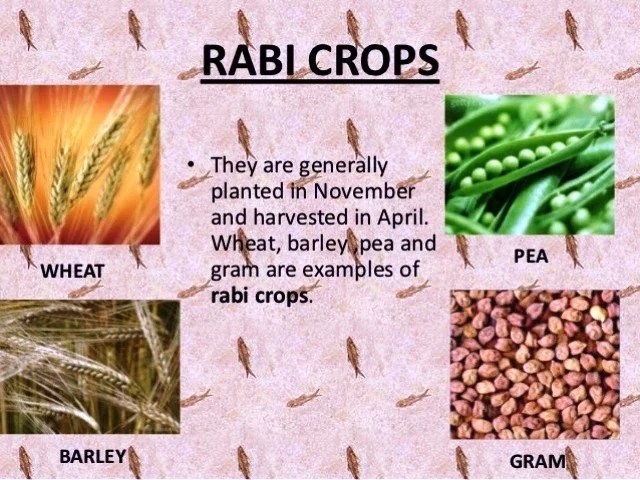


















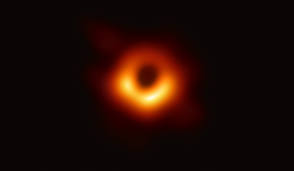



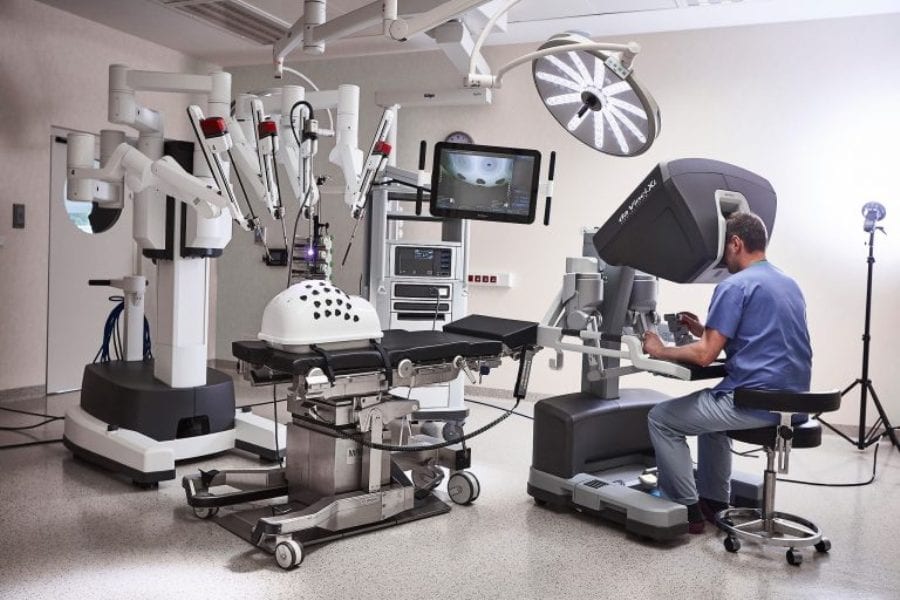














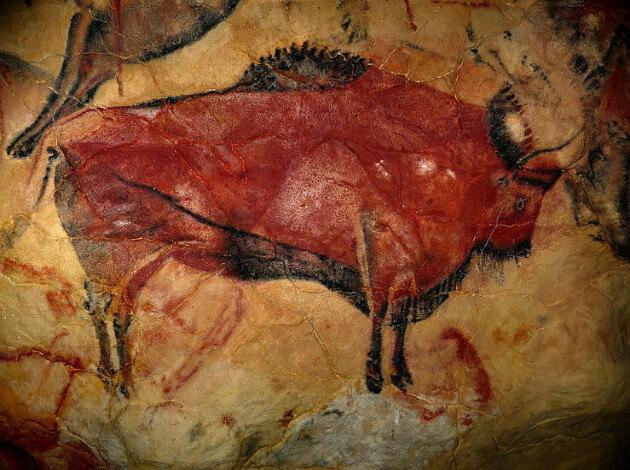
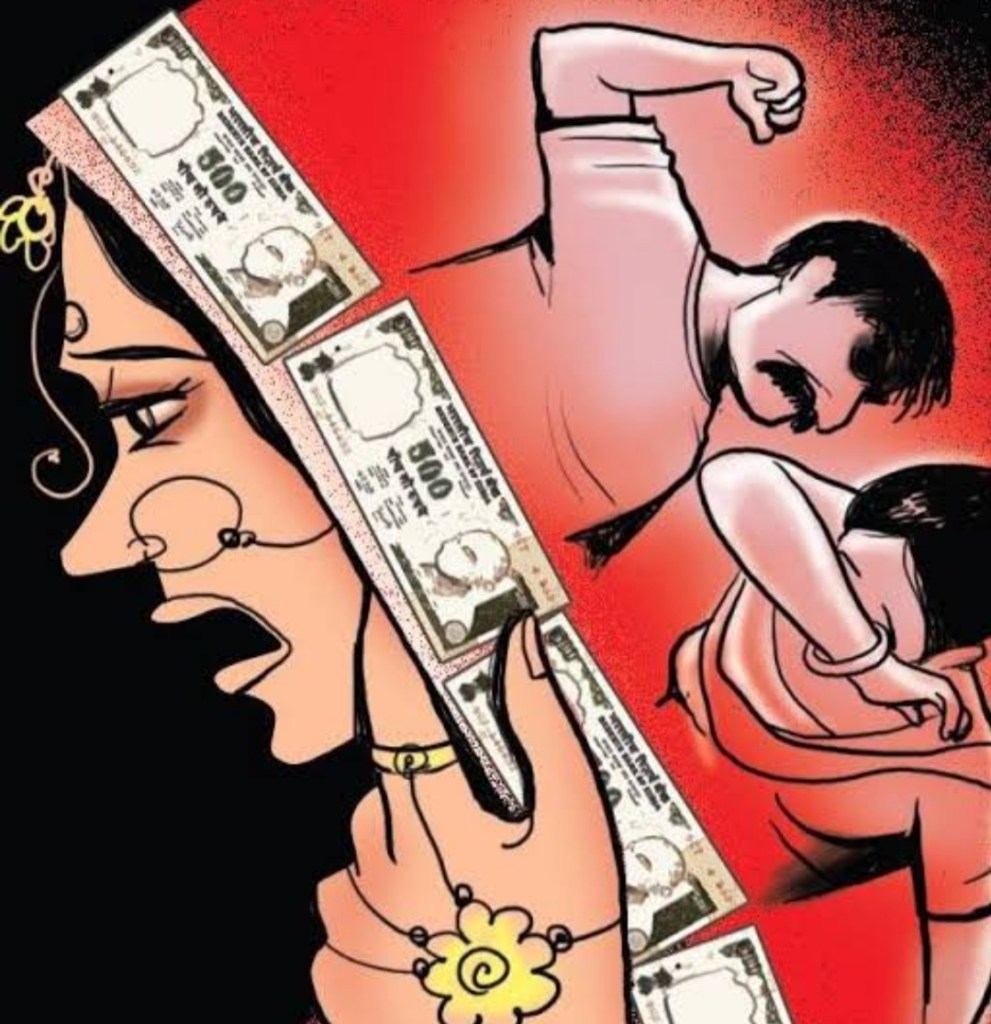












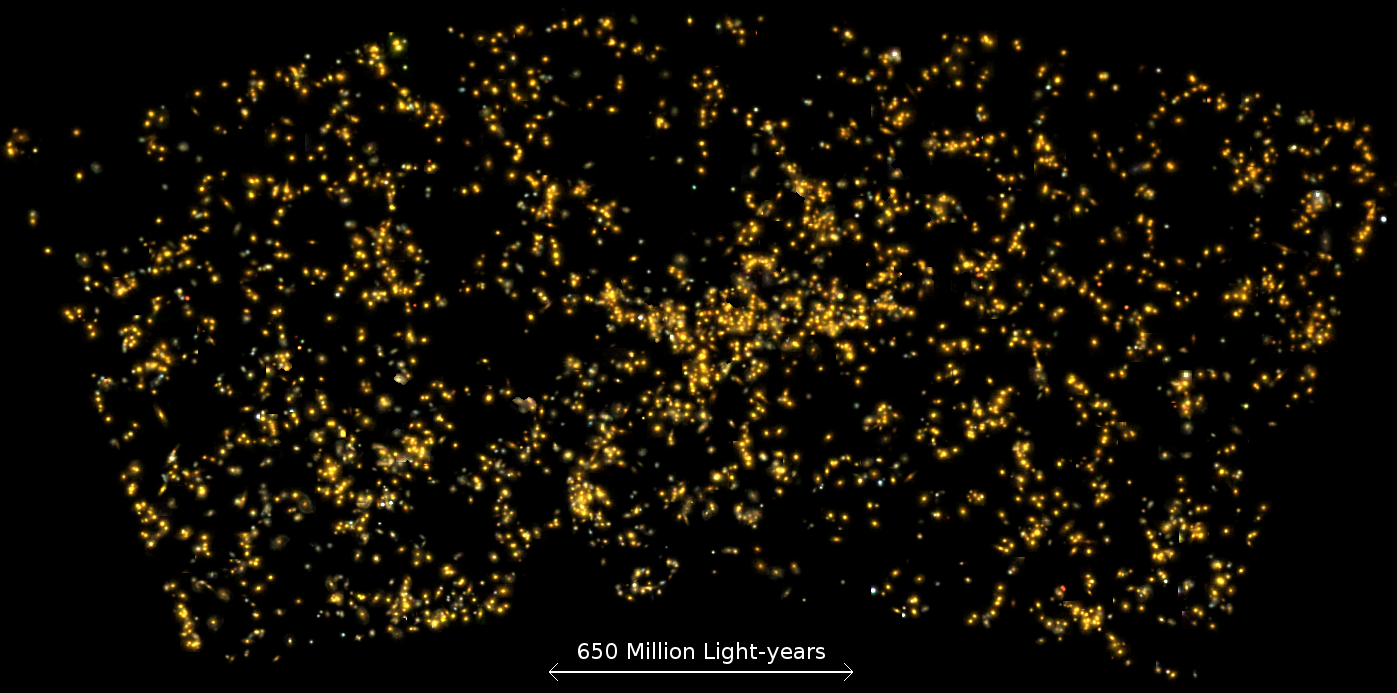




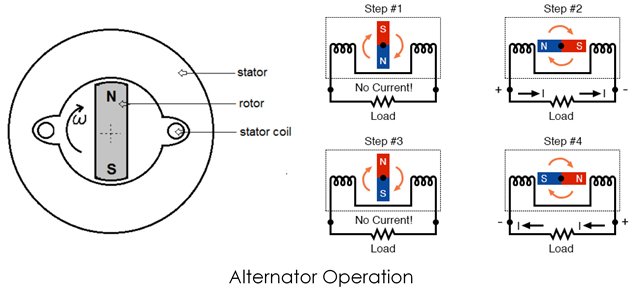

























 Track2Training
You must be logged in to post a comment.