OSTEOARTHRITIS GRADING SYSTEM

Osteoarthritis can be mainly classified into two. They are primary and secondary. The criterion for this classification is based on the different types of risk factors. Primary OA is mainly due to age where the reason for cartilage breakdown is not known or maybe due to genetics. Secondary OA is due to direct injury through sports or trauma, stress, inflammation, or other metabolic diseases. In this case, the cause may localize.

OA grading

Grading is the process of classifying the disease based on its extent or severity. OA has been graded into 5 from grade 0 to grade 4

Stage numberCondition
 0Normal
1Minor
2Mild
3Moderate
4Severe

This was proposed by Kellgren and Lawrence and it is known as KL grading. The five grades have been proposed based on radiographic analysis of subjects. This was accepted as a standard measure by WHO in 1961. The grading has been done based on the narrowing of joint space and the formation of osteophytes.

  • grade 0 (normal): no changes in knee x-ray
  • grade 1 (minor): minimalistic joint space narrowing with possible osteophyte lipping
  • grade 2 (mild): definite osteophytes and  joint space narrowing
  • grade 3 (moderate): multiple osteophytes, definite narrowing of joint space and some sclerosis and possible deformity of bone ends
  • grade 4 (severe): large osteophytes, marked narrowing of joint space, severe sclerosis and definite deformity of bone ends

Grade 0

Grade 0 is considered normal. The subject will not exhibit any features for OA. The x-ray image from this grade is taken as a standard and the other grades are compared with this grade.

Credit:- Häggström, M (2014). “Medical gallery of Mikael Häggström 2014“. WikiJournal of Medicine 1 (2). doi:10.15347/wjm/2014.008. ISSN 2002-4436. Creative Commons CC0 1.0 Universal Public Domain Dedication
X-ray of a healthy knee 
Credit:- Häggström, M (2014). “Medical gallery of Mikael Häggström 2014“. WikiJournal of Medicine 1 (2). doi:10.15347/wjm/2014.008. ISSN 2002-4436. Creative Commons CC0 1.0 Universal Public Domain Dedication
This is the joint space which is observed in healthy patients.

Grade 1

Grade 1 is known as the minor. It can be considered as the initial grade. The joint space has just started to decrease. Osteophyte refers to excess bone growth. It is also known as bone spurs since spur refers to kind to sharp material. This bone growth can be observed as sharp spikes. Here there is very minimal growth of excess bone. Bone spurs occur only at the bones adjacent to the joint. There will be very minor loss of cartilage but this does not contribute to the narrowing of the joint space. Subject in this stage is not confirmed with osteoarthritis. However, subjects having any of the risk factors become more prone to the disease

Grade 2

Grade 2 is known as mild. In this grade, the narrowing of the joint space is more and is visible through the x-ray. There will be also more formation of osteophytes. This grade can be considered as the precursor to many complications like bone dislocation and rubbing. None of these complications are seen in this grade but these complications are soon to occur. The subject in this grade is confirmed with osteoarthritis. Special care has to be taken by those in this grade and through proper medications, they can prevent those further complications.

Grade 3

Grade 3 is known as moderate. Obvious damage occurs to the cartilage and the joint space narrows even at a faster rate. Swelling of the joints starts to occur in this stage. Erosion of cartilage becomes prominent in this stage. The joints become rougher due to spurs leading to stiffness. Inflammation occurs at regular intervals. Subjects can experience popping sounds from the knee.

Grade 4

Grade 4 is known as severe. It is the worst and highest grade of all. The changes become prominent and occur at larger scales. There will be no gap literally meaning the joint is absent. The bones start to rub over each other causing pain. The joint becomes stiff like a rock. The cartilage wears down and maximum growth of osteophyte is seen. Various cytokines are released at cartilage resulting in further death. Life would be dreadful for those in this grade. The arrow in the given X-ray indicates the bones are touching each other and there is no gap in between them.

Grade 4 osteoarthritis
Courtesy: – James Heilman, MD Osteoarthritis of the left knee. Note the osteophytes, narrowing of
 the joint space (arrow), and increased subchondral bone density (arrow). the joint space (arrow), and increased subchondral bone density (arrow). Creative Commons Attribution-Share Alike 3.0

HAPPY READING!!

THE DREADFUL DISEASE FOR THE AGED- THE OSTEOARTHRITIS

Osteoarthritis is the most well-known type of joint pain, influencing a huge number of individuals in the world. It occurs as a result of the wearing down of the cartilage that cushions the ends of your bone over time. It is a complex disease that integrates biomechanics and biochemistry associated with the knee. This is the standard way of defining OA which will be difficult to understand. Hence let us try to understand what OA is. The best way is by splitting the word and analyzing it part by part

Osteo- bone

Arth- joint                        

It is- inflammation    

Knee, Old, Care, Injury, Pain, Knee Pain
x-ray of the osteoarthritic knee joint


As mentioned earlier, the unit of bone is called osteon and any word ending with itis refers to inflammation. Also, arthro term refers to joints in general. Hence the combination of the terms corresponds to inflammation of bones in the joint. This rather sounds simplified. The previous definition had complex terms like biomechanics and biochemistry. Biomechanics refers to the study of movement in living beings. Biochemistry refers to the study of the reactions occurring in living things. So in short, osteoarthritis is such a disease that results in inflammation of joints that occur due to wearing down of the bones surrounding the joint hence affecting the movement and chemical reactions which used to occur properly during normal conditions.

Osteoarthritis can occur in any joint in the human body like elbows, hips, knees, etc. Since our primary focus is on the knee, we will take a deep dive into it. In view of its expectancy and the tolerance that goes with sickness in the knee osteoarthritis represents more prevalence with daily activities like climbing steps and walking when compared to other diseases. Osteoarthritis is the most standardized reason for total knee replacement. As a result of the frequency of this disease especially in middle-aged people, osteoarthritis can act as an extensive barrier towards work and can lead to early retirement.

Coining of OA

Many say that the term osteoarthritis was coined by the British physician John Kent Spender but it was Richard Von Volkmann who tried to separate it from rheumatoid arthritis. The other names which were offered to this disease were ‘chronical rheumatism’

‘senile arthritis’

‘hypertrophic arthritis’

‘arthritis deformans’.

Effect of age

Osteoarthritis can affect people of any age group but it majorly affects old age people. National Library of Medicine suggests that people with an age greater than 70 have more risk to get osteoarthritis. The reason lies in the definition of osteoarthritis. The definition says that disease occurs due to the wearing down of bones. So the bones don’t get worn down the next instant a baby is born. Every process requires time to occur. A mother has to wait for a minimum of 9 months to give birth to a healthy baby. A student must wait for 4 years to get a degree from college. Similarly, it takes time for the bones in the knee to get worn down.
This disease has always troubled old aged people in their lives. Living with osteoarthritis is dreadful. Even climbing the stairs will be a difficult task for them. Hence it is worth knowing about the disease.

HAPPY READING!!

THE DREADFUL DISEASE FOR THE AGED- THE OSTEOARTHRITIS

Osteoarthritis is the most well-known type of joint pain, influencing a huge number of individuals in the world. It occurs as a result of the wearing down of the cartilage that cushions the ends of your bone over time. It is a complex disease that integrates biomechanics and biochemistry associated with the knee. This is the standard way of defining OA which will be difficult to understand. Hence let us try to understand what OA is. The best way is by splitting the word and analyzing it part by part

Osteo- bone

Arth- joint                        

It is- inflammation    

Knee, Old, Care, Injury, Pain, Knee Pain
x-ray of the osteoarthritic knee joint


As mentioned earlier, the unit of bone is called osteon and any word ending with itis refers to inflammation. Also, arthro term refers to joints in general. Hence the combination of the terms corresponds to inflammation of bones in the joint. This rather sounds simplified. The previous definition had complex terms like biomechanics and biochemistry. Biomechanics refers to the study of movement in living beings. Biochemistry refers to the study of the reactions occurring in living things. So in short, osteoarthritis is such a disease that results in inflammation of joints that occur due to wearing down of the bones surrounding the joint hence affecting the movement and chemical reactions which used to occur properly during normal conditions.

Osteoarthritis can occur in any joint in the human body like elbows, hips, knees, etc. Since our primary focus is on the knee, we will take a deep dive into it. In view of its expectancy and the tolerance that goes with sickness in the knee osteoarthritis represents more prevalence with daily activities like climbing steps and walking when compared to other diseases. Osteoarthritis is the most standardized reason for total knee replacement. As a result of the frequency of this disease especially in middle-aged people, osteoarthritis can act as an extensive barrier towards work and can lead to early retirement.

Coining of OA

Many say that the term osteoarthritis was coined by the British physician John Kent Spender but it was Richard Von Volkmann who tried to separate it from rheumatoid arthritis. The other names which were offered to this disease were ‘chronical rheumatism’

‘senile arthritis’

‘hypertrophic arthritis’

‘arthritis deformans’.

Effect of age

Osteoarthritis can affect people of any age group but it majorly affects old age people. National Library of Medicine suggests that people with an age greater than 70 have more risk to get osteoarthritis. The reason lies in the definition of osteoarthritis. The definition says that disease occurs due to the wearing down of bones. So the bones don’t get worn down the next instant a baby is born. Every process requires time to occur. A mother has to wait for a minimum of 9 months to give birth to a healthy baby. A student must wait for 4 years to get a degree from college. Similarly, it takes time for the bones in the knee to get worn down.

This disease has always troubled old aged people in their lives. Living with osteoarthritis is dreadful. Even climbing the stairs will be a difficult task for them. Hence it is worth knowing about the disease.

HAPPY READING!!

Introduction: Identity Politics and Political Correctness

Identity Politics

Identity politics is a term that describes a political approach wherein people of a particular religion, race, social background, class or other identifying factor develop political agendas and organize based upon the interlocking systems of oppression that may affect their lives and come from their various identities. Identity politics centers the lived experiences of those facing various systems of oppression to better understand the ways in which racial, economic, sex-based, gender-based, and other forms of oppression are linked and to ensure that political agendas and political actions arising out of identity politics leave no one behind.

There is a very positive element to identity politics, that identity politics can be a great source of strength and unity to minority communities: they help them feel psychologically safe and secure especially when coping with life in the West. Language, culture and religion are the ways in which people also cope with the psychological stress of trauma or rapid change — refugees and migrants will band together in ethnic communities in new countries in order to stay connected to what they have lost or left behind. More and more people join the social groups which results in more authority and power. And as it is said, power corrupts and absolute power corrupts absolutely. The social groups formed on the basis of their particular identity now starts to diminish, cancel and supress any valid argument made against them. Now that the majority of people are on the side of these social groups related to Feminism, Gay right activism, anti-racism etc, a person having an opposing but a valid strong argument can’t place it without being called as anti-feminist, homophobic, and racist. In most cases it leads to their career being destroyed.

This whole mob mentality which evolutionized from a primary cause to help the oppressed groups, class is because of the absolute power it gets on the later stages. They think that everything they do is correct and which is horribly wrong. This whole thing of identity politics has a bad effect on the society. Forget forgiveness, something said mistakenly isn’t tolerated at all and the criticism, hate and abuse the person has to suffer is immense and eventually leaves a mark for the rest of his life.

Political Correctness

Political correctness is a term used to describe language, policies, or measures that are intended to avoid offense or disadvantage to members of particular groups in society. The term has been used to describe a preference for inclusive language and avoidance of language or behaviour that can be seen as excluding, marginalizing, or insulting to groups of people disadvantaged or discriminated against, particularly groups defined by ethnicity, sex, or gender.

Political correctness makes sure we remain within societal boundaries that have been previously established. This helps us maintain the previous progress we have made regarding acceptance, equality and inclusivity. By directing people to be careful in their speech we help prevent negative polarisation and the acceptance of prejudices. This way we do not lose progress in tolerance and equality. The spread of hate crimes, extreme nationalism and prejudices can also be attributed to from lack of political correctness in politics. When people with a platform say bigoted things, the wider population sees these views as legitimate.

Political correctness restricts public debates and thinking in society and in mainstream media. This results in ‘touchy’ issues not being discussed efficiently. There is no flexibility with social boundaries. Political correctness is a form of social engineering used to silence people with ‘controversial’ ideas. Political correctness is not fixed, so what is unacceptable changes. But who gets to decide what qualifies as unacceptable? Politicians who condemn others citing political correctness (excluding ‘hate speech’ or clear examples of discrimination) are going against the principles of freedom of speech. They are silencing people according to their own standards. Some people think political correctness is a leftist plot that silences the right and removes ‘alternative politicians’ from mainstream media. Because much of the world’s views are not strictly ‘politically correct’, they are not represented. Others think that ‘The whole political correctness movement was invented by the Far Right to inhibit any meaningful discussion of diversity issues in order to keep racial, gender, and other barriers in place.

Everyday health foods

  1. Ginger- helps to over come cancer disease :

#. Ginger appears to be effective for treating gastrointestinal disturbance, especially in reliving diarrhea or nausea caused by morning sickness durning pregnancy and nausea and vomiting after surgery or after cancer patients chemotherapy treatment.

#. It is a herbaceous perennial which grows annual pseudostems about one meter tall bearing narrow leaf blades.

2. Cinnamon for stable blood sugar:

#. Cinnamon twig appears to have some antibiotics and anti-national inflammatory properties.

#. This healing food may also help treat gastrointestinal disturbance, including diarrhea and indigestion.

#. cinnamon seems to have antioxidant effects as well.

#. Glassman say that cinnamon is excellent for controlling blood sugar levels and has been shown to lower bad cholesterol level in people with type 2 diabetes.

3. Garlic for canner protection:

#. Garlic is most well-being known for the healing herb’s potential anti-cancer effect, Glassman says as well as it’s ability to slow other disease, including hypertension and even the common cold.

#. One of the most common place healing herbs, garlic is a great flavor enhance on stews and soup, such as this quick and easy Asian pork soup.

4. Coriander for bad cholesterol

#. “‘Coriander may aid in lowering’ bad’ cholesterol and increasing’ good ‘ cholesterol, ” Glassman says. ” It can help lower blood sugar levels as well “.

#. This healing food also appears to have anti-cancer bacterial and anti-cancer anti-cancer fungal properties.

5. Bay leaves for sinus relief:

#. There’s a reason why bay leaves are in so many cold soothing stews. ” Bay leaves contain an oil with the active ingredient cineole, which eases discomfort caused by sinusitis.

#. Says rovenia brock, phD, a nutrition expert and author.

Why is Starbucks so Successful? Here are 6 Reasons behind it…

Its success stems from the fact that it was able to deliver an experience that revolutionised the way the world views coffee shops and how many of us drink coffee outside of our homes. Starbucks has created a space in between home and work where people can unwind, enjoy a cup of coffee, and take in the appealing atmosphere. Starbucks competes not with other coffee companies, but with going to the movies.

Photo by Adrianna Calvo on Pexels.com

The following are the primary components of the company’s success formula:

1. Core Competence and Visions: The Company’s primary job or responsibility is to ensuring that the organisational culture is consistent with the types of individuals they want to attract and retain. Starbucks strives to instil a sense of belonging among its staff and consumers, as well as trust and faith in the company’s values. The quality of the coffee and the quality of the experience are what keep their consumers coming back, and the experience comes to life thanks to the personnel. Starbucks believes in a successful, competitive business approach aided by a strong commitment to the product. The Company’s good leadership and management strategy has resulted in the brand’s outstanding success and a clear vision of core competence. The company’s desire to create the most recognisable brand was fueled by a well-thought-out planning and positioning approach.

2. Promotional Patience: Starbucks has decided to avoid what would be considered standard marketing techniques, which is a departure from the norm. By depending on cafés to advertise themselves, a major reliance on a strong brand and word-of-mouth to spread a good reputation is unavoidable. Sutter (2003) also claims that effective positioning of the Starbucks environment uses powerful marketing techniques to create a setting that encourages individuals to study, hang out, and read.

3. Employee’s Approach: The Starbucks brand’s main retail success is defined by people’s interactions with the company’s experience, as well as the culture and values of how they connect with consumers. By investing in and cultivating a unique relationship with employees, and ensuring that they understand that the primary goal is to surpass the expectations of both employees and consumers. Starbucks employees are never treated as commodities, but rather as business partners.

4. Command of a Premium Brand: According to Hayes (1999), customers are prepared to pay higher costs for Starbucks coffee because they are not only purchasing a beverage, but also making a social statement. Consumers are purchasing an experience, a way of life, and a mindset. While these intangibles are notoriously difficult to quantify, Starbucks consumers are making it easy by flocking in massive numbers.

5. Experimentation and Innovation: Starbucks is a disciplined innovator, and one of the key reasons for the Company’s constant high levels of same-store sales is its effective management of its innovation timetable. In the store, customers can sample a variety of coffee brands. The Company’s capacity to quickly launch new activities and products is a significant competitive advantage. Customers are also becoming more interested in Starbucks’ music compilations, which are produced by Hear Music exclusively for the company. Starbucks aims to launch hi-tech cafés by the end of 2005, with bespoke music CDs in addition to high-speed Internet access (Ruggless,1997; Vishwanath and Harding, 2000; Donation, 2003).

6. Measured Expansion: While McDonald’s is known for its lightning-fast location evaluation and company setup, Starbucks has taken a more careful approach, particularly in international markets. Outlets in China have continuously risen from 8 in 1999 to just under 70 in 2004. Because of rising opportunities and its well-known global brand, the company is expanding into new markets.

Patience is one of the key to success:


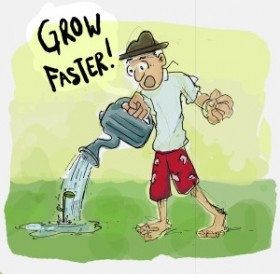
There are many keys to success, and patience is one of them. But people want everything to happen in an instant. If we walk in a building and the Wi-Fi isn’t super fast, we get annoyed. If our text message or Snapchat takes longer than two seconds to send, we become frustrated and impatient. The point is that our culture expects results right away. And our surrounding gadgets, systems, and services are only moving quicker to meet our expectations. For example, restaurants like Chipotle, McDonald’s and Taco Bell are testing a delivery system, so the customer can get their food as quick and convenient as possible. Amazon is testing delivery drones to expedite transportation time. If attainable, we wish our order would arrive the nanosecond after we click purchase. While I’m all for convenience and efficiency, I believe this habit of expecting instant results is dangerous for our future. In wanting everything to happen instantly, we lose patience to hold out for more-fulfilling opportunities and dreams.

Why impatience is dangerous?

When we get instant results and convenience in some parts of our life, then we expect other areas of our life to work just as quick and easy. But, this mindset causes problems when something doesn’t happen as we plan it. It also is dangerous when we don’t take a task on because it seems too difficult, or appears too long to complete. First, if something happens outside of our control, then we commonly create unnecessary stress for ourselves and lose mental focus. For example, take the scenario where we plan on getting to work at 8:00am, but traffic is slow and causes us to arrive late. An impatient person may allow the negativity of traffic to carry over as they act rude to their co-workers and disrupt their concentration all morning. One external disruption and they can’t act or think straight.

Also, if a task appears to be too difficult or long to finish, then we usually choose not to do it because of our desire for instant results. So we regularly settle for the shorter and more convenient path. For example, many people don’t consider careers that require grad school because they don’t want to go through the extra years of schooling. I’m confident that thousands of people who would be excellent doctors, lawyers, dentists, and other professions miss out on a fulfilling and satisfying career because of a short-term mindset against more education. It’s a shame. For another example, many people say they want to be rich. But, they’re unwilling to take the necessary steps to obtain wealth, because they aren’t patient. These same people say investing in the stock market “takes too long.” They would rather spend their money shopping to feel the immediate happiness of buying something new (which goes away pretty soon after the purchase). Or their impatience gives them over to the get-rich-quick schemes that never work.

There’s a better solution to success in life, and it’s called being patient.

Patience Is Key To Satisfaction

Why Talent Is Overrated, the super successful people (in any field) push through the difficult work, and do it for 10-plus years. Meaning these excellent performers have the patience to get better each day, week, year, and decade. They wouldn’t achieve their success if they were too impatient to practice their craft. Also, controlling your psychological state for patience gives you more opportunities. A patient person will have more time to consider different solutions to the assignment, contact people who can possibly help, and put in a better effort for a higher-quality result.

In contrast, if you’re impatient, you’re more likely to do the least amount of work just to be finished. Or you might complete a project how it’s always been done, not spending anytime to consider more creative and efficient operations. From my experiences using patience, the end result is almost always better and more personally satisfying.

How To Practice Patience

Since impatience comes from being upset things aren’t going how you want or how quick you want them to, it’s all ‘I’ focused. Change your perspective to practice patience by thinking about the subjects around you. Consider the other people involved, or the moving parts that require time to come together. Back to our traffic example, think about how everyone else needs to get to work on time and they’re probably frustrated, too. By thinking of other people, you get away from only thinking about yourself and your lack of control.

Or for our grad school example, look at more schooling as the required step to enjoy the rest of your professional career. And for our get-rich example, have the perspective that you’re investing in your future and it takes time for your compound interest to add up. If it was easy and quick, everyone would be wealthy. Another great way to practice patience is to travel. From trying to understand a different language, culture, and worldview, you’re bound to be more humble and patient after spending time abroad. Lastly, practice patience by making yourself wait.

This may look like delaying dinner until you work out. Waiting to buy new shoes until you have $1,000 in an emergency fund. Or passing on your dream car at age 30 so you have something to look forward to when you’re older. Get creative with this and you’ll soon develop more opportunities to be patient than you thought possible. I’m confident practicing patience will improve your personal and professional life. Give it a try.

Importance of patience:

The importance of patience should be realized by every individual. Patience in life can make them reach out for the stars. With patience you can avoid making hasty decisions. Life is not about living in the future or in the past. Life is about accepting the present moment.

Whenever you are in any sort of trouble, people often advise you to have patience. Why, instead of advising you about the solution, do they ask you to stay calm and composed and be patient?

In this modern age, most of us have forgotten to be patient and get irritated very quickly over minor things like a traffic jam, stock market ups and downs, a baby crying and such things. In fact, patience is a virtue that everybody must possess. Patience makes us better people.

Patience helps acquire positive attitude


If things are not going the way you want them to, instead of getting frustrated, you must learn to be patient. You need to see things and situations in a positive light to make your life happier. And to get that positivity, you need to be patient. If you find any life situation challenging, or find it difficult to bear, try to re-frame that situation and try to see its positive side.

Patience makes you healthier


Anger and stress are two things that are enough to ruin a person’s health. And patience is the antidote to both these illnesses. Being patient, you can overcome any challenging situation with more flexibility and in a better way. Being stress-free and happy helps you stay you healthier. You can be patient if you have clear knowledge about your goal and if you are putting the desired effort in the right direction. There are many ways to achieve anything. The trick is to stick to your own plan when others around you seem to be getting ahead much faster than you. Yes, they may be enjoying more success than you, but you know nothing about where they are ultimately headed. Patience is an important tool in overcoming frustration. Patience allows us to suspend judgment long enough to make informed decisions, thus paving the path to a happy and peaceful life

” One moment of patience may ward off great disaster. One moment of impatience may ruin a whole life”

Does Formal Education imply a successful career?

Is CBSE better than SSC? A conflict going on for years now. Even while talking to a friend who’s studying from a different educational board we end up comparing and at times arguing over which teaching and learning technique is superior. Over the past years we have come across many such instances where a formal education is compared or considered necessary for a for a ‘successful career’. Many of us must have also heard statements like’ You need to have a formal learning to achieve your desired or well settled career’. But can any one exactly define what a formal education or formal learning is?

If we put it in simple words formal education is generally a structural well organized system of training wherein we have to follow a given fixed way of learning which was followed previous learners. So such type of learning focuses more on theoretical learning and minimal practical learning. Now a query may arise that there has to be a structure, a pattern for a disciplined and proper learning experience. In a formal learning the subjects and curriculum is fixed, whatever we learn is pre-decided and repeated monotonously. Those subjects might be of liking to one student but not the other, some may excel in one subject and have hard time coping with other subject. But in the end the overall performance is noted and not individual. This results in students not being able to understand what they are good at.

Each one of us has a certain field of liking, some talents and also a few pros and cons. We on our own are very much aware of our strengths and weaknesses. All we have to do is to know what our strengths are, improve them, nurture them and whatever our weaknesses are we need to learn how to tackle them. So when it comes to formal education exploring a specific field of interest is difficult as we are obliged to keep up with all the other subjects too. This may not be the case for everyone some may even find there scope through this type of learning, but the important thing is only some may not everyone.

Photo by NEOSiAM 2021 on Pexels.com

Now, let’s come to the the point of a ‘successful career’. I am sure every one out there has own perspective towards what exactly a successful career is. Our expectations from our ownself as well as our will and capacity to achieve them collectively would give us a successful career. For me it would me something I would achieve in coming years and would enjoy, learn and grow during the process. It goes like the famous saying ‘Success is about the journey and not the destination’.

But now if we compare A formal education with a successful career what similarities can you guess? Is it really necessary that a strict patterned learning guarantees us a career? A formal education is needed but it shouldn’t be considered as the only criteria to define our success or if we could achieve our goals. Ultimately success depends on individual’s capacity to use their talents and creativity in the most effective manner. May be now we could modify a very familiar proverb ‘Education is a key to success, but not the only key to success.’

Waka

Nowadays, the people all around the world are the most familiar with the Japanese poetry style known as the ‘Haiku’. Haiku is a 17-syllable poem and gained popularity in the 17th century. Whereas, on the other hand there is another type of poetic form that was developed thousands of years before the haiku, known as ‘Waka’. Waka (和歌) is a form of classical Japanese poetry and the word ‘Waka’ translates to ‘’Japanese Poem’’. Haiku was extracted from the Waka style of poetry.

Waka is a type of short poem with a specific structure, it has 31-syllables and is perfectly arranged in five lines in the form of 5-7-5-7-7 respective words in each line. Waka can be divided into two verses; it has an ‘upper verse’ that refers to the first three lines and then there is the ‘lower verse’ referring to the last two lines of the waka.  Waka is written to convey our heart’s feelings. Waka’s both form and influence differs from the form and influence that our own traditional poetry has. Waka is written to encapsulate a person’s emotions and feeling rather than elucidating or explicating their emotions.

There are different forms of waka namely, the major forms being ‘Tanka’ (the short poem) and the ‘Chouka’ (the long poem), the other types of waka also include ‘Bussokusekika’, ‘Sedouka and ‘Katauta’, but these other types of forms were discontinued at the very beginning of the Heian period, now only ‘Tanka’ is the only waka that has remained till this age and when someone mentions waka it refers to tanka only.

Photo by Evgeny Tchebotarev on Pexels.com

In the Heian period, waka was the most major or the most important form of communication among lovers. Not only that but a person’s ability or skills in poetry was a dominant basis for ascertaining a person’s social and political standing in the society.

During the Heian period a renowned poet, Ki no Tsurayuki wrote the following about Japanese poetry:

“The poetry of Japan has its roots in the human heart and flourishes in the countless leaves of words. Because human beings possess interests of so many kinds it is in poetry that they give expression to the meditations of their hearts in terms of the sights appearing before their eyes and the sounds coming to their ears. Hearing the warbler sing among the blossoms and the frog in his fresh waters — is there any living being not given to song!”

The ‘song’ he mentioned in the lines above is nothing but a ‘Waka’.

source: http://afe.easia.columbia.edu/special/japan_600ce_waka.htm

mikiso hane

ECONOMICS OF MONEY

HOW MONEY ORIGINATED?

            Money is neither invented nor discovered. It evolved over years. Several centuries ago, there existed a system named the barter system. The barter system is the system where the goods and services are exchanged with each other. For example, If a person says X sells vegetable to another person Y, then the person Y have to sell fruits to the person X. Thus they exchanged goods between them. As time evolves, yellow metal and paper currency was used by the people. The yellow metal is nothing but gold, silver. In this system, the people used gold and silver to buy goods and commodities. As time evolves, the government has said that no need to use gold metals and they will issue notes, i.e, currencies with the value written on them. The government has ordered everyone to use and accept this. As long as people trust the system introduced by the government, paper currency is available. This is how money evolved over a while. Today, there are multiple forms of money. They are credit cards, debit cards, mobile banking, electronic wallets.

HOW DO WE SPEND MONEY?

            There are five forms of spending. They are needs, wants necessities, comforts, and luxuries.

NEEDS: Needs are the things that you must require at that time. Some of the common needs of a man are food, clothing, shelter, transport, communication, education. For example, as a college student, you need to have a phone since many study materials have been sent to your devices.

WANTS: Wants are the thing that you desire to have. Unlike needs, wants have options to choose from. If you do not have those things, it will not affect you. For example, well-furnished home, time-saving home devices, AC rooms, etc.,

NECESSITIES: Necessities have been categorized into three types: 

  • Necessities for life: This includes the basic things you need to run life on earth. Example: Food, clothing, and shelter.
  • Necessities for efficiency: This includes the bike for college students, a car for a businessman.
  • Conventional necessities: It is a social habit of practicing some habits. For example, people spend more money on wedding receptions.

COMFORTS: Comforts are the things that make life more enjoyable. The examples include a Well-furnished home, AC bedrooms, etc.,

LUXURIES: Luxuries represents the higher strata of spending. For example: Having a BMW car, buying diamonds.

       The important point is that needs and wants change with time. For instance, when you are a college student, having a Macbook pro is want. But when you are in the corporate world, having a Macbook pro becomes the need. Necessities, comforts, and luxuries will also differ from time to time and people to people. In the 1990s having a phone is a luxury, in 2000 having a phone is comfort and now it is a necessity to have a phone.

TAX, SAVINGS, AND INVESTMENT:

TAX: The part of our earnings has to be paid to the government in a form of taxes. The reason why we have to pay the taxes is that the government sets up the environment for our earnings. Taxes enable the government to maintain the city infrastructure by providing good roads, hospitals, and transports. To be a good citizen, we must pay the taxes honestly. The tax rate will be increased if some of the people are not paying their taxes properly. Once we paid the tax, then that money will be the government’s money. There are two types of taxes namely direct tax (income tax) and indirect tax (GST).

SAVINGS: Savings is the money that remains after you spend the money from your earnings. You can put your money in a savings bank account. The money in your account will be safe. The ability to convert them into cash is high. The rate of risk is low in a savings account. If you need money within one year, then put the money in a savings account. The ideal equation is INCOME-SAVINGS=EXPENSE.

INVESTMENT: You can invest the money in bank deposits, mutual funds, equity shares, fixed deposits, gold. The return of the money will be higher or lower. The risk of losing money varies by the investment you made. It is a long-term process generally more than 2 years. The liquidity depends on the type of investment. If you want to need the money a few years later, then invest the money.

Tips for Share Market

The potential of large gains from share markets can entice you as an investor. To a novice, the stock market may appear to be a place where you may obtain quick returns on your investments or make millions in a flash. On the other hand, the reality is rather different. It’s difficult to make money in the stock market. You’ll need patience and a long-term investment horizon, as well as a deep understanding of the market. You should only employ share market advice from a professional financial advisor, and your investing ideas should correspond with your financial objectives and risk tolerance.

Different investors have different investment objectives when they enter the stock market. Some investors seek rapid and huge profits, while others seek long-term investments and a well-balanced portfolio. However, to prevent volatility, every investor should follow a few share market guidelines during their trading journey.

Best tips for Share Market

1. Prior to investing, set goals

Goal-based investing can assist you in accomplishing your financial objectives. Determine your financial needs and develop short- and long-term goals to meet them. This will assist you in determining the length of your investment, the amount you want to invest, and the best investment channel for your needs. Let’s say you have a short investing horizon. Then you might try to profit on short-term stock price swings. If you have a longer timeline, on the other hand, you may invest in blue-chip stocks, which are renowned to provide strong long-term returns.

2.  Recognize Your Risk Tolerance

Given the volatility of the stock market, it’s a good idea to figure out your risk tolerance before investing. Risk tolerance is an important part of the investment process, and it varies from investor to investor. It primarily refers to the ability to withstand market fluctuations and their impact on the investment’s value. An investor’s low-risk tolerance is determined by his or her hunger for loss or ability to cope with worry in a highly volatile market. Low-risk investors are more likely to sell their stocks in a panic at the wrong time.

3. Choosing a Stock Broker

One of the most important decisions you’ll have to make early in your trading career is which stockbroker to use. In India, there are a plethora of stock brokers to choose from, making it tough for newcomers to make an informed decision. Consider factors such as the broker’s reputation, trading portal or software, and brokerage while making a decision. Keep an eye on the brokerage because you’ll have to pay it whether you make a profit or a loss on a deal. Brokerage fees can be levied as a flat fee or as a percentage of the trade value. This is especially significant for stock traders because the brokerage fees for repeated trades can soon add up.

4. Learn the fundamentals of the stock market

Learn the fundamentals of the stock market before investing your hard-earned money. Learn how the stock market works, what drives it, how stock prices are influenced, trading and investing tactics, and more. To make informed investments, you’ll also need to get familiar with a variety of technical terms. Those who invest without first learning the basics risk losing their money. Learn about the market before you begin your stock market trip if you desire strong and regular results.

5. Choose companies that are fundamentally sound

Consider investing in companies that have solid fundamentals. These businesses not only deliver better long-term returns to investors but also provide more liquidity. Companies with good fundamentals can also withstand share market volatility and changes. As a result, they are a generally safe investment option. Large-cap mutual funds are another option for mutual fund investors.

Conclusion

The potential of big profits tempts many to invest in the stock market. Keep in mind that markets are volatile, and stock prices can swing dramatically. Experienced investors, on the other hand, do not let these dangers affect their decision-making. Instead, they concentrate on research and analysis to determine whether or not to invest, where to invest, and whether or not to buy, hold, or sell a stock. If you’re just getting started, the above share trading advice can help you get started. Use them to create a successful stock market investment strategy that yields consistent profits.

Emotions:

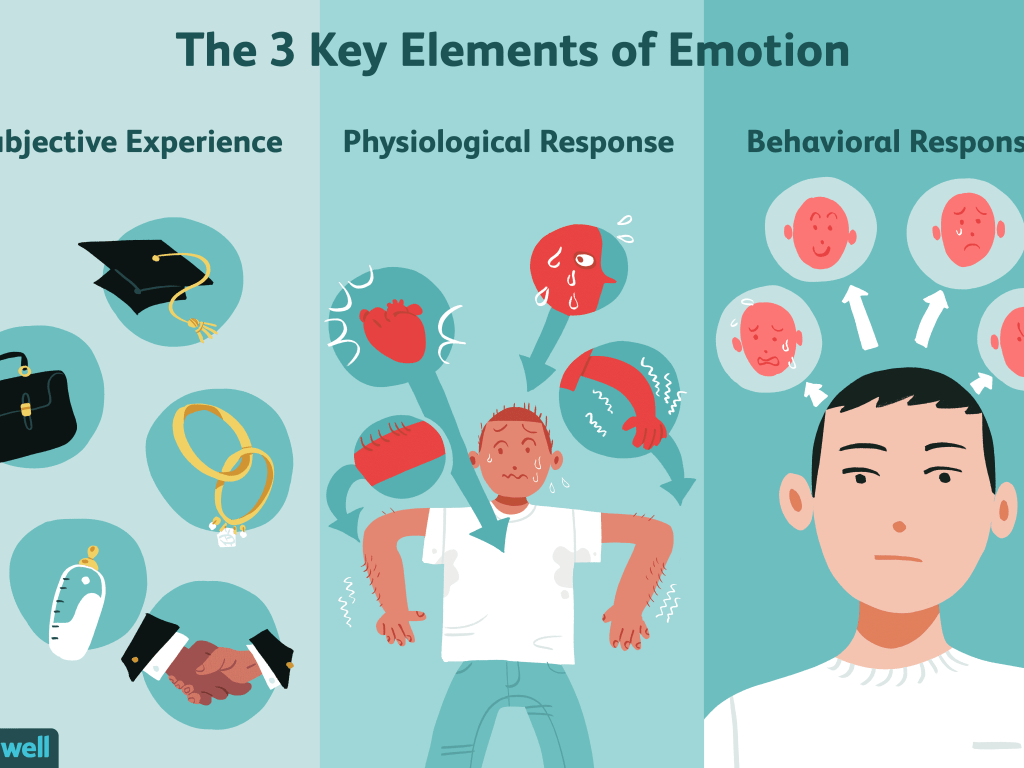
According to the book “Discovering Psychology” by Don Hockenbury and Sandra E. Hockenbury, an emotion is a complex psychological state that involves three distinct components: a subjective experience, a physiological response, and a behavioral or expressive response.

In addition to trying to define what emotions are, researchers have also tried to identify and classify the different types of emotions. The descriptions and insights have changed over time:

a. In 1972, psychologist Paul Eckman suggested that there are six basic emotions that are universal throughout human cultures: fear, disgust, anger, surprise, happiness, and sadness.
b. In the 1980s, Robert Plutchik introduced another emotion classification system known as the “wheel of emotions.” This model demonstrated how different emotions can be combined or mixed together, much the way an artist mixes primary colors to create other colors.
c. In 1999, Eckman expanded his list to include a number of other basic emotions, including embarrassment, excitement, contempt, shame, pride, satisfaction, and amusement.
Plutchik proposed eight primary emotional dimensions: happiness vs. sadness, anger vs. fear, trust vs. disgust, and surprise vs. anticipation. These emotions can then be combined to create others (such as happiness + anticipation = excitement).

Key Elements of Emotions
In order to better understand what emotions are, let’s focus on their three key elements, known as the subjective experience, the physiological response, and the behavioral response.


The Subjective Experience
While experts believe that there are a number of basic universal emotions that are experienced by people all over the world regardless of background or culture, researchers also believe that experiencing emotion can be highly subjective. Consider anger, for example. Is all anger the same? Your own experience might range from mild annoyance to blinding rage. While we have broad labels for emotions such as “angry,” “sad,” or “happy,” your own experience of these emotions may be much more multi-dimensional, hence subjective. We also don’t always experience pure forms of each emotion. Mixed emotions over different events or situations in our lives are common. When faced with starting a new job, you might feel both excited and nervous. Getting married or having a child might be marked by a wide variety of emotions ranging from joy to anxiety. These emotions might occur simultaneously, or you might feel them one after another.

The Physiological Response
If you’ve ever felt your stomach lurch from anxiety or your heart palpate with fear, then you realize that emotions also cause strong physiological reactions. (Or, as in the Cannon-Bard theory of emotion, we feel emotions and experience physiological reactions simultaneously.) Many of the physiological responses you experience during an emotion, such as sweaty palms or a racing heartbeat, are regulated by the sympathetic nervous system, a branch of the autonomic nervous system.

The autonomic nervous system controls involuntary body responses, such as blood flow and digestion. The sympathetic nervous system is charged with controlling the body’s fight-or-flight reactions. When facing a threat, these responses automatically prepare your body to flee from danger or face the threat head-on. While early studies of the physiology of emotion tended to focus on these autonomic responses, more recent research has targeted the brain’s role in emotions. Brain scans have shown that the amygdala, part of the limbic system, plays an important role in emotion and fear in particular.

The amygdala itself is a tiny, almond-shaped structure that has been linked to motivational states such as hunger and thirst as well as memory and emotion. Researchers have used brain imaging to show that when people are shown threatening images, the amygdala becomes activated. Damage to the amygdala has also been shown to impair the fear response.


The Behavioral Response
The final component is perhaps one that you are most familiar with—the actual expression of emotion. We spend a significant amount of time interpreting the emotional expressions of the people around us. Our ability to accurately understand these expressions is tied to what psychologists call emotional intelligence, and these expressions play a major part in our overall body language.

Research suggests that many expressions are universal, such as a smile to indicate happiness or a frown to indicate sadness. Sociocultural norms also play a role in how we express and interpret emotions. In Japan, for example, people tend to mask displays of fear or disgust when an authority figure is present. Similarly, Western cultures like the United States are more likely to express negative emotions both alone and in the presence of others, while eastern cultures like Japan are more likely to do so while alone.


Emotions vs. Moods
In everyday language, people often use the terms “emotions” and “moods” interchangeably, but psychologists actually make distinctions between the two. How do they differ? An emotion is normally quite short-lived, but intense. Emotions are also likely to have a definite and identifiable cause.

For example, after disagreeing with a friend over politics, you might feel angry for a short period of time. A mood, on the other hand, is usually much milder than an emotion, but longer-lasting. In many cases, it can be difficult to identify the specific cause of a mood. For example, you might find yourself feeling gloomy for several days without any clear, identifiable reason.

Geology

Geology is the study of the Earth, the materials of which it is made, the structure of those materials, and the processes acting upon them. It includes the study of organisms that have inhabited our planet. An important part of geology is the study of how Earth’s materials, structures, processes and organisms have changed over time.

The word was first used in 1778 in the work of Jean Andrea de Luc (a Swiss-born scientist who lived at Windsor for much of his life as adviser to Queen Charlotte) and at much the same time in the work of Swiss Chemist, S.B. Saucer.

Geology is a fascinating subject .

Geology feels the pulse of the earth.

Geologists contribute their part to the nation through the discovery of new deposits of rocks and minerals of economic value.A student should know what lies beneath the crust and how long back the earth came into existence.

Geology is a science of many facets and includes the study of:

1. Physical geology

It deals with the endogenous (internal) and exogenous (external) agencies and the processes that bring about changes on the earth’s surface. James Hutton is regarded as the father of physical geology.

2. Geo tectonic

It concerns with the movements of the earth’s crust and the deformations caused by them.

3. Structural geology

It deals with the configuration of the rocks in the earth’s crust produced due to a number of forces generated both exogenously and endogenously.

4. Gecmorphology

It deals with the study of landforms.

5. Crystallography

It is the study of the external forms and internal atomic structure of the crystalline minerals.

6. Mineralogy

It deals with the minerals, their composition, characteristics, modes of occurrence and origin.

7. Petrology

It deals with the origin, structure, texture, mineralogical composition etc. of the different types of rocks.

8. Stratigraphy

It deals with the strata of sedimentary rocks, their succession, thickness, age, variations and correlations, Thus it is the study of strata as a record of geological history.

9. Paleontology

(Greek-‘Palaios’ meaning ancient and ‘Ontos’ meaning being). It is the study of fossils of plants and animals that are found in the rocks of past geological periods. They indicate the climate, age and environment of deposition of the rock unit in which they are found.

10. Economic geology

It deals with the study of mineral deposits, their modes of formation, modes of occurrence, distribution etc.

Importance of Geology

i. Geology provides a systematic knowledge of construction materials, their structure and properties.

ii. The knowledge of Erosion, Transportation and Deposition (ETD) by surface water helps in soil conservation, river control, coastal and harbour works.

iii. The knowledge about the nature of the rocks is very necessary in tunneling, constructing roads and in determining the stability of cuts and slopes. Thus, geology helps in civil engineering.

iv. The foundation problems of dams, bridges and buildings are directly related with geology of the area where they are to be built.

v. The knowledge of ground water is necessary in connection with excavation works, water supply, irrigation and many other purposes.

vi. Geological maps and sections help considerably in planning many engineering projects.

vii. If the geological features like faults, joints, beds, folds, solution channels are found, they have to be suitably treated. Hence, the stability of the structure is greatly increased.

viii. Pre-geological survey of the area concerned reduces the cost of engineering.

VALUE EDUCATION- A REMEDY FOR SOCIAL EVILS

Education is provided everywhere in today’s world but the concept of value education is not provided. No one feels the need of providing value education to the students, no one teaches that. The institutions and schools only provide education to their students, how to learn and write, but no one gives the knowledge of values to them. There is no stress in the educational institutions to uplift the students morally, spiritually and physically. The need of the hour is to impart value based education. Morals, ethical values, performance of duty, regard and consideration for fellow human beings, sympathy and compassion seem to have gone with the wind in this modern, complex and fast competitive era. We should realise the real aim of education, which is to provide moral values, to follow the concept of value education in every small and large educational institution.

Modern education simply prepare students to acquire degrees or diplomas in general or specialized fields but value education helps for the all round development, inculcate moral values. It teaches a person to handle their responsibilities well, be compassionate and a decent human being. It makes a person sacrificing and empathetic in nature which can decrease the crime rate and all the social evils happening in our society. The students must be learned to keep values as top priority.

WHAT IS SOCIAL EVIL?

Social evil is any pain or suffering brought by the evil intentions or actions of many individuals. It harms a person and even toxics their life to death. Common social evils include- caste system, poverty, dowry system, domestic violence, no education for girls, illiteracy etc. These are happening from a very long time and if no value education is provided within a right time, these evils continue to happen.

ROLE OF EDUCATION IN PREVENTING SOCIAL EVILS-

Education enables people to distinguish good and bad and become a good person in the society. Value education provides the overall learning to the people. It makes them go through the various areas of knowledge, the individual becomes able to distinguish good from the evil and right from the wrong. It helps the students to become more sensible and responsible towards their work. It generates a feeling of compassion to other human beings and develop a sense of belongingness in them. It makes a person helping in nature and they try to help people and not to harm them in any way. It helps them to understand the perspective of life in a better way and lead a successful life. They become a responsible citizen of the country and make their country secure from any social evil. It also help students to develop a strong relationship with family and friends. Education also empowers women to fight for their rights and challenge inequality. It gives them learning about their various rights and duties and how should they exercise it. Value education can cure economic inequality and poverty, racism and sexism. It can make the life and future of a person better and act as backbone in society. It develops the character of a person and improves the inner personality. If it is rightly exercised in every institution, then the social evils will come to an end.

CONCLUSION-

Our education should lay stress on cultivating human values. A really educated person has the capacity of self-sacrifice. A dedicated individual is a boon to the society and the nation. In fact value education can help in removing all social and cultural evils. We need vigilant men and women to help India march forward. Thus, it is very important to include the concept of value education to remove all the social evils happening in our country.

” The aim of education is the knowledge not of facts but of values.”- William Ralph Inge

“Poverty is the worst form of violence”. – Mahatma Gandhi.

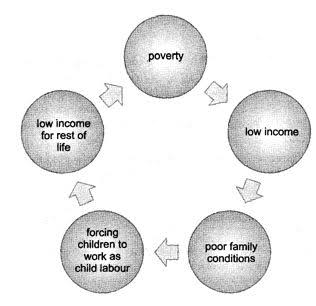
We can define poverty as the condition where the basic needs of a family, like food, shelter, clothing, and education are not fulfilled. It can lead to other problems like poor literacy, unemployment, malnutrition, etc. A poor person is not able to get education due to lack of money and therefore remains unemployed. An unemployed person is not able to buy enough & nutritious food for his family and their health decline. A weak person lacks the energy required for the job. A jobless person remains poor only. Thus we can say that poverty is the root cause of other problems.

How Poverty is Measured?

For measuring poverty United nations have devised two measures of poverty – Absolute & relative poverty. Absolute poverty is used to measure poverty in developing countries like India. Relative poverty is used to measure poverty in developed countries like the USA. In absolute poverty, a line based on the minimum level of income has been created & is called a poverty line. If per day income of a family is below this level, then it is poor or below the poverty line. If per day income of a family is above this level, then it is non-poor or above the poverty line. In India, the new poverty line is Rs 32 in rural areas and Rs 47 in urban areas.

Causes of Poverty

According to the Noble prize winner South African leader, Nelson Mandela – “Poverty is not natural, it is manmade”. The above statement is true as the causes of poverty are generally man-made. There are various causes of poverty but the most important is population. Rising population is putting the burden on the resources & budget of countries. Governments are finding difficult to provide food, shelter & employment to the rising population.

The other causes are- lack of education, war, natural disaster, lack of employment, lack of infrastructure, political instability, etc. For instance- lack of employment opportunities makes a person jobless & he is not able to earn enough to fulfill the basic necessities of his family & becomes poor. Lack of education compels a person for less paying jobs & it makes him poorer. Lack of infrastructure means there are no industries, banks, etc. in a country resulting in lack of employment opportunities. Natural disasters like flood, earthquake also contribute to poverty.

In some countries, especially African countries like Somalia, a long period of civil war has made poverty widespread. This is because all the resources & money is being spent in war instead of public welfare. Countries like India, Pakistan, Bangladesh, etc. are prone to natural disasters like cyclone, etc. These disasters occur every year causing poverty to rise.

Ill Effects of Poverty

Poverty affects the life of a poor family. A poor person is not able to take proper food & nutrition &his capacity to work reduces. Reduced capacity to work further reduces his income, making him poorer. Children from poor family never get proper schooling & proper nutrition. They have to work to support their family & this destroys their childhood. Some of them may also involve in crimes like theft, murder, robbery, etc. A poor person remains uneducated & is forced to live under unhygienic conditions in slums. There are no proper sanitation & drinking water facility in slums & he falls ill often & his health deteriorates. A poor person generally dies an early death. So, all social evils are related to poverty.

Government Schemes to Remove Poverty

The government of India also took several measures to eradicate poverty from India. Some of them are – creating employment opportunities, controlling population, etc. In India, about 60% of the population is still dependent on agriculture for its livelihood. Government has taken certain measures to promote agriculture in India. The government constructed certain dams & canals in our country to provide easy availability of water for irrigation. Government has also taken steps for the cheap availability of seeds & farming equipment to promote agriculture. Government is also promoting farming of cash crops like cotton, instead of food crops. In cities, the government is promoting industrialization to create more jobs. Government has also opened ‘Ration shops’. Other measures include providing free & compulsory education for children up to 14 years of age, scholarship to deserving students from a poor background, providing subsidized houses to poor people, etc.

Poverty is a social evil, we can also contribute to control it. For example- we can simply donate old clothes to poor people, we can also sponsor the education of a poor child or we can utilize our free time by teaching poor students. Remember before wasting food, somebody is still sleeping hungry.

Overcoming poverty is not a gesture of charity. It is an act of justice.

—nelsen mandela

BURJ KHALIFA: AMAZING FACTS

The Burj Khalifa height is a staggering 828 meters (2716.5 feet) tall, soaring over Dubai. It is three times as tall as the Eiffel Tower and nearly twice as tall as the Empire State Building. Laid end to end, its pieces stretch over a quarter of the way around the world. Its cloud-piercing height is one of the most impressive facts about Burj Khalifa.

Burj Khalifa
Burj Khalifa

The Burj Khalifa took six years to build. Foundational excavation work commenced in January 2004, and the tower was formally opened on January 4, 2010. However, the opening took place before the interior was completed. The Burj Khalifa was built by over 12000 workers, by the peak of construction.

Why famous?

It is famous because of:

  • Highest occupied floor in the world. 
  • The highest outdoor observation deck in the world. 
  • Elevator with the longest travel distance in the world. 
  • Tallest service elevator in the world.
View from the top of Burj Khalifa

The building has the longest single-running elevator, which is 140 floors. The Burj Khalifa elevator speed is 10 meters per second, making the elevators among the fastest in the world. The Burj Khalifa elevator time to reach the observation deck on the 124th floor is only one minute.

Flight attendant of Fly Emirates standing on the top of Burj Khalifa for their company advertisement

An advertisement shoot for the FLY EMIRATES recently took place in Burj Khalifa, where a flight attendant stood on the top, shuffling placards with different messages about the services of the airline. After the last placard, the camera zooms out and she is seen standing on top of 828-meter-high Burj Khalifa.

Watch the video here:

In the BTS video, The woman featured in the ad is heard saying ‘Hi mom, I’m on top of the world’. The video then shows a crew surrounding the model and attaching safety ropes. The video also shows how the ad was planned and executed.

Watch behind the scenes video here:

Unemployment

Unemployment is a serious issue. There are many factors which are responsible for this. Some of these include lack of proper education, lack of good skills and skills, inability to perform, lack of good employment opportunities and rapidly growing population. A look at unemployment stability, unemployment consequences and measures taken by the government to control it further.

Unemployment related statistics in India

The Ministry of Labor and Employment in India maintains unemployment records in the country. Unemployment figures are calculated based on the number of people who had no work for a substantial period of time during the 365 days prior to the date the figures were matched and are still seeking employment.

From 1983 to 2013, the unemployment rate in India was the highest at 9.40% with an average of 7.32 percent and in 2013 it was a record of 4.90%. In the year 2015-16, the unemployment rate was 8.7% for women and 4.3 percent for men.

Result of unemployment

There are serious socio-economic issues due to unemployment. This affects not only one person but the whole society. Some of the major consequences of unemployment are explained below:

  • Rise in poverty

This statement is absolutely true that the increase in the unemployment rate has increased the poverty rate in the country. Unemployment is mainly responsible for inhibiting the economic development of the country.

  • Crime rate increase

Unemployed unable to find a suitable job usually takes the path of crime as it is an easy way to make money. Unemployment is one of the main causes of the rapidly increasing cases of theft, robbery and other heinous crimes.

  • Exploitation of labour

Employees generally take advantage of the lack of jobs in the market by offering lower wages. People unable to find a job linked to their skills usually settle for a low-paid job. Employees are also forced to work for a specified number of hours each day.

  • political instability

Lack of employment opportunities results in a lack of trust in the government and this situation often leads to political instability.

  • mental health

The level of dissatisfaction increases among unemployed people, which gradually leads to anxiety, depression and other mental health problems.

  • Loss of skill

Staying out of a job for a long period of time leads to dull life and loss of skills. This reduces a person’s confidence to a great extent.

Government initiative to reduce unemployment

The Government of India has started several programs to reduce the problem of unemployment as well as to help the unemployed in the country. Some of these include Integrated Rural Development Program (IRDP), Jawahar Rozgar Yojana, Drought Prone Areas Program (DPAP), Training for Self-Employment, Nehru Rozgar Yojana (NRY), Employment Assurance Scheme, Prime Minister’s Integrated Urban Poverty Alleviation Program (PMIUPEP), employment offices, employment in foreign countries, development of small and cottage industries, employment guarantee scheme and Jawahar Gram Samridhi Yojana etc. Not.

Apart from providing employment opportunities through these programs, the government is also sensing the importance of education and providing skill training to unemployed people.

  • Self-employment training

The program, started in 1979, was called the National Scheme of Training of Rural Youth for Self Employment (TRYSEM). It aims to reduce unemployment among youth in rural areas.

  • Integrated Rural Development Program (IRDP)

To ensure full employment opportunities in rural areas in the year 1978-79, the Government of India launched the Integrated Rural Development Program. 312 crores were spent on this program and 182 lakh families benefited from it.

  • Employment in foreign countries

The government helps people in getting employment in foreign companies. Special agencies have been set up in other countries to hire people.

  • Small and cottage industries

In an effort to reduce the issue of unemployment, the government has also developed small and cottage industries. Many people are earning their living with this initiative.

  • Golden jubilee employment scheme

The program aims to provide self-employment and wage-employment opportunities to the urban population. It consists of two schemes:

  • Urban self-employment program
  • Urban wage employment program
  • Employment assurance scheme

This program was started in 1994 for 1752 backward classes in the country. Poor unemployed people living in rural areas were provided unskilled manual work for 100 days under this scheme.

  • Drought prone area program (DPAP)

The program was launched in 13 states and covered 70 drought-prone districts with the aim of eliminating seasonal unemployment. The government spent Rs 474 crore in its seventh plan.

  • Jawahar Rozgar Yojana

The program, launched in April 1989, was intended to provide at least one member in each poor rural family with the employment of fifty to one hundred days for a year. Employment opportunities are provided in the vicinity of the individual and 30% of these opportunities are reserved for women.

  • Nehru Rozgar Yojana (NRY)

There are a total of three schemes under this program. Under the first scheme, the urban poor is subsidized to set up micro-enterprises. Under the second scheme, wage-employment is arranged for labourers in cities with a population of less than 10 lakh. Under the third scheme, the urban poor in cities is given employment opportunities matching their skills.

  • Employment guarantee scheme

The unemployed people are provided financial assistance under this scheme. It has been started in many states including Kerala, Maharashtra, Rajasthan etc.

Apart from this, several other programs have been launched by the government to reduce unemployment.

Unemployment in India can be divided into several categories:

Hidden unemployment

When people more than required is hired for a job. This condition is called as the hidden unemployment as removing these people will not affect the work. 

sessional Unemployment

As the name suggests this type of Unemployment is only in a specific season of the year. Usually works related to agriculture, Ice factory, resorts and sports industries are affected by this.

Open Unemployment

This means when labour in large number is not able to get a job which provides them with regular income. This situation arises when physical labour increases more as compared to the economy

Technical Unemployment

This situation arises due to the increasing technical machines and instrument to replace human work.

Structural Unemployment

This type of unemployment occurs due to a major change in the economic structure of the country. It is the result of technological advancement and economic development.

cyclical unemployment

A decrease in the overall level of business activity leads to cyclical unemployment. However, this incident is only for a short time.

Educated unemployment

Inability to find a suitable job, lack of employable skills and faulty education system are some of the reasons that educated unemployed remain.

Contract unemployment

In this type of unemployment, people either work on a part-time basis or do the kind of work for which they are more qualified.

Preventive unemployment

This occurs when the demand for the labour force and its supply are not properly coordinated.

Long term unemployment

Long term unemployment is one that continues in the country due to rapid growth in population and low level of economic growth.

Sudden unemployment

Such unemployment occurs due to a sudden drop in demand, short term contracts or shortage of raw materials.

Factors that can increase unemployment in India

  • Increase in population

The rapid increase in the country’s population is one of the major causes of unemployment.

  • Manda Economic Development

The slow economic growth of the country results in fewer employment opportunities for people, leading to unemployment.

  • Seasonal business

A large part of the country’s population is involved in agriculture. Being a seasonal business it only provides work opportunities for a certain time of the year.

  • The slow growth of the industrial sector

The growth of the industrial sector in the country is very slow. Thus employment opportunities in this sector are limited.

  • The decline in cottage industry

Production in the cottage industry has fallen drastically and due to this many artisans have become unemployed.

Possible solutions to end unemployment

  • Population control

This is the right time when the Indian government takes drastic steps to control the population of the country.

  • Education system

The education system in India focuses on theoretical aspects rather than skill development. The system has to be improved to generate skilled manpower.

  • Industrialization

The government should take steps to promote the industrial sector to create more employment opportunities for people.

  • foreign companies

The government should encourage foreign companies to open their units in the country to create more employment opportunities.

  • Job opportunities

Employment opportunities should be created in rural areas for those who remain unemployed for the rest of the time by working at a certain time.

Conclusion

Unemployment is the root cause of various problems in society. Although the government has taken the initiative to reduce this problem, the measures taken are not effective enough. Due to this problem, various factors need to be studied thoroughly to see effective and integrated solutions. It is time that the government should recognize the sensitivity of the matter and take some serious steps to reduce it.

8 Emerging Plastic Alternatives We Need To Start Using

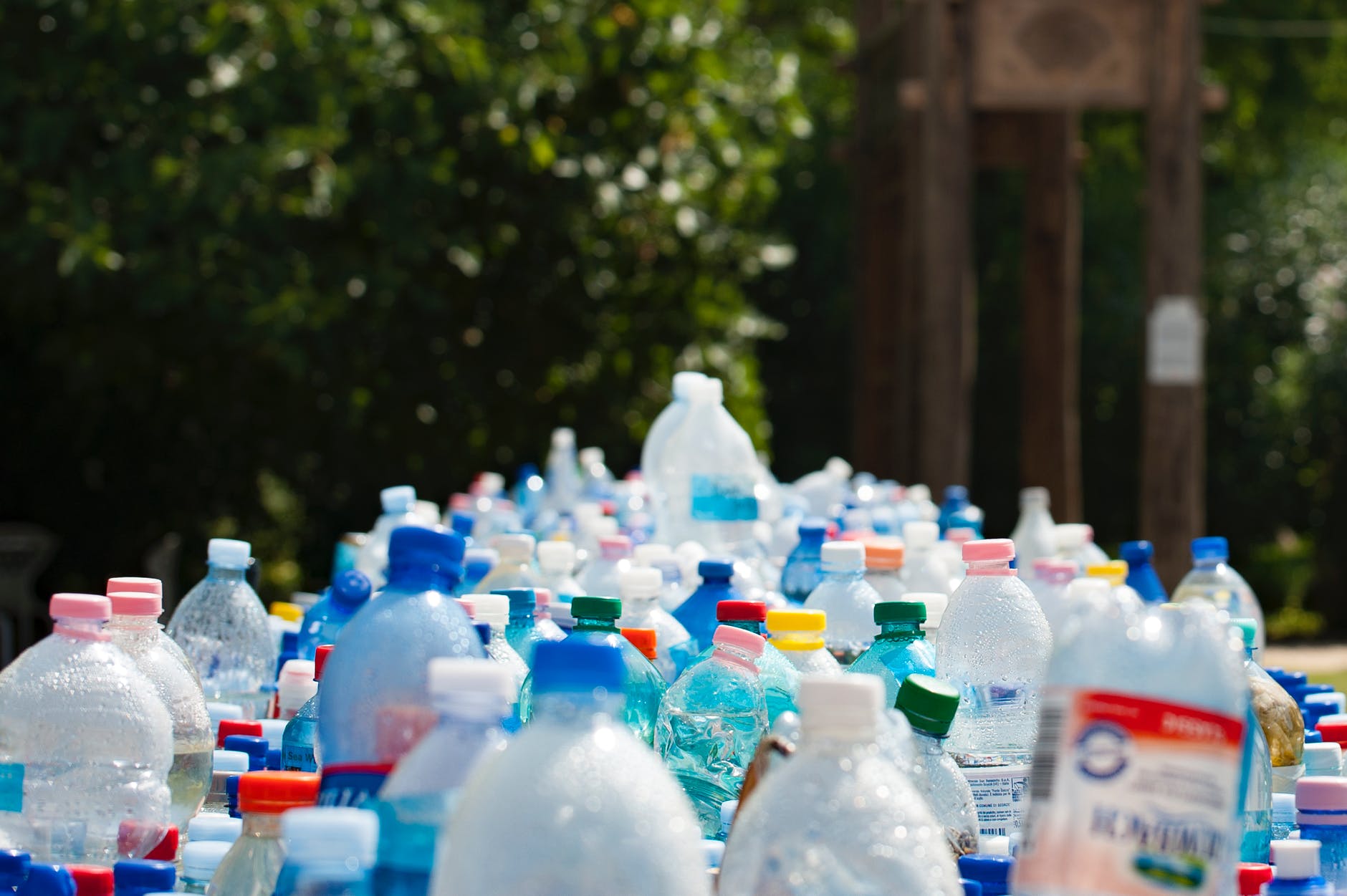
Plastics is currently one of the world’s most significant challenges. Consumers are becoming more aware of the thousands of tonnes of plastic that are polluting the ocean thanks to David Attenborough’s Blue Planet. Due of the widespread usage of plastic, particularly in packaging, firms will need to act quickly to identify plastic alternatives. In fact, 25% of customers are extremely concerned about plastic packaging, and 42% believe manufacturers should prioritise making packaging recyclable, while 21% believe the industry should move toward completely plastic-free packaging (Kantar). As plastic continues to be featured in the news on a regular basis, this figure will only climb. Brands must be seen to be taking a responsible approach; else, their hard-earned equity will be harmed.

Photo by mali maeder on Pexels.com

With so many plastic alternatives being produced, we’ve compiled a list of 13 of the most interesting plastic replacement technologies.

1. Plant Based Plastic: Bioplastics are created from a range of materials, including corn that has been broken down into PLA (polylactic acid). Because it’s manufactured from waste products from maize cultivation – which is also easy to grow – it’s highly sustainable to make. PLA can be used to produce beverage bottles, food-grade containers, and films. Innocent, the eco-heroes, are now using 15% PLA in their bottles.

2. Bagasse: Bagasse is a sugarcane manufacturing waste product. It may be easily moulded into packaging ideal for food delivery and food service, comparable to polystyrene, because to its malleability and stickiness. It’s guaranteed biodegradable and compostable, and because it’s a by-product, it’s considerably more environmentally friendly to make than polystyrene.

3. Seaweed Water Bubbles: Ooho, a British firm, has developed a seaweed-based edible (and, by default, biodegradable) water bubble. “To provide the convenience of plastic bottles while minimising environmental impact,” they say. They’ve devised manufacturing methods that are both more efficient and less expensive than creating plastic bottles. When compared to PET manufacture, the process emits 5 times less CO2 and consumes 9 times less energy.

4. Shower Friendly Paper: L’Oréal, the beauty juggernaut, has now introduced Seed Phytonutrients, an eco-beauty line. The products themselves sound wonderful (crafted with 93-100 percent natural ingredients, cruelty-free, paraben-free, etc. ), but it’s the packaging that stands out. The exterior card is made by Ecologic and is recyclable, compostable, glue-free, and water-resistant. The inner liner is composed of recyclable plastic and consumes 60% less material than standard plastic bottles.

5. Stone Paper and Plastic: You might be surprised to learn that stone can be used to make paper. It obviously had an effect on me. I have a stone paper notepad with a lovely smooth finish that feels almost chilly to the touch. This wonderful invention might be used in a variety of packaging applications. It can be used as a paper or plastic substitute because it is printable, recyclable, and water-resistant… and it also has good eco credentials. It’s created from calcium carbonate, one of the world’s most common minerals, and the manufacturing process consumes less water, has a lower carbon footprint, and is more energy efficient than traditional papermaking. FDA-approved food packaging can also be made with stone paper. Paper (supermarket singlet) bags, takeaway food cartons, greaseproof paper wraps, and Ziplock bags can all be made with this.

6. Palm Leaves: The oyster-like casings for Holy Lama’s handmade soaps are constructed from palm leaves from the areca palm. The areca palm’s leaves naturally fall to the ground, where they are collected and shaped into the required shape. They’re brilliantly environmentally friendly because they employ a natural areca palm waste product and the final packaging is biodegradable. Arekapak, a Berlin-based firm, is working on palm leaf packaging for foods like fresh fruit, vegetables, and nuts.

7. Mushroom Root: Packaging is physically grown with Mycelium (mushroom roots, which is also the same substance that Quorn is comprised of). Ecovative Design collects agricultural waste, mixes it with mycelium in moulds, and then watches as the packaging grows. You can see how it works here, but I’m not convinced it’s not magic.

8. Wood Pulp Cellophane: NatureFlex is the more environmentally friendly younger sibling of cellophane, created from FSC-approved wood pulp and certified biodegradable. It is available in three different types: uncoated, which is ideal for chocolate and confectionery as well as household items; semi-permeable, which is suitable for fresh produce and dairy; and barrier, which is suitable for bakery, snacks, coffee, tea, chocolate, confectionery, as well as home and personal care items.

Child Labour

Childhood is considered the most enjoyable period of life. The is period is free from any time worry or responsibility. 

This period is the formative period of life. Parents do everything to fulfill the needs of their children. 

They are brought up with the utmost care, love, and affection. But it is sad to see that the innocent have to work to earn money. This is known as child labour.

The system of child labour is also prevalent in India. It is the worst type of child exploitation. No child likes to work in the budding periods of life of his life. 

It is the poverty of their parents that forces them to do labour. Some parents cannot earn enough to feed their family members. So they compel their children to do some job and earn money.

What are the pros and cons of child labour?

Problems of Child Labour in India

The problem of child labour has become a serious problem. Children have to work in homes or shops or factories where they are paid very low wages. 

They have to do every type of dirty work without any rest or interval. Some children do not return home at night. 

They sleep at the bus stands or in the railway waiting hall or on the footpath. Even their parents have never felt worried about them.

The Indian law prevents the employment of children in factories but not in cottage industries, family households, dhabas, and restaurants, or in fields. 

Most of the children are school drop-outs. Our system of education and economic policies needs a rethinking. Children should be provided job-oriented education right from primary classes. 

Poor and illiterate parents should be made aware of the disadvantage of child labor. Population control is also very necessary.

Child Labour is in India and the world

Child labour is one of the biggest problems. It is not only prevalent in India but also a world problem. This problem is not a new problem. 

It was also present in ancient times. Children were required to do some work either at home or in the field with their parents.

The most important causes of child labor are poverty, large family, ignorance, and lack of education. 

In poor families, children have to work to support their families. The poor parents are ignorant about the value of education. 

They are concerned only with earning two square meals a day. In this job, their children have also to work. 

Thus poverty compels them to work to keep the wolf away from their doors. But in spite of child labor, the poor lead a miserable life.

Exploitation of children

Child labour is the worst type of child exploitation. The Indians look upon children as the gifts of God. But poverty snatches their childhood from them. 

Sometimes poverty forces the poor parents to take loans from the zamindars or their master. This loan is never paid by them and they become bonded laborers’. 

Sometimes they have to pawn or pledge their children to get money. Thus the vicious circle of bandha mazdoor’ goes on from one generation to the other. 

Munshi Prem Chand’s famous novel ‘Godan’ and a serial ‘Udaan’ on Colors channel beautifully present the condition of bonded labour and child labour.

The economic condition of Poor families

Economic condition is the main reason for child labour. The economically bad classes believe that more hands bring in more resources. 

Thus they go on producing children. They feel that their children will become their supporters when they are six or seven years old. 

They never think of sending them to schools. According to a report, child labour is employed mainly in 20 products. 

These products include bidis, bricks, fireworks, glass bangles, matches, and carpets, etc. Some children work in homes and tea-shops where they have to clean the utensils and do sweeping.

Indian Law for Child labour

In India, there is a law against child labour. The Indian Constitution provides that no child below the age of 14 years shall be employed to work in any workplace. 

The ban on child labor has been extended to the domestic and hospitality sectors. Because of this law, child labour is almost absent in the organized sector. 

But the situation is not good in the unorganized sector. There the anti-child labor law is thrown to the winds.

We can find a great number of child laborers in the rural areas, in farms, fisheries, and cottage industries. 

In England, when the Industrial Revolution took place, child labor was required to clean the factory chimneys. 

The miserable condition of the children has been presented in William Blake’s poem ‘Chimney Sweepers’. Child labour deprives children of attending school. 

Besides, working for long hours in unhygienic conditions, and eating unhealthy food, the health of the children is adversely affected. 

However, a great benefit to employers is that child labor does not form trade unions. Besides, it is available at low wages.

So far as the exploitation of child laborers is concerned, it is a naked truth.

A Survey report about Child labour

 According to a survey, children, for the same type of work, are paid less than the adult laborers. Poverty has an intimate relationship with child labor. 

Poor families need money to survive. and children are a source of additional income. Thus poverty and lack of social security are mainly responsible for child labour and bonded labour.

In The Tribune, the Chief Editor has expressed his views on child labour. He has said, “Make employers responsible.” 

According to him, a few months ago, hundreds of children were found working as labourers in one of the farms in Punjab. 

During the Prevention of Child Labor Week, 281 children were rescued from across the state. Of these, 116 were pursuing dangerous occupations. 

It is not that the country lacks legal protection to protect children from exploitation. Their numbers continue to grow. U.S. agencies estimate that the number of child laborers in India could be between four and six million.

The law stipulates only one-year imprisonment and a maximum of Rs. 20,000 fine; In fact, a small amount of Rs.200 is a penalty in most cases. 

The government has passed a number of laws

The government has passed a number of laws such as the Child and Adolescent Labor Prohibition Act, the Right to Education Act, 2010 and implemented schemes like Sarva Shiksha Abhiyan which encourage the enrollment of children in schools.

It also claims that the number of child laborers has come down from 1.25 crore (Census 2001) to the current figure of 49.6 lakh (National Sample Survey).

Not surprisingly, these figures were arrived at on the basis of a sample size of approximately 70,000 across the nation. 

The government needs to conduct a genuine survey to gauge the magnitude of the problem and make the enforcement machinery accountable. 

Unless employers are made accountable under stringent laws, child labour will continue to shame the nation.

It has become a challenging job to deal with the child labor problem. Efforts are being made to lessen some of the evils of child exploitation. 

The world has set an aim to eliminate the practice of child labour by 20

16. In fact, the problem of child labour has three faces-social, economic and political. The most important factor of the three is poverty. 

Child labour can be checked by reducing poverty in rural areas. If child labour is banned all of a sudden, it will not bear fruitful results. In many poor families, it is necessary for children to work.

To some extent, child labour contributes to development. Most of the children belong to those families where the family’s survival depends on their labor. 

A distinction must be made between forced labour and employment. Children should be allowed to work in their family-based cottage industry like pottery, poultry, or knitting and weaving. Here the children can work in their spare time after school.

Conclusion of child labour essay

On the whole, the issue is how to root out the problem of child labour from India. Besides removing poverty, vocational and technical education should be introduced from the primary stage.

 It is true that this problem cannot be eliminated overnight but in a phased manner. At least, anti-child labour law should be enforced with an iron hand and the defaulters are put behind the bars.

Communication technology

Information and communication Technologies (ICT) is a broader term for Information technology (IT), which refers to all communication technologies, including the internet, wireless networks, cell phones, computers, software, middleware , video-conferencing, social networking, and other media applications and services enabling users to access, retrieve, store, transmit, and manipulate information in a digital form. ICT are also used to refer to the convergence of media technology such as audio-visual and telephone networks with computer networks, by means of a unified system of cabling (including signal distribution and management) or link system. However, there is no universally accepted definition of ICT considering that the concepts, methods and tools involved in ICT are steadily evolving on an almost daily basis. To define professional skill levels for its ICT professional education products, the IEE computer society has adopted, for example, the Skills framework for the information age  (SFIA). The value of ICT strategies as a means of bridging the digital divide and as a powerful tool for economic and social development around the world should not be underestimated in agricultural and related sectors. Improving extension of ICT services to farmers would effectively improve the transmission of global open data for agriculture and nutrition for development of sensible solutions addressing food security nutrition and sustainable agriculture issue. By using ICTs, there have already “been diverse types of innovations taking place in the agriculture sector, which include commodity and stock market price information and analysis, meteorological data collection, advisory services to farmers for agricultural extension, early warning systems for disaster prevention and control, financial services, traceability of agricultural products, agricultural statistical data gathering, etc.

E-Agriculture refers to use of ICT in agriculture

In 2007, FAO and a group of founding partners launched the e culture community of practice- an online space to facilitate an exchange of knowledge and experiences of projects where ICT are used for agriculture and rural development.

To date, the e- agriculture community  has over 15,000 members from more than 170 countries and territories and about twenty international partners In 2016, the FAO and International Telecommunication Union (ITU)published the ‘E-Agriculture Strategy guide Piloted in Asia Pacific countries’. This toolkit provides countries with a framework to develop their national e-agriculture strategies, which should help rationalize both financial and human resources, as well as address ICT opportunities for the agricultural sector in a more efficient manner.On this page E- agriculture you will find all information related to the use of the ‘E-Agriculture Strategy Guide’, the related workshops organized, and the progress made in different countries. 

Types of communication technology

Technology has reinvented the way people communicate. Originally simple devices have evolved into Communication channels that create connections worldwide. There are four main types of communication technology that have contributed to the ease of sending messages: telephone, radio, television, and internet.

Telephone
The telephone revolutionized verbal communication. People can talk to each other from any place in the world, strengthening relationships and eliminating the worries of long-distance communication. Speaking with someone across the country can be done just as easily as speaking with someone down the street.

As technology advanced, the device upgraded from “telephone” to “mobile phone.” What used to be a heavy piece of equipment can now easily fit in your pocket. Not only is the modern telephone portable, but the features and capabilities are also advanced.

As the telephone progressed, it adopted new types of visual and written communication. Today, text messages and electronic versions of photos are regularly sent using mobile phones, increasing the possible amount of information being shared using phones.

The telephone introduced a brand new approach to verbal, written, and visual communication, and exciting new features continue to change the communication technology game.

Radio
About twenty years after the telephone, communicating using the radio came into play. Another innovation in the realm of verbal communication, radio is used to reach sizable audiences, as opposed to just one person on the other end of a phone.

The radio’s ability to reach a large audience at a low cost continues to motivate a lot of communicators to take full advantage of the tool. Information providers, such as advertisers and newscasters, spend substantial amounts of time communicating with their massive audiences using radio technology.

Radio technology transformed the way information is delivered to large audiences and continues to strengthen mass communication.

Television
Television is another way to reach extensive audiences, but it brought a new perk to the table: visual communication.

Some information is hard to describe using just words. Television provides audiences with the best of both worlds: information and visuals to accompany it. This advantage caused the television to replace the radio as the leading tool for mass communication.

Today, there are thousands of television channels that communicate information on almost any topic: history, sports, news, science, fiction, and so on. Whether it be for entertainment or cold hard facts, people are constantly turning to television for information.

Internet
The internet removes the need for communicators to have a separate device for each different type of communication technology. With the Internet, you can do it all in one place.

As the queen bee of interaction, the internet successfully combines all types of communication technology and houses them in one place. It provides the largest array of information and communication sources known to man.

The tools available on the internet make any type of communication effortless. Verbal and nonverbal communication can be accomplished with video conferencing software. Written messages can be sent through email. Electronic versions of pictures can be sent to and from any internet device.

Customer communication software is another example of one of these tools. While other gadgets help make communication between a business and their consumers easy, certain tools can often be considered hybrid – bringing together different types of communication.

Live chat is a rare hybrid tool that combines all types of communication – verbal, nonverbal, written, and rich media – through audio and video conferencing software, instant messaging, and file sharing capabilities.

Customers can place orders, ask questions, or troubleshoot issues through live chat, all on a single customer communication platform. This gives them access to a business and allows them to connect with an agent whenever they have a query. With live chat software, it’s never been easier to connect.

Information and communication technology

Information and communication technology refers to a connected system of interactive tools and technologies that are used to send and receive information. Whether it be an individual or an entire company, if a single entity is using multiple types of technology to communicate, they must be linked to ensure efficiency.

components of information and communication technology

These systems of interactive tools can include state-of-the-art innovations, such as artificial intelligence, and less advanced technology, like the corded telephone. The ability and newness of the device aren’t important. If multiple technology tools are being used by an individual or business, they should be connected.

Information and communication technology have changed the way people go about their days living, working, and communicating. These innovations have taken over certain duties that people never would have imagined a machine to do, such as answering phones and giving human-like responses or speaking into a device and having it write a message for you. Information and communication technology allows people to effectively communicate in the technological world.

Stay tuned : Information and communication technology is an expansive topic, and the ideas within it continue to evolve. You don’t have to be an expert, but understanding the basics and keeping up with new communication technology will help make you the best communicator possible.

Marie Salomea – most popular women scientist

Early life:

Born : 7 November 1867, Warsaw, poland

The youngest of five children, she had three oldest sister and brother. Her parents- father, wladislaw and mother- bronislava

Died : 4 July, passy, France

Spouse: Pierre cutie

discovered : radium, polonium

Awards: Nobel Prize in physics, novel prize in chemistry, John Scott legacy medal and premium.

QUOTES: 1. nothing In life is to be feared, it only to be understood. Now is the time to understand more, so that we may fear less.

2. Be less curious about people and mire curious about ideas

3. One never notices what has been done, one can only see what remain to be done.

Radioactive discoveries:

curie was intrigued by the report of German physicist Wilhelm Rontgen’ s Discovery of X-ray and by the French physicist henri becquerel’ s repot of similar ” Becquerel ray” Emitted by uranium salts.

According to Goldsmith, Curie coated one of the two metals plated with a thin layers of uranium salts.

then she measured the strength of the rays produced by the uranium using instrument designed the faint electrical current generated when the air between two metal plates was bombarded with uranium rays.

she found that uranium compound also emitted similar rays

In addition the strength of the rays remained the same, regardless of whether the compound were in solids or liquid state.

conclusion:

She worked extensively with radium throughout her lifetime, Characterizing it’s various properties and investigating it’s therapeutic potential.

However,her work with radioactive material was what ultimately killed her .she died of q blood disease.

5 Main Problems faced by Small Scale Industries

Just because of their nature and size, small-scale industries do not have many of the advantages that large-scale firms do. They have contributed significantly to economic development, but they have not reached their full potential. They have a lot of issues with how they operate, and a lot of small businesses are sick.

Certain commodities were set aside by the government for exclusive production by Small Scale Industries. Large-scale businesses were not permitted to create commodities reserved for the SSI sector. Many things have been successively De-reserved as the economy has opened up and followed the principles of liberalization and globalization. As a result, small-scale industries must now contend with the dual pressures of rivalry from both Indian large-scale firms and overseas competitors.

In this blog, we are going to learn about the problems faced by Small Scale Industries.

Problems of Small Scale Industries

1. Funding Shortage

When it comes to fundraising, small businesses confront numerous challenges. It is one of the most serious issues. Many of these businesses are unable to raise cash from the capital market due to a lack of creditworthiness. Banks are also wary of lending money to these businesses because many of them lack proper collateral security or guarantees.

A lack of cash can cause a small firm to fail before it even gets off the ground. Following nationalization, several banks make loans to these types of businesses. The situation is still deteriorating due to the sudden outbreak of covid-19, which resulted in a lockdown and a drop in the economy. Entrepreneurs are obliged to seek funds from money lenders at unreasonably high-interest rates, which throws their business calculations into disarray.

2. Idle Capacity 

In the case of small-scale industries, installed capacity is underutilized to the tune of 40 to 50 percent. Various factors contribute to this underutilization, including a lack of raw materials, a lack of cash, and even a lack of power. Small scale units, unlike their large-scale counterparts, are not completely able to deal with all of these issues.

3. Management abilities

A tiny business is started and run by a single person. As a result, that person may lack all of the managerial skills required to run a business. They cannot afford to hire competent managers or staff due to a lack of finances. This can cause minor disruptions in the business’s operations. Delays, errors, poor decision-making, and other factors can all contribute to the company’s demise. This could also be considered unprofessional behavior on the part of the client, which is bad for the company’s market reputation. All of these requirements are easily met in major corporations thanks to various specialized teams.

4. Sickness

It’s heartbreaking to see the majority of the small units succumb to illness. There is a lack of forethought. Another stumbling block is the lack of qualified and trained employees. They have no choice but to sell on credit. Their clients fail to pay them on schedule. There are a lot of terrible debts. As a result, they are unable to maintain the production process due to a lack of operating capital. This results in illness.

5. Unpredictable raw material supply

Small businesses have a difficult time obtaining raw materials, whether they use locally available or imported raw resources. The issues develop as a result of defective and irregular raw material delivery. Other obstacles for the small-scale sector include a lack of sufficient quantities of raw materials, occasionally poor quality of raw materials, rising raw material costs, foreign exchange crisis, and, most importantly, entrepreneurs’ lack of awareness of government policies.

Conclusion

Small-scale entrepreneurs face a slew of issues, including excessive reliance on institutional agencies for finances and consulting services, a lack of creditworthiness, a lack of education and training, reduced profitability, and a slew of marketing and other issues. The Indian government has launched a number of initiatives targeted at enhancing the overall performance of these institutions.

Said “I love you” more -Positive thinking

Positive thinking refers to a belief or mental attitude which makes us think that good things will happen eventually and our efforts will pay off sooner or later. It is the opposite of negative thinking which makes our mind full of stress and fear. Thus, an essay on positive thinking will show us how it reinforces thoughts like optimism and hope and works wonders.

Benefits of Positive Thinking

Let it be clear that positive thinking does not mean you do not notice the bad things in life. It means you try to find a solution in a productive way instead of whining about it. There are many benefits of positive thinking.

The first one is better health. Negative thinking gives rise to anxiety, stress, frustration and more. However, positive thinking helps you avoid all this and focus on staying healthy and doing better in life.

Further, it is essential for us to fight depression which positive thinking helps with. Similarly, it will also help us to relieve stress. Positive thinking overwhelms stress and it will allow you to get rid of stress.

As a result, positive thinking helps you live longer. It is because you will be free from diseases that form due to stress, anxiety and more. Moreover, it is also the key to success. Meaning to say, success becomes easier when you don’t bash yourself up.

Similarly, it also gives us more confidence. It boosts our self-esteem and helps in becoming more confident and self-assured. Therefore, we must certainly adopt positive thinking to make the most of our lives.

How to Build a Positive Thinking

There are many ways through which we can build positive thinking. To begin with, we must inculcate the habit of reading motivational and inspiring stories of people who are successful.

All this will help in motivating and inspiring you and showing you the right path. Moreover, it is important to never let negative thoughts thrive in your mind and work towards putting end to this habit.

You can do so by replacing your negative thoughts with constructive and positive reviews. Start to pay attention to your ideas and don’t pay heed to negative thoughts. Further, it is helpful to use affirmations.

These positive statements will truly sink into your subconscious mind and guide you to take better action. It will also help in visualising your dreams and getting the right means to achieve them fast.

Finally, always stay guard and gatekeep your mind to make important changes in life. In other words, do not be afraid to take actions. Keep yourself busy and do different things to avoid becoming cynical and remaining positive.

Conclusion of the Essay on Positive Thinking

To conclude, we must change our attitude and believe that we will succeed one day. Moreover, we also need to implement positive thinking techniques which will help us learn from our failures and stay focused. As positive thinking plays an essential role in our lives, we must make sure to adopt in our lives.

Positive thinking helps you stand back up again when you are knocked down by bad luck or negativity.

. —Tom Laurie

USAGE OF BOTTLED WATER

SHOULD WE AVOID IT?

For a long time now, bottled water has become a trend amongst people all around the world. Mostly, it is cheap and advertised as healthy. Unfortunately, the water is actually not always as healthy as it might seem. Many companies use tap water sealed into bottles, sometimes purified, sometimes not. Many people who buy water bottles never reuse them and the plastic ends up polluting the environment. The cost for transporting millions of empty bottles each month is huge, and ultimately pollutes the air. Therefore, harming the environment, polluting the air and wasting plastic and fuel are strong arguments that why should not sell bottle water.

“Drinking water is like washing out your insides. The water will cleanse the system, fill you up, decrease your caloric load and improve the function of all your tissues.” – Kevin R. Stone

Even though recycling is something everyone should be doing, many people still throw away their water bottles. Millions use plastic bottles each month, causing transport to waste lands costing great amounts of money for fuel. The wastelands pollute the air, and so does the fuel when used. If our school sells and uses these plastic bottles normally, that demonstrates that we are helping to pollute the environment.

I believe that bottled water should be banned, because of the environmental impact & the health effects they cause. Bottled water is obviously not a healthier or cleaner option to normal tap water. Also, bottled water is despicably expensive when you compare it to the cost per gallon of tap water.

Almost all bottled water sold is tap water, which is put in plastic bottles and sold at huge profits. So pretty much what you’re doing is buying the same water that you could drink at your house for FREE. Also, if a person is choosing between tap water and bottled water, tap water is clearly the more economical and the healthier option.

According to a 2001 report of the World-Wide Fund for Nature, approximately 1.5 million tons of plastic are used in the bottling of 89 billion liters of water each year. Other than the amount of plastic bottles produced each year, the energy essential to produce and transfer these bottles to the market uncontrollably drains limited fossil fuels.

Did you know that each year the making of the plastic water bottles takes sufficient oil and energy to fuel a million cars? Millions of gallons of fuel are wasted daily transporting filtered tap water around the world and across countries. All the energy to make the bottle, even more to ship it around the planet and then we drink it in about two minutes? And do you know what happens when you’re finished with that bottle?

Ninety percent of water bottles end up in landfills where they sit for thousands of years or in incinerators where they’re burned releasing toxic pollution. I don’t see this as being recycling; real recycling would be turning the bottles back into bottles, which happens to only ten percent of the water bottles.

Pretty much what the government is doing, is wasting so much money and energy to pollute our earth. Bottled water companies have made a momentous strain on the environment, due to their tolerant use of precious resources and their manufacturing of billions of plastic bottles.

Around the globe, a billion people don’t have access to clean water. However cities all over the world are spending millions of dollars to deal with all the plastic bottles thrown out. What if we spent that money improving our water systems or even better, developing better water systems in third world countries?

Just remember it could be the beginning of this change, but after cities would be banning water bottles and maybe even countries.

Literature in Heian period

In the Heian period a lot of importance was placed on art and literature. The aristocracy paid a lot of heed to developing a refined taste in literature and developed strong customs and behavioural conduct.  During this period the nobles of the court known as ‘kuge’ accentuated on appearance and decorum and dictated rules for every aspect of life. Art, literature and poetry were an essential part of the imperial court. All the people working in the imperial court were expected to have a good education in writing and poetry. One’s writing skills were the parameter for earning a good reputation and position within the court.

Heian period was very rich period in development of Japanese culture because Japan was heavily influenced by the Chinese society and their culture, but it was in this period that japan started to keep clear of the Chinese influence on their way of lifestyle and their own traditions and practices.

Photo by Henry & Co. on Pexels.com

In the Heian period, only men used to write works in kanji (the writing system that was borrowed by China) but they mostly or only wrote poems, and historical documents and not fiction. Whereas the women, although were not versed in kanji writing system but still wrote in kana. Men used to write in the Chinese script as it was believed that it was of higher social status. Ironically, the women of this period were the one who developed Japanese writing method and played a key role in the rise of Japanese vernacular literature. Female authors in Japan were more popular than the male because they wrote in an accessible language, the language of the common people, ‘kana’. The women wrote tales and fictional stories, the kinds that men usually shied away from. 

Photo by Ryutaro Tsukata on Pexels.com

The new writing system, Hiragana, was used by women to write their tales that gave them more freedom to express their emotions freely. Use of hiragana empowered women to be able to be able to write about their thought, feelings and their everyday hardships and lifestyle in the nation that they lived in. For the author Shounagon, she spent years in mastering kanji writing system so she could display her level of intelligence in the society dominated by men, and she often used kanjis in their writings. The most cardinal works of literature were written by women in the Heian period, the most notable work being ‘The Tale of Genji’ and ‘The Pillow Book’. Both books are considered to be masterpieces and very important work of literature of that time even today. Both books documented the important aspects of lifestyle of people during the Heian era.

source: Mikiso Hane

Plastic Ban: An Initiative Towards Better Results!

Reducing Millions of Tons of CO2: EU Single-Use Plastic Ban

Plastic bags are a major cause of environmental pollution. Plastic as a substance is non-biodegradable and thus plastic bags remain in the environment for hundreds of years polluting it immensely. It has become very essential to ban plastic bags before they ruin our planet completely. Many countries around the globe have either put a ban on the plastic bag or imposed tax on it. However, the problem hasn’t been solved completely because the implementation of these measures hasn’t been as successful as expected.

People are more aware of the fact that plastic is harmful to the environment and if we keep increasing the use of plastic it is possible that we are creating a more harmful environment sooner than later. In this aticle on should plastic be banned it is important to understand that plastic in itself is not harmful when used, or recycled and reused, it is rather the littering of plastic on the streets, on land and water bodies, and the single-use plastic bags which are disposed in the same manner and cannot be recycled. Plastic is a non-biodegradable matter and takes lots of efforts to get decomposed so it is only natural that when such matter is only increasing then the threat to nature also rises.

Many countries like Italy, Bangladesh, China, and Kenya have taken the initiative to ban the use of plastic and are not given any to the public at any check out counter. However, there are many countries that have not adopted this, as it is also difficult to find an alternative to plastic that is easily decomposable and safer for the environment. So, rather than completely banning the use of plastic, we must find ways of recycling and reusing the plastic so that the dumping of plastic does not deteriorate the natural environment.

Important Reasons to Ban Plastic Usage:-

  1. Plastic can endure every climate and when littered travels through wind or water and reaches ocean bodies or gets stuck on lands and trees and harms these environments as it is non-biodegradable since it is made of non-renewable materials.
  2. The energy required to drive a car for 1 kilometre is used to make 9 plastic bags and this ratio is irrational as the plastic bag used is rather useful for only 11 minutes to carry materials and then discarded.
  3. An Environment Health Perspective reports that the components of plastic mimic hormones like estrogen and this causes severe damage to our health as it disrupts the natural hormonal balance in our body.
  4. It is a threat to wildlife who in negligence sometimes consume plastic which is littered along with their food. Many aquatic animals like turtles suffer a great deal as their digestive system is entangled in plastic and die.
  5. Plastic bags are not easy to recycle as the recycling rate by the recycling facilities is only 5% so it is tedious work.

Some Major Problems caused due to Plastics:-

  1. They are Non-Biodegradable

Plastic bags are made up of elements that are extremely hard to be degraded by the microbes in the environment. They take hundreds of years to be completely decomposed, which essentially means that almost all of the plastic ever made still exists in the environment causing pollution! In fact, plastic bags are a major source of pollution of land and water presently across the world. 

2. Effect of Plastic on Human Health

Due to the excessive use of plastics, there are a number of ways in which plastic finds its way into our food chain. Accumulation of nano plastics over a long period of time can cause organ failure, intoxication and respiratory and gastrointestinal distress. Burning of plastics also produces harmful smoke that can cause poisoning in humans. 

3. Harmful for Animals

Animals, both terrestrial and aquatic, consume a lot of plastic wastes unknowingly. Consuming large chunks of plastic often cause blockage in their respiratory tract. This may result in respiratory failure due to choking. After consuming plastic bag, an animal is not able to digest it and it stays inside its intestine causing complications and ultimately, untimely death.

4. Clogged Sewage

Another major problem of plastic bags is that it accumulates in waterways and clogs drains and sewages. This can result in overflowing drains which can then breed various vectors of diseases. Afterwards, from this accumulation of plastic bags oxygen supply to the water is reduced and aquatic animals die due to the lack of oxygen as well.

Conclusion:-

Although plastic is becoming a big threat for all of us, still this problem has often been overlooked and underestimated. This is because people do not look at the long term effect of these small, easy to carry bags they use in their everyday life. Besides all of these people keep using bags due to their convenience. But now everyone has to completely stop using the plastic bag to save our environment and earth.

It is safe to say that like any global problems affecting the environment and the people all over it is not easy to find a particular solution so we can only trust time to see what works and what doesn’t and in the meantime find alternatives which are biodegradable and instead of dumping reuse and recycle and spread awareness about its importance, in this way you can contribute to maintaining nature’s sanctity.

Areas of gender discrimination:


(Gender discrimination refers to the discrimination against a person or group on the basis of his/ her sex or gender identity. In other words, it is the practice of granting or denying rights or privileges to a person based on his or her gender. Discrimination based on sex or gender can also be defined as adverse action against another person, which would not have occurred had the person been of another sex. This is considered a form of prejudice and is illegal in certain circumstances in most countries. Gender discrimination can arise in different contexts. For instance, an employee may be discriminated against by not being hired, promoted, or being wrongfully terminated based on his
or her gender. Socially, sexual differences have been used to justify different roles for men and women, in some cases giving rise to claims of primary and secondary roles. While there are alleged non-physical differences between men and women, major reviews of academic literature on gender difference find only a tiny minority of characteristics where there are consistent psychological differences between men and women, and these relate directly to experiences grounded in biological difference. However, there are also some psychological differences in regard to how problems are dealt with and emotional perceptions and reactions which may relate to hormones. Unfair discrimination usually follows gender stereotyping held by a society. Gender discrimination exists to different extents in all societies. Whether it occurs in a blatant or subtle way, gender discrimination has a negative impact on individuals
and the community.


Although gender discrimination is traditionally viewed by as problem normally encountered by women, it affects
men as well. For instance, job customarily and historically held mainly by women, like nurses, childcare providers and flight mainly are often denied to men based on social stigmas. In many countries while widows get bereavement benefit, there is no equivalent benefit for widowers. Paternity leave for men is quite no rare and is offered only in certain countries or sectors.


Family and Home:


Gender discrimination often begins at home, Son preference, as we know, is widespread in India. It is also
prevalent in China, North Korea and Pakistan. Female infants girls and women are prejudiced against when it comes to
nutrition, health care or education. Due to the advances in technology, determining the sex of
the foetus in the womb is now possible. Though sex determination tests are illegal in India, the practice of finding
out the sex of the foetus is quite common. This often leads t aborting fetuses if it is female (female foeticide). The killing of female infants (female infanticide) is also common widespread practice of female foeticide and infanticide has led to a skewed sex ratio in countries like India and China. Sex ratio is the ratio of females to males in a population
Sex ratio is an important social indicator to measure the extent of prevailing equity between males and females at a given point of time.


Sex Ratio is defined as the number of females perI000 the males. extent Sex of Ratio prevailing is an equity important between social males indicator and female measures a given point of time. It is mainly the outcome of the interplay of
sex differentials in mortality, sex selective migration, sex ratio at birth and at times the sex differential in population
enumeration, The average natural sex ratio for humans from birth is approximately 105:100. Scientists are not sure why there are 105 males born for every 100 females around the world.


Sex ratio (females per thousand males)


India 933 Rural 946 Urban 9000
State with Highest Female Sex Ratio Kerala 1,058
State with Lowest Female Sex Ratio Haryana 861
UT with Highest Female Sex Ratio
Pondicherry 1,001
UT with Lowest Female Sex Ratio
Daman & Diu 710
District with Highest Female Sex Ratio Mahe
(Pondicherry) 1,147
District with Lowest Female Sex Ratio Daman
(Daman& Diu) 591
Source: Census Data 2001

According to the 2001 census, the sex ratio of India stands at 933:1000 (there are 933 females for every 1000 males). It is heavily skewed in favor of males, showing that Indian society is still prejudiced against females. The population sex ratio for Tamil Nadu has increased from 974 females per 1,000 males in 1991 to 986 in 2001. This is true of most States. Only four States among those with a population exceeding 20 million in 2001 Haryana, Gujarat, Maharashtra and Punjab decline in population sex ratios between 1991 and 2001. However, Tamil Nadu’s child sex ratio – defined as the number of girls per 1,000 boys in the age group of 0-6 years shows a decline from 948 in 1991 to 939 in 2001. The decline in child sex ratios in some districts of the State is quite alarming report . The family can be seen as one of the main sites of gender a discrimination as most human behavioral patterns can be traced to what people learn at home. Women and men are often treated unequally in the family. In most households, the father or some other male member, is considered the head of the family, and hence, the center of authority.
Women, as we know, generally do most of the domestic chores like cooking and cleaning and are responsible for child
care. In most Indian households, domestic work is considered woman’s area of sphere, while work done outside the home is the man’s sphere. The distribution of work and roles in the family based on sex is called gender division of l

To understand the problems with gender division of labor one must understand the concept of social reproduction or simply ‘reproduction’. As opposed to production (which is work done in the market, for instance, work done in a factory manufacturing cars), reproduction refers to the whole range of activities that allow human beings to continue their lives household wort cooking, cleaning, washing, caring for children, ill, old socializing of the new generation. Without these things, it impossible for any production to happen.

IS RECONSTRUCTING OUR PAST MORE IMPORTANT THAN BUILDING OUR FUTURE?

“There are times in our lives when we have to realize our past is precisely what it is, and we cannot change it. But we can change the story we tell ourselves about it, and by doing that, we can change the future.”
― Eleanor Brown

We often hear that ‘the past is past, don’t bother about it’. But actually, the past is not only the past, but also it is the foundation of our future. Every moment is going to be past. It is the only reality that we can know. Future and present are related. Everything is being examined on the basis of past, future and present. Past is a set of experiences, events and beliefs that someone or something confronted with. Everything has a past and that past constitutes the essence of its present and future. It can be said that history is the collection of recorded past events in the form of written documents, monuments, oral discourses etc. But the past is beyond these historical remains.

The things and deeds we did in past are now to give us fruit in present and also in the future. And our present which is going to be our past will give us its fruit in the future. Some think it is essential to study history in order to make their future bright but some think past has no concern with the future. Other thinks that future is related to present, the things they have in present remain same as in future. Different people have different believe on the same the topic. Why is it so? Due to the different experiences, they have in their past life. In some way or another experience is second name of past.

What actually affect the future?

Experience affects the future. Future can never be predicted but we can strive to make it better by mean of the past experiences. Without knowing the past, we repeat mistakes made in the past, and destroy our future.

We can’t say that we are guessing future upon the past, but in some way, we can perk up our future by relating it to the events take place in past, and work to make it enhanced. No one knows what will happen in the future but the past lends us a hand and lead us to our destiny.

There must be some reasons why past contribute a lot in building future. It is vitally important to study history and keeping the past in mind to avoid repeating the mistakes of the past and understand why things are as they are!

We study history to learn where we were in the past and where we are now, to learn what worked for people in the past. We study history to know what is the right thing to do and what is wrong so that we can understand what to do in life and how the wrong things happen and how we can be prevented.

New thoughts and systems cannot be formed overnight. It is subject to change and reconstruction over the centuries and generations. We cannot say that the past is always constructive and beneficial. Progress is being made by identifying faulty systems. Many things that were once considered right and socially good are now considered as reactionary and unprogressively.

For example, once untouchability was a prevailing practice in our society which was considered as a normal thing. But later, the practice of untouchability is abolished and now we know how ridiculous it is. This realization is the product of reconstruction. This sort of change can be seen in all areas of life such as culture, cinema, environment, caste, religion, gender, language etc. What we firmly believe to be right and wrong today may not be like that tomorrow. Reconstruction aims at deconstruction also.

Future is created through rectifying the mistakes of our past by maintaining its positive aspects. It is determined by the realizations gained through the past experiences. Therefore, it is essential to have a proper sense of past and history.

Here lies the relevance of the reconstruction of the past. The future can only be built by a proper understanding of the past. We must be able to embrace what is progressive and reject what is irrational and biased. Thus, it would be better to say that reconstructing our past is the foundation for building our future instead of reconstructing our past is more important than building our future.

Yes, the past is past, but it continues.

THE HUNT- MOVIE REVIEW

I had a long backlog of movies that I needed to see this month, but when I read the premise of this movie I knew I needed to watch this movie immediately, and I am glad that I did. I must admit that I have seen other movies with a somewhat similar idea but, never have I seen it executed so meticulously as most of those films felt more like documentaries than movies. This movie on the other hand is extremely well-paced and feels very cohesive, despite some awkward time jumps. It’s definitely a very audacious movie and does not shy away from anything.

The movie manages to establish its world and main characters in a very impactful and concise manner. It utilizes clever dialogue throughout this period and we manage to learn a lot about our main character Lucas, played by Mads Mikkelsen, in just a few scenes. You learn that he was just recently divorced and has been fighting over the custody of his son for quite a while, and just when his life starts to fall in place, with him obtaining the custody of his son and finding a new love interest, his life takes the turn for the worst. And when it does fall apart you do feel bad for this character because the movie does do a great job in establishing the character. It does a great job in showcasing the rise and fall of this character

I have seen many movies over the years and have experienced a wide range of emotions, but this movie offers something unique: frustration. Within the first thirty minutes of the movie, you get to know everything there is to know about the case, there are no twists, no conveniently placed characters, and no real developments in terms of the actual case, it is exactly how it is presented at first. That is when you realize that this is not a thriller or a mystery but a drama. The characters in the movie act in a very pragmatic manner, nothing about this movie feels like a movie. It is very much reminiscent of real life and the way society treats you. The frustrating element of the movie is that there is no real antagonist in this movie and there is no one at fault here. It doesn’t play out in a one-sided manner instead it explains the reasoning behind each characters’ action and when you think about it from their perspective, the actions are justifiable. As a result of this Lucas in a sense has to acquiesce to the crime that he never committed.

All of the performances in this movie are nothing short of superb. This was really the first time I recognized Mads Mikkelson as an outstanding actor, portraying a wide variety of emotions as a contrast to the usual bad guy roles that I am acquainted with. Surprisingly, the child actors do a pretty amazing job at their role, largely due to the laconic nature of their characters.

WHAT INDIA CAN DO TO COMBAT THE CLIMATE CRISES

Countries all around the world are facing unprecedented climate conditions, ranging from heat waves to floods. It is now apparent that the dawn of the climate crises is now upon us. The UN unwitingly issue regular warnings about the impending extreme climatic conditions by 2030. But these warnings are almost vacuous since we don’t seem to care about the future. They should instead bring into light the extreme climatic conditions that we have already experienced last year. At of all the bush fires in Australia, heatwaves in Canada, and blizzards in America the UN declared that India has had the worst climatic conditions in 2020. If we do not put an end to this, it will only get worse. Here are some ways India could combat the climate crises.

Proper Infrastructure– With the alarming amount of deaths due to floods last year it is important that we address the problem if poor infrastructure in rural areas. The government needs to invest more on the infrastructure of roads and buildings to withstand floods. Houses must be made of cement and steel in order to withstands floods which are now eminent. States like Odisha have adapted well throughout the years by equipping themselves with flood management systems like alarms and cyclone shelters. The death toll in Odisha is now in the single digits.

Committing to net- zero emissions– India is the third largest producer of natural gas. Several of the top emission countries have already committed to a net- zero emissions plan by 2050, but unfortunately India is not one of these nations. Although it is the natural duty of the more developed countries to help in reducing the net emissions, no such help has been offered as yet. India in the meantime needs to develop a robust plan in order to not only reduce future emissions but to also clean up the green house gases already released.

Electric vehicles– Although the Government has expressed its intention in bringing only fully electric cars to the showroom by 2030, the pandemic has severely affected this plan with several productions grinding to a halt. But this still does not mean that all the hope is lost in bring electric cars to India. 8 years is still enough time to implement new policies to hasten the process of integrating EV in India. Retiring the combustion engine is a humungous endeavor and cannot be achieved by simply introducing tax subsidies or slowly building up the electric infrastructure. Bold steps need to be taken including reducing the cost of production of the the lithium battery’s. More main stream brands such as Maruti should take the frontline in innovation in the field of EV’s.