Site Suitability Analysis: An Essential Tool for Sustainable Development

Daily writing prompt
What is your career plan?

By Shashikant Nishant Sharma

In the modern era of urbanization and environmental awareness, site suitability analysis plays a pivotal role in guiding sustainable development. It is a comprehensive process that evaluates the suitability of a particular location for specific uses, balancing socio-economic benefits with environmental sustainability. By identifying the optimal locations for development, site suitability analysis minimizes environmental impacts and maximizes resource efficiency, ensuring projects align with local regulations and community needs.

Understanding the Process

Site suitability analysis involves a multidisciplinary approach that integrates geographic, environmental, economic, and social data. It typically includes several steps:

Define Objectives:

Establish the purpose of the analysis, such as residential zoning, industrial development, or conservation efforts. Clear objectives guide data collection and evaluation criteria.

    Data Collection:

    Gather relevant information about the site, including topography, soil quality, hydrology, climate, land use patterns, infrastructure, and socio-economic data.

      Assessment Criteria:

      Develop a framework of criteria based on objectives. For instance, residential development may prioritize proximity to schools and healthcare facilities, while agricultural suitability might focus on soil quality and water availability.

        Developing a framework of criteria for site suitability analysis begins by clearly defining the objectives for each type of development or use. The criteria selected should directly support these objectives, ensuring that the analysis accurately reflects the needs and priorities of the project.

        For residential development, the framework might include criteria such as:

        • Proximity to essential services: Evaluate the distance to schools, healthcare facilities, shopping centers, and public transportation. Closer proximity enhances the quality of life for residents and can increase property values.
        • Safety: Consider crime rates and public safety measures in potential areas to ensure resident security.
        • Environmental quality: Include measures of air and noise pollution to ensure a healthy living environment.
        • Infrastructure: Assess the availability and quality of essential utilities like water, electricity, and internet service.

        For agricultural development, the criteria would be quite different, focusing on aspects such as:

        • Soil quality: Analyze soil composition, pH levels, and fertility to determine the suitability for various types of crops.
        • Water availability: Assess local water resources to ensure sufficient irrigation capabilities, considering both surface and groundwater sources.
        • Climate: Evaluate local climate conditions, including average temperatures and precipitation patterns, which directly affect agricultural productivity.
        • Accessibility: Include the ease of access to markets and processing facilities to reduce transportation costs and spoilage of agricultural products.

        In both cases, these criteria are quantified and, where necessary, weighted to reflect their importance relative to the overall goals of the project. This structured approach ensures that the site suitability analysis is both comprehensive and aligned with the strategic objectives, leading to more informed and effective decision-making.

        Data Analysis:

        Utilize Geographic Information System (GIS) tools and statistical models to analyze spatial data against criteria. This step often involves weighting factors to reflect their relative importance.

        During the data analysis phase of site suitability analysis, Geographic Information System (GIS) tools and statistical models are employed to evaluate spatial data against established criteria. This sophisticated analysis involves layering various data sets—such as environmental characteristics, infrastructural details, and socio-economic information—within a GIS framework to assess each location’s compatibility with the desired outcomes.

        A critical component of this phase is the application of weighting factors to different criteria based on their relative importance. These weights are determined by the objectives of the project and the priorities of the stakeholders, ensuring that more crucial factors have a greater influence on the final analysis. For example, in a project prioritizing environmental conservation, factors like biodiversity and water quality might be assigned higher weights compared to access to road networks.

        GIS tools enable the visualization of complex datasets as interactive maps, making it easier to identify patterns and relationships that are not readily apparent in raw data. Statistical models further assist in quantifying these relationships, providing a robust basis for scoring and ranking the suitability of different areas. This rigorous analysis helps ensure that decisions are data-driven and align with strategic planning objectives, enhancing the efficiency and sustainability of development projects.

          Mapping and Scoring:

            In the mapping and scoring phase of site suitability analysis, the collected and analyzed data are transformed into visual representations—maps that highlight the suitability of different areas for specific uses. These maps are created using Geographic Information System (GIS) technology, which allows for the layering of various datasets including environmental attributes, infrastructural factors, and socio-economic indicators. Each area is scored based on its alignment with the predetermined criteria; these scores are then color-coded or symbolized to indicate varying levels of suitability. The resulting maps serve as practical tools for decision-makers, enabling them to visually identify and compare the most suitable locations for development, conservation, or other purposes. This process not only simplifies complex data into an understandable format but also ensures that decisions are grounded in a comprehensive and systematic evaluation, leading to more informed, efficient, and sustainable outcomes.

            Decision-Making:

            Interpret the results to inform planning decisions. This may involve consultation with stakeholders to ensure decisions reflect broader community goals.

            In the decision-making phase of site suitability analysis, the results obtained from mapping and scoring are interpreted to guide planning and development decisions. This step involves a detailed examination of the visualized data to identify the most optimal locations for specific projects or uses based on their suitability scores. Planners and decision-makers may consider various factors, such as economic viability, environmental impact, and social acceptability.

            Consultation with stakeholders is crucial at this stage. Engaging local communities, business owners, government officials, and other relevant parties ensures that the decisions made reflect the broader goals and needs of the community. This collaborative approach helps to balance different interests and priorities, which is essential for the successful implementation of sustainable development projects.

            By integrating stakeholder feedback and aligning it with the analytical data from the site suitability analysis, decision-makers can develop plans that are not only technically sound but also socially and environmentally responsible. This holistic approach fosters greater community support and enhances the effectiveness of the development initiatives, leading to more sustainable and inclusive outcomes.

              Applications and Benefits

              Site suitability analysis offers benefits across various sectors. In urban planning, it identifies optimal locations for new infrastructure, helping to reduce traffic congestion and improve quality of life. For agricultural expansion, the process ensures that only areas with the highest crop yield potential are utilized, preserving less suitable lands. Conservation projects also benefit by pinpointing critical habitats that need protection.

              Furthermore, this analysis supports disaster resilience planning by identifying safe zones for development, away from flood-prone or seismic areas.

              Challenges and Considerations

              Despite its benefits, site suitability analysis faces challenges such as data availability and accuracy. Remote areas may lack comprehensive data, and changing environmental conditions could quickly render findings obsolete. Moreover, socio-political dynamics and economic interests may affect decision-making, requiring a balance between development objectives and community needs.

              Conclusion

              Site suitability analysis is an indispensable tool for sustainable development. It provides a data-driven foundation for making informed, forward-looking decisions that can help balance growth with environmental conservation. By incorporating this analysis into planning processes, decision-makers can shape resilient, inclusive, and environmentally responsible communities for the future.

              References

              Banai-Kashani, R. (1989). A new method for site suitability analysis: The analytic hierarchy process. Environmental management13, 685-693.

              Baseer, M. A., Rehman, S., Meyer, J. P., & Alam, M. M. (2017). GIS-based site suitability analysis for wind farm development in Saudi Arabia. Energy141, 1166-1176.

              Charabi, Y., & Gastli, A. (2011). PV site suitability analysis using GIS-based spatial fuzzy multi-criteria evaluation. Renewable Energy36(9), 2554-2561.

              Dehalwar, K., & Sharma, S. N. (2023). Fundamentals of Research Writing and Uses of Research Methodologies. Edupedia Publications Pvt Ltd.

              Dehalwar, K. Mastering Qualitative Data Analysis and Report Writing: A Guide for Researchers.

              Misra, S. K., & Sharma, S. (2015). Site suitability analysis for urban development: a review. Int J Recent Innov Trends Comput Commun3(6), 3647-3651.

              Patel, R. S., Taneja, S., Singh, J., & Sharma, S. N. (2024). Modelling of Surface Runoff using SWMM and GIS for Efficient Storm Water Management. CURRENT SCIENCE126(4), 463.

              Pramanik, M. K. (2016). Site suitability analysis for agricultural land use of Darjeeling district using AHP and GIS techniques. Modeling Earth Systems and Environment2, 1-22.

              Sharma, S. N., & Abhishek, K. (2015). Planning Issue in Roorkee Town. Planning.

              What is Focus Group Discussion Research Technique

              Bloganuary writing prompt
              Think back on your most memorable road trip.

              By Shashikant Nishant Sharma

              Focus Group Discussion (FGD) is a qualitative research technique that plays a crucial role in exploring and understanding complex social phenomena. This method brings together a small, diverse group of participants to discuss a specific topic under the guidance of a skilled moderator. Through open and dynamic interaction, FGDs provide researchers with rich insights into participants’ perspectives, attitudes, and experiences.

              Key Components of Focus Group Discussions:

              1. Participants:
                • FGDs typically involve 6 to 12 participants who share common characteristics relevant to the research question. Participants are selected to ensure diversity in opinions and experiences.
              2. Moderator:
                • A skilled moderator facilitates the discussion, guiding participants through the conversation while encouraging openness. Moderators use a predetermined set of open-ended questions to explore various aspects of the research topic.
              3. Focus Group Guide:
                • A carefully crafted set of questions, known as a focus group guide, serves as the backbone of the discussion. These questions are open-ended, allowing participants to express their thoughts freely.
              4. Setting:
                • FGDs are conducted in a conducive environment that promotes open communication. The setting should be comfortable, neutral, and free from distractions to encourage participants to share their thoughts openly.
              5. Recording:
                • Sessions are often recorded, either through audio or video, to capture the richness of the discussion. This allows researchers to revisit and analyze the data more thoroughly.

              The Focus Group Discussion Process:

              1. Introduction:
                • The session begins with a warm welcome and an introduction to the purpose of the discussion. Participants are encouraged to express their opinions freely, creating a comfortable atmosphere.
              2. Warm-up Questions:
                • To ease participants into the discussion, moderators start with broad and non-threatening questions. This helps build rapport and sets the tone for more in-depth exploration.
              3. Main Discussion:
                • The moderator guides the conversation using the focus group guide, allowing participants to express their thoughts and react to each other’s comments. This interactive process often leads to the emergence of shared understandings and diverse perspectives.
              4. Probing and Clarification:
                • Moderators use probing techniques to delve deeper into participants’ responses, seeking clarification and encouraging a more detailed exploration of ideas. This helps uncover nuanced insights.
              5. Closing:
                • The session concludes with a summary of key points and a debriefing with participants. This provides an opportunity for participants to reflect on the discussion and ask any final questions.

              Advantages of Focus Group Discussions:

              1. Rich Data:
                • FGDs generate in-depth qualitative data, capturing the complexity and nuances of participants’ perspectives.
              2. Group Dynamics:
                • Interactions within the group can reveal social dynamics, shared beliefs, and divergent opinions that may not surface in individual interviews.
              3. Real-time Insights:
                • The dynamic nature of FGDs allows researchers to capture real-time reactions and responses, providing a more authentic understanding of participants’ perspectives.
              4. Exploratory Nature:
                • FGDs are particularly useful in the early stages of research when exploring new topics or generating hypotheses.
              5. Cost-Effective:
                • Compared to one-on-one interviews, FGDs can be a more cost-effective way to gather insights from multiple participants simultaneously.

              Challenges and Considerations:

              1. Group Influence:
                • Group dynamics may lead to conformity or hesitation in expressing dissenting opinions. Skilled moderation is crucial to mitigate these effects.
              2. Moderator Bias:
                • Moderators must be aware of their biases and strive to maintain neutrality to ensure the discussion remains participant-driven.
              3. Data Analysis Complexity:
                • Analyzing FGD data can be complex due to the multitude of perspectives. Thorough analysis involves identifying patterns, themes, and divergent viewpoints.
              4. Generalization Limitations:
                • Findings from FGDs are often context-specific and may not be easily generalized to larger populations. Therefore, researchers should complement FGDs with other research methods for a more comprehensive understanding.

              In conclusion, Focus Group Discussions are a powerful qualitative research technique that provides valuable insights into the social, cultural, and behavioral dimensions of a research question. When conducted with careful planning, skilled moderation, and thoughtful analysis, FGDs contribute significantly to the depth and richness of qualitative research. Researchers across various disciplines continue to embrace this method as an essential tool in unraveling the complexities of human experience and perception.

              References

              Bohnsack, R. (2004). Group discussion and focus groups. A companion to qualitative research, 214-221.

              Dehalwar, K., & Sharma, S. N. (2023). Fundamentals of Research Writing and Uses of Research Methodologies.

              Dehalwar, K., & Singh, J. (2015). A Critical Evaluation of the main Causes of Water Management Problems in Indian Urban Areas. International Research Journal of Environment Sciences. 48.

              Hennink, M. M. (2013). Focus group discussions. Oxford University Press.

              Moretti, F., van Vliet, L., Bensing, J., Deledda, G., Mazzi, M., Rimondini, M., … & Fletcher, I. (2011). A standardized approach to qualitative content analysis of focus group discussions from different countries. Patient education and counseling82(3), 420-428.

              O. Nyumba, T., Wilson, K., Derrick, C. J., & Mukherjee, N. (2018). The use of focus group discussion methodology: Insights from two decades of application in conservation. Methods in Ecology and evolution9(1), 20-32.

              Sharma, S. N., Chatterjee, S., & Dehalwar, K. (2023). Mahatma Gandhi National Rural Employment Guarantee Scheme: Challenges and Opportunities. Think India Journal26(1), 7-15.

              Wong, L. P. (2008). Focus group discussion: a tool for health and medical research. Singapore Med J49(3), 256-60.

              Women empowerment through Co-operative institutions

              By Kavita Dehalwar

              The Ministry of Cooperation has made various efforts for the betterment, empowerment and income generation for women in the cooperative sector. The major initiative taken by the Ministry in this regard are as under:

              1. Reservation for Women on the Board of Multi State Cooperative Societies

                  The Multi-State Cooperative Societies (Act) 2002 has been amended to mandate requirement of women Directors in the Board of Multi-State Cooperative Societies. This will ensure representation of women in the Board of more than 1,550 Multi-State Cooperatives across the country.

              2. Reservation to Members in Primary Agriculture Cooperative Credit Societies (PACS) through adoption of Model Bye-laws

              Model Bye Laws for the PACS has been prepared by the Ministry of Cooperation and adopted by the States/UTs across the country. It mandates requirement of women Directors in the Board of PACS. This will ensure representation of women and their decision making in more than 1 Lakh PACS.

              3. Nandini Sahakar Scheme

                 Nandini Sahakar Scheme of National Cooperative Development Corporation (NCDC) under Ministry of Cooperation is a financial assistance scheme for project formulation, hand- holding and capacity development of women cooperatives. NCDC has disbursed 5,714.88 Crore to Women Cooperatives benefitting more than 1.56 Crore women members.

              The Ministry of Cooperation also organizes various training programs for skill development of the women in the cooperative sector through its National Level Institutes like National Council for Cooperative Training (NCCT), Vaikunth Mehta National Institute of Co-operative Management (VAMNICOM), and Laxmanrao Inamdar National Academy for Cooperative Research and Development (LINAC). The details of these training programs are given in Annexure-A.

              In addition to the above, Ministry of Cooperation has taken 54 major Initiatives which will further benefit and empower all members of the cooperative sector including women. The details of such initiatives taken and progress made so far is given in Annexure-B.

              Annexure-A

              Ministry of Cooperation

              The Ministry of Cooperation organizes various training programs for skill development of the women through its National Level Institutes. The details of these programs are as under:

              National Council for Cooperative Training (NCCT):

              NCCT and its Training units organized skill development programmes covering the sectors like Dairy, Handlooms, Micro Credit, Rural Entrepreneurships, Bee-Keeping, Industrial Cooperatives etc. where the women participants also attended.

              The Last three-year training participants are as follows:

              S. No.YearTotal No. of Participation for TrainingTotal No. of Women ParticipantsPercentage of Women participants
              1.2020-21 40,288 8,875 22.02 
              2.2021-22 62,774 15,309 24.38 
              3.2022-23 2,01,507 77,584 38.50 

              Vaikunth Mehta National Institute of Co-operative Management (VAMNICOM):

              (1) VAMNICOM, as a National Institute has been conducting various training programmes for women’s empowerment / skill development in Cooperative Sector and SHGs including SC/ST women participants for example: –

              (a) Strengthening of Cluster Level Federation (CLF) of women SHG

              (b) Management Development Programme for Women Directors in Credit Cooperatives

              (c) Financial & Digital Literacy for Women Members of Self-Help Group (SHG)

              (d) Book keeping and Auditing Training for Women Members of SHG

              (e) Business Development Strategies for Women’s SHGS

              (2) During the year 2022-23 the Institute has conducted 24 training programmes exclusively for women with 1056 participants.

              (3) During the year 2023-24 (up to Nov, 2023) the Institute has conducted 29 training programmes exclusively for women with 1,010 participants.

              Laxmanrao Inamdar National Academy for Cooperative Research and Development (LINAC):

              Laxmanrao Inamdar National Academy for Cooperative Research and Development (LINAC) endeavors to develop its programs and interventions with a strong client-orientation and inter-disciplinary perspective to strengthen institutional capabilities and human resources in cooperatives.

              Number of training programmes conducted during 2022-23 and 2023-24 for women participants on “Role of Women Directors in Governance & Business Development in Coops/SHGs”:

              S. No.YearNo of training ProgrammesNo of women Participants
              012022-2318951
              022023-24(Till 14.12.2023)18957

              Annexure-B

              Ministry of Cooperation

                    Ministry of Cooperation, since its inception on 6th July, 2021, has undertaken several initiatives to realize the vision of “Sahakar-se-Samriddhi” and to strengthen & deepen the cooperative movement from Primary to Apex level Cooperatives in the country. List of initiatives taken and progress made so far are as follows:

              1. Making Primary Cooperatives economically vibrant and transparent
              2. Model Bye-Laws for PACS making them multipurpose, multidimensional and transparent entities: Government, in consultation with all the stakeholders, including States/ UTs, National Level Federations, State Cooperative Banks (StCBs), District Central Cooperative Banks (DCCBs), etc., has prepared and circulated Model Byelaws for PACS to all the States/ UTs, which enable PACS to undertake more than 25 business activities, improve governance, transparency and accountability in their operations. Provisions have also been made to make the membership of PACS more inclusive and broad-based, giving adequate representation to women and Scheduled Castes/Schedules Tribes. Model Byelaws have been adopted by 31 States/ UTs so far.
              1. Strengthening of PACS through Computerization: In order to strengthen PACS, project for Computerization of 63,000 functional PACS with a total financial outlay of ₹2,516 Crore has been approved by the Government of India, which entails bringing all functional PACS in the Country onto a common ERP based national software, linking them with NABARD through StCBs and DCCBs. A total of 62,318 PACS from 28 States/ UTs have been sanctioned under the project. Software is ready and trials have already started in 5,673 PACS in 26 States/ UTs so far.
              1. New Multipurpose PACS/ Dairy/ Fishery Cooperatives in uncovered Panchayats: A proposal has been approved by the Government to set up new multi-purpose PACS or primary dairy/ fisheries cooperatives covering every Panchayat/ village in the next five years, with support of NABARD, NDDB, NFDB, NCDC and other National level Federations. As reported by the States/ UTs, the process for registering 9,961 new PACS/ Dairy/ Fishery cooperative societies in 23 States/ UTs is in various stages.
              1. World’s Largest Decentralized Grain Storage Plan in Cooperative sector: Government has approved a plan to create warehouses, custom hiring centres, primary processing units and other agri-infra for grain storage at PACS level, by converging various schemes of Government such as AIF, AMI, SMAM, PMFME, etc. This will reduce wastage of food grains and transportation costs, enable farmers to realize better prices for their produce and meet various agricultural needs at the PACS level itself. 22 States/ UTs and National level Cooperative Federations such as National Cooperative Consumers Federation (NCCF) and National Agricultural Cooperative Marketing Federation of India Ltd. (NAFED), have identified 1,711 PACS for creation of storage capacity under the Pilot Project. At present, construction is going in 13 PACS of 13 States/ UTs under the Pilot Project.
              1. PACS as Common Service Centers (CSCs) for better access to e-services: MoU has been signed between Ministry of Cooperation, MeitY, NABARD and CSC e-Governance Services India Limited for providing more than 300 e-services such as banking, insurance, Aadhar enrolment/ updation, health services, PAN card and IRCTC/ Bus/ Air ticket, etc. through PACS. So far, 24,470 PACS have started providing CSC services to the rural citizens which will also result in increase in income of those PACS at the same time.
              1. Formation of new Farmer Producer Organizations (FPOs) by PACS: Government has allowed 1,100 additional FPOs to be formed by PACS with the support of NCDC, in those blocks where FPOs have not yet been formed or the blocks are not covered by any other implementing agency. This will be helpful in providing the farmers with necessary market linkage and get fair and remunerative prices for their produce.
              1. PACS given priority for Retail Petrol/ Diesel outlets: Government has allowed PACS to be included in the Combined Category 2 (CC2) for allotment of retail petrol/ diesel outlets. As per information received from Oil Marketing Companies (OMCs), a total of 228 PACS have applied online for retail petrol/ diesel outlets.
              1. PACS given permission to convert bulk consumer petrol pumps into retail outlets: Based on the discussions with the Ministry of Petroleum and Natural Gas, guidelines have been issued to convert the existing bulk consumer licensee PACS into retail outlets for increasing the profit of PACS and generate employment opportunities in rural areas. 109 PACS from 5 States having wholesale consumer pumps have given consent for conversion into Retail Outlets, out of which 43 PACS have received Letter of Intent (LOI) from the OMCs.
              1. PACS eligible for LPG Distributorship for diversifying its activities: Government has now allowed PACS to apply for LPG Distributorships. This will give PACS an option to increase their economic activities and create new employment opportunities in rural areas. Two locations have already been advertised in the State of Jharkhand.
              1. PACS as PM Bharatiya Jan Aushadhi Kendra for improving access to generic medicines at rural level: Government is promoting PACS to operate Pradhan Mantri Bhartiya Janaushadhi Kendras which will provide additional income source to them and provide easy access of generic medicines to rural citizens. So far, 4,289 PACS/ cooperative societies have applied online for PM Janaushadhi Kendras, out of which 2,293 PACS have been given initial approval also.
              1. PACS as Pradhan Mantri Kisan Samriddhi Kendras (PMKSK): Government is promoting PACS to operate PMKSK for ensuring easy accessibility of fertilizer & related services to farmers in the country. As per the information shared by States/ UTs, 28,648 PACS are functioning as PMKSK so far.
              1. Convergence of PM-KUSUM at PACS level: Farmers associated with PACS can adopt solar agricultural water pumps and install photovoltaic modules in their farms.
              1. PACS to carry out O&M of rural piped water supply schemes (PWS): In order to utilize the reach of PACS in rural areas, on the initiative of the Ministry of Cooperation, Ministry of Jal Shakti has made PACS as eligible agencies to carry out the Operations & Maintenance (O&M) of PWS in rural areas. As per information received from States/ UTs, 1,381 PACS have been identified by 12 States/ UTs to provide O&M services at Panchayat/ Village level.
              1. Micro-ATMs to Bank Mitra Cooperative Societies for providing doorsteps financial services: Dairy and Fisheries cooperative societies can be made Bank Mitras of DCCBs and StCBs to ensure their ease of doing business, transparency and financial inclusion, Micro-ATMs are also being given to these Bank Mitra Co-operative Societies with support from NABARD to provide ‘Door Step Financial Services’. As a pilot project, 1,723 Micro-ATMs have been distributed to Bank Mitra cooperative societies in Panchmahal and Banaskantha Districts of Gujarat.
              1. Rupay Kisan Credit Card to Members of Milk Cooperatives: In order to expand the reach of DCCBs/ StCBs and to provide necessary liquidity to the members of Dairy Cooperative societies, Rupay Kisan Credit Cards (KCCs) are being distributed to the members of cooperatives for providing credit at comparatively lower interest rates and enable other financial transactions. As a pilot project, 73,503 Rupay KCC have been distributed in Panchmahal and Banaskantha Districts of Gujarat.
              1. Formation of Fish Farmer Producer Organization (FFPO): In order to provide market linkage and providing processing facilities to the fishermen, NCDC has registered 69 FFPOs in the initial phase. Department of Fisheries, Government of India has further allocated conversion of 1000 existing fisheries cooperative societies into FFPOs to NCDC, with an approved outlay of Rs 225.50 crore.
              1. Strengthening the Urban and Rural Cooperative Banks
              2. UCBs have been allowed to open new branches to expand their business: UCBs can now open new branches up to 10% (maximum 5 branches) of the existing number of branches in the previous financial year without prior approval of RBI.
              1. UCBs have been allowed by RBI to offer doorstep services to their customers: Door step banking facility can now be provided by the UCBs. Account holders associated with these banks can now avail various banking facilities at home such as cash withdrawal, cash deposit, KYC, demand draft and life certificate for pensioners, etc.
              1. Cooperative banks have been allowed to make one-time settlement of outstanding loans, like Commercial Banks: Co-operative banks, through board-approved policies, can now provide process for technical write-off as well as settlement with borrowers.
              1. Time limit increased to achieve Priority Sector Lending (PSL) targets given to UCBs: RBI has extended the timeline for UCBs to achieve Priority Sector Lending (PSL) targets by two years i.e., up to March 31, 2026.
              1. A Nodal Officer designated in RBI for regular interaction with UCBs: In order to meet the long pending demand of the cooperative sector for closer coordination and focused interaction, RBI has notified a nodal officer as well.
              1. Individual housing loan limit more than doubled by RBI for Rural and Urban Co-operative Banks:
                1. Housing loan limit of Urban cooperative banks have now been doubled from Rs 30 lakh to Rs 60 lakh.
                2. Housing loan limit of Rural cooperative banks has been increased to two and a half times to Rs 75 lakh.
              1. Rural Co-operative Banks will now be able to lend to commercial real estate/ residential housing sector, thereby diversifying their business: This will not only help Rural co-operative banks to diversify their business, but benefit Housing co-operative societies also.
              1. License fee reduced for Cooperative Banks: License fee for onboarding Cooperative Banks to ‘Aadhaar Enabled Payment System’ (AePS) has been reduced by linking it to the number of transactions. Cooperative financial institutions will also be able to get the facility free of cost for the first three months of the pre-production phase. With this, farmers will now be able to get the facility of banking at their home with their fingerprints.
              1. Non-scheduled UCBs, StCBs and DCCBs notified as Member Lending Institutions (MLIs) in CGTMSE Scheme to increase the share of cooperatives in lending: The co-operative banks will now be able to take advantage of risk coverage up to 85 percent on the loans given. Also, cooperative sector enterprises will also be able to get collateral free loans from co-operative banks now.
              1. Notification of Scheduling norms for including Urban Co-operative Banks: UCBs that meet the ‘Financially Sound and Well Managed’ (FSWM) criteria and have maintained the minimum deposits required for classification as Tier 3 for the last two years are now eligible to be included in Schedule II of the Reserve Bank of India Act 1934 and get ‘Scheduled’ status.
              1. Monetary ceiling doubled by RBI for Gold Loan: RBI has doubled monetary ceiling from Rs. 2 lakh to Rs.4 lakh, for those UCBs that meet the PSL targets.
              1. Umbrella Organization for Urban Cooperative Banks: RBI has accorded approval to the National Federation of Urban Co-operative Banks and Credit Societies Ltd. (NAFCUB) for the formation of an Umbrella Organization (UO) for the UCB sector, which will provide necessary IT infrastructure and operation support to around 1,500 UCBs.
              2. Relief to Cooperative Societies in the Income Tax Act
              3. Surcharge reduced from 12 % to 7% for co-operative societies having income between Rs. 1 to 10 Cr.: This will reduce the burden of Income Tax on Cooperative Societies and more capital will be available with them to work for the benefit of their members.
              1. MAT reduced for cooperatives from 18.5% to 15%: With this provision, now there is parity between Cooperative Societies and Companies in this regard.
              1. Relief in cash transactions under section 269ST of the Income Tax Act: In order to remove difficulties in cash transactions by cooperatives under Section 269ST of IT Act, Government has issued a clarification that cash transaction of less than Rs. 2 lakhs done by a cooperative society with its distributor in a day will be considered separately, and will not be charged with income tax penalty.
              1. Tax cut for new manufacturing Cooperative societies: Government has decided that a flat lower tax rate of 15% will be charged, compared to an earlier rate of up to 30% plus surcharge, for new cooperatives commencing manufacturing activities by March 31, 2024. This will encourage the formation of new cooperative societies in the manufacturing sector.
              2. Increase in limit of Cash Deposits and Cash Loans by PACS and PCARDBs: Government has enhanced the limit for Cash Deposits and Cash Loans by PACS and Primary Cooperative Agriculture and Rural Development Banks (PCARDBs) from Rs 20,000 to Rs 2 lakh per member. This provision will facilitate their activities, increase their business and benefit members of their societies.
              1. Increase in the limit of Tax Deducted at Source (TDS) in Cash Withdrawal: Government has increased the cash withdrawal limit of cooperative societies without deduction of tax at source from Rs.1 crore to Rs.3 crore per year. This provision will save Tax Deducted at Source (TDS) for cooperative societies, which will enhance liquidity of the cooperative society.
              2. Revival of Cooperative Sugar Mills
              3. Relief from Income Tax to Sugar Cooperative Mills: Government has issued a clarification that Sugar cooperative mills would not be subjected to additional income tax for paying higher sugarcane prices to farmers up to Fair and Remunerative or State Advised Price, from April, 2016 onwards.
              4. Resolution of decades old pending issues related to Income Tax of Sugar Cooperative Mills: Government has made a provision in its Union Budget 2023-24, wherein Sugar cooperatives have been allowed to claim as expenditure their payments to sugarcane farmers for the period prior to assessment year 2016–17, giving a relief of more than Rs.10,000 crores.
              5. Rs. 10,000 crore loan scheme launched for strengthening of Sugar Cooperative Mills: Government has launched a scheme through NCDC for setting up ethanol plants or cogeneration plants or for working capital or for all three purposes. Loan amount of Rs. 3,010 cr. has been sanctioned by NCDC to 24 Cooperative Sugar Mills so far.
              6. Preference to Cooperative Sugar Mills in purchase of ethanol: Cooperative Sugar Mills have now been put at par with private companies for ethanol procurement by Government of India under the Ethanol Blending Programme (EBP).
              7. Reduction in GST on molasses from 28% to 5%: Government has decided to reduce the GST on molasses from 28% to 5% which will enable cooperative sugar mills to earn more profits for its members by selling molasses to distilleries with higher margins.
              1. Three new Multi-State Societies at the National Level
              2. New National Multi-State Cooperative Seed Society for certified seeds: Government has established a new apex multi-state cooperative seed society under the MSCS Act, 2002, namely Bharatiya Beej Sahakari Samiti Limited (BBSSL) as an umbrella organization for quality seed cultivation, production and distribution under a single brand. BBSSL has received 8,200 PACS/ cooperative societies applications from 27 States/ UTs for membership so far.
              1. New National Multi-State Cooperative Organic Society for organic farming: Government has established a new apex multi-state cooperative organic society under the MSCS Act, 2002, namely National Cooperative Organics Limited (NCOL) as an umbrella organization to produce, distribute and market certified and authentic organic products. NCOL has received 2,475 PACS/ cooperative societies applications from 24 States/ UTs for membership so far. 6 organic products have already been launched by NCOL so far.
              1. New National Multi-State Cooperative Export Society for promoting exports: Government has established a new apex multi-state cooperative export society under the MSCS Act, 2002, namely National Cooperative Export Limited (NCEL) as an umbrella organization to give thrust to exports from cooperative sector. NCEL has received 2,625 PACS/ cooperative societies applications from 22 States/ UTs for membership so far. Till date, NCEL has got permission to export 14.92 LMT rice to 16 countries and 50,000 MT sugar to 2 countries.
              1. Capacity Building in Cooperatives
              2. Establishment of the Cooperative University: Steps are being taken by Ministry of Cooperation for setting up of a National Cooperative University for Cooperative education, training, consultancy, research and development and a sustainable and quality supply of trained manpower.
              1. Promotion of training and awareness through National Council for Cooperative Training (NCCT): By increasing its reach, NCCT has conducted 3,287 training programs and provided training to 2,01,507 participants in FY 2022-23.
              1. Use of Information Technology for ‘Ease of Doing Business’
              2. Computerization of the Central Registrar’s Office: Central Registrar’s office has been computerized to create a digital ecosystem for Multi-State Cooperative Societies, which will assist in processing applications and service requests in a time bound manner.
              1. Scheme for computerization of office of RCSs in States and Union Territories: To increase ‘Ease of doing business’ for Cooperative Societies and create a digital ecosystem for transparent paperless regulation in all States/Union Territories, a Centrally Sponsored Project for computerization of RCS Offices has been approved by the Government. Grants will be provided for purchase of hardware, development of software, etc. to the States/ UTs.
              1. Computerization of Agriculture and Rural Development Banks (ARDBs): To strengthen the Long-term Cooperative Credit structure, the project of computerization of 1,851 units of Agriculture and Rural Development Banks (ARDBs) has been approved by the Government. NABARD is the implementing agency for the project and will develop a national level software for ARDBs. Hardware, support for Digitization of legacy data, training to the employees, etc. will be provided under the project.
              1. Other Initiatives
              2. New National Cooperative Database for authentic and updated data repository: A database of cooperatives in the country has been prepared with the support of State Governments to facilitate stakeholders in policy making and implementation of programmes/ schemes related to cooperatives across the country. So far, data of around 7.86 lakh cooperatives has been captured in the database.
              1. Formulation of New National Cooperative Policy: A National level committee comprising 49 experts and stakeholders drawn from all over the Country has been constituted to formulate the New National Cooperative Policy for enabling a vibrant ecosystem to realize the vision of ‘Sahakar-se-Samriddhi’.
              1. Multi-State Co-operative Societies (Amendment) Act, 2023: Amendment has been brought in the MSCS Act, 2002 to strengthen governance, enhance transparency, increase accountability, reform electoral process and incorporate provisions of 97th Constitutional Amendment in the Multi State Cooperative Societies.
              1. Inclusion of Cooperatives as ‘buyers’ on GeM portal:  Government has permitted the cooperatives to register as ‘buyer’ on GeM, enabling them to procure goods and services from nearly over 67 lakh vendors to facilitate economical purchases and greater transparency. So far, 559 cooperative societies have been onboarded on GeM as buyers.
              1. Expansion of National Cooperative Development Corporation (NCDC) to increase its range and depth: NCDC has launched new schemes in various sectors such as ‘Swayamshakti Sahkar’ for SHGs; ‘Deerghavadhi Krishak Sahkar’ for long term agricultural credit and ‘Dairy Sahkar’ for dairy. Total financial assistance of Rs. 41,024 Crores has been disbursed by NCDC in FY 2022-23, which is almost 20% higher than the disbursement of Rs.34,221 crore in 2021-22. Government of India has permitted NCDC to issue bonds worth ₹2000 crore with government guarantee, subject to the adherence of specified terms and conditions. Further, NCDC is setting up sub-offices in 6 North Eastern States – Arunachal Pradesh, Meghalaya, Mizoram, Manipur, Nagaland and Tripura with the objective of taking various national schemes to the cooperative societies at their doorstep.
              1. Financial assistance by NCDC for Deep Sea Trawlers: NCDC is providing financial assistance for projects related to deep sea trawlers in coordination with the Department of Fisheries, Government of India. NCDC has already sanctioned financial assistance of Rs 20.30 crore for purchase of 14 deep sea trawlers for the Fisheries Cooperative Societies of Maharashtra.
              1. Refund to Investors of Sahara Group of Societies: A portal has been launched for making payments to the genuine depositors of the cooperative societies of Sahara Group in a transparent manner. Disbursement have already started after proper identification and submission of proof of their deposits and claims.

              References

              Dehalwar, K., & Sharma, S. N. (2024). Politics in the Name of Women’s Reservation. Contemporary Voice of Dalit, 0(0). https://doi.org/10.1177/2455328X241262562

              AGRICULTURE IN INDIA

              Agriculture:

              The art and science of cultivating the soil, growing crops, and raising livestock is known as agriculture. It involves preparing plant and animal items for human consumption and distributing them to marketplaces.

              Types of Agriculture:

              1.Commercial farming.
              2.Organic farming

              3.Subsistence farming

              1.Commercial farming:

              Commercial agriculture, also referred to as agribusiness, is a cropping technique in which crops and livestock are cultivated with the intention of reselling the goods on the market for a profit. Large-scale crops are raised in vast farms employing modern technology, machinery, irrigation techniques, and chemical fertilisers, along with significant financial investment. The fundamental aspect of commercial agriculture is that high doses of contemporary inputs such as high yielding varieties, fertilisers, insecticides, herbicides, weed killers, and so for employed for higher output.
              The majority of crops produced in commercial agriculture are those that are in great demand, or those that must be exported to other nations or utilised as raw materials in businesses. Moreover, agricultural marketing intensity varies from region to region.

              2.Organic farming:

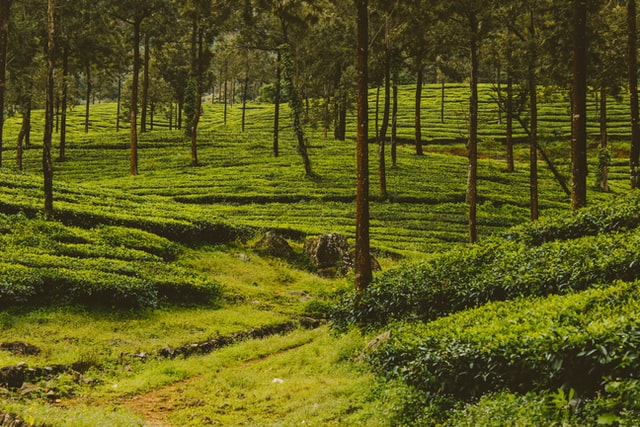
              A method of management and agricultural production that combines a high level of biodiversity with environmental precautions that protect natural resources and adheres to strict standards for animal welfare is known as organic farming. Moreover, organic farming satisfies the growing demand for natural products among consumers while also enabling environmental preservation in the framework of sustainable rural development.
              3.Subsistence farming:

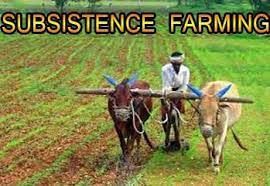
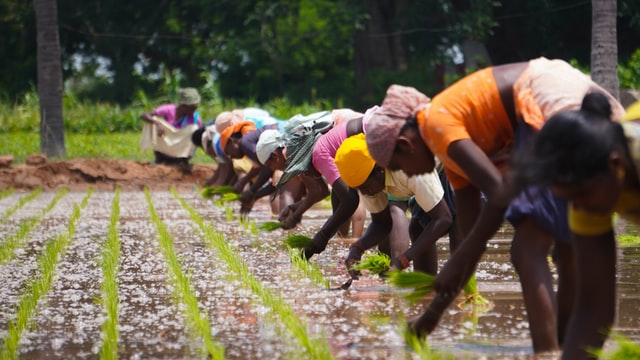
              Subsistence farming is a type of agriculture in which the farmer and his or her family consume almost all of the crops or livestock produced, leaving little to no excess for trade or sale. Subsistence agriculture has historically been a way of life for preindustrial agricultural peoples all throughout the world. When they depleted the soil at each location, some of these peoples relocated from one place to another. Farmers began to practise commercial farming as urban areas expanded, specialising agricultural output and producing large surpluses of certain commodities that they either sold for cash or swapped for manufactured goods.

              Importance Agriculture in India:

              The primary source of revenue for the federal and state governments is agriculture. The country’s government receives significant funding from increasing land revenue. Also, the transportation of agricultural products helps the Indian Railways make money, which aids the government in making money. India largely depends on the agriculture sector. Besides, agriculture is not just a mean of livelihood but a way of living life in India. Moreover, the government is continuously making efforts to develop this sector as the whole nation depends on it for food.

              Is Agriculture is the backbone of India:

              Since that two-thirds of Indians work in agriculture, the sector is referred to as the foundation of the country’s economy. Agriculture provides food for the big population and provides raw materials for the main manufacturing sectors. In addition to being a crucial part of the primary sector, agriculture also supports and develops the secondary and tertiary industries. It is therefore the foundation of the economy.The Indian agricultural sector is the second-largest land user in the world, accounting for a sizeable portion of the country’s economy. In India’s extensive rural areas, notably, the agricultural industry supports livelihoods and makes a significant contribution to the GDP.

              Features of Agriculture :

              1.Agricultre depends on monsoon.

              2.Source of support.

              3.Labour intensive cultivation.

              4.Traditional methods of production.

              5.Low agriculture production.

              6.under employment.

              7.small size of holdings.

              THE ROLE OF SOCIAL MEDIA IN SOCIETY

              Social media supports many businesses as well as society as a whole. It offers resources like social media marketing tools to connect with millions of potential customers. Using social media, we may easily access information and obtain news. Any social cause can benefit greatly from the usage of social media.

              Social media in our society used in several ways.

              they are:

              1.Education .

              2.Agriculture..

              3.Business.

              4.Entertainment.

              In many ways social media used.

              1.Education:

              Teachers can use social media to connect with their peoples. even when they are not in the classroom. Students may access an infinite number of resources and texts from reliable sources by using social media platforms, which they can then use to their advantage in essays, projects, and presentations.

              Students are inspired and encouraged to learn through the usage of social media platforms in the classroom. Major factors that contribute to educational progress include simple access to e-books, online notes, and learning through video conversations.

              Advantages of social media in Education:

              1.To learn new things for studying

              2.Social media provides current information and updates to the students.

              3.Increases connections among to the students.

              4.Learn new skills to students

              5.Improve Knowledge retention and understanding.

              6.It builds a community for students.

              7.Even Teachers are out of the station .They are communicate in online class room.

              2.Agriculture:

              Most farmers today use smartphones with internet and social media capabilities. Social media is being used by farmers to exchange information, novel techniques, etc. The most well-known social media sites for agricultural marketing. .The spread of various agricultural information is being greatly aided by social media in the agricultural sector. It aids in bridging the geographic gap that separates farmers in various locations.

              Advantages of social media in Agriculture:

              1.Advanced training provided by farmers on use of social media.

              2.Farmers share there plans in groups by use of socil medioa.

              3.create organic content.

              4.Get knowledge about what type of crops are in fields.

              Business:

              Social media provides a venue for businesses to engage with their clients and establish a cherished relationship, making social media marketing a crucial component of digital marketing. It streamlines communication between brands and customers by cutting out the middlemen.

              Advantages of social media in Business:

              1.Develope the brand of our business.

              2.Do market research and reduce marketing prices

              3.Increase your market,international market business.

              4.attract customers, get customer feedback and build customer loyalty.

              5.Improve business ideas to develop business.

              6.keep an eye for your competitors.

              4.Entertainment:

              In essence, social entertainment marketing may be used to describe any type of online content that is published or broadcast with the intention of entertaining its audience. Long or short-form videos, live streaming, and other types of content that promote a closer relationship between content producers and users are now popular trends.

              The popular social media entertainment apps are You tube,face book,Whats app,Instagram,Twitter,Tiktok.

              Advantages of social media on Entertainment:

              1.Use of social media for promoting and advertising.

              2.To watch movies on online OTT platforms.

              3.Stress relief for entertaining apps.

              4.stay update on local and global events.

              5.Enjoy video games and films.

              6.Wide range of availability.

              Disadvantages of social media:

              1.It addict the people.

              2.Self image issues

              3.Increasing of usage, The more time spent on social media can lead to social anxiety,depression and exposure content

              that is not appropriate.

              4.A fear of missing out can keep you returning to social media again and again.

              5.Feeling inadequate about your life or your appearance.

              RainWater Harvesting

              N kavya

              Rainwater harvesting is a sustainable process that helps in preserving water for future needs. Water scarcity is a major concern in today’s scenario. The process of rainwater harvesting is a good way to conserve water. Rainwater Harvesting is one of the most used methods to save water. It refers to storing rainwater for various uses. The notion behind rainwater harvesting is to not waste the rainwater and prevent it from running off. In other words, it is done to collect rainwater using simple mechanisms. It is usually collected at the place the rain falls from the ground or rooftops. Rainwater harvesting is an alternative to reduce the stress of public water supply sources. The recharge of rainwater to the ground in the coastal regions prevents seawater immersion into the freshwater. Finally, rainwater harvesting reduces water supply bills.

              Rainwater Filtration -:

              Rainwater can be harvested or purified in multiple ways. The catch area before harvesting must be cleaned thoroughly, and the pipelined must be flushed regularly. Initially, the water flow is diverted to wash or rinse the area.
              Rainwater contains contaminants or other waste materials that affect the quality of the water. Contaminants such as dust, Bird excreta, pollution, leaves, and sand particles can affect water quality.


              Filtration removes contaminants and other impurities and purifies rainwater for drinking and other purposes. However, the harvested water must be treated and tested before consumption to ensure the right quality check.
              Industries use the practice of pre-filtration to ensure that the purified water is directed water to the tank. The pre-filtration measure is a vital step that the water supply system should not compromise in terms of water quality.


              Some techniques of rainwater purification are solar sterilization, the use of chemicals like iodine or chlorine, or sediment filtration. However, harvested rainwater used for drinking purposes can be filtered through Reverse Osmosis (RO).

              Favorable aspects of Rainwater Harvesting -:

              Rainwater Harvesting positively affects underground water quality. It dilutes the number of nitrates, fluorides, and salinity of the underground water. It contains zero hardness and almost neutral pH, making it highly suitable for industries, homes, institutions, industries, and other commercial establishments. Rainwater Harvesting reduces water supply bills. It is an excellent method that solves the water shortage crisis and lessens the energy consumption in water disturbance. Rooftop Rainwater harvesting controls urban flooding. The recharge of rainwater to the ground in the coastal regions prevents seawater immersion into the freshwater. Rainwater harvesting is an alternative to reduce the stress of public water supply sources. Construction of deeper wells can damage the natural environment as well as upscale. Therefore, the source of rainwater is highly effective and dependable. Stored harvested rainwater can be used as an alternative to municipal water and used during the water crisis.

              Rainwater harvesting can be done in a variety of methods, including -:

              1. A watershed is a region where precipitation flows directly into a river or another reservoir.
              2. There are two ways to keep water: on the roof or the ground.
              3. Normally, rainwater is collected on the rooftops. The rainwater from the roof is usually collected in PVC pipes and stored in a sump (a deep pit dug into the earth) or a tank.
              4. The water in the tank can then be used for home purposes after it has been filtered.
              5. Rainwater collection also helps to restore natural aquifers.

              The two types of rainwater harvesting -:

              1. Surface runoff harvesting -:

              In this method, rainwater flows away as surface runoff and can be stored for future use. Surface water can be stored by diverting the flow of small creeks and streams into reservoirs on the surface or underground. It can provide water for farming, cattle, and for general domestic use. Surface runoff harvesting is most suitable in urban areas.
              Rooftop rainwater/storm runoff can be harvested in urban areas through:
              • Recharge Pit
              • Recharge Trench
              • Tubewell
              • Recharge Well

              Groundwater recharge -:

              Groundwater recharge is a hydrologic process where water moves downward from surface water to groundwater. Recharge is the primary method through which water enters an aquifer. The aquifer also serves as a distribution system. The surplus rainwater can then be used to recharge Grothe underwater aquifer through artificial recharge techniques.

              3. Rainwater in rural areas can be harvested through -:

              • Gully Plug
              • Contour Bund
              • Dugwell Recharge
              • Percolation Tank
              • Check Dam/Cement Plug/Nala Bund
              • Recharge Shaft


              Although rainwater harvesting measure is deemed to be a desirable concept for the last few years, it is rarely implemented in rural India. Different regions of the country practiced a variety of rainwater harvesting and artificial recharge methods. Some ancient rainwater harvesting methods followed in India includes Madaras, Ahar Pynes, Surangas, Taankas, etc.

              Advantages of Rainwater Harvesting -:

              1. Less cost.
              2. Helps in reducing the water bill.
              3. Decreases the water demand.
              4. Reduces the need for imported water.
              5. Promotes both water and energy conservation.
              6. Improves the quality and quantity of groundwater.
              7. Does not require a filtration system for landscape irrigation.
              8. This technology is simple and easy to install and operate.
              9. It reduces soil erosion, stormwater runoff, flooding, and pollution of surface water with fertilizers, pesticides, metals, and other sediments.
              10. It is an excellent source of water for landscape irrigation with no chemicals, or dissolved salts, and is free from all minerals.

              Disadvantages of Rainwater Harvesting-:

              1. In addition to the great advantages, the rainwater harvesting system has a few disadvantages like unpredictable rainfall, unavailability of the proper storage system, etc.
              2. Listed below are a few more disadvantages of the rainwater harvesting process.
              3. Regular maintenance is required.
              4. Requires some technical skills for installation.
              5. Limited and no rainfall can limit the supply of rainwater.
              6. If not installed correctly, it may attract mosquitoes and other waterborne diseases. 7. One of the significant drawbacks of the rainwater harvesting system is storage limits.

              The world faces an increasingly critical need to address climate change, and the impact that water conservation has on a sustainable environment is undeniable. Groundwater is the primary source of freshwater that caters to the demand of the ever-growing domestic, agrarian, and industrial sectors of the country. Over the years, it has been observed that the necessity for the exploitation of groundwater resources for various everyday needs, like toileting, bathing, cleaning, agriculture, drinking water, industrial and ever-changing lifestyles with modernization is leading to tremendous water wastage. Harvesting and collecting rainwater is an adequate strategy that can be used to address the problem of water crisis globally. The use of a rainwater harvesting system provides excellent merits for every community. This simple water conservation method can be a boost to an incredible solution in areas where there is enough rainfall but not enough supply of groundwater. It will not only provide the most sustainable and efficient means of water management but also unlock the vista of several other economic activities leading to the Empowerment of people at the grass-root level.

              For this, the Government should come out with an appropriate incentive structure and logistic assistance to make it a real success. Rainwater harvesting is something that thousands of families across the world should participate in rather than pinning hopes on the administration to fight the water crisis. This water conservation method is a simple and effective process with numerous benefits that can be easily practiced in individual homes, apartments, parks, and across the world. As we all know that charity begins at home, likewise, a contribution to society’s welfare must be initiated from one’s home.

              LAND REFORMS

              What are Land Reforms?
              Land Reforms refer to the redistribution of Lands from the rich class to the poor class. It includes operations, leasing, regulations of ownership, sales, and the inheritance of Land since Land redistribution requires legal changes.


              In an agrarian economy like India with massive inequalities of wealth and income, great scarcity and an unequal distribution of land, coupled with a large mass of people living below the poverty line, there are strong economic and political arguments for land reforms.Due to all these compelling reasons, Land reforms had received top priority by the governments at the time of independence. The Constitution of India left the adoption and implementation of the land reforms to the state governments. This has led to a lot of variations in the implementation of land reforms across states.

              The pattern of agriculture is always irregular in India. In the pre-independence era, tenants, peasants, and small farmers suffered a lot due to the revenue systems of Mahalwari, Zamindari, ryotwari. One of the major reasons was the unequal distribution of land. Landholdings were concentrated in few hands. The majority of farmers were being exploited. The struggle of class between the bourgeoisie and the proletariat was not a new thing. After independence, it was pivotal and need of an hour to focus upon land distribution checks. Especially, it was the rural population that was facing the maximum hindrance in socio-economic development.India under the British Raj had witnessed a lot of such atrocious regulations that exploited the poor and helpless in many aspects. Among them, land ownership contributed significantly to preventing the socio-economic growth of the backward population.The government of independent India came up with acts and laws to establish equal rights and ownership of land, which now constitutes a crucial episode of India’s economy. In the following lesson, you will come across a detailed discourse on land reforms in India after independence and their importance.
              The instruments that are visualized for social justice are known as Land Reforms. Land Reforms refer to the redistribution of Lands from the rich class to the poor class. It includes operations, leasing, regulations of ownership, sales, and the inheritance of Land since Land redistribution requires legal changes.
              After independence in 1947, an inadequate agricultural output was apparent. In order to fix this situation, the Indian government took measures to alter existing regulations for a better outcome.

              These acts formed agrarian reforms in India after independence.
              he Land Reforms in post-independent India had various components:
              • Abolition of Intermediaries: The first step taken by the Indian government under land reforms post-independence was passing the Zamindari Abolition Act. The abolition of the zamindari system was done that removed the layer of intermediaries who used to stand between the state and the cultivators. In many areas, superior rights were taken away from the zamindars and weakened their economic and political power.
              The primary reason of a backward agrarian economy was the presence of intermediate entities like, jagirdars and zamindar who primarily focussed on collecting sky-rocketing rents catering to their personal benefits, without paying attention to the disposition of farms and farmers. Abolition of such intermediaries not only improved conditions of farmers by establishing their direct connection with the government but also improved agricultural production.

              • Regulation of Rents
              This was in direct response to the unimaginably high rents which were charged by intermediaries during British rule, which resulted in a never-ending cycle of poverty and misery for tenants. Indian government implemented these regulations to protect farmers and labourers from exploitation by placing a maximum limit on the rent that could be charged for land.

              • Tenancy Reform: The tenancy Reform led to the introduction of regulation of rent, providing security tenure, and conferring ownership to the tenants. In the pre-independence period, the rent which was paid by the tenants was exorbitant producing 35% to 75% of gross throughout the country. The primary attempt of the Reform was either to regulate rents and give some security to the tenants or outlaw tenancy altogether.
              Legislations were passed in all states of the country to grant tenants with permanent ownership of lands and protection from unlawful evictions on expiry of the lease. This law protects tenants from having to vacate a property immediately after their tenure is over unless ordered by law. Even in that case, ownership can be regained by tenants with the excuse of personal cultivation.

              • Ceilings on Landholdings- This Reform referred to the legal stipulation of maximum size after which no farm household or farmer can hold any Land. By the year 1961-62 the government of all states passed the Land ceiling acts and in order to bring uniformity across states, a totally new ceiling policy was evolved in 1971. This law was enacted to prevent the concentration of land ownership in a few hands. It placed an optimum limit on the total measure of land which an individual or a family can hold. Along with fixation of land ceilings, this rule enables the government to take ownership of the additional or extra amount of land, which in turn, is given to minor tillers or farmers with no land. With the help of these Reforms, the states were able to identify and take possession of Lands exceeding the ceiling limits from the households and redistribute them to the Landless families.

              • Consolidation on Land Holdings- The term consolidation referred to the redistribution or reorganization of the fragmented Lands into one single plot. The trend of the fragmentation of Land increased because of the growing population and fewer work opportunities and this fragmentation made the personal supervision and the irrigation management tasks very difficult. Therefore, the act of Landholdings consolidation was introduced which states that if there are few plots of Lands of a farmer then those Lands were consolidated in one bigger piece which was done by the process of exchanging or purchasing.

              A major problem of the agrarian structure of India is land fragmentation, which hinders large-scale farming and production. This problem was solved with this regulation which permitted farmers to consolidate minor fragments of land owned by them into a singular piece of land. This enabled tenants to carry out agricultural operations in a larger field, which could be done by exchanging land or purchasing additional pieces.

              Origin and Development of Agriculture

              Agriculture began in different parts of the globe in a diverse range.Agriculture started approximately 10,000 years ago,when human began to domesticate plants and animals. Agriculture is the important turning point of humankind. It brought several development and cultivation of processes for producing food,fibre and fuel and so on which are important for the human race to its next level.

              The development of agricultural about 12,000 years ago changed the way humans lived. It was switched from nomadic hunter-gatherer lifestyles to permanent settlements and farming. Traditional hunter-gatherer lifestyles, followed by humans since their evolution, were swept aside in favor of permanent settlements and a reliable food supply.Domesticated plants and animals have been raised at scales ranging from the household to massive commercial operations. Agriculture developed independently in many regions of the world. It was the first profound change in the relationship between fully modern humans and the environment.Although global climate change played a role in the development of agriculture, it does not account for the complex and diverse cultural responses that ensued, the specific timing of the appearance of agricultural communities in different regions, or the specific regional impact of climate change on local environments. By studying populations that did not develop intensive agriculture or certain crops , such as wheat and rice.Many studies are made from agriculture like pathology , horticulture, agronomy,floriculture and so on.

              Raw materials from agriculture make huge portion of trade internationally,in both imports and exports.The impact of high on export show the wealth of the country. Agriculutral industries is one of the biggest sources of employment,whether it’s a farmer, harvester, technician for farm equipment, scientist and so on,there are plenty of jobs available in this field. Agricultural jobs helps in reducing high rate of unemployment in the developing countries. Economic development of a country is tied to a country’s agriculture sector. Agriculture is important for the world’s food supply. Agriculture is important for the world’s food supply.

              Agriculture is the backbone of a country.As agriculture plays an important role in the economic development of the country it is our responsibility to save and preserve the agricultural lands for our use and our future generations to live a healthy life.

              ‘ Agriculture is a fundamental source of national prosperity’. -by J.J.MAPES

              INVESTMENT MODELS

              Before starting with investment models we must understand what investment is. Investing is the exchange of money for profitable assets. The same profit is used to invest in other assets. Investment is important for a country’s economic well-being, as it contributes to growth and development. When a government invests in a business, agriculture, manufacturing, or support industry, it can create employment opportunities for its people. However, a strong investment scenario is when the government and the private sector work together to create investment opportunities. Also, we make an investment and choose a proxy for a investment model, we should keep in mind that the following factors are involved: Savings rate. National tax rate. (Net profit after tax). inflation. Bank interest rates. Potential rate of return on investment. Availability of other factors of production (cheap land, labor, etc.) and the infrastructure that underpins them-transportation, energy, telecommunications. Market size and stability.

              TYPES OF INVESTMENT MODELS

              The following are the main investment models Public investment models: In public investment models, the government makes investments in specific goods and services through the central or state government or with support from the public sector using the revenue generated from this activity. . Private Investment Model: As is the case with India, there are times when public sector revenues are not sufficient to cover some of the revenue shortfalls that may arise. Therefore, the government invites private members to invest in some of its companies. This investment can be domestic or foreign. Foreign direct investment (FDI) can improve existing infrastructure and create jobs in the process. This model is one of the most sought-after in terms of outside investment. Public-private partnership model: A public-private partnership (PPP, 3P, or P3) is a partnership agreement between two or more public and private sectors, usually on a long-term basis. The following sectors in India already have projects based on the PPP model: Health, Power industry, Railways, Urban housing.

              There are also other investment models. They are as follows: Country investment model: can be public company or PPP Foreign investment model: can be mostly foreign or a mixture of foreign – domestic Sector-specific investment models: where investments are made in special economic zones or other related sectors Cluster investment models: Investment in manufacturing industries is an example.

              INVESTMENT MODELS USED IN INDIA

              The following investment models are used:

              Harrod-Domar model: This model is biased towards an industry model in which the driver of economic growth depends on policies that increase saving and technological progress.

              The Solow Swan Model: This is an extension of the Harrod-Domar model, with a particular focus on productivity growth.

              Feldman – Mahalanobis Model: This model focuses on improving the domestic consumer goods sector, where there is sufficient capital sector commodity capacity. It then evolved into the four-zone pattern also known as the Nehru-Mahalanobis model.

              Rao ManMohan Model: Named after Narasimha Rao and Dr. Manmohan Singh, this model applies the policy of economic liberalization and FDI inflows in 1999. Lewis model of economic development through supply unlimited labor.

              Sources: https://www.insightsonindia.com/indian-economy-3/investment-models/

              E-Technology in Agriculture

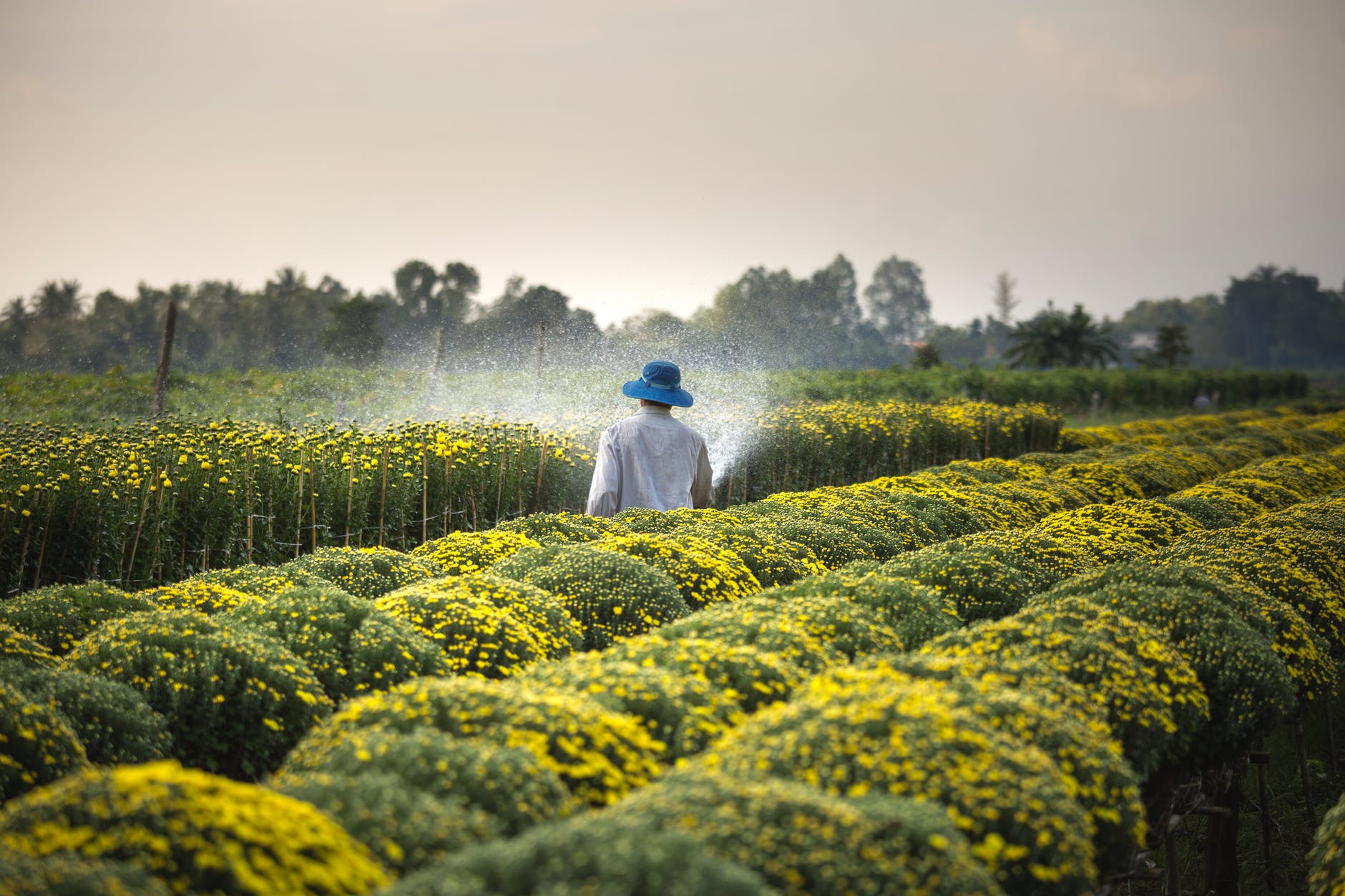
              Photo by Quang Nguyen Vinh on Pexels.com

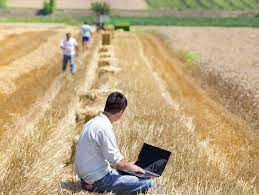
              E-Agriculture is a new area of knowledge emerging out of the convergence of IT and farming techniques. It enhances the agricultural value chain through the application of the Internet and related technologies. IT helps farmers to have better access to information which increases productivity. It also enables him to get better prices through the information of changes in price in different markets.

              The information related to policies and programs of the government, schemes for farmers, institutions through which these schemes are implemented, innovations in agriculture, Good Agricultural Practices (GAPs), Institutions providing new agricultural inputs(high yielding seeds, new fertilizers etc) and training in new techniques are disseminated to farmers through the use of Information technology to ensure inclusiveness and to avoid digital divide.

              The advantages of E-Agriculture are –

              1. Better and spontaneous agricultural practices.
              2. Better marketing exposure and pricing.
              3. Lessening of agricultural risks and enhanced incomes.
              4. Better awareness and information.
              5. Enhanced networking and communication.
              6. Facility of online trading and e-commerce.
              7. Better representation at various forums, authorities and platform.
              8. E-agriculture can play vital role in the increased food production and productivity in India.

              Access to price information, access to agriculture information, access to national and international markets, increasing production efficiency and creating a ‘conducive policy environment’ are the beneficial outcomes of e-Agriculture which enhances the quality of life of farmers.

              Soil Management, Water Management, Seed Management, Fertilizer Management, Pest Management, Harvest Management and Post-Harvest Management are the important components of e-Agriculture where technology aids farmers with better information and alternatives. It uses a host of technologies like Remote Sensing, Computer Simulation, Assessment of speed and direction of Wind, Soil quality assays, Crop Yield predictions and Marketing using IT.

              In India, there have been several initiatives by State and Central Governments to meet the various challenges facing the agriculture sector in the country. The E-Agriculture is part of the Mission Mode Project, which has been included in NeGP (under National E-governance Plan) to consolidate the various learnings from the past, integrate all the diverse and disparate efforts currently underway, and upscale them to cover the entire country.

              In the framework of agriculture, the impact of information technology can be evaluated broadly under two categories. First, Information technology is a tool for direct contribution to agricultural productivity and secondly, it is an indirect tool for empowering agriculturalists to make informed and quality decisions that will have a positive impact on the agriculture and allied activities conducted. Precision agriculture which is popular in developed countries broadly uses information technology to make a direct contribution to agricultural efficiency.

              It is well recognized that E-Agriculture is a developing field focusing on the augmentation of agricultural and rural development through better information and communication processes. More precisely, e-Agriculture involves the conceptualization, design, development, evaluation and application of innovative ways to use information and communication technologies in the rural area, with a primary focus on agriculture.

              Information technology can aid Indian farmers to get significant information regarding agro-inputs, crop production technologies, agro-processing, market support, agro-finance and management of farm agri-business. The agricultural extension tool is becoming dependent on Information technology to provide appropriate and location-specific technologies for the farmers to provide timely and proficient advice to the farmers. Information technology can be the best means not only to develop agricultural extension but also to expand agriculture research and education system.

              Information and communication technologies can enhance the agricultural sector in developing countries by functioning as pioneering solutions to agricultural challenges. Information technology is drastically changing the lives of humans in all areas including the agriculture sector. Information technology use computers along with telecommunication equipment for the retrieval, storage, transmission and manipulation of data, which are aimed to improve competence in the agriculture sector. 

              Agriculture

              Agriculture is an applied science which encompasses all aspects of crop production including horticulture, livestock rearing, fisheries, forestry, etc. The term Agriculture is derived from two Latin words “ager” or “agri” meaning soil and “cultura” meaning cultivation. Agriculture is defined in the Agriculture act (1947), as including ‘horticulture, fruit growing, seed growing, dairy farming and livestock breeding and keeping, the use of land as grazing land, meadow land, osier land, market gardens and nursery grounds, and the use of land for woodlands where that use ancillary to the farming of land for Agricultural purposes”.

              Agriculture is defined as an Art, Science and Business of producing crops and livestock for economic purposes.

              • As an Art it embraces knowledge of the way to perform the operations of the farm in a skillful manner, but does not necessarily include an understanding of the principles underlying the farm practices.
              • As a Science: utilizes all technologies developed on scientific principles such as crop breeding, production techniques, crop protection, economics etc. to maximize the yield and profit. For example, new crops and varieties developed by hybridization, Transgenic crop varieties resistant to pests and diseases, hybrids in each crop, high fertilizer responsive varieties, water management, herbicides to control weeds, use of bio-control agents to combat pest and diseases etc.
              • As the Business: As long as agriculture is the way of life of the rural population production is ultimately bound to consumption. But agriculture as a business aims at maximum net return through the management of land labour, water and capital, employing the knowledge of various sciences for production of food, feed, fibre and fuel. In recent years, Agriculture is commercialized to run as a business through mechanization.

              Branches of Agriculture;

              1) Agronomy – Deals with the production of various crops which includes food crops, fodder crops, fibre crops, sugar, oil seeds, etc. The aim is to have better food production and how to control the diseases.


              2) Horticulture – Deals with the production of fruits, vegetables, flowers, ornamental plants, spices, condiments and beverages

              .
              3) Forestry – Deals with production of large scale cultivation of perennial trees for supplying wood, timber, rubber, etc. and also raw materials for industries.


              4) Animal husbandry – Deals with agricultural practice of breeding and raising livestock in order to provide food for humans and to provide power and manure for crops.


              5) Fishery science – Deals with practice of breeding and rearing fishes including marine and inland fishes, shrimps, prawns etc. in order to provide food, feed and manure.


              6) Agricultural Engineering – Deals with farm machinery for filed preparation, inter-cultivation, harvesting and post harvest processing including soil and water conservation engineering and bio-energy.


              7) Home Science – Deals with application and utilization of agricultural produces in a better manner in order to provide nutritional security, including value addition and food preparation.


              On integration, all the Seven branches, first three is grouped as for crop production group and next two animal management and last two allied Agriculture branches.

              Importance of Agriculture;

              • Many raw materials, whether it’s cotton, sugar, wood, or palm oil, come from agriculture. These materials are essential to major industries in ways many people aren’t even aware of, such as the manufacturing of pharmaceuticals, diesel fuel, plastic, and more. In fact, raw materials are so important in production that the economic health of a country strongly depends on how many raw materials it possesses.
              • Raw materials from agriculture make up a huge portion of what’s traded internationally. Countries with plenty of those supplies export them and trade for materials they don’t have. If a country’s agriculture suffers for some reason, prices can go up and it disrupts the flow of trade. Currently, the EU is the first trader of agricultural products in the world, both for imports and exports.
              • Speaking of trade, developing countries still get most of their national income from agricultural exports. While developed countries don’t depend on agriculture as much as they used to, their economies would definitely take a hit if all exports suddenly stopped.
              • The agricultural industry is still one of the biggest sources of employment and in many areas, it’s actually booming. Whether it’s working as a farmer, harvester, technician for farm equipment, scientist, and so on, there are plenty of jobs available in this field. In developing countries, agricultural jobs help reduce high rates of unemployment. When it comes to reducing poverty, evidence shows that focusing on agriculture is significantly more effective than investing in other areas.
              • Economic development is tied to a country’s agriculture sector. When trade, national revenue, and employment are combined in a positive way, a country enjoys reduced poverty and boosted economic growth. Because strong agriculture results in benefits fairly quickly, focusing on it is one of the best ways to speed up development and improve a country’s standing in the world.
              • Agriculture possesses the power to harm or heal. When farmers prioritize biodiversity on their land, it benefits the earth. Having more biodiversity results in healthier soil, less erosion, better water conservation, and healthier pollinators. This is all good news for the environment as a whole, making agriculture an important part of the cycle of life.
              • Agriculture is such an important part of a country’s infrastructure, it makes sense it would impact conflicts and war. Throughout history, the need for land to grow food fueled many conflicts. In more modern times, specifically WWI,
              • Arguably the most important aspect of agriculture is that it’s the source of the world’s food supply. No matter where or what you are eating, the ingredients in your meals came from somewhere. All roads lead to agriculture. In countries dealing with food insecurity and severe malnourishment, it’s because their agriculture sectors are suffering. When agriculture thrives, fewer people go hungry.
              • Because healthy agriculture is so essential to a country’s well-being, It’s been the setting of some of the most exciting innovations in technology. Through artificial intelligence, blockchain software, gene manipulation, and more, scientists and farmers have been figuring out ways to increase crop productivity, use less water, and reduce negative impacts on the environment. For scientists and tech companies, agribusiness is one of the most fascinating and productive fields to work in.
              • When it comes to pollution and climate change, the environment and agriculture suffer the quickest and with the most clear consequences. If effective changes aren’t made, climate change’s impact on agriculture will decimate a country’s economy and eventually wipe out the food supply. The state of agriculture is a good litmus test of what we can expect the future to look like.

              Revolutions in Agriculture;

              • Through white revolution, milk production quadrupled from 17 million tonnes at independence to 108.5 million tonnes.
              • Through blue revolution, fish production rose from 0.75 million tonnes to nearly 7.6 million tonnes during the last five decades.
              • Through yellow revolution oil seed production increased 5 times (from 5 million tonnes to 25 million tonnes) since independence.
              • Similarly, the egg production increased from 2 billion at independence to 28 billion, sugarcane production from 57 million tonnes to 282 million tonnes, cotton production from 3 million bales to 32 million bales which shows our sign of progress.
              • India is the largest producer of fruits in the world. India is the second largest producer of milk and vegetable.

              Indian Agriculture & Economy

              • Indian Agriculture is one of the most significant contributors to the Indian economy. Agriculture is the primary source of livelihood for about 58% of India’s population. Gross Value Added by agriculture, forestry, and fishing was estimated at Rs. 19.48 lakh crore (US$ 276.37 billion) in FY20.
              • Share of agriculture and allied sectors in gross value added (GVA) of India at current prices stood at 17.8 % in FY20. Consumer spending in India will return to growth in 2021 post the pandemic-led contraction, expanding by as much as 6.6%.The Indian food industry is poised for huge growth, increasing its contribution to world food trade every year due to its immense potential for value addition, particularly within the food processing industry. Indian food and grocery market is the world’s sixth largest, with retail contributing 70% of the sales.
              • The Indian food processing industry accounts for 32% of the country’s total food market, one of the largest industries in India and is ranked fifth in terms of production, consumption, export and expected growth.Principal agricultural commodities export for April 2020 – January 2021 was US$ 32.12 billion.
              • India is expected to achieve the ambitious goal of doubling farm income by 2022. The agriculture sector in India is expected to generate better momentum in the next few years due to increased investment in agricultural infrastructure such as irrigation facilities, warehousing and cold storage. Furthermore, the growing use of genetically modified crops will likely improve the yield for Indian farmers. India is expected to be self-sufficient in pulses in the coming few years due to concerted effort of scientists to get early maturing varieties of pulses and the increase in minimum support price.

              Agriculture Heritage in India;

              Agriculture in India is not of recent origin, but has a long history dating back to Neolithic age of 7500-6500 B.C. It changed the life style of early man from ‘nomadic hunter of wild berries and roots’ to ‘cultivator of land’. Agriculture is benefited from the wisdom and teachings of great saints. The wisdom gained and practices adopted have been passed down through generations. The traditional farmers have developed the nature friendly farming systems and practices such as mixed farming, mixed cropping, crop
              rotation etc. The great epics of ancient India convey the depth of knowledge possessed by the older generations of the farmers of India. The modern society has lost sight of the importance of the traditional knowledge which had been subjected to a process of
              refinement through generations of experience. The ecological considerations shown by the traditional farmers in their farming activities are now-a-days is reflected in the resurgence of organic agriculture.

              Scope of Agriculture;

              • With a 16% contribution to the gross domestic product (GDP), agriculture still provides livelihood support to about two-thirds of country’s population.
              • The sector provides employment to 58% of country’s work force and is the single largest private sector occupation.
                Agriculture accounts for about 15% of the total export earnings and provides raw material to a large number of Industries (textiles, silk, sugar, rice, flour mills, milk products).
              • Rural areas are the biggest markets for low-priced and middle-priced consumer goods, including consumer durables and rural domestic savings are an important source of resource mobilization.
              • The agriculture sector acts as a wall in maintaining food security and in the process, national security as well.
                The allied sectors like horticulture, animal husbandry, dairy and fisheries, have an important role in improving the overall economic conditions and health and nutrition of the rural masses.
              • To maintain the ecological balance, there is need for sustainable and balanced development of agriculture and allied sectors.
              • Agriculture’s eyes and minds are soothed by dynamic changes from brown (bare soil) to green (growing crop) to golden (mature crop) and bumper harvests.

              Thus , Agriculture helps to elevate the community consisting of different castes and communities to a better social, cultural, political and economical life. Agriculture maintains a biological equilibrium in nature. Satisfactory agricultural production brings peace, prosperity, harmony, health and wealth to individuals of a nation by driving away distrust, discord and anarchy.

              IMPORTANCE OF AGRICULTURE

              AGRICULTURE

              The art and science of cultivating plants and raising livestock are known as Agriculture. It helps to provide food and fabrics. Over centuries, agriculture remarks the growth of civilization. Before knowing agriculture people spent most of their time for searching food. Agriculture enabled the surplus production of foods to the people. We all know that agriculture is the backbone of the economy of a country. In addition to providing food and raw materials, agriculture also helps in providing several job opportunities. Let’s see why agriculture is important

              IMPORTANCE OF AGRICULTURE

              1. SOURCE OF FOOD: About 70% of people rely on agriculture for their livelihood. It’s the source of food supply. No matter what we eat and where we eat. All ingredients in the foods must be from somewhere. All road leads to agriculture. If a country is suffering from food insecurity and malnourishment, then it means that the agricultural sector is suffering in that country. Not only food, but it also provides fodder for domestic animals.
              2. MAIN SOURCE OF RAW MATERIALS: Agriculture is the major source of raw materials to the industries. Many raw materials like cotton, sugar, spices, wood, oil come from agriculture. These materials are essential in the industries to create a product. Agro-based industries contribute about 50% of income to the manufacturing sectors of the country.
              3. BOOSTS THE INTERNATIONAL TRADE: Both the raw materials and the products produced by using the raw materials are exported in each country. Countries with surplus growth of certain products export to the other countries. If a country’s agriculture sector suffers, the prices will go up and the trade will be affected. So, the effect on agriculture will directly affect the country’s trade.
              4. INCREASES NATIONAL REVENUE: Most of the developing countries depend on agriculture to increase their income. However, developed countries do not depend on agriculture for trade.
              5. EMPLOYMENT OPPORTUNITIES: The agricultural sector still provides large employment opportunities for the people. Whether you can work as a farmer or harvester or technician for farm equipment or scientist or researcher there are several jobs available in this sector. The unemployment rate in developing countries can be reduced by agriculture. To eradicate poverty, focusing on agriculture is the most efficient way.
              6. FOR COUNTRY’S ECONOMIC DEVELOPMENT: The country’s agriculture sector is tied with the economic development of the country. When there is an increase in export and national revenue, the country enjoys reduced poverty and boosted economic growth. Focusing on agriculture is one of the best ways to speed up the development and standard of a country.
              7. INCREASES THE TECHNOLOGICAL INNOVATION: For the growing population, the country must possess enough food to reduce hunger. To fasten the growing of crops, several innovations have been made in the growth of crops. Through Blockchain software, artificial intelligence, and gene manipulation, scientists are working to increase production by using less water and avoiding leaving negative impacts on the environment. Agribusiness is the more fascinating field to work on.
              8. REFLECTS OUR FUTURE: When it comes to pollution and climatic changes, the agriculture sector will face the quickest consequences. If effective changes are not made, then the impact on agriculture will directly impact the country’s economy and vanish the food supply. The state of agriculture in a country is a good litmus paper to look at how the future will be.

              THE SUFFEREING OF INDIAN FARMERS

              Thousands of farmers from Haryana and Punjab have surrounded Delhi for the past four months in defiance of the three ordinances passed by the Indian parliament on September 14, 2020. This protest, which has gathered thousands of farmers in the capital and set up camp on three major sites in the city, is being dubbed the single largest protest in human history. Farmers are expressing their dissatisfaction with the bills, fearing that they will simply empower big companies and leave farmers at their mercy.

              Farmers- The Core of Our Economy

              India’s agricultural sector has shown resilience in the face of COVID-induced lockdowns, according to the Economic Survey 2020-2021. Agriculture and related activities were the only bright spot in an otherwise dismal GDP efficiency, growing at a rate of 3.4 percent at constant prices in 2020-21. The agriculture sector employs more than half of the country’s workforce. We must comprehend our farmers’ plight and the difficulties they have faced. Be it colonial-induced famines, landowner exploitation, debt burdens, recent locust invasions, crop destruction due to severe weather conditions, or alarmingly high suicide rates. It is our responsibility to listen carefully and understand their concerns as well as the reasons for their dissatisfaction.

              The Modifications has been Simplified

              The three farm bills proposed are as follows –

              The Essential Commodities Act (which is based on a colonial-era law governing the quantity of produce that can be stored or sold) only provides for the control of particular food products in the event of natural disasters or war.

              This amendment restricts the ability of the federal government and states to enforce stock and price limits. These restrictions should only be enforced in an emergency. As a result, large companies now have complete leverage over resources such as cereals, pulses, edible oil, onions, and potatoes.

              The Farmers’ Produce Exchange and Commerce (Promotion and Facilitation) Bill, also known as the APMC Bypass Bill, addresses the mechanism that now allows farmers to trade their produce both intra-state and inter-state. Previously, they could only carry their produce to the APMC (Agricultural Produce Market Committee) Mandis, no matter how far away they were. This bill also provides for electronic produce trading and e-commerce. It prohibits the state government from charging farmers or electronic trading platforms a market fee for selling produce outside of the designated mandi.

              The Farmers (Empowerment and Protection) Agreement on Price Assurance and Farm Services Bill, the third bill, allows farmers to participate in “contract farming,” which allows them to enter into a contract with Agri-firms or large buyers for a specific crop at a predetermined price.

              What is the aim of Farmer’s Mobilization

              The aim of these bills appears to be to benefit and enable farmers to sell at larger markets without being taxed, engage in e-commerce, minimise interactions with middlemen, and incorporate technology into their farming practises. All of this is made possible by the ruling party’s deregulatory reforms, which encourage privatisation. In India, contract farming is not a new phenomenon. Contract farming has already been tried by the governments of Punjab and Gujarat. Their knowledge will aid us in determining the possible consequences of the new legislation in other parts of the world. Let’s take a peek at the state of Punjab. For more than three decades, PepsiCo has been involved in contract farming and has proven to be profitable. Farmers’ incomes increased as a result of the increased jobs. PepsiCo’s arrival ushered in a potato revolt. Small-scale or neglected producers, on the other hand, are said to be dissatisfied. Sunara Singh, a 15-acre farmer, claims that small-scale farmers who try to sell a few kilos of produce (as opposed to the tonnes sold by large-scale farmers) are not even spoken to politely or given gate passes to PepsiCo’s premises, as stated by Basant Kumar in an article for NewsLaundary in October 2020.

              Another issue with the proposed laws is that, in the event of a conflict between a large company and a farmer, most small farmers have little resources in terms of time, funding, or legal skills. Farmers are unable to resolve cases ex post facto in either a civil or SDM (Sub-district magistrate) court due to a lack of documentary evidence to support their claims. The farmer will eventually be at the mercy of the corporate buyer. The bill mentions a Minimum Sales Price (MSP) for the crops, but no concrete legislation is in place to enact it. MSP does not have a statutory backup. MSP serves as a benchmark or signal price for all crop trade in the United States.

              “The point is that in a country where 86 per cent of farmers have a land of the size of
              fewer than two hectares, you can’t expect the farmer to carry his produce to far off
              places to sell. What we need is an assured price for the farmers. If the markets are
              saying they will provide a higher price to farmers, the question is a higher price to
              what? There must be some benchmark.” Says Davindar Sharma, a food and trade policy
              analyst at Al Jazeera.

              The Agriculture Produce Marketing Committee (APMC) Act, also known as the Mandi system, was repealed by the state government of Bihar in 2006. “The financial situation of 94% of farmers in Bihar — who didn’t go to mandis or weren’t covered under minimum support price (MSP) — should have improved in the past 14 years, but their situation has worsened,” says economist DM Diwakar. This goes on to show that removing and selling agricultural produce outside of the APMC’s jurisdiction has an effect on the MSP that farmers are obligated to earn while trading inside the APMC Market Yard.

              Educate, Organize, Agitate and Fact-Check!

              Freedom of speech is important in a democracy. It must encourage people to express themselves, whether via social media sites, toolkits, or rallies. Tear gas and water cannons were used on protesters, demonstrators were arrested for standing up for their cause or without overt proof of a foreign plot, and the right to private counsel was denied during remand.

              The Indian media has based its attention on the forces that have created instability, losing sight of the true causes of the unrest. Is it fair to ignore or, to put it another way, ridicule the majority of demonstrators who carried out their dissent in accordance with the government’s parameters and routes because a few groups had ulterior motives?

              We must educate ourselves from reliable sources and double-check the information we ingest. We appear to equate oppressed people’s rage with their lack of credibility. We must empathise with the agitation and place it in perspective. If we really want to stand in solidarity, we must put an end to the dissemination of misinformation.

              Role of Biodiversity and Agriculture in making of Atmanirbhar Bharat

              While flipping pages of my Geography textbook, a fact caught my eye – two third of the population of India is engaged in agricultural activities. We are blessed to have diverse climatic conditions because of which we see a variety of flora and fauna, and grow so many veggies, fruits and other crops. But India still imports a lot of harvested produce from other countries.

              Atmanirbhar Bharat

              Atmanirbhar Bharat, which translates to ‘self-reliant India’ or ‘self-sufficient India’, is a policy formulated by Prime minister of India Narendra Modi for making India a bigger and more important part of the global economy. It was launched on 12 May 2020  during the announcement of India’s COVID-19 pandemic related economic package. Not only should products be ‘made in India’, but the promotion of those products should take place so as to make those products competitive.  We should appreciate our local products, if we don’t do this then our products will not get the opportunity to do better and will not get encouraged. The agriculture and biodiversity sector were also given a lot of importance in it. This scheme helps farmers by providing better financial help, good prices of crops and a lot of new schemes are introduced which will help to support farmers and other people who are dependent on the agricultural sector for their livelihood. The improvement in PDS (Public Distribution System) has also started. Sustainable fishing practices and organic farming practices are encouraged, beekeeping shelters are increased and Rs 1500 crore is specified for animal husbandry. Many medicinal herbs are to be grown by the shore of river Ganga. Minister of Chemicals and Fertilisers, D V Sadananda Goda, in September 2020, said that “India will be self-reliant in fertiliser production by 2023”. Three Farm Bills passed in September 2020 provide the legal framework to give the farmers the right to choose the price and people to whom they want to sell. Coir Udyami Yojana aims to develop the coir-related industry’s sustainable development.

              Role of Agriculture and Biodiversity

              From my point of view, the making of New India does not mean cutting the forests to make big buildings, industries or exploiting the natural resources without limit. When I think about a new Bharat, I imagine a country with minimum degradation of natural resources while still sustaining the agricultural demand of our country. 

              Important focus on agricultural exports should also be given so as to improve the quality of exports rather than just quantity, thereby fetching more price for the farmer. Exports of medicinal herbs and oils, agricultural produce and raw materials like cotton and jute will increase drastically; also aiding the economy. Correspondingly, many people will start to prefer Indian exported products.

              Great biodiversity will help to maintain ecological balance for ecosystem stability and support ecotourism. We can use resources and conserve them due to eco-friendly practices in farming, fishing, etc. 

              At school level, a new subject – Agriculture should be introduced with hands-on experience and interaction with farmers. This will inspire many students to study agriculture and forestry streams. 

              I think that biodiversity and agricultural prosperity will highly assist in the making of New India. Our new Bharat will be more sustainable and more developed. India will promote eco friendly practices, biodiversity, organic farming, quality produce and build a strong economy. From a developing country, it will turn into a super-power.

              Learning from Ancient Agriculture in India

              Our earth can no longer tolerate pesticides and fertilizers, because of the ever increasing demand of food, we must return back to our basics – using age old agricultural practices with the help of modern technology.

              The evidence of agriculture practice in India dates back to 9000 BC. The domestication of plants and animals was also reported around this time. Wheat, barley and jujube were among crops, sheep and goats were among animals that were domesticated. This period also saw the first domestication of the elephants. Agricultural communities became widespread in Kashmir valley around 5000 BC. It was reported that Cotton was cultivated by 5000 – 4000 BC in Kashmir. As early as 4530 BC and 5440 BC wild Oryza rice appeared in the Belan and Ganges valley regions of northern India. Agricultural activity during the second millennium BC included rice cultivation in the Kashmir and Harappan regions.  Agriculture was far from the dominant mode of support for human societies, but those who adopted it flourished.

              Why should we return to ancient practices? 

              Excessive use of fertilizers and pesticides to increase crop production has augmented the deterioration in quality of the yield. Using chemicals in farming destroys natural resources, and wastes a lot of water because it causes soil degradation and soil to become salty. The chemicals are washed from soil into water and also cause water pollution along with soil pollution. Due to the process of biological magnification, the chemicals are being accumulated in our bodies. Due to the above reasons we need to switch to sustainable methods of farming like organic farming.

              Ancient practices that can help farmers

              1. Water harvesting should be adopted by farmers. This will irrigate their fields and the water can also be used for domestic use in the farmer’s house. This also will decrease the farmers dependence on borewells and tubewells and thereby save water. The Harappan farmers used to harvest the rainwater.
              1. Trees should be grown along with the crops. It increases biodiversity in the farm and also may be used as an income source. By planting a neem tree in a field, a farmer can sell its leaves and small branches. Also, birds will visit it and eat the pests from crops. Growing trees of medicinal value will help to cure an ill member of the farmers family. 
              1.  The farmers should grow crops with only traditional seeds. HYV seeds (High Yield Variety seeds) appear to be good for a short course of time; but in the long run, they decrease the groundwater table of the area and decrease the productivity of soil.
              1. Manure is a cost effective and an environment-friendly alternative of Fertilizer. Farmers should reintroduce the use of Jiwamrita which has been used for thousands of years in India. The only ingredients in this miracle fertilizer are cow dung, cow urine, evaporated cane juice or raw sugar and water.
              1. Mixed farming was the basis of the Indus valley economy. Indian farmers should also diversify their crops and grow at least two crops in  a year. This will aid in increasing the fertility of the soil.

              These were a few ancient farming practices that can help a farmer to increase his income while saving water and energy; ultimately saving the world from food scarcity and pollution. 

              HYDROPONICS

              Hydroponics is a type of farming technique that uses water instead of soil to grow plants. By using this method we can save a lot of water. Hydroponic plants are planted in a inert media exposing their roots to nutrients rich solutions. Plants commonly grown hydroponically, on inert media, include tomatoes, peppers, cucumbers, strawberries, lettuce and marijuana.

              HYDROPONICS- REVOLUTION IN FARMING

              HISTORY

              The idea of growing terrestrial plants without soil was first published in the book Sylva Sylvarum or ‘A Natural History’ by Francis Bacon, in the year 1627. Growth of terrestrial plants without soil in mineral nutrient solutions was called solution culture. Later William Frederick Gericke created a sensation by growing tomato vines twenty-five feet (7.6 metres) high in his back yard in mineral nutrient solutions rather than soil and named it as hydroponics in 1937, proposed to him by W. A. Setchell, a phycologist with an extensive education in the classics.

              The origins of hydroponics can be traced back to the Hanging Gardens of Babylon, one of the Seven Wonders of the Ancient World, is the first known example of soil-less growth of plants. This was around 600 BC. Later on, around 1100 BC, the Aztec Indians got creative with their growing techniques and created gardens that seemed to be floating. These “floating gardens” were called ‘chinampas’, which had a strong combination of roots and lashes, laden with sediment from lake-bottoms, providing nutrients to the crops and plantations. Similar floating plantations were discovered by Marco Polo on his visit to China, which left him surprised as he hadn’t seen anything like this ever before. In the 1990s, NASA grew aeroponic bean seedlings in zero gravity aboard a space station, opening up the possibility of sustainable agriculture in space.

              Picture from NASA

              ADVANTAGES OF HYDROPONICS

              • Hydroponics plants can be grown anywhere even in small rooms. Since the plants roots don’t have to expand in search of oxygen and water it can be grown much closer to each other. And instead of putting its energy in its roots growth it can invest its energy into the growth above ground. Through this we can save a lot of space and get higher growth.

              • Many diseases are soil-born. And it effects the plant growth in soil based agriculture whereas in hydroponics since weeds, pests and plants diseases are highly reduced and less chemicals are used. It helps the plant to grow cleaner and get healthier foods.

              • Hydroponics systems can be built indoors, so there is no need to adapt to outside climate.

              • Here, one can grow each crop simultaneously all year round.

              • Because of their very less water usage this can be done in countries which have scarcity of water.

              • Many organisms depend on plants for their food which disturbs the plants growth whereas in hydroponics since no soil there is no organisms.

              • Weeds which grows with plants in soil based agriculture takes up the nutrients from the soil making it hard for the plants to get adequate amount of nutrients. This case is not seen in hydroponics since no soil so no unwanted growth of plants.

              DISADVANTAGES OF HYDROPONICS

              • For a large-scale hydroponic system proper facilities are required and it is not cheap.
              A large field where you can pour a tons of
              water is cheaper than building large
              greenhouses.

              • If a disease occurs it spreads very fast in water as compared to that in soil.

              • Expect knowledge is required in this field.

              • Proper maintenance of the plants is required.

              • Not all crops can be grown here. Some roots based vegetables like potatoes and carrots does better in soil.


              Hydroponics is a revolutionary change in farming technique. If it is implemented with proper knowledge and constant monitoring it can yield to a better harvest. We can get healthier food and can save a lot of water. You can start doing it even in your home now. The thing is we have no idea about it. So let’s put our hands together for this new technique which can help us in our long run.

              Agriculture : The Lone Survivor

              Apart from the enormous consequence of coronavirus on the human life which claimed more than 1.75 million lives worldwide and infected more than 75 million people, COVID 19 also demolished economies around the globe. Amongst the most badly affected nation was India, which recorded more than 1 crore case and a lakhs deaths and counting. While this sounds bad, visuals of lakh and lakh of migrant workers waking back thousands and thousand of kilometers on foot made the situation worse. If this was not the end of misery Indian economy shrinks by 23.9 percentage point in the first quarter of FY 2020-21 lowest since independence. Every sector of economy from manufacturing to industries and even services tanked except one : Agriculture and allied services which recorded growth 3.4 percentage point at constant prices. Agriculture and allied services contributes nearly 16 % to country GDP while providing employment to 42 % of the workforces.

              Several economical and agriculture expert had the views that had there been slummed in agriculture and allied services, things would have been much worse. Agriculture provided employment to the migrated worker who returned to there home and provided them with some earning in these apocalyptic times. Such was its importance and necessity that it was the first sectors to get relaxation from nationwide lockdown for manufacturing and transportation of agriculture input, seeds, machine, etc. Supply chains related to agriculture goods and services were allowed to function with protective measures in place. Efforts paid the dividend a sharp increase of 5.7% in area coverage of Kharif crops was registered as on September 2020. Amid good monsoon and adequate water storage in the winter reservoir for Rabi crops the Government of India set an all time high record for food production target of 301 million tons for 2020-21.

              When the prime minister Modi announced nationwide lockdown, the immediate consequence was the mass exodus of migrant labourer from virtually every part of country to there rural household and faces an immediate risk of hunger and livelihood. So government announced a number of schemes for them. Government released an advance installment of Rs. 2000 from PM- KISAN scheme, wage rate of worker were increased and number of days of guarantee work was increased to 150 days under NAREGA. Under the economic stimulus package, credit support for small farmer were announce through various institution like NABARD was extending additional support of Rs. 30,000 crore for crop loan through RRB(Region Rural Bank) and other institutions. Nearly 25 lakhs new Kisan credit cards were sanctioned with a loan limit of Rs. 25000 at a minimal rate of interest were provided to not just farmer but also to one belonging fisheries, animal husbandries and agriculture allied services. The timely credit stimulus helped thousand of farmers and laborer to sustain themselves during such a tough times. A new scheme under the name of Pradhan Mantri Garib Kalyan Yojana was launched to take care poor and vulnerable section of society. In order to boost the rural economy, Indian Railways launched Krishi Rail scheme for transportation and building a seamless supply chain of perishable product like milk, fruits, fish etc. It is benefitting farmer from all around the country as they will be able to sell there product all around the country.

              In addition to the schemes and relaxation, good monsoon season and tremendous efforts of our farmers and workers help agriculture to stay afloat at a most delicate point in our economic history. These schemes and announcement might seems be rewarding but not a solution for a sector which is on a downward trend for quiet a few years and the news of suicides of farmer reported daily. There is a need for a comprehensive long term vision and policy with huge investment not just on agriculture and its subsidiaries but also on the farmer. When agriculture and its allied sector will grow at a great pace so will rural economies of our countries and in process increasing the income of farmers and laborer which in turn will increase the growth of our overall GDP.

              MIXED FARMING, A VIABLE AGRICULTURAL SYSTEM

              Mixed farming is a type of agriculture in which crop production is combined with the rearing of livestock. The livestock enterprises are complementary to crop production, so as to provide a balance and productive system of farming. Mixed farming may be treated as a special case of diversified farming. This particular combination of enterprises, support each other and add to the farmer’s profitability.

              Farming is very intensive and sometimes highly specialized with one portion of the farm being devoted entirely to arable farming and the other portion entirely to livestock.

              This system of farming predominates in regions with a dense and highly urbanized population. Mixed farming encompasses much of the eastern USA, Canada, Western Europe, northwestern USA, Central Mexico, southern Brazil, parts of pampas, Central Chile, and South Africa. From Western Europe, a belt of mixed farming extends eastward into the Asiatic Russia through the central part of the European Russia.

              Even though this type of farming was first developed in Europe and later spread to Americas, it is gaining importance in the less developed countries of Asia and Africa as a viable agricultural system.

              A variety of crops are grown in the mixed farming region. Cereals dominate the crop land use, the leading grain vary with climate and soil. In the temperate regions wheat, maze and oats are the major crops with dairy cattle, sheep or pigs as animals. In tropical regions rice dominates in the humid regions with cattle and goats. Aquaculture and poultry is also integrated to it. In the drier parts jowar, bajra and ragi is integrated with cattle and goats.

              Agriculture in India

              Agricultural productivity depends on several factors.  These include the availability and quality of agricultural inputs such as land, water, seeds and fertilizers, access to agricultural credit and crop insurance, assurance of remunerative prices for agricultural produce, and storage and marketing infrastructure, among others. 

              As of 2009-10, more than half of the total workforce (53%) of the country, were employed in agriculture. The share of population dependent on agriculture for its livelihood consists of landowners, tenant farmers who cultivate a piece of land, and agricultural labourers who are employed on these farms.  Agricultural output has been volatile over the past 10 years, with annual growth ranging from 8.6% in 2010-11, to -0.2% in 2014-15 and 0.8% in 2015-16.

              The country’s requirement for food grains in order to provide for its population is estimated to be 300 million tonnes by 2025.The estimate of food grains production in 2015-16 is 252 million.  This implies that the crop output needs to grow at an annual average of 2%, which is close to the current growth trend.

              Despite high levels of production, agricultural yield in India is lower than other large producing countries.  Agricultural yield is the quantity of a crop produced on one unit of land.  Agricultural yield of food grains has increased by more than four times since 1950-51, and was 2,070 kg/hectare in 2014-15.

              Besides providing for the livelihood of farmers and labourers, the agricultural sector also addresses food security for the nation.  The Food and Agricultural Organisation (FAO) of the United Nations defines food security as a situation where all people have, at all times, physical and economic access to sufficient, safe and nutritious food that meets the dietary needs and food preferences for a healthy and active life. Despite high levels of production in the country, 15% of the population continues to be under-nourished, as per 2014 estimates.

              India enacted the National Food Security Act in 2013.  The 2013 Act aims to provide food and nutritional security to people by ensuring access to adequate amount of quality food at affordable prices. Under the 2013 Act, persons belonging to certain categories are provided with food grains (wheat, rice and coarse cereals) at subsidised prices.  As of 2015, 68% of the population, i.e. 81 crore persons (of which 77% are in rural areas and 23% in urban areas) are covered under the Act.

              Over the past few decades, with increasing per capita income and access to a variety of food groups, the consumption pattern of food in the country has been changing.  Dependence on cereals for nutrition has decreased and the consumption of protein has increased. Sources of protein include pulses, meat, seafood, and eggs, among others.  According to report by the Finance Ministry, incentivising the production of pulses in the country, poor levels of nutrition suggest that increasing the consumption of proteins should be the policy priority for the government.  The report estimates that the cost of pulses as a source of protein is lower than other sources.  Under the current domestic scenario, India is facing a shortage of pulses which is being managed by increasing imports. Thus, the struggle to find a balance between economic growth and ensuring food security continues.

              Biotechnology is underrated!

              33 Best Masters Biotechnology Programs for Commercialization and ...

              Everyday, we see advances in almost everything around us. Not just technological advancements but even in living organisms as they continue to evolve with time. From the smallest microorganisms to more complex human beings, every living thing is upgrading just to survive as the living conditions become harsher. After the Covid-19 outbreak, it can be certainly said that new infectious organisms are also on the rise somewhere, waiting for their turn to enter the human world. Species are becoming extinct at a much faster rate due to human interference, lack of benevolence, and greed. With these developments, the role of biotechnology has become more significant than ever.

              Biotechnology is the modification and usage of living organisms for various purposes like agricultural, industrial, and healthcare. We know that microorganisms like yeast help us in making bread and Lactobacillus leads to curdling of milk and they have been there for a long time now but now we know that there are several other such living organisms that have the potential to make lives better. These organisms are capable of doing work that are more important than making a loaf of bread or a bowl of milk but the fact that they can save lives! Biotechnology isn’t even about only these organisms but also human beings in which genetic manipulation is definitely complicated but not impossible.

              In the field of agriculture and animal husbandry, biotechnology has made it possible for farms to raise both disease resistant plants and animals that are also more resilient to changing environmental conditions. The population is growing rapidly and food shortage is a major concern. With the aid of biotechnology, it is possible to ensure that no man, woman or child goes to bed hungry through enhanced productivity of crops and animals that take up less space and resources. The new farming methods also need to be environmentally sustainable so as they are not burdensome on mother earth and nature. The practices and manipulation must not take the dignity of species that can’t even speak out their concerns, for granted and humanity and empathy must persist. 

              The healthcare has also been benefited by introduction of more effective medications and drugs that are biotechnologically synthesised and pose lesser risks of contamination and side effects. Gene testing and manipulation has made it possible to diagnose, prevent and even cure diseases that are inheritable. Various substances like insulin that are synthesised by the body can also be synthesised using genetically modified organisms and can aid the people that are unable to synthesise them due to underlying medical conditions. Biotechnology can also be applied to industrial processes to manufacture products that are important for human beings. Not just that, renewable sources of energy can be generated using biotechnology and can replace fossil fuels in industries. The industrial waste can be treated using genetically modified organisms until the waste is not hazardous when it is released into the environment.

              Biotechnology has innumerable applications and the fact that it is a comparatively new field, a lot of research still needs to be done and new techniques are yet to be discovered so a career in biotechnology is definitely a promising one.

              Bickering Bollywood.

              So we all know that Indian film industry aka Bollywood is the second highest movie producing industry in the whole world after Hollywood per annum. Well to be honest yeah i agree that Bollywood is a gold mine of vibrant,diverse and really amazing movies. But the question remains at the point as why such an old, powerful movie industry with actors like Shahrukh Khan and Amitabh Bachchan who come in the list of top ten richest actors in the world, and with directors like Satyajit Ray are never producing movies which at least can be the bread and butter of the whole world. French and the German movie industry even the movie industry of Chile and the Korea is producing movies which garners massive popularity worldwide. In french we have Belle de Jour(1967) and ‘blue is the warmest color (2013), German’s having ‘The Marriage of Maria Braun(1978)’ and ‘Freier fall (2013)’, chile’s A fantstic woman (2017), the ripple maker Parasite(2019) and many more from many other countries as well. And then the question prevails why not Bollywood?

              Movies like Satyajit Ray’s Pather Panchali (1955) and Mira Nair’s Salam Bombay (1988) in a manner defined Indian movie industry’s potential. But current scenario Bollywood is all about nepotism and love stories nowadays. As if we see that famous movie Slumdog Millionaire(2008) which bagged eight Oscars is not what india is?But the entire movie industry of the world is running after one thing that if India is represented it either poverty or god forbid it’s about curry, thanks to everywhere you see starting from movies like critically acclaimed Lion(2016) or Love Sonoa(2018) everything is about how indians are suffering,human trafficking, lack of sanitation and blah blah blah!!! If we talk about that’s what we see i the world. But people need to realize something that India the world’s second most populous country,sixth largest economy and seventh largest country is not all about trash and poverty. This scenario as explained above is what shows the failure of bollywood. but not everythings bad as we can’t say that Bollywood has gone down totally in these recent years as we made so many good movies too like Raazi(2018), Neerja(2016), Uri(2019), Barfi(2012) , Lust stories(2018) , Mary Kom(2014), three idiots(2009), Bajirao Mastani (2015), Jodha Akbar(2008), Dangal(2016), Devdas(2002), My name is Khan(2010), Swades(2004), English Vinglish(2012), Tumbaad(2018), lagaan(2001), Tare zameen par(2007), PK(2014) and many more which show case the value of the Indian movie industry and it’s potentials.

              Now if we talk about problem which is wrecking us all starts with the lack of originality and the rejection of new talent in Indian film industry and how can we forget the grandad of all fiasco the one and only Nepotism. Nepotism is whats actually responsible for killing the Indian film industry in a really gruesome manner as due to this the new talents in indian film industry is getting choked as we speak. Another big problem is the lack of experimentation and really comical and absurd action movies as I’m literally starving for a good science fiction movie or a bone chilling horror fiction at least. But all we get is boring love stories with a lot of songs which are not even sung by the actors but they are just LIP SYNCING to it. No diversity at all as white washing of the whole cast is the forte of bollywood. Not even a single dusky or black actor or actress in a lead role you will find here(leaving the very few exceptions). That’s what i meant when i wrote bickering bollywood as if bollywood won’t up it’s ante there will soon be what we call a hot white mess left in the indian subcontinent for people to watch. Toodles!

              “Minimum Support Price”

              Minimum Support Price (MSP) is a kind of guarantee of a minimum price for the agricultural produce in India to purchase directly from the farmer. The price of msp is set and announced by Government of India at the beginning of the sowing season for certain in the basis of the recommendations of the Commission for Agricultural Costs and Prices (CACP) crops to protect the producers i.e. farmers.

              Reason behind the idea of MSP is to counter price volatility of agricultural commodities due to the factors like variation in their supply, lack of market integration.

              The CACP is an attached office of the Ministry of Agriculture and Farmers Welfare, formed in 1965. It is a statutory body that submits separate reports recommending prices for Kharif and Rabi seasons.

              The Commission for Agricultural Costs and Prices (CACP) takes into account several factors while deciding the MSPs of Rabi and Kharif crops. These factors are;

              1. A minimum of 50% as the margin over the cost of production.

              2. Demand and supply.

              3. Changes in input prices.

              4. Input-output price parity.

              5. Effect on the cost of living.

              6. Effect on the general price level.

              7. Trends in market prices.

              8. Parity between prices paid and prices received by the farmers.

              9. International price situation.

              The minimum support price of 22 crops is declared by the the ‘Department of Agriculture and Co-operation, Government of India on the recommendations of CACP’.

              The list of crops are as follows-

              • Cereals (7) – paddy, wheat, barley, jowar, bajra, maize and ragi
              • Pulses (5) – gram, arhar/tur, moong, urad and lentil
              • Oilseeds (8) – groundnut, rapeseed/mustard, toria, soyabean, sunflower seed, sesamum, safflower seed and nigerseed
              • Raw cotton
              • Raw jute
              • Copra
              • De-husked coconut
              • Sugarcane (Fair and remunerative price)
              • Virginia flu cured (VFC) tobacco

              The Minimum Support Prices for all mandated crops is increased by the Cabinet Committee on Economic Affairs (CCEA) chaired by Prime Minister Shri Narendra Modi on June 1, 2020.

              MSP comes out to be major relief for farmers in case of distress sale and procure food grains for public distribution.

              How Agri-tech startups can help farmers?

              Farmers are facing a bad time in this pandemic. As per IBEF(Indian Brand Equity Foundation) more than 58% of India’s population is dependent on agriculture for livelihood. The reverse migration of migrants due to covid-19 will also lead to more people being dependent on agriculture as a source of income. The government has come up with some reforms that can help farmers. Now, the question is whether agri-tech startups become a ray of hope for farmers and make their lives better.

              Farmers have long been exploited by the present system of APMC. They have earned less due to the presence of middlemen. Thus, farmers are left with fewer returns. Farmers require more than policies and this where agri-tech startups come to their rescue.

              Ways in which agri-tech startups can help farmers

              Removing middlemen

              The major problem that farmers face is of middlemen. This increases the cost per transaction which is mostly 2-3% in case of offline transactions. However, this cost can be upto 0.5% in case of online transactions. This is the same as online stock market investments, where people used to pay a lot per transaction before startups like Zerodha came into the market. The result of this reduction in cost is more profit in the hands of farmers.

              Health of Crop

              India loses around 30-35% crop due to pests. Also, attacks by insects is a major threat to farmers. The recent attack by locusts have created fear among many farmers. Agri-tech apps can help a lot in such situations. They can help in monitoring the health of crops with the help of AI. One such startup is Plantix which is a Hyderabad and Berlin-based startup. It helps farmers to identify plant diseases, pests and nutrient deficiencies. This is done with the help of AI.

              Increasing crop productivity with the help of data

              Agri-tech startups can store data and measure the performance of crops. With the data, farmers can identify in which conditions the crop yielding is good. These apps can study the history of land and also comment about the fertility of the soil. This data can also be used by other companies who produce agri based products and can lead to newer developments.

              Easy availability of finance

              The farmers have faced a lot of problems because of non-availability of finance from banks. This led them to borrow money from unorganised sectors at very huge costs. With these apps, the farmers can maintain their data regarding stock sold and inventory. This will help banks in monitoring their performance and thus banks will be more willing to provide money to farmers.

              Challenges that can be faced by agri-tech startups

              These startups can definitely help farmers but there are some challenges in their way. Their growth depends on the following factors:

              • Support from government.
              • Faster data penetration.
              • Strong financial support from private investors.

              These are some of the technical and legal challenges that these startups may face. Apart from these challenges, the acceptance of these apps by farmers is also a challenge. As many farmers are not tech savy, these startups will have to make farmers comfortable with technology. Even with these challenges, agri-tech startups are likely to change the life of farmers.