6 Unique Indian Customs & Traditions

Indian culture and traditions are something that has now become renowned all across the planet. We all ask India and its culture as something very diverse and unique. But seldom can we provide a thought to why things are wiped out certain specific ways. Indian culture is filled with several unique customs and traditions, which outsiders might find intriguing. Most of those originate from the traditional Indian scriptures and texts, which have dictated the way of life in India for thousands of years.
Here are 6 fascinating cultures and traditions of India:

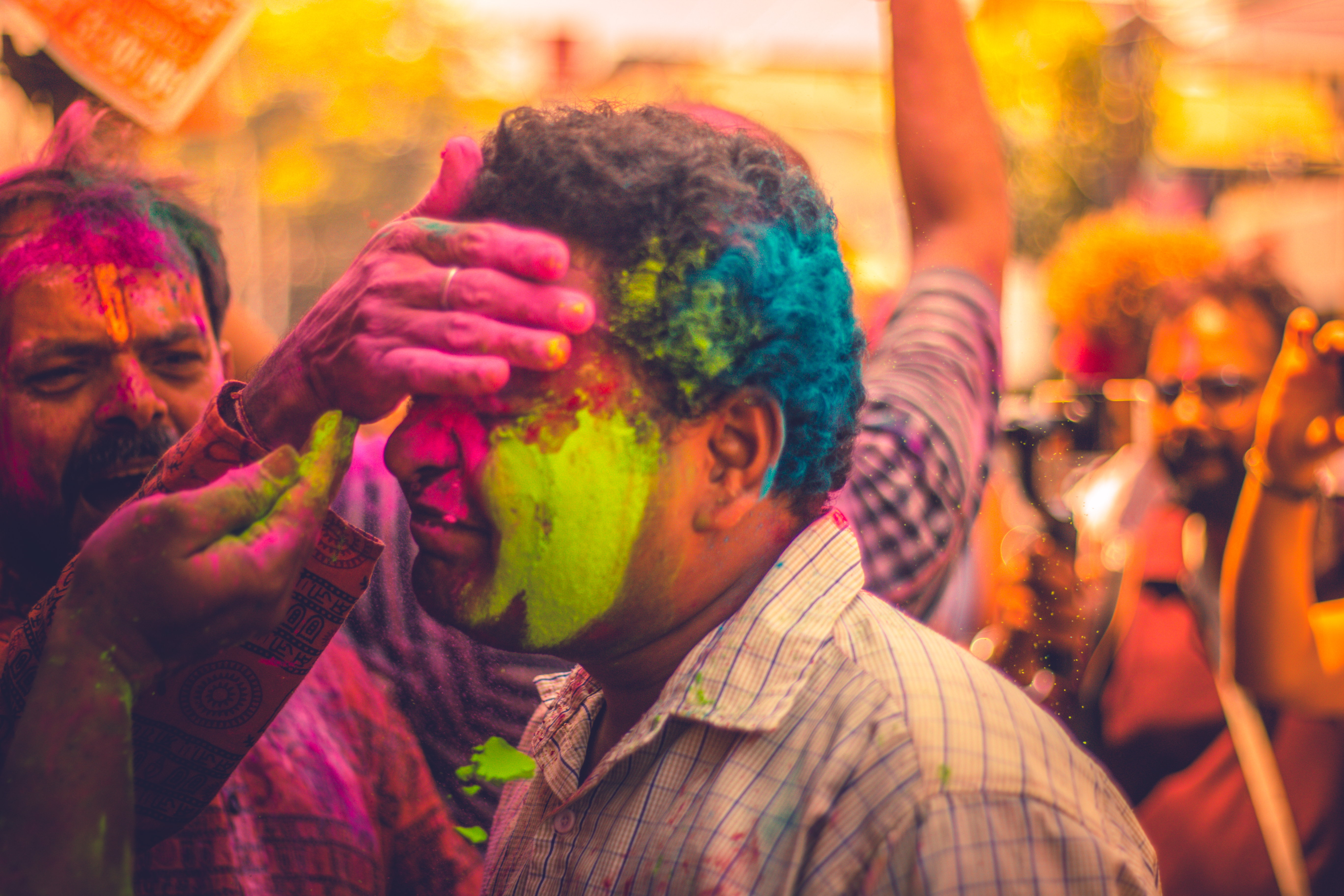
  1. Festivals & Religion- India also sees a large number of festivals, mainly because of the prevalence of diverse religions and groups. The Muslims celebrate Eid, the Christians have Christmas and Good Friday, the Sikhs have Baisakhi (harvesting of the crop), and therefore the birthdays of their Gurus and the Hindus have Diwali, Holi, Makar Sakranti, the Jains have Mahavir Jayanti, the Buddhists celebrate the Buddha’s birthday on Buddha Poornima, and quite honestly, the amount is endless. All of those translate to holidays in our book, of course.
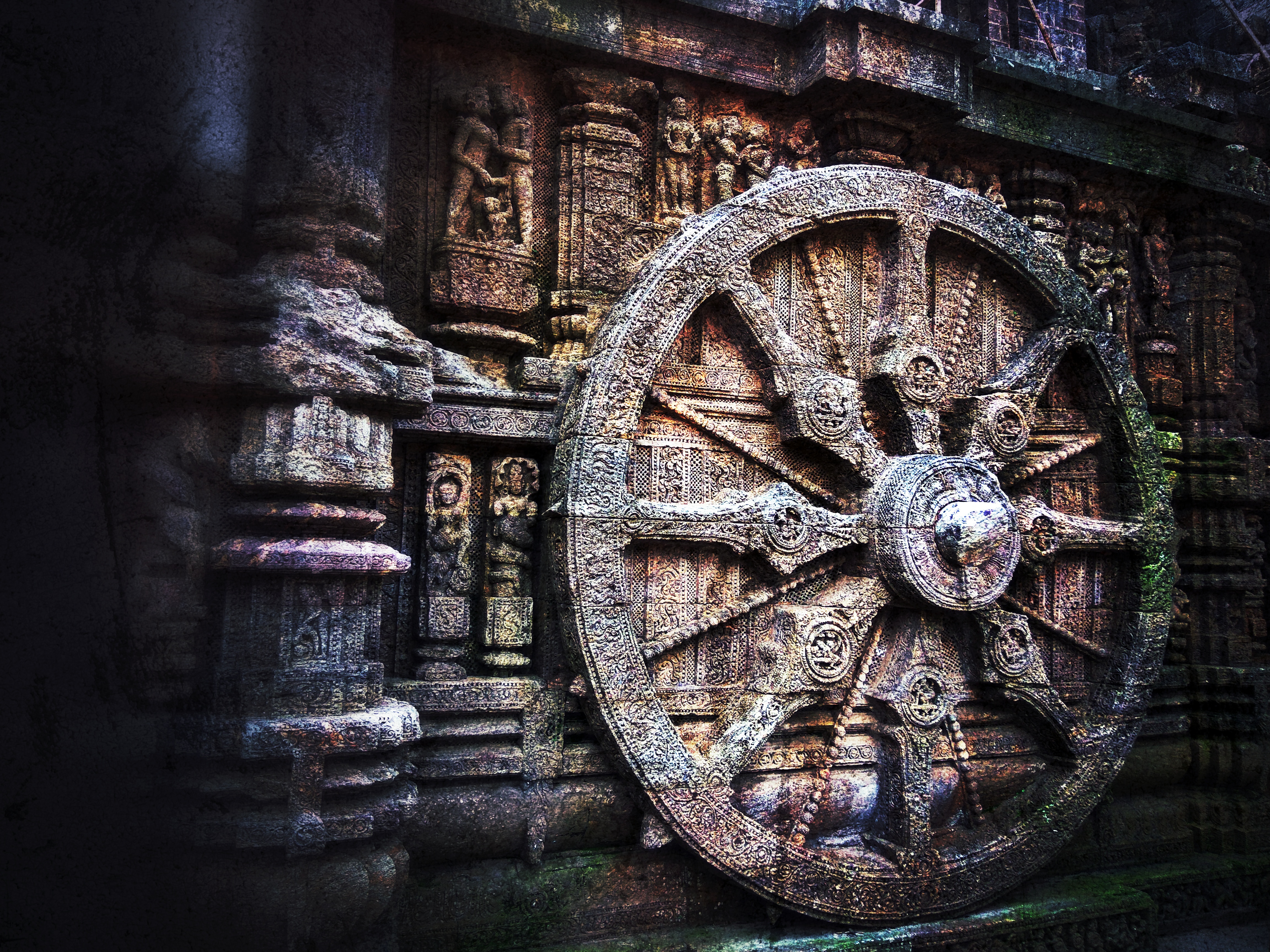
  2. Architecture:The Science Behind Temples- Most temples are located along magnetic wave lines of the Earth, which help in maximizing the available positive energy. The copper plate (called Garbhagriha or Moolasthan) buried under the most idol absorbs and resonates this energy to its surroundings. Going to the temple often helps in having a positive mind and garnering positive energies, which successively causes healthier functioning.
  3. Traditions of Treating Guests- In India, the saying ‘Atithi Devo Bhavah’ is also integral. It means ‘the guest is equivalent to god’. It is a Sanskrit verse taken from the Hindu scriptures, which later became a neighborhood of the ‘Code of conduct for Hindu society since the guest has always been of supreme importance in the Culture of India.
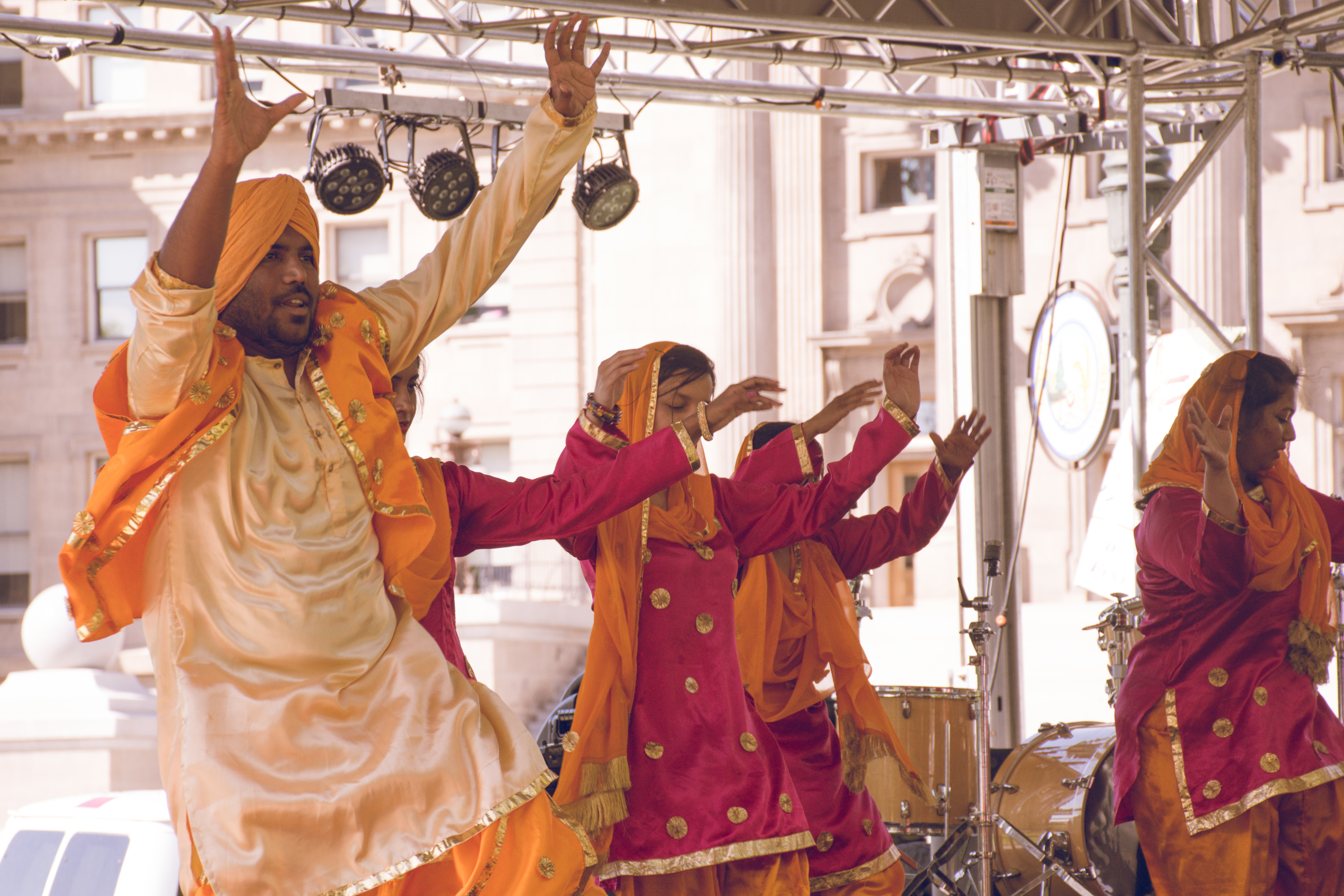
  4. Indian Dances- India is a land of ‘unity in diversity’, and our dances are no different. Different sorts of dance(classified as folk or classical) find origin from different parts of the country, and that they are how of representation of the actual culture from which they originate. Eight classical dances, which are classified as Indian classical dances and find a mention within the Hindu Sanskrit text ‘Natyashashtra’, (a text of performing arts) are:
  • Bharatnatyam from Tamil Nadu
  • Kathakali from Kerela
  • Kathak from North, West and Central India
  • Mohiniyattam from Kerela
  • Kuchipudi from Andhra Pradesh
  • Oddisi from Odhisa
  • Manipuri from Manipur
  • Sattriya from Assam

All the dance mentioned above forms are an entire dance drama, wherein a dancer or performer narrates a whole story, almost entirely and exclusively through gestures. Such stories are mostly supported the vast Indian mythology. These performances are mostly based on stories that are orally passed on from one generation to the other. Folk dances mainly trace their importance to the rural areas, where performances depict the day to day life of rural inhabitants.
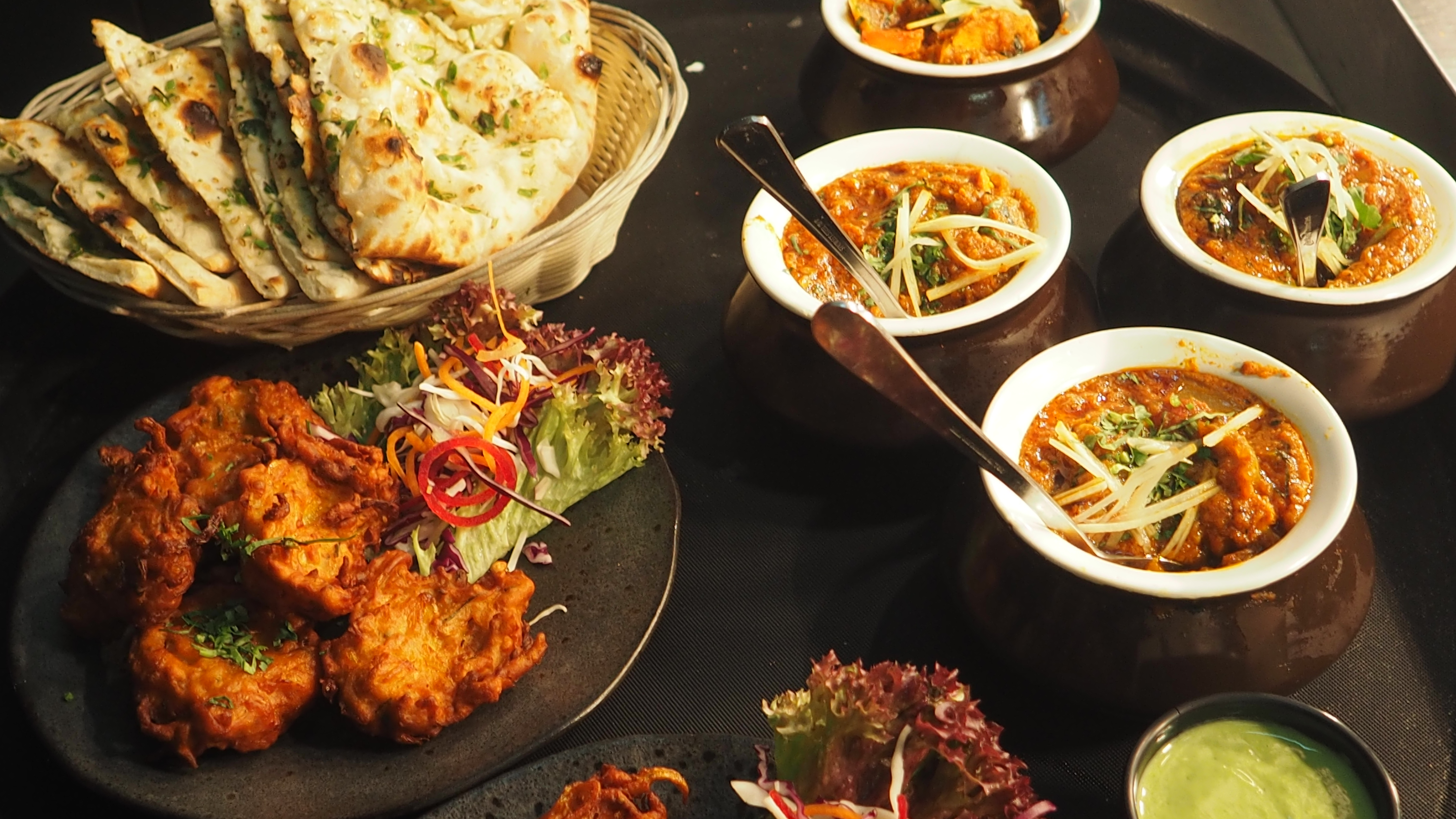
  1. Cuisine- Indian food and cuisine not only form an integral part of the culture of India but are also one of the critical factors of India’s popularity worldwide. The style of cooking varies from region to region, though unanimously, Indian food features a significant reputation for its extensive use of spices and herbs. Almost every region is understood for a signature dish or ingredient. The staple, however, throughout the state consists mostly of rice, wheat, and Bengal gram (Chana). While vegetarian food is an integral part of Gujrati South Indian and Rajasthani cuisines, non-vegetarian dishes form a central part of Mughlai, Bengali, North Indian and Punjabi cuisine. It is also interesting to note that specific cuisines like that of Kashmir have also been influenced by foreign cooking styles from Central Asia, Persia, and Afghanistan.
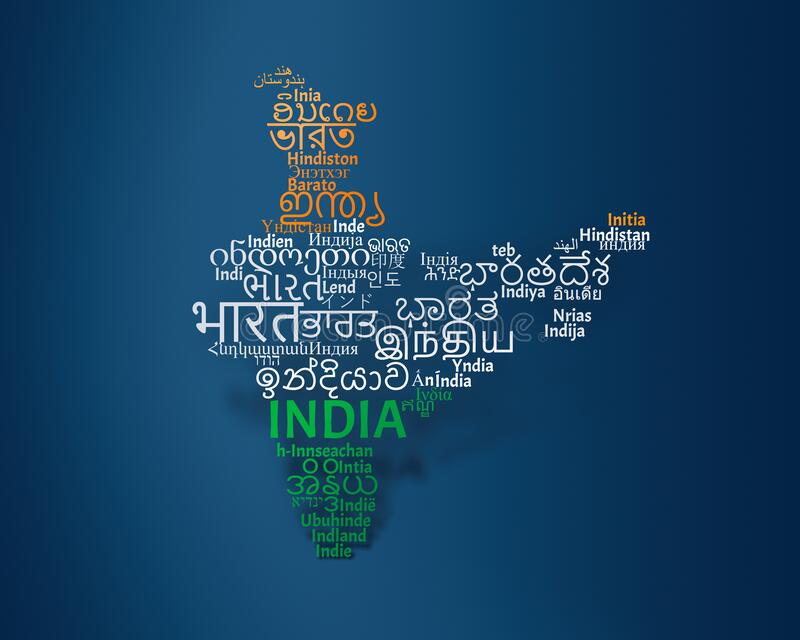
  2. Languages- India is socially, culturally, and linguistically very diverse. Hindi and English are widely spoken and recognized for official purposes. Other than than, there are 22 scheduled languages recognized by the constitution of India. However, more than 400 languages and dialects in India are still not known. Dialects change even with a few kilometres of travel in the state. Over the years, about 190 languages became endangered thanks to only a few surviving speakers.
There exist thousands of traditions and culture in India, and quite a few of them would leave outsiders rather curious. But the crux of Indian society and culture has always been to be mannered, polite, respect others, and progress together.

What Bollywood has taught us?

When one hears of Bollywood, they think it’s all about dance, music, romance, comedy, and drama. But Bollywood has more to offer. Whatever we learn comes from the movies we watch. In today’s time, it triggers the minds of Indian youth. It allows them to set a thought process. Films are not just a source of entertainment anymore. Below is a list of few movies that give us real-life lessons.

–ย Zindagi Na Milegi Dobara: This movie taught us to push yourself out of the comfort zone and face your fears. It makes you want to pause and thank your life realizing how good it is despite all the hardships. It shows you how to appreciate true friends.


–ย Ye Jawani hai Deewani: Bunny teaches Naina that she is good just the way she is. There is no need to change herself just to fit in. We must have met a people pleaser like this at some point in our life or even we are at times. Maybe we should also embrace ourselves and live life unapologetically. Naina teaches us- no matter where we go in our lives, we will always miss out on something. So appreciate where you are at a point in time.


ย Baar Baar Dekho: This movie has taught us to live in the present moment and appreciate the people we have in our lives. We can never get the time back, so we should always spend it wisely. In the age of gadgets, it’s a great wake-up call to disconnect from the phone every once in a while and experience life fully.


Kal ho Na ho: As the title says “Kal ho na ho” meaning ‘There may or may not be a tomorrow,’ totally defines what the movie is all about. Aman teaches Naina to open up and be vulnerable, which allows her to express her emotions which she repressed for so long. Sometimes we need that confidence from someone, that yes we too can share our feelings. The biggest lesson to take away from this movie is to remember that every day we are alive is a gift. Life should never be taken for granted.


Dangal: This movie is a must-watch! It shows two women breaking stereotypes and gender roles in the best possible way. It teaches us not to be full of ourselves when we become successful. It shows women can do anything that men can do.


Apart from these, many other Bollywood movies have meaningful lessons for us. So sit back, relax, and binge-watch a few Bollywood movies. I am sure you won’t regret it.


Conspiracy Theories & Chill

Let’s get illuminaughty

False Flag Theorists

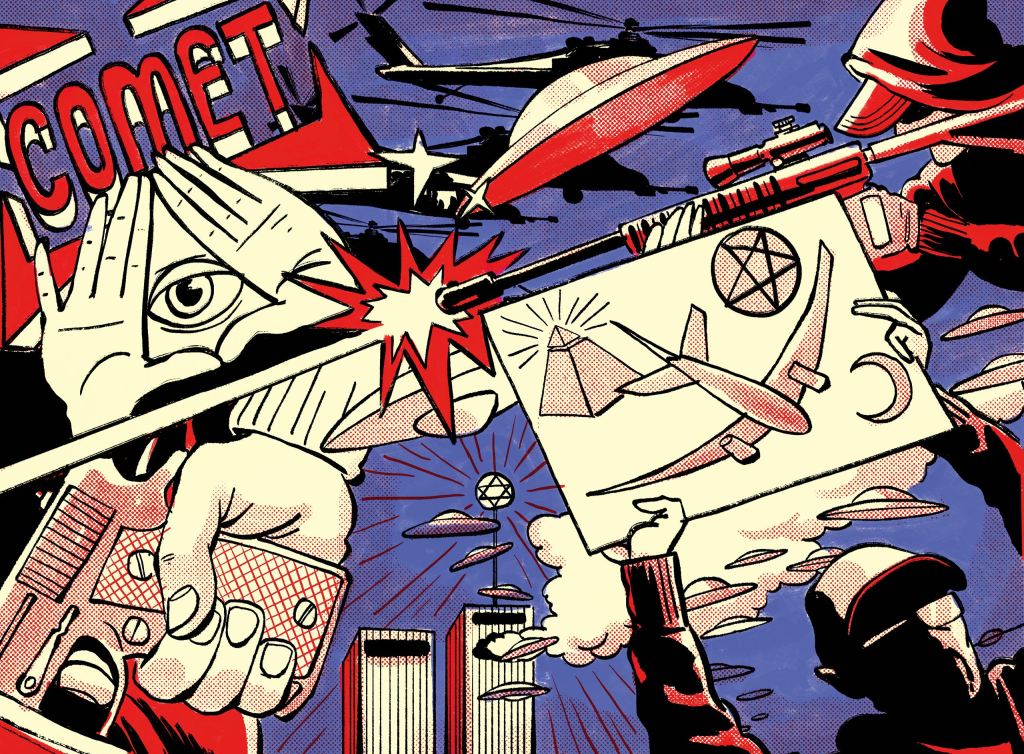
False flag theorists see darker forces behind whatever sinister world events are taking place. They believe events such as gun massacres and terror attacks are staged to make it appear as if some other group designed and carried out the event โ€“ in effect planting a false flag at the scene.ย The “false flag” concept can be virtually applied to just about any world event โ€“ the 9/11 attacks, so some believe, werenโ€™t carried out by al-Qaeda but the Bush administration as an excuse for war in the Middle East.

Bilderberg Group

The Bilderberg group is an annual meeting of ‘elite intellectuals’ from across the world to discuss โ€” well, no-one really knows. No minutes are published of the meetings, which take place behind closed doors amid tight security.ย The group has been accused of everything from plotting the rise and fall of world leaders to trying to form a New World Order, made up of the top figures in banks, corporations and countries.

The Mandela Effect

It is a phenomenon where a group of people collectively misremember a fact or an event. The term was coined by the paranormal enthusiast Fiona Broome. She along with many other people, remember Nelson Mandela dying in prison in the 1980s rather than from illness in 2013. Some of them even claim they remember his funeral being broadcasted on TV, like do you remember the Monopoly Man wearing a monocle? Youโ€™re not the only one. However, if you look at him carefully, youโ€™ll realize heโ€™s not wearing a monocle. He never has.ย While the famousย Snow Whiteย quote youโ€™ve probably heard others say and repeated yourself is โ€œMirror, mirror on the wall,โ€ it turns out the correct line is โ€œMagic mirror on the wallโ€ Some people also remember the second part of that quote being โ€œWho is the fairest of them all?โ€ but apparently it’s โ€œWho is the fairest one of all?

Britney Spears Was an Instrument of the Bush Administration

What if Britney Spearsโ€™s public meltdown,ย a series of bizarreย events and public outburstโ€”ย the head shaving incident which ultimately resulted in her receiving a conservatorship and losing custody of her children to ex-hubbyย Kevin Federlineโ€” wasnโ€™t the result of her own personal issues? There are theories that say Britney was being paid by the Bush administration to grab headlines away from the corrupt and incompetent White House.ย 

BONUS

ย The Illuminati is real, lizard people are also real, and the Earth is hollow with a colony of people living inside the middle, just kidding (maybe). But there are way crazier, way more coherent truths out there waiting to be seen.

So for all you conspiracy theory lovers, here are some shows and documentaries you would want to watch-ย ย 

  • WORMWOOD
  • THE TRAFFICERS
  • UNDERWORLD, INC.
  • DIRTY MONEY.

Gandhi preach us more!

Have you at any point longed for world with harmony and thriving for all mankind- a world where we love and care for each other notwithstanding the differences in our way of life, religion and lifestyle?

I frequently feel vulnerable when I see the world in disturbance, an after effect of contrast between our goals. Mahatma Gandhi was the man who inspired the world with Ahimsa, his faith in peace, and non- animosity. His life was a message โ€“ a message of harmony overpower, of discovering approaches to accommodate our disparities and of living in amicability with difference and love notwithstanding for our adversary. His message was as clear to his enemies as it was to his followers. He believed we can resolve best our issues if we set out to have a constructive discussion with our enemy. โ€œBe the change you wish to see in the world โ€ was the statement he gave. We frequently like to complain about the system that we need to follow. But before changing the system itโ€™s significant that we see inside ourselves and try to fix our faults. Self- realization is one of the ways to achieve success. Pour out love and respect for every individual you come across, and don’t form biases based on their background. Each simple act matters. We are responsible for our future, whatever actions we do in present determine our future. Be a life long learner, learn as if you were to live forever.

Gandhi and our nation have suffered a lot under British, but instead of taking up arms against them, he chose the path of non-violence. See how we enjoy our freedom now. He taught us revenge is never a solution, it doesn’t lead to peace or happiness. One needs to learn to forgive.It is important to be true to yourself, no matter whatever the consequences are. Stand up for what you feel is right, even if it displeases a lot of people.

Gandhiโ€™s musings can play a tremendous role in taking the human culture forward, towards the ideal objective. His lessons and analyses are more legitimate today than any time in recent memory, particularly when we are attempting to discover answers for overall greed, corruption, violence, and runaway which are putting a heavy burden on
the world. We as a nation continue to fail him. But like for every other thing, here is also hope. We can bring harmony to our world by spreading love and peace. Although the task is daunting, Gandhi has shown us how a fragile man can achieve incredible magnitude with a staunch belief to practice peace and harmony.
Will you take the pledge to become the change you want to see in the world?

From Period Poverty to Period Dignity

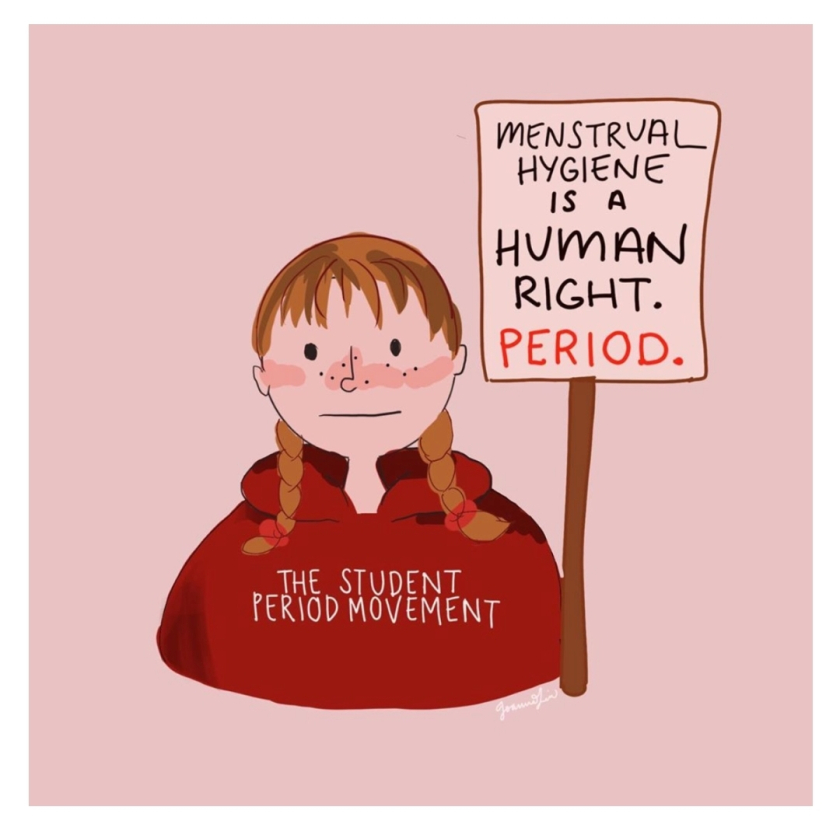
A period should end a sentence, not a girl’s education.

Sadly, in a country where 70% of reproductive diseases are caused by pitiable menstrual hygiene conditions, we’re still missing out on addressing the ‘period poverty’. Period poverty refers to the lack of access to sanitary products due to financial constraints. Lack of access to clean water, lack of toilets with doors, and difficulties disposing of used products are just some of the challenges that women face when trying to manage their periods in a private, safe and dignified manner. The inadequate access to menstrual products and education around hygiene had been a serious barrier in working towards menstrual equity. Period stigma is both a cause and consequence of gender inequality, cultural shame, internalized taboo and dogmatic religious practices that have made initiating a discourse on menstruation a catch-22. The most direct cause-cum-consequence of it is menstruation blood being strictly distinguished from other bodily fluids and being culturally portrayed as dirty, unclean and impure.

Another example of consequence of period stigma can be seen in the famous Ambubachi Mela which celebrates the menstrual time of Goddess Kamakhya where rice holds a huge significance denoted by dhan. However, itโ€™s accompanied by the absurd myth is that when a menstruating woman touches the rice container in her household, then she and her family faces the wrath of Goddess Lakshmi. It is believed that the influx of dhan or wealth gets negatively affected in that particular household. Us, women, live a life of irony don’t we? While Ambubachi signifies fertility and celebrates the child bearing capabilities of women, the ground reality of menstruating women portray a different tale altogether.

Itโ€™s unfortunate that even though weโ€™re living in todayโ€™s 21st century and everyone knows about it, no one is allowed to talk about it publicly. Films are being made on this, numerous campaigns are going on but the fact is that people still hesitate to utter this word in front of others looms large.

To add further to this paradoxical situation, sanitation facilities are unaffordable by most. Approximately 70 million people in India live in extreme poverty on less than $1.90 dollars per day. Hence for low-income households, the cost of sanitary pads is often unattainable. An average of more than 40% of students in India resort to missing school while menstruating as a consequence of social stigma, isolation, embarrassment and inaccessibility of products. The instances of avoiding school are also ramification for the lack of proper sanitation facilities across the country.
Government has intervened to tackle this issue several times, but to no avail. In fact, in 2017, the Indian government had labelled menstrual products as luxury goods, but fortunately enough, in July of 2018, the Indian government removed the tax, to make the sanitary products more accessible to everyone. Other than this thereโ€™s the Janaushadhi Suvidha scheme which aims to provide women with oxo-biodegradable sanitary napkins at a meagre cost of Rs. 2.50/pad across 3,600 Janaushadhi Kendras in the country.

The pandemic has made the situation even more challenging than it already was. Itโ€™s well known that the coronavirus outbreak is having a devastating impact on family finances all over the world, but now we see that girls and women are also facing widespread shortages and price hikes on period products, with the result that many are being forced to make do with whatever they can find to manage their period. This can pose a real threat to their health and may increase the risk of infection. Thus, is about time we realise that menstruation is just a biological process and the secrecy surrounding it must go. It is important to normalise and de-stigmatise menstruation, and destroy taboos around this natural process.

screenshot_20200710-184433_chrome
Period. End of Sentence.

Women suffers at every phase of her life!

Introduction:

Right from the birth till death, we as ‘Women’s’ have to go through some or the other pain. Be it killing of a girl child after her birth, family abuses, menstrual pains,forceful marriages, domestic violences, molestations, pregnancy pains, emotional pains or sufferings, and many more. The list doesn’t stops.

Killing of a Girl born Child:

Women still have to go through a lot of things which they don’t talk about it openly. Although its illegal today, killing the girl child in the womb itself or right after the birth are not been practised from several years. But what about the days when such sins used to take place? It all started from there. Getting born as a girl child was earlier known as a sin. Thanks to the law and the changes in the mentality of the people that it has stopped now.

Family abuse or emotional torture:

Even after getting born as a girl child, some families still try to emotionally and at times physically abuse or torture them. Some orthodox families still compare their girls with the male members of their family. Some girls even today do not have the freedom to speak and even the rights to do something they wish to. Narrowminded people still follows a gender stereotype mentality that a women is made only for the kitchen and education and working or maybe chasing their dreams is worthless.

Yes, you read it right! There are people who still have such thinkings maybe not in cities but if you go and look around in the small districts or villages; such type of mentalites still do exist.

Menstruation:

Educated or not, every women suffer during their menstrual days. Menstruation is normal still even today it is known as a taboo in ‘India’.Menstruation is associated with impurity in India.They are often kept out of communal cooking and eating places on days when they are menstruating, and are barred from entering temples. Menstruation comes with severe cramps, back pains, mood swings, and sometimes heavy bleeding. Women silently suffer the pains while menstruating. Working womens on their menstruation days never complained. However, now mandatory first two days of leaves have been issued by the law during the menstruation days which brings relief to the working women for atleast the first two days. Even while menstruating, a women does all her work, household chores,in that pain. Imagine working when you are bleeding for continous 5 to 7 days. Only womens can do that. She bleeds every month for 5 to 7 days and handles all the pain by herself.

Molestation or Harassments:

We do live in a democratic country. But yet ‘Womens’ are still not safe here. And its the fact. Even today, womens are not safe and to be honest I really don’t know when we would feel safe here.

Each and every girl or a women in the society has been through molestation or harrasments atleast once or twice or maybe more in her life. Sad but the truth. Some experience this through a family member while some experience this in their school. Some might experience in their college , some might in their classes. Work spaces, empty roads, bus stops, buses, trains, empty railway stations, restaurants, entertainment field, hospitals, etc. Where are the womens safe?

Actually, no where. Womens always live in the fear of getting molested or getting harassed by someone. Womens can never be relaxed if they are out of their houses. They have to be extra cautious and protect themselves from any happenings on their own. Womens everyday deals with the uncomfortable stares that are passed by mens to them. It is like a daily routine. Womens are not free and safe yet where they can openly roam anywhere and at anytime without having any fear.

Forceful Marriages:

Earlier, child marriages were been practiced in India. Today, the legal age of marrying for womens is above 18 years of age. Families who haven’t developed their minds force their daughters to get married as soon as they are above 18 years. Womens are forced to marry to strangers by their families and are led to suffer for lifelong. Forceful marriages are done where womens are emotionally blackmailed. Families stop their daughters education to just get her married. Womens are not only born for marriages. Today, Womens have created histories. But sadly, forceful marriages still takes place.

Domestic Violences:

Womens do suffer domestic violences in silence without raising their voices or asking for help. Womens suffer domestic violences for their childrens if any. Due to the society, womens tolerate domestic violences and do not seek help. Few womens are afraid to take steps against their husbands. Womens who do not work are afraid to leave their husbands. The fear of being alone, the fear of raising their childrens alone, the fear of not accepted in the society, the fear of getting a ‘divorce tag’ all this makes a women to suffer domestic violences alone.

Pregnancy Pains:

The biggest gift is to give birth to a child which womens are blessed with. The pregnancy phase every women deals with is unbelievable. A women while pregnant makes her whole body goes through drastic changes. A woman goes through frequent urination, dizziness, headaches, changes in breasts, fatigue, nausea, Her appetite changes, her moods, her body, and many more. The amount of pain while delivering a baby every women goes through is unimaginable. A women suffers all the pain for her baby.

Even after all this, Womens are not treated with the respect she deserves. Womens are made feel less superior than mens. Womens are compared every day with the mens of the society.

A woman compromises her dreams, her ambitions, her wishes, all for her family and still never complaints.

A woman has to face challenges at every aspects of her life be it through emotionally or physically. Women sufferings do not end. According to me, I listed out some of the common sufferings but it doesn’t ends here.

Till the death of a women, she has to go through something or the other. Womens are so powerful that they suffer in silence and still get up daily and fight back against the world. Womens pains are endless. Some choose to compromise with their life. Some get up and change their lives.

Why is Shiva so popular among millennials?

Shiva is known as being both the destroyer and a mediator. He breaks all stereotypes of that one expects from being a typical God-like figure. From his long dreadlocks that holds the holy river Ganga to a snake around his neck. To wrapping himself with a tiger skin and wears a garland of skulls. He is fearless, minds his own business, and meditates most of the time in the Himalayas. This three-eyed god is the one who lives with reptiles, demons, goblins, and demi-gods without any prejudice of race or creed. It is probably his unique and mysterious ways that make his personality even more alluring.

The kind of world we live in now, one can learn a lot from Shiva. He never discriminated between good and bad, positive and negative, or god and demon. He was never biased. Karma is what he ardently believed in. He isย Mahadevย for a reason.

It isnโ€™t much of a surprise that in the last few years, Shiva has become a rave among the millennials, especially in India. One canโ€™t deny the fact that people get attracted to strong personalities. Isnโ€™t it? At times he seems to be an epitome of all things good, at other times he is so frightening that you would not want to be around him. He is a quintessential god who breaks all the barriers, lives by his terms, dances in the forest โ€“ย taandavย (his dance of destruction). No doubt he is considered the โ€˜Millennial God.’

Shiva is very unconventional that makes and breaks all social customs and codes to reach his state of freedom. This means one doesn’t need to worry about how you live, eat, what lifestyle you follow, which caste and creed you belong to, and what norms you practice.

It is easy to worship him. You don’t require a priest, one can simply walk to a shiv temple and offers prayer directly, or pray in your own heart.ย 

He has immense powers that can destroy our sufferings, removes impurities such an ignorance, delusion, egoism, pride, and attachment to facilitate our personal growth. That means if you are looking for a change of direction in life, he is the right god to worship.

Mahadev is the source of all arts, science, and creations. He is himself a good musician, singer, and dancer. There is no better guru than him in this whole universe. All knowledge flows from him, in the form of Ganga.

He loves his family as dearly as he loves his devotees. One can learn from Shiv about family values and the importance of caring and compassionate relations.

Lord Shiva is one of the most powerful, strongest, and the fascinating Hindu deities ever. He is omnipresent, omnipotent, and omniscient. Despite him being considered as God of destruction one has to understand he is the reason for rebirth as well. He possesses both the generative and destructive powers of nature.

Whenever you feel life is unfair, just remember this ultimate power and youโ€™re good to go!

ย 

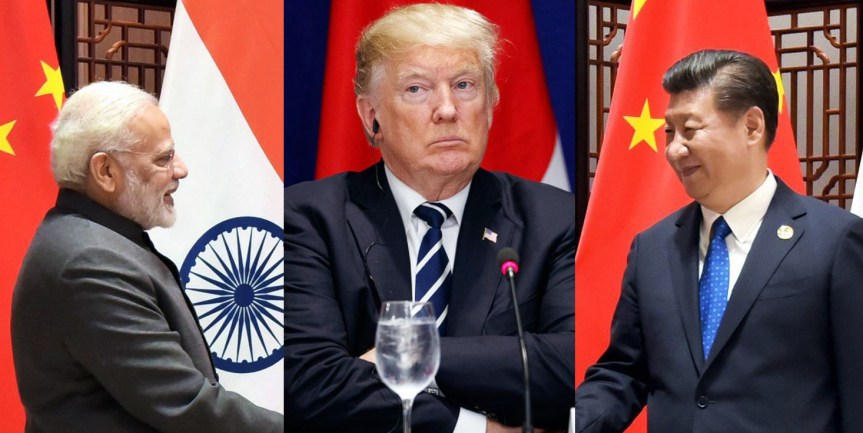
Brief Summary of Indo-China conflict and the role US has played over the years

Due to the clash between soldiers of both the countries โ€“ India and China around Pangong Lake in Ladakh, one thing is clear that nobody knows whatโ€™s coming up next. Once Indiaโ€™s friendship with China seemed natural as the country has put socialist principles in its national constitution and prided on taking a neutral stand during the cold war. Under its first prime minister, Jawaharlal Nehru, India was interested in broadening ties with other socialist nations, including Russia & China. But factors more powerful than the ideologies knocked off the relationship leading to tensions and war-like situations today.

At first, the relationship was all smiles based on five principles enunciated under the Panchsheel Agreement: mutual non-aggression, mutual respect for territorial integrity and sovereignty, mutual non-interference in internal affairs, peaceful coexistence and equality and mutual benefit. A slogan also went out,ย โ€œHindi Chini Bhai-Bhaiโ€– India and China are brothers.

But soon, India and China started to disagree on the border between the two nations. All thanks in part to the legacy of certain colonial boundaries. The Ardagh- Johnson Line was drawn by British India that showed Aksai Chin inside Jammu& Kashmir in India. This didnโ€™t go down well with China as they never accepted this border. Instead, they argued for Macartney-MacDonald Line, a later boundary that gave it more territory.

There were talks in India in 1960 between Nehru and Zhou Enlai, the Chinese Premier to address border issues but no solutions came up. Keen to maintain the strategic relationship between the two countries, India hosted Dalai Lama when he fled and kept funding resistance movements in Tibet.

The brotherhood died after the two nations went to war. The events of 1962 are broadly seen as humiliating domestically for India.

Even more critical to understand India- China relationship is an alliance between Pakistan & China. As both have border issues with India, a common goal emerged. In recent years, Pakistan Prime Minister Imran Khan and his predecessors have maintained deeper ties with China through initiatives such as Chinese funding for Gwadar port, China-Pakistan Economic Corridor, and other economic initiatives. Because of this, Pakistanโ€™s cooperation with the US has also crumbled up under pressure. If another Cold War happens, it already seems Pakistan has chosen its side.

This has helped India to strengthen its relationship with the US. India choosing free markets was a drastic change for the nation, and a shift to the Western economic sphere soon followed. As India started seeing high rates of growth, it started becoming Chinaโ€™s competitor. India also managed to tighten relations with American allies such as Vietnam and Japan.

Today, the United States plays a key role in the Indo-China relationship. In recent times, India has sought to strengthen ties with the US, powered by fear of Chinese political and economic influence in the region. Even since the Chinese have got more aggressive in the Indian Ocean, India is seeking an ally in the US to bolster deterrence.

All this clearly shows we are a long way in Hindi-Chini Bhai Bhai.


Inaccessible or Untouchables?

There is more to this existence than meets the eye!

Our economy is being ruined between inefficient government and sluggish opposition, if the situation does not improve then we will become the new ‘Untouchables.’


Untouchability has been a stigma for our country for centuries. Ambedkar, who fought for his whole life, claimed that there is enough evidence to suggest that it has been going on since 400 BC and it has always been the way of Indians to live.
This is the reason why devout Hindus on one hand and committed inclusionist Gandhi, on the other hand, believed that it is good for us to end this deadly practice. And Nehru, who relied on social justice, had said that India will never reach its true height until we end the caste system and ensure equality for all Indians.

This is the motive that our constitution made untouchability illicit and considered it a punishable offence.
But is it over? No.
Untouchability is deeply ingrained in our thinking and is seen openly. Its ugliness has recently increased, which has been promoted by some political parties, who want to keep it alive to achieve ruthless majoritarianism.

Now only the lower castes, Dalits, are not suffering. In some parts of India, indigent people belonging to a particular community have become new untouchables. So in some parts, some tribes are the new untouchables, who have been left marginalized by governments to grab their land, forest and mineral wealth.

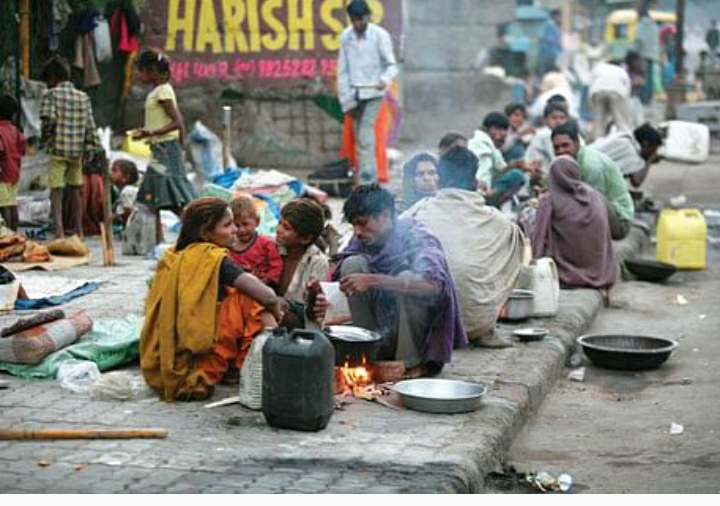
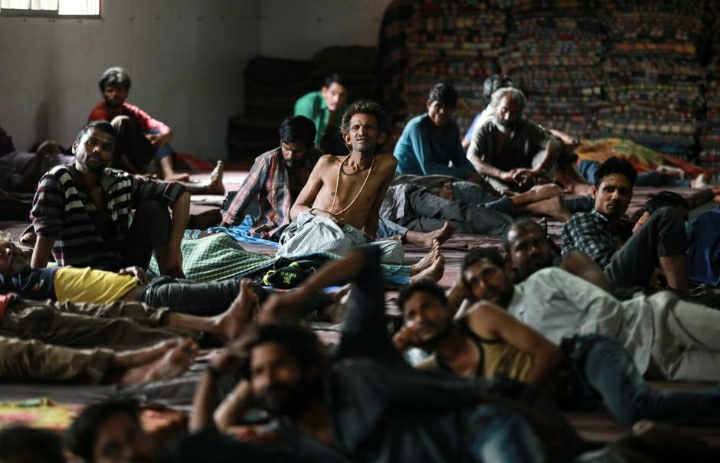
And now, after this pandemic in the country, we see a new class of untouchables is emerging. These are sick, migrant labourers, unemployed and extremely impoverished people. Their connection with the cities is broken and their villages do not want to take them back because they are unemployed and miserable and additionally there is a risk of health issues.

Today the suffering/affected people are being boycotted openly. Their wives and children are not allowed to be home quarantined as per the regulations. People are getting them out of the village, throwing them along with their family members from trains, refusing to burn in the crematorium when one dies. Dead bodies are being collected in hospital corridors. Nobody wants to accept them, not even own family. The corpses are placed next to the patients being treated. It is like a return to the fierce plague.

But, today who is the frustrated-indigent?
No, not the farmers who commit suicide every year due to poverty. Now, these dispirited poor are those who were working in our factories, offices and our homes till back in the days. It also includes small traders, food carts, autorickshaw drivers, small restaurant workers, multiplexes and security guards standing outside malls.

Viruses and lockdowns left them unemployed, homeless and nearly devastated. And now about 14 crores middle-class families have also been associated with them. According to research, their savings will end by the end of July. That is, they will be poverty-stricken.

A recent survey shows that 84 per cent of the households have suffered severe loss of income after lockdown. They are living on their savings right now. By the end of this month, with the increase in rains, many middle-class families will fall into the category of destitute.

They will also be unable to spend on treatment or meet basic family needs. They will have to leave the rented house, sell their goods and borrow money at such a rate, which will become impossible for them to repay later. They are also worried pensioners who relied on interest from the bank, as banks have reduced interest rates.

Those who counted on their children working abroad are also trapped because their children have lost their jobs or lost wages. Meanwhile, the prices of petrol and diesel are continuously increasing, while the prices should have been reduced based on the global trend. This is going to make everything expensive.

Overall, the pace of the wave is not stopping and more and more people will continue to drown.  The government is refusing to provide cash in their hands, as some other countries are doing. These are the new untouchables. Nobody has time for these and the government has the least interest in their future or prospect. Instead, govt is making hefty policies of millions for billions, which will never reach out to these people.

An economy that was ready for a better future, is being wrecked.

COVID-19 pandemic may lead to rise in child trafficking

The nationwide lockdown which was imposed in the nation to stop the spread of novel coronavirus can lead to a spike in child trafficking cases because of pandemic induced economic crisis.

The increased insecurity, financial constraints, and marginalization induced by COVID-19 are key drivers for families grasping onto straws of survival for pushing children into trafficking.ย  From states: Assam, Bihar, Chhattisgarh, Delhi, Maharashtra, Telangana, West Bengal, and Jharkhand cases have come up.

Since poignant reality has hit the migrant laborers, that poverty and hunger await them, many will be forced into a vicious debt cycle at predatory interest rates because of their dire financial situations, which will prove to be a fertile ground for child traffickers.

Children are trafficked first and then placed in labor, either forced or for a sub-minimal wage. However, the most unfortunate ones especially young girls are forced into sexual exploitation.

Ever since the lockdown has come into place, the traffickers have become active and have started approaching potential victims and families and even handling out advanced payments for their children. Not just this, once lockdown is lifted and normal manufacturing activity resumes. Factory owners will look to cover their losses by employing cheap labor and the easiest way of doing this is by employing child labor.

For this, policing alone would not be the solution and the problem of child trafficking persists because there is a ready market for child labor. The contractor who is engaged in supplying labor should be kept under strict vigilance in a bid to prevent child trafficking and child labor.

The apex court has contemplated setting up an expert committee to address this issue.

The business of commercial sexual exploitation which took a downturn due to lockdown restrictions would look for innovative ways to be back in the business and overcome the losses by engaging younger girls as they fetch more money. Underage girls will be sold into prostitution and the number of street children will be pushed into begging will also give up.

With the transportation be resumed, child laborers will be sent back home by their employers armed with fake id and documents. Children working in hazardous occupations are at a higher risk now since no employee will reveal their identities and numbers as employing them is a criminal offense.

There are reports that 136 minor girls have been married in Bengal as the agricultural class in the state had only lost the livelihood due to lockdown but was hit by Cyclone Amphan.

It has been found that in 115 districts of Bengal, Bihar, Jharkhand, Rajasthan, Assam, Chhattisgarh, Maharashtra, and Delhi where many families were rendered jobless, child trafficking and middlemen have become active. Middlemen have started making advance payments to poor families without livelihood for taking their children in the promise of providing employment or getting them married.

Over 39 crore โ€“ of unorganized and migrant workers on the fringes or outside the socio-economic security umbrella, are the most vulnerable. This makes them the easiest target for the organized crime network. Hundreds of thousands of children will be enslaved. A large number of these laborers will be children, forced out of school, bearing the burden of sustaining their families. Thousands of children will likely be trafficked across the country to work in manufacturing units where they will be paid meagre to no wages and will most likely face extreme physical, mental, and sexual violence.

Pornhub, the largest pornography platform in the world, has seen a 20-time jump in India, from 0.9% on February 24 to 18.1% as on March 16. A large segment of this ‘content’ includes trafficked children who are exploited to create pornographic material. Adults and children who consume this content are likely to ‘normalize and fetishize’ child rape and sexual violence, which may translate into offline sexual violence.

As the central and state governments struggle to contain the immediate health and economic challenges, a great amount of planning must go into dealing with the imminent impact of this crisis, especially in terms of the safety of the most vulnerable children.

Importance of Mental Health during Pandemic Times

Mental Health is a topic much discussed in the current times owing to its increasing importance in the world. Since it was not considered as important as our physical health, mental health disorders, illnesses and issues had been ignored and pushed under the rug for many years. However, with depression and suicide becoming the greatest threat to human life in this modern world, addressing mental health with understanding and seeking solutions are extremely important. Emotional and mental well-being is necessary for an individual to function as he ought in society, complete his tasks and maintain his space in the world.

Modernity has brought with it a number of problems all of which have contributed in their own way to a crisis of mental health. Long hours at the office, increased stress levels, financial crisis, managing work life and home life are all significant factors that affect our mental health. Among students, demanding coursework, fear of the future, a crashing job market, worry about not performing well and peer pressure can all lead to a situation where one is not able to think and behave as one ought.

Right now, the COVID-19 pandemic has caused a spike in the number of mental health issues coming up. There is fear of the virus, worry about what happens next, and many donโ€™t see how they can survive. 1 in 5 college students say that they are experiencing heightened mental health issues during this pandemic. This will become a pandemic by itself and the countries of the world are already realizing this.

A major issue that we in India is what the World Health Organization considers the mental health gap. It refers to the gap between number of those with the need and the number of providers available. There are not enough responders who can adequately deal with the issues and the number of people who are in need of help.

Another major issue with addressing mental health concerns in India is the stigma associated with it. Many are told to โ€˜just get over itโ€™ or asked to โ€˜forget about itโ€™. The honour-shame culture in India lends itself to this.ย  It is considered shameful to approach someone for help or to say that I am struggling mentally. It is not a choice to go into depression. There is rejection and discrimination against people who suffer from severe anxiety or other issues and they are not given the care they need. We need to understand that mental health is as important as physical health and that it needs to be dealt with as seriously.

If you or anyone you know seem to be struggling mentally, never hesitate to reach out for help. It is important that we ourselves do not try to treat anyone or counsel them if we are not qualified. Never wait for your mental health to deteriorate immensely before you start seeking help. Self medication and deluding oneself into thinking that they can conquer this on their own should also not be encouraged. If we see someone struggling with mental health, learn how to move towards them and assure them they are not alone. Donโ€™t moralize them but listen to them and walk with them in their journey. You can do much by taking people seriously when they talk to you about their struggles and by being there for them.


Secularism Vs Religion in politics

Secularism implies equal respect for all religions in the same measure as we have our own. In our country,the liberty of ” belief,faith and worship”, as enshrined in the Constitution, has been implemented by incorporating the fundamental Rights of all citizens to ” Freedom of Religion” in Articles 25-29.

India is a land of multi- religious,multi ethnic and multi lingual people with a plethora of castes and subcastes. All the major religions in the country, viz, Hinduism, Islam, Christianity, Sikhism, Buddhism and Jainism tech their followers to imbibe faith in God an dlove for human beings.Yet our people have developed peculiar attitude to their own religion. Today, religion,the opiate of the masses,disintegrates people through communal violence the behest of political parties and their unscrupulous leadersเฅคReligion is an ally of politics is fraught with danger.

The constitutuon of India uphold the unity of all religions ,based on their moral precepts of building unity in diversity. This shows that India as a secular state is neither religious nor anti religious ; it is completely detached from all religious dogmas.

The british created a rift between Hindus and Muslims that led to the partition of the sub- continent in 1947. The rift has widened since then.Today, Ram Jamnabhoomi- Babri Kashif issue,1993 Mumbai riots, recent riots in UP are there to spark off communal violence.Such tendnecies are drifting away people from the idea of secularism.

There is growing feeling in the country that the functioning of secularism has suffered some setbacks. Recently,this has led many individuals from the film fraternity, literary field and other arts to return their Government awards, this show their dissent at the growing intolerance in thecountry.The unchecked growth of fundamentalism is posing a serious threat to the secular character of our polity. Our political parties aid and abet communalism.They do not allow secularism to take precedence over their political interests. There are several ways through which secularism is being diluted. Performance of religious rites and rituals at official functions ,misuse of media including official media for propagation of anti secular material are undermining the foundation of a secular polity.

Secularism is the need of the hour for uplifting the nation from the abyss of religious myths and beliefs , and waging a united war of all the people against the cancer of communalism and other social evils hindering our country’s progress. Even though the task appears daunting,the present generation must strive for moulding the mass opinion and evolving a truly secular and democratic India.

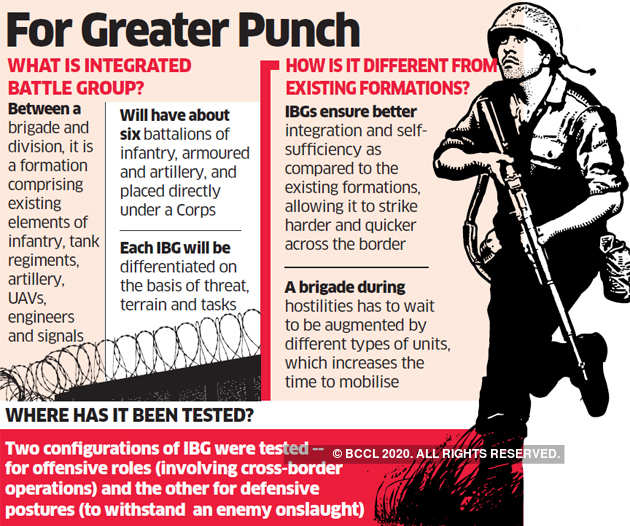
India deployed Integrated Battle Group to deal with China, know what is the speciality of these soldiers.

Tension has been building between India and China since the violent clash in the Galwan Valley in Ladakh. In this violent clash, 20 soldiers of the Indian Army were killed. Meanwhile, India has deployed Mountain Corp’s Integrated Battle Group (IBG) along the Line of Control. IBG soldiers are adept at fighting in high mountainous areas.

These soldiers are especially adept at combating in the mountainous areas. These commandos are the 17th Mountain Carp Seals, specially designed to deal with China. According to sources, at least three Battle Group (IBG) of Mountain Carp are deployed on the front from India. Apart from this, there are a large number of ITBP personnel who have been trained in combat in the mountainous areas.

What is IBG or Integrated Battle Group?

Within 12 hours of the Army’s Integrated Battle Group (IBG) order, it sneaks into the enemy’s shack and strikes down. This is included in its special efficiency. This squad is prepared for every moment to deal with any situation like defence, attack or combat. It is not just a squad of specially trained commandos, but a complete unit equipped with all the sophisticated weapons of infantry, tanks, artillery, air defence, communication and warfare. It has every possible ability to thwart every adversary’ move. That is why it is called Integrated Battle Group.

To invade immediately as and when required is their greatest feature. That is, these soldiers do not require any extra time for preparation or strategy, it is only late to get orders. Its combatants are specially trained to take into account- enemy threats, geographical challenges and targets such as 3T- Threat, Terrain and Task in every area adjacent to the border. As soon as the order is received, they are ready to enter the enemy’s territory at any moment. These fighters are capable of more active and rapid action than the current striking corps.
According to sources, the soldiers of this Battle Group can also be airdropped at any place if needed. The commandos have also been trained for this and these commandos have also practised several times on the Chinese border. Sources say that the preparations of the Indian Army have received frequent backups of the Indian Air Force.

The Air Force is fully prepared to airdrop the commandos along with surveillance on the LAC. Let us know that China’s fighter aircraft and helicopters are hovering on the Line of Actual Control (LAC). These activities in China persist in the 10 km area of โ€‹โ€‹LAC. In such a situation, India has also now prepared to respond to the People’s Liberation Army (PLA) in its own dialect.
According to military sources, the army has deployed the ‘Akash’ advance air defence missile system in East Ladakh to keep track of China’s fighter aircraft and helicopters on the LAC. With this, the Indian Army can easily keep an eye on the antics of China. In such a situation, if a Chinese aircraft crosses the LAC, then it will be exterminated immediately by the air defence missile system.

Sources say that on the Line of Actual Control, China has recruited large-scale climbers and martial arts fighters in its army. The Dragon has sent five such divisions to LAC.

However, according to reports in the Chinese media, these are for deployment in Tibet. But according to sources, these have been sent to LAC and deployed before June 15. After this, India has deployed Mountain Corp’s IBG (Integrated Battle Group) on the Line of Control. Not to forget that on the night of June 15, there was a bloody clash in the Galwan valley between the armies of both the countries.

IMAGE: ยฉBCCL

Australia being a cute Rasgulla.

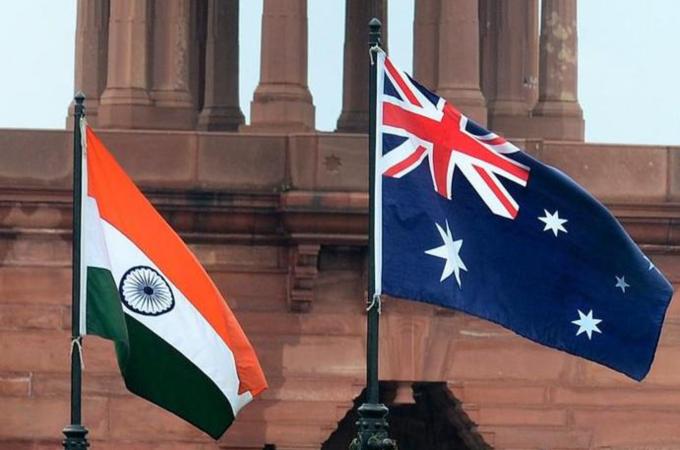
So due to increase tension between India and China and India and Australia there is a huge chances and probability that i the days to come India and Australia may become strongest of allies as by discovering some of the biggest potential they behold through trade and military presence in both Asia and Oceania if there is a mutual respect and support between each other. There is also an ambitious bilateral agenda that will add substance to the India-Australia summit. When it comes to defense, India and Australia share a common concern over China it is that aspect which informs a lot of the bilateral transactions between the two countries. While Australia is worried about Chinaโ€™s presence in the Pacific, India is worried about Chinaโ€™s increasing activities and influence in the Indian Ocean.

Earlier this year, the Australian and Indian navies concluded a two-week-long bilateral maritime exercise code-named AUSINDEX. A government release at the time said the exercise was conducted, โ€œto strengthen and enhance mutual cooperation and interoperability between the IN (Indian Navy) and RAN (Royal Australian Navy), providing opportunities for interaction and exchange of professional views between the personnel of the two naviesโ€. From 2016-18, the armies of the countries conducted a joint military exercise dubbed โ€œAUSTRA HINDโ€. Significantly, for the first time in 2017, Australiaโ€™s Foreign Policy White Paper identified India as being at the โ€œfront rankโ€ of Australiaโ€™s international partnerships, โ€œon par with the US, Japan, Indonesia, and Chinaโ€, Australian High Commissioner Harinder Sidhu said in her address at the National Defence College in May this year.

The informal strategic Quadrilateral Security Dialogue (QSD) that was initiated by Japanโ€™s Prime Minister Shinzo Abe in 2007 was largely in response to Chinaโ€™s growing power and influence. Initially, the โ€œQuadโ€ members included India, Japan, the US, and Australia; however Australia chose to withdraw when Kevin Rudd was Prime Minister, since it did not want to be a part of an anti-China alliance at the time. In an article in the Nikkei Asian Review in March 2019, Rudd said, referring to his opposition to the Quad: โ€œJapan said that the rationale for the QSD was to defend the international rules-based order, implying that China back in 2007 had already become a threat to the order.โ€œFor Australia in 2007 therefore, to begin embroiling itself in any emerging military alliance with Japan against China, in the absence of any formal reconciliation between Tokyo and Beijing over the events of the Second World War (Nanking Massacre), was incompatible with our long-term national interests.โ€However, Australia later rejoined the dialogue in 2017 on the sidelines of the ASEAN Summit, signalling a re-ignition in Australiaโ€™s interest in the dialogue.

However, it is the economic dimension that continues to lag. The summit provides Modi and Morrison with the opportunity to impart a fresh momentum to it. Bilateral trade is barely 30 billion dollars and even though Australia is a world leader in niche technologies, investment in India is relatively limited. โ€˜An India Economic Strategy to 2035โ€™ by Peter Varghese, former Australian Foreign Secretary and High Commissioner to India, provides an excellent blueprint. It identifies 10 states and 10 sectors of the economy that can be of particular focus, and underscores the important role of investment in driving the economic relationship. But while Canberra sees the opportunity, private business groups have been shy to grab it. With the exception of the Macquarie Group and a couple of others, Australiaโ€™s large financial institutions, pension funds and even the sovereign Future Fund have shown reluctance to invest in India. From India, the Adani groupโ€™s multi-billion dollar investment into the Carmichael coal fields in Queensland also ran into a series of hurdles and dampened some of the initial ardor to invest in Australia. There are also a number of less glamorous areas that offer fertile ground for collaboration in sectors where Australia has proven expertise. Some projects are already underway in agriculture, animal husbandry, water conservation, mining technology and equipment and sports infrastructure, but there is ample scope for scaling these to become success stories that both countries can proudly showcase. Cyber security is of critical interest to both, as is the need to work together in tapping Australiaโ€™s huge deposits of lithium and rare earths.

India and Australia’s Alliance against the Dragon.

The virtual bilateral summit between Prime Minister Narendra Modi and his Australian counterpart Scott Morrison Wednesday is a big deal. Not just because it is perhaps the first virtual summit of its kind, nor because it demonstrates the determination to โ€˜meetโ€™ despite the international travel restrictions. It is important because it takes place at a time when both countries find themselves under attack from the belligerent dragon โ€” China.For India, the โ€˜Wuhan spiritโ€™ or the bonhomie after the informal summit between President Xi Jinping and PM Modi in 2018 has been wiped out by the virus from Wuhan, along with Chinaโ€™s agressive stand on Ladakh.ย 

For Australia, its thriving economic diasora and ethos with China has been hit by sanctions on beef and barley exports because of ostensibly a retaliation to Canberra having had the temerity to ask for an independent inquiry into the origins of the novel coronavirus. Morrison responded to Chinese bluster and bullying by replying firmly that Australia wonโ€™t trade away its values.

For Prime Minister Morrison, standing up to China is becoming familiar territory. As treasury secretary in 2015, he had to strengthen his countryโ€™s foreign investment review process after the Northern Territories government signed a 99-year lease agreement for the strategic port of Darwin with a Chinese company that has links with the Peopleโ€˜s Liberation Army. He then had to invoke the new provisions twice in 2016 โ€” to block the sale of Australiaโ€™s largest cattle business, S Kidmanโ€™s 100,000 square kilometres of land holdings to a Chinese consortium, and to prevent a state-owned Chinese company from buying a controlling stake in power distribution company “Aus grid”, which also manages critical communications infrastructure. Later, as the home minister, he had to invoke national security provisions to keep Huawei out of Australiaโ€™s 5G infrastructure.

Over the last few years, Chinaโ€™s influence on operations in Australia have grown to a point where the country feels that its institutions and its values are under a coordinated and relentless attack. Chinese-Australian tycoons have attempted to bribe gullible politicians; Chinese community leaders are mobilized to rally support for Beijingโ€™s position on the South China Sea; Chinese students on university campuses have clashed with others over developments in Hong Kong, cyber security attacks have targeted Australian research institutions and even the Australian parliament. The list is endless. Therefore due to this massive amount of tension between the two countries both of these countries can be of use to each other by using each others resources and supporting each other at the time of their need so as by making a very powerful presence in the Asia-Oceania territories.

India: A country of a billion dreams and flaws.

India a country representing diversity in it’s name and everything for which it stands for. The world’s biggest democracy, seventh largest country in terms of area and one of the biggest military power in the whole world with Indian nationals and persons of Indian origin excelling in each and every field around the world. But what about it’s status as economy and a country with some stance around the world. Well as we know there will always be two sides to the same coin so we can definitely say this that in this era the golden peacock named India is somehow chained with a leash due to which it is unable to reach it’s horizons and limits which it once touched as that epitome of a success and prosperity in the history of mankind. So let’s talk about those leashes first as such to be honest there are many and we all know about them but we still ignore them as ranging from brain drain to corruption to heavy imports to reservation and lack of so called attachment to ones mother land. Let’s start with brain drain and the education system of India well as the whole world knows that India is the biggest producer of a lot of brilliant minds who are present in these centuries for example Sundar Pichai, Satya Nadella, Dhivya Suryadevara, Indra Nooyi to vikram Seth and and many more if you are all wondering why are these people are here that’s because these people are all the result of brain drain caused by India’s callousness for it’s ginormous talent which is getting neglected or supplied to other countries. So if you are wondering what leads to this brain drain there are a lot of things which leads to brain drain starting from reservations to lack of diversity in the employment sector and the massive lacking of celebration of real talent in academics or other category ranging from sports to artistry to what not, as Indian Education only cares about the so called science student or in a better manner a student who is good in mathematics as in here we never get a choice to choose of which line we wanna pursue as students or aspirants but generally chosen by our teachers, relatives or in worst case by our neighbors or the so called ,”mohale wale aunty”. Secondly is the lack of creativity and the admiration of differences at the school level too which creates a lot of dilemma in a students mind and added to that the discrimination on the basis of gender doesn’t help at all. After this comes the fleeting issues of corruption and lack of dedication towards the country as citizen or not, still living here or not living here it doesn’t matter this soil is responsible for granting us the soul with which we stand up and go to live our life everyday so we should always dedicate some parts of us towards the betterment of this country at all times. Next comes the biggest issue of economy . India is such a massive country with such a massive population that every country’s main goal is to export to India as we all know it’s the biggest open market and as we all know we love buying things non Indian don’t we, as nobody likes to support a local deep fried business but everybody supports KFC then again after all the things China has done to us there are around crores and crores of people who still use tik tok in India and also brag about there Xiaomi or Realme smart phones that also the youth mass that’s something which we should change because it’s not only a streak of shame on us but on our whole subcontinent. Then the massive presence of militant patriarchy and lack of understanding of what westernisation actually means as we to be developed right now we need to get rid of everything we once thought is right for me or you and start thinking about whats right for us. So as we being sons and daughter of that mother India living here or not it doesn’t matter but we should try making this small changes because a bigger change comes with a beginning of an act which defines our motive and aim. So as that being said, “change starts with you” so let’s do it not for us but for anybody in this world who was proud or who is proud or a least can be proud to say that he is of Indian origin. Jai hind.

Effect of COVID-19 Pandemic on Indian Economy

To an economy which is already going through high unemployment, the lockdown will add more supply stress, accelerating the slowdown further and jeopardizing the economic well being of millions of people. A complete social and economic lockdown of India for 21 days has severely impacted the supply side of the economy, that is, production and distribution of goods and services, except for the essential items that are allowed. An economy that is already going through rising unemployment, demand depression and lowering of industrial output and profits, all of which is happening together for several quarters now, a supply-side constraint would deliver a big blow, affecting growth prospects and social and economic well being of a large number of people.

While it is not easy to estimate the magnitude of the impact of a complete social and economic shutdown, but it is likely to be far more severe than either the 2016 demonetization or the 2017 GST rollout. Nobody now disputes that those two events gave economic shocks from which the economy had not yet recovered when the coronavirus pandemic struck.

At current, it is a supply-side problem. Both production and distribution of non-essentials have come to a big time halt. This affects at least 55% of the economy. It can even be larger because of previous partial lockdowns by various state governments. It may take a some more months for the final production and the sales to resume.

The impact of lockdown will be felt through several channels, weakening domestic demand, disruption in the financial market, and disruption in the supply chain. All of this would result in declining production and reduction of employees.

Even though the country may not slip into a recession, unlike Europe, the US, or Asia-Pacific that have stronger trade ties to China, analysts believe the impact on Indiaโ€™s GDP growth will be significant. GDP growth in India, is already at a speedy low and any further dent in economy output will bring more pain to workers who have seen unemployment and their wages erode in recent times.

Moodyโ€™s Investors Service, sharply slashed its projection for Indiaโ€™s GDP growth in the for year 2020 from 5.3% to 2.5%. Whereas, Crisil warned that there are further risks if the pandemic is not contained by April-June 2020, or if it spreads rapidly in India, affecting domestic consumption, and investment.

Transgender, Trains and Taboos

Whatโ€™s the first image that comes to your mind upon hearing the word โ€œTransgenderโ€? Is it one of disapproval, disgust and social stigma? I donโ€™t blame you entirely because our societies since ages have developed many taboos around the transgender community. However, blaming the society for their miserable treatment doesnโ€™t come across as a nice defense as we are ourselves form a part of that very same society.

The word Transgender โ€œis an umbrella term that describes people whose gender identity or expression does not match the sex they were assigned at birth. For example, a transgender person may identify as a woman despite having been born with male genitalia.โ€ You would be amazed to know about the transgender themes occurring in the Indian mythology. From the Mohini avatar of lord Vishnu, Sikhandi in Mahabharata, Lord Agni (The consort of moon good) and Lord Aravan (the transgender god) ,all find mention in ancient Indian epics and puranas).

Yet why is it that we arenโ€™t inclusive of the transgender community?

This community has faced atrocities and discrimination to a point that it pushed the government to pass the Transgender Persons (Protection of Rights) Bill, 2019 in Parliament on November 26, 2019. This bill prohibits discrimination and grants rights to the transgender community of which they had been robbed of for long.

Has the bill really brought about a significant change in status quo of the Transgender community? Letโ€™s figure it out for ourselves

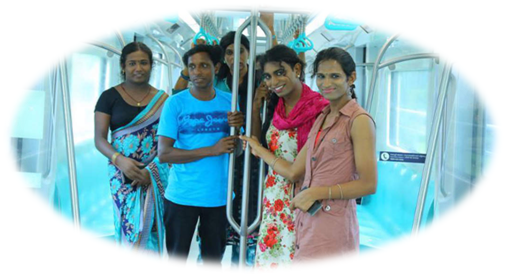
  • Kochi metro employs transgender people: Keralaโ€™s Kochi Metro Rail Ltd (KMRL) shattered all myths when it offered jobs to 23 transgender people in their staff in the year 2017 through Kudumbashree Mission .It was a laudable move by KMRL which not only aimed at making the community financially independent but also  bringing about social inclusion .

One of the transgender employees says โ€œThis also was our first secure job. It proved that we too can do jobs that any other person does. With increasing acceptability, getting accommodation too became easierโ€.

While the other transgender members were happy to receive wedding invites from their colleagues. The commuters too expressed a welcoming attitude towards them with no incidence of misbehaving.

  • However, this once promising move could not contribute significantly in bringing about a change in the real sense. At present, out of 23 transgender persons hired only 6 are working with the KMRL. Many quit jobs citing a poor pay. The members had hard time in finding accommodation in the city .With no hike in the salary, sustaining in the city became a nightmare. 

Faisu , a former employee with the KMRL says โ€œSince we were hired on contract, the salary was less. Our salary was `13,000, which reduced to `9,000 after all the deductions, including Provident Fund. It is difficult to meet our monthly expenses with the amount.โ€

  • Noida metro dedicates station for transgender Community: Following the Kochi metro model, the Noida metro dedicated Noida Sector 50 metro station for the transgender community. It is the first of its kind in North India. This praiseworthy initiative by the Yogi government aims at uplifting and providing employment to the transgender people. The station has been renamed โ€œShe manโ€ for the inclusion of community into the mainstream. But this name hasnโ€™t gone down well with certain people and human rights activists who called it as trans- phobic, derogatory and insulting. The committee has taken this criticism into consideration and invited suggestions on the same.These members will be offered mainly housekeeping, ticket collecting roles. This initiative comes as a ray of hope because as per Census 2011, there are 4.9 lakh transgenders in India out of which approximately 30,000 to 40,000 stay in the NCR.

Now here come the big questions

  • Who will make sure that the NOIDA metro model does not meet a similar fate as the Kochi metro?
  • Who will ensure that the transgender members get adequate salary?
  • Most importantly, who will ensure they receive fair treatment and inclusion that they deserve?

No, it is not the sole responsibility of the authorities. It is rather a collective effort. It is our combined responsibility to ensure that the transgender community receives the welcoming treatment they have long been denied. These schemes, initiatives are just a small step. In order to make them fruitful we have to work at grass root levels, spreading awareness and sensitivity about gender identity. It has to start with you and me. Itโ€™s time we bust the taboos and embrace the transgender community with open hearts.

Bickering Bollywood.

So we all know that Indian film industry aka Bollywood is the second highest movie producing industry in the whole world after Hollywood per annum. Well to be honest yeah i agree that Bollywood is a gold mine of vibrant,diverse and really amazing movies. But the question remains at the point as why such an old, powerful movie industry with actors like Shahrukh Khan and Amitabh Bachchan who come in the list of top ten richest actors in the world, and with directors like Satyajit Ray are never producing movies which at least can be the bread and butter of the whole world. French and the German movie industry even the movie industry of Chile and the Korea is producing movies which garners massive popularity worldwide. In french we have Belle de Jour(1967) and ‘blue is the warmest color (2013), German’s having ‘The Marriage of Maria Braun(1978)’ and ‘Freier fall (2013)’, chile’s A fantstic woman (2017), the ripple maker Parasite(2019) and many more from many other countries as well. And then the question prevails why not Bollywood?

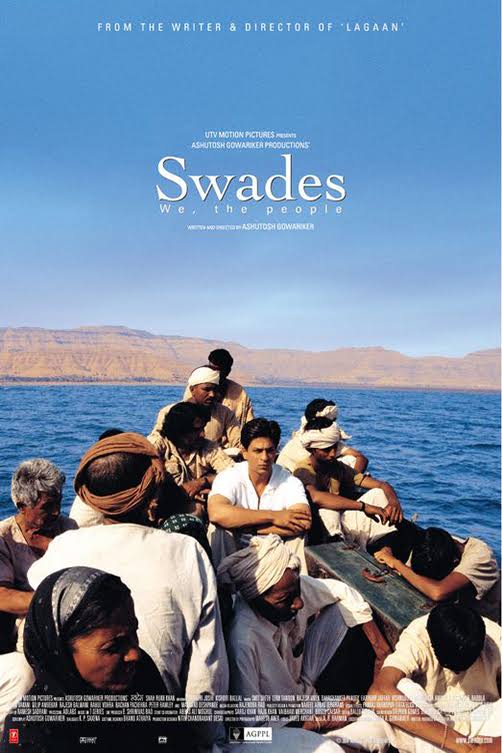
Movies like Satyajit Ray’s Pather Panchali (1955) and Mira Nair’s Salam Bombay (1988) in a manner defined Indian movie industry’s potential. But current scenario Bollywood is all about nepotism and love stories nowadays. As if we see that famous movie Slumdog Millionaire(2008) which bagged eight Oscars is not what india is?But the entire movie industry of the world is running after one thing that if India is represented it either poverty or god forbid it’s about curry, thanks to everywhere you see starting from movies like critically acclaimed Lion(2016) or Love Sonoa(2018) everything is about how indians are suffering,human trafficking, lack of sanitation and blah blah blah!!! If we talk about that’s what we see i the world. But people need to realize something that India the world’s second most populous country,sixth largest economy and seventh largest country is not all about trash and poverty. This scenario as explained above is what shows the failure of bollywood. but not everythings bad as we can’t say that Bollywood has gone down totally in these recent years as we made so many good movies too like Raazi(2018), Neerja(2016), Uri(2019), Barfi(2012) , Lust stories(2018) , Mary Kom(2014), three idiots(2009), Bajirao Mastani (2015), Jodha Akbar(2008), Dangal(2016), Devdas(2002), My name is Khan(2010), Swades(2004), English Vinglish(2012), Tumbaad(2018), lagaan(2001), Tare zameen par(2007), PK(2014) and many more which show case the value of the Indian movie industry and it’s potentials.

Now if we talk about problem which is wrecking us all starts with the lack of originality and the rejection of new talent in Indian film industry and how can we forget the grandad of all fiasco the one and only Nepotism. Nepotism is whats actually responsible for killing the Indian film industry in a really gruesome manner as due to this the new talents in indian film industry is getting choked as we speak. Another big problem is the lack of experimentation and really comical and absurd action movies as I’m literally starving for a good science fiction movie or a bone chilling horror fiction at least. But all we get is boring love stories with a lot of songs which are not even sung by the actors but they are just LIP SYNCING to it. No diversity at all as white washing of the whole cast is the forte of bollywood. Not even a single dusky or black actor or actress in a lead role you will find here(leaving the very few exceptions). That’s what i meant when i wrote bickering bollywood as if bollywood won’t up it’s ante there will soon be what we call a hot white mess left in the indian subcontinent for people to watch. Toodles!

Blacklist China!

Easier said than done

Economic retribution against China will have limited effect, constructing domestic potentials and leveraging the market is essential.
To begin with, boycotting Chinese products is easier said than done. India is dependent on China for a wide range of goods, lining-up from electronics to fertilisers โ€” Made in China often helps Make in India too.
In the fallout of Monday night’s confrontation between India and China in the Galwan Valley, there has been a growing tumult for a boycott of Chinese products โ€” in impact, a demand to use trade as a blunt instrument of retaliation against China. The Department of Telecommunications has reportedly conveyed to state-owned BSNL that it must not use Chinese made equipment in its network upgradation plans, even as the government is โ€œactively consideringโ€ asking private mobile service providers to lessen their reliance on China-made equipment. Another Chinese engineering company is likely to forfeit a contract with the Indian railways, and there is reportedly talk of cutting down imports of products such as electronics from China. While the demand for boycotting Chinese goods may make for good optics, at this critical juncture, there is need to exert wariness, and for a deemed strategy. The harsh reality is that economic retaliation will have its own set of consequences. As India accounts for a nominal share of China’s export market, it will at best have limited impact on China. And the implications for India of such actions will play out at multiple levels.

Any endeavour to reduce imports from China, operationalized through tariffs or other non-tariff barriers, will put up the prices for Indian consumers. And as India also imports capital goods and intermediate products from China, such restrictions will affect domestic manufacturing competitiveness, and thus further worsen the country’s export competitiveness. Moreover, in the short-run, ensuring uninterrupted alternative supplies may not be a reasonable option. There is also the issue of Chinese investment in the Indian start-up space to contend with. Companies like Alibaba and Tencent have invested in “unicorns” such as Zomato, Paytm, Byju’s, Ola cabs and others. This relationship will be difficult to disentangle. The government will have to carefully think through the consequences of any policy action that it decides to pursue. The policy should flow from a careful cost-benefit analysis, not be driven by knee-jerk reactions.

This is not to deny the need to build up domestic capabilities, across sectors. The long-term objective should be to push through long-pending legislation that aims to address the structural bottlenecks that continue to plague and hinder domestic competitiveness. Indiaโ€™s strategy should be to boost manufacturing competitiveness, and increase its share in world trade. But this is a long-term proposition. The short-run costs of boycotting Chinese products will be heavy and may even be counter-productive.

Can Indiaโ€™s economy over take China in coming years?

With the Covid-19 pandemic infecting millions of people around the world, China is facing a global backlash, especially from the United States. It has created a cold-war situation between the two, where India is siding the US. Despite the strong anti-China sentiment, the Indian government can no way stop the Chinese market.

Indian Market cannot afford to keep China out of its markets as Chinese products are fairly cheap and have helped low-income groups to improve their standard of living. The countryโ€™s products are not just cheap but also durable and well-aligned to other countryโ€™s needs. This formula has helped Chinese production experts take over even Euro-American markets. Although, China is known to be the birthplace for Coronavirus, which is uniting its enemies- India, the US, Japan, and Australia. But, there are very low chances that they can stop its goods and services all over the world, including their own countries, in the post-COVID world.

Focusing on India, it still hasnโ€™t prepared its labor force to challenge the Chinese skilled labor force. Also, the question arises, is India capable enough to produce goods and commodities as inexpensive as China?

China has its rural industry which is that independent that it can produce goods for all sorts of cultures and commercial markets. There is no rural industry in India. While announcing plans for post- corona economy, Narendra Modi talked about establishing cottage industries. But there are no skilled laborers in rural India to produce goods for the global marketโ€™s tastes. How will this happen then?

Not to forget, Chinese growth has been driven by some of the worldโ€™s largest investment rates. This has made possible high โ€“speed rail lines, infrastructure revolution of new cities, ports, airports, and manufacturing muscle for the country. Now, China has become the worldโ€™s factory for more than 20 years. Its ability to quickly and efficiently move what it produces domestically and around the world has played a major role in its growth miracle.

Today, India lags behind China in three dimensions: investment, infrastructure, and manufacturing. India has barely scratched the surface on all these. China invests about 50% of its GDP, while India does only 30%. Manufacturing is about is just 20% in India, while in China itโ€™s about 30%.

India lags behind China a lot in the development. It looks like a poor country in major parts, where China has one of the best infrastructures around the world.

But, if India starts taking things seriously it can be a real opportunity. It is a known fact that by increasing investment, improving infrastructure, and growing economic output, it can be a true path to growth if the nation is patient enough to follow.

The โ€˜Make in Indiaโ€™ initiative is so promising as it does not rely on the Indian government. Launched to surpass China in direct foreign investment, โ€˜Make in Indiaโ€™ calls for global firms to increase their financial commitment to India. The innovative firms as diverse as Lenovo, Samsung and Boeing have publically supported this initiative, proving that the private sector is ready to step in.

Only thing is that private firms wonโ€™t act until it is more confident about politics and this scheme. Taking this into consideration, the government first has to give confidence to them for further progress to be made.

There is a lot of potential that India has. The raw material that the nation is so rich for any production. The challenge now is to use it effectively by all means.

All to say, to challenge China, it means unlearning many things and re-learning new things for India to take over this nation in terms of economy.

With the Covid-19 pandemic infecting millions of people around the world, China is facing a global backlash, especially from the United States. It has created a cold-war situation between the two, where India is siding the US. Despite the strong anti-China sentiment, the Indian government can no way stop the Chinese market.

Indian Market cannot afford to keep China out of its markets as Chinese products are fairly cheap and have helped low-income groups to improve their standard of living. The countryโ€™s products are not just cheap but also durable and well-aligned to other countryโ€™s needs. This formula has helped Chinese production experts take over even Euro-American markets. Although, China is known to be the birthplace for Coronavirus, which is uniting its enemies- India, the US, Japan, and Australia. But, there are very low chances that they can stop its goods and services all over the world, including their own countries, in the post-COVID world.

Focusing on India, it still hasnโ€™t prepared its labor force to challenge the Chinese skilled labor force. Also, the question arises, is India capable enough to produce goods and commodities as inexpensive as China?

China has its rural industry which is that independent that it can produce goods for all sorts of cultures and commercial markets. There is no rural industry in India. While announcing plans for post- corona economy, Narendra Modi talked about establishing cottage industries. But there are no skilled laborers in rural India to produce goods for the global marketโ€™s tastes. How will this happen then?

Not to forget, Chinese growth has been driven by some of the worldโ€™s largest investment rates. This has made possible high โ€“speed rail lines, infrastructure revolution of new cities, ports, airports, and manufacturing muscle for the country. Now, China has become the worldโ€™s factory for more than 20 years. Its ability to quickly and efficiently move what it produces domestically and around the world has played a major role in its growth miracle.

Today, India lags behind China in three dimensions: investment, infrastructure, and manufacturing. India has barely scratched the surface on all these. China invests about 50% of its GDP, while India does only 30%. Manufacturing is about is just 20% in India, while in China itโ€™s about 30%.

India lags behind China a lot in the development. It looks like a poor country in major parts, where China has one of the best infrastructures around the world.

But, if India starts taking things seriously it can be a real opportunity. It is a known fact that by increasing investment, improving infrastructure, and growing economic output, it can be a true path to growth if the nation is patient enough to follow.

The โ€˜Make in Indiaโ€™ initiative is so promising as it does not rely on the Indian government. Launched to surpass China in direct foreign investment, โ€˜Make in Indiaโ€™ calls for global firms to increase their financial commitment to India. The innovative firms as diverse as Lenovo, Samsung and Boeing have publically supported this initiative, proving that the private sector is ready to step in.

Only thing is that private firms wonโ€™t act until it is more confident about politics and this scheme. Taking this into consideration, the government first has to give confidence to them for further progress to be made.

There is a lot of potential that India has. The raw material that the nation is so rich for any production. The challenge now is to use it effectively by all means.

All to say, to challenge China, it means unlearning many things and re-learning new things for India to take over this nation in terms of economy.

Knock knock. Whoโ€™s there? Democracy. Democracy who?

Democracy in layman terms is the government of the people, by the people and for the people. Media is being considered as the fourth pillar of democratic society after executive, legislature, and judiciary. One of the crowning glories of the democratic system is the freedom of expression and the space that is provided to views from different sections of the society. The last few years witnessed an enhanced interface between the media and the common man, thanks to social media

The role of Social Networking Sites in Indian politics has risen tremendously in recent years. Different Indian political parties have their websites and some of them also use other social mediums to interact with people. With every party having its website and leaders being active on different media it makes the citizens feel that they are within their reach. It feels like the leaders are a touch away. Mr. Shashi Tharoor of Congress Party was one of the first politicians to start tweeting and has a separate fan base for his tweets now. Through social media, politicians now constantly display their message through endless campaigns, see direct responses to their actions via Facebook or Twitter, and connect with the public. One of the most recent example is Bharatiya Janata Partyโ€™s โ€˜Main Bhi Chowkidarโ€™ campaign with Prime Minister Narendra Modi and other BJP leaders, where an auto-generated response was sent to all those who tweeted to the PM, giving the illusion that they were contributing to something large.

It is important to note that political engagement through social media is not limited to adults, but young potential voters increasingly use social media for online political participation. Especially younger people are using social networking platforms such as Twitter to develop an individualised form of activism that they connect to most. Unlike Mainstream media where narratives are indirectly controlled, influenced and favoured by the business houses and political parties that are funding the channel, Social media is comparatively a less regulated space.

Ravish Kumar on his Prime Time show on NDTV urged everyone to stop watching television back in March 2019. Why would someone who earns his living through mainstream television media tell you to do that? This shows how grave the situation was and still is. Public issues have disappeared from the channels, when Indian states were reeling under floods, the channels were still flooded by anti- Pakistan narratives, tukde-tukde gang narratives and the never-ending glorification of the honourable PM. Is TRP more important than highlighting important issues? Is selling news more important than upholding the fourth pillar? If we see the current media scenario then the answer to the latter question seems too easy.

Wouldnโ€™t you agree if I said that the watchdog, or in other words the press and the media have a significant influence on society? Then is it fair to have corporate houses and political parties with vested interests invest in the media?

India News is owned by Karthikeya Sharma, son of a Congress leader. News 24 is controlled by Rajeev Shukla, a Congress leader and his wife Anuradha Prasad who is the sister of BJP leader, Ravi Shankar Prasad. Times Group is owned by Bennet & Coleman. The Italian, Robertio Mindo who has a share in the group is a close relative of Sonia Gandhi. CNN- News 18 is owned by Mukesh Ambani. Republic TV is owned by ARG Outlier Media Pvt Ltd and one of its biggest investors is Rajeev Chandrasekhar, a BJP leader- These are just a few examples out of the many news channels.

Editors are pulled up for putting their opinion, journalists are asked to toe the line, and media houses align themselves with different political ideologies and the interests of the owners and sponsors.ย Is it really possible to have a free and a fair media with this direct hold?

โ€˜Freedom of the press is not just important to democracy, it is democracy.โ€™

Walter Cronkite

India is the worldโ€™s largest democracy, and the media mustnโ€™t be controlled by any political party, big corporate houses or any other sector. The Press and the media is the voice of the voiceless and should promote the rights of not just the majority but also the minority; it is the duty of the press of any country to ensure that the government is functioning properly and no section of the society is left behind.

Sources-

  1. Role of media in Indian democracy https://shodhganga.inflibnet.ac.in/bitstream/10603/203650/11/11_chapter5.pdf
  2. https://www.thenewsminute.com/article/critic-inside-ravish-kumar-speaks-tnm-state-indian-journalism-109378
  3. Participatory Politics: New Media and Youth Political Action- University of Chicago
  4. Who owns your media?- https://www.newslaundry.com/2014/02/05/who-owns-your-media-4https://cablequest.org/index.php/news/channels-owned-by-polticians