
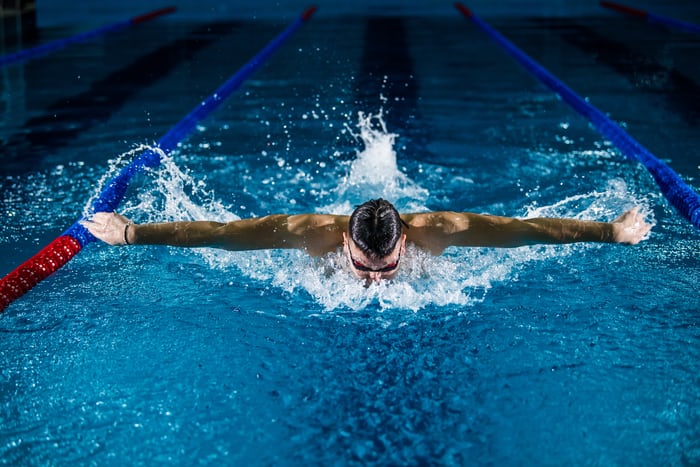
Your body when you Swim

Harvard medical school published a study which looked at over 40,000 men, aged 20-90 who were either runners, walkers, swimmers, and physically in active people. With an average length of 13 years of observation and in that time

  • 2% of swimmers passed away
  • 8% of runners passed away
  • 9% of walkers passed away
  • 11% of physically inactive people passed away

This study showed that swimmers are much healthier later on in life than the rest of the population and for women swimming just 30 mins a day can decrease coronary heart disease by 30 to 40 percent.

It also helps to increase HDL aka good Colestrol. Some studies have also shown that aerobic excercise can keep the cells in the lining of your arteries more flexible and healthier. Hence there is no question that swimming is an awesome form of fitness.

Body during swimming

What do you actually feel when you go into the water? Here are some main elements of the human body that gets impacted during swimming.

1. Blood

According to the America Heart Association, swimming is considered as Aerobic activity. Aerobic excercise enlarges the heart and it increases the blood flow through the entire boby. Because swimming is an excercise, the blood has to pump all the molecules into the body.

2. Heart
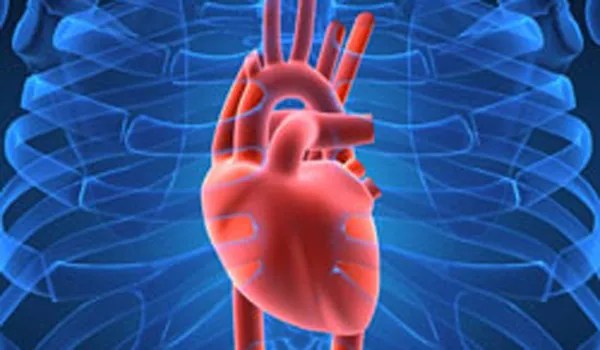
Since so much of blood has to be pumped into the body, that ties into how it impacts your heart because we know that after 2 mins your body goes into aerobic respiratory because your heart has to pump all the oxygenated blood through the body. So as you swim, your heart is circulating the blood which help your body to perform and achieve the required goals.

3. Skin

You must have seen that the skin color changes of swimmers. For example, some swimmers face turns red when the swim, that happens because your blood vessels are dilating and the brings the heat to the surface into the skin then some people turn red, as a result your skin is showing the effort that you’re putting in the water.

4.Muscles

There’s a reason why swimmers are considered to have best body and physiques in the world compared to any athlete, because swimming engages every single muscles in the water when it comes to your core stability, your upper body, your biceps, your hamstrings, your calves, everything is engaged when you swim.

When you’re swimming, you are micro tearing your muscles while swinging it. And the muscles requires 24-48 hrs to recover those muscles. That’s when sometimes you might feel sore.

5. Lungs
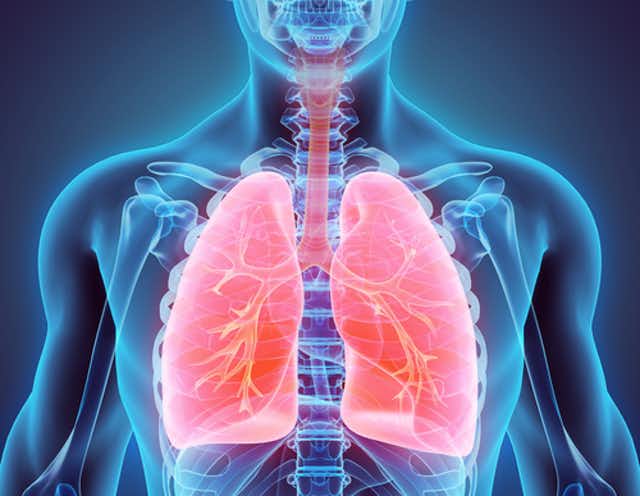
Swimming can actually help increase your lungs volume because in swimming different than other sports, you can’t actually breath whenever you want. It’s not like running when you have full access to oxygen.

In swimming you’re engaging your muscles and you’re not allowed to breathe necessarily at the time when your body might want it. So because you have to get used to this, you actually increase your Vo to max (maximum amount of oxygen body is able to use). So basically you are making your lungs more efficient at functioning.

6. Brain

The Brain loves swimming, because of all the extra blood flow moving through these endorphins that makes you more awake, alert and focus.

But this could happen in any type of sport but swimming is something really special because you’re sort of in your own world where the medium is 800 times more dense than air, which makes you feel free and relaxed.

Hence, from physical health to mental health, swimming is an incredible benefit human body and after reading this you must be thinking of trying swimming.
ASPERGILLOSIS

BY DAKSHITA NAITHANI

INTRODUCTION

Pier Antonio Micheli, a priest and scientist, named Aspergillus while documenting moulds in 1729. The mould looked like an aspergillum, which is a type of holy water sprinkler. Physician Georg W. Fresenius described the species fumigatus for the first time in 1863.

 Apergillus spp., found in abundance of nature, can be found in soil, decomposing materials, water sources, and air particle. Aspergillus-related disease is uncommon, although it has a significant death rate. The majority of people are exposed to spores (conidia) during their lives, although illness development occurs mostly in people with compromised immune systems, as well as during construction and yard activities. In patients with leukaemia, asthma, cystic fibrosis, and hematopoietic stem cell transplant recipients, A.fumigatus is the most frequent invasive mould infection, with death rates exceeding 50 percent in these high-risk populations.

Around the apex, the stipes are grey in colour. They feature a slick finish. Their globule is tiny and columnar. The conidia’s texture is either smooth or spinose.

WHERE IT CAN BE FOUND?

Aspergillus is commonly found in rotting plant matter. After considerable environmental exposure to Aspergillus spores, such as when handling tree-bark chipping, Aspergillosis can develop in healthy hosts.

Aspergillus can be found in soil, compost piles, and damp grain in outdoor settings. Aspergillus may be found within buildings in wet insulation, fireproofing material, beds , behind couches, in damp rooms’ corners, dust, and air conditioning systems. In the Northern Hemisphere, most research studying seasonal changes in fungal exposure show an increase in airborne Aspergillus throughout the cold season.

TYPES OF ASPERGILLOSIS

Allergic bronchopulmonary aspergillosis (ABPA) is a multifaceted hypersensitivity reaction to inhaled Aspergillus fumigatus. Although it produces lung irritation and allergy symptoms, it does not cause infection. Aspergillus sinusitis is caused by an allergic reaction to the fungus Aspergillus, which produces inflammation in the sinuses and the symptoms of a sinus infection but does not cause an infection. A fungus ball is also known as an Aspergilloma. It forms in the lungs or sinuses but seldom spreads to other regions of the body, as the name implies.

Aspergillosis of the lungs (chronic pulmonary aspergillosis) Aspergilloma, chronic cavitary pulmonary aspergillosis (CCPA), chronic fibrosing pulmonary aspergillosis (CFPA), and Aspergillus nodules are all illnesses classified as chronic pulmonary aspergillosis (CPA). CPA is a lung infection that develops over time.

INVASIVE PULMONARY ASPERGILLOSIS

Inhaled conidia are removed by epithelial cells and alveolar macrophages in normal host lungs. Aspergillus becomes invasive when conidia escape these host defences and develop into branching filaments called hyphae. Alveolar macrophages generate inflammatory mediators, which attract neutrophils, which can destroy the hyphae.

CUTANEOUS SKIN ASPERGILLOS

Aspergillus comes in contact through a breach in the skin (for example, after surgery or a burn wound) and infects persons with weaker immune systems. Cutaneous Aspergillosis can also develop if invasive Aspergillosis moves from another part of the body, such as the lungs, to the skin.

LIFE CYCLE

Aspergillus begins its infectious life cycle by producing conidia (asexual spores) that are easily transported into the atmosphere, ensuring its ubiquity in both habitats. Inhalation of these conidia is the most common way to become infected, followed by conidial deposition in the bronchiole spaces. The phagocytosis and destruction of Aspergillus conidia is largely carried out by macrophages. The danger of infection stems largely from a breakdown in these host defences, as well as fungal characteristics that allow A. fumigatus to survive and flourish in this pulmonary habitat.

SYMPTOMS

The symptoms of Aspergillosis are:

  • Wheezing, chest pain
  • Shortness of breath, stuffiness, runny nose and reduced ability to smell
  • Cough (sometimes blood)
  • Fever (in rare cases), headache, fatigue
  •        Weight loss

•             The length of time that an illness lasts depends on the underlying health concerns, the intensity or location of infection, and the kind of sickness.

•             Allergic forms, may require steroid and antifungal treatment for a few months, possibly longer sometimes.       

•             Invasive pulmonary Aspergillosis may need at least 6 to 12 weeks of antifungal therapy. Severe cases may need therapy for lifetime and monitoring to keep the illness under control. 

•             If the infection spreads from the lungs to other areas of the body, additional symptoms may appear.

•             Red to purple plaques or papules are common symptoms of cutaneous Aspergillosis.

DIAGONOSIS    

Because the symptoms of Aspergillosis might be confused with those of other lung diseases, diagnosing it can be challenging. In order to make a diagnosis, your healthcare practitioner will look at your medical history, risk factors, symptoms, physical examinations, and lab testing.

An Aspergilloma, a fungal tumour, or the symptoms of invasive Aspergillosis and ABPA can be found on a chest X-Ray or a chest CT scan.

•             A sample of your sputum is stained with a dye and examined for the presence of Aspergillus filaments in a respiratory secretion (sputum) test.

•             Tissue and blood testing may be used to confirm the presence of ABPA.

•             To confirm invasive aspergillosis, a biopsy of tissues from your lungs or sinuses is performed, as well as blood testing.

TREATMENT

In addition to early diagnosis, early treatment is critical in managing aspergillosis. Depending on the type of disease, one may have the following treatments:

•             Observation- If you have a single aspergilloma, you may not need treatment; instead, you may be monitored with regular chest X-rays or CT scans. The doctor may prescribe antifungal medication if your disease worsens.

•             Antifungal medicines may be used in combination with corticosteroids to reduce the need of steroids, improve lung function, and prevent existing asthma or cystic fibrosis from deteriorating. Some examples are prednisone (Deltasone), prednisolone (Orapred), and methylprednisolone (Medrol).

•               Invasive pulmonary aspergillosis is treated with antifungal medications. Voriconazole (VFEND) and amphotericin B are two of these drugs (Amphocin, Fungizone).

•             Surgery- as antifungal medicines have a hard time penetrating an aspergilloma, surgery may be required to remove the fungal mass if the aspergilloma causes pulmonary haemorrhage.

Embolization of the Arteries -This technique can be used to temporarily halt aspergilloma-related bleeding.  A radiologist uses a catheter to inject a substance into an artery supplying a lung cavity where an aspergilloma is causing blood loss. The injected substance solidifies, cutting off the area’s blood supply and halting the bleeding. This therapy works for a while, but the bleeding will most likely return.

Organ Donation: Myths and facts

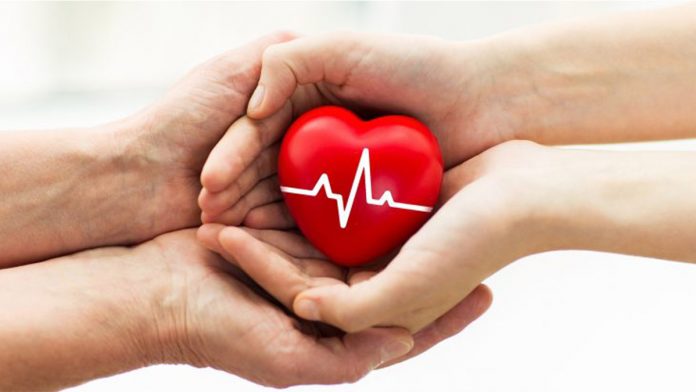
Every years, many thousands receives the gift of life, a life saving transplant of Heart, Kidney, Liver, Lungs, Pancreas and Interesting. And thousands more people receive Corneas and other tissues that restore sight and health. Organ transplantation is one of the medicals advances of our time.

How does it work?

It all starts when someone’s organ begins to fail and that person will need a transplant to survive. The steps are as folllow:-

  1. A through evaluation is conducted at a transplant centre and the person is a good candidate for transplant, he or she will be put into the National Transplant Waiting List.
  2. Once a person is on the waiting list, the wait for organ begins.
  3. A national system matches people on the waiting list with donors. That factors matching donors to recipient includes
    • Blood type
    • Body size
    • How sick the patient is
    • Distance from donor
    • Tissue type
    • Time on list

What isn’t taken into account, organs are never matched based on

  • Race
  • Gender
  • Income
  • Celebrity
  • Social status

There is no telling how long the wait will take. Infact, some people don’t receive an organ in time, because the Waiting List is really long and there aren’t enough donors available. That’s why an average of 20 people on the Waiting List died each day. Imagine how many could we save if we all were donors.

Becoming a donors

Most of organs transplant comes a deceived donors. For example, a person comes to the hospital with a life threatening brain injury, such as from an accident, stroke, our lack of oxygen. The doctors work hard to save them patients life but sometimes nothing can be done. There’s a complete, irreversible loss of brain function. The patient is clinically and legally dead.

Thats when being a donor can turn a time of loss into a time of hope. Because machines have blood containing and oxygen flowing into the organs, they can be passed along. One person can give life to as many as eight people through organ donation, and enhance the lives of fifty people or more with eye and tissue donation. But now minutes matter, matches must be found and transplants must happen quickly.

Organ Procurement organization

The hospital contracts an Organ Procurement Organization (OPO), it manages the recovery process. The OPO checks the state of organ donor registry, if the person is already registered as a donor they inform the family, if not they’ll ask the family to authorise donation.

A medical examination is taken place. They check the medical and social history and the person is eligible to be an organ donor, the computer begins to search on the National Waiting List for well matched patients The best matched patients are contracted by the transplant team. This is the call that every person on the Waiting List was waiting for.

The Transplant

A surgical team recovers the organs, then Corneas and other tissues. The organs are sent to the transplant hospital where patients and transplant teams are waiting and the life saving transplant takes place. It will take health living and medication to keep the organ working well in its new home.

You too could make the decision today, sign up on your state registry as an organ, eye and tissues donor, any age is the right age, Young or old, any day is the right day to sign up as a donor. You can register through your drivers license or you can register online. Remember to tell your family so that they can support your wishes. More than 1r5 million people have already registered, and we all need to save kore lives. So let’s share the gift of life.