Rishi Sunak born on May 12, 1980, is a British politician who has served as Prime minister designated the United Kingdom and Leader of the conservative party since 24 October 2022. He previously served as Chancellor of the Exchequer from 2020 to 2022 and chief secretary to the treasure from 2019 to 2020. He has been a member of Parliament and MP for Richmond York since 2015.
Rishi Sunak was born in Southampton to parents of Punjabi-Indian descent who migrated to Britain from East Africa in the 1960s. He was educated at Winchester College read philosophy politics and economics PP at Lincoln College Oxford and gained an MBA from Stanford University in California. As a Fulbright scholar while studying at Stanford, he met his future wife shitamorti, the daughter of Inar Narayana Morty the Indian Billionaire businessman who founded Infosys. Sunak and Morty are the 2022 richest people in Britain with a combined fortune of 730 metres as of 2022. After graduating Sunak worked for Goldman Sachs and later as a partner at the huge fund firms the Children’s investment fund management and Saleem Partner. Sonic was elected to the House of Commons for Richmond in North Yorkshire. Its the 2015 general election succeeding William Hague sonic supported Brexit in the 2016 reference on EU membership he was appointed to Thresha Mays’s second government as the parliamentary government in the 2018 reshuffle he voted three times in favor of Mays’s Brexit withdrawal agreement after May resigned, Sonak supported Boris Johnson campaign to become a conservative leader. After Johnson was elected and appointed prime minister he appointed Sunak as Chief secretary to the treasury Sonak replaced Saja David as Chancellor of ex check after his resignation in February 2020 Cabinetry shuffle as Chancellor sunak was prominent in the government’s financial response to the Covid 19 pandemic and it’s economic impact including the coronavirus job retention and reaches to help out schemes. He resigned as Chancellor on July 2022 followed by Johnson’s resignation amid a government crisis. Sunak stood in the Conservative party leadership election to replace Johnson and last the members vote for Liz Dress following Truss’s resignation amid another government crisis. Sunak was elected unopposed as a leader of the conservative party and is set to become the next British prime minister.
He is the eldest of three siblings. His father was born and raised in the colony and protectorate of Kenya present-day Kenya while his mother was born in Tanganyika which later became part of Tanzania. His grandfather was born in Punjab province British India and migrated from East Africa with their families to the UK in the 1960s. His paternal grandfather Ramdas Sunak was from Gujranwala in presence Pakistan and moved to Nairobi in 1936 to work as a clerk where he was joined by his wife Suhagwani sunk from Delhi
Sunak’s maternal grandfather rub reason berry MBE worked in Tanganyika as a tax officer and had arranged a marriage with 16-year-old Tanganyika born srksha with whom he had three children the family moved to the UK in 1966 funded by Srksha sold her wedding jewelry Sunk attended school in Romsey Hampshire and Winchester college a boy’s independent boarding school where he was head boy.
The president of India Sri Ramnath Kovind inaugurated a virtual conference of governors on the role of national education policy NEP 2020 and transforming higher education in New Delhi. Today Prime Minister Narendra Modi addressed the inaugural session of the conference which was attended by union education minister sir Ramesh April Shank for Education Sri Sanjay Dutta governors lieutenant governor administrations of states and also some sat chief ministers and education ministers addressing the conference.
The president of India said that the national education policy NEP will take the country, especially the youth forward by the needs and aspirations of the 21st century congratulated the prime minister for his visionary leadership and inspiring role in shaping this historical document he also appreciated Dr. Kastura Runyan and ministers as well as the officials of education ministry for giving shape to NEP. Through an elaborate process that took into consideration more than two lack suggestions received 2.5 lakhs gram panchayats more than 12.5 thousand local bodies and about 675 districts if changes are effectively brought about India will emerge as an education superpower he added elaborating on the NEP. The president said that governors being chancellors of states Universities have a crucial role to play in the implementation of NEP there are some 400 states Universities with about 40k colleges affiliated with them hence it was imperative to establish coordination and dialogues with these universities which could be done by governors who are also the chancellors the president said that Education is the most effective way for social justice and hence the NEP calls for an investment of about 6 percentage of GDP jointly by the center and the states. He said the NEP emphasized strengthening public educational institutions for a vibrant democratic society and at the same time inculcating respect among students for fundamental rights duties constitutional values and patriotism speaking on the occasion the prime minister said the education policy and education system are important means of fulfilling the aspirations of the country. The prime minister said that though the responsibility of education lies with the central state and local level governments their interference in the policy should be minimal. He said the relevance and effectiveness of the education policy will increase when more and more teachers, parents, and students get associated with it. He added that NEP 2020 was drafted after receiving feedback from millions of people across the country and from those related to the Education sector which is why there is a sense of ownership and an all round acceptance among people about this policy. The prime minister further said that NEP is not only directed at reforming the education system but also at giving a new direction to the social and economic fabric of 21st-century India. he said the policy aims at making India self-reliant or atma nirbhar by making our youth further ready in a rapidly changing world and equipping them with the knowledge and skills as per the requirements of the future. He added that NEP focuses on learning rather than studying and goes beyond the curriculum to emphasize his critical thinking he said there is more emphasis given on passion practically and performance than a process he said that the policy aims at making India a knowledge economy in the 21st century. He said that it also allows for offshore campuses of top international Universities in India which will address the issue of brain drain in his welcome remarks union education Minister Sri Rameshh’s portrayal of Shank touched upon the journey evolution and consultation process of the NEP. The minister said this policy is the result of a wide-ranging consultation process covering Laksa villages block districts’ academicians vice chancellor principal teachers and scientists he stressed the new direction and support to research that will be given through the national research foundation. He said the NEP will make our education system both flexible and stable he said the focus and the police are on reform transform and performance and hope the road to a swatch status act atma nirbhar and Ek Bharat Shrestha Bharat will go through this NEP policy the minister of State for Education Sri Sanjay dutra appreciated the entering insights from the governor’s conference and thanked all the participants of the conference discussion sessions with governors lieutenant governor and education minister of the states and union Territories were held during the conference the prospect of transformational reforms in higher education under the new NEP 2020 and the road ahead was elaborately discussed upon in the session the governors and lieutenant governors briefed the president and other participants about various issues with regards to their states and union Territories.
The New Education Policy is a comprehensive and all-encompassing policy that seeks to revamp the Indian education system in its entirety. One of the most significant changes proposed by the NEP is the switch from the 10+2 education structure to a new 5+3+3+4 education system.
Under the new system, students will spend five years in elementary school, three years in middle school, three years in high school, and four years in college. This will allow for a more well-rounded and holistic education, as students will be exposed to a broader range of subjects and disciplines.
In addition, the New Education Policy 2022 also proposes introducing multiple exit options so that students can choose to leave the education system after completing elementary school, middle school, or high school if they so desire.
The NEP 2022 is an ambitious and far-reaching policy that seeks to transform the Indian education system into one that is on par with the best in the world.
This national education policy focuses on students’ individual needs. It aims to create a more flexible and adaptive education system that can meet the needs of students and the economy.
Vocational Education is part of the new education policy. It includes teaching the mother tongue and provincial languages up to the 5th year of schooling. Training in vocational skills will be included from the 6th class onwards.
Hamari Pehchan NGO is a non-governmental organisation with the main motive of improving and changing the lives of people and leading them towards a better and happier life. It provides a platform for different people across the country as well as the society to show their skillsets and develop a unqiue niche for themselves. Through this NGO, many underprevlideged have been able to improve their livelihood and have also been able to overcome the fear of living their lives in jeopardy.
The NGO continuously thrives in changing the lives of people who are deprived of the basic essentials and are unable enjoy their company. Hamari Pehchan is not just limited to a specific gender, age group or a particular methodology for conditioning the advancement of the society. Whether it is about women, children, older people, it tries to reach out to everybody and every section of society. The main motto as earlier stated is always to help all the underprevildged ones and provide them an essential platform to showcase their skills and expertise.
Mission-
Seeking a world of hope, tolerance and social justice where poverty has been eradicated and all people live with dignity and security.
Vision-
To help everyone in creating their own ‘Pahchan’ and live a life with dignity.
Values driven-
Believing in urgent action, innovation and the necessity of transformation—within the world and our own organization.
The NGO has created almost 390+ campaigns throughout the country to spread awareness regarding the donation programs and making lives of the underprivledged much better. And not just this, it has also helped almost 10,000+ people across the country in create their own niche and live their lives with dignity. The organization has been up and running for the past 5 years. With collaboration and support of the Delhi police, School Teachers, Advocates, experienced Doctors and especially the school and college youth, the organization has come a long way with now over 5000 active members working relentlessly to support various causes.
Help is the most expensive gift, so be Rich by heart- Tarun Mathur
In India Puppetry has been one of the most ancient folk skill forms of traditional entertainment and has the richest variety of types and styles of shadow puppets.
Shadow puppets are made up of leather that has been carved into flat figures.
The audience is seated in front of the screen, and shadow puppets are pressed up against the screen with a powerful source of light behind it. The interaction between the light and the screen creates vibrant shadows for the audience. Popular regions for these puppets include Orissa, Kerala, Andhra Pradesh, Karnataka, Maharashtra, and Tamil Nadu.
Indian shadow puppetry examples include:
Togalu Gombeyatta (Karnataka),
Tholu Bommalata (Andhra Pradesh),
and
Ravanachhaya (Odisha)
Togalu Gombeyatta:
Togalu Gombeyatta is the name of Karnataka’s shadow theatre.
Most of these puppets are small in size.
However, the puppets’ sizes vary according to their social standing; for example, kings and religious figures are larger than ordinary people or servants, who are smaller.
Tholu Bommalata:
The majority of it comes from the state of AP. The puppets have jointed shoulders, elbows, and knees and are quite huge. On both sides, they are colored. As a result, these puppets cast colorful shadows on the screen. The Ramayana, the Mahabharata, and the Puranas are used as the inspiration for the puppet plays’ themes, and the music is mostly influenced by local classical music.
Ravanachhaya, Orissa:
This is a type of puppet from that state. There are no joints and the puppets are in one piece. Since they lack color, they cast opaque shadows on the screen. Along with the usage of human and animal characters, several props are also employed, including trees, mountains, chariots, etc. Despite being smaller in size—the tallest Ravanachhaya puppets are less than two feet tall and lack jointed limbs—they cast incredibly tender and lyrical shadows.
Gender role and division on Shadow puppetry in India:
For a long time, this art has hampered the involvement of women in taking part in the playing role of puppets. Women are mostly hidden or invisible in play and men’s roles are exclusively visible. A study conducted on the role of women in the traditional puppeteer family in India on two major forms of puppetry-‘String puppetry and Leather- Shadow puppetry which shows women are not involved in making puppets even in South India that are made of wood called string marionettes.
Women are mostly involved in the fabrication of natural dyes and colors, such as those made from dirt, mud, leaves, tree bark, seeds, and charcoal, on cloth, the preparation of appam (Wall putty) utilizing soft lay, tamarind seeds, and traditional glue, and the designing and dressing of costumes are all more commonly done by women. puppets that are stitched using a needle and thread.
Whatstudies say?
Traditional puppeteers did not allow women to take part actively as in Kerala, Shadow puppetry and the place and performance going on are like a temple and puppets are made of Gods and goddesses to be played on stage where they are not allowing women for the reason by the Custom or their menstruation. Only Male members are allowed to connect the profession and play roles.
What’s now?
Nevertheless, Today Women from Traditional families and women who are interested in puppetry come under an umbrella called Contemporary puppeteers. As a result, women in puppetry are using puppetry to revive the art form, to address some of India’s most pressing social problems, to impart education, awareness campaign, in theatre, and also as therapeutic value.
Women artists today not only contribute to this rich art form, but they also hold their own as equal puppeteers and performers. The evident cultural rebirth can be seen in the appropriation of traditional art, modifications, exploration of interconnection, artistic and creative modules connecting the international models, for teaching, education, social cause, campaign, and lastly to entertain with a message.
Reference:
Many Voices, One World (1982). New Delhi: Oxford, IBH. Melkote, S.R. (1991). Communication for Development in the Third World: Theory and Practice. New Delhi: Sage. Mukhopadhyay, D. (1994). Folk Arts and Social Communication, New Delhi: Publications Division.
Empowerment stands for giving authority and power to women. Thus, Women’s empowerment refers to empowering women to make their own decisions. It means women should have full equality across all fields, regardless of stereotypes. With higher literacy rates and equal pay for equal work, women can thrive economically and rise out of poverty. Protecting women and girls from violence and abuse while challenging the stigmas against reporting crimes would overall create a much safer society.
The Current State of Gender Equality:
On the World Economic Forum’s Global Gender Gap Index of 2021, India ranks 140th among 153 nations, “becoming the third-worst performer in South Asia.” India fell 28 places from its 2020 rank of 112th. The report cites several reasons for this fall. In terms of political empowerment, the number of female ministers declined from about 23% in 2019 to just 9% in 2021. The female workforce participation rate also decreased “from 24.8% to 22.3%.” Additionally, the “share of women in senior and managerial positions also remains low.” The report also indicates that women in India earn just one-fifth of what men earn.
Furthermore, “one in four women” endure “intimate violence” at least once in their lifetime. Although India has achieved gender parity in educational attainment, illiteracy rates among women remain high. The report indicates that just 65.8% of women in India are literate in 2021 in comparison to 82.4% of men.
Women also endure inequality concerning land and property rights. A 2016 UNICEF report noted that only 12.7% of properties in India “are in the names of women” despite 77% of women in India depending on agricultural work as a core source of income.
Benefits of Empowering Women in India:
As the majority of India’s population, women represent a significant portion of the nation’s untapped economic potential. As such, empowering women in India through equal opportunities would allow them to contribute to the economy as productive citizens. With higher literacy rates and equal pay for equal work, women can thrive economically and rise out of poverty.
Protecting women and girls from violence and abuse while challenging the stigmas against reporting crimes would overall create a much safer society. Improving the female political representation rate would enable more women to serve as role models for young girls and allow a platform to bring awareness to the issues affecting women in India. Overall, gender equality allows for women to live a better quality of life, allowing them to determine their futures beyond traditional expectations.
Women Of Worth (WOW):
According to its website, “Women Of Worth exists for the growth, empowerment, and safety of girls and women” standing “for justice, equality and change.” WOW began in 2008, created by a group of women who longed for change in a society rife with gender discriminatory practices. Its ultimate vision is “to see women and girls live up to their fullest potential.” With a mission of empowering women in India.
The organization has three focal areas:
1. Advocacy Work: WOW utilizes social media platforms to raise awareness of gender inequality and “change attitudes and behavior.”
2. Training and Health Services: WOW provides training to both men and women in schools, tertiary institutions, and companies on women’s safety and rights. It also presents lectures and “keynote addresses” on the topic. Furthermore, WOW provides counseling sessions to improve mental health. Rehabilitation and Restoration: WOW offers “counseling, life skills training, and therapy” to children and women who are victims of abuse, neglect, and trafficking.
WOW’s efforts have seen success. The organization helped to rescue 200 girls from abusive backgrounds, providing them with rehabilitation services. WOW also gave 11 girls scholarships to continue their education. WOW provided training on gender equality to about 800 working people and “1500 students” along with “200 parents” and 300 educators.
3. Gender equality is a crucial cornerstone in the advancement of any society or nation as it affects all areas of society from economic growth to education, health, and quality of life. Gender inequality in India is a deep-rooted, complex, and multi-layered issue but it is also an essential battle to overcome to see the fullest potential of the nation.
How are women empowered in India?
The Constitution of India has certain provisions that specifically focus on women’s empowerment and prevents discrimination against women in society. Article 14 talks about equality before the law. Article 15 enables the state to make special provisions for women.
Beti Bachao Beti Padhao Andolan has been launched for creating awareness among the people to educate all girl children in the country. The government successfully promotes this scheme by forming District Task Force and Block Task Force. The scheme was launched in the Panipat district of Haryana on 22 January 2015 with initial funding of Rs. 100 crore. Before the launching of this scheme, the Child Sex Ratio of Panipat was 808 in 2001 and 837 in 2011.
Massive publicity is made about the program in print and electronic media, and the logo of this scheme is very common in government buildings such as pillars of National Highway 44, Panipat District Court, bus stand, and railway station of Panipat district, etc.
Financial independence is important for women’s empowerment. Women, who are educated and earning, are in a much better position in our society as compared to uneducated women workers. Therefore, a scheme called working women hostels has been launched so that safe and convenient accommodation should be provided to working women. The benefit of this scheme is given to every working woman without any distinction of caste, religion, marital status, etc. To take benefit from this scheme, the gross total income of women should not exceed Rs. 50,000 per month in the case of metropolitan cities whereas, in the case of small cities, the gross total income should not exceed Rs. 35,000 per month.
The focus of the government has shifted from women’s development to women-led development. To achieve this goal, the government is working around the clock to maximize women’s access to education, skill training, and institutional credit. MUDRA Yojana ( Micro Units Development and Refinance Agency Ltd ) is one such scheme that was launched on 8 April 2015 in which loans up to Rs. 10 lakh are provided to women entrepreneurs, without any collateral. For instance: A woman namely Kamla daily wage laborer from Panipat has taken a loan of Rs. 45,000 from the State Bank of India to start work in a beauty parlor and she is engaged in gainful employment with dignity now.
Conclusion:
Women must have an equal voice, rights, and opportunities, throughout their lives. Gender equality can make a difference to individual lives and whole communities. Economic and Social Empowerment places women and girls in a stronger position. Women’s and girls Economic Empowerment gives a voice in decison making processes. women also should be given equal rights like men to actually empower them. They need to be strong, aware, and alert every time for their growth and development. The most common challenges are related to the education, poverty, health, and safety of women.
Feminism is a range of socio-political movements and ideologies that aim to define and establish the political, economic, personal, and social equality of the sexes. Feminism incorporates the position that society prioritizes the male point of view and that women are treated unjustly in these societies.
Who started Feminism ?
Mary Wollstonecraft is seen by many as a founder of feminism due to her 1792 book titled A Vindication of the Rights of Woman in which she argues for women’s education. Charles Fourier, a utopian socialist and French philosopher are credited with having coined the word “féminisme” in 1837.
The important aspect of feminism:
1. Feminism is defined as the belief in the social, political, and economic equality of the sexes.
2. The goal of feminism is to challenge the systemic inequalities women face daily.
3. Contrary to popular belief feminism has nothing to do with belittling men feminism does support sexism against either gender. Feminism works towards equality, not female superiority.
4. Feminists respect individual, informed choices and believe there shouldn’t be a double standard in judging a person. Everyone has the right to sexual autonomy and the ability to make decisions about when, how, and with whom to conduct their sexual life.
5. There isn’t just one type of feminism, there are a variety of feminist groups including girlie feminists, third-wave feminists, pro-sex feminists, and so on. All these groups aim to deal with different types of discrimination women, and sometimes men, face.
6. Women earn 78 cents for every dollar a man makes.
7. Only 17% of the seats in Congress are held by women.
8. Although 48% of law school graduates and 45% of law firm associates are female, women make up only 22% of federal-level and 26% of state-level judgeships.
9. Even in the 10 top paying jobs for women, females earn less than men; only one career, speech pathology, pays the same regardless of gender.
10. Despite previous attempts to ratify a UN treaty guaranteeing the elimination of all forms of discrimination against women, the U.S. refuses to support an international bill of rights for women signed by nearly every other nation on the planet.
11. What feminists want the world to know, or at least acknowledge is the different ways men and women are treated, and although there have been great strides towards equality, women and men are far from playing on the same field.
The First Wave of Feminism:
This first wave of feminism activism included mass demonstrations, the publishing of newspapers, organized debates, and the establishment of international women’s organizations. At around the same time, women became more active in communist, socialist and social democratic parties because increasing numbers of women began to work outside the home in factories and offices. Women were first allowed to go to university in the early 20th century, having both a career and a family. In certain countries, when fascist parties gained power the feminist movement was banned. Women started organizing again after the end of the Second World War, and they soon gained equal political rights in most European countries, with women’s emancipation becoming an important aim and most women being allowed to take on full-time jobs, divorce their husbands and go to university.
The Second Wave of Feminism:
The second wave of feminism aimed to achieve ‘women’s liberation, different groups had different ideas about how this should be done. Liberal feminists wanted better equality laws and reform of institutions such as schools, churches, and the media. Radical feminists argued that the root cause of women’s inequality is patriarchy: men, as a group, oppress women. They also focused on violence against women by men and started to talk about violence in the family, and rape. Socialist feminists argued that it is a combination of patriarchy and capitalism that causes women’s oppression. The second wave of feminism also resulted in new areas of science: women’s studies became a discipline to be studied at university, and books began to be published about women’s achievements in literature, music, and science and recording women’s previously unwritten history.
The women’s movement played an important role in the drafting of international documents about women’s rights, such as the Universal Declaration of Human Rights and the Convention on the Elimination of all Forms of Discrimination Against Women (CEDAW, 1979).
The Third Wave of Feminism:
The third wave of feminism mainly refers to the American movement in the 1990s, and was a reaction to the backlash of conservative media and politicians announcing the end of feminism or referring to ‘post-feminism’.t the third wave of feminism can be characterized by increased awareness of overlapping categories, such as race, class, gender, sexual orientation. More emphasis was also placed on racial issues, including the status of women in other parts of the world (global feminism). This was also a moment when several feminist non-governmental organizations were established, but focused on specific feminist issues, rather than claiming to represent general feminist ideas. Third-wave feminism actively uses media and pop culture to promote its ideas and to run activities, for example by publishing blogs or e-zines. It focuses on bringing feminism closer to people’s daily lives. The main issues that third-wave feminists are concerned about include: sexual harassment, domestic violence, the pay gap between men and women, eating disorders and body image, sexual and reproductive rights, honor crimes, and female genital mutilation.
The Fourth Wave of Feminism:
The term cyberfeminism is used to describe the work of feminists interested in theorizing, critiquing, and making use of the Internet, cyberspace, and new media technologies in general. The term and movement grew out of ‘third-wave’ feminism. Cyberfeminism is considered to be a predecessor of ‘networked feminism’, which refers generally to feminism on the Internet: for example, mobilizing people to take action against sexism, misogyny, or gender-based violence against women. One example is the online movement #metoo in 2017, which was a response on social networks from women all over the world to the case of Harvey Weinstein, a Hollywood producer who was accused of sexually harassing female staff in the movie industry.
Feminism can be seen as a movement to put an end to sexism, sexist exploitation, and oppression and to achieve full gender equality in law and practice. The women’s movement is made up of women and men who work and fight to achieve gender equality and to improve the lives of women as a social group.
At the touch of a screen, most people now get their news information online, especially from social media. Social media reaches a maximum audience. In a recent survey, 50 percent of internet users said that they get to know about the latest news via social media even before it is on a news station. Social media in reporting is that the news does not get spread fairly quickly. If information is correct then it can be an excellent way of getting the news.
Positive -:
1. The news on social is immediate, while traditional media, can be delayed due to press times
2. Social media is versatile (you can make changes or delete once published. Whereas traditional media, once published, is set in stone.
3. The accessibility of social networks across devices makes them easy to use on the go and one of the most convenient ways to read the news.
4. RVCJ media page that provides the latest news on Instagram
Negative -:
1. There is a fierce media competition 2. Social platforms have control over what news and information we see. Our social media friends have become “managing editors” deciding what we see. An article needs to be liked and shared multiple times before many see it in their feed. Therefore, social media friends have control over what news pieces we see and what we do not. 3. The authentic content is hard to come by now. In fact, fake news is actually more likely to spread than the truth. 4. Falsehood diffused significantly farther, faster, deeper, and more broadly than the truth in all categories of information.
Conclusion -:
News happens fast now. Today’s story will be tomorrow’s forgotten story. It is easy to miss things now because of how quick stories can get turned around and shared. While having so much information at our fingertips is great, it is worth always checking sources and not taking headlines as truth. With social media as our new news managers, it is up to us to be the new fact checkers for media.
Solar energy is any type of energy generated by the sun. Solar energy is created by nuclear fusion that takes place in the sun. Fusion occurs when protons of hydrogen atoms violently collide in the sun’s core and fuse to create a helium atom. Solar technologies convert sunlight into electrical energy either through photovoltaic (PV) panels or through mirrors that concentrate solar radiation. This energy can be used to generate electricity or be stored in batteries or thermal storage.
The Process of Solar Energy –
This process, known as a PP (proton-proton) chain reaction, emits an enormous amount of energy. At its core, the sun fuses about 620 million metric tons of hydrogen every second. The PP chain reaction occurs in other stars that are about the size of our sun and provides them with continuous energy and heat. The temperature for these stars is around 4 million degrees on the Kelvin scale (about 4 million degrees Celsius, 7 million degrees Fahrenheit).
In stars that are about 1.3 times bigger than the sun, the CNO cycle drives the creation of energy. The CNO cycle also converts hydrogen to helium but relies on carbon, nitrogen, and oxygen (C, N, and O) to do so. Currently, less than 2% of the sun’s energy is created by the CNO cycle.
Nuclear fusion by the PP chain reaction or CNO cycle releases tremendous amounts of energy in the form of waves and particles. Solar energy is constantly flowing away from the sun and throughout the solar system. Solar energy warms the Earth, causes wind and weather, and sustains plant and animal life.
The energy, heat, and light from the sun flow away in the form of electromagnetic radiation (EMR).
The electromagnetic spectrum exists as waves of different frequencies and wavelengths. The frequency of a wave represents how many times the wave repeats itself in a certain unit of time. Waves with very short wavelengths repeat themselves several times in a given unit of time, so they are high-frequency. In contrast, low-frequency waves have much longer wavelengths.
The vast majority of electromagnetic waves are invisible to us. The most high-frequency waves emitted by the sun are gamma rays, X-rays, and ultraviolet radiation (UV rays). The most harmful UV rays are almost completely absorbed by Earth’s atmosphere. Less potent UV rays travel through the atmosphere and can cause sunburn.
The sun also emits infrared radiation, whose waves are much lower frequency. Most heat from the sun arrives as infrared energy.
Sandwiched between infrared and UV is the visible spectrum, which contains all the colors we see on Earth. The color red has the longest wavelengths (closest to infrared), and violet (closest to UV) the shortest.
Natural Solar Energy
1. Greenhouse Effect
2. Photosynthesis
3. Fossil Fuels
• Harnessing solar Energy (The methods use either active solar energy or passive solar energy)
• Photovoltaics
• Concentrated solar energy
• Solar Architecture
Advantages & Disadvantages of Solar Energy
1. Advantages • Solar energy is clean. After the solar technology equipment is constructed and put in place, solar energy does not need fuel to work. It also does not emit greenhouse gases or toxic materials. • There are locations where solar energy is practical. Homes and buildings in areas with high amounts of sunlight and low cloud cover have the opportunity to harness the sun’s abundant energy. • Solar energy complements other renewable sources of energy, such as wind or hydroelectric energy.
Homes or businesses that install successful solar panels can produce excess electricity. These homeowners or business owners can sell energy back to the electric provider, reducing or even eliminating power bills.
2. Disadvantages
• Solar energy equipment is also heavy. To retrofit or install solar panels on the roof of a building, the roof must be strong, large, and oriented toward the sun’s path.
• Both active and passive solar technology depends on factors that are out of our control, such as climate and cloud cover. Local areas must be studied to determine whether or not solar power would be effective in that area.
• Sunlight must be abundant and consistent for solar energy to be an efficient choice. In most places on Earth, sunlight’s variability makes it difficult to implement as the only source of energy.
A belief that races are the fundamental determinant of human traits and capacities and that racial differences produce an inherent superiority of a particular race. Ladino elites used racism to justify the displacement and enslavement of the indigenous population, and these beliefs, along with resentment created by the continued exploitation of indigenous land and labour, culminated in the Guatemalan Civil war (1960-1996). Racism is also called racialism.
(Racism)
After, Germany’s defeat in World War I, that country’s deeply ingrained anti-Semitism was successfully exploited by the Nazi Party, which seized power in 1933 and implemented policies of systematic discrimination, persecution, and eventual mass murder of Jews in Germany and the territories occupied by the country during World War II. In North America and apartheid-era South Africa, racism dictated that different races (chiefly blacks and whites) should be segregated from one another; that they should have their distinct communities and develop their institutions such as churches, schools, and hospitals; and that it was unnatural for members of different races to marry. Historically, those who openly professed or practiced racism held that members of low-status races should be limited to low-status jobs and members of the dominant race should have exclusive access to political power, economic resources, high-status jobs, and unrestricted civil rights. The lived experience of racism for members of low-status races includes acts of physical violence, daily insults, and frequent acts and verbal expressions of contempt and disrespect, all of which have profound effects on self-esteem and social relationships. Racism was at the heart of North American slavery and the colonization and empire-building activities of western Europeans, especially in the 18th century. In the 19th century, racism matured and spread around the world. In many countries, leaders began to think of the ethnic components of their societies, usually religious or language groups, in racial terms and to designate ‘higher and ‘lower races. The expressions and feelings of racial superiority that accompanied colonialism generated resentment and hostility from those who were colonized and exploited, feelings that continued even after independence. In the mid-20th century, many conflicts around the world have been interpreted in racial terms even though their origins were in the ethnic hostilities that have long characterized many human societies. By this time, many societies had begun to combat racism by raising awareness of racist beliefs, and practices by promoting human understanding in public policies, as does the Universal Declaration of Human Rights, set forth by the United Nations in 1948. Despite constitutional and legal measures aimed at protecting the rights of racial minorities in the United States, the private beliefs and practices of many Americans remained racist, and some groups assumed lower status was often made a scapegoat. That tendency has persisted well into the 21st century.
(Racism)
Racism reflects an acceptance of the deepest forms and degrees of divisiveness and implies that differences between groups are so high that they cannot be transcended. Racism evokes hatred and distrust and preludes any attempt to understand its victims. Many societies have concluded racism is wrong, and social trends have moved away from racism. For many people, “race” is linked to physical differences among people, and such features as dark skin colour have been seen as markers of low status, some experts believe that racism may be difficult to eradicate. Indeed, minds cannot be changed by laws, but beliefs about human differences can and do change, as do all cultural elements.
Depression is a mood disorder that causes a persistent feeling of sadness and loss of interest, also called major depressive disorder or clinical depression. It affects how you feel, think, and behave and can lead to a variety of emotional and physical problems. Depression is not a weakness; you cannot simply “snap out “of it. Depression may require long-term treatment. But we should not feel discouraged because most people with depression feel better with medication, psychotherapy, or both.
Let us see know about the symptoms of depression –:
• Feelings of sadness, tearfulness, emptiness, or hopelessness
• Angry outbursts, irritability or frustration, even over small matters
• Loss of interest or pleasure in most or all normal activities, in their hobbies or sports
• Sleep disturbances, including insomnia or sleeping too much
• Tiredness and lack of energy, so even small tasks take extra effort
• Reduced appetite and weight loss or increased cravings for food and weight gain
• Anxiety, agitation, or restlessness
• Slowed thinking, speaking, or body movements
• Feelings of worthlessness or guilt fixating on past failures or self-blame
• Trouble thinking, concentrating, making decisions, and remembering things
• Frequent or recurrent thoughts of death, suicidal thoughts, suicide attempts, or suicide
• Unexplained physical problems, such as back pain or headaches.
People dealing with depression may occur only once during their life, people typically have multiple episodes, and during these episodes, symptoms occur most of the day, nearly every day which also affects their day-to-day activities, such as work, school, social activities, or relationships with others. Some people might even feel generally miserable without really knowing the exact reason.
• Depression in children and teens may include sadness, irritability, clinginess, worry, aches, pains, being extremely sensitive, feeling misunderstood, anger, and poor performance. • Depression in symptoms in older adults may include memory, difficulties or personality changes, fatigue, and often wanting to stay at home, rather than go out to socialize or do new things.
Causes of depression –:
• Biological differences – People with depression appear to have physical changes in their brains. The significance of these changes is still uncertain.
• Brain chemistry – Neurotransmitters are naturally occurring brain chemicals that likely play a role in depression.
• Hormones – Changes in the body’s balance of hormones may be involved in causing or triggering depression.
• Inherited traits – Depression is more common in people whose blood relatives also have this condition. Research shows genes may be involved in causing depression.
Risk factors of depression –:
• Certain personality traits, such as low self-esteem and being too dependent, self-critical, or pessimistic
• Traumatic or stressful events, such as physical or sexual abuse, the death or loss of a loved one, a difficult relationship, or financial problems.
• History of other mental health disorders, such as anxiety disorder, eating disorders, or post-traumatic stress disorder. Abuse of alcohol or recreational drugs.
• Serious or chronic illness, including cancer, stroke, chronic pain, or heart disease. Certain medications may also trigger depression such as some high blood pressure medications or sleeping pills.
Complications in depression – :
• Excess weight or obesity, which can lead to heart disease and diabetes
• Pain or physical illness
• Alcohol or drug misuse
• Anxiety, panic disorder, or social phobia
• Family conflicts, relationship difficulties, and work or school problems
• Social isolation
• Suicidal feelings, suicide attempts, or suicide
• Self-mutation, such as cutting
• Premature death from medical conditions
Prevention of depression -:
There is no fixed way to prevent depression but these strategies may play a major role – • Take steps to control stress • Reach out to family and friends • Get treatment at the earliest sign of a problem • Consider getting long–term treatment because it helps to prevent a relapse of symptoms.
Types of depressive disorders -:
• Major depressive disorder
• Anxious distress, Melancholy, Agitated (Major depression looks different in different people. So they are characterized into three types.)
• Persistent depressive disorder
• Bipolar disorder
• Seasonal affective disorder (SAD)
• Psychotic disorder
• Peripartum (Postpartum) Depression
• Premenstrual Dysphoric Disorder
• ‘Situational ’Depression
• Atypical depression
• Clinical depression
The menstrual cycle is a part of your reproductive system. Menstruation is the monthly shedding of the lining of your uterus. The menstrual blood which is partly blood and partly tissue from the inside of your uterus flows from your uterus through your cervix and out of your body through your vagina.
It has been said that during those days the tradition started for a good reason as women go through heavy cramps, PMS (premenstrual syndrome), headaches, stomach aches, mood swings, etc. Women were being isolated from their family and given complete rest in a separate room, as time passed the traditions became aggressive and gave more stress associated with myths, or misconceptions and taboos to women than being supportive to them during their menstrual cycle. Women are not allowed to enter the temples, in many households’ girls are subjected to many superstitious practices such as; prohibition from entering the kitchen and prayer room, being made to stay in a separate room, being forced to eat in separate utensils, and in some houses, the girl is provided the left-over food. Not being allowed to touch certain kinds of food because they could get spoilt, and tagging the girl as impure and unclean. The stigma associated with a woman bleeding every month leads to poor hygiene among a large section of rural women who use wood husk, leaves, paper, and other such materials instead of sanitary napkins when on their periods. The temple in Assam ‘Maa Kamkhaya’ where the main deity is the uterus of a woman signifies the importance of reproduction and the menstrual cycle is completely natural. In India, some school girls were allegedly forced to remove their underwear to prove they were not menstruating. The girls also reported that they were barred from touching other students during their menstrual cycle.
These social stigmas isolate the girls from family and friends which increases their stress levels and impacts their mental health. As per the survey in India, only 48% of adolescent girls are aware of what menstruation is before getting their first period, which is unhygienic for their health due to a lack of proper sanitation facilities. Young people do not have access to reliable and correct information about their reproductive health and rights. The lack of acceptance and the taboo associated with it leads the girls to stay at home due to anxiety and embarrassment… An overall lack of scientific knowledge about menstruation also gives way to myths and misconceptions. During previous centuries, there were many rules followed due to some circumstances but following those rules in this period seems unreasonable.
Girls must be given proper menstruation knowledge before they get their first period because many girls do not have the knowledge about how their body works and provide free napkins to the government schools. The main development goals must include an equal opportunity for education for girls and boys and access to proper sanitation. The media creating public awareness regarding these issues would break the taboo prevailing in society. The movie ‘Pad Man’ starring Akshay Kumar and Radhika Apte which speaks about the importance of women’s menstrual health is notable. To cross these barriers government, NGOs, corporate companies, and media and entertainment industries must collaborate and take advantage of each other’s capability and influence to achieve this vision.
India shares geographical boundary with eight countries namely Pakistan, Afghanistan, China, Nepal, Bhutan, Bangladesh and Sri Lanka. Since the inception of our foreign policy, India has aimed at building trust with its neighbors. It aims at peaceful friendly relations and mutual economic development by enhanced trade and investments.
•Pakistan: Improving relations with Pakistan has been among top priorities in Indian foreign policy. After the visit of Pakistan former Prime Minister Parvez Musharaff in 2004, there has been a vacuum in our talks. It seems that radical groups in Pakistan took undue advantage of this vacuum and consequently there has been increased reports of cross-border terrorism activities. 26/11 attack is an unwashable strain on the fabric of friendship between India and Pakistan. But as it is said that ‘time heals all wounds’. The recently elected Narendra Modi led National Democratic alliance government’s attitude is worth appreciation. Indian Prime minister invited his Pakistani counterpart in his swearing in ceremony in New Delhi. This is a clear indication that both Nations are willing to take their relations on newer heights. In this aspect changed outlook India should try to adopt a sustainable foreign policy towards Pakistan. Smaller initiatives like Indo-Pak trade fair at Jalandhar, Punjab (India) needs to be encouraged. Healthy trade relations will help both sides equally.
•Nepal: Since the birth of democratic institution in Nepal, India has increasingly tried to have good relations with Nepal. Currently a joint hydro power project is being built on Sharda River. This power plant is thought to mutually help both India and Nepal with respect to electricity production and irrigation facilities. From the environmental perspective, there are a number of Tiger reserves along Indo-Nepal border. Both countries have identified their importance and are helping each other to sustain the existing ones and creating new ones. •China: China being manufacturing hub of world, is strategically very important to India. In fact China has become a role model for development. India needs to build strong trade relations with China. Increasing Foreign Direct Investment caps in various sectors has been one such step of India to invite investors from abroad.Apart from these bilateral relations, India has been active on various other forums as well which provides for greater engagement with its neighbors. For example India has been one of the pioneering advocate of TAPI (Turkmenistan, Afghanistan, Pakistan and India). This project aimed at bringing gas from Gulf countries and distribute it in TAPI countries.
India is an active member in BRICS (Brazil, Russia, India China and South Africa). BRICS is emerging a one of the significant union in world. BRICS nations represent 40 per cent of world population and has approximately sixteen trillion dollars as its Nominal Gross Domestic Product (GDP). BRICS nation contributes around eighteen per cent of world economy. The recent BRICS summit held at Brazil in July 2014. One of the German intellectual has rightly said that ‘For economic development of a nation, peace with its neighbors is a pre-requisite’. India not only recognizes this statement but also conforms to it. Going by the mood of current Indian government in India, Union government too knows the importance of its neighbors. If India wants to be a super-power then maintaining friendly relations with its neighbors is a first step of ladder in this direction.
India has always wanted friendly ties with its neighbours, there can be no debate around it. We want to live in harmony and peace.
In the process of governance, which involves several sets of activities to deliver effective services to people, civil services play a pivotal role in providing shape to policies that reflect people’s needs and put their suggestive, analytical and informative roles to implement the policies. It is recognized that civil services play a crucial role in all societies. In the modern administrative state, public administration has become so significant that our development, upliftment and progress depend mainly upon the efficient functioning of civil services that are the bedrock of public administration. Civil services have assumed more important role in democracy to ensure good governance, both in developing and developed countries. Civil Services form a part of bureaucracy, wherein the roles of civil servants are determined by written rules. It’s an impersonal system operating on the basis of calculable rules and staffed by full time appointed officials. Usually, the civil servants are selected on basis of their technical qualifications, receive fixed salaries, have a defined sphere of competence and work under a clearly defined hierarchy of offices.
The role of Civil Servants across the domains of policy making and policy implementation is critical to the development process. They assist in identifying major policy areas such as preparing major policy proposals, analyzing various alternatives and solutions to societal problems requiring urgent attention, dividing the major policies into sub-policies, determining program of action and suggesting modification in the existing policy on the basis of its experience on the implementation front.Civil services carry on the governance when governments change due to elections etc. Ramsay Muir has remarked that while governments may come and go, ministers may rise and fall, the administration of a country goes on forever. It is needless to say that civil services form the backbone of administration. E.g. In India, when the President’s Rule is imposed in a state, the Governor runs the state through the Chief Secretary and other civil servants.The civil servants are responsible to the ministers of the departments in which they serve. The ministers are accountable to the people through the Parliament or State Legislatures, and the civil servants are accountable to the ministers. They should ideally serve the elected government of the day, as government policies are the functions of the civil services. However, an impartial civil servant is also accountable to the Constitution of India on which he has taken an oath of allegiance.
In India, bureaucracy or civil services is permanent and does not change with the government. The recruitment is based on merit and through competitive exams. This is in contrast to the system followed in the US, where civil servants, especially in the higher echelons, change with the government. This is called the spoils system where people who are close to the government of the day get posts.
With bad laws and good civil servants it’s still possible to govern. But with bad civil servants even the best laws can’t help.
Physical geography is one of the two branches of geography viz., physical geography and human geography. In fact, the study of physical aspects of the earth represents the core of spatial science i.e., geography. Most of geographers have pleaded for bifurcation of geography into physical and human geography but it is rather unwise to ignore biotic aspect of the biospheric ecosystem of the earth and hence there should be trifurcation of geography into physical geography, human geography and biogeographyPhysical geography in terms of its meaning and definition, scope (subject matter) and methods of study has undergone sea-change in the past few decades. In the beginning, physical geography was defined as the study of only physical environment (namely reliefs, air and water) of the earth e.g., ‘the study of physical environment by itself is physical geography which includes consideration of surface relief of the globe (geomorphology), of the seas and the oceans (oceanography) and of the air (meteorology and climatology) (Arthur Holmes).
Physical geography was considered as the agglomeration of different branches of earth sciences or natural sciences viz., sciences of atmosphere (meteorology and climatology); science of seas and oceans (oceanography); science of solid earth (geology); science of soil (pedology); science of plants (botany) and science of landforms (geomorphology).As a distinct branch of geography physical geography studies the spatial patterns and spatial relationships of environmental components of the globe in regional context, it also studies the causes of regional patterns of such spatial relationships, simultaneously it incorporates the explanation of spatial and temporal changes of environmental components and causes thereof.The study of features resulting from the interactions between endogenetic and exogenetic forces involves the discussion of mode of denudational processes (weathering and erosion), hetherto termed as geomorphic processes, their mechanism of operation (machanism of erosion, transportation and deposition by running water-river, groundwater, sea waves, wind, glacier and periglacial agent) and resultant landforms.
The discipline of physical geography has evolved through successive stages of its development in terms of methodology and approaches to study. After taking its birth in the philosophical ideas and reports of ancient thinkers, philosophers and historians of the ancient seats of civilization and culture e.g., Greece, Rome and Egypt, the science of physical environment attained its present status wherein different components were added from time to time.
Geography is also memory. And loss of physical geography is also loss of narrative memory.
Demography is the study of human population dynamics. Population is shaped by a number of factors including fertility, mortality, migration and urbanization. Significant demographic changes have been shown in many parts of the world. The world population growth has been decelerating since 1970s. Fertility rates in more developed countries (MDCs) have been showing a declining trend, whereas an increasing one in the less developed countries (LDCs). Mortality rates have gone down in both MDCs and LDCs due to medical advancement. Consequently, the population of the countries with low fertility rates aged more quickly, and the world population growth will be concentrated in those developing countries where fertility rates remain high. Uneven population growth among nations accelerated the migration of people across nation borders and the growth of cities. The changes of these interrelated factors with their causes and problems of each of the factors will be discussed, followed by some possible plans and opportunities that may benefit from these changes.Human birth rate (natality) is the fertility expressed as the average number of live births per thousand populations per year. Since not all age groups in a population have equal fertility, demographers often use more specialized measures of birth rates that relate to age groups.Human mortality rate is the average number of individuals who die per thousand populations per year.
Again, demographers often use more sensitive measures, for different mortality rates. Both the very young and the very old segments of the population have higher mortality rates than are found in other age groups.Human population shows uneven or clumping pattern of distribution on earth. The density of human population in a village, district, city, province, country or any area can be obtained by dividing the total number of persons living in the given region by the total land area of that region.The average number of people per square unit of land area tells us how dense or sparse is the population in a giver, area. The average population density of the world is calculated about 27 persons per square kilometre.insurance agents to determine life insurance rates.
These early demographic studies were mostly concerned with mortality. However, in the 19th century, studies showed that there was a decline in the number of births, and researchers began to study fertility as well as mortality. These studies led to the idea of “differential fertility.” Differential fertility suggests that different groups within a population have different numbers of children due to factors, such as religion, cultural attitudes, poverty, and employment. Migration of people is the last main factor in demographic studies. It is these three variables (mortality, fertility, and migration) that contribute to population change.Demographers gather data mainly through government censuses and government registries of births and deaths. However, these sources can be inaccurate depending on the precision of government records. Demographers also gather data indirectly through surveying smaller groups within a population. These samples are then examined using statistical models to draw conclusions about the whole population.
Demography is changing us as we are older societies, we’re living longer. How the generations balance each other out, how that affects education and health care.
Disaster is a very common phenomenon to the human society. It has been experienced by them since time immemorial. Though its form may be varied, it has been a challenge for society across castes, creeds, communities and countries. The latest development which has been discovered in the World Disaster Reports recently is that the disasters have increased in frequency and intensity.People are becoming more and more vulnerable to disasters of all types, including earthquake, flood, cyclones, landslides, droughts, accidents, plane crash, forests fire, etc. With the technological advancements and progress, the force of disasters is also changing. When they occur they surpass all preparedness and eagerness of society and pose bigger challenge to them. This is quite true in case of both developed and developing countries. The floods in UK, France, and heat wave in Europe, particularly in France in 2003, claimed more than 35000 lives. In the year 2006, America had to face bigger disaster in the form of tornadoes and other cyclones. They caused great loss of lives and property. All these are sufficient to prove that technological mechanisms are inadequate.There is a direct correlation between higher human development and higher preparedness. The countries which have lesser human development are more vulnerable to risks of disasters and damage. Of all the disasters, floods are the most common followed by wind storms, droughts and earthquakes. But the drought is the deadliest disaster which accounts for 48 per cent of all deaths from natural disasters. The highest numbers of people die from disasters in Asia. India, China and Bangladesh are the worst affected countries by flood. Besides the natural disasters, transport accidents and technological disasters are also faced by the developing countries.
The UNDA with Government of India has jointly prepared an action plan for cities and towns vulnerable to earthquakes. The need in the vulnerable zones is that the existing buildings be technically assessed and evaluated and individual owners and group housing authorities should be informed about the weaknesses in their construction. Presently, in India, it is estimated that around 10 lakhs buildings which are constructed every year, an equal number of them get damaged as a result of disasters. It is required that a monitoring mechanism should be set up in disaster prone areas and it must act in proper coordination with the concerned to ensure fulfillment of building codes. Disaster is a state subject in India; it is, therefore, the responsibility of the state to provide every kind of support and assistance to the victim. The Central Government has a facilitating role. It, with proper coordination with various ministries, extends all required support and helps to the states, namely defence services, air dropping, rescuing, searching, transport of relief goods, availability of rail and ferry services, health personnel and medical support, etc. In the State, the Relief Commissioner or Disaster Management Secretary is the specific authority responsible for handling and management of the disaster.
Rehabilitation is an integral part of disaster management. When disasters occur administrative measures are terribly inadequate and perhaps this is the most difficult period for a victim. The role of administration does not end with end of disasters. In fact its effort and commitment get more complex. It requires proper coordination among various agencies. In this context it is very important to note that disasters are non-routine events that require non-routine response. Government cannot rely on normal procedures to implement appropriate responses- the rescue teams require learning special skills, technologies and attitudes in dealing with disasters.
SUCCESSFUL EMERGENCY MANAGEMENT RELIES UPON EXPERIENCE AND EXPERTISE.
Poverty is defined as the lack of sufficient money to meet basic needs such as food and shelter. Poverty is a situation in which a person is homeless and has very little money. Due to the growing population in urban areas, India’s poverty rate is rising. The most important fact is that huge numbers of people live in poverty, with the majority living on the edge of it. Poverty in India is mostly observed in rural regions due to a large number of uneducated and unemployed people within the growing population.Many people cannot afford proper food for their daily lives, and because they do not have their own homes, they sleep on streets or footpaths. As a result, more people require more food, money, and shelter, but poverty grows rapidly due to a lack of these resources. This is why the rich become richer and the poor become poorer, making it difficult to bridge the gap. Poverty has several consequences, including poor housing, illiteracy, increased child labor and unemployment, and poor hygiene. As a result, these poor individuals cannot afford a balanced diet, decent clothes, or a good education for the simple reason that they do not have enough money.
Poverty may be reduced by providing sufficient education and facilities to farmers, allowing them to become more profitable and not feel the need to migrate to cities in search of work. Also, uneducated individuals should receive a good education to improve their lives, and family planning is also necessary for getting out of poverty. Poverty in our country dates back to ancient times, when the poor were not given the same privileges as the wealthy, and they were even denied access to religious places. Unemployment, a lack of education, poor resource utilization, corruption, and poor government policy are all major causes of poverty.In India, poverty is high when compared to other nations due to the poor growth rate of per capita income per person. Due to a lack of career prospects, many individuals work as rickshaw pullers, construction laborers, domestic servants, and other low-wage jobs, which leads them to live in slum areas.In addition, lack of land resources has been one of the key reasons for poverty in India; even small farmers in our nation are poor since they cultivate but do not receive fair pay in terms of profit, resulting in poverty.
India’s population has been rapidly increasing. In 1991, India’s population was around 84.3 crores, with a high rate of poverty; now, our country’s population is around 130 crores, with the population nearly doubling in the last three decades, but not enough has been done to control poverty in our country. As the population grows, so does unemployment, and poverty is just a reflection of unemployment. More capital is necessary for developing industry, providing adequate transportation, and other projects, as a result of which the country’s deficiency is underdeveloped and more people live in poverty. Lack of skilled labor also contributes to poverty since less-skilled workers lack industrial training and education and miss out on opportunities that more skilled workers can avail. Lack of infrastructure means that transportation and communication have not been properly developed, resulting in farmers receiving fertilisers for cultivation late and industries receiving power and raw materials not on time and thus, end products not being properly marketed and reaching customers on time. Hence, to escape poverty, our government must be more serious, and citizens must share equal responsibility.Remarkably, as a result of rural-to-urban migration, the incidence of rural poverty has fallen steadily. First and foremost, population growth should be strictly controlled to tackle the serious problem of poverty. Other approaches to fight this problem include expanding work possibilities, educating people, eliminating black money, decentralized planning, and assisting women and youth in becoming self-sufficient.
In Indian scenario, extremism activities are increasing rapidly. The scale of the extremists operations is massive and consequently these activities have perilous impact on nation’s social, economic and political development.Many scholars explained the notion of extremism as any ideology considered to be far outside the normal attitudes of society or to interrupt common moral standards. It is usually constructed with moderation or extremists with moderates. Various political writers signified that extremism also has numerous strands starting from just holding to one’s ideas and values on one end of the continuum and use of violent means for nuisance on the other end. Thus, extremism is considered as a complex phenomenon.
Natural Calamities: During the last decade of the 19th century, affliction of people was filled to the brim. Famine, plague, earthquake, war and repressions were let loose in the country. From 1896 to 1900 prolonged and catastrophic famines occurred throughout the length and breadth of the land in a bewildering succession. In 1896 bubonic plague broke out in Bombay and took a toll of millions of lives. These natural calamities were accompanied by the intensified exploitation and suppression by the Government. Such devastating conditions led to development of extremist.
Labour, Unemployment and wages: Another intense issue that spreads extremism is joblessness which creates insecurity of living. People may develop dissatisfaction and anger both in urban and rural areas. In allocation of government jobs, there has been shown some favouritism and this activity leads to dissatisfaction among youth as they are being ignored.
Policing:Improper policies and their ineffective implementation may result in extremist activities among weaker sections of society. It is very necessary that government must consider poor people when devising policies for economic growth of country. These policies must be well-organized and unprejudiced which reveal good administration .Weaker section of people does not have much confidence in police. People have no faith that justice will be done to them against the powerful person in the society. Such impression about government officials develops extremist thoughts among poorer section of society.
Process of getting Justice:When lower section of society is struggling with various issues related to survival or employment and their conflicts and disputes are not settled in time, frustration among people in society develops. Presently, judicial system of India is very time consuming and disputes are not settled in short time. The parties to the dispute lose control over even the terms and details of the dispute once it goes to the court. These factors create extremist feelings among sufferers.
Extremism in the defense of liberty is no vice. And moderation in the pursuit of justice is no virtue.
The aim of the Criminal Justice System is to punish the guilty and protect the innocent. Although the broad contours of the Criminal justice system are seldom codified, these can be inferred from different statutes, including the Constitution and judicial pronouncements. In a democratic civilized society, the Criminal Justice System is expected to provide the maximum sense of security to the people at large by dealing with crimes and criminals effectively, quickly and legally. More specifically, the aim is to reduce the level of criminality in society by ensuring maximum detection of reported crimes, conviction of the accused persons without delay, awarding appropriate punishments to the convicted to meet the ends of justice and to prevent recidivism.In this article, we shall be discussing the history and evolution of the system, the institutions, along with various perspectives of the constitutional aspect of rights of citizens, efforts for reforms, and delivery of justice.
Criminal law, including all matters included in the Indian Penal Code, Criminal procedure, including all matters included in the Code of Criminal Procedure feature under the concurrent list of the 7th Schedule as entries-1, and 2 respectively.Certain exceptions are also provided under two provisions(Entry-1, and 2) of the 7th Schedule. For example, offences against laws with respect to the matters specified in List-I or List-II of the 7th Schedule of the constitution, excluding the use of naval, military or air forces or any other armed forces come under this category.
•The Criminal Justice System in India follows the legal procedures established by the British during the pre-independence era. •An Indian Penal Code (IPC) defining crime and prescribing appropriate punishments was adopted in 1860, prepared by the first Law Commission of India. •It was developed in line with the English criminal law. •Code of Criminal Procedure was enacted in 1861 and established the rules to be followed in all stages. This was amended in 1973. •The NN Vohra Committee, set up in 1993, observed increasing criminalization of politics, talked of the unholy nexus. •It was an effort to push the reforms in the criminal justice system. •In 2000, the Government of India formed a panel headed by the former Chief Justice of Kerala and Karnataka, Justice V.S. Malimath, to suggest an overhaul of the century-old criminal justice system. •In 2003, the Justice Malimath Committee submitted a report with 158 recommendations. •The Committee opined that the existing system “weighed in favour of the accused and did not adequately focus on justice to the victims of crime.”
The entire existence of an orderly society depends upon the sound and efficient functioning of the Criminal Justice System. The law of the land has to be in tune with the demands of the changing times and nature of complexities in offences. There should be a broader dialogue among all the stakeholders for effective provisions so that the interest of justice is served and served right, where no innocent suffers prejudice, exclusion leading to miscarriage of justice. Similarly, the rules and procedures established by law need to reach the common man, and the role of civil society in this endeavour is paramount. Further, there is a need to streamline the police reforms, beef up the forensic evidence-based investigation, and prioritize advanced scientific analysis which must be strengthened and upgraded, catering to the demands of the present times. The infrastructural challenges confronting the judiciary must be addressed to facilitate the process of ensuring justice.
The criminal justice system, like any system designed by human beings, clearly has its flaws.
For centuries people belonging to different religious communities have been living together in India without any friction or ill will. Major communities in India being the Hindus, the Muslims, the Sikhs, the Christians, the Parsees, the Jains, the Buddhists, etc.All these communities lived with each other in perfect toleration. It was only at the turn of the century that the British rulers in India followed policy of divide and rule and with that the gulf between various religious communities very considerably increased.The device of giving separate representation to each major community in elected bodies and civil services widened the gap, particularly among two major Indian communities, namely, the Hindus and the Muslims. When late Muhammed Ali Jinnah expounded his two nation theory, gap between these communities still more widened.The result of all this was that there was communal hatred. Before the partition of the country, there were communal riots in some parts of the country resulting in the killing of several hundred people and looting and burning property worth crores of rupees. Everything inhuman and unhuman was done in the name of religion.The country had to be partitioned because the Muslim League, under the leadership of M.A. Jinnah made it clear that the Muslims and the Hindus were two separate nations, which could not live together and partition of India was the only solution of communal and political problems of the country.
Communalism as a political philosophy has its roots in the religious and cultural diversity of India.It has been used as a political propaganda tool to create divide, differences and tensions between the communities on the basis of religious and ethnic identity leading to communal hatred and violence.In ancient Indian society, people of different faith coexisted peacefully.Buddha was perhaps the first Indian prophet who gave the concept of secularism.Meanwhile, Kings like Ashoka followed a policy of peace and religious tolerance.Medieval India witnessed the arrival of Islam in India marked by occasional occurrences of violence such as Mahmud Ghazni’s destruction of Hindu temples and Mahmud of Ghor’s attack on Hindus, Jains and Buddhists.While, religion was an important part of people’s lives but there was no communal ideology or communal politics.Rulers like Akbar and Sher Shah Suri followed the religious policy of toleration towards different cultures and tradition practiced across country.However, some sectarian rulers like Aurangzeb were among the least tolerant towards other religious practises. As a modern phenomenon it has arose as a result of British colonial impact and the response of Indian social strata.
There is need to reform in present criminal justice system, speedy trials and adequate compensation to the victims, may act as deterrent.Increase in representation of minority community and weaker sections in all wings of law-enforcement, training of forces in human rights, especially in the use of firearms in accordance with UN code of conduct.Codified guidelines for the administration, specialised training for the police force to handle communal riots and setting up special investigating and prosecuting agencies can help in damping major communal disgruntlement. Emphasis on value-oriented education with focus on the values of peace, non-violence, compassion, secularism and humanism as well as developing scientific temper (enshrined as a fundamental duty) and rationalism as core values in children both in schools and colleges/universities, can prove vital in preventing communal feelings.Government can adopt models followed by countries like Malaysia that has developed early-warning indicators to prevent racial clashes.The Malaysian Ethnic Relations Monitoring System (known by its acronym Mesra) that makes use of a quality of life index (included criteria such as housing, health, income and education) and a perception index to gauge people’s needs and feelings about race relations in their area.Also the Hong Kong model of combating communalism by setting up a “Race Relation Unit” to promote racial harmony and facilitate integration of ethnic minorities, can be emulated by India.RRU has established a hotline for complaints and inquiries on racial discrimination. Meanwhile, to create awareness about communal harmony, RRU talks to schools on culture of ethnic minorities and concept of racial discrimination.Government can encourage and support civil society and NGOs to run projects that help create communal awareness, build stronger community relation and cultivating values of communal harmony in next generation. There is a need for minority welfare schemes to be launched and implemented efficiently by administration to address the challenges and various forms of discrimination faced by them in jobs, housing and daily life.A pro-active approach by National Foundation for Communal Harmony (NFCH), the body responsible for promoting communal harmony is needed.NFCH provides assistance for the physical and psychological rehabilitation of the child victims of communal, caste, ethnic or terrorist violence, besides promoting communal harmony, fraternity and national integration.A legislation is required to curb the communal violence. Communal Violence (Prevention, Control and Rehabilitation of Victims) Bill, 2005 must be enacted soon.
When people unfortunately use religion to facilitate their envy, arrogance and hate, communalism surfaces.
Earth is splendid terrestrial haven. It is imperative to know physical geography through its display of environmental diversity. In scientific studies, it is established that Geography is a word that originated from two Greek roots. Geo-denotes to “Earth,” and graphy stands for “picture or writing.” Geography is the study of earth as the home of present day human being (Sagmit, 1998).The main objective of geography is the assessment, and explanation of Earth, its variability from place to place, the way places and features transform over time, and the processes responsible for these variations and changes. Geography is termed as the spatial science because it incorporates recognizing, analysing, and explaining the variations, similarities, or differences in phenomena situated on the surface of Earth. Geography is unique among the sciences by virtue of its characterization and central purpose. It describes the values and attitudes towards environment and sharpen intellectual and practice skill.
Earth’s structure is divided into three zones that include crust, Mantle and core. Crust is the solid outer layer of the Earth, and its depth is usually never more than 1 per cent of the Earth’s radius, or averaging 40–50 km, but this varies significantly around the sphere. These are two different types: oceanic and continental. Mantle is the region within the Earth’s interior that range from 25 to 70 km below the surface, to a depth of ~2,900 km. It is composed mainly of silicate rocks, rich in iron and magnesium. At the base of the mantle, temperatures may reach up to 5,000°C. These high temperatures may help to generate convection currents which drive plate tectonics. Core is the very centre of the Earth and is composed of iron and nickel. It consists of an outer core (semi-molten) and inner core (solid). The temperature at the very centre of the Earth (~6,300 km below surface) may reach 5,500°C.
Geography is inherently encompassing discipline. It brings together facts from other sciences such as physical biological and social. Physical geography is related to the physical science. Physical geography includes the processes and attributes that constitute Earth which incorporate human activities where they interface with the atmosphere. Different branches of Physical geography are climatology, Meteorology, Geomorphology and pedageography (Sagmit, 1998).Scientific studies have revealed that physical geographers are more interested in comprehending all aspects of Earth and can be considered generalists because they are qualified to scrutinize a natural environment in its entirety, and how it functions as a unit. In physical geography, researchers study about lithosphere, atmosphere, hydrosphere, and biosphere. Due to interaction of these elements, numerous changes occur on earth surface. Most physical geographers concentrate on advanced study in one or two specialties. For instance, meteorologists and climatologists believe how the interaction of atmospheric components influences weather and climate. Meteorologists focus their studies learning the atmospheric processes that affect daily weather, and they use current data to predict weather conditions. Climatologists are interested in the averages and extremes of long-term weather data, regional classification of climates, monitoring and understanding climatic change and climatic hazard, and the long term impact of atmospheric conditions on human actions and the surroundings.
The factors involved in landform development are as varied as the environments on Earth, and include gravity, running water, stresses in the Earth’s crust, flowing ice in glaciers, volcanic activity, and the erosion or deposition of Earth’s surface materials. Biogeographers scrutinize natural and human-modified environments and the ecological processes that influence their characteristics and distributions, including vegetation change over time. They also research and explain the ranges and patterns of vegetation and animal species, seeking to find out the environmental factors that limit or facilitate their distributions. Several soil scientists are geographers, who are concerned in mapping and analysing soil types, determining the aptness of soils for certain uses, such as agriculture, and working to conserve soil as a natural resource. Geographers are broadly concerned to study water bodies and their processes, movements, impact, quality, and other features. They may serve as hydrologists, oceanographers, or glaciologists. Many geographers involved with water studies also function as water resource managers, who work to ensure that lakes, watersheds, springs, and groundwater sources are suitable to meet human or environmental needs, provide an adequate water supply, and are as free of pollution as possible. Hydrology is merging science. It helps to understand the processes in which water plays an important role in nature through oceans, rivers and glaciers in sustaining life forms of earth surface.
IN OUR CHANGING WORLD NOTHING CHANGES MORE THAN GEOGRAPHY
The environment plays a significant role to support life on earth. But there are some issues that are causing damages to life and the ecosystem of the earth. It is related to the not only environment but with everyone that lives on the planet. Besides, its main source is pollution, global warming, greenhouse gas, and many others. The everyday activities of human are constantly degrading the quality of the environment which ultimately results in the loss of survival condition from the earth.There are hundreds of issue that causing damage to the environment. But in this, we are going to discuss the main causes of environmental issues because they are very dangerous to life and the ecosystem.
Pollution – It is one of the main causes of an environmental issue because it poisons the air, water, soil, and noise. As we know that in the past few decades the numbers of industries have rapidly increased. Moreover, these industries discharge their untreated waste into the water bodies, on soil, and in air. Most of these wastes contain harmful and poisonous materials that spread very easily because of the movement of water bodies and wind. Greenhouse Gases – These are the gases which are responsible for the increase in the temperature of the earth surface. This gases directly relates to air pollution because of the pollution produced by the vehicle and factories which contains a toxic chemical that harms the life and environment of earth. Climate Changes – Due to environmental issue the climate is changing rapidly and things like smog, acid rains are getting common. Also, the number of natural calamities is also increasing and almost every year there is flood, famine, drought, landslides, earthquakes, and many more calamities are increasing.
Development recognises that social, economic and environmental issues are interconnected, and that decisions must incorporate each of these aspects if there are to be good decisions in the longer term.For sustainable development, accurate environment forecasts and warnings with effective information on pollution which are essential for planning and for ensuring safe and environmentally sound socio-economic activities should be made known.
Early times the Indian subcontinent appears to have provided an attractive habitat for human occupation. Toward the south it is effectively sheltered by wide expanses of ocean, which tended to isolate it culturally in ancient times, while to the north it is protected by the massive ranges of the Himalayas, which also sheltered it from the Arctic winds and the air currents of Central Asia. Only in the northwest and northeast is there easier access by land, and it was through those two sectors that most of the early contacts with the outside world took place.
Within the framework of hills and mountains represented by the Indo-Iranian borderlands on the west, the Indo-Myanmar borderlands in the east, and the Himalayas to the north, the subcontinent may in broadest terms be divided into two major divisions: in the north, the basins of the Indus and Ganges (Ganga) rivers (the Indo-Gangetic Plain) and, to the south, the block of Archean rocks that forms the Deccan plateau region. The expansive alluvial plain of the river basins provided the environment and focus for the rise of two great phases of city life: the civilization of the Indus valley, known as the Indus civilization, during the 3rd millennium BCE; and, during the 1st millennium BCE, that of the Ganges. To the south of this zone, and separating it from the peninsula proper, is a belt of hills and forests, running generally from west to east and to this day largely inhabited by tribal people. This belt has played mainly a negative role throughout Indian history in that it remained relatively thinly populated and did not form the focal point of any of the principal regional cultural developments of South Asia. However, it is traversed by various routes linking the more-attractive areas north and south of it. The Narmada (Narbada) River flows through this belt toward the west, mostly along the Vindhya Range, which has long been regarded as the symbolic boundary between northern and southern India.
India’s movement for Independence occurred in stages elicit by the inflexibility of the Britishers and in various instances, their violent responses to non-violent protests. It was understood that the British were controlling the resources of India and the lives of its people, and as far as this control was ended India could not be for Indians.
On 28 December 1885 Indian National Congress (INC) was founded on the premises of Gokuldas Tejpal Sanskrit School at Bombay. It was presided over by W.C Banerjee and attended by 72 delegates. A.O Hume played an instrumental role in the foundation of INC with an aim to provide Safety Valve to the British Government. A.O Hume served as the first General Secretary of INC. The real Aim of Congress is to train the Indian youth in political agitation and to organise or to create public opinion in the country. For this, they use the method of an annual session where they discuss the problem and passed the resolution. The first or early phase of Indian Nationalism is also termed as Moderate Phase (1885-1905). Moderate leaders were W.C Banerjee, Gopal Krishna Gokhale, R.C Dutt, Ferozeshah Mehta, George Yule, etc. Moderates have full faith in British Government and adopted the PPP path i.e. Protest, Prayer, and Petition. Due to disillusionment from Moderates’ methods of work, extremism began to develop within the congress after 1892. The Extremist leaders were Lala Lajpat Rai, Bal Gangadhar Tilak, Bipin Chandra Pal, and Aurobindo Ghosh. Instead of the PPP path, they emphasise on self-reliance, constructive work, and swadeshi. With the announcement of the Partition of Bengal (1905) by Lord Curzon for administrative convenience, Swadeshi and Boycott resolution was passed in 1905.
ONE INDIVIDUAL MAY DIE; BUT THAT IDEA WILL, AFTER HIS DEATH, INCARNATE ITSELF IN A THOUSAND LIVES.
Women’s Organisations emerged in India as a result of the spread of education and the establishment of the notion of the new woman. There was an improved level of communication among women which made them aware of the different problems that they faced and their rights and accountabilities in society. This awareness led to the upsurge of women’s organizations that fought for and signified women’s causes
An exclusive feature of the Indian women’s crusade is the fact that early efforts at women’s liberation were set in motion by men. Social reformers such as Raja Ram Mohan Roy, Maharishi Karve, and Swami Dayanand Saraswati challenged the conventional subservience of women, stimulated widow remarriage, and supported female education and impartiality in matters of religion, among other issues. Mahila mandals organized by Hindu reformist organizations such as the Arya Samaj and Brahmo Samaj encouraged women to go out of the boundaries of their homes and interact with other members of society. Pandita Ramabai, who was considered as one of the innovators of the feminist movement, with the help of Justice Ranade established the Arya Mahila Samaj in 1882. She envisioned creating a support network for newly educated women through weekly lectures and lessons at homes, where women could learn and gain confidence through interactions.
Women’s auxiliaries of general reform associations also served as a ground for women to deliberate social issues, express opinions, and share experiences. The Bharata Mahila Parishad of the National Social Conference was the most protruding among such opportunities. Though the National Social Conference was formed at the third meeting of the Indian National Congress in 1887, the Mahila Parishad was launched only in 1905.
The pre‐Independence period saw women’s issues related to the nationalist agenda at various junctures. In this period, a major enhancement of women was in terms of political participation of women, calling for a redefinition of conventional gender roles. Women began openly demonstrating their opposition to foreign control by supporting civil disobedience actions and other forms of protest against the British. Opportunities to organize and participate in agitations gave women much‐needed confidence and a chance to develop their leadership skills. Cutting across communal and religious barriers, women associated themselves with larger problems of society and opposed sectarian issues such as communal electorates. Political awareness among women grew, owing to a general understanding that women’s issues could not be separated from the political environment of the country. During this period, the initial women’s organizations formed within the historical background of the social reform movement and the nationalist movement were as follows.
•The Women’s India Association (WIA). National Council of Women in India (NCWI). •The All India Women’s Conference (AIWC) in 1917, 1925, and 1927 correspondingly. •Each of these organizations emphasized the importance of education in women’s progress. •The WIA, created by Margaret Cousins in Madras, worked widely for the social and educational emancipation of women. •Associated with the Theosophical Society, it encouraged non‐sectarian religious activity and did creditable work in promoting literacy, setting up shelters for widows, and providing relief for disaster victims. •Women in Mumbai, Chennai, and Kolkata through networks developed during World War I work, allied their associations together, and created the NCWI in 1925. A national branch of the International Council of Women, its most prominent member was Mehribai Tata, who aggressively campaigned against inert charity and advised men to support female education. •The most important of the women’s organizations of the time was the All India Women’s Conference. Though its initial efforts were directed towards improving female education, its scope later extended to include a host of women’s issues such as women’s franchise, inheritance rights.
The Constitution of India enlisted in 1950 which permitted equal rights to men and women. Rights such as the right to vote, right to education, right to enter into public service, and political offices brought in satisfaction among women’s groups. In this period, there was limited activity in the area of women’s rights. Many women’s organizations such as the National Federation of Indian Women (1954) the Samajwadi Mahila Sabha (1559) were formed to work for supporting the cause of Indian women. Since the country was facing a social, political crisis after British rule, many demands of the women activists were not supported by the Government. But during this period from 1945, the Indian women got an opportunity to participate in confrontational politics.
In post-independent India, the women’s crusade was divided, as the common opponent, foreign rule, was no longer there. Some of the women leaders formally joined the Indian National Congress and took a powerful position as Ministers, Governors, and Ambassadors. Free India’s Constitution gave universal adult franchise and by the mid-fifties, India had fairly liberal laws concerning women. Most of the demands of the women’s movement had been met and there seemed few issues left to organize around. Women’s organizations now observed that there was an issue of implementation and consequently there was a pause in the women’s movement.
Some women organizations such as the Banga Mahila Samaj, and the Ladies Theosophical Society functioned at local levels to promote contemporary ideas for women. These organizations deal with issues like women’s education, abolition of social evils like purdah and Child marriage, Hindu law reform, moral and material progress of women, equality of rights and opportunities.
It can be believed that the Indian women’s movement worked for two goals.
•Uplift of women. •Equal rights for both men and women.
Currently, there are many women organizations in India:
•All India Federation of Women Lawyers •All India Women’s Conference •Appan Samachar •Association of Theologically Trained Women of India •Bharatiya Grameen Mahila Sangh •Bharatiya Mahila Bank •Confederation of Women Entrepreneurs Durga Vahini •Friends of Women’s World Banking •Krantikari Adivasi Mahila Sangathan
The major objective of this organization is:
•Strengthening and building new initiatives, networks, forums, etc., for protecting women’s rights •Monitoring the Government of India’s commitments, implementing the Platform for Action with special focus on the eight-point agenda discussed at the Conference of Commitment, CEDAW, the Human Rights, and other United Nations Convention. •Advocacy, lobbying, and campaigning on women-related issues. •Information Dissemination and Documentation. •Solidarity and linkages with other regional and global forums.
Another women organization in India is Swadhina (Self-esteemed Women) which was formed in 1986. It is principally a civil society organization focused on the Empowerment of women and Child Development based on Sustainable Development and Right Lively hood. At Swadhina, it is believed that positive social change has a direct effect on the lives of women and that change is possible only through equal and spontaneous participation of Women. Organization members are active in five states across the country in remote tribal districts of Singbhums in Jharkhand, Purulia, and West Midnapur in West Bengal, Kanya Kumari in Tamil Nadu, Mayurbhanj in Orissa, and East Champaran in Bihar.
Due to the women’s movement, several legislations were passed like the Equal Remuneration Act, Minimum Wage Act, Maternity Benefit Act, etc. to ensure equal status to women in society & more importantly at work. However, illiteracy amongst the major women workforce (87% of women are employed in the unorganized sector), fear of losing employment & lack of awareness of the laws enacted to protect them, make it difficult for women to benefit from them.
Arguments, whether they are interpersonal or professional, are essential. Be it a constructive or non-beneficial disagreement, we engage in it more frequently than we plan to in our regular lifestyle.
Nobody can win an argument against you unless you give the opportunity to.
Even if this isn’t your strongest suit, there are a few straightforward strategies you may use to quickly and easily win. To assist you, here are a few of them:
1. Do your research – In a professional setting when you know you’re likely to have to get into an argument, prepare yourself beforehand with all the information and facts so that you have an upper hand in the discussion
2. When it’s unlikely – Sometimes you could encounter yourself in a heated argument in an unusual situation, caught off guard and unsure of what to say. It’s typically best to try to reason with the other person so that you can depart the argument quickly.
3. Calm down – The most important thing to remember when in an argument is to keep your composure and maintain decorum, especially if your parents are on the other side. However, this is true for practically all contentious discussions.
4. Don’t raise your voice – Being ear-splittingly loud won’t help you win, instead strengthen your case. Maintaining your mental fortitude will help you make your point to the opposing side as effectively as you can.
5. Decapitate them delicately – Be gentle and kind! Talk calm and pleasant until your generosity and encouraging wordscause the opposition’s rage to subside. In between disputes, you must remind the other person of the good in you in case they have forgotten. This works!
6.Be reasonable – Avoid making assumptions just to justify your assertions. Provide evidence to back up your claims so the opposite side won’t have a chance to refute the information.
7. Choose your next word carefully- Remember in an argument the point is not just winning but also successfully winning at it. So communicating the issue that you’re debating about is also vital because that is the reason it happened in the first place. In doing so, be careful how you choose your words.
8.Don’t rush— Time may not always be to your advantage, so consider whether it is the appropriate time to protest before you start the conversation. Better to steer clear of it for a while if not. Additionally, it will offer both parties a chance to think things through.
9. Listen!- If you aren’t willing to listen and consider the opposing viewpoint, how can you expect others to? It’s crucial to hear what the opposing side has to say because a one-sided discussion is not an argument.
10. Make believe – when you really want to win and your case isn’t solid enough, make the opposition believe that your perspective is stronger and their claim needs to be reevaluated. Even if you’re wrong, trick them into thinking otherwise.
You’ll master the art of argumentation in no time, just follow these simple methods and the win is yours.
The youth are more affected by this culture & it’s making their life miserable and the most important thing is they just don’t know how to stop worrying enough about it.
The Orthodox or popular opinion of becoming successful and achieving it all very fast ; the ultimate respect status that comes with being the all achiever is Hustle culture, driven by the desire for more.
We are compelled to believe that time is running out and that we must do more, achieve more in less time. The most essential goal in your life should be to prioritise achievement over anything else. It shouldn’t be a big deal to sacrifice your mental and physical health for your life satisfaction. As a consequence, the youth begins to believe. We are constantly seeking more from ourselves, others, and our life. Hustle culture arose from this constant desire for more. It’s also on the upswing.
Now wanting more isn’t necessarily a bad thing, but when it becomes excessive, it’s time to act.
Signs that you are a hustler :
1. You never stop overthinking – Overanalyzing your life and ambitions lead you to constantly put self-limiting beliefs on yourself. Resulting in dread of the judgement, and assumption of the consequences which makes it worse.
2. You want to accomplish everything in one day – Being impatient with your goals and believing that completing more tasks more quickly than others will give you greater recognition and popularity.
3.You want to attain long-term goals in the short term- You focus on making the big leap instead of comprehending that it takes time, patience, and efforts to accomplish anything. Trying to skip the intermediate phases but fail and are left feeling unmotivated.
4. Trying to do all and more at once – You multitask all the time and put your work and aspirations before your needs for rest, sleep, and self-care.
5. Validation is what matters mostto you – when people appreciate your achievements and proficiencies, your desire is stoked, but when it doesn’t, you spiral into self-doubt.
6.You are a materialistic life seeker – Quality of life and ideas don’t interest you & latest trends do. You are leading a typical life because you don’t know how to live otherwise
7.You feel guilty for not being productive enough– Often you feel terrible for putting comfort before your goals. Exhausting yourself completely is part of the process towards success.
8. Being ignorant about you mental health– As you pursue a career-oriented lifestyle, believing that this is the only way to gain respect and prestige, you start comparing yourself to others who are ahead of you and the seeds of self-doubt begin to grown in you.
9.You don’t put your health first – Your health is your most valuable asset and should always be prioritised above all else. Unfortunately, people frequently disregard this and endanger it in pursuit of mediocre accomplishments.
If you think you’re hustler, it’s time to take a moment and reflect. Hope you found this helpful.
The Earth is divided into geological time scales, each denoting events that occurred in Earth’s geological history, by scientists. The scale begins with the formation of the Earth about 4.5 billion years ago, known as “Hadean”. The current geological epoch is known as the “Holocene”, which began approximately 11,700 years ago. The Holocene epoch is characterized by the rapid proliferation and spread of the human species on Earth. The “Anthropocene” is a proposed epoch that follows the Holocene and marks the period when human activity has started to have a significant impact on the planet’s ecosystem. The term “Anthropocene” was first proposed by the Dutch chemist Paul J. Crutzen and American biologist Eugene F. Stoermer (Crutzen & Stoermer 2000) to denote the current period in Earth’s geological history wherein, instead of the environment shaping humans it is the humans who are shaping and drastically altering the environment.
The Anthropocene, according to Steffen et al. is divided into three periods (616). It begins with the industrial revolution, wherein man first harnessed the energy of fossil fuels, coal, and oil and gas. The extensive use of the newfound wealth of energy in the form of fossil fuels stamped a significant imprint on Earth’s environment, evident in the increase in deforestation and rise in the concentration of methane, carbon dioxide, and nitrous oxide in Earth’s atmosphere (616). The second period, from 1945-to 2015, is known as the “great acceleration”. This period is characterized by an exponential increase in the impact of humans on the Earth system. An increase in the population of humans and an increase in industrialization resulted in a substantial increase in the concentration of greenhouse gases in Earth’s atmosphere (618). The third period, from 2015 onwards, is known as “stewards of Earth’s system”. This period is marked by the recognition of Anthropogenic influences on the Earth system and the subsequent filtration of this growing awareness on decision-making processes (618).
The major problem represented by the Anthropocene is the radical shifts in Earth’s temperature and biodiversity. These shift include global warming, extinction of species, habitat loss, and changes in the chemical composition of oceans and soils. Other probelms inlclude sustenance of human vices like greed, indifference, and intemperance.
There are, according to Steffen et al., three philosophical approaches to dealing with these problems. Firstly, is the business-as-usual philosophy (619), which employs a laissez-faire mindset when dealing with the changing global environment. The second is mitigation which is “based on the recognition that the threat of further global change is serious enough that it must be dealt with proactively” (619). And the third option is geoengineering (619), which attempts to solve the problem of climate change with technology.
Works cited
Crutzen, Paul J. and Eugene F. Stoermer 2000. The “Anthropocene.” Global Change Newsletter (41): 17–18.
Steffen, Will, et al. “The Anthropocene: Conceptual and Historical Perspectives.” Philosophical Transactions of the Royal Society A: Mathematical, Physical and Engineering Sciences, vol. 369, no. 1938, 2011, 842–67. Crossref, https://doi.org/10.1098/rsta.2010.0327.
Steffen, Will, Paul J. Crutzen, et al. “The Anthropocene: Are Humans Now Overwhelming the Great Forces of Nature.” AMBIO: A Journal of the Human Environment, vol. 36, no. 8, 2007, 614–21. Crossref. https://doi.org/10.1579/0044-7447(2007)36[614:taahno]2.0.co;2
India is one of the most populous countries among the rest. There is a change of cycle from past to present. People’s lifestyles and living patterns have changed and along with that the leap of authorization. The term reservation is nothing new, it is running for a long period. History speaks that people in past have faced discrimination in name of caste, crude, and sex. Although the terms have been given by humans themselves still some communities faced bias. Before independence, there was a hierarchy of class where different people were put into a different class box. According to a person is brahmin or Dalit they were given task and place to live. No doubt backward class people had to suffer a dark past. An individual was not allowed to touch the bowl of brahmin because it was a symbol of impurity. People behaved and formed a mentality among themselves that, if one belongs to the lower caste they should behave like a slave and if one is from an upper class, they should lead a glamorous life. The long injustice within a certain community was not justified. And due to this, after independence, the new government introduced a reservation system. Needless to say, the reservation policy was a much-needed gift to the people who mostly suffered from the unfairness. A scheme for ST, SC, OBC, and the backward class was initiated to empower them and ensure their participation in the decision-making process. Reservation was applied in the job sectors, education field, and economic field as well.The issue that arises at present time is that “whether there is a need for reservation in 2021?”. With a lot of discussions and eye-witnessed scenarios, it can be said that there is a demand for change in the system. No doubt we can’t repay the injustices that happened in the past but looking at the present picture it is becoming very hard for the common people to survive in this race. The change in a generation has led to great progress in all communities irrespective of caste or class. A Dalit man like Raja Nayak has turned his business to 60 crores. He currently serves as President of the Karnataka chapter of Dalit Indian Chamber of Commerce and Industries (DICCI) and runs schools and a college under the banner of Kalani Ketan Educational Society for the underprivileged and disadvantaged sections of society. So, it is in itself is the sign of change.Thus, it’s a request and a demand from the commoners to revise the scheme and at least serve all people equally. We see a student committing suicide just because she could not reach the cutoff and some others with less number book the seat because he/she is from a reserved category. A qualified employee has to lose his chance because that seat is for some other category person. If this is not partiality then what is? The revival of a year-long plan could change the whole picture and could provide justice. After all, people want democracy and not quotacracy.
Beauty is the subject of a magnificent exhibition of around 150 objects assembled in the British Museum—Defining Beauty: the Body in Ancient Greek Art. One quoted epigram from Socrates sums up the central idea of this show—”It is a disgrace to grow old through sheer carelessness before seeing what manner of man you may become by developing your bodily strength and beauty to their highest limit.” But as Ian Jenkins, a Senior Curator at the museum, argued in a talk at the preview, this exhibition is really about “the quarrel between art and philosophy”.
The definition of beauty has changed a lot with time. The feminine beauty ideal, which also includes female body shape, varies from culture to culture. The feminine beauty ideal traits include but are not limited to: female body shape, eyelid shape, skin tones, height, clothing style, modified facial features, hairstyle and body weight. From a very young age, women are raised to live up to unrealistic beauty standards put upon them by society. They are expected to be hairless all over their body, have to be slim with no tummy but big butt, smell like daisies and roses all the time, not have regular bodily fluids and gases, and be an all-around perfect Barbie. It is hard to live up to something so unobtainable especially starting at an age as low as three. Having a normalized yet extraordinary societal implication drilled into you as soon as you are out of the womb is and can be mentally and physically draining. Social media, magazines, newspapers, and even televisions tend to push high and barely achievable standards. You must look a certain way for society to at least acknowledge your “beauty” even when you have tried to mold yourself to please them. Even then there is always criticism behind it all. Women have to be slim but not too slim, thick but not too thick to where you have a tummy. Women can wear makeup but not too much because it would look like we are trying too hard. We can show skin but not too much because we would get shamed. It is considered weird or impolite for a woman to even have bodily gases. What can we do but try to love ourselves as is?
All these beauty standards are not modern things. These are going on from the past and today I am going to show you how women used to make their body beautiful by using the following “so called” beauty stuffs or hacks which were actually killing their body.
1) ORGAN CRUSHING CORSETS
The ideal of what a woman’s body should look like has changed dramatically over time and varies by culture. One of the most well-known historical attempts at changing a woman’s body shape, corseting of the waist to make an hourglass figure left lasting effects on the skeleton, deforming the ribs and misaligning the spine. Corset-wearing was common in the 18th and 19th centuries across Europe and across different socioeconomic classes. Women wore corsets to shape their bodies away from nature and toward a more ‘civilized’ ideal form. A woman would wear her corset for almost her entire life. Very young children were placed in corsets, as advertisements from Paris at the time mention sizing “pour enfants & fillettes.” Even in pregnancy, special corsets were made to fit a woman’s growing belly and, later, her need to nurse her baby. Side gussets or special snaps over the breasts, were used to accommodate their changing form while still allowing them to follow the fashion of the time. While scholars still debate the extent to which patriarchal control over women’s bodies and women’s own clothing choices affected corseting practices, it is clear that long-term use of these garments caused changes in women’s skeletons. By looking at the variation in corsets and their physical effects on the spine, and correlating those observations with age-at-death.
CorsetsThe corsets crushing the organs inside
2) EATING TAPEWORMS TO LOSE WEIGHT
Individuals seeking to lose weight are constantly confronted with a variety of diets, supplements, and weight-loss regimens to choose from. Whether in magazines, on television or on the Internet, the consumer can be bombarded with any number of advertisements that claim to offer them the opportunity to lose weight with their products. However, individuals need to be cautious and well-informed when considering what products to use, as certain weight-loss marketing claims are not only misleading but also potentially detrimental to your health. The use of tapeworms for weight-loss purposes illustrates this risk. Sometimes the affected individual may notice a segment of the tapeworm in their feces. More serious complications can also occur in some individuals. Tapeworms rarely can cause obstruction of the intestines, requiring surgery in order to resolve the blockage. Infection with the pork tapeworm (Taenia solium) can sometimes result in a disease called cysticercosis, which occurs when the eggs of the pork tapeworm are ingested by humans. The larvae can then penetrate the intestinal wall and disseminate into the bloodstream to other parts of the body, leading to the formation of cysts throughout the body. These cysts can sometimes spread to the brain (neurocysticercosis), leading to headaches, confusion, seizures, and rarely, death.
Advertise on Tapeworm Tablets for Weight loss
3) HOBBLE SKIRTS
A hobble skirt was a skirt with a narrow enough hem to significantly impede the wearer’s stride. It was called a “hobble skirt” because it seemed to hobble any woman as she walked. Hobble skirts were a short-lived fashion trend that peaked between 1908 and 1914. Hobble skirts were directly responsible for several deaths. In 1910, a hobble-skirt-wearing woman was killed by a loose horse at a racetrack outside Paris. A year later, eighteen-year-old Ida Goyette stumbled on an Erie Canal bridge while wearing a hobble skirt, fell over the railing, and drowned.
The Hobble Skirt
4) THE STIFF HIGH COLLAR
Not only women but men were also the prey for this so-called fashion trends. The detachable collar sound innocuous enough, but in reality it was a deadly hidden killer. Known as the “Vatermorder” (father killer), this collar was designed to keep the necks of men straight and, er, erect (you can guess what parallels they were attempting to draw there). This meant that they were essentially corsets for the throat. The stiff, high collar could easily cut off blood circulation and air supply, leading to death by asphyxiation at the slightest pressure or swelling, and there were even reports of the torture collars literally cutting through the neck of the wearer.
Father Killer Collar
5) FOOT BINDING
There’s nothing worse that a woman galumphing around the place with her normal-sized feet, is there? Well, something just had to be done. Foot binding was practiced by the Chinese for more than a thousand years, and is thought to have claimed the lives of more than a million women during that time. First, a girl of around four years old was treated to a nice foot spa of vinegar and botanicals. He toenails were then removed, her feet broken and bent in on themselves and wrapped in tight bandages. The broken and bound feet were highly susceptible to infection, and bits often dropped off due to lack of blood supply. If a girl’s feet were still considered too big, shards of broken tile were sometime inserted into the bindings to encourage the toes to fall off through infection. Death by septic shock was common, as was gangrene and broken bones from “falling off” bound feet.
In 2013, a group of seven boys, all from different backgrounds, who left behind their friends and family to follow their dream of becoming K-pop artistes, were about to debut. But soon afterwards, their hopes were crushed as the bad press from the media, internal strife and lack of proper finance forced them to almost disband multiple times. But they kept on fighting for their dream, even if that meant living in one cramped dorm room and having to beg people to come to their concerts. These boys had very humble beginnings – one of the members, Yoongi, recently had a surgery to repair a torn shoulder labrum. The tear was related to an injury that occurred in 2012, when the performer was hit by a car during one of his delivery-boy shifts.
Flash forward to years later, that same group of boys from South Korea, Bangtan Sonyeondan (BTS), are now one of the biggest boy bands in the world. Among other outstanding achievements, they have multiple No. 1 albums in the US Billboard Hot 100, 15 Guinness World Records and over 300 awards. BTS are the youngest recipients of South Korea’s Order of Cultural Merit award and the first ever K-pop act to receive a Grammy nomination. They are changing the world and the face of K-pop forever, paving the way for others.
For years, BTS struggled to get their music heard. They were not an overnight success, like some people might believe. But because of their struggles and despite of it, they became worldwide superstars and South Korea’s pride and joy. BTS refuse to be confined within the boundaries of the “K-pop” industry, instead often experimenting with different, versatile styles and musical genres like Hip-Hop, Jazz, EDM, R&B, Latin pop, Ballad, Country and Rock among others. Each of the seven members embody various roles and positions in the group, such as dancer, vocalist, leader, rapper, producer, choreographer, and more.
BTS
BTS’s music transcends language, time and cultural barriers; their raw and relatable lyrics resonates with people, going through different stages of life. The healing power of their music does not discriminate. The majority of their self-written and self-produced songs discuss socio-political issues found in contemporary society such as mental health, toxic-masculinity, women’s empowerment, self-love, capitalism, burn-out and the struggles of growing up among other things. Most of their topics are still taboo in the culturally-conservative Asia and are often brushed away as non-existent.
The Korean music industry is known for their “manufactured” and “engineered” sound, where the artistes themselves have no say in what they are singing about, but instead, have their music written and produced by a group of professionals fit for the industry standards. BTS breaks all those preconceived rules by having a voice in their own music. They have started a new trend for Korean singers to explore more complex and impactful themes.
These motifs are often seen in both their studio albums and individual mixtapes. In their latest album “BE”, which was released on November 20, 2020, BTS shared their experiences and hopes during the pandemic, as they as embrace “Be”-ing in this new reality. The relatable lyrics and catchy beats in titles like “Fly to my Room”, “Dis-ease”, “Stay” and “Telepathy” are contrasted with the raw, emotional ballads like “Blue & Grey” and “Life Goes On”.
This album also features their first ever completely English language song, “Dynamite”. It consoles anyone struggling with their mental health during these times and is a beacon of hope for listeners that everything will be okay and life goes on. To me, this album feels like a warm hug from a loved one on a cold winter morning.
BTS’s fans, known as ARMY (short for Adorable Representative MC for Youth) are a group of passionate and creative individuals, from all walks of life, who stand by BTS and each other through thick and thin. Shehrin Tabassum Odri, a digital marketer and an ARMY since 2018, shared her story of how much of an impact BTS has had in her life. “When I was at my loneliest, having hit rock bottom and losing the will to live, BTS was there for me. It was the day they released their ‘Life Goes On’ music video,” she says. “The song was like a wakeup call. It made me realise how many future opportunities and loved ones I will be losing if I give up now and that I’m not the only one feeling this miserable and lost, the members of BTS have gone through this phase too. If they have found a way to stay hopeful for the future to change and better times to come, maybe I should hold on a bit longer too. BTS gave me the hope to keep living.”
“In conservative countries like ours, masculinity is associated with tall, bearded men with deep voices,” mentions Sumaiya Islam, a Nuclear Science and Engineering student. “In a society where men struggle to be vulnerable and be seen as ‘manly’ enough, BTS breaks the gender norms by wearing makeup, jewellery, gender-neutral clothes, and long, colourful hair. They have completely changed my viewpoint on Asian men.” Sumaiya has been an ARMY since 2018.
Atanu Roy Chowdhury shared that the band makes him feel “seen”. “Mental health is affecting our lives, but people don’t want to talk about it. BTS is using the universal language of music to tell the world how important mental health is,” he says. “One of my closest friends died by suicide in 2012, and there are times when it still breaks my heart thinking that I will never see her or talk to her again. Songs from BTS albums help to ease the pain. Having my favourite musicians talk about such issues makes me feel more connected to them.”
By breaking down age-old, ignorant ideas like “men don’t cry” and “only girls can wear makeup”, openly talking about their struggles and sharing their emotions, BTS are showing the world that gender does not have to confine anyone and there should be no one standard of being. Group members Min Yoongi (Suga), Kim Namjoon (RM) and recently, Kim Taehyung (V) and Kim Seokjin (Jin), are known for being open about their struggles with anxiety, depression and burn-out. “I have been called ‘girly’ because I like cooking, cleanliness and keeping my hair long. Even the way I walk has been criticised. Terms like ‘girly’ and ‘gay’ are so easily used as insults, when they should not be,” adds Atanu. “Toxic masculinity is so ingrained in us, and it affects people of all ages. BTS is fighting a difficult fight, and kudos to them for that!” Seeing someone like BTS’ Jungkook be named “Sexiest International Man Alive 2020”, in a sphere usually dominated by white men, can do wonders for brown, Asian men worldwide, giving them an ideal person they can actually relate to. Another ARMY, Niaz Ahmed, shared that messages from the band to “Love Yourself” (a trilogy of their albums in 2018) resonated with him. “Their music was eye-opening, and helped me to start thinking that being happy with who I am is very important,” he says.
Subyeta Sarwar mentioned how being a part of the BTS fandom in Bangladesh has helped her connect with other ARMYs easily, creating deep bonds and long-lasting friendships. Going to different events such as the BD Korean Festival, hosted by BD K-Family, has helped her socialise and meet fellow ARMYs. Since there is a lack of K-pop concerts in Bangladesh, these events are the closest fans can get to experiencing them.
For fans who have been with BTS for a couple of years like myself, it feels like we are growing up with them, experiencing the highs and lows of their lives and career alongside them, not as a distant fan, but as a close friend. There is a popular saying in the fandom, “If you are not a fan of BTS now, it’s because you’re not at a point where you need them yet. Just wait, they’ll find you and come to you when you need to be healed, never too early or too late.”
In the pop-dominated culture we live in, BTS have successfully utilised their music platform to spread the message of social inequality and injustice, which the youth often face. By speaking up about these issues, BTS are not only breaking the preconceived societal stereotypes and creating awareness, they are also urging their fans to do the same. To quote the group’s leader, Kim Namjoon (RM), from his UNICEF speech at the United Nations in 2018, “No matter who you are, where you’re from, your skin colour, gender identity: speak yourself.”
All the people in the world have type of personality traits that they sometimes acquire themselves and others they get it genetically from their parents. Because of these specific personality traits they get the personality which describes them as an outgoing person or a staying in person. The kind of places they like to visit, the kind of activity they like doing while free, they way they act in front of a group of people, the fears that they have and the kind of friends they make all describe their personality type. The type of personality sometimes is very descriptive in it-self and is easy to recognize but other times it tough to the read a person and they themselves might not be aware of the kind of personality they own.
These are the people who like to stay in their homes mostly and they do not like socialising or meeting people on daily basis. They avoid any social or public gatherings many times so as to avoid any more than necessary human contact. They like having their “me time” as away from world affair, like reading a book or watching their favourite movie or show rather than going out and meeting people. They have a small circle of friends and they hardly know more than names of their own family members sometimes. They have their favourite person and they are happy with just that one person most often. They generally take time in befriending someone and can still be quit in that new found friendship and they just like it that way.
This personality’s people generally like going out with their friends, colleges, neighbours, basically everyone. They have the gift of befriending anyone and everyone. They could talk to, hang out with everyone. They like spending time with the people outside the four walls of their home and they are mostly party animals and like socialising. They do not spend their “me time” inside their rooms rather they go outside in the want of exploring something new and getting to know new people. They have huge friends circle and even manage to hang out with all of them in even one day. They love social gatherings for the reason that they meet new people in them.
Ambiverts=
With a lot of introverts and extroverts, the individuals usually forget about the people who have the traits of them- the Ambiverts. They are the people who are somewhat introverts and somewhat extroverts. They like having their “me time” alone but also do not avoid social gatherings. They could talk to anyone if they want but also sometimes are in the want to avoid human contact. They could become friends with anyone and hang out with them but on some days they just want to be with their best friend and that is whole for them. They could roam around the city if they like but also come back home to their cup of coffee all alone gazing the stars. Because of the mixed personality traits of introverts and extroverts, they usually aren’t counted in any of the two personalities. They are most often to choose either of them and in failing to do so they went the term ambivert which describes now as the third personality trait with distinct characterstics.
Laugh has always been a therapy that people rely on when they do not feel their own self or are having a tough day. Although there are a number of shows and movies that could give a hearty laugh but a new culture or profession has been gaining fans in India today and that is Stand-up Comedy. A number of individuals have become popular especially among the young generation. Their popularity has hit the sky with the fact that many of them are approached for brand works. This new coming of a community of the comedians there are certain faces that have become everyday names in the Indian households like Zakir Khan, Tanmay Bhatt, Munawar Faruqi, Sumukhi Suresh, Aishwarya Mohanraj, Urooj Ashfaq, Kenny Sebastian, Abish Mathew, Samay Raina, Kunal Kamra, Anubhav Singh Bassi, Harsh Gujral, Adar Malik, Kanan Gill, Prashasti Singh, Sumera Sheikh, Rohan Joshi and many others.
Though it has been mainly seen as the instrument for some good laughter and for relieving the stress but with emergence of new platforms everyday many stand up comedian have turned into YouTubers furthering their interest in the field. With over a million subscribers on the YouTube, they have been able to get a fan base beyond their live shows. People with an internet connection have been able to get access to their craft and become not just their fan but someone they adore. Stand-up comedy in India has been giving rise to a new culture where the ever increasing popularity of these comedians inspires young generation to follow their footsteps. Not only they have made a name for themselves as Stand up comedians but some have even been able to get themselves into the acting industry, for instance, Kanan Gill has starred in Sonakshi Sinha’s NOOR, Adar Malik has done a YouTube Series and some advertisement commercial, Sumukhi Suresh has her own web series on Amazon titled Pushpavalli (two seasons).
The popularity although seems easy does not really come at a low cost, the struggle behind the fame remains hidden. With a number of male stand-up comedians making a mark in the hearts of the people it has become difficult for the female stand- up comedians to get what they deserve. Their gender has played a role for making them less successful while putting in the equal hard work. Although not a lot of people agree with the view that women are less funny or lack sense of humour but still we come across typical, misogynistic, sexist individuals who does not want or accept comedy as a profession for females for the reason it being surely an easy task as being just about their beauty and not jokes. As the pandemic hit the world and there was a wave of depression and misery and sadness, it was comedy that came to the rescue of the world. It was the laughs that people wanted to bring them out of their sorrows and stand- up comedians happily took on the responsibility on their shoulders, to make the world a happy place in the tiring times of the pandemic. Although there was break even for them for their losses but they bounced back and saved the world.
Past two years have all been about deaths and losing our loved ones. It is nobody’s fault yet everybody had to pay. We might have been able to get the statics about the number of people who left us forever but there can never be the data regarding the emotions that accompanied those deaths. Some lost their parents, some their children, some their grandparents, some their brothers and sisters and others their friends and some their life partners. But one thing that is common among them is the vacuum they all feel in their lives and hearts with the loss of their loved ones. It is said that time heals everything, that people move on as time passes but can we really say that these people who lost their loved ones? One moment they were there smiling and the next moment they were in the hospital begging for oxygen, waiting for their turns on their death beds. Can we say them to be okay?
The fact that death is inevitable and the only truth of the life is all accepted but the suddenness with which individuals lost their family can never make them accept the truth of the life. They all had it in one moment and the next second they lost it altogether forever. They are left with a hole in their hearts, cried their eyes out, breath their lungs out for the people they lost to the havoc of the pandemic and with what fault? That they were not able to arrange oxygen for them in time or that they were poor to even afford an ambulance or that they just decided to wait long enough? No. Their mistake was to believe that the pandemic a conspiracy by some nation against them, their mistake was to accept the fact that covid is dangerous, their mistake was socializing when government even rolled out advisory, their mistake was that they left their home and their mistake was that they were naive enough to commit these stupid mistakes.
Now, as the world is getting towards normalcy, as the citizens are getting back at their lives as did before the pandemic hit the world, they want to believe that everything will be all fine, they want to have faith and hope in their lives ahead. Though it is difficult to even think of lives without our loved ones in it, it is far more difficult to even live the pain, but they will have to. Life has always been beautiful for one or the other reason, they had always been able to cope in one way or the other but this time it might be different but they have to for this is the right thing. They have to live on, for themselves, for their loved ones, for they live within them and live through them. They are allowed to miss them for they love them, but aren’t allowed to step back, to become fragile and lose what they are left with. They need to hang in there for it is the right thing to do, for no matter how hard one is affected, time indeed heals everything.
Gambling is the act of betting money on various platforms with the intention of earning more than the bet. This act is basically judging the chances of winning of a particular team or happening of an event so as to bet on that probability and make money out of it. A lot of people bet for the easy money that gambling brings in for them, while other might do it just for fun, and still others are just addicted to it after a certain period. Online gambling is the on the web, technological and virtual gambling that is fast gaining fans in the contemporary world.
Annals=
The way people betted was not always online, it was face to face in the old times where people betted with real cash to a bookie. With the improvement in the know-how of the internet, the upgrading of the gambling to the virtual space was an obvious result. It is agreed that it was in 1990s that civilians became aware of the detail that internet could be used for betting and not too late in 1996-1997 many online spaces and portals with the intention of promoting virtual betting came in existence, and since then, the fan following of this has been on a rise.
Legality=
Online gambling is a subject under the governance of the state law in India. It is not therefore illegal but there is no such act or provision relating only to it. Therefore, it is many-a-times dealt with Information Technology Act, of 2000. Various states have their own laws regarding gambling-
Nagaland- The Nagaland Prohibition of Gambling, Prohibition and Regulation of Online Games of Skills Act, 2015
West Bengal- West Bengal Gambling and Prize Distribution Act, 1957
Rajasthan- Rajasthan Public Gambling Ordinance, 1949
Winding Up=
In the day and age where it is becoming difficult to earn a living with rising unemployment and continuous price rise, gambling can prove to be a major source of income. Although there are reservations among some sections of the society regarding the act of betting but with expertise and experience in any field it is not knotty to earn a living through online gambling. The illegality leads to hideous betting thereby depriving government of its taxes. Legality is thus, a necessity.
All day all night we hear people talk how important it is to have a healthy body and heart. How companies market their products on the prospect of delivering a healthy and fit body, mind and heart. But all these advertisement, marketing etc, are they really about the healthy body? Or are they only about the perfect body? The body which is popularly accepted and appreciated view of a healthy body is taken as the perfect body. Ever since the beginning of the human life, individuals have been involved in various physical activities not just to feed them self but also to stay healthy and fit and in this light the GYM culture was born. But as time progressed and humans got an understanding of beauty and gorgeous body they started with the obsession of having and making other people know about their perfect body. This obsession could be more dangerous than any other addiction.
Bollywood Influence=
As beings grow up and realise that the bollywood culture is all about the body that could serve as the apt body for a dancer, a model, an actor, they start struggling for this body. The bollywood influences not only the perspective a person has about overall aspect of perfect body but also they serve as the base for the self complex that people face after they find out that getting the perfect body isn’t a true reality but sometimes rather a myth. The actors toil hard in getting their shape right for all the right reasons of portraying their best selves but as they devote their entire time for it, it might look effortless to achieve. But when individuals fail in getting near to that perfect body they start hating themselves and end up with their worst self, not physically but mentally.
Societal Pressures=
However blaming bollywood for every other thing isn’t the goal. But rather is to highlight the fact that bollywood gets its movies from the society around and hence, it is actually the society that manifests a type of body as the perfect body. We see older men and women commenting mercilessly on the younger generations’ body and eating habits. Though correcting them for their wrongs might be okay sometimes but completely rejecting their bodies for they do not serve rightly on their perception of perfect body is erroneous. They body shame not the ones who are overweight or underweight but even the one who discard their standard of beauty and perfectness. The uncles and aunties in the mask of wanting the welfare of the children of their ‘family’ stoop low to another level.
Self love=
Today with people coming out with their stories of distress and anxiety because of the kind of body they have, many organisations and individuals have been promoting the values of body positivity and self love. Body positivity is about accepting who you are and loving thee body as god made it. Though exercising might help in increasing stamina and keeping you happy and healthy but body positivity is about exercising with the love for the body and not the hate, it is about working out for own happiness and not because our body is flawed. Self love is actually the key to the perfect body- a body that is healthy, free of diseases, with a happy heart and liberated mind.
We have heard people telling us to read books for improving ourselves. There are a number of different books that people read so as to be in the habit of reading. Sometimes people read to entertain themselves and other time they read to pass their time and further some might read to improve their knowledge of certain language. There can be a lot of reasons of reading books and all of them are certainly justifiable. But very often it has been observed that people don’t actually read but they just put it in their resumes to look more apt for the jobs they apply for. But why do people insist on including the reading habit in their resumes even when they don’t really read? The answer is that people know the importance of reading but they hardly care to actually read. Some people believe it to be highly boring when they have to read and thereby completely ignoring the benefits of reading.
With reading our knowledge of a certain language improves. There are examples where people who are indulged in reading are better off in communicating their thoughts in a particular language as they read in that language. When people read in one language they usually start thinking and then conversing in that language. They get a hold of a certain language just by reading in that language. Reading not only improves their vocabulary but also help them enhance their overall knowledge. Reading just not mean reading novels, or books but it might also mean reading blogs, news etc, which enhances their knowledge and makes them smarter than they were before they started reading. Reading gives a person a sought of confidence that they get because of the knowledge which they achieve as they feel more comfortable in participating in intelligent conversation for they have their own say now.
The habit of reading as some might believe or some might not but teaches the art of patience. For to complete a thriller novel you cannot skip to the end or reach to the climax as some might do in movies and web series, for you need to follow the story word by word, sentence by sentence and page by page, so as to feel the euphoria of finally getting to the end. This euphoria can be achieved only by the art of patience as taught by reading. Reading improves our level of concentration for it is important to focus only on the story while reading it for we would be lost if we lose if slightest of our attention away from it. Reading improves our attention span and gives us some major focus goals. We see people reading while travelling in metro, while waiting for someone, just before going to sleep, all of this and more proves how entertaining reading could be. The best possible thrill, excitement, emotions of happiness, sadness, love, hate and others that reading make us feel are surely something we cannot even experience through some movie or other digital works.
The chilly weather indicates that winter has arrived. Therefore, we will all be home, wrapped up in our comfy blankets spending some quality time with our friends and family. But there are people out there who are not as blessed as us. These people spend the nights shivering and waiting for the cold winters to end. A little generosity and help from people like us can make them happy and contended. Doing a generous deed for them will not only make them feel happy but it will also make you fulfilled and satisfied.
Here are a few ways you can help the needy ones out there this winter:
Create some tiny beds for the street animals:
IMAGE: ISTOCK
Winters can be really harsh for the animals out there. They suffer a lot due to such cold nights on the streets. These animals cannot express the problems faced by them during winters. Hence, people like us can give them the comfort that they require during winters. You can make a tiny bed from your old ragged clothes which are of no use anymore and place it outside your home.
Donate blankets:
While blankets may be easily available to many of us, some people can’t afford them. They pass their time shivering on the footpaths wishing for the cold nights to end. Some of such people also have a family to feed and hence, they cannot afford to get sick due to such situations. Offering blankets to such people will not only help them, but it’ll also make you feel contended.
Donate warm clothes:
Warm clothes are a necessity for most us but for some unfortunate people it is a luxury. Such people are used to wearing old worn out clothes for the rest of the year. However, during winters they somehow manage to get some newspapers to cover themselves up during winters. Offering your old, warm clothes to the needy people will protect them from the cold winters and make them feel comfortable. You will also make it easier for them to survive the nights.
Donate food:
Another way to help the disadvantaged people this winter is to donate them some food. We often see such hungry people on the streets. Giving them a bowl of hot soup or a hot cup of tea will make them feel pleasant and warm. The look of satisfaction on their faces after having a small hot cup of tea will motivate you do this more frequently.
Spread awareness:
The last thing you can do spread awareness about the issues faced by the needy people through social media and encourage more people to do their bit for the society. You can also volunteer with an NGO or form a group with your friends and family and help the needy people cope with the cold and windy nights.
You can also do something that you feel for their happiness and comfort. After all, spreading joy and positivity is a beautiful way to make yourself feel calm and peaceful.
Global warming’ is the term used to describe the rise in global surface temperatures. The term is often used interchangeably with ‘climate change’. The phenomenon revolves around the rise in surface temperatures – over land and oceans – that have led to an accelerated increase in temperatures. This has in turn led to the progressive shrinkage of the glaciers and polar ice caps, leading to rise in sea level. Another observed effect has been the disruption of cyclical weather patterns and the rising number of freak natural disasters.
The rise in temperatures has been attributed to the build-up of greenhouse gases, such as carbon dioxide and methane, at especially accelerated levels as a result of the industrialisation of the past 100 years. A concerted global effort to counter and mitigate the effects of this phenomenon has been elusive, with developed nations and developing countries facing off over the respective levels of emission cuts they would have to effect domestically.
However, there is also a considerable minority, especially in the US, that holds the assumption that global warming as a hoax perpetrated by certain countries for their own benefit.
The disturbing thoughts swim in the conscience as one could clearly hear the sound of social implosion in Ram Madhvani’s compelling thriller, lined with commentary on media ethics
In the week of big public apology, comes a film where a common man seeks repentance from a powerful minister for not being able to do his duty. A gutsy idea that fills you with nervous energy, the film is an official remake of a Korean flick but, closer home, it reminds you of the angry common man of ‘A Wednesday’.
In the Neeraj Pandey film, the desperate everyman threatened to bomb Mumbai, here the despairing migrant crosses the line. The film makes you wonder what has changed in the last decade. Perhaps, the trust of the marginalised has been breached. Perhaps, it was reflected during the mass exodus from big cities to villages during the pandemic. It is not that the last man standing in the row was getting attention earlier but he was not being fed hope by a section of rapacious media. His trust was not being played with 24×7.
What seems like a ‘usual’ terror attack/ hostage situation to him that he intends to milk, quickly turns personal as his estranged wife (Mrunal Thakur) is reporting from ground zero. Even as the threat lurks into the newsroom, the remnant of journalism left in his system is smoked out by a hard-nosed producer Ankita Malaskar (Amruta Subhash). For her, truth and news are two different things.
In the ensuing moral battle, it becomes increasingly clear who is the bigger villain of the piece. But, at the same time, the narrative also becomes increasingly predictable. As the taut thriller starts getting flaccid, you start picking up faults in the plot. When a film takes a high moral ground, the margin to slip also reduces. When a film that seeks to expose the artifice of prime-time news starts looking staged, it pains.
The set design and cinematography are top-notch but the functioning of the newsroom, the motivations of the ‘villain’, and the actions of the officer of the anti-terror unit (Vikas Kumar) leave you unsated. After taking you to the edge of the seat, the climax is a tad disappointing. A few more drafts, a little more sharpness would have helped. No such issue with Amruta who excels in a minutely observed character that exemplifies the state of a section of electronic news media.
Karthik has been astutely cast in the role of the hollow television anchor fattened by opportunism, teleprompter, and TRPs. Like in ‘Love Aaj Kal’, he plays the ‘straying’ part well but when it comes to the transformation, he fumbles. Thankfully, that portion is short here.
In 2015, the largest marine heat wave in the U.S. hit the Pacific Coast. Whales moved closer to shore to find prey, but they came across something dangerous—they were getting entangled in crab fishing gear.
Crab fishermen and women wouldn’t usually be out at that time of year. But the change in climate was also causing an algal bloom, toxic to crabs. So the fisheries delayed their timing by several months—the same time migrating whales were on the coast.
“It was this double-whammy,” said Briana Abrahms, an assistant professor in the Department of Biology and Center for Ecosystems Sentinels at the University of Washington.
This was one of the topics Abrahms was studying when she realized there hadn’t been much published research on how climate change is exacerbating human-wildlife conflicts. Looking at scientific literature and government reports, she came across only a few dozen. And many of those were either buried in obscure journals or just anecdotal mentions.
In a paper published in Science, she delved deeper into this area and wrote a call to action for managers and researchers to focus on this issue.Abrahms was working on another project at the same time as her whale research that was on completely different species in a completely different area, but seemed to have some similarities when it came to climate and conflict.
In Botswana, a government report cited some of the highest numbers of human-wild conflicts on record, mostly large carnivores preying on livestock. That happened to be during an extreme drought in 2018. “It struck me how different these systems were, but the story was the same,” she said. “I felt like it was really important to tell this story and draw attention since these climate changes and conflicts are likely to increase in the future.”
As part of her paper, Abrahms applauded a new, proactive risk assessment developed by the state of California to help managers figure out when and where to close fisheries under different climate and ocean conditions. “If you understand what the underlying driver is, in this case climate is a factor in these dynamics, you can better prepare to make management decisions and reduce conflict—or avoid it in the first place,” she said.
Abrahms also pushes for more research in these areas, especially where there are geographic and taxonomic gaps. “We definitely need more research and also need to be synthesizing research across everything already out there to understand how much we should be more worried about long-term changes,” she said.
KOCHI: Wildlife-related crimes have increased dramatically in the state and there has been a 100% rise in the number of cases registered in 2020 compared to the previous year.
According to data obtained under the Right to Information (RTI) Act, the state registered 303 cases in 2020 as against 151 in 2019 and 61 in 2018. As many as 156 cases were recorded in the state in 2021 till August 26 this year.
Most cases pertained to poaching of endangered animals and reptiles, hunting for meat and illegal trading and possession of horns, tusks, nails, and teeth. Removing tusks or nails and collecting meat from animals that died naturally is also an offence. More than 80% of the total cases registered each year are in connection with poaching of wild animals other than wild boars that cause extensive damage to standing crops.
Besides wild boars, sambar deer, spotted deer, porcupines, monitor lizards, pythons, civets and turtles are among those that fall prey to poaching. Occasionally, elephants, leopard, tigers and wild gaurs are also hunted down, say the data.
“Since movements were restricted during the Covid period, people living adjacent to forests got more opportunities to engage in poaching. Poachers have also improved their intelligence gathering. The presence of wild animals also increased in the fringe areas, leading to the rise in poaching incidents,” said a member of a flying squad of the forest department.
People also lay electric wires to electrocute the animals, besides using poisoning too. Besides killing the animals, depriving them of food is also an offence, as the data show. Among the registered cases, two are in connection with freeing chickens from the mouth of a python forcefully.
The phrase ‘healthy lifestyle’ is an abbreviated definition of what it looks like to live a vibrant, active life with a healthy body and healthy mind. Creating a healthy lifestyle doesn’t have to mean drastic changes. Making gradual small changes to your daily routine can have a big impact.
What Is a Healthy Lifestyle? You know the obvious behaviors that describe someone who is healthy and takes care of themselves. A healthy person doesn’t smoke, tries to maintain a healthy weight, eats healthy foods with plenty of fruits, vegetables and fiber and, of course, exercises on a regular basis.
Then there are other elements to add to the list. A healthy person also knows how to manage stress, gets good quality sleep each night, doesn’t drink too much, doesn’t sit too much—basically, does everything in moderation all the time. When you look at everything that could possibly go into a healthy lifestyle, you can see just how hard all of those things are in our current world.
The good news is, you don’t have to change everything at the same time. In fact, the trick to healthy living is making small changes—taking more steps each day,1 adding fruit to your cereal, having an extra glass of water, or saying no to that second helping of buttery mashed potatoes. One thing you can do right now to make your lifestyle healthier is to move more.
Benefits of Physical Activity You know you need to exercise, but there are many excuses not to do it. You’re too busy, don’t know where to start, you’re not motivated or you’re afraid you’ll injure yourself. Maybe you think exercise has to be really hard or it isn’t good enough.
Whatever definition you have about what exercise is or isn’t, the bottom line is that exercise is movement. Whether it’s walking around the block or running a marathon, that movement is exercise and every time you move more than you normally do, it counts.
Healthy Weight Loss or Maintenance Even if you opt for small changes, the benefits are still pretty amazing. For example, increasing your activity level can help you to reach and maintain a healthy weight. If you are currently overweight, small steps toward that goal can have an impact.
According to a Climate Central map, hundreds of cities on India’s eastern coast will be under water by 2050. CEEW says more than 80% of India’s population is vulnerable to “extreme climate risks”
According to a map created by Climate Central, hundreds of cities on the eastern coast of India will be under water by the year 2050. Over 27 states and union territories in India and more than 80% of the country’s population are vulnerable to “extreme climate risks”, says a report by the Council on Energy, Environment and Water.
These statistics show that the lives of many communities are put in danger due to climate change, and that a significant number of them lose their livelihood to it as well. Ritayan Mukherjee, a photojournalist, shares that while covering the pastoral nomads in the Himalayas, he came across the Changpa community who take their yak and sheep to grazing grounds that are 10,000-11,000 feet above the sea level. “The livelihood of these people is directly dependent on nature, because they move with their herd from one place to another,” says he.
Mukherjee shares that because of global warming, rising temperatures and the winter months getting shorter, the pastoralists have to take their herds to even higher grazing grounds. A report that Mukherjee worked on for the People’s Archive of Rural India said that the yak population in Leh fell about 57% between 1991-2010, according to the Department of Animal Husbandry and Dairying. A lot of these pastoralists don’t just depend on yak for their economic incomes, but they also use the yak-wool to build traditional tents, called Rebos. However, Mukherjee shares that these residential tents have disappeared over the past few years for reasons that can be attributed to climate change.
According to a Climate Central map, hundreds of cities on India’s eastern coast will be under water by 2050. CEEW says more than 80% of India’s population is vulnerable to “extreme climate risks”.
How many headlines and news articles did you come across in the last month that told you the condition of the climate is deteriorating? That a big chunk of our lives will be lost battling global warming in the next few decades? It’s no secret that climate change is impacting lives every single day, but let’s take a look at how it has been affecting us and what we can do to change its course.
The Union Minister for Finance & Corporate Affairs, Smt Nirmala Sitharaman presented the Union Budget 2021-22 in Parliament today, which is the first budget of this new decade and also a digital one in the backdrop of unprecedented COVID-19 crisis.
This year’s Budget lays focus on the seven pillars for reviving the economy – Health and Wellbeing, Physical and Financial Capital and Infrastructure, Inclusive Development for Aspirational India, Reinvigorating Human Capital, Innovation and R&D, and Minimum Government Maximum Governance. Several regulations around the securities market are proposed to be merged as a single code. Several direct taxes and indirect taxes amendments were also proposed.
Our FM starts the budget2021 announcement by mentioning the challenges during the pandemic and the vision of the Pradhan Mantri Garib Kalyan Yojana. FM says that India has two #COVID19 vaccines made available and two more will be made accessible soon. FM reiterated that the government is fully prepared to support the economy’s reset. FM says the Budget2021 is based on 6 pillars. Starting with healthcare & wellbeing: Spending’s been increased New scheme with an outlay of Rs.64K crore to be spread over 6 yrs The above is in addition to the National Health Mission.
Support to rural & urban health centres FM announces the Jal Jeevan Mission with an outlay of 2.87 lakh crores aiming to provide full-fledged water supply to all urban local bodies with household tap connections. The FM proposed Rs1.41 lakh crores over a period of 5 Years for the Urban Swacch Bharath 2.0.
An amount of Rs.1.47 lakh crores, over a 5-year-period, from 2021 has been assigned for initiatives such as wastewater treatment, reduction in plastic waster, reduction in pollution and the like. The Scrapping Policy has been announced in the Budget2021. The voluntary vehicle scrapping policy aims to remove inefficient vehicles so as to reduce vehicular pollution and oil import bills. FM proposes an amount of Rs.35000 crore to manufacture and make accessible the COVID19 vaccine.
To strengthen nutritional content, delivery, outreach, and outcome, Government will merge the Supplementary Nutrition Programme and the PoshanAbhiyan and launch the Mission Poshan 2.0. Government will adopt an intensified strategy to improve nutritional outcomes across 112 Aspirational Districts.
Universal Coverage of Water Supply and Swachch Bharat Mission:
The Finance Minister announced that the JalJeevan Mission (Urban), will be launched for universal water supply in all 4,378 Urban Local Bodies with 2.86 crore household tap connections, as well as liquid waste management in 500 AMRUT cities. It will be implemented over 5 years, with an outlay of Rs. 2,87,000 crore. Moreover, the Urban Swachh Bharat Mission will be implemented with a total financial allocation of Rs 1,41,678 crore over a period of 5 years from 2021-2026. Also to tackle the burgeoning problem of air pollution, government proposed to provide an amount of Rs. 2,217 crore for 42 urban centres with a million-plus population in this budget. A voluntary vehicle scrapping policy to phase out old and unfit vehicles was also announced. Fitness tests have been proposed in automated fitness centres after 20 years in case of personal vehicles, and after 15 years in case of commercial vehicles.
Physical and Financial Capital and Infrastructure:
Finance Minister said that for a USD 5 trillion economy, our manufacturing sector has to grow in double digits on a sustained basis. Our manufacturing companies need to become an integral part of global supply chains, possess core competence and cutting-edge technology. To achieve all of the above, PLI schemes to create manufacturing global champions for an AatmaNirbhar Bharat have been announced for 13 sectors. For this, the government has committed nearly Rs.1.97 lakh crore in the next 5 years starting FY 2021-22. This initiative will help bring scale and size in key sectors, create and nurture global champions and provide jobs to our youth.
Textiles:
Similarly, to enable the textile industry to become globally competitive, attract large investments and boost employment generation, a scheme of Mega Investment Textiles Parks (MITRA) will be launched in addition to the PLI scheme. This will create world class infrastructure with plug and play facilities to enable create global champions in exports. 7 Textile Parks will be established over 3 years.
Thus, the budget was widely acclaimed and appreciated.
In India there is a discipline prescribed for the gradual evolution of the human individual by stages of
(1) education,
(2) adjustment of oneself with the demands of natural and social living and,
(3) an austere detachment from the usual entanglements in life and
(4) final rootedness of oneself in God. This last mentioned stage is known as Sannyasa and the first two stages are the religious disciplines preparing a person for the third and the fourth stages.
Religion has its various restrictions imposed on a person, keeping all human activity confined to specific areas of living with its several do’s and don’ts – ‘do this’ and ‘do not do that’. There cannot be any religion without these two mandates imposed on man. People in the first two stages of life mentioned above are placed under an obligation to follow these dos and don’ts of religion in social behaviour, in personal conduct and dealings with people in any manner whatsoever. Every religion has these ordinances defining the duties, which are religious, whether in the form of ritual, worship, or pilgrimage and even in diet, daily ablution, and an exclusive literal devotion to the word of the scripture of the religion. These restrictions are lifted in the third stage where the life of a person is mainly an internal operation of thought, feeling and understanding and not connected with human society in any way.
Spirituality is a broad concept with room for many perspectives. In general, it includes a sense of connection to something bigger than ourselves, and it typically involves a search for meaning in life. As such, it is a universal human experience—something that touches us all. People may describe a spiritual experience as sacred or transcendent or simply a deep sense of aliveness and interconnectedness.
Some may find that their spiritual life is intricately linked to their association with a church, temple, mosque, or synagogue. Others may pray or find comfort in a personal relationship with God or a higher power. Still others seek meaning through their connections to nature or art. Like your sense of purpose, your personal definition of spirituality may change throughout your life, adapting to your own experiences and relationships.
Environmental pollution is increasing with each passing year and inflicting grave and irreparable injury to the world. Environmental pollution is of different types namely air, water, soil, noise and light-weight. These cause damage to the living system. How pollution interacts with public health, environmental medicine and the environment has undergone dramatic change.
Recent oil spills in the Yellowstone River, Alaska tundra and Enbridge (Wisconsin) demonstrate how pollution can directly and indirectly impact man’s health environmental pollution was not a medical/public health issue nor was it discussed in clinical settings. Since the 1950s, environmental medicine has been discussed more frequently through a greater awareness in public health and preventive medicine; although today, there is now a focus on occupational medicine.
Environmental and occupational medicine are however more commonly viewed as an integrated subject, with emphasis given to industrial issues. Certainly, pollution problems have been recognized in the distant past but were more easily mitigated by nature due to the limited complexity of the pollutant, its degradability (e.g. biodegradable organics) and lower industrialization. Health-related effects from environmental pollution have been well known, but were not fully realized until highly notable events like the Donora (Pennsylvania) smog occurrence in 1948 resulting in later public health programs including in their training a discussion of environmental medicine.
There has been an increased awareness of how pollution is observed regarding its health impact and attitudes toward public health and environmental medicine. Damage from oil spills will not only influence public health but overall disease rates for years to come. As environmental pollution increases so will the importance of environmental medicine in managing its consequences.
Peer pressure is the direct influence on people by peers, or an individual who gets encouraged to follow their peers by changing their attitude, values or behaviour just for the sake of acceptance. The section of society which is most vulnerable to the effects of peer pressure is teenagers. The fact of peer pressure is that when your peers start trying to get you do things which you otherwise wouldn’t do. For instance, in our society we have people who pressurise us to do things we don’t want to do, hence causing us to not being able to think for ourselves. If you neglect being able to think for yourself and let others do that job then it could have a good outcome for them, but for your well being and for you as a person it can turn out to be a disaster.
Ill effects and Impact
Peer pressure can harm the group by making it too uniform. When all the members think and act alike, the group does not have access to alternative opinions creating a barrier in solving problems.
Peer pressure is a rite of passage that all of us go through but its impact varies from person to person. Some are able to brush it off without any issues while it negatively impacts others. Peer pressure affects the lives of teenagers in a number of ways. It can take a self-confident child and make him or her someone who is not sure about themselves and has a low self esteem. It affects their academic skills too because despite being capable of performing well, they choose not to because in the eyes of their peers, it would seem uncool. In an effort to fit in with their peer group, they place more emphasis on being social rather than working on their academics.
Adolescence and Peer Pressure
The desire to be accepted by their peer group is one of the strongest motivating forces during adolescence. The reason that negative peer pressure happens, especially during adolescence, is because humans are social beings and ‘WE’ want to belong. We do what we believe others want us to do for the sake of acceptance and to ‘fit in’. Extreme peer pressure may lead you to follow what your peers feel right, thereby, you end up losing your own identity.
Conclusion
It honestly depends on the people you surround yourself with. Peer pressure is influenced from a members peers. So it is up to you who you hang around with. It is only a bad thing if you make it one.
Food secure future is a significant issue for the United Arab Emirates (UAE) yet in addition for India. Worldwide Food Policy Research Institute (IFPRI), truth be told, cautions that evolving environment, developing worldwide populace, rising food costs and natural stressors will uncertainly affect food security in the coming many years. Notwithstanding, industry specialists and strategy creators accept that the UAE and India can up their synergistic endeavors to handle food security issues towards accomplishing food independence.
This is because the United Arab Emirates is India’s third largest trading partner with the bilateral trade of US$ 59.1 billion in 2019-20. Furthermore, it is a well-known fact that India wants to work very closely with the UAE as a reliable partner in food security. India’s food corridor is slated to attract investments to the tune of US$ 7 billion. Dubai can be a gateway for Indian companies in agriculture and food processing sector to take their products and services globally. This is the opinion of Dr Aman Puri council general of India.
According to him the UA should not be looked at as just a market of 10 million consumers rather it is is beneficial to the entire middle East and North African region. It is considered food secure due to its ability to import food from international markets.
The food technology valley aims at promoting innovation in agriculture to achieve food security from sustainable sources. Dubai is already adopting the new age farming technologies, vertical farming, smart farming, aeroponics, hydroponics, LOT and other new technologies have resulted in a 53% increase in output in agriculture.
The capital intensive nature of the Emirates aptly suits India which needs funding infusions for infrastructure creation. All the sovereign wealth funds have an investor bill capacity of around US$ 1.2 trillion which is growing at a rate of 18 % per annum.
India is on the threshold of a landmark change in the nature of food processing it is now moving towards value-added process and ready to eat foods. Thus, there has never been a better time for the Indian companies to tap the opportunities that the UAE and Dubai throw up. With the peceeding opportunities, both UAE and India face a common challengeas well, in the creation of value chain perspective, that is, end-to-end, farm-to-fork. So, moving forward, the two countries can deepen their collaboration and help each other in achieving this goal.
NEW DELHI: The end of the Diwali week marked a steady increase in new Covid-19 infections. India recorded 80,614 new cases of the coronavirus this week. With 10,789 new cases in the last 24 hours.
While cases in the southern states, namely Kerela and Tamil Nadu continue to gradually drop, a number of states observed a significant spike in cases. Jammu & Kashmir recorded a 34% increase in new cases in the past week.
Other states where the count increased in the current week are Karnataka, with a 17% increase, Maharashtra, Punjab, Delhi, Uttar Pradesh, Bengal, Rajasthan. Experts claim the increase in cases is a result of increased contact among people in the festive period. A major credit for the over-all spike can also be credited to increase in population in the markets. As most people connect the festival with an incentive to shop.
In India, poverty is presently estimated by fixing a poverty line based on a differentiated calorie-norm. This means that the level of poverty depends upon the capacity of a person to purchase food and a person who can buy specific amount of food to cross the poverty line margin for nutrients and calorie intake is above the poverty line. Whereas, the person who cannot buy enough food to meet the required nutrition value of calories and carbohydrates is below the poverty line. This level is not the correct parameter to check the level of poverty.
A task force of the Planning Commission in 1979 defined the poverty line as that per capita expenditure at which the average per capita per day calorie intake was 2400 calories in rural areas and 2100 calories in urban areas. Average per capita expenditures incurred by that population group in each State which consumed these quantities of calories, as per the 1973-74 survey of NSSO, were used as the poverty lines.
The debate on the extent of poverty in India has been a matter of global interest in the recent years. The primary reason for the global interest in the debate is that the levels of poverty in India and China have come to exert significant influence over the trends in world poverty itself.
Within India too, there has been growing contestation around poverty estimates, particularly in the period of economic reforms. First, there are persistent disagreements among economists on whether the rate of poverty decline after economic reforms was slower than in the preceding period. Secondly, the shift to targeted, rather than universal, welfare schemes has witnessed the use of poverty estimates to decide on the number of households eligible to access these schemes. The report of the Expert Group on the estimation of poverty, chaired by Suresh Tendulkar, is the latest input to the “Great Indian Poverty Debate.”
It is to be noted here that many subsidies and programs are launched by the government but these additional increments do not reach the actual people that are in need of them. Instead it is sent back to the businessman and thus a lot of profit is earned on these subsidized goods. Thus, to lower the level of poverty in India, schemes have to be launched in order to directly benefit the people in need.
The Hindu states that, “A final issue with the report, of much long-term consequence, relates to the wisdom of abandoning the calorie norm. It is indeed true that the levels of calorie intakes are not well correlated with nutritional outcomes. However, abandoning the calorie norm altogether and taking solace from the fortuitous fact that calorie intakes appear adequate at the new poverty lines is an arbitrary proposition. It is unclear whether there is any basis, theoretical or empirical, for this relationship to hold true across time.”
the Tendulkar Committee has pitched for a policy position that is stranded between the harsh realities of poverty in India and the fiscal conservativeness of a neo-liberal framework. The real challenge lies in preserving the positives from the report, and strongly persisting with the demand for a universal social security system.
Catastrophe (Disasters) are classified into three types: naturals, man‐made, and hybrid disasters. A natural disaster is a major adverse event resulting from natural processes of the Earth; examples include firestorms, dust storms, floods, hurricanes, tornadoes, volcanic eruptions, earthquakes, tsunamis, storms, and other geologic processes. A normal calamity can cause misfortune of life or harm property, and ordinarily clears out a few financial harm in its wake, the seriousness of which depends on the influenced population’s versatility and on the framework accessible.
A landslide is depicted as an outward and descending slant development of an wealth of slope-forming materials counting shake, soil, manufactured materials, or a combination of these. An seismic tremor is the result of a sudden discharge of vitality within the Earth’s hull that makes seismic waves. At the Earth’s surface, seismic tremors show themselves by vibration, shaking, and in some cases relocation of the ground. Volcanoes can cause far reaching pulverization and resulting catastrophe in a few ways. One danger is the volcanic emission itself, with the constrain of the blast and falling rocks able to cause hurt. Dust storm may be a spread of tidy in dry regions. A manmade disaster is more cascading than a natural disaster an example of natural disaster is Bhopal Gas Tragedy.
Bhopal Gas Tragedy, India : Imagine waking up in the middle of the night in agonizing pain with your eyes and lungs burning. You wonder if you’re going to make it. Many don’t. That was the experience countless residents of Bhopal, India had on December 2, 1984 when the Union Carbide India Limited pesticide plant sprang a gas leak. Over 500,000 people were exposed to methyl isocyanine gas and other chemicals. Thousands of people died within the first hours of the leak, but estimates between 5,000 to upwards of 16,000 deaths resulted from the leak overall.
Deepwater Skyline Oil Spill, Inlet of Mexico It’s difficult to disregard the most noticeably awful and biggest oil spill in human history since it as it were happened less than three a long time prior. It begun on April 20, 2010 when an blast on BP’s Deepwater Skyline oilrig murdered 11 specialists, harmed 17 others, and cleared out the well spouting oil. Initially, BP claimed the spill was fair 1,000 barrels per day, concealing the reality that the well was spilling anyplace from 40,000 to 162,000 barrels a day.
Worldwide Warming, Third Planet from the Sun: Global warming is one of the foremost neglected and continuous man-made fiascos — one that will have the most noteworthy long-term affect on humankind. Over the top sums of nursery gasses, especially CO2, presented into the air have expanded normal worldwide temperatures determining a number of desperate results. Impacts from rising ocean levels, desertification, and harm from strongly super storms like Typhoon Katrina have already created a few of the primary bunches of climate-change outcasts and a few appraise that number to rise to 150 million by 2050.
Hybrid disaster is the third type of disaster. A crossover catastrophe may be a artificial one, when powers of nature are unleashed as a result of specialized disappointment or disrupt. There are disasters that result from both human mistake and normal strengths. These are crossover catastrophes. An case of a crossover disaster is the broad clearing of wildernesses causing soil disintegration, and hence overwhelming rain causing avalanches.
Disaster management is how we deal with the human, material, economic or environmental impacts of said disaster, it is the process of how we “prepare for, respond to and learn from the effects of major failures”
Disaster management has three stages which include disaster prevention, disaster preparedness, and disaster response/relief UNISDR sees Calamity Anticipation as the concept of locks in in exercises which proposed to anticipate or dodge potential unfavorable impacts through activity taken in development, exercises planned to supply security from the event of catastrophes. WCPT so also highlight that whereas not all catastrophes can be avoided, great hazard administration, clearing plans, natural arranging and plan benchmarks can decrease chance of misfortune of life and harm relief. The HYOGO System was one such Worldwide Arrange for common Calamity Hazard Decrease, which was received in 2005 as a 10 year Worldwide Arrange, marked by understanding with 168 Governments which advertised directing standards, needs for activity and viable implies for accomplishing fiasco versatility for defenseless communities.
“The information and capacities created by governments, proficient reaction and recuperation organizations, communities and people to successfully expect, react to, and recoup from, the impacts of likely, inescapable or current danger occasions or conditions” “The provision of emergency services and public assistance during or immediately after a disaster in order to save lives, reduce health impacts, ensure public safety and meet the basic subsistence needs of the people affected”
The lingering effects of unexpected emergencies and disasters are different for everyone. Knowing what to do after an emergency can help reduce stress and aid in a quicker recovery. Recovery is a process the process to repair and restore your life after an emergency or disaster is not easy and takes time, flexibility and patience. Examples of recovery include: removing waste and debris, contacting your insurance company, replacing lost or destroyed documentation, finding a new home, getting mental health support etc.
We often are annoyed when we find someone wanting all the attention, regardless of the causes and consequences, being extremely sensitive to anyone’s remarks. To handle them cautiously is advised, as those might be signs of a narcissistic personality disorder.
What is Narcissism and Narcissistic Personality disorder?
Narcissism, often described as increased importance given to own physical self, has been developed from the Greek example of Narcissus to a cultural conception in the United States labeled as a mental disorder by the late 20th century (Jauk et.al, 2021).
We might also notice people wanting to stand out because of low confidence, feelings of loneliness, being vulnerable to remarks, which are features profound in Eastern Countries (Jauk et. al, 2021)
The narcissist meaning and definition goes beyond culture, into certain common traits, divided into different criteria by the Diagnostic and Statistical Manual of Mental Disorders:
The idea of being unique
Attention seeking
Wanting special treatment
Lacking the will to understand others
Feeling shamefulness and humiliation
Hating criticism
These broad signs of a narcissist: portraying the need for creating a false sense of an impressive personality and the lack of relating to others, cause an alarm of concern, as they also stem from internal factors of low self-worth, lonely and sensitive feelings (Ronningstam, 2010)
Sub – divisions of Narcissistic Personality Disorder
The diverse nature of humans cannot be reduced to certain common traits. Caligor et. al (2015) analyze specific case studies to understand the sub-variations and severities that characterize narcissistic behavior:
The grandiose overt narcissists: those seen as attention seekers and arrogant over their ability to charm others, coming off as dominative, with a lack of concern for others.
The vulnerable covert narcissists: those who might respond negatively to criticism, often being disturbed over it, but might also compare themselves to others due to feeling inadequate or jealous.
The high functioning and autonomous narcissists: They share traits with the grandiose overt types, but they also use them for their development, so being competitive and sexually advanced also fall under their category. As they come across like any other human, their cases are rare to come out.
The malignant narcissists: the extreme kind, as their standoffish nature might turn to sadistic tendencies that they derive satisfaction from. The need to treat them and the difficulty faced thus increases.
It is important to note that individuals carrying narcissistic personalities also communicate and form relationships, subject to the same socialization process. Vaknin (2004) explains the influences, varying from birth to them being adults, as markers of the narcissistic relationship:
Those with narcissistic parents are often bound to share the same tendencies due to control seen in a positive light or opposite traits due to control seen in a negative light. This can also manifest as wanting to be with a narcissist, influenced by their upbringing.
The narcissist, prone to known influences being the right way, may often mistake their abuse for love and understand criticism as hate.
So, what might seem like a narcissistic abuse relationship, is their inability to form a meaningful connection. The need to control turns into an unstable relationship.
The recent statistics of population segments that identify with narcissistic traits are patients seeking mental help, military servers, and medical students. Under therapy, it’s not unusual to find other conditions like depression, substance use, bipolar, and eating disorders (Hull,2021).
Yakeley (2018) explains the problem faced during therapies involving narcissists:
The narcissists seek therapy due to the fault or difficulties they find in others that bother them, willing to less reflect on themselves. The therapist’s advice might strike the wrong side, leading back to square one of them being receptive to criticism.
The willingness to have the upper hand for the narcissist might also affect the therapist who would have to deal with the pointed error of their ways or criticism to get to the healing process.
So, how do we treat those suffering from this disorder? Weinberg and Ronningstam (2020) analyze various patterns of therapies and suggest ways that can work better:
If the patient ever faces difficulties starting or even continuing the treatment, finding the causes behind them to create a healthy response to further development might help. Here, lining out an agreement or providing ultimatums that keep a constant check on their progress works.
To handle a patient’s criticism effectively that a therapist might face initially.
To provide clear-cut goals and achievable alternatives so that the therapist and the patient can work together.
To motivate the patients to work on themselves so they recognize the positive outcome of it.
Once patients are aware of broadening their perception, the process of recognizing their strengths and weaknesses, can be initiated in an open-minded way.
Conclusion
So, to be aware and not promote the tendencies that make a narcissist more confident should be discouraged, pointing out the abuse and seeking help should be recognized and applied practically and constructively. Along with therapies, daily communication also goes a long way.[1]
This article highlights the markers of someone having NPD, the cultural and psychological factors, the diagnosis and treatment for a varied population that falls under this category. To recognize and know the disorder, researching and learning about it, is the first step. Change starts when reflecting and acting becomes a norm with abnormality and harm.
References
Caligor, E., Levy, K. N., & Yeomans, F. E. (2015). Narcissistic personality disorder: Diagnostic and clinical challenges. American Journal of Psychiatry, 172(5), 415-422.
Jauk, E., Breyer, D., Kanske, P., & Wakabayashi, A. (2021). Narcissism in independent and interdependent cultures. Personality and Individual Differences, 177, 110716.
Ronningstam, E. (2010). Narcissistic personality disorder: A current review. Current psychiatry reports, 12(1), 68-75.
Vaknin, S. (2010). Excerpts and Case Studies from the Archives of the Narcissistic Abuse Study Group. Narcissus Publishing.
Weinberg, I., & Ronningstam, E. (2020). Dos and don’ts in treatments of patients with narcissistic personality disorder. Journal of personality disorders, 34(Supplement), 122-142.
Yakeley, J. (2018). Current understanding of narcissism and narcissistic personality disorder. BJPsych advances, 24(5), 305-315.
In its first physical meeting in two years, the GST Council on Friday effected several long-pending tweaks in tax rates including an increase in the GST levied on footwear costing less than ₹1,000 as well as readymade garments and fabrics to 12% from 5%.
The new rates on these products, a decision on which had been deferred by the Council over the past year owing to the pandemic’s impact on households, will come into effect from January 1, Finance Minister Nirmala Sitharaman said.
The Council approved a special composition scheme for brick kilns with a turnover threshold of ₹20 lakh, from April 1, 2022. Bricks would attract GST at the rate of 6% without input tax credits under the scheme, or 12% with input credits.
While this will please States like Uttar Pradesh that had sought a special scheme for brick kilns, a decision on extending such a scheme for other evasion-prone sectors like pan masala, gutkha and sand mining was put off.
The Council also decided to extend the concessional tax rates granted for COVID-19 medicines like Amphotericin B and Remdesivir till December 31, but similar sops offered by the Council at its last meeting in June for equipment like oxygen concentrators will expire on September 30.
The GST rate on seven more drugs useful for COVID-19 patients has been slashed till December 31 to 5% from 12%, including Itolizumab, Posaconazole and Favipiravir. The GST rate on Keytruda medicine for treatment of cancer has been reduced from 12% to 5%.
Life-saving drugs Zolgensma and Viltepso used in the treatment of spinal muscular atrophy, particularly for children, has been exempted from GST when imported for personal use. These medicines cost about ₹16 crore, Ms. Sitharaman said.
Food delivery tax shift: The Council also decided to make food delivery apps like Swiggy and Zomato liable to collect and remit the taxes on food orders, as opposed to the current system where restaurants providing the food remit the tax.
Revenue Secretary Tarun Bajaj stressed this did not constitute a new or extra tax, just the tax that was payable by restaurants would now be paid by aggregators. Some restaurants were avoiding paying the GST even though it was billed to customers.
“The decision to make food aggregators pay tax on supplies made by restaurants from January 1, 2022, seems to have been done based on empirical data of under reporting by restaurants, despite having collected tax on supplies of food to customers,” said Mahesh Jaising, Partner, Deloitte India.
“The impact on the end consumer is expected to be neutral where the restaurant is a registered one. For those supplies from unregistered, there could be a 5% GST going forward,” he added.
Aircraft on lease: The GST Council has exempted Integrated GST levied on import of aircraft on lease basis. This will help the aviation industry avoid double taxation, the Finance Minister said, and will also be granted for aircraft lessors who are located in Special Economic Zones.
Goods supplied at Indo-Bangladesh border haats have also been exempted from GST.
Carbon Markets: Carbon markets facilitate the trading of emission reductions. Such a market allows countries, or industries, to earn carbon credits for the emission reductions they make in excess of their targets. These carbon credits can be traded to the highest bidder in exchange of money. The buyers of carbon credits can show the emission reductions as their own and use them to meet their reduction targets. Carbon markets are considered a very important and effective instrument to reduce overall emissions.
A carbon market existed under Kyoto Protocol but is no longer there because the Protocol itself expired last year. A new market under Paris Agreement is yet to become functional. Developing countries like India, China or Brazil have large amounts of carbon credits left over because of the lack of demand as many countries abandoned their emission reduction targets. The developing countries wanted their unused carbon credits to be transitioned to the new market, something that the developed nations had been opposing on the grounds that the quality of these credits — the question whether these credits represent actual emission reductions — was a suspect. A deadlock over this had been holding up the finalisation of the rules and procedures of the Paris Agreement.
The Glasgow Pact has offered some reprieve to the developing nations. It has allowed these carbon credits to be used in meeting countries’ first NDC targets. These cannot be used for meeting targets in subsequent NDCs. That means, if a developed country wants to buy these credits to meet its own emission reduction targets, it can do so till 2025. Most countries have presented climate targets for 2025 in their first NDCs.
The resolution of the deadlock over carbon markets represents one of the major successes of COP26.
Mitigation: The Glasgow agreement has emphasised that stronger action in the current decade was most critical to achieving the 1.5-degree target. Accordingly, it has:
1. Asked countries to strengthen their 2030 climate action plans, or NDCs (nationally-determined contributions), by next year.
2. Established a work programme to urgently scale-up mitigation ambition and implementation.
3. Decided to convene an annual meeting of ministers to raise ambition of 2030 climate actions.
4. Called for an annual synthesis report on what countries were doing.
5. Requested the UN Secretary General to convene a meeting of world leaders in 2023 to scale-up ambition of climate action.
6. Asked countries to make efforts to reduce usage of coal as a source of fuel, and abolish “inefficient” subsidies on fossil fuels Has called for a phase-down of coal, and phase-out of fossil fuels. This is the first time that coal has been explicitly mentioned in any COP decision. It also led to big fracas at the end, with a group of countries led by India and China forcing an amendment to the word “phase-out” in relation to coal changed to “phase-down”. The initial language on this provision was much more direct. It called on all parties to accelerate phase-out of coal and fossil fuel subsidies. It was watered down in subsequent drafts to read phase-out of “unabated” coal power and “inefficient” fossil fuel subsidies. But even this was not liking to the developing countries who then got it changed to “phase down unabated coal power and phase out inefficient fossil fuel subsidies while providing targeted support to the poorest and the most vulnerable in line with national circumstances…”. Despite the dilution, the inclusion of language on reduction of coal power is being seen as a significant movement forward.
Adaptation: Most of the countries, especially the smaller and poorer ones, and the small island states, consider adaptation to be the most important component of climate action. These countries, due to their lower capacities, are already facing the worst impacts of climate change, and require immediate money, technology and capacity building for their adaptation activities.
As such, the Glasgow Climate Pact has:
Asked the developed countries to at least double the money being provided for adaptation by 2025 from the 2019 levels. In 2019, about $15 billion was made available for adaptation that was less than 20 per cent of the total climate finance flows. Developing countries have been demanding that at least half of all climate finance should be directed towards adaptation efforts.
Created a two-year work programme to define a global goal on adaptation. The Paris Agreement has a global goal on mitigation — reduce greenhouse gas emissions deep enough to keep the temperature rise within 2 degree Celsius of pre-industrial times. A similar global goal on adaptation has been missing, primarily because of the difficulty in defining such a target. Unlike mitigation efforts that bring global benefits, the benefits from adaptation are local or regional. There are no uniform global criteria against which adaptation targets can be set and measured. However, this has been a long-pending demand of developing countries and the Paris Agreement also asks for defining such a goal.
Finance: Every climate action has financial implications. It is now estimated that trillions of dollars are required every year to fund all the actions necessary to achieve the climate targets. But, money has been in short supply. Developed countries are under an obligation, due to their historical responsibility in emitting greenhouse gases, to provide finance and technology to the developing nations to help them deal with climate change. In 2009, developed countries had promised to mobilise at least $100 billion every year from 2020. This promise was reaffirmed during the Paris Agreement, which also asked the developed countries to scale up this amount from 2025. The 2020 deadline has long passed but the $100 billion promise has not been fulfilled. The developed nations have now said that they will arrange this amount by 2023.
Following are the major observations of the Glasgow Summit :
1. A deal aimed at staving off dangerous climate change has been struck at the COP26 summit in Glasgow.
2. Expressed “deep regrets” over the failure of the developed countries to deliver on their $100 billion promise. It has asked them to arrange this money urgently and in every year till 2025.
3. Initiated discussions on setting the new target for climate finance, beyond $100 billion for the post-2025 period.
4. Asked the developed countries to provide transparent information about the money they plan to provide.
5. Loss and Damage: The frequency of climate disasters has been rising rapidly, and many of these cause largescale devastation. The worst affected are the poor and small countries, and the island states. There is no institutional mechanism to compensate these nations for the losses, or provide them help in the form of relief and rehabilitation. The loss and damage provision in the Paris Agreement seeks to address that.
Introduced eight years ago in Warsaw, the provision hasn’t received much attention at the COPs, mainly because it was seen as an effort requiring huge sums of money. However, the affected countries have been demanding some meaningful action on this front. Thanks to a push from many nations, substantive discussions on loss and damage could take place in Glasgow. One of the earlier drafts included a provision for setting up of a facility to coordinate loss and damage activities. However, the final agreement, which has acknowledged the problem and dealt with the subject at substantial length, has only established a “dialogue” to discuss arrangements for funding of such activities. This is being seen as a major let-down.
Carbon Markets: Carbon markets facilitate the trading of emission reductions. Such a market allows countries, or industries, to earn carbon credits for the emission reductions they make in excess of their targets. These carbon credits can be traded to the highest bidder in exchange of money. The buyers of carbon credits can show the emission reductions as their own and use them to meet their reduction targets. Carbon markets are considered a very important and effective instrument to reduce overall emissions.
A carbon market existed under Kyoto Protocol but is no longer there because the Protocol itself expired last year. A new market under Paris Agreement is yet to become functional. Developing countries like India, China or Brazil have large amounts of carbon credits left over because of the lack of demand as many countries abandoned their emission reduction targets. The developing countries wanted their unused carbon credits to be transitioned to the new market, something that the developed nations had been opposing on the grounds that the quality of these credits — the question whether these credits represent actual emission reductions — was a suspect. A deadlock over this had been holding up the finalisation of the rules and procedures of the Paris Agreement.
The Glasgow Pact has offered some reprieve to the developing nations. It has allowed these carbon credits to be used in meeting countries’ first NDC targets. These cannot be used for meeting targets in subsequent NDCs. That means, if a developed country wants to buy these credits to meet its own emission reduction targets, it can do so till 2025. Most countries have presented climate targets for 2025 in their first NDCs.
The resolution of the deadlock over carbon markets represents one of the major successes of COP26.
The main task for COP26 was to finalise the rules and procedures for implementation of the Paris Agreement. Most of these rules had been finalised by 2018, but a few provisions, like the one relating to creation of new carbon markets, had remained unresolved.
After two weeks of negotiations with governments debating over provisions on phasing out coal, cutting greenhouse gas emissions and providing money to the poor world, the annual climate change summit came to an end on Saturday night with the adoption of a weaker-than-expected agreement called the Glasgow Climate Pact.
The Glasgow meeting was the 26th session of the Conference of Parties to the UN Framework Convention on Climate Change, or COP26. The main task for COP26 was to finalise the rules and procedures for implementation of the Paris Agreement. Most of these rules had been finalised by 2018, but a few provisions, like the one relating to creation of new carbon markets, had remained unresolved. However, due to clear evidence of worsening of the climate crisis in the six years since the Paris Agreement was finalised, host country United Kingdom was keen to ensure that Glasgow, instead of becoming merely a “procedural” COP, was a turning point in enhancing climate actions. The effort was to push for an agreement that could put the world on a 1.5 degree Celsius pathway, instead of the 2 degree Celsius trajectory which is the main objective of the Paris Agreement.



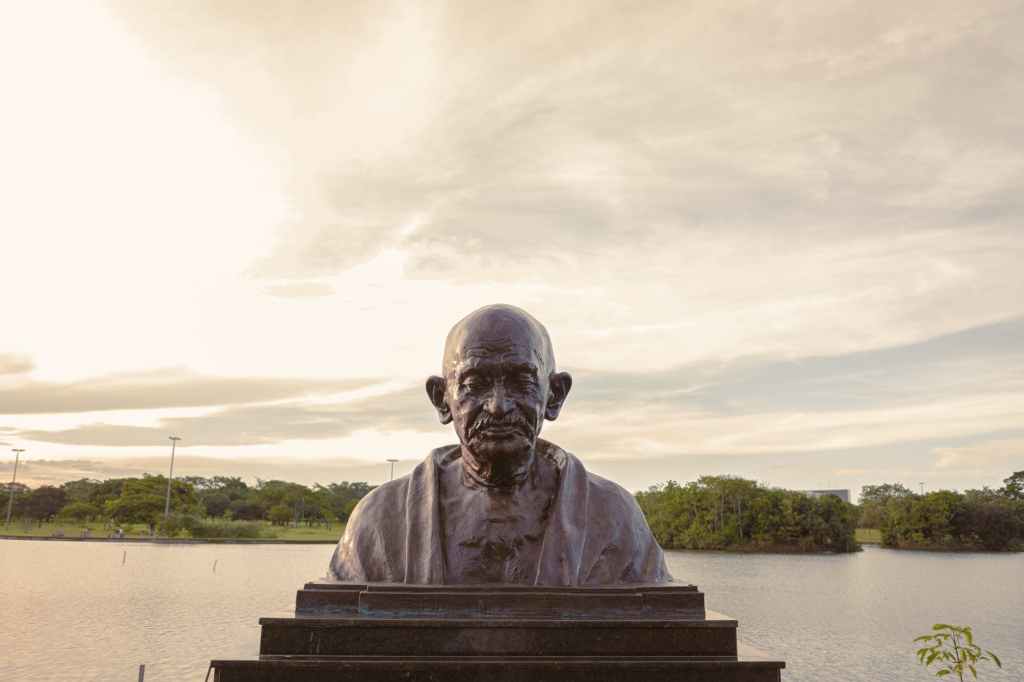








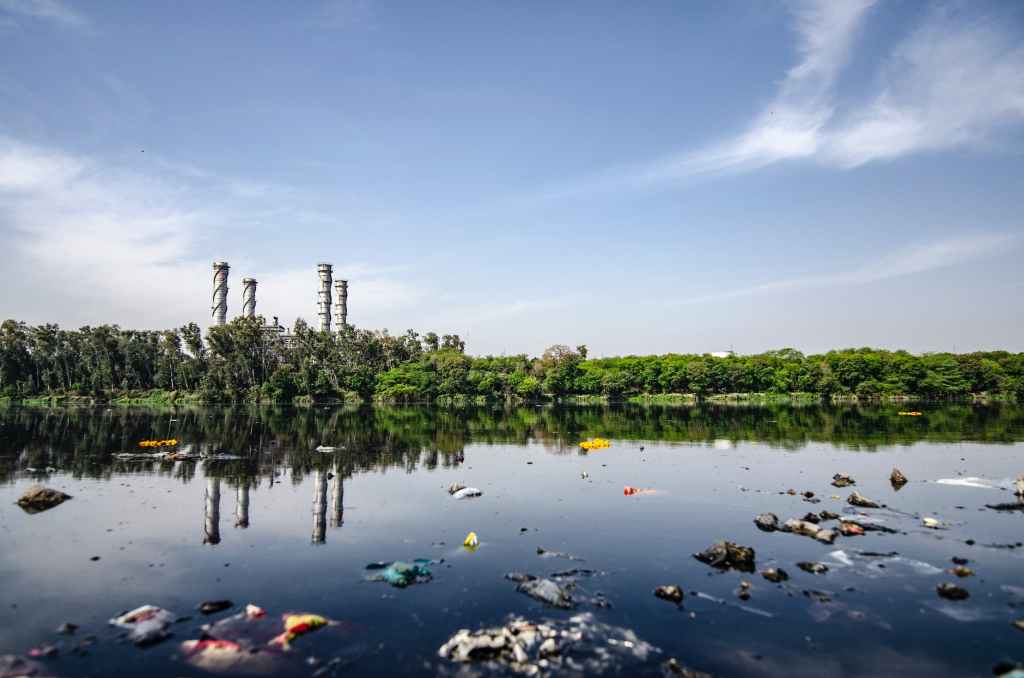
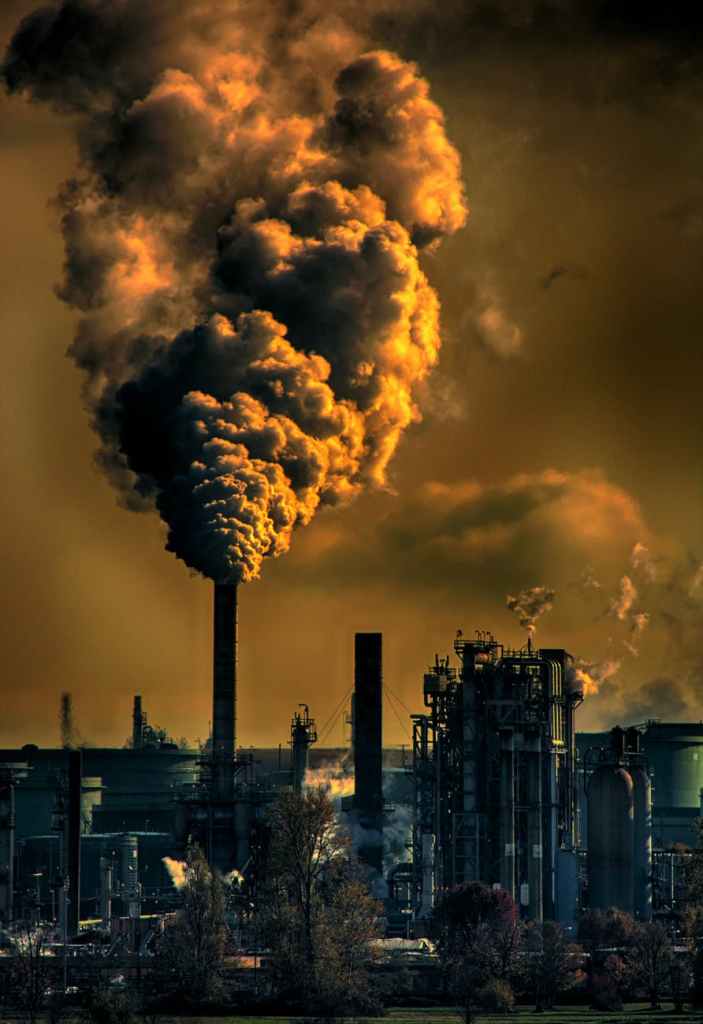


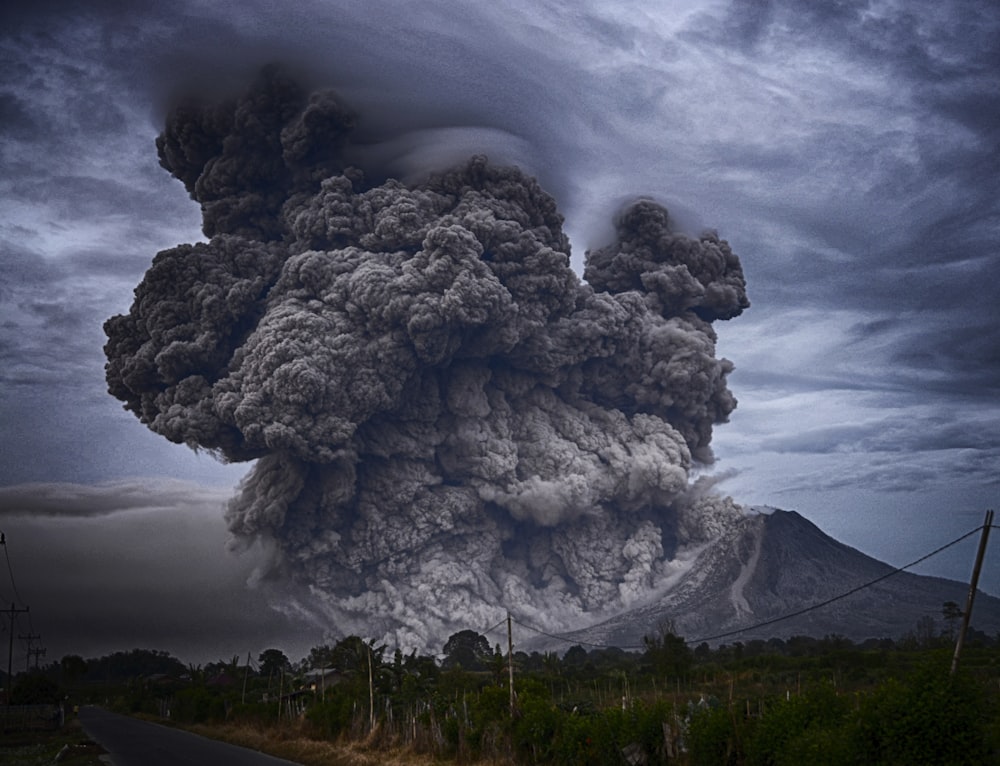


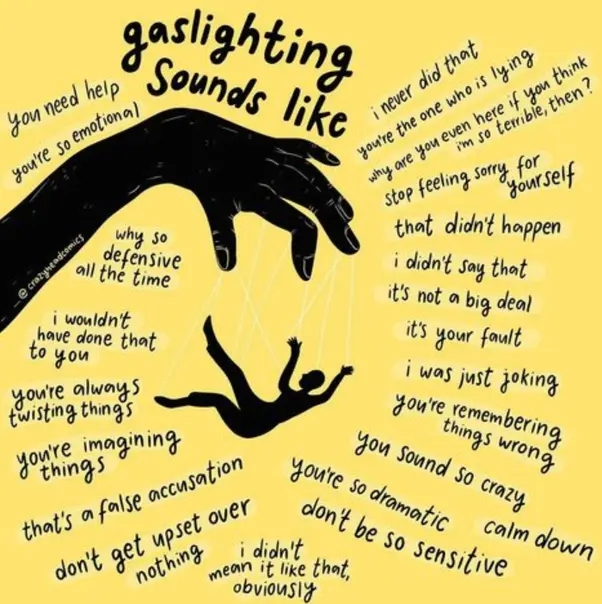
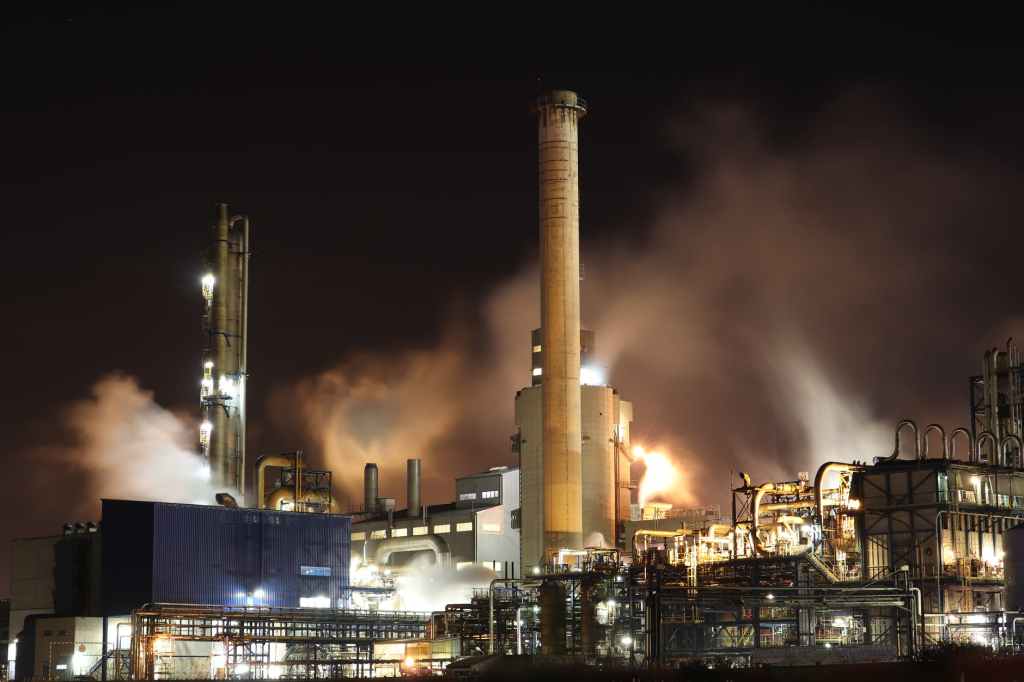





 Track2Training
You must be logged in to post a comment.