Industry, Innovation and Infrastructure (SDG 9): Build Resilient Infrastructure, Promote Inclusive and Sustainable Industrialization, and Foster Innovation

Industry and infrastructure are the engines of economic development and human progress. They provide jobs, foster technological advancement, and connect communities through trade, communication, and transport. The ninth Sustainable Development Goal (SDG 9) โ€” Industry, Innovation, and Infrastructure โ€” emphasizes the need to build resilient infrastructure, promote inclusive and sustainable industrialization, and foster innovation. This goal recognizes that industrial growth, technological innovation, and robust infrastructure are essential drivers of sustainable economic transformation and social well-being.

However, industrialization must evolve beyond traditional models of resource-intensive production that degrade the environment. The new paradigm focuses on sustainability โ€” integrating economic productivity with social inclusion and environmental stewardship. SDG 9 envisions industries that are cleaner, greener, and smarter, powered by innovation, digitalization, and equitable access to resources.


Understanding SDG 9

SDG 9 is rooted in the belief that industrialization, innovation, and infrastructure development form the backbone of modern societies. Infrastructure โ€” roads, energy systems, digital networks, and water facilities โ€” underpins all human activity. Industrialization provides the foundation for employment, income generation, and technological progress. Innovation drives efficiency, competitiveness, and resilience in an ever-changing world.

The interdependence between these elements means that progress in SDG 9 directly supports other goals such as economic growth (SDG 8), sustainable cities (SDG 11), responsible consumption and production (SDG 12), and climate action (SDG 13). Sustainable industrialization offers developing countries an opportunity to diversify their economies, reduce poverty, and achieve inclusive prosperity.


Targets of SDG 9

The United Nations has set specific targets under SDG 9 to guide progress by 2030:

  1. Develop quality, reliable, sustainable, and resilient infrastructure, including regional and transborder infrastructure, to support economic development and human well-being.
  2. Promote inclusive and sustainable industrialization, and by 2030, significantly raise industryโ€™s share of employment and GDP.
  3. Increase the access of small-scale industries and enterprises to financial services, integration into value chains, and markets.
  4. Upgrade infrastructure and retrofit industries to make them sustainable, with greater resource-use efficiency and adoption of clean technologies.
  5. Enhance scientific research, upgrade technological capabilities, and encourage innovation, especially in developing countries.
  6. Facilitate sustainable and resilient infrastructure development through enhanced financial, technological, and technical support to developing nations.
  7. Support domestic technology development, research, and innovation, including by ensuring a conducive policy environment.
  8. Increase access to information and communication technology (ICT) and strive to provide universal and affordable Internet access.

These targets collectively emphasize sustainability, inclusivity, and technological transformation as key pillars of future industrial and infrastructural growth.


Global Progress and Challenges

Globally, industrialization has been a key driver of economic expansion. Manufacturing value added (MVA) has grown steadily, contributing about 16% of global GDP in 2023. In developing countries, industrialization has lifted millions out of poverty and created dynamic employment opportunities. The rapid spread of digital technologies has further revolutionized production processes and logistics, giving rise to new industries and services.

However, challenges remain profound. The COVID-19 pandemic disrupted industrial supply chains, causing a sharp decline in global manufacturing output in 2020. While recovery is underway, many low-income countries struggle with inadequate infrastructure, limited access to technology, and weak industrial bases.

Moreover, industries are major contributors to greenhouse gas emissions, resource depletion, and pollution. The transition to sustainable and low-carbon production remains uneven across regions. According to the UN Industrial Development Organization (UNIDO, 2024), over 600 million people still lack access to reliable electricity, constraining industrial growth in least-developed countries (LDCs). The global digital divide also persists โ€” billions remain offline, hindering participation in innovation-led economies.


Strategies for Achieving SDG 9

  1. Developing Resilient and Sustainable Infrastructure
    Investment in resilient infrastructure โ€” transport, energy, and digital โ€” is fundamental. Sustainable infrastructure integrates climate resilience, resource efficiency, and inclusivity. For example, renewable energy-based infrastructure reduces carbon footprints while improving accessibility in rural areas.
  2. Promoting Sustainable Industrialization
    Industries must adopt clean technologies and circular economy models that minimize waste, emissions, and energy use. Governments can support green manufacturing through tax incentives, environmental standards, and technology transfer initiatives.
  3. Supporting Small and Medium Enterprises (SMEs)
    SMEs are the backbone of most economies, contributing significantly to employment and GDP. Enhancing access to finance, technology, and markets helps them scale sustainably and participate in global value chains.
  4. Investing in Research, Development, and Innovation (R&D)
    Innovation is the catalyst for industrial transformation. Governments and private sectors should increase R&D expenditure, foster collaboration between universities and industries, and promote start-ups in emerging technologies such as artificial intelligence, biotechnology, and renewable energy.
  5. Digital Transformation and ICT Access
    Expanding broadband connectivity and digital literacy empowers individuals and businesses to engage in the global digital economy. Smart infrastructure, e-governance, and digital entrepreneurship can accelerate industrial productivity and inclusion.
  6. Public-Private Partnerships (PPPs)
    PPPs are essential for mobilizing financial and technical resources for infrastructure projects. Collaboration between governments, private investors, and development agencies ensures efficient planning and implementation of large-scale industrial and infrastructure projects.
  7. Capacity Building and Skills Development
    Building a skilled workforce is vital for innovation and industrial competitiveness. Education and vocational training programs should focus on science, technology, engineering, and mathematics (STEM) to prepare youth for the industries of the future.
  8. Sustainable Financing and Global Cooperation
    Developed countries and international organizations should support developing economies through funding, knowledge sharing, and technology transfer. Global initiatives such as the G20 Quality Infrastructure Investment Partnership and UNIDOโ€™s Industrial Development Decade for Africa exemplify such collaboration.

Case Studies and Best Practices

Countries such as Germany, Japan, and South Korea have demonstrated the power of innovation-driven industrial policy. Germanyโ€™s โ€œIndustry 4.0โ€ framework integrates automation, digitalization, and sustainability in manufacturing. In Africa, Ethiopiaโ€™s Industrial Parks Development Program has created thousands of jobs while attracting foreign investment in eco-friendly industries. Similarly, Indiaโ€™s Make in India initiative and its investment in digital infrastructure (Digital India) have strengthened domestic manufacturing and innovation ecosystems.


The Way Forward

Achieving SDG 9 requires a transformative shift toward inclusive industrialization and green infrastructure. Governments must integrate industrial policies with environmental goals, ensuring that economic expansion does not come at the cost of ecological degradation. Innovation ecosystems should be nurtured through supportive regulations, education systems, and international cooperation.

Equally important is ensuring that the benefits of industrialization are widely shared โ€” empowering women, youth, and marginalized groups to participate fully in new economic opportunities. Infrastructure development must prioritize rural areas and low-income regions to bridge inequality gaps.


Conclusion

SDG 9: Industry, Innovation, and Infrastructure is the backbone of sustainable development. It provides the structural foundation for prosperity, resilience, and technological advancement. Building resilient infrastructure, fostering sustainable industries, and embracing innovation can drive inclusive growth while safeguarding the environment.

As the world transitions toward digital and green economies, SDG 9 represents an opportunity to redefine progress โ€” not merely in terms of economic output, but in terms of sustainability, inclusiveness, and human well-being. Achieving this goal will lay the groundwork for a more connected, equitable, and sustainable world by 2030.
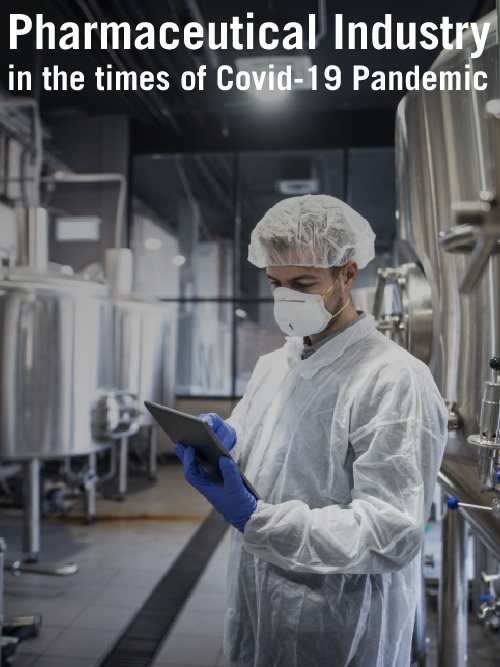
INDIAN PHARMACEUTICAL INDUSTRIES IN THE TIMES OF COVID-19 PANDEMIC

By: Moksha Grover

As the whole world is suffering against the covid-19 pandemic, pharmaceutical industries all over the world are trying their level best to fight against these unprecedented times. The covid pandemic has actually benefitted the pharmaceutical industry and helped in the growth and development of this industry. The Indian pharmaceutical industry is the worldโ€™s third largest drug producer by volume and the countryโ€™s market manufactures 60 percent of vaccines globally[1]. This constitutes 40 to 70 percent of the supply to satisfy the World Health Organizationโ€™s (WHO) demand for Diphtheria, Tetanus, and Pertussis (DPT) and Bacillus Calmette Guerin (BCG) vaccines and 90 percent of the global demand for the measles vaccine[2]. In this covid pandemic, the Indian pharmaceutical industry has played a vital role in distributing affordable and low-cost generic drugs to millions of people around the globe.

GROWTH AND DEVELOPMENT OF INDIAN PHARMACEUTICAL INDUSTRIES

The covid-19 pandemic presented several opportunities for the pharmaceutical companies and helped them to think differently. It helped them to act in a sense of urgency for all the patients who were looking for cheap and affordable medicines. In this pandemic, Indian companies have risen and developed in the field of therapeutics by re-purposing the dugs.

This pandemic also gave the pharmaceutical companies opportunities to work in collaborations with some major global companies for the purpose of developing the covid vaccine in turn enhancing the global connections. Serum Institute of India partnered with Oxford University, Zydus Cadila partnered with Gamaleya Institute of Russia, Panacea Biotec collaborated with US-based Refana Inc and there are many other companies who collaborated for the purpose of producing good and effective vaccines against the deadly virus. These collaborations and partnerships helped the companies to make effective vaccines, develop a stand in therapeutics, and also reach the global market.

Indian pharma industry took a proactive approach during the pandemic and also became successful in proving its mettle in complex and specialty generics. These companies also ensured regular manufacturing by not hindering manufacturing even for a single day. With the development in the pharma industry, eCommerce platforms and industries also developed. In the current pandemic, a great deal of motivation was given to E-pharmacy which helped in ensuring that patients received their medication despite lockdown. The domestic pharma market turnover in India has reached Rs. 1.4 lakh crores (equivalent to $ 20.03 billion) in 2019 as per the government data[3]. This is actually an increase from Rs. 1.29 lakh crores in 2018[4].

CHALLENGES FACED BY INDIAN PHARMACY INDUSTRIES DUE TO PANDEMIC

The source of APIs plays a very crucial role in the strategic plan of the Indian pharmaceutical industry to combat covid-19. A major challenge faced by this industry is the supply of APIs. Active Pharmaceutical Ingredients (API) are defined as the active ingredients contained in a medicine. This pandemic has highlighted the dependence of the Indian pharma industry on imported APIs. Today, 60 percent of Indiaโ€™s API requirement is imported[5]. In commonly used APIs, such as cephalosporins, azithromycin, and penicillin, the dependence is as high as 90 percent [6]. ย Of the total imports of APIs and intermediates into India, China accounts for 65โ€“70 percent [7]. This is a problem faced by almost the whole west depends upon china for their API supplies. This pandemic has also highlighted low healthcare coverage in India. n terms of healthcare spending, India has one of the lowest healthcare budgets with just 1.26 percent of GDP being spent on healthcare[8]. India ranks 155th out of the 167 countries in terms of hospital bed availability (as per the Human Development Report 2020) with just five beds available for every 10,000 Indians[9]. ย Such a sudden rise in covid cases in India highlighted the shortage of hospital beds, medicines, and availability of laboratory tests. As pandemics have always shifted the way people react. A similar change has been seen in the consumption pattern of various consumers. There has been an increase in the case of online ordering and e-consultations, especially in the case of chronic diseases. These challenges can result in long-term impacts on this industry.

STRATEGIES FOR PROMOTING INDIAN PHARMA PRODUCTION

Initiatives like Production Linked Incentives (PLI) schemes for bulk drugs and medical devices introduced by the government for the industryโ€™s self-reliance have given a major boost to this industry. These incentives are to the tune of INR6,940 crore and INR3,420 crore, respectively, and encompass greenfield projects for bulk drugs and intermediates, and the establishment of three bulk drug parks[10]. In addition to this, the government should take some steps in removing the financial and technical barriers prevailing within this industry. This will in turn help in reducing the dependency of the Indian pharma industry on china for APIs.

The pharmaceutical companies have now identified the importance of backward integration which is expected to bring greater reliability, improve the quality of production, reduce dependence on external sources of supply, and help in increasing the efficacy of manufacturing. Several key representatives from the pharmaceutical industry and NITI Aayog have suggested fostering the approvals of pharmaceutical infrastructure developments, clearance from the environment ministry, and providing tax exemptions and subsidies for the development and promotion of the pharmaceutical industry hubs could benefit the market[11].

Over the last few years, many tourists have been visiting India for their medical treatment. The government has also relaxed rules for the tourists by issuing rapid airport clearances and fast-track medical visas, thus helping in the promotion of this industry.

CONCLUSION

This covid pandemic has been a boon to the Indian pharmaceutical industry. Medicine spending in India is expected to grow between 9-12 percent over the next five years, leading India to become one of the top 10 countries in terms of medical spending[12]. It is now important for all pharmaceutical companies to shift their product portfolio toward chronic diseases like covid drugs, antidepressants, anti-diabetes, cancers, etc. which are on the hike nowadays. Many initiatives have been taken up by the government to reduce healthcare expenses and make it affordable for the whole population of the country. The introduction of generic drugs has also paved the way for the benefit of pharma companies. It is now important to focus on the rural healthcare system and provide the rural areas with the necessary drugs and preventive vaccines. Doing so will help a lot in the development of pharma companies in India and will also lead to the development of the country as a whole.


[1] Dr Abhishek Dadhich, โ€˜The COVID-19 pandemic and the Indian pharmaceutical industryโ€™, EPR (22 April,2020) < https://www.europeanpharmaceuticalreview.com/article/117413/the-covid-19-pandemic-and-the-indian-pharmaceutical-industry/> accessed 19th September 2021.

[2] Ibid.

[3] Dr Sujith Varma K, โ€˜Covid-19 impact on Indian pharmaceutical industryโ€™, PHARMABIZ.COM (10th February, 2021) < http://www.pharmabiz.com/ArticleDetails.aspx?aid=135427&sid=9#:~:text=The%20domestic%20pharma%20market%20turnover,actually%20an%20increase%20from%20Rs.> accessed 19th September,2021.

[4] Ibid.

[5] Sanjay Singh, โ€˜Pharmaceuticals: emerging not just stronger, but better and smarterโ€™, KPMG https://home.kpmg/in/en/home/insights/2021/04/indian-pharma-industry-boom-mantra.html accessed 19th September,2021.

[6] Ibid.

[7] Ibid.

[8] Ibid.

[9] Ibid.

[10] Ibid.

[11] Dr Sujith Varma K (n 3)

[12] Ibid.

Porter’s Five Forces Model

Porter’s 5 Forces Model is a business model and a tool which helps in identifying main competitive forces of an industry or a sector. The 5 Forces Model is mainly used to create a corporate strategy which will help a company to enhance its long- term profitability.

Understanding Porter’s Five Forces Model

The 5 Forces Model was created by Harvard Business School’s Professor Michael E. Porter and was published in his book “Competitive Strategy: Techniques for Analyzing Industries and Competitors” in 1980. The model was created to explain why various industries are able to maintain varying level of profitability. Porter’s 5 Forces helps in analyzing the industry of the company so that a company can adjust their corporate strategy, boost their profitability and beat their competition.

What are the five forces of the Porter’s Model?

  • Competition in the industry
  • Potential of new entrants into the industry
  • Power of Suppliers
  • Power of Customers
  • Threat of substitute products

Competition in the Industry

For most industry, the level of competition in the industry determines the positioning of the product in the market. The intense the competition in the market, the more the company has to focus on innovation, marketing, price, etc. of the product. When the competition is less, a company has more authority to charge higher prices and establish the terms of deals in order to increase sales and profits.

Potential of New Entrants into the Industry

A company’s positioning is also affected by the new entrants in the market. ย This in turn puts pressure on prices, costs, and the rate of investment needed to sustain a business within the industry. The less the time, money and effort it takes for a competitor to enter the market, more is the threat for a company to lose its market share. On the contrary, if there are strong barriers to entry in the industry, companies more secure about their market share.

Power of Suppliers

Power of suppliers in a market means how easily suppliers can increase the cost of the inputs. The suppliers’ power in the market is determined by the factors like number of suppliers in the market, uniqueness of the inputs they provide, cost of switching a supplier for a company. If the number of suppliers in an industry is less, a company would depend more on its current supplier, thus giving more power to supplier in terms of cost of inputs and other advantages in trade. However, if the suppliers are more in the market, then company has the advantage of switching the supplier in case the supplier increases the price or if a company finds a cheap supplier, thus keeping their input costs low and increasing their profitability.

Power of Customers

Customers are more powerful in an industry when there are less number of customers in an industry and more number of suppliers. Because the client base for a company is smaller and more strong, each customer has greater negotiating leverage to get better rates and deals. A company with a large number of smaller, independent consumers will find it easier to raise prices and increase profits.

Threat of Substitute Products

A substitute isย a product or service that can be easily replaced with another by consumers. In economics, products are often substitutes if the demand for one product increases when the price of the other goes up. When there are no close substitutes in the market, a company can take advantage of charging higher prices. However, if there is availability of close substitutes, customers will switch to substitutes in case of increase of the prices of the products of a company.

Understanding Porter’s Five Forces and how they apply to a particular industry can help a company change its business plan to make better use of its resources and generate more profits for its shareholders.

Council raises GST on low-cost footwear, garments to 12%

In its first physical meeting in two years, the GST Council on Friday effected several long-pending tweaks in tax rates including an increase in the GST levied on footwear costing less than โ‚น1,000 as well as readymade garments and fabrics to 12% from 5%.

The new rates on these products, a decision on which had been deferred by the Council over the past year owing to the pandemicโ€™s impact on households, will come into effect from January 1, Finance Minister Nirmala Sitharaman said.

The Council approved a special composition scheme for brick kilns with a turnover threshold of โ‚น20 lakh, from April 1, 2022. Bricks would attract GST at the rate of 6% without input tax credits under the scheme, or 12% with input credits.

While this will please States like Uttar Pradesh that had sought a special scheme for brick kilns, a decision on extending such a scheme for other evasion-prone sectors like pan masala, gutkha and sand mining was put off.


The Council also decided to extend the concessional tax rates granted for COVID-19 medicines like Amphotericin B and Remdesivir till December 31, but similar sops offered by the Council at its last meeting in June for equipment like oxygen concentrators will expire on September 30.

The GST rate on seven more drugs useful for COVID-19 patients has been slashed till December 31 to 5% from 12%, including Itolizumab, Posaconazole and Favipiravir. The GST rate on Keytruda medicine for treatment of cancer has been reduced from 12% to 5%.

Life-saving drugs Zolgensma and Viltepso used in the treatment of spinal muscular atrophy, particularly for children, has been exempted from GST when imported for personal use. These medicines cost about โ‚น16 crore, Ms. Sitharaman said.

Food delivery tax shift
The Council also decided to make food delivery apps like Swiggy and Zomato liable to collect and remit the taxes on food orders, as opposed to the current system where restaurants providing the food remit the tax.

Revenue Secretary Tarun Bajaj stressed this did not constitute a new or extra tax, just the tax that was payable by restaurants would now be paid by aggregators. Some restaurants were avoiding paying the GST even though it was billed to customers.

โ€œThe decision to make food aggregators pay tax on supplies made by restaurants from January 1, 2022, seems to have been done based on empirical data of under reporting by restaurants, despite having collected tax on supplies of food to customers,โ€ said Mahesh Jaising, Partner, Deloitte India.

โ€œThe impact on the end consumer is expected to be neutral where the restaurant is a registered one. For those supplies from unregistered, there could be a 5% GST going forward,โ€ he added.

Aircraft on lease
The GST Council has exempted Integrated GST levied on import of aircraft on lease basis. This will help the aviation industry avoid double taxation, the Finance Minister said, and will also be granted for aircraft lessors who are located in Special Economic Zones.

Goods supplied at Indo-Bangladesh border haats have also been exempted from GST.

Written by: Ananya Kaushal

Why does a student need to be industry ready & how they can be?

What do you mean by industry ready?

An industry expects their employees to have Non-technical skills and personal attributes such as team work, communication skills, integrity, reliability and self-motivation are considered more important than purely technical skills to get industry ready.

Importance

A study shows that 50% of the curriculum that are been taught in college/universities, by the time students will graduate, it will get auxiliated with new technologies in the market.

Let’s say for example, a product manager of a company who advertises the product, collects data and analysis the data to improve the marketing strategies of company. He can do it manually, but with time if an app is developed for this work, the company won’t be requiring any product manager.

Although degrees are important for future but it is also important to have a knowledge about what all techniques and skills that will be there in future and also to start developing those skills.

How can students be industry ready?

Here are some ways of getting industry ready:-

  1. Practical Knowledge of Doing Things:- If you can demonstrate how to implement the theoretical knowledge you have then your chances of getting hired will improve significantly.
  2. Sharpen Your Communication Skills:- If you are not able to communicate properly, your knowledge will be of little use to you.
  3. Inculcate the Habit of Innovation:- Form a habit to think out of the box, if you can provide a company with a method to save on expenditure or increase their profit, you have better chances of getting hired.
  4. Read Books and Newspapers Regularly:- Form a habit to read a newspaper or book at least half an hour daily, as this will improve your thinking process as well.
  5. Build Your Profile to Show Your Accomplishments:- One needs to be presentable and be able to exhibit his or her qualifications and capabilities convincingly.
  6. Pursue Online Courses to Hone Your Skills:- To make yourself industry ready, it is better to learn some new skills online.
  7. Work on Your Weak Areas:- The trick here is to present your weaknesses in a way that it looks profitable to the company for whom you want to work for.
  8. Learn to Organize and Manage Your Time:- It is about getting the maximum output in a given amount of time. Productivity matters a lot when you are working for a company.

So start investing more on prolonged and sustainable skills because knowledge and degrees are not going to be most required in future. This is the time to decide what is to be done and how should the steps be taken forward.

5 Reasons Why Freshers Should Do Internships

The work market today is extremely cutthroat and in the present changing world perfect measure of involvement. Cleaned abilities and gifts can help you land up the perfect work.

An Internship is the way to get acquainted with the vocation way the understudies need to seek after.

 REASONS WHY INTERNSHIPS ARE NECESSARY

Helps students work on their career goals

An Internship assists the understudies with working and completely acquire information in the ideal field and settle on up the choice assuming they need to assemble their vocations in it.

It goes about as a preliminary for understudies, as it assists them with choosing the ideal vocation choice out of numerous accessible to them.

Likewise, it furnishes them with a chance to draw a stage nearer to their vocation objectives, as they will apply the hypothetical information on the study hall into this present reality.

Give them the ideal Industry Exposure

For a fresher to support in the business. They work before they land into everyday positions should make some genuine memories experience of working in the business in a genuine climate and on genuine ventures.

Entry level positions help understudies acquire important openness to how business capacities continuously settings. It likewise empowers understudies to work under tutors, who screen their presentation, guide them on the deficiencies and help them work on their abilities.

Make an Impressive CV

To find up with the perfect work, you need to land up in a meeting with the HR group of the association and to land up with a meeting one requirements to have an extremely amazing CV, with extraordinary work insight.

In the present time, even section level positions require some industry experience. Internships are the most ideal way for working to upgrade their CV with applicable encounters.

Develop a professional network

Internships are significant on the grounds that it empowers fresher to build up associations with industry experts and driving figures. It fabricates a stage for the understudies to assemble between close to home associations, take in and acquire information from individuals working and dominating in their professions.

Manage their finances

Entry level positions can be paid just as neglected. Paid temporary positions furnish understudies with a chance to bring in a decent measure of cash to support themselves on their while acquiring abilities that may be imperative for their future professions.

EIA 2020

The EIA draft 2020 have been doing the rounds on various online and social media platforms for a while now. People are doing everything in their hands to educate the rest and to put a stop to this draft from being implemented, which the national and most local medias have shut a blind eye towards.

This clearly depicts where their priorities are at, more on mainstream politics and other topics, putting the people who depend on such mediums in the dark. Unaware.

The very idea of people having to take to social media to get the word about such a devious plan is a clear depiction that weโ€™re in the endgame now. Itโ€™s going to be every man for himself from now.

The EIA draft of 2020 is something we as the citizens of this great nation canโ€™t afford to be a part in. Itโ€™s for a greater cause, for a better future. If neglected, the consequences coming generations will have to face will be a plenty. Itโ€™s now or never.

From elementary schools we are taught about the importance of conservation of mother nature and the dangers of pollution. Weโ€™re taught that the earth is our only home, yet and that we should do everything in our hands to protect it from such acts of fellow less concerned beings.ย 

Several movies and campaigns instituted by conservative environmentalists are more often that not given the spotlight to inform the masses of what weโ€™re in store for. I for one, believe that an educated nation will be a better functioning nation.

The destructions of the Bhopal Gas tragedy needs no introduction. A grave tragedy. Post the Gas tragedy of โ€˜86, the Government of India brought into action the Environment Protection Act with a concern for the safety of the Public and the Nature.

The EIA under the aforementioned Act of 1986, constitutes a process which prevents the industrial and Infrastructural projects by Individuals and body corporates from being approved without proper oversight. It basically consists of a tool of environmental management forming a part of project approval and decision making.

It ensured that every project would go through the process for obtaining proper environmental clearance certificates , for a better, safer tomorrow.

The point of contention in the draft of  Environment Impact Assessment is post-facto clearance and less public participation of the affected communities. Making the voices of the already barely heard voices, totally mute.

The EIA (Environment Impact Assessment) draft 2020 by the Ministry of Environment, Forest and Climate Change under the Government of India has a counter regressive approach towards protecting the nature of the Largest democracy in the World. 

The EIA covers numerous projects like mining of various minerals, infrastructure development, industrial projects, thermal nuclear and hydropower projects. The projects for which clearance was sought was allotted clearance by a panel of experts based on its potential impact on the environment.

It involves prospective changes suggested against the EIA notification of 2006. By embodying norms to weaken environmental norms and outright silencing the affected communities. 

This draft basically allows the various Infrastructural and Industrial bodies to go ahead with various projects and seek the approval later ( post facto clearance), which would certify the starting of various projects without proper clearance certificates, afterwards when the destruction wouldโ€™ve been already done.

The point of emphasis is that the principles embodied in the draft is against the various principles that shouldnโ€™t exist in such a democratic nation. It not only possess a grave threat to the environment but also takes away the fundamental rights of citizens to raise their voices and deliver criticism regarding such concerns.

Rather than strengthening the norms under the Act and allowing the people to participate and raise their concerns, this draft focuses on restricting the Publicโ€™s voice over such environmentally degrading projects.

It also curtails the right of the communities by legalising projects that has already caused a great deal of harm and the ones which are already existing without proper approvals under the EIA. Making potential threats of mass destruction legal.

However, the Government has commented that the proposed draft would further bring transparency and expedite the process of development. Experts in the field have commented that the only process expedited by such a drastic change would be dragging the country to the ground and crippling the powers of the common man versus huge industrial organisations.

Foreseeable accidents of Vizag Gas leak and the Baghjan Oil fire are grave examples of the gravity of destruction that can be caused by projects that are not run under proper EIA guidelines.

Sighting the present troubles already upon the citizens, the drafts brought to life should be of those which corporates building a greener and more sustainable future where the nature would be the heart of all operations.

National Handloom Day to be celebrated on August 7th

National Handloom Day is celebrated on the 7th of August annually in India. It is observed to create awareness about the importance of the textile industry in the economy. It began as an initiative to honour and provide work to handloom weavers and artisans. 7th August was declared as National Handloom Day by the Union Government in 2015 to generate awareness about the industry and its social importance. The day is celebrated through different functions and events across the country. Workshops are conducted to spread information about work opportunities among weavers and their families. Handloom fairs, exhibitions, parades, panels take place during various events.Through the celebrations of this day, handloom products get a wide recognition.

Handlooms have gradually emerged as the largest cottage industry. Almost 95% of the world’s handicrafts are from India. Weavers create from different natural fibres like cotton, silk and wool.While we celebrate the diversity of India’s art and crafts, its also important to address the problems and needs of the artisans. They should be provided with the knowledge of techniques, prices, and modern technology.

Photo by Skitterphoto on Pexels.com

Different schemes like Reservation of Articles for Production Act of 1985 and Handloom Census have been introduced so that artisans can benefit from them. Social media campaigns like #iwearhandloom have popularized the craft in recent times to an extent. These crafts should be included in contemporary industries so that younger generations can know about them and start supporting the cottage industries.

Historical Significance

Photo by Wallace Chuck on Pexels.com

August 7 was declared as the Handloom day in 2015 to revive the roots of handloom and to commemorate the Swadeshi Movement which began on the same day 115 years back. The first National Handloom Day was inaugurated on 7 August 2015 at the Centenary Hall of Madras University in Chennai. The movement was launched in Calcutta Town Hall on August 7, 1905 as a protest against the Bengal Partition by the British Government. The movement was started to facilitate the use of domestic products and production of goods within the country for boycotting British goods. There were also instances of burning British goods. When Lord Curzon announced the partition of Bengal in July 1905, the Indian National Congress started the movement. It led to the spread of revolutionary anti colonial and anti British movements across the country. Further movements like the Non Cooperation movement and the Satyagraha movement developed from the Swadeshi movement.

In recent times, the day is celebrated to spread awareness and develop consciousness of the public regarding textiles and the handloom industry which is extremely important for the socio economic development of the country. Handlooms and crafts empower artisans and represent the diverse cultural identities present in the country. They are eco-friendly and sustainable crafts which also function as the livelihood of so many people.

Celebrations this year

This year is the 6th National Handloom Day and the day will be celebrated through a virtual programme which will be conducted by the Union Ministry of Textiles. The textile minister Smriti Irani will be the chief guest for the event. The event will be observed with all the handloom clusters across India, 16 NIFT (National Institute of Fashion Technology) campuses, 24 Weaver Service Centres of different states and National Handloom Development Corporation.

Biotechnology is underrated!

33 Best Masters Biotechnology Programs for Commercialization and ...

Everyday, we see advances in almost everything around us. Not just technological advancements but even in living organisms as they continue to evolve with time. From the smallest microorganisms to more complex human beings, every living thing is upgrading just to survive as the living conditions become harsher. After the Covid-19 outbreak, it can be certainly said that new infectious organisms are also on the rise somewhere, waiting for their turn to enter the human world. Species are becoming extinct at a much faster rate due to human interference, lack of benevolence, and greed. With these developments, the role of biotechnology has become more significant than ever.

Biotechnology is the modification and usage of living organisms for various purposes like agricultural, industrial, and healthcare. We know that microorganisms like yeast help us in making bread and Lactobacillus leads to curdling of milk and they have been there for a long time now but now we know that there are several other such living organisms that have the potential to make lives better. These organisms are capable of doing work that are more important than making a loaf of bread or a bowl of milk but the fact that they can save lives! Biotechnology isnโ€™t even about only these organisms but also human beings in which genetic manipulation is definitely complicated but not impossible.

In the field of agriculture and animal husbandry, biotechnology has made it possible for farms to raise both disease resistant plants and animals that are also more resilient to changing environmental conditions. The population is growing rapidly and food shortage is a major concern. With the aid of biotechnology, it is possible to ensure that no man, woman or child goes to bed hungry through enhanced productivity of crops and animals that take up less space and resources. The new farming methods also need to be environmentally sustainable so as they are not burdensome on mother earth and nature. The practices and manipulation must not take the dignity of species that canโ€™t even speak out their concerns, for granted and humanity and empathy must persist. 

The healthcare has also been benefited by introduction of more effective medications and drugs that are biotechnologically synthesised and pose lesser risks of contamination and side effects. Gene testing and manipulation has made it possible to diagnose, prevent and even cure diseases that are inheritable. Various substances like insulin that are synthesised by the body can also be synthesised using genetically modified organisms and can aid the people that are unable to synthesise them due to underlying medical conditions. Biotechnology can also be applied to industrial processes to manufacture products that are important for human beings. Not just that, renewable sources of energy can be generated using biotechnology and can replace fossil fuels in industries. The industrial waste can be treated using genetically modified organisms until the waste is not hazardous when it is released into the environment.

Biotechnology has innumerable applications and the fact that it is a comparatively new field, a lot of research still needs to be done and new techniques are yet to be discovered so a career in biotechnology is definitely a promising one.

Care and COVID…..

I think Robert Frost once said that it doesn’t matter what happens but life goes on, which quite makes a lot of ripples in the recess of our conscious mind if we think about the present scenario so is it just me or everybody thinking that we should take COVID-19 a bit more seriously than the way we are considering it right now as by taking into account the amount of riots happening, people still doing all sort of careless things amidst the massively increasing numbers of corona virus cases with a cure or a vaccine nowhere to be seen. So yes this is a good optimistic mentality that we should live on no matter what but being this callous at a time when a virus is reaching it’s peak is not decisive and wise at all if you are wondering what I’m talking about I’m speaking about the raising number of cases this world is seeing because of covid but still people are not taking it serious enough as by roaming without masks, eating outdoors and also in places where hygienic condition are not even close to the mark which are set by govt for outdoor eateries. Well I’m not saying that to stop the riots which is supposed to eradicate an issue which is like a dark spot on the canvas of humanity but people should take care of themselves amidst the adrenaline and the patriotism in a riot for humanity.

To be frank I think there is not a single soul in this whole wide earth who is feeling good about this lock down even though everybody used to like holidays but this pandemic has shown us something more powerful than anything existent in this universe that’s our humanity and our conscious choices which we used to make, are making and let’s hope we will always make in the future not only for ones own betterment but for all people who we feel as our near and dears. This pandemic taught us that humanity can face anything if we fight it together with unity determination and a sense of patience and the most important thing that we learnt that our beloved mother nature can heal from any atrocities and damage as life will always find a way through any gospel walls of terror if you give it a chance to heal and recover. So after like three to four months of this drama I think we all need a break to restart what we left long ago as it doesn’t matter from where you belong to or who you live with we all have that routine which we used to follow before lock down which I’m pretty sure had some parts of outdoor and nature in it so the only thing which we can do right now is to look after ourselves and to protect ourselves because that is the only way how we can protect others too as in manner avoid public gatherings which are not made by respecting the social distancing norms, use a mask regularly as it helps a lot if you don’t have any then a clean handkerchief will also do the trick, use and carry a sanitizer at all times and when you come hope wash your hands for at least twenty seconds with any kind of soap or hand washes, if gymnasiums are open then take proper care of yourself and make sure the gym owners are following all of the safety norms for the safety of the gym goers as workout is necessary not only for leisure but for a good lifestyle so do go to the gyms, if you are eating outdoors then make sure social distancing is maintained and if delivery is your cue then order from restaurants who are maintaining a proper hygiene and if you wanna support local business then educate them about the govt’s norms and safety standards so that they can help themselves to help you to get really tasty street food and the rest like a place’s tourism industry and other entertainment industries and all have to wait for sometimes as of now every country’s economy is in smithereens so it will take some time to recover but we will get through this together as one big, bold and happy family.