Government Schools and Private Schools: Which is better

The biggest distinction between Government School and Private School stems from their financing and management. Government schools are managed and sponsored by local, state or national government, as the names indicate, whereas private schools are supported wholly or partially by student tuition and operated by a private organization. Private Schools are largely independent from state intervention. Other significant differences between government schools and private schools can be observed, based on these two key differences.
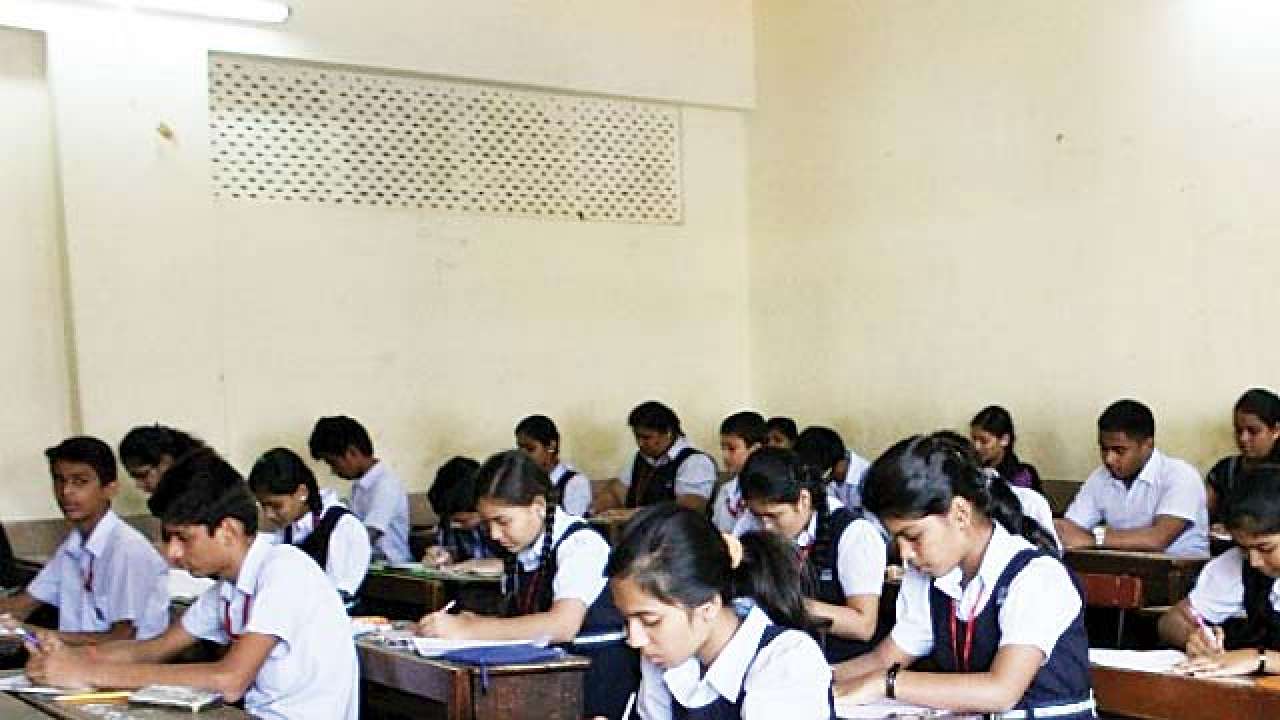
Govt opens study centres for dropouts

Government Schools:

Government schools are primary or secondary schools that are required or offered at no charge to all children, financed and monitored by local , state or national government. Since they are funded by the government, they are financed in full or in part by taxes. Since the government controls government schools, the syllabus is decided at either state or national level; all government schools follow the same lesson plan. The Government also controls recruitment and research. Admission to state school is determined by the student’s address. The schools are required to include the students belonging to their respective geographical area.

Although the equipment and other facilities differ by school, government schools typically have less amenities than private schools. Government schools have much more students than private students; due to lack of facilities the number of students in a class can also be significantly high. However, it is important to note that extremely competent teachers are always hired by government schools; teachers must fulfil all state-mandated requirements and be skilled at their subject to work in a government school.

Private Schools:

The Government does not finance or operate a private school. They are regulated by a private body and sponsored in part or in full by the school fees of the student. In private schools the fees are generally much higher. Around the same time, as compared with government colleges, private schools typically have better infrastructure resources and the latest technology.

Private schools are following the same curriculum as the Government has decided. The delivery method is decided by the school board though. The school officials also decide on fees and entrance fees. The school has the authority to decide whether or not a student meets the admission standards. The school also decides on staff selection criteria. In this scenario, a private school teacher will not be eligible as a state school teacher. A classroom’s class size is smaller than a government school’s. That is primarily because infrastructure and services are available.

Conclusion:

Better schools are important for a country’s brighter future as they cultivate next-generation torch bearers. A country’s future lies in the schools and universities. In India we have schools owned by both private and government. Private schools are best prepared in terms of security, technology, and infrastructure. They are expensive but also offer quality. To get more admissions, they maintain the quality and good teaching staff. Government schools are run for those unable to pay grandiose fees. There, teachers are of high quality but they are unable to impart knowledge in the best possible way. These schools are not facing any competition from their peers so they don’t care about quality issues. And while many cannot go to private institutes, these educational institutions are very important, learning something is better than doing nothing else. Governments require purpose and commitment to enhance the environment of their schools. That will ensure benefits in the long term.

Private schools are undoubtedly better than government schools as they would provide decent infrastructure, better teacher-to – student ratio, have a tidy & hygienic facility, better ecosystem for students with personality development options and extracurricular. Government schools may not be able to offer all of these features but for those who are unable to afford private schools, getting their children to government schools is better than not having any education.


Coronavirus: How fashion and lifestyle influencers are rethinking their content strategy

Amidst the lockdown to curb coronavirus, fashion and lifestyle influencers are trying to creatively reform their content strategies to stay relevant.

The lockdown has had a range of implications, and all of us are trying to make through in the best way possible. It has altered how we go about our work and personal lives. Following suit, fashion and lifestyle influencers can be seen creatively reforming their content strategies.

These are people who give us a piece of the enviable, designer lives set behind perfect lighting and breathtaking locations. But, fashion and lifestyle content meets a slight amount of inconvenience when there is a nationwide lockdown.

Fashion and lifestyle influencers are now social distancing at home, dressing up for no one but themselves, spending their time not in exotic locations, but on their couches. This has pushed many of them to restructure their content during work from home. 

Fresh, alternate mediums for videography

Fashion influencers are deprived of professional photographers. Hence, fashion content is currently experiencing the epitome of creativity as far as content creation goes. One can see many of them brushing up their skills, trying to master video techniques. They can be seen making the most of their smartphones. Many influencers are now exploring non-conventional resources like Skype, Facetime, etc. This not only helps you to create Instagram-worthy content by themselves, but it also helps to create relatable content. How? Such content displayed in the format of everyday applications uses images in the content, which thus helps them to reach out to a bigger audience.

New genres of content

As technology and skill affect the glamour and finesse of fashion and lifestyle content, the lockdown has also reformed their content typology. Many influencer accounts can be seen creating relatable content at home. Since you cannot travel to exotic locations, or for that matter even the local cafe, during the lockdown, it might be a good idea to engage with your audience beyond your professional conduct. They are opening up online, bringing forward their informal side while they share their talents, hobbies, recipes etc.

Influencers are also extending their online presence to TikTok, which is now a growing trend. These are just a few of the ways to help your followers know the real you, which will again help you garner their trust and engage better with them.

Use your platform responsibly

It is refreshing to see how many lifestyle influencers are creating sensitive and responsible content that is helping people get through this time. As an influencer, you have a following, and the power of influencing them. Hence, there are a number of ways you can respond to this pandemic. Go all out by sharing the latest news and local resources that could help those affected harshly by the lockdown, or try to share the troubles and stress of your audience with a bit of humour.

A few examples can be light-hearted humour about having to stay at home, informative content to stay safe, etc. Many popular lifestyle bloggers can be seen occasionally opening up about stay-at-home struggles that all of us are facing while we try to stay safe.

Branded content with a twist

With the tsunami of sponsored, branded content, social media was flooded with similar-looking content, especially in the fashion content industry. But now each influencer is coming up with raw and creative ways to respond to branded content – live sessions, new video formats, and innovative photoshoots.

With the lockdown affecting the whole of the industry, many brands are now open to innovative, raw, and personal ways of content creation. Even the Vogue magazine had a work from home edition! Use your creative cells and create meaningful and fun branded content with whatever you have at hand.

Once the lockdown relaxes, maybe the raw and honest elements from influencer content will also go away. But, they are currently going deeper than they usually would, to engage with their followers. This might bring a shift towards betterment in influencer marketing trends, making it more curated and engaging.

Importance of Technology in Education

Technology has become an essential aspect in today’s age we live in. Every day there is some new device or applications which makes life easier and improves on the already existing technologies and processes. However, making life easier isn’t the only part that technology plays in our lives. In education technology plays a significant role. As technology advances, it is employed in the learning process to support students of all ages.

In-class teachers can help students adsorb the material. For example, since some people are visual learners, computer-linked visualization screens may allow students to see their notes rather than just having to listen to a lecturer. People can use software to augment your class curriculum. The programs provide study questions, tasks, and even practice tests for a class which can help students to continue learning process. Technology is also becoming part of many teaching methods, beyond computer and technology classes as well. Students use technology to solve presentations and use the internet to study paper and essay subjects. In computer and tech classes, students also learn to use the technologies available to them.

Importance of Technology in Education | onlinebusinessschool.com

This guarantees that they will be able to use this information in a workplace environment after graduation, which can give them an advantage of someone in their own school setting who has not had access to a particular technology or software. Students should have more access to educational opportunities like these as technology progresses. Whenever anything new and “better” is revealed, the “older” technology becomes much more affordable, even when schools are on a tight budget, allowing it to be used in educational settings. Technology has already been progressing to support kids before they have begun school.

Educational video games and programs for young children help them train for the school and get a massive advantage on their education in some situations. There are critics who might argue that technology “spoils” youngsters. Rather than, for example, being able to put a long list of numbers in their minds, they switch to a calculator. No matter what such points might be, technology is an integral aspect of the culture today. Students will be better equipped to transition from classroom to workplace by incorporating it into the classroom.

Technology is making the students much more efficient than they had been. As has already been said, technology education is no longer constrained by regional borders or any given time as a result of using it. Due to the introduction of technology, the students now have the means to keep studying independently. This is how the teachers had made the teachers even more successful.

Technologies has helped students to get hold of and watch videos and films about topics they may be going to study about right now. Indeed, a number of schools and colleges are also known to show their students motivational videos on a routine basis. This helps them to be positive in any and every work they do. This will support them both in their academic careers and in their professional careers.

Conclusion:

Much like a coin having two sides, Technology always comes with its adverse effects. Even as technology does have certain benefits, there too are certain disadvantages. Ultimately however, it all depends on the users, or rather how they use the technology. However, there is nothing to deny that there are plenty of benefits to be gained from using technology when used in a positive way. It will may be an absolute blessing for them.

Importance of Practical Knowledge in Today’s World

Knowledge is defined as familiarity with anything that may include certain facts, information about a specific subject area, definitions of the experiment or study, or skills acquired through training or experience. Knowledge can be of two different types:

Theoretical knowledge can be attributed to the theoretical clarification of a specific subject or area in which a person has a clear understanding of the things going around and the theory of their work, but cannot manage things.

Benefits of Science Education in School – Connections Publishing

For example, if a person examines a car and its engine parts from manuals and presentation slides in a classroom, he will, of course, have knowledge of what the components of the car are, and what the underlying theory is, but one would lack practical information about it. The utility of the car for him is zero in the absence of this realistic knowledge. Without proper practical knowledge, he cannot drive the vehicle, he cannot repair it in the circumstance of any accident, and he knows nothing about its mechanisms. Theoretical knowledge could be something that can help a person gain a strong grip on practical knowledge. Knowledge is incredibly important to any genetic career and life.

The world is changing day by day, and every day we are becoming more and more advanced which needs a lot of changes from some of the previous traditional techniques that have been adopted. Rapid changes in working life, society and IT have increased the demands of expertise in every field. Today there is a need for qualified experts who are expected to have detailed understanding, excellent social and communication skills and who can use their skills in a constructive way in life.

Importance of Practical Learning:

Can you envision someone teaching you to scuba dive or drive a vehicle, inside four classroom walls? Can’t do it!! You have to get into the water to learn how to swim, and to learn how to drive, you have to be out on the road. Some topics are competency-based and directed to practice. Training will back up abstract experience of skill-based topics. Subjects such as teaching and engineering are based on skills. Practical knowledge is therefore more important in these topics than abstract knowledge. Practical research involves laboratory studies, study trips, tasks, assignments etc. The rewards of practical work are unprecedented. Having abstract knowledge has little meaning unless it is applied to practical purposes by the students.

Practical or informal knowledge is manifested as abilities or “know-how.” Practical knowledge is crucial to understanding how things actually work. It becomes relational and social in nature as it happens and evolves in certain particular contexts where it is practiced, and lets you obtain the basic skills that are the tools of your trade.

Practical understanding by the process of doing and personal experience leads to a much deeper comprehension of a concept. In our real day-to-day job realistic experience is considered to be of considerable value. There are also things that you can only know by seeing and witnessing; no matter how hard you try to understand this by abstract means. For example, if you’re trying to learn how to drive a bicycle for the first time in your life  by theoretical means, you ‘re likely to spend your whole life learning, and still can’t ride without proper practical training. Where theoretical knowledge is often learned through the notion of a vacuum, practical knowledge on the other hand is understood by real life experiences. The basic distinction between theoretical understanding and realistic understanding is that theory guides you through the experience of others, whilst you prefer to learn from your own experience of the actual task in reality. 

Conclusion:

It’s very important that each individual has enough knowledge to lead his life smartly and successfully. It doesn’t matter if you’re a student, a professional or an entrepreneur. Knowledge in an individual’s life really is something significant. It is important to acquire theoretical knowledge, but it is of no use without practical experience. Practical knowledge encourages an individual to accomplish something he studied about. Not only in professional life, it’s worth noting; you need to have a good, realistic approach for your life in general. Therefore, for growth development and use of your knowledge, it becomes really important that you also have a practical edge, otherwise there is no point in having theoretical knowledge when you cannot apply it in reality as well.

The New Watchdog

Mainstream media to new media- how has the shift affected political reporting

Politics is undoubtedly a game for supremacy solely played in the name of the people for evoking national interest. Fred Fedler was right then he said “journalism is built on reporting government”. The idea of ‘the watchdog’ means that the journalist, as an independent observer without any vested interest in any side of the controversy, can inform the public about what is going on, particularly if the government is corrupt or even incompetent. However, the political journalists do not play this role flawlessly. 

There is a paucity of good political reporting in India- reporting with an insight, reporting that captures in action the trouper of the political field, reporting that exposes the petty politics and the never ending hypocrisies of political parties and the conspiracies of those in power.

The grave situation that the Indian democracy is in, is that it is they who guide and shape the destiny of some 135 crore people. Lacking ideas, bereft of intelligence and character, they exploit religion and caste to stay in power. 

Most political commentators and reporters on traditional medias like mainstream news channels and newspapers have glorified politicians and never truthfully presented their failures as much as their achievements. Programmes of political parties are rarely critically evaluated by reporters of most traditional media and their flaws are never commented upon so that the people are carried away by their rhetoric or patriotic postures. The Inadequate political coverage, not judged by the quantity of the news brought in or reported but by the quality of it, brings down the credibility of the traditional media. 

The mediatization of the political news necessitates that media content is governed by media logic rather than political logic, and can be indicated by media interventionism where the journalists are in control of news making. (Esser, 2008, Strömbäck and Dimitrova, 2011, Zeh and Hopmann, 2013). 

The way we use social media today impacts what we read and how we read or listen to news. Consider politics for that matter- Political parties bank on news channels, such as ZEE News or NDTV to get their updates on how the election campaign is going. Unbeknownst to many, both of these news outlets are on opposite sides of the political spectrum. If you tune into Zee News, you will get a completely different view of any candidate than you would on NDTV and viseversa. This type of controlling what people read and hear causes a lot of misinterpretation. This is where political reporting in new media comes into, where you not just read what the journalist has to say but also what others think about it and more importantly why they think the way they do. Unlike the traditional media, you don’t hear one side of the story, on new media platforms you can view multitude versions of the same story. With the advent of political reporting via social media and news portals, journalists who act like the watchdogs are now backed up, not only by their organisation, but also by their viewers, readers and followers who make an informed choice. 

At the same time, the new media has initiated trends time and again. exposed how the traditional political reporters undercut the ideal aims of a free democratic press. The watchdog role is now played by the new media which had previously only been performed by trained political journalists who even under the worst of circumstances focused on uncovering the facts surrounding serious political wrongdoings.

Are You Emotionally Intelligent?

When a person is described with the word ‘intelligent’, what usually comes to our mind is high IQ, ‘he must do well in his subjects’ or ‘he must be good at math. What if I told you that having just a high IQ isn’t enough to become successful? Most people think that people who are good at studies or those who get good grades will do well in life but not every topper has an exceptional career – shining stars of a workplace could be average scoring students. The concept of emotional intelligence or emotional quotient (EQ) is relatively new but very effective for one’s career if he or she is able to master it. 

Daniel Goleman popularized the term ‘emotional intelligence’ by authoring a book with the same name in 1996, defined it as ‘the ability to perceive emotions, to access and generate emotions so as to assist thought, to understand emotions and emotional knowledge, and to reflectively regulate emotions so as to promote emotional and intellectual growth.’ The five components of emotional intelligence that an individual should familiarise himself with are self-awareness, self-regulation, motivation, empathy and social skills.

The ability to identify your emotions towards a particular person or a situation is called self-awareness and it forms the basis for the other higher level components. If one can accurately assess what he is feeling, it can be said that he knows himself from inside-out. Such an individual would also know his strengths and weaknesses and his emotional sensitivity towards different topics. Just knowing what you are feeling can help you control your expressions and actions to some extent. For an instance, if you don’t get a promotion you have been waiting for, as an emotionally unaware individual, you could be angry and make an impulsive decision of quitting the job. However, you could have a more positive outlook and try to improve yourself and work on what you are lacking. The latter would certainly be more beneficial for you.

Motivation is the drive that keeps one going and makes efforts to achieve his goals. To remain self-motivated, one must have a burning urge to reach the level of excellence and it should not be driven by mere external rewards like pay rise or promotion but own satisfaction. The goals that one is working towards should not intersect with organisational goals to avoid conflict of interest and inefficiency in turn. To cease every opportunity that one comes across and overcome any obstacle or setback with an optimistic approach are also qualities of self-motivated individuals.

Empathising with someone is the awareness of someone else’s feelings. To understand people and what makes them do what they do, recognizing their emotions is one of the most important and basic things and it even helps a person in regulating his behaviour towards the people that he is trying to understand. It is not easy and it cannot surely be accurate but it is something worth trying. A person can only fulfill the needs of customers and exceed the expectations of people if he is empathetic enough to recognise them.

Social skills, like the name suggests, are the ways in which a person interacts with the people that are surrounding him in both his work and personal life. The kind of relationships that he has with people is only a result of his social skills. Social skills make a person influential and good at communicating his ideas such that an individual can both lead and work as a member of a team effectively. The person is not only able to initiate and drive change if he wants to but also resolve conflict or disagreement that arises due to the change.

ROLE OF SPORTS IN SCHOOL

Importance of sPORTS in lIFE

Sports should be given importance at school level because it gives the base of in cultivating sports activities at school level. Sports activities at school level works towards the child’s overall benefit. If there is some sports activity in students daily activities then it would contribute toward his overall brain development and physical development. Earlier more importance was given to grades rather than any extra curricular activities. But since then education system has been changed and no more focus is given on holistic development of students. To make students all rounders , schools are giving equal importance on sports and academics. Students need to keep a balance between sports and education to excel in both the fields. 

Advantages of sports 

Social interaction – Playing sports in school and participating in school sport team helps children to socialize and bond with each other. Physical health – playing sports daily will make a student healthy and stress free which in turn will boost his performance in school. Boost confidence- Sports helps students to gain confidence by playing with their classmates and engaging in friendly competition. Leadership skill- Playing in groups require a student to lead his/her team, which not only boosts his confidence but is also a great practice for future. Sports in education helps to develop mental growth and increases the power of reasoning of students. Being actively involved in sports can help students relax from their daily routine of learning syllabus and reduces exam stress. One needs to keep a balance between work and play to keep the body and soul inn sync. Sports not only makes a person strong from outside but also develops a fit and sound body. Qualities which sports can teach us are : Tolerance Patience Handling pressure Team spirit Proficiency to share victory and defeat Obedience Will power Self- confidence The curriculum should include sports for an all round development of a child. A good academic background is important towards pursuing a career in sports as education qualification is necessary in the long run. Sufficient amount of school time should be allotted towards sports and physical training. A good educational backup will help to maintain a good lifestyle beside continuing sports. click here for more courses on sports. Sports are a crucial part of a student’s growth and development. They help in the development of mental health and physical fitness of the body. The school not only aims to improve a student’s physical abilities but also instill a sense of good sportsmanship in them 

NEED of sports for children 

Taking part in sports is important for children as it reduces stress and enhances their mood. Sports builds healthy bones and muscles, increases fitness, improves sleep, helps them socialize, improves their cooperation skills, boosts self-confidence and lowers the risk of getting obese. 

Sports education in school education 

*) Can stay healthy: Regular physical activity in the form of sports can help students to stay healthy and avoid unwanted illness. One of the most important benefits is reduced risk of obesity which is otherwise a common problem among today’s kids. 

*) Maintain good fitness level: Being involved in sports activities help students to avoid formation of excess fat deposits and thus stay fit and slim. The training activities for the sports help them to develop a good posture which is an important factor of staying fit.

*) Boost in self esteem: Several research studies have noted that playing sports can enhance a child’s self-esteem and self-confidence. Even small gestures such as a handshake from the coach, a pat on the back from their team mate, a high-five from an opponent or praise of words from parents and friends can boost their self esteem as a student.

*) Be more social: Being a part of sports team helps them to interact well with people of all ages. Making friends and respecting diversities with a more open mindset becomes easier.

*) Improved teamwork and cooperation: Sports competitions and matches needs a very good coordination, teamwork and cooperation. These skills will help students when they grow up as tomorrow’s individuals. In addition to participating in individuals sports, team sports improves their role as a team player which helps them a lot when it comes to group projects both in academics and future career. 

IMPROVES SOCIAL INTERACTION

Playing in a team helps children to develop many of the social skills they will need for life. Sports teaches them to cooperate, to be less selfish, and to listen to other children. Sports also gives children a sense of belonging. It helps them make new friends and builds their social circle outside school. 

SPORT – A TEACHER OF QUALITIES

Discipline. One of the most important things in life is to learn how to train yourself to know your own limits and goals.Respect. Having respect for your coaches in sports helps kids later on in life when dealing with adults or authoritative figures.Friendship. Overcoming AdversityLeadershipResilienceTeamwork. 

Sports Education IMPROVES confidence 

As your strength, skills, and stamina increase through playing sports, your self-image will improve as well. With the renewed vigor and energy that comes from physical activity, you may be more likely to succeed in tasks off the playing field as well arson it. 

HEALTH AND FITNESS

For most people, taking part in sport will improve your general health and well being. Playing sports helps reduce body fat or controls your body weight. Sports allow you will gain the satisfaction of developing your fitness and skills. Sports can help you fight depression and anxiety. 

Leadership skills

*) As a leader and authority figure, your fellow team members are likely to follow you down any behavioral path you choose.

*) As a leader and authority figure, your fellow team members are likely to follow you down any behavioral path you choose.

*) As the leader of a team, awareness is key. There’s no absolute method to leadership, and your approach to certain scenarios should be heavily influenced by external factors.

*) Sport is intrinsically passionate. You feel the same set of emotions out on the pitch every weekend: euphoria from victory and disappointment in defeat.

*) Leaders, and in this case particularly coaches, live and die by their decision making. As the creator and implementer of a strategy off the field, or key figure in decision making on it, you need to have the knowledge and ability to stand by the strength of your convictions.

CONCLUSION

Engage yourself in at least one sport because it drives your mind off from everything in the world and makes you more optimistic.

Role of Sports in Schools

In Indian schools, sports and games are given less importance since it is considered merely a physical activity. But sports and games include more than just the advantages of physical activities, it enhances confidence, self-esteem, and increased focus, making them an essential part of the classroom. Games and sports should be an integral part of the life of a student. A student should study hard to be successful in different tests and exams. But he/she should also play sports for the overall development of a student.

Need of Sports in Schools:

It does provide a sense of togetherness when children participate in school sports, and being part of a group, supporting them to work in a team environment. Additionally, it lets students communicate professionally and amicably with classmates. It also helps to understand to consider teammates’ interests, and to exercise mutual understanding and gain cooperation. Working together, sharing time, mental space and other tools lead to knowing one another. It also helps take turns to play and learn how to deal with success and failure as a group and as a squad. These interactions can make companionship and lasting friendships with schoolmates much easier, which can help make kids more sociable in the future career.

In defence of school sports day: 'It's not just about winning – it ...

Several studies have shown that children who participate in sports and recreational activities are less eager to transition into criminals. How does it work? Committing to sports lowers the amount of unmonitored free time on their hands and prevents monotony. This makes for less attractive options such as smoking, drugs and booze. It has been discovered that girls who play sports do better at school and learn the importance of setting goals, planning, making decisions all of which can be important sections of workplace success, and provide a holistic development to their overall personality.

There are several benefits to playing sports, and that tends to lead to balanced intellectual development. It teaches life skills to the children, such as interpersonal skills, team effort, management, endurance. It inculcates trust, discipline and play without transgressing the rules. It builds gamesmanship, above all, which is very important where it helps to handle both winning and losing with grace. All of these experiences and behaviours, like job, are also useful in their future lives.

Role of Schools in Sports:

Schools should provide time table and setting for both supervised and unsupervised sports. Because with the guidance of coaches in various sports, supervised session can be task related. This will help kids pick which games they want. But monitored sports could cause children of younger ages too much inconvenience. Several research teams in the western countries have ascertained the negative effects of the inflexible sporting framework in the schools. Unmonitored sports environment gives children a choice of sport and let them loose without restrictions or laws on the fields. But to guarantee the children are safe, one has to allow basic supervision. In addition, one of the main advantages of unsupervised sporting is that it allows children to construct their own teams, guidelines and so on, thus allowing fun and creative thinking to flow without adult supervision.

Conclusion:

Little by little, educationalists and government authorities have acknowledged the importance of ‘games and athletics’ and have undertaken steps to making them an important part of the school curriculum today. And times are changing and games and sports that have only been viewed as a ‘break period.’ Now games and sports have become a modern tool that helps to grow the students’ latent sporting talents. If the government and educationalist initiatives are applied consistently, in the future one can see a different face of the students.

Education as a Human Right

Education has for the past seven decades been a globally acknowledged fundamental human right, thanks to the Universal Declaration of Human Rights asserted by the General Assembly of the United Nations on 10 December 1948.

While this resolution does not mean that every citizen in the world was immediately granted overnight access to a quality education, it has profoundly changed our society for the better. The right to education has since been enshrined in numerous international treaties, national constitutions, development plans and others.

An Introduction to Human Rights | Australian Human Rights Commission

It has become increasingly evident that education is the most effective tool to foster prosperity and equality. Education offers considerable advantages not only to the individuals that receive it — these educated and empowered individuals continue to create ripples of constructive change in their communities, societies, and ultimately the entire world.

Helps in coming out of Poverty:

Quality education is the prime element that inspires people to rise out of poverty as they are empowered with essential skills that are required to find employment. According to the UNESCO Global Education Monitoring Report, every additional school year increases the taxable income of a person by about 10%. In addition, it has been shown that median wage increase by $5 in low-income countries and $2.50 in low-middle – income countries for each $1 invested in additional education. This shows that the most successful way for someone to increase their income and rise above deprivation is to get an education.

As more citizens become educated, national and global economic development is also undergoing a sharp increase. Education increases the labour force’s intellectual resources which allows for increased productivity of labour. The end result is a national economy more comprehensive and prosperous. Quality education has also allowed the exponential rise of new innovations in technology, products and processes. It is no accident that the planet is more educated than ever before, and it also happens that we are progressing exponentially in research and technology in unparalleled ways, which also helps move forward the world economy.

Makes the World a safer place:

Without proper education, many people wind up turning to crime just for getting by. Another research conducted by the Economic Opportunity Institute revealed that missing just one extra year of early childhood education made children 70 per cent more likely to be prosecuted for a crime when they were 18 years old.

Education teaches people right from wrong and helps them to find out how to become a contributing member of society. Therefore, education aims to minimise crime levels in places which focus on providing quality education to the children of their country.

Helps in bringing gender equality:

There is still a long way to go until women in every nation on earth experience equal rights but education is the most sure path to achieve this goal. Education was gradually but steadily narrowing the gap in gender inequality worldwide. Getting more girls to school and having equal access to education leads to countless benefits for the girls as well as their family members, community and nations as a whole.

The beneficial effects catalysed by just educating girls are truly profound. According to statistics collected by Global Partnership for Education (GPE), educating girls ended up avoiding more than 30 million infant deaths under the age of five, and 100 million deaths of adults aged 15 to 60. Providing universal higher schooling could virtually end child marriage practices. If a standard 12-year education was given to every female worldwide, the global lifetime earnings for women will rise by a whopping $15 trillion to $30 trillion USD.

It is plainly obvious that trying to educate girls saves lives, provides economic development, reduces instances of forced marriage, plus countless other great social benefits. At the moment our planet is undergoing a huge challenge with global growth. The number of people has risen sharply and substantially and is causing excessive pressure on the planet

Education is a powerful instrument for moderating the growth of the population. For women, an additional school year reduces the likelihood of motherhood by 7.3 percent. A perfect example can be seen in Bangladesh that demonstrates the impact of schooling in raising the population. Through increasing awareness and support among married women on contraception, fertility declined from an average of 6 children per woman in 1975 to about 3 children today.

Conclusion:

Training is a vital part of the puzzle from empowering women to minimizing violence, to fighting climate change, ensuring our environment continues to grow better and better every day. The beneficial effects of educating the community end up cascading in countless ways across the entire earth.

5 Ways to Stay Fit During Quarantine

Now that you are spending less or no time outside your homes, it’s more important than ever to prioritize your physical health. Staying active can boost your mood and even reduce stress. How can you stay on top of fitness game without going to your local gym, doing weights and following your fitness instructors? Online challenges and videos, home fitness apps, creative at home swaps and the use of the safe outdoors, if available, can help.

Here are some ways to stay active while also staying home: 

Switch up your running/walking routines

Whether you’re a runner, jogger or a walker, try and keep your routine fun by setting a schedule and small goals. If you’re a walker, map out a different route of your house for each week of exercise or just stay in one place. If you’re a runner and have access to a terrace or a garden, select a goal such as run a 4 KM and set up a training schedule to achieve your goals, and with time you can increase up a notch and challenge yourself.

Check out this 1 Mile walk at home- https://www.youtube.com/watch?v=njeZ29umqVE

Try a bodyweight workout

You don’t have to grab weights to achieve a good workout. You can still feel the burn if you do a low impact cardio, bodyweight strength or a high intensity interval training circuit. 

Check out this 30-minute body weight workout from Greatist- https://greatist.com/fitness/no-gym-bodyweight-workout-infographic#1

Try a fitness challenge on YouTube

Want to build core strength? Tone your abs? Tone your arms? Find a fitness challenge on YouTube that targets the zone you want to work on. You’ll be surprised by how much stronger you can become in a week or more.

Check out these videos out

7 day workout challenge by Carly Rowena: https://www.youtube.com/watch?v=6ixZnsKTErE
6 minute arm workout by The Uma Show: https://www.youtube.com/watch?v=qpLA1tPwjXA

20 Min Total Core Workout (Equipment Free Ab Workout): https://www.youtube.com/watch?v=-b2lNLq3EaA

Try a Fitness Website

Active.com offers 30-day fitness challenges including push-up challenges, ab challenges and more.

Greatist offers many detailed work out blogs- from workout plans for beginners to expert routines. For a start, check these out- 

https://greatist.com/health/back-workouts-at-home

https://greatist.com/health/calisthenics

https://greatist.com/fitness/chest-workout-at-home

Follow along with a studio

Many studios offer video easy to follow tutorials, try Zumba tutorials for high energy workouts or go with cardio dance workouts. You can also try free tutorials with simple, at-home equipment swaps like bags of flour or books instead of weights. Although these workouts will be different than the gym sessions that you’re used to, it’s an interesting way to break a sweat and re-connect with your own body.

Check out Keaira LaShae’s  dance workouts-

10 Minute Cardio Dance Abs Workout: https://www.youtube.com/watch?v=XTH5saFBDqA

Cardio Fitness Party Workout: https://www.youtube.com/watch?v=fhUP6FQj3t4

Check out the link to read more on at-home equipment swaps-

8 Household Items That Double as Workout Equipment for Your Makeshift Home Gym: https://www.realsimple.com/health/fitness-exercise/fitness-equipment-alternatives-home

Knock knock. Who’s there? Democracy. Democracy who?

Democracy in layman terms is the government of the people, by the people and for the people. Media is being considered as the fourth pillar of democratic society after executive, legislature, and judiciary. One of the crowning glories of the democratic system is the freedom of expression and the space that is provided to views from different sections of the society. The last few years witnessed an enhanced interface between the media and the common man, thanks to social media

The role of Social Networking Sites in Indian politics has risen tremendously in recent years. Different Indian political parties have their websites and some of them also use other social mediums to interact with people. With every party having its website and leaders being active on different media it makes the citizens feel that they are within their reach. It feels like the leaders are a touch away. Mr. Shashi Tharoor of Congress Party was one of the first politicians to start tweeting and has a separate fan base for his tweets now. Through social media, politicians now constantly display their message through endless campaigns, see direct responses to their actions via Facebook or Twitter, and connect with the public. One of the most recent example is Bharatiya Janata Party’s ‘Main Bhi Chowkidar’ campaign with Prime Minister Narendra Modi and other BJP leaders, where an auto-generated response was sent to all those who tweeted to the PM, giving the illusion that they were contributing to something large.

It is important to note that political engagement through social media is not limited to adults, but young potential voters increasingly use social media for online political participation. Especially younger people are using social networking platforms such as Twitter to develop an individualised form of activism that they connect to most. Unlike Mainstream media where narratives are indirectly controlled, influenced and favoured by the business houses and political parties that are funding the channel, Social media is comparatively a less regulated space.

Ravish Kumar on his Prime Time show on NDTV urged everyone to stop watching television back in March 2019. Why would someone who earns his living through mainstream television media tell you to do that? This shows how grave the situation was and still is. Public issues have disappeared from the channels, when Indian states were reeling under floods, the channels were still flooded by anti- Pakistan narratives, tukde-tukde gang narratives and the never-ending glorification of the honourable PM. Is TRP more important than highlighting important issues? Is selling news more important than upholding the fourth pillar? If we see the current media scenario then the answer to the latter question seems too easy.

Wouldn’t you agree if I said that the watchdog, or in other words the press and the media have a significant influence on society? Then is it fair to have corporate houses and political parties with vested interests invest in the media?

India News is owned by Karthikeya Sharma, son of a Congress leader. News 24 is controlled by Rajeev Shukla, a Congress leader and his wife Anuradha Prasad who is the sister of BJP leader, Ravi Shankar Prasad. Times Group is owned by Bennet & Coleman. The Italian, Robertio Mindo who has a share in the group is a close relative of Sonia Gandhi. CNN- News 18 is owned by Mukesh Ambani. Republic TV is owned by ARG Outlier Media Pvt Ltd and one of its biggest investors is Rajeev Chandrasekhar, a BJP leader- These are just a few examples out of the many news channels.

Editors are pulled up for putting their opinion, journalists are asked to toe the line, and media houses align themselves with different political ideologies and the interests of the owners and sponsors. Is it really possible to have a free and a fair media with this direct hold?

‘Freedom of the press is not just important to democracy, it is democracy.’

Walter Cronkite

India is the world’s largest democracy, and the media mustn’t be controlled by any political party, big corporate houses or any other sector. The Press and the media is the voice of the voiceless and should promote the rights of not just the majority but also the minority; it is the duty of the press of any country to ensure that the government is functioning properly and no section of the society is left behind.

Sources-

  1. Role of media in Indian democracy https://shodhganga.inflibnet.ac.in/bitstream/10603/203650/11/11_chapter5.pdf
  2. https://www.thenewsminute.com/article/critic-inside-ravish-kumar-speaks-tnm-state-indian-journalism-109378
  3. Participatory Politics: New Media and Youth Political Action- University of Chicago
  4. Who owns your media?- https://www.newslaundry.com/2014/02/05/who-owns-your-media-4https://cablequest.org/index.php/news/channels-owned-by-polticians

7 STRATEGIES TO BUILD A SUCCESSFUL CAREER

In order to build a successful career, you have to plan first. It’s not a one time thing that you do in your school and college and then leave it, and move onward towards your job and career. In fact, Planning must be done on a daily basis, no matter “What platform you are at”; and at “What position”.

Before structuring a successful career for yourself, the utmost thing is to evaluate yourself and have a clear focused mind; stating “What’s your Goal in life?” ‘Or’ “Which career path do you want to choose?” A positive methodology towards your goal will make your life better in all phases, as it offers you a feeling of sanctuary and triumph.

The following SEVEN Approaches will give you enough boosts to improve your career and be successful:-

*) Know your Goal – “What’s your Ultimate Goal?” This is an imperative question to ask yourself before you start your journey. You must know your goal in life. Many people today, are just drifting with the trend. They do not follow their dreams; even if they don’t like what they are doing. Hence, it is imperative that you set your priorities and act accordingly.

*) Update your resume – Your resume speaks for you. It tells who you are, what have you done, and how useful can you be for the company. That’s why you should create a professional and neat resume, and be ready when the next opportunity knocks at your door.

*) Develop your skills – There is no doubt that skilled candidates are being searched, and hired by all organizations. Hence it is important to give equal importance to both Soft and Technical skills. Its best to keep updating your knowledge, attend seminars, conferences and read books.

*) Increase your Network – Networking is all about making connections. When you meet new people, you fundamentally get a chance to learn, interact and enhance your skills. Successful people always make networks and create long lasting relationships.

*) Be Socially Active – Create your social media profiles on LinkedIn, Twitter, and Facebook. These three networks will be your best bet; and you will get lots of opportunities and career choices along the way. Be sure to be updated on them.

*) Believe in Yourself – Your objective in an interview is to go in there, and convince the assessors that you’re more than capable of doing the job, and that you’re the top candidate for the position. Be Confident!

*) Stay positive always – Whatever may be the situation , always stay positive and wait for your time to come and when it comes you’ll succeed.

CONCLUSION:

Take your time and decide your career because it will not only gives you money but also job satisfaction also. So decide well.

Brain Drain

Together under traditional human capital paradigm, the movement of highly trained or highly skilled professionals is considered a zero-sum game as host countries attract an inflow of human capital from home countries , increasing the competitiveness of developed countries generally referred to as “brain gain” at the cost of home countries called brain drain. Brain drain affects the regions concerned socioeconomically. Flight of human capital, more widely known as brain drain, is a challenge that many parts of Europe face. It is characterized by the emigration to other countries of highly skilled factory workers

Brain Drain -- Reasons and Repercussions

The phenomenon of brain drain is particularly noticed in EU countries such as Romania, Poland, Italy and Portugal, while other countries such as Sweden, Ireland, Estonia and Denmark notice the opposite effect, namely brain gain. The principal effect is brain waste. This happens when highly skilled workers migrate to a region with insufficient or one-sided labour / skill demand information and end up unemployed or working in a job that does not need their high skills. However, a burgeoning approach claims that brain drain is actually creating an opportunity for brain circulation and brain linkage in a global market economy.

First, the movement of highly skilled professionals from developing countries promotes opportunities to build transnational social capital that links members from various countries and leads to the transfer of expertise from developed countries (“expertise remittances”). Furthermore, it helps create ties with the development centre and facilitates convergence with benefits such as increased exports, capital flows, and transfer of technology into the global value chains. With these kind of benefits, economic and social ties can create a win-win, positive-sum situation for both home and host countries among trained professionals.

Fears associated with Brain Drain:

The development community has stepped up its emphasis on higher education over the last two decades, realizing that it can improve a country’s capacity to compete in an increasingly knowledge-based global economy and stimulate economic growth. Organization for Economic Co-operation and Development (OECD) countries’ official development assistance towards higher education has more than doubled, from $1.7 billion in 2002 to $3.9 billion in 2016.The added value to economies expected from higher education includes advances in technology, innovation research and innovation, enhanced entrepreneurial spirit, job growth, and greater productivity among others. However, specialists and decision makers are concerned that investing in higher education in less developed countries may lead to a “brain drain” where highly educated students and professionals leave their homelands and never return home.

Kauffman’s 2016 report on international science, technology, engineering, and math students in the US showed that 48 percent of a representative sample of 2,322 foreign doctoral students surveyed preferred to stay in the US after graduating from college while only 12 percent intended to leave and 40 percent were indecisive. Because students usually move to study from developing countries to developed ones, brain drain is more troublesome for developing countries. The negative effect of brain drain could be further exacerbated given the increased flows of talent across the world and the growing incorporation of less developed countries into global value chains.

Brain Drain Scenario in India:

India has witnessed a brain drain over the past several decades, as there has been a substantial growth in the number of students studying internationally, particularly in the USA. In 2015–2016, after the People’s Republic of China, India was the second-largest provider of overseas students to the US. More than one million professionals born in India started working in the US, mostly in information technology, management, business and finance. By the late 1990s, Indians made up 28 percent of the software and engineering talent of Silicon Valley and were originators of iconic firms such as Sun Microsystems, Cirrus Logic, and Hotmail.

As the Indian economy began to expand, policy initiatives such as the development of India’s Software and Technology Parks (e.g., in Bangalore) and waves of economic liberalization helped foster brain migration. Many studies have documented Indian returnees’ significant role in building the IT industry that has started since the 1990s. Many from the US have returned to India to start IT research and innovation laboratories, oversee U.S. investment and outsourcing contracts, and recruit and monitor Indian professionals to U.S. efficiency and standards. Many American-educated Indian engineers with Silicon Valley companies even moved part of their operations to Bangalore or started software services businesses in Bangalore.

Conclusion:

Certainly developed nations are at risk of brain loss as their skills go abroad. Yet developing countries have been found not to be afraid to lose their talent. Keeping talent back from studying or working abroad may lead to developing nations isolating themselves from the international economy. More developed countries frequently lack not only human resources but links to the centre of global economic activity as well. The crucial question for developing countries is how to translate a potential brain drain into brain circulation and brain connection.

It can be achieved by developing programs of temporarily or permanently return, along with financial and other opportunities, to make the journey home enticing and worthwhile. Another choice is through diaspora engagement policies, particularly in a global context where skills mobility is growing.

Decoding the Indian Programmer

In India, the new millennium began to fundamentally change every aspect of the country with much media frenzy around the prospect of information technology. As a result, most college-going student’s ‘well-meaning’ parents compelled their children to undertake computer science and related study fields, independent of their interest.

 With technological advancement foraying into our economic, political and social lives, demand for such graduates is substantial around the world. An estimated half a million jobs will be developed in this field over the coming decade, and by 2024, nearly three-quarters of the science, technology, engineering and math (STEM) positions will be over computer-related occupations, predict reports. More than half of the world’s STEM graduates are produced by China, India, the United States and Russia and so most computer science students are coming from those countries.

Portrait Of Confident Indian Programmer At His Workplace Stock Photo,  Picture And Royalty Free Image. Image 74810023.

There has also been a significant rise in student enrolment in computer science graduate programs in recent years, tripling in some of these countries. Do these growing numbers, however, also turn at the end of the program into quality graduates?

Talent shortages are extreme in India’s IT and data science environment with a survey reporting that 95 per cent of the country’s engineers are not qualified to take on software development jobs. According to a report by Aspiring Minds employability Survey Company, only 4.77 percent of applicants can write the required logic for a program — a minimum criteria for any programming work.

Indian IT companies need to fire incompetent programmers

More than 36,000 engineering students from IT-related divisions of over 500 colleges took Automata — a software development skills examination focused on Machine Learning — as well as more than two-thirds could not even write a piece of code that compiles. The study further noted that while more than 60% of candidates can’t even write compiling code, only 1.4% can write technically correct and usable code.

The disparity in employability can be due to alternating learning-based methods rather than designing programs for different problems on a computer. There is also a shortage of good programming teachers, as most good programmers are getting jobs at good salaries in industry, the study reported.

Furthermore, programming skills for Tier III colleges are five times lower than those of Tier 1 colleges. According to a report, Sixty-nine per cent of the top 100 university candidates are able to write a compilable code versus the rest of the colleges where only 31 per cent can write a compilable code, the report said.

Debate about the standard of Indian student programmers is a never-ending one. Most developers worldwide are said to start coding at a shockingly young age. However, many will be surprised to know that in India only one in ten begins coding before age 15. Elsewhere the number is three out of ten.

When too many books are offered to a student to read but not enough time to engage in practical practice, then what will he learn?

In addition, students are often required to take assessments demonstrating only their memory skills and not their real skill or information. The amount of new technical data is said to be doubling every 2 years. But most educational institutions are still teaching Java, Turbo C++, and C++ pre-standardized. So, for students starting a 4-year engineering degree, their third year of college outdates half of what they learn in their first year.

What can be done to resolve the problem?

Social networking site LinkedIn recently said that in the coming years, skills such as web creation and user experience design will be highly in demand. It is therefore necessary to design an academic curriculum tailored to meet the needs of the generation to come and to make them IT fluent.

To this end, educators use different techniques to combine education with technology, and programming can be considered as one of the finest ways of doing this.

Early technology exposure has reshaped how children interact, socialize, develop, and know. Such digital natives think and process knowledge differently, due to increased engagement with technology. Today it is extremely important that every child transitions from engaging with technology to being an active co-creator.   

Computational learning incorporates mathematics, logic, and algorithms, and introduces innovative solutions to problems for youngsters. Computational reasoning shows us how to deal with big problems by splitting us into a series of smaller, more manageable issues. This approach’s applications go beyond composing code and structured programming. The analytical method is used in areas as diverse as biology, archaeology and music.

Hence, it has become extremely crucial to instill knowledge about Computer Programming from a very young age in the children of our country. Because, only then we can dream of leaving the mark of our nation in renowned global competitions like The ACM-ICPC (International Collegiate Programming Contest).

IMPACT OF COVID-19 ON STUDENTS

The global impact of Corona virus is immense as educational institutes all over the world – from Harvard to the IITs – are closed. Covid-19 has thrown education all over the world in a loop. Here are the major problems.Schools are shut, and students are stranded at home, with extremely limited contact with friends and virtually no physical activity, thanks to the Covid-19 pandemic raging across the world. IB, A Levels, ICSE, CBSE all known and recognized boards have postponed or cancelled examinations. Likewise, top colleges like MIT, Harvard, Princeton have closed.

Closer home, institutions like IITs and IIMs have all closed their campuses and moved classes online. Even standardized tests like GMAT, GRE, SATs, ACT remain suspended and the future of many students hangs in balance!

Clearly, there is panic all around and educators and students alike are confused as to next steps and continuity with respect to educational objectives.

STUDENTS CAUGHT IN MIDDLE OF THE PANDEMIC

These are those students who are caught in the limbo on account of education outcomes being withheld due to the Covid-19 pandemic. Some of them do not have a result because exams either did not happen or were left in the middle.

Many of them face uncertainty as to their future because their next steps further education or careers are dependent upon them clearing their school or college leaving exams.

We believe that these students, while may face a degree of uncertainty with respect to future, are not facing a very difficult problem.

The only challenge is when they would start their next innings?

Hence, they should patiently wait while staying in touch with their prospective universities.

Any clarity as to the decision-making process and entry factors would come as soon as the Covid-19 pandemic impact recedes and life returns to normalcy.

Be on the lookout for new information and make sure that you are able to position yourself very quickly in line with that so that you don’t lose out when things start to move.

STUDENTS ONE YEAR AWAY FROM INSTUTION LEAVING EXAMS

These students are in a bigger quandary because of the Covid-19 pandemic because not only their education process is disrupted, but they also face a big challenge of proving themselves for their next journey.

In the absence of hard academic indicators such as grades and marks, many of these students find themselves in a situation where they are unable to differentiate themselves and lack a cohesive framework to get themselves ready for the jobs and education tasks they face next.

DISRUPTION OF THE EDUCATION

All other students who are away from such outcome-dependent situations such as above also face severe education disruption.

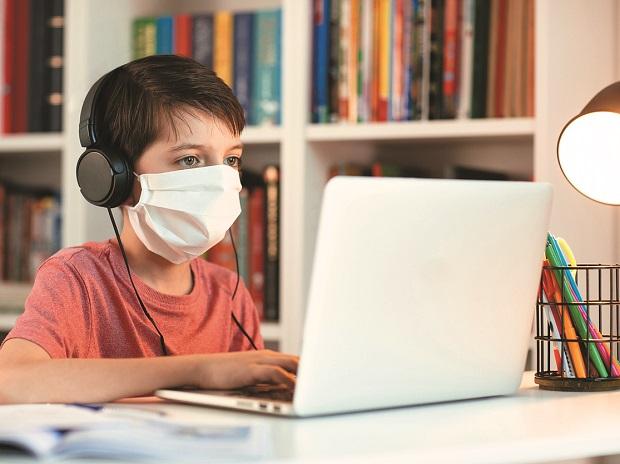
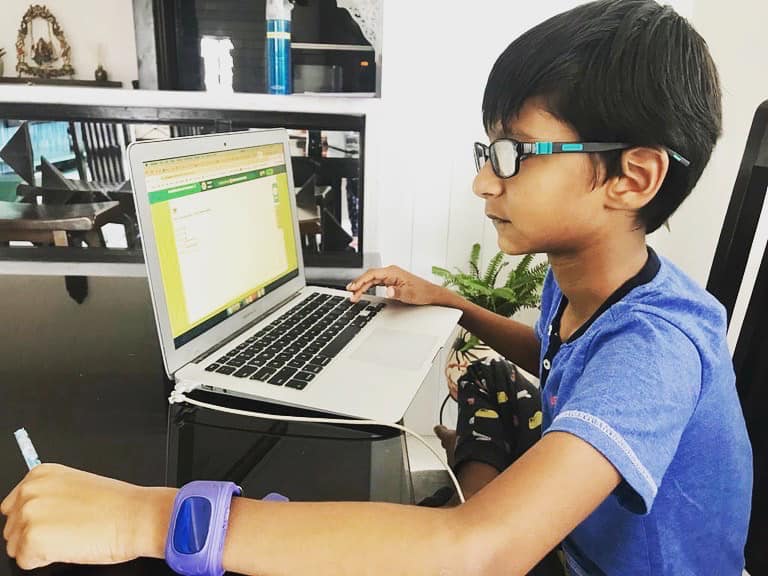
In response to the Covid-19 scare, many schools have moved online and parents seem to have assumed the role of teachers and are fast becoming savvy with resources created for home-schoolers to cause minimal disruption to their children’s education.

Again, while there are a ton of fantastic resources which are available, there are not too many resources which mimic the school that is, provide for multidisciplinary learning, encourage connections across different domains and inspire ideas which help a child develop 21st century skills and prepare themselves for the jobs of the future.

MEASURES TAKEN BY EDUCATIONAL INSTITUTES

*)Closed schools

*)Postponed or rescheduled the examinations

*)Cleaning and sanitisation of premises.

*) Consideration of long term uncertainty etc.

Impact of Covid-19 Lockdown on Students

Covid- 19 pandemic sparked widespread realization that our way of thinking is not working. It has shattered our understanding of what culture as we know it is natural and deconstructed. Education is one of those crucial fields, where the need for improvement has become apparent. The coronavirus’ consequences, and thus its preventive interventions, have turned the lives of students, parents, and teachers upside down. The clear imbalance in the ‘normal’ workings of education has put emphasis on many questions that were previously asked and left unanswered afterwards. So, what might the actual effects of this global pandemic mean for the education future?

While coronavirus keeps spreading throughout the entire planet, many countries have decided to close educational institutions as part of a policy of social distancing to slow transmission of the virus. However, this closure of schools, due to the coronavirus (COVID-19) pandemic, has affected the learning of more than 1.5 billion children and youth globally. It should be acknowledged that school closures are likely to widen the learning gap between the lower-income and higher-income families among children. Although many parents who have access to technology and the internet are gradually turning to online education technologies to keep their children studying at home while others may not be able to. In a survey conducted by India Welfare Trust, it has shed some light on how children endure the disproportionate burden of the astonishing outbreak According to the survey, 89 per cent of respondents believe that the delay in lifting the coronavirus lockdown will affect their children’s learning.

Coronavirus Will Change the World Permanently. Here's How. - POLITICO

Rapid Online Perception study investigates the impact of Covid-19 on Children. During the survey, 1,102 respondents from 23 states and territories of the Union were interviewed. “While children have not been in the face of this pandemic as they have been mostly shielded from Covid-19’s direct health effects so far, results from the study suggest that they have been among its biggest casualties with numerous side effects on their physical and psycho-social well-being,” said CRY chief executive Puja Marwaha.

“More than half of the parents reported their child became more flustered and apprehensive during the lockdown,” the report said, adding, and “37 percent of respondents confirmed that the child’s mental well-being and happiness had been affected by the lockdown. In addition, 88 percent of respondents said that their children’s exposure to screens increased during the lockdown, with 45 percent reporting the increase “to a large extent” and only 43 percent of parents/primary caregivers said they were always supervising the child when it was online.

The things we can keep in mind while opening educational institutions post lockdown are:

Changing the way of Learning:

The teaching method and the way syllabuses are taught can change. Aspects once deemed fundamental to education can be revised to cater the life skills of the future in large measure. Not only careers but also future residents will need skills such as resilience, versatility, collaboration, communication, compassion and understanding, originality and emotional maturity. School learning will have a new purpose, and that will be a major departure from today’s details-focused education.

Implementing innovative methods in education system:

Aside from the upheaval faced by the novel coronavirus, there have been some major changes in schooling in our developing nations. Yet, even in the face of rapid innovation, the way we deliver education still needs to be shifted. Learning is knowledge acquisition, but it doesn’t have to occur primarily through age-old methods that don’t leverage the highest brain potential. Can students get an experience that shapes their learning, rather than being taught? Approaches such as integrated learning and experiential learning, with greater digital transformation, will fuel the future of school education.

Strengthening the bond with technology:

New technologies such as Zoom and Google Meet have been identified as a prominent life-saver in the face of a crippling pandemic. Communication is crucial to our interconnected existence, and the driving force that maintains our connections is technology. For education, that means creating content and delivery systems that make full use of and harness technology. Maybe education can become more flexible and accessible, giving up on its excessive-reliance on rigid structures that we consider necessary at the moment. They are generations identified by their use of technology; it has become an extension of their consciousness and without it, they don’t know a planet.

The future of education should find no room to ignore the use of technology as it can very well be the best platform for empowering learning in an age which integrates technology as a way of life. Such generations will have an effect on the evolution of education because they are the ones most impacted by the pandemic and are in the best place to learn from it and evolve from it.

“Playfulness, creativity and many other aspects can never be transferred through online learning”, says the former ISRO Chief

Implementation of the techniques to teach is lacking important facets.

The theory of procuring online education for school children does not seem favourable to the eminent scientist K Kasturirangan, who says that candid physical and cognitive association is essential to bring out the meaningful characteristics such as playfulness and ideation.

The National Education Policy, 2019, draft committee chairperson intensified the necessity for face-to-face communications, interactions, exchange of ideas and beliefs as he braced the traditional mode, amid a debate on online classes for children due to COVID-19 resulted in the closure of schools.

“Fundamentally, the physical and mental connection with children directly is extremely important. Playfulness, creativity and many other aspects can never be transferred through online learning”, Kasturirangan, who was Chairman of Indian Space Research Organisation between 1994 and 2003, told news agency PTI.

He stated 86 percent of the brain develops by the age of eight, expanding that issues associated with the initial stage of children need to be scrutinized and evaluated carefully and any sort of new strategy prefers a scientific footing.

Development of a brain is a continuous process within these eight years, and if you don’t stimulate the brain properly by continuous interactions, then obviously you are missing a chance of really getting the best out of youngsters in terms of brain boat and performance, the recipient of Padma Shri, Padma Bhushan and Padma Vibhushan said.

There are issues of these which need to be analysed very carefully. Just the kind of solutions that we talk of for higher education like online and so on may not be the way to deal when it comes to dealing with the early phase of children, the former Rajya Sabha member said.

The issue of online education for school children needs to be looked into very carefully and one should not jump into any kind of approach without any scientific basis.


“There is much to be evaluated, and it has to be assessed”, underlined Kasturirangan, who had also served as a Member of the now-defunct Planning Commission of India.

Another renowned scientist, Prof. C N R Rao, who was awarded ‘Bharat Ratna’ in 2014, also spoke out lately against inducting online classes for children, giving prominence to the importance of human interface for useful communication and motivating young minds.

The Honorary President of the Jawaharlal Nehru Centre for Advanced Scientific Research and the Linus Pauling Research Professor said online classes for young children such as KG, first and second grade should be terminated.

I am not an enthusiast about online teaching. We need a human interface with students for good communication. That is how young minds can be inspired, Prof. Rao, who was Chairman of the Science Advisory Council to the Prime Minister from 1985-1989, and from 2004-2014, told PTI.

Eduindex News

Eduindex News is a next-generation global news publishing company that helps scholars get the free access to educational contents and news at one place. Our digital products, services, and engineering are built on years of innovation, with a world-renowned management philosophy, a strong culture of invention and risk-taking, and a relentless focus on customer relationships. 

EDUindex News is a division subsidiary company of Edupedia Publications Pvt Ltd created with a vision to provide educational contents & educational news at one place. With our brands like IJREduPubPen2Print and Eduindex, we are serving the humanity and helping scholars around the world. 

Joining the Eduindex News team give you an opportunity to work on different fields of content writing, editorial works, digital marketing, publishing, audio visual communication and public relation building aspects of the media publication work.