Don’t Bully the Bully

End bullying before it ends another life.

The news of tragic demise of Sushant Singh Rajput has shaken up the entire film industry to the core and people are filled with understandable grief and outrage, but unfortunately, the whole situation has turned ugly as the people whoโ€™re rightfully filled with anger have become so blinded by it that they think that there are no consequences to abusing on the internet and they think that their actions are justified. They want to take out their frustration, so where do they go? Of course, the Internet. On social media, the initial outpouring of grief and conversations about mental health rapidly gave way to conspiracy theories, allegations of dark plots, and soon enough, some “villains” had been zeroed in upon – recognisable faces on which to pin blame, and then mercilessly, relentlessly abuse.

So far, itโ€™s Sushant’s close associates and the “star kidsโ€, in the recent turn of events, have been bearing the brunt of all the outpouring rage. Of late, people have been invading Ankita Lokhande’s fiancรฉ Vicky Jain’s Instagram handle with hate comments for him. While some asked Vicky to leave Ankita, some accused him of ruining Sushant and Ankita’s relationship. Vicky has even now limited the comments to his Instagram posts to avoid the negativity. Actress Sonam Kapoor Ahuja too has been receiving several hate messages where people have slammed her and wished death for her future children.

Itโ€™s high time that we realize that cyber bullying is a crime. Itโ€™s in a way ironical that Sushant Singh Rajput lost his life due to bullying, lookism and nepotism, but now we are doing the same thing. Bullying the bully wonโ€™t cut it. Tragic as it is, Rajput’s suicide only highlights the stress faced by those in Bollywood. But issues such as nepotism, insider-outsider biases, sexism, discrimination are also part of other industry. By blaming and shaming Karan Johar or other so- called “nepotists” like Bhatt, Ranveer Singh, Varun Dhawan among others, many on so social media seemed to lose the real focus of the discourse which should be on improving mental health awareness, preparedness and infrastructure to help people cope with stress in all environments.

Toxicity cannot be reduced with further toxicity and cyberbullying is not the best practice when the end-goal is improving mental health.

Sending death threats and calling people ugly is definitely not the way to pay tribute to his legacy. If you want to pay a tribute to SSR, then the best thing is to be kind and never fear from struggle. We should remember him for his acting and his talent. Sushant Singh Rajput was struggling with mental health. The worst way to disgrace his memory is to subject others to bullying and mental harassment. Nepotism in Bollywood is real and rampant. The industry is largely run by a few clans, promoting their kin at the cost of talented outsiders, who are robbed audience, which is robbed of quality content. All these problems need to be acknowledged and discussed. None of these problems can be solved by heaping abuses on individual actors and subjecting them to vile trolling. This incident has also caused a much-needed debate regarding Indiaโ€™s mental health awareness and preparedness.

Everyone you meet is fighting a battle that you know nothing about. Be kind. Always.

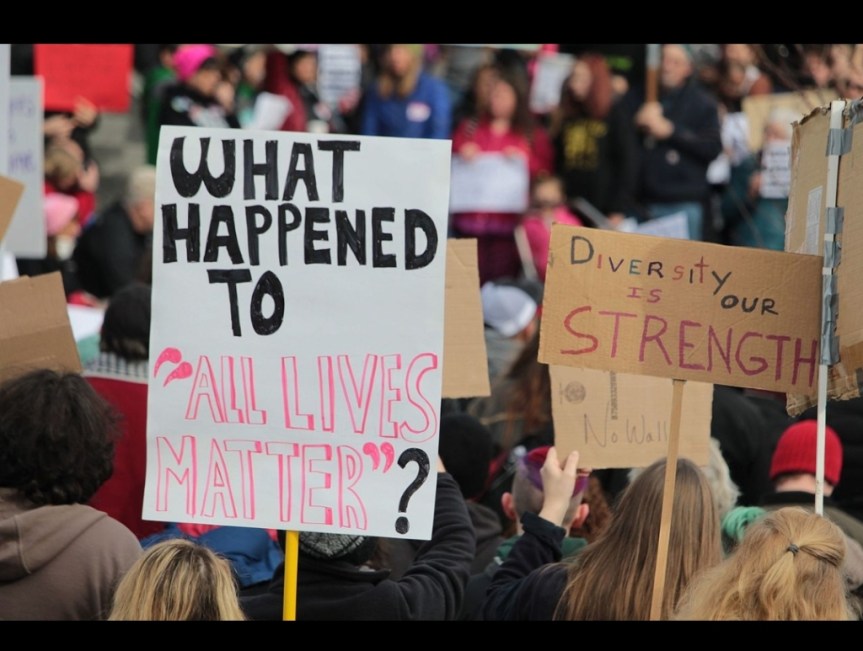
#BlackLivesMatter Vs. #AllLivesMatter

Saying that black lives matter doesn’t mean that other lives do not.

The tragic death of George Floyd at the hands of Minneapolis police has sparked intense debate over the question of racism in USA and triggered the Black Lives Matter movement. The protests have also sparked wide-ranging conversations about the responsibility industries and organizations โ€” including the media โ€” have to address institutional racism. To be clear, for much of its seven-year existence, the Black Lives Matter movement has been seen by many Americans as a divisive, even radical force. It’s very name enraged it’s foes, who countered with the slogans โ€œBlue Lives Matterโ€ and โ€œWhite Lives Matter.โ€ The tragedy, however, dramatically sparked a wave of protests sparked and enabled the Black Lives Matter movement to go has gone mainstream. The struggle is no longer confined to the national borders of the United States. However, soon enough, #AllLivesMatter became a slogan that has come to be associated with criticism of the Black Lives Matter movement. However, saying #AllLivesMatter completely missed the point of the Black Lives Matter.

Imagine that you’re sitting down to dinner with your family, and while everyone else gets a serving of the meal, you don’t get any. So you say “I should get my fair share.” And as a direct response to this, your dad corrects you, saying, “everyone should get their fair share.” Now, that’s a wonderful sentiment – indeed, everyone should, and that was kind of your point in the first place: that you should be a part of everyone, and you should get your fair share also. However, dad’s smart-ass comment just dismissed you and didn’t solve the problem that you still haven’t gotten any! The problem is that the statement “I should get my fair share” had an implicit “too” at the end: “I should get my fair share, too, just like everyone else.” But your dad’s response treated your statement as though you meant “only I should get my fair share”, which clearly was not your intention. As a result, his statement that “everyone should get their fair share,” while true, only served to ignore the problem you were trying to point out. That’s the situation of the “black lives matter” movement. Culture, laws, the arts, religion, and everyone else repeatedly suggest that all lives should matter. Clearly, that message already abounds in our society.

Just like asking dad for your fair share, the phrase “black lives matter” also has an implicit “too” at the end: it’s saying that black lives should also matter. But responding to this by saying “all lives matter” is willfully going back to ignoring the problem. It’s a way of dismissing the statement by falsely suggesting that it means “only black lives matter,” when that is obviously not the case. And so saying “all lives matter” as a direct response to “black lives matter” is essentially saying that we should just go back to ignoring the problem. The phrase “Black lives matter” carries an implicit “too” at the end; it’s saying that black lives should also matter. Saying “all lives matter” is dismissing the very problems that the phrase is trying to draw attention to.
Needless to say, dialogue matters and the George Floyd uprising has brought us hope for change. Now we must turn protest to policy.

screenshot_20200711-115801_chrome
All lives can’t matter until Black Lives Matter.

What you need from your Customers: Loyalty

3 Ways to Build Customer Loyalty at Your Restaurant

Customer loyalty is an important part of any type of business. Loyal customers are more likely to come back and purchase more of your companyโ€™s goods or services and thus increase the profits of the company in the long-term. Customers who are given the chance to participate in loyalty programs are also known to be more likely to recommend goods and services to friends and family as they begin to feel loyal towards the company. However, gaining and maintaining customer loyalty can be a challenge especially depending on the type of business and the strategic goals that the company wants to achieve in the future.

One way that a company can attempt to gain the loyalty of their customers is through loyalty programs. The term loyalty program refers to the use of a special gift or incentive being used after a repeated action by the customer. An example of this would be if a cake shop decided to give their customers a free cake for every nine cakes that they had already purchased. This incentive encourages customers to spend their money at the store because there is a special reward for giving the company their business. Aside from this, there are two main reasons why companies should consider using this method of customer service to improve their customer loyalty. One of these reasons includes the fact that loyalty programs have a positive effect on the relationship quality between the customer and the business and that these types of programs make the customer feel entitled towards their reward from the company because of the business that the customer gives them.

A loyalty program โ€œgives the customer a sense of superior status relative to the other, โ€œordinaryโ€ customersโ€ (Steinhoff & Palmatier, 2014). This, in turn, makes the customer feel more valued and is more likely to bring them back to your business instead of someone elseโ€™s business the next time they want to purchase a good or service. The other reason is that there is the principle of reciprocity once the customer receives that reward from the company. They will feel like they need to reciprocate or give back to the company for the reward that they received. This is a principle that is taken from studies done on human behaviour and the factors that motivate human beings. This principle can be used to benefit companies through the loyalty programs, because as stated above, once the customer receives their rewards they will feel as though they have an obligation to pay the company back by giving their loyalty to that business. This can increase profits for the company as loyal customers will continually purchase their goods and services.

Overall, companies can greatly increase their long-term profits and sales if they implement customer service practices such as loyalty programs since loyal customers have been proven to repeatedly revisit the company and repurchase goods and services that are offered. Loyal customers are also more likely to recommend the business and thus companies are receiving positive benefits yet again. All of this is because customers not only begin to feel more special to the company because of the rewards they receive but because they also feel a need to reciprocate for those rewards as well. If a company is willing to invest in creating a loyalty program for their customers then they will directly see the positive effects that it could have on their business and customer relationships.

References

Ma, B., Li, X. and Zhang, L. (2018), “The effects of loyalty programs in services โ€“ a double-edged sword?”, Journal of Services Marketing, Vol. 32 No. 3, pp. 300-310. https://doi-org.library.sheridanc.on.ca/10.1108/JSM-06-2016-0227

Steinhoff, L., Palmatier, R.W. Understanding loyalty program effectiveness: managing target and bystander effects. J. of the Acad. Mark. Sci. 44, 88โ€“107 (2016). https://doi-org.library.sheridanc.on.ca/10.1007/s11747-014-0405-6

ABORTION LAWS IN INDIA

Abortion is defined as the deliberate termination of a human pregnancy, most often performed during the first 28 weeks of pregnancy in the English dictionary. India has gone on a long journey to stay true to this definition. India on its policy and laws on abortion have always been towards to shield and preserve womenโ€™s rights. Its laws have reflected the international principles of the women committees that the country is a part of. The abortion laws have invariably been revised now and again understanding the transitional and fluid ways of the changing times. The MTP Act has been in place in India for almost four decades. From the MTP Act of 1971, MTP Amendments of 2002, MTP Rules 2003, MTP Amendments of 2014, and MTP Amendments of 2020 show a clear step towards making womenโ€™s rights to safe abortion care and services. In the recent amendment of the Medical Termination of Pregnancy Act, the cabinet ministers of the union government have decided to amend the abortion laws to suit the changing times and have modified the 1971 Medical Termination of Pregnancy Act to increase the time for the termination of pregnancy from 12 to 24 weeks. This amendment also has altered the usage of the term โ€œonly married women and her husband โ€œto โ€œany women and their partnersโ€œ.

MTP Act in India was passed in 1971ย  that was amended in 2020 allows women to seek an abortion under certain conditions. The conditions being (a) if there is an injury to the motherโ€™s physical health or mental health should she continuing the pregnancy, (b) or if there is a risk of mental or physical abnormalities to the fetus which would leave the fetus with abnormalitiesย  (c) if the pregnancy is the result of rape in which termination of pregnancy is allowed as the mental trauma to the women is considered as a grave injury to her mental health(d) if the resultant pregnancy is due to the failure of a contraceptive used by the couple to limit the number of children they have.ย  The MTP Act also mentions the place where an abortion should be done. Abortion must be done in a hospital sanctioned by the government or a place, for the time being, is approved by the government to do the act. The MTP must also be done by a registered medical professional. When the length of pregnancy exceeds more than 12 weeks, the abortion must be done with the consultation and approval of two registered medical professionals. The act also provides legal security to the medical professional performing the procedure. Anyone who violates the of the article is punishable by law. A person who is not a medical professional is found to be performing or has performed termination of pregnancy is punishable with rigorous imprisonment of a term of 2 years which may be extended to 7 years as it violates Act 19 of the Pre- Conception, and Pre โ€“ Diagnostic Techniques Act,1994. If the procedure of termination of pregnancy is done at a place that is not legally approved by the government then the person owing the place is punishable by rigorous imprisonment for 2 years as it is a clear infringement of the provisions of act 19 of theย  Pre- Conception, and Pre โ€“ Diagnostic Techniques Act,1994.ย  The place which is legally sanctioned should display its certificate in a manner that is easily seen by the persons visiting the place. If the place has failed to do this action, It is fined with an amount of one thousand rupees as it is in breach of rule 5(7) of the Pre- Conception, and Pre โ€“ Diagnostic Techniques Act,1994.

The women undergoing an abortion should fill a Consent form. The Consent form is a requirement to show that abortion was voluntary and informed abortion 18 hours before the process of abortion to the patient. The place where the procedure is done has to fill out the RMP Opinion form, Monthlyย  Reporting Form, and the Admission Register of case records. The RMP Opinion Form is for the registered medical practitioner to state their credentials, certification, and their good faith towards the procedure done to the patient. The Monthly Reporting Form and the Admission Register of case records are for the hospital/place to track the number of abortion cases in the hospital/place over a month. Thus it is seen that there are many rules and regulations to follow when a woman wants to undergo an abortion. The new abortion laws in India are more progressive and pioneering a new path for the public healthcare system in India. All these laws regarding abortion in India are based to protect women who have been raped or sexually violated and as a measure of population control.

A Life Less Ordinary

Many of us wonder what the Army does in peacetime when there is no war on. Some people believe that they live a life of luxury, drink a lot and generally waste their time in playing golf or card games or hunting. This is far from the truth. As you know our army is deployed all along the Himalayan borders with China, and along the LoC in J&K. Most of these borders are inhospitable, uncongenial in climate, lacking in normal facilities. Even drinking water is not available in some areas.ย 

The army formations not deployed on the borders have been busy combating insurgencies in J&K and the Northeast. It is evident that only a small portion of the army gets a chance to stay in a peacetime cantonment, that too for short periods.

This chapter deals with army activities in fields and peace areas, to enable the reader to fully visualize the lifestyle of our solider and officers and their daily activities in peace and field stations.

Life in a Peacetime Location

A military station is called a Cantonment. Here a number of units are billeted in peacetime. A cantonment is a separate township under a cantonment board which is like a town committee or municipal board. It has some elected civilian members and others nominated by the station HQ. The cantonment board runs all the civic services like a municipal board. Most cantonments have normal bazaars and civil population like any small town or locality. The rules and regulations in a cantonment are however strictly enforced. Therefore, you generally find good roads and greater cleanliness in a cantonment as compared to other civil localities. A number of units are located in a cantonment depending upon the availability of accommodation. These units are generally grouped under a brigade or a sub-area (Static HQ). The station HQ is responsible for general administration, allotment of houses and barracks along with allied facilities.A unit, i.e. a battalion or a regiment, stays together in what is known as unit lines. These lines generally have a group of living barracks for troops, playground, armoury for weapons and unit office buildings. The JCOsโ€™ and NCOsโ€™ clubs and Jawansโ€™ langars (community dining rooms) are also located here along with the unit canteen, recreation room, unit clothing stores, transport park and light vehicle repair sections etc. Barbers, washermen and safaiwalas (sweepers), carpenters, blacksmiths etc. posted to a unit also stay here. The family lines of a unit are located nearby where jawans can stay with their families for limited periods. The officersโ€™ messes and living quarters are located slightly away from the unit lines. Married officers live in small bungalows allotted to them in the cantonment area. Bachelors are allotted single rooms near the officersโ€™ messes.

There is no restriction in going in and out of a cantonment area for civilians but they cannot enter a unit line without prior permission from the authorities.

A Normal Working Day

In a peacetime cantonment the normal day of a jawan starts before sunrise. Once the Reveille bugle is sounded, jawans โ€˜fall inโ€™ (assemble in rank and file) in sports kit. By now every jawan has shaved and washed and is ready for physical training (PT). His platoon commander โ€“a JCO, normally inspects him to make sure that he is properly shaved and well turned out. He inspects his dress to ensure that it is clean and well ironed. Now the jawans are moved โ€˜on the doubleโ€™ (running) or marched off briskly to the unit parade or PT ground. In this assembly the whole unit is together. Here the JCOs and then the officers join the parade. The PT, which is the first parade, involves vigorous exercise and running. After the PT, every one disperses for breakfast and assembles for various other training, parades or tasks after an hourโ€™s break. Weapons training, firing, driving training and education classes, as applicable, are carried out till about 12โ€™o clock. At this hour jawans are marched off to clean their weapons and return the weapons and equipment. After this, jawans proceed to the langars for lunch. Officers and JCOs now go to attend the office or administrative work as required.

ย 


INDIAN CULTURE

India is a diverse country, a fact that is visibly prominent in its people, culture and climate. From the eternal snows of the Himalayas to the cultivated peninsula of far South, from the deserts of the West to the humid deltas of the East, from the dry heat and cold of the Central Plateau to the cool forest foothills, Indian lifestyles clearly glorify the geography. The food, clothing and habits of an Indian differ in accordance to the place of origin.

The Indian culture varies like its vast geography. People speak in different languages, dress differently, follow different religions, eat different food but are of the same temperament. So whether it is a joyous occasion or a moment of grief, people participate whole-heartedly, feeling the happiness or pain. A festival or a celebration is never constrained to a family or a home. The whole community or neighbourhood is involved in bringing liveliness to an occasion. Likewise, an Indian wedding is a celebration of union, not only of the bride and groom, but also of two families, maybe cultures or religion too! Similarly, in times of sorrow, neighbours and friends play an important part in easing out the grief.

The global image of India is that of an upcoming and progressive nation. True, India has leaped many boundaries in all sectors- commerce, technology and development etc in the recent past, yet she has not neglected her other creative genius. Wondering what it is? Well, it the alternative science that has been continuously practiced in India since times immemorial. Ayurveda, is a distinct form of medicine made purely of herbs and natural weeds, that can cure any ailment of the world. Ayurveda has also been mentioned in the Ancient Indian epics like Ramayana. Even today, when the western concept of medicine has reached its zenith, there are people looking for alternative methods of treatment for its multifarious qualities.

With increasing complexities in one’s lives these days, people are perpetually looking for a medium through which they get some peace of mind. This is where another science, that of meditation and spirituality comes into the scene. Meditation and Yoga are synonymous with India and Indian spirituality. Meditation is one of the most important components of Yoga, which is a mind-body therapy involving a series of exercises. The word ‘meditation’ covers many disparate practices from visualizing situations, focusing on objects or images, thinking through a complex idea, or even getting lost in a provocative book, all qualifying as meditation in the broad sense. However in Yoga, meditation generally refers to the more formal practice of focusing the mind and observing oneself in the moment. Many people from India and abroad are resorting to yoga and meditation to de-stress and rejuvenate their mind.

Another widely followed phenomena in India is the Doctrine of Karma that preaches that every person should behave justly as every act or deed comes back in full circle in one of the births of an individual.

A very important aspect of India in the recent past is the emergence of the New Age woman. Women in India are predominantly homemakers, though this perspective is changing. In many places, especially metros and other cities, women are the bread earners of the house or are at par with their male counterparts. The increase in the cost of living/economy has also contributed to the rise in this aspect.

The beauty of the Indian people lies in their spirit of tolerance, give-and-take and a composition of cultures that can be compared to a garden of flowers of various colours and shades of which, while maintaining their own entity, lend harmony and beauty to the garden – India!

Little Things To Help The Planet

It is extremely important that we look after our planet but often as teenagers it can be hard to donate money to support the cause or spend time volunteering, so here are a few things you can do instead.

1. Say no to the straw!

According to Indian pollution control board15,342 tonnes of plastic waste is produced in India every year. A big chunk of it is single use plastic straws, which can’t be recycled! These tiny straws can do a lot of harm to the ocean- it can kill all sorts of wildlife including sea turtles. So why not stop using plastic straws altogether? Some love using straws, but that doesn’t mean there isn’t anything you can do. Instead, switch to glass straws, paper straws or metal straws, here are some affordable options:

1.ย Reusable Stainless Steel Metal Straws Set (2 Bend & 2 Straight Straws, 1 Cleaning Brush) from Amazon

2. Reusable Stainless Steel Metal Straws (Copper Colour) – Pack of 4 (Straight & Bent) with Brush and Jute Pouch Cutlery from Amazon

3.ย Premium Biodegradable Paper straws from Amazon

4.ย Bent Glass Straws, Pack of 6 from Amazon

2. Invest in a tote

Whenever youโ€™re out for grocery shopping, carry a reusable tote with you. Personally, I love a good tote bag, especially the ones you can fold up and tuck away in your shoulder bag. 

Here are some affordable options:

  1. Foldable Shopping Bags for Grocery from Amazon

2.ย Ikea Compact Size Foldable Reusableย Bag from Amazon

3. Reusable mugs!

Every time you go out to the coffee shop and order your cappuccino to go you’re wasting a cup. To avoid this you might want to buy yourself a nice reusable cup. Not only do they reduce waste, but cups with lids are also a better alternative if you drink tea or coffee while youโ€™re on the go. 

Here are some affordable options:

  1. Glass mug with aย with Steel Steinerย from Amazon

2. Biodegradable Bamboo Fibre Eco Travel Mug from Amazon

3.ย Silicone Travel Collapsible Coffee Cup By The June Shop

4. Bottle it up 

There is nothing better than a cute reusable water bottle in my opinion. There are so many to choose from and reduce the waste created by using plastic water bottles. 

Here are some affordable options:

1. Stainless Steel Water Bottle from Amazon

2. Glass Transparent Bottles, Set of 2 from Amazon,

3.ย Copper Water Bottle from Amazon

5. Wrap your gift up in paper

Avoid using things that are packaged  or wrapped in single use plastic. Try to use paper or paper bags instead. And if you can’t do that, look for recyclable packaging. 

Here are some affordable options:

  1. Paper wrappers from Amazon

2. Brown Paper Bags from Amazon

6. Walk more 

Using a car is one of the worst things for the environment. If the distance to be covered can be covered on foot then why not walk to where you want to be? It’s an easy way to exercise and you’re helping our planet too by reducing greenhouse gasses. If you can’t walk there, why not take the public transport? It’s cheaper and saves the planet. 

WHO I AM AND WHY I AM HERE

A person is what he/she believes to be, mind is too powerful, it can make hell out of heaven and heaven out of hell. Meaning to say is that mind plays a vital role in everyone’s life.It manages all the function and bring new thoughts. When a person get the thoughts, the basic idea is to note it down in a page with a pen and implement in the individual’s life. I am just a person who learns each and every time, has a keen interest to discover new things and innovative ideas. A long journey has been done from a person , what I was and what I am today. There is a huge difference. To be a law student, one should maintain the rhythm , flow of study, calm mind and day to day researches. One should develop the different skills and overall development always matters. We always take from the society, but there is always a time, when we need to give society, a path to follow, or a change.

Life always gives a chance to achieve something, to turn bad into good, negative into positive, its just we need to catch the time and move with it. So, I am here to experience the platform and to be a part of this organisation with helping in the development of the organisation. Self- motivation and motivating others for a good life is very much essential, and through this at a large, it is possible that the massage could reach to more and more people, and the policies of this organisation adds up to it. It is an honor to be a part of it.

BY GOVIND SAGAR

How does ‘parental divorce’ affects the mental health of their children?

What do you mean by a divorce?

Divorce, well a divorce happens after a husband and wife agrees to seperate their ways through legally. A divorce happens when the husband and wife decides that they do not longer want to live together anymore. Divorce takes place when both the partners fight over everything since several years and realise that they are not happy with each other. Divorce also takes place when there is a lot of physical abuse and mental torture. At times, it is a mutual agreement of divorce where the husband and wife mutually agrees to seperate their ways. But at certain times, this is not the case. A divorce can also happen when either one of the partner is cheating or having an extra marrital affair and wishes to end their marriage, then the other partner willingly or unwillingly has to accept the divorce without any other choice.Divorce grants permission to get free from the marriages and also access to marry whomsoever they want to.

At present, divorces are very common. Most of the marriages do not work due to some or the other issues. Some divorces are bitter, some divorces are on mutual basis, some divorces ruins the families. Every one has their different reasons for divorces.

Divorces is not just between two persons i.e a wife and a husband. The people associated with them are also affected be it their childrens if any, elders of the family, wife’s family, etc. It is hard for everyone.

How divorce affects the mental health of kids?

The most affected by the divorces are the kids. If the divorce is mutual and the kids are happy about it too, then there isn’t any issue about it. But, what if the divorce isn’t mutual? What if the marriage ended on bad terms? What if the kids weren’t ready about it? What if the kids never expected that one day their parents would get divorced? What if they were always kept in a happy family zone? What if they never knew that their parents were never happy with each other?

The kids when in their teenagers or are at the age when they have the ability to understand things are affected mentally because of their parents divorce. The marriage that ends on bad terms affects the mental health of not only the husband and his wife but also their kids.The whole family suffers due to the divorce between two people. It breaks the reality of their ‘complete happy family’ which they will never get again. Their mind is full of thoughts and confusion at the stage when they get to know that their parents would soon be seperated and they have to choose one of them.

They have to choose and stay with one person. If the kids are below 18 years of age, the legal custody of them is decided by the parents as per their convenience. And if above 18, then they are free to live as per their wishes.

The most difficult task for the kids is to choose between their parents, they never thought that such situation would ever arise in front of them. They face a dilemma whether to choose their dad or mom.

Its really hard to choose one. Still, they have to. Their mind keeps on thinking that they have to stay with one person from now onwards; either mom or either dad. One person would leave the house and they would never get to spend time again with their mom and dad together. This is the one scenario where only one parent has the sole custody of the kids. Another scenario can be where both the partners decide to take up the joint custody of their kids. And the third scenario could be where the grandparents or somebody other than the parents take the custody of the kids.

The kids get affected by all these. Not only kids below 18 years of age but also adult children i.e above 18 years of age; who experience the seperation of their parents. They get devastated, broken and hurt. They get depressed due to this. The divorce of their parents damages them from internally which they never heal resulting into trust issues.

Some hide their pain and sadness from their parents and act normal that they are ‘okay’ with them being divorced. But, the truth is that they are not okay. The pain, it stays with them for a longer time. They do not get over it. They find it difficult to accept the fact that their family would never be the same. They get lost and get detached from their parents.

They feel lost and take wrong steps and start indulging in wrong things. They feel there is no one to understand them now. They feel that they would never get a complete family now. The pain is there. The pain of not having a complete family ever.

Some kids start failing in their exams, some get silent, some get depressed, some become rude. Many kids or adult children start dating in search of love and gets ended up with wrong persons. Many indulges in smokings, drugs or alcohols. They feel this is the best solution to overcome this. But no. Nothing fills that pain or void in their hearts.

They always see other’s happy families and get sad because they can’t have ever one like them. They feel that their mom dad would never love them the same the way they did earlier. Their happy family gets broken.

Believe it or not, kids do get affected and start harming themselves. And the sad part is that they never heal from this. It remains with them till forever.

Before anyone else, they get hurt by their families. They think it is their fault that something like this happened with them.

The divorce of the parents directly or indirectly do affects the relationships of their children with others. They develop trust issues, fear of getting hurt by anyone, fear of getting close to anyone because eventually they would leave them. They start hiding their pain as they think no one can understand the pain they are dealing with. They feel lonely. Sometimes, even sucidial thoughts do come in their mind. They need love and support but they never find it. They fear of getting attached to anyone.

It is a lifelong grief or sadness that doesn’t goes out of their minds or hearts completely. The divorce changes them mentally so much that they change into a completely different person that they weren’t.

Parental ‘divorce’ can never be ‘over’ for the child. It stays forever. Lucky are those who have a complete family. Parental divorce ruins everything for the children.

The Skill of Listening Well

From our childhood, we are taught to conduct ourselves in a manner that is pleasing to the society in which we live. We are told to respect others, be helpful, maintain decorum and be kind. One of the skills that is most needed for such thoughtful engagement is the skill of listening. And this does not mean just listening as routine but listening well, actively. In a world which has seen a sonic explosion in the past couple of decades, and with opinions and voices on everything from what to eat to what to stand for, we find ourselves surrounded by a plethora of voices. This often makes us unable to distinguish between the necessary and the unnecessary voices, and can even make us complacent when we shouldn’t be, in the long run. The skill of listening is probably one of the most important skills that we need to have in this time, for the benefit of the community that surrounds us and for ourselves.

We are continuously processing the sounds that we are hearing all the time when we are awake. We assign meaning to them as well. We listen in classrooms, during discussions, on the metro, and in innumerable other settings. Our academic and career performances can be greatly influenced by how good we are at listening to what is being said and how efficient we are at gleaning the important points from it. It is an essential quality especially when we engage with social issues or mental health issues, or when we are trying to help someone with a problem they are facing. We need to also keep in mind that listening should not be equated with hearing since hearing can happen passively as well, even when you do not put in any effort.

Listening well is a skill developed over time. Here are some pointers to being a better listener:

  1. Exercise self-control: This is one of the most crucial aspects of listening well. Exercising self-control might look like not interrupting when a person is speaking, waiting till the end to ask questions, putting away presumptions and prejudices, and waiting till you have all the information before you make a judgment. Listen to understand and not just to respond.
  2. Be fully attentive: Let the person speaking know that they are your focus and that you are listening fully. Keep distractions like your phone, away. Your posture also matters; nod, use facial expressions and be encouraging.
  3. Respond well: Ask if you have understood them well by paraphrasing, ask thoughtful and intelligent questions, and clarify doubts.
  4. Be honest: Treat the speaker with dignity and give honest feedback. Point out things they might have to reconsider and give good reasons for your responses.

Conversations that include such attentiveness and engagement will be more meaningful and impactful. It will also lead to better understanding, better relationships, and more informed perspectives. Being an active listener will also make you more empathetic and sensitive to the experiences of others, and even lets you pick up on the things that they are not saying. It increases the quality of the exchange and lessens the chances of being misunderstood. Listening well can be the single antidote to many of the problems that we face in personal verbal communications right now.

Is it too late to recognize our true heroes?

While the entire nation is under the dark cloud of the coronavirus pandemic; hotels, restaurants, travel, malls, theaters, movie shootings, and even religious places are closed; healthcare professionals at all levels have been working tirelessly and worked with a redoubled commitment to stem the spread of the virus. Leaving family and loved ones behind, for the fear of infecting them, the brave warriors are waging a tiresome war. Health workers are leaving no stones unturned in leading the battle against an invisible enemy, despite difficulties, their commitment towards humanity never wavers.

Everyone during the pandemic is hailing doctors and other health care workers as heroes, people are clapping in their balconies, the air force did a petal shower to thank the HCWs but why it took a pandemic for us to realize that Doctors and not the movie stars or cricketers or any other group we hail as heroes are our true heroes. This pandemic is the time when every other religious place is it of any religion is shut down and the only one to save us from a deadly virus if we get infected are the doctors. We are waiting anxiously for a vaccine and are putting our hopes in the scientists to find one. All our hopes are now on doctors and scientists so that we can get out of this pandemic hearty and healthy.

Photo byย Miguel ร. Padriรฑรกnย fromย Pexels

Indiaโ€™s total healthcare spending (out-of-pocket and public), at 3.6% of GDP, as per OECD, which by the way is way less than many other developing countries and we spend even less amount on research and development. The total per capita government spending on healthcare has nearly doubled from โ‚น1,008 per person in the 2015 financial year to โ‚น1,944 in the financial year 2020 but is still low. The Covid-19 pandemic crisis is a reminder of the importance of investing in the healthcare sector in any country. It really is time that we start sorting out our priorities and more than that we as individuals need to recognize our true heroes. But all this rant is worthless because today we as a nation as taking pride in saying that doctors and health care workers are our true heroes and I am sure as hell that as soon as this pandemic is over the routine misbehavior with the doctors, calling them out for earning good, blame-game will start again as usual and our heroes would again be actors making senseless movies and cricketers winning matches.

Cometh the Hour: Black Lives Matter is what has to Trend Far

ย ย ย ย ย ย ย ย ย ย ย ย ย ย ย ย ย ย ย ย ย ย ย ย ย ย ย ย ย ย ย ย ย ย ย ย ย ย ย ย ย ย ย ย ย ย ย ย ย ย ย ย ย ย ย ย ย ย ย ย ย ย ย ย ย ย ย ย ย ย ย ย ย ย ย ย ย ย ย ย ย ย ย ย ย ย ย ย ย ย ย ย ย ย ย ย ย  -SHUBHANKAR

Black lives matter, black lives matter and on and on these chants go, but why only now? Why not 40-50 years back or even 2-3 years back. Why people and society only wake up when some innocent person loses his/her life? Is it death of a person when we realise that he/she should be provided with justice? Why donโ€™t we understand the suffering one faces when they lose their close one. Have we become so inhuman that we canโ€™t even see oneโ€™s suffering, let alone feeling their suffering or pain. All lives matter, we know that. But oppression faced by the black people is which is alarming, not only for the past few years, but few decades for now.

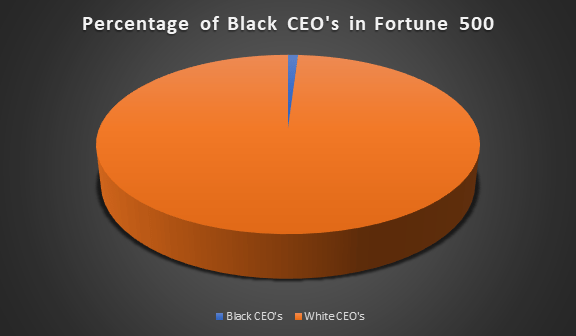
The main reason the black lives matter movement has gained global impact is because of the death of George Floyd by a policeman in the United States of America. This gained widespread protests not only in the US but worldwide. The sporting community also joined hands and supported the moment as over the years many top footballers and cricketers have faced racism and still do. People should understand that nobody is born with a choice of choosing their skin colour, so why discriminate people on the basis of their skin colour. Why is it that people favour white skinned people in jobs, or in schools or elsewhere. Is it written in any religious scripture that peopleโ€™s intelligence is determined by their skin colour. No, it isnโ€™t but peopleโ€™s stigmatised mind wonโ€™t change until real action is taken against them. Why donโ€™t people understand that someoneโ€™s heart or nature should be good rather than their appearance or skin colour. But these talks are baseless because this movement of black lives matter didnโ€™t start because of these talks, but because of the killing of an innocent man just because his skin colour was black. The below graph shows the percentage of black CEOโ€™s in the Fortune 500:

The graph clearly shows the story, just 1% black CEOโ€™s in the entire Fortune 500 companies. I donโ€™t intend to ever say that give jobs or education based on any category, be it racism or on the basis of caste. I only say give jobs on the basis of skills, on the basis of knowledge. But donโ€™t oppress a person who has the skills and knowledge just because he is black or from a lower caste.

Now, I will talk about the Indian society in particular and the racism prevailing in the country over the past very many decades. The Indian society is very stigmatised on the fact that white people are the oneโ€™s who are very good in all aspects and blacks need to be oppressed. But why this stigmatisation? Why do people donโ€™t understand that skin colour isnโ€™t everything. Every time we see in Indian newspapers, in the column of matrimonial we find people wanting grooms/brides with skin colour fair. But why? Donโ€™t people understand how this can have a impact on the mind of people facing racism. This is the very fact that people nowadays are committing suicide because of problems like racism, etc.

And the problem doesnโ€™t end here. Top celebrities in India endorse brands which encourage racism in a way by saying that by applying those products skin colour can be changed to a better skin colour. This is the worst impact as these celebrities have a huge fanbase. But my question is why? Is money so much more important than humanity that these so called celebrities endorse these brands. I mean a celebrity is a person who by his/her actions build a better society, not a society with racism.

In the end I want to state that people understand only when some innocent person dies but why people donโ€™t understand losing someone is something which is worse than anything in this world. And losing someone over pitty things like racism, over skin colour killing someone, this is the worst thing one can do. Hope the world after this movement changes their thinking, and hope the world becomes a peaceful place to live again. SAY NO TO RACISM

Things to Know About Korea

KOREAN CULTURE has survived for 5,000 years, despite the best efforts by hostile neighbors to stomp it out. If you know and respect Korean culture you will get much more out of your time in Korea.

1. Kimchi is culture

Kimchiย is sliced cabbage, fermented with red chili sauce and anchovy paste. It is pungent, spicy, and sour. Koreans love it and eat it with every meal โ€” usually on the side -โ€“ though they also use it as an ingredient in countless other dishes.

Kimchiย is symbolic of Korean culture: itโ€™s strong, distinctive, and defiant. Some foreigners canโ€™t stomach it, but if you can, you will earn the localsโ€™ heartfelt respect. Itโ€™s definitely one of the top food experiences you need to have in South Korea.

2. Shoes off

When entering a Korean home, you must remove your shoes. To do any less is a sign of great disrespect.

Koreans have a special relationship with their floor, on which they sit and often sleep. A dirty floor is intolerable in a Korean home, and they view Westerners as backward savages for remaining shod in our living rooms.

3.ย Soju

Korea is a drinking culture, and their national booze is soju, a clear, vodka-like drink.

Soju is drunk out of shot glasses, and like all liquor in Korea, itโ€™s always served with food. Koreans drink in boisterous groups, regularly clinking glasses, while shouting geonbae! (cheers) and one shot-uh!

At night, you will see men coming out of norae bang (karaoke rooms) and staggering through the streets, laughing, singing and arguing. Just be sure to avoid the puddles of reddish-vomit often left behind, which are also known as kimchi flowers.

Koreans have strict drinking etiquette: never pour your own drink, and when pouring for someone older than you, put one hand to your heart or your pouring arm as a sign of respect.

4. Rice

Like the Japanese, the Koreans eat rice with almost every meal. Itโ€™s so ingrained in their culture that one of their most common greetings isย Bap meogeosseoyo?, or โ€˜Have you eaten rice?โ€™

Unlike the Japanese, Koreans usually eat their rice with a spoon, and they never raise the rice bowl off of the table towards their mouths.

Also, chopsticks must never be left sticking out of the rice bowl, as this resembles the way rice is offered to the dead.

5. Do not smile

Koreans are a warm and generous people, but you would never know it from the sourpusses they paste on in public.

Sometimes, the chaotic streets of the peninsula resemble a sea of scowls, with everyone literally putting their most stern faces forward. This is NOT true of the children however, who will invariably grin and laugh while shouting โ€œHello! Hello!โ€

6. Beware of elbows

Korea is a crowded country. Itโ€™s a cluster of stony mountains with only a few valleys and plains on which to build.

The result is a lot of people in small spaces, and folks will not think twice about pushing and jostling in order to get onto a bus, into an elevator, or to those perfect onions at the market.

Donโ€™t even bother with โ€œexcuse me,โ€ and beware of the older women, known asย ajumma. Theyโ€™re deadly.

7. Protests

South Koreans fought hard to achieve the democratic society they now enjoy, and are among the top in the world when it comes to exercising their right to protest.

Dissent is alive and well. Koreans protest with frequency and they protest with fervor โ€“- on all sides of the political spectrum.

Protesters employ a variety of methods, from the violent (angry students regularly attack riot police with huge metal rods), to the absurd (cutting off fingers, throwing animal dung, covering themselves in bees).

8. Hiking

As Koreaย is mountainous, it should come as no surprise that hiking is the national pastime.

Even the most crowded of cities have mountains that offer a relative haven from the kinetic madness of the streets below.

Koreans are at their best on the mountain. They smile and greet you and will often insist on sharing their food and drink. Make sure to stop at a mountain hut restaurant forย pajeonย (fritter) andย dong dong juย (rice wine).

9. Bow-wow

Yes, some Koreans do eat dog meat, despite some sporadic attempts by the government to shut down theย boshingtangย (dog meat soup) restaurants, in order to improve the countryโ€™s โ€œinternational image.โ€

Dog meat is mainly consumed during the summer and by men, who claim that it does wonders for stamina.

10. Nationalism

Koreans are an extremely proud people, and sometimes this pride transforms into white-hot nationalism.

You see this nationalism displayed at sporting events, where thousands of Korean fans cheer their national teams on in unison, banging on drums and waving massive flags.

This nationalism especially comes to a boil whenever Japan is mentioned, as Japan has invaded them several times, and occupied Korea as a colony for almost the first half of the 20th century, decimating the countryโ€™s resources and conscripting thousands of their women as sex slaves.

MULTIDISCIPLINARY APPROACH TO EDUCATION IN UNDER GRADUATE STUDIES

Multidisciplinary approach to education is studying a topic/concept from the viewpoint of more than one discipline and solving issues using various disciplinary approaches. Real world situations are much more complex and require knowledge of several different subjects to clearly understand them. Multidisciplinary approach to education will also encourage the students to apply their existing and newly acquired knowledge in a more practical and hands-on way. It also encourages the students to inculcate in them the habit of researching, which gives way to a much more creative mind.ย  Many colleges and universities offer multidisciplinary studies programme for students who want to design a major that suits their particular educational and career needs. There are many multidisciplinary studies degree programs and several job options suited to graduates.ย 

John Dewey popularized the concept /philosophy of pragmatism, this has lead teachers being worried about teaching the โ€œwhole childโ€. From time-to-time even the best of best teachers might feel a student is responding minimally to their teaching efforts or the pupil has a problem. When a child has learning problems counsellors are not often consulted, in turn the teachers starts to feel the pupil is retarded or her/his competence as a teacher has been challenged. The only answer to this problem is multidisciplinary education whose foundation is based on the core proposition that students can create their own understanding and knowledge of the world by integrating new experiences with alternate ideas through theoretical exploration and practical exposure. It enables students to break away from their usual learning path and to break out of the silos of knowledge, absorption and creation. To encourage a new and a better way of learning, educational institutions must provide the necessary facilities and platforms for students to learn subjects beyond their normal study classes. Class projects/assignments could involve students and teachers from different disciplines. Teachers and experts from various walks of life should regularly involve in interacting sessions with the students to inculcate the freedom of enquiry and broaden their mind-sets. College campuses need to transformed into tinkering labs of ideas from various domains. Such an environment will encourage the students to work in teams and respect each otherโ€™s point of views or opinion. Promoting multidisciplinary approach to education will also help educators and faculty a wide canvas to design innovative and stimulating assignments and projects. For instance a class project could involve students building a mobile-app to monitor and remote control soil-moisture levels. Such multidisciplinary projects would help students from different faculties to work in mutually supportive teams. Students are likely to engage themselves more in the work if they are free to combine subjects of their choice. Learning can acquire greater meaning and the experience is likely to remain embedded with the students for a lifetime. Students learn to consolidate knowledge after synthesising ideas from different perspectives. This develops their critical thinking, problem solving and research capabilities and pushes them to think beyond boundaries. For example if a particular industry experiences downturn or disruption, engineer with a degree in multidisciplinary study will be better equipped to switch to sunrise industries. This approach to education will also nudge students towards undertaking entrepreneurial ventures. This multidisciplinary knowledge will strength the cognitive capabilities of students. It helps them cross mental boarders, respect other peopleโ€™s point of view and communicate their ideas to people of their domain. Multidisciplinary education is very important as it develops critical thinking skills that students use to look across disciplinary boundaries to consider other viewpoints and also begin to compare and contrast concepts across subject areas. Choosing which subject to study and why to study that will be very challenging and requires students to think carefully about how to identify their choice of subject and prioritise it. Adaptability is one of the most important features of multidisciplinary education because different subjects may need to be viewed through different lenses which mean an individual needs to be able to switch to the appropriate lens at the appropriate time for whichever subjects they are looking at.

Colleges and universities must help students build their own multidisciplinary approach to learning and developing these important skills will enable students to study in a way that suits their own style of learning, motivations for study and personal interests. Having a portfolio of different subjects within the students degree profile can therefore be marketed to employers in a very positive light and help the students stand out against other applicants. The overarching goals of undergraduate education are to engender in students the capacity to think deeply, analyse the situation and problem solving, with multidisciplinary education students will find it easy in putting their creative ideas forward.

The Power of being mindfulness


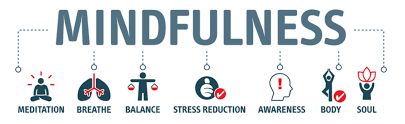
Recently , mindfulness has evolved as a way of treating children and adolescents with conditions ranging from ADHD to anxiety, depression , stress etc. And the benefits are proving to be enormous. It can be used at home and in school and the role mindfulness can play is significant .
Mindfulness can be defined simply as โ€œpaying attention in a particular way: on purpose, in the present moment and non-judgmentally.โ€ To explain that in a more elaborate manner , mindfulness is a meditation practice that starts with paying attention to breathing in order to focus on the here and nowโ€”not what might have been or what youโ€™re worried could be. The ultimate goal is to keep you a little bit away from disturbing thoughts and emotions to be able to observe them without immediately responding to them.
undefined

Benefits of using Mindfulnessโ€ฆ.
They were less emotionally reactive and more able to handle daily challenges and choose their behavior. Stress reduction and self-acceptance are two of the major elements of mindfulness and are particularly important during the drama and turmoil-filled teen years. โ€œRegulating the emotions, learning how to calm oneโ€™s mindโ€” are the invaluable skills.โ€
The children of this generation are almost restless and it is difficult for teachers to hold their attention for a reasonable amount of time. They get distracted easily and are unmanageable and out of control. But with mindfulness , the students behavior get regulated and they focus more on learning activities in the classroom.Being socially responsible , we feel that there is a need for some positive changes in the society and the Education system . In this current scenario ,Mindfulness is meaningful to almost everybody.
Learning to control their focus : The children learn how to calm themselves and get to a place where their mind is settled and that is of course a great tool to have. The children who seemed to worry about everything and have trouble focusing on the moment. The mindfulness brings them back into the present moment so they can learn.
The kids feel that they can actually calm themselves even just through breathing. The ultimate goal is self-awareness and self-regulation. They are learning self-awareness and then making choices based on that self-awareness.
Creating calmness in the classroom : Both the terms Yoga and Meditation are closely associated with mindfulness. It creates a calmness in those classes. Students learn how to self-regulate their behaviors and are avoiding conflict, avoiding situations that might get them into trouble.Kids who have the most difficulty with self-control are the ones who most benefit from a mindfulness-based program.
Helping kids manage stress : Mindfulness is enormously helpful to children and adolescents for dealing with the everyday difficulties of todayโ€™s highly stressful school age kids-life.A mindfulness-based social and emotional learning curriculum help kids gain tools for stress management at an early age that would transfer into teenage years and adulthood. The hope is to help kids manage their own stress as they turn into grownups.
The concept of mindfulness can be extended to Parenting as well.
Mindful Parenting
The Mindfulness techniques can be used to take stress and anxiety out of raising kids by giving a better perspective and some strategies to implement. If there is not enough downtime , the situation can become worse.The guided mediation , body scan, and breathing exercises can help them slowing things down, stepping back and observing their own reactions to effectively restructure the familyโ€™s morning routine.Slowing life down in general seems to be a common theme . When parents become stressed ,that stress becomes contagious and children come to know about their parents temperament. Parents often forget what their children need in their busy lifestyle. To take a breath and listen to what their children are trying to tell them with their behavior.Mindful mornings may be less efficient, but theyโ€™re more pleasurable.
Parents are able to make peace with their imperfections and begin to regulate their emotional state, so that they can be calmer and more present for their kids and cultivate some self-compassion.It can be proven that taking a deep breath and staying calm when your children are pushing you to the edge actually causes positive changes in the brain.
Making home a safe environment
Your calm response helps kids calm down and make them trust that their parents are in control . And, this is a safe environment. And they feel more secure . So thatโ€™s another benefit of parents practicing it on their own.
Mindfulness involves paying close attention to whatever you are doing in the present momentโ€”breathing, eating, feeling your feet on the ground and smelling the air if youโ€™re outside taking a walk. It can be achieved through meditation and it can be achieved by paying close attention to daily activities .Meditation is the best way to get there.The whole point of mindfulness is not to do away with particular thoughts, including negative ones, but to develop a different, non-judgmental relationship to themโ€”to understand that they are feelings but they are not you.
It means that they then have choices about how they want to engage with or react to that thought and thatโ€™s very powerful clinically because they actually feel that they have control. It really has incredible benefits in terms of their happiness, their ability to get a better nightโ€™s sleep etc.And that is the ultimate goal of mindfulness. It provides you with a psychological and emotional buffer where previously there was none.Mindfulness teaches you how to respond wisely instead of reacting blindly. That is a super power.
The final wordsโ€ฆ.
Mindfulness seems to be closely associated with Emotional intelligence, Yoga ,Breathing exercises and Meditation .The combinatoric therapy is supposed to work well for children with behavioral issues .Of course, Parents too can benefit from it by regular practice. The ultimate goal is self-awareness and self-regulation. Mindfulness teaches you how to respond wisely instead of reacting blindly. That is a super power.

If you would like to read and explore the topic further , please check the following link :

https://www.verywellmind.com/mindfulness-meditation-88369

Technology in education

The termย educational technologyย refers to the use of technology in educational settings, whether it be elementary and secondary schools, colleges and universities, corporate training sites, or independent study at home.

Educational technology has both general and specialized meanings. To the lay public and to a majority of educators, the term refers to the instructional use of computers, television, and other kinds of electronic hardware and software. Specialists in educational technology, in particular college and university faculty who conduct research and teach courses on educational technology, prefer the term instructional technology because it draws attention to the instructional use of educational technology. This term represents both a process and the particular devices that teachers employ in their classrooms. According to the Association for Educational Communications and Technology, one of the principal professional associations representing educational technologists, “Instructional Technology is a complex, integrated process involving people, procedures, ideas, devices, and organization for analyzing problems, and devising, implementing evaluating, and managing solutions to these problems, in situations in which learning is purposive and controlled.”(p. 4). Educational technologists often employ the term instructional media to represent all of the devices that teachers and learners use to support learning. However, for many educators the terms educational technology, instructional media, and instructional technology are used interchangeably, and they are used so here. In addition, the principal focus will be upon the most modern computational and communication devices used in schools today.

History of Educational Technology

The history of educational technology is marked by the increasing complexity and sophistication of devices, exaggerated claims of effectiveness by technology advocates, sporadic implementation by classroom teachers, and little evidence that the technology employed has made a difference in student learning. Although technology proponents have from time to time claimed that technology will replace teachers, this has not occurred. The typical view among educators is that technology can be used effectively to supplement instruction by providing instructional variety, by helping to make abstract concepts concrete, and by stimulating interest among students.

The terms visual education and visual instruction were used originally because many of the media available to teachers, such as three-dimensional objects, photographs, and silent films, depended upon sight. Later, when sound was added to film and audio recordings became popular, the terms audiovisual education, audiovisual instruction, and audiovisual devices were used to represent the variety of media employed to supplement instruction. These were the principal terms used to describe educational technology until about 1970.

The first administrative organizations in schools to manage instructional media were school museums. The first school museum was established in St. Louis, Missouri, in 1905. Its purpose was to collect and loan portable museum exhibits, films, photographs, charts, stereographic slides, and other materials to teachers for use in their classrooms. District-wide media centers, common in school systems today, are descendants of school museums.

By the first decade of the twentieth century, silent films were being produced for instructional use. In 1910 George Kleine published the Catalogue of Educational Motion Pictures, which listed more than 1,000 titles of films that could be rented by schools. In 1913 Thomas A. Edison asserted, “Books will soon be obsolete in schools โ€ฆ. Our school system will be completely changed in the next ten years” (Saettler 1968, p. 98). In 1917 the Chicago public schools established a visual education department to take responsibility for the ordering and management of films, and by 1931, thirty-one state departments of education had created administrative units to take charge of films and related media. Despite these efforts, films never reached the level of influence in schools that Edison had predicted. From evidence of film use, it appears that teachers used films only sparingly. Some of the reasons cited for infrequent use were teachers’ lack of skill in using equipment and film; the cost of films, equipment, and upkeep; inaccessibility of equipment when it was needed; and the time involved in finding the right film for each class.

Technology is a powerful tool that can support and transform education in many ways, from making it easier for teachers to create instructional materials to enabling new ways for people to learn and work together. With the worldwide reach of the Internet and the ubiquity of smart devices that can connect to it, a new age of anytime anywhere education is dawning. It will be up to instructional designers and educational technologies to make the most of the opportunities provided by technology to change education so that effective and efficient education is available to everyone everywhere.

INDIAN CUISINES

Although it is common for Indian restaurants to present dishes as part of a uniform, nationalized cuisine, in actuality, the food of India is as regionally specific and diverse as its population. These cuisines are heavily influenced by Indiaโ€™s history, conquerors, trade partners, and the religious and cultural practices of its populace. A little background on the commonalities and differences between Indiaโ€™s regional cuisines can turn your next Indian meal into an exhilarating, and deeply gratifying, adventure.

Common Culinary Threads in Indian Cuisine

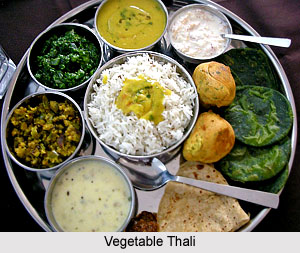
Although Indian cuisine is highly regionally specific, there are certain common threads that unite the different culinary practices. Indian cuisine throughout the nation is highly dependent on curries, which are gravy-like sauce or stew-like dishes with meat, vegetables, or cheese, although the particular spice mixtures, degree of liquidity, and ingredients are determined by regional preference. Indian cuisine in general is also very dependent on rice, although Southern Indian regions use rice more heavily than other areas. All regional cuisines are reliant on โ€œpulsesโ€ or legumes. Indian cuisine uses perhaps a greater variety of pulses than any other world cuisine: red lentils (masoor), Bengal gram (chana), pigeon peas or yellow gram (toor), black gram (urad), and green gram (mung) are used whole, split, or ground into flour in a diverse number of Indian dishes. Dal, or split or whole legumes, add creaminess to dishes that donโ€™t use dairy, and protein to vegetarian diets.

Perhaps the most defining characteristic of Indian cuisine is its diverse use of spices. Indian spice mixes often use upwards of five different spices, sometimes combining 10 or more. Chili pepper, black mustard seed, cumin, tumeric, fenugreek, ginger, garlic, cardamom, cloves, coriander, cinnamon, nutmeg, saffron, rose petal essence, and asafoetida powder ( a spice that has an overly strong scent when raw but imparts a delightful flavor akin to sautรฉed onions and garlic when cooked) are all used frequently in various combinations. Garam masala is a popular spice mix, cardamom, cinnamon, and clove, with the additional spices varying according to region and personal recipe. Mint, coriander, and fenugreek leaves offer their pungent, herby flavors to dishes throughout India.

Outside Influences: Conquest and Trade

The cultural impact of trade is evident in the Indiaโ€™s cuisine, with specific regions and dishes bearing the mark of foreign influence. Indiaโ€™s spices were highly coveted by Arab and European traders; in exchange, India received many goods that greatly influenced its culinary tradition. Portuguese traders brought New World imports like tomatoes, potatoes, and chilies, which have become deeply integrated into Indian dishes. Arab traders brought coffee and asafoetida powder.

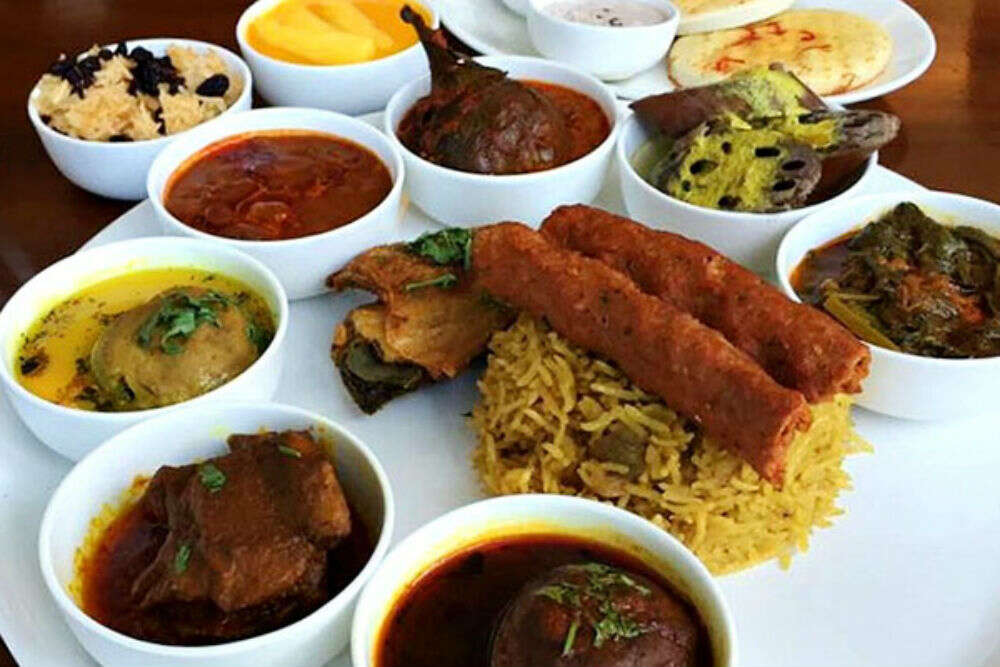
Indiaโ€™s periods of conquest have also greatly shaped the development of its cuisines. Mughal conquerors, who occupied India between the early 1500s and late 1600s, infused Indiaโ€™s culinary tradition with Persian flavors and practices. The effect is notable in the use of cream and butter in sauces, the presence of meat and nuts in dishes, and specifically in dishes like biryanis, samosas, and pulaos, which draw heavily on Persian cuisine.

Although British control of India introduced soup and tea to the country, it had little impact on its cuisine. The colonial absorption of Indian cuisine into British culture, however, has deeply affected the translation of Indian food abroad. Chicken Tikka Masala, a popular dish on many Indian menus, is in fact an Anglo-Indian creation and is commonly known as โ€œBritainโ€™s true national dish.โ€ Even Western concepts of Indian โ€œcurryโ€-the term is applied to a multitude of gravy and stew-like dishes-are derived from British interpretation of Indian cuisine. Curry powder is also a British creation: a blend of Indian spices that were originally paired together by colonial cooks.

India: Diverse Population, Diverse Gastronomy

Indiaโ€™s population is highly diverse, with cultural identities heavily influenced by religious and regional particularities. Ayurvedic teachings, emphasizing equilibrium between mind, body, and spirit, have exerted an influence over Indian cuisine in general, dictating ingredient pairings and cooking practices. While this philosophy is a common influence throughout Indian cuisine, the ways in which Ayurvedic food rules are applied differ according to religion and regional culture. Approximately one-third of Indiaโ€™s population is vegetarian, dictated by their Hindu, Jain, or Buddhist faiths. Consequently, a significant portion of Indiaโ€™s dishes throughout the country are without meat. Additionally, religious beliefs affect other dietary restrictions that shape Indiaโ€™s cuisine: Hindu followers abstain from beef, because cattle are sacred in this faith, while Muslims believe pork to be unclean and never eat it. Depending on the dominant religious beliefs of a region, the cuisine in a particular area may omit certain ingredients to comply with religious law.

Northern Indian Cuisine:

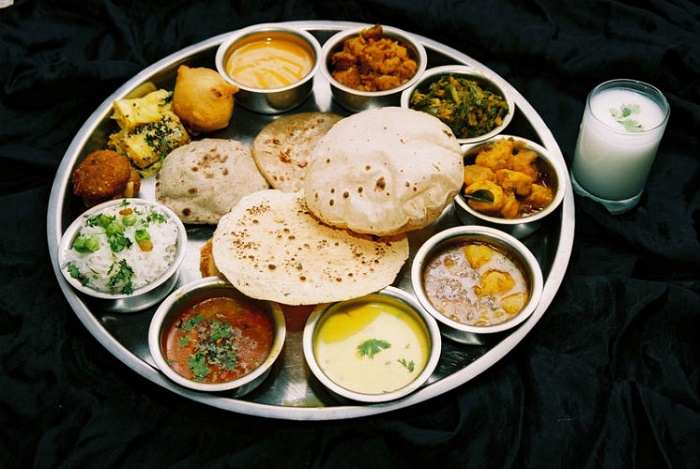
Perhaps the most prevalent culinary style found outside of India, Northern Indian cuisine reflects a strong Mughal influence. It is characterized by a high use of dairy: milk, paneer (an Indian mild cheese), ghee (clarified butter), and yogurt are all used regularly in Northern dishes. Samosas, fried pastries stuffed with potatoes and occasionally meat, are a distinctive Northern snack. Clay ovens known as tandoors are popular in the North, giving dishes like Tandoori Chicken and Naan bread their distinctive charcoal flavor. A significant number of Northern dishes make regular appearances on Indian menus. Dal or Paneer Makhani are popular vegetarian dishes, consisting of dal or paneer cooked in a creamy sauce of tomatoes, onions, mango powder, and garam masala. Saag Paneer and Palak Paneer are two similar dishes made with spinach, cream, and paneer, differing slightly in consistency and spices. Korma, another menu staple from Northern India, is a creamy curry of coconut milk or yogurt, cumin, coriander, and small amounts of cashews or almonds. It can be served with different meats, usually chicken or lamb, but sometimes beef, as well as with paneer for a vegetarian dish.

Western Indian Cuisine:

Western Indian cuisine is distinguished by the geographic and historical particulars of its three main regions: Maharashtra, Gujarat, and Goa. Maharashtraโ€™s coastal location is responsible for its fish and coconut milk-dominant cuisine. Gujarati cuisine is mostly vegetarian and has an underlying sweetness to many of its dishes due to Chinese influence. Since the dry climate of this region produces smaller vegetables, this region is well known for its chutneys, which are popular Indian condiments that use cooked, fresh, or pickled vegetables and fruits with sweet, sour, or spicy flavors. Goa acted as a major trade port and colony for Portugal, resulting in a distinctive and unique blend of Indian and Portuguese culinary elements. Goan cuisine uses pork and beef with greater frequency than other regional cuisines in India. Vinegar is also a characteristic ingredient of Goan cuisine, another result of Portuguese influence. The prevalence of coconut milk, coconut paste, and fish in Goan cuisine results from its coastal location. Vindaloo is a traditional Goan dish that is an Indian restaurant mainstay, its name deriving from Vinho de Alho, a Portuguese marinade consisting primarily of garlic, wine, vinegar, and chilies.

Eastern Indian Cuisine:

Eastern Indian cuisine is primarily known for its desserts. These desserts are not only favored by other regions in India, but are frequently found at Indian restaurants, their light sweetness making an excellent finale to a meal. Rasgulla is a popular sweet treat consisting of semolina and cheese curd (chenna) balls that are boiled in a light sugar syrup. Eastern dishes favor mustard seeds, poppy seeds, and mustard oil, giving dishes a light pungency. Rice and fish also feature prominently in Eastern cuisine. Overall, Eastern dishes are more lightly spiced than those from other regions.

Southern Indian Cuisine:

Southern Indian cuisine is not typically found on many Indian restaurant menus and differs greatly from other regions. Its โ€œcurriesโ€ contrast differently in their textures and can typically be categorized according to the drier consistency, or those favoring a more soupy or stew-like presentation. Poriyals, dry curries consisting of a variety of vegetables and spices, accompany rice dishes. Sambars, rasams, and kootus, three common stew-like dishes, each differ in their primary ingredients and degrees of liquidity. Sambars are essentially tamarind flavored pea and vegetable stews that are more watery than curries from other regions, but are thicker than rasams. Rasams are more similar to soups in their consistency, and are composed primarily of tomato, tamarind, and a myriad of spices. Kootus are more similar to curries found in other regions, but, rather than being creamy like the dairy-based curries of the North, kootus get their consistency from boiled lentils.

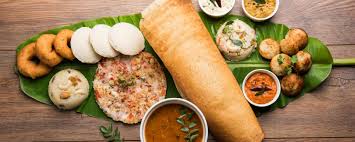
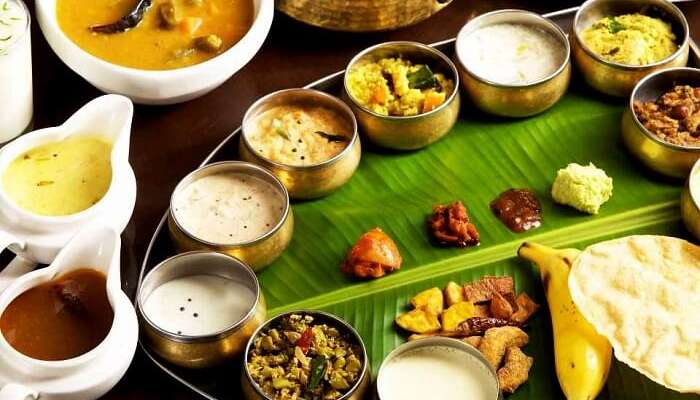
Aside from curry-style dishes, Southern Indian cuisine is known for its tasty fried or griddle-cooked snacks. Dosas consist of a large crepe-like rice pancake that is usually filled with vegetables, chutneys, or masala curries. Utthapams are similar to dosas, but are thicker with the โ€œfillingโ€ sprinkled on top like a pizza. Idlis and vadas are fried delicacies similar to savory doughnuts that are served as accompaniments to sambars and rasams. Apart from restaurants that specifically serve Southern Indian cuisine, the only South Indian food that is frequently found in Indian restaurants are pappadams, a fried crispy rice cracker usually spiced with black peppercorns.

Unexpected Lessons I Learnt from The Bold Type

I discovered โ€œThe Bold Typeโ€ after a draining day at school. I had just screwed up an exam and I was in desperate need for an escape. Now, a couple years and four seasons later, โ€œThe Bold Typeโ€ is still a source of constant comfort. 

Whether it is professional or personal, there are plenty of life lessons that I picked up while watching the show. 

  1. DONโ€™T BE AFRAID TO STAND UP FOR WHAT YOU BELIEVE INโ€“ Kat is one of the most outspoken characters on the web, she like the title is the embodiment of bold. Kat does not shy away from confrontation and believes in taking a firm stand. She is comfortable expressing herself, her opinions and her beliefs no matter what. Her strong stands even cost Kat her dream job , nevertheless she did not shy away from doing the right thing and curved a new path for herself to continue doing what she loves to do even when the conditions arenโ€™t favourable enough.
  2. FAILURE HAPPENS. THINGS DONโ€™T WORK OUT SOMETIMES. MOVE ONโ€“ As someone who wants to prefect everything they do, this hits home. Failure is a part of life. Just because you failed at one thing doesnโ€™t mean youโ€™re bad at everything or that you canโ€™t try again.ย 
  3. HAVING A SUPPORT GROUP IS IMPORTANTย โ€“ Jane, Kat and Sutton support each other through thick and thin- Every bump in the road, every achievement, every rock bottom, every celebration. Get yourself a friends group that is there for you without any strings attached. Everything is a gazillion times better when you have a support group. Take it from me, 2020 would have been hell if it wasnโ€™t for my girl gang.
  4. ITโ€™S OKAY TO NOT BE SURE ABOUT YOUR CAREER CHOICESโ€“ In the course of 4 seasons, Sutton went from a personal assistant to a fashion assistant to an aspiring designer to a stylist. She admits that she is undecided about her career choices but is willing to experiment what she desires to see what suits her best.ย 
  5. YOU HAVE TO START FROM SQUARE 1โ€“ Since the first episode of season 1, the girls knew where they wanted to be, personally and professionally, and they were on the way to achieve it. However in the latter seasons we discover that the they all started from the bottom: Sutton was a temp, Jane started as an intern and Kat worked for someone who was clueless about how to make hits on any social media platform. It was a great reminder that everyone has to start at the bottom.
  6. BE INSPIRED BY STRONG WOMEN– Connecting with such strong female-empowering character leads in The Bold Typeย is so important for any viewer because it gives an insight into loving what you do, being more understanding, and realising thatย you donโ€™t have to go through the tough times in lifeย alone.ย Early on in the show, Kat starts explore her sexuality and discovers what it means to find yourself before giving it all to someone else. Jane is driven by what her heart tells her and she goes through numerous personal ups and downs and still finds a way to keep going. Having strong women around them as helped them overcome the obstacles they faced and to come to terms with what is going on in their lives.ย 

Being bold can be terrifying but it’s great to have shows like โ€˜The Bold Typeโ€™ inspire us and help us put into perspective how we can be bolder and live our life on our terms.

Why Therapy Can Be Therapeutic

There is always hope, even when you’re brain tells you there isn‘t.. (John Green)

I mentioned talking about your emotions and sharing your problems in few essays. Talking is majorly underrated. It can help us look at things differently. Even though there is a low chance that the other person will be able to solve the problem you are facing, but they will surely give you enough strength and courage to face that problem head on.

As I say that, I also realize that not everyone has a person who will give them their time and listen to them. Now, that’s where therapy enters our scene. Sometimes, our problems are so complicated that we can’t feel comfortable about talking to someone whom we trust. It’s not because we don’t trust them enough. It’s because we fear their judgement. No matter what, humans have a natural tendency to judge. Sometimes you may not feel like communicating with your known ones about your problems. Or sometimes, you might just yourself be unaware of what the problem is in the first place. Or… You might just not be able to trust anyone.

In the above mentioned cases, one must without giving it a second thought, approach a mental health professional. They not only protect our story because confidentialily is crucial but also help you open up about it. I must stress here that counselling is not merely giving information or advice. It helps you look into your subconscious and thoroughly guide you through the process of finding your peace of mind. You have to invest time yes. But the time you invest when you go for therapy ultimately helps you grow into a better and happier version of yourself.

Therapy basically provides you with a safe space, where you are first made comfortable. A therapist ethically cannot judge you. They help you realize the true goal of your life. They bring out those problems into light which are deeply hidden in your unconscious and are the fire cause of your distress.

All psychotherapists help you in modifying your habits and lessen the emotional burden that you have been carrying for so long. To top all of that people suffering from any sort of trauma or mental disorder should never blindly follow any random person’s advice. If a person feels like their problem is deeper than they thought, by approaching a professional, you are able to get diagnosed and get the right treatment.

Therapy is used for treating all sorts of disorders ranging from eating disorders to stress related disorders to multiple personality disorder to depression and many more. Therapies can go on for years at a stretch. But it is always worth it. Specially disorder that threaten not only your lives but also those around you are always treatable. All you have to do is have faith in yourself and be willing to work on your mental health. These days because the current situation, therapies have even launched themselves online. This is a time where people who were already distressed and troubled are going through the worst of their days, where they just feel worthless.

But they should remember that they are worth it. Their mental health is worth it. They themselves are the only ones who can truly help themselves. Stay hopeful. Times are distressing. Times are difficult but their is always hope if they are willing to work on themselves. You are a star and you are definitely worth it!

Indian traditional food๐Ÿ˜‹

The india is the famous for various types of festivals various cultures, dresses. nature, historical places etc. and the most famous of different types of foods. The Indian food is the rest of the world not just only in test but also some cooking methods. Throughout in India be it North India, south India spices are used generously in food. In the kashmir, is mostly dishes are prepared by the main course of rice founded abundantly in the beautiful. Delicious item cooked is the saag. That is prepared with a green by leafy vegetables known as the HAk,

East Indian Food –

East Indian Recipes

The bengali and Assamese style of cooking are noticeable. The staple food of the Bengalis food is yummy combination of rice and fish. Usually the Bengali love eating varieties of fishes. A special way of way of preparing the delicacy known as Hilsa, is by the pumpkin leaf and then cooking it. Another unusual ingredient that is commonly used int the bengali cooking of the Bamboo shoot. Vrous sweets prepared in the region by using including the Roshgollas, Sandesh, Cham-Cham other than more type of foods.

In the state like Maharashtra, the food is a usually mix of both north as well as the south cooking style here some people use both of rice and wheat with same intrest. along coastline of Mumbai is a wide variety of a fishes are available. Some of the delicious preparation include like the Bombay prawn and Pomfret.

GOA Food –

All You Need to Know About Goan Cuisine

In the Goa is further down towards south, one can notice Portuguese influence in the cooking style as well as in the dishes are some of the major dishes of this region are the sweet and sour Vindaloo, duck Baffad, sorpotel and egg molie etc.

SOUTH INDIAN FOOD –

Delicious South Indian Food In The City | WhatsHot Bangalore

The south Indian state make great use of spices, like some fishes and coconuts, as most of them have a coastal kitchen.In food of Tamil Nadu use of tamarind is frequency made in order to important sourness to the dishes.

KERALA –

Kerala Cuisine: 21 Dishes To Try On Your Next Trip In 2020

In Kerala their are have some delicious food of the dishes are appams, Malabar fried Prawans, Idlis, Dosas, Fish and rice puttu. Another famous item of the region is the sweetened coconut milk. Yet another dish puttu, which is the rice power steam like in a pudding a bamboo shoot.

GUJARAT FOOD –

Traditional Gujarati Food & Cuisine

The Gujarat Thali is main contain dish of in here food. And the main dishes are include variety of dal, Kadhi, two to three vegetable preparation, salad savories, Puriyan and rice, chutney, sweet, pickles and papad buttermilk and etc. Gujarat Thali makes a balanced diet for everyone.

MAHARASHTRA FOOD

Dependable And Delicious Maharashtrian Food In Mumbai - Homegrown

The maharashtra most world famous of pav-bhaji is to delicious as well another one is Poha, Maharashtra has a lot of offers to food lovers. Cuisine can be broadly classified into two styles of kokan and Varadi. The Kokan being from the coastal region has from Goan, Saraswat, Gaud and Malvani region. Vardi cuisine, on other hand belong to some Vidarbha region. Some spiece like Goda Masala, Kokum, Tamarind and coconut are essential ingredient in the kitchen. and their are spice level differ in different part of the state.

KASHMIR FOOD –

Harisa festival : Now you can experience Kashmiri cuisine through ...

The Kashmir is most world famous nature is too beautiful the Kashmir is called as the “Jannat” and here’s dish was too delicious. The Kashmir food is varied and vibrant. Here are the names of Kashmiri food dishes that is introduce to you the Zaika-e-Kashmir. So do try the popular food of Kashmir on vacation of most which is the foods are Roghan Rosh, Modur Pulao, Dum Olav, Yakhni lamb curry, Goshtaba, Kavha, Shab Deg,Aab Ghosh, Momos, Butter tea.

HEALTH

The word health refers to a state of complete emotional and physical well- being .health care exists to help people maintain this optimal state and health .

A resource for everyday life ,not the objective of living.health is a positive concept emphasizing social and personal resources ,as well as physical capabilities.

TYPES

There are two types of health . Mental health. Physical health.

Mental health it is harder to define mental health than physical health because many psychoLogical diagnoses depend on an individuals perception of there experience .with improvements in testing, however, doctors are now able to identify some physical signs of some types of mental illness in CT scans and genetic scans .

Good mental health is not only categorized by the absence of depression or any other disorder .it also depends on a person ability to:

Enjoy life feel safe and secure.etc

Physical health a person who has good physical health is likely to have bodily functions and processes working at there peak.this is not only due not only to an absence of disease. Regular exercise,balanced nutrition ,and adequate rest all contribute to good health .people receive medical treatment to maintain the balance ,when neccessary .

Looking after physical health and well-being also involved reducing the risk of an injury or health issues ,such as:

minimizing hazards in the workplace

avoiding the use of tabbacco and alchohol.

health is a state of complete mental and physical and social wellbeing and not merely the absence of disease and infinity. Health is a quality of life,involving social ,emotional ,mental spiritual and biological fitness on the part of the individual ,which results from adaptation to the environment.

Employee Welfare

“An organisation that truly values its human capital as an asset makes an excessive investment on the employees’ welfare than an extravagant expenditure on the publicity warfare.” – Anuj Somany

The above quote is really excellent as an organisation should always consider his employees or labours as an asset and not as a tool. As this is the way through which we can make them understand that they are really important to an organisation. Employee Welfare is a term which includes various services, benefits and facilities that are offered to employees by the employer in order to improve their performance and comfort them. Employee Welfare is also known as Labour Welfare. It covers state of well-being, happiness, satisfaction, conversation and development of human resource. Employee Welfare implies providing minimum desirable standard like health, clothing, housing, education, insurance and recreation. These all facilities helps the worker and his family to live a good work life and social life. Welfare activities helps in increasing the morale of the employees. It also helps in motivation of the employees high so as to retain the employee for a longer period. It is not necessary that the welfare measures should be in monetary terms it can be be in any kind or forms. Labour welfare includes those facilities and services which are in addition to wages and salaries. Employee Welfare is a dynamic concept which varies from country to country and from region to region. It is a flexible and ever-changing concept. Generally, welfare measures are complementary or in addition to regular wages and salaries. Employee Welfare is an essential part of social welfare. The main motive of this is to improve the standard of living of the employees and thereby make a worker a good employee and a happy citizen. These welfare measures help in improving efficiency of the employee. Efficiency gives reward to both employee and organisation. One in the form of increased production to the organisation and other in the shape of higher wages due to higher productivity to employee. Welfare measures help in minimising hazardous effect on the life of the workers and their family members. It helps in preventing social evils like drinking, kidnapping, gambling, etc. and this further helps in improving the personal, social and cultural condition. So some of the importance of Employee Welfare activities are –

  • Employee Retention – Welfare activities helps in creating a positive environment for its employees, which helps in retention of employees and a higher job satisfaction among them. Thus, welfare activities helps in reducing labour turnover.
  • Improve Standard of Living – Welfare facilities like housing, education, loan, etc help the employee to improve their standard of living and live there life with comfort.
  • Improve Productivity and Efficiency – It is often said that”Happy Employees are Productive Employees” and it is correct. If we make our employees happy in some or the other way and if we satisfy their needs they will definitely help us to achieve our goals with more dedication and hard work. So, welfare facilities is also a method to increase our productivity and efficiency.
  • Better Focus on Job – Often employees are distracted and disturbed due to their personal problem like non-availability of proper accomodation, education facility for their children, etc and due to these problems they are not able to focus on their work and thus it reduces the productivity and efficiency of the work and the organisation. So, in order to resolve these problems the employer should provide the facilities to their employees and this will help them to focus on their job.
  • Preserve Mental and Physical Health – The organisation should provide some sports facilities, gyms and games which will help the employee to work more actively as it will reduce their stress, tension and problems and it will also help in keeping their body and mind sound.

Last But Not the Least

Employee Welfare activities shows the overall satisfaction level that is perceived by an employee from his work. It helps in improving morale and loyalty of employees.

The obsession for Internet games

Internet games are good for fun but they can highly be addictive

I was talking to a mother of two children, Rina and she said – she always keeps monitoring how much time her children spent on videogames. Many times, she has to urge them to stop playing. The lockdown period has also increased the hours they spent playing online games.

This is not new. There are countless parents like Rina, who keep checking their children and impelling them to plug up. It is a huge challenge for them. Many reports say the upsurge in Internet gaming disorder (IGD) among children in the lockdown period. It states the endless usage of on-line and off-line video games by youngsters. With the emergence of high-tech devices like computers, tablets, and smartphones, playing online or offline games has developed into a widespread pastime, exclusively amongst adolescents. Folks frequently play video games for leisure, distraction, enthusiasm, challenge seeking, depression, and runoff from actuality to be per their unfulfilled desires or impulses.

Even though a selection of reviews has confirmed profitable outcomes of playing video games on the emotional state of players. It helps in getting mental ability stronger, increases problem-solving attitude but it also has numerous harmful effects on both physical and mental strength. It has been put forward that extreme video gaming could be dangerous. It is connected with insomnia, lack of concentration, poor academic performance, anxiety, depressive symptoms, deterioration of interpersonal relationships, family conflicts, youth violence or crimes, lower self-esteem, and no self-satisfaction.

The possibility of gaming addiction was expressively greater among boys, those with poor educational accomplishment, and those who favored multiplayer online games. Gaming obsession was pointedly connected with the average time spent gaming per week, frequency of spending money on gaming, the period of spending money on gaming, perceived family disharmony, and having more close friends. These outcomes propose that successful learning and precautionary curriculums or approaches are required.

How to boost your immunity in this pandemic?

In this pandemic everyone wants to boost their immunity. But the question is, how to boost up immunity?

Covidโ€19 attacks people with low immune systems and people especially people of under and over ages. The immune system is built on beneficial live bacteria that lives in the gut which protect the human body from various diseases. When the immune system response is low, weak, or damaged, it becomes an open invitation for infections such as coronavirus or other diseases like diabetes, heart disease, or cancer. Plantโ€based foods increase and help the intestinal beneficial bacteria, and the overall gut micro biome health which makes up to 85% of the body’s immune system. On the other hand, excess of animal foods deplete the body from good bacteria, promote inflammation, and are the underlying cause of diabetes, chronic obstructive pulmonary disease cardiovascular diseases, hepatitis B, cancer, and chronic kidney diseases.

Patients of coronavirus must have plenty of water, as that will keep their mucous membranes moist which can further lower the chances of cold and flu. If they do not sense thirst that much, then they can prepare soup for them or have coconut water, milk, green tea, and even some homemade fruit juice will be helpful. There is currently no evidence of COVIDโ€19 virus survival in sewage or drinking water.

The food you eat plays a key aspect in determining your overall health and immunity. Eat low carb diets, as this will help control high blood sugar and pressure.  A low carb diet will help slow down diabetes and focus on a protein-rich diet to keep you in good shape. And regularly consume vegetables and fruits rich in Beta carotene, Ascorbic acid & other essential vitamins. Certain foods like mushrooms, tomato, bell pepper and green vegetables like broccoli, spinach are also good options to build resilience in the body against infections.
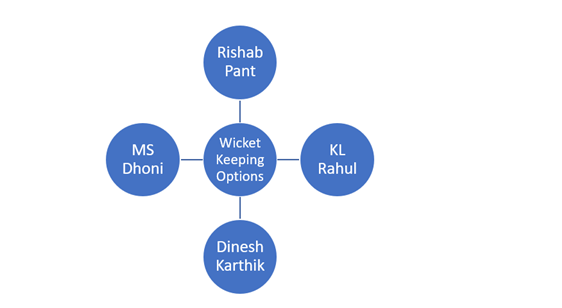
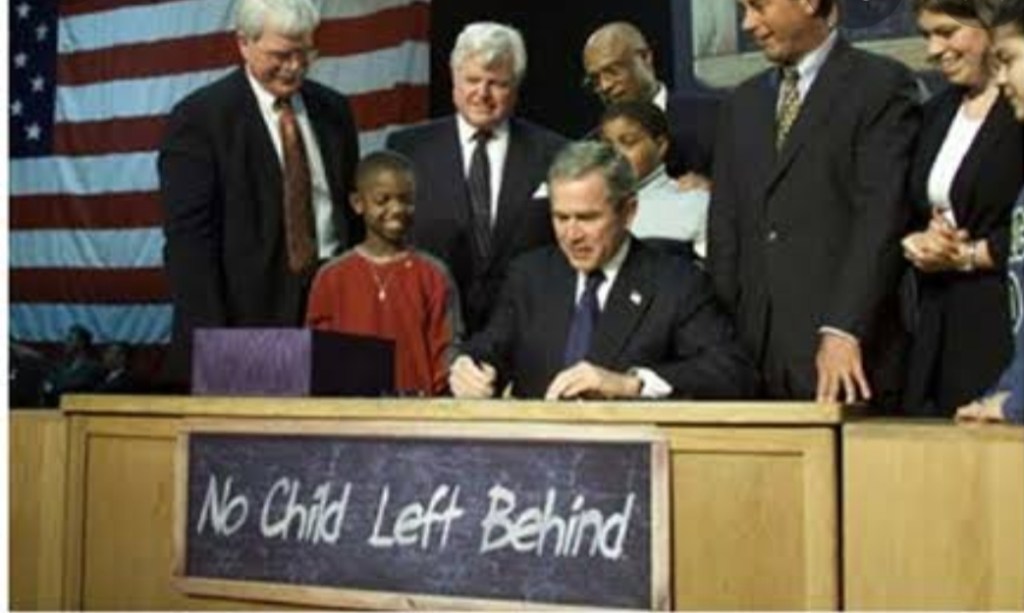
Vitamin C is an important aspect of improving immunity, for the kids, adults, or even elderly people. Fruits like oranges, papaya, kiwi, and guava are rich in vitamin C and should be included in diet. Moreover, some vegetables like eggplant, bell peppers, beetroots, spinach, and cauliflower are known to be quite rich in vitamin C and are good for immunity. Green vegetables like broccoli, mushrooms, and even kale are a few immunity boosters that one can include in the diet. They improve the immune system of older people quite rapidly. Berries can also be included in the diet along with foods rich in omegaโ€3 fatty acidsโ€”beans, flax seeds, and even some nuts. Elderly people should consume Spirulina and Curcumin, as they are extremely rich in vitamin C and minerals. These super foods help in building and strengthening immunity at great level.

Waterโ€soluble vitamins have significant benefits in treatment of sepsis and septic shock, a lifeโ€threatening condition, which is caused by inflammation produced by pathogenic organisms. Other ways vitamin C aids the body are as a proโ€oxidant for immune cells, antioxidant for lung epithelial cells, and immunosuppressive effects (Erol, 2020). Foods that contain vitamin C are oranges, kiwi, kale, and broccoli (Hill, 2018).

Vitamin E is vital for maintaining the overall health of elderly people, including their immunity. Vitamin E is a powerful antioxidant that can protect you from various infections, bacteria, and viruses. Soaked almonds, peanut butter, sunflower seeds, and even hazelnuts should be consumed to get the daily dose of vitamin E. Vitamin E functions primarily as an unโ€specific, chainโ€breaking antioxidant that bans the spread of lipid peroxidation. This vitamin is often a radical peroxyl scavenger that protects the polyunsaturated fats in plasma membranes and lipoproteins (Liang et al., 2003). F2โ€isoprostan quantification is the most effective indices of freeโ€radical production and oxidative lipid destruction in vivo (Lin et al., 2002). The F2โ€isoprostans are enhanced, and their emission may be reduced by taking supplements with vitamin E. Vitamin E performs a significant part in preserving immune responses.

Some other aspects, you can stay healthy, and boost your immunity by these things:

Donโ€™t avoid sleep: take at least 8 hours of sleep in a day.

Stay hydrated and try to drink water of  every one hour gap, at least 12 glass of water in this summer season and 8 glasses water in winter season.

Never skip exercises, make routine of exercises in your life it will make you more attractive and boost your immunity very easily-

You can do yoga, aerobics, stretching, morning walk and many more things,

Be relaxed and distress, and do mediation it will help you to focus on your work

And lastly, take vitamin c every day and avoid sugar as much as you can

While the battle against the Covid-19 pandemic is fought by our health care workers, we can do our bit by limiting our exposure to the virus by staying indoors, social distancing, eating healthy, hydrating .

IS PROCRASTINATION POISONOUS TO HUMANS?

Did you ever involve yourself in something very trivial , when you had an important assignment submission or work? Did you ever regret not doing the job right?. If yes , then thatโ€™s what we call procrastination. Procrastination is the act of delaying or postponing something that needs to be accomplished within a given period [โ€ฆ]

IS PROCRASTINATION POISONOUS TO HUMANS?

Is Cow Vigilantism weakening the rule of law in India?

Image courtesy : https://www.newsclick.in/sacred-cows-disposable-humans

Using physical force in the name of “cow protection” without any legal authority by a self-appointed group of people is what we call cow vigilantism . In our country ‘India’ we have often seen innocent people getting attacked and killed by the so called “cow protectors”, but did we ever do anything against it?. All this increased in folds from the year 2014 when the BJP government gained power. The extremist groups have mostly targeted the Muslims and the Dalits. The highest number of cases were recorded in the state of Uttar Pradesh.The minorities of this country were mostly targeted. There is a complete collapse of the constitutional values and ethics in this country. 

At least 44 people – including 36 Muslims were killed in a span of three years. Several  politicians have openly justified these attacks. Meenakshi Ganguly, South Asia director at Human Rights Watch had also once said that although calls for protecting cows started as a way to attract Hindu votes, it  transformed into a free pass for mobs to violently attack and kill the minorities. Indian government should stop protecting the culprits.  Hindus consider cows to be  their sacred animal and a lot of states in India have banned cow slaughtering. In recent years, we can clearly notice that BJP-ruled states have enforced stricter laws for protecting cows which have harmed the minorities of our nation. In the year 2019, National commission for cow protection came into existence. These policies have not only encouraged the violent attacks on innocent people but have also disrupted the cattle trade in our country. These violent mobs have often targeted the Muslims, Dalits ( before known as the “untouchables”) and Adivasi communities. Did you as a fellow Indian ever realise, what am I doing to stop the wrong doings in my own country? Why are we not affected by any of these incidences ? Why have we become so neutral to the sufferings of our fellow countrymen? 

Some incidences :

  • On May 30th 2015, a 60 year old man was beaten to death by a violent mob group. Apparently the man ran a meat shop and he was beaten to death with sticks and iron rods in Rajasthan.
  • A Muslim man Mohammad Ikhlaq was beaten to death by a mob of villagers who attacked his home with stones and bricks, his son was also seriously injured. The villagers suspected that he stole and slaughtered a cow calf. This incident took place on 28th of September 2015 in the state of Uttar Pradesh. 
  • A cow vigilante group opened fire at 40 migrant workers, out of which one succumbed to his injuries, in Bhanukeri village in the state of Haryana.
  • In Lakshmanpur village which is the state of Uttar Pradesh, a 70 year old man Kailash Nath Shukla who was taking his cattles for treatment in another village, was attacked by a mob, who stopped him on his way and threw him in a gutter.

The Indian government must stop and punish the violence taking place in the name of “cow protection” in our country. Although the Supreme court has introduced various measures to stop lynching in the name of cow protection,there is lack of seriousness amoung common public. Indian is party to various treaties related to human rights, so the Indian government is obligated to provide equal protection under law and prohibit any violence on innocent people in the name of caste, religion,gender and race. We must stand up for our fellow brothers and sisters who are victims of this violence, we must remember that we are not demanding for something impossible, we are demanding for a right we deserve and a right promised to us,that is equality.

References:- 

India: Vigilante ‘Cow Protection’ groups attack minorities,

https://www.hrw.org/news/2019/02/18/india-vigilante-cow-protection-groups-attack-minorities

BOARD RESULTS AMIDST PANDEMIC DAYS !!!

Class 10th and 12th are the days of board exams. The board exams are important for all the students as well as their parents and family. The entire family eagerly waits for the board results of their child.

Students-PTI-2-2-580x395

Every year, Board Exams are held in India in March and April and results are usually declared around May and June. But this time, the situation is a bit different. Due to COVID-19 pandemic, the exams could not be conducted, there was an unexpected shutdown of schools and exams were postponed hoping it can be conducted a few months later. But, the spread of virus could not be controlled in these days and the number of infected population kept on increasing. An initial prediction gave an estimate that the corona cases can get under control by July and hence board exams can be held in July, but unfortunately that prediction didn’t work out. The administration tried out different options so that the remaining exams could be held and students can get the marks and grades that they actually deserve. It was decided that by maintaing proper sanitisation as well social distancing rules at schools, and by following proper guidelines such as wearing masks,etc, exams will be conducted in July. Unfortunately, all these proposals could not be put into action due to the continuous increase in number of cases. It was now wise to see and care for the health of students rather than for the exams. So, it was decided not to take risk on the life of youngsters. It was announced that all the exams are to be cancelled and results are to be declared by 15th of July. The assessment will be based on the exams given by the student till then.

results

Besides the challenge faced by the students, it was a tough time for teachers as well to do the evaluation while staying at home. The answer sheets of students were made to reach teachers at their home itself and theyย  could complete the copy-checking at their place. All updation of marks of individual students was done online and compilation was done and results of students were prepared. Results of class 10th and 12th for different boards are already declared and isย  to be declared for CBSE in a few days. Since exams were not conducted in the way it used to be. Thus, this time it is expected that there will be a very easy grading. Due to this, it is expected that the a large number of board students will clear the exam. The pass percentage is expected to be high this year. Since relaxed marking is expected this time, hence most of the students are expected to be satisfied with the results. However, there are chances that a few students might find their score not satisfactory as they could have performed better if exams were held. For this, the administration has come up with the solution of re-examination for those students who are not satisfied with their result and want improvement.

The situation has been hard for all of us. Everyone tried their best to keep the situation as normal as possible. The idea of holding the examination was also supported until it was understood that this idea could make the situation worse, due to which, then the idea was dropped. After the examination, admission to class 11 has to be done. And for students of class 12th, admissions to colleges needs to be done. Hence, there was a need to wrap up with the school exams and go ahead with the competitive exams and admission process. Taking the decisions were difficult for everyone but there is a hope that the decisions taken will bring out the best results for the majority.

How e-commerce marketers can turn the current situation to their advantage

The COVID-19 pandemic has, without a doubt, altered the way we go about our lives. Companies too are trying to figure out ways to be in sync with the โ€˜new normalโ€™. E-commerce brands can view the current scenario as an opportunity, provided they are able to focus on few and important marketing mantras, that will help them survive through the crisis and thrive in the future. Here are some simple marketing mantras that can be followed.

Know your ability โ€“ Strategy

An alternate word for business strategy is Focus. Focus is about knowing oneself, in this case itโ€™s about knowing the ability of your business or brand that makes it attractive to consumers while also being profitable. Defining the areas of focus for a business is not easy. There are opportunities in many areas, and it requires a deep understanding of consumer needs and an honest assessment of the brandโ€™s ability to meet those needs to arrive at the areas of focus. It also means knowing what the business cannot do and the areas where it cannot win. In the current situation, it becomes even more imperative for brands or businesses to understand the area where they should play in and rationalize their portfolios accordingly. That will help in ensuring focus of the organisation towards the most important priorities that the business can deliver.

What do you offer? โ€“ Brand Building

Building a strong brand is of critical importance to any business, and itโ€™s no different in the current situation. Many companies tend to only invest in performance driven marketing and short-term measures like discounts and high levels of activity where an immediate impact is perceived. While these are needed, itโ€™s vital to continue building on the brand proposition to ensure the long-term health of the brand. A brand proposition is simply the benefits, functional and emotional, that a brand provides consumers. Identifying these benefits based on observations and insights from consumers and communicating them in an interesting way is critical to form strong and meaningful connections with consumers. Brands that will continue to focus on this in the current situation will also come out of it stronger.

Stretch while being rooted โ€“ Innovation

The common saying that modern problems require modern solutions is true. Consumers are constantly on the lookout for new products and services that are enhanced and cater better to their requirements. The pandemic has presented an opportunity as consumersโ€™ requirements are evolving, and brands can dedicate their resources to come up with creative solutions that serve these requirements, while still being rooted to the brand proposition mentioned above. For example, an e-commerce firm in the furniture space can launch home-office solutions, a consulting firm can offer remote-expert consultations online etc.

While these steps might seem to pose a challenge of choosing a medium to reach consumers, it is, in fact, quite simple. Gone are the days when television was the only way to let the consumers know about your product/service. With technology and digitisation, brands are now taking to social media where consumers spend most of their time. E-commerce shopping has significantly increased since the onset of the pandemic and adapting these mantras will give further boost to the boom.

From Period Poverty to Period Dignity

A period should end a sentence, not a girl’s education.

Sadly, in a country where 70% of reproductive diseases are caused by pitiable menstrual hygiene conditions, we’re still missing out on addressing the ‘period poverty’. Period poverty refers to the lack of access to sanitary products due to financial constraints. Lack of access to clean water, lack of toilets with doors, and difficulties disposing of used products are just some of the challenges that women face when trying to manage their periods in a private, safe and dignified manner. The inadequate access to menstrual products and education around hygiene had been a serious barrier in working towards menstrual equity. Period stigma is both a cause and consequence of gender inequality, cultural shame, internalized taboo and dogmatic religious practices that have made initiating a discourse on menstruation a catch-22. The most direct cause-cum-consequence of it is menstruation blood being strictly distinguished from other bodily fluids and being culturally portrayed as dirty, unclean and impure.

Another example of consequence of period stigma can be seen in the famous Ambubachi Mela which celebrates the menstrual time of Goddess Kamakhya where rice holds a huge significance denoted by dhan. However, itโ€™s accompanied by the absurd myth is that when a menstruating woman touches the rice container in her household, then she and her family faces the wrath of Goddess Lakshmi. It is believed that the influx of dhan or wealth gets negatively affected in that particular household. Us, women, live a life of irony don’t we? While Ambubachi signifies fertility and celebrates the child bearing capabilities of women, the ground reality of menstruating women portray a different tale altogether.

Itโ€™s unfortunate that even though weโ€™re living in todayโ€™s 21st century and everyone knows about it, no one is allowed to talk about it publicly. Films are being made on this, numerous campaigns are going on but the fact is that people still hesitate to utter this word in front of others looms large.

To add further to this paradoxical situation, sanitation facilities are unaffordable by most. Approximately 70 million people in India live in extreme poverty on less than $1.90 dollars per day. Hence for low-income households, the cost of sanitary pads is often unattainable. An average of more than 40% of students in India resort to missing school while menstruating as a consequence of social stigma, isolation, embarrassment and inaccessibility of products. The instances of avoiding school are also ramification for the lack of proper sanitation facilities across the country.
Government has intervened to tackle this issue several times, but to no avail. In fact, in 2017, the Indian government had labelled menstrual products as luxury goods, but fortunately enough, in July of 2018, the Indian government removed the tax, to make the sanitary products more accessible to everyone. Other than this thereโ€™s the Janaushadhi Suvidha scheme which aims to provide women with oxo-biodegradable sanitary napkins at a meagre cost of Rs. 2.50/pad across 3,600 Janaushadhi Kendras in the country.

The pandemic has made the situation even more challenging than it already was. Itโ€™s well known that the coronavirus outbreak is having a devastating impact on family finances all over the world, but now we see that girls and women are also facing widespread shortages and price hikes on period products, with the result that many are being forced to make do with whatever they can find to manage their period. This can pose a real threat to their health and may increase the risk of infection. Thus, is about time we realise that menstruation is just a biological process and the secrecy surrounding it must go. It is important to normalise and de-stigmatise menstruation, and destroy taboos around this natural process.

screenshot_20200710-184433_chrome
Period. End of Sentence.

Sustainability: The Only Way Out

We can’t just consume our way to a more sustainable world…

When the Father of the Nation, Mahatma Gandhi decided to return back to his motherland from South Africa where he had gone as a lawyer for the Indian community, he called Kasturba and told her, ‘Letโ€™s distribute these gifts among the impecunious and needy people.โ€™ Kasturba, befuddled, replied, ‘But these gifts have been given to you by the very same people. To this Mahatma Gandhi answered, โ€˜They gave it to me out of love , but I don’t need it.’ This man spent his whole life the basis of needs, that too reduced.

This is also what he had preached in context of sustainability, ‘Earth provides enough to satisfy every man’s needs, but not every man’s greed’. This is proved by a research conducted in the 80s which indicates that if the world’s population is multiplied by 4, there still would be enough for everyone provided that our life is confined to our needs and not greed. Keeping this in mind, it’s vital to understand that the distribution of development in our country isn’t horse to horse. The current model of development has created more problems and solved less. The irrational methods of production, consumption and distribution has created a huge gap between the haves and have-nots. If the benefits of development doesn’t reach to all the people then how can we call it development? So it’s logical and rather exigent to question ourselves whether the type of development we pursue creates, reinforces and perpetuates this crises. If the answer is yes, then it’s the eleventh hour for us to altercate our policies and consciously design a thorough plan development that by every means is sustainable.

We can recall an advertisement where a school going youngin expresses his wish of becoming a cycle mechanic to his father reasoning it with the fact that if we are ever so careless with the precious resources we possess, it wouldn’t even last until he’s grown up. The father in the same advertisement shows sensitivity and awareness towards his son’s words and turns off the car stuck in the traffic . But what if he hadn’t, what if WE don’t, donโ€™t what would lie in our future? Perhaps something like this ‘The street is carpeted in the same dusty powder that is in my hair and clothes. Homes trajectory the street like broken teeth, falling down impetuously as if they were bombed. Yet the most sumptuous thing to happen here in the past twenty years is the ever hotter summers and wind that howls across the landscape unhindered by trees. Graffiti still shows red and blue through the dust, tags from people who fled north with the dying rains, all childish rebellions long blotted out. How all this trauma aged us. Adolescents could be ninety in those teenage bones. One wouldn’t come here if it weren’t for the resources we now need, stuff that could be lying relinquished behind these sunbaked walls. I would shout to shock this place with the exuberance of life, but then I would have to breath this foul air in more deeply and I don’t know how much this old hospital mask will filter.”

The child symbolizes the future generation and the father represents the present generation. As parents we all are concerned about our children’s future. After all we want it to be safe, secure and prosperous. But do we really? The answer is a big no. You need not ask me โ€˜whyโ€™. Let us ask ourselves what are we leaving for our children โ€“ toxic air, water and soil. This translates to the fact that whatever they will inhale , drink and eat is TOXIC. This again leaves us with a question – Are we responsible parents or citizens? No matter how harsh this dreadful imagination may sound, it has the potential to transform into reality if we aren’t cautious enough. We are setting up the future generation for a dark future. Can we reverse the trend, repair the damage and change it for the better? The answer is yes. The solution is Sustainable Development which is development that meets the needs of the present without compromising the ability of future generations to meet their own needs.

But this leaves a lot of room for interpretation. Whose โ€œneeds of the presentโ€ is this referring to? The needs of a family of four in a United States suburb are quite different than those of a similar sized family in sub-Saharan Africa. And regarding the needs of future generations, a world in 2100 is drastically different than our current world . Figuring out how to meet our needs while simultaneously considering the uncharted territory of such a large future population is a massive undertaking. Most importantly this definition doesnโ€™t tell us what sustainability actually looks like in practice. How can we motivate people to move toward more sustainable lifestyles if they canโ€™t envision what theyโ€™re moving toward?
Further complicating the topic of sustainability are the myriad aliases it operates under โ€” sustainable development, resilience, sustainable entrepreneurship, Triple Bottom Line, corporate social responsibility, etc.
That’s why, perhaps itโ€™s more efficacious to break the issue into smaller, more manageable knobs than to speak of sustainability in grand pronouncements .To that end, here are four suggestions to help advance the โ€œglobal sustainabilityโ€ narrative.

1. Break sustainability down by sector

When throwing around phrases such as โ€œbuilding a sustainable future,โ€ itโ€™s critical to identify the sector youโ€™re talking about. The sustainability of the transportation sector obviously presents a different range of challenges and opportunities than, say, the sustainability of global agriculture. And if one becomes more sustainable while the other becomes less sustainable, are we truly moving toward a more sustainable future overall? Even within sectors there are challenges. If your goal is to create a more sustainable energy system, does that mean reducing carbon emissions โ€” thus including nuclear energy โ€” or are you referring to โ€œcleanโ€ sources of renewable energy such as solar and wind? Once again, details matter greatly.

2. Speak in specifics

Ask a hundred people if theyโ€™re interested in living in a โ€œmore sustainable worldโ€ and I bet the vast majority would respond, โ€œYes.โ€ The trouble is, theyโ€™d probably all have a different idea in their heads of what that meant. We need to start talking about a sustainable future in specifics. Sustainability over what time frame? Where? For whom? Which brings me to my next pointโ€ฆ

3. Clearly identify who benefits

We need to clarify who benefits from sustainability efforts. For example, does sustainable apparel benefit someone making dollars a day? If so, explain how. Does sustainable energy help the millions living without access to electricity? Are we talking about sustainability for humans, animals, plants and/or other natural systems? If humans are living โ€œmore sustainable lifestylesโ€ while the extinction rate for plants and animals continues its upward trajectory, can we call that a success?

4. Paint a picture

What does sustainability look like in practice? How does it actually work? Whatโ€™s different from the world we live in today? And, perhaps most importantly, what are the trade-offs? Walking and biking might be the most sustainable forms of transportation, but theyโ€™re probably not the most time efficient if you need to drive 10 miles across town for work or an appointment. No matter how different we want the future to be, we canโ€™t simply ignore the way people actually live today. We cannot simply wish for a world we want.

It’s also imperative to comprehend that sustainable development does not mean a return to a preindustrial or pre-technological era. It calls for perpetuated economic growth and for business and industry to play a pivotal role in achieving sustainable livelihoods for all peopleโ€“alleviating poverty and improving living standards while maintaining the integrity of the global environment. But the process has been hindered by a conceptual obstacle: the belief that economic progress and environmental protection are mutually antagonistic goals. This thinking originated with the industrial revolution and achieved its fullest realization in the decades of unprecedented growth following World War II, when innovation produced such high-tech items as computer chips and satellites, new and quicker modes of transport, agricultural green revolution, etc. However, this only served to reinforce a belief in the virtues of unbridled industrial development, even at the expense of the environment. Balance is essential between development and environment changes in global climate patterns, deforestation, species loss, air and water pollution, ozone depletion and toxic waste disposal, all indicate the urgent need for sustainable practices. The crisis is global. So everyone rich or poor , developed or underdeveloped have to make painful choices in the name of mutual security in order to meet the goals of sustainable development.

Sustainable development is the need of the present time not only for the survival of mankind but also for itโ€™s future protection. Unlike the other great revolutions in human history like the Green Revolution and the Industrial Revolution; the โ€˜sustainable revolutionโ€™ will have to take place rapidly, consciously and on many different levels and in many different spheres, simultaneously.

Screenshot_20200713-162109_Chrome
Sustainability

Insanity As A Defence In A Crime

The defence of insanity is mainly used in criminal prosecutions. For an offence to be called as a crime two essentials have to be satisfied i.e. actus rea and mens rea. โ€œActus Reaโ€ is the physical act and โ€œmens reaโ€ is the mental intention to do the crime, only if both are present it constitutes a crime. Therefore the โ€œInsanity Defenceโ€ is used by the defendants to get away with the โ€œmens reaโ€ part of a crime by assuming that the person who committed the crime was having a mental illness or was mentally incapable of understanding their actions during the time of commission of the crime or was of an unsound mind. The defence of insanity in the Indian judicial system is stated under the section 84 of the Indian Penal Code (IPC), 1860. It is given under the heading โ€œAct of a person of unsound mindโ€ and this can be used as a defence only if three conditions are fulfilled, they are:

  • That the person was incapable of knowing the nature of the act,
  • That the person was incapable of knowing that his/her act was wrong,
  • That the person did not know that what he/she was doing is contrary to law.

There are two legal maxims which make us understand the fundamental principle stated in section 84 of the IPC and they are: 

Actus non facit reum nisi mens sit rea which means that nothing is a wrong unless it is done with a guilty intention.

Furiosi nulla voluntas est which means that a person with mental illness has no free will and therefore they can do no wrong.

There is no liability formed on the person who is said to have no โ€œmens reaโ€ or a guilty intention, hence they are declared innocent, but this is not as easy as it seems to prove it. Cause one may prove medical insanity but proving legal insanity is quite difficult. Know you may ask what is the difference between the both, in simple terms medical insanity is simply a person suffering from a mental illness so itโ€™s more of a psychological aspect but legal insanity is when a person is very mentally ill that he /she could not understand their actions during commission of the crime, so if the person was knowing what they were doing during the crime but was mentally ill in other times still he will charged for the crime and be held liable (Anosognosia). There are different types of insanity they are permanent insanity and temporary insanity. In the first one they are considered insane at all times but in the second one the person is not always insane; they are sane at times. The โ€œburden of proofโ€ always lies on the accused and they have to prove beyond reasonable doubt that during commission of the crime they were โ€œlegally insaneโ€.

The psychiatrist opinion also plays an important role in the decision given by the court. Hence, punishing a person who is not responsible is a violation of basic human rights under the Constitution of India. There is a saying that โ€œRather leave the crime of the guilty unpunished than condemn the innocent.โ€ Some positive effects of this defence are death penalty is not given to the insane person as they cannot understand the gravity of the situation, this acts as a relief to the mentally challenged people as this defence moreover save their life as they are considered to have a childโ€™s state of mind and punishing a child is against our ethics and morals.

On the other side is the defence of insanity acting like a loophole in law or being misused by the โ€œadvantagedโ€ people, say people who are really wealthy enough to bribe the authorities in getting a fake medical certificate or getting false proof, or people who take the help of people who have big backgrounds like politicians or celebrities and so on, or if the lawyer is very intelligent enough to prove it even though the accused is of sane mind. Anything can happen in the present world of misbelief and in the โ€œnothing is impossible in this worldโ€. Seeing the loopholes of this defences it is abolished in some jurisdictions.Some other negative aspects of this defence are that it is very difficult to prove, and it can lead to high and increased trial costs. The insanity defence is a loophole for criminals as it is one of the popular used weapons which is used a defence to escape from any crime, as it is almost next to impossible to prove the mental state of the person during the commission of the crime. 

At a conclusion my opinion is  is that โ€œNO CRIMINAL SHALL BE LEFT UNPUNISHEDโ€, to achieve that we have to make our laws stricter and more specific and make sure such matters are governed in a very clean and transparent manner without scope for misuse or misleading the eyes of law. There is always good and bad to everything, but we should be capable and efficient enough to  make the bad perspects good.

The Problem with Online Activism Today

We live in times of great political and economic turmoil. Questions that have been pushed back till now are being asked on public platforms and many are unable to answer. There is also the rise of alternate ideologies, identities, and other categories which are challenging traditions and cultures, and rightly so.ย  An intrinsic part of our current culture is activism and social media engagement with issues in the world. Problems such as discrimination, violence, and abuse are talked about greatly and much needed debates held, often in the comments section of posts. While there is meaningful engagement, many activist pages on Facebook, Instagram, and Twitter are littered with comments of vitriolic language, multiple opinions, and yelling. While discussions are useful, one has to stop and wonder whether this is the best to go about bringing change.

Most of the social media today is usually seen protesting or talking about an issue. Posts are shared and people are called out. But we have to be mindful that it does not lead to a kind of elitism where only those who are educated in the โ€˜wokeโ€™ culture can speak. There has to be respectful space for dissent and dialogue that is inclusive of even opposing views. It is saddening that there is an increasing group of people who limit their activism to what they do online. We tend to become comfortable once we have posted something on a public platform and wait for approval from others. We shape our words in such a way that it will have a lot of impact or even invite debate. Once we have a debate going, it is often the sensational value of it rather than what is being said that is the focus. And this approach might be detrimental to true engagement. Such online activism also allows many to feel like they are actually doing something to change the status of things in the real world. This doesnโ€™t mean that raising awareness online or speaking about it is unnecessary or useless but also shows that if our activism ends after posting something and ranting about it, we have changed nothing. It is a mechanism to gain emotional satisfaction especially in a culture that is oriented towards getting things done quickly and seeking instant gratification. Actually engaging on the ground is a messy affair and requires patience, perseverance, ability to listen, and also to accommodate. But we do not like those things and it is much more convenient to talk about discrimination sitting on our couches typing on our high-end laptop while watching Netflix. This is to be expected with the virtual world indulgence that we have but we need to realize that just because we enjoy something or think something is good does not mean that it is good.

A desire to change things is necessary and essential. But when we live in a culture geared towards justice but often becoming hateful in the process, unless we are able to see beyond our own opinions, look for objective frames of reference, and listen to those who have been systemically discriminated against, and then get onto practicing what we say in real life, no amount of sharing posts or shouting will change much. We have to learn to respond intelligently, with love and concern, rather than react spontaneously with anger and then stop with that. Unless we learn to do that, no matter how wronged we feel, the ultimate result of our campaign wouldnโ€™t be effecting change but creating another kind of exclusivity which might not solve the problem at all.

India- Nepal relationship in the diplomatic level.

Recently, Nepal has banned all the TV news channels of India except the Doordarshan stating that it will not allow any foreign TV channels that assassin the character of its leaders.We have seen how the kalapani dispute has soften the relation between the two neighbor countries in the diplomatic level. India enjoys the civilizational and cultural relation with Nepal from many years. Any Bilateral relation set on the foundation of soft power treats both the partners as equal irrespective of their size and the influence. India has given soft power higher priority , so setting up strong trade and economic relations.

Over the last 30 year’s India’s soft power influence in Nepal has come under threat due to internal political instability and by the external players such as Pakistan and China.India’s relation is primarily built on three main pillars – Religious connect built by Hinduism and Buddhism , Link of Madhesi – Terai belt with UP and Bihar , Influence of Bollywood and Indian Television. But over the past 30 years there has been rising Anti-India sentiments .Nepal has always alleged that India has excessively interfered in the internal affairs right from the days of Nepal Monarchy.In civil war ,India was accused of taking Maoists sides and interfered in the transition of democracy through taking a political side at the time of Constitution framing.There has always been few political elements who have opposed in the India’s involvement in Nepal and these sentiments have been exploited by external players such as Pakistan and China leading to the significant surge in anti India sentiments.This sentiments has led to the decrease in soft power influence in Nepal take for Example Lumbini project which India was looking to develop was handed over to the chinese .

Since Buddhism has share a strong cultural connection between South Asia, Southeast Asia and East Asia , Indian diplomacy has always tried to exploit this connection by developing all the buddhism sites under the Buddhist circuit project but the project was taken over by china .China’s interest in Nepal can be explained to counter Indian influence in Nepal and also to monitor the Tibetian refugees who are present in large number in Nepal. Over the last few years China has bought massive investment in construction of Nepal’s -Road, Rail, Hydro power plant, Internet and Telecom sector. Apart from these hard investments, China is also looking for soft power influence by promoting the Mandarian language in Nepali schools. So overall a combination of Indian mistakes, Political instability and External players have contributed to the decline in soft power influence of India in Nepal.

The Joy of Writing

Writing isn’t always about publishing. For many, the pure joy of putting words and thoughts on paper is achievement enough. Here are tips on how to findโ€”or find your way back toโ€”the joy of writing.There is a pleasure and a power in the art of practicing writing, rather than simply producing it. And as more and more people discover this, personal writing is becoming its own distinct form of artistic expression. It’s no longer just the writing you do before you can get published.

If you want to put pen to paper and see what unfolds, it’s time to awaken to your identity as a writer. By rediscovering, or perhaps discovering for the first time, that the simple act of writing is a transformational process, you can alleviate the pressures that stifle creativity and open up to what you are truly meant to say. You might find that the greatest rewards of writing do not exist in the future with publication and public validation, but evolve during the process of bringing your ideas to the page. Consequently, you will begin to enjoy the freedom of your own creative voice, have a new, more compassionate understanding of yourself and reap rewards that are within your reach right now, just as you are.

Unearth your voice
Each of us is born with a unique way of looking at the world and an unlimited potential for creative thought. But as we grow up, we’re forced to stifle much of our creativity in order to “fit in.” Through personal writing, you can uncover your creative voice again.

Whether you write in a journal or on a computer, you can create a safe, nurturing space where your voice feels free to emerge. Simply by acknowledging your unique thoughts, even though you don’t share them with anyone, you can rediscover your natural creativity and paint a picture of your psychological and spiritual landscape.

As you reveal more of yourself on the page, you might notice patterns in the way you think, behave or react to situations or people in your life. This kind of self-awareness can help you make better decisions, understand difficult situations and sort through your feelings. It is a powerful way to find answers to some of your most difficult questions. And at other times, it can remind you that there are no easy answers, which is the root of wisdom.

Discover your writing style
As you discover your voice, you will also tap into your personal writing style. Writers often ask about “style,” a term used by teachers and literary critics in sentences like “She writes in a style reminiscent of Hemingway.” It is something that great writers have, yet even the best teachers cannot tell you exactly how to develop it.

Writing style is an expression of your unique voice and emerges through the act of writing itself. Your style can surface most easily when you write without concern for how you might be perceived by others. This does more than just encourage your writing style to reveal itself. It can also help you understand how important it is to not repress your “uniqueness” just becauseit does not sound like your favorite writer or does not match your conception of what a “good” writer would write.

Personal writing gives you a safe place to let your style emerge, and a valuable tool to help you embrace this style as an honest reflection of yourself and what you have to say to the world.

As you begin to welcome your personal voice and style onto the page, you will notice your writing becoming more vivid. At the same time, you may find that your life away from the page becomes richer and your observations and senses become sharper.

For example, “I went to the zoo today” might become “The polar bear looked sad and the smell of monkey pee was overwhelming.” You will naturally begin to absorb your environment in a new way so that everyday details become interesting, and everywhere you look, you find inspiring material for your writing.

Look East for answers
It seems miraculous that so much creativity, self-understanding and wisdom can come from an act as simple as personal writing. Then again, writing is not always simple. It is a challenge to find the time and conditions necessary to get into “writer’s mind,” that place where words flow freely and you can be yourself. In this, the practice of writing presents the same challenges as Eastern meditation, which is especially difficult for Western minds. The first time you sit in a meditation class, you are told to shut your eyes and just listen. You might squirm, worry about what everyone else in the class is doing or think about what to make for dinner.

Then, after a few classes, it will become easier. You will begin to hear the quiet breathing of your classmates, their squirming on their cushions, a cough, a sniffle. And you will hear the noise of your own racing mind. When you learn to slow down, to notice, it tunes you into the moment, with all of its life, noises and peculiarities, including all of your bare emotions and thoughts. This is the same “tuning in” you can achieve by letting yourself write freely on the pages of your journal. And it is wrought with the same challenge you face with meditationโ€”you have to take the time to slow down from the activities of your life to practice it. But fortunately, you don’t have to get stiff-legged on a beanbag cushion for 20 minutes to experience this “tuning in.” You can write anywhere, anytime. As Alice Walker once said about writing, “You can even do it in bed.”

Slow down
Personal writing, like children and meditation and traffic jams, slows you down and makes you aware of the only thing that is certain in lifeโ€”this very moment. This is not an easy thing to do. There is little encouragement to pay attention to this moment. Instead, you are taught to focus on achieving and moving ahead. By writing down what your life is in this moment, you are facing the aspect of what you expect your life to be like.

Sometimes it is frightening to accept that this is where you are right now. Other times it can be exhilarating as you realize that you are doing something you have always wanted to do, or that you have carved out a satisfying life that you never could have imagined. As you get accustomed to seeing your own life in words, you can gain an even greater appreciation and understanding of how your life is unfolding.

I’ve talked to published writers who are nostalgic about the days when all of their writing was just for them, before editors, agents and readers were influencing their craft. A friend who has published several short story collections told me he spent three years writing just for himself before considering publication and that he wishes he had spent 10. He said the time before the pressures of the market bear down on your creative spirit are often the best times of your writing career. You might think it is easy for published writers to lament their exit from the bliss of “pre-publication.” But this hindsight is an indication that, published or not, you already have access to the most rewarding gifts that writing has to offer.

Whether or not you dream of publication, you can use personal writing as a way to accept where you are right now on your writing path. Because in writing, as in life, enjoying the journey is the ultimate destination.

Water: The Elixir of Life

Did you know that your body weight is approximately 60 percent water? Your body uses water in all its cells, organs, and tissues to help regulate its temperature and maintain other bodily functions. Because your body loses water through breathing, sweating, and digestion, it’s important to rehydrate by drinking fluids and eating foods that contain water. The amount of water you need depends on a variety of factors, including the climate you live in, how physically active you are, and whether you’re experiencing an illness or have any other health problems.


Water Protects Your Tissues, Spinal Cord, and Joints

Water does more than just quench your thirst and regulate your body’s temperature; it also keeps the tissues in your body moist. You know how it feels when your eyes, nose, or mouth gets dry? Keeping your body hydrated helps it retain optimum levels of moisture in these sensitive areas, as well as in the blood, bones, and the brain. In addition, water helps protect the spinal cord, and it acts as a lubricant and cushion for your joints.

Water Helps Your Body Remove Waste

Adequate water intake enables your body to excrete waste through perspiration, urination, and defecation. The kidneys and liver use it to help flush out waste, as do your intestines. Water can also keep you from getting constipated by softening your stools and helping move the food you’ve eaten through your intestinal tract. However, it should be noted that there is no evidence to prove that increasing your fluid intake will cure constipation

Water Aids in Digestion

Digestion starts with saliva, the basis of which is water. Digestion relies on enzymes that are found in saliva to help break down food and liquid and to dissolve minerals and other nutrients. Proper digestion makes minerals and nutrients more accessible to the body. Water is also necessary to help you digest soluble fiber. With the help of water, this fiber dissolves easily and benefits your bowel health by making well-formed, soft stools that are easy to pass.

Water Prevents You From Becoming Dehydrated

Your body loses fluids when you engage in vigorous exercise, sweat in high heat, or come down with a fever or contract an illness that causes vomiting or diarrhea. If you’re losing fluids for any of these reasons, it’s important to increase your fluid intake so that you can restore your body’s natural hydration levels. Your doctor may also recommend that you drink more fluids to help treat other health conditions, like bladder infections and urinary tract stones. If you’re pregnant or nursing, you may want to consult with your physician about your fluid intake because your body will be using more fluids than usual, especially if you’re breastfeeding.

How Much Water Do You Need?

There’s no hard and fast rule, and many individuals meet their daily hydration needs by simply drinking water when they’re thirsty, according to a report on nutrient recommendations from the Institute of Medicine of the National Academies. In fact, most people who are in good physical health get enough fluids by drinking water and other beverages when they’re thirsty, and also by drinking a beverage with each of their meals, according to the Centers for Disease Control and Prevention. If you’re not sure about your hydration level, look at your urine. If it’s clear, you’re in good shape. If it’s dark, you’re probably dehydrated.

How To Create Your “Social Bubble” And Interact Safely Amid The Pandemic!

Social Bubbles offer an opportunity to socialize in close proximity with a small group of people. Keeping your social bubble to 10 or fewer can help reduce exposure to Covid -19 outdoor activities are a great way to with your social bubble. Summer time screams spending time with family and friends at celebrations inside and out. But with the pandemic still underway, the more people we interact with at a gathering and the longer that interaction lasts, the higher the potential risk of getting Covid -19.

We can still get our social fix, though. One way people are safely interacting with others is by embracing social bubbles or social pods.
In order to make your play pod as safe as possible, itโ€™s important that you put some boundaries in place. First, the more people who are in your pod, the greater your Covid exposure risk. Ideally, keep your overall pod size to 10 people or fewer. Keep your circle small if you or anyone in your family is at an increased risk for Covid -19 due to age, asthma, it other medical conditions. Once your social bubble is established and youโ€™re ready to interact, the following ideas can help bring some fun to your pod amid these stressful times.


โ€ข Embrace Your Backyard
Stepping out can increase the risk of getting Covid -19, use the backyard of your house as an escape.
The beauty of a social pod or bubble โ€” at least one where everybody follows the rules โ€” is that when you spend time together (as long as youโ€™re away from other people) you can interact pretty freely. Meetups where youโ€™re all contained to one personโ€™s home, backyard, or stoop are fair game.

โ€ข Catching A Movie
Due to the pandemic, outdoor movie theatres are shut to curb the spread. Catching up for a movie indoors along your social bubble will help reduce the risk of getting Covid -19.

โ€ข Look for Look Out Points
Itโ€™s hard for kids to stay at home idly. Plan games indoors, arrange dinner at the terrace, to get them moving and having fun.

Interacting with others by embracing social bubbles is one way you can get your social fix more safely by avoiding any physical contact.

Initial Public Offering (IPO)

Initial Public Offering (IPO) means company will be listed for the first time in the stock exchange. Public can purchase the share of the company by investing in the IPO of the company. In IPO campany may sell its existing share or can freshly issue new share. By IPO company can get funds which is needed to run the business which company may use that fund for the working capital or Purchase new assets. For the IPO company will appoint the merchant bankers to look the process of IPO. If the more people bid for the IPO it will be called as oversubscribed and if less people bid it will be under subscribed. A ipo should not to be under subscribed. A ipo need to raise more than 90% of total issue. So to get rid of this risk company will appoint underwriters, who will purchase the share if if the ipo was under subscribed. Company will give time to subscribe for bid for share, people need bid for share from their demat account. Within few days share will come to demat account later it will be listed in stock exchange where it can publically purchased and sold.

Mental Health: during Covid-19

As we all are aware about the current situation, dealing with this pandemic is the biggest challenge for all the Nations. Corona virus causing death to thousands of people. So many people are suffering from this decease and large number of infected persons are increasing day by day. Due to Nation-wide Lockdown people are locked in thier houses only can go out for essential services, watching News channel, reading articles about Covid-19 causing anxiety, fear and stress among the people, India and other countries facing economic instability and many losing their jobs increasing unemployment and daily wage workers are facing difficulties for living and worried about getting work and how to feed thier families. Doctors are working overtime to provide treatment to more and more patients, people are running hospitals to hospital to admit patients.

Number of Corona infected patients increasing day by day
Daily wage workers worried about thier future

The environment around us is very stressful and negative, but people should try to fill themselves with positivity and hope for better future. Take breaks from news and information related to Covid-19 excercise and meditate. Let’s foucus on building our immunity stronger and eat healthy. listening music or pursue some hobbies all should try to be happy and stress-free.

The UN has urged the governments around the world to take the mental health consequences very seriously, and ensure widespread availability of mental health support. WHO has published guidelines for the communities regarding this issue, because mental health matters. In this difficult time do not lose hope,We will fight, we will win.

One Nation One Law

India is an ancient civilization governed by customs and traditions. Sometimes, it is called the museum of various religions, castes, cultures and ethnic groups. If we go down the ancient period we find that India was governed only geographically and not politically. Religion played an important role in the political life of the nation and it also acted as a guide for the ruler and the ruled. Hence the law enacted at that time formed part and parcel of the religion. However, with the advent of the British rule, our nation entered the phase of modern history. The British brought new thoughts like, western education, idea of secularism, a constitution containing the rules and regulations for the people and the government, political institutions like parliament and the political thoughts like Democracy; Supremacy of the Constitution, Liberty, Equality, Justice Rule of law, etc. They formulated Indian Penal Code, i.e., codifying criminal laws in 1860. Thus, it was the first attempt to cover all the citizens of India under one law. But the civil sphere of life of all the people was left untouched. As a result of these developments a wave of nationalism arose in the minds of the people of India and with the enactment of various legislation like Government of India Act, 1935, India for the first time became a nation politically. With freedom in 1947 and enactment of the Constitution in 1950, India was born as a nation and the Constitution, the supreme law, occupied a supreme position in the political life of this nation.

Based on the ideals like Equality, Rule of law, Justice, Liberty, etc., our Constitution made enough provisions to uphold these ideals. It is the duty of the government to enact legislation based on these principles. By keeping this in mind criminal law is made applicable to all citizens of India irrespective of race, religion, caste or sex. But considering the vast diversities in India and the ambiguous condition prevailing at the time of Independence and the communal tension rife in our country, no Uniform Civil Code for all the citizens was made.

Uniform Civil Code

Article 44, makes it an obligation on the State to promote a uniform civil code to all citizens throughout the territory of India. Uniform civil code is a set of law proposal which will replace all the lawsโ€”personal laws governing institutions like marriage, divorce, inheritance of property, etc., based on religious faith.

M.C. Chagla former Chief Justice of Bombay High Court observed that, โ€œArticle 44 is a mandatory provision binding on the government. The Constitution was enacted for the whole country, it is binding on the whole country and every section and community must accept its provisions and directives.โ€

The Supreme Court suggested in favour of Uniform Civil Code through many judicial precedence. Some of them are:

Mohammad Ahmed Khan v. Shah Bano Begum mainly known as Shah Bano Case. In this case in 1985, Shah Bano moved to Supreme Court for seeking maintenance under section 125 of the Code of Criminal Procedure when her husband divorced her after 40 years of marriage by giving triple talaq and denied her regular maintenance. The Supreme Court gave verdict in favour of Shah Bano by applying section 125 of Indian Criminal Code and it is applied to all citizens irrespective of religion. Then Chief Justice, Y.V Chandrachud, observed that a Common Civil Code would help the cause of national integration by removing disparate loyalties to law. And so, the court directed Parliament to frame a UCC.

The second instance in which the Supreme Court again directed the government under Article 44 was Sarla Mudgal case. In this case Sarla Mudgal v Union of India, the question was whether a Hindu husband, married under the Hindu law, by embracing Islam can solemnize second marriage. The Supreme Court held that adopting Islam for a second marriage is an abuse of Personal laws. Further said that Hindu marriage can be dissolved under Hindu Marriage Act, 1955 i.e. mere by converting itself in to Islam and marry again does not dissolve the marriage under Hindu Marriage Law and thus will be an offence under Section 494[5] of the Indian Penal Code.

In John Vallamattom v. Union of India, the Priest from Kerala, John Vallamatton filed a writ petition in the year 1997 stating that Section 118 of the Indian Succession Act was discriminatory against the Christians as it imposes unreasonable restrictions on their donation of property for religious or charitable purpose by will. The bench comprising of Chief Justice of India V.V Khare, Justice S.B Sinha and Justice A.R. Lakshamanan struck down the Section declaring it to be unconstitutional. Further Khare stated that;

โ€œArticle 44 provides that the State shall endeavour to secure for all citizens a Uniform Civil Code throughout the territory of India. It is a matter of great regrets that Article 44 of the Constitution has not been given effect to. Parliament is still to step in for framing a common civil code in the country. A Common Civil Code will help the cause of national integration by removing the contradictions based on ideologiesโ€.

Need for a Uniform Civil Code

The need for a uniform civil code is promoted on the following reasons mentioned below:

  •  Firstly, India being a secular republic needs to progressive and must have a common law for all citizens. To have different rules based on religion is against the principle of equality. In fact, the fundamental rights have sought to reform many religious practices that were found to against the progress of the nation.
  • Secondly, a uniform civil code helps to check the caste and religion-based politics. India has shown remarkable progress in the economic front but the social progress is hampered by the anachronistic religion-based traditions and personal laws. In the social-cultural respect, Indian society remains at a midpointโ€”neither a modern nor a traditional society.
  • Thirdly, the existence of the personal laws keeps the nation divided in many respects and retards the nation-building activity.
  • Fourthly, the promotion of gender justice demands a uniform civil code. Indian society is primarily a patriarchal society ridden by age-old traditions that promotes unfair unequal treatment of women. The constitution declares the resolve of the people to guarantee equal rights to women, which accelerates the need for a uniform civil code.
  • Fifthly, the existence of various personal laws has been a loophole which is effectively exploited by the dominant and elite social class. For instance, the alternate judicial systems in rural India and the practices like honour killings are supported by the absence of the uniform civil code.
  • Sixth, vote bank politics can be reduced by a uniform civil code. When all religions are brought under a single set of laws, the opportunity to offer benefits to certain religious denominations, especially the minorities, for garnering their vote will be reduced.

On the above grounds, there have been demands to make uniform civil code and implement in the past. At present, Goa is the only State in India to have a common civil code, also known as the Goa Family Law. The demand had always resulted in heated arguments for and against having the code. This had been a most debated provision even in the constituent assembly. However, the founding fathers have deliberately provided it as an unenforceable directive.

Uniform Civil Code: Why an Unenforceable Directive?

Uniform civil code aims at securing โ€˜harmony through uniformityโ€™ is an undeniable truth. But making it a compulsory provision would result in a sort of regimentation of the civil code which will result in โ€˜discontent or dissatisfactionโ€™.

Similarly, the Supreme Court has also ruled that although uniform civil code for all persons may be desirable, its enactment in one go may be counterproductive to the unity and integrity of the nation. Progressive changes must be brought gradually because social change is a slow process. The legislature must make or amend the existing law where there is an acute necessity.

To make all laws to be uniformly applicable to all people in one go would be inexpedient and incorrect.

India being a pluralist society, people have different faiths and the tenets propounded by their religious faiths are multifarious. It is indeed a challenge to achieve unity among the people professing different religious faiths, born in different castes, creeds or sub-sections in the society, speaking different languages and dialects in different regions and provided a secular constitution. Supreme Court, in Pannalal Bansilal versus state of Andhra Pradesh, observed that,

“The directive principles of the constitution themselves visualize diversity and attempt to foster uniformity among people of different faiths.”

The orthodox section among the minorities such as Muslims feels that the Uniform civil code will adversely affect their identity. The issue has been sensationalized by the media which brought the debate from the need for uniform civil code to the divinity of personal law. Consequently, the demand for Uniform Civil Code is regarded as identity politics and viewed negatively.

Staffing

Staffing is the process where organisation need deicide it’s required manpower for the work, Selection of the candidates,Placing the selected candidate for work, Introduction of candidate to the organisation and organisations to him, Giving relevant trading to the candidate in different way and giving compansation for the work done by the employee. For any organisation human resources is very important to get them and to give proper training company need proper staffing method. Firstly organisation will plans the member of employees needed to for the work then company will select the candidate by recruitment process then selected candidates will be introduced to organisation and training will be given to them. According to their work the organisation will give the remuneration.As organisation need employees according to their demand in the organisation they select candidates accordingly.

When the Police take matters into their hands…

Police Cars in India (List of all Indian Cop Cars)

On July 10, the Vikas Dubey was killed in an encounter while he was being taken to Kanpur in the custody of UP Special Task Force. The gangster was arrested at a temple in Ujjain just a day before for murder of as many as 8 policemen. To describe the incident, the car which was taking the accused to Kanpur got overturned and Dubey seized the opportunity by snatching the gun from a policeman who was injured in the accident. Afterwards, the man tried to flee but he was killed from the shots fired by the police in retaliation.

The whole story sounds a scene from the movie Singham in which a group of cops canโ€™t stand the injustice anymore and take matters into their hands to bring a politically powerful organisation of gangsters down with the aid of fake encounters. When a person with a criminal record or a terrorist is killed by the police or armed forces without any trial but in self-defence, it is known as encounter killing. Such killing can also be part of a set up in which the police makes it seem like they were helpless and the life of the criminal was compromised in turn.

Something similar happened in Hyderabad in December 2019. Four men who were suspected of raping and killing a female vet were shot dead when they were being taken to the crime scene. The narrative goes like this – the four men had made an attempt to escape by attacking the ten officers that they were in the custody of and not only did they throw stones and sticks but also stole the officersโ€™ gun. The police tried to make them surrender until they were finally killed in retaliatory firing. Justice was served and the police were appreciated for doing their job by the public.

But is it actually the policeโ€™s job to do justice or the courtโ€™s? The police are only supposed to catch the criminals and present them in court for trial. It is the courtโ€™s job to decide whether a criminal gets imprisoned for life, hanged or even figure out whether the accused is guilty and not the policeโ€™s. There have been several cases in which the police picks up the wrong person and sometimes they do it deliberately in order to calm the public rage or hide its very incompetence. Innocent people, usually from poor or minority section of the society, are dragged into jail so that the police can protect their image and become a hero in the publicโ€™s eyes.

Are the stories of police acting out and killing the suspects or murderers in defense even plausible? The fact that people were even able to get away from the police, let alone steal their guns and the police were not able to stop them. Law enforcement in this country has become more about revenge than justice. It is strange how the accused in so many major cases manage to escape from a large group of policeman and firearms always end up in the hands of arrested persons. An Encounter happens and whether it is real or staged, is subjective. How does police expect people to believe that such encounters are not fake? Because if it wasnโ€™t, then it really says a lot about the competency of the officers assigned to such cases.

Section 73A of Indian Evidence Act

This section comes under Part II of Chapter V of documentary evidence, here how execution of proof is done is to be shown. If a document is required by law to be attested, it shall not be used as evidence until one attesting witness at least has been called for the purpose of proving its execution, if there be an attesting witness alive, and subject to the process of the Court and capable of giving evidence: Provided that it shall not be necessary to call an attesting witness in proof of the execution of any document, not being a Will, which has been registered in accordance with the provisions of the Indian Registration Act, 1908 (16 of 1908), unless its execution by the person by whom it purports to have been executed is specifically denied[1].

Now in section 73 of Indian Evidence Act it is stated โ€“

Comparison of signature, writing or seal with others admitted or proved.

 In order to ascertain whether a signature, writing or seal is that of the person by whom it purports to have been written or made, any signature, writing, or seal admitted or proved to the satisfaction of the Court to have been written or made by that person may be compared with the one which is to be proved, although that signature, writing, or seal has not been produced or proved for any other purpose. The Court may direct any person present in Court to write any words or figures for the purpose of enabling the Court to compare the words or figures so written with any words or figures alleged to have been written by such person

73A. Proof as to verification of digital signature:

In order to ascertain whether a digital signature is that of the person by whom it purports to have been affixed, the Court may directโ€”

(a) That person or the Controller or the Certifying Authority to produce the Digital Signature Certificate;

(b) Any other person to apply the public key listed in the Digital Signature Certificate and verify the digital signature purported to have been affixed by that person.

For the purposes of this section, โ€œControllerโ€ means the Controller appointed under sub-section (1) of Section 17 of the Information Technology Act, 2000.

Comments:

Whenever there is doubt of signature, seal or writing before the court this section 73 of Indian Evidence Act will be applicable. According to this this, court can match or compare the disputed signature, seal or writing with undisputed signature, seal or writing which have been submitted to the satisfaction of court. In this it provides for a straight method of comparison of disputed writing, signature or finger impression, in deciding unresolved matter whether a particular signature, writing or seal of a particular person by whom it purports to have been written or made, the court can compare the same with other signatures, seal or writing which have been already submitted or proved to be the same ( i.e. writing or signature or seal) of that person. โ€œIt is necessary that the writing to be used as a standard should be properly proved to the satisfaction of the judge to be the handwriting of the person concernedโ€. In this situation the rule of prudence is that the comparison of signature by courts as a mode of ascertaining the truth should be used with great care and caution.

This section contains two parts. The first one provides with the comparison of writing, signature, figure etc. purporting to have been written or made by a person with other admitted or proved signature, writing, figure etc. by the court to have been written signed or made by the same person. Second part here empowers the court to order the person to appear before it and to give his specimen signature or writing for the purpose of evaluating the disputed signature, writing, figure etc. and to see that it matches or not.

Here according to Supreme court it is clear that such comparison made by a handwriting expert or by one with the handwriting of the person concerned or by the courts direction. Here the court should not be in hurry it should slowdown in making comparison itself. It should take the proper aid of any writing expert. As both plaintiff defendant has not taken steps to secure the opinion of handwriting expert as such the court has the discretionary power to compare disputed signature with the undisputed signature.

It is equally important to take note of the sentence โ€œfor the purpose of enabling the court to compareโ€ found in the second part of Section 73. In this regard the Supreme Court held that the language of Section 73 does not permit a court to give a direction to the accused to give specimen writings for anticipated necessity for comparison in a proceeding which may later be instituted in the court. Section 73 cannot be made use of for collecting specimen writing during investigation and recourse to it can be had only when the court before which the enquiry or trial of proceeding is pending requires the writings for the purpose of enabling it for comparison.

In case of determination of finger impression the court is required to make a thorough study, if necessary with the assistance of counsel, to ascertain the characteristic, similarities and dissimilarities of such finger impression. The court should avoid reaching conclusions based on a mere casual or routing glance or perusal. There are methods of proving writing such as, with the help of expert who can prove handwriting and signature under section 45 of the Evidence Act, With the help of other person who is acquainted with the handwriting of the person alleged to have signed or written the document and by calling and examining the writer himself and his admission.

In 73A again to proof the digital signature the court will tell certifying authority to produce its digital signature certificate in court or else, apply by other method and then compare it accordingly. Here is digital signature certificate comes under IT Act.


[1] Section 73A of Indian Evidence Act

Whatโ€™s Going to Happen Next: Speculations and Rumours about MS Dhoni

The most successful captain, finisher and wicket keeper, all said, and very well said. MS Dhoni has been on the forefront of Indian cricket for quite sometime now. The legendary keeper batsman is one of the few captains to achieve such success at international level or letโ€™s say he is the only one till now. What not the Indian legend has won, the 50 over world cup, T20 world cup as well as the Champions Trophy. He was the one who even took India to the number 1 ranking in the test format. But as the game goes on, so does the players form and their age. Mahi has turned 39 this year and many believe this might be the last year of his international career. And the rumours are getting stronger and stronger since Mahi hasnโ€™t appeared in any international game since the 2019 World Cup semifinal game against the Kiwis.

Mahi was all set to return to playing competitive cricket as the IPL was scheduled from 29th March, 2020. But as is very well said, everything doesnโ€™t go according to plan. Thatโ€™s what happened in the case of Mahi, as his planned return to competitive cricket was stopped by the outbreak of coronavirus in the world. All sporting events from across disciplines have been cancelled and the IPL has been postponed till any further notice. Also, the coronavirus threat is looming upon the scheduled World T20, 2020 to be held in Australia which supposedly was going to be Mahiโ€™s last world cup event in his illustrious career.

But with the sporting calendar most likely to be postponed for the rest of the year, future of Indiaโ€™s most successful captain is under scanner again. So, now we would analyse various aspects which would help us know if Mahi could be part of Indiaโ€™s world T20 squad if it is postponed for 1 year. Mahi hasnโ€™t played competitive cricket for almost 1 year now. And his replacement still hasnโ€™t been found in the Indian team. The Indian team gave chances to Rishab Pant but the young dasher from Delhi hasnโ€™t performed up to the standard expected from him. But when KL Rahul was given the role of a keeper batsman in the team, the youngster from Karnataka has impressed one and all with his performances in India as well as overseas. So, if India go with youth over experience for the T20 World Cup, looking at the next 2023 World Cup to be held in India. So, below I would be listing the possible wicket keeping options for India ahead of the T20 World Cup:

The above fig. clearly points out the fact that India would be having around 4 wicket keeping choices to go with. Looking at the type of format, wicket keeper is an essential part of the team as he provides the balance needed to the team. As of now, the most likely to go for the world cup is KL Rahul but he can play in the team as a specialist batsman also. So, there is a three-way race for the remaining spot. The selectors now have to choose whom to go with, be it the experience of MS Dhoni or the youngster from Delhi. Dinesh Karthik comes into the picture only if he has a good IPL with KKR as he has helped India always with his batting as well as his wicket keeping skills. Remember the Nidhas trophy final, how can any Indian forget that innings. So, will the Indian management go for Dhoni or not?

Dhoniโ€™s fitness level isnโ€™t a question at all, the Indian legend is fit as ever and not even a youngster can challenge him at this moment in relation to his fitness. The concerning point is his form with the bat which has dipped a little bit over the years. But it canโ€™t be the only factor dependent upon his selection. If Mahi performs extremely well in the IPL if it happens, then the doors are clearly open for him in the T20 World cup team. But the problem is if the IPL is cancelled this year and the T20 World Cup goes on as scheduled, will the Indian team management take the risk of including Mahi in the team as he hasnโ€™t played professional cricket for over a year now. This is the question the team management has to answer and answer fast as the T20 World Cup is approaching.

No doubt that MS Dhoni is a legend of the game but has the time come that MS Dhoni bids farewell to the game or is cricket still left in him? This is the question everybody is waiting to get an answer and only MSD has the answer to all these questions but the speculations would continue on and on.

No child left behind

Theย No Child Left Behind Act of 2002ย (NCLB) was a U.S.ย Act of Congressย that reauthorized theย Elementary and Secondary Education Act; it includedย Title Iย provisions applying to disadvantaged students. It supportedย standards-based education reformย based on the premise that setting high standards and establishing measurable goals could improve individual outcomes in education. The Act required states to develop assessments in basic skills. To receive federal school funding, states had to give these assessments to all students at select grade levels.


Legislative history

It was coauthored by Representativesย JohnBoehnerย (R-OH),ย George Millerย (D-CA), and Senatorsย Ted Kennedyย (D-MA) andย Judd Greggย (R-NH). Theย United States House of Representativesย passed the bill on December 13, 2001 (voting 381โ€“41), and theย United States Senateย passed it on December 18, 2001 (voting 87โ€“10).ย President Bush signed it into law on January 8, 2002.

Replacement

On April 30, 2015, a bill was introduced to Congress to replace the No Child Left Behind Act, theย Every Student Succeeds Act, which was passed by the House on December 2 and the Senate on December 9, before being signed into law by President Obama on December 10, 2015. This bill affords states more flexibility in regards to setting their own respective standards for measuring school as well as student performance.

The major focus of No Child Left Behind is to close student achievement gaps by providing all children with a fair, equal, and significant opportunity to obtain a high-quality education. The U.S. Department of Education emphasizes four pillars within the bill:

  • Accountability: to ensure those students who are disadvantaged, achieve academic proficiency.
  • Flexibility: Allows school districts flexibility in how they use federal education funds to improve student achievement.
  • Research-based education: Emphasizes educational programs and practices that have been proven effective through scientific research.
  • Parent options: Increases the choices available to the parents of students attending Title I schools.

Pros and Cons of NCLB for Students With Learning and Thinking Differences

On the positive side, NCLB led to inclusion. Before NCLB, many schools didnโ€™t measure the progress of students with learning and thinking differences. These students were often shut out of the general education curriculum and left out of state tests.

NCLB also set the expectation that struggling students learn alongside their peers. By making schools report their results by subgroup, NCLB shined a light on students receiving special education services. Schools were pushed to give struggling students more attention, support and help.

And they did. The graduation rate for students with specific learning disabilities increased from 57 percent in 2002 to 68 percent in 2011.

On the negative side, some say that NCLB focused too much on standardized testing. Some schools end up โ€œteaching to the testโ€โ€”focusing only on what students were tested on. This left little time for anything else the kids may have needed or wanted to learn.

Certain penalties, such as requiring school improvement plans, were reasonable, critics said. Others could be very harsh, such as firing school staff or closing a school thatโ€™s struggling. Critics linked several cheating scandals to NCLB, citing the pressure on teachers and educators to perform.

Some argued that NCLBโ€™s standards-based accountability was inconsistent with special education, which focuses on meeting a childโ€™s individual needs.

Despite the controversy, most people supported parts of NCLBโ€”especially requirements for highly qualified teachers, research-based instruction and basic reporting on school results.

#nochildleftbehind #EDUperk #thinkingdifferent

Types of Interview

  1. Face to Face interview : in this type of interview the interviewer will be there infront of candidate where he will ask questions and get the information about the candidate.
  2. Telephone Interview: In this type of interview interviewer will make interview in telephone.
  3. Video call interview: In this type Internet platform will be used to make video call where interviewer and candidate are connected through the internet. If the destination of the interviewer is far then this type of interview is preferable.
  4. Panel Interview: here interview taking people will be 2 or more where candidate will be one. Questions will be asked by the different interviewers but one person need to answer all of their questions.
  5. Group Interview: Group interview is the interview where many Candidates will be interviewed in single time. In this one Topic will be given based on that candidate need to talk. Here the communication and confidence will be considered more.

CARE OF THE AGED

Now we are living in a world with developed science and technology. Society has undergone a number of changes owing to the advancement of technology. A significant effect of technological developments is felt on institutions like family and religion. It is generally in the economic field that the effect is felt more.

A family is generally defined as an association of a man and woman with or without children, when their association is a legal one. Joint family system is one of the important forms of the family. When different generations of the same family live together it is known as joint family. Here all the members live together, the affairs of the family being in the hands of one member, generally the oldest. Even today there are a number of places where the joint family system exists. But with the increase in technology and science there begins a split in this system. Joint families are replaced by single unit families. The reasons for this are obvious.

A member of a joint family may have to go to a long distance to be in time for his work. To avoid the waste of time, money and energy he may prefer to live near the work spot and so may set up a separate household. This divides the family. Again, during these days women also come out to seek employment, because there is a realisation that with spiraling costs it would not be possible to run a family with only the earnings of one member. So when women also get employed and when both the husband and the wife begin to earn, there is an improvement in the family income. But the same advantage is also combined with a shortcoming. The older members of the family have to fend for themselves, since the assistance of the young members is not available, even if the parents live with the children. But if the sons or daughters live away from their parents who live alone they feel helpless in their old age.

In some families parents also live with their married sons or daughters. In such cases there may be clashes of temperaments and differences of opinion. The younger generation may feel that parents are a hindrance and obstacles in the way of their happy life. They, therefore, develop a tendency to ignore or neglect their parents. In such circumstances the old people feel the intensity of their loneliness and unhappiness. They feel that they are unwanted and suffer great humiliation thereby.

In addition to such old parents neglected by their children, there are others who, in their old age, suffer the pangs of poverty and penury because they do not have any one to look after them. They might have lost their children and may be at the mercy of other people on whom they rely for their support. The condition of these people would be miserable, without money, without people and without friends.

The life of old people is so miserable that they yearn for company and help. It is such cases they should be pitied. Today, society has come forward to assist them. The government has formulated a number of schemes to help the helpless old people. Old age pensions are given to all people who pass a certain age and who are destitute. Here also some unscrupulous people take advantage of the old people’s condition. In some families, the sons make their parents apply for these pensions and then taking away that money make the parents suffer. But such cases are not many.

Governments and some private charitable institutions also conduct homes for the old and helpless. Helpage Homes are meant to offer protection of the old and helpless. At these places, old people are not merely taken care of, but also are offered means of recreation. In some of the institutions, the inmates are induced to take up some occupation or other according to their aptitude and ability. They are encouraged to perform some work or other and in some places they are even paid small sums for the work done. This helps them spend their time happily and profitably.

The care of the aged has now become the responsibility of the Government and the Society. Yet, there are many old people who are ignorant of the existence of such places, or they do not have anyone to help them to get into such institutions. It is, therefore necessary that more people, especially wealthy people and social service Organisations should come forward to take care of the old and aged. The aged deserve such help. While young and active they would have done their best in their own way to serve the society of which they were parts. But since they are neglected in their old age, something should be acknowledged and in their helpless state they should be given the consolation and peace that would make them reasonably happy.

Chromo Therapy

All of us are enchanted by colours. None of us can discount how a bright colourful painting or a vibrant coloured room has uplifted our mood at some point or the other. Just try to recall how mesmerized you were to see a beautiful flower bloom or the sudden bliss you felt on seeing a pretty butterfly in your garden. The one thing which is common between the flowers and butterflies is that both are colourful.
Colours are all around us. Whether or not we pay attention to it, but colours have a profound impact on us. Colours can have a major impact on our physical and mental health. Different colours have different affect and understanding that can help to deal with various mental and physical conditions.

What is chromo therapy or colour therapy?
Colour Therapy is an idea which believes that, the colour one is surrounded by has direct impact on their physical as well as mental health. Different colours have different impact on the person. According to the colour theory, every colour hue ranging from white to black has different affects on how an individual thinks, behaves and interacts with the world around them.
Researches has showed that different colours have different healing power. This is the major reason why we usually find a pattern of colours in hospitals and health care centres. White and green are used in common ward because of their calming effect, whereas children ward has bright colours to give them a moral boast.
Colour Therapy is also known as chromo therapy. It is the use of different shades and hues to affect the wellbeing. Since each colour has unique light and wavelength, colour therapy principal uses the energy of each shade to improve your mental and physical wellbeing.

Common colours and impact
โ€ข White is a colour which is mostly associated with purity and clarity. This colour helps the body by purifying it and the mind by providing it much needed clarity.
โ€ข Red: The colour red stands for passion. Red helps strengthen, stimulates and adds passion to your work. Adding red in your outfit can improve your confidence level on a daily basis.
โ€ข Yellow: Surrounding yourself with the colour yellow can help you boast your inner power, positive and level of happiness. For physical health, the colour yellow has positive impacts on nervous and digestive system.
โ€ข Blue: Blue is a colour which has a great impact on physical and mental wellbeing. It is a colour which is associated with intelligence, trust and ability to find tranquillity in life. Blue also helps people who suffer from hiccups, sores and even asthma.
โ€ข Green: The colour we usually associate with nature, green is highly effective to restore a sense of balance, harmony, security and safety. It helps in reducing our anxiety level and at the same time has positive effect on heart health.
โ€ข Orange: The colour orange is extremely helpful in boasting confidence and energy. It is a colour that encourages. It helps to improve the condition of your liver. It also has antidepressant qualities. It also help in pumping up our creativity level.
โ€ข Purple: Purple can give a sense of power, increase peace of mind and strengthen spirituality. This colour is also related to relaxation and creativity.
Every colour has a great impact on your lives and we need to incorporate each effectively.

Role of perception in the discrimination against people with COVID-19

I am not a virus.' How this artist is illustrating coronavirus ...

The on-going COVID-19 pandemic crisis has had severe implications on the economic and social landscapes of the world. It has caused a substantial amount of deaths and has disrupted the workings of the entire world. This has impacted the way we perceive our world and everyday lives. The pandemic has also brought out a whole range of attitudes, prejudices, beliefs, perceptions and stereotypes. The pandemic is extremely infectious and is dangerously quick in spreading. In addition to this, it is a new virus and no vaccine or medical procedure guarantees recovery. This is critical as people are fearful and uncertain about their own safety around corona patients or otherwise. A general perception has been formed and shared amongst several people against people suffering from COVID-19. This has caused several instances of discriminatory behaviour against these patients. There could be many factors in play that might have influenced the perceptions of the masses. Perceptions are instrumental to personal characteristics of the individual as well as the target. The personal characteristics include personality, past experiences, interests, motives and expectations. The target factors include novelty, motion, sounds, size, background, proximity and similarity. The role of perception in the discriminatory behaviour exhibited by the masses can be analysed using these factors as well as common errors in perception.

The perceptual process begins with the environment and leads to perception of a stimulus which eventually results in a behavioural reaction. The uncertainty around infections and their cures causes fear. People do not have the most rational responses under an environment where they are fearful. They associate this fear to โ€œothersโ€ in order to reduce the uncertainty. This phenomenon is likely to be responsible for the mass perception developed with regards to corona patients. Consequently, a stigma has been associated with these patients. This causes negative association towards the patients or anyone who is perceived to be a patient. Discriminatory behaviour, stereotyping, differential treatment are all reactions to this stigma. Even people who are not infected with the virus and are merely exhibiting some common symptoms such as coughing are being treated unfairly. There have been many instances where people thought that an individual was infected and instead of aiding, they reacted in an unpleasant manner.

COVID-19 originated in Wuhan, China. This fact caused people to form negative perceptions towards the Chinese. In Italy, the rampant pandemic spread was initiated due to two carrier of the virus who were from China. There were several cases of discrimination against the Chinese people living in many countries across the world. They were shunned at and treated unfairly. However, the main question is if this is due to people inherently being racist or if there is some other explanation. The psychological factors should not be ignored in this circumstance as in a pandemic situation, emotional responses are bound to occur. It is important to realize that the perception formed by the masses needs to be exposed to objective reality. The government of India has tried to do the same by using social media, mass media as well as caller ringtones to disseminate information about discrimination of corona patients. They have clearly said that corona patients are not the enemy, corona is. This shows the importance of mass perception as it can be dangerous if it is formed based on irrational and untrue facts. Stigma can undermine social cohesion and prompt possible social isolation of groups, which might contribute to a situation where the virus is more, not less, likely to spread. This can result in more severe health problems and difficulties controlling a disease outbreak.

Past experiences of the people also play an important role in forming their perception. Viruses are known to be extremely dangerous and have caused significant death. When exposed to this fact, people are much more fearful of the pandemic. This causes chaos and confusion. Under this psychological framework, errors in perception are bound to happen. Assigning group guilt, isolating and blaming groups are some of the behavioural responses made under the influence of this erroneous perception. This has severe implications. Such negative perception associated to patients and potential patients drive people to hide the illness just to avoid discrimination. This reduces testing and increases the potential spread of the virus. It prevents them from seeking appropriate medical assistance and adopting essential healthy behaviours.

The Horn effect is a perceptual error which resembles the current situation quite appropriately. The horn effect is when an individual is completely judged and treated based on his negative aspect. The corona patients are perceived as โ€œnegativeโ€ or โ€œbadโ€ or โ€œdangerousโ€ based purely on the fact that have been infected by the virus. It is not considered that they are fighting for their lives and they are in the situation that they are in just because they were unlucky. Another perceptual error is stereotyping which is currently rampant.

Chinese and Asian races are being discriminated all over the world. This is purely due to the negative perception formed which identifies Chinese and Asian races as โ€œdangerousโ€ and blames them for the misery caused in the world. This stigma and perception associated with patients and races is extremely serious as it escalates and gets out of hand quickly. It starts with differential treatment and ends with extreme racism and associating group guilt to individuals.

Negative perception has also caused segregation of people. This further facilitates stigmatisation and normalises routine differential behaviours. Stigmatization causes resentment. As the number of patients rise, if the perception does not change there could be dire consequences. Just like HIV and leprosy patients demanded rights and concessions, COVID-19 patients could walk the same path. Protests and riots are potential consequences. This was seen in Indore, where a group of patients protested and attacked a peaceful contingent of doctors who just wanted to provide medical assistance. However, due to constant discrimination, resentment exceeded the level of tolerance and violent demonstrations were made. When the importance of mass perception as well as the consequences are realised, precise steps to avoid the development of negative perception can be taken.

Erroneous perception has not only facilitated stigmatization towards covid-19 patients but also influenced behaviour to anyone and anything perceived to be associated to covid-19. There have been numerous instances where healthcare workers and police officers have been subjected to differential treatment. The famous beer named Corona had been boycotted. A rumour which said that covid-19 spread rampantly due to the 5G towers caused people to try and burn down these towers. Normally these reactions seem extremely irrational and could be cases of blatant ignorance. However, in this case it could be explained by the mass perception of stigma and hatred towards anything associated to the pandemic. There is no doubt that perception plays a significant role in the discriminatory behaviours exhibited by several people against covid-19 patients.

It is important to inculcate the right attitude in people towards the pandemic situation as it will strengthen the fight against coronavirus. In order to accomplish this, the perception towards the same must be modified. Misconceptions, rumours and misinformation are contributing to stigma and discrimination which hamper response efforts. Correcting

misconceptions, at the same time as acknowledging that peopleโ€™s feelings and subsequent behaviour are very real, even if the underlying assumption is false is vital. Another way to modify perception could be to promote the importance of prevention, lifesaving actions, early screening and treatment. Collective solidarity and global cooperation are needed to prevent further transmission and alleviate the concerns of communities. Share sympathetic narratives, or stories that humanize the experiences and struggles of individuals or groups affected by the new coronavirus. Communicating support and encouragement for those who are on the frontlines of response to this outbreak (health care workers, volunteers, community leaders etc) is necessary. Facts and not fear will stop the spread of novel coronavirus (COVID-19).

Objectivity is facilitated when accurate facts are revealed, and hoaxes and myths are debunked. We need to Share facts and accurate information about the disease. Challenging myth and stereotype is another important step. Choose words carefully and precisely when addressing anything related to the pandemic. Words have enormous power and influential abilities. The way we communicate can affect the attitudes of others. The government leaders need to use the power of speech to influence and steer the perception of the masses in t a direction where it is productive and does not hamper the ongoing fight against the pandemic. The mass media should ensure that accurate information and facts are being disseminated to the masses. People should be enlightened to the fact that solidarity and unity is the way to go forward and not discriminatory behaviour. These steps could be critical as they could influence perception and bring about change in attitudes and behaviours in the society.

โ€œIn a time of universal deceit – telling the truth is a revolutionary actโ€

George orwell

Anurans Vocal Communications

In the scientific book, sounds of frogs and toads is often said to be ‘croaking’. Whatever their musical qualities, vocalizations are conspicuous features of behaviour of most frogs and toads. Acoustic signalling has a great importance in the breeding ecology of most frogs. Acoustic data are used in taxonomic studies of frogs. Thus, researchers today are very interested in studying sounds produced by anurans to know about their behaviour, study their evolution, monitoring population, comparison of species and find ways for their conservation.

Students-PTI-2-2-580x395

In anurans, generally males are involved in bioacoustic signalling. Only a very few female and at very few times are found producing signals. Anuran vocal repertoires can be into various calls namely advertisement calls( mate calls), courtship calls( responsive calls), aggressive calls, release calls, defensive calls. These are useful in male-male and male- female communications. These sounds are also used by them to protect them from predators too. They can estimate distance between opponent and get warned.ย  Further, the produced sound defines the species, itโ€™s size, itโ€™s habitat , itโ€™s dominance, etc in some way or other.

Advertisement calls are often referred to as mating calls and are principal signals given by males during breading season. Experiments have shown that females approach conspecific calls. Advertisement calls are often found to stimulate hormone production in females. It also expertises maleโ€™s position to other males.

The vocal behavior of male frogs often changes when females are nearby or are approaching. Courtship call are a sort of continuous trill( unlike two-note advertisement calls). These are simply increased call rates. Female courtship calls also exists. These are given in response to the calls of male, which tends to be at low intensity and therefore, are hard to hear. It enhances the ability of males and females to find each other.

Aggressive calls are produced as a sign of defence for their calling sites against conspecifics. These are often called territorial calls. Then there are release calls given when male anurans are clasped by other males. Further exists distress calls, which are generally loud screams to describe vocalisations given by frogs being attacked by predators. Alarm calls and defensive calls are to warn neighbours of danger or startle the predator, to allow victim to escape.

The pitch(determined by frequency) of sound is an indicator of anuran’s body size. The frogs with higher pitch are found to be small in size while the frogs having low-pitched calls are large and heavy. Call structure is an indicator of habitat of frogs( whether near waterfall or near sream or in forest or in open habitat). For ex: frogs living in dense forest are large in size and produce low pitched calls and vice versa. Thus, there also exists preference in calling site for different species. If male and female, both are at the same level, then high frequency components will suffer greater attenuation than low frequency components. But, if either caller or receiver is elevated, then differential loss of higher frequencies is reduced.

images

Comparison of frogs living in Amazonian forests with those in ๏ฌ‚oating meadow habitats revealed that forest species have signi๏ฌcantly lower-pitched calls. The forest species generally are larger than those in open areas, and call frequency decreases with increasing body size. Calls of many species probably are not adapted for long range propagation, but for ease of localization at short distances. Phylogenetic differences probably are important as well. Forest frogs have very different call structure than open-habitat frogs. They tend to have more narrowly tuned calls with lower pulse repetition rates than open habitat frogs. Call intensity is related to factors other than habitat structure. For ex: frogs that call in open habitats tend to call in much denser choruses than those in forested habitats, and competition among males should favor the evolution of very loud calls.

Thus, understanding sounds of anurans is a very interesting part of study and researchers are working on it, striving to discover more, finding ways to conserve some endangered species( like N. sahyadrensis).

Upcycling Household Items

Hacks everyone should know

When it comes to upcycling household goods and items, it can involve creative and innovative thinking. Instead of letting item you no longer use pile up, gather dust, occupy unnecessary space or throwing them out in the garbage, which is definitely not recommend, give them new life.

To get yourย DIYย routine warmed up, Iโ€™m sharing some ways toย upcycleย household items that are present in every home which arenโ€™t in use anymore. Use these green hacks and shift your home to a more sustainable and waste free home.ย 

Hacks to Upcycle Household Items:

Before you toss your over used rubber gloves, that have seen better days, in the bin, cut the fingers off and then cut them further into small rings and use them as elastic rubber bands to keep miscellaneous items in place. 

Only a single sock left? Take the solo sock and turn it into a reusable and washable face mask by cutting the top section off, and then cut two slits in the heel portion for your ears. 

Turn your broken belt or any belt that you no longer style into a rustic shelf in a few easy steps. First, remove the buckle part, then cut your belt in half. Form a loop out of each half of the belt and then nail them into the wall. Then gently slide a piece of sleek board or an old piece of wood between the loops.

Upcycle your household and beauty products like candles in glass containers, glass bottles, old jewellery boxes, containers that you no longer use. First, properly cleaning them out, then use them as decorative storage- story your pins, makeup brushes, pens, use these to store spices in the kitchen or use them to store flowers in the bathroom. 

Do you have too many mason jars laying around? Create your own homemade scented candles- fill the jar with oil, lemon, and add a wick. Or just YouTube the procedure. 

A run in your favourite tights and you canโ€™t wear them anymore? Get yourself nice beachy waves, watch this viral no-heat curls hack using a pair of tights.

Want to go grocery shopping in your shoes but fear them contacting any corona surface? Use on old shower cap to cover the sole. Throw them out before entering back. 

Want to read more such hacks? Check my favourites ones out: 

  1. 22 genius ways to upcycle everyday objects

2. How to Repurpose or Upcycle 38 Common Household Items

3. Reuse Everyday Objects! 10 DIY Home Decor Ideas and More Upcycling Hacks

4. Upcycling Household Items Quick Make

5. 11 Genius Ways To Upcycle Loads Of Household Items!

It Took A Pandemic…

Remember the pre-COVID times when going out was not counted as a privilege, we could go out and enjoy with the scare of a deadly virus. All the long drives, eating out, the office runs, and whatnot. But what I do not miss is the pollution, long traffic jams, all the noise, and unnecessary honking. The lockdown made us realize that going out unnecessarily could be avoided and we can stay home on weekends as well, that we can work from home too without contributing to the traffic by going to the office. But the only thing which shakes my head is that it took a pandemic for us to realize that we can control pollution and contribute to saving the environment.

Photo by Anna Shvets from Pexels

Pre-COVID we brought home groceries and placed them in the selves without hesitation, purchased different goods, and used them with ease, but now after bringing in stuff we thoroughly sterilize them as soon as we get them home and only then we use or store them. But now things have changed we clean and sterilize everything as soon as we bring anything home. Isn’t it something which we should have been doing always? Making sure anything that we bring home from outside to be sanitized thoroughly before using? Well, it took a pandemic to make us realize that everything carries germs and should be sanitized properly before use.

Oh and remember how earlier we used to just casually wash our hands and it took a pandemic to teach people how to wash hands properly, that a proper handwash is an 11 step process, and should take at least 20 seconds.

How do I wash my hands properly?

Washing your hands properly takes about as long as singing “Happy Birthday” twice,
using the images below.

Steps of washing hand-Courtesy WHO

There is no doubt that Corona times are crazy and COVID-19 has changed our lives in a way that we wouldn’t have ever imagined, there is no doubt that we are more cautious and disciplined now and the only question that we need to ask ourselves is why it took a pandemic to teach us discipline, to teach us proper sanitization, and a simple habit of proper handwash.

COVID-19

Faced with an ongoing lack of protective equipment and testing supplies, medical professionals have been seeking alternatives to accurately diagnose cases of COVID-19, a pandemic that has caused more than 11 million cases and more than 530,000 deaths worldwide. Supplies of nasopharyngeal swabs were some of the first testing materials to run low in mid-March, prompting a pivot to nasal swabs. More recently, saliva-based testing has come forward as an attractive, low-cost alternative.

The first spit tests are already being sold to consumers, with more poised to apply for emergency use authorization from the US Food and Drug Administration soon. While saliva can be a crude sample for diagnosing disease using traditional PCR, it pairs well with a cheap PCR alternative known as loop-mediated isothermal amplification (LAMP), previously used to detect outbreaks of Zika and Ebola in resource-poor countries. Propelled by a global pandemic, researchers in the US and the UK are now modifying LAMP and assessing its utility as a diagnostic tool for COVID-19.

โ€œBy diversifying the possible choice of assay, you diversify the supply chain as well,โ€ says Robert Meagher, a chemical engineer at the Sandia National Laboratories who develops tools for diagnosing emerging diseases. Making additional testing options available to healthcare workers will help mitigate backlogs if one reagent or material runs low. 

Saliva-based testing also offers an improvement over the standard nasopharyngeal swab because people can collect their own samples with minimal discomfortโ€”simply spit into a sterile tube and mail it to a lab for processing. And due to an emergency use authorization given to Rutgers University in May, some tests can now be carried out by patients in their own homes, allowing personnel and protective equipment to be saved for when they are most needed. Andrew Brooks, the director of technology development at RUCDR Infinite Biologics, the Rutgers-affiliated biorepository that developed the test, says the use of in-home testing โ€œcompletely mitigates the risk of contracting the disease while youโ€™re getting a test,โ€ and requires only gloves. 

Several companies are selling Rutgersโ€™s kits directly to consumers through online orders, although all tests must be sent back to its lab in New Jersey for processing. Positive results are reported to local health officials, and individuals are advised on how to respond.

Universities and clinicians alike are now planning to incorporate saliva-based sampling into their workflow for diagnosing COVID-19. The UK government recently partnered with the molecular diagnostics company Optigene to develop a pilot study involving more than 14,000 people to test the efficacy of its saliva test. In the US, the University of Chicago will use spit tests to clear patients prior to elective surgeries in its hospital for the next several years, Evgeny Izumchenko, a UChicago oncologist who helped develop the universityโ€™s test, tells The Scientist.

In another screening application, University of Illinois chemist Martin Burke laid out plans to use a new test designed by himself and colleagues on more than 50,000 students as they return to campus in the fall. โ€œWe imagine this will be just part of their orientation,โ€ Burke said during a webinar on June 16. โ€œSo you get your housing information, your dining card, your ID card, and you also submit your saliva sample.โ€ 

Despite the ease of sampling, saliva is not without its challenges. For PCR, the virusโ€™s RNA must first be reverse transcribed into DNA, and saliva contains enzymes that chew up nucleic acids and inhibitors that interfere with the DNA amplification process used to detect the virus. As a result, saliva must often be purified before the DNA can be amplified. โ€œItโ€™s kind of a dogma . . . that you have to start with absolutely pure DNA or RNA,โ€ Meagher says.

LAMP in the spotlight

While quantitative reverse transcription PCR remains the most-used method to diagnose COVID-19 regardless of how the sample is collected, many of the bottlenecks in the pipeline stem from the high cost and low scalability of the approach, says Meagher. A single benchtop thermal cycler, the machine that controls the temperature changes during the PCR, typically costs around $25,000 and can usually only run between 96 and 384 samples at a time.

To address these challenges, a team of researchers at Columbia University recently modified a LAMP protocol used by their fertility clinic to identify abnormalities in chromosome numbers in human embryos. Rather than count chromosomes, the tool now detects the presence of SARS-CoV-2 RNA in saliva in as little as half an hour, changing the color of the sample from red to yellow when the virus is present.The teamโ€™s new test is one of several using LAMP. Unlike PCR, which creates new copies of DNA through cyclical temperature changes, LAMP reactions take place at a consistent 63ยฐC, eliminating the need for complex machinery. The chemicals used in the reaction are also more robust against the enzymes and inhibitors in saliva, doing away with the need to purify each sample.LAMP has traditionally been deployed in resource poor countries because it requires less power and equipment than PCR. But under the current pandemic, the whole world has become somewhat resource limited, and Meagher stresses that LAMP can be just as useful in diagnosing emerging diseases in first-world nations such as the US.

The plague

the plague is an a ancient diseases that was occurring in North Africa and the middle East. and this diseases is behind several historic pandemic,Pestis of the teeth of the Neolithic farmers in sweden dated to roughly 4,900 year ago. The plague of the London of the 1664-66 caused between of the 75000 and 100,000 deaths in a populations is established at 460,000.

During of the 18th and the early part of the 19th century, plague continues to prevail in Turkey, North Africa, Egypt, Syria and the Greece. But during of the 19th century it the afflicted more than that the one district of the India, in 1815 Gujarat, in 1815 Sind, in the 1823 the Himalayan foothills, and in 1836 Rajasthan.

What year his plague start – The bubonic plague was active in the Europe from 1347 the beginning of black death of the black death, until 1750. A devasating global epidemic of bubonic that struck that Europe and Asia in the mid – 1300 s. When 12 of ships from the black sea docked at the sicilian port of the Messina.

how did has the plague? It has the caused bacteria, yersinia pestis. Humans usually get by the plague after being the bitten by flea that is carrying out the plague bacterium or by the handling and the It isย causedย by the bacterium an handling an animal infected with plague. and the plague is infamous for the killing millions of the people in Europe of during the middle ages of peoples. ย 

As this plague has been responsiblities are the widespread pandemic throughout history, include the so called black death that was caused by the over 50 million peoples are death, The Europe countries for the fourteen century, it can be easily treated with antibiotics and use of the standard measure. the plague was found by the all continents except by the Oceania but the human cases

Although plague has been responsible for widespread pandemics throughout history, including the so-called Black Death that caused over 50 million deaths in Europe during the fourteenth century, today it can be easily treated with antibiotics and the use of standard preventative measures.

Plague is found on all continents except Oceania but most human cases since the 1990 s have occurred in Africa. Democratic Republic of Congo, Madagascar and Peru are the three most endemic countries.And the in India their was the 693 suspected cases and 56 deaths were from the affected by the Indian sates as well as the Union Territory of the Delhi. These cases were from of Maharashtra which is 488 cases, Gujarat in 77 cases, Karnataka 46 cases, Uttar Pradesh which is 10 cases, Madhya Pradesh 4 cases and the New Delhi their are 68 cases. There are no reported of cases being exported to other countries.

The plague is transmitted between animals and human by the bite of infected fleas, and it directly contact to the eyes and with the infected tissues, inhalation of respiratory droplets. The plague case is fatality ratio of the 30% to the 60% for the bubonic types and it is always for the pneumonic kind of left untreated. The antibiotic treatment is effective plague bacteria, so early diagnosis treatment can be save the lives. From the 2010 to the 2015 their will be 3248 cases reported of worldwide, including by the 584 deaths in India.

‘Oxford of the East’

Indiaโ€™s first Prime Minister, the late Pandit Jawaharlal Nehru, gave Pune the sobriquet of โ€˜Oxford of the Eastโ€™ during a visit to the city in the late 1950s. So impressed was Nehru with the wide array of fine educational and research institutes in Pune that he felt compelled to give the city this label.

More than six decades later, Pune continues to live up to its rich legacy. The high quality educational institutions in Pune attract thousands of students from across India and even abroad every year.

Just to give you a sense of exactly how popular Pune is as an education destination, the current enrollment at the University of Pune, which is the mainstay of higher education in the city, stands at a whopping five lakhs students .

With 811 affiliated colleges covering more than 400 course programs in different disciplines, it has emerged as the second largest varsity in the country surpassing the much older Mumbai University.

Itโ€™s not just the University of Pune (now referred to as Savitribai Phule Pune University) that attracts students to its fold. The city has a number of other deemed varsities and private institutions of higher education that are extremely popular among Indian as well as international students.

Why Pune?

The question is โ€˜Why not Pune?โ€™ Pune has everything that a prospective student would want when looking for higher education. Here are some reasons that make Pune the major student hub that it is:

1. Options galore: From undergraduate to postgraduate colleges; from research institutes to interdisciplinary centers; from language training to vocational courses โ€“ there is no dearth of educational options in the city. Pune is home to some of the leading institutions in the country that offer a whole gamut of academic options between them.  Whether you want to pursue engineering or film and television studies, whether its astrophysics you want to learn or Japanese โ€“ Puneโ€™s topnotch educational institutions will not disappoint.

2. Affordable education: One of the unique things about higher education in India, true even more so for Pune, is its affordability. Students in Pune donโ€™t have to worry about spending pots of money or taking out huge educational loans for their academic pursuits. What makes education in Pune more affordable is the relatively lower associated costs like boarding and lodging when compared to metros like Delhi and Mumbai.

3. Steeped in culture, yet modern: Pune has always been the cultural capital of Maharashtra. The city is steeped in tradition and has a strong connect with local music, theater, art, and literature. Yet, it has embraced modernity with open arms and has chosen to move forward with times. It has been more than receptive to global influences and provides the right mix of tradition and modernity that offers students an enriched environment to flourish.

4. Academic fervor: As established earlier on in the post, the city of Pune has always been at the forefront of education and academic research in the country. The city has an undeniable academic vibe and an educational culture that promotes open thought and debate. Itโ€™s safe to say that the educational environment in Pune is among the most conducive in the country for intellectual development of students.

5. Safety: Children in India spend a good part of their life in extremely protected environment. Making the switch from living with their family to moving to another city for higher education can be tough on both parents and their children. The fact that Pune is regarded as one of the safest cities in the country goes a long way in making the transition somewhat easier.

6. Cosmopolitan nature: In spite of being rooted in culture and tradition, Pune is unmistakably cosmopolitan in its outlook. People from different parts of the country have made the city their home and you will see a healthy mix of demographics anywhere you go. A cosmopolitan environment encourages people from outside to come to Pune for academic and professional pursuits. Such is the vibe in Pune that the city attracts more global students than anywhere else in India.

7. Facilities for students: Last, but not the least, easy access to facilities for students makes Pune the jewel in the crown of higher education in India. From accommodation specifically designed for students to student-centric eateries, from shopping malls to open spaces; from libraries to museums โ€“ Pune offers all this and more to its young population.

Top Educational Institutions in Pune

Now that we know what makes Pune the epicenter of higher education, letโ€™s take a look at some of the cityโ€™s esteemed institutions:

1. University of Pune: Established in 1949, the varsity is home to 46 academic departments and 811 affiliated colleges. Prominent affiliated colleges include the College of Engineering, Pune, established in 1854.

2. Fergusson College: Founded in 1885 by the Deccan Education Society, FC was the first privately governed college in India.

3. Bharati Vidyapeeth University: Established in 1996, this university offers more than 250 courses and covers all major streams of education.

4. Symbiosis International University: A private co-educational, multi-institutional university with 19 academic institutions spread over 9 campuses in Pune, Nashik, and Bengaluru.

5. Indian Institute for Science Education and Research: Established in 2006 to promote excellence in research and teaching in the basic sciences.

6. National Defence Academy: Located at Khadakwasla, just outside the city, the NDA is a joint services institution for training young cadets as future officers of the Defence Services.

7. Armed Forces Medical College: Set up in 1948 in the immediate post-world war period, AFMC is responsible for training of medical undergraduates and post-graduates, dental postgraduates, nursing cadets and paramedical staff.

8. Inter-University Centre for Astronomy and Astrophysics: An autonomous institution set up by the University Grants Commission to promote nucleation and growth of active groups in astronomy and astrophysics in Indian universities.

9. Film and Television Institute of India:An autonomous institute set up under the Ministry of Information and Broadcasting of the Government of India in 1960, FTII is Indiaโ€™s premier film and television institute offering post-graduate courses in film direction, editing, cinematography and audiography, acting, art direction, computer graphics and animation, feature film scriptwriting, etc.

10. Centre for Development of Advanced Computing: C-DAC operates Indiaโ€™s most powerful supercomputers PARAM and Padma.

Turning unhappiness into happiness

People struggle to find happiness in life. They usually search for happiness in the outside world and thus causing major unhappiness. However it is worth noting that real happiness is internal.

Reason that cause unhappiness

โ€ข Lack of self-confidence in yourself: Happiness comes with self confidence. Unless an individual is confident of their own self, they cannot be in a happy place. People usually lack the ability to believe in themselves and what they can do. Unless an individual has the courage and confidence to quit the job or relationship that they are not satisfied with, they can never be happy in true sense. Though it is not true for everyone, but majority of the people’s happiness is hindered by their inability to say โ€œI can do itโ€.

โ€ข Focusing on negativity: We have a natural tendency to lean more towards negativity. We focus more on the worst possible outcomes of a situation, than thinking about the best. We tend to be over critical about ourselves. We tend to focus more on your negative traits, rather than focusing on the positivity within us. All this negative thinking weakens our self esteem, thus leading to long term unhappiness.

โ€ข Inability to cut off toxic people: Toxicity of an individual can show in their actions or words. If the action and words of someone hurt you physically or psychologically and thus hindering you from attaining your happiness, at the same time make you think negatively of yourself, then chances are you are dealing with individuals who are toxic for you. Cutting off such people from life is of utmost importance, or else your happiness would never be achieved.

Approach towards happiness

Though there is no rules or guide to be happy, but certain tips and approaches can help you be more happier in life .

โ€ข Self Acceptance: The key to happiness is acceptance. We usually crib about the things or traits that we do not possess, rather than accepting it. Though we might not be in our best versions, but we do have to accept our current state. Unless we accept ourselves, we cannot be happy in the truest sense. Unless we acknowledge what we do not have, we cannot work towards achieving it and will never be happy.

โ€ข Practice Gratitude: Happiness is usually related to how meaningful we think our life is. It is extremely important to generate genuine meaning and appreciation each day. We usually take people, things and opportunities for granted. Appreciation of good things in life is a way to achieving happiness. Take out a few minutes each day and pen down the things you are blessed to have. Practicing gratitude gives you a happiness from within and helps you to be sane.

โ€ข Pamper yourself: Cater to your needs the way you cater to others. Taking out time for a nice massage, hot bath or beauty session at a local salon every ones in a while is important. Pampering yourself every now and then is important for being happy.

โ€ข Calm your mind: Though it is quite difficult to calm your mind in this hectic schedule, but it is very important. Meditation is a good way to calm the mind and connect to your inner self and discover itโ€™s desires. Taking out time to practice meditation regularly is highly recommended.

โ€ข Show love: One of the most positive emotion is love. Doing small acts of kindness without expecting anything in return, making someone smile, forgiving are some acts that foster positivity. By creating positive atmosphere around you, you create happy momentum for yourself too.

โ€ข Surrounding yourself with uplifting people: Surrounding yourself with a good social support network always helps. Being around people who see and inspire the best in you does help your well-being. Optimistic, like minded and supportive social circle are key for a happy and contented life.

Interesting Psychological facts you wouldn’t want to miss

Psychology is the science of mind that includes the study of conscious and unconscious phenomena, as well as thoughts and feelings. It helps to understand the role of mental functions in individual and social behavior.

Here are some interesting psychology facts that you wouldn’t want to miss:

  • The type of music you listen to affects the way one perceives the world.
  • Convincing yourself that you have slept well tricks your brain into believing it.
  • While it is true that money can buy happiness, studies show that after 49 lakhs per anum, the income does little in one’s happiness.
  • Being with happy and positive people keeps you happy.
  • 90% of people say things in the text that they can’t say face-to-face.
  • Decisions of a person are more rational when thought in other languages.
  • Smarter people tend to underestimate themselves while ignorant people think they are brilliant.
  • People from 18 to 33 are the most stressed out. After 33 years, stress reduces.
  • Singing reduces the feeling of anxiety and depression.
  • The feeling of ignored by someone causes the same pain as that of an injury.
  • Some of us are too scared to be happy as they believe something tragic might happen after that.
  • Psychology says it only takes 4 minutes to fall in love with someone.
  • The more you hide your feelings for someone, the more you fall for them.
  • 90% of times when someone says they have to ask you a question, you recall all the bad things that you have recently done.
  • No one born blind has ever developed the schizophrenic disorder.
  • Funny people or comedians are more depressed than others.
  • Whenever you cry in pain, the first tear always comes from the left eye, and in happiness, from the right.
  • People who oversleep tend to crave for it more.
  • When you’re single, all you’ll see are happy couples, and when in a relationship, all you’ll see are happy singles.
  • Closing eyes helps to remember things faster.
  • 70% of your dreams carry secret messages that have more meaning and weight than our conscious thoughts
  • People who understand sarcasm well are good at reading people’s minds.
  • The way one dresses up often links to someone’s mood. Dressing well keeps a person happy and stable.
  • Pretending to not care is generally the habit of someone who cares the most.
  • Women with higher IQs have a hard time finding a partner.
  • A person with low self-esteem is the one more likely to criticize others.
  • Acting as you own something makes you more probable to buy it.
  • Good liars are better than detecting the lies of other people.
  • People who swear a lot are better friends, loyal, and upfront.
  • The more you spend on others, the more you feel happy.
  • Men are not funnier than women, they simply joke more than women.
  • An intelligent person tends to have fewer friends than the average person. The smarter the person, the more selective they are.

Aren’t these facts interesting and enlightening? These facts are a clear indication of why things happen to us, why we behave a certain way, and justify our reactions for the same.


Whole Brain Teaching

WBT Basics provides a simple starting point for teachers new to Whole Brain Teaching. Whole Brain Teaching is a type of teaching that uses the whole brain to engage students in learning.ย 

Whole brain teaching is a philosophy of teaching and learning that aims to activate students’ brains for maximal involvement in the learning process. Whole brain teaching relies on precepts fromย neuroscience, or the study of brain anatomy in order to understand how best to reach children over the course of the school day. Overall, whole brain teaching asks that students and teachers work in synch and very actively all the time. The classroom that uses whole brain teaching is an engaged, synchronized, collaborative classroom. It might initially appear more structured than other contemporary classrooms because each aspect of structure and routine is aimed at appealing to a neurological, cognitive need. Whole brain teaching can reach difficult students as well as those who are already strong.

First developed in 1999, Whole Brain Teaching promotes a high-energy, hyper-focused method where teachers use game-like challenges, key words, and motivational methods, while eliciting continuous spoken responses from their students to keep them fully engaged every minute.

The Pros of Whole Brain Teaching Strategies

WBT classes are fast-paced. Students donโ€™t know when the Class-Yes, Teach-OK, Mirror, or Scoreboard Game activities will require them to engage actively, so they constantly pay attention.

When you enter a class, youโ€™ll feel the energy and enthusiasm as students become active participants in instruction. You might even think theyโ€™re playing games and having fun at the expense of learning. They are having fun, and itโ€™s building a love of learning.

In a study that sought to evaluate the impact of Whole Brain Teaching on the behaviours of challenging students, nine types of student behaviours were evaluated with fifth grade students. The results of this study indicated a 50 percent decrease in student negative behaviours from the pre-observationsย to the post-observations after implementing Whole Brain Teaching (Palasigue, 2009). These results support student engagement theories that state that the more a student is engaged in the lesson, the less likely the student will engage in disruptive behaviours (Scott, Hirn, & Alter, 2014).

The Cons of Whole Brain Teaching Strategies

If you watch a WBT video and donโ€™t recognize the WBT strategy, you could confuse the parroting with old-school memorization. Itโ€™s not, but teachers must know how to make that differentiation for this approach to work in their classes. In truth, if WBT is not delivered correctly, it seems like it could become rote drills. Teacher training, personal attitude, and direction to students can fix this.

Students are encouraged to respond in preprogrammed phrases and words rather than independently thinking out responses. The teacher must make it clear when responses are required and when higher-order thinking is whatโ€™s called for.

Shy students or those who are more reserved may be uncomfortable with so many hand and body gestures and the need to interact so often with classmates. Mostly this passes, but be aware of those students who have difficulty.

There are excellent training programs in Whole Brain Teaching. Take advantage of these to get teachers excited about this effective, unique learning strategy. Donโ€™t be afraid to unpack WBT slowly if youโ€™d like, as students get used to it.

Quenching wanderlust during quarantine

This lockdown has put a halt on many people’s travel plans. Pro-travellers are suffering the most. These people may have been so accustomed to spending their lives travelling that they may not have a clue about how to deal with the situation anymore. The only travel they may be able to experience is from one room to another within their houses.

Not getting a chance to travel can be inconvenient but there are activities that can be done to make up for one’s long lost love.

Reading books:

People generally resort to travel guides while planning when they go out but since the option is not available for a certain period, a good alternative will be to switch to storybooks. The different genres of books that one comes across is unlimited. The biggest advantages attached is that most of the books are easily accessible on the internet. Kindle becomes a bundle of joy in these times. Books that narrate a travel journey carries you along with them to new lands. Audio versions are also available if one doesn’t like reading a lot.

Movie time

Documentaries, movies or even TV shows can be a great pass-time activity. They do a great job in making the viewer travel the world along with the characters. This is an activity that has something for everyone. One need not be a movie buff to enjoy them. Documentaries can even be informative. You may find various interesting topics about nature. People who like to spend their time interacting with the mother planet can benefit a lot. Netflix has a lot of content to offer in this case. The number of TV series canโ€™t be forgotten either. Netflix originals have got everyone hooked to them. Binge-watching has become everyoneโ€™s favourite hobby now and all they believe in is โ€œNetflix and chill.โ€ 

Social media/ travel blogs

There are many bloggers on social media who post photos or blog about their travel experiences. Following such travellers can provide you with fresh photos of many otherworldly locations that you have yet to visit. One advantage is to have your feed filled with photos of the most beautiful locations on the planet. You can even search up your favourite destination and read various articles about those places.

Document your own experiences

If you get inspired, you can create your travel blog. As a traveller, one may tend to have a collection of many untold stories waiting to be spread around. If one is a writer, photographer and a blogger along with being a traveller, they can be a great storyteller to do. Maybe they can connect their experiences with their other interests and put out something worth reading. Relive your travel videos. Nothing can be more peaceful than remembering your own time in the blanket of wilderness. 

Learning languages of the countries you want to visit

Whenever you travel across countries, you will be exposed to a plethora of cultures, some of them being very different from your own. The language also constitutes an important part of the culture. You will find yourself trying to pick up new words from the places you visit. Maybe you can prepare for this well in advance. This can make your experience easier as it will help you in connecting well with the people there.

You can turn to YouTube to take you on a virtual tour with the millions of videos it has to offer on travelling. Vloggers put out eye-catching content and make the experience interactive as well as fun.

Virtual tours

For a virtual 4-D experience, there may be some technology that can make the experience better. But since everyone canโ€™t resort to spending money on it, it is best to make use of the resources at hand. There is nothing that can amount to the same level of excitement or adventure that travelling on your foot provides but having a personalized experience for yourself sitting within the walls of your home does not lag behind either.

This doesnโ€™t mean that people give up on their dreams of travelling. Itโ€™s just basically putting them on hold till this global pandemic comes to an end. Meanwhile, you can start planning your future trips. Start journaling the name of the cities you want to visit in future and make a bucket list for yourself. You can also read about travel hacks to make your next experiences better than your past ones. This time can be put to good use if you engage yourself in learning many activities that can eventually help you with your future experiences.

Child Labour

An innocent child, whose age is to enjoy the best days of his childhood, He/she should see big dreams about his/her future, should be learning new things and grow freely and play carefreely, should be going to school everyday. Is going to work everyday whose shoulders should be carrying a School bag but instead of carrying school bag carrying heavy burden of responsibility. That burden is spoiling his mental and physical health and opportunity to build a better future.

Child labours are exploited, exposed to hazardous work conditions and paid a pittance for their long hours of work. Child labour is very common in many developing countries due to severe poverty and poor schooling. High rate of child labour is still more than 50 percent in which children of 5 to 14 years are working in developing countries. Child lobour are cheap and easily available in developing countries, that’s why they are preferable which is an offence, under Child labour (prohibition and regulation) Act 1986.

The Constitution says that :- a) No child below the age of 14 shall be employed to work in any hazardous employment (Article 24) b) Childhood and youth are to be protected against exploitation and against moral and material abandonment (Article 39 (f)) c) The State shall endeavour to provide within a period of 10 year from the commencement of Constitution free and compulsory education for all children until they have completed the age of 14 years (Article 45)

Child labour is becoming a big social issue in India which should be resolved on regular basis. This is not only the responsibility of the government, but it also be reconciled by all the social organizations, bosses and guardians. This issue is for everyone which needs to be sorted out personally because it can be with any child of anybody.

How To Get Rid Of Negative Emotions

We know emotions play an important role in our lives. You might have noticed that sometimes for some or no reason, you just don’t enjoy doing the daily activities, you are sad and might even cry. Even the things you usually find interesting, don’t pump up your mood. This is when you feel, ‘depressed’. It doesn’t necessarily mean that you are actually depressed. We call them the bad days.

There are a lot of negative emotions that we experience. Sadness, jealousy, anger, frustration, and hate are few to name some. One negative event can bring down our entire enthusiasm for the day. For example, even though you have been in the company for more time, one day, you get to know that the person who is junior to you got the promotion that you thought you were going to get. Now because of this event, you will be frustrated the entire day, and might even take out this frustration on your family and friends.

Now instead of doing this, let’s analyse why your junior got the promotion that you thought you deserved. Yes, you have been in the company for a longer time. But isn’t it possible that your junior made a leap by bringing more profit than ever? Or maybe he was more sincere and hardworking than you were? I am not saying that you didn’t put in any efforts for the sake of your company. What I am saying is that maybe, s/he went two steps ahead and worked twice as hard than anyone else.

Negative emotions not only affect you but also those who are generally around you. For example, maybe because of the frustration, you get into a fight at home with your spouse or your sibling. They won’t know why you were in such a bad mood, but now they are frustrated. This is a classic example of displacement. Displacement is a defense mechanism according to which you direct strong emotions and frustrations toward a person or object that doesnโ€™t feel threatening. In this case, your family member.

Now it is quite clear that this behavior is toxic and harms not only your mental peace but also those around you. Before such kind of behavior becomes a common occurrence in your life, it is important to learn to get negative emotions out of your system in a healthy and positive way. And even if you are stuck in this cycle, there is always a way out.

Ways to Cope with Negative Emotions

1. Acceptance. Accepting that you are going through negative emotions and that this is affecting everbody around you is the first step. Yes, I am frustrated. Yes, I am sad. Yes, I feel jealous. Yes, I feel angry. Yes, I am having a bad day.

2. Finding the cause. Sometimes, we get into a bad mood for ‘no reason’. I say, there is always a reason for you to feel negative emotions. This may not be something that happened to you just now. It can be something that happened to you a long time ago. You just haven’t realized that. The thing is, our mind naturally tries to protect us from negative emotions. These are our natural defenses. One of these, is repression. When we feel threatened by a situation, we try to repress it. You put the painful memories or a trauma in the very back of your mind, in hopes of completely forgetting that it ever happened. We must become brave and face the negative emotions head on. If we don’t sort our emotions then and there, we suddenly one day feel sad for ‘no reason’.

3. Talk. Talking about your emotions with someone you trust helps to a huge extent. Sometimes, hearing someone else’s opinion helps us to sort out our own emotions. They help us look through another perspective. Talking is majorly underrated. Parents, friends, siblings, and sometimes even strangers play an important role in making us feel healthy and positive again. If there is no one who you trust or feel like you need professional help never think twice before approaching a therapist. They will definitely help you to sort things out.

4. Developing a hobby. Get a hobby. Or if you have one, cherish it. Writing, singing, dancing, painting, drawing, exercising and many more; can help us to take our negative energy and convert it into a positive one.

Just remember, nothing is permanent. All the pain, sadness, and negativity can go away if you want it to go away. No matter what your situation is, there is always a positive manner to deal with it!