Is Caste Based Reservation Justified?

By Shashikant Nishant Sharma

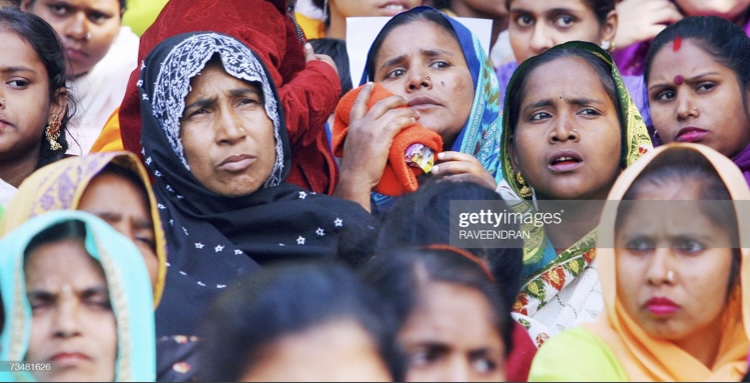
Dr BR Ambedkar, Mayawati, Abhijeet Sawant, PT Usha, we all know these notable people of society. They all are known for their distinguished effort and hard work. But does their caste or social backwardness have to do anything with their work as they all belong to the weaker sections of society? Are they at their stature because their caste had a reservation? Indeed the answer to all these questions is ‘no”.

Reservation in India is the process of setting aside a certain percentage of seats (vacancies) in government institutions for the members of backward and under-represented communities. Reservation is a form of quota-based affirmative action. Scheduled Castes (SCs), Scheduled Tribes (STs) and Other Backward Classes (OBCs) are the primary beneficiaries of the reservation policies under the Constitution. The concept was enshrined in the Constitution to allow the so-called deprived classes to come at par with the so-called privileged ones.

Initially, the reservation policy was only for 10 years after the independence to uplift the socially and under-privileged to stabilise them economically. Yet, even after 68 years of independence the Government has failed to truly uplift the backward sections properly.The reservation system finds its origin in the age-old caste system of India. The caste system at its birth was meant to divide people on the basis of their occupation like teaching and preaching (Brahmins), kingship and war (Kshatriya), and lastly business (Vaish) etc, but soon it became an instrument to divide the society on caste-basis, creating various walls between different sections of the society. After independence, the primary objective of the reservation was to uplift the untouchable who were the most marginalised.

But today we stand divided widely into Hindu, Muslim, SC, ST, OBC with newer reservations coming up from different sections of society like Christians, Jats, Pandits, Tribals etc. Unfortunately, the policy has failed to achieve the desired aim of bringing the non-privileged classes into the mainstream. It has instead marginalised them all the more and has deepened the rift created by the caste system even more. Moreover, today it is not taken as a right but it is considered more of a privilege by people, provoking unending debates.

The 93rd Amendment and the recent declaration of the government for reservation in institutions of higher education has stirred the anger of the youth in general all over the country. The UGC cell helps universities implement the reservation policy in student admission and staff recruitment process for teaching and non-teaching jobs. Protests from various sections of society had come stating that development of one section of the society should not be at the cost of the other section.

They have argued caste category cannot decide whether he/she is eligible for admission or not, what matters is merit. Further some have argued that in some cases children belonging to the backward classes do not even possess the necessary merit. thereby snatching away one seat, just because they come from a particular religion or caste for which our government provides reservation.

Recent Women’s Reservation Bill’ passed by Rajya Sabha in 2010 got majority support but it has not been voted on the bill as yet. Its opposers say gender cannot be held as a basis for reservation alone. True, as Pratibha Patil, Meera Kumar, Sonia Gandhi and other women do not hold their position merely because of their gender reservation.

If one takes a look at the issue objectively, one will realise that the intention behind reservation is not faulty at all but it is the implementation and application that has proved ineffective. The benefit of reservation has failed to trickle down to the lowest section of the society. Also, it has killed the spirit of brotherhood and healthy competition.

India can take a lesson from the United States in this regard. For instance, US has long abandoned the quota system for affirmative action. They have put in place a point system under which candidates from Blacks, backward regions, immigrants etc., are given a few extra points in admission and appointment procedures, Caste of a person cannot be the sole criteria for ascertaining whether a particular caste is backward or not. Determinants such as poverty, occupation, place of habitation could be the relevant factors to be taken into consideration. All sections of the society that need development and financial aids should be clearly identified. Then to uplift them with free-education or incentives and financial assistance should be provided. And if a class reaches the state of progress where reservation is not necessary then the government should delete that caste from the list of backward classes.

With time, people have started misusing this policy. There are many examples of people making false documents just to get a seat in a college or a job. Politicians are playing a major role in fueling reservation policy. The reason behind this is that SC and ST make up to 33% of the population of our country. Politicians fear losing out on their vote bank if they make changes against SC and ST.

Let us not do such that these policies hinder the growth of our economy. Need of the hour is to remove this evil. Making education mandatory and free for all till the age of 15 is one good resolution that has been adopted. Others could be proposing reservations based on economic status and providing opportunities to students to earn while they study. Also from time to time such laws must be evaluated by experts and their impact on the development of the under-privileged, and overall society must be assessed.

References

Dehalwar, K., & Sharma, S. N. (2024). Politics in the Name of Womenโ€™s Reservation. Contemporary Voice of Dalit, 0(0). https://doi.org/10.1177/2455328X241262562

Children: Our Tomorrow

The wealth of a nation lies not so much in its economical and natural resources but it lies more decidedly in its children and youth. It is they who will be the creators and shapers of a nation’s tomorrow. The children of today will be adult citizens of tomorrow. Today’s students will be tomorrow’s lawyers, doctors, engineers, teachers, leaders and activists. Their quality and personality will determine the kind of destiny that beckons the nation. Nelson Mandela has aptly said:

“Children are our greatest treasure. They are our future.”

It therefore becomes mandatory for every nation and every society to nurture a strong, healthy and intellectual childhood. The children have a boundless store of energy, will, capability, zeal and enthusiasm, and have the power to mould the destiny of the nation. And particularly in India, this store is available in abundance. The Indian population has this major advantage over the population of China or the rest of the world. So, this advantage has to be properly moulded and needs to be given appropriate direction. Development and upliftment of children is an important step, especially for poor and low income children. Investing in them in their early years will provide a foundation for future success with lifelong benefits for them, and economic and social benefits for our entire nation. Government of India has acknowledged this fact and has started with reforms to bring a change. It has been seen that not only non-poor, but poor children too perform well if they are provided with the right support.

There are so many examples around us, which show that it is not that only children of rich families help in the development of nation. There are many famous riches who had poor and gloomy childhood. Yet, today they are famous billionaires.

Howard Schultz, Chairman of Starbucks was born in a government housing and his father was a truck driver. Sam Walton, founder of Walmart helped his family out by milking the cow and delivering newspaper. Famous Media person Oprah Winfrey was born into abject poverty but now is a well-known face. Dhirubhai Ambani, US President Barack Obama are all examples of such people who were born poor but found their way to the top of the world.

Right kind of education is the first step towards the upliftment of children. The education provided should be progressive, in keeping with the needs of the society and should not only create great professionals, but also great human beings. Academics should be taken care of along with adequate emphasis on sports, technical areas and other fields as per the interest of the students.

The ‘Sarva Shiksha Abhiyan’ (Education for All) is one such wonderful step taken by the government to brighten the future of poor and village children. Some NGO’s like CRY, Smile, Asha too are doing great work by providing education, rights, meals to poor children and their families. Social evils like child labour, drug addiction, child marriage, beggary, child abuse etc., also hamper the proper development of children. These rampant evils, if remain unchecked, will jeopardise and endanger the future of the country.

The government should take strict measures to ensure that children are enrolled in primary and secondary schools and should try to reduce the drop-out percentage. Child labour too should be strictly prohibited.

Children today are very smart and enlightened right from their early age. They are capable of many feats and accomplishments. All they need is proper channelisation of abilities, right guidance and training, and a desired environment. Given this, the posterity is sure to lead the nation to greater heights and newer worlds. We all are human beings and share the same planet.

Just as it is our responsibility to care for the environment for generations to come, we must also take responsibility for those children who were born into a world without the care and support what every child deserves. God has given us two hands, so we must use both of them to help these children. And let’s use our mouths too to advocate for their rights. Let us give them a better future and in turn give the world a better future.

Delhi Metro: The Defeline of Delhi

Not long ago, Delhiites used to curse the public transport system of the national capital. Errant, reckless and rash bus drivers, showing no sign of courtesy even to the ladies as well as the elderly, made commuting from one place to the other a painfully daunting task.

Delhi Metro has changed the way people travel within Delhi. With the arrival of Metro, travelling from one place to another has become joyfully exciting, fast, noiseless, dust free and absolutely dependable. For most people living in Delhi, Metro is their great pride, as it has made their life comfortable by making travelling stress free. It has brought relief from traffic snarls.

Delhi Metro is thus a world-class metro. It is one of the few metro systems in the world having an operational profit from the very first day. It is India’s second urban-mass rapid transportation system after Kolkata Metro. Delhi Metro or Delhi Metro Rail Corporation (DMRC) to be precise, is a metro system serving Delhi and the suburbs such as Gurgaon, Noida and Ghaziabad region in the National Capital Region of India. Delhi Metro is the world’s thirteenth largest metro system in terms of length. It is a dream come true for the workers and people employed and a blessing for its commuters.

After the 1980s, Delhi saw a major population explosion and about fivefold rise in the number of vehicles. As a result, the other public transport system i.e.. bus service was unable to bear the load. Commuters took to private vehicles which increased the traffic congestion as well as pollution. So in 1984, the Delhi Development Authority (DDA) and the Urban Arts Commission came up with a proposal of developing multi-modal transportation system which would curb all the problems and would connect the city in a better way.

After the technical study and finalising the finance issue the physical construction of Delhi Metro was started on 1st October, 1998. The first line of Delhi Metro was inaugurated by the then Prime Minister Atal Bihari Vajpayee on 24th December, 2002. It became the second rapid system in India after the Kolkata Metro which was operational since 1984. The first phase of the Metro was completed on the estimated budget and almost-three years ahead of schedule, an achievement described by Business Week Magazine as ‘nothing short of a miracle’.

Delhi Metro Rail Corporation Limited (DMRC) is a state-owned company with equal participation from the Government of India and Government of National Capital Territory of Delhi. The huge investment involved in the construction comes from both of these sectors as well as from the loans from companies. These companies are banks like Japan Bank for International Cooperation or Indian companies like Reliance Infra. In 2007, the Delhi Metro claimed to be one of the only five metro systems in the world that operates at a profit without governmental aids. This was achieved by keeping the maintenance cost limited and by getting additional revenues from advertisements and property development, apart from the ticket sales.

With the increasing association with Delhi as an image of the city’s everyday life, it became popular filming location for films like ‘Love Aaj Kal’, ‘Delhi 6’, ‘Paa’ ete and for some other advertisements too. The metro also generates revenue with such a lease. Delhi Metro has air-conditioned coaches. To ensure safety, it is equipped with the most modern control and communication system. It has all the conveniences and world class amenities like ATMs, food outlets, cafes, mobile recharge stores etc., in most of the stations.

Students of many art colleges have designed decorative paintings at Metro Stations, while pillars on some elevated sections have been decorated with the creations of schoolchildren. Some of the newer metro stations conduct rainwater harvesting as an environment protection measure. In order to reduce its dependence on non-renewable sources of energy, DMRC is looking forward to harness solar energy. Infact DMRC has been certified by the United Nations as the first metro system in the world to reduce greenhouse gas emissions thereby reducing pollution levels in the city.

Delhi Metro has a huge ridership on the daily basis and even record breaking number of commuters on the festival days. Commuters find it most convenient as it saves their money, save them from ever-lasting time consuming traffic, pollution, rains. heat among other things. The brighter side does not end here. DMRC conducts awareness programmes for the labour engaged in the construction work on issues like HIV/AIDS etc. It also provides medical facilities and educational services to its labourers and to their children. Overlooking some minute drawbacks like overcrowding, congestion during construction, Delhi Metro is a huge success in the capital city. It has, in more than one way, helped in the beautification of the city. Looking at such a positive success, government is planning to come up with more such metros in other cities like Mumbai and Lucknow. It is also attracting foreign investors who wish to be a part of one such profitable plan.

Old Times vs Modern

There is a famous saying: “Old is gold”. It’s modern adaptation says “Old is Gold but New is Diamond.” Such is the very uniqueness of the two times too: The Old Times and The Modern Times. They both have their own distinctive values. Irrespective of its peculiarity, the times have always been the reflection of human kind. Both the old and the modern times have their charms, characteristics, advantages and disadvantages. But to prove which one is better is an endless debate. Both have some or the other epitome excellence and both have, in some way degraded the mankind.

The old age does not refer to the stone age or the ancient age; it primarily refers to the age before the technological and scientific advancement. The age in which our grandparents were born and lived. The age which is particularly known for its rich traditions and values. But lack of education lead to diseases, ignorance and superstitions. Lack of advanced medical facilities led to shorter lifespan, wherein people would die pitiably merely due to spread of infection. Means of transport were rare or were limited to the elite only. Far-off, international journey was as far as one aeroplane itself. Means of communication were in equally terrible state wherein exchanging a message was a herculean task.

Inspite of this, old times were the times when people cared less for materialistic goals. Instead they gave utmost importance to their health and well-being. They would eat fresh, work upright and so would sleep tight. They did not have much technology to ease their work load. Yet, they had time to sit with people as a community. There were very few opportunities yet they enjoyed peace of mind.

Their lives were stress free. The chronic diseases like HIV/AIDS, cancer, tuberculosis were unheard of. They enjoyed their existence alongwith nature, with utmost zeal. We keep moving forward, opening new doors and doing new things, because we’re curious and curiosity keeps leading us down new paths,” said Walt Disney. Indeed, the advancement in the means of transportation and communication lead mankind to newer paths. Modern lifestyle has come across with new technologies and has broaden the horizon of one’s knowledge. The development of technology has made it easier for people to communicate, to travel, to work and so on. The computers, laptops and mobile phones have completely changed our lives. Education has developed, more so with the use of internet. Medical advancement is at its peak and still surprises us daily with further improvements.

Modern times has a darker side too. Due to modern lifestyle, the culture and tradition is fading off. Innovation has increased the hunger to quest for even more. It has in turn led to more competition and less peace of mind. People are more dependent on fast food which is taking their health down the drain. Technology has reduced the interaction time with family members, alienating human beings. Gadgets have made us lazy. Status and snobbery have evolved because of growing affluence. There are endless number of risks involved, yet people take those things, infact they take life for granted. Another major problem is all kinds of environmental damages like air pollution, water pollution and noise pollution. As a whole, life in the old days was simpler. One did not have so many problems that we face today. Their lives were not cluttered with so many consumer goods that we find today in supermarkets and shopping malls. Their lives were not any better or worse, only that it was different. They had so little gadgets such as TV, so they did not become square-eyed. They did not have cars nor pollution. We have so many gadgets but at the same time so many accompanying bills as well. Like every coin has two sides, both the old and modern times too have its advantages and disadvantages. The way both the sides of coin are inseparable, incomparable and of equal importance, same is the case with the times. Both the times have their uniqueness, their share of advancements and setbacks. Yet it can’t be denied that in a country like India, old times and modern times co-exist. Or in Anita Desai’s words: “India is a curious place that still preserves the past, religions and its history. No matter how modern India becomes, it is still very much an old country”

<!– /wp:paragraph —

Kapdec is good educational resource

–>

Kapdec.com is awesome domain in service sector

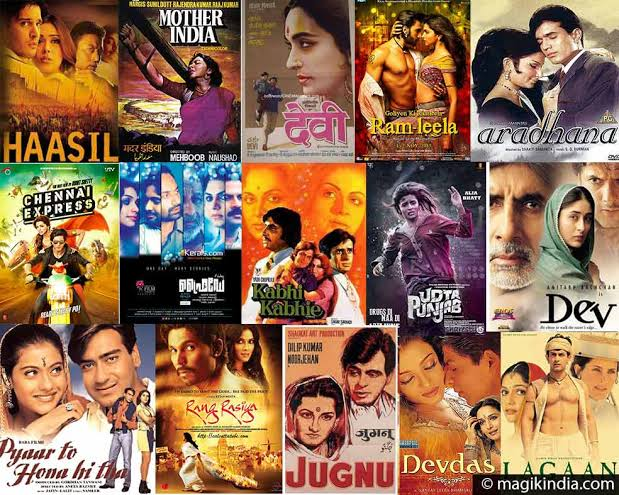
The Role of Indian Cinema

Cinema is in today’s world the most popular means of entertainment. Millions of people watch cinema everyday all over the world-not only as a means of entertainment, but also as an escape from the monotony, boredom, anxiety and troubles of life. It is a restful, pleasurable and entertaining way of rewinding and relaxing after a long day’s work. All the senses are captivated while viewing cinema and the next two and a half or three hours are spent in a wink. Moreover, every class and section of society can afford this form of entertainment at their will and convenience.

Indian cinema has a charm, flavour and magic of its own. It appeals not only to the film-crazy Indian public but also enchants a large number of audiences the world over. People who do not speak or understand Hindi still sing songs from Hindi films. An average Indian film is longer than films from other parts of the world, has a ginger-touch of love, hate, revenge, drama, tears, joys and also its own share of songs and dances. A typical Indian film has it all-all the spice and variety of life condensed into it, transporting the audience on a magic carpet to a totally different world where everything and anything is possible. Infact, Salman Rushdie has quoted:

“I have been a film buff all my life and believe that the finest cinema is fully the equal of the best novels.”

Down the years, cinema in India has reached its own destination, created its own history, touched its own milestones. From stereotyped love stories to action, to drama, to realistic, to fictional-the silver screen in its every aspect has mesmerised, captured and tantalised millions of every age, class, sex and community. The journey from silent films to talking pictures, from black and white to coloured has been long.

It has catered to the dreams and aspirations of many who have hungered for glamour and reached “Mumbai’ and it still does.

There have been two streams of cinema in India-one is the Commercial Cinema which has the sole aim of entertaining and making money in return. The second stream is the Parallel Cinema or the Art Cinema which aims at sensitising people on various social issues and problems of the society. While Commercial Cinema appeals to all sections of the society. Parallel Cinema appeals mainly to the intellectual class and the intelligentsia of the society. But a change has taken place over the last decade and half. A general awareness among people has increased and Art Cinema is being more and more appreciated by a large number of people. Many a times, an art film does much better at the box-office than a mainstream commercial film. This has resulted in the thinning of the differentiating line between Art and Commercial Cinema.

Cinema has an educative value too. Because it exercises a deep influence upon the minds of the people; cinema can be used as a very effective reformative instrument. Statutory warnings are included to spread the awareness about the adversity of smoking has compelled many to quit the habit. Social awareness can be generated on issues like dowry, women education, abortion, girl foeticide, youth unrest, corruption, unemployment, poverty, illiteracy etc. Films like No One Killed Jessica, My Name Is Khan, The Attacks of 26/11 are some movies which have dealt with current sensitive issues. Cinema can expose the evils prevalent in society. It is the most effective means of mass communication. Cinema also is a great unifying force in a diversified country like ours. People belonging to all communities and sections, speaking any language, watch the cinema with the same fascination and excitement. Moreover, people can go to places with cinema. We travel from Ooty to Shimla to Switzerland to Washington to Sydney. It also encourages the art of music, singing, dancing, script-writing, direction etc. It employs a large number of people from technicians to producers to spot boys to dress makers. Thousands of people earn their livelihood through cinema.

Shahrukh Khan has aptly put the significance of cinema by saying: “Cinema in India is like brushing your teeth in the morning. You can’t escape it.”

The silver screen spreads and sells not just dreams but captivates the hearts of young boys and girls. If this medium is not used judiciously and wisely, it can distract the youth from the right direction. Thus, the film makers should undertake film making as a social responsibility and through films should give youth a sense of direction. The trend of making films on famous novels and plays should be encouraged to spread good literature and its appreciation among common man. Sensible and relevant themes should be picked to make films. Films need not be didactic, but they still can pass on constructive messages subtly to the masses. Hence, if used with pure sensibility, cinema can help in bringing positive changes in the society and the attitudes of the people.

Citizenship Journalism

Credits- ISTE

What is citizenship journalism? It is more or less a medium through which rural people can communicate and share the ongoing problems in their state. One such example is cgnet Swara. Cgnet Swara started in 2004 as a website which acted as a middleman between the people and the news. Using the site is simple. All you need to do is call a number and tell them your problem and theyโ€™ll report it. A lot of times these stories have broken up like wildfire.

Ndtv once reported a piece of news that was reported by cgnet Swara first. The wonderful thing about this is illiterate people can also tell the news from the ground in a very convenient way. This is revolutionary. Keeping in mind that most of the people only speak their tribal language, it becomes hard for them to understand English or Hindi. But the problem with citizen journalism is that its structure is not very professional. Most of the time the calls might not result in anything because they are just opinions.

This is one of the reasons journalists are sceptical about this. Sometimes the mainstream media has used information from cgnet Swara and didnโ€™t credit them. This makes the relationship worse. One of the officials from cgnet Swara said โ€œTheir relationship has become more antagonistic โ€ฆ It is very unfortunate, that local media see us as a competitorโ€”which we cannot be and never intended to be. Every platform has its problems and strengths. We understand the structural problems of mainstream media and we want to fill in the gaps.โ€ The initial goal of citizen journalism was to bridge the gap between the alienated theories that mainstream media provides us as entertainment. This is why the big conglomerates donโ€™t like the idea of citizen journalism. Although itโ€™s unprofessional, it represents the voices of the people in the rawest way possible. Since the narrative in India is controlled by a handful of people, theyโ€™ll always try to not let citizenship journalism grow. Going forward, one of the major challenges for citizen journalism is building a structure and improving fact-checking.

Tourism in India

Tourism is the world’s largest and fastest growing industry. It is an invisible export, which carns valuable foreign exchange without any significant or tangible loss of internal resources. It is a source of revenue and employment. There are countries in the world whose main source of revenue is tourism.

India is one of the popular tourist destinations in Asia. India has fascinated people from all over the world with her secularism and her culture. Hence, India is a country with a great potential for tourism. Bounded by the Himalayan ranges in the north and surrounded, on three sides by sea (Arabian sea, Bay of Bengal and Indian Ocean), India offers a wide array of places to see and things to do. The enchanting backwaters, hill stations and landscapes make India a beautiful country. There are historical monuments, beaches, places of religious interests, hill resorts, etc. that attract tourists. Every region is identified with its handicraft, fairs, folk dances, music and its people. Tourism is the second largest foreign exchange earner in India. The tourism industry employs a large number of people, both skilled and unskilled. It promotes national integration and international brotherhood.

Tourism is highly labour intensive industry of a unique type. It provides different services needed as well as expected by the incoming tourists. At the world level, it is one of the largest in terms of money spent by tourists in the countries they visit. This amount is said to exceed the GNP of many countries with the sole exception of the USA. According to the latest estimates of the world travel and tourism council, this industry is expected to generate about 6 percent of India’s total employment.

The services rendered to foreign tourists visiting India are the invisible products of tourism industry. These products, i.e. hospitality services of all sorts for tourists turn into invisible exports because these are included in this category without leaving Indian soil. More the foreign exchange earnings, greater is the gain. In the same manner more the number of visitors from foreign countries, more is our foreign exchange earning. The host country has only to provide all possible facilities to the guest visitors to keep them entertained and in a holidaying mood for the longest possible period in hotels. Longer is their stay, more money they will spend and their earning is passed on to us. As the same time, the creative items like art pieces fabrics in indigenous designs including heavy goods like carpets and a lot more, do not fail to carry an appeal for the sightseers. Their sale in India itself is an additional advantage. By exporting the same product through an agent, our profit gets reduced. Next to readymade garments, gems and jewelry, tourism is our largest export item in terms of its earnings. In 2005 The Indian Tourism Development Corporation (ITDC) started a campaign called Incredible India’ to encourage tourism in India For a better growth, the department divided different places in different sections like ‘spiritual tourism,’ ‘spa tourism, ecotourism’ and ‘adventure tourism.

As Indian healthcare sector develops, a new term has been coined called Medical Tourism’, which is the process of people from all corners of the world visiting India to seek medical and relaxation treatments. According to research reports on Indian Healthcare sector, the medical tourism market is valued to be worth over $310 million with foreign patients coming by 100,000 every year. Medical tourists choose India as their favorable destination because of the key opportunities in Indian healthcare sector in the form of efficient infrastructures and technology. The health insurance market and National medical systems here are well developed, which is convenient for visitors from the West and the Middle East. They also find the hospital expenses very affordable.

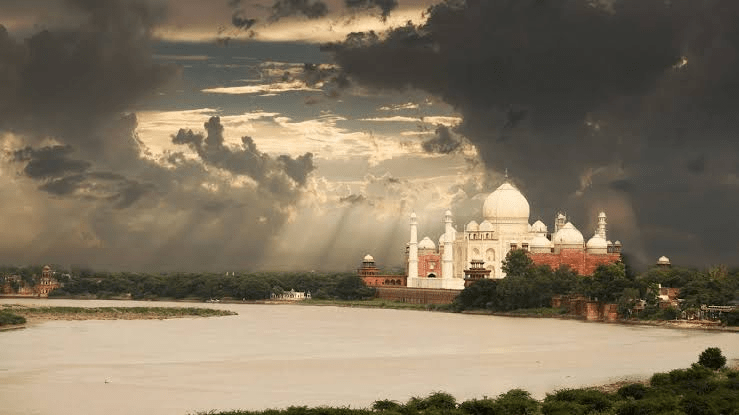
Things have now started looking bright for the Indian tourism industry. However, the Indian tourism industry has been hit by pollution. The effluents emitted by the Mathura Refinery have led to the de-colorization of the Taj Mahal in Agra. The condition of many of our monuments is deteriorating due to the negligence of the concerned authorities. On the other hand, beaches have become the dumping grounds of garbage and waste left by tourists. The natural environment and heritage sites remain a source of attraction as long as these are not damaged beyond control from their degradation or pollution. Massive tourist traffic, unless regulated creates these mal-effects. Tourist carrying capacity of a resort needs to be matched to minimise the inconveniences of local people during the period of tourist rush. Youths of the host area are also to be saved from cultural alienation by blindly imitating the lifestyle of foreigners during days of reckless massive tourism. A planning for adopting a sequence of steps like a survey of the existing position of services, facilities needed by tourists and measures for development of a healthy and sustainable tourism, has become a dire need. At national level, an apex body has to take stock of the status and trends of tourism in comparison with neighbouring countries. It will help appraise the future needs, the nature of various incentives for alluring tourists and the gaps to be removed for better provision as well as management of the infrastructure.

India: One Land, Many Clans

Romaine Rolland, a French scholar, once quoted, “If there is one place on the face of Earth where all the dreams of living men have found a home from the very earliest days when man began the dream of existence, it is India!”

India, the land of spirituality and philosophy considers religion as an integral part of its tradition. The worship of various religions and its rituals play a significant role in every aspect of human life in the country.

India is the birthplace of two great religions of the world, namely, Hinduism and Buddhism. India is also home to the followers of one of the oldest religions of the world, Zoroastrianism and ancient religions like Jainism and Sikhism are also widely practiced here. Followers of Islam, Christianity, Bahaism and Judaism exist throughout the world and also form a part of the population of secular India.

Hinduism is the dominant faith in India. The ancient Hindus, literally meaning the people of the valley of the Indus river, soon took on functions and specialisation that had little to do with tilling the soil. Different castes developed out of necessity, for with the evolution of society, it was no longer possible for the tiller of the soil to assume the functions of priest, warrior, merchant and artisan, all rolled in one. Roles began to be defined and people were classified according to their work, occupation and economic place in the society.

Also, a number of world religions originated in India and others that started elsewhere found fertile ground for growth here. Buddhism and Jainism, and ancient monastic traditions, have had a major influence on the Indian art, philosophy, and society and are followed by a large section of the society even in the late 20th century. Islam spread throughout South Asia in the early 8th century and is the largest minority religion in India today.

Sikhism, which started in Punjab in the 16th century, gradually spread throughout India and to the other parts of the world. Christianity, represented by various denominations, traces its history in India, back to the time of the apostles. Judaism and Zoroastrianism, that originally arrived with traders and exiles from the West. are represented by small populations, mostly concentrated on India’s West coast. A variety of independent tribal religious groups are also live carriers of their unique ethnic traditions. Even with such diversity, the message of love and brotherhood is expressed by all religions and cultures of India-the bowing in prayer in the courtyard of a mosque or the rows of lamps that light up houses at Diwali, the good cheer of Christmas or the bonhomie of Baisakhi-the festivals of India are celebrations of a shared emotion that bring people together.

People from different religions and cultures of India, unite in a common chord of brotherhood and amity on this fascinating and diverse land. Yet, there is a disparity amongst various religions in accordance with the occupation or hierarchy due to which the caste system evolved.

This rigidity of caste system marginalised a lot of sections of society, thus,hampering the overall growth of the human race in India. A lot of religious leaders such a Mahavira (540-468 BC), the founder of Jainism and Gautama (563-483 BC), the founder of Buddhism, failed to reduce the rigidity of caste system It was the Industrial Revolution that finally made a dent in the caste system and brought a new awareness to Indians. Industrialisation encouraged urbanisation, as village dwellers of both high and low castes moved to the cities for better jobs. In the urban areas, the rigid, age-old, caste-centered thinking gave way to a more liberal outlook and encouraged the mixing of castes without distinction. Trade unions and other associations saw members from all castes working together.

The British Government of India had a considerable transforming impact on the country’s social structure. The British brought changes by passing many important laws, such as the Hindu Act, the Caste Disabilities Act and the Widow Remarriage Act etc.

The strongest, most systematic attack on the caste system had come in the 20th century through the Constitution of India, adopted on 26th November, 1949, India’s Constitution guaranteed the rights of all its citizens to justice, liberty, equality and dignity. This highlights the long and arduous journey from ancient caste distinctions based on Hindu philosophy and religious traditions to the constitutional pledge of a democratic government with equality, dignity and justice for all human beings. To uplift the backward classes, the Government of India has officially documented castes and subcastes, primarily to determine those deserving reservation in education and jobs through the census.

India is a secular state and probably, the only state where so many religions flourish side by side. In practice, it is difficult to divide religion or caste affiliations from the life of people. This is probably so, because it is impossible to know India without understanding its religious beliefs and practices, which have a large impact on the personal lives of most Indians.

For many Indians, religion and their caste exerts a strong motivational influence on their lifestyles, beliefs and culture. Kinship bonding in India is very strong, with an enormous respect for family, community values and traditions. Festivities transcend the invisible barrier between religions and rather become a celebration of the universality of human living. But this does not mean that religious practices in the Indian sense merely involve hollow and meaningless display of traditions, instead it is a deep rooted sense of the way of life.

At present, Indian society is characterised by the development that has led to a free-market economy. In the current scenario, India’s caste system can no longer fully contain the socio-economic changes that the country is undergoing. Different occupations and levels of education are no longer correlated with caste.

For example a high caste person may not be born as a Chief Executive, but he/she can work to become one. A person of low caste can now get a good education and can become an executive, a college professor or even a political leader.

However, the vote politics rampant in Indian democracy tries to lure the voters on the basis of their castes and religions, which is also a great setback to the real and concrete development of the country. The only weapon that seems available to fight the rigid caste system is education.

We need to learn to respect man as man first, which will help us value the uniqueness of religion, class, ethnicity and culture of India.

Information Media

By far, books, magazines, newspapers and other printed matter carry the largest and most varied kinds of information to their readers. We can get books on almost any subject that we care to read on. There are books on sports, cookery, fashion, language education, etc. You name the topic and the likelihood is that somebody has published a book (or books) on that topic. So does the internet, which is a modern development in this field.

We get all kinds of information via magazines and newspapers. We come to know about various anti-social happenings through the print media and are able to keep ourselves alert. We also read about the rise and fall of certain politicians, the cricket matches, the state of the stock exchange, the grand sale going on in a supermarket, and also about the various kinds of jobs available.

The amount of information that we can gather from a newspaper is enormous. To read the whole newspaper completely would take hours. While everything printed in newspapers may not be interesting to everyone, we usually read the sections we like, for example, the sports and cartoon pages, and leave the rest. In our country, newspapers are published daily in various languages to cater to various linguistic groups. Each newspaper gives its own version of the hottest news items plus other items that are its particular preferences.

Thus, an average person can be reasonably well-informed about the current happenings in this ever changing world; and only at the price of a few rupees.

The last century, and especially the last few decades, witnessed the tremendous strides made in the field of electronic technology. The simple traditional telephone has been joined to sophisticated television sets, computers, stereo, music, mobile phones and the internet.

Moreover, the internet and social media are particularly important for facilitating access to an unparalleled wealth of information, as well as providing opportunities for new innovative activities and social interactions. Through the means of the internet, especially in smart mobile phones the information spreads instantly and reaches mass audiences in a less costly manner.

In order to get the attention of masses one can voice thoughts on any of the social networking sites and in return get thousands of reviews back. This advancement made Bill Gates quote; “The PC (Personal Computer) has improved the world in just about every area you can think of… Access to information and the ability to give a voice to people who would never have been heard.”

Through the television comes all manner of soap-operas, talk-shows, news, documentaries and the ubiquitous advertisement clips. Large number of people are reached daily in this way. A whole new generation of people is created based on the ideals and dreams that are propagated by television. Political groups and manufacturers make extensive use of this mode of communication to communicate with people. Television has become so effective as a means of transferring information that even criminals and terrorists know its value.

The invention of communication satellites now allows us to witness any event around the globe at the touch of a remote. Even the internet is playing a huge role in the transfer of information at present.

India: A Software Superpower

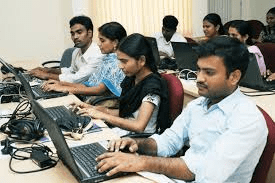
Two mighty streams flow through India- the spiritual and the technological, indeed! Many developed countries today feel threatened with the Indian Brains taking up leading positions in their country. India is fast becoming the boiling pot of all the IT and software professionals. For a country that lagged behind in the industrial revolution, this rapid catching up with the technology is nothing short of a miracle. It is a country that is being increasingly identified with the high quality IT products, services and processes as well as wealth of skilled manpower that ranks among the best in the world.

The country is forecasted to become the ‘software superpower’ of the world by 2020. It has thus acquired a foremost position in the map of the IT world. India’s progress in this sector is quick and influential, providing the economy a boost.

Tata Institute of Fundamental Research, Mumbai, manufactured the first computer in India, in 1966 and since then there has been no looking back. India has emerged as a great reckoning force and a dynamic nation at the dawn of this century.

The year 1985 is said to be the year which is the generator of the software and IT revolution in India. India declared its IT policy under the leadership of late Rajiv Gandhi who saw computer as a powerful instrument of modernising the country. The IT policy of 1985 stressed on the fact that electronics and software would be the answer to the problem of unemployment in near future. Indeed computers are spreading in the country at a rocketlike speed. Today, software revolution is at its peak in India. Computers are common in every home, with small children playing games, to generating businesses. Computer consciousness and awareness is fast-developing amongst the youth of today. At present, the United States is considered the leader in IT software, with giants like Microsoft, Apple, Hewlett Packard etc. Today even India is among the top rankers is software industry with over 150 of the fortune 500 companies existing in India.

The world’s top software firms such as Microsoft, Motorola, Intel, IBM etc already have set-up centres for research and development because of globally recognised quality standards of India. For instance, Guillermo Wille, head of GE’s India Research Centre noted that GE’s Indian scientists and engineers are working in leading edge fields such as nanotechnology, hydrogen energy, photonics etc. Moreover, while complimenting Indian talent, Oracle co-president Charles Phillip said:

“The kind of intellectual figure you people have is phenomenal……

The success is ‘phenomenal’ and has been achieved because of various reasons. Strong steps by the government have been taken to improve infrastructure led by revamped policies to attract global foreign direct investments. There is a huge base of English-speaking graduates that supports the extensive ITES-BPO industry. Additionally, there is a ready supply of professionals with relevant IT skills from both formal and informal sector.

Infact, to further boost the literacy in this sector, Indian Government has launched low-cost-tablet called ‘Aakash’ which will link about 25000 colleges and 400 universities to an e-learning programme.

Bengaluru is popularly known as India’s Silicon Valley. It is the hub of IT companies specialising in R & D, electronics and software production. Leading Indian software companies like Infosys, Wipro Technologies, Tata Consultancy Services, HCL hold the world ranking in terms of revenues.

Infosys is the third-largest Indian IT service company by 2014 revenues. Wipro’s founder, Azim Premji was claimed to be the richest man according to Forbes 2011 list of billionaires. Sabeer Bhatia, founder of hotmail e-mail services, recent Satya Nadella, Microsoft’s new CEO (succeeding Steve Ballmer in February 2014) are the examples of India’s excellent might in this sector.

A 21 years old Indian engineering graduate won a reward of ? 8 Lakh for discovering a bug which enabled the users of facebook to remove pictures from other accounts without the approval of the owner. Truly, India’s software whiz kids have won world-wide acclaim in rectifying the millennium computer bug. They are less prone to committing mistakes than their Western counter parts, especially in writing long and complicated software programmes,

And they take advantage of the 24-hour clock, while European and American multinationals sleep, Indian experts fix their software glitches overnight. Every third of Bill Gates’ employees is of Indian origin and upto 50000 Indian technicians make their way to US Silicon Valley each year.Indian politicians are eager to back the IT revolution. They are making the concessions so that the infrastructure and the sector as a whole can flourish. With such incentives India’s IT sector is getting stronger with each passing day. With a 1.2 Billion people, India has the world’s largest pool of technical talent and is the top global technology services outsourcing destination.

Moreover, the increasing demand of Indian software engineers is a sure signal that even the world accepts India as a software super-power to reckon with in the present era.

Sex Education in school

One of the much debated topics across the world is the importance of sex education in schools. Sex education refers to a broad programme designed to impart knowledge/training regarding values, attitudes and practices affecting family relationships. The real purpose behind sex education is the transfiguration of a male child into manhood and of a female child into womanhood.

It is the education that provides knowledge on physical, social, moral, behavioural and psychological changes and developments during puberty. It teaches the adolescents about the role of boys and girls in family and society, responsibility and attitude of boys and girls towards each other, etc within social context.

Sex education is never the most pleasant of the conversations for an adult and child to have. Yet, it is an essential one that many feel should happen in a responsible and safe environment. Due to increasing incidences of HIV/AIDS, RTIs/STIs and teenage pregnancies, there is a rising need to impart sex education. Parents and counsellors in Delhi argue that banning sex education is not a solution and will prove disadvantageous instead, given the exposure kids have to the internet.

Plato and his allegory of the cave.

Credits – thoughtco

Plato was born in Athens, Greece, around 429 B.C. He was expected to become a politician by his family but he chose not to for two reasons and took the road of philosophy and mathematics. The first reason was the Peloponnesian War where he found out that some of his relatives were part of a dictatorship and were removed for corruption. The second reason was the death of Socrates who was the biggest influence in Plato’s life. Socrates was executed by the new Athenian government. Plato started writing and became a philosopher. He studied under Pythagoras in Sicily. After returning from there, he founded The Academy, a place where he and other people discussed philosophy and mathematics to come to better conclusions.

Platoโ€™s allegory of the cave proves the power of reasoning over the senses. Personal human experiences will not amount to the truth. Proper philosophical reasoning is the only way to find the truth. To understand his allegory of the cave, you first need to understand his theory of forms. So Plato states that reality exists on two specific levels. First is the visible world which has sight and sound. Second is the intelligible world which gives the visible world its being. For example, when a person sees an ugly face heโ€™s quickly able to identify its ugliness of it. Because in his mind he has an idea of ugly that allows him to point out ugly. He was able to spot the ugliness because he has an abstract idea of what ugliness is. The current state of that ugly face might change in the future because everything keeps changing in the visible world but the form of beauty, ugly etc is eternal and never changes. This is the theory of forms.

Credits- Amelia

Coming onto the theory of caves, The allegory of caves was a conversation between Socrates and Plato’s brother, Glaucon. Socrates asks Glaucon to imagine a world where illusion is believed to be reality. To prove his point further, he asks him to imagine a scenario where thereโ€™s a cave and 3 people are locked up inside the cave since their birth. Their necks and legs are chained and cannot escape from the cave. They can only see what is in front of them. Behind and above the prisoners is a fire, and between the fire and prisoners, there is a low wall from where people walk with objects in their heads. Now, these prisoners can only see the shadow of the object and therefore they believe the shadow to be the real form of the object. Because the prisoners have never been exposed to real objects, they start to believe that the real form of that object looks like a shadow. If a shadow of a hammer were to appear, theyโ€™d believe the shadow of the hammer to be the real hammer. They are not saying that itโ€™s a shadow because in their reality no shadows exist. They think itโ€™s an actual hammer. One of the prisoners will eventually be able to understand the nature of this illusionary world and would be able to guess what shadow will come next. This will lead to him being praised by the other 2 prisoners.

Suppose, one of the prisoners is set free. He escapes the cave and gets to see the world. He gets angry and frustrated after seeing the real world because he believes the cave illusion to be his reality. When his reality is disproved, he becomes angry, sad and frustrated because he is now forced to believe something else and step out of his comfort zone. Eventually, heโ€™ll be able to make sense of what he has seen and accept that the cave illusion was not his reality. He has now accepted that his past was based on a lie and that is not the way he should perceive things going ahead because he has now found out that it was all an illusion. He goes back to the cave to tell the other prisoners about the real world. When he tells them whatever he has witnessed, they donโ€™t believe him and threaten to kill him if he tries to free them. They are so comfortable in their fake reality that they donโ€™t even want to make the effort of exploring a new possibility because that might lead them out of their comfort zone and face chaos. People mistake what is in front of them as reality and choose to live in ignorance. And when parts of the truth start to emerge in front of their eyes, they get frightened. Because that threatens their ignorant reality. However, a person who pays attention to these flashes of truth and is open to the idea of exploration will always have a better understanding of the world around him. Always aim for reasoning rather than simply believing what seems easy to believe.

Credits- steemit

*I was influenced to write this article after coming across the book Philosophy 101 by Paul Kleinman*

E-commerce – Market Trend of the 21st Century

Even today, some considerable time after the so called internet revolution”, Electronic Commerce (E-Commerce) remains a relatively new, emerging and constantly changing area of business management and information technology. Speaking in layman’s terms, E-Commerce refers to the entire process of marketing. selling, delivering goods and servicing customers over the Internet. It has revolutionized the way companies do business. Consumers can buy almost anything online 24 hours a day.

In the 21st century, the rapid development of information technology and the rapid increase in information exchange have brought new drives and innovative ideas to the whole society. The wide adoption of information technology by the community has led to great changes. These changes are not simply in the context of data processing or computing. They are changes which affect how we communicate with each other, how we organise our daily activities, how we educate the younger generation, and how we run business. The great development and acceptance of information technology, computer networks and the Internet have transformed the mode of operation of many businesses, and at the same time have brought along unprecedented business opportunities. Businesses are now able to conduct transactions across geographical boundaries, across time zones and at a high efficiency. E-Commerce has become the market trend of the Century.

Life has become very busy these days. Odd working hours, hectic schedules and time constraints have changed how people shop these days. Hence, E-Commerce has become the preferred method of shopping for many people. They love the ease with which they can shop online from their home at any time of the day or night. Purchasing options are quick and convenient with the ability to transfer funds online. Consumers save time and money by searching for items and making their purchases online. It can take several days of physically going from location to location, costingtime and fuel, to purchase a hard-to-find item. Moreover, E-Commerce is an retail method for business transactions. Start-up costs for establishing an E-Commerce business is far less than expanding your business with more brick and mortar locations. Fewer licenses and permits are required to start an online business than that of a physical store location. You will also save money by using fewer employees to perform operations such as managing inventory and billing customers. You won’t have to search for an appropriate geographic location or worry about paying high utility costs for the facility. efficient

Advertising done well on the web can get even a small firm’s promotional message out to potential consumers in every country in the world. A firm can use electronic commerce to reach narrow market segments that are geographically scattered. The web is particularly useful in creating virtual communities that become ideal target markets for specific types of products or services.

The prospects are, in no doubt, great for E-Commerce and its followers. But still, there are some consumers who are reluctant to embrace E-Commerce because of privacy issues. Making an online purchase often requires disclosing personal information such as an address, telephone number and banking or credit card account information. While many people feel making an online purchase does not compromise their personal information, some still prefer not to take a chance of having their account information accessed by a third party, and will only make their purchases at a storefront operation.

Then there is the issue of inability to feel the product physically or check it with your own hands while buying. When making a purchase at a brick and mortar business, you get the product when you pay for it. On the web, there may be a time lag from purchase to actually being able to consume. The consumer will have to wait for delivery of physical goods.

Also, some businesses are less suitable for electronic commerce. Such businesses may be involved in the selling of items which are perishable or high-cost, or which require inspection before purchasing. Most of the disadvantages of electronic commerce today, however, stem from the newness and rapidly developing pace of the underlying technologies. These disadvantages will disappear as electronic commerce matures and becomes more available to and accepted by the general population.

Not only the new generation, but also the older generation is getting a hold of technology. They are adapting to the changing technologies and try to be up-to-date. Therefore, E-Commerce is also making its way into their lives. It is true that going to markets or malls to shop will never go out of fashion but E-Commerce is also here to stay and become more and more popular as people realize its advantages and get comfortable with it.

Decentralisation

Decentralisation can be defined as “the dispersion of decision making governance distribution of functions and powers from a central authority to regional and local authorities.”

There are various forms of decentralisation. Privatisation is a type of decentralisation. Privatisation and deregulation means shifting responsibility for functions from the public to the private sector. Privatisation can range from public-private partnerships to allowing private enterprises to perform functions the had previously been monopolised by the government. Usually, though not always, privatisation and deregulation are accompanied by economic liberalisation and market development policies.

India’s fiscal deficit during 1990s, spectacular growth by economies of Korea, Taiwan, Malaysia due to the indulgence of private sector; integration of world trade changes in China and dissatisfaction with the performance of public sector-all factors collectively contributed to the initiation of privatisation in India.

To begin with, in 1992, India opened up cellular and basic services to private players and then the Telecom Regulatory Authority of India (TRAI) was constituted in 1997 as an independent regulator in this sector. Till 1986, telecommunication was a public utility owned by the Government of India.

Mahanagar Telephone Nigam Limited (MTNL) was created in 1986 as a Public Sector Enterprise (PSE) to facilitate telecommunication services in the cities of Delhi and Mumbai. In all other places, Bharat Sanchar Nigam Limited (BSNL) was formed as a PSE on 1st October, 2000 as a telecom service provider.

These state-owned incumbents with a large existing subscriber base dominate the fixed line service. However, with the entry of private players, today the Indian telecommunication industry is the world’s fastest growing industry with 826.93 million mobile phone subscribers, as of April, 2011, as liberalisation led to the entry of private players such as Bharti Airtel, Reliance Communications, Tata Teleservices. Idea Cellular and Aircel.

Privatisation of banks began in 1994 when the Reserve Bank of India issued a policy of liberalisation to license limited number of private banks, which came to be known as New Generation tech-savvy banks. Prior to this, SBI was in existence since 1955, apart from the Reserve Bank of India (RBI) established in 1935, which controlled the central banking responsibilities.

Thus, Global Trust Bank was the first private bank after liberalisation, which was later amalgamated into Oriental Bank of Commerce (OBC) and Housing Development Finance Corporation Limited (HDFC) was the first bank to receive an in principle approval from the RBI to set-up a bank in the private sector. At present, there are many private banks in India including leading banks like ICICI Banks, ING Vysya Bank, Jammu & Kashmir Bank, Karnataka Bank, Kotak Mahindra Bank, SBI Commercial, Dhanalakshmi Bank, Federal Bank, HDFC Bank. Karur Vysya Bank, UTI Bank and YES Bank. Privatisation of insurance sector in India happened around the year 2000 when the government allowed private players to enter the Indian market. Although in the year 1993, a road map for privatisation of the life insurance sector was laid, but it took another six years before the enabling legislation to pass the Insurance Regulatory and Development Authority Act in the year 2000.

s that Resultantly, the newly appointed insurance regulator-Insurance Regulatory and Development Authority (IRDA)- started issuing licenses to private life insurers. At present leading private sector life insurers are SBI Life Insurance, Metlife India, ICICI Prudential, Bajaj Allianz, Max New York Life Insurance, Sahara Life Insurance, Tata AIG, HDFC Standard Life, Birla Sun Life, Kotak Life Insurance, Aviva Life Insurance, Reliance Life Insurance, ING Vysya, Shriram Life Insurance, Bharti AXA, Future Generali, IDBI Fortis Life Insurance, AEGON Religare and Star Union Dai-ichi Life Insurance Co. Ltd.

In the electricity sector, the new wave of policy reforms designed to promote private participation has been driven by the need to expand the capacity and increase the reliability of systems, public sector budget constraints and the positive results of the private participation in other countries. Although in India electricity sector is still largely under the domain of public sector, but the inclusion of private sectors for capacity additions has also begun.

Major PSUs involved in the generation of electricity include National Thermal Power Corporation (NTPC), Damodar Valley Corporation (DVC), National Hydroelectric Power Corporation (NHPC) and Nuclear Power Corporation of India (NPCI). Besides PSUs, several state level corporations are also involved in the generation and intrastate distribution of electricity. In the private sector, major capacity additions are planned in Reliance Energy, Tata Power and RPG Group-CESC.

Decentralisation is an answer to the problems of the centralised sector. Decentralisation in the government sector helps to solve problems of economic decline, lack of funds, performance issues and reservation for minorities. In the area of politics, its objective is to vest more power with citizens or elected representatives. Economic decentralisation brings about privatisation of public institutions, through deregulation, abolition of restrictions on business competing with government services, such as postal services, school etc. Decentralisation has also been executed in various technologies like water purification, waste disposal, agricultural technology and energy technology.

Internet is a good example of a successful decentralised network. Wikipedia, the online Encyclopaedia, storing information on a plethora of topics, is also decentralised as it allows users to add, modify or delete content via the internet. Social networking sites are also decentralised systems that have greatly changed our lives. Information technology used to facilitate interactions of the government with the citizens, is referred to as e-Government.

petroleum are some of the other sectors that have been decentralised and are among It is indeed a good initiative to boost democratisation. Education, health care and the fastest growing sectors of the economy today. Thus, decentralisation of public sector enterprises that began with the economic reforms of the 1990s has yielded angible benefits to the country.

However, dangers of decentralisation loom large. For example, if the technical capacity or functioning of a system is weak, it will definitely result in poor quality products and services. Coordination for national policies can become complex and resource distribution can become uneven. A few local elites can grab power and hindrances in proper decision-making can surface. In the absence of a higher competent authority, monopoly and anarchy can give way to chaos and suppression of public interests.

Thus, decentralisation is both a boon and a bane to the economy. It is to be used as an ‘instrument of change and empowerment of the masses’ and not to earn quick money by few individuals pursuing their selfish interests.

India has more doctors per 1,000 people than the 1:1,000 WHO benchmark

The country’s doctor-to-population ratio, according to the government, is higher than those set by the World Health Organization (WHO). Minister of State for Health and Family Welfare Dr. Bharati Pravin Pawar stated that the country’s doctor-to-population ratio is 1:834, which is below than the WHO guideline of 1:Thousand.

According to the Minister, there are 5 lakh 65 000 AYUSH physicians and 13 lakh 8 thousand 9 registered allopathic doctors, according to the National Medical Commission. Over 34 lakh registered nurses and 13 lakh allied and healthcare professionals are employed in the nation, according to the minister.

The Minister further stated that the government is boosting UG and PG medical seats in addition to other efforts to increase the number of physicians in the nation.

Rohit Yadav and Neeraj Chopra reach their first World Athletics Championships final in Oregon, USA

At the World Athletics Championships in Oregon, USA, Neeraj Chopra and Rohit Yadav of India have qualified for the men’s javelin throw final. Olympic gold medallist Choprasealed his place in the championship round with his first throw of 88.39 metres. Chopra was the first to throw in Qualification Round Group A. The 24-year-old will now take part in the final, which is scheduled for tomorrow morning. With a best throw of 80.42 metres, Rohit Yadav joined Chopra in the javelin throw competition.

Eldhose Paul of India, who jumped 16.68 metres, joined Neeraj and Rohit in making it to the final of the men’s triple jump. Paul finished sixth in Group A and 12th overall to become the first Indian to qualify for the final on Sunday. Also remaining idle today will be Praveen Chithravel and Abdullah Aboobackar.

With her third and final effort, Annu Rani, a great javelin thrower from India, finished with the highest throw of 59.60 metres, securing her spot in the championship final. The holder of the national javelin record advanced to the championship’s javelin final twice in a row.

India put up by far their finest performance at the World Championships. Tomorrow’s themedal round will be the centre of attention.

Neeraj Chopra, Rohit Yadav, and Eldhose Paul have received congratulations from sports minister Anurag Singh Thakur for their accomplishments in the World Athletics Championships in Oregon, USA. India made history at the competition, Mr. Thakur said in a tweet. According to him, Neeraj Chopra and Rohit Yadav, two Indian javelin throwers, are making history by becoming the first to compete in the World Championship Final. Eldhose Paul, he claimed, is the first Indian to advance to the Men’s Triple Jump Final.

The 15th President of India, Droupadi Murmu, will take office on Monday. She is the first indigenous woman to hold the position and the youngest President ever.

Droupadi Murmu has been chosen to serve as India’s 15th president. Following the conclusion of the vote-counting yesterday night, P C Mody, the secretary general of the Rajya Sabha and the returning officer for the presidential election, declared Ms. Murmu the winner.

According to him, Ms. Murmu received 64% of the vote, while the opposition candidate, Yashwant Sinha, received 36%. According to the Secretary-General, Ms. Murmu received votes from 2,824 parliamentarians, including 540 MPs, out of the 4,735 legitimate voters, giving her vote a value of $6,076,803. He said that Mr. Sinha received the votes of 1 087 legislators, including 208 MPs, with a total value of 3 80 000 177.

Mody, the returning officer, walked over to Ms. Murmu’s house later and gave her the certificate.

The second woman to serve as India’s president, Ms. Murmu is the first indigenous woman to occupy the office. On Monday in Parliament’s Central Hall, Ms. Murmu will receive her oath of office from Chief Justice of India, Justice N V Ramana.

The Pre-socratic era (Origins of Western philosophy)

Credits- Study maps.

Greek philosophers in the 5th and 6th centuries started to question the world around them. They thought that greek mythology was too vague, and irrational and did not ask the right questions. They were in search of a more rational approach to the truths of life. They questioned where everything came from, what everything was, the role of mathematics and the existence of plurality in nature. They believed that not everything in the world is the same and some materials donโ€™t stay in their present state forever. Thatโ€™s why they laid the principles of change which they called archรช.

The term โ€œpre-Socraticโ€ meaning before Socrates was coined and popularised by Hermann Diels. Socrates was alive at the same time when some of the pre-socratic philosophers existed so this term doesnโ€™t necessarily mean philosophers before the birth of Socrates. It just means a different take from Socrates’ philosophical work. Pre-socratic philosophers produced texts. No texts have survived fully. These philosophies are based on the texts that could be gathered and quoted from the later historian which was usually biased.

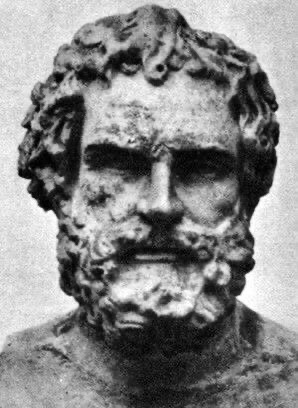
There were some different schools of thought during this era. Some of them were The Milesian school, The Pythagorean school, The Eleatic school and The Atomist school. The Milesian school consisted of three important philosophers. Thales was the first. Thales claimed that a single element was water. Thales determined that water could go through changes of state like evaporation and condensation. He also knew that it was responsible for moisture. The second philosopher was Anaximander. Anaximander claimed that the single element was an undefined, unlimited and indefinite substance, known as Apeiron. The thing that separates Hot and Cold, solid and liquid is the Apeiron. His philosophy is similar to the Chinese philosophy of yin-yang. The third and last philosopher from The Milesian school was Anaximenes. He believed the single element to be air. According to him, the air is everywhere and can transform into something else. For example water, objects, clouds etc.

Anaximenes. (credits- stratis)

The Pythagorean school was formed by philosopher and mathematician Pythagoras believed that every answer to life can be found through mathematical calculations. Every rationale of life is derived from mathematics. He had a very cult-like following. His students were very true to his rules and ways of life. Theyโ€™d often follow his exact instructions. His students believed that his studies were the prophecies of God.

The Eleatic school was based in the colophon. It had four main philosophers. The first one was Xenophanes. He did not believe that gods were anthropomorphic or had human characteristics in other words. He believed that there was only one god and he didnโ€™t have a physical form but he can See, Hear, Think and control the world with his thoughts. The second philosopher was Parmenides. He believed that individual experiences donโ€™t amount to the real truth. Truth can only be found through reason and not senses. His foundations hugely influenced Plato and the whole of western philosophy. The school of Elea started using reason to find the truth because of him. The third philosopher is Zeno. He was Parmenides’s most famous student and probably his lover too. He spent most of his life creating arguments that defended parmenidesโ€™ ideas. His most famous Argument is about pluralism. The notion that many things exist as opposed to one, will lead to more absurd conclusions. He believed plurality was an illusion. His work was later disproved but was hugely influential. The last one is the melissus of Samos. His philosophy was that what it differs from what it seems. According to him it never really is what it seems.

*I was influenced to write this article after coming across the book philosophy 101 written by Paul Kleiman*

Women organizations and their role in India

Women’s Organisations emerged in India as a result of the spread of education and the establishment of the notion of the new woman. There was an improved level of communication among women which made them aware of the different problems that they faced and their rights and accountabilities in society. This awareness led to the upsurge of women’s organizations that fought for and signified women’s causes

An exclusive feature of the Indian women’s crusade is the fact that early efforts at women’s liberation were set in motion by men. Social reformers such as Raja Ram Mohan Roy, Maharishi Karve, and Swami Dayanand Saraswati challenged the conventional subservience of women, stimulated widow remarriage, and supported female education and impartiality in matters of religion, among other issues. Mahila mandals organized by Hindu reformist organizations such as the Arya Samaj and Brahmo Samaj encouraged women to go out of the boundaries of their homes and interact with other members of society. Pandita Ramabai, who was considered as one of the innovators of the feminist movement, with the help of Justice Ranade established the Arya Mahila Samaj in 1882. She envisioned creating a support network for newly educated women through weekly lectures and lessons at homes, where women could learn and gain confidence through interactions.

Women’s auxiliaries of general reform associations also served as a ground for women to deliberate social issues, express opinions, and share experiences. The Bharata Mahila Parishad of the National Social Conference was the most protruding among such opportunities. Though the National Social Conference was formed at the third meeting of the Indian National Congress in 1887, the Mahila Parishad was launched only in 1905.

The preโ€Independence period saw women’s issues related to the nationalist agenda at various junctures. In this period, a major enhancement of women was in terms of political participation of women, calling for a redefinition of conventional gender roles. Women began openly demonstrating their opposition to foreign control by supporting civil disobedience actions and other forms of protest against the British. Opportunities to organize and participate in agitations gave women muchโ€needed confidence and a chance to develop their leadership skills. Cutting across communal and religious barriers, women associated themselves with larger problems of society and opposed sectarian issues such as communal electorates. Political awareness among women grew, owing to a general understanding that women’s issues could not be separated from the political environment of the country. During this period, the initial women’s organizations formed within the historical background of the social reform movement and the nationalist movement were as follows.

โ€ขThe Women’s India Association (WIA).
National Council of Women in India (NCWI).
โ€ขThe All India Women’s Conference (AIWC) in 1917, 1925, and 1927 correspondingly.
โ€ขEach of these organizations emphasized the importance of education in women’s progress.
โ€ขThe WIA, created by Margaret Cousins in Madras, worked widely for the social and educational emancipation of women. โ€ขAssociated with the Theosophical Society, it encouraged nonโ€sectarian religious activity and did creditable work in promoting literacy, setting up shelters for widows, and providing relief for disaster victims.
โ€ขWomen in Mumbai, Chennai, and Kolkata through networks developed during World War I work, allied their associations together, and created the NCWI in 1925. A national branch of the International Council of Women, its most prominent member was Mehribai Tata, who aggressively campaigned against inert charity and advised men to support female education.
โ€ขThe most important of the women’s organizations of the time was the All India Women’s Conference. Though its initial efforts were directed towards improving female education, its scope later extended to include a host of women’s issues such as women’s franchise, inheritance rights.

The Constitution of India enlisted in 1950 which permitted equal rights to men and women. Rights such as the right to vote, right to education, right to enter into public service, and political offices brought in satisfaction among women’s groups. In this period, there was limited activity in the area of women’s rights. Many women’s organizations such as the National Federation of Indian Women (1954) the Samajwadi Mahila Sabha (1559) were formed to work for supporting the cause of Indian women. Since the country was facing a social, political crisis after British rule, many demands of the women activists were not supported by the Government. But during this period from 1945, the Indian women got an opportunity to participate in confrontational politics.

In post-independent India, the women’s crusade was divided, as the common opponent, foreign rule, was no longer there. Some of the women leaders formally joined the Indian National Congress and took a powerful position as Ministers, Governors, and Ambassadors. Free India’s Constitution gave universal adult franchise and by the mid-fifties, India had fairly liberal laws concerning women. Most of the demands of the women’s movement had been met and there seemed few issues left to organize around. Women’s organizations now observed that there was an issue of implementation and consequently there was a pause in the women’s movement.

Some women organizations such as the Banga Mahila Samaj, and the Ladies Theosophical Society functioned at local levels to promote contemporary ideas for women. These organizations deal with issues like women’s education, abolition of social evils like purdah and Child marriage, Hindu law reform, moral and material progress of women, equality of rights and opportunities.

It can be believed that the Indian women’s movement worked for two goals.

โ€ขUplift of women.
โ€ขEqual rights for both men and women.

Currently, there are many women organizations in India:

โ€ขAll India Federation of Women Lawyers
โ€ขAll India Women’s Conference
โ€ขAppan Samachar
โ€ขAssociation of Theologically Trained Women of India
โ€ขBharatiya Grameen Mahila Sangh
โ€ขBharatiya Mahila Bank
โ€ขConfederation of Women Entrepreneurs
Durga Vahini
โ€ขFriends of Women’s World Banking
โ€ขKrantikari Adivasi Mahila Sangathan

The major objective of this organization is:

โ€ขStrengthening and building new initiatives, networks, forums, etc., for protecting women’s rights
โ€ขMonitoring the Government of India’s commitments, implementing the Platform for Action with special focus on the eight-point agenda discussed at the Conference of Commitment, CEDAW, the Human Rights, and other United Nations Convention.
โ€ขAdvocacy, lobbying, and campaigning on women-related issues.
โ€ขInformation Dissemination and Documentation.
โ€ขSolidarity and linkages with other regional and global forums.


Another women organization in India is Swadhina (Self-esteemed Women) which was formed in 1986. It is principally a civil society organization focused on the Empowerment of women and Child Development based on Sustainable Development and Right Lively hood. At Swadhina, it is believed that positive social change has a direct effect on the lives of women and that change is possible only through equal and spontaneous participation of Women. Organization members are active in five states across the country in remote tribal districts of Singbhums in Jharkhand, Purulia, and West Midnapur in West Bengal, Kanya Kumari in Tamil Nadu, Mayurbhanj in Orissa, and East Champaran in Bihar.

Due to the womenโ€™s movement, several legislations were passed like the Equal Remuneration Act, Minimum Wage Act, Maternity Benefit Act, etc. to ensure equal status to women in society & more importantly at work. However, illiteracy amongst the major women workforce (87% of women are employed in the unorganized sector), fear of losing employment & lack of awareness of the laws enacted to protect them, make it difficult for women to benefit from them.


A girl should be two things:

who and what she wants.

Europe is plagued by wildfires, and the weather is making the situation worse.

In Europe, where a heatwave has exacerbated dry conditions, wildfires are spreading. Firefighters are still battling fires in Greece, Spain, and Italy despite the fact that temperatures have dropped in France and the United Kingdom. The fires in the severely damaged south-west of France are beginning to be put out. Low water levels are also making it difficult to travel on German rivers as the heatwave pushes northeast. In Portugal, over 1,000 deaths have been connected to the extraordinarily high temperatures, compared to over 500 in Spain.

The Gironde area in southwest France had some of the worst flames, however circumstances for fighting them have improved. On Tuesday, it was 40 degrees Celsius; yesterday, it was in the mid-20s.
The French President, Emmanuel Macron, told firefighters during a visit to Gironde that the European Union will need to make structural changes as a result of the climate change that is causing more wildfires.

Firefighters in Greece were battling a fire on Mount Penteli, which is located northeast of Athens. From nearby communities, notably eastern Gerakas, which is home to around 30,000 people, hundreds of people have been evacuated.

Additionally, there have been several wildfires throughout Spain. In Galicia’s northwest, there are still two sizable wildfires burning out of control. In the extreme north of Portugal, 900 firemen were battling two major flames. Italy has been placed on its highest heatwave alert for today due to recent major fires that have also ravaged the country. Due to the temporary suspension of a crucial train link between Rome and Florence, the infrastructure of Italy has reportedly also been severely disrupted.

While Sweden saw its warmest day of the year with temperatures hitting 32 degrees Celsius in the south-west, portions of Germany recorded 38 degrees Celsius yesterday as the heatwave moved north-east.

Netflix’s third-quarter user growth will help it gain momentum as Wall Street closes on a high note thanks to excellent results.

Wall Street’s major indexes finished the day marginally higher, with the tech-heavy Nasdaq recording a rise of 1.6 percent on strong earnings news and a cautious eye on inflation and future Fed interest rate hikes.

Thus, to finish at 31,875, the Dow Jones Industrial Average rose 48 points, or 0.2 percent. To close at 3,960, the S&P 500 gained 23 points, or 0.6 percent. At 11,898, the Nasdaq Composite increased by 185 points, or 1.6 percent.

After predicting it will resume customer growth during the third quarter while reporting a smaller-than-expected 1 million-subscriber decline in the second quarter, Netflix shares soared 7.4%.

Apple, Amazon, Microsoft Corp., and Meta Platforms all had gains of between 1 and 4.2 percent among other high-growth equities.

Tesla, a manufacturer of electric vehicles, increased 2 percent in after-hours trading after announcing a boost in quarterly profit.

According to Refinitiv statistics, analysts now anticipate that the overall, year-over-year growth of the S&P 500 earnings will be 5.9 percent this reporting season, down from their initial forecast of 6.8 percent.

Inculcating Stoicism in your life

Credits- art.com

Stoicism is a philosophy founded by the Zeno of Citium in Athens in the early 3rd century BC. According to this school of philosophy, there are two factors. The internal world and the external world. The internal world contains emotions, reactions, behaviour and all the things that a human being controls. The external world is wealth, status, validation etc. Stoicism describes wealth as neither good nor bad. Although a human being should always live a life of modesty and should not pay much attention to the external world. We do not control what happens in the external control but we do control our actions and our reaction toward the external world. We should build such a mindset where the external world doesnโ€™t have an overwhelming effect on us.

In todayโ€™s generation, everyoneโ€™s life is a busy one. No one has the time to be free and reconnect with themselves. This makes us lose touch with ourselves. This is how the world moves. We are controlled by the external narrative and are always chasing some illusionary goal that we think will give us all the joy and happiness needed in life. Weโ€™re all chasing one thing or the other. But stoicism has always said that no material thing in the external world can attain happiness. You always have to look within. Bureaucracy makes us a slave to the external world and we do not break the pattern until we are dead.

Credits- words of wisdom

Stoicism teaches us to take control of our lives. It tells us not to be controlled by the greed of wealth and status. It encourages us to find ourselves. You can inculcate stoicism in your life by getting across some of the stoic readings. Marcus Aurelius was a believer In stoicism. He was probably the richest man when he existed. He was still believed to live a modest life and people around him worshipped his virtue. One has to grasp an understanding of the world he lives in and more importantly they have to grasp an understanding of themselves. Stoicism encourages independence in thinking. It makes us see what really exists.

Personally, stoicism gave me an understanding of what the external world is. I came across it when I was 16 years old. I was very materialistic as a kid. I used to seek joy in buying all the gadgets that I wanted. There were times when I used to feel hollow but I never really knew what it was and why do I feel that? Stoicism made me understand that void. The void had been created due to the lack of real value in my life. I realised it and started studying stoicism. With time, my understanding of the world got better. Sometimes it makes me laugh how unconcerned I was. We all get lost in our lives sometimes. The games that we make for ourselves can sometimes trap us. But a true human being will always find a way to see through the fake and embrace reality.

โ€œ I THINK, THEREFORE I AMโ€

โ€ข Rene Descartes

School of lifeโ€™s video about stoicism

India’s PV during the Singapore Open Women’s Singles champion Sindhu is congratulated by the president and prime minister.

The top Indian shuttler PV Sindhu won the Women’s Single championship at the Singapore Open in badminton. In order to earn her first championship at the Singapore Open and third title overall this year after winning the Korea Open and Swiss Open, the two-time Olympic winner overcame Wang Zhi Yi of China, 21-9, 11-21, 21-15.

She finished the first game, which featured 13 straight points won, in in 12 minutes. But after he won the second game, Wang Zhi came back valiantly to tie the game. The decider got off to a suspenseful start until she took a five-point advantage into halftime. The Chinese attempted to retaliate but ultimately failed.

The President and Vice President have congratulated top shuttler PV Sindhu on her historic victory at the Singapore Open 2022. President Ram Nath Kovind stated in a tweet that P V Sindhu’s tenacity and energy are motivational. She should keep giving the nation honour and pride, Mr. Kovind hoped.

The entire country is proud of P V Sindhu’s incredible accomplishment, according to Vice President M Venkaiah Naidu. Wishing Sindhu well in her future endeavours was Mr. Naidi.

Prime Minister Narendra Modi also congratulated shuttler PV Sindhu on her historic victory at the Singapore Open. She has once more proven her remarkable sports skill and succeeded, Mr. Modi claimed in a tweet. He claimed it is a time to be proud of for the nation and will serve as motivation for up-and-coming athletes.

SBI introduces WhatsApp Banking Services to simplify banking for its clients.

State Bank of India, the largest lender in the public sector in India, has introduced WhatsApp Banking to make banking simpler for its clients. Since they no longer need to download the app or visit an ATM, SBI clients may now use WhatsApp to access a limited number of banking services, which may be useful for many. Customers of SBI may see their Account Balance and read their Mini Statement via WhatsApp.

Customers may access SBI WhatsApp Banking services by sending a “Hello” message to the number 919022690226. Under the moniker SBI Card WhatsApp link, State Bank of India will also provide its credit card customers with WhatsApp-based services through the platform. Customers of SBI credit cards may use this to check their account overview, reward points, outstanding amount, and to pay their cards.

Neeraj Chopra will compete on July 22 in the qualifying round of the World Athletics Championships after Annu Rani advances to the final.

Today in the US State of Oregon, the top javelin thrower from India, Annu Rani, qualified for the World Athletics Championships final.

In her third and last effort, she had the greatest throw of 59.60 metres. The holder of the national javelin record advanced to the World Athletics Championship javelin final twice in a row.

Parul Chaudhary placed 17th in heat number 2 but was unable to advance to the semifinals.

Tomorrow’s men’s javelin throw qualification round Group ‘A’ will include Olympic champion Neeraj Chopra.

Government initiatives to boost the number of pilots in the nation include: Jyotiraditya Scindia is the minister of aviation.

Jyotiraditya Scindia, the minister of civil aviation, stated today that the government has taken initiatives to expand the number of pilots in the nation, including both men and women. 5% of pilots worldwide are women, according to the International Society of Women Airline Pilots, Mr. Scindia stated in a written response to a question in the Lok Sabha.

With a 15% proportion, there are much more female pilots in India. According to him, the Airports Authority of India has awarded nine additional Flying Training Organization, FTO, slots at five airports in the first phase in an effort to boost the number of pilots. Belagavi, Jalgaon, Kalaburagi, Khajuraho, and Lilabari are the names of these airports. Six more FTO slots would be made available in the second phase at five airports: Bhavnagar, Hubballi, Kadapa, Kishangarh, and Salem.

The number of Commercial Pilot Licenses awarded annually and the number of flying hours at FTOs are both expected to increase, according to Mr. Scindia. In addition, the Women in Aviation International, WAI – India Chapter organises a number of awareness campaigns throughout the nation in partnership with the Civil Aviation Ministry, business leaders, and prominent women in aviation, with a special emphasis on young schoolgirls, especially those from low-income families.

Jyotiraditya Scindia in LS introduced the UDAN Scheme to promote regional aviation connectivity.

According to Civil Aviation Minister Jyotiraditya Scindia, the Regional Connectivity Scheme RCS – UDAN Ude Desh ka Aam Nagrik was established by his Ministry to promote regional air connectivity and lower the cost of air travel for the general public.

Mr. Scindia stated that UDAN is a market-driven programme and that interested airlines submit their offers at the time of bidding based on their evaluation of the demand on certain routes. According to him, the resurrection of unserved and underserved airports project is used to upgrade or build airports, airstrips, helipads, heliports, and water aerodromes that are part of the UDAN routes that have been allocated.

Counting of votes for 16th Presidential election underway; Droupadi Murmu leading after first round

After the first round of voting, NDA Presidential candidate Droupadi Murmu leads Opposition nominee Yashwant Sinha.

Ms Murmu received votes from 540 MPs totaling three lakh 78 thousand, whereas Yashwant Sinha received votes from 208 MPs totaling one lakh 45 thousand.

P. C. Mody, Secretary General of Rajya Sabha, told the reporters at Parliament House that the votes of 748 MPs were deemed to be genuine, while 15 were found to be invalid. MLA votes are currently being counted.

Marine Biology

The ocean’s beauty, mystery, and variety of life, are the main attractions for people to study marine biology. Marine biology is the more general science of biology applied to the sea. Most of the disciplined in biology are represented in marine biology. Marine biology has many branches, viewpoints, and approaches. It is also closely related to oceanography, the scientific study of the oceans. Geological oceanographers study the sea floor, chemical oceanographers study ocean chemistry, and physical oceanographers study waves, tides, currents, and other physical aspects of the sea.

Life on earth is believed to be originated in the sea, therefore the study of marine life teaches us much about all life on earth, not just in the sea. Marine life helps determine the very nature of our planet. Marine organisms produce much of the oxygen we breathe and help regulate the earth’s climate. Thus, to make full and wise use of the sea’s living resources, to solve any kind of problems marine organisms may create, and to predict the effects of human activities on the life of the sea, we must learn all we can about marine life. In addition, marine organisms provide clues to the earth’s past, the history of life, and even our own bodies that we must learn to understand. This is the challenge, the adventure, of marine biology.

The Phoenicians were the first accomplished Western navigators and by 2000 B.C. they were sailing around the Mediterranean Sea, Red Sea, Black Sea, eastern Atlantic Ocean, and Indian Ocean. Ancient Greeks had considerable knowledge of nearshore organisms in the Mediterranean region. They even used an electric ray (Torpedo) to deliver the first electrical simulation therapy. During the 4th century B.C., the Greek philosopher Aristotle described many forms of marine life. He even recognized, among other things, that gills are the breathing apparatus of fish. Therefore, Aristotle is considered by many the first marine biologist. During the 9th and 10th centuries the Vikings continued the exploration of the northern Atlantic Ocean and they discovered Vinland, what we now call North America. Furthermore, Arab traders and people in the Far East also continued to explore and learn about the sea.

During the Renaissance, a lot of voyages of exploration began by the Europeans. Christopher Columbus rediscovered the “New World” in 1492. In 1519 Ferdinand Magellan embarked on the first expedition to sail around the globe. Fairly accurate maps, especially of places outside Europe, began to appear for the first time. The explorers were soon interested and curious about the ocean they sailed and the things that lived in it. James Cook, an English sea captain, was one of the first to make scientific observations along the way and to include a full-time naturalist among his crew. Furthermore, Cook was the first to make use of a chronometer” that enable him to prepare reliable charts.

By the nineteenth century it was common vessels to take a naturalist along to collect and study the life forms that were encountered. Perhaps the most famous of these shipboard naturalists was the Englishman, Charles Darwin. He sailed around the world on HMS Beagle for five years, horribly seasick most of the time. The Beagle’s primary mission was to map coastlines, but Darwin used the opportunity to make detailed observations of all aspects of the natural world. This set off a train of though that led him, years later, to propose the theory of evolution by natural selection”. Darwin made many other contributions to marine biology. He explained, for example, the formation of the distinctive rings of coral reef called atolls.


“I felt the full breadth and depth of the ocean around the sphere of the Earth, back billions of years to the beginning of life, across all the passing lives and deaths, the endless waves of swimming joy and quiet losses of exquisite creatures with fins and fronds, tentacles and wings, colorful and transparent, tiny and huge, coming and going. There is nothing the ocean has not seen.”

-Sally Andrew, Writer

By Ajeetha.R

As Frank as the Oceanโ€ฆ

Credits-frankfan76

Blonde was released in 2016. The album has completed 6 years since its release. An albumโ€™s success is divided into 2 parts. The first one is the quality of the lyrics and the story of it. The second and a really important one is sound production. Sound production means the quality of sound. When you listen to any of the blondeโ€™s track, youโ€™ll realise how well produced the sound is. Every beat is so clean and soothing to the ears. Sound production makes a huge difference in the overall quality of the album. For example, Dondaโ€™s sound production was not very well done and lets the album down in a lot of ways. Blondeโ€™s production was probably the best of this decade. The transition in the song โ€œNightsโ€ is so sick and is the highlight of the amazing sound production.

The album has some of the most diverse tracks. Ivy is a melodic soft indie lost love song whereas solo (reprised) is a fast and very catchy beat with a really good flow. Futura free is 10 mins long and continuously progresses its flow. There are abrupt audio clips filled in this album and that is a signature of frank ocean. Self-control starts in a very poppy fashion and translates into a coming of age song quick. Be yourself is a voice note from frankโ€™s mom telling him not to get addicted to alcohol, drugs or marijuana because it will make him stupid, lazy and unconcerned. She also speaks about the importance of being yourself. Frank always finds a way to make his album feel more personal and intimate as he did with channel orange. After her motherโ€™s voice note, he talks about rolling a solo for himself right in the next track. The album feels like a very honest and a true deep dive into frankโ€™s life.

Credits- miranda devis

I think this is the reason people relate to it so much. I listen to some of the tracks every day like Self Control, Nights, Good Guy and Futura Free. Good guy is a cute lofi track where he is talking about a girl jasmine and reminiscing about how the relationship actually had more substance than he thought it had. Soon after good guy, Nights kicks and boy it kicks in so well. Everything about that song is perfect. The Pacing, Lyrics and the Transition. Apple Music in its description of blonde writes โ€œan album weโ€™ll be talking about for years to comeโ€ and here we are after 6 years of talking about it.

In the song solo, frank is talking about how he was very loud in public once and the police turned them down and suddenly very abruptly he says โ€œI forgot to tell you how much I vibe with youโ€ this feels so abrupt but so personal at the same time. Itโ€™s like youโ€™re talking to someone about something and suddenly you tell them something totally different. Frank does it so beautifully. Another instance of his lyrical genius is spotted in the song self-control. Heโ€™s having some poolside conversation with a girl about her summer and this translates into something more. He says โ€œ cause I made you use your self-control and you made me lose my self-control โ€œ this is just brilliant writing. In the end, Blond is a very catchy, a very poppy but at the same time a very deep and personal album. Catch it if you still havenโ€™t somehow.

How To Achieve Emotional Intelligence?

Each of us has a unique personality, as well as varied needs and desires and emotional expression styles. It requires tact and wit to get through all of this, especially if we want to thrive in life. Emotional intelligence is crucial in this situation.

Understanding your emotions, what they’re trying to tell you, and how your emotions influence those around you is emotional intelligence. It also affects how you see other people; you may develop partnerships more skillfully when you get other perspectives.

Self-awareness is the foremost step to achieving emotional intelligence. It simply means being aware of your strength and weakness. It builds confidence and due to this, it doesn’t let emotion rule them in any way. Self-regulation is basically thinking before you act. It doesn’t allow one to be impulsive or jealous and can be gained by controlling emotions there is more thoughtfulness than envy. Empathy one of the essential elements in emotional intelligence . Being able to identify other persons feelings and opinions help them to manage good relationship with others, and makes them avoid being judgemental or stereotypical and through these it can lead to development of motivation and social skills.

To establish social awareness in yourself the first step would be to observe around and be aware of the environment. Before forming an opinion about someone try to put your shoe in theirs and acknowledge their perspective. Coming out of your comfort zone and enjoying the new challenges that life gives you. Moreover, analyze how you cope up in stressful situations do you blame it on others and doesn’t take the initiative by yourself? That’s when you initiate with the practice of humility it will guide you to be aware of your actions and be true to it. Moreover, the main key is to keep an open mind. Whatever situation come and go it will help you understand how the world works. Grow and let others grow.

RED!!!

I was laughing at lame jokes for one moment, I was crying at silly things the other moment, I was lying in bed, holding my stomach the next moment. Why am I changing my mood so rapidly? This is because I got my periods recently.

Yes those cramps make me feel bad and I behave like a lazy lad. But the thing I hate the most is those absurd ads, the blue colour depicted there on that sanitary pad. Though I feel blue but I bleed red, Am I supposed to tell them even that?

No, I don’t crave any extra attention and I don’t even want any kind of detention. All I want is the menstrual products to be sold for free, so do you agree?

– Isha Chawla

Retail inflation in India drops to 7.01 percent in June.

Consumer pricing index (CPI)-based retail inflation dropped to 7.01 percent in June of this year from 7.04 percent the month before. According to the Ministry of Statistics and Program Implementation, lower prices in the “Food & Beverages” segment were a major factor in the slight decrease in inflation.

Inflation in the food basket in June 2022 was 7.56 percent, down from 7.84 percent in May of this year. Vegetable prices increased by 18.26% in May 2022, although they only increased by 17.37% in the reporting month.

Inflation has remained over the RBI’s upper tolerance level of 6% due to rising global commodity prices brought on by the Russia-Ukraine war and high crude oil prices.

For a five-year term ending in March 2026, the government has ordered the central bank to keep retail inflation at 4% with a 2% tolerance on each side.

The men’s skeet event at the ISSF World Cup is won by Mairaj Ahmad Khan, the first shooter from India to do so.

Mairaj Ahmad Khan, a two-time Olympian in shooting, made history yesterday at the ISSF World Cup in Changwon, South Korea, when he became the first Indian shooter to win the gold medal in the men’s skeet event. In the championship match, Mairaj Ahmad Khan won the gold medal with 37 hits out of a possible 40. Minsu Kim of South Korea hit 36 times for silver, while Ben Llewellin of Great Britain hit 26 times for bronze. Over two days of the men’s skeet shooting competition, Mairaj Ahmad Khan shot 119 from 125 in the qualifying round. For a second round of 30 targets in the ranking round, Mairaj Ahmad Khan competed against Sven Korte of Germany, Minki Cho of South Korea, and Nicolas Vasilou of Cyprus.

With 27 hits, Mairaj Ahmad Khan led the round. With 25 hits, Sven Korte joined Mairaj Ahmad Khan into the medal round. India earned a bronze in the women’s 50m rifle 3 positions team competition at the ISSF World Cup Changwon 2022 in addition to Mairaj Ahmad Khan’s gold medal. Anjum Moudgil, who took home the silver medal for herself, teamed up with Sift Kaur Samra and Ashi Chouksey to take home the bronze. With two more days of competition left, India has five gold, five silver, and three bronze medals, maintaining its lead in the medal rankings.

Government claims that because virus defence is deteriorating, Covid preventative dosage is necessary.

As the level of protection against the coronavirus is deteriorating, according to Dr. N.K. Arora, leader of the Covid-19 working group of the National Technical Advisory Group on Immunization (NTAGI), preventive dosage is required. Speaking to AIR News, he stated that given the increase of instances across various nations, the prophylactic dosage has to be promoted aggressively. The epidemic is in a low phase, and people are mentally fatigued, according to Dr. Arora, but we still need to ensure that we are completely protected. Beyond six months after the second dose, he claimed, we needed to have the best possible protection.

Within 18 months of the Covid-19 vaccine campaign’s commencement in January of last year, India reached a record 200 crore vaccinations. In addition to giving its population 200 billion vaccine doses, India has sold over 23 billion doses of vaccine to more than 50 nations. The government claims that Prime Minister Narendra Modi’s aggressive strategic and policy-level leadership, which includes the Make-in-India and Make-for-the-World motto, has assisted the nation in achieving this objective.

Following a disturbance by the opposition about price increases and other problems, both Houses of Parliament adjourned till 2 p.m.

Following the opposition’s protest against price increases and GST increases, both chambers of Parliament were suspended till 2 PM. Adhir Ranjan Chowdhury, a Congress politician, attempted to bring up the topic of price increases in the Lok Sabha as the house convened for the day. Without asking for permission, Speaker Om Birla launched Question Time. Following that, members of the opposition, including the Congress, DMK, and TMC, flocked to the well and chanted anti-government chants in protest of the price increase. The Speaker struggled to lead the Question Period among the clamour, frequently pleading with agitated members to return to their seats.

According to Mr. Birla, bringing signs inside the residence is not permitted. Later, Mr. Birla decided to postpone the proceedings till 2 PM.
The Rajya Sabha saw a like sight. Chairman M. Venkaiah Naidu rejected the adjournment requests that Congress, the Aam Aadmi Party, and other opposition party members had submitted against price increases and other concerns when the Upper House convened this morning. Then the parliament was adjourned until 2 p.m. due to loud incidents caused by opposition members including Congress, AAP, and DMK.

How dangerous is Volcanic Lava?

We all know that lava erupting from a volcano can be too hot and dangerous but to what Fahrenheit and how is it monitored?

Lava flows that spontaneously utilise apertures in vents and cracks to escape are closely related to volcanic explosions. Lava extrudes with an amber glow at degrees between 1470ยฐF and 2190ยฐF. Lava cannot compete with the sun, which has an incredible temperature of roughly 10,000ยฐ F, even at this temperature. Practically all living things, including people, animals, plants, crops, and even dwellings, are negatively impacted by the intense heat from lava that results from an eruption.

Any substance with a melting temperature lower than 2,190ยฐ F may be melted by lava, including rubber, tanks, vehicles, trees, and grass. If it is unable to completely melt the materials, it can ignite them and eventually reduce them to ashes. But we must remember that volcanic lava is unquestionably hazardous and is far stronger than burning of wood or coal, therefore one must be extremely cautious when in its proximity.

The use of GPS devices or transmitters to aid in the most accurate mapping of current lava flows. The signals are obtained by radio waves sent by satellites circling the planet, and they provide crucial information for monitoring lava flows that may be moving closer to populated areas.

Anthropology

Anthropology is the systematic study of humanity, with the goal of understanding our evolutionary origins, our distinctiveness as a species, and the great diversity in our forms of social existence across the world and through time. The focus of Anthropology is on understanding both our shared humanity and diversity, and engaging with diverse ways of being in the world.


Throughout its existence as an academic discipline, anthropology has been located at the intersection of natural science and humanities. The biological evolution of Homo sapiens and the evolution of the capacity for culture that distinguishes humans from all other species are indistinguishable from one another. While the evolution of the human species is a biological development like the processes that gave rise to the other species, the historical appearance of the capacity for culture initiates a qualitative departure from other forms of adaptation, based on an extraordinarily variable creativity not directly linked to survival and ecological adaptation. The historical patterns and processes associated with culture as a medium for growth and change, and the diversification and convergence of cultures through history, are thus major foci of anthropological research

In the middle of the 20th century, the distinct fields of research that separated anthropologists into specialties were physical anthropology, emphasizing the biological process and endowment that distinguishes Homo sapiens from other species, archaeology, based on the physical remnants of past cultures and former conditions of contemporary cultures, usually found buried in the earth, linguistic anthropology, emphasizing the unique human capacity to communicate through articulate speech and the diverse languages of humankind, and social and/or cultural anthropology, emphasizing the cultural systems that distinguish human societies from one another and the patterns of social organization associated with these systems.


If there were a science

Of human beings it

Would be anthropology

that aims at

understanding the

totality of experience

through structural

context”

-William Dilthey


By Ajeetha.R

The Christian,Muslim conundrum

Credits-peakpx

I sat with my friend clive to know more about his culture. He told me how he was brought up to be a Christian and what were his values. He used to go to church every morning. Then we discussed if he has ever faced discrimination due to his religion. He didnโ€™t feel that he has experienced discrimination. I also asked my Muslim friends if theyโ€™ve had any such experiences. They also felt the same way.

All of the people that I interviewed are from a well-to-do backgrounds. This makes me come to my next observation. Are people discriminated against because of their religion or because they belong from a not so well to do background? If you see in our society, Muslim or Christian people who have money donโ€™t have to go through the religious stigma that other people go through. For example, a poor Muslim might have to go through a lot of discrimination as compared to a well-to-do Muslim. In todayโ€™s world if you are rich then youโ€™re a powerful man.

Credits- gettyimages

I also had the opportunity of meeting a Muslim boy who was not very well-to-do. He told me that in his school, people were always given an opportunity before him. He was the last boy to be considered for every activity and he feels itโ€™s because of his religion. I am not trying to make a stupid assumption but I feel this has some truth to it. In todayโ€™s world, if you belong to the higher class of society, you are likely to not go through any hardships due to your religion. Although, that is not completely true because there have been a lot of events where people were either kicked out or denied to take property at a certain place.

This activity led me to discover a lot of insights into the religious stigma that exists around me. Iโ€™d encourage everyone to go and ask people from vulnerable backgrounds about their lives. It serves two purposes. They get to share their sorrows and you become more informed about the situation of the matter.

Taoism- finding your own โ€œwayโ€

Taoism is an ancient Chinese philosophy. This philosophy was supposedly written by Lao Tzu during 500 B.C.E. We donโ€™t know if Lao Tzu existed. We have no living proof of his presence. Taoism is a philosophy that is based on non-doing. Not getting in your way. Respecting the natural flow of this universe. For example, if the force of the river is on the right side then youโ€™d be a fool to swim towards the left side. Taoism is about going with the force of life or with the TAO. Tao is not a god but itโ€™s us all, every living being is a part of the tao.

One of the key things about Taoism is yin & yang. It talks about the balancing force of this universe. Action and non-action, dark and light, hot and cold. Every example has meaning because their opposites exist. There is no action without non-action or no light without dark. This teaches us to accept all things for what they are. Taoism finds power in the natural truths of life. It promotes harmony. When we accept the natural form of this universe, we become one and attain harmony. The tao canโ€™t be explained or held. It can only be felt by letting go.

โ€œLook, but you canโ€™t see it.

Listen, but you canโ€™t hear it.

Reach out, but you canโ€™t touch it.

Invisible,inaudible,intangible.

Elusive.

The one, the taoโ€.

โ€ข Lao Tzu.

What does getting in your way mean? We often second guess our instincts and in some situations that is necessary. Taoism is all about making things simpler rather than complex. Living in the now, acknowledging everything but still detached from it. Creating your own โ€œwayโ€. Inculcating meditation in your life is one way to do it. I canโ€™t stress how much meditation helps in finding yourself. Taoist meditation is a little different from the normal one. Itโ€™s more about communicating with your own body.

Like stoicism, Taoism believes in a modest approach to life. If I were to give a personal example, my mind automatically dived toward the future and I wouldnโ€™t even know that it did. It was an automatic reaction that kept happening. But since Iโ€™ve come across Taoism, this situation has gotten much better. It has made me more accepting of my habits and given me a โ€œwayโ€ to deal with them. You canโ€™t change everything about who you are, you can accept it and get better at dealing with it. Taoism helped me do that. The teachings of Lao Tzu make you go into a state of Nirvana. That state canโ€™t be explained because it is something beyond words. The tao cannot be held or explained. It can only be felt.

What is Tao? It is just this. It cannot be rendered into speech. If you insist on an explanation, This means exactly this.

โ€ข Yuan mei

Micro Learning

Micro learning is a form of short-term learning. Micro learning means learning small bits of information at a time that is simple to process. Over the last few years, everyoneโ€™s attention span is on a constant decline. In times like these, micro learning is a very efficient way of training people. It has its own pros and cons. It is very time efficient. Itโ€™s budget-friendly. It also keeps the learner hooked. But one of the biggest issues with this is that you canโ€™t make people learn complex problems or concepts through this concept. Micro learning is a concept of an oversimplification to reduce the time and effort required to train. It may not be very useful when you aim to teach people complex concepts. In todayโ€™s world, we are surrounded by micro learning. Letโ€™s take the internet, for example, a lot of people refer to different creators and sources for their consumption of information. They provide them with a total overview of a particular matter. This overview is rather oversimplified.

People seek political, local and lifestyle news in a simplified way. Short-duration content like reels and shorts or a ted talk are living examples of micro learning. Micro learning is a very good way to teach people small skills that are a means to a different end. For example, teaching someone how to operate a device or how to follow protocols. But it may not be very useful for teaching complex skills like writing, speaking and photography. Micro learning is the new way that people have preferred to learn about things that are relevant to them. If you can give them exactly what they need then itโ€™s also not a very bad career choice. You must have come across many YouTube creators that simplify complex news and provide it to their viewers. That is a form of microlearning. It is a very popular and very effective way of grasping peopleโ€™s attention.

Importance of seeking a spiritual experience.

I went into the Osho centre expecting a breath of fresh air and a new perspective on life. I had reached my saturation point and was seeking something meaningful. I learned a meditation technique there which changed my life forever. So the process, is that you have to lay down and breathe slower than you usually do. After doing that, you focus on your left leg and try to breathe through it. You move your attention towards the right leg and do the same. That’ll make your legs very light and peaceful. After doing this, you move all your attention to your navel centre which is the centre of your body and breath through it. If you do this correctly then that’ll give you immense harmony and peace. It feels as if all the negative vibrations are leaving your body. After this, you move your focus to your heart and breathe through it. And then from the face. In the end, you try to feel your whole body and try to breathe through your whole body. After this, you reflect on your meditation and take 3 deep breaths.

Iโ€™ve been practising this meditation for the last 2 months and it has made me comfortable with myself. I am now more accepting than ever, more confident than ever. It gave me a roadmap to working towards myself. Meditation makes you interact with yourself. When you do that consistently, you become more sure of who you are and what you want in life. I feel if you have clarity in life, everything automatically falls into place. Meditation definitely helped me do that.

I also met people from different walks of life in the centre. Middle-aged people, old people and young people doing completely different things. But doing things at their own pace and getting better at dealing with it every day. I came across a man whose name is Aditya. He is a middle-aged man in his 30s. He is not married and lives alone. In India, more often than not you expect a man in his 30s to be married cause thatโ€™s what society dictates. But he was completely free and detached from the social bounds we have. He was an artist working as a freelancer for the last 10 years. His energy was just different from the normal crowd. It was so refreshing to meet someone like that.

I always wanted to inculcate meditation in my life but I never had the discipline to do it until I started going to this centre. Meditation is so helpful for any human being because it makes you more conscious about yourself and when you are self-aware, you tend to make better decisions that affect you and you are aware of your flaws and you respect them. You find a way to deal with your vulnerabilities. Iโ€™d encourage my fellow members to go and seek out a spiritual experience free from the bounds of bureaucracy. This experience was personally so therapeutic for me and encouraged me to think in different ways and change my brain pattern towards life. It made me conquer my fear. And the only way to conquer fear is to accept it. Iโ€™d leave it at that.

Future of Robotics

Robots may be travelling to strange planets in 2030 and operating on patients from the other side of the earth. One of the areas of technology that is rapidly developing is robotics, which is influencing how people will travel, work, and explore in the future. IoT, AI, and other down side developments are assisting in further elevating the situation. Robotics is home to numerous fascinating discoveries that will be essential to daily living everywhere.

Saul -The Robot.

The robotics sector continues to innovate by fusing artificial intelligence with vision and other sensory technologies. According to the magazine, more recent versions of robots are simpler to set up and programme than older ones. High-tech ocean robots that explore the world beneath the waves, Saul the robot that shoots UV rays at the Ebola virus to kill it, and an AI-controlled therapeutic robot that facilitates more effective communication between patients and healthcare providers to lessen stress are a few noteworthy developments that will occur in 2021.

Cognitively and, in some situations, physically, more human-like. They already coexist with people in factories, warehouses, fast food restaurants, and apparel stores.

Future employees may have a far better future if technologies are developed to support new activities for which people are better suited. While millions of secretaries and typists were undoubtedly made redundant by the widespread use of computers in businesses, new jobs in related areas, such as computer engineers, software engineers, and IT advisors, were also created.

Traditional clothing around the world.

Our clothing represents our culture and way of life and is more than simply a collection of materials that are stitched together to keep us safe. Therefore, it should come as no surprise that communities have utilized clothes over the ages to convey status, mark significant occasions, and demonstrate togetherness, among many other things. And some of them are:

Kebaya -A traditional blouse-dress set known as a kebaya was first worn at the court of the Javanese Majapahit Kingdom. Women in Malaysia, Singapore, Brunei, southern Thailand, Cambodia, and the southern Philippines all dress in what is known as the national costume of Indonesia.

Shรบkร -The Maasai people of southern Kenya and northern Tanzania typically wear sheets wrapped around their bodies, and the Maa name for this is shรบkร . The sheeted clothing is generally red, however,ย occasionally it is combined with other hues and designs like florals or plaid. The Swahili word for one-piece clothing is kanga, and it is widely used.

Agbada-One of the titles for the sweeping, wide-sleeved robe that men in regions of West Africa and North Africa wear is the agbada. Agbada is a name that varies based on the ethnic group but is derived from the Yoruba language. Intricate stitching is typically used to embellish the clothing, which is worn for particular religious or ceremonial occasions. Aso-oke, the weaving fabric of the Yoruba, a significant ethnic group in Nigeria, is used to make several agbadas. To represent the wearer’s own sense of style, the cloth is available in a variety of hues and patterns.

Sari-India, Sri Lanka, Pakistan, Bangladesh, and Nepal all historically wear the sari, which is also sometimes written “saree.” The sari is a neutral item of clothing and is mostly worn by women in contemporary fashion. It may be a completely practical item used every day or a family treasure passed down through the years.

How leeches can help save lives?

This sounds so unbelievable, isn’t it? Many flinch when they even hear of leeches and would be more startled even if they get stuck to the skin and imagining it as part of their treatment is just shocking. Yet this is what is happening in the operation theatre across many countries. But why leeches,only?

Since bloodletting was a prevalent procedure in ancient Greece and Egypt, leeches have been employed therapeutically for thousands of years. At the time, medical professionals thought that drawing blood from a patient might both treat and prevent disease. Leeches were used more frequently than crude devices for bloodletting. The leeches would begin to feed on blood once they were affixed to the patient’s skin. Clearly, contemporary medical professionals oppose the practice of bleeding. However, many people do think that using leeches in some very specialised medical circumstances help saving lives and limbs.

Hirudin, an anticoagulant and antiplatelet drug that serves to prevent blood clots and lessen the quantity of blood clogged in tissues, is found in leech saliva. Even when the leech is removed, other compounds in its saliva keep the wounded area’s circulation flowing, giving time for new veins to develop and current ones to enlarge to carry more blood. In addition, the procedure is painless because when a leech bites, a naturally produced anaesthetic numbs the region.

However,in leech farms around the nation, leeches are raised with the intention of being used medicinally. Before attaching to the patient, they are cleaned, and they are always used once. They are sedated and discarded as medical trash after they have eaten and pruned off the patient.

Zikavirus: A new terror?

Similar to West Nile, yellow fever and dengue viruses is the zika virus. Zika is mostly spread by mosquito bites and is carried by contaminated Aedes aegypti mosquitoes, however,ย it can also be contracted to intrauterin. Zika may affect anybody, but because to the possibility of embryonic microcephaly and other brain abnormalities, pregnant women are particularly at risk. It’s possible for this virus to spread sexually. It has been documented that sexual partners of sick men and women can spread the disease.ย 

Presently, there is no established vaccine or cure. However, to prevent this disease it should be made sure to get rid of old tyres and make holes in the swings’ bottoms, clean out blocked gutters.
Insecticide treatment for rain barrels, weekly water changes, or emptying of birdbaths.During the first week of sickness, closely adhere to the precautions to avoid mosquito bites in order to help stop others from getting sick.

The Aghoris And The Idea Of Cannibalism

“Humans eating humans” is a unique form of ideology, Isn’t it? But this is surprisingly a real fact and this is what cannibalism means in layman’s terms. Those who knew about this belief through history books, movies and etc might assume that it is all in the past but confoundingly it’s a no. Cannibalism is still followed by Aghoris in India. But who are they?

The Aghori Babas of Varanasi, India, are renowned for their ghastly and terrifying quest for heavenly salvation and their practice of devouring corpses. They contend that the dread of death, which is the most intense fear experienced by people, prevents them from attaining enlightenment. One can achieve liberty by overcoming this fear. They are one of the hermits who turn to cannibalism to get through the obstacle of spiritual freedom.

The central tenet of Aghori religion is that everything in the world, even corpses, is equally sacred. There is no such thing as good or bad according to them. The Aghoris strive to transcend all divisions, recognise the false essence of all divisions already in existence, and find eternal happiness by uniting with ultimate presence. However, traditional Hinduism disapproves of this rite. Aghoris are outspoken critics of inequality and the caste system’s enduring effects, which historically segregated Indians into rigid social groups.Also, they don’t harm any other human around them.

While some techniques are as easy as mindfulness, others could be quite strenuous and combative. There is no acceptable or thorough reason for cannibalism. It has been used by several societies and civilizations for a variety of reasons. It makes no sense in general. Instead, it is designed to fit the religious framework of the culture in which it is practiced.

How to Ensure Safe Handling of the Grant Fund

By: Shashikant Nishant Sharma

Ensuring the safe handling of grant funds is crucial for maintaining transparency, accountability, and compliance with regulations. Here are some steps you can take to ensure the safe handling of grant funds:

Develop Strong Financial Policies and Procedures:

  • Establish clear and comprehensive financial policies and procedures for handling grant funds.
  • Include guidelines for budgeting, accounting, procurement, and reporting.

Certainly! Developing clear and comprehensive financial policies and procedures is essential for the proper handling of grant funds. Below are guidelines for each specific area:

1. Budgeting:

Objective:

  • To ensure that grant funds are allocated and utilized efficiently in alignment with the grant’s objectives.

Guidelines:

  1. Needs Assessment:
    • Conduct a thorough needs assessment to identify the specific activities and resources required to achieve the grant objectives.
  2. Detailed Budget Development:
    • Develop a detailed budget outlining all anticipated expenses, including personnel, equipment, supplies, and overhead costs.
  3. Budget Approval:
    • Establish a process for reviewing and approving the budget, involving relevant stakeholders, such as project managers and finance personnel.
  4. Budget Monitoring:
    • Implement a system to monitor actual expenditures against the approved budget regularly.
    • Identify and address any variances promptly, with clear procedures for budget modifications if necessary.

2. Accounting:

Objective:

  • To maintain accurate and transparent financial records for all grant-related transactions.

Guidelines:

  1. Chart of Accounts:
    • Develop a chart of accounts specifically tailored to track grant-related income and expenses separately from other organizational funds.
  2. Timely Recording of Transactions:
    • Establish protocols for the timely recording of all financial transactions related to grant funds.
  3. Reconciliation:
    • Regularly reconcile bank statements and financial reports to ensure accuracy and identify any discrepancies.
  4. Financial Controls:
    • Implement internal controls, such as segregation of duties and approval processes, to prevent and detect financial errors or fraud.

3. Procurement:

Objective:

  • To ensure that the procurement of goods and services is conducted in a fair, competitive, and transparent manner.

Guidelines:

  1. Procurement Policy:
    • Develop a procurement policy that outlines the principles of fairness, competition, and transparency.
  2. Vendor Selection:
    • Establish criteria for the selection of vendors, emphasizing fair competition and value for money.
  3. Approval Process:
    • Define a clear approval process for procurement transactions, including appropriate documentation and authorization.
  4. Contract Management:
    • Implement procedures for effective contract management, including monitoring deliverables, quality control, and adherence to contractual terms.

4. Reporting:

Objective:

  • To provide accurate and timely reports to grantors and stakeholders, demonstrating compliance with grant requirements.

Guidelines:

  1. Reporting Schedule:
    • Develop a reporting schedule that aligns with the requirements specified in the grant agreement.
  2. Data Accuracy:
    • Ensure the accuracy of all financial data included in reports through thorough review and verification processes.
  3. Narrative Reporting:
    • Include narrative explanations in reports to provide context for financial information and highlight key achievements and challenges.
  4. Compliance Reporting:
    • Clearly outline procedures for reporting on compliance with grant terms and conditions.

Additional Considerations:

  1. Training and Communication:
    • Provide training to staff involved in budgeting, accounting, procurement, and reporting to ensure understanding and compliance with established policies.
  2. Documentation and Record-Keeping:
    • Emphasize the importance of maintaining detailed documentation for all financial transactions and activities.
  3. Continuous Improvement:
    • Establish a process for continuous review and improvement of financial policies and procedures based on feedback, lessons learned, and changes in regulations.

Customize these guidelines to fit the specific needs and requirements of your organization and the grant in question. Regularly review and update these policies to ensure they remain relevant and effective.

  1. Budget Management:
    • Develop a detailed budget that aligns with the grant’s objectives.
    • Monitor actual spending against the budget regularly and make adjustments as necessary.
  2. Financial Reporting:
    • Implement a robust financial reporting system that provides accurate and timely information.
    • Ensure that reports to grantors are in compliance with their specific requirements.
  3. Internal and External Audits:
    • Conduct regular internal audits to review financial processes and identify any irregularities or areas for improvement.
    • Arrange for external audits by an independent auditor to provide an objective assessment of your financial controls.
  4. Documentation and Record-Keeping:
    • Maintain thorough and accurate documentation for all financial transactions related to the grant.
    • Keep records organized and readily accessible for auditing purposes.
  5. Compliance with Laws and Regulations:
    • Stay informed about relevant laws and regulations governing the use of grant funds.
    • Ensure compliance with local, state, and federal regulations.
  6. Training and Capacity Building:
    • Provide training for staff involved in handling grant funds to ensure they understand the financial policies and procedures.
    • Stay informed about best practices in grant management and financial accountability.
  7. Communication with Grantors:
    • Establish open lines of communication with grantors.
    • Notify them promptly of any significant changes, challenges, or deviations from the agreed-upon plan.
    • Regularly monitor and evaluate the effectiveness of your financial management processes.
    • Use feedback and lessons learned to improve your organization’s financial management practices.

By implementing these measures, you can help ensure the safe and responsible handling of grant funds, fostering trust with grantors and stakeholders in the process.

References

Bordage, Georges, and Beth Dawson. “Experimental study design and grant writing in eight steps and 28 questions.”ย Medical educationย 37.4 (2003): 376-385.

Liu, Jeffrey C., et al. “Grant-writing pearls and pitfalls: maximizing funding opportunities.”ย Otolaryngologyโ€“Head and Neck Surgeryย 154.2 (2016): 226-232.

Serrano Velarde, Kathia. “The way we ask for moneyโ€ฆ The emergence and institutionalization of grant writing practices in academia.”ย Minervaย 56.1 (2018): 85-107.

Sharma, Shashikant Nishant. “Sustainable development strategies and approaches.”ย International Journal of Engineering and Technical Research (IJETR)ย 2 (2013).

Sharma, Shashikant Nishant, ed.ย New perspectives in sociology and allied fields. EduPedia Publications (P) Ltd, 2016.

Wisdom, Jennifer P., Halley Riley, and Neely Myers. “Recommendations for writing successful grant proposals: an information synthesis.”ย Academic Medicineย 90.12 (2015): 1720-1725.

Time Travel:Is it true?

Since childhood days we all have been told the stories of time and travel and magic through cartoons and storybooks. But is it really possible in the practical world? Yes, it is. Whether waiting for the favorite next episode to arrive or hoping to have more time to spend a day with a close one who resides in a different city, time always moves at a constant speed.

No one has ever actually accomplished exactly the sort of back-and-forth time travel seen in science fiction or proposed a way to send a person through a significant amount of time without killing them in the process, despite the fact that many people find the idea of altering the past or seeing the future before it happens to be fascinating.

But there is some evidence that supports some degree of temporal dilation. For instance, the special relativity theory of physicist Albert Einstein postulates that time is an illusion that shifts with respect to the observer. When compared to an observer at rest, an observer moving close to the speed of light will perceive time and all of its consequences like aging much slowly.

Other strange science ideas based on wormholes, black holes, and theoretical physics are among the scientific hypotheses concerning time travel. But for the most part, time travel continues to be the subject of a wide range of science fiction publications and media resources.

In 1905, Einstein created his special relativity theory. It has evolved into one of the pillars of modern physics together with his subsequent development, the theory of general relativity. According to special relativity, when an item is traveling in a straight line at a constant speed, space and time are related.The idea is deceptively straightforward in its condensed form. There is no “absolute” point of reference since everything is measured in respect to something else. Second, light travels at a constant pace. No matter what or where it is assessed from, it remains constant. Third, nothing travels at a quicker rate than light.

The Night ofโ€ฆ.. another show where Riz ahmed shows his quality as an actor.

A still from the night of.

A boy raised in a conservative Muslim family in America. What do you expect? Innocence right? Maybe you are right. It’s a normal night. Nasir wants to go to a party he was invited to but a friend who he was supposed to go with cancelled the plan last minute. He takes his fatherโ€™s taxi without asking him, he really wants to go to the party. On the way to the party, he comes across some customers who ask him to drop them at a destination but he informs them heโ€™s off duty, he gets into a little spat but they get out of the taxi eventually. After that, a girl comes and asks him to drop her at a beach. He doesnโ€™t say no to the girl. Although, they do argue but he takes her nevertheless. On the way, he buys her a beer. They both sit down across a river and talk about their respective lives. Nasir likes her carefree nature because no one was as frank with him as Andrea was. They both go to her place to spend the rest of the night. Andrea traps Nasir into taking some drugs and eventually they sleep together.

Sounds like a night well spent right? The next day he wakes up and finds the girl dead!!!! Stabbed 22 times in her body. Nasir panics. He gathers his things and runs away and obviously so. He gets caught eventually which is also a long story but Iโ€˜d avoid telling that.  Nasir eventually lands in jail and he encounters some crazy people. Heโ€™s very scared initially as anyone will be. According to me the jail part of the story is the best because it changed Nasir completely.

Even though he didnโ€™t kill the girl but in the end, you are not quite sure if he deserves to be out of jail because the people around him Transform him completely. He is addicted now, he threatens people and does all the things a criminal would do. But one thing that the story makes you believe is that he didnโ€™t kill the girl(which I am not quite sure of). Almost every subplot of the film leaves you with something to think about. His lawyer is a lonely person and fights his loneliness throughout the series. The friends he makes in jail are all the products of their surroundings. His parents are in self-doubt. And thereโ€™s courtroom drama which we all love. The show is so well layered and so well nuanced. It makes you think about a lot of things. It gives you the exposure to explore different human beings (their greys especially).

There are 2 kinds of cinema. One is which gives you a message and thereโ€™s another kind which makes you think about things. The highest quality of cinema is the one which makes you question your existence and your surroundings and that’s what the night of is. One thing which the show makes clear is human beings are a product of their surroundings as claimed by Kafka. Nasir was an innocent boy until he landed in jail where he met criminals who turned him into a criminal. It also makes you wonder that you really have very little to no control over your life. One day you are with a nice girl and the next day you are in jail.

Iโ€™d like to end this by saying that the night of at any moment doesnโ€™t let you feel that whatever is happening is not real, they donโ€™t use cliche filmmaking techniques. It has a very unique quality to it which makes you think about every character. There are films which make you feel very excited but when you leave the theatre you donโ€™t even think of those films and then there are films which bore you and make you doze off but you canโ€™t keep these films out of your mind because it constantly makes you think and those are the films worth watching. I donโ€™t rate films because I think itโ€™s unfair to rate someoneโ€™s vision and hard work but I can tell you that youโ€™ll not be disappointed watching this beautiful show on Hotstar.

The night of trailer.

Sri Lanka is in debt but what now?

Five lakh individuals in Sri Lanka are estimated to have dropped below the poverty line since the outbreak, which the World Bank termed as “a major setback comparable to five years’ worth of development.”

According to the Census and Statistics Department said year-on-year inflation in December was the highest since the National Consumer Price Index (NCPI) was established in 2015. It said food inflation also hit a record 21.5 percent, up from 16.9 percent in November and 7.5 percent a year ago.

In order to feed people who are most in need, shops have already been reducing staples like milk powder, sugar, lentils, and other items for months. A government executive issued warnings about more limitations last month. Due to COVID-19’s devastating effects on the tourism industry, which have left countless numbers of people jobless, unemployment is also extremely high in the nation.

Sri Lanka has started talks with the International Monetary Fund (IMF) to salvage the economy and lessen the suffering of the people.around June IMF representatives visited Sri Lanka’s capital city of Colombo and had meetings with government representatives about economic reforms and policies that may be supported by an IMF Extended Fund Facility arrangement.
In addition to current discussions with the IMF, Sri Lanka is in discussions to create an assistance partnership with China, Japan, and India. Up to this point, India has given Sri Lanka aid of almost $3 billion, along with a $400 million exchange and $1.5 billion in outstanding loans.

Psychedelics substances and their magic.

The world we live in today continues to grow more anxious and ignorant of their surroundings. Information is indeed a boon for humankind but thereโ€™s only so much data we can process in a day. The problem is that we have an abundance of data available which is harming us in ways we canโ€™t imagine. To reduce our tension we seek help from pharmaceutical industries but are they worthy of our trust? No. Then, what is our substitute? Or rather I should say whatโ€™s better for us? A possible answer can be psychedelic substances. In the recent past, there have been a lot of studies and experiments in the psychedelic environment which have been successful. These substances can help human beings fight depression, anxiety issues and different brain disorders. And this is just one of the realms of possibilities that psychedelics are capable of.

I will be discussing two case studies carried out by robin Carhart-harris who is a neuroscientist at imperial college. The first study revolves around the story of a man called kirk rutter who was in grief after his motherโ€™s demise followed by a break-up and a car accident. Such events can disturb any human being. Kirk was in depression. He couldnโ€™t think of anything but negative thoughts. He felt guilty, disturbed and sad. He called his condition โ€œan automatic circuitโ€ as he lost control over his thoughts. He had been on a lot of different medications but nothing helped him. Finally, he decided to participate in a study conducted by Carhart-harris. Rutter was taken into a room where the researchers studied his brain activity through magnetic resonance imaging [MRI]. Then harris explained to him about the drugs which heโ€™ll receive and told him heโ€™ll neutralize the hallucinogen if he couldnโ€™t handle it. Then the two practised a technique whichโ€™ll help him calm down if he becomes overwhelmed. Rutter burst into tears while doing that. The next day he came back and was handed two pills by a researcher containing a synthetic form of psilocybin [psychedelic substance]. He lay on a bed and put on his headphones and an eye mask. The process began, the first hallucinations that he saw were some Sanskrit words and then he went on to reflect on his grief. He took his eye mask off and noticed that harris had an eye in the centre of his face[of course heโ€™s hallucinating] and harris joked โ€œI might be looking very different to youโ€ they both laughed. Rutter talked about his resentment and discussed his life with harris like he never did before. The next day he returned for the second dose which was stronger. The trip was followed by an integration session where he would discuss his experience.

Rutter went on record to say โ€œ This process made me look at grief differently. It was a realization that it wasnโ€™t helping. Letting go was not a betrayalโ€. Rutter was depressed for more than 6 years before this study.  He was convinced that this experience changed his life for the better. He feared sometimes will the automatic circuit return? But he has some control over it now. 5 years later, his depression has not returned.

The second study carried out by harris included 12 people who were clinically depressed for more than 17.8 years on average. I am stressing over the term โ€œclinically depressedโ€. They were also given the psychoactive substance available in magic mushrooms called psilocybin. No other medication could help this lad. One week after the oral dose all the patients experienced improvements in their symptoms. After 3 months, 5 of them were in complete remission. Harris said, โ€œthis is remarkable in the context of currently available treatmentsโ€. These researchers do not claim psilocybin to be the last resort to cure depression. They just claim that this can be done. After all, they were able to cure clinically depressed patients which no other legal medication could do.

The major argument that concerns psychedelics right now is the legalization of the substance. The science community believes that it should be legalized because it can help a lot of people fight their condition. If it becomes legal we can regulate the product and we can also create a safer environment whenever anyone consumes it. Researchers have enough evidence about its therapeutic potential and if this movement is promoted by authorities then itโ€™ll be a huge boon for humanity. Legalization of anything increases the consumer’s safety as it’s labelled and safe for consumption. There are no major arguments against it but some scientists do believe that open consumption of psychedelics can lead to chaos but they have not considered the fact that if it gets legal itโ€™ll be regulated. The scientists have virtually no funding to continue their research on these substances and also the public perception of these substances is very vague and false. Scientists argue that the awareness around this should be increased.

The public perception of these substances is the real problem. People put these drugs in the same category as crack and cocaine which is a very dangerous simplification. Although the majority of people are unaware of these substances but false interpretation dampers the image of the product. Psychedelics are referred to as โ€œparty drugsโ€ but they are much more than that. The people who are aware of it are very limited and are unable to successfully communicate about it. Psychedelics needs to step out of its ivory tower and try to spread its importance where people donโ€™t know anything about it. There are some communities in places like Haiti and amazon forest that celebrate the psychedelic culture and fully embrace it. But they are very small in number.

Before 1968, LSD and Psylocibin were legal. There were a lot of reasons for it getting banned. One of the reasons was the irresponsible behaviour of the civilians. People used it without really knowing about the substance. Your environment plays a big role when you are under the influence of psychedelics. If your environment is appropriate then your trip can be very soothing but if itโ€™s not then it can result in psychosis. Some people ended up murdering someone. Although the biggest reason was the tyranny of the US government. Countries that had a well established psychoactive and pharmaceutical industry wouldโ€™ve suffered huge losses if psychedelics expanded. The USA was one of them. The USA introduced a new classified system called scheduling. Under this system, drugs marked under schedule 1 are dangerous and offer no therapeutic value and the drugs marked under schedule 5 are safe and have some therapeutic value. LSD and Psylocibin were marked under schedule 1 even though enough evidence concluded that these substances have promising therapeutic potential. There was a conference organized between countries that had strong pharmaceutical markets and countries that we’re struggling to establish a pharmaceutical market. You can guess who won. psychedelics became illegal in most parts of the world. President Nixon’s assistant to the president John Ehrlichman went on record to say and I quote โ€œThe Nixon campaign in 1968, and the Nixon White House after that, had two enemies: the antiwar left and black people. Do you understand what Iโ€™m saying? We knew we couldnโ€™t make it illegal to be either against the war or black, but by getting the public to associate the hippies with marijuana and blacks with heroin, and then criminalizing both heavily, we could disrupt those communities. We could arrest their leaders, raid their homes, break up their meetings, and vilify them night after night on the evening news. Did we know we were lying about the drugs? Of course, we did.โ€ And after that, the criminalization has never stopped.

My opinion on this is every person who can experience these substances should do it.  I am saying this because Iโ€™ve had some personal experiences with LSD. I have consumed LSD a couple of times and I can say without a doubt that It was the most profound experience of my life. What it does is it makes you reflect on your vulnerabilities. It doesnโ€™t matter if you like it or not. You question your rights and wrongs and your worldview. We all are insecure about ourselves but we never take out the time to reflect and introspect. Lsd made me do that. It made me more aware of my surroundings, it made me more empathetic towards people so I can see things from their perspective. And most importantly, it made me resolve the conflicts within me.  I had created an elite class system within me that I was hardly aware of. I used to judge and see people through this class system. During my trip, I realised that and immediately made a promise to myself that I will resolve this. Thatโ€™s why I chose this topic. I was personally affected and I thought I can explain to people what a wonderful thing psychedelics can be.  Like me, a lot of people find it hard to deal with their conflicts and I genuinely feel LSD can help them. If thereโ€™s such an efficient and wonderful medicine available to us, why donโ€™t we use it for our benefit?  Thereโ€™s a reason we have a DMT receptor in our brain.

I would like to conclude by saying that with proper regulations psychedelics can help human beings increase their quality of life. Iโ€™ve given enough evidence to back my statement. All it needs is some support from the government and some positive word of mouth. Soon, there will be a lot of experiments and trials concerning this.

My sources-

https://www.nature.com/articles/d41586-021-00187-9

https://www.nature.com/articles/d41591-020-00001-5

https://www.researchgate.net/publication/254121216_SocioCultural_and_Psychological_Aspects_of_Contemporary_LSD_use_in_Germany

Is too much sleep a good sleep?

The first wealth is health.

Ralph Waldo Emerson

It is a known fact that a healthy adult is supposed to have 8 hours of sleep for most people of age between 18 to 64 years. But what if one feels all-time sleepy?

The “proper” hours of rest varies from person to person since some individuals function well on seven hours of sleep while others may require a bit more. However, research and experts generally agree that individuals should not sleep for longer than nine hours every night.It probably won’t be a huge problem if you occasionally take advantage of the holiday to sleep in. If you typically get much more than nine hours of sleep per night or don’t feel refreshed when you get less, it could be worthwhile to check further.

The sleep pattern has to be assessed if a person is at rest for more than 9 hours each night. You might spend longer in bed if your sleep is in poor condition. Your body needs eight hours of profound, restful sleep, but if that’s not happening, it will naturally strive to extend the sleep time in order to get the quality sleep it requires.

Depression, Higher risk of obesity, and Cognitive impairment are some of the health risks one might face due to improper sleep. Thus, it is essential to have a healthy diet, a proper bedtime routine, and a proper amount of sunlight in the bedroom.

Living In Mountains.

Great things are done when men and mountains meet; This is not done by jostling in the street.

William Blake

A excellent way to escape the stress and hustle of city life is to live in the mountains. Literally, it is a refreshing change of pace. The beauty of the mountains might daily keep you speechless. Living in the hills provides solitude and a chance to reconnect with nature. A mountain house merely makes sense for you if you enjoy outdoor activities like hiking or snowboarding and frequently visit the mountains.Also, the mountains are the ideal location if you want cold summers and snowy winters. Similar to how there are several lake lives, there are various mountain lifestyles.

With significantly cooler climates at greater elevations, the mountains are a fantastic place to escape the hot weather. Awe-inspiring landscape is also present. There is clean air, and investigations have also shown that residing at higher altitudes can enhance heart health, promote weight loss, and lengthen life. The mountains offer seclusion and a variety of enjoyable pursuits throughout the year, including skiing, sledding, hiking, bicycling, and animal observation. For those who enjoy experiencing the season, the colder months are chilly and covered in snow.

There are certain drawbacks to living in the mountains. Compared to a city dweller, you are more secluded. To go to places where you may buy groceries and other necessities, you might have to travel a fair distance. If you’re used to life in the capital, it can take you some time to get used to that. Internet access and other communications networks may be more difficult for those who live in mountainous areas.

HOW DOES THE STOCK MARKET WORK?

By Moksha Grover

Are you scared of investing in the stock market too? Have you heard of people losing all their money by investing in the stock market? If it is so, then you are not alone. There are many individuals with limited experience who are scared to invest in stocks after hearing the horror stories of investors losing 50% of their portfolio value[1]. The reality is that investing in the stock market carries some amount of risk. But it is one of the best methods to increase oneโ€™s net worth if carried out in a disciplined manner. Today, most rich and affluent people have the majority of their wealth from investment in stocks. ย 

WHAT IS THE STOCK MARKET?

The stock market is where investors connect to buy and sell investments โ€” most commonly, stocks, which are shares of ownership in a public company. ` When you purchase a public companyโ€™s stock you get entitled to the stock ownership of that particular company that is you become a shareholder. Stock ownership implies that the shareholder owns a slice of the company equal to the number of shares held as a proportion of the company’s total outstanding shares. For instance, an individual or entity that owns 100,000 shares of a company with one million outstanding shares would have a 10% ownership stake in it.[2] Most companies have outstanding shares that run into the millions or billions[3]. Anyone with a brokerage account can easily buy stocks online through the stock market. Most of the stock trades take place between investors. If we buy shares of a company, we are not buying these shares from the company itself. We are buying shares of another investor who has decided to sell his shares.

TYPES OF STOCKS

There are mainly two types of stocks that are common stocks and preferred stocks.

COMMON STOCKS

Common stock is a security that represents ownership in a corporation. Holders of the common stock vote on corporate policies and elect the board of directors. Common stock is further classified on the basis of voting rights. The basic proposition of common shares is that they should have equal rights โ€“one vote per share system. But some companies have multiple classes of stocks, wherein each class of stock has different voting rights. In such a dual-class structure, Class A shares, for example, may have 10 votes per share, while the Class B “subordinate voting” shares may only have one vote per share. Dual- or multiple-class share structures are designed to enable the founders of a company to control its fortunes, strategic direction and ability to innovate[4].

PREFERRED STOCKS

Preferred stocks are a class of stocks that are granted rights different from common stocks. They usually have higher claims over dividends and asset distribution. Preferred stocks have limited or no voting rights in corporate governance. Preferred stocks have more priority to investors than common stocks as they possess characteristics of both bonds and common stocks.

HOW THE STOCK MARKET WORKS?

The stock market works in a very simple and easy way.ย  In a stock market, buyers and sellers negotiate the prices of stocks and make trades. This process is carried out with the help of a network of exchange. When companies list shares of their stock on an exchange then this process is called Initial Public Offering or IPO. Investors buy and sell stocks among themselves. The supply and demand of stocks are determined by exchange networks like the New York Stock Exchange or the Nasdaq. Supply-demand helps to determine the price of the security. Price is determined by the investors and traders willing to buy or sell. Bidding by the buyer for the highest amount is done. The amount that the buyer is willing to pay is often lower than the amount sellers ask for. The difference in the amounts is called the bid-ask spread. The bid-ask concept is not much of a concern for beginner and long-term investors as the amount differs by pennies.

The working of the stock market is a fascinating example of the law of supply and demand, in real-time. If there are more buyers than sellers, then the price of stocks trends up. If there are more sellers than buyers, then the price falls down. The stock market serves two very important purposes both for the companies and the investors. For the companies, the stock market helps to raise funds from the public and helps in their funding operations. It also helps in the development and growth of the company and further expands its projects and business. As the companies grow and expand their business, shares bought by investors become more valuable, thus helping them to gain more capital. In addition to this, investors also receive dividends from the company as their profits. Public companies selling their shares need to disclose all the material information required and also give a say in how their business works to the investors.

All these processes that help in the working of the stock market seem to be complicated, but in reality, these have become relatively easy with the help of computer algorithms that help in price-setting calculations. Bid, ask and bid-ask all are available on the brokerโ€™s website with the required information. Today, the stock market is considered to be one of the most reliable ways of making money.

WHAT IS THE STOCK MARKET DOING TODAY?

Anyone can look at the performance of the stock market with the help of market indexes like the S&P 500 or the DJIA. Previously, when the covid-19 cases in India were at a hike, the stock market fell drastically. But now, in the current scenario around 3.2 per cent of the 1,216 listed companies on the National Stock Exchange that have reported their June quarter earnings have managed to defy the odds by expanding their operating margins on a sequential basis for four consecutive quarters[5]. In India, currently, there are 40 stocks that are defying a widespread trend[6].

HOW TO INVEST IN THE STOCK MARKET?

  1. Decide the kind of account which you want to open: –

The first step to investing in the stock market is to decide the kind of account you want to open. Investment accounts can be opened for anything ranging from short-term goals to long, retirement savings to college savings etc.

  • Open a brokerage account: –

After deciding the kind of account you want to open, you have to open an account at a provider called a brokerage. When you choose a company, do look at their fees and available investment opportunities.

  • Depositing Money: –

To further continue with the investing process, you have to make an initial deposit. You can also set up recurring deposits to automate your investments going forward.

  • Choose your investments: –

Once you are done with the above-mentioned steps. You can buy and sell securities. You can take up mutual funds, exchange-traded funds (ETFs), individual stocks and bonds etc. These include hundreds of individual securities. It is recommended to have a diversified fund-based approach as it reduces the risk of losses and bad investments.

  • Purchasing chosen investments: –

After choosing what you want to buy simply enter the ticker symbol in the buy field and indicate how many shares you want to buy.

STOCK MARKET VS STOCK EXCHANGE

The stock market and stock exchange are two very different things but they are often interchanged with each other. The stock market is a wider term than the stock exchange. In fact, the stock exchange is a part of the stock market. The stock market includes many stock exchanges such as the Nasdaq or New York Stock Exchange (NYSE) in the U.S and NSE – National Stock Exchange in India.

We might have heard people talking about the performance of the stock market. When they talk about performance they mean thousands of public companies listed on multiple stock exchanges. In general, too stock market is a very broad term which comprises all the terms like mutual funds, ETFs, bonds and other securities beyond just stocks.


[1] Adam Hayes, โ€˜How Does the Stock Market Work?โ€™, Investopedia (1st June 2021) < https://www.investopedia.com/articles/investing/082614/how-stock-market-works.asp&gt; accessed 1st September 2022

[2] Ibid.

[3] Ibid.

[4] Ibid.

[5] Chiranjivi Chakraborty, โ€™40 Stocks thatย  are Defying a Widespread Trend in India Inc right now, The Economic Times (1st September 2021) <https://economictimes.indiatimes.com/markets/stocks/news/40-stocks-that-are-defying-a-widespread-trend-in-india-inc-right-now/articleshow/85822852.cms > accessed 1st September 2021

[6] Ibid.

Trying to make sense of viratโ€™s lacklustre form.

Virat Kohli has found life to be tough over the last 3 years or so. His form has dipped massively. Heโ€™s clearly not the same batter right now as we know him to be. There is nothing wrong with his technique in particular. There are some areas for improvement but that is a natural progression for any batsmen. He recently gave up captaincy of all formats. He also gave up his franchise Royal Challengers Bangaloreโ€™s captaincy. There has been a lot going on around him. Iโ€™ll try to breakdown his game plan in each format of the game.

Viratโ€™s problem in T20 cricket has been his low striking ability against spin. Weโ€™ve often seen him struggling against spin in the middle overs failing to find boundaries and sometimes even struggling to rotate strike which has been his biggest strength for a long time. He tries to compensate for his limitations with spin bowling by being extra aggressive against pace. He has a strike rate of 145 inside the powerplay. Although, it dropped down to 90 in the middle overs during IPL 2021. This yearโ€™s IPL was Virat’s most forgettable season of all time. He averaged an abysmal 22.5 per innings with a strike rate of 115. This is very unlike Kohli. He just looked overcooked and completely out of his fluent touch this season.

He hasnโ€™t played a lot of ODI cricket in the last few years and I believe this is the format that will help him get back into form. India plays England today at the oval. There are reports that he might not play today due to a groin strain. But, I hope that he plays today because he should use every opportunity that he has to get back to form. In ODI cricket, there is no added pressure to increase the run rate and the ball also doesnโ€™t do much in the middle overs. Thus, this format is his best chance to get back to form. He can rotate the strike in the middle overs and extend his innings till the death overs to attack as he has done so many times.

Virat Kohli is a true ambassador of test cricket. He is the most successful test captain of India in so many ways. He made India successful in overseas conditions. India developed their best pace attacks in ages during his reign. His test form recently has been a disappointment. I believe, his main problem in test cricket has been a lack of scoring areas. If you look at some of the centuries that have been scored by Indians in test cricket have been attacking innings. They had to take the attacking option at some point in the game. While Virat has shown immense discipline and exemplary technique in the last few years. He played an exceptional innings of 79 runs against South Africa in the last test of the series. His problem has been a lack of scoring phases in his innings. He has to find more scoring options in test cricket. Because with the kind of quality test sides have in their bowling, you canโ€™t just play the waiting game. You have to attack at some point.

Virat Kohli is already a legend. He has achieved everything that he can possibly dream of. Although, for him to get back to form now. He has to play one-day internationals. We all hope to see the best batsmen weโ€™ve possibly ever witnessed get back to form.

Genderfluidity

There is no gender behind the expressions of gender, identity is performatively constituted by the very ‘expressions’ that are said to be its results.

Judith Butler

Gender fluidity describes a person’s changing gender expression, gender identification, or both throughout time. That alteration might affect identification but no representation or identification but just not expression. Or perhaps both form and identification change simultaneously.

Gender fluidity may be a means for some young people to experiment with their gender before settling on a much more permanent gender presentation or identity. Some may tend to endure gender in a fluid way for the rest of their lives.Some individuals identify as “gender-fluid.” It usually falls within the transgender and nonbinary category of identities, which includes persons whose gender identification does not correspond towards the sex allocated to them on their birth record.

The distinguish between transgender and gender-fluid.

While some people form their gender identity early on in life, others may identify with one gender initially before switching to another later. A person who was given the gender “female” on their birth certificate, for instance, could identify as a girl up until puberty and then as a guy for the remainder of their life. Even if they are not necessarily gender-fluid, this individual would be seen as transgender. Person with this developmental pattern would only identify as a male until their 20s, at which point they might come to identify as nonbinary before changing their identity back to boy later in life. Due to a shift or changes in their gender identity or sexual identity, this individual may be termed gender-fluid.Yet,it should be known that they may not use the term gender fluid as a form of an identity

The gender-fluid phrase is used to describe someone whose internal sense of self, sexual identity, or gender identification, fluctuates regularly. However, gender fluidity might appear differently to many individuals.

The Night Economy

Do you like going to films or clubs with your loved ones at night too? Events or concerts are usually after 5 pm or the nightlife to be precise and that is what the ideas of the night economy are. Huge cities with upbeat nightlife usually have more profit than any daytime industry.

The foundation of a night time economy that benefits everyone is cooperation. It involves bringing together all interested parties, including city planners, designers, builders, managers, investors, community organizations, governmental agencies, private industries, and tourism organizations. The nocturnal economy can then encourage inclusiveness and social harmony. Develop the creative and artistic sectors.Bolster regional economies with money.Expand the cultural and tourist offerings.
Give nighttime employees access to transportation and vital services.

Some of the daytime demand will move to the night if the industry starts to operate on a night shift; for example, if you opt to go grocery shopping at 1am on a weekday rather than on Saturday. This is a substitute that does not increase productivity overall, but it is beneficial since it will relieve daytime traffic congestion in a country like India. New economic activity, such as companies that add another additional shift, as well as the development of new firms and business models will result in increased production.

Reasons why Indian startups are failing.

Think big, think fast, think ahead. Ideas are no one’s monopoly.

Reliance

Layoffs in celebrated startups such as Meesho, Byjus, and Unacademy are one of the most controversial news in coming times. Despite Indian start-up being bagged with $36 billion funds in 2021 and within a year of India’s startup ecosystem, $41.4 billion was invested, and 42 new unicorns emerged.

The foremost probable reason could be the product-market fit. It is a known fact that the labor costs in India are very low. Thus, the grocery store or medical store will deliver it to the doorstep free of cost unlike dunzo who may charge a good amount of rupees, and practically it is not feasible to use it for daily ration goods unless it’s a known company like amazon.

The second one is squandering companies in the sense of taking all of the money from investors like spending on IPL advertisements when the cost is a lot more than the company’s revenue. Prey to regulations could be another reason behind the downfall and those who are too ahead of their time can bring out problems in the resources which are yet not available in the market.

The Dead Sea Turned Red.

Salt lake in Yuncheng is frequently referred to as China’s “Dead Sea” for an odd cause. The rich magenta, green, and yellow hues of its waters are a result of algae blooms and insects that are reproducing quickly.

The uncommon occurrence is brought on by the algae Dunaliella salina, which, according to NASA, is normally green in marine habitats but may become red when exposed to high salt and intense light because of “the development of defensive carotenoids in the cells.” Plant compounds called carotenoids are what give the lake its vivid colours.

The tests revealed that the contaminated waters had high quantities of ammonia, nitrogen, and permanganate, a substance used in metal cleaning, tanning, and bleaching. The Hubei authorities claimed that the pollutants appeared to have come from the Han River without going into further detail. To lessen the pollution, water was being diverted from the neighboring Lake Chang.Industrial, agricultural, and domestic pollution have badly contaminated the majority of China’s canals, rivers, and lakes.