Lung Cancer affects a life-sustaining system of the body, the respiratory system. It is one of the commonest malignancies in the world. Lung Cancer develops when normal lungs cells sustain genetic damage that eventually leads to uncontrolled cell proliferation. like all cancers, lung cancers cells have the ability to invade neighboring tissues and spread or metastasize to distant parts of the body. Left untreated, lung cancer eventually causes death.
With increasing prevalence of smoking, lung cancer has reached epidemic proportions in India. While there are more cases of lung cancer diagnosed in men, the numbers of woman being diagnosed has increased. Lung cancer is rarely diagnosed in younger than 40, but incidence rises steeply thereafter peaking in people aged 75-84 years. Most cases occur in people over the age of 60.
The lungs are highly vascularized organs, meaning they have many blood vessels running through them. This vascularization is needed for the quick exchange of oxygen and carbon dioxide that takes place with each breath. Among people with lung cancer, these blood vessels provide many convenient routes for lung cancer cells to travel to other pats of the body. Most cancer cells that enter the bloodstream die. However, if lung cancer cells survive and begin to grow in a site distant from the lungs, they produce metastatic tumors. Lung Cancer tends to spread or metastasize very early; therefore it is a very life threatening cancer and one of the most difficult cancers to treat. While lung cancer can spread to any organ in the body, certain organs – particularly the adrenal glands, liver, brain, and bone – are the most common sites for lung cancer metastasis.
The lung also is a very common site for metastasis from tumors in other parts of the body. Tumor metastasis are made up of the same types of the cells as the original (primary) tumor. For Example- If Lung cancers can arise in any part of the lung, but 90%-95% of cancers of the lung are thought to arise from the epithelial-cells, the cells lining the larger and the smaller airways (bronchi & bronchioles); for this reasons, lung cancers are sometime called bronchogenic cancers. Lung cancer development is a multi-factorial process. The majority of lung cancers occur in people who are either current or former smokers. While the relationship between smoking and lung cancer is well established, other factors also come to play
There are two main types of lung cancer- non-small-cell (NSCLS) and small-cell (SCLC), which develop and are treated in different ways. .
With Windows 11, Microsoft has brought in several changes that promise to change just how you interact with your Windows-based machines. From the inclusion of improved multi-window multitasking to features that improve PC gaming, there’s a lot to be excited about here.
However, arguably the biggest change that’s come to Windows 11 is the fact that it comes with a new, simplified Start menu. This new Start menu comes with an updated Start button that is now positioned at the center of the taskbar, instead of being placed in a corner. This is a design change that makes navigating the operating system so much easier than before.
This new Start Menu is built using Microsoft’s Fluent Design language and as such features rounded corners and big icons. The search bar in the Start Menu is now displayed across the top, which depending on how you use your operating system could be an interesting addition.
Apart from this, Windows 11 also offers what Microsoft calls the Desktops to feature that gives the user the ability to set up and manage multiple iterations of your desktop. It’s a simple and easy feature to use, which when gotten used greatly improves ease of use. This can be accessed by going to this new icon that all Windows users of the past will instantly notice on their home screens. This Task View button sits alongside the Start button and looks like contrasting windows over one another. Hover your pointer over it, and you’ll see a small preview of all the desktops you have open, as well as the option to set up a new one
Should we upgrade to Windows 11?
Well, eventually yes.
The operating system offers a ton of new features and visual upgrades that make it a better, and fresher offering than Windows 10. From the gaming-first features to the redesigned Start menu and Widgets apps, enough is being offered to help you decide to make the move. However, as we found out when running benchmarks on Windows 11, the new operating system, for now, is not without its issues.
There appear to be bugs in the code that are holding back the performance of Windows 11 — even if it’s by a measly 2-3 percent. While that may not be too big a deal for some, in our opinion, it is something that should make us wait for a few weeks at least before moving to Windows 11 as Microsoft should be able to iron out these minor issues with software updates soon enough.
The performance of Windows 11 might be a little slower than windows 10 but initially, in time, this problem will be solved soon. And windows 11 will provide a very pleasing experience to all its users.
Ps: Microsoft is providing a free upgrade to Windows 11 for most of the windows 10 users.
The requirements for installing windows 11 are
A “compatible” 1 GHz or faster dual-core 64-bit processor from Intel, AMD, or Qualcomm.
4GB of RAM.
64GB of storage.
UEFI Secure Boot supported and enabled.
A Trusted Platform Module (TPM), version 2.0.
A DirectX 12-compatible GPU with a WDDM 2.0 driver.
Sociology is a social science that deals with the study of society. It is a broad discipline that explores human social behavior and social relationships. At its core, sociology promotes critical thinking, poses analytical questions, and pursues solutions. The word sociology is derived from the Latin word socius (companion) and the Greek word logos (study of), which means the study of companionship.
The discipline examines human behavior influenced by social structures (groups, communities, organizations), social categories (age, sex, class, race, etc.), and social institutions (politics, religion, education, etc.). The traditional focus of sociology includes social class, social mobility, religion, gender, law, and sexuality. It has now extended its focus to other subjects and institutions like the military, education, social capital, and health.
Origin:
Sociology is a relatively new discipline, with roots in the works of ancient philosophers like Plato, Aristotle, and Confucius. It formally originated in the early 19th century during the industrial revolution. The industrial revolution was one of the main factors in the emergence of sociology. The industrial revolution had immense effects creating an unprecedented amount of change as well great implications on modern society. Where the once meticulous art of making goods and items by hand was the norm, this was quickly replaced with engine manufacturing allowing goods to be produced in large quantities and bringing about the development of factory organization. The emergence of the nuclear family as well as work force diversifications, are all but some of the implications of the industrial revolution.
Auguste Comte, a French philosopher, coined the term sociology in 1838 and is thus known as the “Father of Sociology.” Comte became interested in studying society because of the changes that took place as a result of the Industrial Revolution. He believed that science could help study and understand the social world, and scientific analyses could aid the discovery of laws governing social lives. He then introduced the concept of positivism to sociology — a way to understand the social world based on scientific facts. From his observations of the numerous changes taking place on the societal front, he believed that society should be understood and studied as it was, rather than what it should be.
The founding fathers of sociology are Emile Durkheim, Max Weber, Karl Marx, and Herbert Spencer. They helped define and develop sociology as a science and discipline, each contributing theories and concepts still used and understood in the field. Some of the other prominent contributors to this discipline were – W.E.B Du Bois, Harriet Martineau.
Main Approaches:
The two main approaches of sociology include micro-sociology and macro-sociology. These two sociological approaches are conceptually different from each other but are interrelated and essential in the study of society.
Microsociology is the study of an individual. It refers to approaches and methods that focus on the nature of everyday human behavior at the community level. At this level, Social status and social roles are the main components of social structure.
Macrosociology is the study of society as a whole. It refers to approaches and methods that study large-scale patterns and trends within the overall social structure and population. At this level, the main focus is on the social system of a higher level.
Areas of Sociology:
Sociology is a broad discipline with many branches of study. The following are a few areas of sociology –
Criminology: This branch of sociology studies the criminal behavior of individuals or groups.
Religion: The sociology of religion examines the practices, history, development, and roles of religion in society.
Family: The sociology of family focuses on marriage, divorce, child-rearing, and domestic abuse.
Education: The sociology of education studies how educational institutions influence social structures and experiences.
Globalization: The sociology of globalization focuses on the economic, political, and cultural aspects and implications of a globally connected society.
Consumption: The sociology of consumption places consumption at the center of research questions, studies, and social theory.
Race and Ethnicity: The sociology of race and ethnicity examines the social, political, and economic relations between races and ethnicities.
Social Inequality: The sociology of social inequality studies the unequal distribution of power, privilege, and prestige in society.
Work and Industry: The sociology of work examines the implications of technological change, globalization, labor markets, work organization, and employment relations.
Health and Illness: The sociology of health focuses on the social effects and society’s attitudes towards diseases and disabilities.
Theories of Sociology:
Symbolic Interaction Theory: The symbolic interaction perspective is also called symbolic interactionism. George Herbert Mead, an American philosopher, introduced this theory in the 1920s. This perspective relies on the symbolic meaning that people develop in the process of social interaction. This theory studies society, focusing on the symbolic meanings given by people to objects and behaviors. Importance is given to symbolic meanings because people act based on what they choose to believe. People comprehend each other’s behavior, and these comprehensions help form social bonds.
Conflict Theory: Conflict theory explains that conflicts arise when resources and power are not distributed equally between groups in a society. Karl Marx, a German philosopher, introduced this theory focused on the causes and consequences of class conflict between the bourgeoisie (owners of the means of production) and the proletariat (the laborers). The basic idea of conflict theory is that individuals and groups within society will work to maximize their wealth and power. The conflict theory, premised on class conflicts, is now used to study how other conflicts on race, gender, sexuality, religion, culture, and nationality can affect our lives.
Functionalist Theory: The functionalist perspective is also called functionalism. This theory has its origins in the works of Emile Durkheim, who was interested in how social order is possible or how society remains relatively stable. The functionalist perspective perceives society as an elaborate system whose individual aspects work together to promote the stability of the whole. According to the functionalist theory, the different parts of society are composed of social institutions, each designed to fulfill different needs. An institution only exists because it serves a vital purpose in the functioning of society. He considered society as an organism since each component plays an important role but can’t function alone. When one part experiences a problem, others must adjust to fill the void.
Some other notable theories include – Feminist Theory, Game Theory, Critical Theory, Social Learning Theory, Rational Choice Theory and Chaos Theory.
Career Prospects:
Sociology prepares people for a range of careers. A degree in sociology can lead to work opportunities with government agencies, non-governmental organizations, and corporations in fields like social service, counseling, designing policies, and market research. Knowledge in sociology serves as an advantage in sales, public relations, journalism, teaching, law, and criminal justice.
Sociology will help gain a better understanding of the social forces that shape our life. It can provide foundational knowledge about social interactions, organizations and society helpful in the pursuit of careers and a good life for ourselves and our families. Sociology helps enhance one’s ability to be an active and informed citizen, and be able to influence societal choices and policies.
Media plays such a major role in the lives of human beings. Over the last decade, media has become a powerful tool that mirrors social life of commoners and celebrities. However, the role that media plays in portraying gender democracy is still a matter of debate. Media has a significant impact on how social and cultural norms relating to women form and evolve. Over the past couple of decades audiences have been exposed to women in strong and independent roles in the media. This propagates the sense that western modernity and increased presence of free market promotes gender equality in a India.
PORTRAYAL OF WOMEN IN DAILY SOAPS
It does seem a little bizarre to see contemporary TV serials and soaps projecting women more as models of expensive costumes, jewellery or heavy sarees.
Moreover, the stereotypes used such as a wronged wife, a dominating mother-in-law, bitter relationships between sister-in-laws, portray women in conflicting roles.
Also, daily soaps fail to include all the career options that are now being taken up by Indian women, new modes of lifestyle being adopted and remain stuck up in certain deep-rooted notions that are hard to be erased.
Mother-in-laws are often portrayed as ill wishers of the daughter-in-laws
PORTRAYAL OF WOMEN IN ADVERTISEMENTS
PAST SCENARIO
PRESENT SCENARIO
1. In the past, women were portrayed as subjects of mockery and were allotted with submissive roles in television commercials.
1. In the present scenario, women are often shown playing lead roles in television commercials.
2. Women were deliberately depicted subordinate to their male counterparts.
2. Males and females are equally portrayed in brand endorsements.
3. The looks of a women were made use of, to endorse a product. Hence, females were said to be openly objectified in advertisements.
3. Women are rarely seen doing stereotypical roles, instead they are shown as heads of a family, position holders at workplace, achievers of glory in sports and ultimately independent.
TVC IN THE PAST ‘Stereotypical role’
CURRENT TVC – ‘Portrayal of gender equality’
PORTRAYAL OF WOMEN IN MOVIES
Bollywood has shaped and expressed the changing scenarios of modern India.
It has influenced the way in which people perceive various aspects of the society.
Despite the progress that bollywood films have made and the, things haven not changed much for Indian women, as objectification of women still continues in most of the Indian movies.
In many movies of present times, female characters are needlessly under represented. Also, publisizing vulgar lyrics and dances in the name of item songs is very derogatory for women.
Women are shown as helpless victims or cunning villains. Generally, the lead hero is the one who solves everyone’s including heroine’s problems.
Movies depict actresses as unrealistically beautiful. This causes a lot of trauma and insecurity in the female audience. Laymen are generally unaware about the number of beautification surgeries and make up procedures which the actresses undergo to look perfect.
In movies, stalking and eve-teasing is depicted as love in Indian movies. In many movies, female characters are attracted towards these abusers. Due to this, several young men indulge into harassing women in the name of love.
Stalking and eve teasing is often normalized in Bollywood movies
In conclusion, we can say that media has successfully stereotyped women in a negative way. It is true that women’s participation and presentation has advanced in various dimensions of social and political life but we still have a long way to go. It is high time that we learn to voice our disapproval against such practices and stand up for positive portrayals of women.The real women inspirations of India shall be depicted on all such platforms.
Earth is the only planet in the solar system with life. It is home to numerous species. It is home to numerous species. but today, our planet is afflicted with environmental issues that are life threatening. Now water, air, and soil is polluted. Because of the increasing population and the irresponsible human behaviour, the environment conditions are becoming worse and perhaps uninhabitable. Some of the major environment problems faced by the world looming large are listed below.
Global Warming & Climate Change
“Global warming” refers to the rise in global temperatures due mainly to the increasing concentrations of greenhouse gases in the atmosphere.
“Climate change” refers to the increasing changes in the measures of climate over a long period of time – including precipitation, temperature, and wind patterns.
Earth’s climate has changed throughout history. Just in the last 650,000 years there have been seven cycles of glacial advance and retreat, with the abrupt end of the last ice age about 11,700 years ago marking the beginning of the modern climate era — and of human civilization. Most of these climate changes are attributed to very small variations in Earth’s orbit that change the amount of solar energy our planet receives.
The current warming trend is of particular significance because it is unequivocally the result of human activity since the mid-20th century and proceeding at a rate that is unprecedented over millennia. It is undeniable that human activities have warmed the atmosphere, ocean, and land and that widespread and rapid changes in the atmosphere, ocean, cryosphere, and biosphere have occurred.
The planet’s average surface temperature has risen about 2.12 degrees Fahrenheit (1.18 degrees Celsius) since the late 19th century, a change driven largely by increased carbon dioxide emissions into the atmosphere and other human activities.4 Most of the warming occurred in the past 40 years, with the seven most recent years being the warmest. The years 2016 and 2020 are tied for the warmest year on record.
The ocean has absorbed much of this increased heat, with the top 100 meters (about 328 feet) of ocean showing warming of more than 0.6 degrees Fahrenheit (0.33 degrees Celsius) since 1969.6 Earth stores 90% of the extra energy in the ocean.
The Greenland and Antarctic ice sheets have decreased in mass. Data from NASA’s Gravity Recovery and Climate Experiment show Greenland lost an average of 279 billion tons of ice per year between 1993 and 2019, while Antarctica lost about 148 billion tons of ice per year.
Glaciers are retreating almost everywhere around the world — including in the Alps, Himalayas, Andes, Rockies, Alaska, and Africa.
Satellite observations reveal that the amount of spring snow cover in the Northern Hemisphere has decreased over the past five decades and the snow is melting earlier.
Global sea level rose about 8 inches (20 centimeters) in the last century. The rate in the last two decades, however, is nearly double that of the last century and accelerating slightly every year.
Deforestation
The clearing or thinning of forests by humans is known as Deforestation.
Forests cover 31% of the land area on our planet. They help people thrive and survive by, for example, purifying water and air and providing people with jobs; some 13.2 million people across the world have a job in the forest sector and another 41 million have a job that is related to the sector. Many animals also rely on forests. Eighty percent of the world’s land-based species, such as elephants and rhinos, live in forests.
Forests also play a critical role in mitigating climate change because they act as a carbon sink soaking up carbon dioxide that would otherwise be free in the atmosphere and contribute to ongoing changes in climate patterns.
But forests around the world are under threat, jeopardizing these benefits. The threats manifest themselves in the form of deforestation and forest degradation.
The main cause of deforestation is agriculture (poorly planned infrastructure is emerging as a big threat too) and the main cause of forest degradation is illegal logging. In 2019, the tropics lost close to 30 soccer fields’ worth of trees every single minute.
Illegal deforestation found in the indigenous Uru-Eu-Wau-Wau territory. This area of deforestation was discovered on December 15th 2019 during the first surveillance made by the Uru-eu-wau-wau after the drone course funded by WWF’s Amazon Emergency Appeal.
Drones are to be used to monitor deforestation, invasion and land grabbing. The Uru-Eu-Wau-Wau people received drone piloting training in a partnership between Kanindé Ethno-Environmental Defense Association and WWF. From the funds raised from WWF’s Amazon Emergency Appeal WWF donated 14 drones and trained 55 people to operate them during a training course in December 2019 held in Rondônia.
The Indigenous Uru-Eu-Wau-Wau territory in Rondônia measures 1,867,117 hectares and is home to the springs of the 17 largest rivers, it is known as “the state water tank”. This Indigenous Land is the most important of Rondônia because of its biodiversity and the economic value of the water available. There are also caves with rock scriptures, endangered animals, flora and fauna that have never been studied. In the history of the Indigenous Land there have been successive invasions by loggers, rubber tappers, farmers, and land grabbers but it suffers in particular from land grabbing and illegal livestock. The invasions intensified from the 1980s and persist to this day. A new wave of invasions has intensified threats to the people of the Uru-eu-wau-wau Indigenous Land since the 2018 election campaign.
Energy Crisis
Our energy sources such as petroleum, biofuel, coal, etc. are ,mostly non-renewable resources. The energy crisis due to the excess usage of these energy sources, are not depleting the sources fast, but are also adding the green the greenhouse gases which in turn are adding to the green house gases which in turn are adding to the global warming condition. So, most countries are looking for alternative energy sources such as wind energy, solar energy, nuclear energy etc, which will be helpful in the future.
Ozone Layer Depletion
Ozone layer depletion is the gradual thinning of the earth’s ozone layer in the upper atmosphere caused due to the release of chemical compounds containing gaseous bromine or chlorine from industries or other human activities.
This happens when the chlorine and bromine atoms in the atmosphere come in contact with ozone and destroy the ozone molecules. One chlorine can destroy 100,000 molecules of ozone. It is destroyed more quickly than it is created.
Some compounds release chlorine and bromine on exposure to high ultraviolet light, which then contributes to the ozone layer depletion. Such compounds are known as Ozone Depleting Substances (ODS).
The ozone-depleting substances that contain chlorine include chlorofluorocarbon, carbon tetra-chloride, hydro-chlorofluorocarbons, and methyl chloroform. Whereas, the ozone-depleting substances that contain bromine are halons, methyl bromide, and hydro bromofluorocarbons.
Chlorofluorocarbons are the most abundant ozone-depleting substance. It is only when the chlorine atom reacts with some other molecule, it does not react with ozone.
Montreal Protocol was proposed in 1987 to stop the use, production and import of ozone-depleting substances and minimise their concentration in the atmosphere to protect the ozone layer of the earth.
If the emission of these gases and other harmful gases are not checked, the ozone layer will disappear very soon. This may expose the living beings to harmful radiations which cause life-threatening diseases like skin cancer.
Forming a Ozone-hole
Pollution
Pollution is the introduction of contaminants into the natural environment that cause adverse change. Pollution can take the form of chemical substances or energy, such as noise, heat, or light. All these pollution are very harmful and can seriously affect the living being. Air pollution is related to the emission of harmful gases in the earth’s atmosphere causing health problems. Water Pollution on the other hand, is related to the dumping of waste materials in the water which causes harm to the aquatic as well as terrestrial life. Soil pollution is also related to dumping of waste material, fertilizer run-offs, pesticides and in the sol which degrades the soil. Now comes noise pollution, radio waves from mobile towers and mobile phones, smell pollution, which is related to the high frequency sound ways and pungent smell which are harmful for the ears, brains, nose and lungs.
Waste
Waste are unwanted or unusable materials. Waste is any substance which is discarded after primary use, or is worthless, defective and of no use.
A by-product by contrast is a joint product of relatively minor economic value. A waste product may become a by-product, joint product or resource through an invention that raises a waste product’s value above zero.
Examples include municipal solid waste (household trash/refuse), hazardous waste, wastewater (such as sewage, which contains bodily wastes (feces and urine) and surface runoff), radioactive waste, and others.
Inappropriately managed waste can attract rodents and insects, which can harbor gastrointestinal parasites, yellow fever, worms, the plague and other conditions for humans, and exposure to hazardous wastes, particularly when they are burned, can cause various other diseases including cancers.
Toxic waste materials can contaminate surface water, groundwater, soil, and air which causes more problems for humans, other species, and ecosystems.
Waste treatment and disposal produces significant green house gas (GHG) emissions, notably methane, which are contributing significantly to global warming.
As global warming and carbon-dioxide emission increase, soil begins to become a larger carbon sink and will become increasingly volatile for our plant life.
Education and awareness in the area of waste and waste management is increasingly important from a global perspective of resource management. The Talloires Declaration is a declaration for sustainability concerned about the unprecedented scale and speed of environmental pollution and degradation, and the depletion of natural resources.
Local, regional, and global air pollution; accumulation and distribution of toxic wastes; destruction and depletion of forests, soil, and water; depletion of the ozone layer and emission of “green house” gases threaten the survival of humans and thousands of other living species, the integrity of the earth and its biodiversity, the security of nations, and the heritage of future generations.
Recycling
Oil Spills
An oil spill is the release of a liquid petroleum hydrocarbon into the environment, especially the marine ecosystem, due to human activity, and is a form of pollution. Oil spills may be due to releases of crude oil from tankers, offshore platforms, drilling rigs and wells, as well as spills of refined petroleum products (such as gasoline, diesel) and their by-products, heavier fuels used by large ships such as bunker fuel, or the spill of any oily refuse or waste oil. It has become a major cause for the extinction of many marine species. The biggest oil spill in the world history was a result of Gulf War and it took place in the Persian Gulf where more than 420 million gallons of oil was spilled by the Iraqi forces just to stop the American soldiers from landing.
Depletion of Resources
Resource depletion is the consumption of a resource faster than it can be replenished.
Natural resources are commonly divided between renewable resources and non-renewable resources . Use of either of these forms of resources beyond their rate of replacement is considered to be resource depletion.
The value of a resource is a direct result of its availability in nature and the cost of extracting the resource, the more a resource is depleted the more the value of the resource increases.
There are several types of resource depletion, the most known being – Aquifer depletion, deforestation, mining for fossil fuels and minerals, pollution or contamination of resources, slash-and-burn agricultural practices, soil erosion, and over consumption, excessive or unnecessary use of resources.
The 1760 industrial revolution saw large-scale mineral and oil exploration and the practice has been gradually growing, leading to more and more natural oil and mineral depletion. And together with the advancements in technology, development, and research in the contemporary era; exploitation of minerals has become easier and humans are digging deeper to access different ore. The increased exploitation of different minerals has led to some of them entering into a production decline.
For example, minerals such as Gasoline, Copper, and Zinc production are estimated to decline in the next 20 years. Plus, oil mining continues to rise due to the upsurge in the number of engines that use petroleum thereby magnifying its depletion. The peak oil theory supports this fact by putting forward that it will come a time when the globe will experience uncertainties on alternative means of fuels owing to the over-harvesting of petroleum.
Overpopulation
The total global population is more than seven billion people. Still, there is a consistent increase in the overall earth populace and this has been a critical factor in accelerating the depletion of natural resources. An increase in the populace expands the need for resources and conditions necessary to sustain it. In addition, It contributes to increased ecological contamination. Research further indicates that developing countries are using more and more resources to industrialize and support their ever-increasing population. Hence, the depletion of natural resources will continue as long as the world population increases.
Nuclear Issues
Nations long to have nuclear weapons. But the fact is, nuclear weapons have become one of the most dangerous environmental issues today. The amount of nuclear weapons we have can destroy the entire earth in a few seconds. There are many disadvantages of nuclear of nuclear power. Water is used to cool the reactors which then mixes up with he other water bodies and by this, it ads to the problem of global warming. The waste which is produced is so dangerous that even a a small amount of nuclear waste can harm, a big area and effect the living beings. The misuse of nuclear power has become a threat to the survival of life on earth.
Nuclear Power Plants
Go Green to Save Earth
In order to save the planet, the only way is to go green. We need to save energy to reduce the energy crisis and to save nature. Switch off all electrical appliances when not in use. Try to avoid non-renewable energy resources and concentrate on renewable energy like solar energy. Save water. preserve rainwater and stop water pollution. Use recycled things. Stop using plastic bags and bottles. Use Eco-friendly things. Control over-population. save trees avoid using paper bags. Plant tress.
Unless you are working for National Geographic or Discovery, desk jobs are mundane. Not every graduate or educated professional ends up working for fun lifestyle channels. Not every show producers get the chance of producing interesting shows like Buffy the vampire slayer or Pushing daisies. Some projects never even find success, some scripts go straight to the dustbin.
Whether you are a writer, producer, entertainer, or director, Youtube gives you the choice of following your passion, unleashing your creativity. Got an idea? Just write a script, self-produced, and broadcast.
Youtube career is not just about a steady paycheck. It’s about finding your audience, getting them to resonate with you while you follow your passion. It lets you connect with strangers with shared passions and drives from all over the world.
No degrees needed, no minimum age
Want to make videos for Youtube? Just get your phone out and start shooting. Want them to look a bit more professional? Get a DSLR and some other YouTube Equipment. You don’t need a lifetime of debt and a snobbish college degree to get a Youtube career. Talent alone is enough. If you know what resonates with your audience, you can start creating video content for your Youtube channel, strategize your posts and start connecting with your audience.
The idea is that if you are starting a Youtube Channel, you are your boss.
No need for a physical office
You can start it anywhere, anytime without any specific capital or partners. You can start it from your bedroom or your kitchen with just some decent video shooting stuff and interesting scripts.
You don’t have to invite your crew to an office every Monday-Friday and work from your home or even when you are on vacation. You may expand later and set up a physical office but if you want to take a slow, no need to go for the big decision. Just work from home!
No Pressure
Youtube is sure competitive and it’s hard to make your mark but all you need is conviction and understanding. You need to understand your audience, learn what they search and what topics are most revered. And, there is no pressure. You don’t have to worry about medical leaves or too much paperwork. You don’t need to write case studies on weekends or study top business blogs every Monday morning. Just get started with your scripts and work them whenever you like. As long as you have powerful content that moves your audience, you won’t face any pressure.
The cost of producing fine content
It’s good to have a million-dollar idea but you need funding to propel it forward. Producing Video content on iPhone or Android phones is great and DIY but if you are aiming for the stars, you need decent gear. Gear alone could cost you a fortune. A studio setup is usually owned by big channels who invest once, upgrade frequently and reap ROI with regular results through consistent series and shows. If you are keen on producing top-quality content, you need costly gear. Hiring talent for your videos may cost you money too.
Consistency
Youtube has millions of makeup tutorials, all of which use high-end, luxury makeup products. Not many video channels have the capital to invest in the materials needed like makeup or phone for phone review channels. Establishing yourself to qualify for free samples initially may give channels a tough time.
It takes time
Viral videos are otherworldly. It’s hard to tell if the viral factor is wholly organic in cases of viral videos. Perhaps forces of SEO and other tactics are at work there. But the idea is that it’s hard to get your Youtube channel some takes with organic content.
Even if your content is focused on trends, it’s hard to find an audience altogether. 300 hours of videos are uploaded to Youtube every minute. Just imagine the choice YouTubers have! So, it’s really hard to be among the 5 billion videos that are watched every day on YouTube. Cultivating an organic audience of hundreds of thousands of viewers may take time.
Ideas get copied
Starting a Youtube Channel is easy. What if your idea gets copied and the copied video finds the momentum that you couldn’t? A lot of brands pursue plagiarism cases aggressively but small-time channel owners aren’t able to keep track of the new content so there’s no way of finding out if the idea got copied unless it blew up.
Conclusion
Youtube is another coin with two sides and the choice depends on you if you are prepared for the hard work or would like a steady paycheck.
It sure takes money to make impressive videos with high quality and there is no shortage of haters and trolls. But you do need conviction and vision. Are you sure you possess the talent that will make viewers stop and stare? How much faith do you have in your content? Will it set a bar, up the standards, and challenge the mainstream and traditional video content? Do you enjoy working late nights, not having a regular paycheck, shooting and editing videos frequently, developing scripts, coordinating with entertainers, broadcasting cutting-edge content? If yes, Youtube is for you.
Optical instruments are the devices which process light wave to enhance an image for more clear view.
Use of optical instruments, such as a magnifying lens or any complicated device like microscope or telescope usually makes things bigger and helps us to see in a more detailed manner. The use of converging lenses makes things appear larger and on the other hand, diverging lenses always gets you smaller images. While using a converging lens, it’s important to remember that, if an object is at a larger distance then the image is diminished and will be very nearer to the focal point. While the object keeps on moving in the direction of the lens, the image moves beyond the focal point and enlarges. When object is placed at 2F, which is two times the focal distance from the lens, the image and object becomes of the same size. When the object moves from 2F towards the focal point (F), it’s image keeps moving out of the lens and enlarges till it goes to infinity when the object reaches the focal point, F. As the object moves closer to the lens, the image moves in the direction of the lens from negative infinity and gets smaller when the object gets closer to lens.
Image enhancement
The first optical instruments were telescopes used for magnification of distant images, and microscopes used for magnifying very tiny images. Since the days of Galileo and Van Leeuwenhoek, these instruments have been greatly improved and extended into other portions of the electromagnetic spectrum. he binocular device is a generally compact instrument for both eyes designed for mobile use. A camera could be considered a type of optical instrument, with the pinhole camera and camera obscura being very simple examples of such devices.
Another class of Optical Instrument is used to analyze the properties of light or optical materials. They include:
Interferometer for measuring the interference properties of light waves.
Photometer for measuring light intensity.
Polarimeter for measuring dispersion or rotation of polarized light.
Reflectometer for measuring the reflectivity of a surface or object.
Refractometer for measuring refractive index of various materials, invented by Ernst Abbe.
Spectrometer or monochromator for generating or measuring a portion of the optical spectrum, for the purpose of chemical or material analysis.
Autocollimator which is used to measure angular deflections.
Vertometer which is used to determine refractive power of lenses such as glasses, contact lenses and magnifier lens.
DNA sequencers can be considered optical instruments as they analyse the color and intensity of the light emitted by a fluorochrome attached to a specific nucleotide of a DNA strand.
Applications of Optical Instruments
Multiple Lenses – There are many devices like telescopes and microscopes which uses multiple lenses to create images. Analyzing any system having multiple lenses shows that it works in stages where each lens forms an image of the object. The original object will work as the object for the first lens and creates an image. This new image will be the object for the second lens and so on..
Microscope
A microscope has two converging lens. This is because it is easier to get higher magnification with two lenses rather than just one. Use of one lens can magnify 5 times more and using a second will magnify 7 times, and you will get an overall magnification of 35 which is not possible in one lens. It’s an easy procedure than to get magnification by a factor of 35 with a single lens. A ray diagram of microscope arrangement is given below. Here you can see the image is the object for the second lens and the image formed by the second lens is the image that you would see when you looked through the microscope.
Types of Microscopes
Simple Microscope
A simple microscope is an optical instrument, we use for the magnification of small objects to get a clear image or vision. It is a convex lens having a short focal length. This microscope is at a small distance from the object for the magnification and hence this forms a virtual image. The simple microscope enables us to view very small letters and figures
Compound Microscope
With a compound microscope, we get very large values of magnification. We use this microscope to see microscopic objects like microorganisms. It comprises of two convex lenses and magnification occurs in both of these lenses. the components of a compound microscope are eyepiece, objective lens, fine and rough adjustment screw.
Telescopes
As we use telescope to view a object that is at very distant place, therefore, a telescope needs at least two lenses. The first lens forms a diminished image which is nearer to its focal point. This device is designed in a way so that real and inverted image formed by the first lens is just nearer to the second lens than its focal length. With the help of a magnifying glass, we gets a enlarged image which is virtual. The final image then inverted with respect to the object. This doesn’t really matter with the astronomical telescope. While observing an object which is on earth, we usually prefer a straight image which is obtained using a third lens.
Types of Telescopes
Refracting Telescopes
All refracting telescopes use the same principles. The combination of an objective lens 1 and some type of eyepiece 2 is used to gather more light than the human eye is able to collect on its own, focus it 5, and present the viewer with a brighter, clearer, and magnified virtual image 6. The figure above is a diagram of a refracting telescope. The objective lens (at point 1) and the eyepiece (point 2) gather more light than a human eye can collect by itself. The image is focused at point 5, and the observer is shown a brighter, magnified virtual image at point 6. The objective lens refracts, or bends, light. This causes the parallel rays to converge at a focal point, and those that are not parallel converge on a focal plane.
Reflecting Telescopes
Reflecting telescopes, such as the one shown in, use either one or a combination of curved mirrors that reflect light to form an image. They allow an observer to view objects that have very large diameters and are the primary type of telescope used in astronomy. The object being observed is reflected by a curved primary mirror onto the focal plane. (The distance from the mirror to the focal plane is called the focal length. ) A sensor could be located here to record the image, or a secondary mirror could be added to redirect the light to an eyepiece.
Catadioptric Telescopes
Catadioptric telescopes, such as the one shown in, combine mirrors and lenses to form an image. This system has a greater degree of error correction than other types of telescopes. The combination of reflective and refractive elements allows for each element to correct the errors made by the other.
X-Ray Diffraction
X-ray diffraction was discovered by Max von Laue, who won the Nobel Prize in physics in 1914 for his mathematical evaluation of observed x-ray diffraction patterns. Diffraction is the irregularities caused when waves encounter an object. You have most likely observed the effects of diffraction when looking at the bottom of a CD or DVD. The rainbow pattern that appears is a result of the light being interfered by the pits and lands on the disc that hold the data. Shows this effect. Diffraction can happen to any type of wave, not just visible light waves .
X-ray Imaging
X-ray radio-graphs are produced by projecting a beam of X-rays toward an object, in medical cases, a part of the human body. Depending on the physical properties of the object (density and composition), some of the X-rays can be partially absorbed. The portion of the rays that are not absorbed then pass through the object and are recorded by either film or a detector, like in a camera. This provides the observer with a 2 dimensional representation of all the components of that object superimposed on each other. .
Tomography
Tomography refers to imaging by sections, or sectioning. demonstrates this concept.
The three-dimensional image is broken down into sections.
(S1) shows a section from the left and (S2) shows a section from the right.
CT Scans
CT scans, or computed tomography scans use a combination of X-ray radiography and tomography to produce slices of areas of the human body.
Doctors can analyze the area, and based on the ability of the material to block the X-ray beam, understand more about the material. shows a CT Scan of a human brain.
Doctors can cross reference the images with known properties of the same material and determine if there are any inconsistencies or problems.
Although generally these scans are shown as in, the information recorded can be used to create a 3 dimensional image of the area. shows a three dimensional image of a brain that was made by compiling CT Scans.
Lasers
A laser is a device that produces a very focused beam of visible light of just one wavelength and color.
Waves of laser light are synchronized so the crests and troughs of the waves line up.
Electrons in a material such as a ruby crystal are stimulated to radiate photons of light of one wavelength.
At each end of the tube is a concave mirror. The photons of light reflect back and forth in the tube off these mirrors.
This focuses the light. The mirror at one end of the tube is partly transparent.
A constant stream of photons passes through the transparent part, forming the laser beam.
Optical fibres
One use is carrying communication signals in optical fibres.
Sounds or pictures are encoded in pulses of laser light, which are then sent through an optical fiber.
All of the light reflects off the inside of the fiber, so none of it escapes. As a result, the signal remains strong even over long distances.
More than one signal can travel through an optical fiber at the same time, Optical fibers are used to carry telephone, cable TV, and Internet signals.
Camera
A camera is an optical instrument that forms and records an image of an object. The image may be recorded on film or it may be detected by an electronic sensor that stores the image digitally. Regardless of how the image is recorded, all cameras form images in the same basic way.
Light passes through the lens at the front of the camera and enters the camera through an opening called the aperture.
As light passes through the lens, it forms a reduced real image. The image focuses on film (or a sensor) at the back of the camera. The lens may be moved back and forth to bring the image into focus.
The shutter controls the amount of light that actually strikes the film (or sensor). It stays open longer in dim light to let more light in.
Human Eye – An Optical Instrument
The human eye is an optical instrument that enables us to view all the objects around us is a very complex organ.
The white protective membrane seen when looked into the eye directly is a Sclera. It is tuff, opaque and fibrous outer layer of the eyeball.
The circular part is the Iris. The color of the eye is determined by the color of the Iris. The iris works like the shutter of the camera. It absorbs most of the light falling on it and allows it to pass through the pupil.
The center transparent area of the iris is the Pupil. The amount of light that enters the inner part of the eye depends on the size of the pupil.
In bright light, the iris contracts the pupil to restrict the light, whereas in low light it widens the pupil to emit more light into the eye. The eyeball is spherical in shape.
The retina of the eye is able to detect the light and its color because of the presence of senses known as rods and cones.
Light entering the human eye is first refracted by the cornea. The refracted light is then incident on an iris. The lens is just behind the iris and light after refracted through the pupil falls on it and forms a sharp image. Image formation exactly on the retina enables us to see the object clearly.
Defects Of Human Eye
Myopia – A condition in which close objects appear clearly, but far ones don’t.
Hypermetropia – A vision condition in which nearby objects are blurry.
Presbyopia – It is the gradual loss of your eyes’ ability to focus on nearby objects. It’s a natural, often annoying part of aging. Presbyopia usually becomes noticeable in your early to mid-40s and continues to worsen until around age 65.
Astigmatism – A common imperfection in the eye’s curvature. With astigmatism, the front surface of the eye or the lens inside the eye is curved differently in one direction than the other. A common symptom is blurry vision.
Conclusion
Based on the property of reflection and refraction many optical instruments have been designed to understand the behaviour of light more better. Based on the total internal reflection, the phenomenon like Mirage, Transmission through optical fibre, and property of Diamonds could be well understood. Likewise other optical instruments like microscope, telescope etc has been designed to help in the advancement of technology and research studies.
Chemistry plays a very significant role in our everyday life. There is hardly any aspect of life where the chemistry does not play a role. We are indebted to chemists for most of the life saving drugs such as sulpha drugs, penicillin, and streptomycin etc-etc. Medicinal chemistry is an interdisciplinary field of combining aspects of organic chemistry, physical chemistry, pharmacology, microbiology, biochemistry as well as computational chemistry .It is concerned with the discovery, design, synthesis and interaction of pharmaceutical agent (DRUG) with the body. Medicinal chemistry is mainly concerned with small organic molecules both natural and synthetic. Compounds in clinical use are primarily small organic compounds.
Drugs, Medicines and Chemotherapy
In all systems of treatment of disease viz. Ayurvedic, Unani and Allopathic systems, chemical compounds of natural or synthetic origin are used for the treatment of diseases. Drugs– They r chemical compounds of low molecular weights which interacts with macro-molecular targets and produce a biological response. Medicines– When the biological response of a drug is therapeutic (curative) and useful, it is called medicine and is used for the treatment, diagnosis and prevention of diseases.
Distinction between the terms Drugs and Medicines
From chemistry point of view, there is no distinction between the two terms, i.e. all drugs are medicines and all medicines are drugs. However, according to our society and law, these two terms have different meaning as follows-
Medicines are the chemical compounds used to treat diseases, are safe to use, cause no addiction and have minimum toxicity.
On the other hand, drugs are the chemical substances which cure the diseases but are habit forming, cause addiction, and have serious side effects.
For Example, both Penicillin and Heroin are used to cure disease. However, only Penicillin is called Medicine since it does have side effects. On the other hand, Heroin is called a drug because of its pronounced habit forming and addictive properties.
Classification of drugs
Drugs can be categorized in a number of ways. In the world of medicine and pharmacology, a drug can be classified by its chemical activity or by the condition that it treats. Anticonvulsant medications, For example, are used to prevent seizures, while Mucolytic drugs break down mucus and relieve congestion. Each of the regulated drugs that act on the central nervous system or alter your feelings and perceptions can be classified according to their physical and psychological effects.
The different drug types include the following–
Depressants – Drugs that suppress or slow the activity of the brain and nerves, acting directly on the central nervous system to create a calming or sedating effect. This category includes barbiturates (phenobarbital, thiopental, butalbital), benzodiazepines (alprazolam, diazepam, clonazepam, lorazepam, midazolam), alcohol, and gamma hydrogenate (GHB). Depressants are taken to relieve anxiety, promote sleep and manage seizure activity.
Stimulants – Drugs that accelerate the activity of the central nervous system. Stimulants can make you feel energetic, focused, and alert. This class of drugs can also make you feel edgy, angry, or paranoid. Stimulants include drugs such as cocaine, crack cocaine, amphetamine, and methamphetamine. According to the recent World Drug Report published by the United Nations Office on Drugs and Crime, amphetamine-derived stimulants like ecstasy and methamphetamine are the most commonly abused drugs around the world after marijuana.
Hallucinogens – Also known as psychedelics, these drugs act on the central nervous system to alter your perception of reality, time, and space. Hallucinogens may cause you to hear or see things that don’t exist or imagine situations that aren’t real. Hallucinogenic drugs include psilocybin (found in magic mushrooms), lysergic acid diethylamide (LSD), peyote, and dimethyltryptamine (DMT).
Opioids – These are the drugs that act through the opioid receptors. Opioids are one of the most commonly prescribed medicines worldwide and are commonly used to treat pain and cough. These include drugs such as heroin, codeine, morphine, fentanyl, hydrocodone, oxycodone, buprenorphine, and methadone.
Inhalants – These are a broad class of drugs with the shared trait of being primarily consumed through inhalation. Most of the substances in this class can exist in vapor form at room temperature. As many of these substances can be found as household items, inhalants are frequently abused by children and adolescents. These include substances such as paint, glue, paint thinners, gasoline, marker or pen ink, and others. Though ultimately all of these substances cross through the lungs into the bloodstream, their precise method of abuse may vary but can include sniffing, spraying, huffing, bagging, and inhaling, among other delivery routes.
Cannabis Cannabis is a plant-derived drug that is the most commonly used illicit drug worldwide. It acts through the cannabinoid receptors in the brain. Cannabis is abused in various forms including bhang, ganja, charas, and hashish oil.
Therapeutic actions of Different Classes of drugs
Neurologically active drugs -They affect the message transfer mechanism from nerve to receptor.
Tranquilizer
A tranquilizer refers to a drug which is designed for the treatment of anxiety, fear, tension, agitation, and disturbances of the mind specifically to reduce states of anxiety and tension.
Tranquilizers fall into two main classes, major and minor. Major tranquilizers, which are also known as anti-psychotic agents, or neuroleptics, because they are used to treat major states of mental disturbance in schizophrenics and other psychotic patients.
By contrast, minor tranquilizers, which are also known as anti-anxiety agents, or anxiolytics, are used to treat milder states of anxiety and tension in healthy individuals or people with less serious mental disorders.
The major and minor tranquilizers bear only a superficial resemblance to each other, and the trend has been to drop the use of the word tranquilizer altogether in reference to such drugs, though the term persists in popular usage.
Analgesic
Any drug that relieves pain selectively without blocking the conduction of nerve impulses, markedly altering sensory perception, or affecting consciousness is called an Analgesic.
This selectivity is an important distinction between an analgesic and an anesthetic.
Analgesics may be classified into two types: anti-inflammatory drugs, which alleviate pain by reducing local inflammatory responses; and the opioids, which act on the brain.
The opioid analgesics were once called narcotic drugs because they can induce sleep. The opioid analgesics can be used for either short-term or long-term relief of severe pain. In contrast, the anti-inflammatory compounds are used for short-term pain relief and for modest pain, such as that of headache, muscle strain, bruising, or arthritis.
Aspirin and its medicinal effect-
Aspirin, also known as acetylsalicylic acid (ASA), is a medication used to treat pain, fever, or inflammation. Specific inflammatory conditions which aspirin is used to treat include Kawasaki disease, pericarditis, and rheumatic fever.
Aspirin given shortly after a heart attack decreases the risk of death. Aspirin is also used long-term to help prevent further heart attacks, ischaemic strokes, and blood clots in people at high risk. It may also decrease the risk of certain types of cancer, particularly colorectal cancer.
For pain or fever, effects typically begin within 30 minutes. Aspirin is a non-steroidal anti-inflammatory drug (NSAID) and works similarly to other NSAIDs but also suppresses the normal functioning of platelets.
One common adverse effect is an upset stomach.More significant side effects include stomach ulcers, stomach bleeding, and worsening asthma. Bleeding risk is greater among those who are older, drink alcohol, take other NSAIDs, or are on other blood thinners.
Aspirin is not recommended in the last part of pregnancy.It is not generally recommended in children with infections because of the risk of Reye syndrome.High doses may result in ringing in the ears.
Structure of Aspirin
Antipyretics
Antipyretics are substances that reduce fever.
Antipyretics cause the body then works to lower the temperature, which results in a reduction in fever. hypothalamus to override a prostaglandin-induced increase in temperature.
Paracetamol and its medicinal effect-
Paracetamol, also known as acetaminophen and APAP, is a medication used to treat pain and fever.
It is typically used for mild to moderate pain relief. There is mixed evidence for its use to relieve fever in children. It is often sold in combination with other medications, such as in many cold medications.
Paracetamol is also used for severe pain, such as cancer pain and pain after surgery, in combination with opioid pain medication. It is typically used either by mouth or rectally, but is also available by injection into a vein.
Effects last between 2 to 4 hours Paracetamol is generally safe at recommended doses. Recommended maximum daily dose for an adult is 3 or 4 grams.
Higher doses may lead to toxicity, including liver failure. Serious skin rashes may rarely occur. It appears to be safe during pregnancy and when breastfeeding.
In those with liver disease, it may still be used, but in lower doses.It is classified as a mild analgesic. It does not have significant anti-inflammatory activity.
Structure of Paracetamol
Antimicrobials
Antimicrobial agent, any of a large variety of chemical compounds and physical agents that are used to destroy microorganisms or to prevent their development.
The production and use of the antibiotic penicillin in the early 1940s became the basis for the era of modern antimicrobial therapy.
Streptomycin was discovered in 1944, and since then many other antibiotics and other types of antimicrobials have been found and put into use.
A major discovery following the introduction of these agents into medicine was the finding that their basic structure could be modified chemically to improve their characteristics.
Thus, antimicrobial agents that are used in the treatment of disease include synthetic chemicals as well as chemical substances or metabolic products made by microorganisms and chemical substances derived from plants.
Antibiotics
Antibiotics are powerful medicines that fight certain infections and can save lives when used properly.
They either stop bacteria from reproducing or destroy them. Before bacteria can multiply and cause symptoms, the immune system can typically kill them.
White blood cells (WBCs) attack harmful bacteria and, even if symptoms do occur, the immune system can usually cope and fight off the infection. Sometimes, however, the number of harmful bacteria is excessive, and the immune system cannot fight them all. Antibiotics are useful in this scenario.
The first antibiotic was penicillin. Penicillin-based antibiotics, such as ampicillin, amoxicillin, and penicillin G, are still available to treat a variety of infections and have been around for a long time.
Several types of modern antibiotics are available, and they are usually only available with a prescription in most countries.
Topical antibiotics are available in over-the-counter (OTC) creams and ointments.
Structure of Penicillin
Antiseptics
An antiseptic is a substance that inhibits the growth and development of microorganisms.
For practical purposes, antiseptics are routinely thought of as topical agents, for application to skin, mucous membranes, and inanimate objects, although a formal definition includes agents that are used internally, such as the urinary tract antiseptics.
Antiseptics are a diverse class of drugs that are applied to skin surfaces or mucous membranes for their anti-infective effects.
This may be either bactericidal (kills bacteria) or bacteriostatic (stops the growth of bacteria).
Their uses include cleansing of skin and wound surfaces after injury, preparation of skin surfaces prior to injections or surgical procedures, and routine disinfection of the oral cavity as part of a program of oral hygiene.
Examples such as chlorine, Iodine Dettol, Savlon, Hexachlorophene, Hydrogen peroxide, Boric acid etc-etc.
For Example, Dettol is an Antiseptic Liquid
Disinfectants
Disinfectants are antimicrobial agents that are applied to the surface of non-living objects to destroy microorganisms that are living on the objects.
Disinfection does not necessarily kill all microorganisms, especially resistant bacterial spores; it is less effective than sterilization, which is an extreme physical and/or chemical process that kills all types of life.
Disinfectants are different from other antimicrobial agents such as antibiotics, which destroy microorganisms within the body, and antiseptics, which destroy microorganisms on living tissue. Disinfectants are also different from biocides — the latter are intended to destroy all forms of life, not just microorganisms.
Disinfectants work by destroying the cell wall of microbes or interfering with their metabolism.
Sanitizers are substances that simultaneously clean and disinfect.
Disinfectants kill more germs than sanitizers. Disinfectants are frequently used in hospitals, dental surgeries, kitchens, and bathrooms to kill infectious organisms.
Foe Example, Lizol is a Disinfectant
Anti-Fertility Drugs
Anti-Fertility drugs are chemical substances which suppress the action of hormones that promote pregnancy.
These drugs actually reduce the chances of pregnancy and act as a protection.
Anti-Fertility drugs are made up of derivatives of synthetic progesterone or a combination of derivatives of oestrogen and progesterone. they drugs are actually synthetic hormones.
The synthetic progesterone derivatives are more potent as compared to natural progesterone.
Norethindrone is an example of synthetic progesterone which is one of the most commonly used anti-fertility drugs.
Ethynylestradiol is a combination of derivatives of oestrogen and progesterone. These drugs should not be taken without the consultation of a doctor.
Antihistamines
Antihistamines are drugs which treat allergic rhinitis and other allergies.
Typically people take antihistamines as an inexpensive, generic, over-the-counter drug that can provide relief from nasal congestion, sneezing, or hives caused by pollen, dust mites, or animal allergy with few side effects. Antihistamines are usually for short-term treatment.Although people typically use the word “antihistamine” to describe drugs for treating allergies, doctors and scientists use the term to describe a class of drug that opposes the activity of histamine receptors in the body.
In this sense of the word, antihistamines are sub classified according to the histamine receptor that they act upon.
Histamine receptors exhibit constitutive activity, so antihistamines can function as either a neutral receptor antagonist or an inverse agonist at histamine receptors.
The two largest classes of antihistamines are H1-antihistamines and H2-antihistamines.
H1-antihistamines work by binding to histamine H1 receptors in mast cells, smooth muscle, and endothelium in the body as well as in the tuber mammillary nucleus in the brain. Antihistamines that target the histamine H1-receptor are used to treat allergic reactions in the nose (e.g., itching, runny nose, and sneezing). In addition, they may be used to treat insomnia, motion sickness, or vertigo caused by problems with the inner ear.
H2-antihistamines bind to histamine H2 receptors in the upper gastrointestinal tract, primarily in the stomach. Antihistamines that target the histamine H2-receptor are used to treat gastric acid conditions (e.g., peptic ulcers and acid reflux).Histamine receptors exhibit constitutive activity, so antihistamines can function as either a neutral receptor antagonist or an inverse agonist at histamine receptors. Only a few currently marketed H1-antihistamines are known to function as inverse agonists.
Structure of a Histamine
Antacids
An antacid is a substance which neutralizes stomach acidity and is used to relieve heartburn, indigestion or an upset stomach.
Medical uses:- Antacids are available over the counter and are taken by mouth to quickly relieve occasional heartburn, the major symptom of gastroesophageal reflux disease and also indigestion.
Treatment with antacids alone is symptomatic and only justified for minor symptoms.
Antacids are distinct from acid-reducing drugs like H2-receptor antagonists or proton pump inhibitors and they do not kill the bacteria Helicobacter pylori, which causes most ulcers.
Side effects:- Versions with magnesium may cause diarrhoea, and brands with calcium or aluminium may cause constipation and rarely, long-term use may cause kidney stones.
Long-term use of versions with aluminium may increase the risk for getting osteoporosis.
Mechanism of action:-When excessive amounts of acids are produced in the stomach the natural mucous barrier that protects the lining of the stomach can damage the oesophagus in people with acid reflux. Antacids contain alkaline ions that chemically neutralize stomach gastric acid, reducing damage and relieving pain.
Examples such as magnesium salts (MgC03,Mg0),Aluminium Salts, Baking soda etc.
Conclusion
Medicinal chemistry is the discipline concerned with the determination of the influence of chemical structure on biological activity. As such, it is therefore necessary for the medicinal chemist to understand not only the mechanism by which a drug exerts its effects but also the physico-chemical properties of the molecules.The primary objective of medicinal chemistry is the design and discovery of new compounds that are suitable for use as drugs. This process requires a team effort. It not only involves chemists but also workers from a wide range of disciplines such as Biology, Biochemistry, Pharmacology, Mathematics, Computing and Medicine amongst others. It has and it will continue to play an important role in today’s society as it deals with Development, synthesis and designs of Pharmatical drugs. These results are then use to give us a better understanding of diseases as well as giving us ways of preventing and curing them.
The Indian freedom struggle helmed by Mahatma Gandhi witnessed many women taking center stage against the colonial power. Vijaya Lakshmi Pandit was one such woman who played a vital role in the nation-building process and became one of the most distinguished figures of the 20th century.
Vijaya Lakshmi Pandit was a prominent freedom fighter, diplomat, and politician. She was the first woman to be elected as the Governor of Maharashtra and the first woman President of the United Nations General Assembly.
Vijaya Lakshmi Pandit was born on August 18th, 1900, as Swarup Kumari Nehru in Allahabad to Motilal Nehru, a prominent lawyer who served twice as the President of the Indian National Congress and Swaruprani Thussu. She was the younger sister of the first Prime Minister of independent India, Pandit Jawaharlal Nehru. Growing up, she never received any formal education but was tutored privately in India and Switzerland.
Inspired by her brother, Nehru, who was very active in the Indian political front, and Mahatma Gandhi, Pandit joined the freedom struggle and was imprisoned by the British during the Civil Disobedience Movement. She first ventured into politics in the 1930s through the All India Women’s Conference (AIWC), a non-governmental organization founded by the Margaret Sisters. She actively advocated for the rights and freedom of women and led the organization between 1941 to 1943.
In 1936, Vijaya Lakshmi Pandit was elected as a member of the Legislative Assembly of the United Provinces but resigned from office two years later to protest against the British in World War II. In 1937, she became a minister of local self-government and public health, making her the first woman in pre – independent India to hold a cabinet post.
Pandit soon entered the diplomatic arena and took to the global stage representing India, and in a way, helped in shaping the country in its post-colonial era. She led the Indian delegation at the United Nations Organization Conference as her first official diplomatic mission. During her tour of the United States, Pandit openly condemned colonial rule and the inherent problems attached to it. She was vocal about countries being responsible for human dignity, equality, and rights.
Soon after India gained Independence in 1947, Pandit became appointed as the first Indian ambassador to the Soviet Union (1947-49), the United States and Mexico (1949-51), Ireland (1955-61), and Spain (1958-61), and high commissioner to the United Kingdom (1955-61). In 1953, she became the first woman to serve as the President of the 8th session of the United Nations General Assembly and the first woman to become the Governor of Maharashtra from 1962 to 1964. From 1964 to 1968, Pandit served as a member of the Lok Sabha, representing a constituency that her late brother had won. In 1978, she served as India’s representative to the United Nations Human Rights Commission.
After a glorious stint as a diplomat and politician, Pandit retired from politics in the 1960s owing to personal reasons. She soon returned and became a relentless critic of Indira Gandhi, her niece and the prime minister of India, confronting her actions during the emergency era. Pandit has written two books, So I Became a Minister (1939) and Prison Days (1946). She died on December 1st, 1990, in Dehra Dun. After her passing, President Ramaswamy Venkataraman described Pandit as a “luminous strand in the tapestry of India’s freedom struggle.”
“Education was not merely a means for earning a living or an instrument for the acquisition of wealth. It was an initiation into the life of spirit, a training of the human soul in the pursuit of truth and the practice of virtue.”
– Vijaya Lakshmi Pandit
Vijaya Lakshmi Pandit was one of India’s greatest assets. Her diplomatic and political career spanning over several decades is remarkable, and her achievements before and after the independence were commendable in the harsh world of politics. She was a firm believer in the freedom of India and broke many barriers for women, and is an inspiration to many.
All of us may have been a part of or may have experienced subtle or extreme bullying in our lives. Now, what exactly is the idea or thought process behind bullying ? It is the use of force, psychological abuse, threats or aggressive domination on another person, mostly the vulnerable ones. It involves a hostile intent of a person over a period of time. This can impact a person negatively, taking a toll on their mental, emotional or physical health. It may be done by a single person or a mob. Such a culture generally develops at school, workplace or in a neighborhood. Several types of Bullying are prevalent in the society.
PHYSICAL BULLYING
It is one of the most common methods of bullying. It involves usage of physical actions which are disliked and highly unappreciated by the victim. Use of actions such as hitting, pinching, shoving, pushing, or causing damage to the property of an individual comes under Physical Bullying. The attacker, better known as the bully is in a dominating position, thus the victim remains vulnerable in such cases.
VERBAL BULLYING
It does not involve any physical contact or harm, but the scars of physical bullying are deeper and generally go unnoticed. Use of verbal techniques such as speaking or displaying a demeaning body language is a part of Verbal Bullying. Victims are made to face threats, rude tone of voice, mockery of oneself, insults, slurs, or constant criticism. According to a study, females are more likely to bully an individual verbally, in order to display superiority.
CYBER BULLYING
This new era method of bullying is coming into the spotlight day by day. Laymen are well informed with the term Online Bullying. Using Internet as a tool to harass somebody has become a typical behavior among the teenagers. Lack of courage to let out derogatory remarks about somebody, pulls these people towards devices which can aid to bully someone. The culture of Cyber Bullying involves spread of rumours, stalking, hate speech, defamation through leaking of audio or video clips without permission or shaming.
AFTERMATH OF BULLYING ON THE LIFE OF AN INDIVIDUAL
Mental disorders such as anxiety, inferiority complex or depression that creeps gradually into adulthood
Low academic performance among students
An individual may indulge into alcohol /smoking / drugs to escape from the negative reality of life
Persons who have been victims of bullying skip school or workdays and prefer confiding themselves within their homes
Emotional turmoil leading to low self esteem and loneliness
Isolation of oneself from peers or even family members
Experience of physical problems such as muscle aches, nausea, head aches
Extreme experience of bullying may ultimately even lead to self harm or suicidal attempts
We can conclude by stating that bullying must not go unnoticed. Anti-bullying related values must be imparted from the grass root levels. Schools must employ specialized counsellors and mental health professionals to combat the evils of bullying. Moral values of harmony, team building and co-existence must be advocated at all times.
Agriculture is an applied science which encompasses all aspects of crop production including horticulture, livestock rearing, fisheries, forestry, etc. The term Agriculture is derived from two Latin words “ager” or “agri” meaning soil and “cultura” meaning cultivation. Agriculture is defined in the Agriculture act (1947), as including ‘horticulture, fruit growing, seed growing, dairy farming and livestock breeding and keeping, the use of land as grazing land, meadow land, osier land, market gardens and nursery grounds, and the use of land for woodlands where that use ancillary to the farming of land for Agricultural purposes”.
Agriculture is defined as an Art, Science and Business of producing crops and livestock for economic purposes.
As an Art it embraces knowledge of the way to perform the operations of the farm in a skillful manner, but does not necessarily include an understanding of the principles underlying the farm practices.
As a Science: utilizes all technologies developed on scientific principles such as crop breeding, production techniques, crop protection, economics etc. to maximize the yield and profit. For example, new crops and varieties developed by hybridization, Transgenic crop varieties resistant to pests and diseases, hybrids in each crop, high fertilizer responsive varieties, water management, herbicides to control weeds, use of bio-control agents to combat pest and diseases etc.
As the Business: As long as agriculture is the way of life of the rural population production is ultimately bound to consumption. But agriculture as a business aims at maximum net return through the management of land labour, water and capital, employing the knowledge of various sciences for production of food, feed, fibre and fuel. In recent years, Agriculture is commercialized to run as a business through mechanization.
Branches of Agriculture;
1) Agronomy – Deals with the production of various crops which includes food crops, fodder crops, fibre crops, sugar, oil seeds, etc. The aim is to have better food production and how to control the diseases.
2) Horticulture – Deals with the production of fruits, vegetables, flowers, ornamental plants, spices, condiments and beverages
. 3) Forestry – Deals with production of large scale cultivation of perennial trees for supplying wood, timber, rubber, etc. and also raw materials for industries.
4) Animal husbandry – Deals with agricultural practice of breeding and raising livestock in order to provide food for humans and to provide power and manure for crops.
5) Fishery science – Deals with practice of breeding and rearing fishes including marine and inland fishes, shrimps, prawns etc. in order to provide food, feed and manure.
6) Agricultural Engineering – Deals with farm machinery for filed preparation, inter-cultivation, harvesting and post harvest processing including soil and water conservation engineering and bio-energy.
7) Home Science – Deals with application and utilization of agricultural produces in a better manner in order to provide nutritional security, including value addition and food preparation.
On integration, all the Seven branches, first three is grouped as for crop production group and next two animal management and last two allied Agriculture branches.
Importance of Agriculture;
Many raw materials, whether it’s cotton, sugar, wood, or palm oil, come from agriculture. These materials are essential to major industries in ways many people aren’t even aware of, such as the manufacturing of pharmaceuticals, diesel fuel, plastic, and more. In fact, raw materials are so important in production that the economic health of a country strongly depends on how many raw materials it possesses.
Raw materials from agriculture make up a huge portion of what’s traded internationally. Countries with plenty of those supplies export them and trade for materials they don’t have. If a country’s agriculture suffers for some reason, prices can go up and it disrupts the flow of trade. Currently, the EU is the first trader of agricultural products in the world, both for imports and exports.
Speaking of trade, developing countries still get most of their national income from agricultural exports. While developed countries don’t depend on agriculture as much as they used to, their economies would definitely take a hit if all exports suddenly stopped.
The agricultural industry is still one of the biggest sources of employment and in many areas, it’s actually booming. Whether it’s working as a farmer, harvester, technician for farm equipment, scientist, and so on, there are plenty of jobs available in this field. In developing countries, agricultural jobs help reduce high rates of unemployment. When it comes to reducing poverty, evidence shows that focusing on agriculture is significantly more effective than investing in other areas.
Economic development is tied to a country’s agriculture sector. When trade, national revenue, and employment are combined in a positive way, a country enjoys reduced poverty and boosted economic growth. Because strong agriculture results in benefits fairly quickly, focusing on it is one of the best ways to speed up development and improve a country’s standing in the world.
Agriculture possesses the power to harm or heal. When farmers prioritize biodiversity on their land, it benefits the earth. Having more biodiversity results in healthier soil, less erosion, better water conservation, and healthier pollinators. This is all good news for the environment as a whole, making agriculture an important part of the cycle of life.
Agriculture is such an important part of a country’s infrastructure, it makes sense it would impact conflicts and war. Throughout history, the need for land to grow food fueled many conflicts. In more modern times, specifically WWI,
Arguably the most important aspect of agriculture is that it’s the source of the world’s food supply. No matter where or what you are eating, the ingredients in your meals came from somewhere. All roads lead to agriculture. In countries dealing with food insecurity and severe malnourishment, it’s because their agriculture sectors are suffering. When agriculture thrives, fewer people go hungry.
Because healthy agriculture is so essential to a country’s well-being, It’s been the setting of some of the most exciting innovations in technology. Through artificial intelligence, blockchain software, gene manipulation, and more, scientists and farmers have been figuring out ways to increase crop productivity, use less water, and reduce negative impacts on the environment. For scientists and tech companies, agribusiness is one of the most fascinating and productive fields to work in.
When it comes to pollution and climate change, the environment and agriculture suffer the quickest and with the most clear consequences. If effective changes aren’t made, climate change’s impact on agriculture will decimate a country’s economy and eventually wipe out the food supply. The state of agriculture is a good litmus test of what we can expect the future to look like.
Revolutions in Agriculture;
Through white revolution, milk production quadrupled from 17 million tonnes at independence to 108.5 million tonnes.
Through blue revolution, fish production rose from 0.75 million tonnes to nearly 7.6 million tonnes during the last five decades.
Through yellow revolution oil seed production increased 5 times (from 5 million tonnes to 25 million tonnes) since independence.
Similarly, the egg production increased from 2 billion at independence to 28 billion, sugarcane production from 57 million tonnes to 282 million tonnes, cotton production from 3 million bales to 32 million bales which shows our sign of progress.
India is the largest producer of fruits in the world. India is the second largest producer of milk and vegetable.
Indian Agriculture & Economy
Indian Agriculture is one of the most significant contributors to the Indian economy. Agriculture is the primary source of livelihood for about 58% of India’s population. Gross Value Added by agriculture, forestry, and fishing was estimated at Rs. 19.48 lakh crore (US$ 276.37 billion) in FY20.
Share of agriculture and allied sectors in gross value added (GVA) of India at current prices stood at 17.8 % in FY20. Consumer spending in India will return to growth in 2021 post the pandemic-led contraction, expanding by as much as 6.6%.The Indian food industry is poised for huge growth, increasing its contribution to world food trade every year due to its immense potential for value addition, particularly within the food processing industry. Indian food and grocery market is the world’s sixth largest, with retail contributing 70% of the sales.
The Indian food processing industry accounts for 32% of the country’s total food market, one of the largest industries in India and is ranked fifth in terms of production, consumption, export and expected growth.Principal agricultural commodities export for April 2020 – January 2021 was US$ 32.12 billion.
India is expected to achieve the ambitious goal of doubling farm income by 2022. The agriculture sector in India is expected to generate better momentum in the next few years due to increased investment in agricultural infrastructure such as irrigation facilities, warehousing and cold storage. Furthermore, the growing use of genetically modified crops will likely improve the yield for Indian farmers. India is expected to be self-sufficient in pulses in the coming few years due to concerted effort of scientists to get early maturing varieties of pulses and the increase in minimum support price.
Agriculture Heritage in India;
Agriculture in India is not of recent origin, but has a long history dating back to Neolithic age of 7500-6500 B.C. It changed the life style of early man from ‘nomadic hunter of wild berries and roots’ to ‘cultivator of land’. Agriculture is benefited from the wisdom and teachings of great saints. The wisdom gained and practices adopted have been passed down through generations. The traditional farmers have developed the nature friendly farming systems and practices such as mixed farming, mixed cropping, crop rotation etc. The great epics of ancient India convey the depth of knowledge possessed by the older generations of the farmers of India. The modern society has lost sight of the importance of the traditional knowledge which had been subjected to a process of refinement through generations of experience. The ecological considerations shown by the traditional farmers in their farming activities are now-a-days is reflected in the resurgence of organic agriculture.
Scope of Agriculture;
With a 16% contribution to the gross domestic product (GDP), agriculture still provides livelihood support to about two-thirds of country’s population.
The sector provides employment to 58% of country’s work force and is the single largest private sector occupation. Agriculture accounts for about 15% of the total export earnings and provides raw material to a large number of Industries (textiles, silk, sugar, rice, flour mills, milk products).
Rural areas are the biggest markets for low-priced and middle-priced consumer goods, including consumer durables and rural domestic savings are an important source of resource mobilization.
The agriculture sector acts as a wall in maintaining food security and in the process, national security as well. The allied sectors like horticulture, animal husbandry, dairy and fisheries, have an important role in improving the overall economic conditions and health and nutrition of the rural masses.
To maintain the ecological balance, there is need for sustainable and balanced development of agriculture and allied sectors.
Agriculture’s eyes and minds are soothed by dynamic changes from brown (bare soil) to green (growing crop) to golden (mature crop) and bumper harvests.
Thus , Agriculture helps to elevate the community consisting of different castes and communities to a better social, cultural, political and economical life. Agriculture maintains a biological equilibrium in nature. Satisfactory agricultural production brings peace, prosperity, harmony, health and wealth to individuals of a nation by driving away distrust, discord and anarchy.
Climate change refers to a change in the average weather conditions of a place. It is one of the biggest crisis that humanity is facing right now. In 2019, around 11,000 scientists declared a global climate emergency and warned of the dangers to come. Countries across the globe are grappling with the severe effects that reflect the state of the planet. The impact of climate change is intensifying and poses a threat to life on Earth as we know it. The Earth has become warmer than the previous century, and CO2 levels in the atmosphere have risen by 50%.
Human actions have influenced the rapid climate change we are experiencing today. Cutting trees, burning coal, oil, and gas contribute to an increase in global warming. These activities have led to a drastic increase in CO2 levels in the atmosphere, which traps more heat. According to the 2018 US National Climate Assessment, the emission of greenhouse gases has been the dominant cause of global warming since the mid 20th century. Thus, 97% of scientists agree that human activity is the primary cause of the present climate scenario.
Humans have exploited nature for the longest time, and we’re facing devastating consequences. Climate change and extreme weather conditions have led to natural disasters on a large scale, leading to the massive loss of life and property. The past few years have proven that climate change is real, as the world woke up to devastating headlines of forest fires, hurricanes, heatwaves, floods, droughts, and storms ravaging countries around the globe.
IPCC Report:
The Sixth Assessment Report (AR6) by the Intergovernmental Panel on Climate Change (IPCC) of the United Nations recently released the 2021 Climate Report that raised concerns about the climate of the Earth. The report is based on more than 14,000 scientific studies and presents the most comprehensive state of climate change and its impacts. Within the next two decades, the average temperature of the Earth will increase by 1.5 degrees celsius. This increase will lead to extreme weather events. Heatwaves, droughts, floods, and wildfires will occur frequently. The sea levels will rise due to the warming of oceans and melting of glaciers, which pose a threat for the cities along India’s coastline, which are vulnerable to the rising sea levels. All these changes will affect livelihoods, agriculture, and the ecosystem drastically.
Impact:
If the temperature of the planet goes on increasing, weather-related events will become more frequent and dangerous. According to the World Health Organization, climate change will contribute to approximately 250,000 deaths per year due to malnutrition, malaria, diarrhea, and heat-related stress. A new study by scientists from China, Europe, and the US has found that within just 50 years, climate conditions in India could become unlivable, with temperatures as high as the Sahara Desert if the emissions of greenhouse gases continue to rise at the current pace. Scientists predict that we could lose 550 species by the end of this century, and this is only the tip of the iceberg. People living in developing and third world countries will be the most impacted and will face a hard time coping with the consequences of climate change. India is among 11 countries declared as “highly vulnerable” by US Intelligence Agencies to prepare and respond to the climate crisis.
Governments and corporations cannot tackle climate change alone without the collective help of the people. People have to do their bit and can contribute in their ways to help save the planet. Small daily efforts can help create an impact. The following are some ways in which we can help:
Reduce, Reuse, Recycle
Consume less meat
Reduce the use of plastic
Take fewer flights
Walk and cycle more
Carry your own shopping bag
Plant trees and create green spaces
Embrace slow fashion
Compost
Reduce consumption and wastage
Spread awareness
Climate change is a threat to humanity and is a serious issue that needs to be tackled. The present generation is experiencing an overwhelming sense of dread and climate anxiety regarding the future. The Covid19 pandemic provided some climate relief, but that is only temporary. We are running out of time to salvage the planet and its inhabitants, and it is time for governments, corporations, and individuals to step up their climate action to match the scale of the task ahead of us.
Self care, A topic most ignore amidst the hustle-bustle of their worlds is a vital part of your life, whether you know it or not. There are astonishingly few people in the globe that understand how vital it is, and ironically, the cruelly competitive GEN-Z, get it the most. Otherwise, the beings of other generations have daily routines that do not involve any time for themselves. Its all Work, Family, and more work, a worn drill. However busy your routine is, you need to provide justice to yourself and your mind. should you not, lest you’ll go mad. seriously. it is important to understand how much your body gives you, how much your body tries to not burn yourself in this society of lunacy. Your mind is the one of the most important organs of your body, it functions all the other organs including itself, WITHOUT A BREAK. you at least could steady it with some specific activities. For exactly that, I am here to guide you through the process of rejuvenating yourself.
So let’s get straight to the point, we all know that life is an endless cycle of goals and desires, but to calm our agile mind, we can do some simple activities for an hour or even a handful of minutes per day and we’ll get so much clarity in our spry intellect. Meditation, art, affirmations, dance, music, reading, journaling, talking to people, doodling, even scribbling can calm your mind. there are unfathomable options. You just need to find your thing, and live in it. Believe in it. But remember, it is something that cannot be forced. you will have to have full faith in yourself that it will work, it will make you better. Better in life, better in mind.
Dance is personally, the best for me. grooving to the beat, jiving to the music is just my thing. If you are anything like me, just do it. Feel your body make beauty, make art. tap to every beat, jump to every song, close your eyes and just dance. swing your leg, twirl your hip, create stars in the air, and just dance.
Art, is something I have seen as a therapy for most of the people I know, I am trying it too! And you know what, it works magically. Though I am still a newbie and have a lot to learn about it, I can say that whether my drawing is beautiful or miserable, no matter what the result it, the process through it calms me beyond words.
journaling is just writing your thoughts to your best friend, informally and honestly, without striving for the ‘appropriate’ or fancy words. Write just as if you’re talking to your most favorite person in the world, fantasy or reality. describe your thoughts without hesitation and insecurity. make a diary and start journaling every night before bed. Describe the perils and chronicles of your day, slander if you want to, just relieve your brain of all those flurry contemplations out of your head. let it breathe. deeply.
My personal and most common advice to you would be to just take a break. you do enough. believe that. you are enough. see who you are, set your limits and work upon yourself. this is your life, and only you can decide how to live it. no one else will do it for you, know that. No angel is going to come to make your life all unicorns and rainbows unless you believe that there is a future of hope and light. Until you live for it, Until you thrive for it. Just go on, take an hour out of your day just for yourself, do nothing. Absolutely nothing. sit idle, concentrate on that tired thing inside you. let it rest, after a good long sleep, wake it up, give it motivation, give it confidence, give it courage, and say, get up. get up, get up, get up. You can do this, you are confident, valiant and breathtakingly strong. GET UP. You are made to be you, to be unique. it’s okay to have breaks, it’s okay to rest, but do not give up. never give up. No matter how much you are shattered, how much of you are just tape and glue. own it. Hang in there. everything’s temporary. Just smile and do what you love. I assure you, it is going to be okay.
विश्व स्वास्थ्य संगठन के प्रमुख ट्रेडोस ऐडनोम घेबरियस ने बर्लिन में आयोजित अपने एक वर्ल्डहेल्थ समिट को संबोधित करते हुए कहा कि जब सभी देश उपलब्ध स्वास्थ्य उपकरणों का प्रभावी ढंग से उपयोग करना शुरू कर देंगे,तब जाकर कोरोना महामारी खत्म हो जाएगी। उन्होंने कहा कि जब दुनिया इसे खत्म करना चाहेगी, तब यह समाप्त होगा। यह हमारे हाथों में है। वह सभी उपकरण हमारे पास मौजूद है,चाहे प्रभावी सार्वजनिक स्वास्थ्य उपकरण हो या प्रभावी चिकित्सा उपकरण,जिनकी हमे अवश्यकता है। परंतु दुनिया ने इसका अच्छी तरीके से उपयोग नहीं किया।एक सप्ताह में करीब 50 हज़ार मौतें हुईं हैं तो अभी महामारी खत्म नहीं हुई।
उन्होंने सम्मेलन में बोलते हुए कहा कि वह को भी ने टीकाकरण के लिए एक वैश्विक रणनीति शुरू करने के लिए WHO प्रमुख में शामिल हुए,जो सभी देशों में लोगों को टीके वितरित करने के लिए एक लागत और विश्वसनीय प्रभावी योजना का सुझाव देता है।
WHO प्रमुख ने जी 20 देशों का पहले से ही 40% अपनी आबादी को कोवैक्स तंत्र में सक्रिय रूप से संलग्न कर देने के लिए भी आव्हान किया। रविवार को संयुक्त राष्ट्र महासचिव एंटोनियो गुटेरेस ने जी-20 देशों से पूरी दुनिया में कोविड-19 के टीका का उचित वितरण सुनिश्चित करने के लिए 8 बिलियन अमेरिकी डॉलर इकट्ठा करने में मदद का एलान किया।
बता दें, WHO पहले से भी कोरोना को लेकर पूरी दुनिया को चेतावनी देता रहा है। एक बार फिर से भारत में कोरोना से मरने वालों की संख्या में इजाफा देखा गया है। पिछले 24 घंटों में 443 लोगों की मौतें हुई है। वहीं एक दिन में 14,306 कोरोना के नए मामले सामने आए हैं।
In 2013, Mitsuha Miyamizu is a high school girl living in the rural town of Itomori, Japan. Bored of the town, she wishes to be a Tokyo boy in her next life. One day, she inexplicably begins to switch bodies intermittently with Taki Tachibana, a high school boy in Tokyo, who wakes up as her and has to live through her activities and social interactions for the day. They learn that they can communicate with each other by leaving messages on paper, phones, and sometimes on each other’s skin. Mitsuha (in Taki’s body) sets Taki up on a date with coworker Miki Okudera, while Taki (in Mitsuha’s body) causes Mitsuha to become popular at school. One day, Taki (in Mitsuha’s body) accompanies Mitsuha’s grandmother Hitoha and younger sister Yotsuha to leave the ritual alcohol kuchikamizake, made by the sisters, as an offering at the Shinto shrine located on a mountaintop outside the town. It is believed to represent the body of the village guardian god ruling over human connections and time. Taki reads a note from Mitsuha about the comet Tiamat, expected to pass nearest to Earth on the day of the autumn festival. The next day, Taki wakes up in his body and goes on a date with Miki, who tells him she enjoyed the date but also that she can tell that he is preoccupied with thoughts of someone else. Taki attempts to call Mitsuha on the phone, but cannot reach her as the body-switching ends.
Taki, Miki, and their friend Tsukasa travel to Gifu by train on a trip to Hida in search of Mitsuha, though Taki does not know the name of Itomori, relying on his sketches of the surrounding landscape from memory. A restaurant owner in Hida recognizes the town in the sketch, being originally from there. He takes Taki and his friends to the ruins of Itomori, which has been destroyed and where 500 residents were killed when Tiamat unexpectedly fragmented as it passed by Earth three years earlier. Taki observes Mitsuha’s messages disappear from his phone and his memories of her begin to gradually fade, realizing that the two were also separated by time, as he is in 2016. Taki finds Mitsuha’s name in the record of fatalities. While Miki and Tsukasa return to Tokyo, Taki journeys to the shrine, hoping to reconnect with Mitsuha and warn her about Tiamat. There, Taki drinks Mitsuha’s kuchikamizake then lapses into a vision, where he glimpses Mitsuha’s past. He also recalls that he encountered Mitsuha on a train when she came to Tokyo the day before the event to find him, though Taki did not recognize her as the body-switching was yet to occur in his timeframe. Before leaving the train in embarrassment, Mitsuha had handed him her hair ribbon, which he has since worn on his wrist as a good-luck charm.
Taki wakes up in Mitsuha’s body at her house on the morning of the festival. Hitoha deduces what has happened and tells him the body-switching ability has passed down in her family as caretakers of the shrine. Taki convinces Tessie and Sayaka, two of Mitsuha’s friends, to get the townspeople to evacuate Itomori, by disabling the electrical substation and broadcasting a false emergency alert. Taki heads to the shrine, realizing that Mitsuha must be in his body there, while Mitsuha wakes up in Taki’s body. At the mountaintop during sunset, the two sense each other’s presence, but are separated due to contrasting timeframes and cannot see each other. When twilight falls, they return to their bodies and see each other in person. After Taki returns Mitsuha’s ribbon, they attempt to write their names on each other’s palms so that they will remember each other. Before Mitsuha can write hers, however, twilight passes, and they revert to their respective timeframes. When the evacuation plan fails, Mitsuha has to convince her father Toshiki, the mayor of Itomori, to evacuate everyone. Before doing so, Mitsuha notices her memories of Taki are fading away and discovers he wrote “I love you” on her hand instead of his name. After Tiamat crashes, Taki, in his timeframe, remembers nothing.
Five years later, Taki has graduated from university and searches for a job. He senses that he lost something important that he cannot identify, and feels inexplicable interest in the events surrounding Tiamat, now eight years in the past. The town of Itomori had been destroyed; however, all of its people survived as they had evacuated just in time. Mitsuha has since moved to Tokyo. Sometime later, Taki and Mitsuha glimpse each other when their respective trains pass each other and are instantly drawn to seek one another. Each disembarks and races to find the other, finally meeting at the stairs of Suga Shrine. Taki calls out to Mitsuha, saying that he feels that he knows her, and she responds likewise. Having finally found what each had long searched for, they shed tears of happiness and simultaneously ask each other for their name.
Haven’t we all been a part of the mad rat race to acquire money? Humans keep running behind wealth throughout their lives and eventually when they reach old age, they realize the importance of peace in life. Not always, luxury is based on looks or garments. Real richness is reflected through a person’s values and mannerisms. Bringing positive changes in the lives of others shall be taken into consideration more than bringing materialistic changes in one’s lives. It is not money that is of utmost importance but generosity and the act of giving back to the society is important. Life resembles a steadily flowing stream of water and what we do while being a part of that flow of water will matter in the end. In our day to day living we may notice the amount of clutter that is spread on our study desks inspite of the fact that, the only commodity that we use daily might be a laptop or a book, at the dining table, many food items are often seen lying for days together which later on get disposed off, in our wardrobes, numerous clothes often remain unused. What does this tell us? We humans keep running in the blind race of materialism without even considering whether something is really needed by us or not.
Siddhartha Gautama better known as a Gautam Buddha, renounced his life as a wealthy prince and instead left his palace to seek inner peace as an ascetic. He gave up on his comforts because at the age of 29, he realized that mere wealth cannot bring home happiness. He also came across the sufferings of people, hence wanted to find out ways on how human suffering can be ended. According to Buddha, ‘Desire’ is the root cause of suffering. In today’s times, eliminating desires is not quite possible but limiting them certainly is. The Wisdom of Frugality, states how living a simple living leads to good virtues and ultimately good virtues lead to happiness. In simple words, if a person chooses to live life without any extravaganza, he may not have to take up a stressful job. When he does not experience stress and overtime at his workplace, he gets more time for leisure, which in turn generates happiness.
A minimalist lifestyle involves living with fewer resources whether in terms of a house or possession. Minimalist livers prefer to have a simple lifestyle and yet be satisfied in life. A minimalist lifestyle is by no means a radical lifestyle but rather an optimal one. Minimalistic living involves a high thinking. For instance, rather than buying an expensive television set, a phone or an air conditioner, buying a cheaper one and spending rest of the money on buying basic necessities for the underprivileged displays the real wealth that a man possesses. Pioneers such as A.P.J Abdul Kalam, Sudha Murty, Mahatma Gandhi and many more idolizing personalities have opted to live in a simple manner and possess a benevolent, generous and humane disposition.
The appeal of science fiction comes from the fact that it explores new territory, new concepts that challenge the mind. The great thing about sci-fi, however, is that often there is some scientific basis behind the story. Carl Sagan, one of the greatest sci-fi writers of all time often consulted his physicist friends for ideas. After a satisfying novel or movie, you may even be compelled to learn more about a subject or see if there is any truth to it. I’m not saying that shows like Star Trek spawn generations of eager theoretical physicists, but for those of you who are curious about what is going on at the forefront of theoretical physics, I found a book that might interest you.
I stumbled upon this book by accident while shuffling through a local Borders trying to find a way to blow my gift certificates. The cover immediately caught my eye. At first, I thought it was a misplaced novel, or a feeble attempt to make the meager physics section look bigger, but the book’s introduction told me otherwise.
Michio Kaku is a theoretical physics professor, who graduated from Harvard and received his Ph.D. from the University of California, Berkeley. He also has written several books and hosts a weekly science program on the radio.
Hyperspace covers many of the current theories about the start of the universe, where it may end, and what we are learning about it in the meantime to come up with the grand unified theory for all of physics. If you are looking for someone to explain the basics of superstring theory to you in layman’s terms, this is a great place to start. The primary idea running through the entire book is the idea that the four fundamental forces can be explained with one grand unified theory of the universe is thought of as ten-dimensional.
While I consider Hyperspace a great read and would recommend it to any physics student who is curious about black holes, time travel, and other fringe concepts, there were some aspects of the book that seemed relatively weak. Some points were repetitive, and in the beginning, I thought his thesis was stated a few too many times. Professor Kaku is decidedly biased towards superstring theory, but he at least offers explanations of the competing theories. Perhaps to engage a variety of people and thinking styles, Kaku includes many literary quotes. Some of them are entertaining introductions to a passage, but others I found vague.
Professor Kaku makes extensive use of footnotes, so if you want the full story, be prepared to flip occasionally to the end of the book. I found this distracting, but perhaps it is necessary. Chapters were divided into a logical progression that I liked very much. Digressions were very helpful in adding character to the narrative, my favorite being the discussion of futurology, and the four classifications of a technologically advanced society.
I’ll admit, some of the information flew right over my head, so to speak, but at least I can say that I heard of something if it comes up in a college lecture. While written for the average Joe, there are plenty of concepts and footnote equations for the hard-core physicist to chew on. If you think the beginning is slow, keep going because it gets better. If you loved the beginning, hang on for a ride through exciting theories that until now you may have only seen on television. Don’t worry, Kaku makes plenty of references to other books and authors, should you choose to go back to the bookstore.
New research by a group of scientists in India and US shows that although men make up the majority of infections, women face a higher risk of dying from the coronavirus than men.
The study, based on Covid-19 deaths in India until 20 May, shows early estimates that 3.3% of all women contracting the infection in India were dying compared to 2.9% of all men. (India had a caseload of more than 110,000 with 3,433 deaths and a fatality rate of 3.1% when the study was conducted.)In the 40-49 age group, 3.2% of the infected women have died, compared to 2.1% of men. Only females have died in the 5-19 age group.
Five key questions about India’s rising Covid-19 infections I asked SV Subramanian, a professor of population health at Harvard University and one of the leader authors of the study, what this implied.
He told me that the narrative of calculating the Covid-19 fatality rate by groups has conflated two key metrics – mortality risk and mortality burden.
Mortality risk measures the probability of death in a specific group- in this case, total number of deaths of women divided by confirmed infections among women.
On the other hand, mortality burden gives you the number of deaths among women as a percentage share of the total deaths, both men and women.Prof Subramanian says for the large part, the statistics have looked at the latter – men having a greater share of total deaths (63% in India, hewing to international data) – but “inferred the former risk”.
“Our overall conclusion is that, when infected, women do not seem to have any specific survival advantage [in India],” says Prof Subramanian.
“How much of this can be attributable to biological factors and how much of this is associated with social factors is unclear. Gender can be a critical factor in Indian settings,” he says.
The ‘mystery’ of lndia’s low Covid-19 death rates But the findings are certainly striking because they run counter to what has been observed elsewhere in the world.
For one, men are more likely to suffer from co-morbidities or underlying health conditions, like cardio-vascular disease and hypertension, says Kunihiro Matsushita, a professor of epidemiology at the Johns Hopkins Bloomberg School of Public Health.
Men also smoke more than women in many countries, and some studies have shown that men wash their hands less frequently than women.
Prof Matsushita says that studies he had participated in had shown that male patients have a higher risk of contracting severe Covid-19 infection.
Scientists also believe that women have a lower mortality risk because of sturdier immune defences. And have hormones like oestrogen which has “beneficial effects on upper and lower airways and is associated with stimulation of the immune response to upper airway infections”.
“In that regard, a higher case fatality rate in women than men in this report is certainly unique,” Prof Matsushita told me.
But he says the research data needs to be scrutinised in the context of how Covid-19 is diagnosed in India. “For example, is the opportunity to get a test same between men and women?” he wonders.There could be more to this puzzle than what meets the eye.
Women outlive men in India and there are more older women than men. Is this leading to more deaths among women, as elderly people are vulnerable to the infection?
Also, women in India are more likely to delay going to doctors, and often self-medicate at home. And a woman’s health is more likely to be ignored in a household. So are women arriving late for testing and treatment?
Homemaker caregivers are more prone to contracting the infection – during the 1918 Spanish flu more women in India – relatively undernourished, cooped up in unhygienic and ill-ventilated dwellings, and nursing the sick – died than men.
“We need to dissect the gender data to find out more about what’s going on,” says T Jacob John, a retired professor of virology at Christian Medical College, Vellore.
Researchers agree. “We will keep a close watch and keep updating the results,” Prof Subramanian says.
The Indian Prime Minister, Mr.Narendra Modi has recently announced that the country remains a steadfast partner in global efforts to combat the Covid pandemic. The government’s results have resulted in a positive impact against the battle with the deadly Corona Virus. India made a 100 Crore Vaccine jabs milestone on 22nd October, 2021. Thousands of health care workers and people from the government sector joined hands to achieve this mark. There had been no such mass vaccination drive in the country prior to the pandemic. Indians were not made to wait endlessly for these jabs due to vaccine makers such as The Bharat Biotech and Serum Institute. Within a short duration of time amidst the Covid – 19 waves, these manufacturers came to the rescue and supplied indigenous doses.
After several episodes of complete and partial lockdowns in the nation, the authorities began permitting to open up different sectors, trains, educational institutes and shopping malls, with the mandatory restriction of complete vaccination of an individual. The date 16th of July, will be engraved in the history of India’s achievements, as this is the day when the very first vaccines were administered to the frontliners. The civilians were initially hesitant with administration of the jabs because of several inhibitions and rumours. Gradually, the public started pre-booking their slots in order to get vaccinated. In about only 9 months, India is basking in glory with the milestone that has been achieved.
The country not just secured itself from the virus, but also worked for humanitarian causes by supplying these vaccines to other nations such as Bangladesh, Myanmar, Nepal, Oman, South Africa, Afghanistan and many more. There were times when the government did receive backlash for supplying vaccines and this move was also being called as a risky diplomacy. Inspite of hardships, the country did supply approximately 361 lakh doses of the Covid-19 vaccine to other nations.
With the completion of this landmark, a gesture of gratitude towards the frontline warriors was displayed by lighting up of 100 monuments in India, ins colour of the Indian tri-colour. This initiative was lead by the Archaeological Survey Of India. Therefore, to offer a vote of thanks to all the doctors, nurses, sanitation staff, police officers, monuments including the Konark Temple, Agra Fort, Red Fort, Shanivar Wada, Khajurao, Fatehpur Sikri, Qutb Minar, Kumbalgarh, Nalanda, St. Francis Church, Dholavira, etc were illuminated. This expression of gratefulness towards the relentless efforts of the essential workers took place on the night of 21st October, 2021.
The National COVID-19 vaccination drive of India is the world’s largest vaccination drive and has been unprecedented in both scale and reach. India alertly imposed restrictions on the movement of people and quickly arranged for hospital like setups to provide timely health care. A series of sessions were conducted by the Prime Minister to advice the citizens regarding the ongoing crisis. India scored high on communications with health care workers during a public health emergency, trade and travel restrictions, laboratory systems, immunization, and socioeconomic resilience.
In simpler words, Journalism is the production and distribution of reports on current events based on facts and supported with proof or evidence. The word journalism applies to the occupation, as well as collaborative media who gather and publish information based on facts and supported with proof or evidence. It is a long process that includes various tasks such as collecting the information from various sources, preparing it accordingly, and reporting it through different media platforms like newspapers, radio, blogs, social media, television, magazines etc-etc. Journalism is the product of modern history. It has been changed over time to time, from Medieval scribes recording war and taxes to paid pamphleteers at shop waging political battles to mass-market newspapers that use new tech like trains and telephones to gather and spread the news as well as the information’s to the people from door to door.
History of Journalism
The history of journalism spans the growth of technology and trade, marked by the advent of specialized techniques for gathering and disseminating information on a regular basis that has caused, as one history of journalism surmises, the steady increase of “the scope of news available to us and the speed with which it is transmitted. Before the printing press was invented, word of mouth was the primary source of news. Returning merchants, sailors and travelers brought news back to the mainland, and this was then picked up by peddlers and travelling players and spread from town to town. The first newspaper in India is credited to James Augustus Hickey, who launched The Bengal Gazette, also the Calcutta General Advertiser, in 1780. The paper lasted just two years before being seized by the British administration in 1782 for its outspoken criticism of the Raj. Over the years, journalism has evolved drastically and it changes over time with the latest technologies and innovations to reach a larger audience and meet their needs. To explain present-day Journalism in one word is ‘Handy’. Due to the rise of digitalization, people can easily access the news from various forms of print and electronic media like podcasts, televisions, newspapers, radio, social media, magazines, websites, blogs, and so on.
Bengal’s Gazette
Forms of Journalism
Journalism is divided into different forms based on the medium such as –
Print Journalism – Delivering news in the form of printing such as magazines, newspapers, books, pamphlets, etc. is called print journalism. This is the oldest and widely spread journalism. People can easily access it at very low costs. The rise of other forms of journalism has a huge impact on print journalism. Newspapers, magazines, books, flyers, academic journals are the example of print journalism.
Online Journalism – Delivering news through internet platforms such as websites, apps, blogs, social media, etc. is called online journalism. This is the latest and advanced form of journalism. It can be accessed from the tip of your fingers. Due to its easy availability and accessibility, online journalism has became popular within a short span of time.
Broadcast Journalism – Delivering news through radio and television is called broadcast journalism. This is the most comfortable and popular form of journalism. The reason why it became more popular than print journalism is because of its visual-audio experience. It engages the audience and glues them to televisions and radios. It has higher budgets and resources compared to the other forms of journalism.
Types of Journalism
Opinion Journalism-Opinion journalism is journalism that makes no claim of objectivity. Although distinguished from advocacy journalism in several ways, both forms feature a subjective viewpoint, usually with some social or political purpose. Common examples include newspaper columns, editorials, op-eds, editorial cartoons.
Investigative Journalism– Investigative journalism is a form of journalism in which reporters deeply investigate a single topic of interest. An investigative journalist may spend months or years researching and preparing a report.
Business Journalism– Business journalism is the part of journalism that tracks, records, analyzes and interprets the business, economic and financial activities and changes that take place in societies.
Entertainment Journalism-Entertainment journalism is any form of journalism that focuses on popular culture and the entertainment business and its products. Like fashion journalism, entertainment journalism covers industry-specific news while targeting general audiences beyond those working in the industry itself. Common forms include lifestyle, television and film, theater music, video game, and celebrity coverage.
Sports Journalism– Sports journalism is a form of writing that reports on matters pertaining to sporting topics and competitions. Sports journalism started in the early 1800s when it was targeted to the social elite and transitioned into an integral part of the news business with newspapers having dedicated sports sections.
Watchdog Journalism– Watchdog journalism is a form of investigative journalism where journalists, authors or publishers of a news publication fact-check and interview public figures to increase accountability. Watchdog journalism usually takes on a form of beat reporting about specific aspects and issues.
Political Journalism– Political journalism is a broad branch of journalism that includes coverage of all aspects of politics and political science, although the term usually refers specifically to coverage of civil governments and political power.
Lifestyle Journalism– Lifestyle journalism is an umbrella term for more specialized beats of journalism such as travel journalism, fashion journalism, or food journalism
Arts Journalism– Arts journalism is a branch of journalism concerned with the reporting and discussion of the arts including, but not limited to, the visual arts, film, literature, music, theater, and architecture.
Arts journalismLifestyle JournalismSports JournalismInvestigative Journalism
Who is a Journalist ?
A journalist is a person who investigates, collects, and presents information as a news story. This can be presented through newspapers, magazines, radio, television and the internet. Journalists are relied upon to present news in a well-rounded, objective manner. Journalists have distinct personalities. They tend to be artistic individuals, which means they’re creative, intuitive, sensitive, articulate, and expressive. They are unstructured, original, nonconforming, and innovative. Some of them are also enterprising, meaning they’re adventurous, ambitious, assertive, extroverted, energetic, enthusiastic, confident, and optimistic. The most important and the most needed skills to become a journalist are having alertness, command over language, good communication skill, can differentiate between facts and fiction and lastly working in a team. Therefore, A Good Journalist must provide good and accurate content to the people. Thus by providing accurate information will help people to understand the greater truths beyond the facts.
The trend towards media convergence in recent times means that media, technology and mobile communications have become increasingly intertwined. The future of journalism could see the emergence of more and more personalized content, intelligent algorithms and robot journalists – as well as the opportunity to ‘experience’ that news thanks to immersive VR and AR technologies
Ever wondered what specialties distinguish a gaming laptop from a normal laptop?
Well, there are a lot of factors that act their part to make a Gaming laptop significantly better than Normal laptops. Let’s discuss what they are.
Graphics Card or GPU:
What is gaming without vivid real-life graphics? The additional dedicated Graphics card or a Graphics Processing Unit in Gaming Laptop allows your high-definition games to run more smoothly and provide improved performance. Many manufacturing companies are adding GPU in the laptops for high functionality which can be helpful even in your official works.
The advanced Graphics video cards allow better realistic landscapes and actions. Graphics cards are available in 512 MB, 1 GB, and 2 GB. A higher capacity GPU will enable you to have an unprecedented gaming experience and also allow 3D gaming.
RAM
RAM is another important feature that makes gaming laptops have an edge over normal laptops. The capacity, as well as the speed of RAM, determines how fast and smooth would your machine run. Unlike normal laptops, most Gaming laptops have dedicated VRAM for video memory. Usually, normal laptops have 2 GB RAM, whereas Gaming laptops support 4 GB or more capacity RAM.
Processor
The Processor too plays an important role when comparing a gaming laptop and a normal laptop.
Gaming laptops are powered by high-velocity processors which enable functioning to be swift and need minimum buffering. You would appreciate the sudden freezing of your screen in the middle of a tournament. The normal laptops do not have these high-performing processors but have comparatively slow-running quad-core processors. So while opting for gaming laptops, nothing beneath the GHz range must be considered.
Screen Size and Display
While playing HD or 3D video games, screen size and display become important factors. Gaming laptops have a wider aspect ratio which can give you a more vivid gaming experience as it will fit the display more accurately.
Viewing angle too is important in laptops as it will give you wider coverage of the field of view. You will be able to see the display from almost every angle.
Battery Life
While discussing thedifference between a normal laptop and a gaming laptop, battery life is a vital point to consider.
High definition video games will consume high powers and certainly, you would not want to drain your battery when you are at a crucial point in your game. It’s frustrating, right?
That is why you need a higher and more powerful battery in your laptop. Normal laptops generally have a battery life of 5 to 6 hours once fully charged. But gaming laptops with stellar batteries can provide you with a run time of 12 to 13 hours at one charge. With this improved battery life, you wouldn’t be fearing running out of battery ever again.
Connectivity
As most of the video games available are played online, you should always prefer a laptop with a Wifi connection. With that, you would be able to connect to the Internet at public hotspots and communicate with your fellow players online. It is an important feature even for business and other official purposes, but often normal laptops skip this feature. Replacing your normal laptop with the gaming one will allow you to work online uninterruptedly via a Wifi connection.
Bluetooth connectivity is a major characteristic to look for in a laptop. Gaming laptops usually support Bluetooth connectivity and allow easy sharing of your data. Also, Bluetooth helps in connecting with new-age Bluetooth-compatible speakers and headphones with your laptop to give you a better audio experience.
Keyboards:
Another point is the difference between gaming and normal laptop is their keyboard.
Normal laptops tend to have a keyboard for light uses. It has inferior durability to mechanical keyboards of Gaming PC. But the specially designed gaming laptops are equipped with mechanical-type keyboards which offer increased tolerance to your excitement-filled hits.
Illumination:
Nobody will deny that illumination can elevate the gaming experience to the ultimate level. Normal laptops usually don’t offer any LED illumination or backlighting feature. Whereas, gaming laptops often feature stunning customizable RGB LED lighting that would give your gameplay a more lifelike feel.
Input-Output Interface
USB and HDMI ports are useful on any laptop. Gaming laptops usually offer multiple jacks for connecting external devices than the normal ones.
Internal Cooling
Long hours of uninterrupted working often leads to overheating of laptops. Gaming laptops generally come equipped with extra internal cooling fans and improved wiring for better heat dissipation than normal laptops.
Conclusion:
We hope this concise article has provided all the required information you needed to know about the difference between a gaming laptop and a normal laptop.
Though gaming laptops are a tad bit more expensive than the normal ones, they are definitely worth the money. With improved speed, higher quality parts, and longer battery life, gaming laptops can be a great replacement for regular ones.
Although regular laptops usually have all the necessary features, it would never hurt to upgrade them for better performance.
Being out of the box and not following being a part of the rat race is the new black.
Being trapped inside the box of “log kya kahenge” is something that we all have faced and we still do even if we deny it. With the parents and guardians being supportive and the youth being overtly conscious and aware of their rights, we, as a generation, as a club of the 2000’s, the “gen-z club” are trying to freely reign the things that we want to do ignoring any type of judgement and pushing away the people who pull us down.
We are conquering the world of nonlinear growth pattern and not focusing on the aligned growth pattern which means that we do not focus on just the “conservative” idea of growth. We do not indulge into working like a robot but focus on a nonaligned growth pattern which means that we not only love to work but also focus on our mental health. We understand that we are not in a rat race and believe in living our lives in a comfortable manner.
Why is mental health important?
There is a clear connection between mental health and academic performance. Mental health is important for person’s growth just like a person’s physical health. Imagine working with a broken arm, will you be able to work? No. Then why should someone with anxiety disorders, paranoia, depression, etc., are expected to work efficiently when they can’t even process their mind the way they want to.
Social media and positivity
Being a generation with extreme activeness on the social media, we have made social media a happy, comforting place for everyone. Social media positivity helps us bear things. With innumerable creators creating content that helps us ignore the negativity and LIVE.
Log kya hi keh lenge!
When we start, when we initiate, the paradigm shifts, the pattern starts changing. We have to hold hands and work together. We all can shift the attention from “log kya kahenge” to “log kya hi keh lenge” and then see how the world changes, how we conquer the art of living and being a generation that creates better adults.
As the name itself suggests, Mass Media refers to an array of methods which help to promote a variety of things/messages/ideas among the masses through different communication outlets. In today’s times, the various kinds of mass media include, Cinema, Radio, Television, Internet, Print, Recordings, Mobile phones, etc. People may opt for a particular medium of communication based on the availability of technology, type of message/product to endorse and ease of mass communication.
CINEMA
Movie making is certainly gaining a lot of popularity in this era. Cinema Media has a lot of potential to create an impact on the society at large. The film industry inclusive of Hollywood, Bollywood, Tollywood, so on and so forth manifests the reflection of society in the past and the present. Today, the youth does look up to movies for recreation. A good cinema can entertain, educate and inspire the viewer in several ways.
EXAMPLE – The movie JOKER, impacted it’s audience with inspirations like, leaning to forgive, succeeding despite having mental issues, never giving up on your dreams, etc.
RADIO
The credit of being able to enjoy broadcasting in the earlier times and today as well, goes to Guglielmo Marconi, the developer of the first radio transmitter and receiver. With scarce means of recreation in the olden times, Radio bound families, peers, neighbors together. The auditory mode of communication, Radio is also used to maintain contacts with the flights and ships that are out in the air and water. Radio is also an essential element used at war zones to transmit information through morse codes.
EXAMPLE – Africa considers radio as the most important too of communication. Radio is quite cost efficient, does not need any expensive data package, helps to reach out to a broader audience and is also easily portable.
TELEVISION
Television is an audio visual type of Mass medium. It is used by broadcasters to air sports, daily soap, movies, news, etc. The progress of the T.V is easily noticeable, as it started from the black and white version and has now developed to a very high extent in the form of OLED, LCD, LED, and HD. It is used by direction and production houses to entertain, inform and educate viewers. It can be considered as an ultimate Pandora’s Box.
EXAMPLE – Viewers ranging from the kids to the elderly at home, are often seen glued to the television for the purpose of entertainment.
INTERNET
Sharing information and communication has become a piece of cake since the invention of the Internet. This mass medium has bypassed almost all other media of communication. Internet is now considered as a boon to e-sellers, social media influencers, researchers and all the other end users as well. The Internet has become a global networking platform which anyone can access at any point of time.
EXAMPLE – People do resort to the Internet to pay their bills, listen to music, manage finances, to shop online or even to communicate with people all across the globe.
Mass Media plays a significant role in this era. Making appropriate usage of it will give us fruitful results. Mass media helps in transmitting values, heritage, cultures and information and acts as a watchdog on society.
Digital Marketing is any and all marketing efforts that rely on electronic devices, and in extension, the internet.
It’s the group of activities that a company (or individual) performs online to attract new business opportunities, creating relationships and developing a brand identity. It is very diverse and versatile.The sheer amount of tools, data and channels available on the internet creates opportunities for marketers to deliver effective content to specific people, through personalization.
Modern day digital marketing is an enormous system of channels to which marketers simply must onboard their brands, advertising online is much more complex than the channels alone. In order to achieve the true potential of digital marketing, marketers have to dig deep into today’s vast and intricate cross-channel world to discover strategies that make an impact through engagement marketing. .
“Digital is at the core of everything in marketing today—it has gone from ‘one of the things marketing does’ to ‘THE thing that marketing does.” – Sanjay Dholakia, Former Chief Marketing Officer, Marketo
The online world allows brands to communicate with all of their clients and possible clients. You don’t even need to be in the same country to find and engage your public. And the technology turned simple phones, designed to make calls, in true computers with all the access the user needs to connect with other people. Apps, emails and websites are literally in the palm of their hands. Smartphones are incredibly popular, especially among Millennials and Generation Z.
With applications like Instagram, Facebook, and Snap-chat taking up hours in their days, companies have very much found a direct link to their lives. Facebook is a very famous social media site that has over 2 billion users and is a popular choice among companies to market their products. Ads play before videos on Facebook, and it also has sponsored posts that appear on everyone’s news feed. Instagram is another incredibly famous and popular social media site that companies use to market to a wide age group. Although Instagram is mostly a photo and video sharing platform, companies are still able to make use and take advantage of it. The best part about websites like Instagram and Facebook is that they all have a very wide and massive age demographic.
Benefits of Digital Marketing
1. The most measurable form of marketing – Digital Marketing analytics takes away the guessing games related to traditional forms of marketing. Through these analytics, you can measure in real-time how many people are looking at your posts or ads, as well as how many users have opened your posts, along with all of the people that have replied, liked, or shared your post.
2. The most cost-effective marketing technique – While there was once a paywall between major companies and smaller ones in terms of advertising and exposure, that is no longer the case. Nowadays, smaller companies can get the attention of people that they otherwise could not. This is something that they can cover with the help of Digital Marketing, as they can reach an audience of their choice with minimal effort.
3. Allows you to choose any audience – Speaking of choosing your audience, another great benefit of Digital Marketing is that it can be as specific or broad as you want. You can find specific groups or forums on social media websites like Instagram or Reddit to market to a very niche audience.Moreover, getting a respected figure in the community you are tapping into can grow trust for your brand.
4. Everyone is already there – With billions of people using the internet and social media daily, the question is no longer will anyone see it, but rather when. No matter how big the network might be, there is a cap on just how many people a traditional marketing strategy can connect to. On the other hand, Digital Marketing strategies have no peak of exposure and can grow along with the company itself.
5. Customers start their buying journey from the internet – Customers depend on the internet for everything, including their buying options and choices. The term “Google it” has become such a common part of our language, the first instinct of most people is to search for something on the internet.
6. The message can be customized – Another big advantage of Digital Marketing is that this strategy allows you to customize your message to the public. Advertising today is different from the old days. Back then, when you wanted to talk to you public, you needed a generic message, that could be used in mass medias such as billboards, TV broadcast, flyers etc. Now, you can target groups by their similarities, customizing the message and making it more real and directed to them. Email marketing, online advertising, niche marketing: all of these strategies can be customized to reach the audience that you want.
Components of Digital Marketing
Paid search, or pay-per-click (PPC) advertising, typically refers to the sponsored result on the top or side of a search engine results page (SERP). These ads charge you for every click and they can be tailored to appear when certain search terms are entered, so your ads are being targeted to audiences seeking something in particular. These ads can be extremely effective, as they rely on data gleaned from individuals’ online behavior and are used to boost website traffic by delivering relevant ads to the right people at the right time.
Search engine optimization (SEO) – SEO is the process of optimizing the content, technical setup, and reach of your website, so that your pages appear at the top of a search engine result for a specific set of keyword terms. By using keywords and phrases, you can use SEO to massively increase visibility and begin a lasting customer relationship. SEO is defined as increasing a website’s rank in online search results, and thus its organic site traffic, by using popular keywords and phrases. Strong SEO strategies are hugely influential in digital marketing campaigns since visibility is the first step to a lasting customer relationship.
Content marketing – When you offer content that is relevant to your audience, it can secure you as a thought leader and a trustworthy source of information, making it less likely that your other marketing efforts will be lost in the static. In the age of the self-directed buyer, content marketing gets three times more leads than paid search advertising, so it’s well worth the additional effort.
Social media marketing – The key to effective social media marketing goes far beyond simply having active social media accounts. The more your audience is inspired to engage with your content, the more likely they are to share it, potentially inspiring their peers to become customers as well.
Email marketing – After more than two decades, email is still the quickest and most direct way to reach customers with critical information.To succeed, your marketing emails should satisfy five core attributes. They must be trustworthy, relevant, conversational, coordinated across channels, and strategic.
Mobile marketing – Mobile devices are kept in our pockets, sit next to our beds, and are checked constantly throughout the day. SMS, MMS, and in-app marketing are all options to reach your customers on their devices.
Marketing automation – Marketing automation is an integral platform that ties all of your digital marketing together. Without it, your campaigns will look like an unfinished puzzle with a crucial missing piece Marketing automation can help you gain valuable insight into which programs are working and which aren’t, and it will provide metrics to allow you to speak to digital marketing’s efforts on your company’s bottom line.
A key digital marketing objective is engaging customers and allowing them to interact with the brand through servicing and delivery of digital media. This is achieved by designing digital media in such a way that it requires some type of end user action to view or receive the motive behind that media’s creation.
Digital marketing campaign
A digital marketing campaign involves the execution of a marketing strategy across all the digital channels where consumers engage with a brand, usually for the purpose of improving a company’s conversion rate. To start a campaign, marketers need to understand who their customer is and where to reach them and anticipate what action the customer will take next.
Customers approach brands though an omnichannel lens. So to effectively reach a customer, marketers should connect digital marketing campaigns across all channels.Digital marketing campaigns can be less expensive than other marketing campaigns and can engage with customer behavior in real time. Companies can use a digital campaign for a variety of uses, from raising brand awareness to telling loyal customers about a new product.
How will digital marketing campaigns change in the future?
There’s great promise with artificial intelligence and machine learning, which take out some of the guesswork and can streamline operations. Something, like figuring out the best offer to send to a consumer, that once took weeks to do might take minutes or even seconds. But as technology improves, there should always be an element of human interaction to make course corrections, to make informed decisions and to avoid losing sight of that human element in experiences. Other opportunities could arise where companies get better at using the context of an engagement. That could look like delivering the right offer at the right time because a brand knows exactly where somebody is and they know exactly the time and day of the week in which they’re engaging because they’re on their mobile device. This concept of location-based marketing has existed for a while, but it’s starting to mature and become more incorporated in larger omnichannel strategies.
Today, when the sun comes up the main hotly debated issue that individuals could pick from the news segments that could give some reprieve to the detestable, tattle cherishing individual inside them is the update about people living in the b-town. Directly from the primary cup of tea of the day, individuals need their portion of reports, some evident other bogus with regards to the big names working in the film business of India explicitly and others as a rule, to the last feast of the day, every one of these tattle sharing creatures care about is the most recent embarrassment that happened even a second prior. Indians have been so energetic about the littlest of the insights regarding each huge or little occasion occurring in the existences of the entertainers extraordinarily working in the Hindi entertainment world that they now and then even complain when an entertainer isn’t that public with regards to their own lives. They become so reveled the existences of the bollywood stars that they barely have any track of their own lives.
With the new paparazzi culture growing quick in India, the interest of next move of these stars have ascended to another level. With paparazzi catching them in the neighborhood city similarly as they move, it has become simpler for individuals to follow them and go all function over them. Each spending day the frenzy for the information about the film entertainers increment. Each new undertaking of their cherished VIP works like a caffeinated drink for their tattle adoring personalities. A smallest of fire of undertaking of two big names is sufficient to consume the place of reality to remains and accept the talk. The data regarding whose dating whom, whose getting hitched to whom, who is having children with whom, who is getting most endorsement on their tryouts, whose been dismissed frequently, who is into medications and who follows which god or religion, fills in as the cold pieces on their newly requested pizza just to consume their tongues later.
This poisonous conduct of following everything about their dearest superstar life which in the end transforms into fixation is unsafe for both the VIP and individuals fixated on them. These supporters become so involved into the existences of these enormous town stars that they are influenced to the outrageous levels when they gain proficiency with the truth around one or other of these entertainers which is certainly not the same as what they had anticipated that it should be. They in a real sense love these entertainers to the degree that they even become prepared to surrender their lives only so to have a selfie with them. With the passings of some well known and truly respected stars this year the passings of their fans in their recognition has lead to the stunning and startling harmfulness that this after to the alcove culture has created. Individuals need to retreat from this over inclusion, interest, energy for the big name they follow to give them and themselves the space for breathing into the solid culture of adoring and respecting somebody however not getting so fascinated that they transform into some neurotic supporter who knows no limits.
We all know that we need oxygen to live. But research has now established an astounding fact. The very thing which promotes life is killing us. Shocked? Relax.. research has now proved that oxidation in the body cells ( the process by which we are continuously burning our calories to get energy) releases dangerous, very active molecules known as free radicals. These damaging fellows attack other (neighborhood) cells, the cells walls, and the genetic material (DNA) within the cells and over a long time period, such damage can become irreversible (like mutation) and cause disease (e.g. cancer). Even if it doesn’t lead to cancer, the old age symptoms (lack of energy, poor memory, loss of hearing, falling hair) are definitely associated with damaged or weak cells. In addition, free radicals contribute to alcohal-induced liver damage, perhaps more than alcohal itself. Radicals in cigarette smoke have been implicated in inactivation of alpha 1 trypsin in the lung, which promotes the development of emphysema and it is now proved that these free radicals are the main culprit. While nature has created this problem, it has provided the solution as well.
What happens in oxidation (burning)?
Burning is quite aptly associated with loss. Things loose their colour, taste or odour when they are burnt. How does an apple retain its fresh red colour even when there’s so much oxygen and sunlight in the nature? It’s the antioxidant. But if it is cut open, it turns brown after a while. That’s oxidation. the presence of every easily oxidisable compounds, called Antioxidants,in the system can “mop up” free radicals before they damage other essential molecules. Therefore, Antioxidants play a key role in these defense mechanisms. An Antioxidants is a chemical that prevents the oxidation of other chemicals. Consuming more antioxidants helps provide the body with tools to neutralise harmful free radicals. It’s estimated that there are more than 4,000 compounds in foods that acts as antioxidants. The most studied include Vitamin C & E, beta-carotene and the mineral selenium. Besides antioxidants, there are several enzyme systems within the body that scavenge free radicals, the principal micronutrient (vitamin) antioxidants are Vitamin E, beta carotene, & Vitamin C. Additionally, selenium, a trace metal that is required for proper function of one of the body’s antioxidant enzyme systems, is sometimes included in this category. The body cannot manufacture these micronutrient so they must be supplied in the diet.
The following vitamins have shown positive antioxidants effects:
Vitamin A or Retinol,or beta-carotene. It has been discovered that beta-carotene protects dark green, yellow and orange vegetables and fruits from solar radiation damage and it is thought that it plays a similar role in human body. Carrots, Squash, Sweet Potatoes, Tomatoes,Peaches and apricots are particularly rich sources of beta-carotene. (NOTE: Vitamin A has no antioxidant properties and can be quite toxic when taken in excess).
Vitamin C: also called Ascorbic acid, is a water-soluble vitamin found in all body fluids, so it may be one of our first lines of defense. This powerful antioxidant cannot be stored by the body, so it’s important to get some regularly-not a difficult task if fruits and vegetable are regularly consumed. Important sources include Citrus Fruits (like Oranges, sweet lime,etc.), green peppers, green leafy vegetables, strawberries, raw cabbage, tomatoes and potatoes.
Vitamin E: A fat soluble vitamin that can be stored with fat in the liver and other tissues, vitamin E is promoted for a range of purposes- from delaying aging to healing sunburn. While it’s not a miracle worker, it’s another powerful antioxidant. Important sources include wheat germ, nuts, seeds, whole grains, green leafy vegetable, vegetable oil and fish-liver oil.
Beta-Carotene: the most studied of more than 600 different carotenoids that have been discovered, beta-carotene protects dark green, yellow and orange vegetables and fruits from solar radiation damage. It is thought that it plays a similar role in the body. Carrots, Squash, Sweet potatoes, peaches and apricots are particularly rich sources of beta-carotene.
Beta Carotene rich foods
Selenium: This mineral is thought to help fight cell damage by oxygen-derived compounds and thus may help protect against cancer. It is best to get selenium through foods foods, as large doses of the supplement from can be toxic. Good food sources include fish, shellfish,red meat, grains, eggs chicken and garlic. Vegetables can also be a good source if grown in selenium rich soils.
Natural Sources of Antioxidants
The colorful stuff: carrots, apples, oranges, tomatoes (cooked), beetroot, brinjal, dark green vegetables, olives, strawberries, honey (the darker the better) and so on. The tasty stuff: garlic, ginger, onion, nutmeg. The smelly stuff: tea,green tea, spinach, tulsi and other herbs etc. Research says multi vitamin pills may slow the advance of HIV, as it appears to cut the levels of the virus and boost the number of immune cells.
Even though a tomato is rich in antioxidants, most of them can’t be absorbed by humans because they are too complex. Slow cooking brakes them down into simpler compounds that are easily observed. This antioxidant value of a tomato is said to be increase 5 times when it is cooked.
Preventing Cancer and Heart disease – Do Antioxidants help?
Epidemiologic observations shows lower cancer rates in people whose diets are rich in fruits & vegetables. This has led to the theory that these diets contain substances, possibly antioxidants, which protect against the development of cancer. There is currently intense scientific investigation into this topic. thus far, none of the large, well designed studies have shown dietary supplementation with extra antioxidants reduces the risk of development of cancer. in fact one study demonstrated an increased risk of lung cancer in male smokers who took antioxidants vs,. male smokers who did not supplement. Whether this effect was from the antioxidants is unknown but it does raise the issue that antioxidants may be harmful under certain conditions.
Recommendations
Follow a balanced training program that emphasize regular exercise and eat 5 servings of fruits & Vegetables per day. This will ensure that you are developing your inherent antioxidant systems and that your diet is providing the necessary components.
Today, as soon as the sun comes up the only hot topic that people could pick from the news sections that could give some respite to the evil, gossip loving person inside them is the update about humans living in the b-town. Right from the first cup of tea of the day, people want their dose of rumors, some true other false about the celebrities working in the movie industry of India specifically and others in general, to the last meal of the day, all these gossip sharing beings care about is the latest scandal that happened even a second ago. Indians have been so passionate about the tiniest of the details about every big or small event taking place in the lives of the actors specially working in the Hindi film industry that they sometimes even take offence when an actor is not that public about their personal lives. They become so indulged the lives of the bollywood stars that they hardly have any track of their own lives.
With the new paparazzi culture developing ever so fast in India, the curiosity of next move of these stars have risen to another level. With paparazzi capturing them in the local city just as they move, it has become easier for people to track them and go all gala over them. Each passing day the craze for the knowledge about the movie actors increase. Every new project of their favorite celebrity works like an energy drink for their gossip loving minds. A slightest of fire of affair of two celebrities is enough to burn the house of reality to ashes and believe the rumor. The information about whose dating whom, whose getting married to whom, who is having kids with whom, who is getting most approval on their auditions, whose been rejected most often, who is into drugs and who follows which god or religion, serves as the chilly-flakes on their freshly ordered pizza only to burn their tongues later.
This toxic behavior of following every detail in their beloved celebrity life which eventually turns into obsession is harmful for both the celebrity and the people obsessed with them. These followers become so involved into the lives of these big town stars that they are affected to the extreme levels when they learn the reality about one or other of these actors which is definitely different from what they had expected it to be. They literally worship these actors to the extent that they even become ready to give up their lives just so to have a selfie with them. With the deaths of some famous and really admired stars this year the deaths of their fans in their remembrance has lead to the shocking and unexpected toxicity that this following to the nook culture has developed. People need to back out from this over involvement, fascination, passion for the celebrity they follow so as to give them and themselves the space for breathing into the healthy culture of loving and admiring someone but not getting so engrossed that they turn into some maniac follower who knows no boundaries.
Life is a book loaded with promising circumstances and another part can start anytime throughout everyday life. One is never too youthful to even think about getting everything rolling with new things, likewise one is never too old to even consider beginning again. Dreams have no age limit. With strive after progress and the assurance to accomplish it, one can start with new pursuits anytime throughout everyday life. With a similar idea and determination, there are numerous fruitful individuals who started their new excursion in a later point throughout everyday life. These two notorious brand proprietors likewise began their excursion of progress when they were moderately aged.
COLONEL SANDERS
Harland David Sanders of Indiana, took up a few positions at an early age because of his dad’s demise, when he was six. He did various positions, including, being a piece of the military, functioning as a trolley conductor, a rail street fire fighter and a protection sales rep. He bombed various occasions and was terminated on a large number of the positions that he had taken up. He lost expectations on his vocation and resigned at age 65. He then, at that point, begun selling seared chicken cooked in his own formula, house to house. He opened up a bistro, named Sander’s Bistro and advertised his dishes well. In 1952, Sanders diversified his mysterious formula to Pete Harman, who worked one of the city’s biggest eateries. After acquiring accomplishment with this endeavor, Sanders visited numerous different eateries to establishment his singed chicken formula. Before long, Kentucky’s Singed Chicken (KFC) acquired tremendous achievement. Sanders was overpowered with his chain of food outlets, spread around 600 better places. At 73 years old, Sanders sold his evolved way of life brand for 2 million dollars. Today, KFC is one of the biggest fast help natural pecking orders on the planet, esteemed over 5.1 billion USD.
Beam KROC
Raymond Albert Kroc was brought into the world in a group of Czech beginning. Since a youthful age, he started giving his hands a shot undertakings, for example, opening a lemonade stand and working at a soft drink wellspring place. He functioned as a sales rep for Lily Tulip and his work culture got him associated with Lord Ruler, the creator of a multi blend milkshake machine. Beam left Lily Tulip and began selling those multi blend machines and paper cups the nation over. Kroc ran over a café which was obviously claimed by Dick and Macintosh McDonald. They sold burgers, french fries and shakes. Kroc had just visited this spot to supply his multi combination shakes machine, however was exceptionally dazzled with the working of their café. He before long took up their establishment as a specialist however needed more speculation pay to purchase the whole partnership. Beam set up the McDonald Partnership in 1955. With the assistance of MC Partnership’s first President, he had the option to make an out and out acquisition of the brand from McDonald Siblings at age 52. Under his possession, he kept up with severe proprietorship in regards to his staff, bundling, size of bits, cooking techniques and lay an accentuation on developments. This added to the glory of the brand. Indeed, even in the current occasions, McDonald’s Organization is the world’s driving worldwide food administration retailer with a total assets of $180.91 B in 2021.
It is evident that, disappointments are the venturing stone to progress. One might fall multiple times yet getting up the eighth time is a genuine accomplishment, which one should accomplish. Likewise, there is no age bar in the first place your enthusiasm. One should cheerfully finish the excursion of life by following his/her fantasies.
Oppression ladies is uncontrolled all around the world even in this 21st century. Despite the fact that around half of the total populace comprises of ladies, yet tragically the vast majority of them are denied fundamental privileges schooling, the right to speak freely of discourse, casting a ballot power and surprisingly autonomous personality.
In India, in principle, ladies partake in a status of uniformity with the men according to established and legitimate arrangements. Apparently, our nation has taken gigantic steps towards incorporation of ladies with the more attractive sex dominating in assorted fields, from writing to astronomy to back. Yet, with title texts about share killing, female foeticides and abusive behavior at home actually making the papers, put a quiet question mark behind the two words.
Which means of Ladies Strengthening
In case it is to be clarified past the two clear as crystal words, ‘Ladies Strengthening’ alludes to finish liberation of ladies from financial shackles of dependancy and hardships. Regularly made interchangeable to sex balance, the term ladies strengthening incorporates a lot bigger arrangement of rules that needs sincere consideration.
Strengthening of ladies would mean empowering ladies to act naturally dependent, monetarily free, have positive confidence, create certainty to confront any tough spot and actuate dynamic investment in different socio-political improvement tries. The developing inner voice is to acknowledge ladies as people fit for settling on normal and instructed choices about them just as the general public, expanding and working on the monetary, political and lawful strength of the ladies, to guarantee equivalent right as men, accomplish universally concurred objectives for advancement and manageability, and work on the personal satisfaction for their families and networks.
The different features of ladies strengthening that should be tended to for a balanced advancement are recorded as:
Common freedoms and Individual Privileges:
A lady has the privilege to offer her viewpoints and suppositions unreservedly, with practically no limitation. Individual strengthening might be accomplished by conferring self-assurance to explain and declare the force of free dynamic. Ladies ought to know about their freedoms and social places that they are qualified for unavoidably.
Social Strengthening of Ladies:
The most basic part of social strengthening of ladies is the advancement of sexual orientation value. Sexual orientation fairness infers that in the public arena ladies and men partake in similar freedoms, results, privileges and commitments in all circles of life.
Instructive Strengthening of Ladies:
It implies empowering ladies to snatch the information, abilities and self-assurance important to take an interest completely in the advancement interaction. Giving inclination to the young lady youngster for instructive freedoms is a beginning.
Financial Strengthening of Ladies:
It implies lessening the monetary reliance of ladies on their mate partners by making them a huge piece of the HR. A superior nature of material life, inside the family just as for the general society, can be accomplished through advancement of supportable livelihoods like house ventures, little pioneering endeavors possessed and oversaw by ladies.
Strengthening Through Lawful Information:
In addition to the fact that it suggests the arrangement of a viable legitimate construction which is steady of ladies strengthening, there likewise is the need to spread mindfulness among ladies about their lawful privileges and laws forestalling their double-dealing. It implies tending to the holes between what the law endorsed and what really happens.
Political Strengthening of Ladies:
The presence of a political framework empowering the investment of ladies in the political dynamic cycle and in administration. Indian constitution has given the ramparts to sex correspondence in the country in the accompanying articles:
Article 14: Fairness under the steady gaze of law “The State will not deny to any individual balance under the steady gaze of the law or the equivalent insurance of the laws inside the domain of India Disallowance of segregation on gatherings of religion, race, standing, sex or spot of birth”.
Article 16 (2): Equivalent freedoms “No resident will, on grounds just of religion, race, standing, sex, plunge, spot of birth, home or any of them, be ineligible for, or oppressed in regard or, any work or office under the state”.
Article 23: Denial of traffic in individuals and constrained work.
Article 39(a): The resident, men and ladies similarly reserve the privilege to a satisfactory method for vocation.
Article 40 (after the 73rd Amendment): 1/third of seats in panchayats will be saved for ladies.
Article 42: State will make arrangements for just and compassionate working conditions and maternity alleviation.
Article 51 A (e): One of the obligations of each resident is to disavow rehearses deprecatory to the respect of lady.
Government Laws and its resulting corrections have seen bigger consideration of ladies as for their remaining in the general public and furthermore there many demonstrations which are forestalling polygamy and plural marriage, and their severe authorizations has generally contributed towards decreasing ladies abuse. Different government plans like Rastriya Mahila Kosh and STEP (Backing to preparing cum Work for ladies) have figured out how to bring monetary improvement of country ladies through self-supportable business. Too “Kanyashree” conspire which is in West Bengal, has been positioned first around the world for ladies strengthening. The Public Arrangement of Strengthening of Ladies (2001) is pointed toward tending to all types of savagery against ladies including physical, mental and that emerging from customs and customs.
Why Lady Strengthening is Significant?
A solid man centric culture with profound socio-social qualities keeps on influencing the advancement of ladies’ strengthening in the country. The need of great importance is a libertarian culture. Where there ought to be a bad situation for sex prevalence. Point of government arrangements ought to be to recognize and wipe out powers that are coordinated towards keeping the practice of male strength over its female partner alive.
Ladies strengthening in its really is inseparable from complete advancement of the general public. An informed lady, with information about wellbeing, cleanliness, neatness is fit for establishing a superior sickness free climate for her family. An independently employed lady is fit for contributing not exclusively to her family’s accounts, yet in addition contributes towards augmentation of the country’s general Gross domestic product. What’s more, numerous things which can be accomplished.
All we need is a coordinated methodology from the Public authority and law implementation organizations of the country focussed the correct way that would rest just with the freedom of ladies from all types of fiendishness.
It is the account of a youthful visionary that tells the adventure of cognizance, battle and accomplishment in each eye; one who has the ability to tear the ground with his arms; one who discusses making an opening in the sky; one who is restless to accomplish his objectives; one who doesn’t acknowledge anything free of charge; and assuming he needs opportunity, he is prepared to spill his blood.
Subhash Chandra Bose, prominently known as “Netaji”, an extraordinary aggressor, political dissident and loyalist was brought into the world at Cuttack, Orissa on January 23, 1897 to Janakinath Bose and Prabhavati Devi. Janakinath was a notable attorney. Prabhavati Devi was a strict and God-dreading woman.He was firmly affected by Master Vivekananda’s lessons and was referred to for his energetic energy as an understudy. Subhash Chandra was a splendid understudy from the earliest starting point and was first in the legitimacy rundown of fruitful.
Allahabad is a venue for Urdu-Hindi literary feat.
A feast for the lovers of art and literature, Allahabad is a venue for Urdu-Hindi literary feat. Allahabad is a cradle of the Hindi and Urdu literary world which attracts writers, poets and scholars from all over the world.
Allahabad has been a political hub since the very beginning and has also contributed to the making of at least six prime ministers, namely Jawaharlal Nehru, Indira and Rajiv Gandhi, Lal Bahadur Shastri, VP Singh and Chandrashekhar and it is very well known that politics leads to creation and invention of different forms art, poetry, stories.
Art and writing, poems and stories, basically any form of art is revolutionary and hence, there was also a literary movement taking place during the time when politics was at its peak in Allahabad. One of the contributing factors was the Allahabad University, which was for a long while referred to by the proud alumni as the “Oxford of the East”.
The city is also associated with some of the literary giants of the Hindi-Urdu world in the last century. Some of the legends are mentioned below:
1.Sumitranandan Pant: Sumitranandan Pant was an Indian poet. He was one of the most celebrated 20th century poets of the Hindi language and was known for romanticism in his poems which were inspired by nature, people and beauty within.
He is considered one of the major poets of the Chhayavaadi school of Hindi literature. Pant mostly wrote in Sanskritized Hindi. Pant authored twenty-eight published works including poetry, verse plays and essays. Apart from Chhayavaadi poems, Pant also wrote progressive, socialist, humanist poems and philosophical (influenced by Sri Aurobindo) poems. Pant eventually moved beyond this style. As the late scholar and translator of Pant, David Rubin, writes, “In the early forties the new psychological and experimental “schools” were emerging. It was typical of both Nirala and Pant that they themselves anticipated these trends and, by the time the new approaches were in vogue, they had already moved on to newer areas of experimentation.”
2.Mahadevi Varma: Mahadevi Varma was an Indian Hindi-language poet and a novelist. She is considered one of the four major pillars of the Chhayawadi era in Hindi literature. She has been also addressed as the Modern Meera. Poet Nirala had once called her “Saraswati in the vast temple of Hindi Literature”. Varma had witnessed India both before and after independence. She was one of those poets who worked for the wider society of India. Not only her poetry but also her social upliftment work and welfare development among women were also depicted deeply in her writings. These largely influenced not only the readers but also the critics especially through her novel Deepshikha. Varma was a feminist par-excellence even before the term became trendy in public discourse. She was turned down by her husband only a few years after marriage. Her looks were not the kind that the fashion industry portrays as desirable, but the physicality of being has little to do with the beauty of her soul and intellect.
3.Firaq Gorakhpuri: Raghupati Sahay, better known under his pen name Firaq Gorakhpuri, was a writer, critic, and, according to one commentator, one of the most noted contemporary Urdu poets from India. He established himself among peers including Muhammad Iqbal, Yagana Changezi, Jigar Moradabadi and Josh Malihabadi. Some of his works are as followed,
Gul-e-Naghma
Gul-e-Ra’naa
Mash’aal
Rooh-e-Kaayenaat
Roop
4. Harivansh Rai Bachchan: Harivansh Rai Bachchan was an Indian poet and writer of the Nayi Kavita literary movement (romantic upsurge) of early 20th century Hindi literature. He was also a poet of the Hindi Kavi Sammelan. He is best known for his early work Madhushala. He is also the husband of social activist, Teji Bachchan, father of Amitabh Bachchan and Ajitabh Bachchan, and grandfather of Abhishek Bachchan. In 1976, he received the Padma Bhushan for his service to Hindi literature.
As the river Saraswati flows in the city and is regarded as the goddess of education according to the Hindu scriptures, hence, Allahabad is gifted with literature. The city is buffet of art and literature and is a feast for explorers.
Hanumangarh is a city in the Indian territory of Rajasthan, arranged on the banks of the stream Ghaggar additionally recognized as Antiquated Sarasvati waterway, situated around 400 km from Delhi. It is the managerial seat of Hanumangarh Area. The city was once called Bhatner (then again spelled Bhatnair) on the grounds that it was established by lord Bhupat in 255 Advertisement. It stayed in the control of the Rajputs of Bhati group and confronted a notable attack by Timur in Late 14th century, during which the Bhatti Rajput lord Rao Dulachand lost the fortification for a short time. The stronghold was subsequently involved by Rao Jetsa of Bikaner.
As per 2011 Indian Statistics, Hanumangarh had an all out populace of 150,958, of which 79,709 were guys and 71,249 were females. Populace inside the age gathering of 0 to 6 years was 18,094. The absolute number of literates in Hanumangarh was 102,149, which comprised 67.7% of the populace with male education of 73.6% and female proficiency of 61.1%. The compelling proficiency pace of 7+ populace of Hanumangarh was 76.9%, of which male education rate was 83.8% and female proficiency rate was 69.28%. The Booked Positions and Planned Clans populace was 25,486 and 2,463 separately. Hanumangarh had 30022 families in 2011.
Starting at 2001 India enumeration, Hanumangarh had a populace of 129,654. Guys comprise 69,583 of the populace and females 60,071. The sex proportion was 863 females to 1000 guys. Populace in the age scope of 0–6 years was 18,669. 83,923 individuals were literates in Hanumangarh which is 64.7% of the complete populace. The compelling education of individuals 7 years and over old enough was 75.6%.
Coronavirus disease (COVID-19) is an infectious disease caused by the SARS-CoV-2 virus. Most people infected with the virus will experience mild to moderate respiratory illness and recover without requiring special treatment. However, some will become seriously ill and require medical attention. Older people and those with underlying medical conditions like cardiovascular disease, diabetes, chronic respiratory disease, or cancer are more likely to develop serious illnesses. Anyone can get sick with COVID-19 and become seriously ill or die at any age.
Myths about Covid19
Can Covid-19 be transmitted through goods produced in countries where there is ongoing transmission?
Although it can last on surfaces for many hours, the environment, transportation, and varying temperatures during shipment make it difficult for the virus to remain active. If you feel the surface may be contaminated, clean it with a disinfectant and wash your hands after touching it.
Can Covid-19 be transmitted through mosquitoes?
There is no evidence that the novel coronavirus can be transmitted through mosquitoes. The virus can be spread through droplets from coughing, sneezing or a patient’s saliva.
How can we be sure that our clothes don’t spread coronavirus 2019?
Besides showering every day, you should wash your clothes using detergent or soap in 60-90 ํC water or add bleach. Dry the clothes in a high-temperature dryer or the sun.
Can drinking alcohol help prevent Covid-19?
Drinking alcohol, such as beer, liquor, wine doesn’t help prevent coronavirus. You should wash your hands often, wear masks, and avoid being close to those with a fever and cough.
Is it true that Covid-19 is transmitted in a cold climate and not in a hot and humid climate?
Coronavirus 2019 can be transmitted in any kind of climate. Wherever you are, no matter what kind of climate, you have to practice personal hygiene, i.e. wash your hands often, cover your mouth when you sneeze or cough, and wear masks.
Can digital thermometers be 100% effective in detecting Covid-19 patients?
It may take the virus 1-14 days to incubate and cause symptoms like fever, so it cannot be used to identify asymptomatic patients.
Can UV bulbs use for disinfecting be used to kill Covid-19 on our body?
Don’t use UV bulbs on your hands or any part of the body because UV light can irritate your skin.
Can spraying alcohol or chlorine on your body kill the virus inside?
Besides not being able to kill the virus inside your body, it could damage clothes and other tissues like eyes and lips.
Can eating garlic prevent covid-19?
Though garlic has some anti-microbial properties, there is no evidence that it can prevent Covid-19.
Can Pneumonia vaccine prevent Covid-19?
This virus is new and different from other strains. We need a vaccine that is developed specifically. The research team is working on this through the support of the WHO.
Can rinsing your nose regularly with saline solution prevent Covid-19?
Evidence has indicated that rinsing your nose with saline solution can help us recover faster from the common cold, but cannot prevent infectious respiratory diseases or Covid-19.
Is there any drug that can prevent and treat Covid-19?
At present, no drug can prevent and treat the disease. Patients should receive proper and supportive care to alleviate the symptoms. WHO is accelerating research with all the partners to actively study the treatment for the disease.
Telemedicine is an emerging field of convergence of medicine, technology and communication. It promises the best of medicinal facilities to people in rural or far flung areas. Telemedicine provides local medical staff the guidance of an expert physician far from the site of emergency. Such timely diagnosis and treatment increases the chances of patient survival. Information and communication technologies (ICTs) are expanding the availability and affordability of healthcare services. These technologies integrate electronic electronic medical information, clinical assessment tools and laboratory data to bring state of the art medical expertise to undeserved areas. Seamless sharing of information between healthcare providers has enabled the concept of hospitals without walls.
Patient data,both clinical and non-clinical, is crucial for accurate diagnosis and appropriate treatment. Clinical information includes history of illness, associated signs and symptoms, clinical observations and interventions, diagnosis and treatment, etc non-clinical information includes information about the patients’s environment , demographic information…
Yogasana has its roots in ancient India. The Rig Veda, a sacred book for the Indian Hindu community, mentioned the word Yoga, for the very first time, around 5,000 years ago. The word was coined from the Sanskrit word ‘Yuj’, which means to join or to unite. Yoga is among the six schools of philosophy of Hinduism and is also a major part of Buddhism. The practice of Yoga is considered as a subtle harmony between the mind and the body. This science was developed by the ancient sages to overcome all kinds of sufferings and attain Moksha (liberation). The Hindu God Shiva, is called as the ‘Adiyogi’ for being the first preacher of Yoga. He was the supreme one to spread the knowledge of the bodily art form among the saints, who later took it across various places and people. Later on, the Brahmanic scholars, documented these practices in the Upanishads (Indian Sacred Literature). The westerners believed Yoga to be postured based physical activity which helps relieve stress. Yoga is also classified by different religions, into different forms such as Classical Yoga, Advaita Vedanta, Buddhist Yoga, Jain Yoga, Tantric Yoga, Hatha Yoga, Laya Yoga, etc.
Practice Of Yogasanas is extremely beneficial in several ways :
Yoga does help in attaining a sufficient level of flexibility. In the beginning, one may feel a pull in their hamstrings or tendons. But gradually, over hours of dedicated practice, one can attain flexibility, which is essential for a good posture.
Yoga helps in maintaining a stable heart rate. Practice of yoga daily, improves cardiovascular functioning. People who are engaged into Pranayama (breathing exercise) on a regular basis are able to perform several activities even with a lesser amount of oxygen supply.
Yoga helps one to calm the mind and relax the senses. Thus, a calmness in mind, in turn helps in better concentration. This assists in improvement of the I.Q levels and helps maintain a steady focus.
Yoga along with breathing techniques such as Ocean Breathing can help cure Insomnia. It can help a person to fall asleep quicker than usual, sleep for a longer duration and feel relaxed after waking up.
Yoga is also beneficial for boosting one’s self esteem and confidence. It trains a person to be more patient, maintain perseverance and gives the strength to work tiredlessly towards one’s goal.
Yoga tends to make people happier. According to various reports, even a single class can begin to change your brain chemistry. The increased blood flow in the body, helps keep Cortisol (a stress hormone) at bay. Thus, all of this adds up to making a person happy.
Yoga can be termed as a medicine that can cure nearly every human problem. Lifelong commitment to Yoga can improve mental and physical well being. The Bhagvad Gita states, “Yoga is the journey of the self, through the self, to the self.” Imparting knowledge about Yoga, shall begin from the foundation years of children, to inculcate lifelong values of discipline and endurance in them.
Telemedicine is an emerging field of convergence of medicine, technology and communication. It promises the best of medicinal facilities to people in rural or far flung areas. Telemedicine provides local medical staff the guidance of an expert physician far from the site of emergency. Such timely diagnosis and treatment increases the chances of patient survival. Information and communication technologies (ICTs) are expanding the availability and affordability of healthcare services. These technologies integrate electronic electronic medical information, clinical assessment tools and laboratory data to bring state of the art medical expertise to undeserved areas. Seamless sharing of information between healthcare providers has enabled the concept of hospitals without walls.
Patient data,both clinical and non-clinical, is crucial for accurate diagnosis and appropriate treatment. Clinical information includes history of illness, associated signs and symptoms, clinical observations and interventions, diagnosis and treatment, etc non-clinical information includes information about the patients’s environment , demographic information, lifestyle and occupation and any other relevant information for providing daycare. In most of the situations, early diagnosis and initiation of treatment can save patients’s life. For hard-pressed local medical staff with a serious or unusual medical condition, the ability to consult specialists elsewhere can mean the difference between life and death of the patient. With advances in telecommunication in formation processing capability and miniaturization of health diagnostic equipment, it has become possible to deliver immediate and effective healthcare to the masses.
Teleconsultation
Voice, video and data are electronically communicated for consultation between geographically separated clinicians. This involves:
a) Telemonitoring: Use of Audio-visuals, electronic signal/information processing and telecommunication technologies to monitor the patient’s such details as measurements taken from devices such as blood pressure cuff, blood oxygen, thermometer, stethoscope, weigh scale, blood glucose, meter, etc.
b) Telediagnosis: Detection of a disease by observation and evaluation of the patient data acquired and transmitted from the equipment/devices monitoring the remote patient.
c) Telementoring: Using telemonitoring an expert consultant guides a distant clinician in a new medical procedure.
Data acquisition and transfer
Data can be transferred in two ways: store-and-forward and real-time interactive video. The choice depends on the clinical setting, purpose of the consultation, infrastructure and economic considerations. Emerging rends in remote monitoring and diagnosis Electronic patient record. An Electronic patient record (EPR) are the electronically stored health information about any individual uniquely identified by an identifier which entails capturing, storing, retrieving, transmitting and manipulating patient specific healthcare data (including clinical, administrative and biographical data).
Home Telecare: The home telecare solution allows visual assessment of the patient, tracking of vital signs and review of the medications remotely,eliminating the need for the physician to be the physically present or the patients who may otherwise be unable to receive them due to geographic distance barriers. thus it holds a great promise in managing the health needs of individuals living in rural and remote areas. The home telecare system comprises a home care unit serving as the video interface, a camera and a gateway.
Emergency care: These devices have the ability to telematically “bring in” an expert emergency, allowing him to review the vital signs and issue directions on patient managements and treatment procedures to the emergency personnel until the patient is administered first aid and the hospital. This results in effective patient management, as the patient and initiate the treatment immediately. Medical Images and waveform can even be downloaded, stored, displayed and exchanged on personnel digital assistants (PDAs) and mobile phones, so these can be accessed at any time, anywhere to aid remote diagnosis and referrals.
Smart cards: Smart cards act as a portable, comprehensive and accurate source of up-to-date patient information. These can provide basic medical information about the patients, such as lists of drug sensitivities, current conditions being treated, name and phone number of the patients’s doctor and other information vital in an emergency. These can also carry vital medical history and details about insurance coverage. Remote diagnostics and related decision-making process can be integrated efficiently as the patients could carry the repository of information wherever he/she goes to receive treatment.
Telesurgery: Telesurgery is the provision of surgical care over a distance, with direct, real-time visualization of the operative field. it may be categorized into telepresence surgery and telerobotics. telepresence surgery uses a computerized interface to transmit a surgeon’s actions at the surgical workstations to the operative site at the remote surgical unit, with haptic feedback about the tactic environment of the operative fields to the surgeon. Telerobotics is remote control with a robotic arm, usually in conjunction with a laparoscope, without haptic feedback. In the future, though telemedicine will take some time to be available to ordinary people, it will have the greatest impact in the area of home healthcare, since the efficiencies realized are unimaginable.
In its first physical meeting in two years, the GST Council on Friday effected several long-pending tweaks in tax rates including an increase in the GST levied on footwear costing less than ₹1,000 as well as readymade garments and fabrics to 12% from 5%.
The new rates on these products, a decision on which had been deferred by the Council over the past year owing to the pandemic’s impact on households, will come into effect from January 1, Finance Minister Nirmala Sitharaman said.
The Council approved a special composition scheme for brick kilns with a turnover threshold of ₹20 lakh, from April 1, 2022. Bricks would attract GST at the rate of 6% without input tax credits under the scheme, or 12% with input credits.
While this will please States like Uttar Pradesh that had sought a special scheme for brick kilns, a decision on extending such a scheme for other evasion-prone sectors like pan masala, gutkha and sand mining was put off.
The Council also decided to extend the concessional tax rates granted for COVID-19 medicines like Amphotericin B and Remdesivir till December 31, but similar sops offered by the Council at its last meeting in June for equipment like oxygen concentrators will expire on September 30.
The GST rate on seven more drugs useful for COVID-19 patients has been slashed till December 31 to 5% from 12%, including Itolizumab, Posaconazole and Favipiravir. The GST rate on Keytruda medicine for treatment of cancer has been reduced from 12% to 5%.
Life-saving drugs Zolgensma and Viltepso used in the treatment of spinal muscular atrophy, particularly for children, has been exempted from GST when imported for personal use. These medicines cost about ₹16 crore, Ms. Sitharaman said.
Food delivery tax shift The Council also decided to make food delivery apps like Swiggy and Zomato liable to collect and remit the taxes on food orders, as opposed to the current system where restaurants providing the food remit the tax.
Revenue Secretary Tarun Bajaj stressed this did not constitute a new or extra tax, just the tax that was payable by restaurants would now be paid by aggregators. Some restaurants were avoiding paying the GST even though it was billed to customers.
“The decision to make food aggregators pay tax on supplies made by restaurants from January 1, 2022, seems to have been done based on empirical data of under reporting by restaurants, despite having collected tax on supplies of food to customers,” said Mahesh Jaising, Partner, Deloitte India.
“The impact on the end consumer is expected to be neutral where the restaurant is a registered one. For those supplies from unregistered, there could be a 5% GST going forward,” he added.
Aircraft on lease The GST Council has exempted Integrated GST levied on import of aircraft on lease basis. This will help the aviation industry avoid double taxation, the Finance Minister said, and will also be granted for aircraft lessors who are located in Special Economic Zones.
Goods supplied at Indo-Bangladesh border haats have also been exempted from GST.
Solar System means system of the sun. All bodies under the gravitational influence of our local star, the Sun, together with the Sun, forms the solar system. The largest bodies, including Earth revolving around the sun are called planets. Often smaller cool bodies, called satellites and moons, orbit a planet. Bodies smaller than planets that orbit the sun are classifieds as Asteroids if they are rocky or metallic from the region between Mars & Jupiter, Comets if they are mostly ice & dust, and Meteoroids if they are very small.
Our Solar System
How Big is Our Solar system ?
To think about the large distances, we use a cosmic ruler based on the astronomical unit(AU). 1 AU is the distance from Earth to the Sun, which is about 150 million kilometres. the area of the Sun’s influence stretches far beyond the the planets, forming a giant bubble called the heliosphere. The enormous bubble of the heliosphere is created by the solar wind, a stream of charged gas blowing outward from the Sun. As the Sun orbits the center of the milky way, the bubble of heliosphere also moves ahead of itself in interstellar space through the interstellar gases. The area where the solar wind is abruptly slowed by pressure from gas between the stars is called the termination shock. That was observed when Voyager 1 began sending unusual data to Earth in late 2003. In December 2004, thats how scientists confirmed that Voyager 1 had crossed the termination shock at about 94 AU, approximately 13 billion kms from the sun,venturing into the vast, turbulent expanse where the Sun’s influence diminishes. Voyager 2, 16 billion kilometres from Voyager 1, crossed the termination shock in August 2007. Voyager 1 may reach in interstellar space sometime between 2014 & 2017; when voyagers exit the enormous Oort Cloud, a vast spherical shell of icy bodies surrounding the solar system.
Galaxies
Solar System: As we know it
A Solar system refers to a star and all the objects that travel in orbit around it. Our Solar system consists of the sun – our Star – Eight planets and their natural satellites (such as our moon); dwarf planets; asteroids and comets. Our solar system is locally in an outward spiral of the Milky Way galaxy.
Like early explorers mapping the continents of our globe, astronomers are busy charting the spiral structure of our galaxy, the Milky Way. Using infrared images from NASA’s Spitzer Space Telescope, scientists have discovered that the Milky Way’s elegant spiral structure is dominated by just two arms wrapping off the ends of a central bar of stars. Previously, our galaxy was thought to possess four major arms. This annotated artist’s concept illustrates the new view of the Milky Way, along with other findings presented at the 212th American Astronomical Society meeting in St. Louis, Mo. The galaxy’s two major arms (Scutum-Centaurus and Perseus) can be seen attached to the ends of a thick central bar, while the two now-demoted minor arms (Norma and Sagittarius) are less distinct and located between the major arms. The major arms consist of the highest densities of both young and old stars; the minor arms are primarily filled with gas and pockets of star-forming activity. The artist’s concept also includes a new spiral arm, called the “Far-3 kilo-parsec arm,” discovered via a radio-telescope survey of gas in the Milky Way. This arm is shorter than the two major arms and lies along the bar of the galaxy. Our sun lies near a small, partial arm called the Orion Arm, or Orion Spur, located between the Sagittarius and Perseus arms.
Our Solar System Consists of-
Planets:8 – The planet count in our solar system has gone as high as 15 before new discoveries prompted a fine tuning of the definition of a planet.
Dwarf planets:6 – This new class of worlds helps us categorize objects that orbit the Sun but aren’t quite the same as the rocky planets and gas giants of our solar system. There could be hundreds more of these small worlds far out there waiting to be discovered.
Moons:173 – This Counts includes only the moons orbiting the eight planets in our solar system. it is likely there are more moons orbiting the giant planets of our solar system and there are moons orbiting around dwarf planets and asteroids.
Asteroids:645,118 – New asteroids are discovered on an almost daily basis. it is estimated that the mineral wealth of the asteroid in the main belt between Mars and Jupiter is about $100,000,000 for every person on Earth.
Comets:3,279 – orbiting spacecraft such as SOHO have raised this tally in recent years by catching the comets as they plunge towards the Sun – and sometimes vaporize. Scientists estimated there could be as many as 1,000,000,000 comets held in the gravitational grip of the Sun.
Just like most of his books, “One Arranged Murder” is written for the masses. Because the language is so simple and flowy, the book can be easily picked up by a non-reader or a beginner-level reader in English.
Let’s talk about the storyline
Keshav and Saurabh are best friends, colleagues, flatmates, and business partners at a detective agency they started. They are the same guys whom we see in the book, “The Girl in Room 105”. But Keshav and Saurabh are not talking, and the reason is Keshav’s habit of fat-shaming Saurabh’s fiancé, Prerna. Prerna is on the heavier side, and Keshav always finds some reason to take a jab at her weight.
Prerna and Saurabh, on the other hand, are a cheesy and romantic couple. There is probably more love between them than any arranged marriage couple. On Karva Chauth, Prerna decides to fast for Saurabh. She doesn’t eat and drink all day, and in the evening, gets all decked up, waiting for Saurabh to come and help break her fast. Saurabh is supposed to enter from the back gate and meet her on the terrace of her three-story house, but when he finally reaches there, what he sees shocks the life out of him.
This is the story of “One Arranged Murder”; the story of one arranged marriage that eventually becomes one arranged murder.
What to expect?
Expect the same things that you would expect from a regular Chetan Bhagat novel. It does not matter which category of readers you belong to, beginners or regulars, you would mostly be getting the same things out of this novel. Yes, there is a marginal improvement from his previous works, but the word that I would like to stress upon is marginal.
What about the writing style?
The book has all the ingredients of a classic masala drama. It has romance, comedy, murder, action, adventure, family drama, friendships, and light-hearted banter. It has a big Indian joint family that looks picture perfect from the outside, but on the inside, it is brimming with secrets and scheming members. People have corrupt intentions, dirty secrets, personal vendettas, and generations-old grudges.
How good is the pace?
Racy and fast-paced, the book can captivate the reader from the very beginning. For many books, what doesn’t happen till, well, 30% of the book, happens at just 30 pages here. I remember getting sucked into the story and its mystery by the end of the 30th page.
What did I like?
I like the way Chetan experiments with the narration. Throughout the book, it is mostly Keshav who narrates the story, but at times, some characters (like Sourabh and Anjali) tell their own story in some parts. They tell their tales from their point of view and perspectives.
Experimenting with the concept of an unreliable narrator in the first two chapters is also something that I loved. I just hoped Chetan had used it on a bigger scale. The ingenuity of this switch, especially in the beginning, is truly remarkable. In the first chapter, Keshav narrates and makes you form an opinion of Saurabh Then in 2nd chapter, Saurabh assumes the role of narrator, and tells you that he is sure Keshav must have already brainwashed you, he must have told you things, and you must have believed him. This makes the reader have trust issues with the main narrator – the reader is confused as to whose story must be trusted– Keshav’s or Saurabh’s?
The book also provides a running social commentary about things that are wrong with society. Some of the things that the author talks about are –
(1) Big fat Indian weddings, where people spend lavishly, only to show off, even when the money is tight .
(2) How people cringe at the word dowry, but the same people say ‘sometimes it is not dowry, it is love, isn’t it?’
(3) People holding on to family honor, even when it comes at the cost of justice and
(4) The tendencies of businesses to work unethically, when they overborrow, speculate, and siphon funds that do not belong to them.
Neuromarketing, a field that makes use of studies and research into the human mind, thoughts, feelings and experiences to design better products, increase sales as well as enhance the marketability of organizations has been gaining momentum. It involves developing an understanding of consumer needs by applying the techniques of neuroscience. While some techniques such as EEG, fMRI and the like are used to directly measure brain activity corresponding to specific functions, other tools include eye tracking and biometric data measurement.
Neuromarketing requires a good amount of investment. However, it is worth the expense since, in comparison to traditional forms of data collection, such as questionnaires and surveys, it directly collects information from the subconscious, a prime source of human decision-making. Moreover, manipulation of data is less likely using this method and it establishes a far better emotional connection with the audience. PepsiCo, Hyundai, Yahoo and eBay are some of the well-known organizations that have used neuromarketing. Spotify, the leading audio streaming platform has joined the list by recently collaborating with the neuro analytics company Neuro-Insight to conduct a brain wave study.
How was it conducted?
The study was based on the experience of 600 participants who listened to multiple genres of music, ranging from rap, pop, Latin, etc. Audio digital ads were allowed to play in between. Brain activity was measured by researchers using a brain tracking method known as Steady State Topography (SST). According to its developer, Richard Silberstein, founder of Neuro-Insight, It not only measures an individual’s speed of response to stimuli but also helps in understanding psychological processes by analyzing the speed of various brain sensitively.
What were the results?
Emotional intensity can be increased by using digital audio since it keeps the long-term memory active and engaged in the process of searching for details and memories.
The genre of music determines its impact on the brain. Rap music, which is driven by speech, tends to bring about more engagement. On the other hand, genres such as instrumental and rock produce more emotional attachment.
About 93 percent of the brain’s capacity to engage with the music or podcast impacts the engagement with ads. This was a particularly noteworthy aspect for Spotify, an ad-driven platform and can serve other similar platforms in the future.
Jon Gibs, who is the principal data scientist and global director at Spotify, reported that this study was conducted to ensure that Spotify serves content that aligns with the interests of the consumer. He believes that through Neuromarketing, brands can get good insights into a consumer’s thought process as they consume multiple types of media. Samrat Saran, who is the head of client solutions at Neuro-Insight, said that this study would enable them to determine Spotify’s efficiency as an ad-driven platform.
This study provided some valuable insights which can be very helpful to plenty of content creating and streaming platforms. Advertisers are always looking for customer-friendly platforms and through such studies, user experience can be optimized in such a way that more investors would be attracted to pitch in, which would, in turn, generate better revenues and services. Even though Neuromarketing is not yet widely used, it has the potential to transform the future of marketing.
Dr. Joseph Murphy has constructively written this book which intends to imbibe within the readers, the idea of – if you believe in something and picture it in the back of your mind, you remove the subconscious obstacles that prevent you from achieving your aim and your belief then turns into reality. Dr. Murphy’s book is inclusive of real life case studies and anecdotes, which adds to the facts check. The book serves as a manual to self confidence, unshakable self esteem, techniques to strengthen marriages, create true friendships, give up on bad habits, conquer inhibitions, earn wealth and get recognition. The book endorses techniques to remove fear from the mind and pave the road to success. Dr.Murphy has provided the readers with the golden tips to succeed at life.
The book consists of several chapters such as :
The treasure house within you
How your own mind works
The miracle working power of your subconscious
Mental healing in ancient times
Mental healing in modern times
Practical techniques in mental healing
The tendency of the subconscious is lifeward
How to get the results you want
How to use the power of your subconscious for wealth
Your right to be rich
Your subconscious mind as a partner in success
Scientists use the subconscious mind
Your subconscious and the wonders of sleep
Your subconscious mind and marital problems
Your subconscious mind and your happiness
Your subconscious mind and harmonious human relations
How to us your subconscious mind for forgiveness
How your subconscious removes mental blocks
How to use your subconscious mind to remove fear
How to stay young in spirit forever
The book has accurately explained about the two functions of the human mind – ‘conscious and subconscious’ and how both are necessary to be developed for well-being. It helped me realize how getting acquainted with both the aspects and working to strengthen them is essential. Understanding the things said to you be people on a daily basis, helps you to look at yourself from a different perspective altogether. This book has helped me convey the ideas of a can-do attitude, self evaluation and a will to complete my aims, to my conscious mind. It assisted me in understanding what enormous power one’s subconscious mind withholds. During my years of schooling, I had never purchased a philosophical guide because of the misinterpretation, that a mere book cannot be of much help, for one to make amendments in his or her life. Later I came across this particular book and slowly got engrossed into Dr. Murphy’s strategies of having faith in your subconscious mind. This book has the potential to answer many of our doubts which we are at times, unable to ask others. The examples listed out in the book, make the theories more believable and meaningful. The author has beautifully crafted the content by mentioning real life incidents wherein people have used their subconscious minds to resolve the problems faced by them. According to the Audience Rating Summary, this book has received 4.7/5 stars, which is commendable. In my opinion, The Power Of Your Subconscious Mind is definitely a must read for all bibliophiles.
A number of scientific enquirers suggest our universe may be one in a collection of other universes, possibly an infinite number of universes spreading through other dimensions of time and space. Although these ideas are speculative at the moment, the large Hadron Collider in Switzerland is searching for evidence of multiple dimensions. And ESA’s Planck satellite will be looking for the evidence of inflation. if either finds it is looking for, the possibility of multiple universes will become stronger. The new theory postulates that, just after the creation of the universe, space expanded hugely, driven by fluctuations in energy that once they began were rather had to stop. Not only did our universe grow, but so did countless others in a chain reaction that continues to this day. These other universes would bud off from our own and be completely observable to us. they would bud new ones, creating an endless cascade. The idea of multiple universes crops us again in theoretical efforts to understand why we exist. It also points to how the forces of nature are related to one another, suggesting that reality may consists of 11 dimensions, not just the three that are familiar.
How old is the Universe?
According to the best measurements ever taken of the radiation left over from just after the Big Bang, the universe is a little older and perhaps a bit stronger than previously thought.the data from the Planck satellite combined a map of the remnant glow that largely affirms scientists theories about the universe’s early history. but the results also reveal a few quirks. Launched by the European Space Agency in 2009, the Planck satellite scans the sky for the cosmic microwave background, radiation that dates back to about 380,000 years after the Big Bang. That radiation was originally about 2,700 degree Celsius but has cooled to a mere 2.7 degrees above absolute zero. Planck is essentially a supersentitive thermometer that can probe the temperature of this radiation to millionths of a degree. that extraordinary precision allowed researchers to map tiny temperature fluctuations in the radiations across the entire sky. Now, that cosmologists do have access to the map, they can make many conclusions about how the universe has evolved
The yellow spots in the map are about one part in 100,000 hotter than the average temperature, while the blue spots are slightly colder. These subtle perturbations in the early universe eventually grew into stars and galaxies.
Dark Matter Mystery
Most of the universe is made up of dark energy, a mysterious force that drives the accelerating expansion of he universe. the next largest ingredient is dark matter, which only interacts with the rest of the universe through its gravity. normal matter, including all the visible stars, planets and galaxies, makes up less than 5% of the total mass of the universe. Astronomers cannot see dark mater directly, but can study its effects. They cans see lights bent from the gravity of invisible objects (called gravitational lensing). they can also measure that stars are orbiting around in their galaxies faster than they should be. This can all be accounted for if there were a large amount of invisible matter tied upon each galaxy, contributing to its overall mass and rotation rate.
The Make-up of the Universe
What Exactly it is ?
Astronomers know more about what dark matter is not than what is is. Dark matter is dark: It emits no light and cannot be seen directly, so it cannot be stars or planets. Dark matter is not clouds of normal matter , normal matter particles are called baryon. If dark matter were composed of baryons. it would be detectable through reflected light. Dark matter is not antimatter: Antimatter annihilates matter on contact, producing gamma rays. Astronomers do not detect them. Dark matter is not black holes : Black holes are gravity lenses that bend light. Astronomers do not see enough lensing events to accounts of dark matter that must exist. Particle colliders such as the large Hadron Collider. Cosmology instruments such as WMAP and Planck. Direct detection experiments including CDMS, XENON, Zeplin, WARP, ArDM and others. Indirect detection experiments including; Gama ray detectors (Fermi from space and Cherenkov telescopes from the ground ); neutrino telescopes (IceCubes, Antares); antimatter detectors( Pamela, AMS-02) and X-ray and radio facilities.
India measures 3214 km from north to south and 2933 from east to west with a total land area of 3,287,263 sq. km. It has a land frontier of 15.200 km and a coastline of 7516.5 km. Andaman and Nicobar Islands in the Bay of Bengal and lakshadweep in the Arabian sea are parts of India. the Country shares its political borders with Pakistan & Afghanistan on the west and Bangladesh and Burma on the east. the Northern boundary is made up of the Sinkiang province of China, Tibet, Nepal and Bhutan. India is separated from Sri Lanka by a narrow channel of sea formed by the Palk Strait and the Gulf of Mannar.
National Emblem
The state emblem of India is an adaptation from the Sarnath lion, at the capital of Ashoka the Emperor, as preserved in the Sarnath Museum. The Government of India adopted the emblem on 26th January 1950, the day when India became a republic. In the State emblem adopted by the government, only three lions are visible, the fourth been hidden from the view. The wheel appears in the relief in the center of the abacus with a bull on the right and a horse on the left and the outlines of the other wheel on the extreme right and left.the bell shaped lotus has been omitted. the words “Satyameva Jayate” from the Mundaka Upanishads meaning “Truth alone triumphs” inscribed below,the abacus of the emblem in Devanagari script is also referred to as the National Motto.
National Emblem of India
The National Flag
The National Flag is a horizontal tri-colour of deep saffron (Kesari) (Representing Courage and Sacrifice) at the top, White (peace and truth) in the middle and Dark green (Faith and Chivalry) at the bottom at equal proportion. The ratio of the width of the flag to its length is 2:3. In the center of white band is a wheel, in navy blue. Its design is that of the wheel (Chakra) which appears on the abacus of the Sarnath Lion Capital of Asoka. Its Diameter approximates the width of the white band, it has 24 spokes. The Design of the national flag was adopted by the constituent assembly of India on 22nd July, 1947. Its use and display are regulated by a code.
National Anthem
Jana Gana Mana is the national anthem of India. It was originally composed as Bharoto Bhagyo Bidhata in Bengali by polymath Rabindranath Tagore. The first stanza of the song Bharoto Bhagyo Bidhata was adopted by the Constituent Assembly of India as the National Anthem on 24 January 1950. A formal rendition of the national anthem takes approximately 52 seconds. It was first publicly sung on 27 December 1911 at the Calcutta (now Kolkata) Session of the Indian National Congress. The National Anthem of India is played or sung on various occasions. Instructions have been issued from time to time about the correct versions of the Anthem, the occasions on which these are to be played or sung, and about the need for paying respect to the anthem by observance of proper decorum on such occasions. The substance of these instructions has been embodied in the information sheet issued by the government of India for general information and guidance. The approximate duration of the Full Version of National Anthem of India is 52 seconds and 20 seconds for shorter version.
National Anthem of India
National Song
The song Vande Mataram composed by Bankim Chandra Chatterjee has an equal status with Jana Gana Mana. The first political occasion when it was sung was the 1896 session of the INC.
National Song of India
National Calendar
At the time of Independence , the govt, of the India followed the Gregorian calendar based on the christian era. The National Government adopted the recommendation of the Calendar Reform Committee that the Saka era be adopted as the basis of the National Calendar. The Saka year has the normal 365 days and begins with Chaitra as its first month. The days of the Saka Calendar have a permanent correspondence with the dates of the Gregorian Calender, Chaitra 1 falling on March 22 in a normal year and on March 21 in a leap year. The national Calender commenced on Chaitra 1 Saka, 1879 corresponding to to March 22, 1957 AD.
National Flower
Lotus (Nelumbo NuciferaGaertn) is the national Flower of India. It is sacred flower and occupies a unique position in the art and mythology of ancient India and has been an auspicious symbol of Indian Culture since time immemorial. India is rich in Flora. Currently available data places India in the 10th position in the world and 4th in Asia in plant diversity. From about 70% geographical area surveyed so far, 47,000 species of plant have been described by the Botanical Survey of India(BSI).
Lotus – National Flower of India
National Animal
The Combination of grace, strength, agility and enormous power has earned Tiger, (Panthera tigris), its pride of place as the national animal of India. Out of eight species known, The Royal Bengal Tiger, is rare.
Royal Bengal Tiger
National River
the Ganga or Ganges is the longest river of India flowing over 2510 kms of mountains Valleys and plains. It originates in the snowfields of the Gangotri Glacier in the Himalaya as the Bhagirathi River. It is later joined by Alakananda, Yamuna, Son, Gomti, Kosi and Ghagra. The Ganga river basin is one of the most fertile and densely populated areas of the world and covers an entire area of 1.000.000 sq.km The Ganga is revered by Hindu as the most sacred river on earth.
River Ganga
National Tree
Indian fig tree, (Ficus bengalensis) whose branches root themselves like new trees over a large areas. The roots then gives rise to more trunks and branches. Because of this characteristics and its longevity, this tree is considered immortal and is a n integral part of the myths and legends of India. Even today, the banyan tree is the focal point of village life and thevillage counil meets under the shade of this tree.
Banyan Tree
National Fruit
Magnifera indica, The mango tree is one of the most important and widely cultivated fruit trees pf the tropical world. its juicy fruit is the rich source of Vitamin A, C & D. In India there are over 100 varieties of mangoes, in different sizes, shapes and colours. Mangoes have been cultivated in India from time immemorial.
Mango
National Bird
The Indian Peacock, (Pavo cristatus), the national bird of India, is a colorful bird, with beautiful velvet feathers and slender neck. The male of the species more colorful than the female, with a glistening blue breast and neck and spectacular bronze-green tail of around 200 elongated feathers. The female is brownish and slightly smaller than the male and lacks the tail, The dance of the male fanning out the tail and preening its feathers is a gorgeous sight.
Peacock
National Sport
Hockey is India’s national game. India won the first Olympic history gold in 1928, in Amsterdam, beating the Netherlands 3-0 India’s hockey team is the most successful team ever in the Olympics, having won eight gold medals in 1928, 1932, 1936, 1948, 1952, 1956, 1964 and 1980. India also has the best overall performance in Olympic history with 83 victories out of the 134 matches played.
Hockey
Indian Standard Time (IST)
India has only one standard time, India is 5.5 hours ahead of GMT/UTC, 4.5 hours behind Australian eastern Standard time and 10.5 hours of American Eastern Standard time.
National Monument
India gate, one of the largest war memorials, situated in the heart of New Delhi, is the national monument of India. It was erected in memory of 90,000 soldiers who lost their lives fighting in the world war 1 and Afghan war for the British army. It was designed by Sir Edwin Lutyebs. Earlier it was called All India War Memorial.
India Gate
National Aquatic animal
River Dolphin (Platanista gangetica) is an endangered species in India. River Dolphin is critically endangered species in India. It has been put in Schedule 1 of the Wildlife protection Act, 1972. Poaching., degradation of its habitat, siltation, pollution and reduced flow of river water are said to be the reasons for its depletion.
River Dolphins
National Currency
The symbol is a combination of both Devanagari letter ”Ra” and Roan letter “R” with a stripe cutting at the middle to represent the tricolor. it also means equality.
National Heritage Animal
In order to enhance the population of this mammalian species the Ministry of the Environment has declared Asiatic Elephants as the National heritage Animal.
First-person shooters are a type of shooter game that relies on a first-person point of view with which the player experiences the action through the eyes of the character. They differ from third-person shooters in that, in a third-person shooter, the player can see the character they are controlling (usually from behind, or above). The primary design focus is combat, mainly involving firearms or other types of long-range weapons. A defining feature of the genre is “player-guided navigation through a three-dimensional space.” This is a defining characteristic that clearly distinguishes the genre from other types of shooting games that employ a first-person perspective, including light gun shooters, rail shooters, shooting gallery games, or older shooting electro-mechanical games. The First-person shooter games are thus categorized as being distinct from light gun shooters, a similar genre with a first-person perspective that uses dedicated light gun peripherals, in contrast to the use of conventional input devices. Light-gun shooters (like Virtua Cop) often feature “on-rails” (scripted) movement, whereas first-person shooters give the player complete freedom to roam the surroundings.
The first-person shooter may be considered a distinct genre itself, or a type of shooter game, in turn, a subgenre of the wider action game genre. Following the release of Doom in 1993, games in this style were commonly referred to as “Doom clones“; over time this term has largely been replaced by “first-person shooter”. Wolfenstein 3D, released in 1992, the year before Doom, has been often credited with introducing the genre, but critics have since identified similar, though less advanced, games developed as far back as 1973. There are occasional disagreements regarding the specific design elements which constitute a first-person shooter. For example, titles like Deus Ex or BioShock may be considered as first-person shooters, but may also fit into the role-playing games category, as they borrow extensively from that genre. Other examples, like Far Cry and Rage, could also be considered adventure games, because they focus more on exploration than simple action, they task players with multiple different objectives other than just killing enemies, and they often revolve around the construction of complex cinematic storylines with a well-defined cast of secondary characters to interact with. Furthermore, certain puzzle or platforming games get also called first-person shooters, despite lacking any direct combat or shooting element, instead of using a first-person perspective to help players immerse within the game and better navigate 3D environments (for example, in the case of Portal, the ‘gun’ the player character carries is used to create portals through walls rather than fire projectiles). Some commentators also extend the definition to include combat flight simulators and space battle games, whenever the cockpit of the aircraft is depicted from a first-person point of view.
A show which inspired, optimized and enthralled its audience, Gilmore Girls is the quintessence of a dreamy, thrilling, and congenial TV show. Beginning its way back from the first year of the 21st century, it is a beautiful story of a quirky mother Lorelai and her goofy daughter also Lorelai (but called Rory), starring Lauren Graham and Alexis Bledel fighting the odds, and living a life they adore in a bewitching town named Stars hollow. The story starts with the three main characters, Lorelai, Rory, lounging at the diner, and our beloved, Luke, the owner of the diner, serving them coffee as he has and will be doing forever, taunting them for not taking care of their body, which, both the girls, pleasingly ignore, a glimmer in their eyes, a smile on their faces, and the tale begins. Rory’s main goal in life is to go to Harvard. To do so, she performs arduous efforts, and relentless tries, when she finally gets into a private school, Chilton. But as soon as she is closer to the dream, like every other TV show, a boy comes into her life, and she wishes to settle for her old school. But after sometime, Unlike every other TV show, she decides to go on her way, the right way, for her mum, for herself, for Harvard. Chilton, A herd of snobs in a castle of arrogance. The innocent girl steps in the school with as much courage as she could gather, and survives.
The supporting cast includes, Melissa McCarthy( Sookie), Scott Patterson (Luke), Kelly Bishop (Emily Gilmore), Edward Hermann ( Richard Gilmore), Keiko Agena, (Lane Kim), Yanic Truesdale (Michael Gerard)and many many more.
The show thrived for 7 years before its stop on the small screen, which was much refused and procrastinated by the audience. Still, it lived on, partly through the gen-Y, else mostly through Netflix. Millions of people, regardless of age, watch this show, all around the globe, which has highly shot up it’s viewing compared to just being aired on the American television.
This marvelous tale takes us through ups and downs of their life, some romance, some passion, some fun. The crazy girls are so much more than just what they are defined as, we can see that vividly as we go along from one episode to the next. And in the end, they still are the Gilmore Girls, together, forever. you know, where you lead, I will follow, anywhere! This show will definitely stay in a little corner of your heart for as long as you live. It really is a legacy.
It is the story of a young dreamer that tells the saga of consciousness, struggle and success in every eye; one who has the power to rip the ground with his arms; one who talks about making a hole in the sky; one who is anxious to achieve his goals; one who does not accept anything for free; and if he wants freedom, he is ready to spill his blood.
Subhash Chandra Bose, popularly known as “Netaji”, a great militant, freedom fighter and patriot was born at Cuttack, Orissa on January 23, 1897 to Janakinath Bose and Prabhavati Devi. Janakinath was a well- known lawyer. Prabhavati Devi was a religious and God-fearing woman.He was strongly influenced by Swami Vivekananda’s teachings and was known for his patriotic zeal as a student. Subhash Chandra was a brilliant student from the very beginning and was first in the merit list of successful…
Life is a book full of opportunities and a new chapter can begin at any point in life. One is never too young to get started with new things, also one is never too old to start again. Dreams have no age limit. With hunger for success and the determination to achieve it, one can begin with new ventures at any point in life. With the same thought and will power, there are many successful people who begun their new journey in a later point in life. These two iconic brand owners also did start their journey of success when they were middle-aged.
COLONEL SANDERS
Harland David Sanders of Indiana, took up several jobs at an early age due to his father’s death, when he was six. He did numerous jobs, including, being a part of the army, working as a streetcar conductor, a rail road fireman and an insurance salesman. He failed numerous times and was fired on many of the jobs that he had taken up. He lost hopes on his career and retired at age sixty-five. He then started selling fried chicken cooked in his own recipe, door to door. He opened up a cafe, named Sander’s Cafe and marketed his dishes well. In 1952, Sanders franchised his secret recipe to Pete Harman, who operated one of the city’s largest restaurants. Upon gaining success with this venture, Sanders visited many other restaurants to franchise his fried chicken recipe. Soon, Kentucky’s Fried Chicken (KFC) gained enormous success. Sanders was overwhelmed with his chain of food outlets, spread around 600 different places. At the age of 73, Sanders sold his food chain brand for 2 million dollars. Today, KFC is one of the largest quick service food chains in the world, valued over 5.1 billion USD.
RAY KROC
Raymond Albert Kroc was born in a family of Czech origin. Since a young age, he began trying his hands on business ventures such as opening a lemonade stand and working at a soda fountain place. He worked as a salesman for Lily Tulip and his work culture got him connected with Earl Prince, the inventor of a multi mixture milkshake machine. Ray resigned from Lily Tulip and started selling those multi mixture machines and paper cups across the country. Kroc came across a restaurant which was apparently owned by Dick and Mac McDonald. They sold burgers, french fries and shakes. Kroc had only visited this place to supply his multi mixture shakes machine, but was highly impressed with the working of their restaurant. He soon took up their franchise as an agent but did not have enough investment income to buy the entire corporation. Ray set up the McDonald Corporation in 1955. With the help of MC Corporation’s first President, he was able to make an outright purchase of the brand from McDonald Brothers at age 52. Under his ownership, he maintained strict ownership regarding his staff, packaging, size of portions, cooking methods and lay an emphasis on innovations. All this contributed to the grandeur of the brand. Even in the present times, McDonald’s Corporation is the world’s leading global food service retailer with a net worth of $180.91 B in 2021.
It is apparent that, failures are the stepping stone to success. One may fall seven times but getting up the eighth time is a real feat, which one must achieve. Also, there is no age bar to begin with your passion. One must happily complete the journey of life by following his/her dreams.
It is the story of a young dreamer that tells the saga of consciousness, struggle and success in every eye; one who has the power to rip the ground with his arms; one who talks about making a hole in the sky; one who is anxious to achieve his goals; one who does not accept anything for free; and if he wants freedom, he is ready to spill his blood.
Subhash Chandra Bose, popularly known as “Netaji”, a great militant, freedom fighter and patriot was born at Cuttack, Orissa on January 23, 1897 to Janakinath Bose and Prabhavati Devi. Janakinath was a well- known lawyer. Prabhavati Devi was a religious and God-fearing woman.He was strongly influenced by Swami Vivekananda’s teachings and was known for his patriotic zeal as a student. Subhash Chandra was a brilliant student from the very beginning and was first in the merit list of successful students in the matriculation examination.Bose did his graduation from Presidency College, Kolkata. He went to England in September 1919 for higher studies. He was selected for the Indian Civil Service but returned to India without completing his training to take part in the freedom struggle.
Bose’s selfless contribution to India’s Independence Movement and organizing and leading the Indian National Army is indispensable. His struggle of Independence was highlighted during the Civil Disobedience Movement for which he had even been arrested. In fact, he was imprisoned 11 times for his ideologies and the use of force against the British. Bose was elected the president of the Indian National Congress twice but he resigned from the post as he was against the congress internal and foreign policy. Subhash Chandra favored complete freedom of India at the earliest while the Congress was in favor of freedom in phases in the beginning. He was also against India’s joining the Second World War as an ally of the British. This led to differences with Gandhiji, and so he resigned from the President-ship of the Congress and set up the Forward Block.Soon, he left the party and went out of the country seeking an alliance with other countries to fight against British forces. He earned the support of the Japanese and they agreed to help him in forming the Indian national army in Southeast Asia. Later on, he became the commander of the INA. The Indian National Army attacked the North-eastern parts of India. This attack took place under the leadership of Subhash Chandra Bose and he was even successful in acquiring a few portions of the north-eastern parts of India. Unfortunately, the surrender of the Japanese forced him to withdraw and call off the war.
Subhash Chandra launched an all-India anti-British Campaign in September, 1939. He was arrested in July, 1940. Later he was put under house-arrest, but then he disappeared in the guise of a Pa than and reached Berlin, Germany in November, 1941.He reached Malaya and established Indian National Army (INA) or Azad Hind Fauz by recruiting Indian prisoners of war. In June, 1943, he visited Japan to have support of the Japanese government in the freedom struggle of India. On October 21, 1943, he became the commander of the Indian National Army in Singapore and began his military struggle against the British. He also established the Provisional Government of Free India there. In December, 1943 he occupied Andaman and Nicobar Islands. In December 1944 the Indian National Army crossed the Burma-India Border and reached Kohima and then Imphal. But the surrender of the Japanese forced him to withdraw and call off the war. It is believed that he lost his life in a plane-crash on August 18, 1945 at the Taihoku airport, Formosa. Subhash Chandra was one of the greatest freedom-fighters and patriots and the Pride of Bengal. He became a legend in his life-time as a great leader, fiery orator and organizer. He was sent to prison eleven times during 1920-1941.
After his mysterious disappearance from his house, where he was under arrest, he appeared in Kabul and again disappeared until he surfaced in Germany. From there he started publishing and broadcasting on air to help the struggle for freedom.He was promised help in his armed struggle by Germany. Then he traveled to Japan facing all the dangers posed by the Second World War. He became the commander of the Indian National Army and freed the islands of Andaman and Nicobar and renamed them as Swaraj and Saheed Islands.”Delhi Chalo” (March Delhi) becomes the battle cry of the Indian National Army and they were soon across the Indian border in Manipur but then the bombing of Hiroshima and Nagasaki and the surrender of the Japanese army changed the whole course of events. Therefore, he decided to return to Tokyo to decide his further course of action, but unfortunately, his plane crashed near Taipei and he achieved martyrdom at the young age of 48 years. But the country took the news of his death with disbelief and still there are thousands and thousands of Indians who believe that he is alive.
In popular Media,
In 2004, Shyam Benegal directed the biographical film, Netaji Subhas Chandra Bose: The Forgotten Hero depicting his life in Nazi Germany (1941–1943), in Japanese-occupied Asia (1943–1945) and the events leading to the formation of Azad Hind Fauj. The film received critical acclaim at the BFI London Film Festival, and has garnered the National Film Award for Best Feature Film on National Integration, and the National Film Award for Best Production Design for that year .
In 2017, ALTBalaji and BIG Synergy Media, released a 9-episode web series, Bose: Dead/Alive, created by Ekta Kapoor, a dramatized version of the book India’s Biggest Cover-up written by Anuj Dhar, which starred Bollywood actor Rajkummar Rao as Subhas Chandra Bose and Anna Ador as Emilie Schenkl. The series was praised by both audience and critics, for its plot, performance and production design.
Gumnaami is an 2019 Indian Bengali mystery film directed by Srijit Mukherji, which deals with Netaji’s death mystery, based on the Mukherjee Commission.
The Ministry of railways of India renamed one of the oldest running trains of India, Kalka Mail as Netaji Express from 23 January 2021.
Netaji was a great adventurer as well. His military exploits, unmatched patriotism and exemplary bravery have made him a role model for the young men and women of India. He still lives within our hearts and minds and works as a leading light and source of inspiration.
“By freedom I mean all-round freedom, i.e. freedom for the individual as well as for the society; freedom for the rich as well as for the poor; freedom for men as well as for women; freedom for all individuals and for all classes.” -Netaji Subhash Chandra Bose
“We should have but one desire today – the desire to die so that India may live – the desire to face a martyr’s death, so that the path to freedom may be paved with the martyr’s blood”. -Netaji Subhash Chandra Bose
Netaji was a true Inspiration and has enlighten our world with his Ideologies & Beliefs. He is a Forever Legend and we all are eternally in debt to him for his sacrifice towards our motherland. He will remain in our hearts and thus will lead an immortal life forever.
It is not an abnormal sight these days – the sight of individuals huffing and puffing after carrying the gross weight of their own bodies . With pizzas, french fries, chowmein , burgers, cold drinks and much more flooding the market, the problem of obesity is not only restricted to a middle aged few who are suffering from diseases . It is fast spreading in children as well who gorge on these items and end up looking like pumpkins. Sedentary lifestyle, peer pressure to eat junk food to appear modern and trendy , food addiction , wrong food choices , stress , thyroid problem – factors are umpteen for this growing problem. With both parents working , there is hardly any time to cook food and the increasing number of eating outlets available in the vicinity has become an easy option. So, while parents ‘order’ something for breakfast at office, children happily munch a ‘ take away’ burger with delicious cheese to solve the problem for the day. Due to paucity of time, this one day affair turns into a daily routine which becomes the cause of worry.In this world of advertisements and packaging, children are drawn to ‘ tasty’ food in comparison to healthy food. Such habits when persisted over a period of time result in disastrous consequences. We are what we eat. Unhealthy food gets reflected in the ailments that our body develops. Obesity increase the risk of diseases like hypertension, heart attack , diabetes , cancer , blood pressure , liver and gall bladder diseases. According to a newspaper report, kids as young as 10 are at the risk of heart disease due to obesity . A study published in the Lancet medical journal recently said that almost 1 in 5 Indian men and over 1 in 6 Indian women are overnight.Proper exercise and adopting good eating habits is the only solution to this problem. Dancing , aerobics, swimming,gumming , jogging ,yoga or sports – there are various ways through which we can keep ourselves healthy and fit. Besides improving energy level and physical health, exercise also works wonders for mental health. Studies reveal that exercise leads to the secretion of endorphin and other ‘ happy hormones’ in the body. A study at the Laval University in Sainte- Foy Quebec suggests that those who exercise are less likely to lose their mental abilities or develop dementia , including Alzheimer’s. A regular exercise regime is the sure shot way to cope with depression , anxiety and stress. For more obesity due to thyroid or hormonal problems , proper medication and doctor’ s help is advisable. God has gifted us with this body, an instrument of expression and identity , to showcase our talents and communicate with the outer world. It is important that we maintain healthy bodies to enjoy the beauty of life.
We the creatures of this planet are born with numerous feelings and emotions and as soon as we get hold of ourselves we decide for ourselves if a certain emotions are important for us or not. And the emotion that gets the last place in this not so perfect ranking is the feeling that portray us as sentimental, weak, and quite vulnerable that of crying, venting out all that we have deep buried inside us through our eyes, tears as people call them are what we find the heaviest to let out and yet heavier to carry within us. The vulnerability that we believe surrounds us every time we emit sentiments or feelings that are emotionally draining turns us into some being that isn’t comfortable about their own emotions and consequently we crawl further into ourselves becoming more of an emotional wreck than an emotional person.
The salty water that is emitted every time we experience any sort of emotional trouble or low can actually turn in to the best kind of respite from the burden that this world puts on us. The relieving of our tensions through our eyes is quite normal and in fact healthy. Taking into the acceptance that we are having a bad day and that crying it out might be the best part of the day then one must do that. With all the responsibilities and tensions of the world we definitely need some type of respite from that hectic schedule and mostly people want to run away from it but crying can actually be the medicine we need on a long day. Though different people have different ways of getting themselves back after a heavy day but if letting out the tears is your way you must not shy away from it.
A common stereotype that makes people control their tears to the extent that they start getting uneasy and it becomes unhealthy is that of crying being associated with weakness, while in reality it has to be quite strong of a person to be vulnerable enough to own this emotional self that they make of themselves. Physical health has always got priority over mental health for a very long time in the past. But now as the times are changing and we as human beings are evolving the significance of taking care of our mental health has been increasing to the extent that people are normalizing the act of crying as the perfect humanly behavior and no connection whatsoever with it being the deed of the coward or the weak. In fact keeping it in is considered much less brave and as more of the action of those who are not familiar with their own weak side and in consequence do not know themselves inside out.
There is no insistence on crying out loud in front of the people we know or not know, but rather it is about letting out of the fear which resides within us, the fear of losing it all, the fear of staying the emotional wreck for the rest of our lives, the fear of going away from sanity, the fear of knowing the weak, vulnerable person that we actually are, the fear of people knowing or seeing our not so perfect side, the fear of getting everything to its worst end, the fear of not making ourselves what we thought of, the fear of not getting back on our feet, the fear of unknown, the fear that makes us let it out.
A western admirer once described Swami Vivekananda as being ‘young in years but eternal in wisdom’. if you accept this ecstatic statement at this face value, it establishes the relevance of Swami Vivekananda’s philosophy today.
Vivekananda, original name Narendranath Datta, Datta also spelled Dutt, (born January 12, 1863, Calcutta (now Kolkata) died July 4, 1902, near Calcutta), is a Hindu spiritual leader and reformer in India who attempted to combine Indian spirituality with Western material progress, maintaining that the two supplemented and complemented one another. At the age of eight in 1871, Vivekananda was enrolled at Ishwar Chandra Vidyasagar’s Institution and later at the Presidency College in Calcutta. He was exposed to Western philosophy, Christianity, and science. He had an interest in music both instrumental as well as vocal. He was active in sports, gymnastics, wrestling, and bodybuilding. He was also fond of reading and till the time he had completed his graduation from the college he had acquired a vast knowledge of various subjects
Swami Vivekananda’s inspiring personality was well known both in India and in America during the last decade of the nineteenth century and the first decade of the twentieth. The unknown monk of India suddenly leapt into fame at the Parliament of Religions held in Chicago in 1893, at which he represented Hinduism. His vast knowledge of Eastern and Western culture as well as his deep spiritual insight, fervid eloquence, brilliant conversation, broad human sympathy, colorful personality, and handsome figure made an irresistible appeal to the many types of Americans who came in contact with him. People who saw or heard Vivekananda even once still cherish his memory after a lapse of more than half a century.
Man-making — His mission
Swami Vivekananda’s relevance depends not on the nature of the problems we face but on the spirit with those problems have to be tackled. his stress on man himself, for, given the right kind of man, no problem need be daunting. ‘Man-making is my mission’, he used to say. Indeed, a country’s future depends upon its people-how good, intelligent and capable they are.
Character-building through Education
Character building is one of the main and fundamental objectives of education. In ancient times, education was for the formation of character.He considered character building to be the most important objective of education. He believed that religious, character and moral qualities should be inculcated in the students through education. It was his academic opinion and plan to develop the characteristic qualities in the students from the Upanayan Adi Sanskars at the beginning of the education and to reach the full level through the entire code of conduct of Brahmacharyashram. To him, Man Acharya means a Guru whose conduct remains to be followed by all the disciples. Acharya means a living embodiment of the code of ethics. The Acharya teaches the children the rituals of Sandhya, Upasana, Snan, Achaman, Pranayama etc. The life and thoughts of the Acharya in the Gurukul remain a great source of character building of the disciples. The working people, who had long been neglected and had no access to education, should now receive special attention so that they could quickly overcome their initial drawbacks. He wanted education to reach out to them rather than they come to education. Swamiji believes that the contribution of parents in shaping the character of a child is especially important. The work of the Acharya proceeds on its foundation. Parents as well as principals have a major role to play in the character building of the disciple – in the training of body, mind and soul.
The natural tendency of Vivekananda’s mind, like that of his Master, Ramakrishna, was to soar above the world and forget itself in contemplation of the Absolute. But another part of his personality bled at the sight of human suffering in East and West alike. It might appear that his mind seldom found a point of rest in its oscillation between contemplation of God and service to man. Be that as it may, he chose, in obedience to a higher call, service to man as his mission on earth; and this choice has endeared him to people in the West, Americans in particular.
In the course of a short life of thirty-nine years (1863-1902), of which only ten were devoted to public activities-and those, too, in the midst of acute physical suffering-he left for posterity his four classics: Jnana-Yoga, Bhaji-Yoga, Karma-Yoga, and Raja-Yoga, all of which are outstanding treatises on Hindu philosophy. Swami Vivekananda founded Ramakrishna Mission on 1 May 1897 for one’s own salvation and for the welfare of the world. In addition, he delivered innumerable lectures, wrote inspired letters in his own hand to his many friends and disciples, composed numerous poems, and acted as spiritual guide to the many seekers, who came to him for instruction. He also organized the Ramakrishna Order of monks, which is the most outstanding religious organization of modern India. It is devoted to the propagation of the Hindu spiritual culture not only in the Swami’s native land, but also in America and in other parts of the world.
Swami Vivekananda thus gave a spiritual basis to Indian nationalism. Vivekananda was an avatara , a divinely inspired and God-appointed leader, not only for Man in India, but also for the whole of humanity in the present age. In conclusion, Vivekananda was the most eminent figure among the democratic patriots of India.
Rate this:
LISTENING
Listening is the key to understanding, they say. It’s not just about listening to what people say. One listens to learn, one listens to understand and one listens to gain knowledge. Listen to your deepest thoughts, figure out the things you desire most and what makes you happy because when you listen to your inner self, you will come to a realiasation that everything else that mattered most in your life might not be the best choices for you afterall and perhaps that will resolve the problems you have.
When a child makes a mistake, you ask them to ‘listen’ to you. When a friend asks for an advice you tell him/her to listen to his/her heart. And while in a heated argument you tend to say, ‘Listen to me’. It is important to listen. One who listens, never fails to overcome the battle of his life because life itself really is a battle.
Remember, comedian, show host, celebrities, millionaires, governs, all who manage to secure successful business nad careers are in their best position because they listen.
The android operating system is a mobile operating system that was developed by Google(GOOGLE)to be primarily used for touch screen devices, cellphones, and tablets. Its design lets users manipulate the mobile devices intuitively, with finger movements that mirror common motions, such as pinching, swiping, and tapping. Google also employs Android software in televisions, cars, and wristwatches–each of which is fitted with a unique user interface.
IOS AS AN OPERATING SYSTEM
OS responds to the user’s touch–allowing you touch the screen to open a program, pinch your fingers together to minimize or enlarge image, or swipe your finger across the screen to change pages. It comes with the Safari web browser for internet use and iPod application for playing music and Apple’s Mail for managing your emails. Apple products have a very strong brand following, they tend to be the most expensive but are also well-engineered. They do have drawbacks however, they do not support a type of software called Flash which lots of internet sites use to show video and you are locked into the Apple Brand because the operating system only works on Apple products.
Comparison
In this world, where technology is growing at a very rapid speed. Almost every person right now is having a smartphone in their hands. Talking more about smartphones, we know that there are two biggest competitors in the OS (Operating System) market, mainly Android and IOS. Androids are widely used on phones and tablets, and even on televisions allowing users to be free in their choice. The iOS system, on the contrary, is limited to Apple devices, having no customization. The range of iOS devices is more premium-class iPhones, which is not affordable for everybody. Androids are compatible with any gadget of the price spectrum which makes them more liked among common people. Firstly, both operating systems have a lot in common: the zoom movements, tapping, swiping, a lock screen, similar to the PC’s desktop. That is why switching from one to another makes no problems, except that the iOS system has the most used icons on the home screen, while Androids allow users to set widgets, email, weather, etc. Secondly, software gets outdated every second, so it needs to be renewed regularly. The best results in updating security patches, for instance, belong to the iOS system. Around 90% of Apple devices are powered by the latest software versions whereas only high-end Android devices have the latest software. Both mobile operating systems have decent records and safeguards when it comes to security, but Android, being more open, has more vectors for malware to enter your phone. In particular, apps are more prone to bring trouble in Android, especially if you install from an alternative app store. Whereas in IOS it is not possible to install any apps outside of the Appstore. In the end, we can conclude that IOS is Better than Android in security, software, and privacy aspects. And android is better than IOS in customization and price aspects.
The four-month-old farmer’s protests in India took a violent turn on January 26, 2021, when farmers stormed the streets of Delhi, demanding the abolition of the three new farm bills. Farmers were greeted with tear gas, water guns, and abuse as they rode their tractors onto the roads. These agrarian demonstrations, on the other hand, are not the first in India’s history. For a large portion of India’s independent existence, farmers have been protesting. The majority of protests arose as a result of promises of economic growth eluding farmers and general disillusionment with a government that is unresponsive to their plight. “Large-scale protests have been taking place against a background of widespread and growing unrest in India’s vast countryside, often rooted in the discontent caused by agricultural stagnation and unemployment,” writes Alf Gunvald Nilsen, professor of sociology at the University of Pretoria. Here is a timeline of some of India’s…
Explained : Although the monsoon season ends in September, a delayed withdrawal and other factors have been causing severe rainfall in several states.
Western disturbances, which begin to have significant interference in local weather over the extreme northern parts of India, commonly cause either rain or snowfall. Since late last week, Ladakh, the higher reaches of Kashmir and Uttarakhand have reported the season’s first snowfall.
Last week, two low-pressure systems were active simultaneously, one each over the Arabian Sea and the Bay of Bengal regions. Collectively, these triggered severe weather events over Kerala, Tamil Nadu, Andhra Pradesh, Telangana, Delhi, Madhya Pradesh, Uttarakhand, Odisha and West Bengal.
Delayed monsoon withdrawal
The four-month southwest monsoon season normally withdraws completely by early October. During the withdrawal phase, it causes thunderstorms and localised heavy rainfall.
This year, however, the withdrawal began only on October 6 against a normal of September 17. So far, the monsoon has withdrawn completely from the Western, Northern, Central and Eastern India regions. But it remains active over the southern peninsula. Thus, Kerala, Tamil Nadu, Telangana, Karnataka and Andhra Pradesh have had significant rainfall during the last 10 days.
Until Monday, the monsoon had not withdrawn from Manipur, Mizoram, Tripura, parts of West Bengal and Odisha and entire southern peninsular India.
“As there has been a delay in the southwest monsoon withdrawal, good rainfall has continued over Odisha, the Northeast and south India,” said Mrutyunjay Mohaptra, director general, India Meteorological Department (IMD).
Normally, by mid-October, the monsoon winds reverse their direction of flow from the southwest to the northeast.
“Even though the easterlies are beginning to replace the westerlies, the former is yet strengthen and fully establish. The easterly winds indicate the arrival of the northeast monsoon,” said D Sivanand Pai, head, Climate Research and Services, IMD, Pune.
This year, conditions for the onset of the northeast monsoon are expected to develop around October 25.
Extreme rains
For most days last week, at least two low-pressure systems remained active along the east and west coasts and over central India, bringing rains over large parts of the country.
Delhi received 87.9mm (over a 24-hour period) between Sunday and Monday, making it the fourth wettest October day for the national capital since 1901. The month of October has also been the fourth wettest so far. It has received 94.6 mm rains this month so far, which is next only to the 238.2 mm it received in 1954, the 236.2 mm in 1956, and 186.9 mm in the entire Octobers of 1910.
Likewise, Balasore in Odisha recorded 210mm in a day and it was only the second such occasion in a decade for this month.
While Tamil Nadu normally receives good rainfall between October and December, mainly during the northeast monsoon, Coimbatore (110mm) witnessed its wettest October day in a decade even before the onset of the northeast monsoon.
The Western Ghats, northeast and central India are known as high-rainfall receiving regions. However, in recent years, it has been noted that intense spells during a short time span are increasingly becoming frequent.
“Due to climate change, there is definitely a rising frequency in the extreme weather events round the year. But these specific occurrences of heavy to very heavy rains that we are seeing right now can be attributed to the formation of low-pressure systems,” said Mohaptra.
“Whenever there is a low-pressure system, depending on its strength, it results in heavy to very heavy rainfall activity. In addition, when a low-pressure system interacts with western disturbance, further intense rainfall occurs,” he said.
Extreme rainfall in Kerala
A low-pressure system that formed in the east-central Arabian Sea moved and sustained over Kerala between October 15 and17.
Simultaneously, another low-pressure system prevailed over the north Andhra Pradesh coast and southern Odisha. The interaction between them strengthened the southwest winds which brought extreme rainfall over central and southern Kerala during the last weekend.
At some places in Idukki, Ernakulam, Kollam and Kottayam districts, the 24-hour rainfall was over 200 mm. As many of these districts are hilly and covered with dense forests, the water run-off triggered landslides and mudslides.
Rainy days ahead
The low-pressure system that affected Kerala has weakened now. But a similar system is still active over central India, because of which northern India is likely to received good rainfall this week.
Heavy rainfall events are predicted over Western Uttar Pradesh, Uttarakhand and Himachal Pradesh for Tuesday, with a ‘red’ alert having been issued by IMD for these regions.
Another low pressure — located over Northern Odisha and Gangetic West Bengal — is active and its interaction with the moist easterly winds from the Bay of Bengal is expected to bring heavy rain over West Bengal, Odisha, Sikkim, and Bihar until Wednesday. The maximum impact in terms of extremely heavy rain (more than 204 mm in 24 hours) is likely over some places in West Bengal and Sikkim on Tuesday.
The Falcon super heavy launch vehicle was designed to transport people, spaceships, and various cargos into space. Such a powerful unit wasn’t created instantly and it also had its predecessors. The history of the Falcon family of vehicles began with the creation of the Falcon 1- a lightweight launch vehicle with a length of 21.3 meters and a diameter of 1.7 meters and a launch mass of 27.6 tones; the rocket could carry 420 kilograms or 926 pounds of payload on board. It became the first private device that was able to bring cargo into low earth orbit. Construction of the Falcon 1 of only two stages, the first of them consisted of a supporting element with fuel tanks, an engine and a parachute system. They chose kerosene as the fuel and liquid oxygen became its oxidizing agent.
The falcon heavy side boosters landings -SpaceX
The second stage also contains fuel tanks and an engine; though the latter had less thrust compared to the one in the first stage despite the huge launch cost $7.9 million. Totally five attempts were made to send the Falcon 1 beyond the of our planet nut not all of them were successful. During the debut launch of the rocket, a fire started in the first stage engine; this led to a loss of pressure which caused the engine to shut down in the 34th second of flight. The second attempt to start the Falcon 1 incurred a problem with the fuel system of the second stage fuels stopped flowing into its engine at 474 second of flight it shut down as well. The third time of the Falcon 1 went on a flight, it wasn’t alone of the serious cargo the rocket carried onboard the trailblazer satellites and to NASA micro-satellites. In phase one with the first stage he flight went normally but when the time came to separate the stages, the first hit the second when it started engine, so the second stage couldn’t continue its flight.
The fourth and fifth launches showed good results but that wasn’t enough. The main problem with Falcon 1 was low demand due to its low payload abilities. For this reason, they designed Falcon 9; this device can carry on onboard 23 tons of cargo. It’s also a two stage launch vehicle and uses kerosene and l liquid oxygen as fuel. The device is currently in operation and the cost of its launch is equal to $62 million. The first stage of the rocket is reusable; it can return to earth and can be used again. The Falcon 9 is designed to not only launch commercial communication satellites but also to deliver dragon 1 to the ISS. Dragon 1 can carry a six ton payload from the earth, this drone supplies the ISS with everything they needs and it also takes goods back.
The prototype of SpaceX starship had its first free flight on July 25, 2019
The dragon 2 is designed to deliver a crew of four people to the ISS and back to earth. Now there is an ultra heavy launch vehicle with a payload capacity of almost 64 tones. It is the most powerful and heavier device called the Falcon heavy. This rocket was first launched on February 6th 2018 and the test was successful. The rocket sent Elon Musk’s car into space- a red Tesla Roadster. After this debut subsequent launches were also conducted without problem. The launch cost is estimated to $150 million.
The first stage of the Falcon heavy consists f three parts. There are three blocks contain 27 incredibly powerful engines in nine each one. The thrust created when takeoff is comparable to 18 Boeing 747s at full power. The second stage is equipped with a single engine. It is planned that the device would be used for missions to the moon and mars. Currently, SpaceX working on the star-ship manned spacecraft. According to its creators, this device will be much larger and heavier than all of the company’s existing rockets. This device will able to deliver cargo into space weighing more than a hundred tons. The launch of star-ship into pace is planned for 2022 to mars with a payload. Who knows, one of the mankind’s largest dreams may come true within the next year.
“When something is important enough, you doit even if the odds are not in your favor.” – Elon Musk
For a few years now we have witness number of banks and other financial institution crumbled to dust. Apart from PMC (Punjab and Maharashtra Co-Operative) Bank and Yes Bank crisis there are several small banks crisis that have barely been reported and recently RBI have red flagged as many as 11 bank. So how come most important financial institution of our country are falling apart one by one?
Well the failure of several financial institutions and more importantly banking are mainly due to these reasons. Firstly, Indian banks mainly public sector banks(PSB) are loaded with non performing assets (NPA). This implies that they find it difficult to lend more money to industries and other business out of fear which leads to fall in capital formation which in turn leads to reduction in growth of an economy. Secondly, Public Sector Banks are not professional enough that is government still controls the…
Rhetoric, a term often used in the English language referring to cynicism or a way of not believing in something. But the people who use this word with this meaning do not know the real definition of this word. the word actually means ‘word’ itself. Rhetoric is the opposite of cynicism, it believes in persuasion, in motivation for something, no matter whether its right or wrong, it is the quintessence of convincing someone to do something. And as a result, it is mostly used in speeches, primarily of politicians and debaters, convincing people to favor their party, or organization and disregard the opposition. The art of rhetoric was first found around 367-347 BCE by Aristotle, in Athens. since then, it has never left the world, even before that, it was there, just it didn’t have a particular term referring to it. If you see carefully, you can find rhetoric almost everywhere. suppose when a school is advertising for its high quality education, it is persisting you to believe that it is the best educational facility for your child, hence rhetoric, it may not be in a verbal way, but it is still considered rhetoric. Every advertisement, every political speech, every motivational speech even, can be pointed out as rhetoric. It is as common as a pair of jeans in a garment store, a bad metaphor, but I didn’t get anything else in the spur of the moment, as long as you get what I am saying, it is good.
there are three further sub-categories in this field, namely logos, ethos, and pathos. They form what is called the rhetorical triangle. The first is logos, which is the appeal to reason. It uses the help of logical reasoning to help the audience. We often categories it in two modes of appealing, inductive reasoning and deductive reasoning, the latter regularly used with syllogism. The second is ethos, or ‘the ethical appeal’. It often refers to the establishing the credibility of a speaker or a writer. It is often deployed indirectly. The third mode of appeal is pathos, the appeal to the audience’s emotions. These can be positive emotions, like pride or hope, or negative ones, like fear or hatred.
So lets talk about the structure of the a rhetoric thesis. Classical rhetoric divided a composition into five parts: (1) exordium, the introduction; (2) narratio, the statement of the context or situation; (3)confirmatio, the presentation of arguments and facts; (4) refutatio, the presentation and refuting of counterarguments; and (5) peroratio, the conclusion.
you can see many rhetorical modes of appealing in some famous speeches. for example, ‘I have a dream’ by Martin Luther King Jr. Gun control speech by Sarah brady, the inauguration speech by Ronald Reagan, and endless other pieces.
Rate this:
YOUNG MINDS – BIG REVOLUTIONS
It is rightly said, there is no age bar to make a difference in the world. It just needs an ignition and the willingness to do something different, for the betterment of the society. One might feel, it is a daunting task to initiate alone and make amendments, but a single person with grit and determination is sufficient enough to make the world a a better place. Mother Teresa states, “I cannot alone change the world, but I can cast a stone across the waters to create many ripples.” There are many such youth personalities, who came forward to make a difference.
Malala Yousafzai
Female education activist and Nobel Peace Prize awardee, Malala Yousafzai was born in a family where education to girl child was encouraged. Gaining inspiration from her father’s humanitarian work, she decided to get into female education activism. The terrorist group, Tehrik-i-Taliban, was agitated by the her attempts to encourage education for the women. Malala, along with two other girls were shot by gunmen from the same terrorist organization to retaliate against her activism. Even after facing such a violent attack at a tender age of just 15, she did not halt her deeds. She started a fund raising organisation with her own name after recovery. She was then featured in the Times Magazine as one of the Most Influential People in the world and was asked to address the House of Commons at Canada.
Isra Hisri
Isra Hisri, the daughter of Ilhan Omar (U.S Congresswoman), is an American Environmental Activist. She began gaining awareness bout concepts related to the environment in her freshman year when she became a part of her High School’s Environmental Club. In the Club, she was the only girl who had a dark complexion, hence she would feel left out amongst the whites. She played her part in co-ordination of student led strikes related to environmental protection in spite of being neglected by many of her fellow mates. Hisri has made it her goal to use her advocacy in environmental and anti-racial matters since the age of 16. She co-founded and served the Youth Climate Strike and has been awarded the Brower Youth Award.
Nkosi Johnson
Nkosi Johnson, hailing from South Africa was born with HIV-AIDS. He was adopted by another woman, as his mother could no longer nurture him since she herself was suffering from the disease. He lost his mother when he had begun with his schooling years. His school did not permit him to secure admission and attend classes when they became aware of what he was suffering from. Nkosi addressed at the International Aids Conference, encouraging Aids patients to be outspoken about the disease and seek medical aid. Nkosi’s Haven, a refuge for HIV Positive mothers and children was founded by him with the help of his adoptive mother. He lost his life in the year 2001 due to brain damage complications. He was declared as the awardee of International Children’s Peace Prize. His refuge was donated with USD 1,00,000 by Kids Right Foundation. Author, Jim Wooten, wrote a book on Nkosi’s journey of life and named it as We Are All The Same.
“BE THE CHANGE, YOU WANT TO SEE IN THE WORLD” – M.K Gandhi
There are several other youth personalities such as Greta Thunberg, Jaylen Arnold, Param Jaggi, Marley Dias and many more. The youth is not just the leaders of tomorrow but can be the leaders of today as well. Developing and nurturing social values is what the youth must try to contribute in today’s times. Young minds do have the energy and coherent ideas to bring about a change in society, therefore must strive for it. It is time for all the budding minds to realise their eureka moment and create a revolutionary change across the seven seas.
According to Child Abuse Prevention and Treatment Act (CAPTA) ,” child abuse” can be defined as – ” Any recent act or failure to act on the part of a parent or caretaker , which results in death , serious physical or emotional harm, sexual abuse , or exploitation , or an act or failure to act which presents an imminent risk of serious harm to the child.” WHO defines it as : ” Child Abuse or maltreatment constitutes all forms of physical and / or emotional ill – treatment , sexual abuse , neglect or negligent treatment or commercial or other exploitation, resulting in actual or potential harm to the child’s health , survival , development or dignity in the context of a relationship of responsibility , trust or power.”
Child abuse is one of the most heinous and inhuman crimes. It means to maltreat a child physically or emotionally . Thus , any commission or omission of an act by a parent which leads to a harm or possibility of harm to the child can be categorised as child abuse. Not only the parents but also those who happen to be in the social circle of a child can be a cause of this I’ll treatment. In India, many gruesome incidents of child abuse have been recorded in the past . In 2010, the National Commission for Protection of Child Rights received 75 cases of child abuse in India up to October 31, including cases of corporal punishment , with the highest number being reported from the national capital and Uttar Pradesh . Especially , those in the age group of 5-12 years reported higher levels of abuse. Ranging from incest , rapes , sexual abuse, digital rape , sodomy , inappropriate touch to sexual assaults , India has a higher category of child sexual abuse than other kind of abuses.
The worst part is that a stunning majority of these cases go unreported . Also, reasons like shame , plain depravity and family honour contribute towards shunning and covering the cases of child abuse . According to a government commissioned survey, more than 53% of children in India are subjected to sexual abuse, but most don’t report the assaults to anyone. The survey covered different forms of child abuse- physical , sexual and emotional – as well as female child neglect and found that two out of every three children are physically abused . The report , which surveyed 12447 children , found that 52.94 per cent of victims were boys.It also revealed that ironically parents and relatives , persons known to the child or in a position of trust and responsibility were mostly found to be the perpetrators of child sexual abuse in the country. The report also brings into light that harmful traditional practices like child marriage, caste system, discrimination against the girl child, child labour and Devadasi tradition impact negatively on children and increase their vulnerability to abuse and neglect. Children on street , children at work and children in institutional care reported the highest incidence of sexual assault. Child abuse traumatizes a child in various ways. From not providing required environment for a healthy growth , inflicting physical torture, mental trauma to sexually maltreating a child . While choking, burning , hitting and striking comprise physical abuse , any kind of sexual association in any form between a child and an adult results into sexual abuse. Emotionally depraving a child , hurting his self esteem or inflicting any other kind of mental trauma is a physiological abuse against the child. Child Abuse may also include not providing required food, shelter , clothing , education and an environment to the child that is necessary for an overall development of child’s personality.Cultural norms, unsuccessful marriage and drug addiction of parents comprise as the main causes of child abuse. In an unhappy marriage, spouses vent the entire frustration on the child. Sometimes a child might also be inflicted to abuse without it being in the notice of the parents , for example , at the school , at the hands of some relative or the immediate neighborhood . It can be both, intentional or unintentional. Presently, though India has the highest number of sexually abused children in the world, there is no special law in India dealing with child abuse and child sexual abuse. The Indian Penal Code does not spell out the definition of child abuse as a specific offence ; neither does it offer legal remedy and punishment for ” child abuse”. However, to fight against this heinous crime, in 2011, Union minister of women and child development has introduced the Protection of Children from Sexual Offences Bill in Rajya Sabha. This means India will soon have a comprehensive law to deal with sexual offences against children. Defining what constitutes such offences , the proposed law aims at protecting children against penetrative sexual assault, sexual harassment , pornography and also provide for establishment of special courts for speedy trail. It will provide for stringent punishment of up to 10 years jail term , which may even be extended to life imprisonment , if warranted.

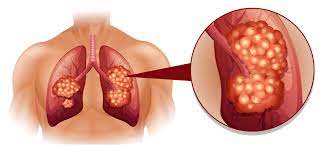
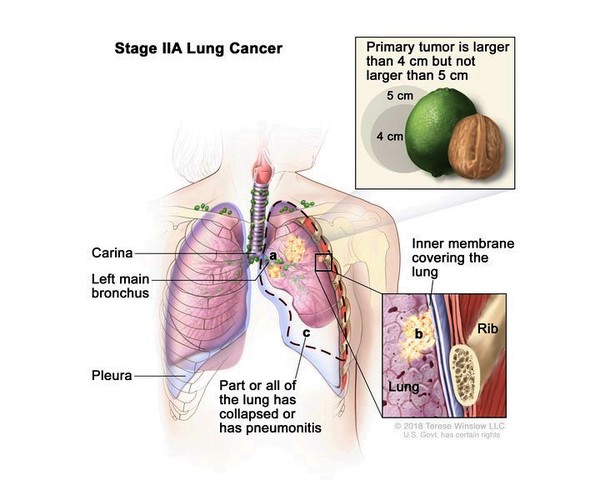
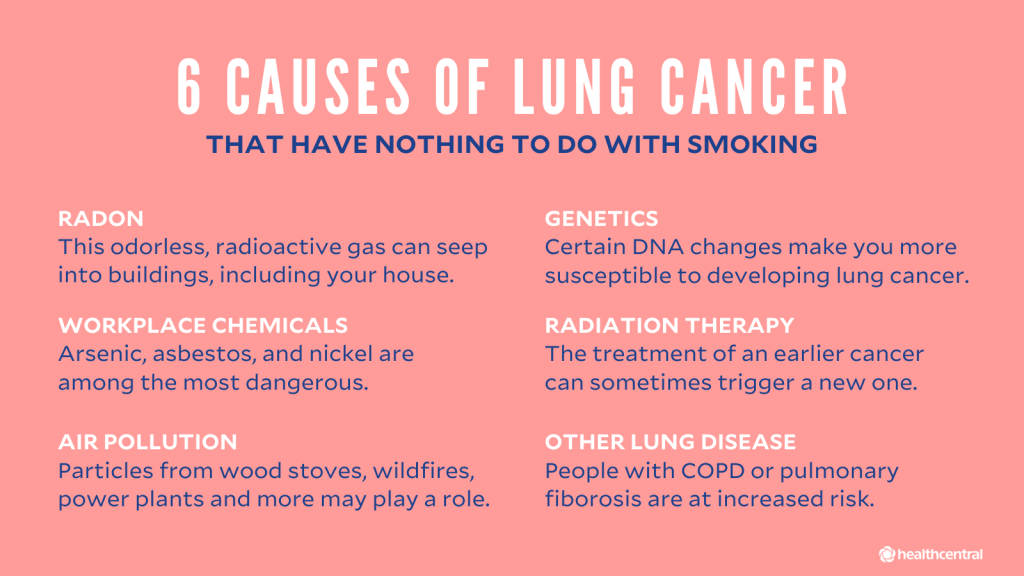
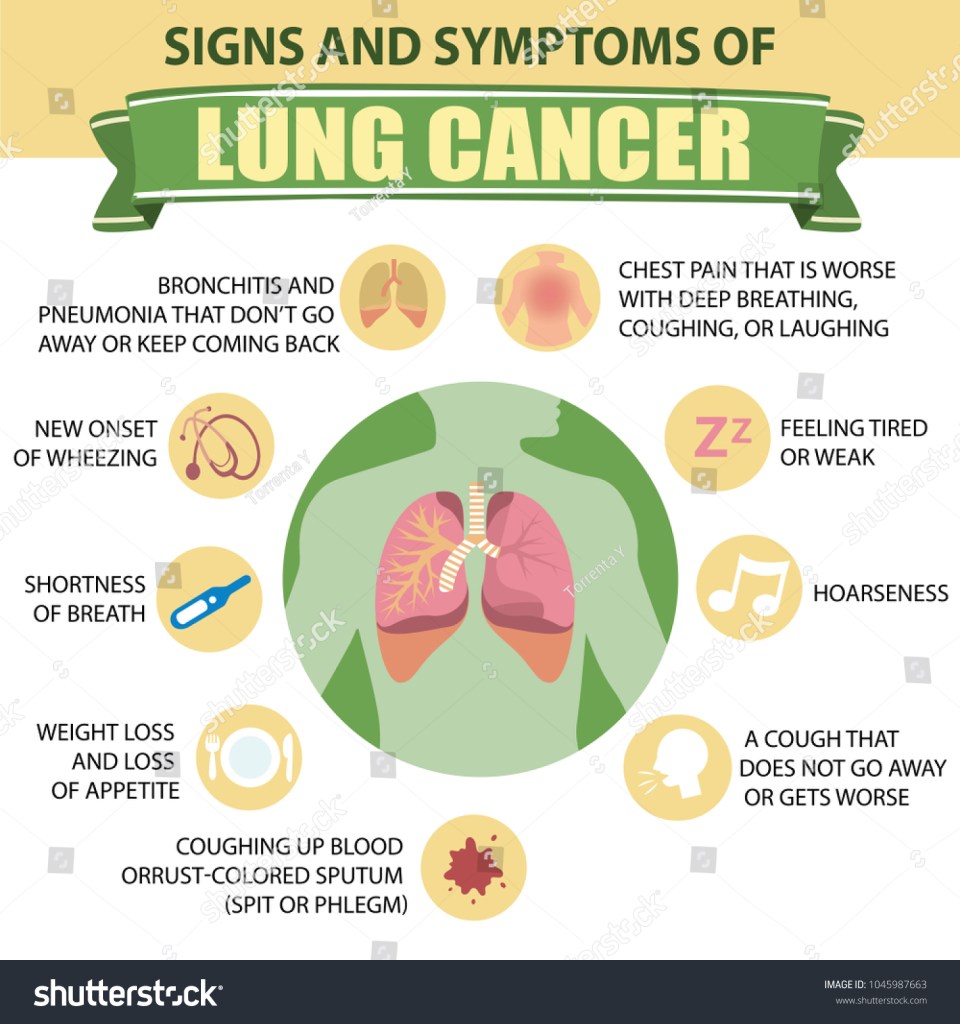
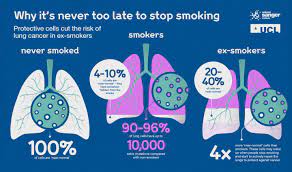
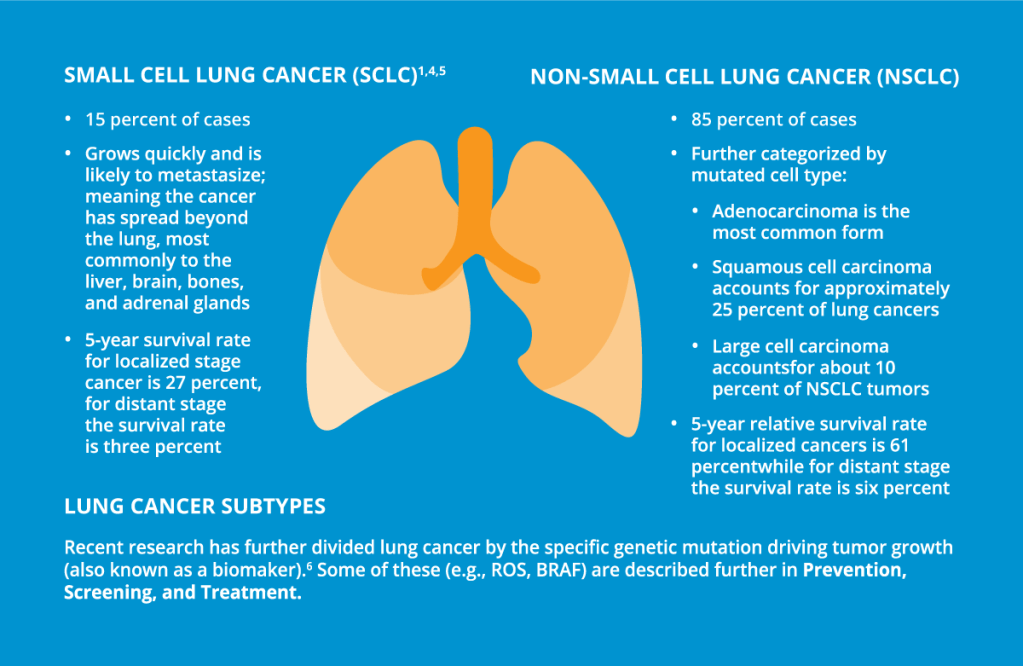


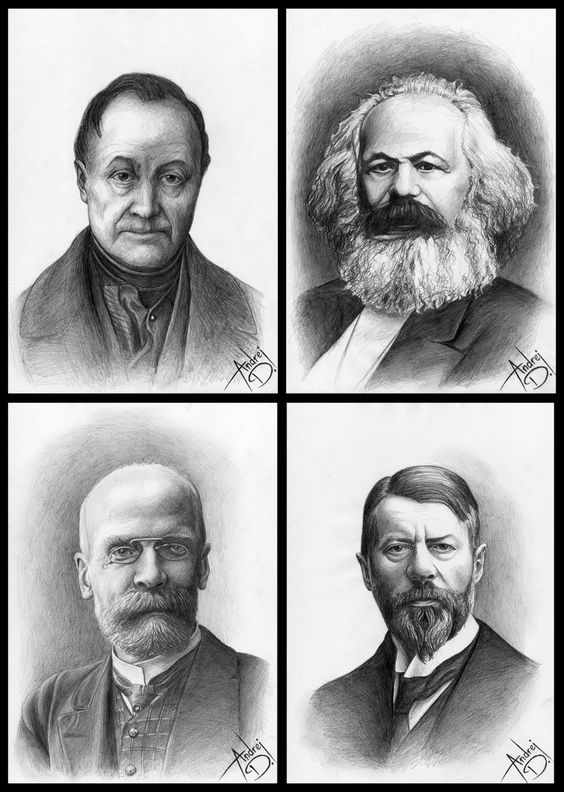
/top-jobs-for-sociology-majors-2059633_FINAL-5c536b5446e0fb00013a1ba3.png)



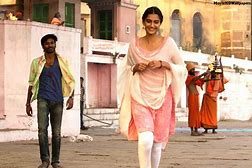


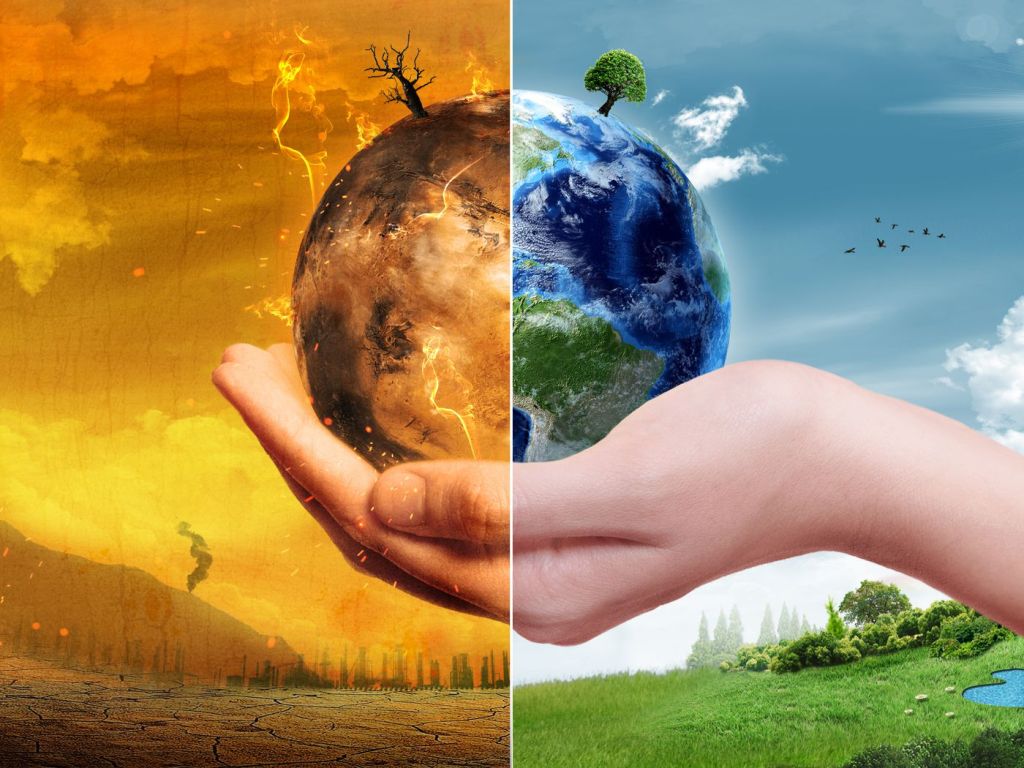

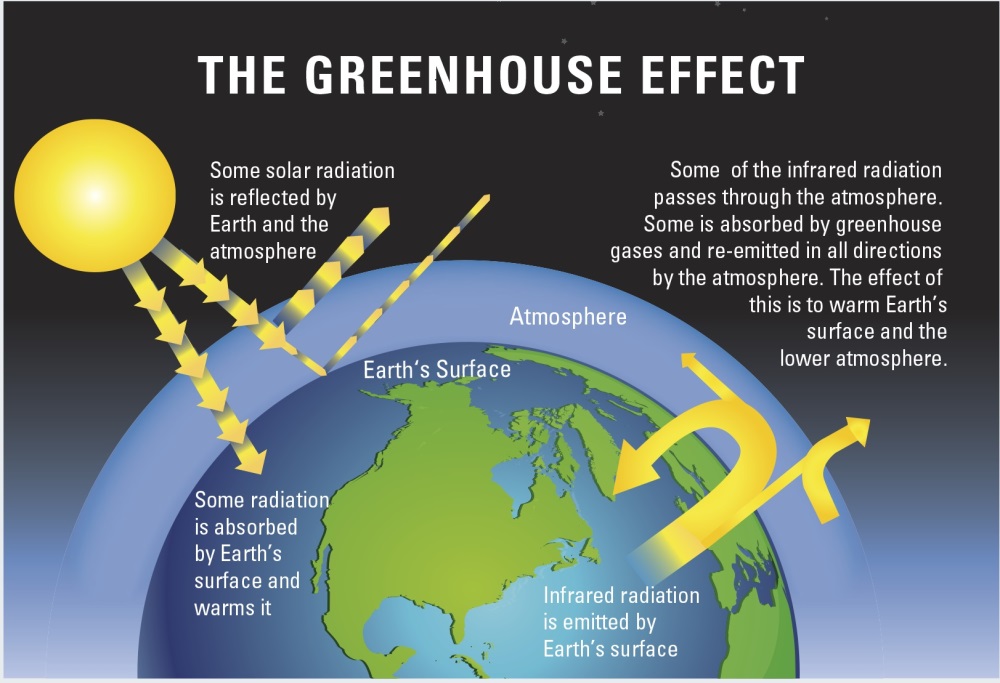

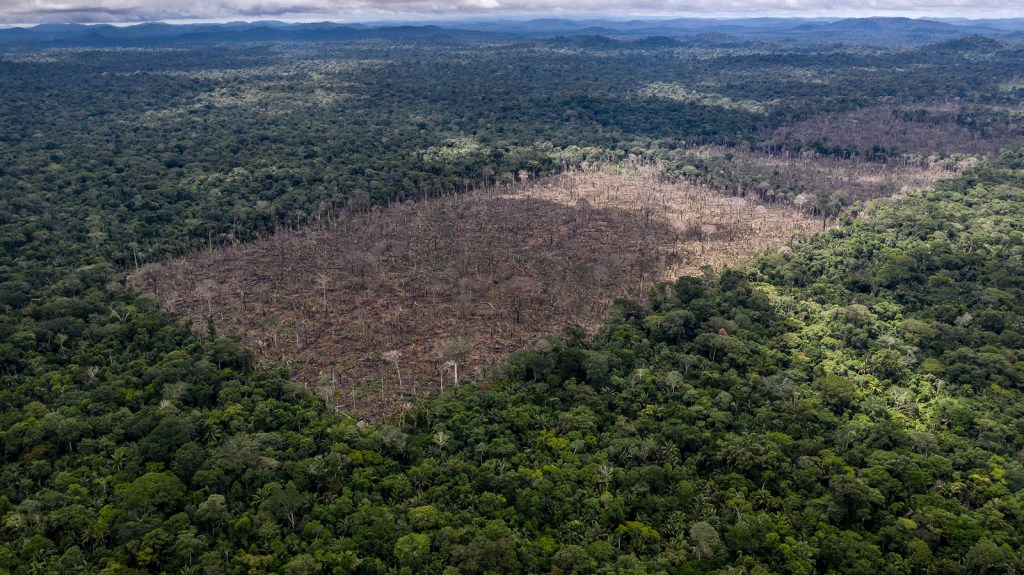
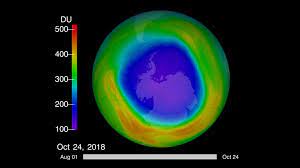

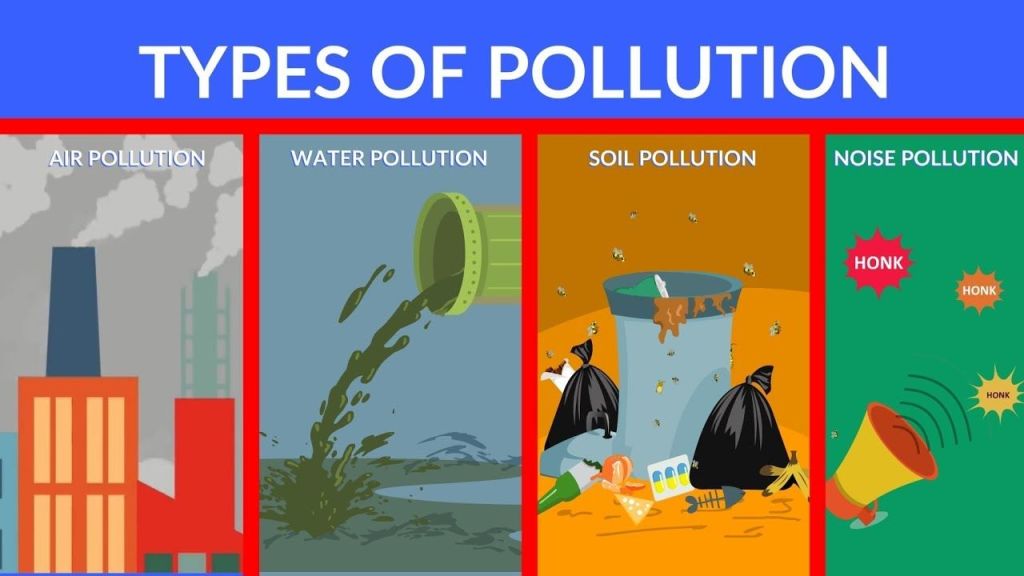




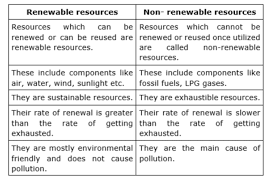


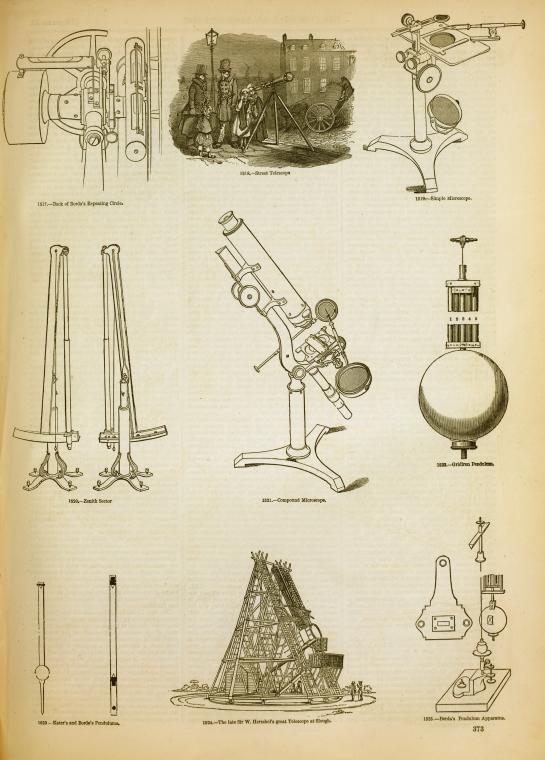
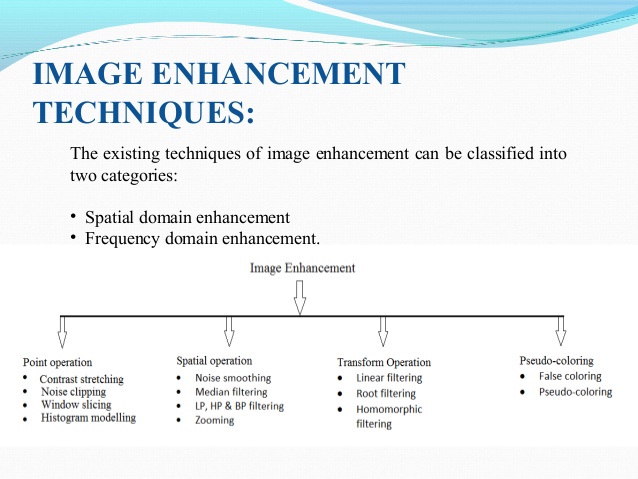

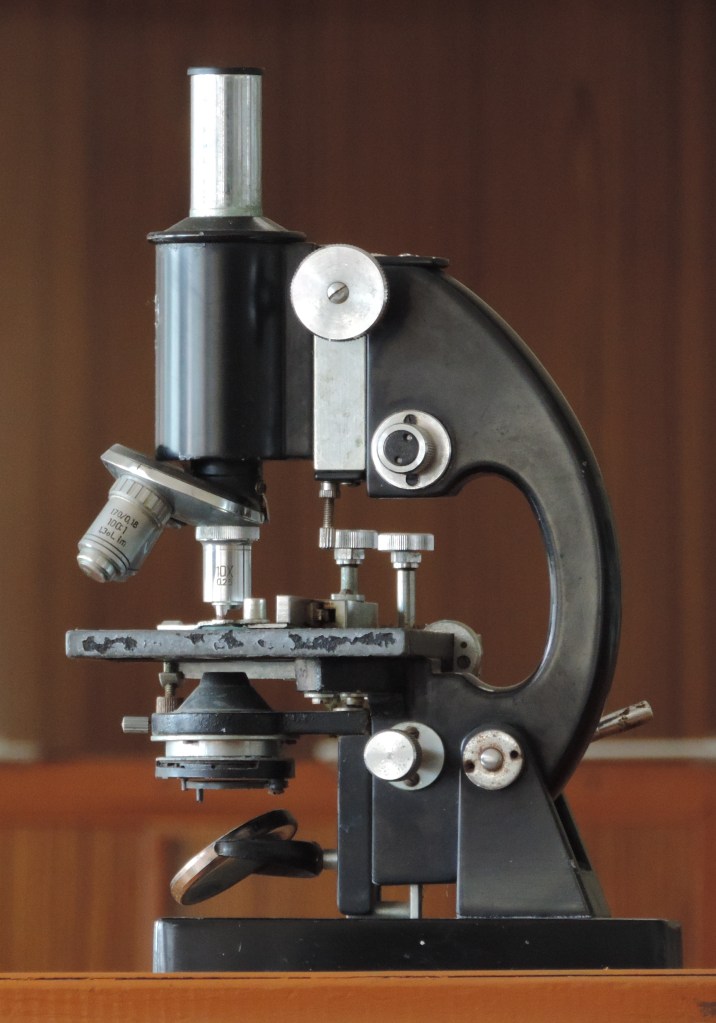
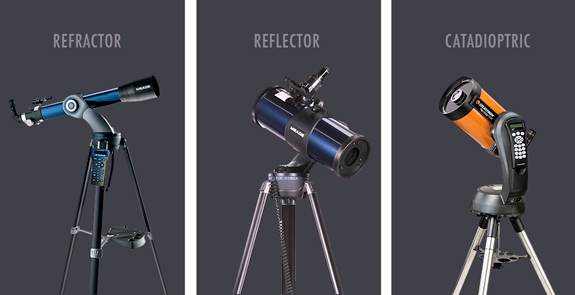
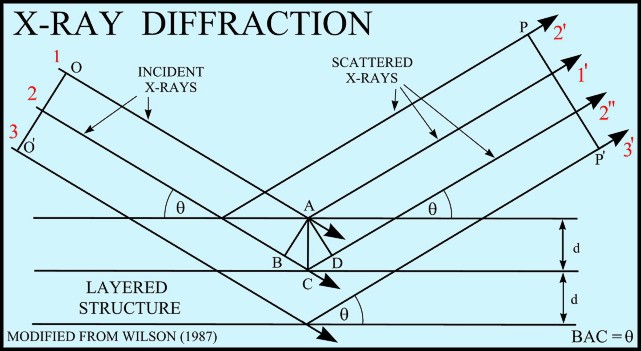
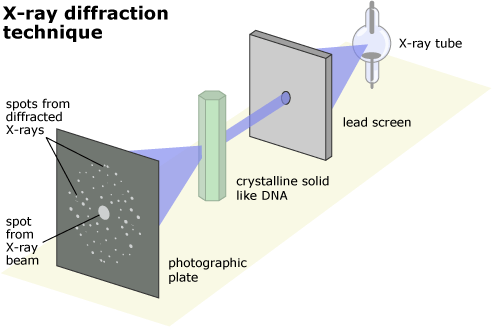
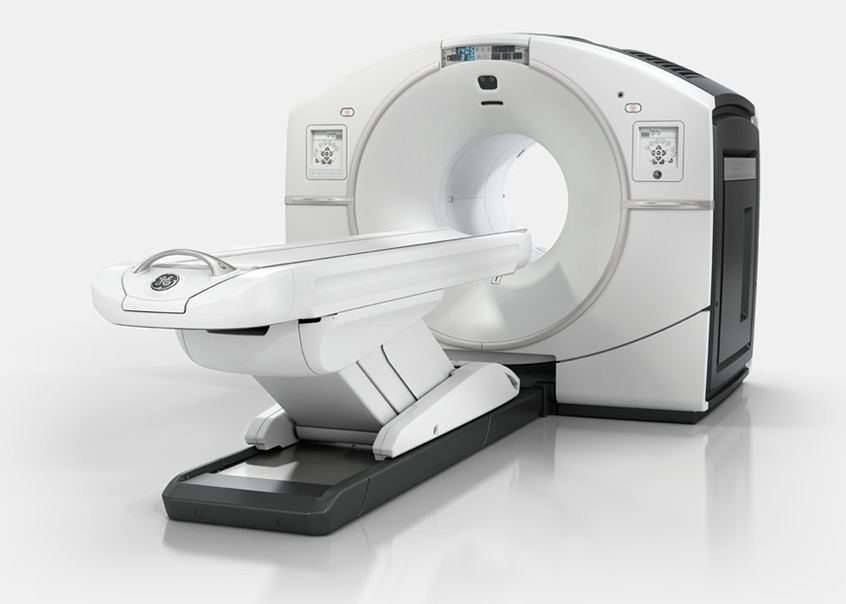
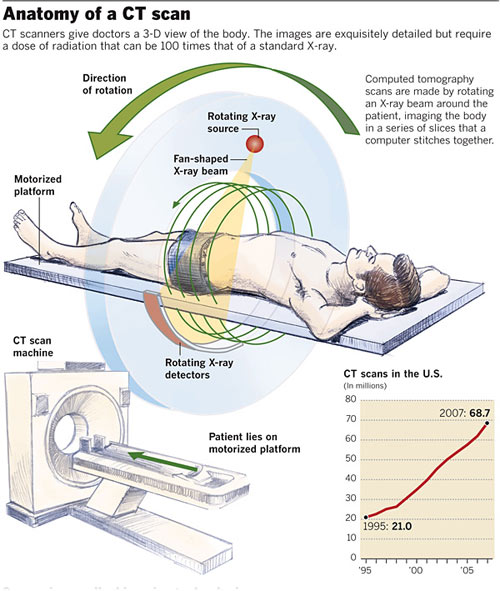
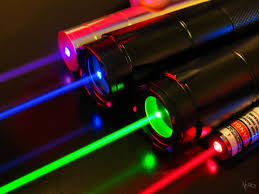



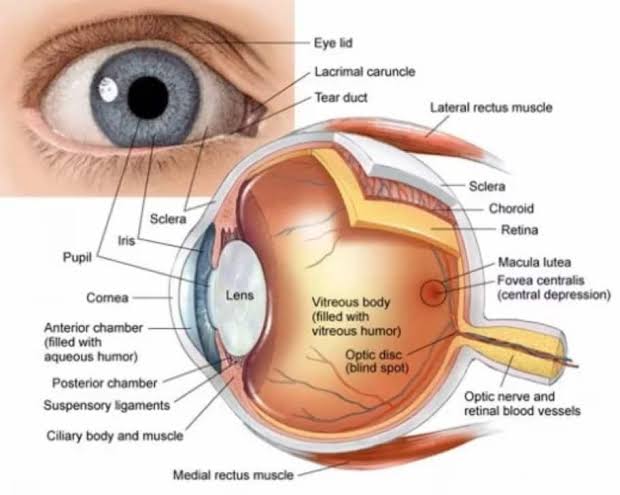
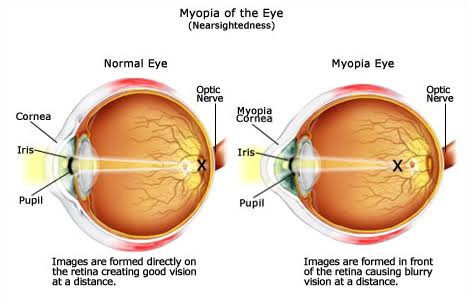
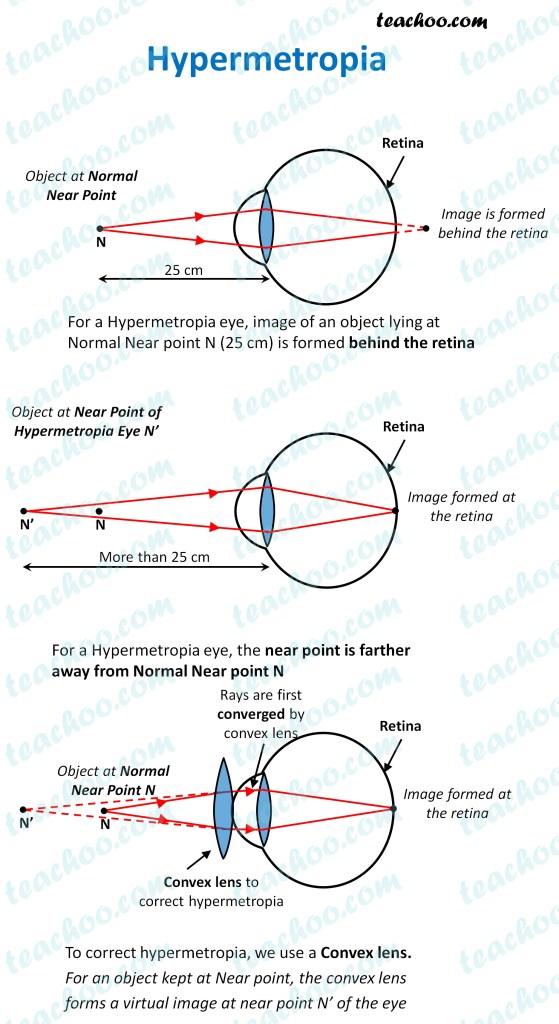
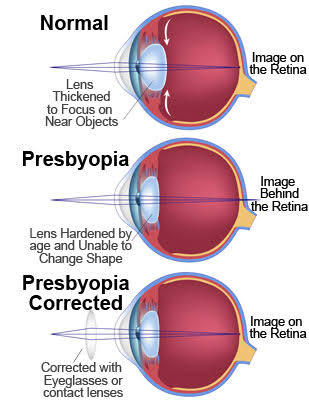
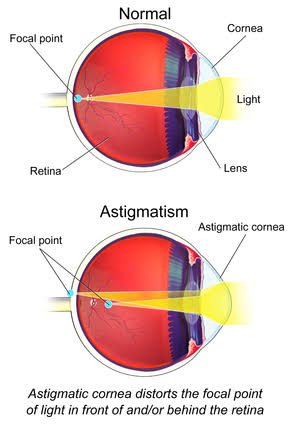
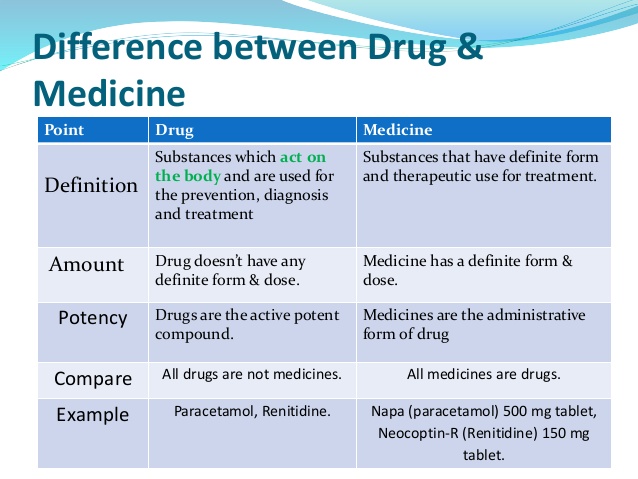
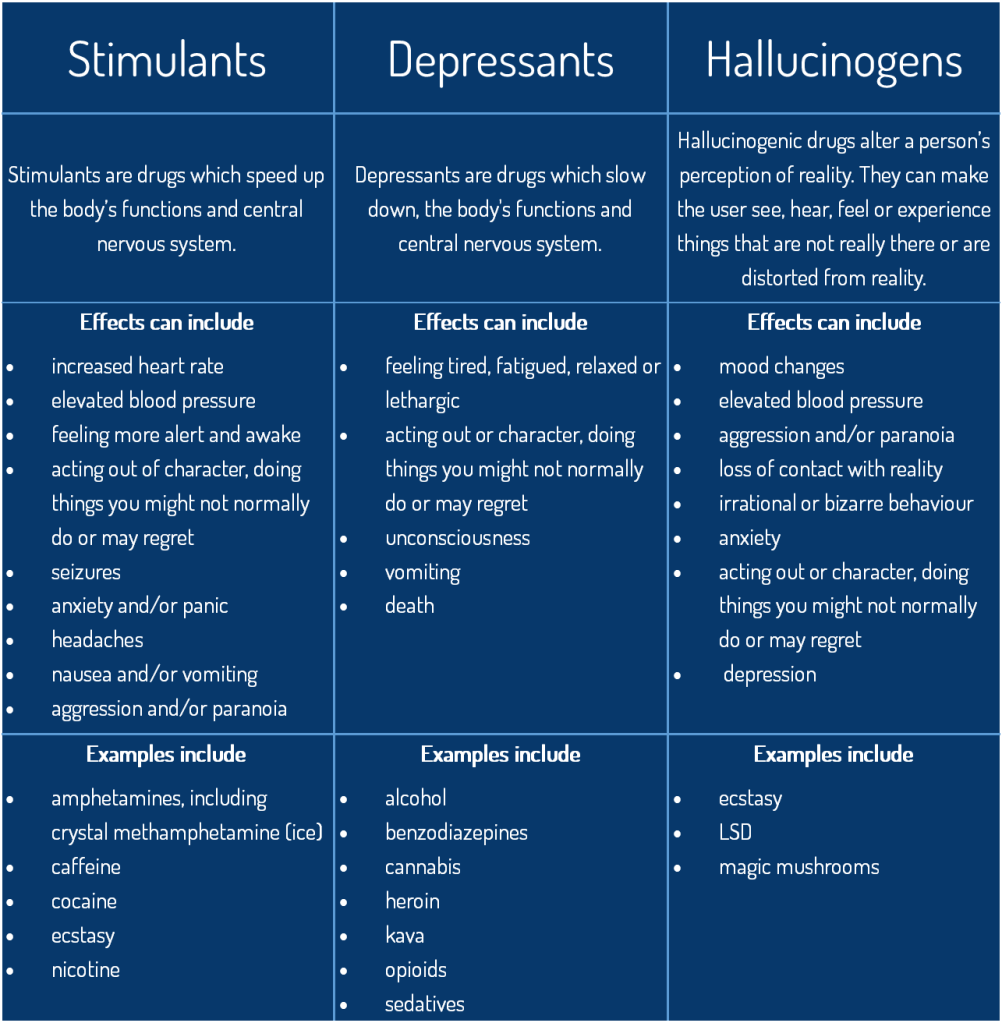



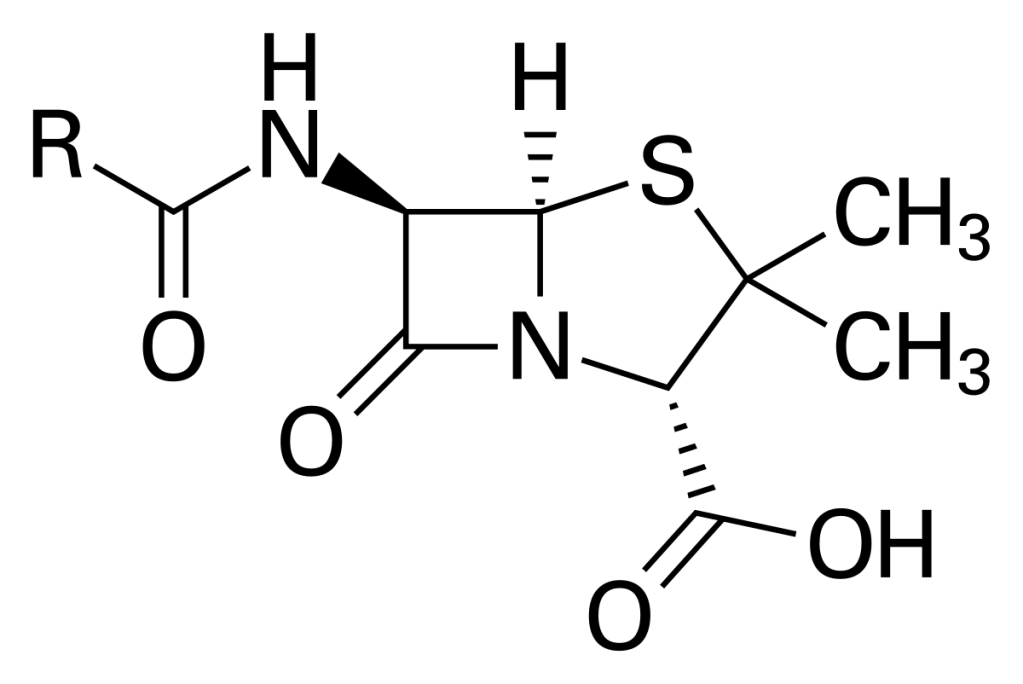
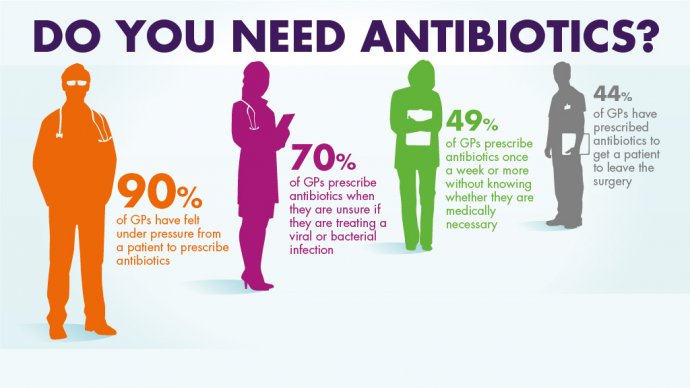



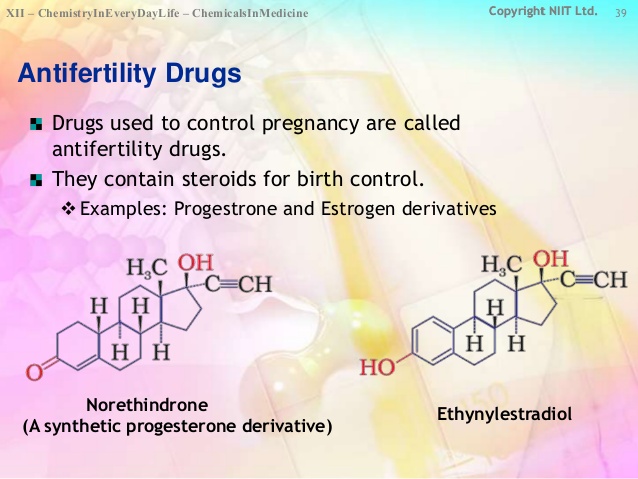

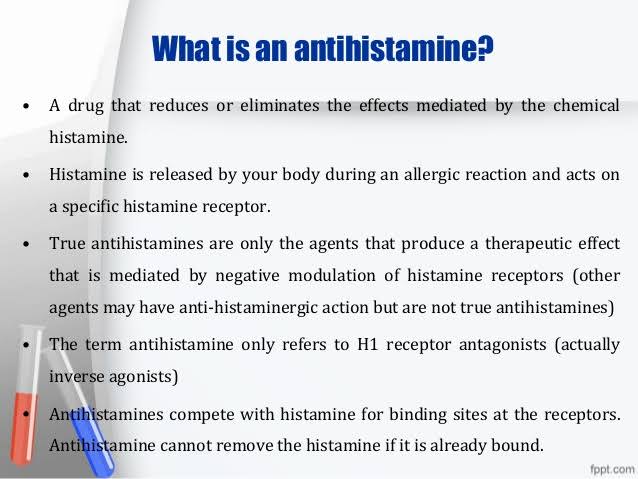

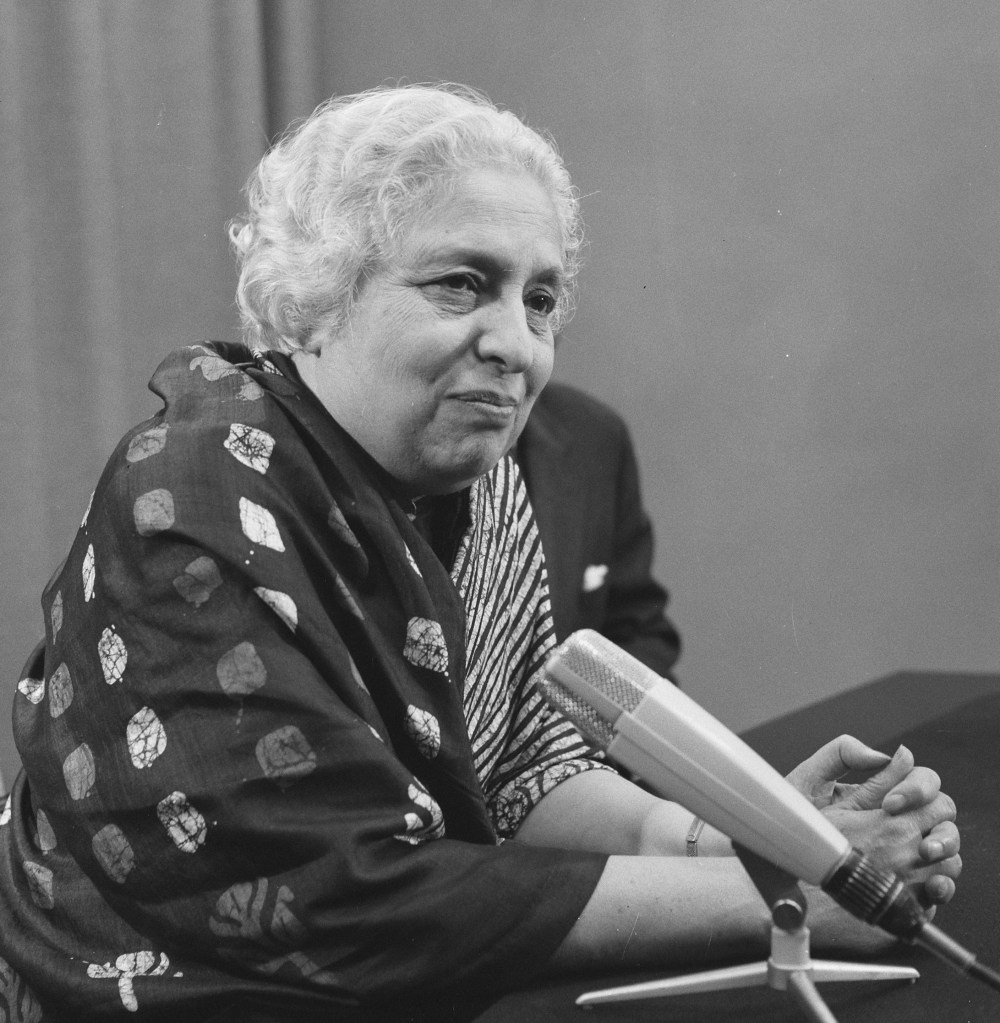
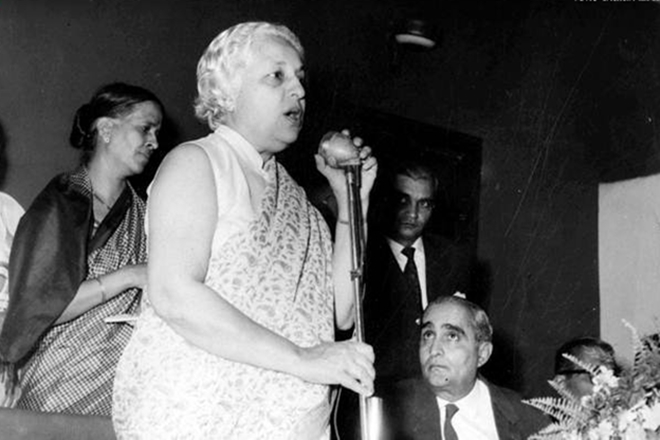


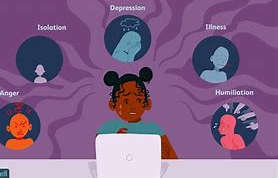







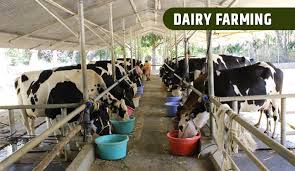
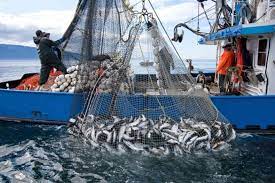







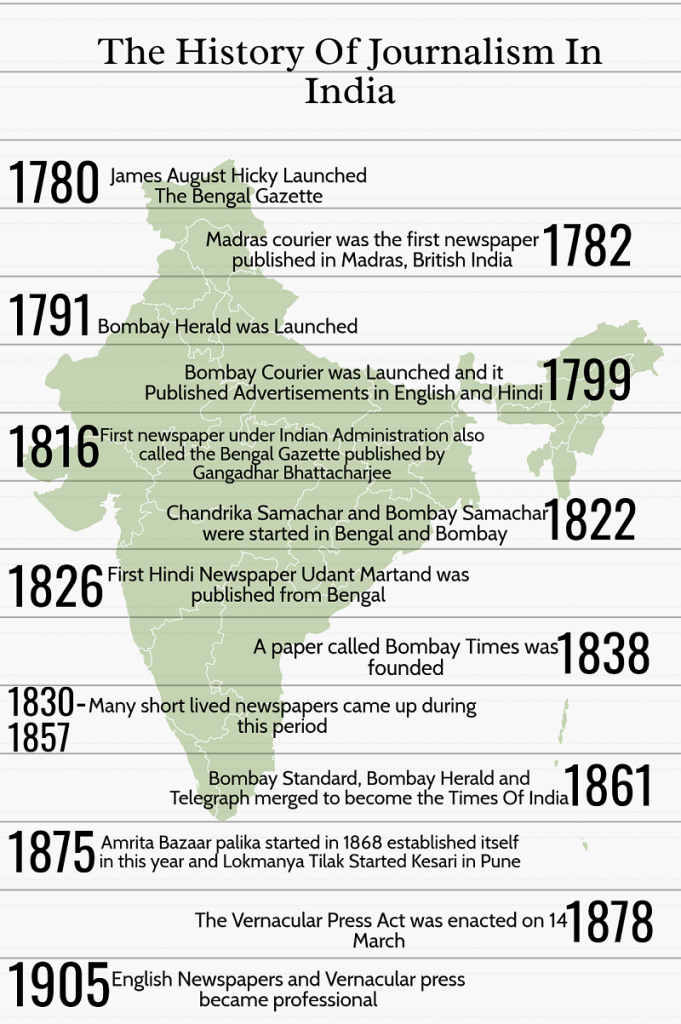














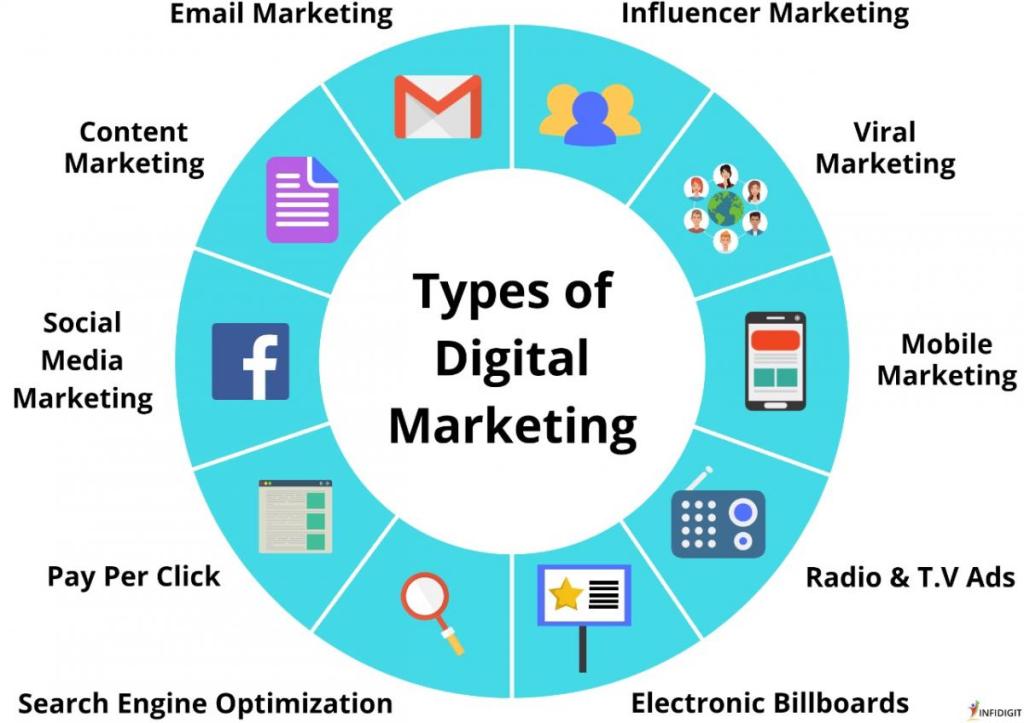
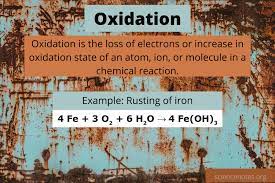
































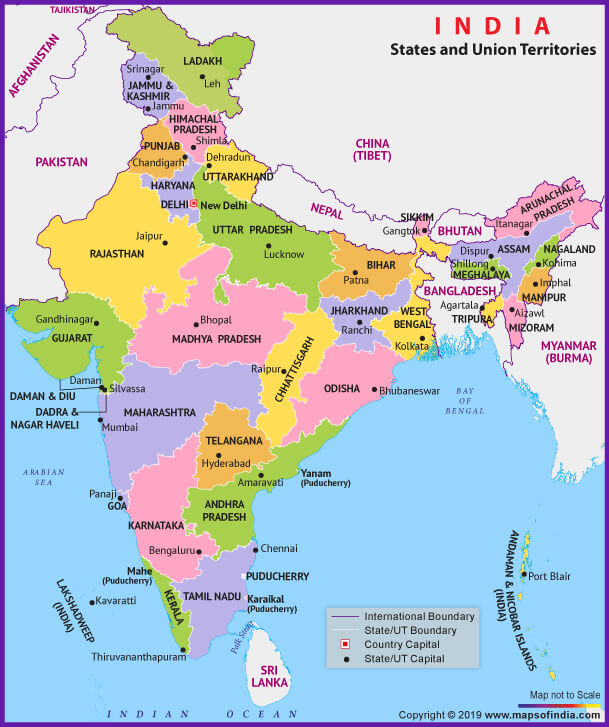











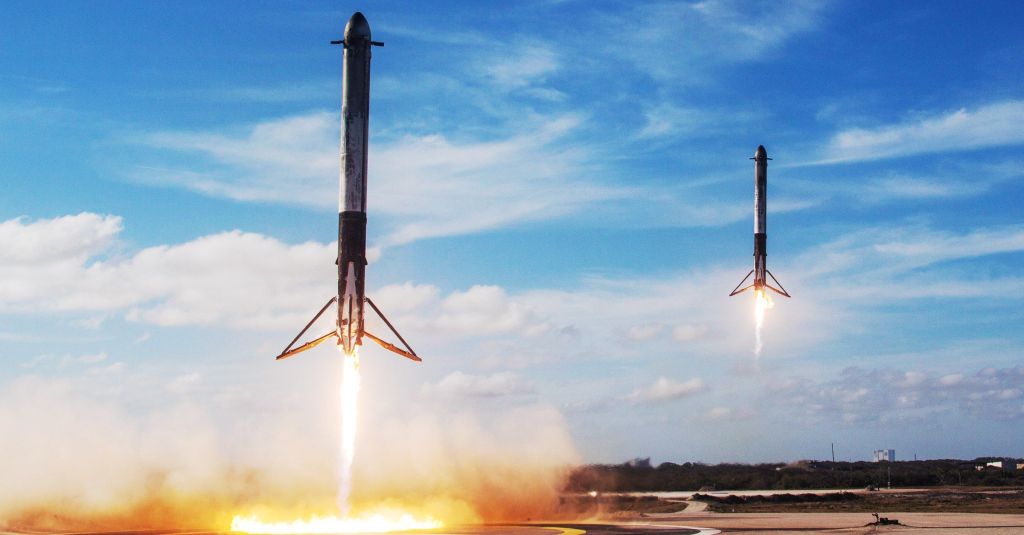








 Track2Training
You must be logged in to post a comment.