Pollution – A real threat

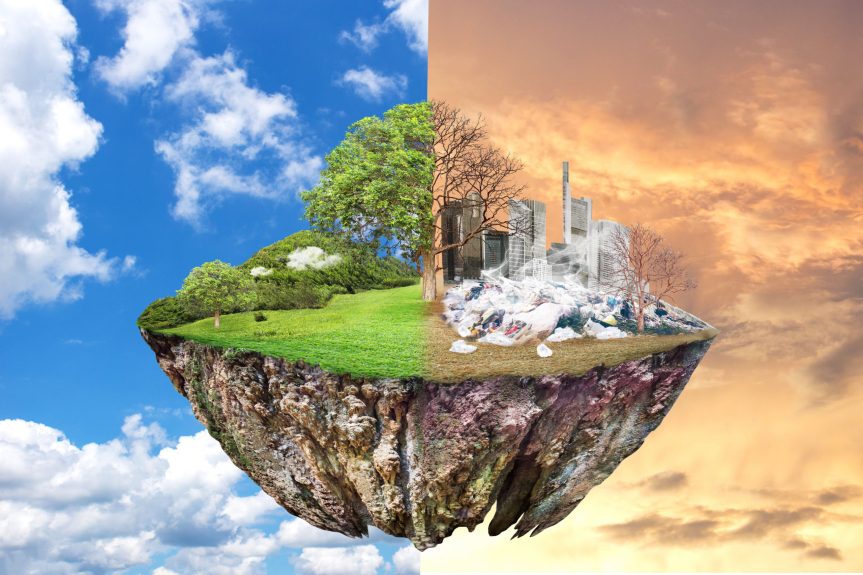
Pollution is a term which even kids are aware of these days. It has become so common that almost everyone acknowledges the fact that pollution is rising continuously. The term ‘pollution’ means the manifestation of any unsolicited foreign substance in something. When we talk about pollution on earth, we refer to the contamination that is happening of the natural resources by various pollutants. All this is mainly caused by human activities which harm the environment in ways more than one. Therefore, an urgent need has arisen to tackle this issue straightaway. That is to say, pollution is damaging our earth severely and we need to realize its effects and prevent this damage. In this essay on pollution, we will see what are the effects of pollution and how to reduce it.

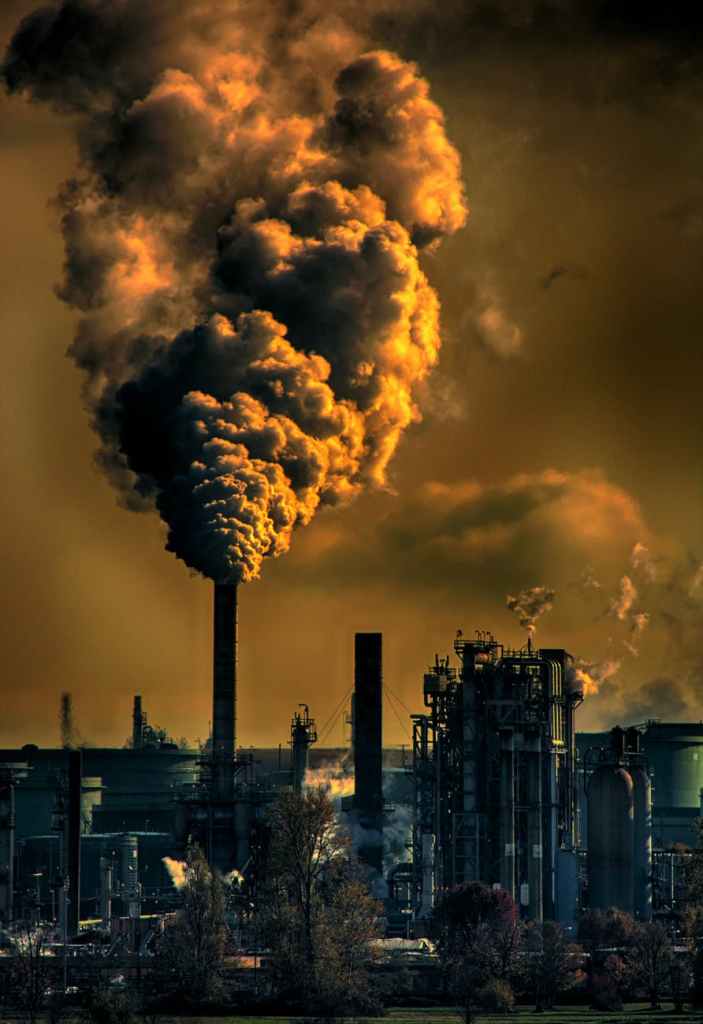
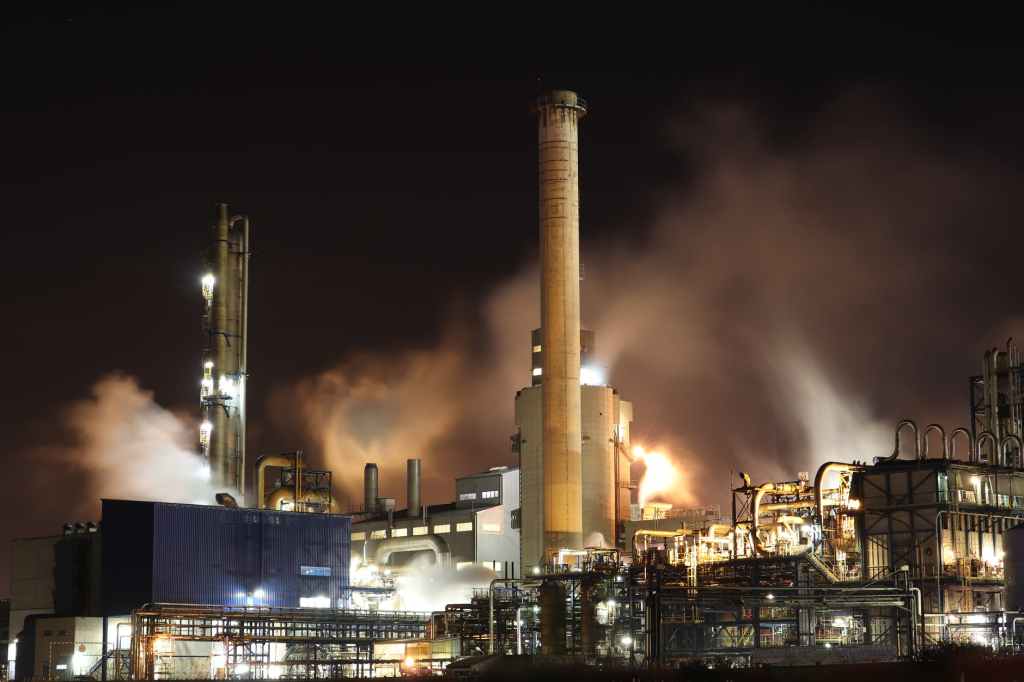
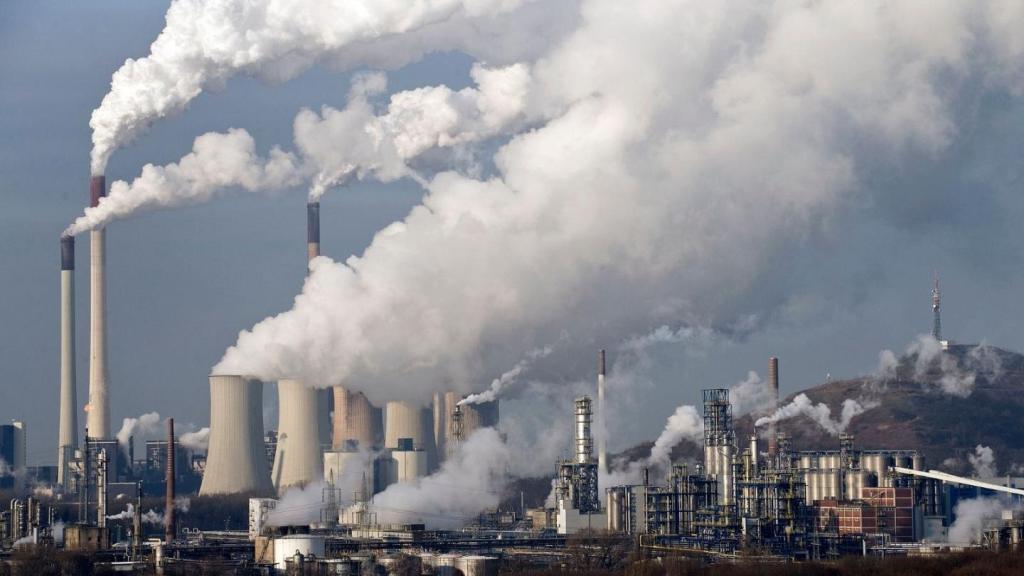
Pollution affects the quality of life more than one can imagine. It works in mysterious ways, sometimes which cannot be seen by the naked eye. However, it is very much present in the environment. For instance, you might not be able to see the natural gases present in the air, but they are still there. Similarly, the pollutants which are messing up the air and increasing the levels of carbon dioxide is very dangerous for humans. Increased level of carbon dioxide will lead to global warming.

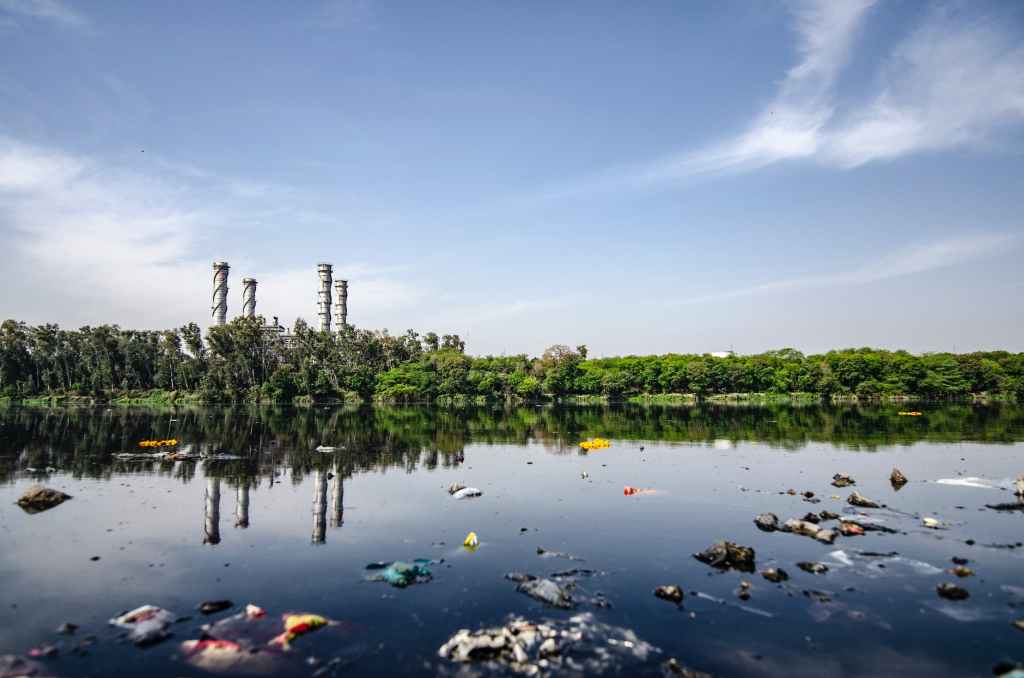
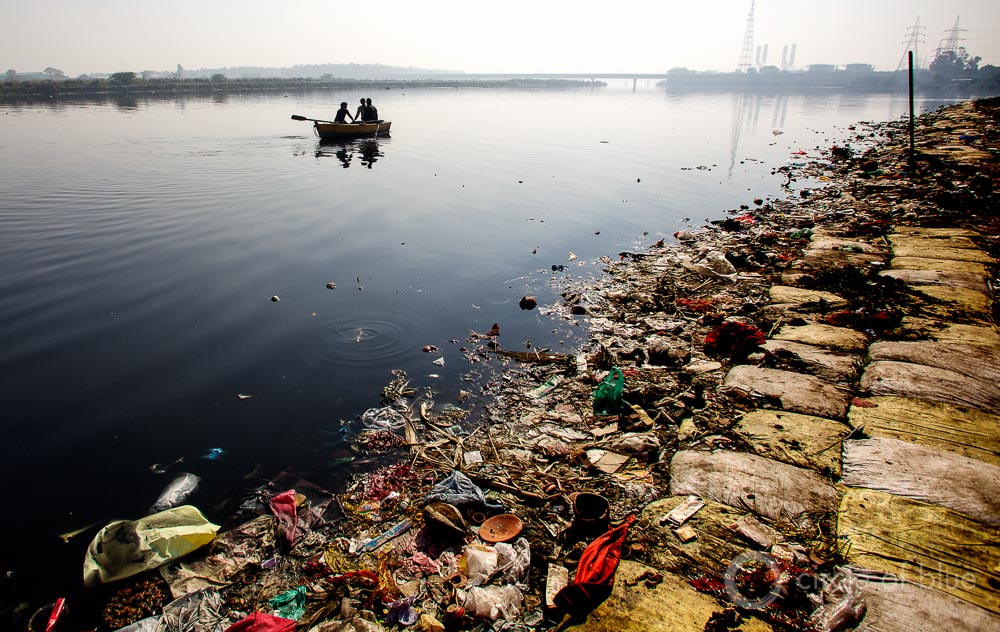
Further, the water is polluted in the name of industrial development, religious practices and more will cause a shortage of drinking water. Without water, human life is not possible. Moreover, the way waste is dumped on the land eventually ends up in the soil and turns toxic. If land pollution keeps on happening at this rate, we won’t have fertile soil to grow our crops on. Therefore, serious measures must be taken to reduce pollution to the core.

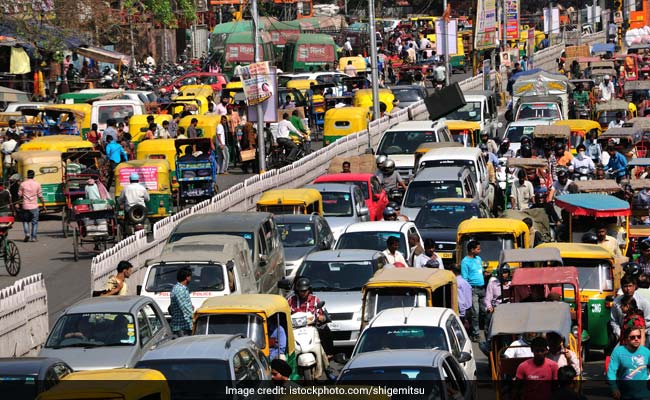
After learning the harmful effects of pollution, one must get on the task of preventing or reducing pollution as soon as possible. To reduce air pollution, people should take public transport or carpool to reduce vehicular smoke. While it may be hard, avoiding firecrackers at festivals and celebrations can also cut down on air and noise pollution. Above all, we must adopt the habit of recycling. All the used plastic ends up in the oceans and land, which pollutes them.

So, remember to not dispose of them off after use, rather reuse them as long as you can. We must also encourage everyone to plant more trees which will absorb the harmful gases and make the air cleaner. When talking on a bigger level, the government must limit the usage of fertilizers to maintain the soil’s fertility. In addition, industries must be banned from dumping their waste into oceans and rivers, causing water pollution.

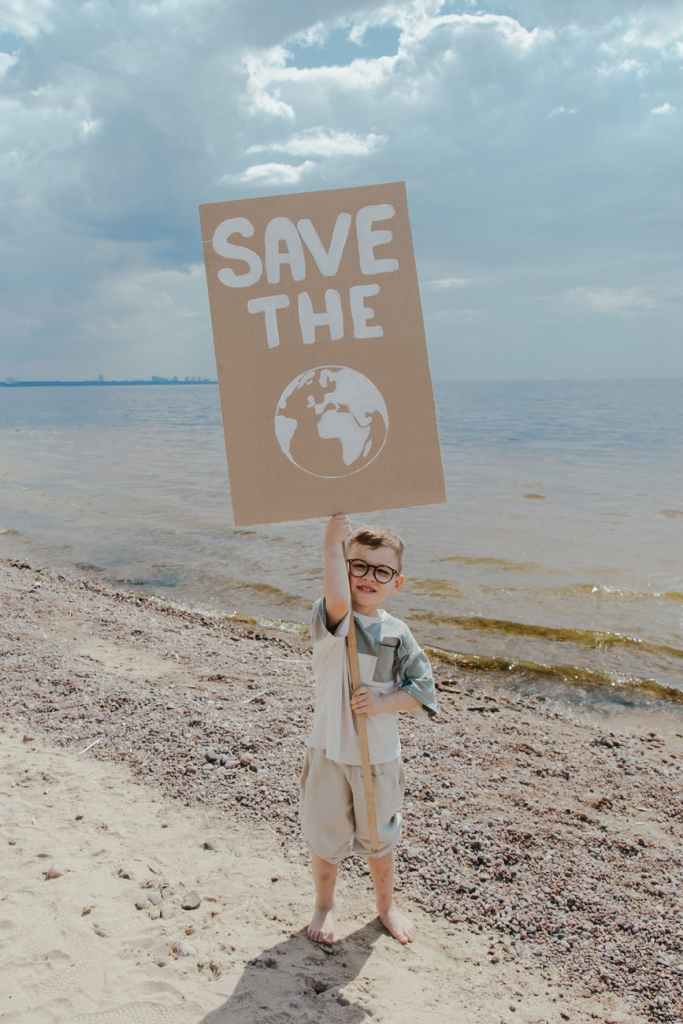
To sum it up, all types of pollution is hazardous and comes with grave consequences. Everyone must take a step towards change ranging from individuals to the industries. As tackling this problem calls for a joint effort, so we must join hands now. Moreover, the innocent lives of animals are being lost because of such human activities. So, all of us must take a stand and become a voice for the unheard in order to make this earth pollution-free.

Conservation, environmental pollution and degradation, environmental impact assessment

CONSERVATION

Environmental conservation is an activity that paves the way for the protection of the environment and natural resources at the individual, organizational and governmental levels. Various basic environmental problems are weighing on people’s lives. From overpopulation to hydrological problems, including ozone depletion, global warming, deforestation, desertification, and pollution, all these problems seriously threaten the existence of mankind. Unless environmental conservation becomes an effective mass movement, it is futile to expect positive growth, especially in an age of digital media that has the potential to bring about a revolution. revolution to save our destroying planet.

It has become important for the conservation of the environment in modern times. The following guidelines explain the essential need to protect the environment from further degradation:

To reduce pollution of air, water and soil,

Facilitating the conservation of natural resources for our future generations

To ensure the protection of biodiversity

To realize sustainable development To restore ecological balance

To save our planet from the harmful effects of global warming

ENVIRONMENTAL POLLUTION AND DEGRADATION

Environmental degradation is the decomposition or degradation of the environment due to the consumption of assets, such as air, water and soil; the destruction of the environment and the extinction of animals. It is characterized by any alteration or exacerbation of a natural territory that is considered cruel or undesirable. Ecosystem effects or degradation produced by the amalgamation of a substantial and effectively expanding human population, expanding monetary development or wealth per capita, and applying technologies that cause depletion and pollution.

It occurs when the earth’s natural resources are depleted, and the environment is compromised in the form of extinction of species, pollution in the air, water and soil, and rapid growth in population.

Environmental degradation is one of the biggest threats currently under consideration in the world. The United Nations International Strategy for Disaster Mitigation describes environmental degradation as the shrinking of the earth’s limits to meet social and environmental needs and destinations. Environmental degradation can occur in many ways. The moment the environment is destroyed or depleted of commons, the environment is considered broken and damaged. There are a number of different techniques used to prevent this, including environmental resource protection and general conservation efforts. There are number of types of environmental degradation- Land and soil degradation, Water degradation, air pollution, noise pollution etc.

ENVIRONMENT IMPACT ASSESMENT

Environmental Impact Assessment (EIA) is a process of assessing the possible environmental impacts of a proposed project or development, taking into account the socio-economic, cultural and environmental impacts of the project. and human health are associated with both benefits and negatives. UNEP defines an Environmental Impact Assessment (EIA) as a tool used to determine the environmental, social and economic impacts of a project before making a decision. It aims to predict environmental impacts at an early stage of project planning and design, seek to reduce negative impacts, shape projects to the local environment, present projects reporting and options for decision makers. Environmental impact assessment in India is legally supported by the Environmental Protection Act 1986, which contains different provisions on EIA methods and procedures.

The Environment Impact Assessment includes the steps mentioned below.

The EIA process is cyclical with interactions between different phases. Review: The project plan is reviewed based on the size of the investment, location and type of development, and whether the project requires statutory approval. Scope: Potential project impacts, impact areas, mitigation possibilities, and monitoring needs. Baseline data collection: Baseline data is the environmental condition of the study area. Impact prediction: Positive and negative impacts, reversible and irreversible, temporary and permanent impacts must be anticipated, assuming the rating agency has a good understanding of the project. Mitigation Measures and EIA Report: The EIA report should include actions and steps to prevent, minimize or ignore impacts or compensation for possible damage or loss to with the environment. Public Hearing: Once the EIA report is completed, community and habitat groups near the project site may be notified and consulted. Decision making: the impact assessment authority and experts consult with the project manager and consultant to make the final decision, keeping in mind the EIA and EMP (plan Environmental Management). Monitoring and implementation of the environmental management plan: The different phases of the project implementation are monitored. Evaluation of alternatives, identification of mitigation measures and EIA report: For each project, possible alternatives should be identified and environmental attributes compared . Alternatives must include both project location and process technology. After the alternatives have been considered, a mitigation plan must be developed for the selected alternative and supplemented by an environmental management plan (EMP) to guide the proponent towards improvement. environment friendly. Risk assessment: Inventory analysis and probabilistic and risk metrics are also part of the EIA procedure.

Environmental Crisis From Oil Spills

Environmental pollution is increasing with each passing year and inflicting grave and irreparable injury to the world. Environmental pollution is of different types namely air, water, soil, noise and light-weight. These cause damage to the living system. How pollution interacts with public health, environmental medicine and the environment has undergone dramatic change.

Recent oil spills in the Yellowstone River, Alaska tundra and Enbridge (Wisconsin) demonstrate how pollution can directly and indirectly impact man’s health environmental pollution was not a medical/public health issue nor was it discussed in clinical settings. Since the 1950s, environmental medicine has been discussed more frequently through a greater awareness in public health and preventive medicine; although today, there is now a focus on occupational medicine.

Environmental and occupational medicine are however more commonly viewed as an integrated subject, with emphasis given to industrial issues. Certainly, pollution problems have been recognized in the distant past but were more easily mitigated by nature due to the limited complexity of the pollutant, its degradability (e.g. biodegradable organics) and lower industrialization. Health-related effects from environmental pollution have been well known, but were not fully realized until highly notable events like the Donora (Pennsylvania) smog occurrence in 1948 resulting in later public health programs including in their training a discussion of environmental medicine.

There has been an increased awareness of how pollution is observed regarding its health impact and attitudes toward public health and environmental medicine. Damage from oil spills will not only influence public health but overall disease rates for years to come. As environmental pollution increases so will the importance of environmental medicine in managing its consequences.

What are Carbon Markets ?


Carbon Markets: Carbon markets facilitate the trading of emission reductions. Such a market allows countries, or industries, to earn carbon credits for the emission reductions they make in excess of their targets. These carbon credits can be traded to the highest bidder in exchange of money. The buyers of carbon credits can show the emission reductions as their own and use them to meet their reduction targets. Carbon markets are considered a very important and effective instrument to reduce overall emissions.


A carbon market existed under Kyoto Protocol but is no longer there because the Protocol itself expired last year. A new market under Paris Agreement is yet to become functional. Developing countries like India, China or Brazil have large amounts of carbon credits left over because of the lack of demand as many countries abandoned their emission reduction targets. The developing countries wanted their unused carbon credits to be transitioned to the new market, something that the developed nations had been opposing on the grounds that the quality of these credits — the question whether these credits represent actual emission reductions — was a suspect. A deadlock over this had been holding up the finalisation of the rules and procedures of the Paris Agreement.


The Glasgow Pact has offered some reprieve to the developing nations. It has allowed these carbon credits to be used in meeting countries’ first NDC targets. These cannot be used for meeting targets in subsequent NDCs. That means, if a developed country wants to buy these credits to meet its own emission reduction targets, it can do so till 2025. Most countries have presented climate targets for 2025 in their first NDCs.

The resolution of the deadlock over carbon markets represents one of the major successes of COP26.

Achievements of the Glasgow Summit 2021


What was achieved?

Mitigation: The Glasgow agreement has emphasised that stronger action in the current decade was most critical to achieving the 1.5-degree target. Accordingly, it has:

1. Asked countries to strengthen their 2030 climate action plans, or NDCs (nationally-determined contributions), by next year.

2. Established a work programme to urgently scale-up mitigation ambition and implementation.

3. Decided to convene an annual meeting of ministers to raise ambition of 2030 climate actions.

4. Called for an annual synthesis report on what countries were doing.

5. Requested the UN Secretary General to convene a meeting of world leaders in 2023 to scale-up ambition of climate action.

6. Asked countries to make efforts to reduce usage of coal as a source of fuel, and abolish “inefficient” subsidies on fossil fuels
Has called for a phase-down of coal, and phase-out of fossil fuels. This is the first time that coal has been explicitly mentioned in any COP decision. It also led to big fracas at the end, with a group of countries led by India and China forcing an amendment to the word “phase-out” in relation to coal changed to “phase-down”. The initial language on this provision was much more direct. It called on all parties to accelerate phase-out of coal and fossil fuel subsidies. It was watered down in subsequent drafts to read phase-out of “unabated” coal power and “inefficient” fossil fuel subsidies. But even this was not liking to the developing countries who then got it changed to “phase down unabated coal power and phase out inefficient fossil fuel subsidies while providing targeted support to the poorest and the most vulnerable in line with national circumstances…”. Despite the dilution, the inclusion of language on reduction of coal power is being seen as a significant movement forward.


Adaptation: Most of the countries, especially the smaller and poorer ones, and the small island states, consider adaptation to be the most important component of climate action. These countries, due to their lower capacities, are already facing the worst impacts of climate change, and require immediate money, technology and capacity building for their adaptation activities.

As such, the Glasgow Climate Pact has:

Asked the developed countries to at least double the money being provided for adaptation by 2025 from the 2019 levels. In 2019, about $15 billion was made available for adaptation that was less than 20 per cent of the total climate finance flows. Developing countries have been demanding that at least half of all climate finance should be directed towards adaptation efforts.


Created a two-year work programme to define a global goal on adaptation. The Paris Agreement has a global goal on mitigation — reduce greenhouse gas emissions deep enough to keep the temperature rise within 2 degree Celsius of pre-industrial times. A similar global goal on adaptation has been missing, primarily because of the difficulty in defining such a target. Unlike mitigation efforts that bring global benefits, the benefits from adaptation are local or regional. There are no uniform global criteria against which adaptation targets can be set and measured. However, this has been a long-pending demand of developing countries and the Paris Agreement also asks for defining such a goal.


Finance: Every climate action has financial implications. It is now estimated that trillions of dollars are required every year to fund all the actions necessary to achieve the climate targets. But, money has been in short supply. Developed countries are under an obligation, due to their historical responsibility in emitting greenhouse gases, to provide finance and technology to the developing nations to help them deal with climate change. In 2009, developed countries had promised to mobilise at least $100 billion every year from 2020. This promise was reaffirmed during the Paris Agreement, which also asked the developed countries to scale up this amount from 2025. The 2020 deadline has long passed but the $100 billion promise has not been fulfilled. The developed nations have now said that they will arrange this amount by 2023.

What does the Glasgow Agreement say?

Following are the major observations of the Glasgow Summit :

1. A deal aimed at staving off dangerous climate change has been struck at the COP26 summit in Glasgow.

2. Expressed “deep regrets” over the failure of the developed countries to deliver on their $100 billion promise. It has asked them to arrange this money urgently and in every year till 2025.

3. Initiated discussions on setting the new target for climate finance, beyond $100 billion for the post-2025 period.

4. Asked the developed countries to provide transparent information about the money they plan to provide.

5. Loss and Damage: The frequency of climate disasters has been rising rapidly, and many of these cause largescale devastation. The worst affected are the poor and small countries, and the island states. There is no institutional mechanism to compensate these nations for the losses, or provide them help in the form of relief and rehabilitation. The loss and damage provision in the Paris Agreement seeks to address that.


Introduced eight years ago in Warsaw, the provision hasn’t received much attention at the COPs, mainly because it was seen as an effort requiring huge sums of money. However, the affected countries have been demanding some meaningful action on this front. Thanks to a push from many nations, substantive discussions on loss and damage could take place in Glasgow. One of the earlier drafts included a provision for setting up of a facility to coordinate loss and damage activities. However, the final agreement, which has acknowledged the problem and dealt with the subject at substantial length, has only established a “dialogue” to discuss arrangements for funding of such activities. This is being seen as a major let-down.

What are Carbon Markets ?

Glasgow Summit 2021


Carbon Markets: Carbon markets facilitate the trading of emission reductions. Such a market allows countries, or industries, to earn carbon credits for the emission reductions they make in excess of their targets. These carbon credits can be traded to the highest bidder in exchange of money. The buyers of carbon credits can show the emission reductions as their own and use them to meet their reduction targets. Carbon markets are considered a very important and effective instrument to reduce overall emissions.


A carbon market existed under Kyoto Protocol but is no longer there because the Protocol itself expired last year. A new market under Paris Agreement is yet to become functional. Developing countries like India, China or Brazil have large amounts of carbon credits left over because of the lack of demand as many countries abandoned their emission reduction targets. The developing countries wanted their unused carbon credits to be transitioned to the new market, something that the developed nations had been opposing on the grounds that the quality of these credits — the question whether these credits represent actual emission reductions — was a suspect. A deadlock over this had been holding up the finalisation of the rules and procedures of the Paris Agreement.


The Glasgow Pact has offered some reprieve to the developing nations. It has allowed these carbon credits to be used in meeting countries’ first NDC targets. These cannot be used for meeting targets in subsequent NDCs. That means, if a developed country wants to buy these credits to meet its own emission reduction targets, it can do so till 2025. Most countries have presented climate targets for 2025 in their first NDCs.

The resolution of the deadlock over carbon markets represents one of the major successes of COP26.

Five terms that came up at the climate change conference in Glasgow 2021


The main task for COP26 was to finalise the rules and procedures for implementation of the Paris Agreement. Most of these rules had been finalised by 2018, but a few provisions, like the one relating to creation of new carbon markets, had remained unresolved.

After two weeks of negotiations with governments debating over provisions on phasing out coal, cutting greenhouse gas emissions and providing money to the poor world, the annual climate change summit came to an end on Saturday night with the adoption of a weaker-than-expected agreement called the Glasgow Climate Pact.


The Glasgow meeting was the 26th session of the Conference of Parties to the UN Framework Convention on Climate Change, or COP26. The main task for COP26 was to finalise the rules and procedures for implementation of the Paris Agreement. Most of these rules had been finalised by 2018, but a few provisions, like the one relating to creation of new carbon markets, had remained unresolved. However, due to clear evidence of worsening of the climate crisis in the six years since the Paris Agreement was finalised, host country United Kingdom was keen to ensure that Glasgow, instead of becoming merely a “procedural” COP, was a turning point in enhancing climate actions. The effort was to push for an agreement that could put the world on a 1.5 degree Celsius pathway, instead of the 2 degree Celsius trajectory which is the main objective of the Paris Agreement.

Environmental Pollution

Pollution is the introduction of contaminants into the natural environment that causes harm to plants, animals and human beings. Pollution can take the form of chemical substances or energy, such as noise, heat, or light. Pollutants, the components of pollution, can be either foreign substances/energies or naturally occurring contaminants. Pollution is the largest environmental cause of disease and premature death.  Pollution causes more than 9 million premature deaths (16% of all deaths worldwide). Major forms of pollution include air pollution, light pollution, noise pollution, plastic pollution, soil contamination, radioactive contamination, thermal pollution, and water pollution. The following are a few types of pollution:

Air Pollution:

Air pollution is the presence of undesirable substances in the air that are harmful to human health and the environment. It is the contamination of the air by any chemical, physical or biological agent that modifies the natural characteristics of the atmosphere. Vehicle emissions, fuel oils and natural gas to heat homes, by-products of manufacturing and power generation, particularly coal-fueled power plants, and fumes from chemical products are the primary sources of human-made air pollution. Pollutants include particulate matter, carbon monoxide, ozone, nitrogen dioxide and sulfur dioxide. 

Air pollution has various health effects. Short-term exposure to air pollutants is closely related to COPD (Chronic Obstructive Pulmonary Disease), cough, shortness of breath, wheezing, asthma, respiratory disease, and high rates of hospitalization (a measurement of morbidity).The long-term effects associated with air pollution are chronic asthma, pulmonary insufficiency, cardiovascular diseases, and cardiovascular mortality.

Water Pollution:

Water pollution occurs when harmful substances—often chemicals or microorganisms—contaminate a stream, river, lake, ocean, aquifer, or other body of water, degrading water quality and rendering it toxic to humans or the environment. Water pollution reduces the ability of the body of water to provide the ecosystem services that it would otherwise provide. Water pollution traditionally is attributed to four sources: sewage, industry, agriculture, and urban runoff. The main water pollutants include bacteria, viruses, parasites, fertilisers, pesticides, pharmaceutical products, nitrates, phosphates, plastics, faecal waste and even radioactive substances.

Water pollutants may cause disease or act as poisons. Bacteria and parasites in poorly treated sewage may enter drinking water supplies and cause digestive problems such as cholera and diarrhoea. Hazardous chemicals, pesticides, and herbicides from industries, farms, homes and golf courses can cause acute toxicity and immediate death, or chronic toxicity that can lead to neurological problems or cancers.

Light Pollution:

Light pollution refers to the excessive and unwanted use of poorly implemented artificial light by urban and other heavily-populated areas. This light is from artificial sources, mainly electricity from houses, offices, streetlamps, billboards or car headlights. It disrupts the natural patterns of wildlife, contributes to the increase in carbon dioxide (CO2) in the atmosphere, disrupts human sleep and the activities of nocturnal animals, and obscures the stars in the night sky. 

There are three other kinds of light pollution: glare, clutter, and light trespass. Glare is excessive brightness that can cause visual discomfort (when driving). Clutter is bright, confusing, and excessive groups of light sources (Times Square in New York City). Light trespass is when light extends into an area where it is not wanted or needed (like a streetlight illuminating a nearby bedroom window). 

Noise Pollution:

Noise pollution, also known as environmental noise, refers to the unwanted or excessive sound that can impact human health, wildlife, and environmental quality. The World Health Organization (WHO) defines noise above 65 decibels (dB) as noise pollution. To be precise, noise becomes harmful when it exceeds 75 decibels (dB) and is painful above 120 dB.

The sources of noise include loud music, transportation, lawn care maintenance, construction, electrical generators, wind turbines, explosions, and people. Poor urban planning may give rise to noise disintegration or pollution, side-by-side industrial and residential buildings can result in noise pollution in the residential areas. This type of pollution can contribute to cardiovascular effects in humans and an increased incidence of coronary artery disease. In animals, noise can increase the risk of death by altering predator or prey detection and avoidance, interfering with reproduction and navigation, and contributing to permanent hearing loss.

Soil Pollution:

Soil pollution or soil contamination refers to the toxic chemicals (pollutants or contaminants) in the soil in high concentrations that poses a risk to human health and the ecosystem. Soil pollution consists of pollutants and contaminants. The major pollutants are biological agents and human activities. Soil pollution is mainly caused by deforestation, soil erosion, mining activities, industrialization, construction activities, sewage treatment, and overcrowded landfills.

Soil pollution affects plants, animals and humans alike. While anyone is susceptible to soil pollution, soil pollution effects may vary based on age, general health status and other factors, such as the type of pollutant or contaminant inhaled or ingested. Soil pollution may cause a variety of health problems, starting with headaches, nausea, fatigue, skin rash, eye irritation and potentially resulting in more serious conditions like neuromuscular blockage, kidney and liver damage and various forms of cancer.

Pollution a reality of today

Pollution has became a part of our life. It has became the reality whether we accepted or not. We have to now keep air purifier to purify the air inside our house. Just think of the level of destruction in has caused to just as well as to nature.

We have reduced the resources of nature or either we have misused the resources of nature for our own benefit. We youmans are so selfish that for our benefit we can even take away the things which are meant for everyone. Like we have polluted so many rivers which has caused death to so many aquatic animals that we can’t even imagine of.

We have polluted the air quality so much that we are now facing difficulty to breathe ourselves. We have caused pollution in air, water, soil, noise whatnot. Just think it yourself.

Now there are so many activist and NGOs are coming ahead for cleaning up the message that has been spread by us only. But it is not enough. To remove Facebook devil from our mother nature each and everyone have to contribute towards this.

We can take small steps like using public transport instead of personal one for travelling which will reduce the air pollution. There is no need of very much big-big steps to be taken a small step by each individual is enough for cutting this pollution into half.

It is our nature and we should use net sustainabily so that it is available for other animals and future generation as well.

Pollution causes blindness

Air pollution is a global malice. It destabilzes the climate, punishes our lungs and now according to a new study could possibly affect our eye sight or might make you blind.

The research was published in the British Journal of Ophthalmology, it analysed 115,000 participants over 14 years. At the start of the study in 2006, these people have no eye problems but in the latest medical examination , 1,286 of them reported A.M.D (Age related Macular Degeneration). It is the leading cause of blindness among the people aged 50+ in rich nations. There are 200 million people living with this condition.

There appears to be a link between A.M.D and air pollution. People exposed to fine particulate matter are more vulnerable to A.M.D, nearly 8% vulnerable and this isn’t from industry level exposure. Even relatively low level of air pollution could be triggering A.M.D.

Effect on eye sight

The eyes have particularly high flow of blood. This leaves them vulnerable fine particles that flow through the body. It’s important to note that this study is observational. It cannot categorically establish a link between air pollution and A.M.D. However there has been similar study elsewhere with the same results. And the link between smoking and A.M.D has always been known.

The threat from air pollution has always been clear, but new studies are revealing more dimensions of this threat.

The World Health Organization (WHO) estimates that air pollution contributes to 7 Million deaths annually. This leaves us with another cause of concern, toxic air could leave you blind.

PERMACULTURE-ETHICS,PRINCIPLES,METHODS

BY DAKSHITA NAITHANI

INTRODUCTION TO PERMACULTURE:

Permaculture is a method of design in agriculture that emphasises whole-systems thinking and the use of or stimulation of natural patterns.

Bill Mollison, a senior lecturer in Environmental Psychology at the University of Tasmania, and David Holmgren, a graduate student in the Department of Environmental Design at the Tasmanian College of Advanced Education, coined the term.

These principles are being applied in a growing variety of industries.

HISTORY:

Permaculture as we know it now was created in the 1970s t happened approximately a decade after the world became aware of the risks of pesticides like DDT and the damage they represented to humanity and the environment.

Because it was created for the development of long – term (in other words, permanent) systems, the phrase was coined from a combination of the words “permanent” and “agricultural.”

It was one of the first agricultural systems to recognise that local actions might have drastic implications.

 Holmgren is credited for popularising permaculture but it’s worth mentioning that various books on topics like agroforestry and forest farming have been around since the 1930s or earlier.

3 ETHICS:

Permaculture has 3 core tenants:

•             Care for the earth. To put it another way, assist all living systems in continuing to exist and multiply. But a healthy world is required for existence, it is important to understand the principles of nature and how it functions.

•             Care for the people. Allow people to have access to the resources they require to live. Members of the community who are in need of assistance are supported by the community (e.g. after someone dies, help build homes).

•             Fair share. We should take only what we require and reinvest any excess. Any surplus can be used to assist satisfy the other two basic tenets. This involves reintroducing waste products into the system so that they can be reused.

PRINCIPLES:

All sustainable community design initiatives should use Permaculture concepts.

They are the most important rules for putting it into practise. They may aid in improving and protecting the land, ecosystem, and people, as well as maximising efficiency and productivity.

These principles promote innovation while maximising outcomes. Every location, every circumstance, and every family is unique. As a result, each project’s plans, procedures, plants, animals, and building materials may differ. Even yet, the same principles apply to any location and endeavour, big or little.

1. Observe and Interact

2. Catch and Store Energy

3. Obtain a Yield

4. Apply Self-regulation and Accept Feedback

5. Use and Value Renewable Resources and Services

6. Produce No Waste

7. Design From Patterns to Details

8. Integrate Rather Than Segregate

9. Use Small and Slow Solutions

10. Use and Value Diversity

11. Use Edges and Value The Marginal

12. Creatively Use and Respond to Change

BENEFITS OF PERMACULTURE:

Reduced water usage

Wastewater and rainfall are used in permaculture. This is useful for homes, but for farms with larger areas, it becomes a more cost effective and efficient means of watering the produce.

Reduced waste

Nothing is thrown away. Garden waste, leaves, table scraps, and other waste products are composted or fed to animals as food. Some people go beyond and utilise compost toilets to fully live a zero-waste lifestyle. Permaculture is only sustainable if it makes use of leftovers.

Economically feasible

It is cost effective since pesticides are not required, and most systems require minimal upkeep. All you have to do is water the plants and mulch them once in a while.

Less pollution

Permaculture is a more natural manner of growing food, tractors and other powered agricultural equipment are rarely used.

Improved values

You’ll automatically acquire more ethical and good principles like consuming little, just using what you need, minimising pollution, and helping others if you practise.

More self-sufficiency

A farmer or gardener who practises permaculture may grow a broader range of crops on their property. It allows you to be self-sufficient by allowing you to grow whatever you desire or need to eat.

Applicable to existing systems

 Agricultural systems and lands that already exist can be converted to principles. Permaculture may be practised on a big or small scale wherever that you can normally grow food.

COMMON METHODS OF PERMACULTURE:

1) Agroforestry

Agroforestry is a technique that incorporates trees, shrubs, animals, and crops. The term is derived from a blend of agriculture and forestry. These two apparently disparate professions collaborate to produce systems that are more resilient, healthy, lucrative, and productive. Forestry farming, which is a permaculture technique also falls under the category of agroforestry. However, the main concept is to construct your food forest using a seven-layered method. A canopy layer, a low tree layer, a shrub layer, a herbaceous layer, a rhizosphere, a ground cover layer, and a vertical layer are all included. Silvopastoral and silvoarable are two other agroforestry systems.

2) Hügelkultur

Hügelkultur is a German word that means “hill culture.” It’s a method of burying huge volumes of wood in order to increase the soil’s ability to retain water. This rotting wood behaves like an absorbent, soaking up water from the ground.  Plant materials which behave as a compost are usually placed on top of the mound and decomposed into the soil. A Hügelkultur mound generally lasts 5 to 6 years until the wood rots completely and the procedure must be repeated.

3) Harvesting Rainwater and Grey water

Instead of letting rainwater wash from the property, you may collect it and store it for later use. Roofs gather the majority of rainwater. Eaves troughs, which collect and transport water away from buildings, are likely already installed on your farm’s homes, barns, and other structures. To collect rainwater, just connect a big tank to your downspout and catch the water rather than having it seep into the ground and go to waste. Storm water harvesting is another way to collect water. It is distinct from rainwater harvesting in that it collects runoff from creeks, drains, and other waterways rather than from rooftops. Grey water is a last source of reusable water on the farm. This is water that is used in the house or on the farm for things like bathing and doing laundry.  Because grey water includes detergents, it cannot be used for drinking, but it may be utilised for irrigation purposes and other reasons.

4) Cell Grazing

Grazing is commonly seen as a negative activity that, if not carried out appropriately, has the potential to harm the ecosystem in various ways. Allowing animals to overgraze a region can have severe repercussions, and this is true. Cell grazing is the favoured approach in permaculture. This entails moving herds of animals between fields, pastures, or woodlands on a regular basis. The disruptions created by grazing animals, when done correctly, can actually improve the ecosystem and allow plants to recover more quickly. It also keeps an eye on how animals interact with the land. Plants require appropriate time to rest between each grazing and therefore it’s critical that a region receives a rest time after being grazed.

5) Sheet Mulching

Mulching is simply any protective layer placed on top of the soil to retain water and prevent weed development and is used by many farmers and gardeners. A variety of materials such as wood chips, cardboard, plastic, stones, and are frequently employed. Sheet mulching is an organic no-dig technique that aims to imitate natural soil building in forests, namely how leaves cover the ground. Sheet mulching is most often done with alternating layers of “green” and “brown” materials. Fallen leaves, shredded paper and cardboard, pine needles, wood chips, and straw are examples of brown materials. Manure, grass clippings, worm casings, vegetable scraps, hay, coffee grounds, and compost are examples of green materials. It’s possible to utilise 5 to 10 layers of materials. Sheet mulching adds nutrients and minerals to the soil, inhibits weed development, regulates weather and protects against frost, reduces erosion and evaporation, and absorbs rainwater.

6) Natural Building

Natural building is a more environmentally friendly alternative to purchasing materials from your local hardware shop or lumber yard. You should try to employ as much recycled materials as possible in a system. There are a lot of renewable resources on the land that you may employ in your next construction project. Most people ignore clay, pebbles, wood, reeds, straw, and sand, which are all easily available materials. Tires, which are less natural, can also be utilised for building. This is a fantastic method to recycle old tyres that would otherwise be thrown away or burned. Similarly, instead of purchasing new windows, discarded glass windows are frequently repurposed.

7) No-Till or Minimum-Till Farming

The goal of no-till farming is to leave the soil untouched. The soil is left undisturbed rather than being broken up before planting. This helps to keep water in the soil, keeps carbon from leaving the soil, increases soil quality, and lowers the quantity of weed seeds that are brought closer to the surface to germinate. The soil is disturbed by conventional agriculture methods. This allows carbon dioxide to enter the atmosphere while also over oxygenating the soil. Loosening the soil in this way can cause erosion and nutrient runoff, as well as obliterate important fungal networks. Tilling can be reduced or even removed altogether for some systems with the right approaches.

8) Intercropping and Companion Planting

Intercropping is the planting of more than one two plant species in the same region that mutually benefit one another. Companion planting, for example, involves growing strong-scented plants and herbs such as basil, oregano alongside primary. Many of these companion plants with powerful smells are repulsive to pests. Not only that, but some of them really help the plants they’re partnered with to grow and taste better. Others help to loosen the soil or provide additional advantages. While many plants get along well when grown together, there are some who don’t because they demand the same nutrients or for other reasons.

9) Market Gardening

Market gardening is an intriguing shift away from conventional style of agriculture, which is carried out on huge swaths of land far out in the nation, to smaller plots of land, even in metropolitan areas sometimes. Market gardeners, as the name implies, sell their vegetables at farmer’s markets, however some may also supply restaurants and grocery shops directly.

Cash crops are aggressively produced on a small scale in market gardening (usually less than an acre of land.) While cultivating on as little as a quarter acre of land, a market gardener may earn up to $100,000 each year.

Plastic Ban: An Initiative Towards Better Results!

Reducing Millions of Tons of CO2: EU Single-Use Plastic Ban

Plastic bags are a major cause of environmental pollution. Plastic as a substance is non-biodegradable and thus plastic bags remain in the environment for hundreds of years polluting it immensely. It has become very essential to ban plastic bags before they ruin our planet completely. Many countries around the globe have either put a ban on the plastic bag or imposed tax on it. However, the problem hasn’t been solved completely because the implementation of these measures hasn’t been as successful as expected.

People are more aware of the fact that plastic is harmful to the environment and if we keep increasing the use of plastic it is possible that we are creating a more harmful environment sooner than later. In this aticle on should plastic be banned it is important to understand that plastic in itself is not harmful when used, or recycled and reused, it is rather the littering of plastic on the streets, on land and water bodies, and the single-use plastic bags which are disposed in the same manner and cannot be recycled. Plastic is a non-biodegradable matter and takes lots of efforts to get decomposed so it is only natural that when such matter is only increasing then the threat to nature also rises.

Many countries like Italy, Bangladesh, China, and Kenya have taken the initiative to ban the use of plastic and are not given any to the public at any check out counter. However, there are many countries that have not adopted this, as it is also difficult to find an alternative to plastic that is easily decomposable and safer for the environment. So, rather than completely banning the use of plastic, we must find ways of recycling and reusing the plastic so that the dumping of plastic does not deteriorate the natural environment.

Important Reasons to Ban Plastic Usage:-

  1. Plastic can endure every climate and when littered travels through wind or water and reaches ocean bodies or gets stuck on lands and trees and harms these environments as it is non-biodegradable since it is made of non-renewable materials.
  2. The energy required to drive a car for 1 kilometre is used to make 9 plastic bags and this ratio is irrational as the plastic bag used is rather useful for only 11 minutes to carry materials and then discarded.
  3. An Environment Health Perspective reports that the components of plastic mimic hormones like estrogen and this causes severe damage to our health as it disrupts the natural hormonal balance in our body.
  4. It is a threat to wildlife who in negligence sometimes consume plastic which is littered along with their food. Many aquatic animals like turtles suffer a great deal as their digestive system is entangled in plastic and die.
  5. Plastic bags are not easy to recycle as the recycling rate by the recycling facilities is only 5% so it is tedious work.

Some Major Problems caused due to Plastics:-

  1. They are Non-Biodegradable

Plastic bags are made up of elements that are extremely hard to be degraded by the microbes in the environment. They take hundreds of years to be completely decomposed, which essentially means that almost all of the plastic ever made still exists in the environment causing pollution! In fact, plastic bags are a major source of pollution of land and water presently across the world. 

2. Effect of Plastic on Human Health

Due to the excessive use of plastics, there are a number of ways in which plastic finds its way into our food chain. Accumulation of nano plastics over a long period of time can cause organ failure, intoxication and respiratory and gastrointestinal distress. Burning of plastics also produces harmful smoke that can cause poisoning in humans. 

3. Harmful for Animals

Animals, both terrestrial and aquatic, consume a lot of plastic wastes unknowingly. Consuming large chunks of plastic often cause blockage in their respiratory tract. This may result in respiratory failure due to choking. After consuming plastic bag, an animal is not able to digest it and it stays inside its intestine causing complications and ultimately, untimely death.

4. Clogged Sewage

Another major problem of plastic bags is that it accumulates in waterways and clogs drains and sewages. This can result in overflowing drains which can then breed various vectors of diseases. Afterwards, from this accumulation of plastic bags oxygen supply to the water is reduced and aquatic animals die due to the lack of oxygen as well.

Conclusion:-

Although plastic is becoming a big threat for all of us, still this problem has often been overlooked and underestimated. This is because people do not look at the long term effect of these small, easy to carry bags they use in their everyday life. Besides all of these people keep using bags due to their convenience. But now everyone has to completely stop using the plastic bag to save our environment and earth.

It is safe to say that like any global problems affecting the environment and the people all over it is not easy to find a particular solution so we can only trust time to see what works and what doesn’t and in the meantime find alternatives which are biodegradable and instead of dumping reuse and recycle and spread awareness about its importance, in this way you can contribute to maintaining nature’s sanctity.

Climate Change

Climate change refers to the changing global environment. Climate change has become a global concern in the last few decades. Besides, these climate changes are affecting life on earth in a variety of ways. These climate changes have various impacts on the ecosystem and the environment. As a result of this change, many species of plants and animals have become extinct.

When Did It Start?
The climate began to change long ago due to human activities but we finally learned about it a century ago. During the last century, we began to see climate change and its effect on human life. We started researching climate change and finally realized that global temperatures are rising due to the so-called greenhouse effect. Global warming is causing more ozone depletion, affecting agriculture, water supply, transportation, and a host of other problems.

The Reason for Climate Change
Although there are hundreds of reasons for climate change we will discuss natural and man-made (human) causes.

Natural Causes
These include volcanic eruptions, sunlight, tectonic plate movements, orbital diversity. As a result of these activities, the environment becomes very dangerous to life for survival. Also, these activities increase global warming to a great extent causing inequality in the environment.

Personal Reasons
Man because of his need and selfishness has done many works that harm not only the environment but also himself. Many species of plants and animals are disappearing as a result of human activity. Harmful human activities include deforestation, the use of fuel, industrial waste, various forms of pollution, and more. All of these factors adversely affect the climate and the environment. And many species of animals and birds became extinct or almost extinct as a result of hunting.

The Effects of Climate Change
These climate changes are having a devastating effect on the environment. Sea level rises, glaciers melt, CO2 emissions increase, forest and wildlife declines, and water quality is also disrupted by climate change. Besides, it is calculated that if these changes continue, many species of plants and animals will die out. And there will be significant environmental losses.

What will the future hold?
If we do nothing and things continue to go on right now then the day will come when people will be wiped off the face of the earth. But instead of ignoring these problems we start working so we can save the world and our future.

Although human error has caused much damage to the climate and the environment. However, it is not too late to start over and try to fix what we have done so far to harm the environment. And if everyone begins to contribute to the environment then we can be confident of our future existence.

Conclusion

Climate change poses a major and growing challenge in the Arctic and around the world. While these emerging concerns are important now, their effects are particularly significant for future generations who will inherit current actions or inefficiencies. Strong immediate action is needed to reduce pollution in order to change the future of human temperature. Action is needed to begin to adapt to the already warming and ongoing warmth. The findings of this preliminary study of the impact of climate on the Arctic provide a scientific basis on which decision makers can look at, make, and apply appropriate measures to respond to this important and broader challenge.

Pollution

Pollution is the system in which unwanted toxic contaminants contaminate our environment like air, water, soil, and so forth. It’s far growing unexpected changes within the atmosphere, that is immediately on circuitously leaving detrimental results at the lives of humans, animals, and plants. It creates an imbalance inside the natural machine. Many stuff that are making our lives easy are harmful to the environment. For example, cars leave gases that pollute the air. Industries and family garbage pollute each water and air.

Every residing being in the world depends on air and water. While those matters get polluted, all the lives on earth come at a chance. It’s far visible that urban areas get more polluted than in rural areas. Though rural areas also get polluted through harmful insecticides utilized in farming lands. Due to pollution, many new illnesses appear day by day, which might be extremely risky for the fitness of residing beings. It has now end up a critical hassle globally. Global warming is now the purpose of headaches for all humans international. It’s miles the pollutants this is indirectly affecting the trade inside the climate. This worldwide trouble wishes immediate action. Otherwise, it will likely be difficult to lead a wholesome way of life.


Forms of pollution

There are numerous types of pollution round us. Here, we can speak greater at the forms of pollution.

Air pollution: it’s far every so often visible like we can see polluted air left by using the cars on the street due to its unique colour. In maximum instances, it isn’t always visible. Polluted air especially influences the eyes and lungs of people as well as animals. It may even kill a residing creature within a few minutes. We recognize about many incidents in which dangerous gas leakage has killed humans. Even herbal failures could make the air toxic. Like volcanic eruptions produce harmful gases that affect human health and other natural assets as properly. Vehicles and factories produce dangerous gases that, in reaction to sunlight, creates thick fog. Air pollution additionally contributes to acid rain. It is able to ruin water existence, forests, etc.


Water pollution: identical like water, one sort of water pollutants is seen like muddy water, water with garbage, and so on. On the identical time, a few visibly smooth water can contain chemicals which are dangerous to our health. Drinking polluted water can motive serious health troubles. A number of human beings die global by means of ingesting infected water. It could additionally circuitously have an effect on humans and animals. Like if we consume a fish from a polluted river or sea, we additionally take in the ability pollution. Natural fuel and oil can also make a contribution to the pollution of water. Liquid wastes from factories additionally pollute the water. Strong wastes disturb the drainage gadget. Sewages, agricultural waste, acid rain are important causes of water pollution.


Soil pollution: stable wastes from factories and families pollute the land. Harmful chemical compounds blend inside the soil thru the insecticides used in agriculture. Pollutants from landfills blend inside the ground and pollute it. While we eat flowers that have grown within the polluted land, we not directly eat contaminants harmful to our health.


Noise pollution: whilst the sound turns into illiberal and reason of disturbance, it’s miles noise pollutants. The sounds of cars, mike, loud song, or equipment motive noise pollution. It causes critical fitness problems like migraine, depression, hypertension, aggressive behavior, and so forth. To humans. It additionally immediately impacts the fitness of animals. It every so often becomes the reason for his or her loss of life.

Conclusion

Many people and animals are dropping their lives or experiencing intense fitness troubles due to the extended level of pollutants. This vital problem wishes instantaneous attention. Most of the causes of pollutants are human activities. So, we have to control such sports that contribute to pollutants. It can at the least decrease the severity of its results.

WHAT IF THERE WAS NO POLLUTION….

Lets assume that humans never caused pollution.

Pollution is the leading cause by which the human is slowing destroying themselves including other living organisms. Because of these different types of pollutions, we are causing damage to all our nearby ones, including ourselves, birds, animals, fishes, and all other living beings. Carbon dioxide is increasing daily, which means the surface temperatures will also grow simultaneously due to excessive use of Refrigerators, TVs, Air Conditioners, Smart Devices, etc. E-Waste is also increasing due to toxic metals like Mercury, Potassium, Sulphur, Lead, and other hazardous chemicals.

Suppose humans created an eco-friendly, biodegradable solution for each polluting product, then there will be plenty of benefits for both environment and humans. The services will be:

  • 1. All our domestic cattle animals, such as cows, buffaloes, bulls, etc., will get safer, and there will be a hazardous item they can consume.
  • 2. All other vehicles, planes, trucks, trains, bikes, boats, etc. We, Will, shift towards the different fuels such as hydrogen, electricity, aluminum fuel cells, etc., which will reduce 1/3 of the pollution then and there itself.
  • 3. All the energy production facilities will only use renewable energy and other respective non-polluting energy sources. This will reduce the number of radioactive particles in the air, and the air quality will be much cleaner.
  • 4. The temperature of the atmosphere will be drastically reduced or will normalize, by this nature will start to heal itself, all the ozone holes will be closed, all the melting icebergs will again begin to freeze, and this will stop increasing sea levels in result the cities located near sea coast will be much safer to live.
  • 5. the essential aspect of this change will be climate change; all the weathers will be stabilized, which will result in reduced deadly storms, no untimely rain, fewer chances of drought, etc.
  • 6. Aquatic life will enhance itself rapidly, there will be less danger to coral riffs present in and out of the seashore, all the fishes will be saved from getting extinct. The remaining things will be stabilized and, in return, will get clean air with no pollutant to inhale.

So what do you think what can happen apart from this……..

Pollution- The biggest threat to india

Pollution is a cause of grave concern for the whole humankind. The last century has seen the rise of this menace to gigantic proportions, so much so, that it has spread its tentacles to envelope the entire nature and the world.


Pollution is popularly categorised as air pollution, water pollution and noise pollution respectively.

Air pollution is that form of pollution which refers to the contamination of air, irrespective of indoors or outdoors. It occurs when harmful gases, dust and smoke enter into the atmosphere and make it unhealthy for humans, animals and plants as the air becomes dirty. Air pollution is a by-product of the unprecedented industrial growth that we have seen in the last few decades.

The establishment of large scale factories belching out smoke, fumes and chemically hazardous waste, has now started having a telling effect on the environment. This coupled with the unprecedented growth of automobiles and the ever-increasing human population, are some of the factors that are making air pollution a cause for concern.

The effects of air pollution are all-pervasive. The immediate consequence is the reduction in oxygen content in the air, the release of potentially harmful gases causing asthma and even lung cancer. They also damage plants and crop yields. Global warming and ozone depletion are other fallouts of the same.

Similarly, water pollution is the contamination of water bodies (example lakes, rivers, oceans, aquifers and groundwater). Water pollution occurs when chemical wastes and plastics are directly or indirectly discharged into water bodies without adequate treatment to remove the harmful compounds. It has led to dwindling aquatic life in rivers and oceans. This also adversely affects the soil where river water is used for irrigation.

Causes and effects of water pollution

 The third category which is noise pollution is the presence of excessive noise that may harm the activity or balance of human or animal life. The source of most outdoor noise worldwide is mainly machines and transportation system-motor vehicles, aircraft and trains.

 Noise pollution can cause hypertension, high-stress levels, hearing loss, sleep disturbances and other harmful effects.

 The threat from all the three kinds of pollution looms large before the Earth putting at risk the healthy existence of life.

 It is essential to control all three forms of pollution. To control air pollution, environmentalists suggest emission norms for vehicles and industries. Also, extending and preserving the green cover is one of the measures to combat air pollution as trees inhale carbon dioxide and release oxygen into the air.

Population also plays a big role in this, as the increase in population leads to more usage of resources and hence, more pollution.

 Besides, the Indian government has also set emission caps for industries. To control water pollution, the government has set-up enforcement and monitoring agencies to oversee that industrial waste is discharged into water bodies only after proper treatment. The government has also taken steps to curb the noise generated by industries through licensing etc. and discouraging honking, late-night loud music etc.

While the government is doing its bit to combat all kinds of pollution, it is also our responsibility to lend a helping hand in this monumental task.

 It is common to cuss nature when it comes to devastation due to its unpredictability but this is something we owe to ourselves and to our future generations, for this evil if not kept under check can obliterate life on Earth.

EFFECTS OF GLOBAL WARMING

Global warming is expected to have far-reaching, long-lasting and, in many cases, devastating consequences for planet Earth.

Global warming, the gradual heating of Earth’s surface, oceans and atmosphere, is caused by human activity, primarily the burning of fossil fuels that pump carbon dioxide (CO2), methane and other green house into the atmosphere.

Despite political controversy about climate change, a major report released Sept. 27, 2013, by the Intergovernmental Panel on Climate Change (IPCC) stated that scientist are more than concern of the link between human activities and global warming. More than 197 countries agree that global warming is real and has been caused by human action.

Already, global warming is having a measurable effect on the planet.

“We can observe this happening in real time in many places. Ice is melting in both polar ice caps and mountain glaciers. Lakes around the world, including Lake Superior, are warming rapidly — in some cases faster than the surrounding environment. Animals are changing migration patterns and plants are changing the dates of activity,” such as trees budding their leaves earlier in the spring and dropping them later in the fall, Josef Werne, a professor of geology and environmental science at the University of Pittsburgh, told Live Science.

Here is an in-depth look at the changes wrought by global warming.

Increase in average temperatures and temperature extremes

One of the most immediate and obvious effects of global warming is the increase in temperatures around the world. The average global temperature has increased by about 1.4 degrees Fahrenheit (0.8 degrees Celsius) over the past 100 years, according to the National Oceanic and Atmospheric Administration (NOAA).

Since record keeping began in 1895, the hottest year on record worldwide was 2016, according to NOA AND NASA. That year Earth’s surface temperature was 1.78 degrees F (0.99 degrees C) warmer than the average across the entire 20th century. Before 2016, 2015 was the warmest year on record, globally. And before 2015? Yep, 2014. In fact, 16 of the 17 warmest years on record have happened since 2001, according to NASA.

Ozone Depletion-A Path to Destruction

The bad state of environment is not often taken seriously due to the ignorance of the people of the world. It is high time that everybody should start working on improving environmental conditions or else nature would start showing us it’s fury which would ultimately lead to our destruction. The main reason for this shape of environment is us, the human race. Activities that are profitable to human beings are sometimes harmful to the environment. Though nature gives us so much we do not give back anything. But is our duty to protect nature because there will be no men when there is no nature. Everybody must understand the seriousness and should initiate possible ways to improve the environment before it gets too late.

Ozone depletion is one of the serious environmental issues that need immediate attention.

“The ozone layer is a region in the earth’s stratosphere that contains high concentration of ozone or trioxygen and protects the earth from the harmful ultraviolet radiations of the sun”.

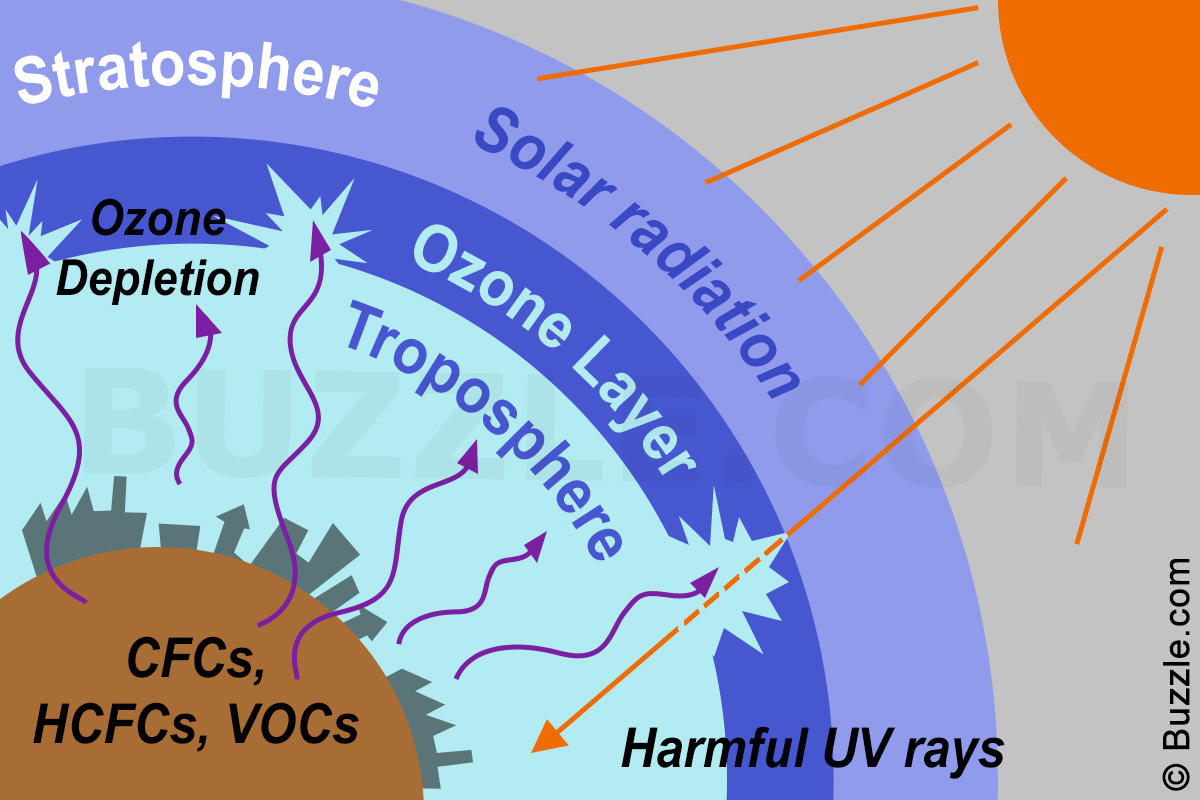
Earth has various layers of atmosphere. They are troposphere, stratosphere, mesosphere, thermosphere and exosphere. Stratosphere contains the ozone layer. Ozone absorbs about 97%-99% of the UV rays and thereby protecting lives on earth. Due to combined human activities and environmental pollution, holes are created in the ozone layer and because of which harmful UV rays enter the earth.

REASONS FOR DEPLETION

  • Chlorofluorocarbons or CFCs are the main reasons for the depletion of ozone layer. These CFCs can be generally found in aerosols, refrigerators and air coolants etc.
  • According to researchers, unregulated launching of rockets can do more harm to the ozone layer than the CFCs.
  • Volcanic eruptions are also a cause for ozone depletion.
  • Nitrogen compounds such as NO2, N2O and NO mostly used in industries, agricultural fertilizers etc. also affect ozone.

EFFECTS OF OZONE DEPLETION

  • Human beings are directly exposed to the ultraviolet rays due to ozone depletion and it leads to serious health issues such as cancer, skin diseases, cataract, quick ageing and weakened immune system.
  • UV rays can also cause cancer in animals.
  • Ozone depletion also affects the environment because strong ultraviolet rays leads to minimal growth and photosynthesis of plants. It also severely affects forests.
  • Ultraviolet rays has been found to cause damage in the early development stages of fishes and amphibians. Another effect on marine organisms is decreasing their ability to reproduce.

OZONE AND COVID 19

As the coronavirus started spreading rapidly around the earth, the whole was shut down due to the pandemic and all the commercial and industrial activities came to a standstill. This was a decision to actually stop the spread of the disease. It was a “Blessing in disguise” because it indirectly gave ample time for the environment to heal itself. Some studies have also shown good improvements in the quality of air, clear sky and decrease in pollution. It was also found that the ozone layer stopped depleting and started healing itself during the shutdown.

CONCLUSION

From our part, we can express gratitude to nature by controlling pollution, using eco-friendly products, limiting vehicle use and finally planting more and more trees.

HAPPY WORLD ENVIRONMENT DAY!

GO GREEN, SAVE GREEN!!

Relevant links: https://in.finance.yahoo.com/news/good-news-largest-ozone-layer-072150152.html https://in.news.yahoo.com/global-efforts-ozone-help-reverse-160002811.html

Marine Plastic Pollution

Plastic is a synthetic organic polymer made from petroleum, and has wide uses in packaging, building, construction and household materials. If you look around, you will easily be able to spot a plastic item, be it sports equipment or electrical devices.  Yes, plastic is used everywhere and is very important because of its lightweight structure and malleable properties.  But here is the flipside to it.

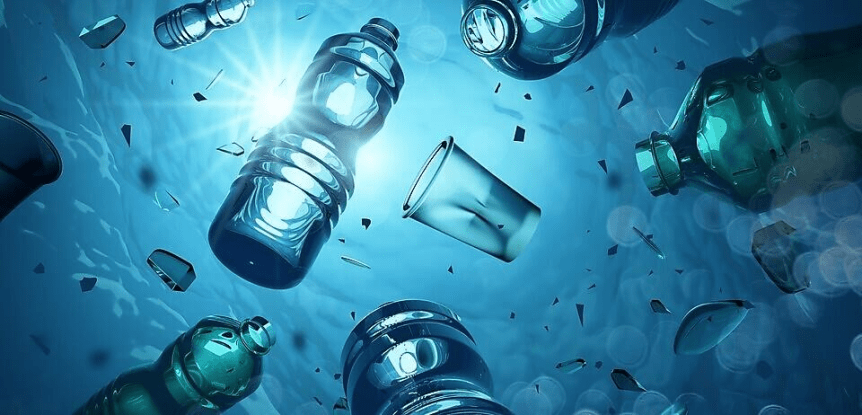
Nearly 300 million tons of plastic is produced every year, with half of it being used to make single-use items such as shopping bags, toothbrush and straws. Even a bag of chips is made of plastic and is discarded as soon as the chips are consumed. Now get this. About 8 million tons of plastic end up in our oceans every year. Water plastic makes up 80% of all marine debris.

Plastic can be present in surface waters as well as deep sea sediments. If you thought deep sea trenches could escape plastic, you are in for a surprise. A plastic bag, one that you give away in a grocery store, was found in the Mariana Trench at depths of 10,975 meters (36,000 feet).

Plastic poses a threat to marine life. Hundreds of marine species ingest the plastic debris which can cause lacerations and injuries. Entanglement and suffocation of fishes and other organisms are a major cause of death.  Plastic, when incinerated leads to emissions of carbon dioxide, which increases the temperature of the atmosphere. This leads to global warming, a threat prevalent in all parts of the world, especially the Polar Regions, which are witnessing rapid melting of glaciers and increase in the water level in oceans.  Plastic waste threatens food quality and health, and also affects coastal tourism.

In these times, governments of several different countries are taking steps to tackle this threat of marine plastic pollution. Equipped with research, technology and innovation, one can slowly but surely reduce the overall plastic consumption.

One interesting project which occurred recently was introduced by the World Bank. They invited youth all across India to take a deep dive into the problems of mismanaged plastic waste and come up with innovative ideas to counter the tide. Well, the response was overwhelming. Every team came up with brilliant ideas that were very realistic and could be implemented on a larger scale. Read ahead to find out about a few of the interesting projects.

Ecopod- a solution proposed by Team Iota, which won first place, talked about the use of plastic for packaging of personal toiletries and how much plastic waste it amounted to. The team presented a single use, plastic free shampoo, conditioner and body wash solution via disposable pellets.  Ensuring a 37.5 percent reduction in bottled personal shampoos and toiletries and an 80% reduction in CO2 emissions, bottled toiletries might well be water under the bridge if Ecopods were to take off.

Second place winners-team INACTUS, developed a project about building sustainable toilets with plastic bottles stuffed with waste. Both these projects also focused on providing employment to women in rural areas, hence employing the women workforce towards a global cause.

This is a global problem, which can only be solved if all the countries come together, and address these issues. When companies, industries work towards minimum plastic usage as an achievable goal and people voice their opinions on this pressing issue. When people understand the importance of the oceans and reducing plastic consumption, only then will we be able to see a measurable outcome.


POLLUTION

ABOUT POLLUTION:

Pollution is the introduction of harmful materials into the environment. These harmful materials are called pollutants. These harmful materials are called pollutants. Pollutants can be natural, such as volcanic ash. They can also be created by human activity, such as trash or runoff produced by factories. Pollutants damage the quality of air, water, and land. These pollutants can be natural or can be man-made like, human wastes, ashes, trashes, or wastes runoff from the factories. This is mainly caused by human activities that harm the environment in ways more than one. Pollution is an issue that has been affecting our earth. Pollution is the stuff that pollutes the environment.  It also affects the ordinary living of the living things on this planet by disturbing the natural life cycle. There are several ways in which our environment can get polluted. Some of them being the use of chemicals, excessive noise, garbage disposal, etc. Pollution causes imbalances in the environment. This imbalance threatened the very survival of all forms of life. We should control pollution for our safe survival. Certain species have been exterminated, and humanity is under a great threat of environmental pollution.

TYPES OF POLLUTION:

There are different kinds of pollutions. Some of the major types of pollution are,

  • AIR POLLUTION:

Air pollution refers to any physical, chemical, or biological change in the air. It is the contamination of air by harmful gases, dust, and smoke that affects plants, animals, and humans drastically. The population’s heavy production of waste is the main reason that air pollution is increasing rapidly. The rapidly increasing human activities like the burning of fossil fuel, deforestation is the major cause of air pollution. There are some other air pollutants like industrial waste, agricultural waste, power plants, thermal nuclear plants, etc.

  • WATER POLLUTION:

Water pollution occurs when harmful substances, often chemicals or microorganisms that contaminate a stream, river, lake, ocean, aquifer, or other body of water, degrading water quality and rendering it toxic to humans or the environment. Water pollution is now a major environmental threat to the existence of humans.

  • LAND POLLUTION:

Land pollution is the cause of many different factors that ultimately pollute the land. These factors include solid waste, deforestation, chemical, and agricultural activities. Land pollution is a result of dumping garbage, waste, and other toxins making the land contaminated or polluted. Some soil or land pollutants are chemicals, pesticides and fertilizers, mining activity, use of plastic, deforestation, growing urbanization, and industrial waste.

WAYS TO CONTROL POLLUTION:

Some of the ways to control pollution are,

  • Avoid excessive idling of your automobile.
  • Avoid burning leaves, trash, and other materials.
  • Conserve energy – at home, at work, everywhere.
  • Encourage industries to avoid pollutant formation at the very source by use of cleaner fuels, the adoption of less polluting materials, and technology in manufacture.
  • Reduce, Reuse, Recycle
  • Do not throw waste in water bodies, remain waste of industries should not pour their waste in water bodies.
  • Plant trees.
  • Use fewer chemicals in home gardens and general agriculture.
  • Maintain our vehicles.
  • Conserve electricity.

EIA 2020

The EIA draft 2020 have been doing the rounds on various online and social media platforms for a while now. People are doing everything in their hands to educate the rest and to put a stop to this draft from being implemented, which the national and most local medias have shut a blind eye towards.

This clearly depicts where their priorities are at, more on mainstream politics and other topics, putting the people who depend on such mediums in the dark. Unaware.

The very idea of people having to take to social media to get the word about such a devious plan is a clear depiction that we’re in the endgame now. It’s going to be every man for himself from now.

The EIA draft of 2020 is something we as the citizens of this great nation can’t afford to be a part in. It’s for a greater cause, for a better future. If neglected, the consequences coming generations will have to face will be a plenty. It’s now or never.

From elementary schools we are taught about the importance of conservation of mother nature and the dangers of pollution. We’re taught that the earth is our only home, yet and that we should do everything in our hands to protect it from such acts of fellow less concerned beings. 

Several movies and campaigns instituted by conservative environmentalists are more often that not given the spotlight to inform the masses of what we’re in store for. I for one, believe that an educated nation will be a better functioning nation.

The destructions of the Bhopal Gas tragedy needs no introduction. A grave tragedy. Post the Gas tragedy of ‘86, the Government of India brought into action the Environment Protection Act with a concern for the safety of the Public and the Nature.

The EIA under the aforementioned Act of 1986, constitutes a process which prevents the industrial and Infrastructural projects by Individuals and body corporates from being approved without proper oversight. It basically consists of a tool of environmental management forming a part of project approval and decision making.

It ensured that every project would go through the process for obtaining proper environmental clearance certificates , for a better, safer tomorrow.

The point of contention in the draft of  Environment Impact Assessment is post-facto clearance and less public participation of the affected communities. Making the voices of the already barely heard voices, totally mute.

The EIA (Environment Impact Assessment) draft 2020 by the Ministry of Environment, Forest and Climate Change under the Government of India has a counter regressive approach towards protecting the nature of the Largest democracy in the World. 

The EIA covers numerous projects like mining of various minerals, infrastructure development, industrial projects, thermal nuclear and hydropower projects. The projects for which clearance was sought was allotted clearance by a panel of experts based on its potential impact on the environment.

It involves prospective changes suggested against the EIA notification of 2006. By embodying norms to weaken environmental norms and outright silencing the affected communities. 

This draft basically allows the various Infrastructural and Industrial bodies to go ahead with various projects and seek the approval later ( post facto clearance), which would certify the starting of various projects without proper clearance certificates, afterwards when the destruction would’ve been already done.

The point of emphasis is that the principles embodied in the draft is against the various principles that shouldn’t exist in such a democratic nation. It not only possess a grave threat to the environment but also takes away the fundamental rights of citizens to raise their voices and deliver criticism regarding such concerns.

Rather than strengthening the norms under the Act and allowing the people to participate and raise their concerns, this draft focuses on restricting the Public’s voice over such environmentally degrading projects.

It also curtails the right of the communities by legalising projects that has already caused a great deal of harm and the ones which are already existing without proper approvals under the EIA. Making potential threats of mass destruction legal.

However, the Government has commented that the proposed draft would further bring transparency and expedite the process of development. Experts in the field have commented that the only process expedited by such a drastic change would be dragging the country to the ground and crippling the powers of the common man versus huge industrial organisations.

Foreseeable accidents of Vizag Gas leak and the Baghjan Oil fire are grave examples of the gravity of destruction that can be caused by projects that are not run under proper EIA guidelines.

Sighting the present troubles already upon the citizens, the drafts brought to life should be of those which corporates building a greener and more sustainable future where the nature would be the heart of all operations.

CARBON TAX AND CARBON CREDIT

A carbon tax is a tax levied on the carbon content of fuels. It is a carbon pricing. Carbon is present in every hydrocarbon fuel such as coal, petroleum and natural gas and is released as carbon dioxide CO2 when they are burnt.

Carbon taxes offers a costeffective means of reducing greenhouse gas emissions. Products produced through dirty processes will became more expensive thereby making it possible for other products produced through cleaner processes to compete on price. By raising the cost of using fossil fuels, a carbon tax would tend to increase the cost of producing goods and services especially things such as electricity or transportation that involve relatively large amounts of CO2 emissions.

Carbon credit is a permit representing the right to emit one tonnes of carbon dioxide or the mass of another green house gas with a carbon dioxide equivalent. One carbon credit is equal to one metric otonne of carbon dioxide.

Carbon market can be divided into two

1)The voluntary market.

2) Regulatory or compliance market. In the compliance market carbon credits are generated by projects that operate under one of the UN framework convention on climate change (UNFCCC) approved mechanism such as the clean development mechanism (CDM). Credits generated under this mechanism are known as certified emissions reductions (CERs)

In voluntary market carbon credits are generated by projects that are accredited to independent International Standards.

This week Canada ‘s Federal Govt took the latest step when it extended its carbon pricing program Nation wide. More than 40 Govts world wide have now adopted some sort of price on carbon. Economists suggests this is a way to curb emissions.

Now the COVID 19 pandemic has so far slashed global carbon emissions by more than 8 %. But this is only temporary

How Is COVID-19 Impacting The Environment?

A BRIEF ON COVID-19:

The coronavirus disease- COVID-19 is a highly transmittable and pathogenic viral infection caused by severe acute respiratory syndrome coronavirus 2 or SARS-CoV-2, which emerged in Wuhan, China and spread around the world. Analysis revealed that SARS-CoV-2 is phylogenetically related to severe acute respiratory syndrome-like bat viruses, therefore bats could be the possible primary reservoir. The intermediate source of origin and transfer to humans is not known, however, the rapid human to human transfer has been confirmed widely. There is no clinically approved antiviral drug or vaccine available to be used against COVID-19. However, few broad-spectrum antiviral drugs have been evaluated against COVID-19 in clinical trials, resulted in clinical recovery.

ORIGIN:

The first human infections were reported at the end of December 2019 in Wuhan, Hubei province in China when a cluster of 41 pneumonia cases was identified. Deeper analysis showed that it was a novel coronavirus. A third – 66% of the cases – had direct exposure to the Huanan Seafood market. Fish, shellfish, wildlife, snakes, birds and several different types of meat and carcasses were sold at this market. The market was closed immediately, and it has not reopened since. (source: ScienceDirect.com, https://www.sciencedirect.com/science/article/pii/S0140673620301835?via%3Dihub)

The strongest speculation of the origin has been that the virus is somehow linked to the market given two thirds of the first batch of people infected had had ties with it. But even this hasn’t been proved yet. Nevertheless, Bats, in particular, have been studied closely because they are considered to be the natural host of coronaviruses.

this is not my image, credit to the artist

EFFECT of covid-19 on the environment:

The objective of this article is to analyse the positive and the negative environmental impact of this abhorrent pandemic, Covid-19.

The Positives-

  • Improved Air Quality: 

The coronavirus has temporarily slashed air pollution levels around the world (source: European Space Agency). Readings from ESA’s Sentinel-5P satellite also show that over the past six weeks, the levels of nitrogen dioxide (NO2) over cities and industrial clusters in Asia and Europe were markedly lower than in the same period last year. Nitrogen dioxide is produced from car engines, power plants and other industrial processes and is thought to exacerbate respiratory illnesses such as asthma. While not a greenhouse gas itself, the pollutant originates from the same activities and industrial sectors that are responsible for a large share of the world’s carbon emissions and that drive global heating. Take transport, for example, which makes up 23% of global carbon emissions. Driving and aviation are key contributors to emissions from transport, contributing 72% and 11% of the transport sector’s greenhouse gas emissions respectively. (Source: http://www.ipcc.ch)

If we consider the case of Delhi, on 6th April, for the third week Delhi continued to breathe clean. The weekend before this saw the best air quality in the national capital region (NCR) in 2020, with an average AQI of 46. The weekend before that, it was at 159.  There was a remarked improvement in air quality in the NCR, as the harmful PM10 and PM2.5 levels were down by 35-40% in Delhi (source: The Economic Times).

The visible positive impacts whether through improved air quality or reduced greenhouse gas emissions – are but temporary. This is because they come on the back of an economic slowdown and human distress. During the pandemic, these emissions will stay lowered. But what will happen when the safety measures are eventually lifted?  The people will be back to regular.

  • Some Cut Downs on Wastage:

During the coronavirus outbreak, the habits that are coincidentally good for the climate might be travelling less, like cutting down on food waste as we experience shortages due to stockpiling.

  • Rethinking how we use energy:

A benefit of no travel and a lockdown is we will spend some time rethinking how we use energy.

The Negatives-

  • Increase In Use Of Single-Use Plastics:

With as many as 12,82,931 cases recorded in 211 countries ( as of 8 April 2020, 05:30 GMT, Source: WHO), the United Nations’ World Health Organization has recently declared the fast-spreading COVID-19 outbreak as a pandemic. It is natural then that citizens around the globe are hastening to take every possible measure to safeguard their health against the virus. The most widespread of these precautions is the extensive use of surgical face masks.

These masks are mainly made of non-woven fabric such as polypropylene, polystyrene, polycarbonate, polyethylene or polyester. While they keep out bacteria effectively, the masks are plastic-based, liquid-resistant products that have a long afterlife after they are discarded, ending up in landfill or oceans.  

Given that surgical masks are supposed to be worn for no longer than one day, their disposal- along with that of empty hand sanitizer bottles and soiled tissue papers- is leading to a massive trail of clinical waste in the environment.

Take the case of Wuhan, for example. The Chinese city which has been at the epicentre of the pandemic and which is home to over 11 million people, is reported to have generated 200 tons of clinical trash on a single day (24 February 2020), four times the amount the city’s only dedicated facility can incinerate per day. (source: scmp.com)

  • Mountain Of Waste:

With consumers stuck at home, there’s been a surge in the amount of household garbage as people increasingly shop online and order meals to be delivered, which come with a lot of packaging. (source: time.com)

Meanwhile, China is drowning under medical waste produced by hospitals including face masks and single-use tissues. If the waste is not handled properly, the garbage collectors are likely to catch and spread the infection

  • More Hand Wash, More Use Of Water:

Today, the only defence against the pandemic is that we wash our hands frequently — 20 seconds each time. The fact is, clean water remains the most important preventive health measure in the world.

A proper hand wash involves lathering soap and scrubbing hands on both sides for at least 20 seconds, according to WHO guidelines. A 30 to 40 second hand wash would use up around four litres of water if the tap is on, or two litres with the tap closed, while scrubbing with soap. Around 20 to 40 litres of water is used up every day, with the assumption that every person cleans her hands at least 10 times a day, instead of a usual average of five times a day.

A family of five members would thus need 100 to 200 litres of water per day only to wash hands. This would result in the generation of around 200 litres of wastewater per day, a 20 to 25 per cent increase in water demand and generation of wastewater from human settlements. (source: downtoearth.org.in)

It is also important to note that a large numbers of people in India and vast parts of the still emerging world do not have access to water, forget its portability. 

  • Climate Issues Take a Backseat:

Before the coronavirus, momentum seemed to be building behind governments and businesses taking steps to address climate change. As 2020 began, wildfires were destroying vast swaths of Australia; and the climate activist Greta Thunberg had become a household name. But the spread of the coronavirus has thrown an even more urgent crisis at governments and business: how to save the lives of millions of people, prevent health care systems from collapsing, and shore up economies that must now enter something comparable to an induced coma. 

CONCLUSION:

In conclusion, the coronavirus crisis has been having short term positive environmental effects but long term negative effects on the environment. Production has decreased, there’s less pressure on energy resources, less fuel burnt in transportation, fewer carbon emissions, and less air pollution. However, all of this is temporary and in the long term, the environmental impacts of the coronavirus such as water shortage, increase in plastic production and waste and issues relating to correct waste disposable, to name a few, will pose as a greater problem.