India, the second-most populous nation in the world, has long struggled with poverty and developmental challenges, particularly among women. The nation continues to suffer with gender inequality, lack of access to healthcare and education, and a lack of job prospects despite recent strong economic progress.
Women poverty in India
Women in India face multiple challenges that contribute to their poverty. One of the biggest challenges is the gender pay gap, which means women are paid less than men for the same job. This pay gap is prevalent across all sectors, including agriculture and informal labor, where women work predominantly. Women’s employment opportunities are also limited, as they are often restricted to low-paying, informal jobs that offer no benefits or job security. Furthermore, women are more likely to work in the informal sector, which is not regulated by labor laws, leaving them vulnerable to exploitation and abuse.
In addition to economic challenges, women in India also face social challenges that contribute to their poverty. These challenges include limited access to education, healthcare, and social services. Women’s education is often de-prioritized in Indian society, and many girls drop out of school due to poverty, early marriage, or cultural expectations. Lack of education limits women’s opportunities for higher-paying jobs and perpetuates their poverty. Another factor contributing to women’s poverty in India is limited access to healthcare. Women in India face a range of health issues, including maternal mortality, malnutrition, and limited access to reproductive health services. These health issues have significant economic and social consequences, including reduced productivity and increased poverty. Addressing women’s health needs is essential for their overall well-being and for the economic development of the country.
Developmental issues faced by women in India
Developmental issues in India refer to the economic, social, and political changes necessary for the country’s growth and progress. Women in India face unique developmental issues that stem from their social and economic marginalization. One such issue is gender-based violence, including domestic violence, sexual assault, and harassment. These forms of violence limit women’s ability to participate in the workforce, access education and healthcare, and contribute to their poverty.
Another developmental issue faced by women in India is limited access to credit and financial resources. Women’s economic empowerment is essential for their development, and access to credit is critical for starting businesses and improving livelihoods. However, women in India face significant barriers to accessing credit due to cultural and institutional biases that favor men.
Finally, women in India face political marginalization, with limited representation in government and decision-making positions. Political representation is crucial for women’s development, as it enables them to advocate for policies that promote gender equality, address women’s issues, and improve their livelihoods.
Efforts to address women poverty and developmental issues in India
Several efforts have been made in recent years to address women poverty and developmental issues in India. The government has launched several initiatives, such as the Beti Bachao Beti Padhao (Save Daughter, Educate Daughter) scheme, which aims to promote gender equality by addressing female foeticide and improving access to education for girls. The government has also launched the Mahila E-Haat platform, an online marketplace that provides women entrepreneurs with a platform to sell their products and services.
NGOs and civil society organizations have also played a significant role in addressing women poverty and developmental issues in India. For example, organizations such as Self-Employed Women’s Association (SEWA) have been working to improve women’s economic empowerment by providing them with training and support to start their businesses. Other organizations, such as the Centre for Social Research, have been working to address gender-based violence by conducting research, advocacy, and providing support services to survivors.
Conclusion
In conclusion, social, economic, and political marginalisation continue to cause substantial poverty and developmental problems for women in India. Women’s possibilities for economic and social development are constrained by the difficulties associated with limited access to healthcare, finance, and education, as well as with gender-based violence.
Social media refers to methods of communication where individuals produce, share, and/or exchange knowledge and concepts in online groups and networks. The primary accounts on Facebook, Twitter, Instagram, LinkedIn, and YouTube are managed by the Office of Communications and Marketing.
Social media marketing:
Social media apps are used as a marketing tool in social media marketing (SMM), a type of online advertising. These social media platforms give businesses the chance to interact with their customers in order to develop a strong brand, boost sales, and enhance website traffic.
Types of Social media marketing:
1.Advertising
2.Influencer marketing
3.Social media management
4.Paid media
1.Advertising:
Social media advertising is a form of digital marketing that involves sending sponsored advertisements to your target audience through social networks like Facebook, Twitter, and Instagram. Ads on social media are a quick and efficient approach to reach your target audience and expand your marketing initiatives.
2.Influencer Marketing:
One who has the power to influence others is an influencer. Influencer marketing is a type of social media promotion where brands pay individuals to spread the word about their goods or services to their followers. Influencer marketing first appeared in the form of celebrity endorsements.
3.Social media Management:
While social media marketing focuses more on developing and implementing a strategy to generate leads for your business through your presence on social platforms, social media management focuses more on using social media accounts.
4.Paid media:
External marketing initiatives involving a sponsored placement are referred to as paid media. Branded content, display ads, and PPC advertising are examples of paid media. For internet firms, paid media is a crucial part of revenue growth and brand visibility.
Importance of Social media marketing:
Brands have the chance to develop trust with potential customers, partners, and talent/employees by engaging on social media. This is especially true if other people are spreading the word about your company’s name, products, or services.
India is the second-most populous country in the world, with a population of approximately 1.3 billion people. Women constitute nearly half of this population, and yet they face various challenges and issues in their everyday lives. Gender inequality is prevalent in India, and it affects women in various ways. One of the most significant issues that women face is gender-based violence. According to the National Crime Records Bureau, there were over 3 lakh cases of crimes against women in India in 2019. This includes rape, sexual assault, domestic violence, and harassment. Women who report such crimes often face stigma and discrimination, making it difficult for them to access justice.
Access to healthcare is another critical issue for women in India. Although the government has made significant efforts to improve healthcare services, many women still lack access to basic healthcare facilities, especially in rural areas. Women also face significant challenges in accessing reproductive and maternal healthcare services, which can result in poor health outcomes. Maternal mortality rates are high, with India accounting for almost one-quarter of all maternal deaths worldwide. This is due to inadequate access to healthcare, poor nutrition, and lack of education on maternal health. They also face high rates of malnutrition and anemia, which have long-term health consequences for both them and their children.
Another issue that women in India face is limited access to education and employment opportunities. According to the World Bank, only 66% of women in India are literate, compared to 82% of men. Women also face significant barriers to employment, with only 24% of women in India participating in the labor force, compared to 82% of men. This is due to various factors, including societal expectations, lack of education and skills, and discrimination in the workplace.
Political representation is another area where women in India are underrepresented. While women make up nearly half of the population, they hold only 14.4% of seats in the Indian parliament. This limits their ability to influence policy decisions and advocate for their rights. Although women have the right to vote and stand for election, they are underrepresented in political decision-making positions. Women’s political participation is essential to ensure that their interests and concerns are adequately represented.
Despite these challenges, there have been efforts to address these issues and improve the lives of women in India. The Indian government has implemented various policies and programmes aimed at empowering women and promoting gender equality. For example, the Beti Bachao Beti Padhao (Save the Girl Child, Educate the Girl Child) programme aims to address gender-based violence and improve access to education for girls. The Mahila E-Haat programme aims to promote women’s entrepreneurship and enable them to access markets and sell their products online.
Non-governmental organizations (NGOs) and civil society groups have also played a significant role in promoting women’s rights in India. For example, the Self-Employed Women’s Association (SEWA) has been working for the empowerment of women in the informal sector for over 40 years. SEWA provides women with education and training, access to credit and markets, and support for their rights as workers.
Finally, economic empowerment is crucial for women’s well-being in India. Women in India often face barriers to employment, including discrimination and lack of access to education and training. Women who do work are often employed in low-paying jobs with poor working conditions. Promoting women’s economic empowerment can help to reduce poverty and improve the overall economic development of the country.
In conclusion, women in India experience a variety of difficulties and problems, such as gender-based violence, restricted access to chances for education and work, and underrepresentation in politics. Yet, there have been initiatives in India to deal with these problems and advance gender equality. In order to empower women and advance their rights, the government and non-governmental organizations have created a number of policies and programmes. To ensure that women in India can live healthy, successful lives, more work still has to be done, and ongoing initiatives are required.
The role of women and women’s organizations in India has been evolving over time, from the early days of the women’s suffrage movement to the present day. Women have played a crucial role in shaping Indian society, and their contributions have been instrumental in bringing about social and political change. Historically, women in India have been relegated to the domestic sphere, with limited access to education, employment, and political power. However, in recent decades, women’s organizations and activists have been working to challenge gender-based discrimination and promote women’s rights. The role of women in India has undergone significant changes in recent years, with the growth of women’s organizations and the emergence of women leaders in various fields. Women have played a crucial role in shaping the country’s history, culture, and society. They have been at the forefront of various social and political movements, fighting for their rights and challenging patriarchal norms.
Women’s organizations in India have played a pivotal role in promoting gender equality and advocating for women’s rights. These organizations have been instrumental in raising awareness about issues affecting women and girls, providing support and services to victims of gender-based violence, and advocating for policy and legislative changes to improve women’s lives.
One of the most significant women’s organizations in India is the National Federation of Indian Women (NFIW). Founded in 1954, NFIW has been at the forefront of various social and political movements, fighting for women’s rights and gender equality. The organization has been actively involved in the struggle for women’s right to education, employment, and political representation. It has also been instrumental in raising awareness about violence against women and promoting women’s health and reproductive rights.
Another important women’s organization in India is the All-India Women’s Conference (AIWC). Established in 1927, AIWC has been a pioneer in the women’s movement in India. The organization has been active in promoting women’s education, health, and economic empowerment. It has also been involved in the struggle for women’s political representation and advocating for legislative changes to protect women’s rights.
In addition to these national-level organizations, there are several grassroots-level women’s organizations in India that have been working tirelessly to improve the lives of women in their communities. These organizations have been instrumental in providing support and services to women and girls who are victims of gender-based violence, promoting women’s education and economic empowerment, and advocating for policy changes to improve women’s lives.
Women leaders in India have also played a crucial role in shaping the country’s political landscape. Several women have held top positions in government, including Indira Gandhi, who served as the country’s Prime Minister from 1966 to 1977 and again from 1980 to 1984. In recent years, several women have been elected to key positions in government, including Sushma Swaraj, who served as the country’s Minister of External Affairs from 2014 to 2019, and Nirmala Sitharaman, who became the first woman to serve as the country’s Minister of Finance in 2019.
Women have also made significant contributions to the country’s cultural and artistic landscape. Indian cinema has produced several women actors, directors, and producers who have made a name for themselves both in India and abroad. Women writers, artists, and musicians have also made significant contributions to the country’s cultural heritage.
However, despite these positive developments, women in India continue to face significant challenges. Gender-based violence, including domestic violence, sexual harassment, and rape, remains a pervasive problem in the country. Women’s access to education, health care, and economic opportunities is often limited by societal norms and gender stereotypes. Women’s political representation also remains low, with women holding only around 22% of seats in the national parliament.
In conclusion, women and women’s organizations have played a crucial role in shaping the history, culture, and society of India. Women’s organizations have been instrumental in promoting gender equality and advocating for women’s rights, while women leaders have made significant contributions to the country’s political, cultural, and artistic landscape. However, despite these positive developments, women in India continue to face significant challenges, and there is still a long way to go to achieve true gender equality.
Natural occurrences in the crust, oceans, and atmosphere, such as earthquakes, volcanic eruptions, floods, and storms, are referred to as geophysical phenomena. Waterbodies, icecaps, flora, and wildlife, as well as other geographical characteristics, can all undergo significant changes as a result of these events.
One of the most common geophysical phenomena that affect geographical features is flooding. Floods occur when an area receives more rainfall than it can handle, causing rivers and other waterbodies to overflow their banks. Floods can cause significant damage to the surrounding environment, including eroding riverbanks, damaging infrastructure such as roads and bridges, and destroying homes and crops.
One of the most notable examples of the effects of flooding on geographical features is the 1993 Mississippi River floods in the United States. The floods caused over $15 billion in damages, affected 12 states, and displaced over 50,000 people. The floods also caused significant changes to the river’s course, including the creation of new channels and the destruction of levees.
Another geophysical phenomenon that affects geographical features is changes in waterbodies, such as lakes and oceans. These changes can occur due to natural causes, such as shifts in tectonic plates, or human activities, such as damming rivers or extracting groundwater. Changes in waterbodies can have significant impacts on the surrounding environment, including changes in flora and fauna.
One example of the effects of changes in waterbodies on geographical features is the Aral Sea in Central Asia. The Aral Sea was once the world’s fourth-largest lake, but due to human activities, such as diverting water from the rivers that feed the lake for irrigation, it has shrunk by over 90%. The shrinking of the Aral Sea has had significant impacts on the surrounding environment, including the disappearance of fish species, changes in the local climate, and the emergence of new desert landscapes.
Another geophysical phenomenon that affects geographical features is changes in icecaps, such as those found in the Arctic and Antarctic regions. Changes in icecaps can occur due to natural causes, such as changes in temperature or precipitation, or human activities, such as the burning of fossil fuels that contribute to climate change. Changes in icecaps can have significant impacts on the surrounding environment, including changes in sea level, changes in ocean currents, and changes in flora and fauna.
One example of the effects of changes in icecaps on geographical features is the melting of the Greenland ice sheet. The Greenland ice sheet is the second-largest ice sheet in the world, covering over 1.7 million square kilometers. However, due to rising temperatures caused by climate change, the ice sheet is melting at an accelerating rate. This melting is causing sea levels to rise, which could have significant impacts on coastal areas worldwide, including flooding and the loss of habitat for flora and fauna.
Geophysical phenomena can also have significant impacts on flora and fauna. Changes in the environment, such as flooding, changes in waterbodies, and changes in icecaps, can cause significant disruptions to ecosystems, including changes in species distributions, changes in food webs, and changes in migration patterns.
One example of the effects of geophysical phenomena on flora and fauna is the 2004 Indian Ocean tsunami. The tsunami caused significant damage to coastal ecosystems, including coral reefs, mangrove forests, and sea-grass beds. These ecosystems are critical habitats for a wide range of species, including fish, turtles, and other marine life. The loss of these habitats could have significant impacts on the survival of these species.
The Earth’s geographical characteristics, such as water bodies and ice caps, as well as the flora and fauna that depend on them, can all be significantly impacted by geophysical occurrences. While some changes can be brought on by nature, others might be accelerated by human activity like deforestation and fossil fuel burning. To better prepare for and lessen their consequences on the world and its inhabitants, it is crucial to comprehend these occurrences and their effects.
Natural occurrences on Earth called geophysical phenomena are linked to the planet’s physical processes and characteristics. Cyclones, changes in geographical characteristics, and changes in flora and fauna are some of the most significant geophysical events.
Strong, spinning storm systems known as cyclones are characterized by low-pressure centers, strong winds, and copious amounts of rain. They frequently occur in the tropics and subtropics and form over warm ocean waters. These storms have the potential to seriously harm infrastructure and endanger both human and animal lives in the affected areas. Typhoons in the western Pacific and hurricanes in the Atlantic Ocean are two different names for the same cyclone, which is categorized based on its wind speed.
Geographical features are the physical aspects of the Earth’s surface, such as mountains, valleys, rivers, and coastlines. Changes in geographical features can occur naturally or as a result of human activities. Natural changes can be caused by geological processes such as erosion, volcanic activity, and tectonic movements, while human activities can cause changes such as deforestation, mining, and urbanization.
Waterbodies, such as oceans, rivers, and lakes, are an essential part of the Earth’s geography. Changes in waterbodies can occur due to natural processes such as climate change, melting of ice caps, and erosion, or as a result of human activities such as damming, pollution, and overfishing. Changes in waterbodies can have significant impacts on the environment, including changes in water quality, loss of biodiversity, and impacts on human populations that rely on water resources for their livelihoods.
Icecaps, including glaciers and polar ice caps, are also important geographical features that are vulnerable to climate change. Rising temperatures are causing significant melting of icecaps, leading to rising sea levels, changes in ocean currents, and impacts on marine ecosystems. The loss of icecaps also has significant implications for human populations, particularly those in low-lying coastal areas that are at risk of flooding and other climate-related impacts.
Flora and fauna are the plant and animal life that inhabit different ecosystems around the world. Changes in the environment can have significant impacts on flora and fauna, including changes in habitat availability, food sources, and temperature regimes. Climate change is one of the most significant drivers of changes in flora and fauna, with rising temperatures and changes in precipitation patterns leading to shifts in species ranges and impacts on biodiversity. Human activities such as deforestation, pollution, and hunting also have significant impacts on flora and fauna. Strong winds can uproot trees and damage other vegetation, while heavy rainfall can cause flooding and landslides, altering soil conditions and destroying habitats. Wildlife populations may be displaced or killed by the storm, and food sources may be disrupted. In some cases, cyclones can also cause pollution by releasing hazardous materials from damaged infrastructure or flooding.
The effects of these changes can be widespread and long-lasting. For example, changes in the Arctic icecap have led to the loss of habitat for polar bears and other species, as well as changes in the migration patterns of marine mammals and fish. The melting of glaciers and ice caps in the Himalayas has led to increased flooding and landslides, threatening the lives and livelihoods of people in the region.
In order to mitigate the impacts of geophysical phenomena and changes in critical geographical features, it is important to develop strategies that address both the immediate and long-term effects. This can include measures such as building infrastructure that can withstand cyclones and flooding, creating protected areas for wildlife, and promoting sustainable water management practices. Additionally, reducing greenhouse gas emissions and taking steps to mitigate climate change can help to slow the rate of change in critical geographical features and reduce the impacts on ecosystems and human societies. Changes in geographical features can also have significant impacts on human populations and ecosystems. For example, changes in waterbodies can lead to changes in water availability, which can impact agricultural production, energy production, and human health. Changes in icecaps can lead to rising sea levels, which can impact coastal communities, infrastructure, and ecosystems. Changes in flora and fauna can lead to loss of biodiversity, impacts on ecosystem services, and impacts on human populations that rely on these resources for their livelihoods.
The Earth’s ecology and human populations are significantly impacted by geophysical events like cyclones, changes in topographical characteristics, and changes in flora and fauna. Understanding these occurrences and their effects is essential for creating efficient mitigation and adaptation plans, especially in light of the ongoing effects of climate change and other global concerns.
Natural occurrences in the Earth’s physical systems, such as its atmosphere, hydrosphere, lithosphere, and biosphere, are referred to as geophysical phenomena. These events, along with changes in geographical features, flora and fauna, and human societies, can have a profound impact on the environment. Volcanic activity, changes in waterbodies and icecaps, and changes in geographical features are some of the most significant geophysical phenomena.
Volcanic Activity
Volcanic activity is one of the most critical geophysical phenomena that can have a significant impact on the environment. Volcanoes are openings in the Earth’s surface that allow magma, ash, and gas to escape from the Earth’s interior. When this magma reaches the surface, it can form a volcanic eruption, which can have a range of effects on the environment.
Volcanic eruptions can release massive amounts of ash and gases into the atmosphere. These gases, such as sulfur dioxide, can react with water vapor to form acid rain, which can have significant impacts on flora, fauna, and human societies. Ash and other volcanic particles can also block out sunlight and cause temporary cooling of the Earth’s surface. Additionally, volcanic eruptions can cause landslides and mudflows, which can be devastating to human settlements and infrastructure.
Geographical Features and Their Location
Geographical features refer to the physical characteristics of the Earth’s surface, such as mountains, valleys, rivers, and lakes. Changes in geographical features can occur due to a range of geophysical phenomena, including tectonic plate movements, volcanic activity, erosion, and climate change.
Tectonic plate movements can cause significant changes in the Earth’s surface, including the formation of mountains, valleys, and ocean basins. Volcanic activity can also create new landforms, such as volcanic islands and lava flows. Erosion, caused by wind and water, can slowly wear away landforms over time, creating new features such as canyons and waterfalls. Climate change can also impact geographical features, such as melting ice caps and rising sea levels.
Changes in Waterbodies and Icecaps
Waterbodies, including oceans, lakes, and rivers, can be impacted by a range of geophysical phenomena, including tectonic plate movements, volcanic activity, and climate change. These changes can have significant impacts on the environment, including changes in temperature, salinity, and nutrient levels.
Melting icecaps can also have significant impacts on the environment, including rising sea levels and changes in ocean currents. As ice melts, it can release freshwater into the ocean, which can change the salinity levels and impact the circulation of ocean currents. Additionally, melting ice can expose new land, which can impact flora and fauna in the area.
Effects on Flora and Fauna:
Geophysical phenomena can have significant impacts on flora and fauna. For example, volcanic eruptions can release ash and gases into the atmosphere, which can impact the growth and health of plants. Additionally, volcanic activity can cause landslides and mudflows, which can destroy habitats and kill animals.
Changes in waterbodies and icecaps can also have significant impacts on flora and fauna. Rising sea levels, for example, can cause coastal erosion and flooding, which can destroy habitats and force animals to relocate. Changes in ocean currents can also impact the distribution of nutrients and plankton, which can impact the entire food chain.
The most significant natural processes that take place on Earth include geophysical phenomena like volcanic activity, changes in geographical features, and changes in flora and fauna. While these occurrences have the potential to significantly impact the physical and biological systems of the planet, they can also shed important light on the intricate relationships that define our environment. Therefore, it is crucial to carefully track and research these events in order to comprehend their impacts and create plans to lessen their negative effects on both the environment and human life.
Eating nutrient-rich foods, such as lean protein and legumes, can support your overall health and help you maintain a moderate body weight.
Eating nutrient-rich foods, such as lean protein and legumes, can support your overall health and help you maintain a moderate body weight.
Healthy bodies come in all shapes and sizes. While weight loss is not a magic bullet for health, and not everyone needs to pursue weight loss, it might be something you want to work toward to feel your healthiest.
Coupled with regular movement, your diet can affect your health outcomes.
1. Whole eggs
Eggs are incredibly nutrient-dense. Interestingly, almost all its nutrients are found in the yolks — like choline and vitamin D — though egg whites deliver 4–6 grams of protein each. Because they’re high in protein and fat, they help you feel full. That’s key, because responding to your body’s internal fullness and hunger cues can help you reach or maintain a healthy weight. In other words, getting in the habit of eating when you’re hungry and stopping when you’re full can help your weight loss goals.
2. Leafy greens
Leafy greens include kale, spinach, collard greens, Swiss chard, and a few others. They have several properties that make them perfect for reaching or maintaining a healthy weight. For example, they pack fiber and nutrients that keep you satiated and hydrated.
3. Salmon
Fatty fish like salmon are incredibly nutritious and very satisfying. Salmon is loaded with high quality protein, healthy fats, and various important nutrients. That combination keeps you satiated and can help you reach a healthier weight.
4. Cruciferous vegetables
Cruciferous vegetables include broccoli, cauliflower, cabbage, and Brussels sprouts. Like other vegetables, they’re high in fiber and tend to be incredibly filling. What’s more, these types of veggies contain decent amounts of protein. They’re not nearly as high in protein as animal foods or legumes, but still high for vegetables.
5. Chicken breast and some lean meats
Meat remains a controversial food group for many people.
Beyond issues of sustainability and ethics, we’re still not sure whether and how red meat raises the risk of heart disease or diabetes.
Research on meat consumption and health outcomes has yielded low evidence of causation.
6. Potatoes and other root vegetables
White potatoes seem to have fallen out of favor possibly, at least in part, due to the rise of lower carb diets.
For what it’s worth, potatoes and other root vegetables have several properties that make them wonderful foods for weight loss and optimal health. They contain an incredibly diverse range of nutrients a little bit of almost everything you need.
7. Beans and legumes
Beans and other legumes can be beneficial for weight loss. These include lentils, black beans, kidney beans, and some others.
Those foods tend to be high in protein and fiber, which are two nutrients that promote satiety. They also tend to contain some resistant starch
Yoga has a plethora of holistic health benefits. This ancient fitness form, which is also a way of life, has been known to not just safeguard inner and mental health but also give cures to skin and hair issues. If you’re someone who is tired of the short bob and desires for your tresses to be longer, there are several yoga asanas that can actually help out with hair growth. In fact, yoga for hair growth and better health has been getting some popularity around the world due to the wonderful results it seems to achieve. Here are some yoga asanas that not just promote hair growth, but will also help in reducing hair fall and improving their health.
1.Kapalabhati
Kapalhbhati is derived from two Sanskrit words: Kapala, which means “skull,” and Bhati, which means “light.” It’s a mind-body activity that rejuvenates, cleanses and invigorates. This breathing exercise helps cleanse the toxins from the kapal, meaning the entire head or face region, thus promoting better oxygen supply and reducing free radicals, enabling hair growth. Moreover, it helps reduce stress and anxiety, which are also contributing factors to hair fall.
2. Adho Mukha Svanasana
Adho Mukha Svanasana, better known as the downward facing pose, is among the 12 poses we practice during the Surya Namaskar. It is a transitional resting pose, which increases the blood flow. Due to this, there is a boost in the oxygen reaching the scalp and promotes hair growth. This asana has a range of other physical benefits as well. For example, it helps calm the mind, rejuvenate and energise the body.
3.Sarvangasana
Sarvangasana or the shoulder stand is a full body exercise, which works on different muscle groups. It helps improve your balance as well as posture. But besides that, this asana enhances the blood circulation in your head. Daily practice of the pose has a long-lasting effect on your head and is especially beneficial for dry and thin hair.
4. Balasana
Before you get any ideas, Balasana literally means child’s pose and does not refer to the hair. However, it combats the two biggest factors that cause hair fall: stress and digestive issues. Balasana is commonly recommended to provide relief from any stomach-related issues and it is known to help with anxiety as well. Daily practice of this pose can have a positive impact on both your digestive and mental health, thus cutting down the risk of hair loss considerably.
5. Sirsasana
Also known as the headstand, Sirsasana improves blood circulation in the scalp which helps in reducing hair loss, thinning of hair and balding. This asana helps in new hair growth and prevents greying of hair. It helps the dormant hair follicles to reach their maximum growth capacity and thus improve hair growth.
6. Vajrasana
Vajrasana or the thunderbolt pose is simple yet quite powerful. It deals directly with stomach-related issues, which you may or may believe, have a large part to play as far as hair loss goes. As per studies, poor gut flora can cause thinning of hair and eventually, lead to hair loss. Vajrasana helps relieve and cure a lot of these issues and it also helps digest your food better. This is beneficial to hair growth as nutrients are absorbed by the body better when your digestion is in top form. Of course, maintaining a healthy diet is a must for long, thick and healthy hair.
7. Uttanasana
Uttanasana AKA the camel pose is an effective yoga asana that takes some time to master. This yoga pose stretches as well as relaxes muscles and it also increases the oxygen levels and blood flow to the head. This, in turn, enables the hair follicles to be strong and your hair grows long. It not only improves the quality and texture of your hair but also makes it flawless and shinier.
8. Matsyasana
Popularly known as the fish pose, this is among the most effective and popular asanas for strong, long and healthy hair. It is quite easy to practice and can be done at home quickly without needing any equipment, like the other poses mentioned above. This yoga asana is known to relieve most hair problems with daily practice.
Remember, Yoga and pranayama help in stimulating blood circulation in the head and scalp, which thereby helps in rejuvenating dry and limp hair. This, in turn, controls hair loss and promotes hair growth. So, if you are experiencing hair loss or are seeing early signs of baldness, practicing yoga daily could help greatly.
If Walden doesn’t have an article you want, check Google Scholar. You may find a free copy online.
Go to Google Scholar, enter the article title, and click Search:
Note: For best results, put quote marks around the title.
If available, your article should appear as one of the first few results:
If you click an article’s title, you may be taken to a publisher’s site that will ask you to pay for full text. Instead, look for a PDF or HTML link to the right of the article. This is a free, full-text copy.
If there is no link on the right:
Click the article title. Though rare, you may get it free from the publisher. You might also see how much it costs if you’re interested in buying it.
On the upper left side of your screen, click on the three lines icon.
Click the Settings link or gear icon. Depending on your screen size, the link or icon may be at the top or the bottom of that section.
In the left column, click on Library Links.
In the search box, type in Walden and click the Search button.
An option for Walden University Library – Find @ Walden will appear below the search box.Check the box next to it to select it. Note: If you see the a box for Open WorldCat – Library Search box, check that too. This will allow Google Scholar to link to any freely available content.
Click Save. Google Scholar will remember this setting until you clear your browser cookies. Now when you search Google Scholar, you will see Find @ Walden links to the right of articles available in the Library.
Click on the Find @ Walden link to access the article.
Tips
When you click on Find @ Walden you will be asked to login with your Walden username and password.
You may see a list of databases that contain the article; you will need to click on one of these database links to be taken to the article.
Pay attention to the years listed by the database links, as databases may have different publication years available. Click on the database you want to try and it should take you to the article.
Tsunamis are a type of natural disaster that occurs when there is a sudden displacement of water in the ocean. They are large ocean waves caused by underwater earthquakes, volcanic eruptions, or landslides. They can cause massive destruction to coastal regions, resulting in loss of life, infrastructure damage, and long-term environmental effects. Tsunamis affect both marine and terrestrial ecosystems, altering geographical features, water bodies, ice caps, flora, and fauna. In this essay, we will discuss the geographical features affected by tsunamis, including water bodies and ice caps, and their effects on flora and fauna.
Geographical Features
Water-Bodies:
Tsunamis can cause severe changes in water bodies like oceans, seas, and lakes. They can trigger large waves that can inundate low-lying coastal areas and cause significant flooding, damaging infrastructure, and affecting marine ecosystems. Tsunamis can also cause saltwater intrusion into freshwater systems, disrupting aquatic habitats and affecting the water quality of freshwater bodies. Furthermore, the deposition of sediments and debris caused by tsunamis can alter the physical and chemical characteristics of the water bodies.For instance, the 2004 Indian Ocean tsunami caused significant damage to coral reefs, mangrove forests, and seagrass beds in several countries, including Indonesia, Sri Lanka, and Thailand. These ecosystems play vital roles in coastal protection, fisheries, and carbon sequestration, and their damage can have long-term impacts on the ecosystem’s functionality. Similarly, the 2011 Tohoku earthquake and tsunami in Japan caused significant changes to the coastline, including the formation of new bays and the erosion of existing beaches.
Ice-Caps:
Tsunamis can also affect ice caps, which are large masses of ice covering the polar regions. The waves generated by tsunamis can cause icebergs to break off from the ice caps, resulting in the release of freshwater into the oceans. This can affect ocean currents and weather patterns, causing fluctuations in temperature and precipitation. Moreover, the melting of ice caps caused by tsunamis can result in sea-level rise, which can inundate low-lying coastal areas and lead to coastal erosion. This can lead to the loss of land, displacement of communities, and loss of biodiversity.
Flora and Fauna:
Tsunamis can also have significant effects on flora and fauna in the affected areas. The force of the waves can cause significant damage to coastal ecosystems, including mangroves, coral reefs, and sea grass beds. These ecosystems provide critical habitats for a variety of species, and their destruction can have cascading effects throughout the food chain.In addition to physical damage to ecosystems, tsunamis can also have indirect effects on flora and fauna. For example, the 2004 Indian Ocean tsunami caused significant damage to aquaculture operations in the affected regions, which had a ripple effect on the local fishing industry. Similarly, the 2011 Tohoku earthquake and tsunami in Japan caused a significant decline in sea turtle populations due to the destruction of critical nesting habitats.
Marine Ecosystems:
Tsunamis can cause significant damage to marine ecosystems, affecting the biodiversity and productivity of the oceans. The waves generated by tsunamis can cause the death of marine organisms, such as fish, coral, and plankton. Furthermore, the deposition of sediments and debris can smother and damage seagrass beds and coral reefs, leading to long-term habitat loss and decreased biodiversity.For example, the 2011 Tohoku tsunami in Japan caused significant damage to marine ecosystems, leading to the death of marine organisms and the destruction of coral reefs and seagrass beds. The impacts of the tsunami on marine ecosystems were felt for several years after the event, affecting the fisheries and tourism industries.
Terrestrial Ecosystems:
Tsunamis can also affect terrestrial ecosystems, including forests, wetlands, and grasslands. The waves generated by tsunamis can cause significant flooding, resulting in the loss of vegetation and soil erosion. Furthermore, the deposition of sediments and debris can alter the physical and chemical properties of the soil, affecting the nutrient availability and soil structure.For instance, the 2004 Indian Ocean tsunami caused significant damage to mangrove forests and other coastal vegetation. These ecosystems play vital roles in coastal protection, carbon sequestration, and habitat provision for wildlife. The loss of these ecosystems can have significant impacts on the environment and human communities.
Effects of Changes
The changes caused by tsunamis can have significant impacts on the environment, human populations, and economies in the affected regions.
Environment:
The destruction of coastal ecosystems can have long-term effects on the environment. For example, the loss of coral reefs can lead to declines in fish populations, which can have cascading effects throughout the food chain. Similarly, the loss of mangroves can lead to increased coastal erosion and reduced protection from storm surges.
Human Populations:
Tsunamis can also have significant impacts on human populations. The loss of coastal infrastructure, including homes, businesses, and transportation networks, can disrupt local economies and displace communities. Additionally, the loss of critical habitats and resources can lead to food and water shortages, which can exacerbate existing poverty and inequality.
Economies:
Finally, tsunamis can have significant impacts on local and global economies. The destruction of infrastructure and disruption of supply chains can lead to significant economic losses. For example, the 2011 Tohoku earthquake and tsunami in Japan caused widespread disruptions in global supply chains, particularly in the electronics industry.
To sum up, both flora and fauna, as well as physical features like water bodies and ice caps, can be significantly impacted by tsunamis. The environment, human populations, and economies in the impacted areas may be negatively impacted for a long time by these changes. In order to lessen the effects of tsunamis and other natural disasters, it is crucial to have efficient disaster preparedness and response systems in place.
One of nature’s most catastrophic catastrophes, earthquakes have the power to significantly alter the planet’s physical features, including water bodies, ice caps, flora, and fauna. The abrupt release of energy in the Earth’s crust, which causes the ground to shake violently, is the source of earthquakes. Earthquakes can have a terrible effect, resulting in human casualties and property destruction. In this article, we’ll talk about how important geographic features, including water bodies and ice caps, have changed and how that has affected the local flora and fauna.
Geographical Features and Location Changes
Earthquakes can cause significant changes in the landscape and location of various geographical features. One of the most common effects of earthquakes is the creation of new landforms, such as mountains, valleys, and canyons. This is because earthquakes can cause the Earth’s crust to fold, break, and shift, which can create new landforms.
Earthquakes can also cause changes in water bodies, such as lakes and rivers. In some cases, earthquakes can cause these bodies of water to drain or dry up entirely. This can happen when an earthquake causes a shift in the Earth’s crust, which can block the flow of water or cause it to flow in a different direction. In addition, earthquakes can cause tsunamis, which are large waves that can cause significant damage to coastal regions and can also affect water bodies such as oceans, seas and bays.
Ice caps are also at risk due to earthquakes. These large masses of ice can be affected by seismic activity in various ways. Earthquakes can cause cracks in the ice, which can lead to melting and fragmentation. In addition, earthquakes can cause avalanches, which can be especially dangerous if they occur on or near glaciers.
Water Bodies
Earthquakes can cause significant changes in water bodies, such as rivers, lakes, and oceans. The most common change is the formation of new water bodies or the expansion of existing ones. For example, earthquakes can cause landslides, which can dam rivers, creating new lakes or widening existing ones. On the other hand, earthquakes can also cause the collapse of riverbanks, leading to the diversion of rivers and the creation of new river channels. Another significant impact of earthquakes on water bodies is the generation of tsunamis. Tsunamis are large waves that are triggered by earthquakes occurring in the ocean floor. These waves can travel long distances and cause significant damage to coastal communities.
Flora and Fauna
Earthquakes can also have significant impacts on flora and fauna. These impacts can be both direct and indirect. The direct impact of earthquakes on flora and fauna is the destruction of their habitats. Earthquakes can cause landslides, which can bury vegetation, and collapse buildings, which can crush wildlife. In addition, earthquakes can cause soil liquefaction, which can suffocate plant roots and prevent them from obtaining nutrients and water. The indirect impact of earthquakes on flora and fauna is the disruption of ecosystems. Earthquakes can alter the availability of resources, such as water and food, leading to changes in the distribution and behavior of wildlife. For example, earthquakes can cause changes in the flow of rivers, leading to changes in the distribution of fish species.
Effects of Changes
The changes in geographical features caused by earthquakes can have significant short-term and long-term effects on the environment and human communities.
Short-term Effects:
The short-term effects of changes in geographical features include immediate impacts on human communities, such as loss of life and property damage. The destruction of habitats can also lead to the displacement of wildlife, which can have long-term impacts on ecosystems.
Long-term Effects:
The long-term effects of changes in geographical features include changes in the environment that can persist for years or even decades. For example, the creation of new water bodies can lead to changes in the hydrology of an area, altering the flow of rivers and affecting the availability of water for human communities and wildlife. The melting of ice caps due to earthquakes can also contribute to rising sea levels, leading to the displacement of coastal communities and the loss of biodiversity.
The ecology, infrastructure, and economy can all be severely harmed by earthquakes, which are a serious natural calamity. Further to having a substantial impact on flora and fauna, they can alter the terrain and the placement of many geographical features. It is crucial to take precautions to be ready for and lessen the consequences of earthquakes because their effects can be profound and lasting.
Yoga is meant to make you healthy and strong. Since time immemorial, yoga has proven to be beneficial for a lot of physical and mental ailments. It is supposed to work on your health inside out and give you glowing and radiant skin. However, doing yoga for skincare may be something you should consider.
1. Bow Pose (Dhanurasana)
This pose of yoga for skin care works effectively in giving you a glowing complexion. Practicing this pose regularly helps by putting intense pressure on the abdominal region, which in turn helps in detoxifying the body. This pose increases circulation in the face and pelvic region. It releases tension from the abdomen and strengthens it. Regular practice of this asana strengthens the reproductive organs. It also helps release indigestion and constipation. By maintaining a healthy gut, dhanurasana helps in giving you that glowing and healthy skin appearance.
2. Seated Forward Bend (Paschimottanasana)
This is a beautiful asana to stretch the spine, shoulders and hamstrings. It releases the stress in the lower back and also improves digestion, which otherwise may cause many skin conditions like pimples and acne. Not only is this pose beneficial for reducing stress, it also purifies the blood, improves skin complexion and reduces the appearance of dark spots and wrinkles. Paschimottasana is a perfect yoga for skin care.
3. Downward-facing dog (Adho Mukha Svanasana)
This asana helps unwind the entire body. It strengthens the arms and shoulders, lengthens the spine, calves and hamstrings and energizes the entire body by bringing blood flow to your brain and face. This asana improves blood circulation in those areas giving you healthy flushed cheeks.
4. Fish Pose (Matsyasana)
Fish pose is one of the back-bending poses that can be easily performed even by a beginner. This is one of the best yoga poses to attain fresh and even toned skin as it improves blood circulation in the head region.
5. Plough Pose (Halasana)
This yoga pose is effective in improving the overall blood circulation of the body. It induces a sensation of calmness and puts you in a relaxed state of mind making it a perfect pose of yoga for skin care.
This pose is beneficial in inducing sleep or tackling insomnia considering the fact that poor sleep cycle is one of the major reasons behind bad skin conditions. All these positive effects of this asana reflect on your skin.
6. Shoulder stand (Sarvangasana)
This would be an intermediate level pose which has amazing benefits on your skin and glow. Mastering this pose is not too difficult, regular practice helps in improving blood circulation to the facial region, which helps in battling skin conditions like facial dullness, acne and wrinkles.
The study of the Earth’s surface and the forces that shape it is referred to as physical geography. This comprises the soil, vegetation, climate, water features, and landforms. We’ll talk about the key aspects of the physical geography of the world in this post.
Continents and Oceans: The world is divided into seven continents: Asia, Africa, North America, South America, Antarctica, Europe, and Australia. These continents are separated by five oceans: the Atlantic Ocean, the Indian Ocean, the Southern Ocean, the Arctic Ocean, and the Pacific Ocean. The Pacific Ocean is the largest and deepest ocean on Earth, covering more than one-third of the planet’s surface area.
Mountains: Mountains are large landforms that rise above the surrounding landscape. They are typically formed by tectonic activity, such as the collision of continental plates. The highest mountain on Earth is Mount Everest, which is located in the Himalayas on the border between Nepal and Tibet. The Himalayas are the tallest mountain range in the world and stretch across several countries, including India, China, Nepal, and Bhutan.
Plateaus: Plateaus are elevated flatlands that rise above the surrounding terrain. They are typically formed by tectonic activity, such as the lifting of large sections of the Earth’s crust. The largest plateau on Earth is the Tibetan Plateau, which covers an area of approximately 2.5 million square kilometers and has an average elevation of over 4,500 meters.
Deserts: Deserts are arid regions that receive very little rainfall. The largest desert on Earth is the Sahara Desert, which covers an area of approximately 9 million square kilometers and stretches across several countries in North Africa. Other notable deserts include the Arabian Desert, the Gobi Desert, and the Kalahari Desert.
Rivers: Rivers are large bodies of water that flow from higher elevations to lower elevations. They are typically formed by precipitation and the melting of snow and ice. The longest river on Earth is the Nile River, which stretches over 6,650 kilometers and flows through several countries in Africa. Other notable rivers include the Amazon River, the Yangtze River, and the Mississippi River.
Lakes: Lakes are large bodies of water that are surrounded by land. They can be formed by a variety of processes, including tectonic activity, glaciation, and erosion. The largest lake on Earth is the Caspian Sea, which is located between Europe and Asia and has an area of approximately 371,000 square kilometers. Other notable lakes include Lake Superior, Lake Victoria, and Lake Baikal.
Coastlines: Coastlines are the areas where land and water meet. They can be characterized by a variety of features, including beaches, cliffs, and estuaries. The longest coastline on Earth is that of Canada, which stretches over 202,080 kilometers and includes several large bays and fjords. Other notable coastlines include those of Australia, Brazil, and the United States.
Climate: Climate refers to the long-term patterns of temperature, humidity, precipitation, and other atmospheric conditions in a given region. The world’s climate is influenced by a variety of factors, including latitude, elevation, and proximity to oceans and other large bodies of water. The equator, for example, is characterized by a tropical climate with high temperatures and abundant rainfall, while the polar regions are characterized by a frigid climate with low temperatures and little precipitation.
Tundra: Tundra is a type of biome that is characterized by low temperatures, high winds, and little vegetation. It is found in the Arctic and Antarctic regions, as well as at high elevations in mountainous areas. The Arctic tundra is the largest tundra region in the world, covering approximately 5 million square miles (13 million square kilometers).
The world’s physical geography is incredibly diverse, encompassing everything from towering mountains and vast oceans to arid deserts and dense rainforests. By understanding these salient features of the world’s physical geography, we can gain a greater appreciation for the natural world around us and the processes that have shaped it over millions of years.
The separation of religion and government is emphasized by the political and social concept known as secularism. It is a belief philosophy that advocates maintaining the separation of religion and state to avoid imposing particular religious views on the general populace. Although the idea of secularism has changed throughout time, its core idea has not changed: the state should not give preference to any one religion or any organization.
The origins of secularism can be traced back to the Enlightenment period in Europe. The Enlightenment thinkers believed in reason and rationality, and rejected the idea that religious dogma should be the basis for politics and governance. This idea of separating religion and state gained momentum during the French Revolution, which was marked by the overthrow of the monarchy and the establishment of a secular republic.
In modern times, secularism has become an important principle for many countries around the world. In countries with a secular political system, the government is neutral in matters of religion, and does not promote or endorse any religion. This means that citizens are free to practice their own religion, or to not practice any religion at all, without fear of persecution or discrimination.
The key tenets of secularism include the following:
Separation of religion and state: This means that the state should not be involved in religious affairs and that religion should not be used as a basis for making political decisions.
Freedom of religion and belief: This means that individuals should be free to practice any religion or belief system, or to have no religion at all, without fear of persecution or discrimination.
Equality before the law: This means that all individuals, regardless of their religion or belief system, should be treated equally under the law.
Neutrality of the state: This means that the state should remain neutral with regard to religion and belief and should not favor any particular religion or belief system.
Public sphere: This means that the public sphere, which includes institutions such as schools, government agencies, and the media, should be free from any particular religious influence.
The United States is a good example of a country that has a secular political system. The First Amendment to the US Constitution guarantees the right to freedom of religion, and the government is prohibited from establishing a state religion. This means that citizens are free to worship as they choose, without interference from the government.
Another example of a country with a secular political system is France. The French Revolution of 1789 marked the beginning of a secular republic, which was based on the principles of liberty, equality, and fraternity. The French government is neutral in matters of religion, and religious symbols such as crucifixes, headscarves, and yarmulkes are not allowed in public schools or government buildings.
In India, secularism is enshrined in the Constitution, which guarantees the right to freedom of religion and prohibits discrimination on the basis of religion. However, the practice of secularism in India has been challenged in recent years by the rise of Hindu nationalism, which seeks to promote Hinduism as the dominant religion and marginalize other religious groups.
In Turkey, secularism is a founding principle of the state. The Turkish Republic was established in 1923 after the collapse of the Ottoman Empire and was based on the principles of secularism and modernization. However, in recent years, there has been a growing trend towards Islamic conservatism in Turkey, which has led to tensions between secularists and religious conservatives.
The practice of secularism is not without its challenges. In some countries, the separation of religion and state is seen as a threat to traditional values and social cohesion. In other countries, religious groups may feel marginalized or discriminated against by a secular government. In some cases, secularism can be used as a cover for discrimination against religious groups, particularly minorities.
Another challenge to secularism is the rise of religious fundamentalism and extremism. Some religious groups seek to impose their beliefs on the population as a whole and may use violence or intimidation to achieve their goals. This can lead to tensions between religious groups and can undermine the stability of a secular society.
Secularism continues to be a crucial principle for many nations around the world despite these difficulties. A variety of religious practises and beliefs are permitted by the separation of church and state, which also supports individual liberty and human rights. It enables people to live their lives in accordance with their own views and ideals without worrying about discrimination or persecution.
Greater political, economic, and cultural autonomy for a single region or collection of regions within a larger nation or state is advocated by the political doctrine or movement known as regionalism. Power and resources are transferred from the federal government to the local or regional level under this type of decentralization. If regionalism is not effectively handled, it can be a source of conflict and division as well as a beneficial force for empowerment and progress. The history of regionalism can be traced back to the ancient world, where city-states and empires often had distinct regional identities and cultures. In modern times, regionalism has been a significant force in shaping the political and economic landscape of many countries around the world.
Types of Regionalism
There are different types of regionalism, each with its distinct characteristics and objectives. Some of the most common types of regionalism include:
Economic Regionalism: This refers to the integration of economic policies, institutions, and activities within a particular region. The goal is to promote economic growth, trade, and investment within the region, reduce barriers to trade, and increase the region’s competitiveness in the global market. Examples of economic regionalism include the European Union, the North American Free Trade Agreement (NAFTA), and the Association of Southeast Asian Nations (ASEAN).
Political Regionalism: This refers to the establishment of political structures and institutions within a particular region. The goal is to promote regional cooperation, enhance security, and address common political challenges. Examples of political regionalism include the African Union, the Arab League, and the Organization of American States (OAS).
Cultural Regionalism: This refers to the preservation and promotion of the cultural identity and heritage of a particular region. The goal is to strengthen the cultural bonds and promote mutual understanding and respect among people of the region. Examples of cultural regionalism include the European Cultural Convention and the Latin American Cultural Integration Association (ALADI).
Causes of Regionalism
Regionalism can arise due to various reasons, including:
Economic Disparities: Regionalism can arise due to disparities in economic development between different regions within a country. This is often the case in developing countries, where some regions may be more developed and prosperous than others.
Political Marginalization: Regionalism can arise when certain regions or ethnic groups feel marginalized or excluded from political power and decision-making processes. This is often the case in countries with a history of authoritarian rule or ethnic conflicts.
Cultural Differences: Regionalism can arise due to cultural differences between different regions or ethnic groups within a country. This is often the case in countries with diverse cultural identities and traditions.
Effects of Regionalism
Regionalism can have both positive and negative effects, depending on how it is managed and implemented. Some of the positive effects of regionalism include:
Economic Development: Regionalism can promote economic development by enhancing trade, investment, and infrastructure development within a region. This can lead to increased productivity, job creation, and higher standards of living for people in the region.
Political Stability: Regionalism can promote political stability by reducing political tensions and conflicts between different regions or ethnic groups within a country. This can help to strengthen the legitimacy of the government and promote national unity.
Cultural Diversity: Regionalism can promote cultural diversity by preserving and promoting the cultural identity and heritage of a particular region. This can help to foster mutual understanding and respect among people of different cultures and promote social harmony.
Negative Effects of Regionalism:
Fragmentation: Regionalism can lead to the fragmentation of a country or larger political entity, as different regions pursue their own interests rather than working together for the common good. This can weaken the overall cohesion and stability of the country.
Economic disparities: Regionalism can exacerbate economic disparities between different regions, as some regions may have more resources or opportunities than others. This can lead to resentment and tension between regions and can also make it difficult to implement national economic policies that benefit everyone.
Political instability: Regionalism can create political instability, as different regions may have competing interests and goals. This can lead to political gridlock or even violence, as regions may seek to assert their own power or independence.
Nationalism: Regionalism can also fuel nationalism, as people in different regions may identify more strongly with their region than with the larger country or political entity. This can lead to conflicts between different nationalist groups, and can also make it difficult to promote a sense of national unity and identity.
Lack of cooperation: Finally, regionalism can make it difficult to cooperate on important issues such as infrastructure, education, and healthcare. This can lead to inefficiencies and missed opportunities, as different regions may pursue their own priorities rather than working together to address common challenges.
Overall, regionalism is a complex and multifaceted phenomenon that can have both positive and negative effects. It is driven by a range of factors, including geography, history, and economics, and it plays an important role in shaping the culture and identity of communities and nations around the world.
Yoga for Harmony and Peace is the slogan of first ever International Yoga Day which has been celebrated in huge scale across India and other parts of the world. Now June 21 will be marked as International Yoga Day which was actually driven by Indian Prime Minister Narendra Modi, being himself a regular yoga practitioner. Practicing yoga and meditation is believed to bring positive changes in our lives by making our body fit and mind refreshed full of positive energy and PM Modi believes that Yoga will help bring world together.
You must have experienced the benefits of yoga and meditation personally, if you are a regular practitioner. And if you are unknown regarding the topic, we recommend you to start doing some Yoga asanas and meditate from today, International Yoga Day. Today is the longest day of the year in northern hemisphere with special spiritual and mythological significance. Therefore yoga should not be taken just as to stretch a body; actually it should be taken as a habit to live healthy and cheerful stress free lifestyle. In mythological stories, it is mentioned that Lord Shiva meditating at top of Himalayas. So, where would be the better place to practice yoga other than Himalayan country of Nepal? And we would also like to inform that Outshine Adventures specializes in organizing yoga tours in Nepal.
Therefore, if you are looking for taking yoga classes from professional yoga instructor and grab the maximum benefits; then join our yoga classes in your next vacation and rejuvenate yourself with whole another level of positive energy.
The word yoga means union. Yoga is a practice that connects mind, body, and spirit through different body postures, meditation, and breathing. It is a mechanism you into a state where you see and experience reality just the way it is. Yoga aims to create perfect harmony between mind, body, and spirit. It is a means that helps you achieve the greater good.
Improves brain function – When you are happy with your mind and body your brain starts functioning in a better way. All the postures and asanas of yoga help us to relax our mind, body, and soul which automatically improves brain function.
Lowers stress level – With a busy schedule of work our mind and body gets exhausted, Yoga postures, pranayama and meditation improve stress level.
Increases flexibility – Moving and stretching in different poses will help you become more flexible. The postures are meant to strengthen your body from the inside out, so you don’t just look good, you feel good, too. With age, our bones and muscles become more rigid yoga reverses this process and relieves you of body aches.
Accessibility Tools
Increase Text Decrease Text Grayscale High Contrast Negative Contrast Light Background Links Underline Readable Font Reset Skip to content daily-updaters-logo Main Menu HomeEnglishHealthYoga for Peace and Harmony
Yoga for Peace and Harmony English, Facts, Fitness, Habits, Health / Fitness, Habits, Health daily-updaters-yoga-benefits Share it more The word yoga means union. Yoga is a practice that connects mind, body, and spirit through different body postures, meditation, and breathing. It is a mechanism you into a state where you see and experience reality just the way it is. Yoga aims to create perfect harmony between mind, body, and spirit. It is a means that helps you achieve the greater good.
Improves brain function – When you are happy with your mind and body your brain starts functioning in a better way. All the postures and asanas of yoga help us to relax our mind, body, and soul which automatically improves brain function.
Lowers stress level – With a busy schedule of work our mind and body gets exhausted, Yoga postures, pranayama and meditation improve stress level.
Increases flexibility – Moving and stretching in different poses will help you become more flexible. The postures are meant to strengthen your body from the inside out, so you don’t just look good, you feel good, too. With age, our bones and muscles become more rigid yoga reverses this process and relieves you of body aches.
Try This Yoga Booty Challenge! yoga-booty
Lowers blood pressure – By regularly practicing yoga your blood circulation gets enhanced which further allows oxygenation in the body. As the body calms down blood pressure is significantly reduced.
Improves sexual function – Practicing yoga increases your self-confidence. Yoga poses help massage organs and strengthens muscles; while breathing techniques and meditation release stress and improve immunity. So you automatically feel good and your sex life is also improved in turn.
Relieves Anxiety – Many people begin practicing yoga to cope with the feeling of anxiety. Some yoga programs can reduce and heighten brain chemicals that help to combat depression and anxiety-related disorders.
Relieves back pain – Yoga makes your body more flexible as muscles continuously expand and contract. It does not just reduce chronic pain but also increases the level of pain tolerance.
Lowers blood sugar level in diabetes – Yoga reduces the level of glucose in the blood.
Weight loss – With the regular practice of yoga, we become more sensitive about our food habits and keep a check on our food intake or food habits. Sun salutation and kapalbhati pranayama are very useful for weight loss.
Increases self-confidence – Through yoga, you are more aware of yourself and your body. You feel good you look good so you become more confident.
Our emotional, psychological, and social well-being are all parts of our mental health. It influences our thoughts, emotions, and behaviours. Additionally, it influences how we respond to stress, interact with others, and make good decisions. Mental health is vital at every stage of life, from childhood and adolescence through adulthood.
Risk factors for Mental health:
1.Genetic predisposition.
2.Homelessness and unemployment
3.Alcohol
4.Family disorganization
5.Stressfull life events
1.Genetic predisposition:
a higher possibility or propensity to get a specific disease based on the existence of one or more genetic variations and a family history that suggests a higher risk of the disease. A person’s susceptibility to the disease is not guaranteed just because of their genetic makeup. The risk of developing an illness can also be influenced by a person’s lifestyle and surroundings. also known as inherited tendency, hereditary predisposition, and genetic susceptibility.
2.Homelessness and Unemployment:
One of the main factors contributing to homelessness globally is unemployment. Lack of employable skills or fierce market rivalry are the two main causes of unemployment. Many people have stable occupations up until an unpleasant event, such as a downsizing or firm closure, results in their unemployment. It is important to remember that employment does not always equate to homelessness. While an employed individual might find themselves living in a tent city, an unemployed person could nonetheless maintain a home.
3.Alcohol:
You may experience relaxation, reduced anxiety, and more confidence after consuming alcohol because it has an impact on the area of your brain that regulates inhibition. Nevertheless, these results disappear shortly. Regardless of how you are feeling, the chemical changes in your brain can quickly cause more unpleasant emotions, including anger, melancholy, or anxiety.
4.Family inorganization:
Top concerns for family members and carers include: The family’s main concern frequently turns into the mental disorder. Family members disagree about the best course of action because they have different perspectives on the issue. helplessness, annoyance, sadness, guilt, and compassion weariness.
5.Stressful life events:
Stress hormones are secreted into your body when major events occur. This can then cause a number of psychological and physical issues. Headaches could develop as a result of a rise in blood pressure. When performing otherwise straightforward tasks, you might suffer cognitive challenges.
Importance of mental health:
Your wellbeing greatly depends on your mental health. How you are able to function psychologically, emotionally, and socially, among other things, depends on this component of your welfare. Given the significant impact your mental health has on every element of your life, it is crucial to protect and enhance psychological wellness using the right strategies. We’ll be emphasising risk factors and symptoms that could point to mental discomfort because various conditions can have an impact on your mental health. Perhaps most significantly, we’ll explore all the advantages of having excellent mental health.
Benefits for a good mental health:
When our minds are in good shape, we appreciate our lives, our surroundings, and the people that inhabit them. We have the capacity to innovate, learn, explore, and take chances. In both our personal and professional lives, we are better equipped to handle challenging situations.
People move away from their homes as a result of catastrophic weather conditions, such as floods, heat waves, droughts, and wildfires, as well as slower-moving climate issues like rising sea levels and worsening water stress.
What is climate forced Migration:
Hazards resulting from the increasing intensity and frequency of extreme weather events, such as abnormally heavy rainfall, prolonged droughts, desertification, environmental degradation, or sea-level rise and cyclones are already causing an average of more than 20 million people to leave their homes and move to other .
Climate migrants:
Those who are forced to flee their homes and communities as a result of climate change and global warming are known as climate refugees. Climate refugees are a subset of the wider immigrant population known as environmental refugees.
Causes of Migration due to climate change:
Every year, millions of people are forced to migrate due to climate change, a force that is growing in strength. According to the most recent Groundswell analysis from the World Bank, by 2050, climate change may compel 216 million people in six different world regions to relocate within their own nations.
Climate migration occurs when people leave their homes due to extreme weather events, including floods, heat waves, droughts, and wildfires, as well as slower-moving climate challenges such as rising seas and intensifying water stress.
floods:
Precipitation intensity and frequency can be impacted by climate change. Oceans that are warmer cause more water to evaporate into the atmosphere. More severe precipitation, such as heavier rain and snowstorms, can result when more moisture-laden air travels over land or congregates into a storm system.
Heat waves:
Exceptionally hot days and heat waves are a normal component of the weather’s day-to-day variability. Yet, as the Earth’s climate warms, it is becoming more typical to experience hotter-than-normal days and nights , and heat waves are predicted to occur more frequently and with greater ferocity.
wildfires:
Longer fire seasons are a result of extreme meteorological conditions, such as higher temperatures and greater droughts, according to the Frontiers paper. Also, wildfires have increased in frequency within the Savannah ecosystem.
How to solve Migration due to climate change:
One way to lessen people’s exposure and susceptibility is to regulate how land is utilised, restrict the destruction of environmental resources, or offer social support to individuals who depend on natural resources. Another is planned relocation, provided it is carried out in an open and transparent manner.
Did you notice the sand the last time you went to the beach? And the ground on your last visit to the football field? The soil in both these places is distinctively different. Have you ever wondered why soil is a different texture and colour at different places? This is due to the different minerals in soil. Let us learn more about this.
Soil is the thin layer of loose material covering the earth’s surface. It is composed of both organic and inorganic materials. The formation of soil is an extremely long process taking up to an average of a thousand years. Soil is formed when surface rocks break into several smaller particles, called regolith, which then gets mixed with varied organic matter. This whole process is called Weathering. So weathering happens through three major ways, namely
Physical Weathering: This is the geological process when rocks get fragmented into smaller particles, without changing the chemical composition of the rocks. This primarily happens due to fluctuating temperatures causing the rocks to break apart. Chemical Weathering: This is the erosion of rocks and other surface materials caused due to chemical reactions. The rocks react with substances in the atmosphere, such as moisture, air, water etc. The resulting substance has a different chemical composition than the rock from which it formed. Hydration, Hydrolysis, Oxidation, Carbonation and Reduction are the chemical processes involved in chemical weathering. Biological Weathering: This is the process of disintegration of rocks due to actions of living organisms (animals, plants, microbes etc), like when a plant grows in the fissure of a rock and its roots exert pressure on the rock forcing in to break apart. Even microbes produce organic material that causes weathering.
Soil is essential a mix of various particles and substances. So let us have a look at all the things that make up soil,
Minerals: A very important substance found in soil. Minerals basically formed by the break down of large rocks. Some of the most common minerals found in soil are, Iron, Potassium, Magnesium, Calcium, Sulphur etc. Humus: Humus is the organic substances that are formed due to decomposition of dead and decomposing plants and animals. It lends the soil its fertility. Living Organisms: These are mostly microbes and other organisms (such as worms, bacteria, fungi etc.) that live in the soil and perform the decomposition of animals and plants that gives the soil humus. Water and Air: Water and air form a part of the soil and allow living organisms to perform their functions. They also help in the process of photosynthesis.
Soil is a mixture of various components. Now let us explore the importance of the minerals present in the soil. Minerals are the largest component in the soil, making up almost 40% to 45% of the total components. The minerals in the soil are classified into two categories, namely
Primary Minerals in soil: These are minerals which have not been chemically altered since deposition. They are same or similar to their parent materials. Often these materials are bigger in size and irregular in shape. These primary minerals are usually found in sand and silt. Secondary Minerals in soil: These are minerals formed as a result of weathering of Primary Minerals. Secondary minerals are mainly found in fine silt or clay. The particle size of these minerals is much smaller, due to the weathering process. These minerals have a large surface area that helps them retain moisture.
We already know that Water is the most important resource on the planet. It is the essence of all life on earth. And yet if you ever see a river or lake around your city, it would be evident to you that we are facing a very serious problem of Water pollution. Let us educate ourselves about water and water pollution.
Two-thirds of the Earths surface is covered by water, seventy-six perfect of your body is made up of water. As you already know water is everywhere and all around. However, we have a fixed amount of water on earth. It just changes its states and goes through a cyclic order, known as the Water Cycle. The water cycle is a natural process that is continuous in nature. It is the pattern in which the water from oceans, seas, lakes etc gets evaporated and turns to vapour. After which it goes through the process of condensation, and finally precipitation when it falls back to earth as rain or snow.
Water pollution is the contamination of water bodies (like oceans, seas, lakes, rivers, aquifers, and groundwater) usually caused due to human activities. Water pollution is any change in the physical, chemical or biological properties of water that will have a detrimental consequence of any living organism.
Drinking water, also called Potable Water, is the water that is considered safe enough for human and animal consumption. This is water that is generally used for drinking, cooking, washing, crop irrigation, etc. These days chemicals, bacteria, and other pollutants are even affecting our drinking water.
Some of the water pollution that is caused is by Direct Sources, such as factories, waste management facilities. refineries etc, that directly release waste and harmful by-products into the nearest water source without treating them. Indirect sources include pollutants that enter the water bodies via groundwater or soil or via the atmosphere as acid rain.
You must have come across the problem of air pollution in Beijing, Delhi and Mumbai, and all the havoc it is causing. There are daily articles in the newspapers about the deteriorating Air Quality Index and its disastrous health effects. But how does the air get this much polluted? Why are some areas affected more and others less? Let us take a look at this topic of Air Pollution.
What is the most important component of air? Oxygen, right? Well, that is what we all think, however, in reality, all the various components of air are just as important as Oxygen.
In a broad sense, air pollution means the presence of chemicals or compounds (called pollutants) in the air which are not naturally occurring, and which lower the quality of air, and are harmful to all living things in the atmosphere. Air pollution is majorly caused due to the release of various chemicals into the atmosphere. Air pollution can be both man-made and naturally occurring.
In our current age of industrialisation and modernisation, the biggest source of air pollution is the burning of fossil fuels. For example when we burn petrol or diesel or coal to run our cars, machines, trains, power plants etc. this releases harmful pollutants into the atmosphere, endangering all living things around.
There are two major types of air pollutants, gaseous compounds and compounds in solid form.
Air pollution can be caused by both man-made and natural causes, although the contribution by these natural causes is pretty negligible.
The main culprit of air pollution is the man-made sources of air pollution. The single most harmful source of air pollution is the unchecked burning of fossil fuels by mankind. Fossil fuels (non-renewable sources of energy such as crude oil, petrol, diesel, coal etc.) are used in almost every process of industrialization, manufacturing, transport and energy generation. In rural areas, a major source of pollution is the practice of unchecked crop burning. In moderation, this is actually a useful tool in farming but uncontrolled crop burning causes significant air pollution. Another source of man-made pollution is military resources such as nuclear arsenal and chemical weaponry.
There are a few natural sources of air pollution as well. such as forest fires, volcanic activity and methane discharged from cattle. However, the amount of air pollution caused by natural causes is minuscule when compared to the damage done by man-made causes.
Pollution is a term which even kids are aware of these days. It has become so common that almost everyone acknowledges the fact that pollution is rising continuously. The term ‘pollution’ means the manifestation of any unsolicited foreign substance in something. When we talk about pollution on earth, we refer to the contamination that is happening of the natural resources by various pollutants. All this is mainly caused by human activities which harm the environment in ways more than one. Therefore, an urgent need has arisen to tackle this issue straightaway. That is to say, pollution is damaging our earth severely and we need to realize its effects and prevent this damage. In this essay on pollution, we will see what are the effects of pollution and how to reduce it.
Pollution affects the quality of life more than one can imagine. It works in mysterious ways, sometimes which cannot be seen by the naked eye. However, it is very much present in the environment. For instance, you might not be able to see the natural gases present in the air, but they are still there. Similarly, the pollutants which are messing up the air and increasing the levels of carbon dioxide is very dangerous for humans. Increased level of carbon dioxide will lead to global warming.
Further, the water is polluted in the name of industrial development, religious practices and more will cause a shortage of drinking water. Without water, human life is not possible. Moreover, the way waste is dumped on the land eventually ends up in the soil and turns toxic. If land pollution keeps on happening at this rate, we won’t have fertile soil to grow our crops on. Therefore, serious measures must be taken to reduce pollution to the core.
After learning the harmful effects of pollution, one must get on the task of preventing or reducing pollution as soon as possible. To reduce air pollution, people should take public transport or carpool to reduce vehicular smoke. While it may be hard, avoiding firecrackers at festivals and celebrations can also cut down on air and noise pollution. Above all, we must adopt the habit of recycling. All the used plastic ends up in the oceans and land, which pollutes them.
So, remember to not dispose of them off after use, rather reuse them as long as you can. We must also encourage everyone to plant more trees which will absorb the harmful gases and make the air cleaner. When talking on a bigger level, the government must limit the usage of fertilizers to maintain the soil’s fertility. In addition, industries must be banned from dumping their waste into oceans and rivers, causing water pollution.
To sum it up, all types of pollution is hazardous and comes with grave consequences. Everyone must take a step towards change ranging from individuals to the industries. As tackling this problem calls for a joint effort, so we must join hands now. Moreover, the innocent lives of animals are being lost because of such human activities. So, all of us must take a stand and become a voice for the unheard in order to make this earth pollution-free.
The sum of food consumed by a person or other organism. The word diet often implies the use of specific intake of nutrition for health or weight-management reasons .
Types of diet for health:
There are many kinds of diets for health. but manly few diets are used for health.
1.High protein vegetarian diet
2.Non vegetarian diet
3.Diabatic diet
4.Low fat diet
1.High protein diet:
In general, high-protein diets contain a lot of protein and very little carbohydrate. The majority of people can maintain a high-protein diet by consuming meat, fish, dairy products, beans and other legumes, eggs, and reasonably high-protein plants like asparagus and spinach.
2.Non vegetarian diet:
A person who consumes meat or fish: a non-vegetarian. For an additional layer of flavour, non-vegetarians could use well-reduced chicken stock in this recipe.
3.Diabatic diet:
Just keeping to regular mealtimes and consuming the healthiest foods in moderation constitutes a diabetes diet. A diabetes diet is a balanced, calorie- and fat-free eating regimen that is naturally high in nutrients. Fruits, vegetables, and whole grains are essential components.
4.Low fat diet:
Foods that contain 30% or fewer of their calories from fat are considered low fat. Many correlational studies have linked a nation’s population’s food consumption to cardiovascular mortality in that nation. According to a general guideline, if a food has 100 calories and 3 grams or less of fat, it qualifies as a low fat food.
Benefits of diet for health:
1.May prolong your life.
2.Helps one reach and keep a healthy weight.
3.Healthy diet gives to increases immunity.
4.It helps to strong our muscles.
5.Reduces the risk of type 2 diabetes, heart disease, and several types of cancer.
6.Bolsters the bones for diet.
7.It enhances the digestive system’s performance.
8.supports breastfeeding and healthy pregnancy.
Is diet and Nutrition both are same:
Diet describes all the meals you regularly eat during the day. Contrarily, nutrition describes the fuel your body needs to function at its best and to preserve good health. It alludes to the proper balance of nutrients.
The population transfer from rural to urban regions, the concomitant decline in the number of people living in rural areas, and the methods in which societies adjust to this transition are all referred to as urbanisation.
Causes of Urbanization :
1.Indusrializtion.
2.commercialization.
3.Employment opportunities
4.Rural to urban transformation
5.Social benefits
6.Modernization.
1.Industrialization:
The process of industrialization is when a country or region switches its economic emphasis from industry to agriculture. A crucial element of this change is the use of automated mass production techniques.
2.Commercialization:
Modern marketing institutions and exchange techniques have been formed through the distribution of goods and services and commercial transactions, which has greatly accelerated the development of towns and cities.
3.Employment opportunities:
Because businesses are situated close to other businesses, the labour market, and potential customers, jobs are created in cities. New employment are generated, revenues rise, and productivity rises.
4.Rural to urban transformation:
This shift entails the conglomeration of previously rural populations into cities, with rising city populations and city populations overall.
5.Social benefits:
Urbanization can alleviate poverty and inequality when it is planned for and managed properly since it increases employment opportunities and quality of life, including bettering education and health.
6.Modernization:
By generating economic prosperity and job possibilities that entice people to cities, industrialization has traditionally resulted in urbanisation or the spread of cities. A region becomes more urbanised as a result of the establishment of manufacturers since there is a strong need for factory workers.
Impact of Urbanization in India:
Urban areas can expand due to migration into urban regions or growth in the human population. Deforestation, habitat loss, and the removal of freshwater from the ecosystem are all frequent effects of urbanisation, which can reduce biodiversity and change the ranges and interactions of various species.
History of Urbanization In India:
Urbanization is the process by which rural settlements develop into cities or urban centres, and consequently, it is the process by which such cities develop and grow. For reasons that experts are still debating, urbanisation began in ancient Mesopotamia around the Uruk Period (4300-3100 BCE). Yet, it is hypothesised that a particularly prosperous and effective town drew the attention of other, less prosperous tribes, which led them to ally themselves with the prosperous settlement.
Ecology is the study of organisms and their interactions with their surroundings. The interaction between living organisms and their environments is studied by ecologists.
Types of Ecology:
There are various kinds of Ecology and they are:
1.Global Ecology
2.Landscape Ecology
3.Ecosystem Ecology
4.CommunityEcology
5.Population Ecology
6.Organismal Ecology.
7.Molecular Ecology
1.Global Ecology:
The study of the ecosystems found on land, in the oceans, and in the atmosphere is known as global ecology. Global ecology is required to comprehend what is happening and why since four primary environmental issues habitat degradation, invasive species, declining population densities, and pollution are occurring on a worldwide scale. Examine the concept and general outline of global ecology, as well as its size, its impact on globalisation, and the main issues it raises on a worldwide scale.
2.landscape Ecology:
Landscape ecology is the study of how ecosystems coexist and interact within a given area of interest, as well as how these interactions affect ecological processes, particularly the distinctive implications of spatial variation on these interactions.
3.Ecosystem Ecology:
An ecosystem is a region where a bubble of life is created by plants, animals, and other organisms interacting with the weather, environment, and other factors. Abiotic variables, or nonliving components, coexist with biotic components in ecosystems.
4.Community Ecology:
The term ecological community refers to a collection of species that are frequently found together. Ecological communities can be assemblages of animals or plants that have similar habitat needs and may interact with one another or depend on comparable environmental processes.
5.Population Ecology:
Population ecology is the study of the factors influencing the number and distribution of animal and plant populations.
6.Organismal Ecology:
The morphological, physiological, and behavioural adaptations that enable an organism to survive in a particular ecosystem are the main topics of organismal ecology. Population ecology looks at how many people live somewhere and how and why their population size changes over time.
7.Molecular Ecology:
Molecular ecology is the study of ecological issues using molecular genetic methods. The relationships and variety of natural populations are studied using methods like microarrays and Genetic markers.
Components of Ecology:
1.Biotic Components
2.Abiotic Components
1.Biotic Components:
The living species that directly or indirectly affect other organisms in an environment are referred to as biotic components. For instance, consider plants, animals, bacteria, and the waste products they produce. The non-living, or abiotic, aspects of an ecosystem include all chemical and physical substances.
2.Abiotic Components:
Abiotic factors are non-living components of an ecosystem that influence their surroundings. Examples could be light, water, and temperature in a terrestrial habitat. Abiotic elements in a marine ecosystem would be salinity and ocean currents. A particular ecosystem is produced by the interaction of biotic and abiotic elements.
Importance of Ecology:
Ecosystem research is crucial for resource allocation, pollution reduction, and preventing the ozone layer from being destroyed. It offers knowledge on the advantages of maintaining a healthy ecosystem and making wise use of the planet’s resources for the benefit of future generations.
Advantages of Ecology:
1.For humans, these are a source of food. The ecosystem is the source of all the natural resources on which humans rely. Humans can also access water and mineral resources thanks to ecosystems.
2.Ecosystems keep the environment in balance and control the weather. The ecosystem’s responsibility for preserving biodiversity is one of its primary roles.
Disadvantages of Ecology:
Because each component of an ecosystem depends on the others, an ecosystem becomes unbalanced when one of them is excluded.
Communalism is a phenomenon that arises from the interaction between religious or ethnic groups, where each group identifies primarily with its own religious or ethnic identity, leading to conflicts with other groups. In this sense, communalism can be seen as a form of identity-based politics. It is a complex social and political issue that has been experienced by many countries across the world, including India, Pakistan, Sri Lanka, and Indonesia, among others. It has been defined by scholars in different ways. One of the earliest definitions comes from the Indian sociologist B.R. Ambedkar, who described communalism as “the spirit of hostility between the different religious communities.” Another definition by the Indian political scientist Paul Brass defines it as “a situation where the primary and overarching identity of individuals and groups is defined by religion or religious affiliation, and where this religious identity is used to mobilize political support.”
Communalism is often associated with the idea of communal violence, where members of one community attack members of another community based on religious or ethnic differences. Communal violence can take various forms, including riots, massacres, and targeted attacks on individuals or groups. Communal violence can be triggered by a range of factors, including political tensions, economic competition, or historical grievances. In many cases, communal violence is instigated by political parties or leaders seeking to mobilize support among their own community. It has its roots in history, where religion and ethnicity have often played a significant role in shaping social and political identities. In India, for example, the caste system has been a key factor in defining social identities, with each caste often associated with a particular religion. The legacy of colonialism has also contributed to communalism, as colonial powers often sought to create divisions between different religious or ethnic groups to maintain their control.
Communalism in India
In India, communalism has been a persistent problem, with numerous incidents of communal violence over the years. The Partition of India in 1947, which led to the creation of Pakistan, was a traumatic event that resulted in the displacement of millions of people and the deaths of hundreds of thousands. The Partition was based on religious identity, with Muslims being allocated to Pakistan and Hindus to India. The process of Partition was marked by communal violence, with members of different communities attacking each other. Since then, communalism has continued to be a major issue in India. One of the most significant incidents of communal violence in recent times was the Gujarat riots of 2002, where members of the Hindu and Muslim communities engaged in violence that resulted in the deaths of over a thousand people, mostly Muslims. The riots were triggered by an incident in which a train carrying Hindu pilgrims was set on fire, killing 59 people. The incident was blamed on Muslim militants, and members of the Hindu community retaliated by attacking Muslims in various parts of the state.
Communalism in Sri Lanka
In Sri Lanka, communalism has been a major issue for several decades, with the country experiencing a long-running civil war between the majority Sinhalese community and the Tamil minority. The conflict was fueled by ethnic and religious differences, with the Tamils being predominantly Hindu and the Sinhalese being predominantly Buddhist. The conflict resulted in the deaths of tens of thousands of people and the displacement of hundreds of thousands.
Communalism in Pakistan
In Pakistan, communalism has also been a significant issue, with the country experiencing numerous incidents of sectarian violence over the years. The country has a large Shia minority, and members of the Shia community have often been targeted by Sunni militants. In recent years, there has also been a rise in violence against religious minorities such as Christians and Hindus.
One of the key challenges posed by communalism is how to balance the interests and identity of different groups within a society. In many cases, communalism has led to violence and instability, as different communities compete for resources, power, and influence. However, there are also many examples of societies that have managed to balance the interests and identity of different groups, and to build inclusive and pluralistic societies that celebrate diversity and promote social cohesion. To address communalism, policymakers and civil society organizations must work to promote greater social and economic equality, to combat corruption and political exclusion, and to promote intercommunal dialogue and understanding. This can involve a range of different strategies, from affirmative action programs and targeted development initiatives to cultural exchange programs and grassroots dialogue initiatives.
To sum up, communalism is a complicated, diverse phenomena that can manifest itself in a variety of ways. It is possible to combat communalism by a variety of policy and civil society actions, despite the fact that it can represent serious threats to social stability and cohesion. Ultimately, the solution to defeating communalism and establishing a more tranquil and wealthier world is to construct open and pluralistic societies that respect difference and advance social justice.
Gone is the age of steam. We are now in the age of hydrogen bombs and electricity. The most fantastic dreams of HG Wells in his novel: “The Dream” have come true. In this space age, where the wonders of science excel the wonders of nature, science affects our day-to-day life. Science has surpassed the old cobwebs of mythology and yesterday’s faith has proved to be today’s superstition in the crucible of science.
Yet the problem is whether science is a boon or bane to society. Science nurtures intelligence but leaves the will and emotions uncared for. As Helen Keller has quoted. “Science may have found a cure for most evils, but it has found no remedy for the worst of them all- the apathy of human beings.”
Science triumphs in automating processes but now it reigns over man. Automation is the order of the day. The specter of war and destruction haunts the world and nobody is safe. Controlling scientific knowledge with moral judgement may be a solution to this dilemma. Audio-visual appliances annihilate times and distances. But more valuable than these concrete achievements is the spirit of science. Science means systematised knowledge. It finds the causes of phenomena, and works through observation and experiments. Science is the torch-bearer of the civilisation.science really a bane? As religion is a Matter of Faith, in the same way science is a Matter of Fact. Modern warfares are destructive beyond the wildest dreams of our unscientific predecessors. Machine guns, shells, submarines, the atom hydrogen bombs and nuclear weapons can destroy the world in the twinkling of an eye. Aeroplanes in war act as engines of mass destruction. Not only in times of war but in times of peace also man lives in the midst of diseases. Thfough cures are being invented, diseases are multiplying too.
It supplements him with acute knowledge and adds to his comforts. It should be refined by the philosophy of love, by a desire to tolerate others and then only man will be able to avert the evil effects that may follow from the misuse of science. An integrated educational pattern, which makes a scientist aware of his social responsibilities, may be a solution to the present turmoil. The extremely genius Albert Einstein once quoted
“To raise new questions, new possibilities, to regard old problems from a new angle, requires creative imagination and marks real advance in science.”
Indeed, since his times, science has advanced manifolds. More than ever, science has brought hope to the lives of many with its medical advances, genetic engineering, biotechnology, various inventions and discoveries. Science has made it possible for man to live for longer time, decrease the death rate, increase the life expectancy etc.
Moreover, life has become extremely easy only with the help of science. Going places is easy, staying connected with people is convenient and keeping updated with the latest in world, and being entertained are all the blessings of science. Today even a child cannot imagine his life without cartoons. Latest technology toys that can fly, dance, move around, talk etc, mobiles, television, video games, movies and latest clothes are the boon of science.
Biotechnology, the use of biology to solve problems and make useful products. The most prominent area of biotechnology is the production of therapeutic proteins and other drugs through genetic engineering.
People have been harnessing biological processes to improve their quality of life for some 10,000 years, beginning with the first agricultural communities. Approximately 6,000 years ago, humans began to tap the biological processes of microorganisms in order to make bread, alcoholic beverages, and cheese and to preserve dairy products. But such processes are not what is meant today by biotechnology, a term first widely applied to the molecular and cellular technologies that began to emerge in the 1960s and ’70s. A fledgling “biotech” industry began to coalesce in the mid- to late 1970s, led by Genentech, a pharmaceutical company established in 1976 by Robert A. Swanson and Herbert W. Boyer to commercialize the recombinant DNA technology pioneered by Boyer, Paul Berg, and Stanley N. Cohen. Early companies such as Genentech, Amgen, Biogen, Cetus, and Genex began by manufacturing genetically engineered substances primarily for medical and environmental uses.
In the early years, the main achievement of biotechnology was the ability to produce naturally occurring therapeutic molecules in larger quantities than could be derived from conventional sources such as plasma, animal organs, and human cadavers. Recombinant proteins are also less likely to be contaminated with pathogens or to provoke allergic reactions. Today, biotechnology researchers seek to discover the root molecular causes of disease and to intervene precisely at that level. Sometimes this means producing therapeutic proteins that augment the body’s own supplies or that make up for genetic deficiencies, as in the first generation of biotech medications. (Gene therapy—insertion of genes encoding a needed protein into a patient’s body or cells—is a related approach.)
The biotechnology industry has also expanded its research into the development of traditional pharmaceuticals and monoclonal antibodies that stop the progress of a disease. Successful production of monoclonal antibodies was one of the most important techniques of biotechnology to emerge during the last quarter of the 20th century. The specificity of monoclonal antibodies and their availability in quantity have made it possible to devise sensitive assays for an enormous range of biologically important substances and to distinguish cells from one another by identifying previously unknown marker molecules on their surfaces. Such advances were made possible through the study of genes (genomics), the proteins that they encode (proteomics), and the larger biological pathways in which they act.
Biotechnology has numerous applications, particularly in medicine and agriculture. Examples include the use of biotechnology in merging biological information with computer technology (bioinformatics), exploring the use of microscopic equipment that can enter the human body (nanotechnology), and possibly applying techniques of stem cell research and cloning to replace dead or defective cells and tissues (regenerative medicine). Companies and academic laboratories integrate these disparate technologies in an effort to analyze downward into molecules and also to synthesize upward from molecular biology toward chemical pathways, tissues, and organs.
Albert Einstein, (born March 14, 1879, Ulm, Württemberg, Germany—died April 18, 1955, Princeton, New Jersey, U.S.), German-born physicist who developed the special and general theories of relativity and won the Nobel Prize for Physics in 1921 for his explanation of the photoelectric effect. Einstein is generally considered the most influential physicist of the 20th century.
Einstein’s parents were secular, middle-class Jews. His father, Hermann Einstein, was originally a featherbed salesman and later ran an electrochemical factory with moderate success. His mother, the former Pauline Koch, ran the family household. He had one sister, Maria (who went by the name Maja), born two years after Albert.
Einstein would write that two “wonders” deeply affected his early years. The first was his encounter with a compass at age five. He was mystified that invisible forces could deflect the needle. This would lead to a lifelong fascination with invisible forces. The second wonder came at age 12 when he discovered a book of geometry, which he devoured, calling it his “sacred little geometry book.”
Einstein’s education was disrupted by his father’s repeated failures at business. In 1894, after his company failed to get an important contract to electrify the city of Munich, Hermann Einstein moved to Milan to work with a relative. Einstein was left at a boardinghouse in Munich and expected to finish his education. Alone, miserable, and repelled by the looming prospect of military duty when he turned 16, Einstein ran away six months later and landed on the doorstep of his surprised parents. His parents realized the enormous problems that he faced as a school dropout and draft dodger with no employable skills. His prospects did not look promising.
After graduation in 1900, Einstein faced one of the greatest crises in his life. Because he studied advanced subjects on his own, he often cut classes; this earned him the animosity of some professors, especially Heinrich Weber. Unfortunately, Einstein asked Weber for a letter of recommendation. Einstein was subsequently turned down for every academic position that he applied to.
The turning point came later that year, when the father of his lifelong friend Marcel Grossmann was able to recommend him for a position as a clerk in the Swiss patent office in Bern. About then, Einstein’s father became seriously ill and, just before he died, gave his blessing for his son to marry Maric. For years, Einstein would experience enormous sadness remembering that his father had died thinking him a failure.
At first Einstein’s 1905 papers were ignored by the physics community. This began to change after he received the attention of just one physicist, perhaps the most influential physicist of his generation, Max Planck, the founder of the quantum theory.
Soon, owing to Planck’s laudatory comments and to experiments that gradually confirmed his theories, Einstein was invited to lecture at international meetings, such as the Solvay Conferences, and he rose rapidly in the academic world. He was offered a series of positions at increasingly prestigious institutions, including the University of Zürich, the University of Prague, the Swiss Federal Institute of Technology, and finally the University of Berlin, where he served as director of the Kaiser Wilhelm Institute for Physics from 1913 to 1933 (although the opening of the institute was delayed until 1917). Even as his fame spread, Einstein’s marriage was falling apart. He was constantly on the road, speaking at international conferences, and lost in contemplation of relativity. The couple argued frequently about their children and their meager finances. Convinced that his marriage was doomed, Einstein began an affair with a cousin, Elsa Löwenthal, whom he later married. (Elsa was a first cousin on his mother’s side and a second cousin on his father’s side.) When he finally divorced Mileva in 1919, he agreed to give her the money he might receive if he ever won a Nobel Prize.
Einstein also launched the new science of cosmology. His equations predicted that the universe is dynamic—expanding or contracting. This contradicted the prevailing view that the universe was static, so he reluctantly introduced a “cosmological term” to stabilize his model of the universe. In 1929 astronomer Edwin Hubble found that the universe was indeed expanding, thereby confirming Einstein’s earlier work. In 1930, in a visit to the Mount Wilson Observatory near Los Angeles, Einstein met with Hubble and declared the cosmological constant to be his “greatest blunder.” Recent satellite data, however, have shown that the cosmological constant is probably not zero but actually dominates the matter-energy content of the entire universe. Einstein’s “blunder” apparently determines the ultimate fate of the universe.
Any energy produced by the sun is referred to as solar energy. Nuclear fusion occurs in the sun and produces solar energy. In the sun’s core, fusion happens when the protons of colliding hydrogen atoms fuse to form helium atoms.
Is solar energy is a Renewable source:
Solar energy is created by the Sun’s light (photovoltaic energy) and warmth (solar thermal energy) and is used to create heat or electricity. Solar energy, which originates from the Sun and is both renewable and inexhaustible, is captured using mirrors and panels.
How is solar energy produce:
Solar panels are used in solar power systems to harness the sun’s energy. To convert solar energy into useful power, these solar panels are typically installed on the roofs of buildings. The electricity gathered in this way is DC current. DC electricity is transformed into AC (alternating current) electricity using a solar inverter. A grid receives the AC electricity after that. A system known as Solar PV Balance-of-System is used to convert DC electricity to AC. Certain machinery is used by the BOS System to convert DC to AC. Such equipment consists of:
1.solar panels to generate DC from sunlight.
2. An inverter to convert DC to AC.
3.Solar battery to store the electricity.
4.A few extra electrical wire accessories are required for the system installation to function.
Sources of Solar energy:
Solar energy is created by the Sun’s light photovoltaic energy and its warmth solar thermal energy, and it can be used to produce heat or electricity. Solar energy, which originates from the Sun and is both renewable and inexhaustible, is captured using mirrors and panels.
Types of solar energy:
1.Photovoltaic solar energy.
2. solar thermal energy.
3.Passive solar energy.
4.Hybrid solar energy.
1.Photovoltaic solar energy:
With the aid of a photoelectric effect-based technology, sunlight is transformed into electricity to create photovoltaic solar energy. It is a form of renewable, limitless, and non-polluting energy that may be produced in a variety of settings, from modest home generators to substantial solar power plants.
2.Solar thermal energy:
Solar thermal energy (STE) is the conversion of solar radiation into heat that can be used for a variety of applications, including space and hot water heating, industrial process heating, and power generation.
3.Passive solar energy:
The term “passive solar” refers to the direct utilisation of solar energy for either heating or cooling reasons. Passive solar energy systems do not use mechanical or electronic methods to gather or transform energy, unlike photovoltaic systems or other technological solar power applications.
4.Hybrid solar energy:
A grid-connected, battery-powered renewable energy system known as a hybrid solar system. The system generates electricity during the day using solar panels, and the batteries store any extra energy for use at night when there is no light from the sun.
Advantages of solar power:
1.Solar energy is renewable and inexhaustible source.
2.Every where gets sunlight.
3.It works incredibly well with batteries and the power grid.
4.The sun generates local income and employment.
5.technical adaptability.
6.minimal upkeep necessary.
7. Green until the end of life.
8. A strong, trustworthy technology.
Disadvantages of solar energy:
1.The high initial cost of installing solar panels.
The process of giving individuals or groups the resources, tools, and support they need to engage fully in society, make informed decisions, and exercise their rights is known as social empowerment. For people to access chances and realize their full potential, barriers must be removed, as well as discrimination, inequity, and other hindrances.
Empowerment can occur at various levels, from the individual to the community and the wider society. At the individual level, empowerment can involve providing access to education, healthcare, employment, and other resources that enable individuals to improve their lives and make informed choices. At the community level, empowerment can involve promoting participation, collaboration, and self-help among community members to solve common problems and create a more inclusive and supportive environment. At the societal level, empowerment can involve advocating for policies and laws that protect and promote the rights and interests of disadvantaged and marginalized groups.
Social empowerment is closely linked to the concept of social justice, which refers to the fair and equitable distribution of resources and opportunities in society. Empowerment is seen as a key strategy for achieving social justice by enabling individuals and groups to have greater control over their lives, participate more fully in society, and challenge systems of oppression and inequality. One important aspect of social empowerment is the promotion of gender equality and women’s rights. Women have historically been marginalized and discriminated against in many societies, and empowering women is essential for achieving gender equality and promoting social justice. This can involve providing education and training opportunities for women, promoting their participation in decision-making processes, and ensuring equal access to healthcare and other resources. It can also involve challenging cultural and social norms that perpetuate gender-based violence and discrimination.
Another important aspect of social empowerment is the promotion of economic empowerment. Economic empowerment involves providing individuals and communities with the resources and skills they need to generate income and build sustainable livelihoods. This can involve providing access to credit and financial services, training and education opportunities, and support for entrepreneurship and small business development. Economic empowerment is important for reducing poverty and promoting economic growth, and it is closely linked to other forms of empowerment such as education, healthcare, and gender equality. It also involves promoting civic engagement and participation. This can involve encouraging people to participate in democratic processes, such as voting and community decision-making, and promoting active citizenship and social responsibility. It can also involve promoting social cohesion and building strong, inclusive communities that are based on mutual respect and understanding. To achieve social empowerment, it is important to address the root causes of social inequality and discrimination. This can involve challenging stereotypes and prejudices, promoting cultural diversity and intercultural dialogue, and advocating for policies and laws that protect the rights of disadvantaged and marginalized groups. It also involves building partnerships and alliances between different stakeholders, including government, civil society organizations, and private sector actors.
Political empowerment is also critical for promoting social empowerment. By enabling individuals to participate in the political process, whether through voting, running for office, or advocating for policy change, political empowerment can help to ensure that the voices of all members of society are heard and that policies reflect the needs and interests of all citizens. This is particularly important for marginalized groups, who may be underrepresented in the political process and whose needs may be overlooked in policymaking.
Cultural empowerment involves promoting respect for cultural diversity and recognizing the value of different perspectives and experiences. This can be achieved through education, cultural exchange programs, and initiatives that celebrate cultural diversity. By promoting cultural empowerment, we can help to create a more inclusive and tolerant society that values and respects all members of the community.
Finally, personal empowerment involves helping individuals develop the confidence and skills to take control of their lives and achieve their goals. This can be achieved through mentoring programs, skills training, and counseling services. By promoting personal empowerment, we can help individuals overcome personal and social barriers that may be preventing them from achieving their full potential.
In recent years, there have been many initiatives and programs aimed at promoting social empowerment. These include education and training programs, microfinance initiatives, community development projects, and advocacy and awareness-raising campaigns. Many of these initiatives are focused on empowering women and girls, who are often the most disadvantaged and marginalized group in society. Despite the many efforts to promote social empowerment, there are still many challenges and obstacles to overcome. These include persistent gender-based violence and discrimination, lack of access to education and healthcare, poverty and unemployment, and social exclusion and marginalization. Addressing these challenges requires sustained efforts and collaboration between different stakeholders, and a commitment to promoting social justice and equality.
The process of worldwide integration that comes about as a result of cross-border trade in products, ideas, and culture is referred to as globalisation. Since the 1990s, when the nation started a series of economic reforms that opened up its markets to the rest of the globe, it has had a significant impact on Indian society. This essay will examine economic, social, and cultural ramifications of globalisation on Indian society.
Economic Effects
One of the most significant effects of globalization on Indian society has been the transformation of the Indian economy. Prior to the 1990s, the Indian economy was largely closed to foreign investment and trade. However, the government’s decision to liberalize the economy led to an influx of foreign investment, which spurred economic growth and development. Today, India is one of the fastest-growing economies in the world, with a GDP growth rate of around 7% per year. Globalization has also led to the emergence of a new middle class in India. As the economy has grown, so has the purchasing power of the Indian people. This has led to an increase in demand for consumer goods and services, such as automobiles, electronics, and entertainment. As a result, multinational corporations have targeted the Indian market, leading to the establishment of many foreign-owned businesses in the country.
However, the benefits of economic growth have not been evenly distributed across Indian society. While the middle class has prospered, many people in rural areas and urban slums have been left behind. Income inequality remains a significant challenge, with the top 10% of the population accounting for nearly 55% of the country’s wealth.
Social Effects
Globalization has had a significant impact on Indian society, particularly in terms of social and demographic changes. One of the most significant changes has been the rise of urbanization. As the economy has grown, many people have migrated from rural areas to cities in search of better opportunities. This has led to the growth of cities such as Mumbai, Delhi, and Bangalore, which are now home to millions of people.
However, urbanization has also brought with it a range of social challenges. The rapid growth of cities has led to overcrowding, pollution, and inadequate infrastructure, such as housing and transportation. In addition, urbanization has contributed to the breakdown of traditional social structures, as people move away from their rural communities and traditional ways of life. Globalization has also had a significant impact on gender relations in India. As more women have entered the workforce, their role in society has changed. Women are now more likely to be educated and employed, which has increased their economic independence and social status. However, gender inequality remains a significant challenge in India, particularly in rural areas, where women’s rights are often neglected.
Cultural Effects
Globalization has had a significant impact on Indian culture, both positive and negative. On the one hand, the exchange of ideas and cultural practices has enriched Indian culture. For example, the influence of Western music, fashion, and cinema has led to the emergence of new cultural forms that are unique to India.
On the other hand, globalization has also led to the erosion of traditional cultural practices. As people have migrated to cities and adopted Western lifestyles, traditional practices such as dress, language, and religion have been replaced. In addition, the spread of Western media has led to a decline in the popularity of traditional art forms such as classical music and dance.
In conclusion, globalization has had a profound impact on Indian society, transforming it in many ways. While there have been some positive changes, such as increased economic growth and access to technology, there have also been negative consequences, such as increased inequality, cultural change, and environmental degradation. It is up to policymakers in India to navigate these changes and ensure that the benefits of globalization are distributed fairly across the population.
With its large 3.2 million square kilometre territory, 29 states, and 7 Union territories, India is a land of diversity. India’s diversity may be seen in the nation’s people, culture, language, religion, food, geography, and climate. India has long been a nexus of various civilizations and cultures that have coexisted and impacted one another.
Geography and Climate
India is a land of diverse geography, from the snow-capped Himalayas in the North to the tropical beaches of the South. The country is divided into four major regions, the Himalayan region, the Indo-Gangetic plains, the Deccan Plateau, and the coastal region. The Himalayan region is the highest and the youngest mountain range in the world, with peaks rising over 8,000 meters. The Indo-Gangetic plains are fertile plains, which are the breadbasket of India. The Deccan Plateau is a semi-arid region in the southern part of India, known for its rich history and culture. The coastal region comprises the Arabian Sea and the Bay of Bengal and is known for its pristine beaches, backwaters, and seafood.
India’s climate is also diverse due to its size and geography. The country experiences a tropical climate in the south and a subtropical climate in the north. The Himalayas act as a barrier and prevent cold winds from the north from reaching the south, making it a tropical climate. The monsoon is an essential feature of the Indian climate, which brings rain from June to September, providing much-needed relief from the scorching summer heat.
Languages
India is a land of many languages, with over 19,500 dialects spoken across the country. However, there are 22 officially recognized languages, including Hindi, English, Bengali, Telugu, Marathi, Tamil, Urdu, Punjabi, and Gujarati. Hindi is the most widely spoken language, spoken by over 40% of the population. English is also widely spoken and is the language of government, business, and education.
Each language has its unique script, literature, and culture, which makes it different from the others. For instance, Bengali is known for its poetry, novels, and cinema, while Telugu is known for its vibrant dance and music.
Religion
India is a secular country with a majority of the population following Hinduism, followed by Islam, Christianity, Sikhism, Buddhism, and Jainism. Hinduism is the oldest religion in the world, with a history dating back over 5,000 years. It is known for its diverse practices, including yoga, meditation, and puja. Islam is the second-largest religion in India, and its followers are concentrated in the northern part of the country. Christianity was brought to India by the Portuguese in the 16th century and is concentrated in the southern part of the country. Sikhism is a religion founded in the 16th century in Punjab and is known for its principles of equality, social justice, and service to humanity. Buddhism and Jainism are ancient religions that originated in India and are known for their emphasis on non-violence, compassion, and self-realization.
Food
India is renowned for its cuisine, which is as diverse as its people and regions. Each region has its own unique cuisine, with different ingredients and cooking methods. Indian cuisine is known for its use of spices, which give its dishes their distinct flavors and aromas. Some popular Indian dishes include biryani, dosa, idli, samosa, and butter chicken.
Art and architecture
India’s art and architecture reflect its rich cultural heritage and diverse influences. The country has a long tradition of sculpture, painting, and architecture that dates back to ancient times. The most famous examples of Indian architecture are the Taj Mahal in Agra, the Qutub Minar in Delhi, and the Khajuraho temples in Madhya Pradesh. India’s art forms include classical dance, such as Bharatanatyam, Kathak, and Kuchipudi, and classical music, such as Hindustani and Carnatic music.
Sports
India has a rich tradition of sports, with many traditional games and sports that have been played for centuries. Some of the most popular sports in India include cricket, football, hockey, and badminton. Cricket is the most popular sport in India, and the Indian Premier League (IPL) is one of the most-watched sports leagues in the world.
In conclusion, India’s diversity contributes to its status as a singular and intriguing nation. Together, its people, dialects, beliefs, customs, and traditions form a unique cultural tapestry that is unmatched anyplace else in the world. India is a shining example of how people with different backgrounds and beliefs can coexist because it has maintained its unity and integrity despite its diversity. One of India’s greatest assets is its diversity, which has added to the country’s history, culture, and society’s richness and complexity.
With a rich cultural legacy and a history that dates back thousands of years, India is a diverse and complicated society. The social structure of the nation is influenced by a variety of elements, including geography, caste, language, and religion.
Religion
Religion plays a crucial role in Indian society, with the majority of the population being followers of Hinduism, Islam, Christianity, and Sikhism. Hinduism is the dominant religion, with over 80% of the population identifying as Hindu. Religion is an integral part of Indian culture, and religious festivals and rituals are celebrated with great enthusiasm and fervor. The coexistence of multiple religions in India has led to a rich and diverse cultural landscape, but it has also been the source of religious conflicts and tensions.
Caste
Caste is another significant feature of Indian society, with the caste system being deeply ingrained in the country’s social fabric. The caste system divides society into four main groups: Brahmins (priests), Kshatriyas (warriors), Vaishyas (merchants), and Shudras (laborers). In addition to these four main groups, there are also many sub-castes, known as jatis. Caste discrimination and prejudice remain a significant issue in India, despite being outlawed in the constitution.
Language
India is a linguistically diverse country, with over 22 official languages recognized by the government. Hindi is the most widely spoken language, followed by Bengali, Telugu, and Marathi. Each state in India has its own official language, and language often plays a role in shaping regional identities.
Gender
Gender inequality is a pervasive issue in Indian society, with women facing discrimination and marginalization in various spheres of life. The country has a significant gender gap, with disparities in areas such as education, employment, and political representation. Violence against women is also a significant concern, with incidents of rape, domestic violence, and honor killings frequently reported in the media.
Family
Family is an essential institution in Indian society, with close family ties and extended family networks being the norm. The concept of joint families, where multiple generations live together, is still prevalent in some parts of the country. Respect for elders and the importance of family honor are highly valued in Indian culture.
Education
Education has been a key focus of the Indian government, with significant investments being made in improving access to education at all levels. Despite these efforts, however, education levels in India remain low, particularly in rural areas and among disadvantaged groups. The quality of education is also a concern, with many schools lacking basic infrastructure and resources.
Politics
India is the world’s largest democracy, with a complex political system that includes a federal structure and a parliamentary form of government. Political parties play a significant role in Indian society, with multiple parties vying for power at the national, state, and local levels. Corruption and the influence of money in politics are major challenges facing the country’s political system.
Economy
India has one of the fastest-growing economies in the world, with a large and rapidly expanding middle class. The country is a major player in industries such as information technology, pharmaceuticals, and manufacturing. However, poverty and income inequality remain significant issues, with a large percentage of the population living in poverty and lacking access to basic resources.
In conclusion, Indian society is a complex and diverse one, with a rich cultural heritage and a history of social, economic, and political changes. Despite the challenges it faces, India continues to be a country with immense potential and promise.
A political and economic philosophy known as socialism promotes group ownership and control over the means of production, exchange, and distribution of goods and services. It is a system that tries to create social and economic equality by getting rid of worker exploitation and the concentration of wealth in the hands of a small number of people or businesses.
The roots of socialism can be traced back to the 18th century Enlightenment and the French Revolution. Socialists of this era believed in the principles of liberty, equality, and fraternity, and advocated for the abolition of feudalism and the establishment of a democratic system of government.
The first organized socialist movements emerged in the early 19th century, inspired by the works of philosophers such as Saint-Simon, Fourier, and Owen. These early socialists believed that the capitalist system was responsible for the exploitation of workers and the widening gap between the rich and poor, and sought to replace it with a system based on communal ownership and cooperation.
In the mid-19th century, Karl Marx and Friedrich Engels developed a new brand of socialism known as Marxism. They argued that capitalism was inherently flawed and that its inevitable collapse would lead to a socialist revolution. Marx and Engels believed that the only way to achieve socialism was through the violent overthrow of the ruling class, and the establishment of a dictatorship of the proletariat, a system in which the working class would control the means of production. The Marxist-Leninist model of socialism, developed by Vladimir Lenin and the Bolsheviks in Russia in the early 20th century, became the dominant form of socialism in the 20th century. Lenin believed that the establishment of a socialist state was necessary to protect the revolution from counter-revolutionary forces, and that the state should control all aspects of the economy.
In the 1920s and 1930s, socialist and communist parties gained significant support in Europe, particularly in countries with weak or ineffective democratic institutions. The Great Depression of the 1930s, which led to mass unemployment and poverty, fueled popular support for socialism and communism as alternatives to capitalism.
During World War II, the Soviet Union emerged as a superpower and a leader of the socialist world. The Soviet model of socialism, characterized by central planning, state ownership of industry, and political repression, was exported to other countries in Eastern Europe and Asia through Soviet military and economic assistance. In the post-World War II era, social democracy emerged as a popular alternative to both capitalism and Soviet-style socialism. Social democrats believed in a mixed economy, with a combination of private enterprise and government intervention, and advocated for policies such as universal healthcare, education, and social security.
In the 1960s and 1970s, socialist and communist movements gained momentum in the developing world, particularly in Latin America and Africa. Many of these movements were inspired by the ideas of liberation theology, which combined Marxist analysis with Christian theology, and called for social and economic justice for the poor and marginalized. In the 1980s, however, socialism began to decline in popularity as a result of the failure of communist regimes in Eastern Europe and the Soviet Union. The collapse of these regimes led to a widespread perception that socialism was a failed experiment, and that capitalism was the only viable economic system.
In recent years, however, socialism has experienced a resurgence in popularity, particularly among young people in Western countries. This resurgence has been fueled in part by growing inequality and a sense of disillusionment with the failures of neoliberal capitalism.
Socialism has been a subject of debate and controversy for decades, with critics arguing that it undermines individual freedom and creativity, stifles innovation and entrepreneurship, and results in inefficiencies and economic stagnation. Supporters, on the other hand, argue that it promotes social equality, reduces poverty, and ensures a fair distribution of resources.
The private ownership of the means of production and the production of goods and services for profit are the cornerstones of the capitalism economic system. Under a capitalist society, people and companies are free to operate independently to produce and market goods and services as they see fit. Socialism, which supports public ownership and control of the means of production as well as a more equitable distribution of income and resources, is frequently compared with this system.
History and Origins of Capitalism
The roots of capitalism can be traced back to the early modern period in Europe, particularly in the 16th and 17th centuries. During this time, advances in trade and commerce, the expansion of colonialism, and the emergence of new technologies like the printing press created an environment where business and investment could thrive. At the same time, the decline of feudalism and the growth of cities created a new class of merchants and entrepreneurs who were eager to take advantage of these opportunities. The rise of capitalism was also aided by the growth of banking and finance, which allowed for greater investment and borrowing. As businesses became more successful, they were able to reinvest their profits into expanding their operations, creating more jobs, and generating more wealth.
Key Characteristics of Capitalism
There are several key characteristics that define capitalism as an economic system:
Private ownership: Under capitalism, individuals and businesses have the right to own property and the means of production. This means that they can make decisions about how to use their resources without interference from the government or other entities.
Market competition: Capitalism is characterized by a competitive market where businesses must compete with each other to attract customers and generate profits. This competition can help to drive innovation, improve efficiency, and lower prices for consumers.
Profit motive: The ultimate goal of capitalism is to generate profits for individuals and businesses. This motive encourages innovation and investment but can also lead to unequal distribution of wealth and resources.
Limited government intervention: In a capitalist system, the government generally plays a limited role in the economy, with the goal of preserving individual freedoms and allowing market forces to dictate economic outcomes.
Pros and Cons of Capitalism
There are both advantages and disadvantages to a capitalist system.
Advantages:
Economic growth: Capitalism has been associated with significant economic growth, as businesses and individuals are incentivized to innovate, invest, and expand.
Individual freedom: Capitalism promotes individual freedoms and the right to own property and make decisions about how to use one’s resources.
Consumer choice: In a capitalist system, consumers have a wide range of choices when it comes to goods and services, which can lead to better quality and lower prices.
Disadvantages:
Inequality: Capitalism has been criticized for contributing to income inequality and concentrated wealth, as those who are successful in the market may accumulate vast amounts of wealth at the expense of others.
Exploitation: Some argue that capitalism can lead to the exploitation of workers and resources, as businesses prioritize profits over social responsibility.
Externalities: Capitalism does not always account for the negative externalities of economic activity, such as pollution or environmental damage.
Current State of Capitalism
Capitalism remains the dominant economic system in much of the world today. However, there is growing concern about its sustainability and impact on society and the environment. Many are advocating for reforms to address issues such as income inequality, climate change, and the concentration of wealth and power in the hands of a few individuals and corporations.
In recent years, there has been a rise in interest in alternative economic systems, such as socialism and the circular economy, which seek to address some of the shortcomings of capitalism while still promoting economic growth and innovation.
The pursuit of profit, competition, and private property are the pillars of the capitalism economic system. Although if it has its detractors and restrictions, it has also been instrumental in fostering innovation, raising productivity, and generating wealth for numerous people and societies all over the world.
Knowledge is the most substantial element in the world. It can make or break your life alone. Moreover, knowledge is what differentiates humans from animals. With knowledge, one can utilize their skills and make their lives better. When you have knowledge at your disposal, you can accomplish a lot in your life. The essay on knowledge is power will help you learn more about it.
There are some people only who understand how important knowledge is. While every educated person may not be intelligent, it is true that every qualified person has an education.
It may seem like a strange statement but it is true. When you have the treasure of knowledge, you can drive a car or even fly an aeroplane. Similarly, you can crack puzzles and solve riddles with knowledge.
Therefore, it allows you to do the little as well as big things. When you have the knowledge, you can stop yourself from falling into the same trap. Also, you cannot buy knowledge. It is very essential to note this in this essay on knowledge is power.
It is a treasure that cannot be bought. You gain it and you earn it with your hard work. Therefore, the real gem is that of knowledge that will make you a successful person in life and help you gain power and respect.
Knowledge is like a bottomless ocean. The more you dive deep into it, the deeper it will appear to you. Thus, there are no limits in the world of knowledge. When you desire knowledge, you thirst for riches unknown.
Once you taste the nectar of knowledge, you cannot restrain your desire for it. You only get the desire to gain more wisdom and acquire more knowledge. There is a proverb that tells us that people will worship the king in his kingdom alone but they will worship a man of knowledge all over the world.
In other words, a person with knowledge can find a home in any part of the world. The ocean of knowledge gives us broad thinking and makes us fearless. Moreover, our vision becomes clear through it.
Also, when you get the knowledge of various things like science, medicine, politics, and more, you can work for the betterment of the world. Knowledge gives birth to inventions and discoveries.
All in all, knowledge allows people to flourish in life. Similarly, it also helps to hold off wars and abuse. It is responsible for bringing peace to the world and helping nations prosper. It can open doors to success and unite people like never before.
Picnics are one of the most exciting things that children and adults love equally. It helps us divert from daily life and adds a touch of variety to our lives. Moreover, a picnic can take us to another world that is different from the one we live in daily. It adds charm to our life and is a nice refreshment in our life. This picnic essay will tell you about the importance and a school picnic.
Picnics are very important as they add pleasantness to our lives. There are different kinds of picnics that people can enjoy. There are family picnics, school picnics, church picnics, union picnics, and more.
Picnics make our existence smooth and take us out of our daily routine. Moreover, picnics tend to bring out the best in us. We are able to enjoy physically as well as mentally in picnics.
This picnic essay tells you how they are a great way of bringing people together. Whether it is your family or your friends, everyone forms a bond at picnics. It is great for emotional bonding.
Moreover, it gives us a chance to speak out our minds and unwind and relax. Further, we also get to enjoy physical activities during picnics. The walks and games are beneficial to our body and improve our stamina too.
All in all, picnics are great for reigniting love and forming bonds with one another. They enhance your mental and physical health. Also, they keep the light and love glowing that sometimes get lost in our daily lives.
Many people travel for different purposes. Whether it is for a business trip or a holiday trip, we see people travelling often. Some people prefer a hilly area for travelling while the others like travelling to places with beaches. In this travelling essay, we will look at the importance of travelling and how it has changed ever since the old times.
While the reasons for travelling are many, we must not forget that it can be a refreshing experience. Travelling is an experience that can teach us so many things that you cannot possibly learn while living at home.
Firstly, it teaches you how to make new friends. The world is full of people who love interacting. You get to make friends when you travel to new places and spend quality time with them.
Moreover, it also helps you enhance your social skills. After that, travelling is great for learning new skills. For instance, going to mountain regions teaches you how to trek. Similarly, going to beaches helps you learn scuba diving or surfing.
You can also enjoy the beauty of nature when you travel. Similarly, you get to explore nature like never before and find discover the earth’s beauty. Travelling also helps us understand people.
After you spend time at a new place, you interact with the local people of the place. You learn so much about them and their culture. It makes you more open-minded and be mindful of the culture and beliefs of different people.
Travelling has changed significantly thanks to technology. In the earlier days, it was not easy to travel. Travelling on foot or on animals was the only option back then. Ships were also an option but they were too risky.
Further, people use bullocks and horse carts and even camels to travel. Sled was an option for people travelling to snow-covered regions. Moreover, it was a hassle to travel even to a short distance as it consumed too much time.
However, with the changing times and revolutionary technology, travelling has become one of the easiest things to do. There are so many new ways and means to travel that the travel game has changed drastically.
We can board a variety of vehicles now to travel such as bus, train, truck, aeroplane, submarine, hovercraft, and more. You can reach a place far away within no time thanks to all these transport options.
Further, there are no barriers now. You can use online maps and translators when travelling to a different city or country to help you. Cab service and food service is readily available too. Thus, travelling is very easy now thanks to technology.
Reading is a very good habit that one needs to develop in life. Good books can inform you, enlighten you and lead you in the right direction. There is no better companion than a good book. Reading is important because it is good for your overall well-being. Once you start reading, you experience a whole new world. When you start loving the habit of reading you eventually get addicted to it. Reading develops language skills and vocabulary. Reading books is also a way to relax and reduce stress. It is important to read a good book at least for a few minutes each day to stretch the brain muscles for healthy functioning.
Books really are your best friends as you can rely on them when you are bored, upset, depressed, lonely or annoyed. They will accompany you anytime you want them and enhance your mood. They share with you information and knowledge any time you need. Good books always guide you to the correct path in life. Following are the benefits of reading –
Self Improvement: Reading helps you develop positive thinking. Reading is important because it develops your mind and gives you excessive knowledge and lessons of life. It helps you understand the world around you better. It keeps your mind active and enhances your creative ability.
Communication Skills: Reading improves your vocabulary and develops your communication skills. It helps you learn how to use your language creatively. Not only does it improve your communication but it also makes you a better writer. Good communication is important in every aspect of life.
Increases Knowledge: Books enable you to have a glimpse into cultures, traditions, arts, history, geography, health, psychology and several other subjects and aspects of life. You get an amazing amount of knowledge and information from books.
Reduces Stress: Reading a good book takes you in a new world and helps you relieve your day to day stress. It has several positive effects on your mind, body, and soul. It stimulates your brain muscles and keeps your brain healthy and strong.
Great Pleasure: When I read a book, I read it for pleasure. I just indulge myself in reading and experience a whole new world. Once I start reading a book I get so captivated I never want to leave it until I finish. It always gives a lot of pleasure to read a good book and cherish it for a lifetime.
Boosts your Imagination and Creativity: Reading takes you to the world of imagination and enhances your creativity. Reading helps you explore life from different perspectives. While you read books you are building new and creative thoughts, images and opinions in your mind. It makes you think creatively, fantasize and use your imagination.
Develops your Analytical Skills: By active reading, you explore several aspects of life. It involves questioning what you read. It helps you develop your thoughts and express your opinions. New ideas and thoughts pop up in your mind by active reading. It stimulates and develops your brain and gives you a new perspective.
Reduces Boredom: Journeys for long hours or a long vacation from work can be pretty boring in spite of all the social sites. Books come in handy and release you from boredom.
The habit of reading is one of the best qualities that a person can possess. Books are known to be your best friend for a reason. So it is very important to develop a good reading habit. We must all read on a daily basis for at least 30 minutes to enjoy the sweet fruits of reading. It is a great pleasure to sit in a quiet place and enjoy reading. Reading a good book is the most enjoyable experience one can have.
Technology is the end result of applying scientific knowledge to real-world situations. People’s efforts to develop new ideas and more effective methods of doing things have led to the development of many sorts of technology. Technology is continually developing with the goal of simplifying processes for humans.
Types of technology :
Several types of Technologies are in implemented. But some of the technologies are commonly used. they are
1.Information Technology
2.Artificial intelligence.
2.Medical Technology.
5.Robotics Technology
6.Communication Technology.
7.Entertainment Technology.
8.Bussiness Technology.
9.Agriculture Technology.
10.Educational Technology.
11.Architecture Technology.
12.Food and Production Technology.
13.Environmental Technology.
14.Aerospacec Technology.
15.sports Technology.
Importance of Technology in Society:
The area of knowledge known as technology deals with the development of technical tools and how they interact with the environment. The improvements that technology has made to our lives include time savings, instant connection and interaction, a higher standard of living, simple information access, and safety.
Positive impact of Technology on Society:
The impact of technology on daily life. As technology permeates every aspect of our lives, we frequently take it for granted and aren’t aware of how much it affects us until we suddenly lose access to things like the telephone, transportation, water, or electricity. Our standard of living has significantly improved thanks to technological advancements. People are typically eating better, dressing better, and actually leading more pleasant lives, despite the fact that we are currently suffering very high inflation rates and very high unemployment rates.Technology also has a great impact on all the fundamental aspects of all our cultures including laws and how they are enforced, language, art, health care, mobility, education and religion.
Negative impact of Technology on society:
The coming in of new types of technology also results in a negative impact on the growth of the economy at times; television at times consumes all the productive hours that a man has in a day. Every new form of technology gets into the market together with long term consequences that are most of the time not foreseeable. for example Social media and mobile gadgets may cause psychological problems as well as physical problems including eyestrain and trouble focusing on crucial tasks. Also, they might exacerbate more severe medical issues like depression. Children and teenagers who are still developing may be more negatively impacted by excessive usage of technology.
The art and science of cultivating the soil, growing crops, and raising livestock is known as agriculture. It involves preparing plant and animal items for human consumption and distributing them to marketplaces.
Types of Agriculture:
1.Commercial farming.
2.Organic farming
3.Subsistence farming
1.Commercial farming:
Commercial agriculture, also referred to as agribusiness, is a cropping technique in which crops and livestock are cultivated with the intention of reselling the goods on the market for a profit. Large-scale crops are raised in vast farms employing modern technology, machinery, irrigation techniques, and chemical fertilisers, along with significant financial investment. The fundamental aspect of commercial agriculture is that high doses of contemporary inputs such as high yielding varieties, fertilisers, insecticides, herbicides, weed killers, and so for employed for higher output. The majority of crops produced in commercial agriculture are those that are in great demand, or those that must be exported to other nations or utilised as raw materials in businesses. Moreover, agricultural marketing intensity varies from region to region.
2.Organic farming:
A method of management and agricultural production that combines a high level of biodiversity with environmental precautions that protect natural resources and adheres to strict standards for animal welfare is known as organic farming. Moreover, organic farming satisfies the growing demand for natural products among consumers while also enabling environmental preservation in the framework of sustainable rural development.
3.Subsistence farming:
Subsistence farming is a type of agriculture in which the farmer and his or her family consume almost all of the crops or livestock produced, leaving little to no excess for trade or sale. Subsistence agriculture has historically been a way of life for preindustrial agricultural peoples all throughout the world. When they depleted the soil at each location, some of these peoples relocated from one place to another. Farmers began to practise commercial farming as urban areas expanded, specialising agricultural output and producing large surpluses of certain commodities that they either sold for cash or swapped for manufactured goods.
Importance Agriculture in India:
The primary source of revenue for the federal and state governments is agriculture. The country’s government receives significant funding from increasing land revenue. Also, the transportation of agricultural products helps the Indian Railways make money, which aids the government in making money. India largely depends on the agriculture sector. Besides, agriculture is not just a mean of livelihood but a way of living life in India. Moreover, the government is continuously making efforts to develop this sector as the whole nation depends on it for food.
Is Agriculture is the backbone of India:
Since that two-thirds of Indians work in agriculture, the sector is referred to as the foundation of the country’s economy. Agriculture provides food for the big population and provides raw materials for the main manufacturing sectors. In addition to being a crucial part of the primary sector, agriculture also supports and develops the secondary and tertiary industries. It is therefore the foundation of the economy.The Indian agricultural sector is the second-largest land user in the world, accounting for a sizeable portion of the country’s economy. In India’s extensive rural areas, notably, the agricultural industry supports livelihoods and makes a significant contribution to the GDP.
Communism is a political and economic philosophy that promotes a classless society in which the community as a whole owns and controls the means of production. By constructing a system in which resources are distributed in accordance with need rather than market pressures, communism fundamentally aims to eradicate social and economic inequality.
Origins of Communism
The origins of communism can be traced back to the 19th century, when Karl Marx and Friedrich Engels published “The Communist Manifesto” in 1848. Marx and Engels believed that capitalism was a flawed system that inevitably led to the exploitation of workers and the concentration of wealth and power in the hands of a few. According to Marx and Engels, the solution to this problem was to establish a classless society in which the means of production were owned by the community and goods and services were distributed according to need. This system, which they called communism, would eliminate the profit motive and ensure that everyone had access to the resources they needed to live a fulfilling life.
Key Principles of Communism
The key principles of communism are based on the idea of collective ownership and control of the means of production. In a communist society, there is no private property, and all resources are owned by the community as a whole. This means that there is no exploitation of workers by capitalists, and all individuals are free to pursue their interests and passions without being constrained by economic considerations. Another key principle of communism is the idea of central planning. In a communist society, economic decisions are made by a centralized authority rather than through market forces. This allows resources to be allocated according to the needs of the community, rather than the whims of the market. This system is intended to prevent wasteful competition and ensure that everyone has access to the resources they need.
Pros and Cons of Communism
The main advantage of communism is that it seeks to eliminate social and economic inequality. By establishing a system in which resources are distributed according to need, rather than market forces, communism ensures that everyone has access to the resources they need to live a fulfilling life. This system also eliminates the exploitation of workers by capitalists, which is a major problem in capitalist societies. However, communism has also been criticized for its lack of incentives. Because there is no profit motive in communism, there is less motivation for individuals to work hard and innovate. This can lead to inefficiencies and a lack of progress.
Communism has also been criticized for its tendency towards authoritarianism. Because economic decisions are made by a centralized authority, there is a risk that this authority will become corrupt and oppressive. This has been seen in many communist countries, where the government has become oppressive and violated the basic rights of its citizens.
Examples of Communist States
The Soviet Union:
One of the most well-known examples of communism is the Soviet Union. After the Bolshevik Revolution in 1917, the Soviet Union was established as a socialist state with the goal of eventually achieving communism. The government owned and controlled all means of production, and there was no private property. The Soviet Union experienced rapid industrialization and modernization, but also faced economic struggles and political repression under the leadership of Joseph Stalin.
China:
China is another country that has implemented communism in various forms. After a long period of civil war, the Communist Party of China established the People’s Republic of China in 1949. Under the leadership of Mao Zedong, the government implemented policies aimed at collectivizing agriculture and industrializing the country. The Great Leap Forward, a campaign to rapidly industrialize and modernize China, resulted in a massive famine that caused millions of deaths. The Cultural Revolution, another campaign launched by Mao, led to widespread political persecution and repression.
Cuba:
Cuba is a small island nation in the Caribbean that has been under communist rule since 1959, when Fidel Castro and his revolutionary forces overthrew the previous government. The government controls all aspects of the economy, and there is no private property. Despite facing economic sanctions and isolation from much of the international community, Cuba has achieved significant advancements in healthcare, education, and social welfare.
North Korea:
North Korea is a communist country that has been ruled by the Kim dynasty since its establishment in 1948. The government controls all aspects of the economy and daily life, and there is no private property. North Korea is known for its strict censorship and propaganda, as well as its nuclear weapons program.
Vietnam:
Vietnam is a country that has implemented various forms of communism since its establishment as the Democratic Republic of Vietnam in 1945. After decades of conflict, the government implemented market-oriented reforms in the 1980s and 1990s, but the Communist Party of Vietnam remains in power and controls much of the economy.
Other examples of countries that have implemented communism include Laos, Cambodia, and Ethiopia. While communism has been associated with repression, political persecution, and economic struggles in many cases, some argue that it has also led to significant advancements in social welfare and economic development.
The process of decolonization, which started in the late 18th century and lasted until the majority of the 20th century, is intricate and multifaceted. Decolonization is essentially the process by which former colonial powers handed over authority of their overseas possessions and conferred independence to the colonized populations. The roots of decolonization can be traced back to the late 18th century, when Enlightenment thinkers began to question the legitimacy of imperialism and colonialism. Philosophers such as Immanuel Kant argued that all human beings had the right to self-determination, and that no one group had the right to dominate another. This idea helped to lay the groundwork for later anti-colonial movements.
The first major wave of decolonization occurred in the 19th and early 20th centuries, as European powers began to relinquish control over their colonies in the Americas. The United States gained independence from Britain in 1776, and many Latin American countries gained their independence in the early 19th century. However, these early decolonization efforts were often driven by elite, Western-educated intellectuals, rather than by popular movements.
The 20th century saw a much broader and more diverse wave of decolonization, as colonial powers began to lose control over their overseas territories in Asia, Africa, and the Middle East. This process was driven by a variety of factors, including nationalist movements, anti-colonial struggles, and global geopolitical shifts.
One of the key factors driving decolonization was the rise of nationalism in colonized countries. As people in these countries began to develop a sense of national identity and pride, they also began to demand greater political autonomy and self-determination. This often took the form of protests, strikes, and other forms of mass mobilization. One of the most important early decolonization movements was the Indian independence movement, led by figures such as Mahatma Gandhi and Jawaharlal Nehru. Beginning in the early 20th century, Indians began to demand greater autonomy from British rule, and the movement eventually culminated in India’s independence in 1947. This in turn inspired other anti-colonial movements across Asia and Africa.
Another key factor driving decolonization was the changing global balance of power. Following World War II, the United States emerged as a global superpower, and the Soviet Union emerged as a major rival. Both of these powers were opposed to colonialism, and they provided political and material support to anti-colonial movements around the world.
The process of decolonization was not without its challenges, however. In some cases, colonial powers were reluctant to grant independence to their former colonies, and they often resisted efforts to do so. This led to violent conflicts in many countries, as nationalist movements fought against colonial powers and their local allies. One of the most dramatic examples of this violence occurred in Algeria, where the Algerian National Liberation Front fought a long and bloody war against French colonial forces. The conflict, which lasted from 1954 to 1962, resulted in the deaths of tens of thousands of people and ultimately led to Algerian independence.
Other countries, such as Angola, Mozambique, and Zimbabwe, also experienced prolonged and violent struggles for independence. In some cases, such as in South Africa, decolonization was accompanied by intense social and political upheaval, as newly independent countries struggled to establish stable political systems and address long-standing social and economic inequalities.
Despite these challenges, however, the process of decolonization ultimately led to the creation of many new, independent nations around the world. Today, there are more than 190 sovereign states, many of which were formerly colonized territories.
The spread of European countries as well as Russia and the Ottoman Empire into various parts of the world, including Africa, Asia, and the Americas, were characteristics of colonization in the 18th century. By military force, trade, and diplomacy, these empires frequently strove to enlarge their holdings and spread their influence around the world. Violence, exploitation, and the imposing of European culture and ideals on native populations were frequently part of the colonization process. The British colonization of India, which started in earnest in the middle of the 1800s, was one notable event of the century. A trading post for the British East India Company was established in Calcutta in 1690, but it wasn’t until the middle of the 18th century that they started to exert their dominance over most of the subcontinent. By the beginning of the 19th century, the British had gained control of the majority of India through a strategy that combined military conquest with alliances with regional tsars.
Colonization of North America
Another significant event of the 18th century was the colonization of North America by European powers. The British, French, and Spanish all established colonies in the region, and there were numerous conflicts between these powers as they competed for control of the continent. The British ultimately emerged as the dominant power, and their colonies eventually became the United States of America.
Rise of New Colonial Powers
The 19th century saw the growth of new colonial powers like the United States and Japan as well as the continuation of the expansion of European colonial empires. An important development at this time was the “scramble for Africa,” in which European powers split up the continent among themselves. Almost the whole continent of Africa was under European rule by the early 20th century when the Berlin Conference of 1884–1885 codified the split of the continent. Southeast Asian nations including Indonesia, Vietnam, and the Philippines were colonized by Europeans during the nineteenth century. The British colonized Australia and New Zealand in the Pacific, and the United States seized Hawaii.
The colonized regions saw significant economic, political, and social effects of colonialism. Colonial powers typically used the resources they plundered from the colonies for their own industrial expansion. Africa was the source of raw materials like rubber, ivory, diamonds, and gold, while India provided textiles, tea, and spices. The economies of the colonized areas suffered long-term effects from this resource exploitation. Moreover, colonial powers frequently imposed their own political systems on the colonies through the installation of puppet administrations or direct colonial domination. In Africa, European powers drew arbitrary borders that disregarded pre-existing ethnic and linguistic divisions, while the British established a centralized bureaucracy and legal system that is still in use today in India.
Socially, colonialism had a profound impact on the colonized populations, often leading to the imposition of European cultural norms and values. This was particularly true in Africa, where missionaries often played a role in spreading Christianity and European culture. The introduction of European languages also had a lasting impact, as many former colonies continue to use the language of their former colonizers as an official language.
Decline of Colonial Rule
The 20th century saw the decline of colonial empires as nationalist movements in colonized countries sought independence. World War II was a major turning point, as it weakened the colonial powers and provided opportunities for nationalist movements to gain strength. India gained independence from Britain in 1947, and other countries soon followed. The process of decolonization was often fraught with conflict and violence, as colonial powers sought to maintain their control and nationalist movements struggled to assert their independence. In some cases, such as Algeria and Vietnam, the struggle for independence involved prolonged wars and significant loss of life.
Today, the legacy of colonization can still be seen in many parts of the world. The borders of many countries were drawn by colonial powers, often without regard for local populations or historical realities. The exploitation of natural resources and labor during the colonial period has also had long-lasting effects on many countries’ economies and social structures.
In conclusion, colonization since the 18th century was a complex and often violent process that had a profound impact on the world. The legacy of colonization is still felt today, and understanding this history is essential for understanding the challenges and opportunities facing the world in the 21st century.
Across the world, the 18th century saw a lot of change and upheaval. Political and social change occurred during this period, which was characterised by important events as the American Revolution, the French Revolution, the Napoleonic Wars, and the redrawing of international borders. The direction of world history and the way that countries and regions evolved in the centuries that followed were significantly influenced by these events and similar ones.
One of the most significant events of the 18th century was the Seven Years’ War, which was fought between 1756 and 1763. This global conflict involved many major European powers, including Great Britain, France, Spain, and Prussia, and resulted in significant territorial changes around the world. One of the most notable outcomes of the war was the transfer of several French colonies in North America to Great Britain, including Canada and the territory that would become the United States.
The American Revolution
It took place between 1775 and 1783, was another major event of the 18th century that had a profound impact on the course of world history. This war between Great Britain and the thirteen American colonies led to the establishment of the United States as an independent nation and the redrawing of the boundaries of North America. The American Revolution also inspired other movements for independence and self-determination around the world, including in Latin America.
The French Revolution
It began in 1789 and lasted until 1799, was another transformative event of the 18th century. This period of political and social upheaval in France had profound effects on the country’s borders and on the wider European continent. The French Revolutionary Wars, which began in 1792, resulted in the expansion of French territory and the creation of new client states, while the Napoleonic Wars that followed led to the dissolution of the Holy Roman Empire and the redrawing of European boundaries.
Partitions of Poland
One of the most significant events of this period was the Partition of Poland, which took place between 1772 and 1795. This was a series of three partitions of the Polish-Lithuanian Commonwealth by the neighboring powers of Russia, Prussia, and Austria. The partitions resulted in the disappearance of Poland as a sovereign state and the annexation of its territory by its neighbors. This event had a profound impact on the history of Poland and the surrounding region and set the stage for future conflicts and tensions.
The Congress of Vienna
It took place in 1815, was another important event of the 18th century that had a significant impact on the course of world history. This international conference was held after the Napoleonic Wars to redraw the political map of Europe and establish a new balance of power. The Congress resulted in the restoration of many of the pre-Napoleonic monarchies and the creation of new nation-states, including Belgium and the Netherlands. This event had a profound impact on the political and social landscape of Europe and helped to shape the course of world history in the years that followed.
Overall, the 18th century was a period of great change and transformation around the world. The redrawing of national boundaries was a major theme of this period, as nations and empires vied for power and influence in a rapidly changing world. The events of this century had a profound impact on the course of world history and set the stage for many of the political and social tensions that continue to exist today. From the American Revolution to the French Revolution to the Partition of Poland, the 18th century was a time of great upheaval and transformation that helped to shape the course of world history for centuries to come.
The transition from predominantly agrarian to mass-produced, technologically advanced goods and services is known as industrialization. Increased standards of life, a transition from rural to urban labour, and exponential increases in production are all characteristics of this phase.
Role of Industrialisation in Indian Economy:
industrialization’s contributions to a country’s economic growth Income per capita rises as industrialization occurs. Increased industrialization increases employment possibilities. Returns from industrialization are rising.
The role of Industrialisation In the development of Indian economy can be analysed in following.
1.Income growth per person.
2.Increasing the global trade.
3.High level of Investment.
4.Generation of employment
5.Meet the requirement of People.
Factors of Industrialisation:
1.Natural resources
2.Capital
3.Workers
4.Transport facility
5.Consumers
6.Technologies.
7.Government.
Importance of Industrialisation:
The world’s economic development has benefited greatly from industrialization. The method has raised productivity and enabled mass production, which has raised living standards.India currently has the sixth-largest economy in the world. More employment prospects in both small- and large-scale industries result from industrialization. Farmworkers who are underemployed or jobless are absorbed by industry in an industrial economy, raising overall income.
Benefits of Industrialisation:
1.Increasing the job opportunities.
2.Provision of goods
3.Low price of Goods
4.Increasing production and efficiency
5.Increasing economy.
Disadvantages of industrialisation:
1.Environment pollution is the main cause of industrialisation.
Since the 18th century, there have been a number of significant wars, including the Seven Years’ War, the Napoleonic Wars, World War I, and World War II. Global history, politics, and economics have all been significantly impacted by these battles.
The Seven Years’ War (1756-1763)
The Seven Years’ War was a global conflict fought between 1756 and 1763, primarily between Great Britain and France, but involving several other European powers, including Austria, Prussia, Spain, and Portugal. The war began as a struggle for control of North America and India, but it eventually spread to Europe, Africa, and the Philippines. The conflict ended with the Treaty of Paris in 1763, which saw Britain emerge as the dominant colonial power in North America and India. One of the major causes of the Seven Years’ War was the competition between Britain and France for global dominance. The two countries had been bitter rivals for centuries, and their struggles for power had frequently led to armed conflicts. In the 18th century, this rivalry intensified as both nations expanded their colonial empires and sought to control trade routes and resources around the world. Another major cause of the Seven Years’ War was the emergence of Prussia as a powerful military state in Europe. Prussia’s leader, Frederick the Great, sought to increase his country’s influence and territory by aligning with Britain and attacking France. This led to a wider conflict involving several other European powers.
The Crimean War (1853-1856)
The Crimean War (1853-1856) was fought between Russia and an alliance of France, Britain, and the Ottoman Empire. The war was caused by Russia’s desire to expand its influence in the Balkans and the Ottoman Empire’s declining power. The war resulted in Russia’s defeat and the establishment of a new balance of power in Europe. The war also marked the beginning of modern warfare, with the use of new weapons such as rifles, steamships, and railroads.
The Franco-Prussian War (1870-1871)
The Franco-Prussian War (1870-1871) was fought between France and Prussia and led to the unification of Germany. The war was caused by a series of diplomatic and territorial disputes between the two powers. The war resulted in France’s defeat, the annexation of Alsace-Lorraine by Germany, and the establishment of the German Empire. The war also marked the end of French dominance in Europe and the beginning of German power.
The Napoleonic Wars (1803-1815)
The Napoleonic Wars were a series of conflicts fought primarily between France and a coalition of European powers, including Great Britain, Russia, Austria, and Prussia. The wars were caused by the rise of Napoleon Bonaparte, who seized power in France and sought to extend his influence across Europe. The wars ended with Napoleon’s defeat at the Battle of Waterloo and the restoration of the bourbon monarchy in France. The Napoleonic Wars had a profound impact on Europe, leading to significant political, economic, and social changes. The wars saw the rise of nationalism and the decline of the old European order, as many countries gained independence and sovereignty. The wars also led to the spread of democratic ideals and the rise of liberalism, as people sought greater individual rights and freedoms.
World War I (1914-1918)
World War I, also known as the Great War, was a global conflict that lasted from 1914 to 1918. It was one of the deadliest wars in history, causing the deaths of millions of people and reshaping the political and social landscape of Europe. The causes of the war were complex, but can be traced back to a combination of factors, including nationalism, imperialism, militarism, and the complex system of alliances that existed among the major powers of Europe. These tensions came to a head in June 1914, when Archduke Franz Ferdinand of Austria-Hungary was assassinated by a Serbian nationalist. This event triggered a series of diplomatic crises and military mobilizations that ultimately led to the outbreak of war. The war was fought primarily in Europe, but also involved theaters of war in Africa, the Middle East, and Asia. It was characterized by trench warfare, where soldiers dug in and fought from elaborate systems of trenches and fortifications. The war also saw the use of new and advanced technologies, such as machine guns, tanks, and poison gas.
The war was a brutal and bloody conflict that exacted a heavy toll on all sides. Millions of soldiers and civilians were killed, wounded, or displaced, and entire cities and landscapes were destroyed. The war also had a profound impact on the social and political structures of Europe, leading to the collapse of empires and the rise of new nations. One of the key turning points in the war was the entry of the United States on the side of the Allies in 1917. The US brought significant economic and military resources to the conflict and helped to turn the tide of the war in favor of the Allies. The war ended on November 11, 1918, with the signing of the Armistice of Compiègne, which ended the fighting on the Western Front.
The peace settlement that followed the war was dominated by the Treaty of Versailles, which was signed on June 28, 1919. The treaty imposed heavy penalties on Germany, including the payment of large reparations, the loss of territory, and restrictions on its military capabilities. The treaty helped set the stage for World War II, as many Germans felt humiliated by the treaty and sought to reverse its terms. The war had far-reaching consequences that shaped the course of the 20th century. It led to the collapse of several empires, including the Austro-Hungarian, Ottoman, and Russian empires, and the emergence of new nation-states. It also paved the way for the rise of totalitarian regimes, such as those in Russia, Germany, and Italy, that would dominate the political landscape of Europe in the interwar years.
The war also had a profound impact on society and culture. It shattered traditional notions of heroism and glory and led to a sense of disillusionment and cynicism among many people. The war also led to significant advances in medicine and technology, as doctors and engineers developed new treatments for injuries and disabilities caused by the war.
World War II (1939-1945)
World War II was one of the deadliest and most destructive conflicts in human history, fought between 1939 and 1945. The war involved the majority of the world’s nations, including all of the great powers, organized into two opposing military alliances: the Allies (primarily composed of the United States, the Soviet Union, and Great Britain) and the Axis (primarily composed of Germany, Japan, and Italy). The immediate cause of World War II was the invasion of Poland by Germany in September 1939. This act violated the agreement signed between the two nations, and the subsequent declaration of war by France and Great Britain resulted in the beginning of a conflict that would ultimately claim the lives of millions of people. The war quickly spread to other parts of Europe, with Germany conquering much of the continent in the first two years of the war. The Axis Powers also expanded their territories in Asia, with Japan’s aggressive expansion into China and Southeast Asia.
The tide of the war began to turn in 1942, when the Soviet Union repelled a major German invasion and began to push the German army back toward Germany. The entry of the United States into the war following the Japanese attack on Pearl Harbor also tipped the balance of power in favor of the Allies. By 1944, the Allies had landed in Italy and were launching a massive invasion of German-occupied France. The war in Europe came to an end in May 1945, when Germany surrendered to the Allies. The war in the Pacific continued until August of that year, when the United States dropped atomic bombs on the Japanese cities of Hiroshima and Nagasaki, leading to Japan’s surrender and the end of the war. The consequences of World War II were profound and far-reaching. The war resulted in the deaths of an estimated 70-85 million people, making it the deadliest conflict in human history. It also caused immense physical and economic damage, particularly in Europe and Asia.
The war also had significant political consequences, leading to the emergence of the United States and the Soviet Union as superpowers and the beginning of the Cold War. The war also marked the end of colonial empires, with many former colonies gaining independence in the aftermath of the war. One of the most significant consequences of World War II was the Holocaust, the systematic murder of six million Jews by the Nazi regime. The Holocaust had a profound impact on Jewish communities around the world and led to the establishment of the state of Israel in 1948.
World Wars were devastating conflicts that had profound consequences for the world. It resulted in the deaths of millions of people, caused immense physical and economic damage, and had significant political and social consequences. Its legacy continues to shape the world today, reminding us of the need to work towards peace and understanding among nations.
Cybersecurity is concerned with preventing unauthorised access to, damage to, or inaccessibility of computer systems. All information assets, whether they are in hard copy or digital form, are protected by information security, a more general term.
Types of Cyber Security:
1.Critical Infrastructure security.
2.Application security.
3.Network security
4.Cloud security.
5.Internet of Things security
1.Critical infrastructure security:
The protection of systems, networks, and assets whose continuing functioning is judged important to ensure a given nation’s security, its economy, and the health and/or safety of the general population is the subject of critical infrastructure security.
2.Application security:
In order to guard against dangers like illegal access and alteration, application security is the process of creating, integrating, and testing security measures within applications.
3.Network security:
A group of technologies known as network security guard against a wide range of potential dangers from entering or spreading within a network, preserving the usefulness and integrity of a company’s infrastructure.
4.Cloud security:
Cloud security, often referred to as cloud computing security, is a group of security controls intended to safeguard data, programmes, and infrastructure that are hosted in the cloud. These steps guarantee data and resource access control, user and device authentication, and data privacy protection.
5.Internet of Things security:
The technique of protecting IoT devices and the networks they use is known as internet of things security. Its key objectives are to uphold user privacy and data confidentiality, guarantee the security of equipment and other relevant infrastructures, and permit the smooth operation of the IoT ecosystem.
Importance of Cyber security:
Because of various security concerns and cyberattacks, cybersecurity is crucial in today’s environment. Many businesses create software for data protection. The data is shielded by this software. Cybersecurity is crucial since it protects not only our systems from virus attacks but also helps to secure information.
Ten tips for cyber security:
1.Back up the data from your divices
2.Choose your accounts having memorable passwords.
3.Keep your devices are update
4.Toggle two factor authentication on.
5.Avoid making important purchases via public wifi.
6.Install an antivirus programme, and perform routine virus scans.
7.Careful for social media account information
8.Can give less information for online related apps
9.Check bank account details for safety way
10.Be imaginative while responding to your account recovery inquiries.
By inventing new forms of production and substituting manual labor with machines, the Industrial Revolution, which started in Great Britain in the 18th century and extended to the rest of the world, drastically altered civilizations and economies. Industrialization has had a profound and complicated impact on society, having both beneficial and negative impacts. The Industrial Revolution was a time of unprecedented economic growth and technological innovation, fueled by a combination of scientific discoveries, political stability, and economic competition. This period saw the rise of new technologies like the steam engine, the cotton gin, and the power loom, which revolutionized manufacturing and led to the creation of new industries. The impact of the Industrial Revolution on society was enormous, as it led to significant changes in social and economic structures, as well as changes in cultural attitudes and values. The Industrial Revolution also had a profound impact on the natural environment, as it led to the development of new methods of resource extraction and the exploitation of natural resources on an unprecedented scale.
The Rise of Industrialization in Britain
The Industrial Revolution was driven by a combination of scientific advancements, political stability, and economic competition. One of the key factors that contributed to the rise of industrialization in Britain was the availability of coal and iron, which were essential raw materials for the new machines that were being developed. The development of new technologies like the steam engine, which was invented by James Watt in 1765, helped to fuel the growth of industrialization in Britain. The steam engine was used to power textile mills, which allowed for the mass production of textiles and clothing. This led to the growth of the textile industry, which became one of the driving forces behind the Industrial Revolution. It also saw the rise of new forms of transportation, including the steam locomotive and the steamship. These innovations helped to connect different parts of Britain and made it easier to transport goods and raw materials across long distances.
The Impact of Industrialization on Society
The Industrial Revolution had a profound impact on society, as it led to significant changes in social and economic structures, as well as changes in cultural attitudes and values. One of the most significant effects of industrialization was the growth of cities and urbanization. As factories and other industries were established, people moved from rural areas to urban centers in search of employment. This led to the development of large cities and the growth of new urban communities, which contributed to the emergence of new social classes and the formation of new political and economic systems. However, urbanization also brought about a range of social problems, including poor living conditions, overcrowding, and the spread of disease. Another significant impact of industrialization was the rise of capitalism as the dominant economic system. The growth of industry and commerce created new opportunities for entrepreneurs and investors, who established new businesses and corporations. This led to the emergence of a capitalist class, which accumulated wealth and power, and the rise of wage labor, in which workers sold their labor to capitalists in exchange for a wage. This new economic system had both positive and negative consequences. On the one hand, it stimulated economic growth, created new jobs, and led to technological innovations that improved people’s lives. On the other hand, it also led to the exploitation of workers, the widening of economic inequality, and the environmental degradation.
It also had an impact on social relations and cultural norms, as people migrated to cities and became part of the new industrial workforce, traditional social structures and relationships were disrupted. The rise of factories and wage labor led to the decline of craft-based production and the erosion of artisanal skills. This, in turn, contributed to the erosion of traditional values and cultural practices. At the same time, industrialization facilitated the spread of new cultural forms, such as mass-produced literature, music, and other forms of entertainment.
The Impact of Industrialization on the Environment
The Industrial Revolution had a major impact on the natural environment, as it led to the development of new technologies of resource extraction and the exploitation of natural resources on an unprecedented scale. For instance, the expansion of the coal and iron industries resulted in the depletion of natural resources as well as air and water pollution. The growth of urbanization also led to the degradation of the natural environment, as cities became increasingly crowded and polluted. The use of coal as a primary energy source also led to the release of greenhouse gases into the atmosphere, which contributed to global warming and climate change. Fossil fuels were heavily utilized as a result of increased trade and industry, which harmed the environment by polluting the air and water and destroying natural habitats. Similar effects on the environment were caused by the rise of industrial agriculture and the use of chemical pesticides and fertilizers, such as soil deterioration, deforestation, and biodiversity loss.
The Spread of Industrialization
One of the key factors that contributed to the spread of industrialization was the availability of natural resources, such as coal, iron, and timber. These resources were essential for the development of new machines and technologies, and they were often found in abundance in other parts of Europe and North America. For example, the growth of the steel industry in the United States was driven by the abundance of iron ore and coal in the Great Lakes region.
Another factor that contributed to the spread of industrialization was the development of new technologies. Many of the key innovations of the Industrial Revolution, such as the steam engine and the power loom, were quickly adopted in other parts of Europe and North America. This was facilitated by the growth of international trade and the exchange of ideas and information between different countries. The growth of international trade was another factor that contributed to the spread of industrialization. As new industries developed in Britain, they created a demand for raw materials and finished goods from other parts of the world. This led to the growth of international trade, which facilitated the exchange of goods and ideas between different countries.
On society and the economy in other regions of Europe and North America, industrialization had a significant impact. It resulted in the expansion of new industries, such as the steel industry in the United States and the textile industry in France, which produced new jobs and economic prospects. The spread also led to significant changes in social and economic structures. In many cases, it led to the growth of new urban centers, as people flocked to cities in search of work in the new factories and mills. This led to the growth of new social classes, including the working class and the middle class, which had a significant impact on politics and culture in these regions.
Several regions of Europe and North America also experienced significant environmental damage as a result of the development of industrialization. As new businesses grew, they frequently resulted in the loss of natural resources as well as air and water pollution. For instance, France’s expanding textile sector contributed significantly to water pollution because companies dumped effluent into rivers and streams.
Overall, a number of variables, such as the accessibility of natural resources, the advancement of new technology, and the expansion of international trade, contributed to the spread of industrialisation. While it contributed to rapid economic growth and scientific advancement, it also had a substantial negative influence on society and the environment. It also presented new opportunities and challenges for people all over the world.
Sarojini Naidu was born on 13 February 1879 in Hyderabad , India. Sarojini was the eldest daughter of Aghorenath Chattopadhyay, a Bengali Brahman who was principal of the Nizam’s College, Hyderabad, and mother Varada sundari devi..
Education Life:
In 1891, at the age of twelve, she passed her matriculation exam to be eligible for university study, receiving the top position. On a scholarship from the Nizam of Hyderabad, she studied in England from 1895 to 1898, first at King’s College in London and subsequently at Girton College in Cambridge. She encountered creatives from the Aesthetic and Decadent movements in England. She had a quick trip to Europe.
Marriage life:
In 1898, sarojini naidu went back to Hyderabad. She became engaged to Govindaraju Naidu, a doctor, in the same year. They met while she was living in England. Their long-lasting, blissful marriage received the blessing of both of their families. They had five kids together. Their daughter Padmaja, who served in several government roles in independent India, also joined the Quit India Campaign.
Political career of Sarojini Naidu:
Naidu began to gain popularity as a public speaker in 1904, advocating for Indian independence and women’s rights, particularly women’s education. Her speeches frequently used Nyaya reasoning’s five-part rhetorical structures to frame their arguments. In 1906, she spoke to the Indian Social Conference and the Indian National Congress in Calcutta. In 1911, she received the Kaisar-i-Hind Medal for her social services in flood relief; however, she later returned it in opposition to the Jallianwala Bagh massacre in April 1919. She first met Muthulakshmi Reddy in 1909, and then she met Mahatma Gandhi in 1914. She attributes Gandhi with encouraging her to take up political activism again. She presided over the INC convention as the organization’s first Indian woman and second female president. She collaborated with Reddy to create the Women’s Indian Association in 1917. During that year, Naidu accompanied her colleague Annie Besant, who was the president of Home Rule League and Women’s Indian Association, to urge universal suffrage in front of the Joint Select Committee in London, United Kingdom. At the Madras Special Provincial Council, she also backed the Lucknow Accord, a joint Hindu-Muslim call for British political change. Naidu was a well-known public speaker who included her poetry into her speeches and was noted for her charisma.
President of the Indian national congress:
Naidu attended the East African Indian National Congress in 1924 on behalf of the Indian National Congress. Naidu served as the Indian National Congress’s first female president in 1925. Naidu was a founding participant of the All India Women’s Conference in 1927. She made a tour of the United States in 1928 to advocate for peaceful protest. Naidu also presided over the 1929 meeting of the East African and Indian Congress in South Africa.
Gandhi initially opposed allowing women to participate in the 1930 Salt March because he felt that it would be physically taxing and dangerous for them to be arrested. He was convinced otherwise by Naidu and other female activists, such as Kamaladevi Chattopadhyay and Khurshed Naoroji, who joined the march. Gandhi named Naidu the new campaign leader after his incarceration on April 6, 1930. Due to the arrests, the Indian National Congress made the decision to skip the First Round Table Conference that was held in London. Yet after the Gandhi-Irwin pact, Naidu and other Congress Party leaders took part in the Second Round Table Conference in 1931, which was presided over by Viceroy Lord Irwin. The British imprisoned Naidu in 1932.For her involvement in the Quit India Movement, the British put Naidu in prison once more in 1942. She spent 21 months behind bars.
Naidu became India’s first woman governor when the country gained independence from British rule in 1947 when she was named governor of the United Provinces (modern-day Uttar Pradesh). She served as president until her passing in March 1949.
Why is called Sarojini As Nightingale of India:
Because of the vivid imagery and strong emotions in her writings, she was known as the Nightingale of India or Bharatiya Kokila. Her poetry avoids fancy language and is primarily built of straightforward phrases that could be sung. Her works were vivid in imagery and dealt with a range of subjects, including love, death, and separation, among others. Many of her literary works such as The Golden Threshold, The Bird Of Time, The Broken Wing, Autumn Song have been read widely and critically acclaimed. She earned the moniker “The Nightingale of India” due to the natural rhythm, the beauty of her sensual imagination, and the cadence that effortlessly flowed from her.
There is an age old saying which goes like this “Jack of all trades, master of none, but oftentimes better than the master of one.” In today’s fast moving world this phrase is more relevant than ever. With increased advancements in all fields of life and the increasing need for versatility in the workforce it is more important than ever to be knowledgeable in a wide variety of fields.
Learning new skills and gaining knowledge can be advantageous in many ways. lets take a look at the advantage of learning new skills,
Having a broad variety of knowledge and skills can help individuals navigate different roles and industries with ease. And it helps them find new and interesting career paths that otherwise would not have been considered. By pursuing multiple interest and hobbies people are able to find joy and meaning in multiple areas. This can help them lead a more balanced and satisfying life where one’s personal and professional pursuits complement each other and provide a sense of fulfillment.
People who know different skills are seen as more intelligent as these individuals become better problem solvers. This is because when you are open to learning new skills and have experience in a variety of fields it would help you approach a problem from multiple angles and you would be able to develop a unique perspective about the topic. As a result you would be able to come up with creative solutions in any situation. This is particularly valuable in today’s world where many of the most difficult challenges require interdisciplinary thinking and collaboration. Apart from this having a broad skillset mean that you have a good foundation in a variety of fields. So it would be easier for you to learn new concepts more quickly, making you easier to adapt to new situations. This is a quality that all employers are currently looking for.
Having interest in learning new skills and experiences gives you greater opportunities for innovation and entrepreneurship. By having a broad range of skills individuals can identify gaps in the market and you will be able to find connection between multiple fields that others might miss. This helps these individuals develop unique solutions to meet those needs. As a result they engage in business ventures and innovative products that may not have been possible if one had specialized in a singe area.
Finally learning new skills can help individuals develop a growth mindset, which is the belief that abilities and talents can be developed through hard work and practice. This mindset helps individuals view challenges as opportunities foe growth and learning, rather than threats to their self-esteem. By overcoming our fears and resistance through learning new skills, individuals can become more resilient, adaptable and confident in their abilities all of which are the characteristics that is needed to lead a successful life.
How does learning new skills benefits our brain.
Learning new skills not only increases our chances of getting employed it can also have a significant impact for our brain health. every new skill is a challenge to our brain, and when we challenge our brain we create new neural connections and pathways. This improves our cognitive abilities and memory.
Boosting Brain Plasticity
Our brain has the ability to change and adapt in response to new experiences by creating new pathways and connections this is called the plasticity of the brain. So when we learn new skills our brain creates new pathways and as we practice these pathways become stronger. As we continue to learn newer skills it improves our cognitive ability and help us learn new tasks faster.
Delaying Cognitive Decline
As we get older our brain’s ability to make new neural connection decreases. However by continuously learning new skills and gaining experiences we can delay cognitive decline. Studies have shown that older adults who engage in activities that challenge their brain have lower risk of cognitive decline
Improving Memory
When we learn new skills, we have to remember and recall new information and this strengthens our memory. It can also help us make connections between different pieces of information faster and improves our ability to remember information and solve problems faster.
Reducing Stress and Axiety
When we engage in activities that challenge our brain, we activate our prefrontal cortex, which is responsible for regulating our emotions. Additionally learning new skills gives us a sense of accomplishment and mastery, which can boost our self-esteem and reduce stress and anxiety.
In conclusion , while there are curtain benefits to specializing in one area, being the jack of all trades but the master of none can have significant benefits in today’s fast moving world. The ability to adapt quickly, learn new things easily, pursue different interest, see connections between fields,and bring unique perspectives to problems are all valuable traits in today’s job market and society. Therefore individuals should not be afraid to explore different fields and cultivate a diverse set of skills.
A pivotal moment in Indian history occurred when the country became independent from British rule in 1947. After decades of foreign rule, the country was left with the tremendous task of uniting and reforming the nation. Political, economic, and social aspects together make up the three major spheres of India’s consolidation and reorganization following independence.
Political Consolidation
The Indian Constitution was adopted on 26th January 1950, and India became a republic, with a federal system of government. The constitution provided for a parliamentary system of government with a President as the head of the state. The Constitution also provided for a bicameral legislature consisting of the Rajya Sabha (Council of States) and the Lok Sabha (The first general elections were held in 1952, and the Indian National Congress, led by Jawaharlal Nehru, won a massive victory. The Congress party dominated Indian politics for several decades, and Jawaharlal Nehru was the Prime Minister of India until his death in 1964. The Congress party played a crucial role in consolidating the country after independence by building a strong central government, ensuring the unity and integrity of the nation, and promoting economic development.The Indian Constitution also provided for the creation of states based on linguistic and cultural identity. This policy of linguistic reorganization was a significant step in consolidating the country as it helped to resolve many linguistic and regional conflicts. In 1956, the States Reorganization Act was passed, which created states based on linguistic and cultural identity. This act led to the creation of 14 states and six union territories. The reorganization of states helped to promote regional development and cultural identity.
Economic Consolidation
India’s economy was in shambles when it gained independence in 1947. The country faced many economic challenges, including low per capita income, high poverty levels, and inadequate infrastructure. The government took several measures to consolidate and reorganize the economy, including land reforms, industrialization, and the development of the agricultural sector. Land reforms were introduced to redistribute land from the wealthy landlords to the landless peasants. This policy helped to promote social justice and reduce inequality. The government also encouraged industrialization to promote economic growth and development. The Industrial Policy Resolution was passed in 1948, which aimed to develop heavy industries, such as steel, cement, and machine tools. The government also focused on the development of the agricultural sector. The Green Revolution, which started in the 1960s, was a significant step towards achieving food self-sufficiency. The government provided farmers with high-yielding seeds, fertilizers, and irrigation facilities. The Green Revolution helped to increase agricultural production, reduce hunger, and promote economic growth.
Social Consolidation
Constitutional guarantees: The Indian Constitution, adopted in 1950, provided several guarantees for women’s rights, including equality before law, non-discrimination on the basis of sex, and the right to freedom and personal liberty.
Women’s suffrage: In 1950, India granted women the right to vote and contest in elections. This helped to increase their political participation and representation in the country.
Legal reforms: The post-independence period saw several legal reforms aimed at improving the status of women. The Hindu Marriage Act of 1955, for instance, provided for the first time, women’s right to divorce and inherit property. The Dowry Prohibition Act of 1961 sought to curb the practice of dowry, which had been a major source of harassment and violence against women.
Educational opportunities: The government introduced several measures to increase educational opportunities for girls and women, such as the establishment of women’s universities, colleges, and scholarships for female students.
Employment opportunities: The post-independence period saw a significant increase in employment opportunities for women. The government introduced several affirmative action policies, such as reservations in government jobs and educational institutions, to promote women’s participation in the workforce.
Women’s movements: The post-independence period also saw the emergence of several women’s movements aimed at addressing issues such as violence against women, gender discrimination, and reproductive rights. These movements played a crucial role in raising awareness about women’s issues and advocating for their rights.
The challenges that the Indian government faced was to reorganize the country’s administrative and political structure to meet the aspirations of the diverse population. India’s post-independence period was characterized by a strong central government that wielded considerable power over the states. However, this model was not sustainable in the long run as it failed to address the regional disparities and the demands for greater autonomy. The Indian government’s response to these challenges was to embark on a process of reorganization that aimed to create states on linguistic lines. The idea was to create states that would cater to the linguistic and cultural aspirations of the people and promote regional development. The first linguistic state, Andhra Pradesh, was created in 1953, and this was followed by the creation of several other states such as Tamil Nadu, Karnataka, and Maharashtra. The process of reorganization culminated in 1987 with the creation of three new states, Mizoram, Arunachal Pradesh, and Goa, bringing the total number of states in India to 28.
The reorganization of the country had several benefits. It gave voice to the linguistic and cultural aspirations of the people and promoted regional development. It also helped to address the problem of regional disparities and gave the states greater autonomy to manage their affairs. However, it also had some negative consequences. The creation of new states led to demands for further fragmentation, which could weaken the unity and integrity of the country. Overall, India’s post-independence period witnessed significant efforts towards social consolidation and reorganization, with a particular focus on women’s rights and status. While there have been significant improvements, there is still much work to be done to ensure gender equality and empower women in India.
In conclusion, India’s post-independence consolidation and reorganization were critical to the country’s progress and development. The consolidation of the princely states and the strengthening of the defense capabilities helped to secure the country’s territorial integrity. The reorganization of the country on linguistic lines helped to address the regional disparities and gave voice to the linguistic and cultural aspirations of the people. However, the process of reorganization also had some negative consequences, and the challenge for India’s leaders is to strike a delicate balance between unity and diversity.
WHY HOBBIES ARE IMPORTANT Having a hobby that we enjoy brings us joy and enriches our lives. It gives us something fun to do during our leisure time and affords us the opportunity to learn new skills. We are very fortunate to have so many different options out there today. In fact, there are entire websites devoted to hobbies and interests.
The best way to cultivate a new hobby is to try something new. The world is full of wonderful, exciting activities that we can explore and adopt as our own. Of course, all of us are unique and, therefore, our interests and hobbies vary. But once we find a hobby that we truly enjoy and are passionate about, we become hooked. It becomes part of our lives and captivates us in a very personal way.
There are many reasons why all of us should have at least one hobby, but here are the main advantages:
It makes you more interesting. People who have hobbies have experiences and stories that they can share with others. They also have specialized knowledge that they can teach to anyone who also has an interest in the same topics as they do.
It helps to relieve stress by keeping you engaged in something you enjoy. Hobbies give you a way to take your mind off the stresses of everyday life. They let you relax and seek pleasure in activities that aren’t associated with work, chores or other responsibilities.
Hobbies help you become more patient. In order to develop a new hobby, you have to learn how to do something that is brand new to you. The odds are there will be a learning curve, and you will need to be patient in order to build your skills. Having a hobby can help your social life and create a bond with others. A hobby is something that you can frequently enjoy with other people. Whether you join a club, play in a league, or just gift others with the fruits of your labor, a hobby is a great way to meet and get closer to people who have the same interests as you do.
Skilled at Life Search Main menu
WHY HOBBIES ARE IMPORTANT Having a hobby that we enjoy brings us joy and enriches our lives. It gives us something fun to do during our leisure time and affords us the opportunity to learn new skills. We are very fortunate to have so many different options out there today. In fact, there are entire websites devoted to hobbies and interests.
The best way to cultivate a new hobby is to try something new. The world is full of wonderful, exciting activities that we can explore and adopt as our own. Of course, all of us are unique and, therefore, our interests and hobbies vary. But once we find a hobby that we truly enjoy and are passionate about, we become hooked. It becomes part of our lives and captivates us in a very personal way.
There are many reasons why all of us should have at least one hobby, but here are the main advantages:
It makes you more interesting. People who have hobbies have experiences and stories that they can share with others. They also have specialized knowledge that they can teach to anyone who also has an interest in the same topics as they do. It helps to relieve stress by keeping you engaged in something you enjoy. Hobbies give you a way to take your mind off the stresses of everyday life. They let you relax and seek pleasure in activities that aren’t associated with work, chores or other responsibilities. Hobbies help you become more patient. In order to develop a new hobby, you have to learn how to do something that is brand new to you. The odds are there will be a learning curve, and you will need to be patient in order to build your skills. Having a hobby can help your social life and create a bond with others. A hobby is something that you can frequently enjoy with other people. Whether you join a club, play in a league, or just gift others with the fruits of your labor, a hobby is a great way to meet and get closer to people who have the same interests as you do. It increases your confidence and self-esteem. The odds are that if you really enjoy an activity, you are usually pretty good at it. Any activity that you can excel in is an opportunity for you to build your confidence and develop pride in your accomplishments. Hobbies help reduce or eradicate boredom. They give you something to do when you find yourself with nothing to fill your time. They also give you an activity that you can look forward to and get excited about. It helps you develop new skills. A hobby that you really dedicate your time to will lead you to build new skills. As you spend more time at your hobby you will become better and better at it. It increases your knowledge. Along with building new skills, you will also gain new knowledge through the development of your hobby.
It enriches your life and gives you a different perspective on things. No matter what type of hobby you choose, you will definitely be exposed to new ideas. Hobbies help you grow in various ways, including exposing you to new opinions and to new ways to look at life. It challenges you. When you pick a new hobby, you will be involved in activities that are novel and challenging. If you don’t find your hobby challenging, then you also won’t find it engaging, and it will be less enjoyable. That means you need to find a better hobby.
Traveling has so many benefits and can impact many areas of our life. It can open us up to seeing another culture’s way of life and perspective and allow us to connect with different people and places. We can learn to live more fully in the present moment and increase our resilience.
Let’s dive into the main three reasons why traveling is important in life.
1. Experience A Different Way Of Life And Shift Your Perspective When we travel to different locations, whether it be within our own country or overseas, there is so much to be explored and experienced by us. Any new place you visit will have a different feel to it, it may be a total contrast to what you are used to or it may have similarities. Nonetheless, this new place can be a teacher for you.
The world is a big place, and there are so many different ways people live around the world. When we are so used to our current society’s structures, and way of living and being, we can become fixed in our current perspective and lack the awareness of how other people live and experience life.
When we experience something vastly different from what we are used to, we can then have a bit of a reality check. We recognize how blessed we are, how abundant we are, and how perhaps we take things like food, clothing, and housing for granted, as others are not so fortunate.
Being able to shift our perspective and have an open mind and experience a different way of life through the activity of travel, we can move forward living life to the fullest. We can have more appreciation for what we have and for life.
2. Learn To Live In The Present Moment And Be Resilient When you are traveling, you give yourself permission to explore and experience places from a place of curiosity and wonder. You don’t dwell on the past or think too far ahead in the future. Instead, you are present with your now-moment experience.
Many people who go traveling overseas take time off work and perhaps take weeks, if not months, off from their normal day-to-day life. This gives them the freedom to not worry about anything but instead, to be living life day by day, exploring exciting places or experiencing the simplicity of being open to where they feel guided to go next.
When you travel, you tend to be up to trying new things. A trip far away may be a once-in-a-lifetime opportunity for you, and so you want to experience all of it and say yes to what arises in the moment.
3. Connect Deeper With Yourself And With Others Traveling can not only enable you to connect deeper with yourself but also with people that you meet along the way. If you always spend your time with the same people, you may find when you are traveling that connecting deeply with other travelers or the locals is truly fulfilling for you.
You can listen to the stories and lives of others and form great bonds. You also connect deeper to yourself as you learn about who you are, as you may face challenges or fears during your travels.
Traveling is important in life as it opens you up to more connections and deeper intimacy with life itself, other people, and cultures as well as with yourself as you break out of the box you have put yourself in.
March is here and many are looking forward to celebrating the Holi festival. As per the calendar, this festival will be start on 20th March and end on 21st of March in the year 2019. It is a very exciting time especially for young children. Holi festival marks an onset of spring season and the end of winter.
As per Indian customs and traditions, Holi festival is celebrated with water, balloons and colours. However, due to more awareness in recent years, people have realized some of the health hazards due to harmful chemicals used during the festival. Hence, it is better to enjoy and have fun in an eco-friendly manner. Here are ten ways to celebrate an eco-friendly Holi festival.
1. Avoid Wastage of Water As we all know, water conservation is the need of the hour. There is water shortage and scarcity in many places of Maharashtra and other parts of India. Play a dry Holi without wasting water. You can avoid the use of Pichkaris to spray water on others.
2. Use Natural Colours There are many harmful chemicals in synthetic colours. Hence, you can use natural colours like henna, turmeric, chandan, beetroot powder and more. These would not cause damage to your skin or hair. They can be washed off easily and serve the purpose well.
3. Holi Bonfire Made Easy Instead of using precious wood by chopping off the trees, one can burn eco-friendly waste for Holi bonfire which will not create pollution. Use ingredients like cow-dung cakes, coconut waste and camphor to light up. Pledge to protect trees and have a greener environment this Holi festival.
4. Respect the Ban on Plastic As we all know, many states have completely banned the use of plastic. This has been done in order to protect the environment. Respect the rules and avoid the use of plastic bags. Teach your children to protect the environment by avoiding the use of plastic bags.
5. Focus on the Traditional Aspects We all love food and parties. So why not celebrate Holi festival by organizing a party with traditional dishes like ‘puran polis,’ ‘malpuas’, and ‘gujiyas.’ Celebrate Holi with a colourful party involving traditional Holi dishes which are delicious and sumptuous.
6. Holi with Flowers Did you know that decomposed flowers act as a great organic fertilizer for the soil? Instead of polluting the environment, play a gentle Holi using scented flowers. Avoid harsh and aggressive behaviour during the festival. Instead of troubling friends and forcibly playing with them, the use of flowers is calming and has a soothing effect.
7. Protect Animals Many a time, people involve animals during festivities. Yes, Holi festival is fun however you must not become too excited and cross your limits. Applying colours on animals and spraying water on them is not at all required. We should love animals; so stay away from harmful behaviour and have an animal friendly Holi celebration.
8. Make Your Own Colours Make your own colours using natural or herbal products only. You can mix and create your own combinations. Turmeric, sandalwood, fuller’s Earth, besan, soaked peels of pomegranate and beetroot juice, etc can all be used to create colours and add fun to your day.
9. Have a Safe Holi Did you know that some people actually use items like sand, eggs, petrol and even oil paints during the Holi festival? You should definitely not spray or apply such stuff to your body as it is very harmful and absolutely not required.
10. Don’t Litter or Pollute the Environment We should clean up the surroundings after celebrating Holi festival. Keep a separate area for playing and once you are done, avoid messing the place. Do not pollute the water or environment as it can damage the trees and surroundings. We should celebrate Holi festival keeping in mind the spirit of this festival. Holi is more about the triumph of good over evil. Buy sweets from reputed shops only as many stores sell adulterated sugary sweets on the occasion of Holi. Following tradition is equally important along with protecting the environment. Celebrate an eco-friendly and see the benefits for yourself. You will enjoy and have a great time with family, relatives and friends. Stay healthy, safe and happy on this beautiful day!
A fascinating and intricate topic, modern Indian history from the middle of the eighteenth century to the present spans more than two centuries of India’s rich cultural, social, economic, and political history. As India progressively transitioned from a colonial past to an independent nation-state, this time period saw tremendous changes in the social, political, and economic environment of the country.
British Colonial Rule (1757-1947)
India was colonized by the British East India Company in 1757 after the Battle of Plassey. The British gradually expanded their control over India until the country was formally ruled by the British Crown from 1858 to 1947. This period was marked by the exploitation of Indian resources, the introduction of Western education, the Indian Rebellion of 1857, and the emergence of Indian nationalism.
Indian National Movement (1885-1947)
The Indian National Congress was founded in 1885 with the goal of achieving self-rule for India. Prominent leaders such as Mahatma Gandhi, Jawaharlal Nehru, and Subhas Chandra Bose played a significant role in the movement. The movement gained momentum with the Salt Satyagraha in 1930, and India finally gained independence from British rule in 1947.
Partition of India (1947)
India was partitioned into two separate countries, India and Pakistan, in 1947, following communal violence and political unrest. This event led to the displacement of millions of people and marked the beginning of a long-standing conflict between India and Pakistan.
Post-Independence India
It was marked by the leadership of Jawaharlal Nehru, the first Prime Minister of India. Nehru’s socialist policies focused on central planning and state-led development. Land reforms, which aimed to redistribute land from wealthy landlords to landless peasants, were implemented during his tenure. Nehru also established institutions of higher education, such as the Indian Institutes of Technology and the Indian Institutes of Management. Nehru’s foreign policy was based on the principle of non-alignment. India did not align with any major power bloc during the Cold War and played a significant role in the Non-Aligned Movement. Indira Gandhi, Nehru’s daughter, succeeded him as Prime Minister in 1966. Gandhi was a dynamic leader who pursued a socialist economic agenda and implemented policies such as nationalization of banks and industries. Her government was marked by authoritarian tendencies, and the period of Emergency from 1975-1977 was a significant event in Indian history. During the Emergency, civil liberties were suspended, political opposition was suppressed, and the press was censored. The period was marked by widespread human rights abuses, including forced sterilization programs. The post-Emergency period saw the rise of regional parties and the decline of the Congress party’s dominance in Indian politics. The 1990s saw the rise of The Bhartiya Janta Party. The BJP’s most significant electoral victory came in 2014 when Narendra Modi, a former chief minister of Gujarat, was elected as Prime Minister. Modi’s government has pursued a range of policies including the Citizenship Amendment Act, which grants citizenship to non-Muslim refugees from neighbouring countries.
India’s Wars and Conflicts
India has been involved in several wars and conflicts since independence. The Indo-Pakistani Wars of 1965 and 1971, the Sino-Indian War of 1962, and the Kargil War of 1999 are some of the major conflicts that have shaped India’s modern history.
Economic Liberalization (1991-present)
The Indian economy underwent significant changes in the early 1990s when the government of P.V. Narasimha Rao initiated a process of economic liberalization. The liberalization program aimed to reduce government control over the economy and promote private sector growth. The reforms included measures such as the reduction of import tariffs, deregulation of industries, and privatization of state-owned enterprises. The economic liberalization program had a significant impact on the Indian economy, leading to an increase in foreign investment, a rise in GDP growth, and the emergence of a new middle class. However, the liberalization program also led to increasing income inequality and the marginalization of certain sections of society.
Contemporary Issues
India continues to face various contemporary issues such as corruption, communalism, casteism, terrorism, and environmental degradation. The country is also grappling with the COVID-19 pandemic and its economic impact.
In conclusion, a number of important incidents, people, and problems have shaped contemporary Indian history and will continue to have an effect on how the nation develops. Conflicts with its neighbours, the fight for independence, the division of the country, economic liberalization, and other factors have all had a significant impact on India’s modern history.
International Women’s Day offers a platform for the globe to recognise the accomplishments of women, increase awareness of gender inequality, and strengthen support for women. The day is a significant opportunity to recognise the social, cultural, economic, and political accomplishments made by women. Pay discrepancies and other forms of discrimination against women still exist. The celebration of International Women’s Day raises awareness of these problems and gives individuals a chance to participate in effecting change.
Aim of International women’s day:
International Women’s Day, observed on March 8, is dedicated to recognising the accomplishments of women and promoting gender equality. The campaign theme this year is Embrace Equity – whereas the United Nations’ theme is DigitALL: Innovation and technology for gender equality.
History of International women’s day:
On February 13, the day of Sarojini Naidu’s birth, we commemorate National Women’s Day. She was an accomplished poet, liberation warrior, and national leader. She was referred to as “Bharat Kokila” and the “Nightingale of India”. The day of her birth was chosen to honour Indian women and their contributions to the country in all walks of life.
The United Nations first observed it in 1975. In support of women’s rights and global peace, the UN General Assembly declared March 8 as International Women’s Day in 1977. International Women’s Day was first celebrated by the UN in 1975. Since that time, the UN has recognised the day by selecting a theme each year.
Importance of international women’s day:
Over the years, International Women’s Day has transformed into a platform for women to advocate for change. It has been employed to call attention to issues such as gender-based violence, income inequality, lack of access to healthcare and education, and the underrepresentation of women in politics and leadership roles. One of the most notable successes of International Women’s Day is the global advancement of women’s rights. Women now have the ability to vote in many countries, and laws protecting them from workplace harassment and discrimination have been developed. Women have also made enormous strides in education and healthcare, with more girls attending school and receiving life-saving medical care than ever before. International Women’s Day is observed to increase awareness of the importance of ongoing advocacy on behalf of women. It is an appeal for everyone to work together to create a society where women are valued, given the chance to achieve, and empowered to reach their full potential. We can keep raising awareness of the issues that women face and promote positive change for upcoming generations by recognising International Women’s Day.
Is international women’s day is Holiday:
March 8th is International Women’s Day, a day dedicated to honouring the political, cultural, and historical accomplishments of women. The day was also marked in support of global efforts to combat gender inequality. Without women, we all know that the world would not function.
Indian colonial rule was overthrown after a protracted and difficult struggle for freedom. It started in the late 19th century and continued until 1947, when India attained independence. Many rallies, marches, and acts of civil disobedience were part of the movement, and all were directed towards bringing about India’s independence. The Indian Rebellion of 1857, commonly referred to as the Indian Mutiny, is the beginning of the Indian freedom fight. Widespread resistance to British authority was sparked by a number of grievances, including the imposition of British laws, excessive taxes, and the theft of Indian resources. Although the British brutally put down the revolt, it was a driving force behind the Indian independence movement.
One of the key figures in the Indian freedom struggle was Mahatma Gandhi. He was a leader of the Indian National Congress, and he advocated for non-violent resistance as a means of achieving independence. Gandhi’s philosophy of non-violent resistance, known as Satyagraha, inspired many Indians to join the struggle for independence. Gandhi’s famous Salt March in 1930, in which he and his followers walked 240 miles to the Arabian Sea to make their own salt in defiance of British salt taxes, is one of the most iconic events of the Indian independence movement.
Another important figure in the Indian freedom struggle was Jawaharlal Nehru, who became the first Prime Minister of independent India. Nehru was a leader of the Indian National Congress, and he worked tirelessly to achieve independence for India. He was also a strong advocate for democracy and secularism, and his vision for India was one of a modern, democratic, and secular nation.
The Indian freedom struggle was marked by many important events, including the Partition of India in 1947, which resulted in the creation of Pakistan. The partition was a deeply divisive event that resulted in the displacement of millions of people and the loss of countless lives.
The Indian freedom struggle can be divided into several phases, each marked by a distinct set of events, movements, and leaders. These phases are as follows:
The Early Nationalists (1857-1905)
The early nationalist phase of the Indian freedom struggle was marked by the Indian Rebellion of 1857, which is also known as the First War of Indian Independence. Although the rebellion failed, it laid the groundwork for the nationalist movement that followed. The early nationalists were a diverse group of people who shared a common goal of achieving independence from British rule. Some of the prominent leaders of this phase were Dadabhai Naoroji, Gopal Krishna Gokhale, and Bal Gangadhar Tilak.
The Extremists (1905-1918)
The extremist phase of the Indian freedom struggle was marked by the rise of the Indian National Congress and the emergence of a more militant form of nationalism. The Extremists, also known as the Swadeshi Movement, advocated for complete independence from British rule and launched several protests, boycotts, and agitations to achieve this goal. Some of the prominent leaders of this phase were Lala Lajpat Rai, Bipin Chandra Pal, and Bal Gangadhar Tilak.
The Gandhian Era (1919-1947)
The Gandhian era of the Indian freedom struggle is perhaps the most well-known phase of the struggle. Mahatma Gandhi, who was a key figure in this phase, advocated for non-violent civil disobedience and launched several mass movements to achieve India’s independence. The Salt Satyagraha, the Quit India Movement, and the Non-Cooperation Movement are some of the most significant movements of this era. Other prominent leaders of this phase were Jawaharlal Nehru, Sardar Vallabhbhai Patel, and Subhas Chandra Bose.
The Post-Independence Era (1947-Present)
The post-independence era of the Indian freedom struggle saw India gain independence from British rule in 1947. This phase was marked by the challenges of nation-building, including the partition of India and the integration of princely states. The post-independence era also saw the emergence of new challenges, such as poverty, illiteracy, and communal tensions. Some of the prominent leaders of this phase were Jawaharlal Nehru, Indira Gandhi, and Rajiv Gandhi.
Throughout the freedom struggle, there were several important contributors and contributions from different parts of the country. In Bengal, leaders like Aurobindo Ghosh, Bipin Chandra Pal, and Surendranath Banerjee played a significant role in the nationalist movement. In Punjab, Lala Lajpat Rai, Bhagat Singh, and Udham Singh were important contributors to the freedom struggle. In Maharashtra, leaders like Bal Gangadhar Tilak and Gopal Krishna Gokhale played a significant role in the nationalist movement. In South India, leaders like C. Rajagopalachari, K. Kamaraj, and S. Satyamurthy played important roles in the freedom struggle. In the Northeast, leaders like Rani Gaidinliu and Tirot Sing played significant roles in the nationalist movement. In Kerala, leaders like K. Kelappan, T. K. Madhavan, and A. K. Gopalan played important roles in the freedom struggle.
In conclusion, today, India is a vibrant and diverse democracy, with a population of over 1.3 billion people. The Indian freedom struggle was a long and difficult journey, but it ultimately succeeded in achieving independence for India and paving the way for the country’s future as a democratic and secular nation.













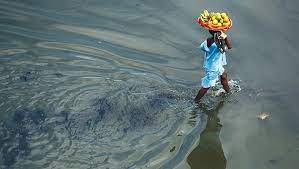





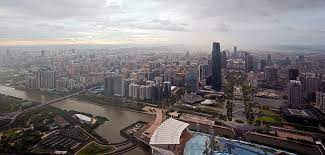



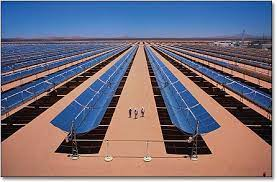




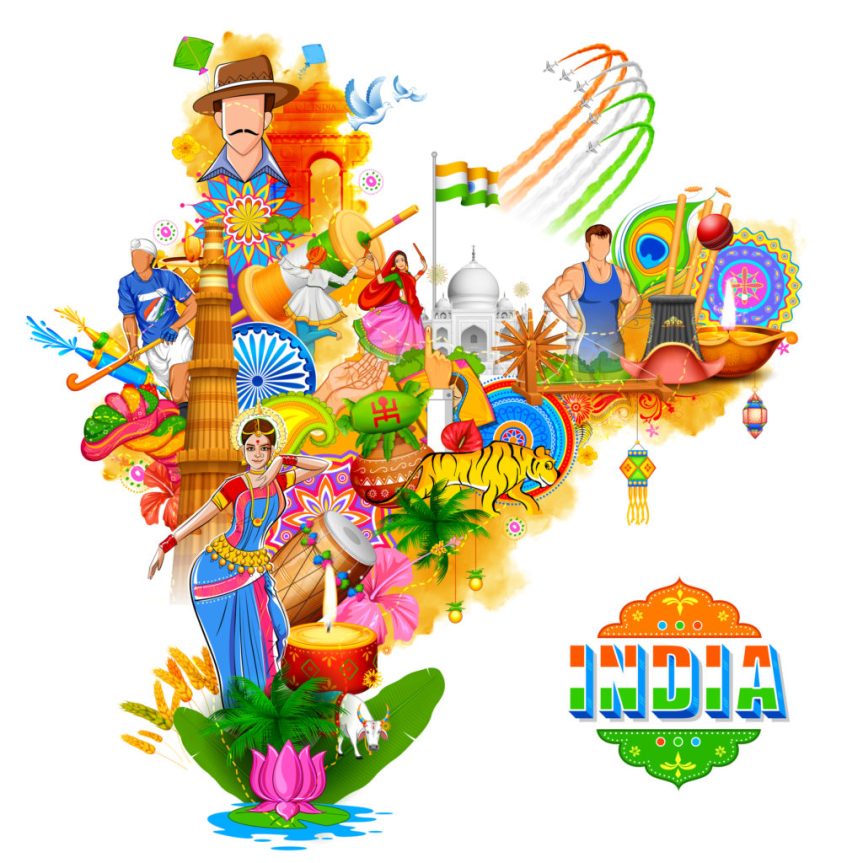
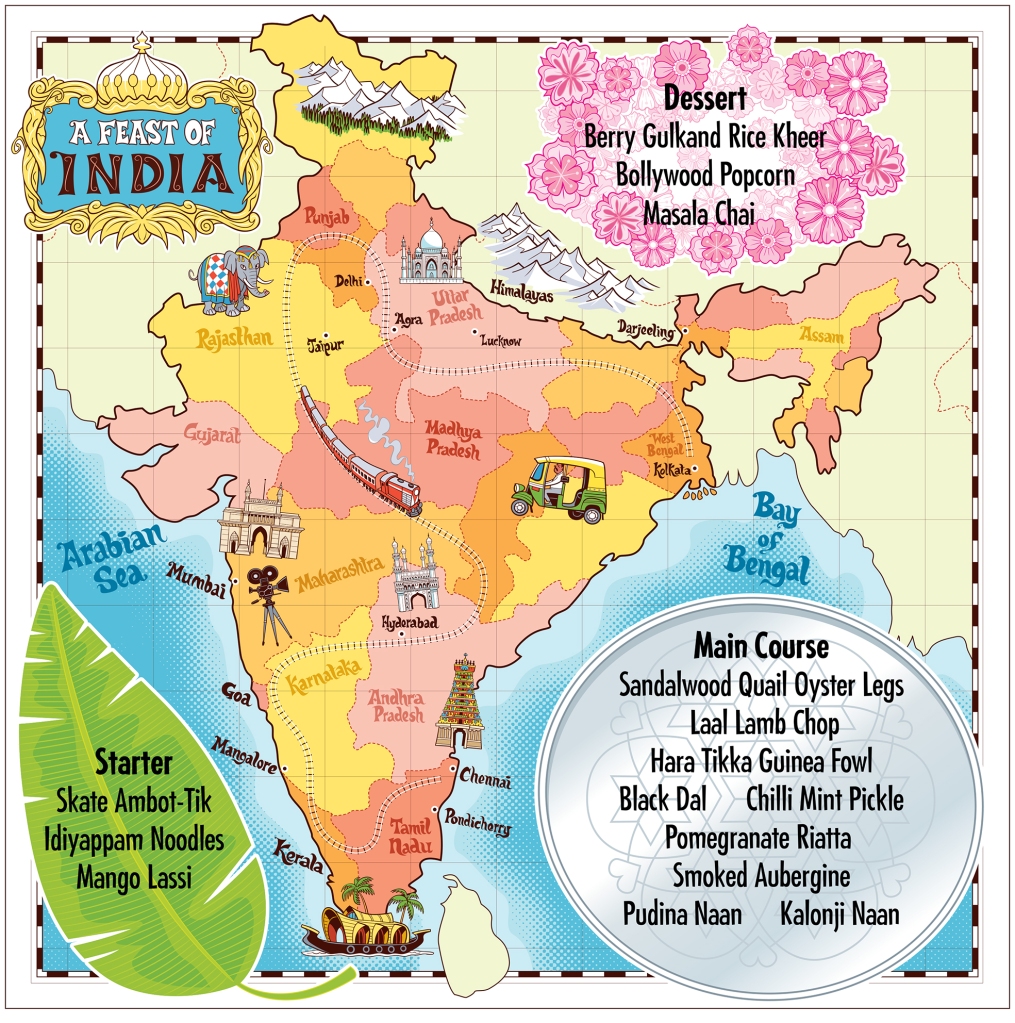
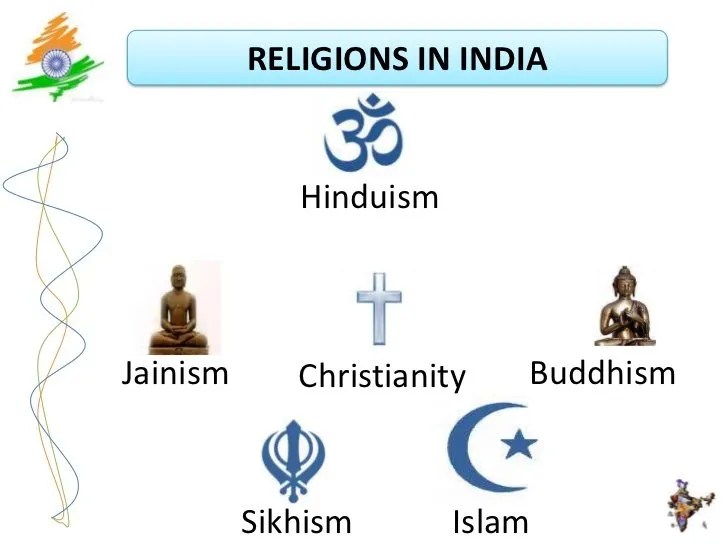
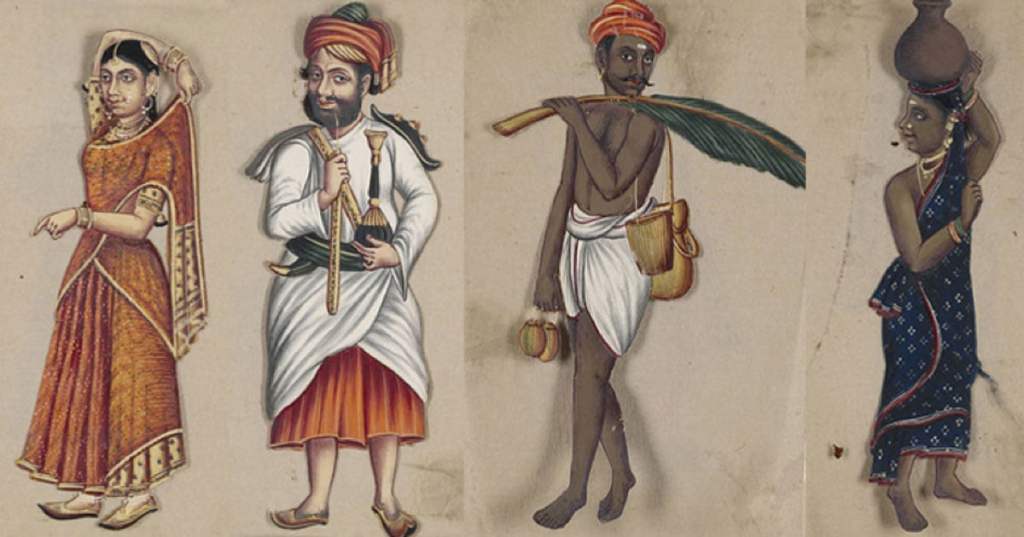
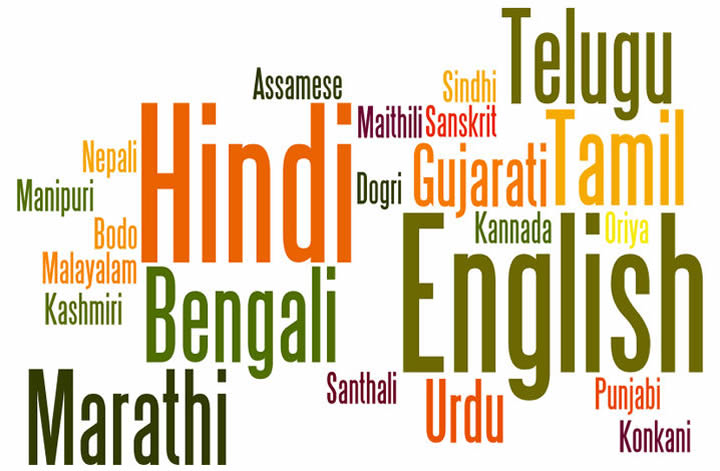
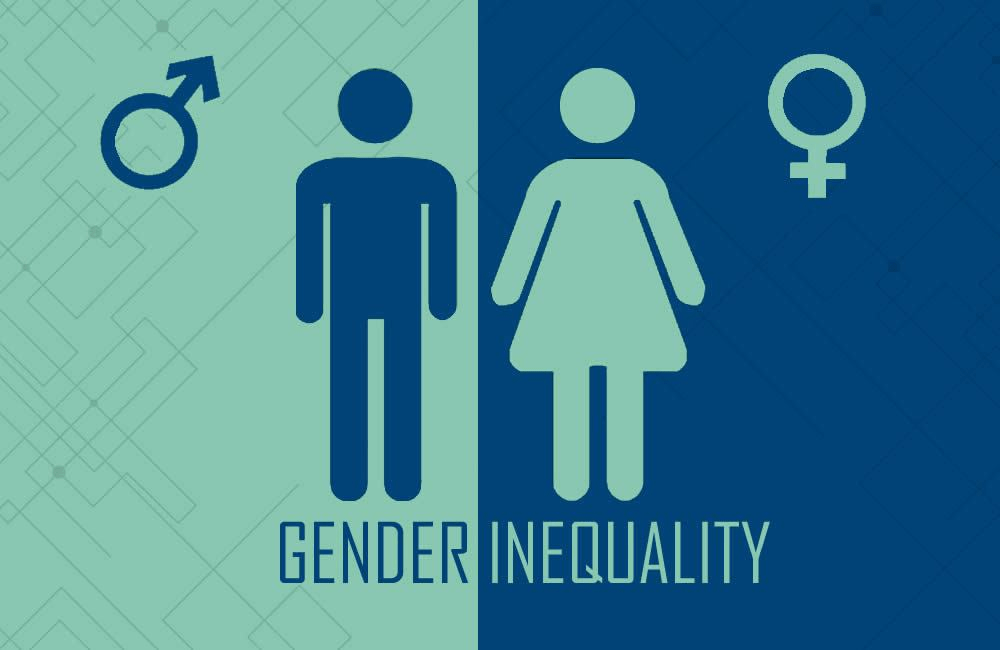

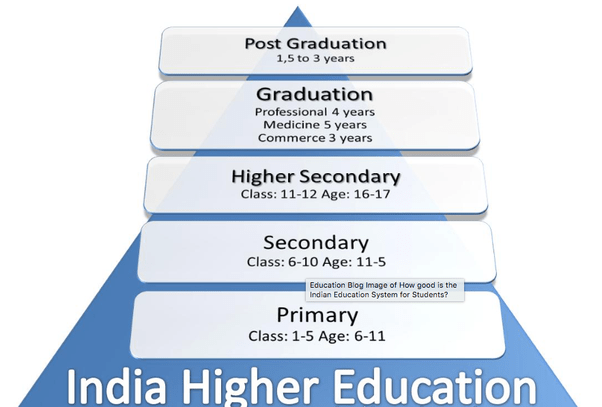
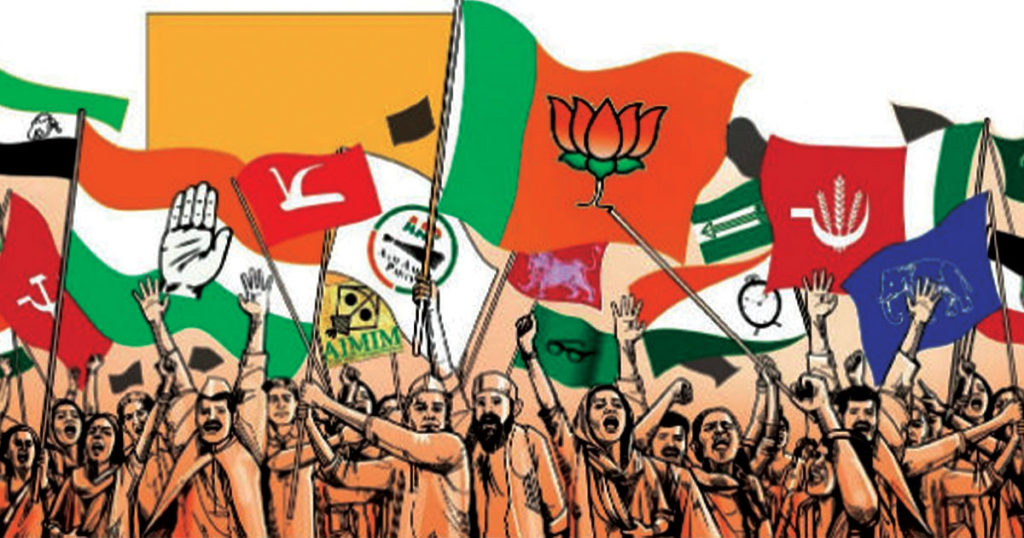
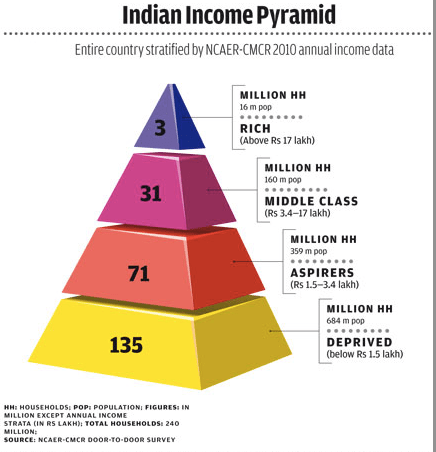






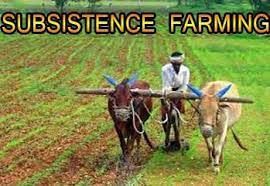













 Track2Training
You must be logged in to post a comment.