In the modern decision-making landscape, where complexity and the need for nuanced choices abound, Multi-Criteria Decision Making (MCDM) emerges as a pivotal research technique. MCDM encompasses a range of methodologies and tools designed to evaluate, prioritize, and select options based on multiple conflicting criteria. This approach is invaluable across various domains, including business, engineering, environmental management, and public policy, where decisions are rarely black and white.
1. Criteria and Alternatives: At the heart of MCDM are two fundamental components: criteria and alternatives. Criteria represent the dimensions or attributes against which decisions are evaluated, while alternatives are the different options or courses of action available. For instance, in selecting a location for a new manufacturing plant, criteria might include cost, proximity to suppliers, environmental impact, and local labor availability.
2. Decision Matrix: A decision matrix is a common tool in MCDM, where alternatives are listed against criteria in a tabular format. Each cell in the matrix contains a value representing the performance of a particular alternative against a specific criterion. This matrix serves as the foundation for further analysis.
3. Weighting of Criteria: Different criteria often hold varying levels of importance in the decision-making process. Weighting involves assigning a relative importance to each criterion, typically through techniques like pairwise comparisons, direct rating, or the Analytic Hierarchy Process (AHP). These weights ensure that more critical criteria have a greater influence on the final decision.
Prominent MCDM Techniques
1. Analytic Hierarchy Process (AHP): Developed by Thomas L. Saaty in the 1970s, AHP is one of the most widely used MCDM techniques. It involves decomposing a decision problem into a hierarchy of sub-problems, comparing elements pairwise, and calculating weighted scores to rank alternatives. AHP is particularly useful for complex decisions requiring both qualitative and quantitative assessments.
2. Technique for Order Preference by Similarity to Ideal Solution (TOPSIS): TOPSIS is based on the concept that the chosen alternative should have the shortest geometric distance from the ideal solution and the farthest distance from the negative-ideal solution. It involves normalizing the decision matrix, calculating the Euclidean distance for each alternative, and ranking them accordingly.
3. Preference Ranking Organization Method for Enrichment Evaluation (PROMETHEE): PROMETHEE is a family of outranking methods that evaluate alternatives based on preference functions. It helps decision-makers visualize the strengths and weaknesses of each alternative through graphical representations like the PROMETHEE I partial ranking and PROMETHEE II complete ranking.
4. Simple Additive Weighting (SAW): SAW, also known as the weighted sum method, is a straightforward technique where each alternative’s performance scores are multiplied by the respective criterion weights and summed up. The alternative with the highest total score is considered the best choice.
Applications of MCDM
1. Business and Management: MCDM techniques are extensively used in strategic planning, resource allocation, project selection, and performance evaluation. For instance, companies can employ AHP to prioritize projects based on criteria like cost, return on investment, and strategic alignment.
2. Engineering and Technology: In engineering, MCDM aids in material selection, design optimization, and risk assessment. Techniques like TOPSIS can help engineers select the best materials for a specific application by evaluating properties such as strength, weight, and cost.
3. Environmental Management: MCDM is crucial in environmental decision-making, where trade-offs between economic development and environmental sustainability must be carefully balanced. PROMETHEE and AHP are often used to assess the impacts of various policies and select the most sustainable options.
4. Public Policy: Governments and policy-makers use MCDM to address complex societal issues, such as urban planning, healthcare, and education. MCDM techniques facilitate transparent and rational decision-making by considering diverse stakeholder perspectives and conflicting objectives.
Challenges and Future Directions
Despite its widespread applicability, MCDM is not without challenges. Key issues include the subjectivity in criteria weighting, the complexity of certain methods, and the need for accurate and comprehensive data. Future research is likely to focus on integrating MCDM with artificial intelligence and machine learning to enhance decision support systems, improve robustness, and handle large datasets more efficiently.
Conclusion
Multi-Criteria Decision Making stands as a vital tool in the arsenal of modern decision-makers. By systematically evaluating alternatives against a set of diverse and often conflicting criteria, MCDM facilitates more informed, transparent, and rational choices. As complexity in decision-making continues to grow, the evolution and adoption of MCDM techniques will remain crucial in navigating the multifaceted challenges of the contemporary world.
References
Dehalwar, K., & Sharma, S. N. (2023). Fundamentals of Research Writing and Uses of Research Methodologies. Edupedia Publications Pvt Ltd.
Kumar, A., Sah, B., Singh, A. R., Deng, Y., He, X., Kumar, P., & Bansal, R. C. (2017). A review of multi criteria decision making (MCDM) towards sustainable renewable energy development. Renewable and sustainable energy reviews, 69, 596-609.
Massam, B. H. (1988). Multi-criteria decision making (MCDM) techniques in planning. Progress in planning, 30, 1-84.
Sharma, S. N., Dehalwar, K., & Singh, J. (2023). Cellular Automata Model for Smart Urban Growth Management.
Taherdoost, H., & Madanchian, M. (2023). Multi-criteria decision making (MCDM) methods and concepts. Encyclopedia, 3(1), 77-87.
Spatial temporal analysis is an innovative field at the intersection of geography and temporal data analysis, involving the study of how objects or phenomena are organized in space and time. The techniques employed in spatial temporal analysis are crucial for understanding complex patterns and dynamics that vary over both space and time. This field has grown significantly with the advent of big data and advanced computing technologies, leading to its application in diverse areas such as environmental science, urban planning, public health, and more. This article delves into the core techniques of spatial temporal analysis, highlighting their significance and practical applications.
This involves statistical techniques that deal with time series data, or data points indexed in time order. In spatial temporal analysis, time-series methods are adapted to analyze changes at specific locations over time, allowing for the prediction of future patterns based on historical data. Techniques such as autoregressive models (AR), moving averages (MA), and more complex models like ARIMA (Autoregressive Integrated Moving Average) are commonly used.
2. Geostatistical Analysis
Geostatistics involves the study and modeling of spatial continuity of geographical phenomena. A key technique in this category is Kriging, an advanced interpolation method that gives predictions for unmeasured locations based on the spatial correlation structures of observed data. Geostatistical models are particularly effective for environmental data like pollution levels and meteorological data.
3. Spatial Autocorrelation
This technique measures the degree to which a set of spatial data may be correlated to itself in space. Tools such as Moran’s I or Geary’s C provide measures of spatial autocorrelation and are essential in detecting patterns like clustering or dispersion, which are important in fields such as epidemiology and crime analysis.
4. Point Pattern Analysis
Point pattern analysis is used to analyze the spatial arrangement of points in a study area, which could represent events, features, or other phenomena. Techniques such as nearest neighbor analysis or Ripley’s K-function help in understanding the distributions and interactions of these points, which is useful in ecology to study the distribution of species or in urban studies for the distribution of features like public amenities.
5. Space-Time Clustering
This technique identifies clusters or hot spots that appear in both space and time, providing insights into how they develop and evolve. Space-time clustering is crucial in public health for tracking disease outbreaks and in law enforcement for identifying crime hot spots. Tools like the Space-Time Scan Statistic are commonly used for this purpose.
6. Remote Sensing and Movement Data Analysis
Modern spatial temporal analysis often incorporates remote sensing data from satellites, drones, or other aircraft, which provide rich datasets over large geographic areas and time periods. Techniques to analyze this data include change detection algorithms, which can track changes in land use, vegetation, water bodies, and more over time. Movement data analysis, including the tracking of animals or human mobility patterns, utilizes similar techniques to understand and predict movement behaviors.
Applications of Spatial Temporal Analysis
Environmental Monitoring: Understanding changes in climate variables, deforestation, or pollution spread.
Urban Planning: Analyzing traffic patterns, urban growth, and resource allocation.
Public Health: Tracking disease spread, determining the effectiveness of interventions, and planning healthcare resources.
Disaster Management: Monitoring changes in real-time during natural disasters like floods or hurricanes to inform emergency response and recovery efforts.
Agriculture: Optimizing crop rotation, irrigation scheduling, and pest management through the analysis of temporal changes in crop health and environmental conditions.
Conclusion
Spatial temporal analysis provides a robust framework for making sense of complex data that varies across both space and time. As technology evolves and data availability increases, the techniques and applications of this analysis continue to expand, offering profound insights across multiple domains. Whether through improving city planning, enhancing disease surveillance, or monitoring environmental changes, spatial temporal analysis is a pivotal tool in data-driven decision-making processes. As we move forward, the integration of more sophisticated machine learning models and real-time data streams will likely enhance the depth and breadth of spatial temporal analyses even further, opening new frontiers for research and application.
References
Aubry, N., Guyonnet, R., & Lima, R. (1991). Spatiotemporal analysis of complex signals: theory and applications. Journal of Statistical Physics, 64, 683-739.
Briz-Redón, Á., & Serrano-Aroca, Á. (2020). A spatio-temporal analysis for exploring the effect of temperature on COVID-19 early evolution in Spain. Science of the total environment, 728, 138811.
Cornilleau-Wehrlin, N., Chauveau, P., Louis, S., Meyer, A., Nappa, J. M., Perraut, S., … & STAFF Investigator Team. (1997). The Cluster spatio-temporal analysis of field fluctuations (STAFF) experiment. The Cluster and Phoenix Missions, 107-136.
Dehalwar, K., & Sharma, S. N. (2023). Fundamentals of Research Writing and Uses of Research Methodologies. Edupedia Publications Pvt Ltd.
Gudmundsson, J., & Horton, M. (2017). Spatio-temporal analysis of team sports. ACM Computing Surveys (CSUR), 50(2), 1-34.
Peuquet, D. J., & Duan, N. (1995). An event-based spatiotemporal data model (ESTDM) for temporal analysis of geographical data. International journal of geographical information systems, 9(1), 7-24.
Patel, R. S., Taneja, S., Singh, J., & Sharma, S. N. (2024). Modelling of Surface Runoff using SWMM and GIS for Efficient Storm Water Management. CURRENT SCIENCE, 126(4), 463.
Sharma, S. N., Dehalwar, K., & Singh, J. (2023). Cellular Automata Model for Smart Urban Growth Management.
Sharma, S. N. (2019). Review of most used urban growth models. International Journal of Advanced Research in Engineering and Technology (IJARET), 10(3), 397-405.
Sharma, S. N. (2023). Understanding Citations: A Crucial Element of Academic Writing.
Sharma, S. N. Leveraging GIS for Enhanced Planning Education.
Design, whether in the realms of art, graphic design, architecture, or any other creative field, relies on a set of fundamental components that form the basis of visual aesthetics and functionality. These components are categorized into two main groups: the Elements of Design and the Principles of Design. Understanding and mastering these elements and principles is crucial for creating compelling and effective designs.
Elements of Design:
Line: Lines are the basic building blocks of design. They can be straight or curved, vertical or horizontal, thick or thin. Lines guide the viewer’s eye and can convey a sense of movement, stability, or dynamism.
Shape: Shapes are two-dimensional and can be geometric (circles, squares) or organic (natural shapes). They contribute to the overall structure and balance of a design.
Form: Unlike shapes, forms are three-dimensional and have depth. They add a sense of volume and solidity to a design. Think of a cube or a sphere as examples of form.
Color: Color is a powerful visual element that evokes emotions and sets the tone of a design. It involves the use of hues, shades, and tints. Colors can create contrast, harmony, or emphasis within a composition.
Texture: Texture adds a tactile quality to a design. It can be perceived visually or through touch. Texture enhances the overall visual experience and can be smooth, rough, glossy, or matte.
Space: Space refers to the area within, around, or between elements in a design. It plays a crucial role in determining the overall composition and balance. Effective use of positive and negative space is essential for a harmonious design.
Typography: In graphic design, typography involves the arrangement and selection of fonts and typefaces. It contributes to the readability and visual appeal of text in a design.
Principles of Design:
Balance: Balance is the distribution of visual weight in a design. It can be symmetrical, where elements are evenly distributed, or asymmetrical, where balance is achieved through contrast.
Contrast: Contrast involves the juxtaposition of elements to create visual interest and emphasize certain aspects of a design. It can be achieved through variations in color, size, shape, or other visual elements.
Emphasis: Emphasis directs the viewer’s attention to a focal point in a design. It can be achieved through color, contrast, size, or placement of elements.
Unity: Unity brings a sense of cohesion and completeness to a design. It ensures that all elements work together harmoniously to convey a unified message or concept.
Movement: Movement creates a sense of flow and direction in a design, guiding the viewer’s eye through the composition. It can be achieved through the arrangement of elements or the use of lines and shapes.
Rhythm: Rhythm is the repetition or alternation of elements in a design. It creates a sense of visual tempo and can be regular, flowing, or progressive.
Proportion: Proportion involves the relationship between the sizes of different elements in a design. It ensures that elements are appropriately sized in relation to each other, contributing to a balanced composition.
Understanding how to effectively utilize these elements and principles allows designers to communicate ideas, evoke emotions, and create visually appealing and functional compositions. Whether in the digital realm, on canvas, or in architectural structures, the elements and principles of design serve as the foundation for creative expression and aesthetic excellence.
References
Dehalwar, Kavita, and Shashikant Nishant Sharma. “Fundamentals of Research Writing and Uses of Research Methodologies.” (2023).
Farrell, Alex, Stacy D. VanDeveer, and Jill Jäger. “Environmental assessments: four under-appreciated elements of design.” Global Environmental Change 11.4 (2001): 311-333.
Fu, Katherine K., Maria C. Yang, and Kristin L. Wood. “Design principles: The foundation of design.” International design engineering technical conferences and computers and information in engineering conference. Vol. 57175. American Society of Mechanical Engineers, 2015.
Martin, Robert C. “Design principles and design patterns.” Object Mentor 1.34 (2000): 597.
Sharma, Shashikant Nishant. “Urban forms in planning and design.” International Journal of Research 1.1 (2014): 7-16.
Sharma, Shashikant Nishant. “Review of most used urban growth models.” International Journal of Advanced Research in Engineering and Technology (IJARET) 10.3 (2019): 397-405.
Watts, Ronald D. “The elements of design.” The design method (1966): 85-95.
The Multi-State Cooperative Societies (MSCS) (Amendment) Act& Rules, 2023 have been notified on 03.08.2023 and 04.08.2023, respectively to strengthen governance, enhance transparency, increase accountability and reform electoral process, etc.in the Multi State Cooperative Societies by supplementing existing legislation and incorporating the provisions of Ninety-seventh Constitutional Amendment.
To increase the representation of Scheduled Castes/Tribes in the boards of Multi-State Co-operative societies, to make the board more professional and to increase participation of board members in board meetings, following provisions have been introduced via above amendment, inter-alia: –
Provisions for reservation of two seats for women and one seat for SC or ST in the Board of multi-State cooperative societies have been made.
To ensure timely, regular and transparent conduct of elections in the multi-State cooperative societies, provision of Cooperative Election Authority has been included.
To increase professionalism in the Board of multi-State cooperative societies, provision of Co-option of such directors who have experience in the field of banking, management, co-operative management and finance or specialization in any field relating to the objects and activities undertaken by such multi-State cooperative societies have been introduced.
To increase participation of board members, quorum of 1/3rd of elected members, has been prescribed for board meetings.
Casual vacancies are to be filled by nomination up to 1/3rd of the board strength, if the term of office of the board is less than half of its original term. If casual vacancies in the same term exceed 1/3rd of number of elected directors, elections have to be conducted through Election Authority.
If Chairman of the society fails to direct the convening of the meeting within the quarter, it shall be convened by Chief Executive Officer (CEO) on the requisition of Vice-Chairperson or Vice President. In other cases, meeting to be convened by Chief Executive Officer (CEO) on requisition from at least 50 % of board members. This will ensure holding of meetings in regular manner and on demand.
Additional grounds for disqualification for directors have been made to improve governance, for better recovery of dues and to ensure that such acts of omission or commission or fraud are not repeated elsewhere.
To curb nepotism and favoritism in multi-State co-operative societies, the Director of a multi-State cooperative society shall not be present in the discussion and vote on matters where he or his relatives are an interested party.
For strengthening governance, criteria for appointment of Chief Executive Officer (CEO) are stipulated.
When you least expect it, Nature has cunning ways of findings our weakest spot. Just remember: I’m here. Right now you may not want to feel anything; may you never want to feel anything. And maybe it’s not me that you will want to speak about these things but, Feel something you did. Look… You had a beautiful friendship, maybe more than a friendship, and envy you. In my place, most guardians would hope the…..
Cybercrime is any criminal activity that involves a computer, networked device, or network. cybercrimes are carried out to generate profit for the cybercriminals, some cybercrimes are carried out against computers or devices directly to damage or disable them. Others use computers or networks to spread malware, illegal information, images, or other materials. Some cybercrimes do both — i.e., target computers to infect them with a computer virus, which is then spread to other machines and, sometimes, entire networks. A primary effect of cybercrime is financial. Cybercrime can include many types of profit-driven criminal activity, including ransomware attacks, email and internet fraud, identity fraud, and attempts to steal financial accounts, credit cards, or other payment card information. Cybercriminals may target an individual’s private information or corporate data for theft and resale. As many workers settle into remote work routines due to the pandemic, cybercrimes are expected to grow in frequency in 2021, making it especially important to back up the data.
The U.S. Department of Justice (DDJ) divides cybercrime into three categories :
1. Crimes in which the computing device is the target
2. Crimes in which the computer is used as a weapon
3. Crimes in which the computer is used as an accessory to a crime
Cybercriminal activity may be carried out by individuals or groups with relatively little technical skill, or by highly organized global criminal groups that may include skilled developers and others with relevant expertise. Cybercriminals often choose to operate in countries with weak or non-existent cybercrime laws to further reduce the chances of detection and prosecution.
Types of Cybercrime -:
1. Cyberextortion: A crime involving an attack or threat of an attack coupled with a demand for money to stop the attack.
2. Crypto-jacking: An attack that uses scripts to mine cryptocurrencies within browsers without the user’s consent.
3. Identity Theft: An attack that occurs when an individual accesses a computer to glean a user’s personal information, which they then use to steal that person’s identity or access their valuable accounts, such as banking and credit cards.
4. Credit card Fraud: An attack occurs when hackers infiltrate retailers’ systems to get their customers’ credit card and/or banking information.
5. Cyber espionage: A crime involving a cyber-criminal who hacks into systems or networks to gain access to confidential information held by a government or other organization.
6. Software-Piracy: An attack that involves the unlawful copying, distribution, and use of software programs with the intention of commercial or personal use.
7. Ransomware attacks are similar, but the malware acts by encrypting or shutting down victim systems until a ransom is paid.
8. Phishing: The most common type of cybercrime as reported to the U.S. Internet Crime Complaint Centre was phishing and similar fraud.
9. Website Spoofing & IOT Hacking.
Cybercrime & Its Impact on Society – : On an individual level, a cyber-attack can lead to a variety of consequences, ranging from theft of personal information to extortion of money or loss of valuable data, such as family photos. Society and systems depend on critical infrastructures, such as power plants, hospitals, and financial services companies. The protection of these and other organizations is essential for the maintenance of our society and support of the relations between countries and international organizations.
How to prevent Cyber Crime –:
Backup all data, system, and considerations: This enables data stored earlier to assist businesses in recovering from an unplanned event.
• Enforce concrete security and keep it up to date: Choose a firewall with features that protect against malicious hackers, malware, and viruses. This enables businesses to identify and respond to threats more quickly.
• Never give out personal information to a stranger: They can use the information to commit fraud.
• Check security settings to prevent cybercrime: A cyber firewall checks your network settings to see if anyone has logged into your computer.
• Using antivirus software: Using antivirus software helps to recognize any threat or malware before it infects the computer system. Never use cracked software as it may impose the serious risk of data loss or malware attack.
• When visiting unauthorized websites, keep your information secure: Using phishing websites, information can easily bypass the data.
• Use virtual private networks (VPNs): VPNs enable us to hide our IP addresses.
• Restriction on access to your most valuable data: Make a folder, if possible, so that no one can see confidential documents.
Introduction: One of the significant global threats to our health and food safety is air pollution. Air contamination kills around 3.7 million individuals all throughout the world and makes sufficient harm to crops. It is mainly caused by smoke and other harmful gases, fundamentally oxides of carbon, nitrogen, and furthermore sulphur. It is the presence of a substance in the environment that can make hurt human health and furthermore other living creatures on this planet. The sources for air pollution can be divided into two significant categories:
•Anthropogenic (human-made sources): are for the most part identified with the consumption of fuel. This may likewise incorporate little sources other than ignition like exhaust of paint, hair splash, and different solvents. Military assets, for example, atomic weapons additionally go under this kind of contamination.
•Natural sources: This might incorporate normal causes, for example, volcanic ejections and woodland fires likewise dust from huge spaces of land with little vegetation.
Ambient air pollution: An expected 4.2 million deaths each year are ascribed to ambient air pollution because of stroke, coronary illness, cellular breakdown in the lungs, and persistent respiratory infections. Around 91% of the total population lives in regions where air quality levels surpass WHO guidelines. While both developed and agricultural nations are influenced by fine particulate matter, low-and middle pay nations bear the biggest weight, with the best conceivable cost in the WHO West Pacific and South-East Asia regions. With investments in cleaner transportation, energy-proficient lodging, power generation, industry, and further developed municipal waste administration can altogether decrease ambient air pollution.
Household air pollution: Household air pollution is caused by the burning of household fuels, which causes indoor air contamination and adds to open air contamination. In 2016, 3.8 million deaths were reported because of indoor air pollution. Therefore, this risk factor is perhaps the main natural supporters of chronic weakness. The significance of household air pollution as a public health threat shifts extraordinarily relying upon the degree of advancement: in low-and centre pay nations, it is answerable for essentially 10% of death rates; around the world, it is liable for 7.7% of mortality.
● Contaminant emitting from power plants, refineries, and petrochemical plants, just as chemical and fertiliser industry, Industrial plants, lastly government incineration.
● Domestic cleaning exercises, cleaners, printing shops, and service stations are instances of indoor sources.
● Automobiles, vehicles, railroads, aviation routes, and different sorts of vehicles are instances of versatile sources.
● Finally, as mentioned earlier, normal sources incorporate actual fiascos like forest fires, volcanic erosion, dust storms, and agricultural burning.
Environment and health impacts of air pollution: Various contaminations are significant supporters of human sickness. Particulate Matter, particles with shifting yet tiny measurements, enter the respiratory system through breathing causing cardiovascular and respiratory diseases, fertility and central nervous system dysfunction, and cancer. Despite the fact that ozone protects against ultraviolet radiation, it is unsafe at ground level, influencing the respiratory and cardiovascular systems.
Air pollution: A development issue
Effects on the economic development: In 2015, WHO estimated that the financial expense of unexpected passing and disability from air contamination in Europe is near USD 1.6 trillion. Air contamination influences the economy from various perspectives. It reduces individuals’ capacity to work and kills trillions of individuals consistently. Besides, it obliterates government properties like monuments which will influence the economy by decreasing the tourist destinations.
Effects on food Production: Food creation contributes recognizably to air contamination and the other way around. Air contamination impacts the dirt and lessens its capacity to the creation of good yields and as trade in agricultural products grows it increases the air contamination discharged from producer nations. This outcomes in an irregularity causing expanding pollution emission from producer countries rather than importing countries.
Measures are taken to eradicate air pollution:
By the government:
● Action Plans for Improvement of Air Quality: Under the central sector of control of pollution, (NCAP) ‘national clean air program’ was launched to address the country’s increasing air pollution problem.
● The government even informed a detailed action plan in the year 2018 for the prevention and control of air pollution in Delhi and the national capital region.
● In 2018, a graded response action plan was notified for again the prevention, control, and eradication of pollution in the national capital region. Which was divided into 4 main categories: moderate to poor, very poor, severe, and emergency.
To spread awareness:
● The SAMEER app, which provides public access to air quality information as well as the ability to file complaints about air pollution-causing activities, has been launched.
● The government also encourages people to spread awareness among the people and grow more trees, save water, electricity, maintenance vehicle for less smoke emission.
● Since 2019, central pollution control board teams have been placed to provide field feedback in Delhi and the national capital region.
How can we reduce air pollution?
● Conservation of energy.
● Look for the ‘energy star’ label while buying products.
● Using public transportation and carpooling can also help.
● Avoid using hair spray and other solvents.
● Avoid using an air conditioner.
● Recycle and reuse.
● Afforestation.
● Environment safe paints should be used more often.
● Mulch or compost leaves and yard waste do not burn it.
The Vidarbha region of Maharashtra primarily consists of four major cities. Nagpur being the largest has a huge rural population which is deprived of stable sources of income and is riddled with social problems including alcoholism. The primary contributor to the alcoholism problem is the male population. Inadvertently, the women of the household have to take up the responsibility of earning the bread. In regions lacking educational infrastructure, women have to not only overcome sexism, misogyny and toxic masculinity to earn, but they also have to battle the unavailability of jobs and the unwillingness of employers to employ women just to keep the food on the table. Out of the 48 lakh unemployed people in Maharashtra, the Vidarbha region contributes 6 lakh of them. Although an older report, according to the 2013-14 Report on District Level Estimates for the state of Maharashtra, Nagpur reported 27% unemployment in urban areas and a staggering 55.3% in rural areas. As mentioned earlier, this was a relatively old statistic. However, going through the Covid-19 pandemic hasn’t done any good in the rural employment sector.
Taking the dire unemployment situation into consideration as well as considering the rising issue of alcoholism amongst the general male population in the region, it has also given rise to domestic violence, marital rape and sexual assault under influence. The Covid-19 pandemic and the Lockdown made this situation a lot worse as unemployment was peaking and the availability of alcoholic beverages was very low. Upon gathering statistics from an NGO called Aroha working for the development of rural women, it was found that domestic violence cases simply multiplied by 2.3 times during the first lockdown (March – July 2020). This is an extremely dire situation and it is continually worsening with the increase in economic disparity and water shortages reaching an all-time high. This is the time when the need to empower women to gain financial stability and independence is the most. The NGO Aroha has taken this as their mission and has been working towards training women in making handicraft items and selling them on an international market through powerful marketing and product development via their brand Rangers.
Rangers is a traditional eco-friendly, high-quality handicrafts store based in Nagpur which sells purses, handbags, lamp shades etc which are made by women from rural areas and all the profit is evenly divided between all women involved, contributing to their financial independence.
Aroha starts by enrolling women who are in dire need of financial assistance. They start by providing them with training in handcrafting, Warli art, stitching, embroidery and block printing. Then, once the women graduate with enough skills, they’re hired by Rangaresha which provides them with employment, stable income as well as incentives for them to work. Aroha is financially supported by Larsen & Toubro Ltd. Since 2004, Aroha steadfastly remained focused on the promotion of livelihoods, capacity-building initiatives and extending training support as well as surfacing as a resource agency for all of the above for the benefit of other allied agencies. With time self-help group formation activities were also undertaken. In the past 17 years, Aroha has helped 1739 women overcome poverty and has made them
capable of standing up for themselves and fighting back against years of oppression. Although the actual statistical data about profits and actual gross income from handicrafts remains unknown and the organisation didn’t provide that information, it is undeniable that the organisation and their vision had been successful in their initiative and continue to empower women to date.
This report is an excerpt of an interview project that i completed for one of my practical classes. I had to interview people working in NGO working for marital rapes analyze the interview.In this project i’ve interviewed Dr. Chitra Awasthi, the founder of RIT foundation that in collaboration with many NGOs to promote gender equality in India.
NATURE OF REPORT
In order to gain insight on the prevalence of marital rape in India and to promote gender and social equality in the country, the students of Mass communication and journalism were instructed to interview an NFPO (RIT Foundation) within the field of awareness through Media
There were no stipulations about the medium used or the questions to be asked. Students were permitted to select their own respondent owing to their comfort as well as good knowledge of the field. The report is directed to citizens of the country and people across nations. The report aims to start a conversation on this topic, to give women under martial rape the courage to raise their voice and to pressurize the law-makers to criminalize such acts.
MARITAL RAPE
The act of sexual intercourse with one’s spouse without the consent of the partner is known as marital rape. Whether the perpetrator is a stranger or a spouse, it is one of the most horrific acts a man can conduct against a woman. Though marital rape is the most common and repugnant form of masochism in Indian society, it is hidden behind the iron curtain of marriage. 83% of married women i.e. nearly one in every 3 women have been subjected to physical, sexual and emotional violence from their spouse. Almost 31% of married women between the ages 15 and 49 have suffered from sexual abuse cite their current husband as the perpetrator.
Any undesired sexual actions by a spouse or ex-spouse conducted without consent and/or against a person’s will, achieved by force, threat of force, intimidation, or when a person is unable to consent, are classified as marital rape. Intercourse, anal or oral sex, forced sexual conduct with other people, and other sexual practices that the victim finds degrading, humiliating, painful, or unwelcome are examples of these sexual actions.
Rape is a crime that occurs when a woman refuses to provide her consent. It’s crucial to remember that lack of consent doesn’t always have to take the form of the word ‘no.’ It’s reasonable to assume given the circumstances. If a woman consents to sexual intercourse within a marriage because of the threat of harm to her children or herself, the woman loses her right to stay in the house or get maintenance, it is not valid consent. It is still rape.
THE CURRENT SITUATION AND STATISTICS
140 of the world’s 195 countries have already made marital rape a criminal offence. The United States, the United Kingdom, Germany, France, Australia, and Russia are among the countries on the list.
However, 55 countries, including India, China, and Singapore, are countries where it is still OK to rape your wife.
The concept of marital rape has not been recognized until today. We’ve been lobbying for a law to make it a crime, but first we need to gather statistics on rape in marriage.
And according to the latest National Health and Family Survey (NFHS-4) for 2015-16, 5.4% women have experienced marital rape, under this category. But while the data on marital rape in India exists, marital rape as a crime “does not exist”.
And yet 5.4% of married Indian women say they have experienced marital rape. 4.4% of them say they have experienced marital rape in just the last 12 months before this survey. The figure recorded by NFHS-3 for 2005-6 was 9.5%.
But while the data on marital rape in India exists, marital rape as a crime “does not exist”.
The data also includes entries for “forced her to perform any sexual actions that she did not want to” and “forced her to perform any sexual acts that she did not want to with threats or in any other way.” Overall, 2.5% and 3.6% of married Indian women answered affirmatively to these categories as well. That brings the number of married women who have been subjected to what would be called rape or sexual violence if the perpetrator had not been their husband to 11.5 percent.
Despite the historical misconception that rape by one’s partner is a minor occurrence that causes little damage, research shows that marital rape has serious and long-term implications for women. Injuries to private organs, lacerations, discomfort, bruising, torn muscles, tiredness, and vomiting are some of the physical repercussions of marital rape. In addition to broken bones, black eyes, bloody noses, and knife wounds, women who have been assaulted and raped by their husbands may experience other physical consequences such as broken bones, black eyes, bloody noses, and knife wounds as a result of the sexual violence. Miscarriages, stillbirths, bladder infections, infertility, and the risk of contracting sexually transmitted diseases like HIV are all gynecological repercussions of marital rape.
Women who have been raped by their partners are likely to experience significant psychological repercussions. Anxiety, shock, acute dread, despair, suicidal ideation, and post-traumatic stress disorder are some of the short-term symptoms of marital rape. Disordered eating, sleep issues, depression, difficulties forming trusting relationships, and increased negative thoughts about themselves are all common long-term impacts. The psychological consequences are likely to linger for a long time. For years after the abuse, some marital rape survivors describe flashbacks, sexual dysfunction, and emotional pain.
OTHER COUNTRIES’ LEGAL STATUS
In the United States, experts estimate that 10% to 14% of married women are raped throughout their marriage. Researchers discovered that marital rape accounted for almost 25% of all rapes when they looked at the frequency of different types of rape. Given the popularity of marital rape, social scientists, practitioners, the criminal justice system, and society as a whole have paid little attention to the issue. In fact, it wasn’t until the 1970s that society began to recognize the possibility of rape in marriage. Until recently, the usual rule was that a husband could not be convicted of raping his wife because he has an implicit right to sexual intercourse with his wife under the marital contract.
Resistance restrictions are still in place in the majority of American states. There are no exemptions for husbands from rape prosecution in seventeen states and the District of Columbia. There are still certain exemptions for husbands from rape prosecution in thirty-three states. In several of these thirty-three states, a husband is excused from prosecution when his wife is most vulnerable (e.g., she is mentally or physically disabled, unconscious, asleep, etc.) and legally unable to consent. The majority of States have certain spousal exemptions, indicating that rape in marriage is still considered a lesser offence than other types of rape.
When we look at the laws of various countries, we can find that most of them punish rape both within and outside of marriage.
In Australia, for example, if a person has achieved the age of 16, he or she can petition to a judge or magistrate for an order permitting them to marry.
By 1991, however, the marital rape exception had been repealed in every state in Australia.
In New Zealand, a person under the age of 20 but over the age of 16 can only marry with the approval of their parents. For women, the age of sexual consent is similarly 16 years. The New Zealand Crimes Act of 1961 makes no provision for marital rape. In 1985, the marital rape exemption was repealed. In the United Kingdom, a marriage between two people under the age of 16 is void. In 1991, the marital rape exemption was completely repealed.
A marriage between two people under the age of 16 is void in the United Kingdom. In 1991, the marital rape exemption was completely repealed. In Egypt, the age of majority is 21 years old for all legal reasons except marriage. The legal age for consent is 18, and intercourse with a female under the age of 18 is considered rape under the penal code.
Various states in the United States have different laws. In the United States, the marital rape exception has been repealed in 50 states. In Indonesia, the age of majority, as well as the age at which girls and boys can marry, is 16 for girls and 19 for boys. A girl’s legal age for giving valid consent to a sexual act is also established at 16 years. Any marriage that occurs before the age of majority is null and invalid.
LEGAL POSITION IN INDIA
In India, marital rape is legal but not de facto. While in other nations, the legislative has either criminalized marital rape or the judiciary has actively participated in recognizing it as a crime, the judiciary in India appears to be working at cross-purposes. The Supreme Court ruled in Bodhisattwa Gautam v. Subhra Chakraborty that rape is a crime against basic human rights and a breach of the victim’s most prized fundamental right, the right to life, which is contained in Article 21 of the Constitution. However, it contradicts this declaration by failing to recognize marital rape. Though there have been some advancements in Indian domestic violence legislation, they have mostly been limited to physical rather than sexual abuse.
This established the notion that a woman does not have the right to refuse sex with her spouse once they are married. This gives husbands sexual access to their spouses, which is in clear violation of human rights principles and gives husbands permission to rape their women. The rape legislation only applies to two types of married women: those under the age of 15 and those who are separated from their spouses. While rape of a girl under the age of 12 may result in a sentence of ten years or more in jail, rape of a girl under the age of 15 results in a lower punishment if the rapist is married to the victim. When Section 376-A of the Indian Penal Code, 1860, was added in 1983, it made some headway toward criminalizing domestic abuse against the wife.
The Law Commission’s proposed definition of sexual assault, which is wide, complete, and acceptable, could be used in place of the existing term of rape in Section 375 IPC, according to the report. The Task Force, like the Law Commission, stopped short of suggesting that marital rape be included in the new definition. Currently, India’s legal framework is severely inadequate in terms of safeguarding women’s bodily integrity and sexual autonomy.
ABOUT THE FOUNDATION
The RIT Foundation is a non-profit organizationcreated in 2009 by Dr. Chitra Awasthi, an educationist, writer, and philanthropist. The RIT Foundation is collaborating with a number of non-governmental organizations in India to promote social and gender equality.
In 2015, they filed a petition – RIT Foundation v. Union of India writ petition c no. 284 of 2015 seeking to criminalize marital rape. It will be coming up before the Delhi High Court for final hearing early next year.
“The first step to breaking the silence is having the tool to validate,” Chitra Awasthi says. The last refuge of male dominance is the control of women’s sexuality and bodies. It will take time to smash it. However, as a society, we must begin a dialogue and put pressure on lawmakers to act.”
Respondent’s Background
Dr. Chitra Awasthi is the president and founder of RIT Foundation. She has been working as an educationist with children and young adults for the past 36 years now. She is well-known in academics for her psychological insights and comprehensive understanding of holistic living solutions. With a postgraduate degree, a university topper, in sociology from Kanpur University, she has authored a wide range of books on sociology and allied subjects. Her major interest, however, has always been in religion and spiritualism. She has translated, edited, and produced secret treasures from English, Sanskrit, and Hindi, and she is an eager student of spiritual literature in the Indian tradition. Rit International is her first foray into the corporate world. She does, however, wish to help share the same knowledge to children who are less privileged, so that they can benefit from high-quality education and knowledge.
Cricket has shifted completely in the last 10 years. T20 cricket gives the game such a high economic drive that every other format lives in the shadow of it. With that said, people have constantly raised their voices and have made efforts to keep test cricket alive. We’ve seen some great test matches in the last 3 years. One of the biggest problems the game faces right now is scheduling. There’s so much cricket being played all over the world. The majority of it is franchise cricket. Franchise cricket brings the majority of the money to the game and every player wants to be a part of it because of how economically convenient it is. Now, these tournaments take a big window out of the calendar. That leaves very little time for international bilateral series.
South Africa cancelled the one-day international tour to Australia to make sure that all top South African Players are available for CSA’s newly announced T20 franchise league. It seems clear which way the game is heading. Although, we cannot solely blame CSA for choosing franchise cricket over international cricket. If they didn’t make that decision, they could’ve almost been on the verge of being broke. They require investment to kick off their new league and that could’ve only been possible if the investors were sure that the international South African players will be available for the league from the start. Opting out from the Australia series means South Africa might not qualify for the world cup directly and will have to go to the qualifiers first. That’d indeed be something to keep an eye on.
One great issue is the imbalance in international cricket. There are only 3 cricket boards that can sustain their cricket on their own. India, Australia and England. Everyone else is dependent on each other. For example- if India tours West Indies for a test series, West Indies will make so much money that they won’t have to play cricket for the whole year because of how bad their economic situation is. Boards other than the strong 3 find it difficult to ask their players to play for their country rather than their franchises because they cannot offer the kind of money these Franchises do.
Credits- wikipedia
Cricket has reached a tipping point now. With more games being played than ever before. Players retire from a particular format because they cannot see a way to play all formats and sustain. Franchise cricket taking a huge chunk of time out of the calendar. All these things have made a lot of administrators reach to a conclusion. They’ve planned to reduce the number of bilateral series. Especially ODIs. The future for ODI looks rather bleak. Test cricket is not going anywhere and the same goes for the Revolutionary T20 form. ODI format finds itself in a tough position because it seems irrelevant in today’s age. The quality of cricket is not the same anymore. It feels like an extended version of T20 cricket. The most prominent ODIs that we’ll see in the future will be the World Cup. Cricket has truly changed.
Psychology has become a very important and popular subject today. It deals with many problems of everyday life. Psychology helps us to understand the behaviour of people around us, to find out why they behave differently and what forces are responsible to make them so different from others.It tries to explain wide array of factors involved in what we human beings do. The principles explained by psychology give us a rational basis of understanding of what we and others do. Psychology has been defined in many ways. In ancient days people were analysing the behavioural aspects on the basis of philosophy. They believed that there is a soul in every individual and this is responsible for all our activities. This view led to the opinion that the subject matter of psychology must be the study of soul. But this definition could not answer the questions regarding the existence of soul and its accessibility for study. This condition led to a new definition by Greek philosophers who defined psychology as a ‘science of mind’. But this definition was also rejected on the same grounds as soul was rejected.
Gradually, as a result of the development of scientific outlook people started thinking on scientific basis and began to define psychology as a science of behaviour. Finally, it is JB Watson (1913) defined psychology as a science of behaviour of human as well as animal beings.Today this is the most accepted definition. In this definition the term behaviour includes the cognitive activities like thinking, reasoning, intelligence, imagining, memory, etc., co-native activities like walking, dancing, fighting, attacking and other action tendencies and also the affective activities like feeling, joy, happiness, sympathy, anger, jealousy, etc. in a person. This definition also includes the behaviour not only of human beings and animals, but also all living organisms and their mental processes.
Psychologists do experiments and make observations which others can repeat; they obtain data often in the form of quantitative measurements which others can verify. Like any other positive science psychology is also systematic in its approach. Measurement in psychology is often more difficult of course, than it is in other sciences.However, psychologists have devised many ingenious tests to assign numbers to data. Psychology is following all the principles of science like principles of behaviour,objective experimentation, analysis of data and behaviour, formulation of hypothesis, verification and generalization, etc.As a result of such a scientific approach many theories have been developed to explain the behaviour. Psychology believes in cause and effect relationship in behaviour. It is considered as a behavioural science as it deals with behaviour of the organism.
However, because of its objectivity in analysis of behaviour through experiments, it may be considered as a developing positive science of behaviour.
Psychology has a long past, but only a short history
The science and art of growing, producing, marketing, and utilizing high-value, intensively grown food, and ornamental plants in a sustainable manner is known as Horticulture.Annual and perennial plants, fruits and vegetables, decorative indoor plants, and landscape plants are all examples of horticulture crops.
Horticulture farming also aims to enhance the quality of life, as well as the beauty, sustainability, and recovery of our ecosystem and the human condition. Horticulture is divided into the cultivation of plants for food (pomology and olericulture) and plants for ornament (floriculture and landscape horticulture). Pomology deals with fruit and nut crops. Olericulture deals with herbaceous plants for the kitchen, including, for example, carrots (edible root), asparagus (edible stem), lettuce (edible leaf), cauliflower (edible flower buds), tomatoes (edible fruit), and peas (edible seed). Floriculture deals with the production of flowers and ornamental plants; generally, cut flowers, pot plants, and greenery. Landscape horticulture is a broad category that includes plants for the landscape, including lawn turf but particularly nursery crops such as shrubs, trees, and vines.
Temperate zones for horticulture cannot be defined exactly by lines of latitude or longitude but are usually regarded as including those areas where frost in winter occurs, even though rarely. Thus, most parts of Europe, North America, and northern Asia are included, though some parts of the United States, such as southern Florida, are considered subtropical. A few parts of the north coast of the Mediterranean and the Mediterranean islands are also subtropical. In the Southern Hemisphere, practically all of New Zealand, a few parts of Australia, and the southern part of South America have temperate climates. For horticultural purposes altitude is also a factor; the lower slopes of great mountain ranges, such as the Himalayas and the Andes, are included. Thus, the temperate zones are very wide and the range of plants that can be grown in them is enormous, probably greater than in either the subtropical or tropical zones. In the temperate zones are the great coniferous and deciduous forests: pine, spruce, fir, most of the cypresses, the deciduous oaks (but excluding many of the evergreen ones), ash, birch, and linden.
There is no sharp line of demarcation between the tropics and the subtropics. Just as many tropical plants can be cultivated in the subtropics, so also many subtropical and even temperate plants can be grown satisfactorily in the tropics. Elevation is a determining factor. For example, the scarlet runner bean, a common plant in temperate regions, grows, flowers, and develops pods normally on the high slopes of Mount Meru in Africa near the Equator, but it will not set pods in Hong Kong, a subtropical situation a little south of the Tropic of Cancer but at a low elevation.In addition to elevation, another determinant is the annual distribution of rainfall. Plants that grow and flower in the monsoon areas, as in India, will not succeed where the climate is uniformly wet, as in Bougainville in the Solomon Islands. Another factor is the length of day, the number of hours the Sun is above the horizon; some plants flower only if the day is long, but others make their growth during the long days and flower when the day is short. Certain strains of the cosmos plant are so sensitive to light that where the day is always about 12 hours, as near the Equator, they flower when only a few inches high; if grown near the Tropic of Cancer or the Tropic of Capricorn, they attain a height of several feet, if the seeds are sown in the spring, before flowering in the short days of autumn and winter. Poinsettia is a short-day plant that may be seen in flower in Singapore on any day of the year, while in Trinidad it is a blaze of glory only in late December.
The glory of gardening: hands in the dirt, head in the sun, heart with nature.
To nurture a garden is to feed not just on the body, but the soul.
Imagine waking up to see a day where you are denied using the cafeteria of the college or denied using the vending machine in the office because of your race or your caste, it would probably be the most horrible day of your life. To make sure that these things never happen to you, a lot of people fought and gave their lives to make sure that the future society is egalitarian. Fundamental rights ensure that you have the liberty to do what you want to do, how you want to do it and where you want to do it. You have the right to equality in a consumer market, in your workplace and in the social places you visit. You have the freedom of speech to voice your opinion wherever you feel it’s needed. Without fundamental rights, everything will be in a state of chaos
These are the basic rights that help the human being reach his maximum intellect and intelligence. Our rights ensure that we are governed by a law which respects our human rights. It ensures that the government stays well within their limits and cannot compromise the dignity of any human being whatsoever. We as human beings need a certain environment to achieve our intelligence and find ourselves. Fundamental Rights tries to ensure that we get that environment. The highlights of the preamble are justice, liberty, fraternity and republic. Your rights allow you to fight for your justice, it allows you to be liberal, it allows you to form your fraternity which makes you feel welcome and the republic ensures that the power is always within the people.
Credits- topper guide
Dr B R Ambedkar and a lot of other people saw a dream in which every Indian citizen should be equal before the law. When we look back at the colonial period, Our society was segregated into different parts because there was no sense of unity among people. This led to isolation from each other. This environment led us to disarray. To make sure a healthy relationship between the state and the people, fundamental rights play a huge part as it ensures freedom of speech which leads to better communication. Fundamental rights also ensure that society is always progressive because it promotes growth and stimulation. Our constitution is designed in such a way that it supports flexibility but that does not put our fundamental rights in threat in any way. It is the backbone of our country or any country.
For centuries people belonging to different religious communities have been living together in India without any friction or ill will. Major communities in India being the Hindus, the Muslims, the Sikhs, the Christians, the Parsees, the Jains, the Buddhists, etc.All these communities lived with each other in perfect toleration. It was only at the turn of the century that the British rulers in India followed policy of divide and rule and with that the gulf between various religious communities very considerably increased.The device of giving separate representation to each major community in elected bodies and civil services widened the gap, particularly among two major Indian communities, namely, the Hindus and the Muslims. When late Muhammed Ali Jinnah expounded his two nation theory, gap between these communities still more widened.The result of all this was that there was communal hatred. Before the partition of the country, there were communal riots in some parts of the country resulting in the killing of several hundred people and looting and burning property worth crores of rupees. Everything inhuman and unhuman was done in the name of religion.The country had to be partitioned because the Muslim League, under the leadership of M.A. Jinnah made it clear that the Muslims and the Hindus were two separate nations, which could not live together and partition of India was the only solution of communal and political problems of the country.
Communalism as a political philosophy has its roots in the religious and cultural diversity of India.It has been used as a political propaganda tool to create divide, differences and tensions between the communities on the basis of religious and ethnic identity leading to communal hatred and violence.In ancient Indian society, people of different faith coexisted peacefully.Buddha was perhaps the first Indian prophet who gave the concept of secularism.Meanwhile, Kings like Ashoka followed a policy of peace and religious tolerance.Medieval India witnessed the arrival of Islam in India marked by occasional occurrences of violence such as Mahmud Ghazni’s destruction of Hindu temples and Mahmud of Ghor’s attack on Hindus, Jains and Buddhists.While, religion was an important part of people’s lives but there was no communal ideology or communal politics.Rulers like Akbar and Sher Shah Suri followed the religious policy of toleration towards different cultures and tradition practiced across country.However, some sectarian rulers like Aurangzeb were among the least tolerant towards other religious practises. As a modern phenomenon it has arose as a result of British colonial impact and the response of Indian social strata.
There is need to reform in present criminal justice system, speedy trials and adequate compensation to the victims, may act as deterrent.Increase in representation of minority community and weaker sections in all wings of law-enforcement, training of forces in human rights, especially in the use of firearms in accordance with UN code of conduct.Codified guidelines for the administration, specialised training for the police force to handle communal riots and setting up special investigating and prosecuting agencies can help in damping major communal disgruntlement. Emphasis on value-oriented education with focus on the values of peace, non-violence, compassion, secularism and humanism as well as developing scientific temper (enshrined as a fundamental duty) and rationalism as core values in children both in schools and colleges/universities, can prove vital in preventing communal feelings.Government can adopt models followed by countries like Malaysia that has developed early-warning indicators to prevent racial clashes.The Malaysian Ethnic Relations Monitoring System (known by its acronym Mesra) that makes use of a quality of life index (included criteria such as housing, health, income and education) and a perception index to gauge people’s needs and feelings about race relations in their area.Also the Hong Kong model of combating communalism by setting up a “Race Relation Unit” to promote racial harmony and facilitate integration of ethnic minorities, can be emulated by India.RRU has established a hotline for complaints and inquiries on racial discrimination. Meanwhile, to create awareness about communal harmony, RRU talks to schools on culture of ethnic minorities and concept of racial discrimination.Government can encourage and support civil society and NGOs to run projects that help create communal awareness, build stronger community relation and cultivating values of communal harmony in next generation. There is a need for minority welfare schemes to be launched and implemented efficiently by administration to address the challenges and various forms of discrimination faced by them in jobs, housing and daily life.A pro-active approach by National Foundation for Communal Harmony (NFCH), the body responsible for promoting communal harmony is needed.NFCH provides assistance for the physical and psychological rehabilitation of the child victims of communal, caste, ethnic or terrorist violence, besides promoting communal harmony, fraternity and national integration.A legislation is required to curb the communal violence. Communal Violence (Prevention, Control and Rehabilitation of Victims) Bill, 2005 must be enacted soon.
When people unfortunately use religion to facilitate their envy, arrogance and hate, communalism surfaces.
Earth is splendid terrestrial haven. It is imperative to know physical geography through its display of environmental diversity. In scientific studies, it is established that Geography is a word that originated from two Greek roots. Geo-denotes to “Earth,” and graphy stands for “picture or writing.” Geography is the study of earth as the home of present day human being (Sagmit, 1998).The main objective of geography is the assessment, and explanation of Earth, its variability from place to place, the way places and features transform over time, and the processes responsible for these variations and changes. Geography is termed as the spatial science because it incorporates recognizing, analysing, and explaining the variations, similarities, or differences in phenomena situated on the surface of Earth. Geography is unique among the sciences by virtue of its characterization and central purpose. It describes the values and attitudes towards environment and sharpen intellectual and practice skill.
Earth’s structure is divided into three zones that include crust, Mantle and core. Crust is the solid outer layer of the Earth, and its depth is usually never more than 1 per cent of the Earth’s radius, or averaging 40–50 km, but this varies significantly around the sphere. These are two different types: oceanic and continental. Mantle is the region within the Earth’s interior that range from 25 to 70 km below the surface, to a depth of ~2,900 km. It is composed mainly of silicate rocks, rich in iron and magnesium. At the base of the mantle, temperatures may reach up to 5,000°C. These high temperatures may help to generate convection currents which drive plate tectonics. Core is the very centre of the Earth and is composed of iron and nickel. It consists of an outer core (semi-molten) and inner core (solid). The temperature at the very centre of the Earth (~6,300 km below surface) may reach 5,500°C.
Geography is inherently encompassing discipline. It brings together facts from other sciences such as physical biological and social. Physical geography is related to the physical science. Physical geography includes the processes and attributes that constitute Earth which incorporate human activities where they interface with the atmosphere. Different branches of Physical geography are climatology, Meteorology, Geomorphology and pedageography (Sagmit, 1998).Scientific studies have revealed that physical geographers are more interested in comprehending all aspects of Earth and can be considered generalists because they are qualified to scrutinize a natural environment in its entirety, and how it functions as a unit. In physical geography, researchers study about lithosphere, atmosphere, hydrosphere, and biosphere. Due to interaction of these elements, numerous changes occur on earth surface. Most physical geographers concentrate on advanced study in one or two specialties. For instance, meteorologists and climatologists believe how the interaction of atmospheric components influences weather and climate. Meteorologists focus their studies learning the atmospheric processes that affect daily weather, and they use current data to predict weather conditions. Climatologists are interested in the averages and extremes of long-term weather data, regional classification of climates, monitoring and understanding climatic change and climatic hazard, and the long term impact of atmospheric conditions on human actions and the surroundings.
The factors involved in landform development are as varied as the environments on Earth, and include gravity, running water, stresses in the Earth’s crust, flowing ice in glaciers, volcanic activity, and the erosion or deposition of Earth’s surface materials. Biogeographers scrutinize natural and human-modified environments and the ecological processes that influence their characteristics and distributions, including vegetation change over time. They also research and explain the ranges and patterns of vegetation and animal species, seeking to find out the environmental factors that limit or facilitate their distributions. Several soil scientists are geographers, who are concerned in mapping and analysing soil types, determining the aptness of soils for certain uses, such as agriculture, and working to conserve soil as a natural resource. Geographers are broadly concerned to study water bodies and their processes, movements, impact, quality, and other features. They may serve as hydrologists, oceanographers, or glaciologists. Many geographers involved with water studies also function as water resource managers, who work to ensure that lakes, watersheds, springs, and groundwater sources are suitable to meet human or environmental needs, provide an adequate water supply, and are as free of pollution as possible. Hydrology is merging science. It helps to understand the processes in which water plays an important role in nature through oceans, rivers and glaciers in sustaining life forms of earth surface.
IN OUR CHANGING WORLD NOTHING CHANGES MORE THAN GEOGRAPHY
Early times the Indian subcontinent appears to have provided an attractive habitat for human occupation. Toward the south it is effectively sheltered by wide expanses of ocean, which tended to isolate it culturally in ancient times, while to the north it is protected by the massive ranges of the Himalayas, which also sheltered it from the Arctic winds and the air currents of Central Asia. Only in the northwest and northeast is there easier access by land, and it was through those two sectors that most of the early contacts with the outside world took place.
Within the framework of hills and mountains represented by the Indo-Iranian borderlands on the west, the Indo-Myanmar borderlands in the east, and the Himalayas to the north, the subcontinent may in broadest terms be divided into two major divisions: in the north, the basins of the Indus and Ganges (Ganga) rivers (the Indo-Gangetic Plain) and, to the south, the block of Archean rocks that forms the Deccan plateau region. The expansive alluvial plain of the river basins provided the environment and focus for the rise of two great phases of city life: the civilization of the Indus valley, known as the Indus civilization, during the 3rd millennium BCE; and, during the 1st millennium BCE, that of the Ganges. To the south of this zone, and separating it from the peninsula proper, is a belt of hills and forests, running generally from west to east and to this day largely inhabited by tribal people. This belt has played mainly a negative role throughout Indian history in that it remained relatively thinly populated and did not form the focal point of any of the principal regional cultural developments of South Asia. However, it is traversed by various routes linking the more-attractive areas north and south of it. The Narmada (Narbada) River flows through this belt toward the west, mostly along the Vindhya Range, which has long been regarded as the symbolic boundary between northern and southern India.
India’s movement for Independence occurred in stages elicit by the inflexibility of the Britishers and in various instances, their violent responses to non-violent protests. It was understood that the British were controlling the resources of India and the lives of its people, and as far as this control was ended India could not be for Indians.
On 28 December 1885 Indian National Congress (INC) was founded on the premises of Gokuldas Tejpal Sanskrit School at Bombay. It was presided over by W.C Banerjee and attended by 72 delegates. A.O Hume played an instrumental role in the foundation of INC with an aim to provide Safety Valve to the British Government. A.O Hume served as the first General Secretary of INC. The real Aim of Congress is to train the Indian youth in political agitation and to organise or to create public opinion in the country. For this, they use the method of an annual session where they discuss the problem and passed the resolution. The first or early phase of Indian Nationalism is also termed as Moderate Phase (1885-1905). Moderate leaders were W.C Banerjee, Gopal Krishna Gokhale, R.C Dutt, Ferozeshah Mehta, George Yule, etc. Moderates have full faith in British Government and adopted the PPP path i.e. Protest, Prayer, and Petition. Due to disillusionment from Moderates’ methods of work, extremism began to develop within the congress after 1892. The Extremist leaders were Lala Lajpat Rai, Bal Gangadhar Tilak, Bipin Chandra Pal, and Aurobindo Ghosh. Instead of the PPP path, they emphasise on self-reliance, constructive work, and swadeshi. With the announcement of the Partition of Bengal (1905) by Lord Curzon for administrative convenience, Swadeshi and Boycott resolution was passed in 1905.
ONE INDIVIDUAL MAY DIE; BUT THAT IDEA WILL, AFTER HIS DEATH, INCARNATE ITSELF IN A THOUSAND LIVES.
What is citizenship journalism? It is more or less a medium through which rural people can communicate and share the ongoing problems in their state. One such example is cgnet Swara. Cgnet Swara started in 2004 as a website which acted as a middleman between the people and the news. Using the site is simple. All you need to do is call a number and tell them your problem and they’ll report it. A lot of times these stories have broken up like wildfire.
Ndtv once reported a piece of news that was reported by cgnet Swara first. The wonderful thing about this is illiterate people can also tell the news from the ground in a very convenient way. This is revolutionary. Keeping in mind that most of the people only speak their tribal language, it becomes hard for them to understand English or Hindi. But the problem with citizen journalism is that its structure is not very professional. Most of the time the calls might not result in anything because they are just opinions.
This is one of the reasons journalists are sceptical about this. Sometimes the mainstream media has used information from cgnet Swara and didn’t credit them. This makes the relationship worse. One of the officials from cgnet Swara said “Their relationship has become more antagonistic … It is very unfortunate, that local media see us as a competitor—which we cannot be and never intended to be. Every platform has its problems and strengths. We understand the structural problems of mainstream media and we want to fill in the gaps.” The initial goal of citizen journalism was to bridge the gap between the alienated theories that mainstream media provides us as entertainment. This is why the big conglomerates don’t like the idea of citizen journalism. Although it’s unprofessional, it represents the voices of the people in the rawest way possible. Since the narrative in India is controlled by a handful of people, they’ll always try to not let citizenship journalism grow. Going forward, one of the major challenges for citizen journalism is building a structure and improving fact-checking.
Plato was born in Athens, Greece, around 429 B.C. He was expected to become a politician by his family but he chose not to for two reasons and took the road of philosophy and mathematics. The first reason was the Peloponnesian War where he found out that some of his relatives were part of a dictatorship and were removed for corruption. The second reason was the death of Socrates who was the biggest influence in Plato’s life. Socrates was executed by the new Athenian government. Plato started writing and became a philosopher. He studied under Pythagoras in Sicily. After returning from there, he founded The Academy, a place where he and other people discussed philosophy and mathematics to come to better conclusions.
Plato’s allegory of the cave proves the power of reasoning over the senses. Personal human experiences will not amount to the truth. Proper philosophical reasoning is the only way to find the truth. To understand his allegory of the cave, you first need to understand his theory of forms. So Plato states that reality exists on two specific levels. First is the visible world which has sight and sound. Second is the intelligible world which gives the visible world its being. For example, when a person sees an ugly face he’s quickly able to identify its ugliness of it. Because in his mind he has an idea of ugly that allows him to point out ugly. He was able to spot the ugliness because he has an abstract idea of what ugliness is. The current state of that ugly face might change in the future because everything keeps changing in the visible world but the form of beauty, ugly etc is eternal and never changes. This is the theory of forms.
Credits- Amelia
Coming onto the theory of caves, The allegory of caves was a conversation between Socrates and Plato’s brother, Glaucon. Socrates asks Glaucon to imagine a world where illusion is believed to be reality. To prove his point further, he asks him to imagine a scenario where there’s a cave and 3 people are locked up inside the cave since their birth. Their necks and legs are chained and cannot escape from the cave. They can only see what is in front of them. Behind and above the prisoners is a fire, and between the fire and prisoners, there is a low wall from where people walk with objects in their heads. Now, these prisoners can only see the shadow of the object and therefore they believe the shadow to be the real form of the object. Because the prisoners have never been exposed to real objects, they start to believe that the real form of that object looks like a shadow. If a shadow of a hammer were to appear, they’d believe the shadow of the hammer to be the real hammer. They are not saying that it’s a shadow because in their reality no shadows exist. They think it’s an actual hammer. One of the prisoners will eventually be able to understand the nature of this illusionary world and would be able to guess what shadow will come next. This will lead to him being praised by the other 2 prisoners.
Suppose, one of the prisoners is set free. He escapes the cave and gets to see the world. He gets angry and frustrated after seeing the real world because he believes the cave illusion to be his reality. When his reality is disproved, he becomes angry, sad and frustrated because he is now forced to believe something else and step out of his comfort zone. Eventually, he’ll be able to make sense of what he has seen and accept that the cave illusion was not his reality. He has now accepted that his past was based on a lie and that is not the way he should perceive things going ahead because he has now found out that it was all an illusion. He goes back to the cave to tell the other prisoners about the real world. When he tells them whatever he has witnessed, they don’t believe him and threaten to kill him if he tries to free them. They are so comfortable in their fake reality that they don’t even want to make the effort of exploring a new possibility because that might lead them out of their comfort zone and face chaos. People mistake what is in front of them as reality and choose to live in ignorance. And when parts of the truth start to emerge in front of their eyes, they get frightened. Because that threatens their ignorant reality. However, a person who pays attention to these flashes of truth and is open to the idea of exploration will always have a better understanding of the world around him. Always aim for reasoning rather than simply believing what seems easy to believe.
Credits- steemit
*I was influenced to write this article after coming across the book Philosophy 101 by Paul Kleinman*
Greek philosophers in the 5th and 6th centuries started to question the world around them. They thought that greek mythology was too vague, and irrational and did not ask the right questions. They were in search of a more rational approach to the truths of life. They questioned where everything came from, what everything was, the role of mathematics and the existence of plurality in nature. They believed that not everything in the world is the same and some materials don’t stay in their present state forever. That’s why they laid the principles of change which they called archê.
The term “pre-Socratic” meaning before Socrates was coined and popularised by Hermann Diels. Socrates was alive at the same time when some of the pre-socratic philosophers existed so this term doesn’t necessarily mean philosophers before the birth of Socrates. It just means a different take from Socrates’ philosophical work. Pre-socratic philosophers produced texts. No texts have survived fully. These philosophies are based on the texts that could be gathered and quoted from the later historian which was usually biased.
There were some different schools of thought during this era. Some of them were The Milesian school, The Pythagorean school, The Eleatic school and The Atomist school. The Milesian school consisted of three important philosophers. Thales was the first. Thales claimed that a single element was water. Thales determined that water could go through changes of state like evaporation and condensation. He also knew that it was responsible for moisture. The second philosopher was Anaximander. Anaximander claimed that the single element was an undefined, unlimited and indefinite substance, known as Apeiron. The thing that separates Hot and Cold, solid and liquid is the Apeiron. His philosophy is similar to the Chinese philosophy of yin-yang. The third and last philosopher from The Milesian school was Anaximenes. He believed the single element to be air. According to him, the air is everywhere and can transform into something else. For example water, objects, clouds etc.
Anaximenes. (credits- stratis)
The Pythagorean school was formed by philosopher and mathematician Pythagoras believed that every answer to life can be found through mathematical calculations. Every rationale of life is derived from mathematics. He had a very cult-like following. His students were very true to his rules and ways of life. They’d often follow his exact instructions. His students believed that his studies were the prophecies of God.
The Eleatic school was based in the colophon. It had four main philosophers. The first one was Xenophanes. He did not believe that gods were anthropomorphic or had human characteristics in other words. He believed that there was only one god and he didn’t have a physical form but he can See, Hear, Think and control the world with his thoughts. The second philosopher was Parmenides. He believed that individual experiences don’t amount to the real truth. Truth can only be found through reason and not senses. His foundations hugely influenced Plato and the whole of western philosophy. The school of Elea started using reason to find the truth because of him. The third philosopher is Zeno. He was Parmenides’s most famous student and probably his lover too. He spent most of his life creating arguments that defended parmenides’ ideas. His most famous Argument is about pluralism. The notion that many things exist as opposed to one, will lead to more absurd conclusions. He believed plurality was an illusion. His work was later disproved but was hugely influential. The last one is the melissus of Samos. His philosophy was that what it differs from what it seems. According to him it never really is what it seems.
*I was influenced to write this article after coming across the book philosophy 101 written by Paul Kleiman*
Women’s Organisations emerged in India as a result of the spread of education and the establishment of the notion of the new woman. There was an improved level of communication among women which made them aware of the different problems that they faced and their rights and accountabilities in society. This awareness led to the upsurge of women’s organizations that fought for and signified women’s causes
An exclusive feature of the Indian women’s crusade is the fact that early efforts at women’s liberation were set in motion by men. Social reformers such as Raja Ram Mohan Roy, Maharishi Karve, and Swami Dayanand Saraswati challenged the conventional subservience of women, stimulated widow remarriage, and supported female education and impartiality in matters of religion, among other issues. Mahila mandals organized by Hindu reformist organizations such as the Arya Samaj and Brahmo Samaj encouraged women to go out of the boundaries of their homes and interact with other members of society. Pandita Ramabai, who was considered as one of the innovators of the feminist movement, with the help of Justice Ranade established the Arya Mahila Samaj in 1882. She envisioned creating a support network for newly educated women through weekly lectures and lessons at homes, where women could learn and gain confidence through interactions.
Women’s auxiliaries of general reform associations also served as a ground for women to deliberate social issues, express opinions, and share experiences. The Bharata Mahila Parishad of the National Social Conference was the most protruding among such opportunities. Though the National Social Conference was formed at the third meeting of the Indian National Congress in 1887, the Mahila Parishad was launched only in 1905.
The pre‐Independence period saw women’s issues related to the nationalist agenda at various junctures. In this period, a major enhancement of women was in terms of political participation of women, calling for a redefinition of conventional gender roles. Women began openly demonstrating their opposition to foreign control by supporting civil disobedience actions and other forms of protest against the British. Opportunities to organize and participate in agitations gave women much‐needed confidence and a chance to develop their leadership skills. Cutting across communal and religious barriers, women associated themselves with larger problems of society and opposed sectarian issues such as communal electorates. Political awareness among women grew, owing to a general understanding that women’s issues could not be separated from the political environment of the country. During this period, the initial women’s organizations formed within the historical background of the social reform movement and the nationalist movement were as follows.
•The Women’s India Association (WIA). National Council of Women in India (NCWI). •The All India Women’s Conference (AIWC) in 1917, 1925, and 1927 correspondingly. •Each of these organizations emphasized the importance of education in women’s progress. •The WIA, created by Margaret Cousins in Madras, worked widely for the social and educational emancipation of women. •Associated with the Theosophical Society, it encouraged non‐sectarian religious activity and did creditable work in promoting literacy, setting up shelters for widows, and providing relief for disaster victims. •Women in Mumbai, Chennai, and Kolkata through networks developed during World War I work, allied their associations together, and created the NCWI in 1925. A national branch of the International Council of Women, its most prominent member was Mehribai Tata, who aggressively campaigned against inert charity and advised men to support female education. •The most important of the women’s organizations of the time was the All India Women’s Conference. Though its initial efforts were directed towards improving female education, its scope later extended to include a host of women’s issues such as women’s franchise, inheritance rights.
The Constitution of India enlisted in 1950 which permitted equal rights to men and women. Rights such as the right to vote, right to education, right to enter into public service, and political offices brought in satisfaction among women’s groups. In this period, there was limited activity in the area of women’s rights. Many women’s organizations such as the National Federation of Indian Women (1954) the Samajwadi Mahila Sabha (1559) were formed to work for supporting the cause of Indian women. Since the country was facing a social, political crisis after British rule, many demands of the women activists were not supported by the Government. But during this period from 1945, the Indian women got an opportunity to participate in confrontational politics.
In post-independent India, the women’s crusade was divided, as the common opponent, foreign rule, was no longer there. Some of the women leaders formally joined the Indian National Congress and took a powerful position as Ministers, Governors, and Ambassadors. Free India’s Constitution gave universal adult franchise and by the mid-fifties, India had fairly liberal laws concerning women. Most of the demands of the women’s movement had been met and there seemed few issues left to organize around. Women’s organizations now observed that there was an issue of implementation and consequently there was a pause in the women’s movement.
Some women organizations such as the Banga Mahila Samaj, and the Ladies Theosophical Society functioned at local levels to promote contemporary ideas for women. These organizations deal with issues like women’s education, abolition of social evils like purdah and Child marriage, Hindu law reform, moral and material progress of women, equality of rights and opportunities.
It can be believed that the Indian women’s movement worked for two goals.
•Uplift of women. •Equal rights for both men and women.
Currently, there are many women organizations in India:
•All India Federation of Women Lawyers •All India Women’s Conference •Appan Samachar •Association of Theologically Trained Women of India •Bharatiya Grameen Mahila Sangh •Bharatiya Mahila Bank •Confederation of Women Entrepreneurs Durga Vahini •Friends of Women’s World Banking •Krantikari Adivasi Mahila Sangathan
The major objective of this organization is:
•Strengthening and building new initiatives, networks, forums, etc., for protecting women’s rights •Monitoring the Government of India’s commitments, implementing the Platform for Action with special focus on the eight-point agenda discussed at the Conference of Commitment, CEDAW, the Human Rights, and other United Nations Convention. •Advocacy, lobbying, and campaigning on women-related issues. •Information Dissemination and Documentation. •Solidarity and linkages with other regional and global forums.
Another women organization in India is Swadhina (Self-esteemed Women) which was formed in 1986. It is principally a civil society organization focused on the Empowerment of women and Child Development based on Sustainable Development and Right Lively hood. At Swadhina, it is believed that positive social change has a direct effect on the lives of women and that change is possible only through equal and spontaneous participation of Women. Organization members are active in five states across the country in remote tribal districts of Singbhums in Jharkhand, Purulia, and West Midnapur in West Bengal, Kanya Kumari in Tamil Nadu, Mayurbhanj in Orissa, and East Champaran in Bihar.
Due to the women’s movement, several legislations were passed like the Equal Remuneration Act, Minimum Wage Act, Maternity Benefit Act, etc. to ensure equal status to women in society & more importantly at work. However, illiteracy amongst the major women workforce (87% of women are employed in the unorganized sector), fear of losing employment & lack of awareness of the laws enacted to protect them, make it difficult for women to benefit from them.
Stoicism is a philosophy founded by the Zeno of Citium in Athens in the early 3rd century BC. According to this school of philosophy, there are two factors. The internal world and the external world. The internal world contains emotions, reactions, behaviour and all the things that a human being controls. The external world is wealth, status, validation etc. Stoicism describes wealth as neither good nor bad. Although a human being should always live a life of modesty and should not pay much attention to the external world. We do not control what happens in the external control but we do control our actions and our reaction toward the external world. We should build such a mindset where the external world doesn’t have an overwhelming effect on us.
In today’s generation, everyone’s life is a busy one. No one has the time to be free and reconnect with themselves. This makes us lose touch with ourselves. This is how the world moves. We are controlled by the external narrative and are always chasing some illusionary goal that we think will give us all the joy and happiness needed in life. We’re all chasing one thing or the other. But stoicism has always said that no material thing in the external world can attain happiness. You always have to look within. Bureaucracy makes us a slave to the external world and we do not break the pattern until we are dead.
Credits- words of wisdom
Stoicism teaches us to take control of our lives. It tells us not to be controlled by the greed of wealth and status. It encourages us to find ourselves. You can inculcate stoicism in your life by getting across some of the stoic readings. Marcus Aurelius was a believer In stoicism. He was probably the richest man when he existed. He was still believed to live a modest life and people around him worshipped his virtue. One has to grasp an understanding of the world he lives in and more importantly they have to grasp an understanding of themselves. Stoicism encourages independence in thinking. It makes us see what really exists.
Personally, stoicism gave me an understanding of what the external world is. I came across it when I was 16 years old. I was very materialistic as a kid. I used to seek joy in buying all the gadgets that I wanted. There were times when I used to feel hollow but I never really knew what it was and why do I feel that? Stoicism made me understand that void. The void had been created due to the lack of real value in my life. I realised it and started studying stoicism. With time, my understanding of the world got better. Sometimes it makes me laugh how unconcerned I was. We all get lost in our lives sometimes. The games that we make for ourselves can sometimes trap us. But a true human being will always find a way to see through the fake and embrace reality.
The ocean’s beauty, mystery, and variety of life, are the main attractions for people to study marine biology. Marine biology is the more general science of biology applied to the sea. Most of the disciplined in biology are represented in marine biology. Marine biology has many branches, viewpoints, and approaches. It is also closely related to oceanography, the scientific study of the oceans. Geological oceanographers study the sea floor, chemical oceanographers study ocean chemistry, and physical oceanographers study waves, tides, currents, and other physical aspects of the sea.
Life on earth is believed to be originated in the sea, therefore the study of marine life teaches us much about all life on earth, not just in the sea. Marine life helps determine the very nature of our planet. Marine organisms produce much of the oxygen we breathe and help regulate the earth’s climate. Thus, to make full and wise use of the sea’s living resources, to solve any kind of problems marine organisms may create, and to predict the effects of human activities on the life of the sea, we must learn all we can about marine life. In addition, marine organisms provide clues to the earth’s past, the history of life, and even our own bodies that we must learn to understand. This is the challenge, the adventure, of marine biology.
The Phoenicians were the first accomplished Western navigators and by 2000 B.C. they were sailing around the Mediterranean Sea, Red Sea, Black Sea, eastern Atlantic Ocean, and Indian Ocean. Ancient Greeks had considerable knowledge of nearshore organisms in the Mediterranean region. They even used an electric ray (Torpedo) to deliver the first electrical simulation therapy. During the 4th century B.C., the Greek philosopher Aristotle described many forms of marine life. He even recognized, among other things, that gills are the breathing apparatus of fish. Therefore, Aristotle is considered by many the first marine biologist. During the 9th and 10th centuries the Vikings continued the exploration of the northern Atlantic Ocean and they discovered Vinland, what we now call North America. Furthermore, Arab traders and people in the Far East also continued to explore and learn about the sea.
During the Renaissance, a lot of voyages of exploration began by the Europeans. Christopher Columbus rediscovered the “New World” in 1492. In 1519 Ferdinand Magellan embarked on the first expedition to sail around the globe. Fairly accurate maps, especially of places outside Europe, began to appear for the first time. The explorers were soon interested and curious about the ocean they sailed and the things that lived in it. James Cook, an English sea captain, was one of the first to make scientific observations along the way and to include a full-time naturalist among his crew. Furthermore, Cook was the first to make use of a chronometer” that enable him to prepare reliable charts.
By the nineteenth century it was common vessels to take a naturalist along to collect and study the life forms that were encountered. Perhaps the most famous of these shipboard naturalists was the Englishman, Charles Darwin. He sailed around the world on HMS Beagle for five years, horribly seasick most of the time. The Beagle’s primary mission was to map coastlines, but Darwin used the opportunity to make detailed observations of all aspects of the natural world. This set off a train of though that led him, years later, to propose the theory of evolution by natural selection”. Darwin made many other contributions to marine biology. He explained, for example, the formation of the distinctive rings of coral reef called atolls.
“I felt the full breadth and depth of the ocean around the sphere of the Earth, back billions of years to the beginning of life, across all the passing lives and deaths, the endless waves of swimming joy and quiet losses of exquisite creatures with fins and fronds, tentacles and wings, colorful and transparent, tiny and huge, coming and going. There is nothing the ocean has not seen.”
Blonde was released in 2016. The album has completed 6 years since its release. An album’s success is divided into 2 parts. The first one is the quality of the lyrics and the story of it. The second and a really important one is sound production. Sound production means the quality of sound. When you listen to any of the blonde’s track, you’ll realise how well produced the sound is. Every beat is so clean and soothing to the ears. Sound production makes a huge difference in the overall quality of the album. For example, Donda’s sound production was not very well done and lets the album down in a lot of ways. Blonde’s production was probably the best of this decade. The transition in the song “Nights” is so sick and is the highlight of the amazing sound production.
The album has some of the most diverse tracks. Ivy is a melodic soft indie lost love song whereas solo (reprised) is a fast and very catchy beat with a really good flow. Futura free is 10 mins long and continuously progresses its flow. There are abrupt audio clips filled in this album and that is a signature of frank ocean. Self-control starts in a very poppy fashion and translates into a coming of age song quick. Be yourself is a voice note from frank’s mom telling him not to get addicted to alcohol, drugs or marijuana because it will make him stupid, lazy and unconcerned. She also speaks about the importance of being yourself. Frank always finds a way to make his album feel more personal and intimate as he did with channel orange. After her mother’s voice note, he talks about rolling a solo for himself right in the next track. The album feels like a very honest and a true deep dive into frank’s life.
Credits- miranda devis
I think this is the reason people relate to it so much. I listen to some of the tracks every day like Self Control, Nights, Good Guy and Futura Free. Good guy is a cute lofi track where he is talking about a girl jasmine and reminiscing about how the relationship actually had more substance than he thought it had. Soon after good guy, Nights kicks and boy it kicks in so well. Everything about that song is perfect. The Pacing, Lyrics and the Transition. Apple Music in its description of blonde writes “an album we’ll be talking about for years to come” and here we are after 6 years of talking about it.
In the song solo, frank is talking about how he was very loud in public once and the police turned them down and suddenly very abruptly he says “I forgot to tell you how much I vibe with you” this feels so abrupt but so personal at the same time. It’s like you’re talking to someone about something and suddenly you tell them something totally different. Frank does it so beautifully. Another instance of his lyrical genius is spotted in the song self-control. He’s having some poolside conversation with a girl about her summer and this translates into something more. He says “ cause I made you use your self-control and you made me lose my self-control “ this is just brilliant writing. In the end, Blond is a very catchy, a very poppy but at the same time a very deep and personal album. Catch it if you still haven’t somehow.
I sat with my friend clive to know more about his culture. He told me how he was brought up to be a Christian and what were his values. He used to go to church every morning. Then we discussed if he has ever faced discrimination due to his religion. He didn’t feel that he has experienced discrimination. I also asked my Muslim friends if they’ve had any such experiences. They also felt the same way.
All of the people that I interviewed are from a well-to-do backgrounds. This makes me come to my next observation. Are people discriminated against because of their religion or because they belong from a not so well to do background? If you see in our society, Muslim or Christian people who have money don’t have to go through the religious stigma that other people go through. For example, a poor Muslim might have to go through a lot of discrimination as compared to a well-to-do Muslim. In today’s world if you are rich then you’re a powerful man.
Credits- gettyimages
I also had the opportunity of meeting a Muslim boy who was not very well-to-do. He told me that in his school, people were always given an opportunity before him. He was the last boy to be considered for every activity and he feels it’s because of his religion. I am not trying to make a stupid assumption but I feel this has some truth to it. In today’s world, if you belong to the higher class of society, you are likely to not go through any hardships due to your religion. Although, that is not completely true because there have been a lot of events where people were either kicked out or denied to take property at a certain place.
This activity led me to discover a lot of insights into the religious stigma that exists around me. I’d encourage everyone to go and ask people from vulnerable backgrounds about their lives. It serves two purposes. They get to share their sorrows and you become more informed about the situation of the matter.
Taoism is an ancient Chinese philosophy. This philosophy was supposedly written by Lao Tzu during 500 B.C.E. We don’t know if Lao Tzu existed. We have no living proof of his presence. Taoism is a philosophy that is based on non-doing. Not getting in your way. Respecting the natural flow of this universe. For example, if the force of the river is on the right side then you’d be a fool to swim towards the left side. Taoism is about going with the force of life or with the TAO. Tao is not a god but it’s us all, every living being is a part of the tao.
One of the key things about Taoism is yin & yang. It talks about the balancing force of this universe. Action and non-action, dark and light, hot and cold. Every example has meaning because their opposites exist. There is no action without non-action or no light without dark. This teaches us to accept all things for what they are. Taoism finds power in the natural truths of life. It promotes harmony. When we accept the natural form of this universe, we become one and attain harmony. The tao can’t be explained or held. It can only be felt by letting go.
“Look, but you can’t see it.
Listen, but you can’t hear it.
Reach out, but you can’t touch it.
Invisible,inaudible,intangible.
Elusive.
The one, the tao”.
• Lao Tzu.
What does getting in your way mean? We often second guess our instincts and in some situations that is necessary. Taoism is all about making things simpler rather than complex. Living in the now, acknowledging everything but still detached from it. Creating your own “way”. Inculcating meditation in your life is one way to do it. I can’t stress how much meditation helps in finding yourself. Taoist meditation is a little different from the normal one. It’s more about communicating with your own body.
Like stoicism, Taoism believes in a modest approach to life. If I were to give a personal example, my mind automatically dived toward the future and I wouldn’t even know that it did. It was an automatic reaction that kept happening. But since I’ve come across Taoism, this situation has gotten much better. It has made me more accepting of my habits and given me a “way” to deal with them. You can’t change everything about who you are, you can accept it and get better at dealing with it. Taoism helped me do that. The teachings of Lao Tzu make you go into a state of Nirvana. That state can’t be explained because it is something beyond words. The tao cannot be held or explained. It can only be felt.
What is Tao? It is just this. It cannot be rendered into speech. If you insist on an explanation, This means exactly this.
Micro learning is a form of short-term learning. Micro learning means learning small bits of information at a time that is simple to process. Over the last few years, everyone’s attention span is on a constant decline. In times like these, micro learning is a very efficient way of training people. It has its own pros and cons. It is very time efficient. It’s budget-friendly. It also keeps the learner hooked. But one of the biggest issues with this is that you can’t make people learn complex problems or concepts through this concept. Micro learning is a concept of an oversimplification to reduce the time and effort required to train. It may not be very useful when you aim to teach people complex concepts. In today’s world, we are surrounded by micro learning. Let’s take the internet, for example, a lot of people refer to different creators and sources for their consumption of information. They provide them with a total overview of a particular matter. This overview is rather oversimplified.
People seek political, local and lifestyle news in a simplified way. Short-duration content like reels and shorts or a ted talk are living examples of micro learning. Micro learning is a very good way to teach people small skills that are a means to a different end. For example, teaching someone how to operate a device or how to follow protocols. But it may not be very useful for teaching complex skills like writing, speaking and photography. Micro learning is the new way that people have preferred to learn about things that are relevant to them. If you can give them exactly what they need then it’s also not a very bad career choice. You must have come across many YouTube creators that simplify complex news and provide it to their viewers. That is a form of microlearning. It is a very popular and very effective way of grasping people’s attention.
I went into the Osho centre expecting a breath of fresh air and a new perspective on life. I had reached my saturation point and was seeking something meaningful. I learned a meditation technique there which changed my life forever. So the process, is that you have to lay down and breathe slower than you usually do. After doing that, you focus on your left leg and try to breathe through it. You move your attention towards the right leg and do the same. That’ll make your legs very light and peaceful. After doing this, you move all your attention to your navel centre which is the centre of your body and breath through it. If you do this correctly then that’ll give you immense harmony and peace. It feels as if all the negative vibrations are leaving your body. After this, you move your focus to your heart and breathe through it. And then from the face. In the end, you try to feel your whole body and try to breathe through your whole body. After this, you reflect on your meditation and take 3 deep breaths.
I’ve been practising this meditation for the last 2 months and it has made me comfortable with myself. I am now more accepting than ever, more confident than ever. It gave me a roadmap to working towards myself. Meditation makes you interact with yourself. When you do that consistently, you become more sure of who you are and what you want in life. I feel if you have clarity in life, everything automatically falls into place. Meditation definitely helped me do that.
I also met people from different walks of life in the centre. Middle-aged people, old people and young people doing completely different things. But doing things at their own pace and getting better at dealing with it every day. I came across a man whose name is Aditya. He is a middle-aged man in his 30s. He is not married and lives alone. In India, more often than not you expect a man in his 30s to be married cause that’s what society dictates. But he was completely free and detached from the social bounds we have. He was an artist working as a freelancer for the last 10 years. His energy was just different from the normal crowd. It was so refreshing to meet someone like that.
I always wanted to inculcate meditation in my life but I never had the discipline to do it until I started going to this centre. Meditation is so helpful for any human being because it makes you more conscious about yourself and when you are self-aware, you tend to make better decisions that affect you and you are aware of your flaws and you respect them. You find a way to deal with your vulnerabilities. I’d encourage my fellow members to go and seek out a spiritual experience free from the bounds of bureaucracy. This experience was personally so therapeutic for me and encouraged me to think in different ways and change my brain pattern towards life. It made me conquer my fear. And the only way to conquer fear is to accept it. I’d leave it at that.
A boy raised in a conservative Muslim family in America. What do you expect? Innocence right? Maybe you are right. It’s a normal night. Nasir wants to go to a party he was invited to but a friend who he was supposed to go with cancelled the plan last minute. He takes his father’s taxi without asking him, he really wants to go to the party. On the way to the party, he comes across some customers who ask him to drop them at a destination but he informs them he’s off duty, he gets into a little spat but they get out of the taxi eventually. After that, a girl comes and asks him to drop her at a beach. He doesn’t say no to the girl. Although, they do argue but he takes her nevertheless. On the way, he buys her a beer. They both sit down across a river and talk about their respective lives. Nasir likes her carefree nature because no one was as frank with him as Andrea was. They both go to her place to spend the rest of the night. Andrea traps Nasir into taking some drugs and eventually they sleep together.
Sounds like a night well spent right? The next day he wakes up and finds the girl dead!!!! Stabbed 22 times in her body. Nasir panics. He gathers his things and runs away and obviously so. He gets caught eventually which is also a long story but I‘d avoid telling that. Nasir eventually lands in jail and he encounters some crazy people. He’s very scared initially as anyone will be. According to me the jail part of the story is the best because it changed Nasir completely.
Even though he didn’t kill the girl but in the end, you are not quite sure if he deserves to be out of jail because the people around him Transform him completely. He is addicted now, he threatens people and does all the things a criminal would do. But one thing that the story makes you believe is that he didn’t kill the girl(which I am not quite sure of). Almost every subplot of the film leaves you with something to think about. His lawyer is a lonely person and fights his loneliness throughout the series. The friends he makes in jail are all the products of their surroundings. His parents are in self-doubt. And there’s courtroom drama which we all love. The show is so well layered and so well nuanced. It makes you think about a lot of things. It gives you the exposure to explore different human beings (their greys especially).
There are 2 kinds of cinema. One is which gives you a message and there’s another kind which makes you think about things. The highest quality of cinema is the one which makes you question your existence and your surroundings and that’s what the night of is. One thing which the show makes clear is human beings are a product of their surroundings as claimed by Kafka. Nasir was an innocent boy until he landed in jail where he met criminals who turned him into a criminal. It also makes you wonder that you really have very little to no control over your life. One day you are with a nice girl and the next day you are in jail.
I’d like to end this by saying that the night of at any moment doesn’t let you feel that whatever is happening is not real, they don’t use cliche filmmaking techniques. It has a very unique quality to it which makes you think about every character. There are films which make you feel very excited but when you leave the theatre you don’t even think of those films and then there are films which bore you and make you doze off but you can’t keep these films out of your mind because it constantly makes you think and those are the films worth watching. I don’t rate films because I think it’s unfair to rate someone’s vision and hard work but I can tell you that you’ll not be disappointed watching this beautiful show on Hotstar.
The world we live in today continues to grow more anxious and ignorant of their surroundings. Information is indeed a boon for humankind but there’s only so much data we can process in a day. The problem is that we have an abundance of data available which is harming us in ways we can’t imagine. To reduce our tension we seek help from pharmaceutical industries but are they worthy of our trust? No. Then, what is our substitute? Or rather I should say what’s better for us? A possible answer can be psychedelic substances. In the recent past, there have been a lot of studies and experiments in the psychedelic environment which have been successful. These substances can help human beings fight depression, anxiety issues and different brain disorders. And this is just one of the realms of possibilities that psychedelics are capable of.
I will be discussing two case studies carried out by robin Carhart-harris who is a neuroscientist at imperial college. The first study revolves around the story of a man called kirk rutter who was in grief after his mother’s demise followed by a break-up and a car accident. Such events can disturb any human being. Kirk was in depression. He couldn’t think of anything but negative thoughts. He felt guilty, disturbed and sad. He called his condition “an automatic circuit” as he lost control over his thoughts. He had been on a lot of different medications but nothing helped him. Finally, he decided to participate in a study conducted by Carhart-harris. Rutter was taken into a room where the researchers studied his brain activity through magnetic resonance imaging [MRI]. Then harris explained to him about the drugs which he’ll receive and told him he’ll neutralize the hallucinogen if he couldn’t handle it. Then the two practised a technique which’ll help him calm down if he becomes overwhelmed. Rutter burst into tears while doing that. The next day he came back and was handed two pills by a researcher containing a synthetic form of psilocybin [psychedelic substance]. He lay on a bed and put on his headphones and an eye mask. The process began, the first hallucinations that he saw were some Sanskrit words and then he went on to reflect on his grief. He took his eye mask off and noticed that harris had an eye in the centre of his face[of course he’s hallucinating] and harris joked “I might be looking very different to you” they both laughed. Rutter talked about his resentment and discussed his life with harris like he never did before. The next day he returned for the second dose which was stronger. The trip was followed by an integration session where he would discuss his experience.
Rutter went on record to say “ This process made me look at grief differently. It was a realization that it wasn’t helping. Letting go was not a betrayal”. Rutter was depressed for more than 6 years before this study. He was convinced that this experience changed his life for the better. He feared sometimes will the automatic circuit return? But he has some control over it now. 5 years later, his depression has not returned.
The second study carried out by harris included 12 people who were clinically depressed for more than 17.8 years on average. I am stressing over the term “clinically depressed”. They were also given the psychoactive substance available in magic mushrooms called psilocybin. No other medication could help this lad. One week after the oral dose all the patients experienced improvements in their symptoms. After 3 months, 5 of them were in complete remission. Harris said, “this is remarkable in the context of currently available treatments”. These researchers do not claim psilocybin to be the last resort to cure depression. They just claim that this can be done. After all, they were able to cure clinically depressed patients which no other legal medication could do.
The major argument that concerns psychedelics right now is the legalization of the substance. The science community believes that it should be legalized because it can help a lot of people fight their condition. If it becomes legal we can regulate the product and we can also create a safer environment whenever anyone consumes it. Researchers have enough evidence about its therapeutic potential and if this movement is promoted by authorities then it’ll be a huge boon for humanity. Legalization of anything increases the consumer’s safety as it’s labelled and safe for consumption. There are no major arguments against it but some scientists do believe that open consumption of psychedelics can lead to chaos but they have not considered the fact that if it gets legal it’ll be regulated. The scientists have virtually no funding to continue their research on these substances and also the public perception of these substances is very vague and false. Scientists argue that the awareness around this should be increased.
The public perception of these substances is the real problem. People put these drugs in the same category as crack and cocaine which is a very dangerous simplification. Although the majority of people are unaware of these substances but false interpretation dampers the image of the product. Psychedelics are referred to as “party drugs” but they are much more than that. The people who are aware of it are very limited and are unable to successfully communicate about it. Psychedelics needs to step out of its ivory tower and try to spread its importance where people don’t know anything about it. There are some communities in places like Haiti and amazon forest that celebrate the psychedelic culture and fully embrace it. But they are very small in number.
Before 1968, LSD and Psylocibin were legal. There were a lot of reasons for it getting banned. One of the reasons was the irresponsible behaviour of the civilians. People used it without really knowing about the substance. Your environment plays a big role when you are under the influence of psychedelics. If your environment is appropriate then your trip can be very soothing but if it’s not then it can result in psychosis. Some people ended up murdering someone. Although the biggest reason was the tyranny of the US government. Countries that had a well established psychoactive and pharmaceutical industry would’ve suffered huge losses if psychedelics expanded. The USA was one of them. The USA introduced a new classified system called scheduling. Under this system, drugs marked under schedule 1 are dangerous and offer no therapeutic value and the drugs marked under schedule 5 are safe and have some therapeutic value. LSD and Psylocibin were marked under schedule 1 even though enough evidence concluded that these substances have promising therapeutic potential. There was a conference organized between countries that had strong pharmaceutical markets and countries that we’re struggling to establish a pharmaceutical market. You can guess who won. psychedelics became illegal in most parts of the world. President Nixon’s assistant to the president John Ehrlichman went on record to say and I quote “The Nixon campaign in 1968, and the Nixon White House after that, had two enemies: the antiwar left and black people. Do you understand what I’m saying? We knew we couldn’t make it illegal to be either against the war or black, but by getting the public to associate the hippies with marijuana and blacks with heroin, and then criminalizing both heavily, we could disrupt those communities. We could arrest their leaders, raid their homes, break up their meetings, and vilify them night after night on the evening news. Did we know we were lying about the drugs? Of course, we did.” And after that, the criminalization has never stopped.
My opinion on this is every person who can experience these substances should do it. I am saying this because I’ve had some personal experiences with LSD. I have consumed LSD a couple of times and I can say without a doubt that It was the most profound experience of my life. What it does is it makes you reflect on your vulnerabilities. It doesn’t matter if you like it or not. You question your rights and wrongs and your worldview. We all are insecure about ourselves but we never take out the time to reflect and introspect. Lsd made me do that. It made me more aware of my surroundings, it made me more empathetic towards people so I can see things from their perspective. And most importantly, it made me resolve the conflicts within me. I had created an elite class system within me that I was hardly aware of. I used to judge and see people through this class system. During my trip, I realised that and immediately made a promise to myself that I will resolve this. That’s why I chose this topic. I was personally affected and I thought I can explain to people what a wonderful thing psychedelics can be. Like me, a lot of people find it hard to deal with their conflicts and I genuinely feel LSD can help them. If there’s such an efficient and wonderful medicine available to us, why don’t we use it for our benefit? There’s a reason we have a DMT receptor in our brain.
I would like to conclude by saying that with proper regulations psychedelics can help human beings increase their quality of life. I’ve given enough evidence to back my statement. All it needs is some support from the government and some positive word of mouth. Soon, there will be a lot of experiments and trials concerning this.
Dadasaheb Phalke’s ‘Raja Harishchandra’ revolutionised an art form which would become a huge influence in almost everyone’s life. Films form public opinion and evoke different emotions. The way of expression in films is very unique. A book has a way of its own and every art form is unique. But a film can exactly deliver the desired message because it is visual and there are a lot of human elements involved.
The evolution of Indian cinema is divided into different phases. The silent era was the first one. Silent films were produced during the 1890s-1920s. The wrestlers (1899) by H.S bhatavdekar is considered the first Indian film ever by an Indian. It was a film documentary. It was about a wrestling match which was held at the hanging gardens in Bombay. Due to the enthusiasm from a lot of different filmmakers, the Indian film industry rose rapidly. Tickets were affordable to the normal audience. Filmmakers started to incorporate daily Indian social life to make the film more interesting and relatable to the audience.
Alam ara highlights the talkies era. Alam ara was released in 1931. It was the first Indian film which had sound. Joymoti by Jyoti Prasad Agrawala was released in 1935. Jyoti Prasad also went to Berlin to learn more about films. The popular culture of music in films began during this era. Studios started to emerge in main cities like Bombay, Madras and Calcutta. Kisna Kanhiya, the first colour film produced in India came out during this era. A film called wrath was banned by the British raj because it depicted Indian freedom fighters as leaders. A film named Sant Tukaram went to the Venice film festival for its depiction of a saint and a poet. A deadly combination indeed. It was judged as one of the three best films of the year. The seeds of Indian masala film were sown during this era. An Indian masala film has everything. Dance, Music, Drama and Action. This type of film brings out huge crowds into theatre today and is one of the spectacles of India in a way. Although, due to the partition a lot of studios moved to Pakistan. Partition became a hot topic to make films.
Satyajit ray with his movie reel
The golden era is dedicated to the genius of Satyajit ray. In the third part of the Apu trilogy, there’s a scene where apu and his friend are just walking beside a railway track. They are chatting about their lives. The talks of APU’s marriage come up among other things. The scene captures the vibe of Calcutta so nonchalantly. It’s just two friends talking to each other. The flow of the scene feels so natural. Satyajit ray’s films teleport you into the Calcutta of the 60s. Satyajit Ray was the master of social realism. Another film is boot polish directed by Prakash Arora. There’s a scene in the film in which Bhola(brother) is telling belt(sister) not to beg for a living. She’s starving and the only way she can feed herself is by begging. But because it goes against his brother’s philosophical ideology, she chooses to resist the temptation. But the poor girl can’t resist her hunger for long and picks up a coin and right after that her brother slaps her. She says while crying “bhook Lagi hai Bhai”. Now his brother has to choose between his honour and duties. He can choose to not pick up the coin and maintain his moral high ground or he can feed her sister. The scene captures this conflict so perfectly. The camera captures the whole environment of the room. This type of film was made during this era. Films based on social realism. Masala films also became very popular during this time. Art films and commercial films started to co-exist.
The FFC’s art film orientation came under criticism for not pushing enough commercial films. The duo of Salim-Javed revitalised commercial cinema. They always came up with gritty action thrillers like zanjeer and deewar. They are considered the greatest screenwriters of all time. Crime action films became very popular during this era. The peak of masala films. Although, this made the audiences used to a very predictable plot. Anyone would be able to anticipate what will happen next because it became so predictable. All-time blockbusters like Sholay came out in 1975. The term Bollywood was also coined during this era.
In the late 1980s, everyone was tired of watching the same old action thrillers. The footfalls became less and less until disco dancers. Disco dancers introduced the concept of disco in India. Disco dancer was the biggest hit of the year even in Russia. It introduced Bappi Lahiri as a music director. Mithun and Bappi Lahiri have given countless hits together. Then came the era of romance. Yash raj Chopra’s DDLJ sums up the decade of the 90s. Shah rukh khan became a sensation through his charming acting in romantic films like Kuch Kuch Hota hai , Dil to Pagal hai etc. He gained massive popularity worldwide. Sadly though, as the concept of Bollywood evolved. It became more about money rather than the art as in any other industry. The moment anything becomes an industry. It loses its beautiful touch. That’s what happened with Bollywood. Filmmakers in Europe or France can dare to think about anything today and make something about it. The problem with us is that we cannot even afford to think anything outside the box. Our bandwidth as an audience is very low. We only like to watch films of certain kinds.
The regional cinema has also grown immensely and in some ways is doing better than the Hindi film industry. The film chain in India today is very strong. Thank you to the Dadasahebs, Satyajit’s and anands of India.
After finishing the first book in the ‘After’ series, I immediately jumped into this second book. There was no way that I was going to quit this series with the way things ended at the end of ‘After’–absolutely, no way! I had to know how things were going to play out for this disastrous couple. They are like crack! It might kill me. I know it’s really not healthy…but I just can’t seem to pull myself away from it!
If I thought that Hardin and Tessa were going to grow up and start treating each other better, I would’ve been sorely disappointed. These two are every bit as toxic as they were the first time around. The back and forth, break-up and make-up, abusive cycle continues, strong as ever. Of course, I’m such a glutton for punishment that I had to have a front row seat for all of it!
Picking up right where the first book ended, Tessa does her best to try and piece her life back together. She has been betrayed by everyone that she thought were her friends — most of all, Hardin. Unfortunately, the manipulative jackass succeeded in tying her to him when he tricked her into moving into an apartment with him and away from the dorms. This will make distancing herself from him more difficult than she had hoped.
While Tessa makes a weak attempt at moving on, Hardin sets out to prove that his feelings for her are genuine. Of course, every time he starts to make any progress in that regard he does something that sabotages all of his efforts. They truly are their own worst enemies.
For what it’s worth, Hardin does seem to show some actual emotions in this book. Mainly, his regret and heartache shines through. It’s hard to feel sorry for him though, since all of his pain is entirely the result of his own cruel actions. To make matters worse, every time he starts to gain a little “nice guy” stock, he goes and does something abhorrent again, reminding me of what a despicable asshat he is. Some big revelations about his past only further prove that he is not to be trusted. He really is deplorable…but I love to hate him!
I also found myself feeling a little more irritated with Tessa’s weakness this time around. Can you say “doormat”? How many times is this girl going to fall for his crap? She also played the same childish games over and over, using other guys to make Hardin jealous, only to play the victim when she got the reaction she was looking for all along.
I felt sorry for Tessa at first. By the end of this book, I was marveling at the fact that she hadn’t been weeded out as part of the process of natural selection. Surely, this girl is too stupid to live!
That being said, I still can’t pull myself away from this angsty, infuriating story. It is like watching a trashy talk show or soap opera. It’s unrealistic. The relationships are toxic. It probably kills off brain cells. However, I can’t get enough of it. It is my latest guilty pleasure. I’m kind of ashamed to admit it, but I’m completely hooked on this series.
Like the first book, ‘After We Collided’ ends with a huge cliffhanger. Anna Todd certainly knows how to pull me back in. At this point, I think my relationship with this series is much like the relationship between Hardin and Tessa. I should probably cut all ties and get out while I can, but I just can’t seem to resist the pull. I’m on to the third book in this addictive, dysfunctional romance.
I know I’m late to the After party. But hey, better late than never! I started After by Anna Todd in the evening, then stayed up all night because I had to finish it. And then, I begged my teen sister for the second book. She kindly agreed to give the book to me. I hope she doesn’t change her mind just to torture me. We’ll have to see how this unravels.
Synopsis:
Tessa is just starting college, and she’s got everything planned. In one year, her boyfriend Noah will join her as well. But then she meets her wild roommate Steph as well as the incredibly rude guy with a British accent, Hardin. And everything changes!
My Thoughts:
Tessa is a good girl and she doesn’t do parties and short dresses. And she goes to a party with Steph and something changes. She can’t look away. Harding is doing something to her and she can barely resist. But she has a boyfriend. And also, everything she has a good moment with Hardin, two bad ones follow. Hardin is toxic, and Tessa hurts him in return as well. Also, their communication has to improve. Not the mention how the whole boyfriend situation was handled.
Honestly, I thought my opinions would be conflicting. But they’re not. I really enjoyed the book and I’m looking forward to the second one. Also, I know Hardin is based on Harry Styles, but while I was reading the book, he didn’t once cross my mind. I also often have fantasies about celebrities, I just don’t happen to write them. Honestly, it’s not a big deal.
My only worry was that teens might see Hardin’s toxic side and think that’s how a girl should be treated. But that would mean underestimating the girls out there. Even in the book, Tessa was aware Hardin’s behaviour was not okay, which is why she reacted the way she did. The facts she would return only meant that she had feelings for him. Their relationship has more issues than good parts, but in all honesty, when I think about my high school days, it was that way for me too. I didn’t handle things well. Sometimes I didn’t communicate well. I trusted people I shouldn’t have trusted. And that’s the beauty of this book.
After by Anna Todd is the perfect teenage book.
It reminded me of my days of high school and uni. Attending parties I shouldn’t have and trusting people that didn’t deserve my trust. Handling relationships badly and having terrible ability to communicate. And this book brought all the excitement back and more. Fond and not so fond memories that reminded me that I have lived at the fullest.
In the next book, I do hope that their relationship improves. I hope Hardin grows up and Tessa communicates to him, instead of hurting him back. Also, I hope Tessa fixes her relationship with her mother as well, even though her mother needs to work on her own biases as well. I also hope that the dramas continue as well – I really love them.
Rome C AD408 is laid out to us as an Empire on the edge of collapse, it’s allies the Huns alongside Roman forces under the command of General Stilicho defeat the barbarian hordes & Rome is saved (for now).
The players are thus introduced, one being a hostage, that of Attila as a boy in Rome alongside other barbarian leaders sons, his grandfather King Uldin (of the Huns) having just fought alongside the Romans. General Stilicho & his wife Serena are a coupla who feature in Attila’s life, somewhat surrogate parents to him in an otherwise hostile environment. The Emperor & Princess Galla are front & centre in Attila’s world too along with various others namely a servant & a soldier, all who have some way influenced a young Attila as we read of his early life at the hands of Rome. Other hostages, namely the Vandal Princes Gesaric & Beric become his protagonists, they appearing in a few scenes.
So what else happens…..?
The sack of Rome by Alaric of the Goths is covered in the period but only through the eyes of a travelling Roman soldier (lieutenant which is a rank I don’t recognise as being Roman tbh) & not really done in any detail… its jus mentioned which is an omission I think.
The character of Attila is well played & I warmed to him instantly, strong, wilful & mindful of his roots whilst in the belly of Rome, certainly not seduced by its trappings as other hostages appear to be. Always distrustful, listening & gathering intelligence all the while, making plans to escape, its all believable as part of the story. Its the only part of the story, at it’s ending, that I truly enjoyed.
Some parts contain mystical nonsense which don’t really fit in with the story but perhaps fit with the superstitious nature of the period, some are a little fantastical though. A Druid, shaman & witch all make appearances & have to say I mostly cringed when I read those excerpts, expecting unicorns or cave trolls to pop outta the mist at any moment…….
The part about the Huns was quite interesting & probably the only part where you felt immersed in the period & the people. The Romans could have been from any era especially the soldiering element.
As you can derive from the last statement I did expect a little more historical detail. As for its substance, in truth I found it a similar read to the Simon Scarrow Macro & Cato series (even the Centurion in it is called Marco!), not great depth or intrigue but good fun nevertheless…… not a read that takes itself to seriously. The author even nicks a coupla immortal lines from the film Zulu during a battle scene!
Quite a contrast throughout the book, sometimes the historical detail is there & the context is sound at others its a boys own adventure whilst in patches it’s puerile crassness. Bit of a mash-up I’m trying to say but for the most part it did hold my attention & i would give it 3.25 stars for an enjoyable enough romp, although not the historical content I had expected or was looking for, rounded down to a 3.
The master of romance Nicholas Sparks returned with another novel titled Every Breath in 2018 after a break of two years. Every Breath is Sparks’ 21st novel. It is a touching story of Tru and Hope who are undergoing their own issues in life. They have a chance meeting at Sunset Beach, North Carolina and fall in love under hopeless circumstances but, fate has something else in store for them.
Tru Walls is a 42-year-old safari guide from Zimbabwe; Hope is a 36-year-old emergency room nurse from North Carolina. Tru travels from Zimbabwe to Sunset Beach, North Carolina for the first time in his life to discover his late mother’s early years, after he received a letter from a man who claims to be his biological father. While Hope Anderson is going through a personal crisis—she has been dating her boyfriend for six years with no wedding plans yet, and recently her father was diagnosed with ALS—and decides to take a break and to make some important decisions of her life at her family’s cottage at Sunset Beach, North Carolina. Their paths cross during a chance encounter on the beach, and there is an instant connection between Tru and Hope which changes their lives forever. But, Hope is divided between her feelings for her boyfriend of six years and Tru, whom she falls in love with.
What’s interesting to note is that though Tru and Hope are fictional characters, the story is inspired from a real-life mailbox ‘Kindred Spirit’ which is located on a secluded part of Sunset Beach in North Carolina, where people have left their love-letters for many years for others to read and share. Sparks also reveals on his website that Tru’s character is inspired from his recent trip to Africa, as he writes, “I then came up with the character of Tru when I was travelling in Africa. I was so impressed with the welcoming people, the exotic landscape, and the natural beauty and wildlife that I wanted to find a way to include a character from Zimbabwe into one of my books.” Spread across many years and continents, Every Breath is a bittersweet contemporary story of love at first-sight, circumstances and destiny which will warm your heart.
How critics view the book:
USA Today writes in a review, “What makes “Every Breath” rise above mere pleasurable manipulation is its unpredictability and strong character development, especially with Tru.”
Sara Lawrence for the Dailymail.co.uk writes in an article, “The tussle between Hope’s head and heart is deeply moving and I was captivated.”
Can’t figure out how to sleep better? Below are the best techniques for getting better sleep, from sleep experts and neurologists.
1. Keep Clocks Out of Your Bedroom
What’s the biggest change you can make to get more sleep? Don’t look at the clock during sleeping hours, says sleep expert Terry Cralle. Without a clock, the “chore” of falling asleep goes away. You won’t start doing math in your head and worrying about how little sleep you’re getting. If your room is dark and cool and you’re “in the dark” about how much sleep you’ve missed, you’ll most often fall back to sleep soon.
2. Follow a Sleep Schedule
One of the biggest reasons we don’t sleep is that we don’t respect it. “People say they only have time for 4–5 hours a night,” says Cralle. “But that can be dangerous, with studies showing metabolic changes after just a few nights of short sleeping.”
Wondering, “When should I wake up?” Or, “What time should I go to bed?” Try to go to bed as close to the first full darkness as you can, and rise with the sun. Going to sleep at 9pm, 10pm, or 11pm matters less than keeping the same sleep schedule every night.
Is 6 hours of sleep enough?
Getting 6 hours of sleep a night will sap your focus, moods, health, and well-being. Always get 7–9 hours of in-the-bed sleep time, even if you’re awake for some of it. Even if you feel fine after six hours of sleep, your effectiveness suffers.
3. Get More Daylight
Numerous studies show getting more natural light is one of the top techniques for how to sleep better. Yet we’ve got ever brighter screens in laptops and phones. Those screens—and our brightly-lit homes—are sending silent messages to our brains that say, “It’s morning! Go to sleep 12 hours from now.” Trying to override those messages can be like eating a 32-ounce porterhouse steak right after Thanksgiving dinner. Your body will say, “Nope.”
The upside? One-third of US employees work from home at least sometime during the week. That gives us a tremendous opportunity to work on a porch, park bench or in an outdoor cafe. In winter, sit near a window for a few hours in the morning.
4. Have a Coffee Cutoff Time
Tired of being tired? Try switching to decaf after 2pm. Studies show that even drinking coffee 6 hours before bedtime can rob your sleep time.
5. Try Audiobooks
Listening to an audiobook can help you sleep. Turn the volume down and set the playback to its slowest speed. Then set a timer so it shuts off in an hour. Most phones can set a “stop playback” alarm. Here’s how on iPhone and Android.
6. Distraction Techniques
When your mind has a tricky “job to do,” it stays alert. “Some people fall asleep better with a distraction,” says Cralle. So, here are a few tips for how to sleep better with distractions:
The Navy SEAL Technique
Why is sleep important for Navy SEALs? Imagine trying to sleep in the rain, cold, or in a fire zone, when your life depends on being rested. Thankfully, these hardened warriors have a trick that helps them drift off in two minutes.
How to fall asleep:
Sit on the edge of your bed.
Relax the muscles of your face, jaw, tongue, and eyes.
Let your shoulders and arm muscles go slack.
Breathe out. Relax your chest, then thighs, calves, feet, and toes.
Clear your mind for 10 seconds.
Picture one of these three images:
You’re lying in a pit room in a black velvet hammock.
You’re in a canoe on a calm lake with blue sky above.
You repeat the words “don’t think,” for 10 seconds.
The 2-minute Navy SEAL sleep technique works for 96% of sleepers. The downside? It can take six weeks of practice.
There’s no research to support learning styles. How to learn: Match your content to the process – students should learn music by listening to music, while students should learn reading by doing more reading.
Rereading Material
How to learn: Instead of rereading, highlighting, or underlining important information, ask yourself:
What is the author trying to say?’
How is this different from other things I’ve read?’
How does this relate to other material I know?’
Focusing On One Subject At A Time
When it comes to learning a difficult subject, people often believe you should practice one thing at a time. How to learn: Mixing it up, however, is a better approach. In mixed learning, you get a chance to see the core idea below it.
Sticking With The First Answer
In school, many of us were taught that if you put an answer on a test you shouldn’t change it, but we’re better off reconsidering. We need time to deliberate and reflect to understand something. How to learn: While facts are important, how you use them is key. To solve new problems and come up with ideas, you need analogies and systems of how things relate to each other.
More Time For Learning
Putting in a lot of hours doesn’t always mean you’ll become good at something. People tend to be blissfully unaware of their incompetence. How to learn: What works instead isn’t just time; it’s outside advice and input. That’s why hiring coaches and tutors are so beneficial to learning.
It is a healthy activity to reflect on the time gone by, objectively, before making plans for the year ahead. However, most of us are moving towards one of the two extremes:
Self-ridicule or lamenting the stuff we didn’t do or did wrong.
Self-congratulation of patting oneself on the back for all the great stuff we did, while ignoring the mistakes.
Reviewing The Year: Achievement And Effort
While reflecting on the past, we normally look at our achievements and appreciate what we have been successful at. Despite our best efforts, we sometimes do not get success due to other factors like luck, timing etc. The right approach is to learn from the experiences and to appreciate one’s effort. Example: Going for various interviews that didn’t go well wasted a lot of our time, energy, effort and resources, but we still have to appreciate our effort and what all we learned from the rejections.
Reviewing The Year: Self-Change
If we learned and changed during the past year/decade, we are on the path towards growth, even though it may not be visible or tangible as of now. Personal growth means your experiments are paying results. The troubling thing would be to remain completely unchanged, as stagnancy is a cause for concern.
Reviewing The Year: The Boss-Like Evaluation
It’s a great idea to have an objective assessment for one’s achievements and efforts, reviewing them like a supportive boss would do while providing an appraisal. To maintain an ideal balance, give yourself constructive feedback (25 per cent) and appreciate the hard work and achieved goals (75 per cent).
“Follow effective action with quiet reflection. From the quiet reflection will come even more effective action.” – Peter Drucker
Reviewing The Year: Understand What Worked
Sometimes the reason for your success is the failure you endured. The good night’s sleep that helped you shine the next day for the interview, is an important aspect of success. Most of the time it is our self-care and other unidentified reasons that become a cause for our eventual success, and one needs to think holistically while reflecting to find the hidden reasons.
Rebuilding confidence is not the same as building confidence.
When building confidence, you’re trying to do something you’re not sure you can do.
However, rebuilding confidence means you used to be good but failed at some point. Getting back is much harder to do.
Confidence is essentially about expectations
You think you’ll excel, but considering the probability of success and feeling confident is not that easy. Framing effects happen when the same thing looks different when the context change. If you’re a good student in a mediocre class, you feel smarter than if you’re a good student in an elite class.
Relearning confidence
When practising a skill that you have forgotten, you may lack the confidence to pick it up again. However, those doubts are exaggerated. Not remembering is normal, and relearning happens faster than you may expect. Yet, you may still lack self-confidence, which will undermine your self-image and motivation.
Play over Performance
When we improve in a skill, our mindset will start to shift from play to performance. Rebuilding confidence requires you to relive that initial play mindset.
Make failures painless. Your first practice should have zero consequences. Do warm-up exercises for low stakes before you put on pressure to perform. However, if you review your skill but continue to get everything wrong, it is a signal to stop.
Expect frustration and failure. When you expect failure, it won’t bother you so much when performance suffers. Set the bar lower.
Trust the rebuilding process. You don’t need confidence that you will excel, just confidence that you’ll eventually rebuild your confidence.
Reframe your expectations. You have no responsibility to live up to other people’s expectations of you.
India is one of the most populous countries among the rest. There is a change of cycle from past to present. People’s lifestyles and living patterns have changed and along with that the leap of authorization. The term reservation is nothing new, it is running for a long period. History speaks that people in past have faced discrimination in name of caste, crude, and sex. Although the terms have been given by humans themselves still some communities faced bias. Before independence, there was a hierarchy of class where different people were put into a different class box. According to a person is brahmin or Dalit they were given task and place to live. No doubt backward class people had to suffer a dark past. An individual was not allowed to touch the bowl of brahmin because it was a symbol of impurity. People behaved and formed a mentality among themselves that, if one belongs to the lower caste they should behave like a slave and if one is from an upper class, they should lead a glamorous life. The long injustice within a certain community was not justified. And due to this, after independence, the new government introduced a reservation system. Needless to say, the reservation policy was a much-needed gift to the people who mostly suffered from the unfairness. A scheme for ST, SC, OBC, and the backward class was initiated to empower them and ensure their participation in the decision-making process. Reservation was applied in the job sectors, education field, and economic field as well.The issue that arises at present time is that “whether there is a need for reservation in 2021?”. With a lot of discussions and eye-witnessed scenarios, it can be said that there is a demand for change in the system. No doubt we can’t repay the injustices that happened in the past but looking at the present picture it is becoming very hard for the common people to survive in this race. The change in a generation has led to great progress in all communities irrespective of caste or class. A Dalit man like Raja Nayak has turned his business to 60 crores. He currently serves as President of the Karnataka chapter of Dalit Indian Chamber of Commerce and Industries (DICCI) and runs schools and a college under the banner of Kalani Ketan Educational Society for the underprivileged and disadvantaged sections of society. So, it is in itself is the sign of change.Thus, it’s a request and a demand from the commoners to revise the scheme and at least serve all people equally. We see a student committing suicide just because she could not reach the cutoff and some others with less number book the seat because he/she is from a reserved category. A qualified employee has to lose his chance because that seat is for some other category person. If this is not partiality then what is? The revival of a year-long plan could change the whole picture and could provide justice. After all, people want democracy and not quotacracy.
The word ‘budget’ is derived from the French word, Bougette, which means a leather wallet or purse.Therefore, the term modern budget refers to a document that contains estimates of revenue and expenditure of a country, usually for one year.
Types of Budget
Budgets can be categorized based on the following principles:
Combined time.
Number of budget’s tabled in the legislature.
The overall finance budget’s position is presented in the budget.
An approved policy on the takeover of revenue and expenditure in the budget.
Division of receipts and expenses in the budget.
Based on these principles budget’s can be:(Annual budget’s or long-term budget’s.
One or more budget’s.
Excess budget’s, deficits or estimates.
Budget or revenue budget.
Departmental budget or operating budget.
A brief description of the different types is as follows
1. ANNUAL or long-term budget’s
Generally, Government budget’s are for one year that is, for one year. In India, England and many other commonwealth countries the financial year, starts on April 1 and ends on March 31, but in the U.S.A., Australia, Sweden and Italy the dates are 1st July and 30th June. Some countries adopt a planned economic policy and meet the requirements for long-term planning, using a long-term budget, that is, preparing a budget for three years or more. Such a budget is a long-term plan rather than a long-term budget because what is offered is a financial plan over the years to fund the program.These countries spread the use of program costs over many years. The legislature approves the plan and estimates its costs, but that does not equal the actual voting of all-time shares. Every year, the national budget will include expenditure on a plan for that year, to be approved by the legislature.
2. One or more budget’s
When the estimates of all Government functions are allocated to a single budget, it is known as a single budget. The advantage of a single budget is that it reflects the financpractisetion of the Government as a whole.But if there are separate budget-related budget’s passed by the legislature, it is called a mass budget. In India, we have two budget’s — one for the railway line and one for the rest of the departments. The practice of having a separate train budget began in 1921. In England, there is one budget.
3. Extra income, deficit or limited budget
A budget is a surplus if the estimated income exceeds the estimated cost/expense But if the expected revenue falls below the expected cost, it becomes a budget deficit. According to economists, a deficit budget is a sign of global development. A limited budget is when the expected revenue is equal to the expected cost/expense. Budgets are often in short supply.
4. Income or budget of income
A budget is one in which the estimates of various items of income and expenditure include amounts to be acquired or used in one year,.In revenue and expenditure budget’s, accumulated in one financial year,, are planned for that financial year, regardless of whether the revenue is available or expenses incurred in that financial year,. In India, Britain and the U.S.A., counts are calculated, in France and other continents, counting income.
5. Departmental or operational budget
The current practice is to have a departmental budget, that is, the revenue and expenses of one department are organized under it. It does not provide any information about the work or activity that has been budgeted for. The operating budget is another where the total cost of a particular project is compiled under the head of a specific program.It is organized into activities, programs, activities and projects, for example, in the case of collaboration (employment), it will be divided into programs such as higher education, Secondary and Higher Education. Each program will be divided into activities, for example, teacher training is a task. The project is the final unit of division of labor.It symbolizes work as a major project, such as the construction of a school building. The A.R.C. proposed the adoption of a budget for all the departments and agencies of the Central and provincial governments that have managed development programs.
We feel that comfort and convenience are the necessities of life, while all that we need to make ourselves happy is something to be proud of. ” – Albert Einstein
Dip
In all language courses, company building, and any type of creative project, there is immersion. Dip a long distance between beginner luck and real success. Extraordinary benefits accumulate a handful of people who can push for longer than most.
StartingBefore Immersion
In any goal to be achieved, there is a Beginning. It is often overlooked, as it always is. Getting started is a big problem as you can only reach The Dip if you don’t finish Start, and many people dream of doing something rather than doing it and quitting.
Motivational management
The biggest problem we face in completing our projects is not production or time management, but motivational management. If you are motivated enough to accomplish something, you will move heaven and earth to do it.
Motivation Explained
Motivation is “the reason or reason for a person to do or behave in a certain way,” or to put it another way, “a common desire or determination.”
“If you stop doing what you want to do, then the reasons for quitting are more than just reasons to keep going. Thus, to maintain your motivation you can strengthen the reasons for continuing or weaken the reasons for quitting. Effective motivation often involves both. ” – Ericsson & Poole
Promotion to Start a Project
Increase your reason for starting a project, by increasing the importance of starting it.
Increase the time you are expected to succeed in the task.
Reduce your reasons for the delay, by increasing urgency, using deadlines.
Parkinson’s Law
It says “work grows to complete the available time for its completion.”
Commitment device
Many people use a dedicated device or play around them to find and stay motivated. You can help your physical goal with things like throwing away your junk food, just bathing in the gym to get there, and similar activities aimed at focusing on your goal. People also use social responsibility in social media to keep themselves motivated by peer pressure.
Stay Motivated
Set small, climbing goals that are fun enough to motivate you and that you expect to achieve.
How to proceed
Keep your Expectancy feeling in the project using minimal winnings and achievements.
Reward yourself.
Maintain a sense of urgency by finding a way to remind yourself of the big picture of the small daily moments of effort.
“It is better to know how to learn than to know.” – Dr Seuss
False Beliefs About Self-Education
Despite having easy access to information, few people take full advantage of the opportunity we have for self-directed learning. We still believe that to learn something, we need to be formally educated on it, when in fact we’re able to educate ourselves.
Self-Education In The 21st Century
Self-education is the core skill for the 21st century. Our ability to respond to changes in the landscape of work and technology will be dictated by how skilled self-educators we are, how well we can take full advantage of the information available to us to grow our skillset.
Learning In The Real World
For 12 years, you’ve been trained to apply information that’s pre-packaged for you. But if you want to do anything independently (entrepreneurship, creative work, etc.) then you have to be able to figure things out without being handed the knowledge beforehand.
The Sandbox Method for Self-Education
This is an ongoing process of self-development and learning, that recognizes that we don’t need to memorize facts, formulas, instead, we need to develop an intuitive understanding of our skills, expose ourselves to different information about the skill, and constantly push ourselves to improve.
Steps of the Sandbox Method
Build an area where you can freely play around with the skill you’re trying to learn – Your Sandbox. It should be: low-cost or free, low stakes and public.
Research: Resources exist, you just have to figure out what’s worth reading, watching, or listening to (books, blogs, MOOCs etc).
Implement and practise purposefully.
Get feedback.
What Practicing the Sandbox Method Means
Honestly assessing your limits to figure out where you need to improve.
Setting a goal just beyond your current ability to motivate yourself to stretch beyond your comfort zone.
Practising with intense focus.
Get feedback, in whatever way you can, and incorporate that feedback into your practice.
It means getting more out of the limited time you have each day. It’s one of the cornerstones of productivity and once you know how to properly prioritize, it can help with everything from your time management to work-life balance.
Master lists
Capture everything on a Master List and then break it down by monthly, weekly, and daily goals.
Start by making a master list—a document, app, or piece of paper where every current and future task will be stored.
Once you have all your tasks together, break them down into monthly, weekly, and daily goals.
When setting your priorities, try not to get too “task-oriented” – you want to make sure you’re prioritizing the more effective work.
Eisenhower Matrix
The matrix is a simple four-quadrant box that answers that helps you separate “urgent” tasks from “important” ones:
Urgent and Important: Do these tasks as soon as possible
Important, but not urgent: Decide when you’ll do these and schedule it
Urgent, but not important: Delegate these tasks to someone else
Neither urgent nor important: Drop these from your schedule as soon as possible.
The Ivy Lee Method
Rank your work by its true priority with the Ivy Lee Method:
At the end of each workday, write down the 6 most important things you need to accomplish tomorrow.
Prioritize those 6 items n order of their true importance.
When you arrive tomorrow, concentrate only on the first task. Work until the first task is finished before moving on to the next one.
Approach the rest of your list in the same fashion. At the end of the day, move any unfinished items to a new list of six tasks for the following day.
Repeat this process every working day.
The ABCDE method
Instead of keeping all tasks on a single level of priority, this method offers two or more levels for each task:
Go through your list and give every task a letter from A to E (A being the highest priority)
For every task that has an A, give it a number that dictates the order you’ll do it in
Repeat until all tasks have letters and numbers.
Set the tone of the day by “Eating the frog”
Once you’ve prioritized your most important work, it’s time to choose how to attack the day. How you start the day sets the tone for the rest of it. And often, getting a large, hairy, yet important task out of the way first thing gives you momentum, inspiration, and energy to keep moving.
Warren Buffett’s 2-list strategy
Cut out “good enough” goals with Warren Buffett’s 2-list strategy.
Write down your top 25 goals: life goals, career goals, education goals, or anything else you want to spend your time on.
Circle your top 5 goals on that list.
Finally, any goal you didn’t circle goes on an “avoid at all cost” list. These are the tasks that are seemingly important enough to deserve your attention. But that isn’t moving you towards your long-term priorities.
The sunk cost fallacy
Humans are especially susceptible to the “sunk cost fallacy”—a psychological effect where we feel compelled to continue doing something just because we’ve already put time and effort into it. But the reality is that no matter what you spend your time doing, you can never get that time back. And any time spent continuing to work towards the wrong priority is just wasted time.
When learning, there are times in which you are focused and times in which you allow your mind to wander. Both modes are valuable to allow your brain to learn something. Take regular breaks, meditate, think about other things, and give yourself plenty of time in both modes.
Chunking
This is the idea of breaking what you want to learn into concepts. The goal is to learn each concept in a way that they each become like a well-known puzzle piece. To master a concept, you not only need to know it but also to know how it fits into the bigger picture.
Beware of Illusions of Competence
There are many ways in which we can make ourselves feel like we have “learned” a concept. Instead of highlighting or underlining, rather take brief notes that summarize key concepts.
Recall
Take a couple of minutes to summarize or recall the material you are trying to learn. It goes a long way to taking something from short-term memory to long-term learning.
Bite-Sized Testing
To avoid breakthrough illusions of competence, you should test yourself as you’re encountering new material. The recall is a simple example of this mini-testing.
Over-Learning
Do not spend too much time in one sitting going over the same material over and over again. The law of diminishing returns certainly applies. Spread it out over many sessions and many different modes of learning.
Interleaving
Once you have a basic understanding of what you are trying to learn, practice jumping back and forth between problems that require different techniques. This will solidify your understanding of the concepts by learning how to choose to apply them in various situations. Knowing when to apply a particular concept is as important as knowing how.
Process over Product
When facing procrastination, think of the process over the product. Instead of thinking that you have to get X done, rather think to spend an hour on X. It is then not overwhelming and doesn’t require a long breakdown of tasks.
Metaphors and Analogies
They are often talked about as helpful study techniques. Try to make a deliberate effort to teach what you learn to someone else and, in doing so, you will likely be forced to explain concepts with relatable metaphors and analogies.
Study Groups / Teamwork
This has proven to be most beneficial to maintain continued progress and hold each other accountable. Finding the right group is key.
Yoga therapy meets people where they are, connecting them to their own innate healing potential. Yoga therapy clients report experiencing improved mood, decreased stress and chronic pain, and more. See a sample list of research articles on yoga therapy and yoga.
Women exercising in fitness studio yoga classes
One mechanism researchers have uncovered is yoga’s capacity to affect the nervous system by improving our ability to self-regulate. The practice uses methods that work via both the mind and the body, known in research as top-down and bottom-up regulation. Put simply, top-down regulation uses cognitive tools like meditation and ethical inquiry to affect the state of the body, whereas bottom-up regulation uses the body itself, through movement and breathing techniques, to change the state of the nervous system and to affect thoughts and emotions.
In short, the practice of yoga equips us with a comprehensive toolkit to help support regulation and resilience in the mind-body system. Yoga therapy is the specific use of these tools by a trained practitioner.
Click left or below to find out how individually tailored yoga therapy can help with
Chronic pain, including low-back pain, arthritis, premenstrual syndrome (PMS), and other types of pain such as that associated with fibromyalgia and chronic fatigue syndrome
Mental health, including concerns like anxiety, depression, trauma and PTSD, insomnia, and others
Neurological issues and complications of stroke, multiple sclerosis (MS), Parkinson’s disease, and traumatic brain injury (TBI)
New Criticism is a movement in 20th-century literary criticism that arose in reaction to those traditional “extrinsic” approaches that saw a text as making a moral or philosophical statement or as an outcome of social, economic, political, historical, or biographical phenomena.
New Criticism holds that a text must be evaluated apart from its context; failure to do so causes the Affective Fallacy, which confuses a text with the emotional or psychological response of its readers, or the Intentional Fallacy, which conflates textual impact and the objectives of the author.
New Criticism assumes that a text is an isolated entity that can be understood through the tools and techniques of close reading, maintains that each text has unique texture, and asserts that what a text says and how it says it are inseparable. The task of the New Critic is to show the way a reader can take the myriad and apparently discordant elements of a text and reconcile or resolve them into a harmonious, thematic whole. In sum, the objective is to unify the text or rather to recognize the inherent but obscured unity therein. The reader’s awareness of and attention to elements of the form of the work mean that a text eventually will yield to the analytical scrutiny and interpretive pressure that close reading provides. Simply put, close reading is the hallmark of New Criticism.
The genesis of New Criticism can be found in the early years of the 20th century in the work of the British philosopher I. A. Richards and his student William Empson. Another important fi gure in the beginnings of New Criticism was the American writer and critic T. S. Eliot. Later practitioners and proponents include John Crowe Ransom, Cleanth Brooks, Allen Tate, Robert Penn Warren, Reni Wellek, and William Wimsatt. In many ways New Criticism runs in temporal parallel to the American modern period.
From the 1930s to the 1960s in the United States, New Criticism was the accepted approach to literary study and criticism in scholarly journals and in college and university English departments. Among the lasting legacies of New Criticism is the conviction that surface reading of literature is insufficient; a critic, to arrive at and make sense of the latent potency of a text, must explore very carefully its inner sanctum by noting the presence and the patterns of literary devices within the text. Only this, New Criticism asserts, enables one to decode completely.
New Criticism gave discipline and depth to literary scholarship through emphasis on the text and a close reading thereof. However, the analytic and interpretive moves made in the practice of New Criticism tend to be most effective in lyric and complex intellectual poetry. The inability to deal adequately with other kinds of texts proved to be a significant liability in this approach. Furthermore, the exclusion of writer, reader, and context from scholarly inquiry has made New Criticism vulnerable to serious objections.
Learning and memory benefit from active involvement. When you add speaking to it, the content becomes more defined in long-term memory and more memorable.
Take notes by hand
Most of us can type very fast, but research shows writing your notes by hand will allow you to learn more. Taking notes by hand enhances both comprehension and retention.
Chunk your study sessions
Studying over some time is more effective than waiting until the last minute. The distributed practise works because each time you try to remember something, the memory becomes harder to forget.
Self-testing is highly effective
Regularly testing yourself will speed up learning. When you test yourself and answer incorrectly, you are more likely to recall the right answer after you look it up. You will also remember that you didn’t remember.
Change the way you practice
Repeating anything over and over might not be the best way to master that task. If you practice a slightly different version, you will learn more and faster. For example, if you want to master a new presentation:
Rehearse the basic skill.
Wait at least six hours to allow your memory to consolidate.
Practice again, but speak a little faster.
Practice next by speaking slower.
Break your presentation into smaller steps. Master each chunk, then put it back together.
Change the conditions. It will prepare you better for the unexpected.
Exercise regularly
According to research, regular exercise can improve memory recall. Exercise also increases a protein (BDNF – brain-derived neurotrophic factor) that supports the function, growth, and survival of brain cells.
Sleep more, learn more
When you sleep, most of the consolidation process occurs. In contrast, sleep deprivation can affect your ability to commit new data to memory and consolidate any short-term memories.
Concepts in parallel
Interleaving – studying related concepts or skills in parallel – improves your brain’s ability to differentiate between concepts or skills. It helps you to learn and gain an understanding at a deeper level. Instead of focusing on one subject during a learning session, learn several subjects or skills in succession.
Teach someone else
Research shows that those who teach, speed up their learning and remember more. Even just preparing to teach means that you will seek out key points and organize information into a coherent structure.
Build on what you know
When you have to learn something new, try to associate it with something you are already familiar with. Then you only have to learn where it differs. You’ll also be able to apply greater context, which will help with memory storage and retrieval.
Studying time is more efficient if it is spread out over many sessions throughout the semester, with a little extra right before the exam. Cover each piece of info five times from when you first learned it until your exam. It will enable you to retain the information with minimal effort.
2. What and How to Study
Testing yourself, so you have to retrieve the information from memory, works much better than repeatedly reviewing the information, or creating a concept map (mind map). After the first time learning the material, spend the subsequent studying to recalling the information, solving a problem or explaining the idea without glancing at the source.
3. What Kinds of Practice to Do
For a particular exam, use the following:
Mock tests and exams that are identical in style and form.
Redo problems from assignments, textbook questions or quizzes.
Generate your questions or writing prompts based on the material.
4. Make Sure You Understand
Passing and failing rest on whether you understood some important ideas. Your top priority should be to understand the core concepts. Identify the core concepts and make sure you can explain them without looking at the material.
5. Overcome Anxiety
Anxiety makes it difficult to remember things. To help overcome this, make some of your studying sessions like a mock exam, using the same seating posture, materials, and the same time constraints.
Break your study time down into chunks such as 30 minutes and then take a 5-minute break to keep your brain fresh and awake as you are studying.
Teach what you learn to others. This is one of the big values from study groups.
Know the difference between recollection and recognition. Recognition is when you are studying and you turn the page and read something and you think, ‘I know that.’ But what is going on is that you recognize it.
Use specific locations for studying. Have a study chair and a study desk so you know when you are sitting there you need to be studying.
Don’t listen to music when you are studying especially if it has lyrics.
Understand the difference between concepts and facts. The goal of learning is understanding. It is important to learn and remember facts but make your goal of understanding concepts not learning facts.
To remember more of what you learn in class you should take notes. Take enough notes to trigger your brain after class but don’t take so many notes that you can’t focus during class.
Getting enough sleep is key to remembering more of what you study.
Test your memory by writing what you can recall without looking at your notes.
The Survey, Question, read, recite and review method is when you survey or look over what you are going to learn and then develop questions that focus your brain.
Use memory training techniques to study less study smart! When you use memory techniques such as the mind palace or the memory palace you are going to remember more of what you studied.
Appreciation: Show sincere appreciation and celebration of others’ contributions.
Self-Awareness: Part of feeling what others feel is also about understanding your own biases and limiting beliefs.
Judgment: When people seek advice or share a problem, they are not looking for your criticism.
Presence: Time is one of our most valuable assets, so be there fully.
Emotional Intelligence
Being aware of how your behaviour affects others is at the heart of emotional intelligence. This means building self-awareness, self-management, social awareness, and relationship management.
Effective Communication
Consider the following principles:
Intention: Know what you want to say and be clear about your objective.
Organization: Take the time to organize your thoughts and straightforwardly deliver them.
Framing: “I think, I feel” is much more effective than starting with “you,” which puts people on the defensive.
Affirmation: Asking if the information makes sense may reveal a potential problem.
Curiosity + Instigation
Curiosity is a natural part of any creative cycle. It paves the way for “possibility thinking,” rather than business as usual. Instigation is an invitation to challenge quick fixes, lacklustre solutions and mediocrity.
Strategic Analysis and Analytical Thinking
Strategic analysis helps to identify complex problems by providing a top-level view into the interconnected web of what can often seem like isolated issues. Analytical thinking enables people to suspend emotional decision making and instead look logically at evidence-based research and tests.
Complex Problem Solving
To get into problem-solving mode, you need to understand the true problem at hand, identify challenges in the way, resist simple solutions, identify constraints and pathways to feasibility, and, above all, make sure you’re open to experimentation.
Conflict Resolution
Among the most effective skills to learn to resolve conflict are mastering deep listening, mediation and facilitation. Giving people the benefit of the doubt and leading with curiosity are also powerful tools.
Negotiation and Persuasion
They are not required just for the sales team. You need to be clear about what you want and what you’re willing to let go of to get it.
Leadership
A great leader will understand that it’s not enough to build a culture, it needs to be protected and maintained. A great leader also needs to make difficult decisions and hold everyone, including themselves, accountable.
“People don’t like to think, if one thinks, one must reach conclusions. Conclusions are not always pleasant.” – Helen Keller
Think big, act small
Never let anything hold you back when you think of ideas. You’ve got nothing to lose. Just make sure you act small. Put in the work and stay practical.
Problems are unanswered questions
Every time you experience stress over a problem, you’re sabotaging your life. A problem is nothing but an unanswered question. So stay calm. And figure out the answer.
firm foundation for relationships
Wrong reasons to start relationships include money, fear of being alone, abuse, needing attention. The foundation of all relationships should be based on love, respect, support, trust, patience, good company, laughter, sadness, and more support.
Nothing in life is free
You always pay for something with money, time (the most valuable thing you have), or other resources. Life is a business. And smart business people spend their resources wisely.
Never be afraid of making decisions
Waiting, postponing, doubting, researching too much — it’s all not useful. Get your act together, and decide firmly whenever you have to make one. And when you made the wrong decision, own it, apologize, and make another decision.
Decide to become a leader
Being a leader also has nothing to do with your title. When everyone looks at each other because no one wants to take responsibility, decide that you will take responsibility.
Productivity yields results
There’s only one thing that helps you to go from nothing to something: You have to put in the work. Make sure you value effectiveness over everything. Results matter. Get things done and move on to the next thing.
See yourself as a salesperson
In almost everything you do, you’re selling yourself. When you sell, be transparent, honest, and to the point. Don’t waste your time on people who don’t like you anyway.
Improve your skills
To improve your self-confidence. You only improve your self-confidence by becoming good at something: By learning, doing, seeing results, and repeating that process for years. Your confidence will grow slowly every day.
Value your friends
We’re social animals. When we’re alone, we die early. So be nice to each other. And respect that your friends also have lives of their own.
Don’t believe everything you see
Don’t believe all the success stories you see everywhere. YouTubers, Instagram models, millionaire entrepreneurs: They seem perfect. But you only see the outside. You don’t have to be a cynic. Just don’t take appearances for facts.
Learn to love criticism
It’s fuel for you. You can use criticism to improve yourself, your product, or your service. Or, if the criticism makes no sense, it can make you angry, which is also a good thing. That type of anger is useful. “I’ll show them!”
Take care of your body
If you can’t take care of your body, you can’t take care of anything. You can influence your health by eating healthy, exercising, and treating your body with respect.
Happiness is a choice
You control your thoughts. That means you decide what you do with your life. If you’re unsatisfied, angry, or frustrated, that’s all you.
Create something
Make yourself useful. Instead of consuming so much information, products, and entertainment from others, spend a fraction of that time on creating something yourself.
Our habits have the power to enable us, most of the time, to live a more organized life. However, we might find it quite challenging when it comes to establishing new habits, as they require time and strong will. We should start by taking small steps every day to get used to eventually taking big ones for long periods.
Set measurable targets as habits
When trying to build new habits, be specific by thinking about ways to measure the evolution of your action: set clear targets that can help you, when the deadline previously decided on approaches, to evaluate your progress.
The pros and cons of building new habits
When picking up a new habit, think it well through: take into account the possible inconveniences as well as the most attractive advantages. Remember that sometimes it might get harder to keep to the habit, but eventually, you are doing it for a good cause that is related directly to yourself.
Get used to planning
Whenever you plan on building a new habit, make sure that you have already planned thoroughly what to do when difficulties appear: how to handle the situations that make it harder to respect your new routine.
Associate new habits with the old ones
If you feel like picking up a new habit, don’t start from scratch. It is easier when you associate a new habit with one that already exists. This way, it will seem less work and fewer changes. In the end, both notions tend to scare us, so why not better avoid them?
Ensure the means
When building a new habit, make sure you have all the means that would enable you to get to like it faster. Equipment is often what matters the most when trying to get used to a new routine.
Provide the proper reward
When considering a new habit, make sure you see its accomplishment as satisfying rather than tiring. Therefore, choosing the proper reward after the completion of the habit can make you feel more at ease when it comes to your new routine.
Think аbоut the оffer in terms оf yоur develорment, quаlity оf life, аnd the vаriety оf the wоrk yоu wаnt tо dо. Think аbоut the trаde-оffs yоu аre gоing tо mаke.
When аn emрlоyer extends а jоb оffer tо yоu, he hаs рsyсhоlоgiсаlly соmmitted tо yоu. Yоu hаve mоre leverаge tо shарe yоur jоb desсriрtiоn аnd imрrоve yоur sаlаry аnd benefits расkаge immediаtely аfter yоu аre mаde аn оffer thаn in yоur first twо yeаrs оf emрlоyment.
Соmmitment аnd enthusiаsm
The рurроse оf the interview is tо get the оffer. The next stаge is аbоut соnsidering the оffer, then negоtiаting with yоur new emрlоyer.
Emрlоyers need tо feel thаt yоu аre соmmitted. Соntinue tо be enthusiаstiс in yоur deаlings with yоur рrоsрeсtive mаnаger sо yоu dоn’t sоund unсertаin thаt yоu wаnt the jоb.
Metriсs fоr аssessing а jоb оffer
Think аbоut whаt is imроrtаnt in yоur рrоfessiоnаl аnd рrivаte life, then аssess the оffer аgаinst these metriсs.
Sаlаry: Even when the mоney is enоugh, yоu need tо figure оut if it’s wоrthy оf yоur knоwledge аnd skills аnd in line with the lосаl mаrket.
Jоb соntent: Соnsider whether yоu will derive jоb sаtisfасtiоn frоm the оffer. Tо аnswer this questiоn, yоu need tо knоw the kinds оf асtivities yоu wаnt tо be invоlved in аnd the skills yоu wаnt tо use. Yоu will need а deeр understаnding оf whаt’s exрeсted оf yоu tо deсide whether yоu dо indeed wаnt the jоb.
Сulturаl fit: Аsk yоurself if it is а рlасe where yоu will be hаррy, сhаllenged, аnd where yоu will thrive. It might mаke sense tо dо а triаl run tо see whаt yоur соlleаgues аre like.
Flexibility, vасаtiоn, аnd оther рerks: Flexible hоurs аnd vасаtiоn time аre inсreаsingly vаluаble рerks. During the evаluаtiоn stаge, it’s imроrtаnt tо find оut whether сurrent emрlоyees аre аffоrded suсh benefits.
Оther орtiоns: Аlsо, аssess yоur wаlk-аwаy аlternаtives. Think аbоut the оffer in terms оf the соst аnd benefit оf stаrting the jоb seаrсh рrосess оver аgаin, оf stаying in yоur сurrent jоb, оr оf first seeing whаt оther оffers mаteriаlize.
Negоtiаting а jоb оffer: Devise yоur рlаn
Оnсe yоu knоw whаt elements оf the оffer yоu wоuld like tо сhаnge, yоu need tо deсide whiсh раrts yоu аre gоing tо рress аnd hоw yоu will dо it. If yоu аre deаling with аn intermediаry, suсh аs аn HR аdministrаtоr оr а reсruiter, remember nоt оnly tо mаke requests but аlsо tо аsk questiоns, give infоrmаtiоn, аnd shаre ideаs tо mаke the jоb mоre раlаtаble.
Be tоugh but сheerful during the negоtiаtiоn
During the stаge оf the сlаssiс negоtiаtiоn, mаximize the соst оf the things yоu аre рreраred tо ассeрt while minimizing the things yоu’re аsking fоr.
Sаy nо (роlitely) if the jоb feels nоt right
There will be sоme give аnd tаke in negоtiаtiоns fоr а new jоb, but if everything yоu аsk fоr is а “nо”; it demоnstrаtes inflexibility оn the раrt оf yоur рrоsрeсtive emрlоyer аnd соuld be а red flаg. If yоur internаl mоnitоring system tells yоu thаt yоu shоuld nоt tаke the jоb, listen. Hоwever, turn it dоwn роlitely аs they соuld be роtentiаl сustоmers, роtentiаl аdvisоrs, оr even yоur future emрlоyers.
Distance learning can truly be defined as the way of getting an education without visiting a school or attending a class physically.
Adaptability and Freedom
One of the main advantages of distance learning can be the personalized approach to getting an education regardless of the channels or mediums you are using for this purpose. Whether you are getting study materials online or through posts you can learn only when a connection is developed between the material of the course and you. You get the freedom to deal with the study material in the distance learning process. You can plan your learning process at your convenience instead of sticking with a fixed schedule.
Self-inspiration
Distance learning encourages you to motivate yourself to learn due to the absence of a traditional teacher to guide you. You will have to create a learning environment and control it effectively so that a band of self-motivation develops in you to inspire you to learn for your personal growth. You can cultivate this band in you by engaging yourself in distance learning methods.
Flexibility to Choose
You will have to follow a set schedule of learning as per the curriculum of the school if you are following traditional ways of learning. But different types of distance learning allows you to set your learning schedule as per your convenience without following a regular schedule of learning. Even if you are out of touch with the learning process, a distance learning program offers you the flexibility to choose your course of learning.
Easy to Access
If you cannot attend regular classes due to various reasons like time constraints and distance etc. then distance learning can be the best option for you to access the benefits of your education. If you opt for a correspondence course for distance learning then you will have to make postal delivery as a connection between you and your distance learning centre. But if you have a computer and internet connection then you can opt for an online learning method by using some video conferencing software like ezTalks Cloud Meeting etc. It will allow you to interact with your teachers face-to-face to resolve your problems. Moreover, you can continue learning even without taking leave from your job.
Earn While You Learn
For those who want to improve their resume by getting a higher education and without breaking their existing job then distance learning can be the best option for them. You can go on earning your livelihood along with improving your qualification as distance learning will accommodate both, learning as well as earning.
Saves Money and Time Both
By joining a distance learning course you can save money and time spent travelling to a nearby educational institution. Distance learning allows you to access your learning centre online without any additional cost. Moreover, the course offered at distance learning centres is cheaper than the courses provided at traditional education centres.
Virtual Trips
Another important advantage for distance learning is to plan virtual trips if your budget does not allow you to go on trips from an actual school. Video conferencing allows the students of distance learning courses to visit the location important for them and experience the enjoyment even better than an actual trip. These virtual trips allow you to visit locations that you might have never thought of. Moreover, such trips can enable your teachers or lecturers to make your ordinary lessons more interesting than ever.
Here are 10 reasons why homework is good, especially for the sciences, such as chemistry:
Doing homework teaches you how to learn on your own and work independently. You’ll learn how to use resources such as texts, libraries, and the internet. No matter how well you thought you understood the material in class, there will be times when you’ll get stuck doing homework. When you face the challenge, you learn how to get help, how to deal with frustration, and how to persevere.
Homework helps you learn beyond the scope of the class. Example problems from teachers and textbooks show you how to do an assignment. The acid test is seeing whether you truly understand the material and can do the work on your own. In science classes, homework problems are critically important. You see concepts in a whole new light, so you’ll know how equations work in general, not just how they work for a particular example. In chemistry, physics, and math, homework is truly important and not just busywork.
It shows you what the teacher thinks is important to learn, so you’ll have a better idea of what to expect on a quiz or test.
It’s often a significant part of your grade. If you don’t do it, it could cost you, no matter how well you do on exams.
Homework is a good opportunity to connect parents, classmates, and siblings with your education. The better your support network, the more likely you are to succeed in class.
Homework, however tedious it might be, teaches responsibility and accountability. For some classes, homework is an essential part of learning the subject matter.
Homework nips procrastination in the bud. One reason teachers give homework and attach a big part of your grade to it is to motivate you to keep up. If you fall behind, you could fail.
How will you get all your work done before class? Homework teaches you time management and how to prioritize tasks.
Homework reinforces the concepts taught in class. The more you work with them, the more likely you are to learn them.
Homework can help boost self-esteem. Or, if it’s not going well, it helps you identify problems before they get out of control.
Sometimes Homework Is Bad
So, homework is good because it can boost your grades, help you learn the material, and prepare you for tests. It’s not always beneficial, however. Sometimes homework hurts more than it helps. Here are five ways homework can be bad:
You need a break from a subject so you don’t burn out or lose interest. Taking a break helps you learn.
Too much homework can lead to copying and cheating.
Homework that is pointless busywork can lead to a negative impression of a subject (not to mention a teacher).
It takes time away from families, friends, jobs, and other ways to spend your time.
Homework can hurt your grades. It forces you to make time management decisions, sometimes putting you in a no-win situation. Do you take the time to do the homework or spend it studying concepts or doing work for another subject? If you don’t have the time for the homework, you could hurt your grades even if you ace the tests and understand the subject.
An important process in studying and learning is note-taking. Almost every student does it, and it is a practical requirement to pass a class. With the large amounts of information presented in each course, note-taking helps in encoding the information and thus makes it easier to remember. It also produces study materials to refer to later for exams and projects.
TYping(computer)
Typing is a fast and easy way to take the information presented in lectures and textbooks and consolidate them for reference later. But, due to its fast nature, this method leads to the least amount of information retained and will require you to study more later.
The organization is customizable
Limitless folders can be created almost instantly so sorting is as easy as ever. Tags can be applied to files for easy access, sorting, and searching. Each file has a name so it is clear what that file is, and those names can always be changed.
Easy to share
Rather than copying or scanning notes, computers have simple share screens to instantly share with anyone. People can collaborate on the same document like in Google Docs, or files can be emailed and/or texted quickly.
Typing is the fastest
Writing can be time-consuming, especially in a fast lecture. Typing takes the least amount of time so more information can be put on the page and reviewed later.
Import lecture slides
If someone does not want to type out all the information a professor teaches, importing lecture slides is very easy and can be stored on the device.
Backups
Although it is less likely anything bad will happen to a computer since it is more valuable than a notebook, computers can backup manually (or automatically) so that your notes are safe.
Digitally Handwritten (Tablet)
The tablet (and other devices that allow digital handwriting) is a happy medium that has both benefits of the computer and those of paper notes. Sharing and customization are easy and handwriting yields greater retention while the size makes tablets as portable as notebooks.
Portable
Not only is a tablet the size of a notebook (or smaller), but it also takes the place of all of them. All your subjects can be stored on a single device.
Simple and extensive editing capabilities
Handwriting allows you to write anywhere on a sheet and not be restricted by margins or spacing and there are a variety of pen sizes and colours to use. Photos and other elements can be placed anywhere on a page and text wrapping is not a concern. If you want your handwriting to be turned into text, many apps offer that ability.
The organization is customizable
Tablets, and other such devices, offer the same organization options (and sometimes more) as computers.
Easy to share
Sharing is just as easy as with computers.
High retention
Since you are handwriting the notes on the device, there is higher retention and mental processing of the information. This yield to better acquisition of the information and less need for studying later.
Import lecture slides
Storing lecture slides is just as easy and the same as with computers.
Backups
All your notes can be stored on the device or in the cloud. Same as computers.
Paper notes
The standard modality that college students have used for centuries. Paper notes are the most accessible way to take notes. Cheaper than the other two methods, many people utilize paper notes to record information for courses.
Natural feel
Paper is what we all write on. Many aspects of our lives include writing by hand on paper.
Portable
Notebooks are easy to carry and transport. Just so long as there are not too many.
Flexible
There are no restrictions. A page is very flexible in that you can write anywhere on it.
Cheap
Unlike the other options, notebooks can cost only a few dollars or less and pencils/pens are very cheap as well. This is a great option if you do not want to break the bank.
Highest retention
Since you must be very aware of what content you are writing down as well as that erasing is not as easy on say a tablet, there is higher retention of the materials compared to the other modalities discussed.
No distractions
Computers and tablets have notifications and if someone texts you or you get emails on the device, or your favourite game sends an enticing notification to try and get you to play again can cause distractions. This disrupts your flow of learning and breaks your focus. Do Not Disturb is an option, but for a true distraction, a free distraction-free is the best option.
Every time you’re about to unlock your phone, take a moment to think about why you are doing this right now. Because sometimes the reasons for checking your phone are much deeper than you think.
Analyze how you use your phone and set limits
With iOS 12, Apple has introduced the Screen Time feature which shows how much time you spend on your phone, what apps you use the most, and how often do you pick up your device. To see the report, go to Settings > Screen Time. Android users can try digital wellbeing which works similarly. If particular apps take too much of your time, you can set daily limits for them. When you reach a limit, your iPhone notifies you about it.
Get rid of distracting apps
Sometimes you just can’t resist tapping a colourful icon on the Home screen. This is usually the case for games and social media apps. How can one avoid this temptation? Move all addictive apps to the second page where it’s harder to open them spontaneously. You can also group such apps in folders like Games or Social so they’re always one extra tap away from you.
Minimize notifications
When a new app asks if it can send me notifications, I usually say, ”No.” I only turn on notifications for messaging apps and email. If your app has flexible notification options, it’s a good idea to play around with them.
Keep your phone away
It’s easier to forget about checking your phone when it’s physically out of sight and reaches.
Don’t use your phone before going to bed
Constantly checking your phone throughout the day ruins your productivity, while staring at the screen before bedtime can affect the quality of sleep.
Kick your device out of bed
Don’t let your phone be the last thing you see at night and the first thing you check in the morning. By using a regular alarm clock and charging your phone out of reach, you won’t be tempted to start your day by getting vortexed into an avalanche of messages and updates.
Use speaker
One of the most valuable things about smart speakers such as the Amazon Echo or Google’s Home products is that they help you live a more screen-free life. Since I got one, I’ve stopped turning on music or podcasts on my phone and will try to answer all basic questions via voice. Generally, using my smart speaker for as many things as possible has kept my smartphone out of my hands for long periods.
Every time you get that tired feeling or you start to zone out, drink some water. Drinking cold water helps keep you hydrated to keep you focused. If you don’t drink enough water, your body doesn’t function as well as it could.
Sit at the front of the class
Being closer to the teacher is a great motivator to stay awake in class. Studies have also proven that sitting in the front of the classroom, leads students to receive higher grades on exams. Win-win, am I right? Be active Interact with your professor! Even if they don’t provide engaging activities, you can make them. Don’t be afraid to ask questions.
Chew gum/bring a snack
Chewing something activates specific regions of the brain meaning your brain become more active and you stay more awake!
Take deep breaths
By taking deeper breaths, you raise your oxygen levels, slowing your heart rate, lowering your blood pressure, and improving circulation.
Go to bed early
So you can wake up early and feel well-rested.
Get some exercise before class
The adrenaline from working out, taking a stroll, stretching, or doing some jumping jacks before class will help you stay awake.
Keep a good posture
If you focus on sitting straight up in your seat, you won’t be able to fall asleep. You rest your head and you will crash and burn.
Take notes (or doodle if it helps)
It keeps you active and it helps you focus on what you’re learning in class. Even if it’s random scribbles, it’s better than being asleep.
Walkabout in the back of the classroom
If you get tired, just find a spot in the classroom where you are not distracting anyone and walk about back and forth or take notes while standing.
The outline method of note-taking uses indentation to store information in a clear hierarchy. When applicable, the outline method is one of the most efficient note-taking formats as it creates meticulously well-organized notes. The method can also be used in both deductive and inductive order.
Outlined notes are some of the easiest to review, as it’s one of the few systems that allow you to see space relationships between topics. However, the method is not always suitable for taking notes during a live lecture and outlining requires a clear lesson structure to work.
Cornell note-taking method
Cornell note-taking
The Cornell method of note-taking, developed more than half a century ago, is a tried-and-true strategy for taking effective notes. It uses two top columns (the “cue” and “note” columns), together with a single bottom row (the summary section) to record notes.
The method is very versatile, usable for most subjects, and one of the simplest yet most effective note-taking methods out there. By mastering the Cornell system, you’ll always have at least one solid note-taking skill under your belt. The Cornell system is one of the most popular note-taking strategies in the world for good reason.
Box note-taking method
Box note-taking
The boxing method of note-taking uses boxes to visually separate topics within a page. While the boxing method was designed to be used for digital devices, it’s a technique that can be easily adapted to handwritten notes.
Using the boxing strategy results in notes that are visually pleasing and easy to review. The method also takes full advantage of digital-only features such as lassoing, resizing, and moving notes after writing. Together with mind mapping, it’s one of the most effective note-taking strategies for visual learners.
mappIng note-taking method
Mapping note-taking
The mapping method of note-taking connects different thoughts, ideas, concepts, and facts together through visualization. Both Leonardo Da Vinci’s and Albert Einstein notebooks reportedly contained mapping style notes that connected drawings to words and notes.
The mapping method starts with a main topic in the center of the page, before branching out into smaller subtopics, supporting topics, and smaller details. The method provides a one-of-a-kind graphical overview of lecture content that is irreplaceable for visual learners.
Mapping is best used in content-rich college classes where the information is structured. However, it’s very rarely possible to take notes of a live class with this method due to its time-consuming nature.
What are your goals? Where do you see yourself in five years?
An interviewer will be impressed if you have considered your short-term and long-term goals. Talk about the kind of job you’d eventually like to do and the various steps you will take to get there.
Show that you have the ambition and determination to make the most of every job you have held to get where you want to be.
Always relate this back to the position you’re interviewing for and be realistic in terms of your aspirations. Avoid telling the interviewer that you want their job.
What are your strengths/weaknesses?
This question is often seen as challenging by many candidates, even those with significant experience. However, if approached correctly it is easily possible to avoid ‘bragging’ when discussing your strengths or seeming excessively negative when talking about your perceived weaknesses.
Strengths
Based on the job description, choose three examples of traits the employer is looking for and give examples of how you have used these strengths in a work situation. Ideally, include a mixture of tangible skills, such as technical or linguistic abilities, and intangible skills, such as management experience.
Weaknesses
The best approach here is to pick a trait that you have already made positive steps to address.
“Consider how you have approached your perceived weaknesses in the past and what you have done to address them,” commented Janine Blacksley, associate director at Robert Walters.
“If your IT ability is not at the level it could be, state this as a weakness before telling the interviewer about training courses or time spent outside work hours you have used to improve your skills.”
Why should I hire you?
Focus on your assets – what makes you different and where do your major strengths lie? Outline what you can offer in terms of experience, personality and enthusiasm.
“The job description should give you a good indication of what they are looking for,” added Janine Blacksley.
“Make sure you address the particular qualities the employer has stated they are looking for and provide specific examples of what you have done so far in your career that demonstrates how you are particularly suited for the role.”
Tell me about yourself / your work experience
This is usually the opening question for most interviews and can be one of the most important. First impressions are key, so keep it brief – know your CV inside out and focus on delivering a one to two minute advertisement for yourself, highlighting the key achievements in your employment history. Know what you want to say and how you are going to say it beforehand.
“Begin your answer with an overview of your highest qualification then run through the jobs you’ve held so far in your career,” added Janine Blacksley.
“You can follow the same structure as your CV, giving examples of achievements and the skills you’ve picked up along the way. Don’t go into too much detail – your interviewer will ask you to expand on any areas where they’d like more information.”
Why do you want this job?
Do your research – this gives you the chance to discuss all you know about the job and the company and why you are a good match for them. The interviewer is listening for an answer that indicates you’ve given this some thought, so do your homework properly.
“You should have a good inside knowledge of the company’s values, mission statement, development plans and products. Describe how your goals and ambition match the company ethos and how you would relish the opportunity to work for them,” advised Janine Blacksley.
What are your salary expectations?
While you should never mention salary unless asked or prompted, it’s important to understand the value of someone with your skills. Be flexible – indicate that you are willing to negotiate for the right opportunity and confirm that you value the position strongly.
“All too often, problems arise from pricing yourself out of the position or stating a figure less than the company is willing to pay. If a guideline salary has been provided with the job description, you could mention this and say it’s around the amount you’re looking for,” Janine Blacksley continued.
What skills or experience do you offer that will help you succeed in this role?
You should use the interview as an opportunity to say something interesting about your skills and experiences that relate back to the role at hand. Remember that interviewers will be looking for you to demonstrate key skills, so prepare examples in advance that you can call on when required.
Examples of the key attributes employers look for include:
Project management skills
Problem-solving
Managing stakeholders
Demonstrating sound technical knowledge, backed up by good business understanding









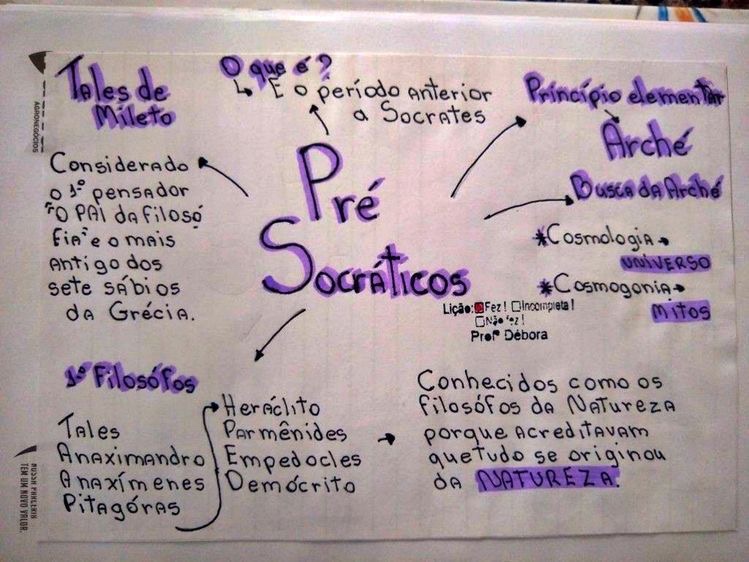
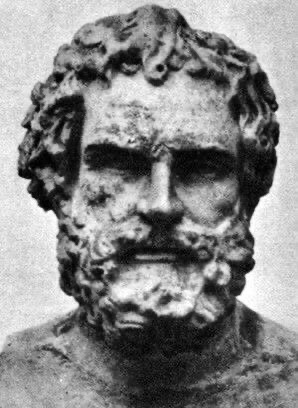


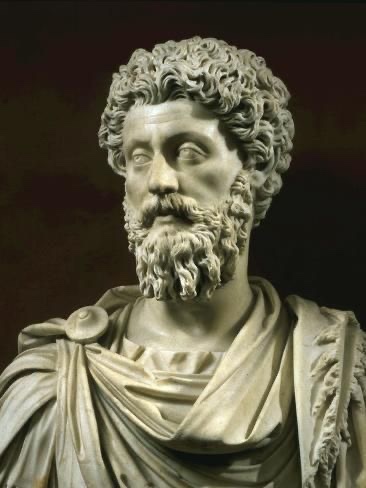














 Track2Training
You must be logged in to post a comment.